
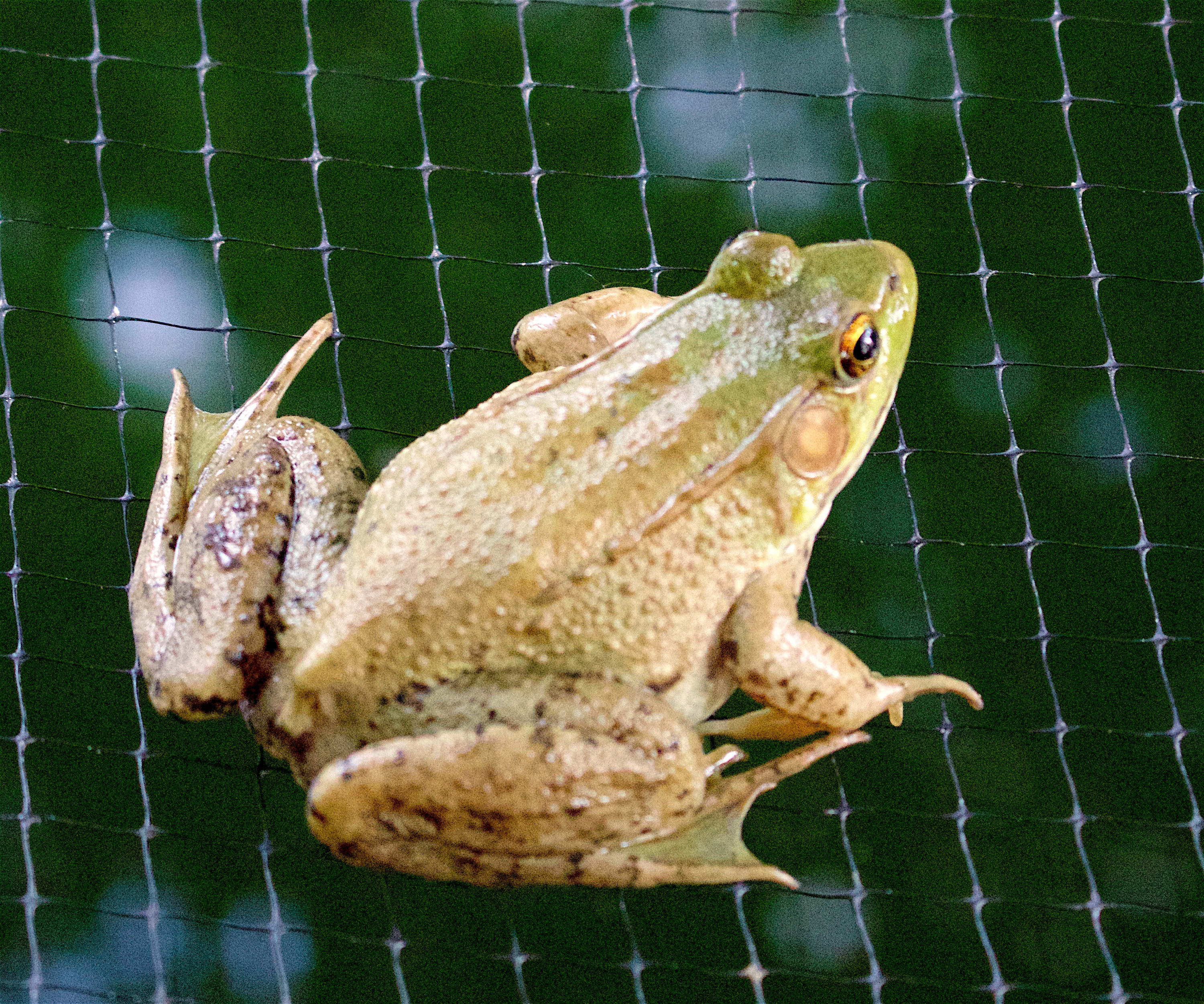
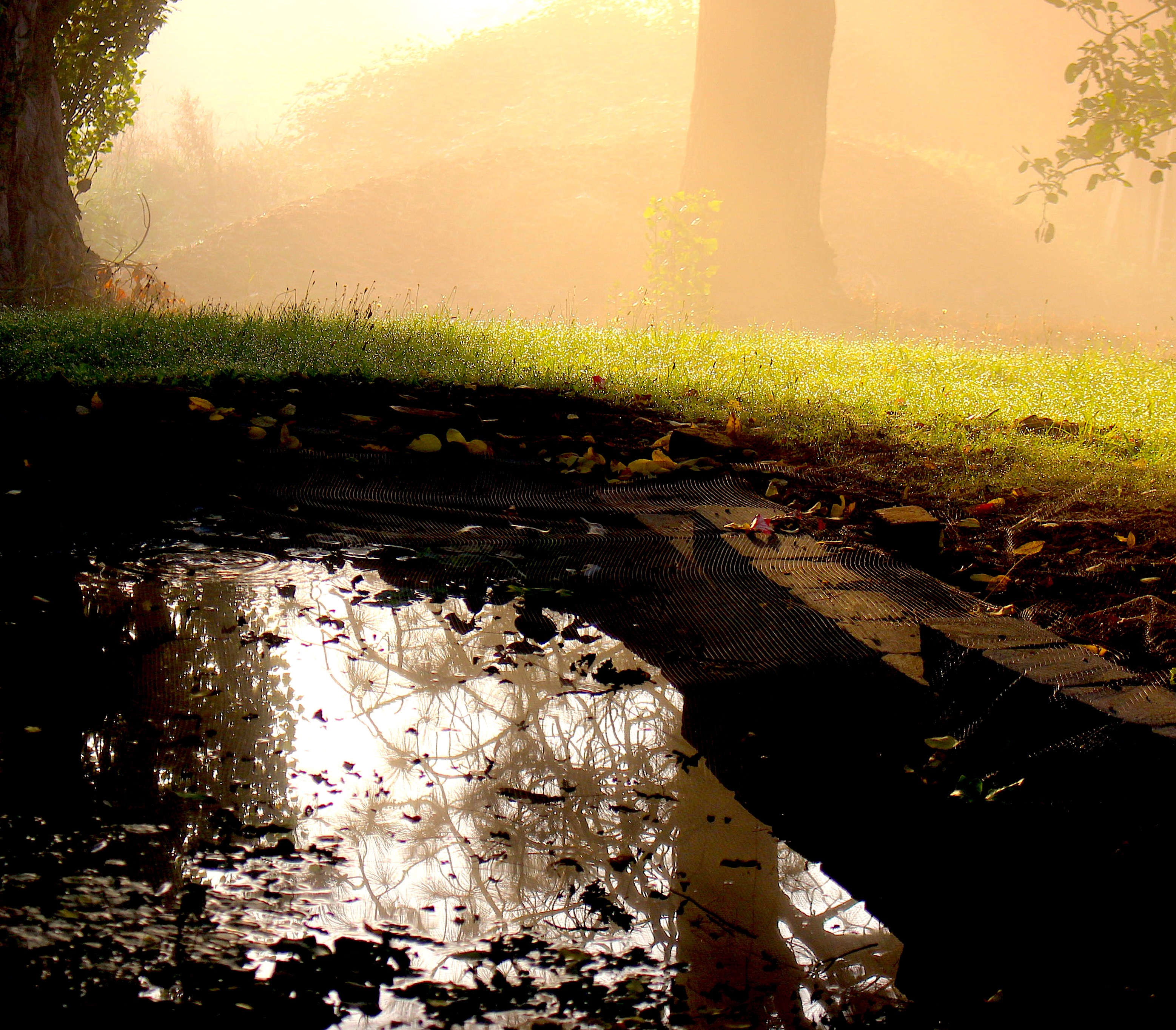
Cold, wet leaves
Floating on moss-coloured water
And the croaking of frogs—
Cracked bell-notes in the twilight.
~Amy Lowell “The Pond”


Poets who know no better
rhapsodize about the peace of nature,
but a well-populated marsh is a cacophony.
~Bern Keating
O, I love to hear the frogs
When they first begin to sing;
How they vocalize the bogs,
And vociferate the Spring.
How they carol as they croak,
How they mingle jest and joke
With their solemn chant and dirge
On the river’s slimy verge.
O, I love to hear the frogs,
For their monotone uncouth
Is the music of the cogs
Of the mill wheel of my youth.
And I listen half asleep,
And the eyes of mem’ry peep
Through the bars that hold me fast,
From the pleasures of the past.
O, I love to hear the frogs,
For their melody is health
To the heart that worry flogs
With the lash of want or wealth.
And the cares of life take wing,
And its pleasures lose their sting,
And love’s channel way unclogs
In the croaking of the frogs.
~Harry Edward Mills “The Early Frogs”

I wanted to speak at length about
The happiness of my body and the
Delight of my mind …
But something in myself for maybe
From somewhere other said: not too
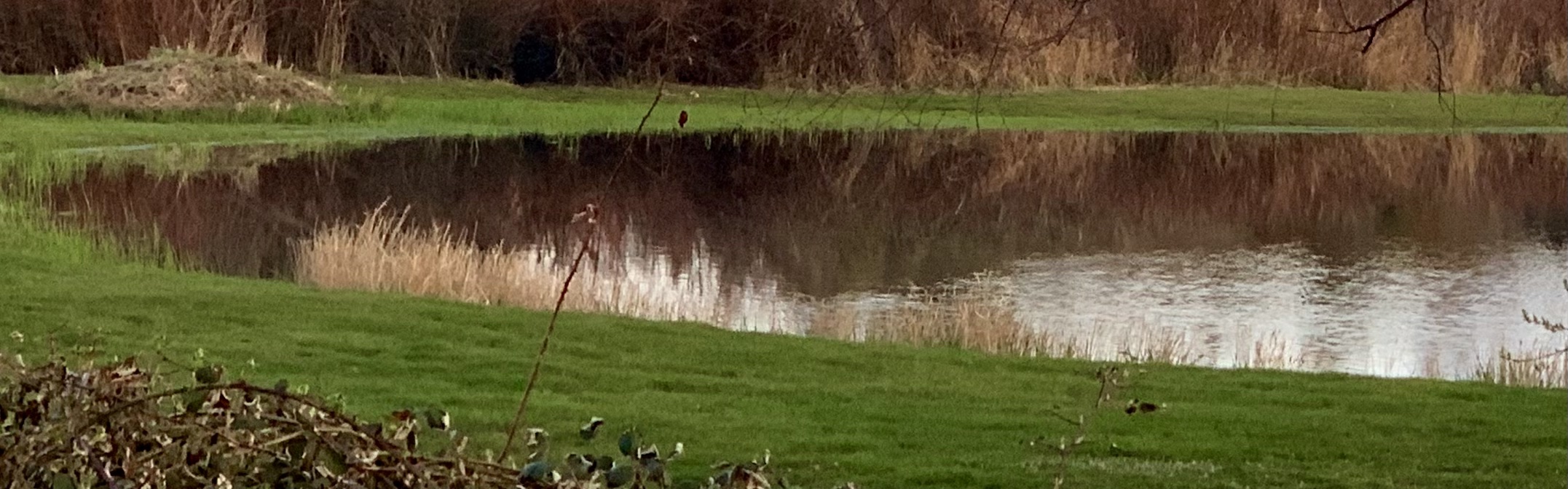
Many words, please, in the muddy shallows the
Frogs are singing.
~Mary Oliver, from “April”
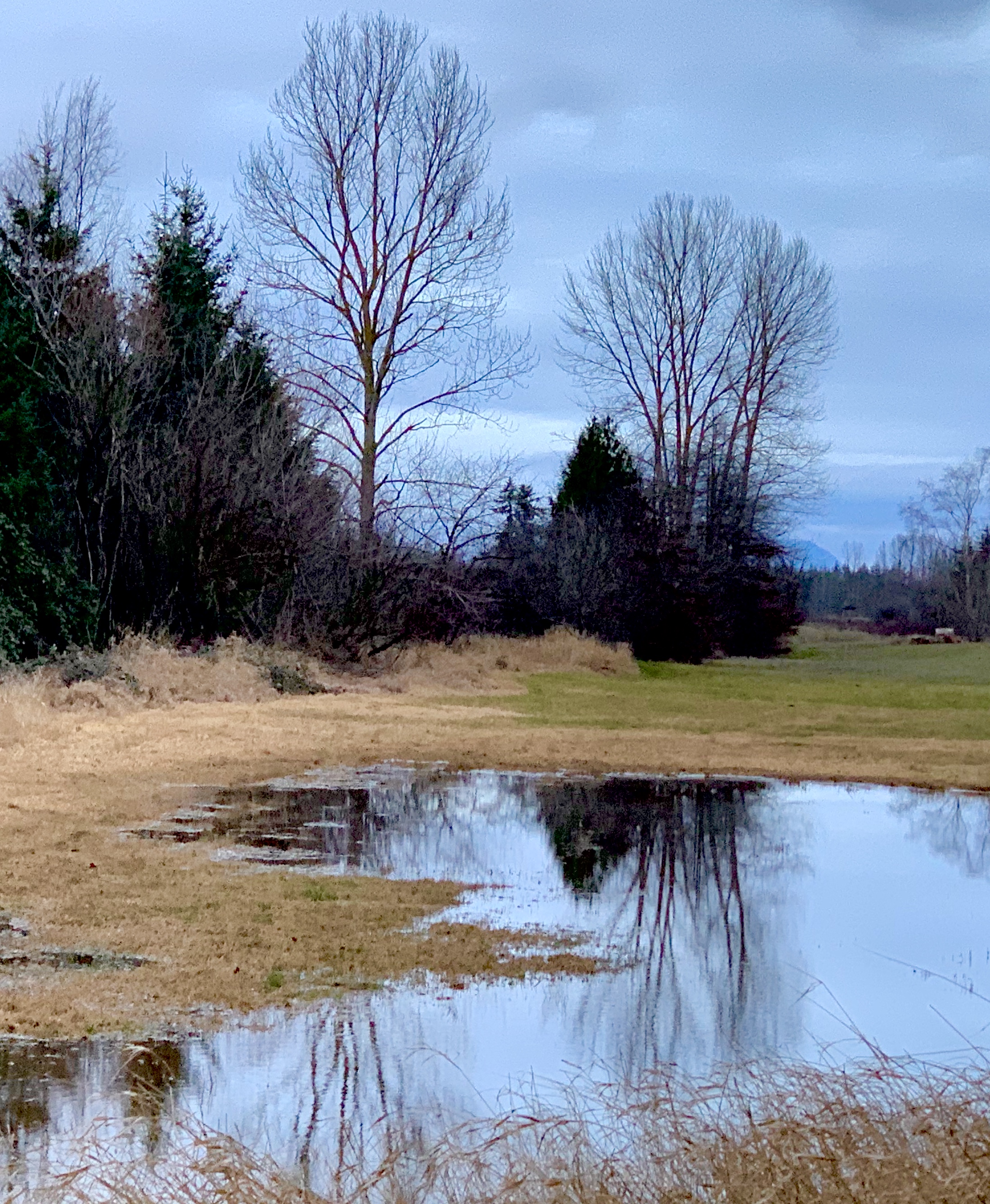
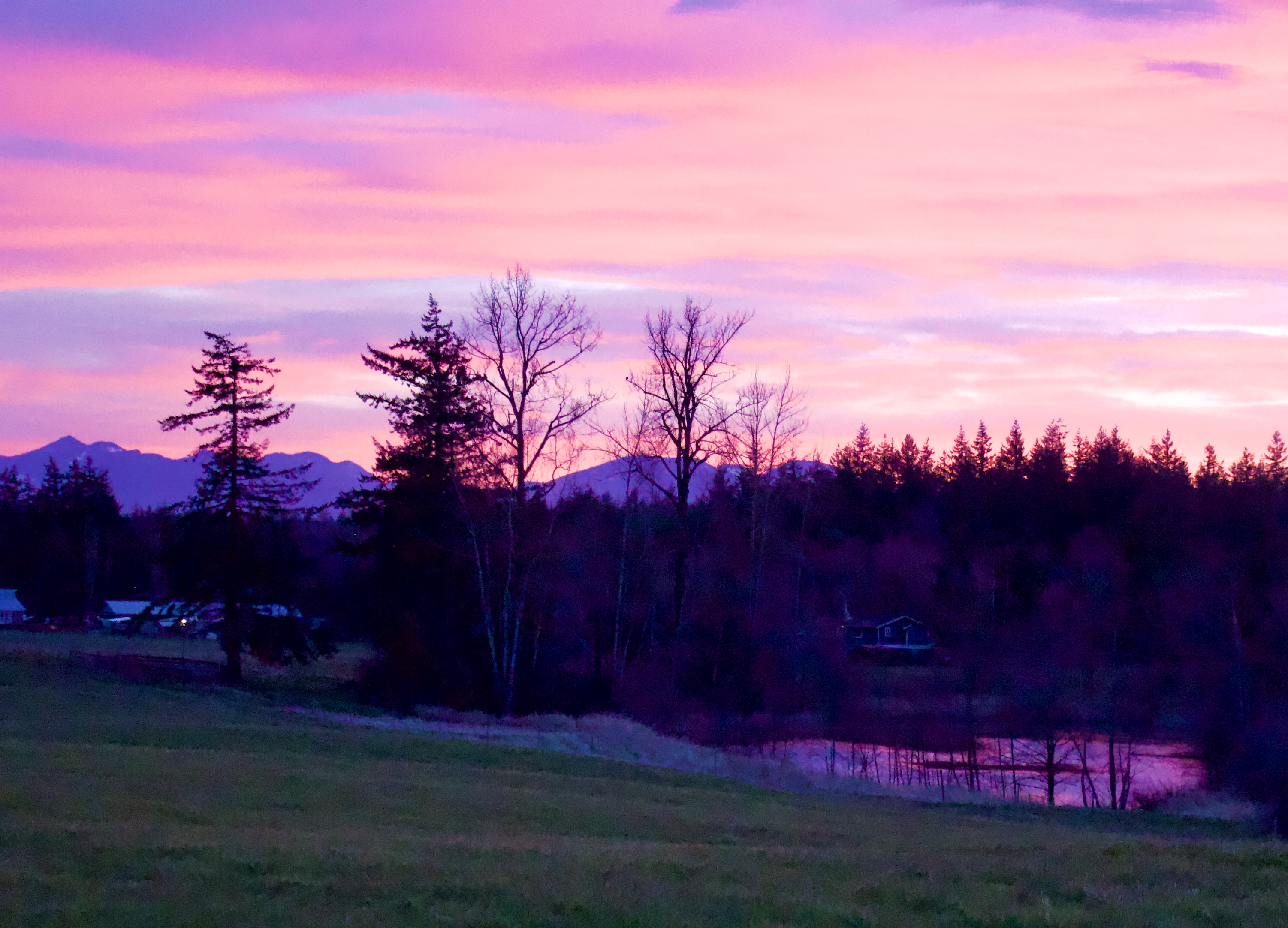
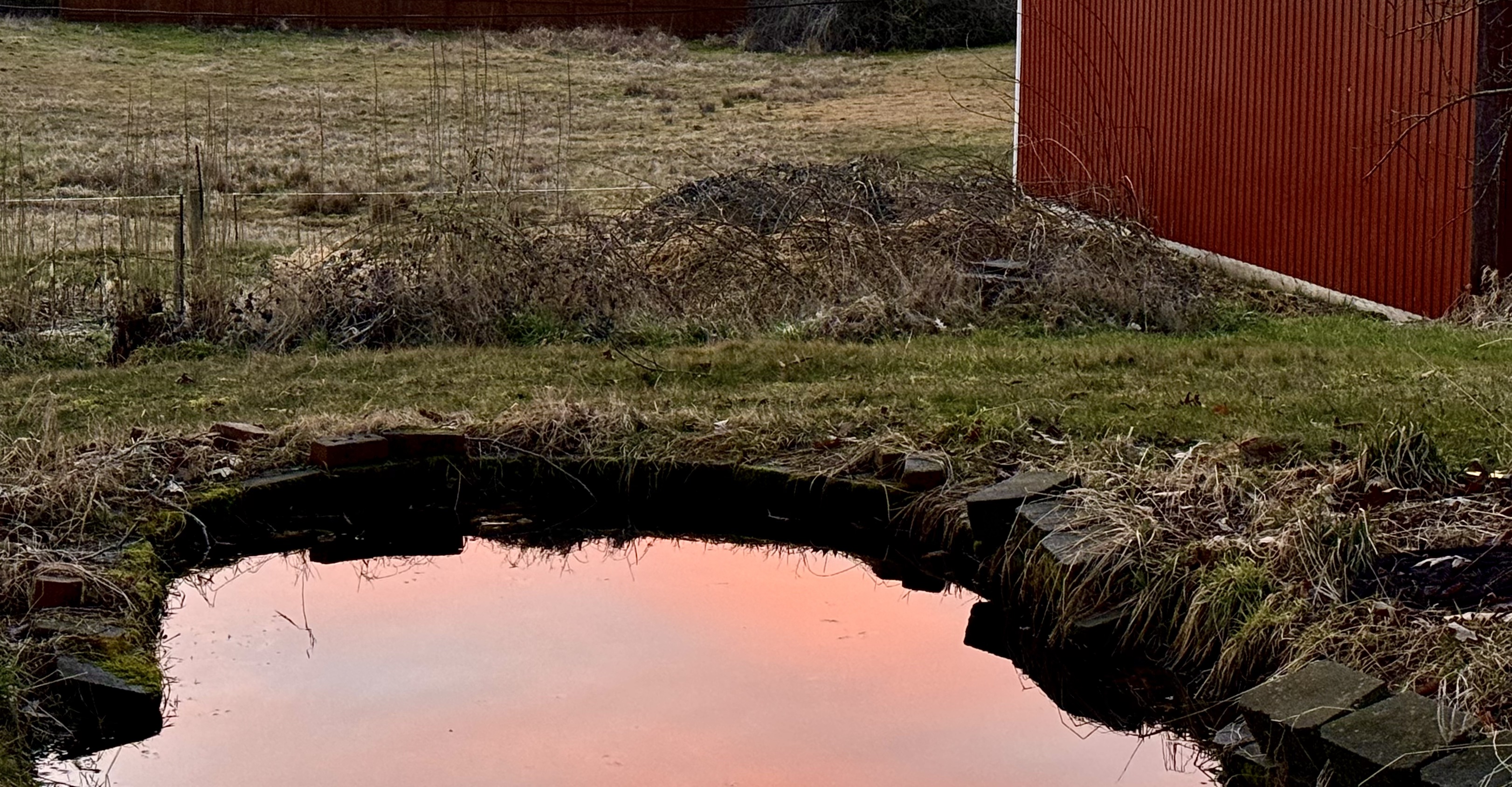
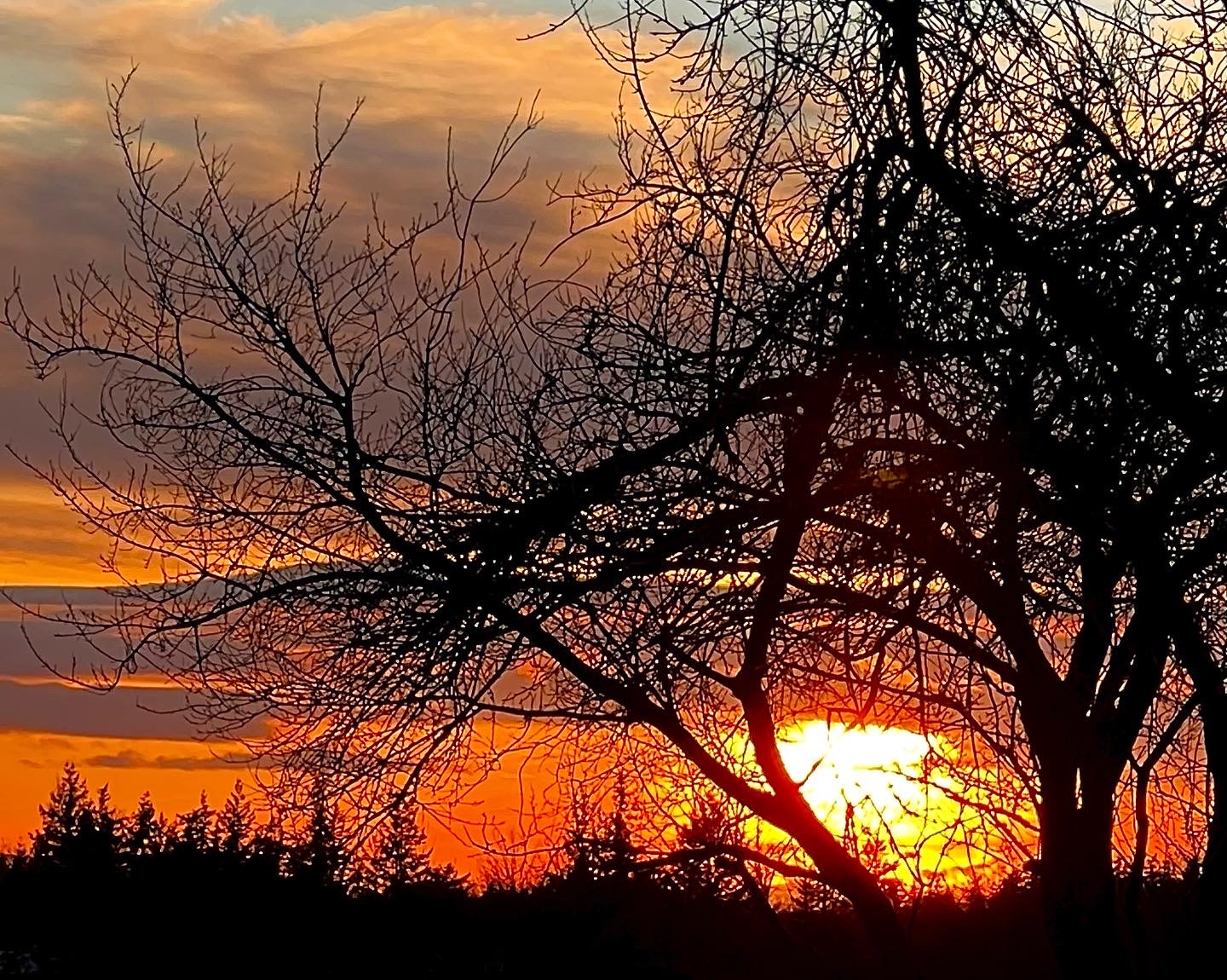
About two weeks ago, music from the wetlands became faintly detectable in the distance. We were only a little over a month into winter, yet due to unduly mild temperatures, the chorus had begun.
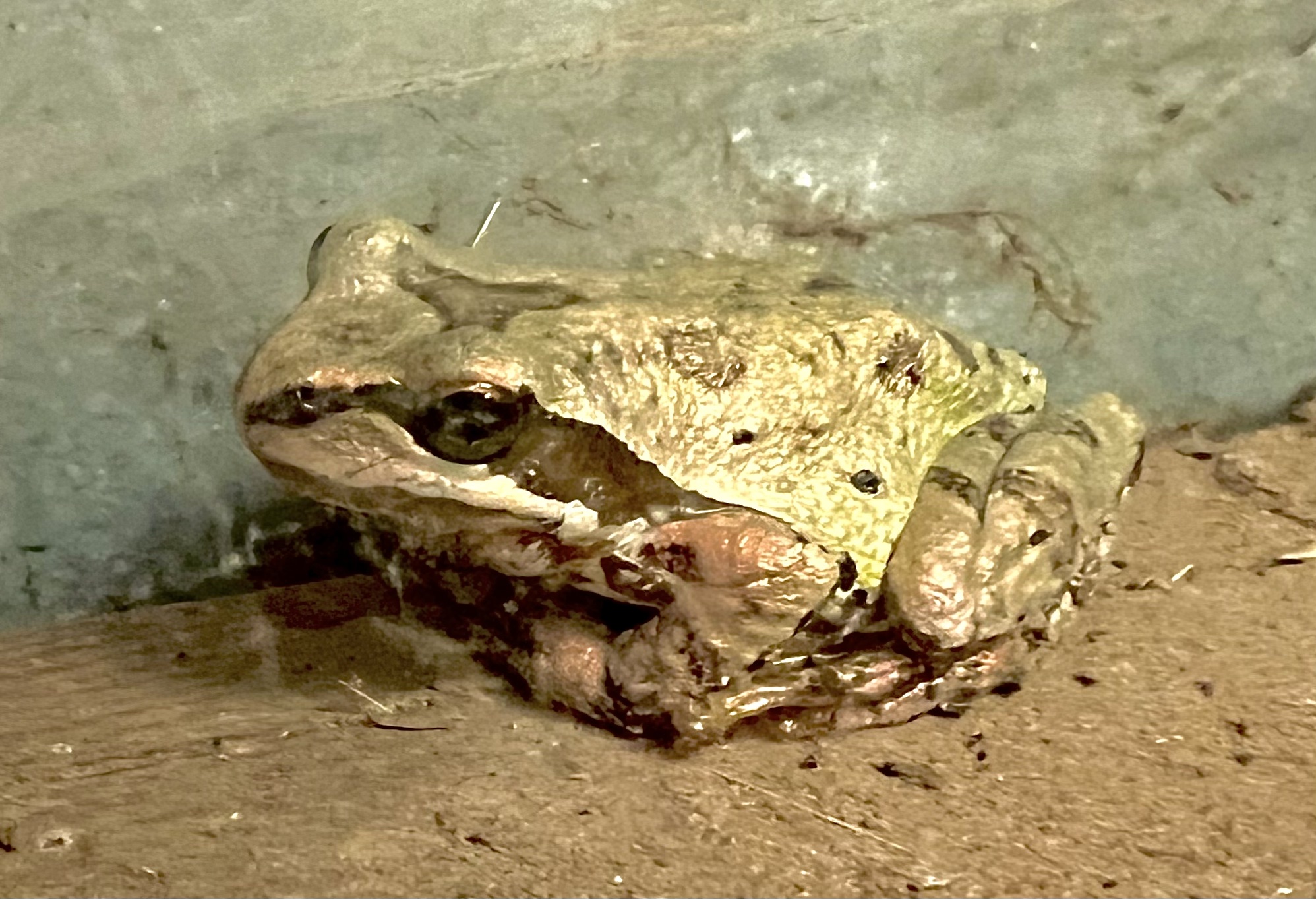
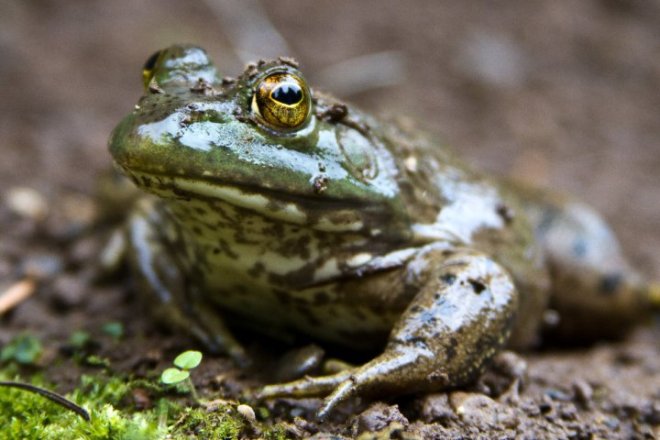
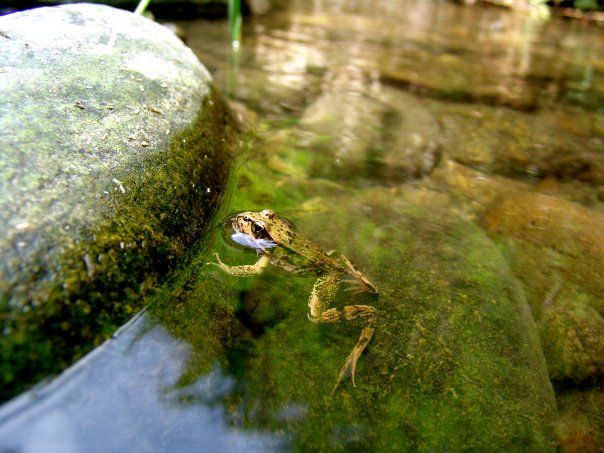
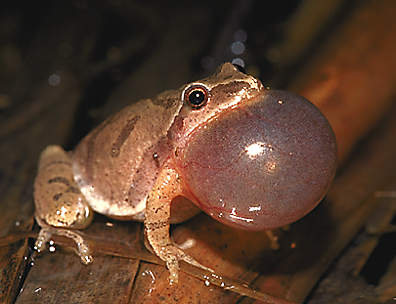
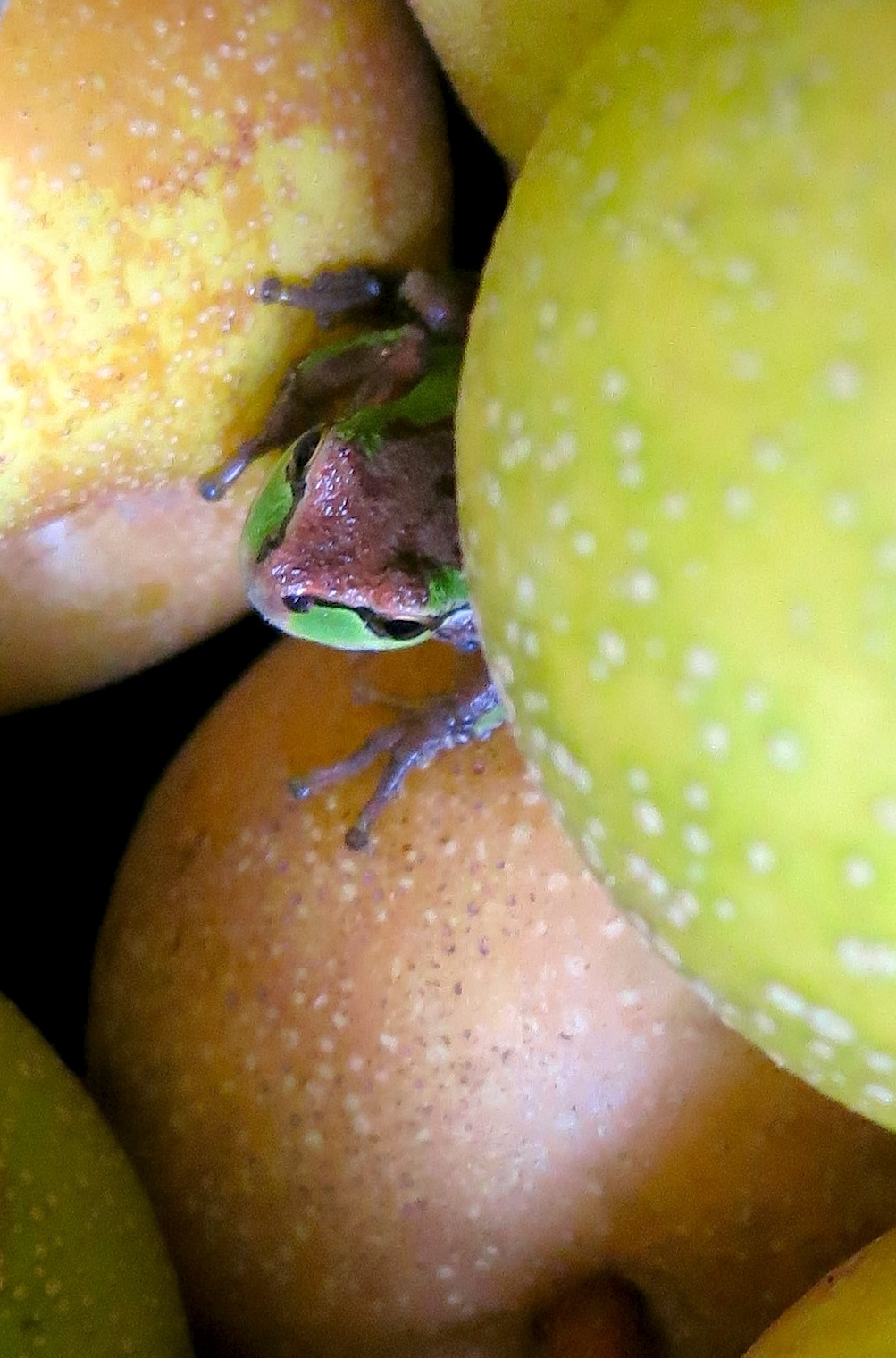
The sleigh-bell jingle song of the Pacific Chorus Frogs now fills the air each evening, rising from the ponds and standing water that surround our farm. I stand still for a moment to soak up that song that heralds spring–a certainty that the muddy marshes are thawed enough to invite the frogs out of their sleep and start their courting rituals.
Now winter won’t return anytime soon with any seriousness.
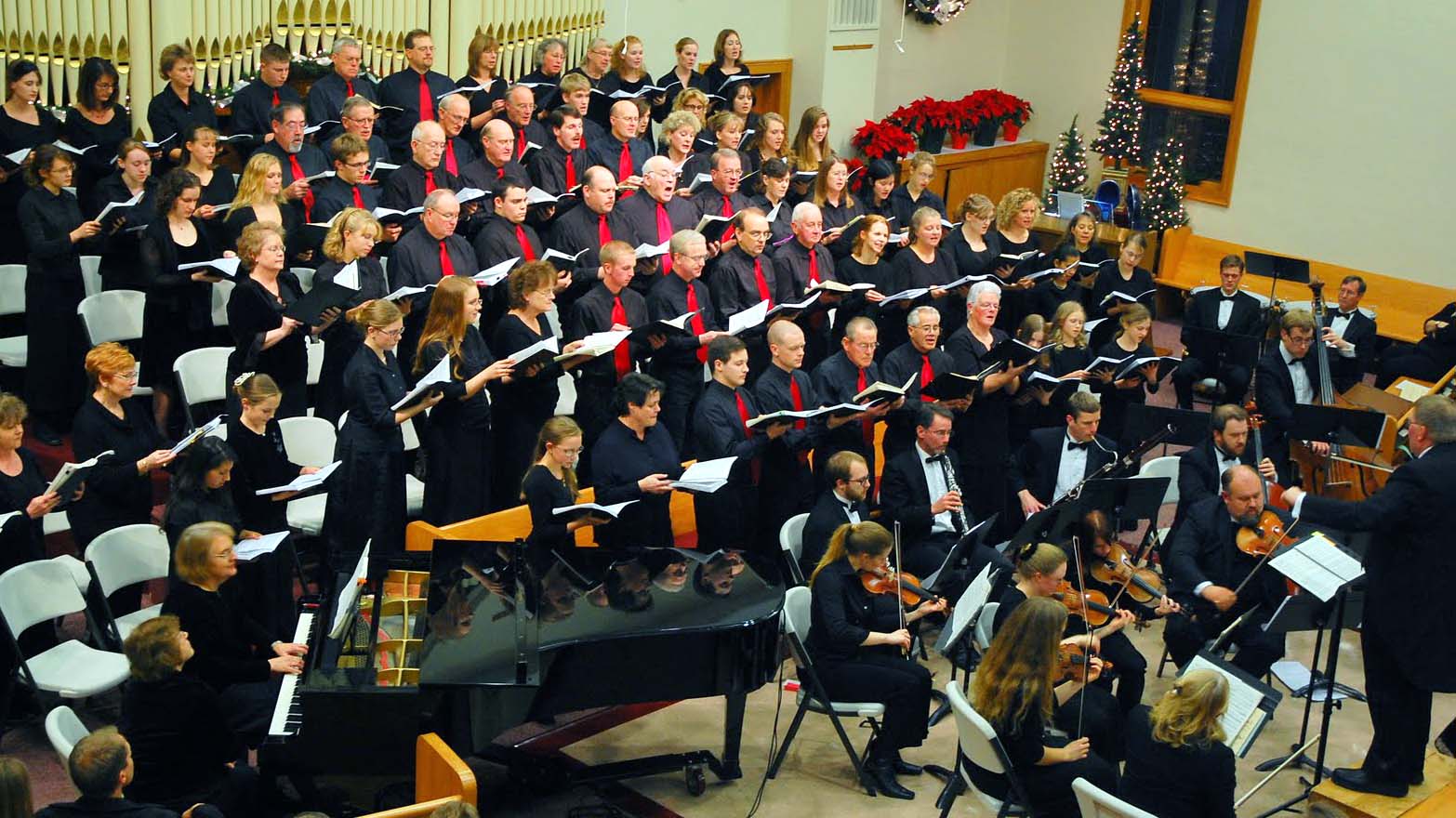
This marsh music is disorienting this early, along with daffodils budding in late January and lawns needing mowing in February. With voices so numerous, strong and insistent, it feels as though a New York City of frogs has moved in next door; we are seated in the balcony of Carnegie Hall.
They seem to be directed by an unseen conductor, as their voices rise and fall together and then cut off suddenly with a slice of the baton, plunging the landscape into uncomfortable silence at the slightest provocation, as if they hold an extended fermata for minutes on end.
The frogs’ repertoire is limited but their wind power, stamina and ability to project their voices impressive. They are most tenacious at making their presence known to any other peeper within a mile radius. Their mystical, twilight symphony of love and territory has begun, soft and surging, welcome and reassuring.
There’s a spring a-comin’, the peepers proclaim.
Nothing can be sweeter.
I know all the behaviorist theories about frog chorus being about territoriality –the “I’m here and you’re not” view of the animal kingdom’s staking their claims. Knowing that theory somehow distorts the cheer I feel when I hear these songs. I want the frogs (and birds) to be singing out of the sheer joy of living. Instead, they are singing to defend their piece of mud or branch.
Then I remember, that’s not so different from people. Our voices tend to be loudest when we are being insistently territorial: we own this and you do not, and we are irresistibly better than you.
I’m not sure anyone enjoys human cacophony in the same way I enjoy listening to the chorus of frogs at night or birdsong in the morning. We humans are most harmonic when we choose to listen. Instead of sounding off, we should soak up. Instead of shouting “this is mine,” we should sit expectant and grateful.
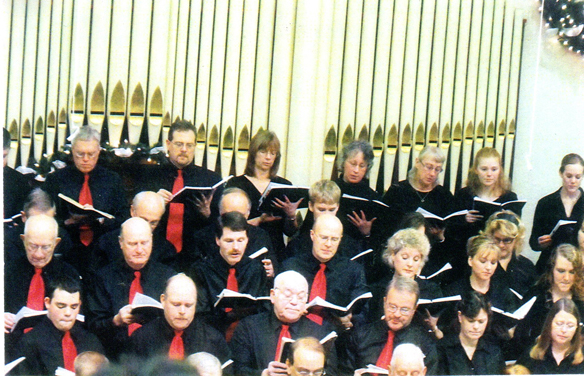
Perhaps that is why the most beloved human choruses are derived from prayers and praise – singing out in joy and gratitude rather than in warning.
I’ll try to remember this when I get into my own righteous and “territorial” mode. I don’t bring joy to the listener nor to myself. When it comes right down to it, all that noise I make is nothing more than a croaking cacophony in a smelly mucky swamp.
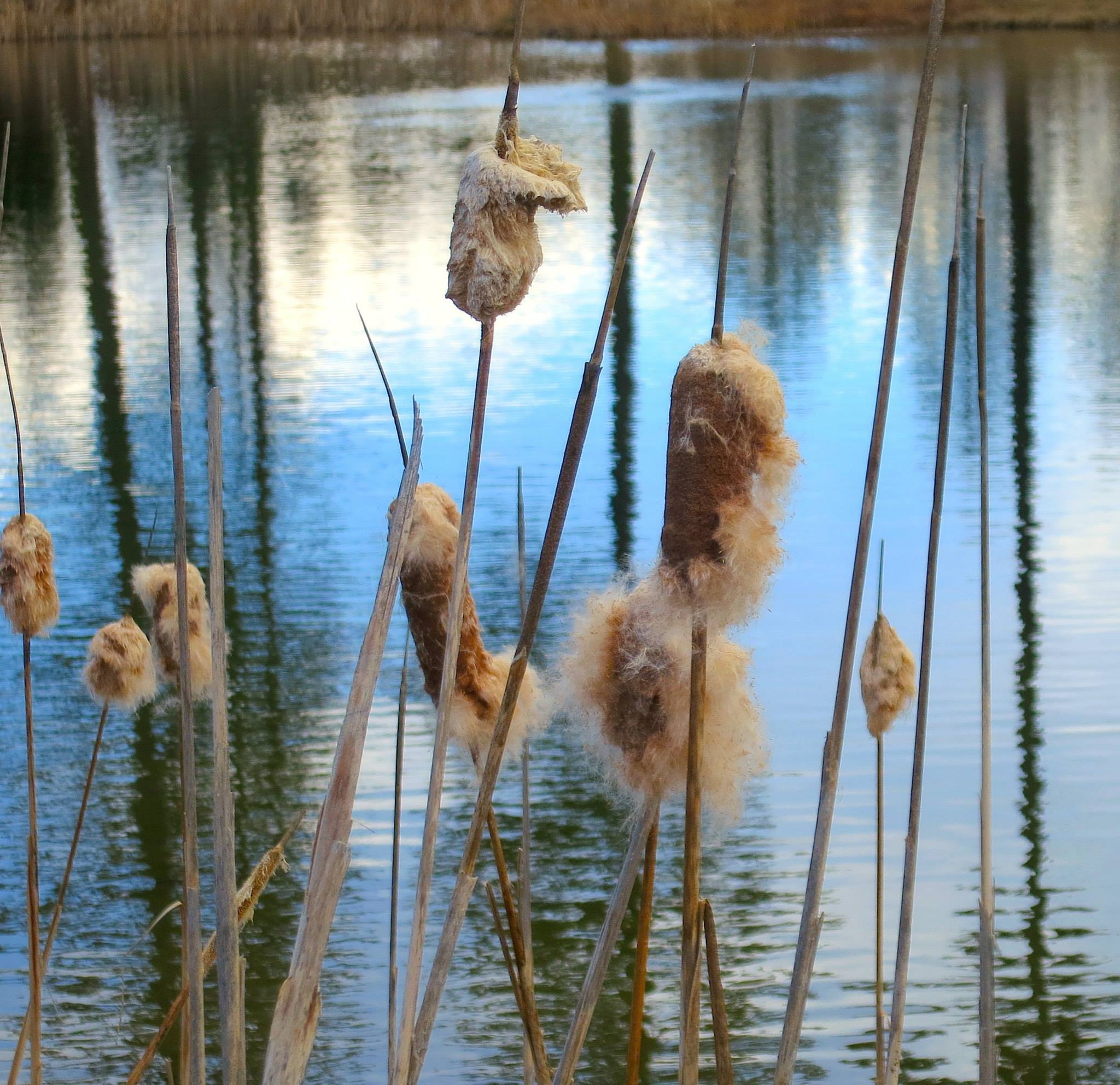
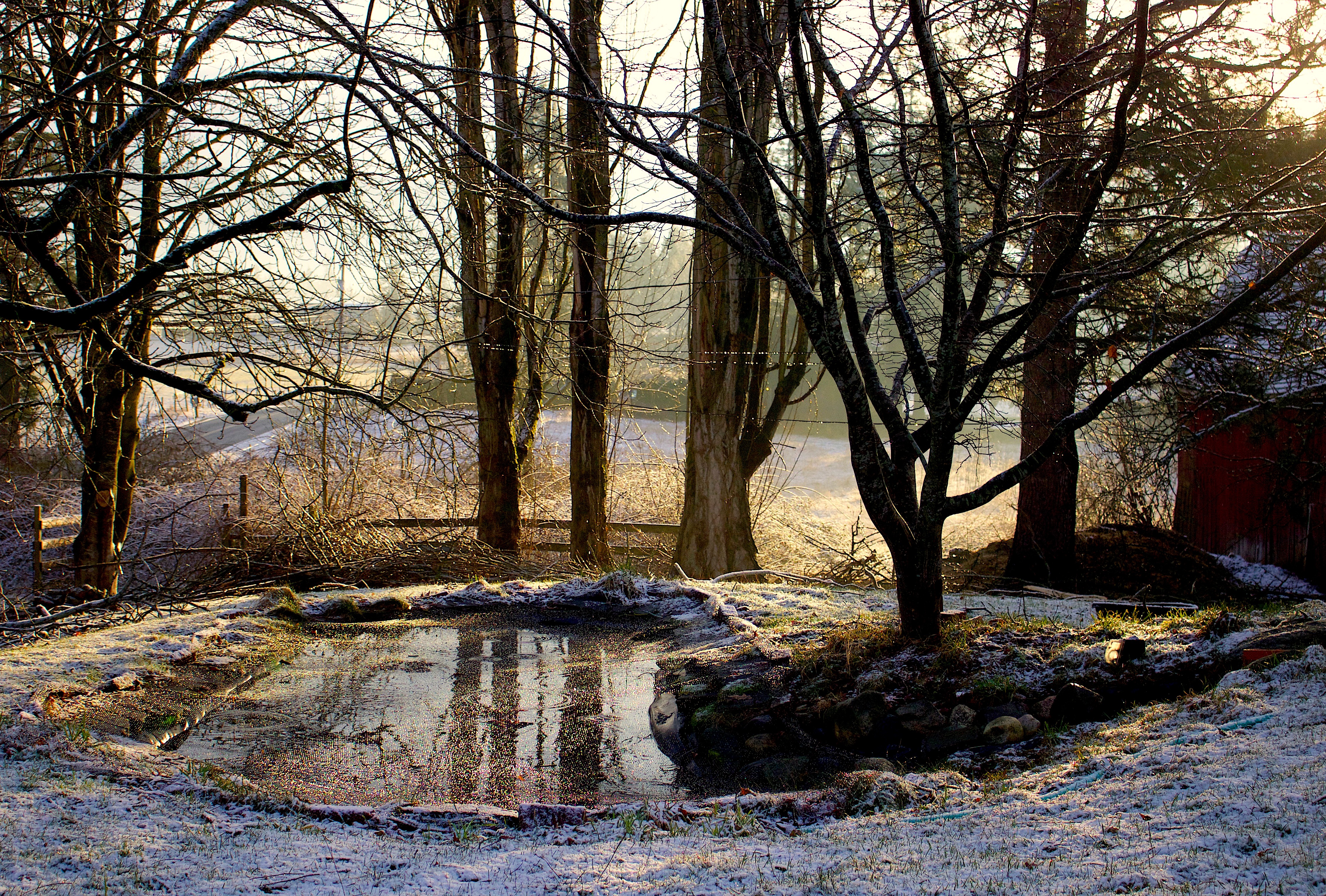
Here’s what it sounds like all around us: https://www.facebook.com/share/v/1Ab4EBKYx9
Make a one-time or recurring donation to support daily Barnstorming posts
Make a monthly donation
Make a yearly donation
Choose an amount
Or enter a custom amount
Your contribution is deeply appreciated.
Your contribution is appreciated.
Your contribution is appreciated.
DonateDonate monthlyDonate yearly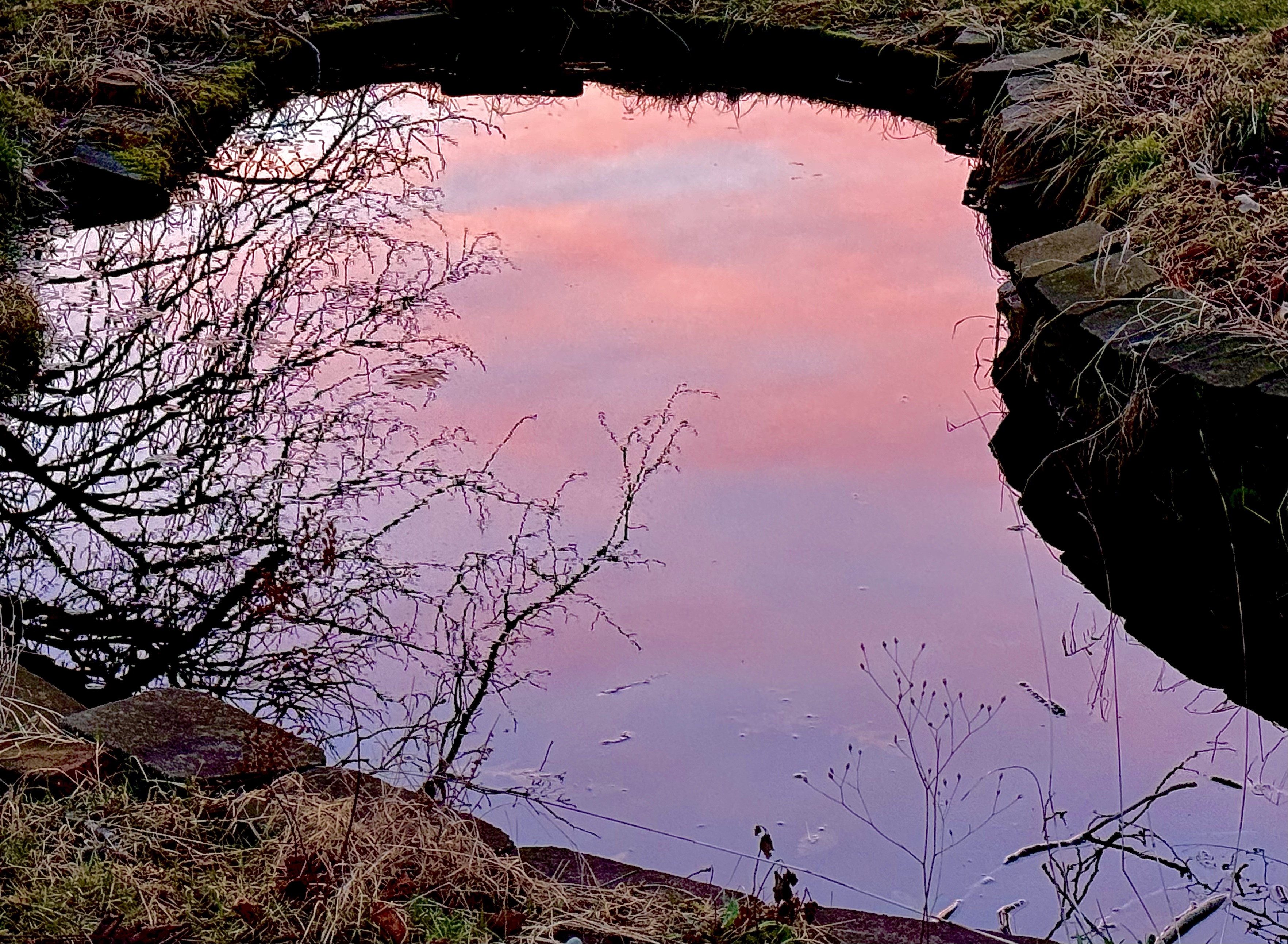


 Barnstorming