This morning was the live streaming of the Washington National Cathedral memorial service and life celebration for Dr. Jane Goodall. I had received an invitation to attend along with others who had worked with Jane, but I decided this was not the best time to travel.
I encourage you to watch (linked below) when you have 90 minutes. It was a beautifully planned service that fit Jane well.
It was very moving for me to hear her three grandchildren speak, as well as several others who were touched directly by her.
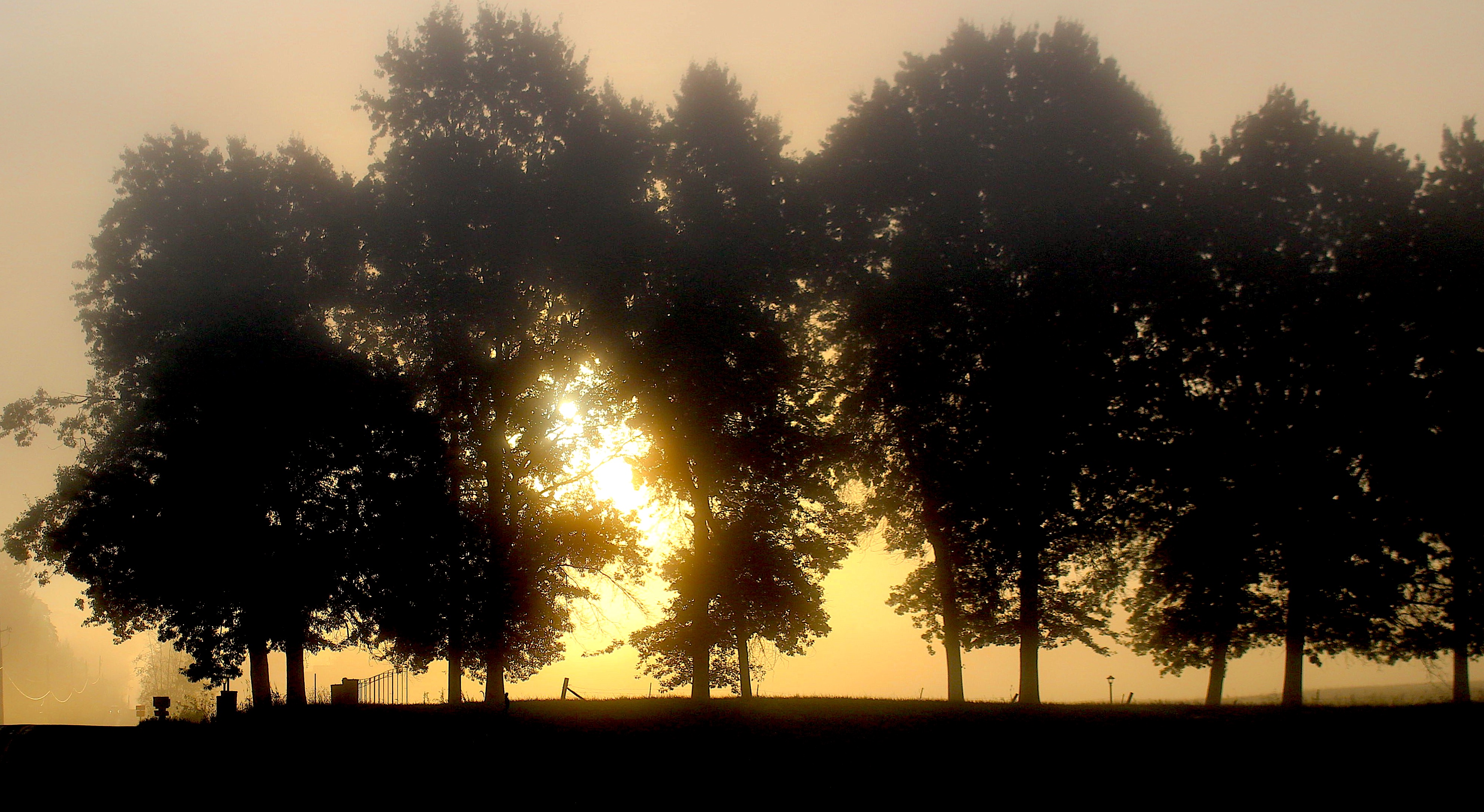
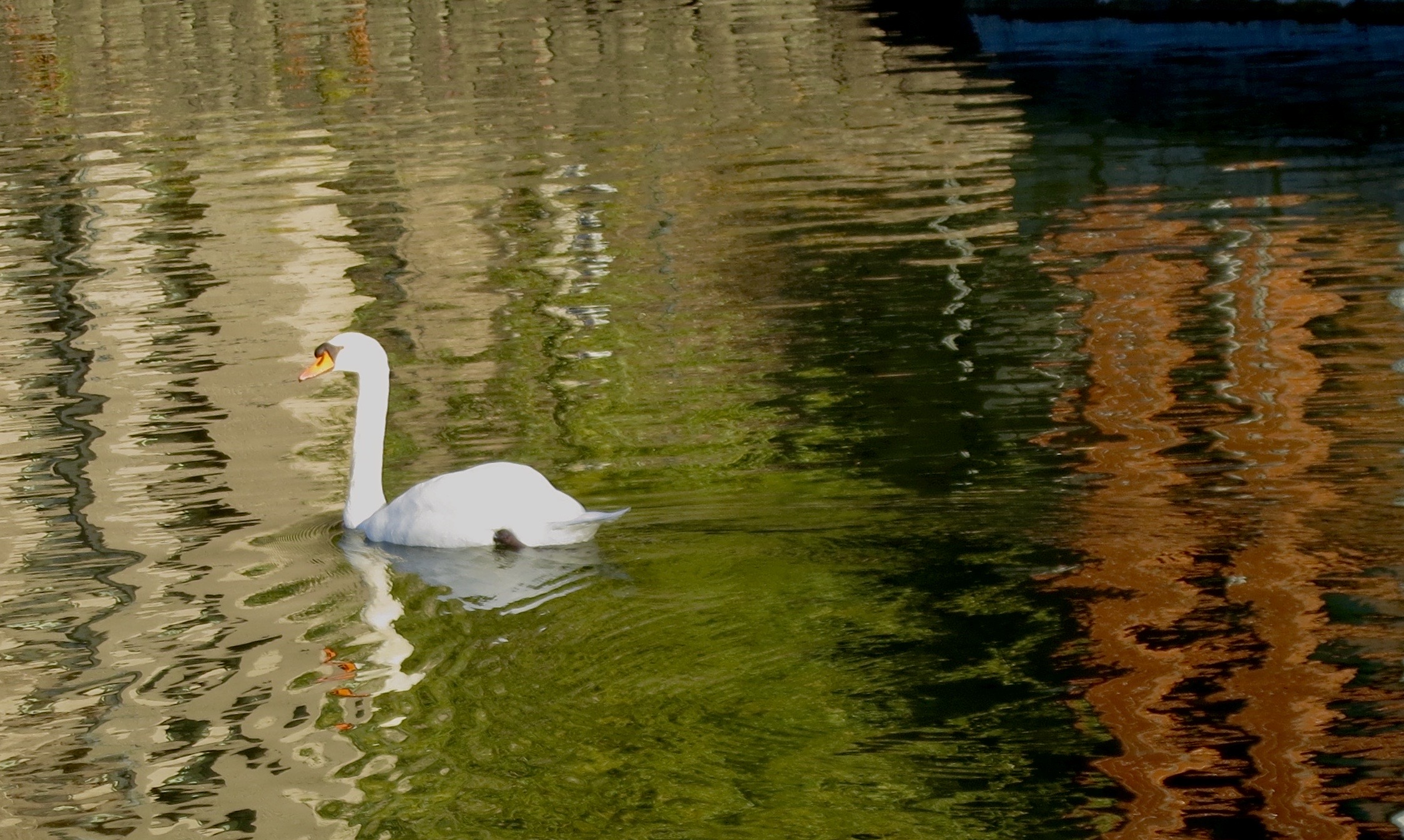
The sound of quiet. The sky indigo, steeping deeper from the top, like tea. In the absence of anything else, my own breathing became obscene. I heard the beating of bats’ wings before the air troubled above my head, turned to look and saw them gone. On the surface of the black lake, a swan and the moon stayed perfectly still. I knew this was a perfect moment. Which would only hurt me to remember and never live again. My God. How lucky to have lived a life I would die for. ~Leila Chatti “I Went Out to Hear” from Wildness Before Something Sublime
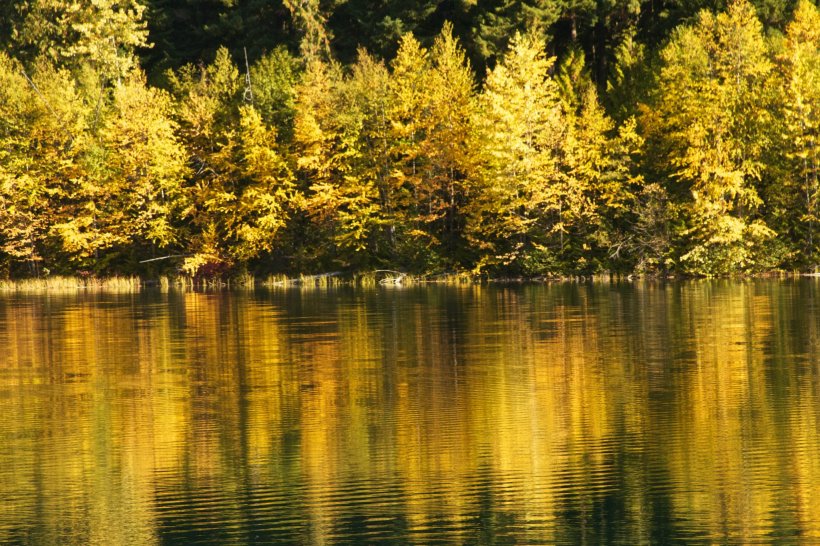
Look, the trees are turning their own bodies into pillars
of light, are giving off the rich fragrance of cinnamon and fulfillment,
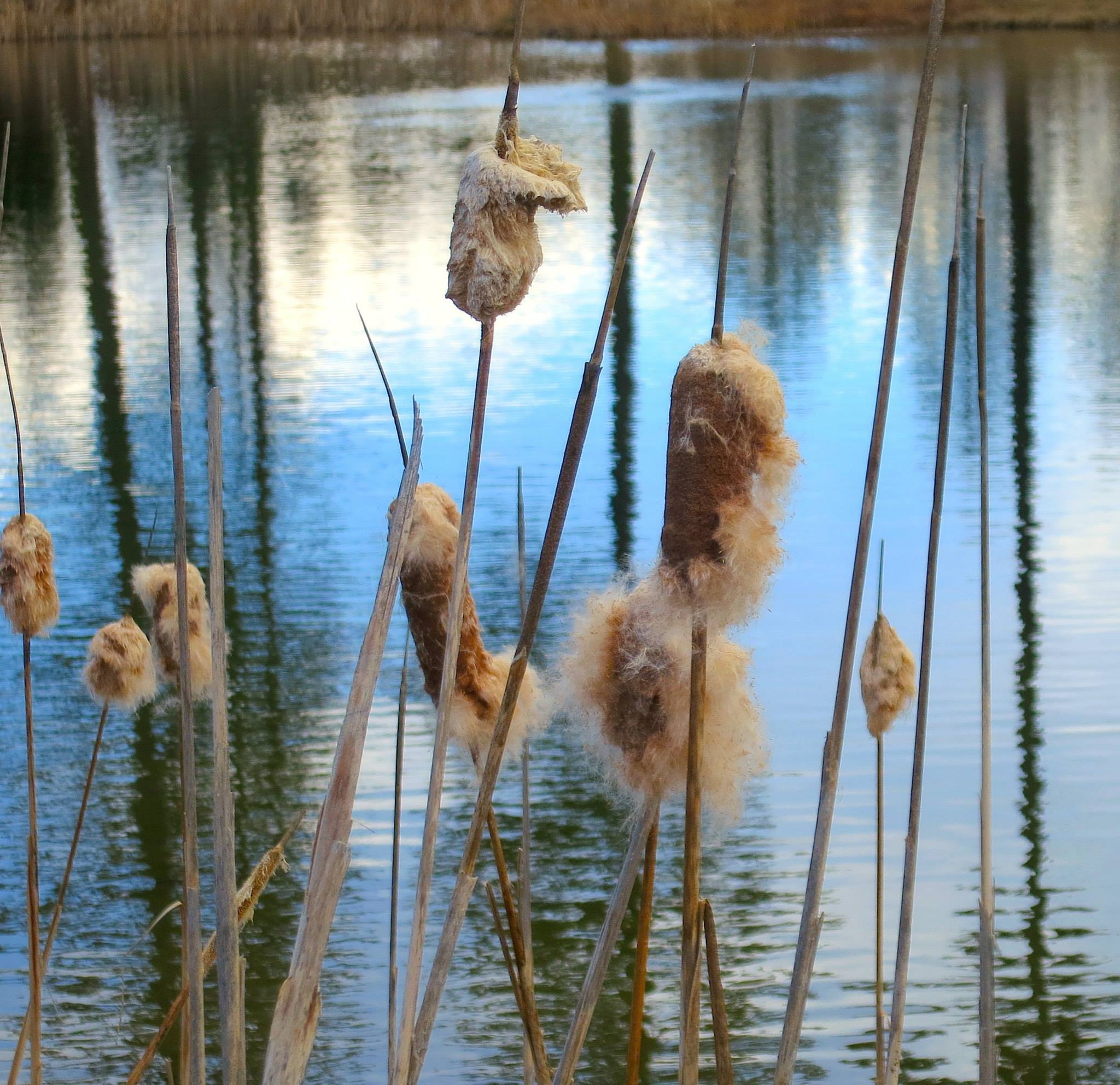
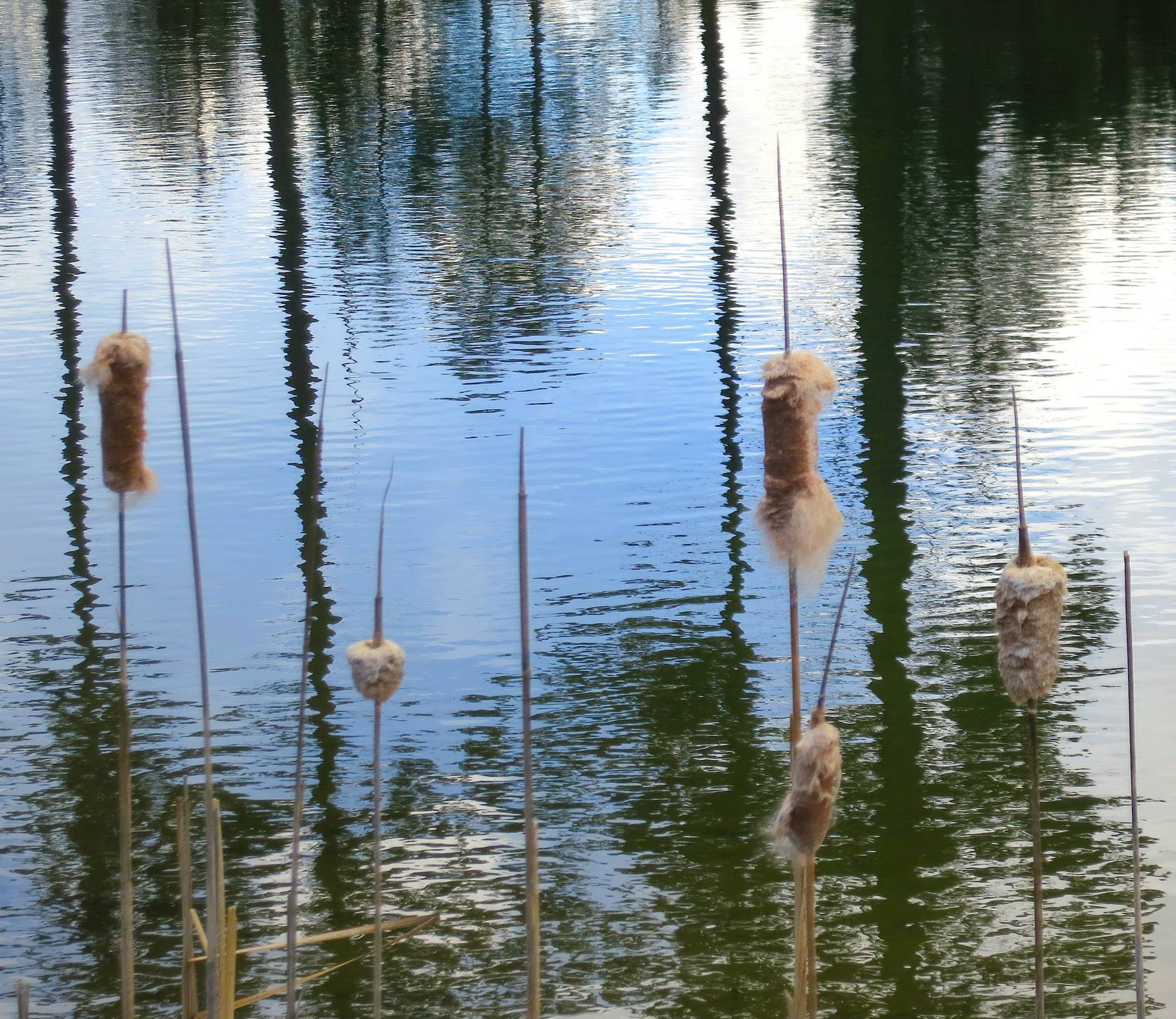
the long tapers of cattails are bursting and floating away over the blue shoulders
of the ponds, and every pond, no matter what its name is, is
nameless now. Every year everything I have ever learned
in my lifetime leads back to this: the fires and the black river of loss whose other side
is salvation, whose meaning none of us will ever know. To live in this world
you must be able to do three things: to love what is mortal; to hold it
against your bones knowing your own life depends on it; and, when the time comes to let it go, to let it go. ~Mary Oliver “In Blackwater Woods” from Devotions
(thinking today of God’s gift to the world of Jane Goodall, whose life was about keeping promises)
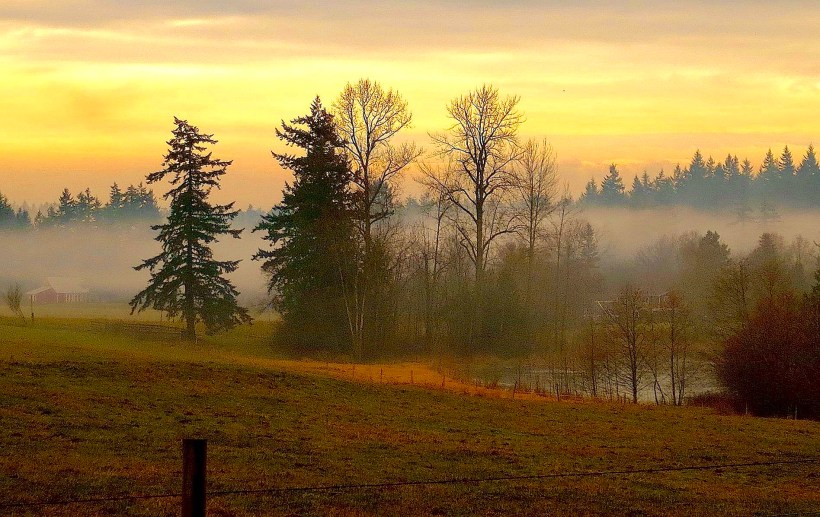
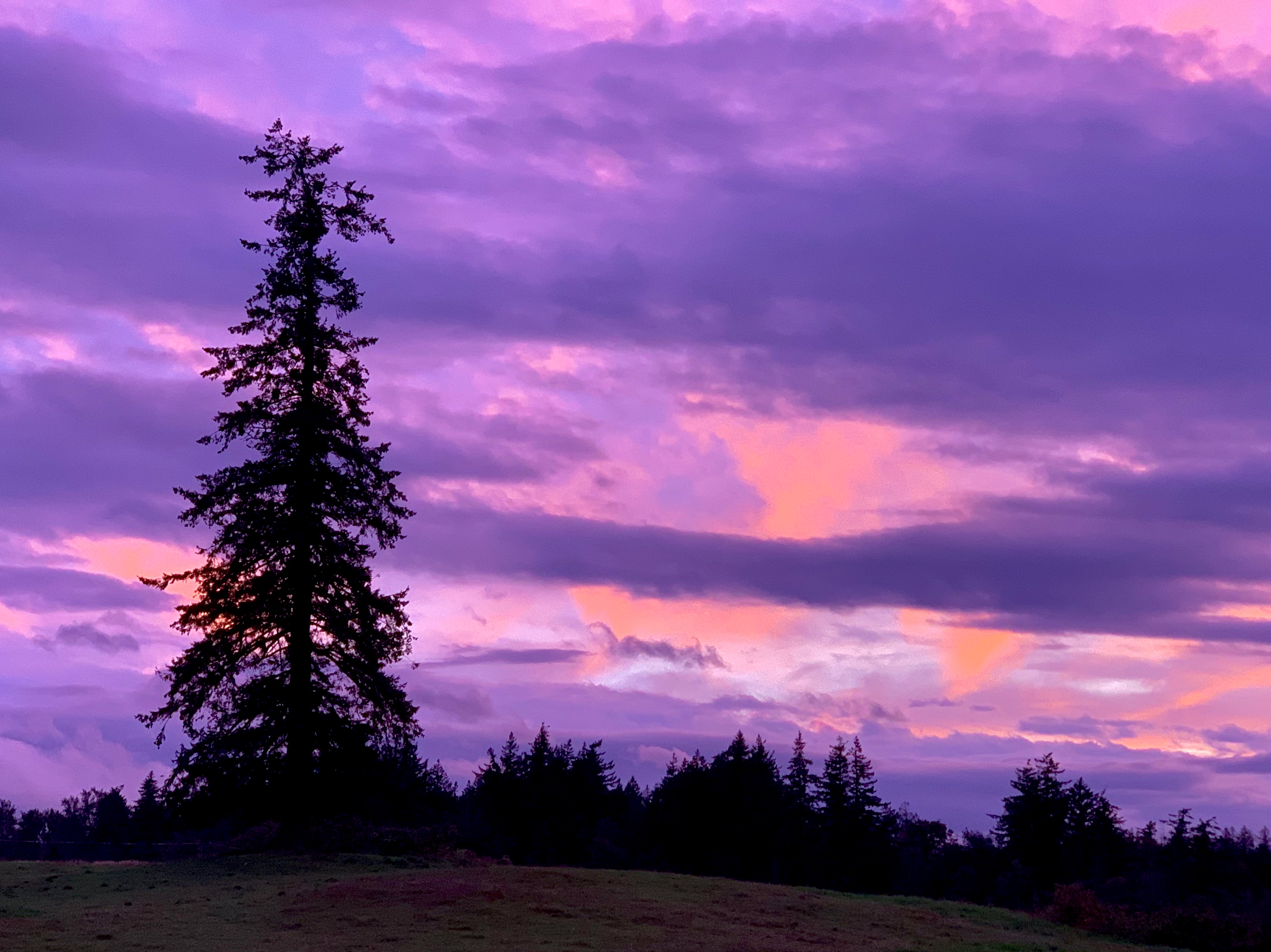
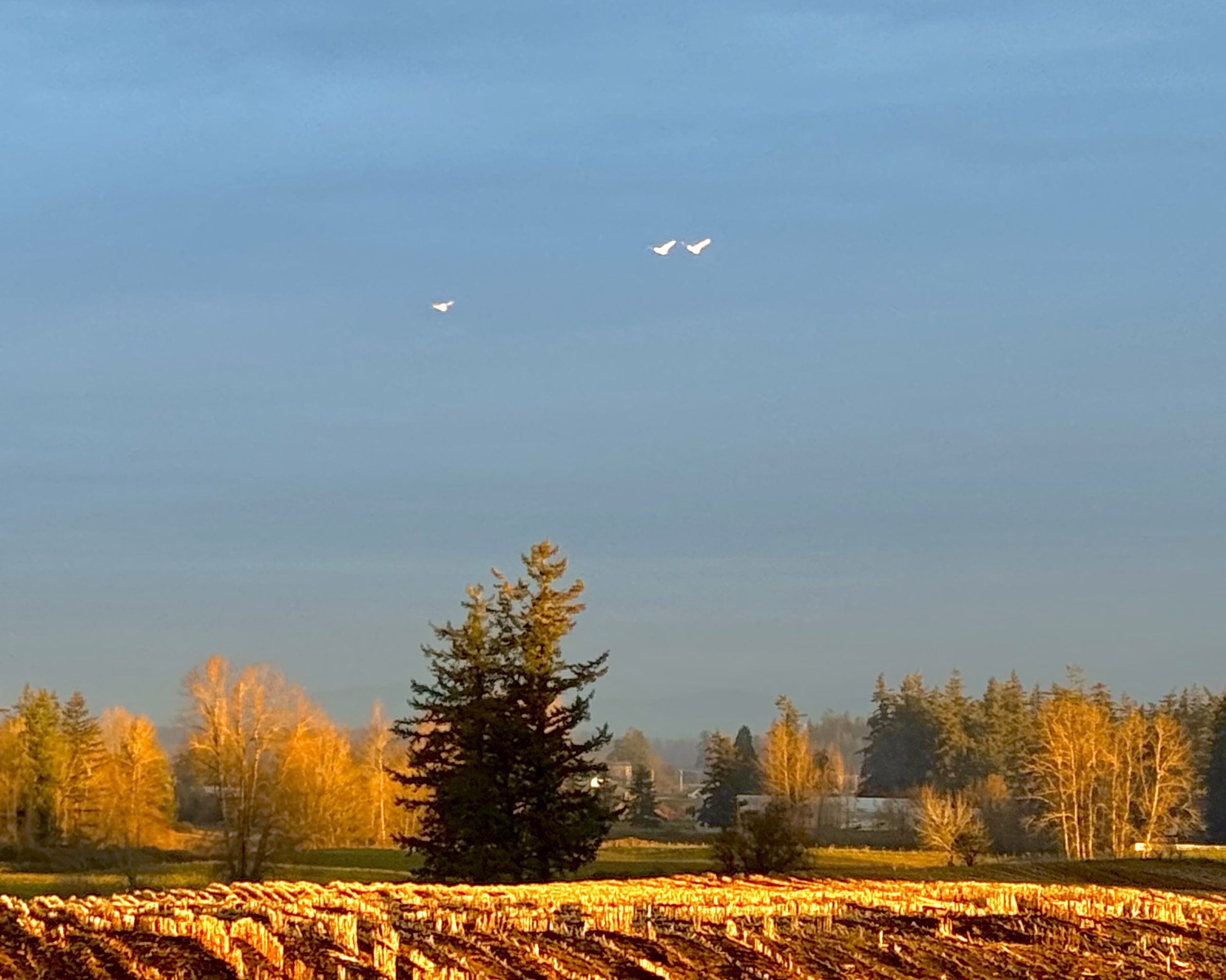
When the earth and all that is in it glows indigo in the angled light of October; opening my eyes as witness to beauty takes my breath away.
I can’t imagine letting go this life, yet the other side of ashes and loss is salvation.
My God. I am so finite. I hold this close to my bones with miles to go before I sleep.
My life depends on realizing I’m living a life I would die for.
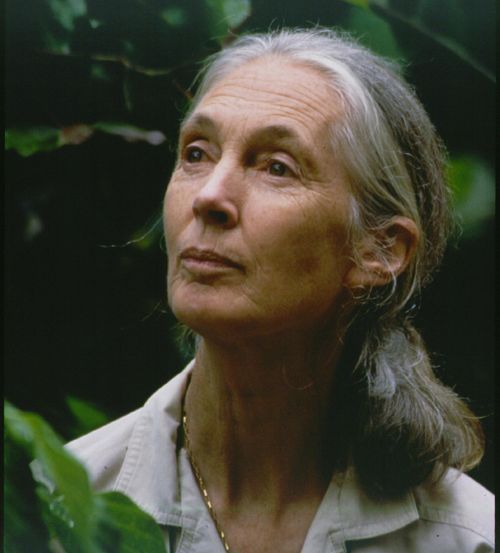
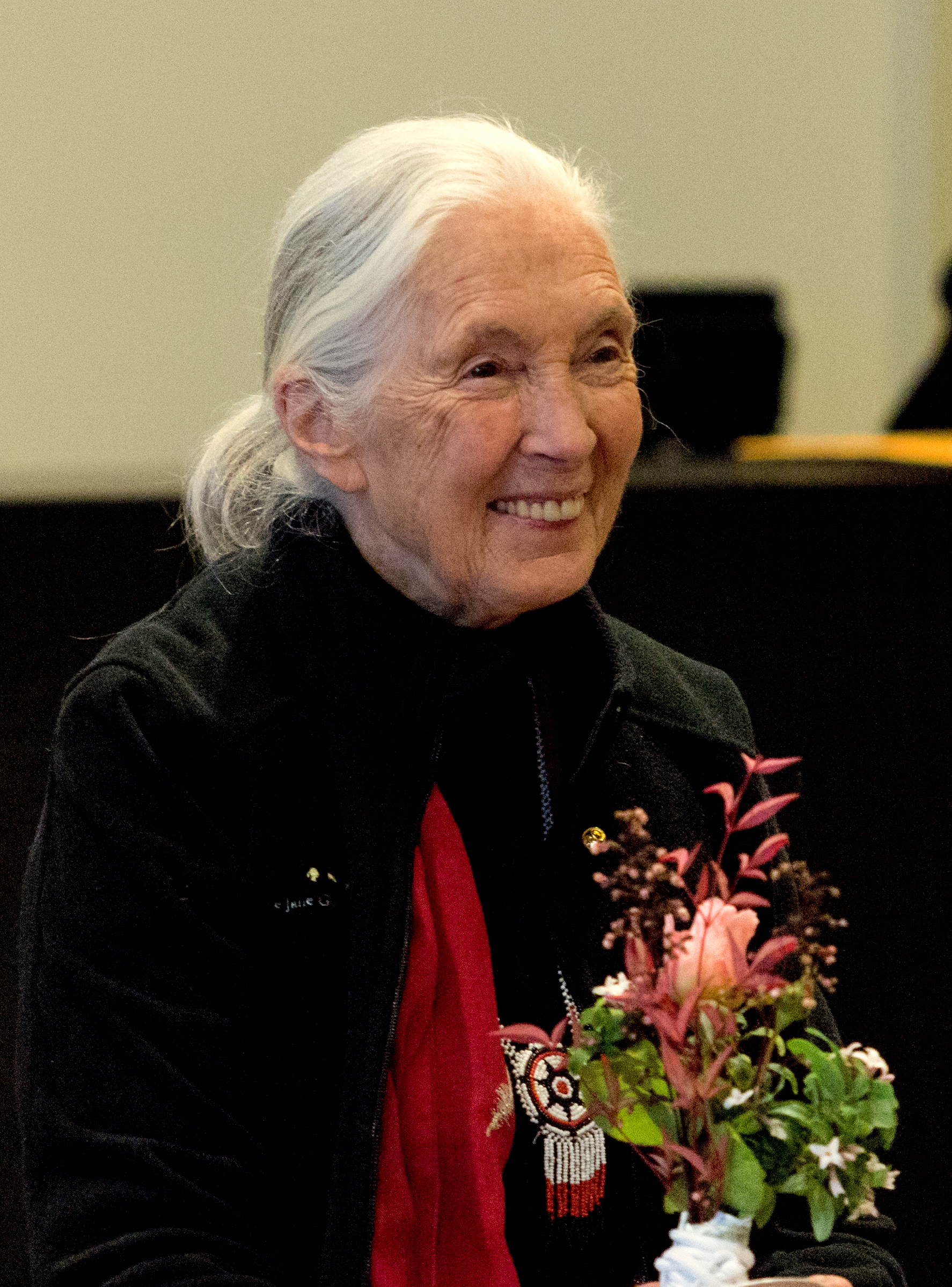
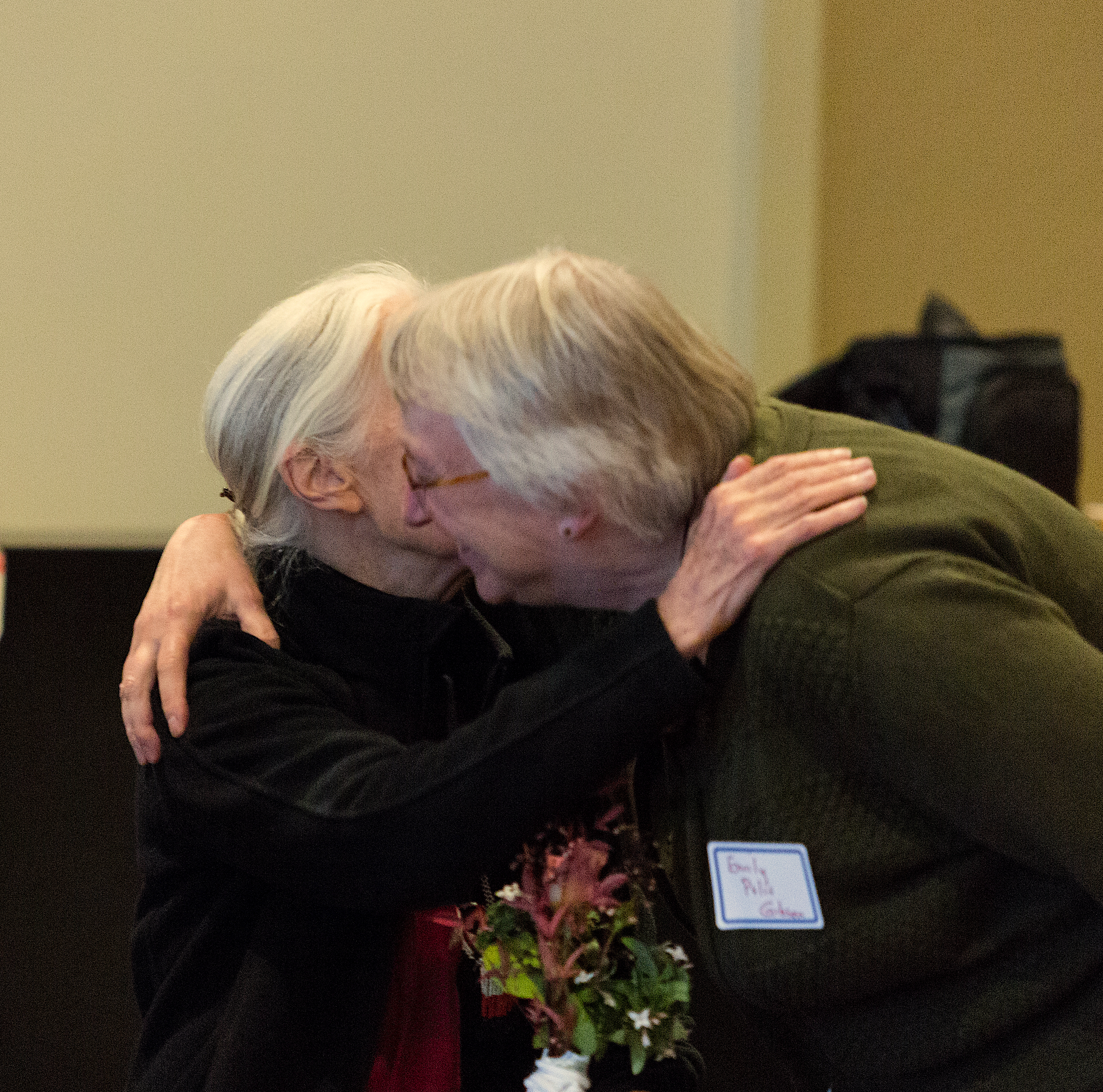
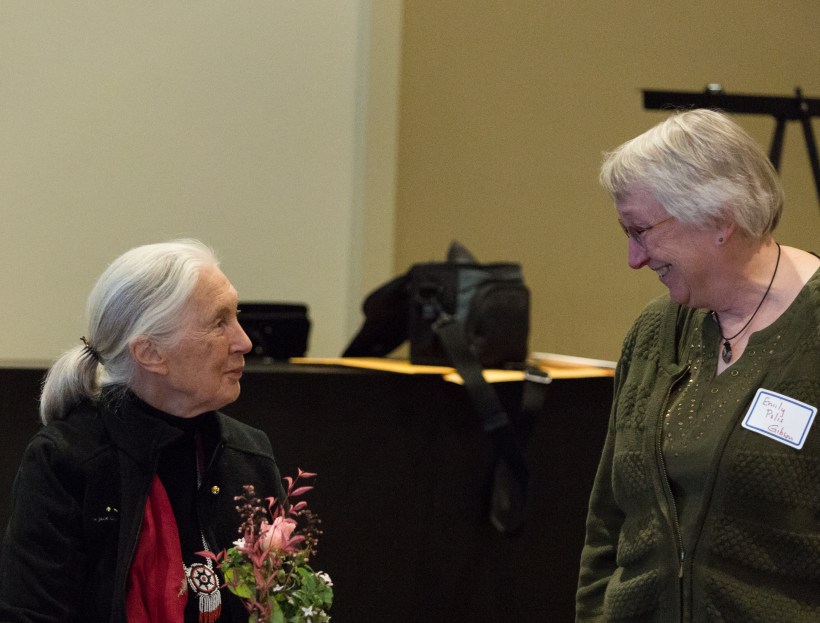
photo of Jane Goodall in 2018, smiling as I came up to give her a hug, courtesy of WWU University Communications
I wasn’t prepared to hear yesterday that my professor, mentor, and friend Dr. Jane Goodall had passed away at age 91, while in the midst of her lecture tour in the United States.
I nearly believed Jane would be immortal; she lived as if she were. She had a message to deliver and as long as she could, she would. She truly “died in the harness” after decades and decades of traveling the world, recruiting people to her cause to save the world for the next generation of plants, animals and humans, and the next and the next…
She was a born observer and storyteller, able to reach and move us with her verbal and writing ability to help place us in her shoes in the wild as she witnessed what no one else had. This was, of course, aided by Hugo van Lawick’s compelling wildlife photography and video every child of the 1950s and 60s grew up watching.
As a college student taking her class on non-human primate behavior, I was riveted by the content of her course lectures about the work she was doing at Gombe. I hoped I could somehow help in the long-term study there, and was ready to commit to a year of training preparation: recording captive chimpanzee behavior at Stanford, while learning Swahili.
On a spring day in May 1974:
Standing outside a non-descript door in a long dark windowless hallway of offices at the Stanford Medical Center, I took a deep breath and swallowed several times to clear my dry throat. I hoped I had found the correct office, as there was only a number– no nameplate to confirm who was inside.
I was about to meet my childhood hero, someone whose every book I’d read and every TV documentary I had watched. I knocked with what I hoped was the right combination of assertiveness (“I want to be here to talk with you and prove my interest”) and humility (“I hope this is a convenient time for you as I don’t want to intrude”).
I heard a soft voice on the other side say “Come in” so I slowly opened the door.
It was a bit like going through the wardrobe to enter Narnia.
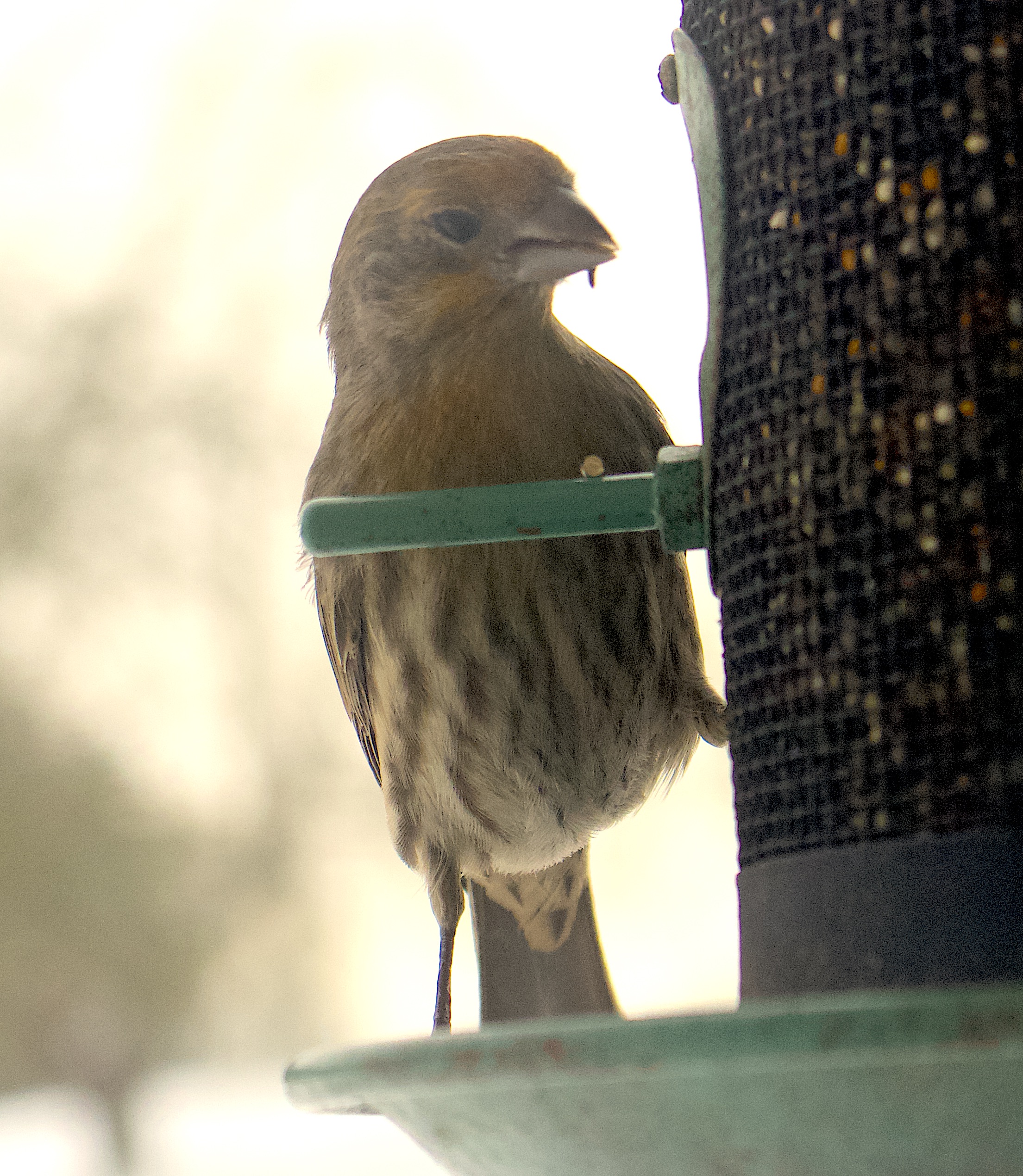
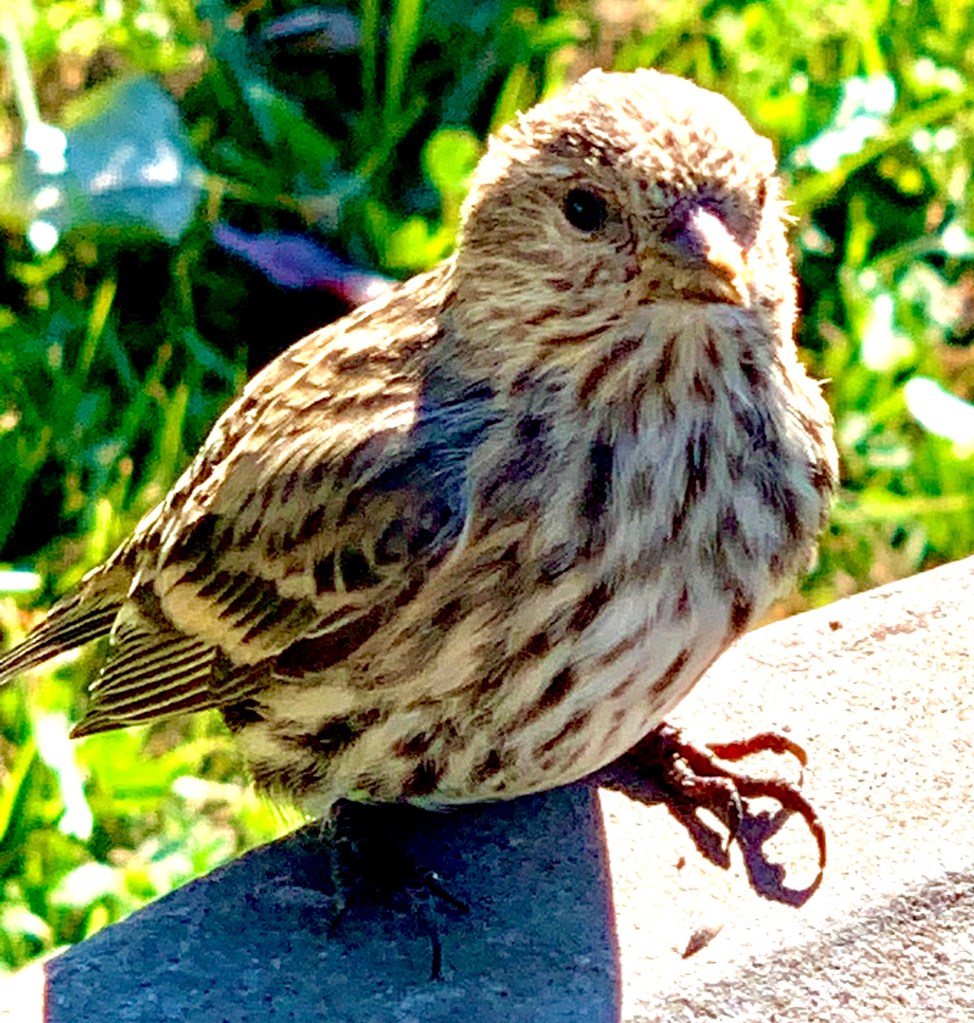
Bright sunlight streamed into the dark hallway as I stepped over the threshold. Squinting, I stepped inside and quickly shut the door behind me as I realized there were at least four birds flying about the room. They were taking off and landing, hopping about feeding on bird seed on the office floor and on the window sill. The windows were flung wide open with a spring breeze rustling papers on the desk. The birds were very happy occupying the sparsely furnished room, which contained only one desk, two chairs and Dr. Jane Goodall.
She stood up and extended her hand to me, saying, quite unnecessarily, “Hello, I’m Jane” and offered me the other chair when I told her my name. She was slighter than she appeared when speaking up at a lectern, or on film. Sitting back down at her desk, she busied herself reading and marking her papers, seemingly occupied for a bit and not to be disturbed.
It was as if I was not there at all.
It was disorienting. In the middle of a bustling urban office complex containing nothing resembling plants or a natural environment, I had unexpectedly stepped into a bird sanctuary instead of sitting down for a job interview. I wasn’t sure what I was supposed to do or say. Jane didn’t really ever look directly at me, yet I was clearly being observed.
So I waited, watching the birds making themselves at home in her office, and slowly feeling more at home myself. I felt my tight muscles start to relax and I loosened my grip on the arms of the chair.
There was silence except for the twittering of the finches as they flew about our heads.
Then she spoke, her eyes still perusing papers: “It really is the only way I can tolerate being here for any length of time. They keep me company. But don’t tell anyone; the people here at the medical center would think this is rather unsanitary.”
I said the only thing I could think of: “I think it is magical. It reminds me of home.”
Only then did she look at me. “Now tell me why you’d like to come work at Gombe…”
The next day I received a note from her letting me know I was accepted for the research assistant-ship to begin a year later, once I had completed all aspects of the training.
I had proven I could sit silently and expectantly, waiting for something, or perhaps nothing at all, to happen. For a farm girl who had never before traveled outside the United States, I had stepped through the wardrobe into Jane’s amazing world, about to embark on an adventure far beyond the barnyard.
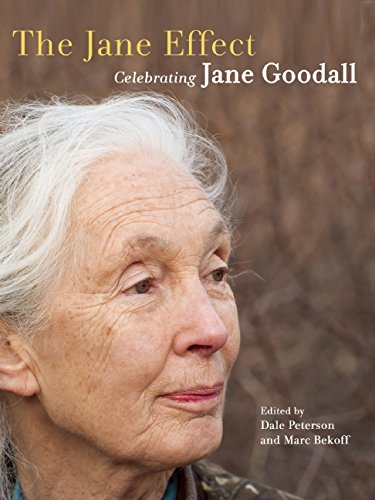
(This essay was published in The Jane Effect in 2015 in honor of Jane’s 80th birthday)
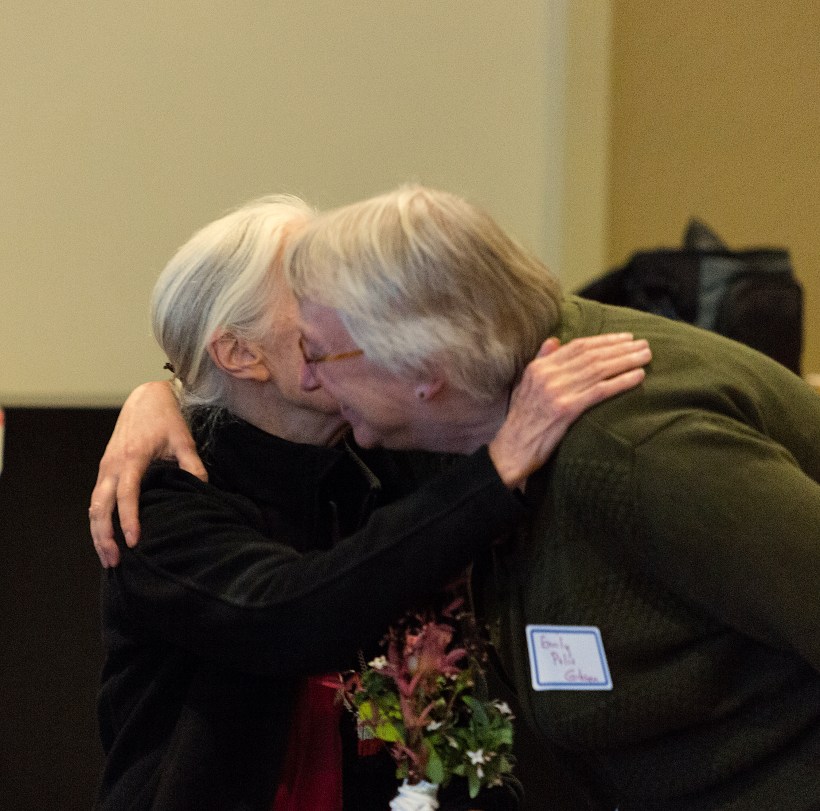
giving Jane a hug, courtesy of WWU Communications45 years since we met in her Stanford office full of wild birds
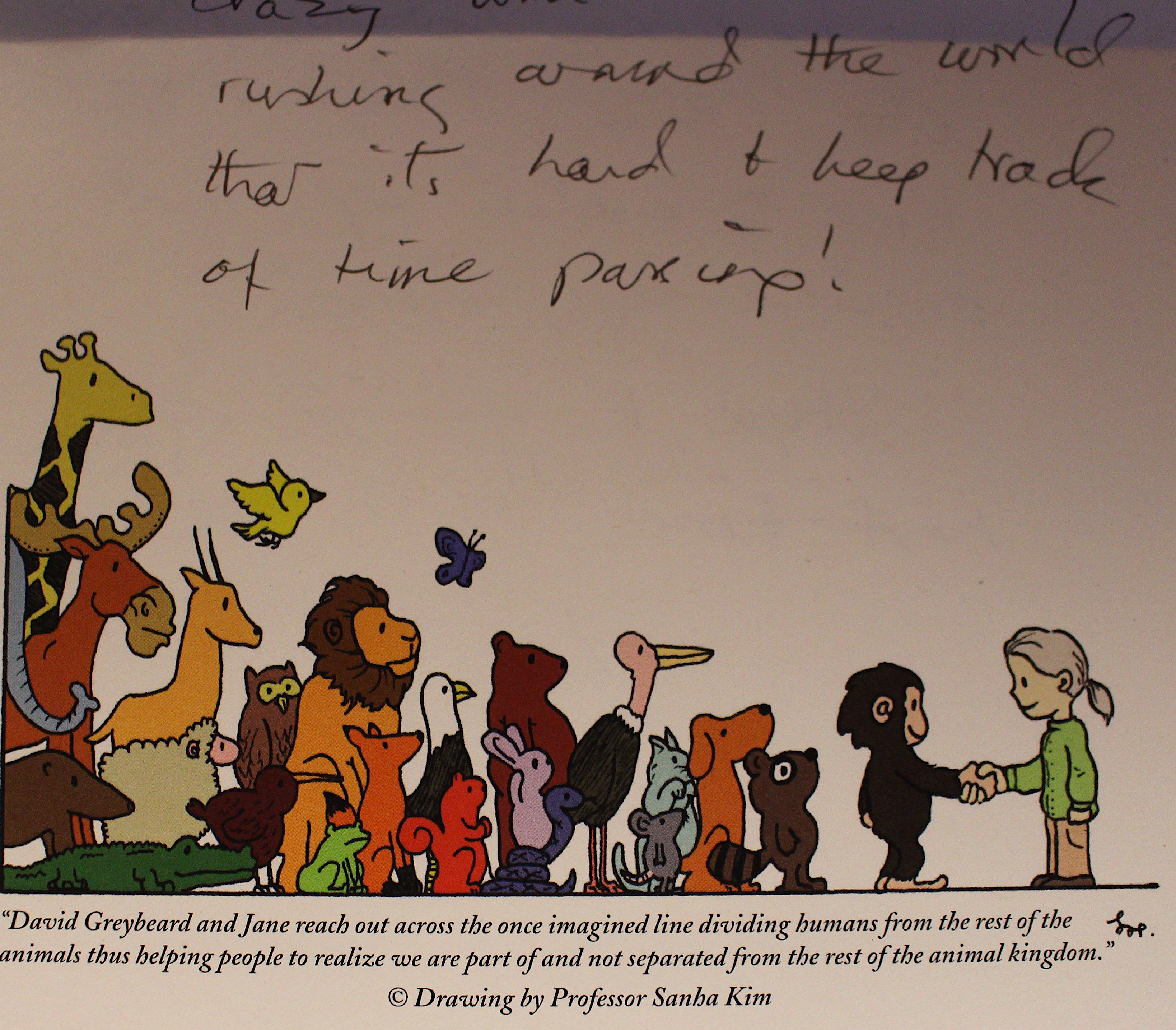
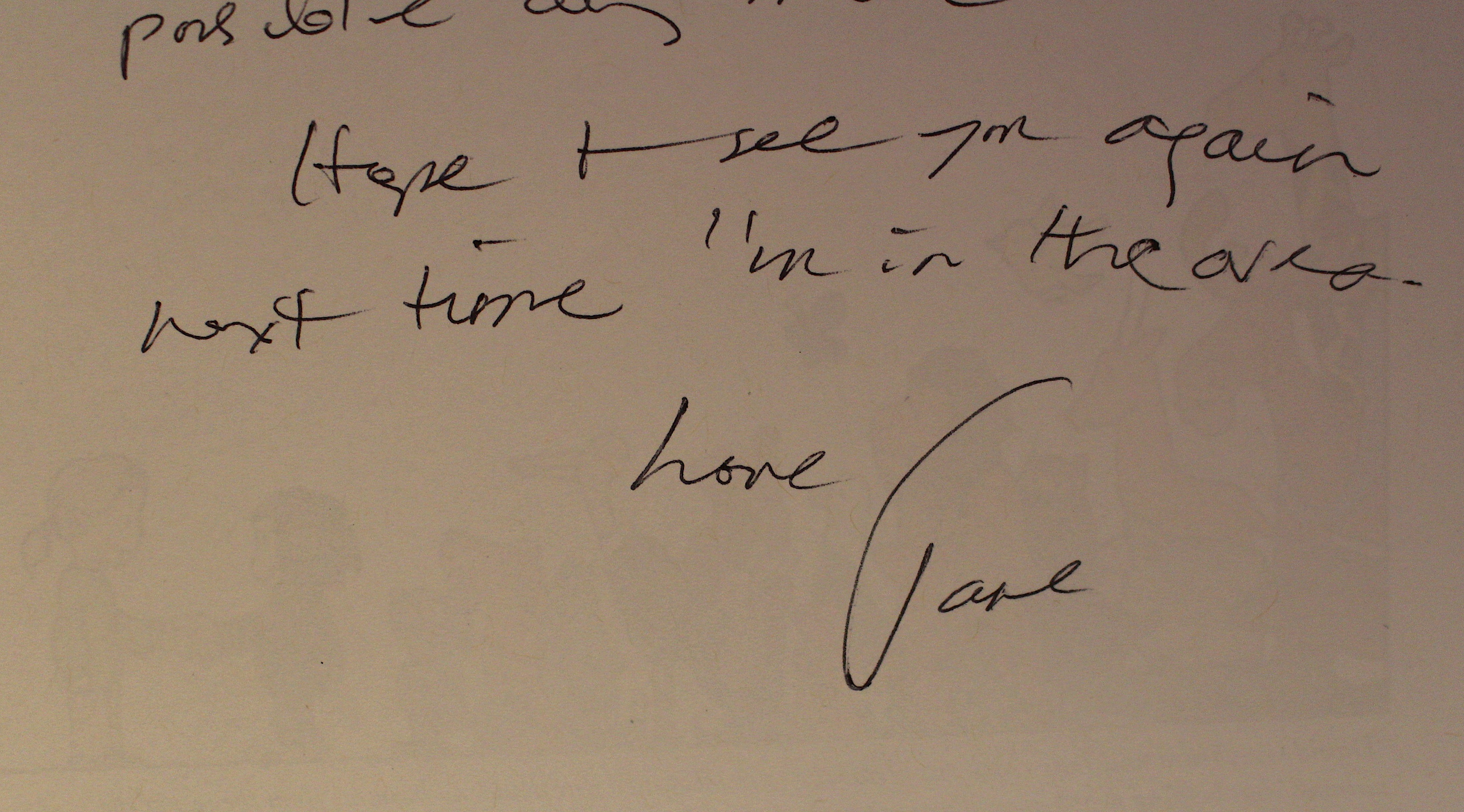
True to Jane’s tradition of impeccable graciousness, she sent me a hand-written note after her last visit in 2018 when she came to speak at Western Washington University in Bellingham.
I recommend the documentary “Jane” as the best review of Jane’s Gombe work. The Jane Goodall Institute will continue her legacy for decades to come.
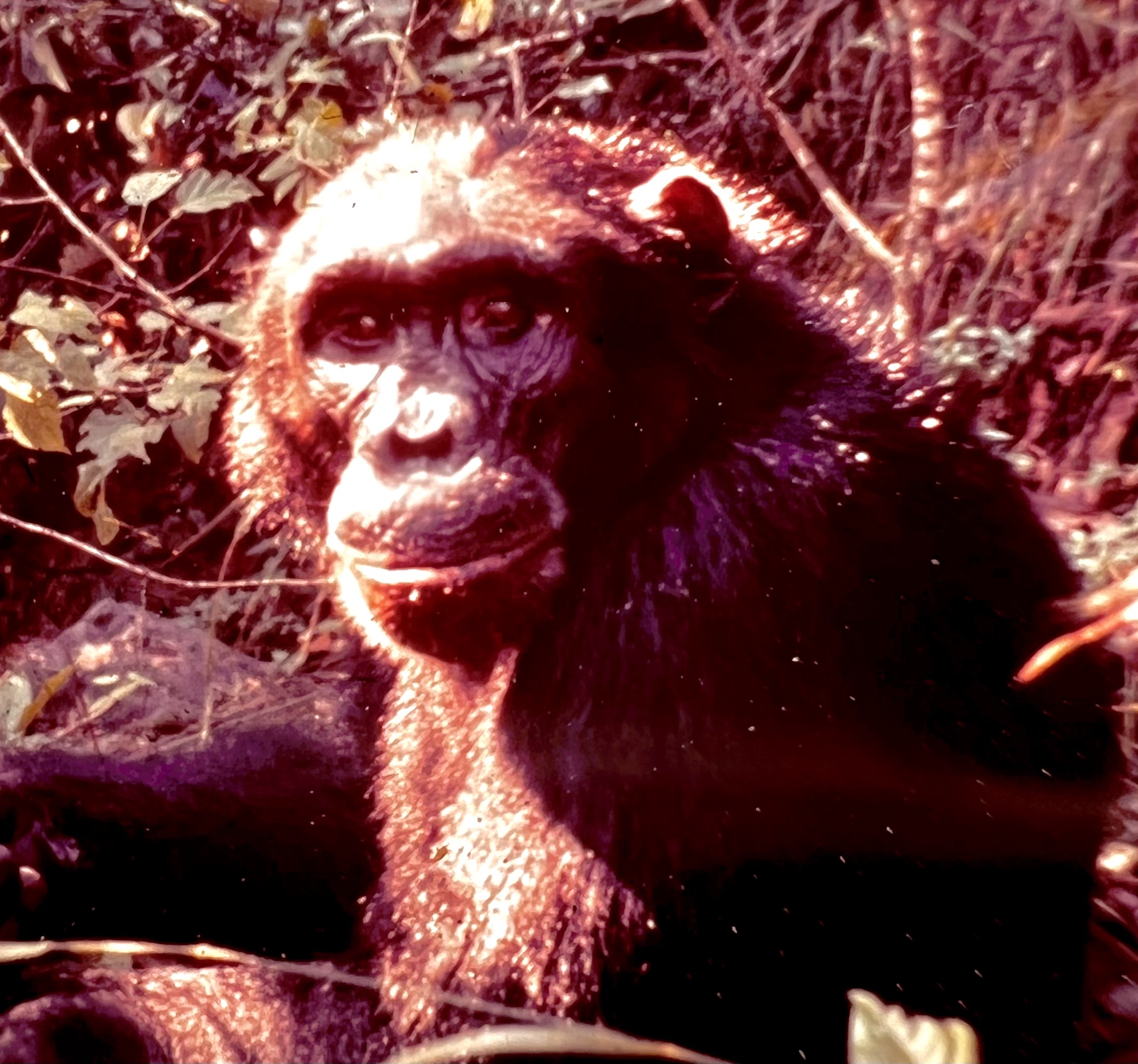
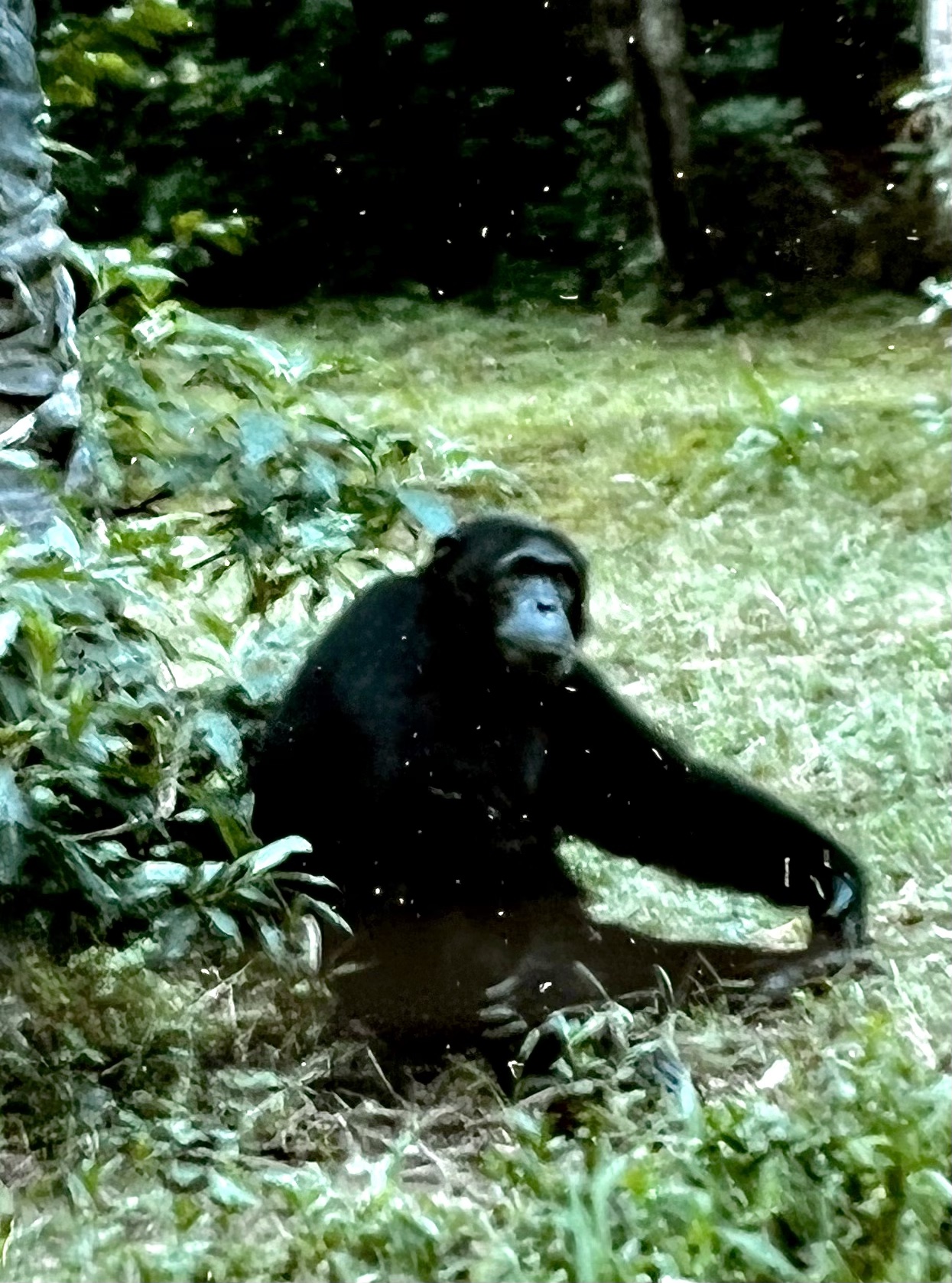
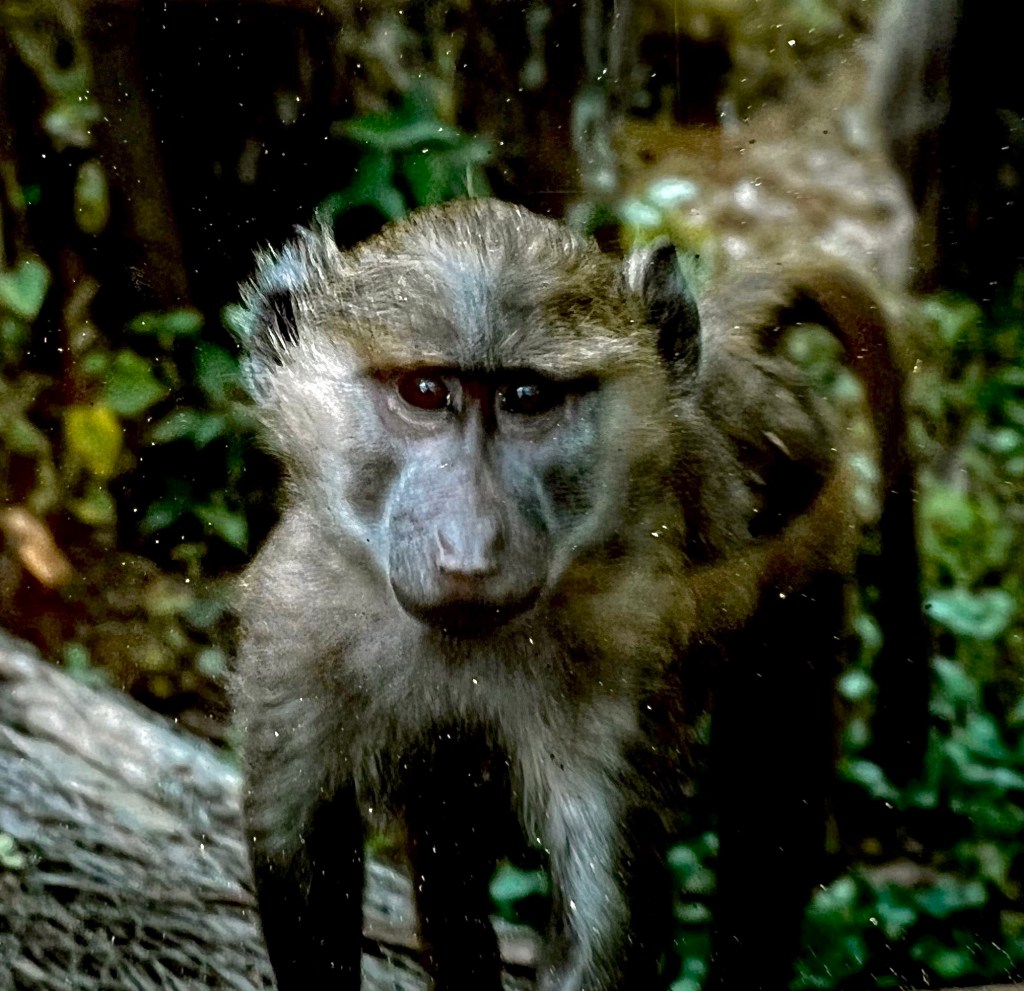
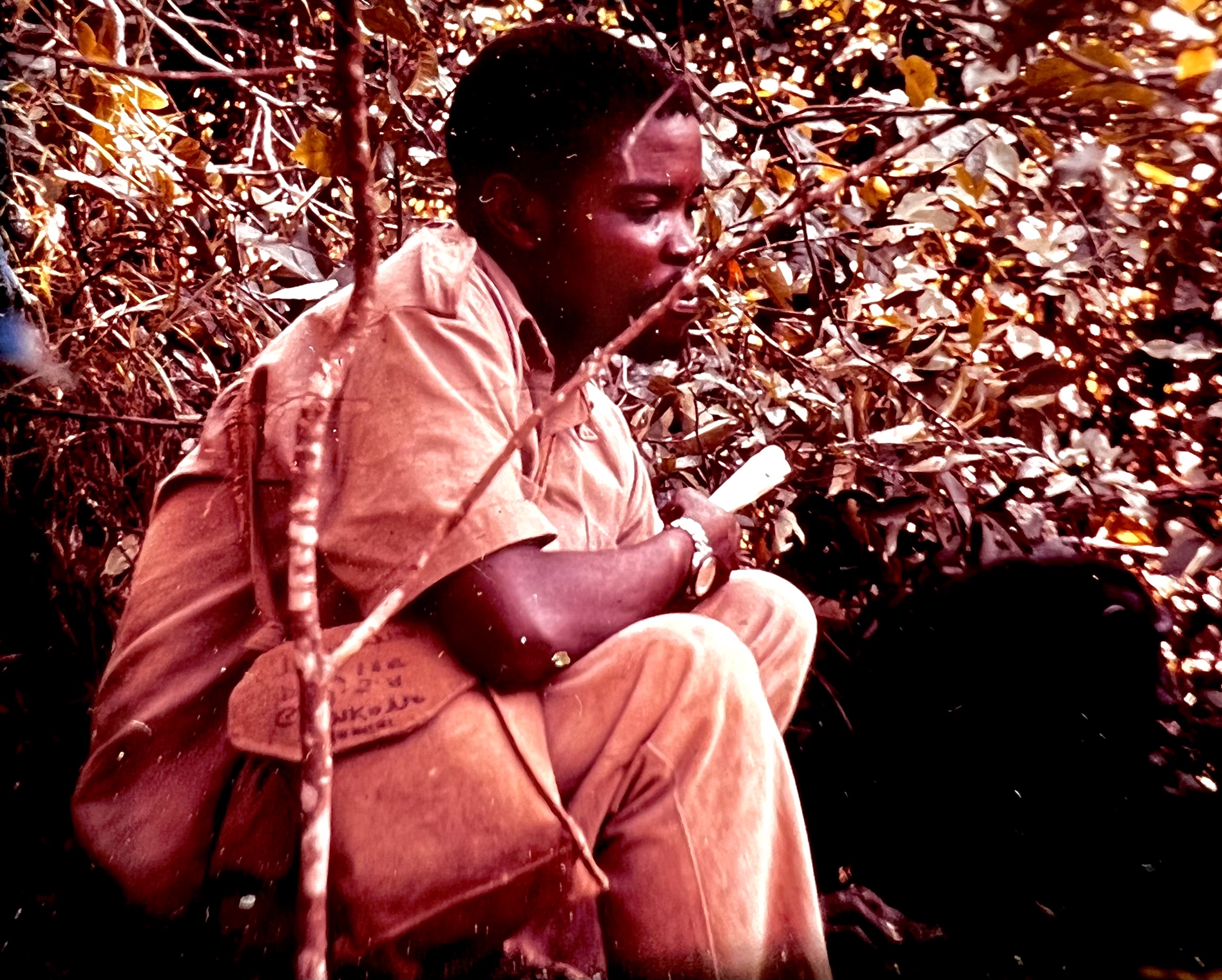
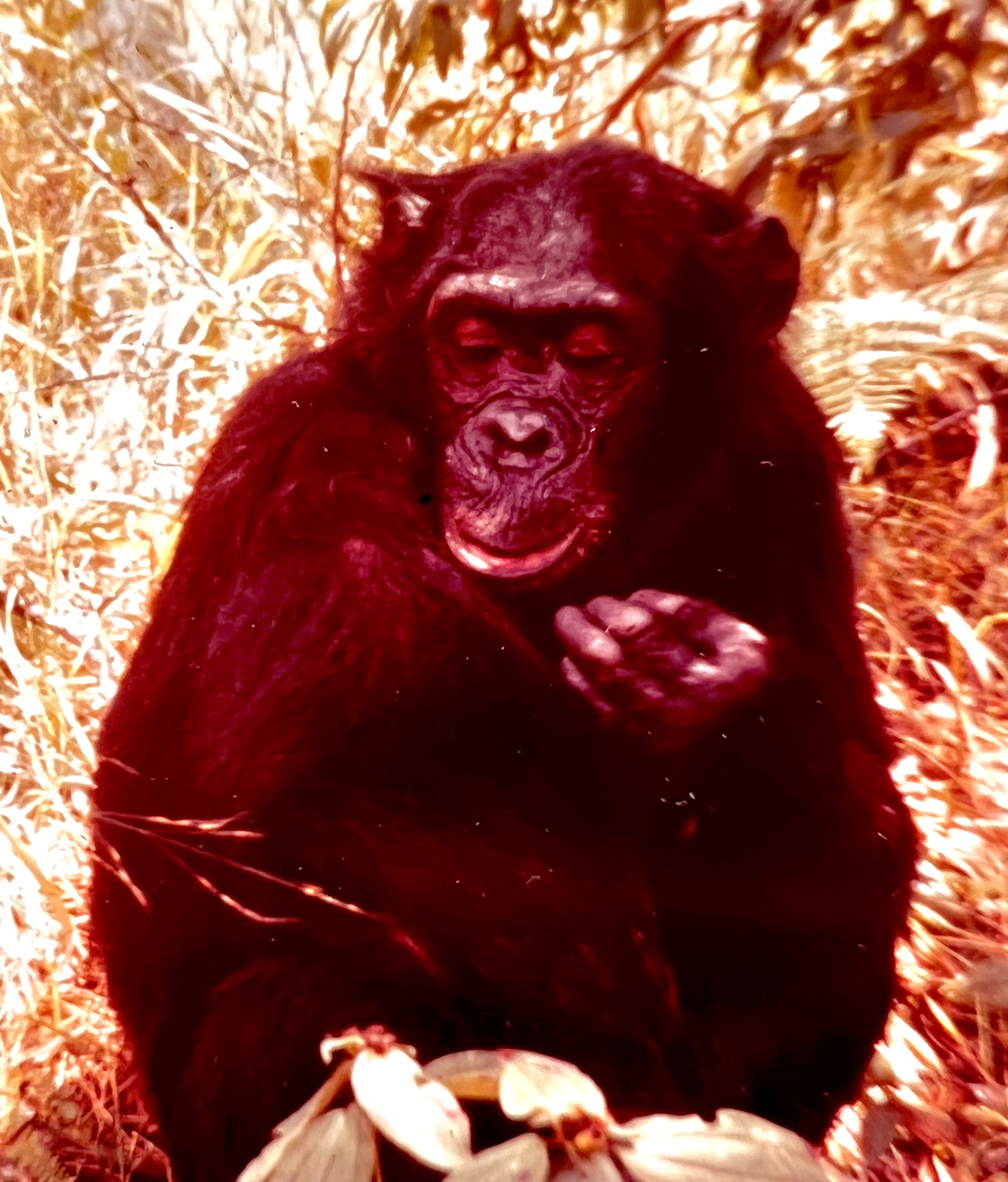
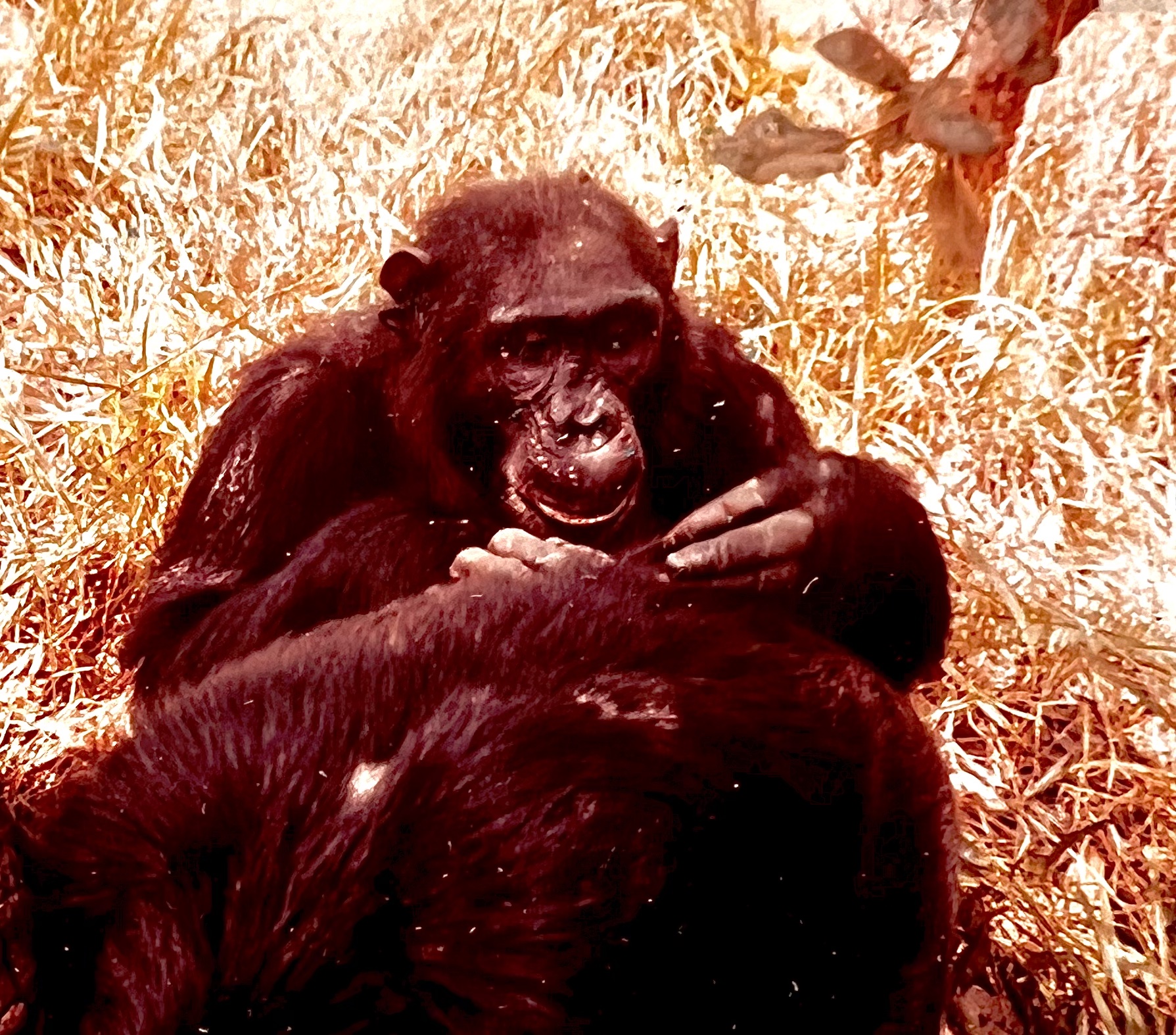
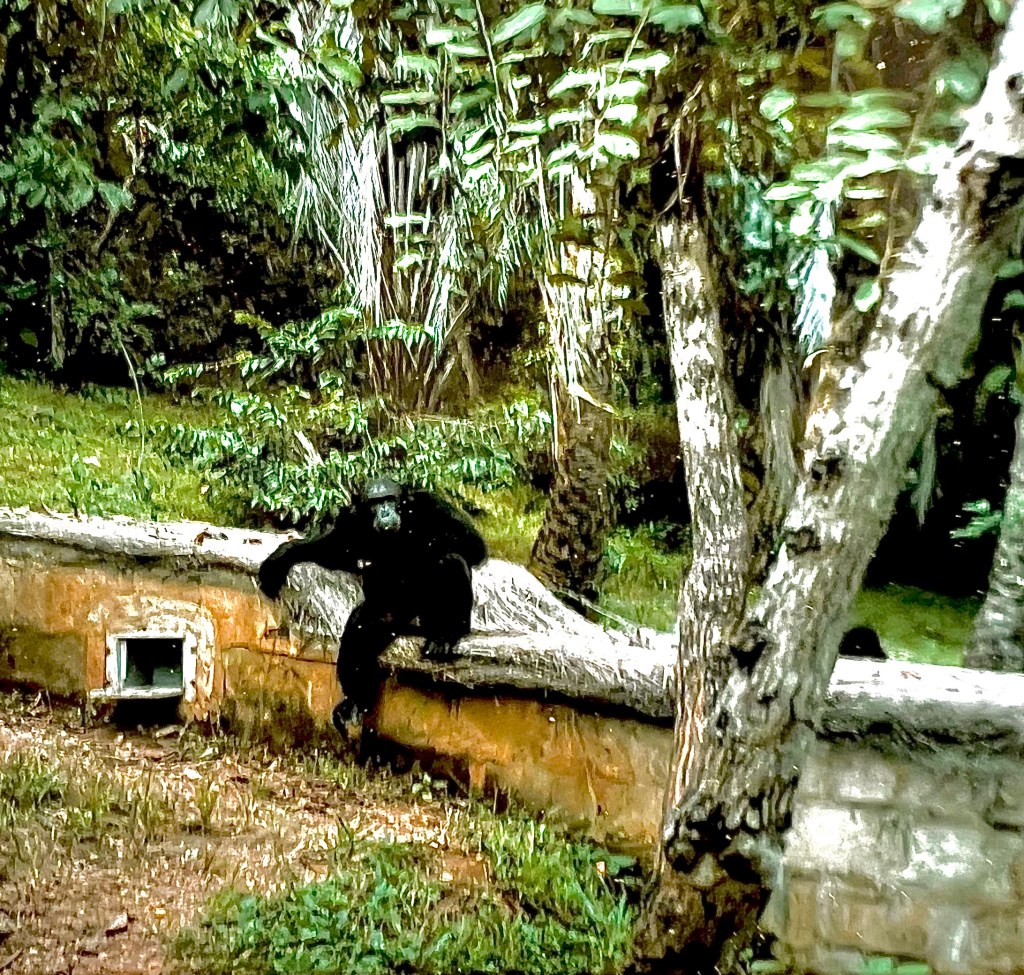
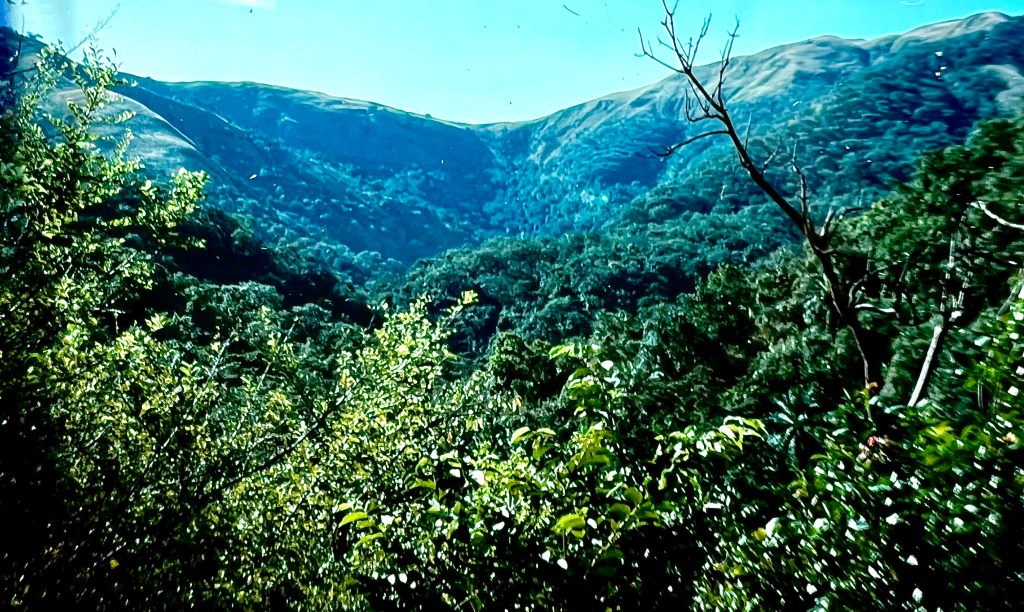
Above photos from Gombe Stream National Park, 1975
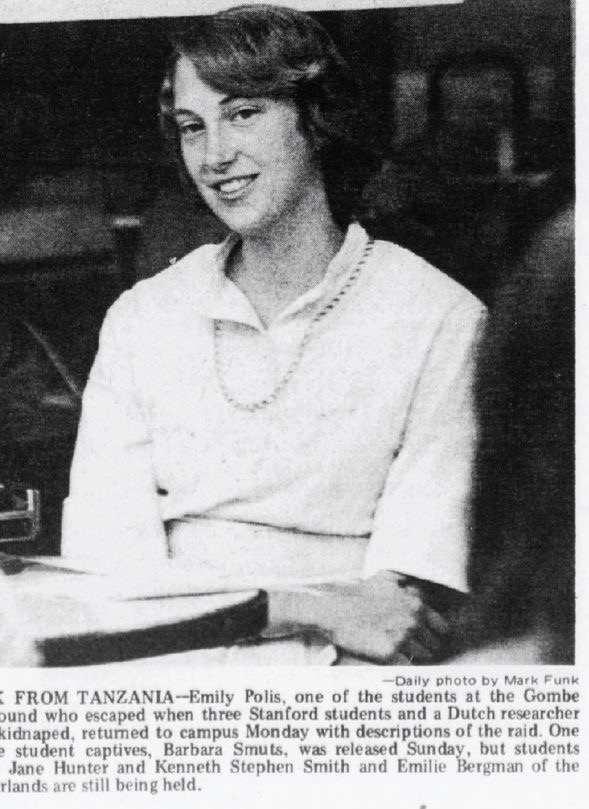
Reflecting on, and with respect for, the courage shown by Tanzanian park rangers and my kidnapped research colleagues on this unforgettable day 50 years ago —
I’m reposting this again as part of my Gombe saga from when I worked as a student research assistant for Jane Goodall in western Tanzania in 1975.An archived New York Times account is found here.
At first glance, Gombe National Park in Tanzania felt like paradise—a serene piece of the earth filled with exotic and fascinating wildlife, an abundance of fish and fruit to eat, and the rich unfamiliar sounds and smells of the tropical jungle. It was a façade. It was surrounded by the turmoil and upheaval of political rebellion and insurgencies in its neighboring countries, inflamed even more by the fall of Saigon in Vietnam a month previously due to the earlier pull out of the Americans from that long and tragic war.
Only a few miles north of our research station in Gombe National Park in western Tanzania, there had been years of civil war in the small land locked country of Burundi. When the wind was just right, we could hear gunfire and explosions echoing over the valleys that separated us. Escaping refugees would sometimes stop for food on their way to villages in Tanzania to the south, seeking safe haven in one of the poorest countries in the world, only a decade into its own experiment with socialism, Ujamaa.
There was also word of ongoing military rebellion against the dictatorship of President Mobutu in the mountainous country of Zaire twelve miles west across Lake Tanganyika.
Morning comes early for field studies of wildlife, as the research day must start before the chimpanzee and baboon subjects wake up and begin to stir. Before midnight, while we slept soundly in our metal huts scattered up the mountainside, a group of armed soldiers arrived by boat to the shore of Gombe National Park.
Storming the beach huts housing two unarmed Gombe park rangers and their families, the soldiers seized one and demanded to be told where the researchers were. The ranger refused to provide information and was severely beaten about the head and face by the butts of the rifles carried by the invaders. The armed soldiers then divided into smaller groups and headed up the trails leading to the huts, coming upon four sleeping student researchers, tying them up, taking them hostage, forcing them into boats and taking them across the lake back to Zaire.
Asleep farther up the mountain, we were wakened by other researchers who were fleeing, hearing the commotion. No one really understood what was happening down lower on the mountain. There were shouts and screams, and gun shots had been heard. Had someone been injured or killed? There was no choice but to run and hide deep in the bush at a predetermined gathering spot until an “all clear” signal was given by the rangers.
We hurried along barely familiar trails in the black of the jungle night, using no flashlights, our hearts beating hard, knowing we had no defense available to us other than the cover of darkness.
That was the longest wait for morning of my life, sitting alongside Jane holding her eight year old son Grub. A hand full of other students had also made their way to the hiding spot, none of us knowing what to think, say or do. We could only barely see each other’s faces in the darkness and were too frightened to make any sounds. We carried no weapons, and there was no way to communicate with the outside world. We had no idea how many of us may be missing, or possibly dead.
Jane clasped Grub in her arms, endeavoring in vain to keep him quiet, but his fears was ignited by the events that had just unfolded.
“Will they kidnap me, Jane? Will they come for me? Where will they take us? Will they shoot us dead?”
Jane, her face hidden by her blonde hair loose about her shoulders, sat rocking him, cradling him. “Shhh, shhh, we don’t want them to find us. We’re safe staying right here. Everything will be fine in the morning. No one will take you from me.”
Grub began to sob silently into her shoulder.
When the morning of May 20 dawned, the park rangers located us, and pieced together the events as best they could–the soldiers were Zairean rebels living in remote mountains, fighting an insurgency against the Zaire government. Seeking funds for their cause, they saw a kidnapping of Americans and Europeans as a way to raise quick funds and world publicity and sympathy. Four of our friends/coworkers were missing, the camp was ransacked and the rangers beaten but with no life threatening injuries. There was no way to remain safe at the Park, and our colleagues needed whatever help we could offer for their rescue.
We were able to send a messenger to a nearby fishing village, and a radio call was sent out to the small town of Kigoma, then relayed to Dar Es Salaam and Nairobi. Help arrived within a few hours, when a United Nations boat monitoring the civil war activities in Burundi pulled off shore near our camp. We were told we needed to evacuate Gombe that day, and would be taken to Kigoma, and then flown by bush pilot to Nairobi, Kenya to cooperate in the investigation of the kidnapping.
In Nairobi, at the US Embassy, I met CIA agents who viewed our wild primate studies with suspicion. Each of us were grilled individually as to our political beliefs, our activities at the camp and whether we may be somehow involved in subversive actions against the Zaire or Tanzanian governments. We were dumbfounded that our own countrymen would be so skeptical about our motives for being in Africa. It became clear our own government could be no help in resolving the kidnapping and bringing our friends home to safety. The agents did not shed any light on whether they knew our friends were alive or dead.
We were then hustled into a press conference (preserved video here) where we were interviewed for television and print media by the worldwide news agencies, and my parents saw me on the CBS evening news before they actually heard my voice over the phone. I flew back to Stanford the next day, spending 24 hours on a plane that made six stops up the coast of West Africa on its way back west, to tell what I knew to Stanford President Lyman and other administration officials as they prepared a plan to locate and free the students. I then returned home to Washington state to await any news that came too slowly from a place so far away that I remain astonished to this day that I was ever there at all.
It took over three months, private negotiations and ransom money to free all four of our friends back to safety. They have remained close to each other and to the remarkable man who helped free them, Dr. David Hamburg. We have had several reunions together over the years to remember those days of living in a place that at one time seemed like paradise.
In the past five years, we lost both Dr. Hamburg and Dr. Donald Kennedy, both instrumental as our faculty and mentors during our years at Stanford. Dr. Goodall, now 91, still remains a vital part of the global message not only to preserve the wild chimpanzee, but to reverse the destruction of our natural world. She continues to travel, giving lectures around the world through her organization www.janegoodall.org
Several of my colleagues have written about their experience at Gombe:
When we have died, and arms long empty of our memories, reach to know love’s pure and sacred touch, and to embrace a long sought, long anticipated place…
when we have gone the way of all the earth, and pain and sorrow are no more, not seen or heard or found, no more the discontent of place or time or any lesser haste, but only One whose love transcends our harsh and wearied days,
when we have died and gone and fallen fast asleep, and found the settled light and our so much a sweeter sacral rest, forever held in caring arms, yes, held now everlasting in a wonder of it all, then we have not gone down empty, we have not died alone. ~Henry Lewis from “When”
This event happened in 1975 while I was an undergraduate student researcher in Tanzania, East Africa, working alongside other researchers assisting Dr. Jane Goodall in her study of wild chimpanzees and baboons.
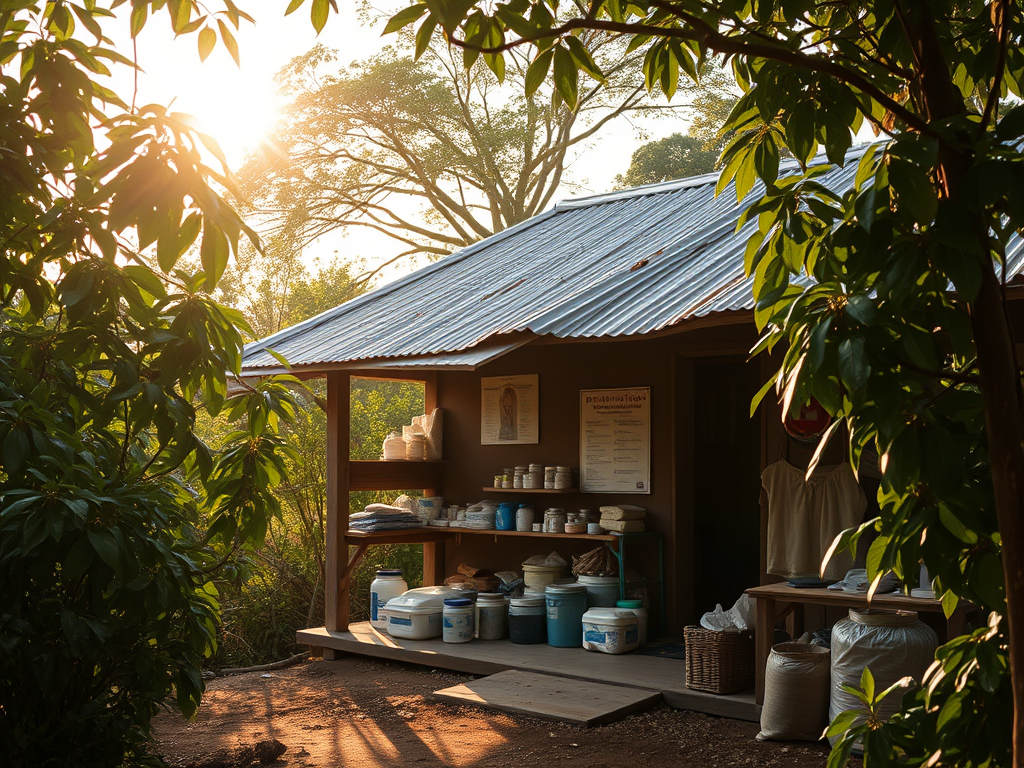
Several metal buildings were scattered along the shore at Gombe National Park, having been built over the years since Jane Goodall and her mother Vanne arrived on a bare beach in 1960. From the very beginning, one of the most powerful connections between these two British women and the Tanzanian villagers who lived up and down Lake Tanganyika was their provision of basic medical supplies and services when needed. Initially, under the cover of the camp tents, they tended to wounds, provided a few medications, and assisted whenever they were needed for help.
Later, an actual dispensary was built as part of the park buildings, with storage for first aid supplies and medications, many of which were traditional Chinese medications, in little boxes with Chinese characters, and no translation. All we had was a sheet of paper explaining if a medication was to be used for headaches, fevers, bleeding problems or infections.
There were “open” times in the dispensary and each of the research assistants took turns to see villagers as they came by to be seen for medical issues. We saw injuries that had never healed properly, some people with permanently crippled limbs, centipede bites that swelled legs, babies who were malnourished, malarial fevers.
It felt like so little to offer. None of us had medical training beyond first aid and CPR, but what small service we could provide was met with incredible gratitude.
So it wasn’t a surprise when a villager arrived one afternoon, running and out of breath, asking that we come right away to help. There had been a terrible accident up the beach when a water taxi engine exploded while transporting two dozen villagers, along with their provisions, including goats and chickens. As people rushed to get away from the engine fire, the roofed boat overturned, with everyone trapped among the boxes, unable to escape.
Even more tragic, Tanzanians were never taught to swim, so no one on shore could help in the rescue effort.
We dropped everything and six of us ran up the beach for a mile, and could see an overturned water taxi just off shore. The best swimmers went out and started searching for people who had been too long in the deep water. They began to pull the bloated bodies to shore, one by one, the lake water pouring from lifeless mouths and noses. All we could do was line them up side by side on the beach, trying to keep the biting flies from covering them, trying to make sense of what was so senseless. There were eight children of various ages, including two small babies, several older women, one pregnant woman, the rest men of all ages–twenty four souls in all, not a single survivor.
As a nurses’ aide, I had cared for the dying and helped to bathe their bodies after death, but I had never before seen so much death at once, and never a dead child.
Before long, relatives started arriving, their grief-stricken wails of loss filling the air on this remote African lakeshore. Husbands and wives wept, keening over a spouse. Children crouched, in shock, by a dead parent. Grandmothers clutched their dead children and grandchildren and would not let go.
We had saved no one. We had no power to bring them back to life.
We could only bear witness to the loss and grief with deep compassion for our neighbors who had come to depend on us to help. It became even clearer to me, in a way I had never understood before, how deep our need is for the mercy of God who is our only comfort when terrible things happen.
I have not forgotten those who were lost to the world that day fifty years ago. Still, all these years later, when I see photos of senseless violence and death, whether war or other disasters, I grieve for them anew with fresh tears, all over again.
Psalm 51: Have mercy, O God… according to your great compassion…
AI image created for this post
One-Time
Monthly
Yearly
Make a one-time or recurring donation to support daily Barnstorming posts
Standing outside a non-descript door in a long dark windowless hallway of offices at the Stanford Medical Center, I took a deep breath and swallowed several times to clear my dry throat. I hoped I had found the correct office, as there was only a number– no nameplate to confirm who was inside.
I was about to meet a childhood hero, someone whose every book I’d read and every TV documentary I had watched. I knocked with what I hoped was the right combination of assertiveness (“I want to be here to talk with you and prove my interest”) and humility (“I hope this is convenient for you as I don’t want to intrude”). I heard a soft voice on the other side say “Come in” so I slowly opened the door.
It was a bit like going through the wardrobe to enter Narnia. Bright sunlight streamed into the dark hallway as I stepped over the threshold. Squinting, I stepped inside and quickly shut the door behind me as I realized there were at least four birds flying about the room. They were taking off and landing, hopping about feeding on bird seed on the office floor and on the window sill. The windows were flung wide open with a spring breeze rustling papers on the desk. The birds were very happy occupying the sparsely furnished room, which contained only one desk, two chairs and Dr. Jane Goodall.
She stood up and extended her hand to me, saying, quite unnecessarily, “Hello, I’m Jane” and offered me the other chair when I told her my name. She was slighter than she appeared when speaking up at a lectern, or on film. Sitting back down at her desk, she busied herself reading and marking her papers, seemingly occupied and not to be disturbed. It was as if I was not there at all.
It was disorienting. In the middle of a bustling urban office complex containing nothing resembling plants or a natural environment, I had unexpectedly stepped into a bird sanctuary instead of sitting down for a job interview. I wasn’t sure what I was supposed to do or say. Jane didn’t really ever look directly at me, yet I was clearly being observed. So I waited, watching the birds making themselves at home in her office, and slowly feeling at home myself. I felt my tight muscles start to relax and I loosened my grip on the arms of the chair.
There was silence except for the twittering of the finches as they flew about our heads.
After awhile she spoke, her eyes still perusing papers: “It is the only way I can tolerate being here for any length of time. They keep me company. But don’t tell anyone; the people here would think this is rather unsanitary.”
I said the only thing I could think of: “I think it is magical. It reminds me of home.”
Only then did she look at me. “Now tell me why you’d like to come work at Gombe…”
The next day I received a note from her letting me know I was accepted for the research assistantship to begin a year later. I had proven I could sit silently and expectantly, waiting for something, or perhaps nothing at all, to happen. For a farm girl who never before traveled outside the United States, I was about to embark on an adventure far beyond the barnyard.
(This essay was published in The Jane Effect in 2015 in honor of Jane’s 80th birthday)
I had no idea when I applied for this position in 1974 that a little more than a year later, on May 19, 1975, I would be hiding in a Tanzanian jungle alongside Jane and her eight year old son Grub – that story is found here.
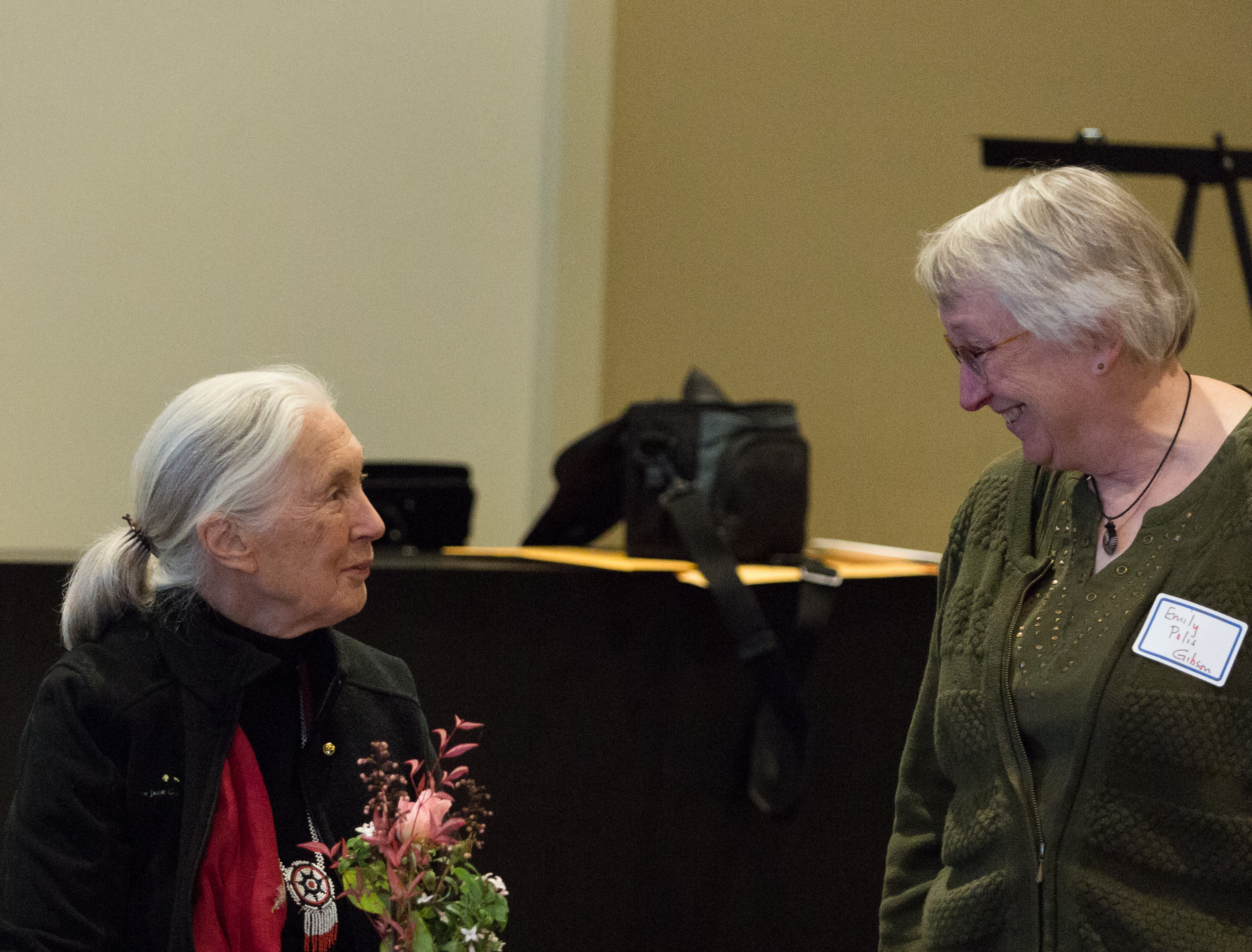
photo of Jane Goodall, smiling at me as I came up to give her a hug, courtesy of WWU University Communicationsgiving Jane a hug, courtesy of WWU Communications45 years since we met in her Stanford office full of wild birds
True to Jane’s tradition of impeccable graciousness, she sent me a hand-written note after her last visit in 2018 when she came to speak at Western Washington University in Bellingham.
One-Time
Monthly
Yearly
Make a one-time or recurring donation to support daily Barnstorming posts
How far friends are! They forget you, most days. They have to, I know; but still, it’s lonely just being far and a friend. I put my hand out—this chair, this table— So near: touch, that’s how to live. Call up a friend? All right, but the phone itself is what loves you, warm on your ear, on your hand. Or, you lift a pen to write—it’s not that far person but this familiar pen that comforts. Near things: Friend, here’s my hand. ~William Stafford “Friends” from The Way It Is
I initially started writing online almost twenty years ago to a group of friends, most that I had met in real life, but some of whom I only knew from afar. It felt like I was writing a letter but without the pen, paper, envelopes and stamp.
Now I write to over 22,000 people every day. A few of you I know well, some I’ve only met once, most of you I will never have the privilege to know personally. Some of you have written to me privately (some with pen and paper, stamp and envelope!) to tell me more about your lives and how the thoughts I send along each day make a difference to you.
I know the power and love found in a hand-written letter. Someone I have known for nearly 50 years still writes to her friends – Jane Goodall was my teacher and mentor. When she gave me the opportunity to work with her in Africa in the 1970s, it changed my life in ways I still am discovering. Most remarkably, she has written to me on a number of occasions and I treasure those notes. Her familiar pen written by her familiar hand comforts me.
It’s lonely being far away, and a friend. But here is my hand. I hope you will continue to take what I offer here and find it comforting.
giving Jane a hug, courtesy of WWU Communications
One-Time
Monthly
Yearly
Make a one-time or recurring donation to support daily Barnstorming posts
Reflecting on, and with respect for, the courage shown by Tanzanian park rangers and my kidnapped research colleagues on this unforgettable day 47 years ago — I’m reposting this again as part of my Gombe saga from when I worked as a student research assistant for Jane Goodall in western Tanzania in 1975.An archived New York Times account is found here.
At first glance, Gombe National Park in Tanzania felt like paradise—a serene piece of the earth filled with exotic and fascinating wildlife, an abundance of fish and fruit to eat, and the rich unfamiliar sounds and smells of the tropical jungle. It was a façade. It was surrounded by the turmoil and upheaval of political rebellion and insurgencies in its neighboring countries, inflamed even more by the fall of Saigon in Vietnam a month previously due to the earlier pull out of the Americans from that long and tragic war.
Only a few miles north of our research station in Gombe National Park in western Tanzania, there had been years of civil war in the small land locked country of Burundi. When the wind was just right, we could hear gunfire and explosions echoing over the valleys that separated us. Escaping refugees would sometimes stop for food on their way to villages in Tanzania to the south, seeking safe haven in one of the poorest countries in the world, only a decade into its own experiment with socialism, Ujamaa.
There was also word of ongoing military rebellion against the dictatorship of President Mobutu in the mountainous country of Zaire twelve miles west across Lake Tanganyika.
Morning comes early for field studies of wildlife, as the research day must start before the chimpanzee and baboon subjects wake up and begin to stir. Before midnight, while we slept soundly in our metal huts scattered up the mountainside, a group of armed soldiers arrived by boats to the shore of Gombe National Park.
Storming the beach huts housing two unarmed Gombe park rangers and their families, the soldiers seized one and demanded to be told where the researchers were. The ranger refused to provide information and was severely beaten about the head and face by the butts of the rifles carried by the invaders. The armed soldiers then divided into smaller groups and headed up the trails leading to the huts, coming upon four sleeping student researchers, tying them up, taking them hostage, forcing them into boats and taking them across the lake back to Zaire.
Asleep farther up the mountain, we were wakened by other researchers who were fleeing, hearing the commotion. No one really understood what was happening down lower on the mountain. There were shouts and screams, and gun shots had been heard. Had someone been injured or killed? There was no choice but to run and hide deep in the bush at a predetermined gathering spot until an “all clear” signal was given by the rangers.
We hurried along barely familiar trails in the black of the jungle night, using no flashlights, our hearts beating hard, knowing we had no defense available to us other than the cover of darkness.
That was the longest wait for morning of my life, sitting alongside Jane holding her eight year old son Grub. A hand full of other students had also made their way to the hiding spot, none of us knowing what to think, say or do. We could only barely see each other’s faces in the darkness and were too frightened to make any sounds. We carried no weapons, and there was no way to communicate with the outside world. We had no idea how many of us may be missing, or possibly dead.
Jane clasped Grub in her arms, endeavoring in vain to keep him quiet, but his fears was ignited by the events that had just unfolded.
“Will they kidnap me, Jane? Will they come for me? Where will they take us? Will they shoot us dead?”
Jane, her face hidden by her blonde hair loose about her shoulders, sat rocking him, cradling him. “Shhh, shhh, we don’t want them to find us. We’re safe staying right here. Everything will be fine in the morning. No one will take you from me.”
Grub began to sob silently into her shoulder.
When the morning of May 20 dawned, the park rangers located us, and pieced together the events as best they could–the soldiers were Zairean rebels living in remote mountains, fighting an insurgency against the Zaire government. Seeking funds for their cause, they saw a kidnapping of Americans and Europeans as a way to raise quick funds and world publicity and sympathy. Four of our friends/coworkers were missing, the camp was ransacked and the rangers beaten but with no life threatening injuries. There was no way to remain safe at the Park, and our colleagues needed whatever help we could offer for their rescue.
We were able to send a messenger to a nearby fishing village, and a radio call was sent out to the small town of Kigoma, then relayed to Dar Es Salaam and Nairobi. Help arrived within a few hours, when a United Nations boat monitoring the civil war activities in Burundi pulled off shore near our camp. We were told we needed to evacuate Gombe that day, and would be taken to Kigoma, and then flown by bush pilot to Nairobi, Kenya to cooperate in the investigation of the kidnapping.
In Nairobi, at the US Embassy, I met CIA agents who viewed our wild primate studies with suspicion. Each of us were grilled individually as to our political beliefs, our activities at the camp and whether we may be somehow involved in subversive actions against the Zaire or Tanzanian governments. We were dumbfounded that our own countrymen would be so skeptical about our motives for being in Africa. It became clear our own government could be no help in resolving the kidnapping and bringing our friends home to safety. The agents did not shed any light on whether they knew our friends were alive or dead.
We were then hustled into a press conference where we were interviewed for television and print media by the worldwide news agencies, and my parents saw me on the CBS evening news before they actually heard my voice over the phone. I flew back to Stanford the next day, spending 24 hours on a plane that made six stops up the coast of West Africa on its way back west, to tell what I knew to Stanford President Lyman and other administration officials as they prepared a plan to locate and free the students. I then returned home to Washington state to await any news that came too slowly from a place so far away that I remain astonished to this day that I was ever there at all.
It took over three months, private negotiations and ransom money to free all four of our friends back to safety. They have remained close to each other and to the remarkable man who helped free them, Dr. David Hamburg. We have had several reunions together over the years to remember those days of living in a place that at one time seemed like paradise.
In the past two years, we lost both Dr. Hamburg and Dr. Donald Kennedy, both instrumental as our faculty and mentors during our years at Stanford. Dr. Goodall, now 88, still remains a vital part of the global message not only to preserve the wild chimpanzee, but to reverse the destruction of our natural world. Prior to COVID, she was traveling over 300 days a year giving lectures around the world through her organization www.janegoodall.org
Several of my colleagues have written about their experience at Gombe:
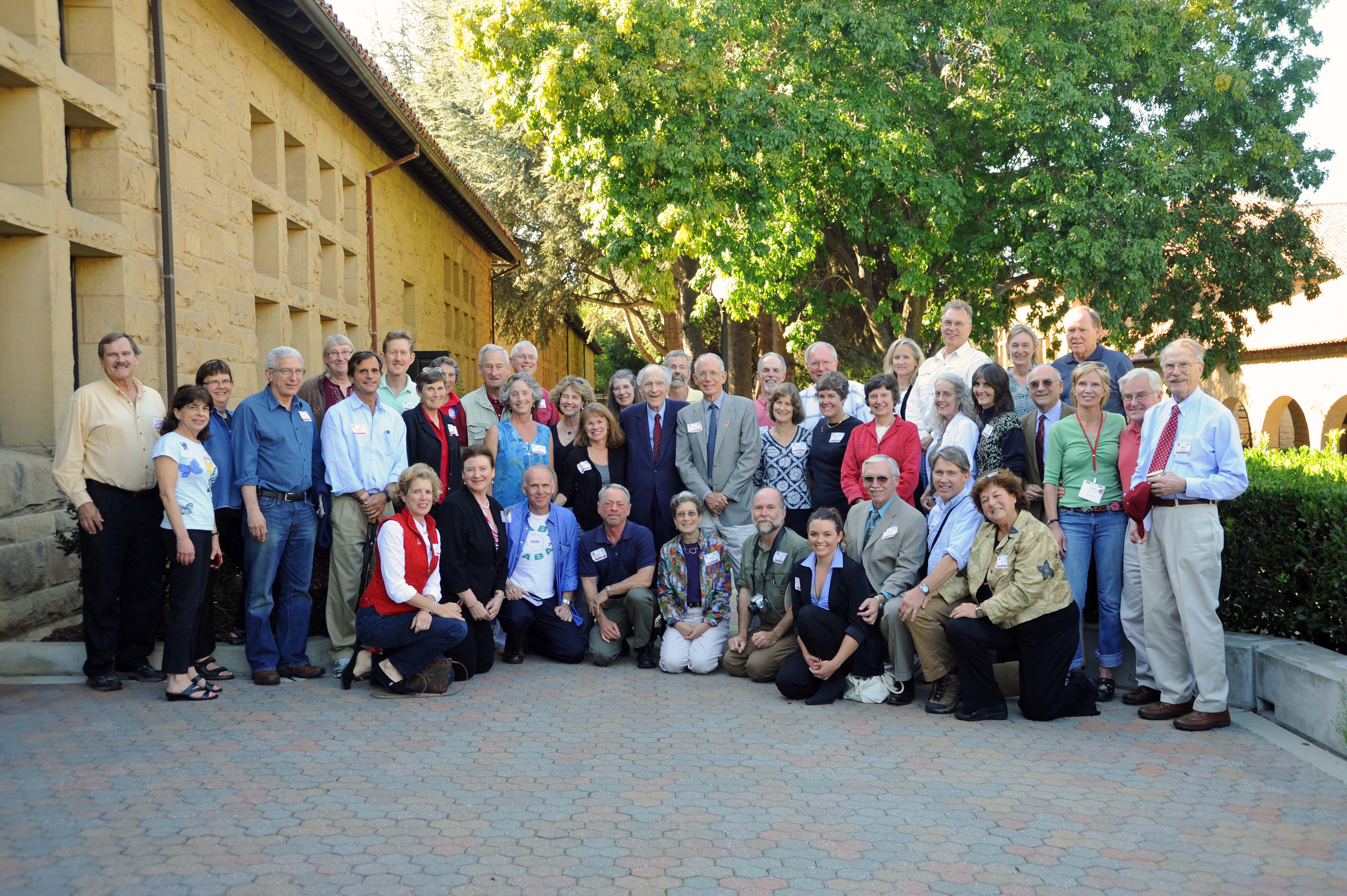
Meeting again in 2018 – photo courtesy of WWU Communications giving Jane a hug, courtesy of WWU CommunicationsGombe Alumni and faculty in 2011 at Stanford
(I’m in the very back 5th from the left)
One-Time
Monthly
Yearly
Make a one-time or recurring donation to support daily Barnstorming posts
photo of Jane Goodall, smiling at me as I came up to give her a hug, courtesy of WWU University Communications (2018)courtesy of WWU Communicationscourtesy of WWU University Communications
Standing outside a non-descript door in a long dark windowless hallway of offices at the Stanford Medical Center, I took a deep breath and swallowed several times to clear my dry throat. I hoped I had found the correct office, as there was only a number– no nameplate to confirm who was inside.
I was about to meet a childhood hero, someone whose every book I’d read and every TV documentary I had watched. I knocked with what I hoped was the right combination of assertiveness (“I want to be here to talk with you and prove my interest”) and humility (“I hope this is convenient for you as I don’t want to intrude”). I heard a soft voice on the other side say “Come in” so I slowly opened the door.
It was a bit like going through the wardrobe to enter Narnia. Bright sunlight streamed into the dark hallway as I stepped over the threshold. Squinting, I stepped inside and quickly shut the door behind me as I realized there were at least four birds flying about the room. They were taking off and landing, hopping about feeding on bird seed on the office floor and on the window sill. The windows were flung wide open with a spring breeze rustling papers on the desk. The birds were very happy occupying the sparsely furnished room, which contained only one desk, two chairs and Dr. Jane Goodall.
She stood up and extended her hand to me, saying, quite unnecessarily, “Hello, I’m Jane” and offered me the other chair when I told her my name. She was slighter than she appeared when speaking up at a lectern, or on film. Sitting back down at her desk, she busied herself reading and marking her papers, seemingly occupied and not to be disturbed. It was as if I was not there at all.
It was disorienting. In the middle of a bustling urban office complex containing nothing resembling plants or a natural environment, I had unexpectedly stepped into a bird sanctuary instead of sitting down for a job interview. I wasn’t sure what I was supposed to do or say. Jane didn’t really ever look directly at me, yet I was clearly being observed. So I waited, watching the birds making themselves at home in her office, and slowly feeling at home myself. I felt my tight muscles start to relax and I loosened my grip on the arms of the chair.
There was silence except for the twittering of the finches as they flew about our heads.
After awhile she spoke, her eyes still perusing papers: “It is the only way I can tolerate being here for any length of time. They keep me company. But don’t tell anyone; the people here would think this is rather unsanitary.”
I said the only thing I could think of: “I think it is magical. It reminds me of home.”
Only then did she look at me. “Now tell me why you’d like to come work at Gombe…”
The next day I received a note from her letting me know I was accepted for the research assistantship to begin a year later. I had proven I could sit silently and expectantly, waiting for something, or perhaps nothing at all, to happen. For a farm girl who never before traveled outside the United States, I was about to embark on an adventure far beyond the barnyard.
(I had no idea when I applied for this position in March of 1974 that a little more than a year later, on May 19, 1975, I would be hiding in a Tanzanian jungle alongside Jane and her eight year old son Grub – that story is found here.
True to Jane’s tradition of impeccable graciousness, she sent me a hand-written note after her last visit in 2018 when she came to speak at Western Washington University in Bellingham.
A documentary “Jane” is streaming online and reviewed at https://www.nytimes.com/2017/10/18/movies/jane-review-jane-goodall-documentary.html
A new book from Barnstorming is available for order here
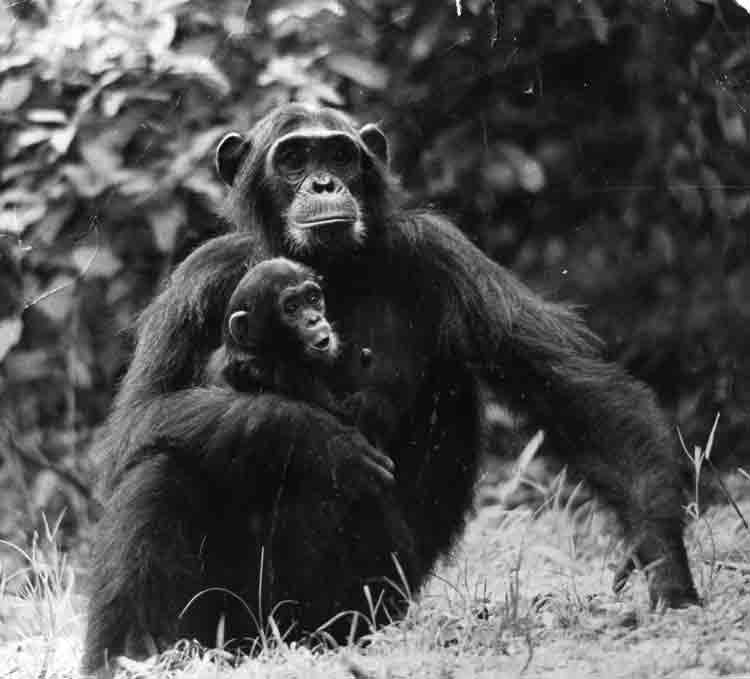
photo of Gombe chimpanzees by Larry Goldmanphoto of Jane Goodall, smiling at me as I came up to give her a hug during her WWU visit October 2018, courtesy of WWU University Communications
Reflecting on, and with respect for, the courage shown by Tanzanian park rangers and my kidnapped research colleagues on this unforgettable day 45 years ago — I’m reposting this again as part of my Gombe saga from when I worked as a student research assistant for Jane Goodall in western Tanzania in 1975.An archived New York Times account is found here.
At first glance, Gombe National Park in Tanzania felt like paradise—a serene piece of the earth filled with exotic and fascinating wildlife, an abundance of fish and fruit to eat, and the rich unfamiliar sounds and smells of the tropical jungle. It was a façade. It was surrounded by the turmoil and upheaval of political rebellion and insurgencies in its neighboring countries, inflamed even more by the fall of Saigon in Vietnam a month previously due to the earlier pull out of the Americans from that long and tragic war.
Only a few miles north of our research station in Gombe National Park in western Tanzania, there had been years of civil war in the small land locked country of Burundi. When the wind was just right, we could hear gunfire and explosions echoing over the valleys that separated us. Escaping refugees would sometimes stop for food on their way to villages in Tanzania to the south, seeking safe haven in one of the poorest countries in the world, only a decade into its own experiment with socialism, Ujamaa.
There was also word of ongoing military rebellion against the dictatorship of President Mobutu in the mountainous country of Zaire twelve miles west across Lake Tanganyika.
Morning comes early for field studies of wildlife, as the research day must start before the chimpanzee and baboon subjects wake up and begin to stir. Before midnight, while we slept soundly in our metal huts scattered up the mountainside, a group of armed soldiers arrived by boats to the shore of Gombe National Park.
Storming the beach huts housing two unarmed Gombe park rangers and their families, the soldiers seized one and demanded to be told where the researchers were. The ranger refused to provide information and was severely beaten about the head and face by the butts of the rifles carried by the invaders. The armed soldiers then divided into smaller groups and headed up the trails leading to the huts, coming upon four sleeping student researchers, tying them up, taking them hostage, forcing them into boats and taking them across the lake back to Zaire.
Asleep farther up the mountain, we were wakened by other researchers who were fleeing, hearing the commotion. No one really understood what was happening down lower on the mountain. There were shouts and screams, and gun shots had been heard. Had someone been injured or killed? There was no choice but to run and hide deep in the bush at a predetermined gathering spot until an “all clear” signal was given by the rangers.
We hurried along barely familiar trails in the black of the jungle night, using no flashlights, our hearts beating hard, knowing we had no defense available to us other than the cover of darkness.
That was the longest wait for morning of my life, sitting alongside Jane holding her eight year old son Grub. A hand full of other students had also made their way to the hiding spot, none of us knowing what to think, say or do. We could only barely see each other’s faces in the darkness and were too frightened to make any sounds. We carried no weapons, and there was no way to communicate with the outside world. We had no idea how many of us may be missing, or possibly dead.
Jane clasped Grub in her arms, endeavoring in vain to keep him quiet, but his fears was ignited by the events that had just unfolded.
“Will they kidnap me, Jane? Will they come for me? Where will they take us? Will they shoot us dead?”
Jane, her face hidden by her blonde hair loose about her shoulders, sat rocking him, cradling him. “Shhh, shhh, we don’t want them to find us. We’re safe staying right here. Everything will be fine in the morning. No one will take you from me.”
Grub began to sob silently into her shoulder.
When the morning of May 20 dawned, the park rangers located us, and pieced together the events as best they could–the soldiers were Zairean rebels living in remote mountains, fighting an insurgency against the Zaire government. Seeking funds for their cause, they saw a kidnapping of Americans and Europeans as a way to raise quick funds and world publicity and sympathy. Four of our friends/coworkers were missing, the camp was ransacked and the rangers beaten but with no life threatening injuries. There was no way to remain safe at the Park, and our colleagues needed whatever help we could offer for their rescue.
We were able to send a messenger to a nearby fishing village, and a radio call was sent out to the small town of Kigoma, then relayed to Dar Es Salaam and Nairobi. Help arrived within a few hours, when a United Nations boat monitoring the civil war activities in Burundi pulled off shore near our camp. We were told we needed to evacuate Gombe that day, and would be taken to Kigoma, and then flown by bush pilot to Nairobi, Kenya to cooperate in the investigation of the kidnapping.
In Nairobi, at the US Embassy, I met CIA agents who viewed our wild primate studies with suspicion. Each of us were grilled individually as to our political beliefs, our activities at the camp and whether we may be somehow involved in subversive actions against the Zaire or Tanzanian governments. We were dumbfounded that our own countrymen would be so skeptical about our motives for being in Africa. It became clear our own government could be no help in resolving the kidnapping and bringing our friends home to safety. The agents did not shed any light on whether they knew our friends were alive or dead.
We were then hustled into a press conference where we were interviewed for television and print media by the worldwide news agencies, and my parents saw me on the CBS evening news before they actually heard my voice over the phone. I flew back to Stanford the next day, spending 24 hours on a plane that made six stops up the coast of West Africa on its way back west, to tell what I knew to Stanford President Lyman and other administration officials as they prepared a plan to locate and free the students. I then returned home to Washington state to await any news that came too slowly from a place so far away that I remain astonished to this day that I was ever there at all.
It took over three months, private negotiations and ransom money to free all four of our friends back to safety. They remain close to each other and to the remarkable man who helped free them, Dr. David Hamburg. We have had several reunions together over the years to remember those days of living in a place that at one time seemed like paradise.
Just this past year we have lost both Dr. Hamburg and Dr. Donald Kennedy, both instrumental as our faculty and mentors during our years at Stanford. Dr. Goodall, now 86, remains a vital part of the global message to preserve the wild chimpanzee, traveling over 300 days a year giving lectures around the world through her organization www.janegoodall.org
Several of my colleagues have written about their experience at Gombe:




 Barnstorming