Singing Its Alleluia

tennant62119

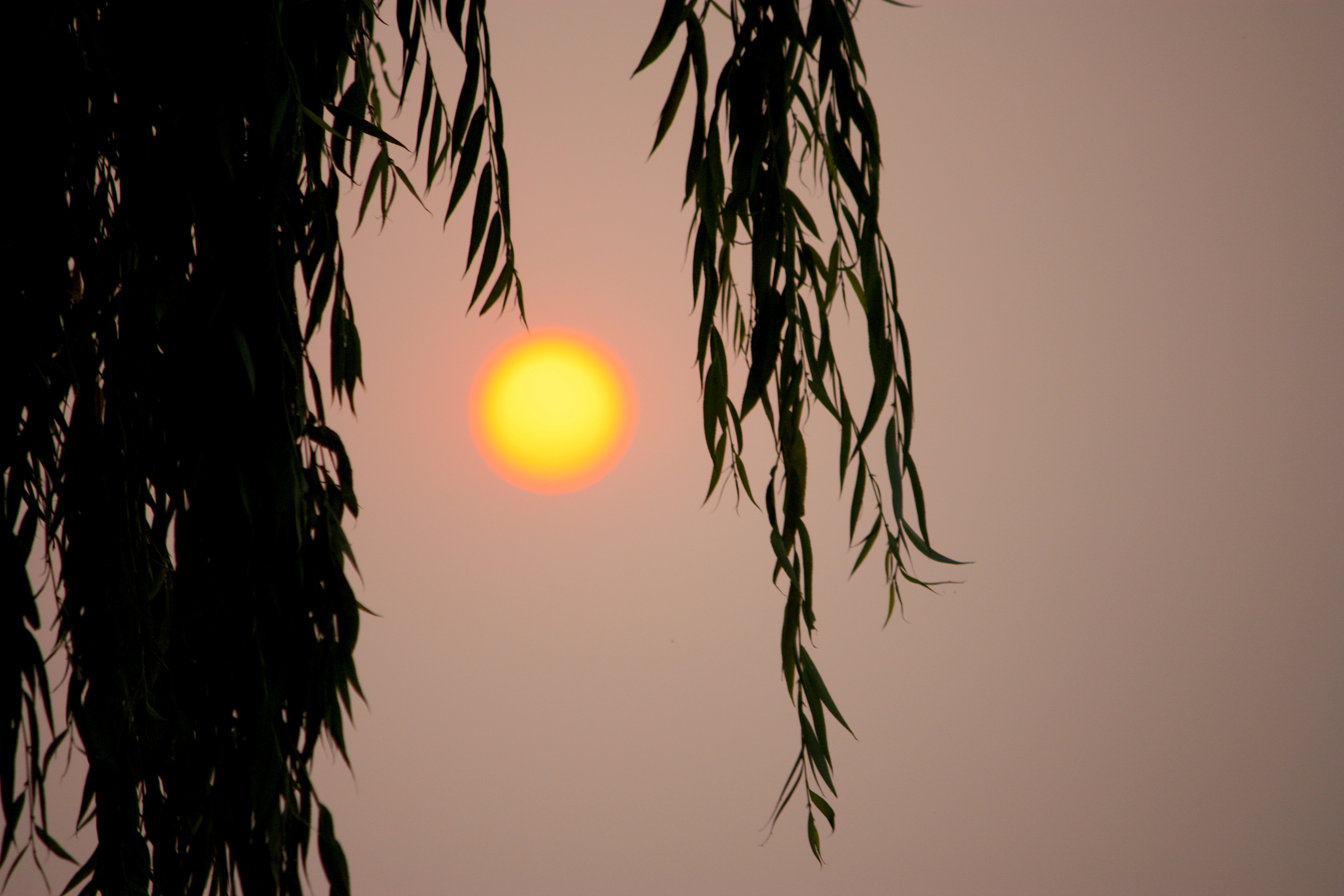
sunset626152

daisygrass

Sixty-seven years, oh Lord, to look at the clouds,
the trees in deep, moist summer,
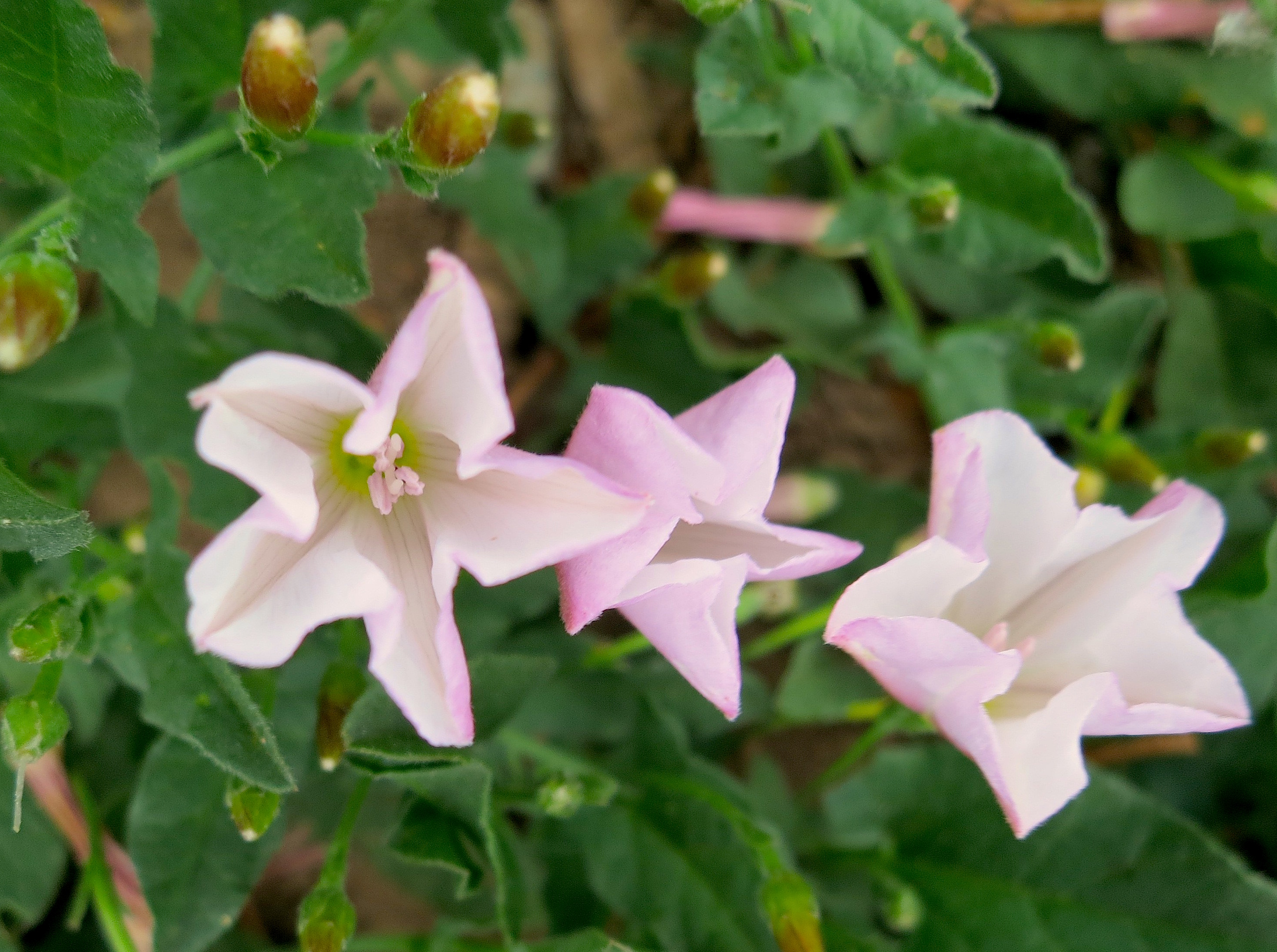
daisies and morning glories
opening every morning

their small, ecstatic faces—
Or maybe I should just say

how I wish I had a voice
like the meadowlark’s,

sweet, clear, and reliably
slurring all day long

from the fencepost, or the long grass
where it lives

in a tiny but adequate grass hut
beside the mullein and the everlasting,

the faint-pink roses
that have never been improved, but come to bud

then open like little soft sighs
under the meadowlark’s whistle, its breath-praise,

its thrill-song, its anthem, its thanks, its
alleluia. Alleluia, oh Lord.
~Mary Oliver “While I am Writing a Poem to Celebrate Summer, the Meadowlark Begins to Sing”


Each day opens to new possibility
with a sigh, a breath and thankfulness,
once in awhile tears, sometimes heartbreak,
and flat out fear of what comes next.

Even so,
through it all
there is a song of praise, that alleluia
that reminds us why we are
and who we live for.
All is well,
it is well with my soul.

begonia622155

rose611151

rosewwu

wwubird

Noticing

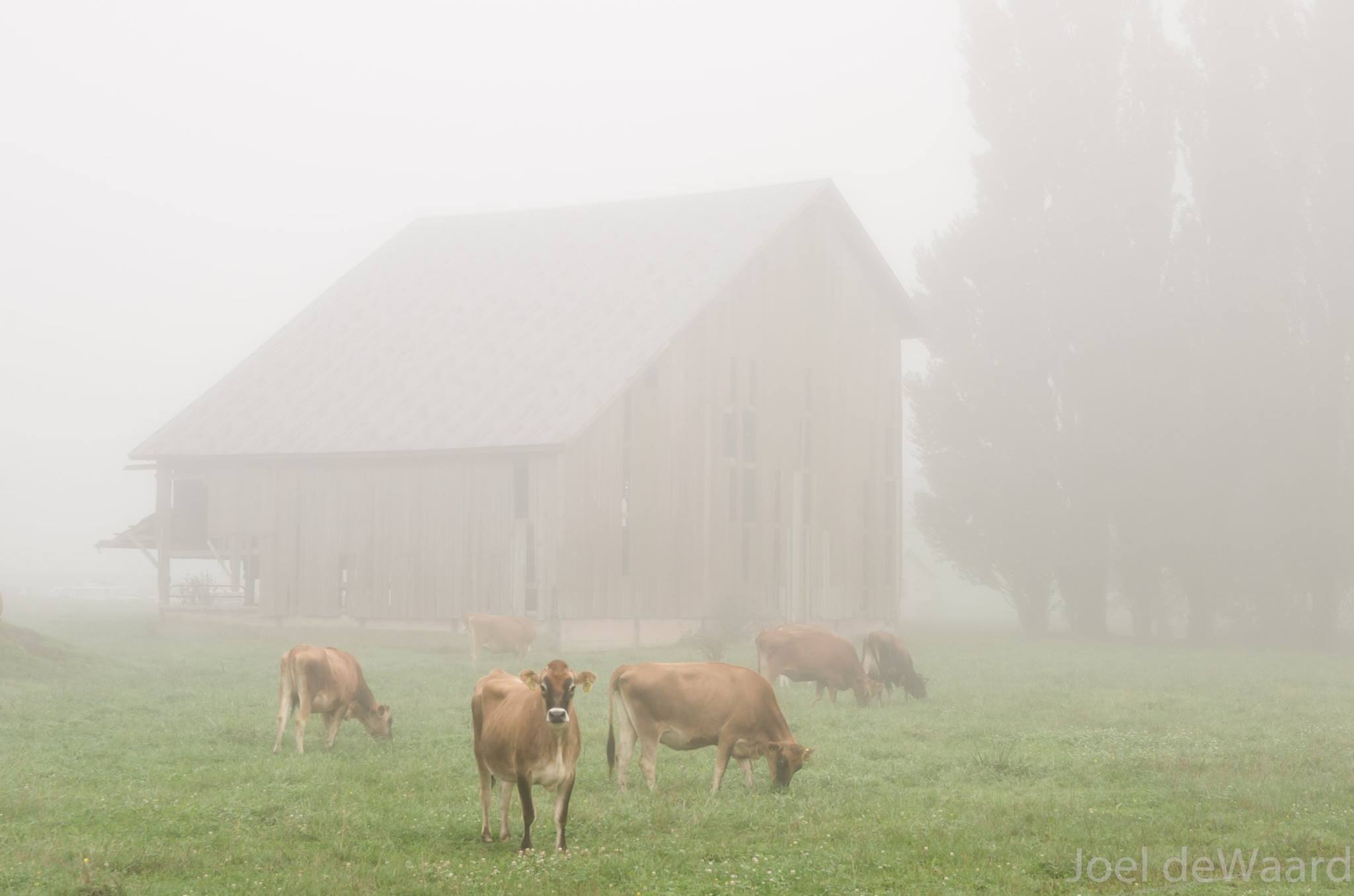
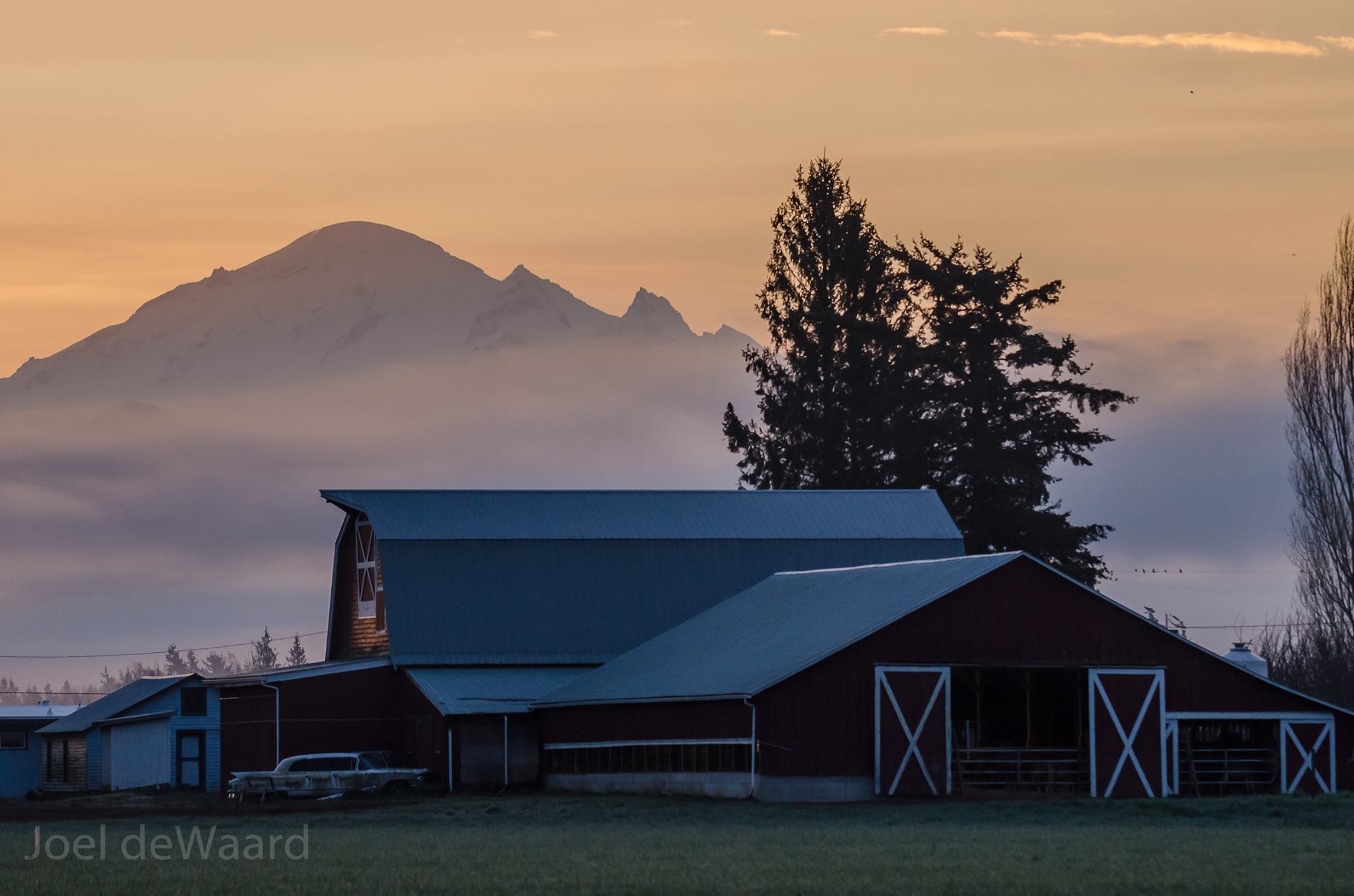
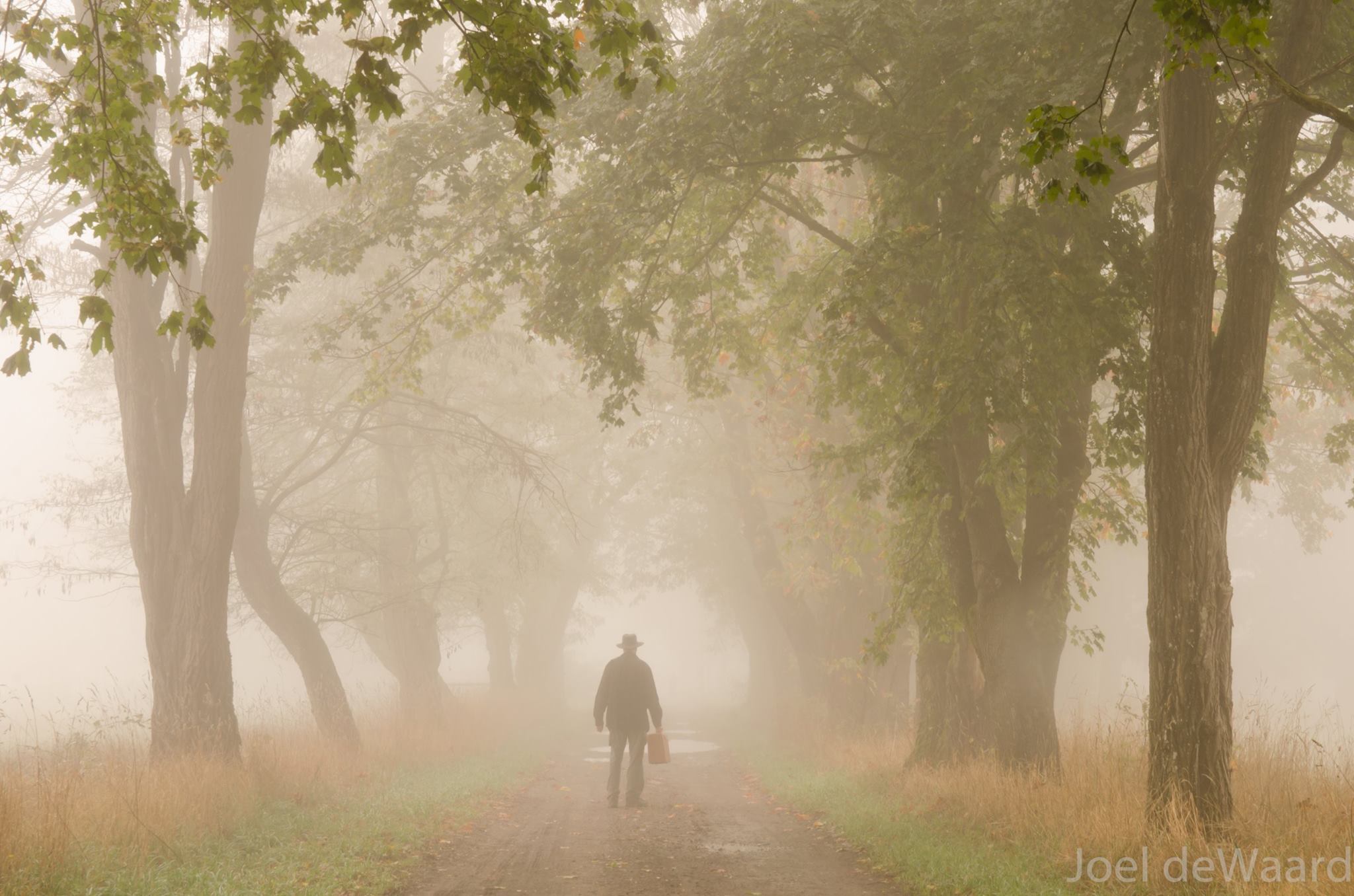
photo by Joel DeWaard

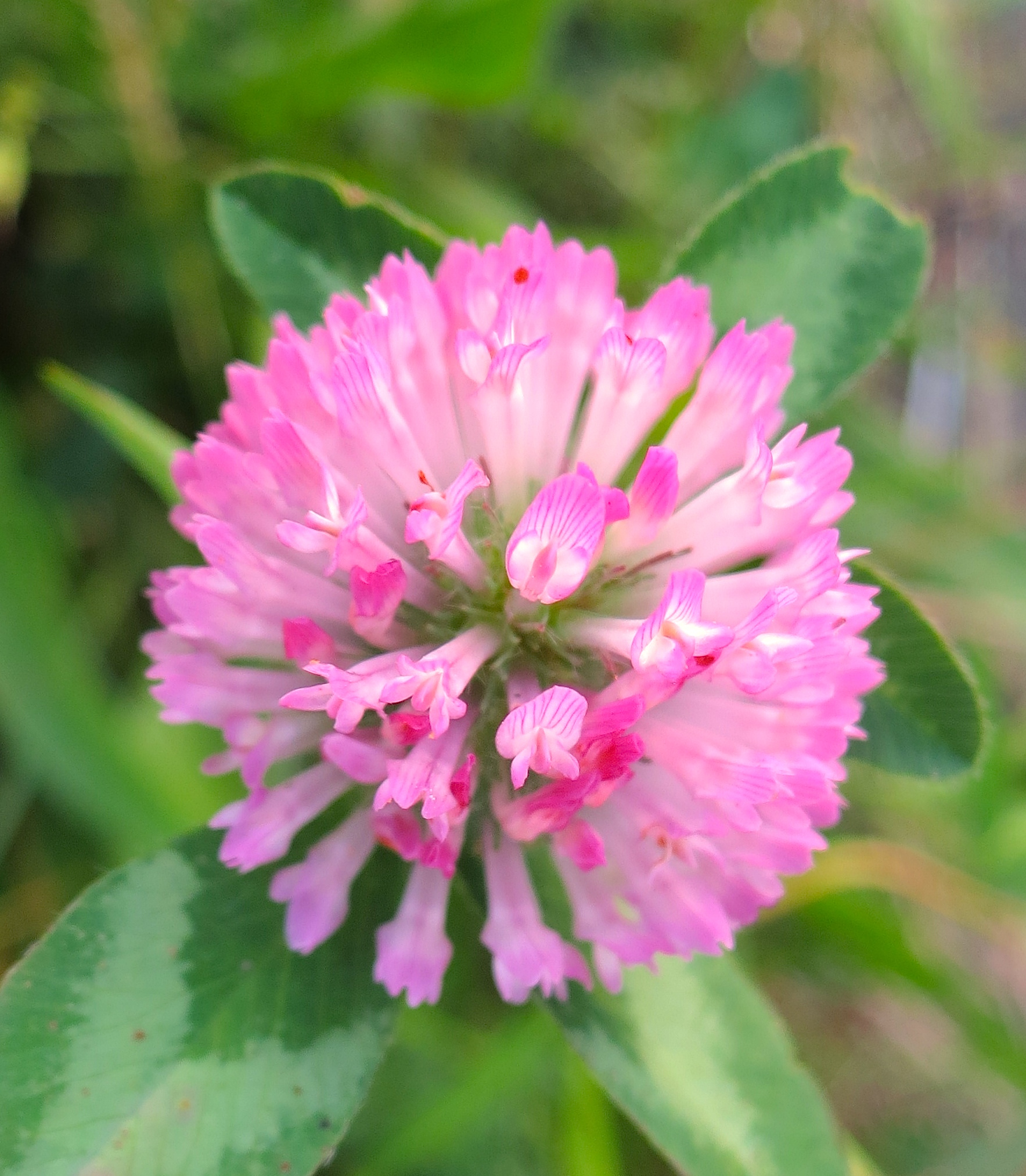
cloverbeauty

How beautiful the things are that you did not notice before!
A few sweetclover plants
Along the road to Bellingham,
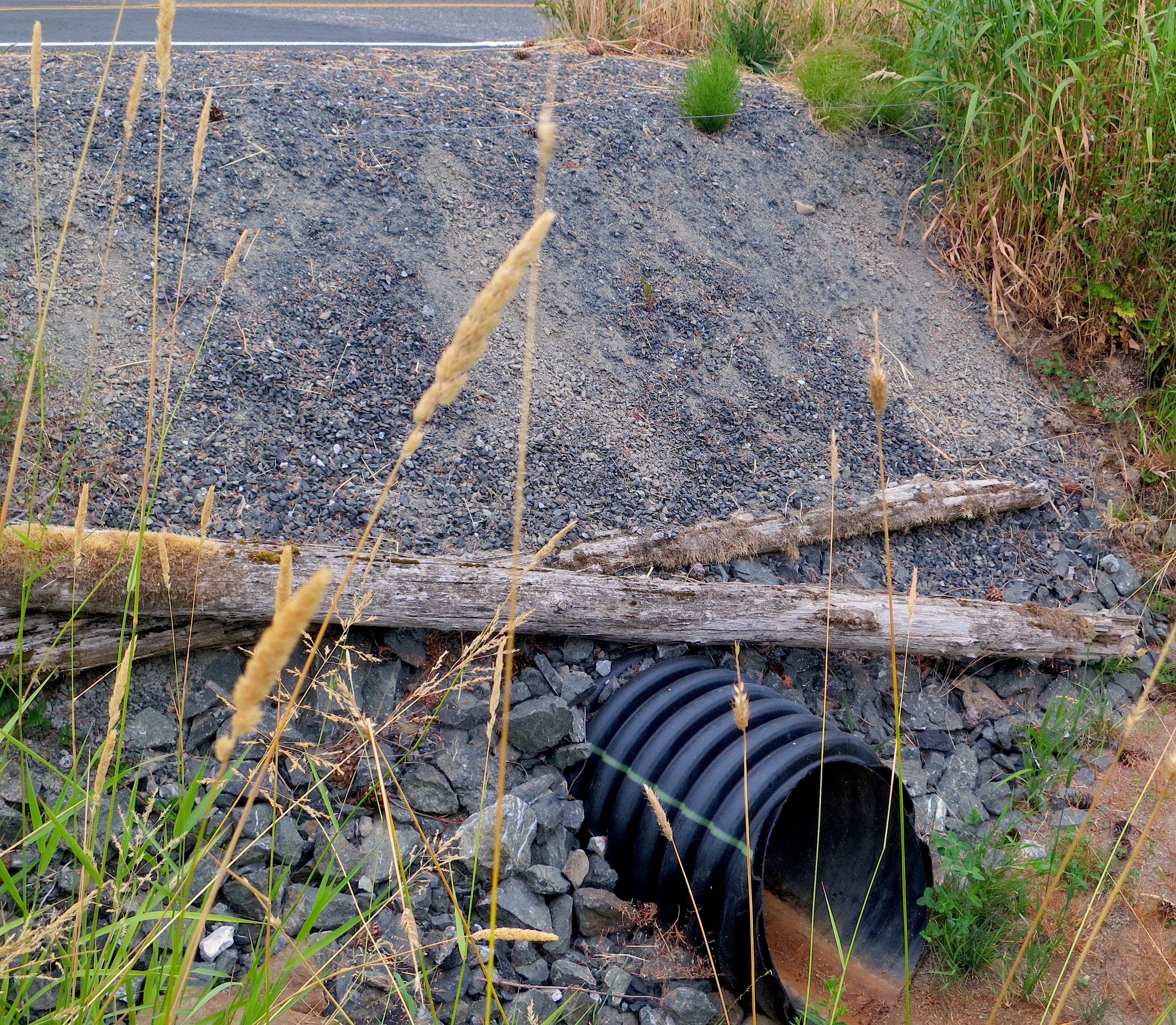
Culvert ends poking out of driveways,
Wooden corncribs, slowly falling,
What no one loves, no one rushes towards or shouts about,
What lives like the new moon,
And the wind
Blowing against the rumps of grazing cows.
~Robert Bly from “Like the New Moon I Will Live My Life”

culvert

I see in a new way now,
my eyes scanning for the unnoticed and plain,
along the roadsides, on my walks,
anywhere I might wander.
I take a moment to notice what
I might keep for another day,
like a jar of canned peaches in my cellar,
so I won’t forget, and someday share
its sweetness.

photo by Joel DeWaard
photo by Harry Rodenberger

groundcover

Bitter Sweet

redcurrant611151

begonia622154

Just when it has seemed I couldn’t bear
one more friend
waking with a tumor, one more maniac

with a perfect reason, often a sweetness
has come
and changed nothing in the world

except the way I stumbled through it,
for a while lost
in the ignorance of loving

someone or something, the world shrunk
to mouth-size,
hand-size, and never seeming small.

I acknowledge there is no sweetness
that doesn’t leave a stain,
no sweetness that’s ever sufficiently sweet.

Often a sweetness comes
as if on loan, stays just long enough

to make sense of what it means to be alive,
then returns to its dark
source. As for me, I don’t care

where it’s been, or what bitter road
it’s traveled
to come so far, to taste so good.
~Stephen Dunn from “Sweetness”


Even when the softness of a lovely day lingers long,
reminding me to “remember this, this moment, this feeling”
I realize that it will be lost, slipping away from me
in mere moments, its sweetness fading into the fog of time
and daily distractions so quickly
that I barely remember the taste,
all that’s left is the bitterness of its loss.

Walking this path,
sometimes guessing,
more often not knowing where it leads,
I ponder the sweetness,
treasure it up,
knowing I would never miss it
if I didn’t taste it to begin with.

photo by Joel DeWaard


wwuoakleaf5

wwupacplaza

Waving Gold

butte9

butte4

Now that summer’s ripen’d bloom
Frolics where the winter frow n’d,
Stretch’d upon these banks of broom,
We command the landscape round.

Nature in the prospect yields
Humble dales and mountains bold,
Meadows, woodlands, heaths-and fields
Yellow’d o’er with waving gold.

On the uplands ev’ry glade
Brightens in the blaze of day;
O’er the vales the sober shade
Softens to an ev’ning gray.
~John Cunningham from “The Landscape”

image

A certain day became a presence to me;
there it was, confronting me—a sky, air, light:
a being. And before it started to descend
from the height of noon, it leaned over
and struck my shoulder as if with
the flat of a sword, granting me
honor and a task. The day’s blow

rang out, metallic—or it was I, a bell awakened,
and what I heard was my whole self
saying and singing what it knew: I can.

~Denise Levertov “Variations on a Theme of Rilke”

image image image

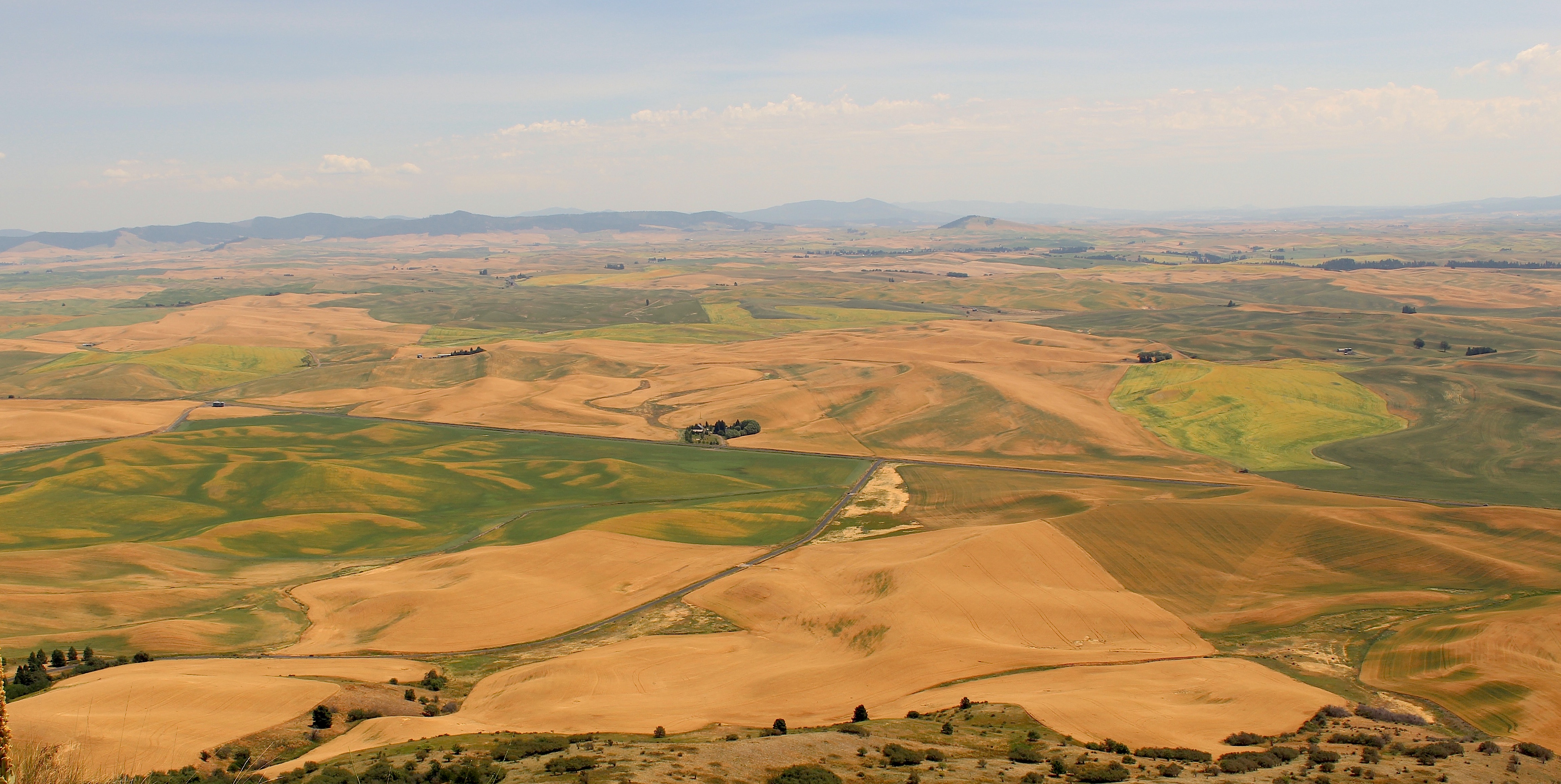
Yesterday we visited my mother’s childhood home in Spring Valley, Washington in Palouse country, where at the turn of the century a thriving small village sat at a crossroads in the rolling wheat fields.  Where the grain elevators now stand tall against the horizon, a train depot for the electric powered train running north-south once drew Teddy Roosevelt on his whistle-stop tour. The foundation still exists, broken in pieces, of the one room schoolhouse where my mother and uncle attended school until age 13.  My aunt is still vital and strong in her mid-nineties and my cousins still steward the land, training up the next generation to take over.

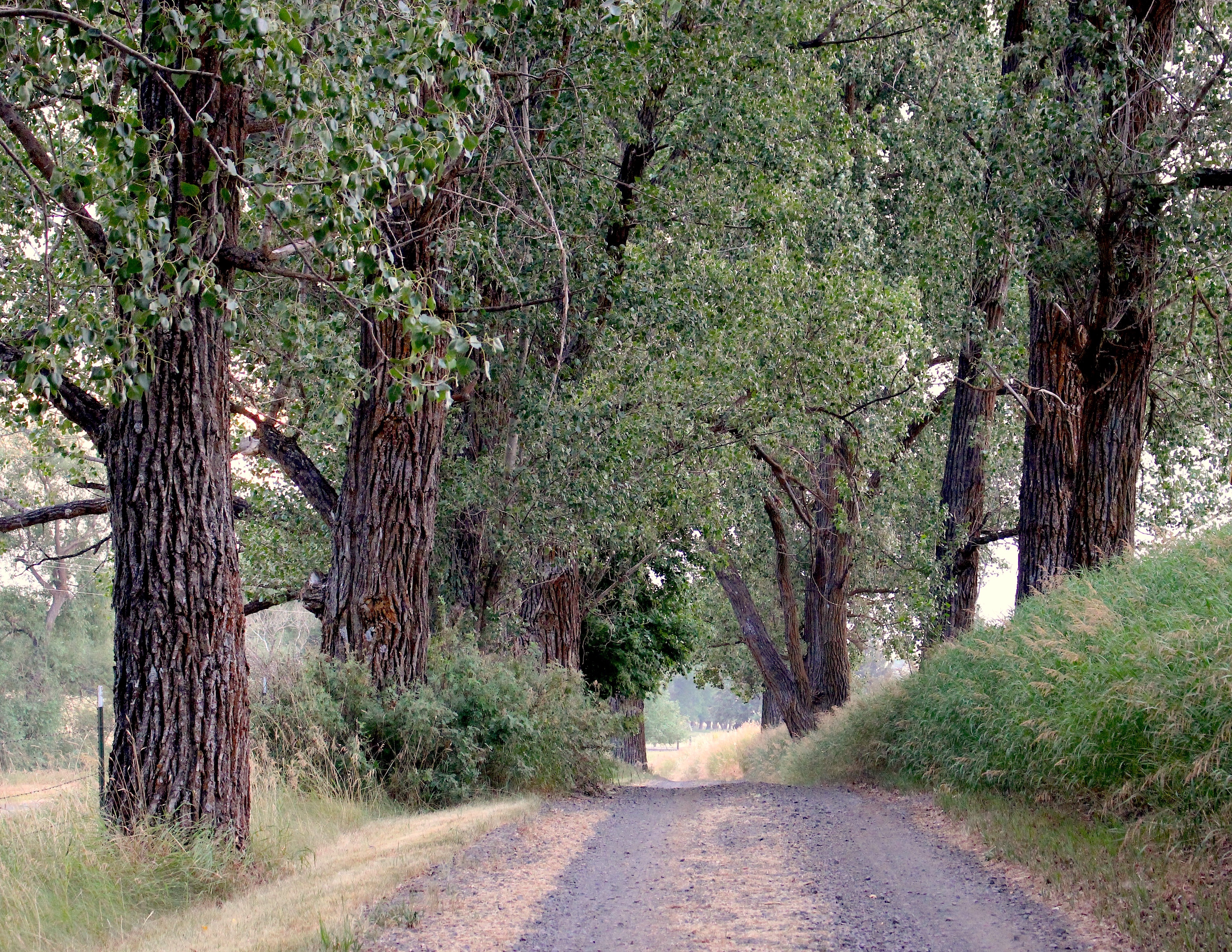
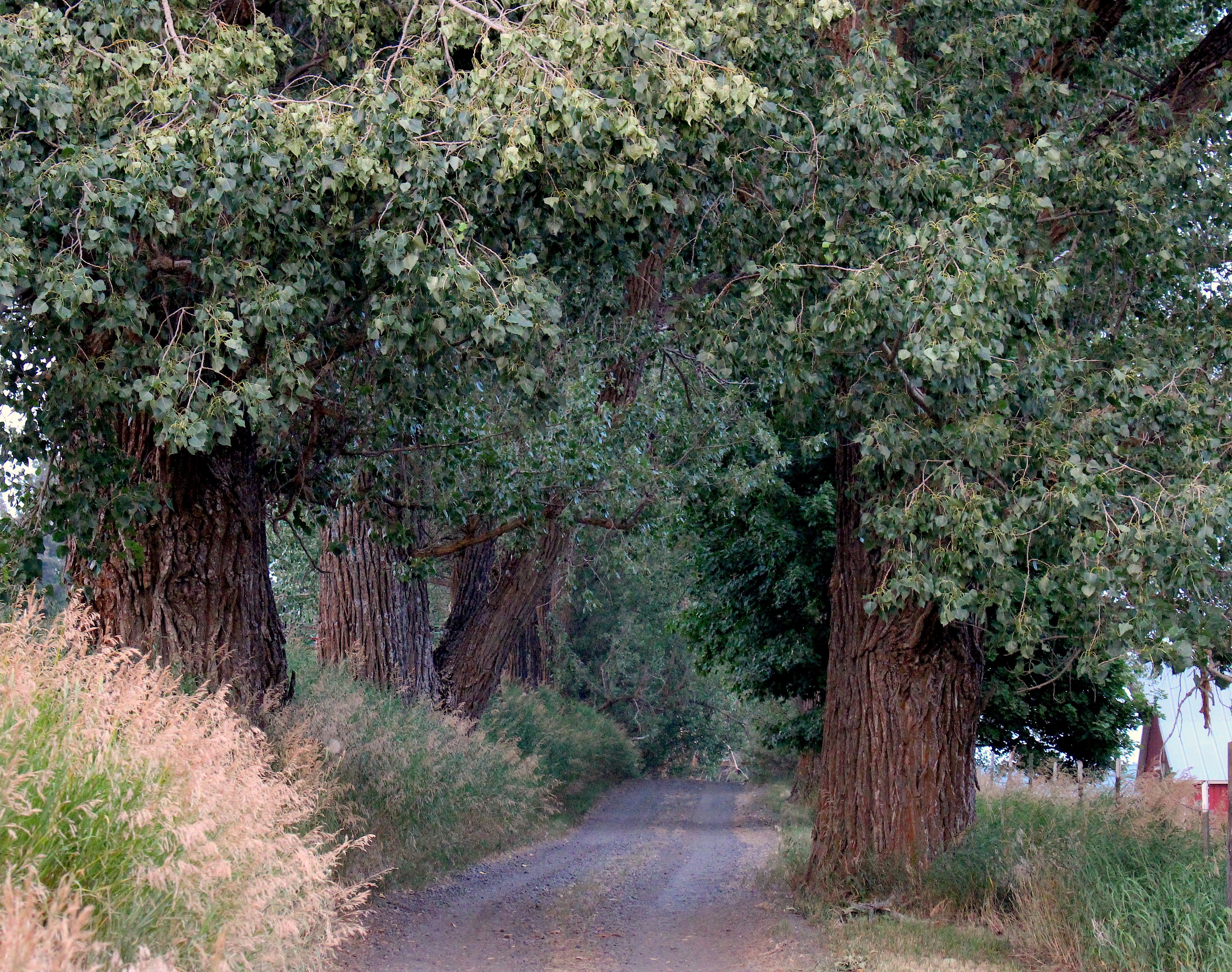
Walking the old poplar-lined driveway again, seeing the willows where moose come to graze, walking through the old farmhouse where my mother and uncle were born and I spent summer visits,  I was a bell rung.  If the people I come from could do this, this hard life, I can do my calling too.  I can wave gold, like the grain of these fields, readying for harvest.

image image

Beauty Bleak

 irisshell
 begonia622153
image image
That there is beauty bleak and far from ours,
Great reaches where the Lord’s delighting mind,
Though not inhuman, ponders other things
~Richard Wilbur from “Elsewhere”
so much to ponder
so much truth
so much beauty that
startles and delights
all at once
begonia6221510
tennant6217
tennant6216

A Continuing Miracle

image

The miraculous is not extraordinary, but the common mode of existence. It is our daily bread. Whoever really has considered the lilies of the field or the birds of the air, and pondered the improbability of their existence in this warm world within the cold and empty stellar distances, will hardly balk at the turning of water into wine – which was, after all, a very small miracle. We forget the greater and still continuing miracle by which water (with soil and sunlight) is turned into grapes.
~Wendell Berry

In our travels over the last week, we have seen many remarkable continuing miracles, some large and some very small, almost missed in the splendor of the extraordinary.  We breathe in the ordinary, in order not to forget.

image imageimage

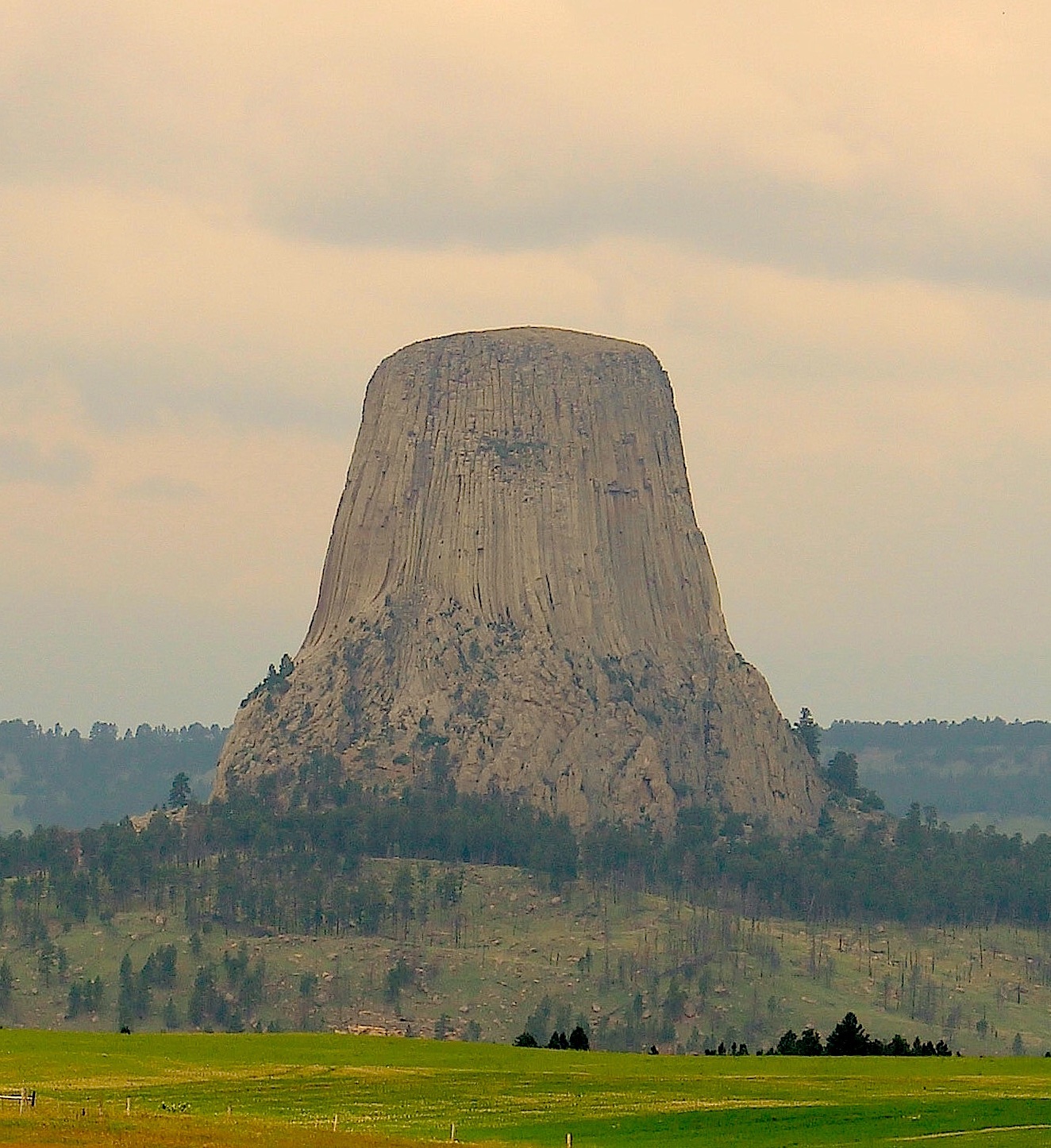
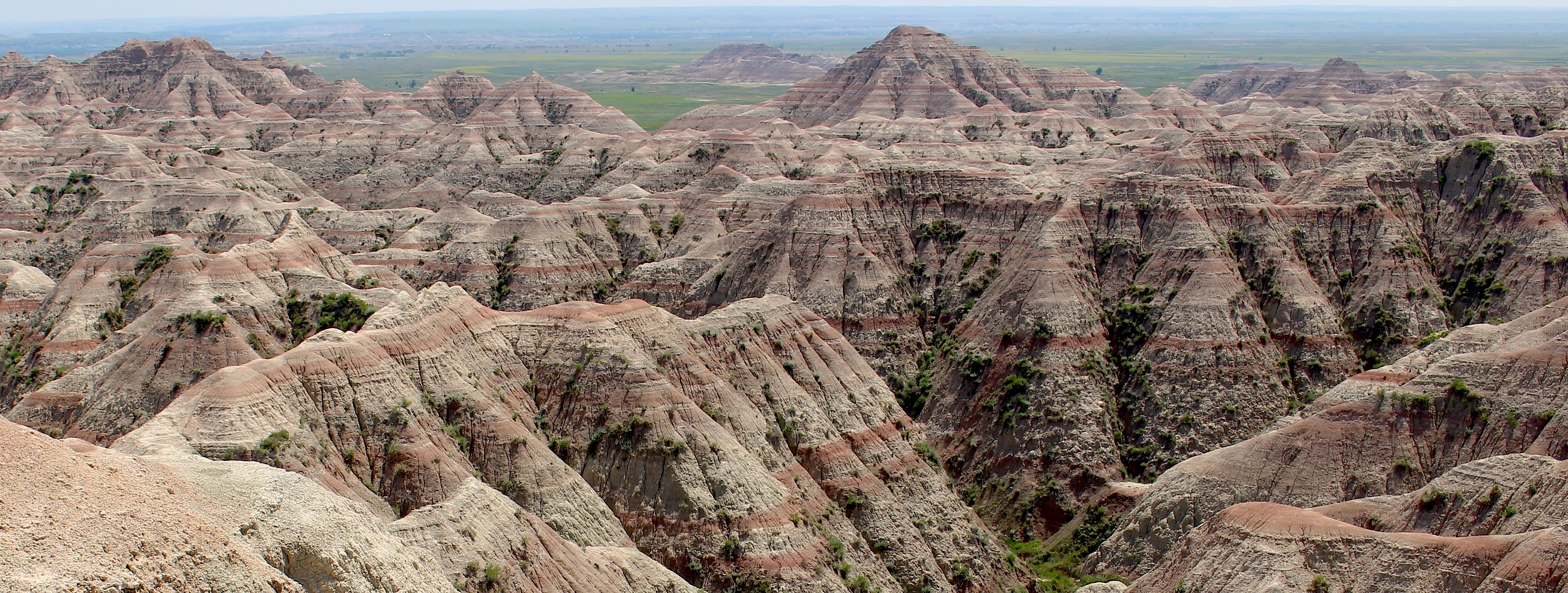
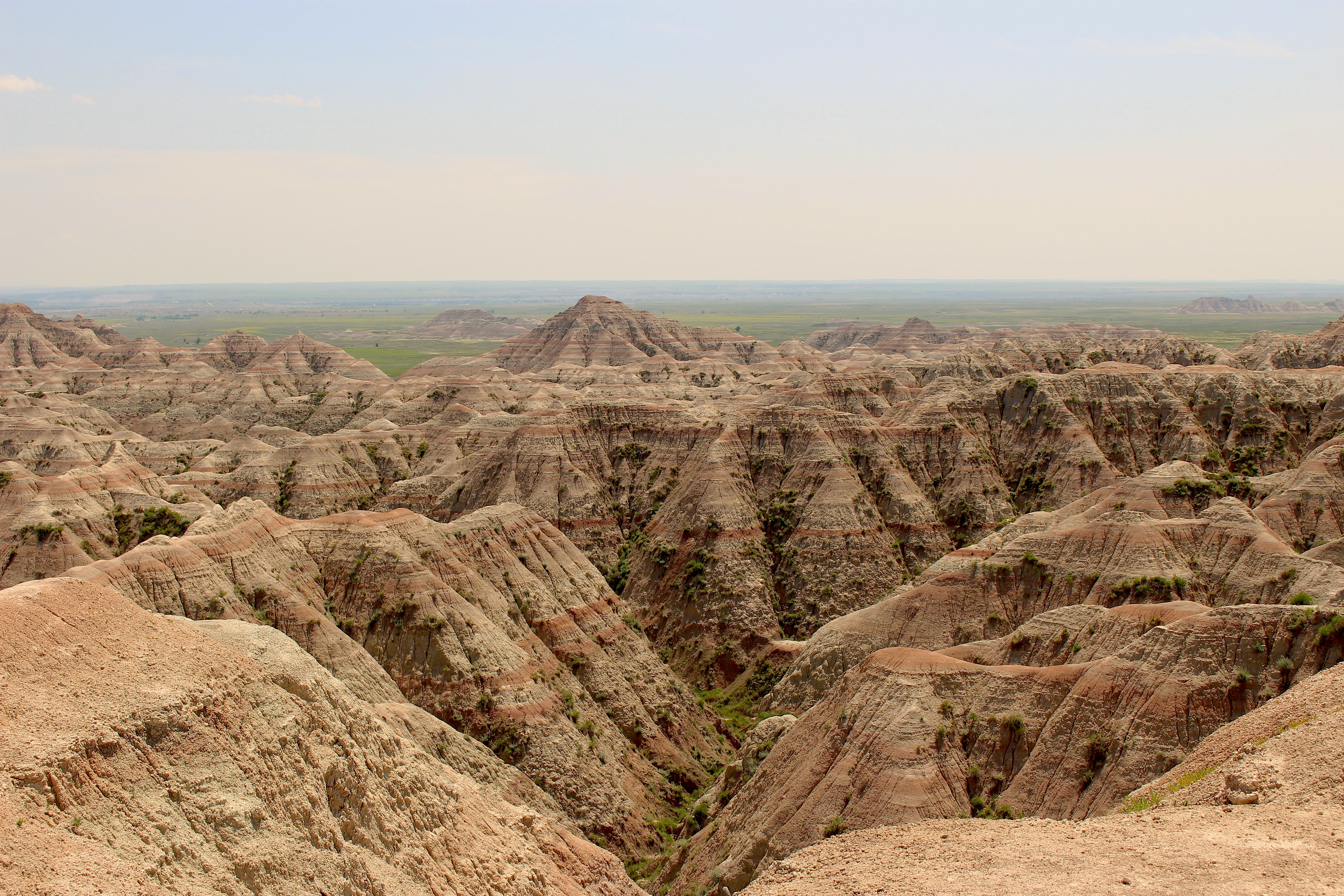
The Loneliest of Places

badlands20151

badlands2015

badlands20157

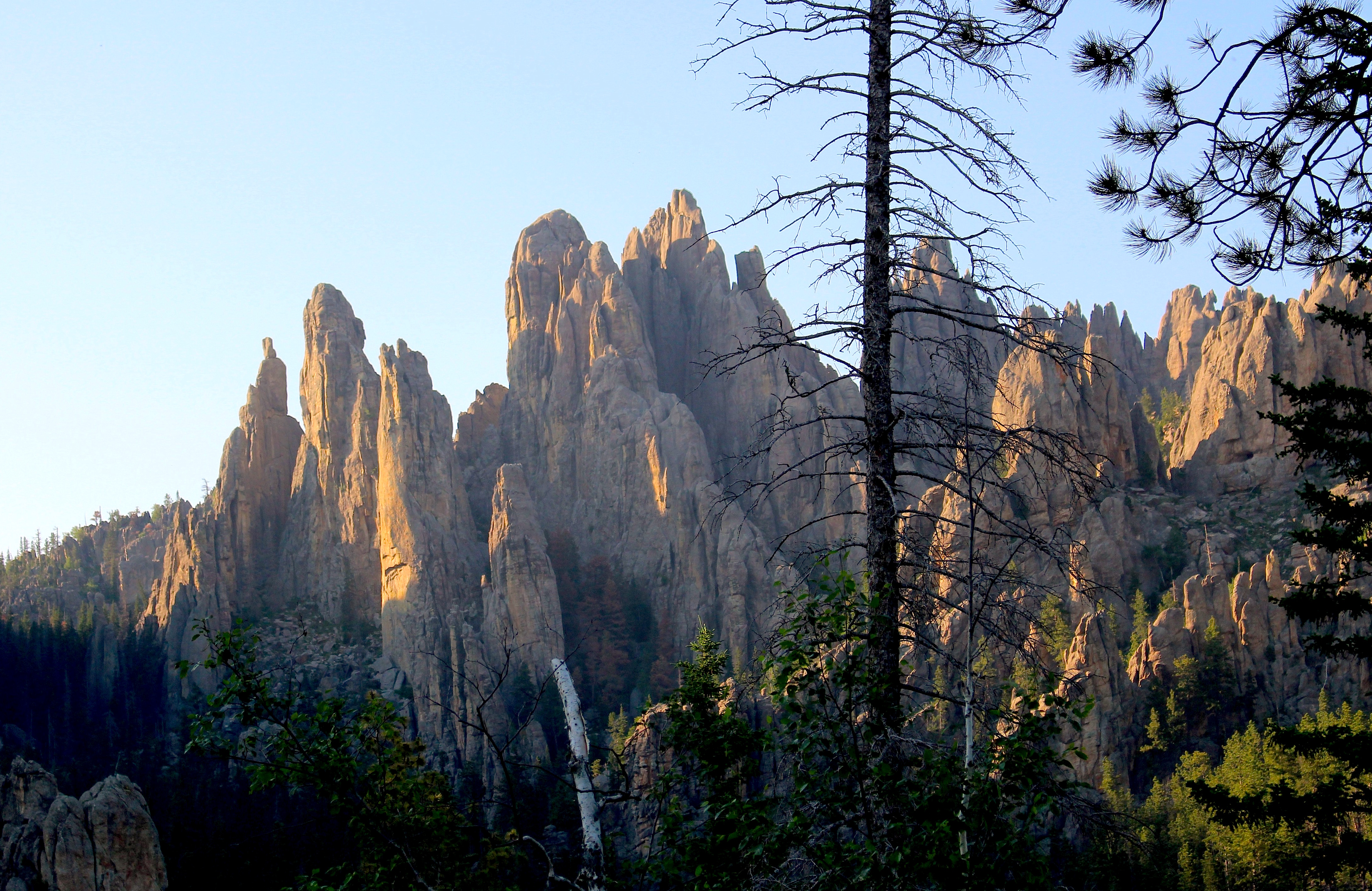
needles2015

This land changes you if you let it…

There is no place to hide here
from yourself and what you fear.
The meadowlark will break your heart
the magpie steal your breakfast
and once you’ve seen the buffalo graze on Sage Creek
they will rumble through your dreams forever.

Diane Weddington in Badlands III

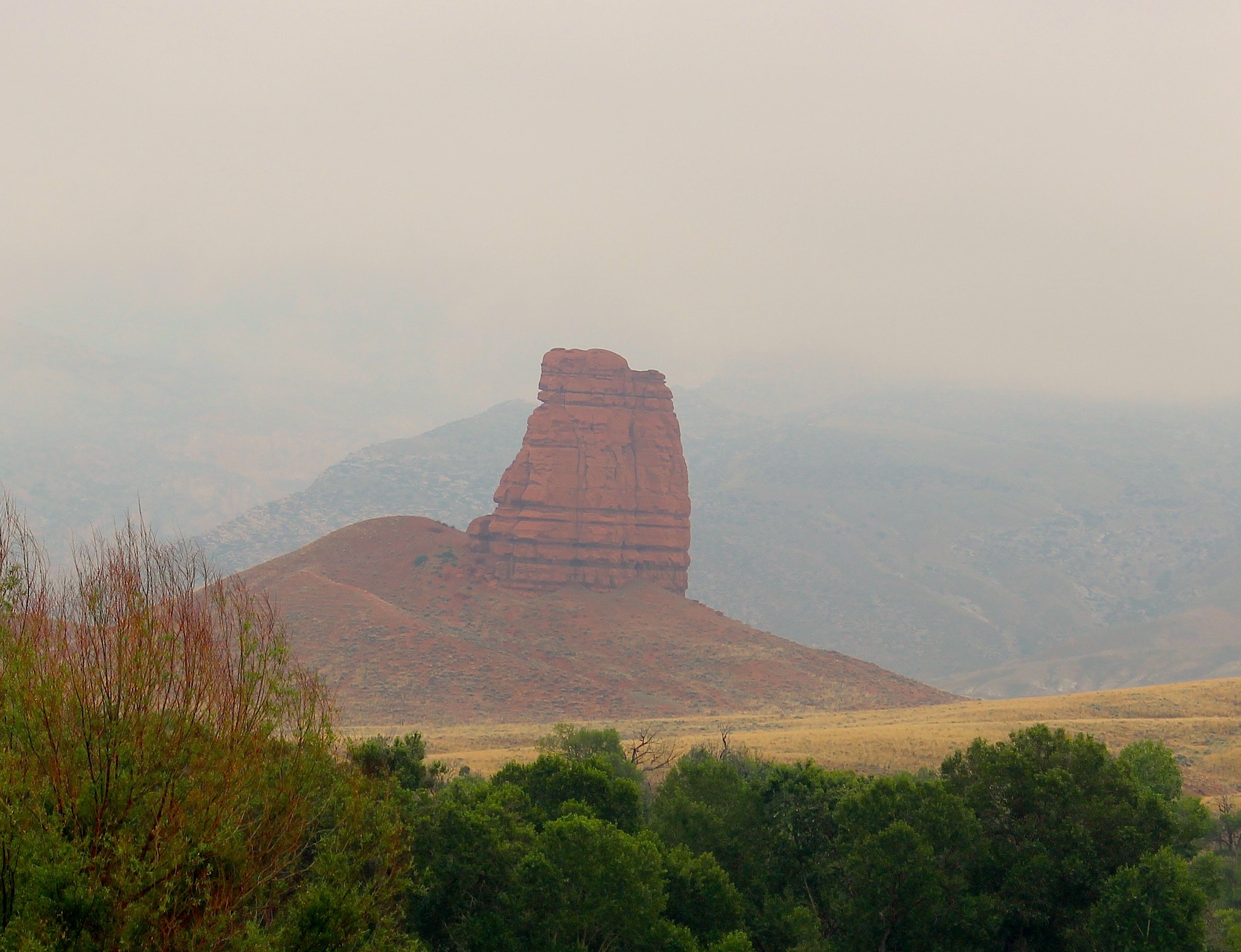
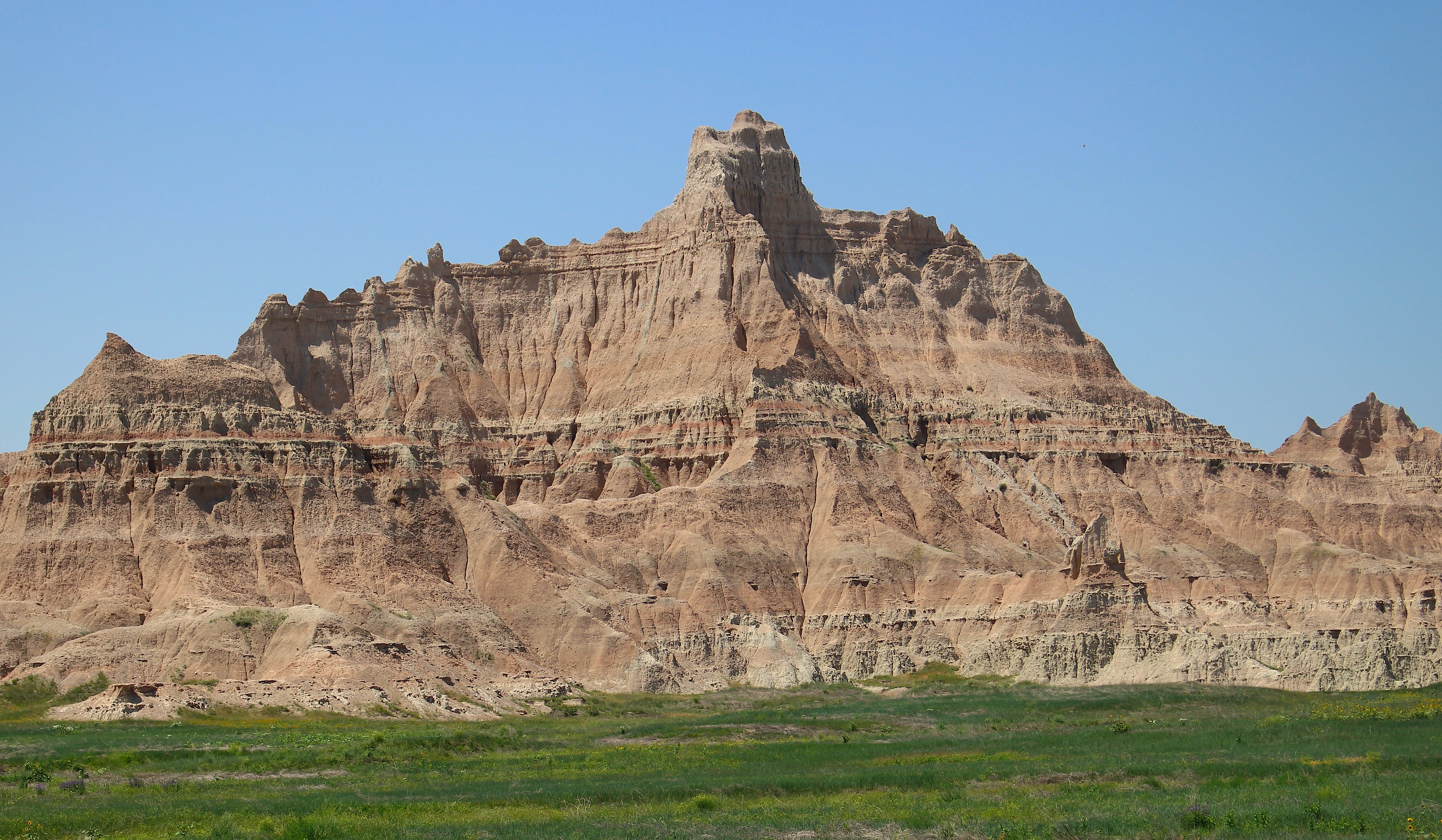
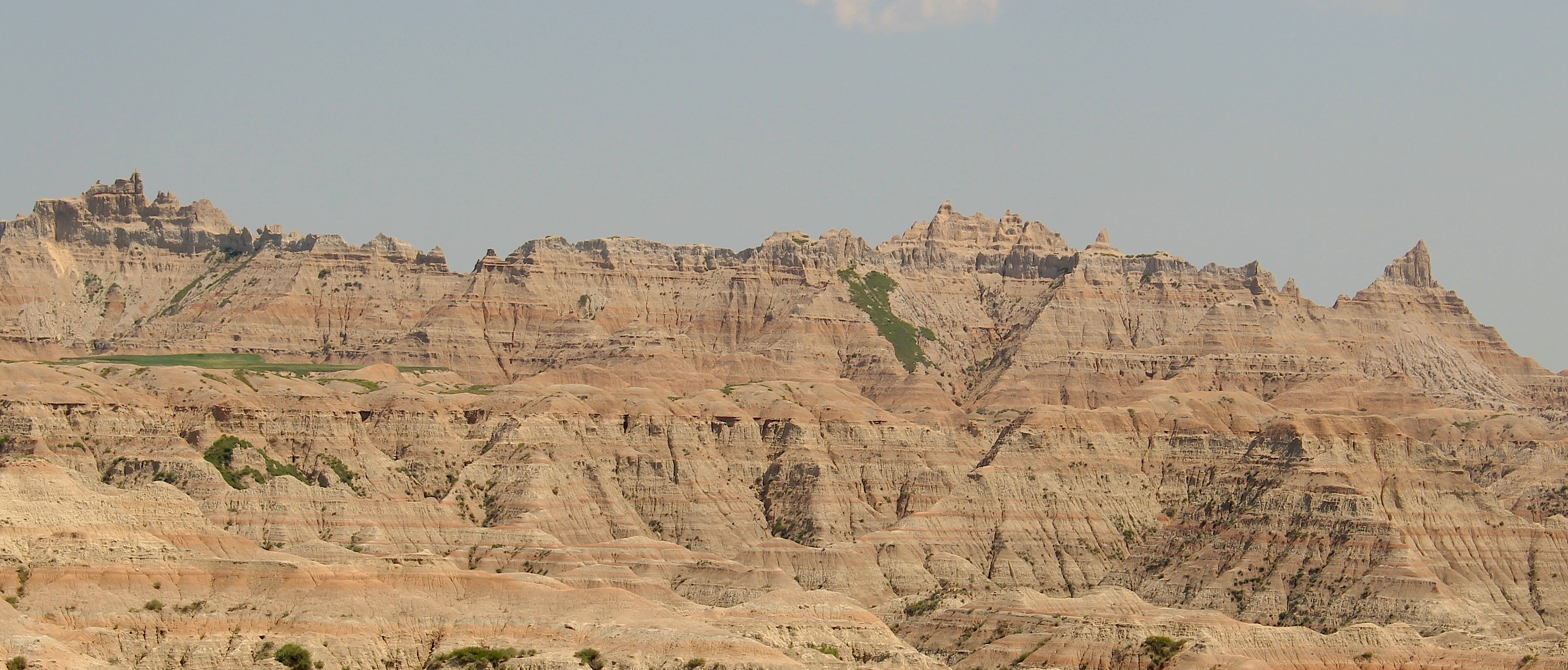
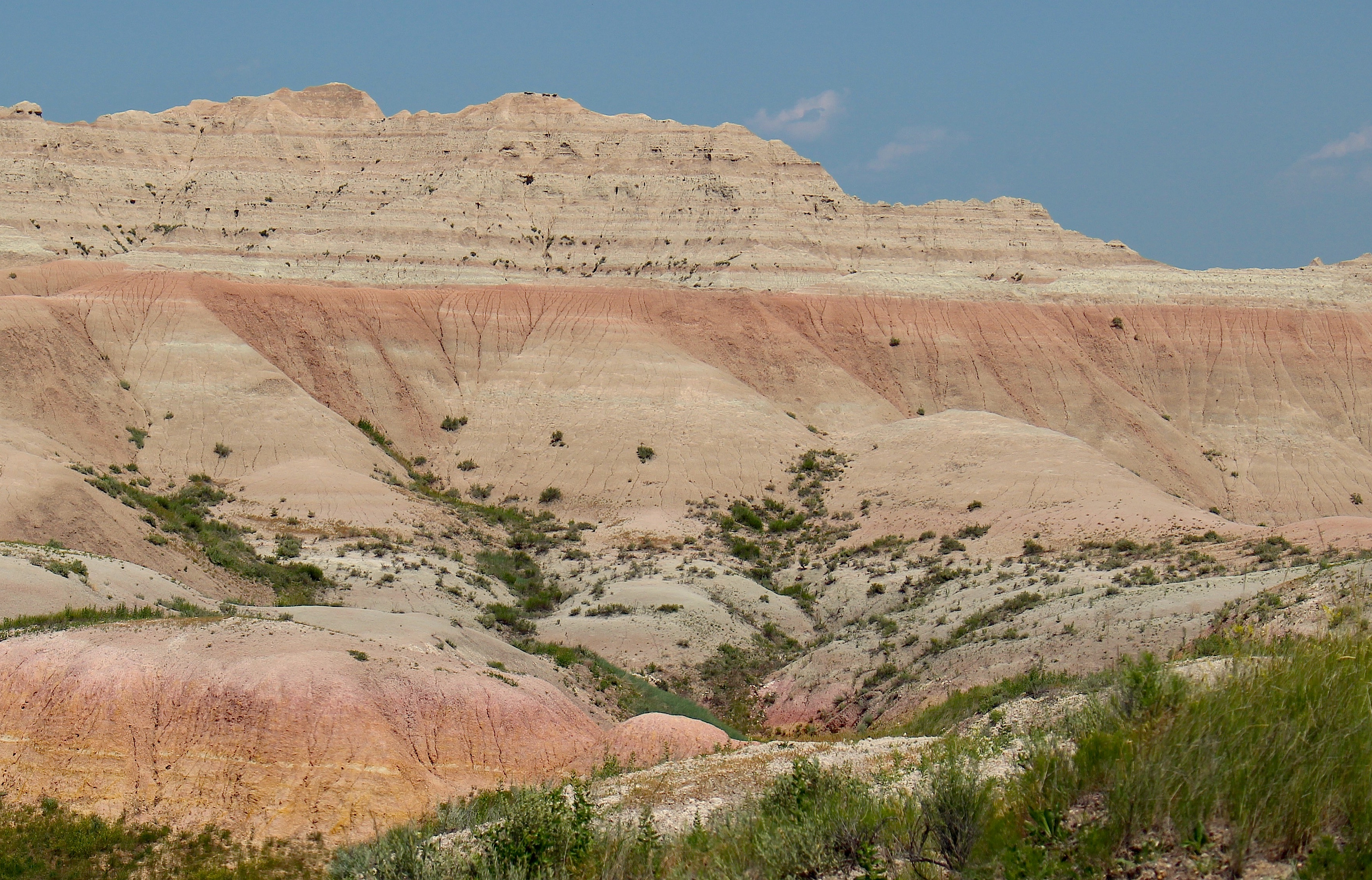
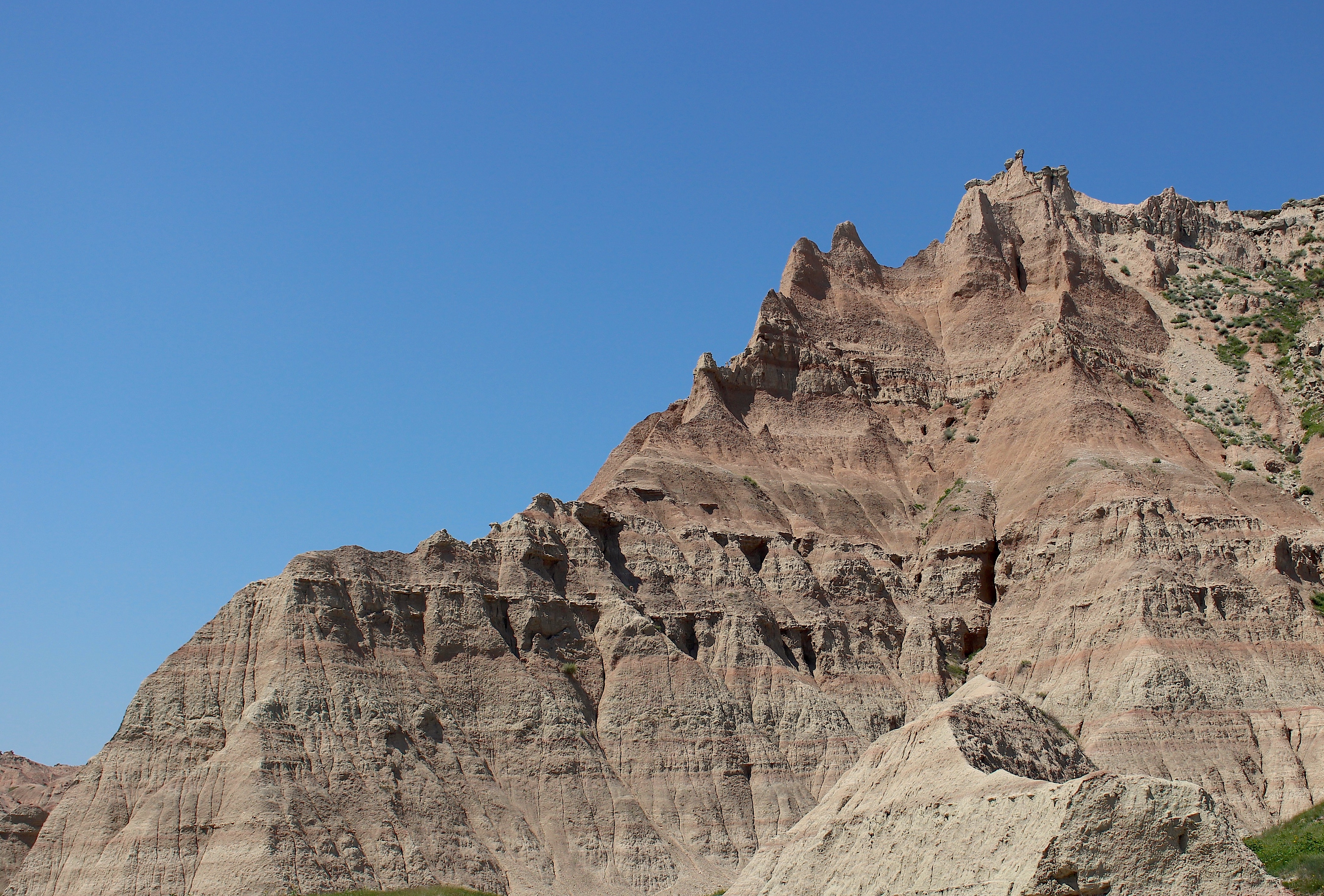
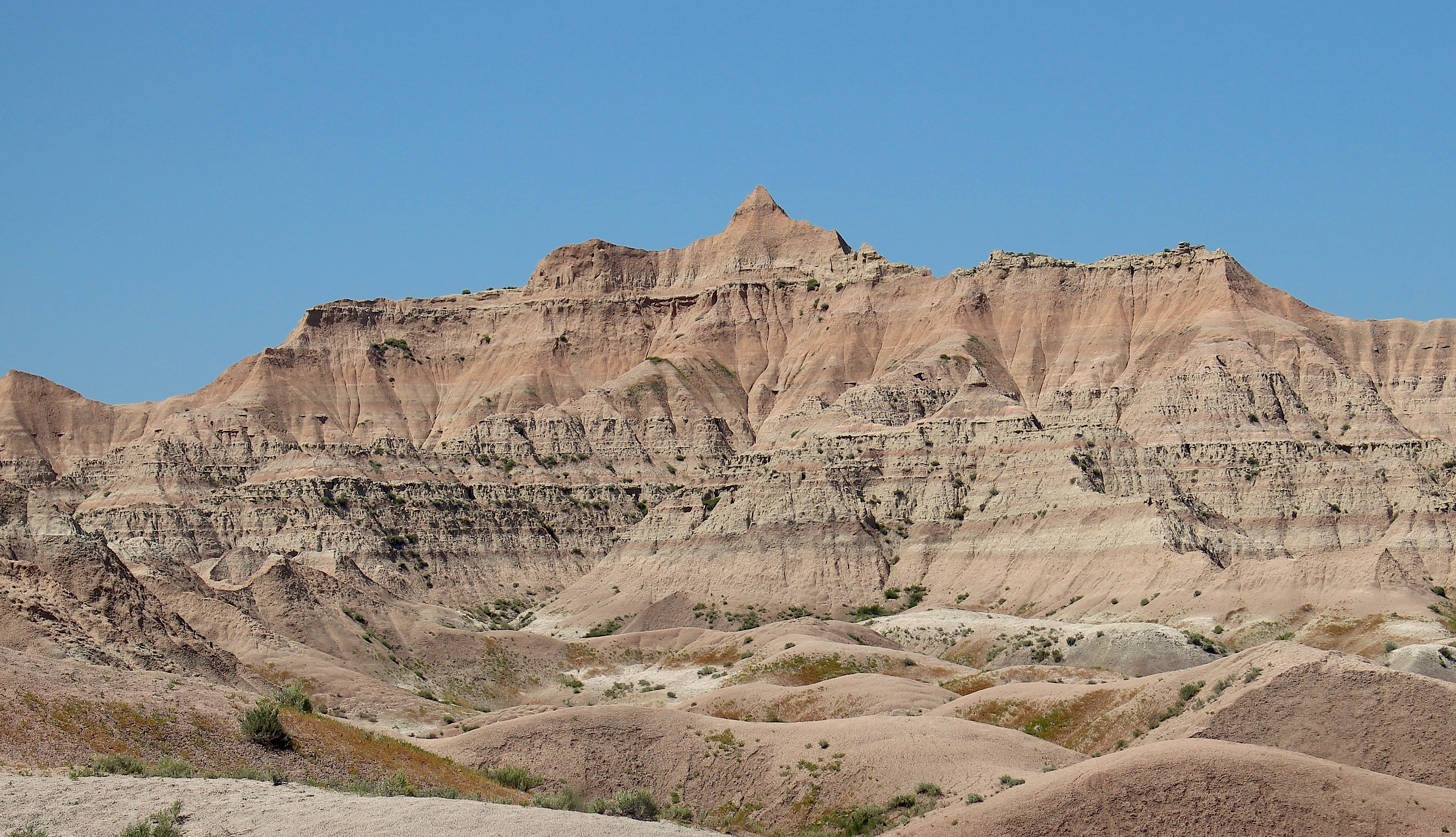
It seems hopelessness may be all that thrives in this loneliest of places where wind chews at the rocks.  But there is toughness and remarkable color and diversity too.  Hope cannot die where the sunrise and sunset create a portrait of paradise for a few brief minutes twice each day.

Yet despite it all grass grows here, in patches and strips, pulling moisture from the thin topsoil veneer.

It is a promise — even the barren can bear fruit.


badlands20152

badlands20153

badlands20154

badlands20156


I Tremble for my Country

prairie3

prairie10

The God who gave us life gave us liberty at the same time: the hand of force may destroy, but cannot disjoin them.” –
–Thomas Jefferson, in “A Summary View of the Rights of British America”
“Can the liberties of a nation be thought secure when we have removed their only firm basis, a conviction in the minds of the people that these liberties are of the gift of God? That they are not to be violated but with his wrath? Indeed I tremble for my country when I reflect that God is just: that his justice can not sleep forever…
― Thomas Jefferson, in Notes on the State of Virginia on the need for abolition of slavery

Would Thomas Jefferson, architect of our Declaration of Independence celebrated today, be trembling for his country still? I believe he would, considering his views were radical in his day, his religious convictions unconventional, and his plantation managed by slaves of African descent. He personally understood the moral quicksand on which he tenuously stood–the conflict he felt was as close as his own home. He would recognize and mourn our abuse of our liberties secured and maintained through the blood of our forefathers, our brothers, sisters and children.

Today we are sinking deeply in that same quicksand, having done no better than Jefferson at forging a personal and moral foundation on which to firmly stand. We have squandered our autonomy with selfishness rather than a selflessness borne out of gratitude for the gift of freedom. We want to secure and protect what is ours before we consider in humility if others have what they need first. We have used up land and and animals and water without regard to those who will come after us, failing to be stewards of the garden so generously given to our care.  We trample daily on others’ rights in the name of self-determination and freedom of choice, especially destroying the defenseless for imperfect genetics, wrong gender or simply being ill-timed.

History as recorded in the Word and elsewhere shows when everyone does as they see fit, there is no immunity from judgment and wrath:

In those days there was no king in Israel, but every man did that which was right in his own eyes.
Judges 17:6

And how well has that worked out for us?
It took a true servant King who sacrificed Himself to save us from destroying ourselves.
He is still trying and still waiting for our response.

Let us remember with conviction today the source of our life and liberty; His justice does not sleep.

prairie8

prairie2

prairie5

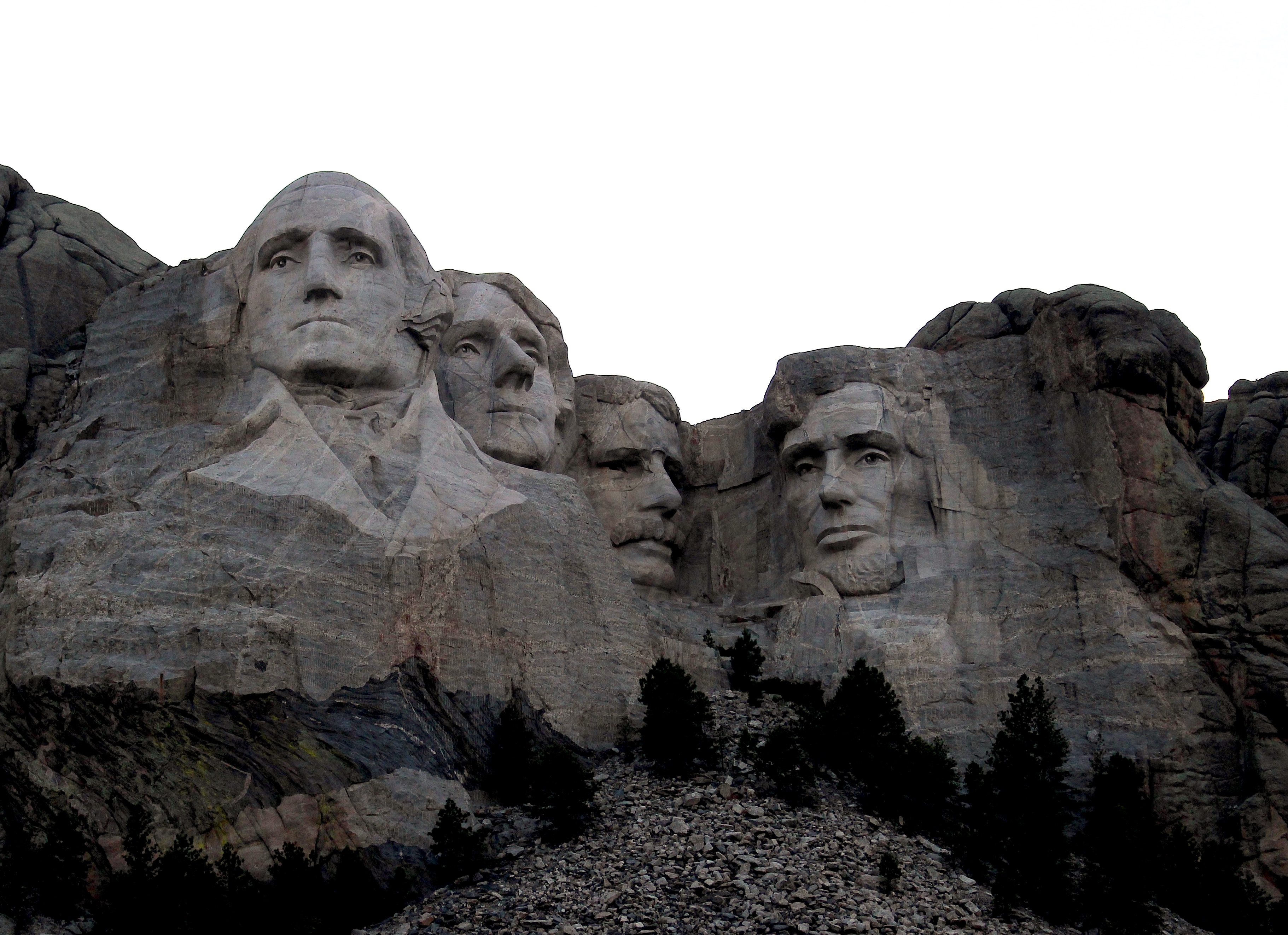
rushmore

Pointing Toward Infinity

10714382_939827096046604_7287334440393224727_o
photo by Joel DeWaard

It’s said they planted trees by graves
to soak up spirits of the dead
through roots into the growing wood.
The favorite in the burial yards
I knew was common juniper.
One could do worse than pass into
such a species. I like to think
that when I’m gone the chemicals
and yes the spirit that was me
might be searched out by subtle roots
and raised with sap through capillaries
into an upright, fragrant trunk,
and aromatic twigs and bark,
through needles bright as hoarfrost to
the sunlight for a century
or more, in wood repelling rot
and standing tall with monuments
and statues there on the far hill,
erect as truth, a testimony,
in ground that’s dignified by loss,
around a melancholy tree
that’s pointing toward infinity.
~Robert Morgan “Living Tree”

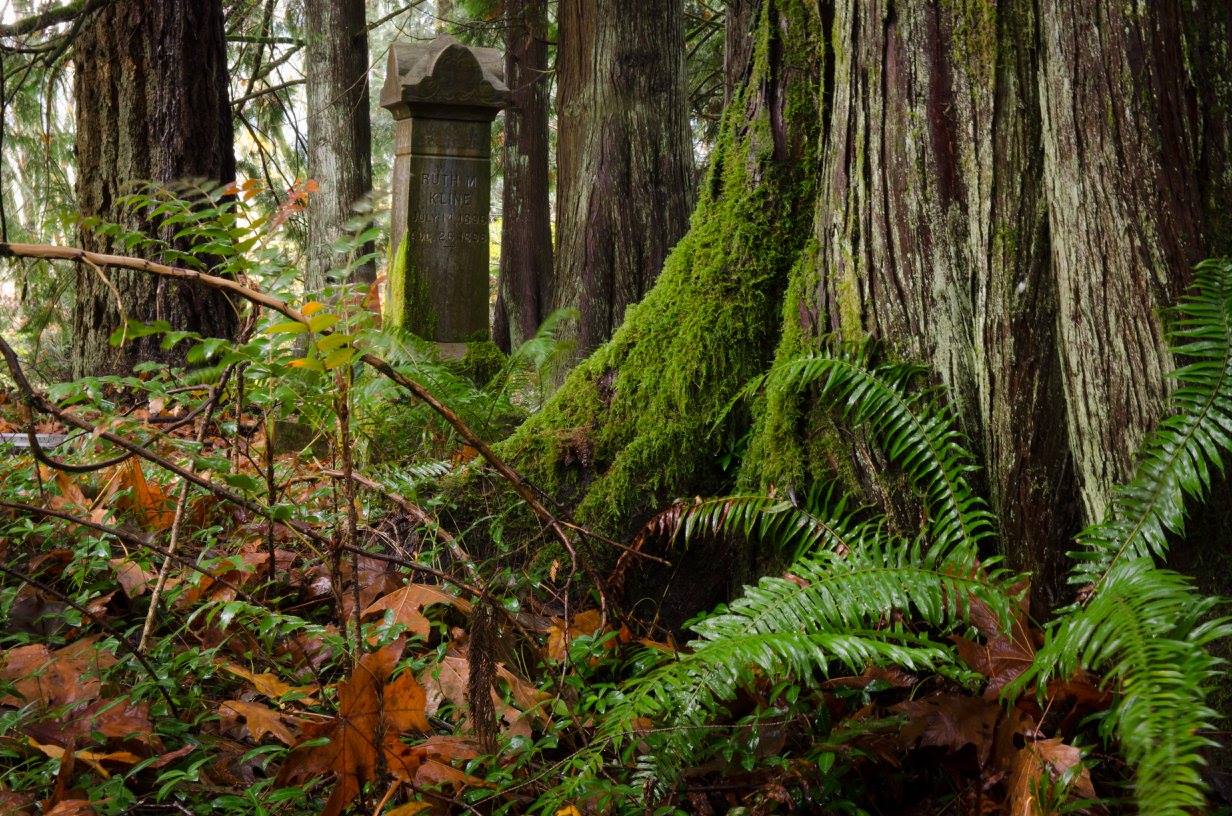
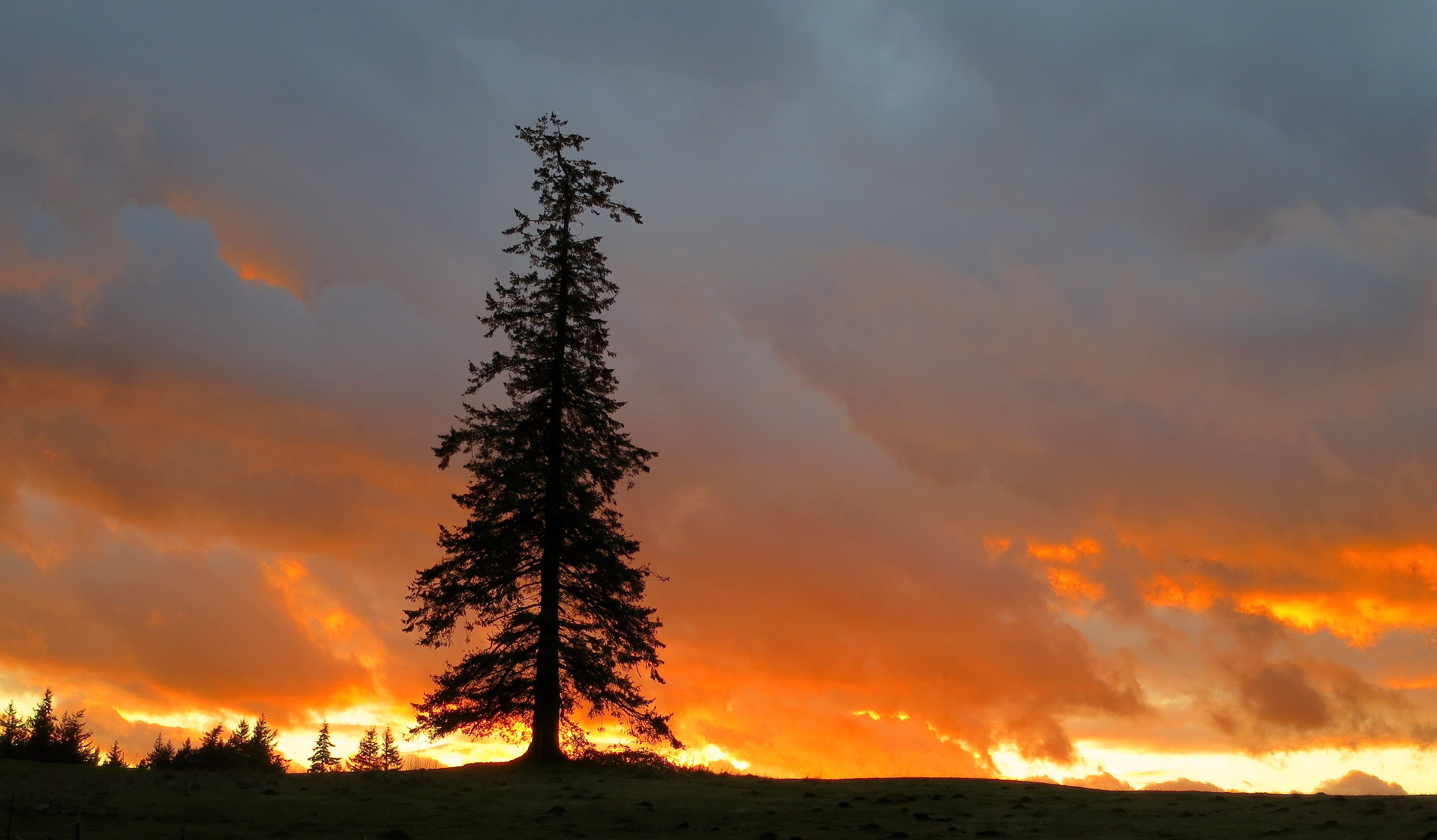
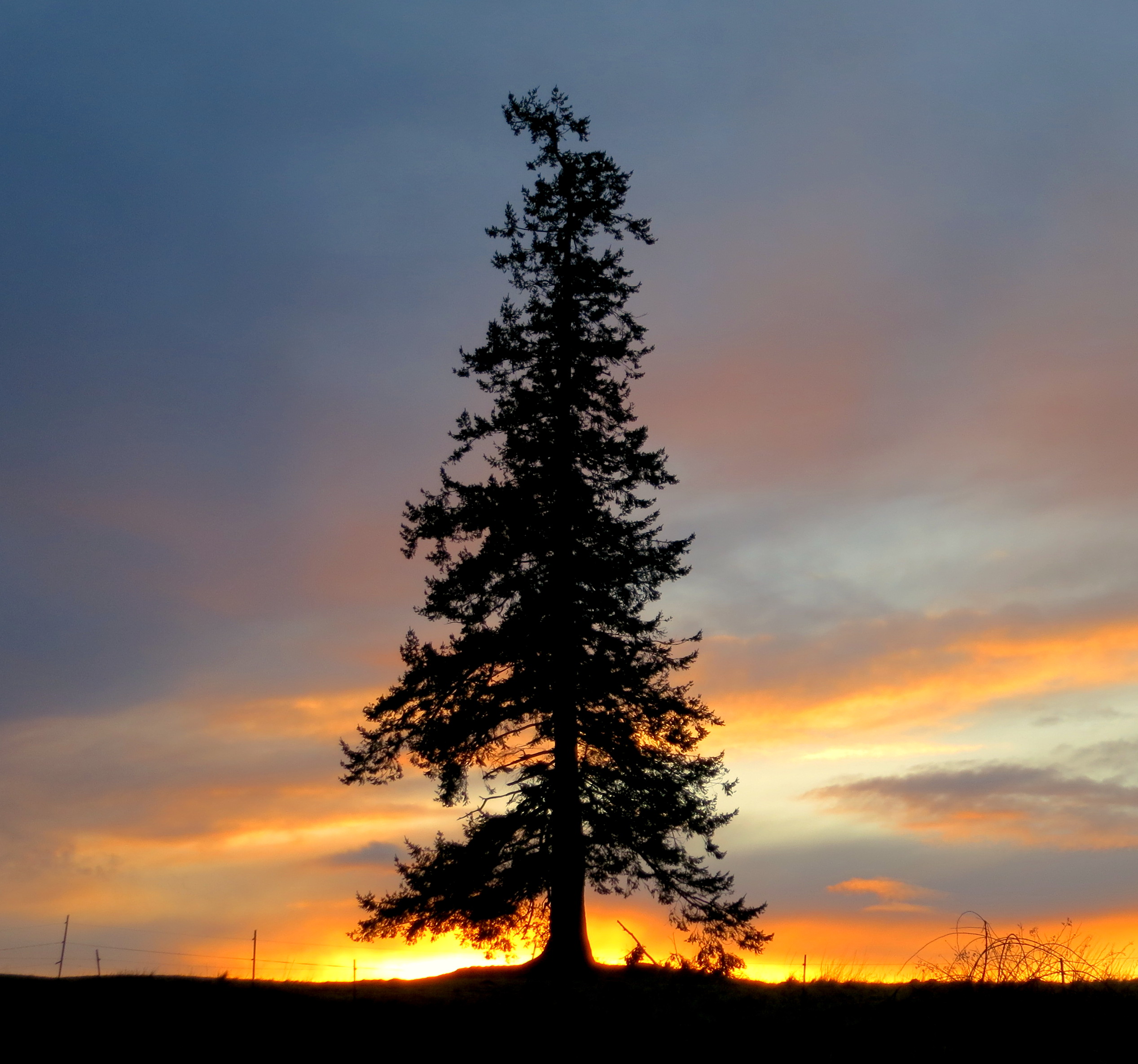
Our druthers would be to feed the lone fir on the hill, standing tall over the surroundings, home to eagles and hawks, shade for the pasture critters.  But laws such as they are, we will be buried not on the farm under our favorite tree, but nearby, in a small green country cemetery, surrounded by trees, with plenty of shady spots and benches to sit upon with a view of farms and mountains and cows.  The gravestones carry names of neighbors and pioneers, those who we knew while in flesh, and many who are strangers but we’ll someday share the same sod, the same shade, the same sunny and rainy days.  Most of all, we’ll share eternity, pointing those branches into infinity.

sunset1224145

sunset217142

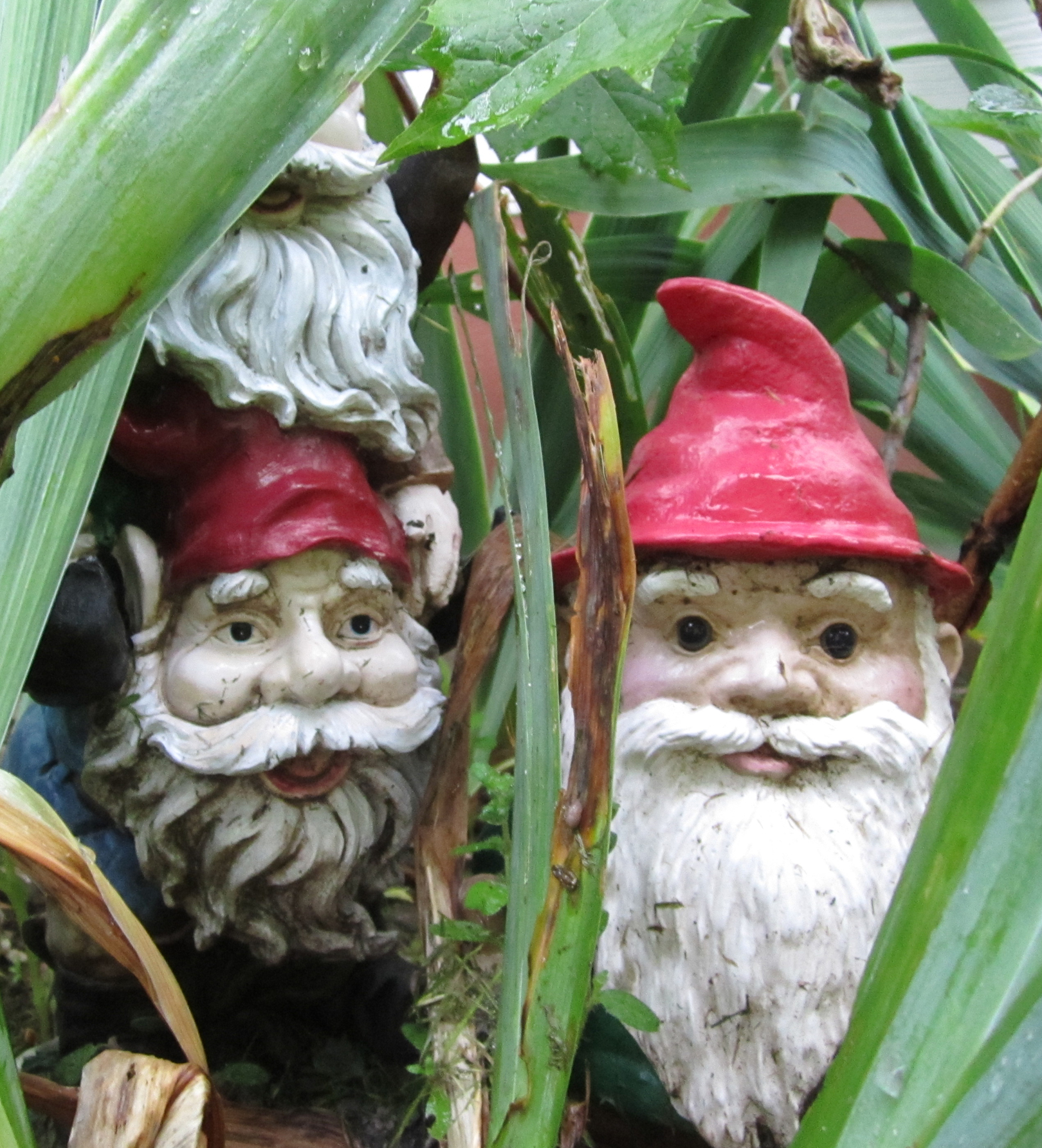
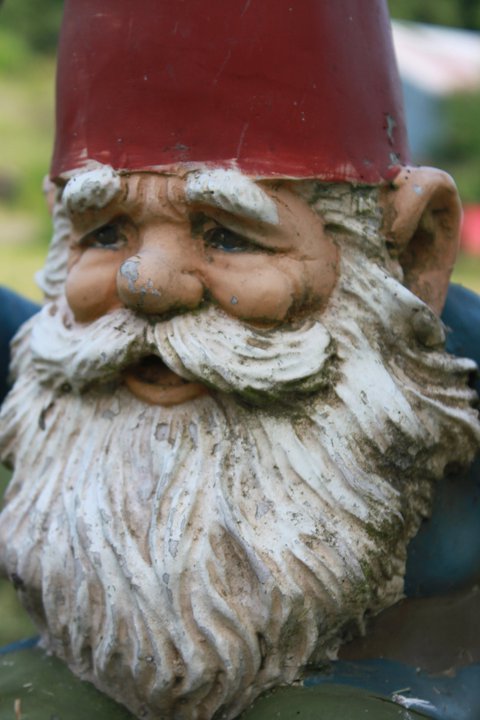
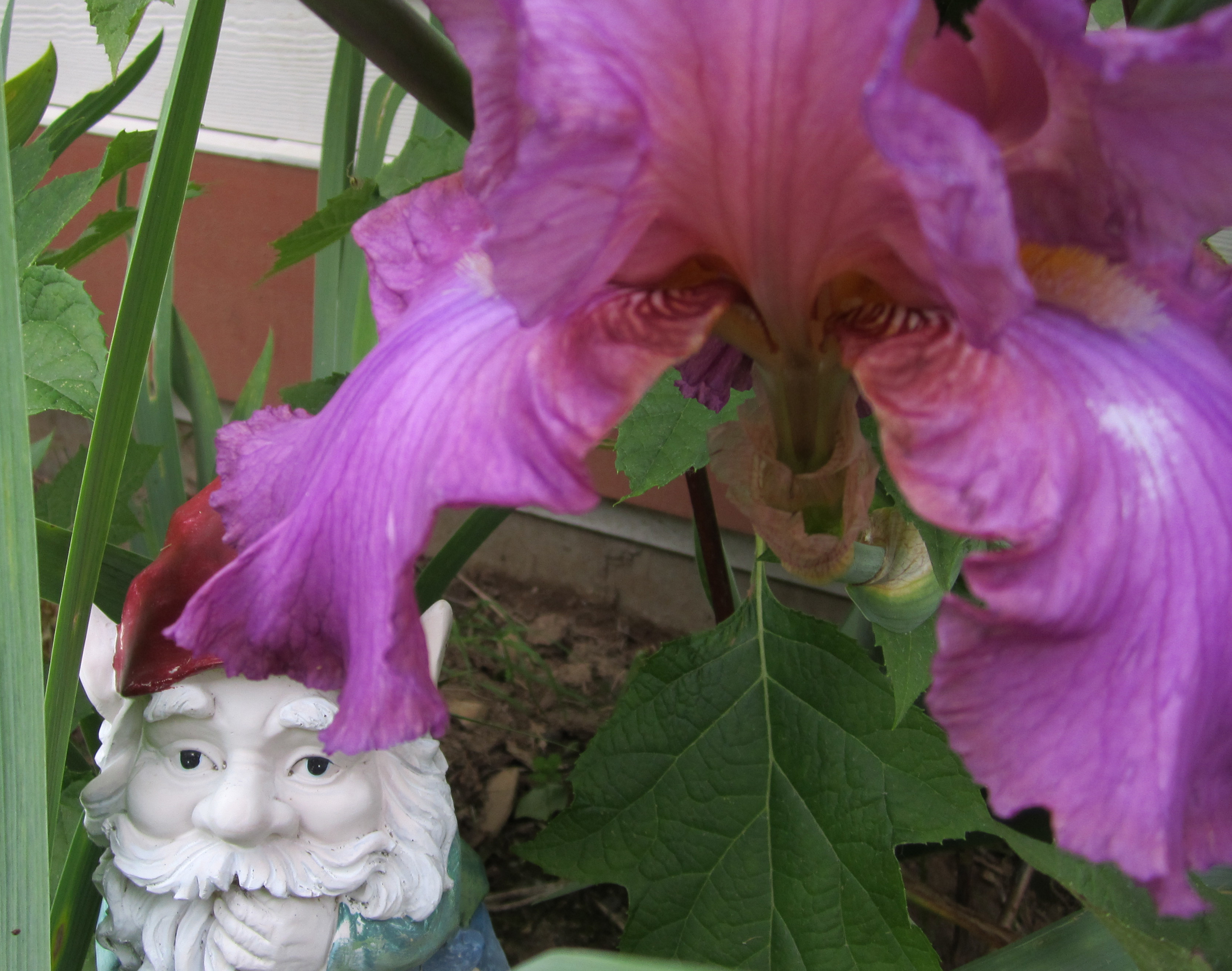
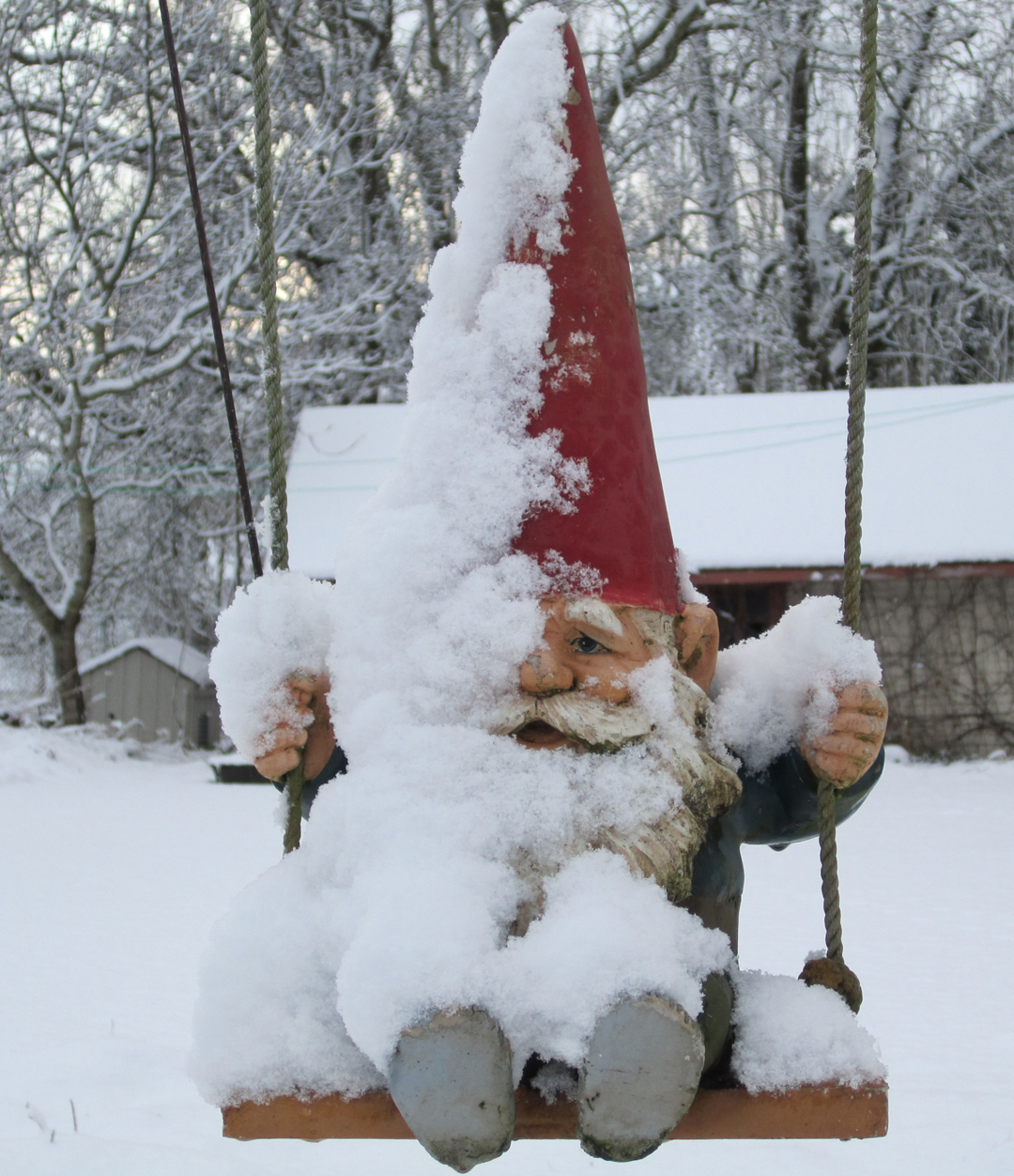
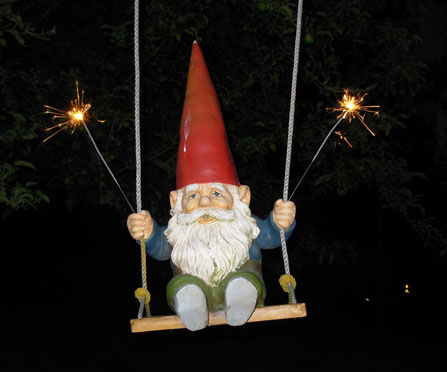
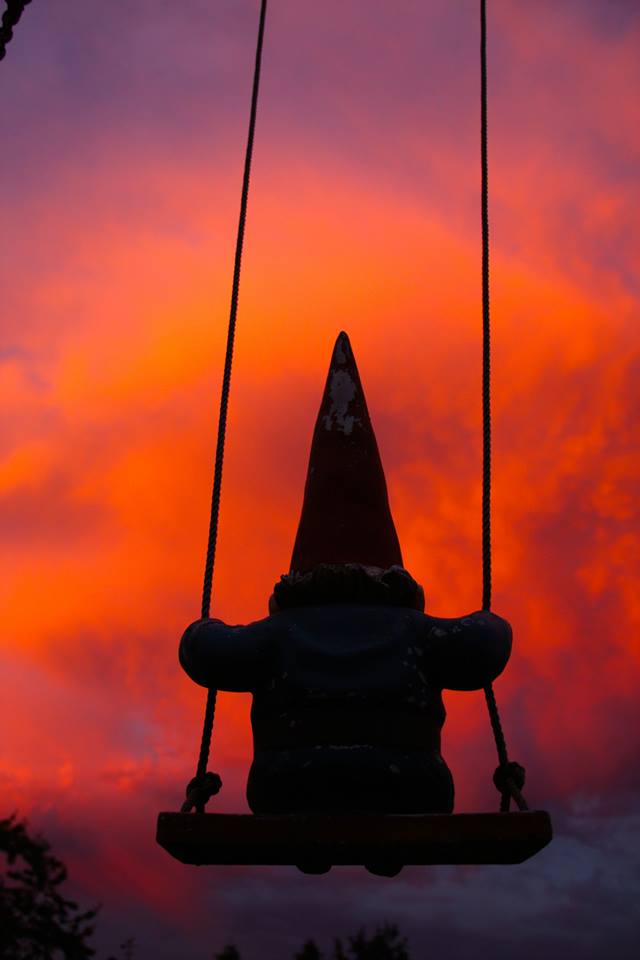
Infestation of Gernumbli gardensi

She lingered in that charming little garden to say hello to the gnomes, such a glorious infestation!
How few wizards realize just how much we can learn from the wise little gnomes-or, to give them their correct names, the Gernumbli gardensi.
‘Ours do know a lot of excellent swear words,’ said Ron…
J.K. Rowling in Harry Potter and the Deathly Hallows


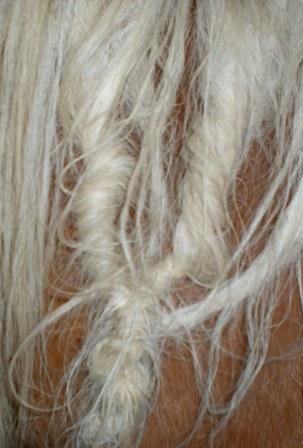
It is hard to say exactly when the first one moved in.  This farm was distinctly gnome-less when we bought it, largely due to twenty-seven hungry barn cats residing here at the time,  in various stages of pregnancy, growth, development and aging.  It took awhile for the feline numbers to whittle down to an equilibrium that matched the rodent population.  In the mean time,  our horse numbers increased from three to seven to over fifteen with a resultant exponential increase in barn chores.   One spring over a decade ago,  I was surprised to walk in the barn one morning to find numerous complex knots tied in the Haflingers’ manes.  Puzzling as I took precious time to undo them, literally adding hours to my chores, I knew I needed to find the cause or culprit.

It took some research to determine the probable origin of these tight tangles.  Based on everything I read, they appeared to be the work of Gernumbli faenilesi, a usually transient species of gnome preferring to live in barns and haylofts in close proximity to heavy maned ponies.  In this case, as the tangles persisted for months, they clearly had moved in, lock, stock and barrel.   The complicated knots were their signature pride and joy, their artistic way of showing their devotion to a happy farm.

All well and good,  but the extra work was killing my fingers and thinning my horses’ hair.  I plotted ways to get them to cease and desist.

I set live traps of cheese and peanut butter cracker sandwiches, hoping to lure them into cages for a “catch and release”. Hoping to drive them away, I played polka music on the radio in the barn at night.  Hoping to be preemptive, I braided the manes up to be less tempting but even those got twisted and jumbled.  Just as I was becoming ever more desperate and about to round up more feral cats, the tangling stopped.

It appeared the gnomes had moved on to a more hospitable habitat.   I had succeeded in my gnome eradication plan.  Or so I thought.

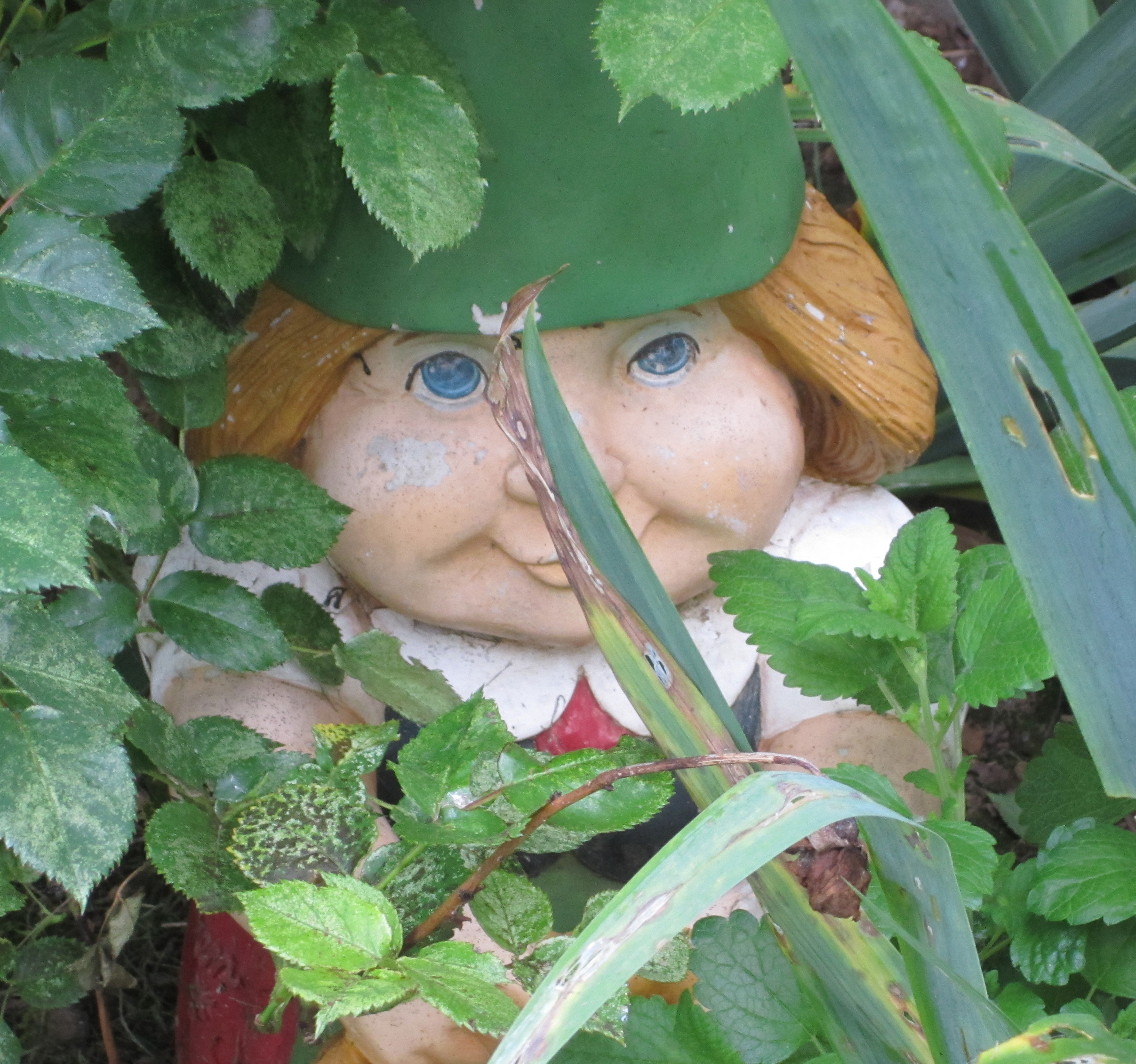
Not long after, I had the distinct feeling of being watched as I walked past some rose bushes in the yard.  I stopped to take a look, expecting to spy the shining eyes of one of the pesky raccoons that frequents our yard to steal from the cats’ food dish.  Instead, beneath the thorny foliage, I saw two round blue eyes peering at me serenely.   This little gal was not at all intimidated by me, and made no move to escape.   She was an ideal example of Gernumbli gardensi, a garden gnome known for their ability to keep varmints and vermin away from plants and flowers.  They also happen to actively feud with Gernumbli Faenilesi so that explained the sudden disappearance of my little knot-tying pests in the barn.

It wasn’t long before more Gardensi moved in, a gnomey infestation.  They tended to arrive in pairs and bunches, liked to play music, smoked pipes, played on a teeter totter, worked with garden tools, took naps on sun-warmed rocks and one even preferred a swing.  They are a bit of a rowdy bunch but I enjoy their happy presence and jovial demeanor.   I haven’t yet heard any bad language as we have a “keep it clean” policy about bad words around here.  They seem quite hardy, stoically withstand extremes in weather, and only seem fearful when hornets build a nest right in their lap.
 

As long as they continue to coexist peaceably with us and each other, keep the varmints and their knot tying cousins away,  and avoid bad habits and swear words, I’m quite happy they are here.   Actually, I’ve given them the run of the place.  I’ve been told to be cautious as there are now news reports of an even more invasive species of gnome,  Gernumbli kitschsi, that could move in and take over if I’m not careful.

I shudder to think.  There goes the neighborhood.

photo by Tomomi Gibson