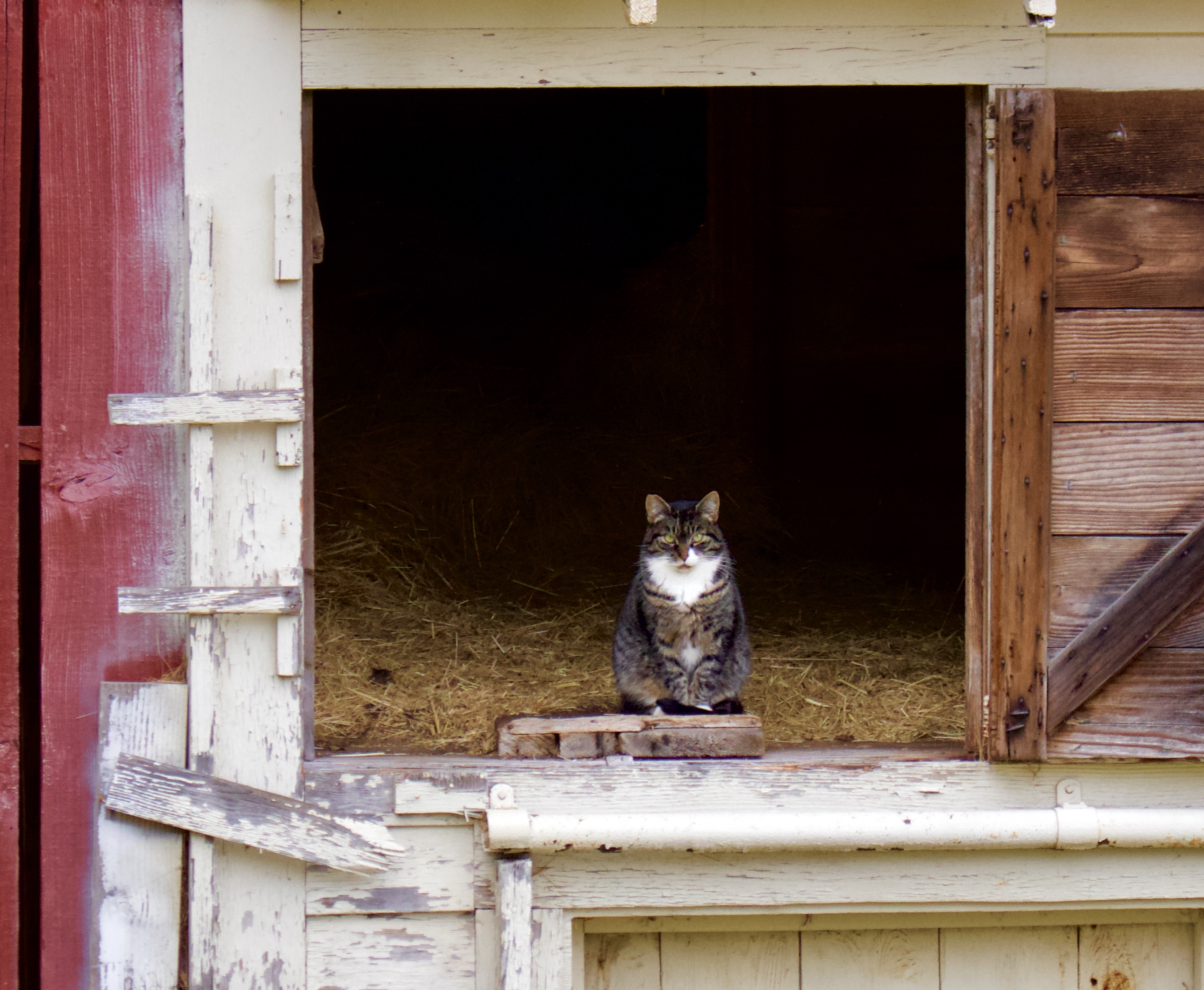
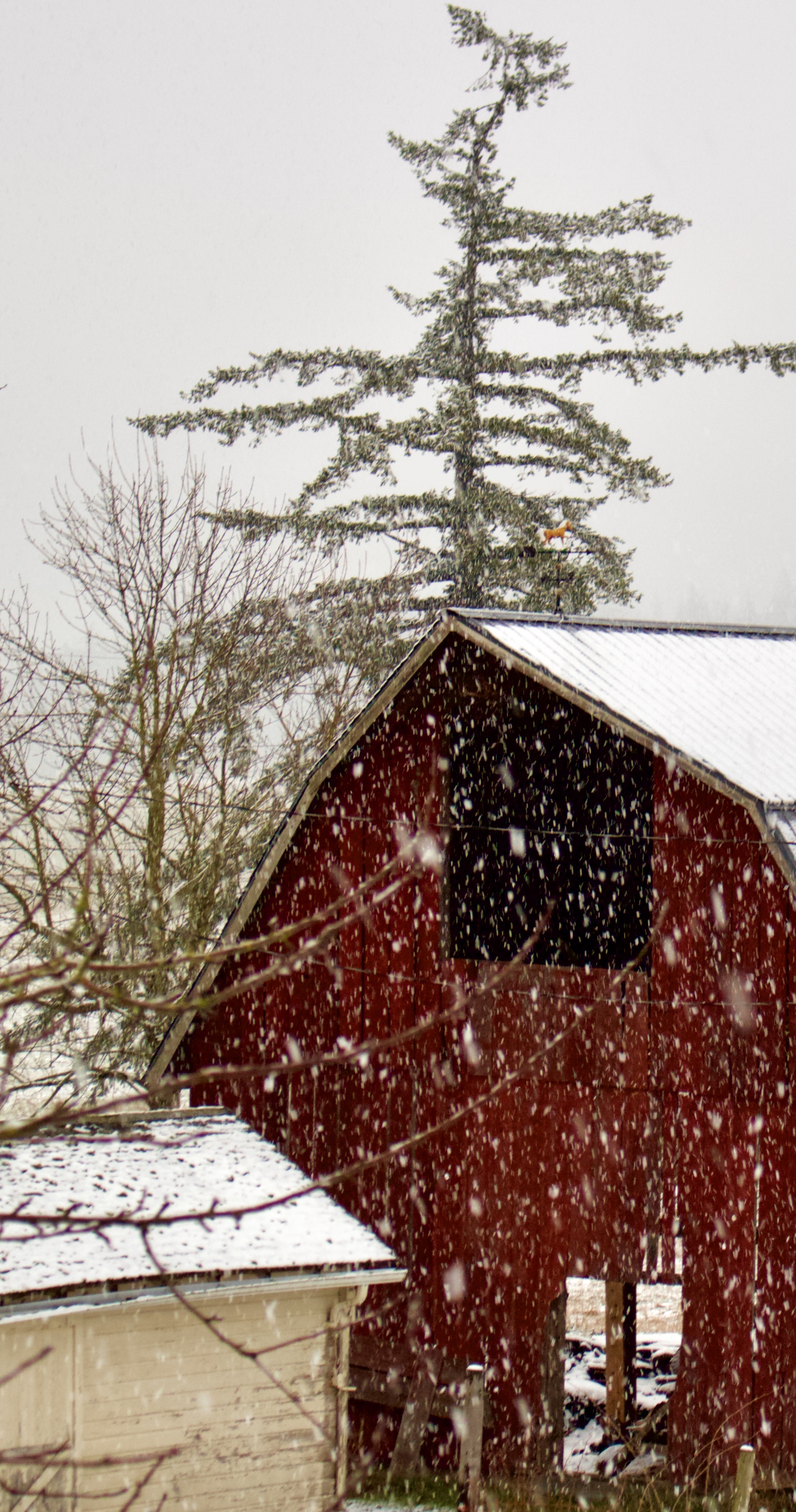
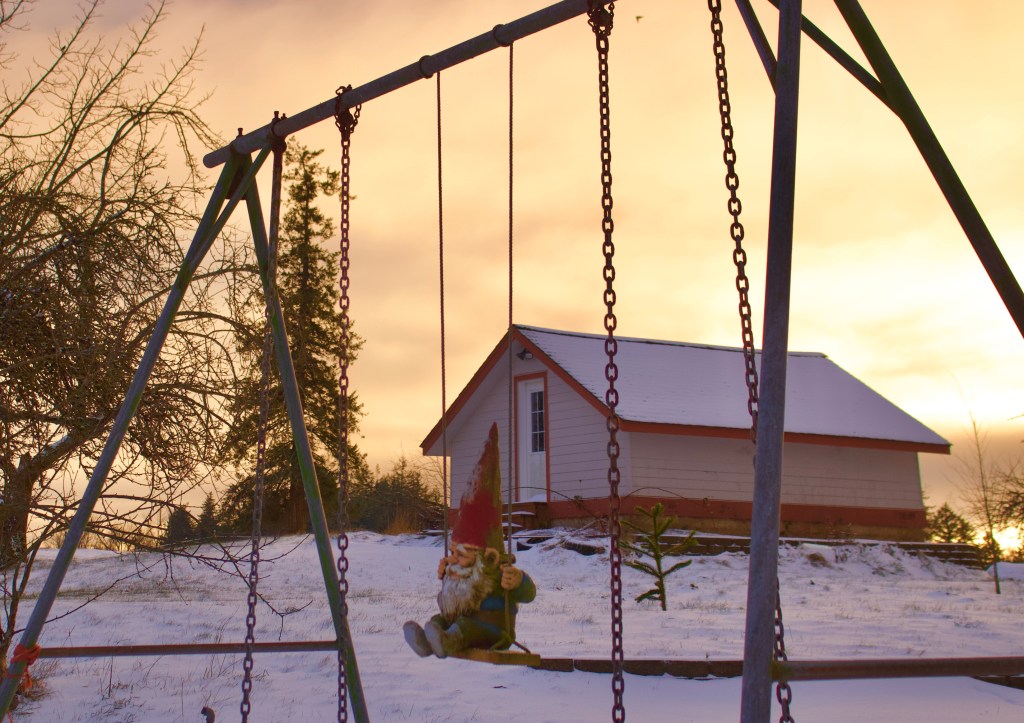
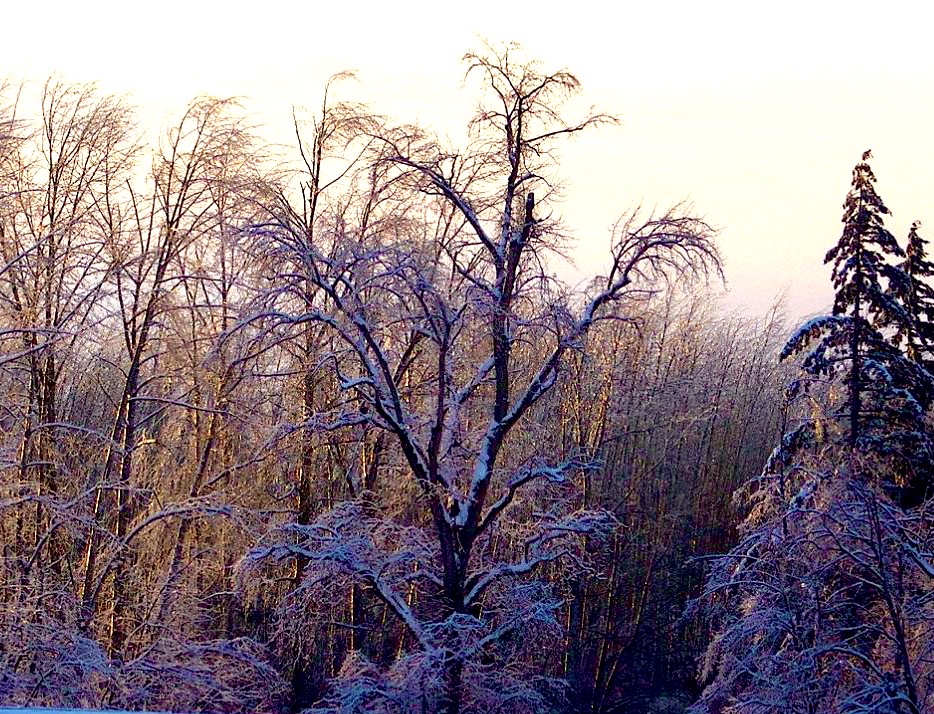
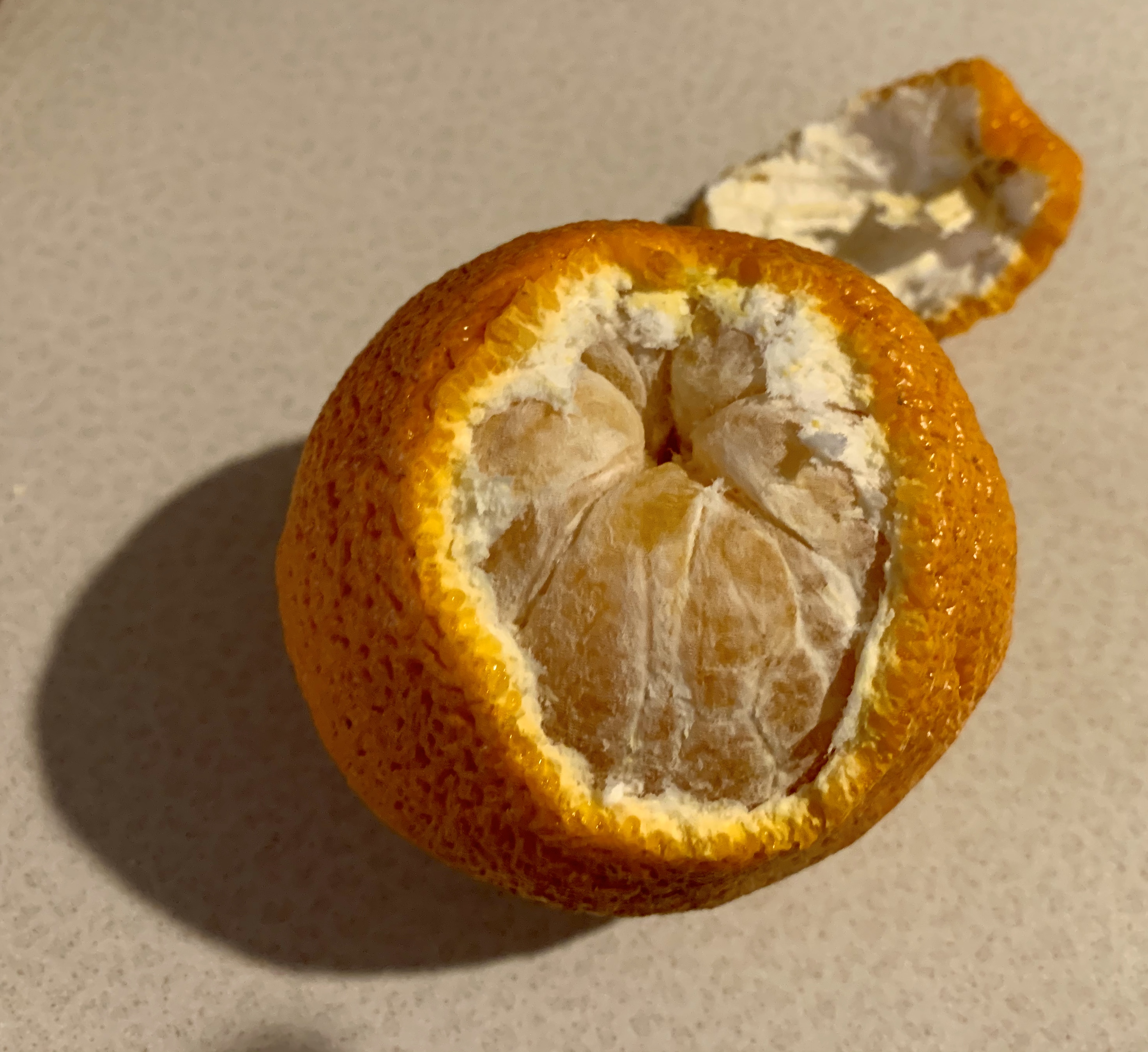
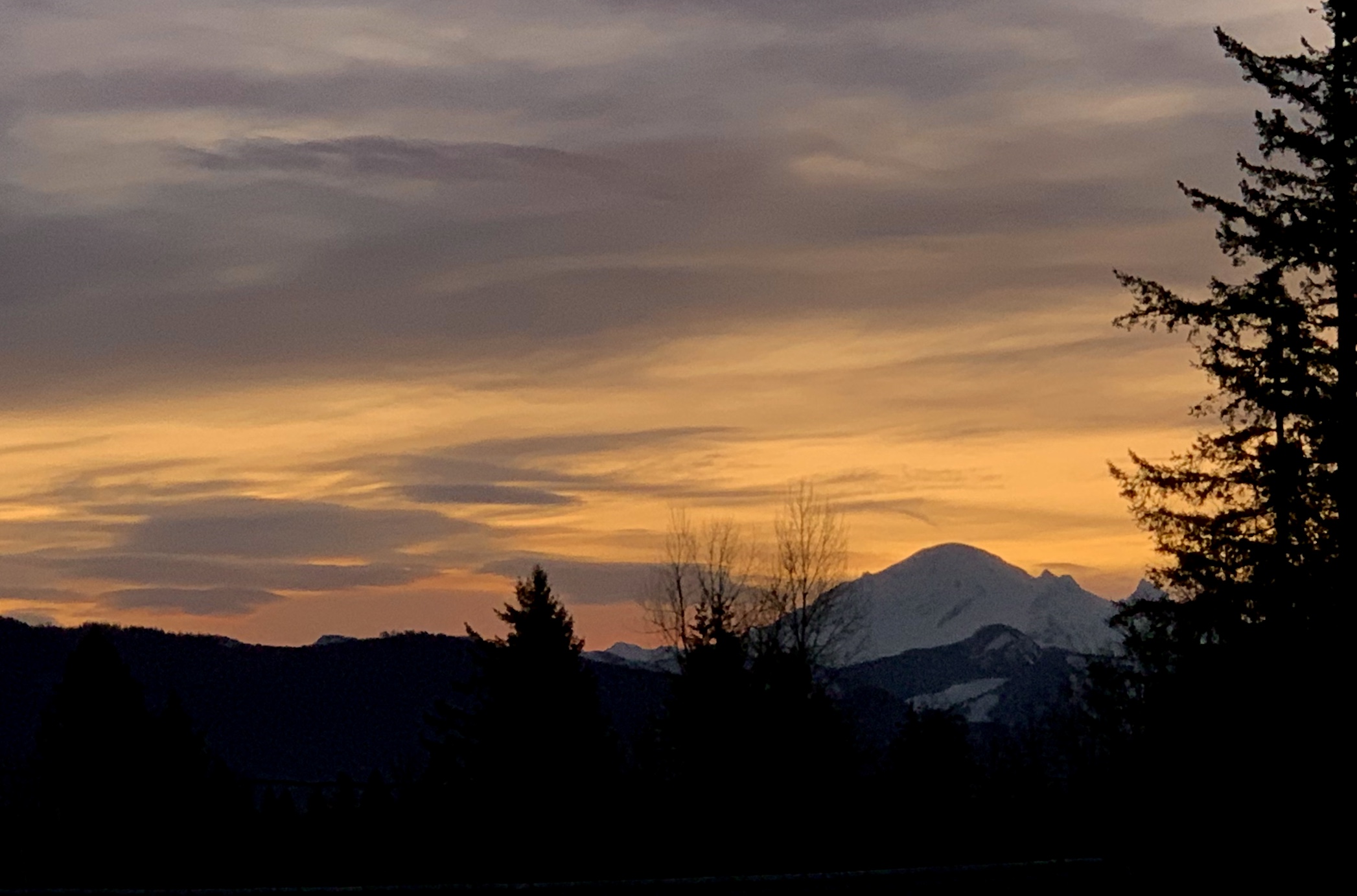
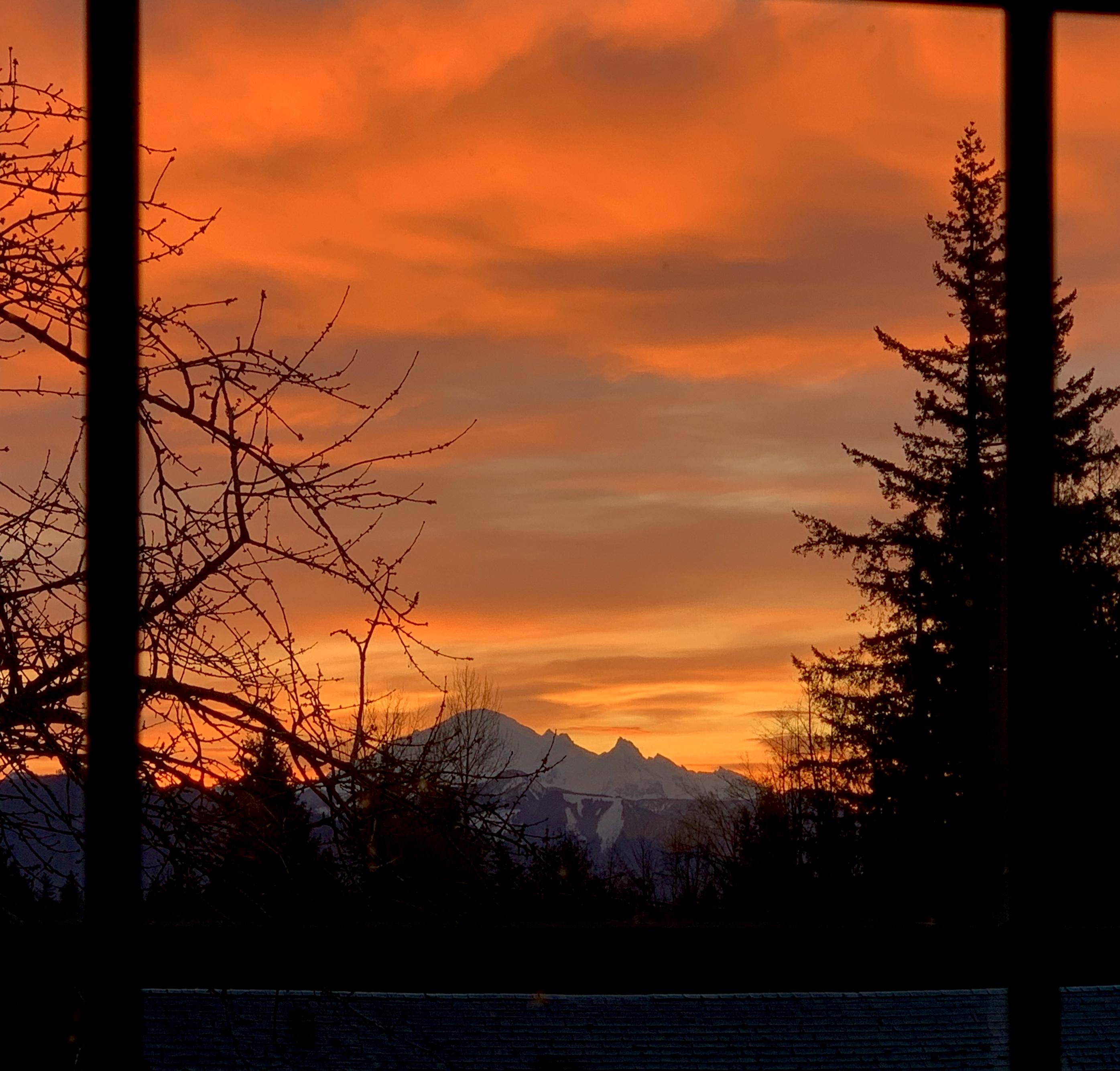
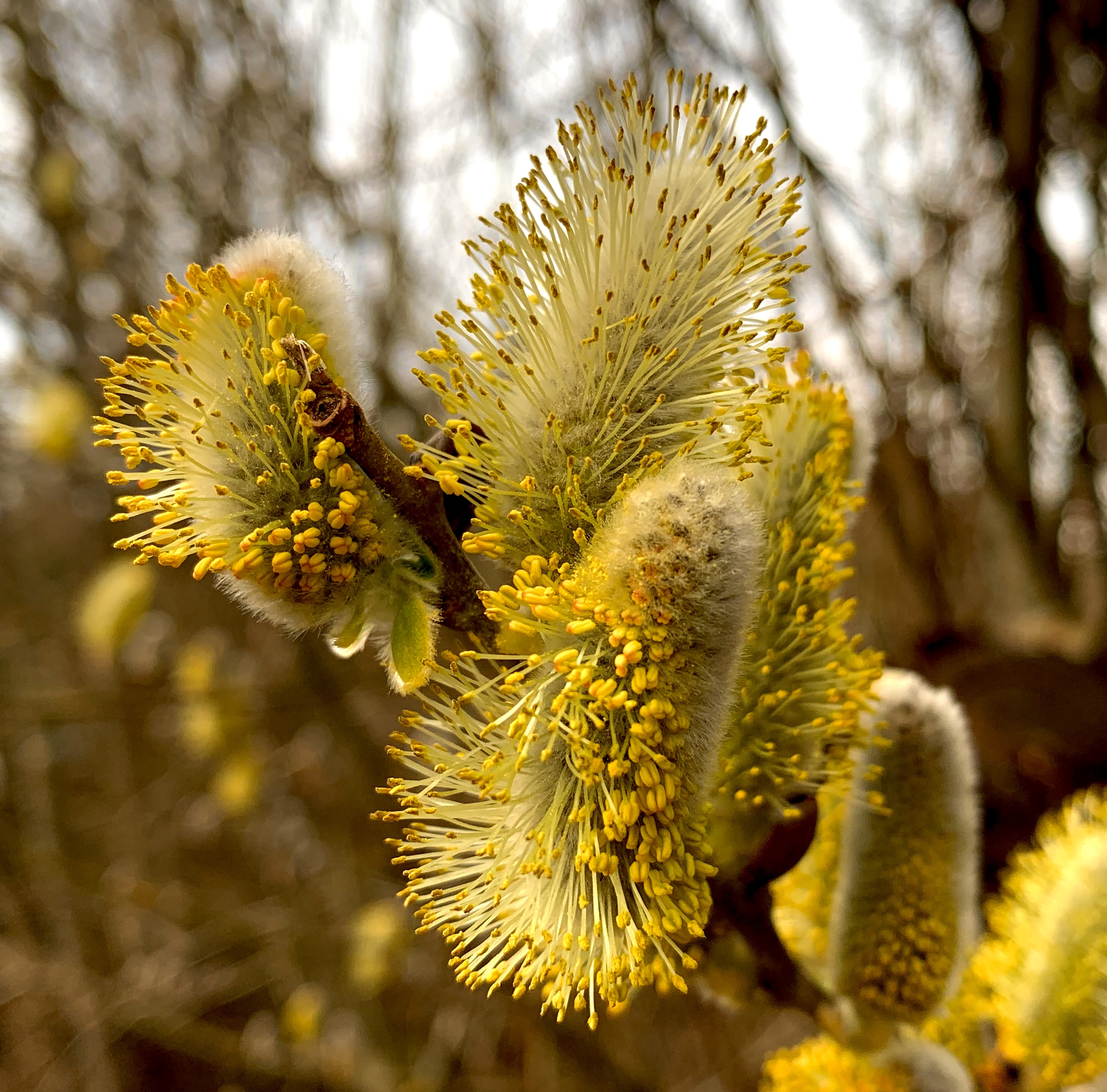
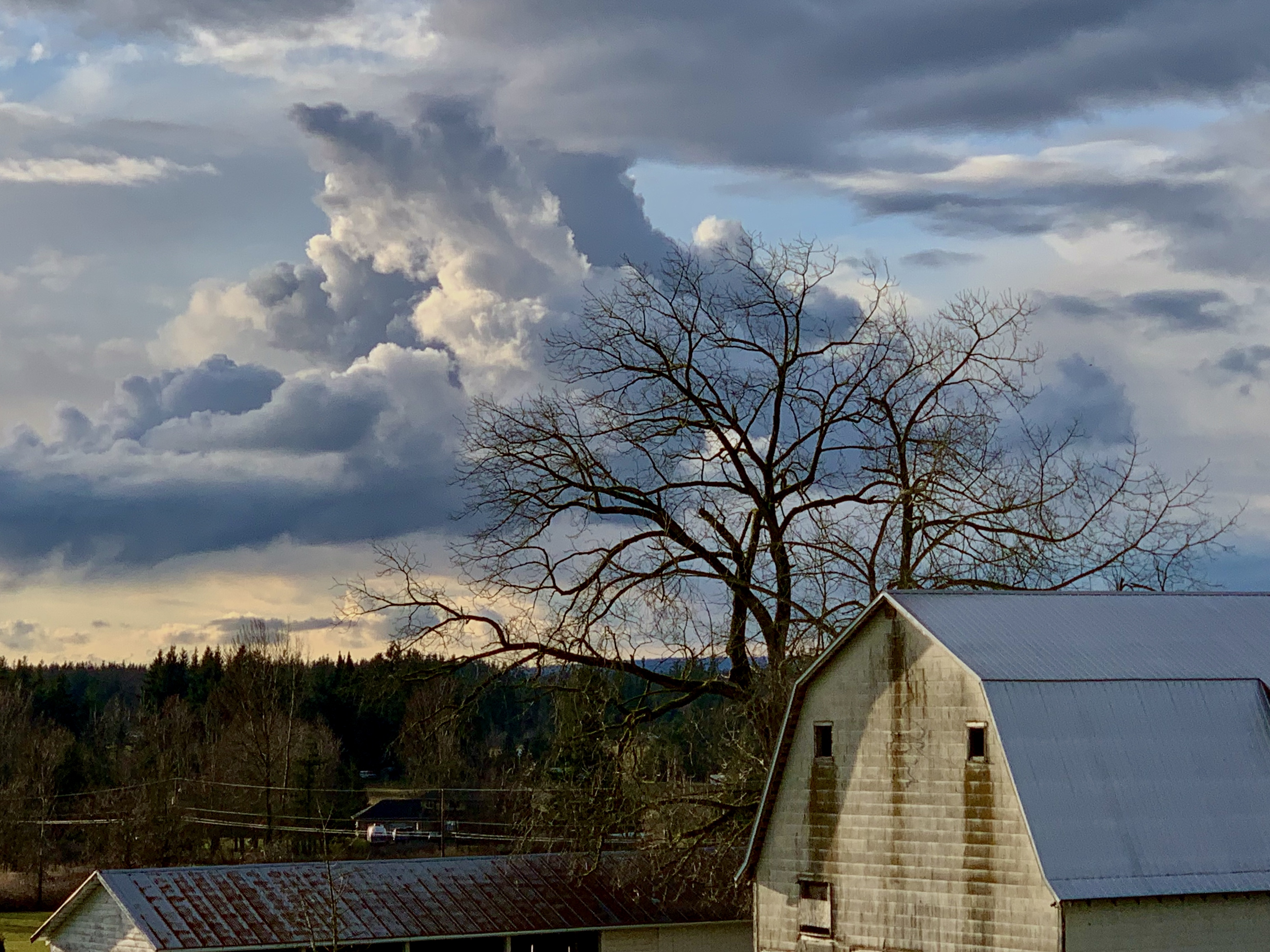
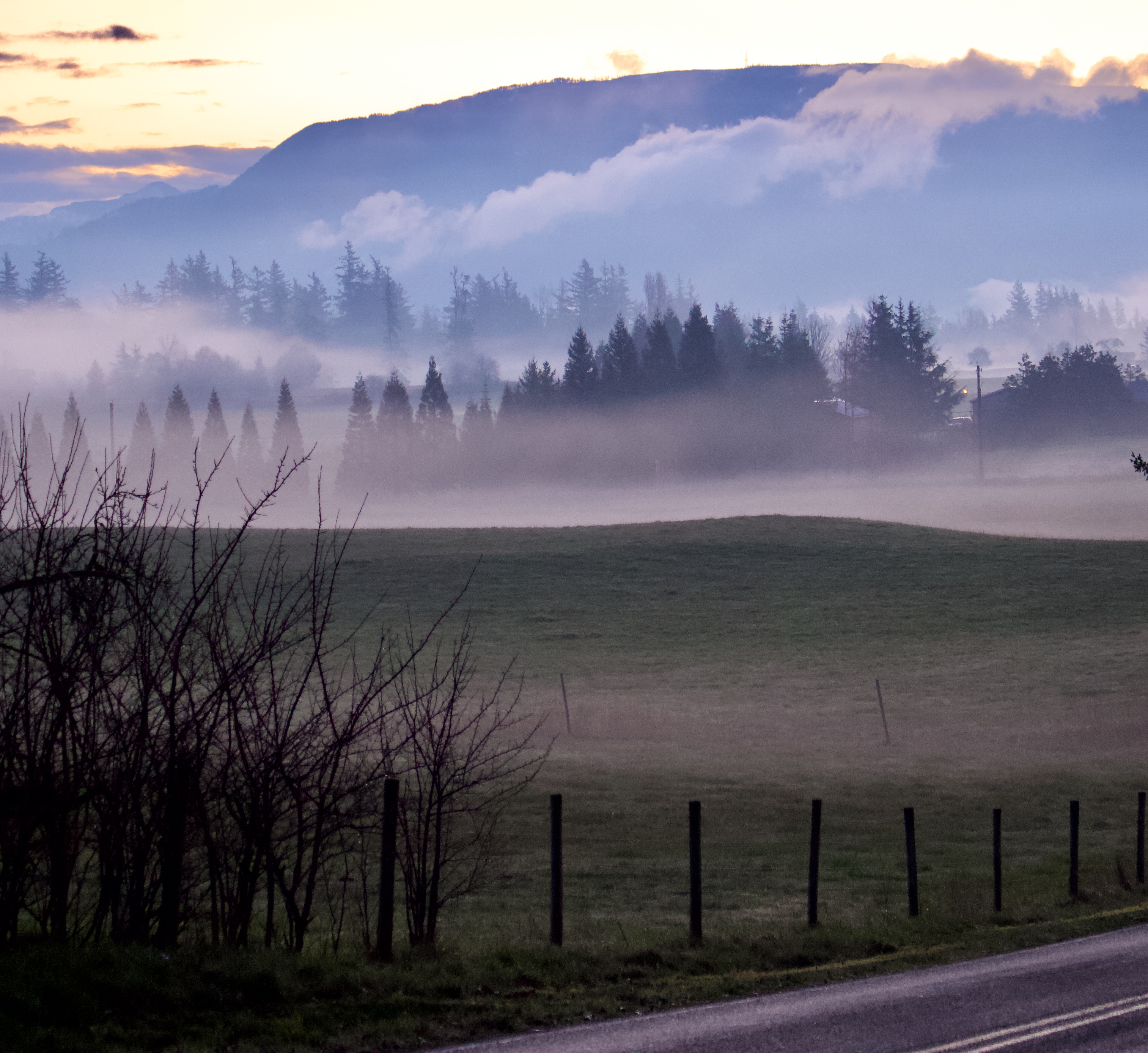
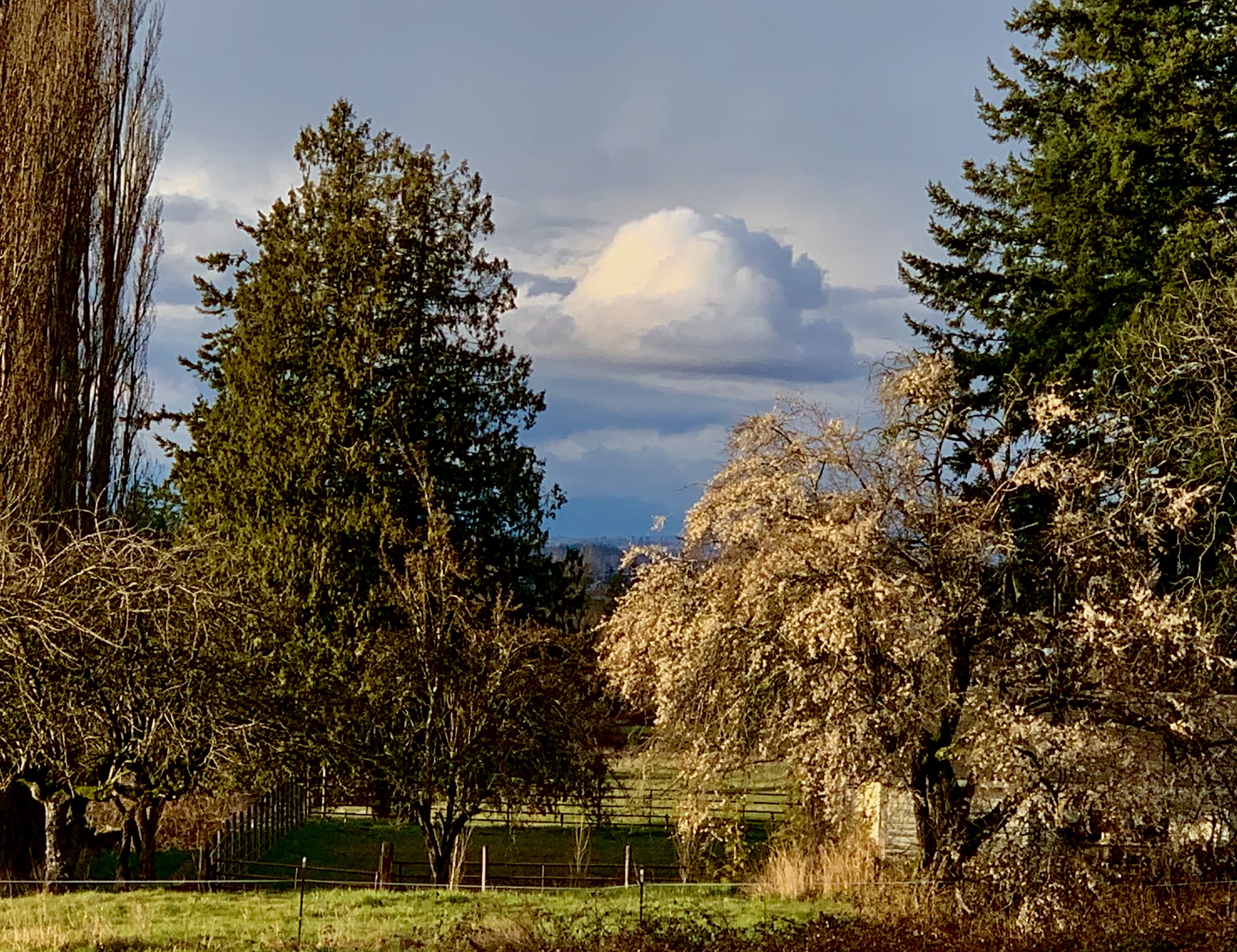
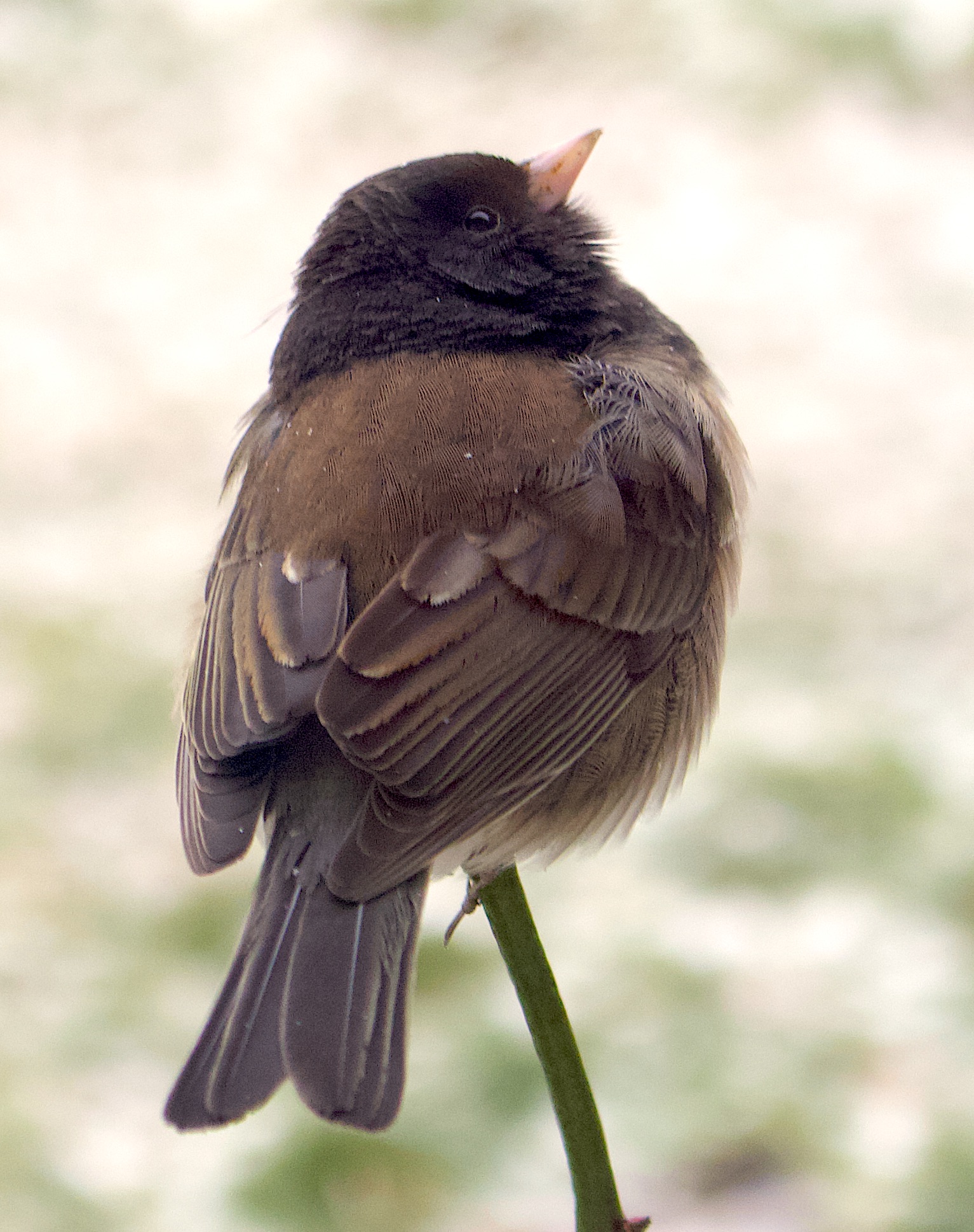
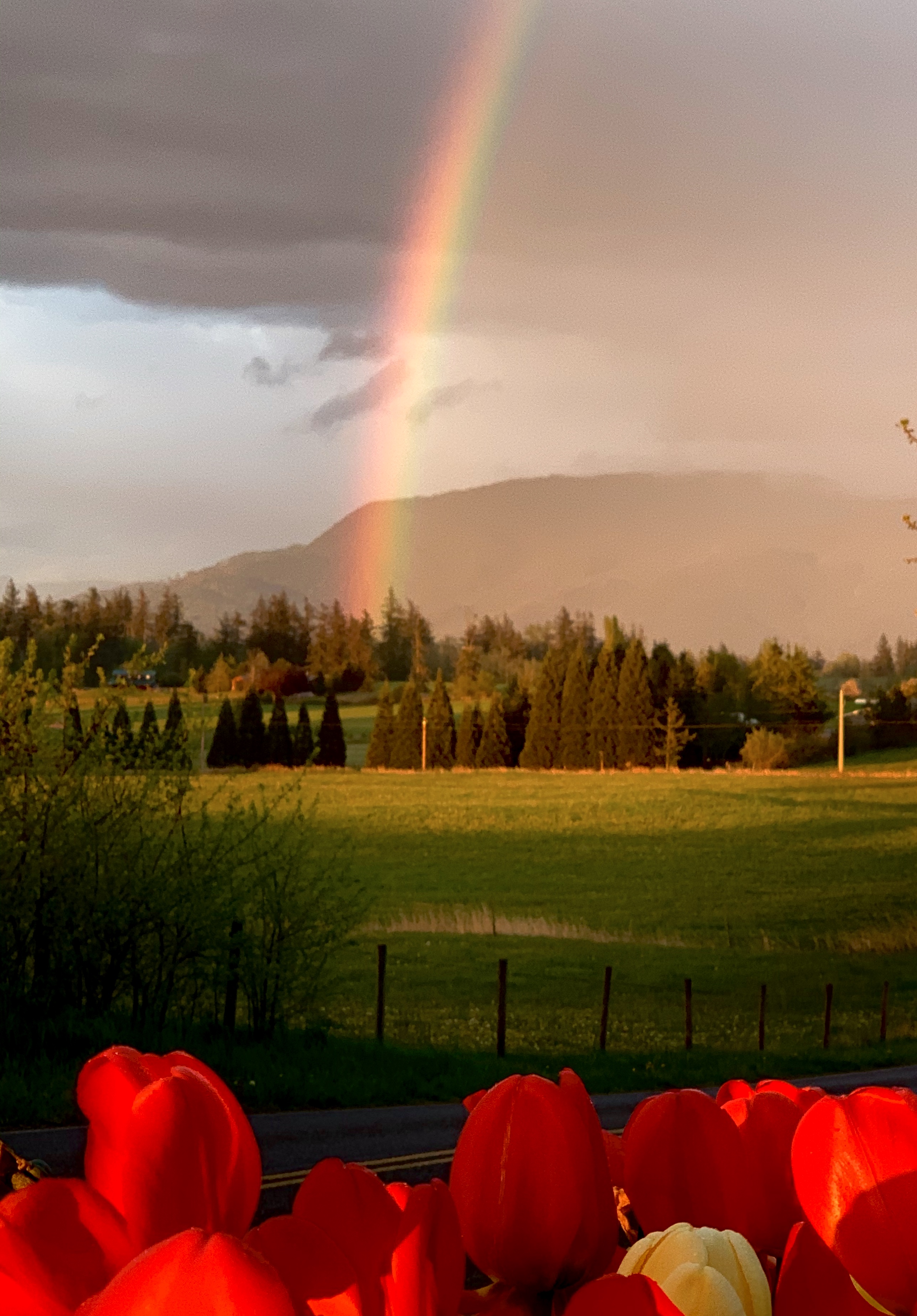
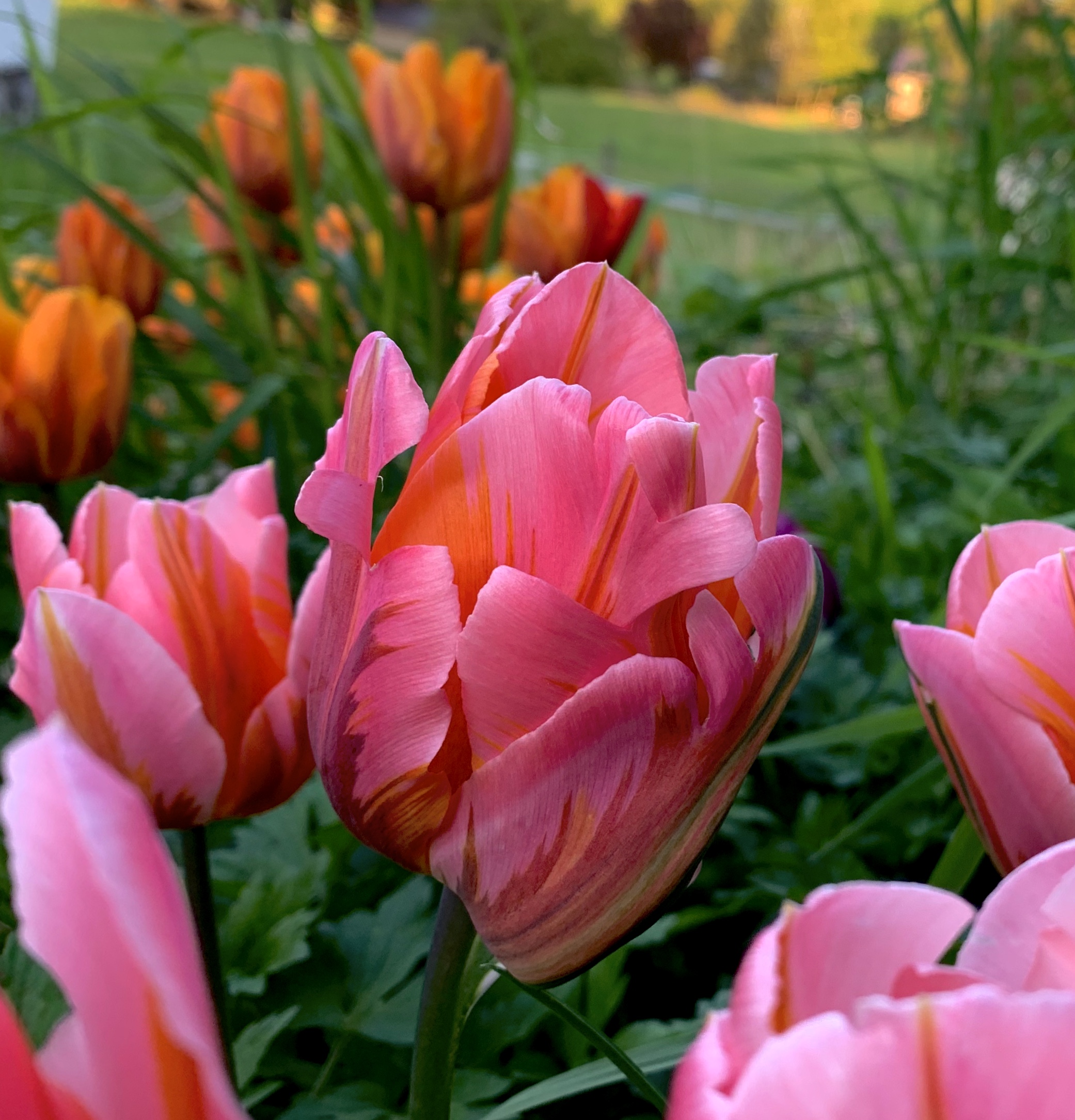
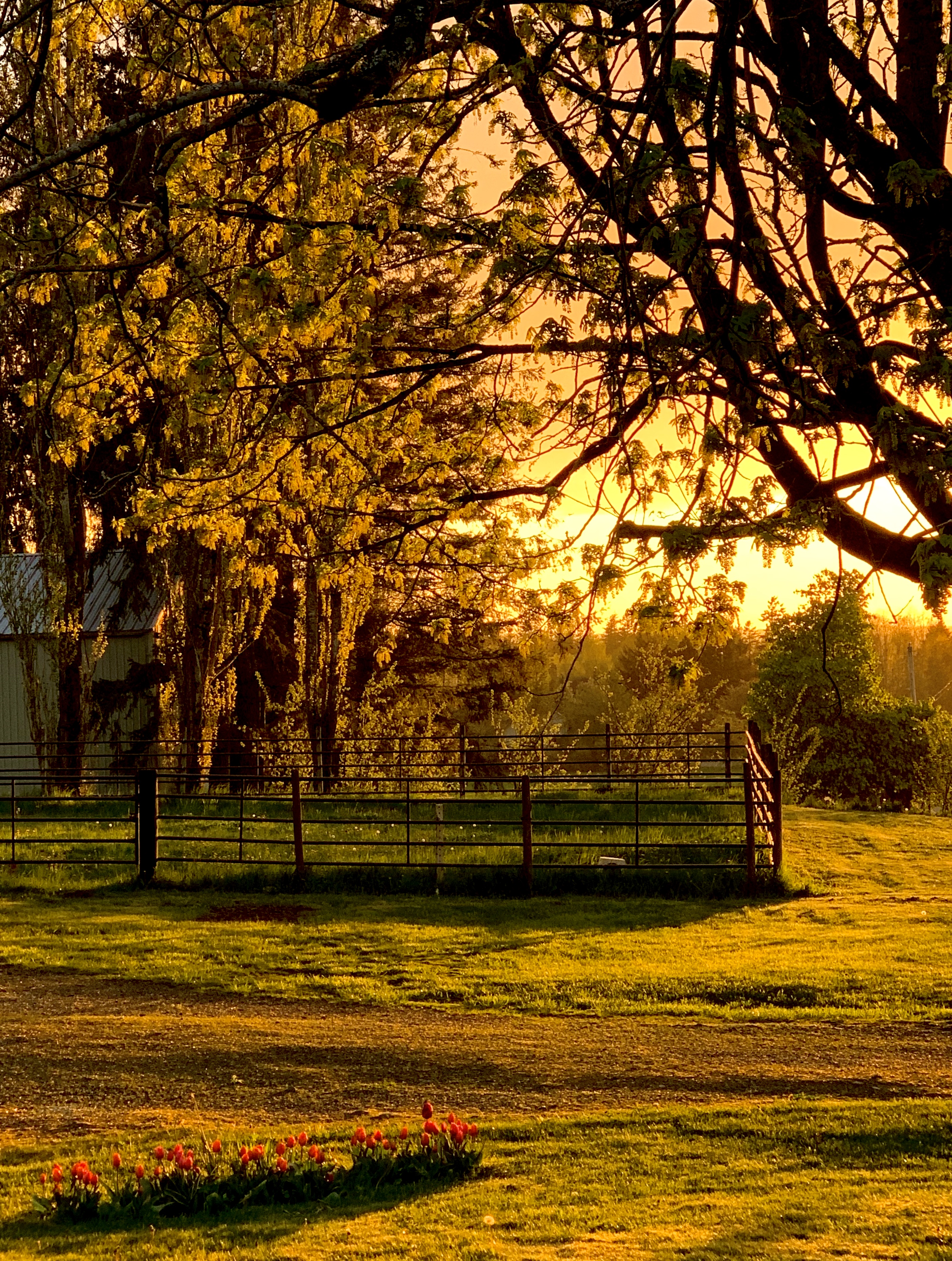
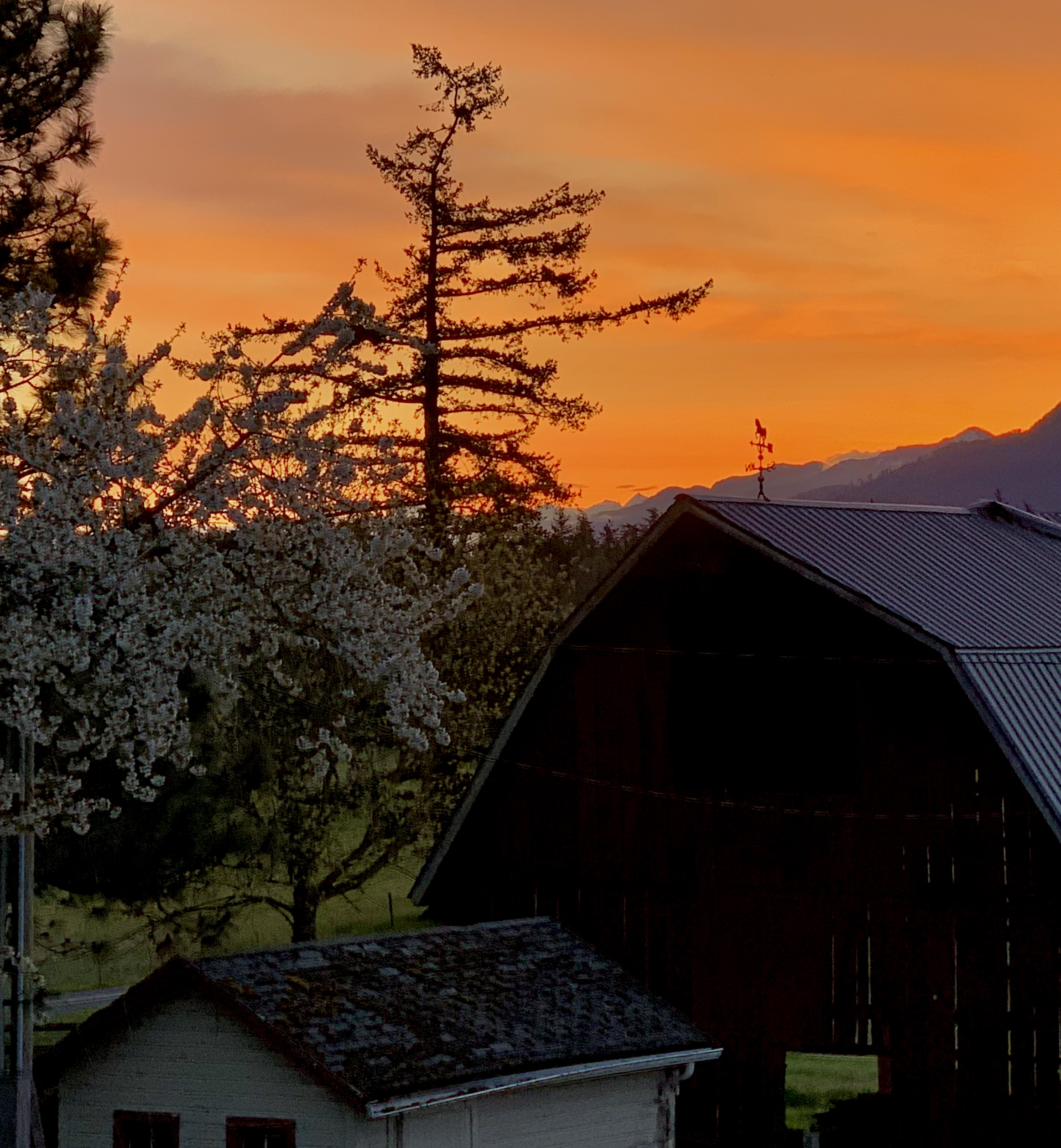
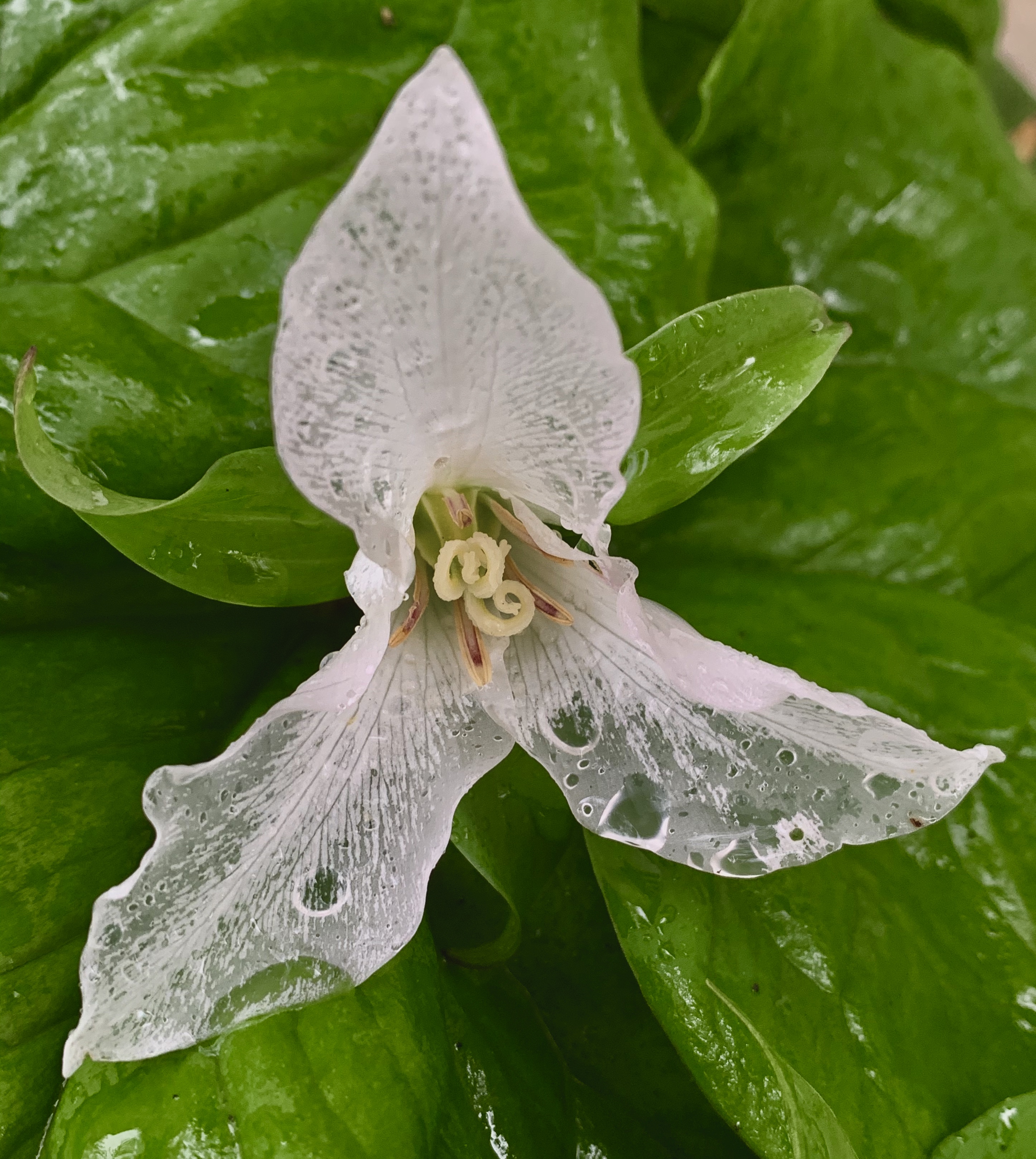
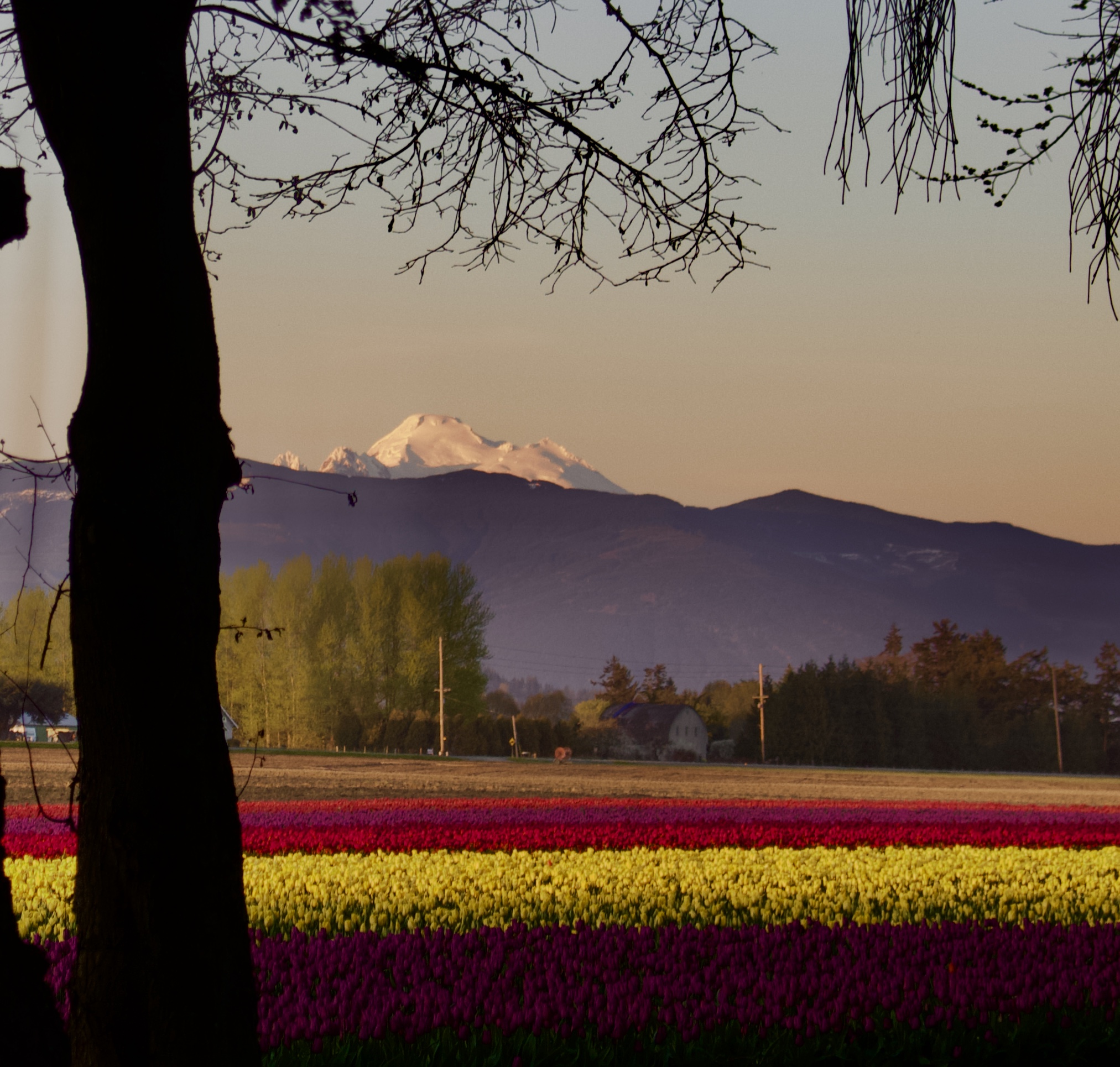
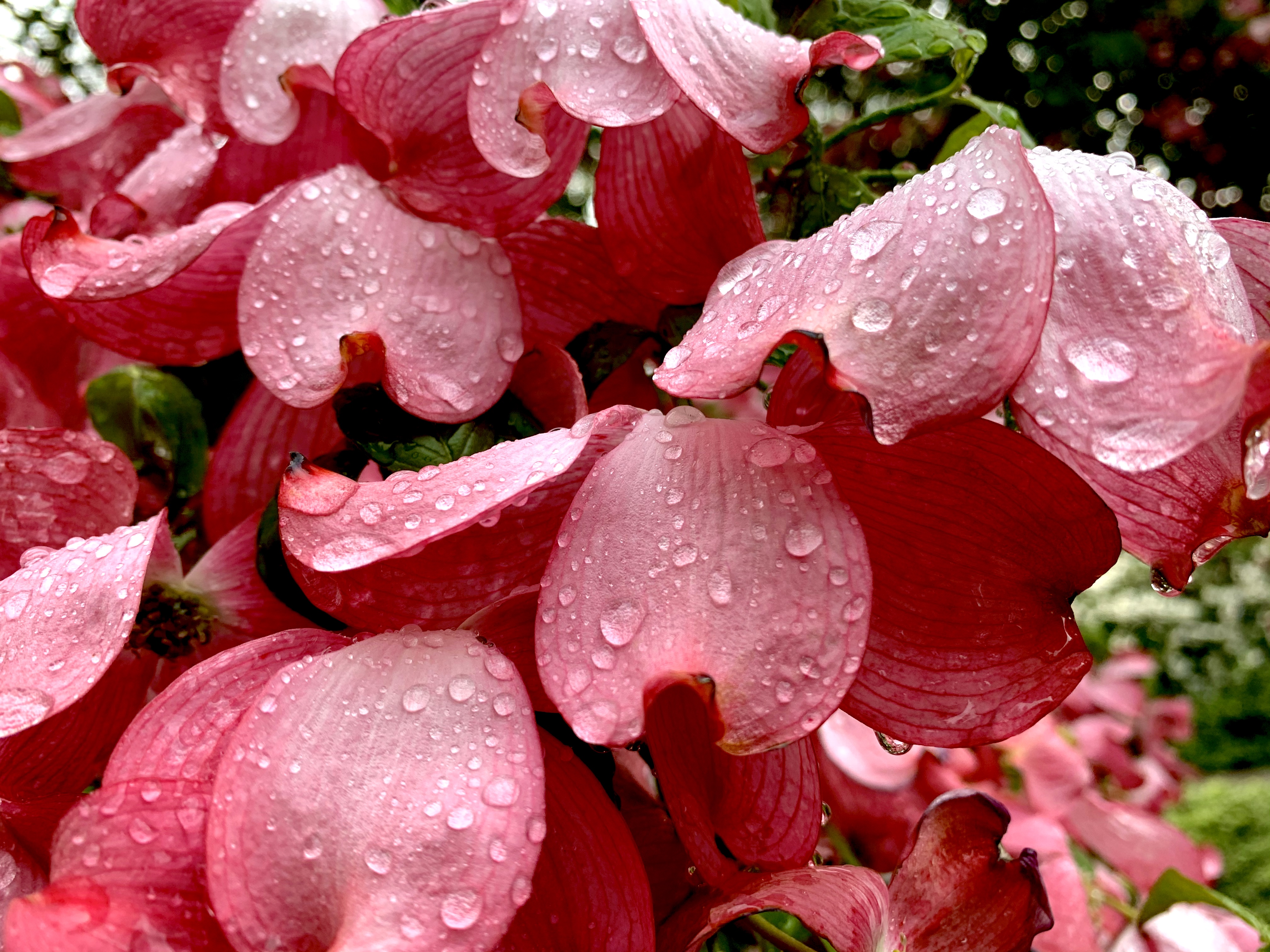
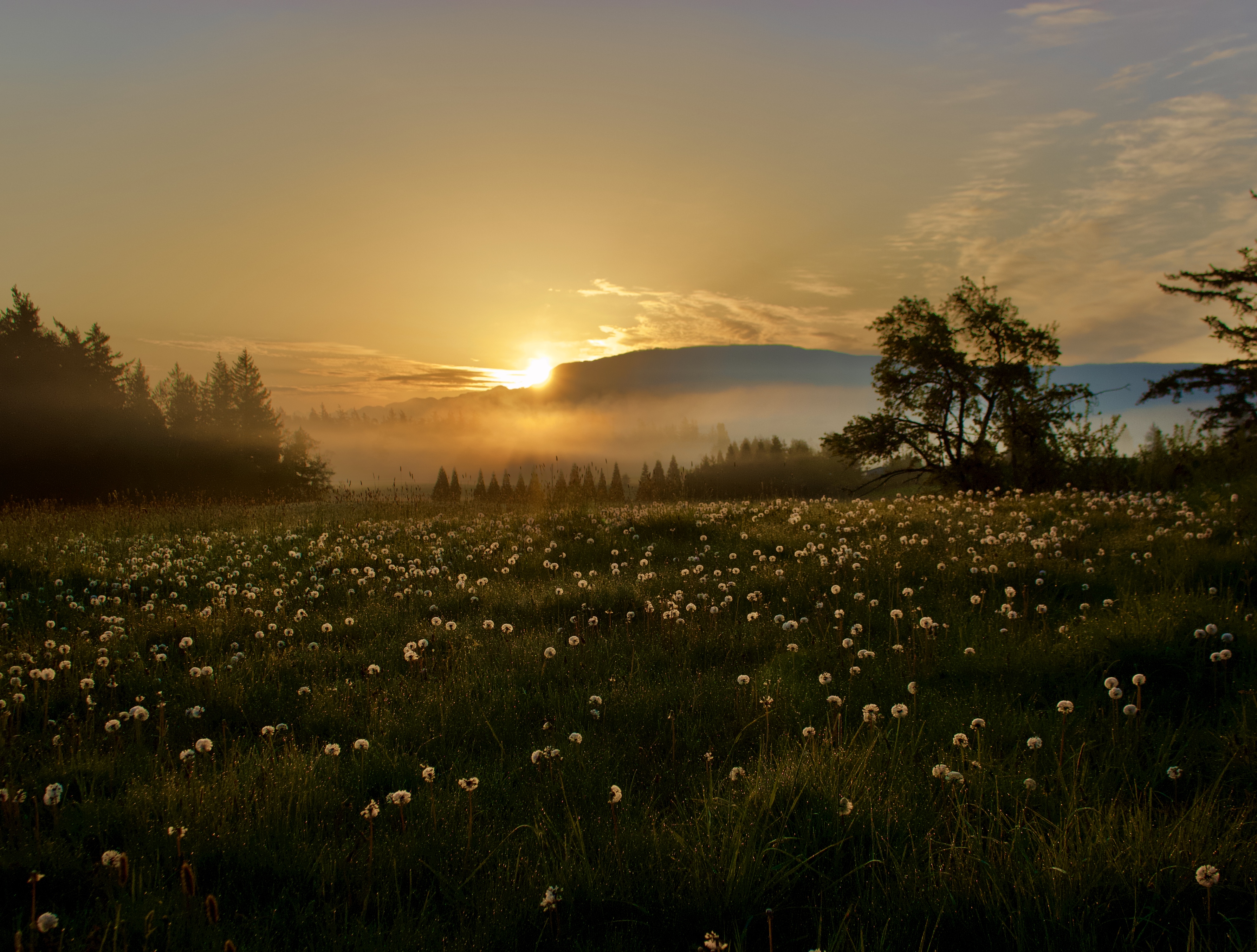
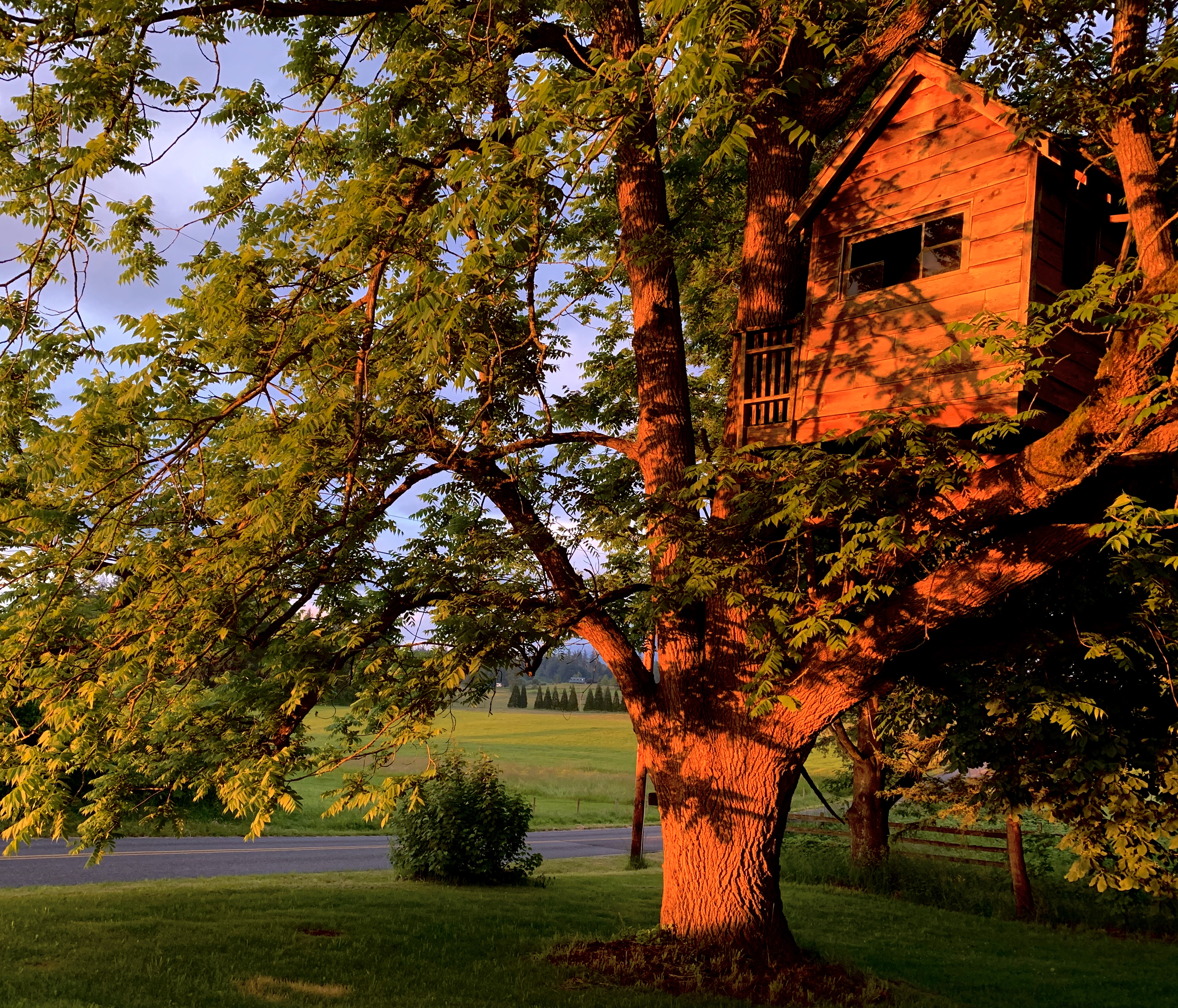
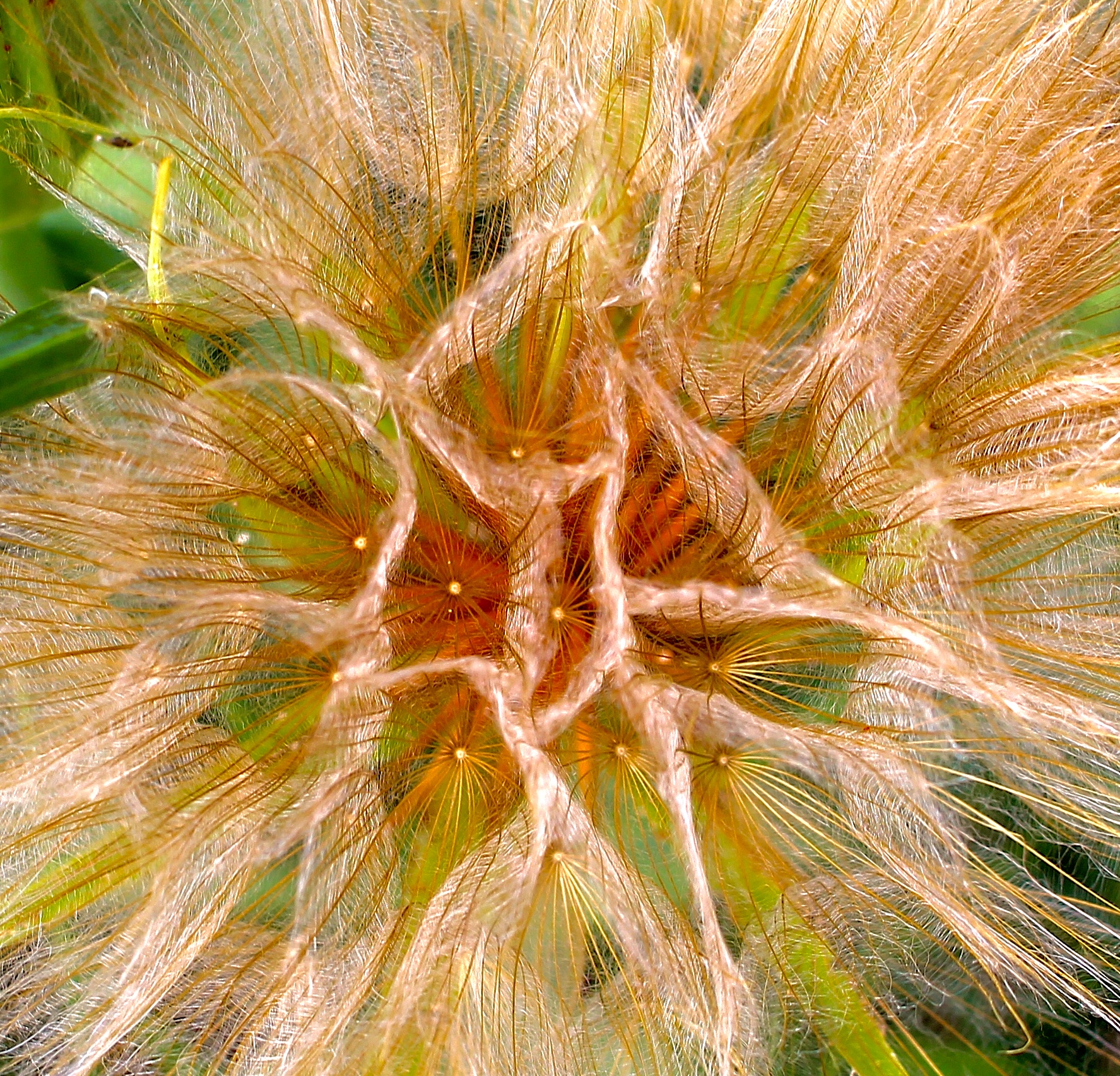
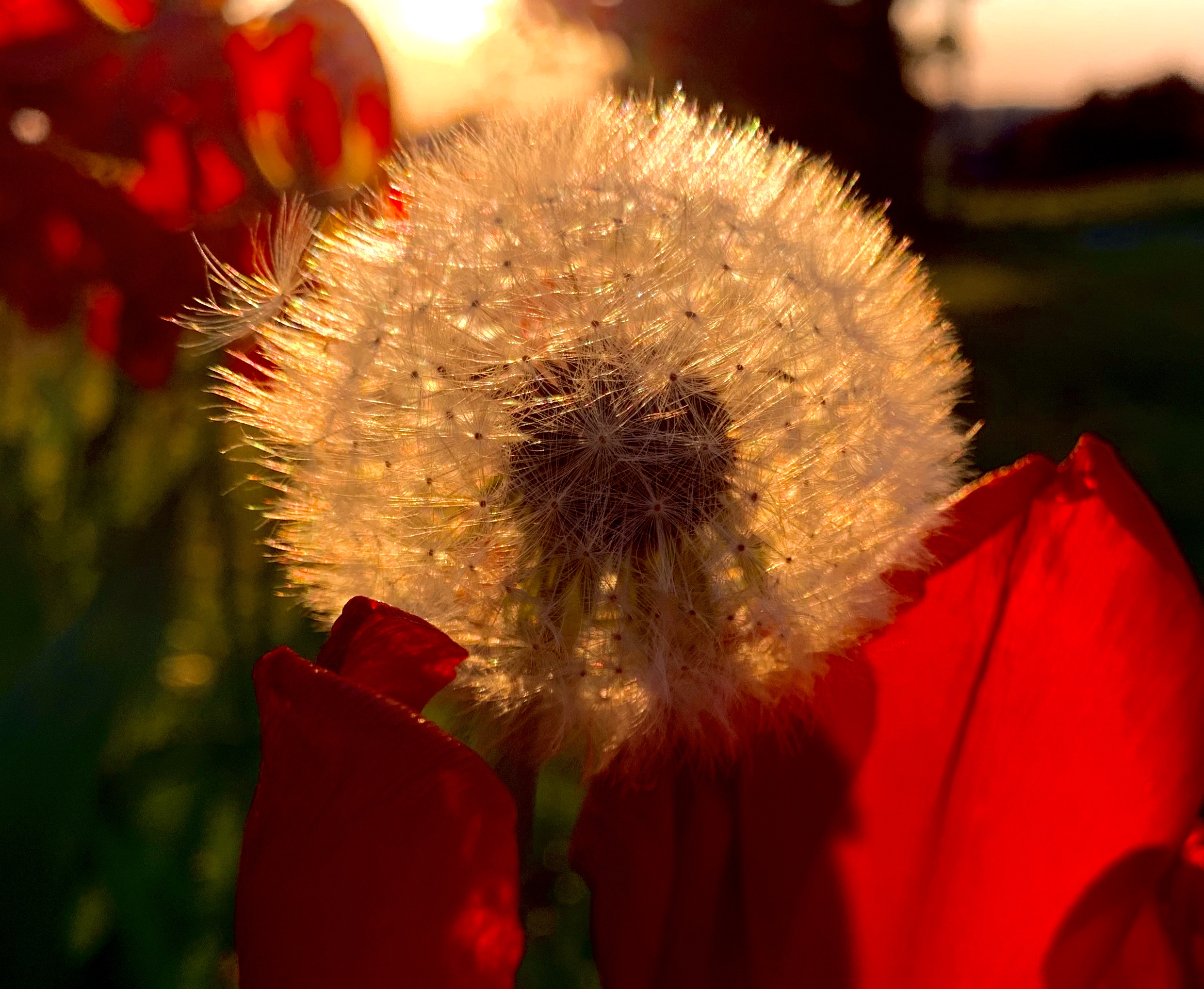
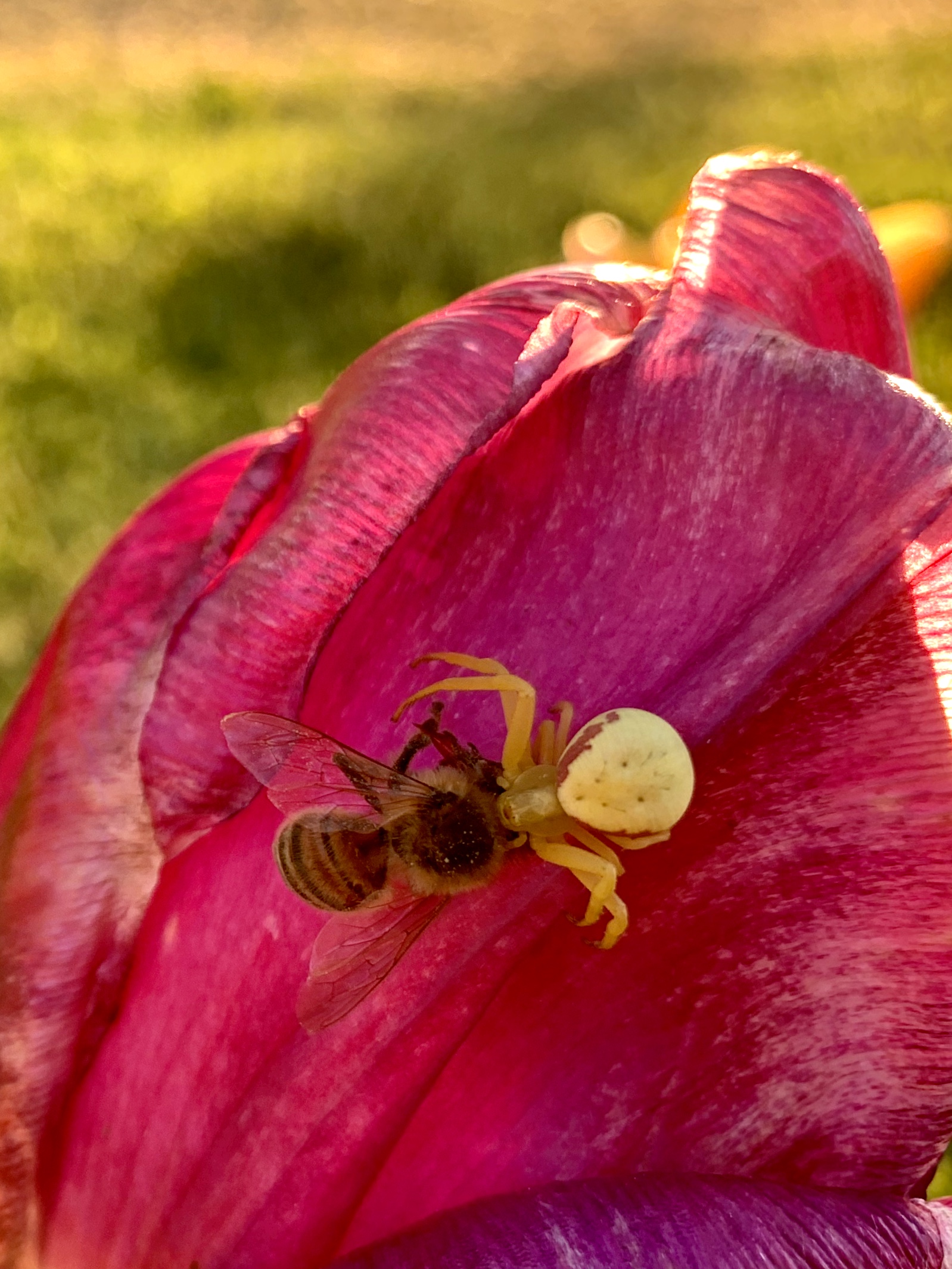
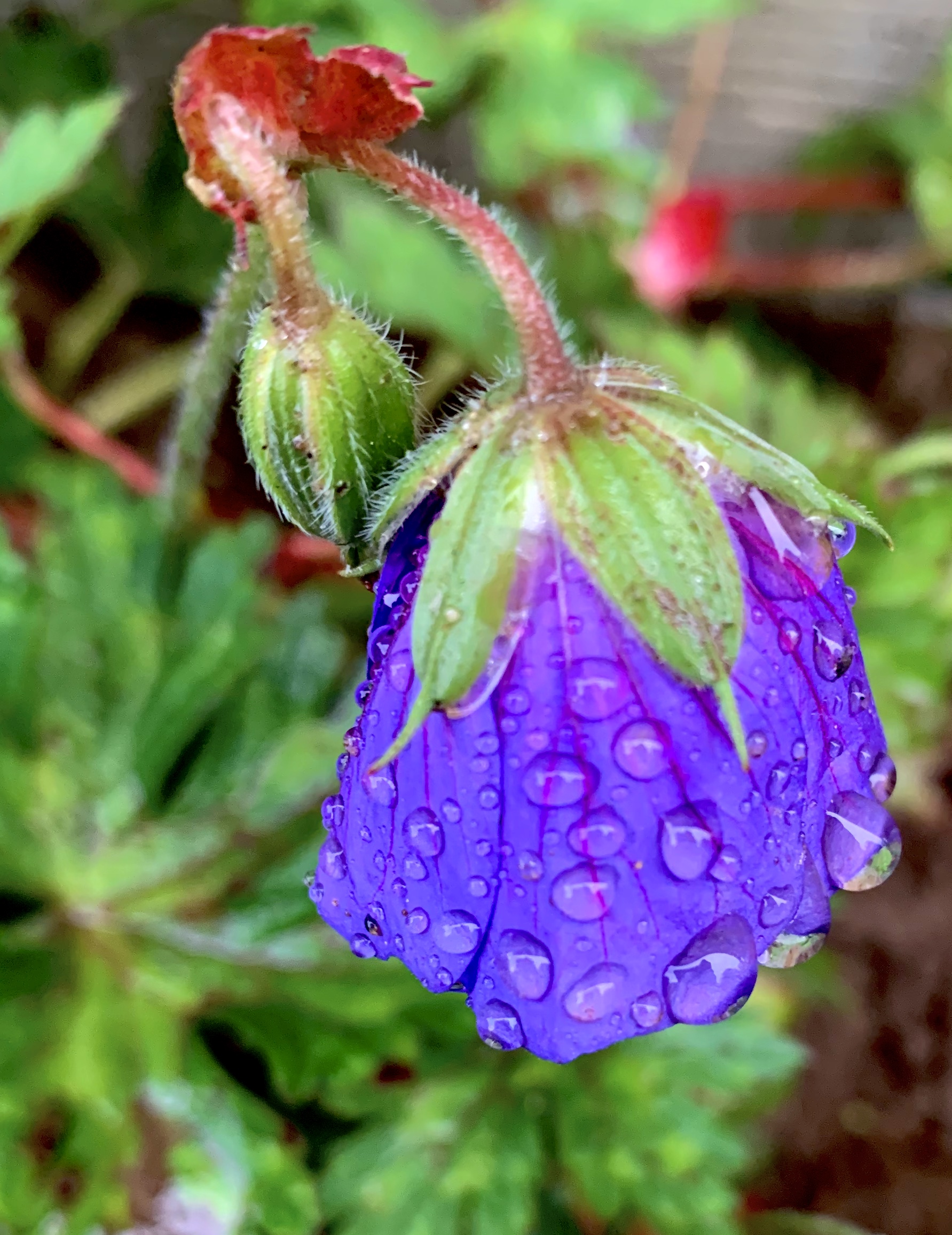
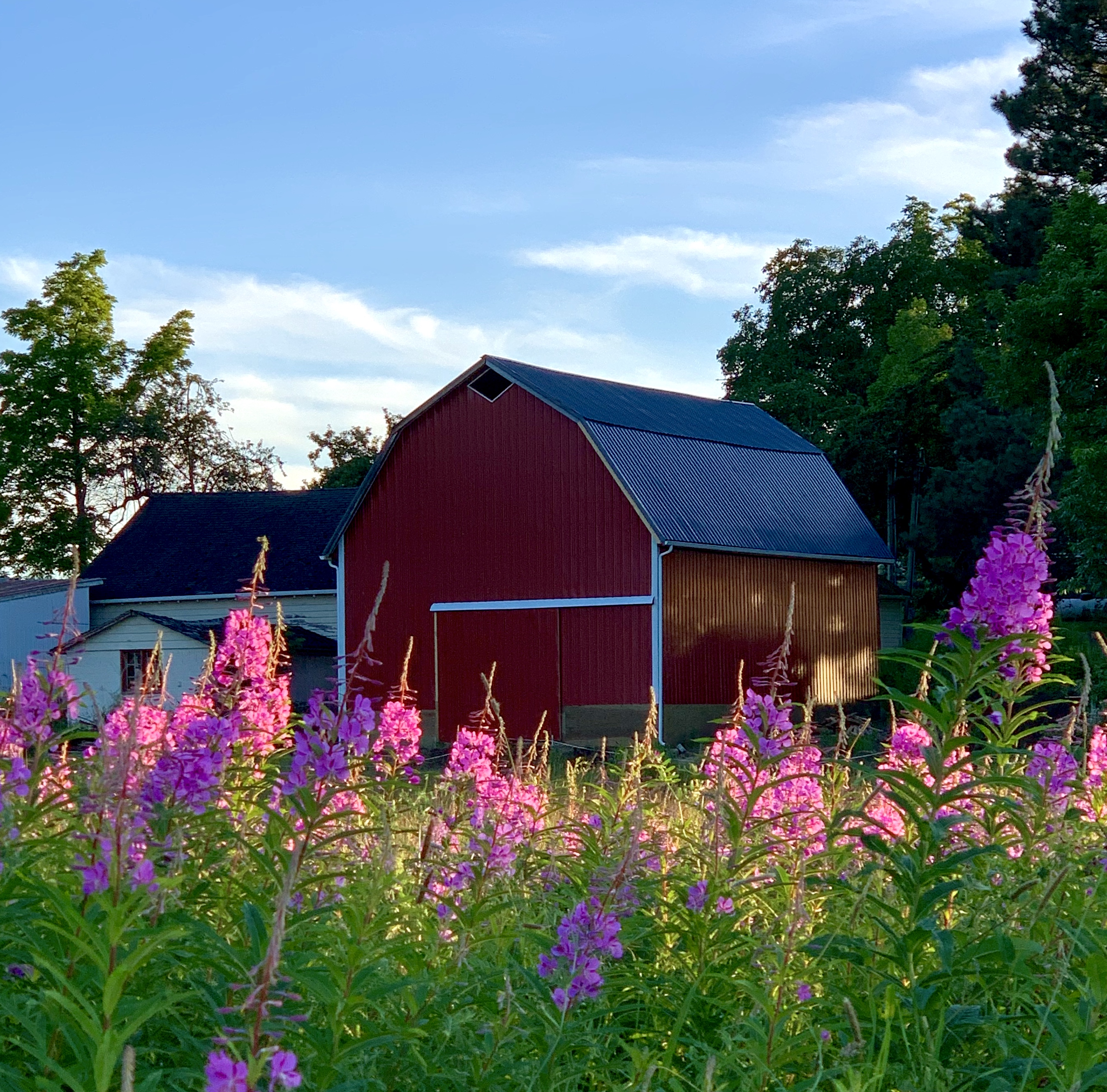
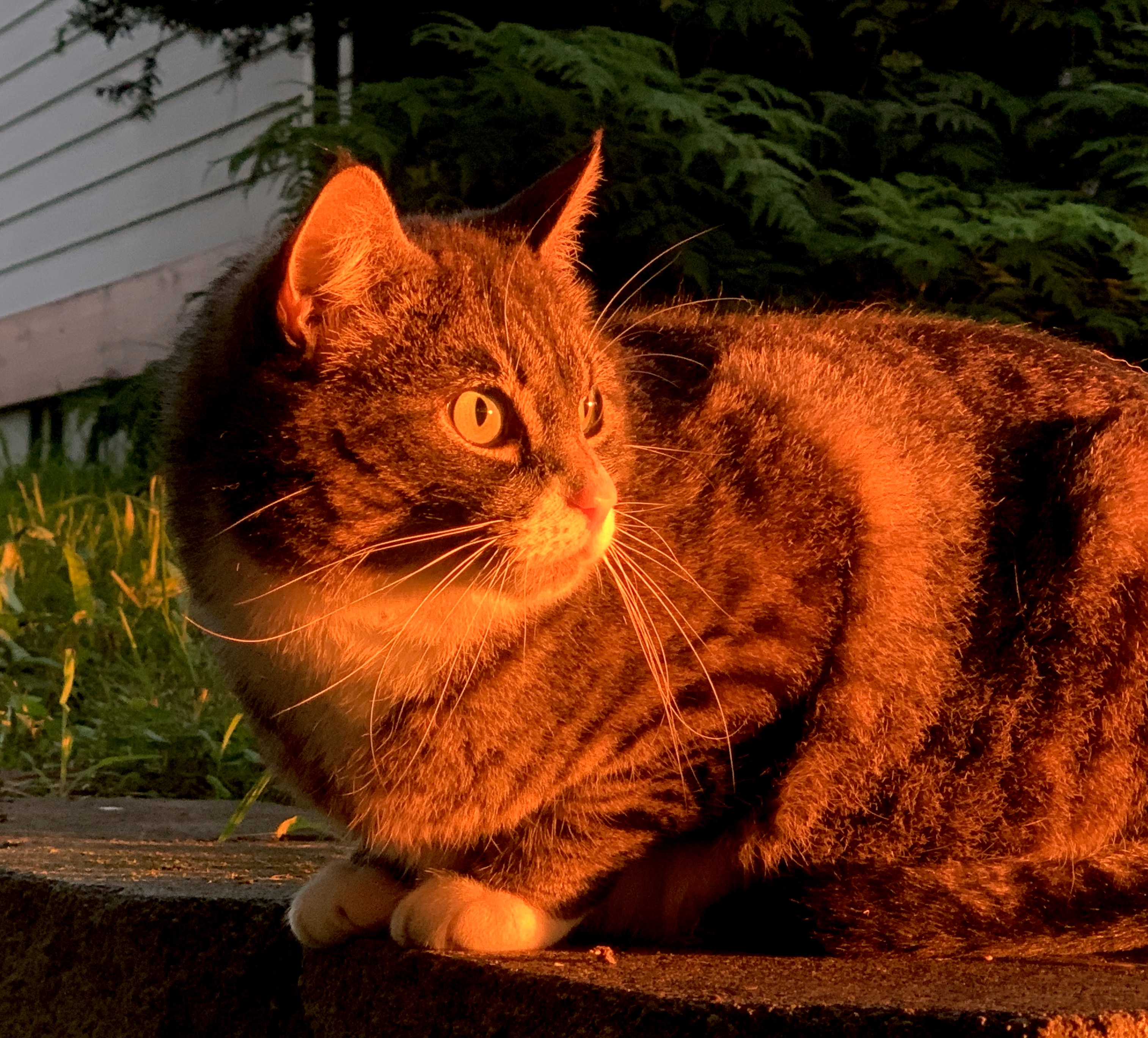
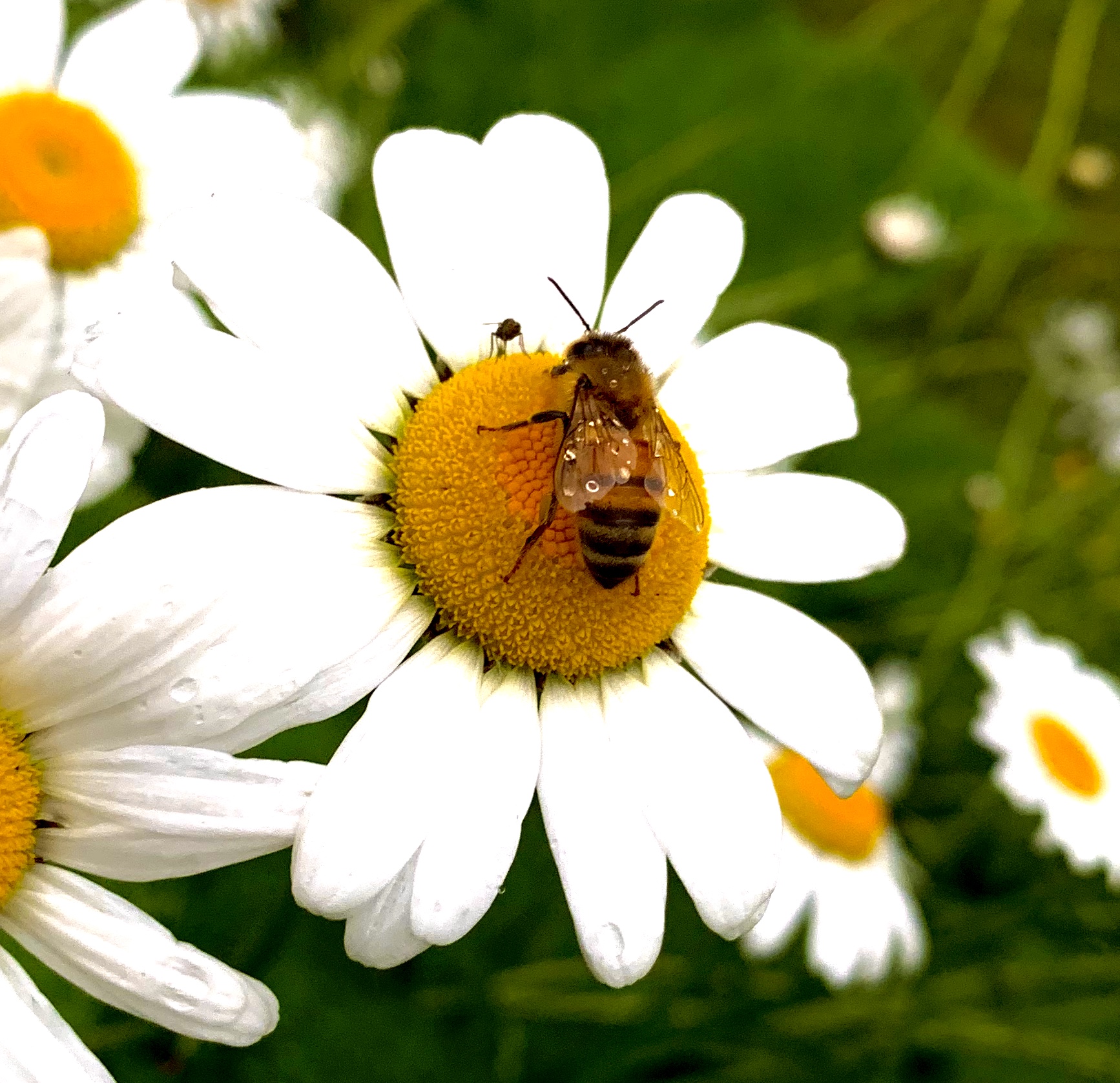
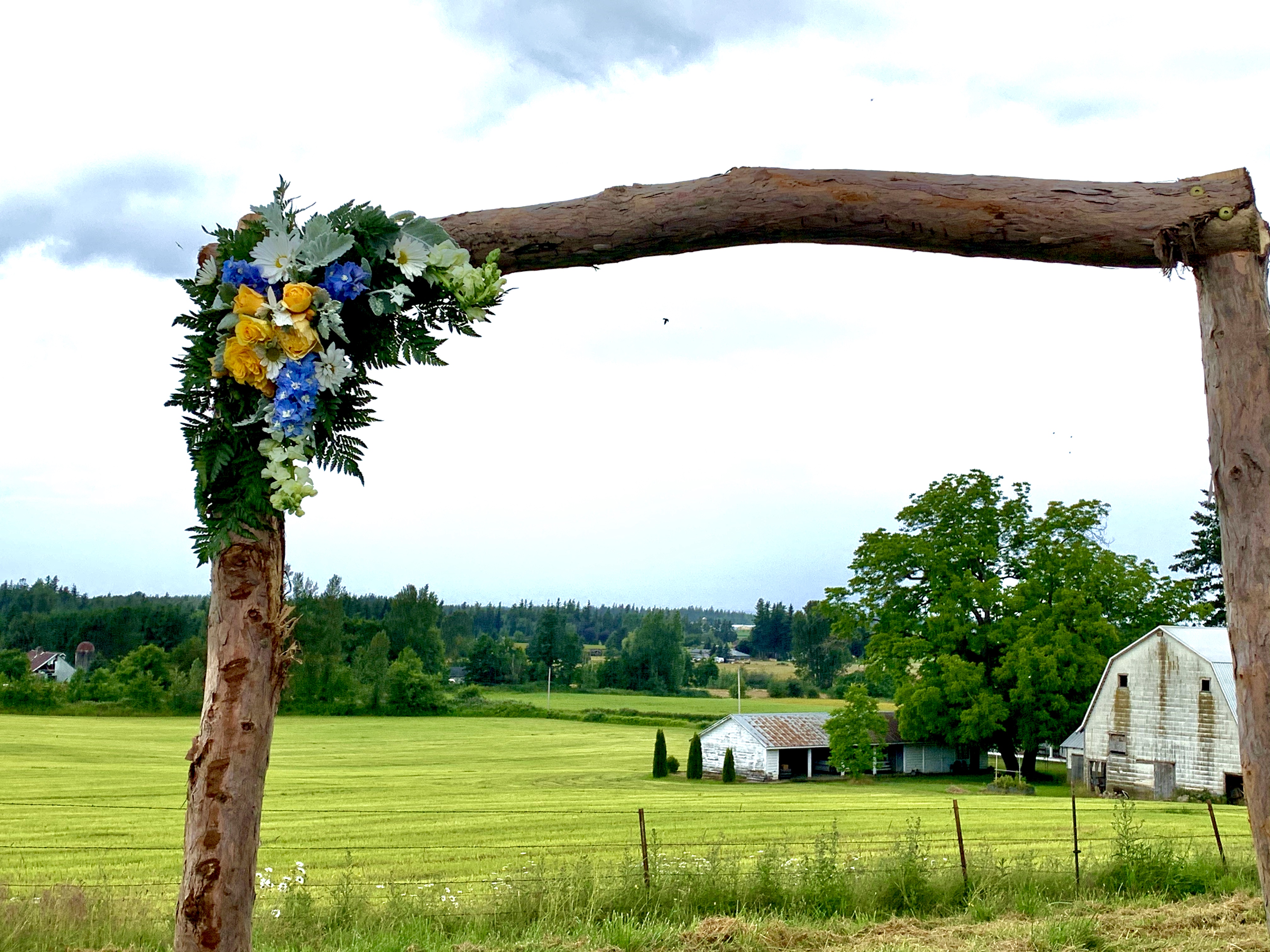
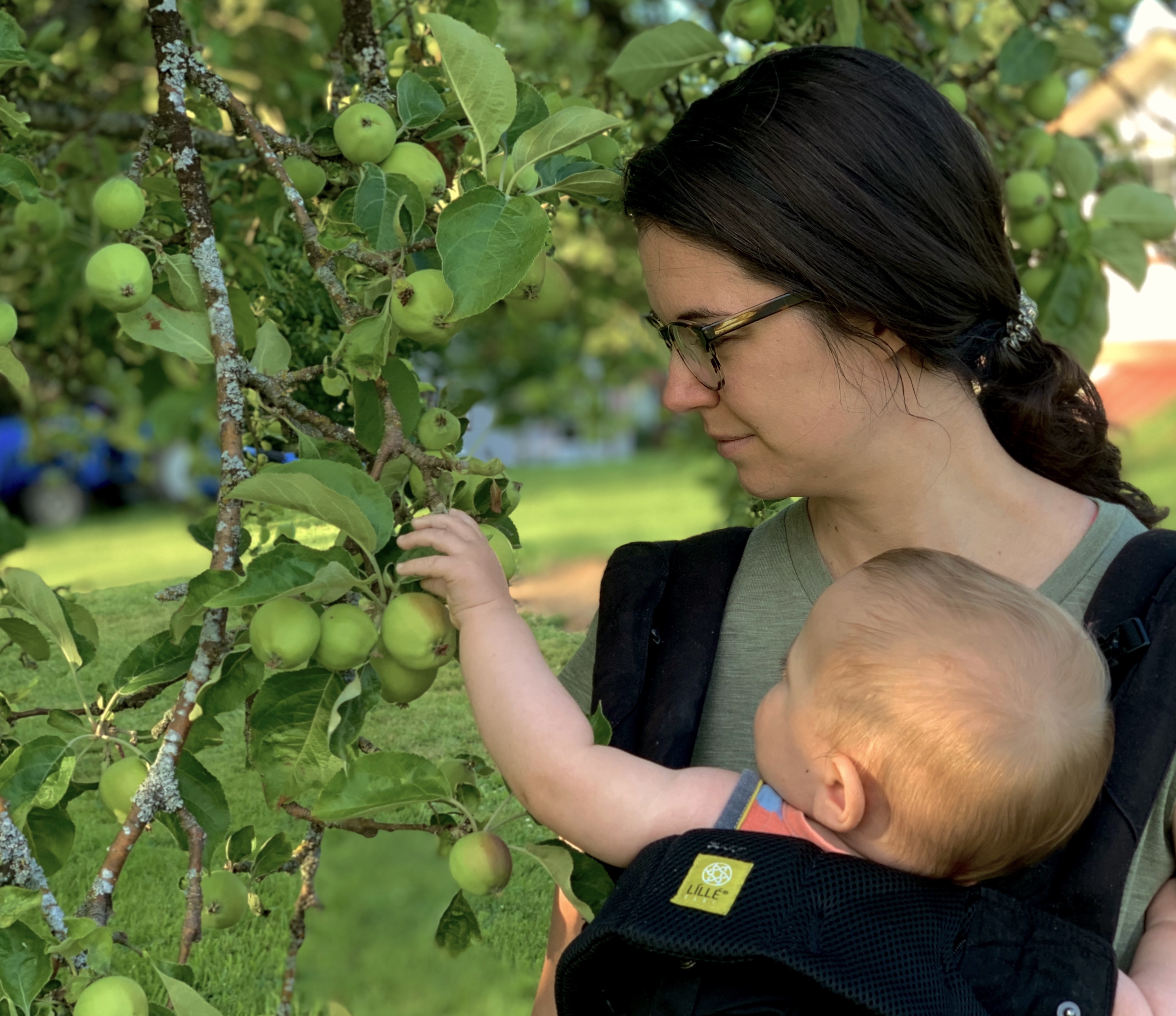
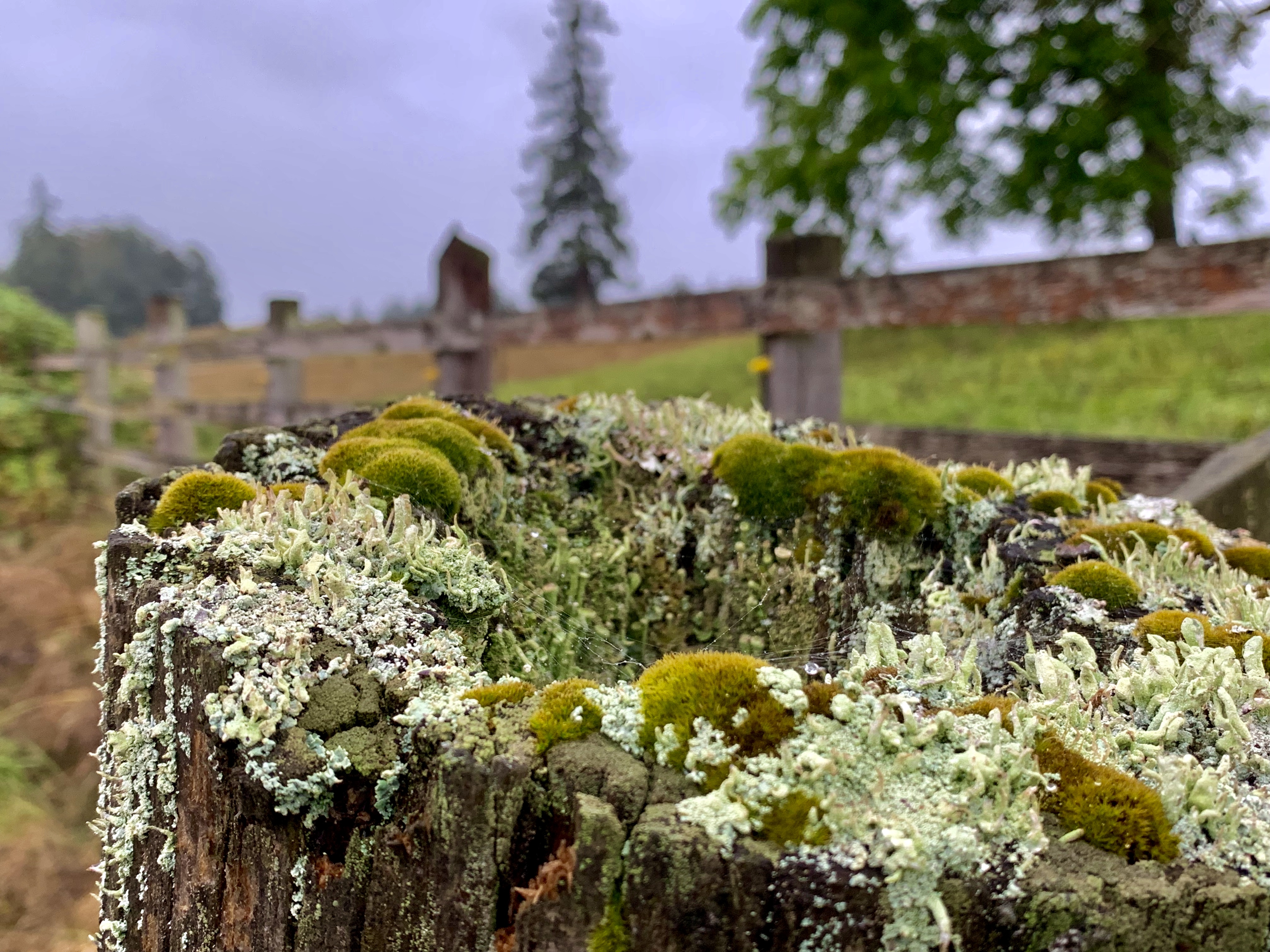
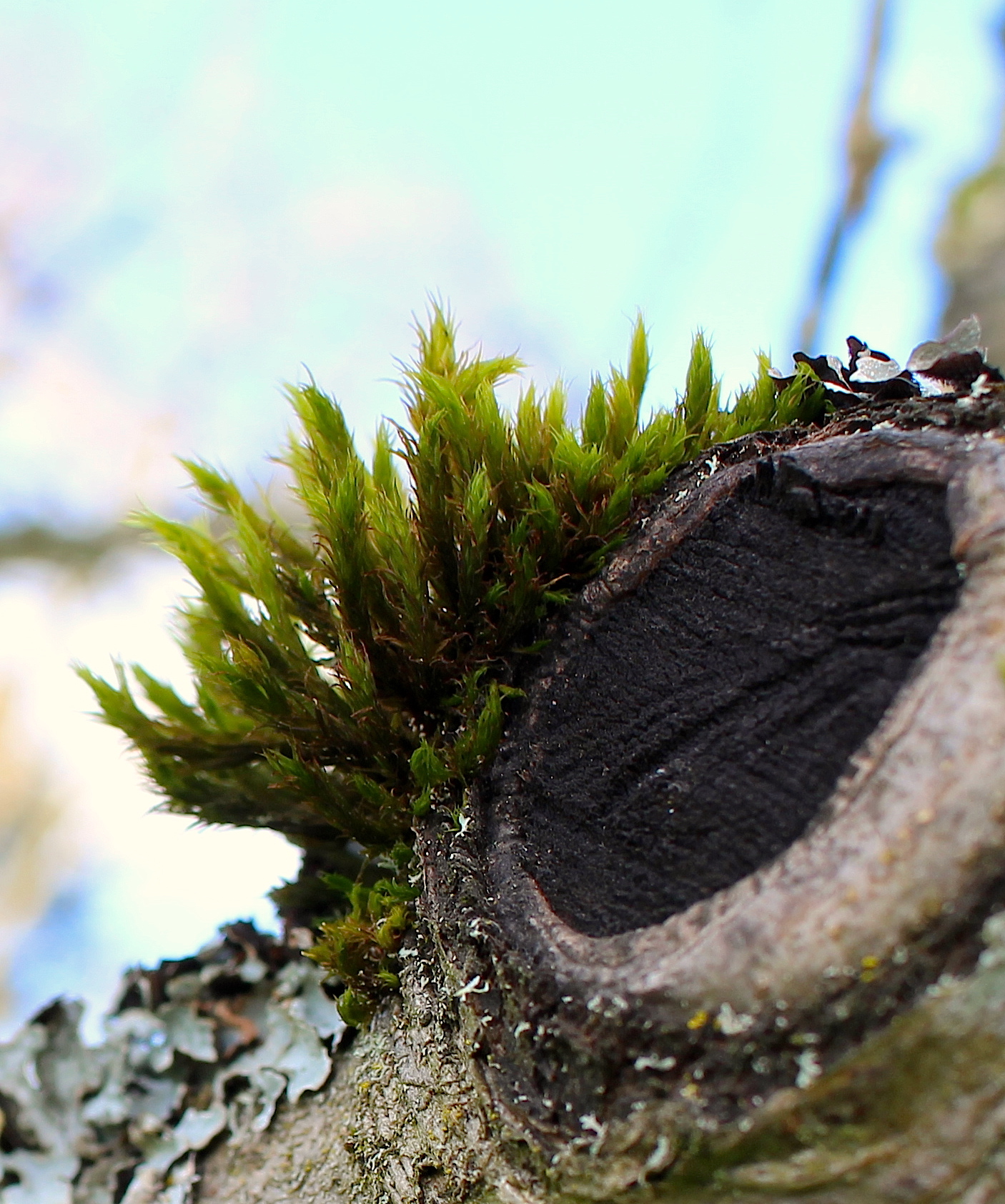
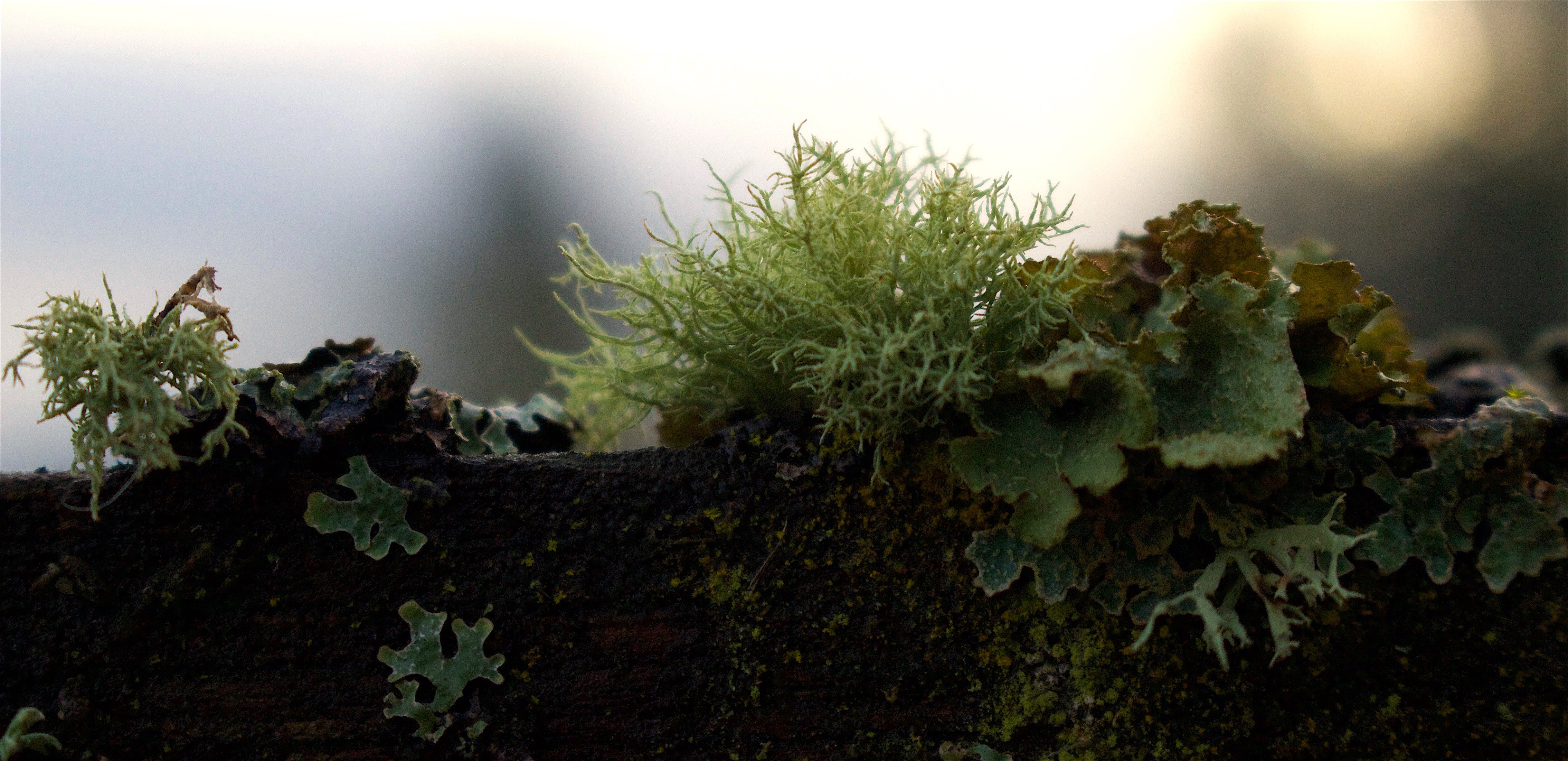
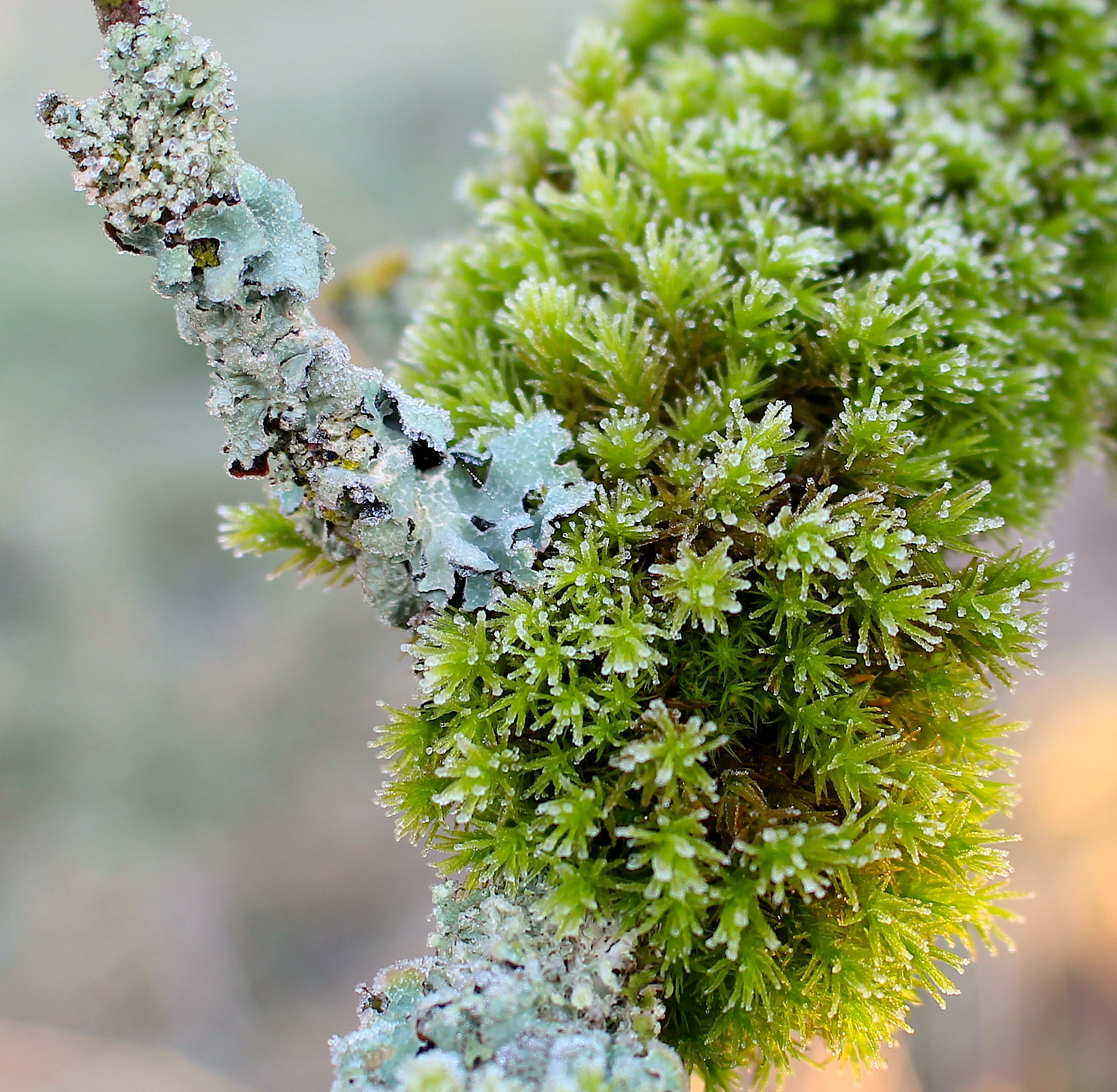
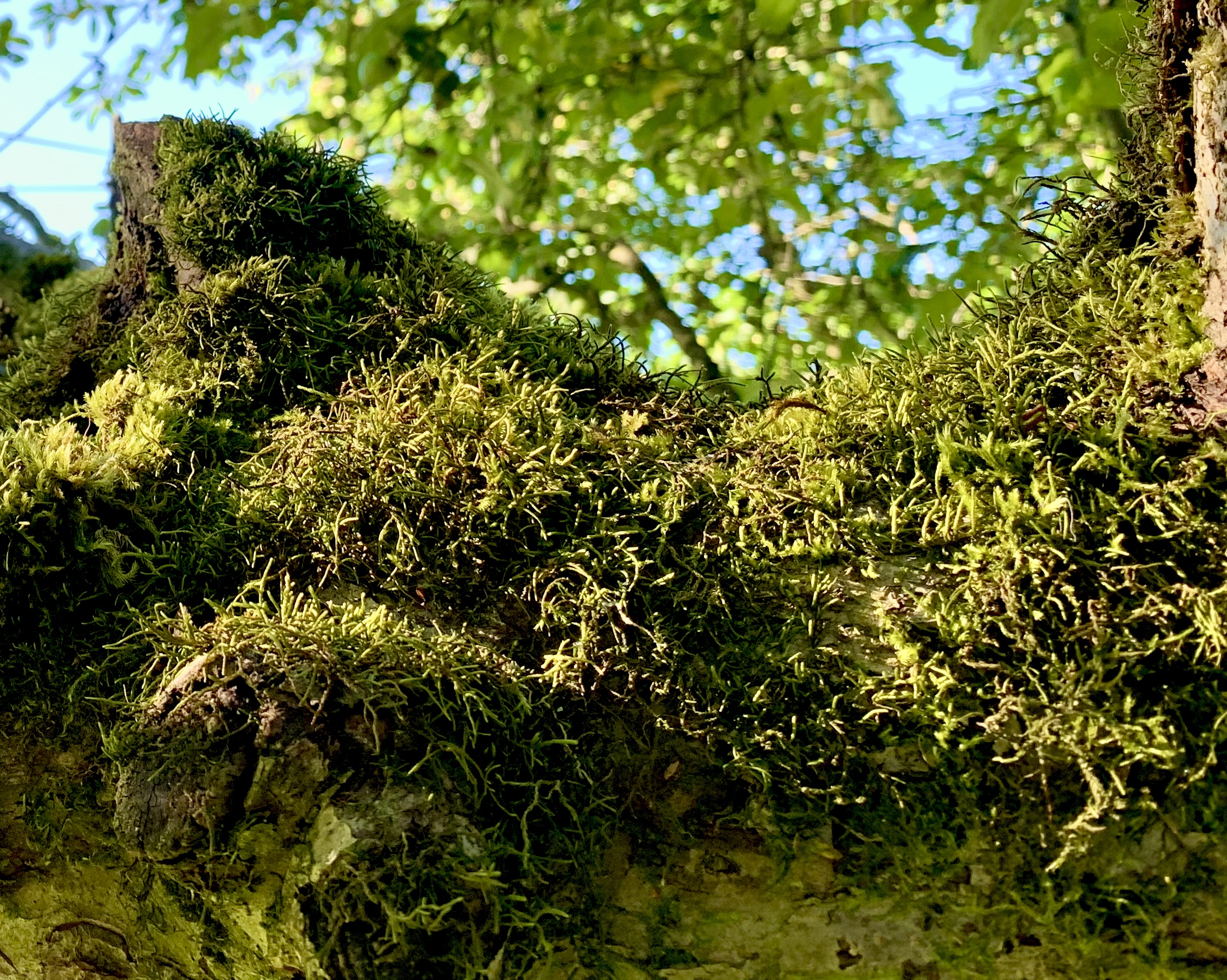
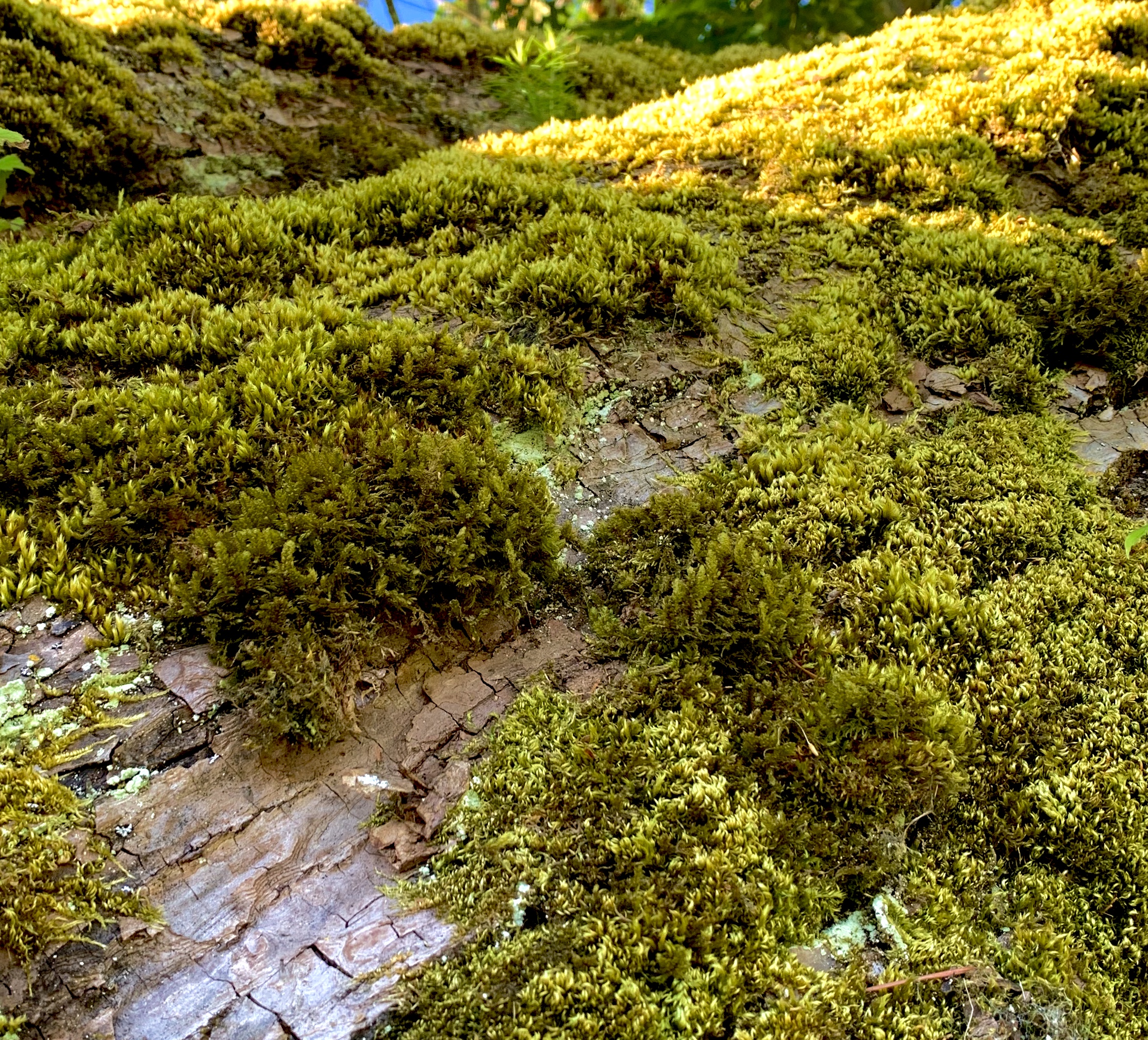
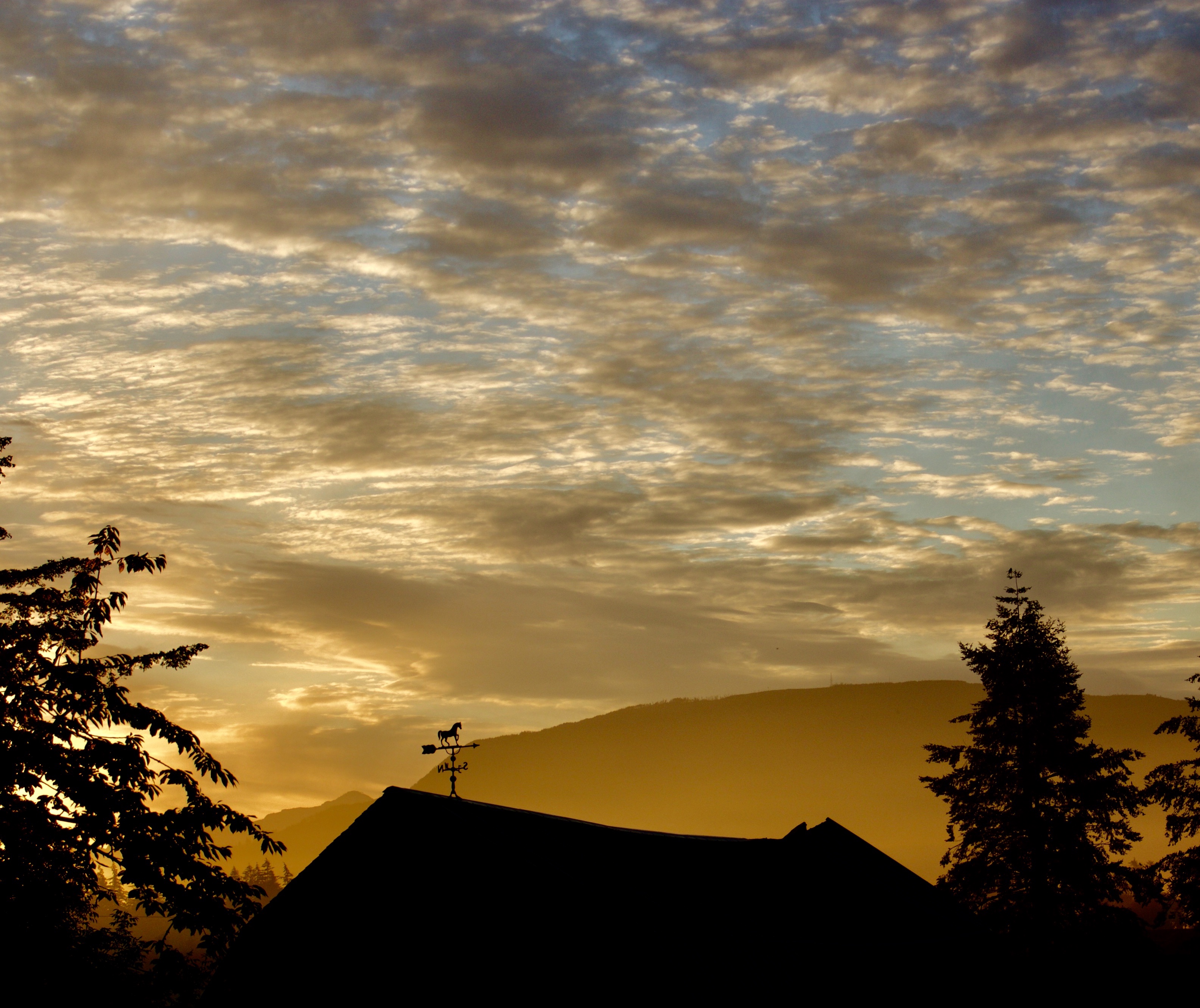
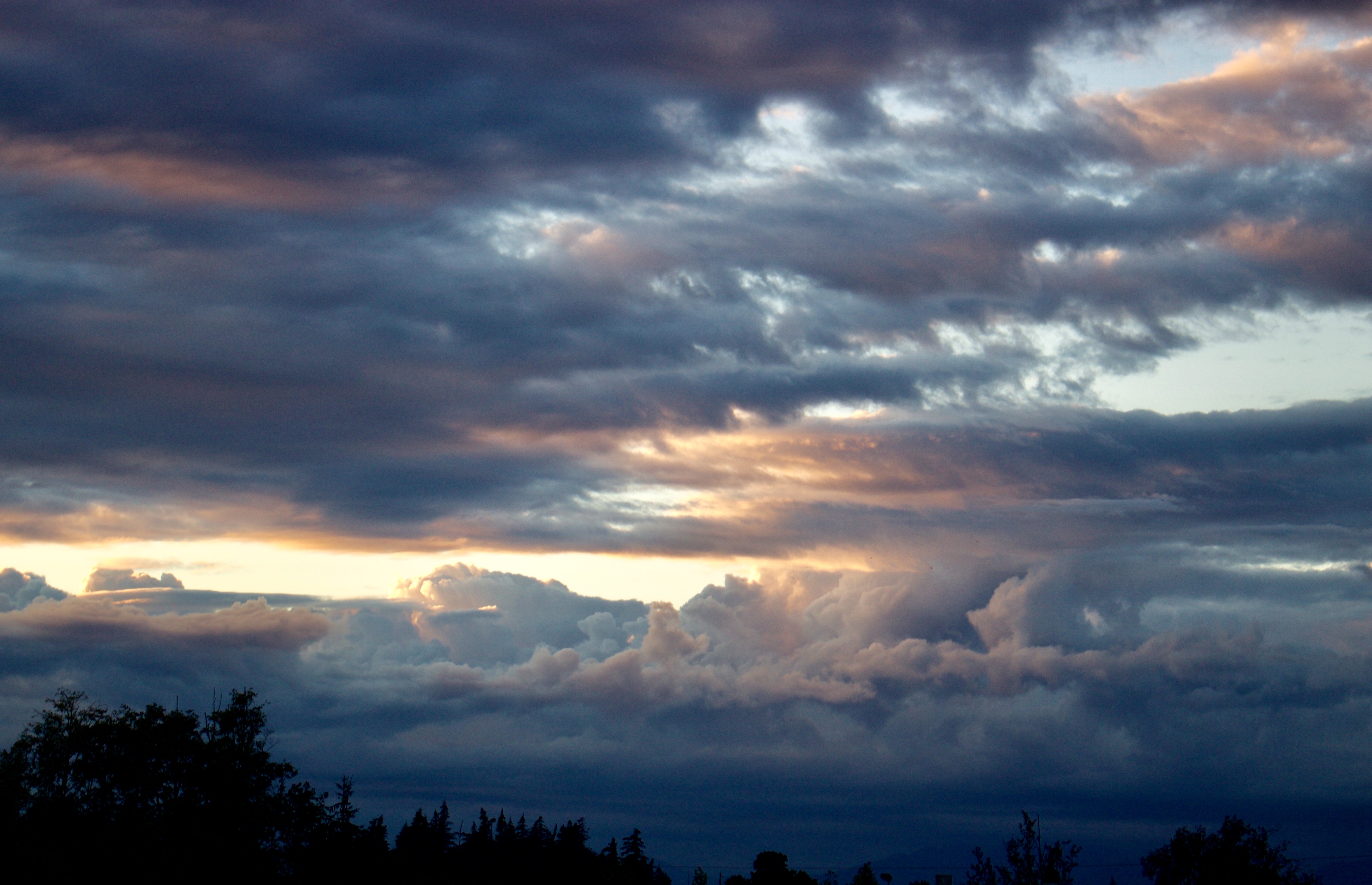
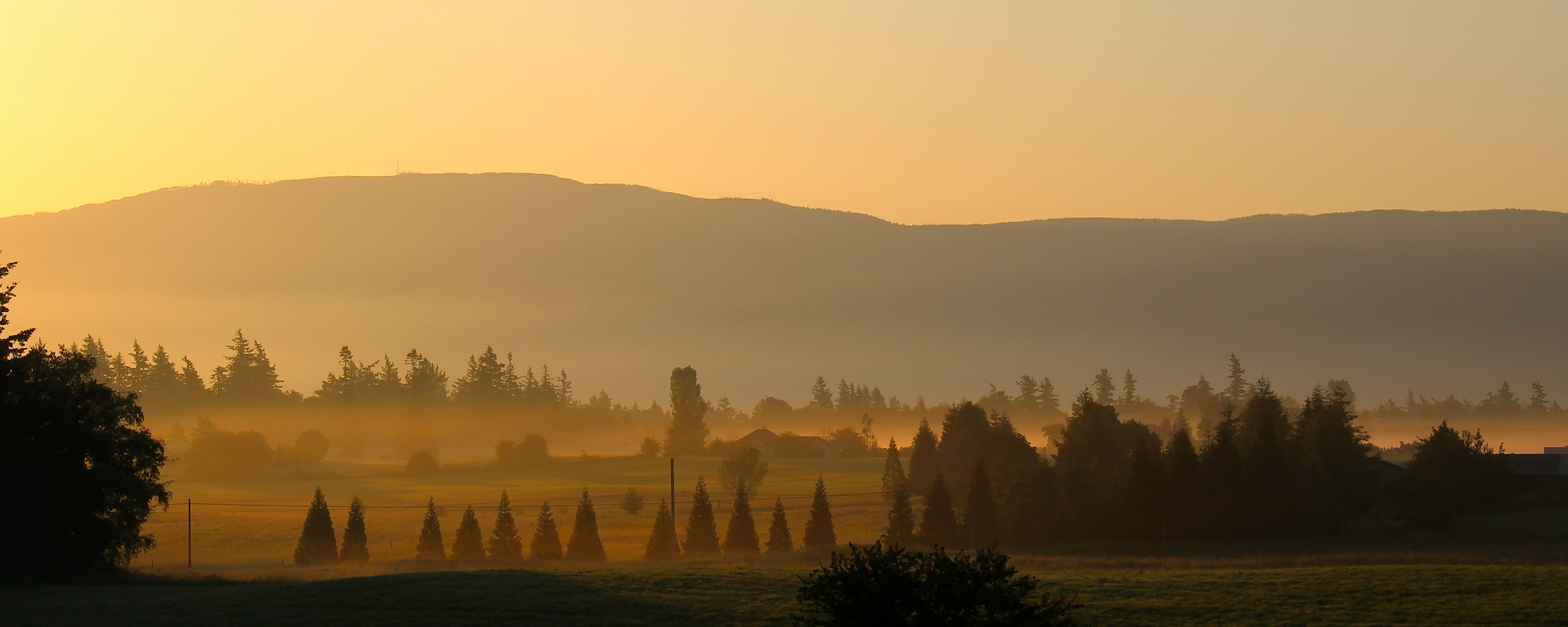
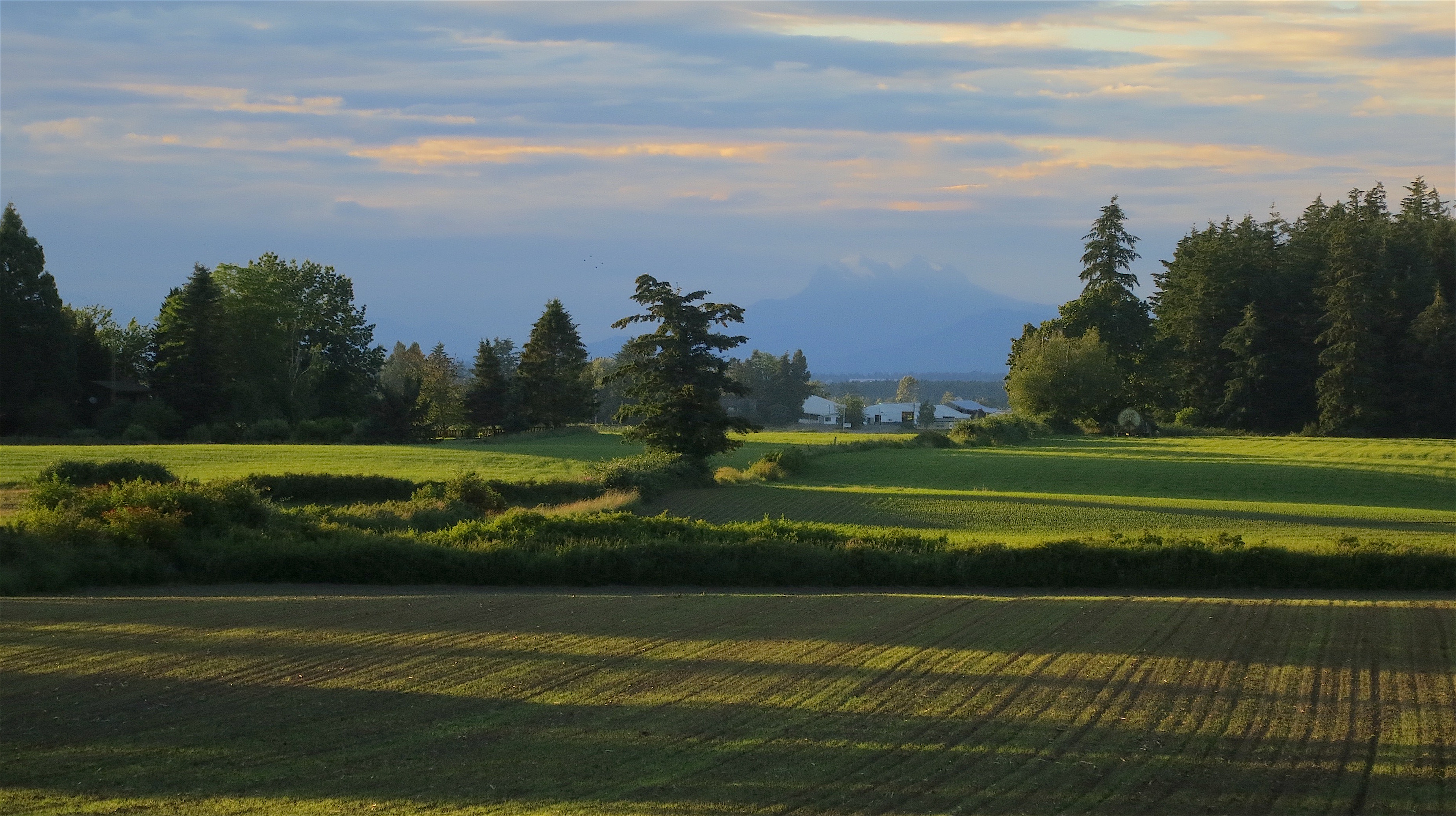
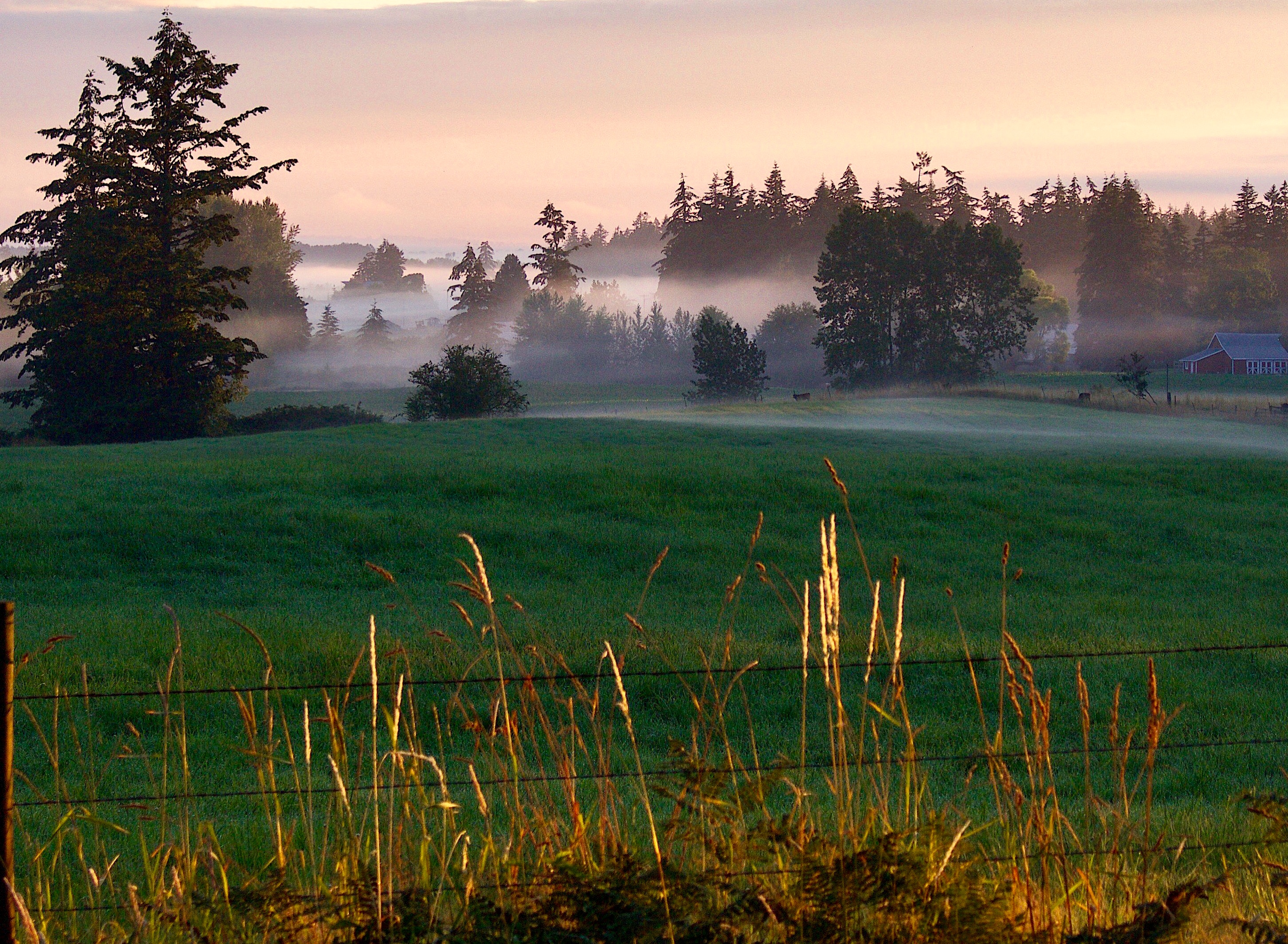
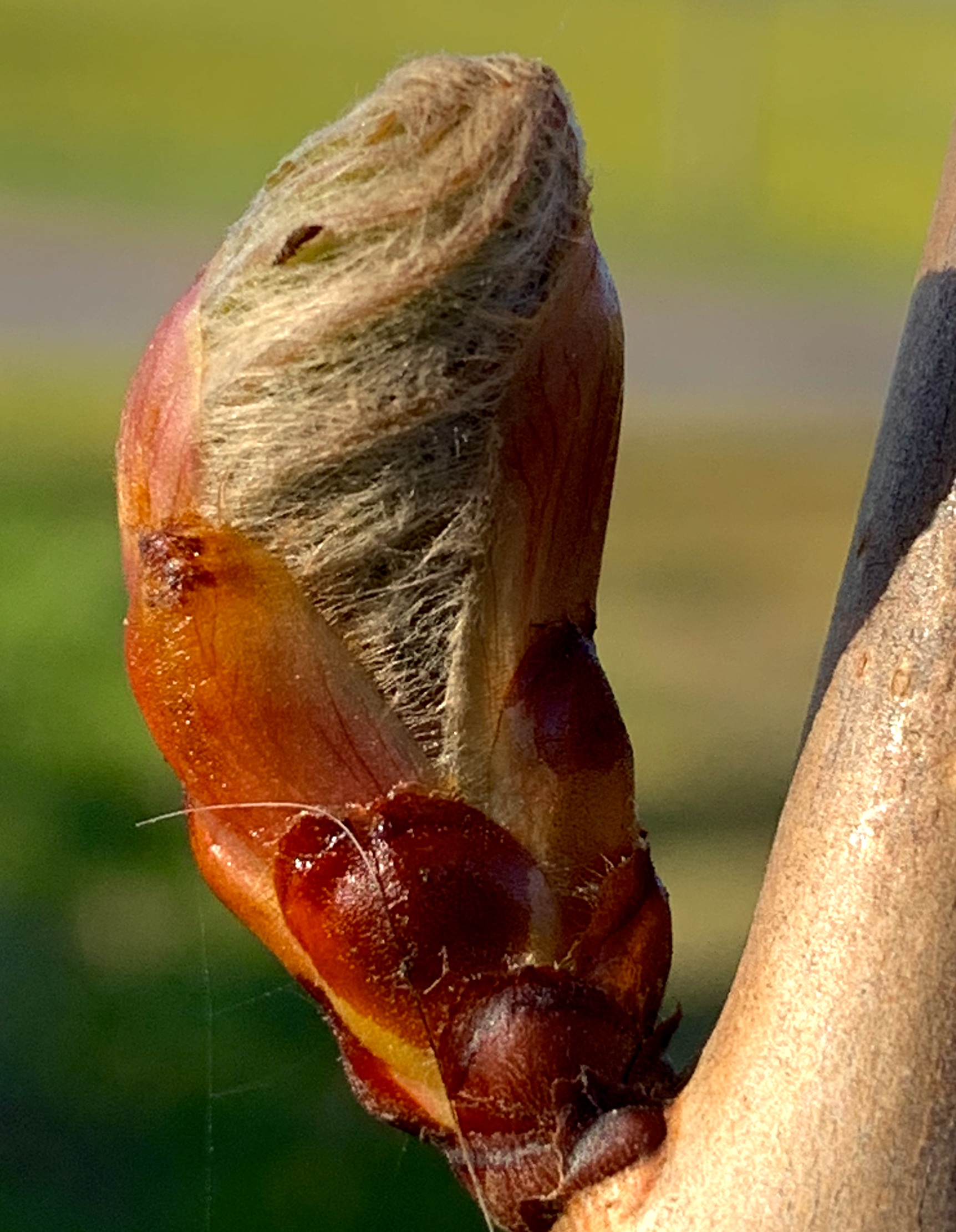
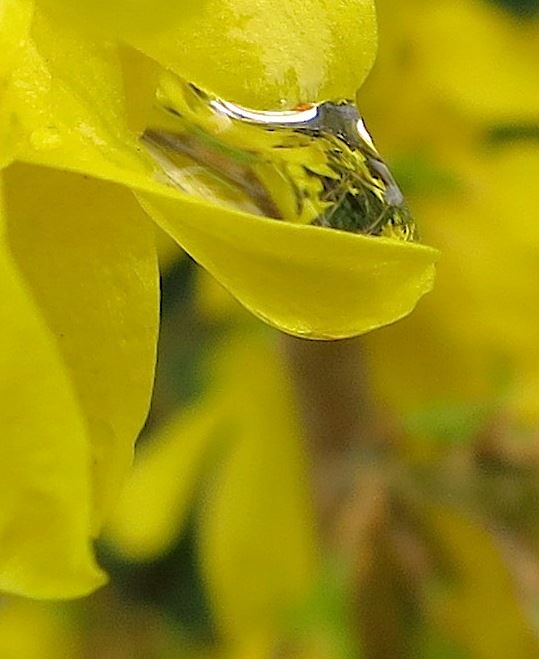
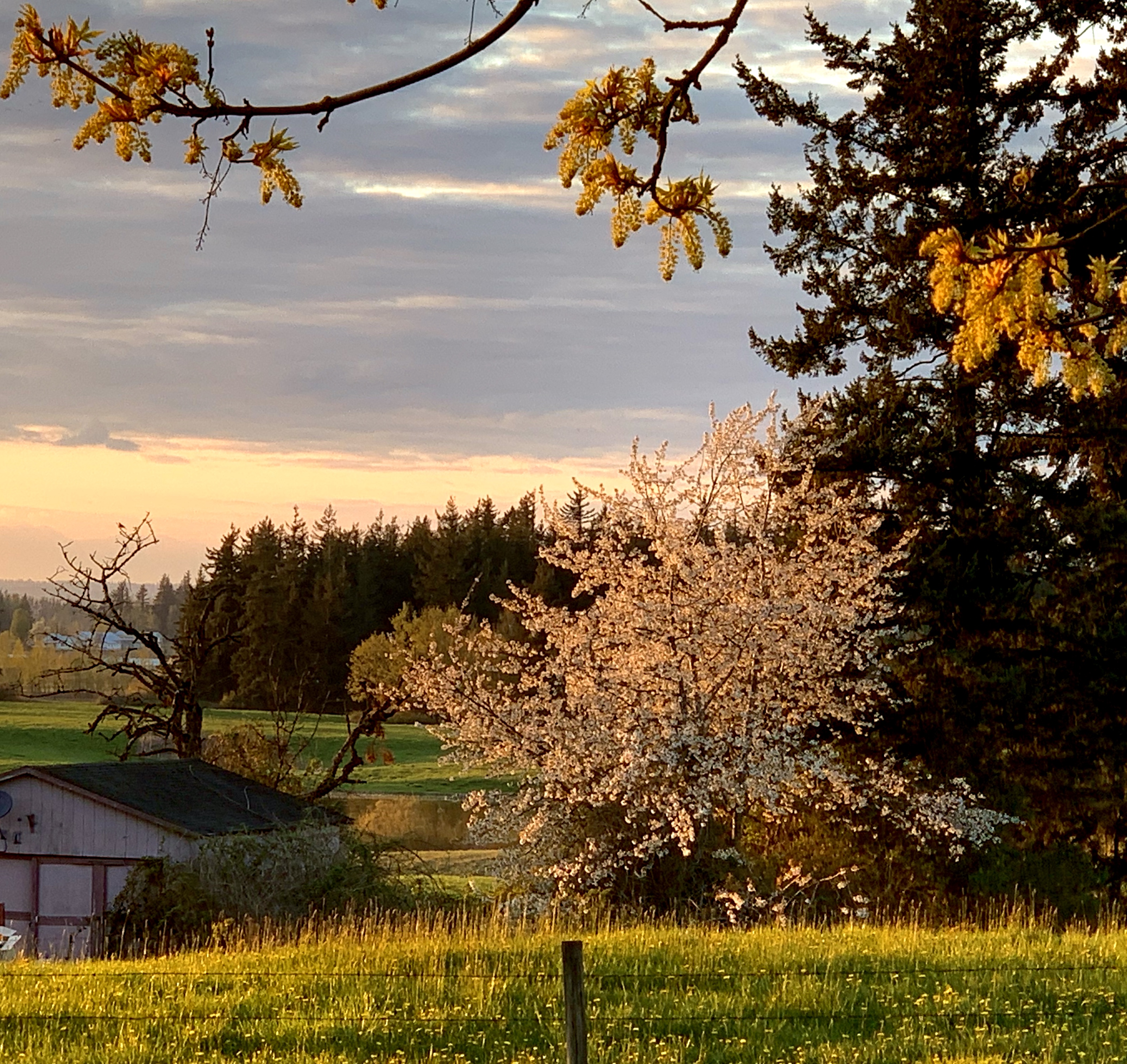
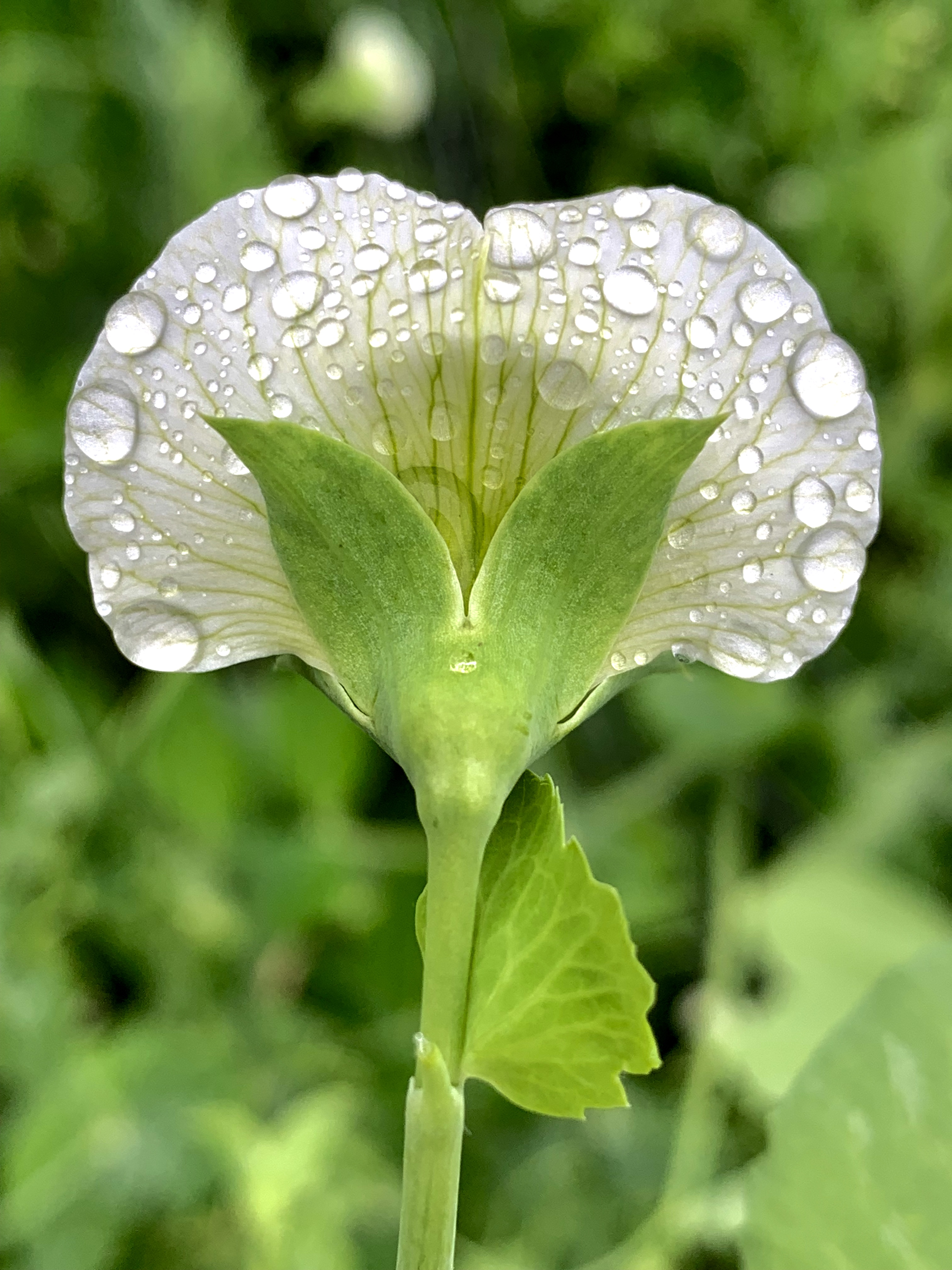
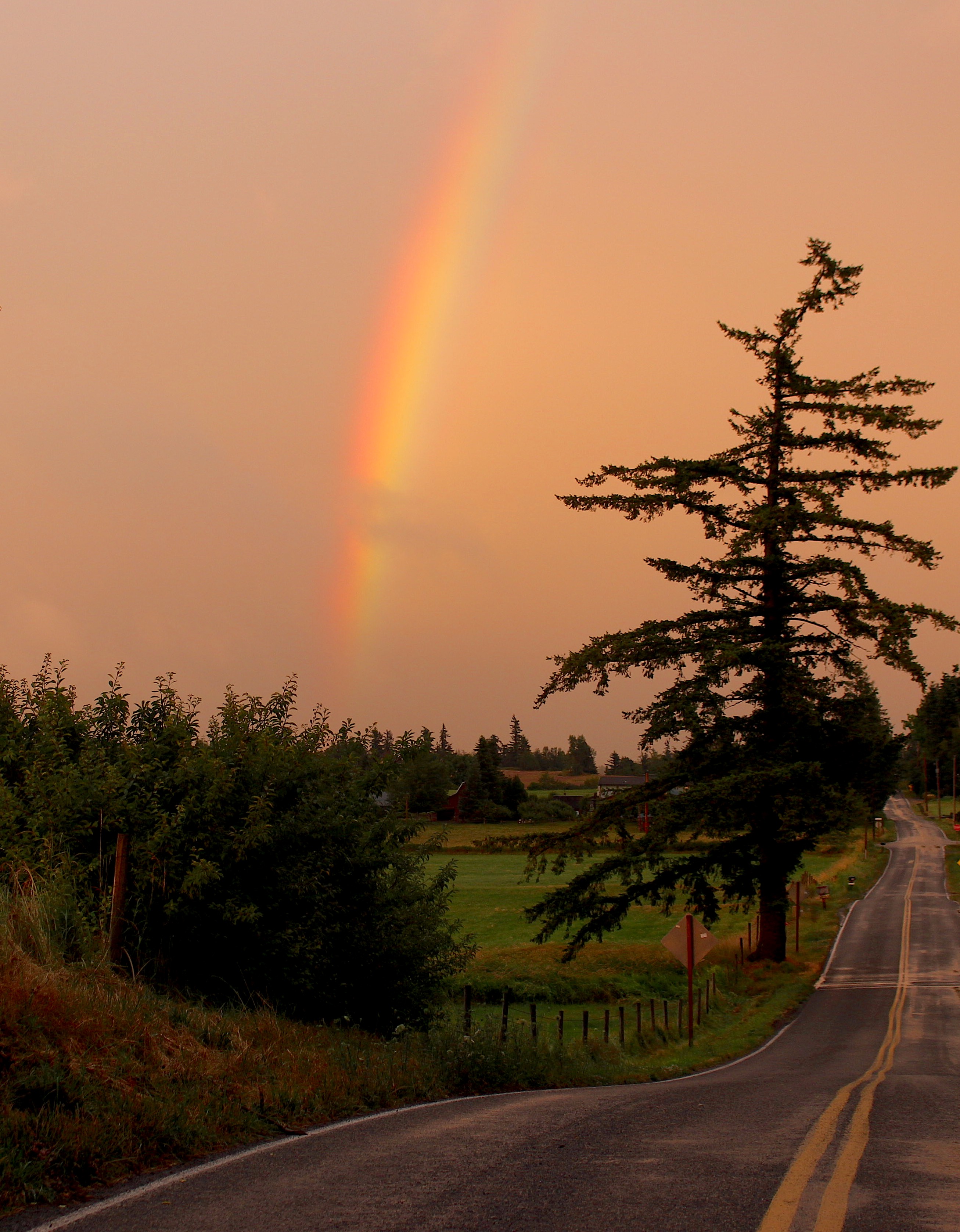
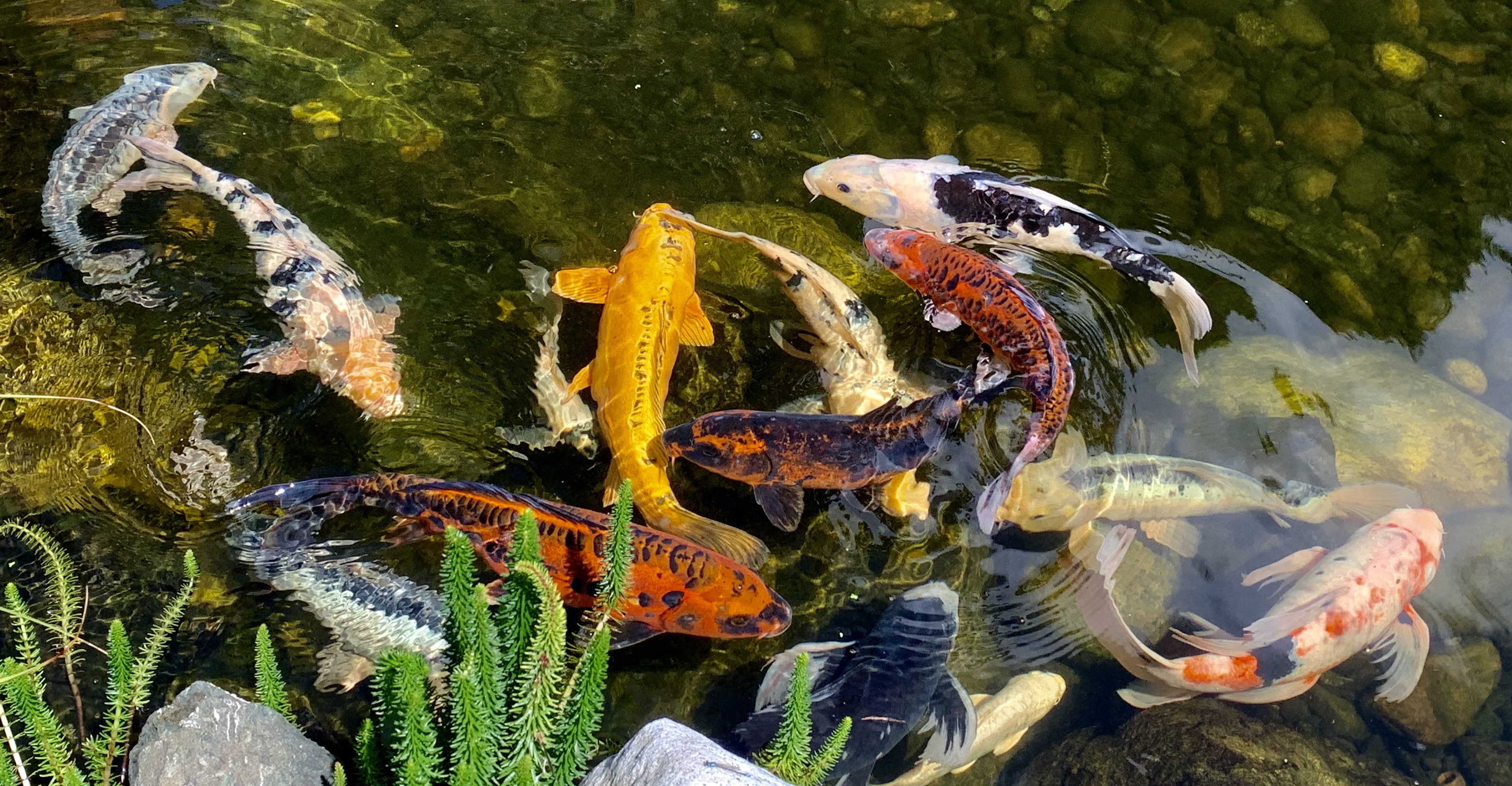
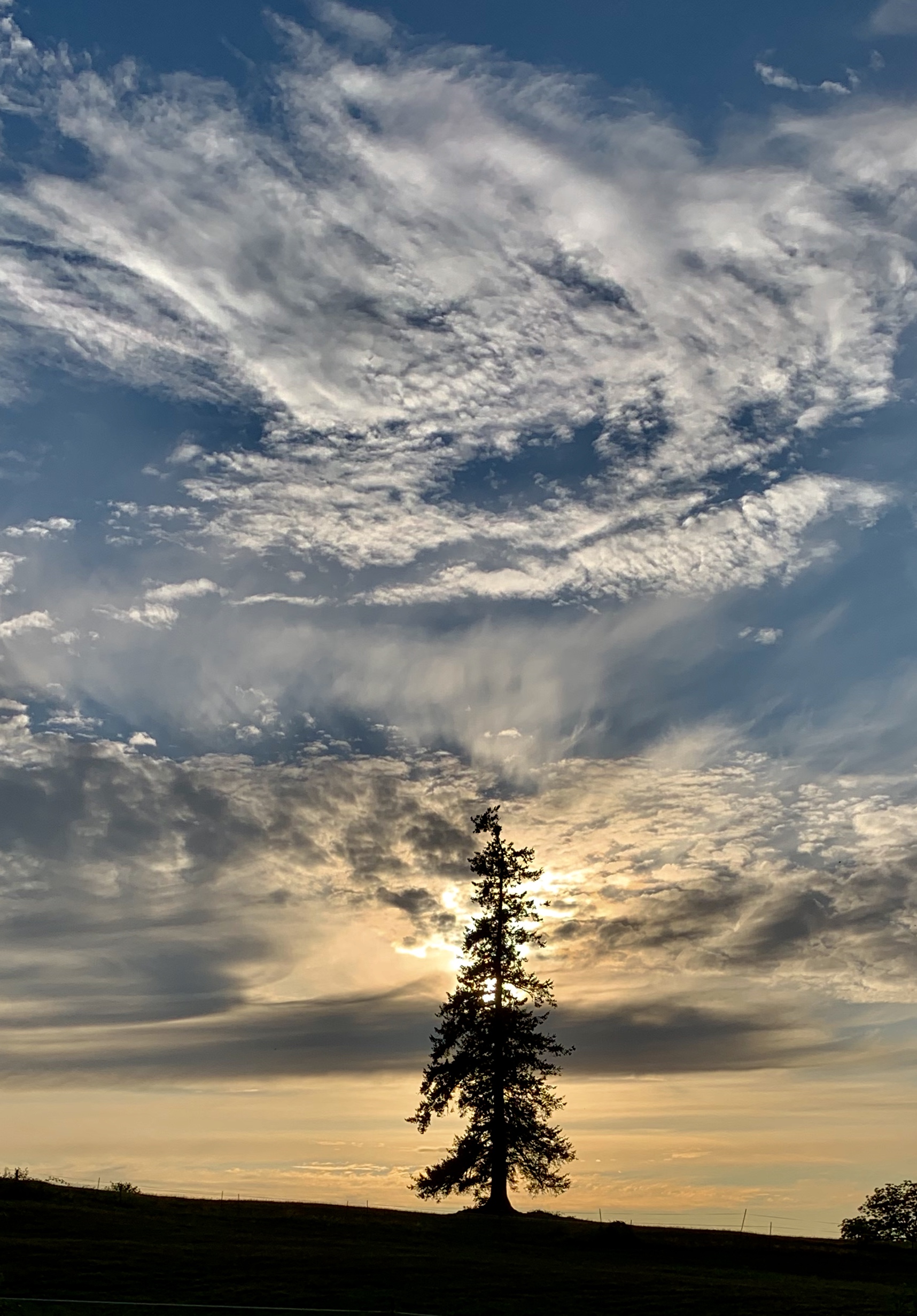
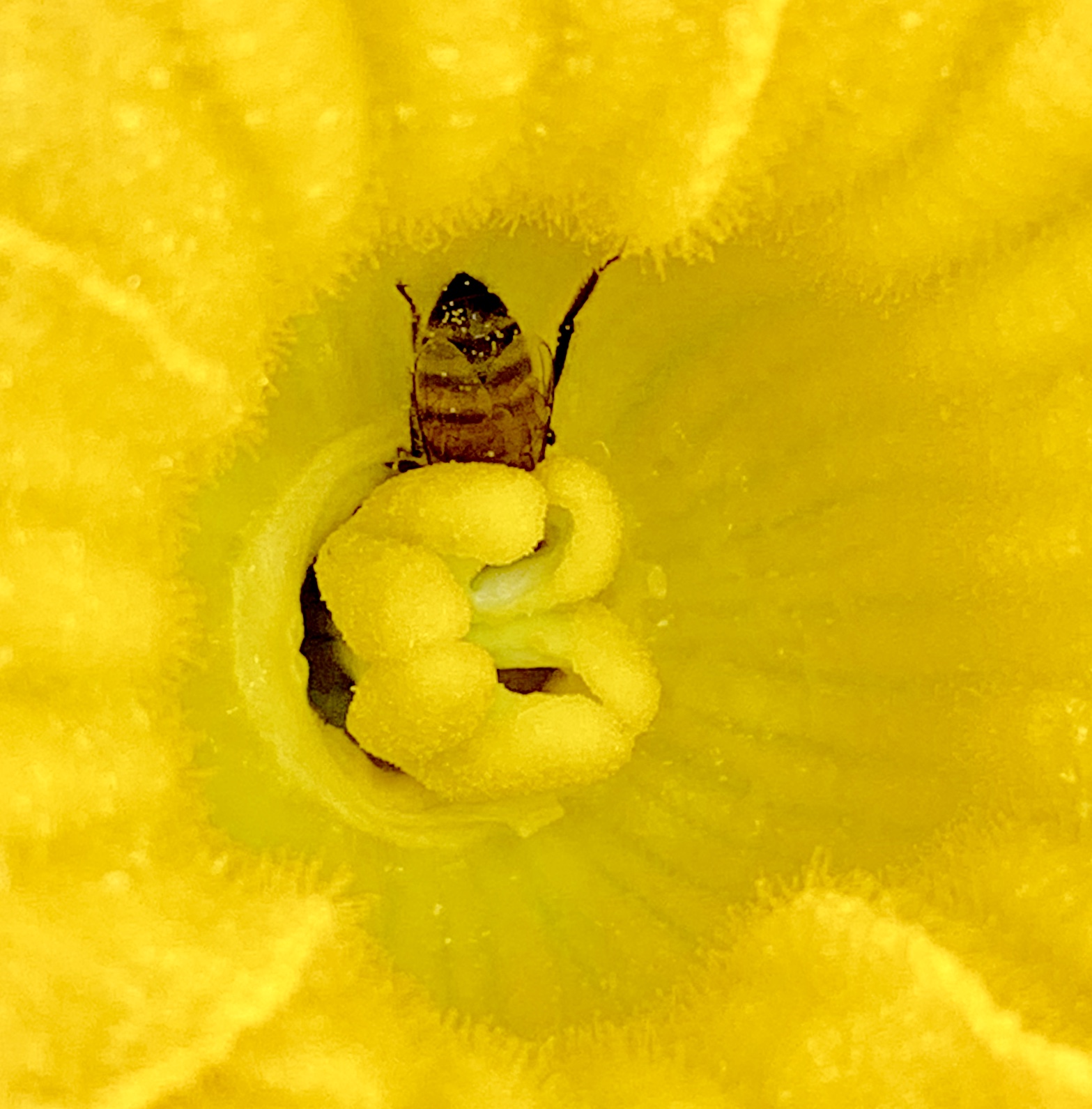
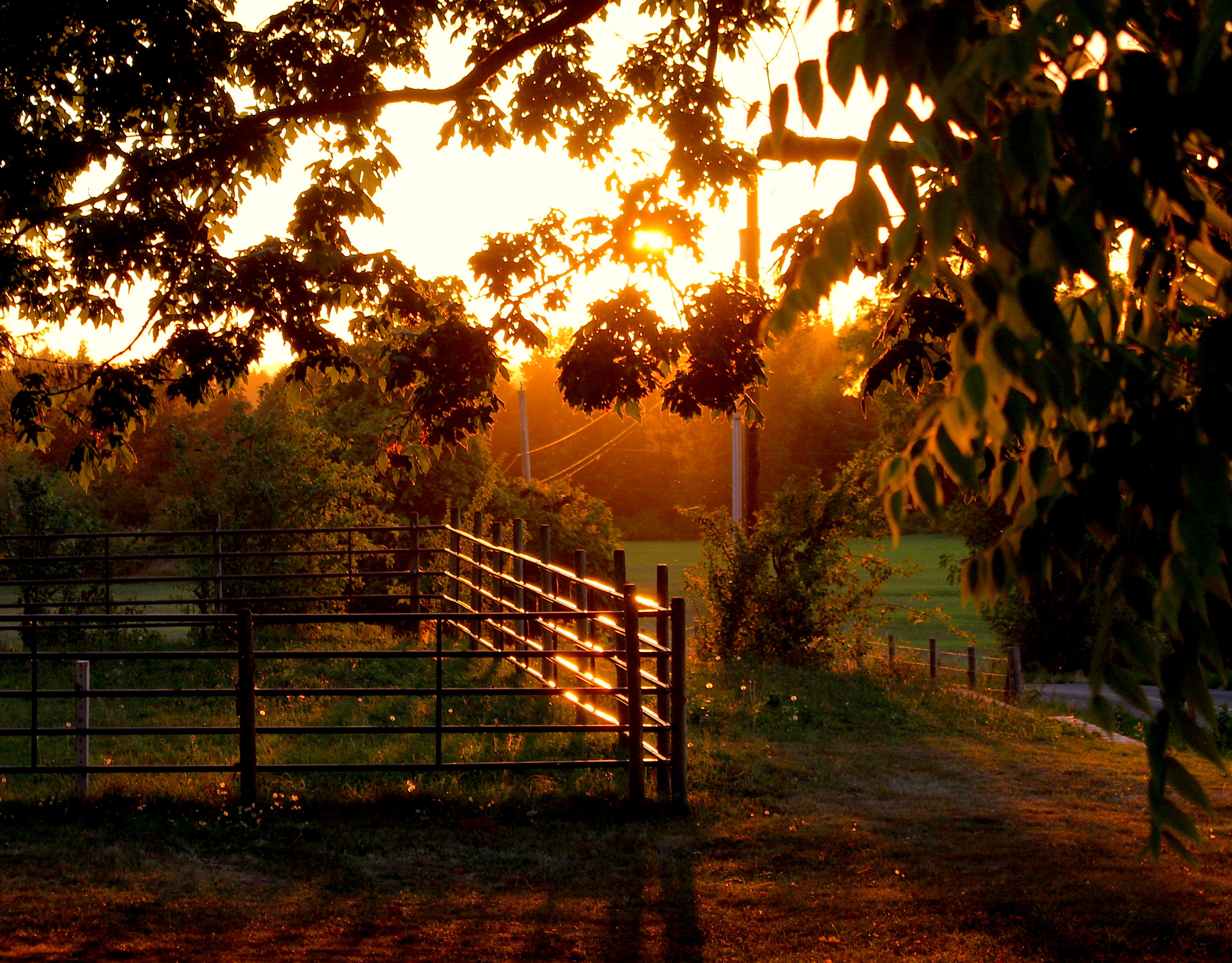
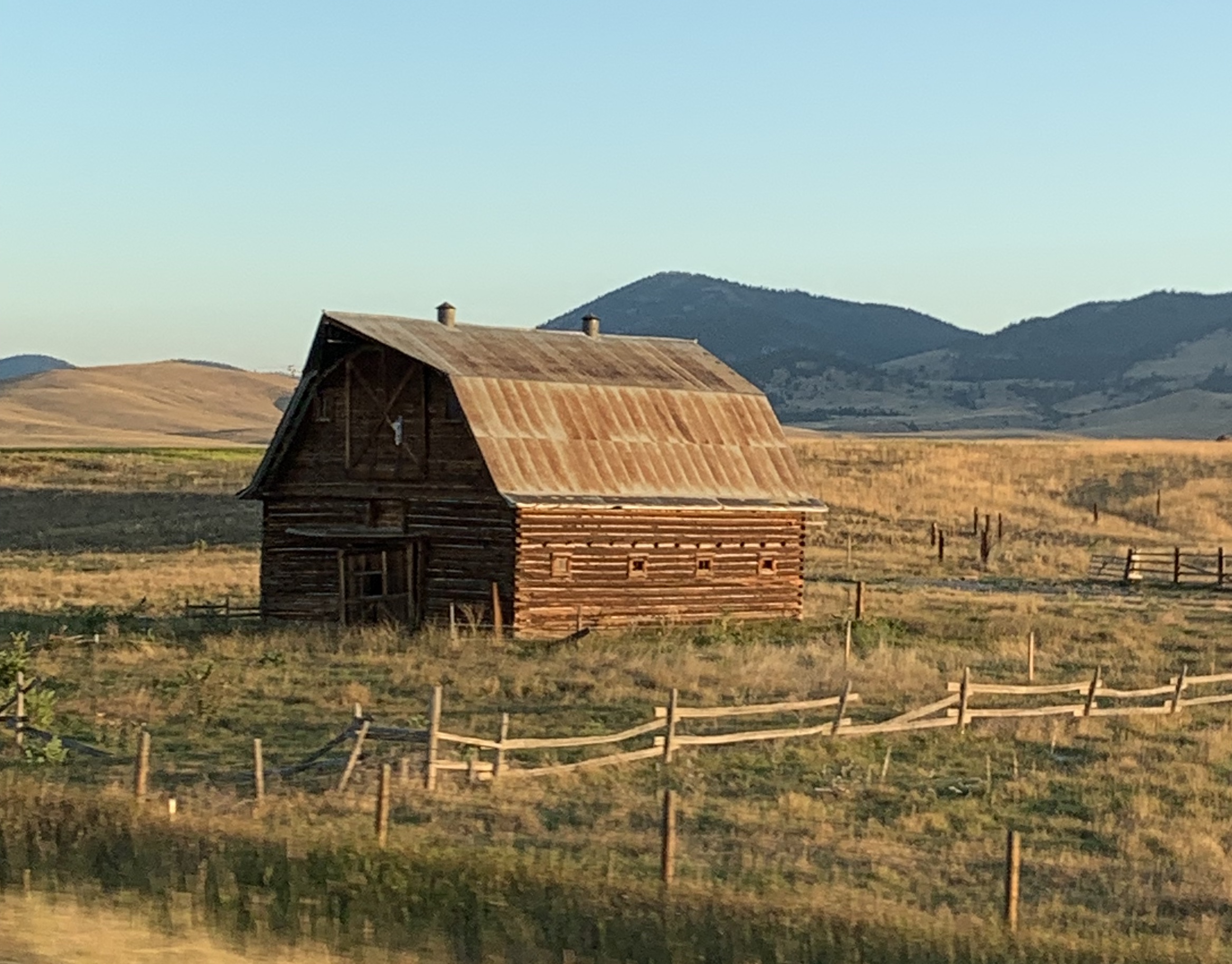
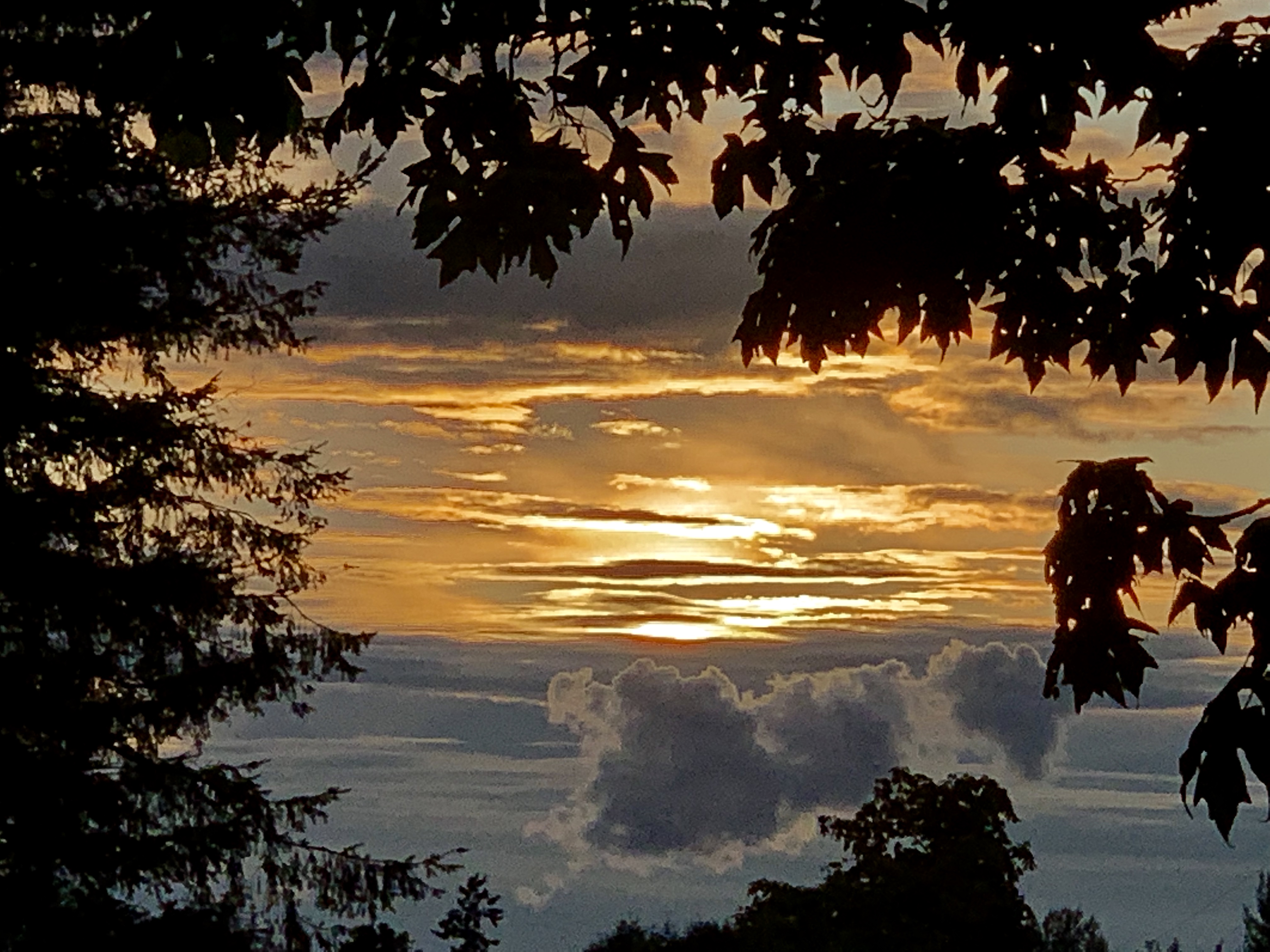
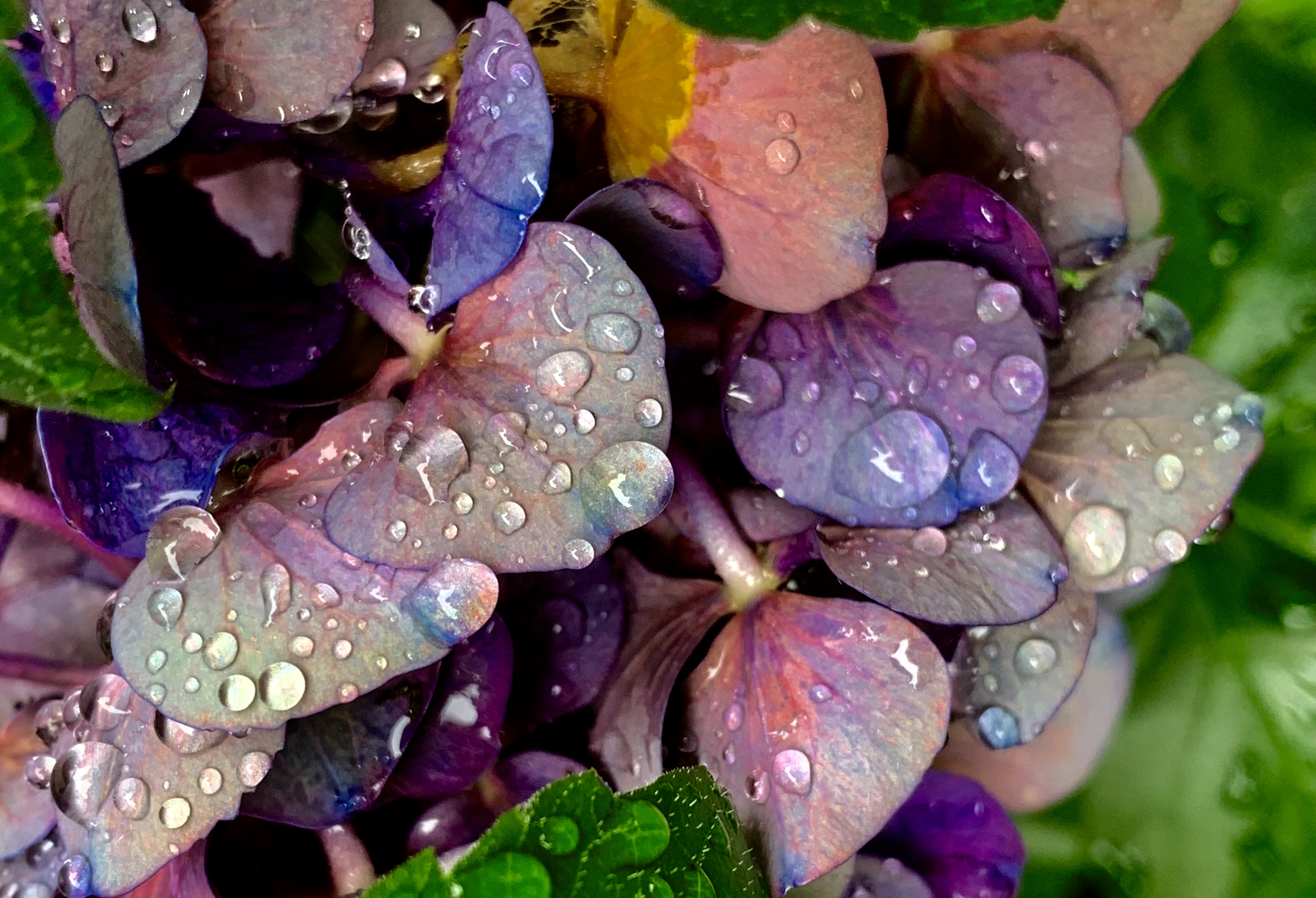
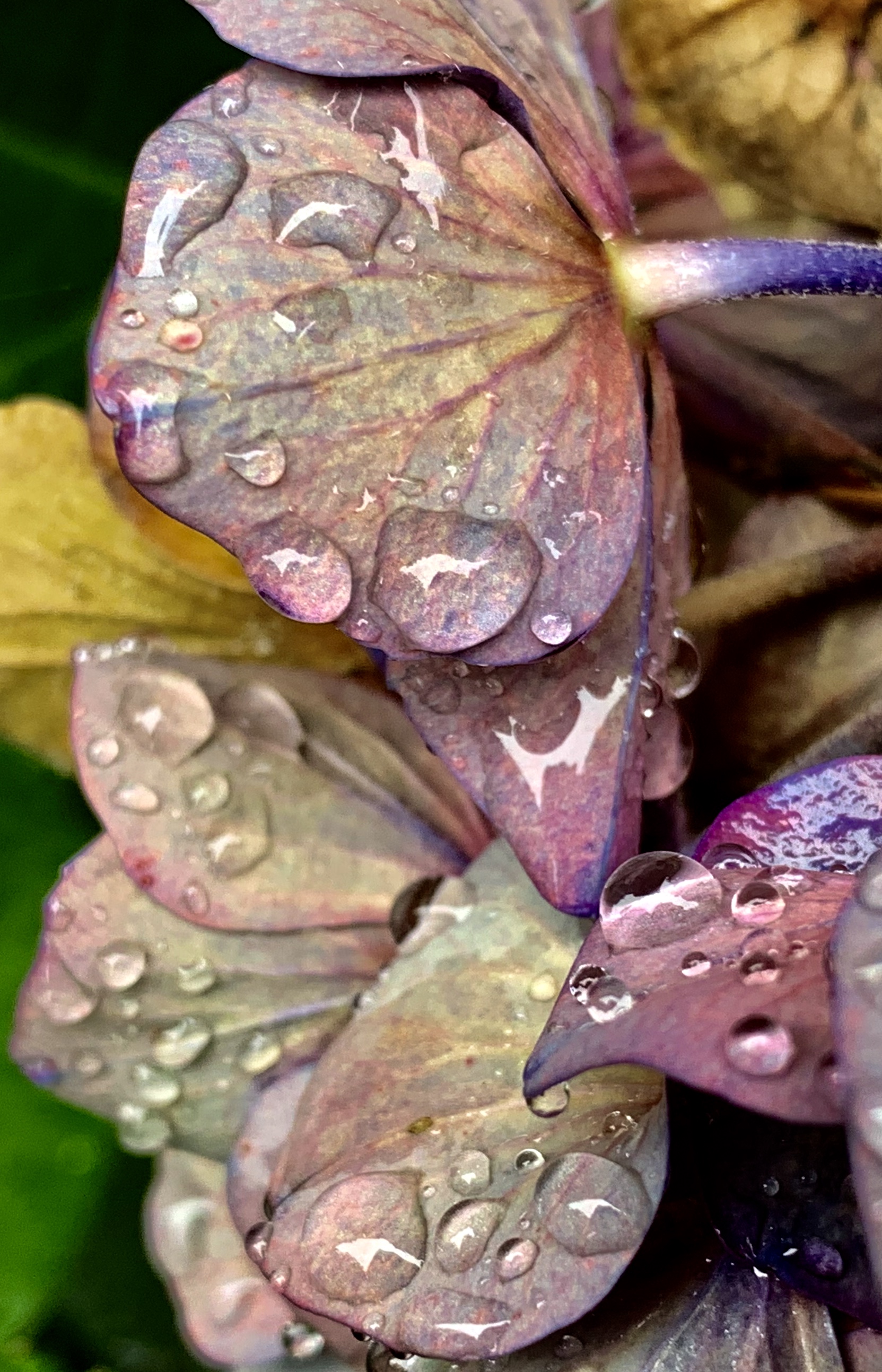
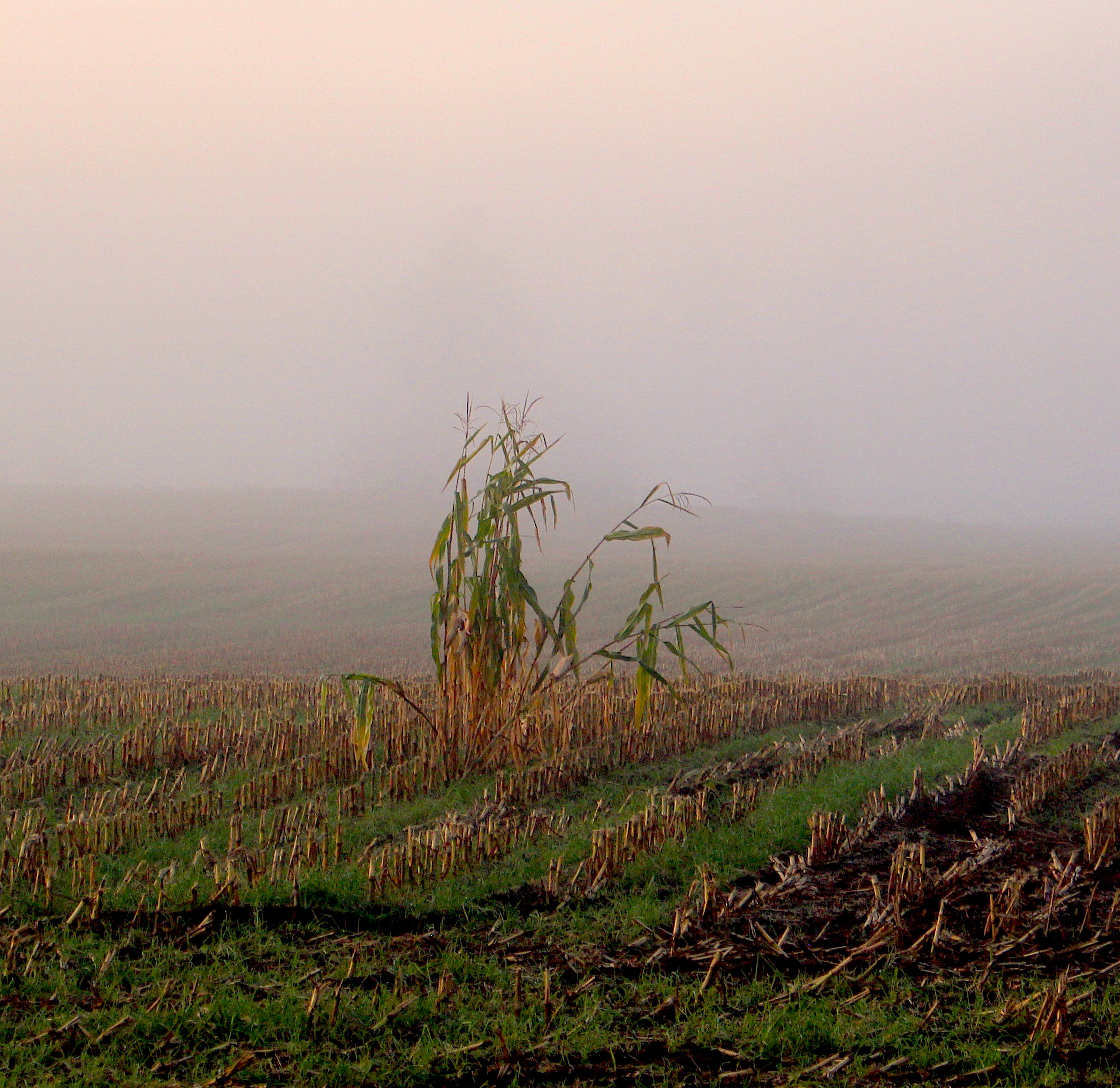
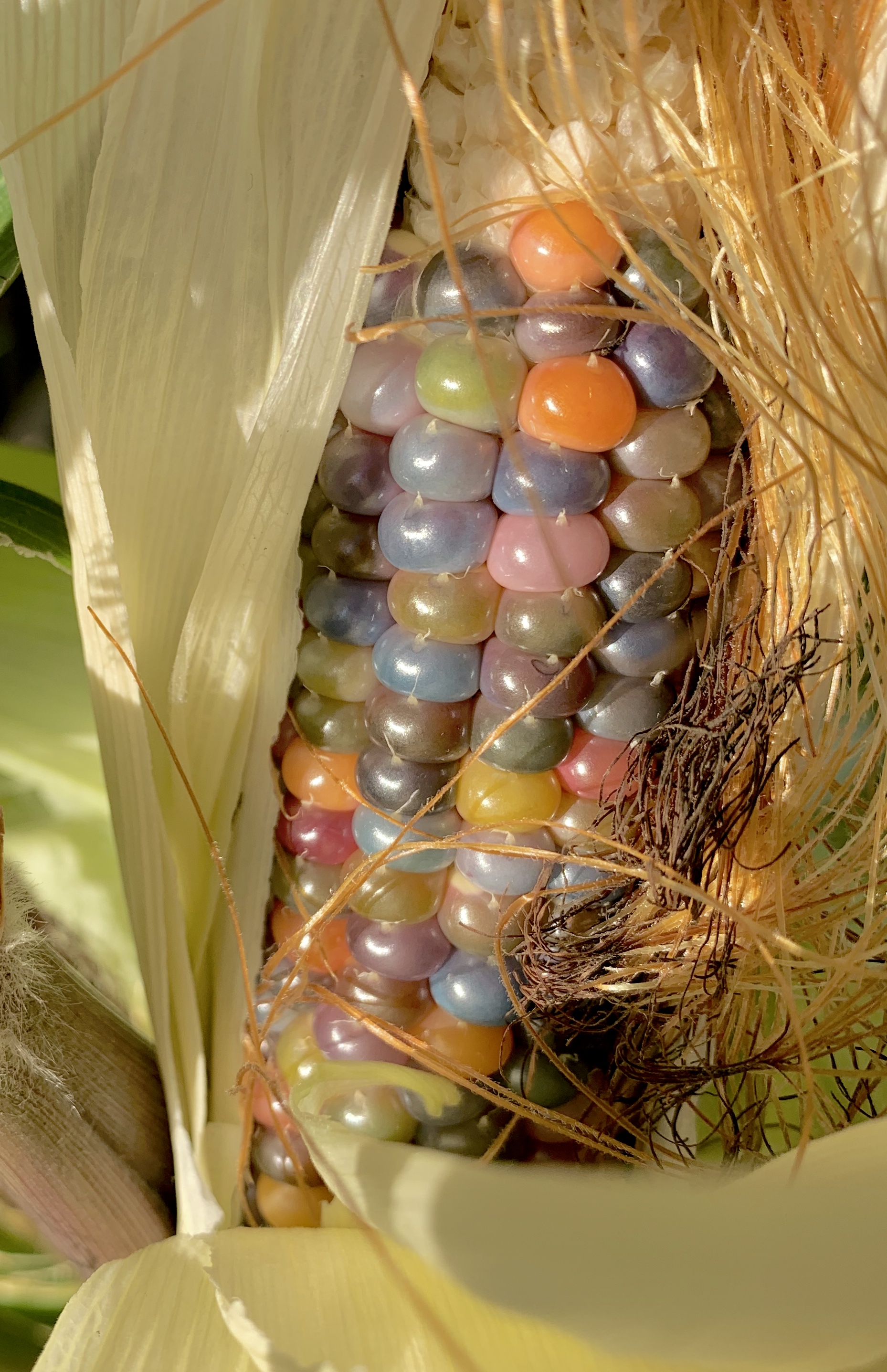
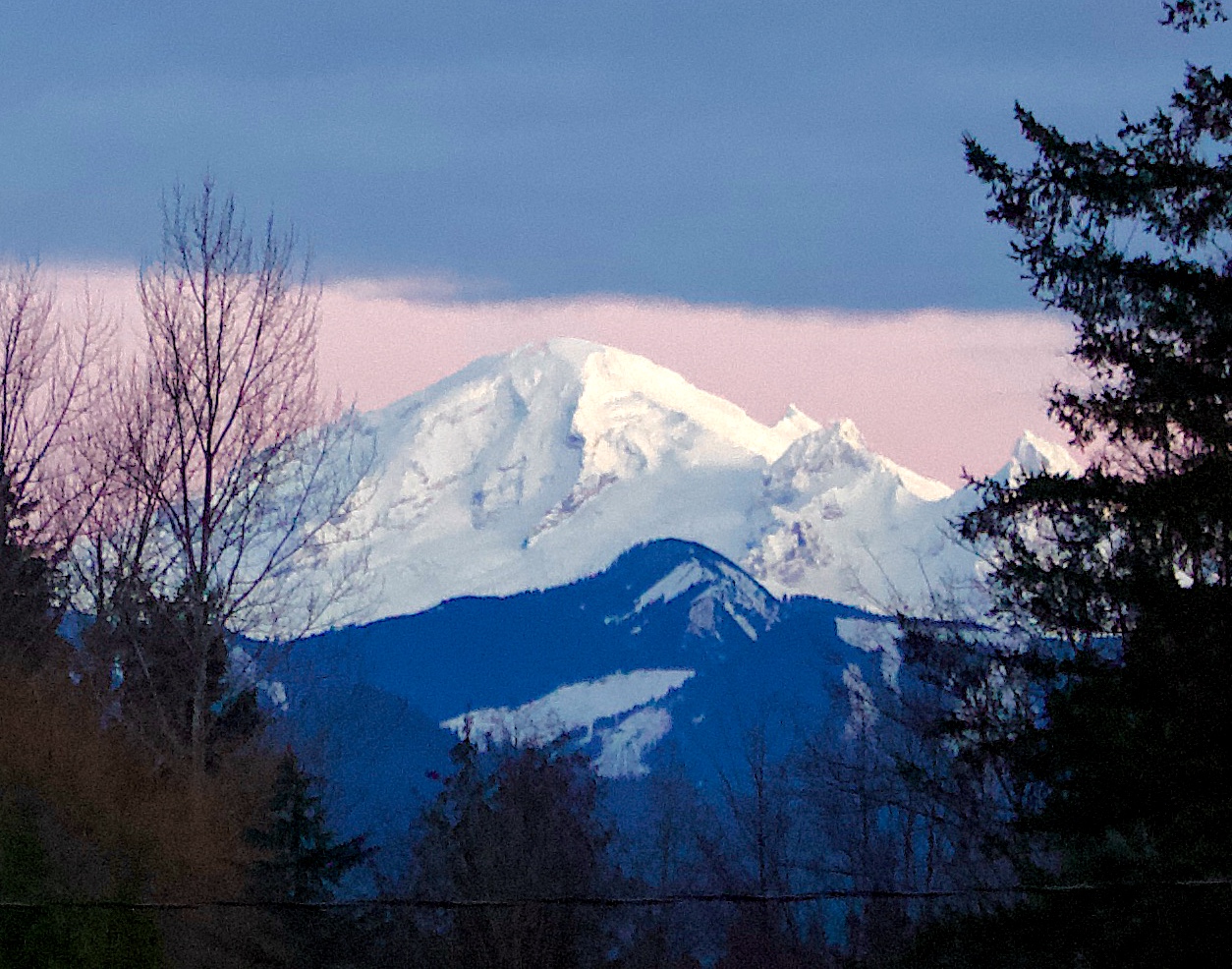
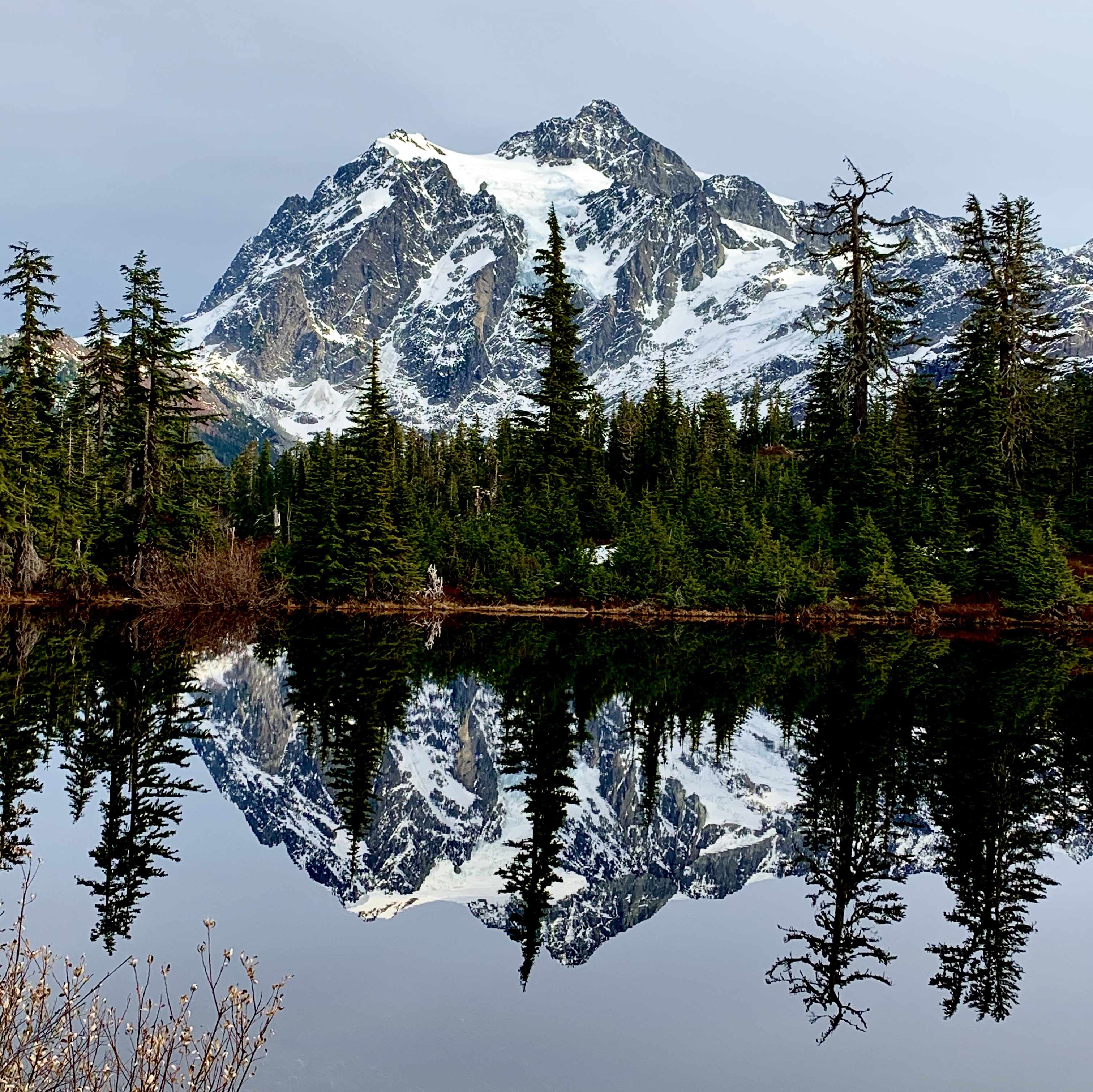
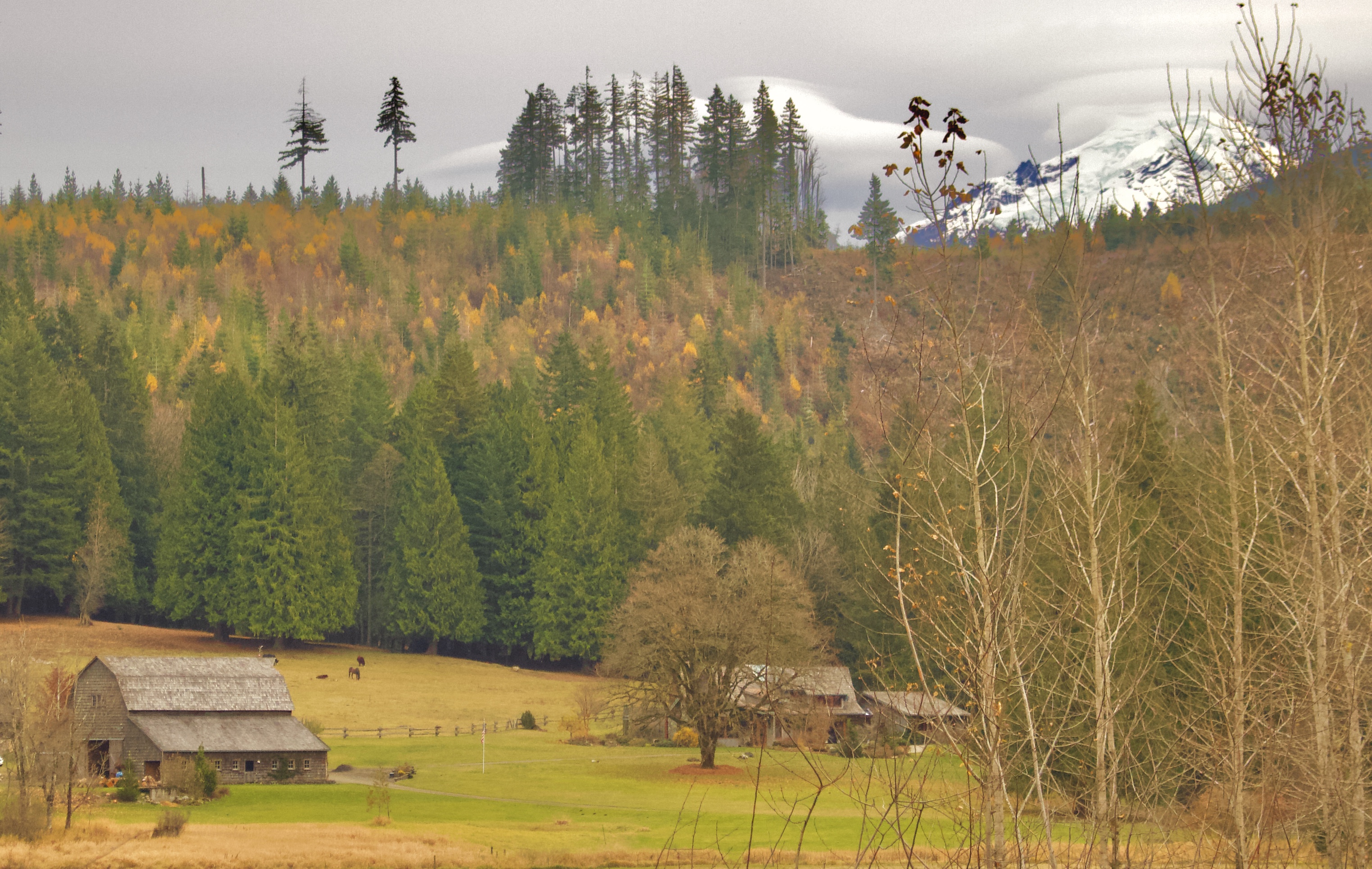
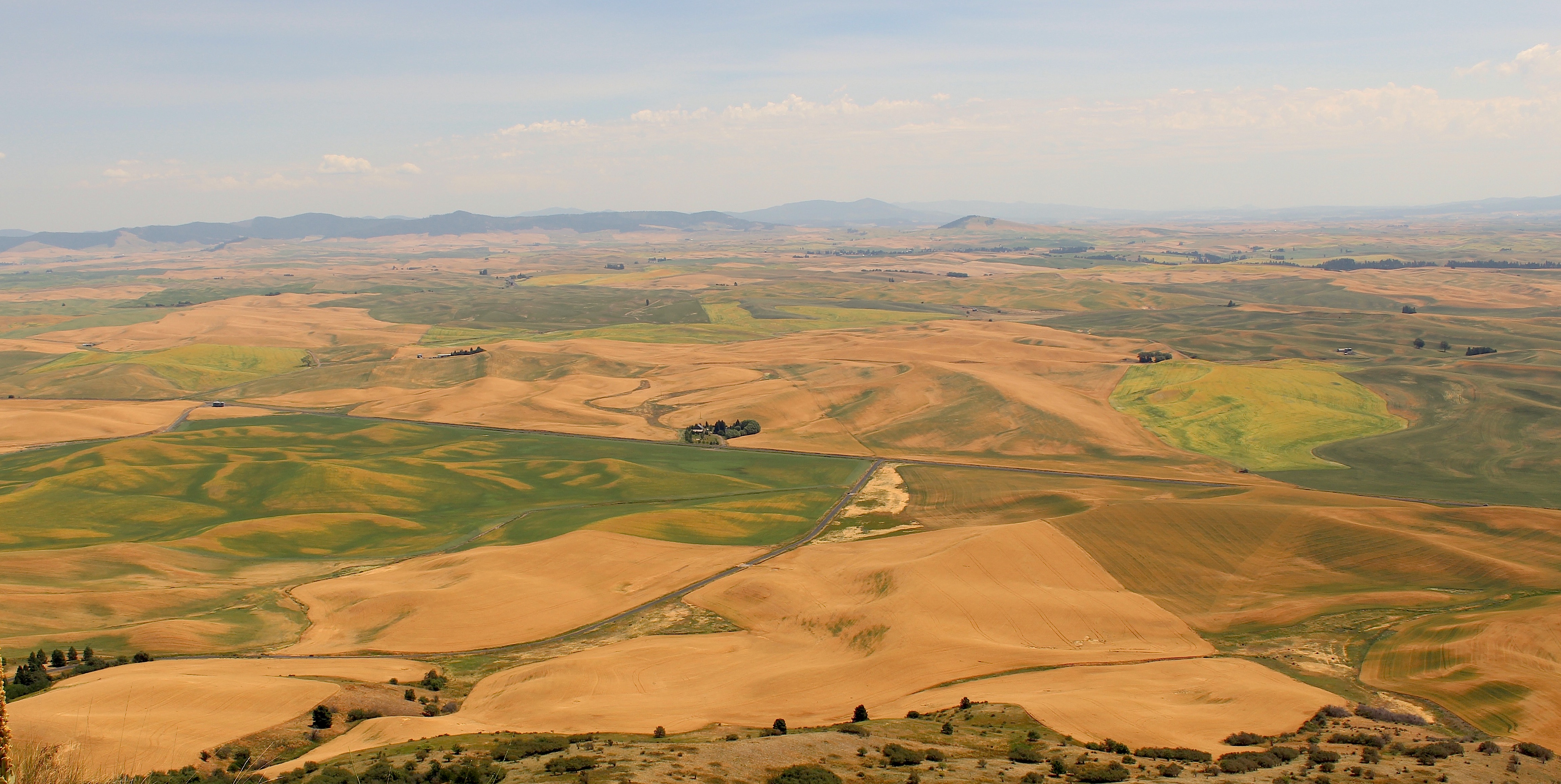
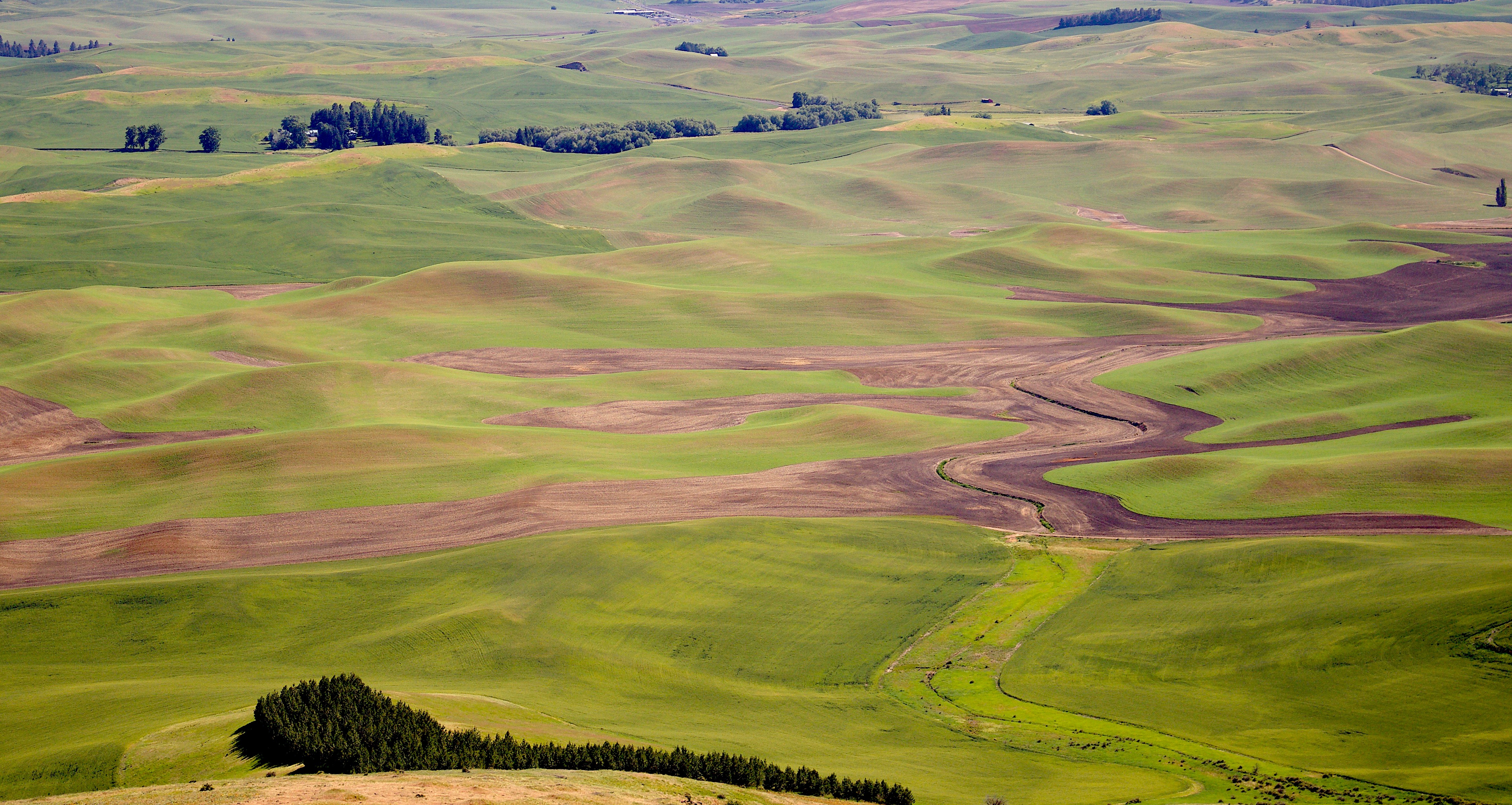
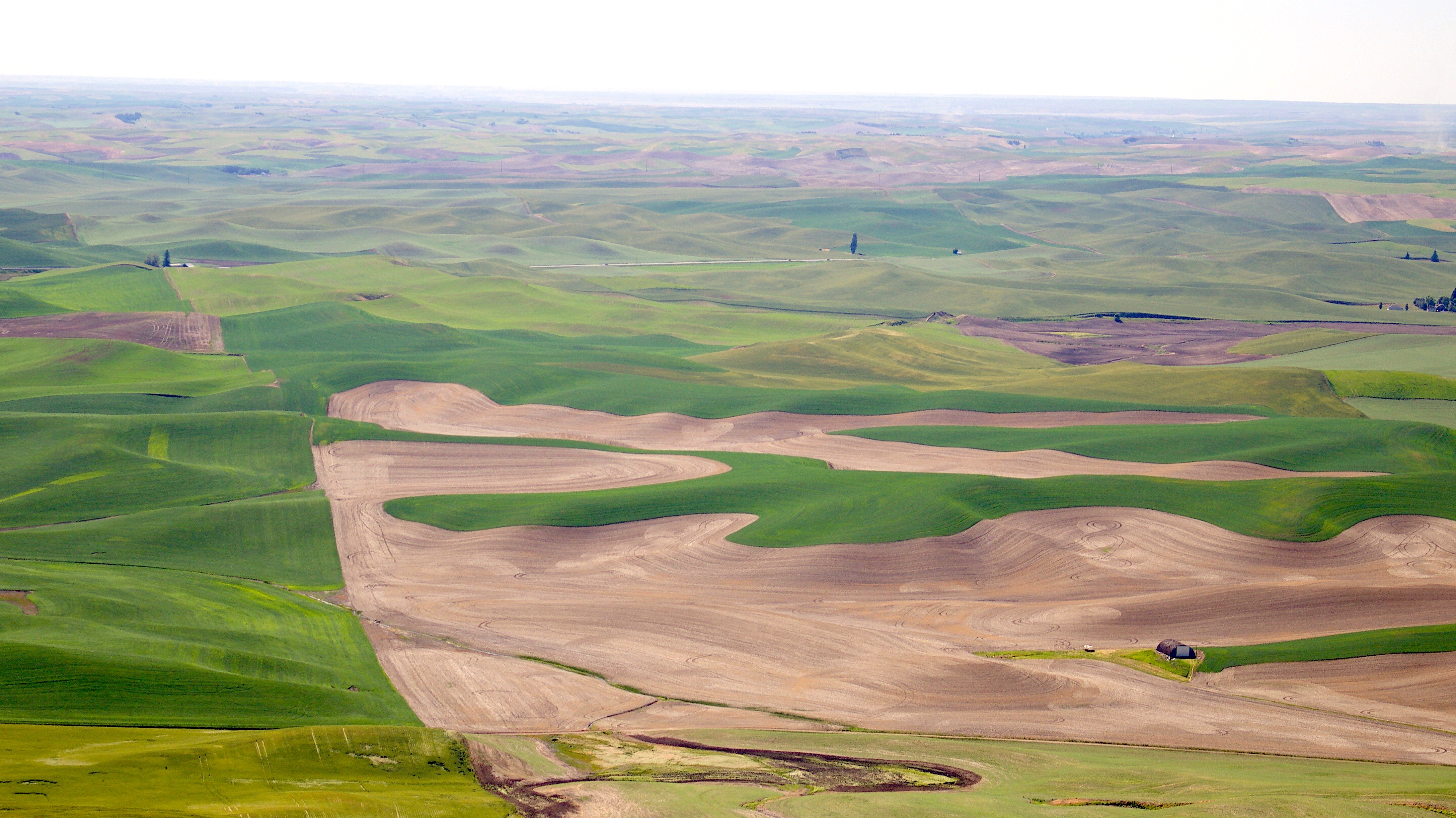
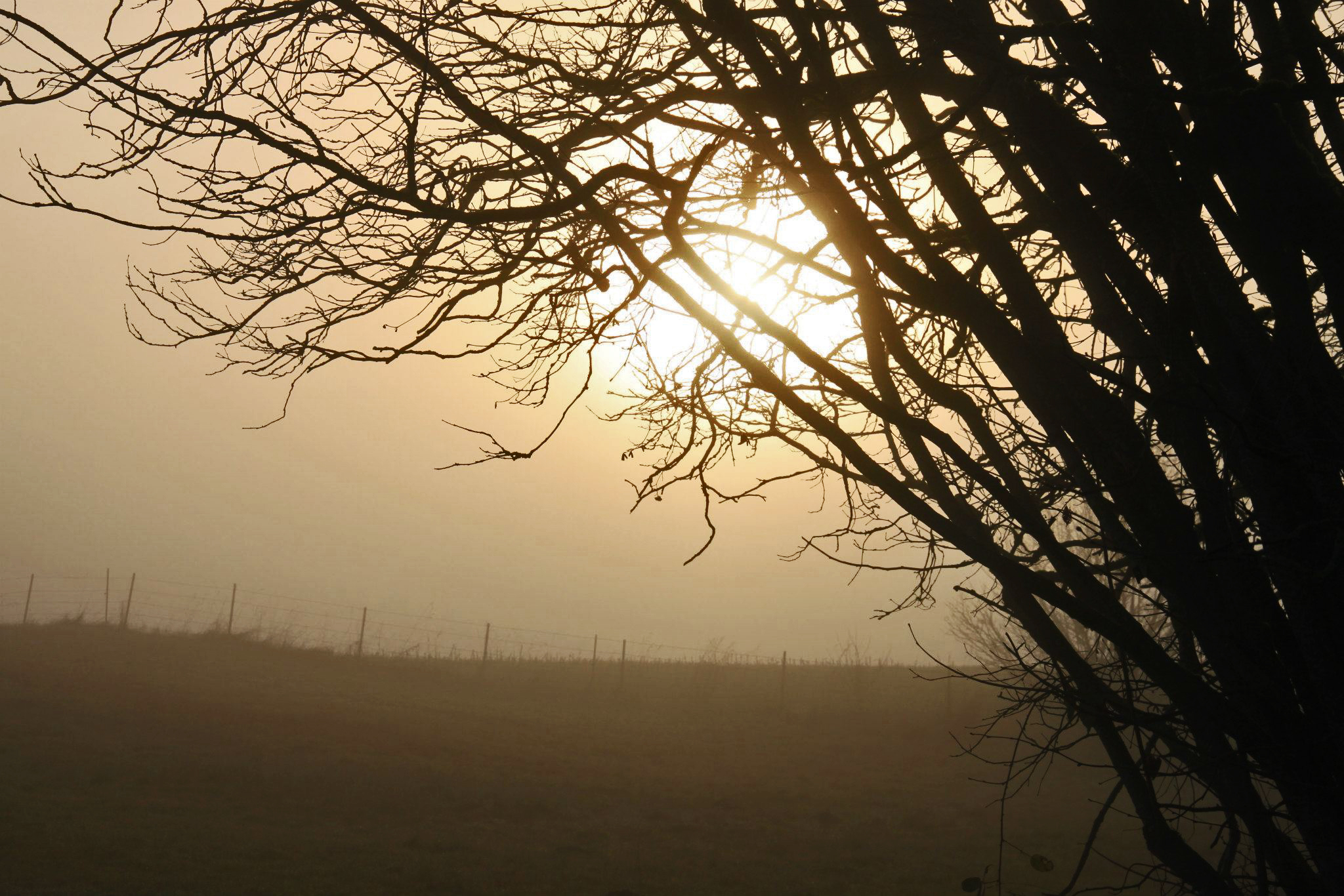
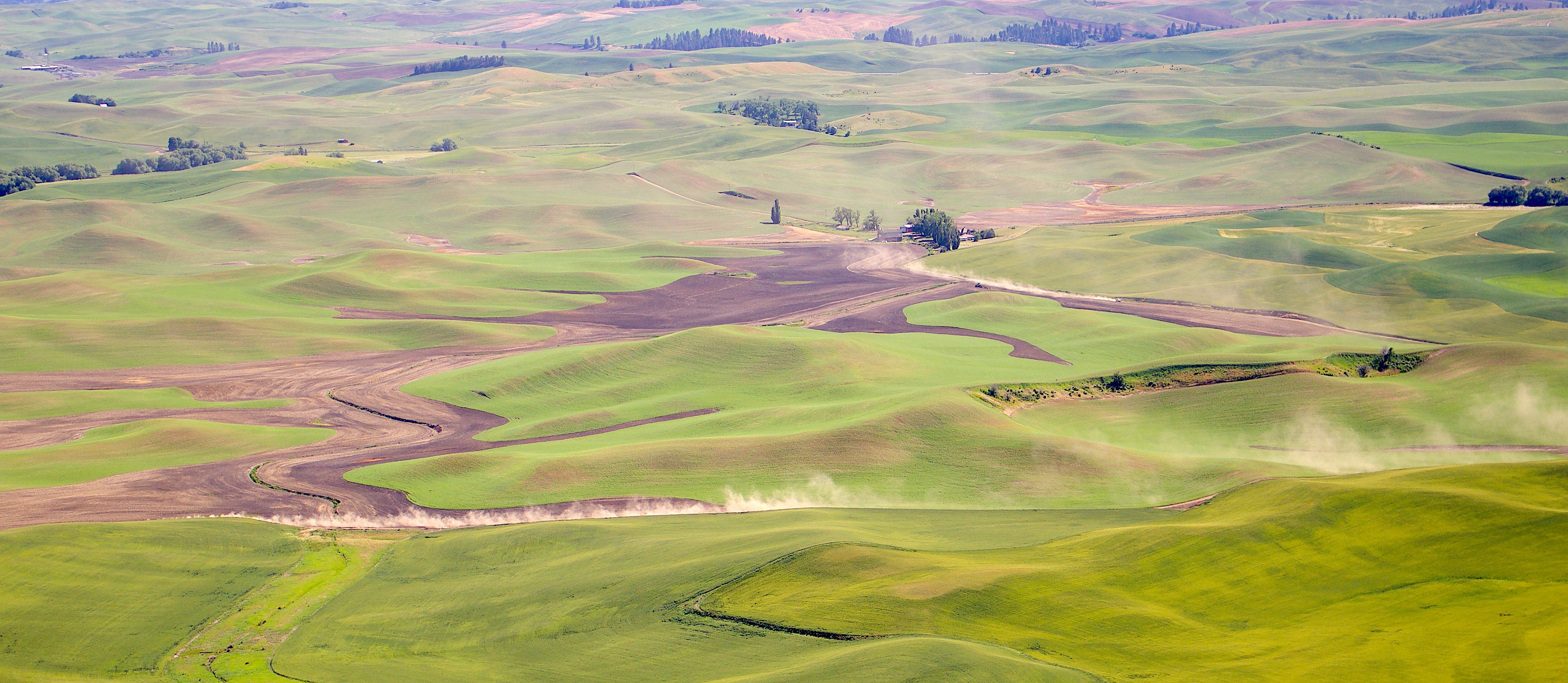
Best of Barnstorming – Winter/Spring 2020

For more “Best of Barnstorming” photos:

Summer/Fall 2019

Winter/Spring 2019

Summer/Fall 2018

Winter/Spring 2018

Summer/Fall 2017

Winter/Spring 2017

Summer/Fall 2016

Winter/Spring 2016

Summer/Fall 2015

Winter/Spring 2015

Summer/Fall 2014

Winter/Spring 2014

Best of 2013

Seasons on the Farm:

BriarCroft in Summerin Autumnin Winter, 
at Year’s End

Your financial support helps to keep this blog an ad-free daily offering. Your contribution of any amount is encouragement to me and deeply appreciated. Thank you for helping!

Click here: Financial Support for the Barnstorming Blog from our Readers

Moss Balm For Misunderstanding

There is an ancient conversation going on between mosses and rocks, poetry to be sure. About light and shadow and the drift of continents. This is what has been called the “dialect of moss on stone – an interface of immensity and minuteness, of past and present, softness and hardness, stillness and vibrancy…

Learning to see mosses is more like listening than looking.
A cursory glance will not do it.
Mosses are not elevator music;
they are the intertwined threads of a Beethoven quartet.
~Robin Kimmerer from Gathering Moss: A Natural and Cultural History of Mosses

Most lie low, flourishing with damp,
harvesting sunlight, no commotion, moss
mouse-silent, even through wind and hail,
stoic through motors roaring fumes,
through fat-clawed bears grubbing.

They can soothe the knife-edges of stones
with frothy leaf by leaf of gray-green life,
and burned-ground mosses cover destruction,
charred stumps, trees felled and blackened.
Cosmopolitan mosses likewise salve
sidewalk cracks, crumbling walls.

They root in thin alpine air, on sedentary
sand dunes, cling to cliff seeps beneath
spilling springs. For rest, they make mats
on streamside banks, for pleasure produce silky
tufts, wavy brooms of themselves in woodlands
for beauty, red roof moss for whim, elf
cap, hair cap, sphagnum for nurturing.

I believe they could comfort the world
with their ministries. That is my hope,

even though this world be a jagged rock,
even though this rock be an icy berg of blue
or a mirage of summer misunderstood
(moss balm for misunderstanding),
even though this world be blind and awry
and adrift, scattering souls like spores
through the deep of a starlit sea.
~Pattiann Rogers from “The Moss Method”

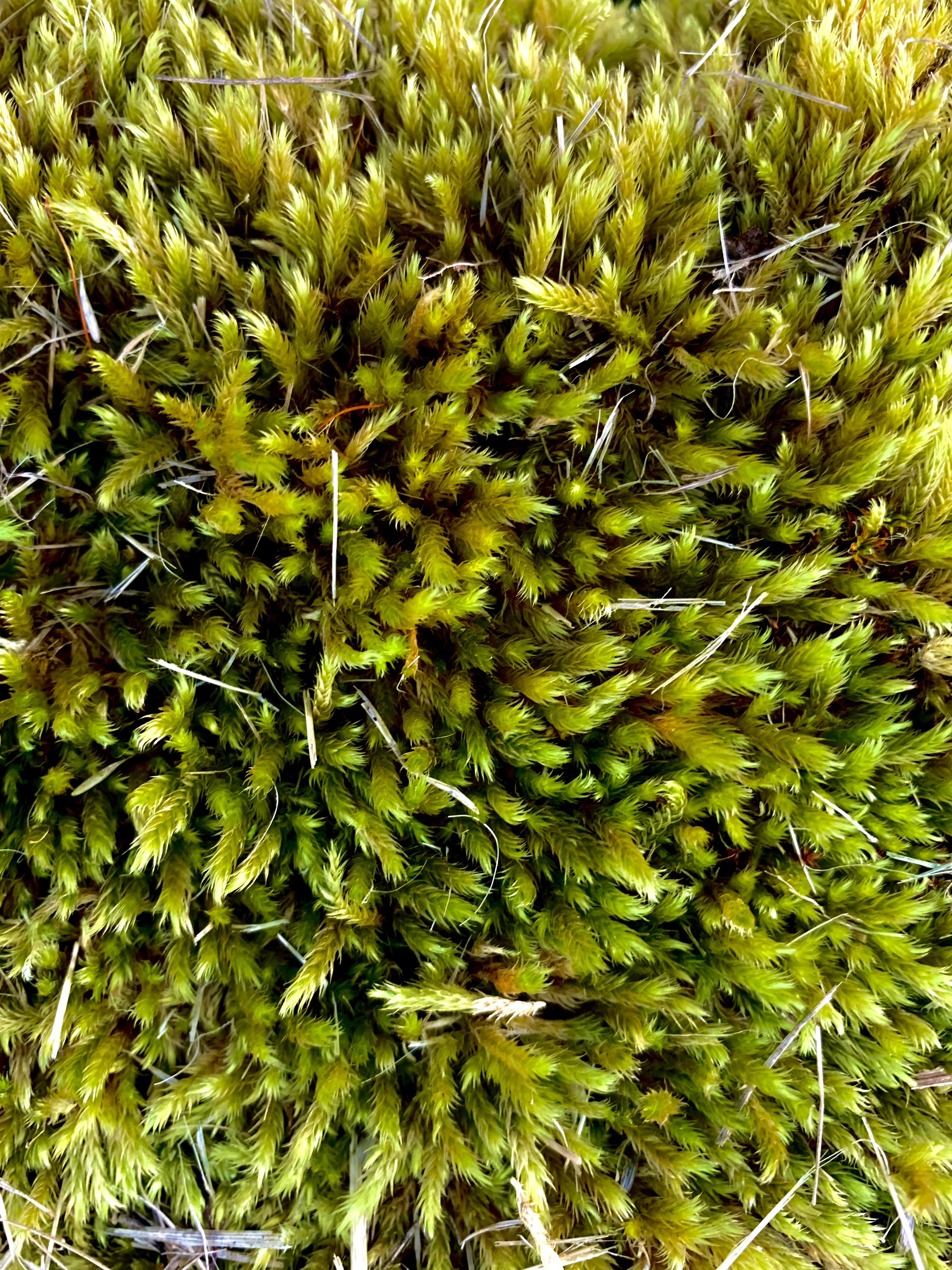
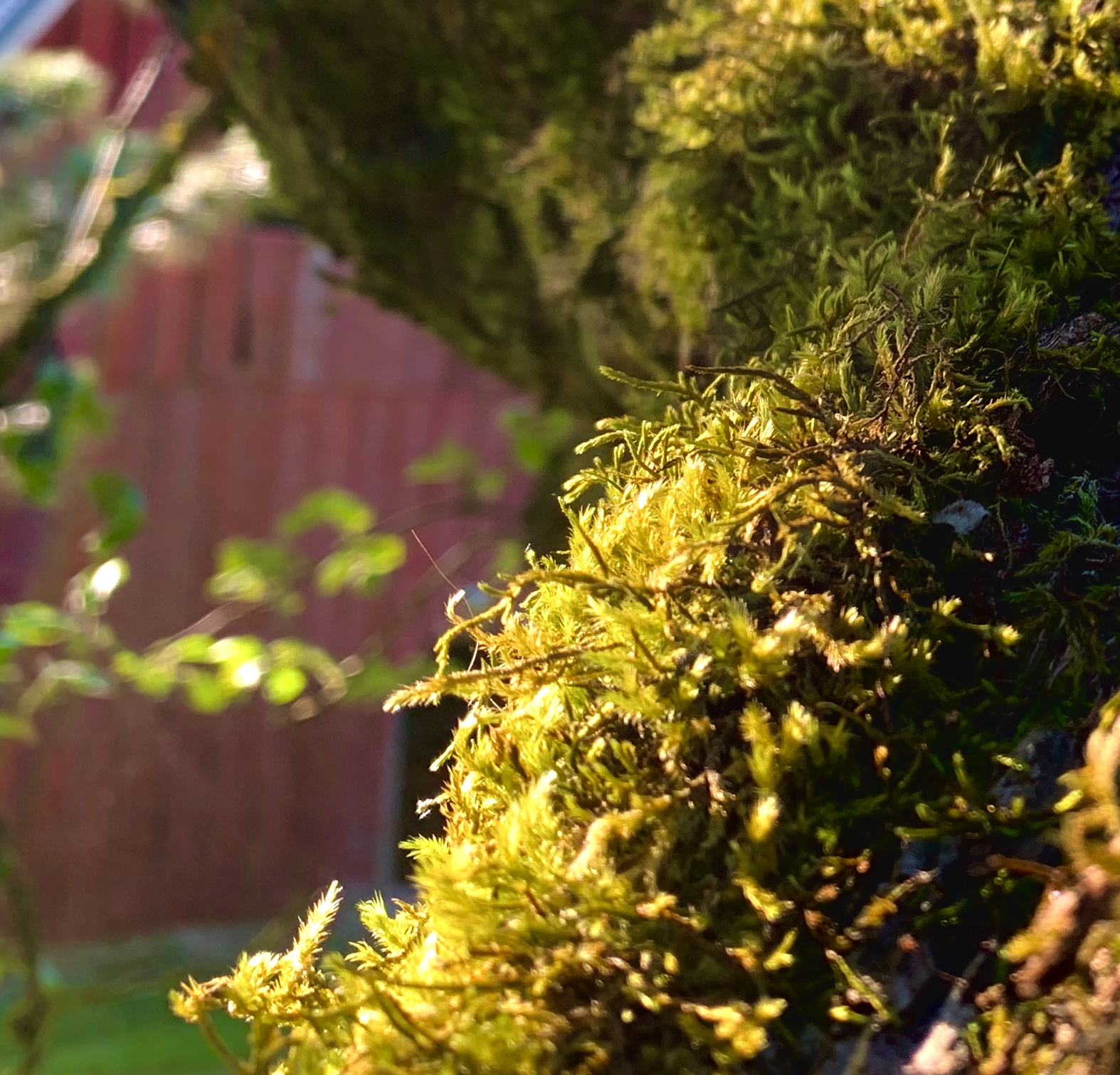
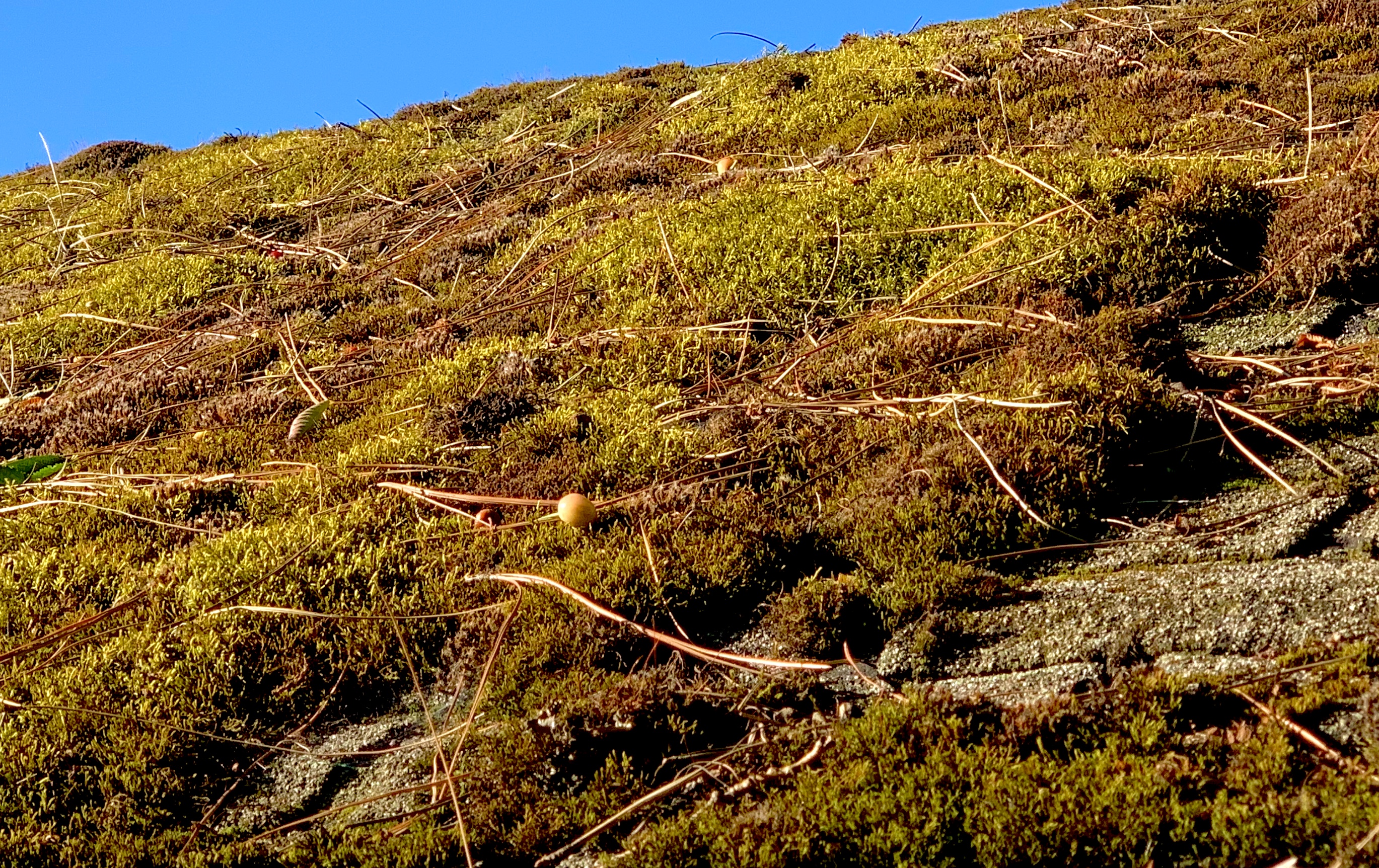
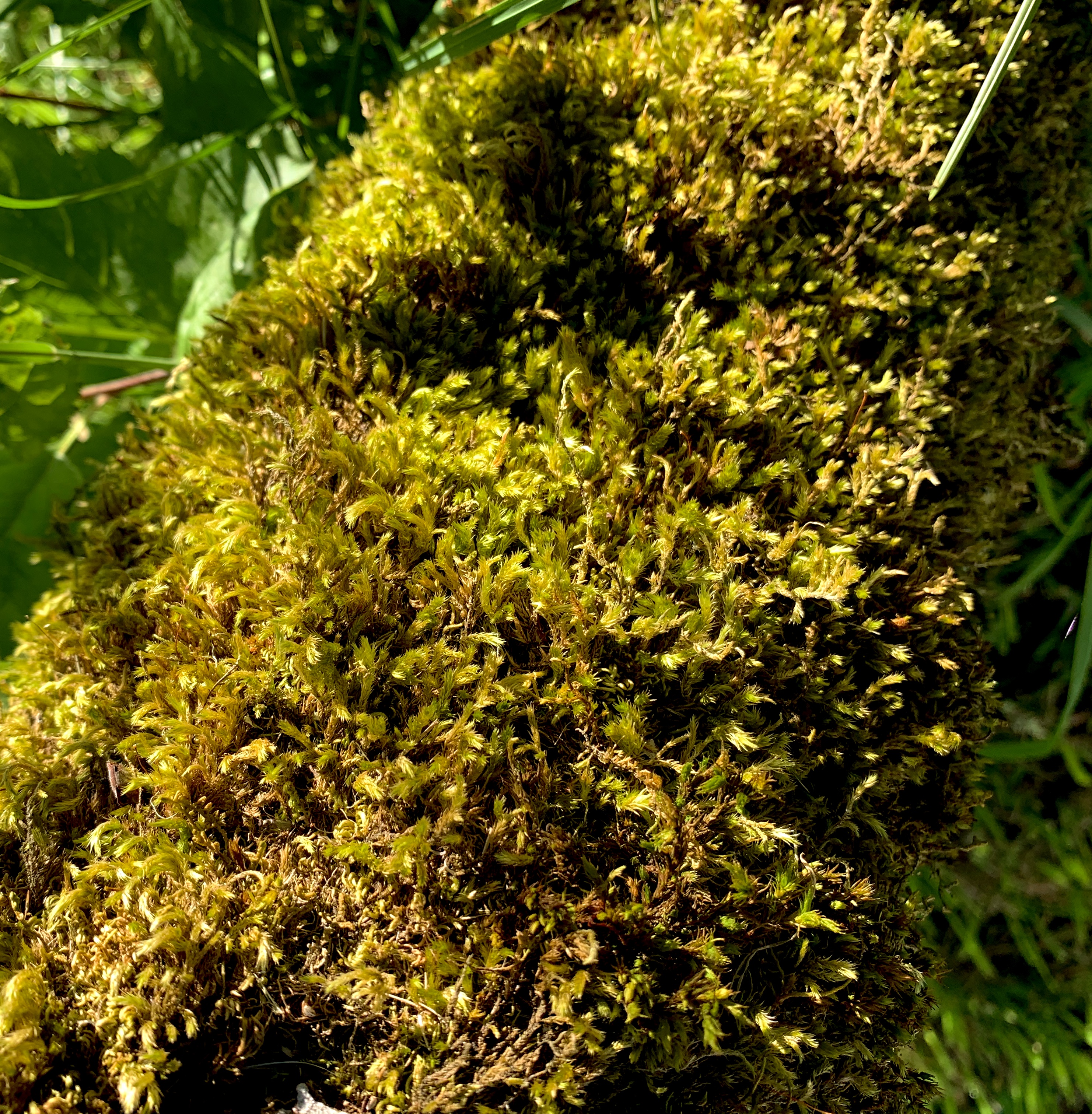
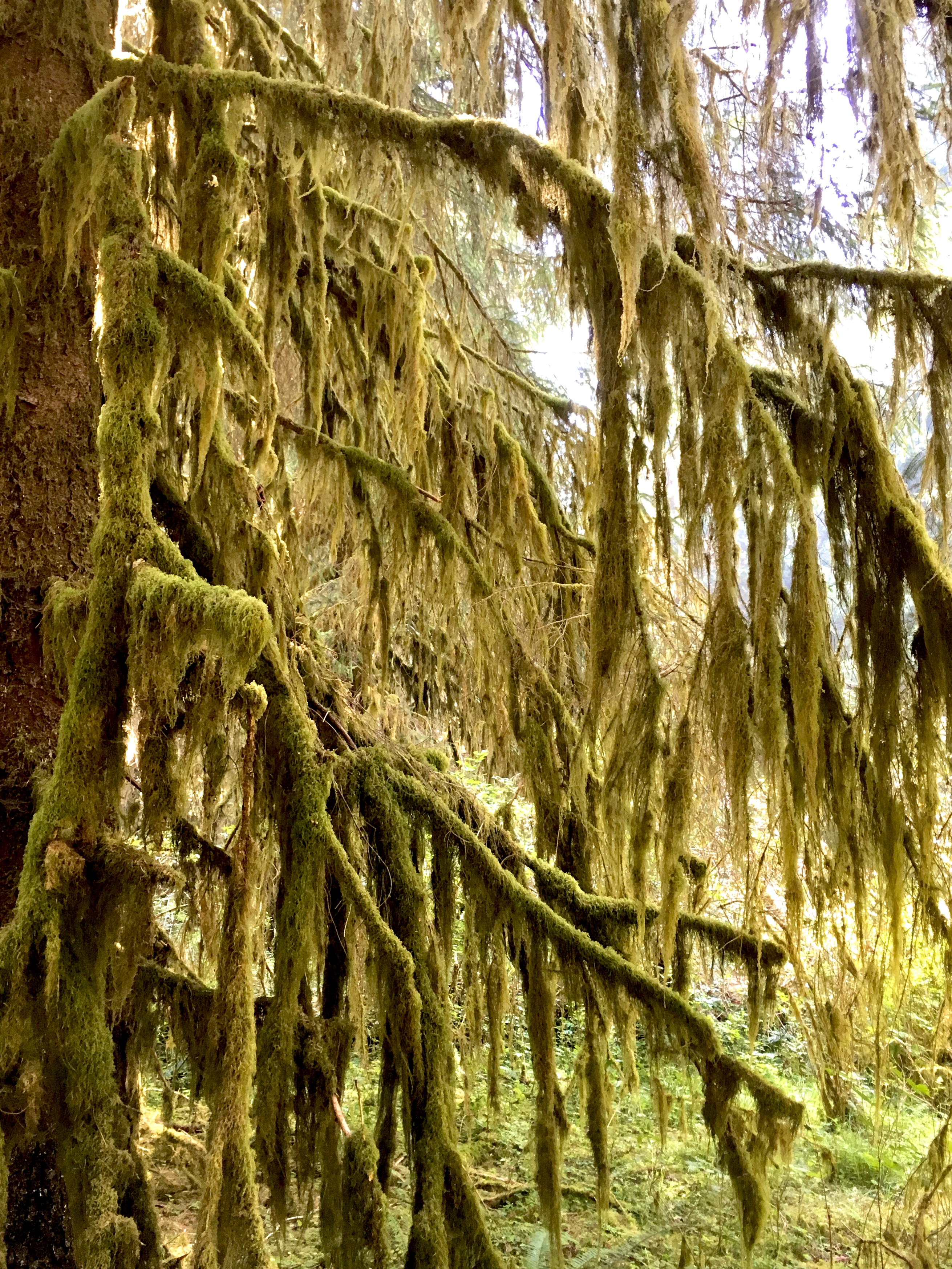
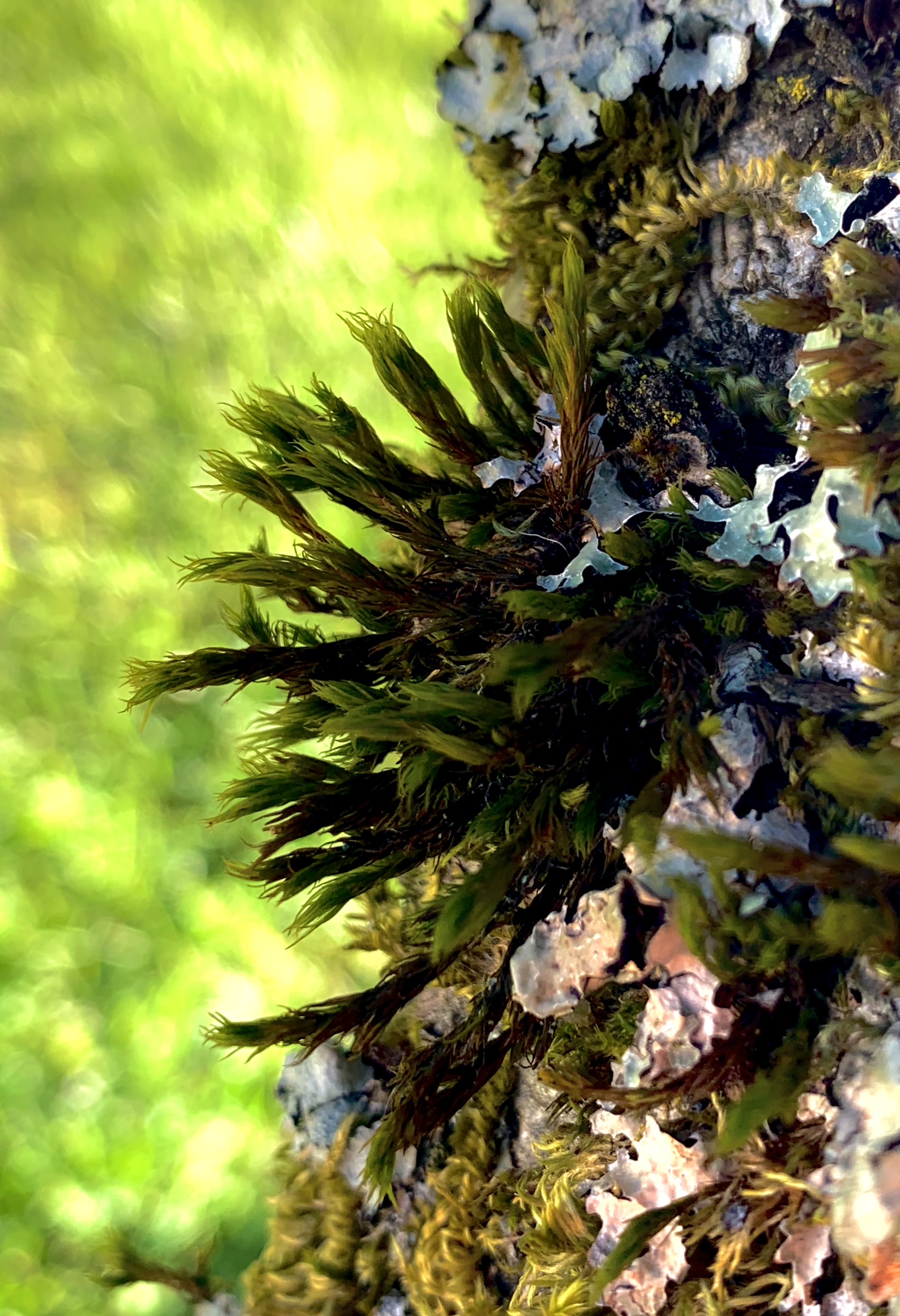
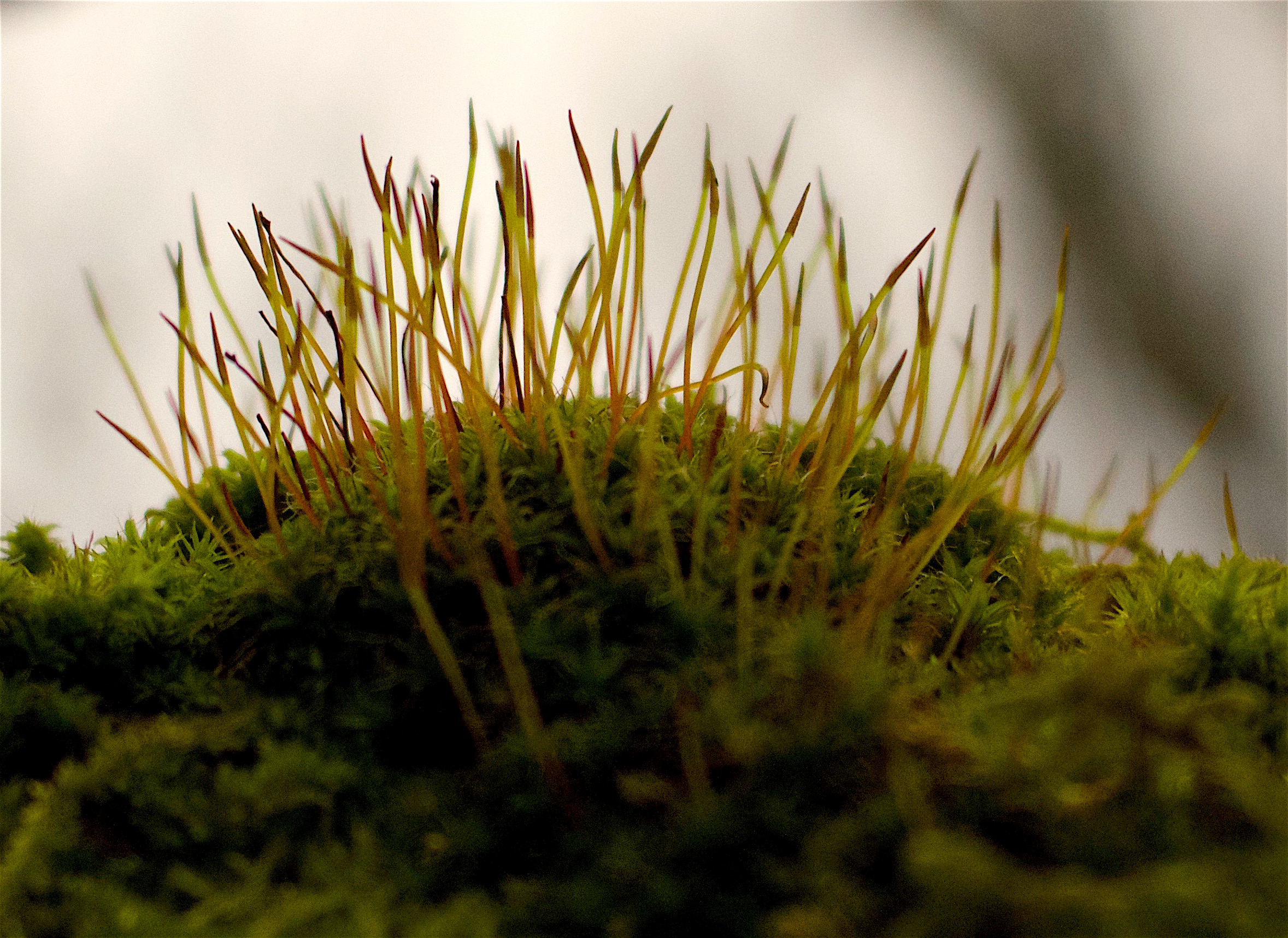
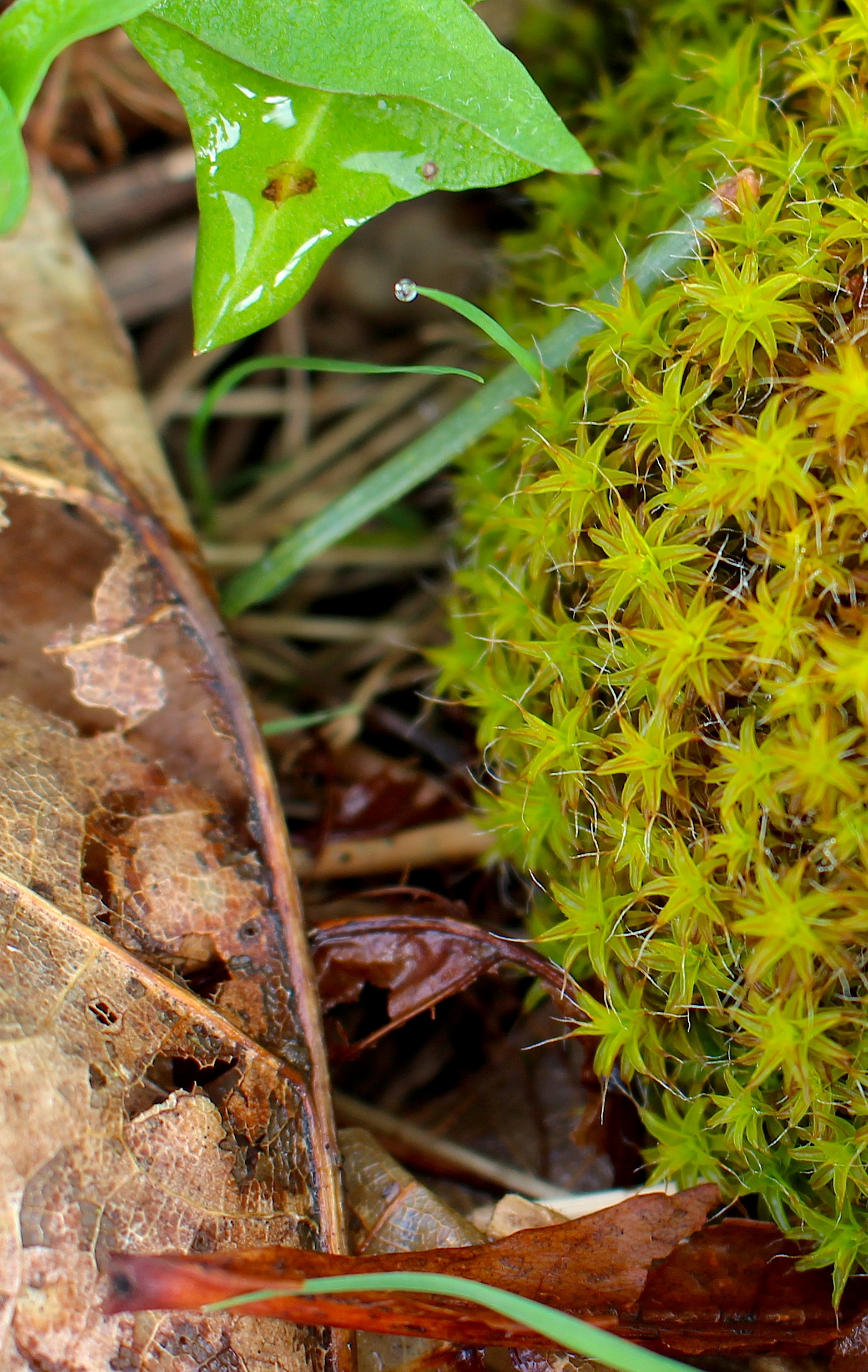
In this part of the world, mosses are everywhere. They are so much a part of the green backdrop, they become invisible as part of the scenery. Our lawn is mostly moss carpet in some spots, and many shingles on roofs sprout verdant fuzz.

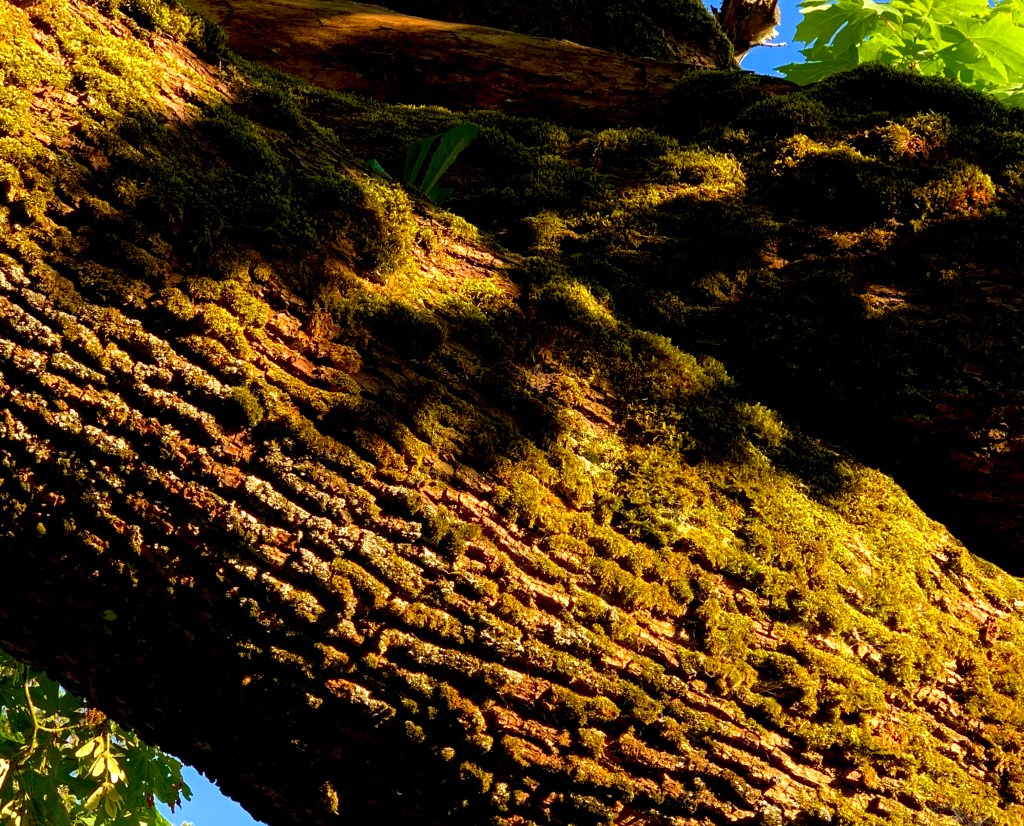
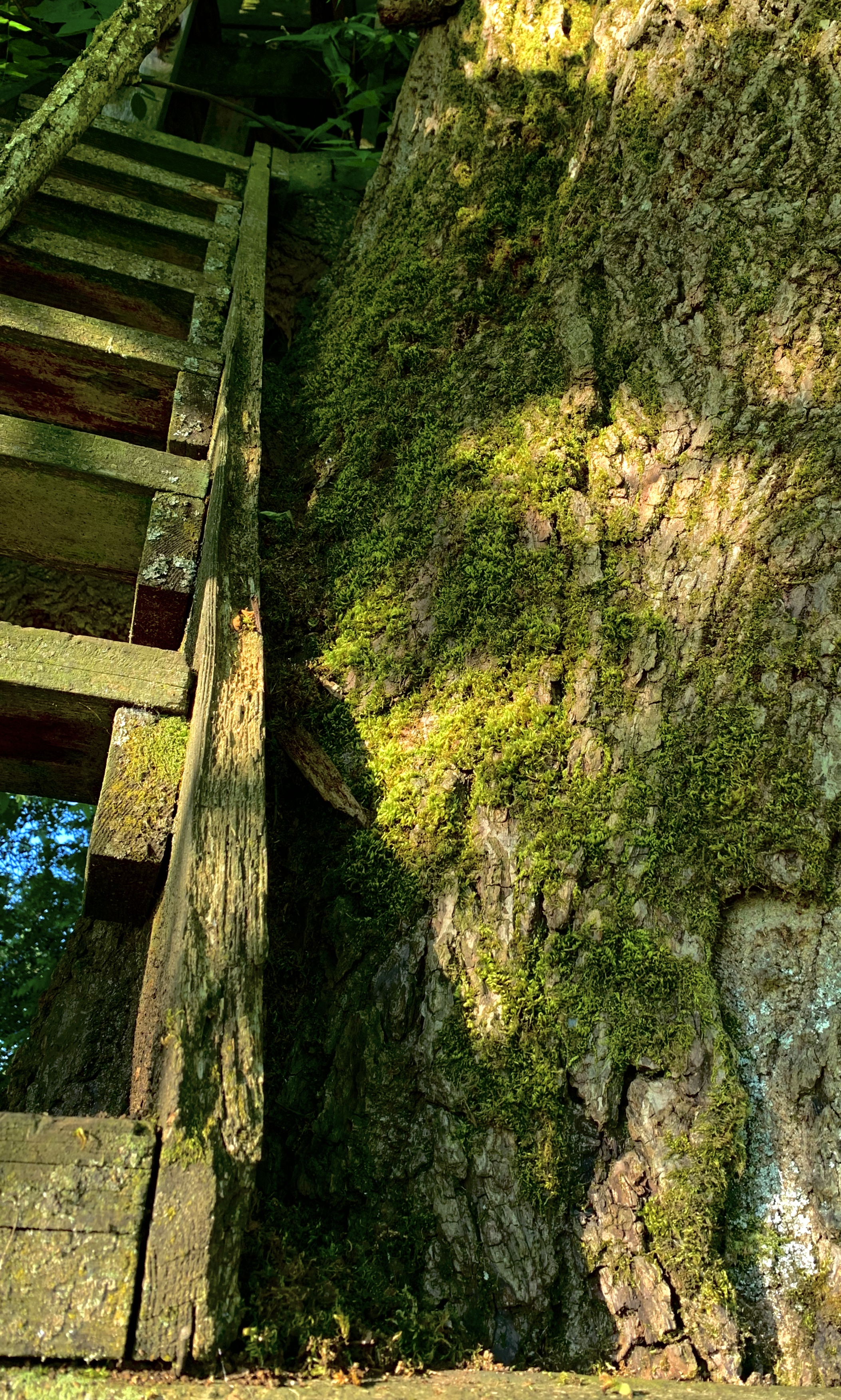
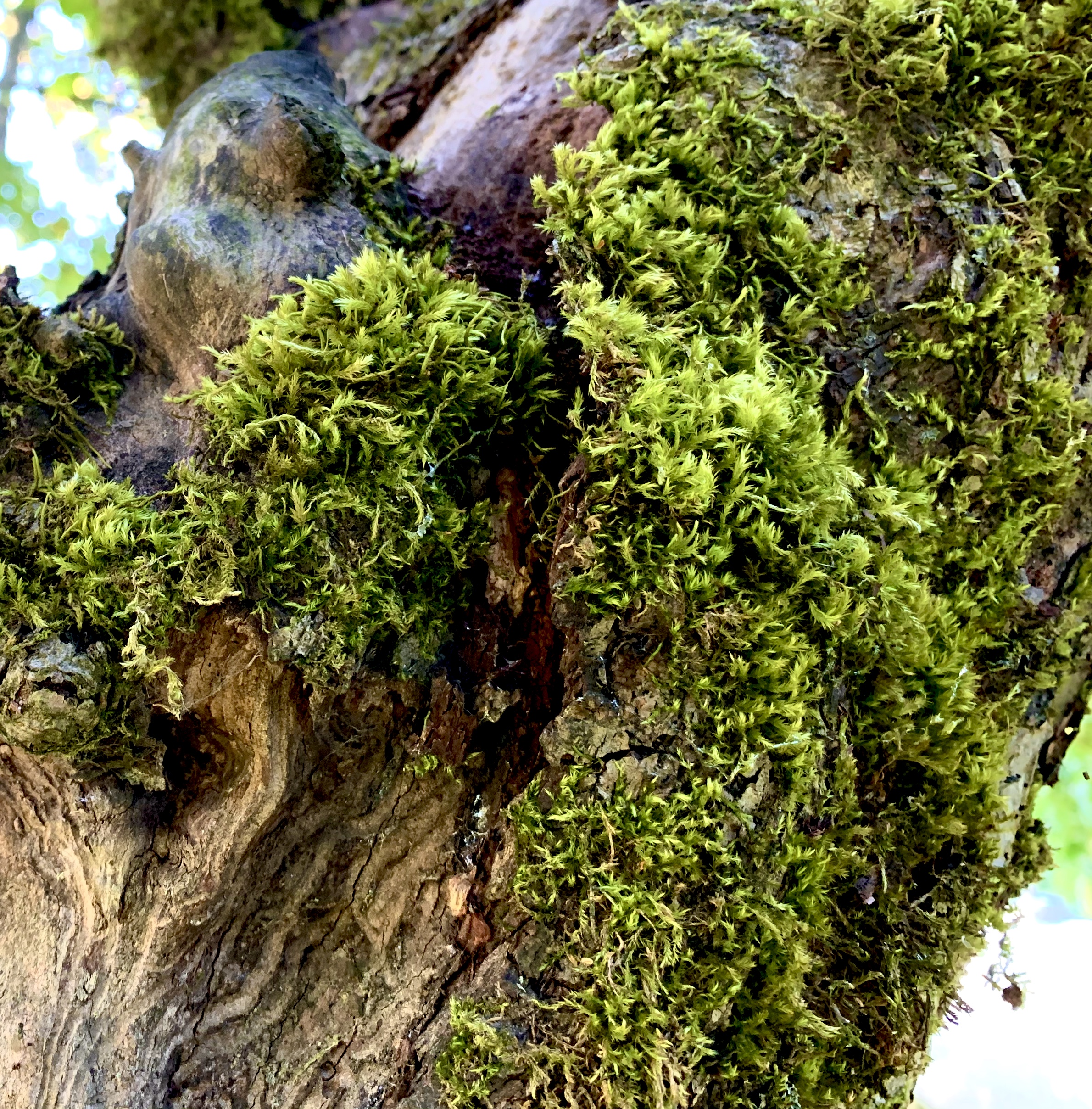
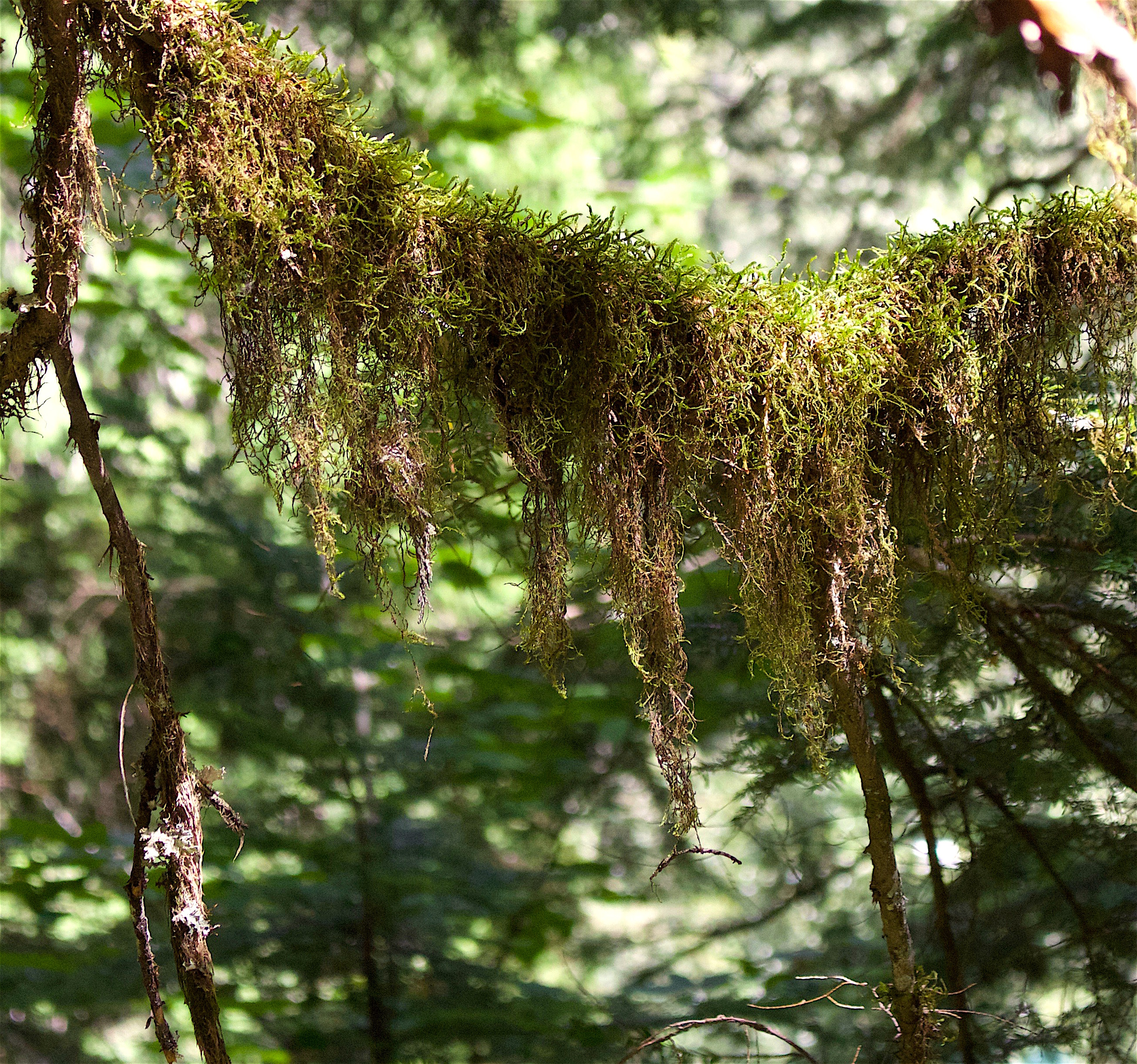
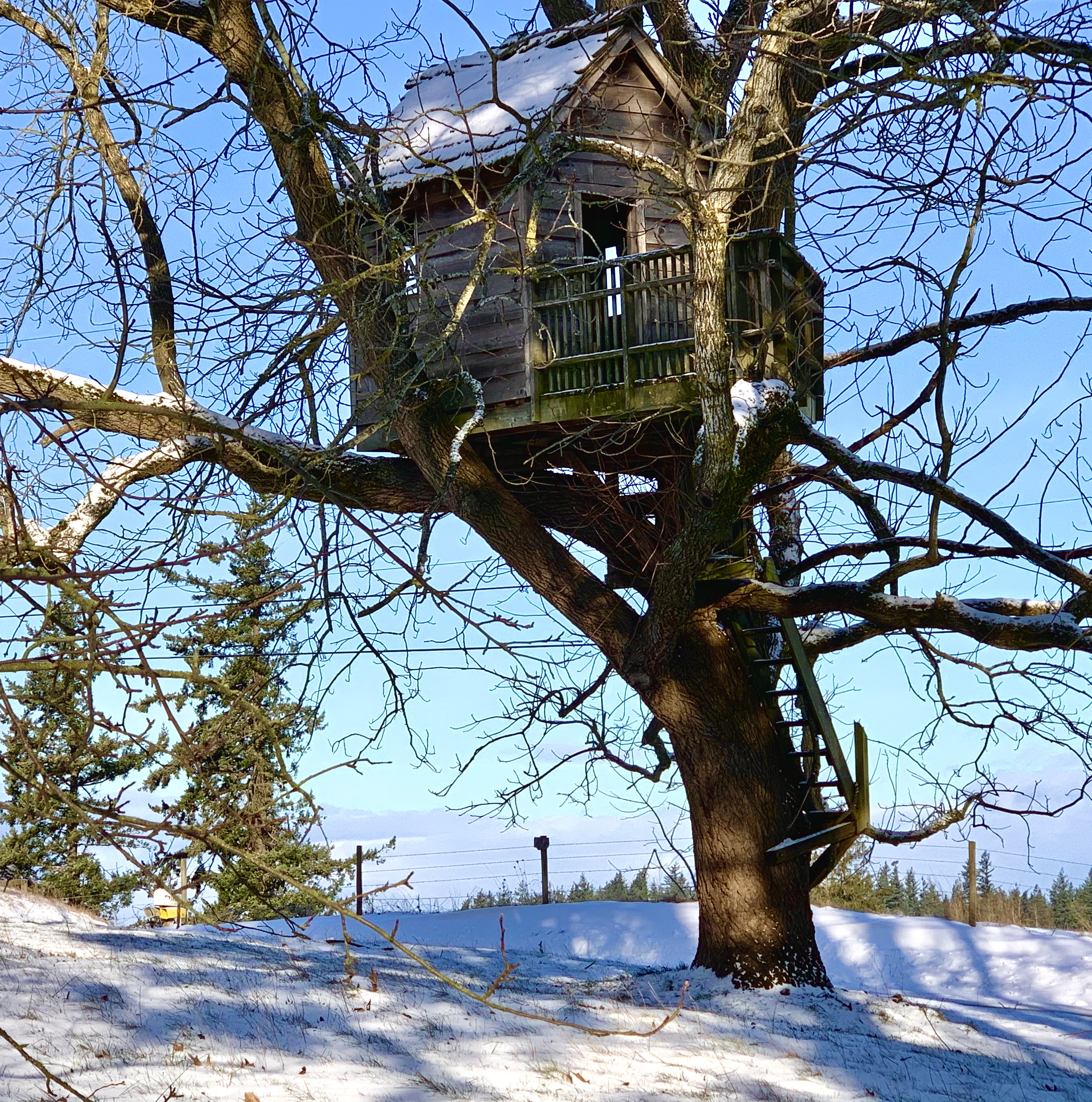
Trees and rocks are festooned with moss: draped, painted and garlanded. Moss rugs make bare-foot tree climbing a more comfy adventure with branches forming hairy armpits and cushiony crotches.

Moss is softens our sharp edges, it forgives our abrasive surfaces, it heals the wounds and gaps and cracks. It becomes balm-like therapy for a struggling world baring its teeth in anger and misunderstanding.

I say let it grow: green, gentle, generous and grace-filled.
We all can use more of that.

And Why Not

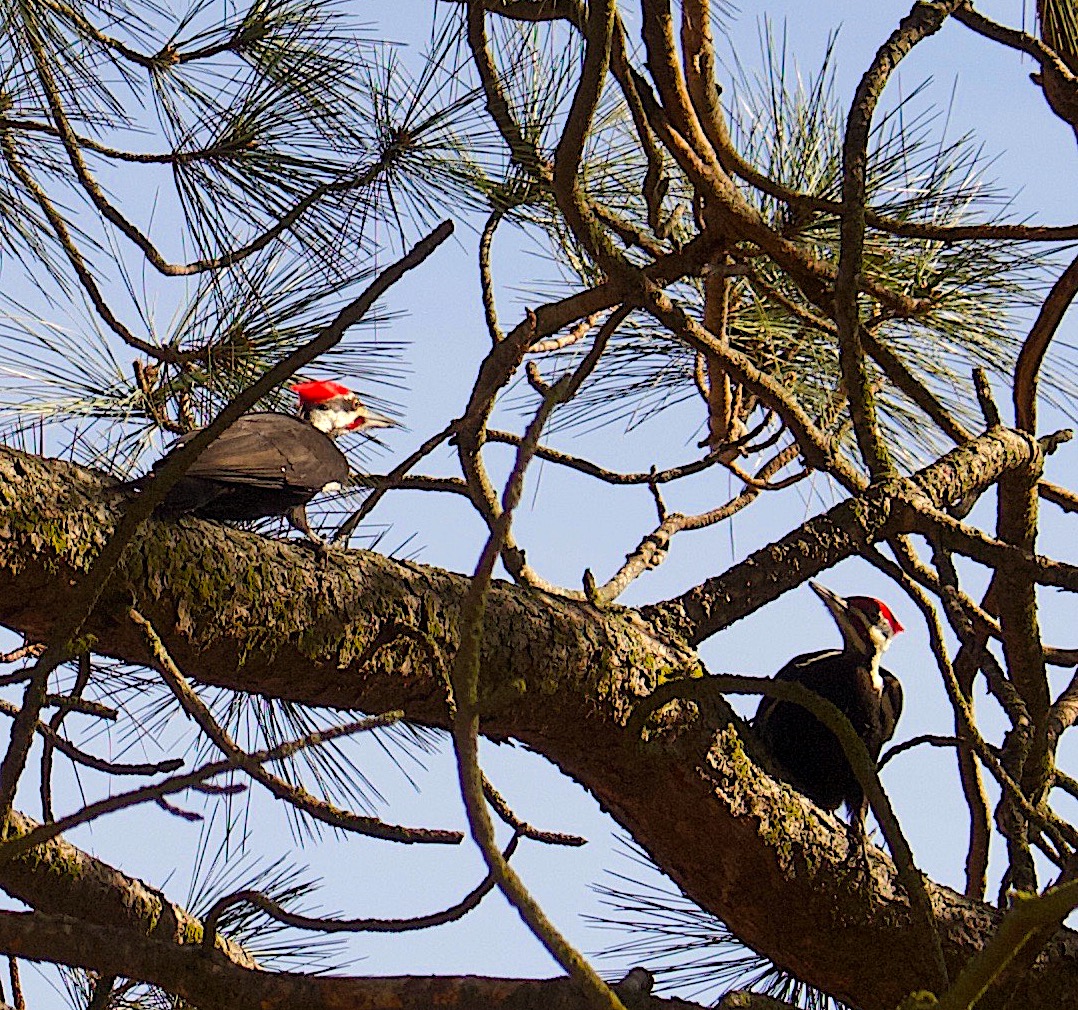
Underneath the tree on some
soft grass I sat, I


watched two happy
woodpeckers be dis-


turbed by my presence. And
why not, I thought to


myself, why
not.
~Robert Creeley “Like They Say”

We’re told the earth would be a much healthier place if man wasn’t here.
Our very presence disturbs the balance of nature: the climate has changed, we make messes, we don’t clean up after ourselves.

Yet we are here and were meant to be from the beginning – instructed to name and admire the creatures who came before us. The Creator Himself formed humans to be the disturbance nature must cope with from the beginning of time. And nature doesn’t take it lying down: it likes to flood and quake and blow and burn us to bits when it pleases. It is an uneasy relationship, to say the least.

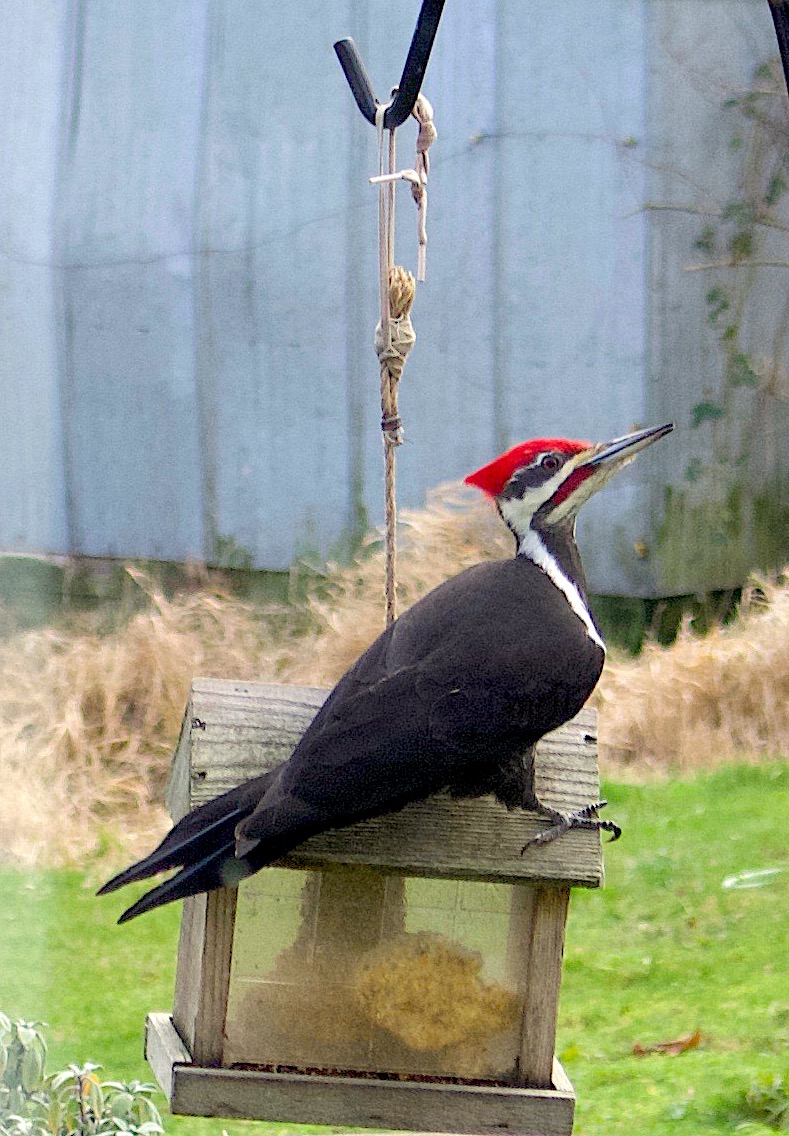
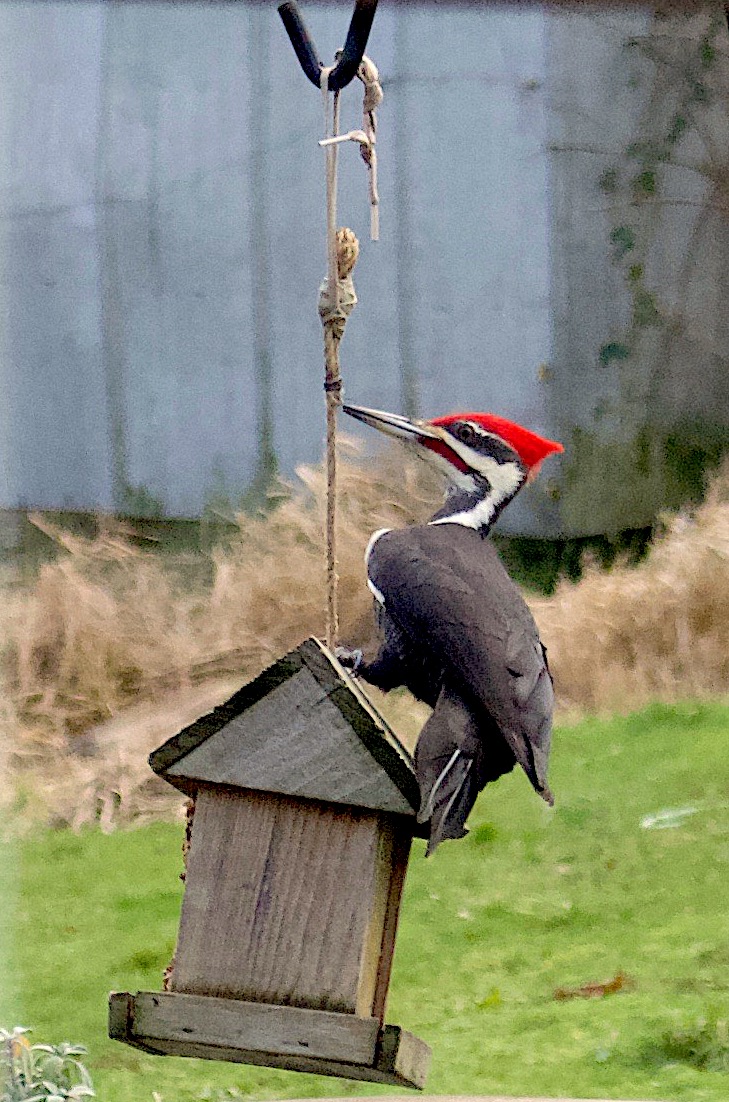
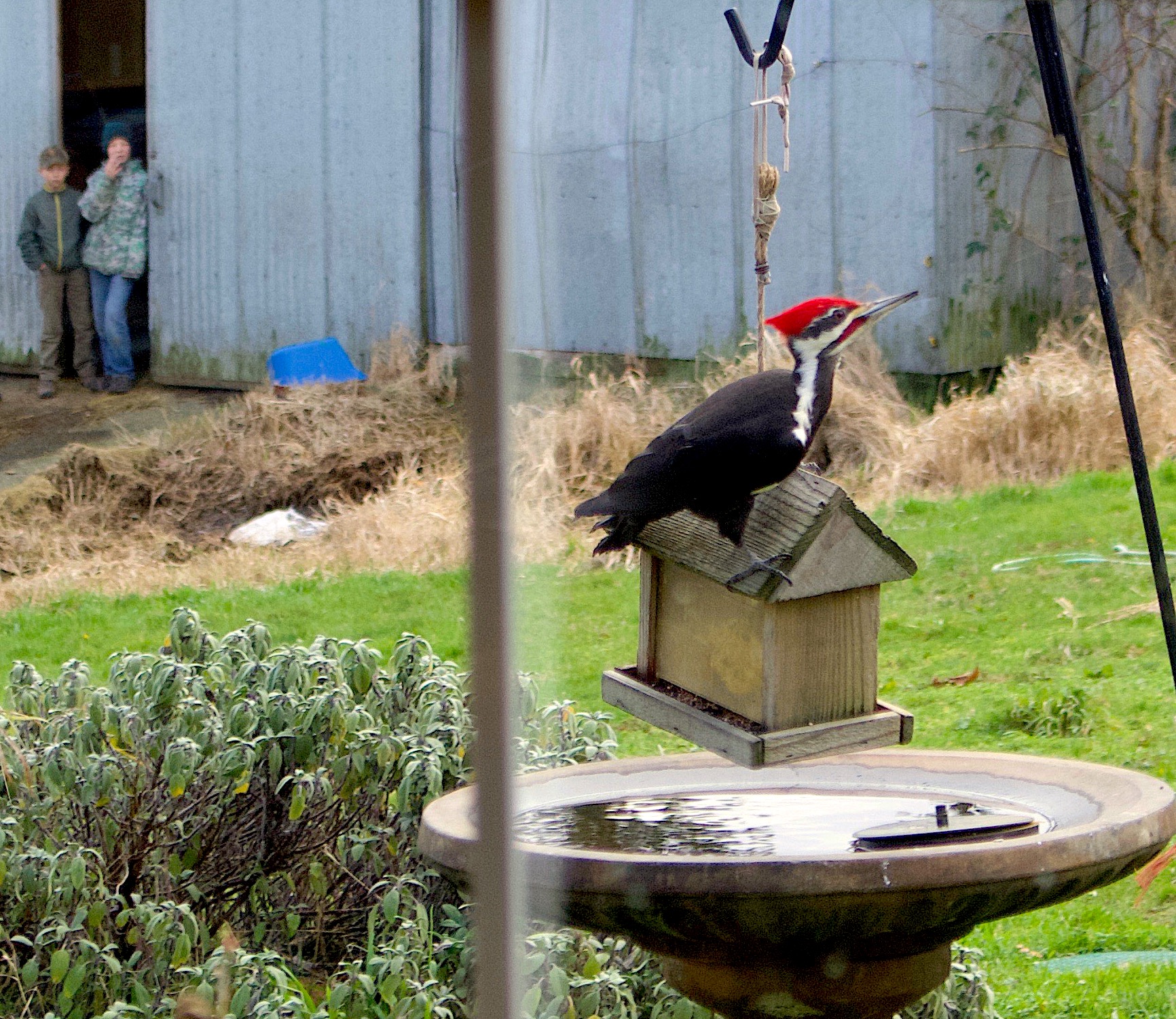
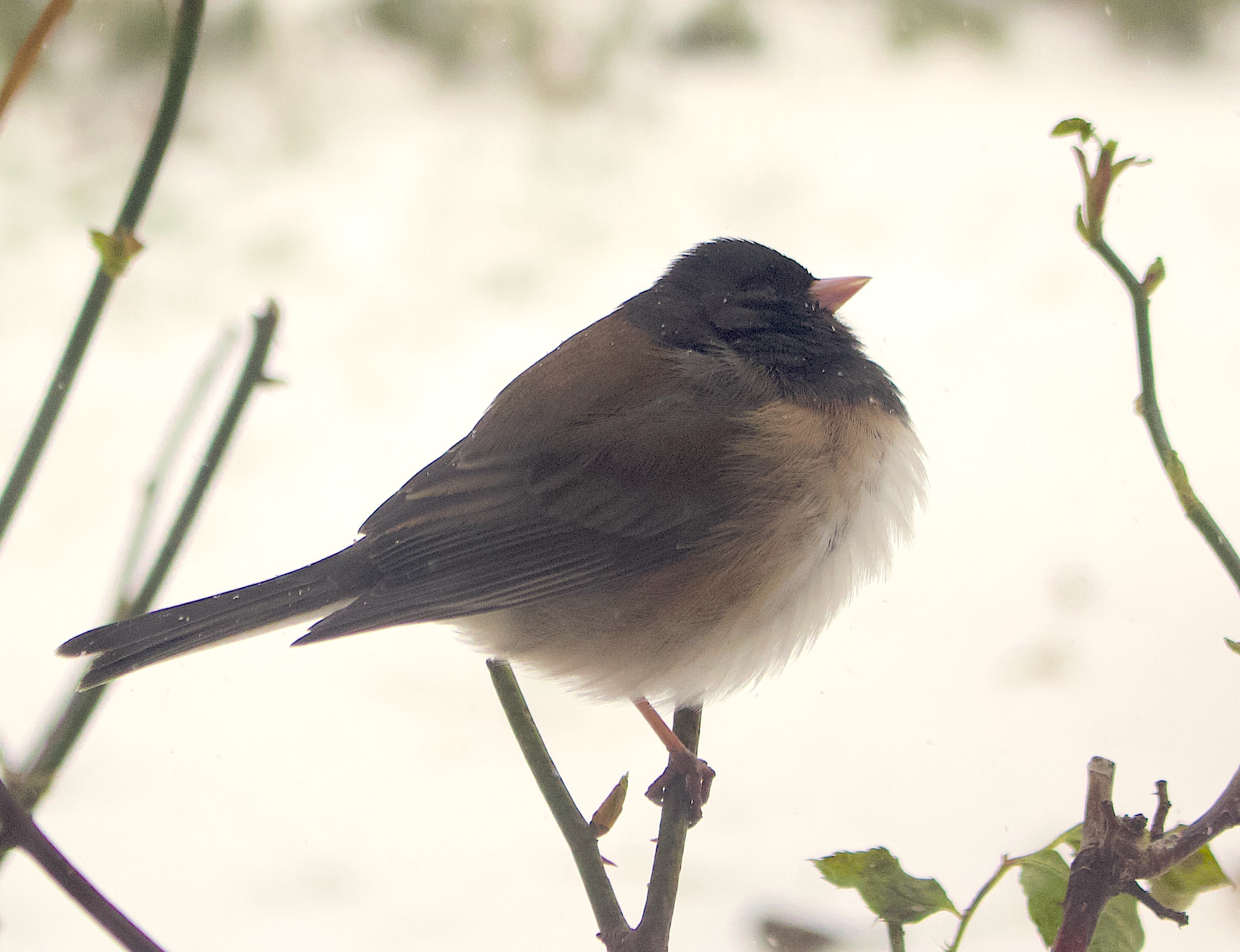
Yet who else is there to admire two shy woodpeckers who would prefer I simply go away?

Deal with it, woodpeckers.
I’m here to stay, just watching you watching me.

And why ever not?

Abundant Overwhelming June

I wonder what it would be like to live in a world
where it was always June.
~L. M. Montgomery from Anne of the Island

Each month is special in its own way:  I tend to favor April and October for how the light plays on the landscape during transitional times — a residual of what has been, with a hint of what lies ahead.

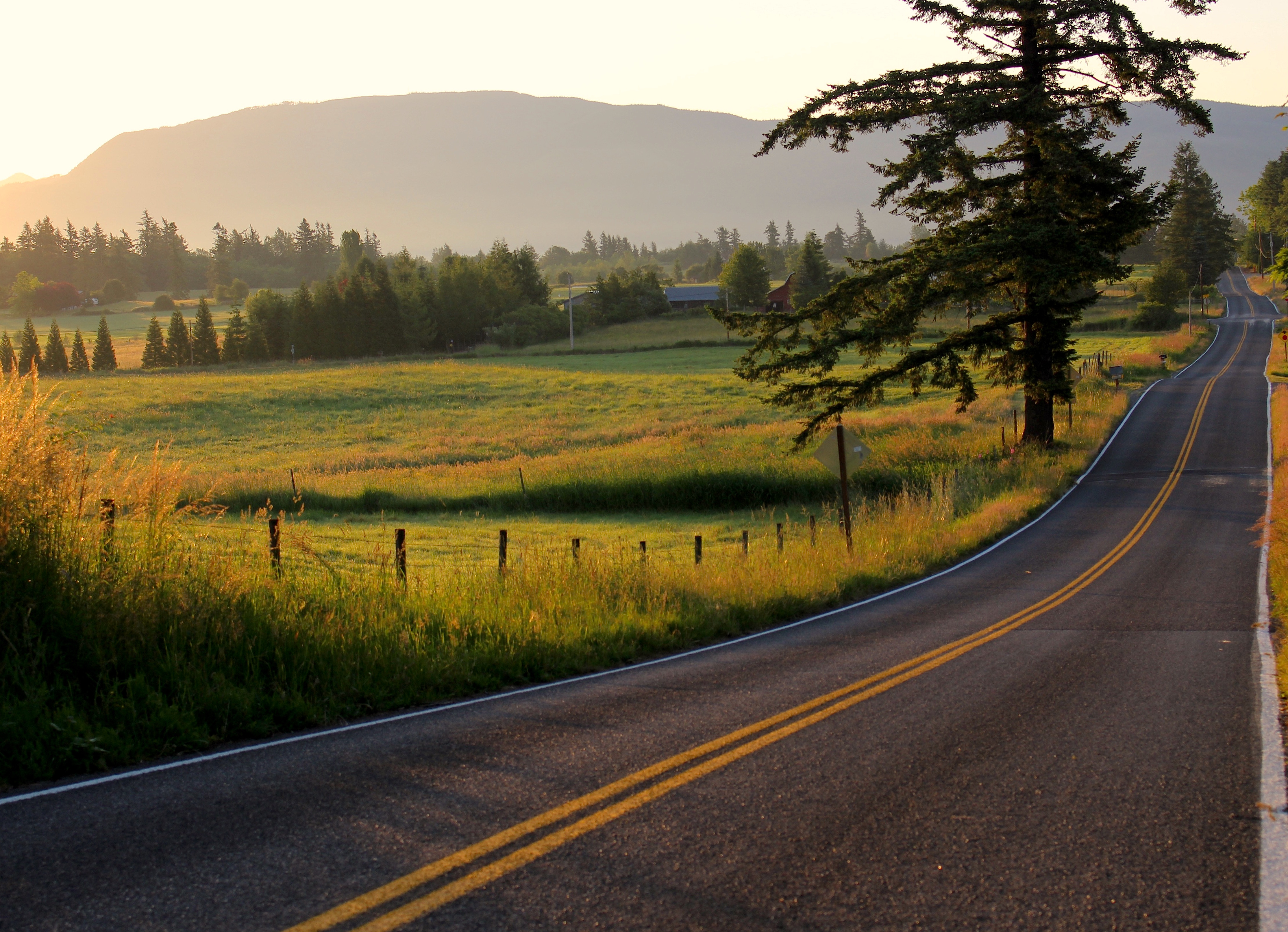
Then there is June.  Dear, gentle, abundant and overwhelming June.  Nothing is dried up, there is such a rich feeling of ascension into lushness of summer with an “out of school” attitude, even if one has graduated long ago.

And the light, and the birdsong and the dew and the greens — such vivid verdant greens.

As lovely as June is, 30 days is more than plenty or I would become completely saturated. Then I can be released from my sated stupor to wistfully hunger for June for 335 more.

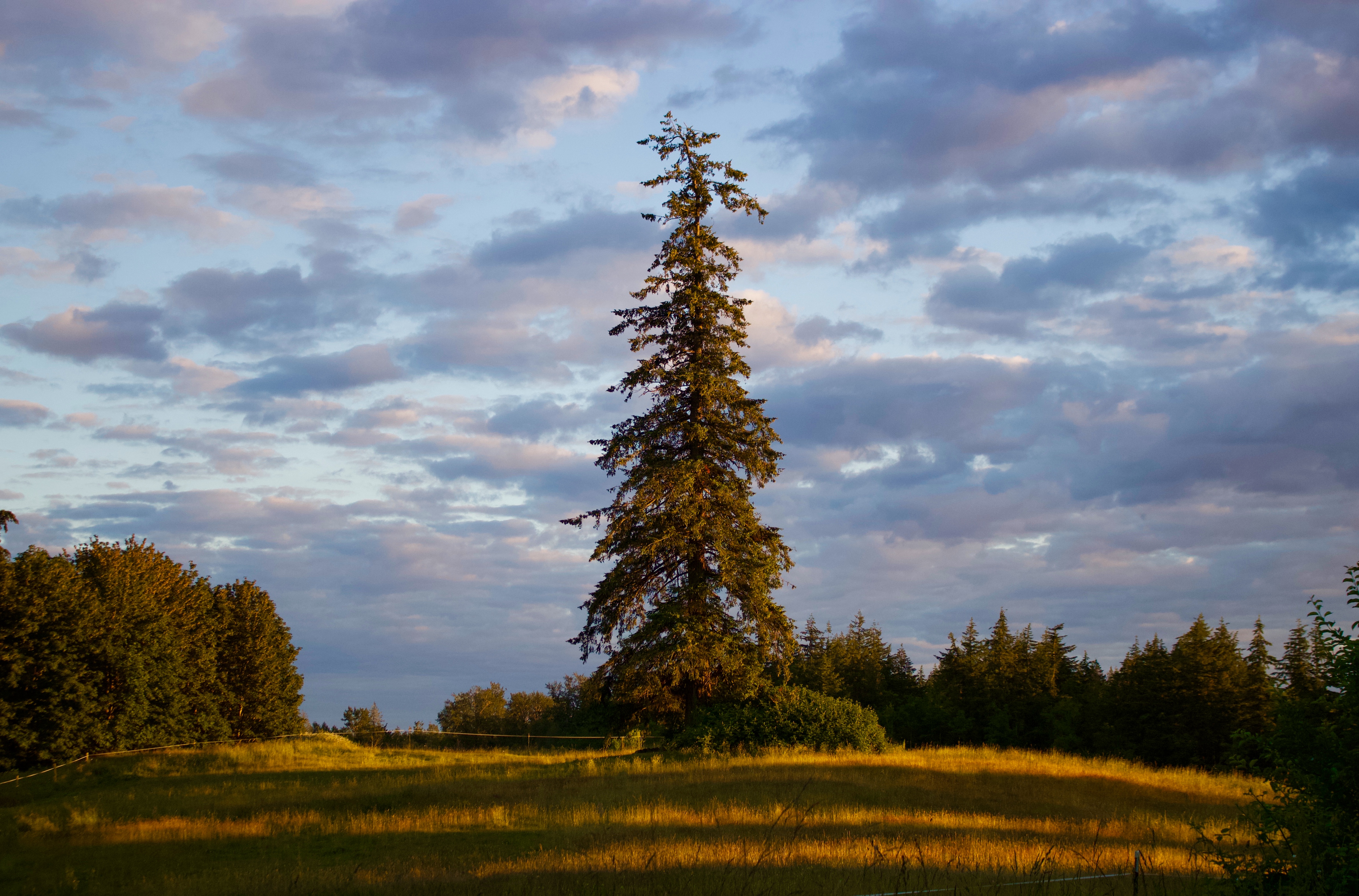
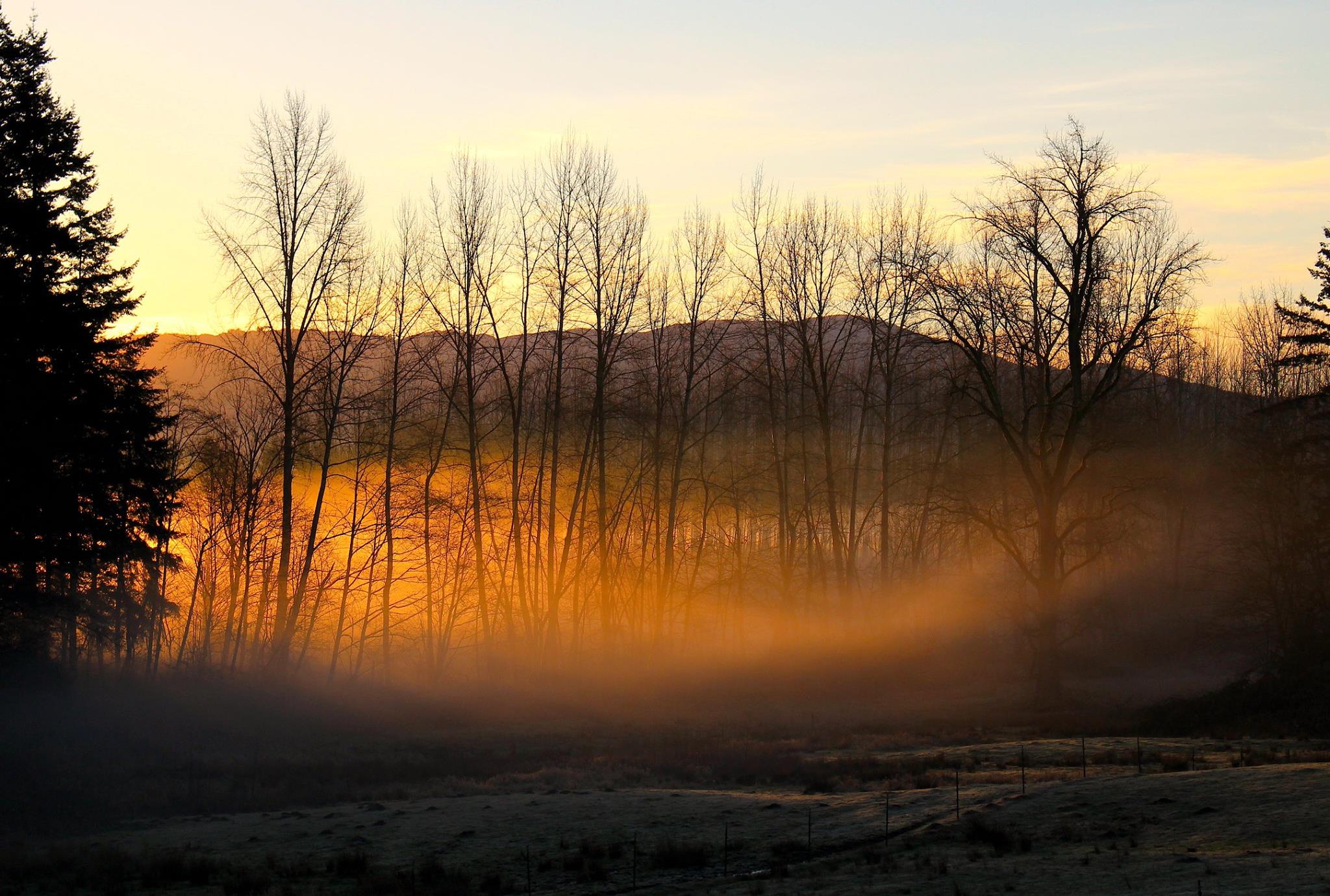
Shafts of Golden Light

Again the woods are odorous, the lark 
Lifts on upsoaring wings the heaven gray
That hung above the tree-tops, veiled and dark, 
Where branches bare disclosed the empty day. 

After long rainy afternoons an hour 
Comes with its shafts of golden light and flings 
Them at the windows in a radiant shower, 
And rain drops beat the panes like timorous wings. Then all is still. The stones are crooned to sleep
By the soft sound of rain that slowly dies; 
And cradled in the branches, hidden deep
In each bright bud, a slumbering silence lies.
~ Rainer Maria Rilke [trans. Jessie Lemont], from Poems

It seems in May everything explodes with energy:
the birdsong earlier and louder
the grass nearly squeaks with growth
the buds unfurling before our eyes.

There is much momentum
running pellmell into longer days;
I need to catch my breath.

As showers blow in from
clouds gray and thick with menace, dumping their load,
everything stills from the drenching,
waiting for a shaft of light to break through again,
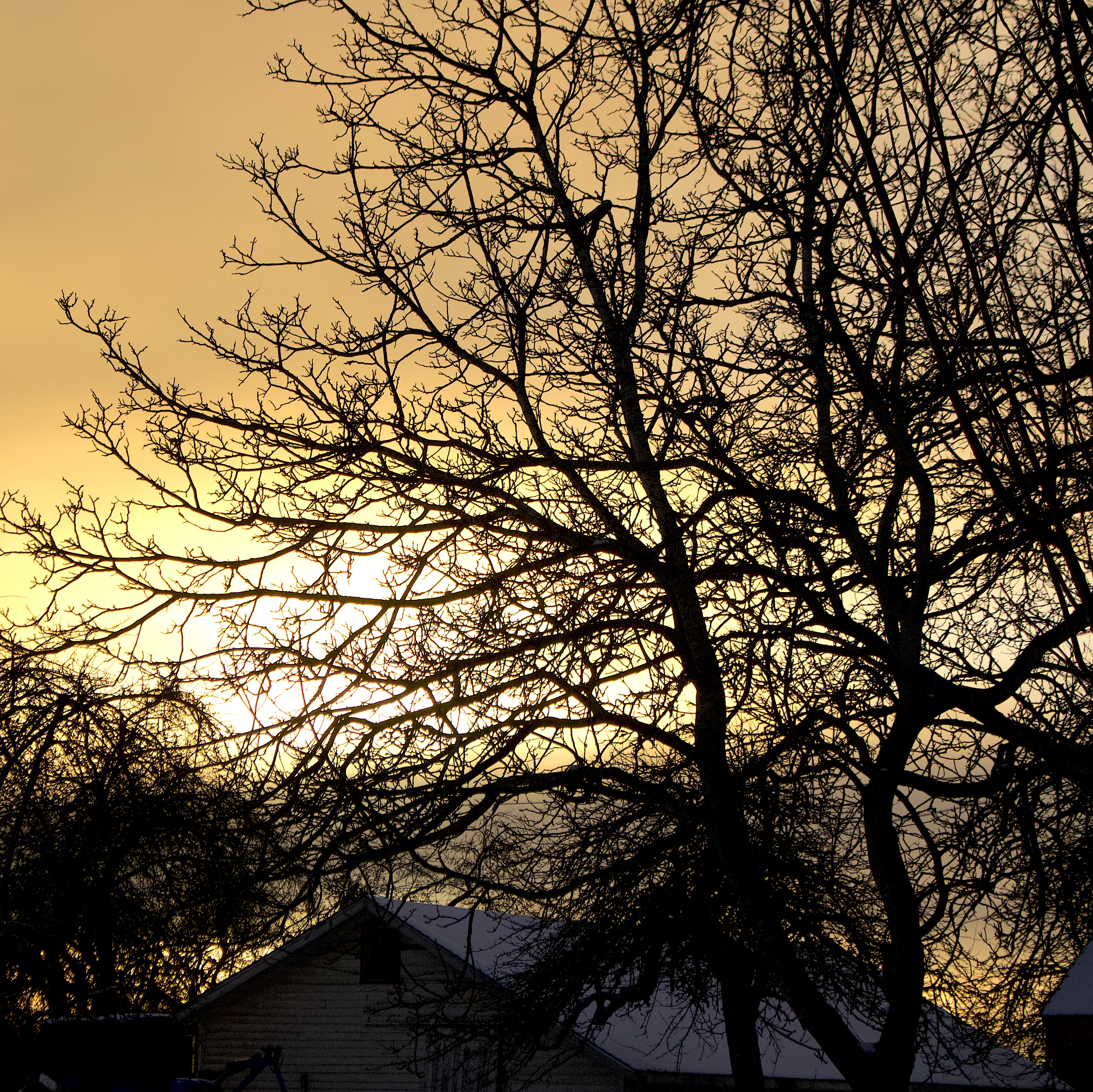
turning everything to gold.

Nature’s Scream

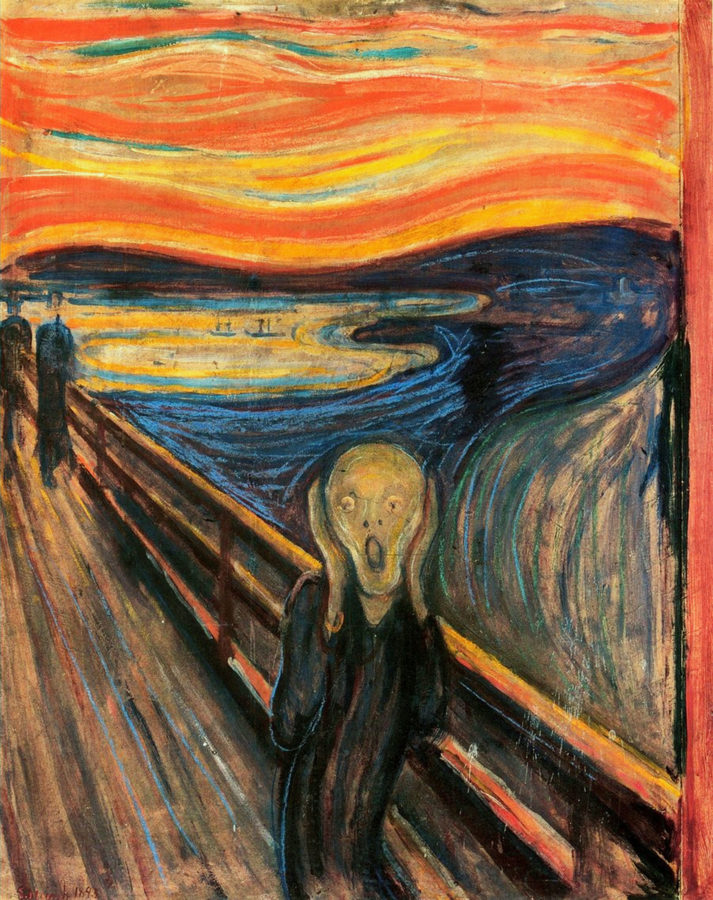
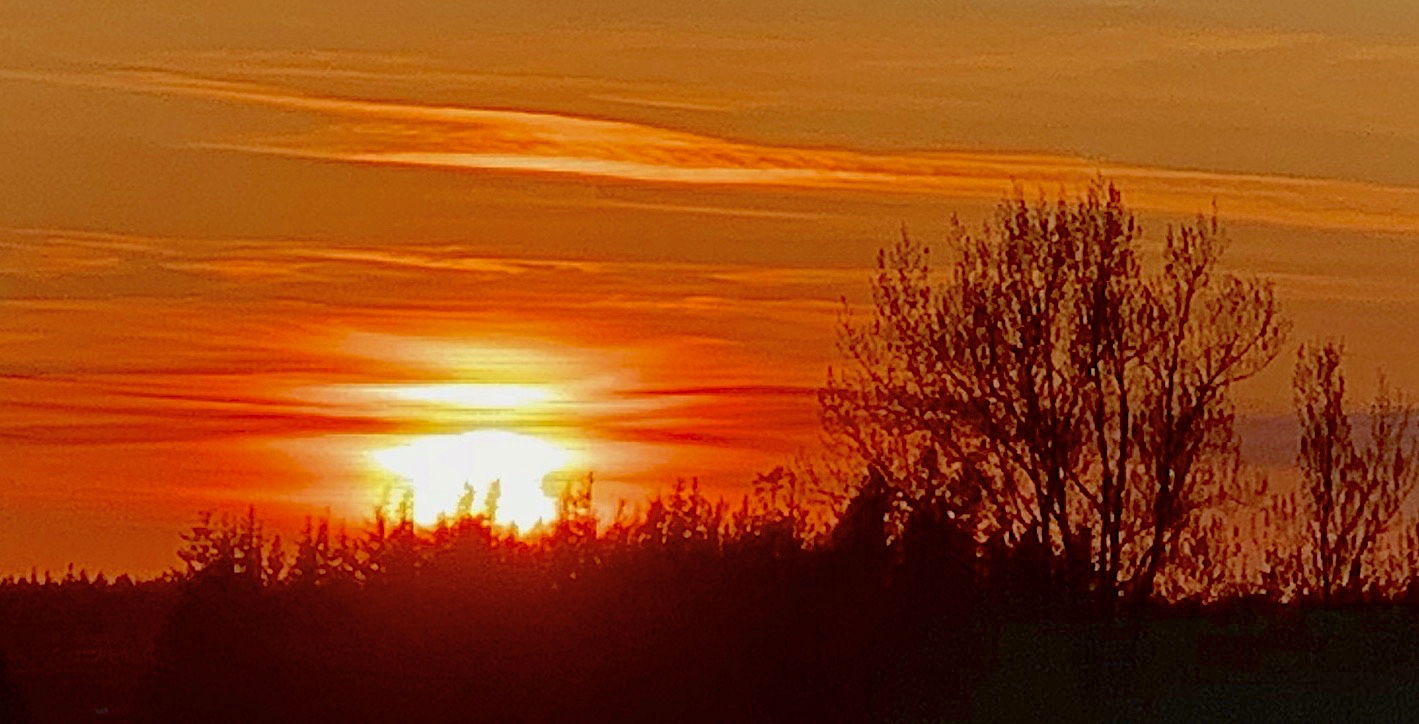
I was walking along the road with two friends – the sun was setting – suddenly the sky turned blood red – I paused, feeling exhausted, and leaned on the fence – there was blood and tongues of fire above the blue-black fjord and the city – my friends walked on, and I stood there trembling with anxiety – and I sensed an infinite scream passing through nature.
~Edvard Munch
describing his inspiration for his famous painting
“The Scream”

I get the sense there are now millions of people who just want to scream about the situation the world is in. In my telehealth visits with my patients whose worlds have been turned upside down in the last two months – plans canceled, jobs lost, schooling disrupted, finances uncertain, social support only through screens – I hear the words “overwhelmed,” “isolated,” “frustrated,” in addition to their usual “depressed” and “anxious.” Labeling these feelings “normal” just doesn’t seem to cut it. They want life to feel normal again and don’t want to accept that normal is a moving target and things won’t ever be quite the same again.

They don’t know what’s next for them and neither do I, but we are living it out, one day at a time, all in the same rocking bouncing (perhaps sinking) boat together.

I know Mr. Rogers always counseled to “look for the helpers” when something scary and unpredictable happens, and it is gratifying to see the immense support being given to the thousands of workers who are doing just that – at great personal risk. Even grocery store clerks are no longer unsung heroes but have become the real deal and I never fail to thank them when I go get my one week food supply.

There are other great efforts to make us smile together such as John Krasinski’s “Some Good News” reports on Youtube and the worldwide participation in Facebook’s “View from my window” page. Zoom Virtual Choirs and Orchestras are entertaining us and late night TV hosts are broadcasting from their own bedrooms.

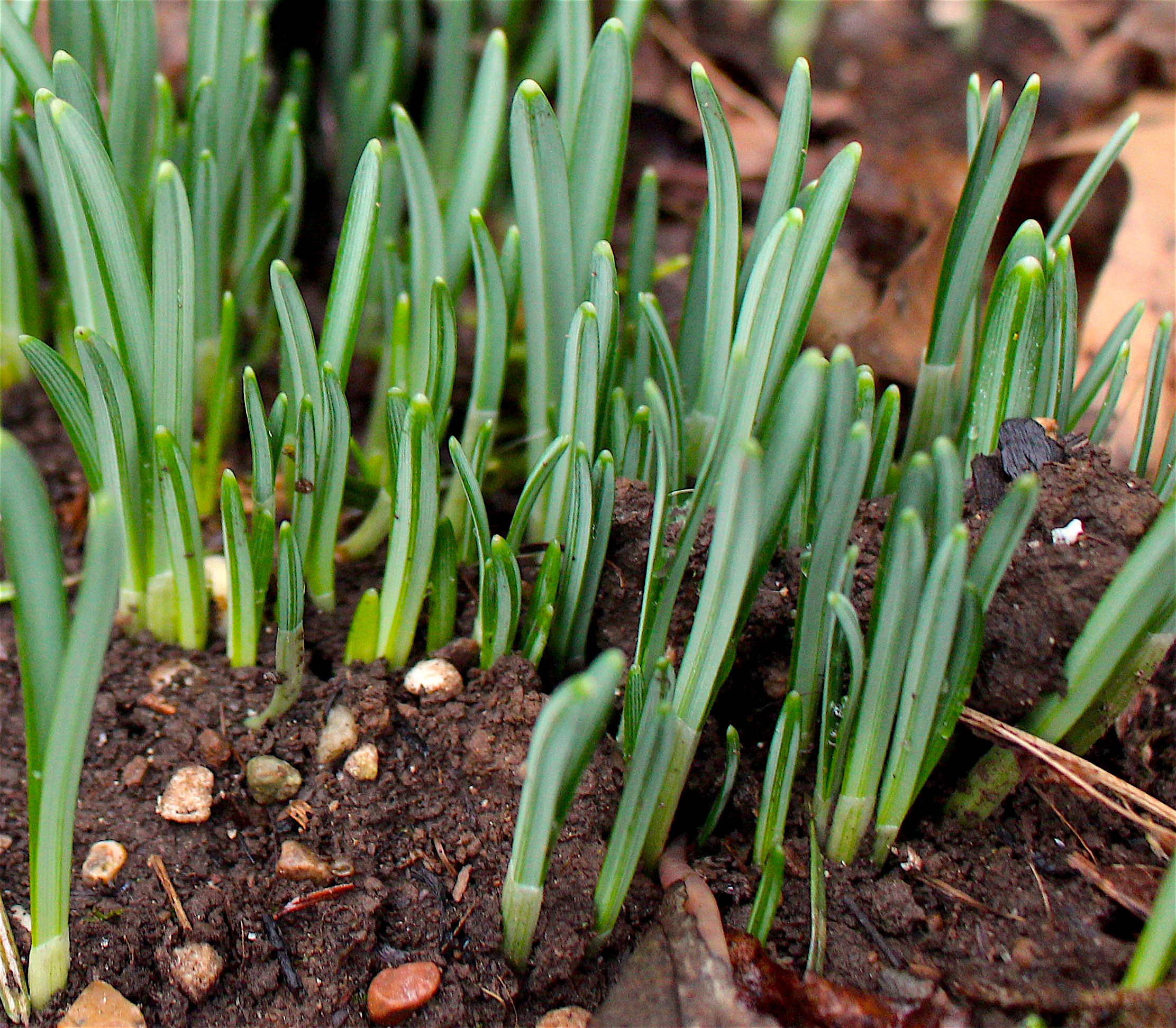
In our angst, we may forget that nature itself is full of its own powerful emotions, and this year is no different. I’ve read somewhere the high pitched sound of sap rising in trees in the spring is like a shriek beyond our capacity to hear. The sound of a bud growing, bulging and eventually unfolding must be like an exhalation of relief. Seeds and bulbs erupting through the soil surely groan and mutter in their strain.

Nature has also yielded mutated viruses attaching with vigor to a new host’s cells, and if we had microscopic microphones, the release of the duplicated RNA packets from a decimated living host cell probably sounds a bit like a scream as all the other cells prepare for a deadly virus on the move. It is like the Revolutionary War all over again in microcosm.
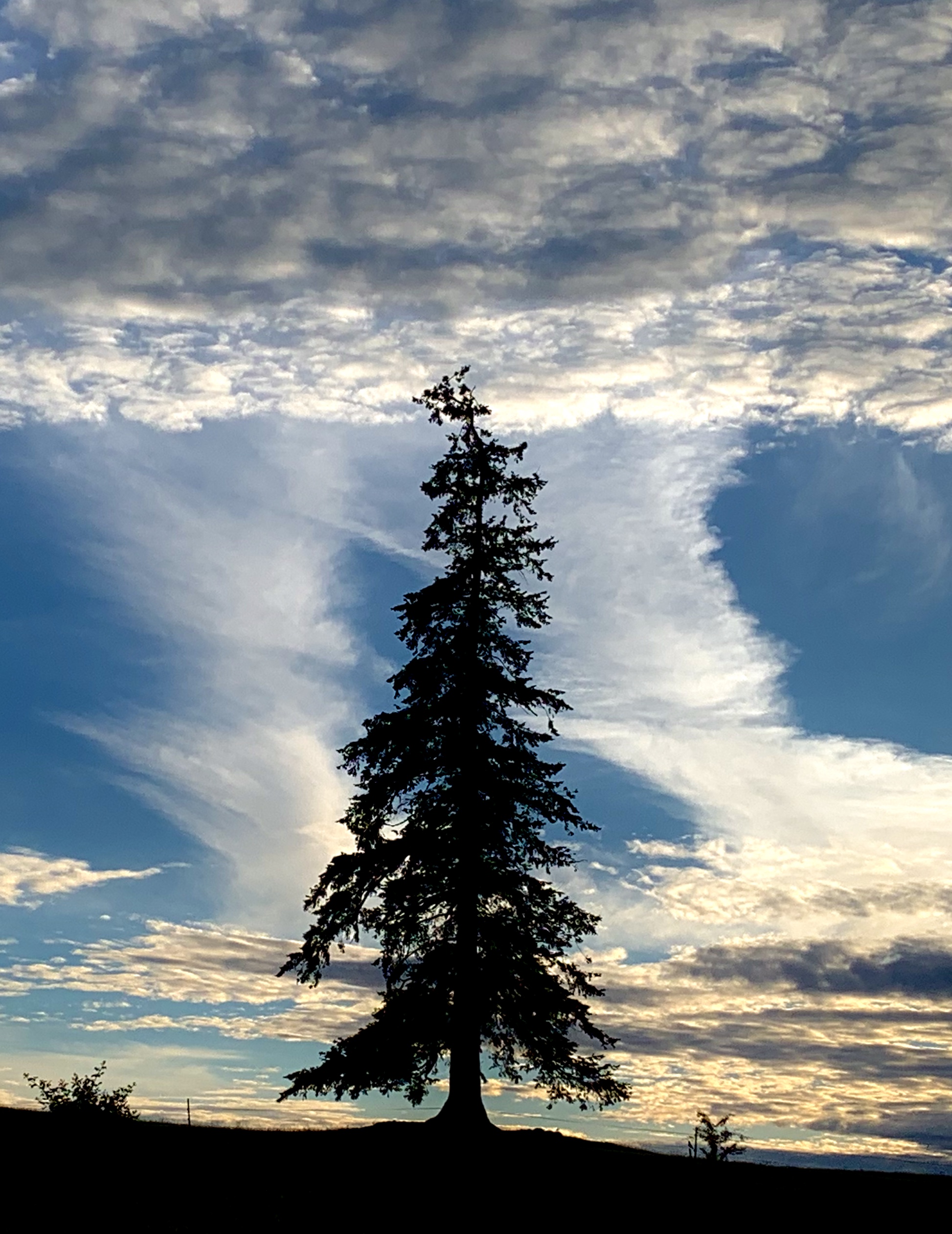
I do think a little screaming is in order.

So I remind myself and my patients: anxiety is normal. Discouragement is normal. But so is our need to scream out loud every once in awhile – even if all that comes out is the sound of silence.

Edvard Munch “The Scream”

Falling Toward Each Other

We are waiting for snow
the way we might wait
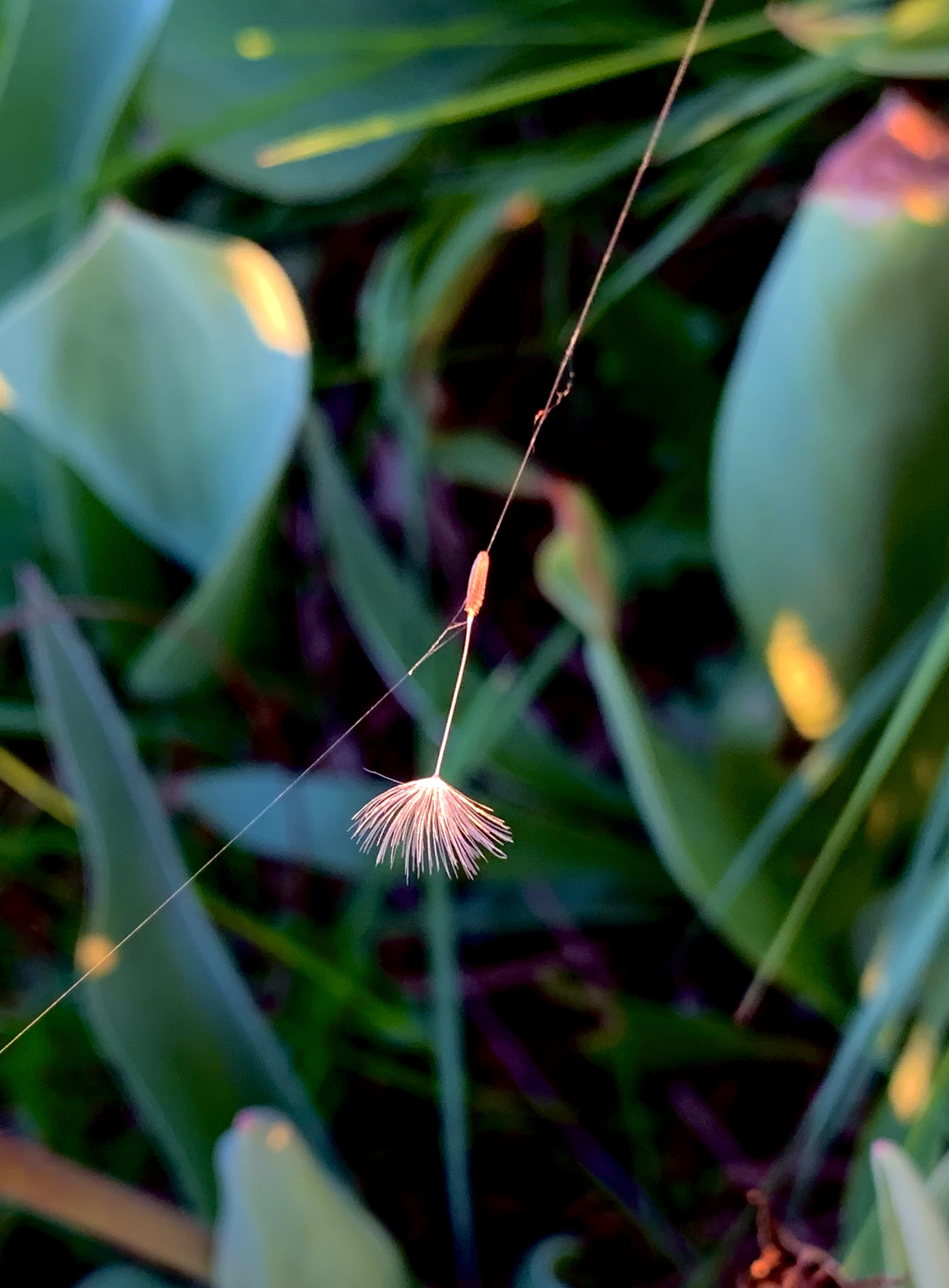
for permission
to breathe again.

For only the snow
will release us, only the snow
will be a letting go, a blind falling
towards the body of earth
and towards each other.
~Linda Pastan from “Interlude”

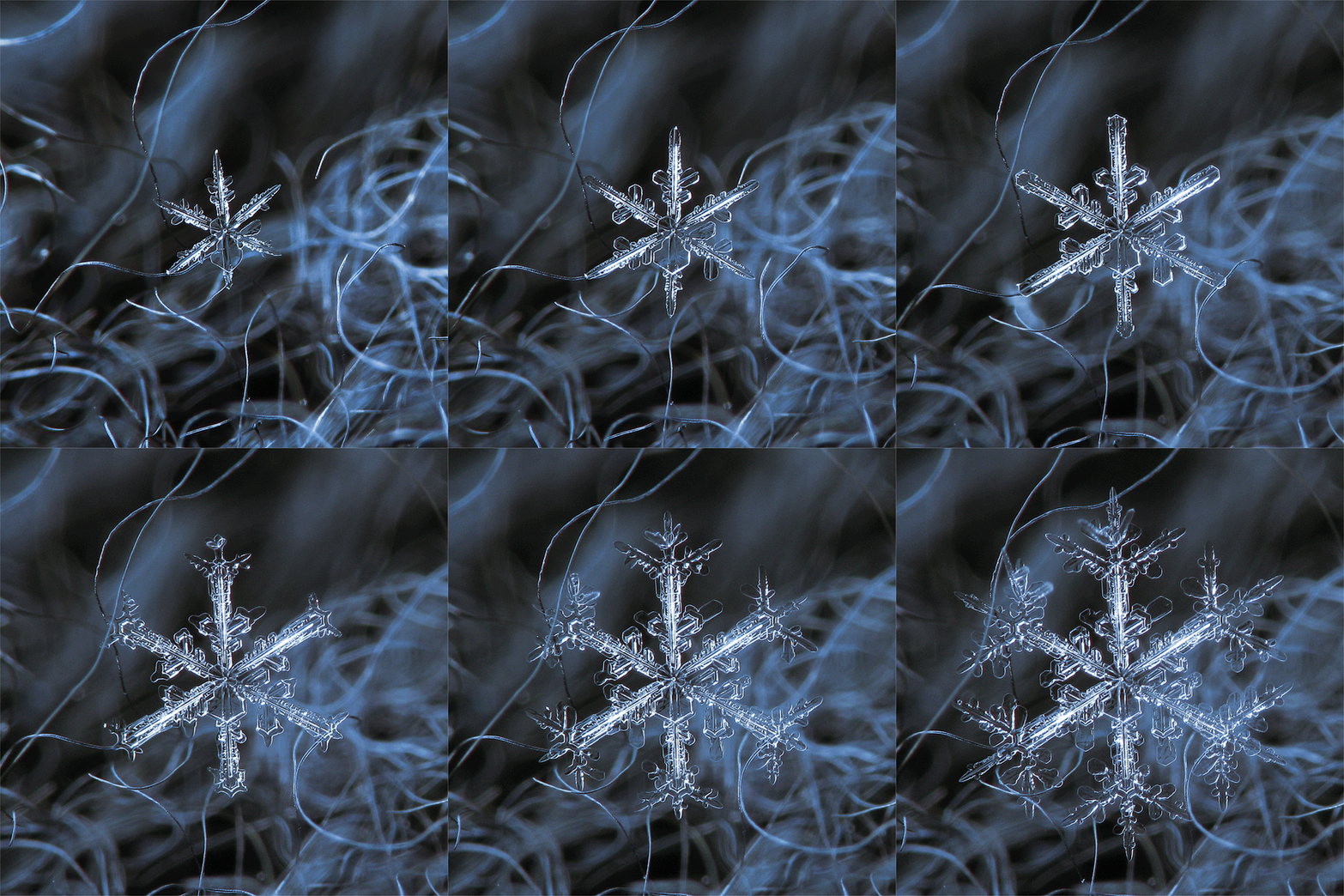
I wish one
could press snowflakes
in a book
like flowers.
~James Schuyler from “February 13, 1975”

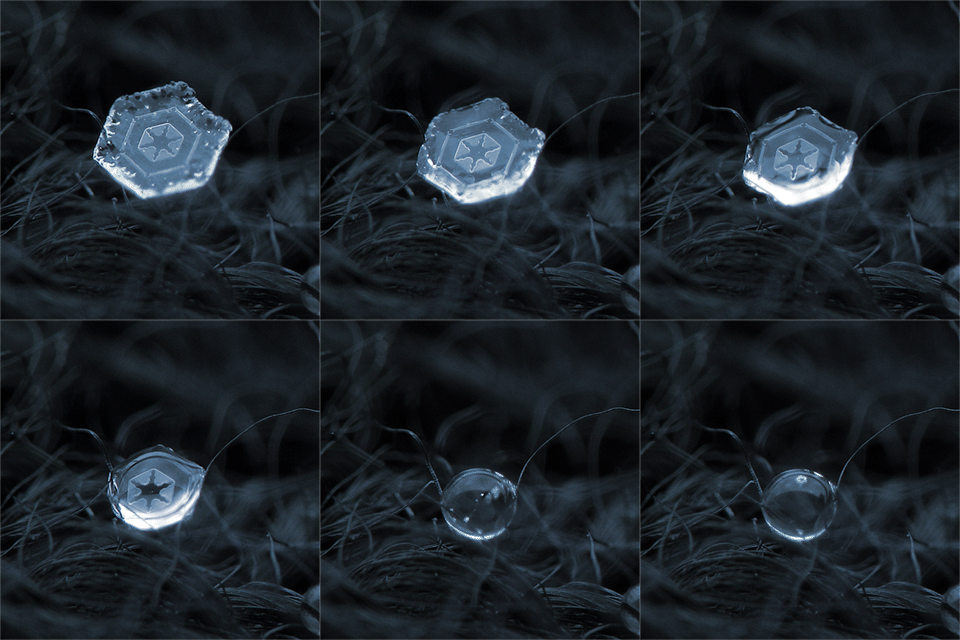
I wait with bated breath, wondrous at today’s snowfall, to see the landscape transformed. Each snowflake falls alone, settling in together in communal effort. And each is created as a singular masterpiece itself.
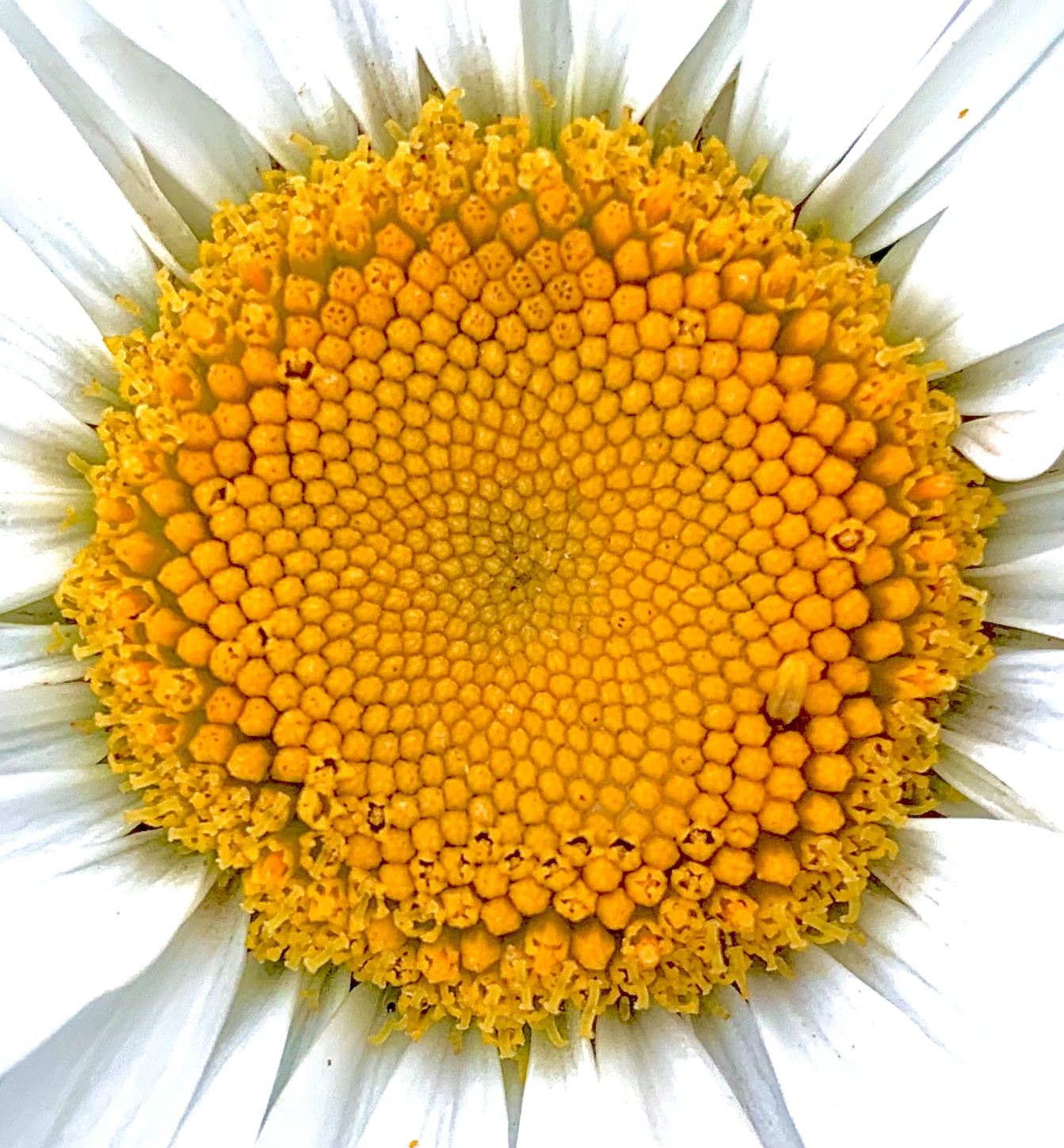
We, the created, are like each snowflake. Together we change the world, sometimes for better, too often for worse. But each of us have come from heaven uniquely designed and purposed, preciously preserved for eternity through God’s loving sacrifice.

Without Him, we melt between the pages of history.

photo by Alexay Kljatov, pbs.org

Too Cold

We are partly tuber, partly bear.
Inside our warmth we fold ourselves
in the dark and its cold –
around us, outside us,
safely away from us;
we tuck ourselves up
in the long sleep
and comfort of cold’s opposite,
warming ourselves
by thought of the cold,
lighting ourselves by darkness’s idea.
~Donald Hall from “Seasons at Eagle Pond”

Being too warm the old lady said to me
is better than being too cold I think now
in between is the best because you never
give it a thought but it goes by too fast
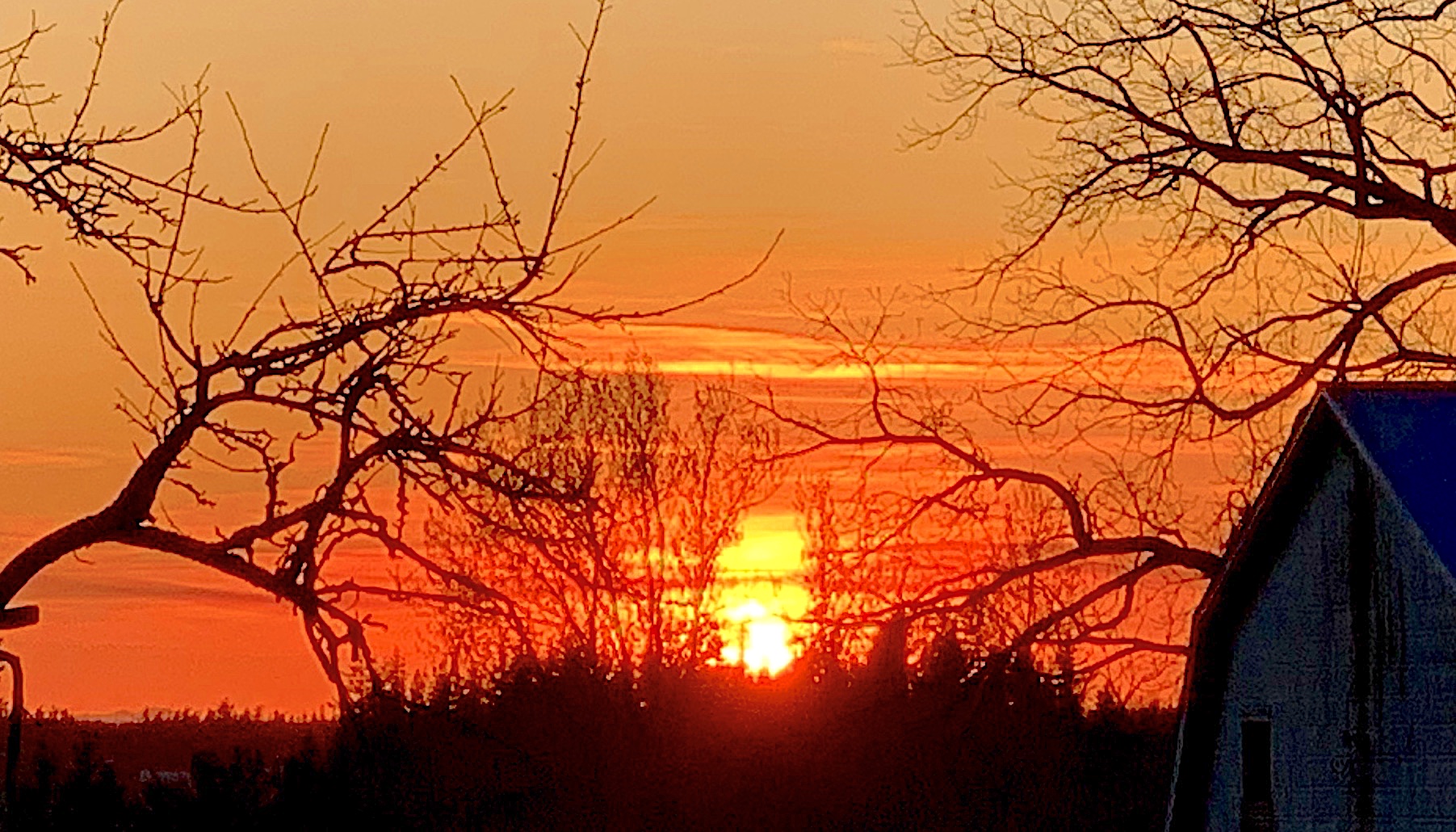
I remember the winter how cold it got
I could never get warm wherever I was
but I don’t remember the summer heat like that
only the long days the breathing of the trees
the evenings with the hens still talking in the lane
and the light getting longer in the valley
the sound of a bell from down there somewhere
I can sit here now still listening to it
~W.S. Merwin “Remembering Summer”

I confess
loving the dark and cold
as much as light and warmth.
Drawn without alarm clock
away from my pillow,
I awake early
covered in inky blackness
of these unlit January mornings.

An uncharted day
before sunrise,
so raw with ripening,
belongs to no one else
until the light comes
to force me forth.
Only from darkness can I
sprout so boldly.

We Are Not Alone: God is Not Too Good for My Dustiness

God –
the God who made the dust,
who made the stars,
who made the elements of which we are composed –
that same God chooses from the beginning to make his dwelling among us, to live for all time like us,
as a servant of the soil.
I am the dust of the earth,
but God declares that he is not too good,
not too proud,
for my dustiness.
~Daniel Stulac from
Plough Quarterly No. 4: Earth

What a piece of work is a man!
And yet, to me, what is this quintessence of dust?”
~ William Shakespeare in Hamlet’s monologue

This dust breathed upon to become man:
earth, air, water and fire
prove inadequate
to quell the Spirit that rouses flesh and blood.

The dust of Christ, our transcendent hope,
becomes the Garden restored,
a seed planted in the soil of our hearts,
sprouting from the plainest of ash.

I, plainest of the plain, breathe and pulse and weep and bleed~

just like Him.