Whenever the question comes up, the poets all say the same thing: the only poem we’re interested in is the next poem, the one not written, the poem of tomorrow.
It’s a perfect answer, which conjures up a bit of hope and manages to place on the higher tray of the scale of pride a gram of modesty.
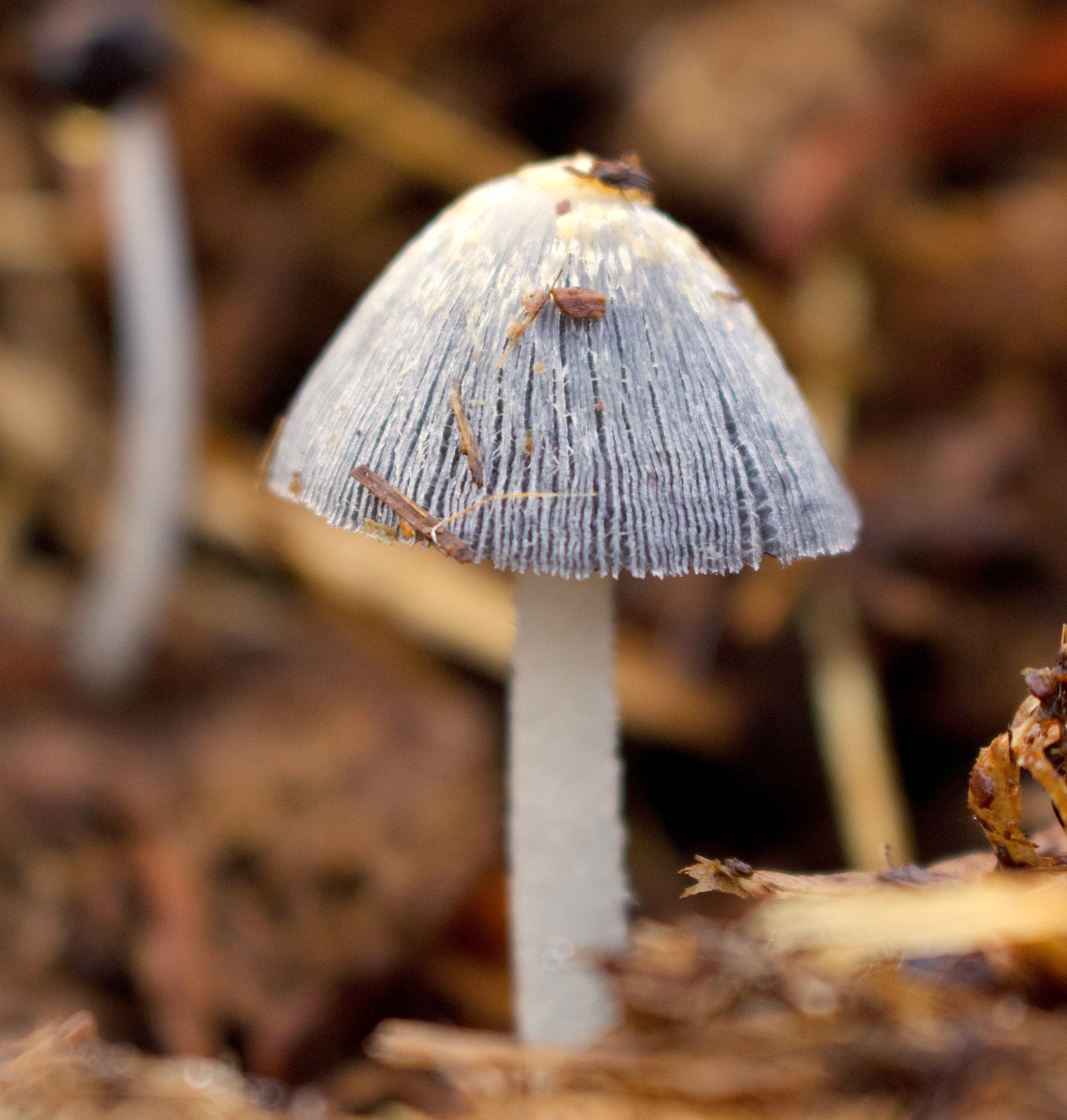
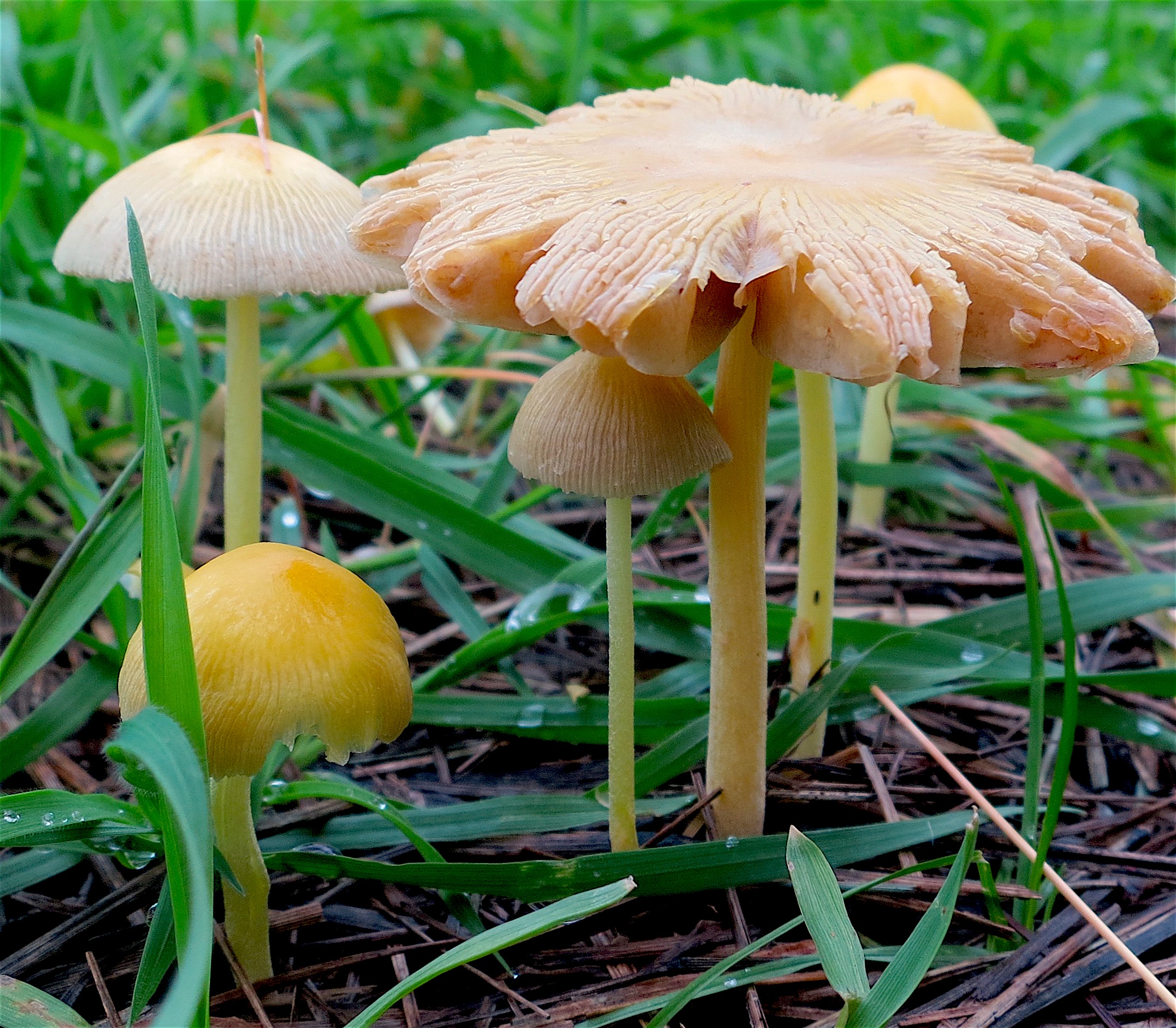
But the problem is as soon as you start to write it, the next poem no longer is the next poem, rather just another poem you are writing, and the next poem has become an imaginary mushroom waiting in the future in a dark forest of pine needles.
And that is probably why I have lost interest in this poem, in where it is going or how it will manage to find a way to end.
It could droop into a reverie, maybe shift to the doctor’s waiting room where I am entering it into a notebook, or circle back to that mushroom for all I care.
All I care about is the next poem, not this current one, which might even turn out to be my last—
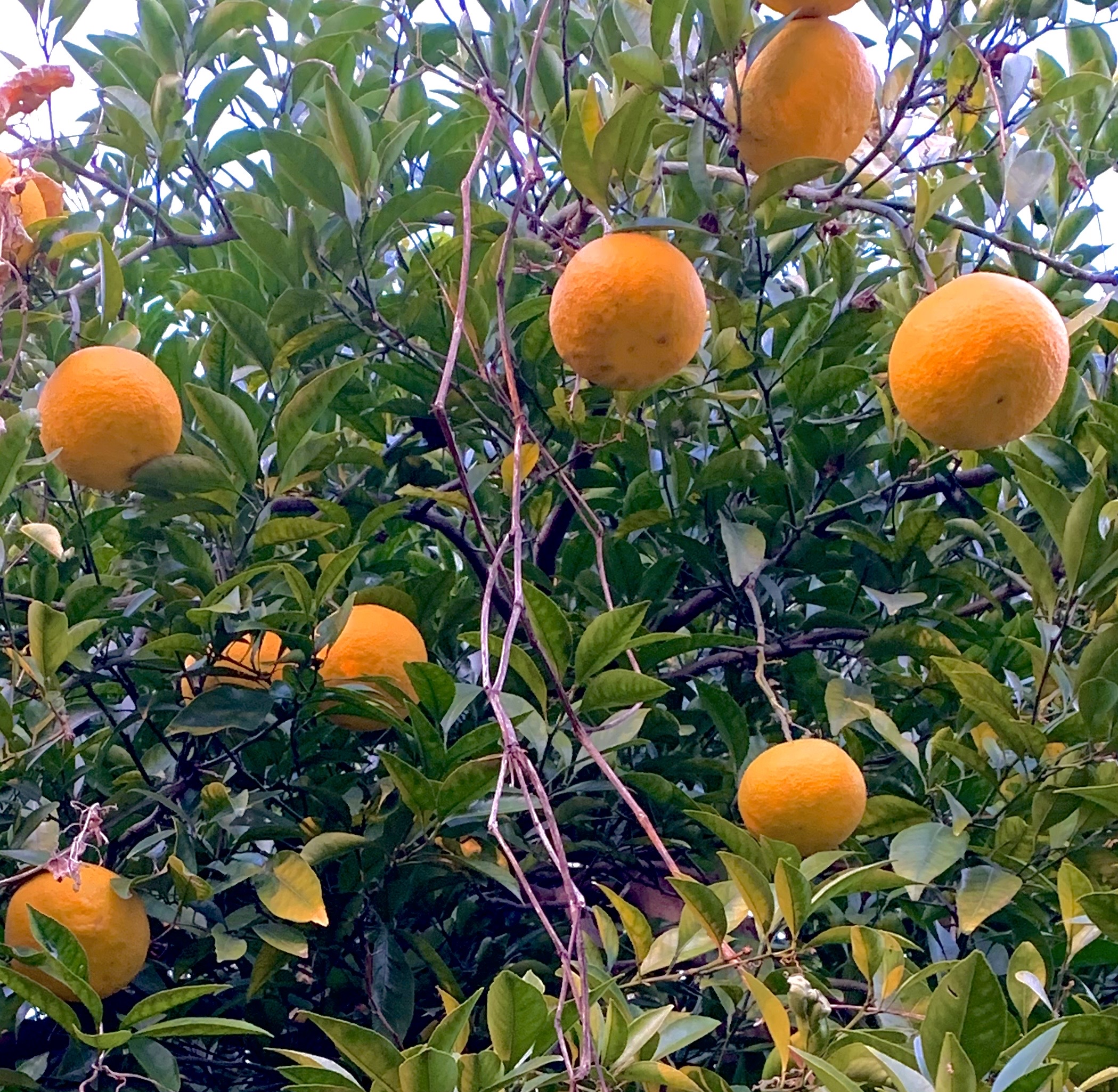
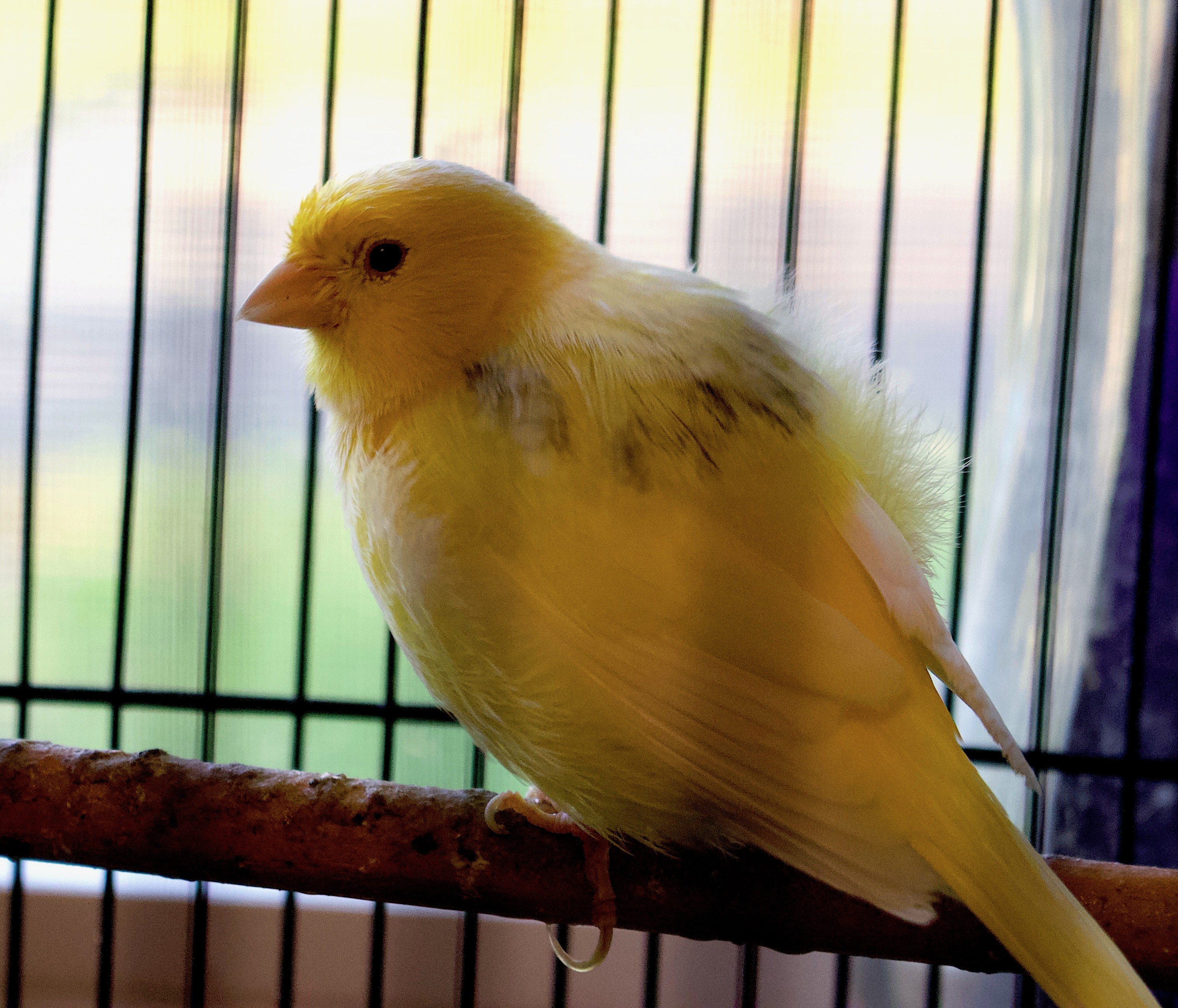
the last orange on my miniature tree, a shroud pulled over my baby grand, the ultimate chirp of my canary, or, how about this? the final striped umbrella on the vacant beach of my soul? ~Billy Collins “The Next Poem”
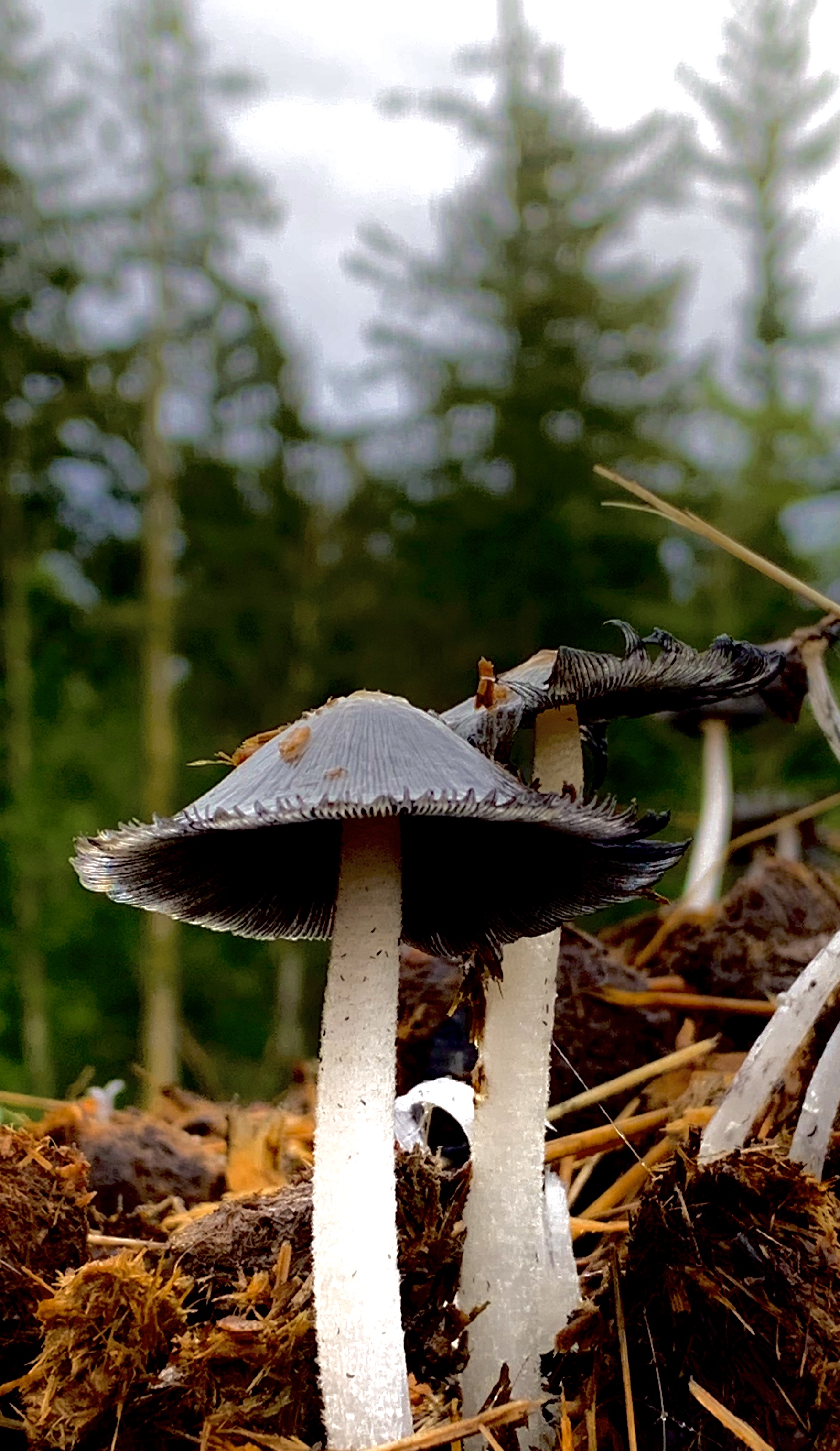
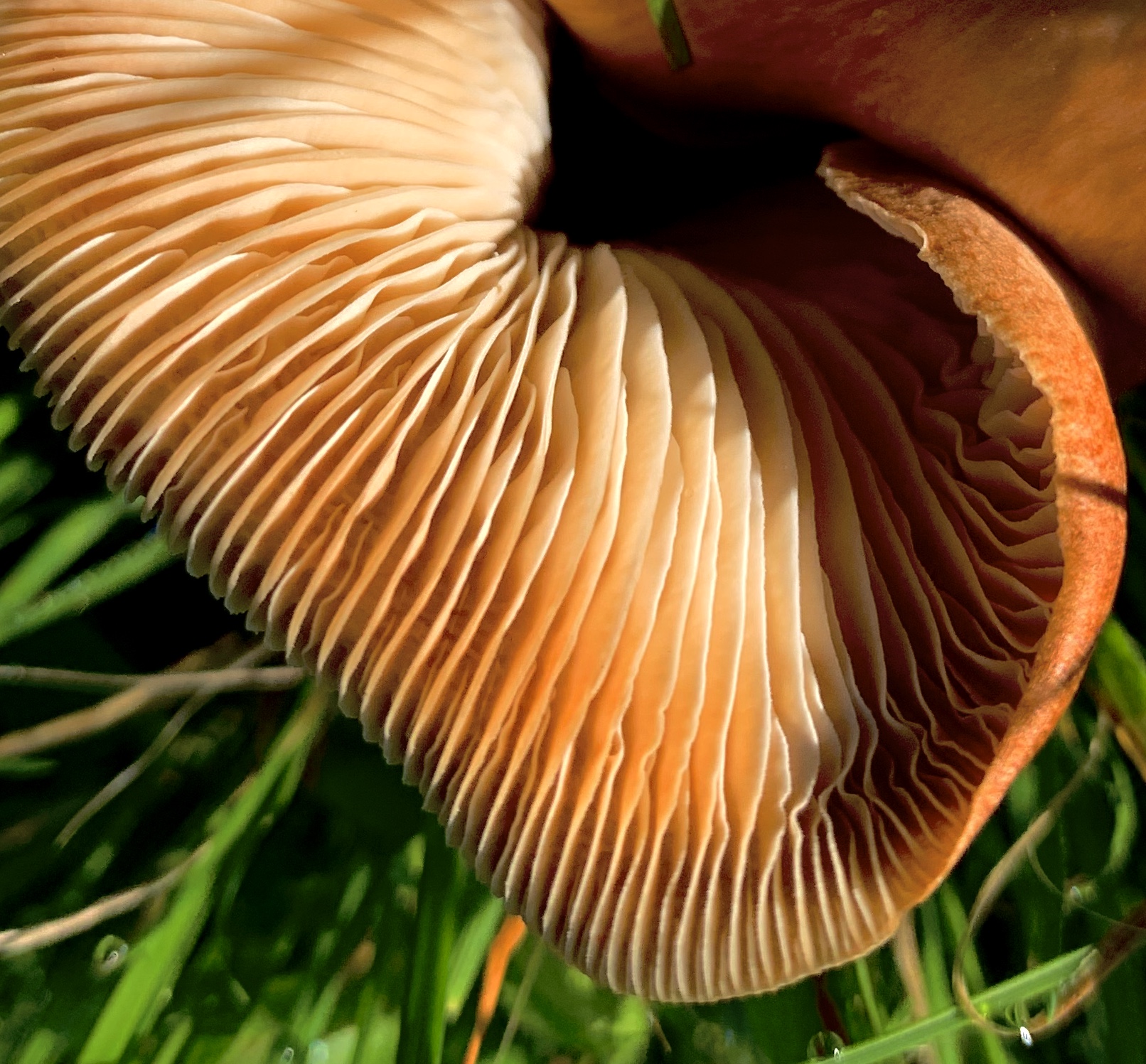
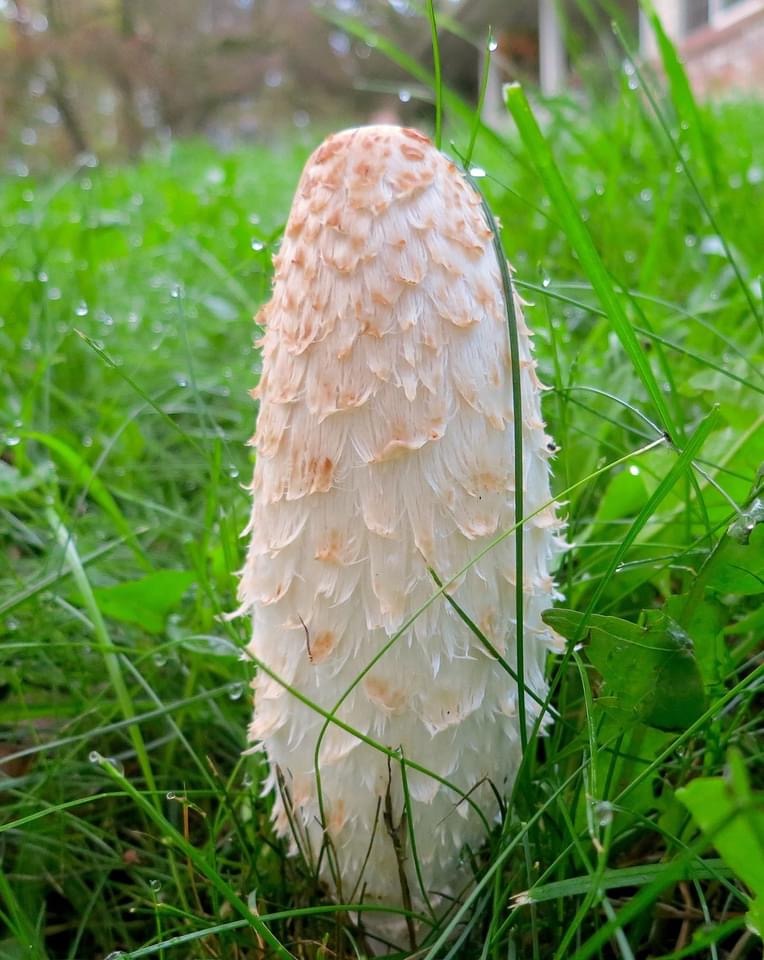
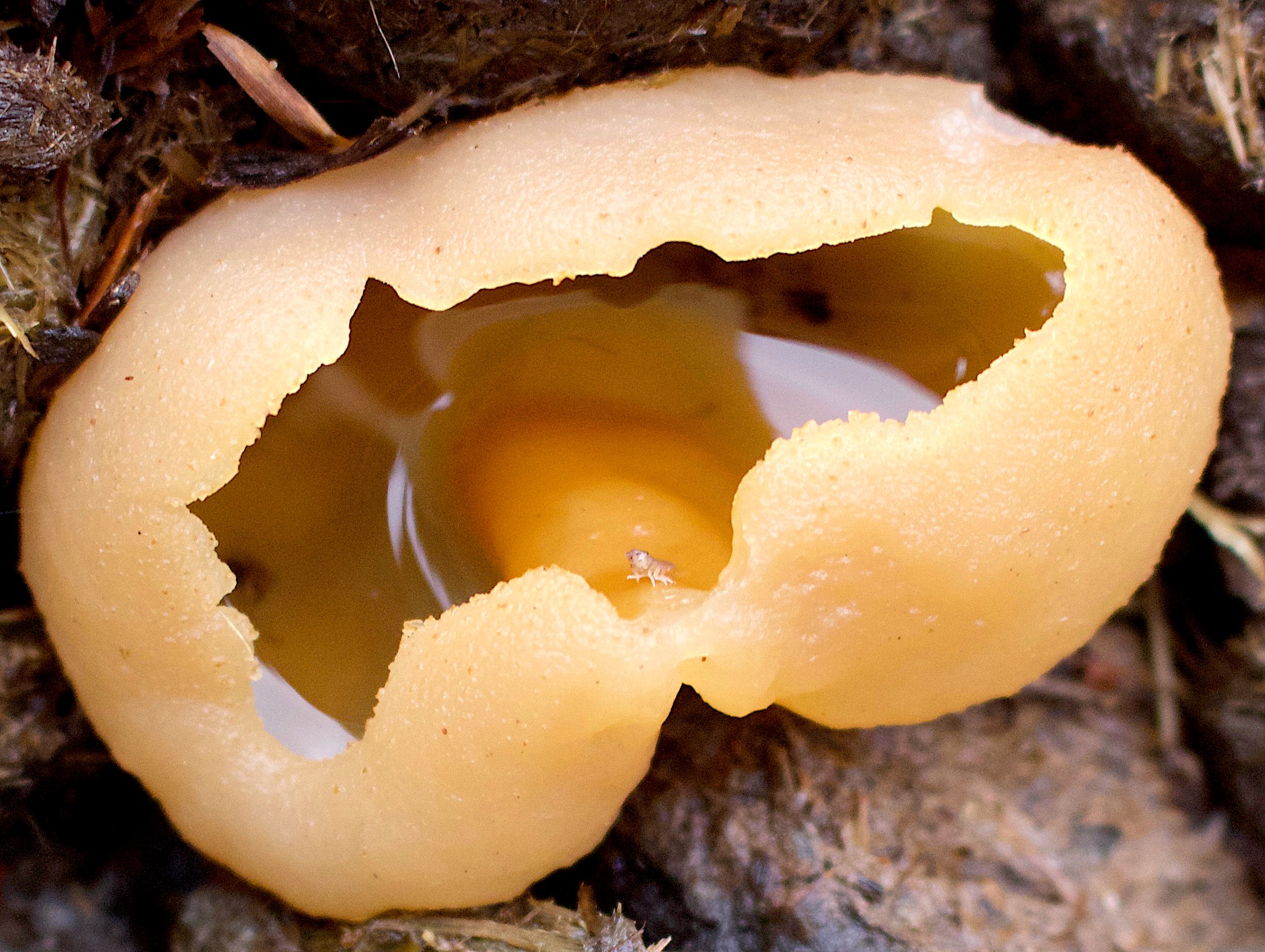
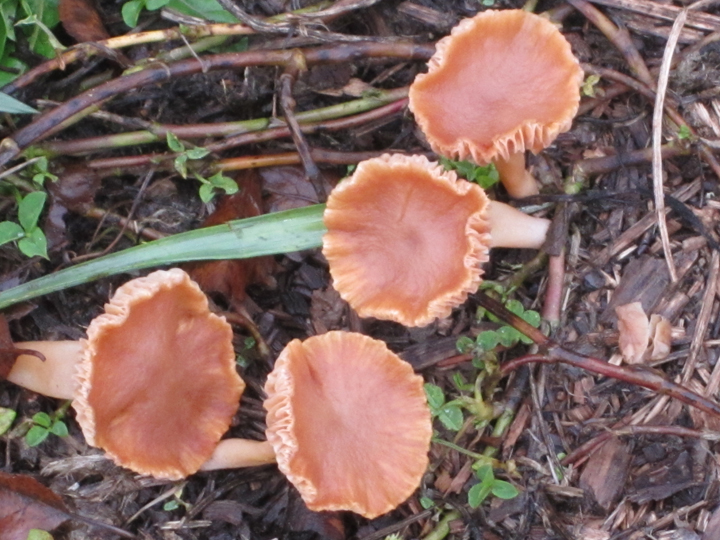
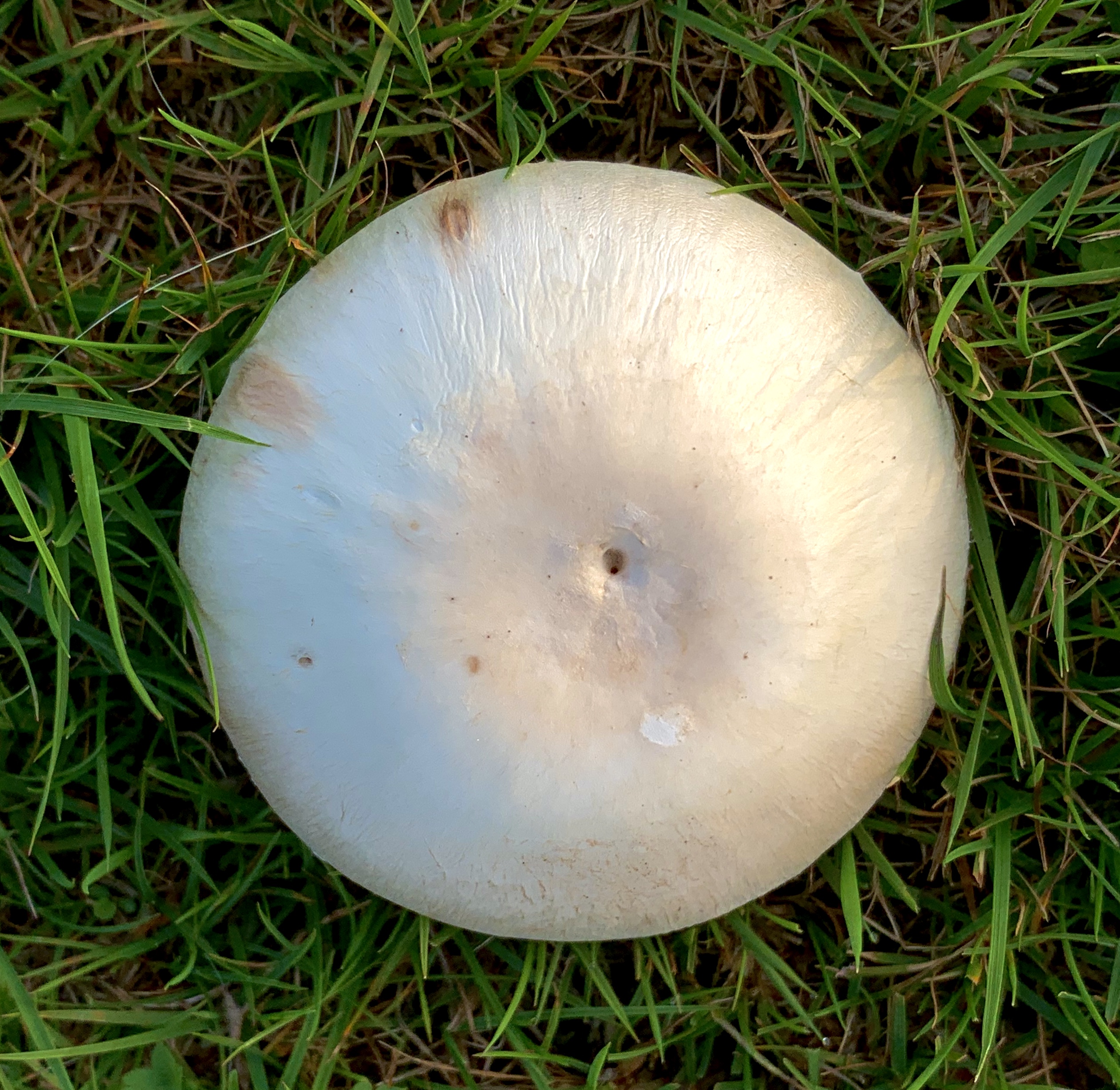
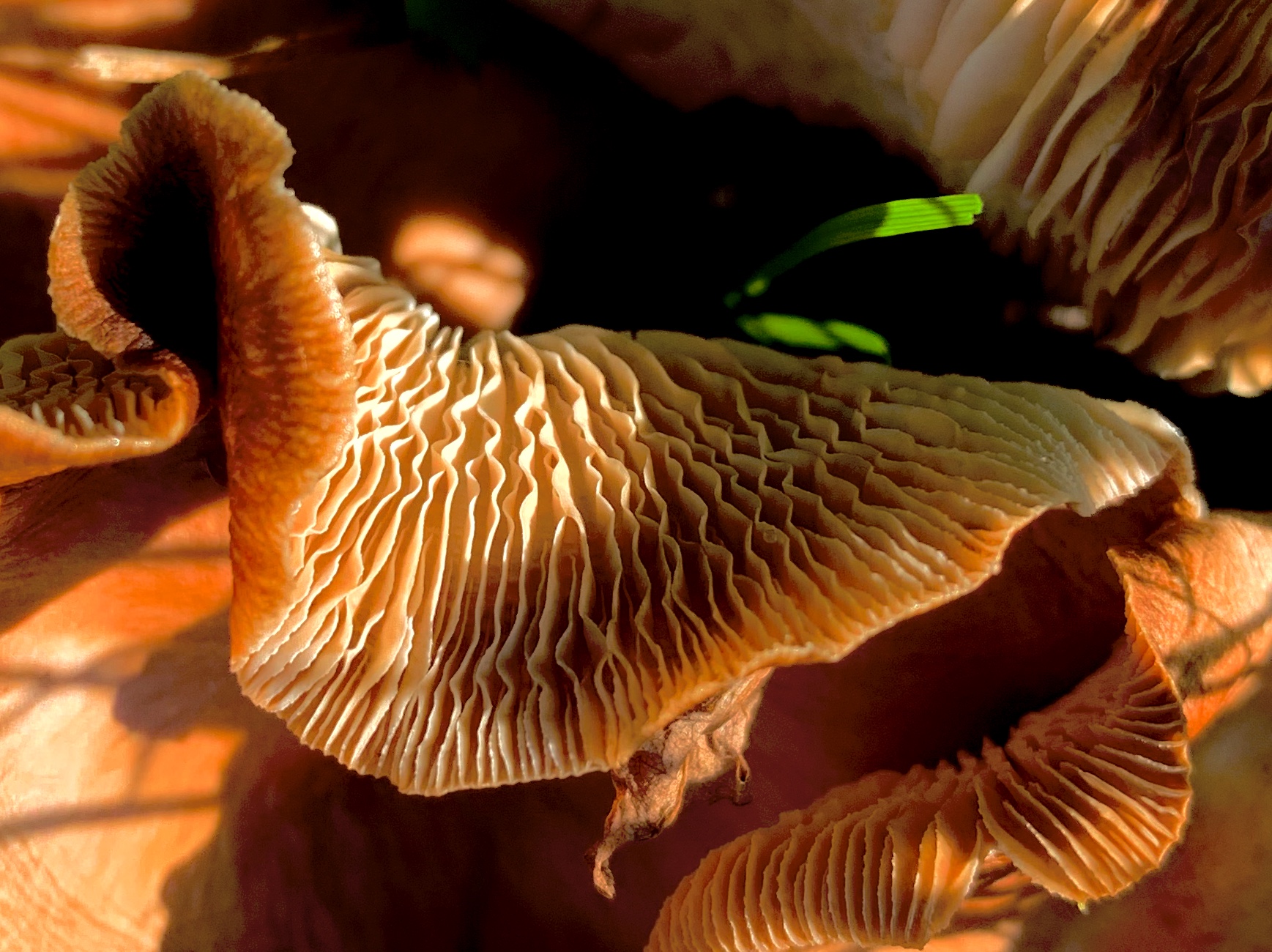
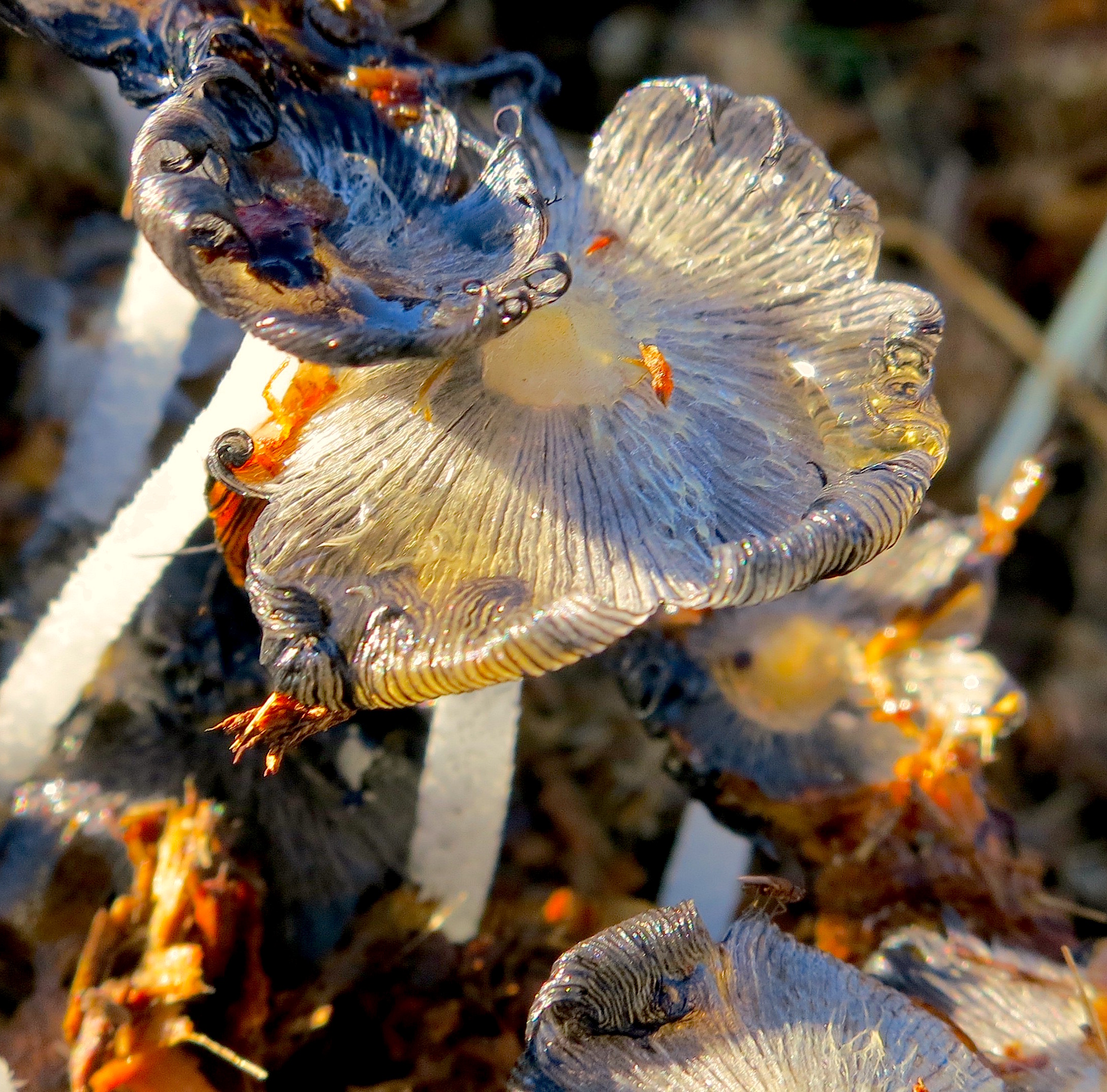
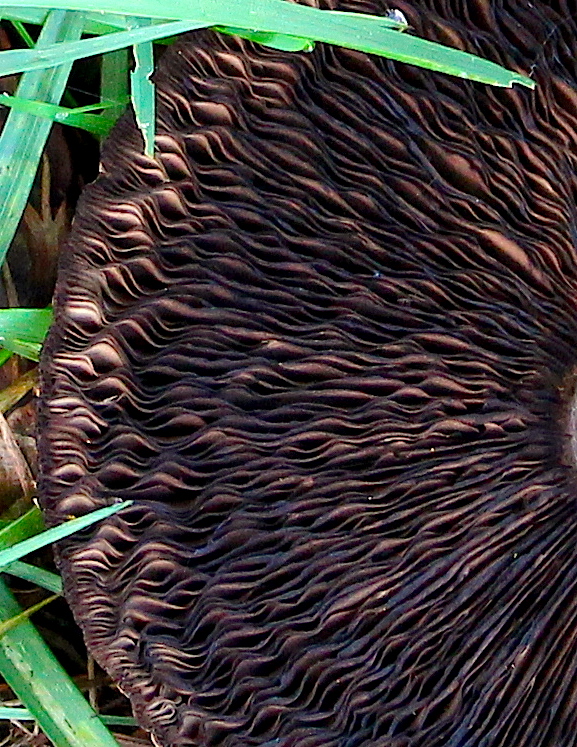
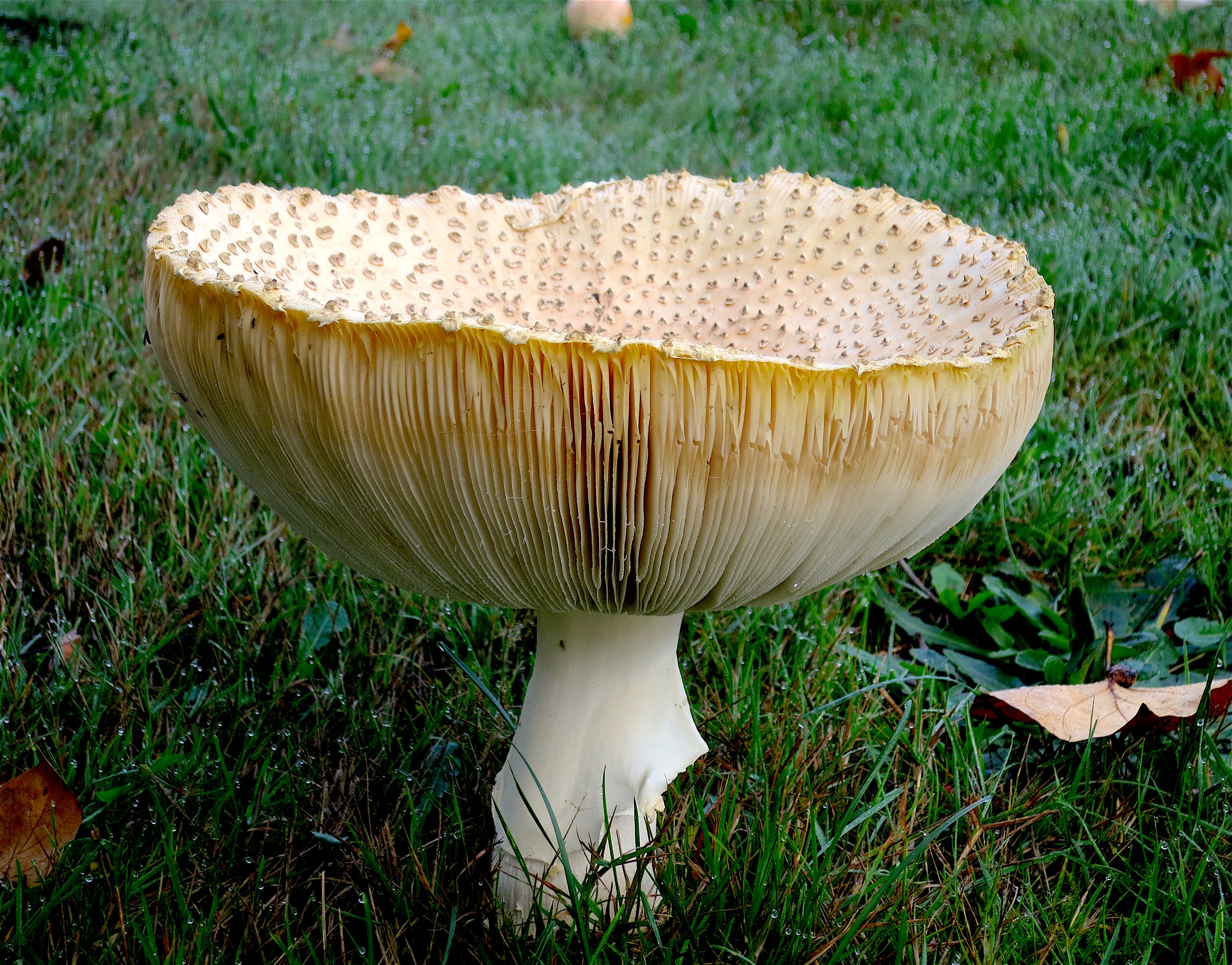
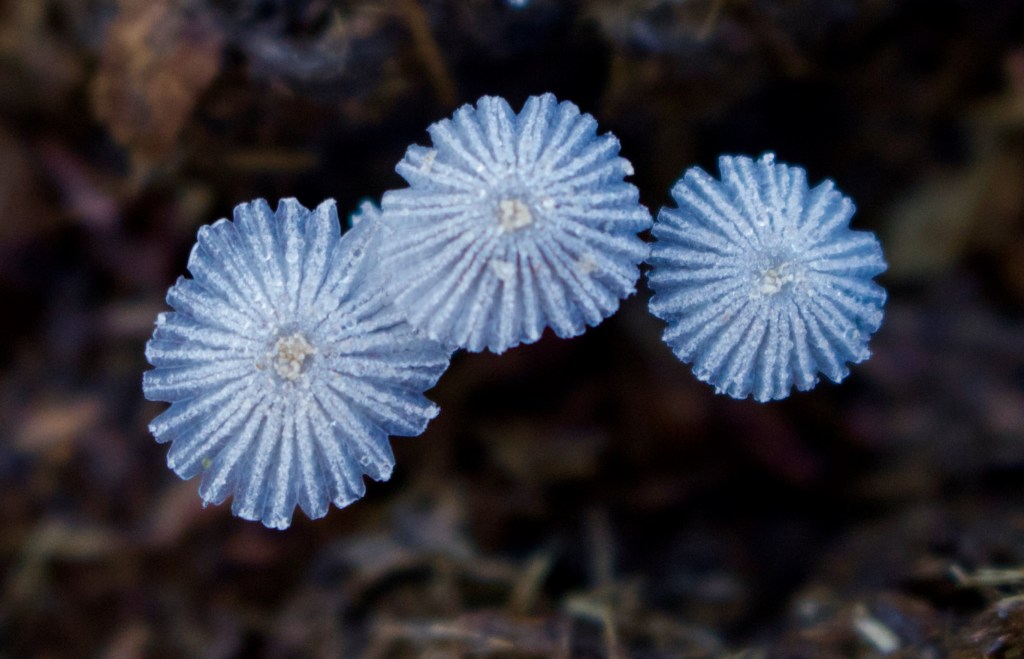
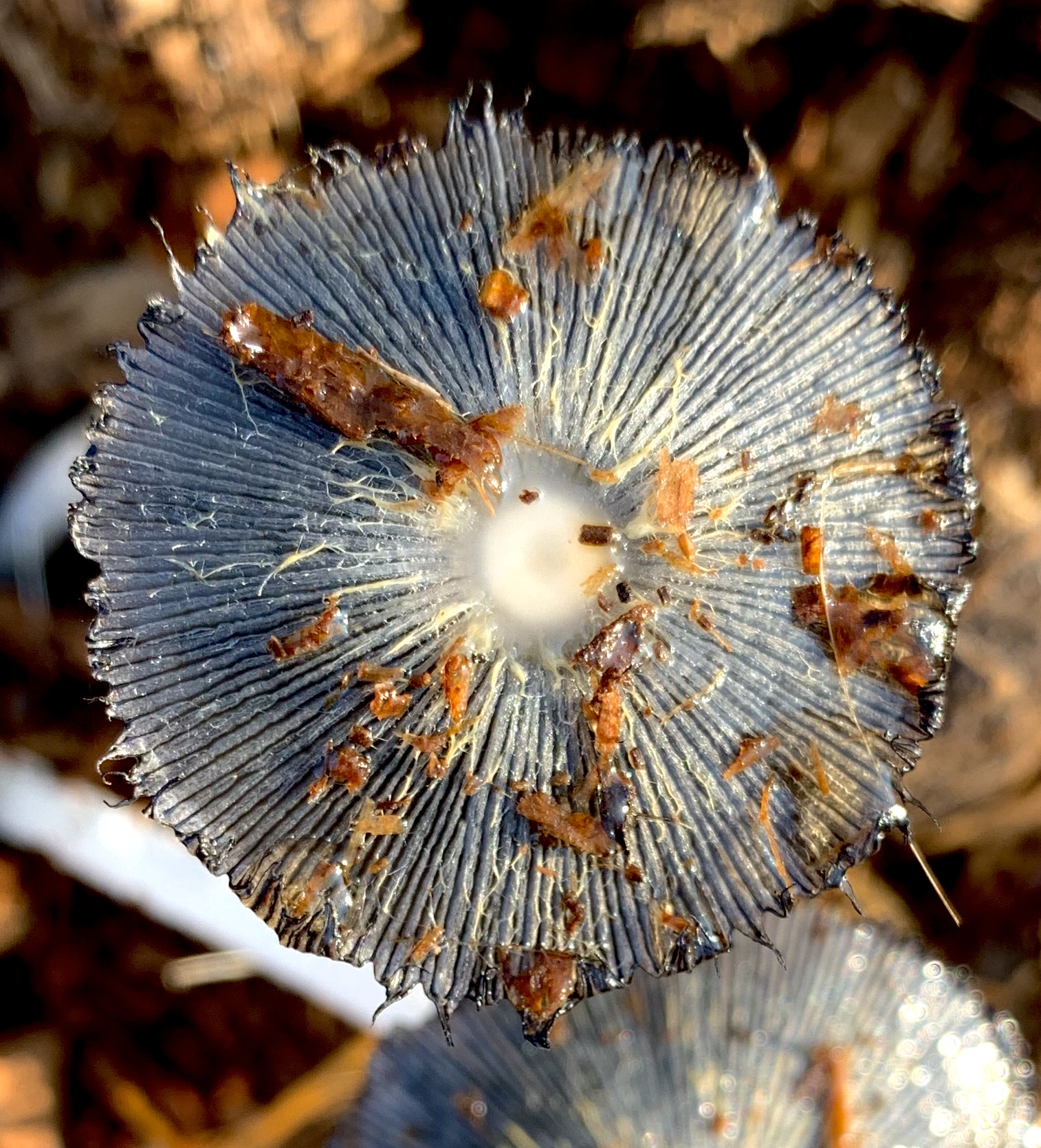
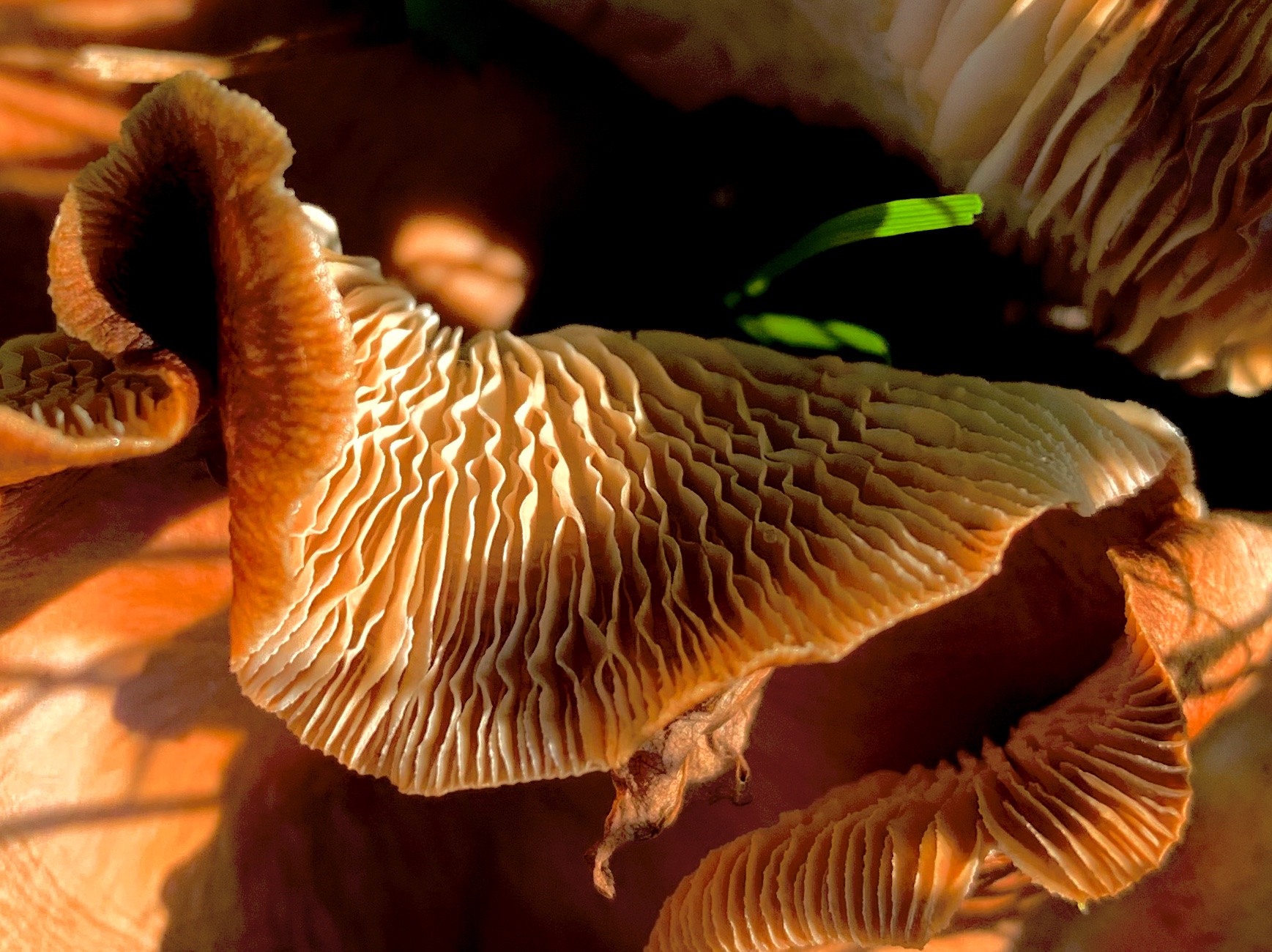
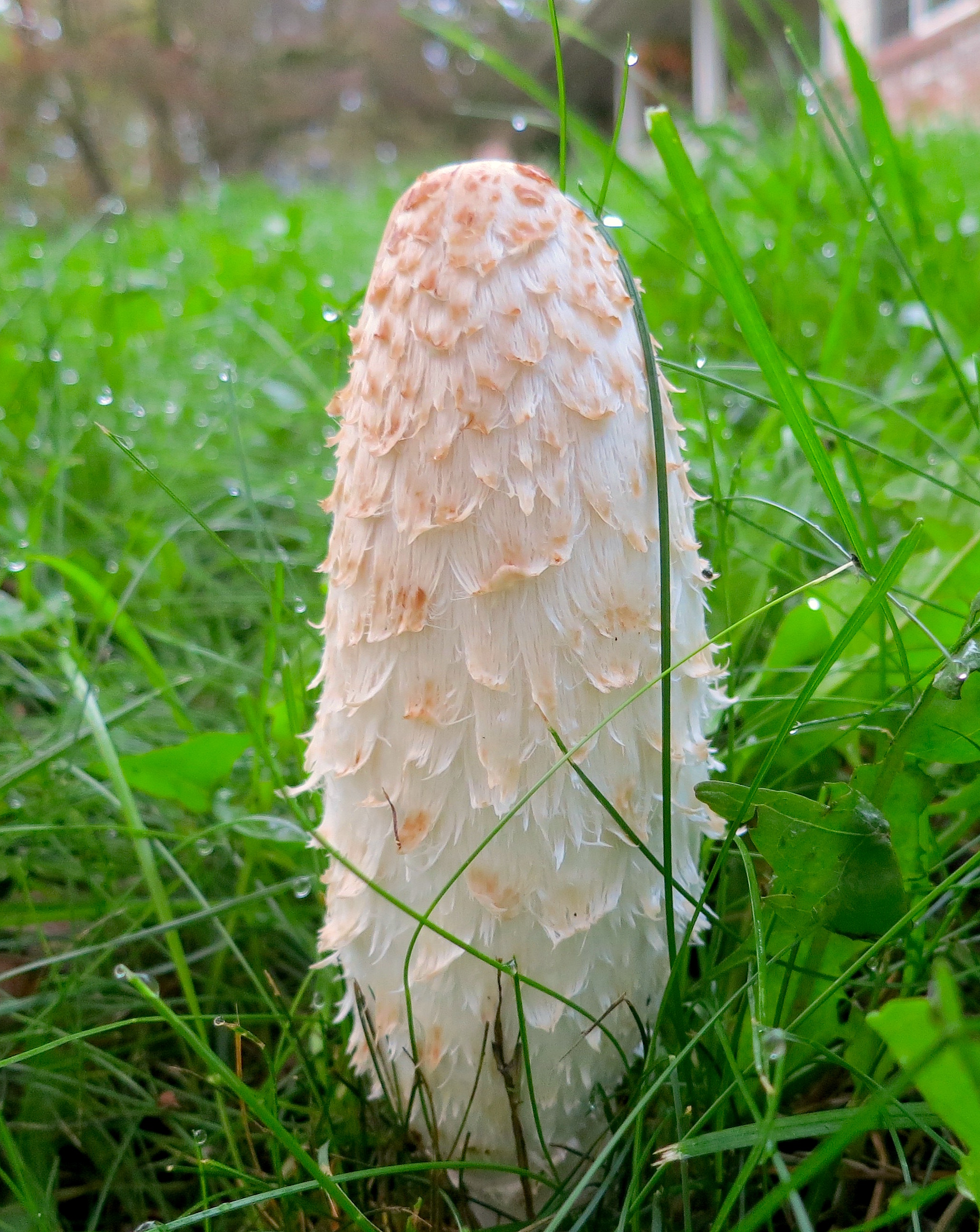
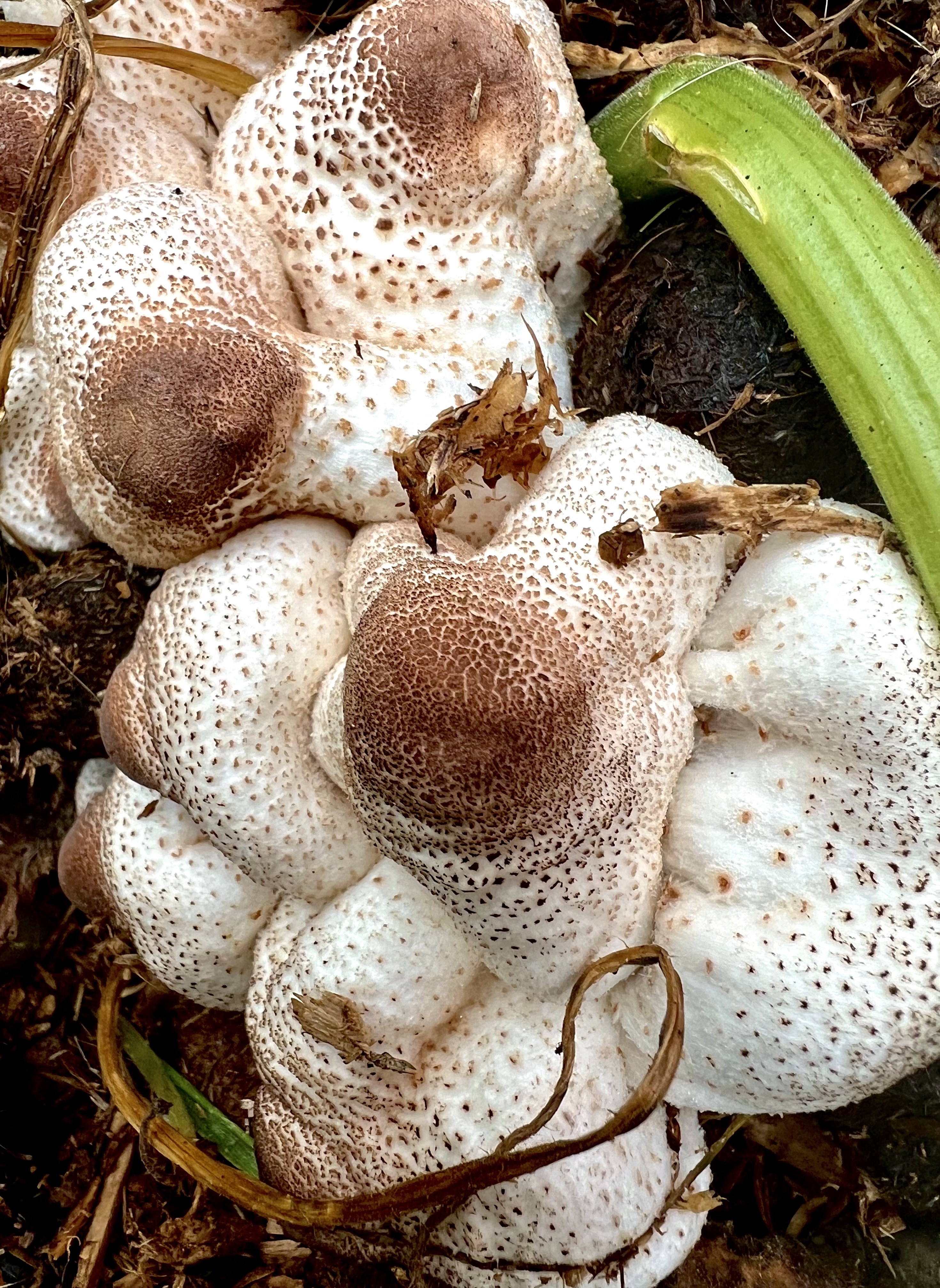
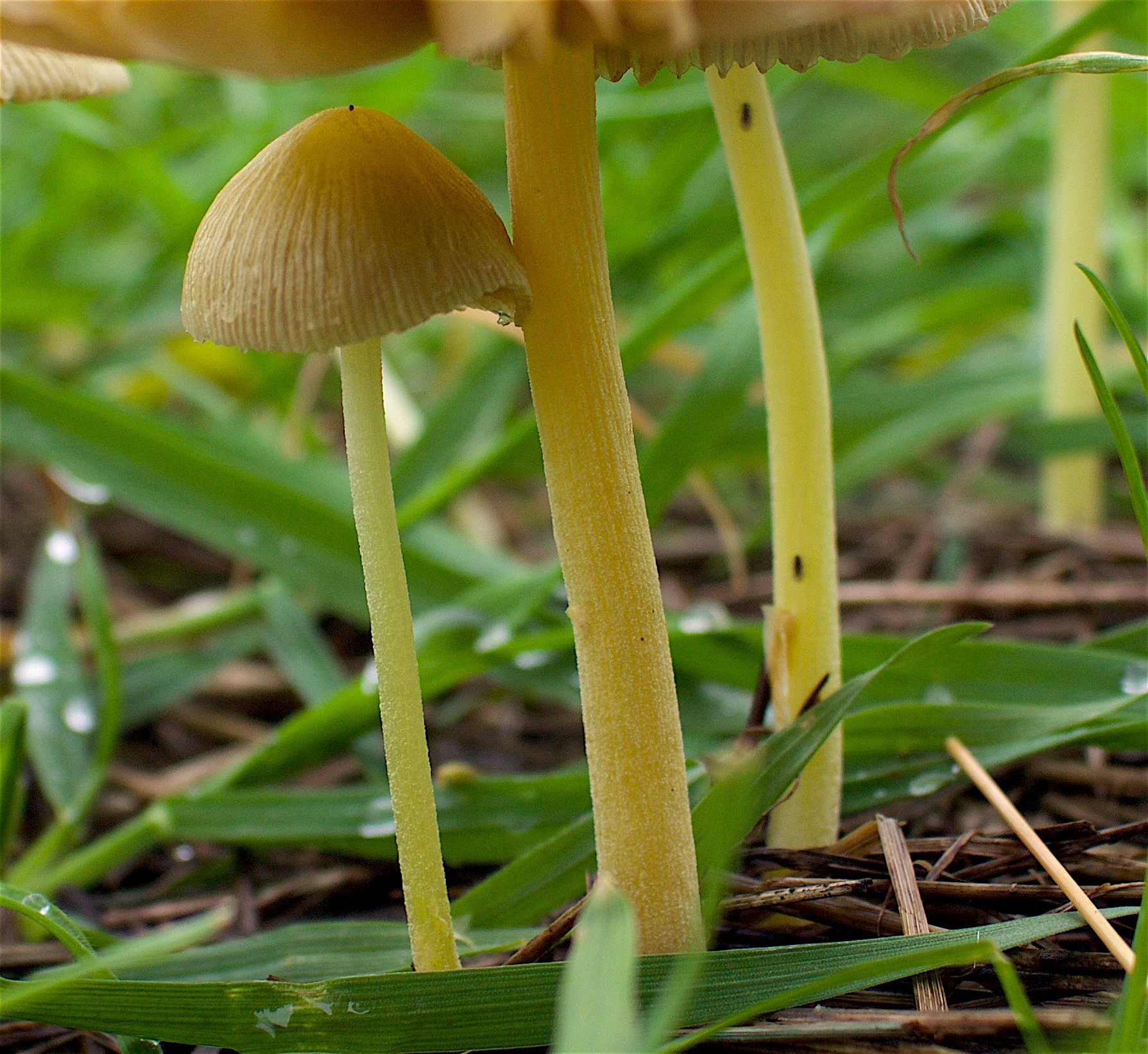
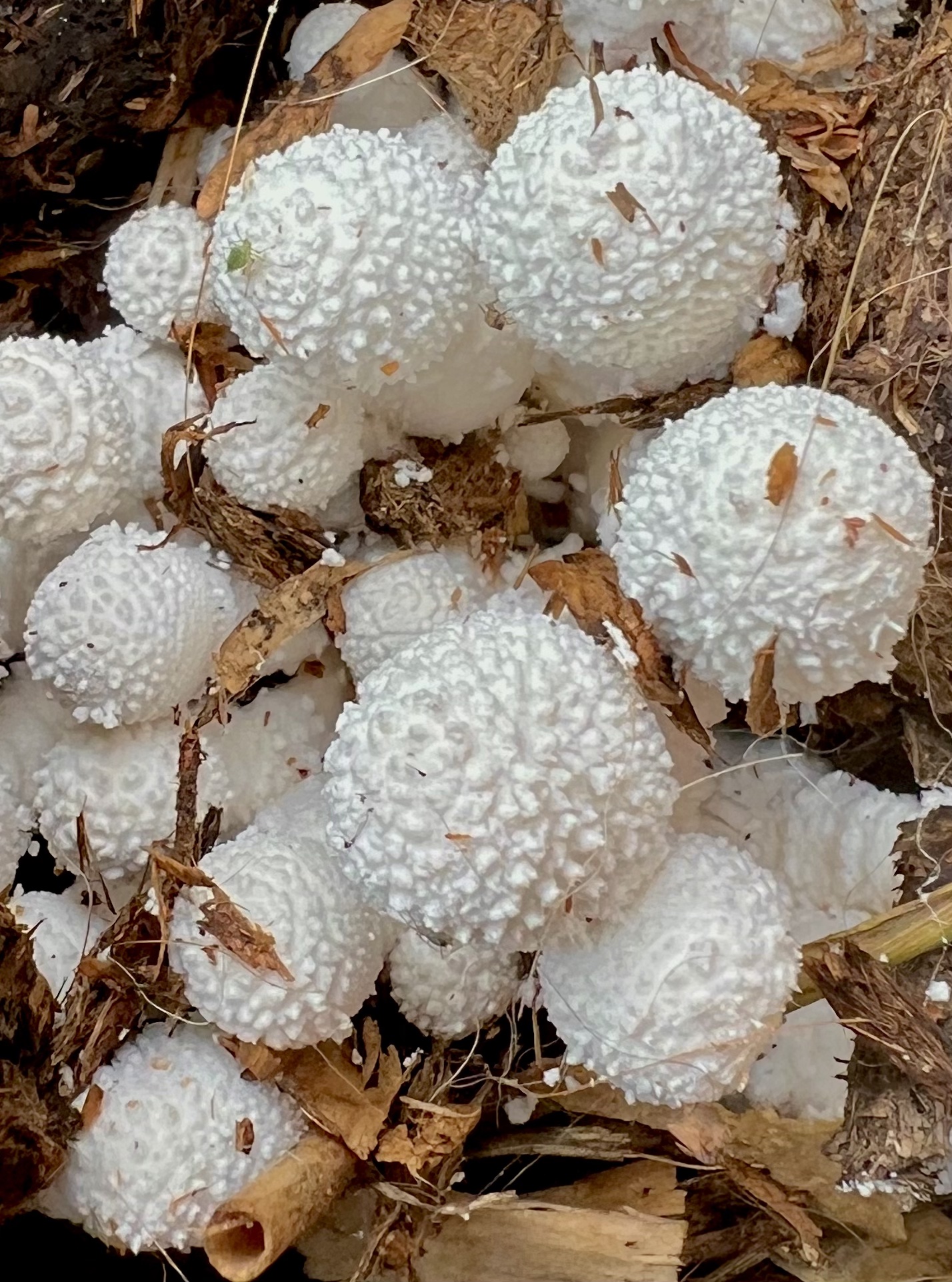
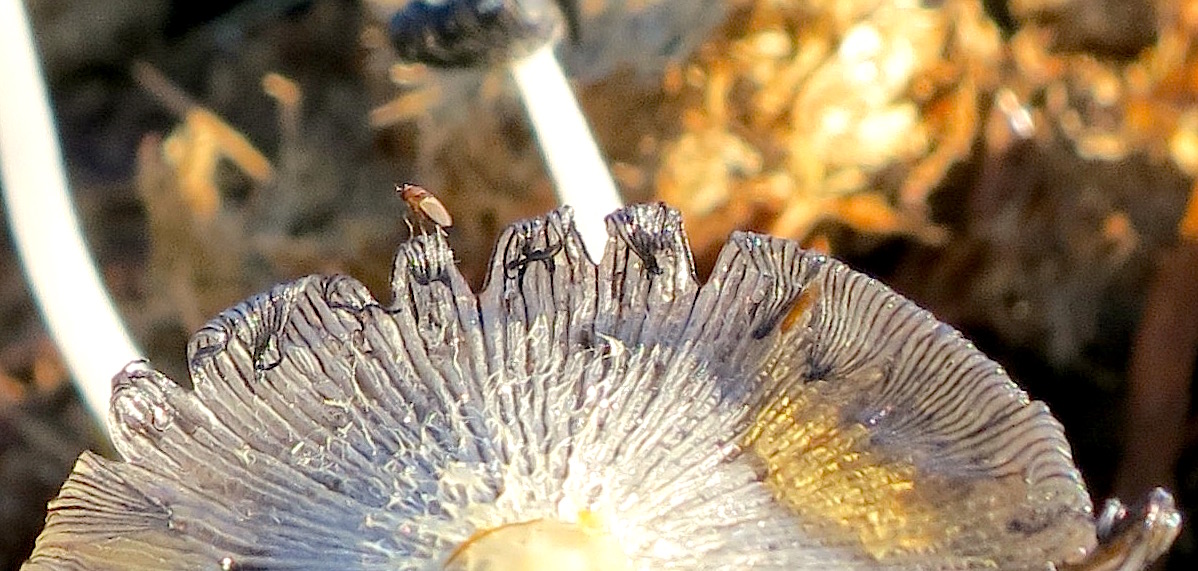
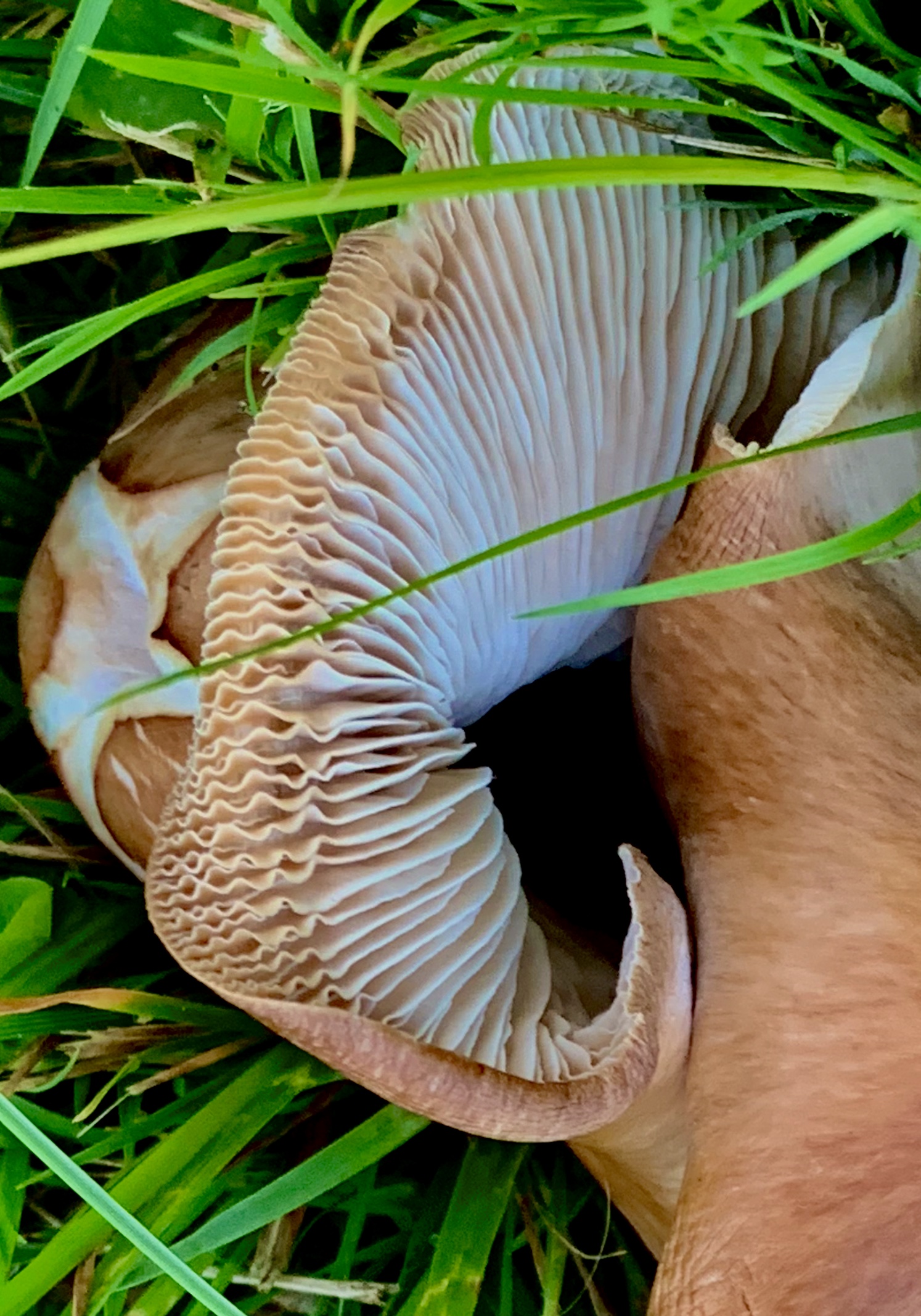
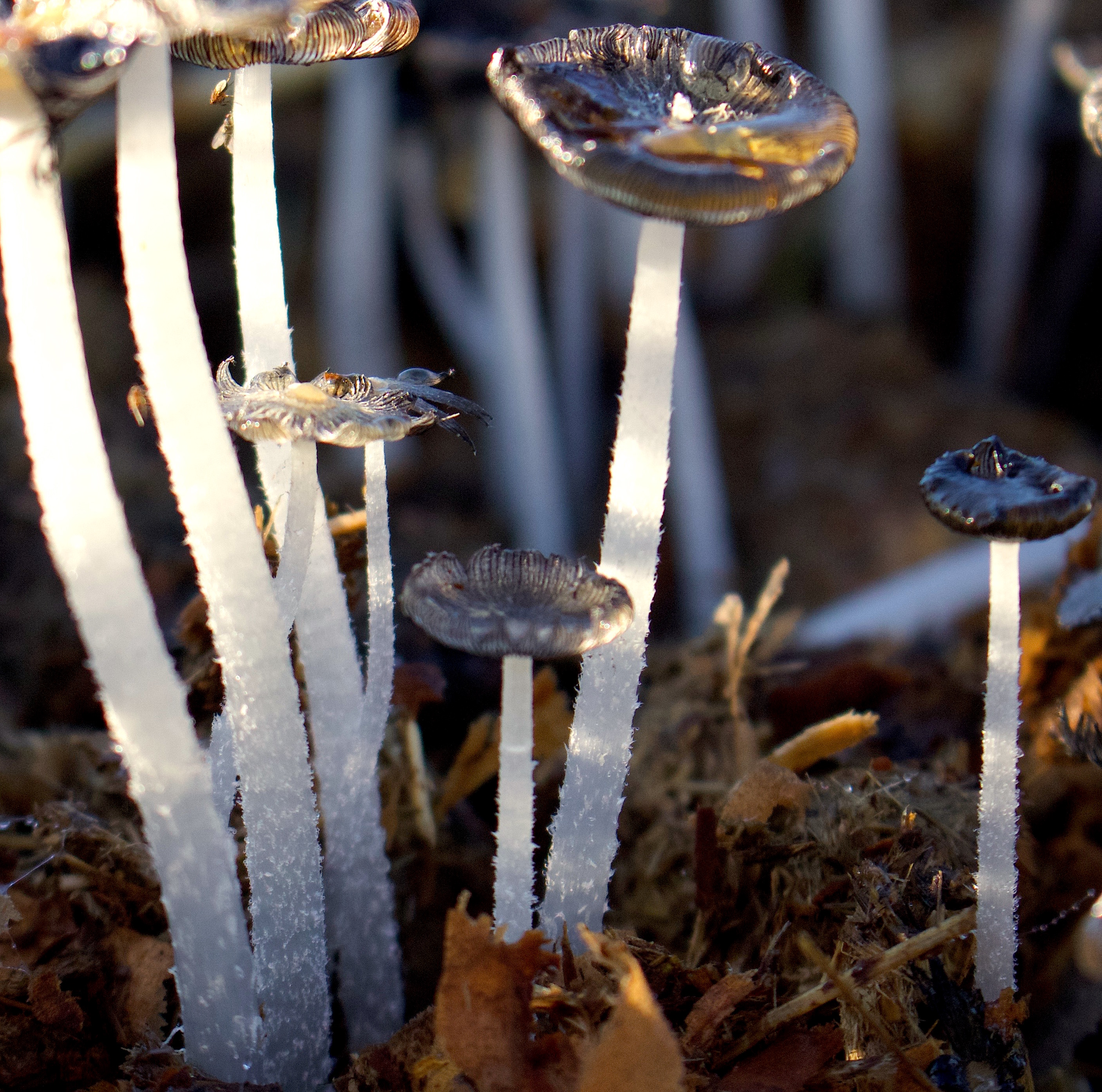
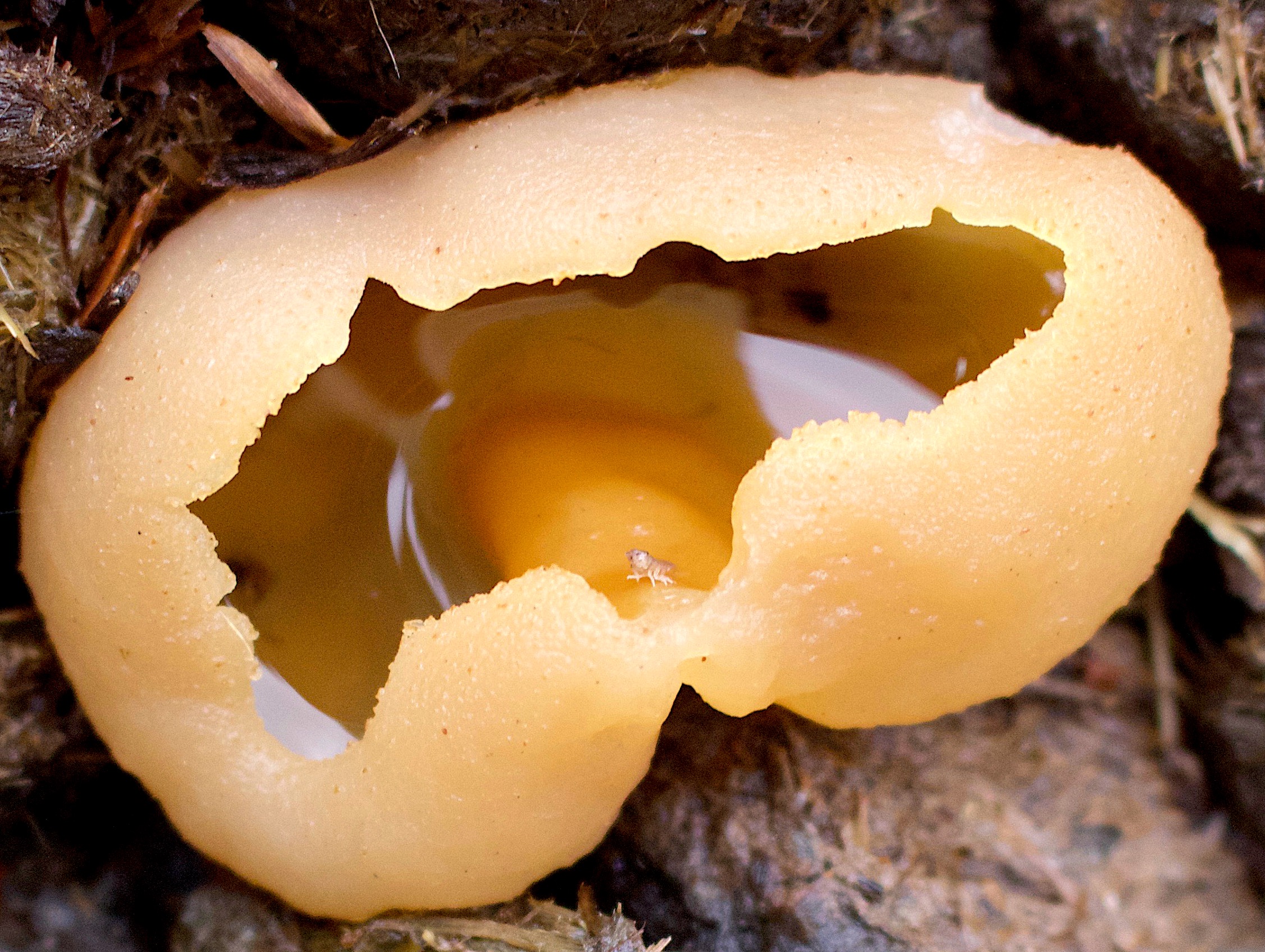
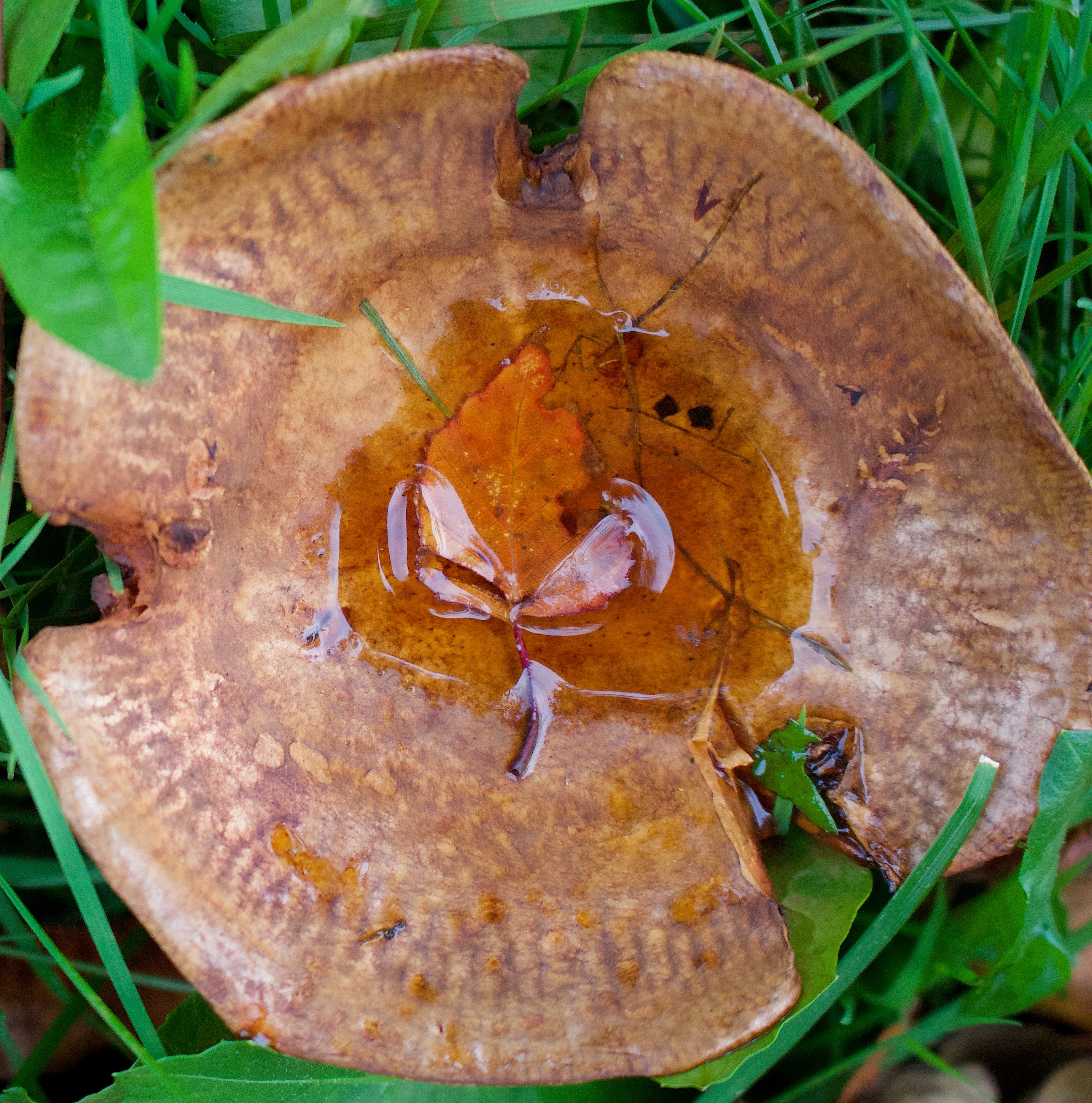
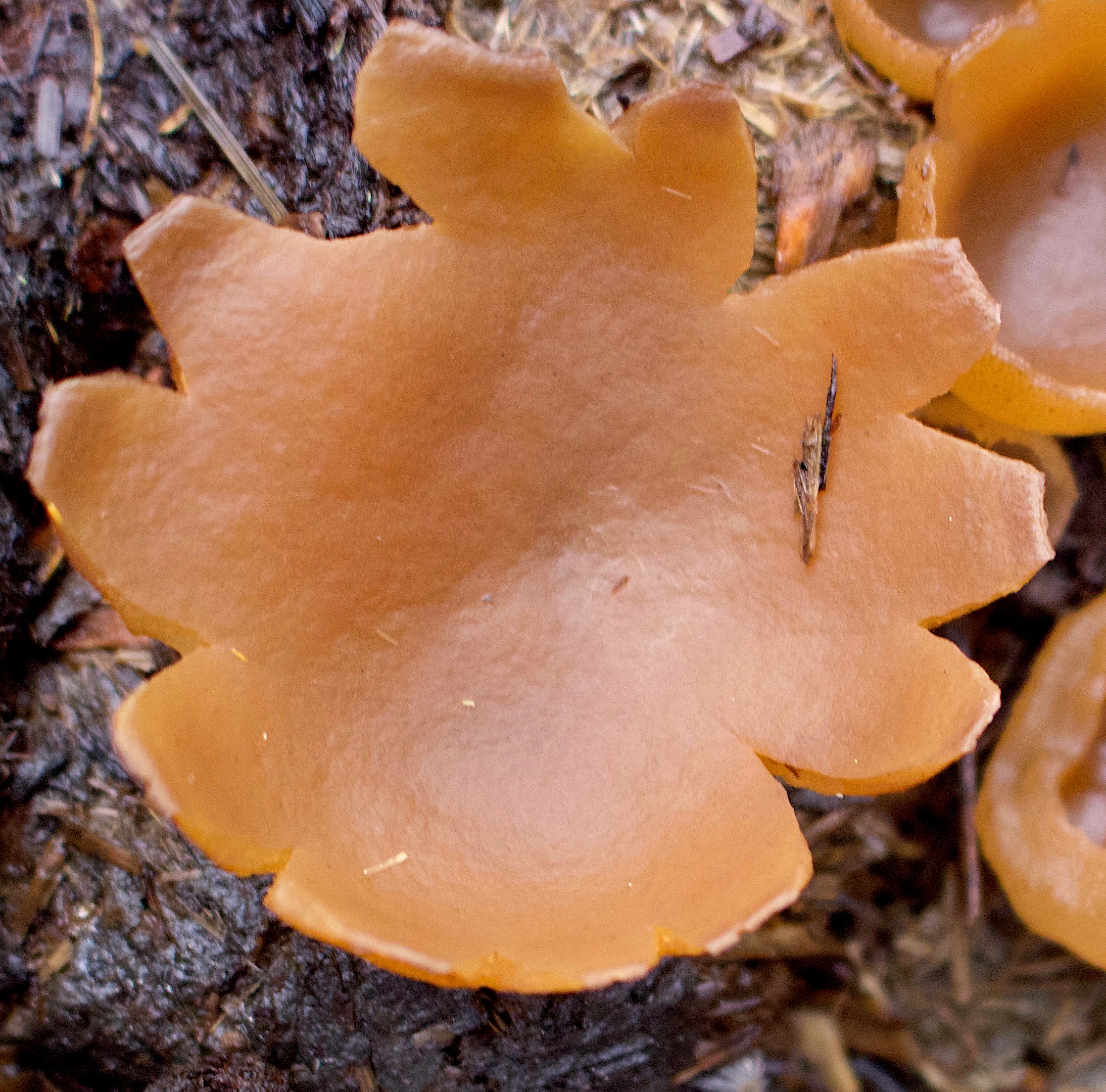
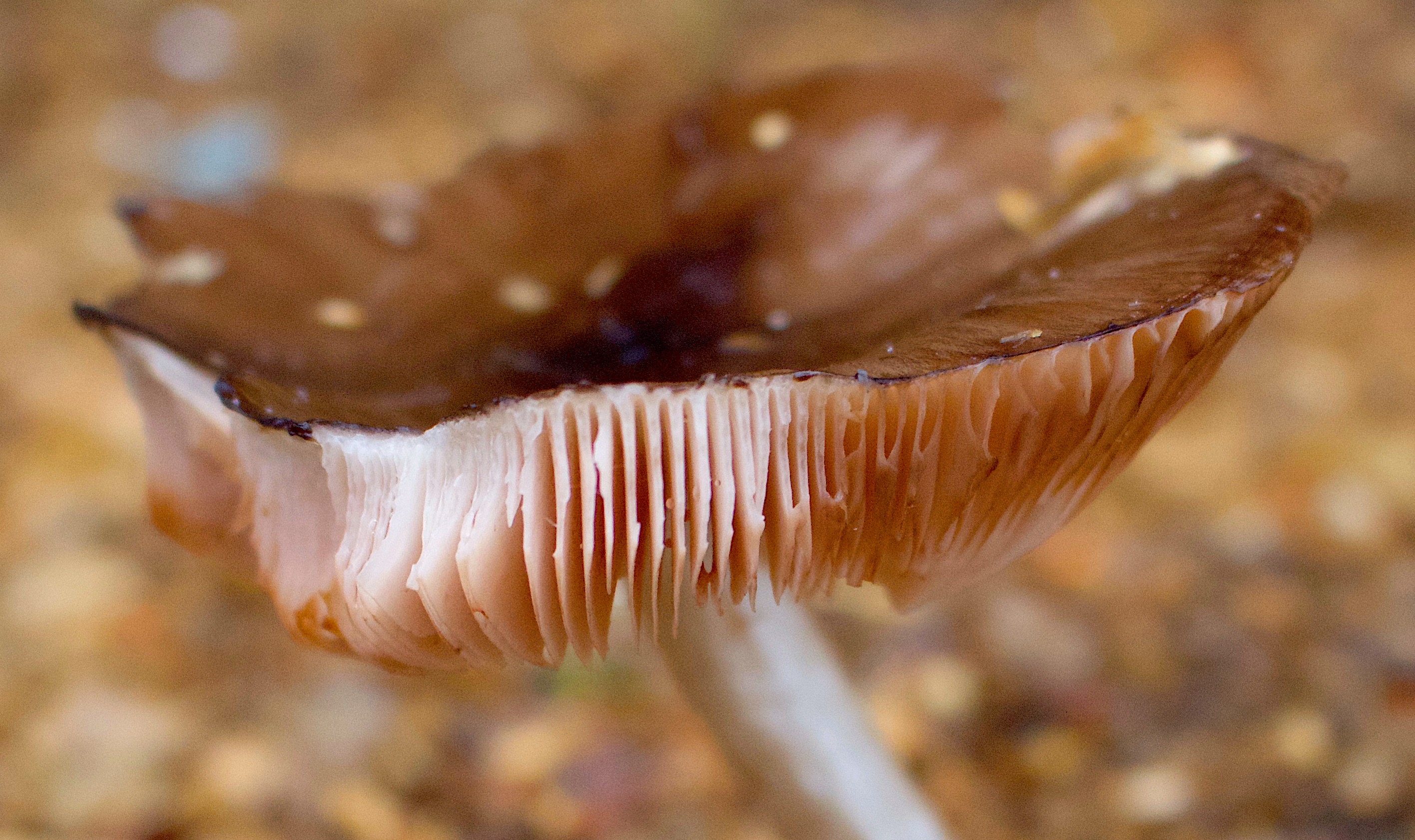
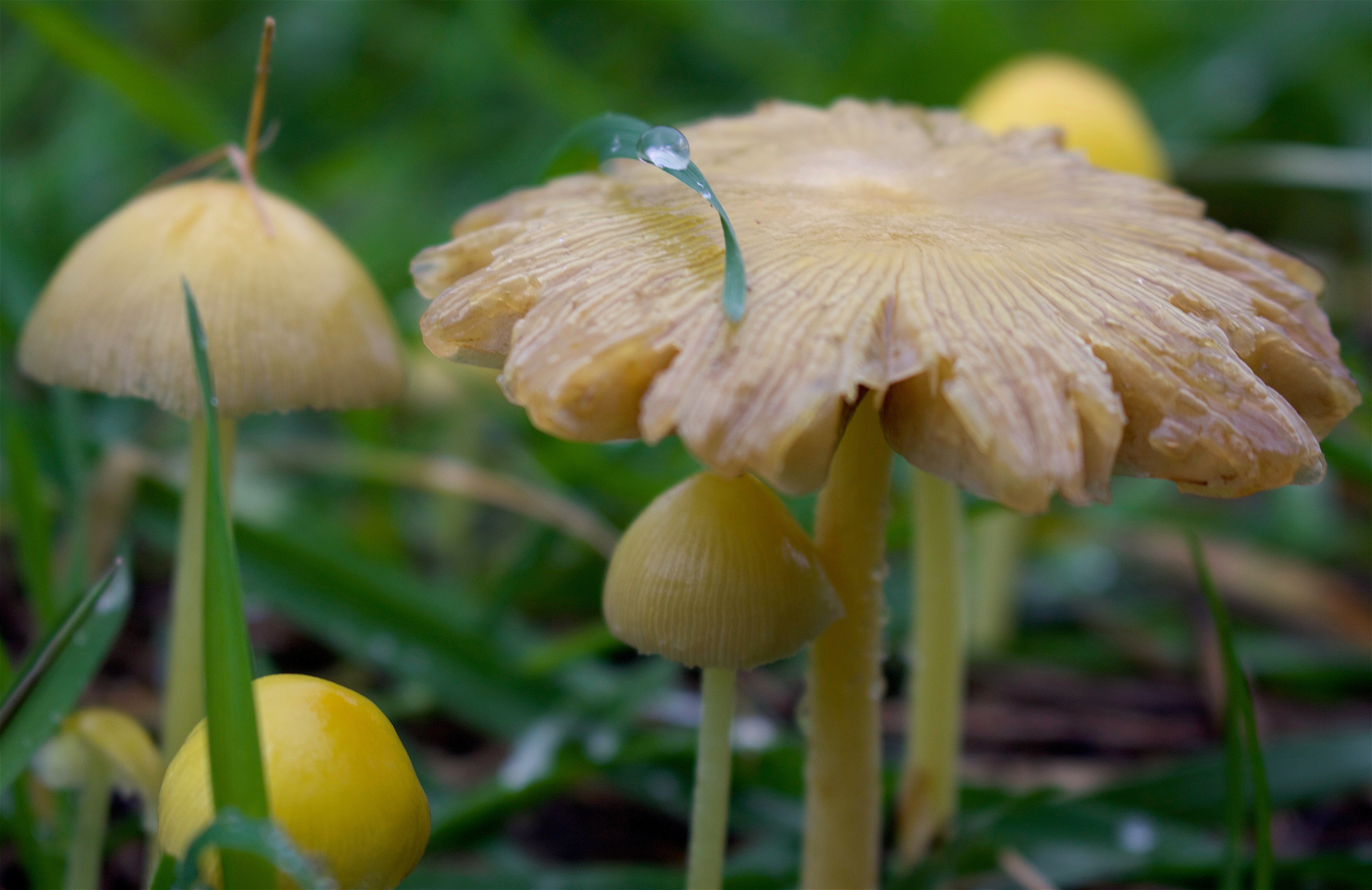
It has been awhile since I posted my various local mushroom photos, so sharing Billy Collins’ poem about searching for the next poem to write gives me a good excuse.
After seventeen years of writing nearly daily, I sometimes run dry. Like Billy, I tend to be thinking about what comes next, rather than focusing on what is right in front of me.
I tend to forget about living in the “now” in my effort to reconcile yesterday with what I hope will happen tomorrow.
I forget that tomorrow isn’t a given and yesterday is old news already.
So I search for what otherwise might remain hidden and mysterious, hoping to find something worthy to share today.
I hope these not-so-imaginary mushrooms fill the bill, because I can’t help myself — I’m already thinking about what to write tomorrow.
instead of silly mushroom songs (and there are plenty!), here are two recent recordings I enjoyed listening to…
One-Time
Monthly
Yearly
Make a one-time or recurring donation to support daily Barnstorming posts
Every happening, great and small, is a parable whereby God speaks to us, and the art of life is to get the message. ~Malcolm Muggeridge
I’ve banked nothing, or everything. Every day the chores need doing again. Early in the morning, I clean the horse barn with a manure fork. Every morning, it feels as though it could be the day beforeor a year ago or a year before that. With every pass, I give the fork one final upward flick to keep the manure from falling out, and every day I remember where I learned to do that and from whom. Time all but stops.
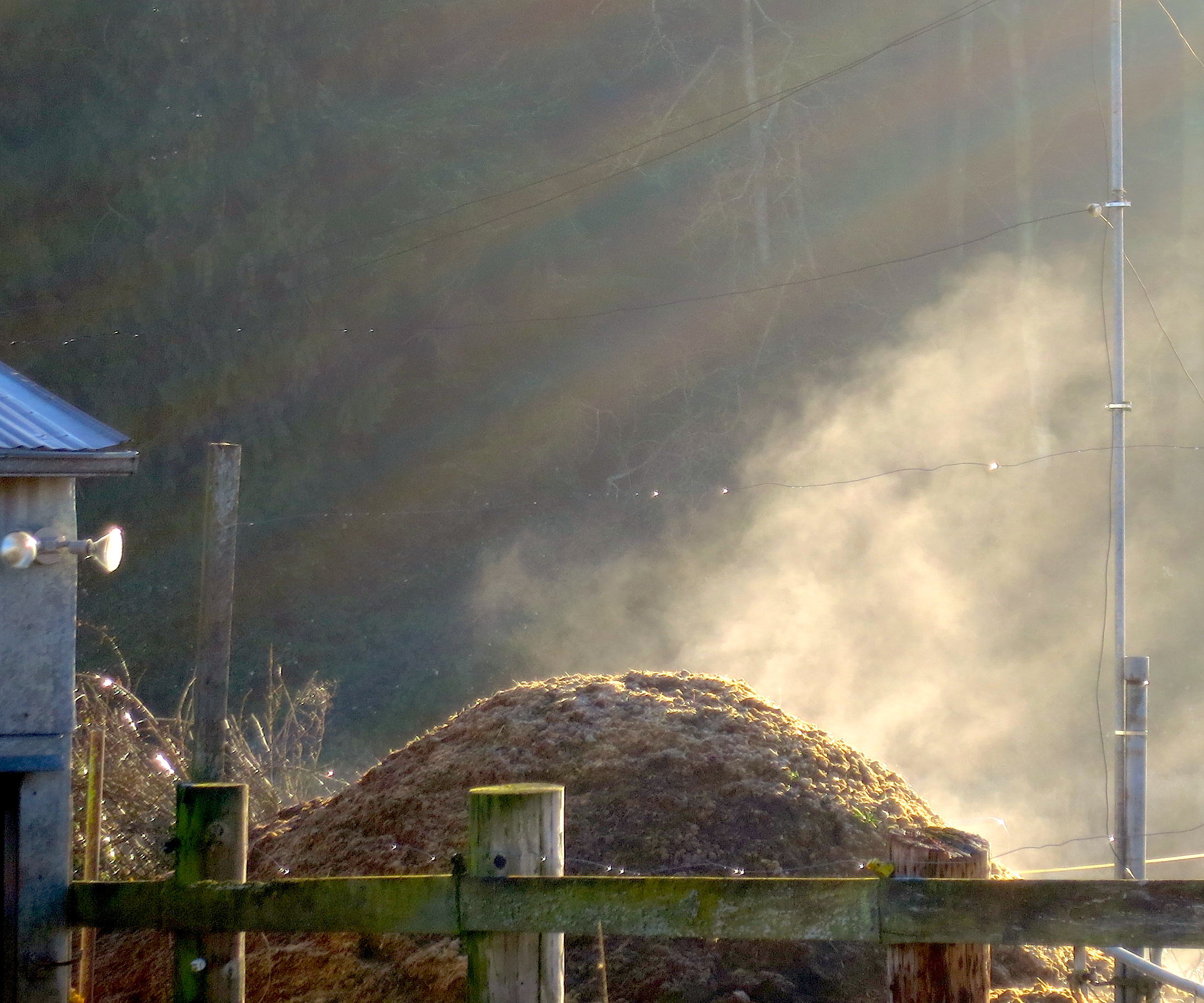
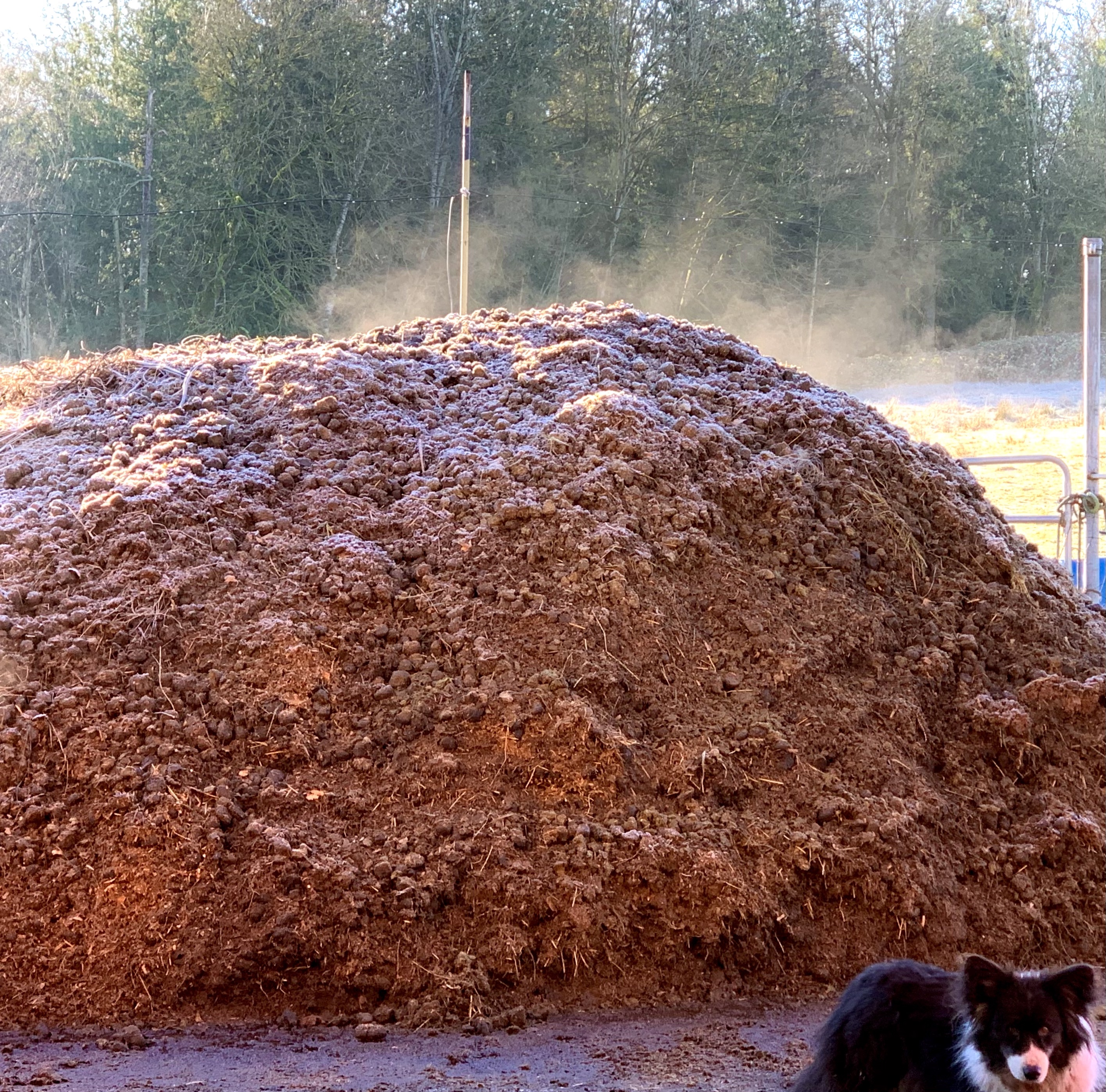
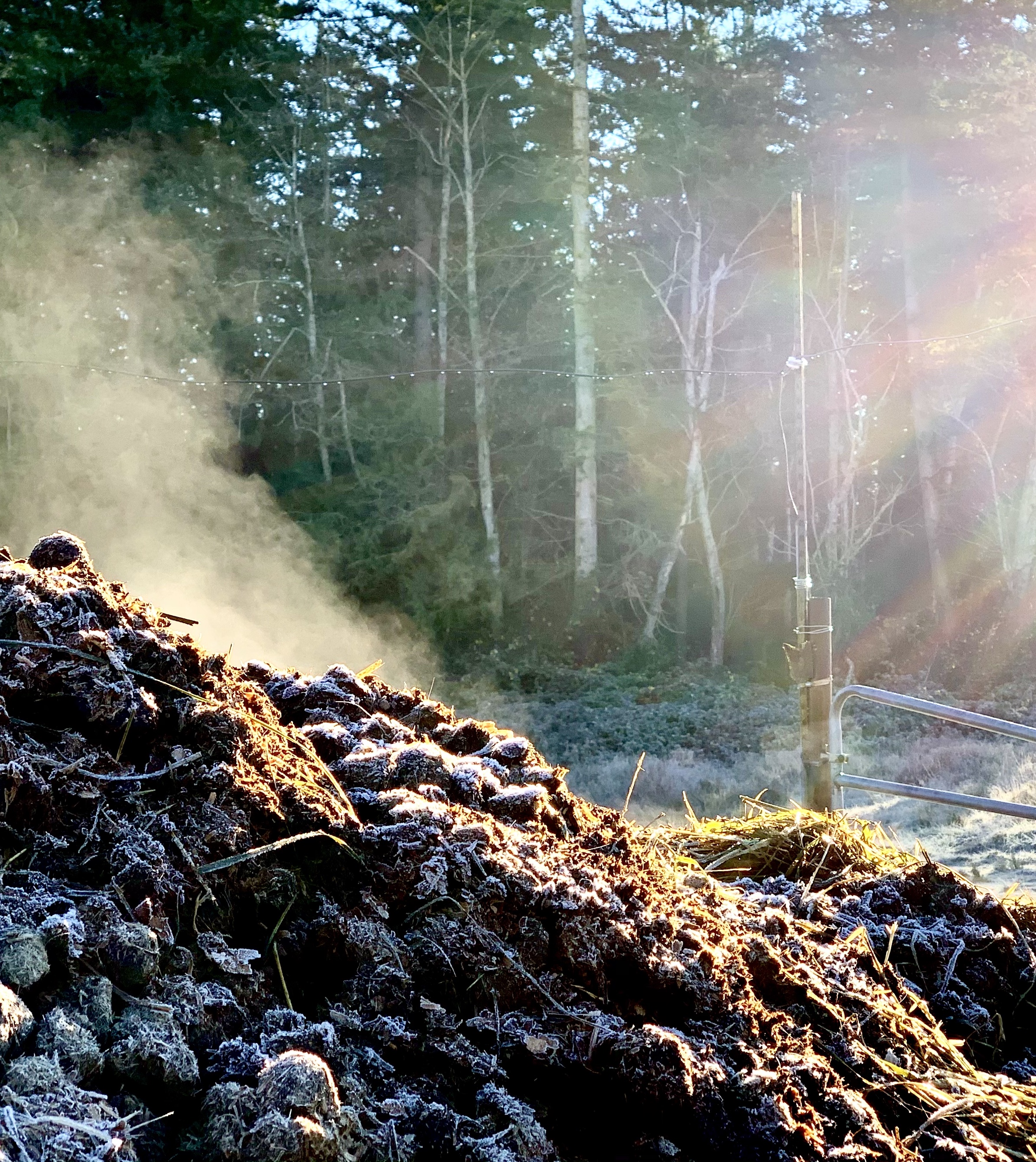
But then I dump the cart on the compost pile. I bring out the tractor and turn the pile, once every three or four days. The bucket bites and lifts, and steam comes billowing out of the heap. It’s my assurance that time is really moving forward, decomposing us all in the process. ~Verlyn Klinkenborg from More Scenes from the Rural Life
He <the professor> asked what I made of the other Oxford students so I told him: They were okay, but they were all very similar… they’d never failed at anything or been nobodies, and they thought they would always win. But this isn’t most people’s experience of life.
He asked me what could be done about it. I told him the answer was to send them all out for a year to do some dead-end job like working in a chicken processing plant or spreading muck with a tractor. It would do more good than a gap year in Peru.
He laughed and thought this was tremendously witty. It wasn’t meant to be funny. ~James Rebanks from The Shepherd’s Life (how a sheep farmer succeeds at Oxford and then goes back to the farm)
It is done by us all, as God disposes, from the least cast of worm to what must have been in the case of the brontosaur, say, spoor of considerable heft, something awesome.
We eat, we evacuate, survivors that we are. I think these things each morning with shovel and rake, drawing the risen brown buns toward me, fresh from the horse oven, as it were, or culling the alfalfa-green ones, expelled in a state of ooze, through the sawdust bed to take a serviceable form, as putty does, so as to lift out entire from the stall.
And wheeling to it, storming up the slope, I think of the angle of repose the manure pile assumes, how sparrows come to pick the redelivered grain, how inky-cap coprinus mushrooms spring up in a downpour.
I think of what drops from us and must then be moved to make way for the next and next. However much we stain the world, spatter it with our leavings, make stenches, defile the great formal oceans with what leaks down, trundling off today’s last barrow-full, I honor shit for saying: We go on. ~Maxine Kumin “The Excrement Poem”
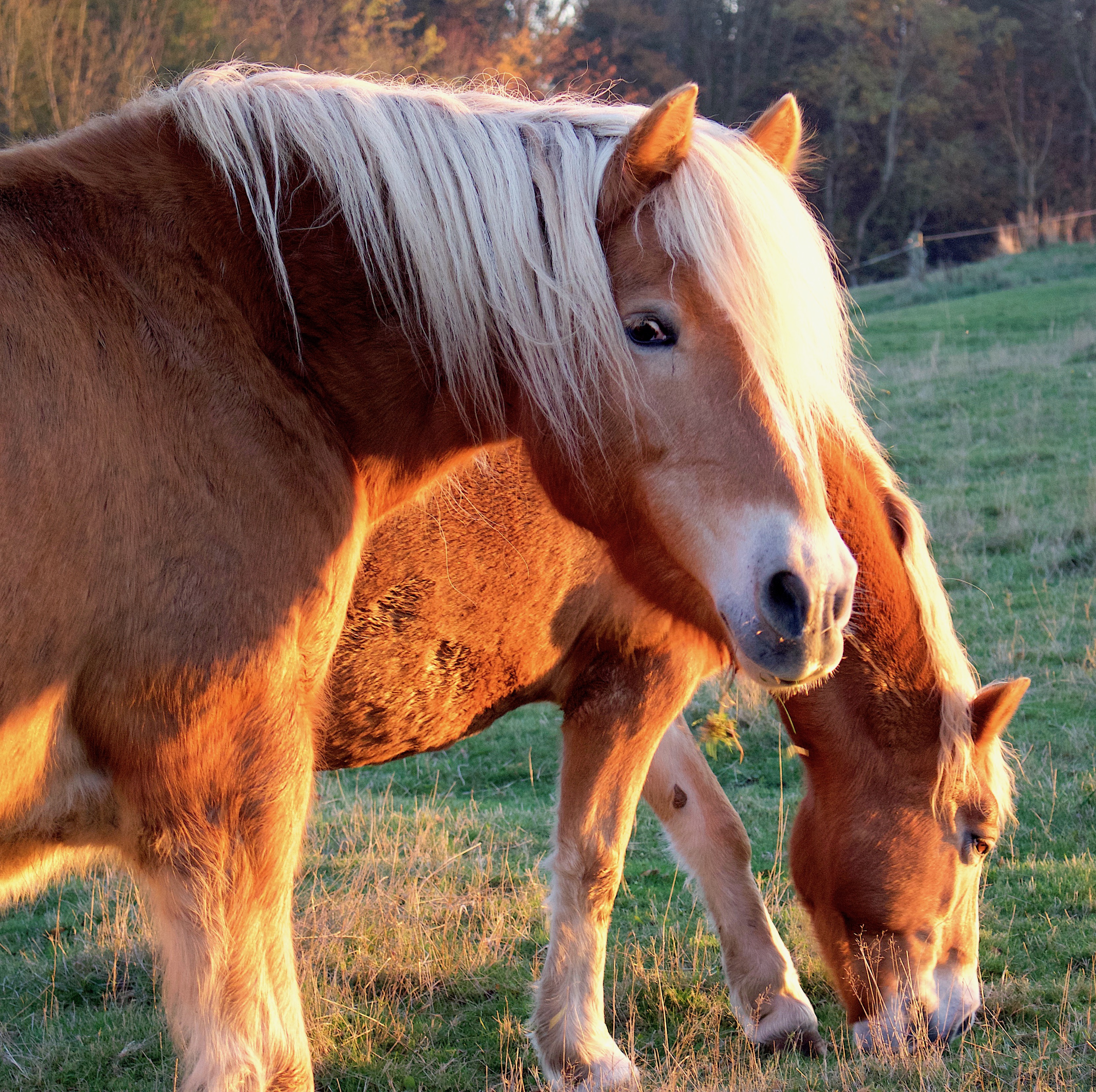
For well over thirty years, my husband and I have spent over an hour a day shoveling manure out of numerous horse stalls and I’m a better person for it. Wintertime chores are always a character-building experience. It feels like everything, myself included, is in a process of decomposition.
Everyone should spend time simply mucking out every day; I think the world would generally be a better place. I enlist any young person who happens to visit our farm as an object lesson in better living through composting the stinky stuff in our lives.
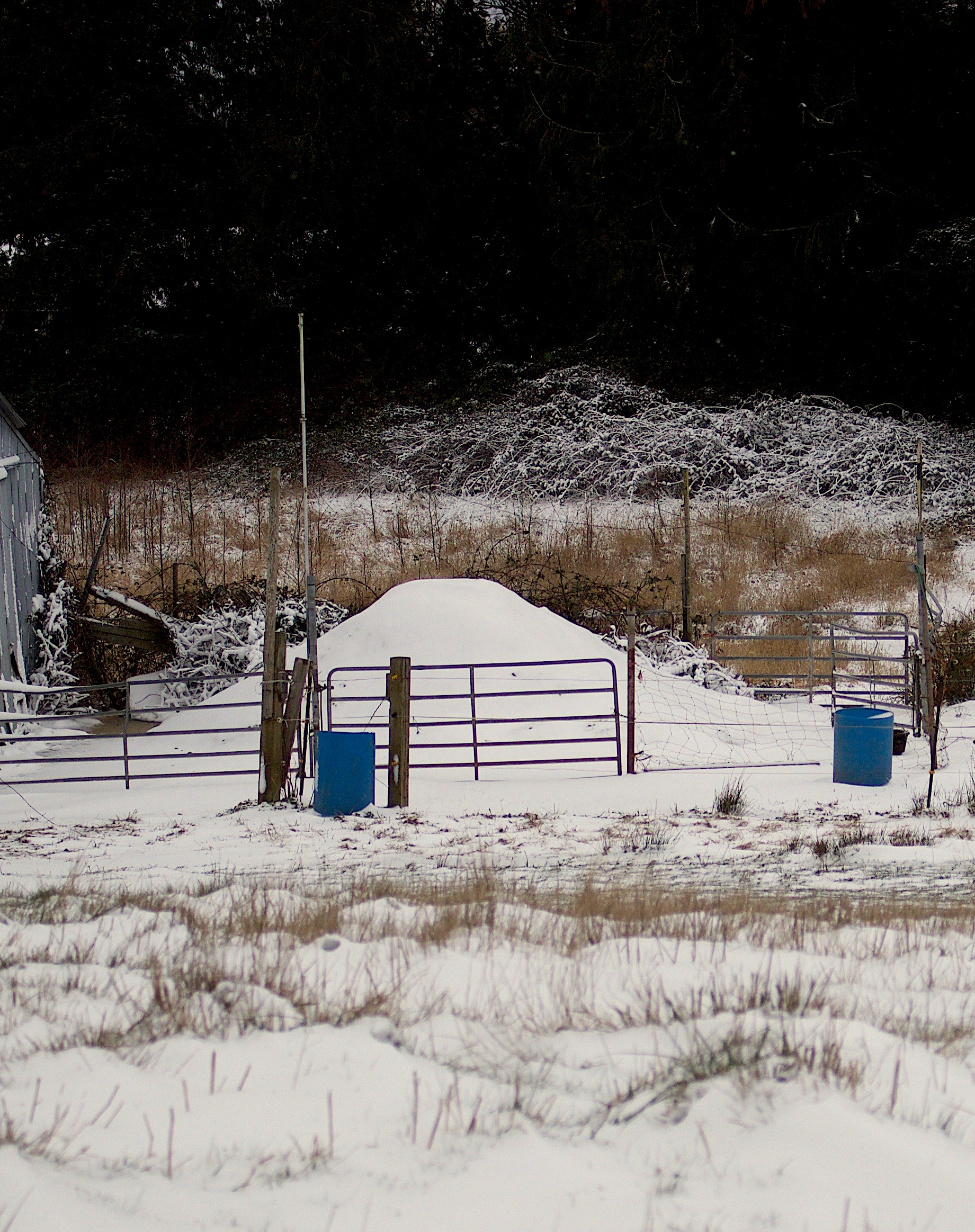
Wheeled to a mountainous pile in our barnyard, our daily collection of manure happily composts year round, becoming rich fertilizer in a matter of months through a crucible-like heating process of organic chemistry, bacteria and earthworms. Nothing mankind has achieved quite matches the drama of useless and basically disgusting stuff transforming into the essential elements needed for productive growth and survival. This is a metaphor I can <ahem> happily muck about in.
I’m in awe, every day, at being part of this process — in many ways a far more tangible improvement to the state of the world than anything else I manage to accomplish every day. The horses, major contributors that they are, act underwhelmed by my enthusiasm. I guess some miracles are relative, depending on one’s perspective, but if the horses understood that the grass they contentedly eat in the pasture, or the hay they munch on during the winter months, was grown thanks to their carefully recycled waste products, they might be more impressed.
Their nonchalance about the daily mucking routine is understandable. If they are outside, they probably don’t notice their beds are clean when they return to the stalls at night. If they are inside during the heavy rain and frozen winter days, they feel duty-bound to be in our faces as we move about their stall, toting a pitchfork and pushing a wheelbarrow. I’m a source of constant amusement as they nose my jacket pockets for treats that I never carry, as they beg for scratches on their unreachable itchy spots, and as they attempt to overturn an almost full load, just to see balls of manure roll to all corners of the stall like breaking a rack of billiard balls in a game of pool.
Wally, our former stallion, now gelded, discovered a way to make my life easier rather than complicating it. He hauled a rubber tub into his stall from his paddock, by tossing it into the air with his teeth and throwing it, and it finally settled against one wall. Then he began to consistently pile his manure, with precise aim, right in the tub. I didn’t ask him to do this. It had never occurred to me. I hadn’t even thought it was possible for a horse to house train himself. But there it is, proof that some horses prefer neat and tidy rather than the whirlwind eggbeater approach to manure distribution. After a day of his manure pile plopping, it is actually too heavy for me to pick up and dump into the wheelbarrow all in one tub load, but it takes 1/4 of the time to clean his stall than the others, and he spares all this bedding.
What a guy. He provides me unending inspiration in how to keep my own personal muck concentrated rather than spattering it about, contaminating the rest of the world.
Now, once I teach him to put the seat back down when he’s done, he’s welcome to move into the house.
One-Time
Monthly
Yearly
Make a one-time or recurring donation to support daily Barnstorming posts
Our toes, our noses Take hold on the loam Acquire the air
Nobody sees us Stops us, betrays us The small grains make room
Soft fists insist on Heaving the needles The leafy bedding
Even the paving. Our hammers, our rams, Earless and eyeless,
Perfectly voiceless, Widen the crannies, Shoulder through holes. We
Diet on water, On crumbs of shadow, Bland-mannered, asking
Little or nothing. So many of us! So many of us!
We are shelves, we are Tables, we are meek, We are edible,
Nudgers and shovers In spite of ourselves Our kind multiplies
We shall by morning Inherit the earth. Our foot’s in the door. ~Sylvia Plath from “Mushroom”
This overnight overture into the light, the birthing of toadstools after a shower. As if seed had been sprinkled on the compost pile, they sprout three inch stalks as they stretch up at dawn, topped by dew-catching caps and umbrellas.
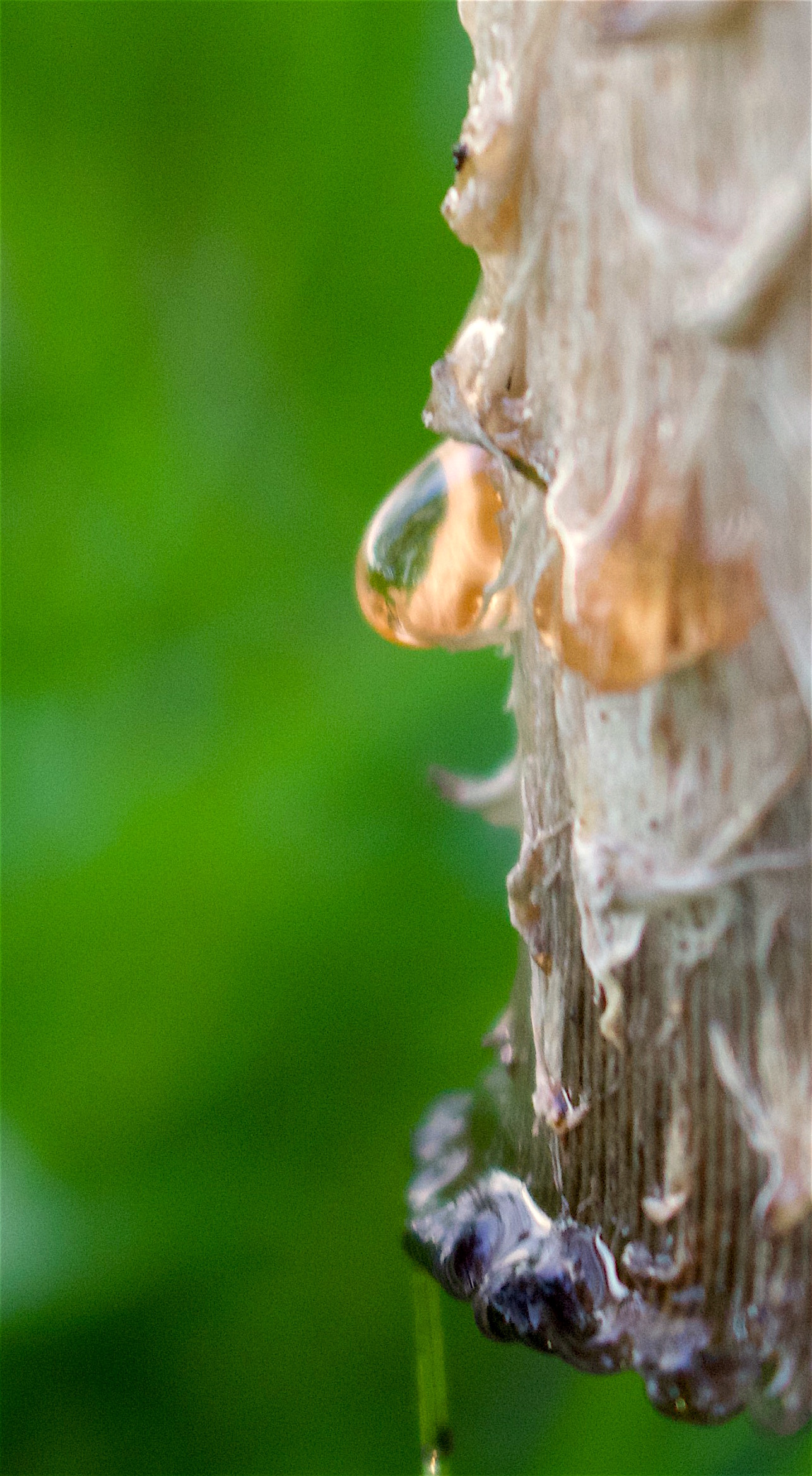
Some translucent as glass, already curling at the edges in the morning light, by noon melting into ooze by evening, a complete deliquescence, withered and curling back into the humus which birthed them hours before.
It shall be repeated again and again, this birth from unworthy soil, this brief and shining life in the sun, this folding, curling and collapse to die back to dust and dung.
Most inedible and dangerous, yet they rise beautiful and worthy, as is the way of things that never give up once a foot’s in the door.
One-Time
Monthly
Yearly
Make a one-time or recurring donation to support daily Barnstorming posts
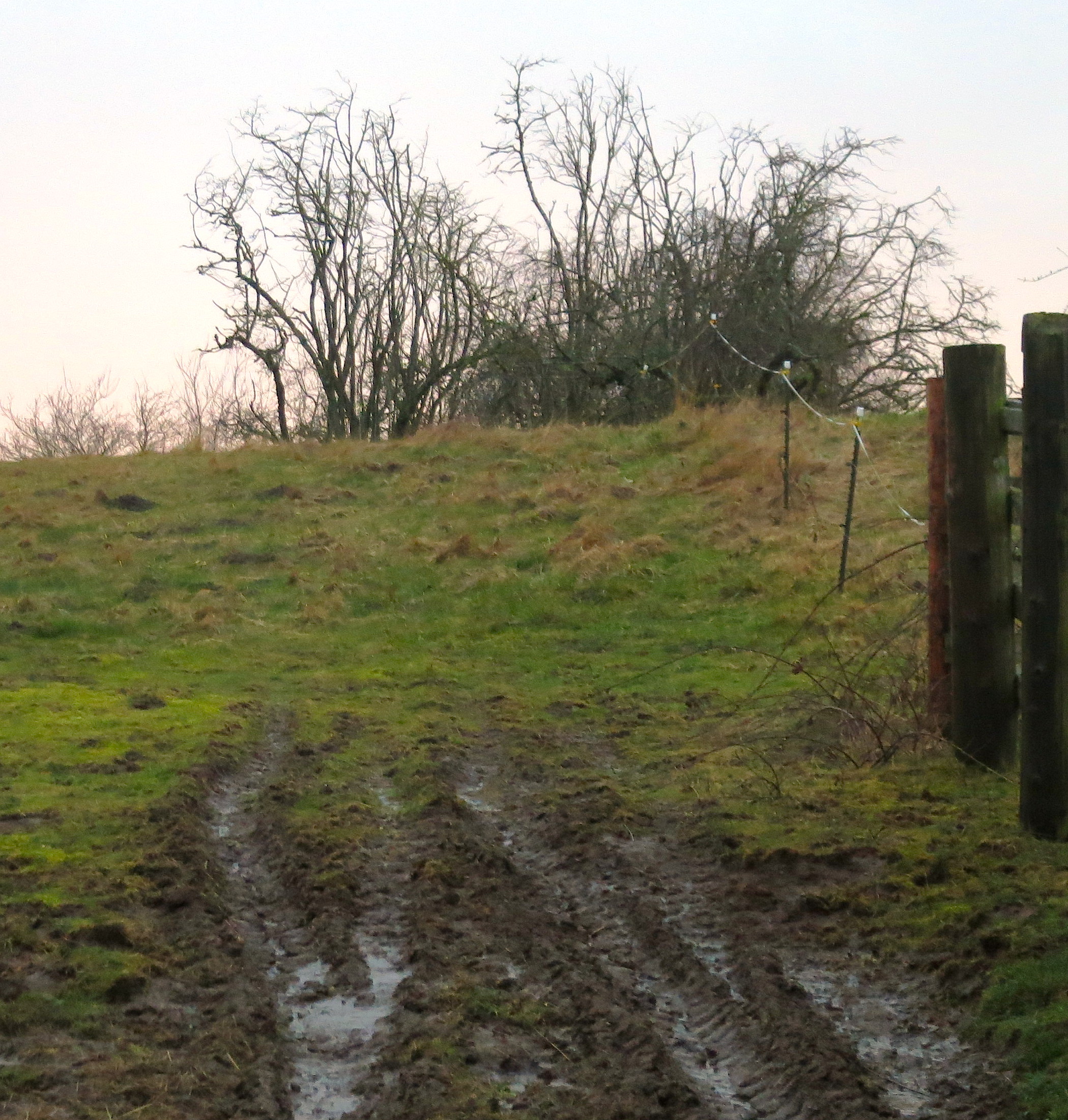
A few days of heavy rain have transformed our farm to mush. Puddles are everywhere, the ground is saturated and mushrooms are sprouting in the most unlikely places. Slugs are seeking out mushrooms for refuge from the deluge. It’s even too wet for the trumpeter swans and Canadian geese who glean in the nearby harvested cornfields, filling up on dropped corn kernels. They now are flying overhead to head south to drier places, noisily honking, their wings swooshing the air as they pass over.
The wet weather means chores are more challenging on our farm. Some of the stalls in the barn have flooded so moving the horses out to pasture for the day means braving wind and rain and soppy footing. At the end of the day, they eagerly walk back to the barn, soaked and dripping, diving into fresh shavings for a good roll and shake. I can appreciate the relief they feel as I like getting back to solid footing too at the end of the day. Much of my day also seems to be spent navigating slippery slopes and muddy terrain, both real and figurative.
It isn’t always apparent what ground is treacherous from appearance alone. The grassy slope heading down to the barn from the house looks pretty benign until I start navigating in a driving rainstorm in the dark, and suddenly the turf becomes a skating rink and I’m finding I’m picking my way carefully with a flashlight. The path I seek is to find the patches of moss, which happily soaks up the water like a sponge carpet, so not as slick to walk on. Even if moss ordinarily is not a welcome addition to lawn or pasture–I do appreciate it this time of year.
Another challenge is pushing a wheelbarrow with two 60 pound bales of hay back up that slope to our largest paddock for the day’s feeding. There is no traction underneath to help my feet stick to the ground for the push uphill. I can feel particularly foolish at this futile effort–my feet sometimes slide out beneath me, landing me on my knees down on the ground, soaked and humiliated, and the wheelbarrow goes skidding right back down to the barn door where it started.
Trusting the footing underneath my feet is crucial day to day. If I am to get work done most efficiently and make progress, I must have solid ground to tread. But the stuff of real life, like our farm’s ground, doesn’t come made to order that way. Some days are slick and treacherous, unpredictable and ready to throw me to my knees, while other days are simple, easy, and smooth sailing. Waking in the morning, I cannot know what I will face that day–whether I need my highest hip boots to wade through the muck or whether I can dash about in comfy house slippers. My attitude has something to do with it–sometimes my “internal” footing is loose and slippery, tripping up those around me as well as myself. That is when I need most to plant myself in the solid foundation that I know will support me during those treacherous times.
I need my faith, my need to forgive and experience forgiveness, my people holding me when I fall, and to help pick them up when they are down. Without those footings every day, I’m nothing more than a muddy soiled mess lying face down on the ground wondering if I’ll ever walk again.
There is good reason I end up on my knees at times. It is the best reminder of where I should be full time if it were not for stronger hands that lift me up, clean me up and guide my footsteps all the rest of my days.
The power of finding beauty in the humblest things makes home happy and life lovely. ~Louisa May Alcott
And as you sit on the hillside, or lie prone under the trees of the forest, or sprawl wet-legged on the shingly beach of a mountain stream, the great door, that does not look like a door, opens. ~Stephen Graham from The Gentle Art of Tramping
That great door opens on the present, illuminates it as with a multitude of flashing torches. ~Annie Dillard (in response to the above quote) from Pilgrim at Tinker Creek
Ever since I started noticing
how beautiful are the most humble things
and the most humble people,
I realized the great door opened to me
is the door of my own home
and my own happiness.
I need go no further than my own back yard.
Leaves wait as the reversal of wind comes to a stop. The stopped woods are seized of quiet; waiting for rain bird & bug conversations stutter to a stop.
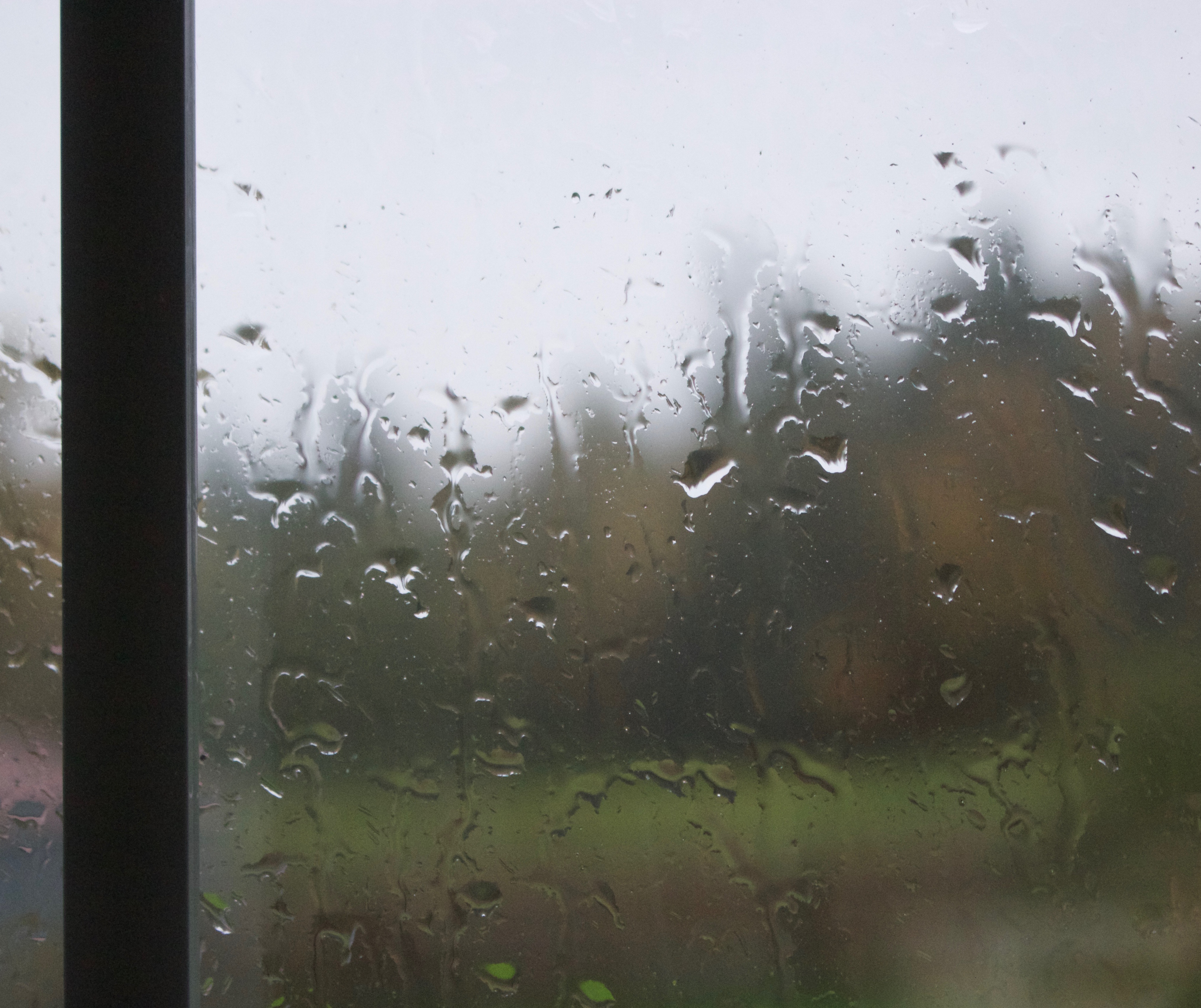
…the rain begins to fall. Rain-strands, thin slips of vertical rivers, roll the shredded waters out of the cloud and dump them puddling to the ground. Like sticks half-drowned the trees lean so my eyes snap some into lightning shapes, bent & bent.
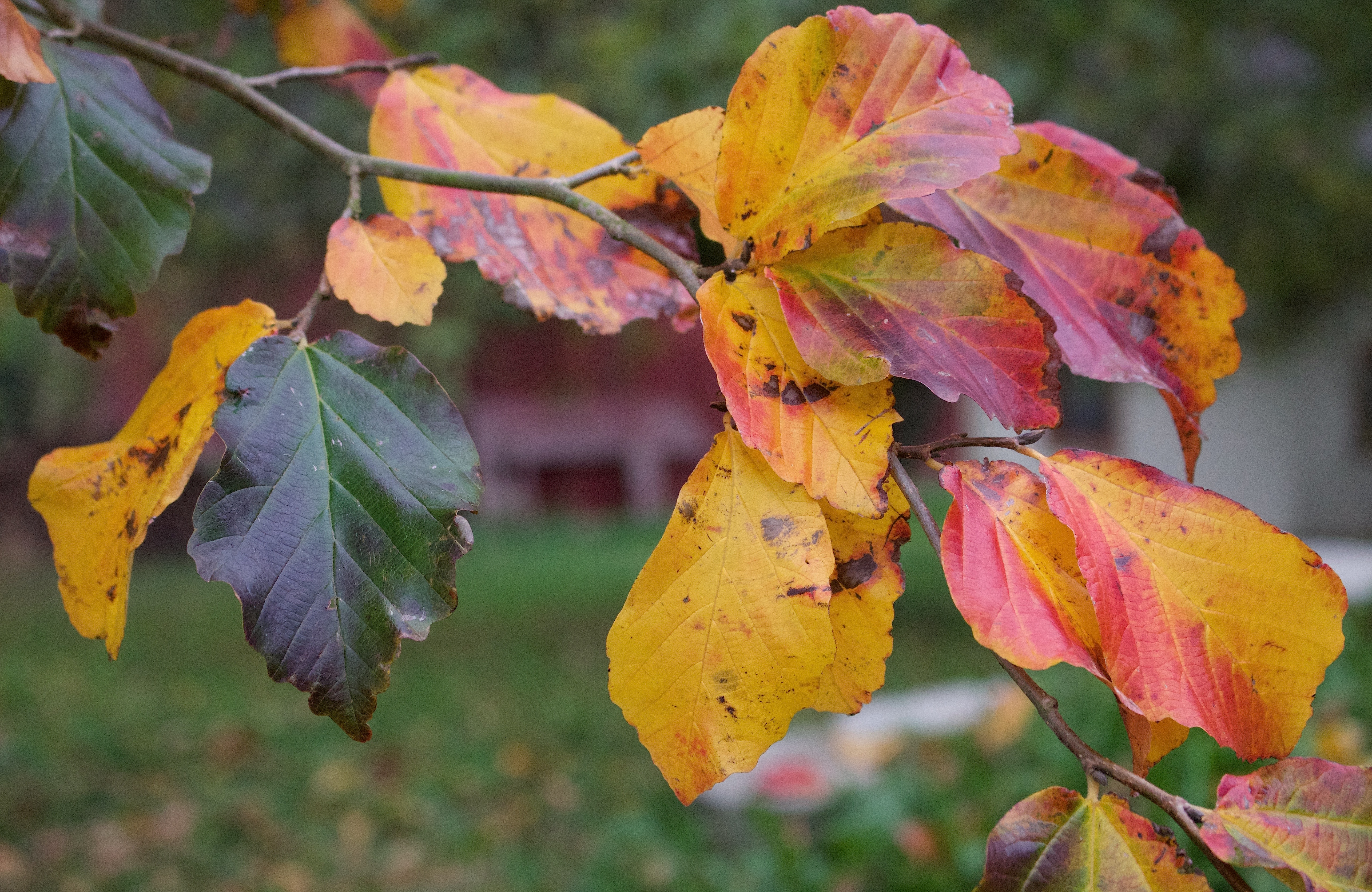
Whatever crosses over through the wall of rain changes; old leaves are now gold. The wall is continuous, doorless. True, to get past this wall there’s no need for a door since it closes around me as I go through.
~Marie Ponsot from “End of October”
There’s no turning around now
that the clock has fallen back.
We commit our stumbling feet to the path
that trudges toward winter,
silenced and seized
by a relentless momentum of doorless darkness.
There is no escape hatch:
we choose to live in gladness,
knowing that promises of a lighter day
are always kept.





 Barnstorming