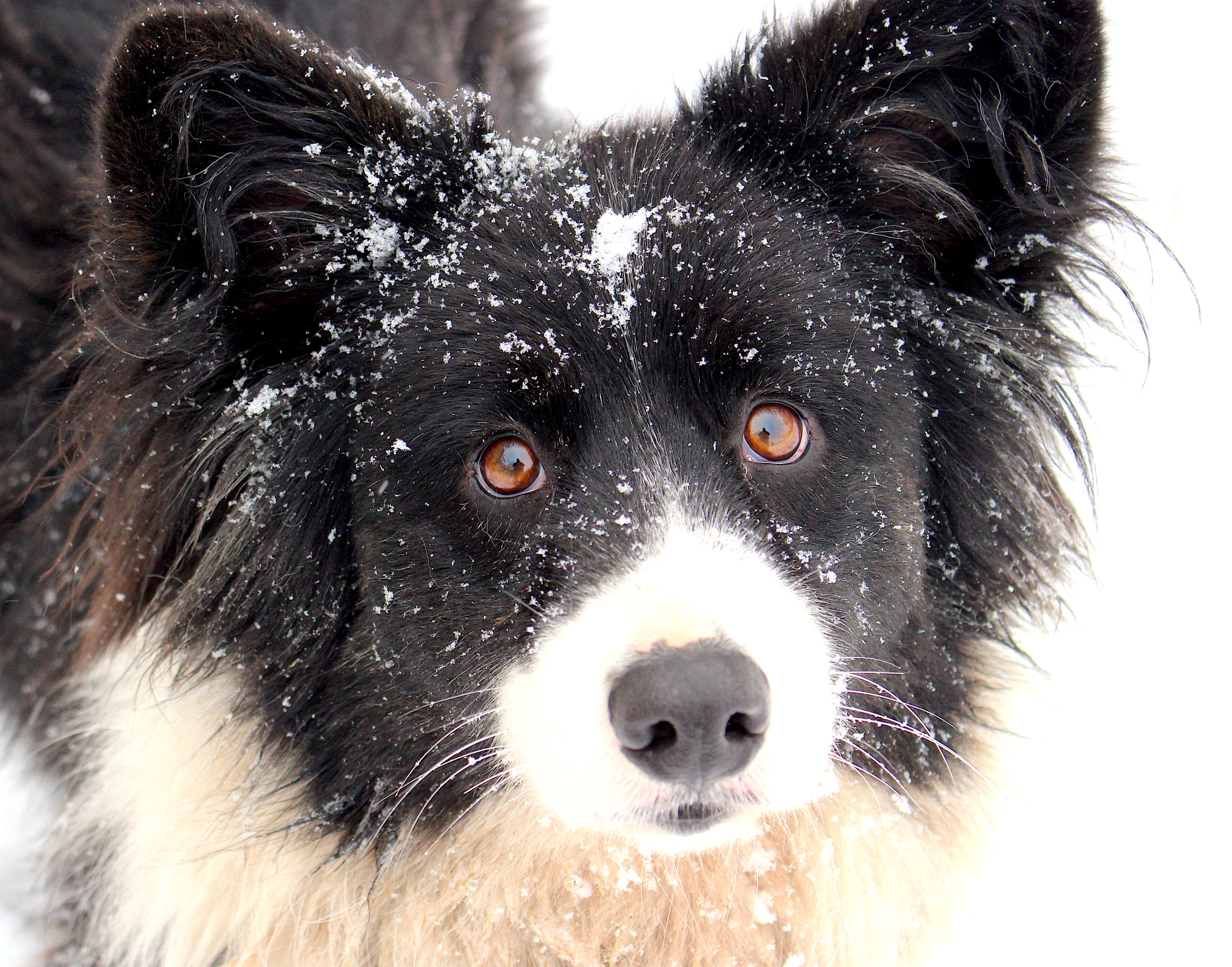
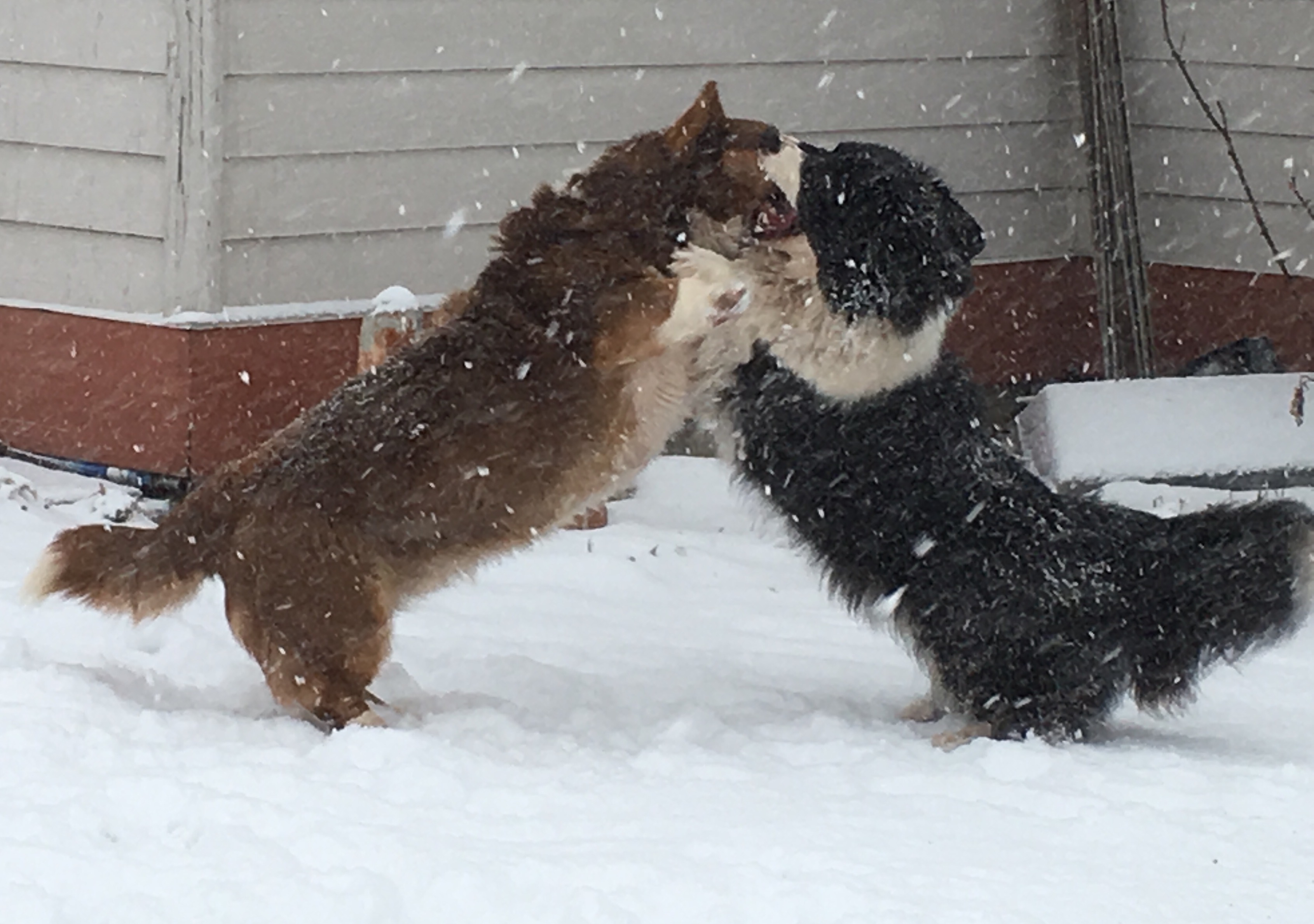
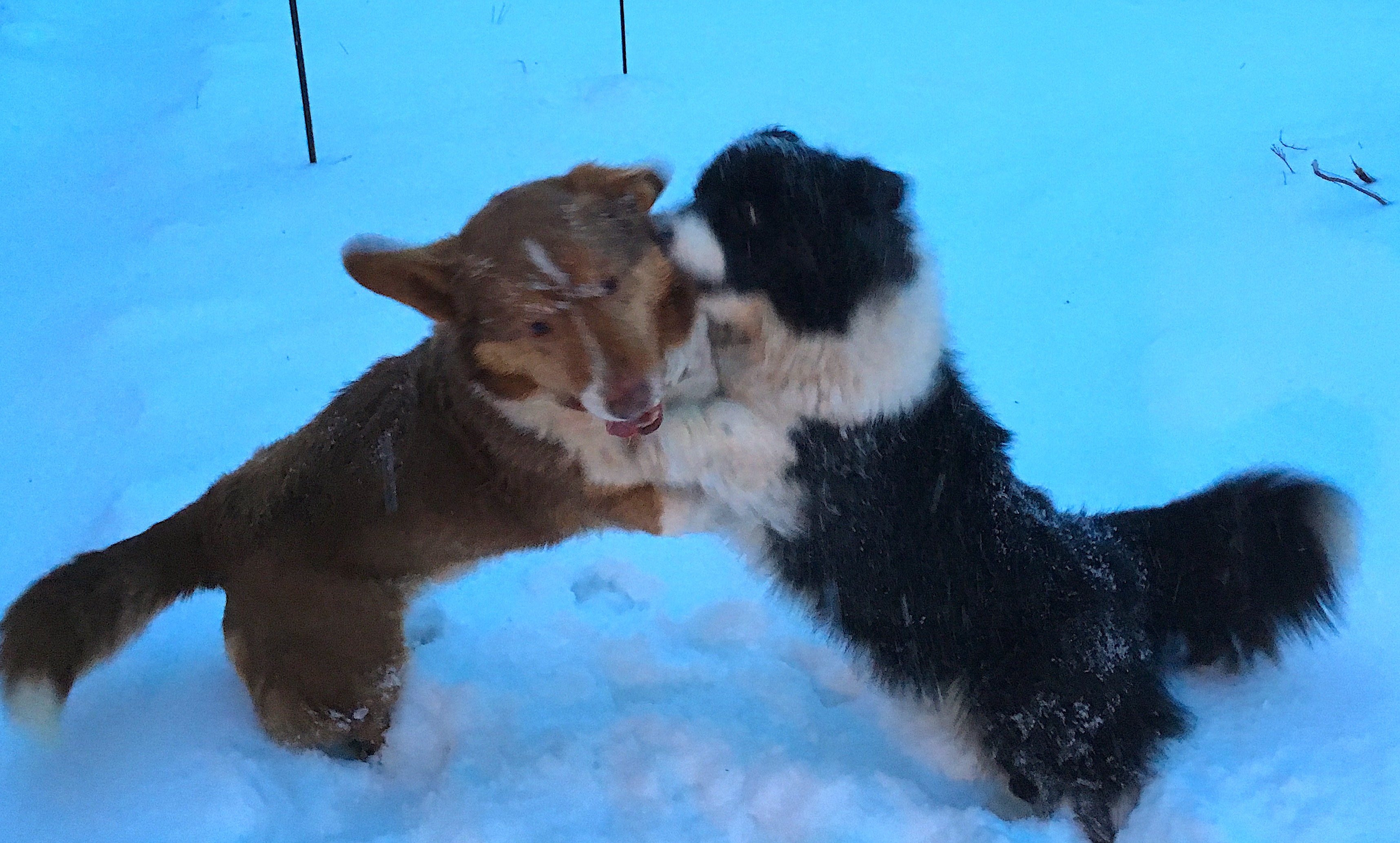
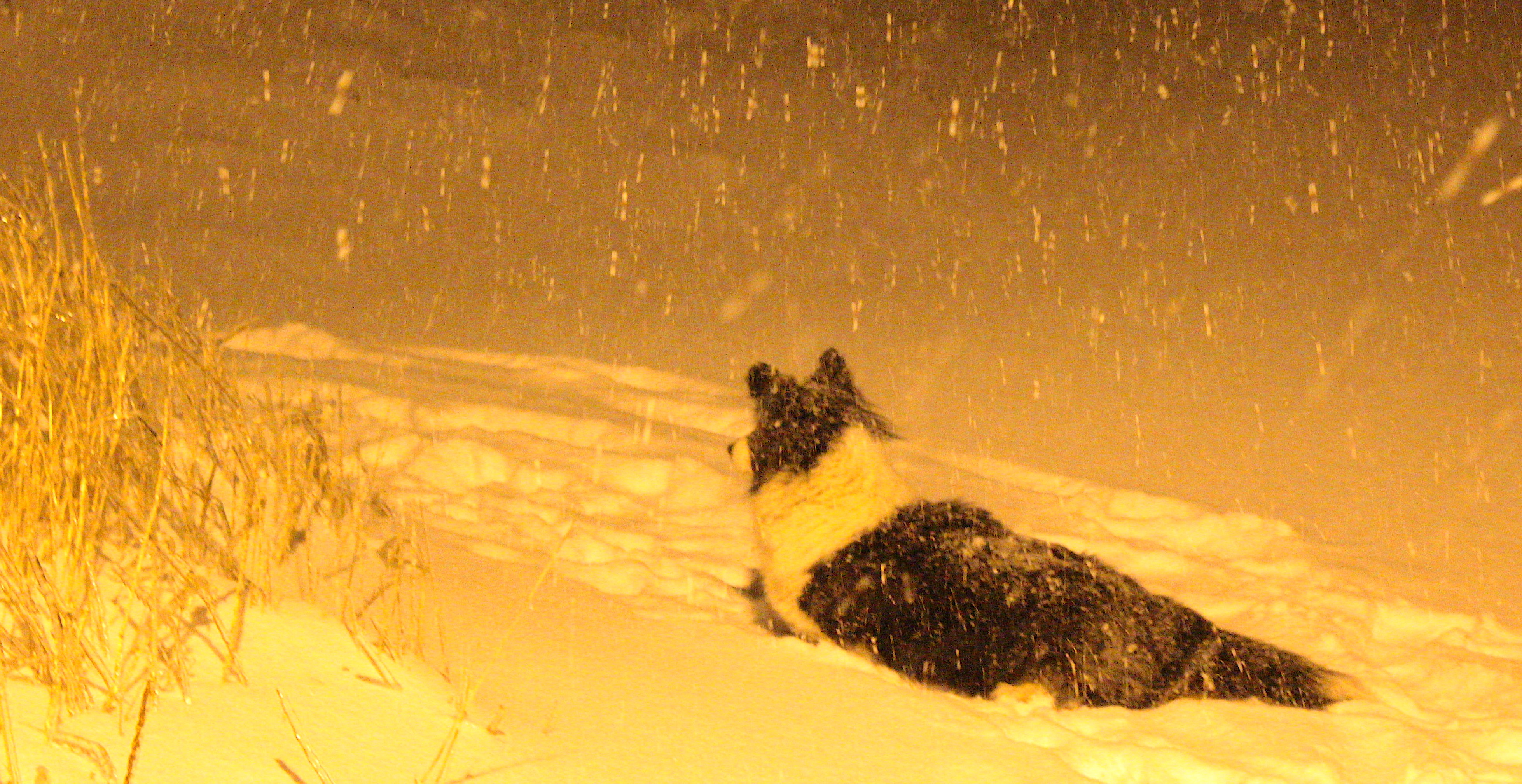
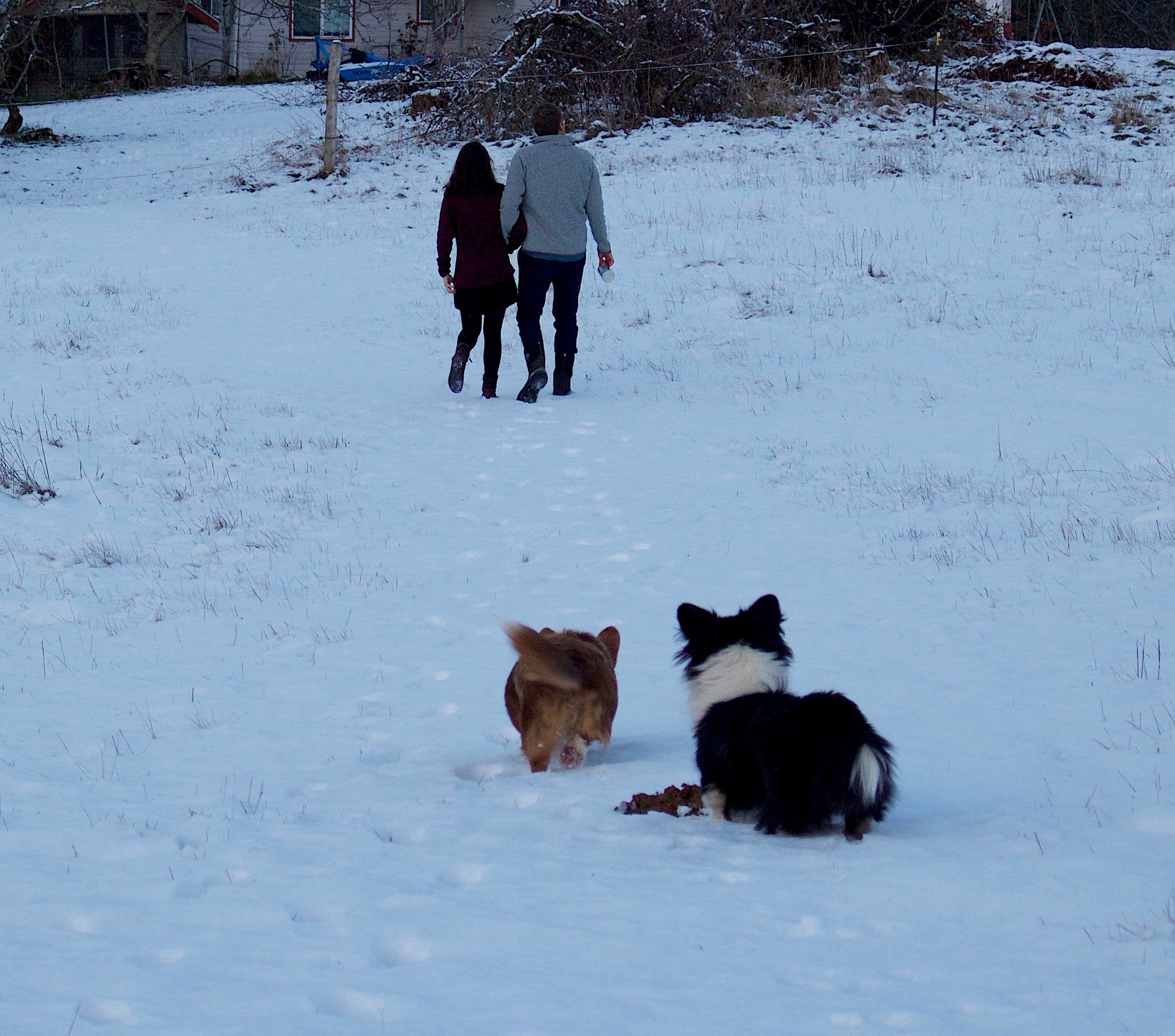
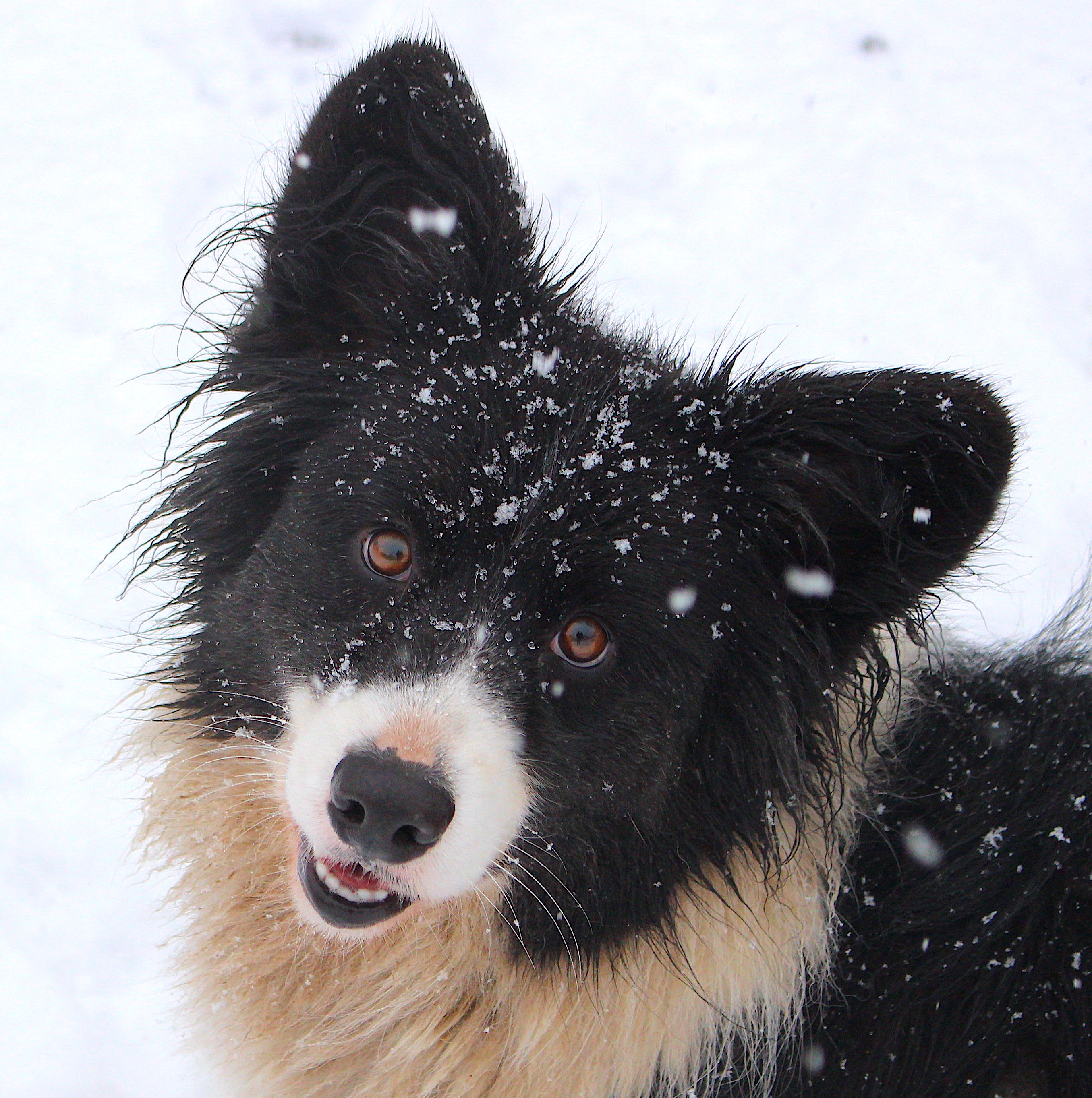
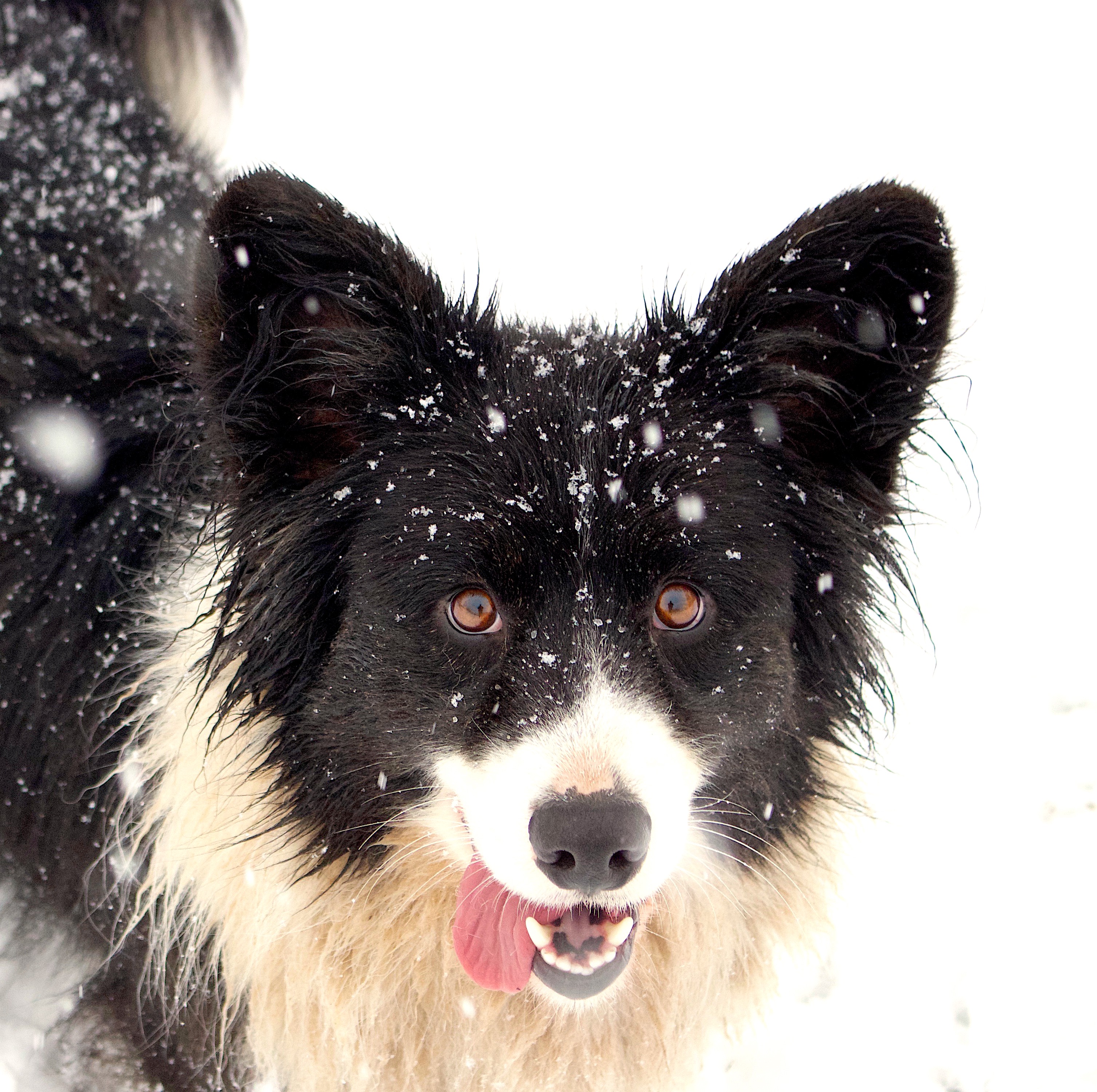
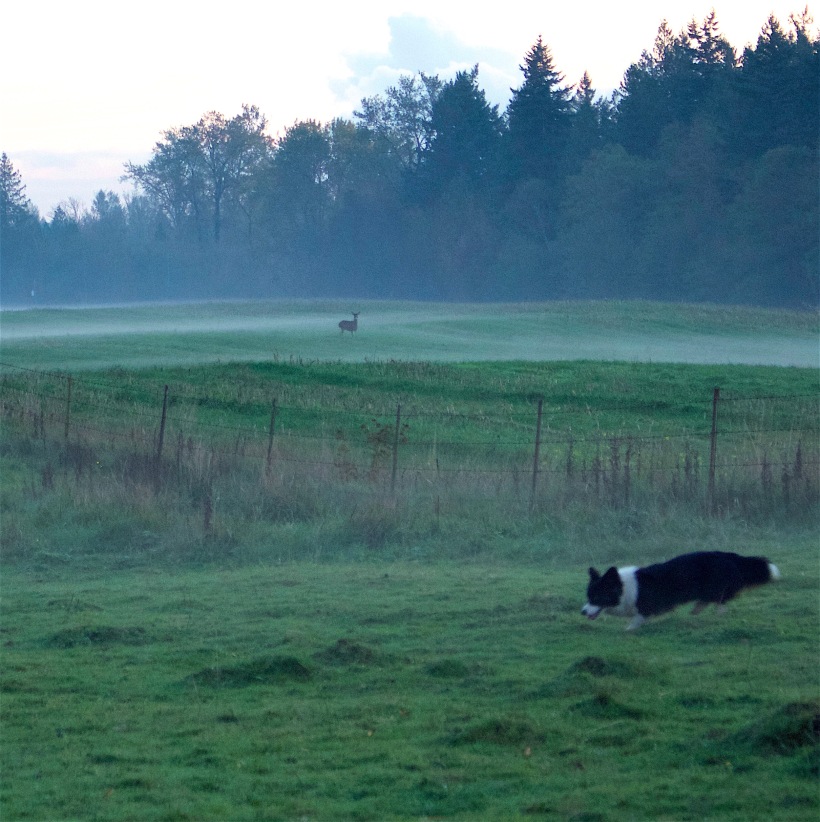
~Paul Piper “Dog and Snow”
I’m much more like sheep, seeking out the comfort of the flock when the chill gets to be too much.
…step outside into an indecision of weather,
night rain having fallen into frozen air,
a silver thaw where nothing moves or sings
and all things grieve under the weight of their own shining.
~ James McKean from “Silver Thaw”
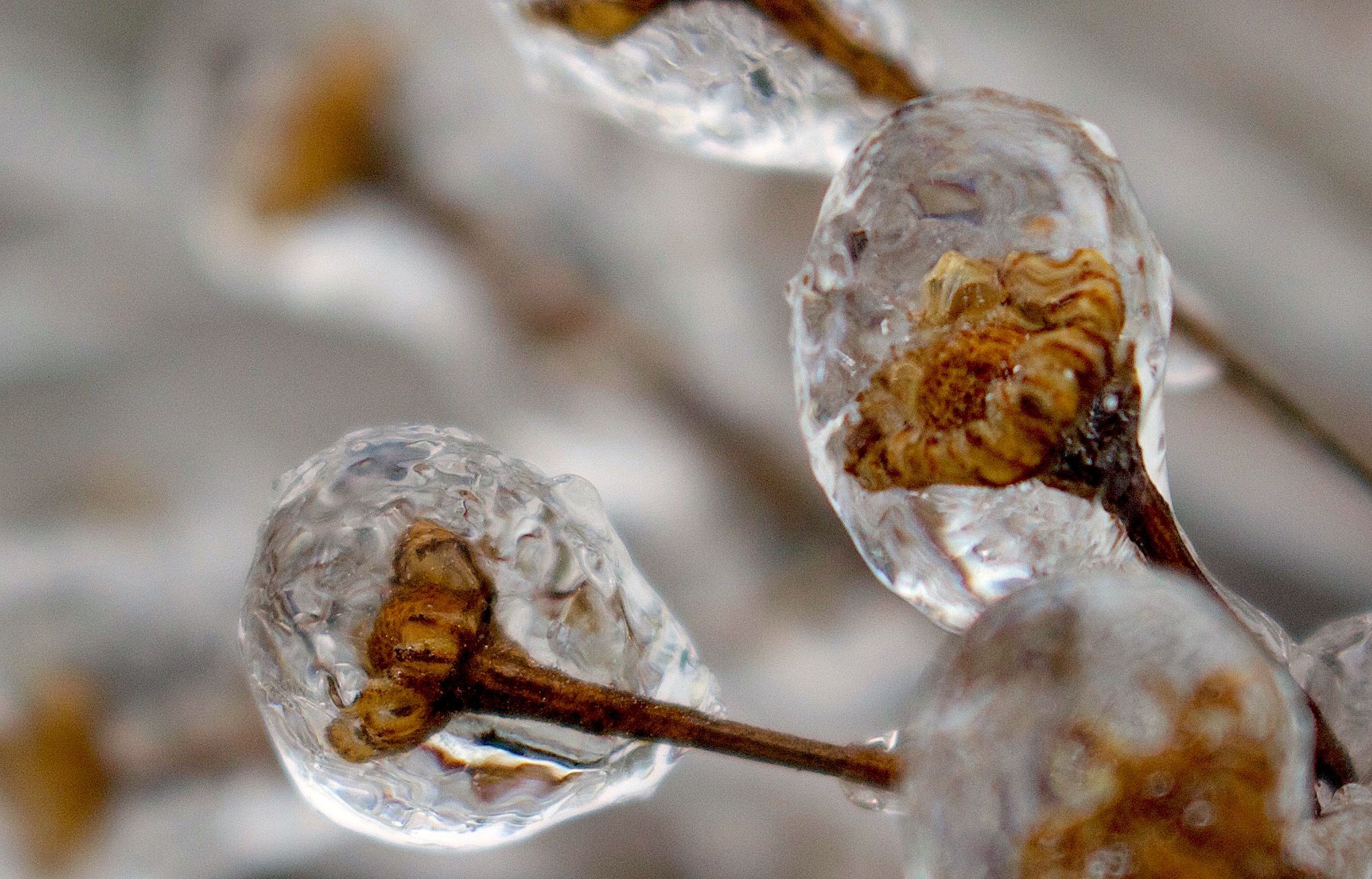
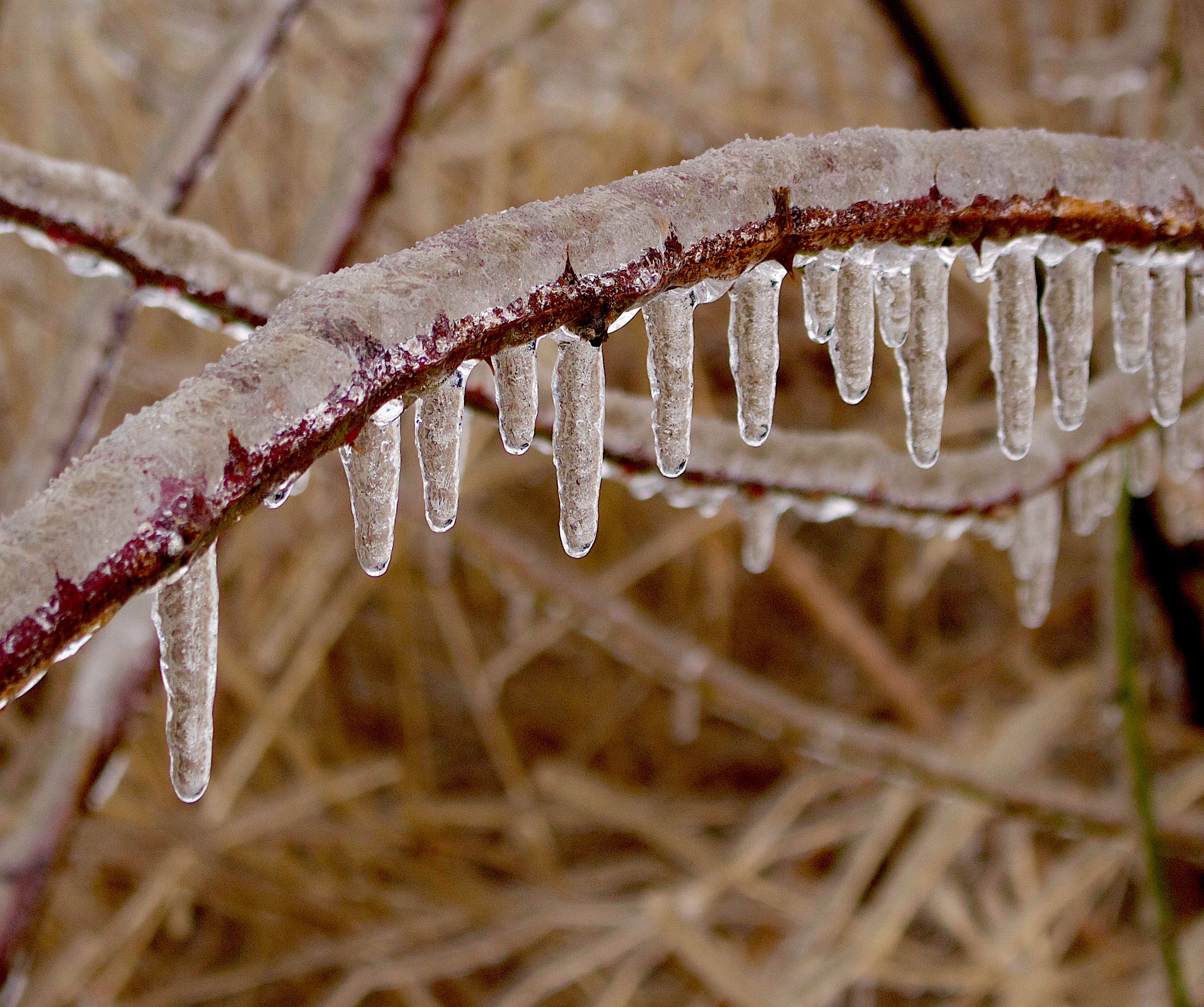
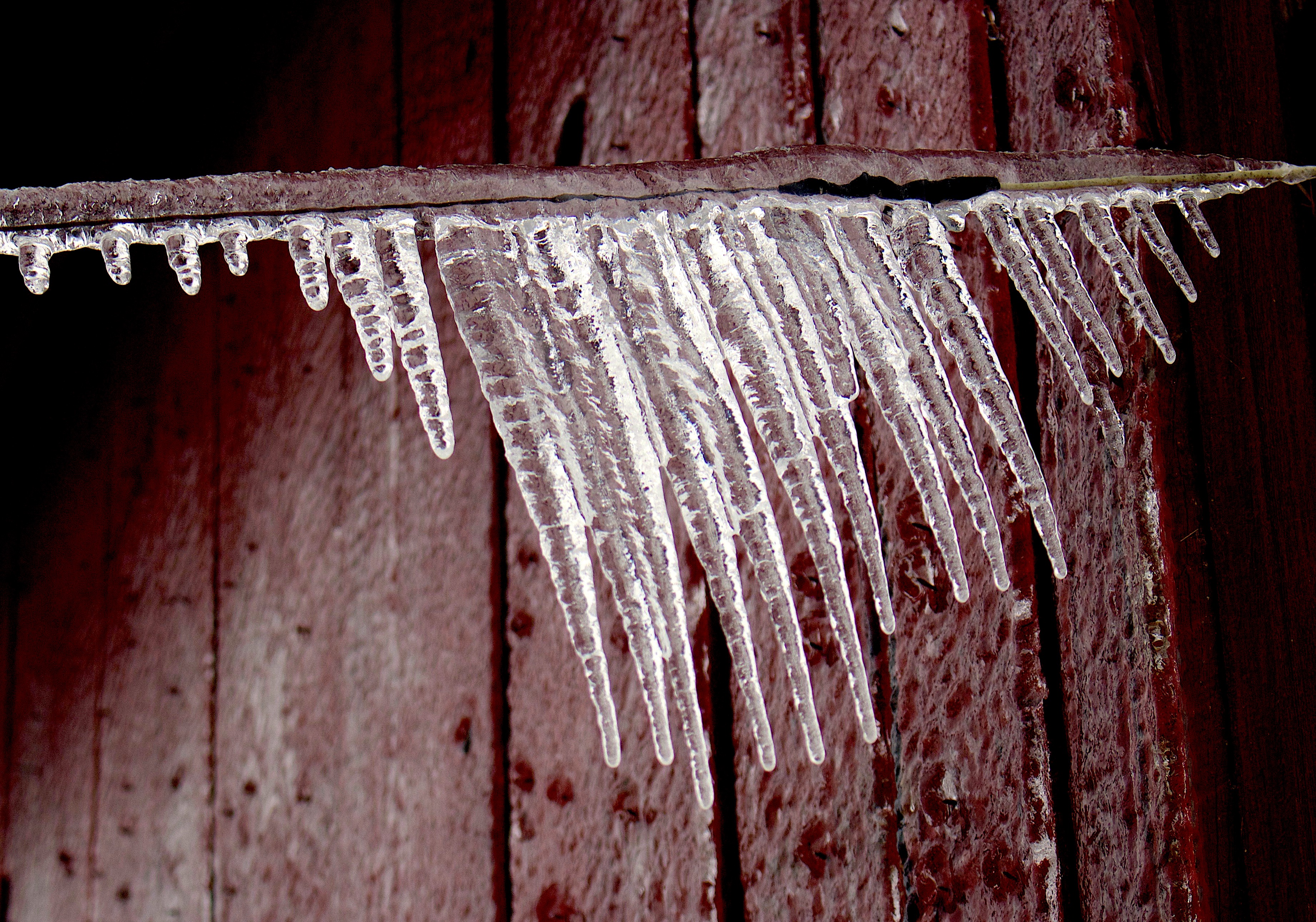
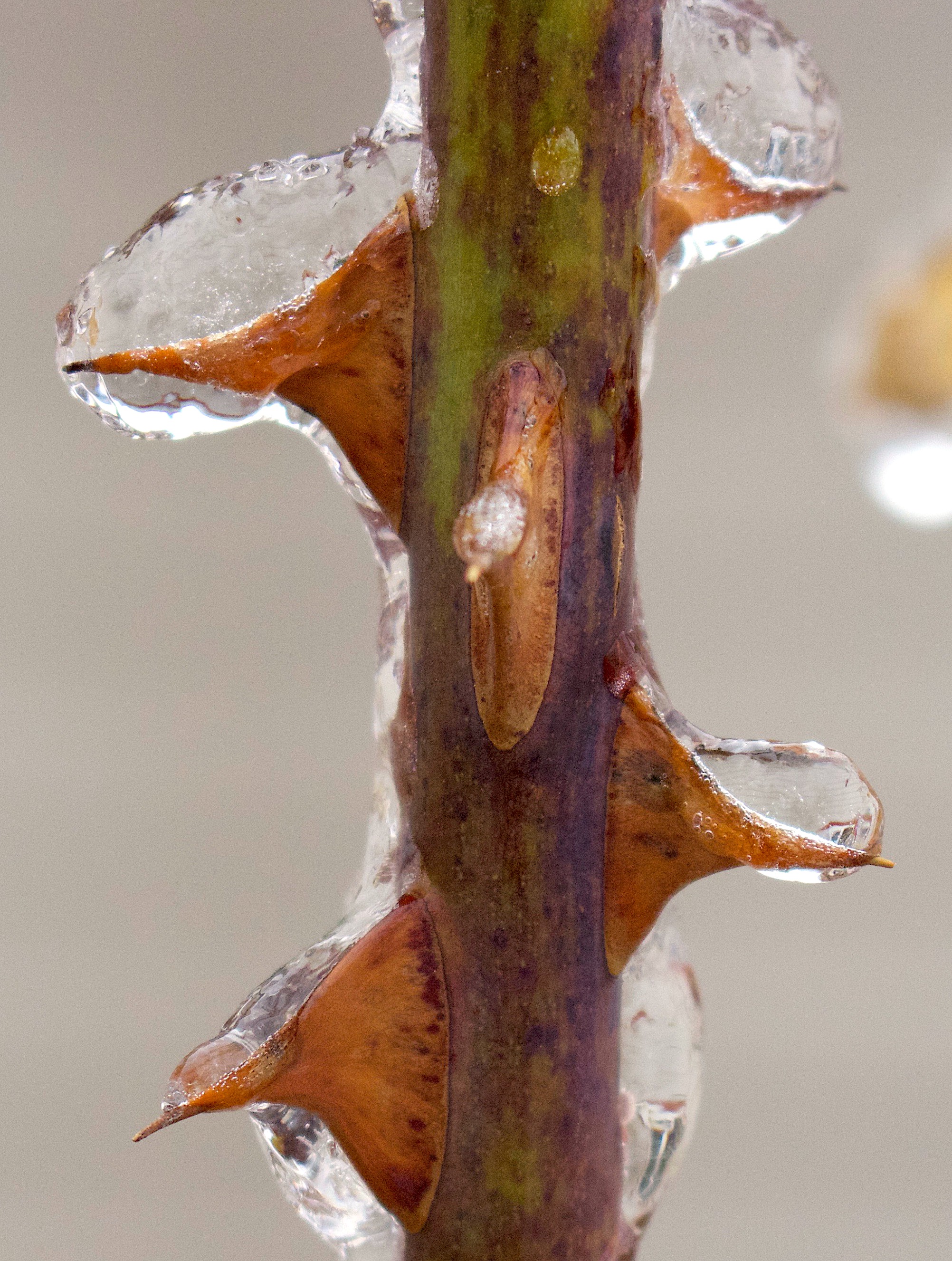
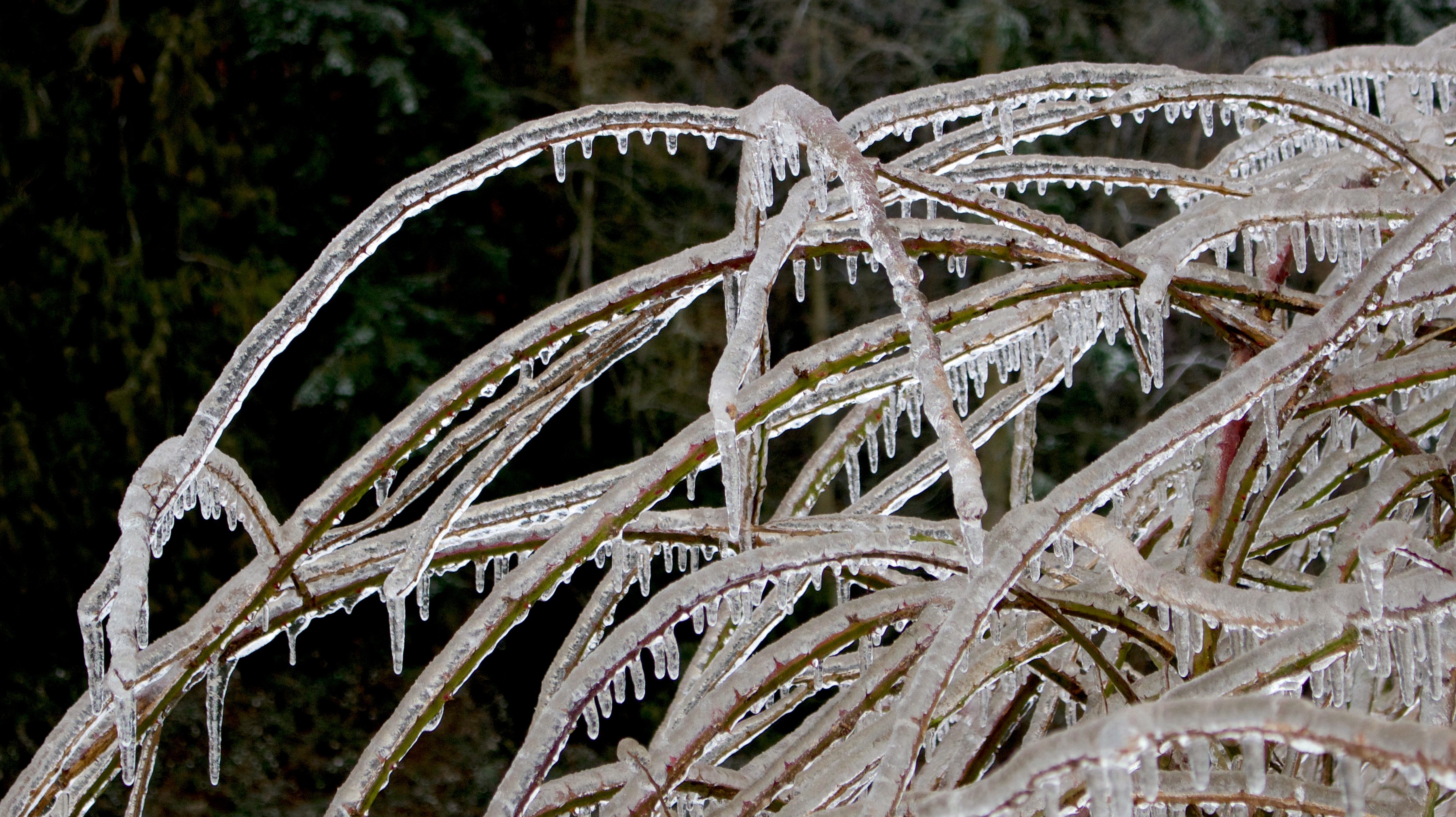
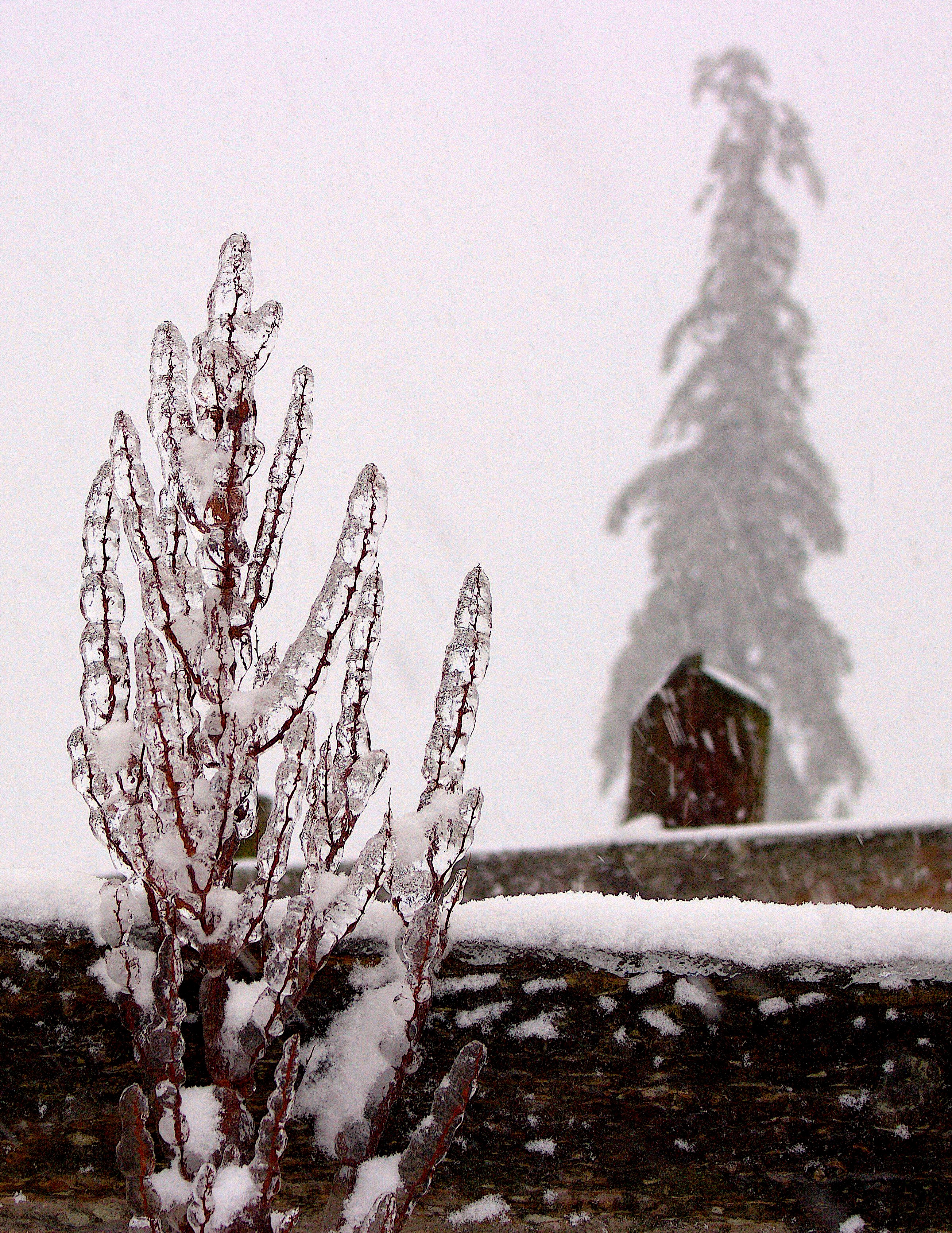
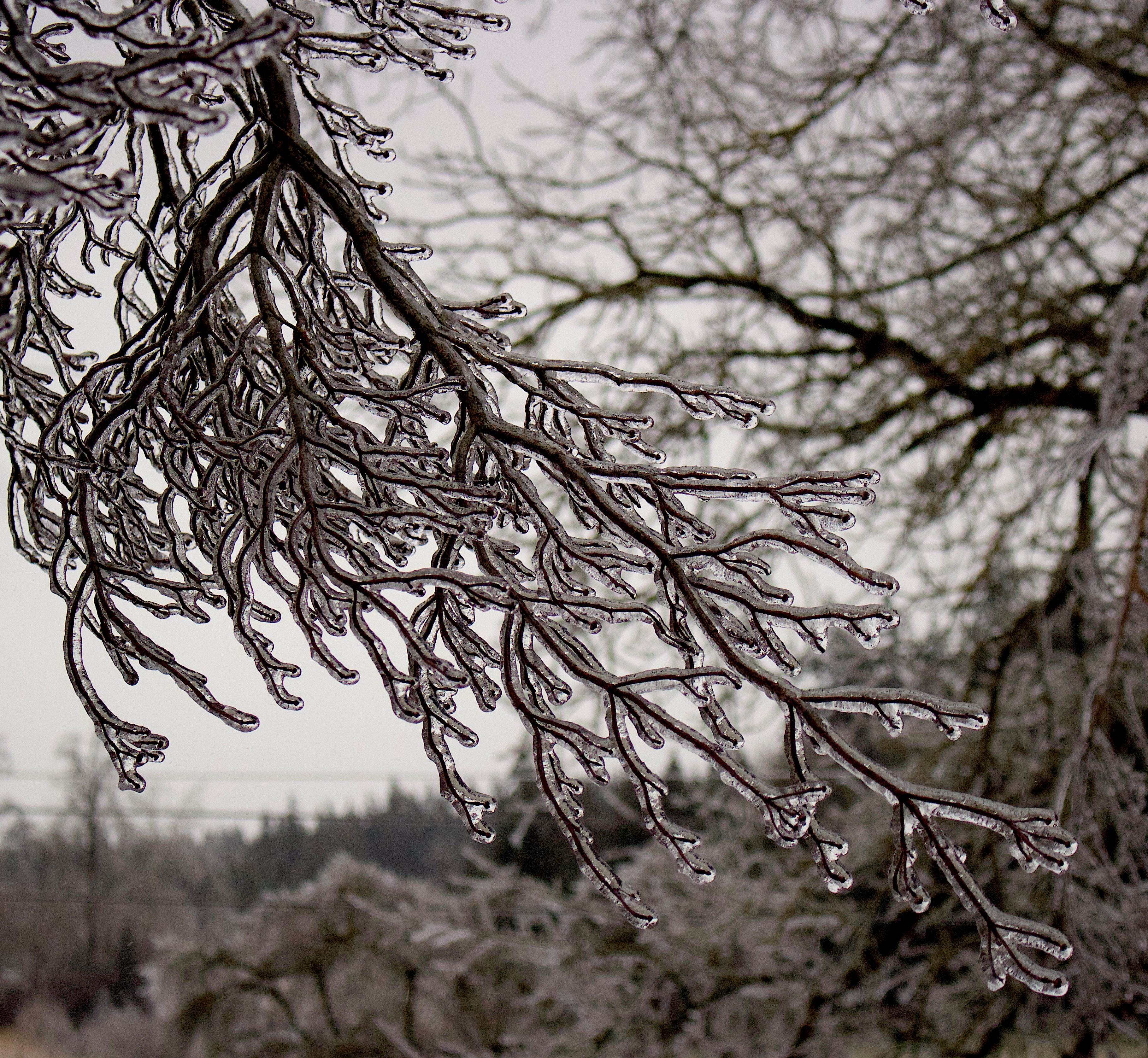
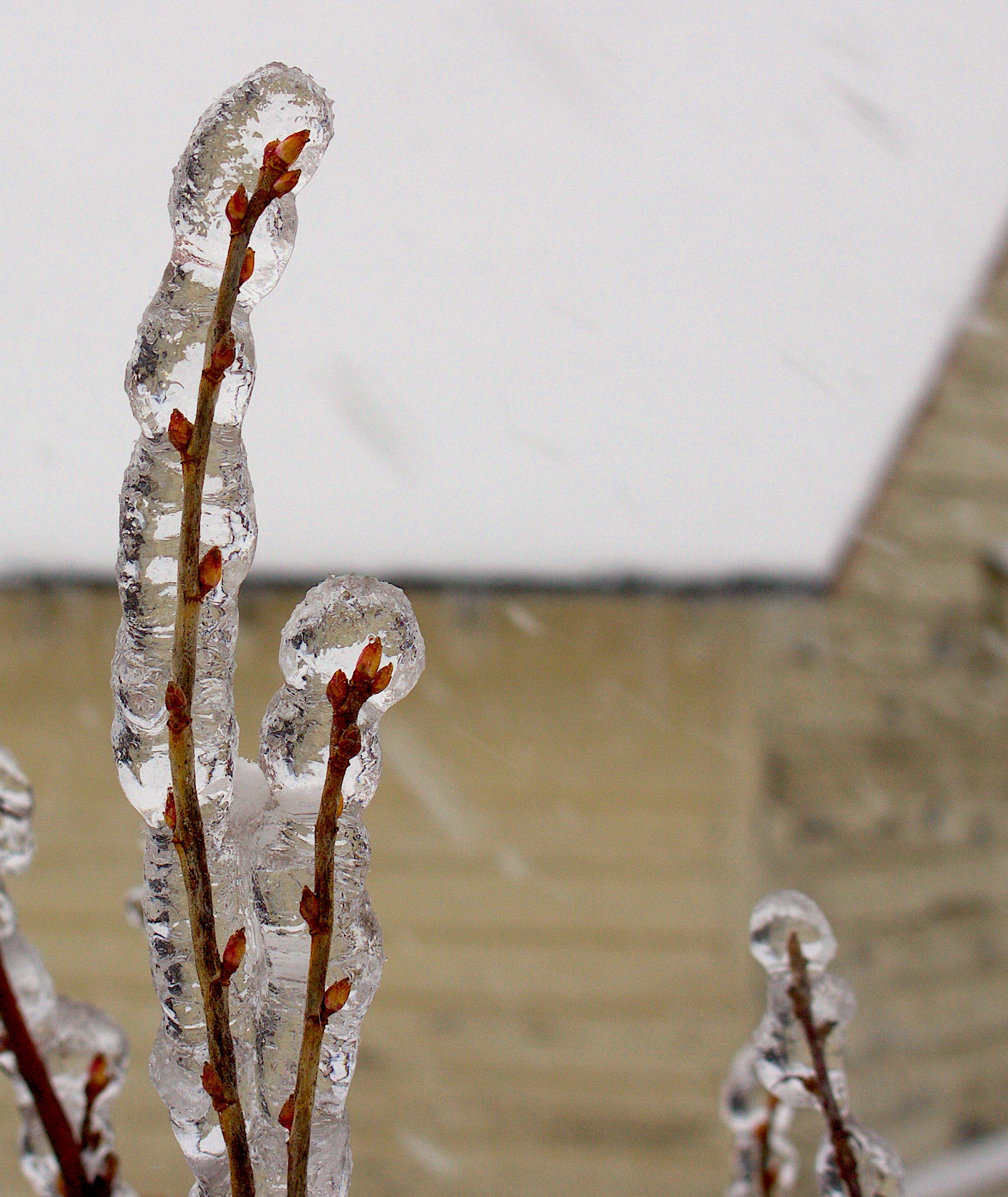
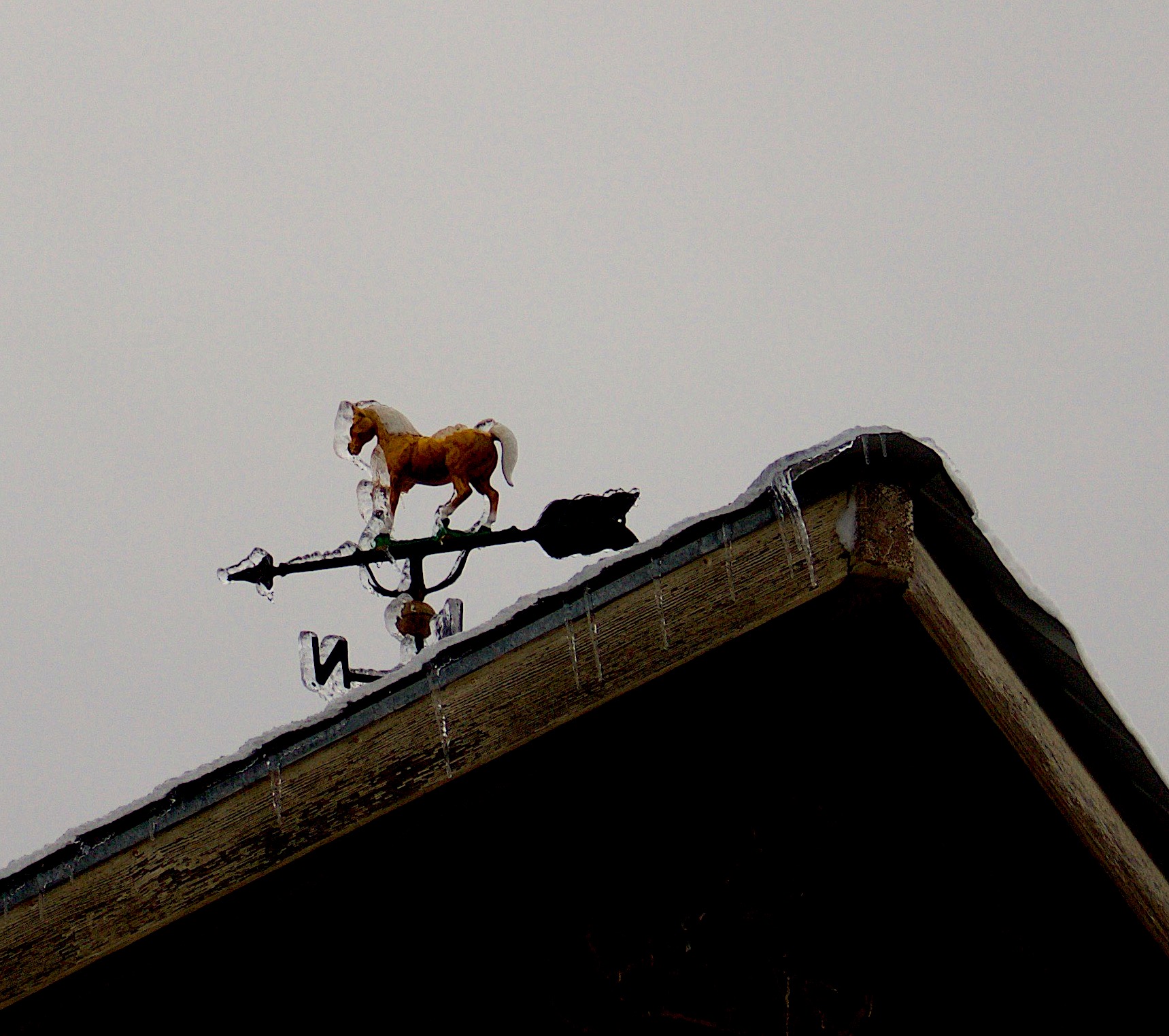
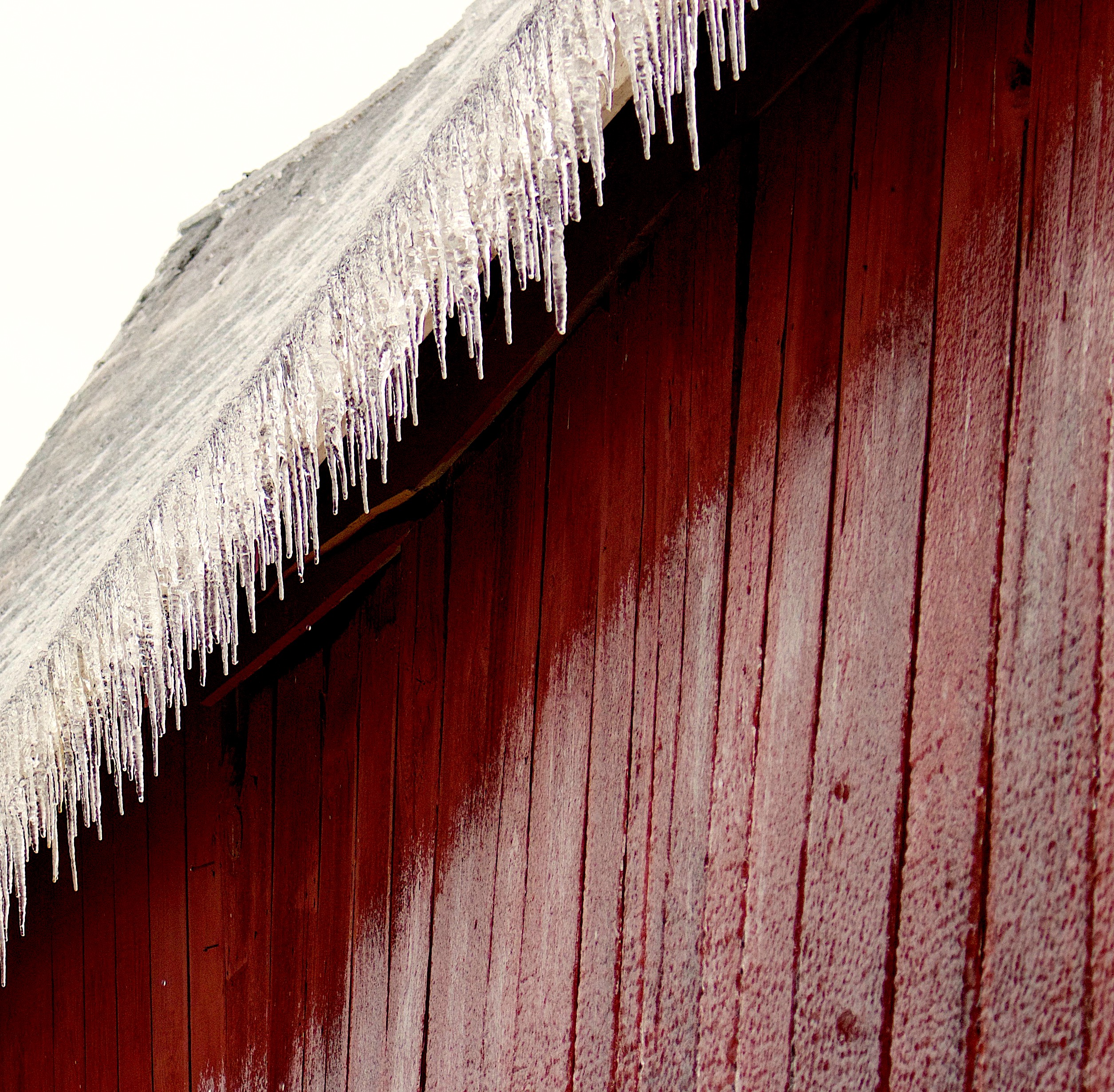
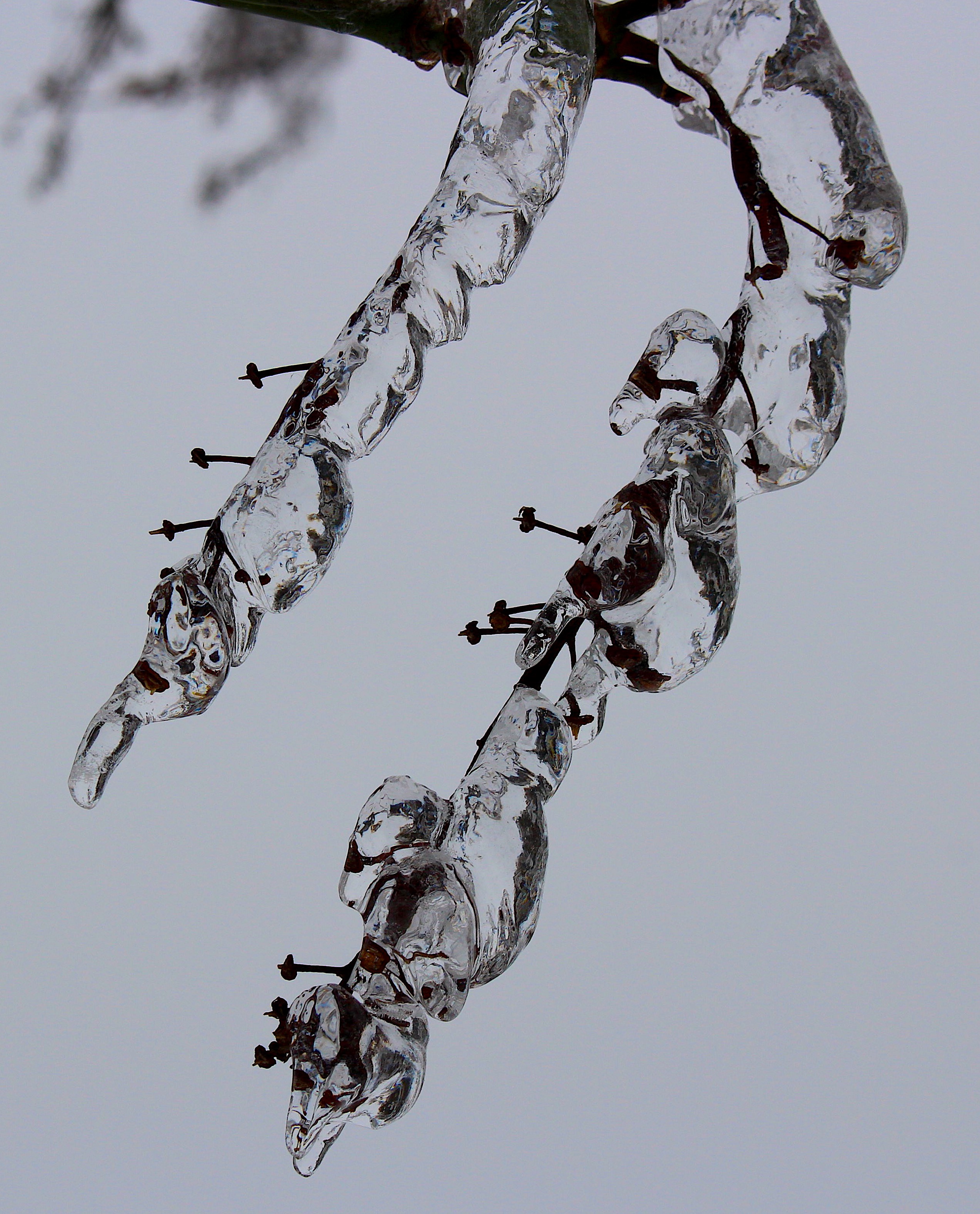
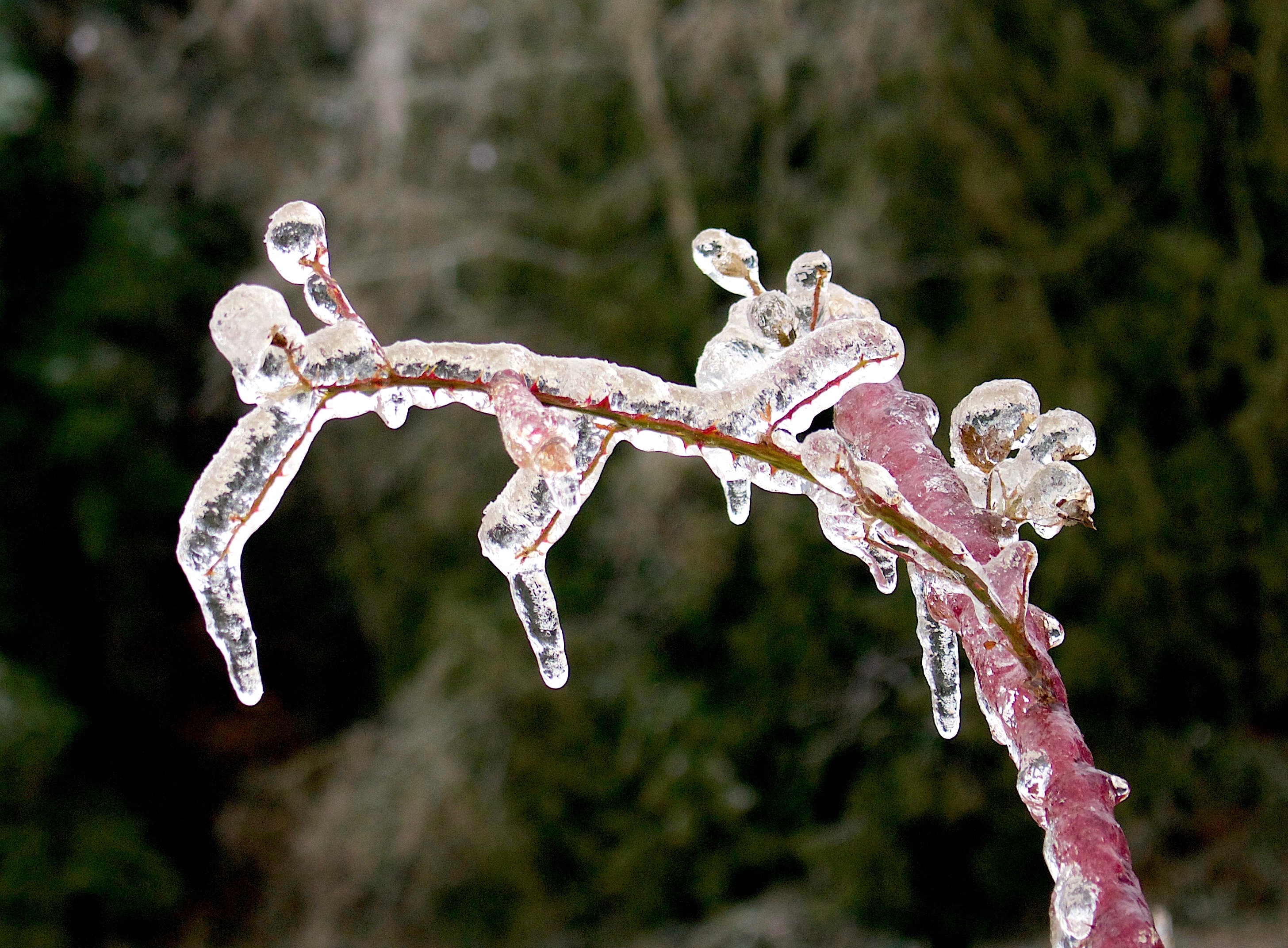
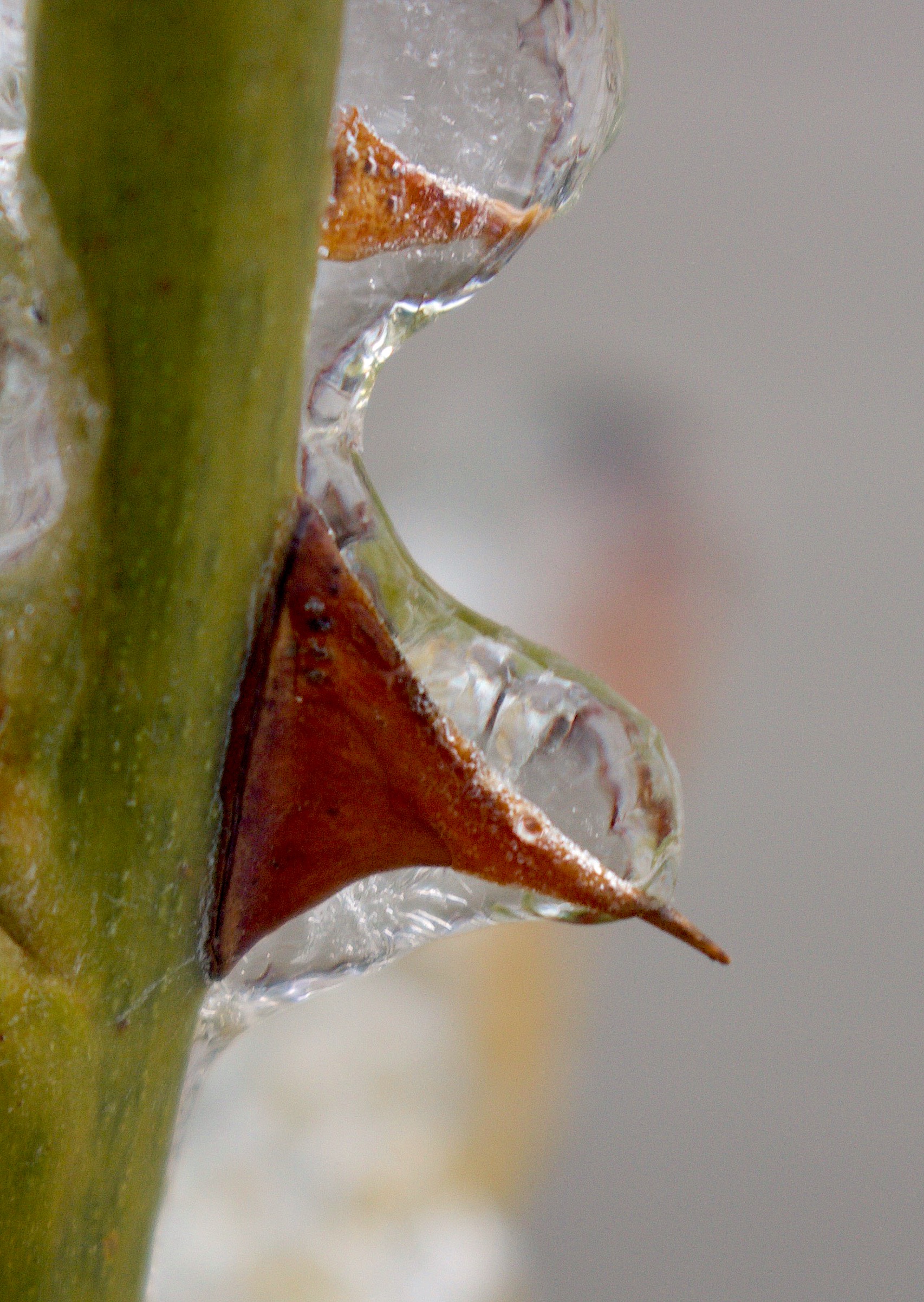
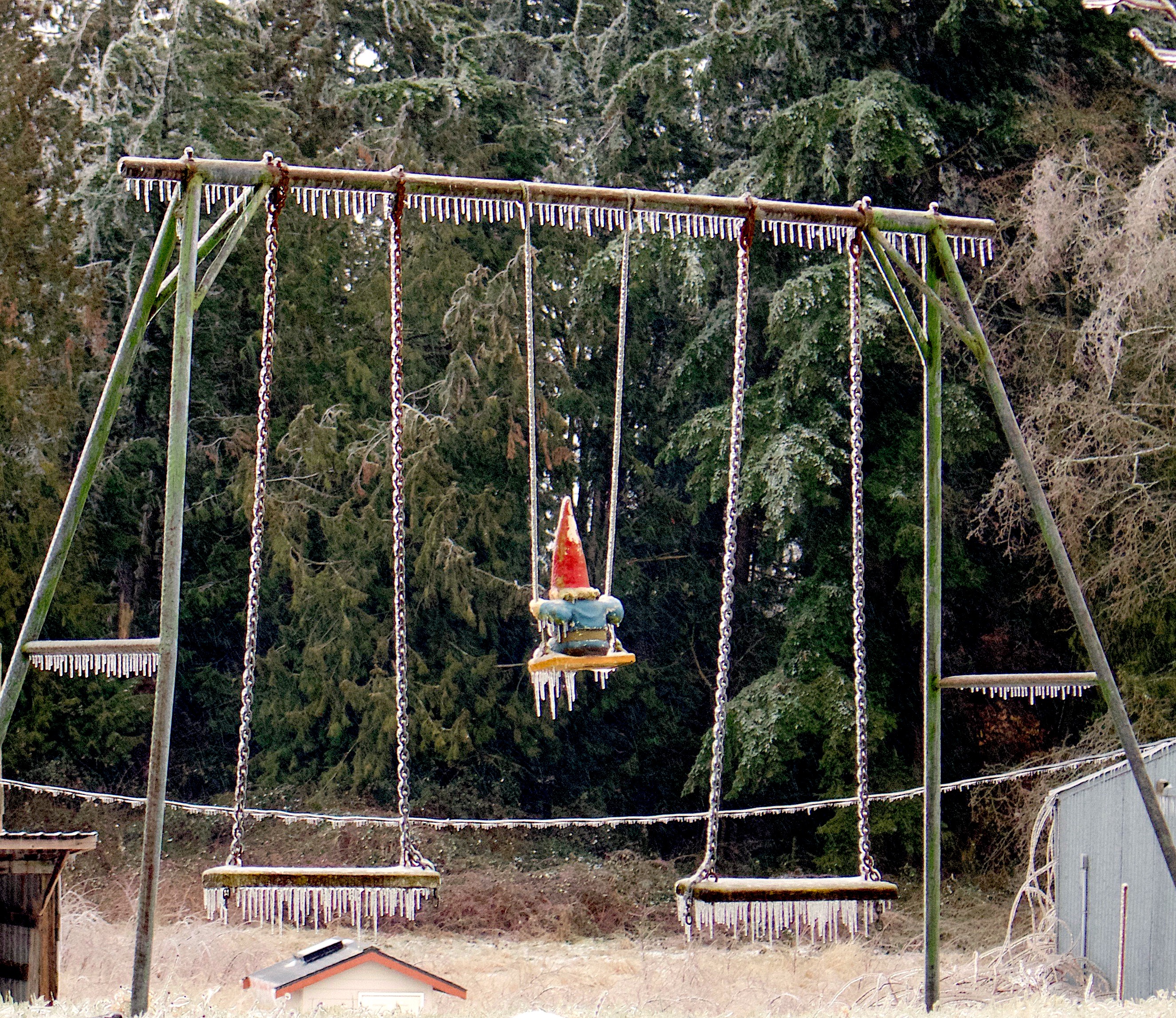
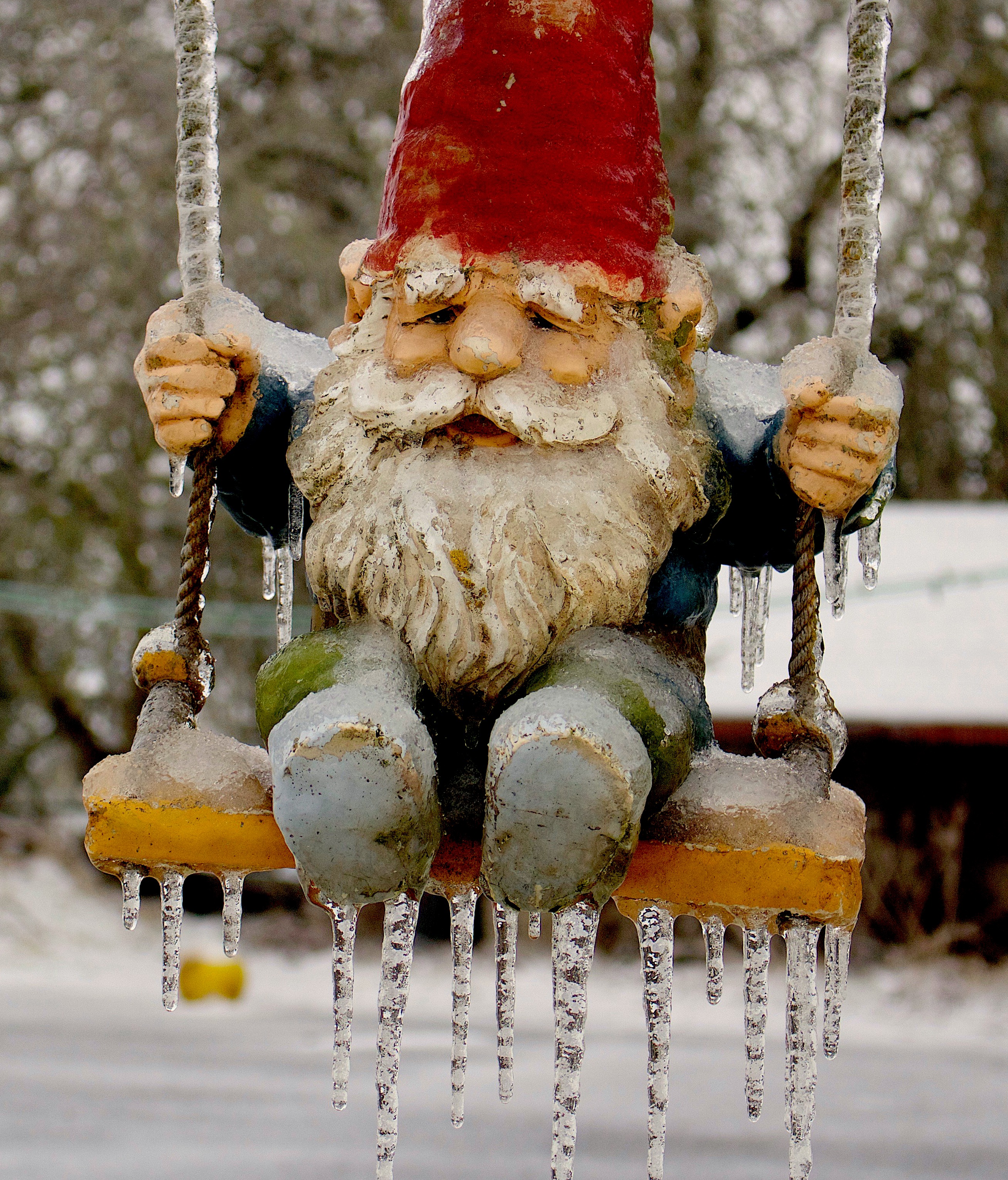
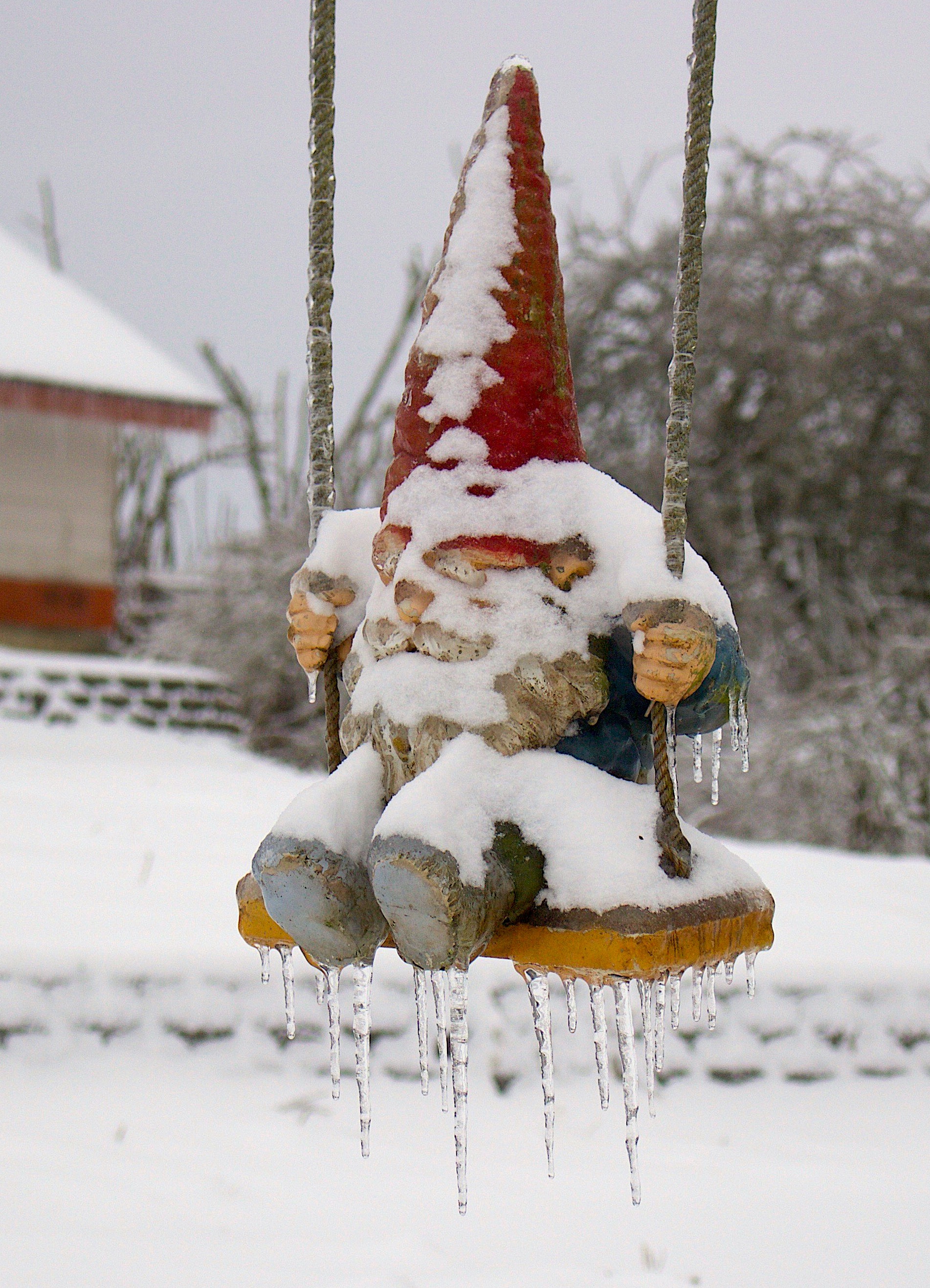
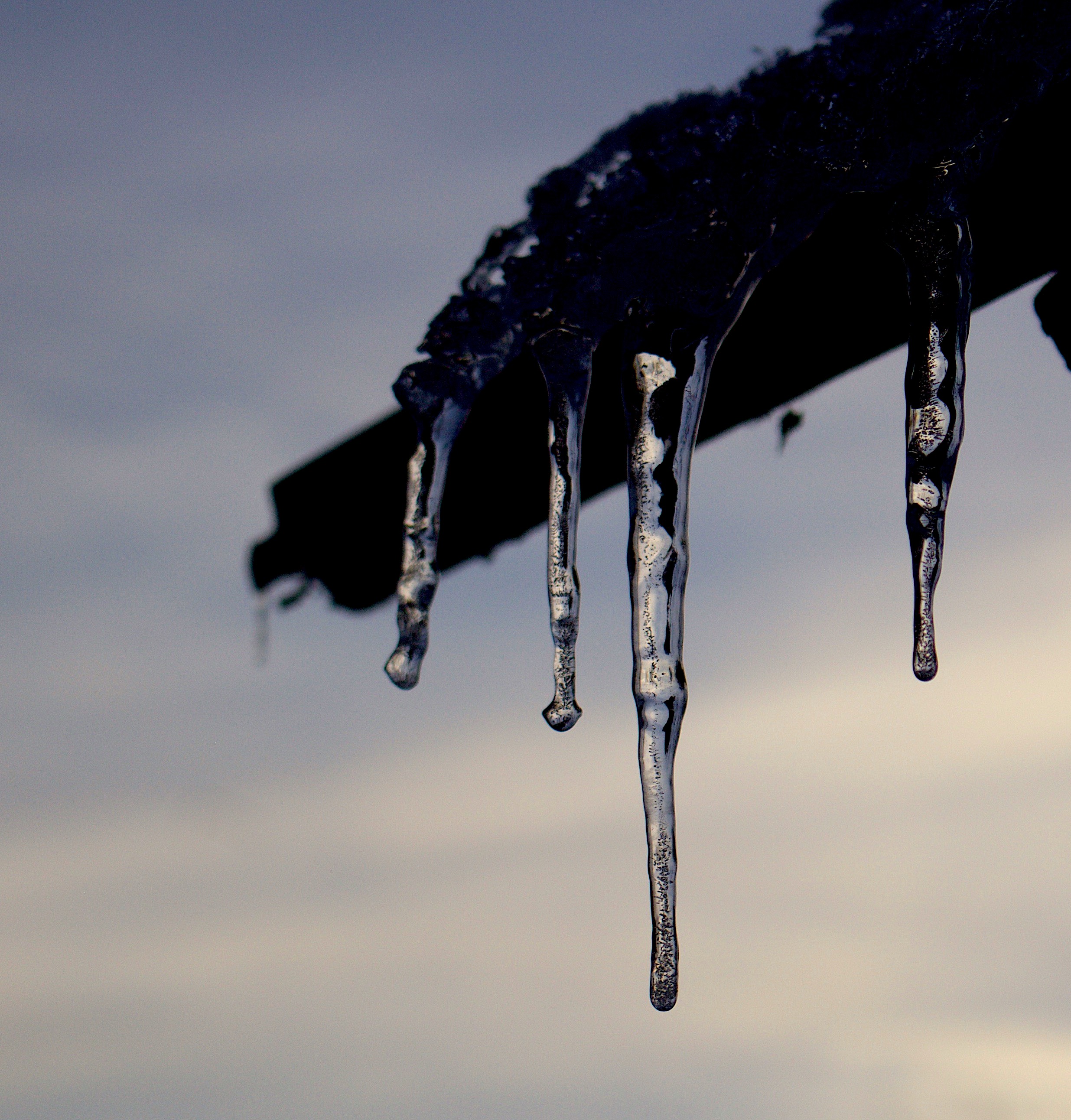
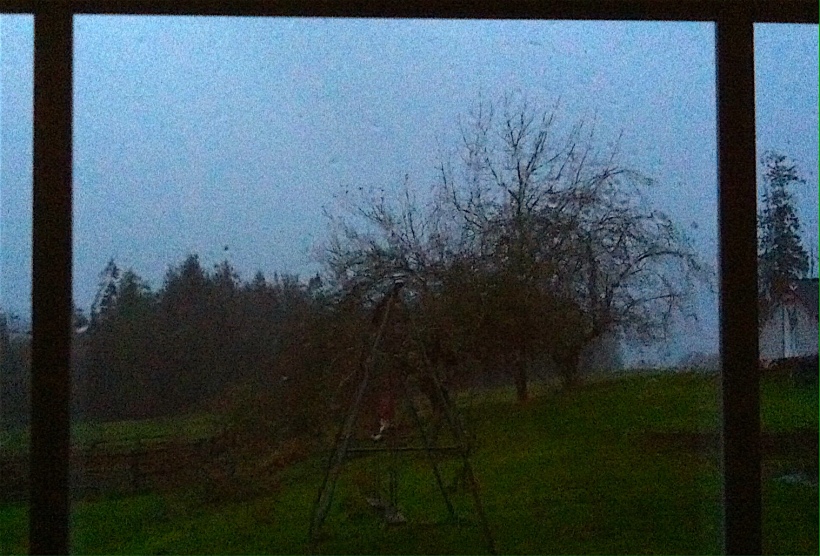
Freezing rain needs to happen once a decade just to remind Pacific Northwesterners that regular rain isn’t such a bad thing. We’re in the midst of just such a silver thaw right now. Trees and heavy branches are crashing everywhere, the power is off, the farm generator is on and life as we know it comes to a standstill under an inch thick blanket of ice.
We webfoot Washingtonians tend to grouse about our continuously gray cloud-covered bleak dreary drizzly wet mildew-ridden existence. But that’s not us actually grumbling. That’s just us choosing not to exhibit overwhelming joy. They don’t call Bellingham, the university town ten miles from our farm, the “city of subdued excitement” for no good reason.
When the temperatures drop in our moderate climate and things start to ice up, or the snowflakes start to fall, we celebrate the diversion from rain. Our children are out building snowmen when there is a mere 1/2 inch of snow on the ground, leaving lawns bare and green with one large snowman in the middle. Schools start to cancel at 2 inches because of the lack of snow removal equipment and no bunkers of stored sand for the roads. We natives are pitifully terrible snow drivers compared to the highly experienced (and at times overconfident) midwestern and northeastern transplants in our midst.
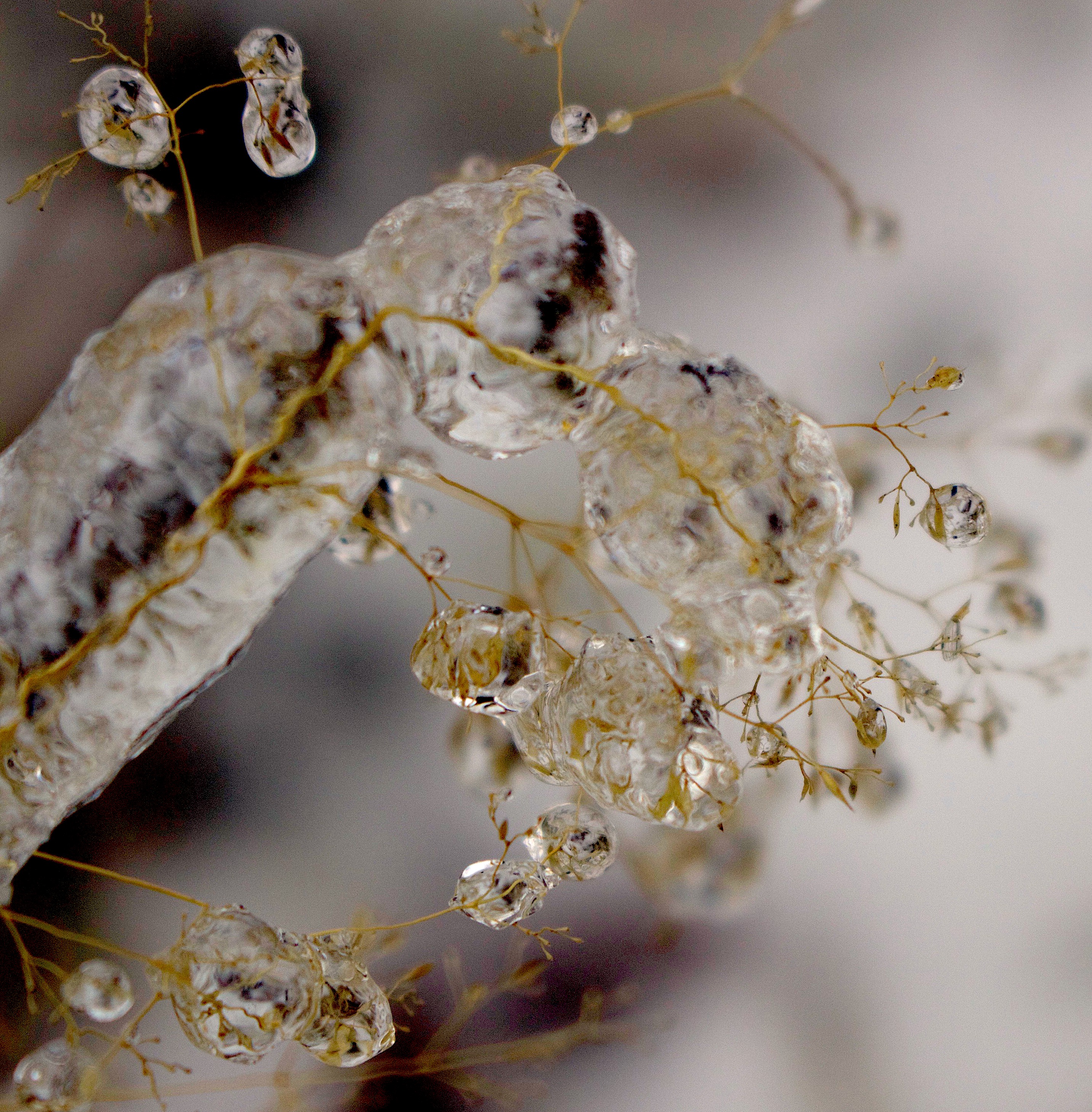
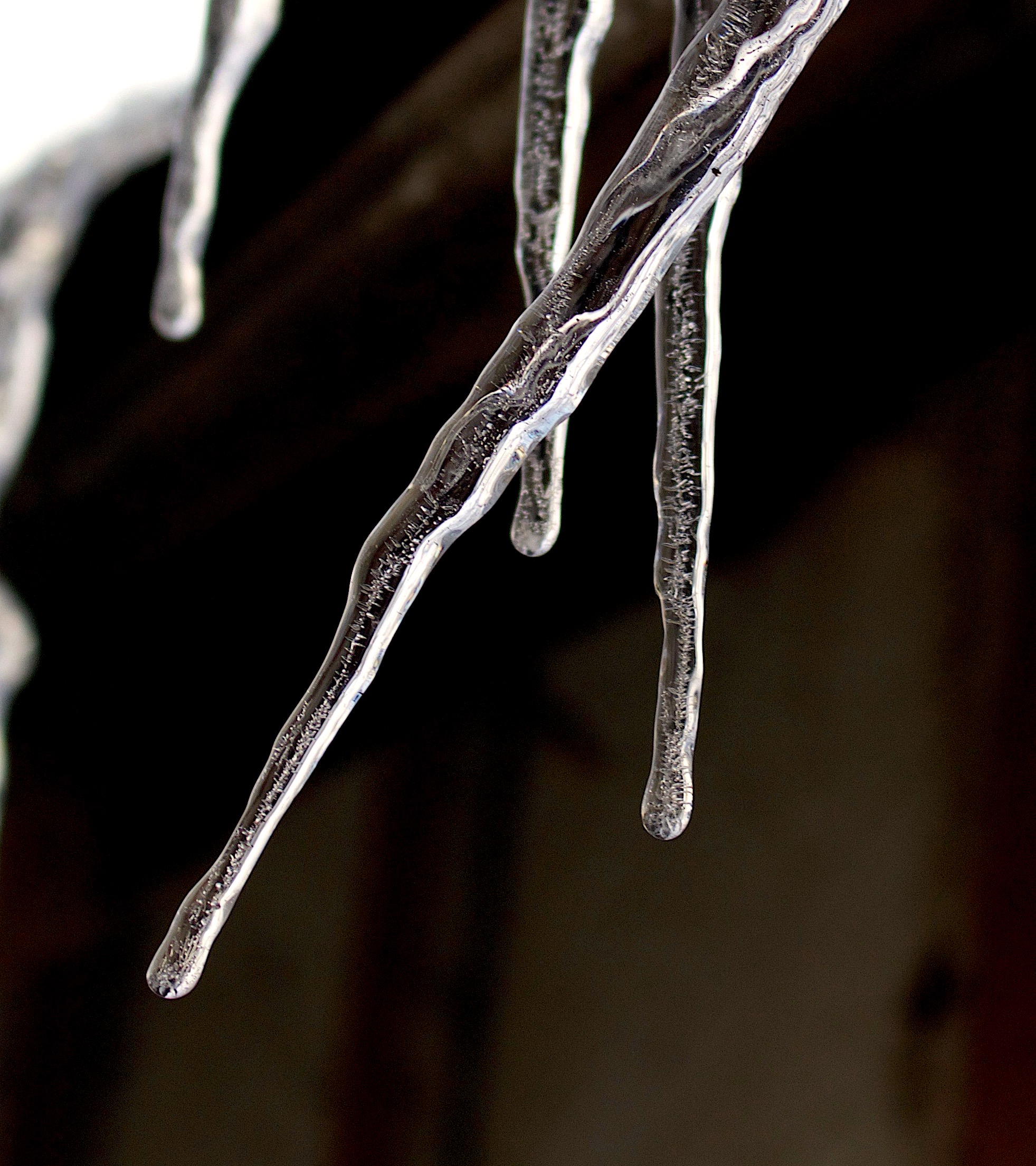
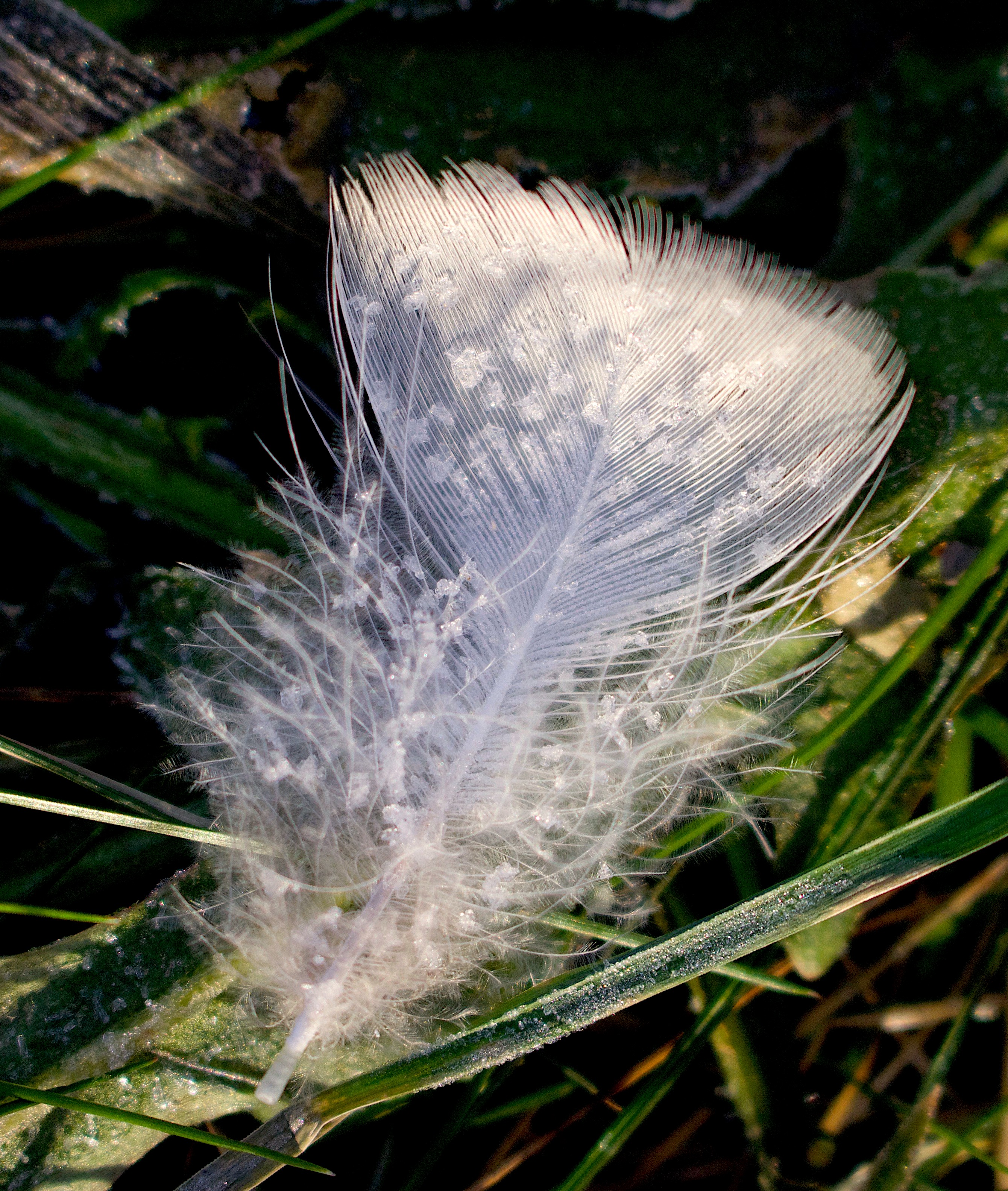
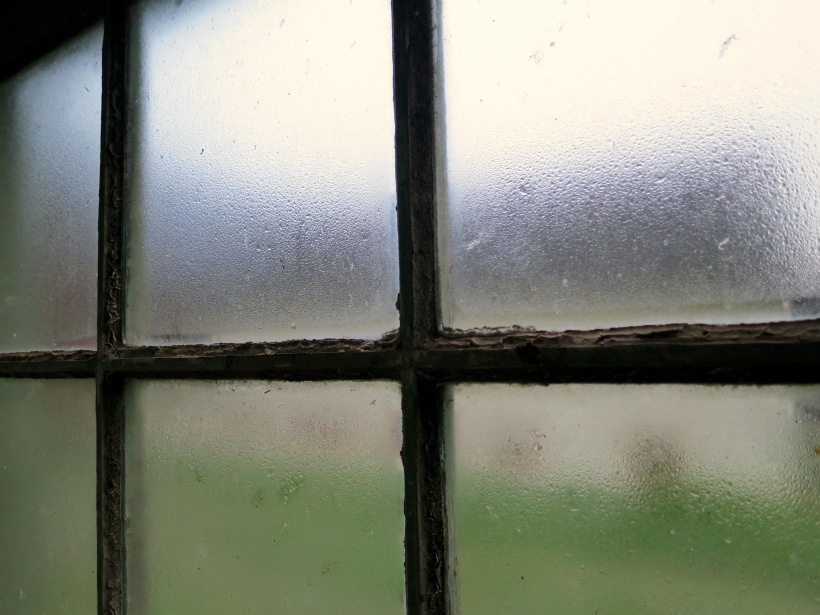
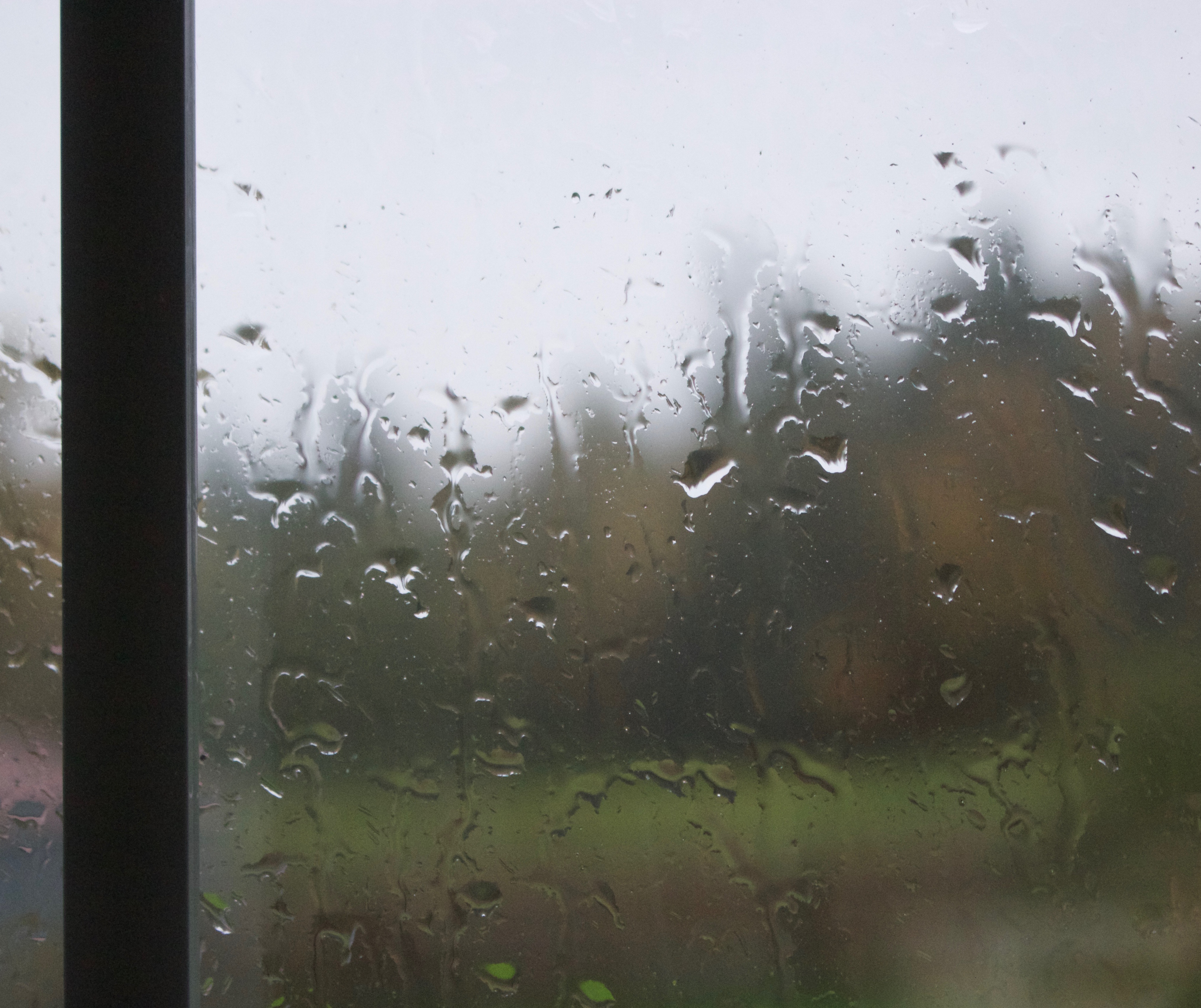
But then the weather gets indecisive and this little meteorologic phenomenon known as freezing rain with its resultant silver thaw happens. It warms up enough that it really isn’t snowing but it also really isn’t raining because the temperatures are still subfreezing at ground level, so it spills ice drops from the sky–noisy little splatters that land and stay beaded up on any surface. Branches resemble botanical popsicles, sidewalks become bumpy rinks, roads become sheer black ice, cars are encased in an impenetrable glaze of ice and windows are covered with textured glass twice as thick as usual.
In the midst of this frozen concoction coming from the sky, we delay farm chores as long as possible, knowing it will take major navigation aids to simply make our way out the back steps, across the sidewalk and down the hill, then up the slick cement slope to open the big sliding barn doors. Chains on our muck boots help, to a degree. The big rolling barn doors ice together when the northeast wind blows freezing rain into the tiny gap between them, so it is necessary to break foot holds into the ice on the cement to roll back the doors just enough to sneak through before shutting them quickly behind us, blocking the arctic wind blast. Then we can drink in the warmth of six stalls of hungry Haflinger horses, noisily greeting us by chastising us for our tardiness in feeding them dinner.
Wintertime chores are always more time-consuming but ice time chores are even more so. Water buckets need to be filled individually because the hoses are frozen solid. Hay bales stored in the hay barn must be hauled up the slick slope to the horse barn. Frozen manure piles need to be hacked to pieces with a shovel rather than a pitchfork. Who needs a bench press and fancy weight lifting equipment when you can lift five gallon buckets, sixty pound bales and fifteen pounds of poop per shovel full? Why invest in an elliptical exerciser? This farm life is saving us money… I think.
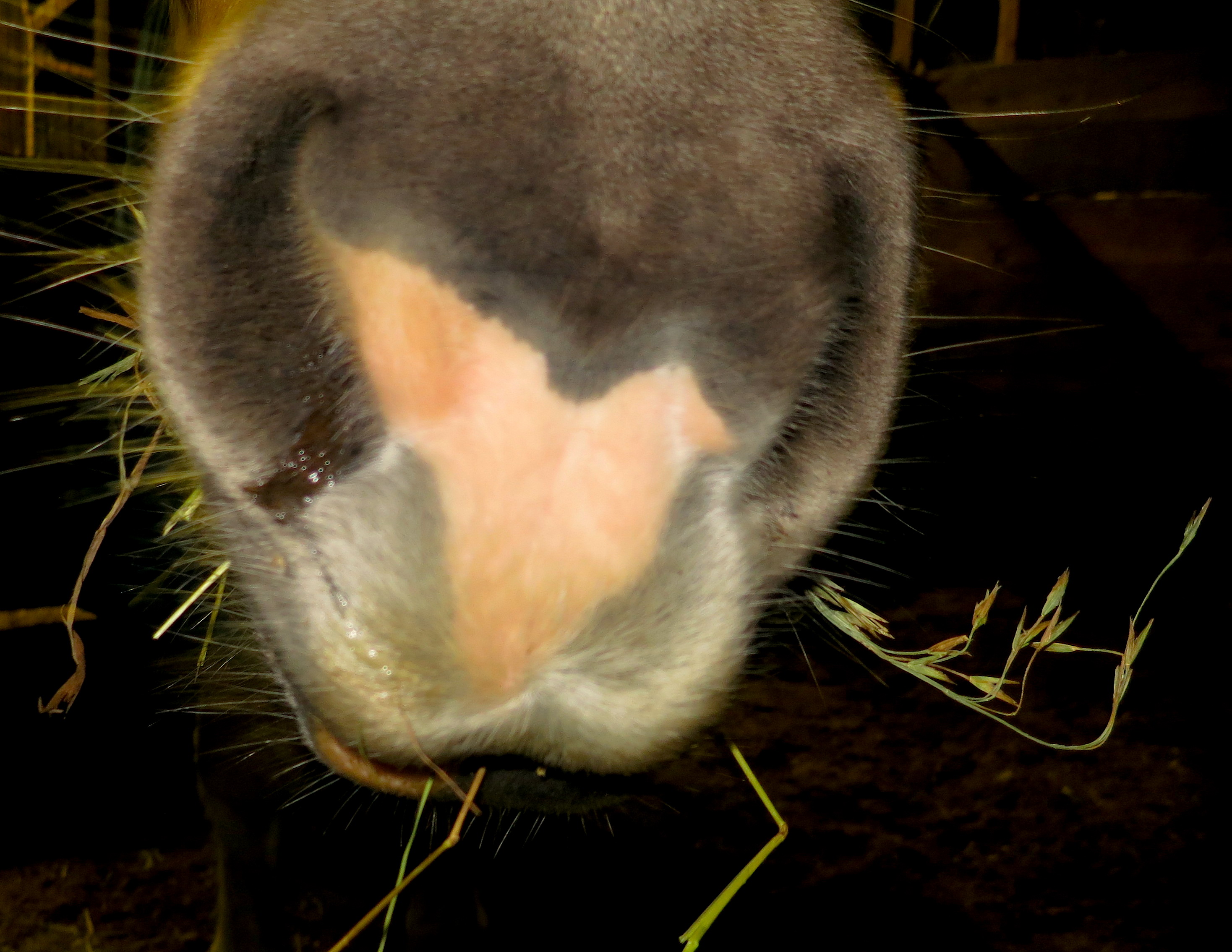
Once inside each stall, I take a moment to run my ungloved hand over a fluffy golden winter coat, to untangle a mane knot or two, and to breathe in sweet Haflinger hay breath from a velvety nose. It is the reason I will slide downhill, land on my face pushing loads of hay uphill to feed these loved animals no matter how hazardous the footing or miserable the weather. It is why their stalls get picked up more often than our bedrooms, their stomachs are filled before ours, and we pay for hoof trims for the herd but never manicures and pedicures for the people residing in the house.
The temperatures will rise, the overwhelming ice covering will start to thaw and our farm will be happily back to drippy and overcast. No matter what the weather, the barn will always be a refuge of comfort, even when the work is hard and the effort is a challenge for these middle aged farmers.
It’s enough to melt even the most grumbly heart and therefore the thickest coating of ice.
Again I reply to the triple winds
running chromatic fifths of derision
outside my window:
Play louder.
You will not succeed. I am
bound more to my sentences
the more you batter at me
to follow you.
And the wind,
as before, fingers perfectly
its derisive music.
~William Carlos Williams “January”
It’s been uncharacteristically cold here for nearly a month and this morning the northeast wind is back, pummeling away at our windows.
This is cold that descends from the Arctic to blast through the strongest Carhartt clothing, sneak under drafty doors, and freeze pipes not left dripping. It leaves no one untouched and unbitten with universal freezer burn, mocking us with its discordant chilly chords.
A bitter cold snap ensures even independent fair-weather individualists must become companionable when the going gets rugged, mandating shelter with others for survival. It can even mean forced companionship with those we ordinarily avoid, with whom we have little in common, with whom we disagree and even quarrel, with whom sharing a hug or snuggling for warmth would be unimaginable.
Our nation is in just such a cold snap today, terribly and bitterly divided about the inauguration to come, each of us feeling battered and pummeled by the winds of change. If we together don’t come in out of the deep freeze, we each will perish alone.
Hope is all we have left as so much hot air is being generated by derisive voices, even in the chillest land…
Outside the house the wind is howling
and the trees are creaking horribly.
This is an old story
with its old beginning,
as I lay me down to sleep.
But when I wake up, sunlight
has taken over the room.
You have already made the coffee
and the radio brings us music
from a confident age. In the paper
bad news is set in distant places.
Whatever was bound to happen
in my story did not happen.
But I know there are rules that cannot be broken.
Perhaps a name was changed.
A small mistake. Perhaps
a woman I do not know
is facing the day with the heavy heart
that, by all rights, should have been mine.
~Lisel Mueller “In November” from Alive Together
It does not escape me~
(I wake every day knowing this)
the earthquake happened somewhere else,
a windstorm leveled a town,
a drunk driver destroyed a family,
a fire left a house in ashes,
a missing child finally found at the bottom of a cliff,
a flood ravaged a village,
a devastating diagnosis darkens
someone’s remaining days.
No mistake has been made,
yet I wake knowing this part of my story
has not yet visited me,
the heavy heart
that should have been mine
awaits,
still beating,
still breaking,
still bleeding.

There is a desperation to these October days:
the leaves torn from branches by unrelenting gusts
with no thought to where they may land~
upon which patch of grass or gravel will be their final resting place
to wilt and wither in the rain,
under frost,
buried by eventual peaceful snowbanks
until they return to dust.
Or in my need to hold on to what I can
of what was,
I preserve a few like precious treasure,
tucked between book pages
to remain forever neighbors
with the words they embrace.


All day I have been closed up
inside rooms, speaking of trivial
matters. Now at last I have come out
into the night, myself a center
of darkness.
Beneath the clouds the low sky glows
with scattered lights. I can hardly think
this is happening. Here in this bright absence
of day, I feel myself opening out
with contentment.
All around me the soft rain is whispering
of thousands of feet of air
invisible above us.
~Wayne Dodd “Of Rain and Air”


…he sought the privacy of rain,
the one time no one was likely to be
out and he was left to the intimacy
of drops touching every leaf and tree in
the woods and the easy muttering of
drip and runoff…
He could not resist the long
ritual, the companionship and freedom
of falling weather, or even the cold
drenching, the heavy soak and chill of clothes
and sobbing of fingers and sacrifice
of shoes that earned a baking by the fire
and washed fatigue after the wandering
and loneliness in the country of rain.
~Robert Morgan from “Working in the Rain”
There will be plenty of whispering and muttering this coming holiday weekend if the weather prediction holds out to be accurate for three days of rain.
Rain is what makes this part of the world special, but like Camelot, most people would prefer it would never fall till after sundown. It is not a more congenial spot than Camelot.
I may be an oddity, somewhat typical of northwest-born natives. I celebrate rain whenever it comes, whether downpour or whispering drizzle, before sundown or after sunrise. I grew up working outside in the intimacy of a drenching shower, yet am always happy to have an excuse to stay indoors to be putterer more than mutterer.


“Lord, don’t trouble yourself, for I do not deserve to have you come under my roof. That is why I did not even consider myself worthy to come to you. But say the word, and my servant will be healed.
When Jesus heard this, he was amazed at him, and turning to the crowd following him, he said, “I tell you, I have not found such great faith even in Israel.”
Luke 7
God of our life,
there are days when the burdens we carry
chafe our shoulders and weigh us down;
when the road seems dreary and endless,
the skies grey and threatening;
when our lives have no music in them,
and our hearts are lonely,
and our souls have lost their courage.
Flood the path with light,
run our eyes to where the skies are full of promise;
tune our hearts to brave music;
give us the sense of comradeship with heroes and saints of every age;
and so quicken our spirits
that we may be able to encourage the souls of all
who journey with us on the road of life,
to Your honour and glory.
~Augustine of Hippo
Those final few days of His life may have been like this:
the sky oppressive with storm clouds,
the shouldered burden too painful,
the soul weighed down, discouraged, disheartened.
Each step brought Him closer
to a desperate loneliness borne of betrayal and rejection.
But the end of that dark walk was just the beginning
of a journey into new covenant.
Instead of rain, those clouds bore light,
flooding the pathway so we can come together to lift the load.
Instead of loneliness, there arises community.
Instead of stillness, there is declaration of glory.
Instead of discouragement, He embodies hope for all hearts.
The promise fulfilled spills over our path.
We are drenched in gratitude, flooded with grace.


During this Lenten season, I will be drawing inspiration from the new devotional collection edited by Sarah Arthur —Between Midnight and Dawn


Minnie Paterson rocked slowly in her rocking chair, nursing her infant son. She sat near the south window of the lighthouse living quarters, and studied the rain streaming down in rivulets.Wind gusts rattled the window. A lighthouse keeper’s home was constantly buffeted by wind, but this early winter storm picked up urgency throughout the night.Now with first light, Minnie looked out at driving rain blowing sideways, barely able to make out the rugged rocks below.The Pacific Ocean was anything but; the mist hung gray, melding horizon into sea, with flashes of white foam in crashing waves against the rocky cliffs of Cape Beale.
Whenever storms came, it seemed the Paterson family lived at the edge of civilization. Yet these storms were the reason she and Tom and their five children lived on the rugged west coast of Vancouver Island, in isolation at the southern edge of Barkley Sound. Tom’s job was to keep the foghorn blaring and the light glowing above the treacherous rocks, to guide sea vessels away from certain peril. The storms sometimes were too powerful even with the lighthouse as a beacon of warning. In January 1906, the ship Valencia had wrecked off the coast and only a few survivors had managed to make their way to shore, staggering up the rocky trail to the lighthouse where she warmed them by the stove and fed them until rescuers could come.
Eleven months later, Minnie was setting about getting breakfast ready when her husband came down the stairs in a rush from the upper room where he tended the light.
“Mother, it’s a ship! I just now see it. It is battered by the waves, its sails in tatters! I can see a man waving a distress signal from the deck. It will surely run aground against the rocks—I must telegraph the village to send out rescuers.”
Minnie went to the window again but could see nothing in the mist. Surely this could not be another Valencia disaster! Tom went to the telegraph in the corner of the room and tapped out the urgent message to the fishing village of Bamfield, five miles away inside Barkley Sound. He sat impatiently waiting for a reply, drumming his fingers on the desk. After ten minutes, he sent the message again with no response.
“The lines are down. I’m certain of it. The fallen trees pull them down in this wind. We’ll be unable to summon the rescuers. This ship is doomed, just like the Valencia. There is no way we can reach them in this weather and they can’t come ashore here in lifeboats. They’ll crash on the rocks…”
Seeing the helplessness Tom felt, Minnie knew immediately what she must do.He could not leave his post—it was a condition of his job.She would have to run the six miles for help, through the forest.She kissed Tom and the children goodbye, donned a cap and sweater, and as her feet did not fit in her boots, she put on her husband’s slippers. She ran down the long stairway down the hill taking their dog as a precaution to help warn her of bears on the trails.
Minnie first had to cross through a tideland inlet with water waist deep. She quickly stripped from the waist down, held her pants and slippers over her head and crossed through the icy water, her dog swimming alongside. Shivering on the other side, she quickly dressed, and started down the narrow winding forest trail, scrambling over large fallen trees blocking the way. She waded through deep mud, and crossed rocky beaches where wild waves drenched her. At times the tide was so high she crawled on her hands and knees through underbrush so as not to be swept away by the storm.
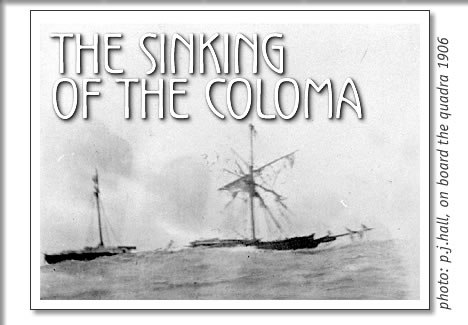
After four hours, she reached a home along the trail and with a friend, launched a rowboat to go on to Bamfield. The two women notified the anchored ship Quadra, which set out immediately for Cape Beale. Within an hour, the Quadra had reached the Coloma which was taking on water fast, and drifting close to the rocks on shore.
Minnie walked the long way back home that night, clothing tattered, muscles cramping, exhausted and chilled. Her breasts overflowing, she gratefully fed her baby, unaware for days that her efforts rescued the crew of the Coloma. Tragically, her health compromised, she died in 1911 of tuberculosis, forever a heroine to remember.

Minnie Paterson
Source material: Bruce Scott’s Barkley Sound and Lighthouse Digest
This is a story Dan and I were told while staying in Bamfield on our honeymoon over thirty years ago. On a bright September day we walked the trail to the Cape Beale lighthouse, a most challenging and beautiful part of the world. The trail was so difficult, I was sure I was not going to make it to the lighthouse and back, so how Minnie managed in a December storm, in the dark, is beyond imagining. Her bravery captured me and I honor her sacrifice with this rendering of her story. EPG

Your rolling and stretching had grown quieter that stormy winter night
twenty three years ago, but no labor came as it should.
A week overdue post-Christmas,
you clung to amnion and womb, not yet ready.
Then the wind blew more wicked
and snow flew sideways, landing in piling drifts,
the roads becoming impassable, nearly impossible to traverse.
So your dad and I tried,
worried about being stranded on the farm far from town.
Our little car got stuck in a snowpile in the deep darkness,
our tires spinning, whining against the snow.
A nearby neighbor’s bulldozer dug us out to freedom.
You floated silent and still, knowing your time was not yet.
Creeping slowly through the dark night blizzard,
we arrived to the warm glow of the hospital.
You slept.
I, not at all.
Morning sun glistened off sculptured snow outside our window,
and your heart had ominously slowed in the night.
We both were jostled, turned, oxygenated, but nothing changed.
You beat even more slowly, letting loose your tenuous grip on life.
The nurses’ eyes told me we had trouble.
The doctor, grim faced, announced
delivery must happen quickly,
taking you now, hoping we were not too late.
I was rolled, numbed, stunned,
clasping your father’s hand, closing my eyes,
not wanting to see the bustle around me,
trying not to hear the shouted orders,
the tension in the voices,
the quiet at the moment of opening
when it was unknown what would be found.
And then you cried. A hearty healthy husky cry, a welcomed song.
Perturbed and disturbed from the warmth of womb,
to the cold shock of a bright lit operating room,
your first vocal solo brought applause
from the surrounding audience who admired your pink skin,
your shock of damp red hair, your blue eyes squeezed tight,
then blinking open, wondering and wondrous,
emerging saved from the storm within and without.
You were brought wrapped for me to see and touch
before you were whisked away to be checked over thoroughly,
your father trailing behind the parade to the nursery.
I closed my eyes, swirling in a brain blizzard of what-ifs.
If no snow storm had come,
you would have fallen asleep forever within my womb,
no longer nurtured by my aging placenta,
cut off from what you needed to stay alive.
There would have been only our soft weeping,
knowing what could have been if we had only known,
if God provided a sign to go for help.
Saved by a storm and dug out from a drift:
I celebrate each time I hear your voice singing.
*my annual “happy birthday” to Lea,
now a college graduate and school teacher*


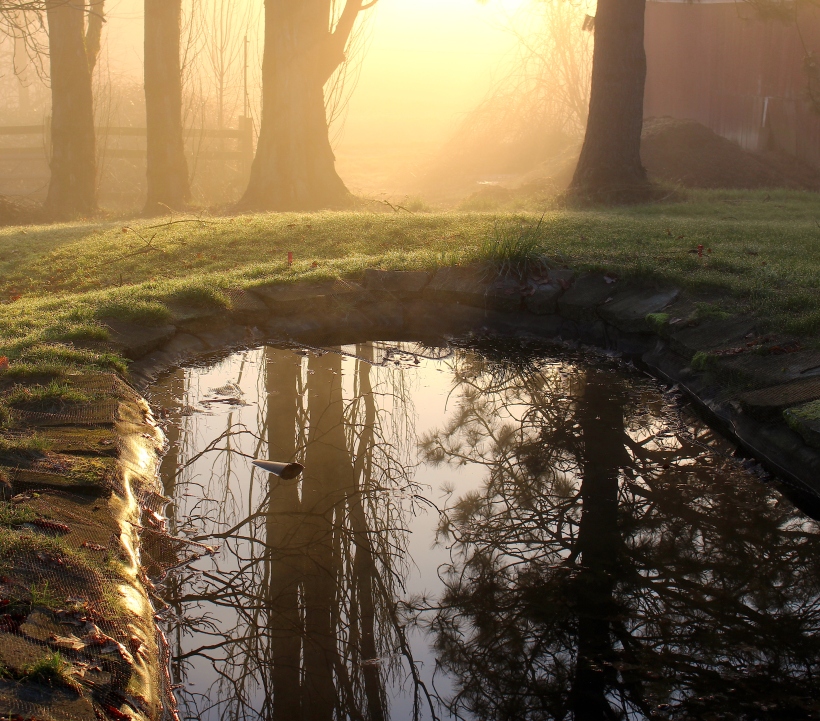
Dawn comes later and later now,
and I, who only a month ago
could sit with coffee every morning
watching the light walk down the hill
to the edge of the pond and place
a doe there, shyly drinking,
then see the light step out upon
the water, sowing reflections
to either side — a garden
of trees that grew as if by magic —
now see no more than my face,
mirrored by darkness, pale and odd,
startled by time. While I slept,
night in its thick winder jacket
bridled the doe with a twist
of wet leaves and led her away,
then brought its black horse with harness
that creaked like a cricket, and turned
the water garden under. I woke,
and at the waiting window found
the curtains open to my open face;
beyond me, darkness. And I,
who only wished to keep looking out,
must now keep looking in.
~Ted Kooser “A Letter in October”
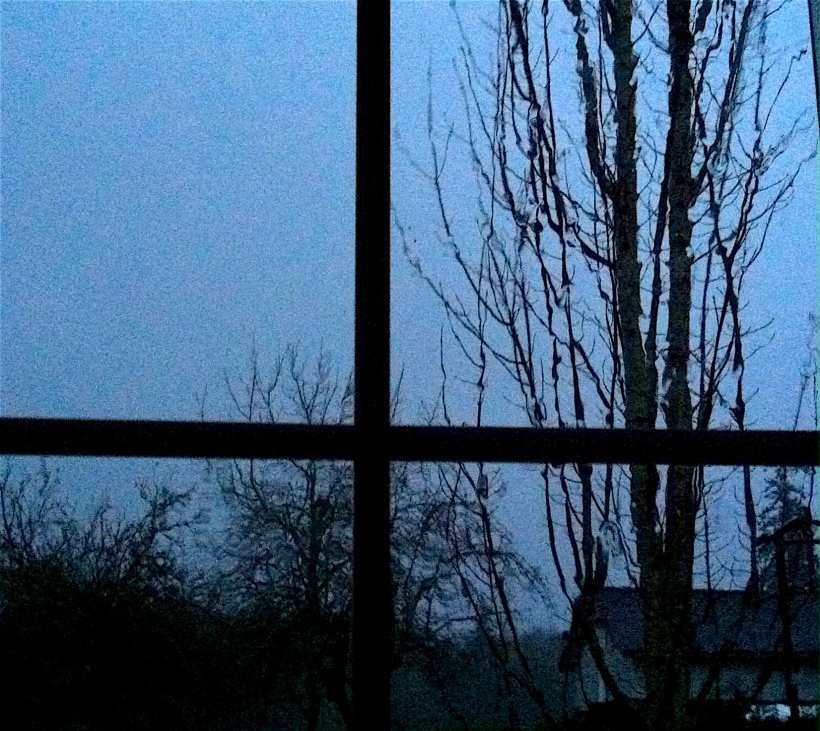
God knows we miss the light
these autumn mornings,
especially when a storm blows
wet and wild in the dark
beyond the window pane.
We only see ourselves
peering into the darkness.
God knows we need the light.