…this has been a day of grace in the dead of winter, the hard knuckle of the year, a day that unwrapped itself like an unexpected gift, and the stars turn on, order themselves into the winter night. ~Barbara Crooker from Barbara Crooker: Selected Poems
…it’s easy to forget that the ordinary is just the extraordinary that’s happened over and over again. Sometimes the beauty of your life is apparent. Sometimes you have to go looking for it. And just because you have to look for it doesn’t mean it’s not there. God, grant me the grace of a normal day. ~Billy Coffey
…there is no such thing as a charmed life, not for any of us, no matter where we live or how mindfully we attend to the tasks at hand. But there are charmed moments, all the time, in every life and in every day, if we are only awake enough to experience them when they come and wise enough to appreciate them. ~Katrina Kenison from The Gift of an Ordinary Day
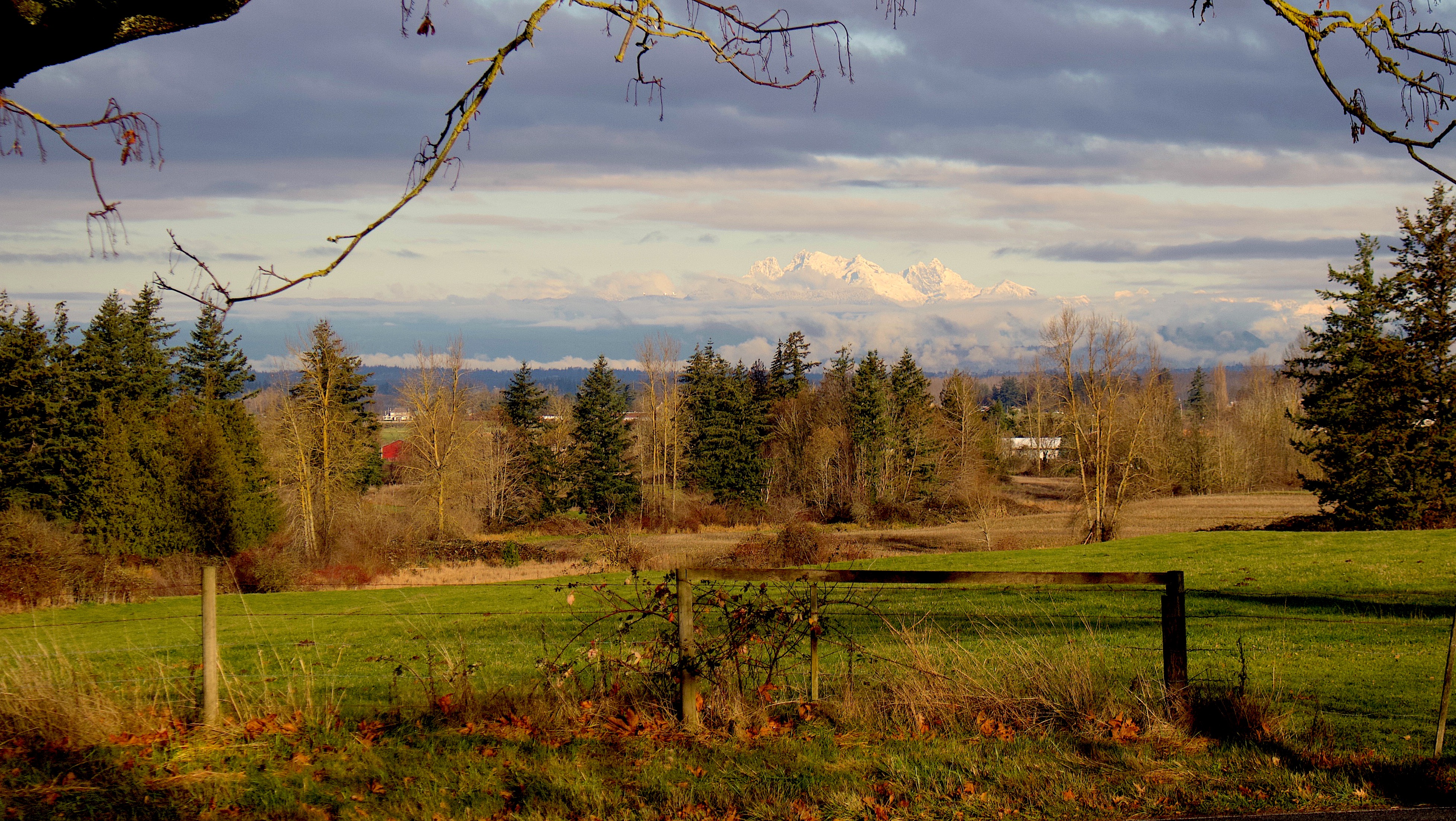
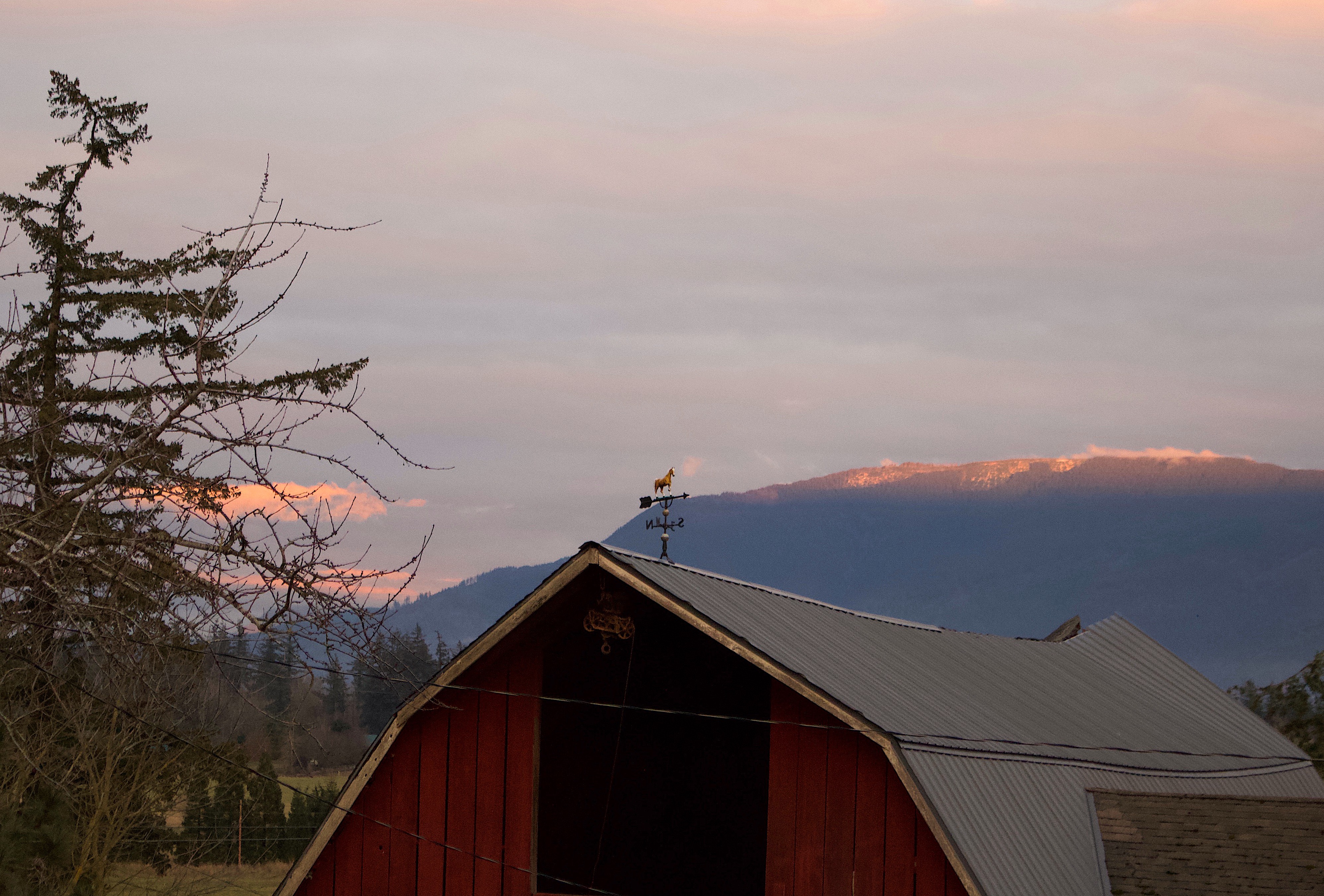
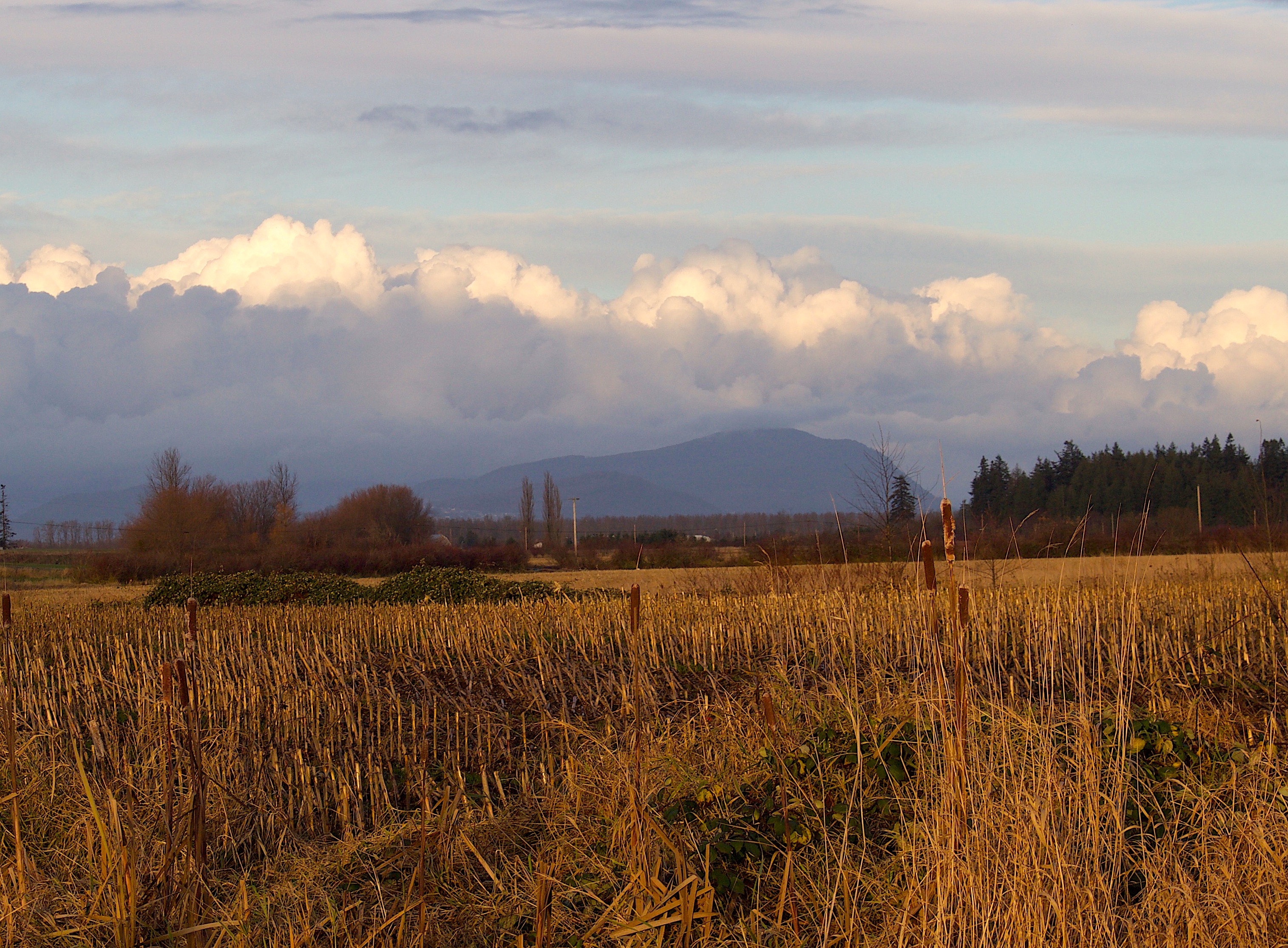
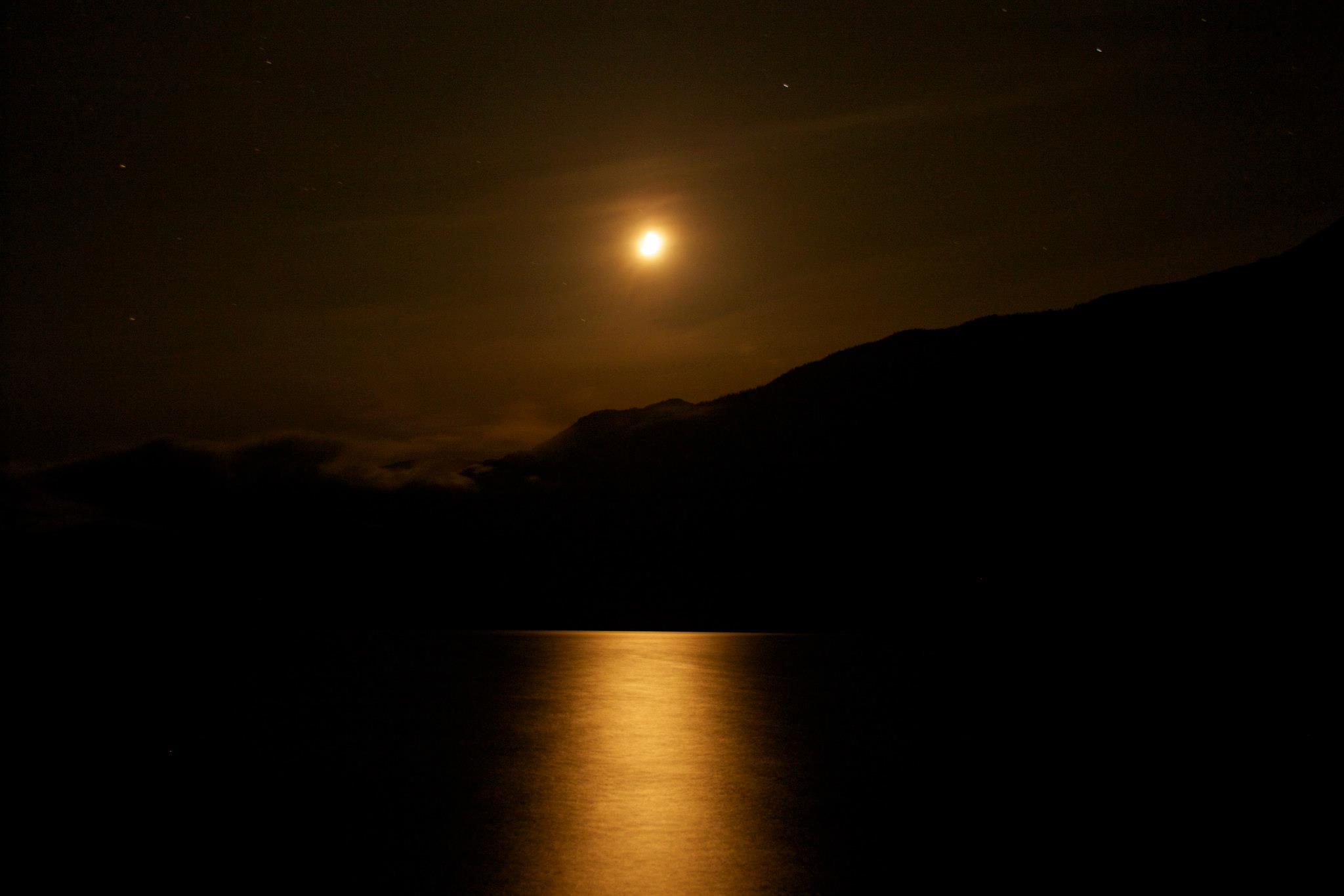
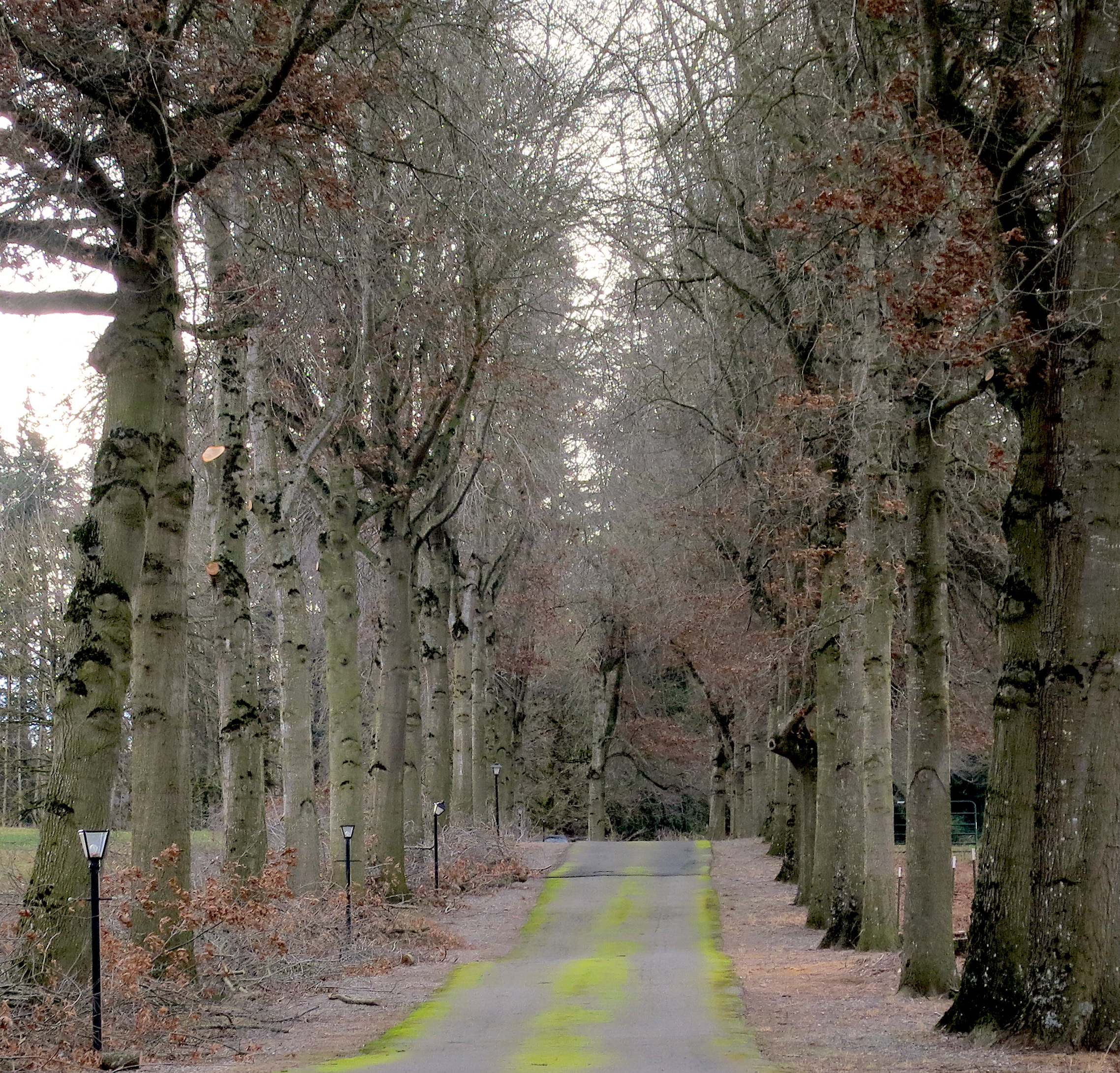
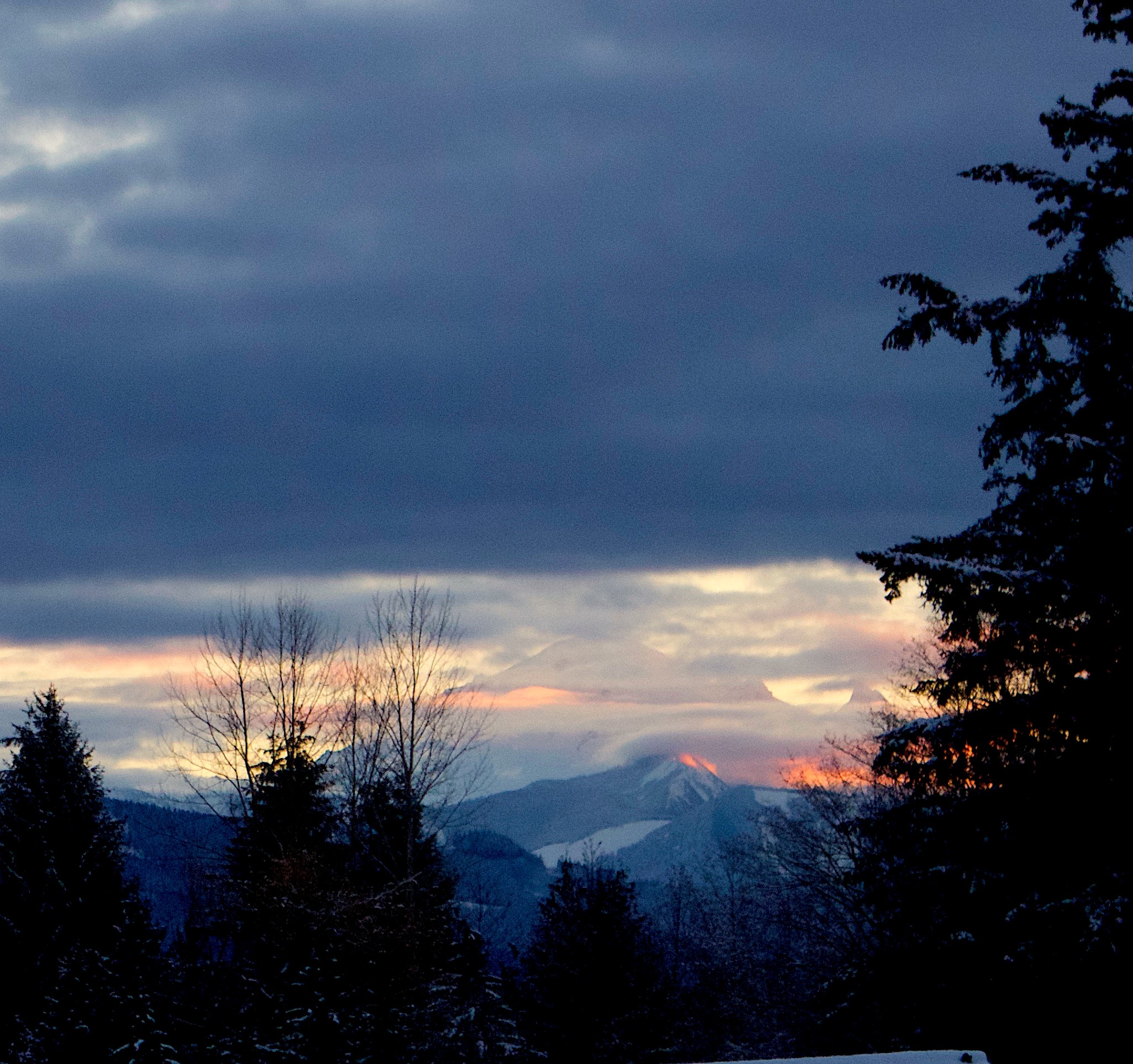
These dead of winter days are lengthening, slowly and surely, but I still leave the farm in darkness to head to my work in town, and I return in darkness at the end of the workday. Barn chores at either end of the day happen under moonlight and starlight.
Each day, so extraordinary in its ordinariness, is full of grace if I awake to really see it, even under cover of darkness.
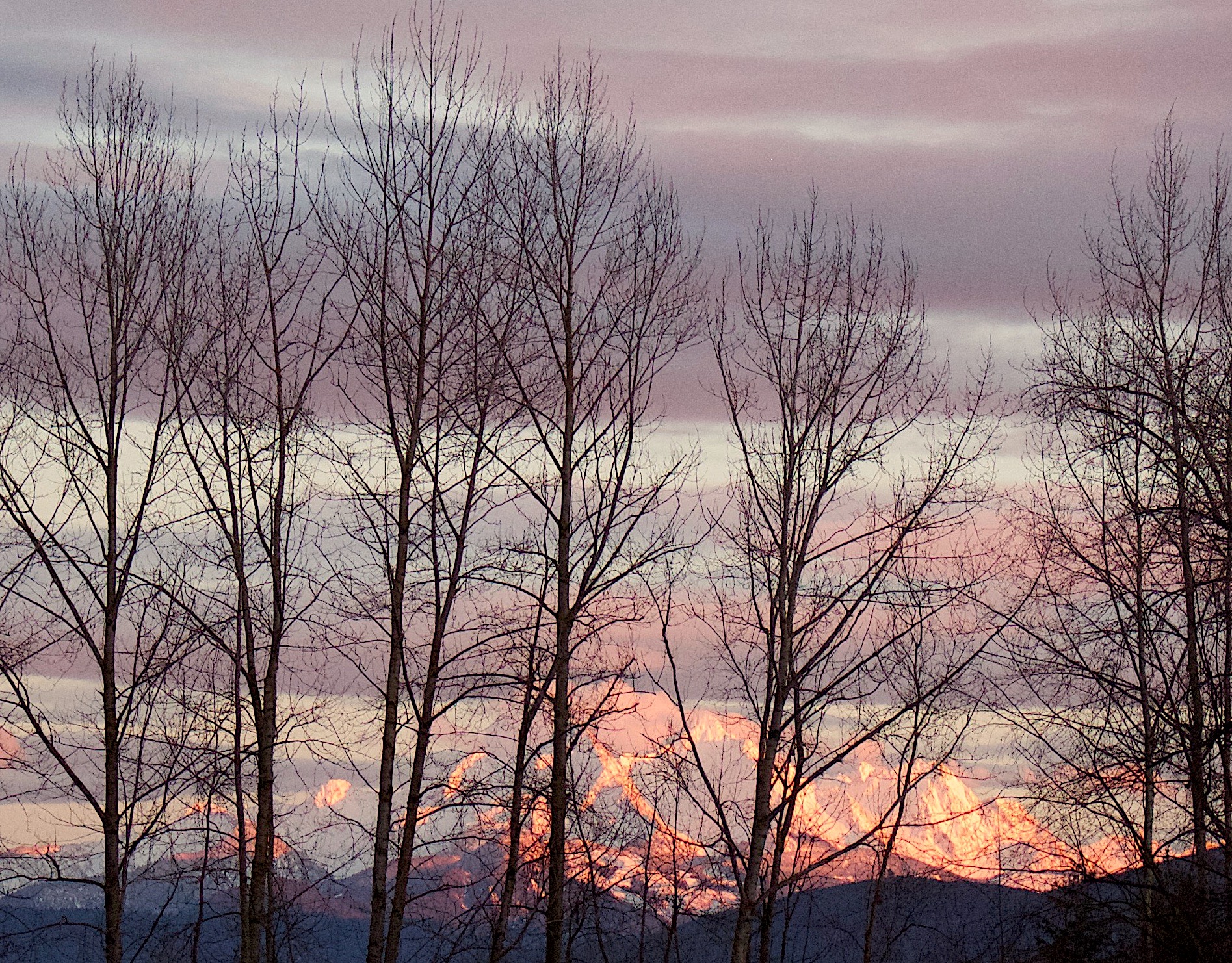
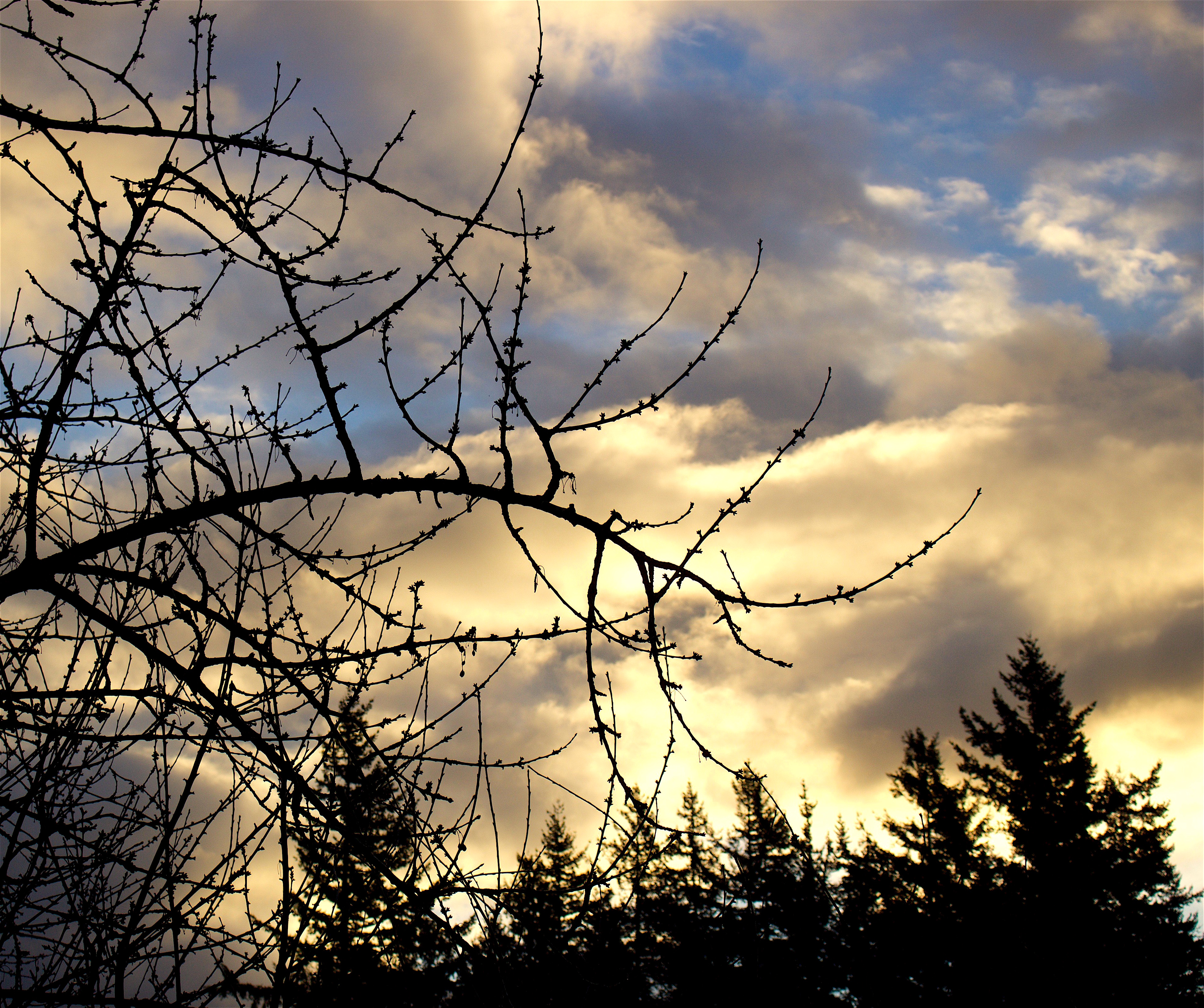
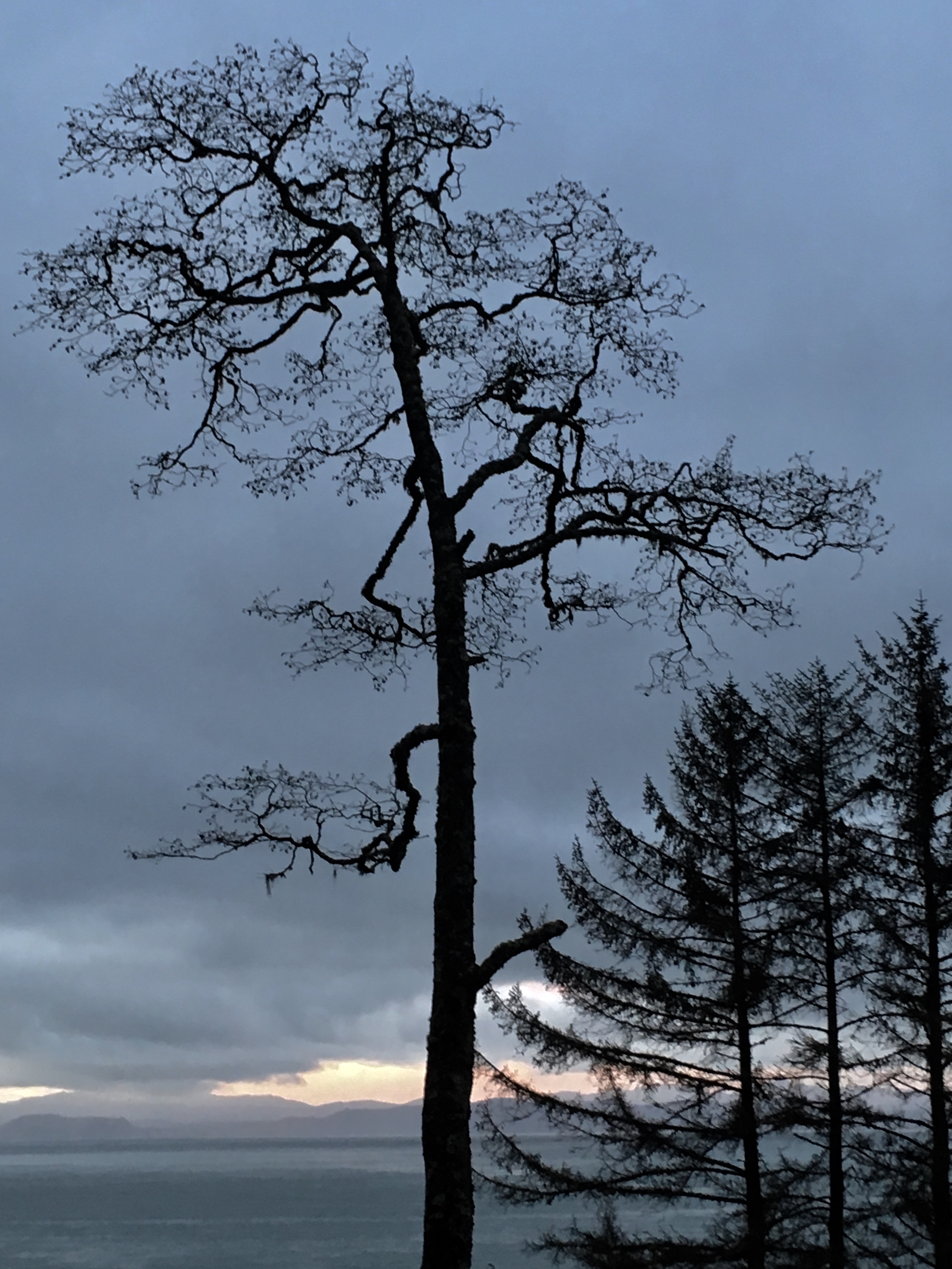
The bones of the trees, and the bones of me, illuminated.
By the road to the contagious hospital under the surge of the blue mottled clouds driven from the northeast — a cold wind. Beyond, the waste of broad, muddy fields brown with dried weeds, standing and fallen
patches of standing water the scattering of tall trees
All along the road the reddish purplish, forked, upstanding, twiggy stuff of bushes and small trees with dead, brown leaves under them leafless vines —
Lifeless in appearance, sluggish dazed spring approaches —
They enter the new world naked, cold, uncertain of all save that they enter. All about them the cold, familiar wind —
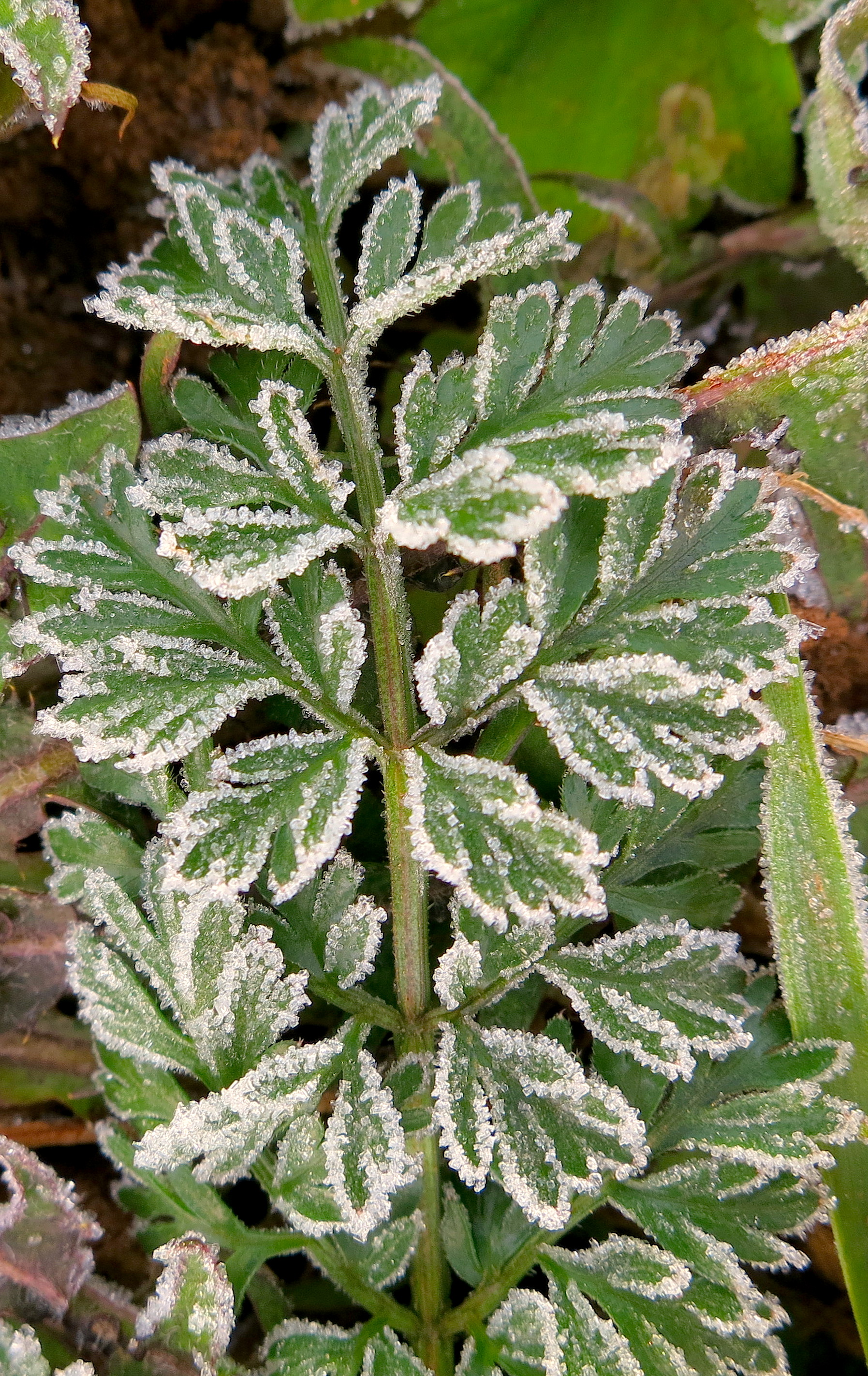
Now the grass, tomorrow the stiff curl of wildcarrot leaf
One by one objects are defined — It quickens: clarity, outline of leaf
But now the stark dignity of entrance — Still, the profound change has come upon them: rooted they grip down and begin to awaken ~William Carlos Williams “Spring and All”
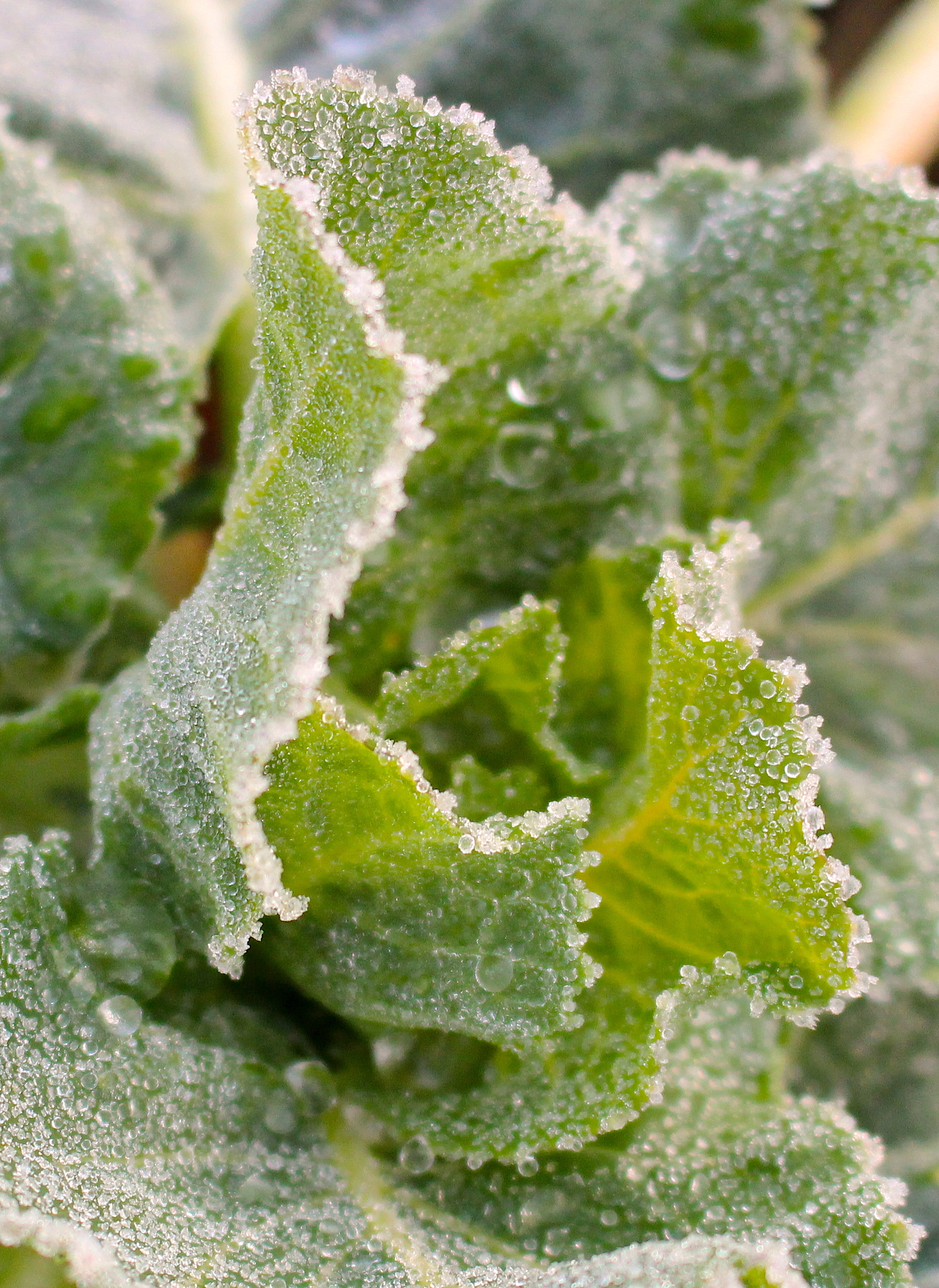
January wraps up with much of the country in deep freeze, covered in snow and ice and bitter wind chill.
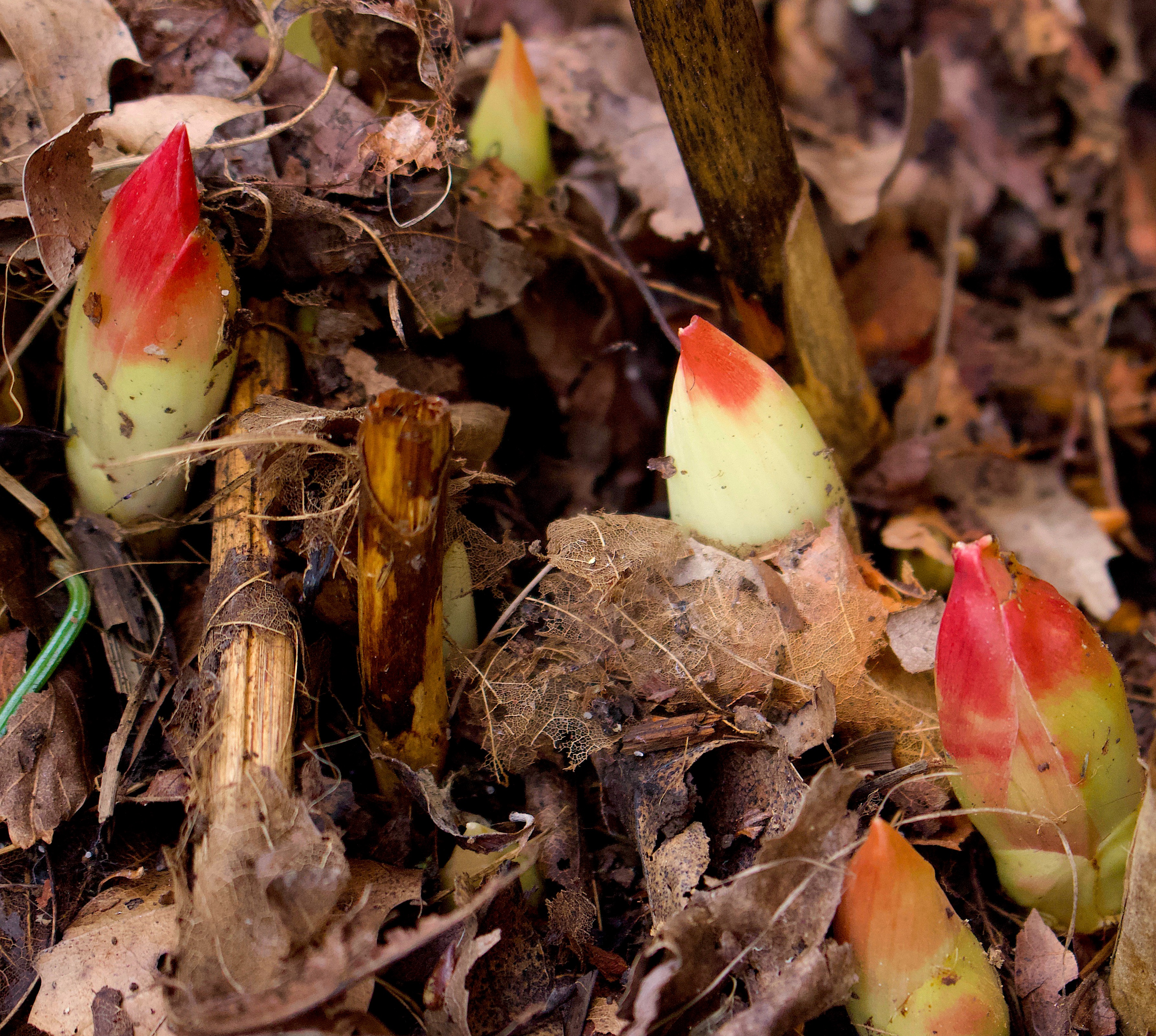
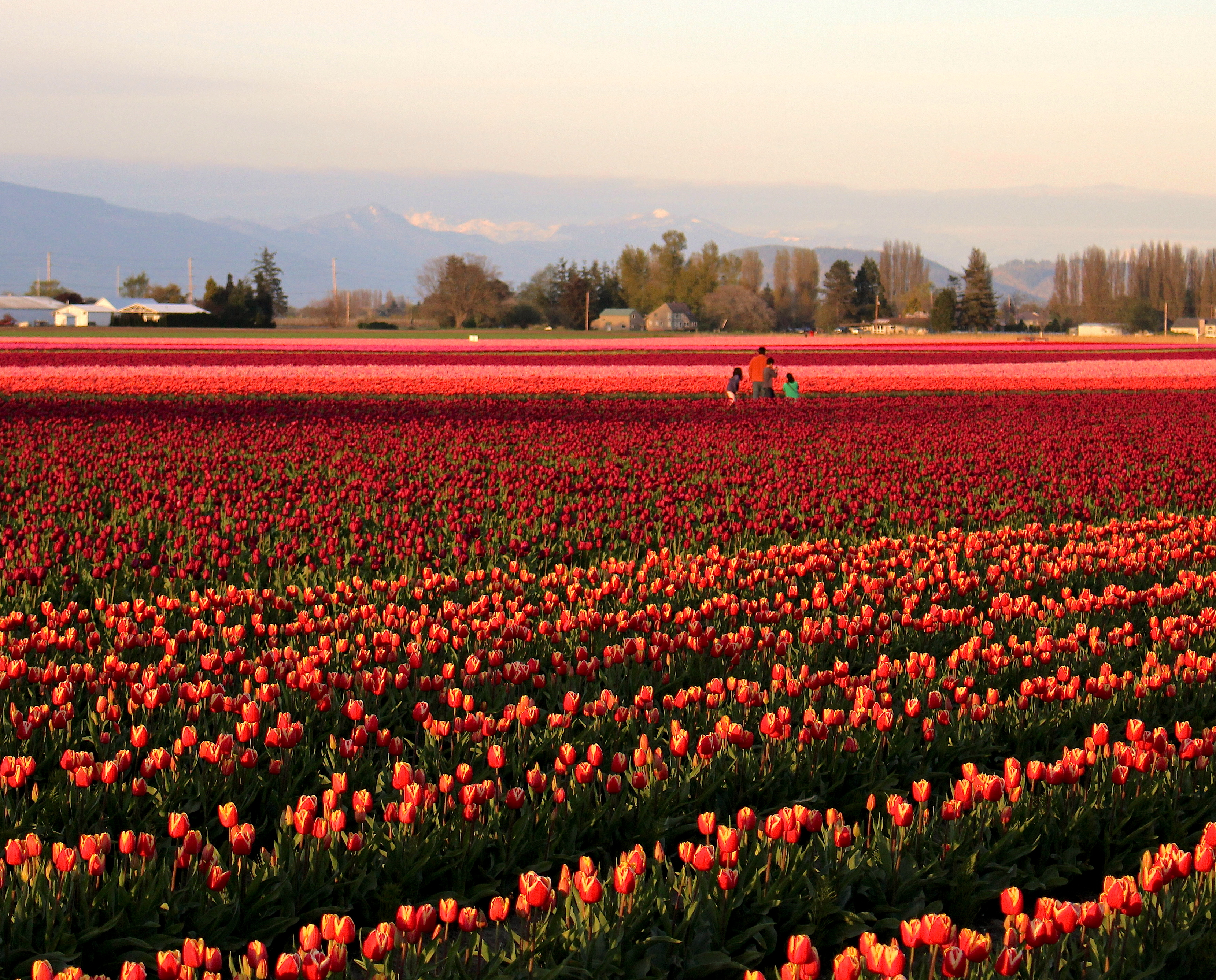
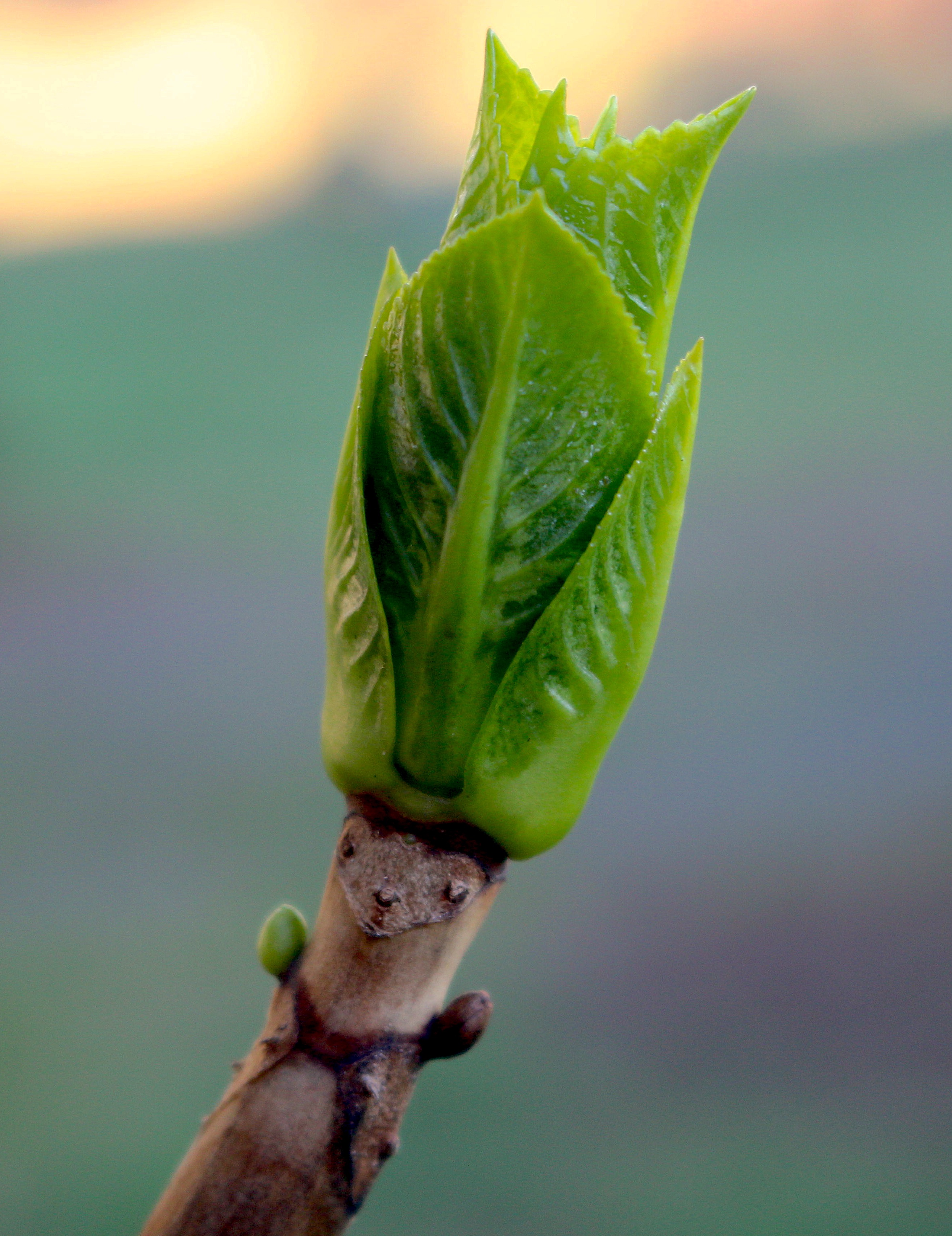
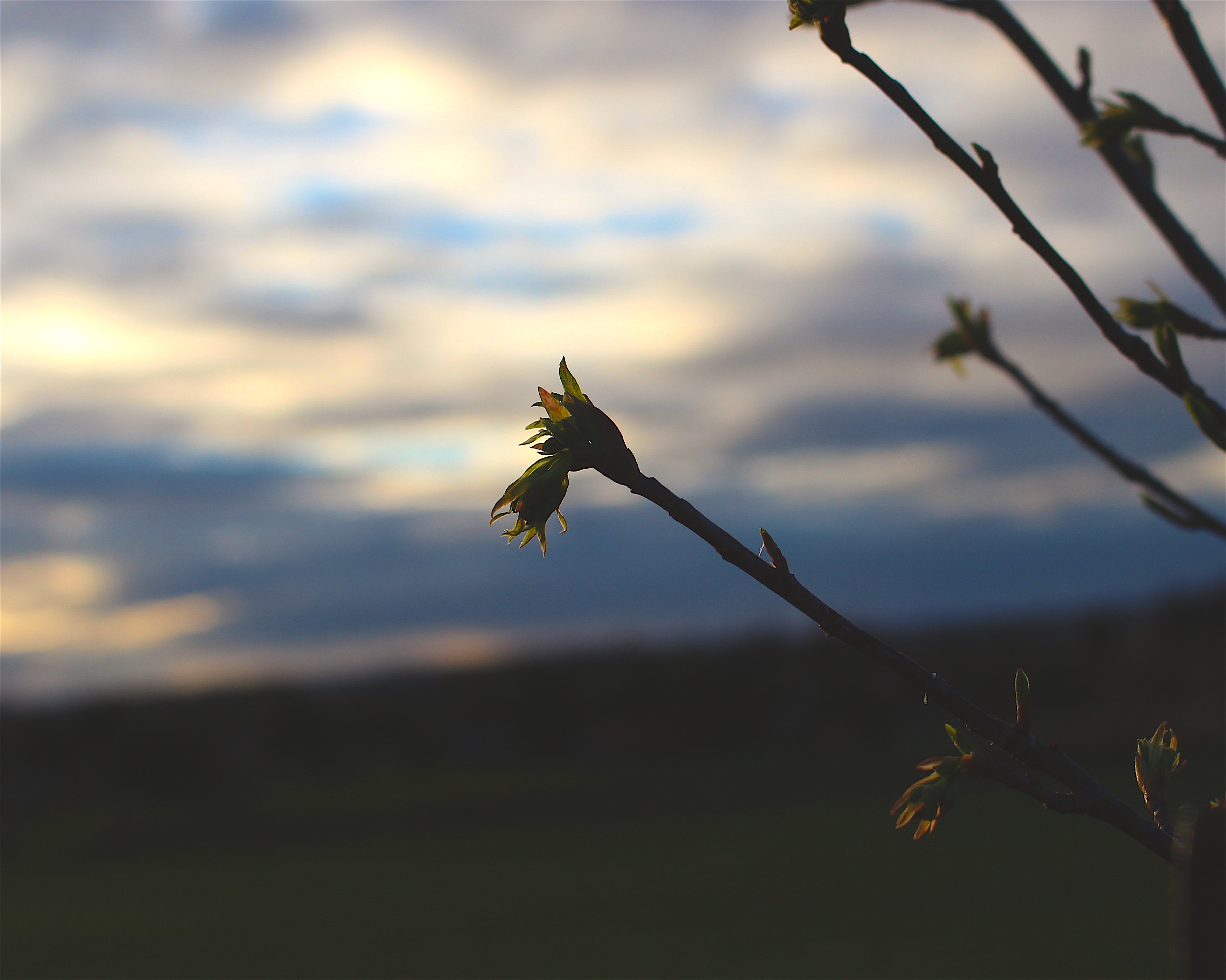
Yet outside begins to awaken– tender buds swelling, bulbs breaking through soil, in reentry to the world from the dark and cold.
Like a mother who holds the mystery of her quickening belly, so hopeful and marveling, she knows soon and very soon there will be spring.
On the day when The weight deadens On your shoulders And you stumble, May the clay dance To balance you.
And when your eyes Freeze behind The grey window And the ghost of loss Gets into you, May a flock of colours, Indigo, red, green And azure blue, Come to awaken in you A meadow of delight.
When the canvas frays In the currach of thought And a stain of ocean Blackens beneath you, May there come across the waters A path of yellow moonlight To bring you safely home. ~John O’Donohue from “Beannacht”
photo by Josh Scholten
I figure I was born unbalanced in one way or another. I was the kid who couldn’t manage roller skating out of fear of falling, clinging to the rail rather than risk being ground-bound yet again. My one and only cross country skiing experience was actually cross-country sitting more than gliding. I still freeze in place when trying to walk over an icy surface or down a steep incline — my brain just can’t help my body navigate anything other than a straight flat pathway.
It isn’t just physical balance that is a challenge for me. As a child, and still at times in my later years, my feelings can be intense and immobilizing too, every disappointment becoming tragedy and every happy moment so joyous I cling to it fiercely, fearing it could fade.
A blessing of balance is ideal: ground that dances to steady me when I stumble, a palette of rainbow colors to overwhelm gray emotions when I’m struggling, a lighted pathway if the going gets dark.
I’ve given up the idea of skating or skiing, but just maybe I can ride and glide through the waves of life without getting seasick.
In gratitude to poet Mary Oliver, who did not wake up this morning on this side of the veil, but did wake up to unimaginable glory on another side:
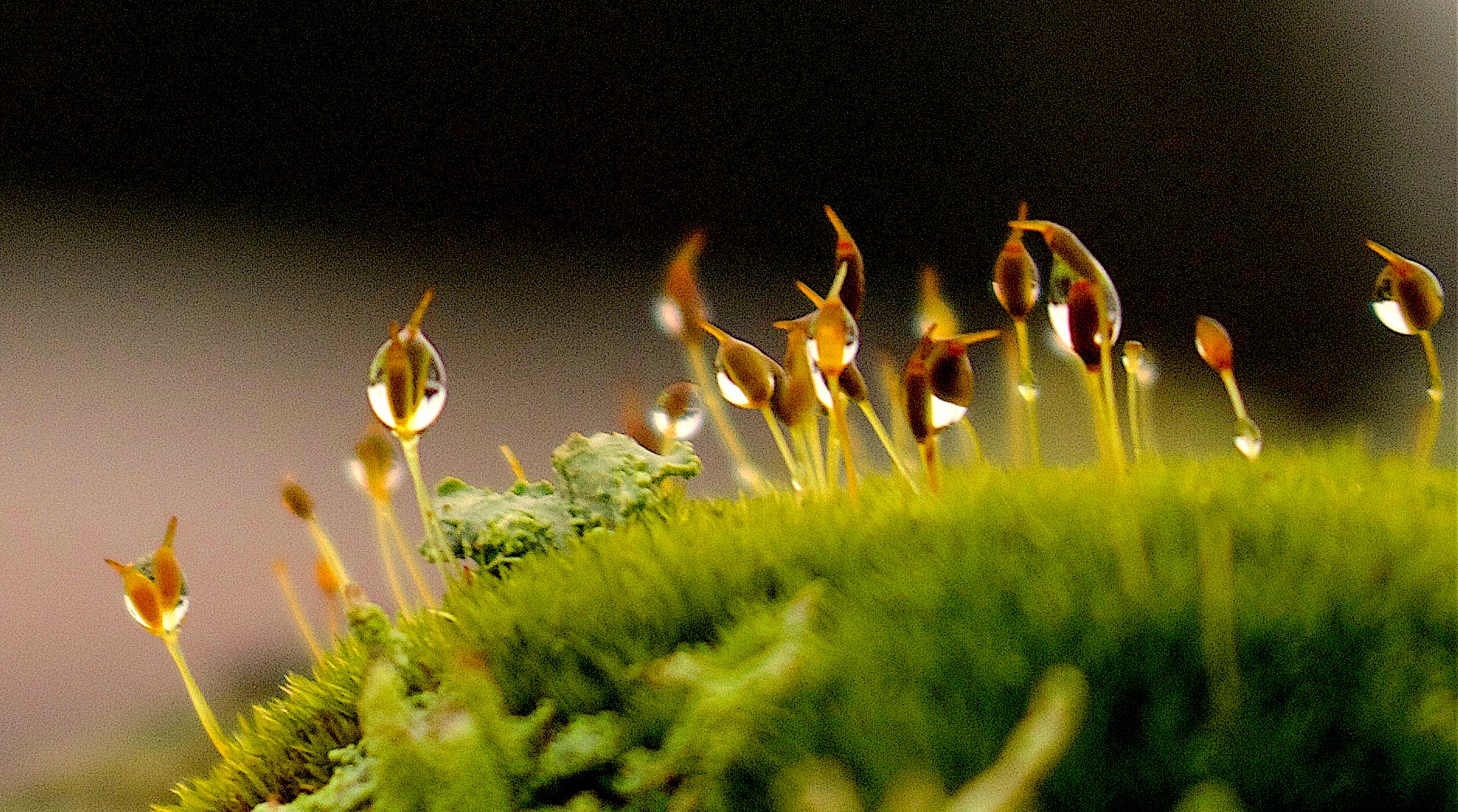
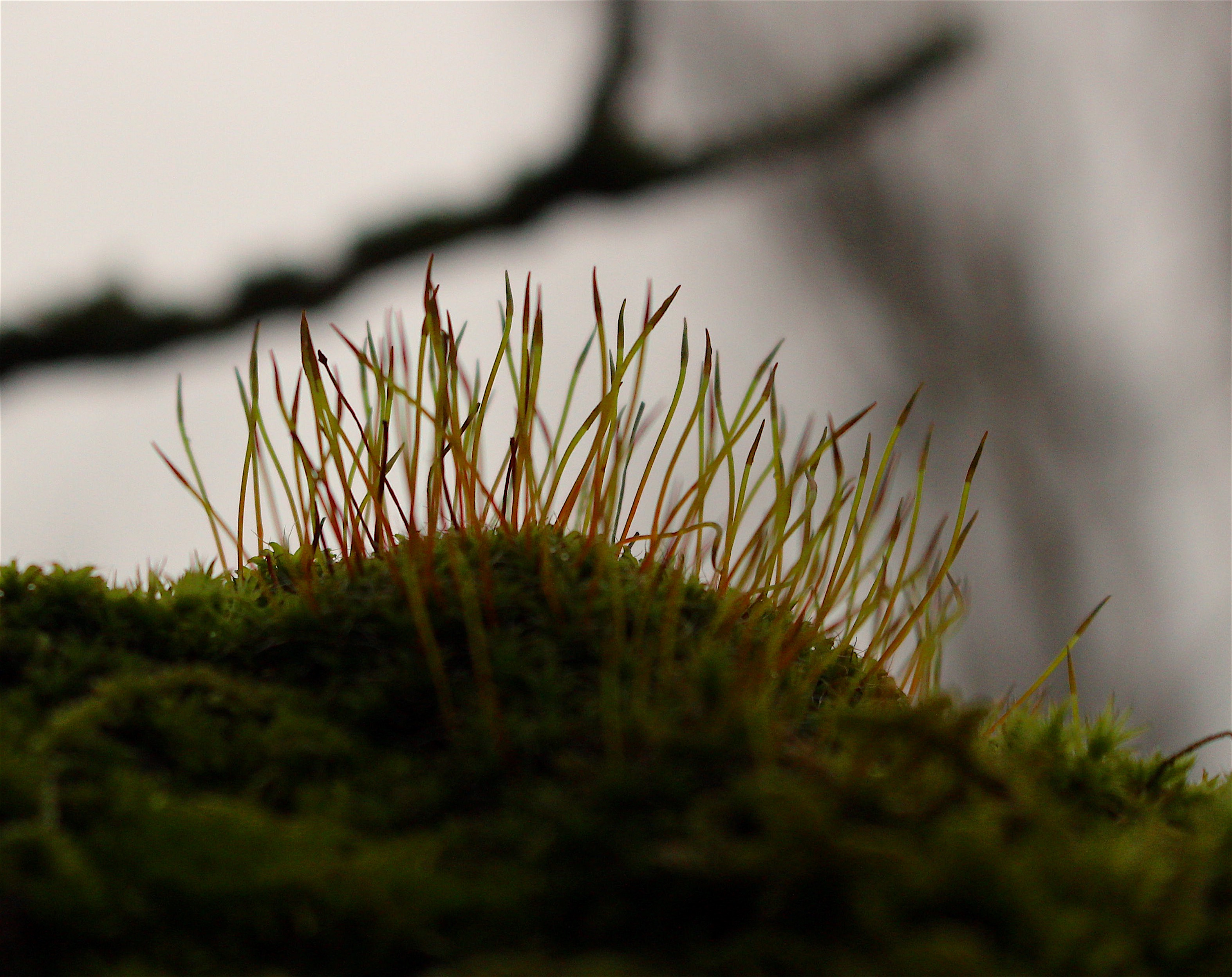
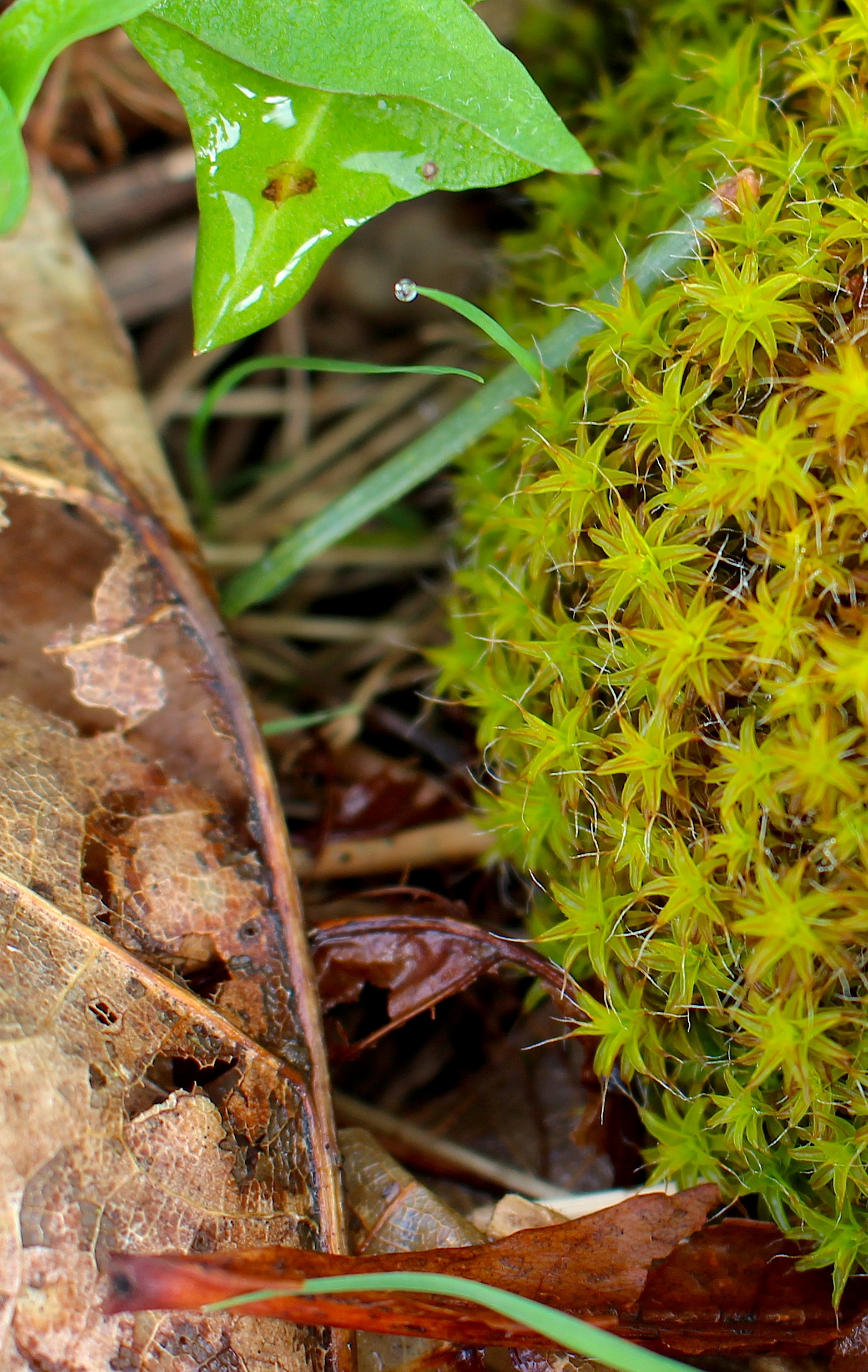
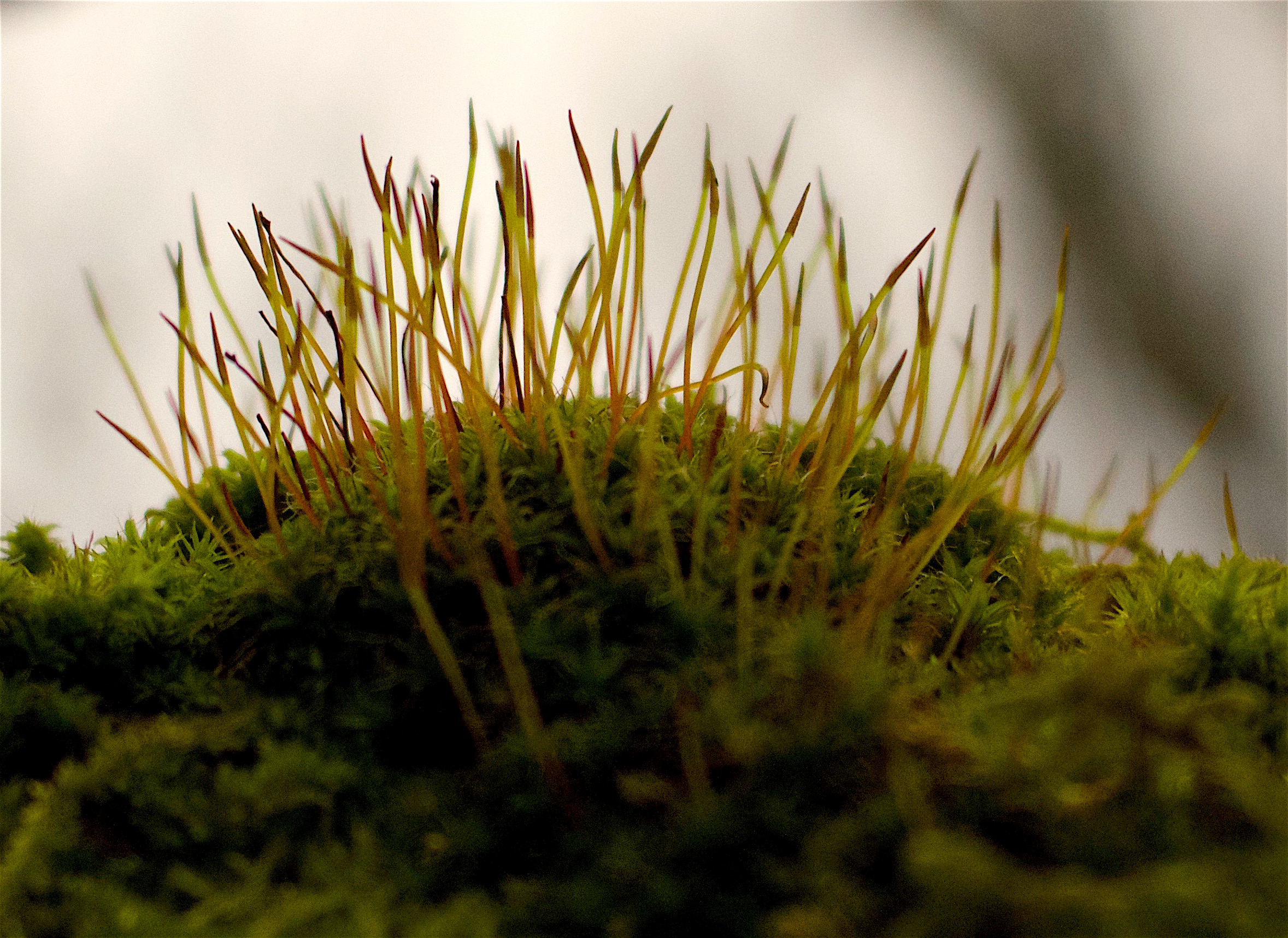
Even in mid-January, when endless days drag on dark and damp~ even when I am unconvinced new life and light will ever return, these mosses grow with enthusiasm, requiring so little to stay alive~
they patiently encourage me to fly with strong wings, to keep open the doors of my heart to the possibility that even now, especially now when I can’t imagine it, I too will thrive.
When it’s over, I want to say: all my life I was a bride married to amazement. I was the bridegroom, taking the world into my arms.
When it’s over, I don’t want to wonder if I have made of my life something particular, and real. I don’t want to find myself sighing and frightened, or full of argument.
I don’t want to end up simply having visited this world. ~Mary Oliver from “When Death Comes”
Today is one of those excellent January partly cloudies in which light chooses an unexpected part of the landscape to trick out in gilt, and then the shadow sweeps it away. You know you’re alive. You take huge steps, trying to feel the planet’s roundness arc between your feet. ~Annie Dillard from Pilgrim at Tinker Creek
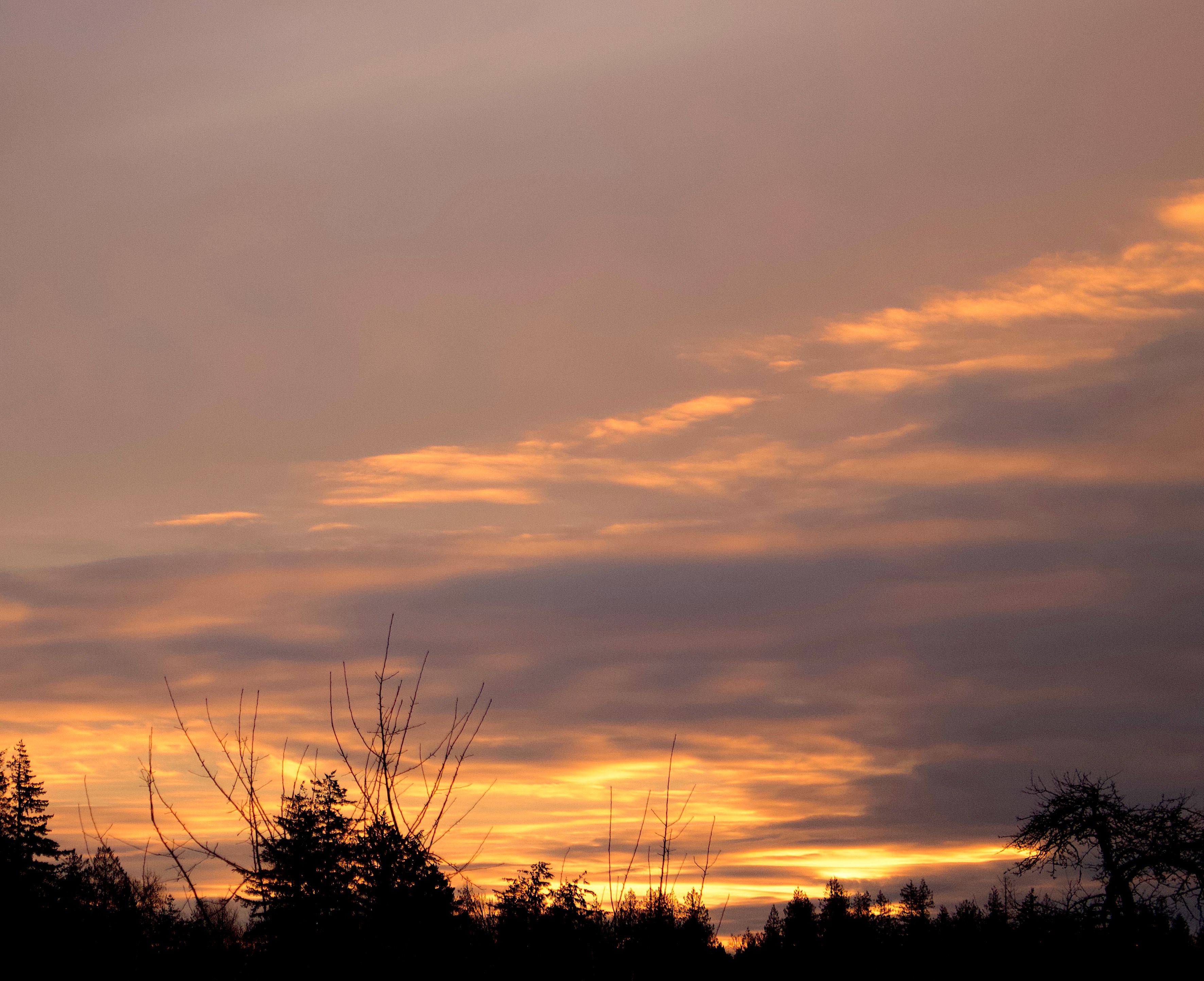
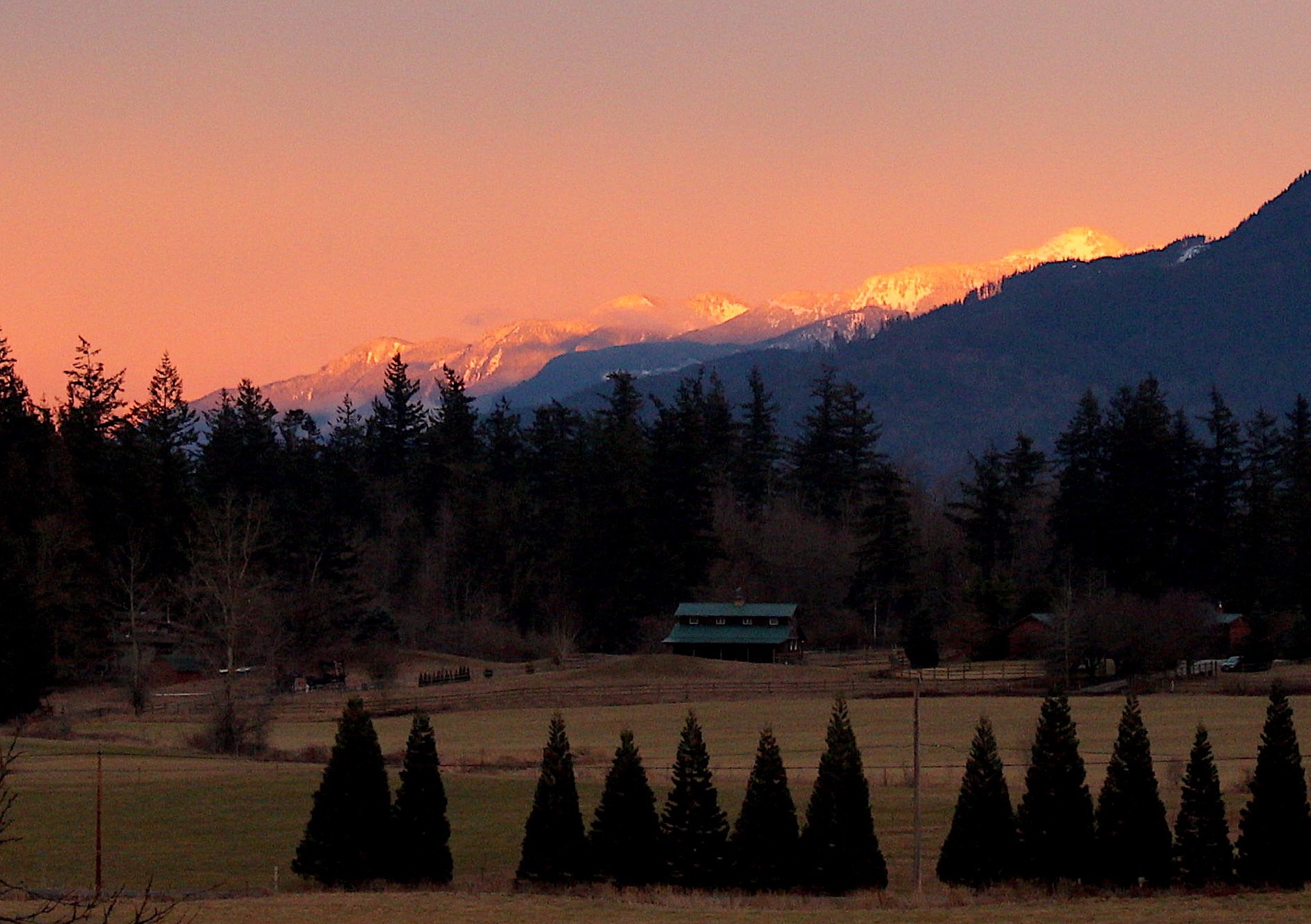
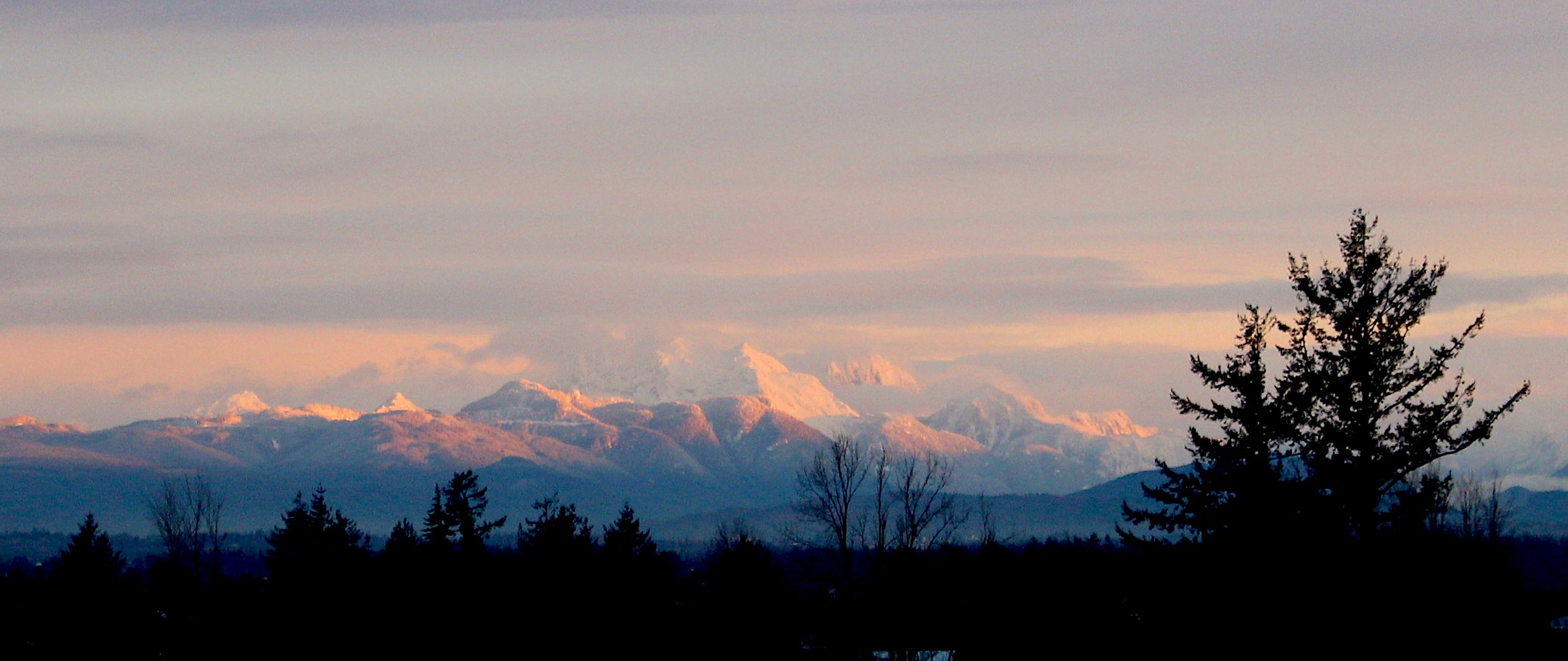
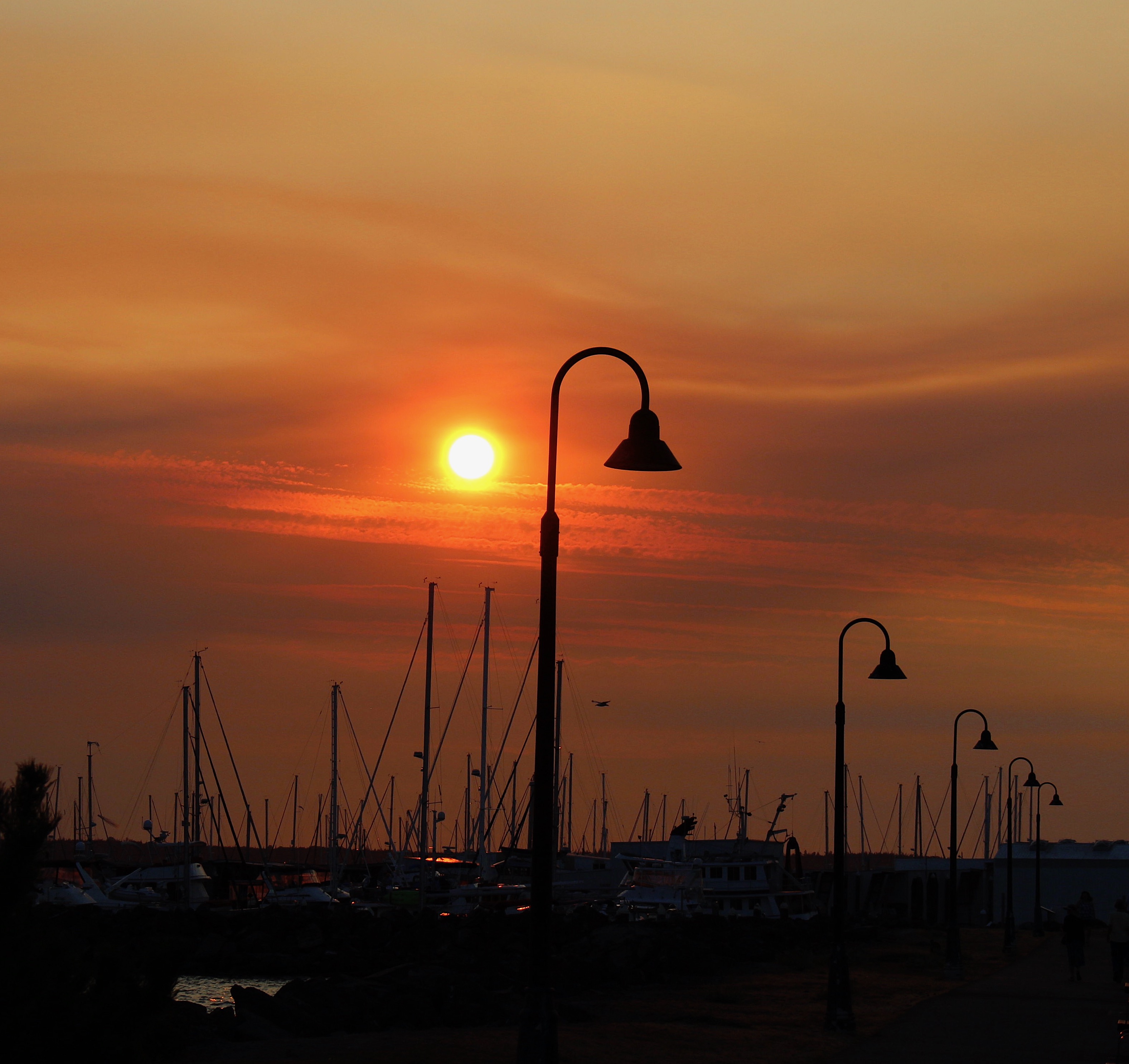
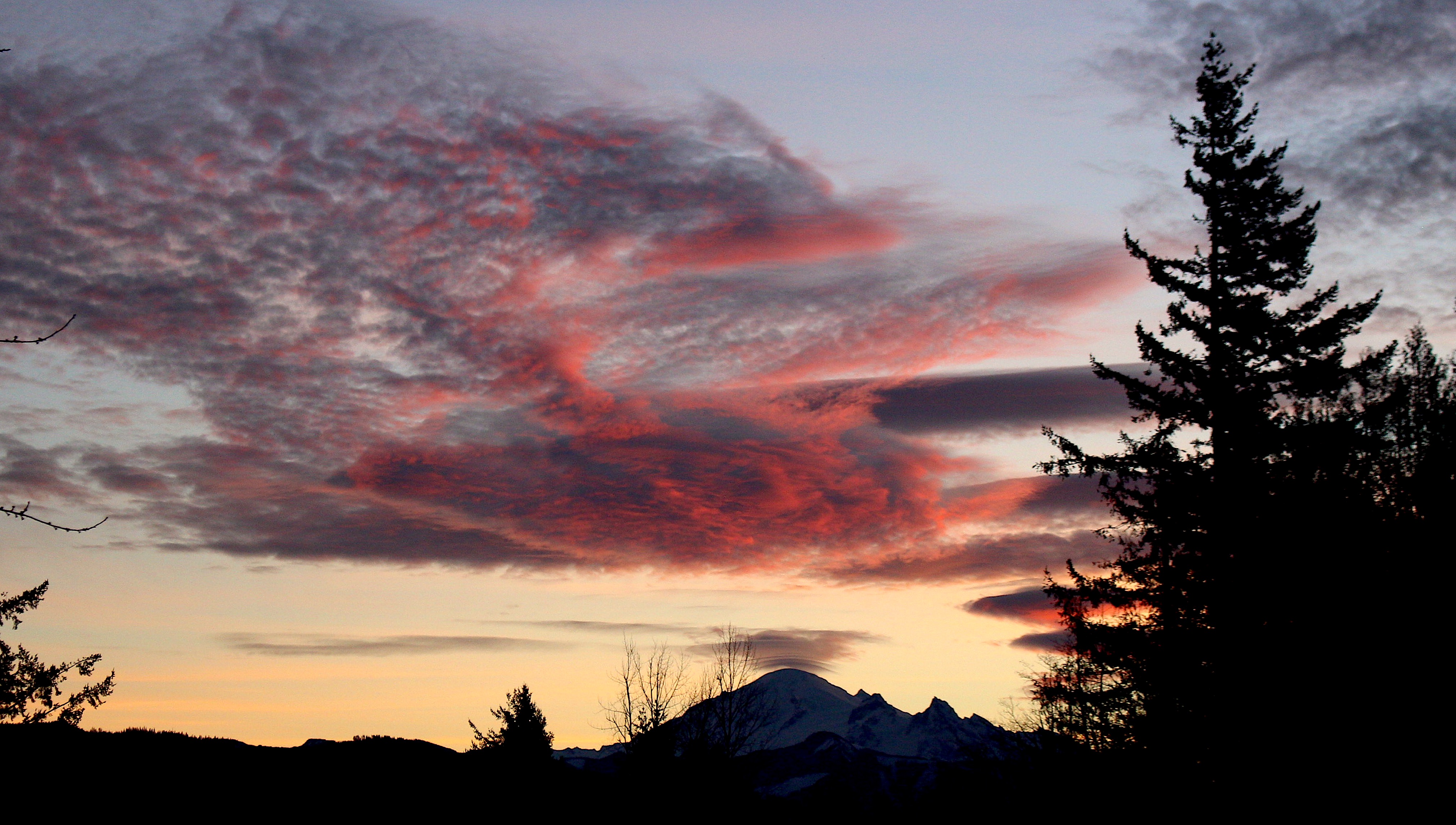
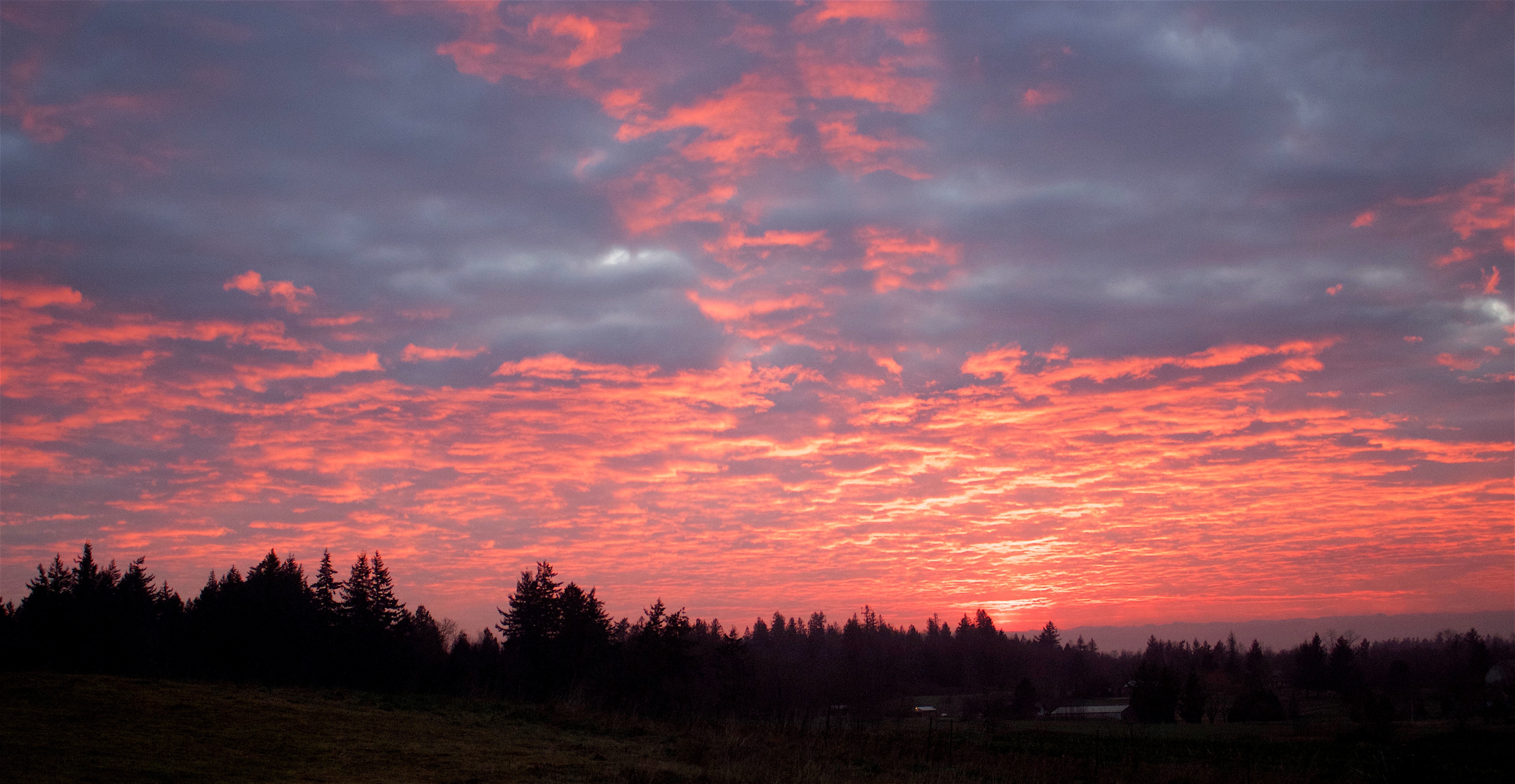
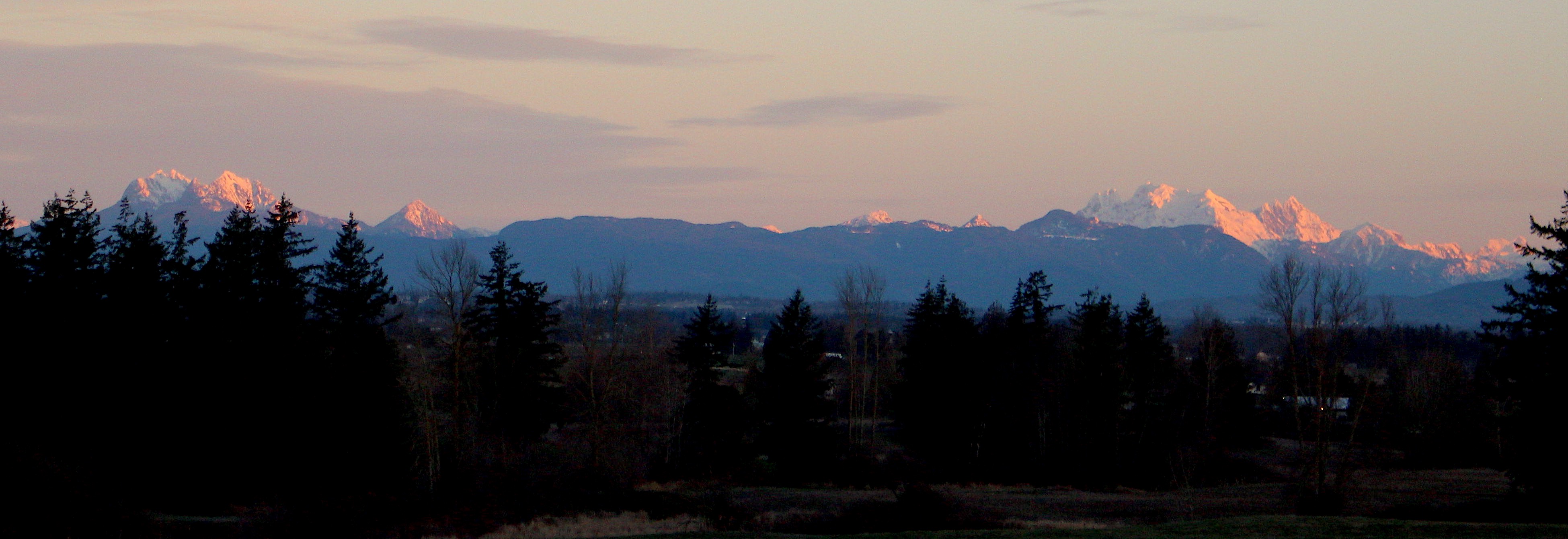
After years of rarely paying attention, too busy with whatever household or clinic or barnyard task needed doing, I realized there are only a finite number of sunrises and sunsets left to me and I don’t want to miss them, so now I stop, take a deep breath and feel lucky to be alive, a witness to that moment.
Sometimes they are plain and gray just as I am, but there are days that are lit from above and beneath with a fire that ignites across the sky. I too am engulfed for a moment or two, until sun or shadow sweeps me away, transfixed and transformed, forever grateful for the light.
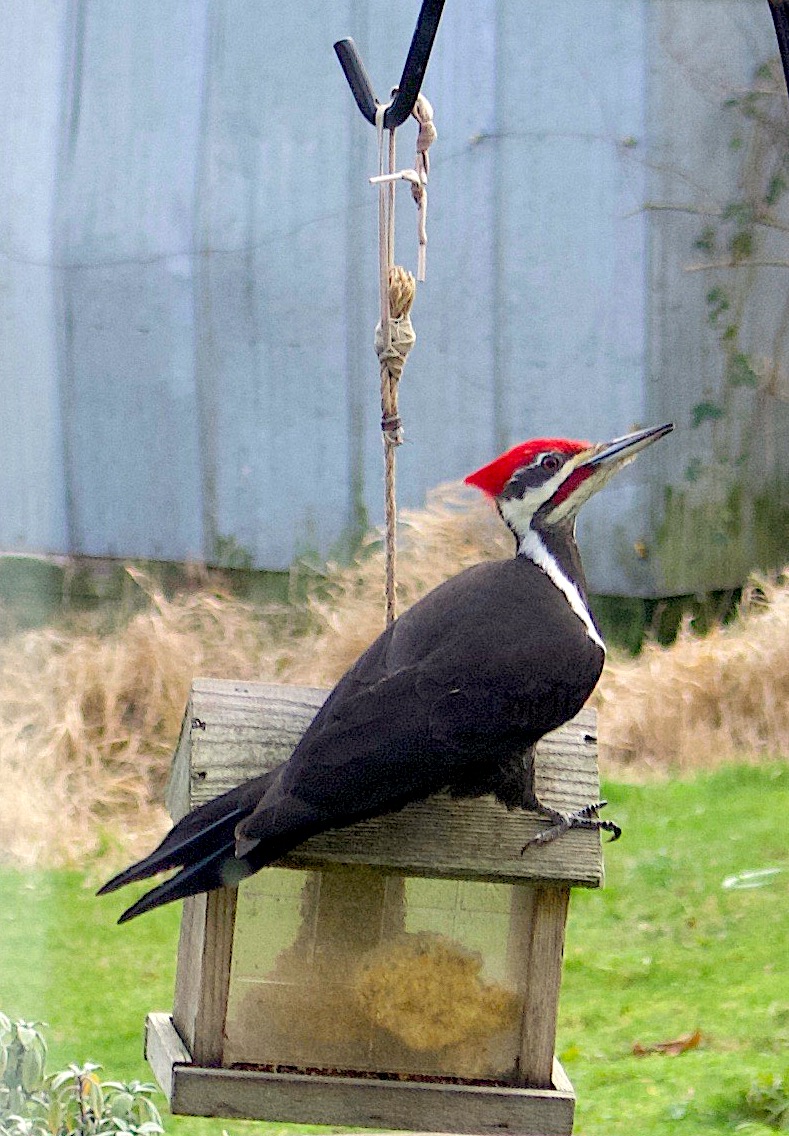
“If only, if only,” the woodpecker sighs, “The bark on the tree was as soft as the skies.” ~ Louis Sachar,Holes_ ~
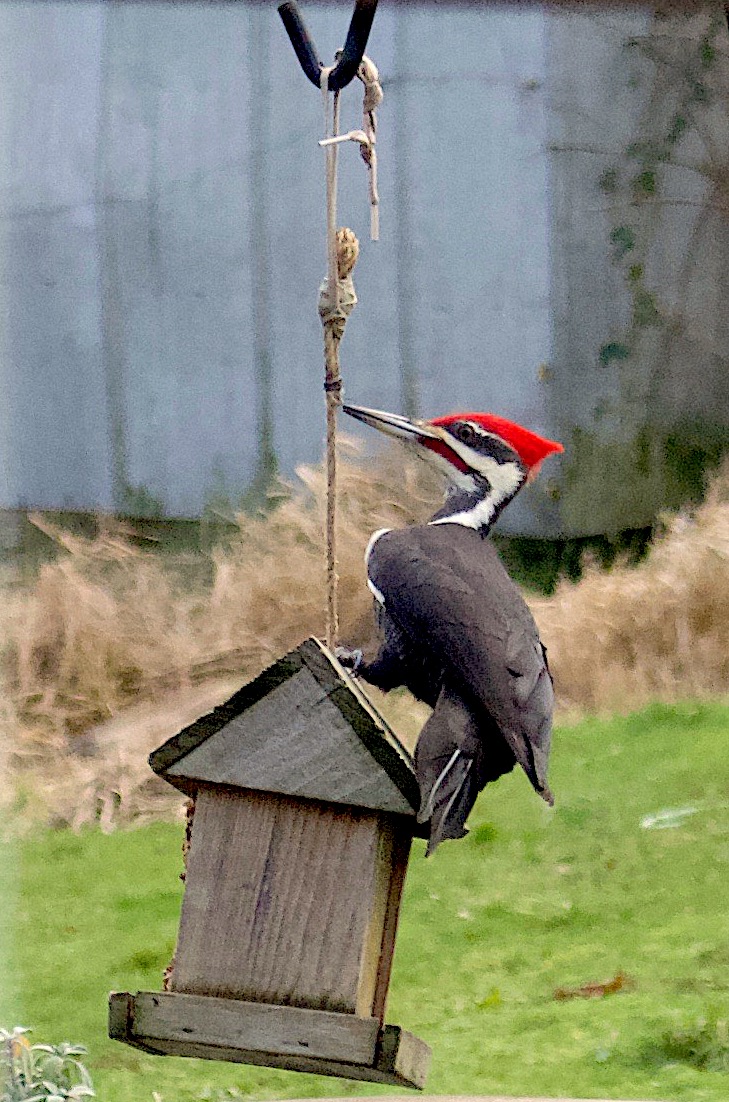
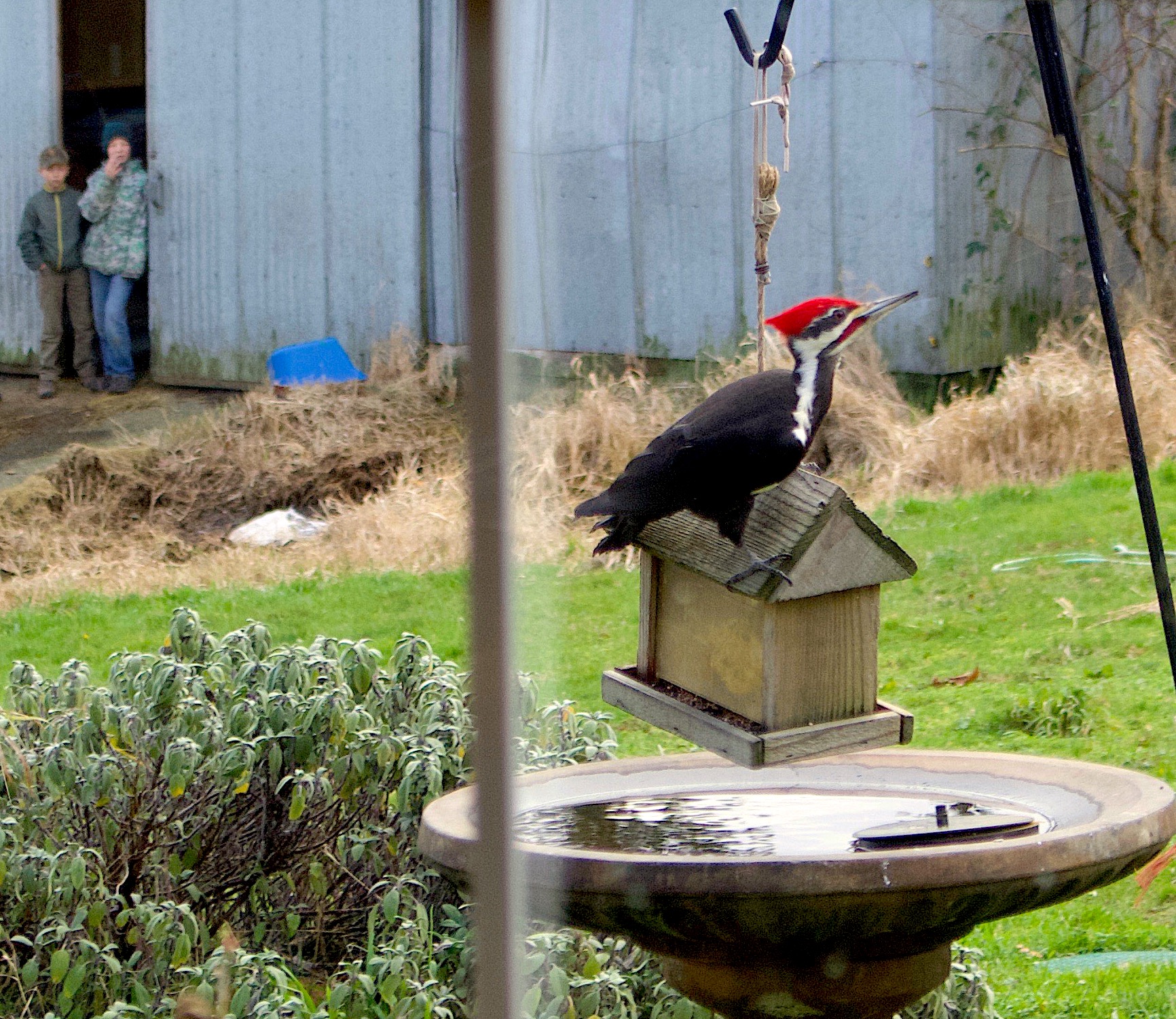
When a shy visitor comes knocking, it is good manners to welcome him with a meal and a smile and a “come back soon.”
It isn’t polite to ask about repetitive pecking brain trauma, concussion prevention and woodpecker tongues that wrap around woodpecker brains as protective cushions.
You can bet I’ll never allow our suet supply to be depleted if it helps lure visiting pileated woodpeckers. He had quite an audience this past weekend.
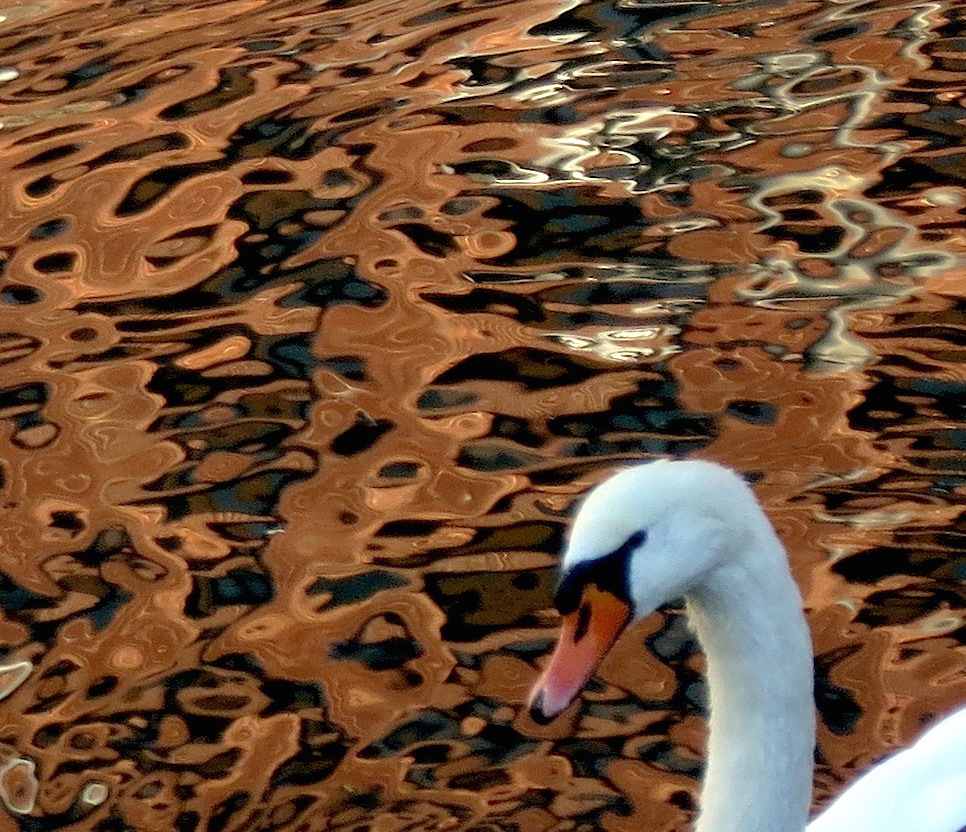
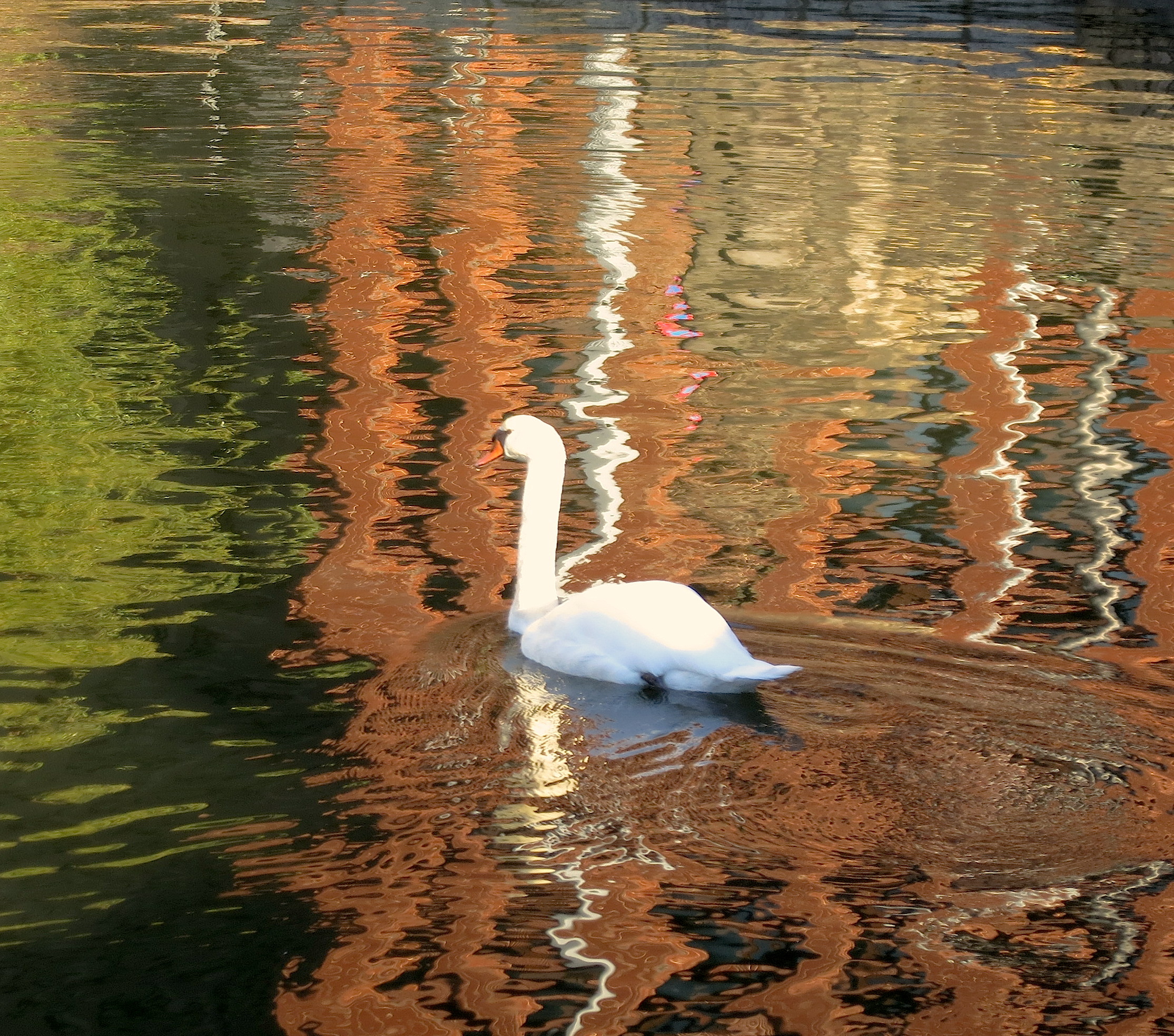
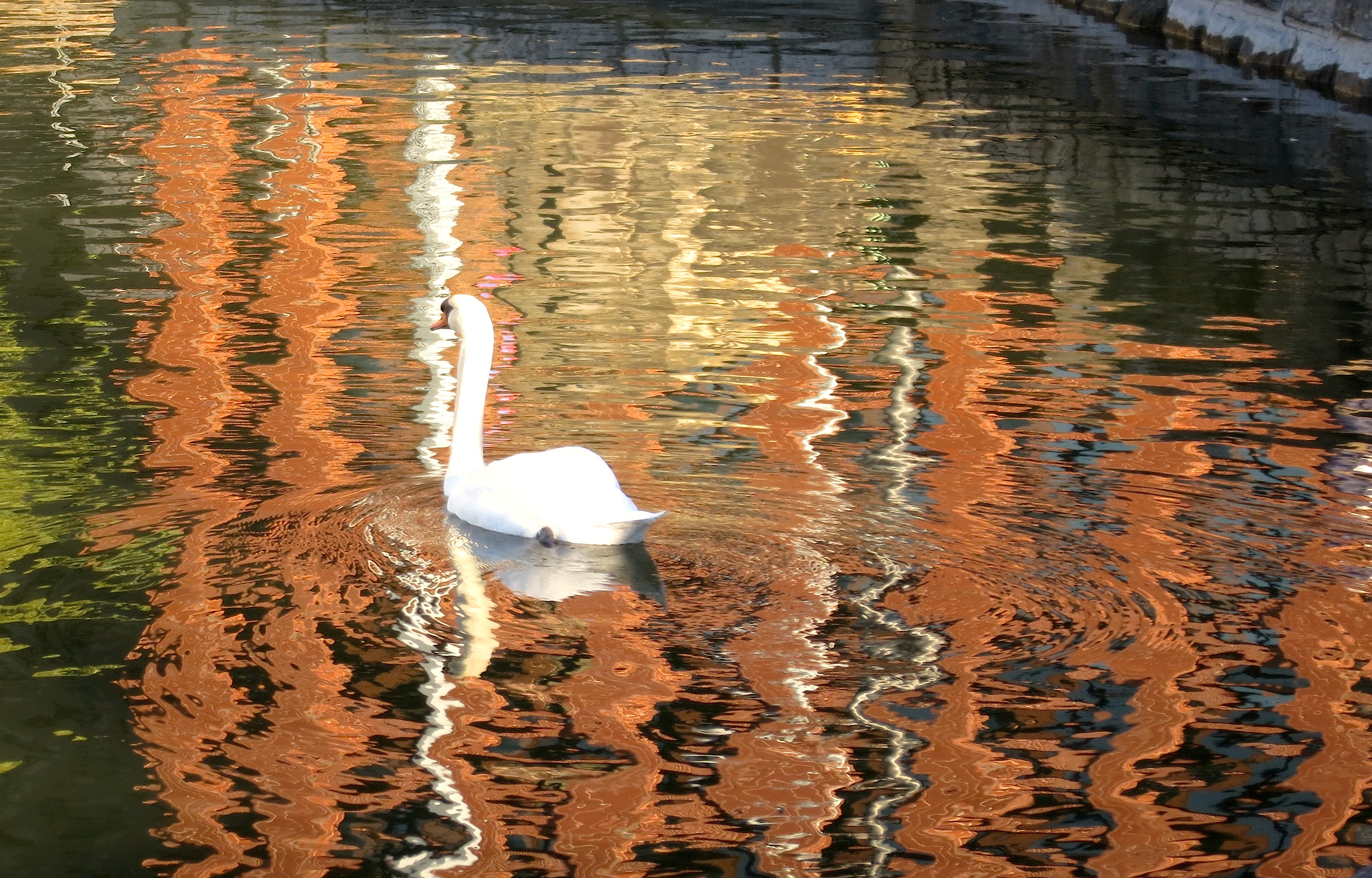
Like the stretching light of the river?
And did you feel it, in your heart, how it pertained to everything?
And have you too finally figured out what beauty is for?
And have you changed your life?
~Mary Oliver from The Swan
This laboring of ours with all that remains undone,
as if still bound to it,
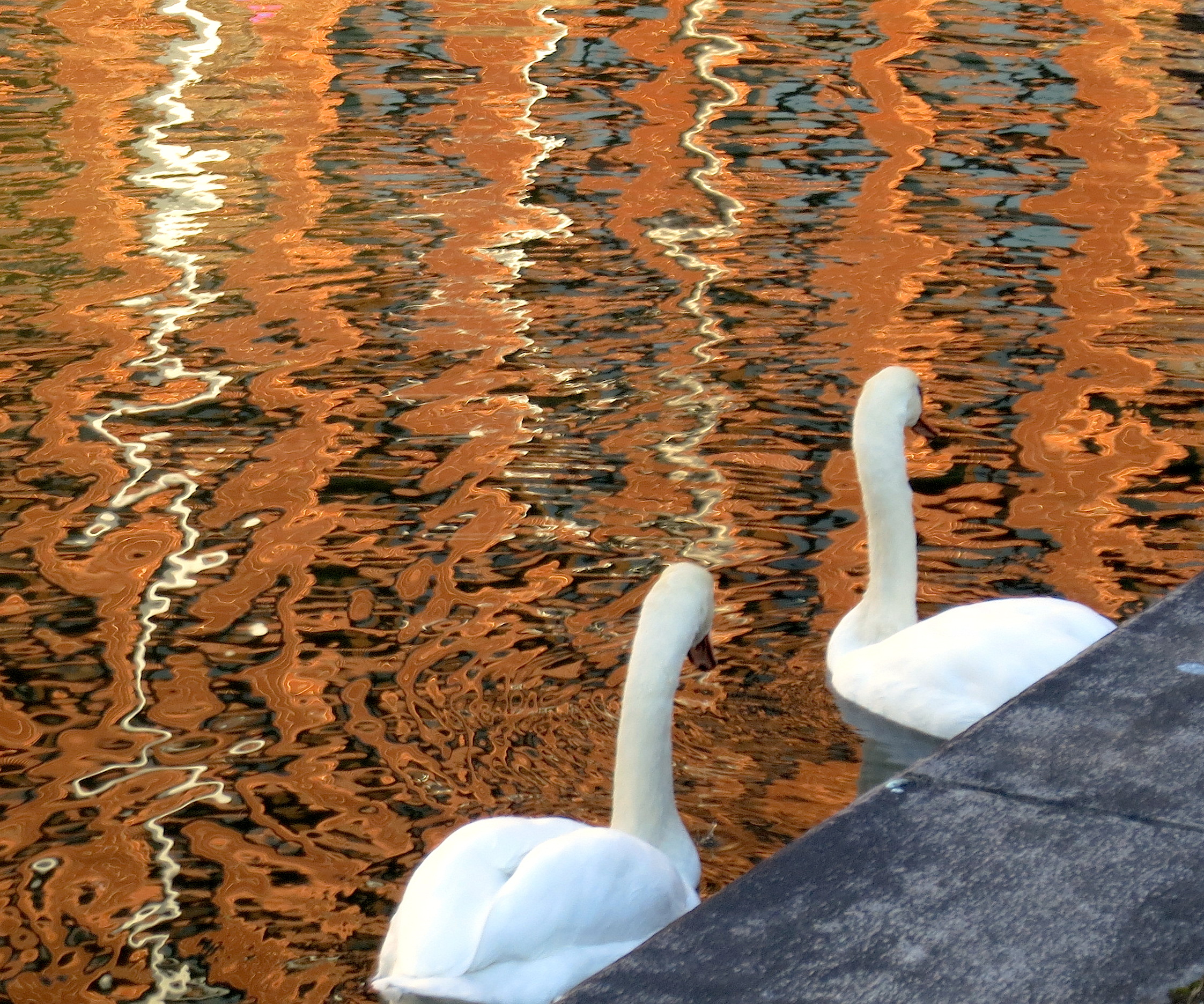
is like the lumbering gait of the swan.
And then our dying—releasing ourselves
from the very ground on which we stood—
is like the way he hesitantly lowers himself
into the water. It gently receives him,
and, gladly yielding, flows back beneath him,
as wave follows wave,
while he, now wholly serene and sure,
with regal composure,
allows himself to glide.
~Rainer Maria Rilke, “The Swan”
This is the time of year when we look at making changes in how we live our lives. We want to start fresh as the calendar turns over; we want to become “new” too. Maybe it is giving up an old destructive habit or adopting a new healthier routine, but it means giving up something familiar and becoming uncomfortable, at least for a while.
I seek out the graceful gliding part of life and not the lumbering awkward part. I’d like to say I live out equal measures of both, but I don’t – I’m lumbering and awkward too much of the time due to my own choices. It is difficult to navigate the waves of life when in “lumbering” and “laboring” mode, as wave follows wave, some gentle and lapping, others overwhelming and crashing.
I know what grace looks and feels like, floating atop whatever wave hits me, to stay on the surface and not get soaked through.
I pray that whatever comes, this stretching light over the waves, will fill me with its beauty and grant me grace to glide.
This is why I believe that God really has dived down into the bottom of creation, and has come up bringing the whole redeemed nature on His shoulders. The miracles that have already happened are, of course, as Scripture so often says, the first fruits of that cosmic summer which is presently coming on. Christ has risen, and so we shall rise.
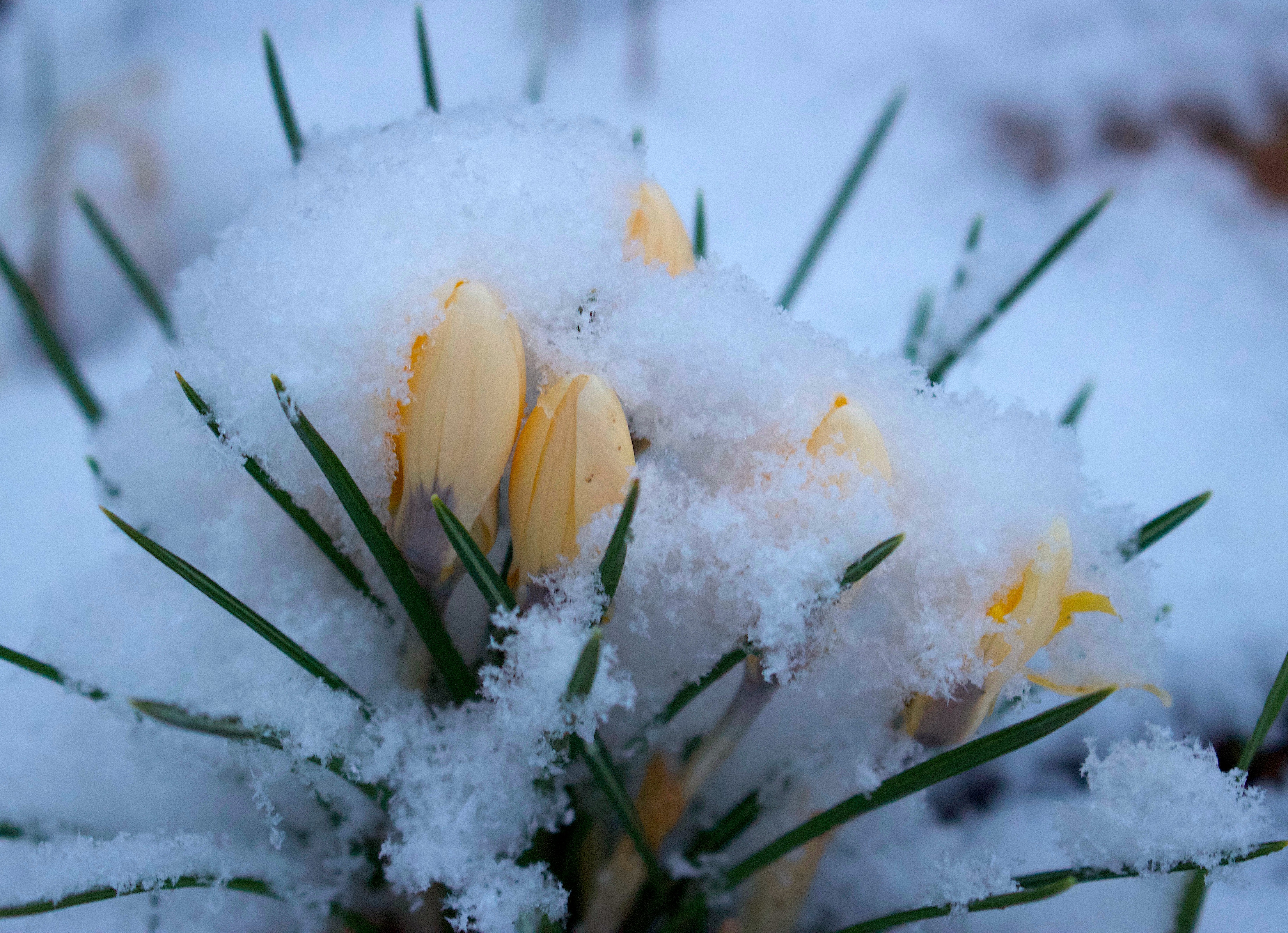
…To be sure, it feels wintry enough still: but often in the very early spring it feels like that. Two thousand years are only a day or two by this scale. A man really ought to say, ‘The Resurrection happened two thousand years ago’ in the same spirit in which he says ‘I saw a crocus yesterday.’
Because we know what is coming behind the crocus.
The spring comes slowly down the way, but the great thing is that the corner has been turned. There is, of course, this difference that in the natural spring the crocus cannot choose whether it will respond or not.
We can.
We have the power either of withstanding the spring, and sinking back into the cosmic winter, or of going on…to which He is calling us.
It remains with us whether to follow or not, to die in this winter, or to go on into that spring and that summer.
~C. S. Lewis from “God in the Dock”
You, who are beyond our understanding,
have made yourself understandable to us in Jesus Christ.
You, who are the uncreated God,
have made yourself a creature for us.
You, who are the untouchable One,
have made yourself touchable to us.
You, who are most high,
make us capable of understanding your amazing love
and the wonderful things you have done for us.
Make us able to understand the mystery of your incarnation,
the mystery of your life, example and doctrine,
the mystery of your cross and passion,
the mystery of your resurrection and ascension.
~Angela of Foligno (1248-1309)– prayer
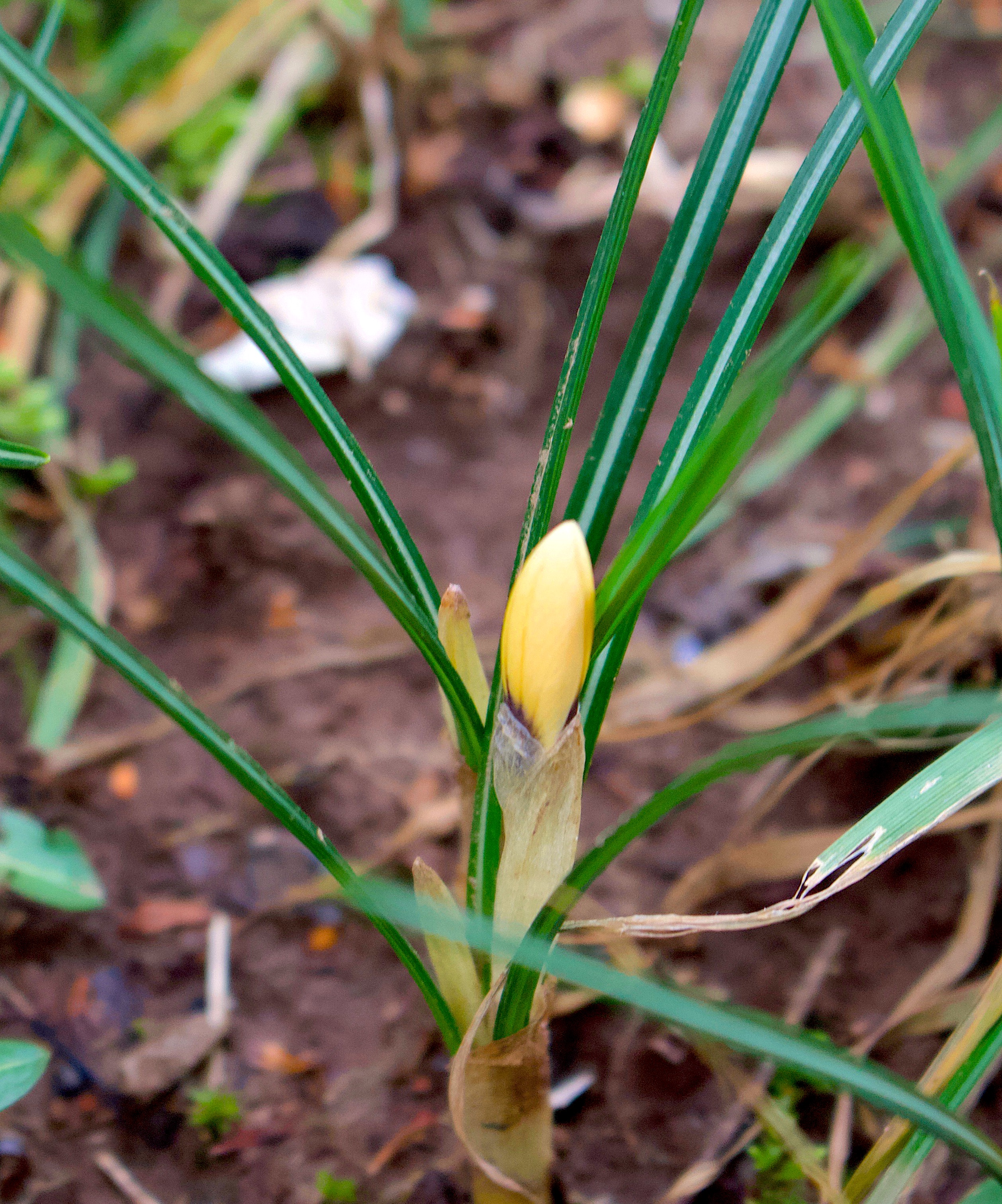
My husband, with help from our neighbor kids and our son who was visiting for Christmas, has prepared soil beds on our farm and planted hundreds of spring bulbs, including over two hundred crocus. We are called to this action, especially in the midst of winter – to plan for, to anticipate, to long for the spring that is coming. We become part of the promise that winter is not forever.
The larger bulbs – the tulip, the daffodils – have no choice but to respond to spring – the expanding light calls to them as the soil begins to warm. But the crocus are a mystery, sprouting earlier when there is no reason to. Snow is still on the ground. Frost still crisps everything at night. Yet they come forth from the soil even when everything is still weeping winter.
What comes behind the crocus?
We too rise up from the dark to enter the light.
We too are part of the mystery.
A shoot shall sprout from the stump of Jesse, and from his roots a bud shall blossom. The spirit of the Lord shall rest upon him. — Isaiah 11:1-2a
Our salvation comes from something small, tender, and vulnerable, something hardly noticeable. God, who is the Creator of the Universe, comes to us in smallness, weakness, and hiddenness.
I find this a hopeful message. Somehow, I keep expecting loud and impressive events to convince me and others of God’s saving power; but over and over again I am reminded that spectacles, power plays, and big events are the ways of the world. Our temptation is to be distracted by them and made blind to the “shoot that shall sprout from the stump.”
When I have no eyes for the small signs of God’s presence – the smile of a baby, the carefree play of children, the words of encouragement and gestures of love offered by friends – I will always remain tempted to despair.
The small child of Bethlehem, the unknown young man of Nazareth, the rejected preacher, the naked man on the cross, he asks for my full attention. The work of our salvation takes place in the midst of a world that continues to shout, scream, and overwhelm us with its claims and promises. But the promise is hidden in the shoot that sprouts from the stump, a shoot that hardly anyone notices. — Henri Nouwen from Gracias: A Latin American Journal
He who has come to men dwells where we cannot tell nor sight reveal him, until the hour has struck when the small heart does break with hunger for him;
those who do merit least, those whom no tongue does praise the first to know him, and on the face of the earth the poorest village street blossoming for him. ~Jane Tyson Clement from Watch for the Light
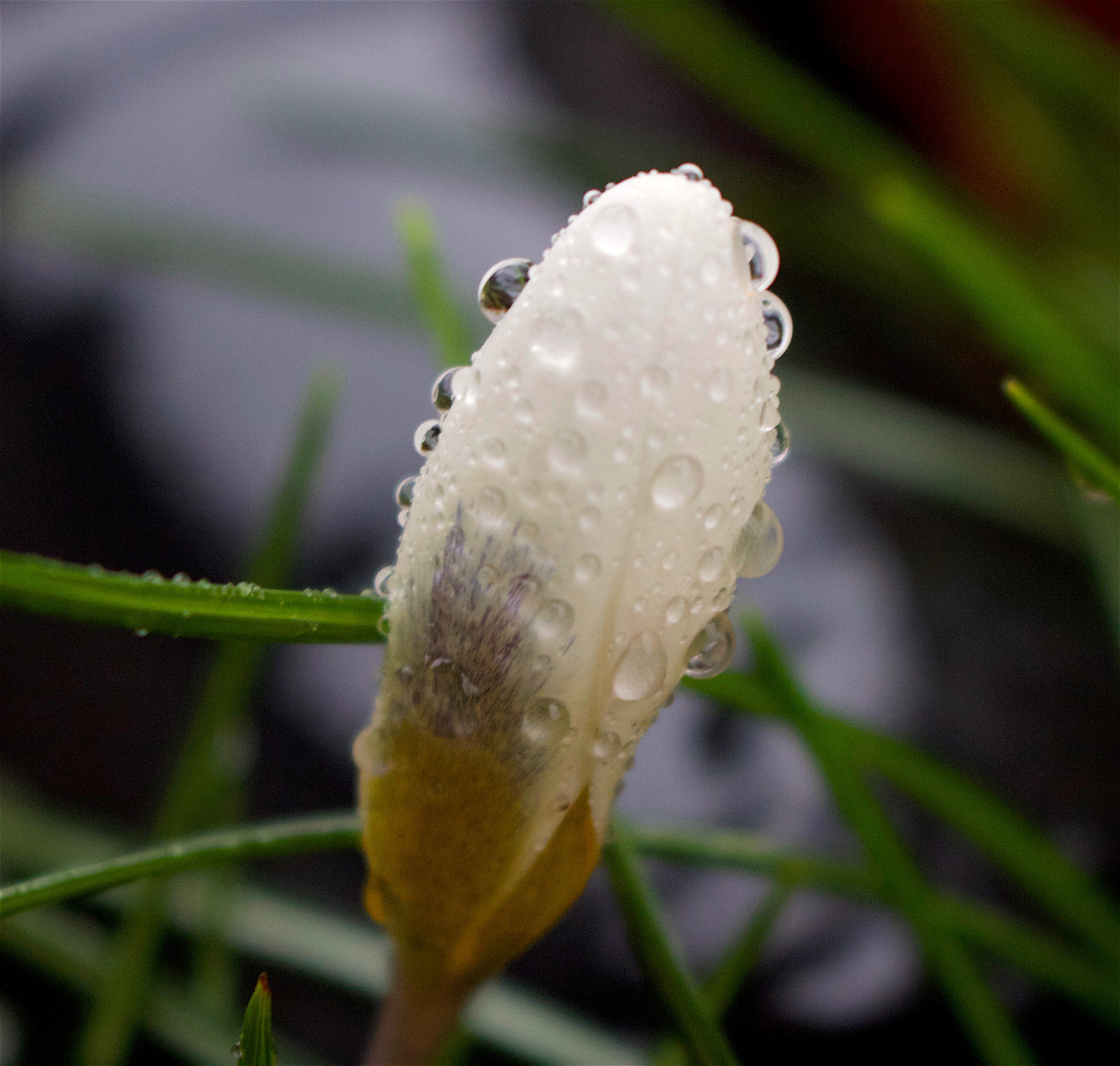
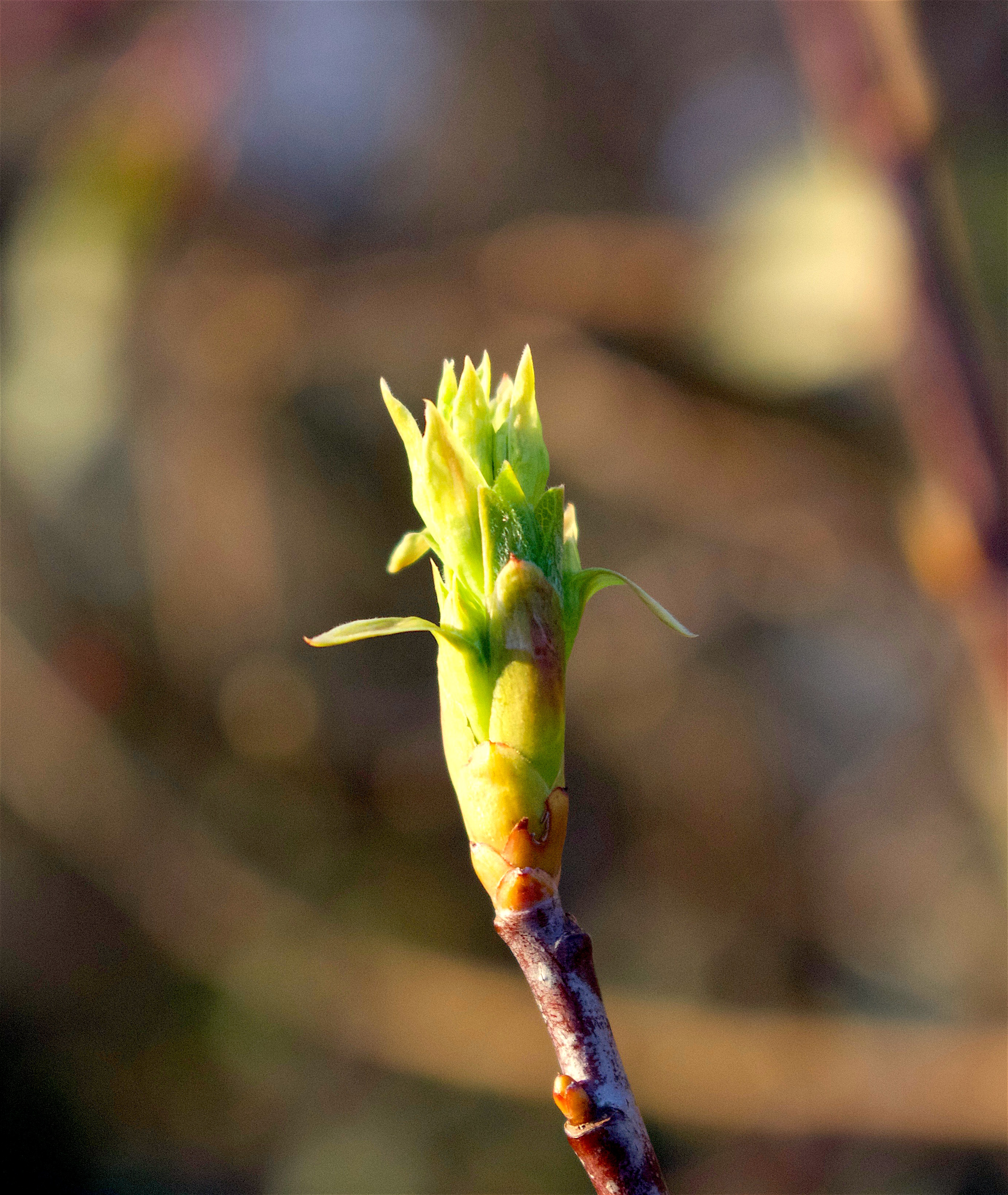
I see buds so subtle they know, though fat, that this is no time to bloom. ~John Updike from “December, Outdoors”
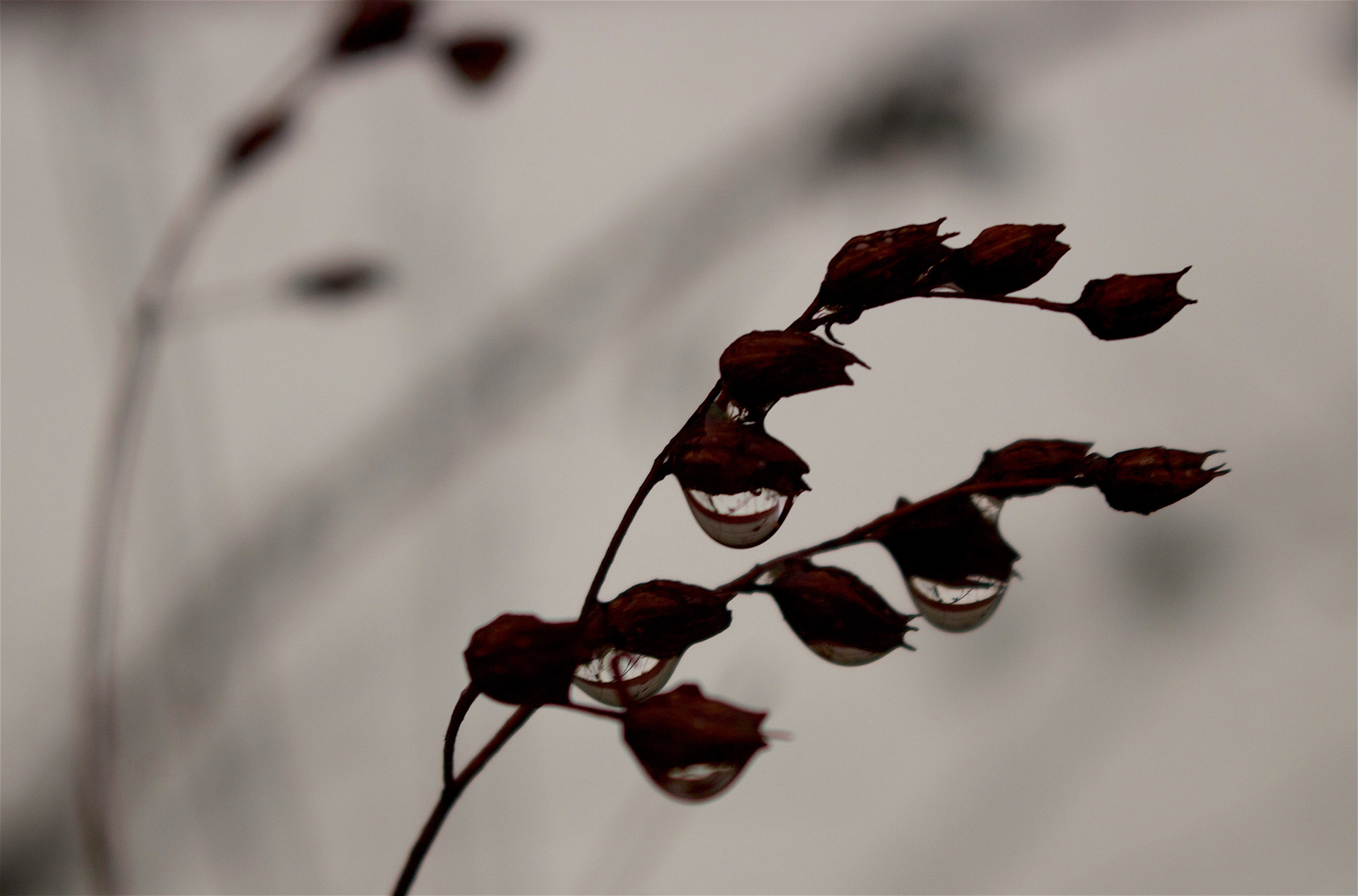
Our local grocery store garden center will soon do a brisk business selling buds. There is no market for the subtlety of potential.
After Christmas, overnight, unsold poinsettias and fresh evergreen wreaths are hauled away with the oddly shaped and drying Christmas trees to make way for containers of unbearably cheerful primroses and early forced narcissus and hyacinth plants. Just a week into winter, spring is right in our faces as we wheel past with the grocery cart, a seductive lure to effectively skip a whole season of restorative quiet. Color and fragrance and lush blooms are handed to us without taking a breather and simply waiting a couple months for them.
Dormant plants and hibernating animals have the right idea this time of year. Rather than slogging daily through the daily burden of mud, skittering precariously across icy pavement or reaching up out of snow drifts, they are staying busy taking a break. Well fed and pregnant with potential, they remain alive and well beneath a facade of sleep. Come out too early and risk frostbite.
It’s no time to bloom right now — being a bud is exactly what is needed, out of season blossoms need not apply.
We can stay busy swelling with potential and dream dreams of the glorious growth to come.
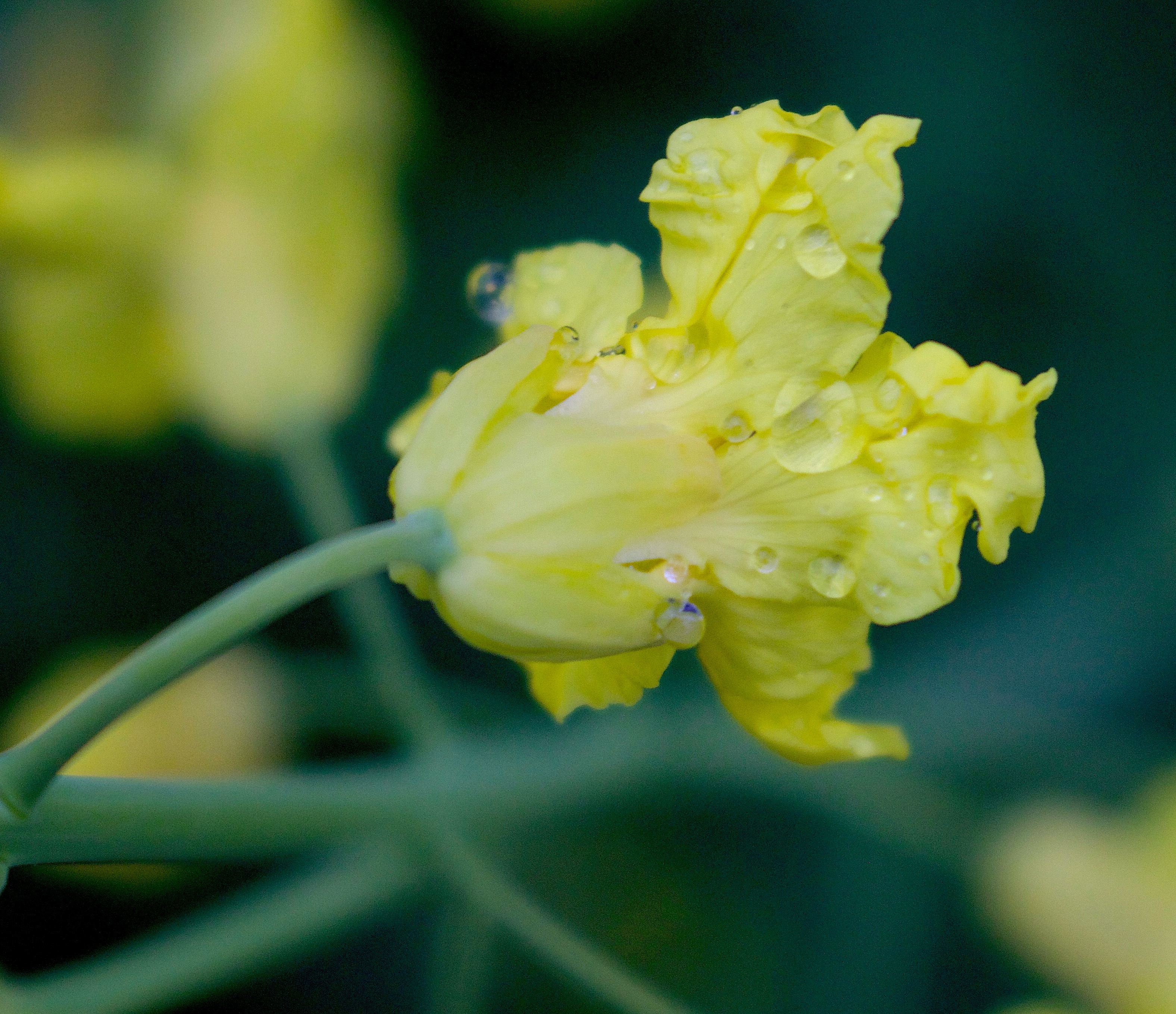
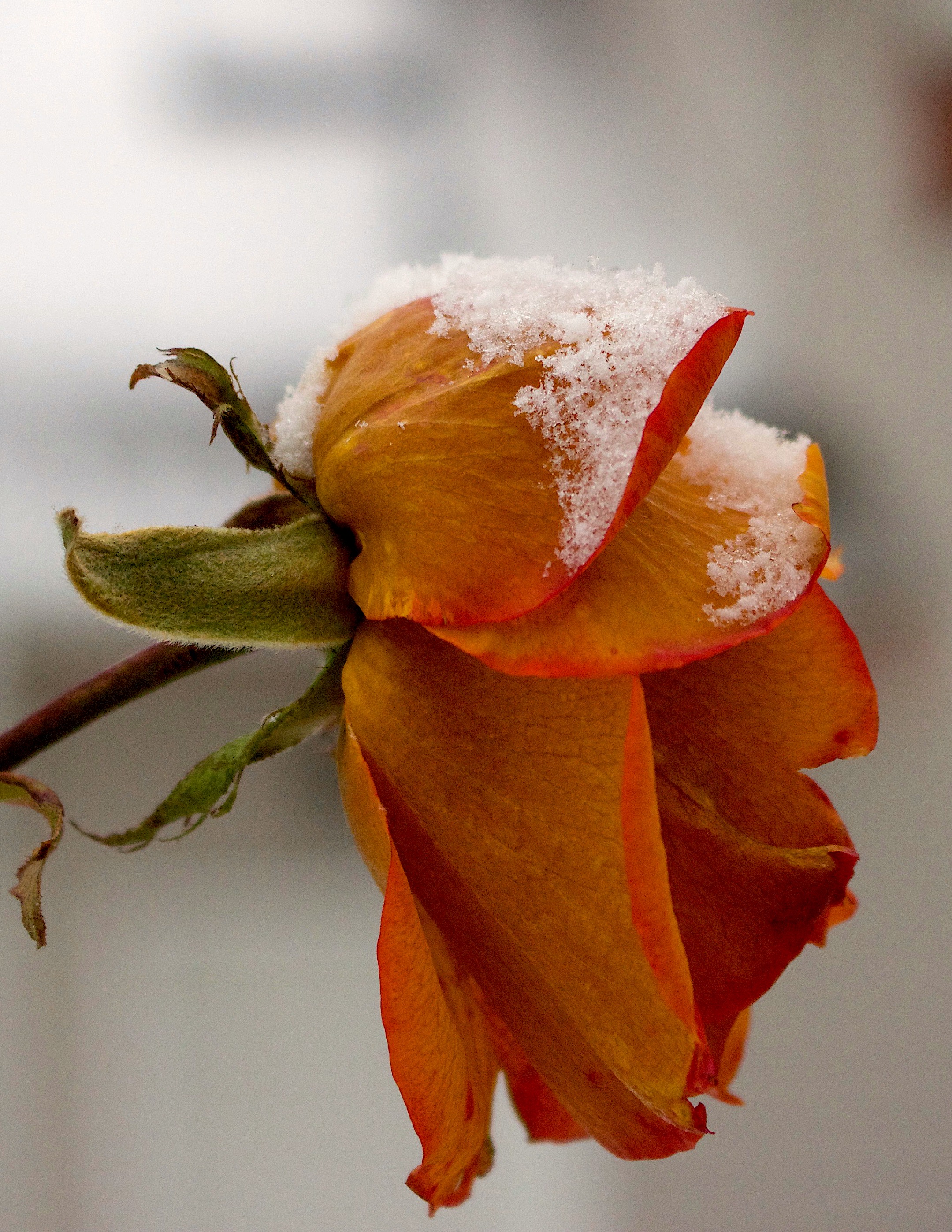
Lo, how a Rose e’er blooming from tender stem hath sprung!
Of Jesse’s lineage coming, as men of old have sung.
It came, a floweret bright, amid the cold of winter,
When half spent was the night.
Isaiah ’twas foretold it, the Rose I have in mind;
With Mary we behold it, the virgin mother kind.
To show God’s love aright, she bore to men a Savior,
When half spent was the night.
The shepherds heard the story proclaimed by angels bright,
How Christ, the Lord of glory was born on earth this night.
To Bethlehem they sped and in the manger found Him,
As angel heralds said.
This Flower, whose fragrance tender with sweetness fills the air,
Dispels with glorious splendor the darkness everywhere;
True Man, yet very God, from sin and death He saves us,
And lightens every load.
O Savior, Child of Mary, who felt our human woe,
O Savior, King of glory, who dost our weakness know;
Bring us at length we pray, to the bright courts of Heaven,
And to the endless day!














 Barnstorming