Diffuse Light of a Foggy Sky

octevening2917

octevening297

octevening2916

And then in the falling comes a rising,
as of the bass coming up for autumn’s last insects
struggling amid the mosaic of leaves on the lake’s surface.
We express it as the season of lacking, but what is this nakedness
— the unharvested corn frost-shriveled but still a little golden
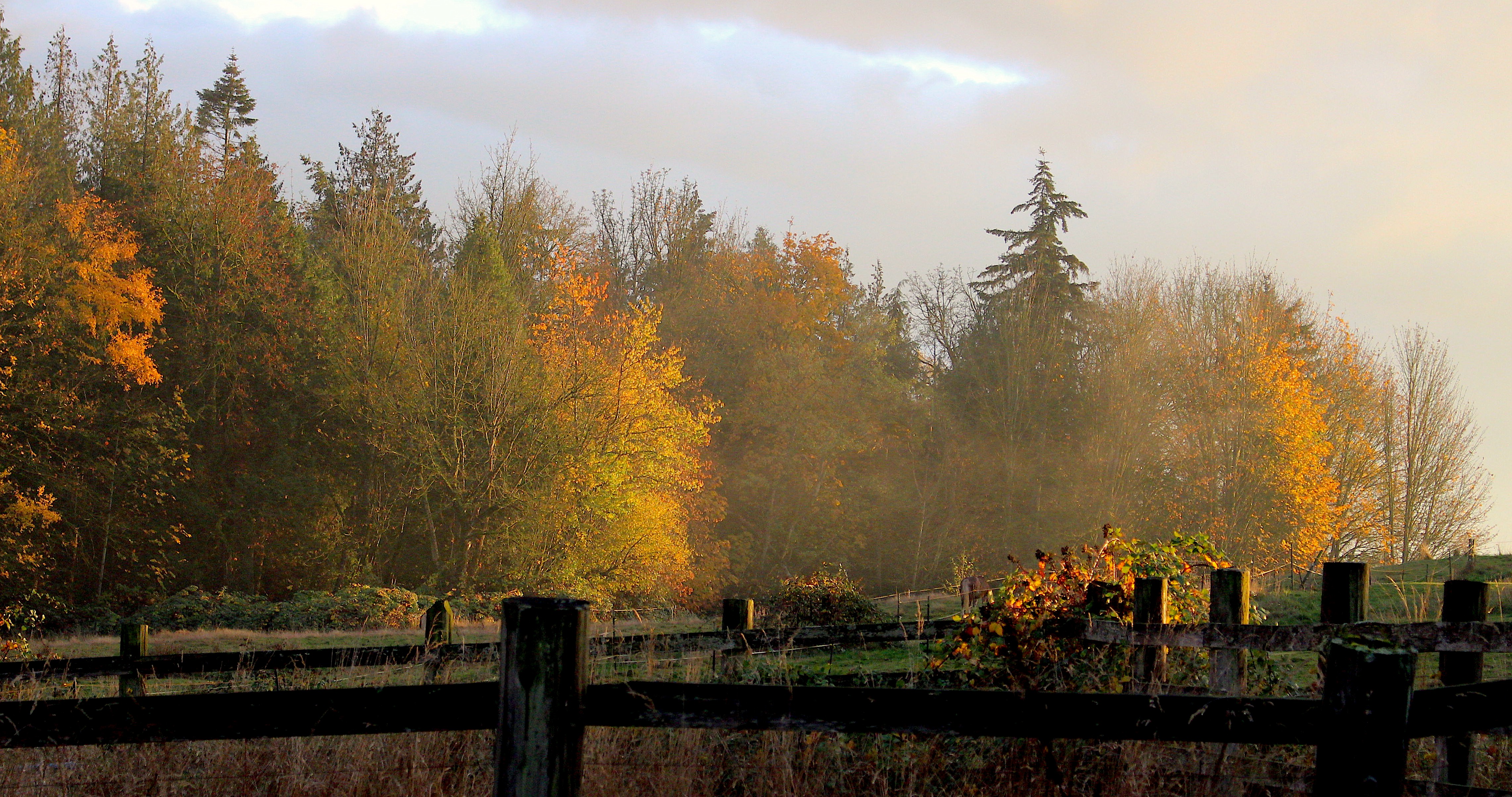
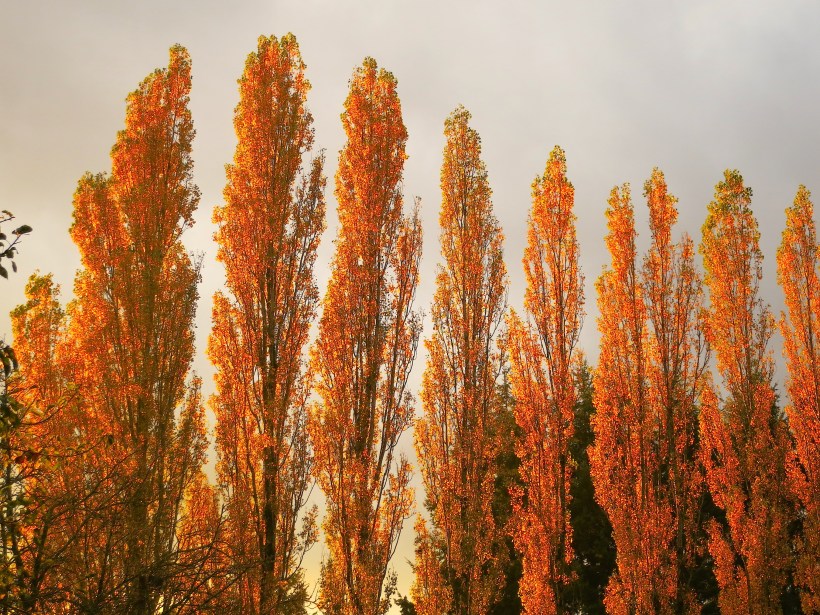
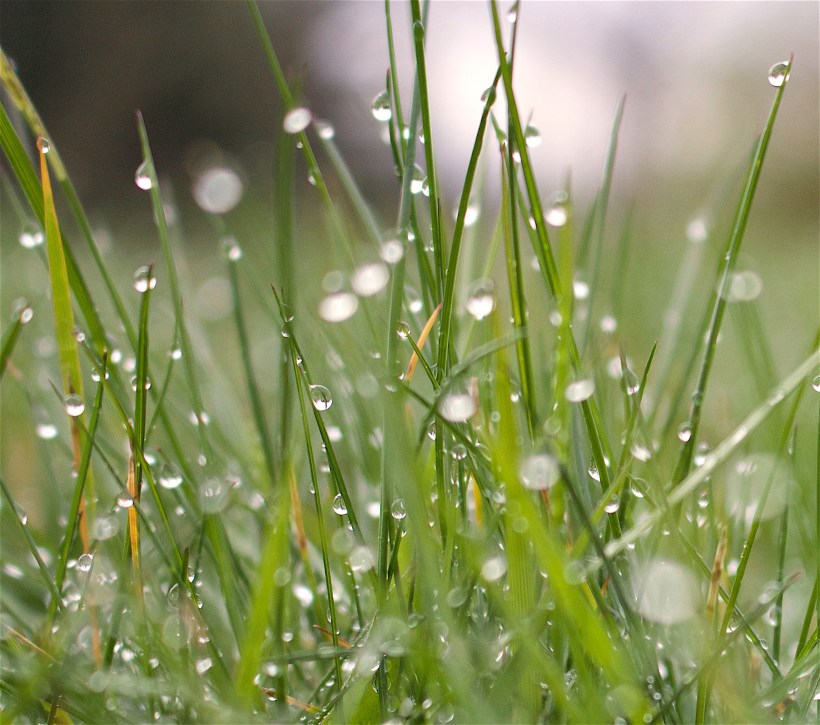
under the diffuse light of a foggy sky,
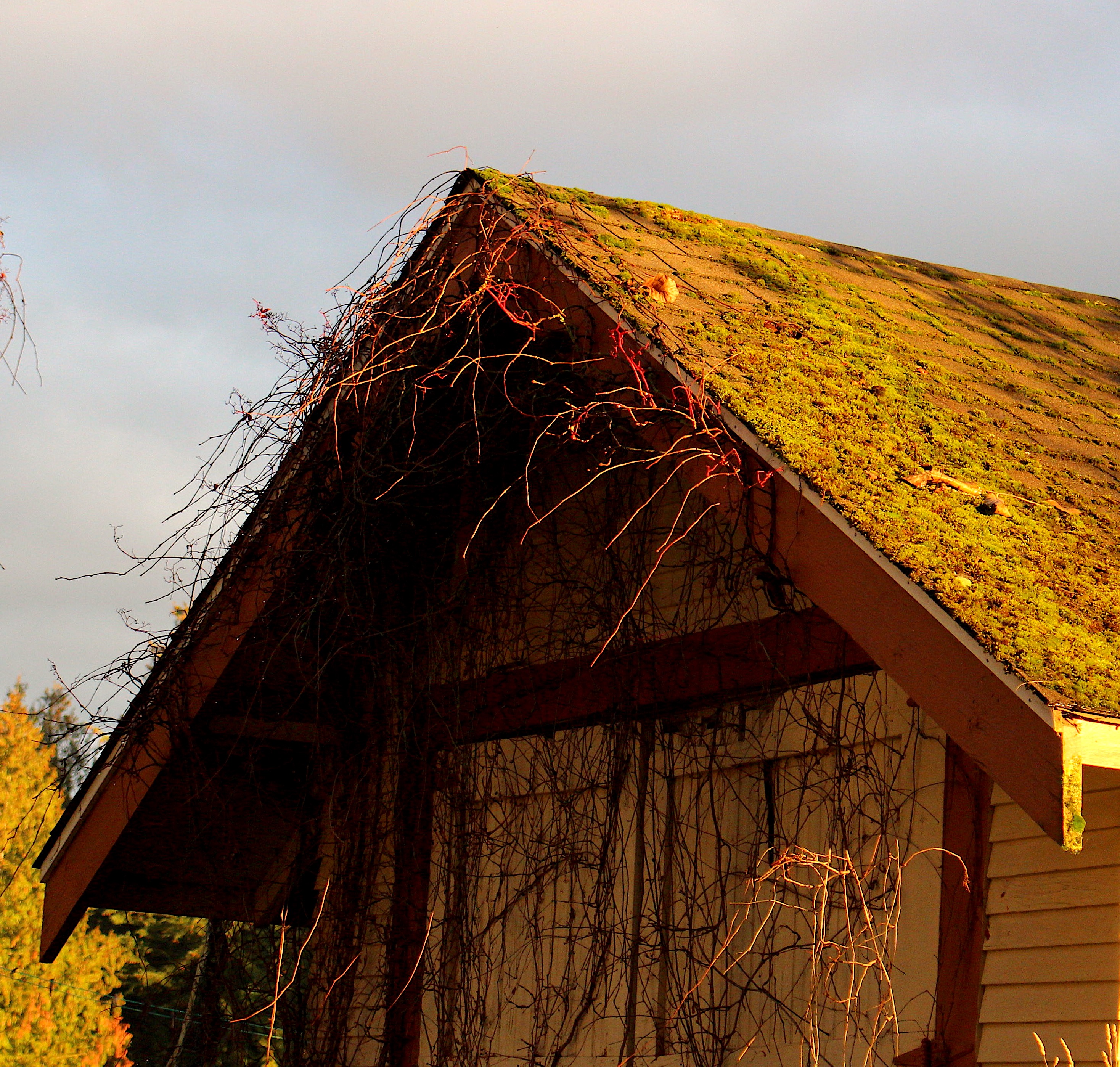
the pin oak’s newly stark web of barbs, the woodbine’s vines
shriven of their scarlet and left askew in the air
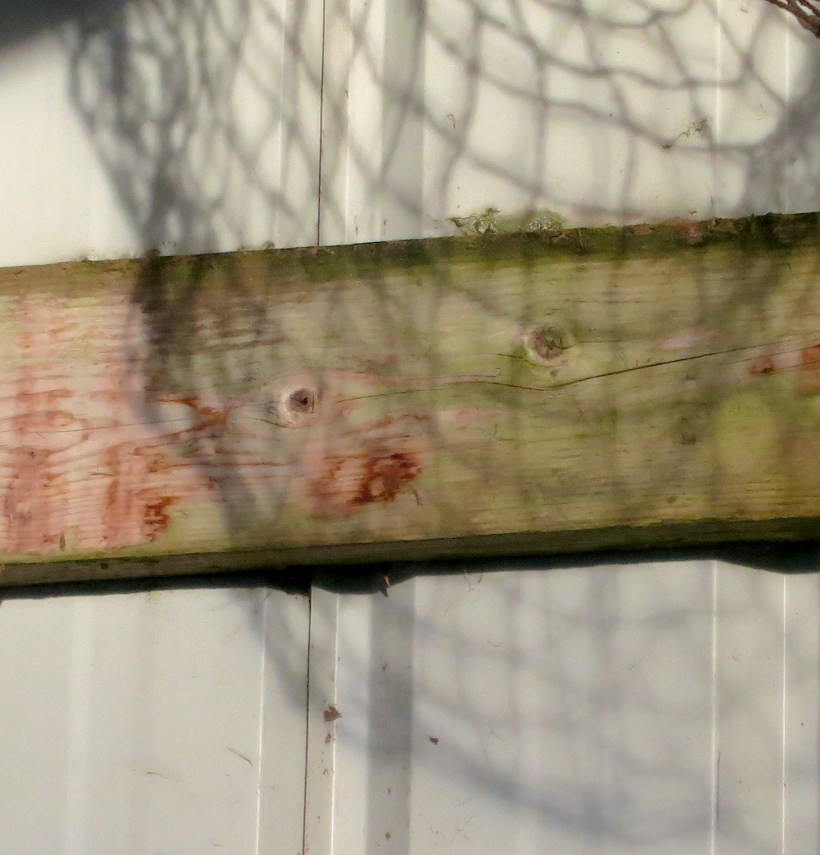
like the tangle of threads on the wall’s side
of the castle tapestry—what is it but greater intimacy,
the world slackening its grip on the veils, letting them slump
to the floor in a heap of sodden colors, and saying,
this is me, this is my skeletal muscle,
my latticework of bones, my barren winter skin,
this is it and if you love me, know that this is what you love.
~Laura Fargas “October Struck” from Animal of the Sixth Day

octevening293

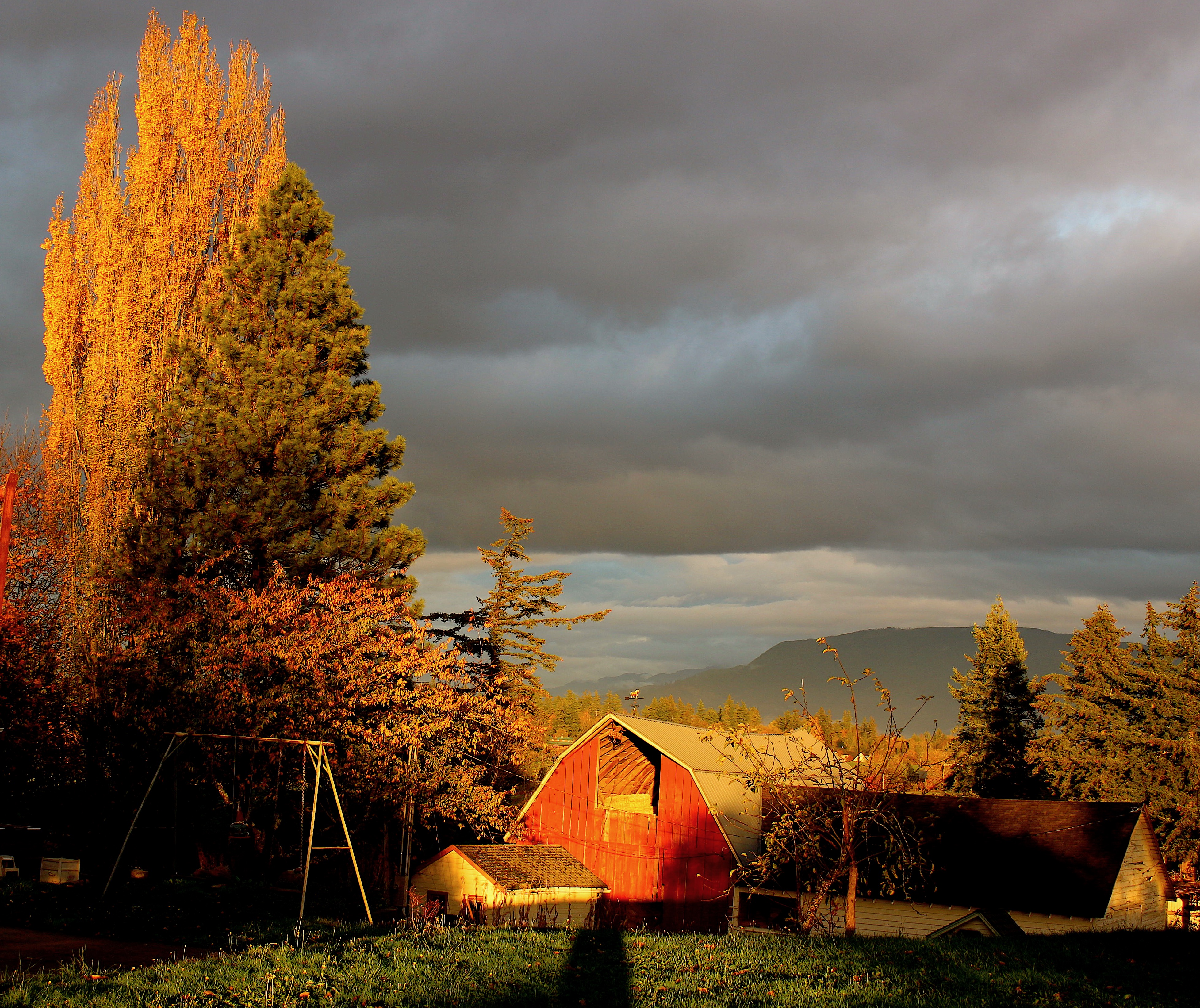
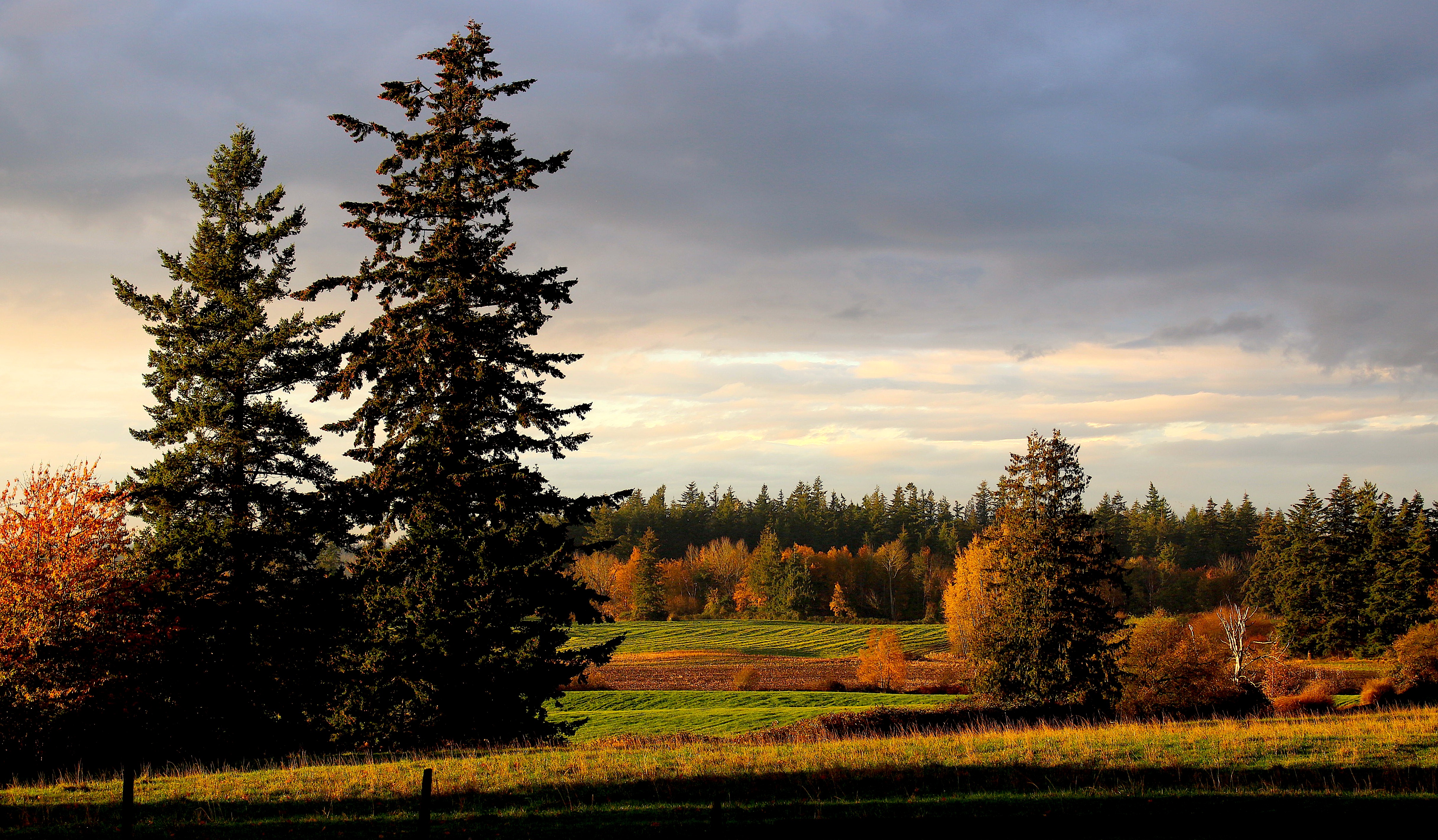
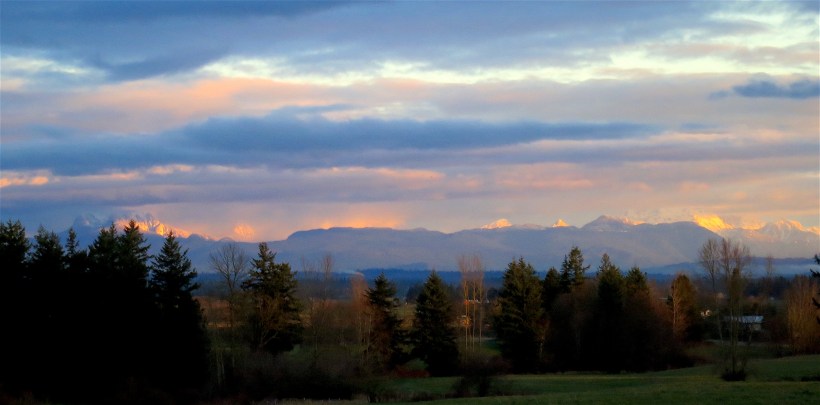
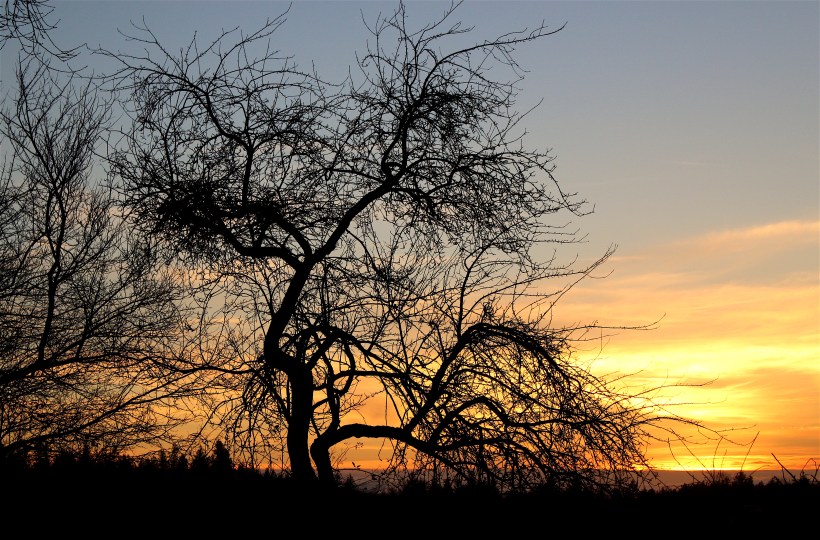
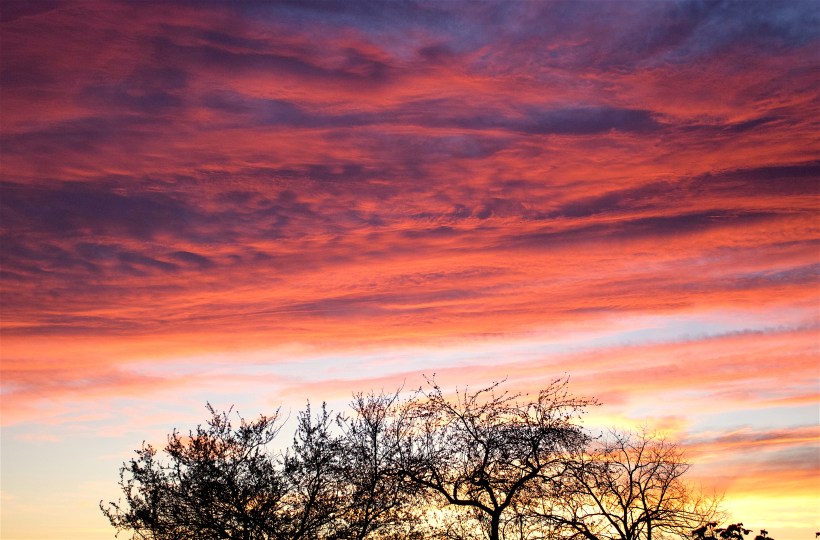
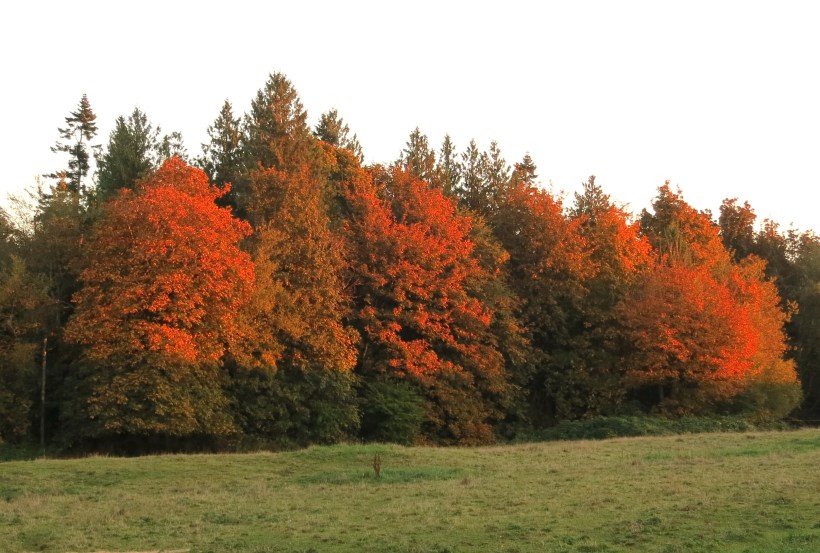
Something about the emerging nakedness of autumn reassures that we can be loved even when stripped down to our bones. We do make quite a show of shedding our coverings, our bits and pieces fluttering down to rejoin the soil, but what is left is meager lattice.

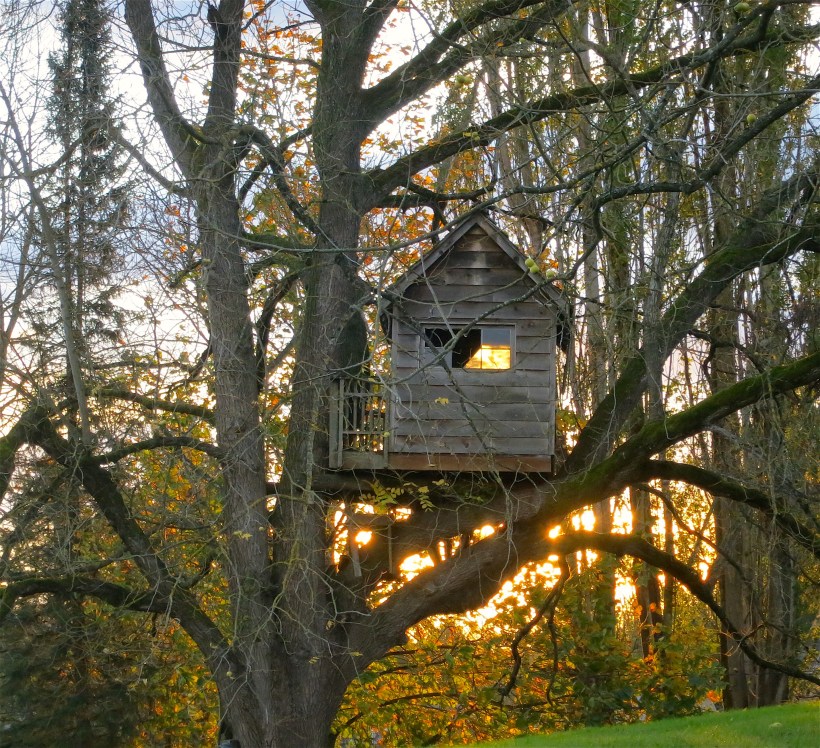
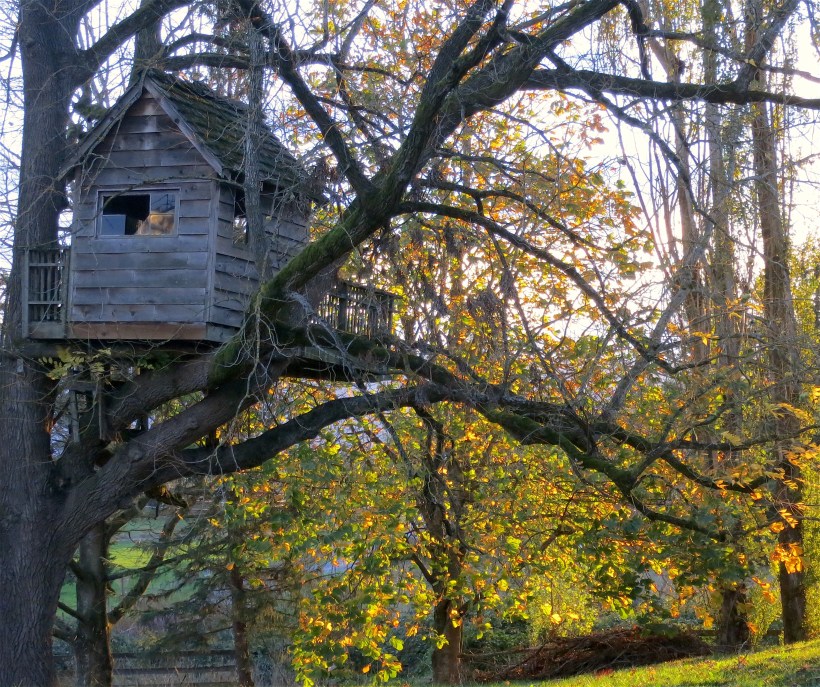
But when the light is just right, we are golden, illuminated and illuminating, even if barely there.

octevening291

octevening2914

octevening294

Bleeding Sweetness

plum8161

plum8163

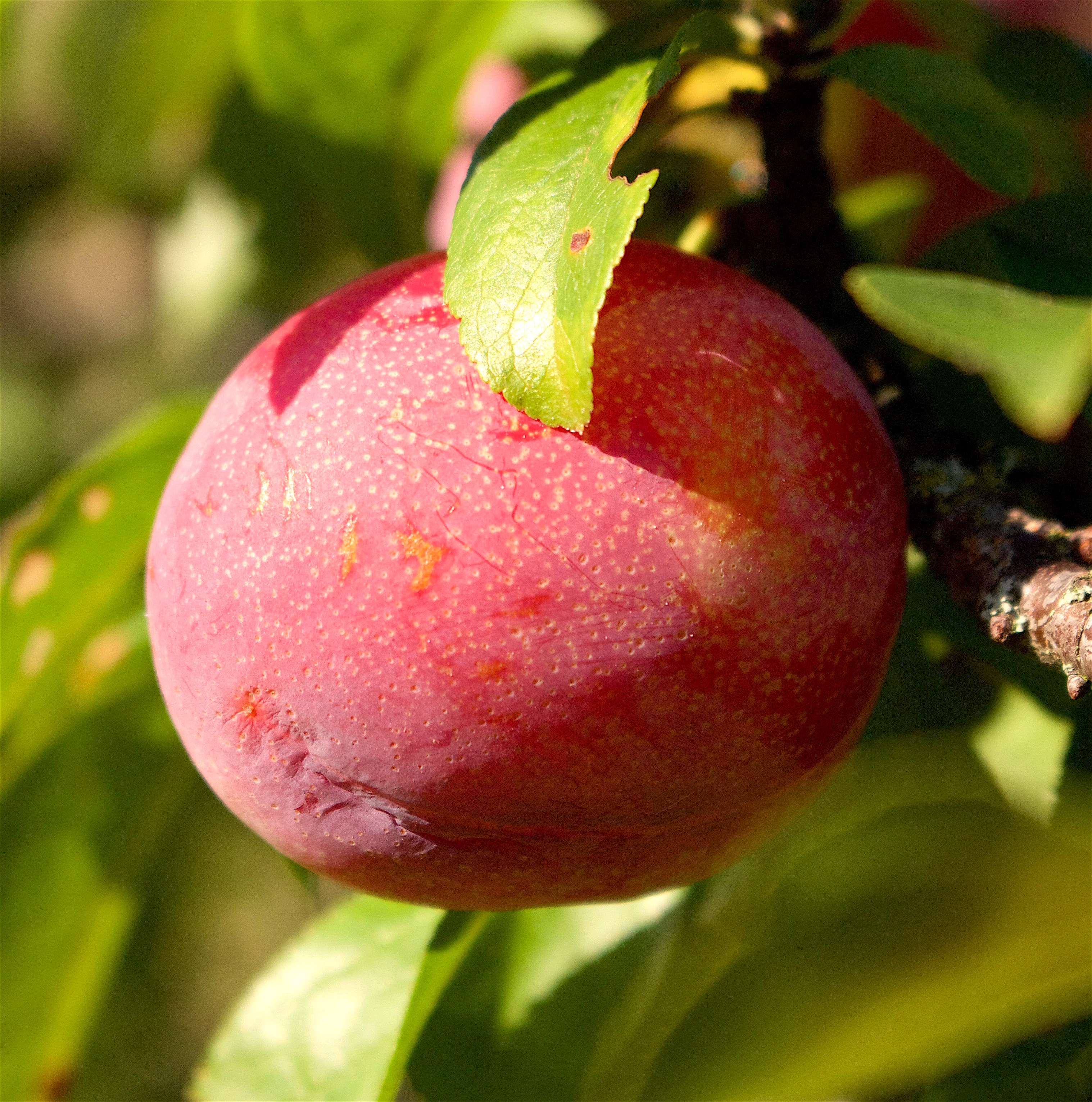
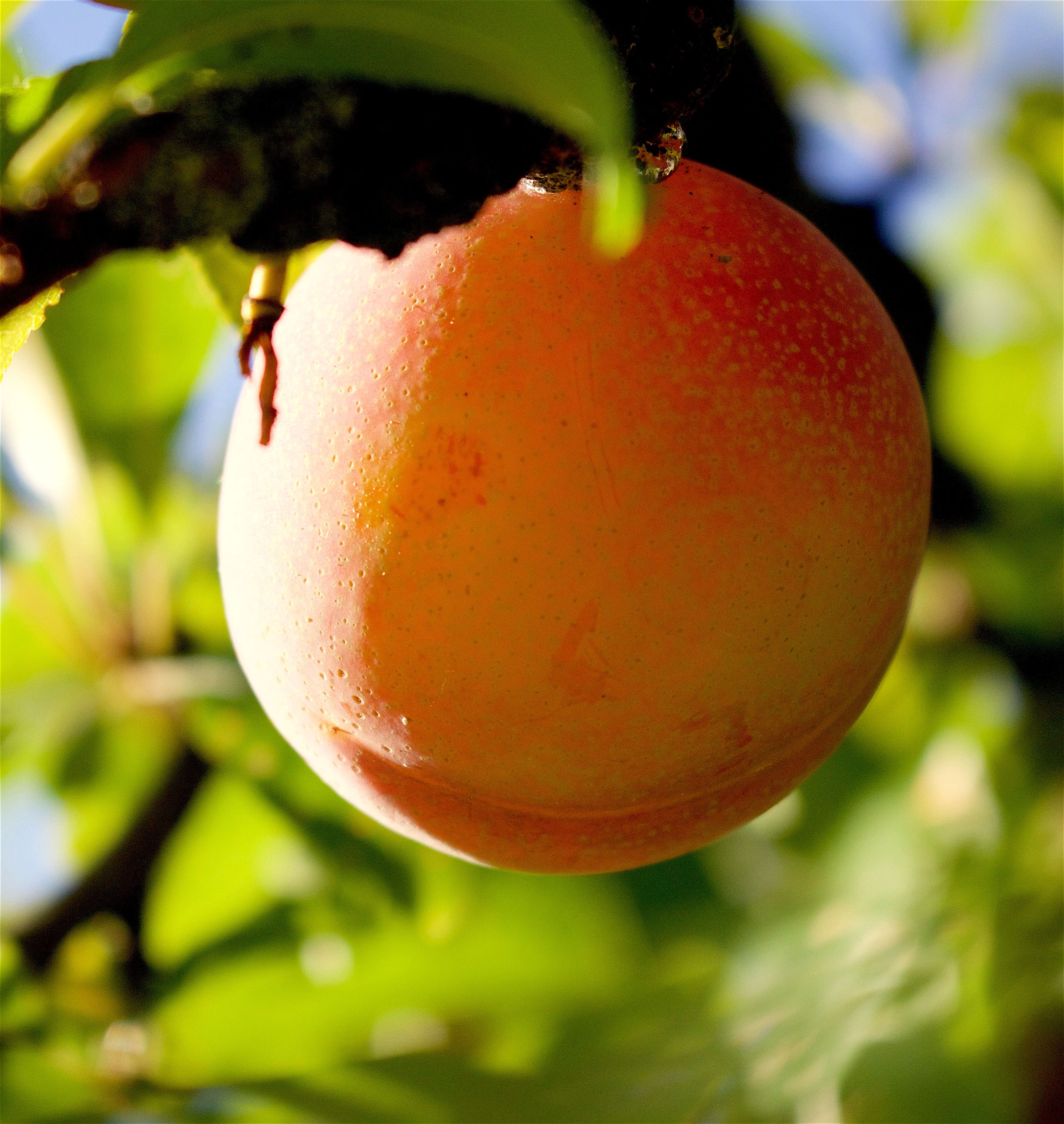
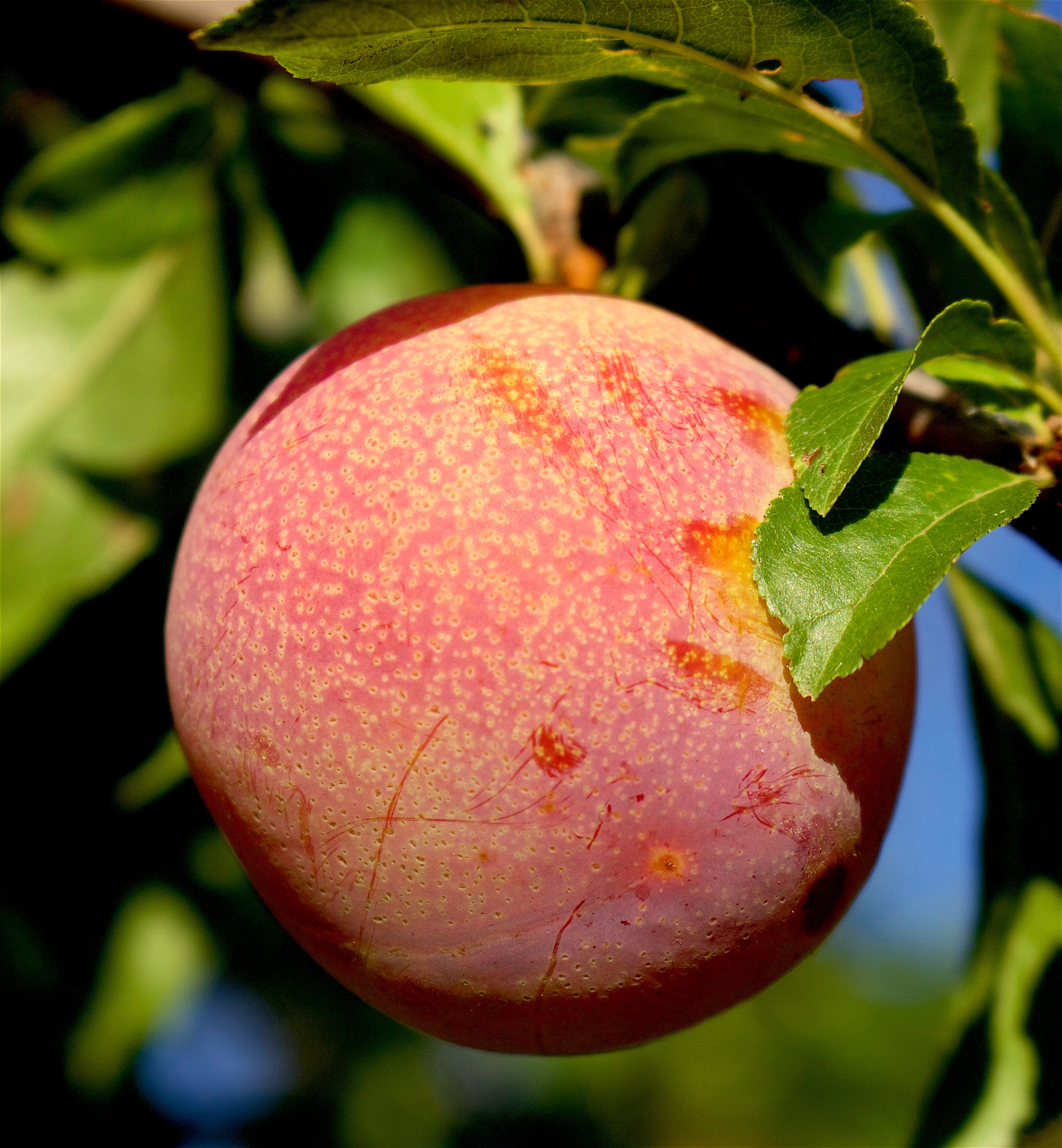
Sometimes it’s not about
seeking, but of receiving,
the way a plum takes in light,
an inner ripening that cracks
its perfect purple skin,
and sweetness, an amber rivulet,
crusts along the gash.
~Lois Parker Edstrom from “The Lesson of Plums”

plum8162

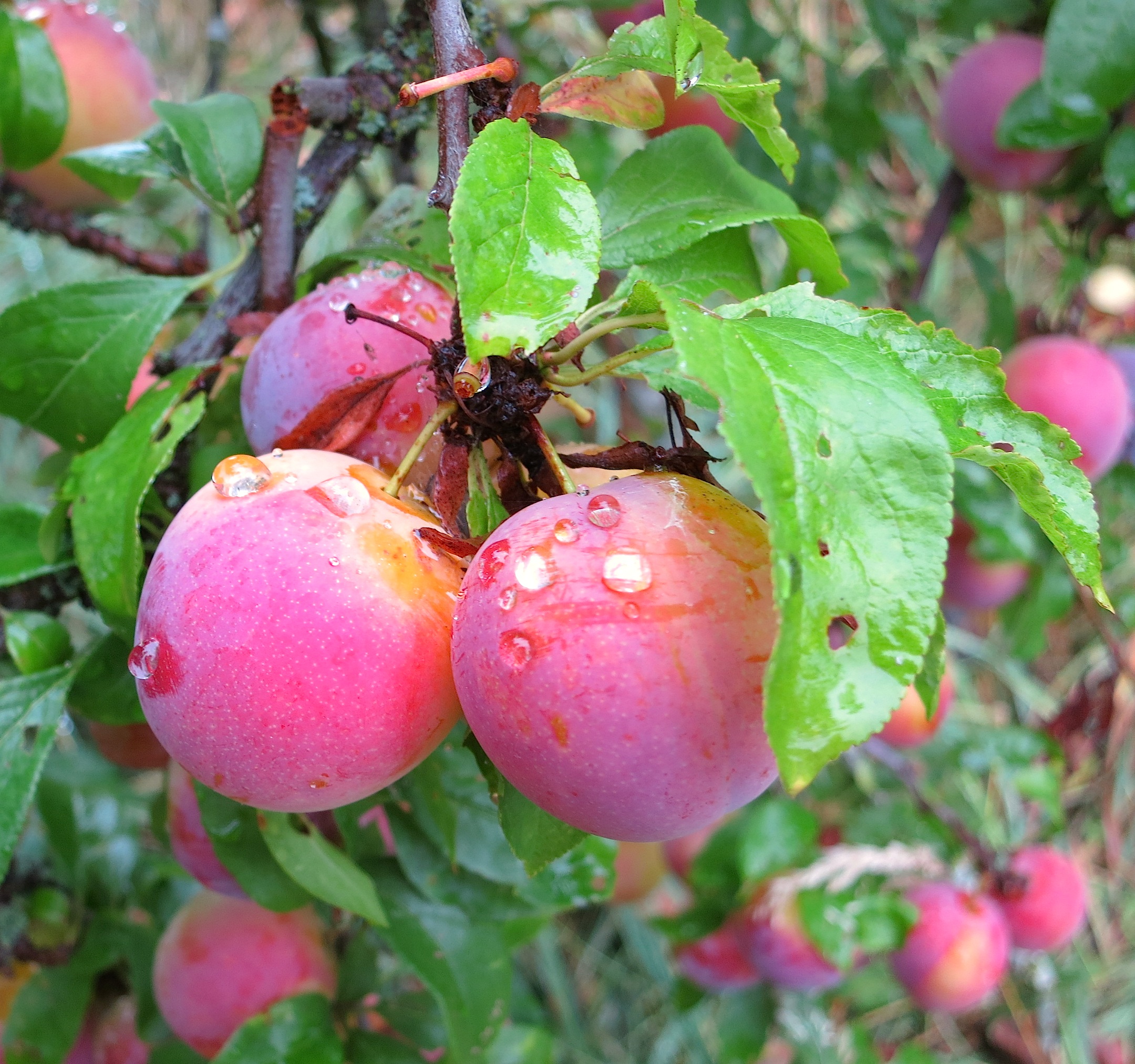
Our silver plum tree is a lot like some people I know:  most of the time barely noticeable, hanging on the periphery of the crowd,  fairly reserved and unobtrusive.  But their roots go deep and the nourishment is substantial,  so they bear fruit, no doing things half-way.   The feast is plentiful and abundant, the meal glorious, despite a bitter skin.

They bleed out sweet.

plumrain

Sun and Wind Muscle

sunset626163

poplarwind

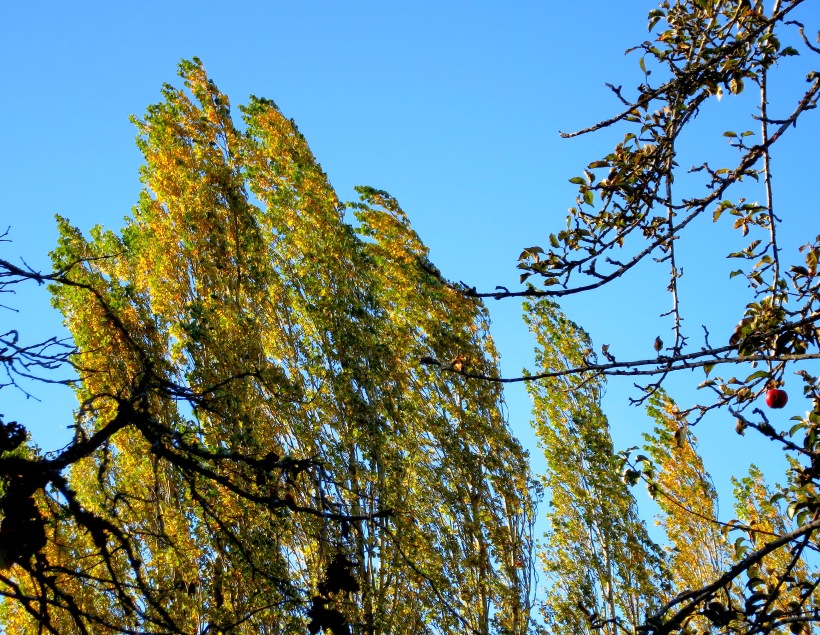
There is a muscular energy in sunlight corresponding to the spiritual energy of wind.
~Annie Dillard

sunset76162

thistleseeds

I tend to think of the wind, not the sun, having all the weather muscle, especially in the midst of a brisk northeaster blow in the dead of winter, far outperforming the meager and anemic sunlight.  Memories of northeast blizzard muscle are still fresh in my mind, even in the first half of August.

But earlier this week, on a warm summer day,  it was both sun and wind competing with their mustered energy.  With all the house windows kept wide open to keep things cool there were frequent door-slamming, blinds-beating, leaf-loosening, windchime-clattering, hay-drying gusts.  Muscle was all around and through us.

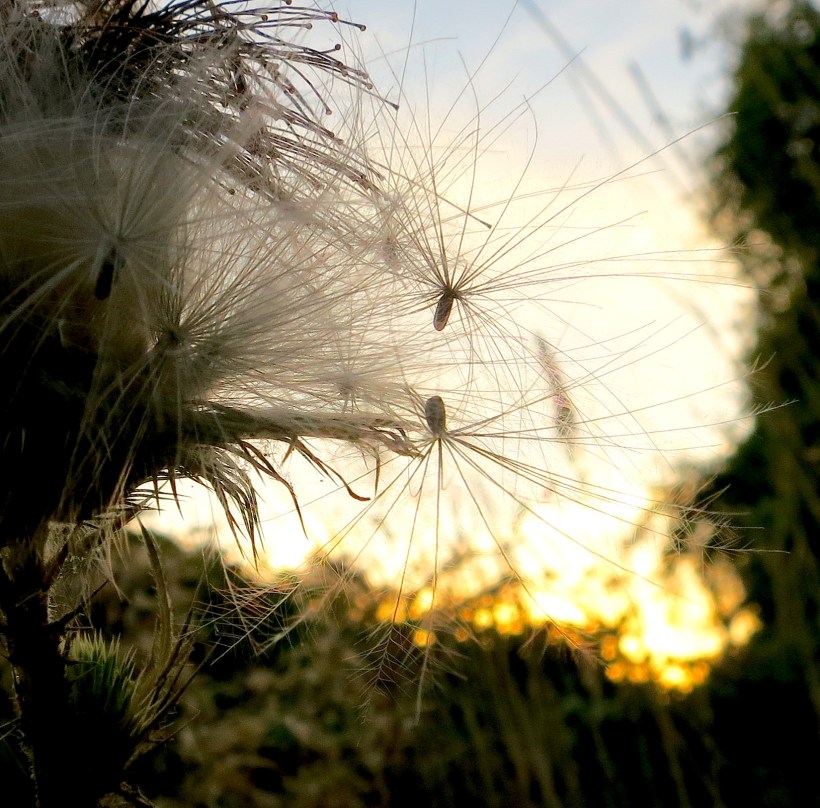
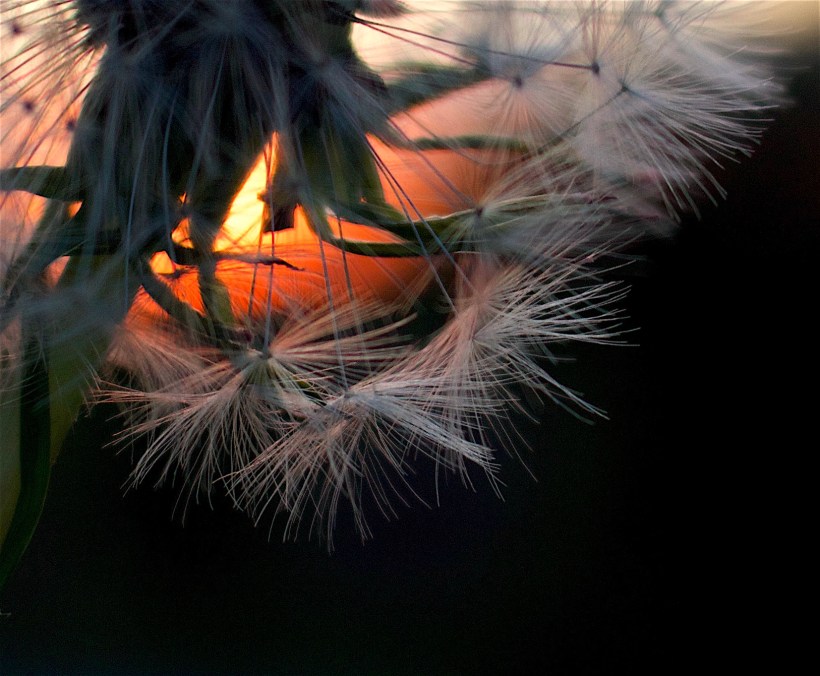
There was enough sun to create a shadow tree blending like a holograph projected onto the woods.  There was enough wind to shake the grasses and thistles and scatter their seed.  There was enough sun to dip the evening with orange smoothie and enough wind to clear the haze from the air.

For now there is plenty of energy to spare: spirit-filled muscle to pick me up, bend me over, warm my heart, all bottled and ready to release on that inevitable wintry day that will come,  sooner than I want.

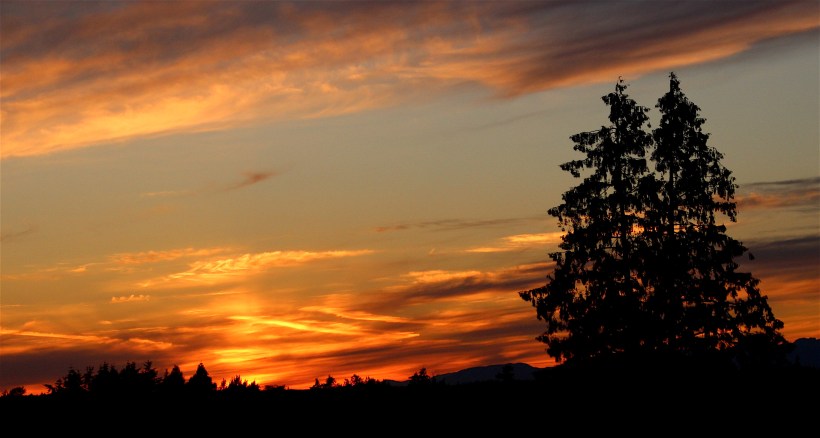
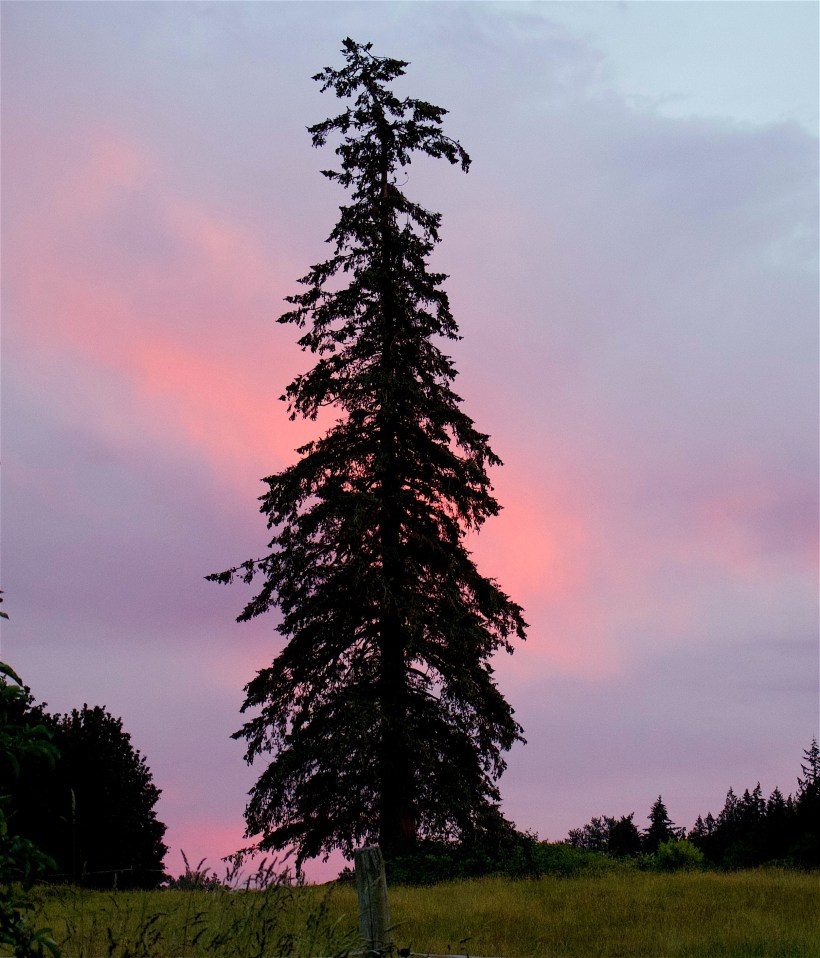
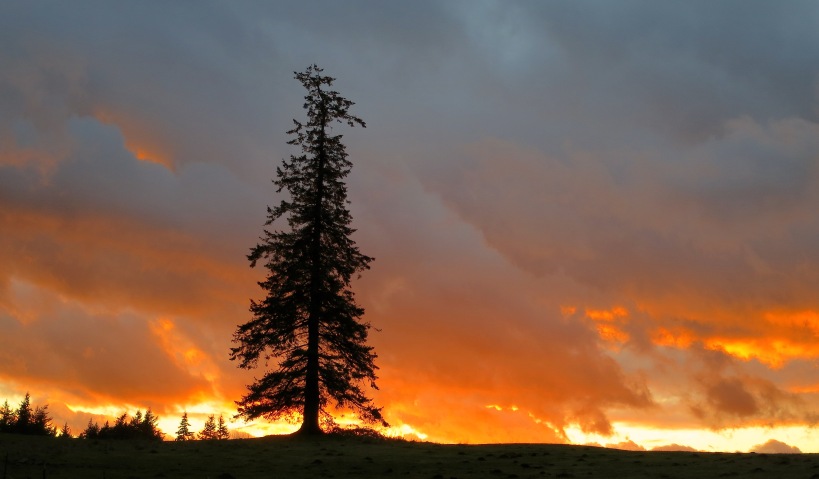
shadow of the lone fir cast upon the woods at sunset

sunset626162

Peace Blooms

giantcedars6

giantcedarsmoss

When great trees fall
in forests,
small things recoil into silence,
their senses
eroded beyond fear.

Great souls die and
our reality, bound to
them, takes leave of us.
Our souls,
dependent upon their
nurture,
now shrink, wizened.

And when great souls die,
after a period peace blooms,
slowly and always
irregularly…

Our senses, restored, never
to be the same, whisper to us.
They existed. They existed.
We can be. Be and be
better. For they existed.
~Maya Angelou from “When Great Trees Fall”

woods14

woods29

When I need to be restored,
humbled and forgiven,
I walk back to the woods
to stand before the great beings
cut down in their prime
over one hundred years ago,
their scarred stumps still bearing the notches
from the lumbermen’s springboards.

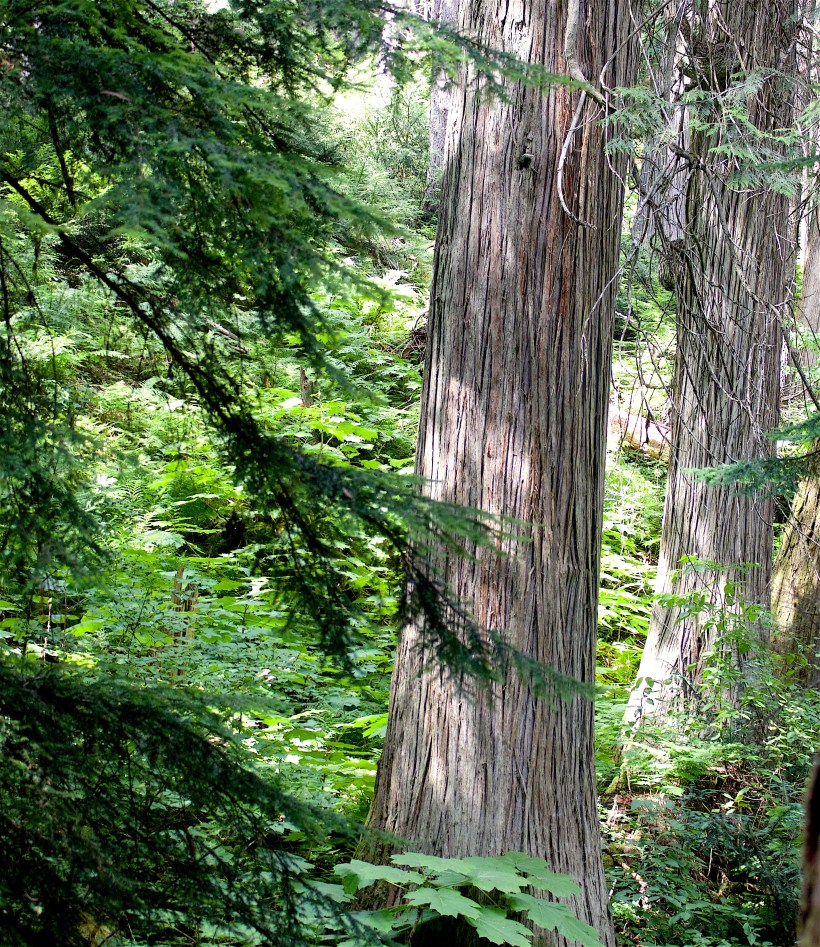
Old growth firs and cedars
became mere headstones
in the graveyard left behind.

They existed, they existed,
their grandeur leaves no doubt.
I leave the woods and come back
to the world better
because they existed.


giantcedars

giantcedars5

Propping up the Darkness

sunset67166

sunset626164

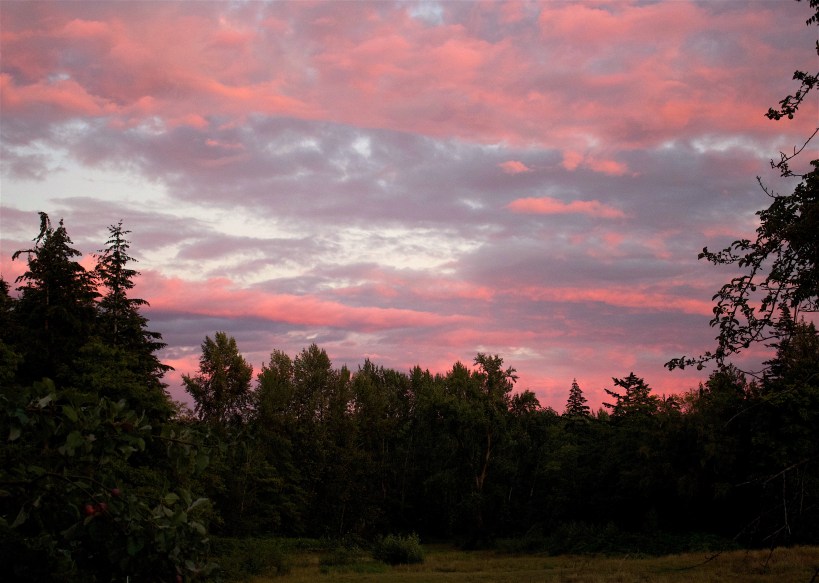
Sometimes on summer evenings I step
Out of my house to look at trees
Propping darkness up to the silence.
~Paul Zimmer from “A Final Affection”


sunset714161

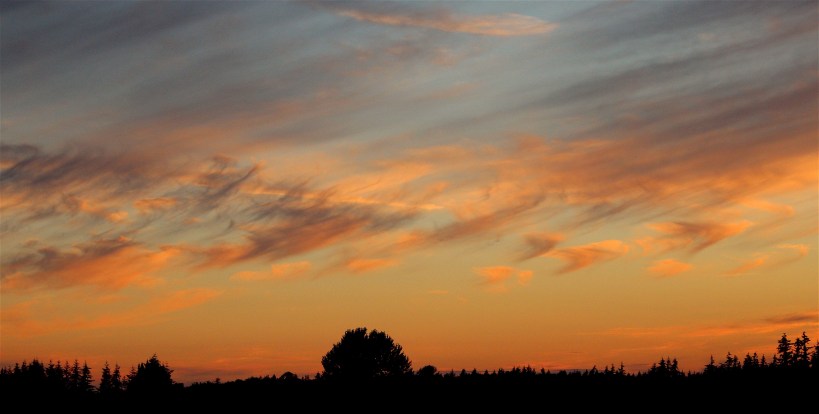
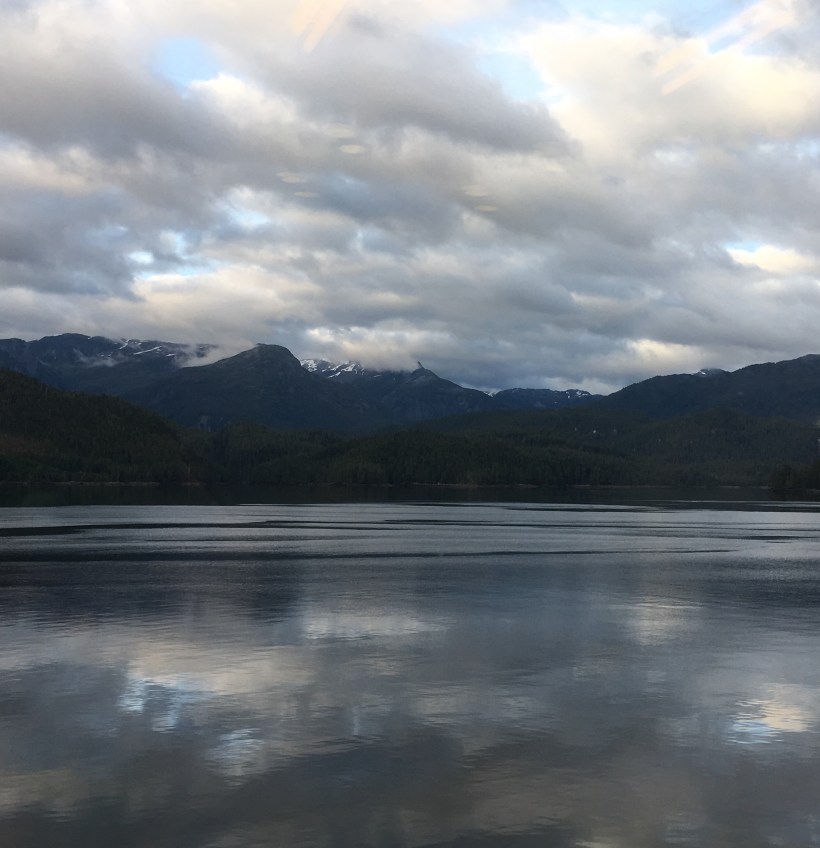
We spent 16 hours yesterday on a ferry going up the inside passage on the British Columbia coastal islands, witnessing whale spouts and splashes.  The backdrop consisted of millions of trees in pristine wilderness propping up the sky, the clouds, and the silence we disturbed.

Anywhere I go, I look to the trees and feel immediately among old friends.

image

image

An Apology to the Forest

iversonmaple

bellybutton

I’ve been writing almost daily for over ten years.  I started after 9/11/01 to try to make sense of a world that seemed beyond understanding.  Wrestling with the uncertainty of not knowing what each day may bring, I began with what I saw happening in our own back yard, in the barn and woods, in my family and in my work. Then I tapped into my memory and personal history, and the words just kept flowing.

All this has grown to over 1500 separate essays, poems and stories accompanied by backyard photographs. This is a whole lot of word harvesting, most of which exists in pixels and gigabytes, not printed on paper so no apologies are necessary to our local forests.

A few pieces have been published in really lovely publications that people actually receive in the mail, to hold in their hands while they are sitting on the toilet, or in the bath tub, or it falls onto their tummies while they are doze off at night.  I know these magazines are read in doctor and dentist waiting rooms while people sit nervously waiting for a diagnosis or a painful procedure, or they are feeling so miserable, all they can do is look at pretty pictures with encouraging words.

I have had a few appreciative letters from readers reach me, addressed with only my name and the small town where I live in Washington state, with no zip code.  Based on these communications, I estimate the average age of my readership to be approximately 85 years old.  While that doesn’t bode well for the longevity of my potential audience, I at least know there is a growing cohort of octogenarians anticipated in the next 30+ years, myself included, so maybe there is still hope.

What to do in a day and age of electronic books, self publishing and blogging?   This collection of words and photos does not have a plot line and consistent characters, no rising action, no climax, denouement and I hope, no “The End” anytime soon. I wish at times I could hold it in my hands with an actual binding and book jacket because someone else other than me decided it was worth taking a chance to publish. When a publisher actually asked me to send what I have in a significantly more organized form, I laid awake at night in a sweat trying to think up clever, pithy, “you can’t put it down” titles.  No longer can I blame menopause for my insomnia — instead it is the overwhelming anxiety of any writer:  the magazine article goes into the recycle bin or ends up lining the kitty litter box or bird cage, or the unsold books wind up on the remainder discount table completely unwanted and unnecessary to the well being of civilization.

It all comes down to this: what book dream can possibly be worth the life of a tree?


sunset67166


Wa-hoo and Ye-Hah

pinecurls

witheriris2

witherrose

octleaf1

rainypond

barnyew

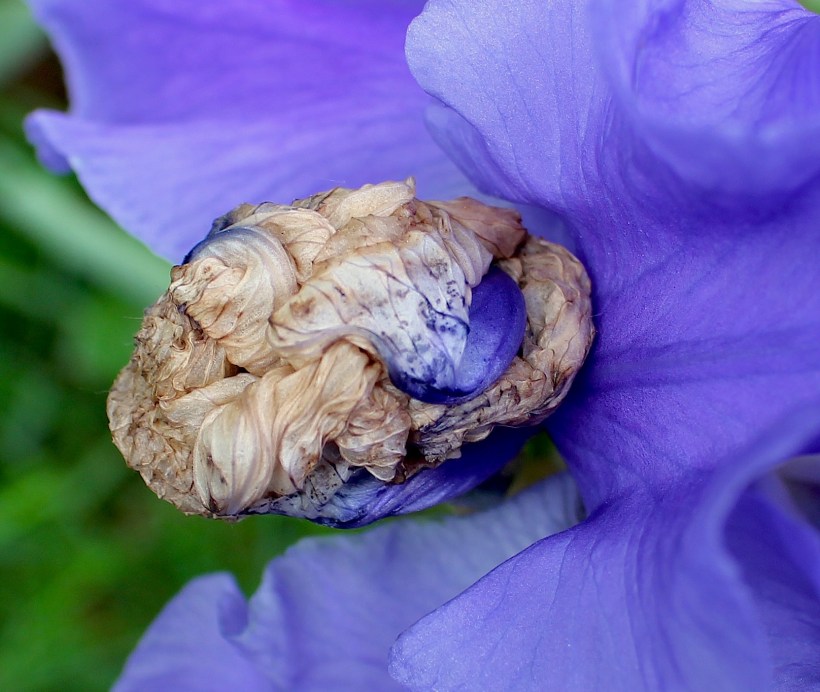
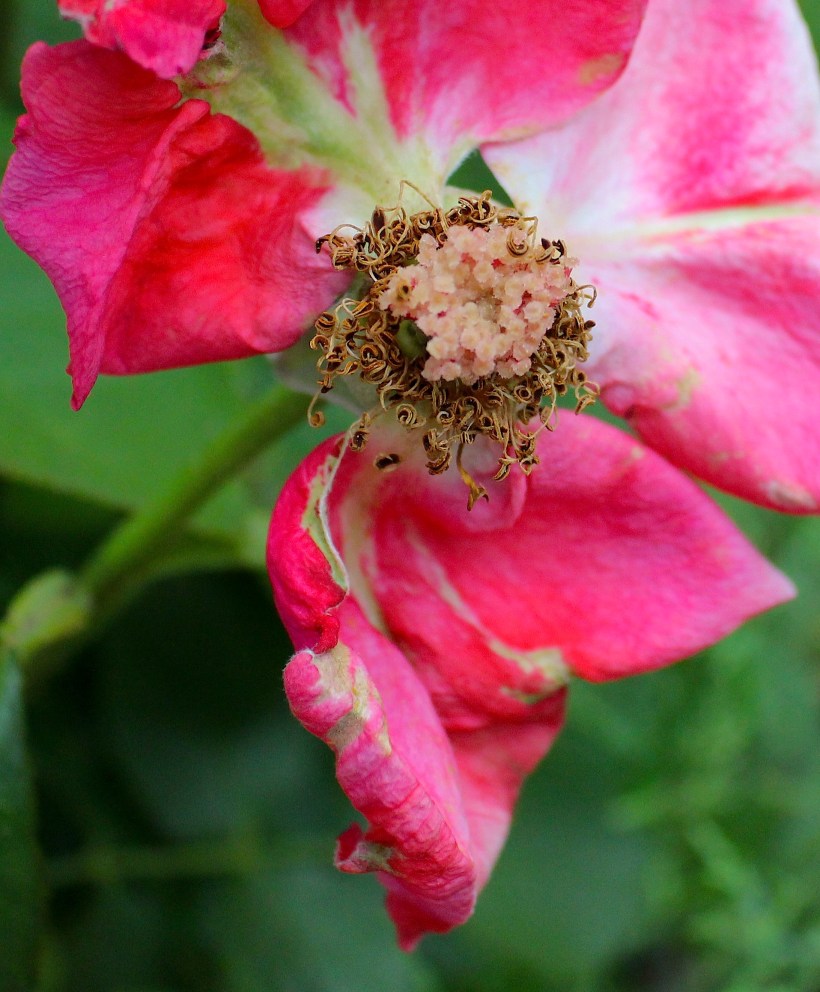
So much gloom and doubt in our poetry-
flowers wilting on the table,
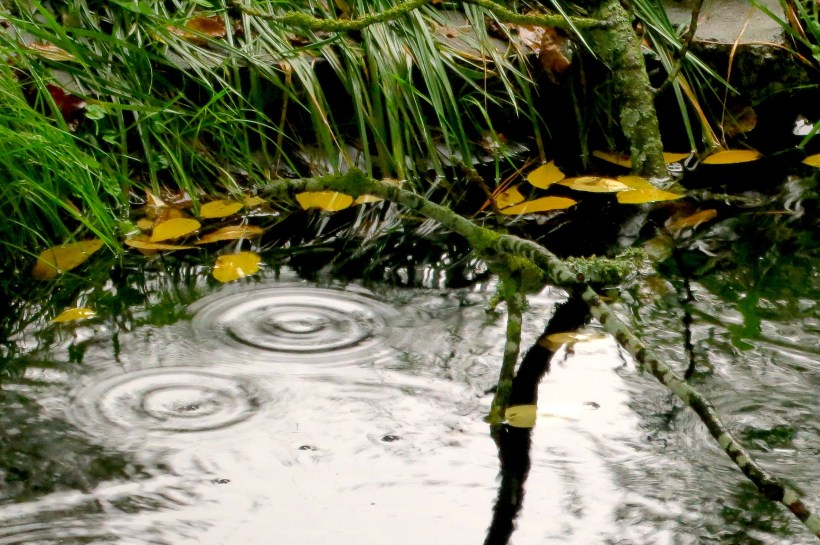
the self regarding itself in a watery mirror.

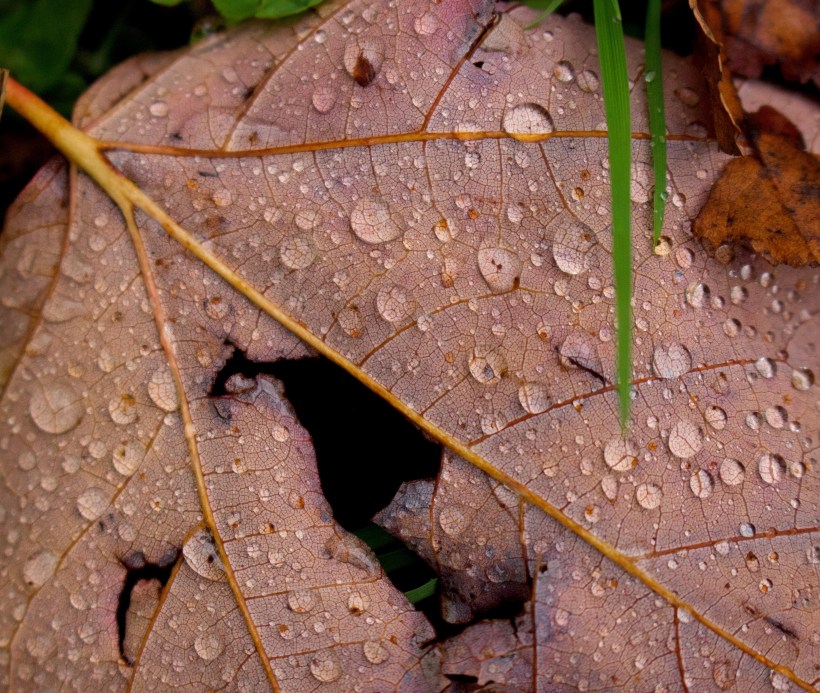
Dead leaves cover the ground,
the wind moans in the chimney,
and the tendrils of the yew tree inch toward the coffin.

I wonder what the ancient Chinese poets
would make of all this,
these shadows and empty cupboards?

Today, with the sun blazing in the trees,
my thoughts turn to the great
tenth-century celebrator of experience,

Wa-Hoo, whose delight in the smallest things
could hardly be restrained,
and to his joyous counterpart in the western provinces,
Ye-Hah.
~Billy Collins “Despair”

shadow6

So we sit perhaps in a starry chamber of silence, while the laughter of the heavens is too loud for us to hear… The tremendous figure which fills the Gospels… never concealed His tears. Yet He concealed something… He never restrained His anger… Yet He restrained something… There was something that He hid from all men when He went up a mountain to pray. There was something that He covered constantly by abrupt silence or imperious isolation. There was some one thing that was too great for God to show us when He walked upon our earth; and I have sometimes fancied that it was His mirth.
G.K. Chesterton in his closing words of Orthodoxy


There is humor in the Bible –irony, puns, absurdities, parodies, paradox–yet we miss hearing the laughter of the heavens as we are simply too close to the joke to get it.  In fact, we are likely the punch line of the joke more often than not.  God shows remarkable restraint when it comes to observing the hilarious antics of His children.  We don’t see verses such as, “Jesus laughed” or “Jesus smiled” or “Jesus stifled a chuckle”  even though He surely had plenty of opportunity. He was too gracious to laugh at us so surely He laughed with us.

We often take ourselves too seriously.   A little joy can’t hurt.

A lot of joy is hearing the laughter of heaven itself.

Wa-Hoo and Ye-Hah!

woodsonfire

poplargold

noseys

Happiness is a Chewbacca Mask

The Scars of Living and Dying

springboardtrunk

woods29

Scars come in various sizes and shapes, some hidden, some quite obvious to all.  How they are inflicted also varies–some accidental, others therapeutic, and too many intentional.  The most insidious are the ones so deep inside,  no one can see or know they are there.

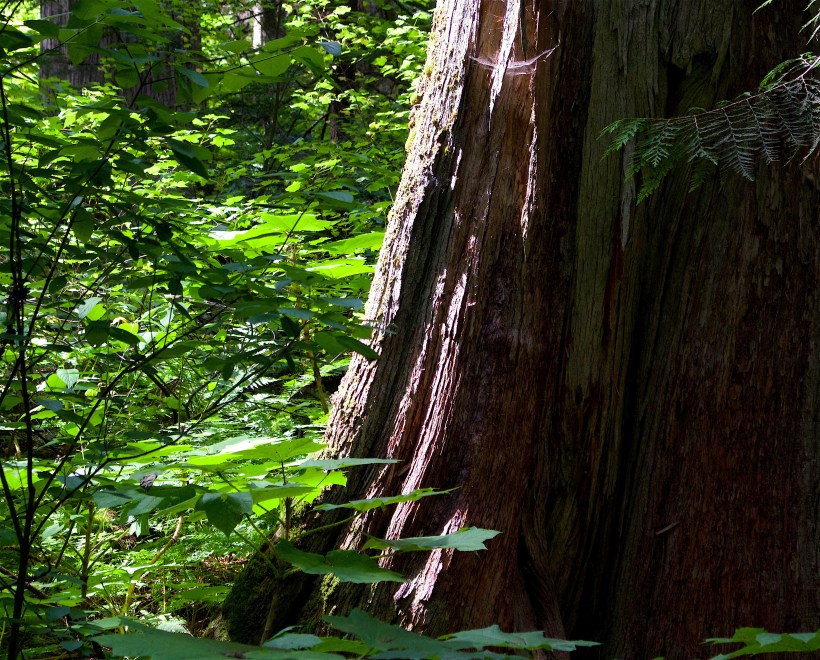
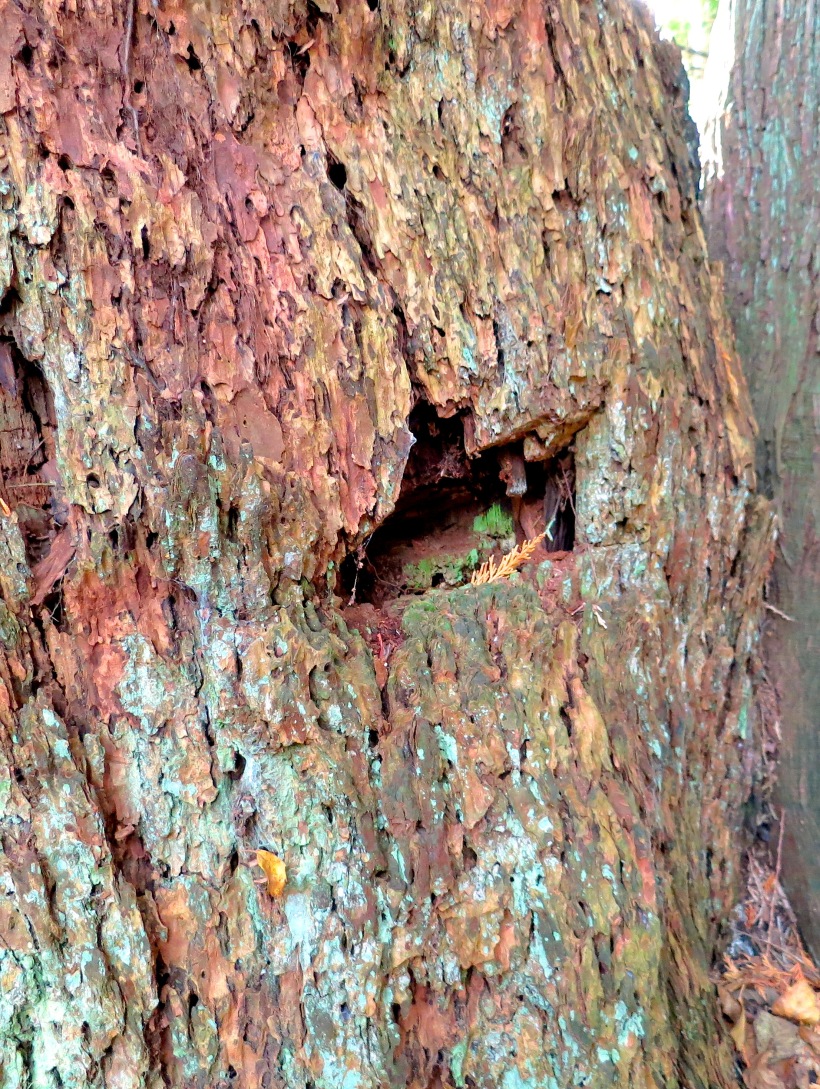
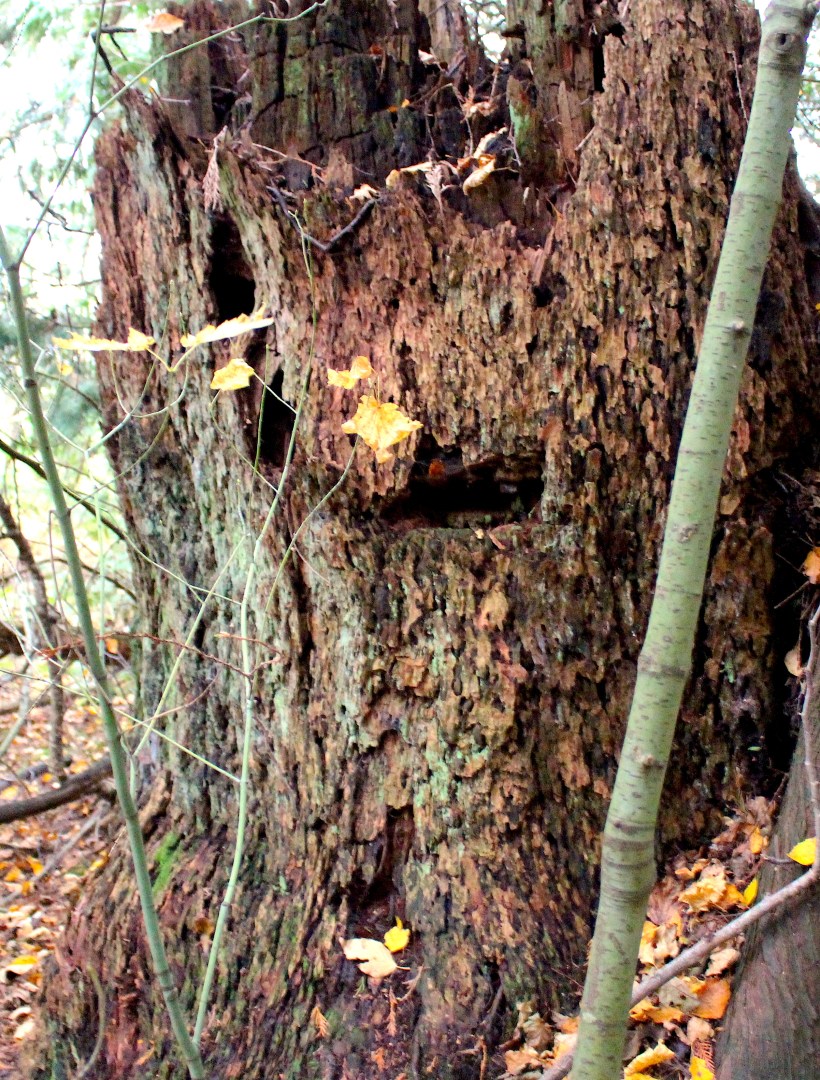
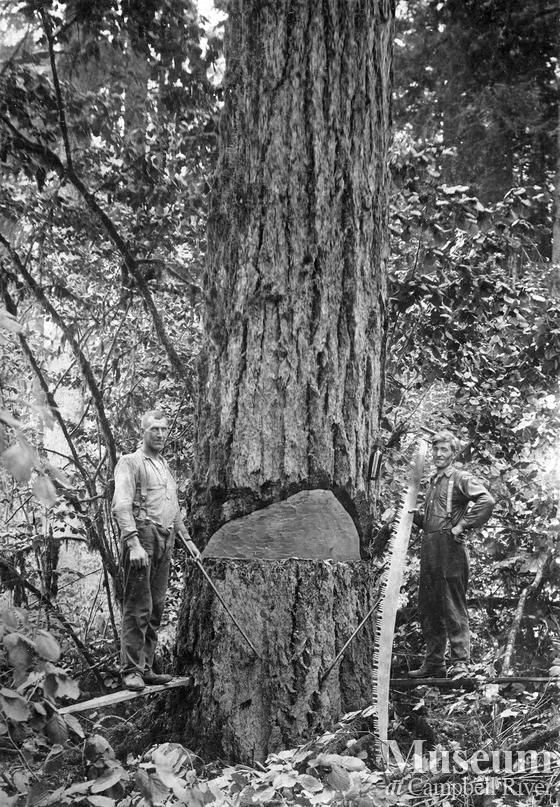
Back in our woodlot stands a sawed off stump of a cedar that was old growth in virgin forest over a hundred years ago.  One day the clearcut loggers came through our part of this rural county and took every tree they could to haul to the local sawmills to become beams and lumber for the growing homesteading population in the region.  This cedar once was grand and vast, covering an immense part of the forest floor, providing protection to trillium at its feet and finches’ nests and raptors hunting in its branches.   It nurtured its environment until other plans were made, and one day, axes fell on its sides to cut out the notches for the springboards where two loggers stood to man the saw which brought the tree down.  Where the wood went is anyone’s guess.  It could be one of the mighty beams supporting our old hay barn roof or it could have become the foundation flooring of a nearby one room school house.  It surely had a productive and meaningful life as part of a structure somewhere until rot or carpenter ants or fire brought it once again to its knees.

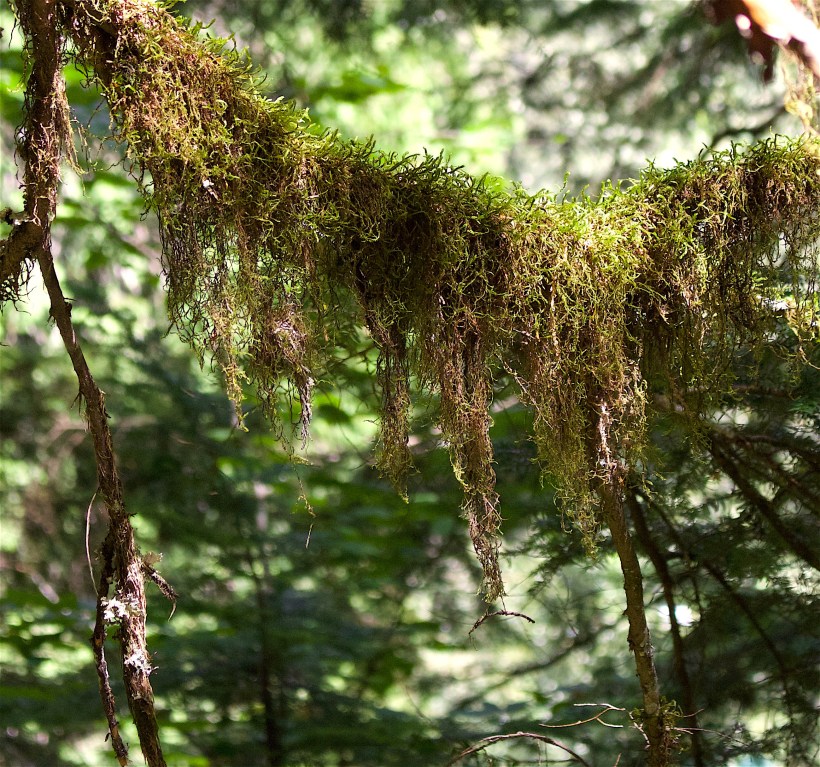
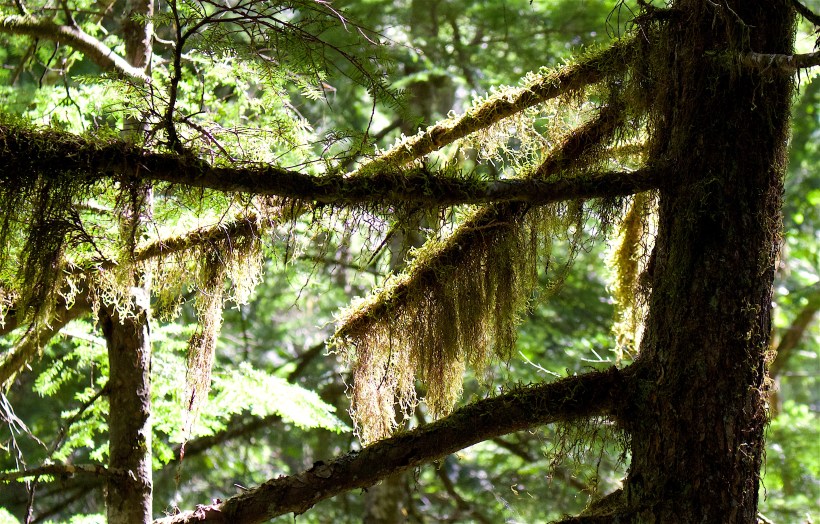
But the stump remains, a tombstone of remembrance of a once grand tree, the notch scars embedded deep in its sides, nursing new seedlings from its center and moss, lichen and ferns from its sides.

I come from logger stock so I don’t begrudge these frontier settlers their hard scrabble living, nor minimize their dangerous work in order to feed themselves and their families.  It’s just I’m struck by those scars even one hundred years later — such a visible reminder of what once was a vital living organism toppled for someone’s need and convenience.

Trees are not unique.  It happens to people too.  Everyday scars are inflicted for reasons hard to justify.  Too often I see them self-inflicted in an effort to feel something other than despair.  Sometimes they are inflicted by others out of fear or need for control.

Sometimes they are simply the scars of living, wounds accumulated along the pathway we tread, often to letting in Light where there was none before.

None of them are as deep and wide as the scars that were accepted on our behalf, nor as wondrous as the love that oozed from them, nor as amazing as the grace that abounds to this day because of the promise spelled out by them.  These are scars from the Word made Flesh.

As a result, that Tree lives.


woods14

59457784c7cff903c0d91dcc2c8670b8
loggers standing on springboards wedged into a large fir (courtesy of Campbell River Museum, British Columbia)

Slants of Light

sunset425164

drizzlegrass2

I stood on the grass with the lights in it, grass that was wholly fire, utterly focused and utterly dreamed.  It was less like seeing than like being for the first time seen, knocked breathless by a powerful glance.  The lights of the fire abated, but I’m still spending the power.  Gradually the lights went out in the cedar, the colors died, the cells unflamed and disappeared.  I was still ringing.  I had my whole life been a bell, and never knew it until at that moment I was lifted and struck.
~Annie Dillard from Pilgrim at Tinker Creek

*********

I like the slants of light; I’m a collector. That’s a good one, I say…
~Annie Dillard from Pilgrim at Tinker Creek


morninglight2

morninglight3

Ever since reading about the “The Tree of Lights” in Pilgrim at Tinker Creek in 1975, I’ve been keeping a look-out  for special slants of light. Like Dillard, I want to be “lifted and struck”, to resonate in a new awareness, no longer blinded, to see everything in a sharper focus.

It can happen unexpectedly.  The first time was in an art class in 1980.  My artistic ability was limited to stick figures so a doctor friend and I decided to take her high school art teacher husband’s evening “Drawing from the Right Side of the Brain” class at Lakeside School in Seattle.  Robert Fulghum was an unorthodox teacher—not just an artist, but a Unitarian pastor, a story teller, and a musician.  He was, in his entertaining and inimitable way,  able to teach us how to look at the world in terms of shadow and light, solid and air, space and density, patterns and plain.  He put a drawing of an old cowboy boot, hung upside down in front of the class, and asked us to draw it that way.  We were not to think “boot”, but to think of it as lines and shadow, empty space and full shape,  dark against light.

I drew by focusing on the small detail rather than my expectation creating a recognizable “whole”.  At the end of class, Fulghum asked us to turn our drawing right side up, and as I turned the paper around, I was astonished that I had created a distinctly recognizable cowboy boot, my first real drawing.  It stayed on my refrigerator for four years.  I was so proud that I had been taught a new way to “see”.

Not long after, Fulghum wrote a little meditation on what he had learned in kindergarten for his church’s weekly Sunday bulletin.  That bulletin somehow found its way to the desk of Washington State Senator Dan Evans, who read it into the Congressional Record.  From there it was reprinted, passed around and eventually made it home in the school backpack of a publishing editor’s son.  That mother, going over the school papers, sat down to read “All I Need to Know, I Learned in Kindergarten” by Robert Fulghum and set out, in pre-Internet days, to track down the author — not an easy task.  He soon received a call from her, and the first thing she asked was “do you have anything else like this you’ve written?”   The answer was an emphatic “yes” from a pastor with years of sermons and church bulletins in his files.  His first book of collected essays was published a year later.   His life was never the same, turned upside down just like his flipped cowboy boot drawing.

I keep looking to collect a new “slant of light” but they are elusive because I’m blinded to them most of the time.

Maybe, just maybe,  I could see more clearly with the world upside down…

firgrowth

sunsetdogwood3


Heart, Round Me Right

sunset1224145

sunset329166
Earnest, earthless, equal, attuneable, ‘ vaulty, voluminous, . . . stupendous
Evening strains to be time’s vást, ‘ womb-of-all, home-of-all, hearse-of-all night.
Her fond yellow hornlight wound to the west, ‘ her wild hollow hoarlight hung to the height
Waste; her earliest stars, earl-stars, ‘ stárs principal, overbend us,
Fíre-féaturing heaven.
Heart, you round me right
With: Óur évening is over us; óur night ‘ whélms, whélms, ánd will end us.
Where, selfwrung, selfstrung, sheathe- and shelterless, ‘ thóughts agaínst thoughts ín groans grínd.
 ~Gerard Manley Hopkins — stanzas from “Spelt from Sibyl’s Leaves”

northmorning121115

sunset26161

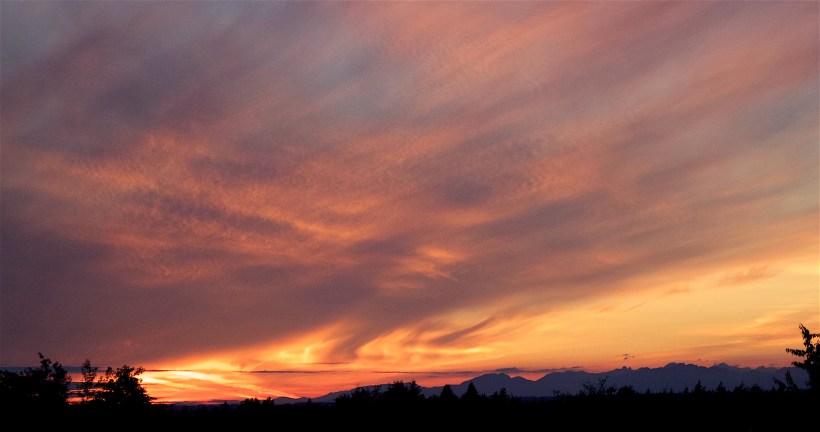
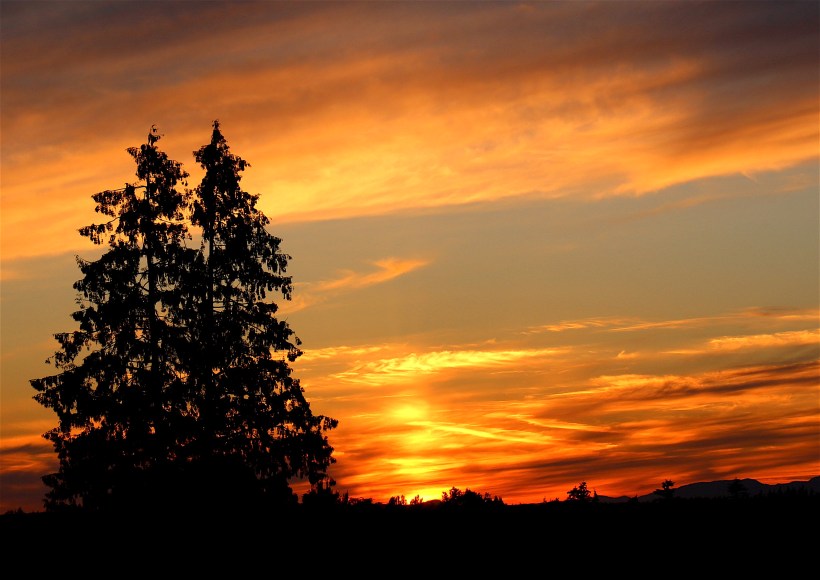
A descent into night is overwhelming relief from the stress of the day, an all-encompassing comfort as the fire of the sun warms and then extinguishes, leaving only moon, stars and the infinite heavens we bend backwards to see.

A descent into night is overwhelming loss, an emptying of all that is familiar, as we are overtaken by darkness that is not only outside us, but within us.

Heart, oh dear Heart, please round me right so my thoughts reflect Your thoughts, your Light to illuminate me from within.

aprileveningnorth
sunset329165