I wonder what it would be like to live in a world where it was always June. ~L. M. Montgomery from Anne of the Island
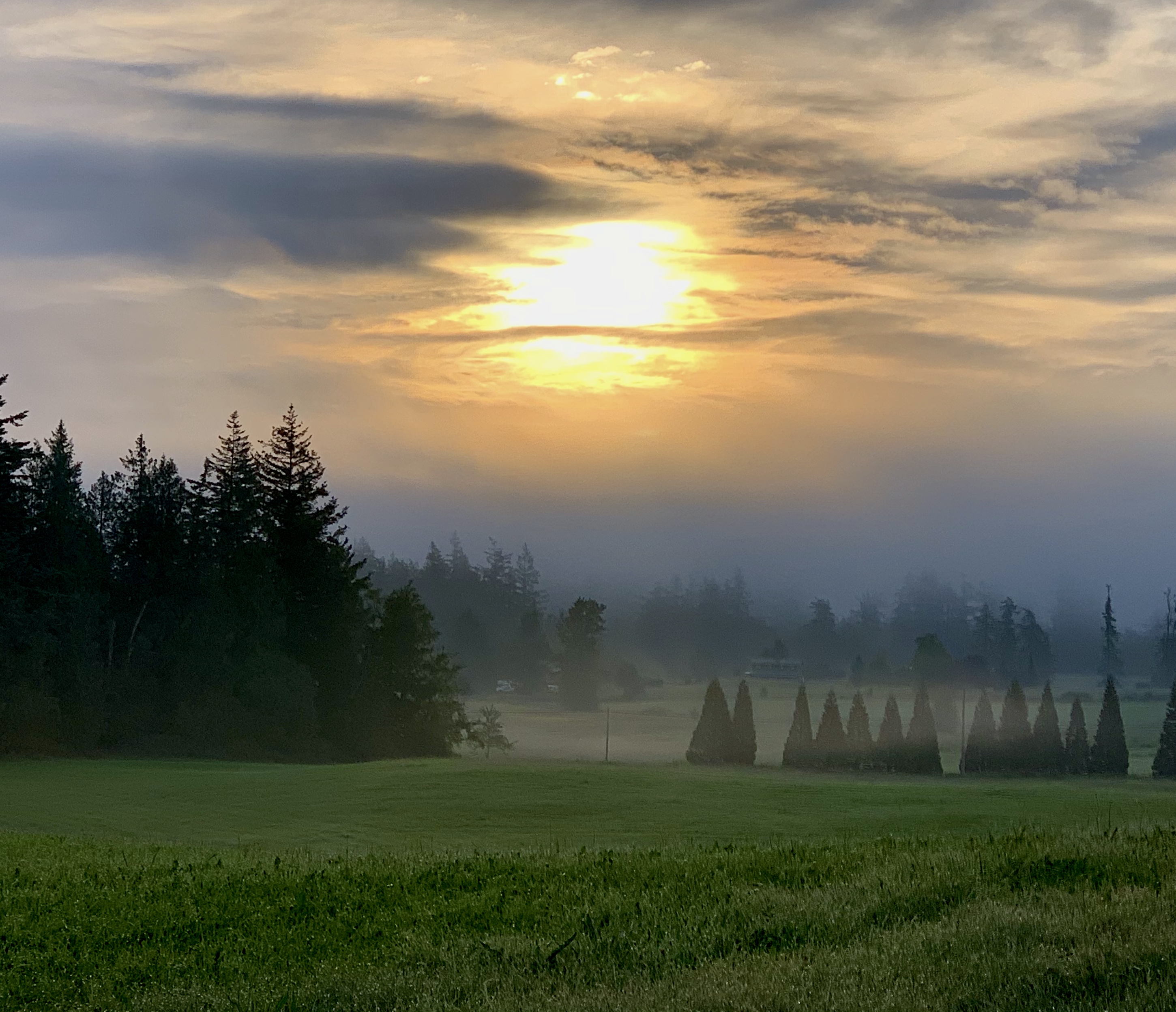
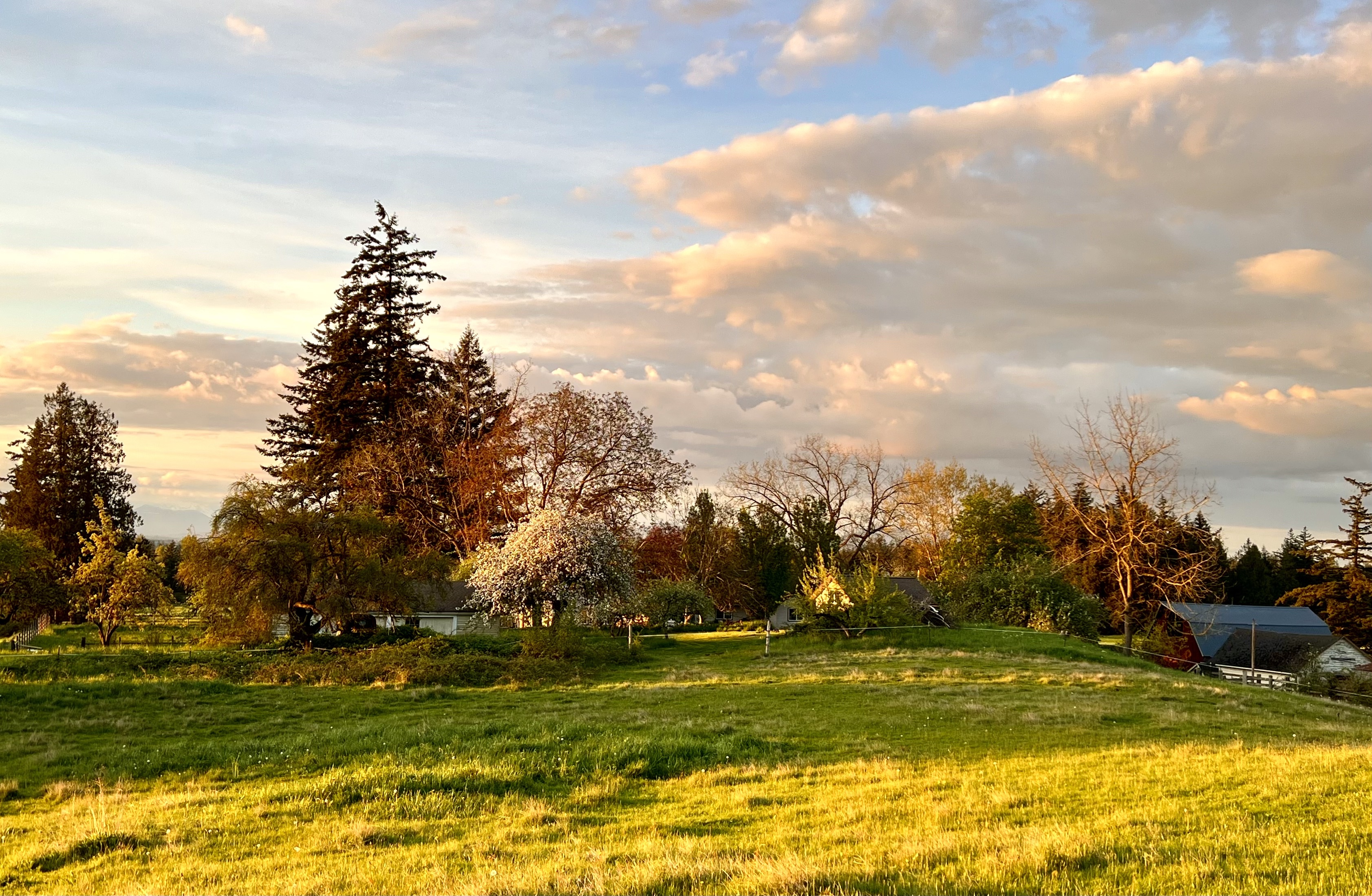
Each month is special in its own way: I tend to favor April and October for how the light plays on the landscape during transitional times — a residual of what has been – with a hint of what lies ahead.
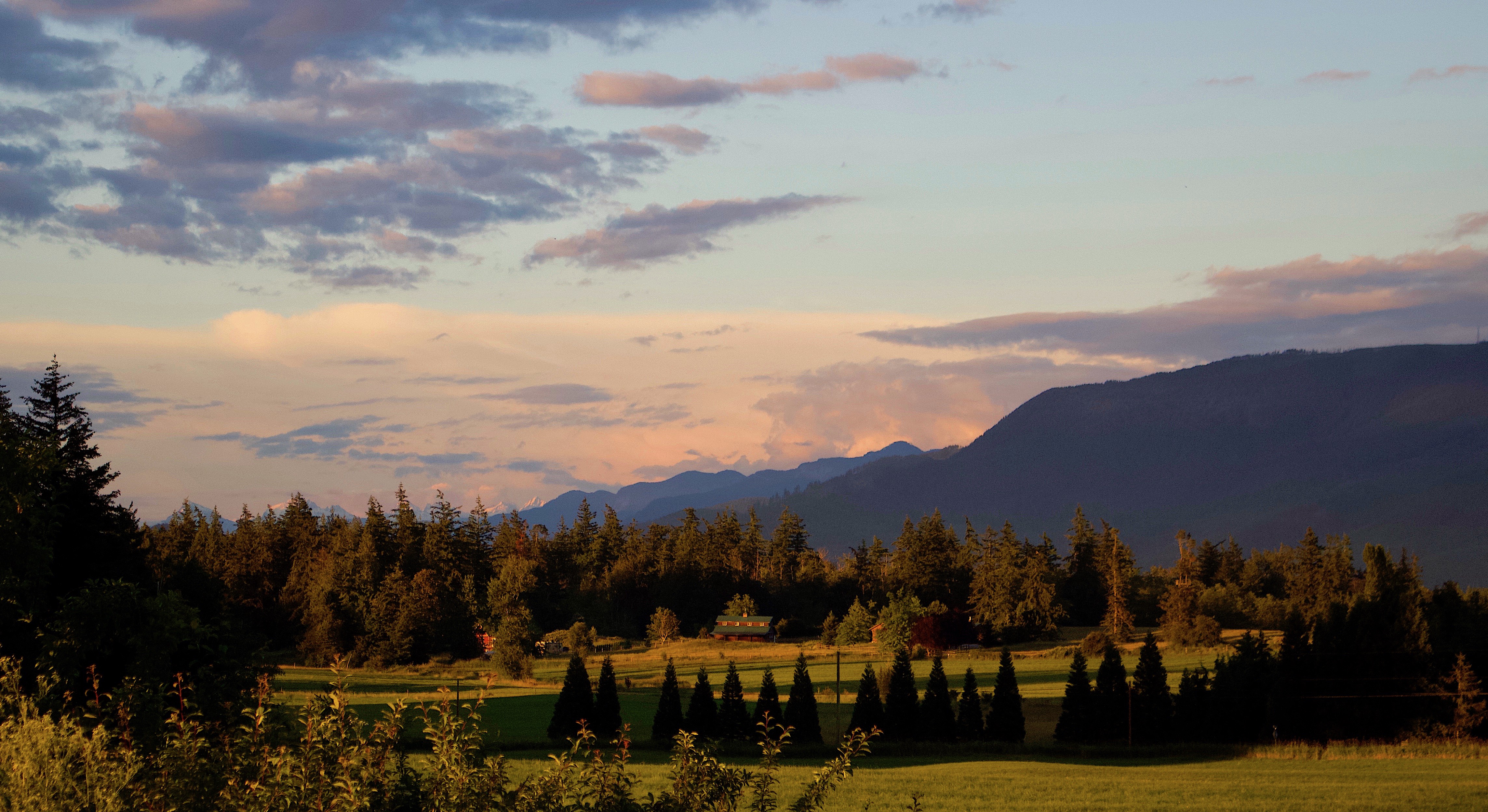
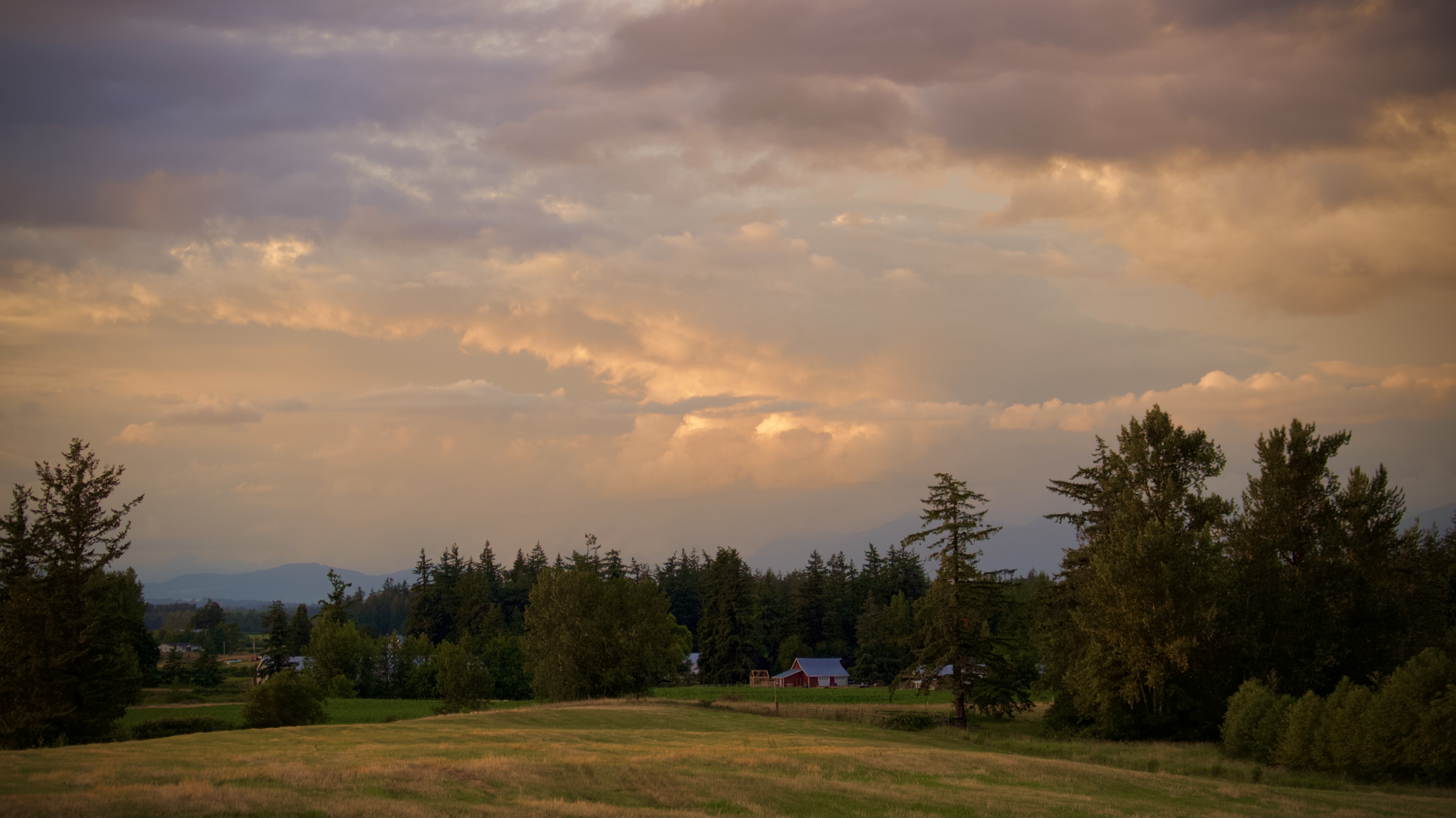
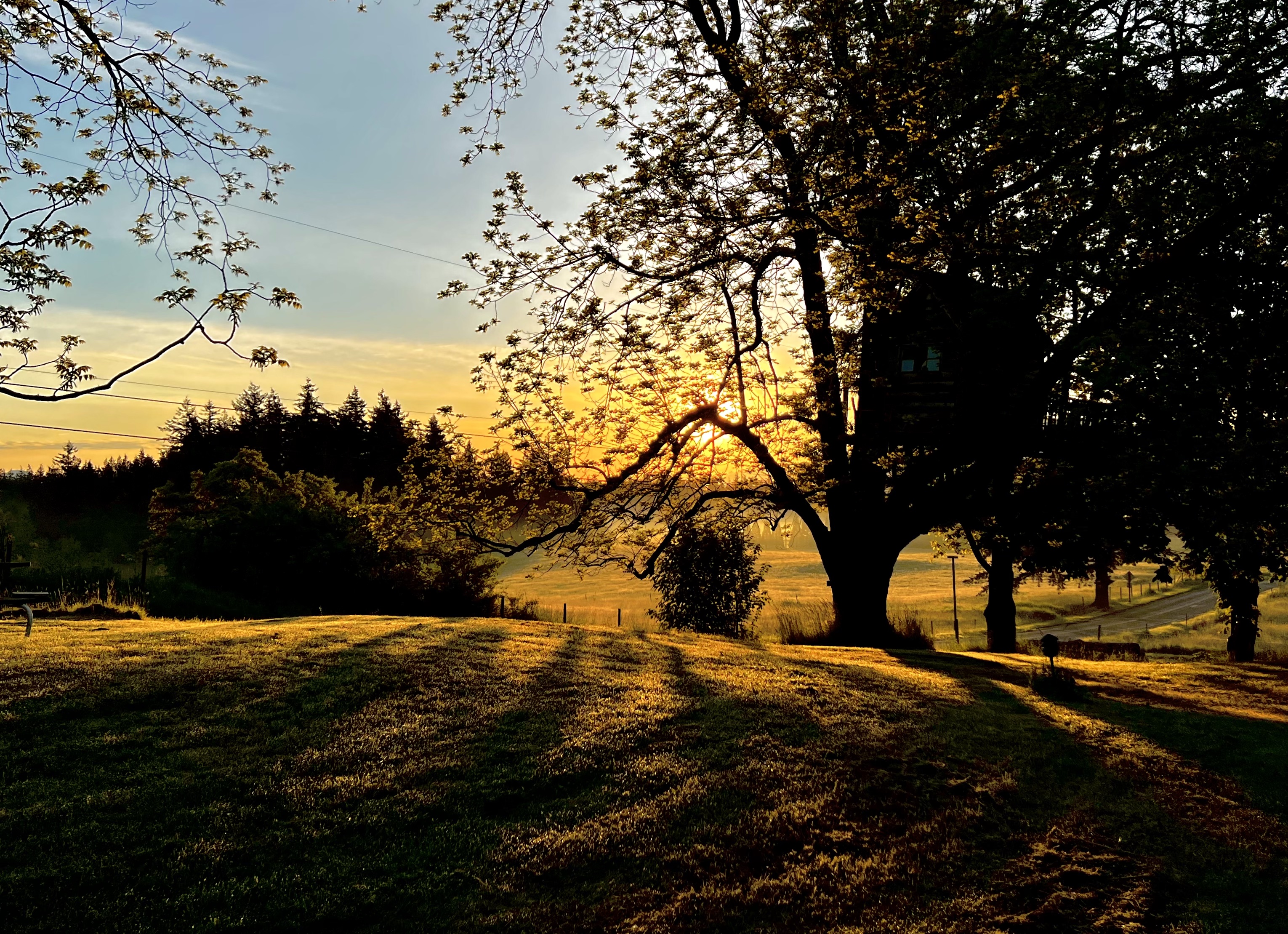
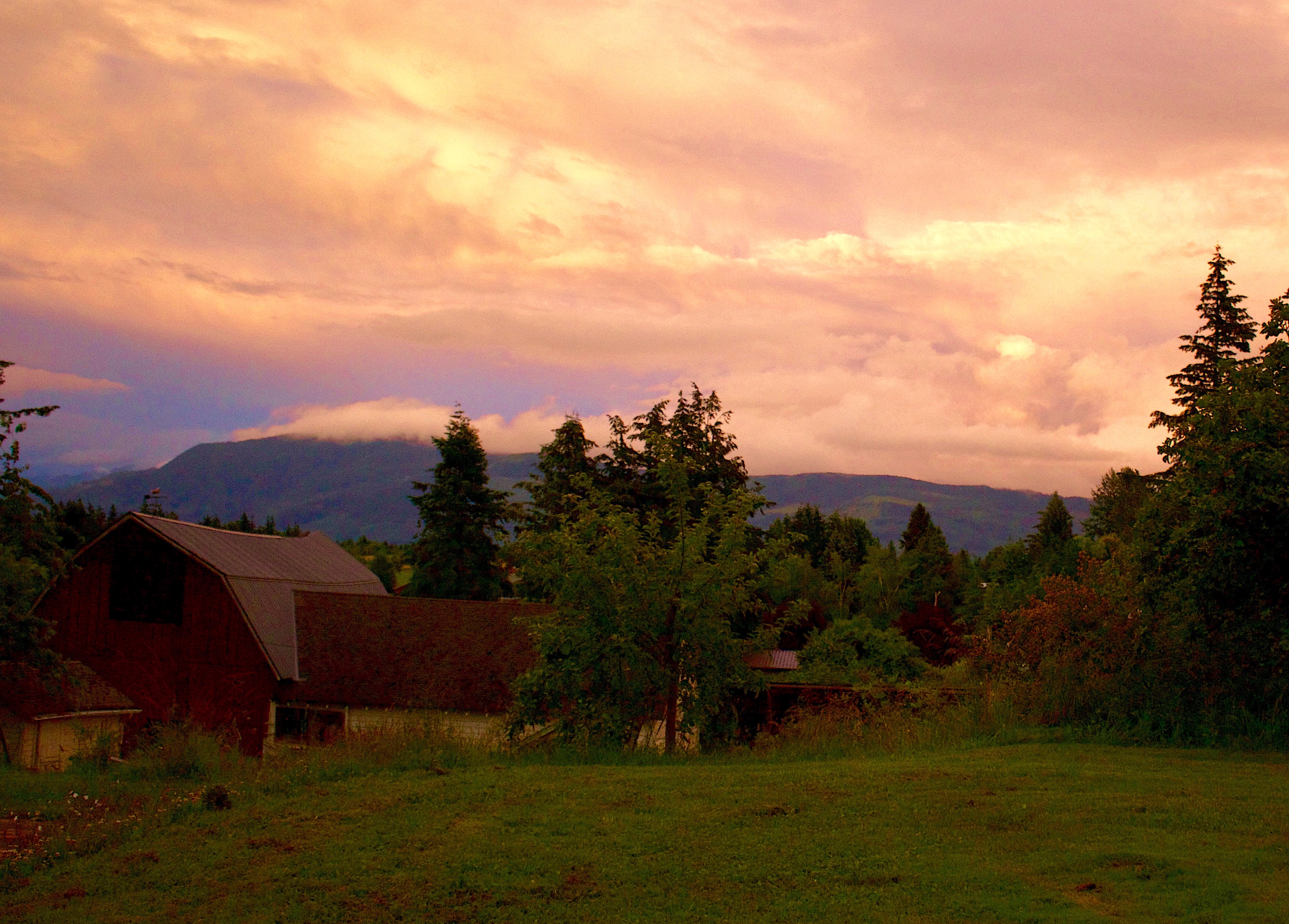
Then there is June. Dear, gentle, full blown, overwhelming June.
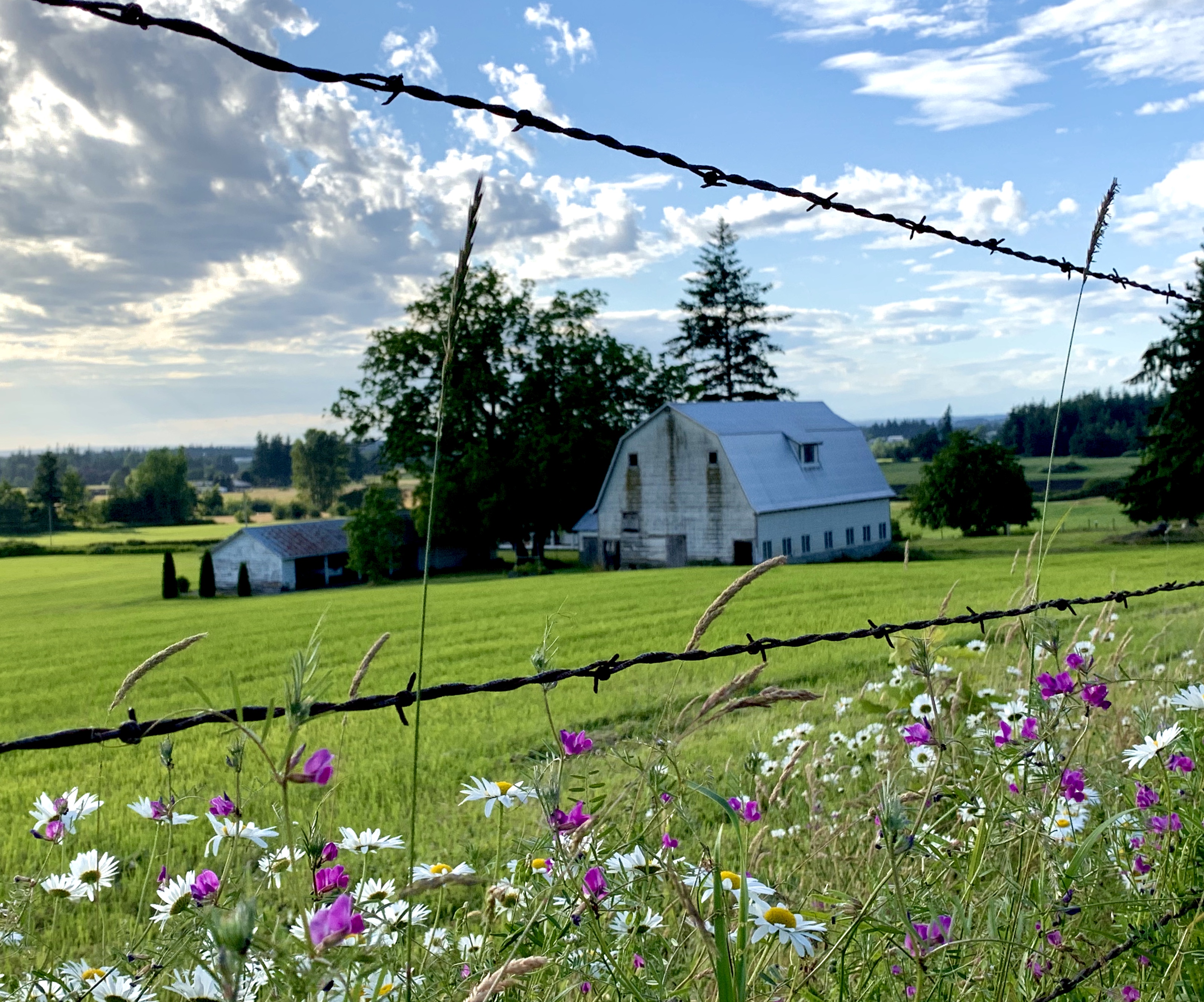
Nothing has dried up as it is often a rainy month. There is a rich feeling of ascension into a lushness of summer combined with an immense relief of loosening too-tight family schedules.
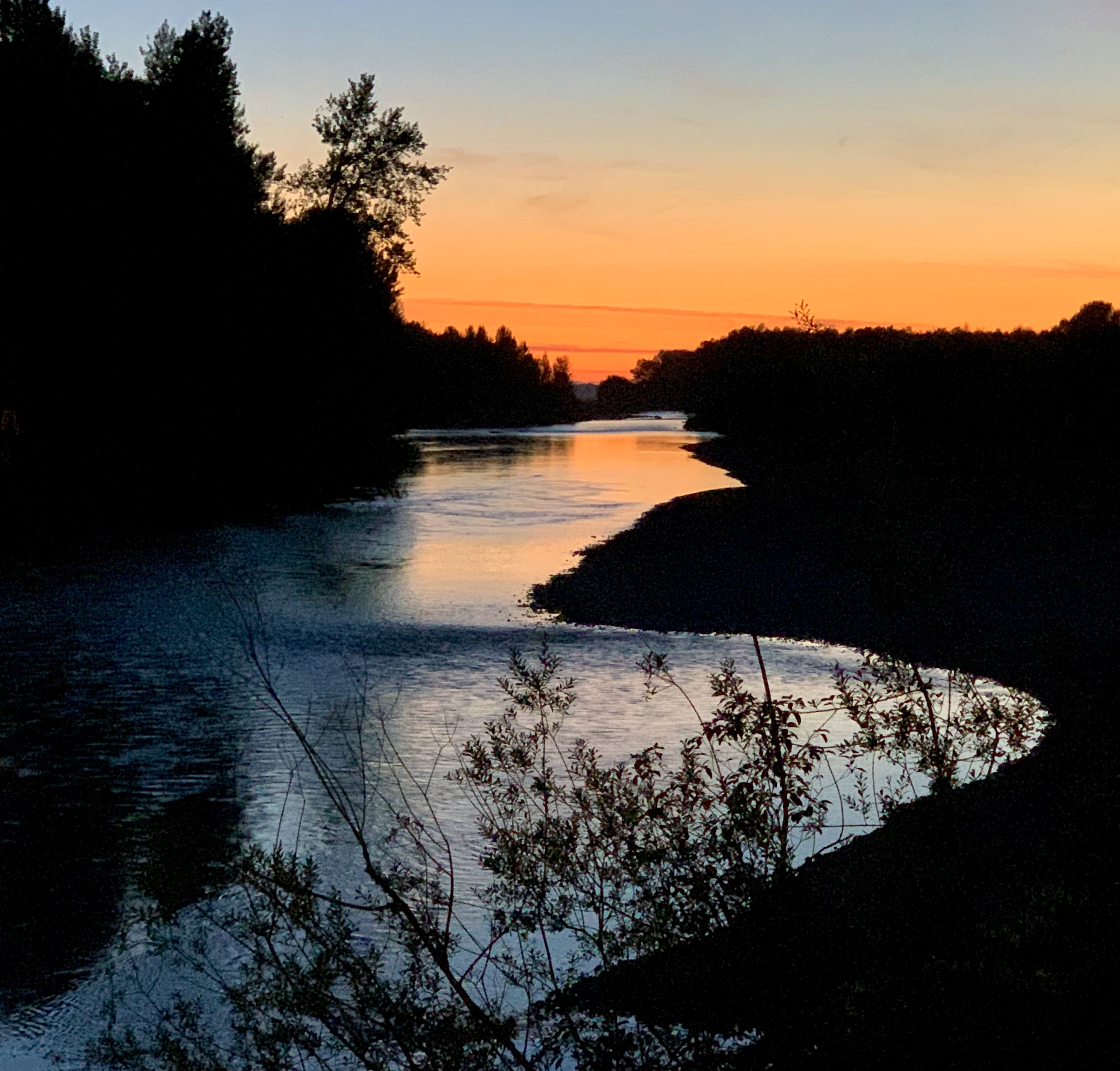
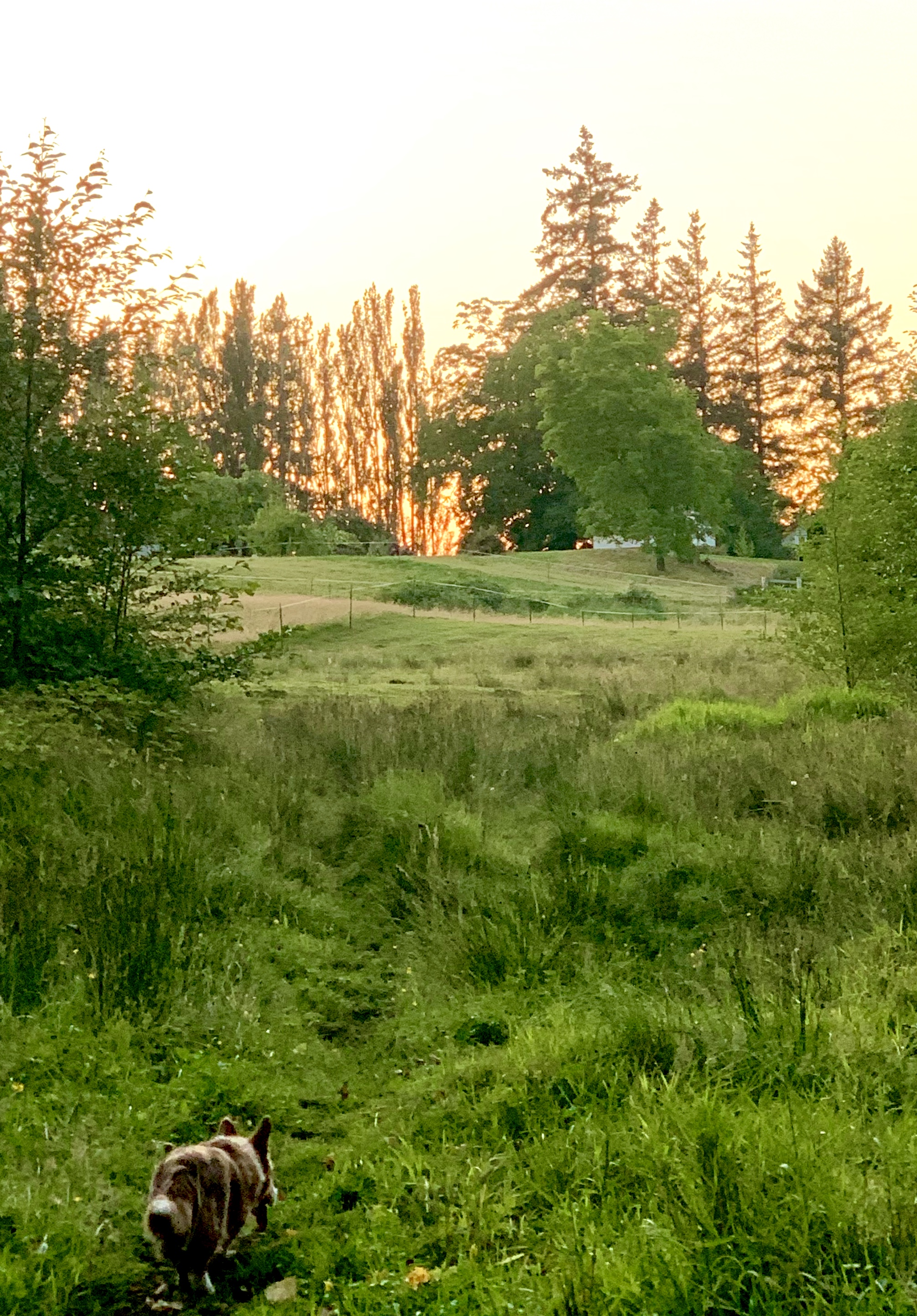
And the light, and the birdsong and the dew and the greens — such vivid verdant landscapes.
As lovely as June is, 30 days is more than plenty or I would become completely oversaturated. It is too greedy to wistfully hunger for another 335 days of June.
And so it goes…
One-Time
Monthly
Yearly
Make a one-time or recurring donation to support daily Barnstorming posts
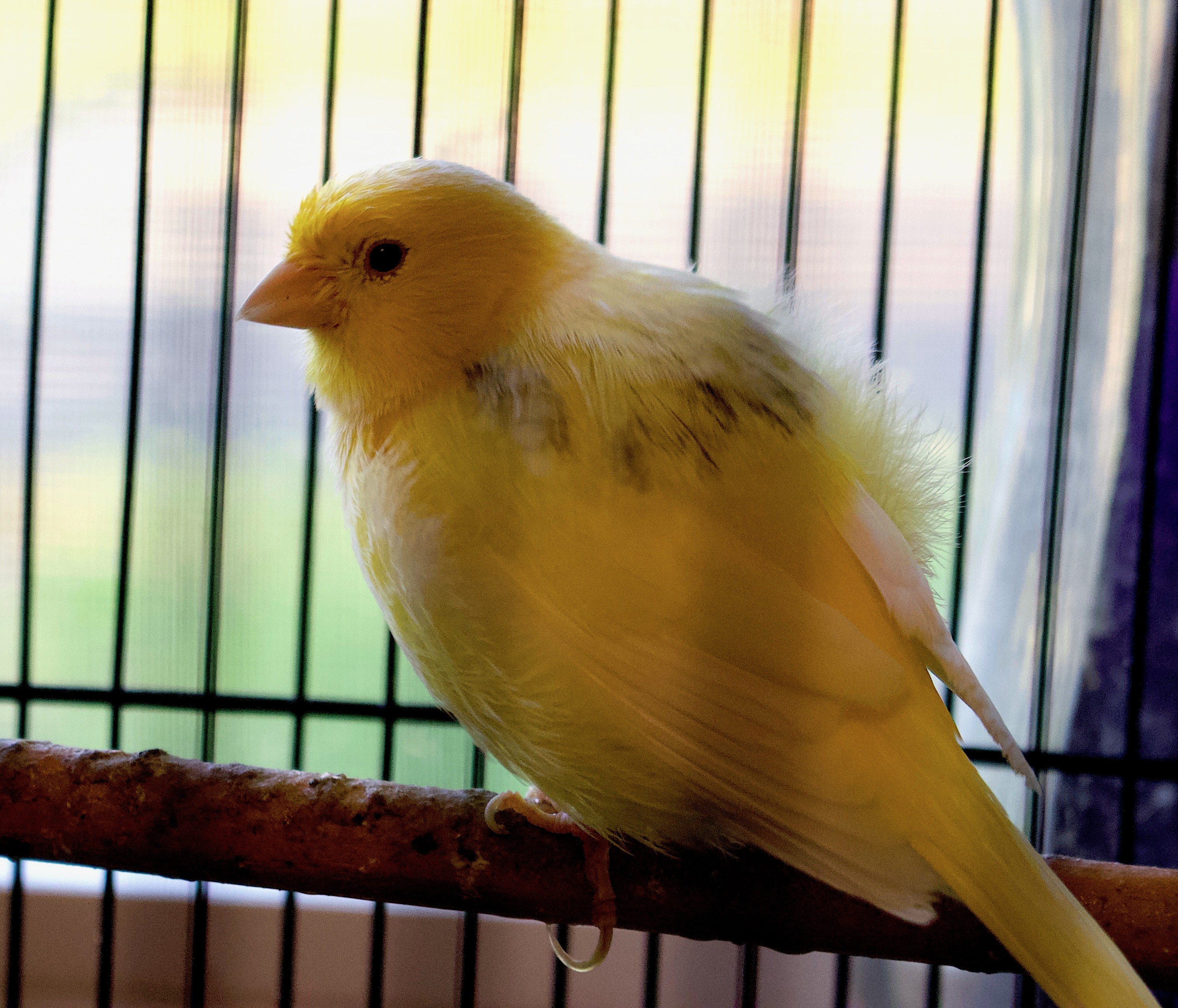
I know what the caged bird feels, alas! When the sun is bright on the upland slopes; When the wind stirs soft through the springing grass, And the river flows like a stream of glass; When the first bird sings and the first bud opes, And the faint perfume from its chalice steals— I know what the caged bird feels!
I know why the caged bird beats his wing Till its blood is red on the cruel bars; For he must fly back to his perch and cling When he fain would be on the bough a-swing; And a pain still throbs in the old, old scars And they pulse again with a keener sting— I know why he beats his wing!
I know why the caged bird sings, ah me, When his wing is bruised and his bosom sore,— When he beats his bars and he would be free; It is not a carol of joy or glee, But a prayer that he sends from his heart’s deep core, But a plea, that upward to Heaven he flings— I know why the caged bird sings! ~Paul Dunbar “Sympathy”
A free bird leaps on the back of the wind and floats downstream till the current ends and dips his wing in the orange sun rays and dares to claim the sky.
But a bird that stalks down his narrow cage can seldom see through his bars of rage his wings are clipped and his feet are tied so he opens his throat to sing.
The caged bird sings with a fearful trill of things unknown but longed for still and his tune is heard on the distant hill for the caged bird sings of freedom.
The free bird thinks of another breeze and the trade winds soft through the sighing trees and the fat worms waiting on a dawn bright lawn and he names the sky his own.
But a caged bird stands on the grave of dreams his shadow shouts on a nightmare scream his wings are clipped and his feet are tied so he opens his throat to sing.
The caged bird sings with a fearful trill of things unknown but longed for still and his tune is heard on the distant hill for the caged bird sings of freedom. ~Maya Angelou “Caged Bird”
photo by Harry Rodenberger
Three weeks old when its mother allowed me a peek in the nest to spy its fledgling wings; she did her best to hide it from view.
It was another week before it was clear this youngster could not stand or perch, its legs deformed, sprawled and spraddled.
It flopped rather than hopped out of the nest at five weeks, fluttering to the ground in pursuit of freedom outside its mother’s wings.
Crouched next to seed and water, it fed itself, tucked in a corner watching others come and go. Its desire to live so strong, its voice forming in its throat.
Though it could not stand and might never fly – even so, this bird sang of its longing for freedom just so our hearts may hear.
One-Time
Monthly
Yearly
Make a one-time or recurring donation to support daily Barnstorming posts
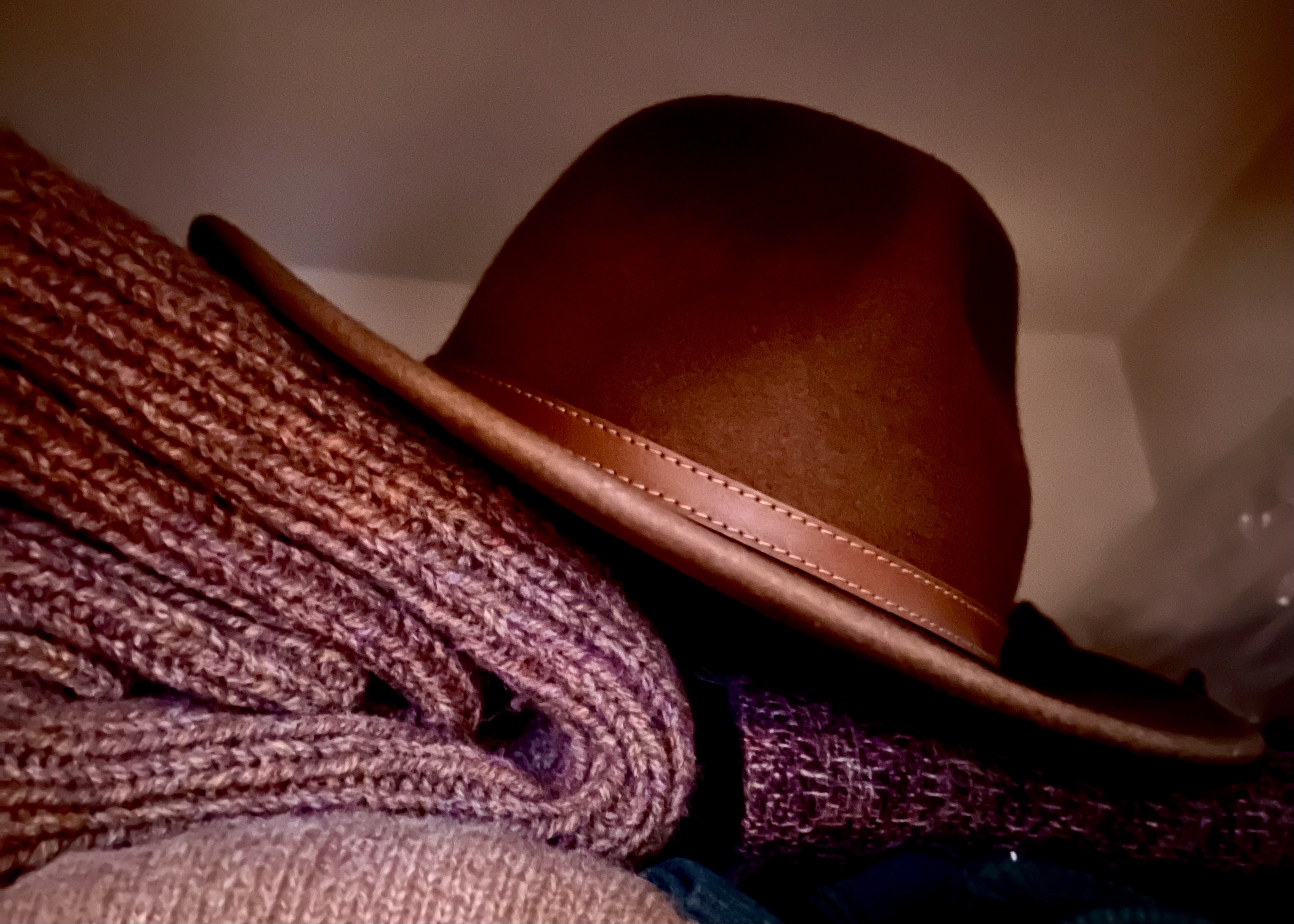
Sunday mornings I would reach high into his dark closet while standing on a chair and tiptoeing reach higher, touching, sometimes fumbling the soft crowns and imagine I was in a forest, wind hymning through pines, where the musky scent of rain clinging to damp earth was his scent I loved, lingering on bands, leather, and on the inner silk crowns where I would smell his hair and almost think I was being held, or climbing a tree, touching the yellow fruit, leaves whose scent was that of a clove in the godsome air, as now, thinking of his fabulous sleep, I stand on this canyon floor and watch light slowly close on water I’m not sure is there. ~Mark Irwin “My Father’s Hats”
Henry Polis 1968
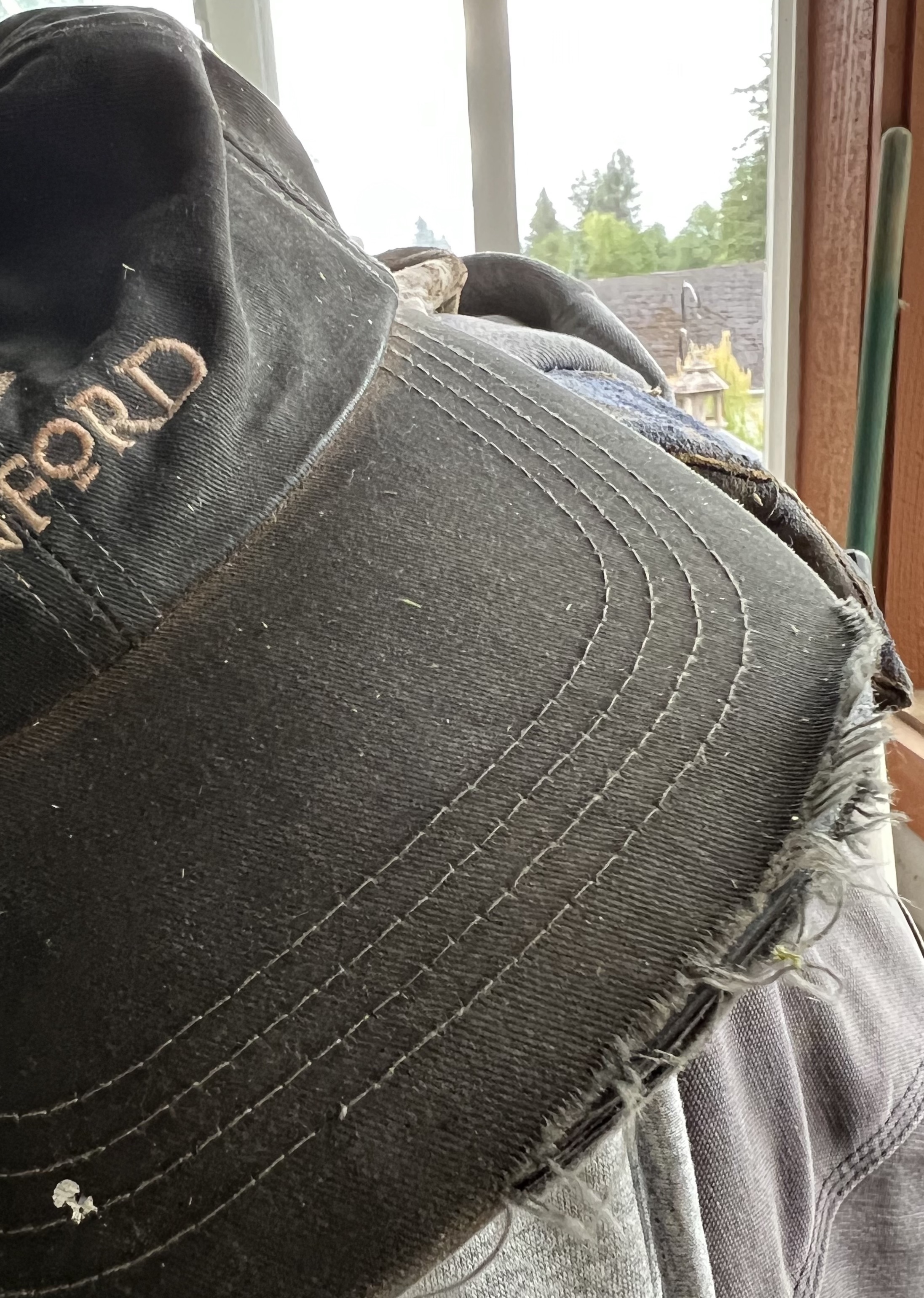
My father was always more comfortable working outdoors rather than at a desk. He had a nice felt hat for going to church along with the requisite suit and tie, but at home he wore a work cap with a tattered bill and a farm shop logo on the front. It hung on a hook in our breezeway, always sweat-stained from his laboring in full sun on projects on our small farm. I think he could wring it out at the end of the day.
My dad was not one for wearing aftershave or cologne, even to his office job. He had to scrub hard on Sunday mornings as his fingernails contained soil from the garden and grease from the car engines. He smelled like the woods where he slashed and piled brush, like the smoke from the burn piles he lit, like the cement he was always mixing to create his latest walkway, foundation, or support structure. And he always smelled of tobacco – his chosen vice – but never of alcohol which ruined not only his own father’s life and those around him.
I don’t think my father lost his faith even when he suffered at the end, dying of a second cancer after the first was defeated. He wasn’t one to speak of God or salvation so I simply assumed, just as I did during those decades of Sunday morning hat and suits, worshiping in church.
His light shone, even during the hard times when I wasn’t sure it was still there.
One-Time
Monthly
Yearly
Make a one-time or recurring donation to support daily Barnstorming posts
A poem begins as a lump in the throat, a sense of wrong, a homesickness, a lovesickness. ~Robert Frostin a letter to Louis Untermeyer
What isyour malady?
Asks the form at the community acupuncture clinic. My pen hovers—so many to choose from: the thyroid, the gut, the face. I find myself writing instead:
Homesickness.
I hand in my form. I wonder if the doctor with the needles will laugh at me, but he says instead:
I am homesick too.
And then he puts needles in my ears and my ankles and I fall asleep. Around me, strangers sleep needled dreams, under warm blankets.
And I think: at home in the world. The endless desire to be at home in the world. ~Sarah Ruhl “On Homesickness”
Leaving home has always been difficult for me. As a child, I was hopelessly homesick whenever I stayed overnight elsewhere. Going to college two states away was a complete ordeal – it took me a long time to let go of home and finally settle into a new life away from all that was familiar. Nothing felt right or normal, a disorienting sickness from clinging too tightly to home base, unwilling to launch, barely able to wave good-bye.
Even now, as I travel away from the farm for a week for this or that, I might get the lump-in-the-throat feeling that I remember keenly from my childhood years — knowing I am out of my element, like a fish out of water gasping for breath, stretched out of my comfort zone, not feeling at home while away from home.
Will I ever grow out of this now that I’m nearly seventy, or will it only get worse? Will I ever embrace a lovesickness, a yearning for the rest of the world?
I keep trying – but the return trip is still the sweetest remedy for this malady.
Like Time’s insidious wrinkle On a beloved Face We clutch the Grace the tighter Though we resent the crease ~Emily Dickinson
Let the labyrinth of wrinkles be furrowed in my brow with the red-hot iron of my own life, let my hair whiten and my step become vacillating, on condition that I can save the intelligence of my soul – let me learn just everything that others cannot teach me, what only life would be capable of marking deeply in my skin! ~Salvador Dali
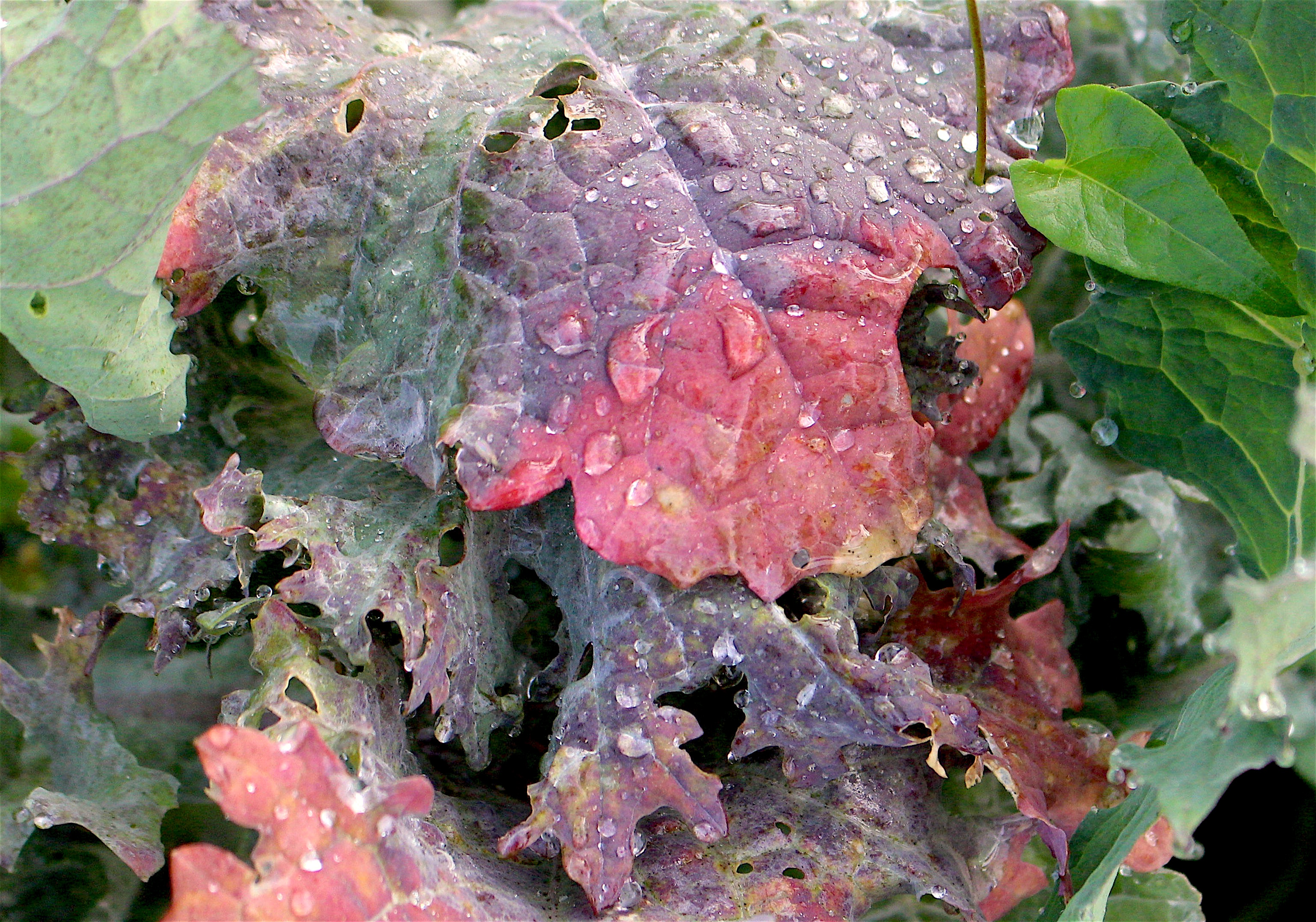
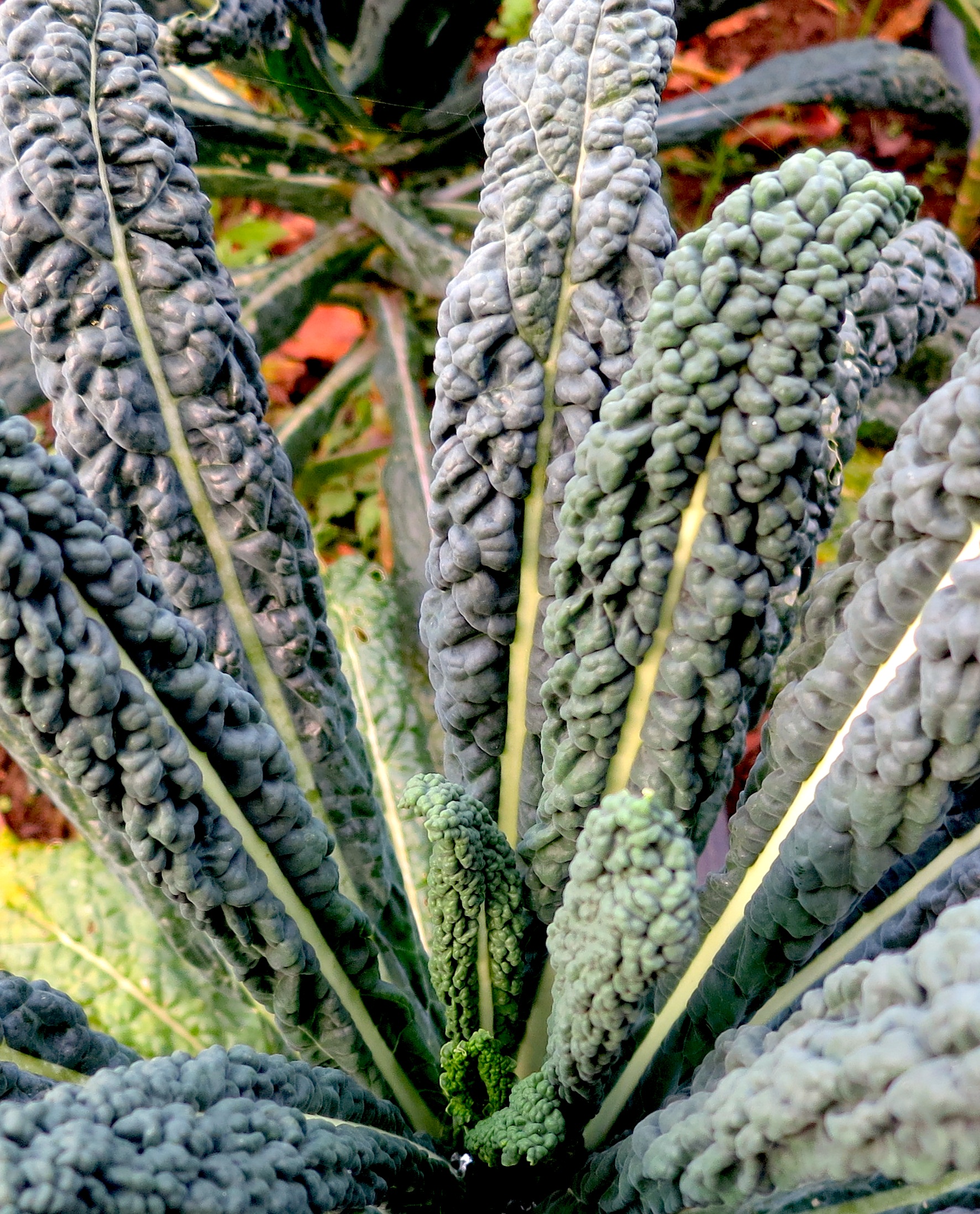
kale
People are more than just the way they look. ~Madeleine L’Engle from A Wrinkle in Time
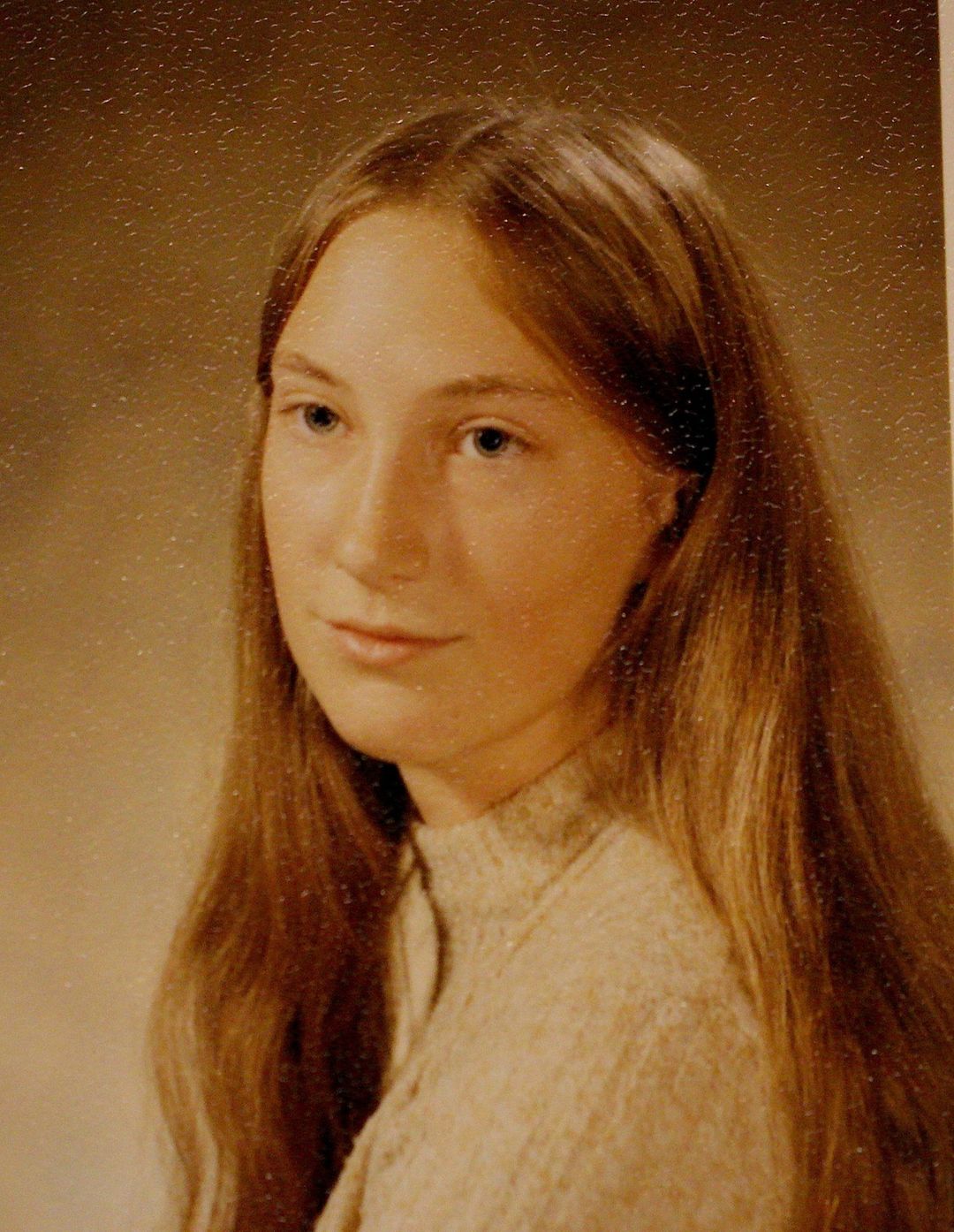
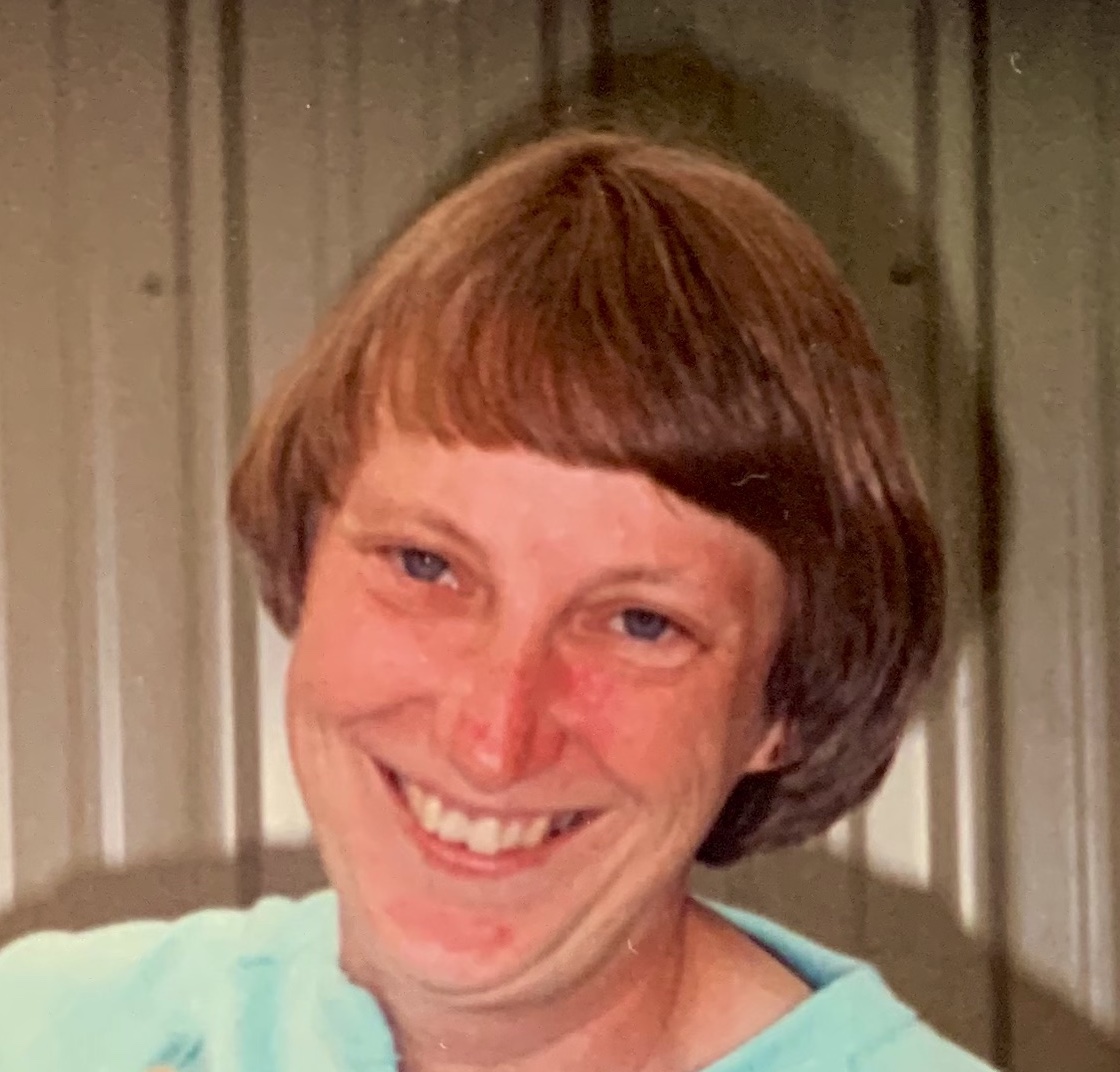
19711976198019922021
Just a glance in the mirror tells me all I need to know:
my increasing folds and creases remind me each wrinkle is grace in action, so tangible, so telling, so mobile – multiplying when I smile so I try to smile often.
I don’t hide them under a mask nor surgically tighten them away or inject them smooth.
Instead I grin at the wrinkle of time passing, knowing each line gained is a grace clutched tightly in an otherwise loosening grasp.
One-Time
Monthly
Yearly
Make a one-time or recurring donation to support daily Barnstorming posts
It is eighteen years ago, almost to the day — A sunny day with leaves just turning, The touch-lines new-ruled — since I watched you play Your first game of football, then, like a satellite Wrenched from its orbit, go drifting away Behind a scatter of boys. I can see You walking away from me towards the school With the pathos of a half-fledged thing set free Into a wilderness, the gait of one Who finds no path where the path should be.
That hesitant figure, eddying away Like a winged seed loosened from its parent stem, Has something I never quite grasp to convey About nature’s give-and-take — the small, the scorching Ordeals which fire one’s irresolute clay. I have had worse partings, but none that so Gnaws at my mind still. Perhaps it is roughly Saying what God alone could perfectly show — How selfhood begins with a walking away, And love is proved in the letting go. ~C. Day Lewis “Walking Away” from Complete Poems
You can kiss your family and friends good-bye and put miles between you, but at the same time you carry them with you in your heart, your mind, your stomach, because you do not just live in a world but a world lives in you. ~ Frederick Buechner
Once again I bid goodbye, if only for a little while. It never gets easier to part from one’s family members when they are called to be far away.
I began writing regularly over twenty years ago to consider more deeply my time left on this earth and what my family meant to me, here and now, and for eternity. Family is carried inside the words I write without often writing about them directly. They inspire and challenge me; they love and stretch me. As our children married, then were blessed with children of their own, I know they are sustained by what they have carried away from this home as each drifted away.
Life is about nurture – helping the cherished seeds you carried deep inside to thrive when let go. Then we can never really be lonely; our hearts never empty. We stay connected, one another, forever, even when miles and miles and lifetimes apart.
One-Time
Monthly
Yearly
Make a one-time or recurring donation to support daily Barnstorming posts
I am what you make me; nothing more. I swing before your eyes as a bright gleam of color, a symbol of yourself. ~Franklin K. Lane, Secretary of the Interior, 1914 Flag Day address
Sometimes, as a child, when I was bored, I’d grab a step ladder, pull it into our hallway, climb half way up and carefully lift the plywood hatch that was the portal to our unlit attic. It took some effort to climb up into the attic from the ladder, juggling a flashlight at the same time, but once seated safely on the beams above our ceiling, being careful not to put my foot through the carpet of insulation, I could explore what was stowed and normally inaccessible to me.
All the usual attic-type things were put up there: Christmas ornaments and lights, baby cribs and high chairs, lamps and toys no longer used. Secrets to my parents’ past were stored away there too. It was difficult imagining them as young children growing up on opposite sides of the state of Washington, in very different circumstances, or as attractive college students who met at a dance, or as young marrieds unencumbered by the daily responsibilities of a family. The attic held those images and memories like a three dimensional photo album.
My father’s dark green Marine Corps cargo trunk was up there, the one that followed him from Officer Training in Quantico, Virginia, to beach and mountain battles on Tarawa, Tinian and Saipan in the South Pacific, and three years later back home again. It had his name and rank stenciled on the side in dark black lettering. The buckles were stiff but could be opened with effort, and in the dark attic, there was always the thrill of unlatching the lid, and shining the flashlight across the contents. His Marine Corps dress uniform lay inside underneath his stiff brimmed cap. There were books about protocol, and a photo album which contained pictures of “his men” that he led in his battalion, and the collection of photos my mother sent of herself as she worked as a teacher of high school students back home.
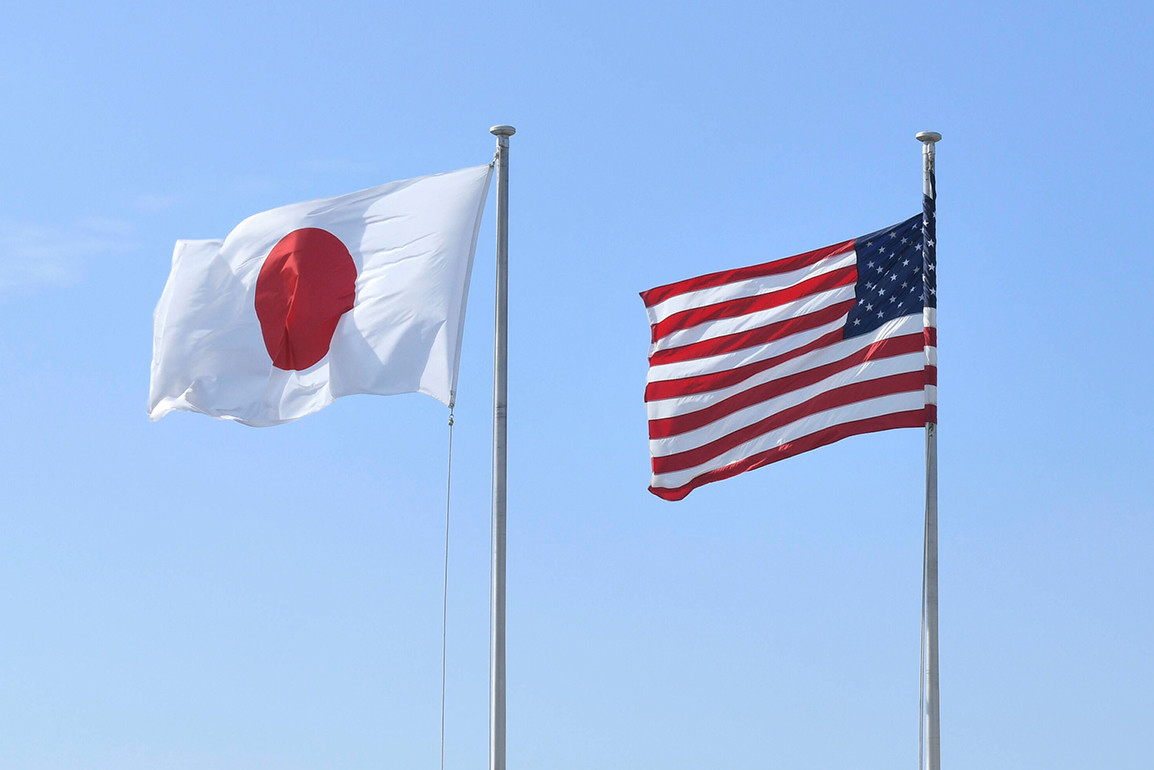
Most fascinating was a folded Japanese flag inside a small drawstring bag, made of thin white see-through cloth with the bold red sun in the middle. Surrounding the red sun were the delicate inked characters of many Japanese hands as if painted by artists, each wishing a soldier well in his fight for the empire. Yet there it was, a symbol of that soldier’s demise, itself buried in an American attic, being gently and curiously held by an American daughter of a Marine Corps captain. It would occur to me in the 1960s that some of the people who wrote on this flag might still be living, and certainly members of the soldier’s family would still be living. I asked my father once about how he obtained the flag, and he, protecting both me and himself, waved me away, saying he couldn’t remember. I know better now. He knew but could not possibly tell me the truth.
These flags, charms of good luck for the departing Japanese soldier as he left his neighborhood or village for war, are called Hinomaru Yosegaki (日の丸寄せ書き). Tens of thousands of these flags came home with American soldiers; it is clear they were not the talisman hoped for. A few of these flags are now finding their way back to their home country, to the original villages, to descendants of the lost soldiers. So now has this flag.
Eighty years ago doesn’t seem that long, a mere drop in the river of time. There is more than mere mementos that have flowed from the broken dam of WWII, flooding subsequent generations of Americans, Japanese, Europeans with memories that are now lost as the oldest surviving soldiers in their 90’s pass, scores of them daily, taking their stories of pain and loss and heroism with them. My father could never talk with a person of Asian descent, Japanese or not, without being visibly uneasy. As a child, I saw and felt this from him, but heard little from his mouth.
When he was twenty two years old, pressed flat against the rocks of Tarawa, trying to melt into the ground to become invisible to the bullets whizzing overhead, he could not have conceived that sixty five years later his twenty two year old grandson would disembark from a jumbo jet at Narita in Tokyo, making his way to an international school to teach Japanese children. My father would have been shocked that his grandson would settle happily into a culture so foreign, so seemingly threatening, so apparently abhorrent. Yet this irony is the direct result of the horrors of that too-long horrible bloody war of devastation: Americans and Japanese, despite so many differences, have become the strongest of allies, happily exchanging the grandchildren of those bitterly warring soldiers back and forth across the Pacific. It too was my privilege to care for Japanese exchange students daily in my University health clinic, peering intently into their open faces and never once seeing the enemy that my father feared.
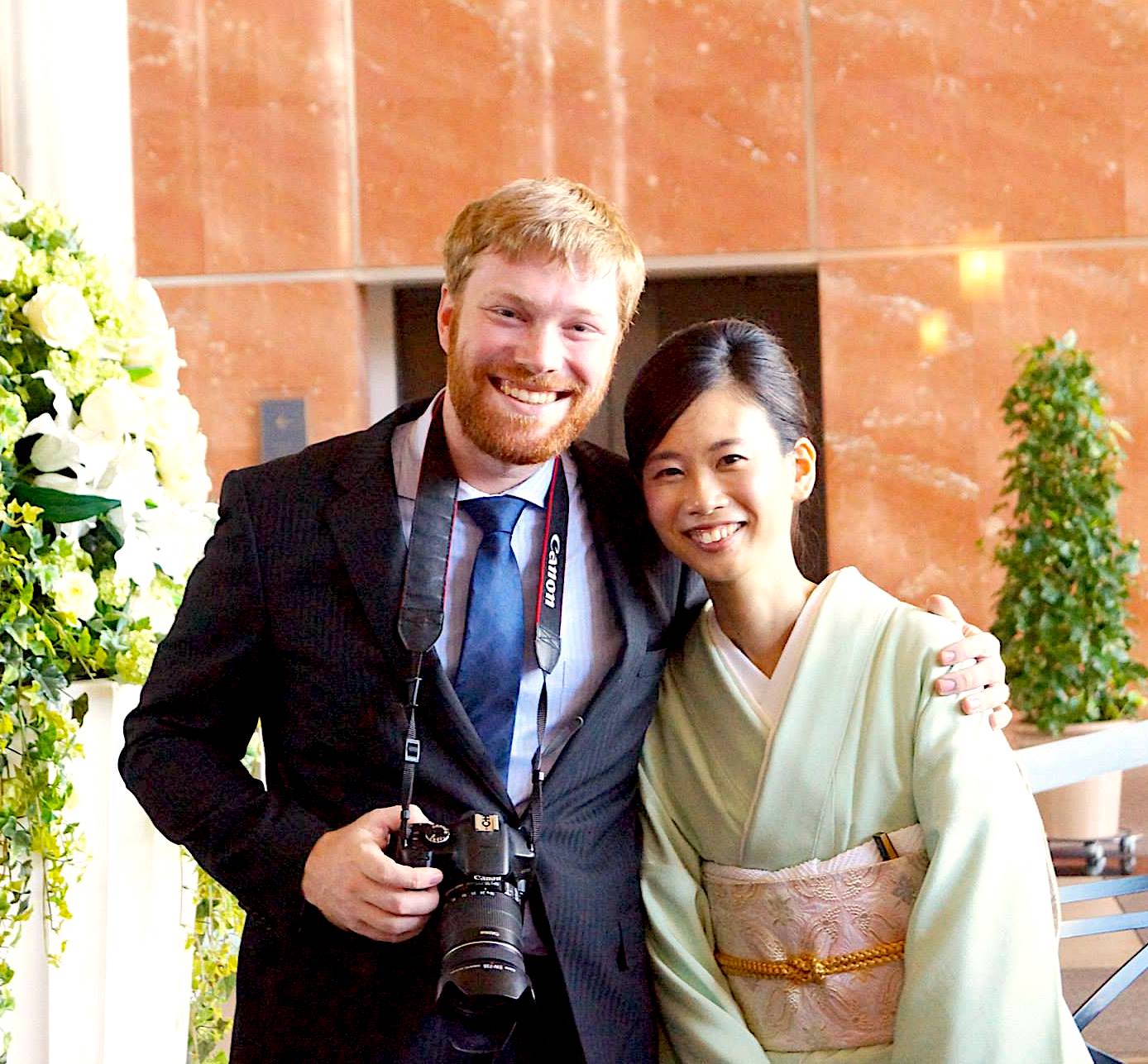
Now all these decades later, our son taught for 13 years in Tokyo, with deep admiration and appreciation for each of his students, some of whom were great-grandchildren of WWII Japanese soldiers. He married a granddaughter of those my father fought. Their two children are the perfect amalgam of once warring, yet now peaceful, cultures; a symbol of blended and blending peoples overcoming the hatred of past generations, creating a new world.
Our son and daughter-in-law, having settled their family in the States, are adapting to a different language, culture and flag. I pray our son having devoted part of his life as teacher and missionary to the land of the rising sun has redeemed his grandfather, the soldier-warrior of the past century.
(U.S. Air Force photo by Staff Sgt. Peter Reft)
One-Time
Monthly
Yearly
Make a one-time or recurring donation to support daily Barnstorming posts
With bees, it isn’t the sting itself but the unprovoked attack that lingers.
How unfair to walk unwary, barefoot on hot concrete, simply pleasuring your feet, or stepping down on a beach towel only to be assaulted by the small plot of something you meant no harm to.
That first pain is learned the hard way: at five, you call all-y, all-y, all come free singing blind into a hive hidden in the swing-set’s pole, then fall what seemed the longest fall; a cloud of bees flowered from your lips.
And later, put to bed with ice and ointments melting over the welts that covered you, there was no explaining the bees’ behavior, no way to comprehend the reason in their rage. You may never understand this: the will behind the stinger, a certain, fatal anger to survive. ~Erin Belieu “Bee Sting”
George got stung by a bee and said, “I wouldn’t have got stung if I’d stayed in bed.”
Fred got stung and we heard him roar, “What am I being punished for?”
Lew got stung and we heard him say, “I learned somethin’ about bees today.” ~Shel Silverstein “Three Stings”
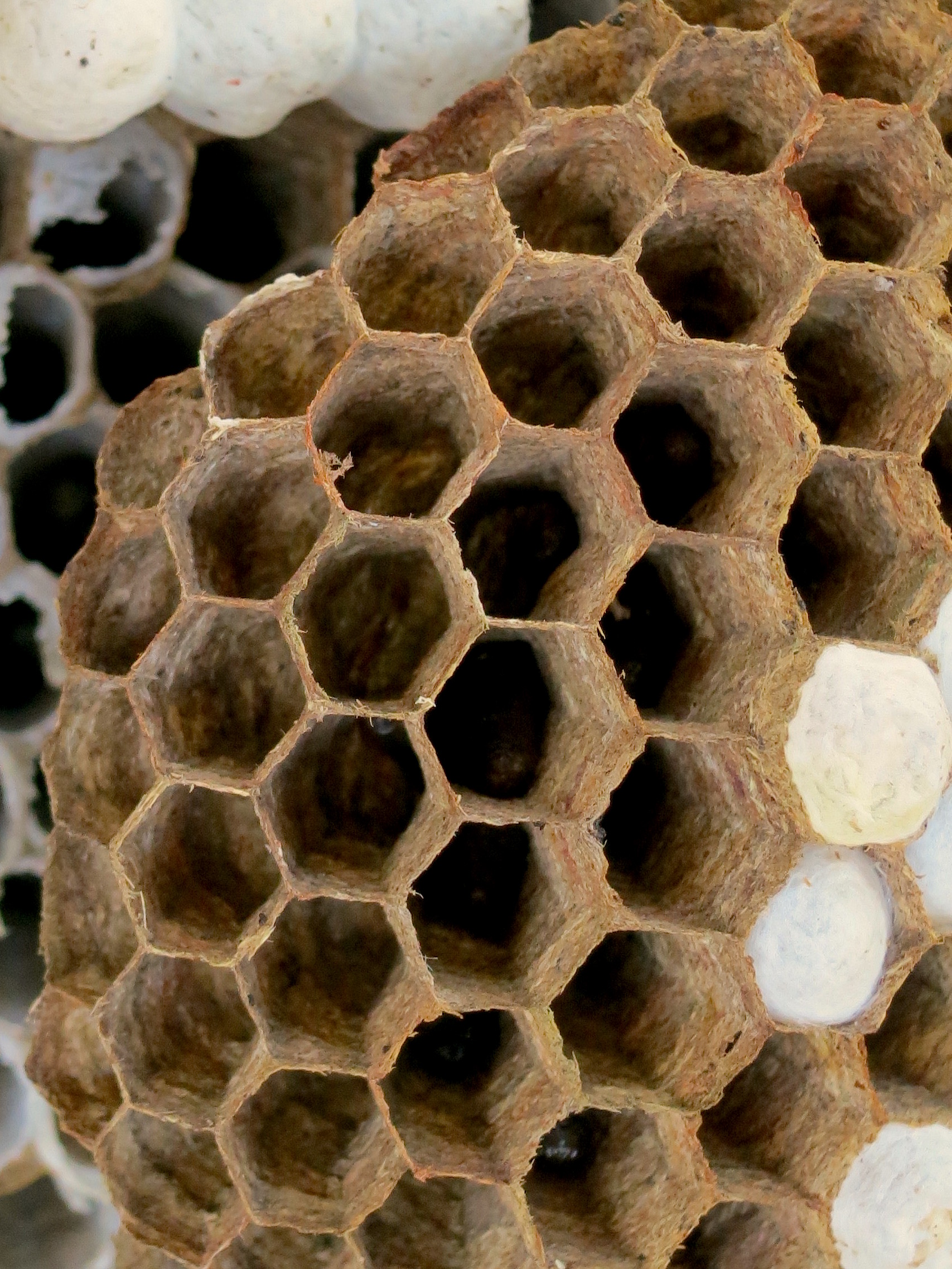
Ever have one of those days when it doesn’t really matter what you do, what you don’t do, what you say, what you don’t say—you find yourself sitting on top of a hornet’s nest, and at the slightest provocation, you’ll get nailed, but good.
The hardest reality of all is that you may have actually invited and fostered the hornets that are now ready to attack you. You offered them shelter, a safe haven, a place to come home to and what happens in return? You’re stung because you just happened to be there, perched in a precarious position.
What difficult lessons life tosses at us sometimes. And this little drama happened in my own backyard.
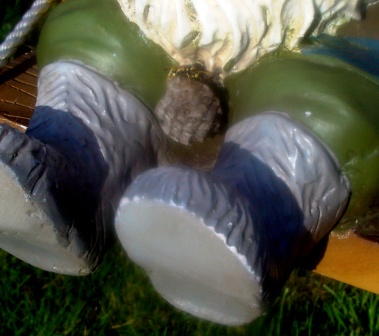
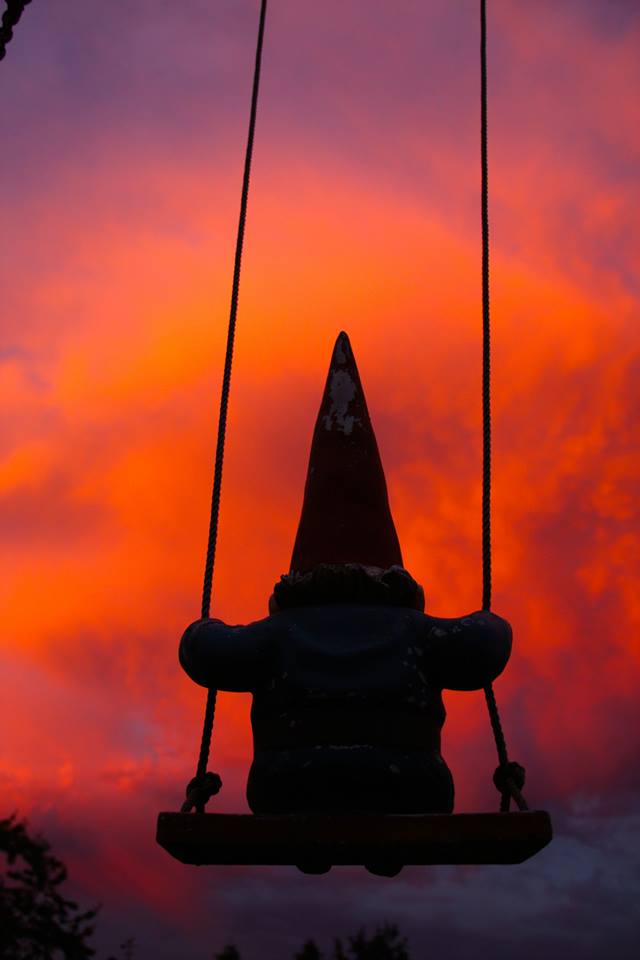
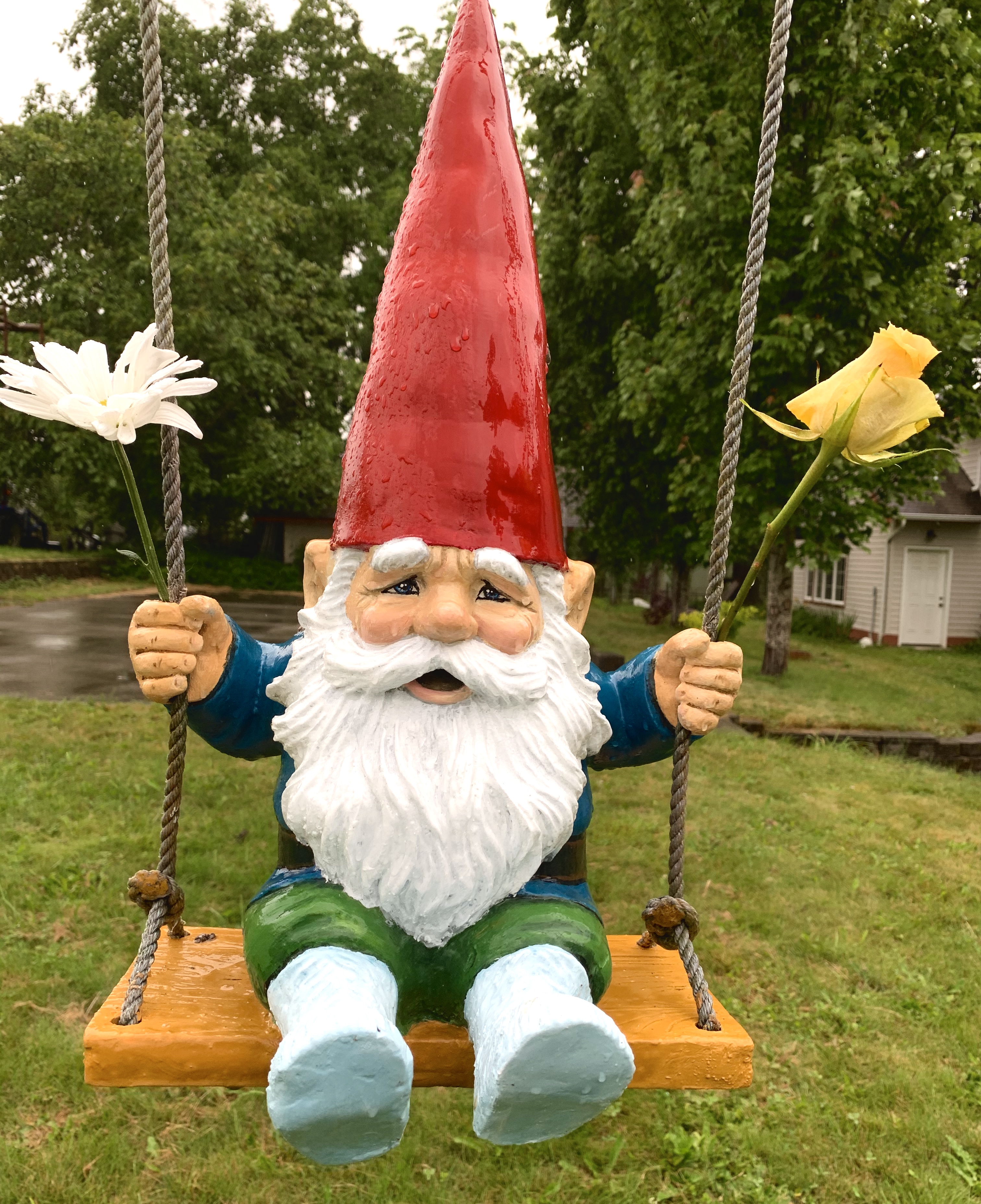
As I headed to the barn for chores and walked past our happy little gnome, I gave him my usual smile, wave and morning greeting, but something was different about him and I looked a little closer.
He suddenly was appearing anatomically correct. What the heck?
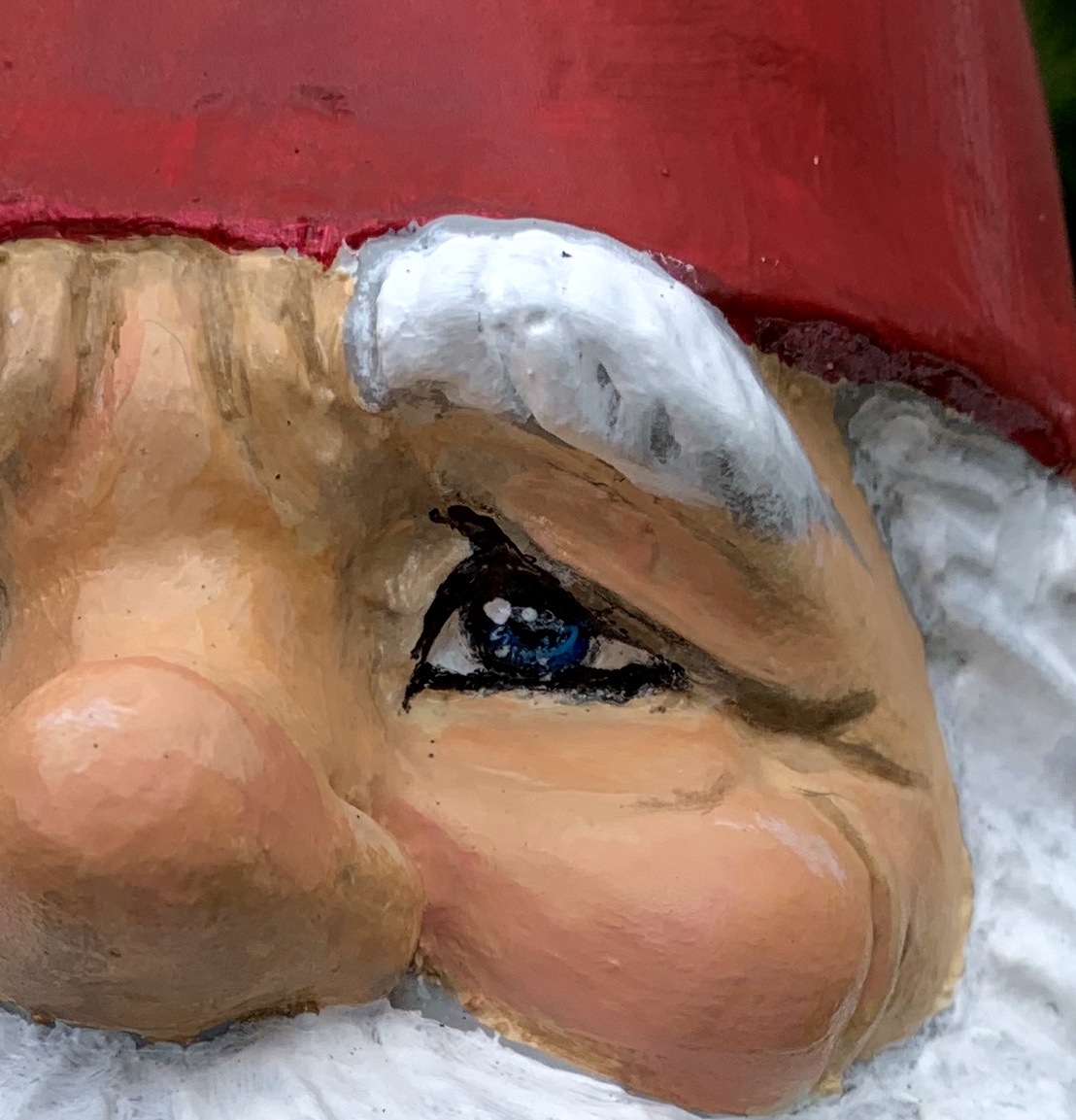
And the look on his face had taken on a distinctly worried cast. How had he gotten himself into this predicament of harboring a hornet’s nest in his lap?
My little backyard friend was in a dilemma, pleading with his eyes to be saved from his agony. So I planned out a stealth rescue mission. Without warning, in the dark of night, I decided I could turn a hose on that nest, sweep it to the ground and crush it, hornets and all – a “take no prisoners” approach to my gnome held hornet-hostage. Then, every time I glanced at his gracious cheerful face I could smile too, knowing I had helped rescue him by eliminating the enemy. I could be the hero of the story…
Postscript:
I didn’t execute the “save our gnome” rescue mission soon enough. While I was foolish enough to mow the grass near the swing set, the offending hornet nailed me in the neck. I walked right into it, forgetting there was a hornet hazard over my head. One ice bag and benedryl later, I dispatched hornet and nest to the great beyond.
It was my own fault for violating a hornet’s space, but it was the hornet’s fault for violating my friend’s lap. We’re even now. And my gnome is smiling in grateful relief.
photo by Tomomi Gibson
One-Time
Monthly
Yearly
Make a one-time or recurring donation to support daily Barnstorming posts
Why do we bother with the rest of the day, the swale of the afternoon, the sudden dip into evening, then night with his notorious perfumes, his many-pointed stars?
This is the best— throwing off the light covers, feet on the cold floor, and buzzing around the house on espresso— maybe a splash of water on the face, a palmful of vitamins—
but mostly buzzing around the house on espresso, dictionary and atlas open on the rug, the typewriter waiting for the key of the head, a cello on the radio, and, if necessary, the windows—
trees fifty, a hundred years old out there, heavy clouds on the way and the lawn steaming like a horse in the early morning. ~Billy Collins “Morning”
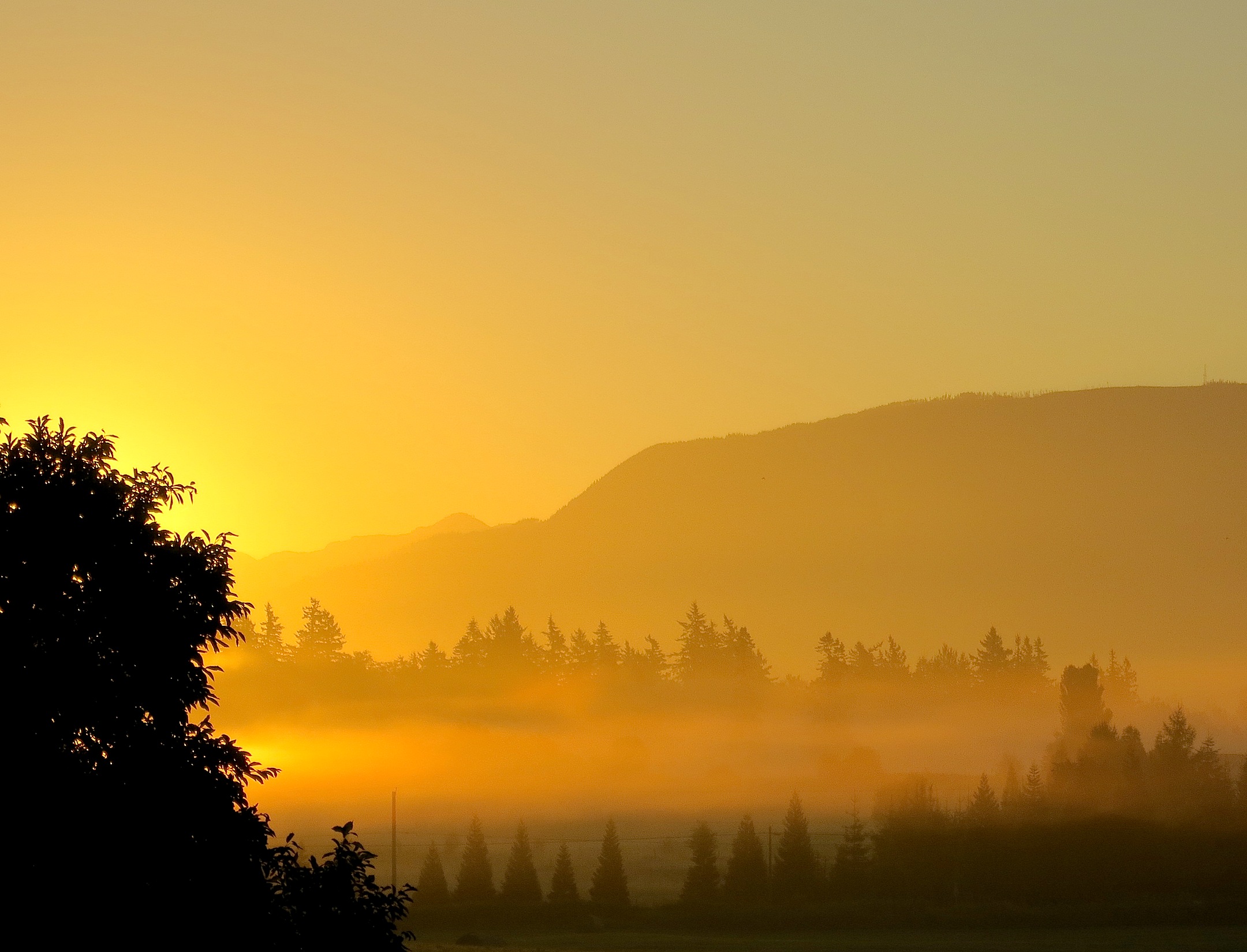
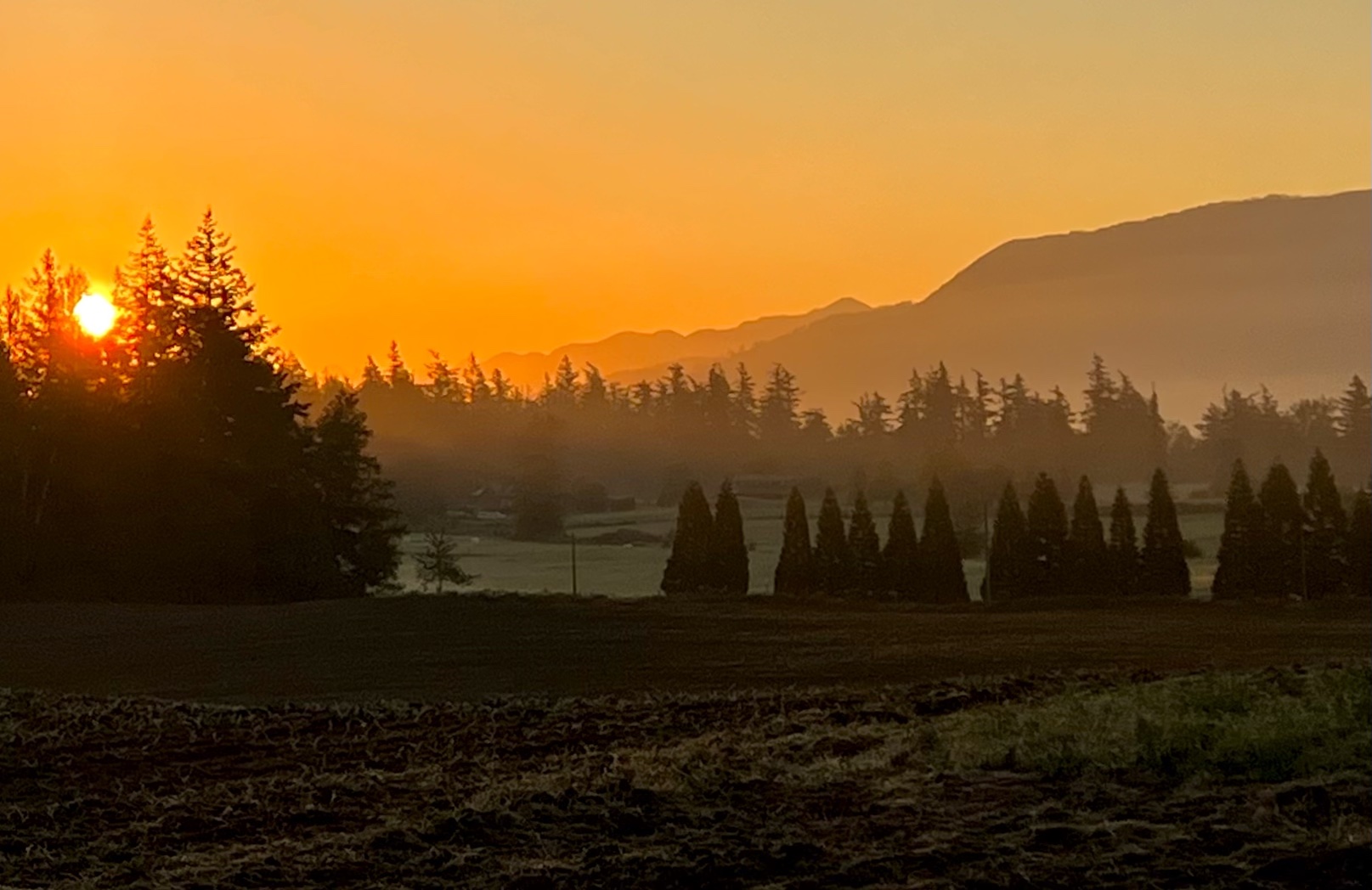
Dawn is a new gift every day, even when the previous night was sleepless. I rise early to see just what might happen as you never know what might be just over the horizon. Soon we’ll round the solstice corner to face the encroaching darkening.
So why do I bother with the rest of the day? Morning is always the best…
One-Time
Monthly
Yearly
Make a one-time or recurring donation to support daily Barnstorming posts
Light and wind are running over the headed grass as though the hill had melted and now flowed. ~Wendell Berry “June Wind” from New Collected Poems
All that I serve will die, all my delights, the flesh kindled from my flesh, garden and field, the silent lilies standing in the woods, the woods, the hill, the whole earth, all will burn in man’s evil, or dwindle in its own age. Let the world bring on me the sleep of darkness without stars, so I may know my little light taken from me into the seed of the beginning and the end, so I may bow to mystery, and take my stand on the earth like a tree in a field, passing without haste or regret toward what will be, my life a patient willing descent into the grass. ~Wendell Berry “The Wish to be Generous” from Collected Poems
What stood will stand, though all be fallen, The good return that time has stolen. Though creatures groan in misery, Their flesh prefigures liberty To end travail and bring to birth Their new perfection in new earth. At word of that enlivening Let the trees of the woods all sing And every field rejoice, let praise Rise up out of the ground like grass. What stood, whole in every piecemeal Thing that stood, will stand though all Fall–field and woods and all in them Rejoin the primal Sabbath’s hymn. ~Wendell Berry, from “Sabbaths”
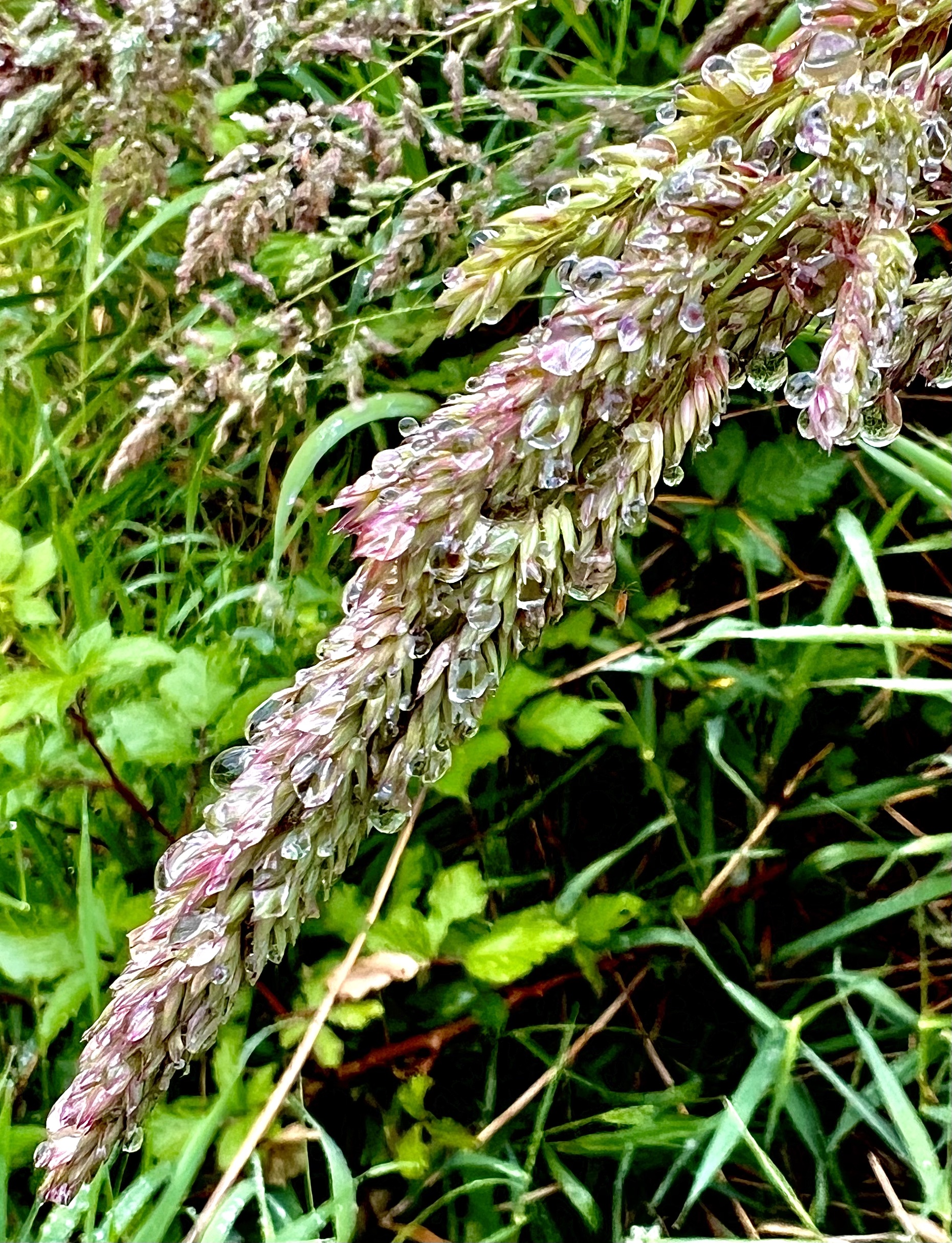
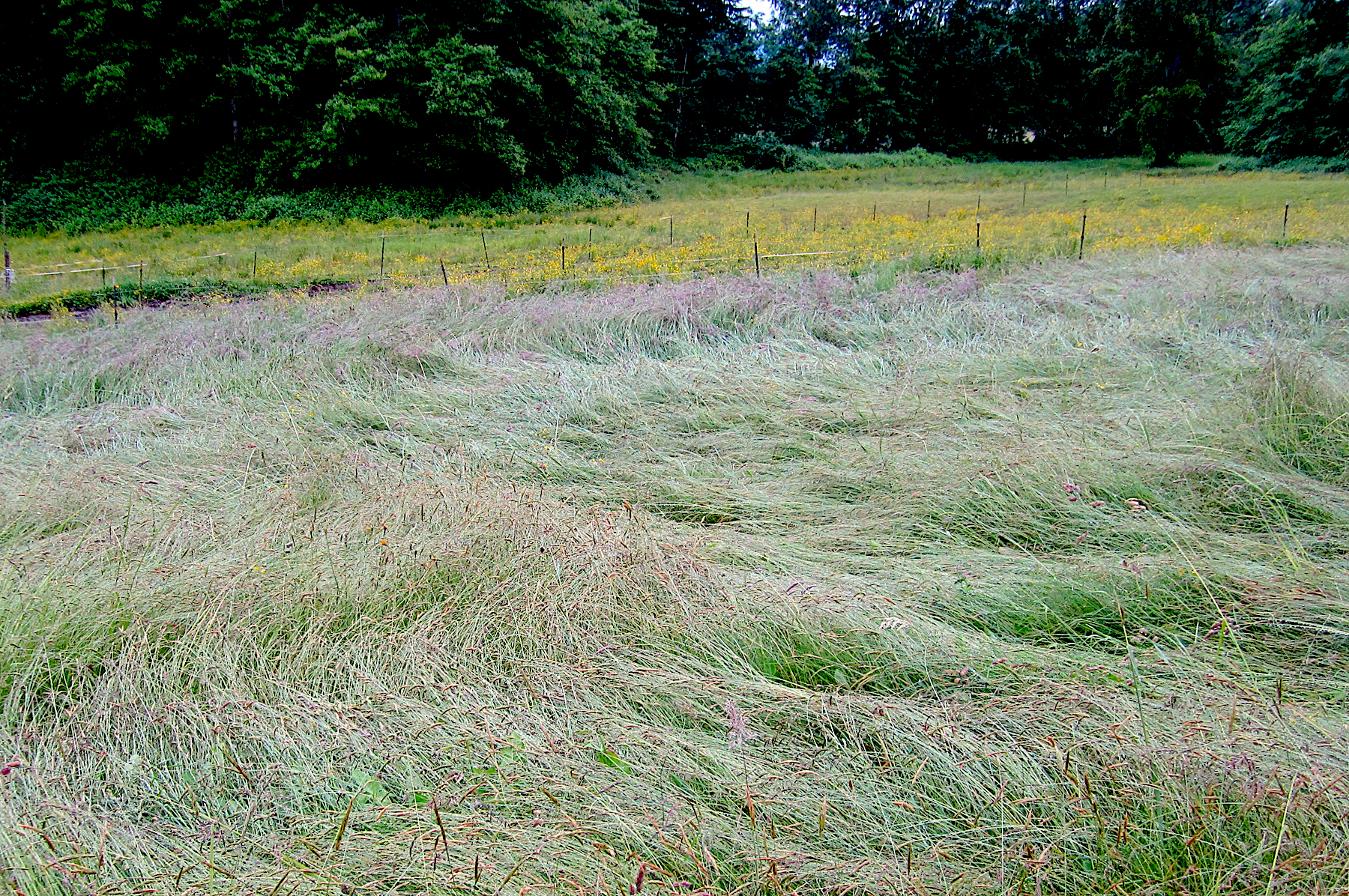
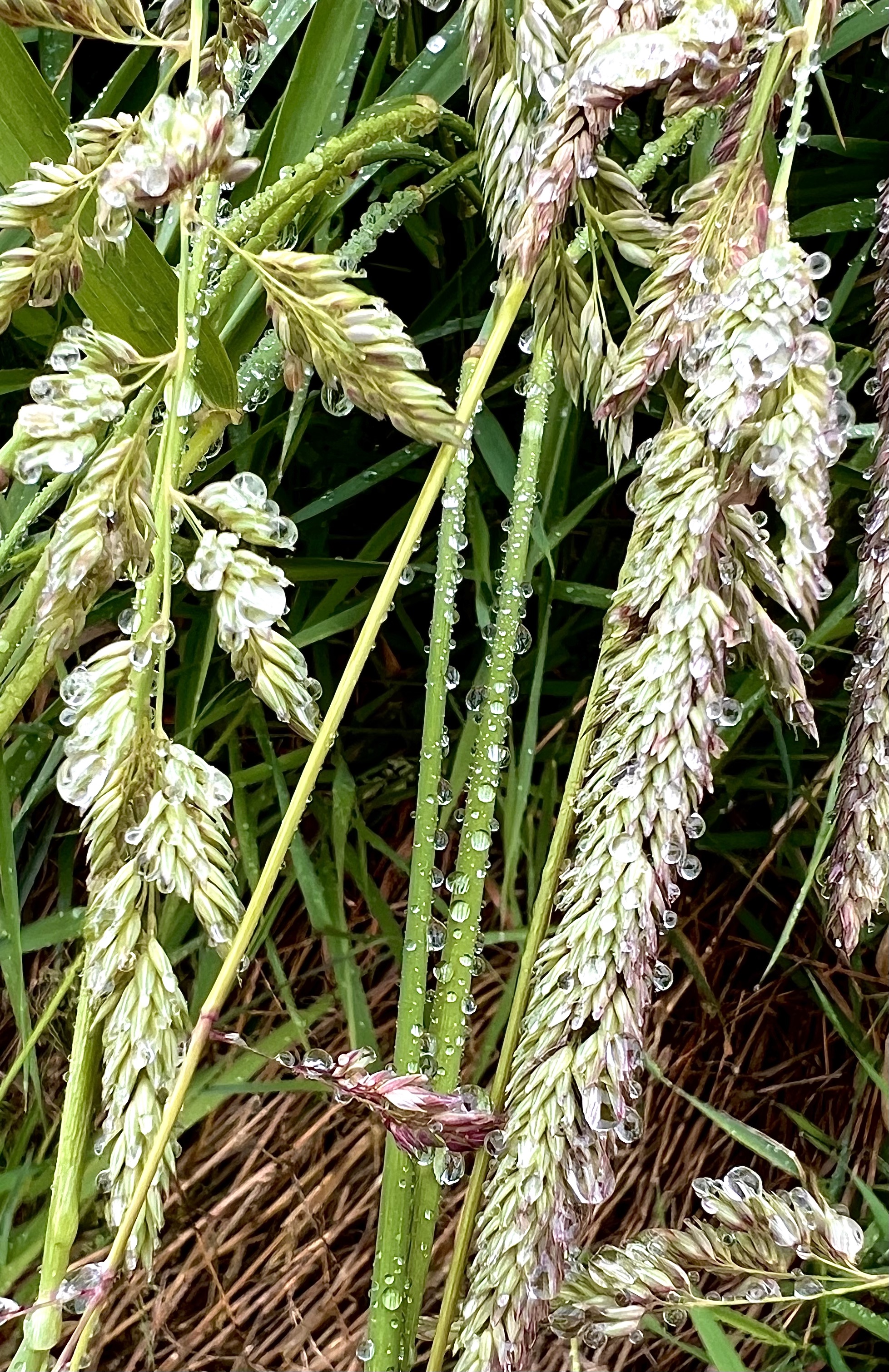
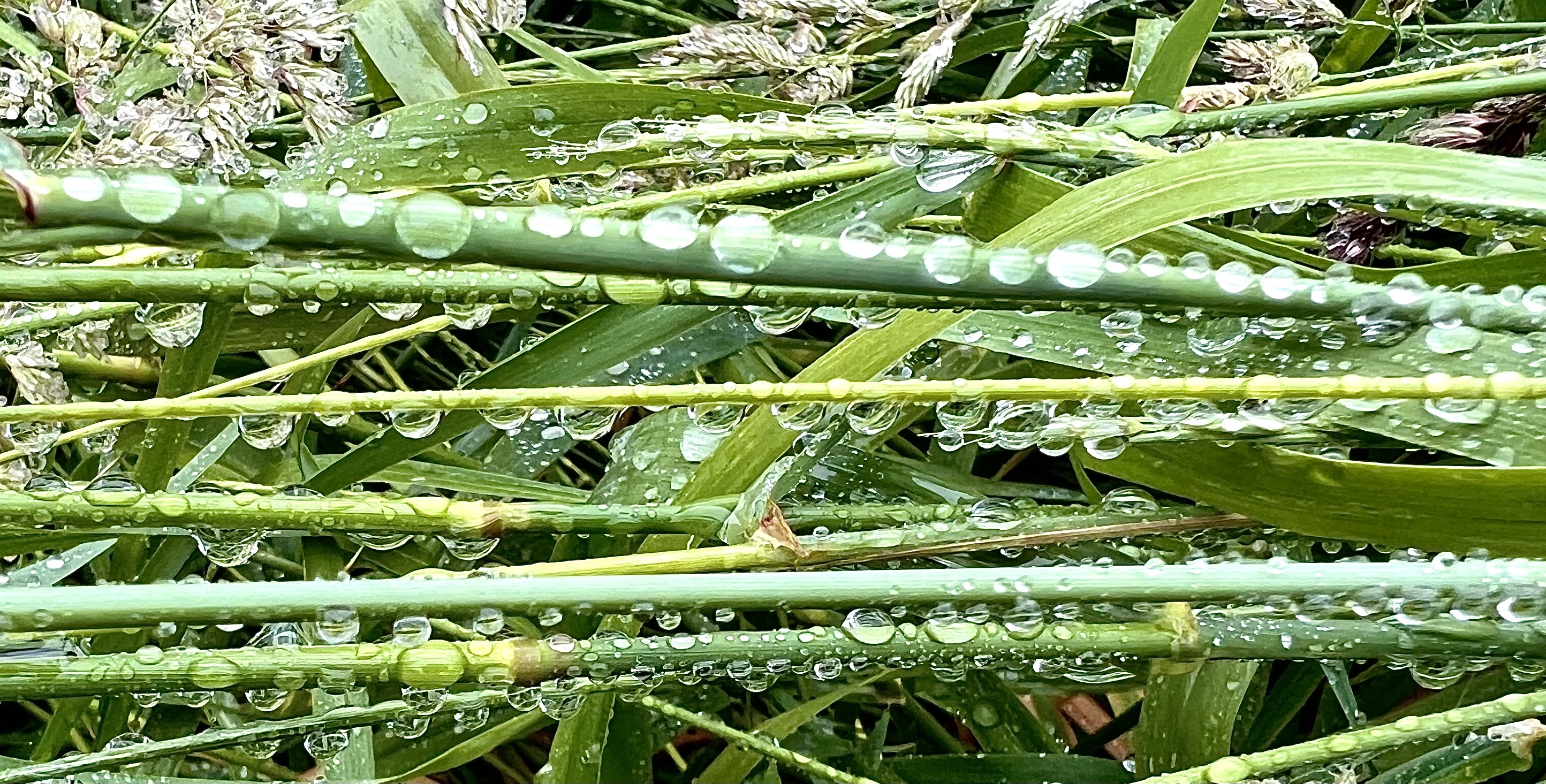
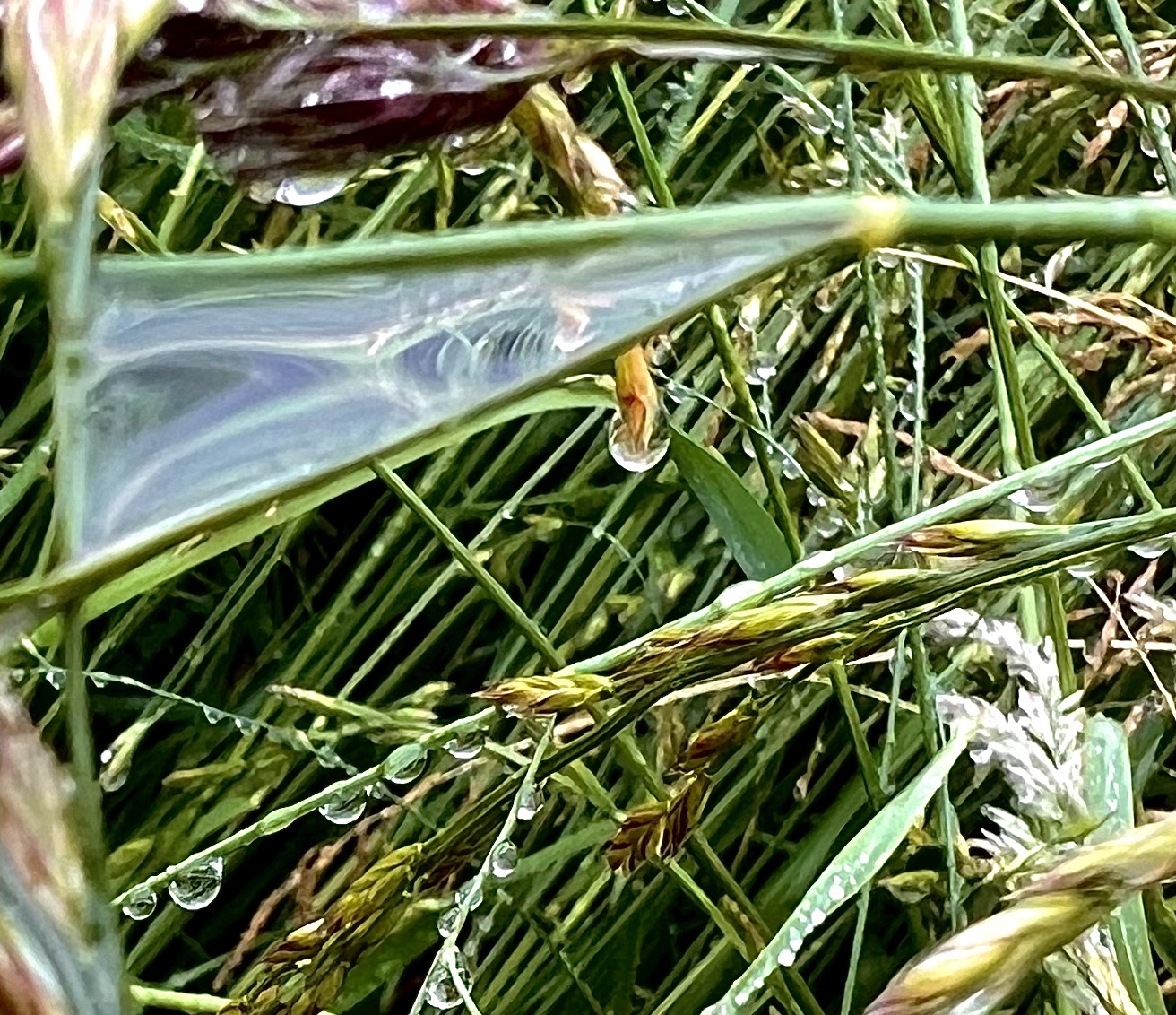
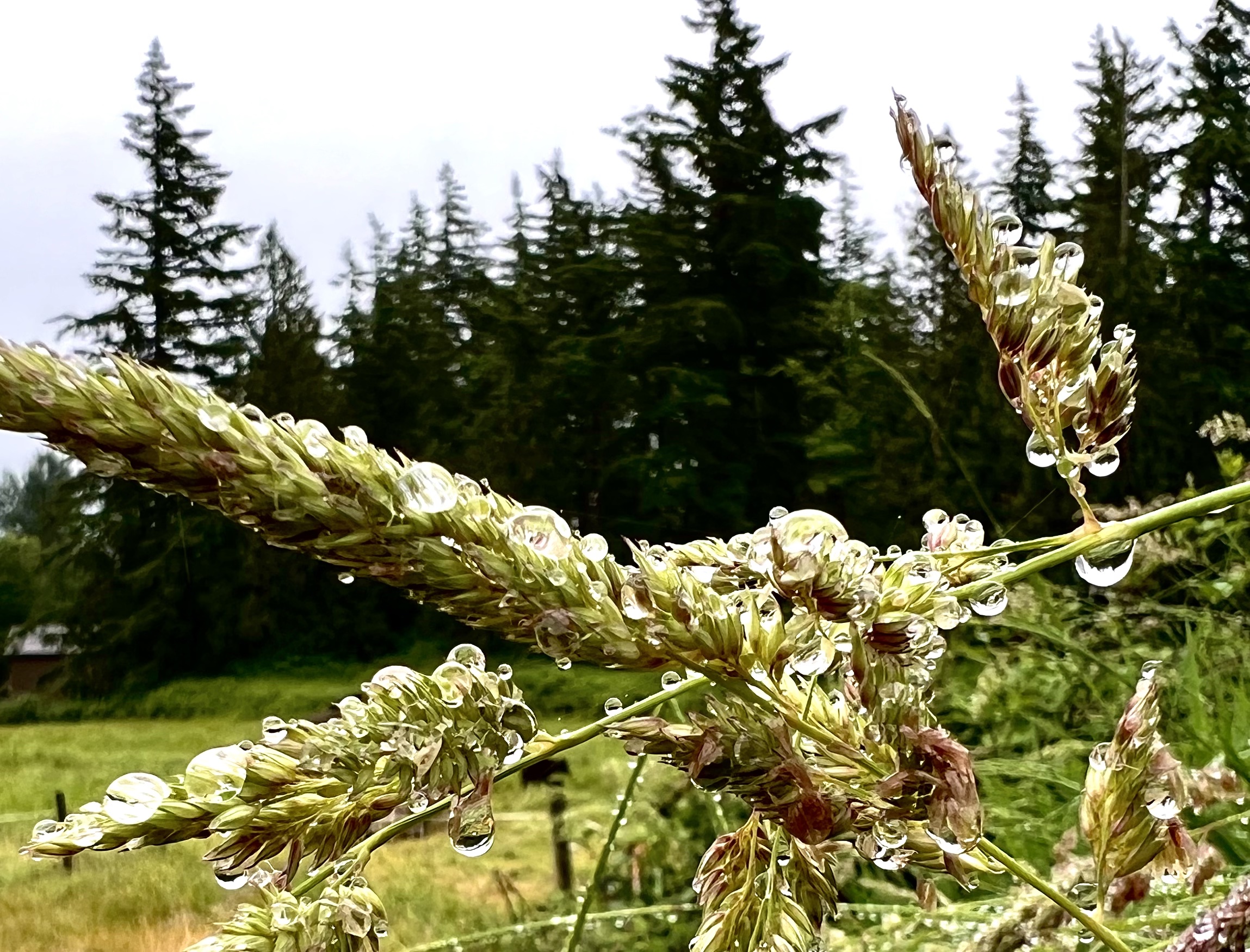
When abundant grasses around our yard and fences were hit hard with rainfall last night, they collapsed under the weight of the moisture. The 3-4 foot tall tender stems are now lodged and flattened in undulating waves of green, bent over as if to embrace the earth from which they arose. Warmer temperatures are predicted over the next few days, so the grass will recover, drying out enough to stand upright again. A breeze would lift the soaked heads and squeeze out the wet sponge created by collapsed forage– this lodged mess should survive and rise back up. It will be raised and lifted again, pushing up to meet the sun, the stems strengthening and straightening.
What once was heavy laden will lighten; what was silent and sodden will once again move and dance and sing with the wind.
And I look for the resurrection of the dead, And the life of the world to come. Amen. Alleluia ~from the Nicene Creed
One-Time
Monthly
Yearly
Make a one-time or recurring donation to support daily Barnstorming posts






























 Barnstorming