All These Gone Years


photo by Josh Scholten

tennantwisteria

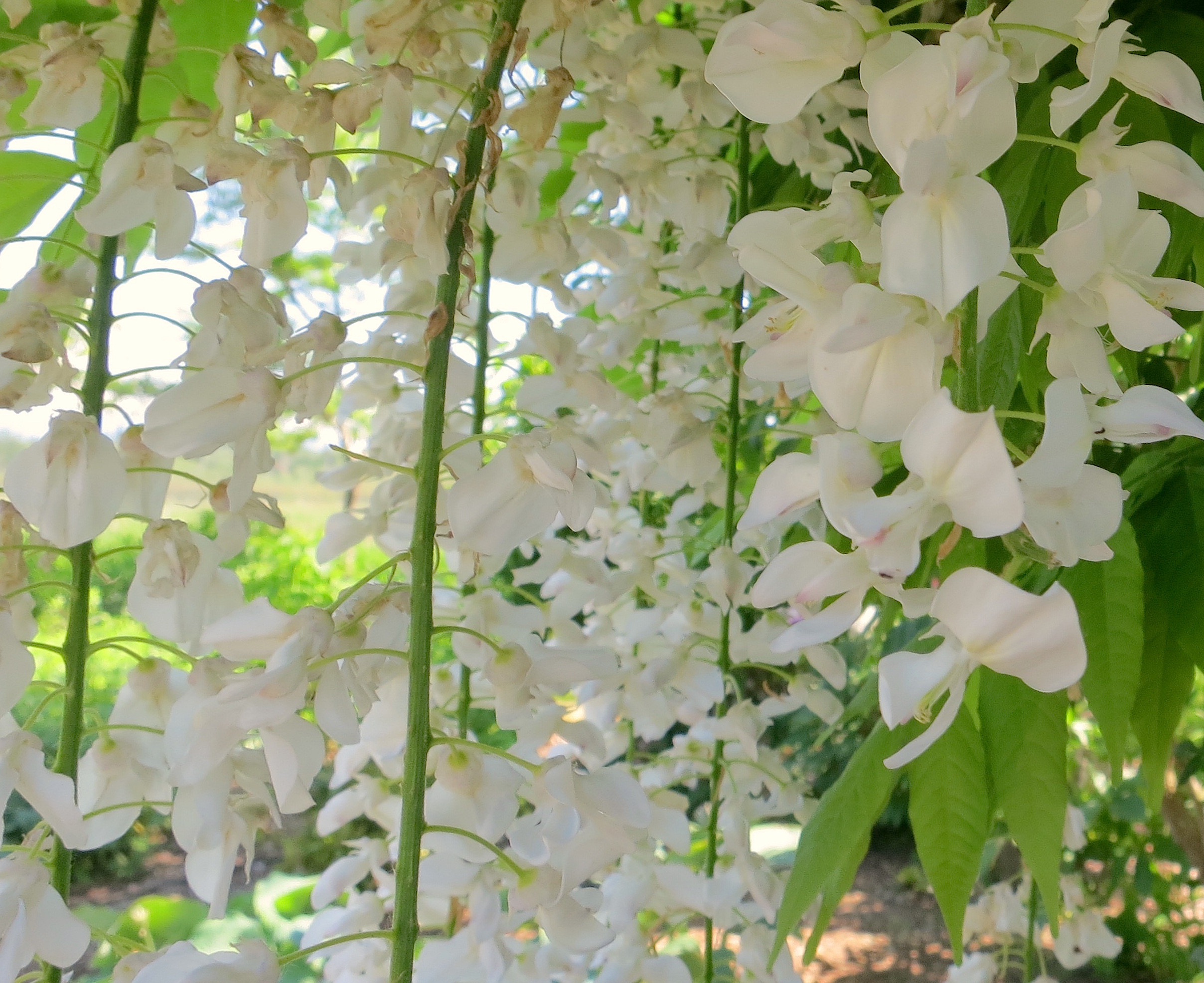
That long-ago morning at Ruth’s farm
when I hid in the wisteria
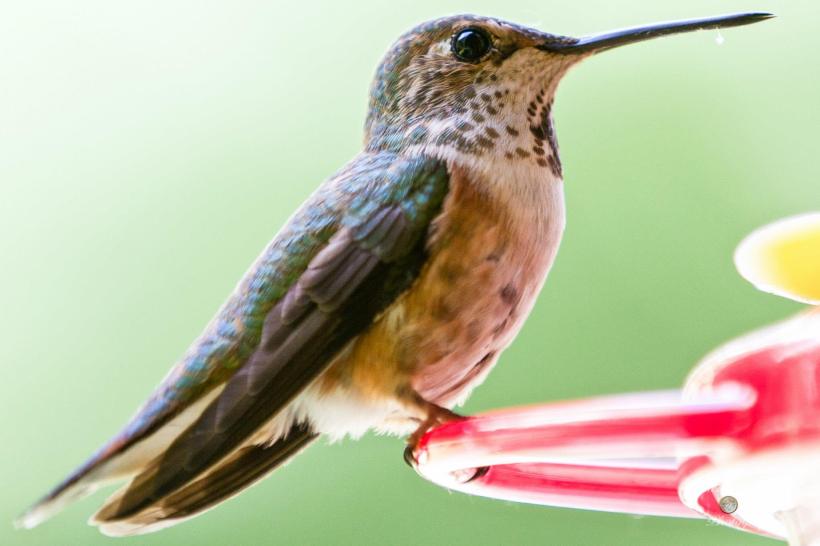
and watched hummingbirds. I thought
the ruby or gold that gleamed on their throats
was the honeyed blood of flowers.
They would stick their piercing beaks
into a crown of petals until their heads
disappeared. The blossoms blurred into wings,
and the breathing I heard
was the thin, moving stems of wisteria.
That night, my face pressed against the window,
I looked out into the dark
where the moon drowned in the willows
by the pond. My heart, bloodstone,
turned. That long night, the farm,
those jeweled birds, all these gone years.
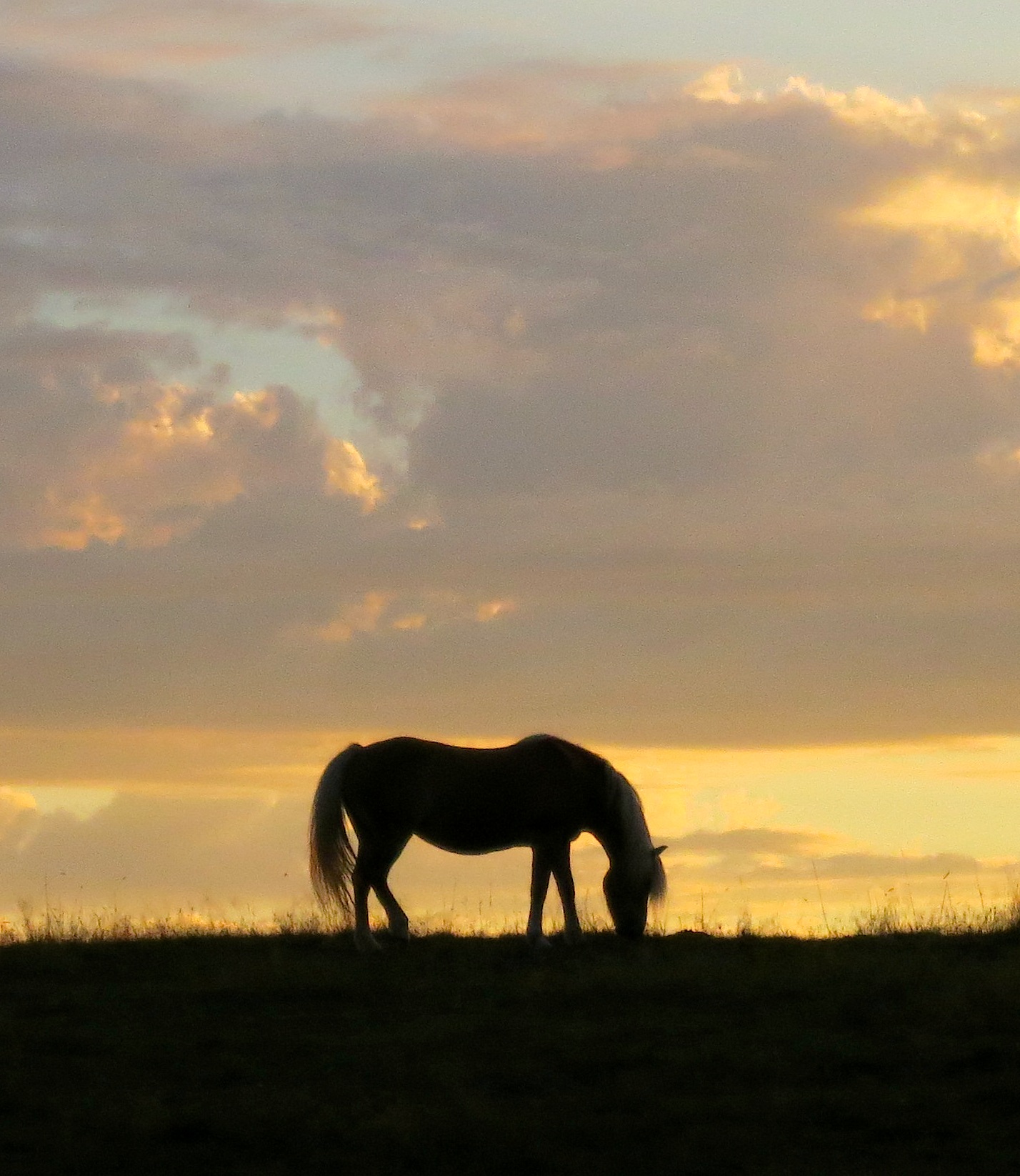
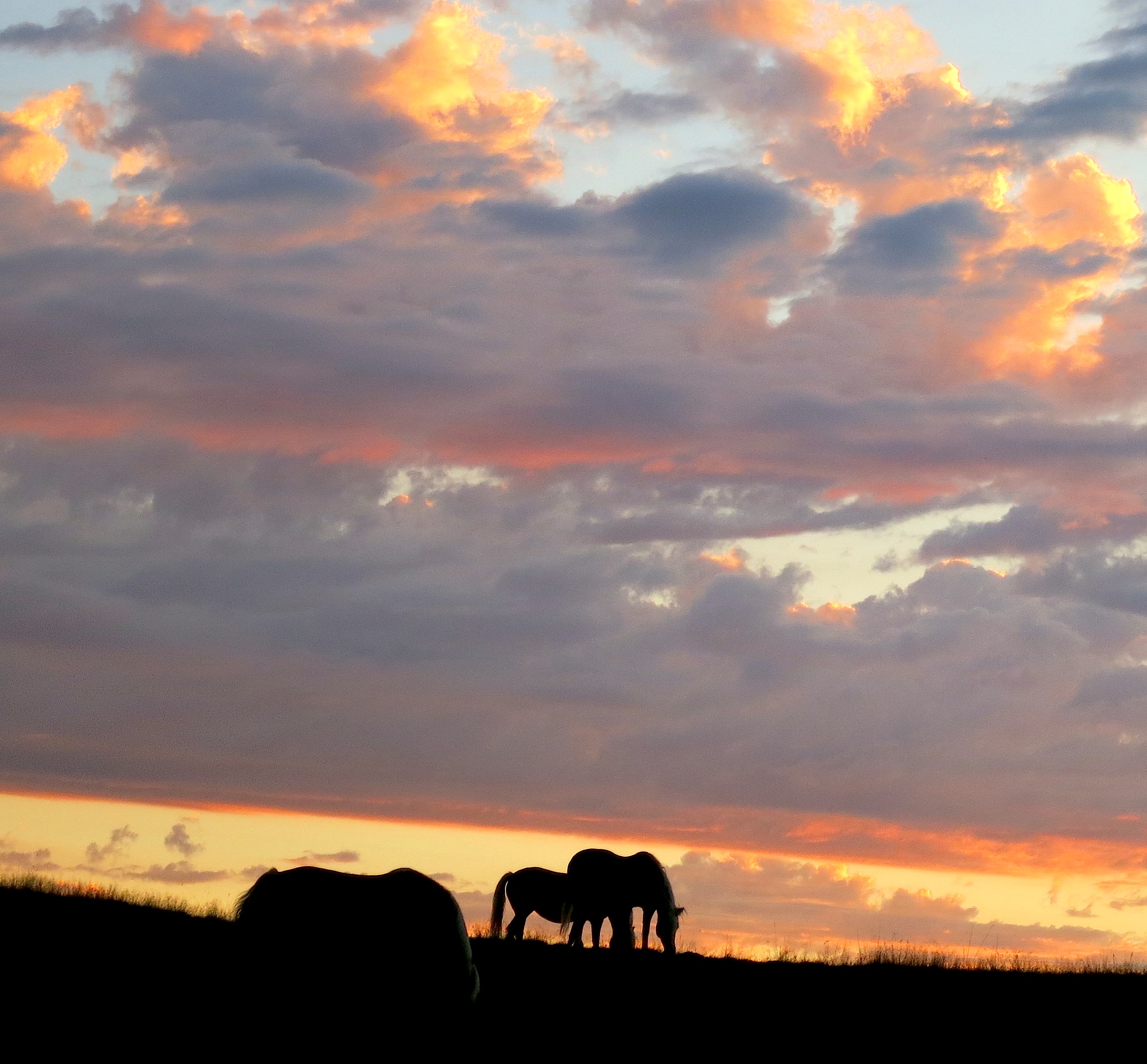
The horses standing quiet and huge
in the moon-crossing blackness.
~Joseph Stroud “First Song”


sunset92horses4

sunset92horses

For So It Has Been

roseswirl2
bayviewanacortes
porchrose
I am not resigned to the shutting away of loving hearts in the hard ground.
So it is, and so it will be, for so it has been, time out of mind:
Into the darkness they go, the wise and the lovely.  Crowned
With lilies and with laurel they go; but I am not resigned.
Lovers and thinkers, into the earth with you.
Be one with the dull, the indiscriminate dust.
A fragment of what you felt, of what you knew,
A formula, a phrase remains,—but the best is lost.
The answers quick and keen, the honest look, the laughter, the love,—
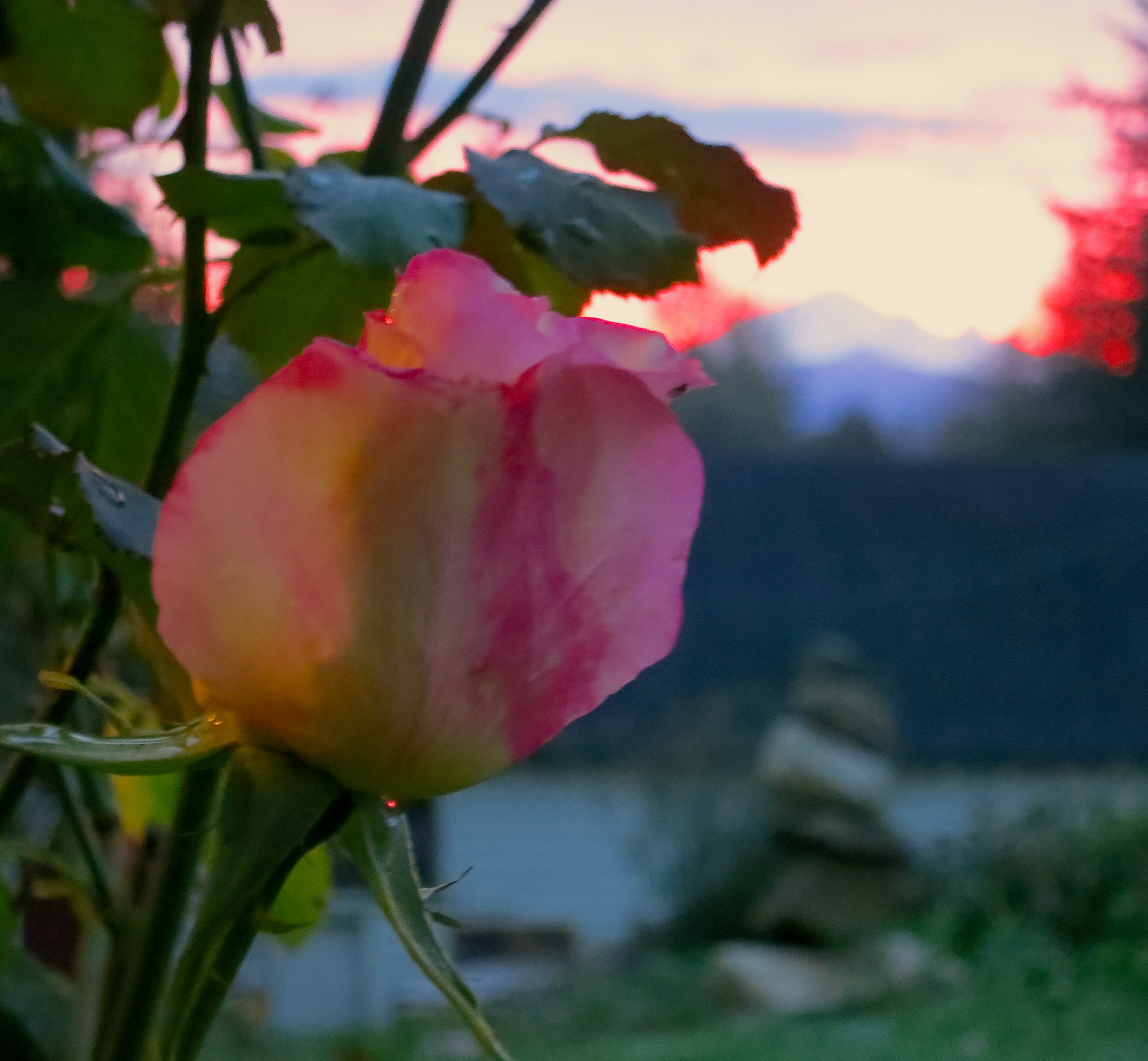
They are gone.  They are gone to feed the roses.  Elegant and curled
Is the blossom.  Fragrant is the blossom.  I know.  But I do not approve.
More precious was the light in your eyes than all the roses in the world.
Down, down, down into the darkness of the grave
Gently they go, the beautiful, the tender, the kind;
Quietly they go, the intelligent, the witty, the brave.
I know.  But I do not approve.  And I am not resigned.
~Edna St. Vincent Millay “Dirge Without Music”
Each Memorial Day weekend without fail,
we gather with family, have lunch, reminisce,
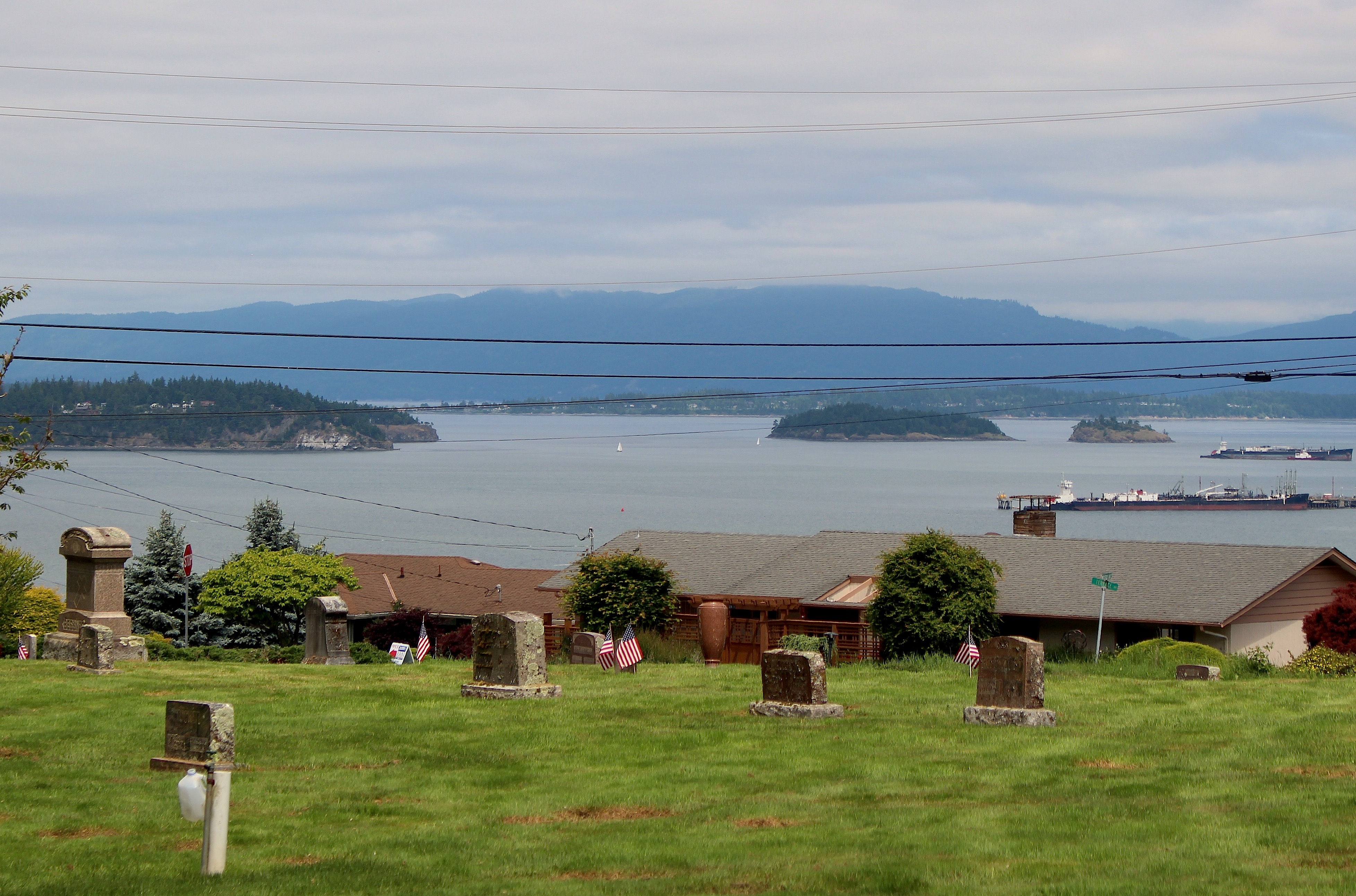
and trek to the cemetery high above Puget Sound
to catch up with our relatives who lie there still,
some we knew and loved and miss,
others not so much, unknown to us
except on genealogy charts,
their names and dates and these stones
all that is left of them.
Yet we know each, as we know ourselves and others,
was tender and kind, though flawed and broken,
was beautiful and strong, though wrinkled and frail,
was hopeful and faithful, though too soon in the ground.

We know this about them
as we know it about ourselves:
someday we too will feed roses,
the light in our eyes
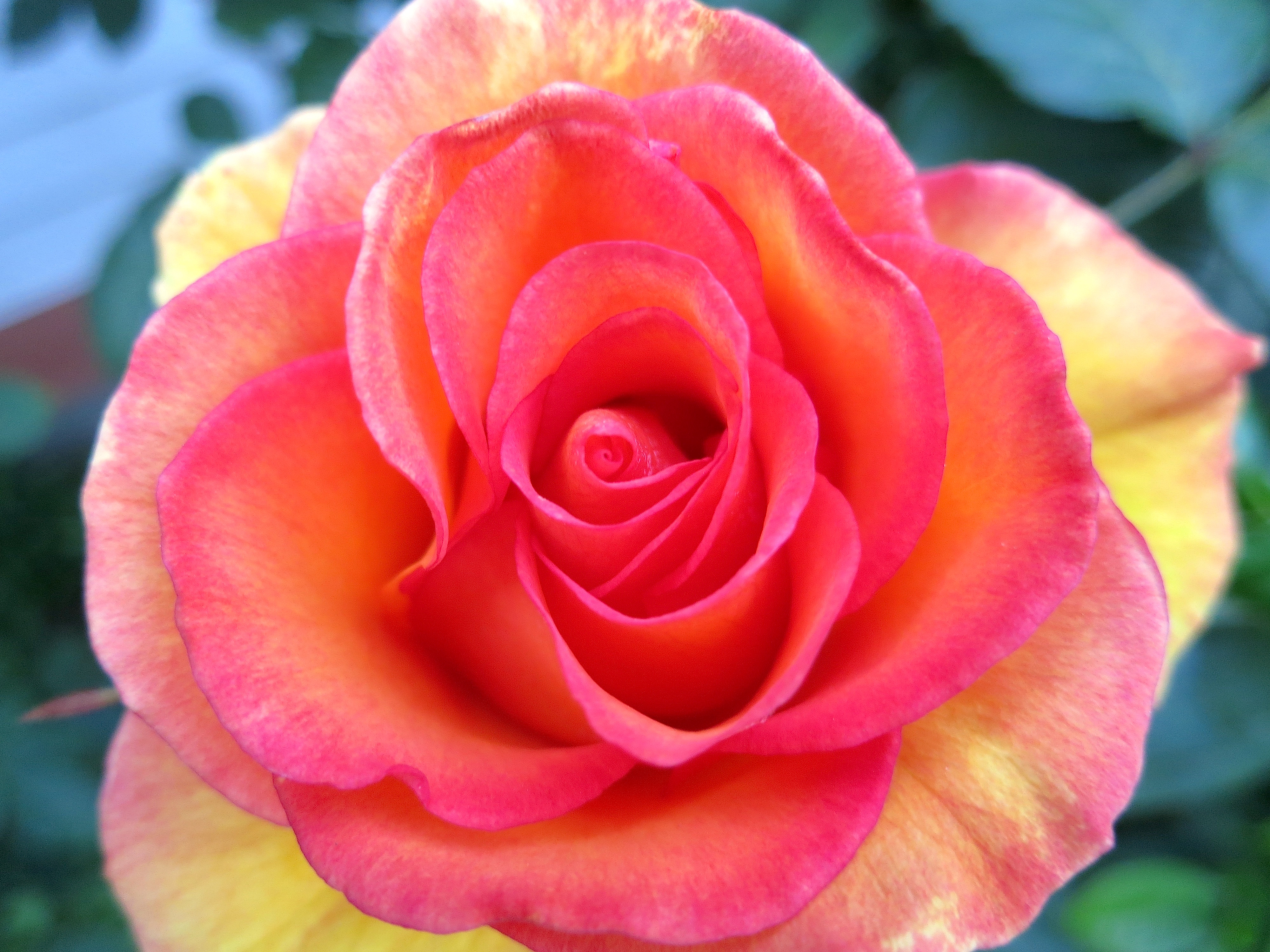
become elegant swirls with fragrant breath of heaven.
No one asks if we approve of this, nor should they;
So it is, so it will be, for so it has been.

rosemountain
 weepingrose
roseinside

The Old Self Shed

snakeskin9
snakeskinintact
snakeskin2
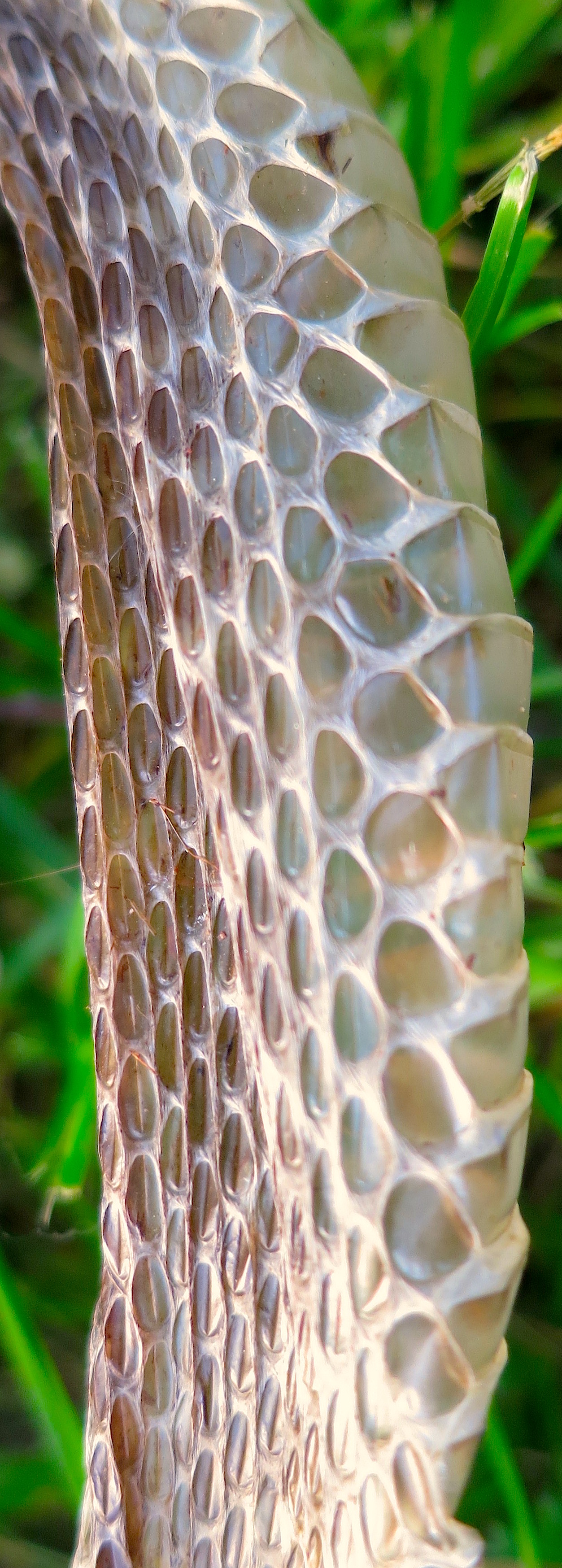
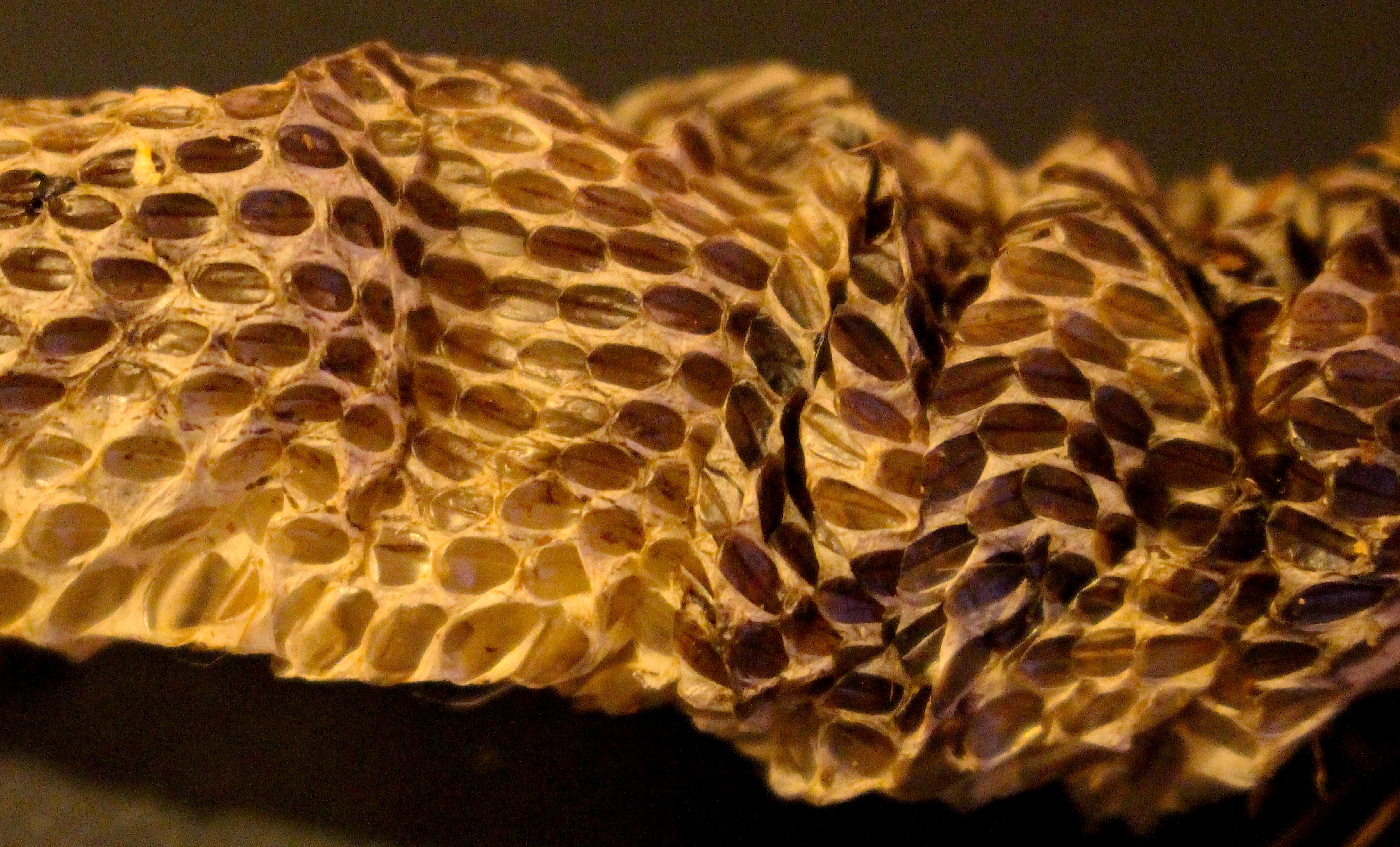
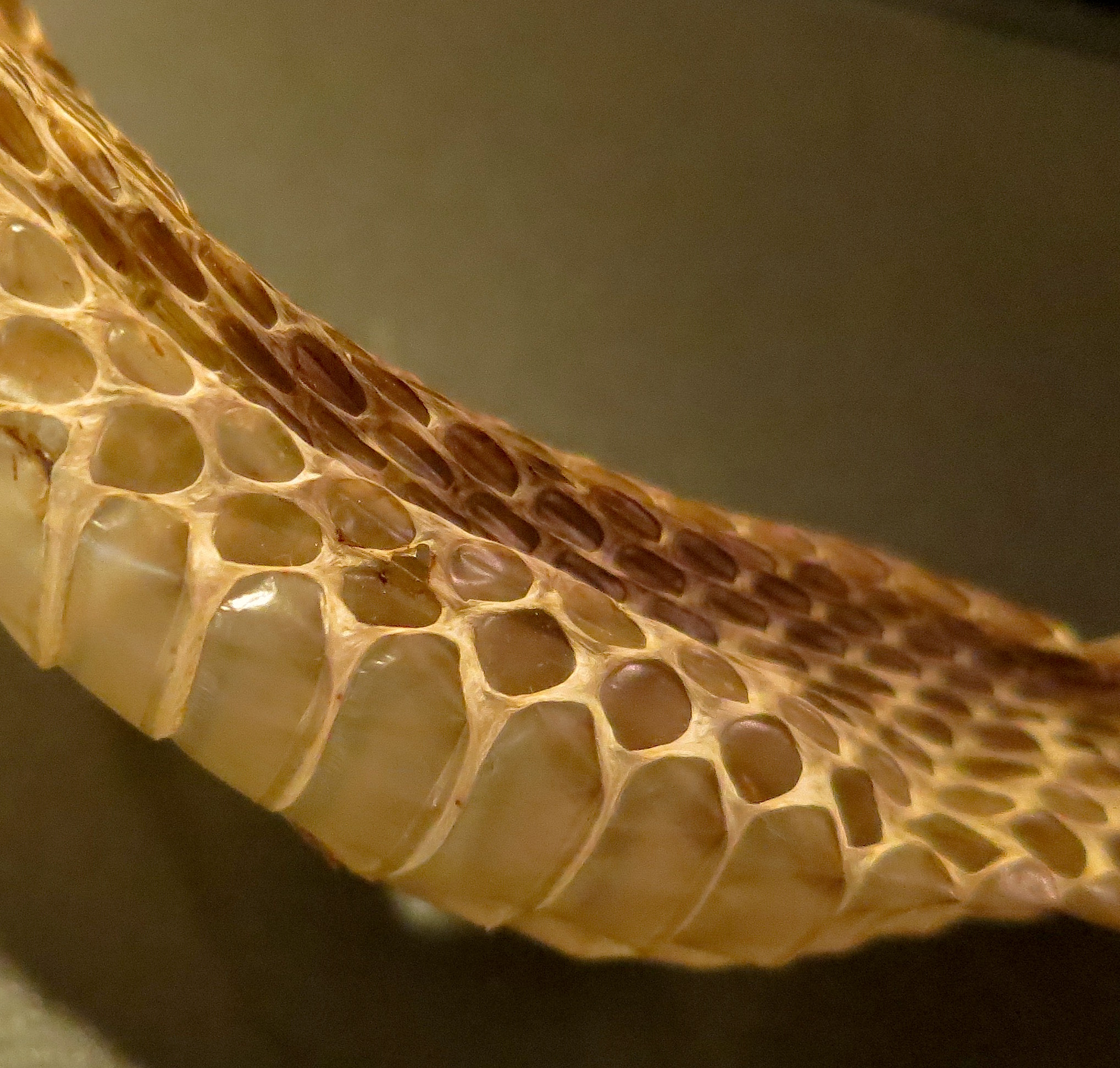
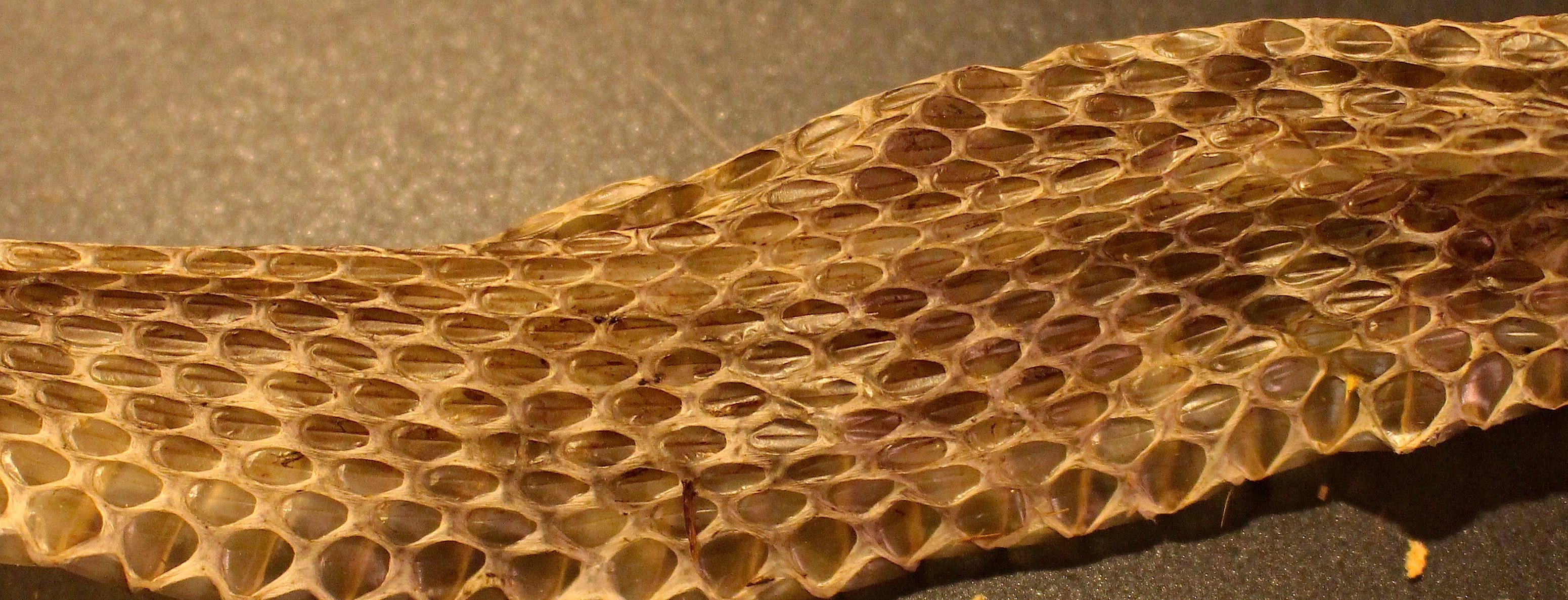
Cast off on a sunny day
onto a warm manure pile,
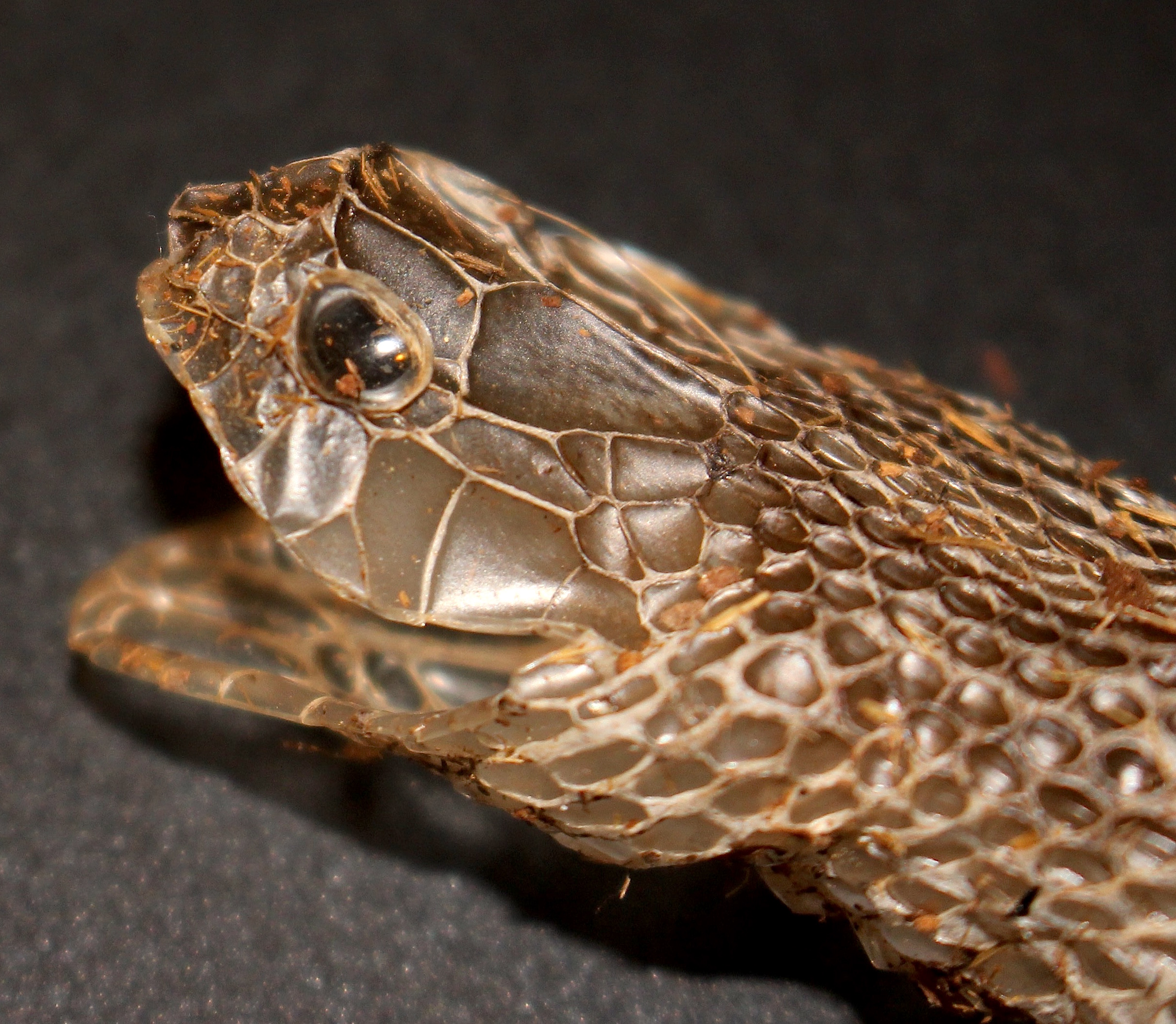
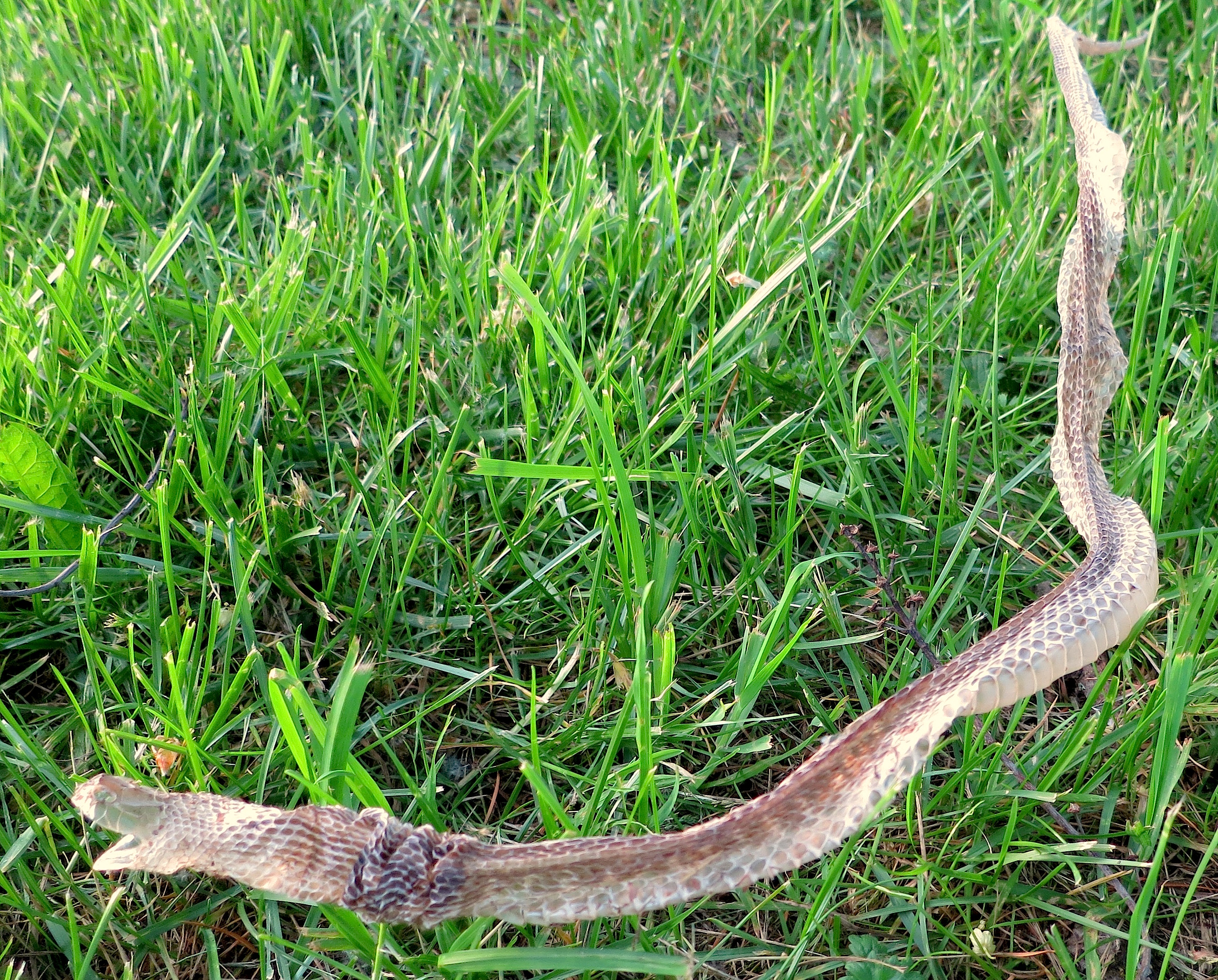
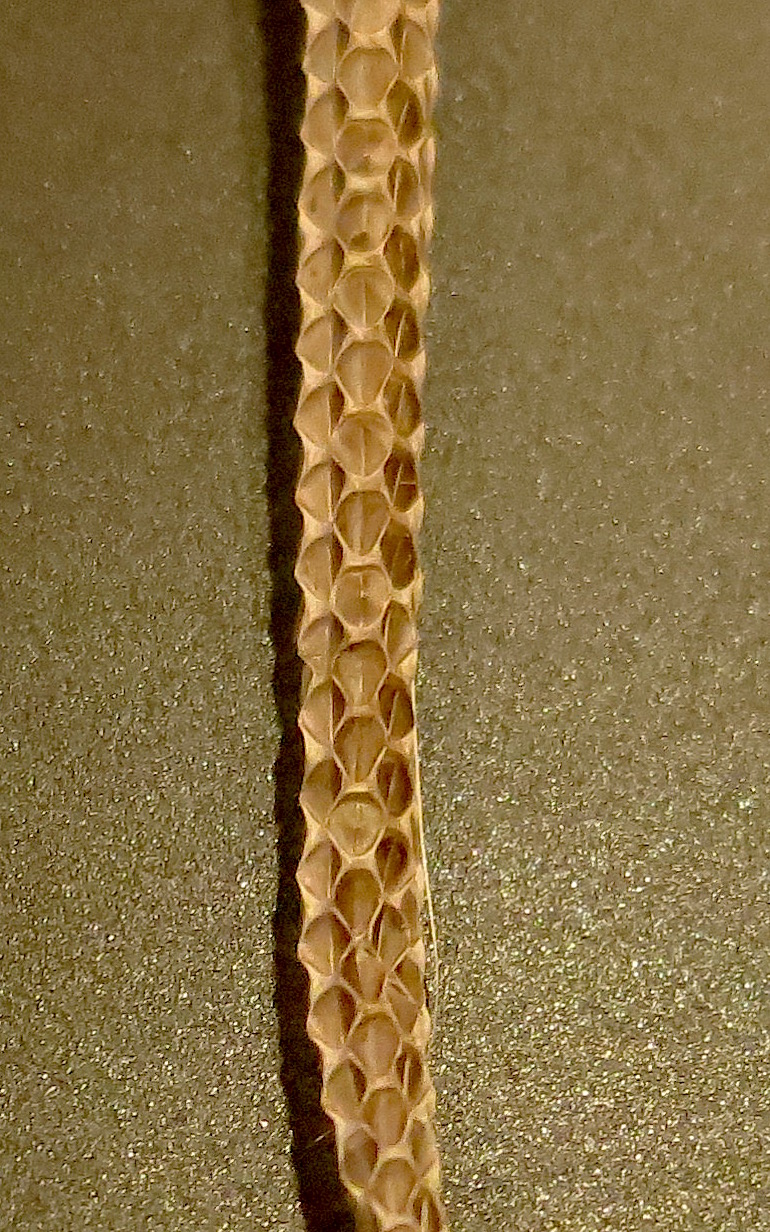
a wriggled-free fresh snakeskin,
almost covered by my fresh load~
lay blended with old hay, horse hair, shavings,
tucked among what is already digested,
dumped and discarded.
This, an intact hollowed shadow
of a still living creature
who has moved on:
I too need to leave my old self
shrugged off onto the manure pile,
shed when it no longer fits
the ways I’ve grown hallowed,
a fitting remembrance of
who I once was,
yet left behind.
snakeskin1
snakeskin3
snakeskin10
snakeskin5
snakeskin4

A Message to the Future

sunset817

And this is where we went, I thought,
Now here, now there, upon the grass
Some forty years ago.

The days being short now, simply I had come
To gaze and look and stare upon
The thought of that once endless maze of afternoons.
But most of all I wished to find the places where I ran

What’s happened to our boys that they no longer race
And stand them still to contemplate Christ’s handiwork:
His clear blood bled in syrups from the lovely wounded trees?
Why only bees and blackbird winds and bending grass?
No matter. Walk. Walk, look, and sweet recall.

I came upon an oak where once when I was twelve
I had climbed up and screamed for Skip to get me down.
It was a thousand miles to earth. I shut my eyes and yelled.
My brother, richly compelled to mirth, gave shouts of laughter
And scaled up to rescue me.
“What were you doing there?” he said.
I did not tell. Rather drop me dead.
But I was there to place a note within a squirrel nest
On which I’d written some old secret thing now long forgot.

{Now} I lay upon the limb a long while, thinking.
I drank in all the leaves and clouds and weathers
Going by as mindless
As the days.
What, what, what if? I thought. But no. Some forty years beyond!

I brought forth:
The note.

I opened it. For now I had to know.
I opened it, and wept. I clung then to the tree
And let the tears flow out and down my chin.
Dear boy, strange child, who must have known the years
And reckoned time and smelled sweet death from flowers
In the far churchyard.
It was a message to the future, to myself.
Knowing one day I must arrive, come, seek, return.
From the young one to the old. From the me that was small
And fresh to the me that was large and no longer new.
What did it say that made me weep?

I remember you.
I remember you.
~Ray Bradbury from “Remembrance”


I too left notes to my future self, in old barns, and lofts,
and yes, in trees,
but have never gone back to retrieve them.
My ten year old heart tried to imagine itself fifty years hence,
what fears and joys would pass through like pumping blood,
what love and tears would trace my face?

I have not forgotten.
I am remembered.

noaanya

tammingasunset

Fenced Off

14119_552516830110_42904068_32556259_1112150_n

My grandmother’s house had been torn down after she sold her property on Similk Bay near Anacortes, Washington to a lumber company.  This was the house where her four babies were born, where she and my grandfather loved and fought and separated and loved again, and where our family spent chaotic and memorable Thanksgiving and Christmas meals.  After Grandpa died suddenly, she took on boarders, trying to afford to remain there on the wooded acreage fronted by stump farm meadows where her Scottish Highland cattle grazed.   She reached an age when it was no longer possible to make it work.   A deal was struck with the lumber company and she had moved to a small apartment, bruised by the move from her farm.

My father realized what her selling to a lumber company meant and it was a crushing thought.  The old growth woods would soon also be stumps on the rocky hill above the bay, opening a view to Mt. Baker to the east, to the San Juan Islands to the north, and presenting an opportunity for development into a subdivision.   He woke my brother and me early one Saturday in May and told us we were driving the 120 miles to Anacortes.  He was on a mission.

As a boy growing up on that land, he had wandered the woods, explored the hill, and helped his dad farm the rocky soil.  There was only one thing he felt he needed from that farm and he had decided to take us with him, to trespass where he had been born and raised to bring home a most prized treasure–his beloved lady slippers from the woods.

These dainty flowers enjoy a spring display known for its brevity–a week or two at the most–and they tend to bloom in small little clusters in the leafy duff mulch of the deep woods, preferring only a little indirect sunlight part of the day.  They are not easy to find unless you know where to look.  My father remembered exactly where to look.

We hauled buckets up the hill along with spades, looking as if we were about to dig for clams at the ocean.  Dad led us up a trail into the thickening foliage, until we had to bushwhack our way into the taller trees where the ground was less brush and more hospitable ground cover.  He would stop occasionally to get his bearings as things were overgrown.   We reached a small clearing and he knew we were near.  He went straight to a copse of fir trees standing guard over a garden of lady slippers.

There were almost thirty of them blooming, scattered in an area about the size of my tiny bedroom at home.  Each orchid-like pink and lavender blossom had a straight backed stem that held it with sturdy confidence.  To me, they looked like they could be little shoes for fairies who may have hung them up while they danced about barefoot.    To my father, they represented the last redeeming vestiges of his often traumatic rearing by an alcoholic father, and were about to be trammeled by bulldozers.  We set to work gently digging them out of their soft bedding, carefully keeping their bulb-like corms from losing a protective covering of soil and leafy mulch.  Carrying them in the buckets back to the car, we felt some vindication that even if the trees were to be lost to the saws, these precious flowers would survive.

When we got home, Dad set to work creating a spot where he felt they could thrive in our own woods.  He found a place with the ideal amount of shade and light, with the protection of towering trees and the right depth of undisturbed leaf mulch.  We carefully placed the lady slippers in their new home, scattered in a pattern similar to how we found them.  Then Dad built a four foot split rail fence in an octagon around them, as a protection from our cattle and a horse who wandered the woods, and as a way to demarcate that something special was contained inside.

The next spring only six lady slippers bloomed from the original thirty.  Dad was disappointed but hoped another year might bring a resurgence as the flowers established themselves in their new home.  The following year there were only three.  Two years later my father left us and them, not looking back.

Sometime after, when my mother had to sell our farm after the divorce, I visited our lady slipper sanctuary in the woods for the last time in the middle of May.  The split rail fence was still there, guarding nothing but old memories.  No lady slippers bloomed.  There was not a trace they had ever been there.  They had simply given up and disappeared.

The new owners of our farm surely puzzled over the significance of the small fenced-off area in the middle of our woods.  They probably thought it surrounded a graveyard of some sort.

And so it did.

What We Can Do

snow22314

There is so very little we can do,
Friends, for these beautiful children of ours,
They will come to grief and suffer and you
And I bow to darkness and evil powers.

The gentle boy who wrote poems goes
For a walk in January and does not return.
His mother and father search the woods. The snow
Is deep. All night their hearts burn

For him. He is found, hanging from a limb,
And the father carries the body of his son
Into the yard and tenderly lays him
On the step. Stephen, O darling one,

See how your parents’ hearts break for you.
There is so very little we can do.
~Gary Johnson


Our woodlot lies quiet this time of year.  There have been numerous wind storms that have snapped trees or uprooted them completely and they rest where they have fallen, a crisscross graveyard of trunks that block paths and thwart us on the trails.  Years of leaves have fallen undisturbed, settling into a cushiony duff that is spongy underfoot, almost mattress-like in its softness, yet rich and life-giving to the next generation of trees.

We’ve intentionally left this woods alone for over twenty years.  When we purchased this farm, cows had the run of the woods, resulting in damage to the trees and to the undergrowth.  We fenced off the woods from the fields, not allowing our horses access. It has been the home for raccoon, deer and coyotes, slowly rediscovering its natural rhythms and seasons.

It feels like time to open the trails again.  We’ve cut through the brush that has grown up, and are cutting through the fallen trunks to allow our passage.

We bought this farm from a remarkable 82 year old man who loved every tree here. After spending 79 years on this farm, he treasured each one for its history, its fruit, its particular place in the ground, and would only use the wood if God had felled the tree Himself.  The old farmer directed us to revere the trees as he had, and so we have.  When he first took us on a tour of the farm, it was in actuality a tour of the trees, from the large walnuts in the front yard, to the poplars along the perimeter, to the antique apples, cherries and pear, the filbert grove, the silver plum thicket, as well as the mighty seventy plus year old Douglas fir, Western hemlock and Red cedar trees reestablished after the original logging in the early twentieth century.   The huge old stumps still bore the carved out eight inch notches for the springboards on which the lumbermen balanced to cut away with their axes at the massive diameter of the trees.

He led us to a corner of the woods and stood beneath a particular tree, tears streaming down his face.  He explained this was where his boy had hung himself, taking his life at age fifteen in 1968.   The old farmer still loved this tree, as devastating as it was to lose his son so unexpectedly from one of its branches.  He stood shaking his head, his tears dropping to the ground.  I knew his tears had watered this spot often over the years.  He looked at our boys—one a two year old in a pack on my back, and the other a four year old gripping his daddy’s hand—and told us he wished he’d known,  wished there could have been something he could have done, wished he could have understood his son’s despair, wished daily there was a way to turn back the clock and make it all turn out differently.  He wanted us to know about this if we were to own this woods, this tree, this ground, with children to raise here so there would be something we could do to prevent this from happening again to one of our own.

I was shaken by such raw sharing and the obvious sacredness of the spot.   Though the boy lay buried in a nearby cemetery, a too-young almost-man lost forever for reasons he never found to express to others, it was as if this spot, now hallowed by his father’s tears, was his grave.  This tree witnessed his last act and last breath on earth.

We have left the woods untouched in our effort to let it restore and heal, and to allow that tree to blend into the forest again, surrounded by new growth and life.  We have told this young man’s story to our children and are reminded of the precious gift of life we all have been given, and that it must be treasured and clung to, even in our darkest moments.  This father’s tears watering this woods are testimony enough of his own clinging to life, through his faith in God and in respect to the memory of his beloved boy.

The old farmer and his wife now share the ground with their son, reunited again a only few miles away from our home that was theirs for decades.  Their woods is reopening to our feet, allowing us passage again, and despite the darkness that overwhelms it each winter, the woods bear life amidst the dying as a forever reminder.

And we will not forget.  It is so very little, but the very least we can do.


snow12201313

The Shadows of a Moment

webdesign9

webdesign11

I hated waiting.
If I had one particular complaint,
it was that my life seemed composed entirely of expectation.
I expected —
an arrival, an explanation, an apology.
There had never been one,
a fact I could have accepted,
were it not true that,
just when I had got used
to the limits and dimensions of one moment,
I was expelled into the next
and made to wonder again
if any shapes hid in its shadows.

Memory is the sense of loss,
and loss pulls us after it.

~Marilynne Robinson from Housekeeping


Winter weather has a way of exacerbating loss, reminding us over and over what it is we’ve lost and still waiting for — the sun’s warmth on our cheeks, the feel of cool breezes in our hair on a sweaty day, the presence of color when numbed by the sky’s constant weeping of whites and grays.  We keep waiting for that next moment, and then the next, looking for when we may settle down and stay, however briefly, content.

We are pulled through the shadows of each emerging moment, losing what we just had to mere memory:

Last night, my husband and I attended our children’s former high school’s winter musical production, as we had done for over a decade while our three children were among the actors and actresses on stage.  I sat in the audience for two hours, emerged in the music, the singing and the dancing, the beautiful costumes and sets,  allowing each wonderful make-believe moment to carry me to the next and the next.

Only after the bows had been taken, the applause and whistles quieted, and we made our way to the lobby to greet the performers, did I realize my loss.  My memory of our children overwhelmed me:  not as they acted a role in the lights and shadows of the stage, but after the production, in the lobby as themselves, albeit costumed and overly made up, greeting grateful audience members.  But where were they last night?  Not here, I realized through my tears, not where I was so used to seeing them stand a bit apart from the crowd, smiling and laughing, waiting my turn to hug them.
Gone and moved on to other roles and other stages, far far away.

They have each left the magic and the hard work of high school musical productions into the magic and hard work of real life.
And we are left waiting for each next moment, remembering and accepting, filling and emptying,  wintering within our hearts again and again.


morningfog12615

sunrise1221153

An Olfactory Journey

topofthestack

“The smell of that buttered toast simply spoke to Toad, and with no uncertain voice; talked of warm kitchens, of breakfasts on bright frosty mornings, of cozy parlour firesides on winter evenings, when one’s ramble was over and slippered feet were propped on the fender; of the purring of contented cats, and the twitter of sleepy canaries.”
~Kenneth Grahame, The Wind in the Willows

I’m not a practitioner of the ancient art of aromatherapy for medicinal purposes but I do know how effectively smells can transport me than any other mode of travel.  One whiff of a familiar scent can instantly take me back years to another decade and place, almost in time traveling mode.  I am so suspended in the moment, both present and past, my brain sees, hears, tastes, feels everything as it was before.
The most vivid are kitchen smells, to be sure.  Cinnamon takes me back to my Grandma’s farm house, roasting turkey to my mother’s early morning labors on Thanksgiving Day, fresh baked bread to the years I needed to knead as tactile therapy during medical school training.

Today it is the smell of oatmeal on the stove that reminds me of those frosty winter mornings rushing to get out the door in time to catch the bus for the long ride to school.

It’s not just food smells.  When I have the privilege of babysitting infants, I drink in their smell of baby shampoo and powder, so like the soft velvety smell of my own children a quarter century ago.   Out in the barn, the newly born wet fur of my foals carries the sweet and sour amnion that was part of every birth I’ve been part of: delivering others and delivering my own.  My heart races at the memory of the drama of those first breaths.

My garden yields its own treasures: tea roses, sweet peas, heliotrope, lemon blossom take me back to lazy breezes past blossoms planted along the house, wafting through open bedroom windows.  The fragrance of the earth after a long awaited rain– petrichor — reminds me of dusty dry summers crying for relief.

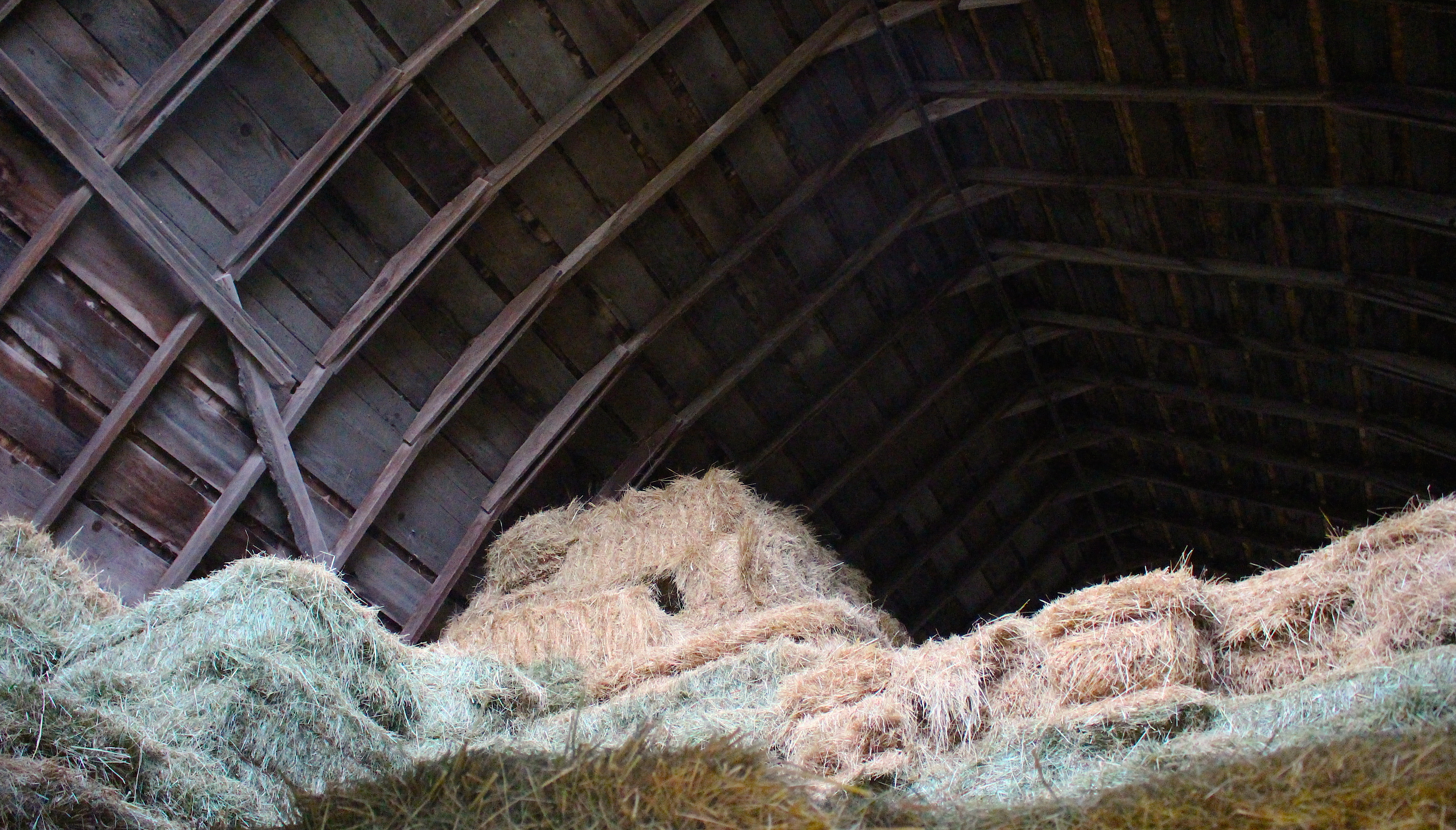
I doubt any aromatherapy kit would include my most favorite–the farm smells: newly mown hay, fresh fir shavings for stall bedding,  the mustiness of the manure pile, the green sweetness of a horses’ breath.

Someday I’ll figure out how to bottle all these up to keep on hand forever.   Years from now my rambles will be over, when I’m too feeble to walk to the barn or be part of the hay harvest crew any longer,  I can sit by my fireplace with a purring contented cat, listening to the soft rolling twitter of my sleepy canary, then close my eyes, open this bottle of memories and take a whiff now and then.

What a journey I will take, back to a day like today, a day that speaks to me with no uncertain voice.

raindrops1315

rosemountain

hayfield

So Pressed For Time

dictionary

Six years after her death, I’m slowly sorting through my mother’s packed up possessions stored in one of our farm outbuildings. Some boxes I am still not ready to open, such as the 30 months of letters written by my newlywed father and mother while he fought in several bloody island battles as a Marine in the South Pacific during WWII. Other boxes contain items from too distant an era to be practical in my kitchen, such as the ones labeled “decorative teacups” or “assorted tupperware bowls”.

But I do open the boxes of books. My mother was a high school speech teacher during those war years, and she had a good sense of a classic book, so there are always treasures in those boxes.

Recently I rediscovered the 1956 Webster’s New Dictionary of the Twentieth Century that I grew up with. This book was massive, easily weighing 10 pounds, and served as a booster seat for haircuts, a step stool for trying to reach the cookie jar on the kitchen cupboard, and of course, for looking up any obscure word that ever existed in all of history. Or so it seemed.

An amazing tome. And as I flipped through the pages, I found some old familiar friends that were neither black nor white nor read all over.

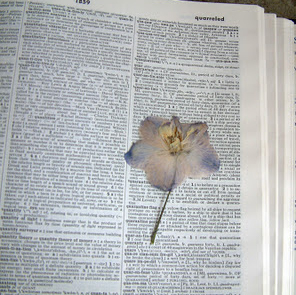
Wildflowers had been carefully pressed between the pages–over two dozen specimens paper thin themselves, their existence squeezed into two dimensions–still showing faint pink or blue, or purple color, almost exuding a long ago fragrance from a summer over fifty years ago. As a child I regularly wandered out to our fields and woods to gather crimson clover blossoms, buttercup, dandelions, daisies, wild violets, wild ginger, and (shame on me!) trillium and calypso lady slippers for bouquets for my mother, and she would select the most perfect to slide between the pages of the dictionary. Occasionally she would pull out one to gently paste on a hand written card she sent to a friend.

Here were my once perfect flowers, preserved and pressed for time, just waiting for the middle-aged me to rediscover them lying between wonderful words that I love to roll in my mouth and type on a page. They are too fragile to paste to a greeting card, or even to handle due to their brittleness. They need to stay right where they are, for another generation or two or three to discover.

I too am so pressed for time, becoming more fragile, perhaps more brittle than I care to admit. My mother and father are now blown away like the puff ball seeds of the dandelion, on to other horizons, but the sturdy old dictionary is going nowhere. It will be passed down, its delicate passengers preserved inside, a long ago far away summer afternoon of flower gathering to be shared as a great grandchild opens the book to look up a favorite word sometime in the not so far off future.dictionary2


Even the Branches

hereboys

plumtwinswinter

Regarding the Home of One’s Childhood, One Could:
forget the plum tree;
forget its black-skinned plums;

           also the weight
of their leaning as they leaned

                      over starry hedges:
also the hedges,
the dew that turned them starry;
the wet-bellied pups who slunk there

                                               trailing ludicrous pedigrees;
even the eyes

of birds
                                                            glittering

                                                            in the branches;
                                                            even the branches
~Emily Zinnemann


novpoleroadtree

photo by Brandon Dieleman