
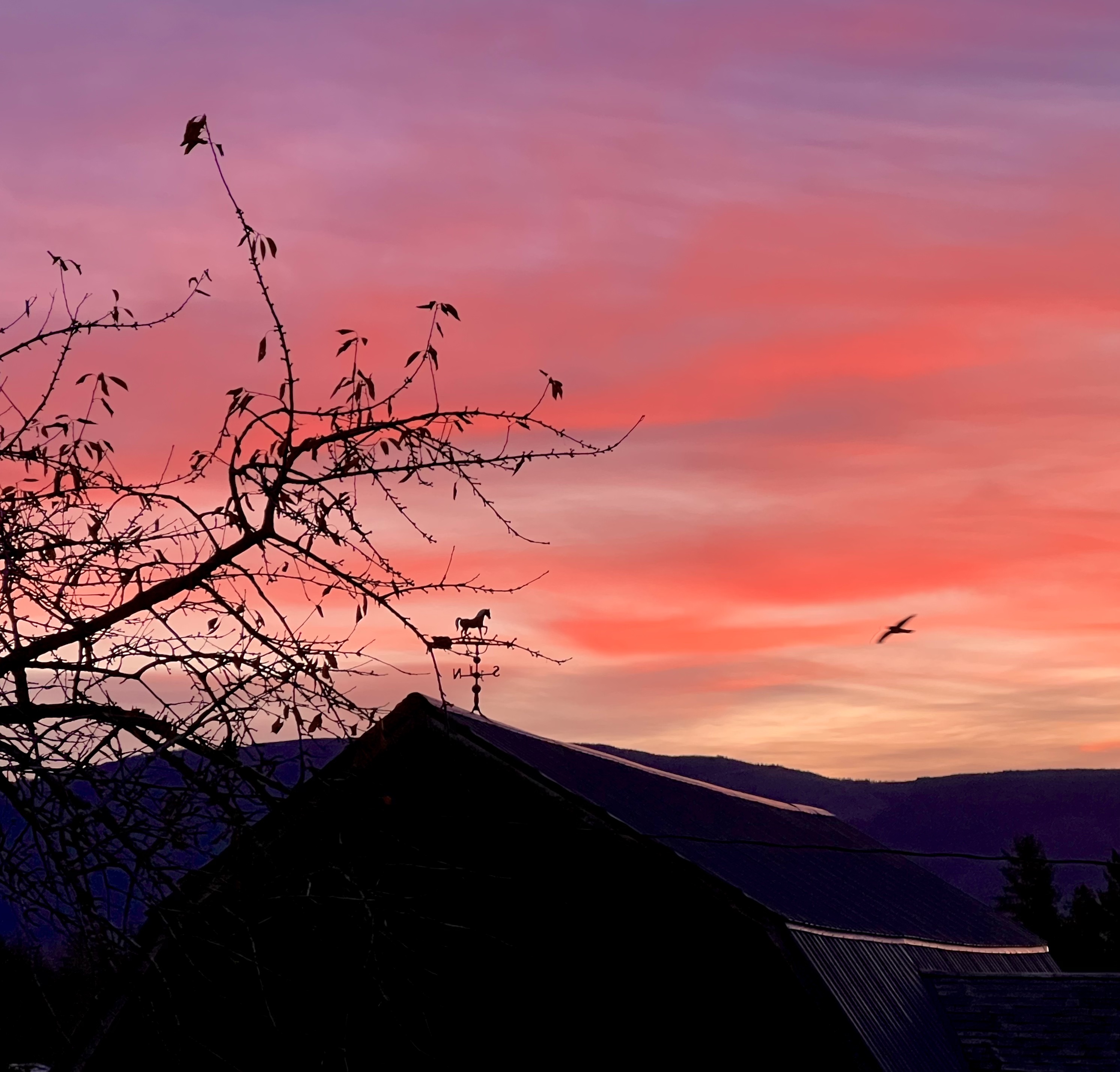
A Clamor of Questions

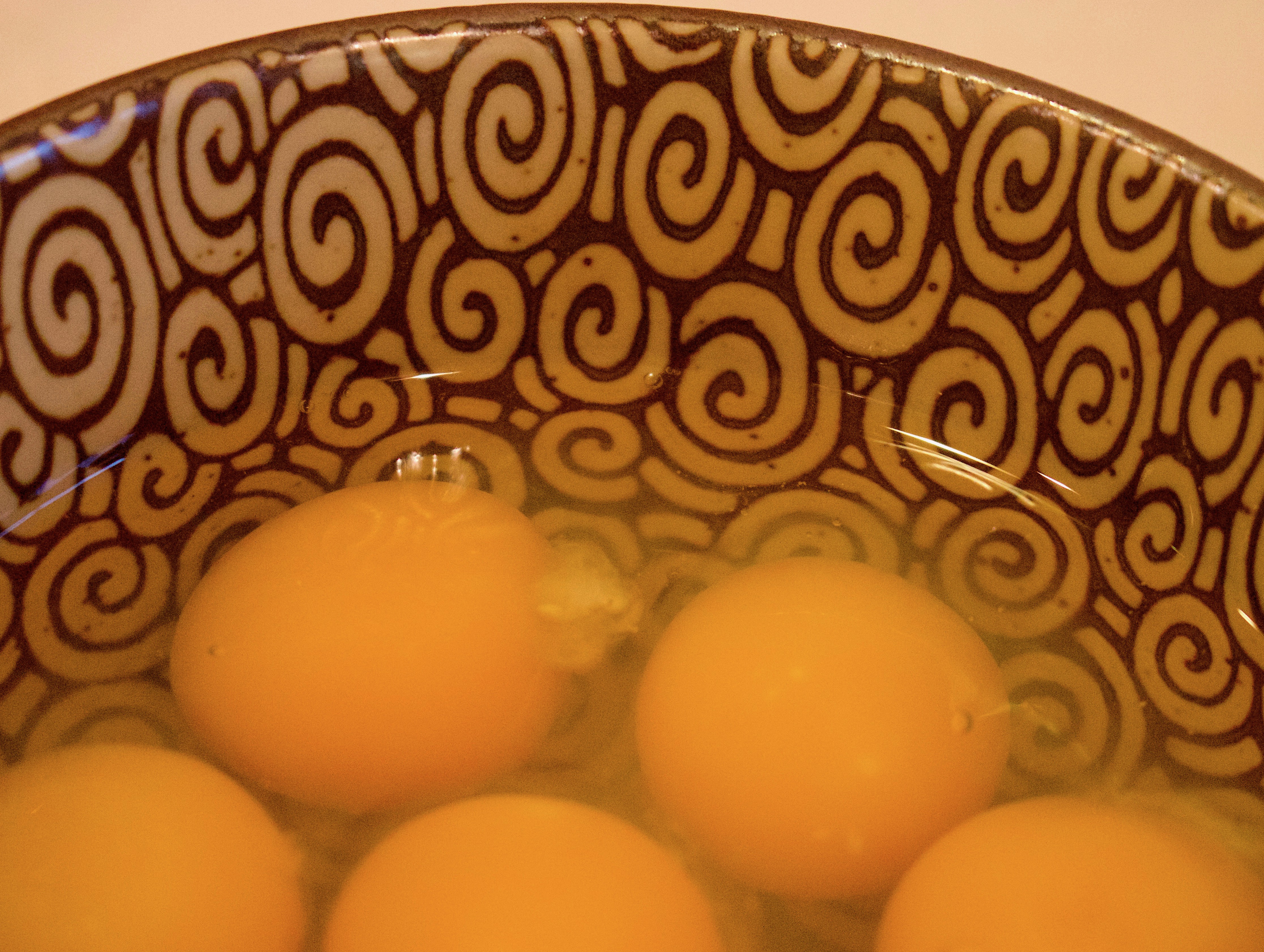
I’m scrambling an egg for my daughter.
“Why are you always whistling?” she asks.
“Because I’m happy.”
And it’s true,
Though it stuns me to say it aloud;
There was a time when I wouldn’t
Have seen it as my future.
It’s partly a matter
Of who is there to eat the egg:
The self fallen out of love with itself
Through the tedium of familiarity,
Or this little self,
So curious, so hungry,
Who emerged from the woman I love,
A woman who loves me in a way
I’ve come to think I deserve,
Now that it arrives from outside me.
Everything changes, we’re told,
And now the changes are everywhere:
The house with its morning light
That fills me like a revelation,
The yard with its trees
That cast a bit more shade each summer,
The love of a woman
That both is and isn’t confounding,
And the love
Of this clamor of questions at my waist.
Clamor of questions,
You clamor of answers,
Here’s your egg.

~C.G. Hanzlicek “Egg” from Against Dreaming.
Tell all the truth but tell it slant —
Success in Circuit lies
Too bright for our infirm Delight
The Truth’s superb surprise
As Lightning to the Children eased
With explanation kind
The Truth must dazzle gradually
Or every man be blind —

~Emily Dickinson
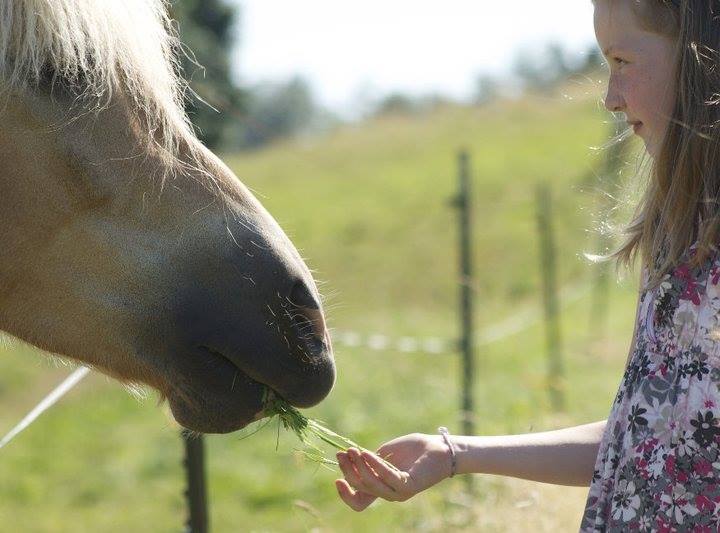
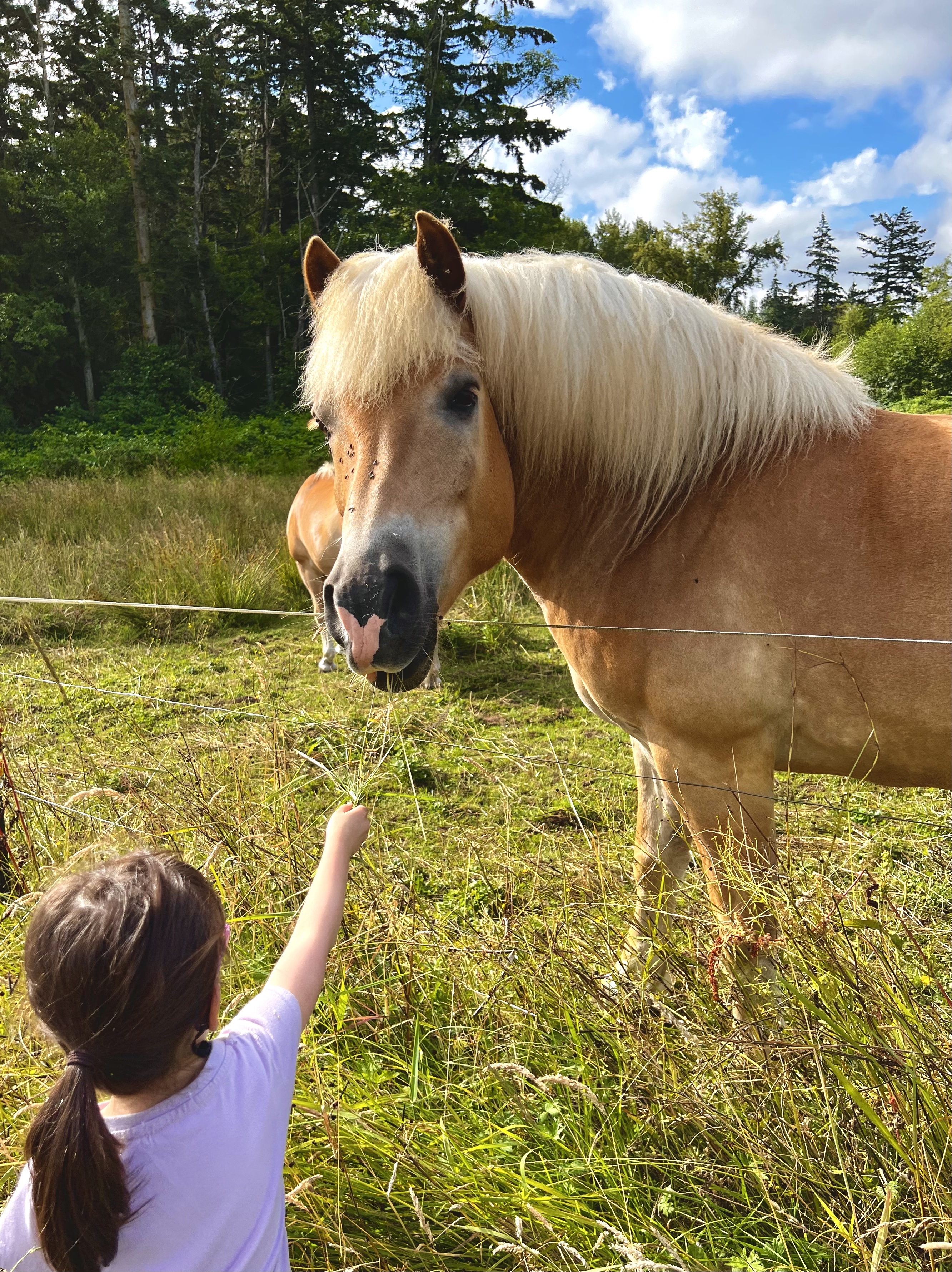
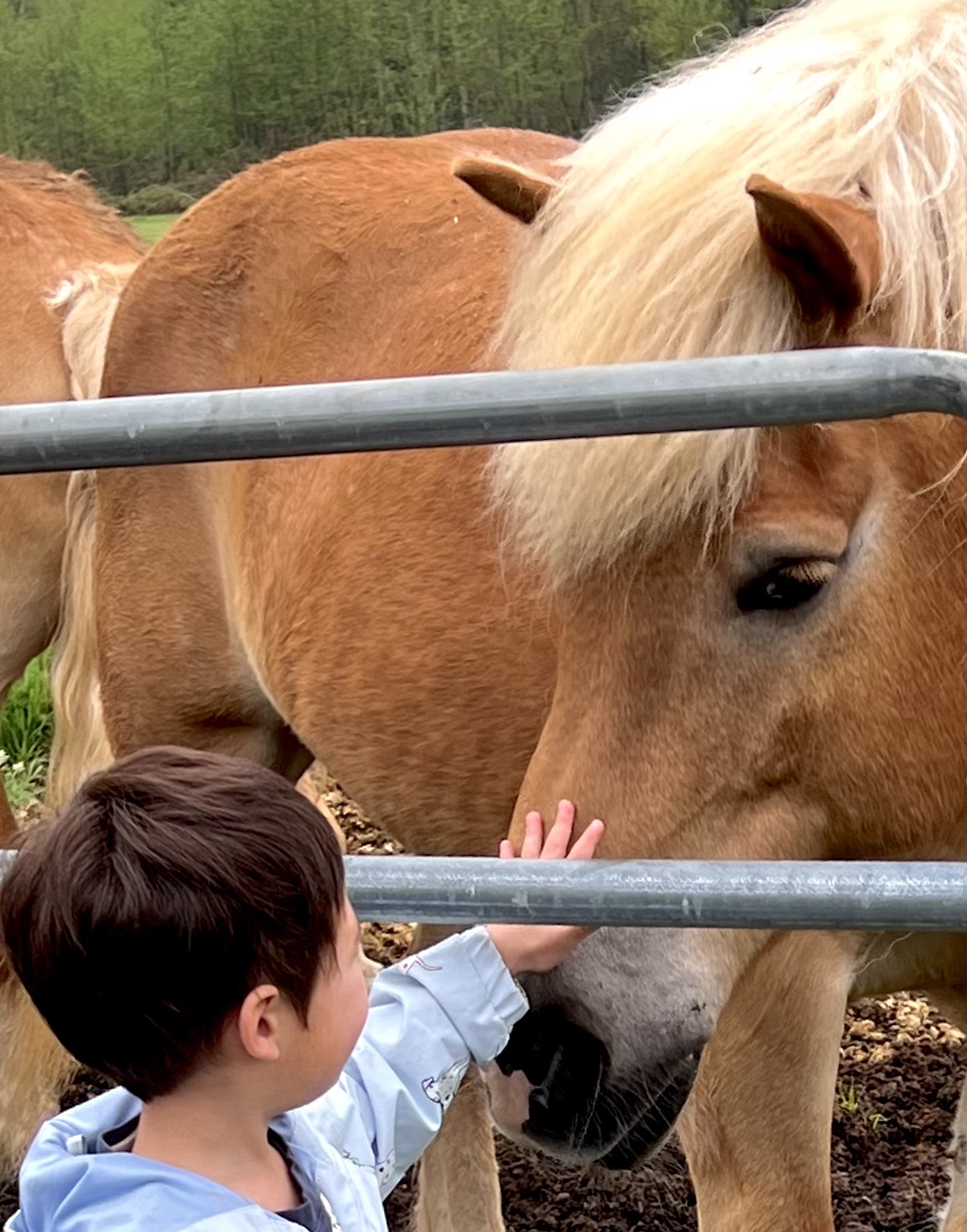
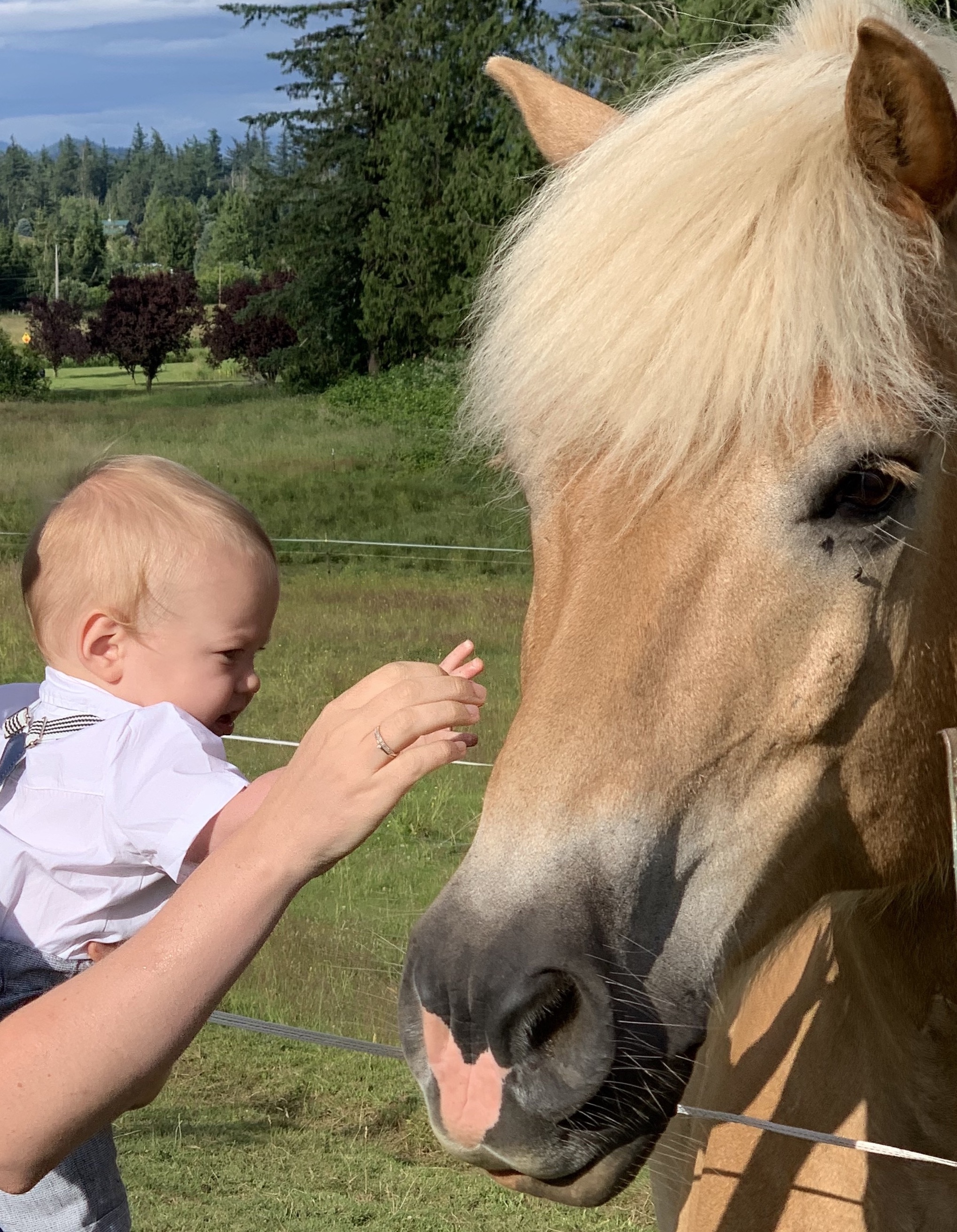
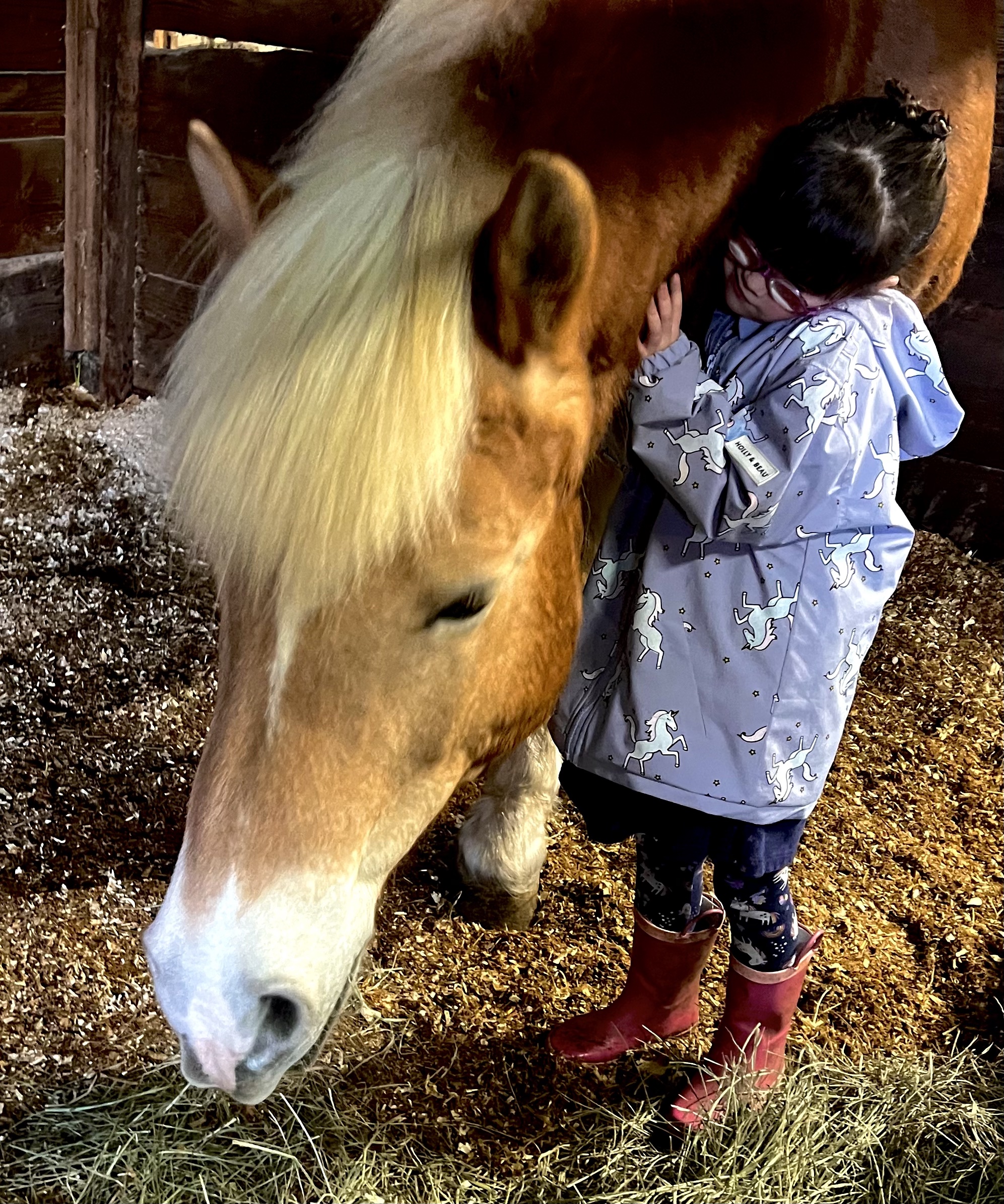
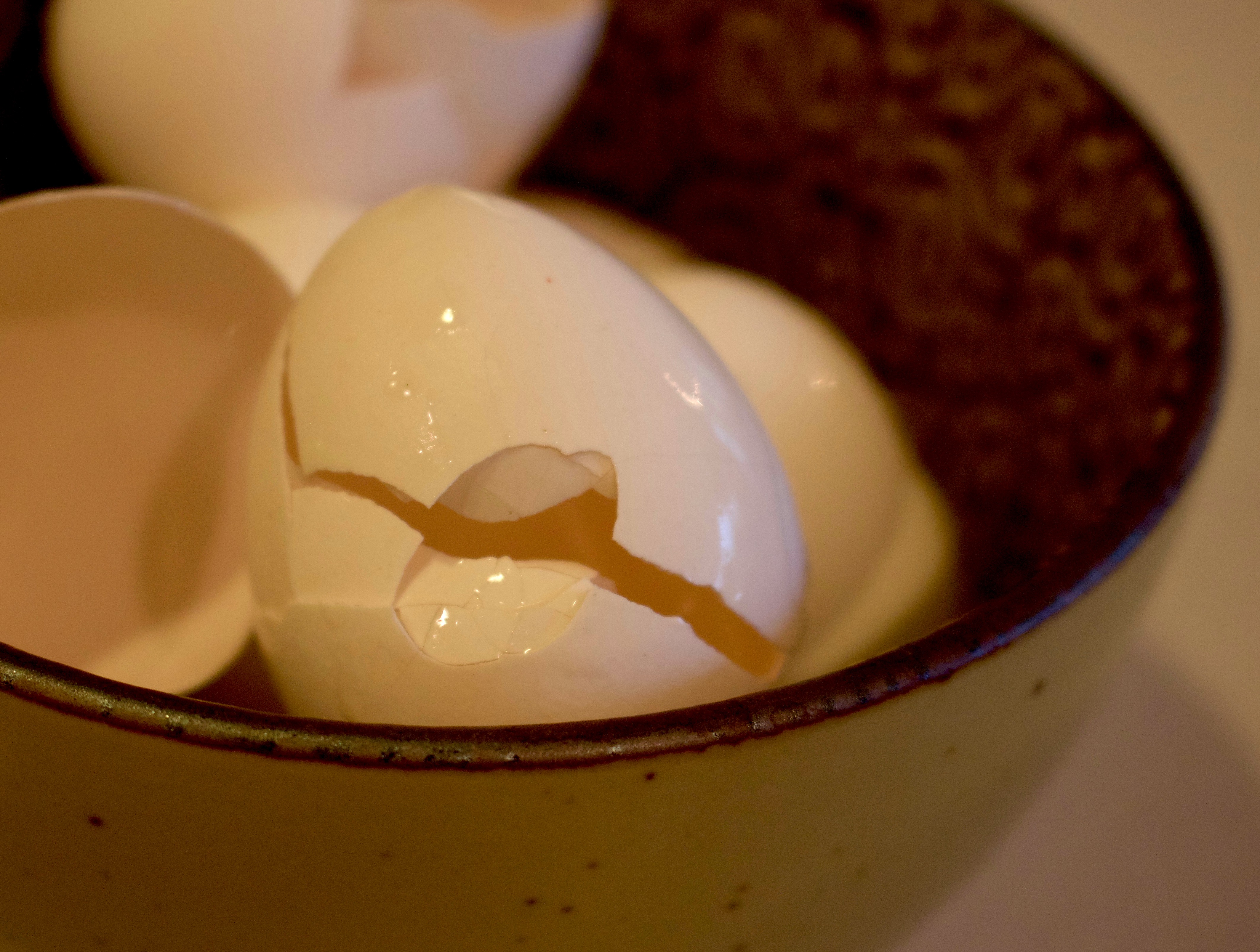
When a grandchild asks a question, it is like a smooth and perfect egg safely in the nest, awaiting the exact moment to open up to breathe deeply of the world.

Sometimes my answer, try as I might, results in broken shell fragments, the insides all scrambled and released too soon.

I’m confounded by my love for childrens’ innocence in a harsh and painful world – I don’t always know the best thing to say when the truth has bits of hard shell in it. I end up telling the truth a bit slant so it might dazzle them gradually.

So I encourage them to keep asking their clamor of questions, and I do my best to answer in a way so they stay hungry for more, filled with truths without being blinded.

So many questions in their minds and mine.
So many eggs to open gently so the truth remains whole.

One-Time
Monthly
Yearly

Make a one-time or recurring donation to support daily ad-free Barnstorming posts

Make a monthly donation

Make a yearly donation

Choose an amount

$10.00
$25.00
$50.00
$5.00
$15.00
$100.00
$5.00
$15.00
$100.00

Or enter a custom amount

$

Your contribution is deeply appreciated.

Your contribution is appreciated.

Your contribution is appreciated.

DonateDonate monthlyDonate yearly
The Honesty of Horses

It was dragging my hands along its belly,
loosing the bit and wiping the spit
from its mouth that made me
a snatch of grass in the thing’s maw,
a fly tasting its ear. It was
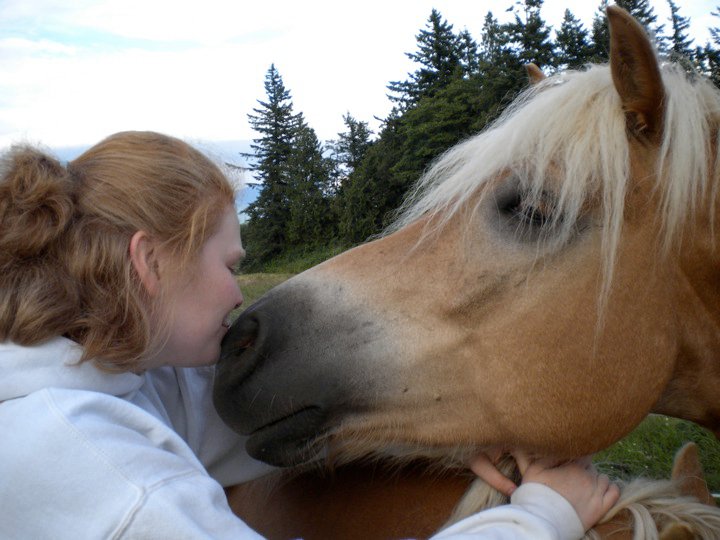
touching my nose to his that made me know
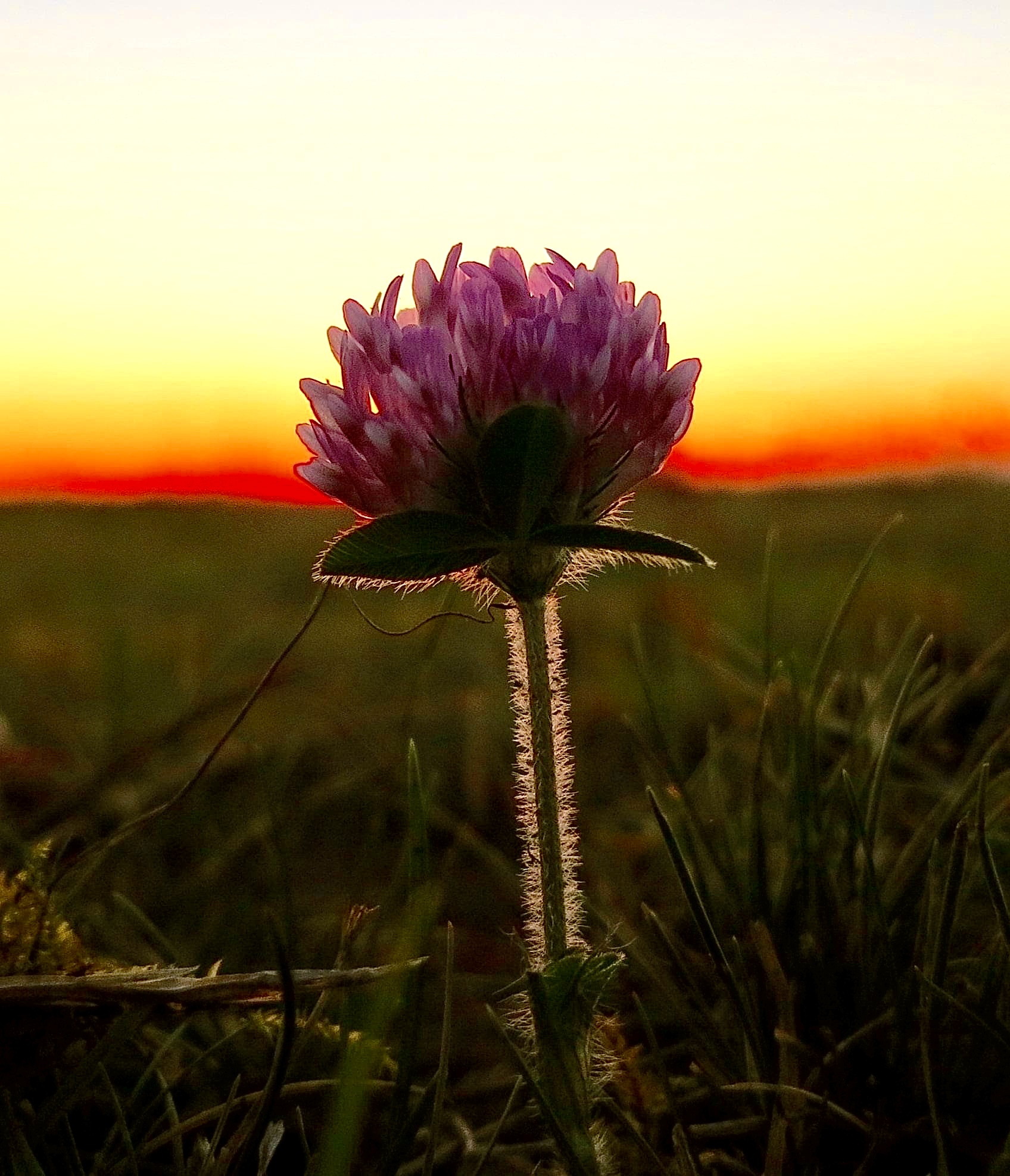
the clover’s bloom, my wet eye to his that
made me know the long field’s secrets.
But it was putting my heart to the horse’s that made me know
the sorrow of horses. Made me
forsake my thumbs for the sheen of unshod hooves.
And in this way drop my torches.
And in this way drop my knives.
Feel the small song in my chest
swell and my coat glisten and twitch.
And my face grow long.
And these words cast off, at last,
for the slow honest tongue of horses.

~Ross Gay “Becoming A Horse”

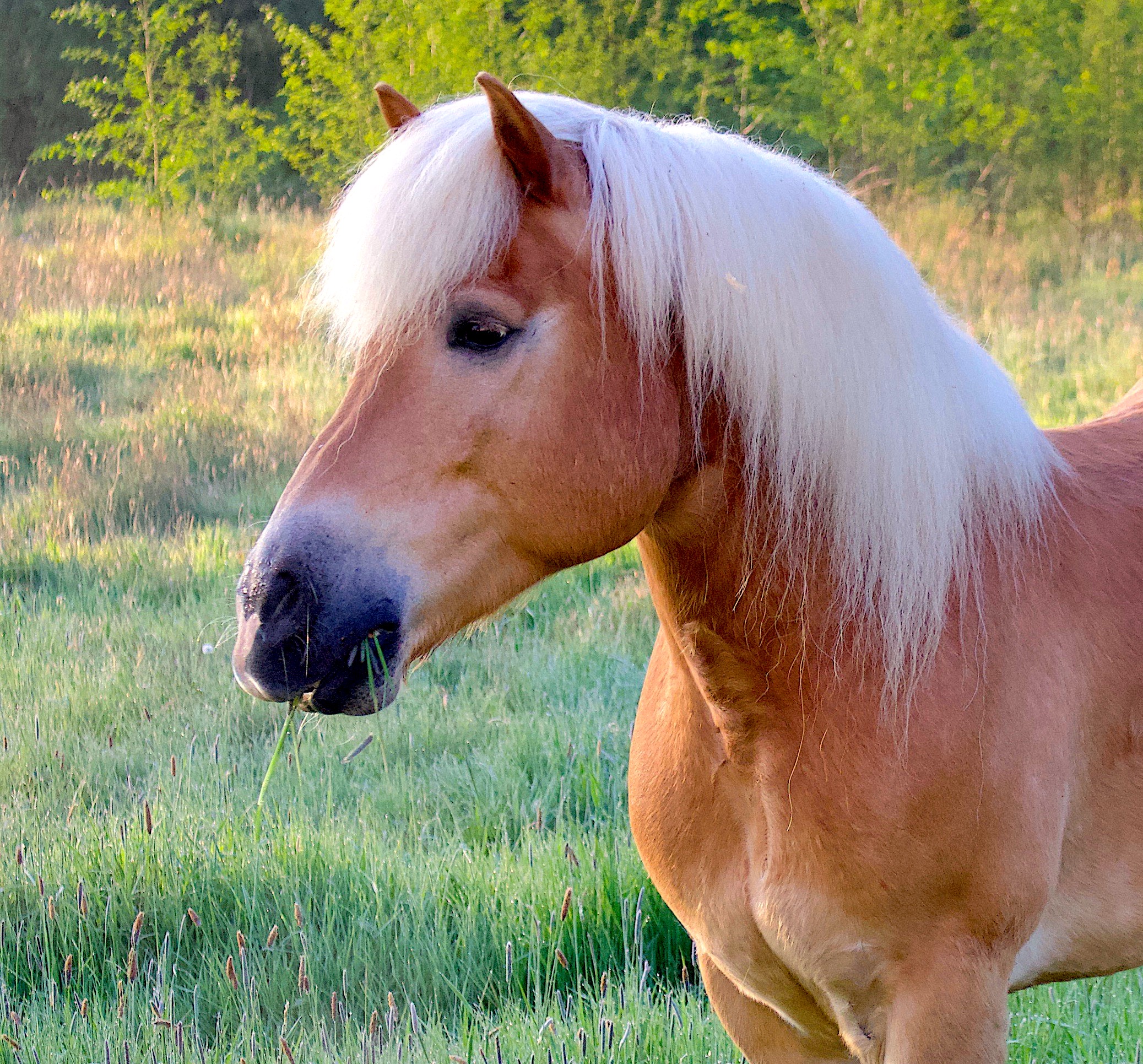
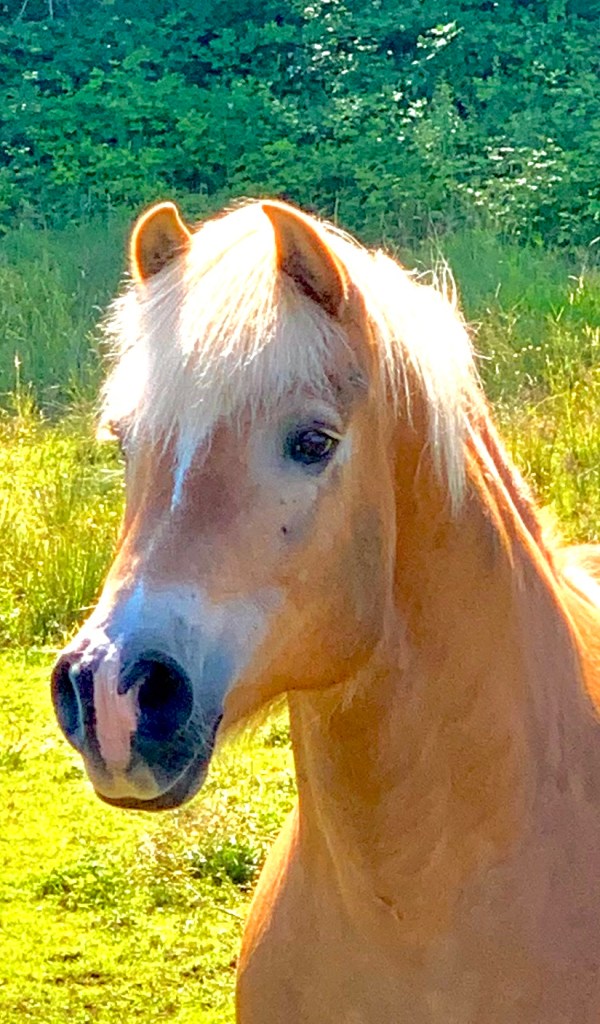
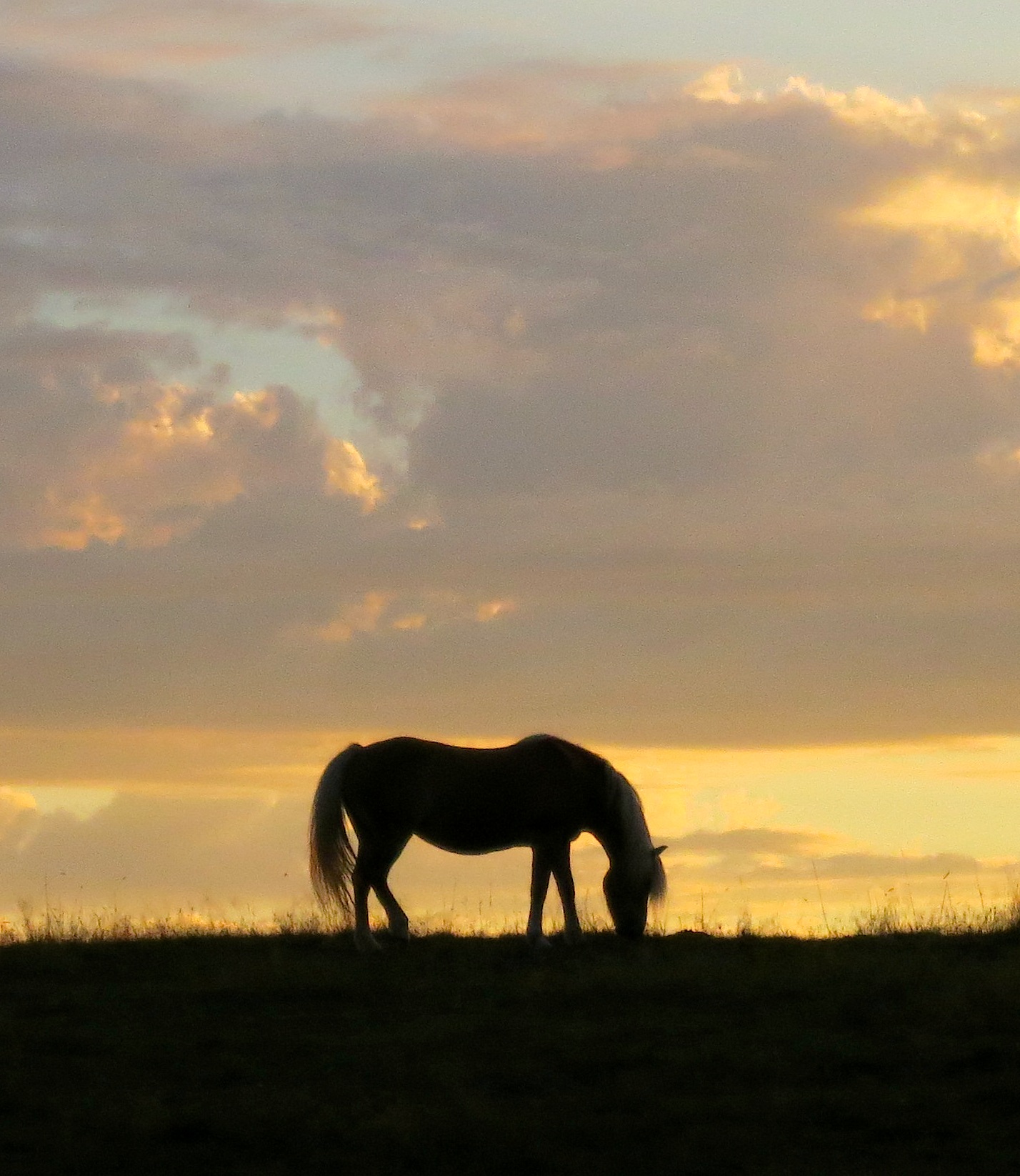
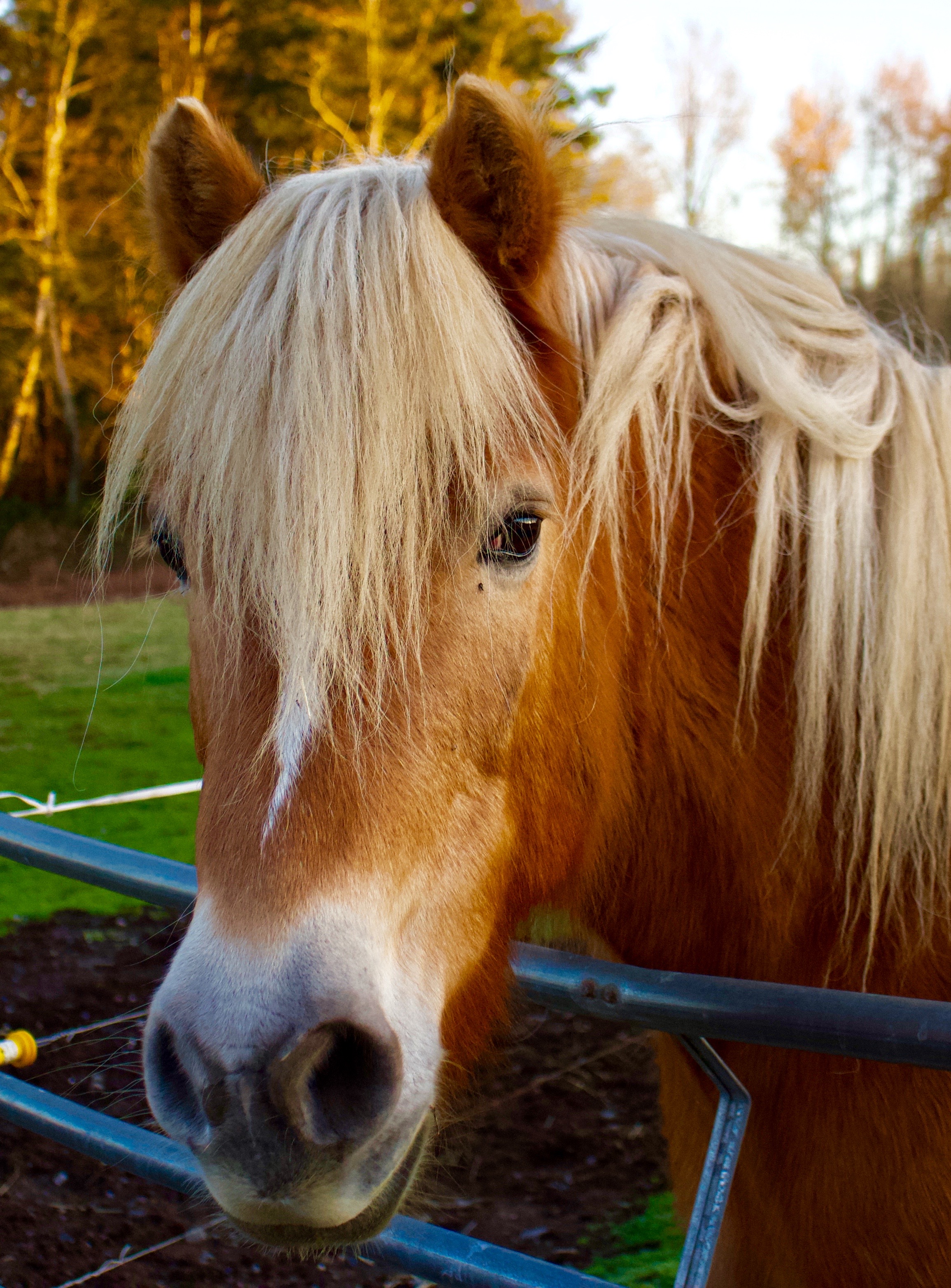
photo by Emily Vander Haak

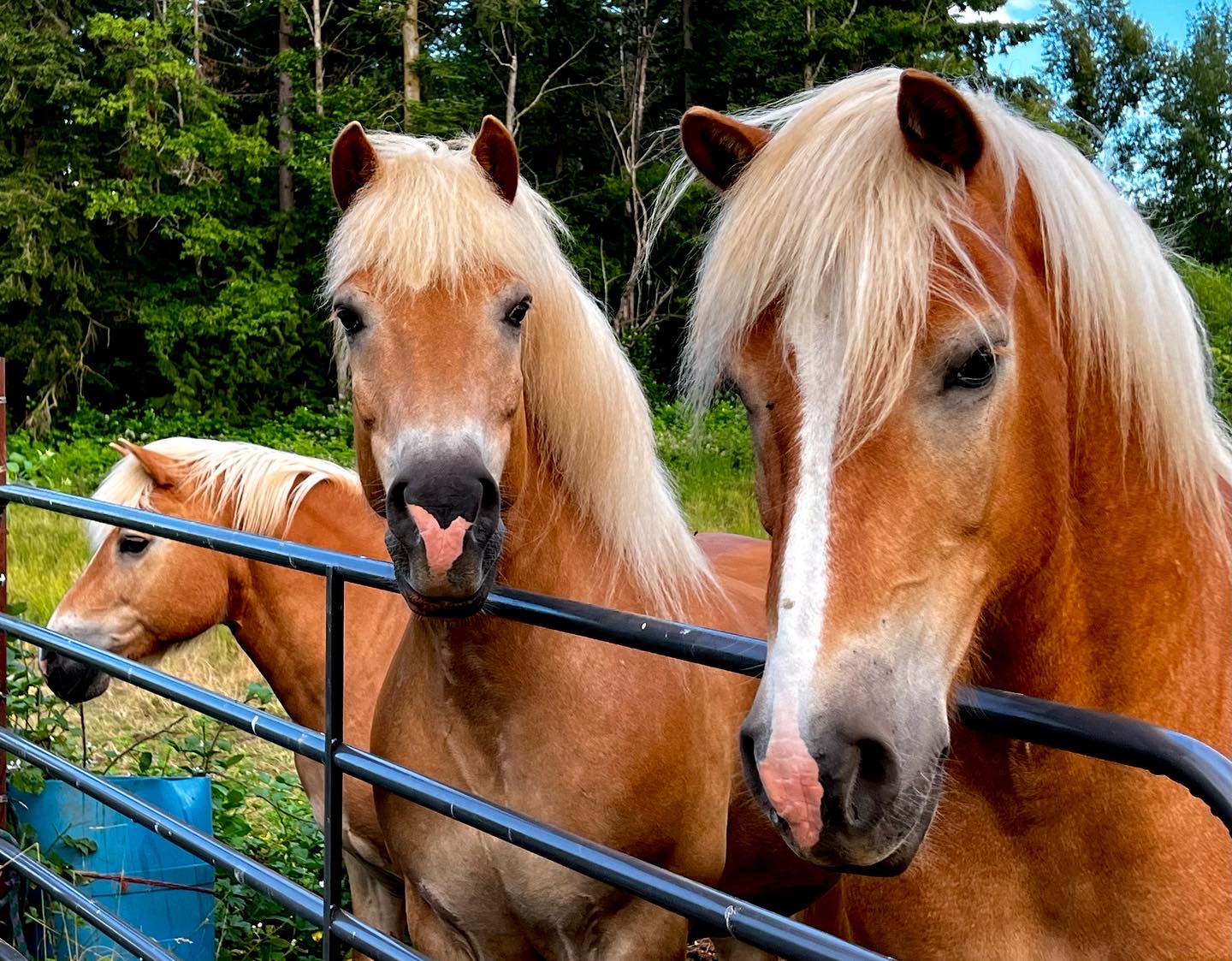
Living the dream of nearly every young girl, I grew up with a horse in our back field. The first was a raw-boned old paint who allowed my older sister and toddler me to sit atop him, walk around the barnyard and on the driveway at no more than a walk. He was arthritic and sore, but patient and tolerant to the attention of little girls. When we moved away to another part of the state, he didn’t come with us and I was too young to fully understand where he had been sent.

The horse on our new farm was my sister’s 4H project who was a spiffy chestnut mare with a penchant for a choppy trot and speedy canter. My sister would go miles with friends on horseback down back-country roads. Sadly, my sister soon became allergic (hives and swelling) to any contact with horses. I was barely old enough to start riding by myself in our fields.The little mare missed her adventures with my sister but seemed to adapt to my inexperience and took care of me as best she could – I never fell off. One night, she broke through a fence and ate her fill in a field of growing oat grass. The next day she was euthanized due to terrible colic. I was inconsolable, crying for days when visiting her burial spot on our property.

These first two horses tolerated the inexperience of their handlers and tried to compensate for it. I’ve since owned a few horses who knew exactly how to take advantage of such inexperience. Horses size up people quickly as our feelings and fear can be so transparent; it takes much longer for us to understand the complexity of their equine mind. Many diverse training techniques are marketed as testimony to that mystery.

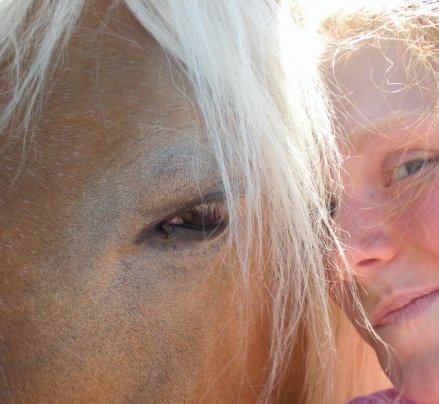
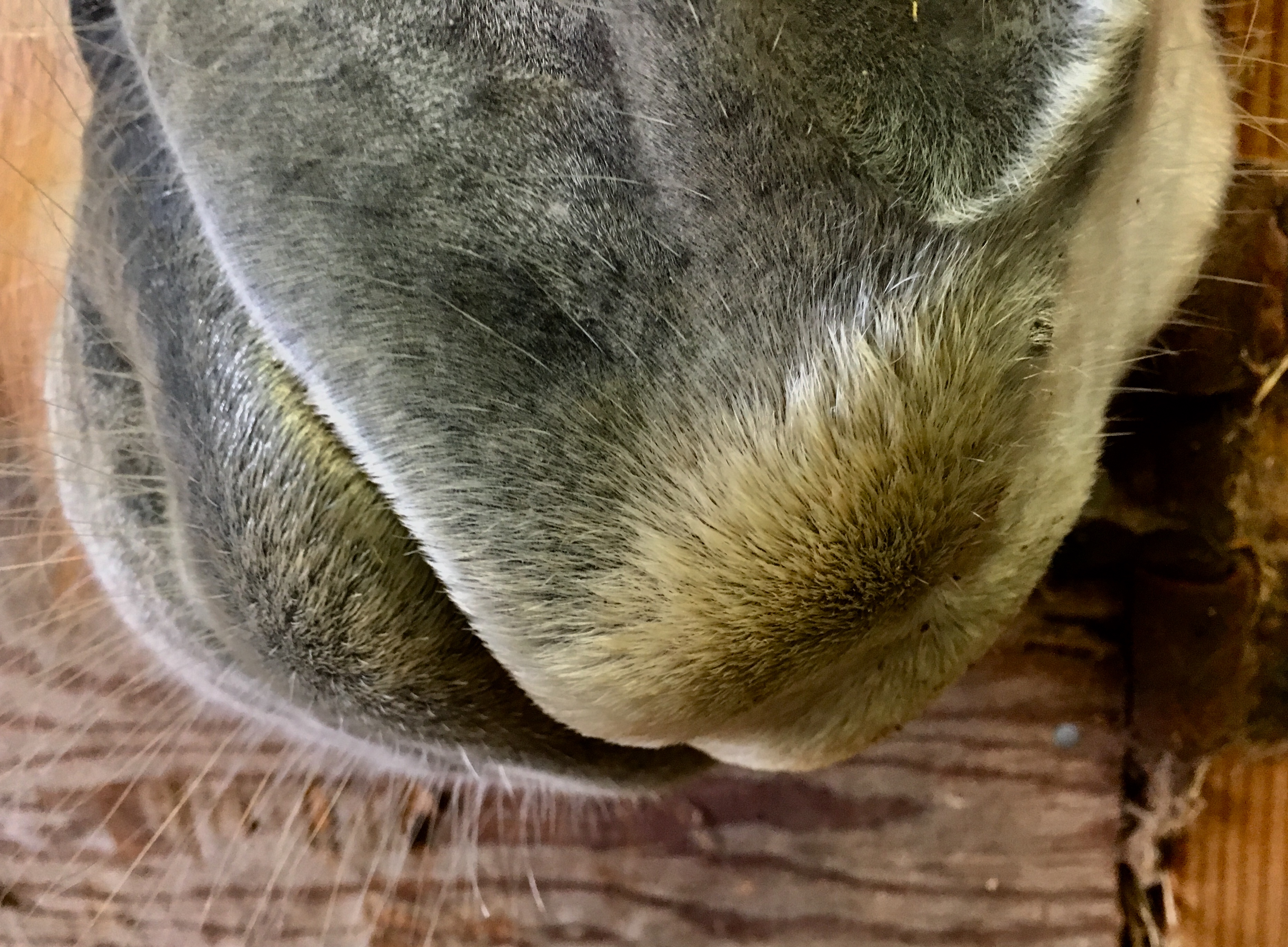
I have learned that horses appreciate a patient and quiet approach, reflecting their consistency and honesty. They like to be looked in the eye and appreciate a soft breath blown over their whiskers. They want us to find their itchy spots rather than act the part of a pseudo-predator with intent to harm.

That’s not asking too much of us.

In return, we learn how best to communicate what we need from them. They are remarkably willing to work when they understand the job and feel appreciated. In return, we are given a chance to experience the world through their eyes and ears, to comprehend the remarkable sensitivity of a skin able to shiver a fly away.

I’ve spent much of my life learning with horses and hope there are a few years still left to learn more. Whatever sorrow they feel in their hearts is when I’ve failed to be who they need me to be. Their gift to me is an honest willingness to forgive, again and yet again.

One-Time
Monthly
Yearly

Make a one-time or recurring donation to support daily Barnstorming posts

Make a monthly donation

Make a yearly donation

Choose an amount

¤10.00
¤25.00
¤50.00
¤5.00
¤15.00
¤100.00
¤5.00
¤15.00
¤100.00

Or enter a custom amount

¤

Your contribution is deeply appreciated.

Your contribution is appreciated.

Your contribution is appreciated.

DonateDonate monthlyDonate yearly
The Fly in the Currant Cake

Nothing seems to please a fly so much as to be taken for a currant;
and if it can be baked in a cake and palmed off on the unwary, it dies happy.
~Mark Twain

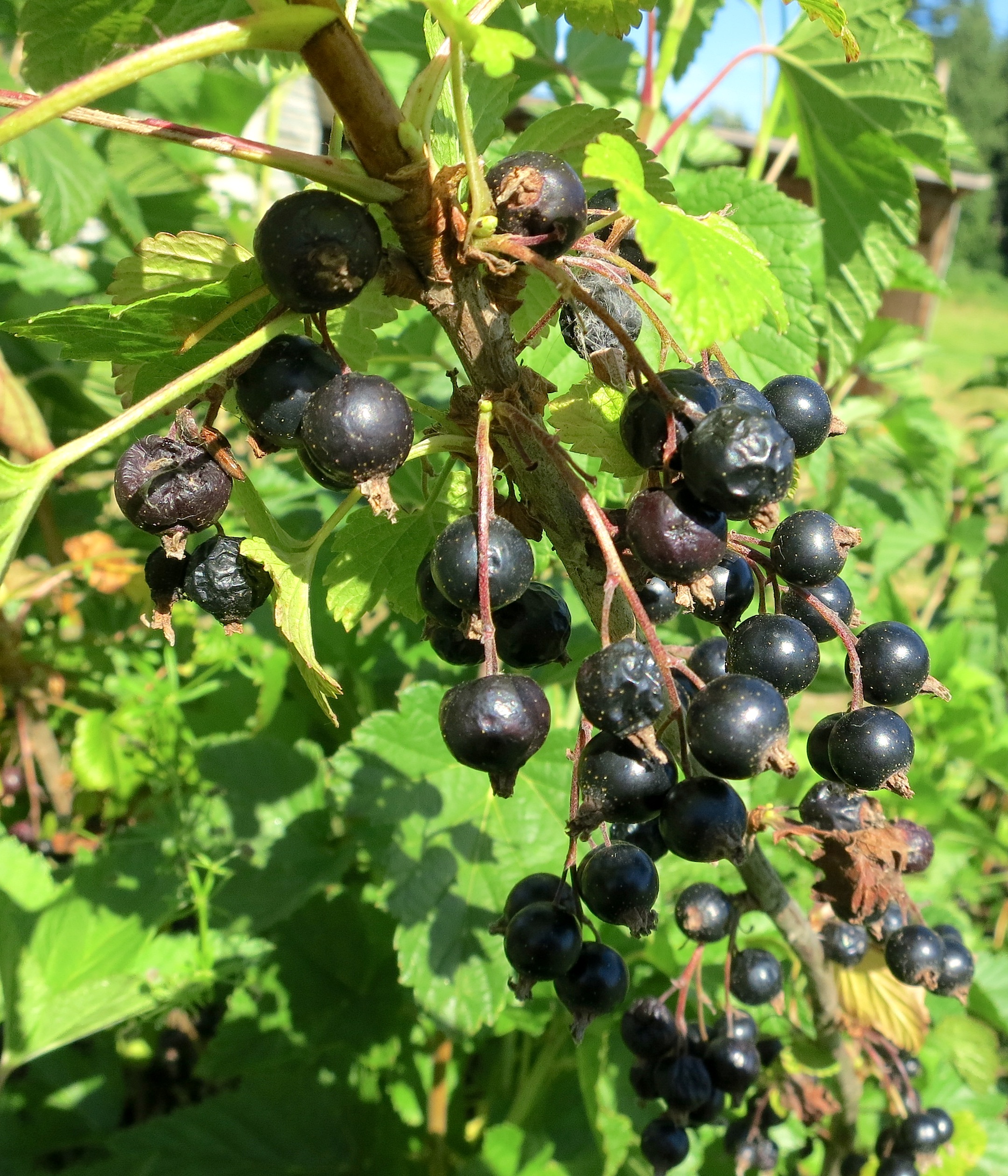
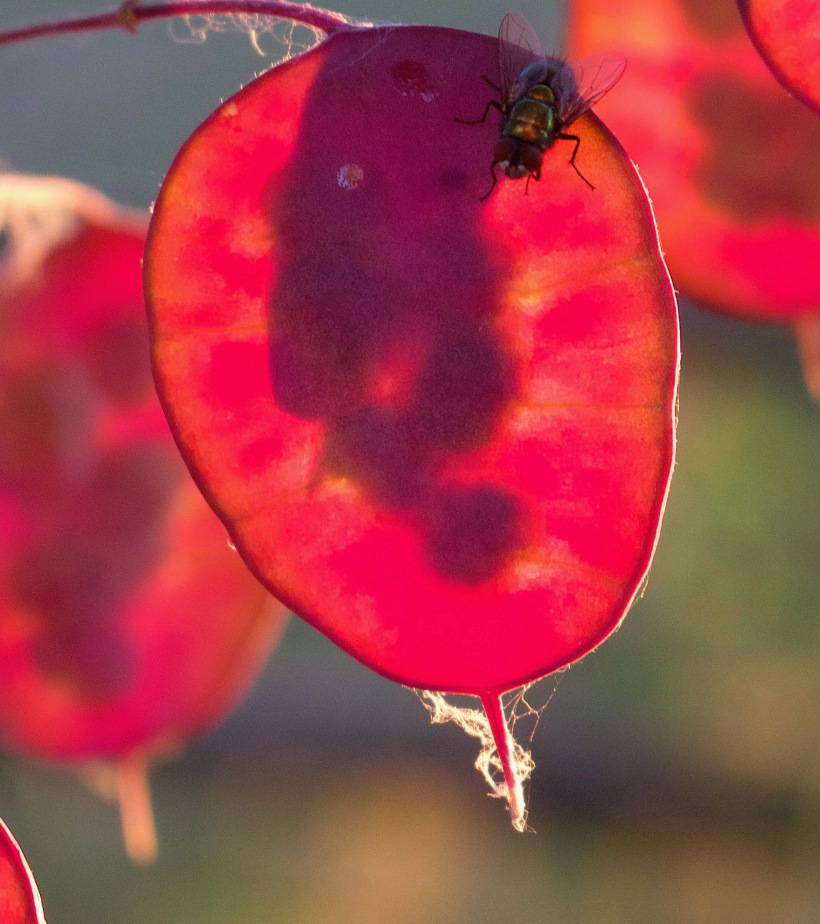
Today I will wrap up 45 years of uninterrupted training and doctoring. Most of that time, I have worried I’m like a fly hiding among the black currants hoping to eventually become part of the currant cake. 

Maybe no one has noticed. These days we call it the “impostor” syndrome. Mark Twain knew all about currant cake and how easy it was for a fly to blend into its batter.

Even while bearing three children and going through a few surgeries myself, I’ve not been away from patients for more than twenty consecutive days at any one time.  This is primarily out of my concern that, even after a few weeks, I would forget all that I’ve ever known. In fact, half of what I learned in medical school and residency over forty years ago has evolved, thanks to new discoveries and clarifying research. I worried if I were to actually to step away from doctoring for an extended time, then return to see patients again, I would be masquerading as a physician rather than be the real thing. A mere fly among the currants palmed off on the unwary.

If being truly honest, those who spend their professional lives providing medical care to others always share this concern: if a patient only knew how much we don’t know and will never know, despite everything we DO know, there would really be no trust left for us at all.

Of course, some say, didn’t the COVID pandemic prove our ignorance? Physicians started at Ground Zero with a novel virus with unclear transmissibility and immense potential to wreak havoc on the human body … or cause no symptoms whatsoever. We had no collected data to base prevention or treatment decisions: would masks just protect others or would they only protect ourselves, or maybe they protect both? Could a common inexpensive anti-inflammatory/antimalarial drug be beneficial or would a parasitic wormer medication be somehow effective to fight the devastation of the virus?

Effective treatments are still being sought all these months later; others have been debated, studied and discarded as worthless.

Or would this pandemic finally resolve thanks to effective yet controversial public health mandates while rapidly distributing highly effective vaccines developed from many prior years of carefully performed research?

During the past 16 months, your next door neighbor, or the loudest tweet on Twitter proclaimed more expertise than the average medical professional and definitely had a stronger opinion. At least we doctors knew how much we didn’t know and how much was simply guess work based on experience, good intentions and hopeful prayer. Gradually, while lives were lost, including too many of our own, real data began to trickle in so decisions could be made with some evidence backing them. But even that data continues to evolve, day by day, as authentic medical evidence always does.

That doesn’t stop all the “quack” flies out there from climbing into the batter pretending to be currants. With so much rapidly changing medical information at everyone’s fingertips, who needs a trained physician when there are so many other resources – sketchy and opportunistic though they may be – for seeking health care advice?

Even so, I am convinced most patients really do care that doctors share the best information they have available at any point in time. None of us who are doctoring wants to be the “fly” in the batter of health care.

As I meet with my last patient today, I know over forty years of clinical experience has given me an eye and an ear for the subtle signs and symptoms that no googled website or internet doc-in-the-box can discern.  The avoidance of eye contact, the tremble of the lip as they speak, the barely palpable rash, the hardly discernible extra heart sound, the fullness over an ovary, the slight squeak in a lung base.  These are things I am privileged to see and hear and about which I make decisions together with my patients.  What I’ve done over four decades has been no masquerade; out of my natural caution, I am not appearing to be someone I am not.  This is what I was trained to do and have done for thousands of days and many more thousands of patients during my professional life, while passing a comprehensive certification examination every few years to prove my continued study and changing fund of knowledge.

The hidden fly in the currant bush of health care may be disguised enough that an unwary patient might gobble it down to their ultimate detriment. I know I’ve not been that doctor. I’ve been the real thing all these years for my patients, even if I’ve seemed a bit on the tart side at times, yet offering up just enough tang to be exactly what was needed in the moment and in the long term.

And someday, hopefully not too soon, I will die happy having done this with my life.

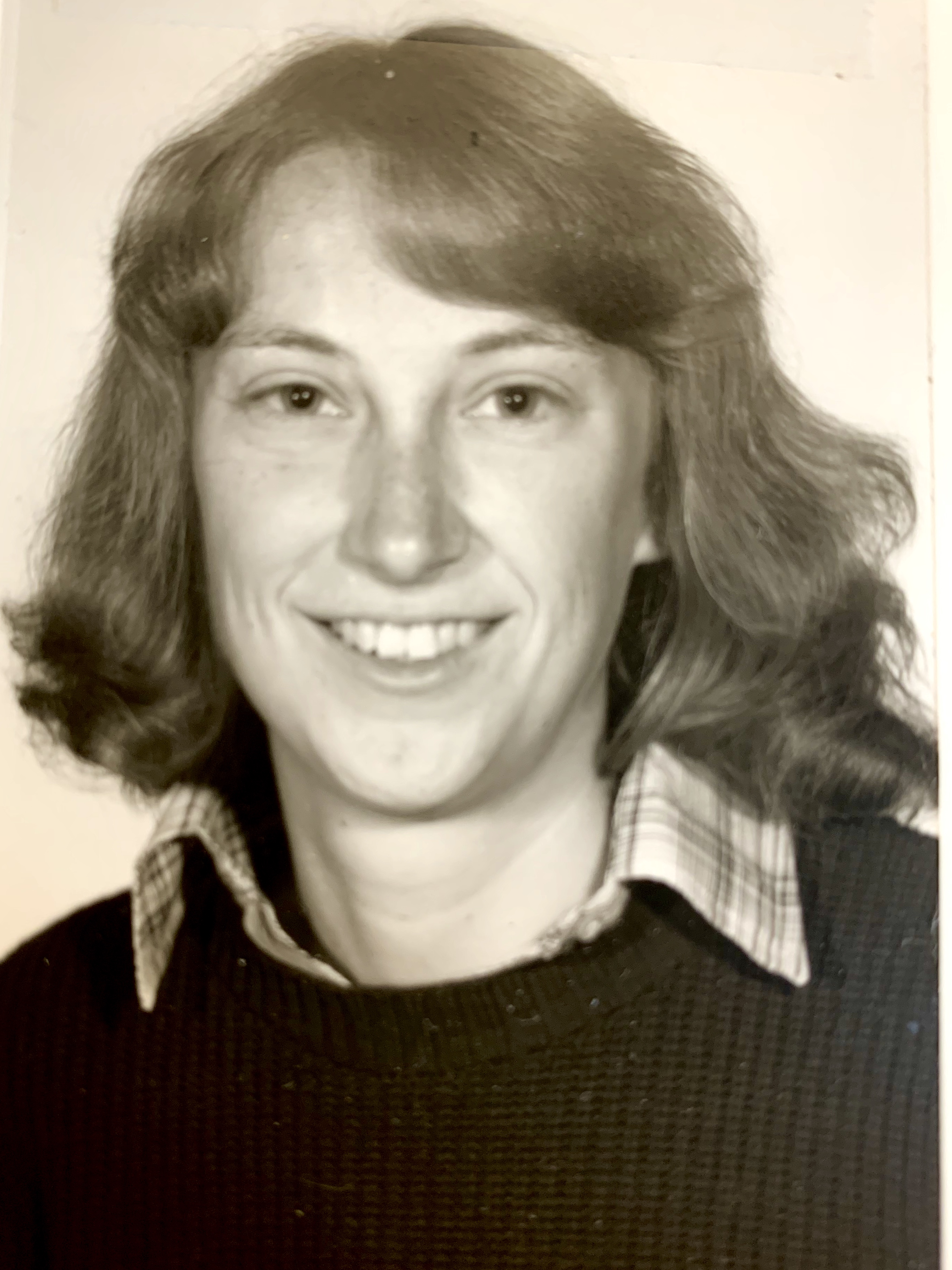
My ID photo from my first year of medical school 1976
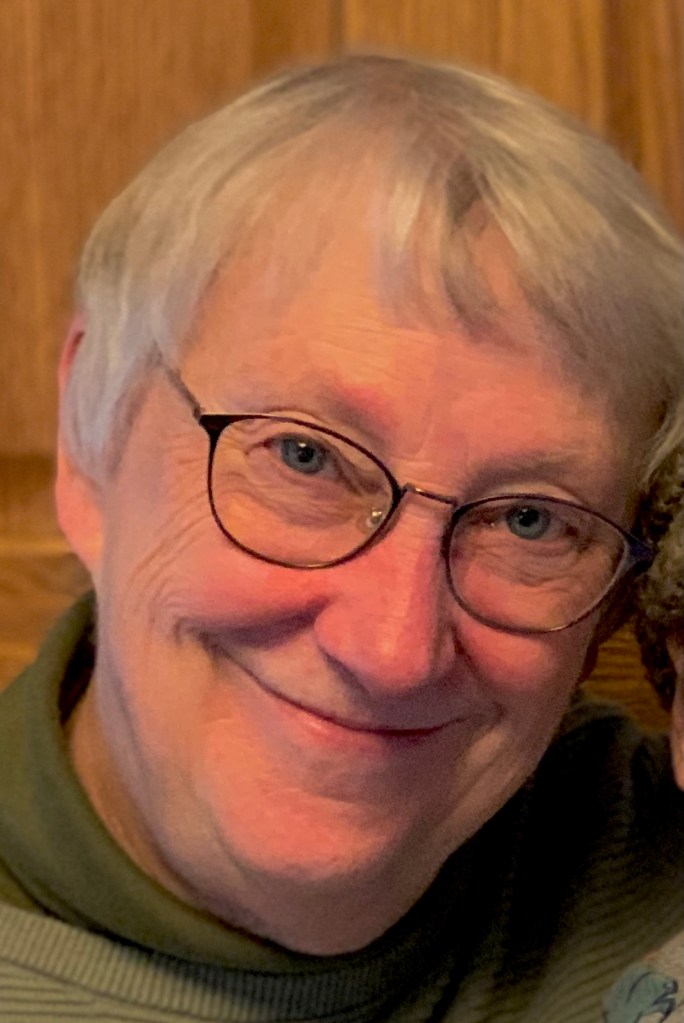
45 years later…

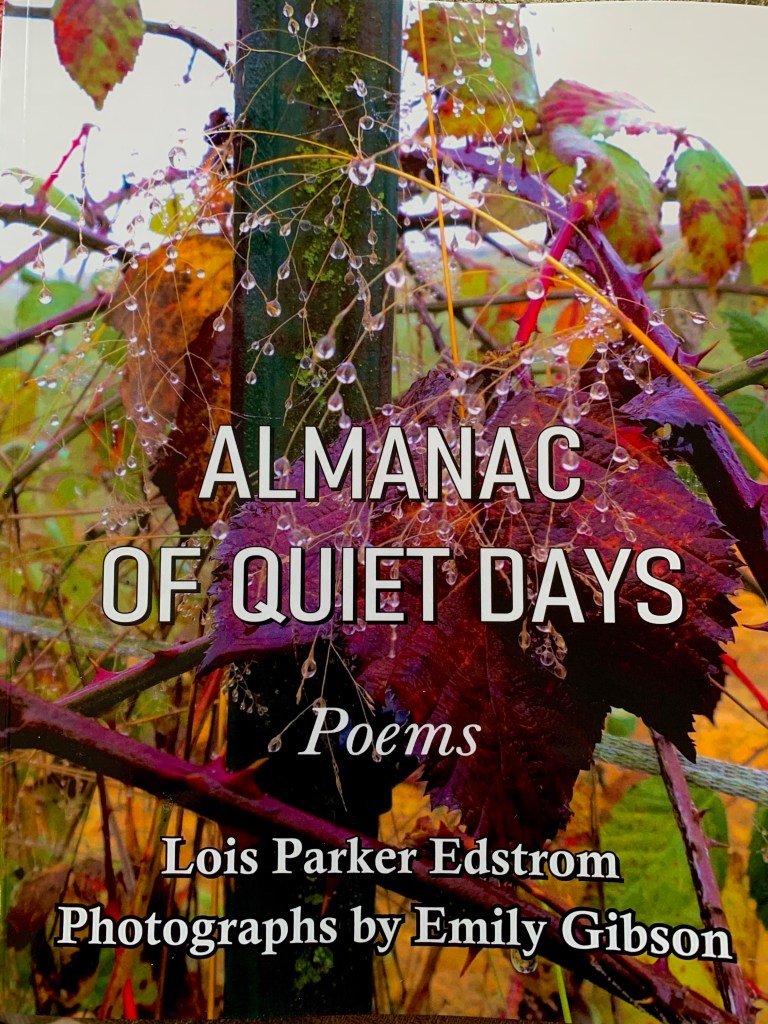
A new book from Barnstorming is available to order here: