~Patricia Traxler “Weather Man”
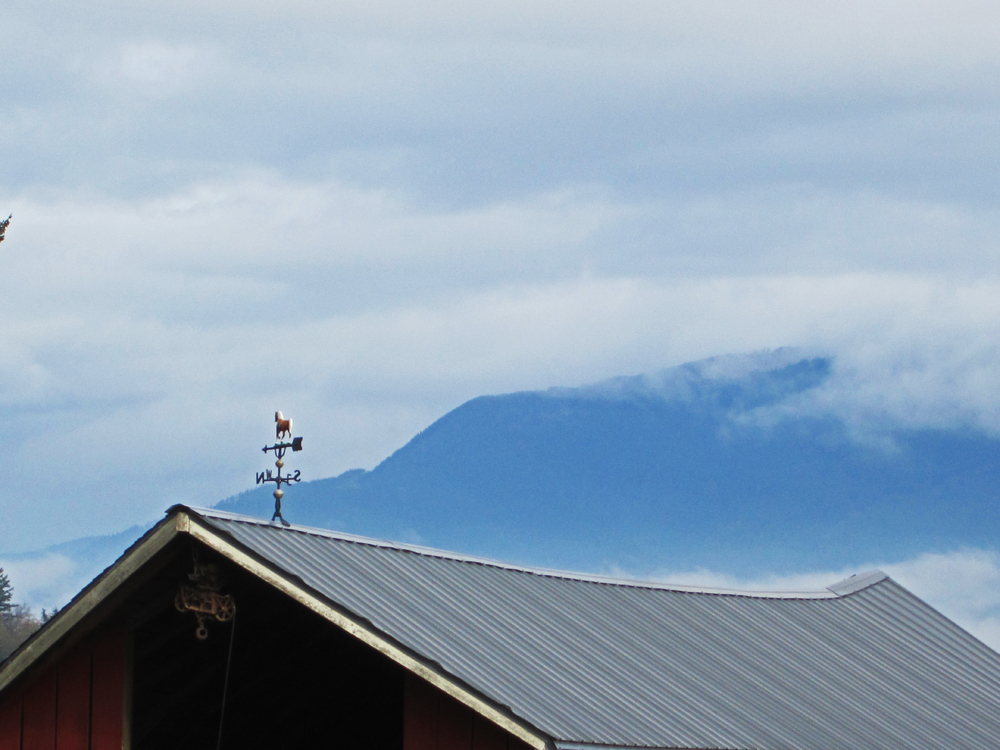
wondering if today will bring
a frost,
or a scorcher,
or a deluge,
and I reassure him as best I can,
because he knows me so well
in our many years together:
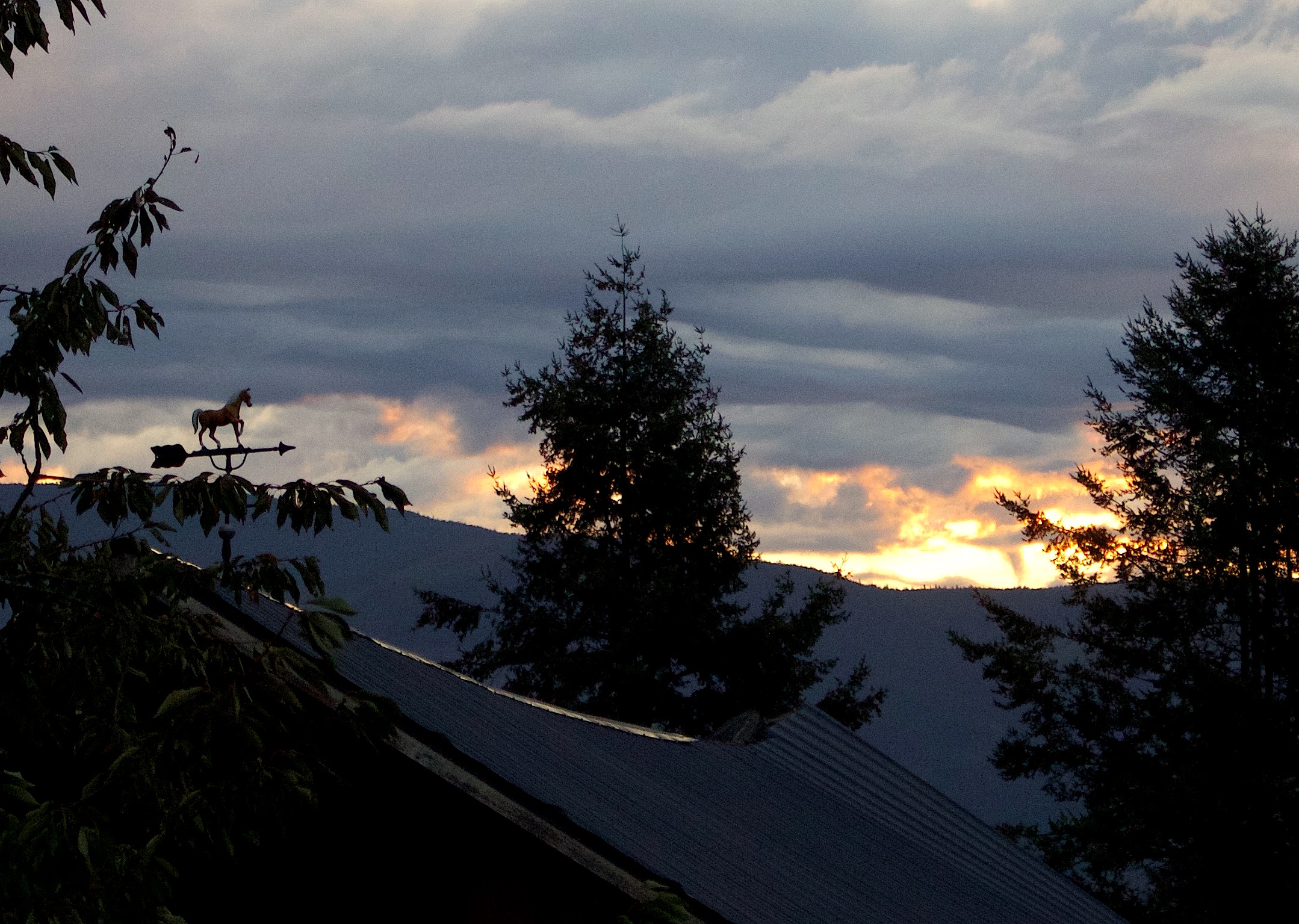
will be partly cloudy
with occasional sun breaks.
~EPG


There are no creatures you cannot love.
A frog calling at God
From the moon-filled ditch
As you stand on the country road in the June night.
The sound is enough to make the stars weep
With happiness.
In the morning the landscape green
Is lifted off the ground by the scent of grass.
The day is carried across its hours
Without any effort by the shining insects
That are living their secret lives.
The space between the prairie horizons
Makes us ache with its beauty.
Cottonwood leaves click in an ancient tongue
To the farthest cold dark in the universe.
The cottonwood also talks to you
Of breeze and speckled sunlight.
You are at home in these
great empty places
along with red-wing blackbirds and sloughs.
You are comfortable in this spot
so full of grace and being
that it sparkles like jewels
spilled on water.
~Tom Hennen “A Country Overlooked”

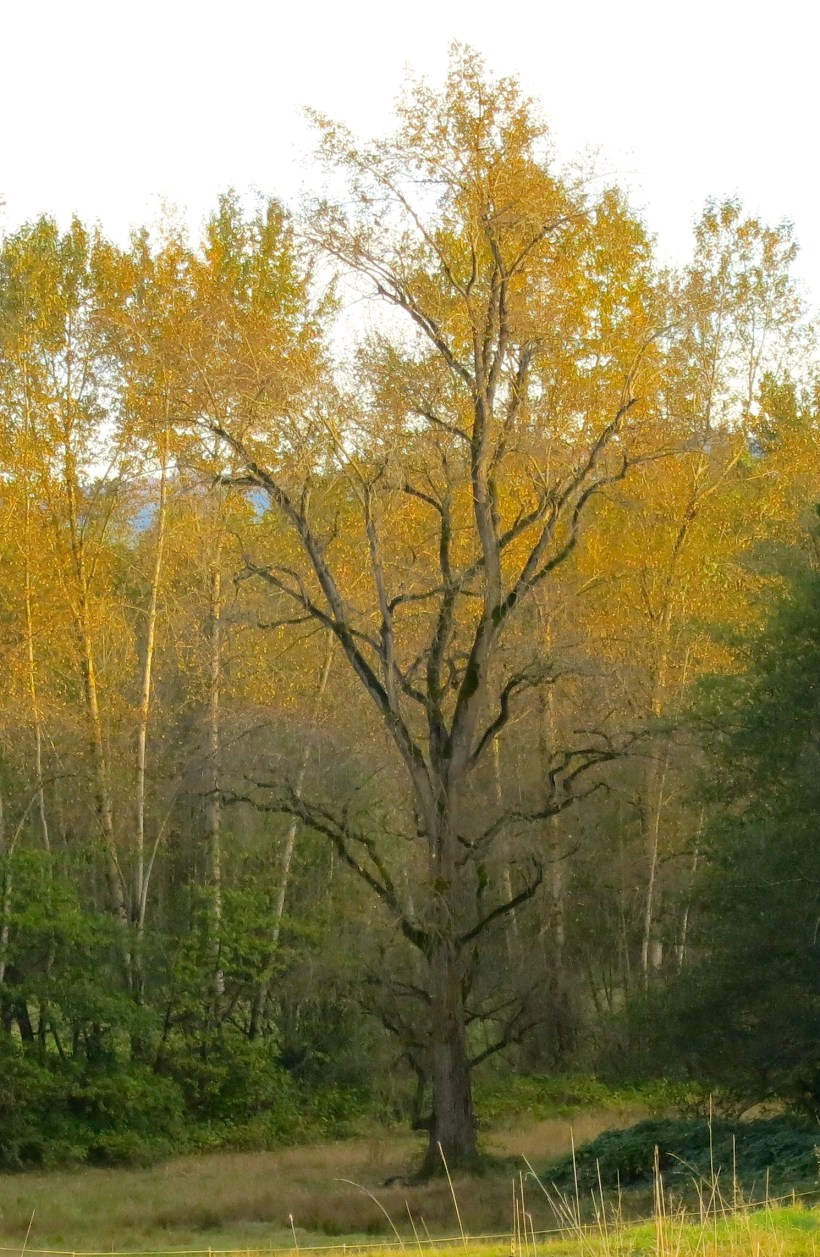
This cottonwood of five senses stands alone and grace-filled in our lower field, slowly blowing its leaves. It will strip bare in preparation for winter, its skeleton stark in the morning light. The old farmer called this tree his “Balm of Gilead” for its healing qualities, his fingertips rubbing its honey-like sap that weeps from its branches, a scent of sweetness clinging like an aura to him. Now its branches snap in the wind and its leaves twirl down brittle-yellow and crunchy under my boot. It heals me from a distance, and up close. It calls me home. Like a balm, I can nearly taste its honey.

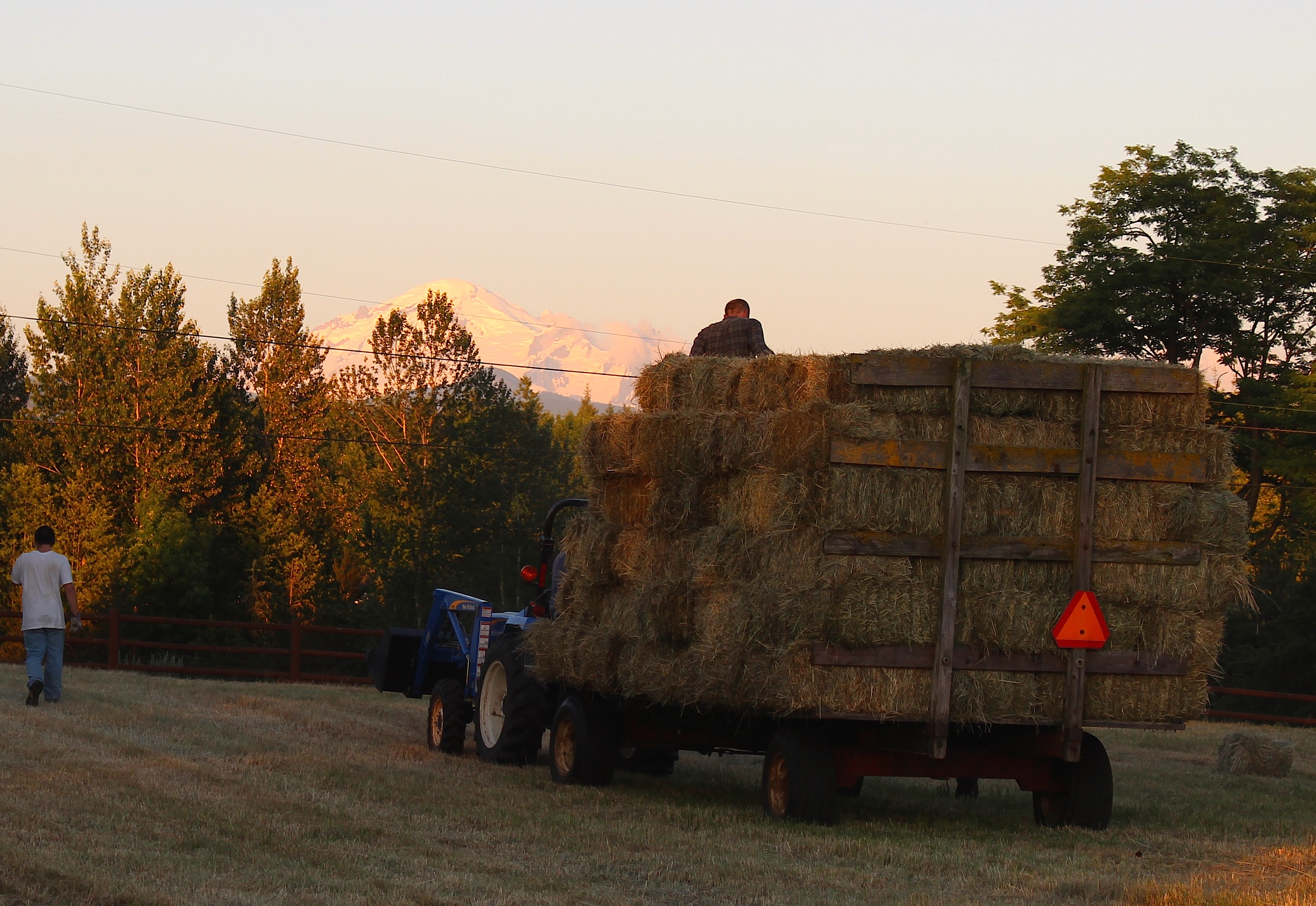
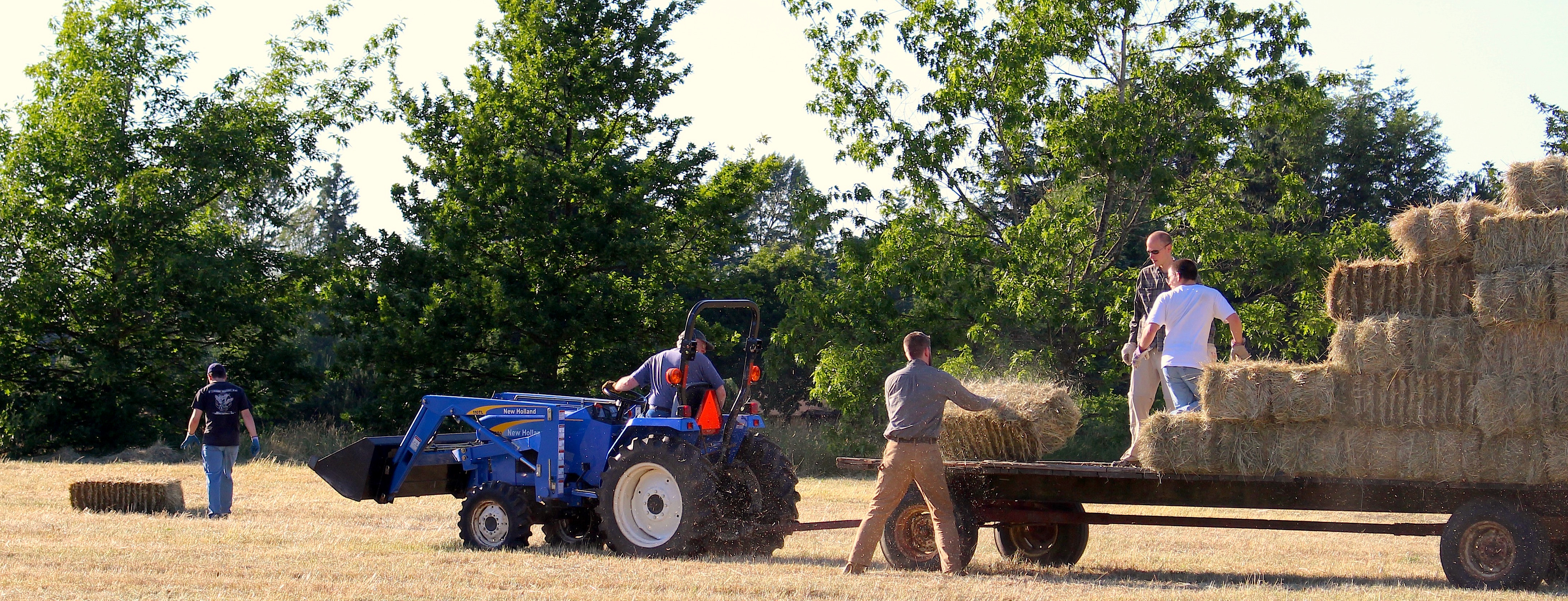
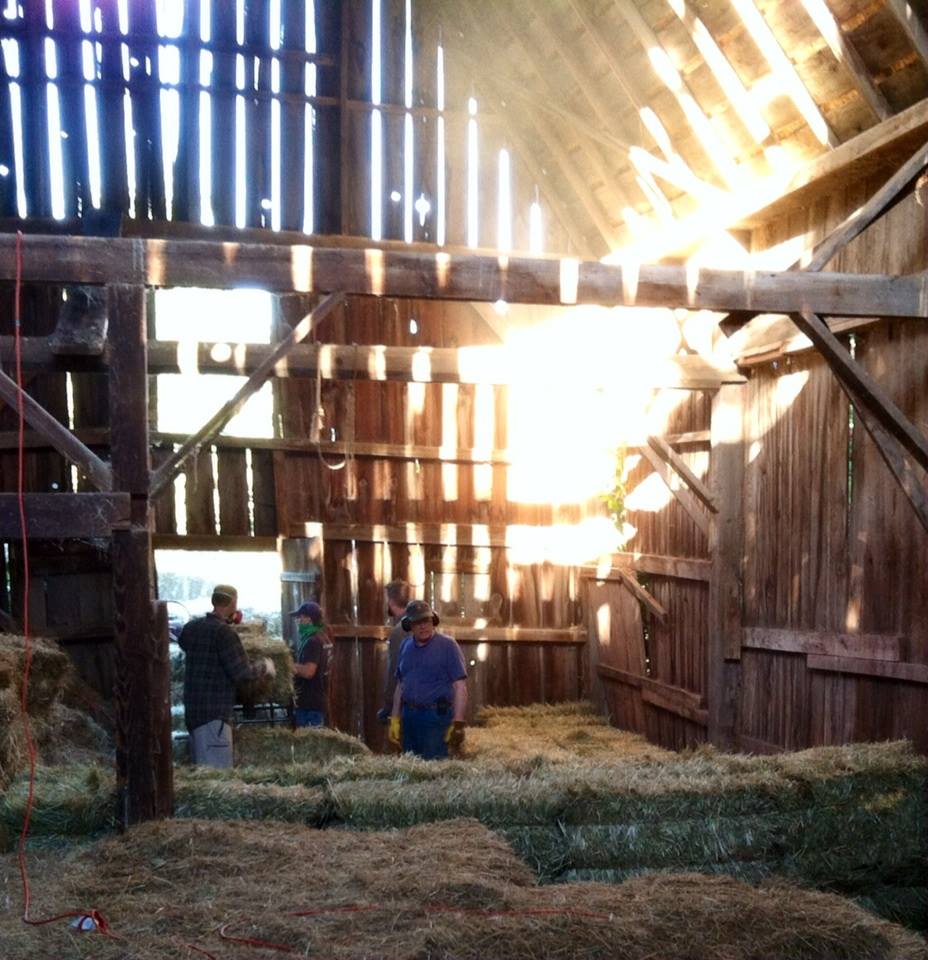
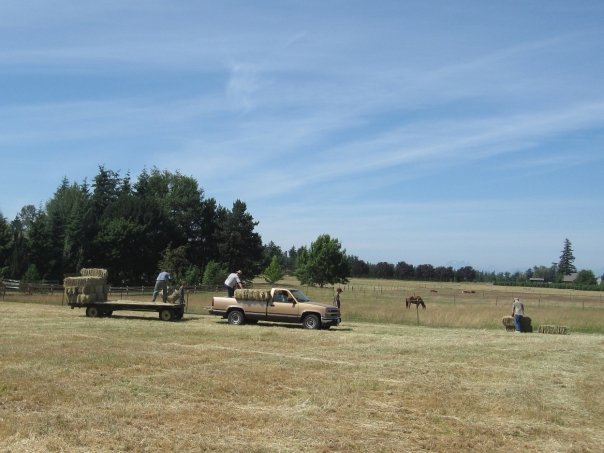
Every hay crew is the same
though the names change;
young men flexing their muscles,
a seasoned farmer defying his age
tossing four bales high,
determined girls bucking up on the wagon,
young children rolling bales closer,
add a school teacher, pastor,
professor, lawyer and doctor
getting sweaty and dusty
united in being farmers
if only for an evening.
Stacking
basket weave
interlocking
cut side up
steadying the load
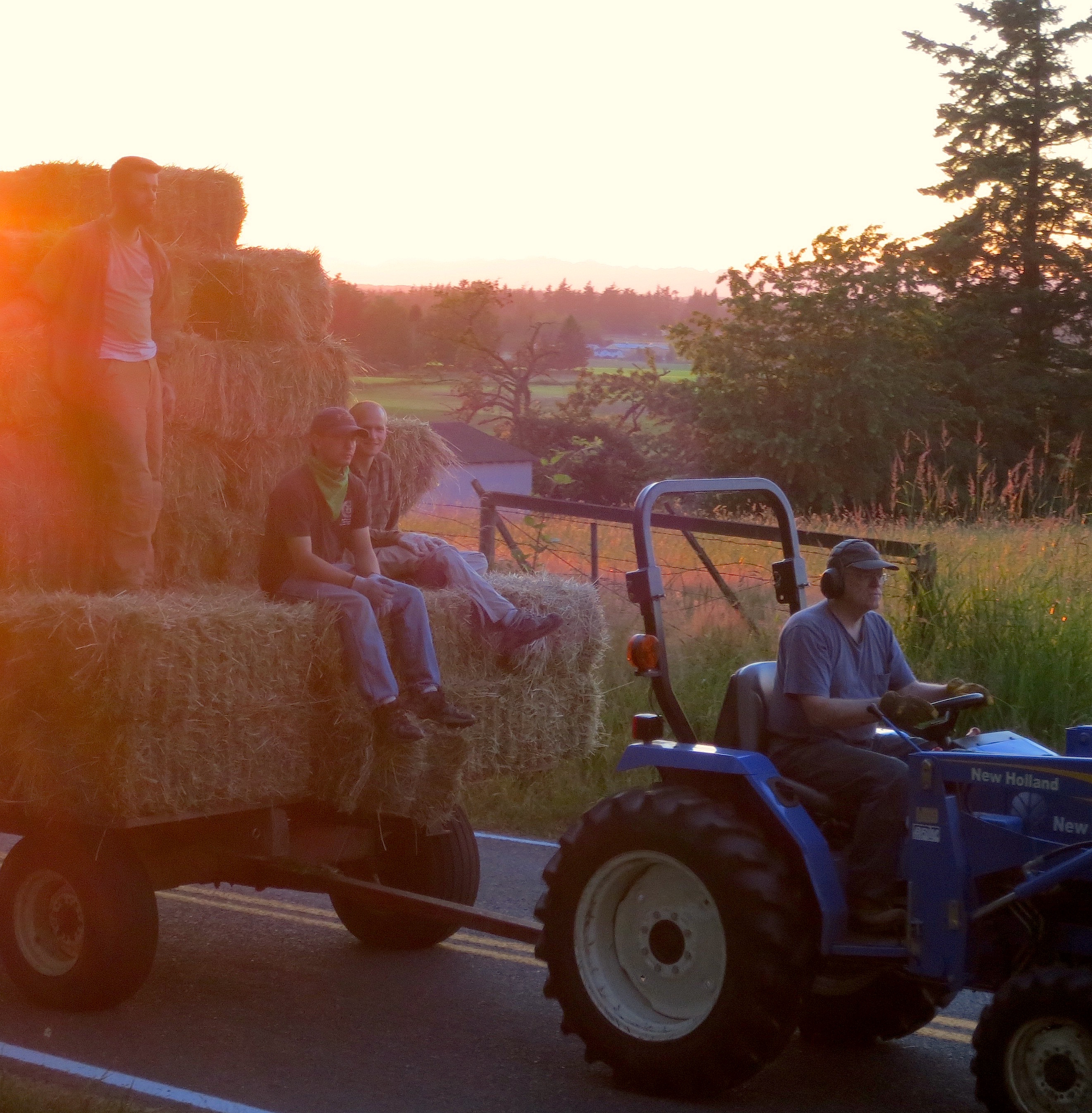
riding over hills
through valleys
in slow motion
eagles over head
searching the bare fields
evening alpen glow
of snowbound
eastern peaks
Friends and neighbors
walking the dotted pastures,
piling on the wagons,
driving the truck,
riding the top of hay stack
in the evening breeze,
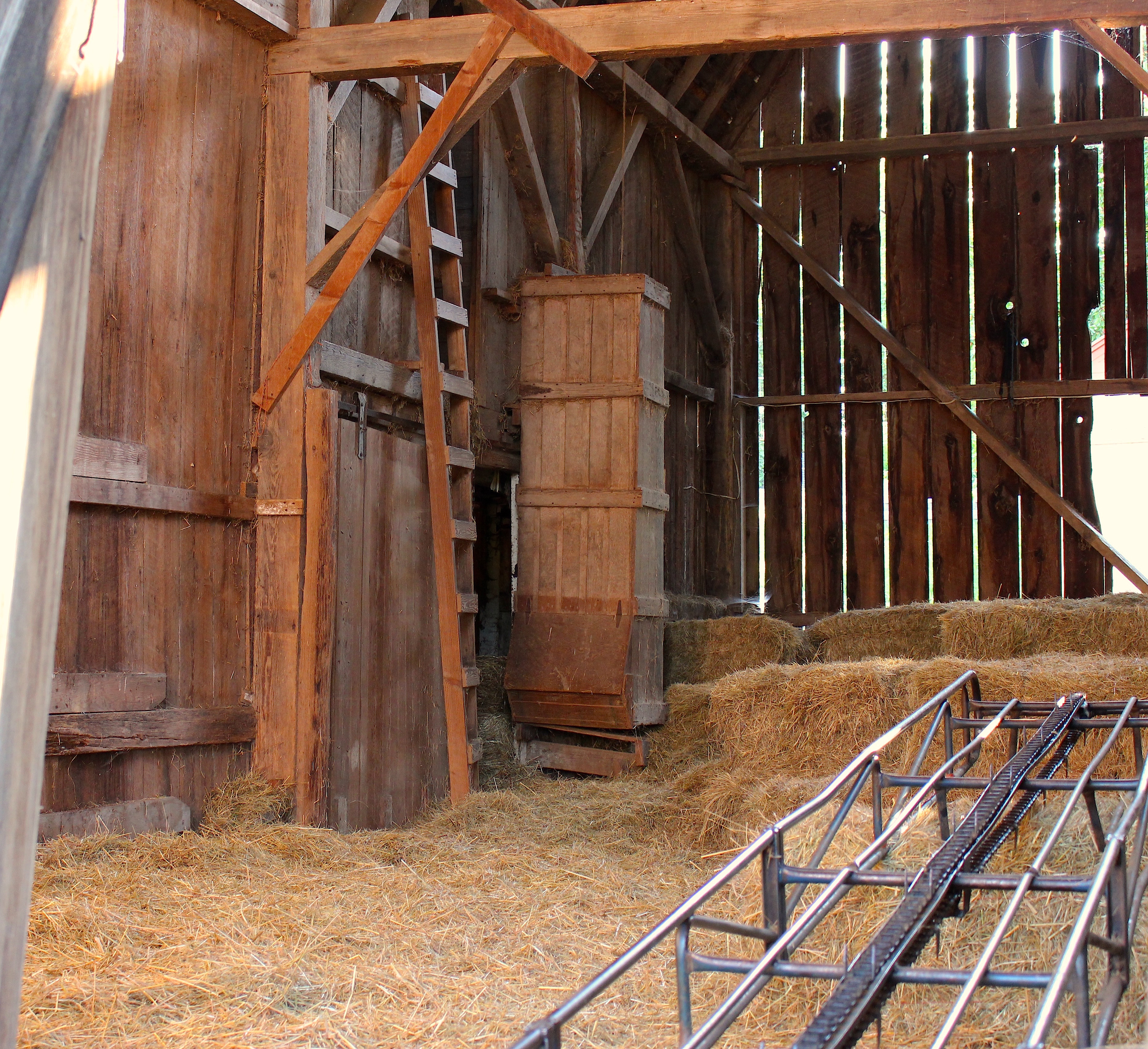
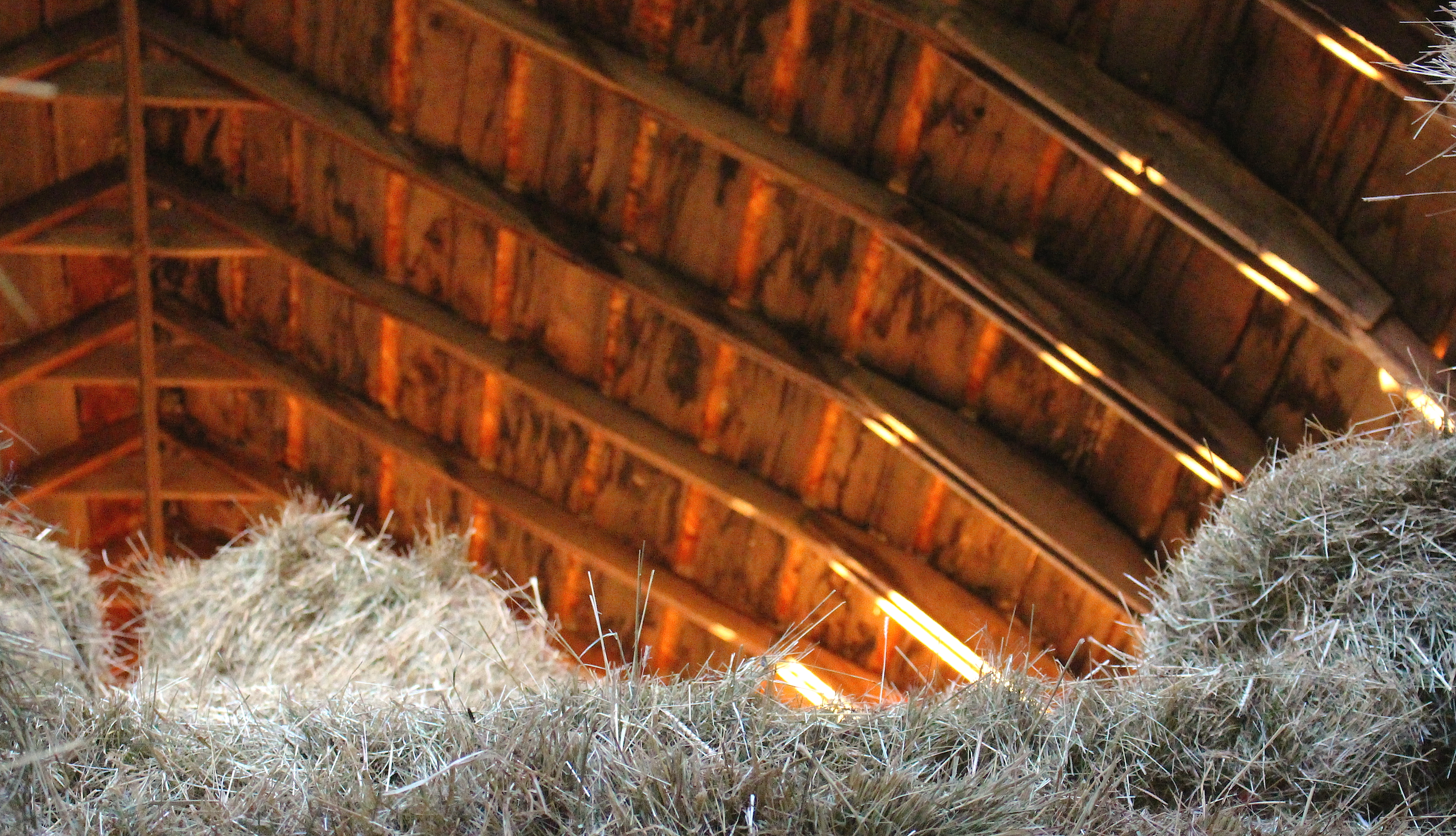
filling empty barn space to the rafters,
making gallons of lemonade in the kitchen.
A hearty meal consumed
in celebration
of summer baled, stored, preserved
for another year.
Hay crew
remembered on
frosty autumn mornings before dawn
when bales are broken for feed
and fragrant summer spills forth
in the dead of winter.
There is so very little we can do,
Friends, for these beautiful children of ours,
They will come to grief and suffer and you
And I bow to darkness and evil powers.
The gentle boy who wrote poems goes
For a walk in January and does not return.
His mother and father search the woods. The snow
Is deep. All night their hearts burn
For him. He is found, hanging from a limb,
And the father carries the body of his son
Into the yard and tenderly lays him
On the step. Stephen, O darling one,
See how your parents’ hearts break for you.
There is so very little we can do.
~Gary Johnson
Our woodlot lies quiet this time of year. There have been numerous wind storms that have snapped trees or uprooted them completely and they rest where they have fallen, a crisscross graveyard of trunks that block paths and thwart us on the trails. Years of leaves have fallen undisturbed, settling into a cushiony duff that is spongy underfoot, almost mattress-like in its softness, yet rich and life-giving to the next generation of trees.
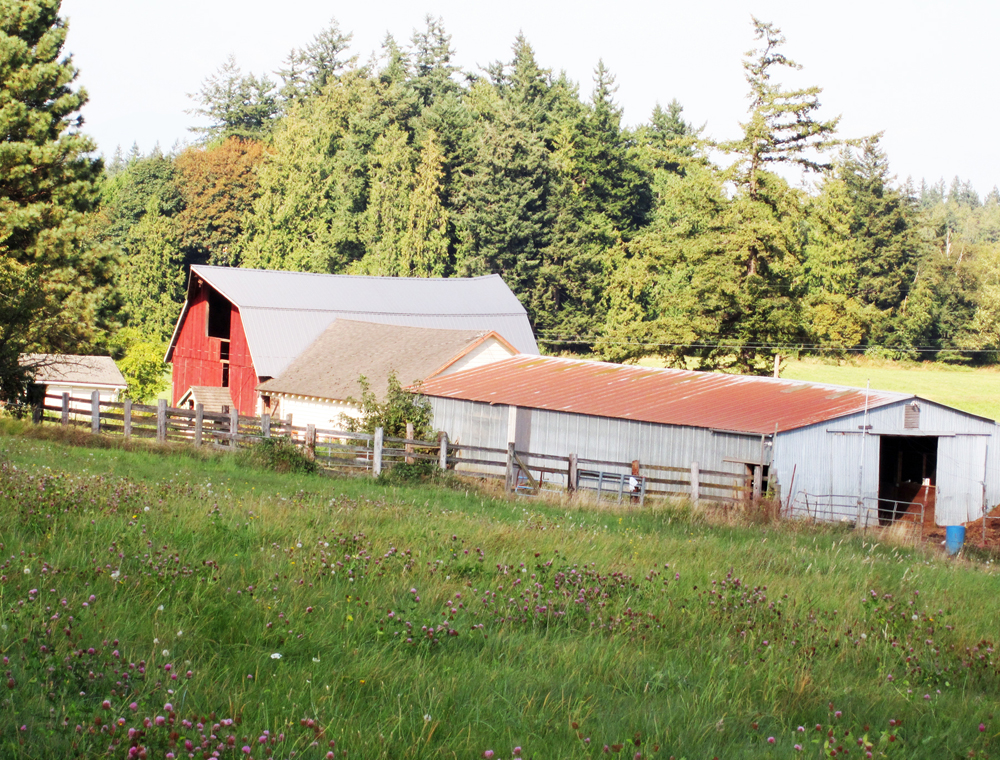
We’ve intentionally left this woods alone for over twenty years. When we purchased this farm, cows had the run of the woods, resulting in damage to the trees and to the undergrowth. We fenced off the woods from the fields, not allowing our horses access. It has been the home for raccoon, deer and coyotes, slowly rediscovering its natural rhythms and seasons.
It feels like time to open the trails again. We’ve cut through the brush that has grown up, and are cutting through the fallen trunks to allow our passage.
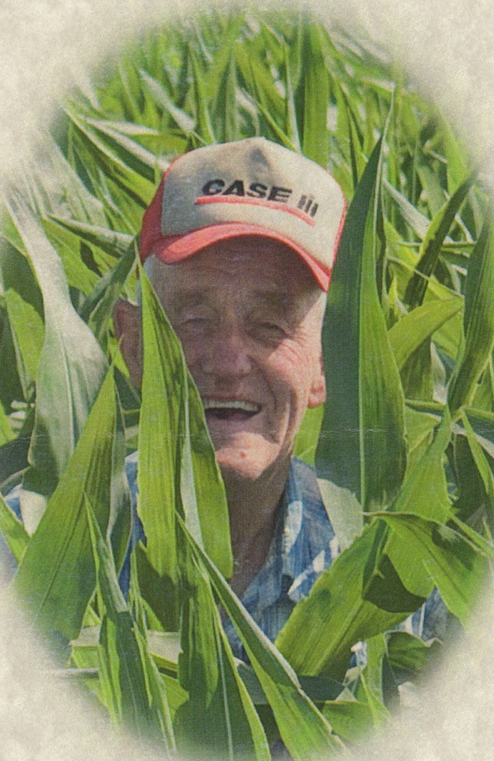
We bought this farm from a remarkable 82 year old man who loved every tree here. After spending 79 years on this farm, he treasured each one for its history, its fruit, its particular place in the ground, and would only use the wood if God had felled the tree Himself. The old farmer directed us to revere the trees as he had, and so we have. When he first took us on a tour of the farm, it was in actuality a tour of the trees, from the large walnuts in the front yard, to the poplars along the perimeter, to the antique apples, cherries and pear, the filbert grove, the silver plum thicket, as well as the mighty seventy plus year old Douglas fir, Western hemlock and Red cedar trees reestablished after the original logging in the early twentieth century. The huge old stumps still bore the carved out eight inch notches for the springboards on which the lumbermen balanced to cut away with their axes at the massive diameter of the trees.
He led us to a corner of the woods and stood beneath a particular tree, tears streaming down his face. He explained this was where his boy had hung himself, taking his life at age fifteen in 1968. The old farmer still loved this tree, as devastating as it was to lose his son so unexpectedly from one of its branches. He stood shaking his head, his tears dropping to the ground. I knew his tears had watered this spot often over the years. He looked at our boys—one a two year old in a pack on my back, and the other a four year old gripping his daddy’s hand—and told us he wished he’d known, wished there could have been something he could have done, wished he could have understood his son’s despair, wished daily there was a way to turn back the clock and make it all turn out differently. He wanted us to know about this if we were to own this woods, this tree, this ground, with children to raise here so there would be something we could do to prevent this from happening again to one of our own.
I was shaken by such raw sharing and the obvious sacredness of the spot. Though the boy lay buried in a nearby cemetery, a too-young almost-man lost forever for reasons he never found to express to others, it was as if this spot, now hallowed by his father’s tears, was his grave. This tree witnessed his last act and last breath on earth.
We have left the woods untouched in our effort to let it restore and heal, and to allow that tree to blend into the forest again, surrounded by new growth and life. We have told this young man’s story to our children and are reminded of the precious gift of life we all have been given, and that it must be treasured and clung to, even in our darkest moments. This father’s tears watering this woods are testimony enough of his own clinging to life, through his faith in God and in respect to the memory of his beloved boy.
The old farmer and his wife now share the ground with their son, reunited again a only few miles away from our home that was theirs for decades. Their woods is reopening to our feet, allowing us passage again, and despite the darkness that overwhelms it each winter, the woods bear life amidst the dying as a forever reminder.
And we will not forget. It is so very little, but the very least we can do.
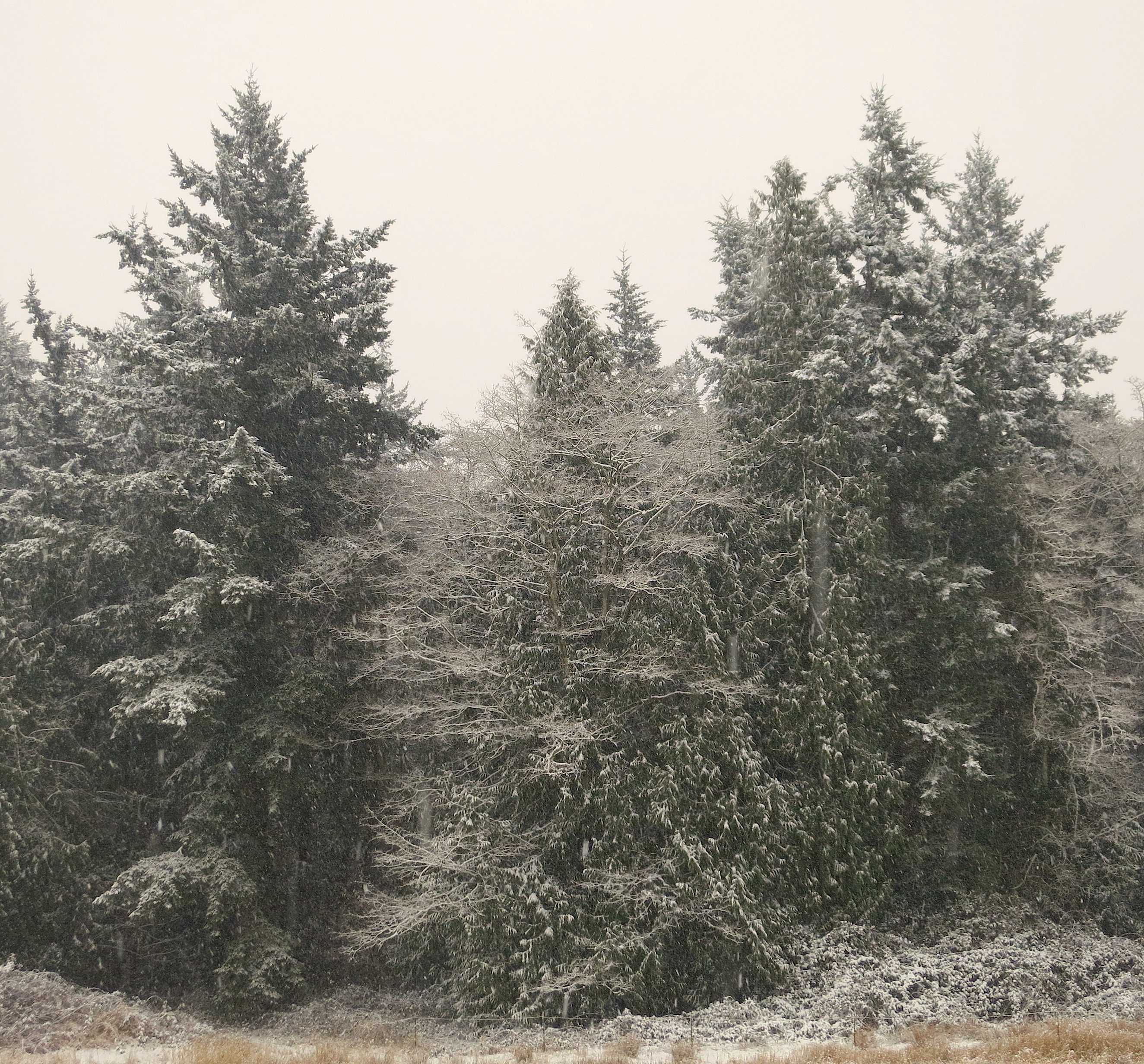
our first snowfall of the season just started
Above us, stars. Beneath us, constellations.
Five billion miles away, a galaxy dies
like a snowflake falling on water. Below us,
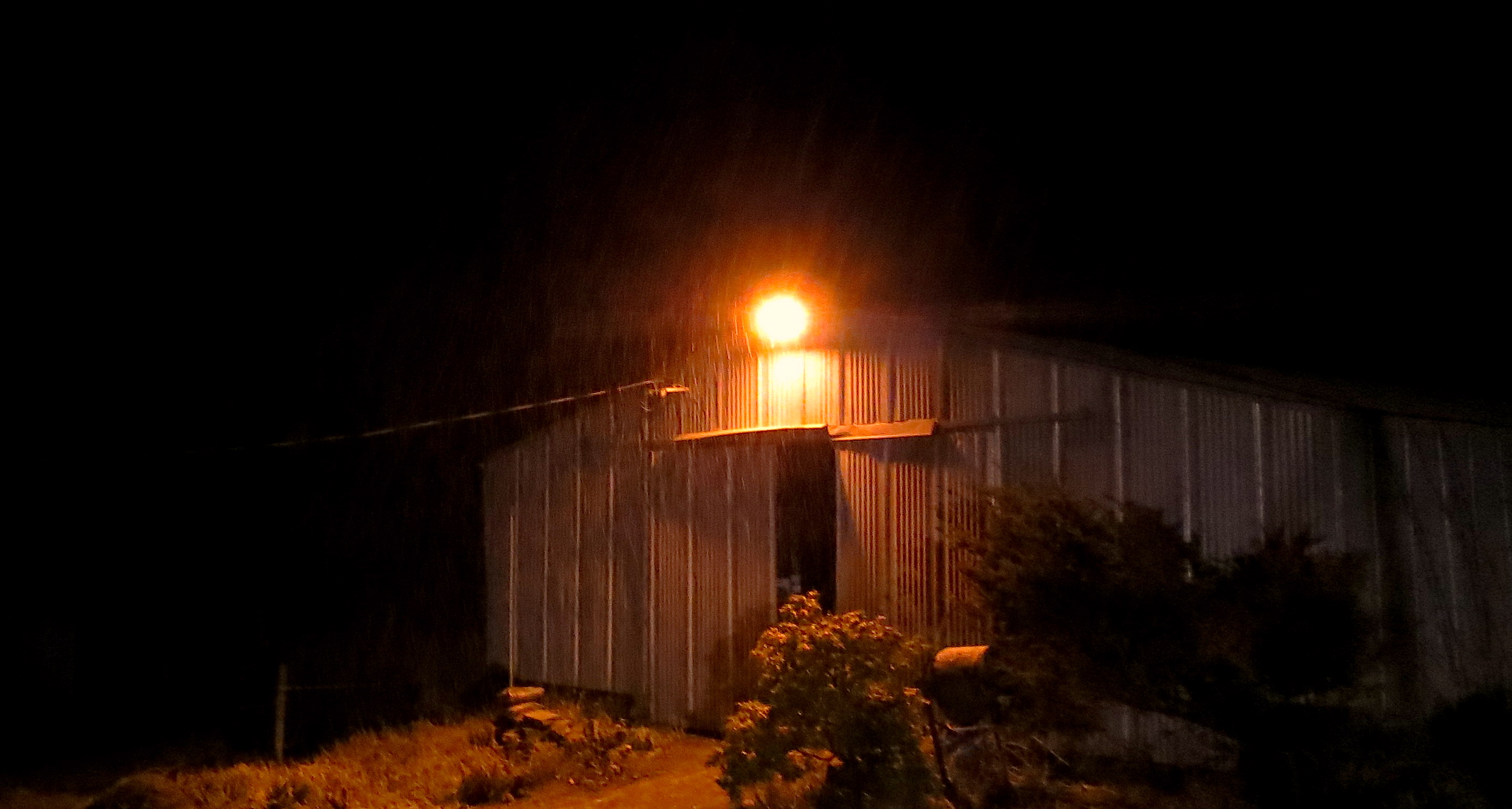
some farmer, feeling the chill of that distant death,
snaps on his yard light, drawing his sheds and barn
back into the little system of his care.
All night, the cities, like shimmering novas,
tug with bright streets at lonely lights like his.
~Ted Kooser “Flying at Night”
On his farm, twelve miles out
by rough gravel roads, he is done
with plowing, spraying, harvesting.
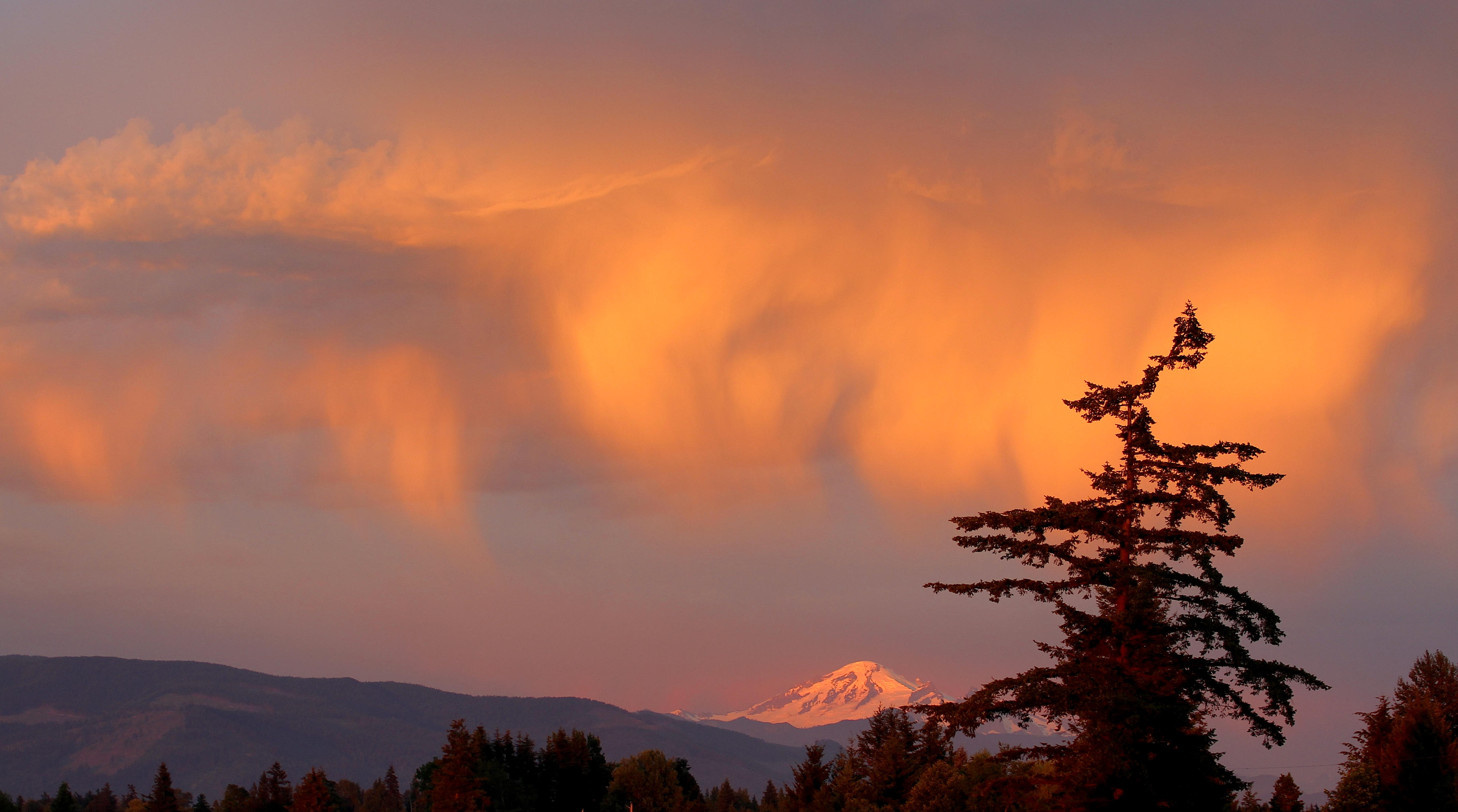
But he is not done watching the sun
sink below the windbreak or listening
to the nighthawks above his fields.
Don’t make him move to town.
There is more to tragedy
than dying.
~Kevin Hadduck “A Note to His Doctor”
Everyday
I see or hear
something
that more or less
kills me
with delight,
that leaves me
like a needle
in the haystack
of light.
It was what I was born for —
to look, to listen,
to lose myself
inside this soft world —
~Mary Oliver from “Mindful”
Some days I’m the needle
and other days I’m the pin cushion
This day was some of both
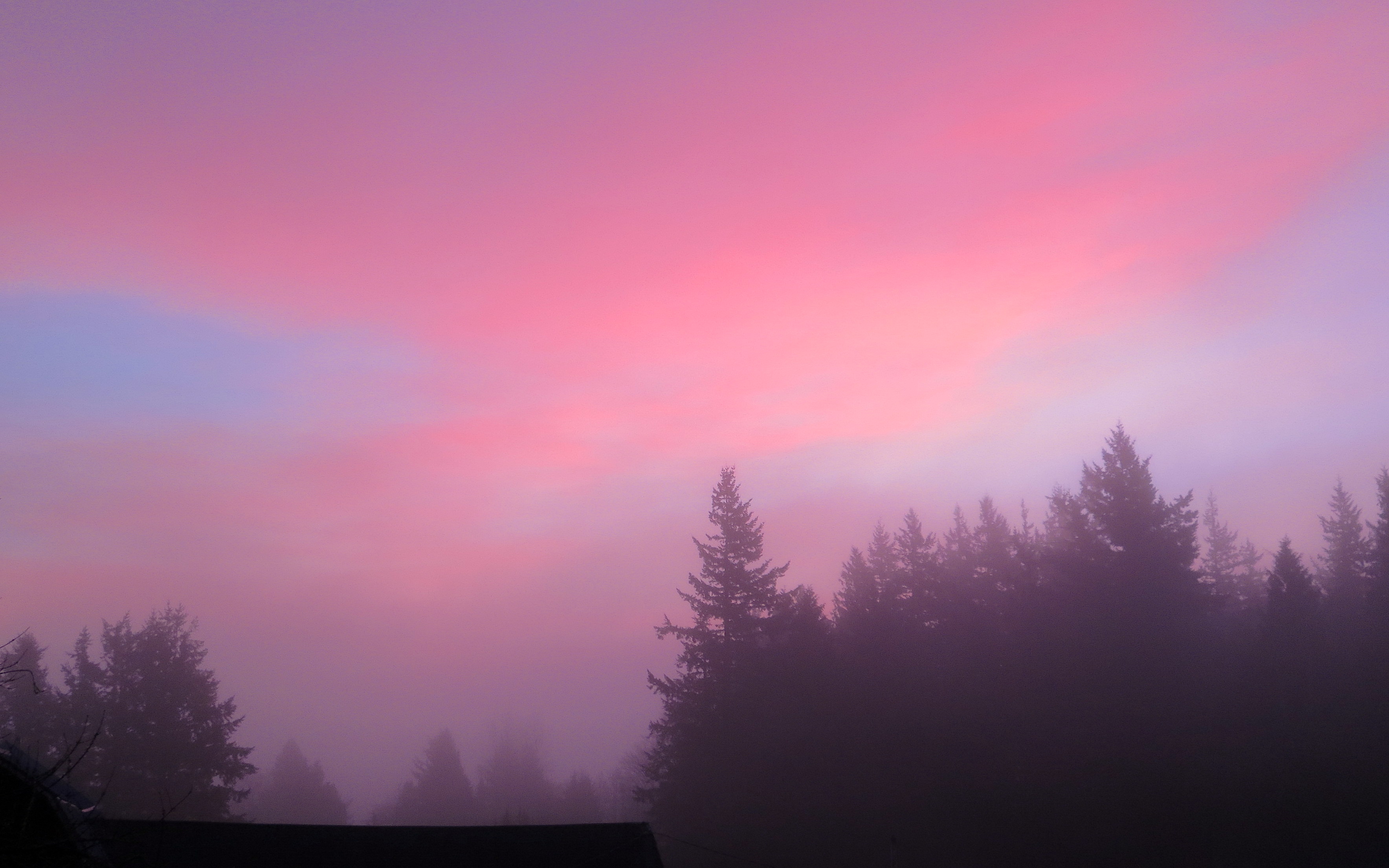
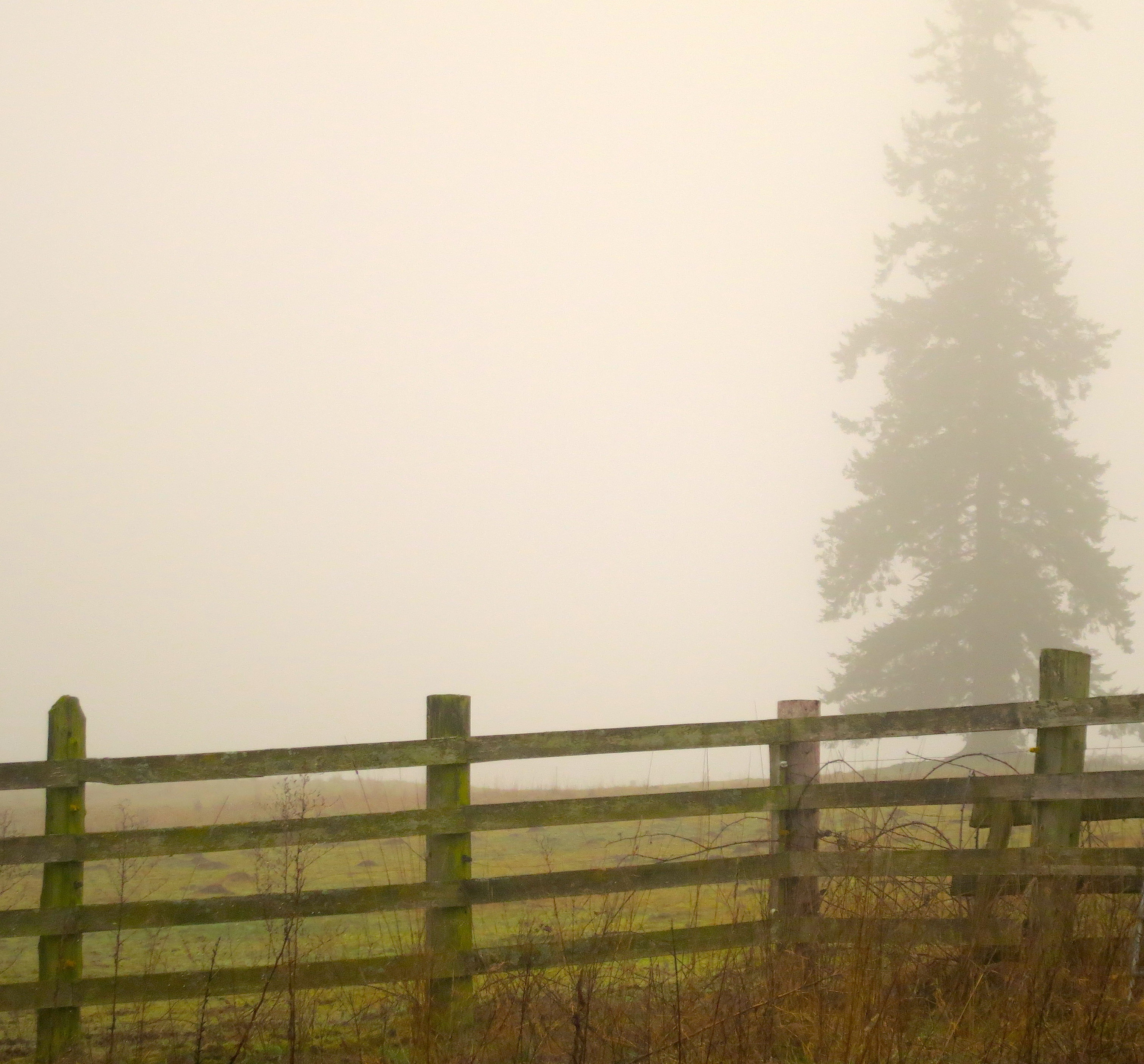
of soft lit floating fog,
doing chores with my neighbor kids,
saying a final goodbye to an old farmer from down the road,
missing a favorite poet’s reading
to deal with a patient’s suicidal crisis.
I long to rest in the softness of the light
that floats close to the ground,
reaching with cloudy fingers
to hold me close, sharp edges and all,
a reminder of what I was born for.
Farmers farm for the love of farming. They love to watch and nurture the growth of plants. They love to live in the presence of animals. They love to work outdoors. They love the weather, maybe even when it is making them miserable. They love to live where they work and to work where they live. If the scale of their farming is small enough, they like to work in the company of their children and with the help of their children.
~Wendell Berry from Bringing it to the Table: Writings on Farming and Food
and I may I add to Wendell’s truths:
Farmers love what they do even when a *certain* horse manages to find a way for the second time in his life to tear his lower lip playing with a simple water bucket in a simple stall, then gets it repaired by a gracious vet on Mother’s Day, and then finds a way five days later while out innocently eating grass in the pasture to rip open all his stitches again which will require a far more complicated plastic surgery type repair in ten days after plenty of antibiotics and prayer.
We love our horses, oh yes we farmers do, even the accident-prone, self-injuring ones. We love our vet even more.
And the vets do love their farmers who need them.
(no, sorry, no graphic pictures will be posted of a very gruesome lip wound — I need a little serenity today)
Most of the farmers I have known, and certainly the most interesting ones, have had the capacity to ramble about outdoors for the mere happiness of it, alert to the doings of the creatures, amused by the sight of a fox catching grasshoppers, or by the puzzle of wild tracks in the snow.
~Wendell Berry
I don’t know how interesting I am (actually I do know — mundane is my middle name) , but I have always been an ambling rambler, whether it is finding a killdeer nest in the marsh, wild ginger in the woods, dragonflies over the pond, squirrels leaping 12 feet from one walnut tree to the next, countless owl pellets in the barn, a coyote crossing the field at dawn, or a trillium blooming by the front walkway. I can go on and on. Each day is a new set of wonders.
It is the mere happiness of discovery and being the first to see something I’ve never seen before and I might never see again. What a harvest to be able to gather, store up and haul out whenever I need a little reminder about how blessed I am to live on a farm.
For Harry
He knows all about the cycle of the seasons
When to plow, when to disc, when to harrow,
When to plant, when to fertilize,
When to irrigate, when to weed,
When to harvest, when to leave stubble and
When to lie fallow.
He knows to read the sky and feel the wind
When the forecast is right,
When it is just plain off,
When to quit early for the day,
When to keep going beyond dark and
When to give up and go to bed.
He knows his animals and what they need
When to bring them in, when to turn them out,
When to doctor them himself,
When to call the vet,
When to use heroics and
When to let go.
He knows his family and friends
When to tease his wife, when to hug her,
When to be tough on the kids, when to love them
When to give all he’s got, when to withhold
When to bid at the sale barn, when to just smile and
When to go home empty handed but full of stories.
He knows his Bible and his faith
When to pray aloud, when to be silent,
When to trust through hard times,
When to share abundance,
When to believe with burning heart and
When to forgive and be forgiven.
He knows his time is coming
When his worn and tired body slows down,
When he drives his pickup and takes a wrong turn,
When he shows up for chores breathing hard,
When he bids at auction just because and
When he lies down for a nap and doesn’t get up.
He lies fallow, sleeping,
Having given up and let go
To head home, without getting lost,
Stubbled, forgiven and loved,
Storing the rest of his harvest
For a new and glorious day.