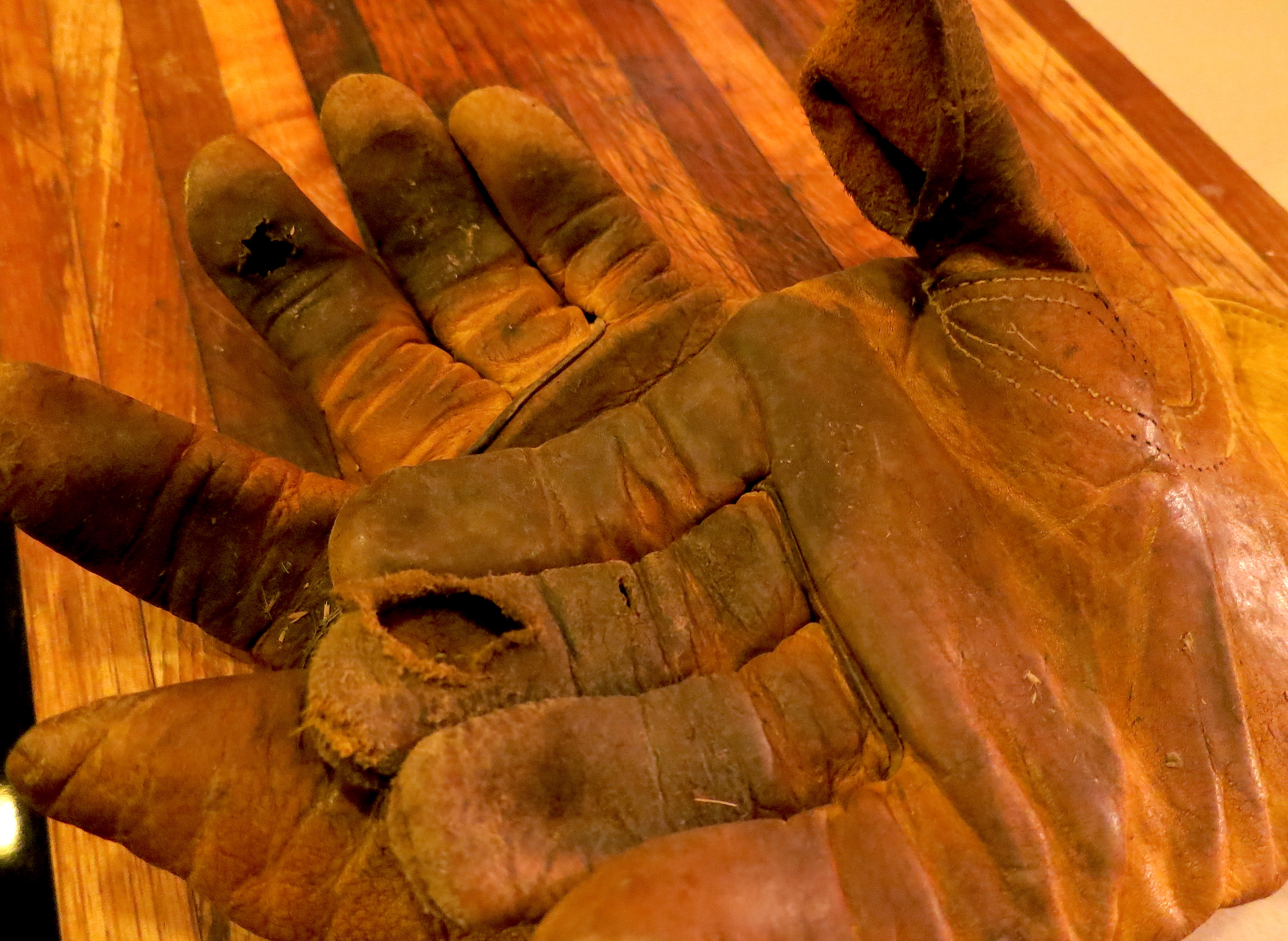
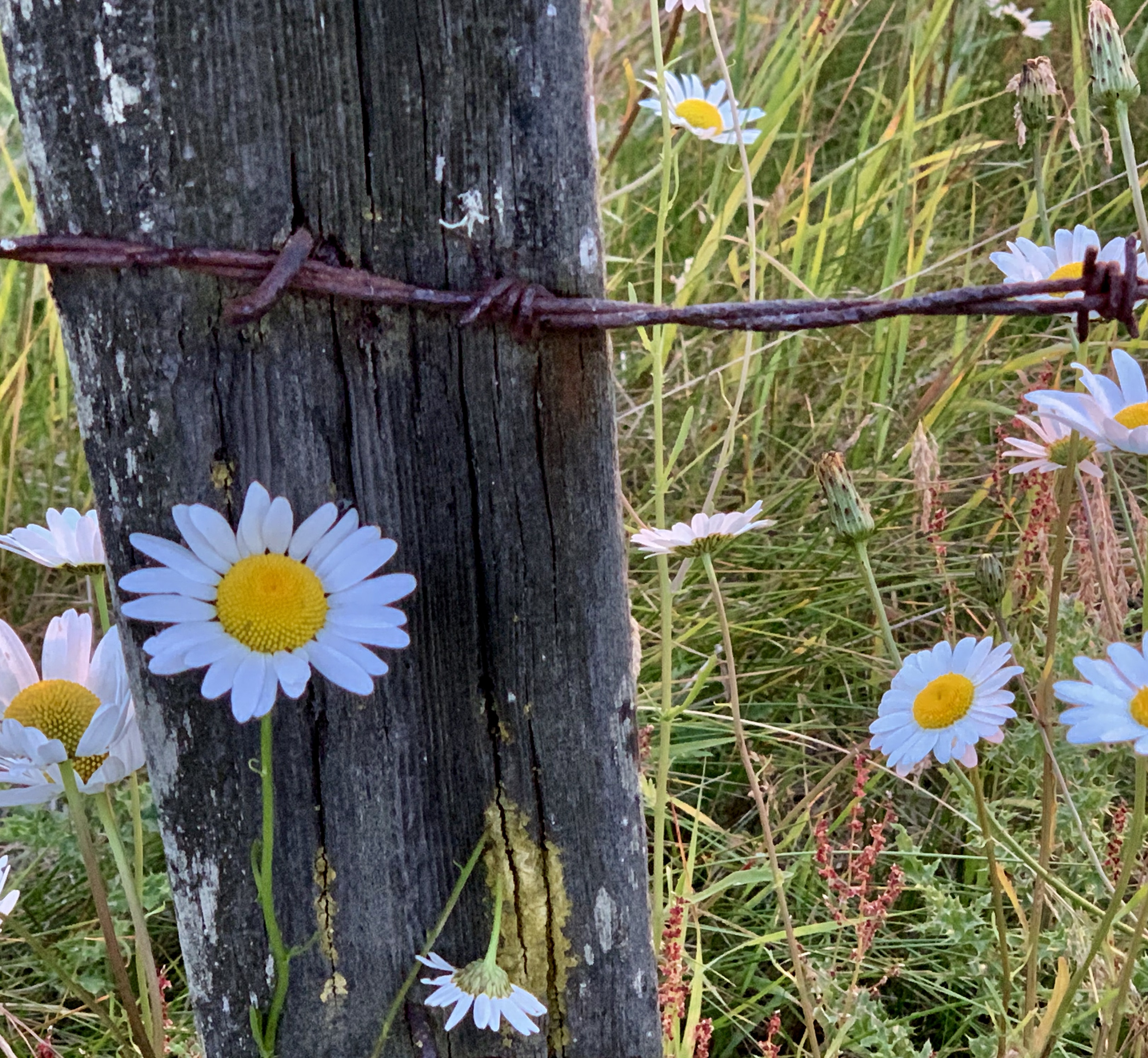
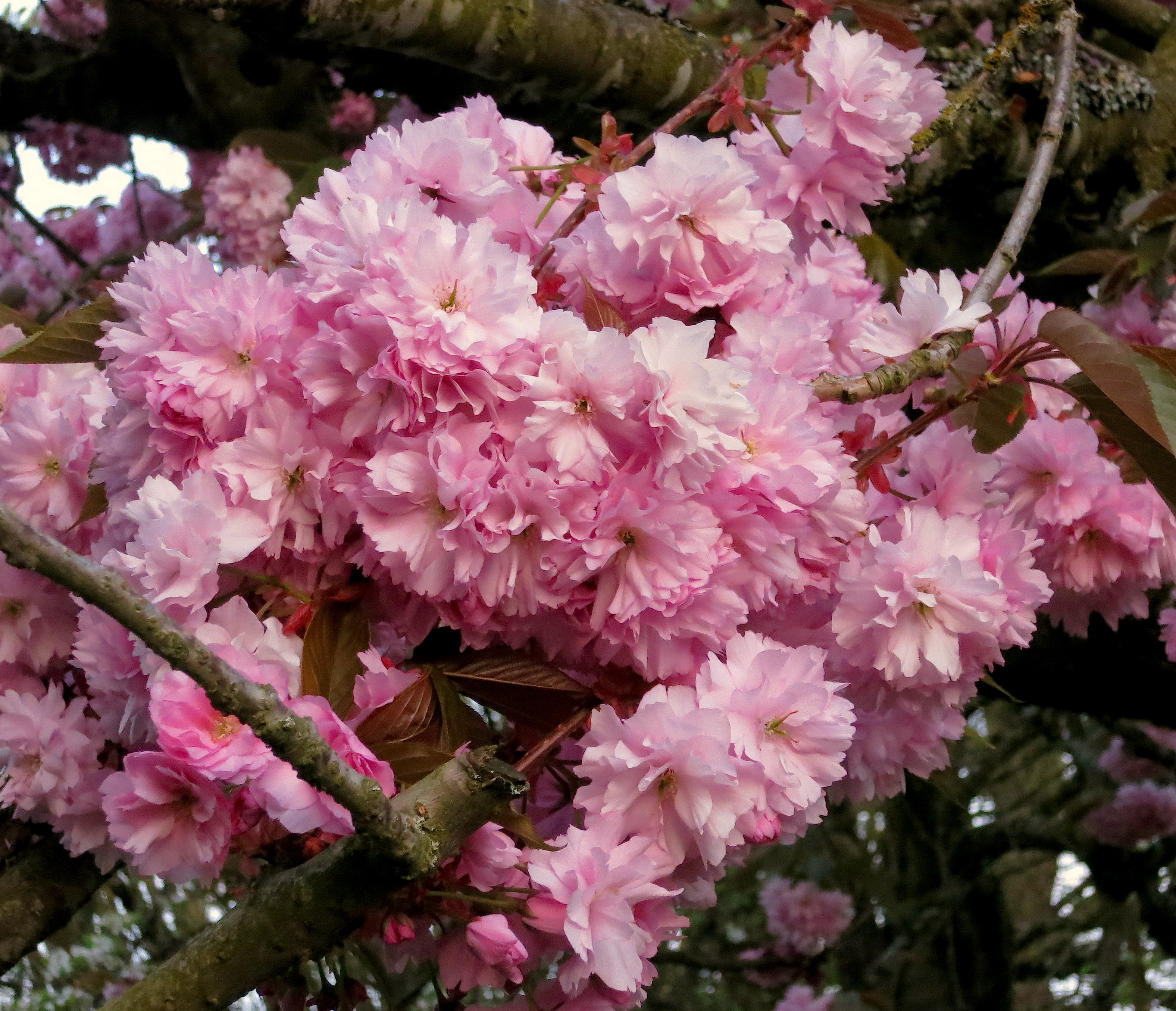
Wait, for now. Distrust everything, if you have to. But trust the hours. Haven’t they carried you everywhere, up to now? Personal events will become interesting again. Hair will become interesting. Pain will become interesting. Buds that open out of season will become lovely again. Second-hand gloves will become lovely again, their memories are what give them the need for other hands. And the desolation of lovers is the same: that enormous emptiness carved out of such tiny beings as we are asks to be filled; the need for the new love is faithfulness to the old.
Wait. Don’t go too early. You’re tired. But everyone’s tired. But no one is tired enough. Only wait a while and listen. Music of hair, Music of pain, music of looms weaving all our loves again. Be there to hear it, it will be the only time, most of all to hear, the flute of your whole existence, rehearsed by the sorrows, play itself into total exhaustion. ~Galway Kinnell “Wait”from A New Selected Poems
If everyone abandons you and even drives you away by force, then when you are left alone fall on the earth and kiss it, water it with your tears, and it will bring forth fruit even though no one has seen or heard you in your solitude. Believe to the end, even if all people went astray and you were left the only one faithful; bring your offering even then and praise God in your loneliness. ~Fyodor Dostoyevsky from The Brothers Karamazov
Suicide rates of teenagers in the United States have increased well over 30% since 2009. It is a national epidemic and tragedy.
Based on the anguish of the patients I see every day, one after another and another, over and over again I hear a too-easy contemplation of suicide, from “It would be easier if I were dead” or “no one cares if I live or die”, or “the world would be better off without me”, or “I’m not worthy to be here” to “that is my plan, it is my right and no one can stop me”.
Without us all pledging an oath to live life no matter what, willing to lay ourselves down for one another, to bridge the sorrow and lead the troubled to the light, there will be no slowing of this trend.
…when there is no loyalty to life, as stressful and messy as it can be, …when there is no honoring of the holiness of each created being as weak and frail and prone to helpless hopelessness as we are, …when there is no resistance to the buffeting winds of life~
please just wait a little longer, only a little longer: don’t go too early
In great deeds, something abides. On great fields, something stays. Forms change and pass; bodies disappear; but spirits linger, to consecrate ground for the vision-place of souls. And reverent men and women from afar, and generations that know us not and that we know not of, heart-drawn to see where and by whom great things were suffered and done for them, shall come to this deathless field, to ponder and dream;
and lo! the shadow of a mighty presence shall wrap them in its bosom, and the power of the vision pass into their souls. This is the great reward of service. To live, far out and on, in the life of others; this is the mystery of the Christ, –to give life’s best for such high sake that it shall be found again unto life eternal. ~Major-General Joshua Chamberlain at Gettysburg, Pennsylvania 1889
Riley Howell and Kendrick Castillo were just regular high school students only a week ago – preparing for the end of the school year and for their long lives ahead of them.
Now their families and friends grieve their loss in the wake of more school shootings.
These two young men are now wrapped in the bosom of God forever; they gave their all and gave their best < themselves > to protect others when it was the right and brave thing to do. We can only stand in awe and reverence, heart-drawn at this act, in gratitude for their sacrifice.
Courage is not acting fearlessly. It is acting in spite of fear, knowing it may cost you everything.
May there never be another reason for someone to have to throw themselves at a shooter to stop the bullets. May evil intentions be crushed before they can ever be realized. May the selfless acts of brave souls abide in our hearts so we too will do the right thing to make sure this never happens again.
Beauty, to the Japanese of old, held together the ephemeral with the sacred. Cherry blossoms are most beautiful as they fall, and that experience of appreciation lead the Japanese to consider their mortality. Hakanai bi (ephemeral beauty) denotes sadness, and yet in the awareness of the pathos of life, the Japanese found profound beauty.
For the Japanese, the sense of beauty is deeply tragic, tied to the inevitability of death.
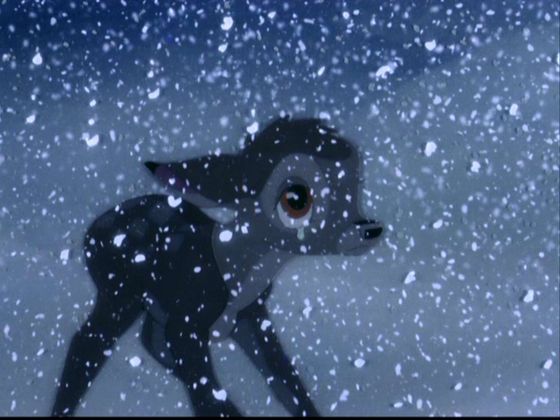
Jesus’ tears were also ephemeral and beautiful. His tears remain with us as an enduring reminder of the Savior who weeps. Rather than to despair, though, Jesus’ tears lead the way to the greatest hope of the resurrection. Rather than suicide, Jesus’ tears lead to abundant life. ~Makoto Fujimura
fallen sakura petals in Tokyo (photo by Nate Gibson)
33 When Jesus saw her weeping, and the Jews who had come along with her also weeping, he was deeply moved in spirit and troubled. 34 “Where have you laid him?” he asked. “Come and see, Lord,” they replied. 35 Jesus wept. 36 Then the Jews said, “See how he loved him!” John 11:33-36
Daily I see patients in my clinic who are struggling with depression, who are contemplating whether living another day is worth the pain and effort. Most describe their feelings completely dry-eyed, unwilling to let their emotions flow from inside and flood their outsides. Others sit soaking in tears of hopelessness and despair.
This weeping moves and reassures me — it is a raw and honest spilling over when the internal dam is breaking. It is so deeply and plainly a visceral display of humanity.
When I read that Jesus weeps as He witnesses the tears of grief of His dear friends, I am comforted. He understands and feels what we feel, His tears just as plentiful and salty, His feelings of love brimming so fully they must be let go and cannot be held back. He too is overwhelmed by the pathos of His vulnerable and visceral humanity.
Our Jesus who wept with us becomes a promise of ultimate joy.
There is beauty in this: His rain of ephemeral tears.
Here dies another day During which I have had eyes, ears, hands And the great world round me; And with tomorrow begins another. Why am I allowed two? ~G.K. Chesterton
Over a dozen times every clinic day I ask someone: tell me your thoughts about ending your life…
Even so~~ someone then decides what to reveal and what not to.
I’m allowed another day to do my best to be present for someone who is unsure~
and perhaps as this day dies there will come another when I might help someone choose to live another day.
A voice is heard in Ramah, mourning and great weeping, Rachel weeping for her children and refusing to be comforted, because they are no more. ~Jeremiah 31:15

We live in a time where the groaning need and dividedness of humankind is especially to be felt and recognized. Countless people are subjected to hatred, violence and oppression which go unchecked. The injustice and corruption which exist today are causing many voices to be raised to protest and cry out that something be done. Many men and women are being moved to sacrifice much in the struggle for justice, freedom, and peace. There is a movement afoot in our time, a movement which is growing, awakening.
Yet this terrific human need and burden of the times causes us to see how weak and powerless we are to change this. Then we must see that if we are to advocate change, we must start with ourselves. We must recognize that we as individuals are to blame for social injustice, oppression, and the downgrading of others, whether personal or on a broader plane. We must see that a revolution must take place against all that destroys life. This revolution must become a revolution different from any the world has ever seen. God must intervene and lead such a revolution with his Spirit and his justice and his truth. ~Dwight Blough from the introduction to When the Time was Fulfilled (1965)
Here is the mystery, the secret, one might almost say the cunning, of the deep love of God: that it is bound to draw on to itself the hatred and pain and shame and anger and bitterness and rejection of the world, but to draw all those things on to itself is precisely the means, chosen from all eternity by the generous, loving God, by which to rid his world of the evils which have resulted from human abuse of God-given freedom. ~N.T. Wright from The Crown and the Fire
Inundated by more news of deaths of innocents,
unending violence and division and blood-letting,
we have groaning need for transformation:
We cling to the mystery of His magnetism
for our weaknesses and flaws.
He willingly pulls our evil onto Himself and out of us.
Hatred and pain and shame and anger and bitterness
disappear into the vortex of His love and beauty as
the grungiest corners of our hearts are vacuumed spotless.
We are let in on a secret,
His mystery revealed:
He is not sullied by absorbing the dirty messes
we’ve made of our lives
so that our hatred is nullified.
Instead, by His Spirit
we are forever changed
and will groan no more.
We hadn’t seen each other for days, only three days, to be exact, but when I came through the door and she turned her head, the way she smiled changed me again from one who passes from this world to the next, back to one who falls into his wife’s arms and rests his head on her shoulder and feels when they lie down together her warm heart beating against his chest, her hands hungry for his holding, his hands alive to her happiness. ~Shann Ray, “Mountain Homecoming” from Balefire: Poems
On this day,
this tragically public day
when lives shatter before cameras
it is important to remind myself
that not all couplings happen
in blinding drunkenness
in a power differential
in utter selfishness
in a way the truth can never be known
nor trusted.
I need to know
this travesty called investigation
has nothing to do with truth and justice
but is politically sanctioned assault
of two people.
I won’t give it my approval by watching.
I want to know
in our joining
there is joy,
there is sweetness
in need
and sacrifice,
in giving
and taking,
in loving
and staying steadfast,
still alive, always alive
to happiness.
The ghosts swarm. They speak as one person. Each loves you. Each has left something undone.
Today’s edges are so sharp
they might cut anything that moved. ~Rae Armantrout from “Unbidden”
The grace of God means something like: Here is your life. You might never have been, but you are… Here is the world.
Beautiful and terrible things will happen.
Don’t be afraid.
I am with you.
~Frederick Buechner in “Wishful Thinking and later” in Beyond Words
Seventeen years ago
a day started with bright sun above
and ended in tears and bloodshed below.
It is a day for recollection;
we live out remembrance
with weeping eyes open,
yet close our eyelids
to the red that flowed that day.
The day’s edges were so sharp
we all bled and still bear the scars.
Reflecting on, and with respect for, the courage shown by Tanzanian park rangers and my kidnapped research colleagues on this unforgettable day 43 years ago — I’m reposting this again as part of my Gombe saga from when I worked as a student research assistant for Jane Goodall in western Tanzania in 1975.
At first glance, Gombe National Park in Tanzania felt like paradise—a serene piece of the earth filled with exotic and fascinating wildlife, an abundance of fish and fruit to eat, and the rich unfamiliar sounds and smells of the tropical jungle. It was a façade. It was surrounded by the turmoil and upheaval of political rebellion and insurgencies in its neighboring countries, inflamed even more by the fall of Saigon in Vietnam a month previously due to the earlier pull out of the Americans from that long and tragic war.
Only a few miles north of our research station in Gombe National Park in western Tanzania, there had been years of civil war in the small land locked country of Burundi. When the wind was just right, we could hear gunfire and explosions echoing over the valleys that separated us. Escaping refugees would sometimes stop for food on their way to villages in Tanzania to the south, seeking safe haven in one of the poorest countries in the world, only a decade into its own experiment with socialism, Ujamaa.
There was also word of ongoing military rebellion against the dictatorship of President Mobutu in the mountainous country of Zaire twelve miles west across Lake Tanganyika.
Morning comes early for field studies of wildlife, as the research day must start before the chimpanzee and baboon subjects wake up and begin to stir. Before midnight, while we slept soundly in our metal huts scattered up the mountainside, a group of armed soldiers arrived by boats to the shore of Gombe National Park.
Storming the beach huts housing two unarmed Gombe park rangers and their families, the soldiers seized one and demanded to be told where the researchers were. The ranger refused to provide information and was severely beaten about the head and face by the butts of the rifles carried by the invaders. The armed soldiers then divided into smaller groups and headed up the trails leading to the huts, coming upon four sleeping student researchers, tying them up, taking them hostage, forcing them into boats and taking them across the lake back to Zaire.


Asleep farther up the mountain, we were wakened by other researchers who were fleeing, hearing the commotion. No one really understood what was happening down lower on the mountain. There were shouts and screams, and gun shots had been heard. Had someone been injured or killed? There was no choice but to run and hide deep in the bush at a predetermined gathering spot until an “all clear” signal was given by the rangers.
We hurried along barely familiar trails in the black of the jungle night, using no flashlights, our hearts beating hard, knowing we had no defense available to us other than the cover of darkness.
That was the longest wait for morning of my life, sitting alongside Jane holding her son Grub. A hand full of other students had also made their way to the hiding spot, none of us knowing what to think, say or do. We could only barely see each other’s faces in the darkness and were too frightened to make any sounds. We carried no weapons, and there was no way to communicate with the outside world. We had no idea how many of us may be missing, or possibly dead.
Jane held Grub in her arms, endeavoring in vain to keep him quiet, but his eight year old imagination was ignited by the events that had just unfolded.
“Will they kidnap me, Jane? Will they come for me? Where will they take us? Will they shoot us dead?”
Jane, her face hidden by her blonde hair loose about her shoulders, sat rocking him, cradling him. “Shhh, shhh, we don’t want them to find us. We’re safe staying right here. Everything will be fine in the morning. No one will take you from me.”
Grub began to sob silently into her shoulder.
When the morning of May 20 dawned, the park rangers located us, and pieced together the events as best they could–the soldiers were Zairean rebels living in remote mountains, fighting an insurgency against the Zaire government. Seeking funds for their cause, they saw a kidnapping of Americans and Europeans as a way to raise quick funds and world publicity and sympathy. Four of our friends/coworkers were missing, the camp was ransacked and the rangers beaten but with no life threatening injuries. There was no way to remain safe at the Park, and our colleagues needed whatever help we could offer for their rescue.
We were able to send a messenger to a nearby fishing village, and a radio call was sent out to the small town of Kigoma, then relayed to Dar Es Salaam and Nairobi. Help arrived within a few hours, when a United Nations boat monitoring the civil war activities in Burundi pulled off shore near our camp. We were told we needed to evacuate Gombe that day, and would be taken to Kigoma, and then flown by bush pilot to Nairobi, Kenya to cooperate in the investigation of the kidnapping.
In Nairobi, at the US Embassy, I met CIA agents who viewed our wild primate studies with suspicion. Each of us were grilled individually as to our political beliefs, our activities at the camp and whether we may be somehow involved in subversive actions against the Zaire or Tanzanian governments. We were dumbfounded that our own countrymen would be so skeptical about our motives for being in Africa. It became clear our own government would be no help in resolving the kidnapping and bringing our friends home to safety. The agents did not shed any light on whether they knew our friends were alive or dead.
We were then hustled into a press conference where we were interviewed for television and print media by the worldwide news agencies, and my parents saw me on the CBS evening news before they actually heard my voice over the phone. I flew back to Stanford the next day, spending 24 hours on a plane that made six stops up the coast of West Africa on its way back west, to tell what I knew to Stanford President Lyman and other administration officials as they prepared a plan to locate and free the students. I then returned home to Washington state to await any news that came too slowly from a place so far away that I remain astonished to this day that I was ever there at all.
It took over three months, private negotiations and ransom money to free all four of our friends back to safety. They remain close to each other and the remarkable man who helped free them, Dr. David Hamburg. We have had several reunions together over the years to remember those days of living in a place that at one time seemed like paradise.
By these three days all the world is called to attention.
Everything that is and ever was and ever will be,
the macro and the micro,
the galaxies beyond number and the microbes beyond notice –
everything is mysteriously entangled with what happened,
with what happens, in these days.…
Every human life,
conceived from eternity and destined to eternity,
here finds its story truly told.
In this killing that some call senseless
we are brought to our senses.
Here we find out who we most truly are because
here is the One who is what we are called to be.
The derelict cries, “Come, follow me.”
Follow him there?
We recoil.
We close our ears.
We hurry on to Easter.
But we will not know what to do with Easter’s light
if we shun the friendship of the darkness that is wisdom’s way to light.
~Richard Neuhaus from Death on a Friday Afternoon
So many recent killings of innocents — needless, heartbreaking death at the hands of others — people abruptly wrenched from their routine lives, their families left with empty arms and eyes filling, spilling endlessly with tears.
Such senseless tragedies, we say, recoiling and withdrawing as if we can close our ears to more bad news. Some take to the streets to march in protest.
How to make sense of deaths that arise from the darkness found in every soul?
This is the day in between when nothing makes sense; we are lost, hopeless, grieving.
Yet we are brought to our senses by this one Death, this premeditated killing, this senseless act that darkened the skies, shook the earth and tore down the curtained barriers to the Living Eternal God.
The worst has already happened, no matter how horrific the events that fill our headlines.
This Holy Saturday we are in between, stumbling in the darkness but aware of hints of light, of buds, of life, of promised fruit to come.
The best has already happened. Happening now even when we are oblivious to its impossibility.
We move through this Saturday, doing what is possible even when it feels senseless.
Tomorrow it will all make sense: our hope brings us face to face with our God who does the impossible.
The Holy Saturday of our life must be the preparation for Easter,
the persistent hope for the final glory of God. The virtue of our daily life is the hope which does what is possible
and expects God to do the impossible. To express it somewhat paradoxically, but nevertheless seriously: the worst has actually already happened; we exist,
and even death cannot deprive us of this. Now is the Holy Saturday of our ordinary life, but there will also be Easter, our true and eternal life. ~Karl Rahner “Holy Saturday” in The Great Church Year
“A man was going down from Jerusalem to Jericho, when he was attacked by robbers. They stripped him of his clothes, beat him and went away, leaving him half dead.31 A priest happened to be going down the same road, and when he saw the man, he passed by on the other side.32 So too, a Levite, when he came to the place and saw him, passed by on the other side.33 But a Samaritan, as he traveled, came where the man was; and when he saw him, he took pity on him.34 He went to him and bandaged his wounds, pouring on oil and wine. Then he put the man on his own donkey, brought him to an inn and took care of him.35 The next day he took out two denarii and gave them to the innkeeper. ‘Look after him,’ he said, ‘and when I return, I will reimburse you for any extra expense you may have.’
36 “Which of these three do you think was a neighbor to the man who fell into the hands of robbers?”
37 The expert in the law replied, “The one who had mercy on him.”
Jesus told him, “Go and do likewise.”
Luke 10: 30-37
No parable is as well known in secular circles as that of the good Samaritan – it has become law, under that very name, to protect those who would stop to help someone who is injured or needs assistance, without fear of legal reprisal.
That isn’t exactly why the Good Samaritan story was told: the purpose was not to promote legal protection for the helper, who needed no such protection. It was to point out that the only one to bother to help was someone who was “other” – someone from Samaria of all places. Someone of different ethnicity, from a different culture, having different beliefs, worshipping a God in a way considered “corrupted” – this was the person to show compassion, to give richly of himself: his time, his money, his care, his mercy. He was the neighbor and friend to the man lying beaten and robbed alongside the road, not the ones who might well have lived next door or who worked in the temple, or who looked like and believed as he did.
As Mr. Rogers once wrote: “My mother would say to me, ‘Look for the helpers. You will always find people who are helping.’ To this day, especially in times of disaster, I remember my mother’s words, and I am always comforted by realizing that there are still so many helpers — so many caring people in this world.”
Sadly, in this day and age, we have far too many opportunities to recognize the helpers who will assist anyone, no matter who they are, the color of their skin or what they believe.
What a comfort that is!
May my eyes see, my ears hear, my heart understand. He prepares me with parable.