My Favorite Day

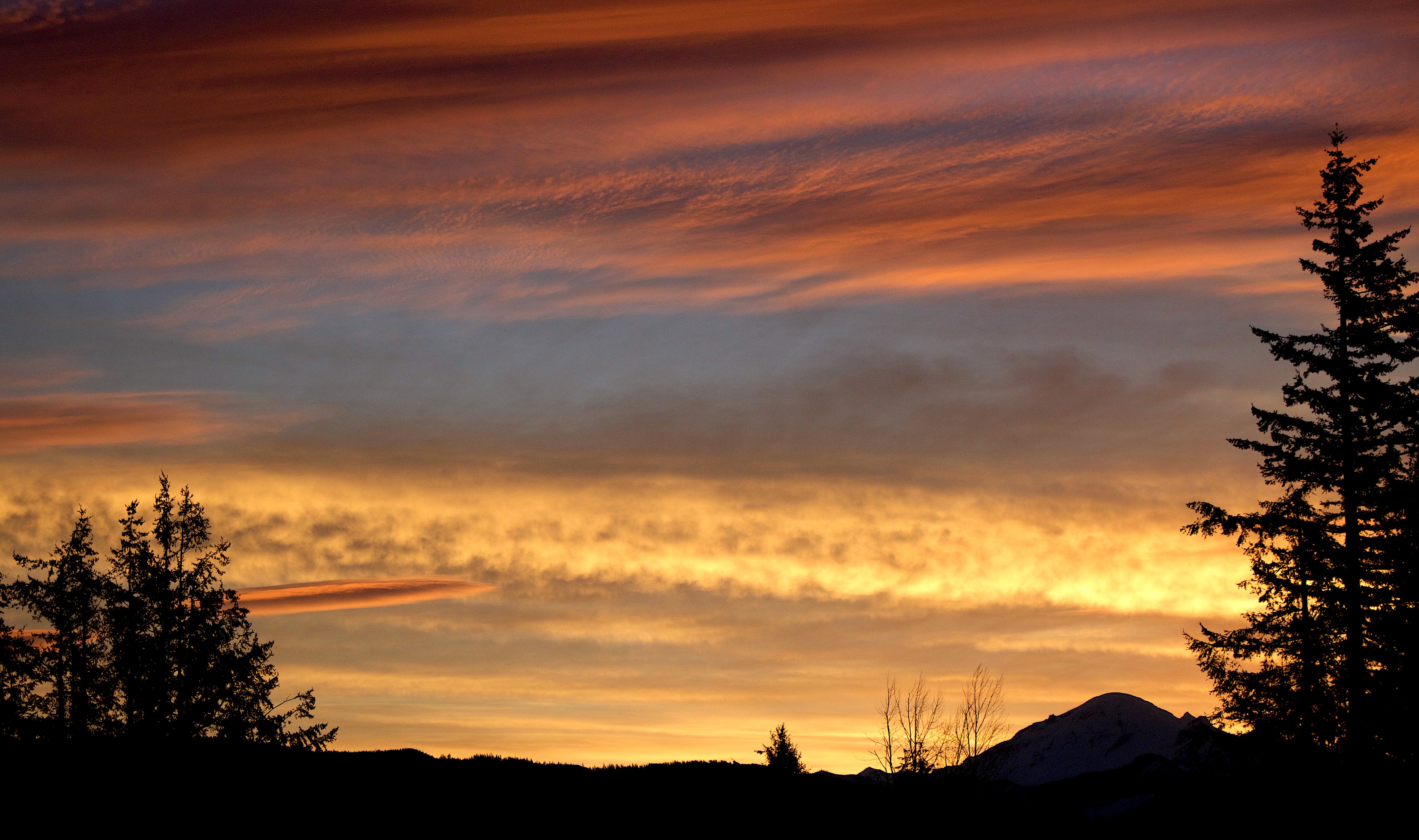
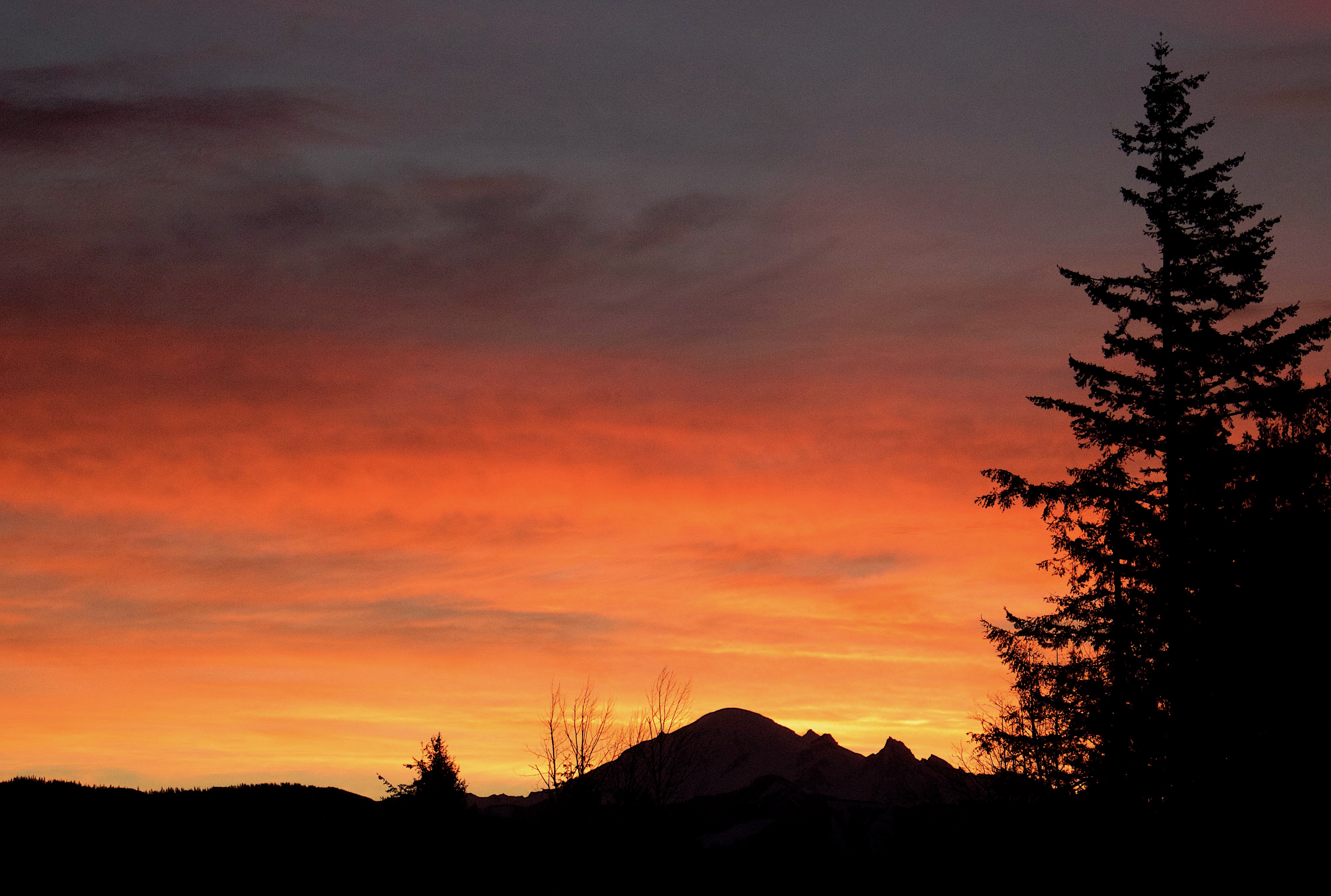
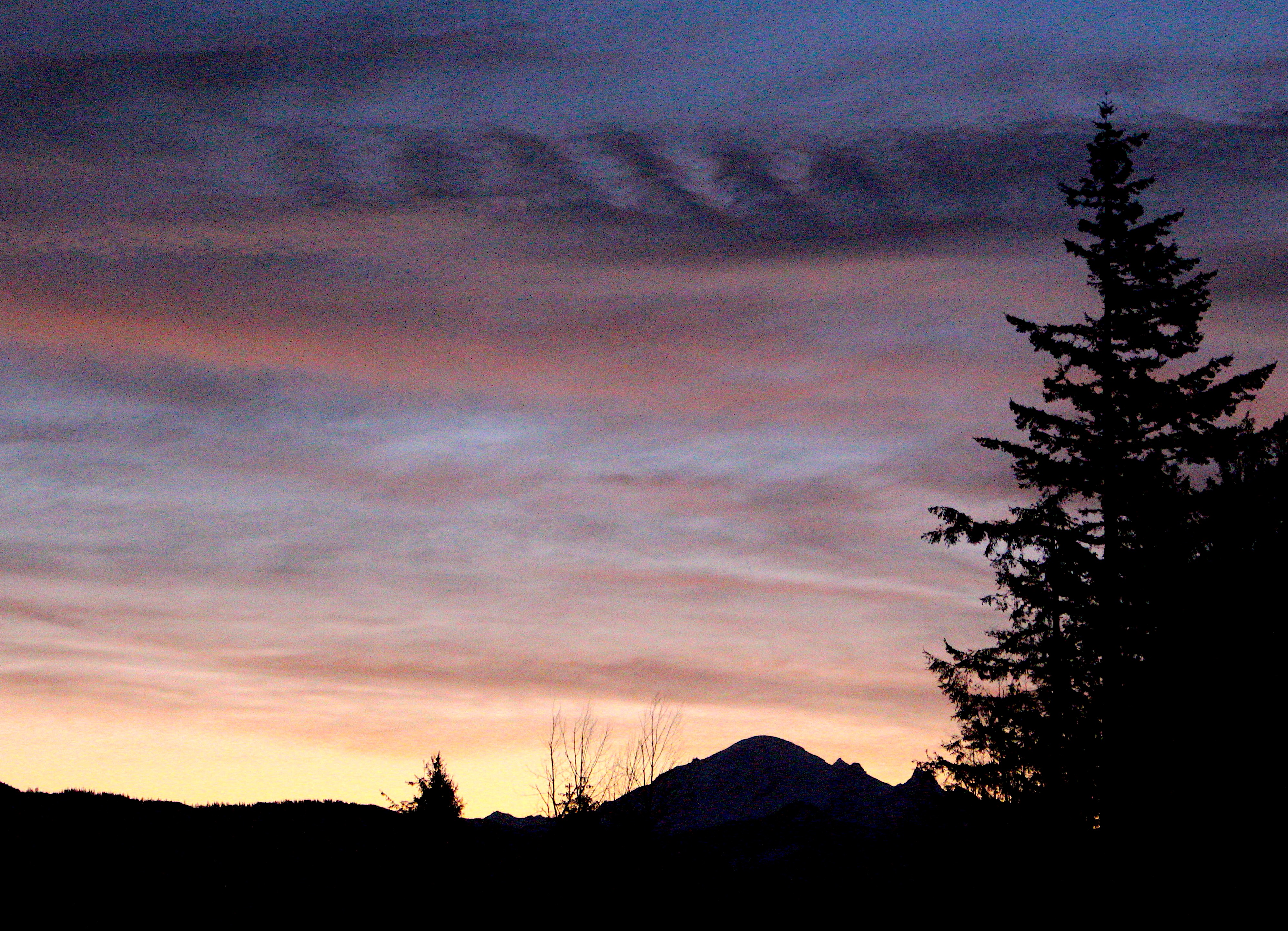
sunrise214177

“‘What day is it?’, asked Winnie the Pooh.
‘It’s today,’ squeaked Piglet.
‘My favorite day,’ said Pooh.”
~A.A. Milne from The Adventures of Winnie the Pooh

baker11317

sunrise129171

Saturday is usually everyone’s favorite day of the week: it’s usually sleep-in day, catch-up day, play-hard day, enjoy-everything-about-it day.

Yup, me too.

A day to meander, gaze off into the horizon, acknowledge one’s blessings and then fall asleep blissful in the food bowl.

pigmeal

Saturday is the one day of the week I keep unplanned from start to finish with no particular choreography or have-to places to go.

Just a day to be.

I know Pooh and Piglet are right.  Any day is our favorite day simply because it is Today: a new start, a time to celebrate, an undeserved gift of time to be unwrapped the moment our eyes open in the morning.

Today. A time to be.

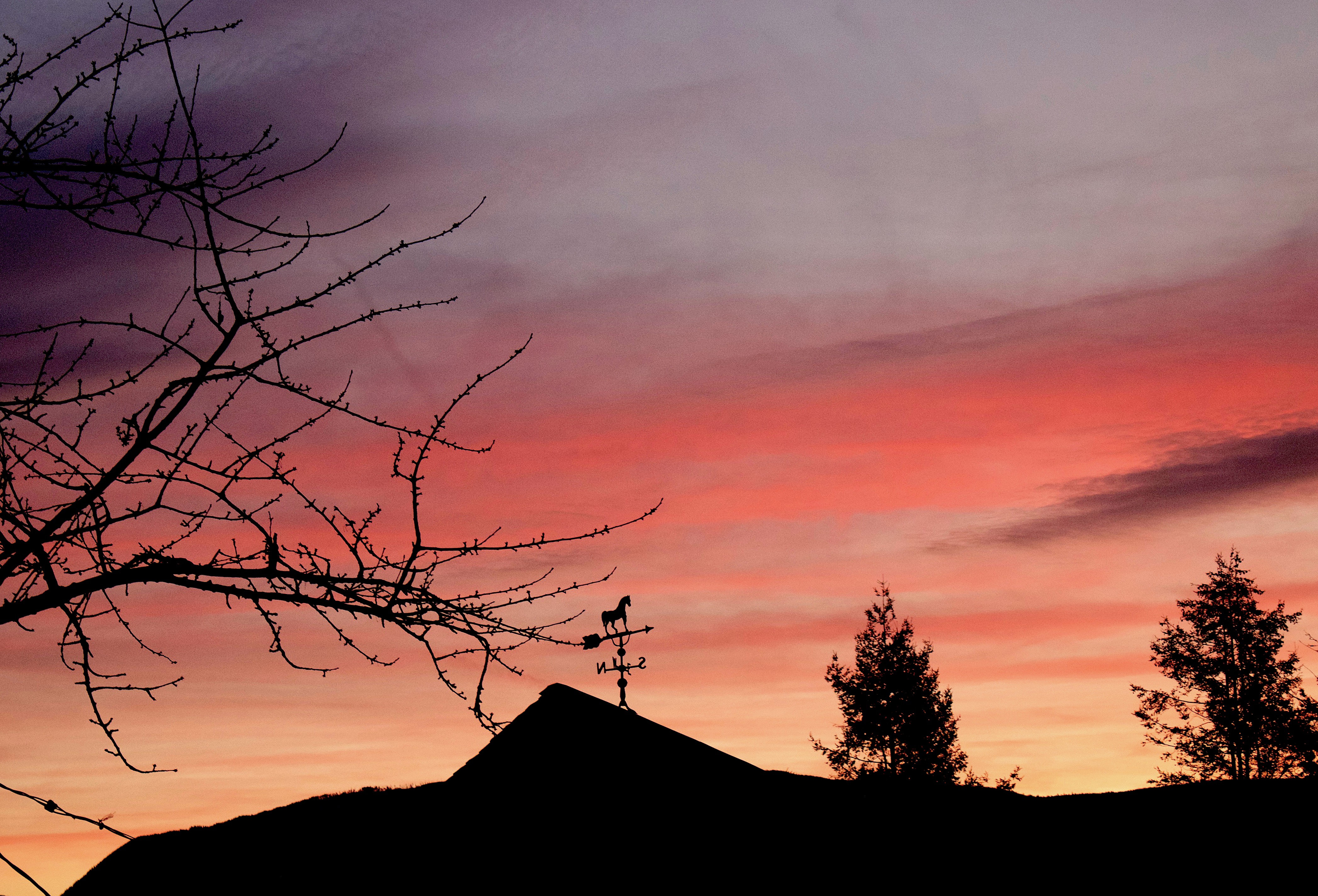
sunset121174


The Plainest of Ash

sunset121173

What a piece of work is a man!
And yet, to me, what is this quintessence of dust?”
~ William Shakespeare in Hamlet’s monologue 

sunset216171

This dust left of man:

earth, air, water and fire
prove inadequate
to quell the significance
of how we were made of dust
and the dust we will leave behind.

Only the transcendent hope
of eternal life restored
can breathe glory
into this, us,
the plainest of ash.

sunrise217171


We therefore commit his body to the ground;
earth to earth, ashes to ashes, dust to dust;

in sure and certain hope of the Resurrection to eternal life,
through our Lord Jesus Christ;

who shall change our vile body,
that it may be like unto his glorious body…

~Committal service from The Common Book of Prayer

sunset121172


What I know for sure is this: We come from mystery and we return to mystery. I arrived here with no bad memories of wherever I’d come from, so I have no good reason to fear the place to which I’ll return.

And I know this, too: Standing closer to the reality of death awakens my awe at the gift of life.
~Parker Palmer “On the Brink of Everything


The Mountain Called Her By Name

getimage
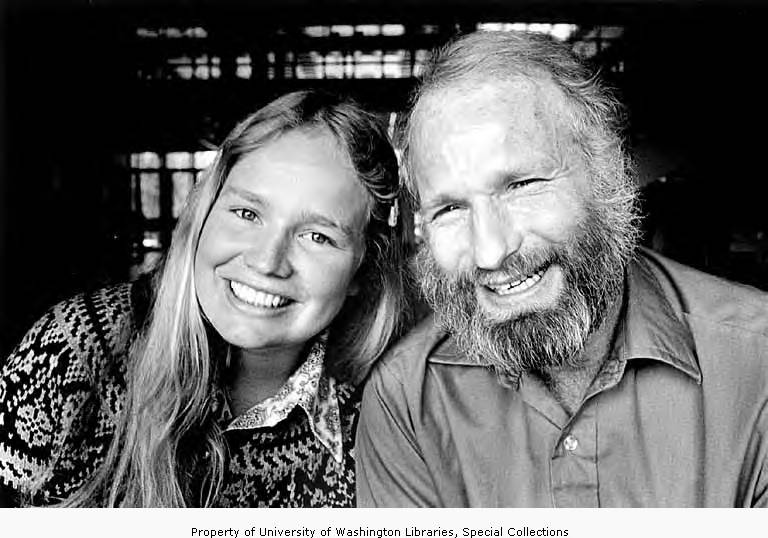
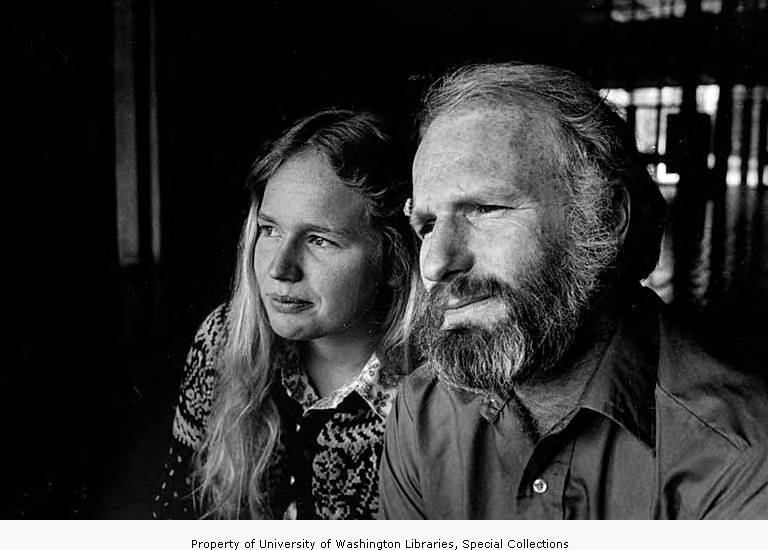
Devi and father Willi
nandadevi
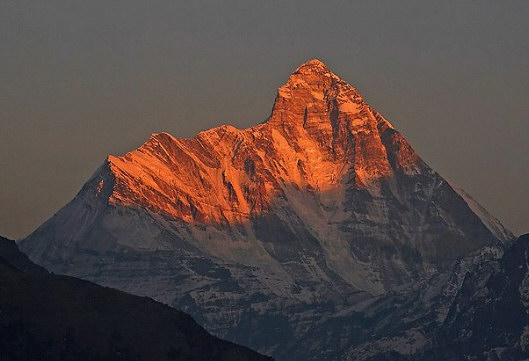
Nanda Devi courtesy of Stanford Alpine Club

view-php

The ripple effect from Nanda Devi Unsoeld’s arrival as a new junior in Olympia High School in 1970 reached me within minutes, as I felt the impact of her presence on campus immediately.  One of my friends elbowed me, pointing out a new girl being escorted down the hall by the assistant principal.  Students stared at the wake she left behind: Devi had wildly flowing wavy long blonde hair, a friendly smile and bold curious eyes greeting everyone she met.

From the neck up, she fit right in with the standard appearance at the time:  as the younger sisters of the 60’s generation of free thinking flower children, we tried to emulate them in our dress and style, going braless and choosing bright colors and usually skirts that were too short and tight.   There was the pretense we didn’t really care how we looked, but of course we did care very much, with hours spent daily preparing the “casual carefree” look that would perfectly express our freedom from fashion trends amid our feminist longings. Practicing careful nonconformity perfectly fit our peers’ expectations and aggravated our parents.

But Devi never looked like she cared what anyone else thought of her.  The high school girls honestly weren’t sure what to make of her, speculating together whether she was “for real” and viewed her somewhat suspiciously, as if she was putting on an act.

The boys were mesmerized.

She preferred baggy torn khaki shorts or peasant skirts with uneven hems, loose fitting faded T shirts and ripped tennis shoes without shoelaces.  Her legs were covered with long blonde hair, as were her armpits which she showed off while wearing tank tops.   She pulled whole cucumbers from her backpack in class and ate them like cobs of corn, rind and all.  She smelled like she had been camping without a shower for three days, but then riding her bike to school from her home 8 miles away in all kinds of weather accounted for that.   One memorable day she arrived a bit late to school, pushing her bike through 6 inches of snow in soaking tennis shoes, wearing her usual broad smile of satisfaction.
As a daughter of two Peace Corps workers who had just moved back to the U.S. after years of service in Nepal, Devi had lived very little of her life in the United States.  Her father Willi Unsoeld, one of the first American climbers to reach the summit of Mt. Everest up the difficult west face, had recently accepted a professorship in comparative religion at a local college.  He moved his wife and family back to the northwest to be near his beloved snowy peaks,  suddenly immersing four children in an affluent culture that seemed foreign and wasteful.
Devi recycled before there was a word for it simply by never buying anything new and never throwing anything useful away, involved herself in social justice issues before anyone had coined the phrase, and was an activist behind the scenes more often than a leader, facilitating and encouraging others to speak out at anti-war rallies, organizing sit-ins for world hunger and volunteering in the local soup kitchen.  She mentored adolescent peers to get beyond their self-consciousness and self-absorption to explore the world beyond the security of high school walls.

Regretfully, few of us followed her lead.  We preferred the relative security and camaraderie of hanging out at the local drive-in to taking a shift at the local 24 hour crisis line.  We showed up for our graduation ceremony in caps and gowns while the rumor was that Devi stood at the top of Mt. Rainier with her father that day.

I never saw Devi after high school but heard of her plans in 1976 to climb with an expedition to the summit of Nanda Devi,  the peak in India for which she was named.  She never returned, dying in her father’s arms as she suffered severe abdominal pain and irreversible high altitude sickness just below the summit.  She lies forever buried in the ice on that faraway peak in India.  Her father died in an avalanche only a few years later, as he led an expedition of college students on a climb on Mt. Rainier, only 60 miles from home.

Had Devi lived these last 40 years, I have no doubt she would have led our generation with her combination of charismatic boldness and excitement about each day’s new adventure.  She lived without pretense, without hiding behind a mask of fad and fashion and conformity and without the desire for wealth or comfort.

I wish I had learned what she had to teach me when she sat beside me in class, encouraging me by her example to become someone more than the dictates of societal expectations. I secretly admired the freedom she embodied in not being concerned in the least about fitting in.   Instead, I still mourn her loss all these years later, having to be content with the legacy she has now left behind on a snowy mountain peak that called her by name.

getimage-1

To Feel the Hem of Heaven

4095767658_ff9e9711f9_o1

Your days are short here; this is the last of your springs.
And now in the serenity and quiet of this lovely place,
touch the depths of truth, feel the hem of Heaven.
You will go away with old, good friends.
And don’t forget when you leave why you came.

~Adlai Stevenson, to the Class of ’54 Princeton University

icyrose

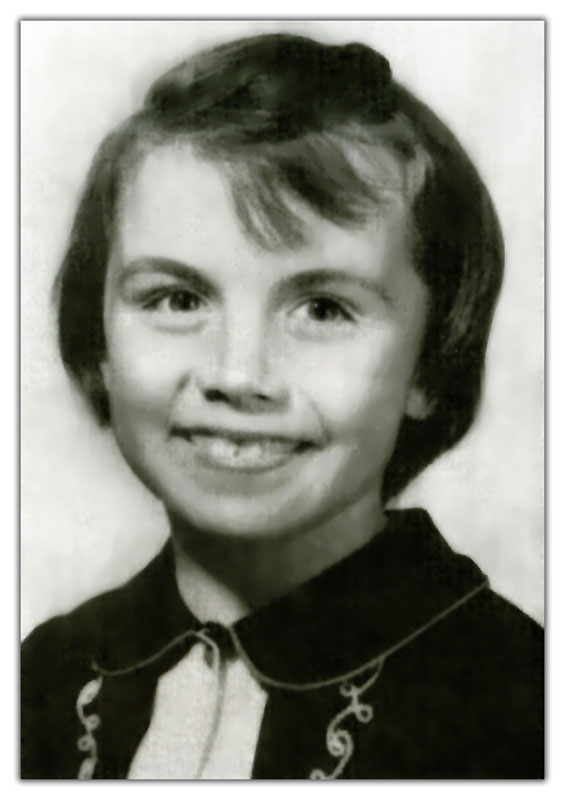
I was eight years old in June 1963 when the Readers’ Digest arrived in the mail inside its little brown paper wrapper. As usual, I sat down in my favorite overstuffed chair with my skinny legs dangling over the side arm and started at the beginning,  reading the jokes, the short articles and stories on harrowing adventures and rescues, pets that had been lost and found their way home, and then toward the back came to the book excerpt: “The Triumph of Janis Babson” by Lawrence Elliott.

Something about the little girl’s picture at the start of the story captured me right away–she had such friendly eyes with a sunny smile that partially hid buck teeth.  This Canadian child, Janis Babson, was diagnosed with leukemia when she was only ten, and despite all efforts to stop the illness, she died in 1961.  The story was written about her determination to donate her eyes after her death, and her courage facing death was astounding.  Being nearly the same age, I was captivated and petrified at the story, amazed at Janis’ straight forward approach to her death, her family’s incredible support of her wishes, and especially her final moments, when (as I recall 54 years later) Janis looked as if she were beholding some splendor, her smile radiant.

”Is this Heaven?” she asked.   She looked directly at her father and mother and called to them:  “Mommy… Daddy !… come… quick !”

And then she was gone.  I cried buckets of tears, reading and rereading that death scene.  My mom finally had to take the magazine away from me and shooed me outside to go run off my grief.  How could I run and play when Janis no longer could?  It was a devastating realization that a child my age could get sick and die, and that God allowed it to happen.

Yet this story was more than just a tear-jerker for the readers.  Janis’ final wish was granted –those eyes that had seen the angels were donated after her death so that they would help another person see.  Janis  had hoped never to be forgotten.  Amazingly, she influenced thousands of people who read her story to consider and commit to organ donation, most of whom remember her vividly through that book excerpt in Readers’ Digest.  I know I could not sleep the night after I read her story and determined to do something significant with my life, no matter how long or short it was.  Her story influenced my eventual decision to become a physician.  She made me think about death at a very young age as that little girl’s tragic story could have been mine and I was certain I could never have been so brave and so confident in my dying moments.

Janis persevered with a unique sense of purpose and mission for one so young.  As a ten year old, she developed character that some people never develop in a much longer lifetime.  Her faith and her deep respect for the gift she was capable of giving through her death brought hope and light to scores of people who still remember her to this day.

Out of the recesses of my memory, I recalled Janis’ story a few years ago when I learned of a local child who had been diagnosed with a serious cancer.  I could not recall Janis’ name, but in googling “Readers’  Digest girl cancer story”,  by the miracle of the internet I rediscovered her name, the name of the book and a discussion forum that included posts of people who were children in the sixties, like me,  who had been incredibly touched by Janis when they read this same story as a child.  Many were inspired to become health care providers like myself and some became professionals working with organ donation.

Janis and family, may you know the gift you gave so many people through your courage in the midst of suffering, and the resulting hope in the glory of the Lord.  Your days were short here, but you touched the depth of truth and touched the hem of heaven.
~~the angels are coming indeed.

We who have been your old good friends,  because of your story,  have not forgotten how you left us and why you came in the first place.

For excerpts from “The Triumph of Janis Babson”, click here

silverthawwilted

Love Stored Up

sunrise2141715
the finale this morning
sunrise214173
today’s sunrise at its peak
sunrise214172
As it began this morning

Believe in a love that is being stored up for you like an inheritance, and have faith that in this love there is a strength and a blessing so large that you can travel as far as you wish without having to step outside it.
~Rainer Maria Rilke from Letters to a Young Poet

sunrise214176

sunrise214174

sunrise214179

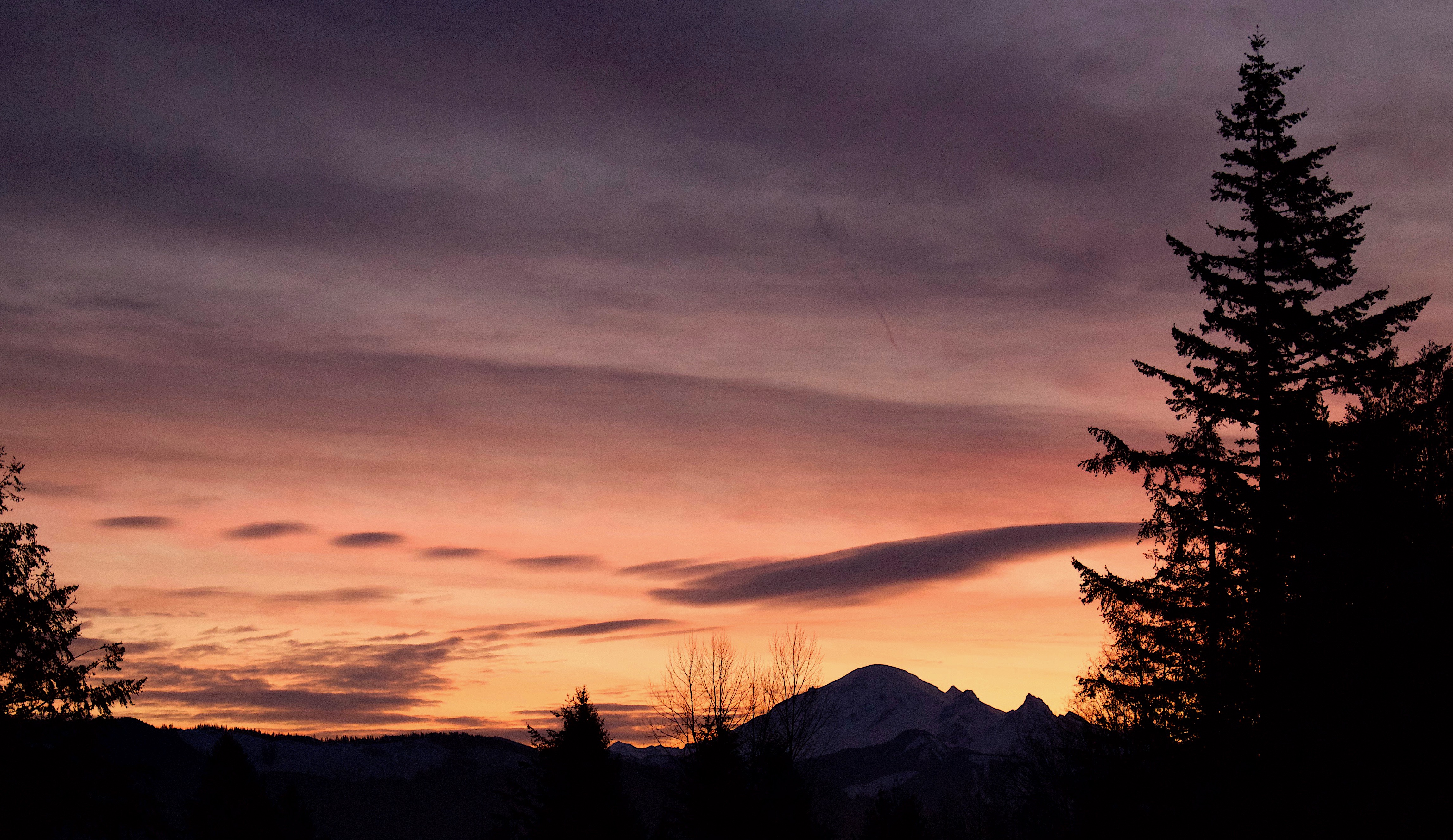
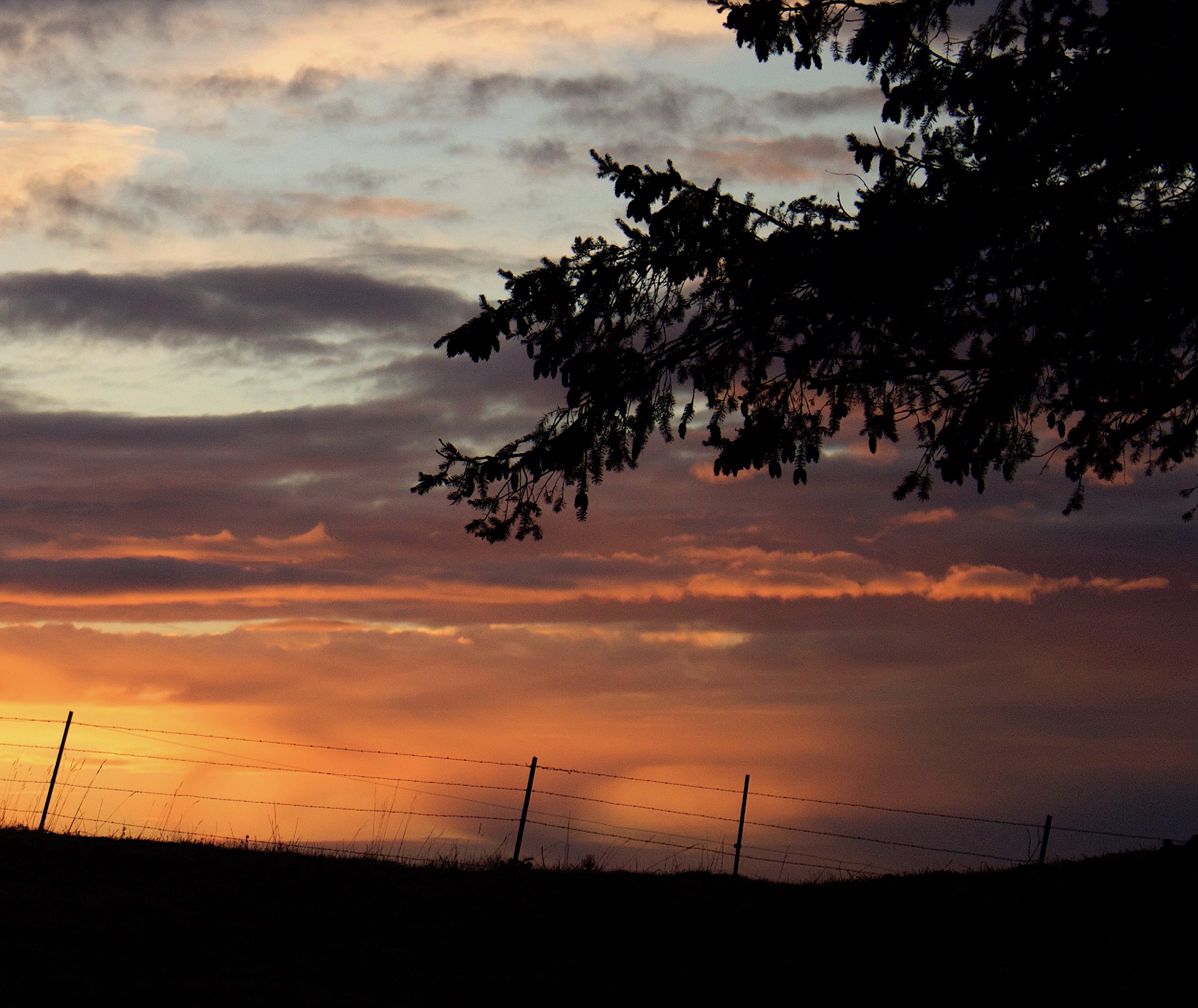
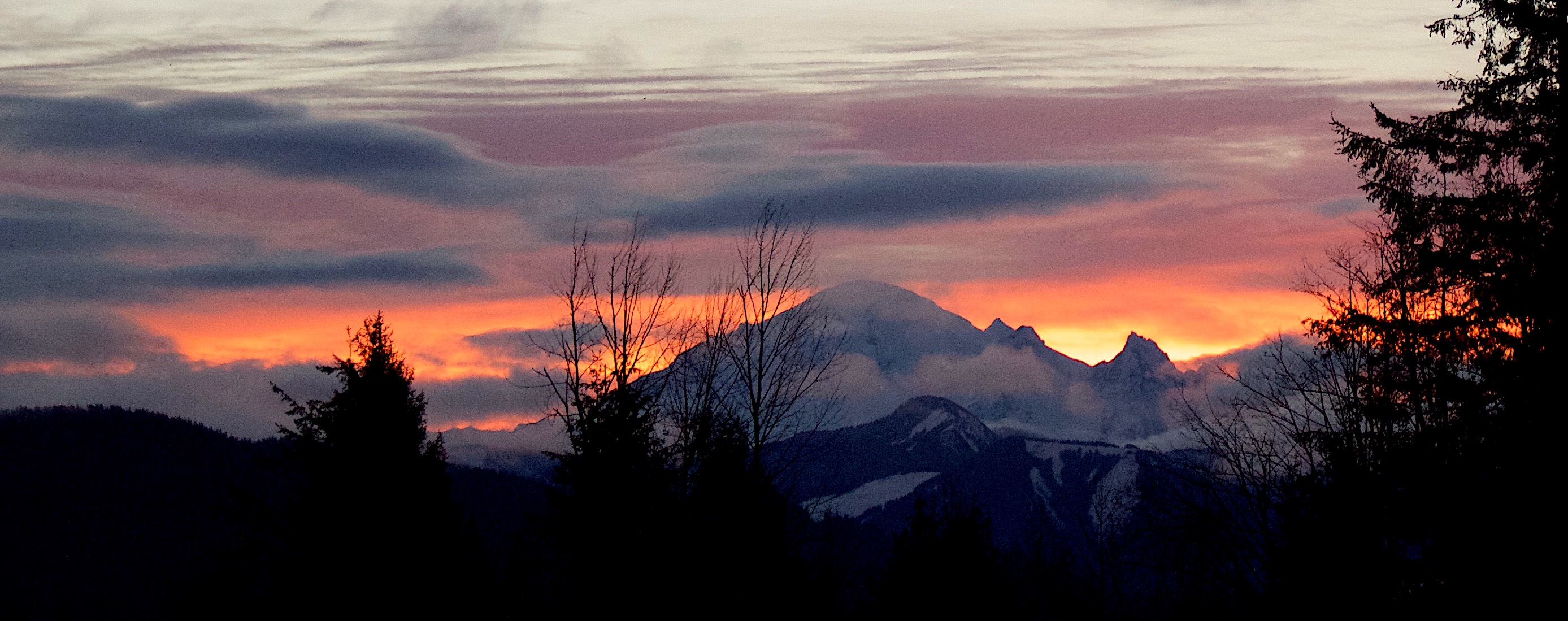
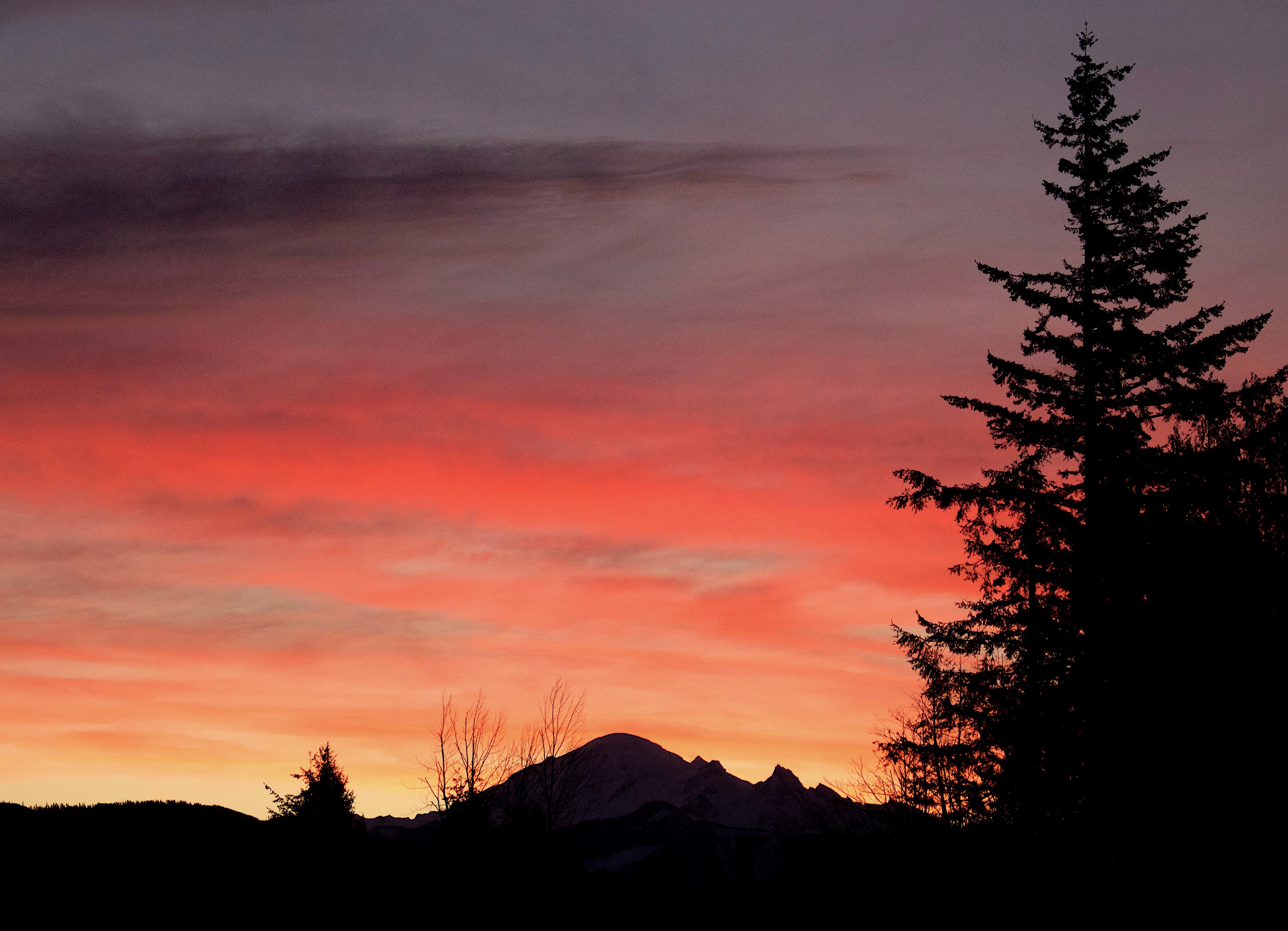
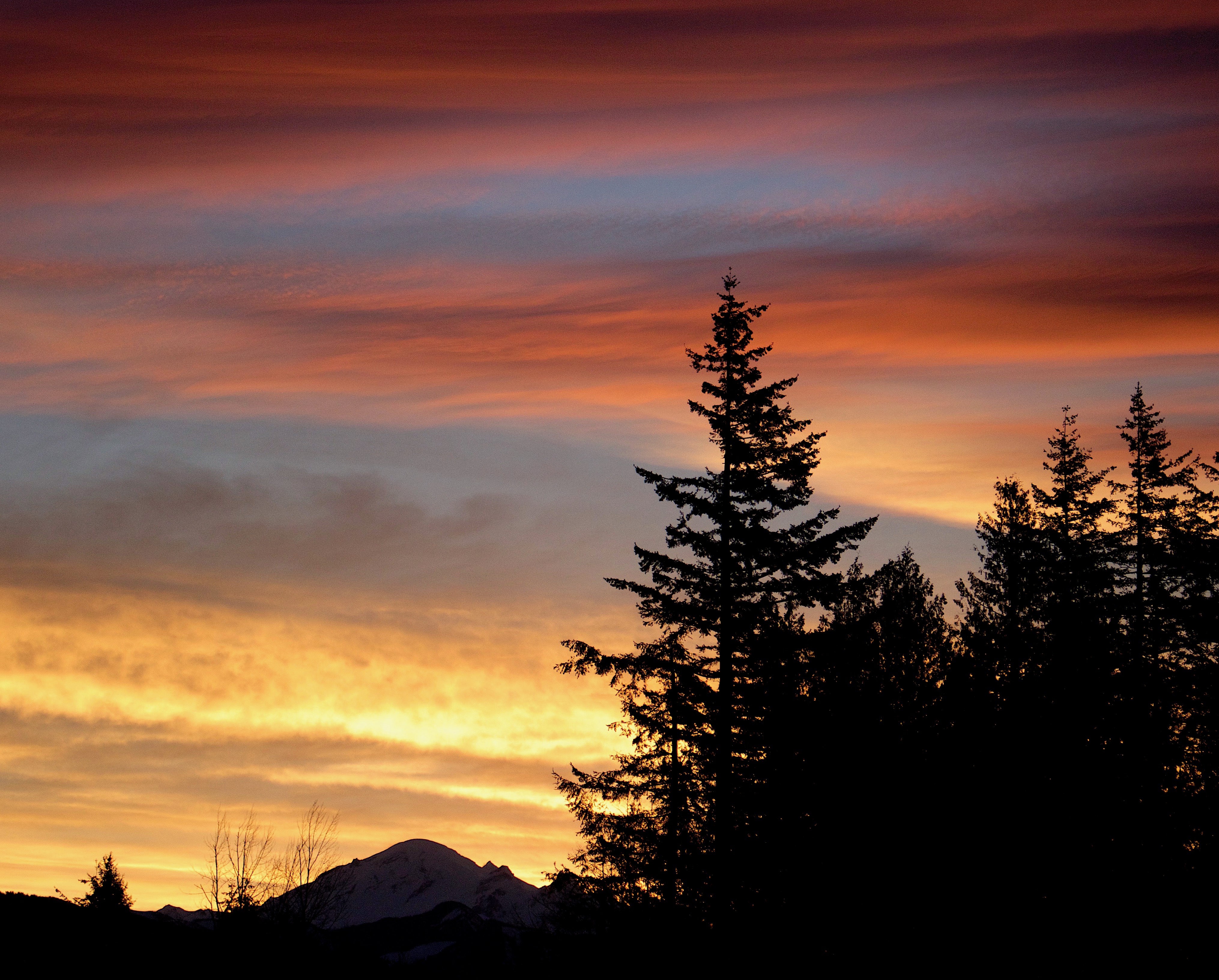
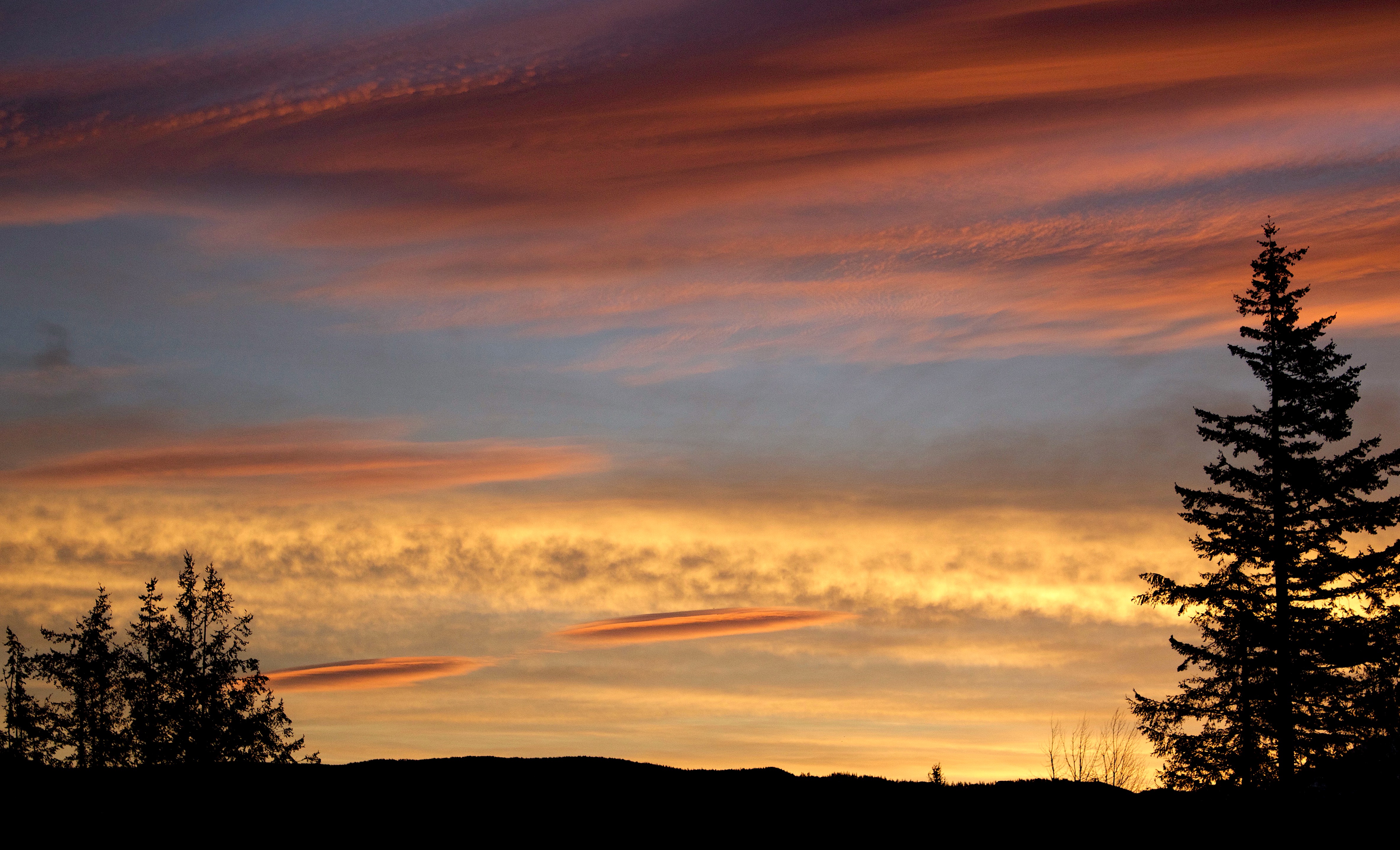
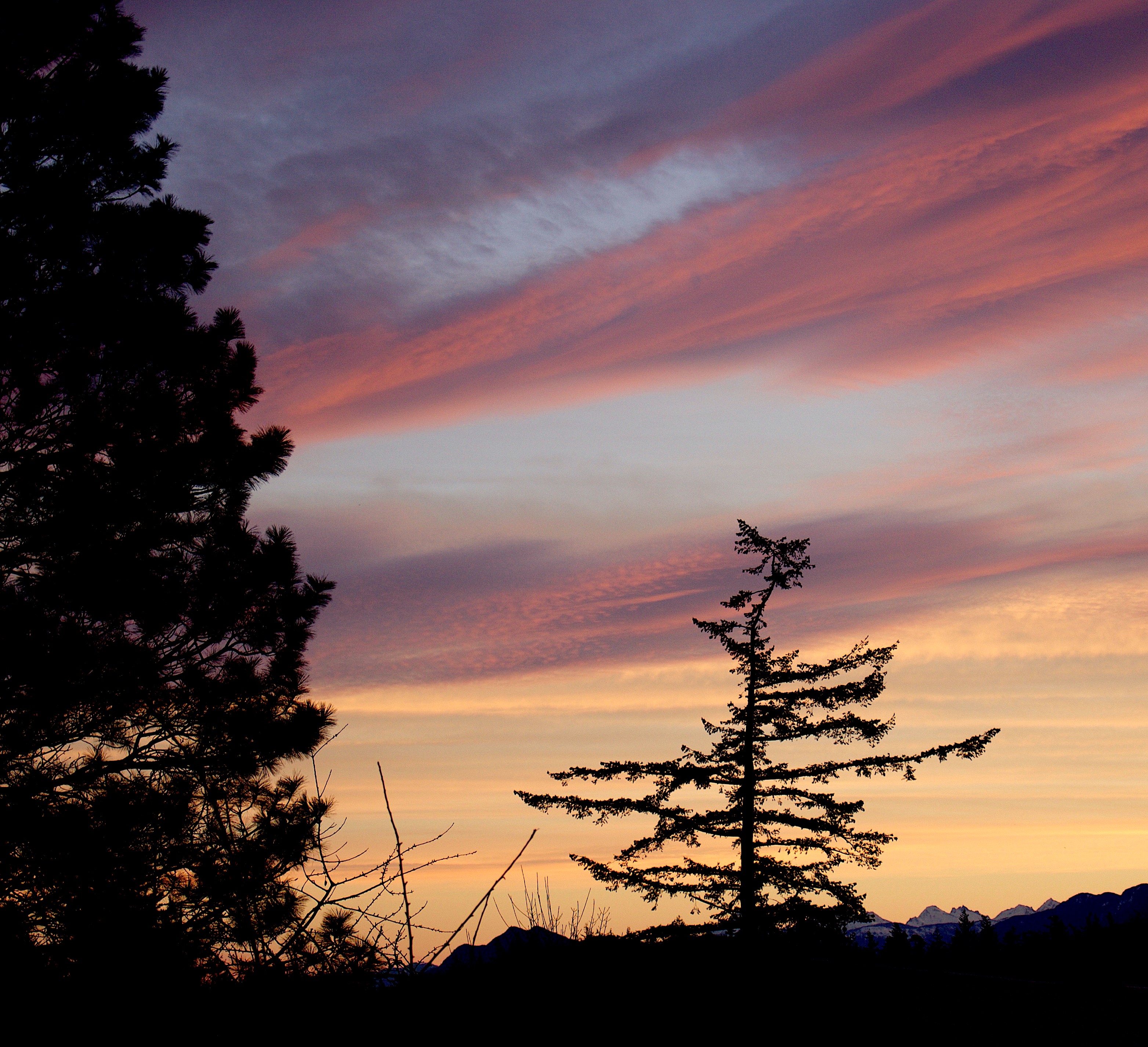
The sunrise this morning kept giving and giving, vanquishing the darkness through an illumination that made all things, even the sorry and the plain, beautiful.

So is the love of one person for another, reflecting the Light that illuminates us all, even to the depths of our shadows.

May we too give and give without ceasing, our plainness made beautiful, our shadows no more.

sunrise2141712

sunrise2141710

sunrise2141711

A Wild Ancestry Ignited

snowpup

homershadow

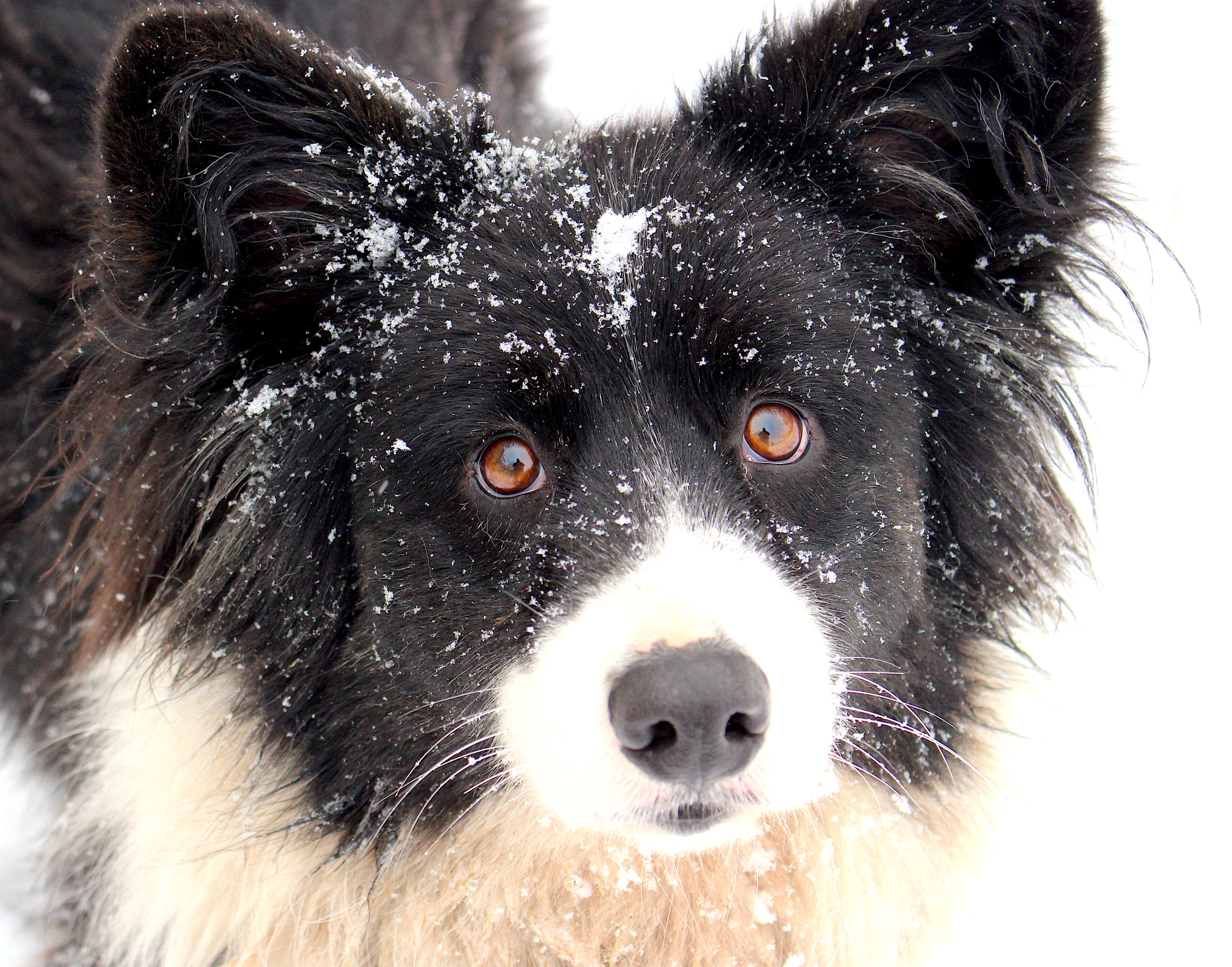
Dog sees white. Arctic
light, the bright buzz in the brain
of pure crystal adrenaline. In a flash
he is out the door and across the street
looking for snowshoe hares, caribou, cats.
His wild ancestry ignited, Dog plunges
his nose into snow up to his eyes. He sees
his dreams. Master yells from the front porch
but Dog can’t hear him. Dog hears nothing
except the roar of the wind across the tundra, the ancient
existential cry of wolves, pure, devastating, hungry.
Time for crunchies. Taking many detours, Dog
returns to the porch. Let master think what he
wants. Freedom comes at a price.
~Paul Piper “Dog and Snow”
corgiwrestling2
corgiwrestling
corgiwrestling4
amberhomer
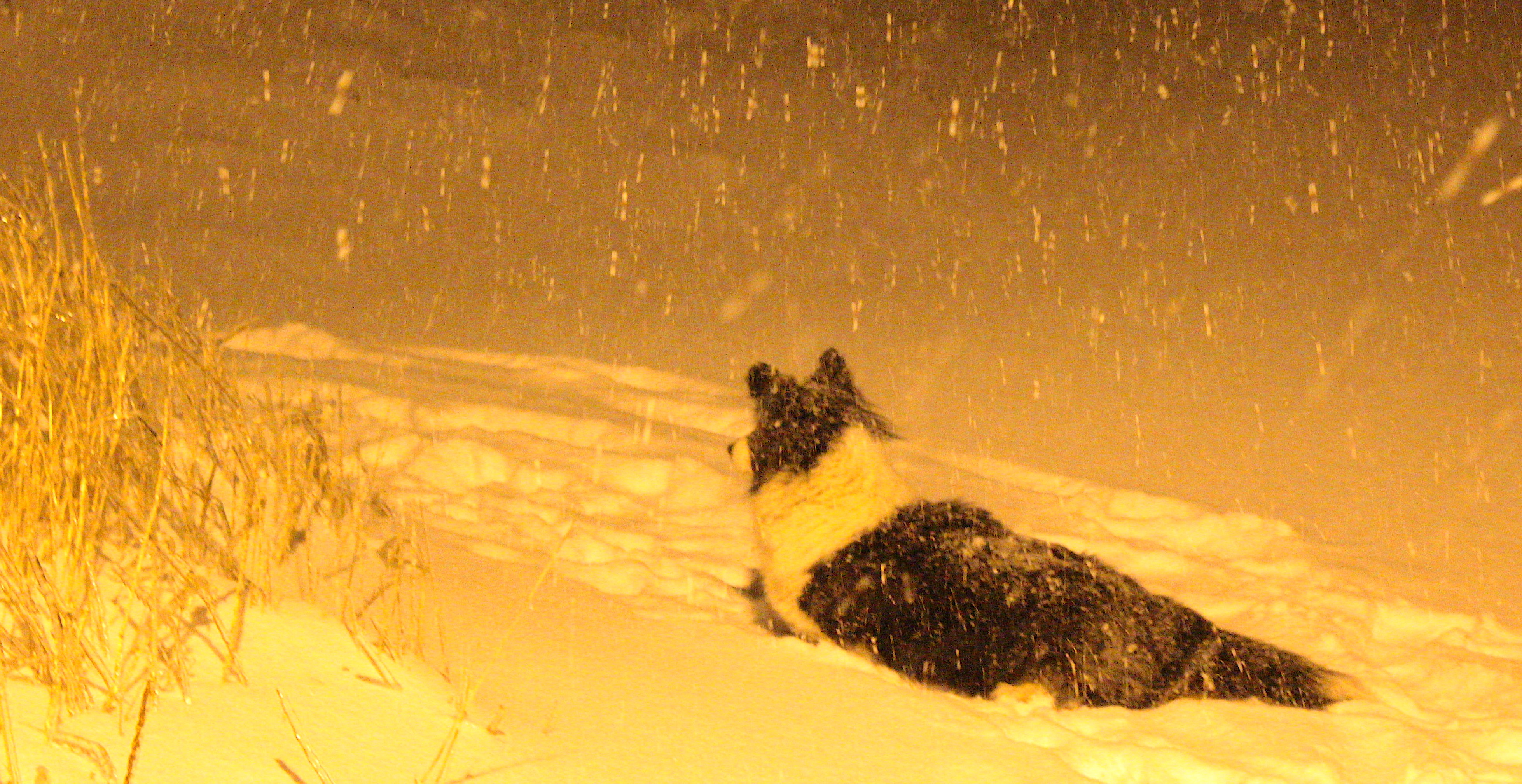
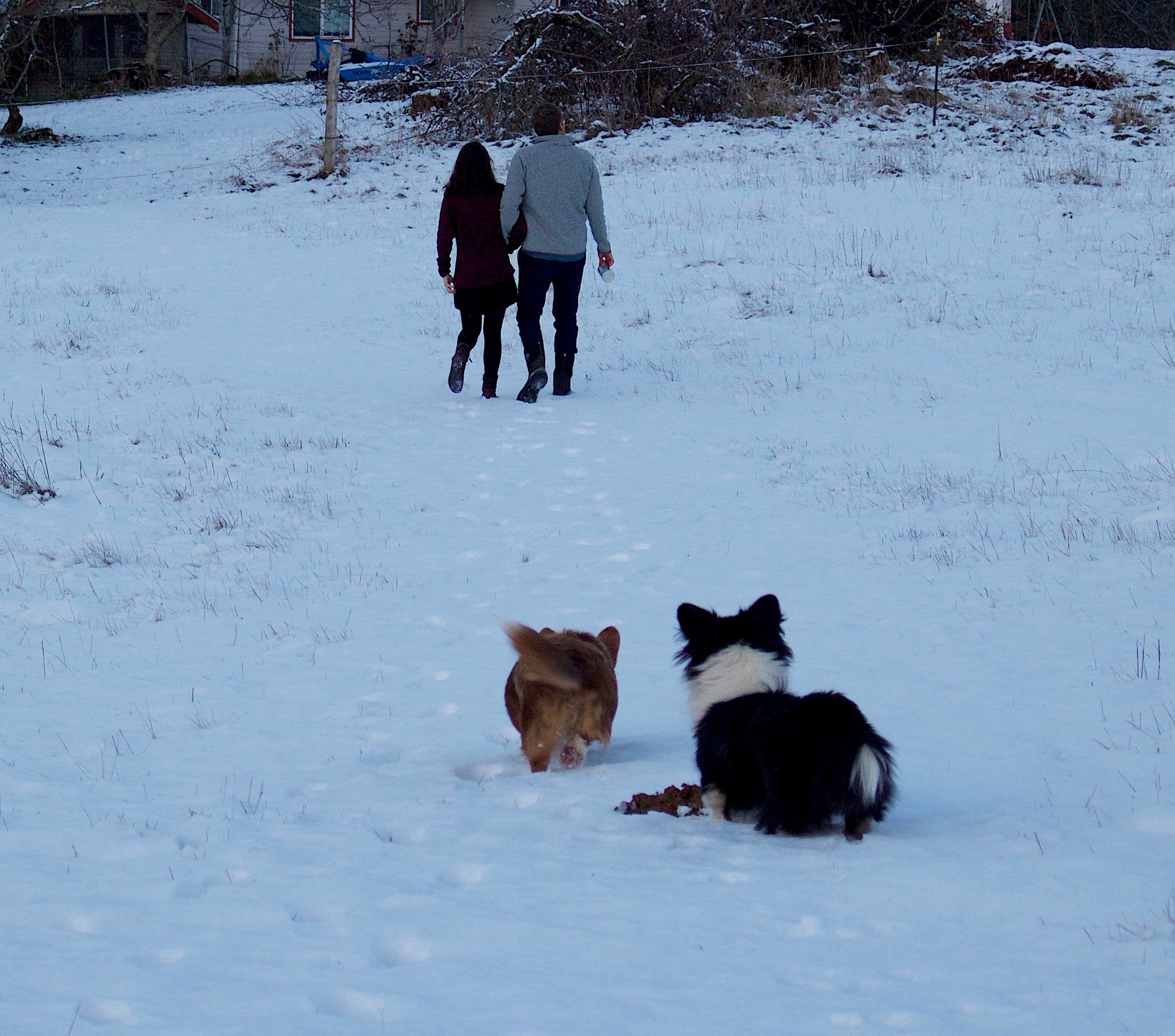
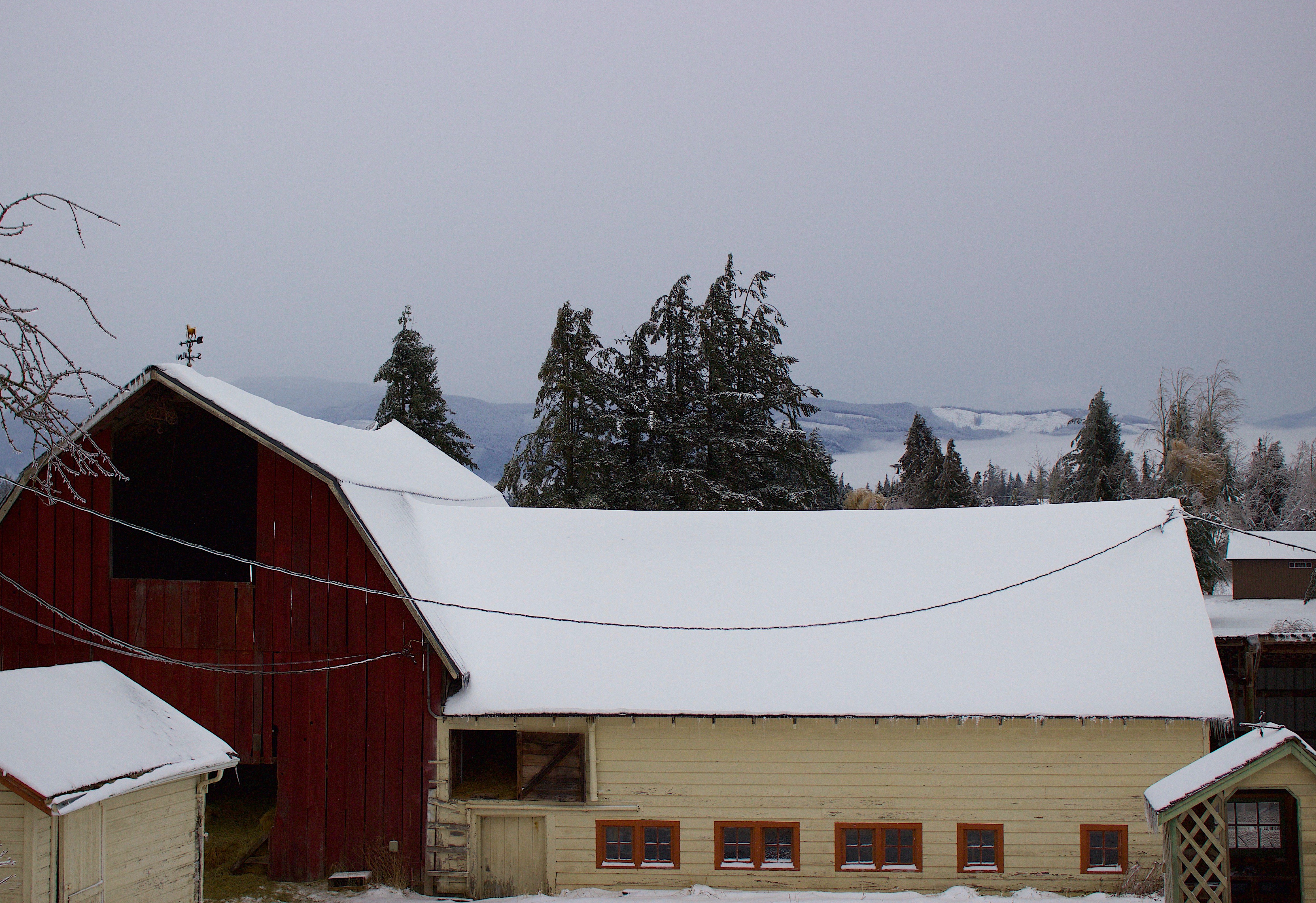
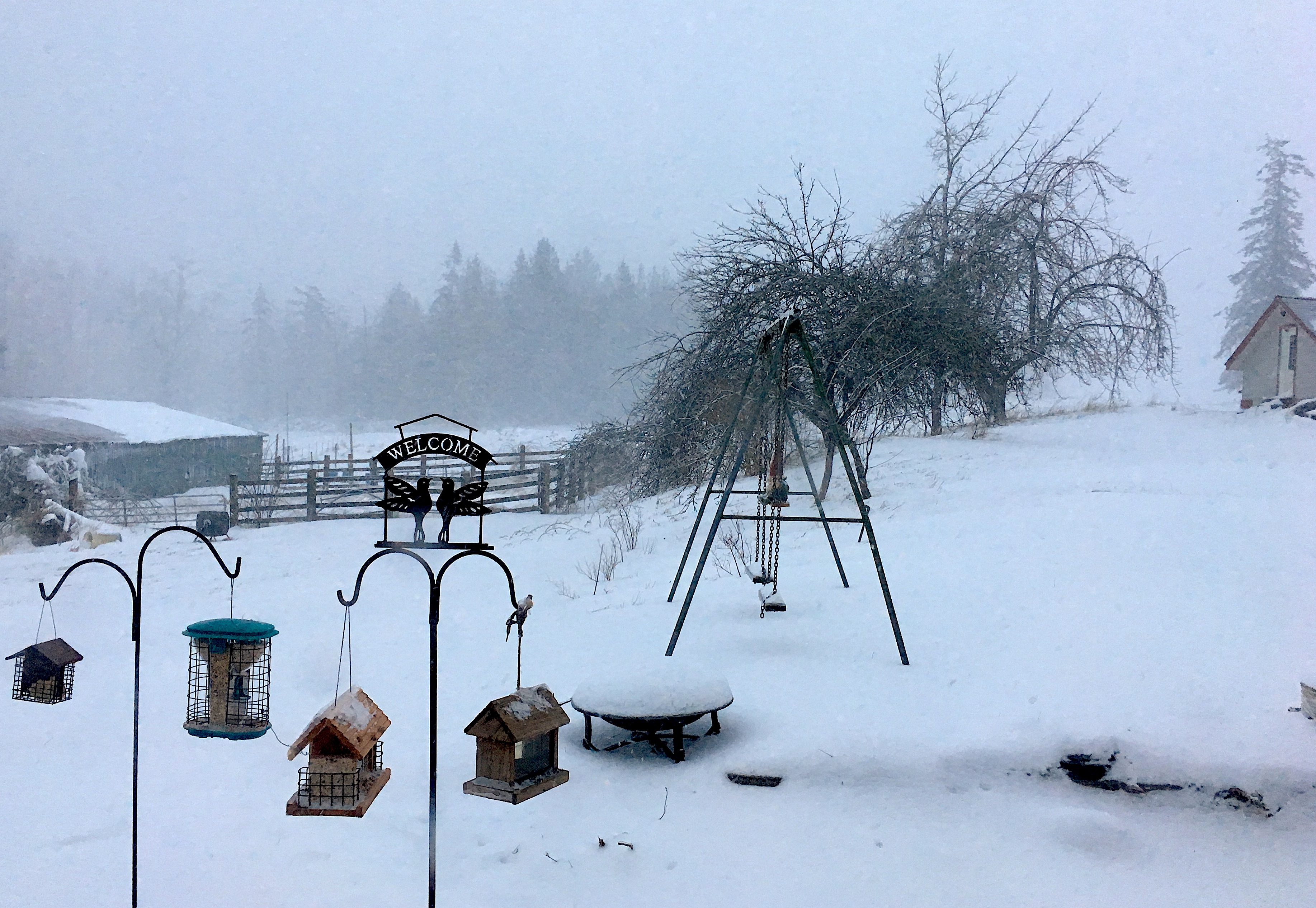
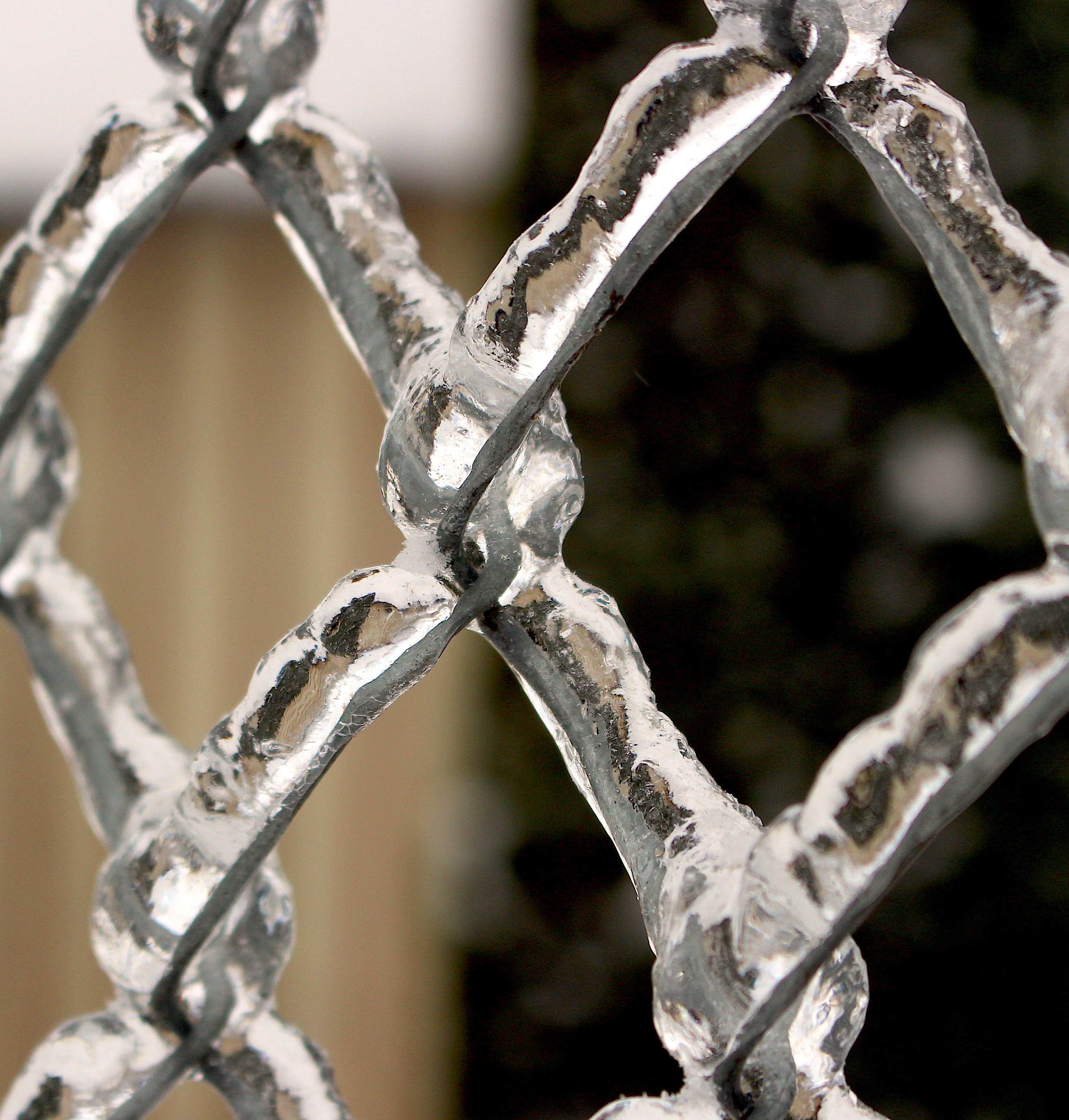
Last week’s major snow and ice storm is nearly a memory.  On the north side of our buildings there is still a slick skiff of white here and there, but it actually is feeling like spring could erupt any moment.
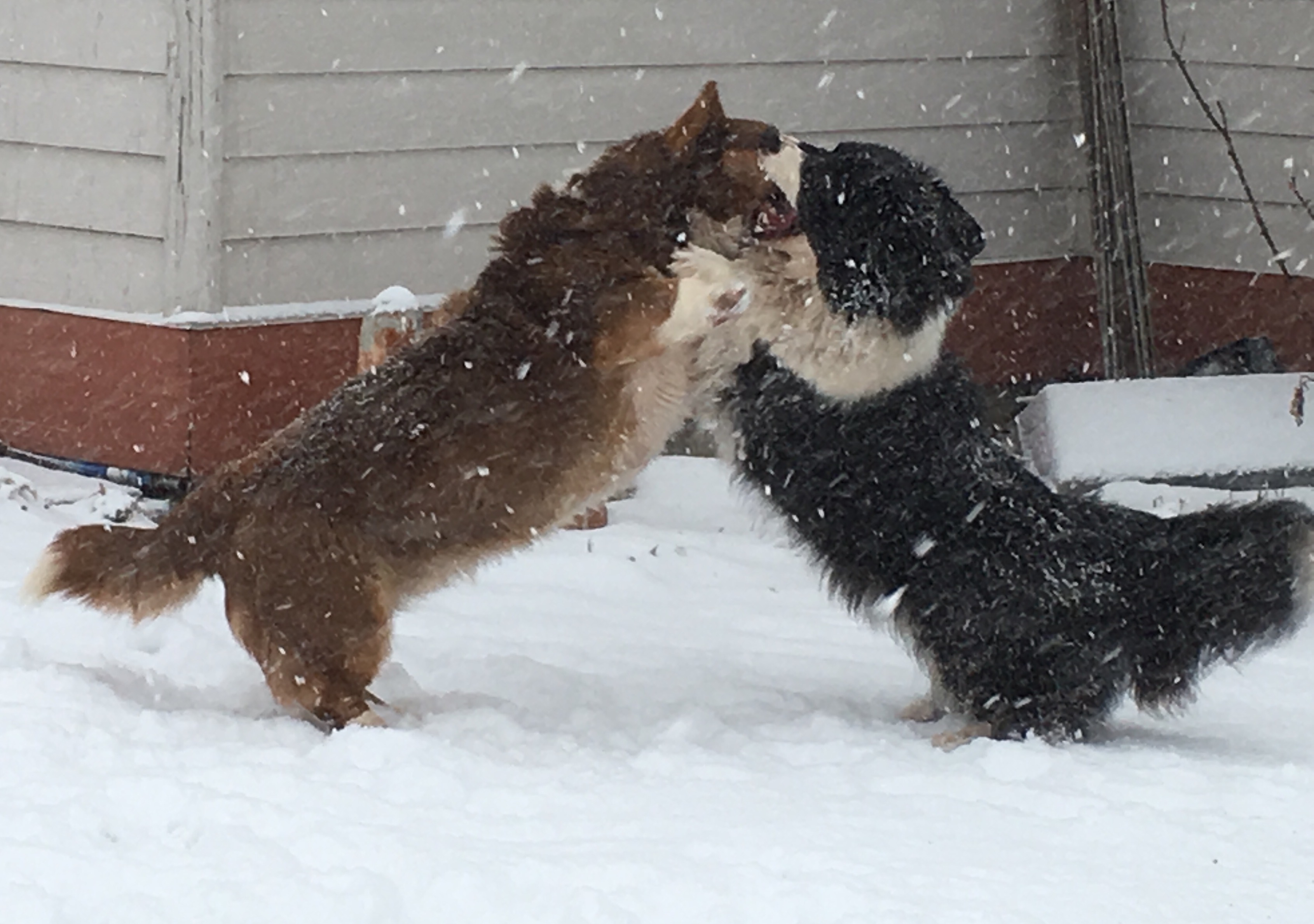
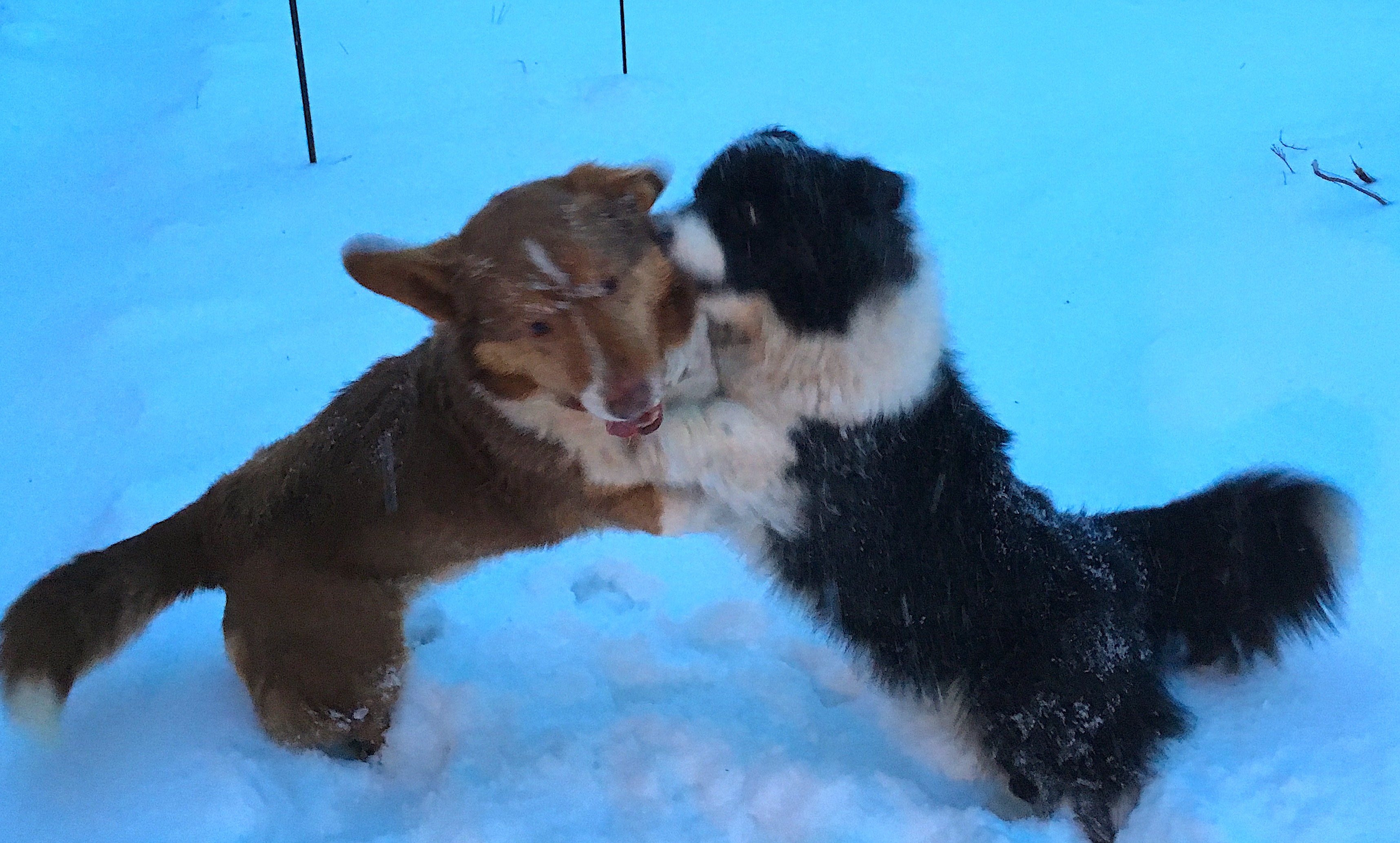
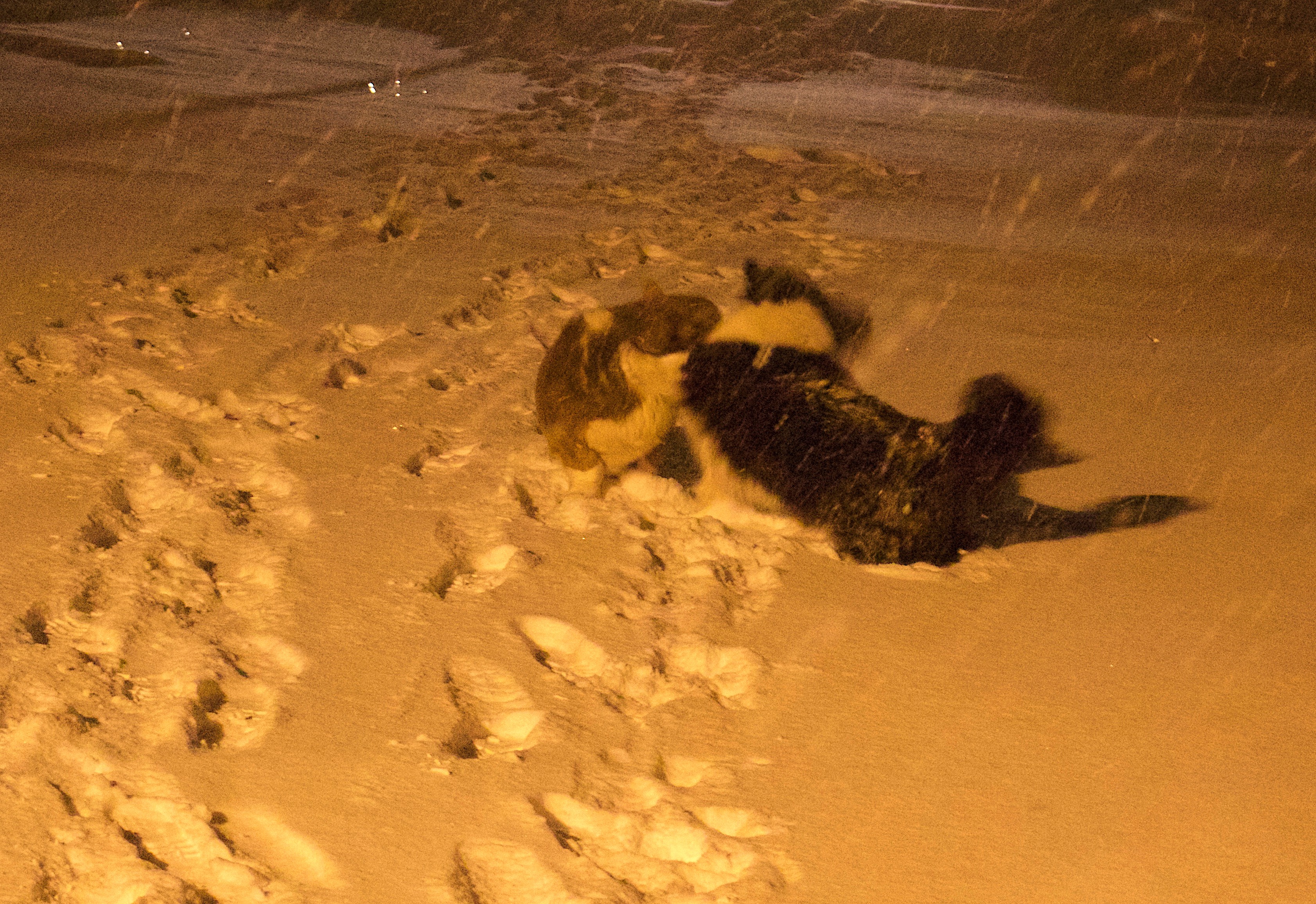
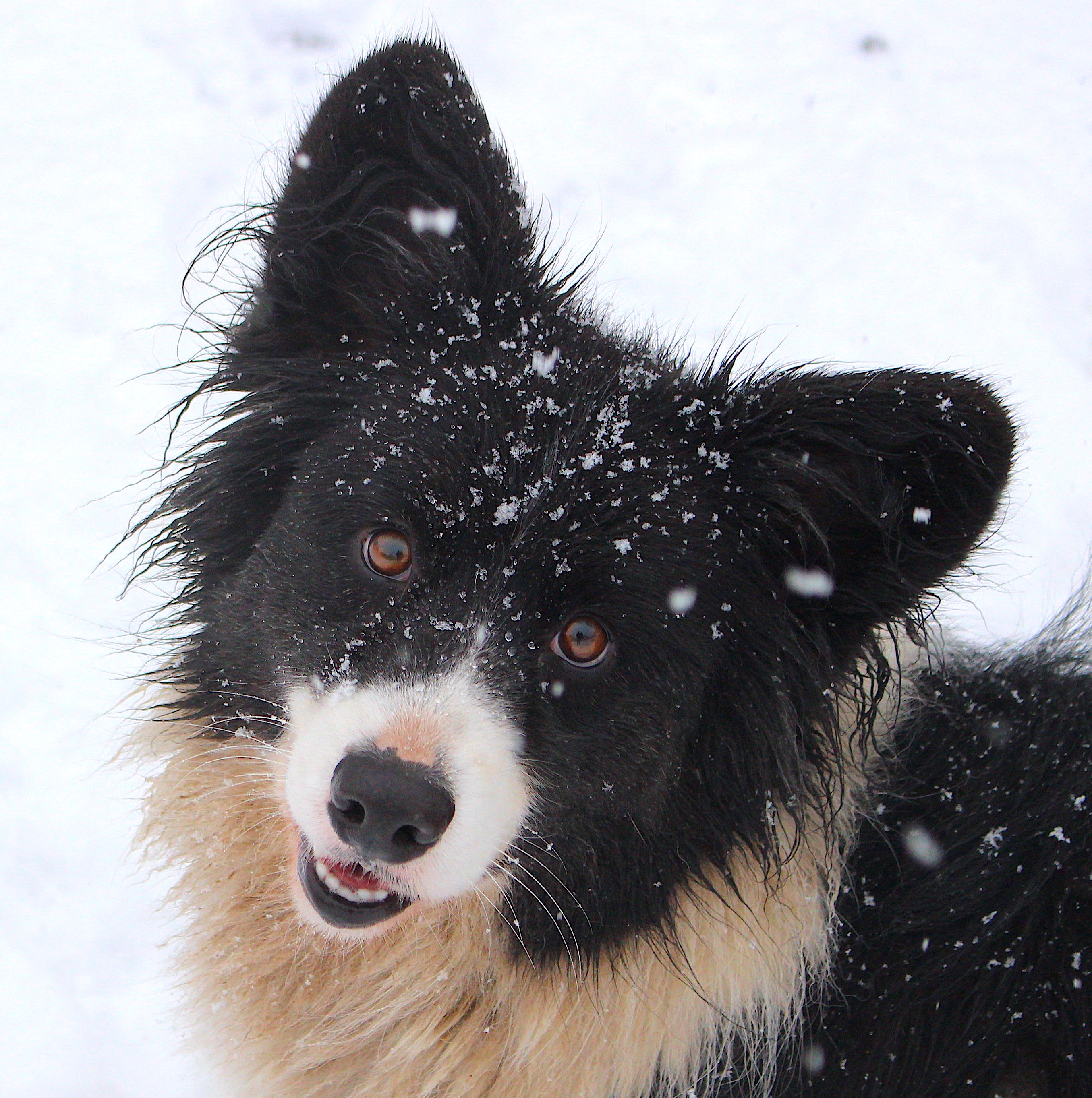
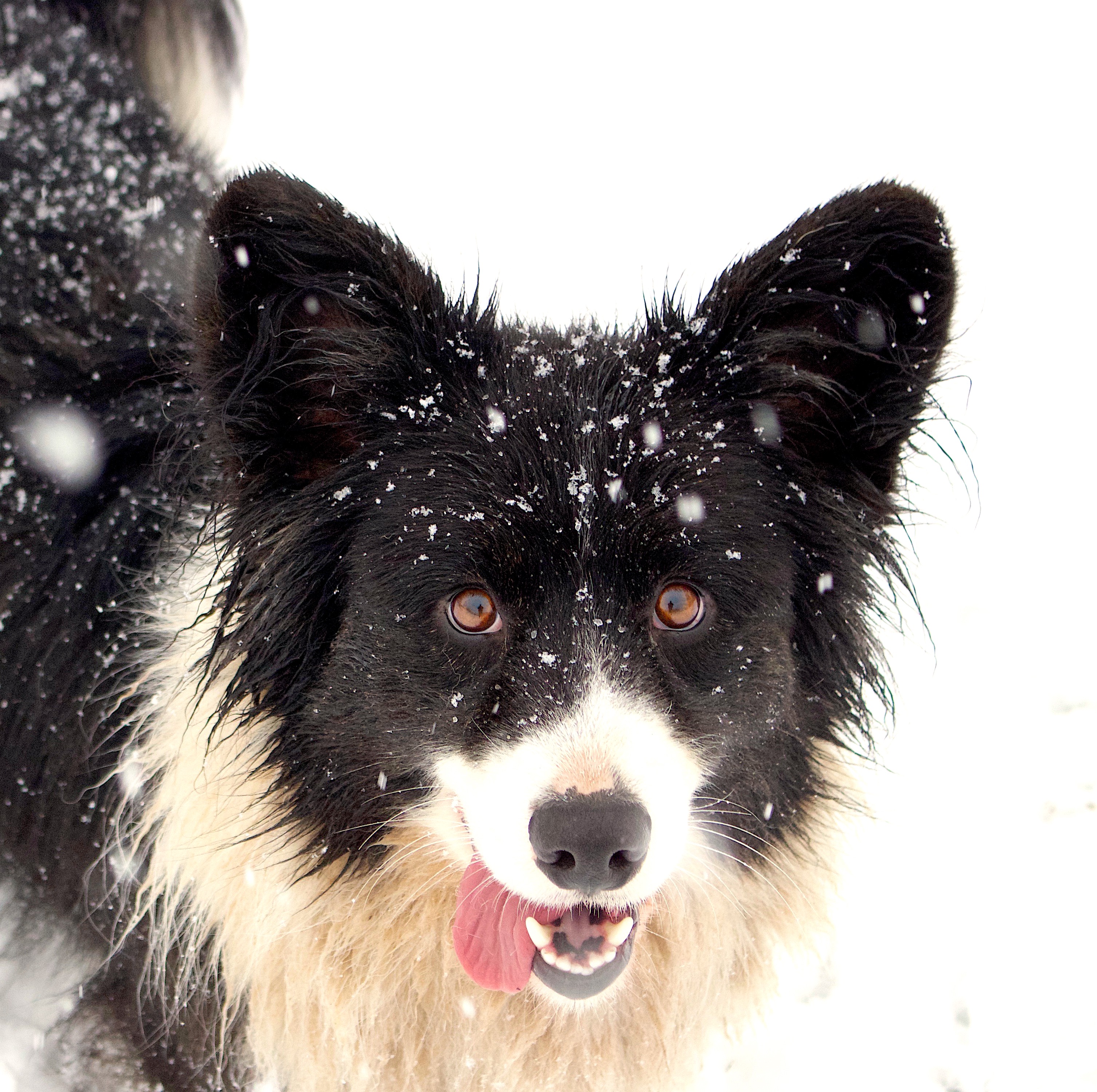
The corgis are brokenhearted though.  They loved plunging through the snow, burying their faces deep, tussling each other to the ground in a continuing pro-corgi-wrestling tournament, hearing the call of the wild.  They weren’t aware the coyotes were circling out in the field, hungry for a meal — even a meal of corgi meat if need be.
Now that we are back to the usual mud of winter, I’m actually feeling a little nostalgic for the wildness of the white storm and the wildness it brought out in our dogs.  However, I don’t descend from wolves like the corgis.
I’m much more like sheep, seeking out the comfort of the flock when the chill gets to be too much.
coyote2
strolling
snowyhomer2
snowyhomer3

The Withering Nourishing Light

snowglow6

Man is born broken. He lives by mending. The grace of God is glue.
~Eugene O’Neill

icelight

snowglow5

We speak of the pain of childbirth, referring,
of course, to the mother, but what is pain
to the mother, the one through whose body
the course unwinds? She understands already
what kind of world she must return to,
how it daily hones its many edges
against human skin, unlike the child whose
untried limbs inch toward it, pressing now
so firmly against her he feels for the first time
the pinch of bone against bone and is seared
by the friction. Isn’t he the one
on whom the real burden falls, the one
to whom resilience means nothing yet? His
tender skin like a small measure of cloth
unfolding before the blade under which
he will, for a lifetime, bruise
and heal: Crush of the long descent, grip
of the steadying hands, brush of breath
against cheek, even the constant barrage
of the microscopic, the tiny plink-plink
of the dust motes knocking against him
before custom makes him numb to it. No wonder
the startled mouth cries out,
each pore suddenly hungry
in the withering, nourishing light.
~Trevor West Knapp  “Touch”

drip

We are born hollering,
already aware
of our emptiness
from the first breath,
each tiny air sac bursting
with the air of our fallen world
that is never quite enough.

The rest of our days are spent
filling up our empty spaces
whether alveoli
or stomach
or synapse hungry for knowledge,
still hollering and heart
broken.

~ so we are mended
through healing another~

~ sewn up ourselves
by knitting together
the scraggly fragments of lives~

~ becoming the crucial glue
boiled from gifted Grace~

until all holes
are made holy
when filled
so wholly.

silverthawpine


silverthawdelicate


springbudsonice

Another Day

dogtreefog

16708697_10154962667336119_426542769079167553_n
moon rise to the east

Here dies another day
During which I have had eyes, ears, hands
And the great world round me;
And with tomorrow begins another.
Why am I allowed two?
~G.K. Chesterton

snowglow3

snowglowfarm

Even on a Saturday,
usually catch-up on
everything I didn’t get done at work this week,
or cleaning house or barn at home,
instead today is spent
in state-mandated training
on suicide assessment and care.

Even though twenty times every day
I ask someone:
can tell me about your thoughts about ending your life?

Even so~~
there is more to learn
and to teach others.

I’ve been allowed
another day
to do my best
to be present
and maybe as this day dies
there will come
another
when I can help someone
choose to live another day.

sunrise129172

16708432_10154961208266119_4799874826825331068_n

Lonely Fir

snowglow4

snowglow2

A silence slipping around like death,
Yet chased by a whisper, a sigh,
a breath;
One group of trees, lean,

naked and cold,
Inking their cress ‘gainst a
sky green-gold;

One path that knows where the
corn flowers were;
Lonely, apart, unyielding, one fir;
And over it softly leaning down,
One star that I loved ere the
fields went brown
~Angelina Weld Grimke “A Winter Twilight”

snowglow1

snowglowfarm2

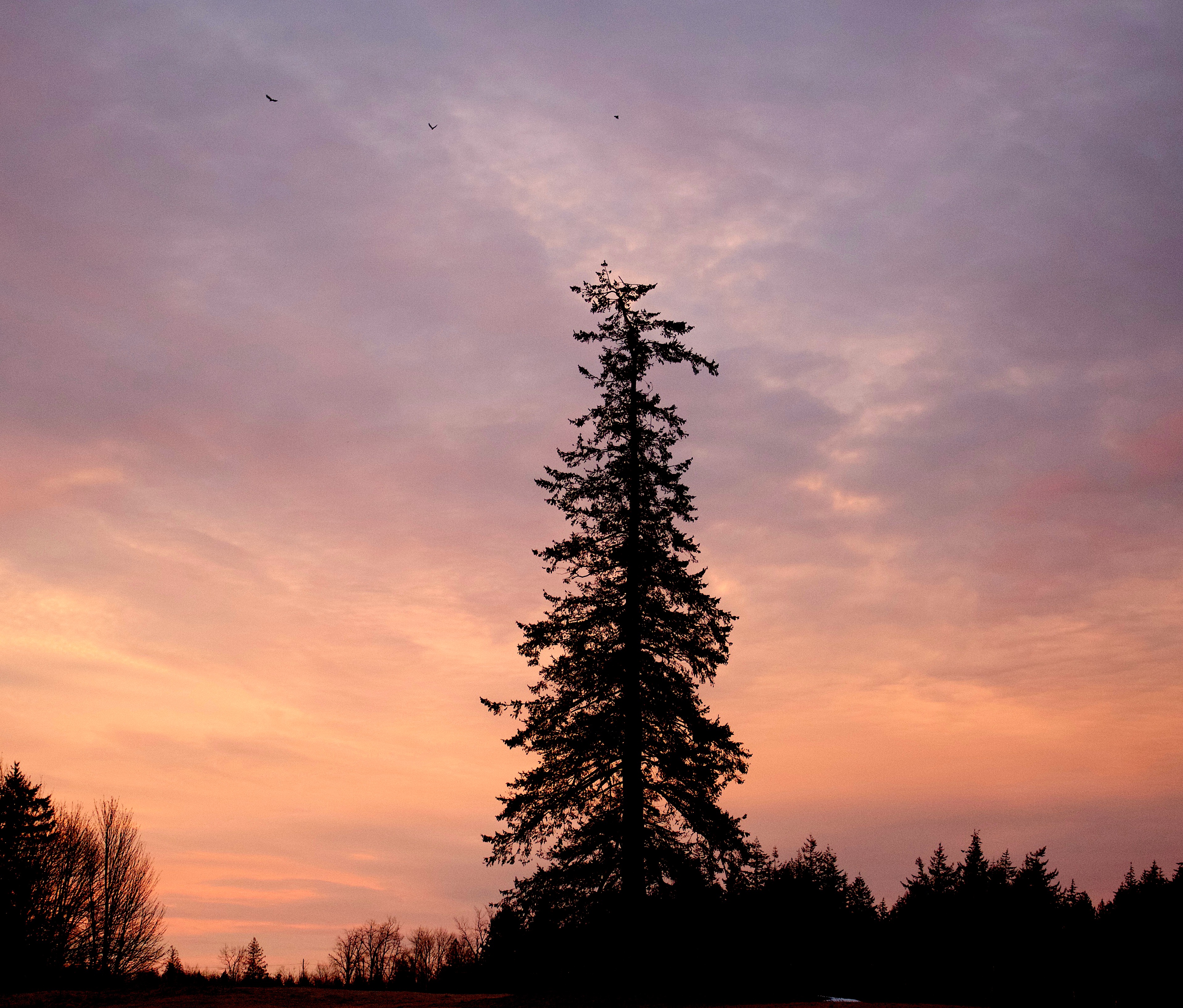
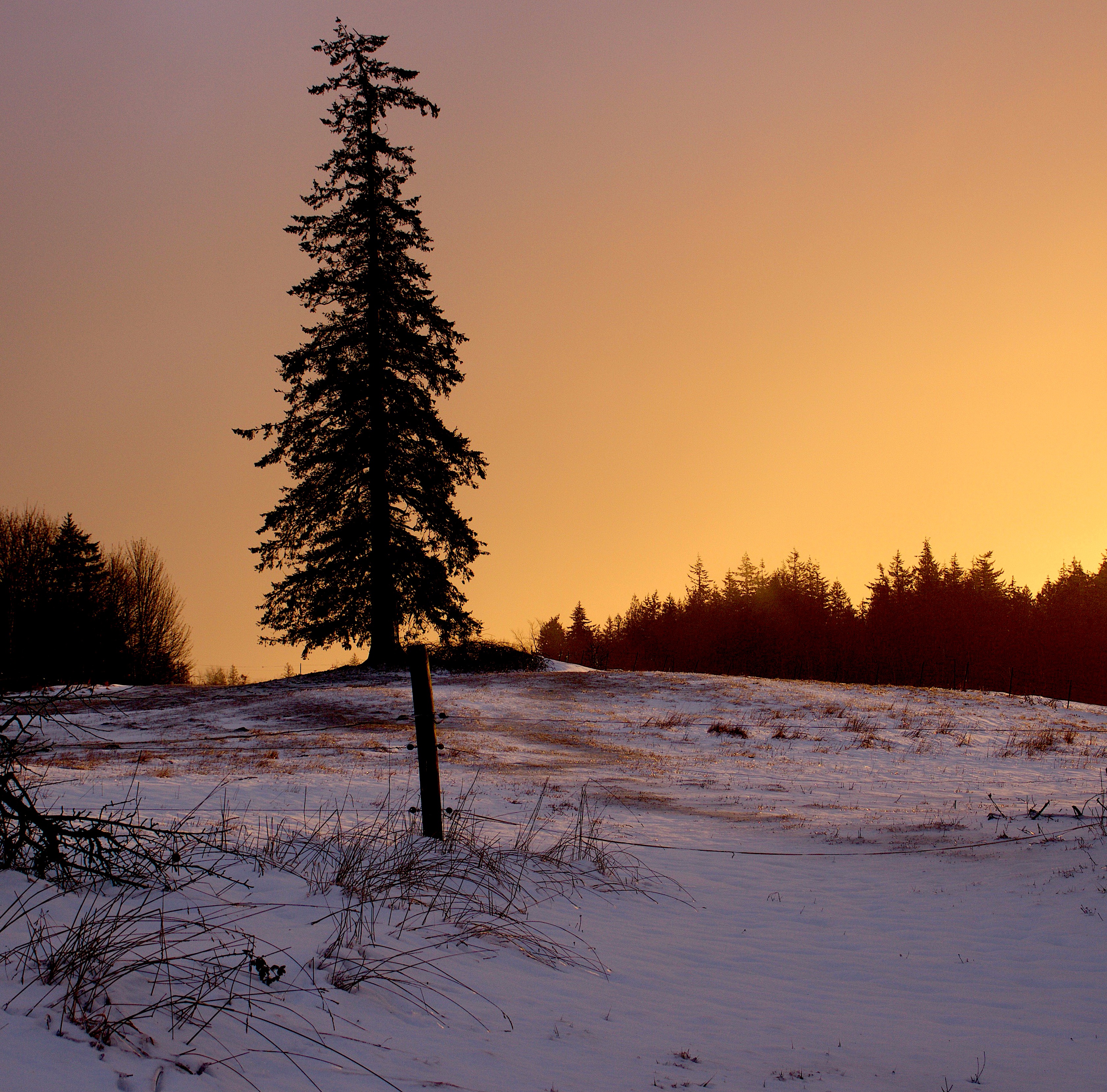
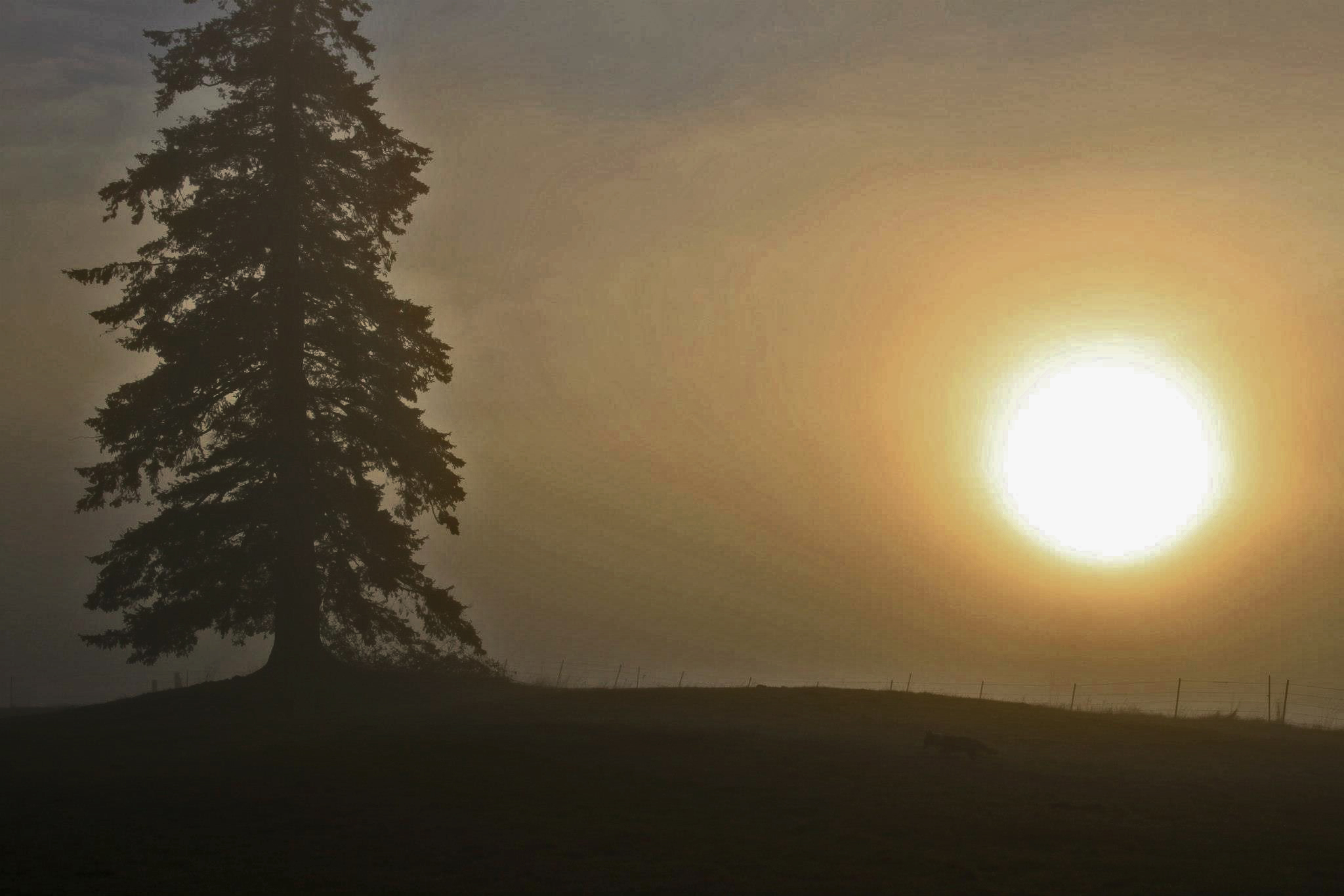
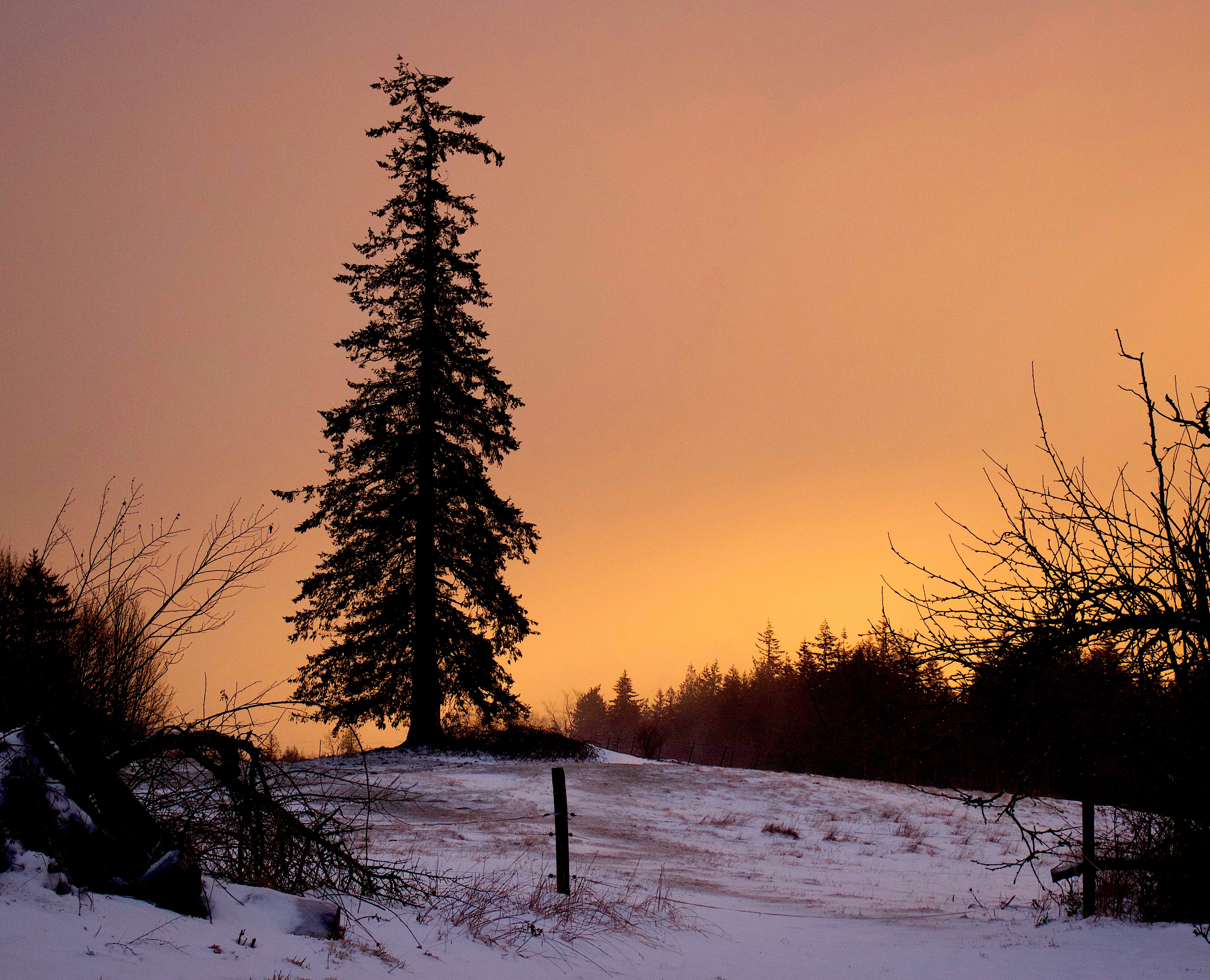
Our farm’s lone fir is a focal point of the neighborhood,
standing grand on the highest hill for several miles around.

Raptors use this tree for views of the surrounding fields.
The horses love the shade on hot summer days.
It is backdrop for glorious sunsets and waning moons.

Yet in winter I find myself admiring it most —
Its steadfast presence, so stoic and unyielding
though buffeted by cold wind and icy storms.

Decades of seasons flow past the lone fir,
“silence slipping around like death,
yet chased by a whisper, a sigh,
a breath.”

icyfence4

So God Made a Farmer

danbarn

And on the 8th day, God looked down on his planned paradise and said, “I need a caretaker.” So God made a farmer.

God said, “I need somebody willing to get up before dawn, milk cows, work all day in the fields, milk cows again, eat supper and then go to town and stay past midnight at a meeting of the school board.” So God made a farmer.

“I need somebody with arms strong enough to rustle a calf and yet gentle enough to deliver his own grandchild. Somebody to call hogs, tame cantankerous machinery, come home hungry, have to wait lunch until his wife’s done feeding visiting ladies and tell the ladies to be sure and come back real soon — and mean it.” So God made a farmer.

God said, “I need somebody willing to sit up all night with a newborn colt. And watch it die. Then dry his eyes and say, ‘Maybe next year.’ I need somebody who can shape an ax handle from a persimmon sprout, shoe a horse with a hunk of car tire, who can make harness out of haywire, feed sacks and shoe scraps. And who, planting time and harvest season, will finish his forty-hour week by Tuesday noon, then, pain’n from ‘tractor back,’ put in another seventy-two hours.” So God made a farmer.

God had to have somebody willing to ride the ruts at double speed to get the hay in ahead of the rain clouds and yet stop in mid-field and race to help when he sees the first smoke from a neighbor’s place. So God made a farmer.

God said, “I need somebody strong enough to clear trees and heave bails, yet gentle enough to tame lambs and wean pigs and tend the pink-combed pullets, who will stop his mower for an hour to splint the broken leg of a meadow lark. It had to be somebody who’d plow deep and straight and not cut corners. Somebody to seed, weed, feed, breed and rake and disc and plow and plant and tie the fleece and strain the milk and replenish the self-feeder and finish a hard week’s work with a five-mile drive to church.

“Somebody who’d bale a family together with the soft strong bonds of sharing, who would laugh and then sigh, and then reply, with smiling eyes, when his son says he wants to spend his life ‘doing what dad does.'” So God made a farmer.
~Paul Harvey (1978)

icyfarm

Good farmers, who take seriously their duties as stewards of Creation and of their land’s inheritors, contribute to the welfare of society in more ways than society usually acknowledges, or even knows. These farmers produce valuable goods, of course; but they also conserve soil, they conserve water, they conserve wildlife, they conserve open space, they conserve scenery.
~Wendell Berry

Farmers farm for the love of farming. They love to watch and nurture the growth of plants. They love to live in the presence of animals. They love to work outdoors. They love the weather, maybe even when it is making them miserable. They love to live where they work and to work where they live. If the scale of their farming is small enough, they like to work in the company of their children and with the help of their children.
~Wendell Berry from Bringing it to the Table: Writings on Farming and Food

snowyfarming

The ultimate goal of farming is not the growing of crops, but the cultivation and perfection of human beings.”
~Masanobu Fukuoka 

fieldpanorama
photo by Nate Gibson

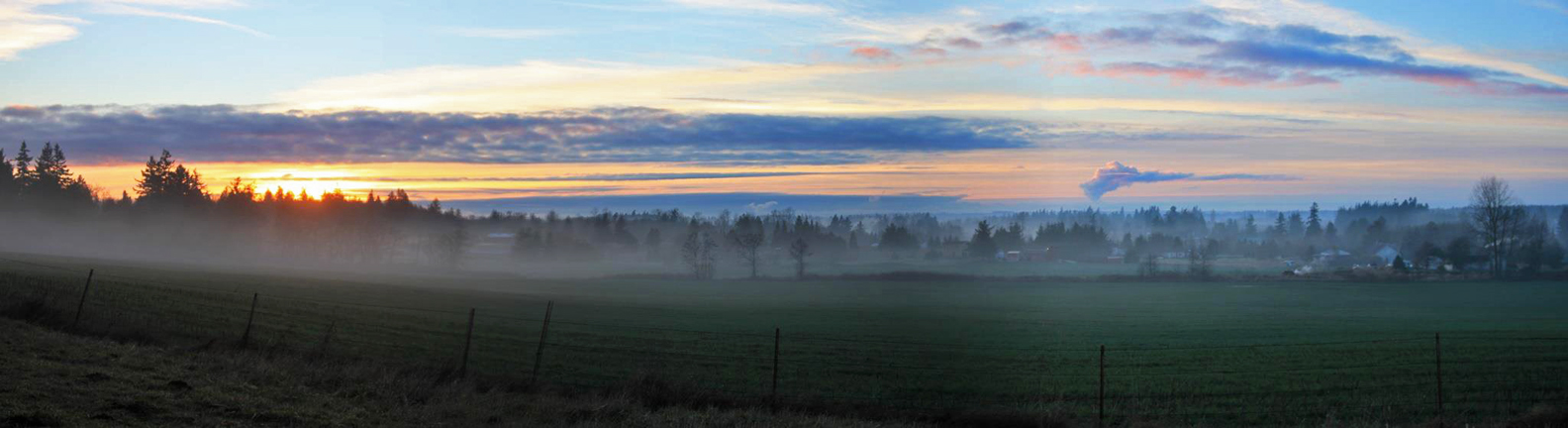
It is hard for my husband and I to ignore our genetic destiny to struggle as stewards of the land through the challenges of economics and weather. Our blood runs with DNA of dairy farmers, wheat and lentil growers, loggers, cattle ranchers, work horse teamsters, and flower and vegetable gardeners. A farm eventually called us from the city and our professional lives to come back home and care for a piece of ground and its animals. So we heeded and here we remain, some 32 years later, children raised and gone.

Perhaps the call of the farmer genes will bring one of them back to the land.  Because farmers are hand-picked for the job by God Himself.

amberhomer

icychainlink

https://www.youtube.com/watch?v=AMpZ0TGjbWE