See, banks and brakes Now, leavèd how thick! lacèd they are again With fretty chervil, look, and fresh wind shakes Them; birds build — but not I build; no, but strain, Time’s eunuch, and not breed one work that wakes.
Mine, O thou Lord of life, send my roots rain ~Gerard Manley Hopkins from “Thou art indeed just, Lord”
As I look out through a tear-streaked window at the beginning of this dark day,
I fear I’m inadequate to the task before me.
Parched and struggling patients line my schedule;
they are anxious and already weary and barren, seeking something, anything
to ease their distress in a hostile world,
preferably an easy pill to swallow.
Nothing that hurts going down.
While others are thriving around them, they wilt and wither, wishing to die.
Lord of Life, equip me to find the words to say that might help.
May it be about more than genetics, neurotransmitters and physiology.
In this dry season for young lives, send your penetrating rain.
Reach down and shake our roots
fiercely
and slake our thirst.
I don’t know exactly what a prayer is.
I do know how to pay attention, how to fall down
into the grass, how to kneel in the grass,
how to be idle and blessed, how to stroll through the fields,
which is what I have been doing all day.
Tell me, what else should I have done?
Doesn’t everything die at last, and too soon?
Tell me, what is it you plan to do
With your one wild and precious life?
– Mary Oliver, “The Summer Day”
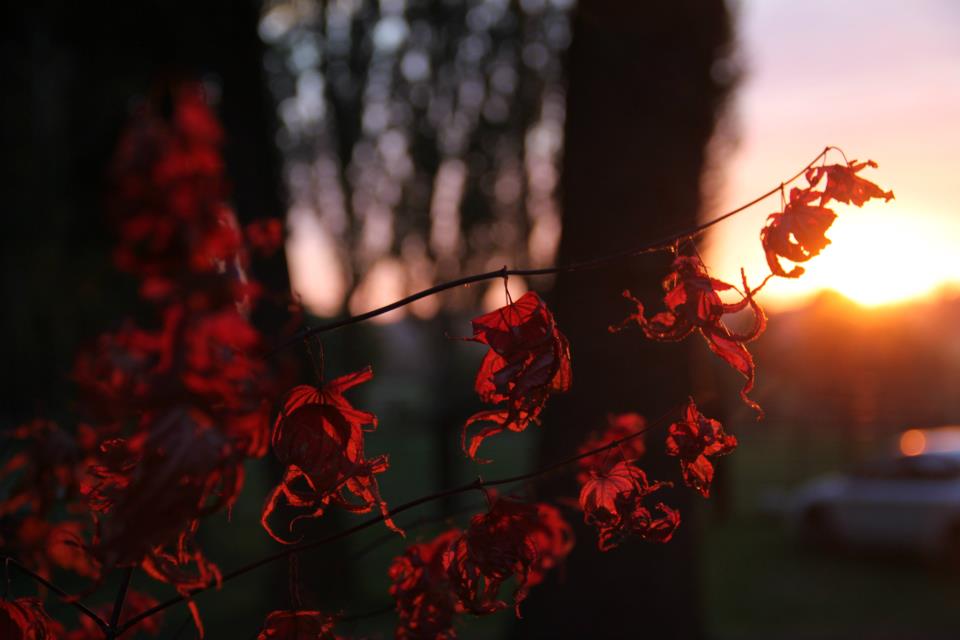
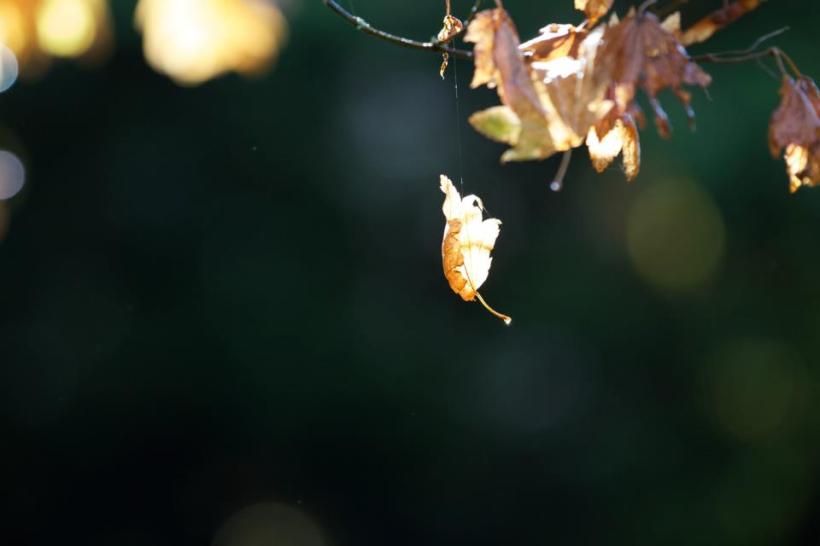
Sometimes it is enough to kneel in the grass to capture the right light at the precise moment it is sent from above. It is prayer to be blessed so, prayer to pay attention, prayer to be grateful for that moment. I find myself on my knees often these days because it all will be gone too soon, much too soon.
As if living in a prayer, we say amen to the late arrival of red, the stun of green, the muted yellow at the end of every twig. ~Jack Ridl from “Here in the Time Between”
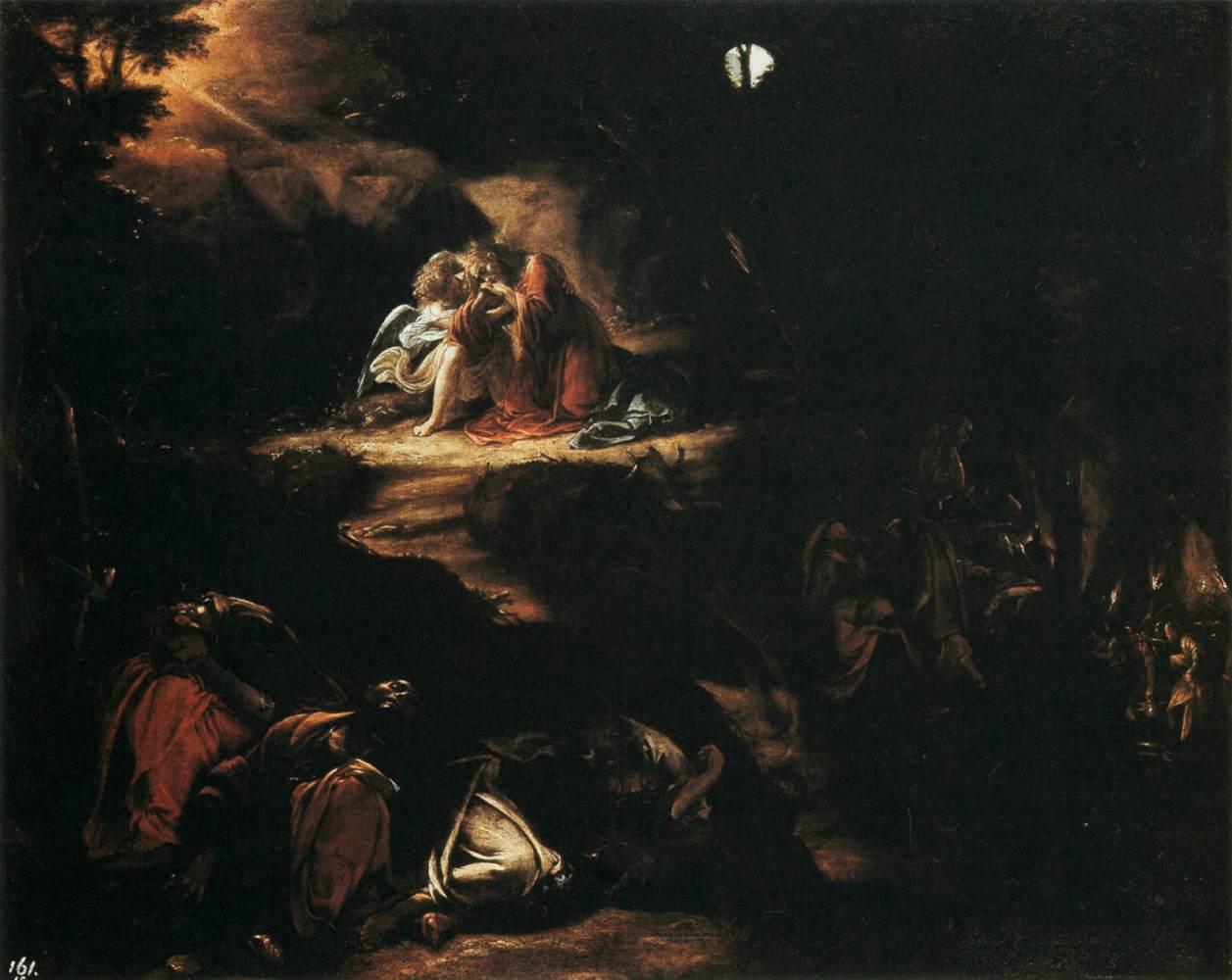
Jesus said, wait with me. But the disciples slept.
Oh the dear bodies, slumped and eye-shut, that could not keep that vigil, how they must have wept, so utterly human, knowing this too must be part of the story. ~Mary Oliver from “Gethsemane”
…difficulties are magnified out of all proportion simply by fear and anxiety. From the moment we wake until we fall asleep we must commend other people wholly and unreservedly to God and leave them in his hands, and transform our anxiety for them into prayers on their behalf: With sorrow and with grief… God will not be distracted. ~Dietrich Bonhoeffer in Letters from Prison
Every day I see college students who are so consumed by anxiety they become immobilized in their ability to move forward through the midst of life’s inevitable obstacles and difficulties. They become so stuck in their own overwhelming feelings they can’t sleep or eat or think clearly, so distracted are they by their symptoms. They self-medicate, self-injure and self-hate. Being unable to nurture themselves or others, they wither like a young tree without roots deep enough to reach the vast reservoir that lies untapped beneath them. In epidemic numbers, some decide to die, even before life really has fully begun for them.
I grieve for them in their distress. My role is to help find healing solutions, whether it is counseling therapy, a break from school, or a medicine that may give some form of relief. My heart knows the ultimate answer is not as simple as the right prescription.
We who are anxious are not trusting a Creator who does not suffer from attention deficit disorder and who is not distracted from His care for us even when we turn away in worry and sorrow. We magnify our difficult circumstances by staying so tightly into ourselves, unable to look beyond our own eyelashes. Instead we are to reach higher and deeper, through prayer, through service to others, through acknowledging there is power greater than ourselves.
So we are called to pray for ourselves and for others, disabling anxiety and fear and transforming it to gratitude and grace. No longer withering, we just might bloom.
Nothing was helping. Everything had been tried for a week of the most intensive critical care possible. A twenty year old man, completely healthy only two weeks previously, was holding on to life by a mere thread and nothing and no one could stop his dying.
His battle against MRSA pneumonia precipitated by a brief influenza-like illness had been lost. Despite aggressive hemodynamic, antibiotic and ventilator management, he was becoming more hypoxic, his lungs collapsing and his renal function deteriorating. He had remained unresponsive during the ordeal due to intentional sedation for his time in the ICU.
The intensivist looked weary and defeated. The nurses were staring at their laps, unable to look up, their eyes tearing. The hospital chaplain reached out to hold this young man’s mother’s hands.
After almost a week of heroic effort and treatment, there was now clarity about the next step.
Two hours later, a group of family and friends gathered in the waiting room outside the ICU doors. Most were the age of their friend; they assisted each other in tying on the gowns over their clothing, helped distribute gloves and masks. Together, holding each other up, they waited for the signal to come in after the ventilator had been removed and he was barely breathing without assistance. They entered his room and gathered around his bed.
He was ravaged by this sudden illness, his strong young body beaten and giving up. His breathing was now ragged and irregular, the sedation preventing response but not necessarily preventing awareness. He was surrounded by silence as each individual who had known and loved him struggled with the knowledge that this was the final goodbye.
His father approached the head of the bed and put his hands on his boy’s forehead and cheek. He held his son’s face tenderly, bowing in silent prayer and then murmuring words of comfort. It was okay to let go. It was okay to leave us now. We will see you again. We’ll meet again. We’ll know where you can be found.
His mother stood alongside, rubbing her son’s arms, gazing into his face as he slowly slowly slipped away. His father began humming, indistinguishable notes initially, just low sounds coming from a deep well of anguish and loss.
As the son’s breaths spaced farther apart, his dad’s hummed song became recognizable as the hymn of praise by John Newton, Amazing Grace. The words started to form around the notes. At first his dad was singing alone, giving this gift to his son as he passed, and then his mom joined in as well. His sisters wept and sang. His friends didn’t know all the words but tried to sing through their tears. The chaplain helped when we stumbled, not knowing if we were getting it right, not ever having done anything like this before.
Amazing Grace, how sweet the sound, That saved a wretch like me. I once was lost but now am found, Was blind, but now I see.
Through many dangers, toils and snares I have already come; ‘Tis Grace that brought me safe thus far and Grace will lead me home.
Yea, when this flesh and heart shall fail, And mortal life shall cease, I shall possess within the veil, A life of joy and peace.
When we’ve been here ten thousand years Bright shining as the sun. We’ve no less days to sing God’s praise Than when we’ve first begun.
And then he left us, his flesh and heart having failed, to enter into a new life of joy and peace.
His mom hugged each sobbing person there–the young friends, the nurses, the doctors humbled by a powerful pathogen. She thanked each one for being present for his death, for their vigil kept through the week in the hospital.
This young man, stricken by a common virus followed by a devastating bacterial pneumonia, was now lost to this mortal life, having profoundly touched so many people in his dying. His parents’ grief in their loss, so gracious and giving to the young people who had never confronted death before, remains, even now a few years later, unforgettable.
This was their promise to their son as they let him go, as he was lost to them: that he would be found, that he was deeply loved.
This was their sacred gift to us who witnessed this love in the letting go: such Grace will lead us all home.
To clasp the hands in prayer is the beginning of an uprising against the disorder of the world. ~Karl Barth
Prayer is easier for the youngest among us. It can be amazingly spontaneous for kids — an outright exclamation of joy, a crying plea for help, a word of unprompted gratitude. As a child I can remember making up my own songs and monologues to God as I wandered alone in our farm’s woods, enjoying His company in my semi-solitude. I’m not sure when I began to silence myself out of self-conscious embarrassment, but I stayed silent for many years, unwilling to put voice to the prayers that rattled in my head. In my childhood, prayer in public schools had been hushed into a mere moment of silence, and intuitively I knew silence never changed anything. The world became more and more disorderly in the 60’s and 70’s and in my increasingly indoctrinated mind, there was no prayer I could say that would make a difference either.
How wrong could I and my education be. Nothing can right the world until we are right with God through talking to Him out of our depth of need and fear. Nothing can right the world until we submit ourselves wholly, bowed low, hands clasped, eyes closed, articulating the joy, the thanks, and the petitions weighing on our hearts.
An uprising is possible when a voice comes alive, unashamed, un-selfconscious, rising up from within us, uttering words that beseech and thank and praise. To rise up with hands clasped together calls upon a power needing no weapons, only words, to overcome and overwhelm the shambles left of our world.
Nothing can be more victorious than the Amen, our Amen, at the end. So be it and so shall it be.
I return to the ground its original music. It will rise out of the horizon of the grass, and over the heads of weeds, and it will rise over the horizon of men’s heads. As I age in the world it will rise and spread, and be for this place horizon and orison, the voice of its winds. I have made myself a dream to dream of its rising, that has gentled my nights. Let me desire and wish well the life these trees may live when I no longer rise in the mornings to be pleased with the green of them shining, and their shadows on the ground, and the sound of the wind in them. ~Wendell Berry from “Planting Trees”
A tree is a prayer that begins
like a small seed
falling from our lips,
tentative with need.
–a word of thanks
a moment of praise
a tear from grief
a plea for grace–
Unsure if it will land
on receptive soil
with sufficient light
or sprinkling
to quench its dryness.
An answered prayer, like a tree,
takes hold
roots burrowed deep
held fast
filling to fullness
to grow higher in
blooming profusion
that reaches the sky,
awaiting the wind’s touch.
Our prayer, like a tree,
planted on fertile soil,
will someday yield
its gifts and blessings
of fruit and shade,
to rise beyond the horizon
and reach past our last
Amen.
photo by Emily Gibson, just outside our front door
Sometimes, hard-trying, it seems I cannot pray– For doubt, and pain, and anger, and all strife. Yet some poor half-fledged prayer-bird from the nest May fall, flit, fly, perch–crouch in the bowery breast Of the large, nation-healing tree of life;– Moveless there sit through all the burning day, And on my heart at night a fresh leaf cooling lay. ~George MacDonald from Diary of an Old Soul
There can be no response but to bow in earnest prayer, waiting for the hatch of a healing peace among the diverse peoples and opinions of our nation. Our lives are half-fledged, not yet fully delivered nor understood, doubt burning into our flesh like thorns on fire. We have become an angry and hurting nation– those who won and those who lost. The gloating bloats who we are, beyond recognition.
May our prayers rise like a dove from hearts in turmoil, once again to soar on the wings of eagles.
Peace, come quickly.
Be no longer moveless.
Move us to higher ground.
Plow deep our hearts.
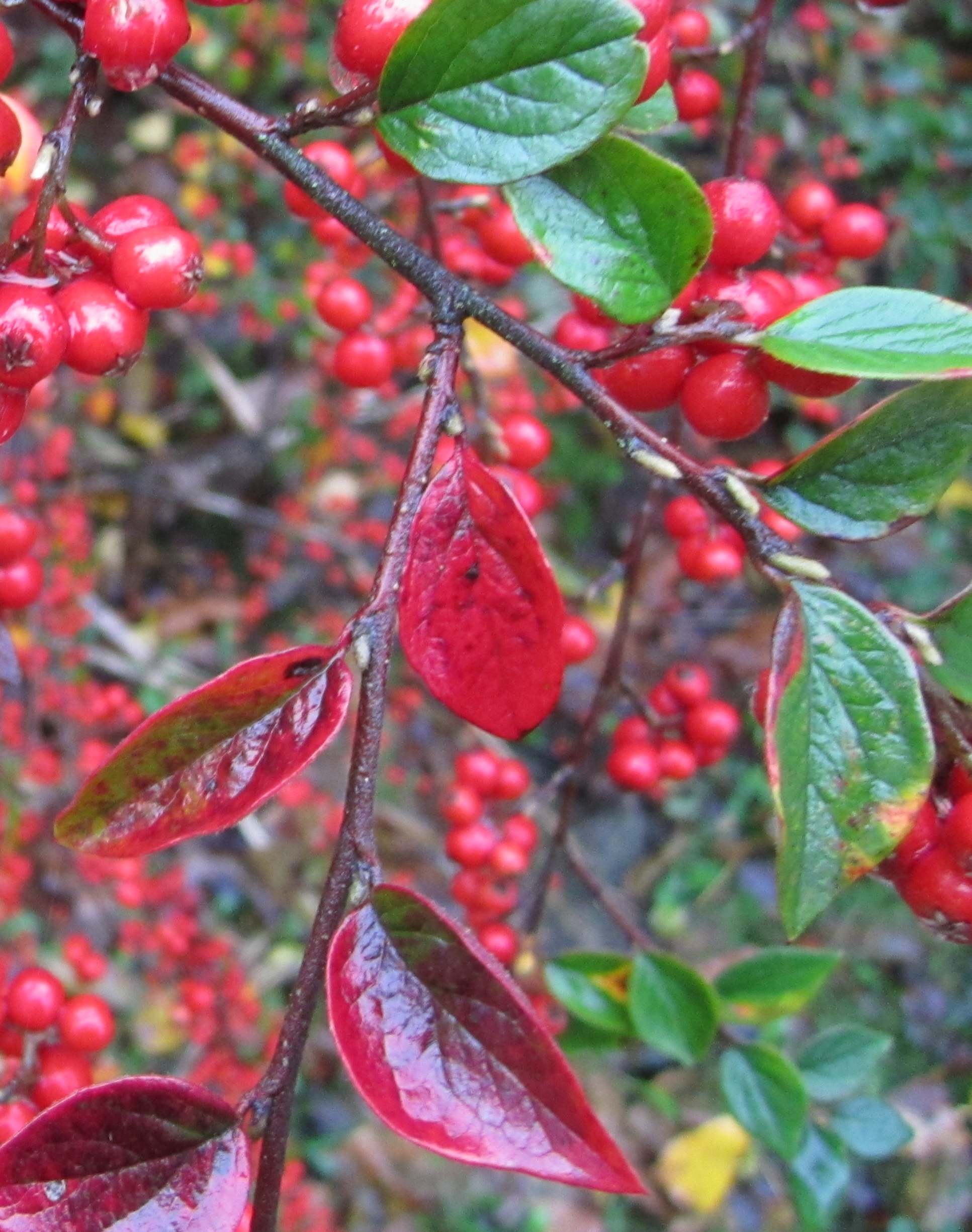
photo of “firethorn” bush (pyracanthus) by Emily Gibson











 Barnstorming