Heading Toward Whatever is Beyond

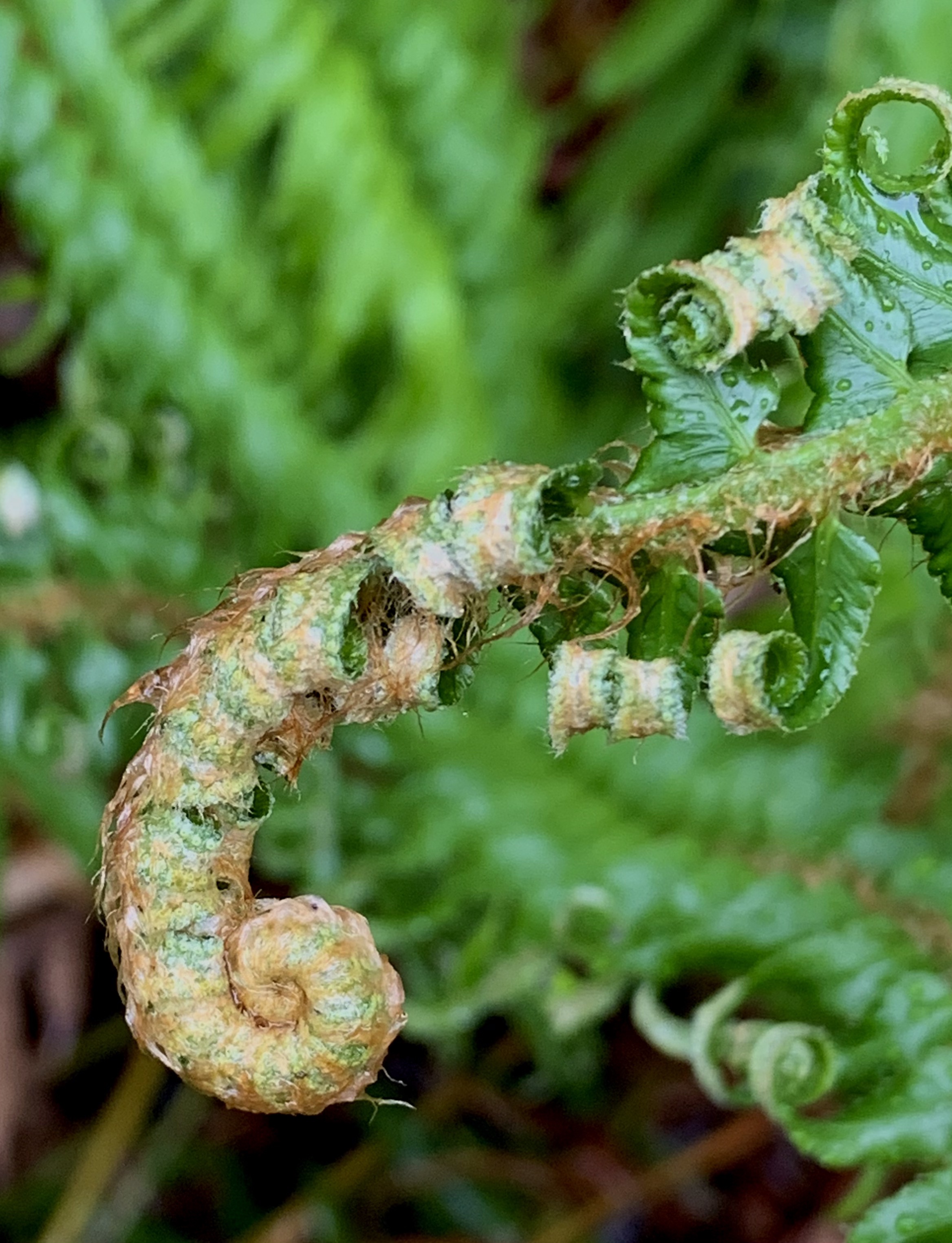
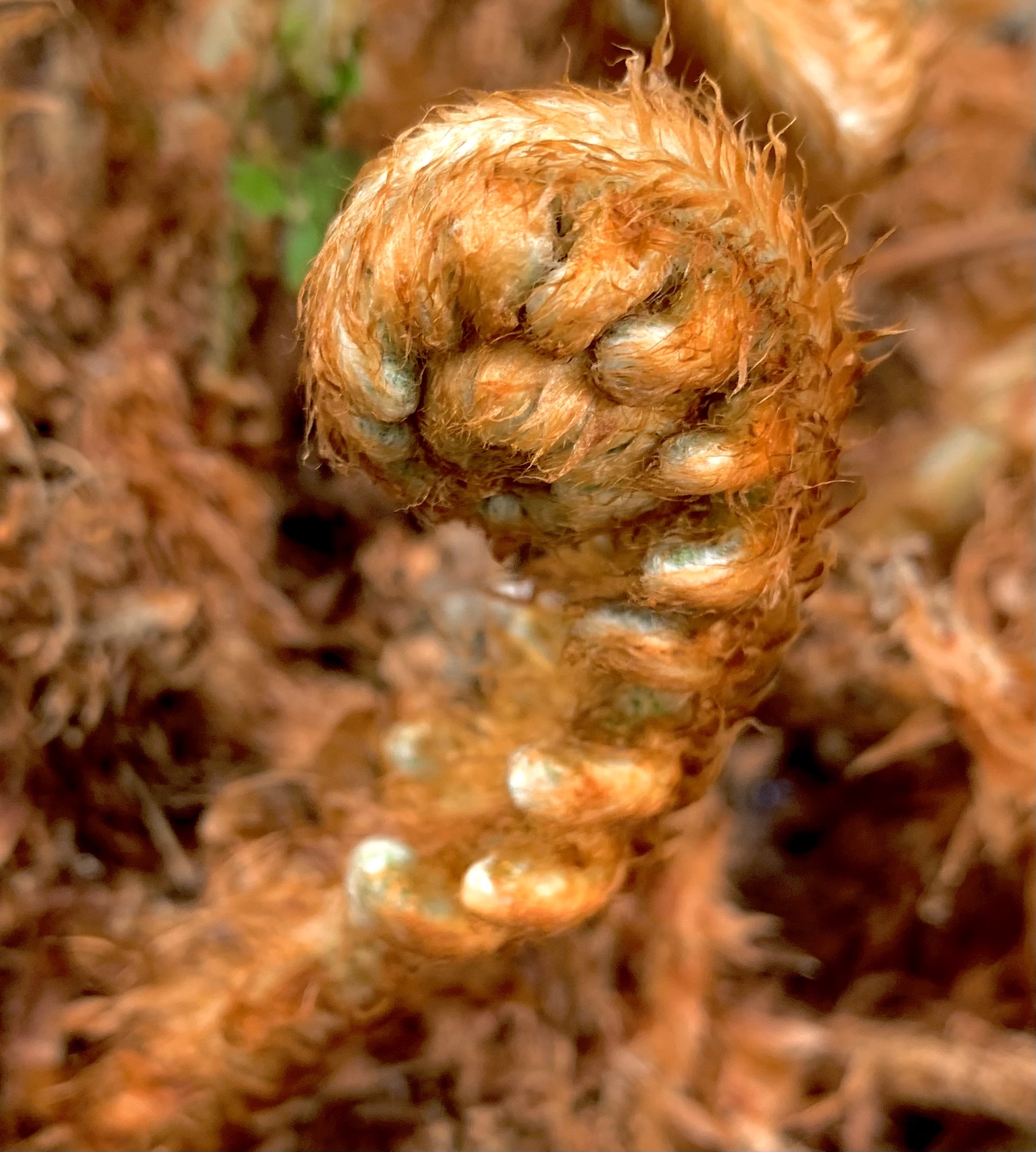
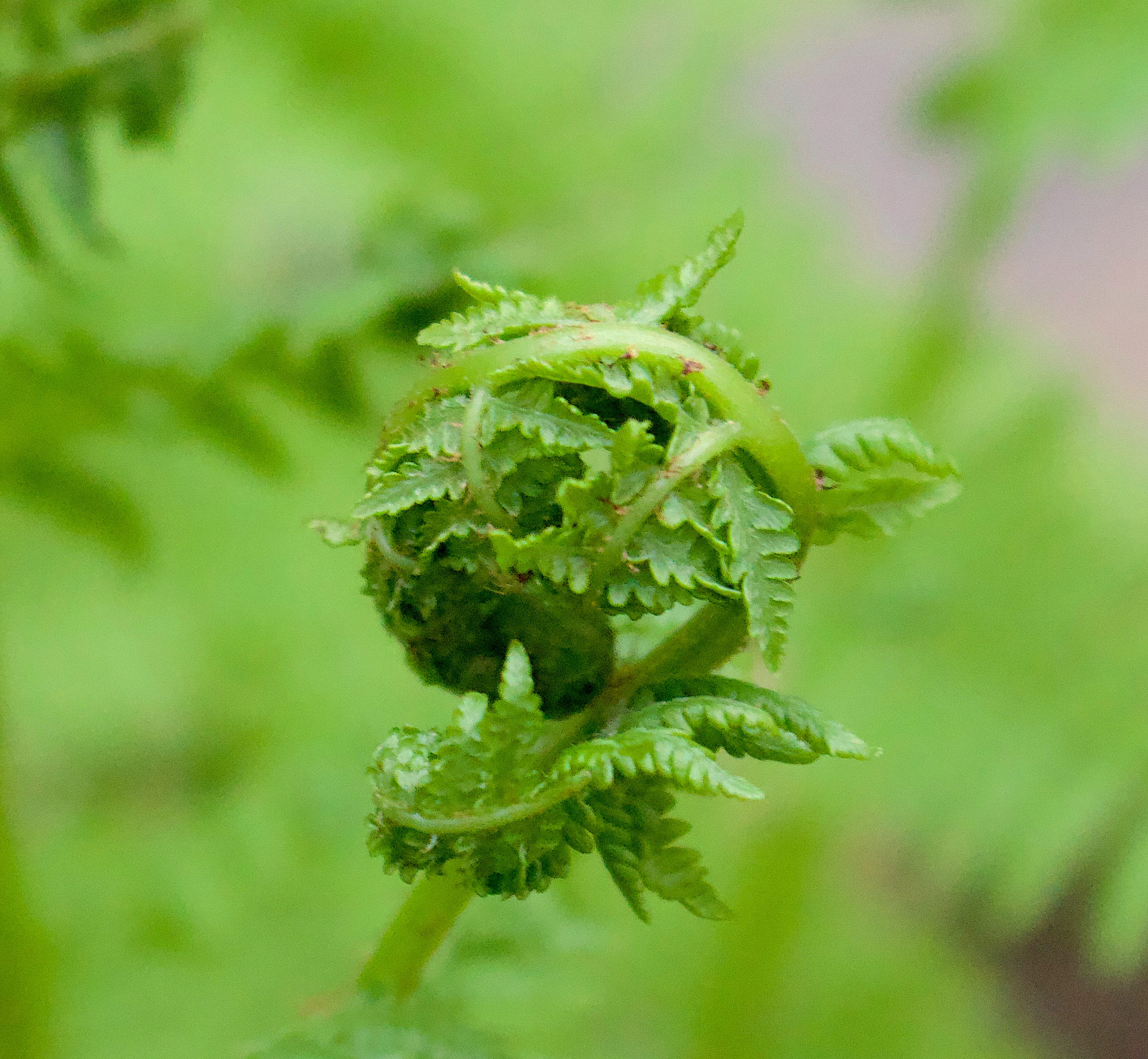
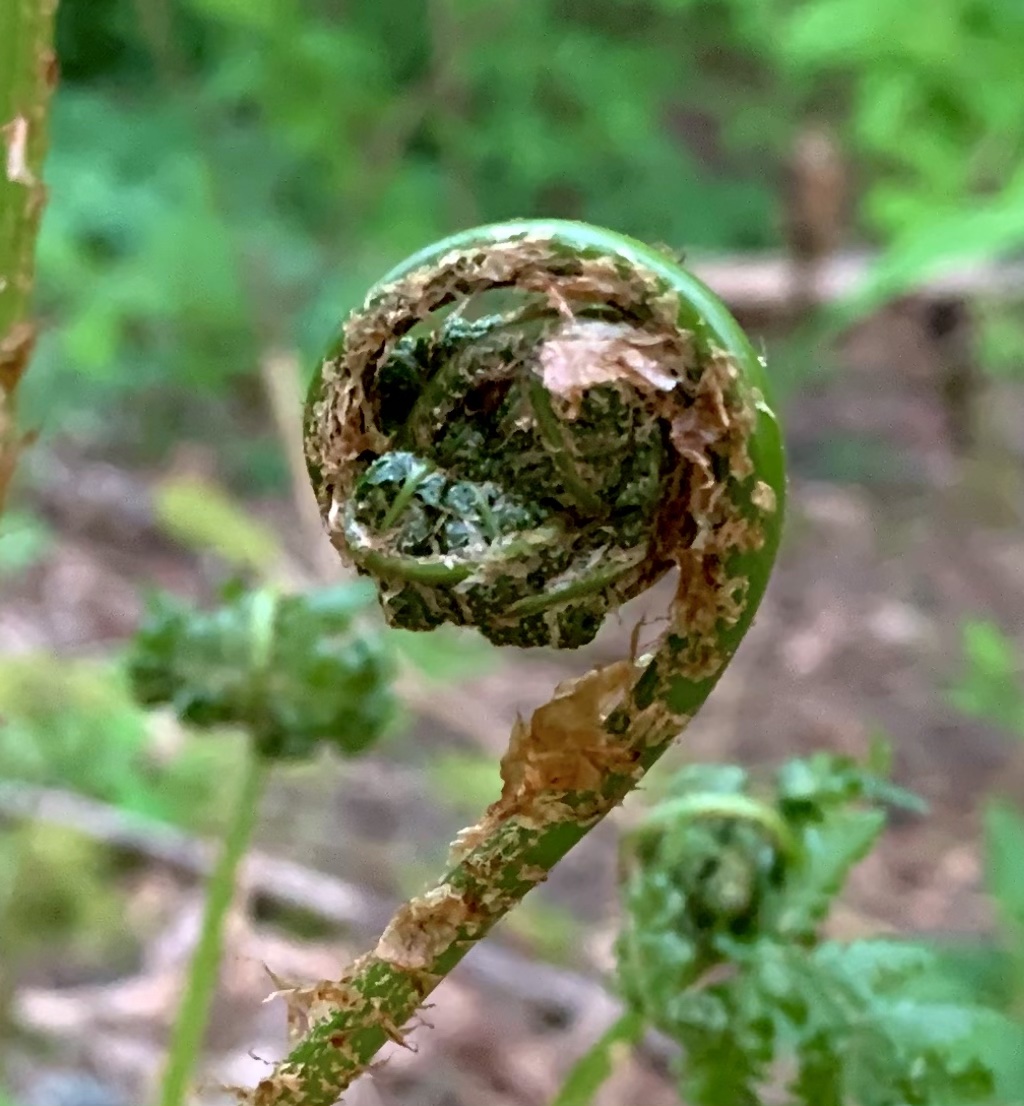
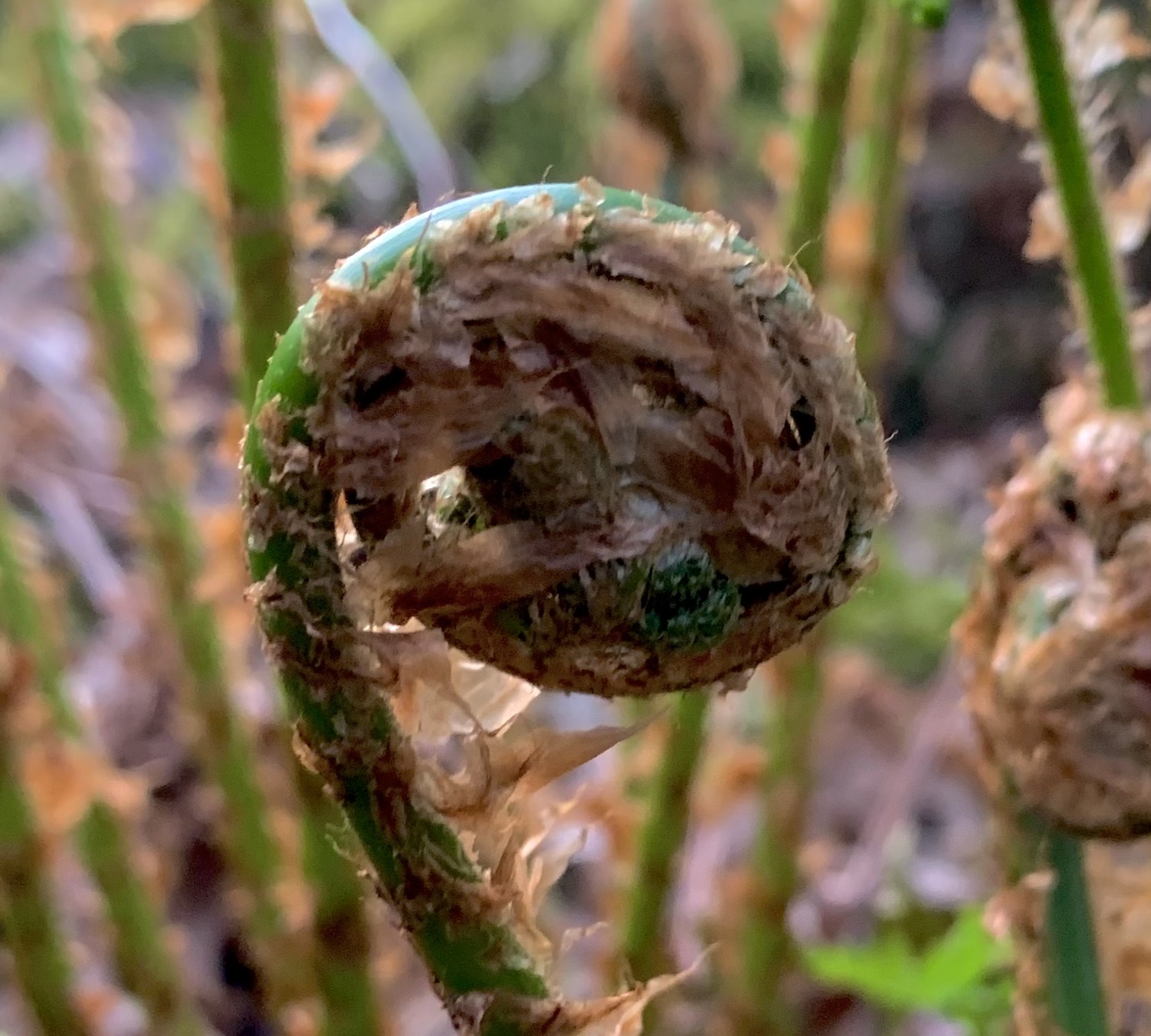
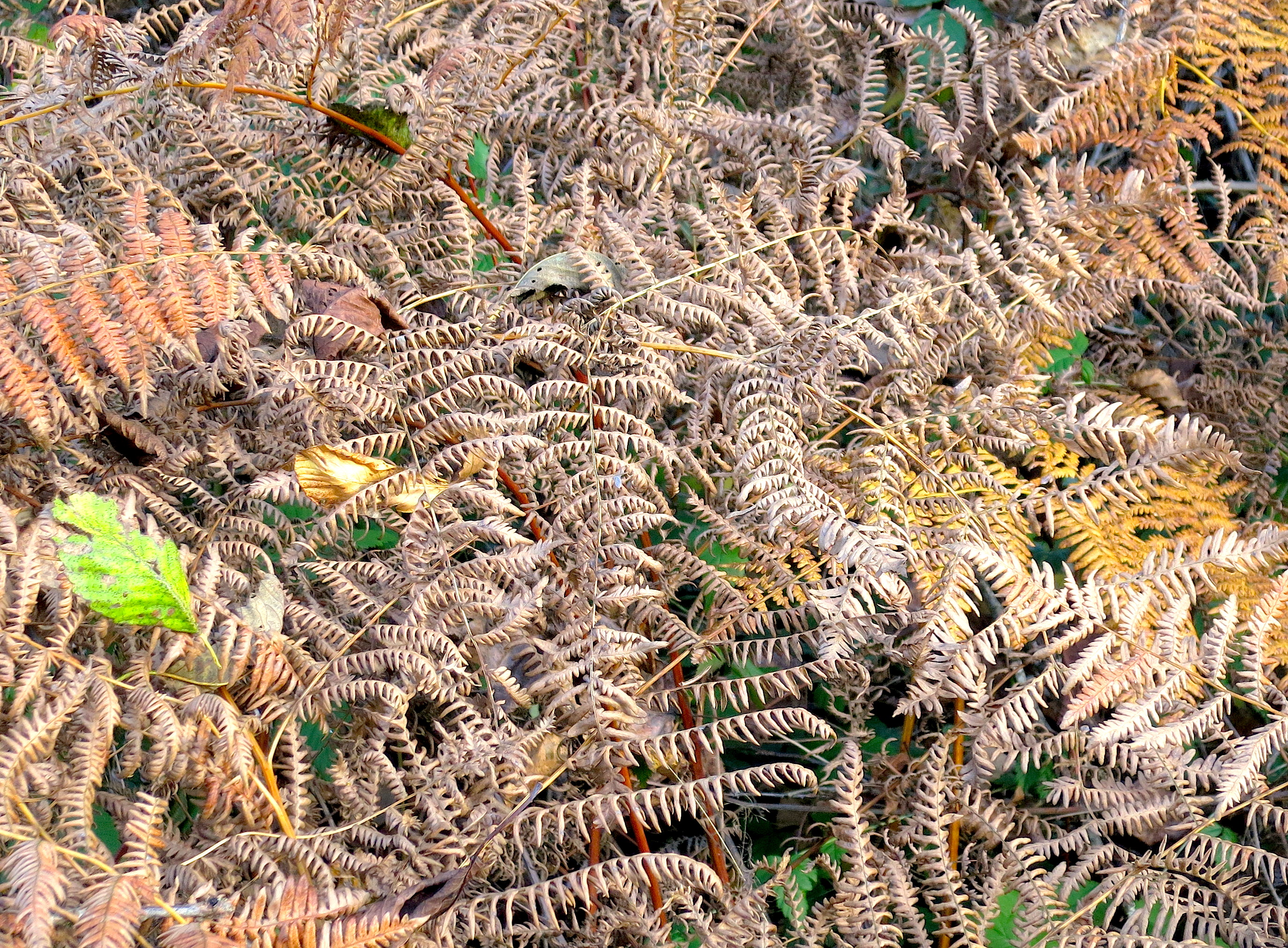
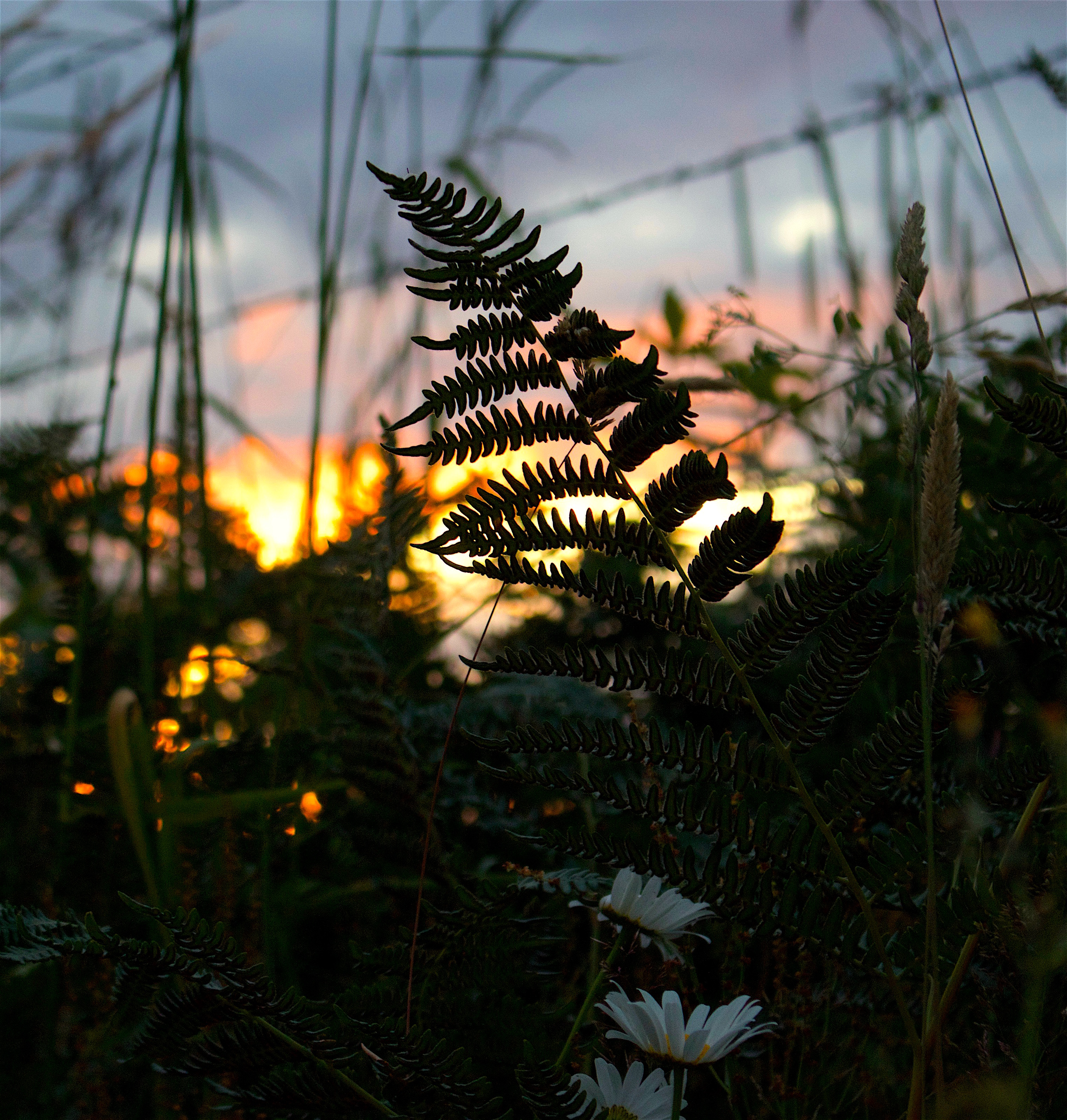
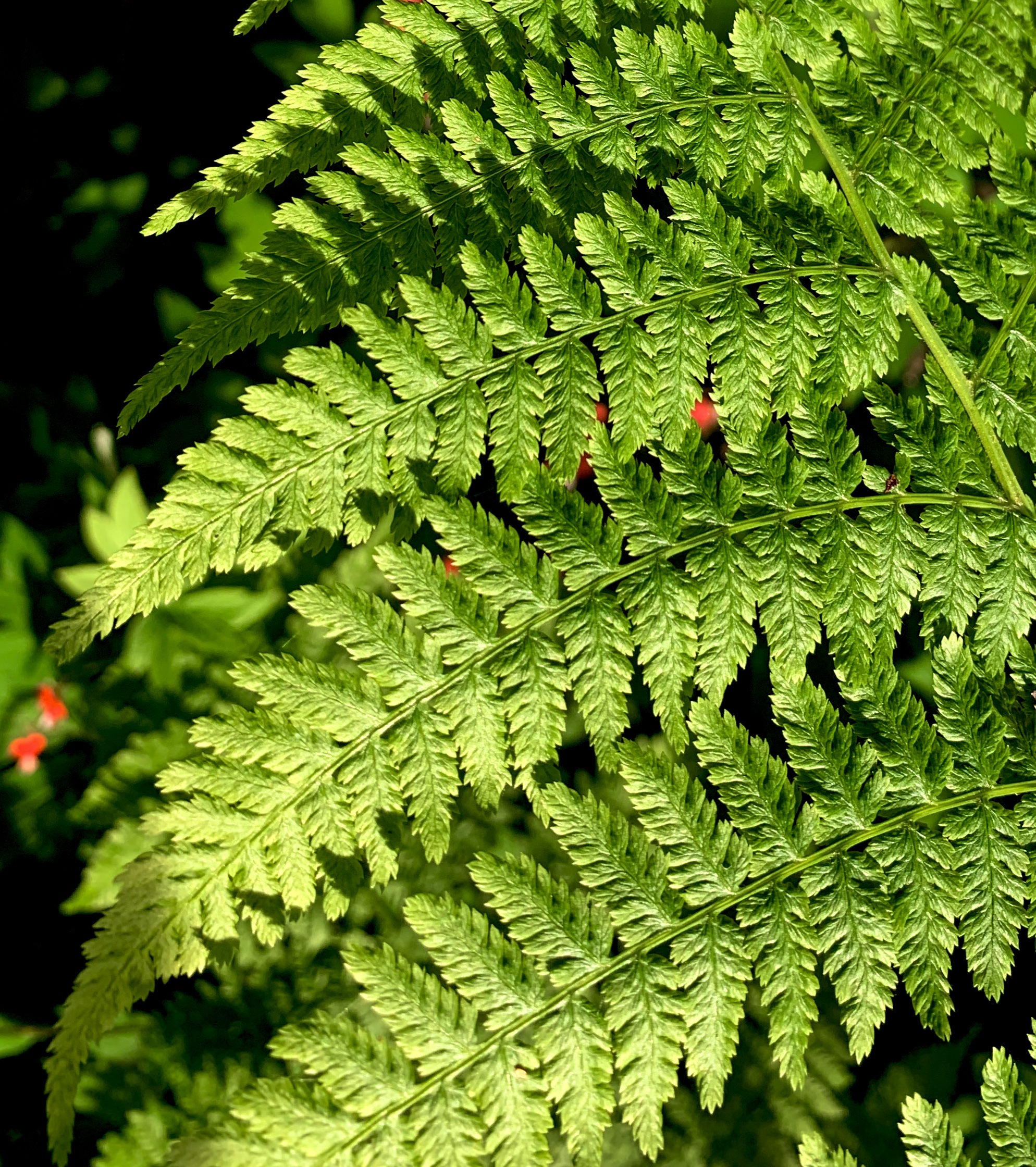
The fern fronds glow with a clean, green light,
and I lift one and point out the spores, curled
like sleep on the back, the rows so straight,
so even, that I might be convinced of Providence
at this moment. My daughter is seven.
She looks at the spores, at the leaf, at the plant,
at this wise, wide forest we are in, and sighs
at my pointing out yet another Nature Fact.
But look, I say, each one is a baby ready
to grow. Each one can become its own fern.
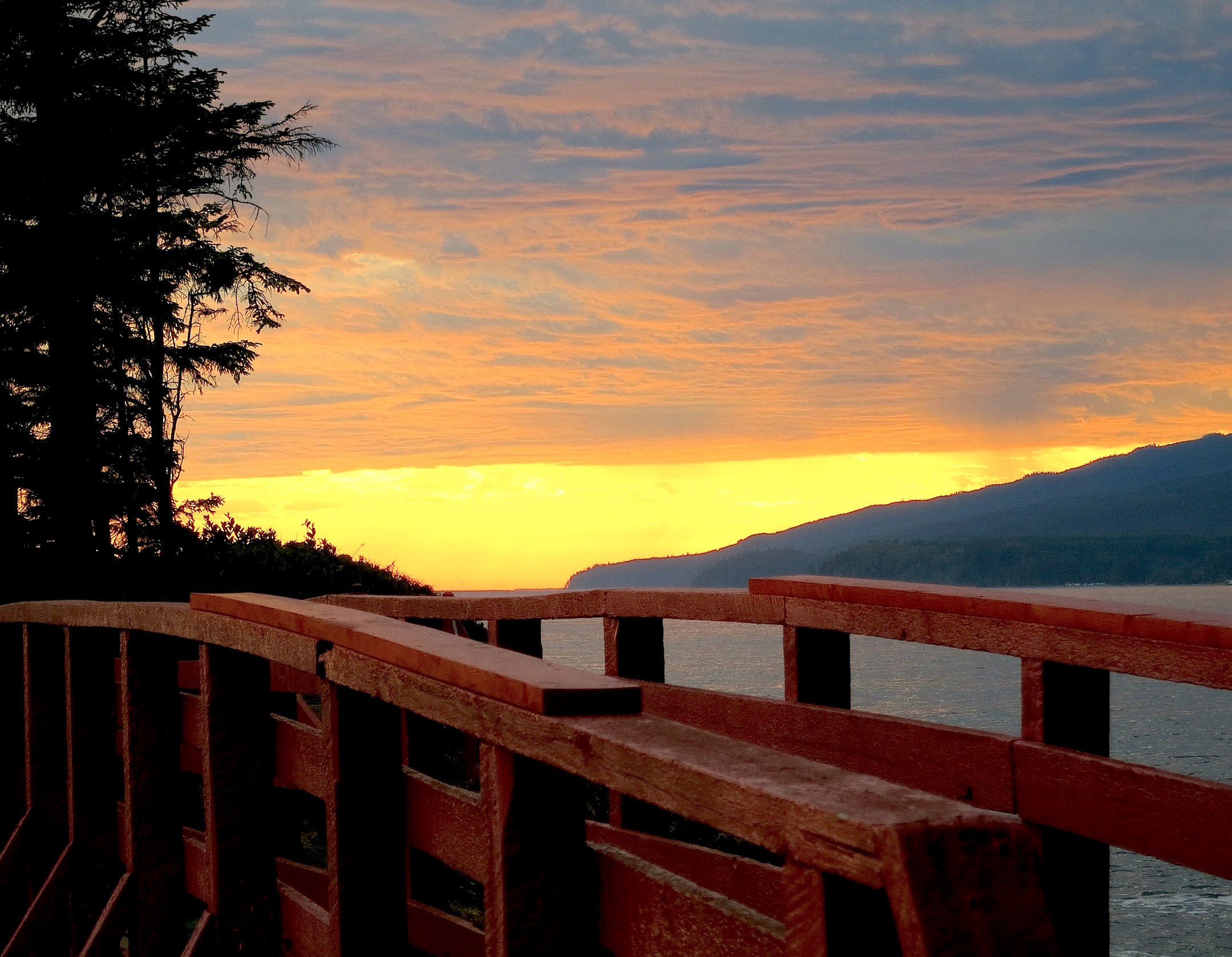
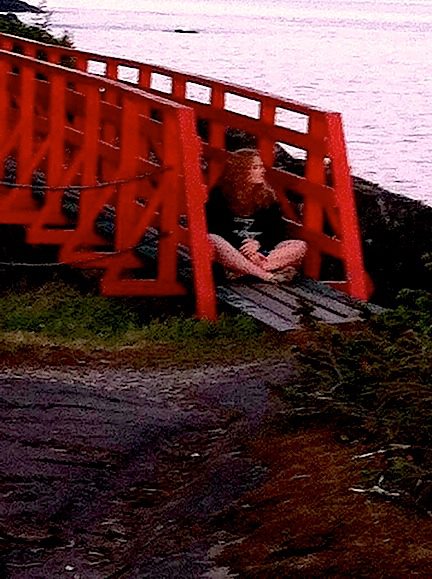
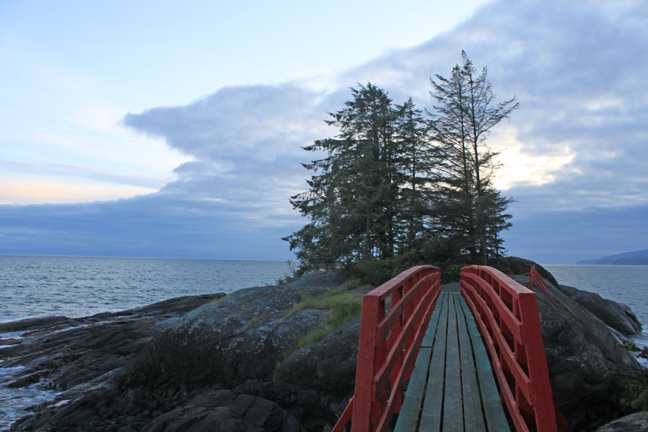
But she is already moving down the path
toward the bridge and whatever’s beyond.

~Gillian Wegener “Nature Walk” from This Sweet Haphazard
Others taunt me with having knelt at well-curbs
Always wrong to the light, so never seeing
Deeper down in the well than where the water
Gives me back in a shining surface picture
Me myself in the summer heaven godlike
Looking out of a wreath of fern and cloud puffs.
Once, when trying with chin against a well-curb,
I discerned, as I thought, beyond the picture,
Through the picture, a something white, uncertain,
Something more of the depths—and then I lost it.
Water came to rebuke the too clear water.
One drop fell from a fern, and lo, a ripple
Shook whatever it was lay there at bottom,
Blurred it, blotted it out. What was that whiteness?
Truth? A pebble of quartz? For once, then, something.
~Robert Frost “For Once, Then, Something”
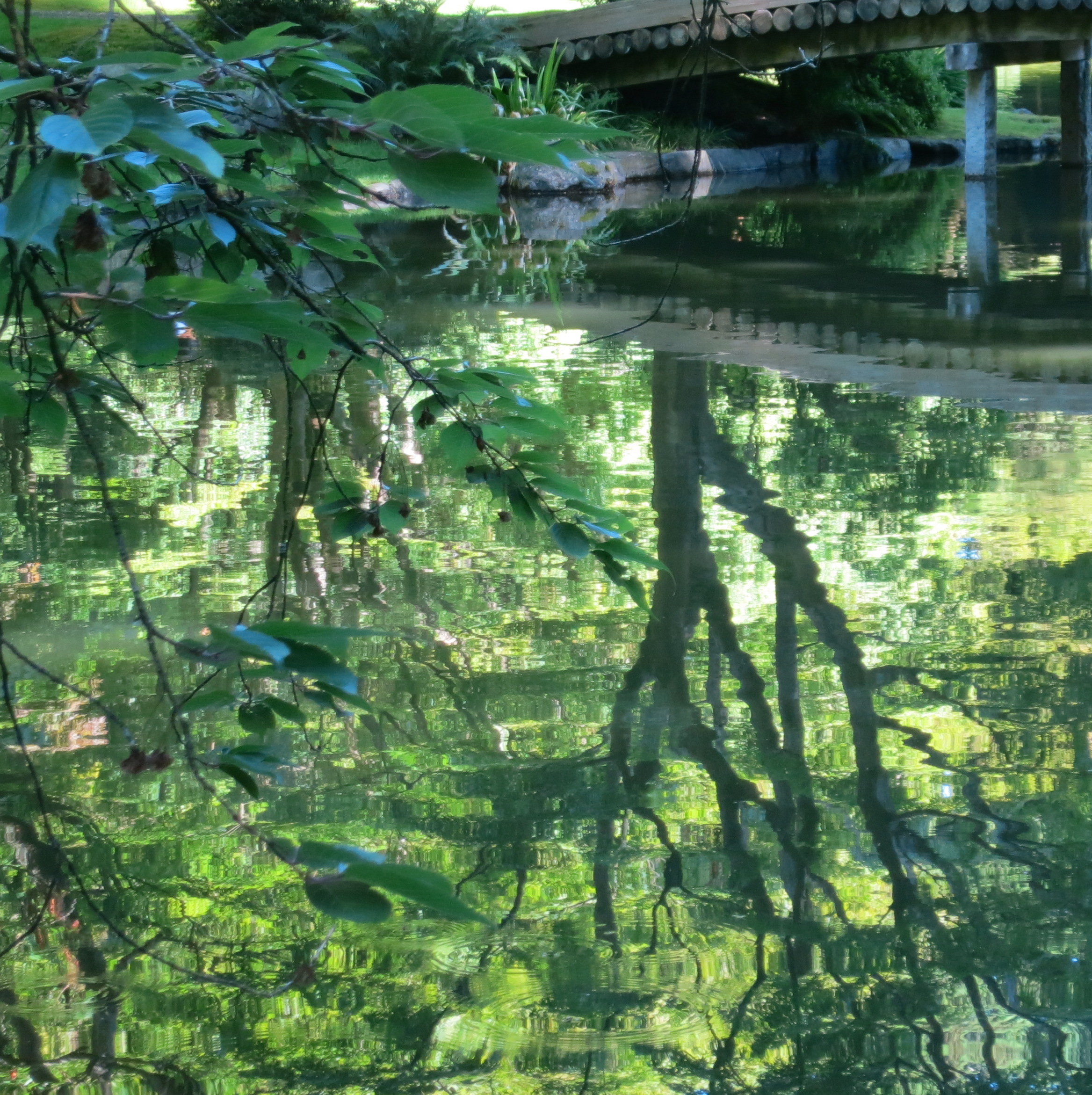
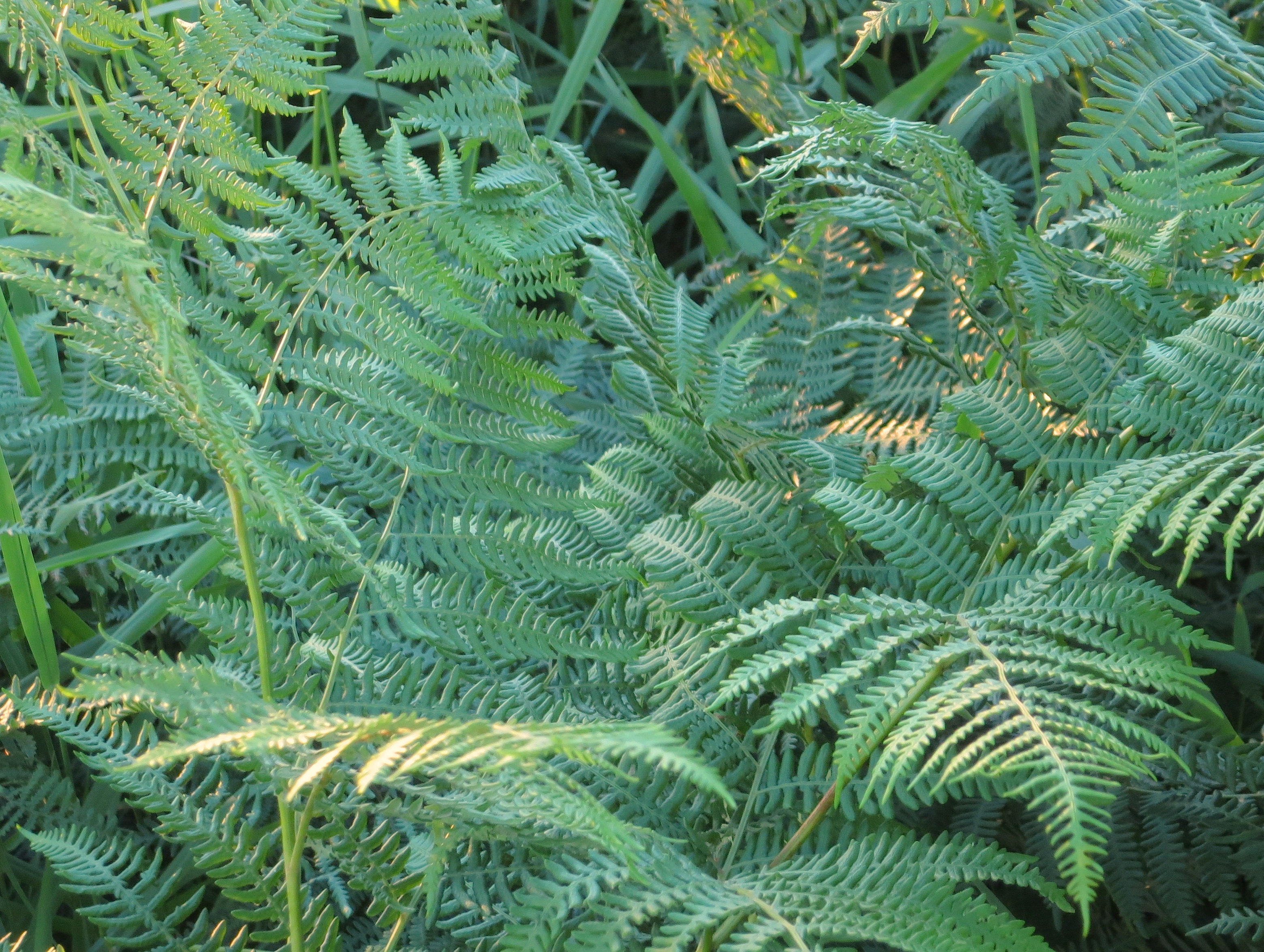
I took many nature walks by myself as a kid living on 7 acres of woods and pasture. There wasn’t much that I didn’t scrutinize carefully throughout the seasons, keeping track of how things changed, died, reappeared and thrived.

I knew the woods of my childhood would not be my forever home as that home was sold after my parents’ divorce. I dwelled for nearly a decade in the city before settling in with my husband on this rural road over thirty years ago. We want to remain here for as long as we are able to manage it.

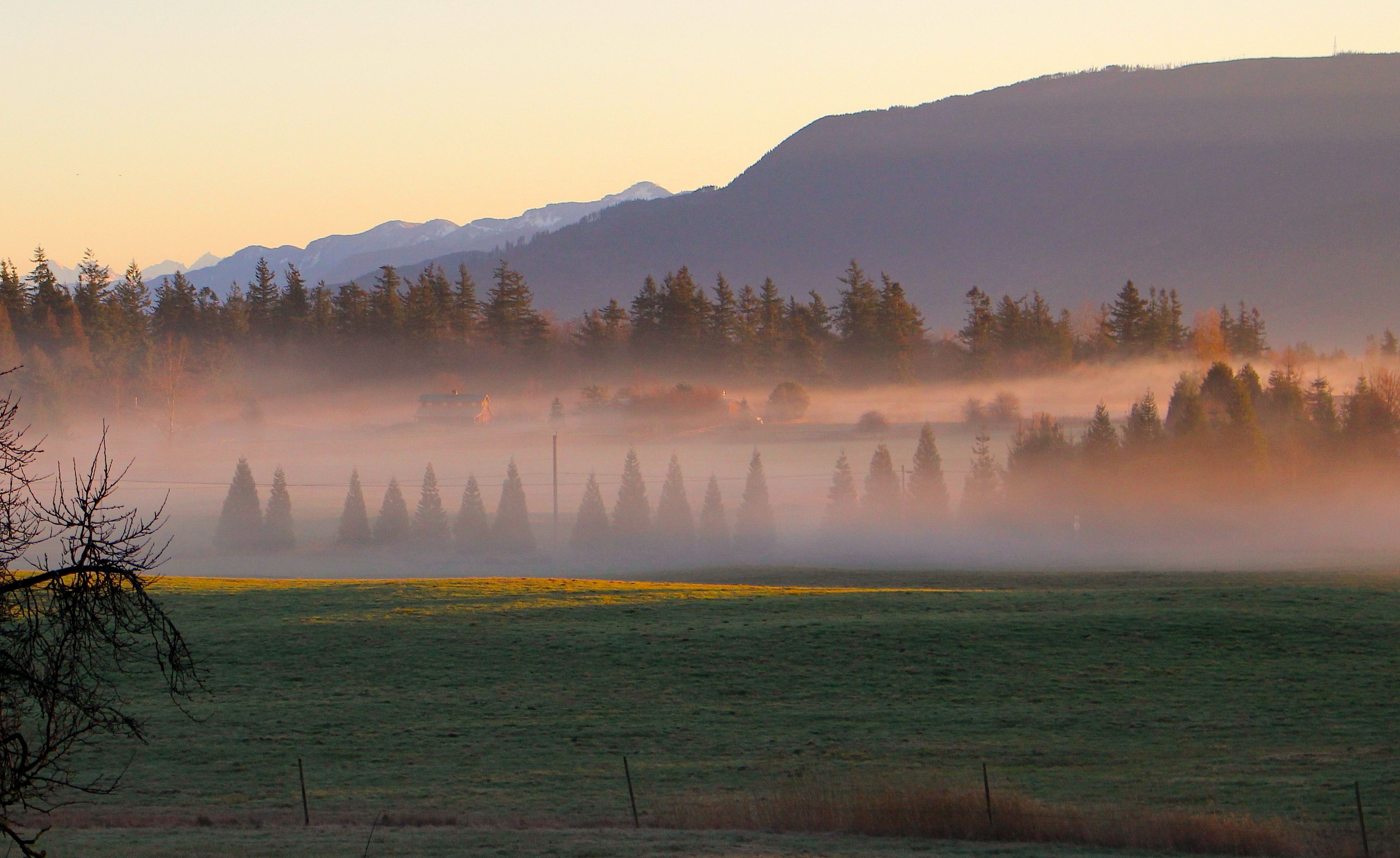
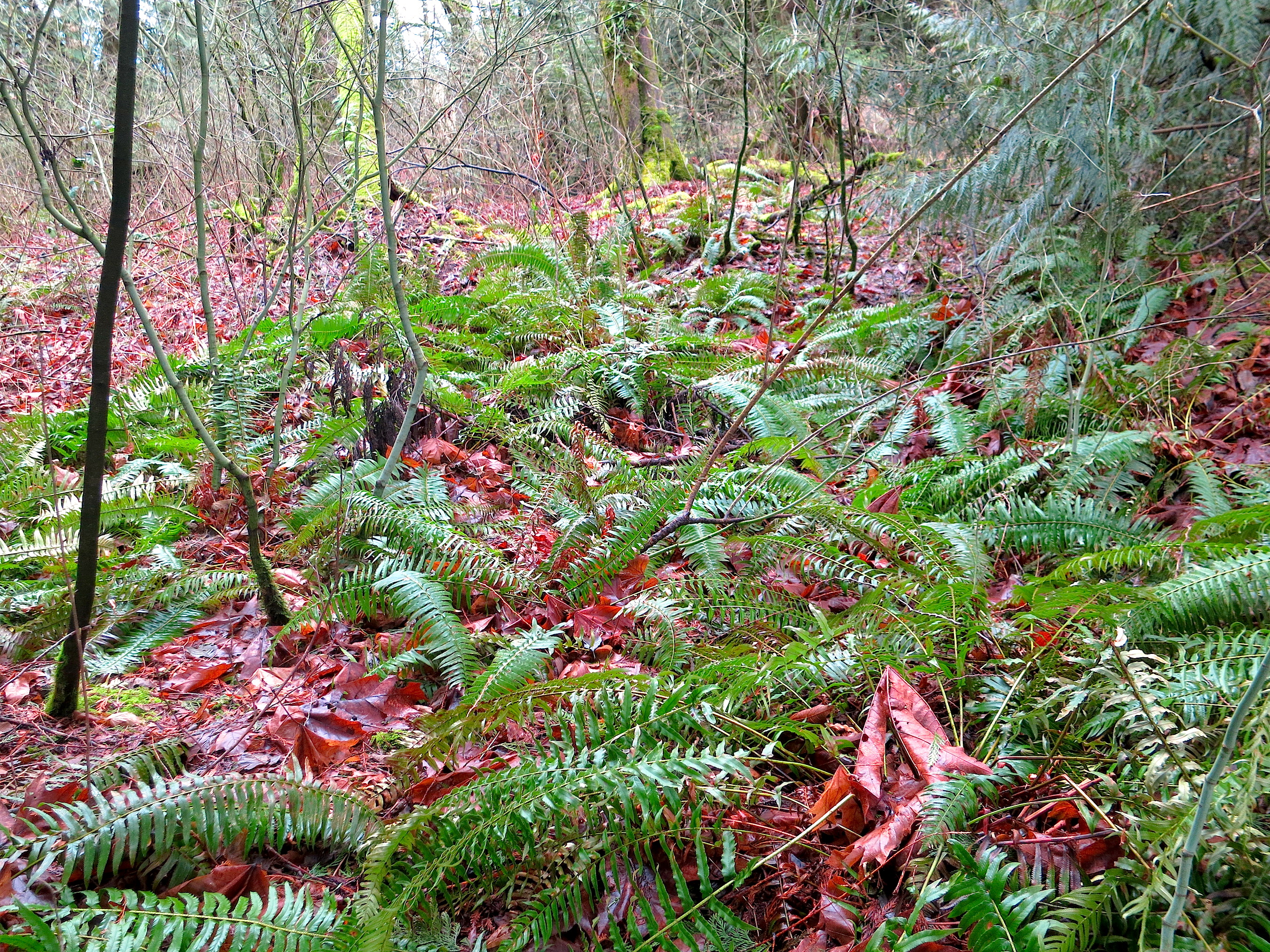
What I see on my work around our farm is what I share here. Some of you like the nature walks I offer. Others have moved on ahead of me, heading to the bridge to a destination beyond.

I understand that need to move on. I’ve done it as well.

Those of you who stick with me on my walk, day in and day out – you are very special to me. I hear from some of you (thank you!) every day, when you see your reflection in the waterwell of these photos and words.

Most of you are too shy or busy or don’t think it matters that I know you have seen and read and listened what I post here. In fact, I love to know you have visited. If you haven’t connected with me for awhile or never at all, I appreciate knowing if:
for once, then, something touched you here.

That indeed is the truth – our walk together, for now, is a blessing. The bridge to whatever is beyond will be waiting when we’re ready.
One-Time
Monthly
Yearly

Make a one-time or recurring donation to support daily Barnstorming posts

Make a monthly donation

Make a yearly donation

Choose an amount

$10.00
$25.00
$50.00
$5.00
$15.00
$100.00
$5.00
$15.00
$100.00

Or enter a custom amount

$

Your contribution is deeply appreciated.

Your contribution is appreciated.

Your contribution is appreciated.

DonateDonate monthlyDonate yearly
Each Thing Noticed

The Old Testament book of Micah answers the question
of why we are here with another:
“What doth the Lord require of thee but to do justly,
and to love mercy, and to walk humbly with thy God?”
We are here to abet creation and to witness it,
to notice each thing so each thing gets noticed.
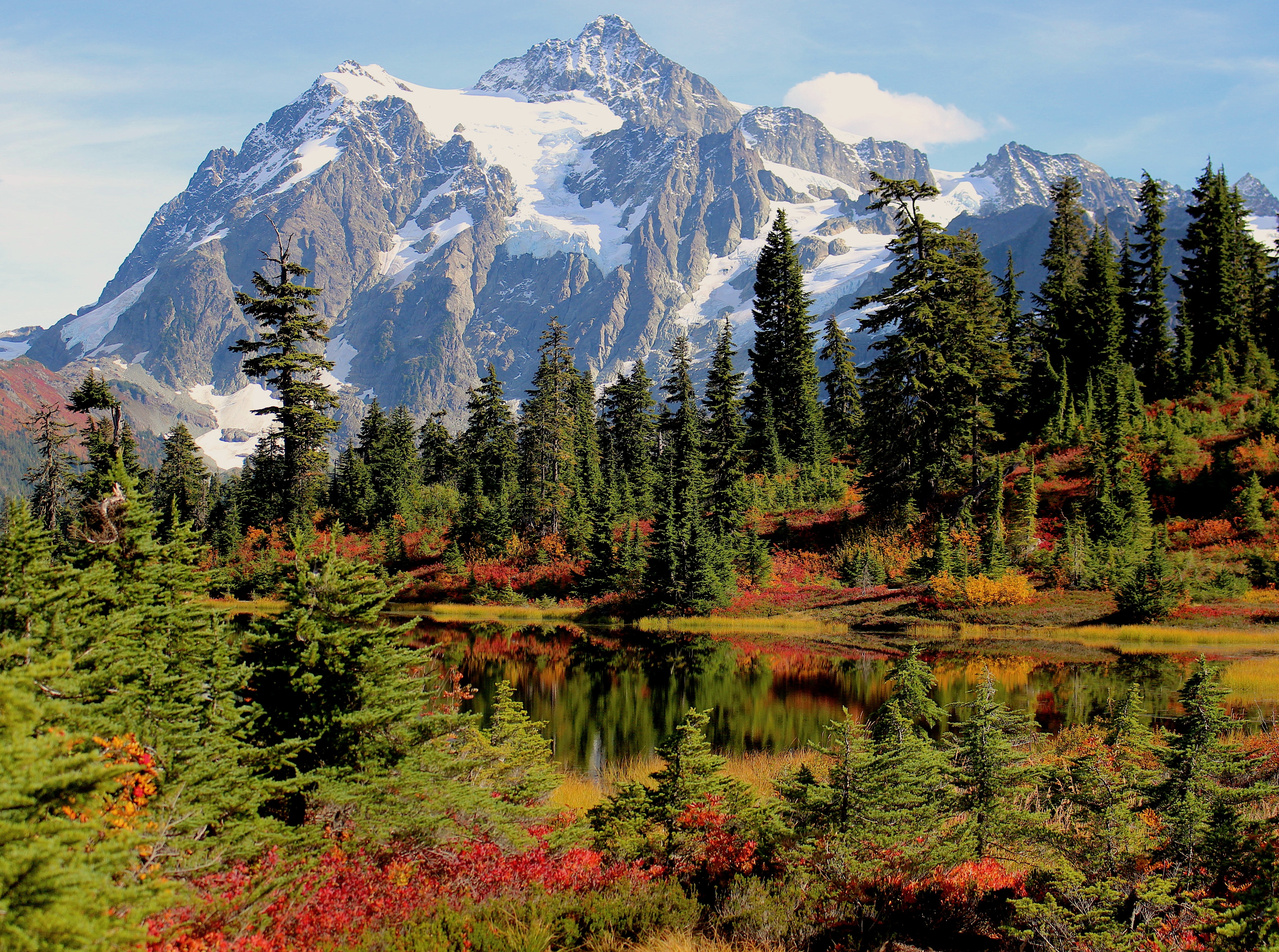
Together we notice not only each mountain shadow
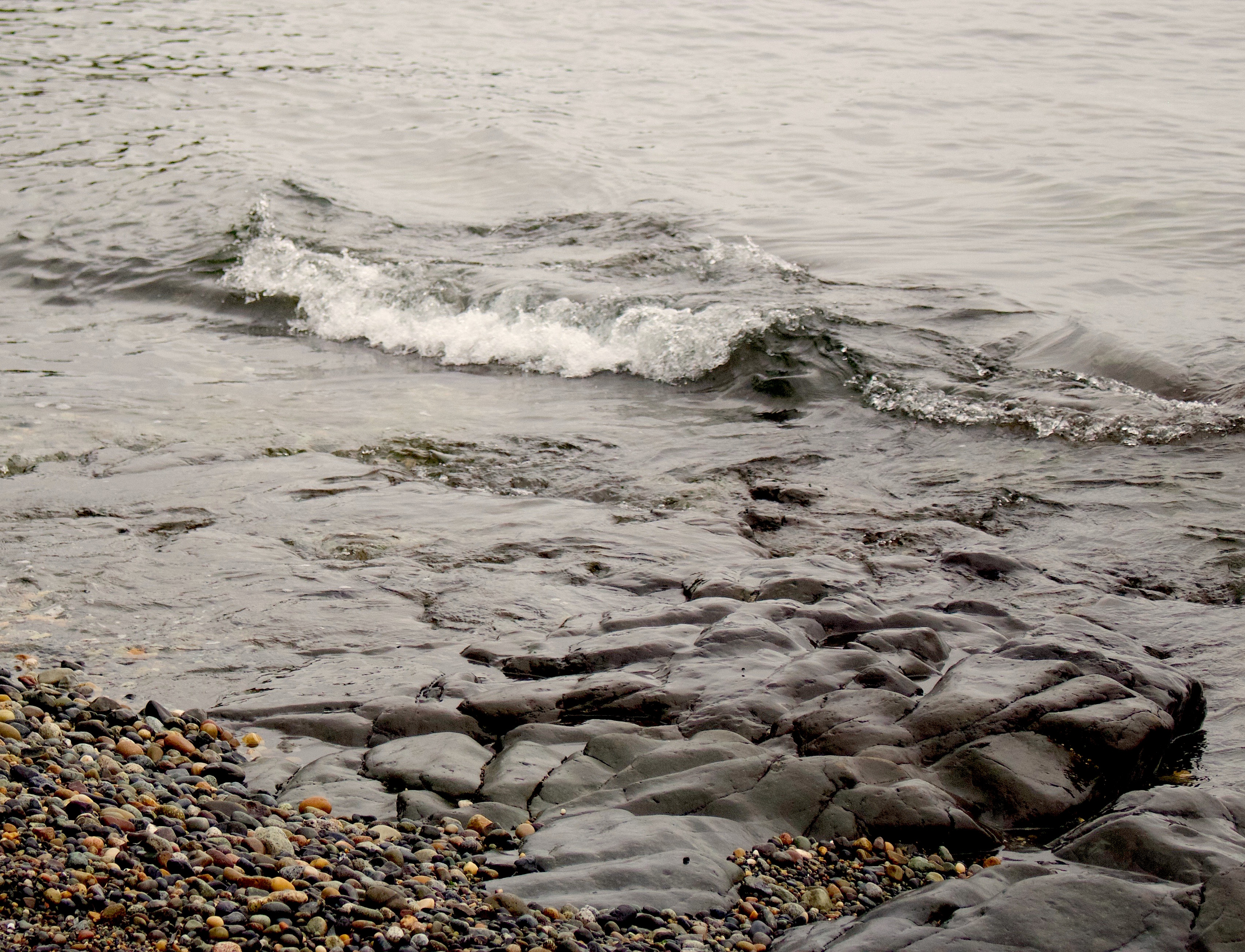
and each stone on the beach
but we notice each other’s beautiful face
and complex nature so that creation need not play

to an empty house.
~Annie Dillard from Life Magazine’s “The Meaning of Life”

I started out a noticer,
a child who crawled on the ground
to follow winding ant trails from their hills,
then watched nests bloom with birds,
sitting still as a lizard sunning himself on a rock.

Next I was a student researcher of great apes,
following wild chimpanzees deep into an exotic forest
to observe their life in a community so much like our own.

Then came a profession and parenting and daughtering,
with mounting responsibilities and worries and cares,
and I stopped noticing any more,
too much inside the drama
to witness it from outside.

Creation played to an empty house
and the empty house was me.

Slowly now,
I’ve returned to noticing again~
buying my ticket, finding my seat,
smiling and nodding
applauding
hooting and hollering
begging for an encore.

It’s a non-stop show of the miraculous
where I’m an appreciative audience
preparing to write a great review.

One-Time
Monthly
Yearly

Make a one-time or recurring donation to support daily Barnstorming posts

Make a monthly donation

Make a yearly donation

Choose an amount

$10.00
$25.00
$50.00
$5.00
$15.00
$100.00
$5.00
$15.00
$100.00

Or enter a custom amount

$

Your contribution is deeply appreciated.

Your contribution is appreciated.

Your contribution is appreciated.

DonateDonate monthlyDonate yearly
A Wondrous and Terrible Turning

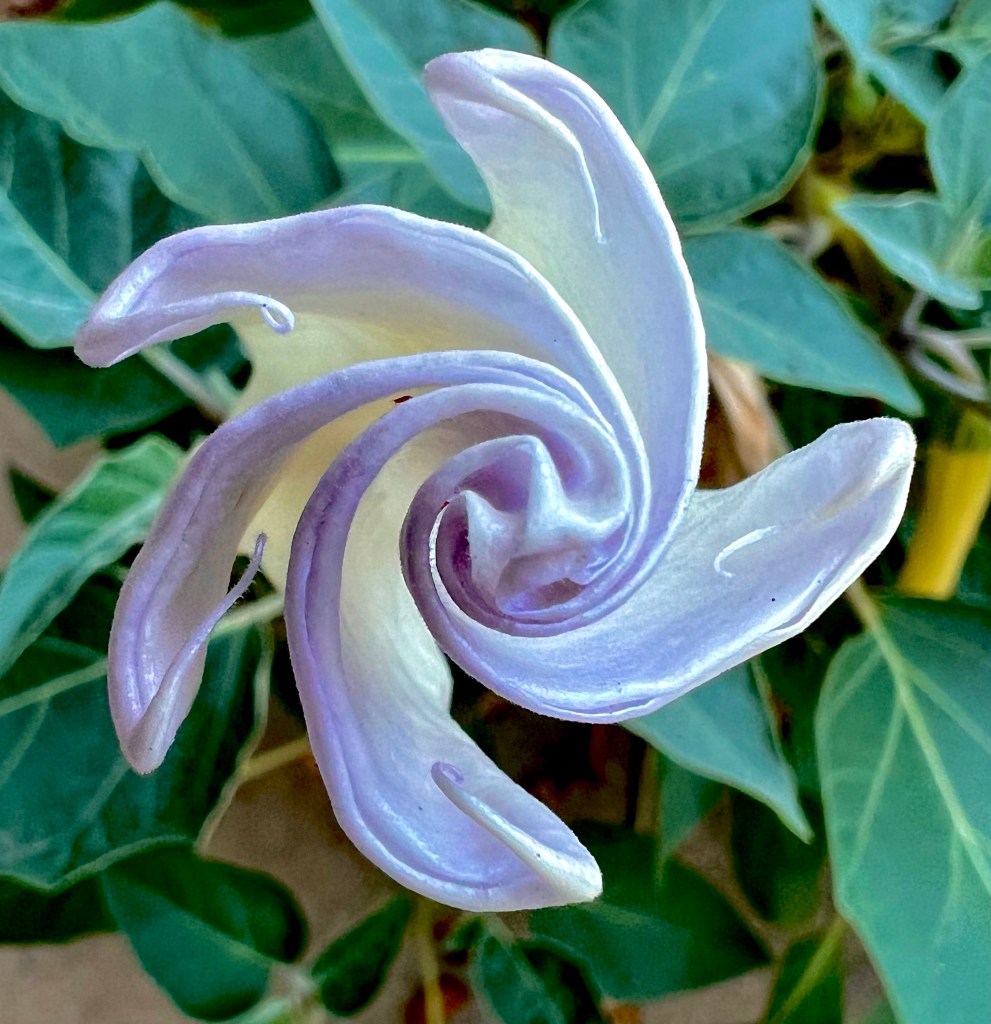
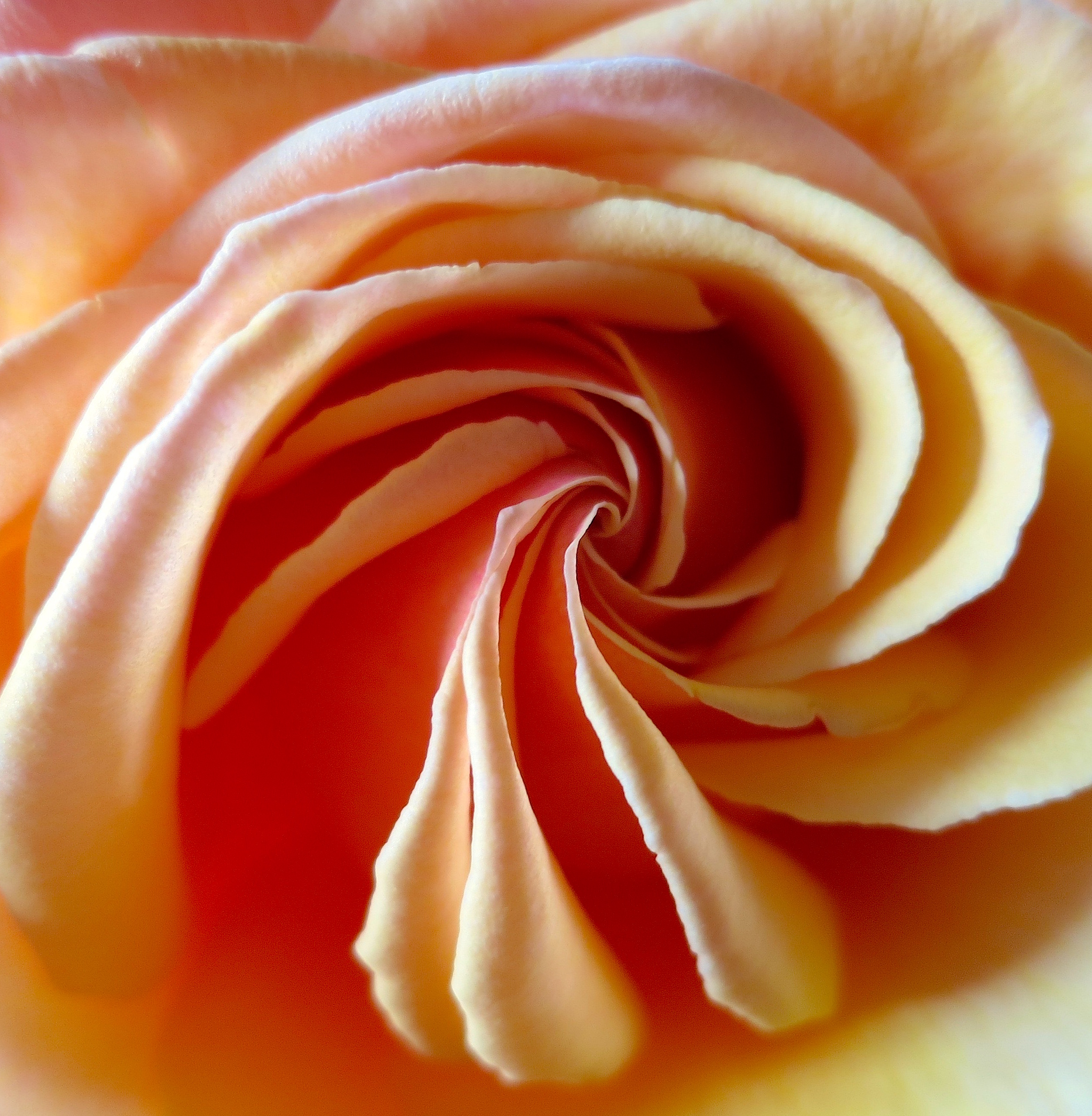
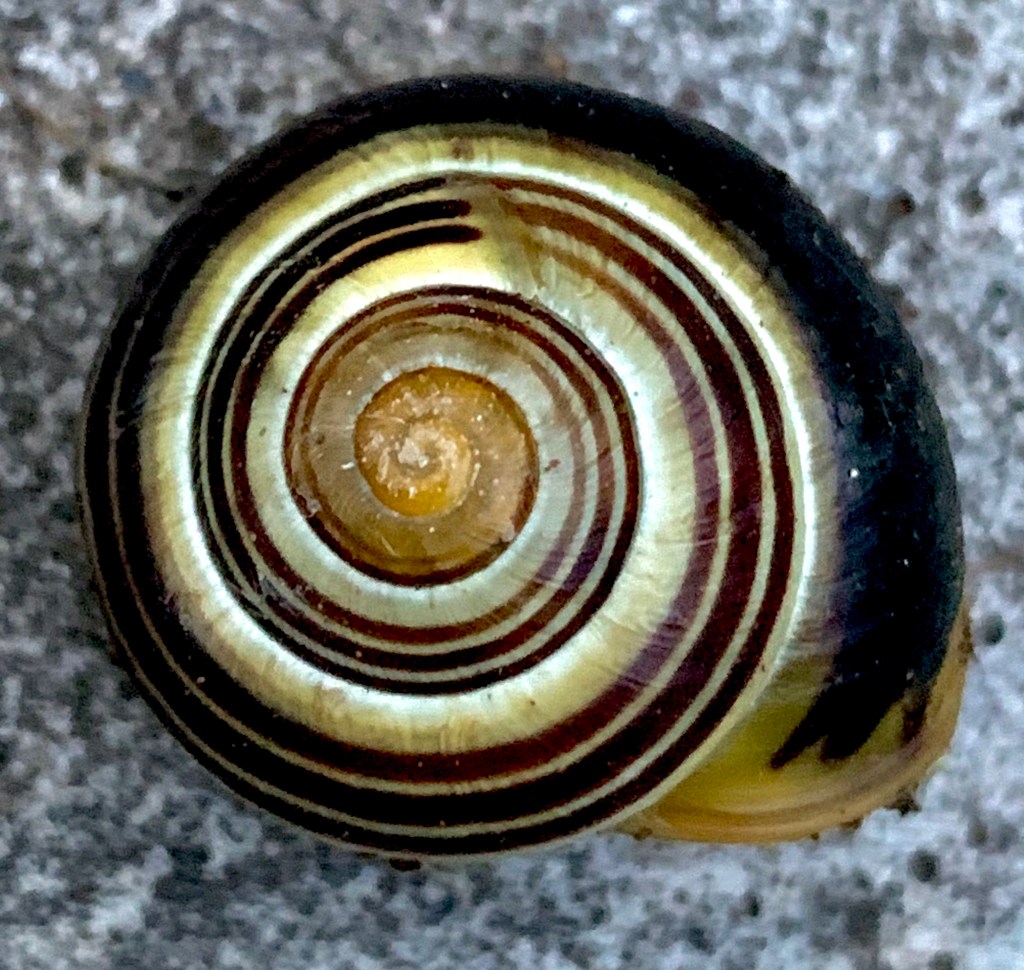
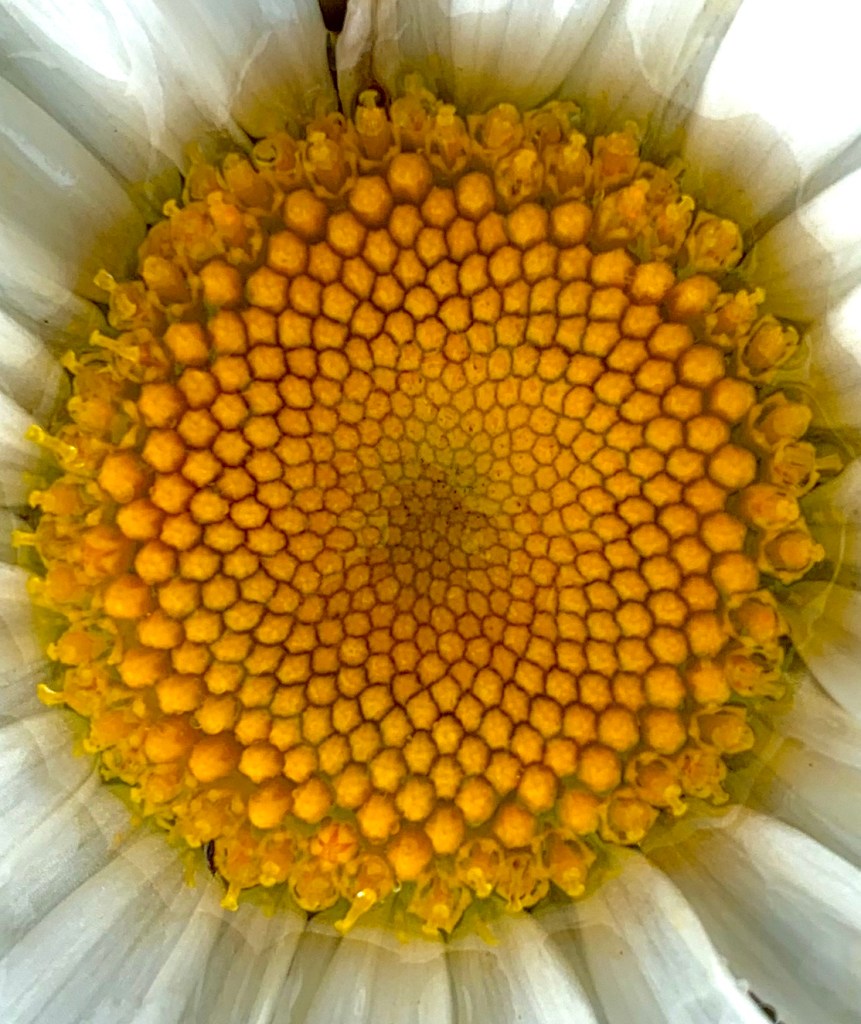
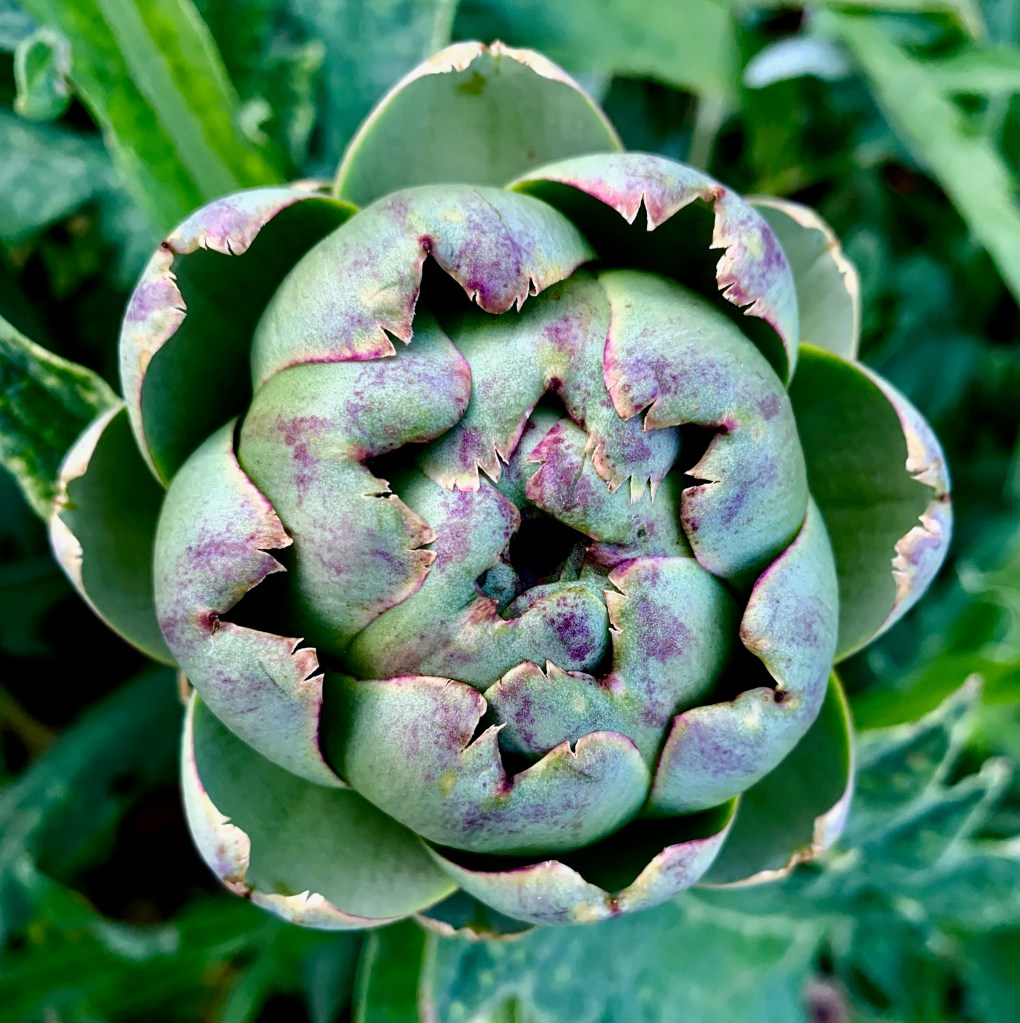
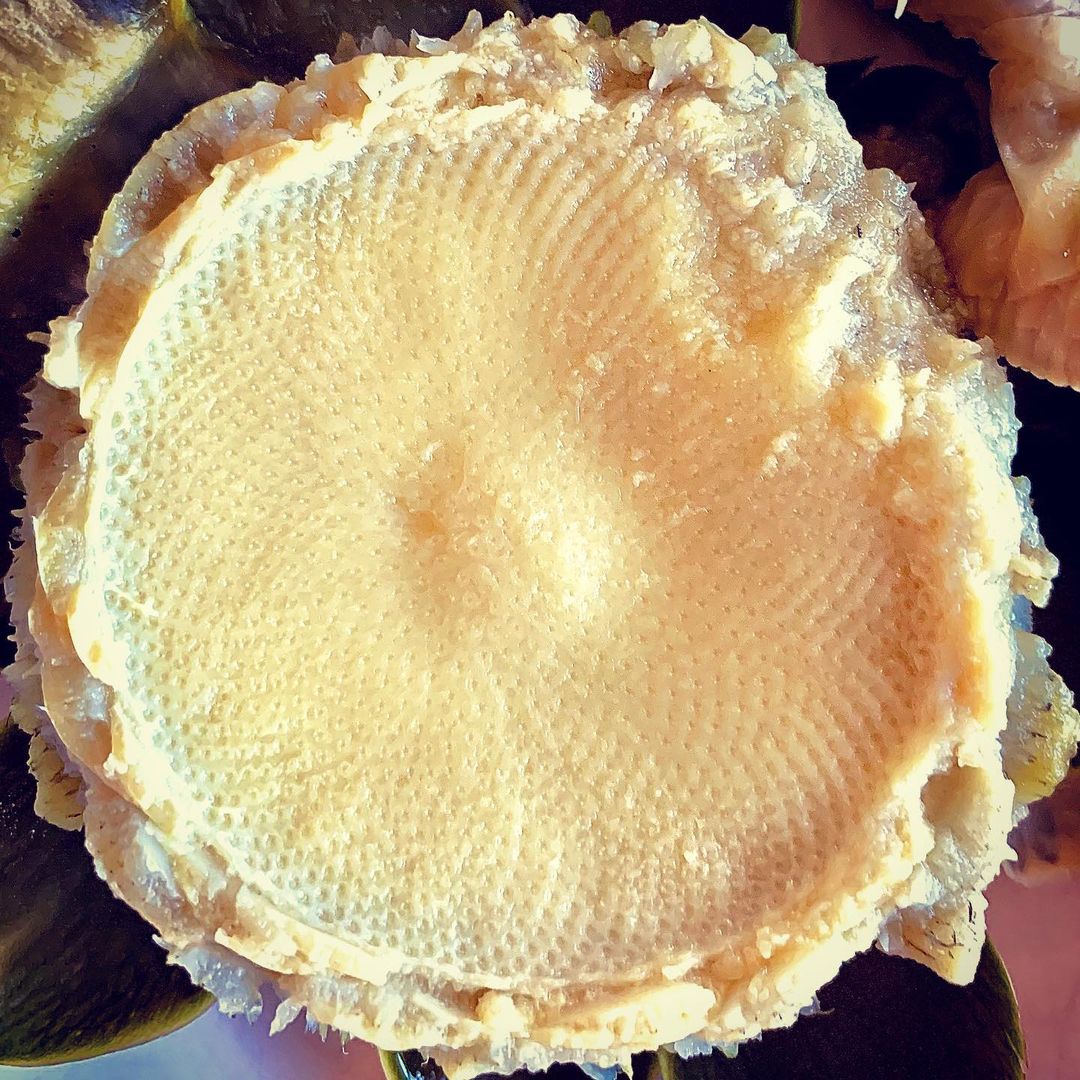
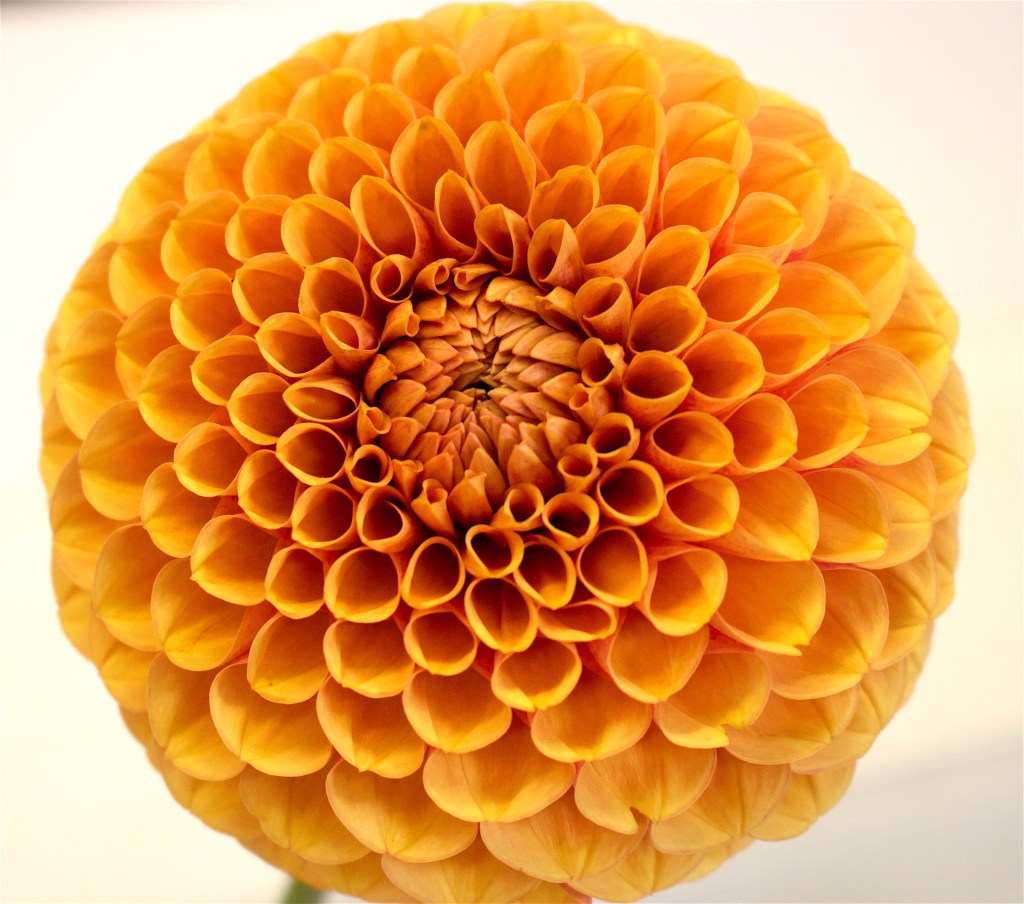
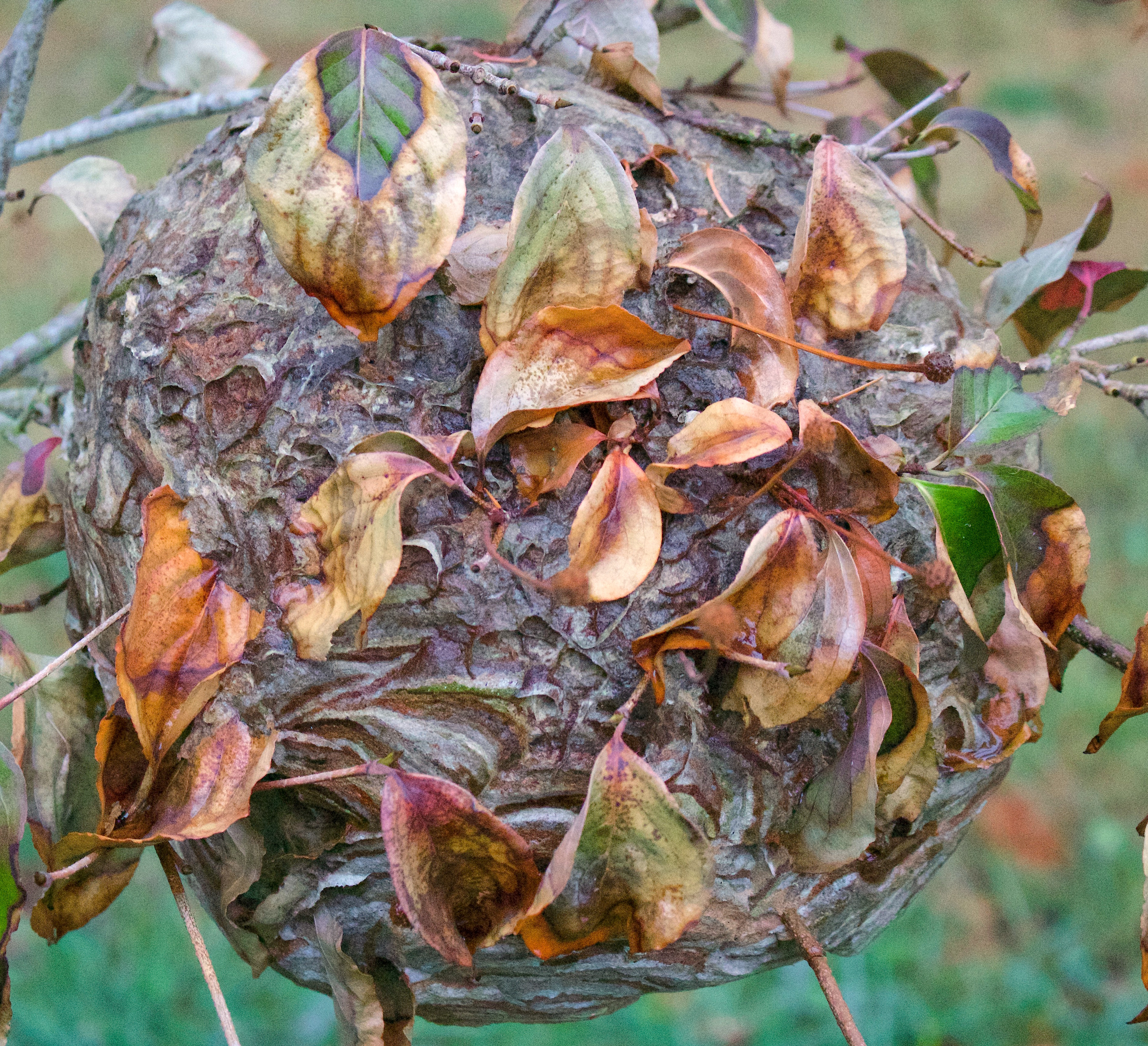
When, in the science museum, I arrive at the overview of our galaxy, with its tiny arrow pointing to You are here (which really ought to be We are here), and see that the two to four hundred billion stars of our local cluster are drifting or chasing or dreaming after each other in circles within milky circles, I can’t help but think of those ancient paintings and rock engravings, discovered all over our celestial body, of that one line which begins at whatever point it can, then curls outward, or inward, toward nothing anyone can define—the oldest shape revered by Aborigine and Celt, by mathematician and engineer and Burning Man reveler alike, and even accorded a place of honor among the mess of thoughts on my desk, as a nifty paper clip of copper.

But it’s already there in the florets of the sunflower crisscrossing with the precision of a logarithm, and in the pin-wheel shape of the Nautilus shell, and in the coiling neurons of the cochlea that let us tell Art Tatum from a three year old’s improvisation.

Call it what you will—“God’s fingerprint,” “the soul unfolding through time,” “the passageway into the Self”— I can’t help but admire, even fear, something as mundane as a flush of the toilet, when its swirling is a variation on our sidereal drift, our existential pain.

And then there’s that famous falcon, “turning and turning in a widening gyre,” a portentous symbol of our own circling into some dread, some pernicious chaos we thought we had just escaped, one town burning a decade behind us, a millennium before that, and into next week, next year, next whenever.

And when the two of us took that winding road an infinity of others had wound down before us and would wind down again, our spirits hushed by the crosses and bouquets at each dead man’s curve and just burning in the dry heat to touch each other, wasn’t that a wondrous and terrible turning?
~Thomas Centolella “Why I’m in Awe of the Spiral”

photo by Kate Steensma
Photo by Kate Steensma

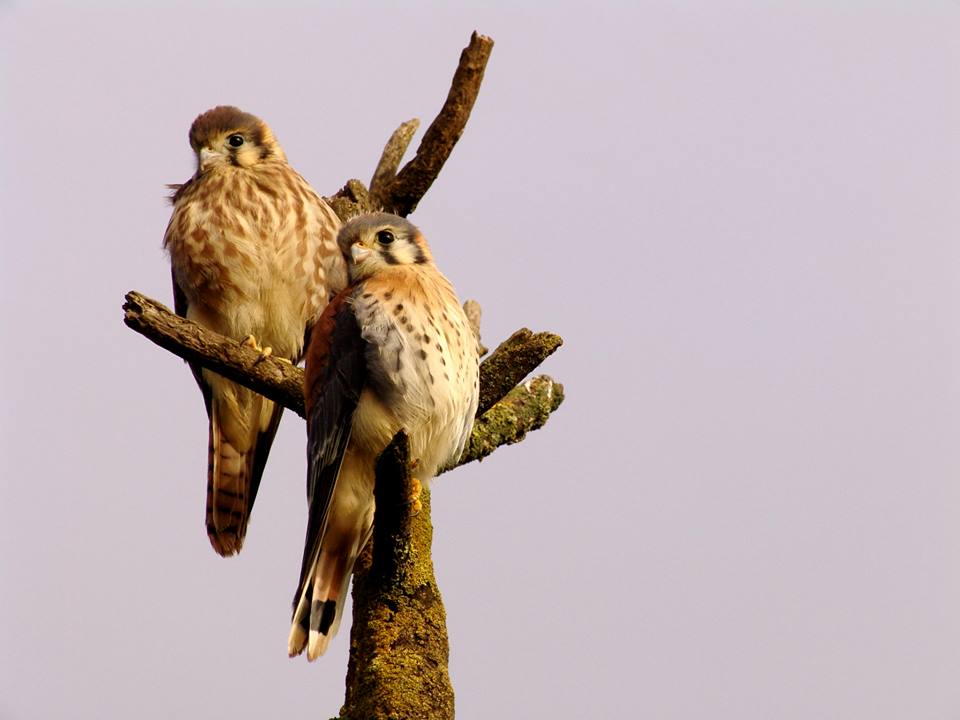
Turning and turning in the widening gyre
The falcon cannot hear the falconer;
Things fall apart; the centre cannot hold;
Mere anarchy is loosed upon the world,
The blood-dimmed tide is loosed, and everywhere
The ceremony of innocence is drowned
The best lack all conviction, while the worst
Are full of passionate intensity.

Surely some revelation is at hand;
Surely the Second Coming is at hand.
The Second Coming! Hardly are those words out
When a vast image out of Spiritus Mundi
Troubles my sight: somewhere in sands of the desert
A shape with lion body and the head of a man,
A gaze blank and pitiless as the sun,
Is moving its slow thighs, while all about it
Reel shadows of the indignant desert birds.
The darkness drops again; but now I know
That twenty centuries of stony sleep
Were vexed to nightmare by a rocking cradle,
And what rough beast, its hour come round at last,
Slouches towards Bethlehem to be born?
~William Butler Yeats “The Second Coming”

I look for the way
things will turn
out spiralling from a center,
the shape
things will take to come forth in

so that the birch tree white
touched black at branches
will stand out
wind-glittering
totally its apparent self:

I look for the forms
things want to come as

from what black wells of possibility,
how a thing will
unfold:

not the shape on paper, though
that, too, but the
uninterfering means on paper:

not so much looking for the shape
as being available
to any shape that may be
summoning itself
through me
from the self not mine but ours.

~A. R. Ammons, “Poetics” from A Coast of Trees

Our very origin as a unique organism is a process of unfolding and spiraling: from our very first doubling after conception expanding to a complexity of trillions of cells powering our every thought and movement.

Now I look everywhere in my backyard world for beginnings and endings, wanting to understand where I fit and where I am in the unfolding process of this spiraling life. As I grow older, I find myself more peripheral than central, just as I am meant to be – I have more perspective now having spun out from the vortex.

I can see where I came from, and have a sense of where I am headed.

We unfurl slowly, surely, gently, in the Hands of our Creator God. He knows how each of us began as He was there from the beginning, forming the very center of us. He remains at the core of our being, as our unfolding lasts forever.

An Awe-filled Quiet

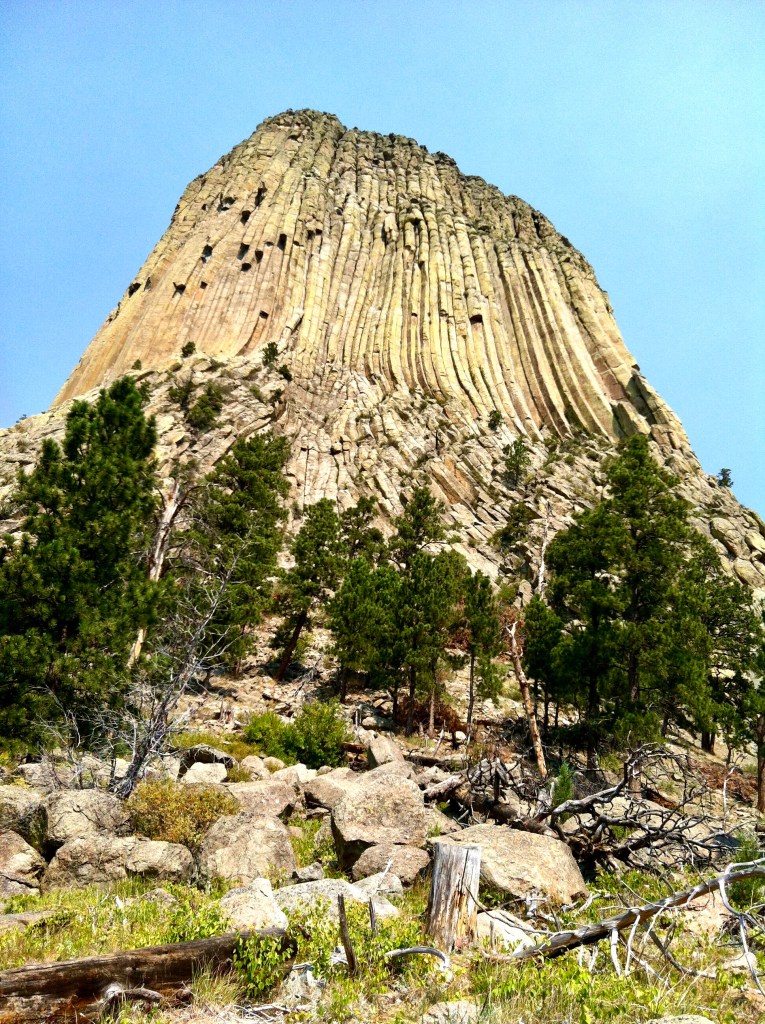
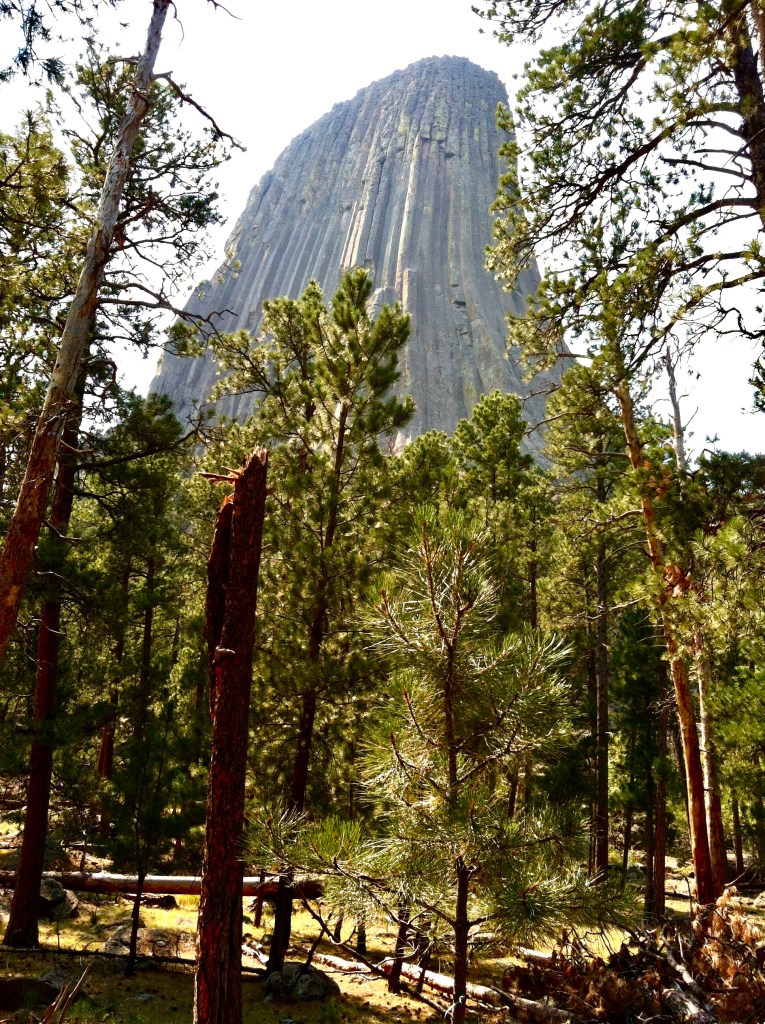
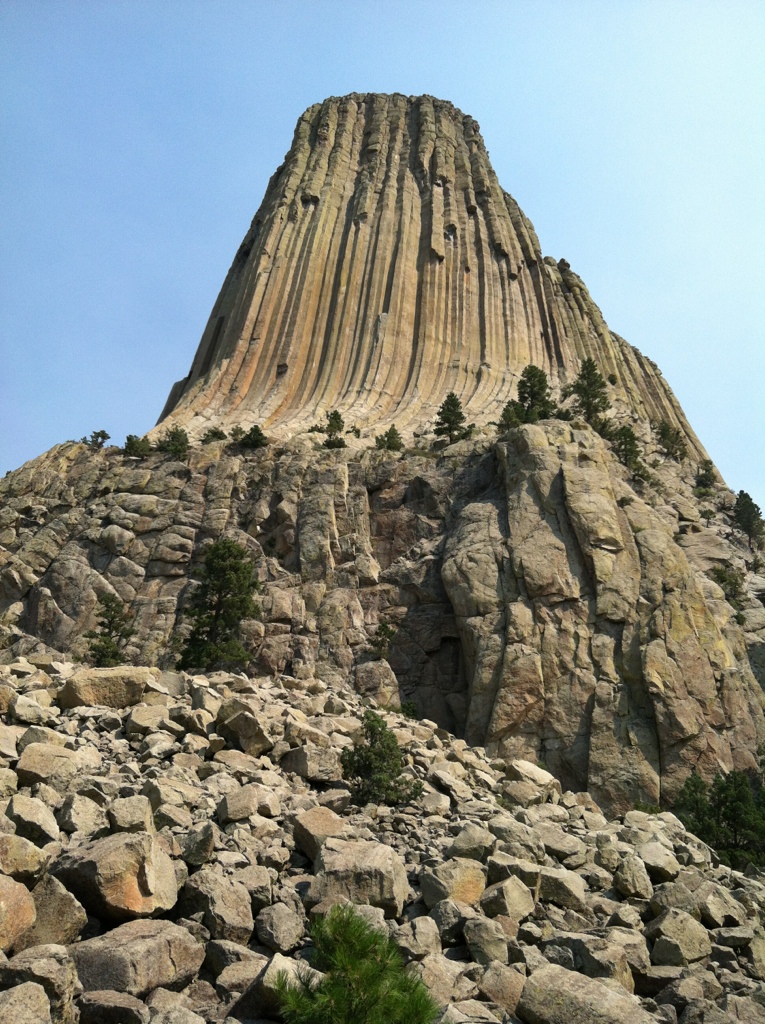
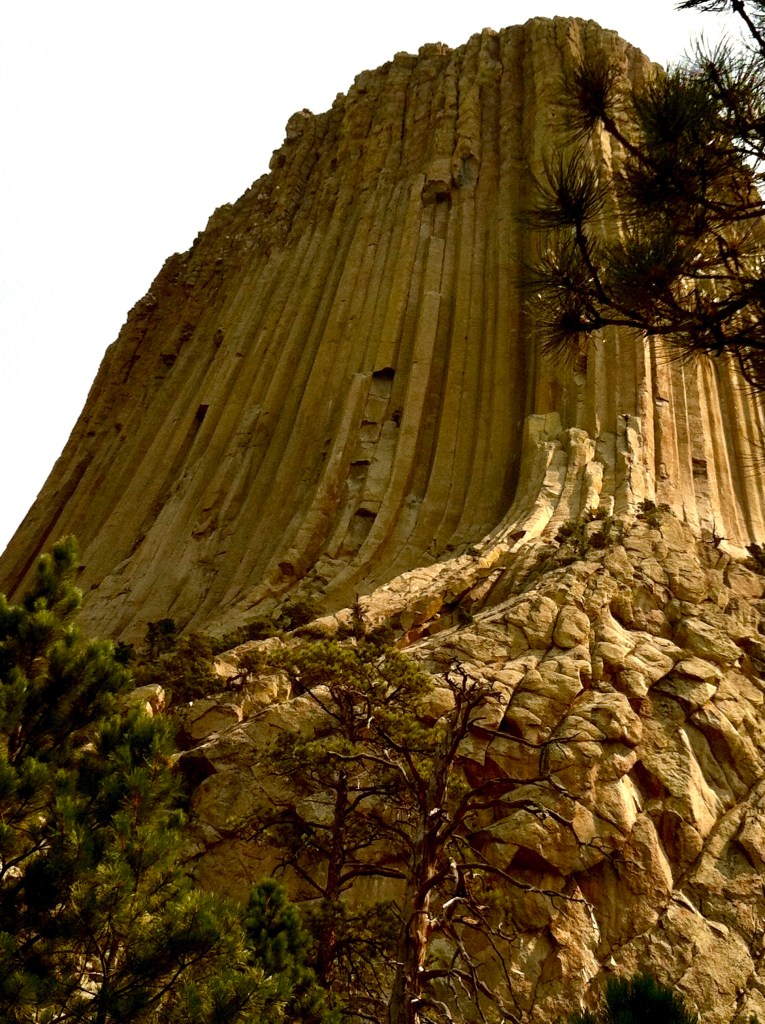
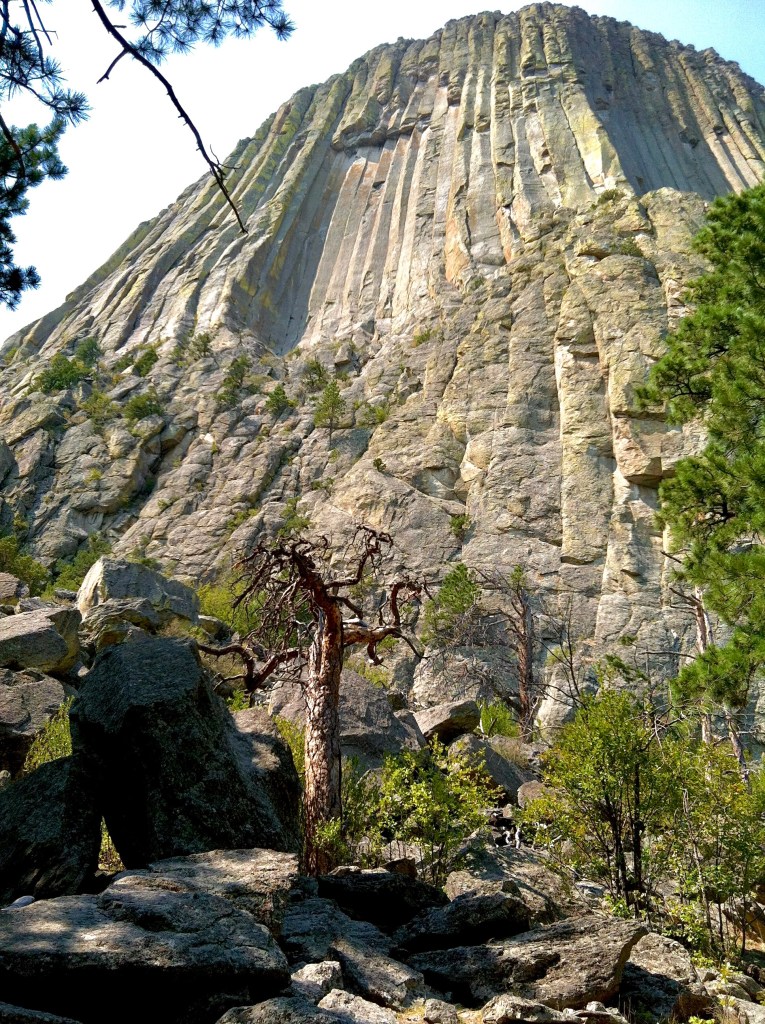
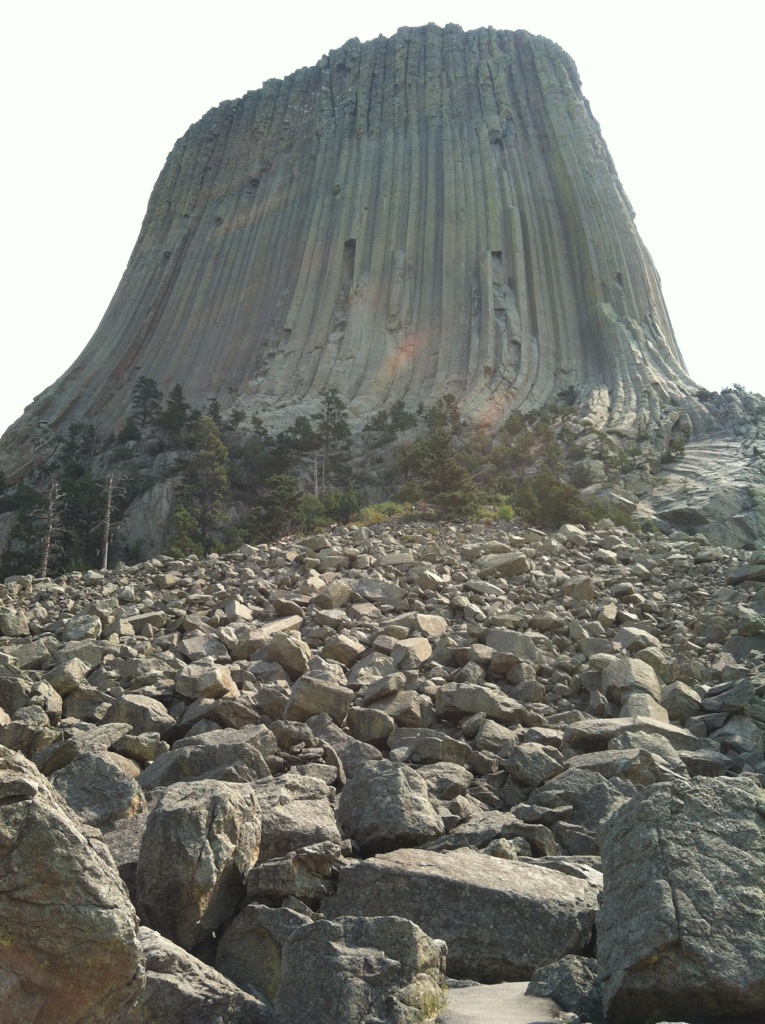
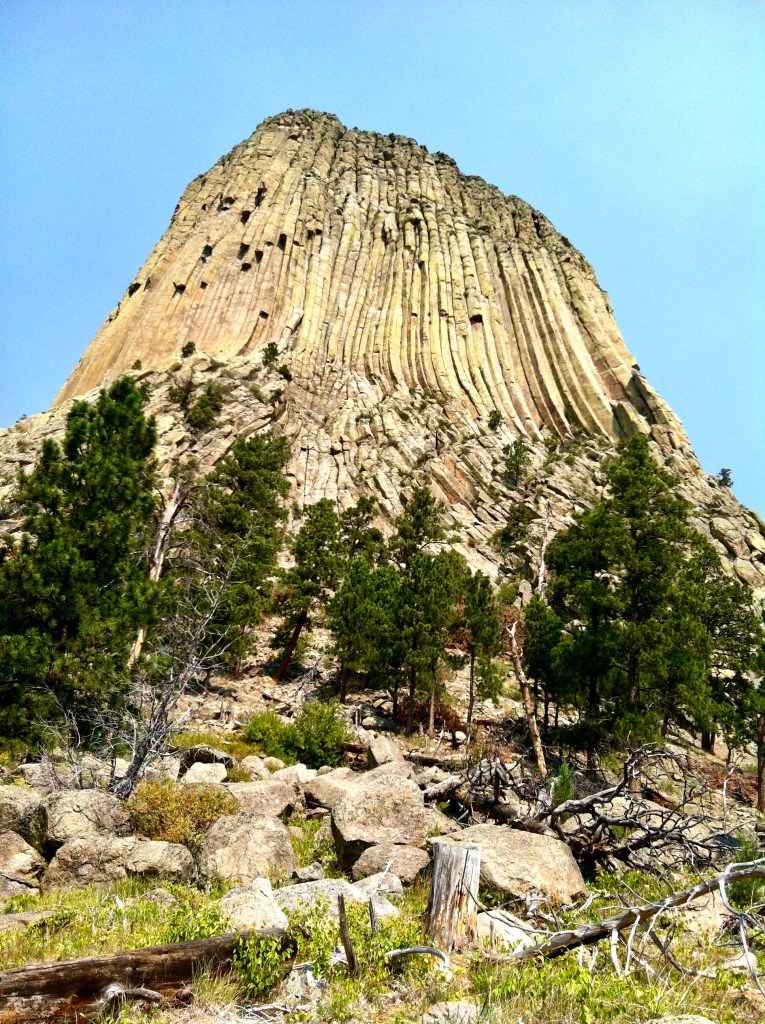
A dark mist lay over the Black Hills, and the land was like iron. At the top of ridge I caught sight of Devil’s Tower upthrust against the gray sky as if in the birth of time the core of the earth had broken through its crust and the motion of the world was begun. There are things in nature that engender an awful quiet in the heart of man; Devil’s Tower is one of them.
~N.Scott Momaday in The Way to Rainy Mountain

Over the years we have made many cross-country road trips, passing by the turn-off to Devil’s Tower in eastern Wyoming because there was urgency to get where we needed to go. Occasionally we would see it hazy in the far distance, so I could say I had “seen it” but I really had not seen it, according to my Stanford professor N. Scott Momaday.

Scott is from the Kiowa tribe. In his language, this rock formation is named Tso-i-e or “standing on a rock.” For him and his people, it is sacred ground. The Cheyenne, Crow, Lakota, Shoshone, and Arapahoe all revere this rock monolith although most tribal members did not live near enough to see it themselves, but the legends traveled many miles through the generations through oral tradition.

Scott taught an unforgettable class on Native American Mythology and Lore I took 50 years ago as a 19 year old sophomore. He has a commanding presence, a booming resonant voice for story telling, a predilection for the poetry of Emily Dickinson and a hankering since childhood to be a character in the stories of Billy the Kid. The first day of class, he introduced us to Tso-i-e first and foremost. He told us his grandmother’s story passed to her from her grandparents:

“Eight children were there at play, seven sisters and their brother. Suddenly the boy was struck dumb; he trembled and began to run upon his hands and feet. His fingers became claws, and his body was covered with fur. Directly there was a bear where the boy had been. The sisters were terrified.; they ran and the bear after them. They came to the stump of a great tree, and the tree spoke to them. It bade them climb upon it, and as they did so it began to rise into the air. The bear came to kill them, but they were just beyond its reach. It reared against the tree and scored the bark all around with its claws. The seven sisters were borne into the sky, and they became the stars of the Big Dipper.”

A few years ago, we finally made time to see the Tower up close. For me, this “close encounter” was meant to connect the dots from my class and to understand more fully the spiritual background of the Plains people as our son had lived and taught on the Pine Ridge Reservation in South Dakota for two years.

The Tower surely is holy ground for us all – we are diminished in its presence. It disquiets the heart with its awful grandeur and sheer other-worldliness. In its own way, it is as resonant as Scott’s captivating stories about its origins, yet remains a reminder of the ever-changing impermanence of geologic formations.

We need more holy places in our lives even as they (and we) change with the sands and winds of time. We need more awe-filled awful quiet in our hearts.

So we continue to tell the sacred stories, generation to generation, never forgetting Who set the world in motion.

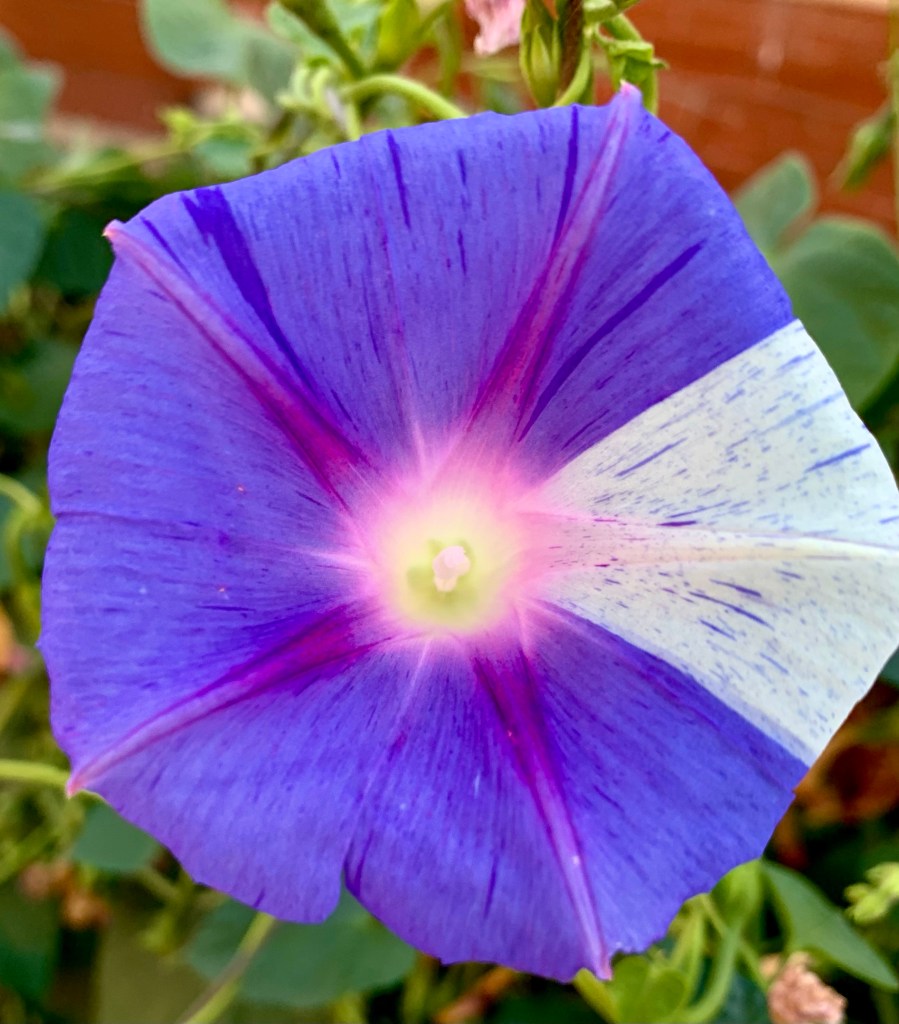
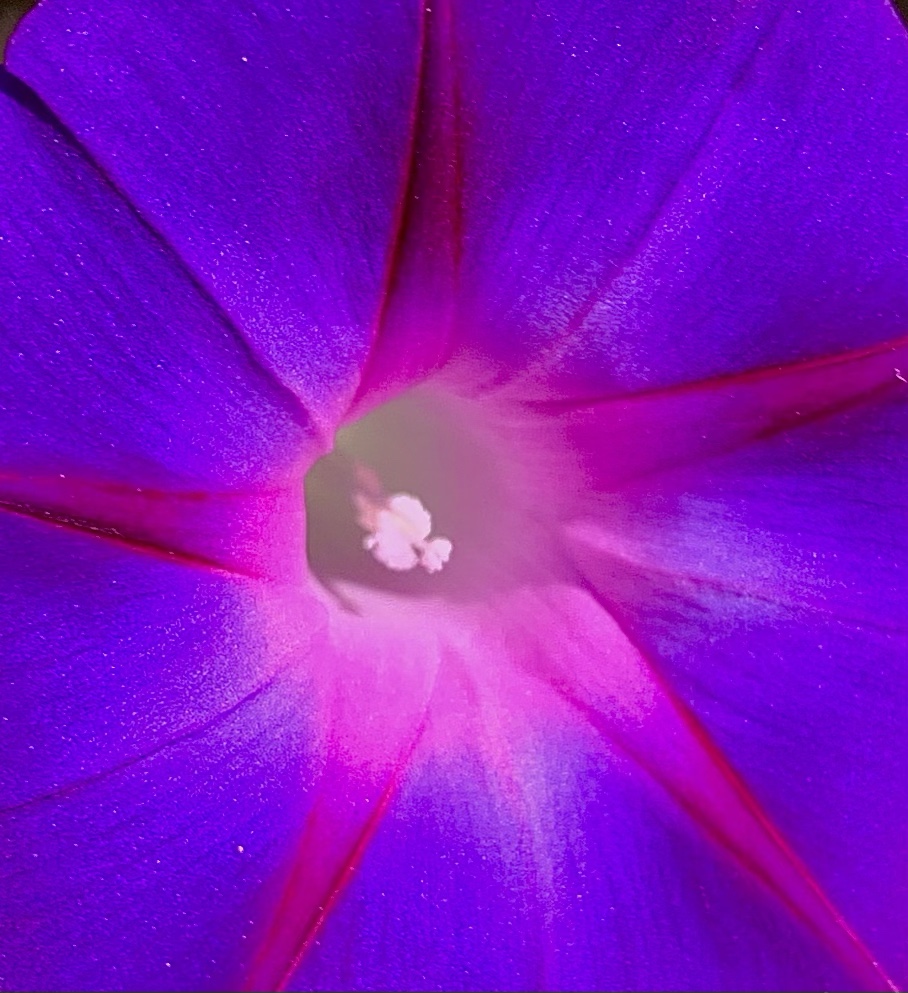
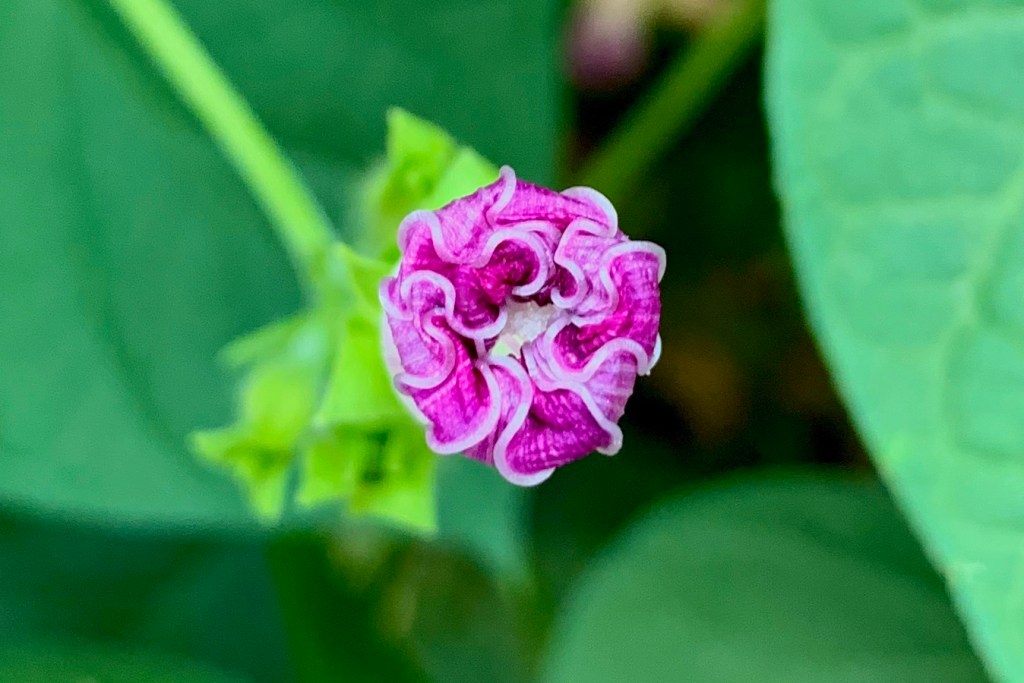
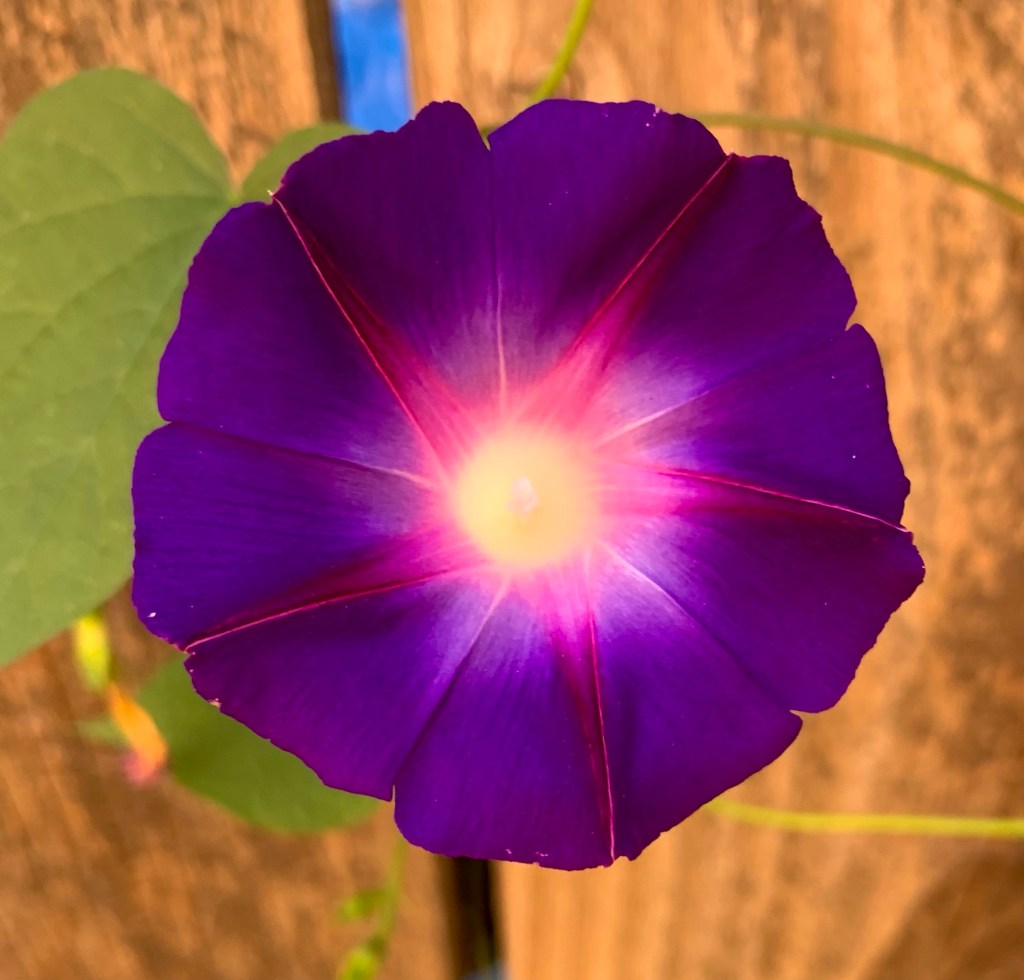
So Frail A Bloom

Blue and dark-blue
rose and deepest rose
white and pink they

are everywhere in the diligent
cornfield rising and swaying
in their reliable

finery in the little
fling of their bodies their
gear and tackle

all caught up in the cornstalks.
The reaper’s story is the story
of endless work of

work careful and heavy but the
reaper cannot
separate them out there they

are in the story of his life
bright random useless
year after year

taken with the serious tons
weeds without value

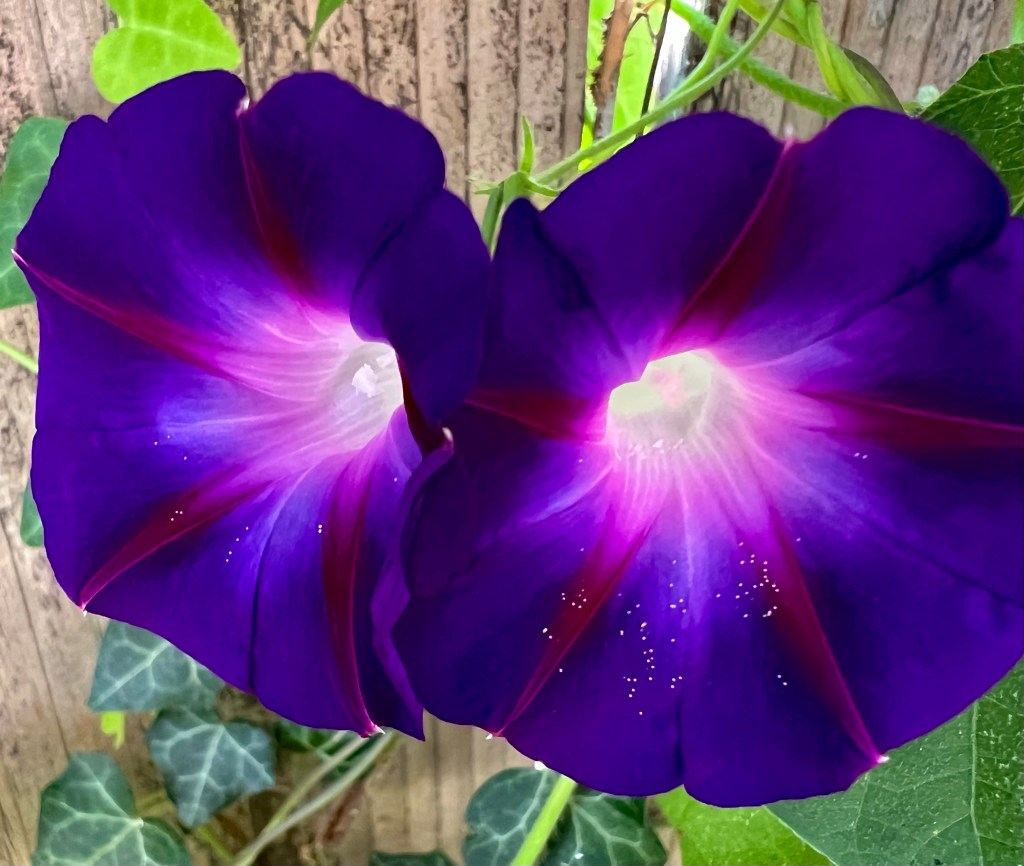
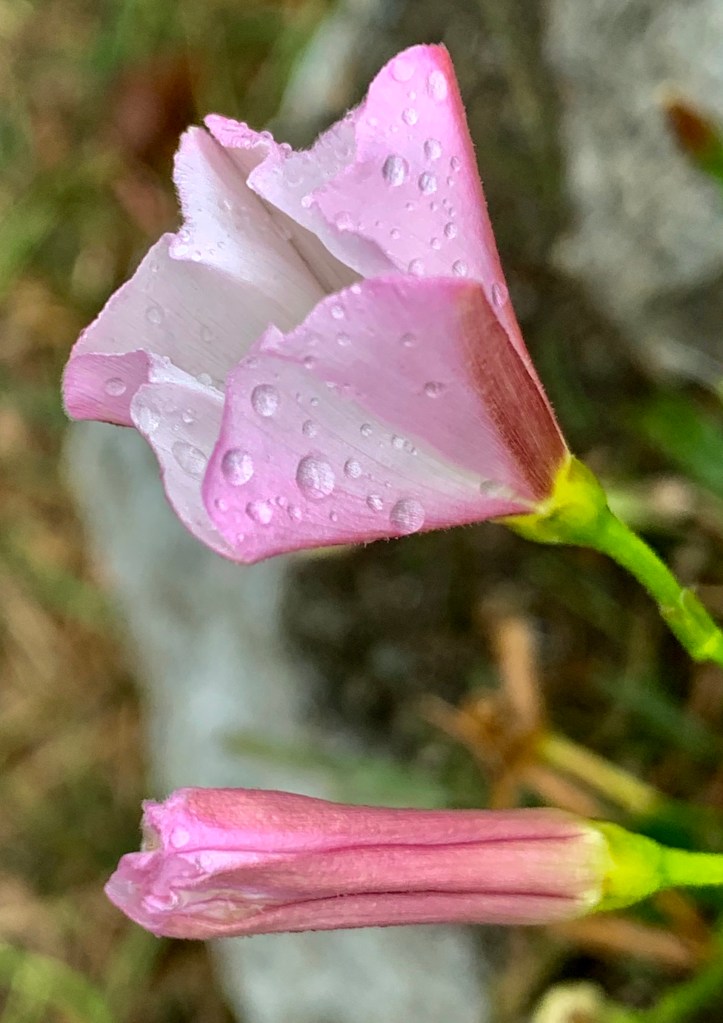
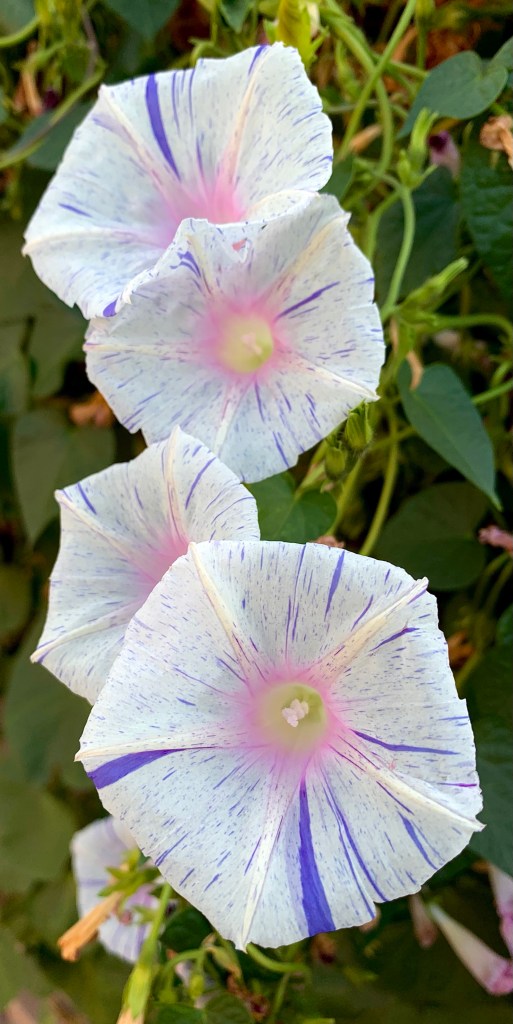
~Mary Oliver “Morning Glories

Was it worthwhile to paint so fair
The every leaf – to vein with faultless art
Each petal, taking the boon light and air
Of summer so to heart?

To bring thy beauty unto a perfect flower,
Then like a passing fragrance or a smile
Vanish away, beyond recovery’s power –
Was it, frail bloom, worthwhile?

Thy silence answers: “Life was mine!
And I, who pass without regret or grief,
Have cared the more to make my moment fine,
Because it was so brief.

In its first radiance I have seen
The sun! – Why tarry then till comes the night?
I go my way, content that I have been
Part of the morning light!”
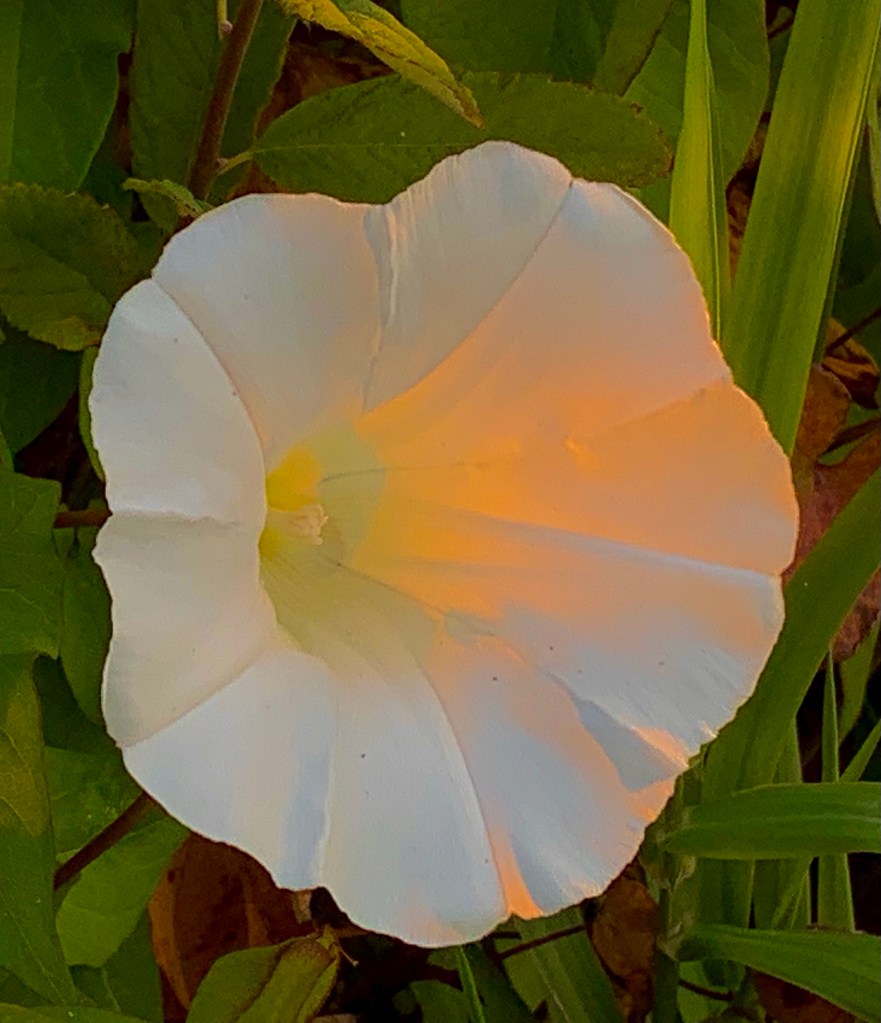
~Florence Earle Coates “The Morning Glory”

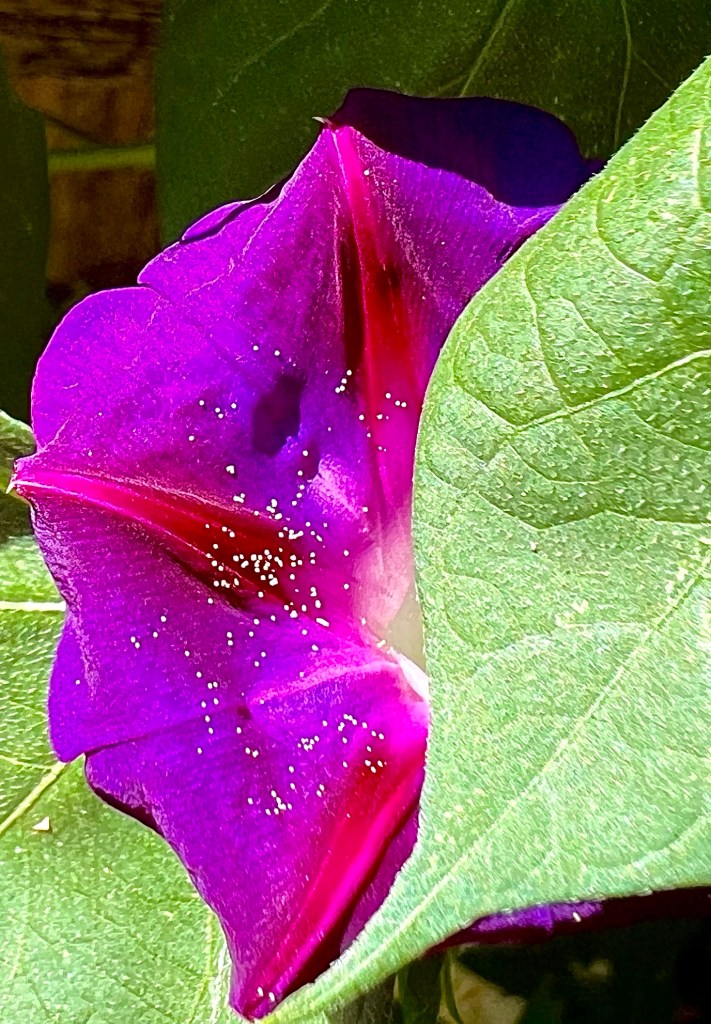
Can I too unfurl with joy in the morning light, knowing I will wilt and wither at the end of the day? Will I live fully open to this day, unconcerned about tomorrow? 

God intended for us to tend His garden yet He continually tends us, His frail blooms. We mess up like random useless weeds and are given a daily opportunity to make it right. I am alive – no question in my mind – to try to make this day better for others.

I blossom under His tending and like a passing smile, I will leave without grief or regret.

The Dewy Cheek of Day

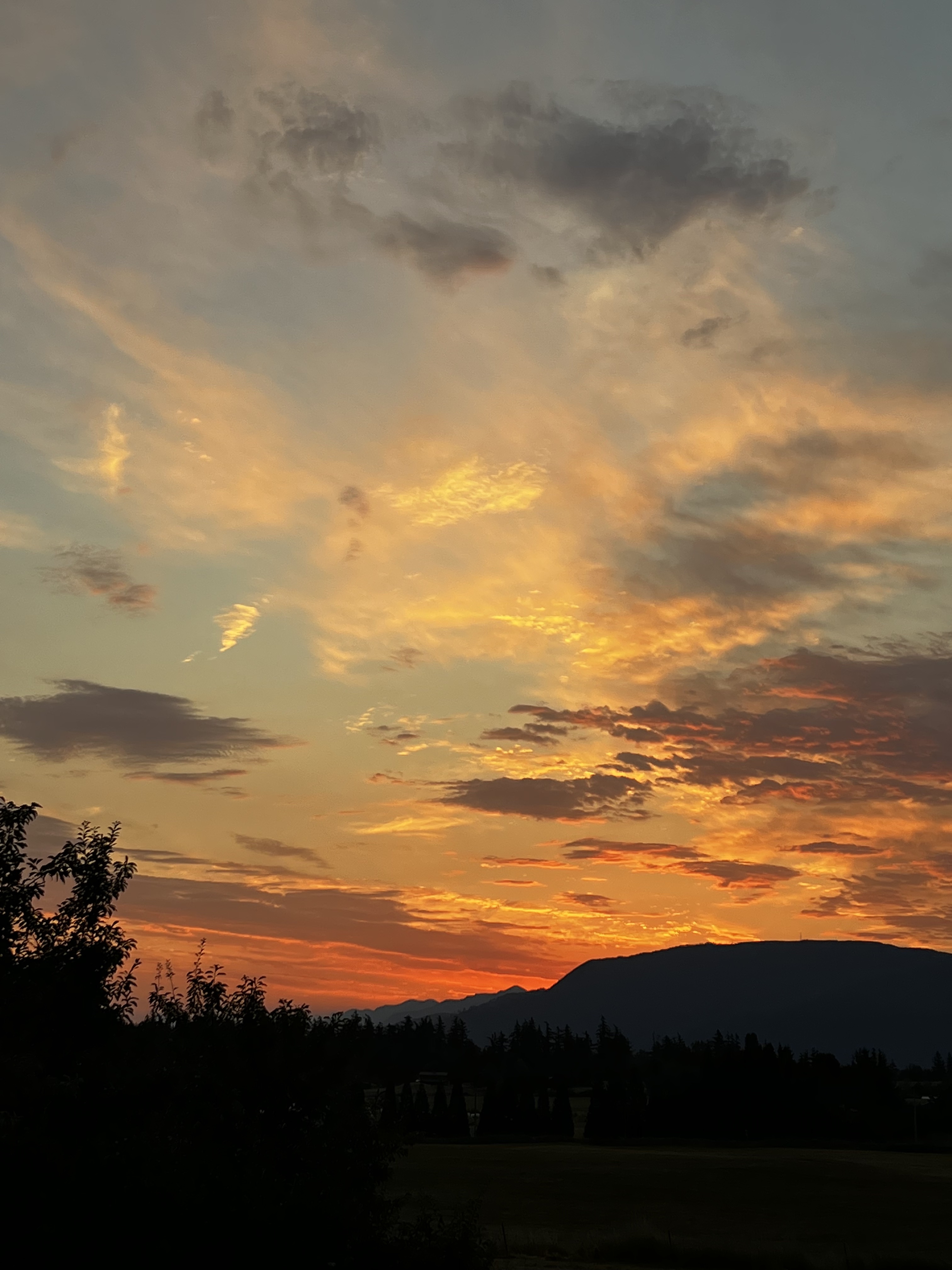
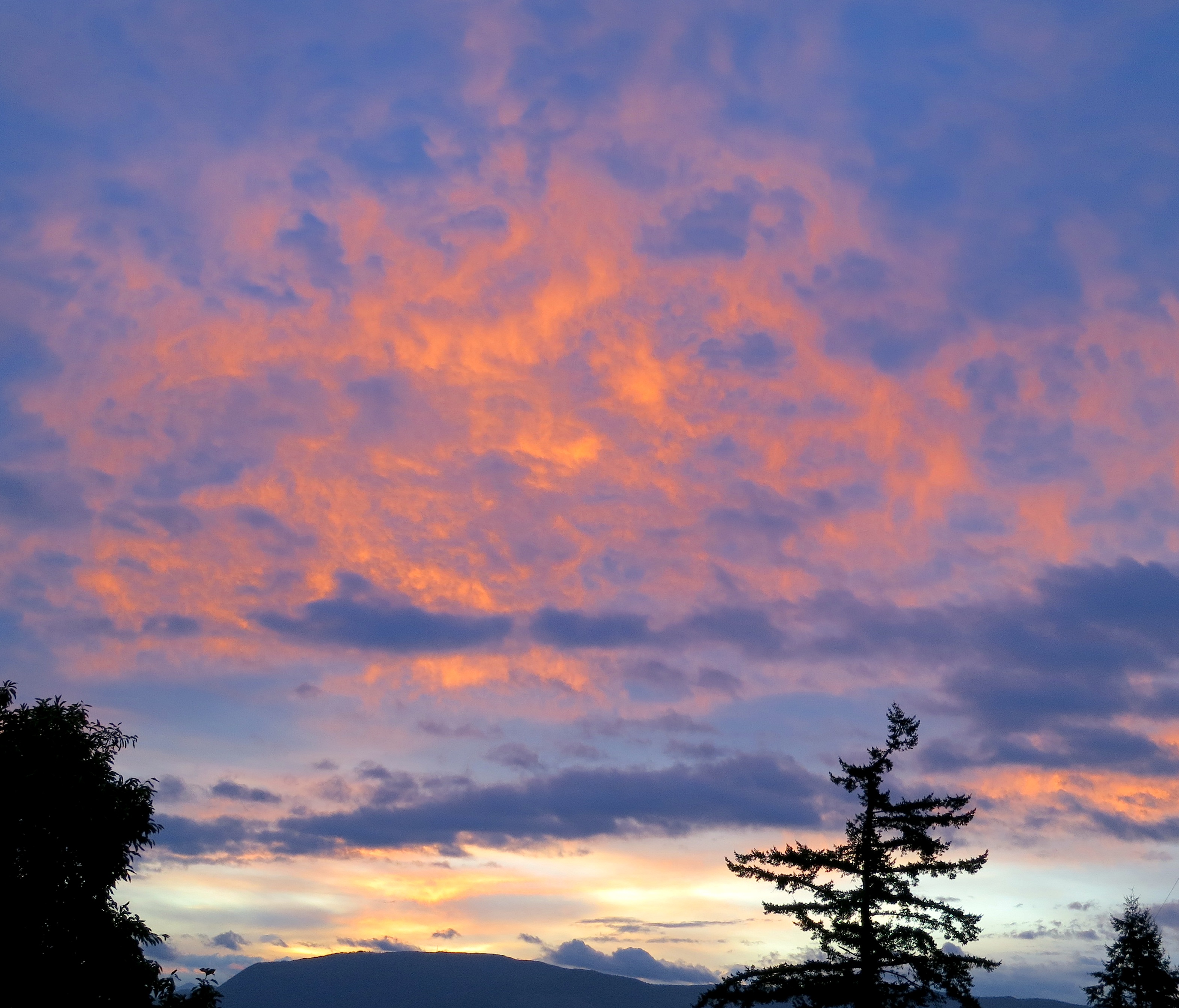
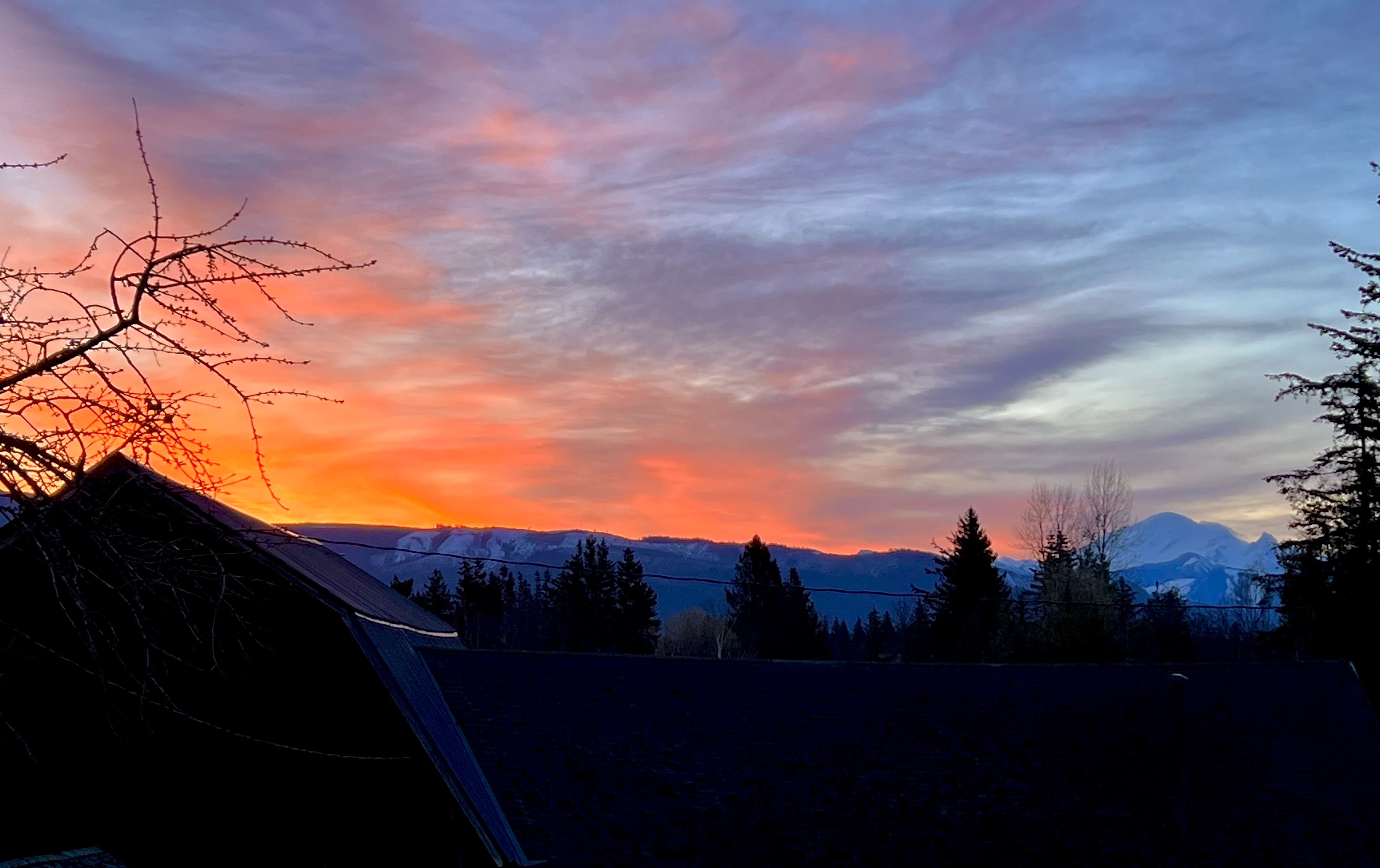
The red east glows, the dewy cheek of Day
Has not yet met the sun’s o’erpowering smile;
The dew-drops in their beauty still are gay,
Save those the shepherd’s early steps defile.
Pleas’d will I linger o’er the scene awhile;
The black clouds melt away, the larks awaken–
Sing, rising bird, and I will join with thee:
With day-break’s beauties I have much been taken,
As thy first anthem breath’d its melody.
I’ve stood and paus’d the varied cloud to see,
And warm’d in ecstacy, and look’d and warm’d,
When day’s first rays, the far hill top adorning,
Fring’d the blue clouds with gold: O doubly charm’d
I hung in raptures then on early Morning.

~John Clare “Daybreak”

You tell me to live each day
as if it were my last. This is in the kitchen
where before coffee I complain
of the day ahead—that obstacle race
of minutes and hours,
grocery stores and doctors.

But why the last? I ask. Why not
live each day as if it were the first—
all raw astonishment, Eve rubbing
her eyes awake that first morning,
the sun coming up
like an ingénue in the east?

You grind the coffee
with the small roar of a mind
trying to clear itself. I set
the table, glance out the window
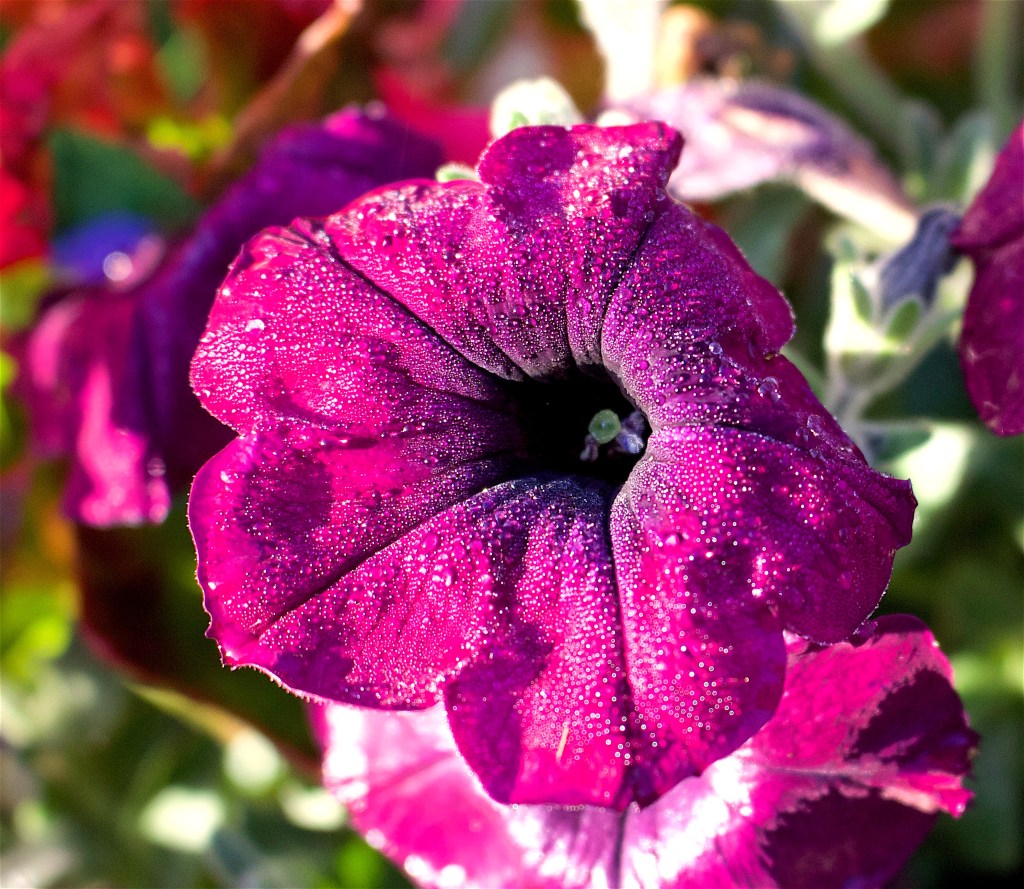
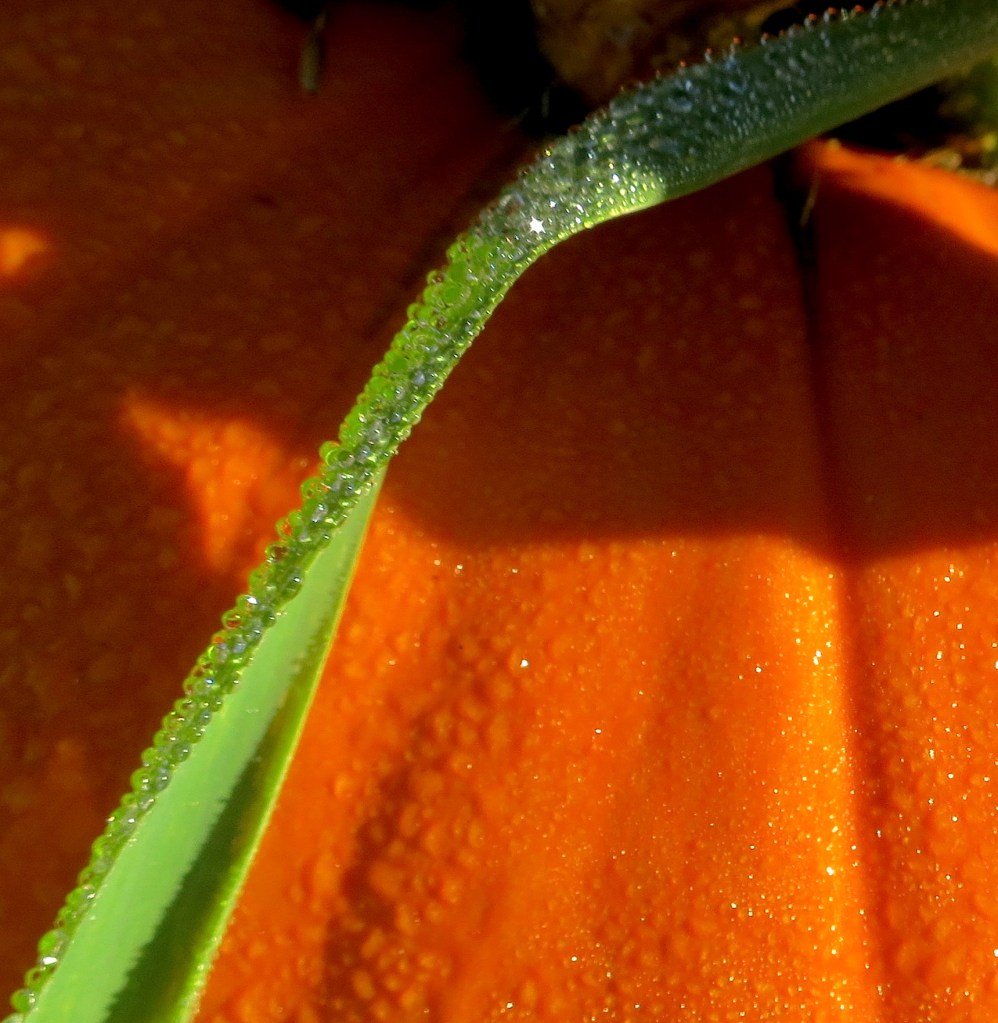
where dew has baptized every
living surface.
~Linda Pastan “Imaginary Conversation”

How to begin each day like the first day, rather than the last…

It would mean unbridled awe and astonishment, hung in raptures. Look Not only gratitude that the world exists, but also grateful that I exist within it.

Instead of living as if this were my last day, I want to be newly created and dew-baptized in amazement – just like my first day.

Underpinnings of Dailiness

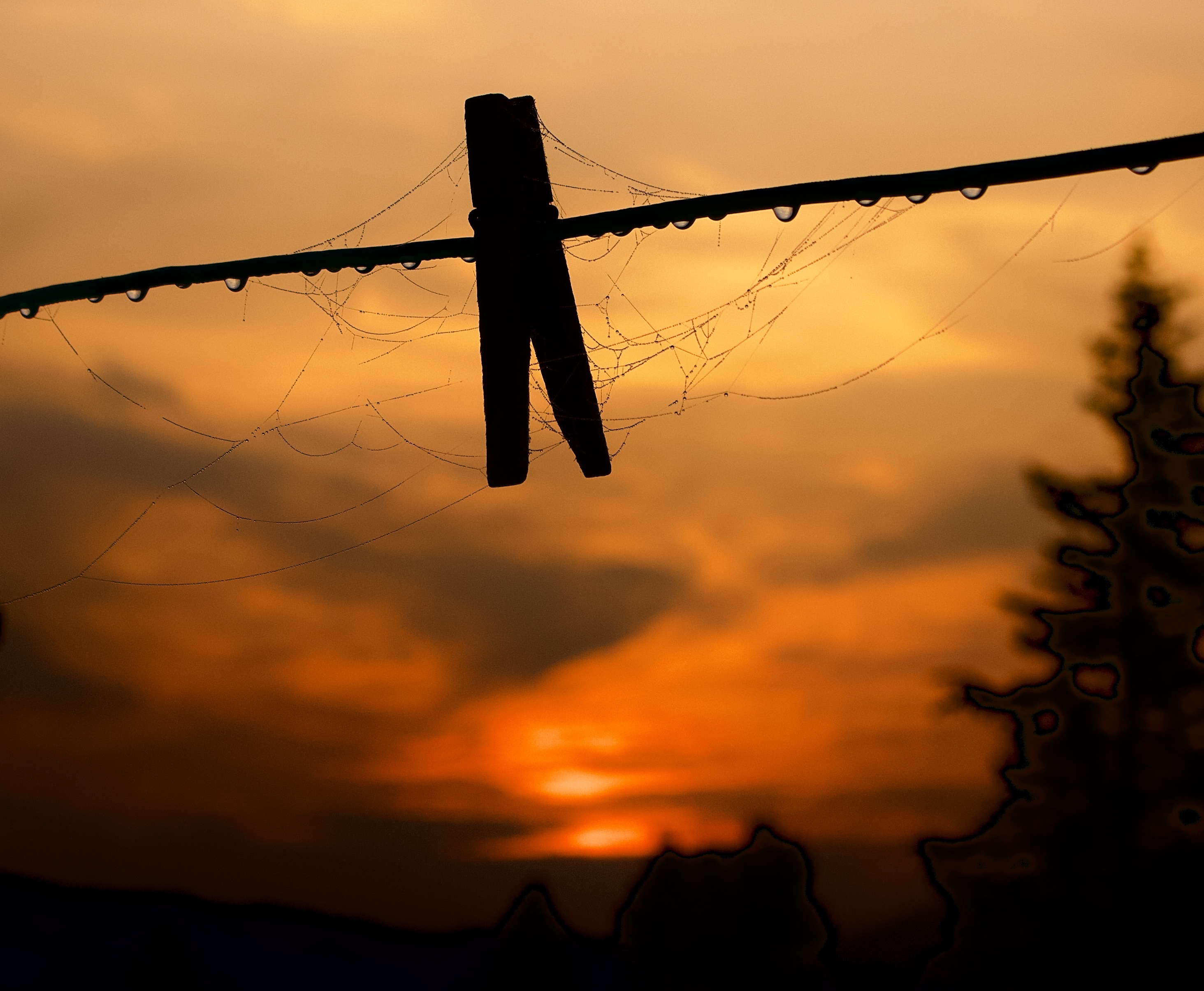
Oh, to be the washed linens and sheets
the towels and blouses and trousers,
all the underpinnings of dailiness—all sailing
and flapping on a sturdy line, releasing
their music of fabric to the air—
to be so wind-rinsed and cleansed,
so sun-seeped
down to the deepest thread.  

~Andrea Potos “Small Ode to Laundry on the Line” from Her Joy Becomes

All day the blanket snapped and swelled
on the line, roused by a hot spring wind….
From there it witnessed the first sparrow,
early flies lifting their sticky feet,
and a green haze on the south-sloping hills.
Clouds rose over the mountain….At dusk
I took the blanket in, and we slept,
restless, under its fragrant weight.
~Jane Kenyon “Wash”

I may walk the streets 
of this century and make my living in an office
but my blood is old farming blood and my true
self is underground like a potato.

I have taken root in my grandfather’s 
fields: I am hanging my laundry beneath his trees. 
~Faith Shearin from “Fields”

Here we stand breathless
And pressed in hard times
Hearts hung like laundry
On backyard clothes lines
Impossible just takes
A little more time

~Carrie Newcomer “You Can Do This Hard Thing”

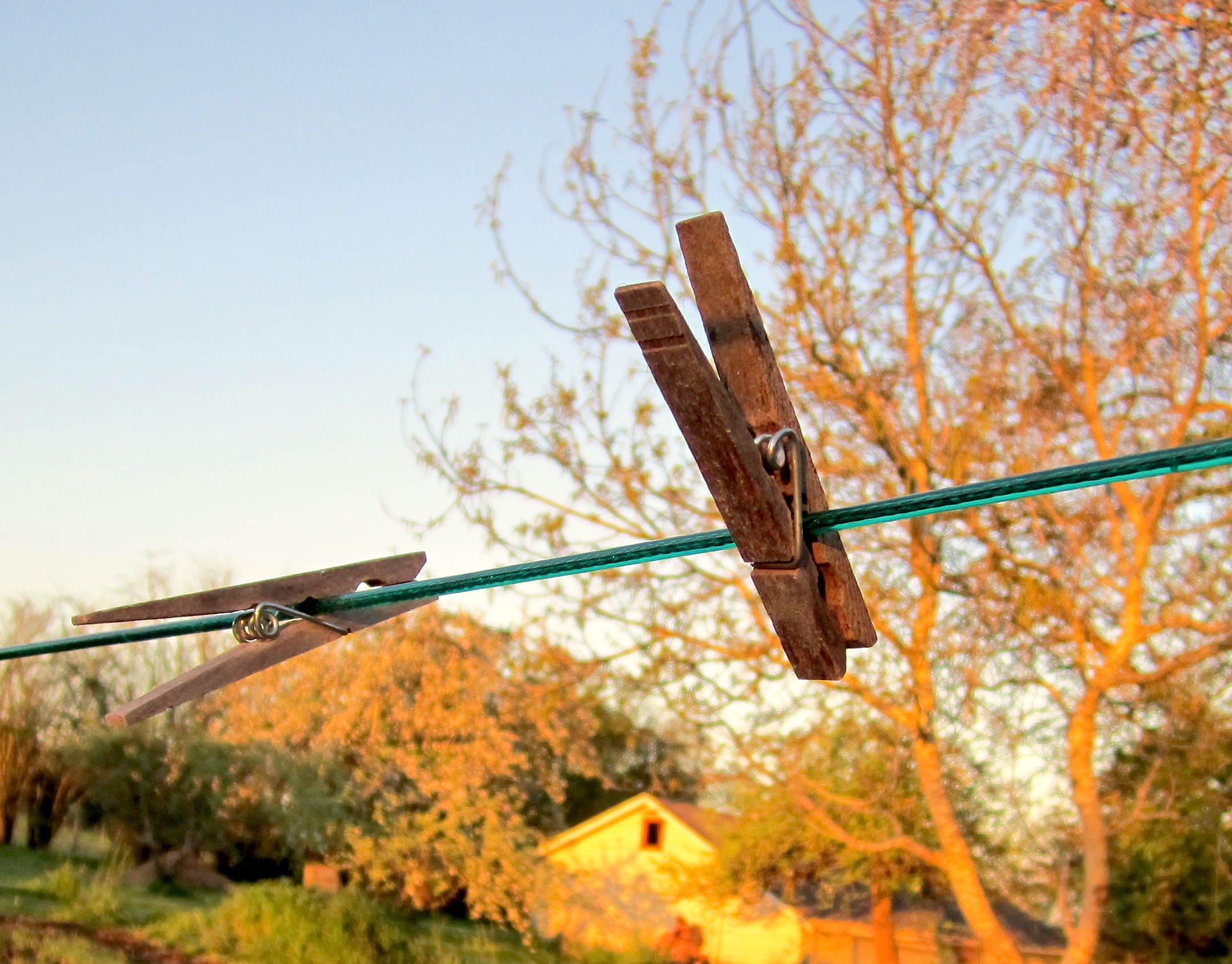
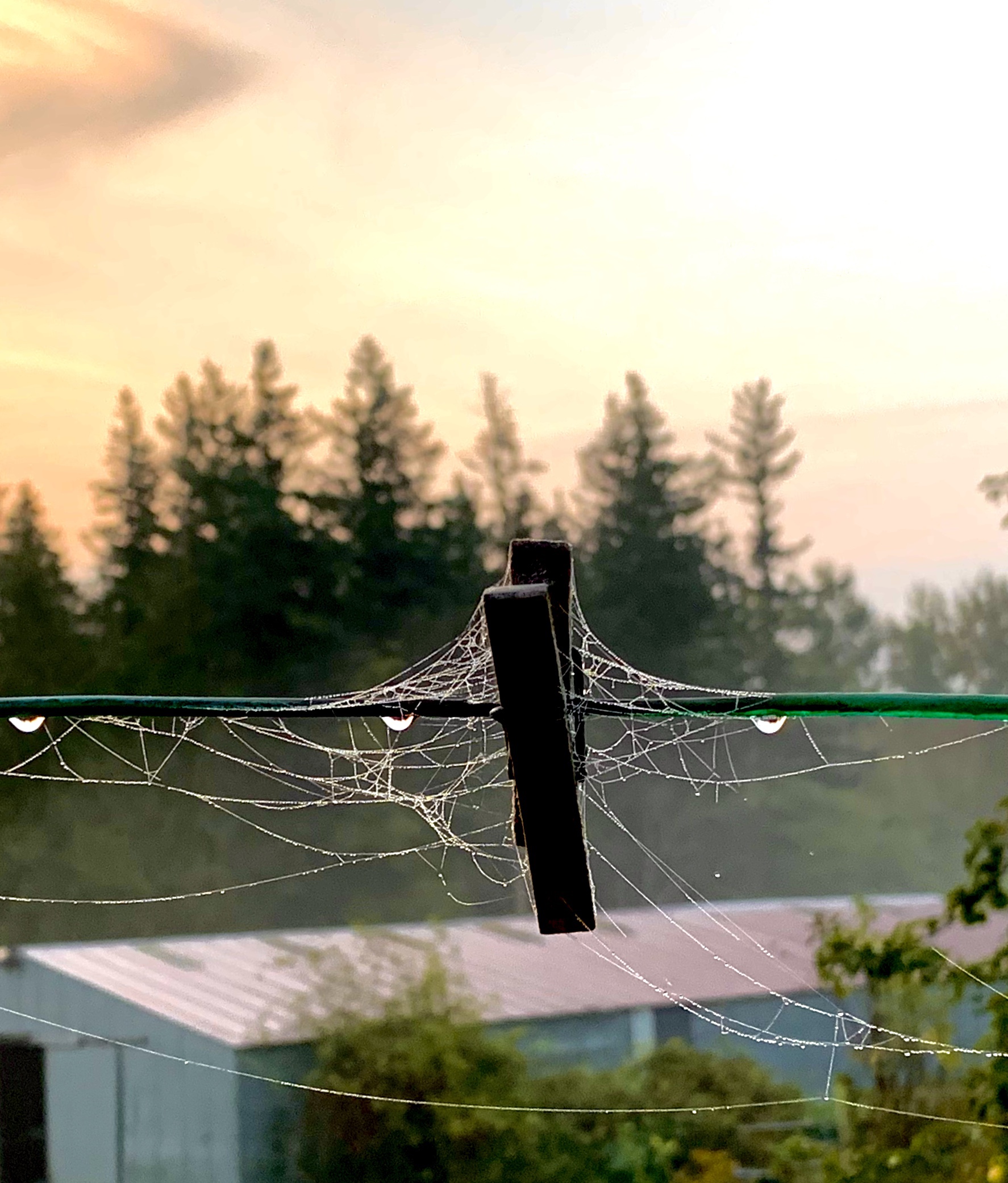
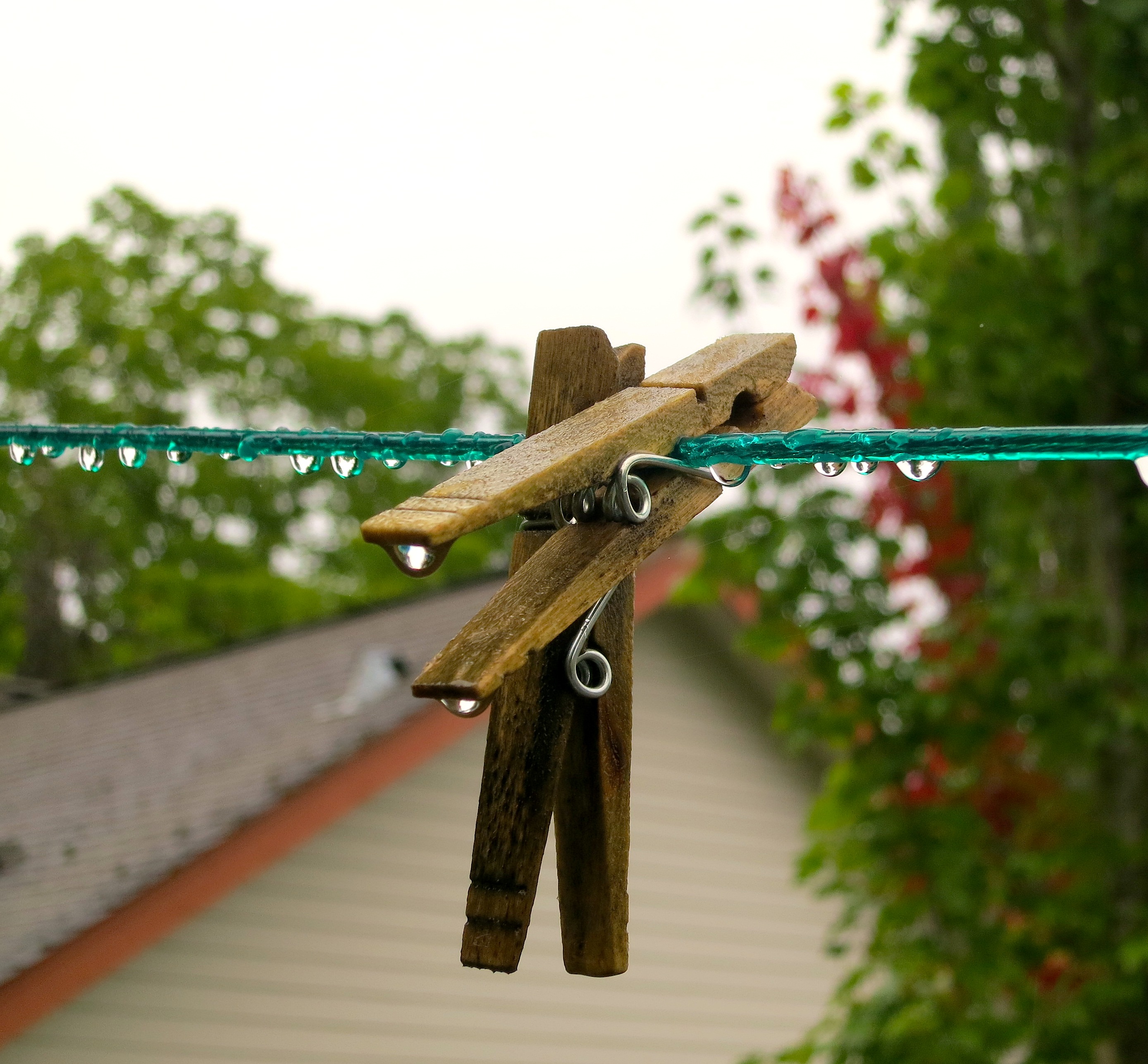
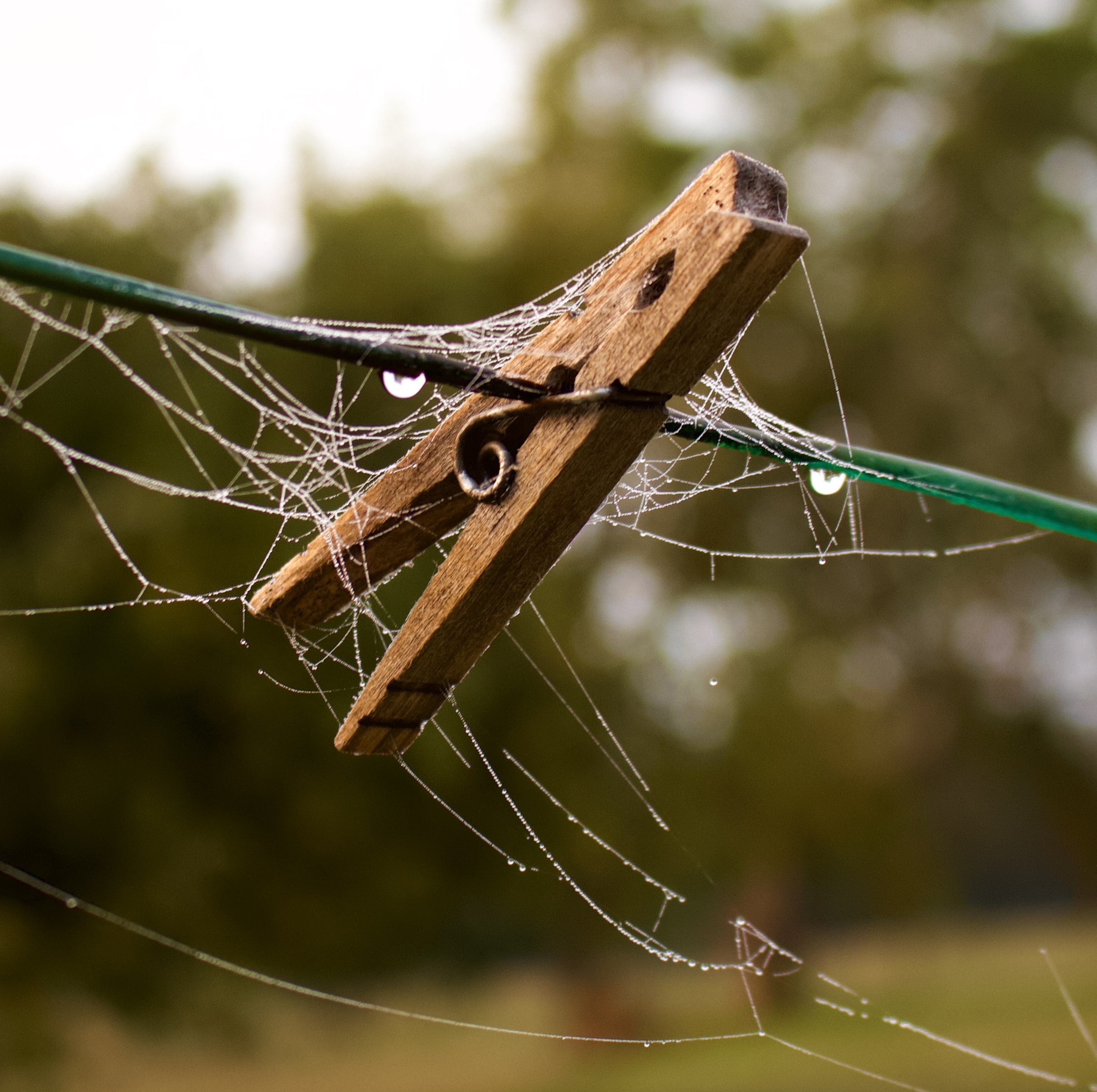
For me, clean laundry freshly dried on the clothesline is a daily sacrament. True, the towels and sheets are rougher when the wind has snapped them into shape rather than a rolling dryer drum with fabric softener sheets. The scent of the outdoors more than makes up for the sandpaper feel. I love burying my face in the pile as I bring it inside to fold and put away.

Smoothing, folding, stacking, creating order out of a quotidian mess – laundry will be undone and redone in merely a week, yet is such a comforting routine.

Even when we ourselves are in disarray, when we are soiled and smelly, when we feel discarded into the dirty clothes hamper, we can be restored. Soapy water and fresh air readies us to be folded and smoothed and stowed away until we are needed.

We find our way back to purpose and meaning. We are loved so much that grime no longer defines us because we always (always) can be made clean.

One-Time
Monthly
Yearly

Make a one-time or recurring donation to support daily Barnstorming posts

Make a monthly donation

Make a yearly donation

Choose an amount

¤10.00
¤25.00
¤50.00
¤5.00
¤15.00
¤100.00
¤5.00
¤15.00
¤100.00

Or enter a custom amount

¤

Your contribution is deeply appreciated.

Your contribution is appreciated.

Your contribution is appreciated.

DonateDonate monthlyDonate yearly
Fixing Eyes on the Unseen – Imaged in God’s Eye

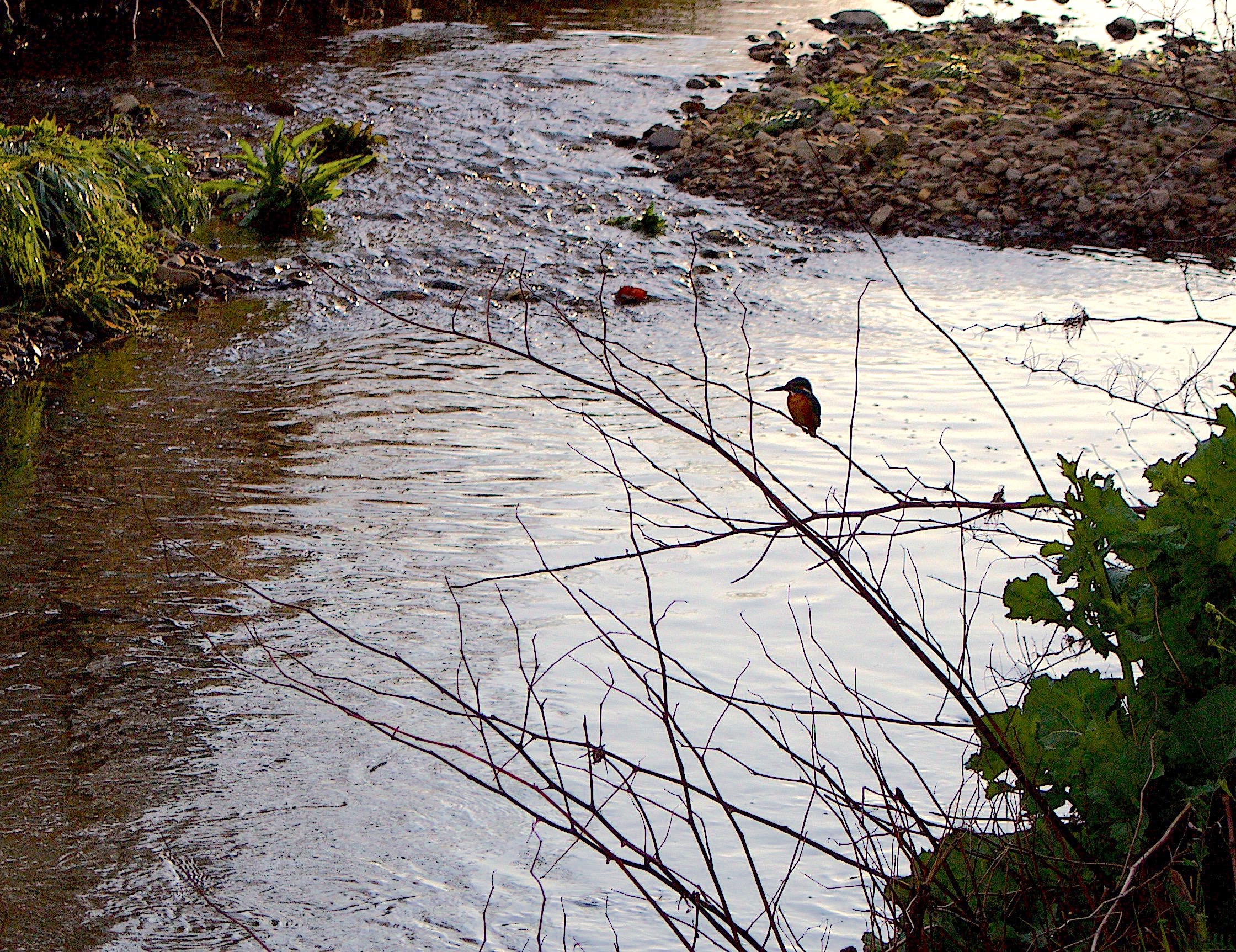
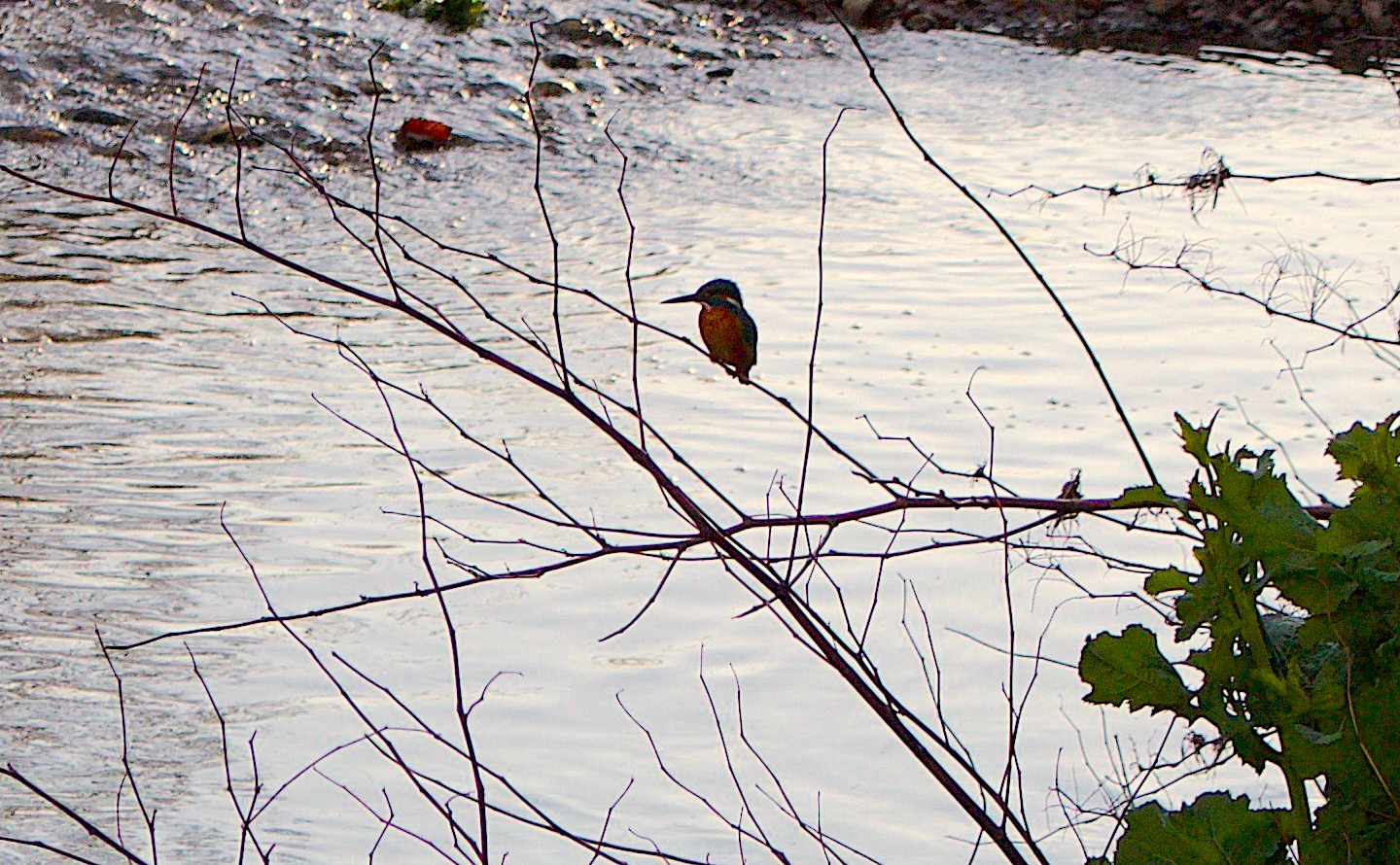
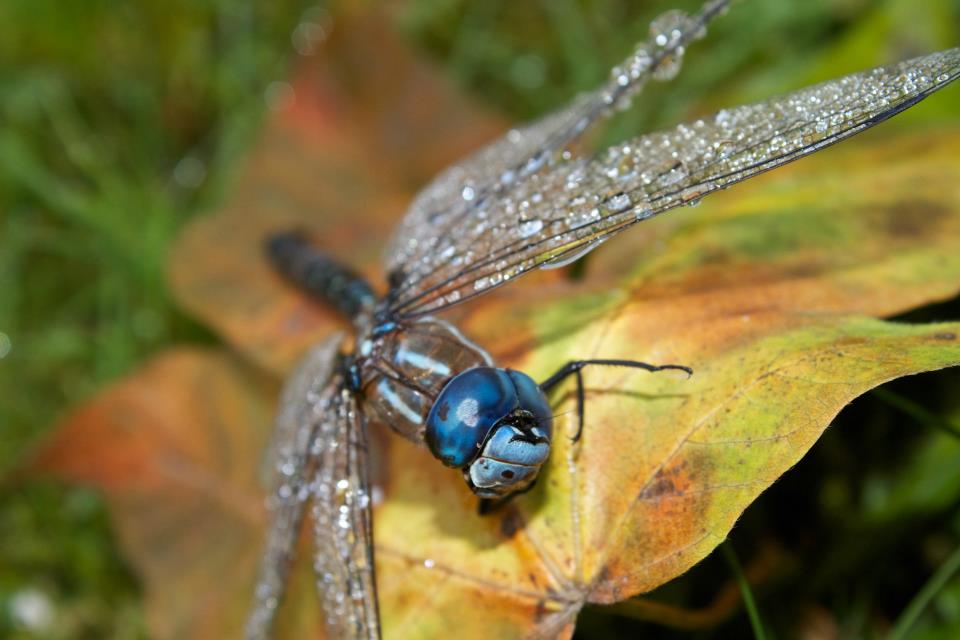
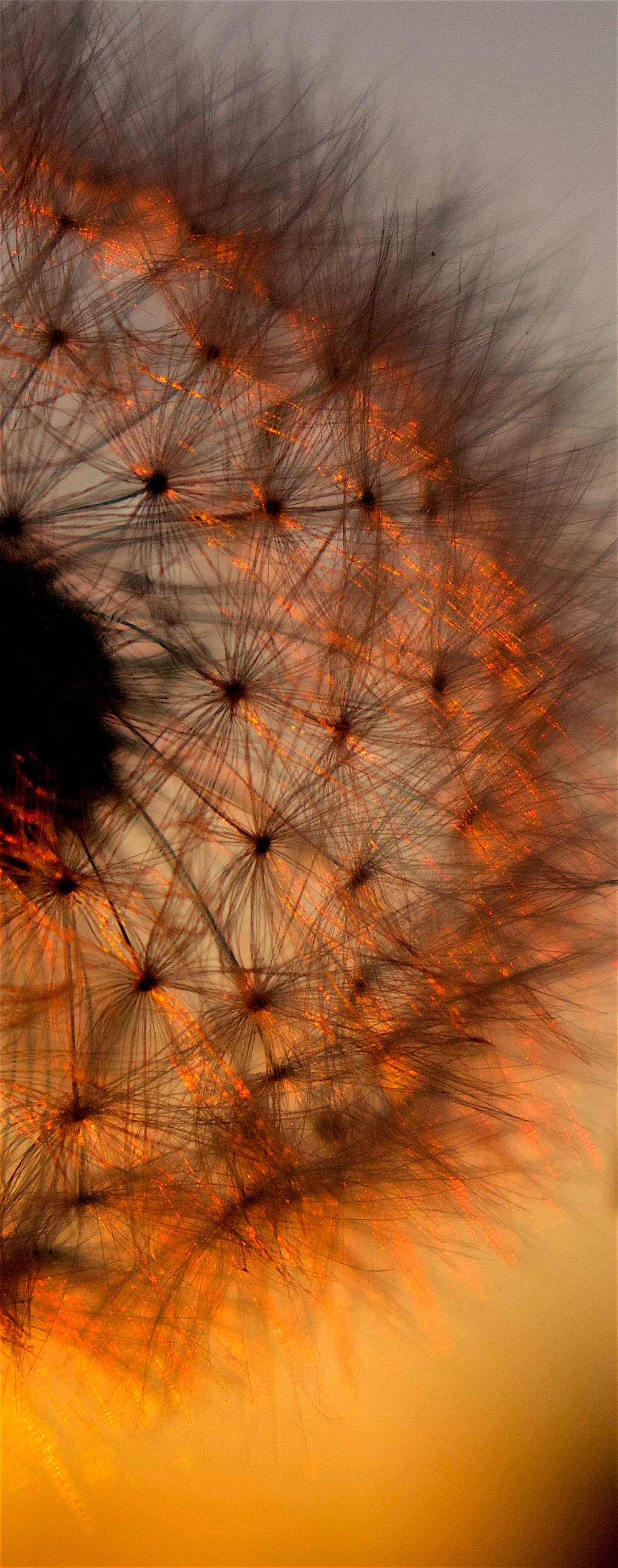
As kingfishers catch fire, dragonflies draw flame;
As tumbled over rim in roundy wells
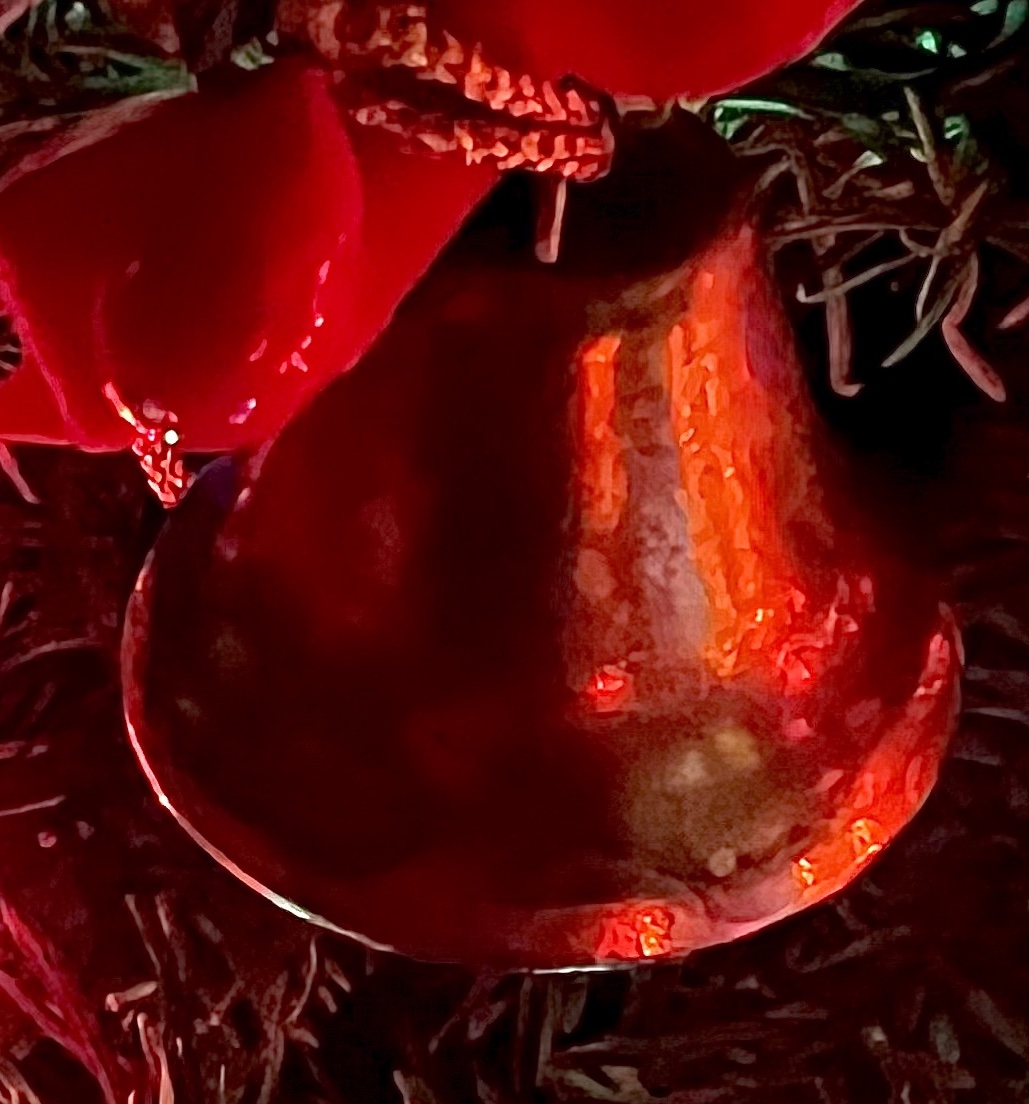
Stones ring; like each tucked string tells, each hung bell’s
Bow swung finds tongue to fling out broad its name;
Each mortal thing does one thing and the same:
Deals out that being indoors each one dwells;
Selves — goes itself; myself it speaks and spells,
Crying Whát I dó is me: for that I came.

I say móre: the just man justices;
Keeps grace: thát keeps all his goings graces;
Acts in God’s eye what in God’s eye he is —
Chríst — for Christ plays in ten thousand places,
Lovely in limbs, and lovely in eyes not his
To the Father through the features of men’s faces.

~Gerard Manley Hopkins “As kingfishers catch fire”

photo by Josh Scholten

We are far more than a simple flash of wing or a clarion ring of stone or bell ~
We who are imaged in God’s eye, first imagined, then brought to life.

We are His retina’s reflection of who walks in His creation,
ten thousand times ten thousand.

We are created lovely, meant to be lovely in His eyes,
so much more than light and sound~

We are inscaped in Christ, steeped
in His holy justice and sanctity~

We who keep all his goings graces,
for that He came down,
for that He indwells,
for that He was sacrificed.

We cannot help but be changed.

This year’s Lenten theme:
So we fix our eyes not on what is seen, but on what is unseen, since what is seen is temporary, but what is unseen is eternal.
2 Corinthians 4: 18

Fixing Eyes on the Unseen – Wounds to be Healed

The earth invalid, dropsied, bruised, wheeled
Out in the sun,
After frightful operation.
She lies back, wounds undressed to the sun,
To be healed,
Sheltered from the sneapy chill creeping North wind,
Leans back, eyes closed, exhausted, smiling
Into the sun. Perhaps dozing a little.
While we sit, and smile, and wait, and know
She is not going to die. 
~Ted Hughes from ” A March Morning Unlike Others” from Ted Hughes. Collected Poems

March. I am beginning
to anticipate a thaw. Early mornings
the earth, old unbeliever, is still crusted with frost
where the moles have nosed up their
cold castings, and the ground cover
in shadow under the cedars hasn’t softened
for months, fogs layering their slow, complicated ice
around foliage and stem
night by night,

but as the light lengthens, preacher
of good news, evangelizing leaves and branches,
his large gestures beckon green
out of gray. Pinpricks of coral bursting
from the cotoneasters. A single bee
finding the white heather. Eager lemon-yellow
aconites glowing, low to the ground like
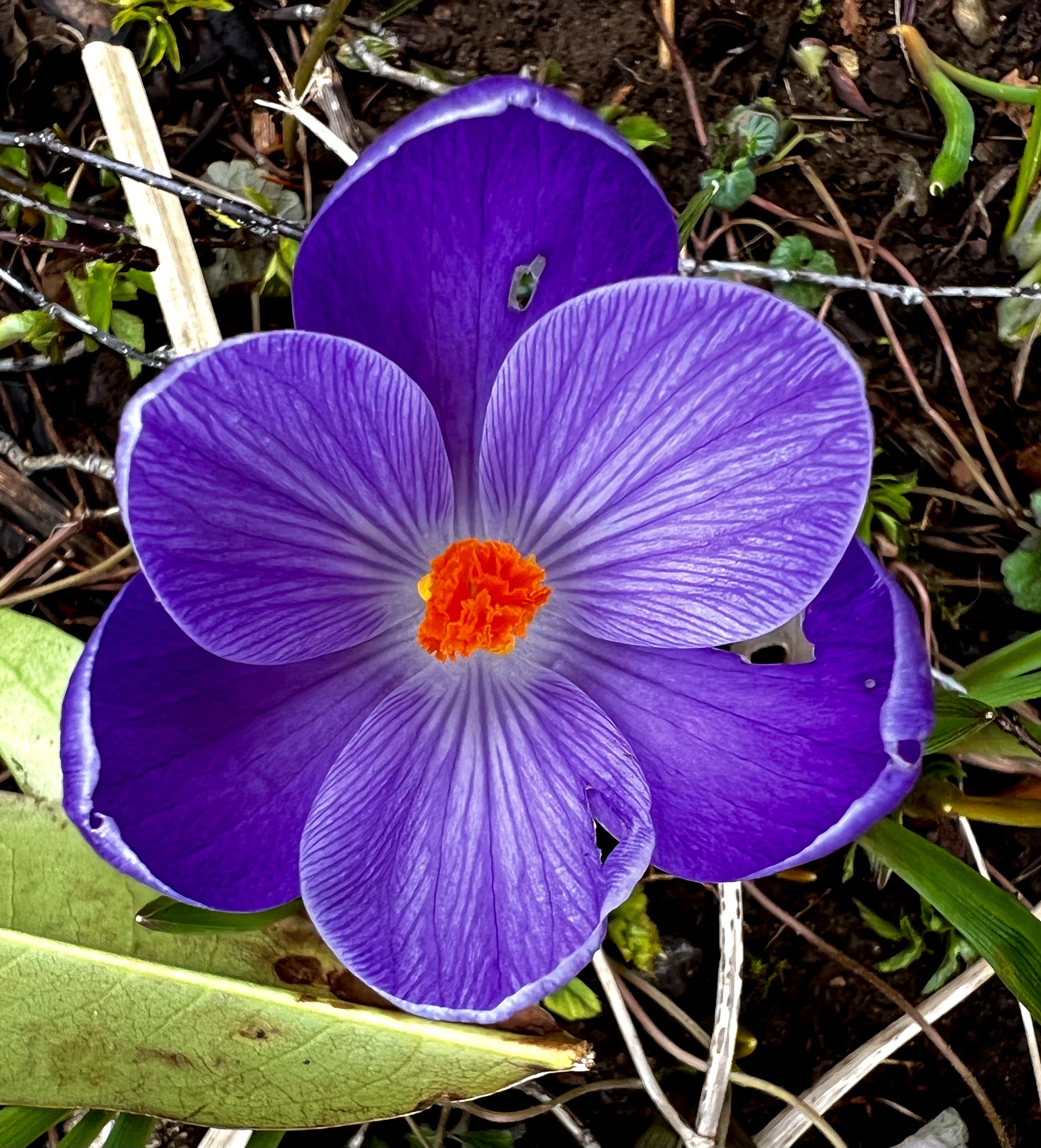
little uplifted faces. A crocus shooting up
a purple hand here, there, as I stand
on my doorstep, my own face drinking in heat
and light like a bud welcoming resurrection,
and my hand up, too, ready to sign on
for conversion.

~Luci Shaw “Revival” from What the Light Was Like.

Spring is emerging slowly this year from an exceptionally haggard and droopy winter. All growing things are a month behind the usual budding blooming schedule when, like the old “Wizard of Oz” movie, the landscape will suddenly turn from monochrome to technicolor, the soundtrack from forlorn to glorious birdsong.

Yearning for spring to commence, I tap my foot impatiently as if owed a timely seasonal transformation from dormant to verdant.  We all have been waiting for the Physician’s announcement that this patient survived some intricate life-changing procedure: “I’m happy to say the Earth is alive after all and restored, wounded but healing, breathing on her own but too sedated for a visit just yet.”

I wait impatiently to celebrate her healing, yet I know Creation is very much alive- this temporary home of ours. No invalid this patient.
She lives, she breathes, she thrives,
she will bloom and sing with everything she’s got
and soon, so will I.

This year’s Lenten theme:
So we fix our eyes not on what is seen, but on what is unseen, since what is seen is temporary, but what is unseen is eternal.
2 Corinthians 4: 18

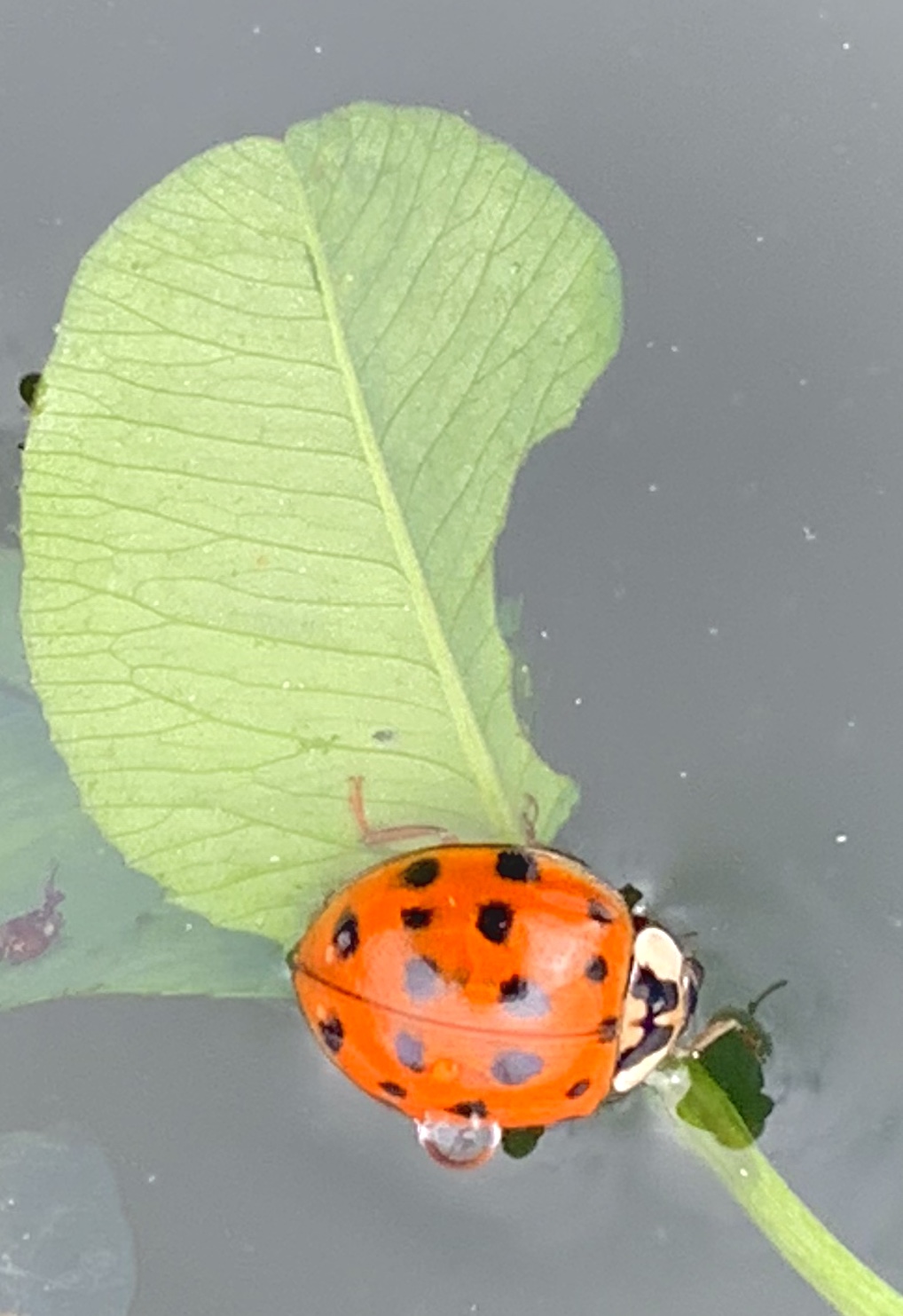
Lifted From the Water

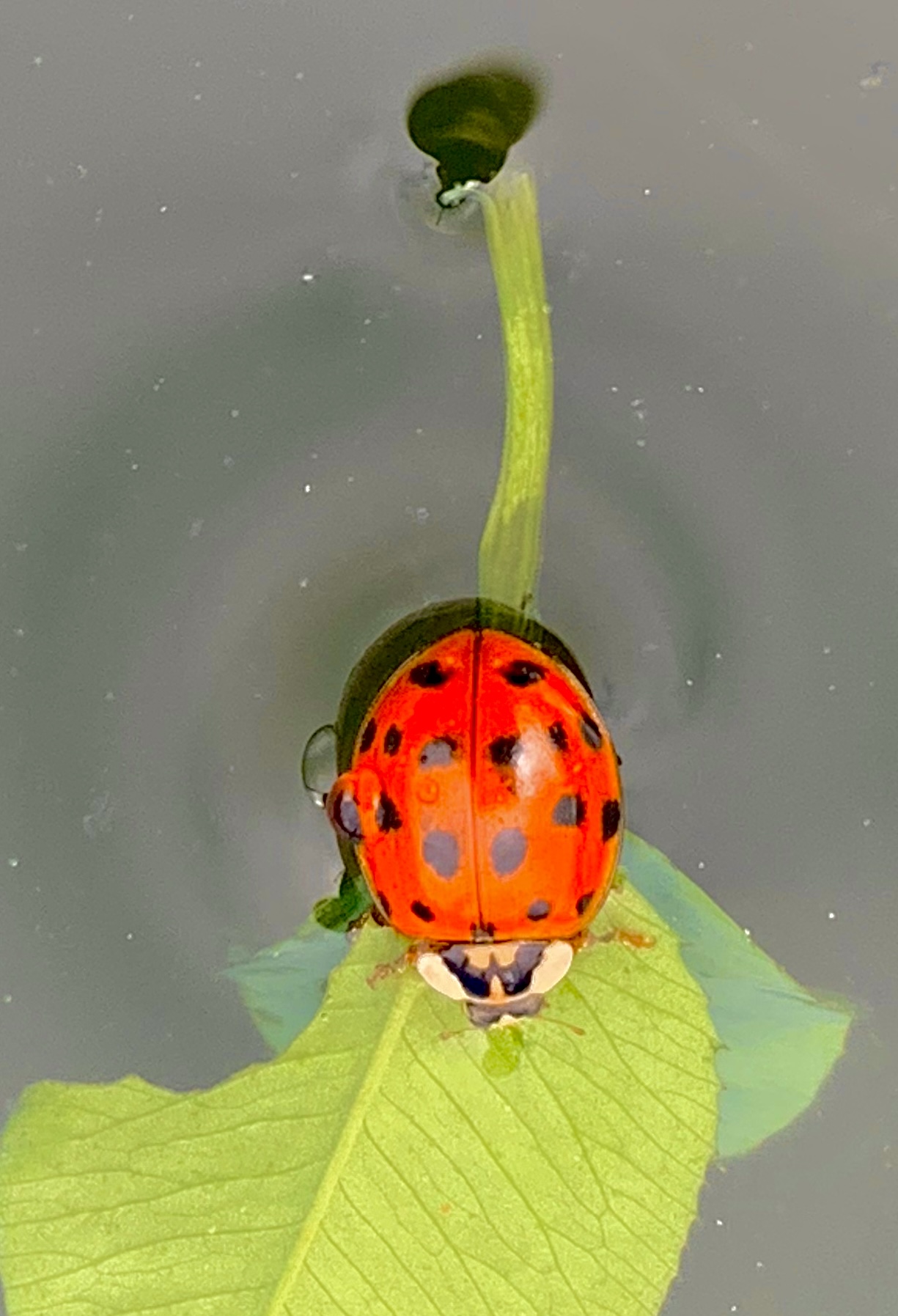
I couldn’t let it drown. I ripped off a piece
of my sandwich bag, lifted it to safety.
Its little legs reached behind its back
to stroke its wings dry.
I, too, have stretched my legs
in strange positions. Is this a leap?
What did you expect? For me to let the bug
just be a bug. To leave it alone
when it already planned on dying.
To reach out and not imagine myself the God
I wish would lift me from the water.
~Daniella Toosie-Watson “The Bug”

You are not your own; you were bought at a price.
1 Corinthians 6: 19b-20a

There is a well known story with a number of variations, all involving a scorpion that stings a good-souled frog/turtle/crocodile/person who tries to rescue it from drowning. Since the sting dooms the rescuer and as a result the scorpion as well, the scorpion explains “to sting is in my nature”. In one version, the rescuer tries again and again to help the scorpion, repeatedly getting stung, only to explain before he dies “it may be in your nature to sting but it is in my nature to save.”

This is actually a story originating from Eastern religion and thought, the purpose of which is to illustrate the “dharma”, or orderly nature of things. The story ends perfectly for the Eastern religions believer even though both scorpion and the rescuer die in the end, as the dharma of the scorpion and of the rescuer is realized, no matter what the outcome. Things are what they are, without judgment, and actualization of that nature is the whole point.

However, this story only resonates for the Christian if the nature of the scorpion is forever transformed by the sacrifice of the rescuer on its behalf. The scorpion is no longer its own so no longer slave to its “nature” – no longer just a scorpion with a need and desire to sting whatever it sees. It has been “bought” through the sacrifice of the Rescuer. It no longer is “just” a bug, planning on drowning.

So we too are no longer our own,
no longer the helpless victim of our nature
no longer the stinger
no longer the stung
no longer who we used to be before we were rescued.

We are bought at a price beyond imagining.

And our nature to hurt, to punish, to sting, even to die – shall be no more.

Where, O death, is your victory? Where, O death, is your sting?
1 Corinthians 15: 55

One-Time
Monthly
Yearly

Make a one-time or recurring donation

Make a monthly donation

Make a yearly donation
Choose an amount

¤10.00
¤20.00
¤50.00
¤5.00
¤15.00
¤100.00
¤5.00
¤15.00
¤100.00

Or enter a custom amount

¤

Your contribution is deeply appreciated.
Your contribution is appreciated.

Your contribution is appreciated.

DonateDonate monthlyDonate yearly