
The winds will blow their own freshness into you, and the storms their energy, while cares will drop away from you like the leaves of autumn.
~John Muir
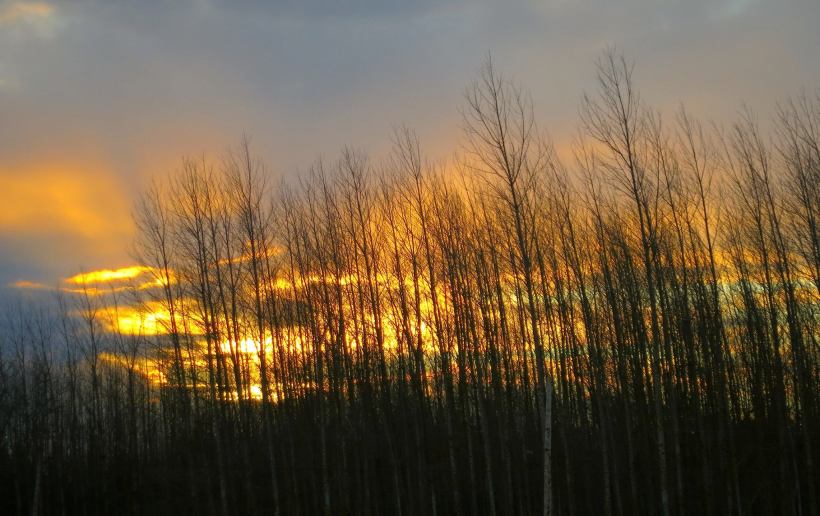
Some sweeping blast may suddenly come o’er us,
Lose our place, and turn another leaf!
~Hannah Flagg Gould from “The Whirlwind”
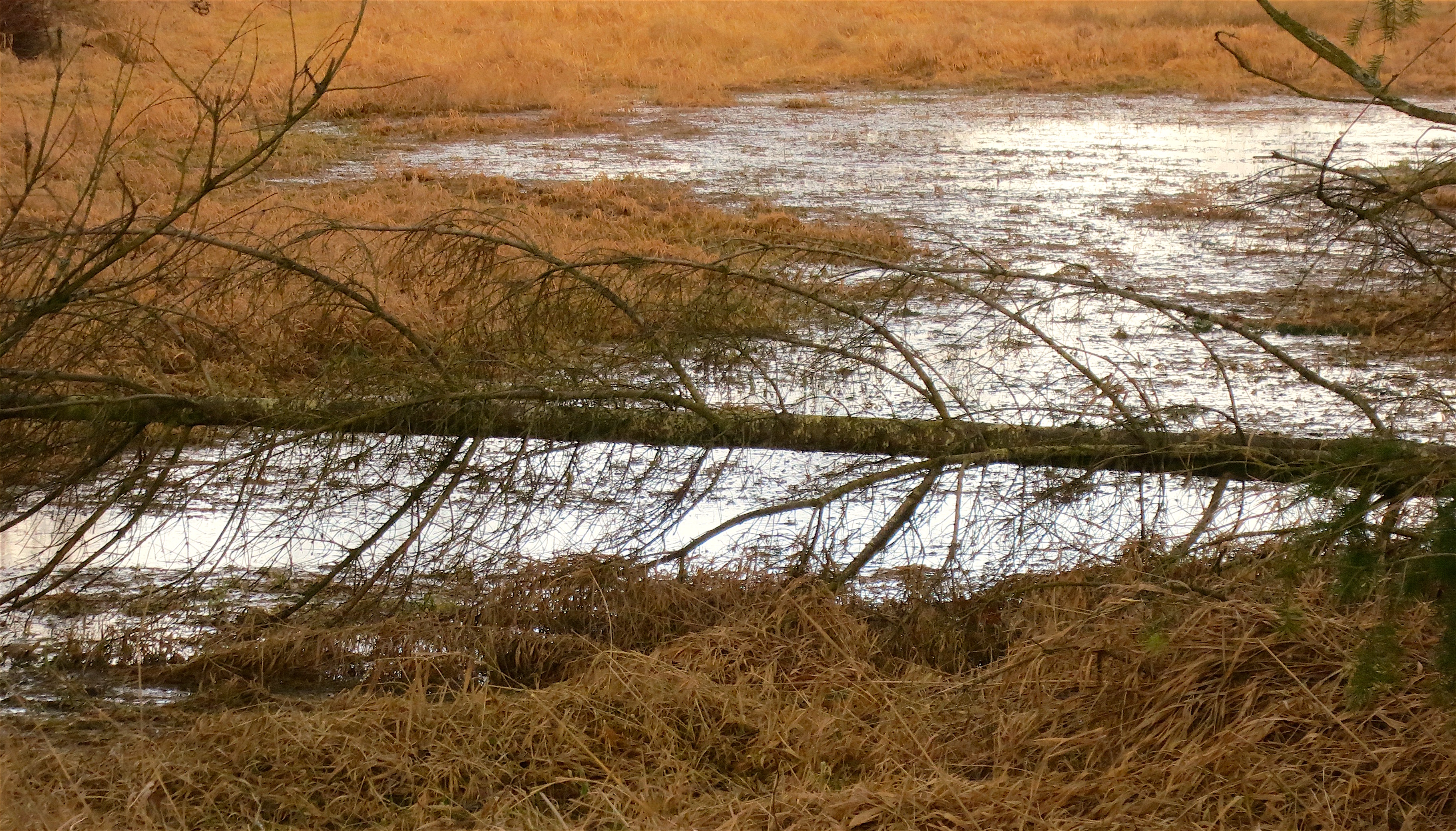

Earth shuddered at my motion,
And my power in silence owns;
But the deep and troubled ocean
O’er my deeds of horror moans!
I have sunk the brightest treasure—
I’ve destroyed the fairest form—
I have sadly filled my measure,
And I am now a dying storm.
~Hannah Flagg Gould from “The Dying Storm”
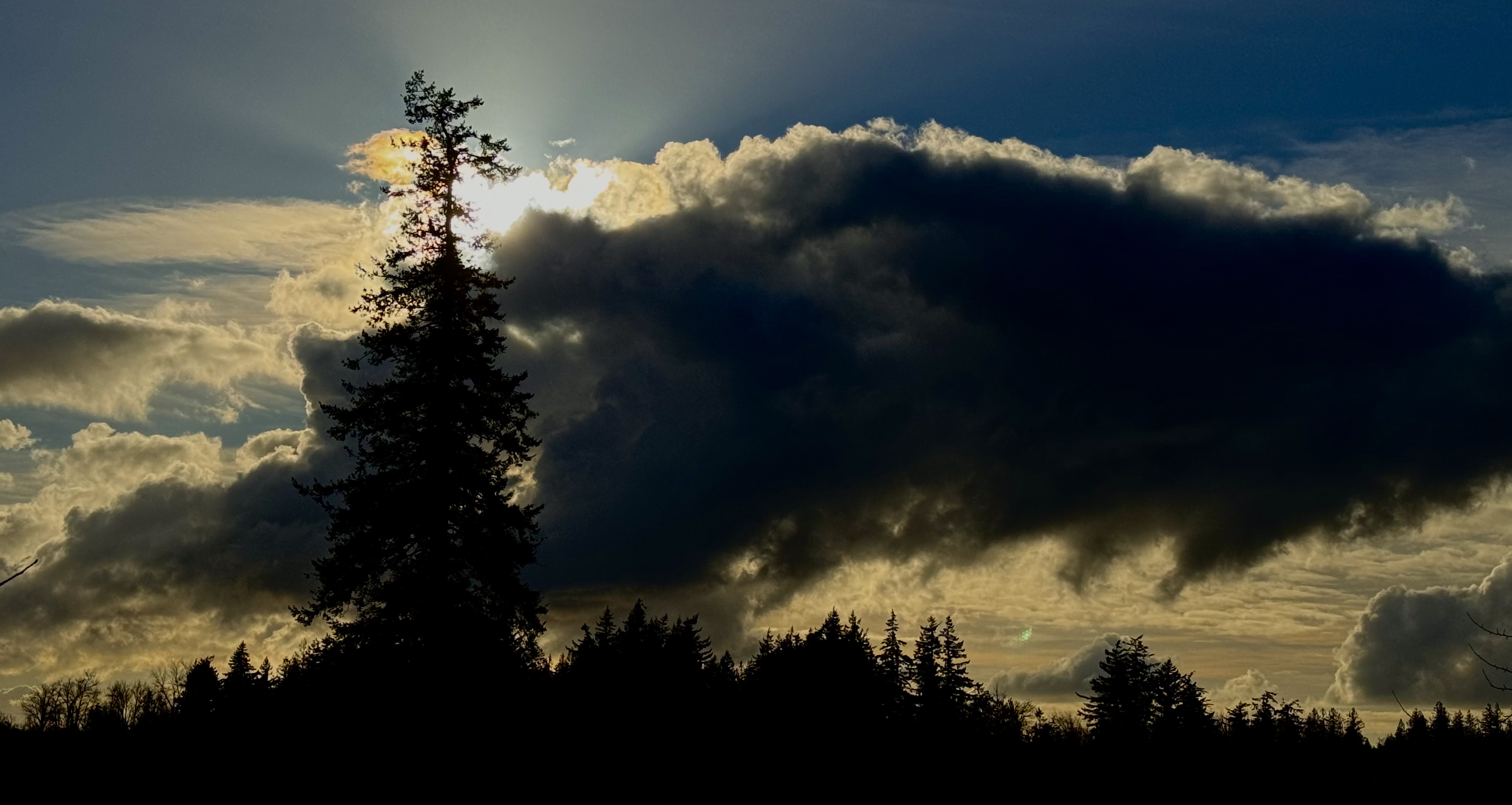
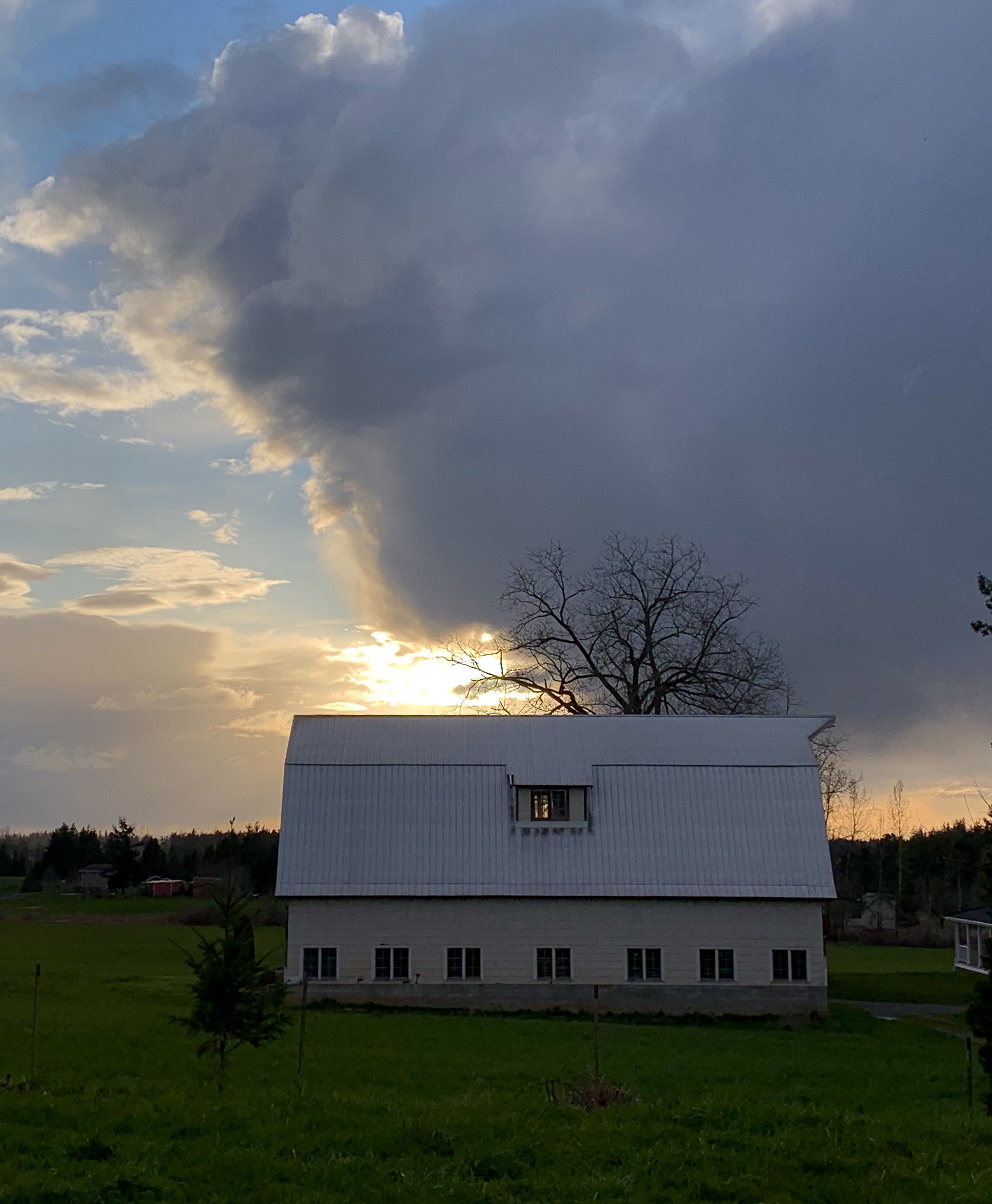
Last night, the Pacific Northwest braced for a “historic” windstorm with unprecedented winds from the east, through the Cascade Mountain passes, rushing to a low pressure system forming in the ocean. The current term for such a storm is a “bomb cyclone,” followed by an “atmospheric river” – ominous descriptions and even more ominous when viewed on satellite images.
The eastern part of Seattle’s King County was hit full force with more than a half million homes left without power last night. It will be a miserable few days for so many in an urban setting as crews try to repair the damage. We live 100 miles to the north and experienced only mild winds, although there was heavy tree fall damage just 15 miles to the south of us in densely wooded Sudden Valley. Our county is usually the focal point for fall and winter windstorms, but we were largely spared this time around.
In anticipation of this storm, the weather services compared it to the historic windstorm on Columbus Day in 1962 which ravaged the region.
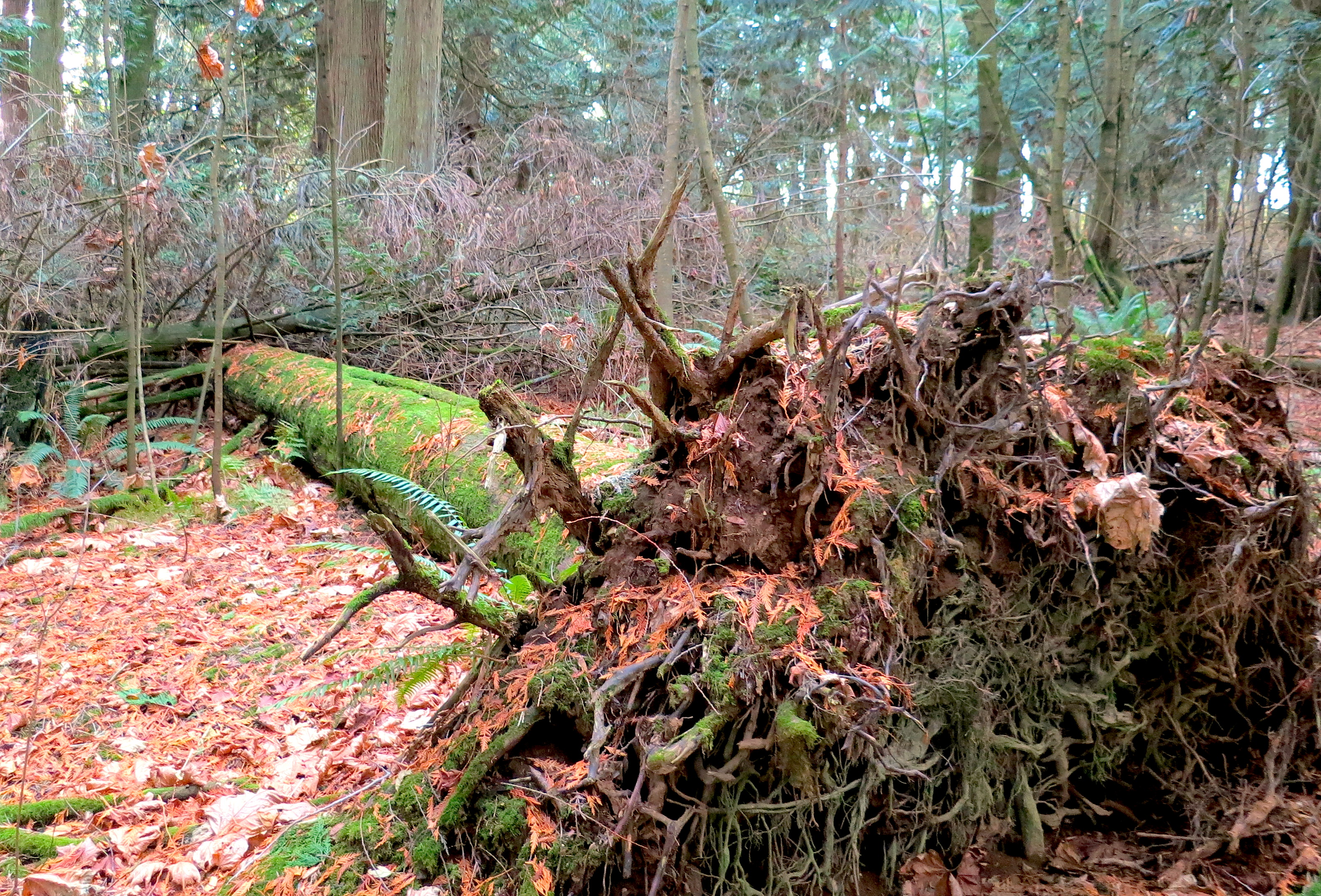
I remember that Columbus Day storm vividly as an eight year old living in Olympia, as the wind gusts clocked in at over 140 mph. Large fir trees toppled over like toothpicks in the woods all around our house. The root balls stood 15 feet tall, giant headstones over a mass of tree graves.
Back then, my family’s home, located outside city limits, remained without power for at least a week. We lost all our stored home-grown meat and produce in our freezer and ate only canned goods, boiling water outside on a camp stove under kerosene lights, roasting hot dogs in our fireplace. We slept in sleeping bags under piles of blankets.
This week, when the predictions poured in about a similar strength storm, we readied our farm’s generator and hunkered down, waiting for the monster to storm into our yards and woods.
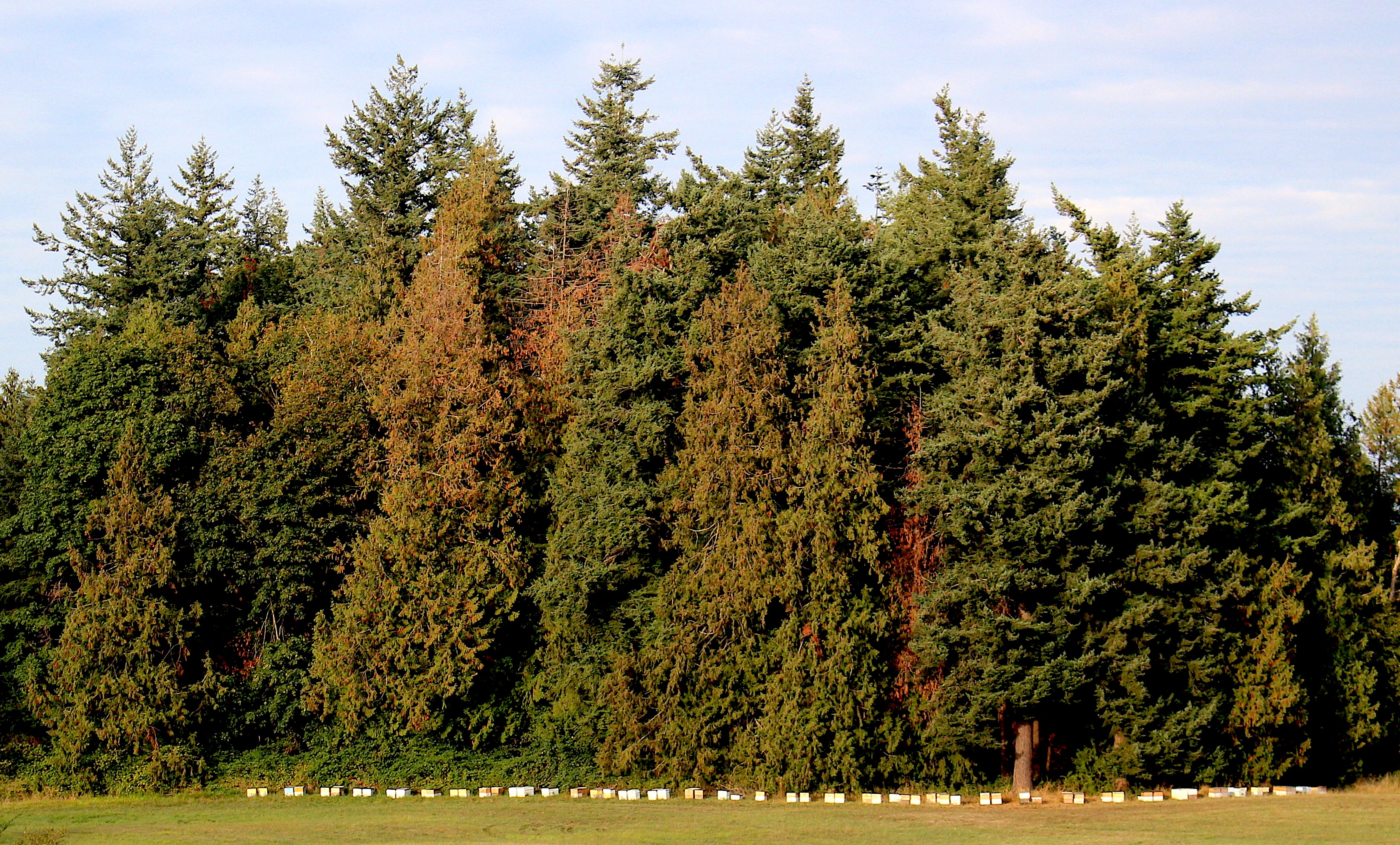
But the lights only flickered a few times, the winds meager in comparison to our usual fall and winter storms. Our woods, filled with fallen trees from bygone storms, was left untouched this time around.
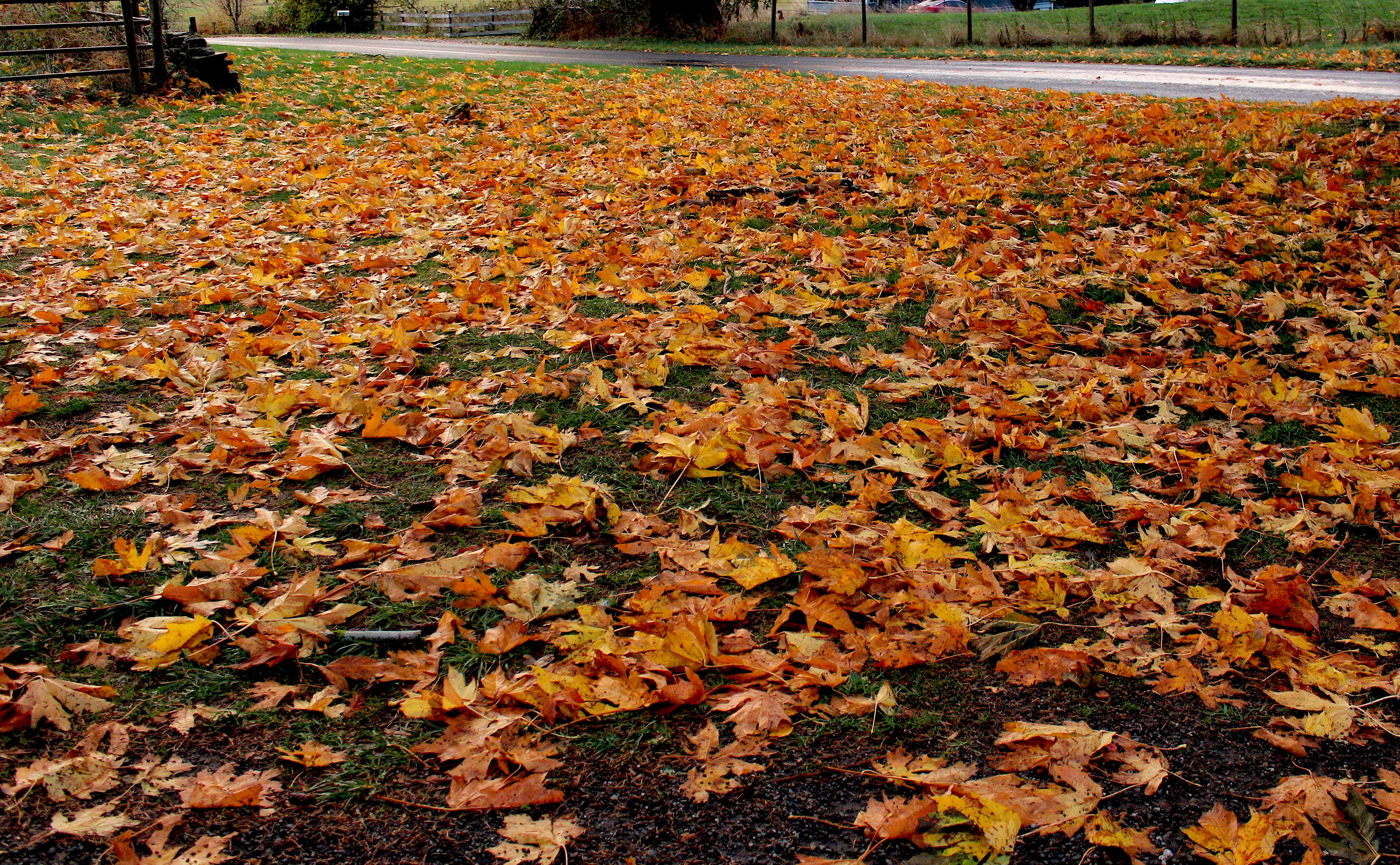
I’m among the many relieved this morning, having aged past the challenge of living days without power. Today, as so many will be dealing with the messy clean up, my cares have dropped away like the leaves forced to let go in the storm, settling silent to wait for what nature might bring next.


 Barnstorming