Waiting in Wilderness: What is Expected

Look at the birds 1
Consider the lilies 2
Drink ye all of it 3

Ask 4
Seek
Knock
Enter by the narrow gate 5

Do not be anxious 6
Judge not; 7 do not give dogs what is holy 8

Go: be it done for you 9
Do not be afraid 10
Maiden, arise 11
Young man, I say, arise 12

Stretch out your hand 13
Stand up, 14 be still 15
Rise, let us be going … 16

Love 17
Forgive 18
Remember me 19
~Kathleen Norris Imperatives, from
Journey: New and Selected Poems/ Mysteries of the Incarnation
These are the essentials of what Jesus asks.
Basic, simple, gentle, emphatic, encouraging.
So why don’t I follow through?
Why do I hand myself over to anxiety and fear?
Why do I fail at what should be so simple?
He knows I need reminders. He knows I am weak.
So He says it again: don’t forget this.
Remember me.
I will remember. I will remember You.
1 Matthew 6:26. See also Luke 12:24, “Consider the ravens.”
2 Matthew 6:28; Luke 12:27.
3 “Drink from it, all of you” (Matthew 26:27). Norris uses the King James translation here.
4 This stanza is a series of Jesus’s commands from the Sermon on the Mount: “Ask, and it shall be given you; seek, and ye shall find; knock, and it shall be opened unto you” (Matthew 7:7, King James; also Luke 11:9).
5 Matthew 7:13-14; also Luke 13:23-24.
6 Matthew 6:25, 31; Luke 12:22, 29.
7 Matthew 7:1; Mark 4:24; Luke 6:37-38.
8 Matthew 7:6.
9 Matthew 8:13.
10 “Do not be afraid” – a frequent command by Jesus; for example, Matthew 10:31; 14:27; 17:7; 28:10.
11 The healing of Jairus’s daughter: “Little girl, get up!” (Mark 5:41; also Luke 8:54).
12 The healing the widow’s only son; Luke 7:14.
13 The healing of the man with the withered hand: Matthew 12:13; Mark 3:1-6; Luke 6:6-11.
14 Jesus’s healing the paralyzed man: Matthew 9:2-8; Mark 2:1-12; Luke 5:17-26.
15 Jesus’s command to the ocean: Mark 5:39; also Matthew 8:26; Luke 8:24.
16 Jesus to his disciples in Gethsemane: “Rise, let us be going: behold, he is at hand that doth betray me” (Matthew 26:46; Mark 14:42).
17Jesus’s two great commandments: “You shall love the Lord your God with all your heart, and with all your soul, and with all your mind. … You shall love your neighbor as yourself” (Matthew 22:37-39; also Mark 12:28-31; Luke 10:25-28).
18 Matthew 18:21-22; Luke 17:4.
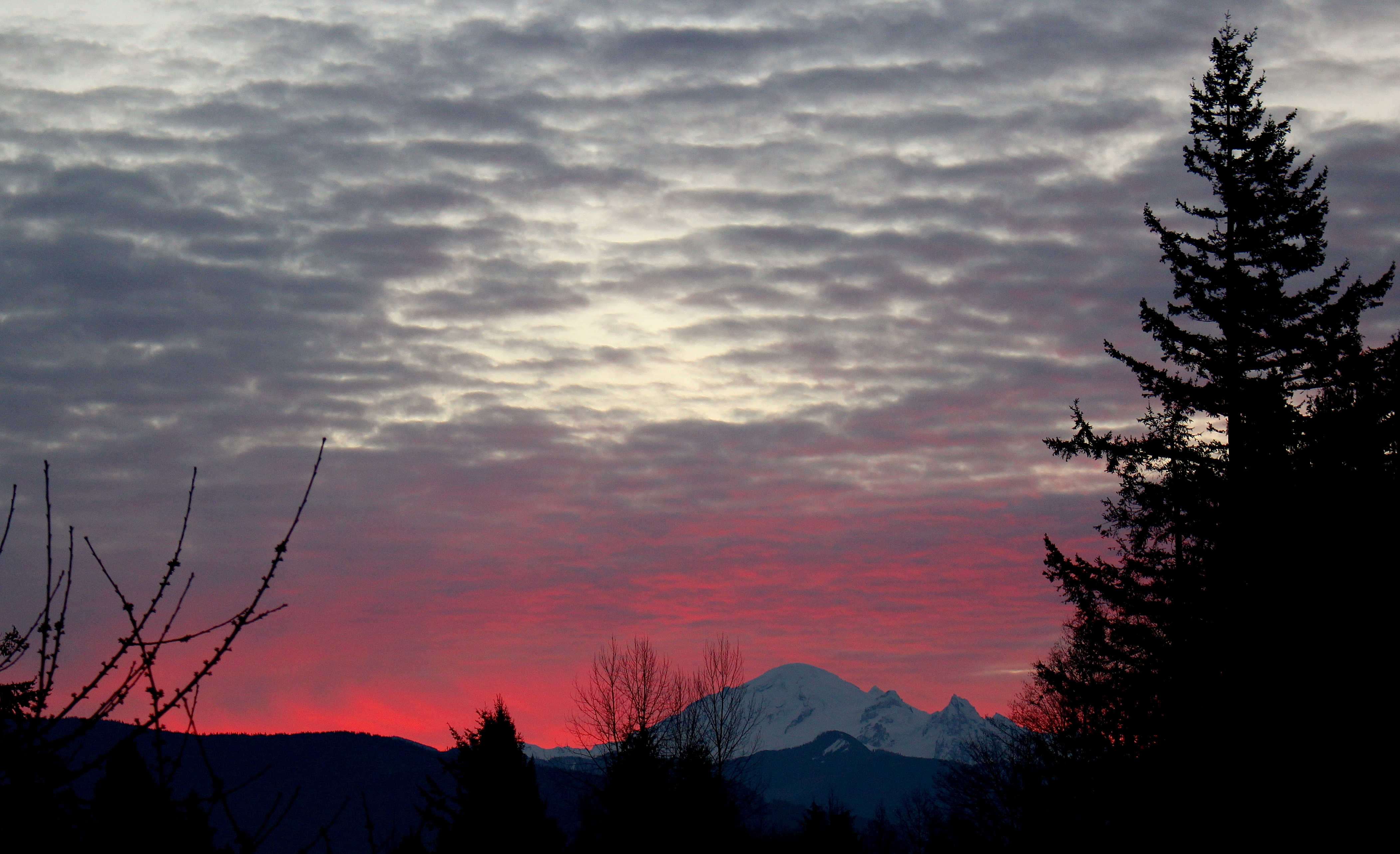

Waiting in Wilderness: Night Shall Be No More

Sure on this shining night
Of star made shadows round,
Kindness must watch for me
This side the ground. 
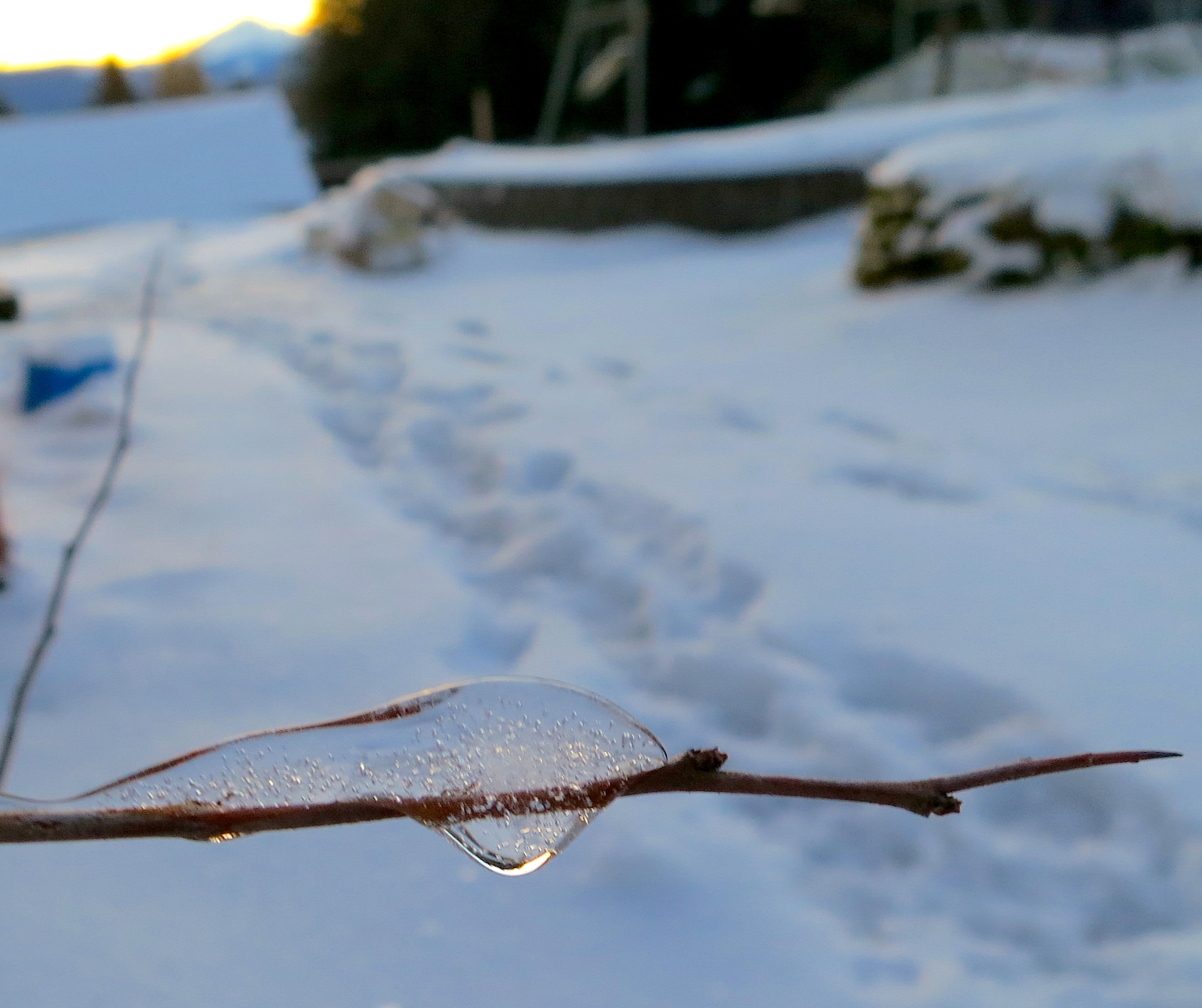
The late year lies down the north.
All is healed, all is health.
High summer holds the earth. 
Hearts all whole.
Sure on this shining night I weep for wonder

wand’ring far alone
Of shadows on the stars.
~James Agee “Sure on this Shining Night”

Imagine the illumination
which can transform sorrows,
which banishes the night
so darkness flees.
It is that
of which I sing,
that about which I rejoice,
that which bought me
and set me free.
His love is all.
That which was, is and will be
will rise again.

Peace be to you and grace from Him
Who freed us from our sin
Who loved us all, and shed his blood
That we might saved be.

Sing holy, holy to our Lord
The Lord almighty God
Who was and is, and is to come
Sing holy, holy Lord.

Rejoice in heaven, all ye that dwell therein
Rejoice on earth, ye saints below
For Christ is coming, Is coming soon
For Christ is coming soon.

E’en so Lord Jesus quickly come
And night shall be no more
They need no light, no lamp, nor sun
For Christ will be their All!
~Paul Manz and Ruth Manz, written when their three year old son was critically ill

Waiting in Wilderness: So Strange and Wild a Guest

In the dark, a child might ask, What is the world?
just to hear his sister
promise, An unfinished wing of heaven,
just to hear his brother say,
A house inside a house,
but most of all to hear his mother answer,
One more song, then you go to sleep.
How could anyone in that bed guess
the question finds its beginning
in the answer long growing
inside the one who asked, that restless boy,
the night’s darling?
Later, a man lying awake,
he might ask it again,
just to hear the silence
charge him, This night
arching over your sleepless wondering,
this night, the near ground
every reaching-out-to overreaches,
just to remind himself
out of what little earth and duration,
out of what immense good-bye,
each must make a safe place of his heart,
before so strange and wild a guest
as God approaches.
~Li-Young Lee “Nativity”

“What’s wrong with the world?” asked The Times of famous authors.
“Dear Sir,
I am.

Yours, G.K. Chesterton

I’m not ashamed that I still ask the hard questions, just as I did when I was a child, lying in bed, fearful in the dark. Some call it a lack of faith: if I truly believed, I would trust completely, so asking such questions would be “out of the question.”

Yet God throughout scripture encourages questions, listens to lament, isn’t intimidated by uncertainty and weakness. He waits patiently for His people to make their hearts a safe place for Him to dwell – a place of wings and songs and awe and worship – even when resounding with questions.

My heart is a womb where our strange and wild God seeks to reside in this world. “Why me?” I ask, pondering yet another hard question in the dark.
“Why not you?” comes His response: a question for which He awaits my answer.

Waiting in Wilderness: Dialogue with God

Coffee in one hand
leaning in to share, listen:
How I talk to God.

“Momma, you’re special.”
Three-year-old touches my cheek.
How God talks to me.

While driving I make
lists: done, do, hope, love, hate, try.
How I talk to God.

Above the highway
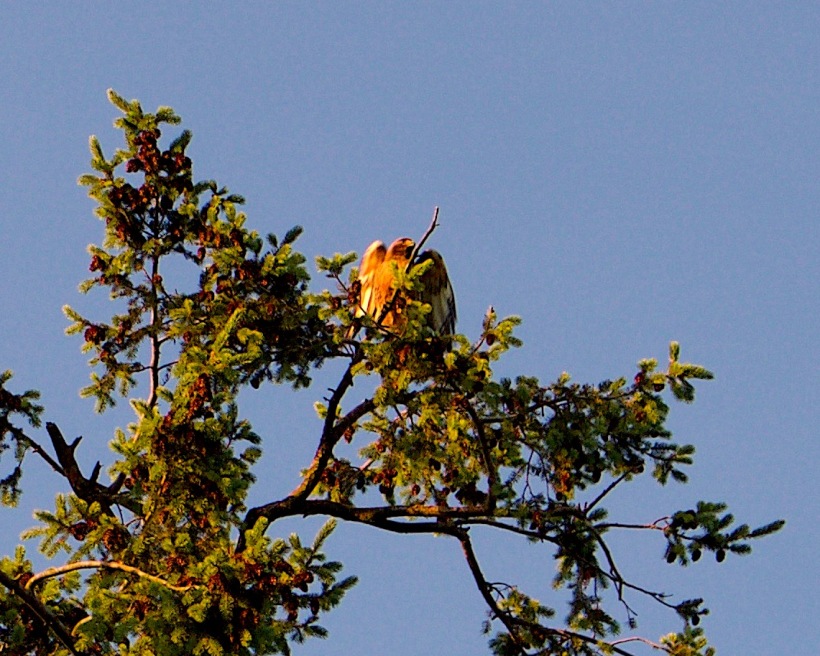
hawk: high, alone, free, focused.
How God talks to me.

Rash, impetuous
chatter, followed by silence:
How I talk to God.

First, second, third, fourth
chance to hear, then another:
How God talks to me.

Fetal position
under flannel sheets, weeping
How I talk to God.

Moonlight on pillow
tending to my open wounds
How God talks to me.

Pulling from my heap
of words, the ones that mean yes:
How I talk to God.

Infinite connects
with finite, without words:
How God talks to me.
~Kelly Belmonte “How I Talk to God”

I don’t always realize I am constantly in a dialogue with God, but He knows and He hears. He talks back to me but I’m not always hearing Him.

Whenever I’m occupied with the daily-ness of life and am thinking “if only” this or that could be different, I’m telling God I know better. He lets me know in subtle and not-so-subtle ways that He made the world, He knows what comes next and I don’t.

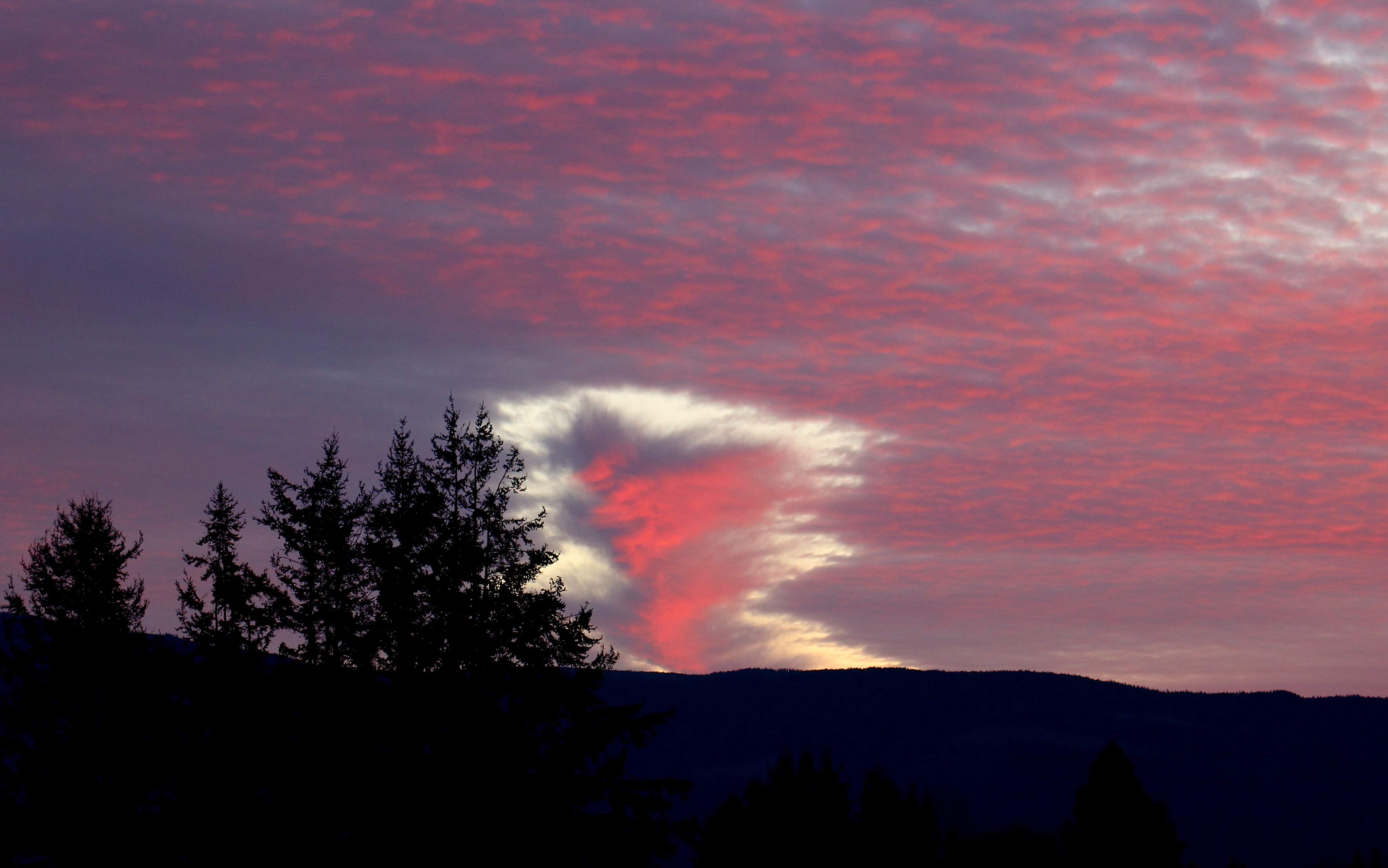
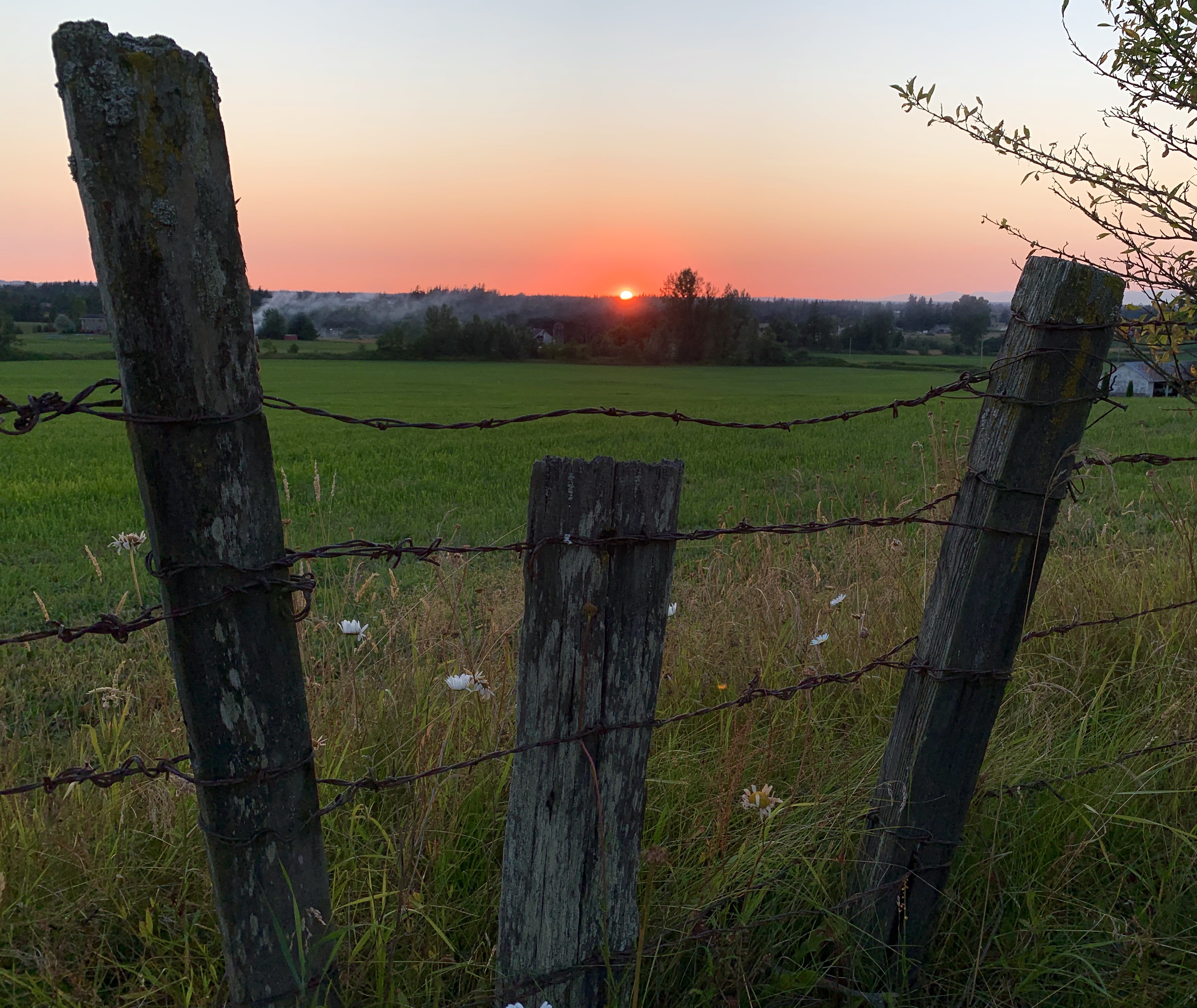
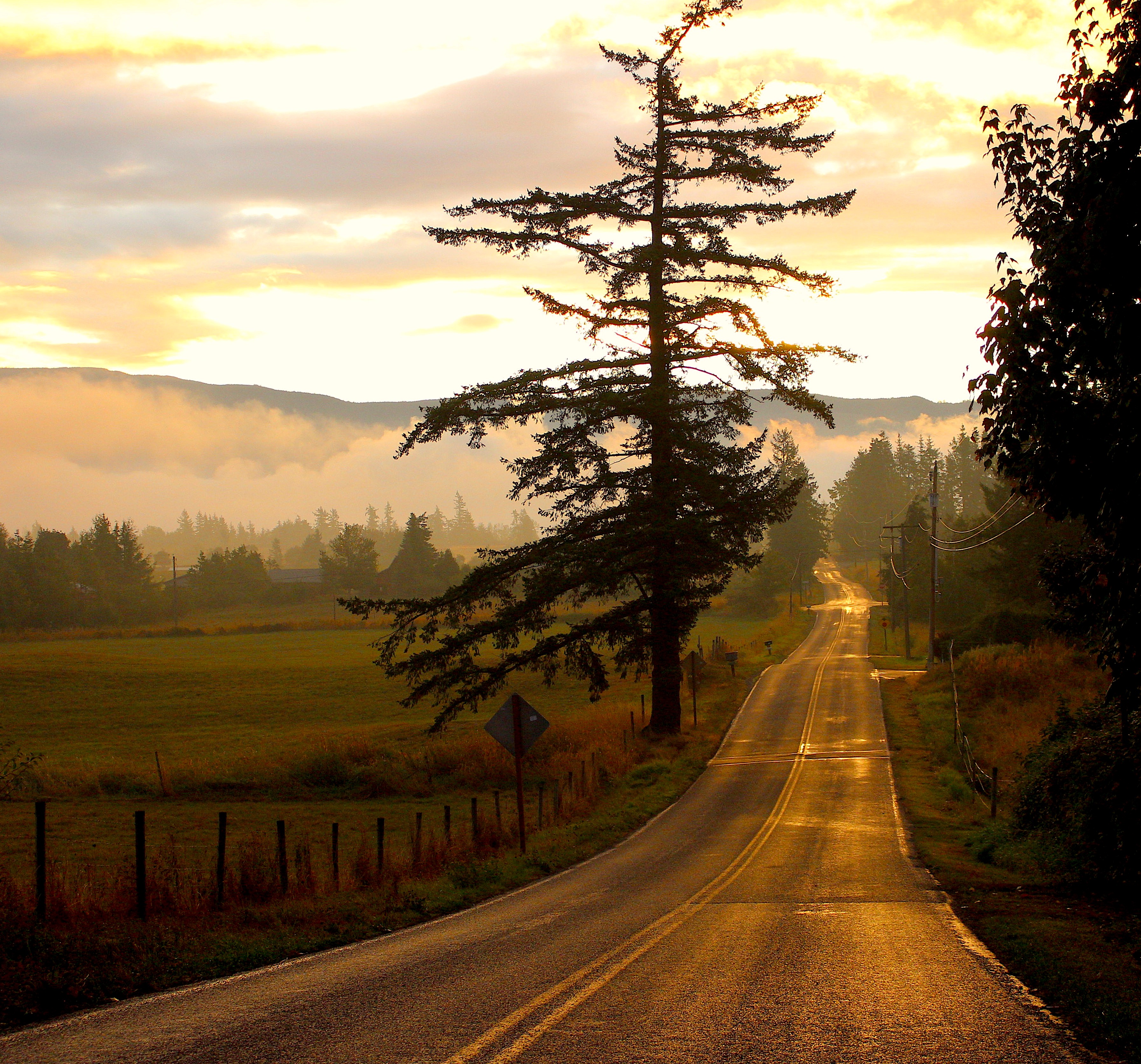
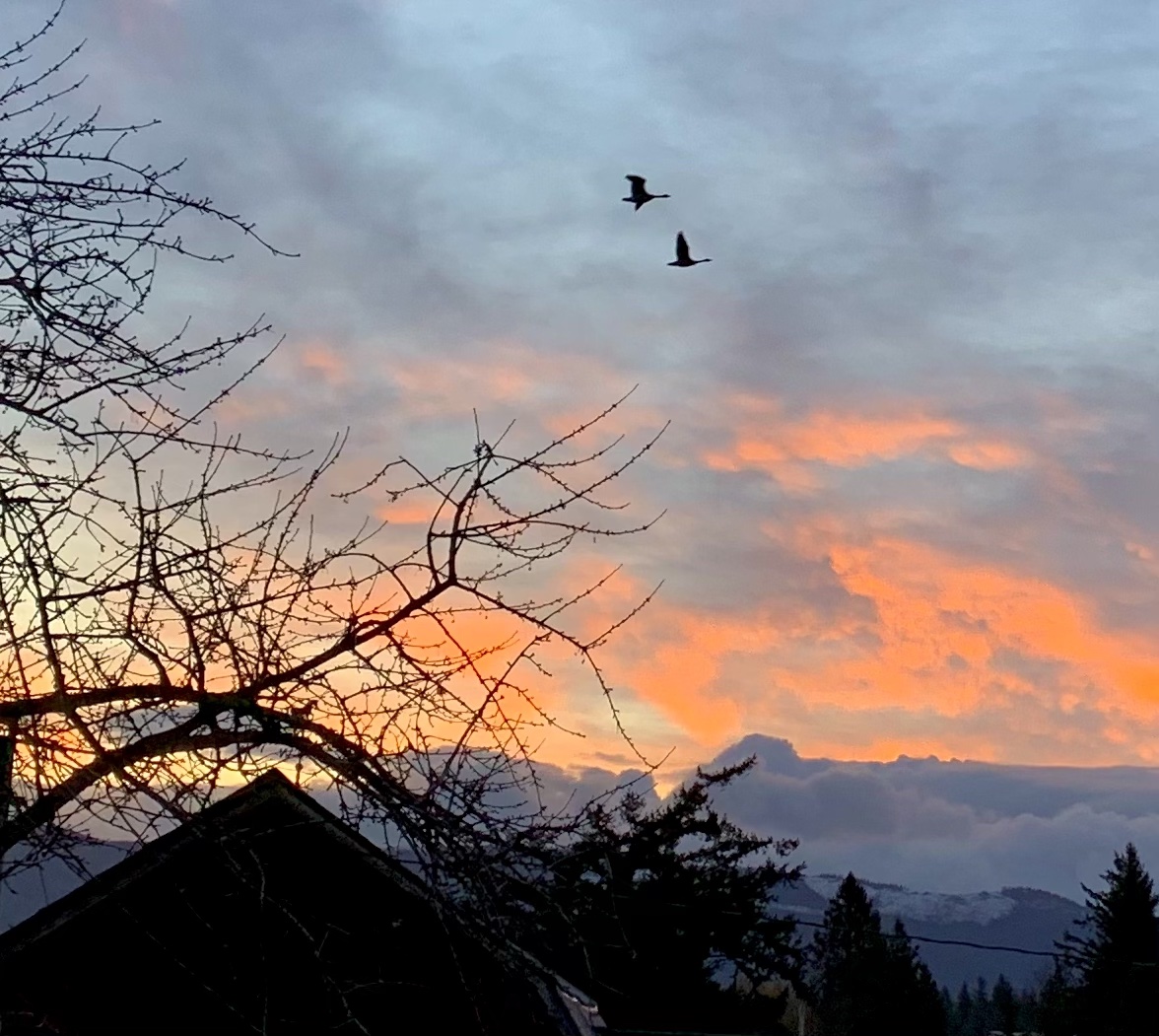
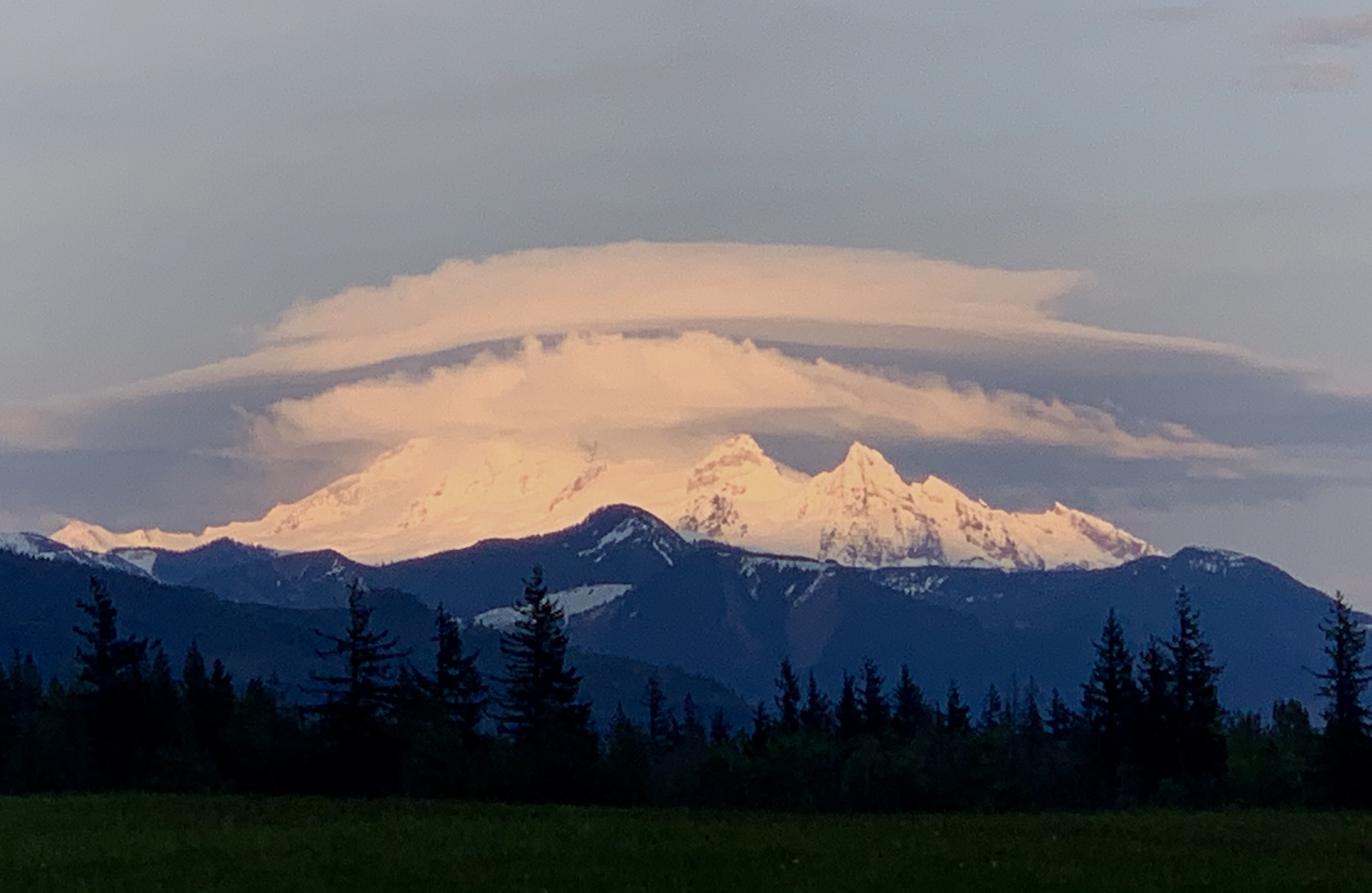
If I get impatient or irritable rather than grateful and awed, I’m talking like a petulant child wanting my way. When God gifts me with a moment of color in the sky or a golden light across the landscape, I need to pause, waiting in my personal wilderness, and remain wordless.

The Infinite is trying to talk to the finite. I am only asked to listen.

You heard my voice, I came out of the woods by choice
Shelter also gave their shade
But in the dark I have no name
So leave that click in my head
And I will remember the words that you said
Left a clouded mind and a heavy heart
But I am sure we could see a new start
So when your hopes on fire
But you know your desire
Don’t hold a glass over the flame
Don’t let your heart grow cold
I will call you by name
I will share your road
But hold me fast, hold me fast
‘Cause I’m a hopeless wanderer
And hold me fast, hold me fast
‘Cause I’m a hopeless wanderer
I wrestled long with my youth
We tried so hard to live in the truth
But do not tell me all is fine
When I lose my head, I lose my spine
So leave that click in my head
And I won’t remember the words that you said
You brought me out from the cold
Now, how I long, how I long to grow old
So when your hope’s on fire
But you know your desire
Don’t hold a glass over the flame
Don’t let your heart grow cold
I will call you by name
I will share your road
But hold me fast, hold me fast
‘Cause I’m a hopeless wanderer
And hold me fast, hold me fast
‘Cause I’m a hopeless wanderer
I will learn, I will learn to love the skies I’m under
And I will learn, I will learn to love the skies I’m under
The skies I’m under
Source: LyricFindSongwriters: Benjamin Walter David Lovett / Edward James Milton Dwane / Marcus Oliver Johnstone Mumford / Winston Aubrey Aladar Marshall

Waiting in Wilderness: An Impossible Womb

God called Abram to leave the familiar and go,
go on a road he would make by going,
to a place he would know by finding.

Jesus led Nicodemus to the threshold of a birth,
a newness he could only know by going through it.

Only what’s behind us, not ahead, keeps us from going on,
from entering the impossible womb of starting new.

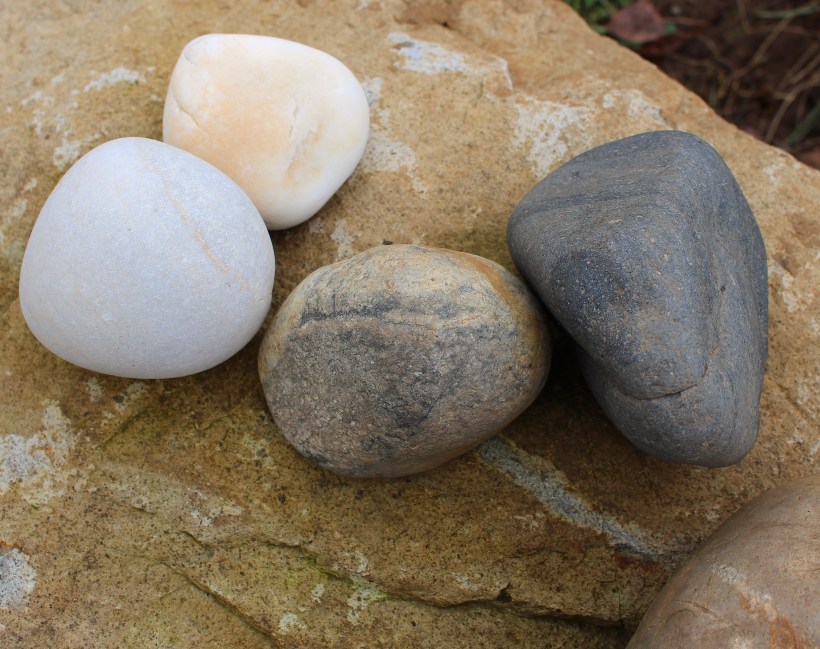
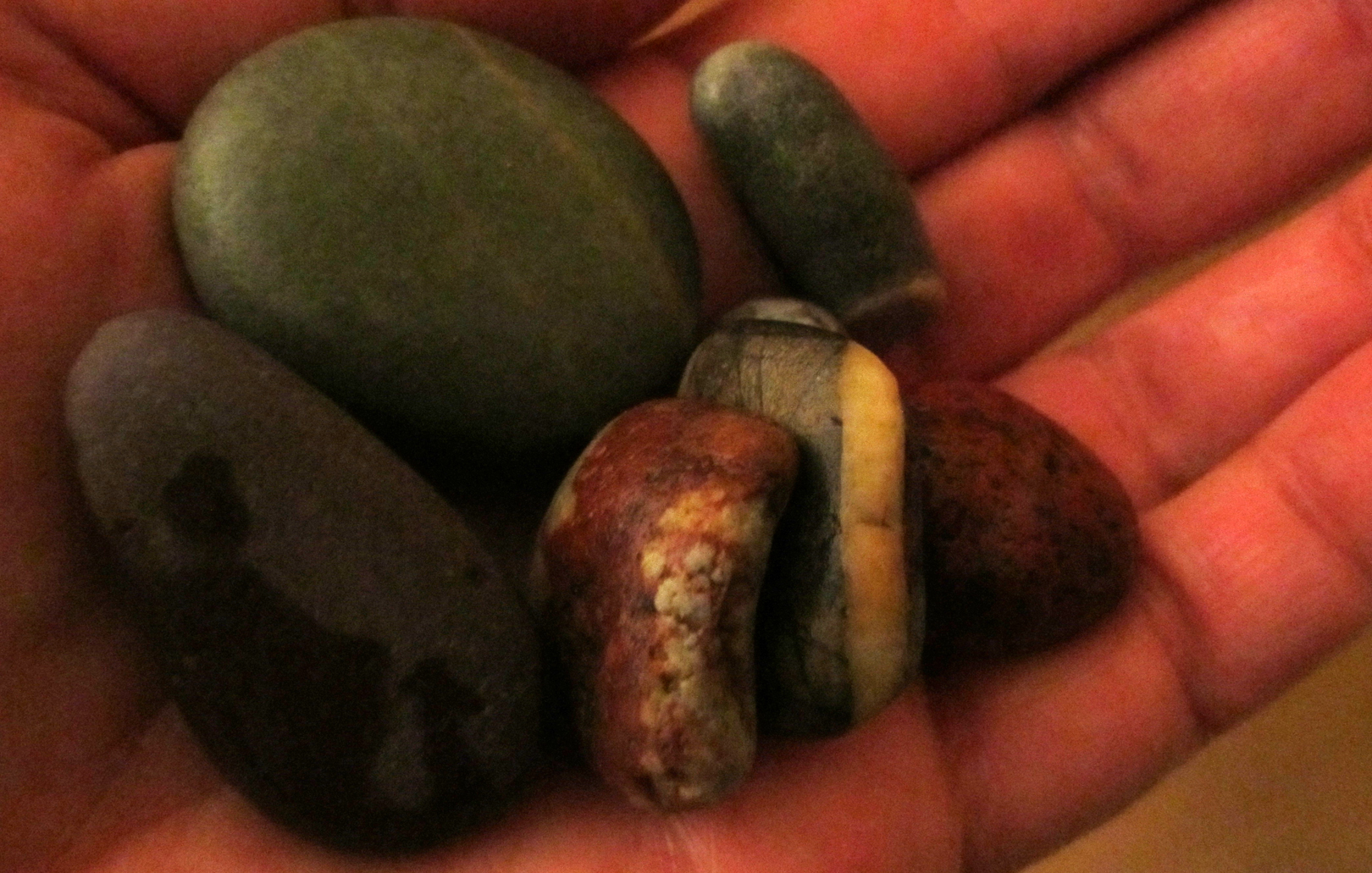
The stones of disappointment in your pockets,
the grave marker of the old life, they can’t come with you.

The path is not a test. It’s our freedom.
Many a prisoner has looked into the tunnel,
the Beloved waiting in the light, and said no.

Where is the Spirit calling you, the wind blowing?
Where is the thin place between your habits and a new birth?

These pangs, this heavy breathing:
the Beloved is trying to birth you.

Let it happen.
~Steve Garnaass-Holmes “A new birth”

Like most people, I cling fast to the safe and familiar, sometimes wishing to retreat back to what feels most secure and safest. Yet, it is an impossible womb that would allow me back – it is clear I am meant to be fully launched, for better or worse. So carrying my checkered history stuffed deeply in my pockets, I embark on this life’s journey led by the Spirit and blown by His breath, uncertain where it will take me or how long it takes to get there.

There is an unsurpassed freedom in the path from womb to tomb; if I let His breath carry me, I’ll go so far beyond the place where my bones someday are laid.

Waiting in Wilderness: In the Interstices

As the deer pants for the water so my soul pants for you, God.
My soul thirsts for God, for the living God.
As with a deadly wound in my bones,
my adversaries taunt me,
while they say to me all the day long,
“Where is your God?”
from Psalm 42

Why no! I never thought other than
That God is that great absence
In our lives, the empty silence
Within, the place where we go
Seeking, not in hope to
Arrive or find. He keeps the interstices
In our knowledge, the darkness
Between stars. His are the echoes
We follow, the footprints he has just
Left. We put our hands in
His side hoping to find
It warm. We look at people
And places as though he had looked
At them, too; but miss the reflection.

~R.S. Thomas “Via Negativa”

We are treated as impostors, and yet are true;
as unknown, and yet well known;
as dying, and behold, we live;
as punished, and yet not killed;
as sorrowful, yet always rejoicing;
as poor, yet making many rich;
as having nothing, yet possessing everything.
2 Corinthians 6: 8b-10

The way of negation (via negativa) – describing who God is by describing who He is not — is like describing the interstitial spaces between my cells rather than the cells themselves, or the blackness between stars rather than the light that emanates from them.

It is impossible to understand God unless I absorb what He says about Himself. Yet I am too finite and He is too infinite to grasp fully.

So, like a deer panting for water, I thirst for Him, seeking more than a reflection of water for my real thirst. I want Him tangible and warm before me like Thomas thrusting his hand into Jesus’ wound, crying “My Lord and My God!”

The mystery of God is how He is so much more than mere reflection and the spaces in between what I see and feel in this existence. He is all things, all at once.

So I continue to seek Him, thirsting.

Waiting in Wilderness: A Personal Invitation

Are Job’s successes — even his holy successes — his treasure?
Or is God his treasure?
That’s the question everyone of us must ask.
And there is no reason to believe
that God will not test any one of us just as he did Job.
When he takes it all away, will we love him more than things,
more than health, more than family, and more than life?
That’s the question.
That’s the warning.
That’s the wonderful invitation.
~John Piper in “I Was Warned By Job This Morning”

For I know that my Redeemer lives,
    and at the last he will stand upon the earth.
 And after my skin has been thus destroyed,
    yet in my flesh I shall see God.
Job 19: 25-26

The warning of the Book of Job is that it could happen to us too -– everything we have strived for, cared about, loved and valued — taken away. If we are stripped bare naked, nothing left but our love for God and His sovereign power over our lives, will we still worship His Name, inhale His Word like air itself, submit ourselves to His plan over our plan?

I know I have fallen far short of the mark. It takes only small obstacles or losses to trip me up so I stagger in my faith, trying futilely to not lose my balance, falling flat-faced and immobilized.

This past year, in particular, I’ve seen people lose almost everything in the pandemic: their health, their loved ones, their financial security, their home, their worship community. I’ve looked hard at myself and asked if I could sustain such loss in my life and still turn myself over to the will of God. I would surely plead for reprieve and ask the horribly desperate question, “why me?”, girding myself for the response: “and why not you?”

The invitation, scary and radical as it is, is from God straight to my heart, asking that I trust His plan for my life and death, no matter what happens, no matter how much suffering, no matter how much, like Christ in the garden, I plead that it work out differently, that it be closer to something I would choose to do, somehow that it not hurt so much.

His plan for my life was written before I was born, personally carried to me via His Son, and placed in my hands. It is up to me to open it, read it carefully, and with deep gratitude, respond with an emphatic RSVP:
“I’ll be there! Nothing could keep me away from your invitation to me.”

Or I could leave it unopened, hesitant and fearful to reveal its contents.
Or even toss it away altogether, believing it really wasn’t meant for me.

Even if, in my heart, I absolutely know it is meant for me.

There are only two kinds of people in the end:
those who say to God, ‘Thy will be done,’
and those to whom God says, in the end, ‘Thy will be done.’
~C. S. Lewis from The Great Divorce

Waiting in Wilderness: Moving Mountains Closer

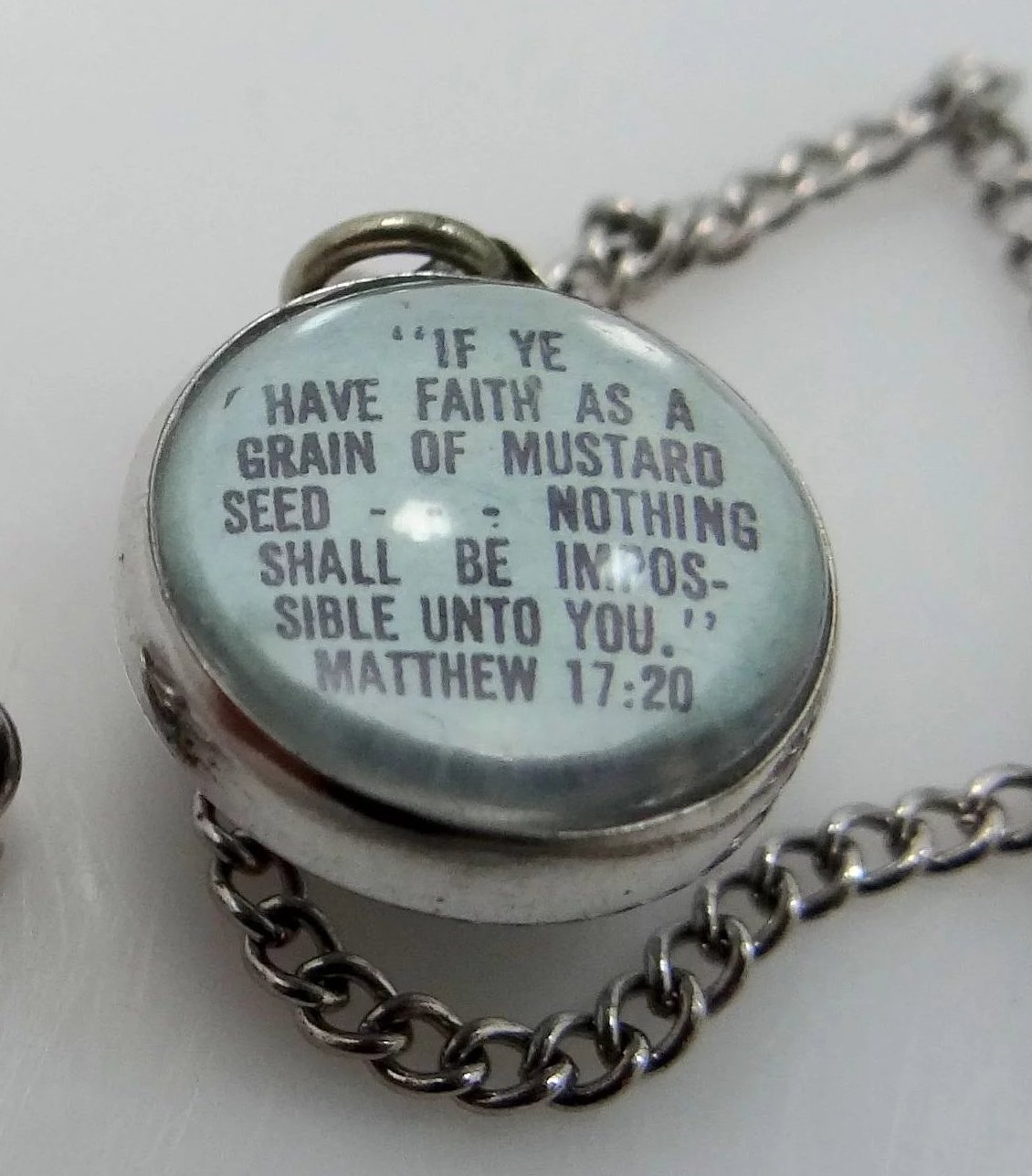
I tell you the truth,
if you have faith as small as a mustard seed,
you can say to this mountain,
`Move from here to there’ and it will move.
Nothing will be impossible for you.
Matthew 17:20

How pale is the sky that brings forth the rain
As the changing of seasons prepares me again
For the long bitter nights and the wild winter’s day
My heart has grown cold, my love stored away

I’ve been to the mountain, left my tracks in the snow
Where souls have been lost and the walking wounded go
I’ve taken the pain, no girl should endure
But faith can move mountains of that I am sure
Faith can move mountains of that I am sure

Just get me through December
A promise I’ll remember
Get me through December
So I can start again

No divine purpose brings freedom from sin
And peace is a gift that must come from within
And I’ve looked for the love that will bring me to rest
Feeding this hunger beating strong in my chest

~Gordie Sampson & Fred Lavery

It is winter in Narnia… and has been for ever so long
…. always winter, but never Christmas.
~C. S. Lewis from The Lion, Witch and the Wardrobe

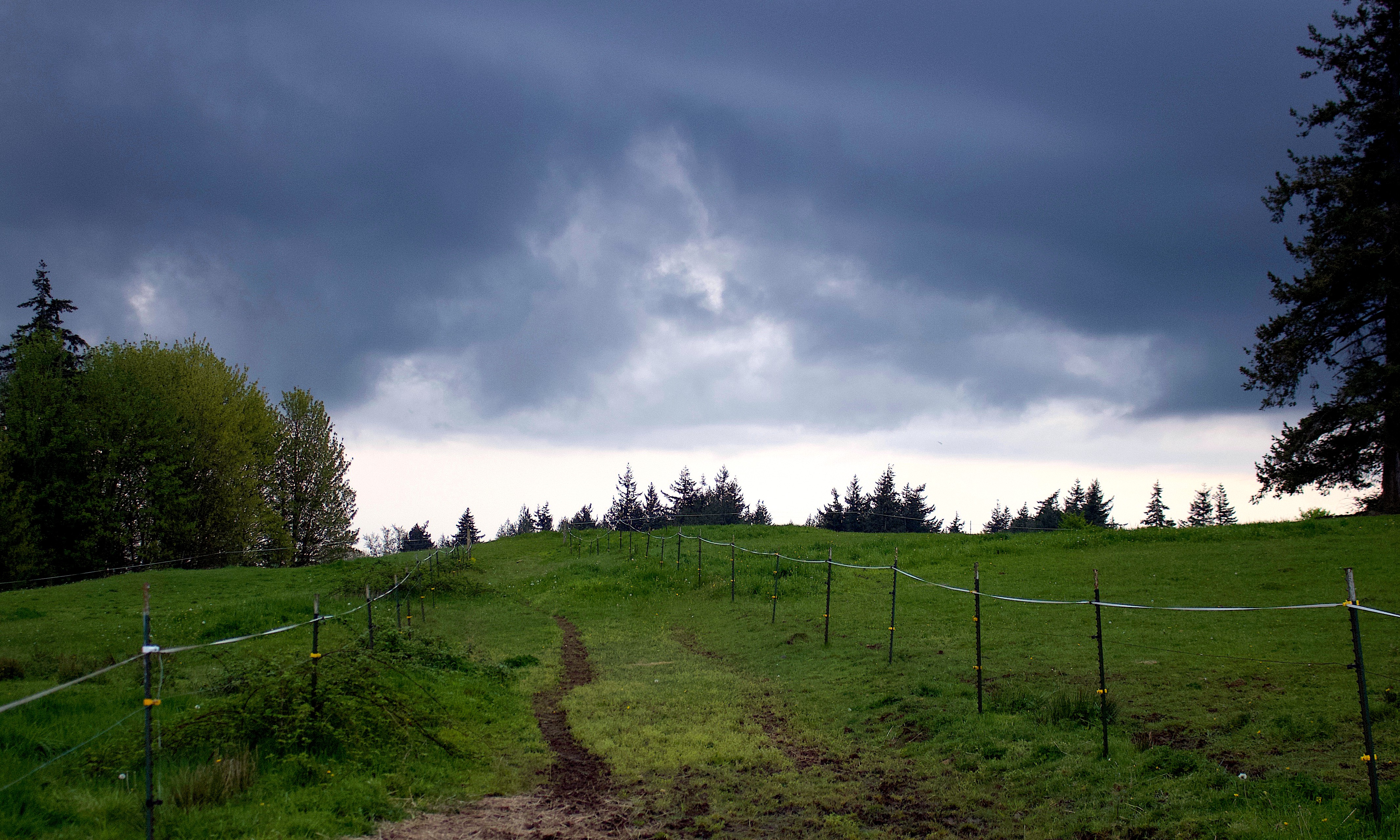
We’ve been traveling through a wilderness of the pandemic for nearly a year, even as the calendar has changed from spring to summer to autumn and in December back to winter. In this winter wilderness, we struggle with the chill of isolation from each other and from God, the endless discouragement and fatigue, and the hot cold of resentment and anger.

We are called in the gospel of Matthew to leave behind our helplessness when overwhelmed by pervasive wilderness. He tells us to believe, even if it is only the tiniest grain of faith. Our cold hearts love and hunger for God.

So if we can’t make it to the mountain in the distance, our faith can move the mountain closer. God hears our plea and brings His peace to us by bringing Himself as close as the beating heart in our chest. There will be a Christmas again and there will be Easter.

Waiting in the Wilderness: This Quintessence of Dust

What a piece of work is a man!
And yet, to me, what is this quintessence of dust?
~ William Shakespeare in Hamlet’s monologue 

God –
the God who made the dust,
who made the stars,
who made the elements of which we are composed –
that same God chooses from the beginning to make his dwelling among us,

to live for all time like us,
as a servant of the soil.
I am the dust of the earth,
but God declares that he is not too good,
not too proud,
for my dustiness.
~Daniel Stulac from
 Plough Quarterly No. 4: Earth

What I know for sure is this:
We come from mystery and we return to mystery.
I arrived here with no bad memories of wherever I’d come from,
so I have no good reason to fear the place to which I’ll return.
And I know this, too:

Standing closer to the reality of death awakens my awe at the gift of life.
~Parker Palmer “On the Brink of Everything

This dust left of man:
earth, air, water and fire
prove inadequate
to quell the significance
of how, in the beginning,
this dust became us, and
how, forevermore,
this is the dust we leave behind.

Only now,
the transcendent hope
of eternal life restored by faith
can breathe glory
into us,
the plainest of ash.

All this pain
I wonder if I’ll ever find my way
I wonder if my life could really change, at all
All this earth
Could all that is lost ever be found?
Could a garden come out from this ground, at all?

You make beautiful things
You make beautiful things out of the dust
You make beautiful things
You make beautiful things out of usAll around,
Hope is springing up from this old ground
Out of chaos life is being found, in you

You make beautiful things
You make beautiful things out of the dust
You make beautiful things
You make beautiful things out of us
Oh, you make beautiful things
You make beautiful things out of the dust
You make beautiful things
You make beautiful things out of us

You make me new,
You are making me new
You make me new,
You are making me new
(Making me new)

You make beautiful things
You make beautiful things out of the dust
You make beautiful things
You make beautiful things out of us
Oh, you make beautiful things
You make beautiful things out of the dust
You make beautiful things
You make beautiful things out of us

You make me new,
You are making me new
You make me new,
You are making me new

Songwriters: Lisa Gungor / Michael Gungor

He Loves Us As We Are: Even the Enemy

…{His is} the love for the enemy–
love for the one who does not love you
but mocks, threatens, and inflicts pain.
The tortured’s love for the torturer.
This is God’s love. It conquers the world.
~Frederich Buechner from The Magnificent Defeat

This is God with a man’s beating heart,
who bleeds from open wounds of a man’s skin,
while nailed to a tree,
considering His torturers below
and forgives them.

This is God with a man’s dry tongue
thirsting for relief
who ensures His love for us
will never run dry.

This is God with a man’s compassion
who grants grace to another who
confesses his guilt and shame.

This is God with a son’s love for His mother
who entrusts her future
to the care of His beloved friend.

This is God with a man’s debt to carry
who pays it all,
finished and done.

This is God with a man’s frailty and fear,
feeling forsaken,
conquering death and hatred
by dying for us.

This is God with a man’s last breath
giving His spirit into the hands of His father
and in so doing, ensures we live forever.

And now brothers,
I will ask you a terrible question,
and God knows I ask it also of myself.
Is the truth beyond all truths,
beyond the stars, just this:
that to live without him is the real death,
that to die with him the only life?
~Frederich Buechner from The Magnificent Defeat

This year’s Lenten theme on Barnstorming:

God sees us as we are,
loves us as we are,
and accepts us as we are.
But by His grace,
He does not leave us where we are.
~Tim Keller