To wear our skin
is to know our frailty:
our bruises and callouses,
our sunburns and warts,
our tears and our bleeding,
our spasming backs,
and toothaches.
To pulse within our hearts
is to know our temptation
for self-promotion,
knowing our desire
to fill our own emptiness
rather than love and serve others first.
To inhabit our souls
you have humbled yourself
to pull together
our million broken pieces,
becoming the adhesive
to glue us back whole,
loving us by becoming us
as we crumble to dust.
Humble and Human, willing to bend You are Fashioned of flesh and the fire of life, You are Not too proud to wear our skin To know this weary world we’re in Humble, humble Jesus
Humble in sorrow, You gladly carried Your cross Never refusing Your life to the weakest of us Not too proud to bear our sin To feel this brokenness we’re in Humble, humble Jesus
We bow our knees We must decrease You must increase We lift You high
Humble in greatness, born in the likeness of man Name above all names, holding our world in Your hands Not too proud to dwell with us, to live in us, to die for us Humble, humble Jesus
We bow our knees We must decrease You must increase We lift You high
We bow our knees We must decrease You must increase We lift You high
We lift you high
Humble You are humble Make me humble like You We lift You high ~Audrey Assad
A voice is heard in Ramah, mourning and great weeping, Rachel weeping for her children and refusing to be comforted, because they are no more. Matthew 2:18 and Jeremiah 31:15
Jesus wept. John 11:35
“My soul is overwhelmed with sorrow to the point of death. Stay here and keep watch with me.” 39 Going a little farther, he fell with his face to the ground and prayed, “My Father, if it is possible, may this cup be taken from me. Yet not as I will, but as you will.” Matthew 26: 38-39
God could, had He pleased, have been incarnate in a man of iron nerves, the Stoic sort who lets no sigh escape him. Of His great humility He chose to be incarnate in a man of delicate sensibilities who wept at the grave of Lazarus and sweated blood in Gethsemane. Otherwise we should have missed the great lesson that it is by his will alone that a man is good or bad, and that feelings are not, in themselves, of any importance. We should also have missed the all-important help of knowing that He has faced all that the weakest of us face, has shared not only the strength of our nature but every weakness of it except sin. If He had been incarnate in a man of immense natural courage, that would have been for many of us almost the same as His not being incarnate at all. ― C.S. Lewis, The Collected Letters of C.S. Lewis
…as you sit beneath your beautifully decorated tree, eat the rich food of celebration, and laugh with your loved ones, you must not let yourself forget the horror and violence at the beginning and end of the Christmas story. The story begins with the horrible slaughter of children and ends with the violent murder of the Son of God. The slaughter depicts how much the earth needs grace. The murder is the moment when that grace is given.
Look into that manger representing a new life and see the One who came to die. Hear the angels’ celebratory song and remember that sad death would be the only way that peace would be given. Look at your tree and remember another tree – one not decorated with shining ornaments, but stained with the blood of God.
As you celebrate, remember that the pathway to your celebration was the death of the One you celebrate, and be thankful. ~Paul Tripp
Written for too many innocents who have died this year at the hands of others…
There can be no consolation;
only mourning and great weeping,
sobbing that wrings dry
every human cell,
leaving dust behind,
dust, only dust
which is beginning
and end.
He came to us
for times such as this,
born of
the dust of woman and
the breath of Spirit,
God who bent down to
lie in barn dust,
walk on roads of dust,
die and be laid to rest as dust
in order to conquer
such evil as this
that could terrify masses
and massacre innocents.
He became dust to be
like us
He began a mere speck in a womb
like us,
so easily washed away
as unexpected, unneeded, unwanted.
Lord, You are long expected.
You are needed
You are wanted.
Your heart beat
like ours
breathing each breath
like ours
until a fearful fallen world
took Your
and our breath
away.
You shine through
the shadows of death
to guide our stumbling uncertain feet.
Your tender mercies flow freely
when there is no consolation
when there is no comfort.
You hear our cries
as You cry too.
You know our tears
as You weep too.
You know our mourning
as You mourned too.
You know our dying
as You died too.
God weeps
as tragedy happens.
Evil comes not from God
yet humankind embraces it.
Sin is a choice
we made from the beginning,
a choice we continue to make.
Only God can glue together
what evil has shattered.
He just asks us to hand Him
the pieces of our broken hearts.
We will know His peace
when He comes
to bring us home,
our tears will finally be dried,
our cells no longer
just dust,
never only dust
as we are glued together
by the breath of God
forevermore.
~EPG
the tender mercy of our God, by which the rising sun will come to us from heaven to shine on those living in darkness and in the shadow of death, to guide our feet into the path of peace. Luke 1: 78-79
Lully, lulla, thou little tiny child,
By by, lully, lullay.
1. O sisters too,
How may we do,
For to preserve this day?
This poor Youngling
For Whom we sing
By by, lully, lullay?
2. Herod the king,
In his raging,
Chargèd he hath this day
His men of might,
In his own sight,
All young children to slay.
3. That woe is me,
Poor Child for Thee!
And ever morn and may,
For thy parting
Neither say nor sing,
By, by, lully, lullay.
Lully, lullay, thou little tiny Child,
By by, lully, lullay.
Good people all, this Christmas time
Consider well and bear in mind
What our good God for us has done
In sending His beloved Son
With Mary holy we should pray
To God with love this Christmas day
In Bethlehem upon that morn’
There was a blessed Messiah born
Near Bethlehem did shepherds keep
Their flocks of lambs and feeding sheep
To whom God’s angels did appear
Which put the shepherds in great fear
“Arise and go”, the angels said
“To Bethlehem, be not afraid
For there you’ll find this happy morn’
A princely Babe, sweet Jesus born”
With thankful heart and joyful mind
The shepherds went that Babe to find
And as God’s angel had foretold
They did our Savior Christ behold
Within a manger He was laid
And by his side the Virgin maid
As long foretold upon that morn’
There was a blessed Messiah born
What wondrous love is this, O my soul, O my soul!
What wondrous love is this, O my soul!
What wondrous love is this
That caused the Lord of bliss
To bear the dreadful curse for my soul, for my soul,
To bear the dreadful curse for my soul!
When I was sinking down, sinking down, sinking down,
When I was sinking down, sinking down,
When I was sinking down
Beneath God’s righteous frown,
Christ laid aside His crown for my soul for my soul,
Christ laid aside His crown for my soul.
To God and to the Lamb I will sing, I will sing;
To God and to the Lamb I will sing;
To God and to the Lamb,
Who is the great I AM,
While millions join the theme, I will sing, I will sing,
While millions join the theme, I will sing.
And when from death I’m free, I’ll sing on, I’ll sing on;
And when from death I’m free, I’ll sing on.
And when from death I’m free
I’ll sing His love for me,
And through eternity I’ll sing on, I’ll sing on,
And through eternity I’ll sing on.
The winter will be short, the summer long, The autumn amber-hued, sunny and hot, Tasting of cider and of scuppernong; All seasons sweet, but autumn best of all.
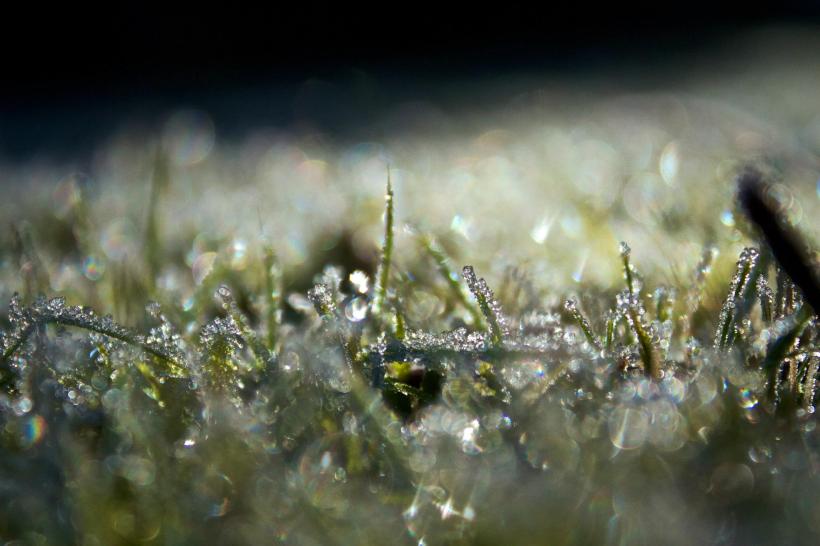
The autumn frosts will lie upon the grass
Like bloom on grapes of purple-brown and gold.
The misted early mornings will be cold;
The little puddles will be roofed with glass.
The sun, which burns from copper into brass,
Melts these at noon, and makes the boys unfold
Their knitted mufflers; full as they can hold
Fat pockets dribble chestnuts as they pass. ~Elinor Wylie from “Wild Peaches”
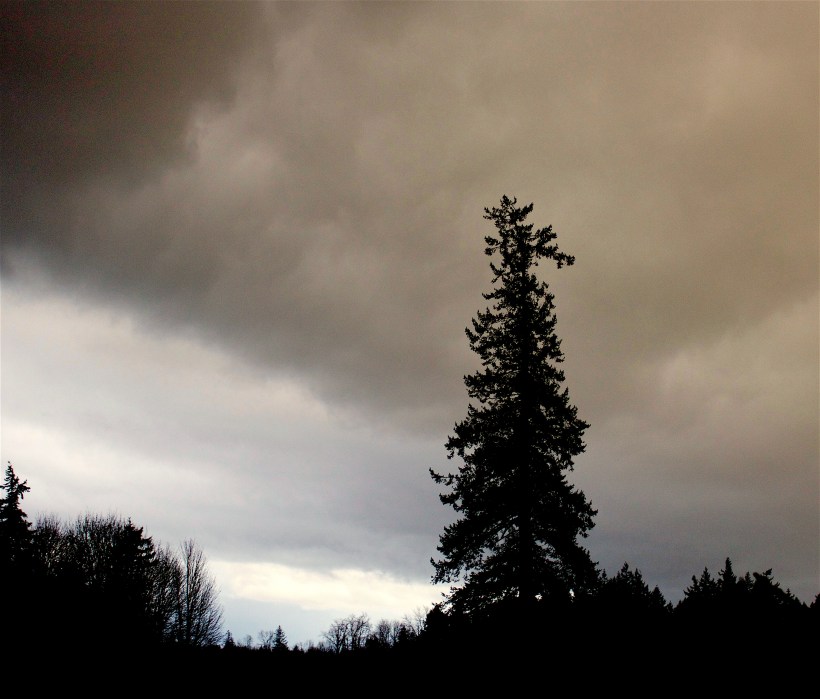
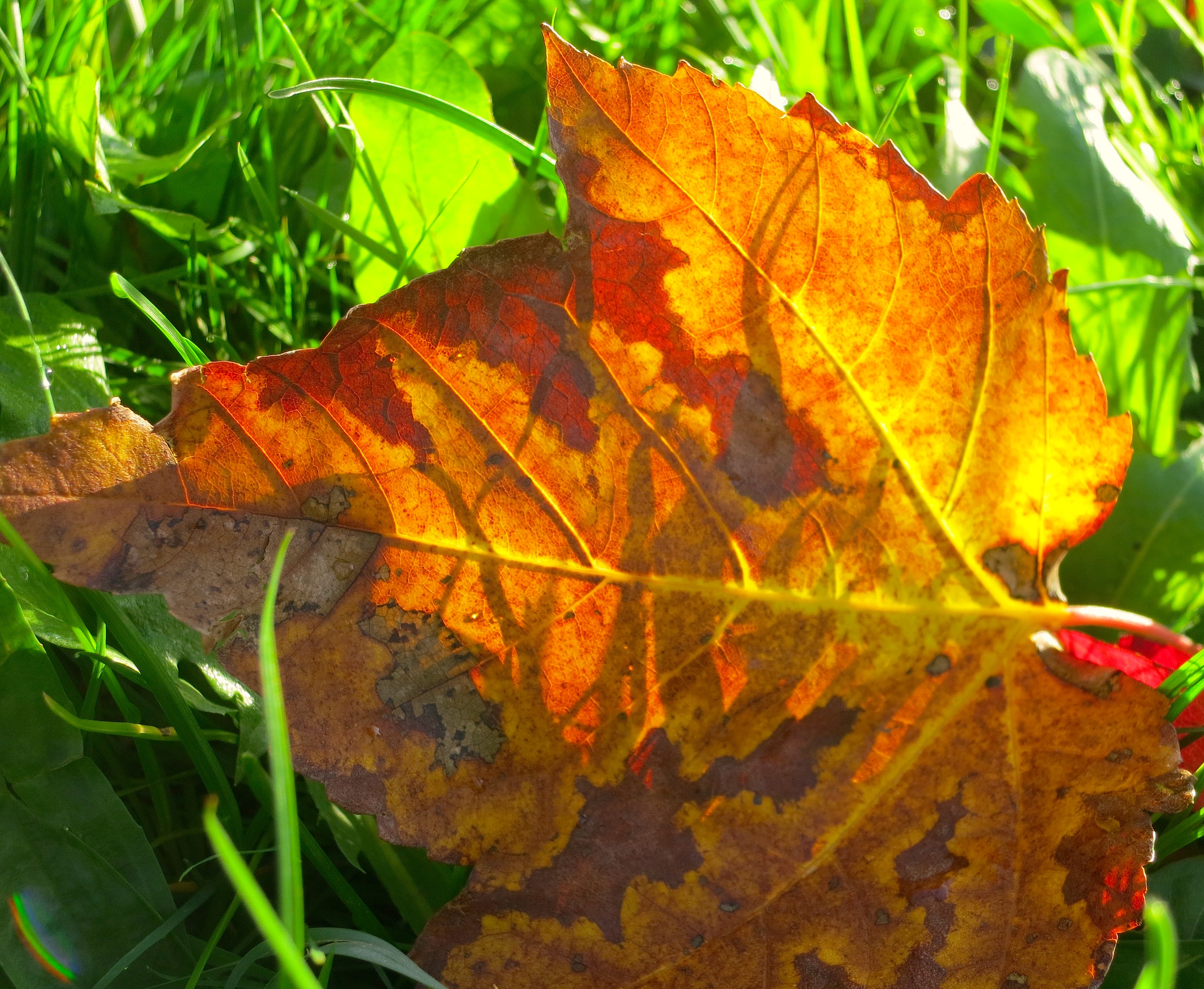
Amber stretches from sky to ground.
The clouds key-holed in the chill
and below, the leaves suffer their own keyholes
as they slowly melt away.
I’m feeling holey myself,
punched and transparent,
pondering where holiness is found
when life wholly shows its holes.
What God arranges for us to experience at each moment
is the holiest thing that could happen to us.
~Jean-Pierre Caussade
I know there are moments
when there is no holiness in sight,
and even God hides His face;
certainly His Son cried out in anguish too.
So we tread barefoot and bloodied on this holy ground,
whether rocky, muddy, crumbling or cushioned,
and He is there, walking before us,
ready to pick us up if we fall.
“Hope” is the thing with feathers— That perches in the soul—
…And sore must be the storm— That could abash the little Bird… ~Emily Dickinson from Poem 254
The end of the school year is the season of barely feathered hope in my world. The academic nest is crowded, the competition fierce, the future uncertain. Those who have struggled to survive in classes, in debt, in relationships, in a tenuous job market, can find themselves ill equipped and unprepared to fly on their own. Their lack of feathering becomes obvious the closer they get to the edge. Bashed and abashed, they worry and panic, sleep little, self-medicate, cry easily, contemplate death. Sometimes they tumble.
We try to catch them before they fall.
We remind them: it takes only one feather to have hope in a soaring future of grace and strength. Only one.
Astonishing material and revelation appear in our lives all the time. Let it be. Unto us, so much is given. We just have to be open for business. ~Anne Lamott from Help Thanks Wow: Three Essential Prayers
I have the privilege to work in a profession where astonishment and revelation awaits me behind each exam room door.
In a typical clinic day, I open that door 36 times, close it behind me and settle in for the ten or fifteen minutes I’m allocated per patient. I need to peel through the layers of a person quickly to find the core of truth about who they are and why they’ve come to me.
Sometimes what I’m looking for is right on the surface: in their tears, in their pain, in their fear. Most of the time, it is buried deep and I need to wade through the rashes and sore throats and coughs and headaches to find it.
Once in awhile, I can actually do something tangible to help right then and there — sew up a cut, lance a boil, splint a fracture, restore hearing by removing a plug of wax from an ear canal.
Often I find myself giving permission to a patient to be sick — to take time to renew, rest and trust their bodies to know what is best for a time.
Sometimes, I am the coach pushing them to stop living sick — to stop hiding from life’s challenges, to stretch even when it hurts, to get out of bed even when not rested, to quit giving in to symptoms that can be overcome rather than overwhelming.
Always I’m looking for an opening to say something a patient may think about after they leave my clinic — how they can make better choices, how they can be bolder and braver in their self care, how they can intervene in their own lives to prevent illness, how every day is a thread in the larger tapestry of their lifespan.
Each morning I rise early to get work done before I actually arrive at work, trying to avoid feeling unprepared and inadequate to the volume of tasks heaped upon the day. I know I may be stretched beyond my capacity, challenged by the unfamiliar and stressed by obstacles thrown in my way. It is always tempting to go back to bed and hide.
Instead, I go to work as those doors need to be opened and the layers peeled away. I understand the worry, the fear and the pain because I have lived it too. I am learning how to let it be, even if it feels miserable. It is a gift perhaps I can share.
No matter what waits behind the exam room door, it will be astonishing to me.
I’m grateful to be open for business. The Doctor is In.
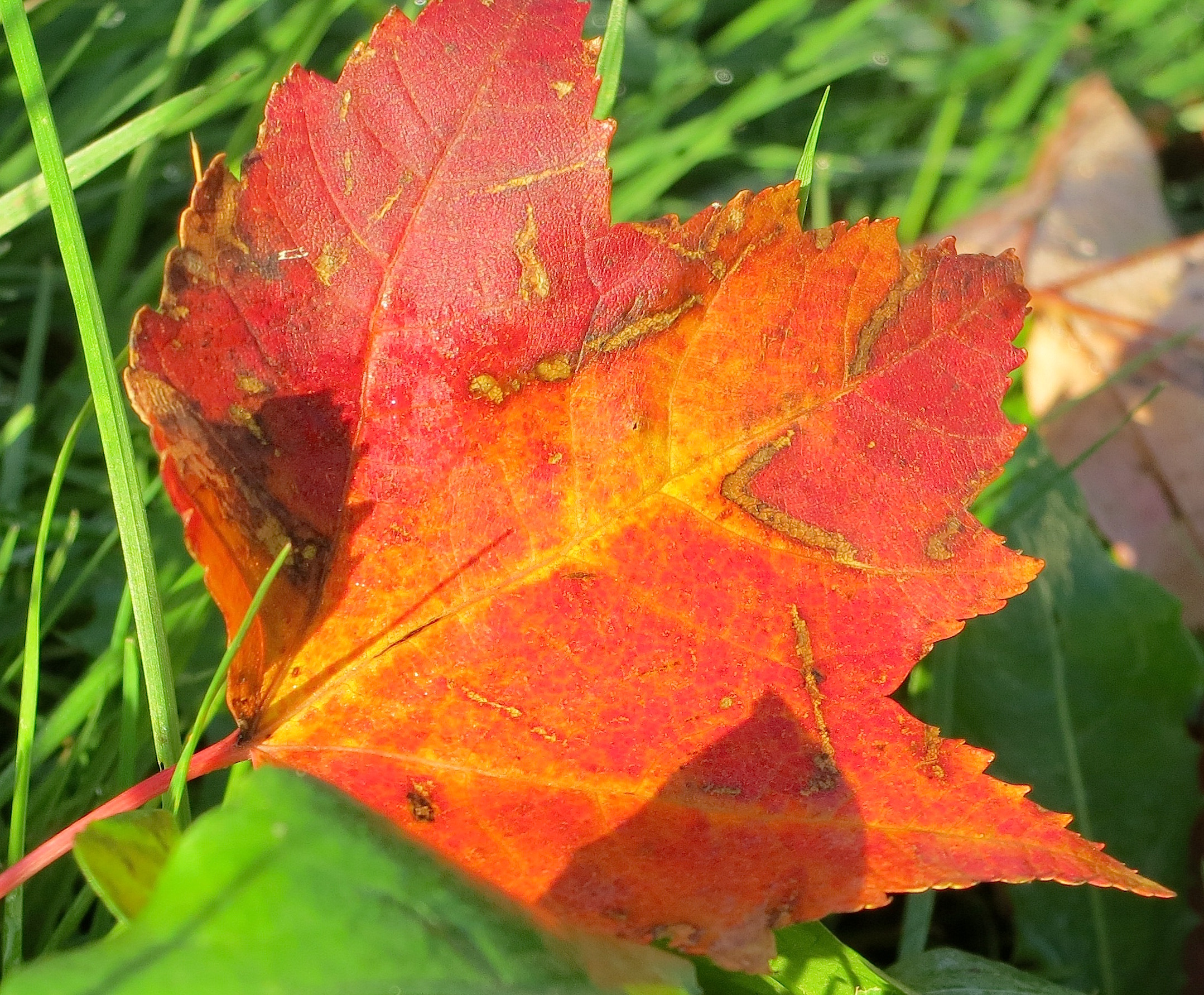
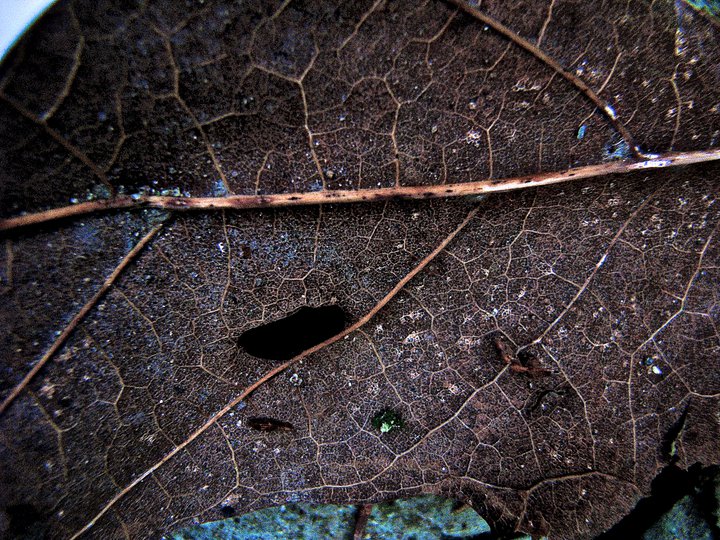
“Our life is a faint tracing on the surface of mystery, like the idle curved tunnels of leaf miners on the face of a leaf. We must somehow take a wider view, look at the whole landscape, really see it, and describe what’s going on here. Then we can at least wail the right question into the swaddling band of darkness, or, if it comes to that, choir the proper praise.” ~Annie Dillard from Pilgrim at Tinker Creek
We were meant to be more than mere blemish, more than a sullied spot or gaping hole on the surface, imperfect and inconvenient.
We were created as air and water and flesh and bones, from the covering of skin to our deeper darkened cavities that fill and empty.
We were created out of Word and Silence.
We were created to weep and praise, praise and weep.
We were meant to be mystery, perfect in our imperfection. Blemish made beautiful.
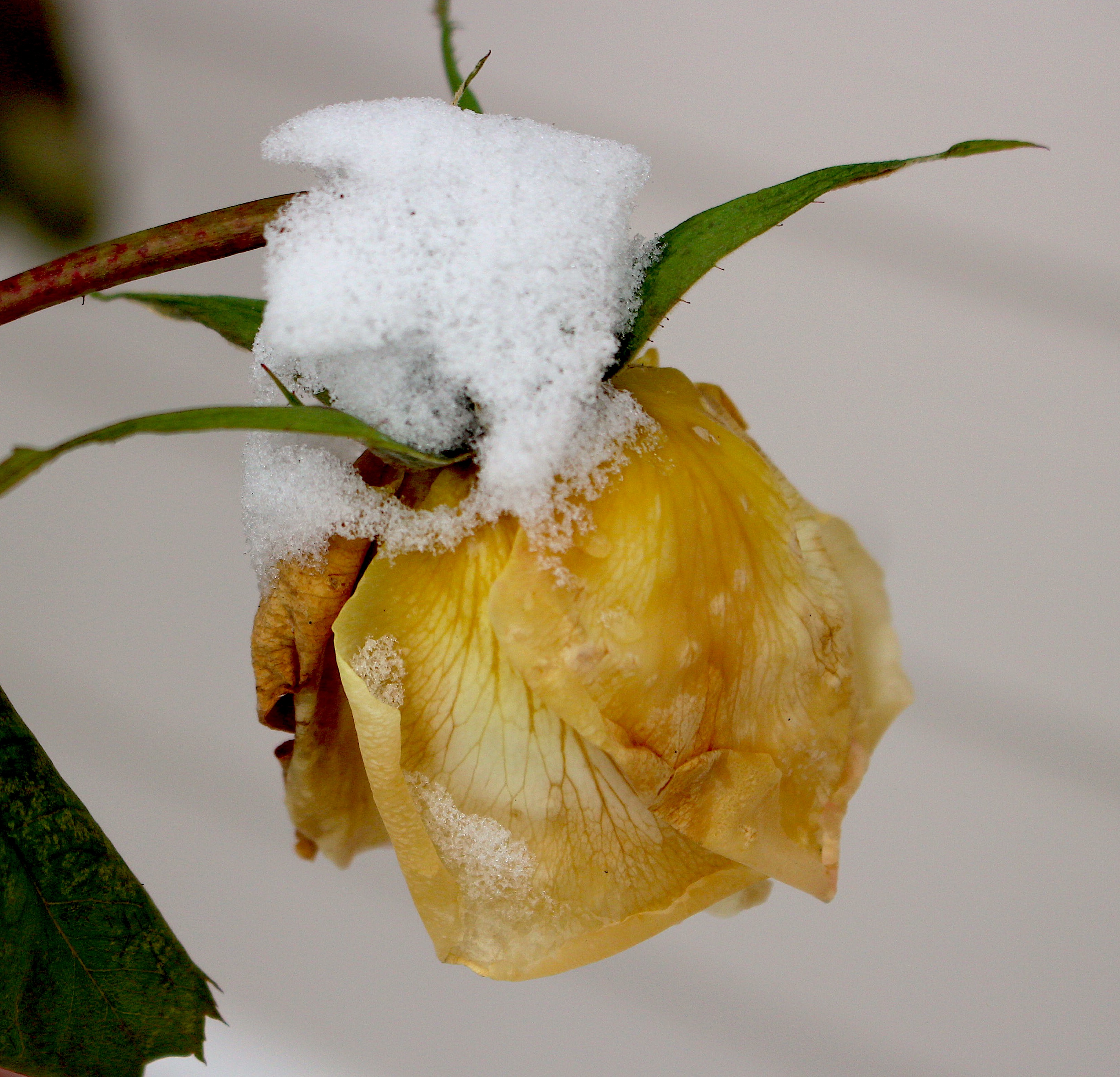
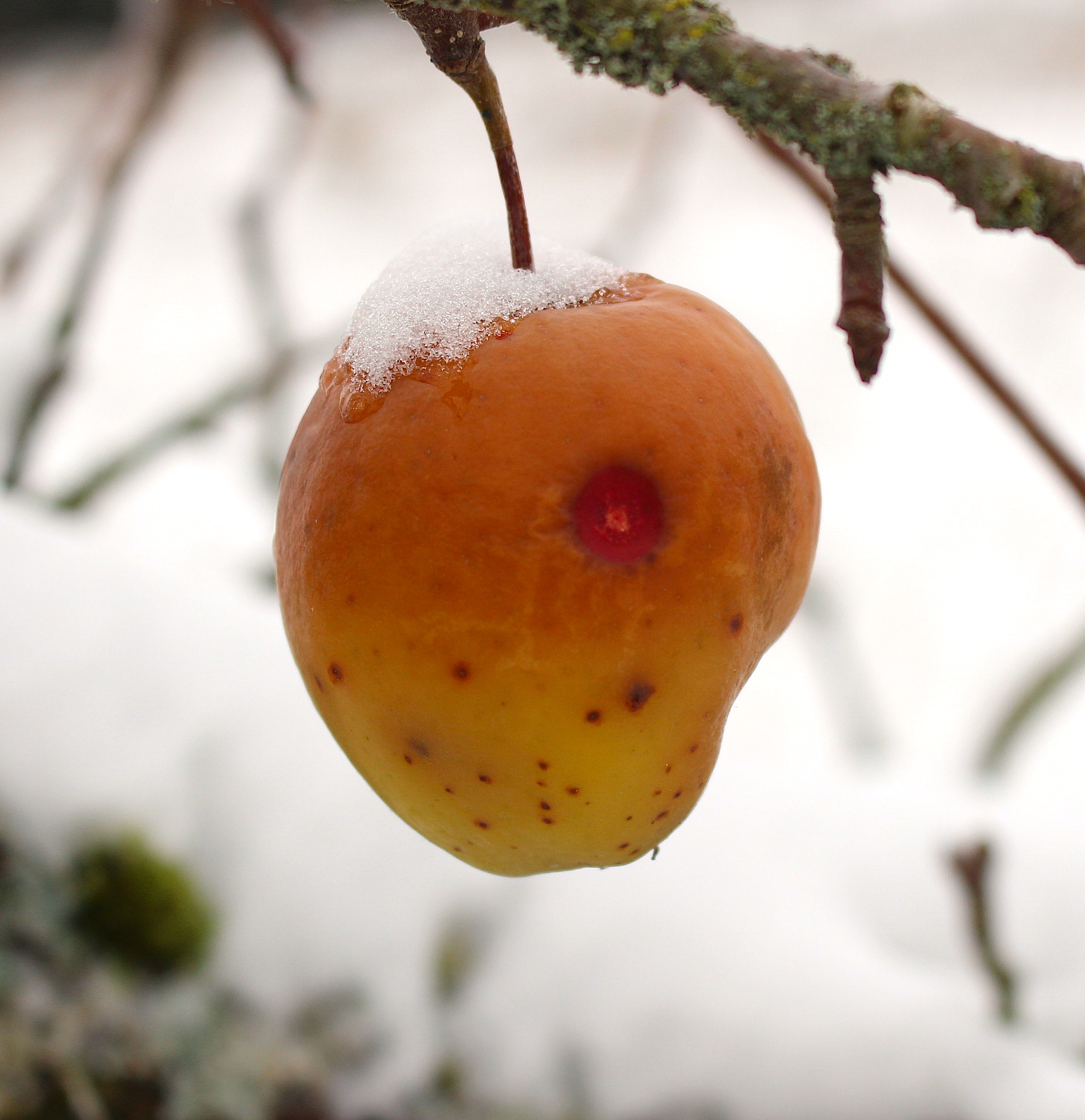
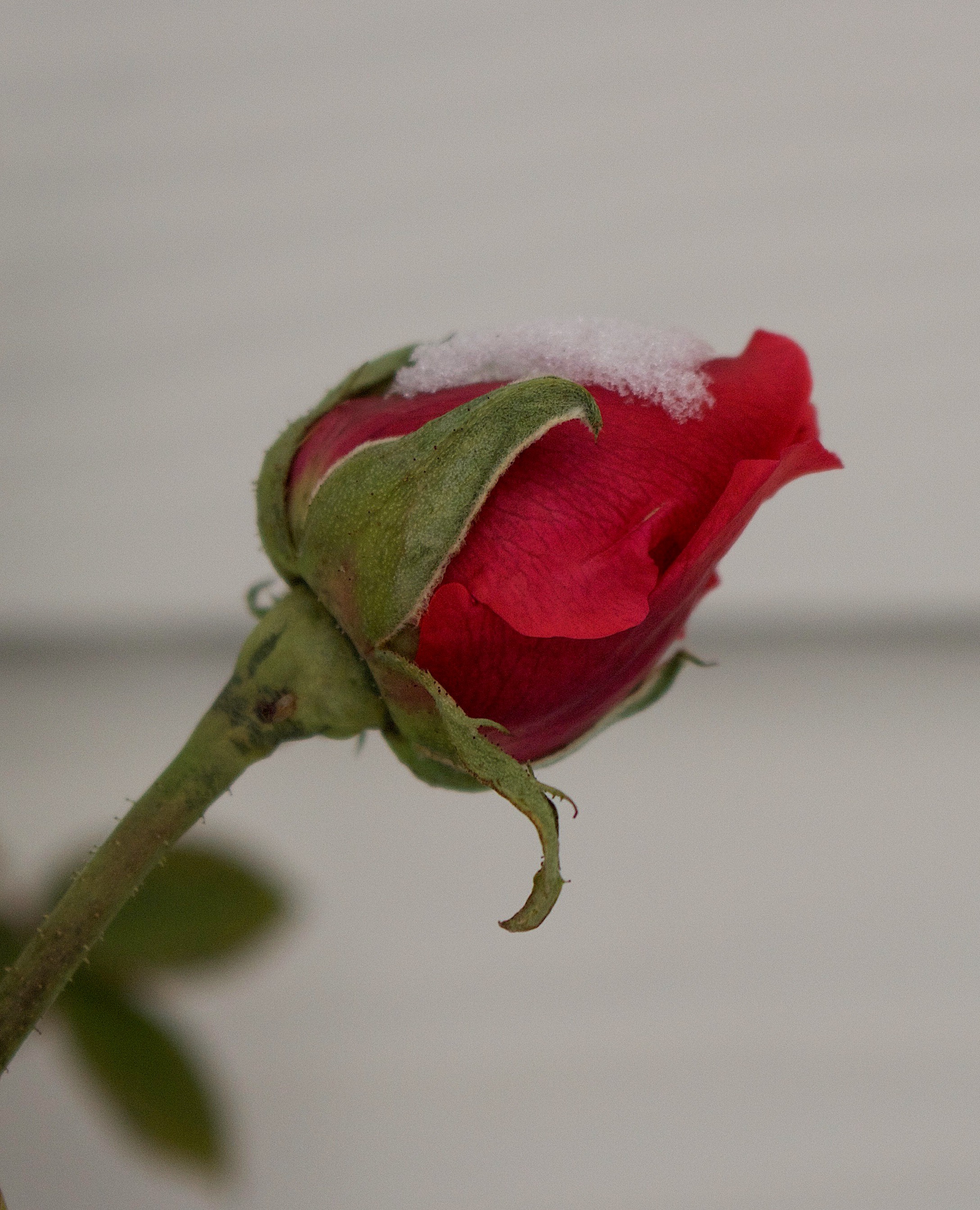
Remember the goodness of God in the frost of adversity. ~Charles Spurgeon
Hard times leave us frozen solid,
completely immobilized
and too cold to touch,
yet there is hope and healing,
remembering the immensity and goodness of God.
Even when life’s chill leaves us aching,
longing for relief,
the coming thaw is real
because God is good.
Even when we’re flattened,
stepped on, broken into fragments —
the pieces left are the beginning
of who we will become,
made whole again
because God is good.
The frost lasts not forever.
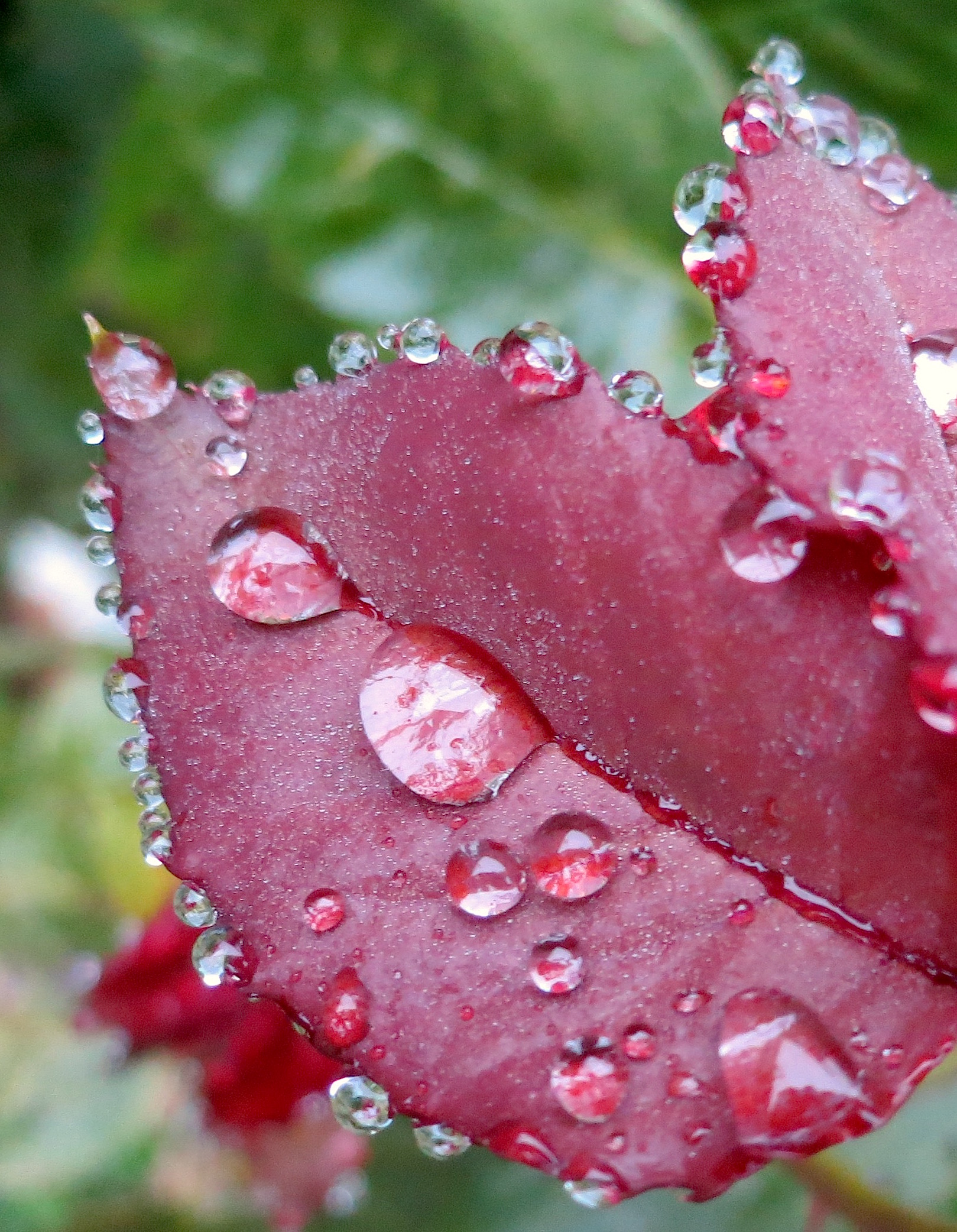
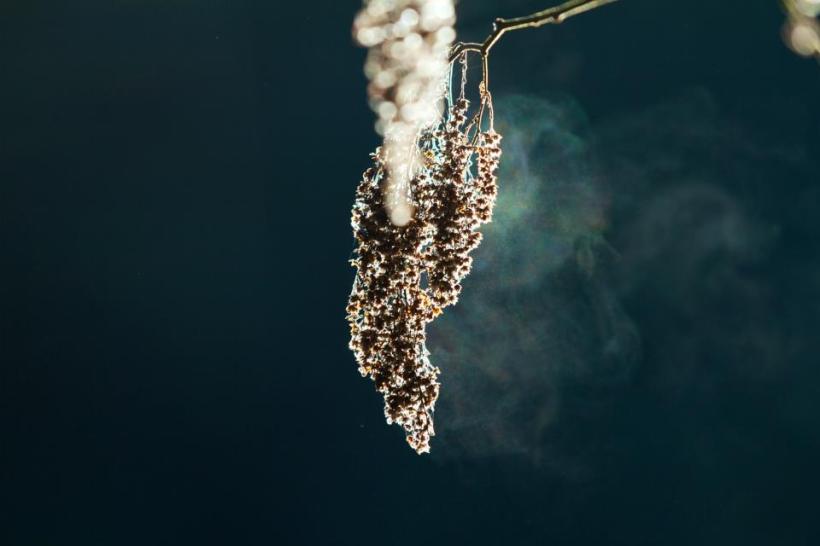
The sun makes us glisten and glitter
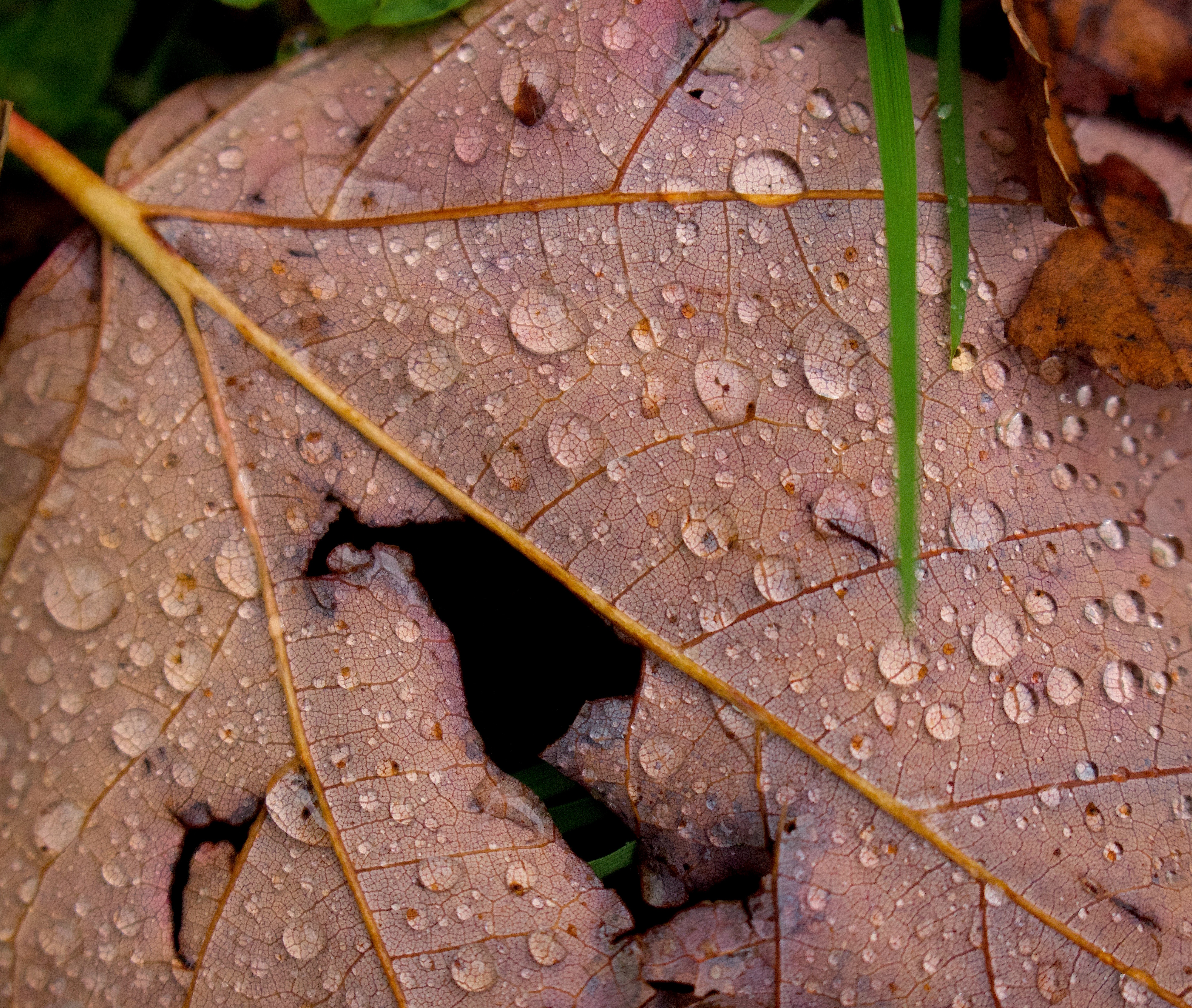
as ice melts down to droplets.
We become the goodness of God,
His eyes and ears,
heart and soul,
hands and feet.
Even more so,
we are His tears.
Man is but a reed, the most feeble thing in nature, but he is a thinking reed. Blaise Pascal
I’m not sure which is getting flabbier faster–my biceps or my brain. As I advance in middle age I tend to avoid overworking both to just get by with only occasional heavy lifting: a hay bale here, a challenging abstract philosophical commentary there. Hard work, whether physical or mental, is getting harder. As a naturally lazy person, I have to be forced into manual and central nervous system labor out of necessity. Necessity happens less and less often unless I go looking for it.
Given the choice between a physical task and a thinking task, I’ll opt for thinking over lifting any day. Even so, I find my mental strengths are ebbing. My brain is less flexible, I can tend to be stiff headed when trying something new, it starts to feel strained if I push it too fast. There are times when it feels like it just goes into spasm and I need to sit down and rub it for awhile. Feeble suddenly doesn’t sound like it just belongs to the aged and infirm.
The only remedy is to use it or lose it, whether muscles or gray matter. So I dig a little deeper each day, even when it hurts to do so. I purposely stretch beyond the point of comfort, just so I know it can still be done. I lift a little higher, heft a little heavier, push a little harder. Being the most feeble thing in nature may mean being easily broken by the smallest effort, but at least I’ll have thought my reedy limitations through thoroughly, chewed on it until there was nothing left and digested what I could.
Eventually I’ll come to accept that my greatest strength is to know what I don’t know.
“I have come to think that if I had the mind, I have not the brain and nerves for a life of pure philosophy. A continued search among the abstract roots of things, a perpetual questioning of all that plain men take for granted, a chewing the cud for fifty years over inevitable ignorance and a constant frontier watch on the little tidy lighted conventional world of science and daily life–is this the best life for temperaments such as ours? Is it the way of health or even of sanity?” C. S. Lewis (in a letter to his father, Aug. 14, 1925)











 Barnstorming