The Abyss

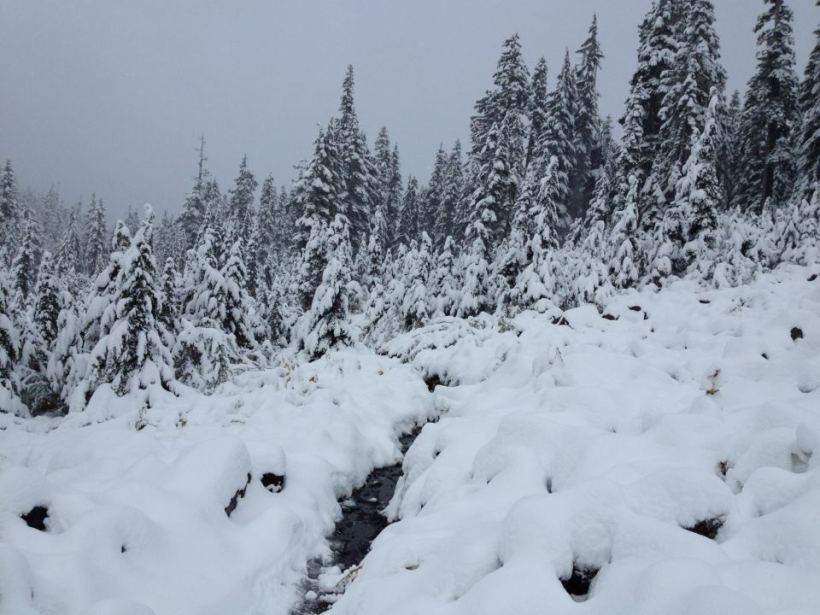
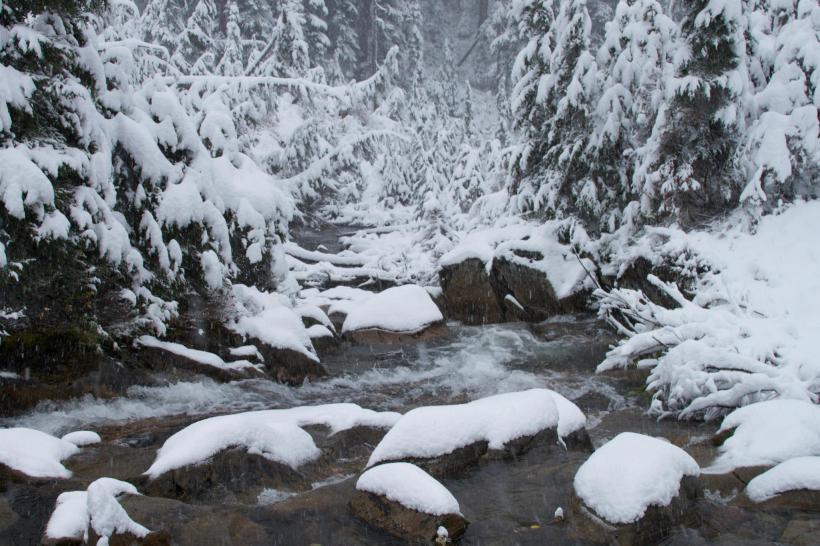
photo from the top of Mt. Baker by Josh Scholten

The cradle rocks above an abyss, and common sense tells us that our existence is but a brief crack of light between two eternities of darkness. Although the two are identical twins, man, as a rule, views the prenatal abyss with more calm than the one he is heading for.
~Vladimir Nabokov from Speak Memory

I think Nabokov had it wrong.  This is the abyss.
That's why babies howl at birth,
and why the dying so often reach
for something only they can apprehend.
At the end they don't want their hands
to be under the covers, and if you should put
your hand on theirs in a tentative gesture
of solidarity, they'll pull the hand free;
and you must honor that desire,
and let them pull it free.
~Jane Kenyon from "Reading Aloud to My Father"

We too often mistake this world, this existence,  as the only light there is,  a mere beam of illumination in the surrounding night of eternity, the only relief from overwhelming darkness.  If we stand looking up from the bottom, we might erroneously assume we are the source of the light, we are all there is.

Yet looking at this world from a different perspective, gazing down into the abyss from above, it is clear the light does not come from below –it is from beyond us.

The newborn and the dying know this.  They signal their transition into and out of this world with their hands.  An infant holds tightly to whatever their fist finds,  grasping and clinging so as not be lost to this darkness they have entered.  The dying instead loosen their grip on this world, reaching up and picking the air on their climb back to heaven.

We hold babies tightly so they won’t lose their way in the dark.  We loosen our grip on the dying to honor their reach out to the light that leads to something greater.

In the intervening years, we struggle in our blindness to climb out of the abyss to a vista of great beauty and grace.  Only then we can see, with great calm and serenity, where we are headed.


Reciting Spring

photo by Dan Gibson
photo by Dan Gibson
photo by Dan Gibson
photo by Dan Gibson

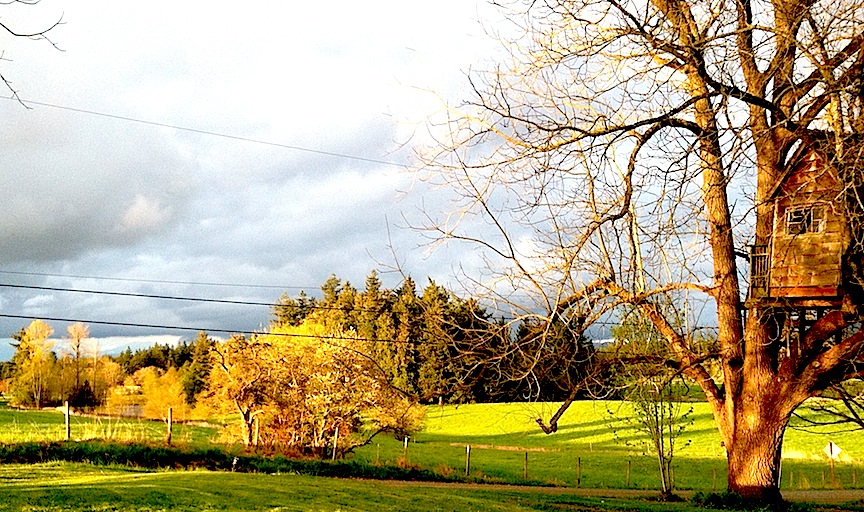
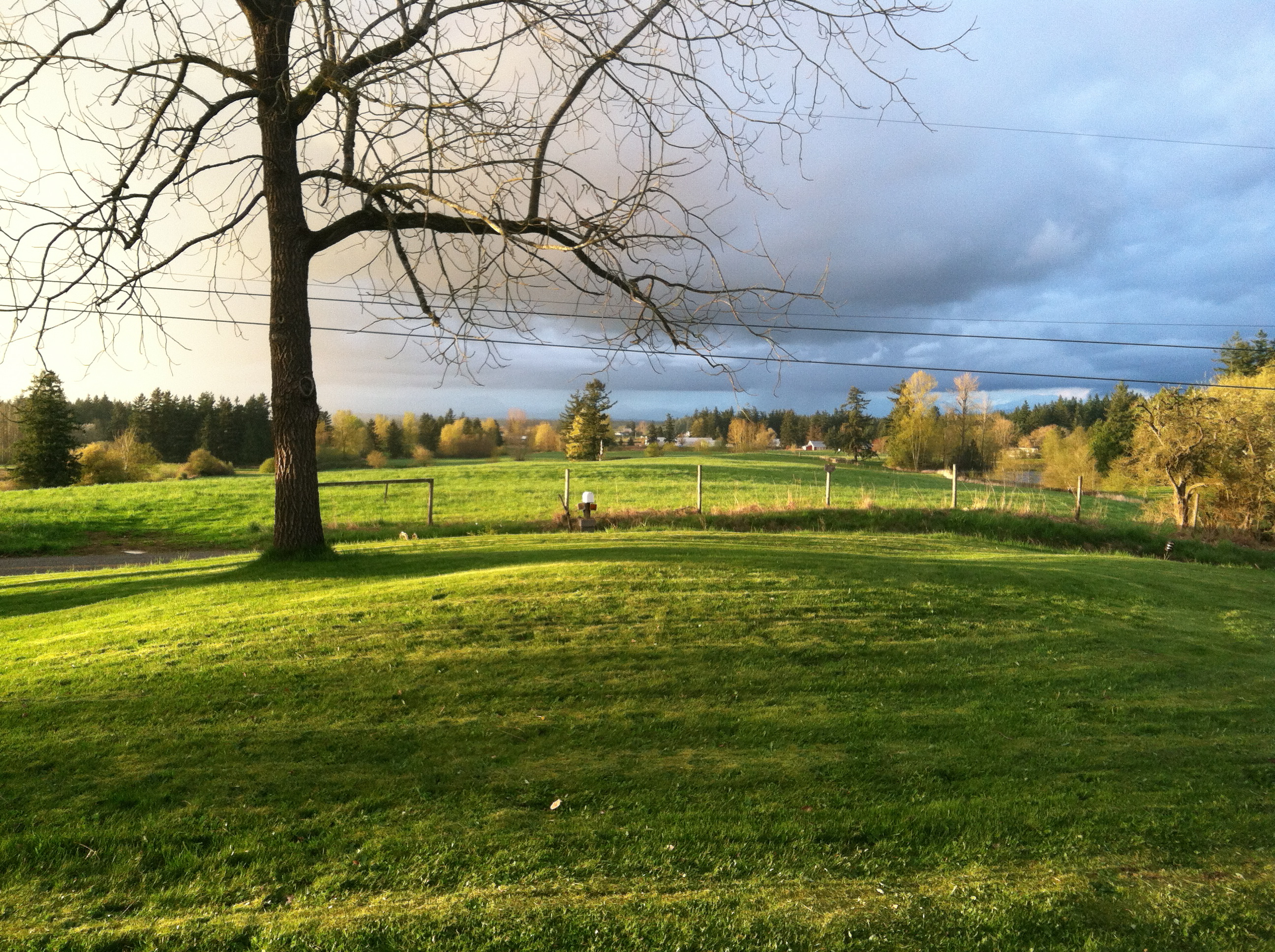
Spring has returned.  The Earth is like a child that knows poems.
–  Rainer Maria Rilke

Thank God
the earth remembers the meter and rhythm of spring
and annually recites it from memory:

the tease of sun
warming cheeks,
a lapse back
into rain storms,
bulbs bursting
through frost,
surprised by snowflakes
maybe ice,
then a rainbow
through slanted light,
a few hardy buds
swell to blossom,
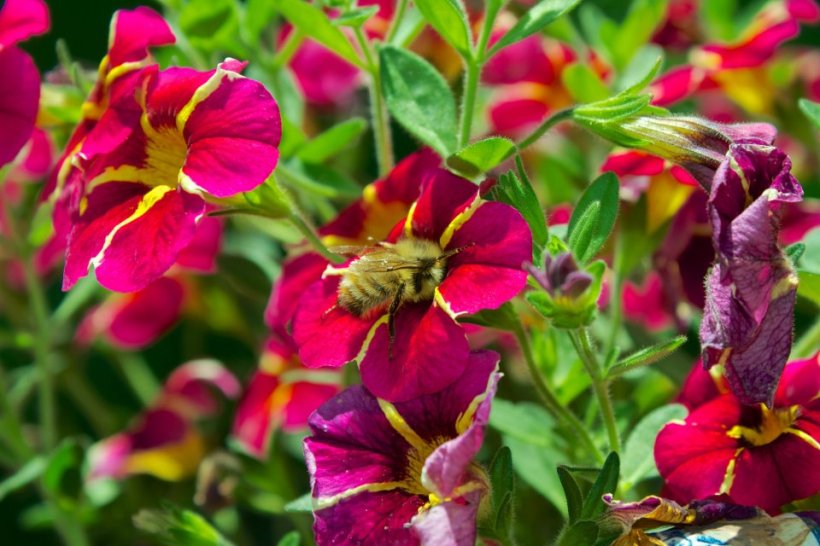
bees buzz sleepy,
all the while more rain,
painting green, always green
growing burgeoning flourishing.

The poem of earth reciting spring
declines to force a rhyme,
its buried words watered warm
to blossom just in time.

photo by Dan Gibson
photo by Dan Gibson
photo by Dan Gibson
photo by Dan Gibson


Lenten Grace — Pierced With Love

photo by Josh Scholten

At the soft place in the snowbank
Warmed to dripping by the sun
There is the smell of water.
On the western wind the hint of glacier.
A cottonwood tree warmed by the same sun
On the same day,
My back against its rough bark
Same west wind mild in my face.
A piece of spring
Pierced me with love for this empty place
Where a prairie creek runs
Under its cover of clear ice
And the sound it makes,
Mysterious as a heartbeat,
New as a lamb.
~Tom Hennen from “In the Late Season”

And so, pierced by love, we begin the melt, readying for what is to come.  The thaw shatters us into pieces, no longer iced up and untouched.   A current of hopefulness now flows freely in deeply buried veins, warmed and pulsing.

Our hearts thrum.  All will be new.

photo by Josh Scholten

A Single Green Sprout

photo by Josh Scholten

Now wind torments the field,
turning the white surface back
on itself, back and back on itself,
like an animal licking a wound.

A single green sprouting thing
would restore me . . .

Then think of the tall delphinium,
swaying, or the bee when it comes
to the tongue of the burgundy lily.
~Jane Kenyon from “February: Thinking of Flowers”

photo by Josh Scholten

Advent Cries and Sings: May it Be

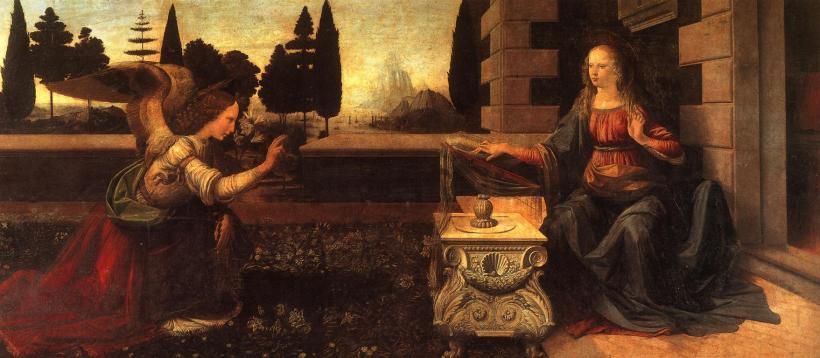
Leonardo Da Vinci--The Annunciation
Leonardo Da Vinci–The Annunciation

“I am the Lord’s servant,” Mary answered. “May it be as you have said.”
Luke 1: 38

We want it to be the way we want it: our plans, our timing, our hopes and dreams first and foremost.
And then life happens and suddenly nothing looks the way it was supposed to be. How are we to respond?

In my work in a University Health Center, I see in young adults a tremendous lack of resiliency, an inability to ride the waves that crash and overwhelm. One of the most common responses to the unexpected is to panic, facing uncontrollable anxiety that interferes with eating, sleeping, working, studying. A common response to anxiety is to self medicate in any way easily accessible: alcohol, marijuana, nicotine, sex, a friend’s prescription drugs. A little isn’t working so a lot might be better. The anxiety is compounded and becomes deepening depression.

The sadness and hopelessness, even anger –is a discouragement stemming from the lack of control of circumstances, feeling there is no way out, being unable to find another path to a different future. This leads too frequently to thoughts of ending one’s life as it seems too painful and pointless to continue, and thankfully more rarely, taking others’ lives at the same time in an attempt to make sure everyone else knows the depth of the pain.

There is an epidemic of hopelessness among our society’s young people that I’ve never before seen to this extent in my thirty years of clinical work. To them, their debts seem too great, their reserves too limited, their foundations too shaky, their hope nonexistent, their future too dim. They cannot ride the waves without feeling they are drowning. So they look for any way out.

In the annunciation of the angel approaching a young woman out of the blue, Mary’s response to this overwhelming circumstance is a model for us all when we are hit by a wave we didn’t expect and had not prepared for.

She is prepared; she has studied and knows God’s Word and His promise to His people. She is able to articulate it beautifully in the song she sings as her response. She gives up her so carefully planned life to give life to God within her.

Her resilience sings through the ages: may it be to me as you say.

May it be.
Your plans, Your purpose, Your promise.
Let it be.
Even if it may pierce my soul as with a sword.
You are there to plug the bleeding hole.

And I will sing through my tears.

Advent Cries: The Shadow of Death

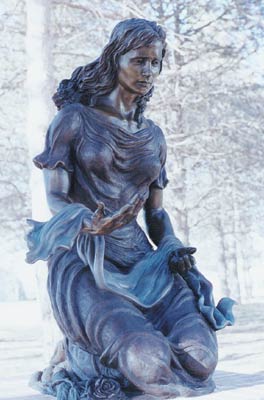
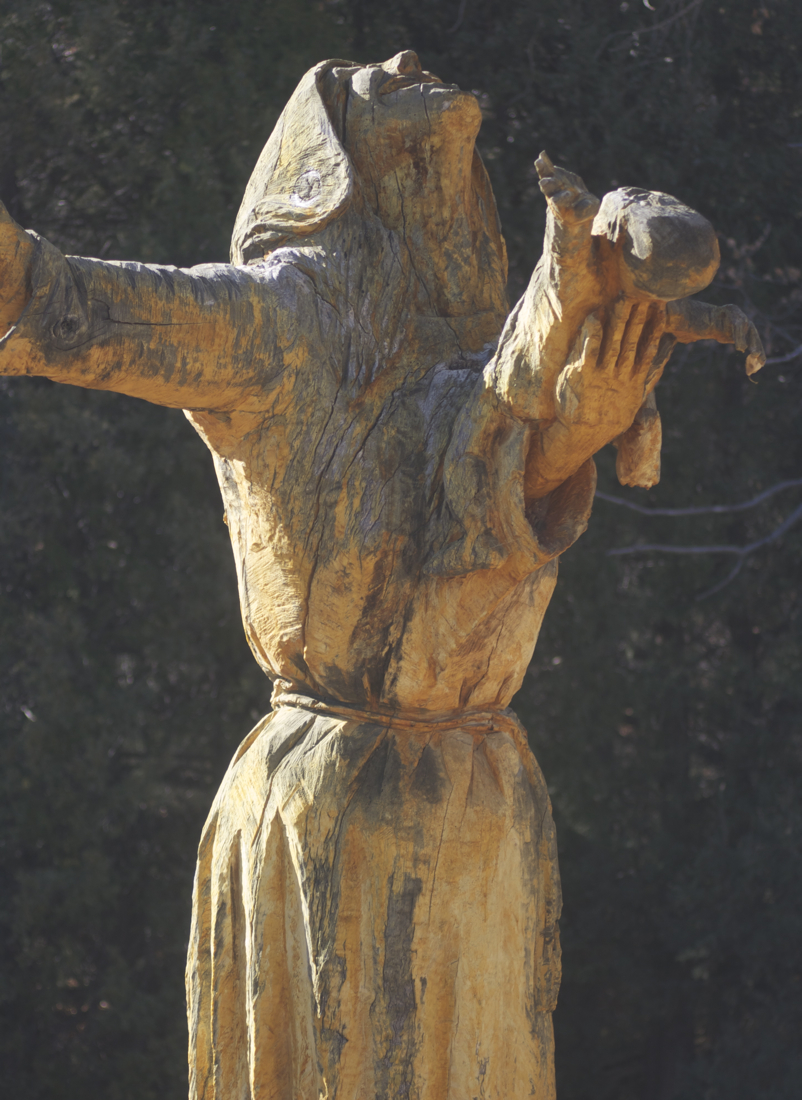
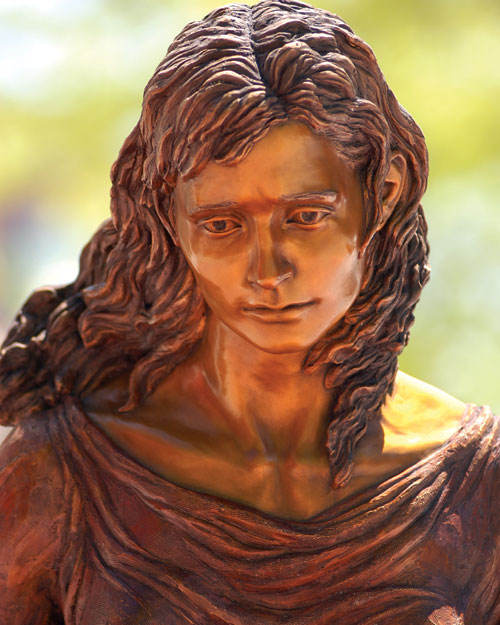
Rachel weeping for children who are no more, sculptor Sondra Jonson

A voice is heard in Ramah,
    mourning and great weeping,
Rachel weeping for her children
    and refusing to be comforted,
    because they are no more.
Matthew 2:18 and Jeremiah 31:15

In mourning for the people of Newtown, Connecticut

There is no consolation for these families.
Their arms aching with emptiness tonight,
beds and pillows lying cold and unused,
dolls and stuffed animals awaiting all night hugs
that will never come again.

There can be no consolation;
only mourning and great weeping,
sobbing that wrings dry
every human cell,
leaving dust behind,
dust, only dust
which is beginning
and end.

He came to us
for times such as this,
born of
the dust of woman and
the breath of Spirit,
God who bent down to
lie in barn dust,
walk on roads of dust,
die and be laid to rest as dust
in order to conquer
such evil as this
that could horrify masses
and massacre innocents.

He became dust to be
like us
He began a mere speck in a womb
like us
so often too easily washed away
as unwanted.

His heart beat
like ours
breathing each breath
like ours
until a fearful fallen world
took His
and our breath
away.

He shines through
the shadows of death
to guide our stumbling uncertain feet.
His tender mercies flow freely
when there is no consolation
when there is no comfort.

He hears our cries
as He cried too.
He knows our tears
as He wept too.
He knows our mourning
as He mourned too.
He knows our dying
as He died too.

God wept
as this happened.
Evil comes not from God
yet humankind embraces it.
Sin is our choice
we made from the beginning,
the choice we continue to make.

Only God can glue together
what evil has shattered.
He just asks us to hand Him
the pieces of our broken hearts.

We will know His peace
when He comes
to bring us home,
our tears will finally be dried,
our cells no longer
just dust,
never only dust
as we are glued together
by the breath of God
forevermore.

the tender mercy of our God,
    by which the rising sun will come to us from heaven
to shine on those living in darkness
    and in the shadow of death,
to guide our feet into the path of peace.
Luke 1: 78-79

Wood sculpture of Rachel weeping, located at Our Lady of Guadelupe Abbey, Texas
InTheNews06_01_2005b
Rachel weeping for the children who are no more
Sculptor Sondra Jonson


Last Sweet Exhalations

photo by Josh Scholten

These things happen…the soul’s bliss
and suffering are bound together
like the grasses….

The last, sweet exhalations
of timothy and vetch
go out with the song of the bird;
the ravaged field
grows wet with dew.
~Jane Kenyon from Twilight–After Haying


So bound together–the sweetness and the suffering.
I have seen it in others and known it myself.

Renewal and rebirth come from ravage.

Already I am emptying out, not yet filling full from the lungs of eternity.
Breathing will be easy one day, so fresh, so cleansing, so infinite.

Until then,
I’m holding my breath tightly,
blessed by that last, sweet gasp.

photo by Josh Scholten

Particularity

photo of barn swallow from Powdermill Avian Research Center

“Somehow the question of identity is always emerging on this farm. I found the body of a barn swallow lying just inside the barn the other day. There was no telling how it died. I noticed the intense particularity of its body, its sharply cut wings, the way its plumage seemed to glow with some residual celestial heat. But it was the particularity of death, not the identity of life, a body in stillness while all around me its kin were twittering and swooping in and out of the hayloft.”
Verlyn Klinkenborg

Stumbling across death on the farm is always startling.  The farm teems with life 24 hours a day: frogs croaking, dawn bird chorus, insects buzzing and crawling, cats stalking, raccoons stealing, dogs wagging, horses galloping, owls and bats swooping.  Amid so much activity, it doesn’t seem possible that some simply cease to be.   An ancient apple tree mysteriously topples over one morning, a beloved riding horse dies of colic, an old cat finds her final resting place in the hay loft, another old cat naps forever under a tree,  a newborn foal fails to break free of its amniotic sac, another foal delivered unexpectedly and prematurely lies still and lifeless in the shavings of the stall, a vibrantly alive dog is put to sleep due to a growing tumor,  a predator raids the dove cage and leaves behind carnage, our woods bears its own tragic history.

Yet, as often as it happens,  there is a unique particularity about death.  The stillness of death permits a full appreciation of who this individual is, the remarkable care that went into creating every molecule of his being. The presence of absence is a stark and necessary reminder of our mortality.

In truth, we will glow with residual celestial heat, still warm even after our hearts cease to beat.   We are distinct individuals in our own particularity–living and dying at a particular time and place as a unique creature, given a chance in the cosmos of infinite possibilities.  The Creator knit us together specially, every feather, hair, bone and sinew a work of His Hands, and what we do with what we are given is all the stuff between our first breath and our last.  Particularity is a good reminder not to squander our brief time as part of the history of the world.

A guarantee of particularity is the presence of His Holy breath, though momentarily stilled, yet still filling us forever.

photo from St. Lucie Audobon Society

The Eyes Have It

I tugged on the handle of the heavy root cellar cover to lift it to one side in order to descend the steps to the underground room that serves as a year round natural refrigerator on our farm.  At the bottom of the stairs, I opened the thick sealed door to permit a shaft of sunlight to illuminate the inner darkness–there is always a moment of wondering what I might find on the other side in such a mysterious place.  A rush of cool earthen air blew back at me as if displaced by the light that had rushed in.  Until I snapped on the lights, it was as secret as a womb harboring its precious cargo.  This place smells of dirt and moisture–the lifeblood of the fruits and roots that tarry here until it is finally their turn to be brought up into the light.  Potatoes, onions, apples, pears, nuts all resting and waiting, as if suspended in time.

It had been awhile since my last visit.  As the lights blinked on, I blinked too in unbelief.  There had been a startling transformation, as time no longer was standing still as it had through the winter.  Long white arms, almost waving with enthusiasm, were reaching out from the potato bin in a desperate searching plunge through the blackness.   In this dark place, their blind eyes must sense a better place and set out on a mission to get there.  The naked shoots were so entangled one with the other, it felt voyeuristic, as if I was witnessing something private and personal.

I gathered them up,  apologetic for causing them a moment’s doubt about their destiny.  A trench was dug,  they were placed gently at the base with shoots pointed toward the sky, and the dirt swept over them in a burial that was more commencement than coda.

The eyes have it, having reached for a light not seen but sensed.

Was blind, but now can see.

Song from a Snowdrift

emilyleaDear One,

Your rolling and stretching grew quieter that stormy winter night, but no labor came.
A week overdue, you still clung to amnion and womb, not ready.

The wind blew wicked and snow flew horizontal, landing in piling drifts.
The roads became impassable, nearly impossible to reach the safe haven of hospital if labor came.

But your dad and I tried to make it down the road, worried about being stranded at home. Our little car got stuck in a snowpile, so we prayed you would wait, our tires spinning, whining against the growing snow. It took a neighbor’s bulldozer to dig us out to freedom. You floated silent and still, knowing your time was not yet.

After creeping slowly through the dark night blizzard, we finally arrived to the warm glow of the hospital.

You slept. I, not at all.

With morning sun glistening off sculptured snow outside our window, the doctor arrived to start labor but your heart had mysteriously slowed in the night. You were jostled, turned, oxygenated, but nothing changed. You beat even more slowly. The nurses’ eyes told me we had trouble. The doctor, grim faced, announced delivery must happen quickly, taking you now, hoping we were not too late. I was rolled, numbed, stunned, clasping your father’s hand, closing my eyes, not wanting to see the bustle around me, not wanting to hear the shouted orders, the tension in the voices, the quiet at the moment of opening when it was unknown what would be found.

And then you cried.

A hearty healthy husky cry. Perturbed and disturbed from the warmth of womb, to the cold shock of a bright lit operating room, your first vocal solo brought applause from the surrounding audience who admired your pink skin, your shock of damp red hair, your blue eyes squeezed tight, then blinking open, wondrous.

You were okay.

You were brought wrapped for me to see and touch before being whisked away, your father trailing behind the parade to the nursery.

I closed my eyes, swirling in a brain blizzard of what-ifs, knowing if no storm had come, you would have fallen asleep forever within my womb, no longer nurtured by an aging placenta, being cut off from what you needed to stay alive. There would have been no pink skin, nor husky cry, only the soft weeping of your parents knowing what could have been if we had only known, if we could have been sent a sign to go for help.

Saved by a storm and dug from a drift: I now celebrate each time I hear your voice.

Love, Mom