Ordinary Sunday

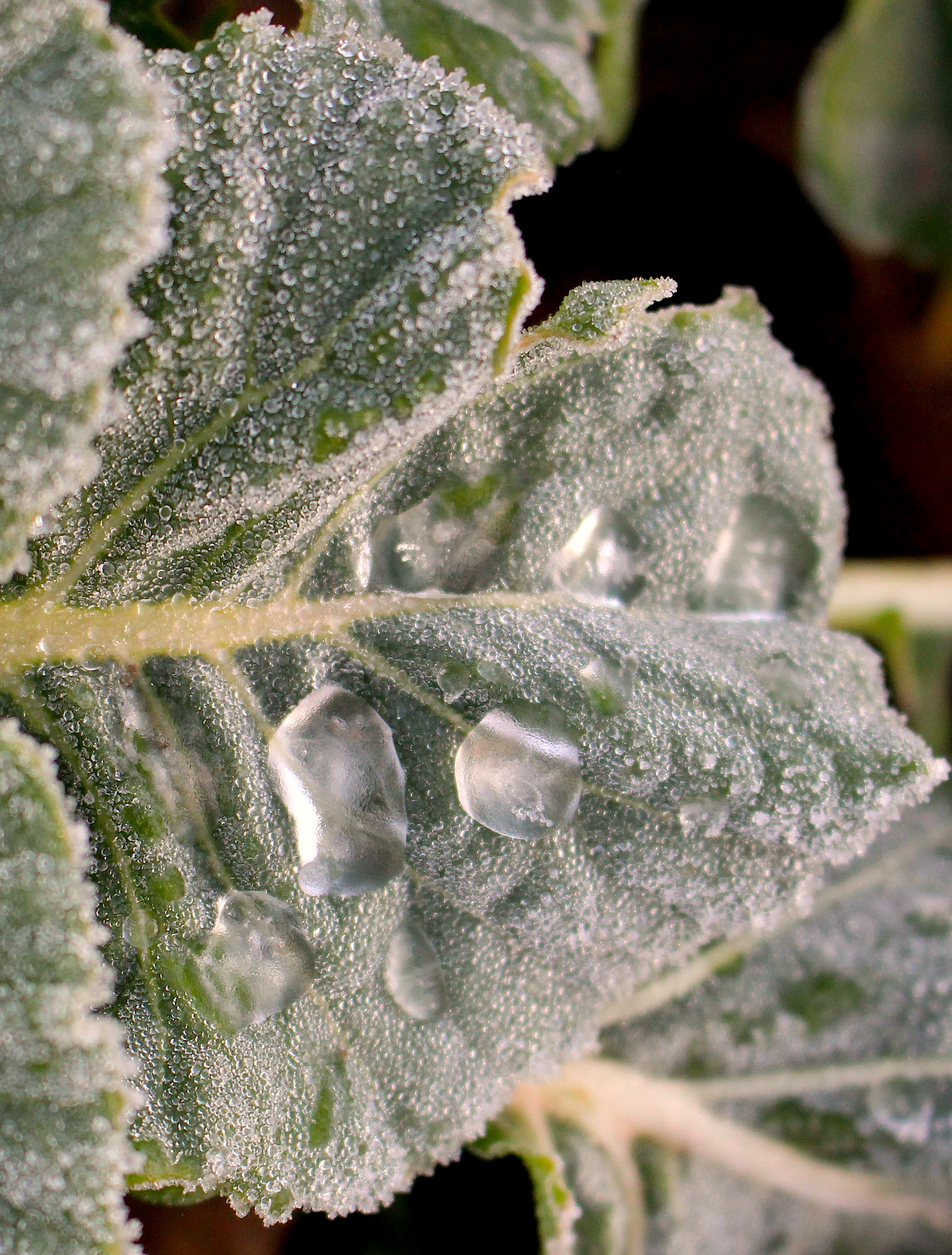
frozenbrussels

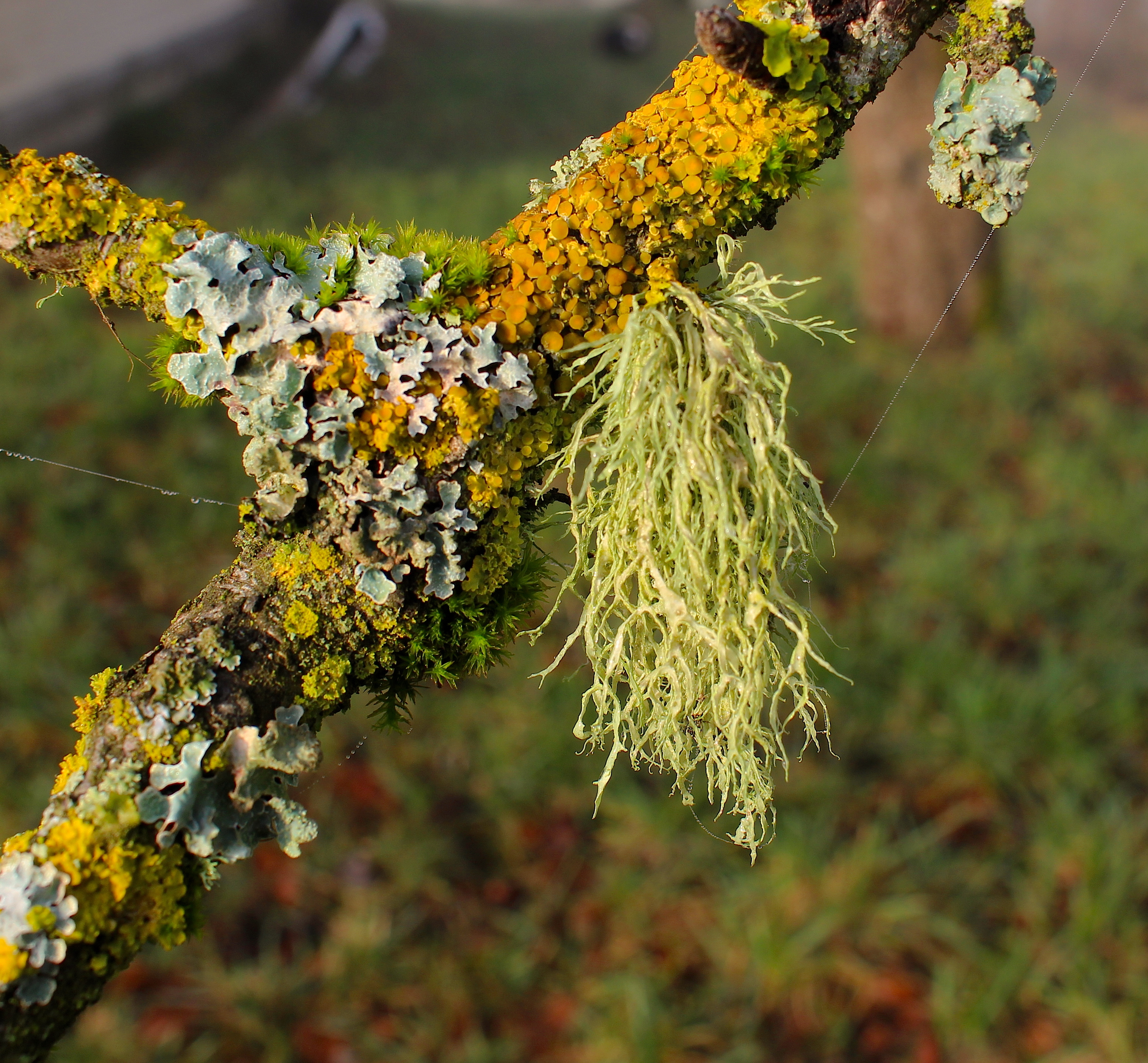
lichenmoss13115


Sometimes I have loved the peacefulness of an ordinary Sunday.
It is like standing in a newly planted garden after a warm rain.
You can feel the silent and invisible life.
~Marilynne Robinson from Gilead


As I am covered with Sabbath rest
quiet and deep
as if being planted in soil
just warming from a too long winter~
I know there is nothing ordinary
about what is happening.

I am called by the Light
to push out against darkness,
reaching to the sky
touched by the Source of all
that makes me thrive.

Nothing more extraordinary
than an ordinary Sunday.

webdesign13

webdesign14

sunrise28151

Where We Wander

cloversunset

whiteviolet

And when music comes to us
With its heavenly beauty
It brings us desolation
For when we hear it
We half remember
That lost native country

We dimly remember the fields
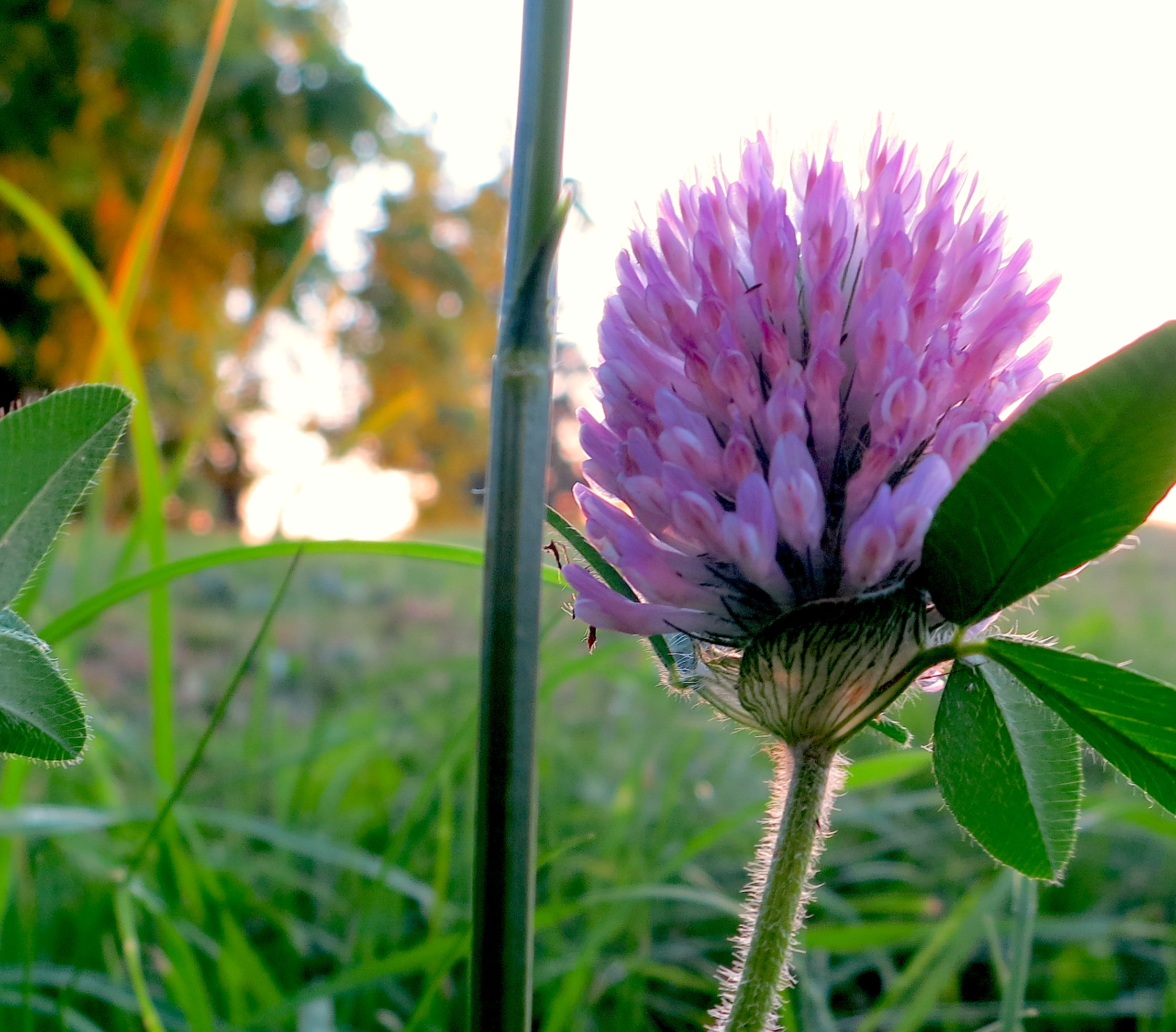
Their fragrant windswept clover
The birdsongs in the orchards
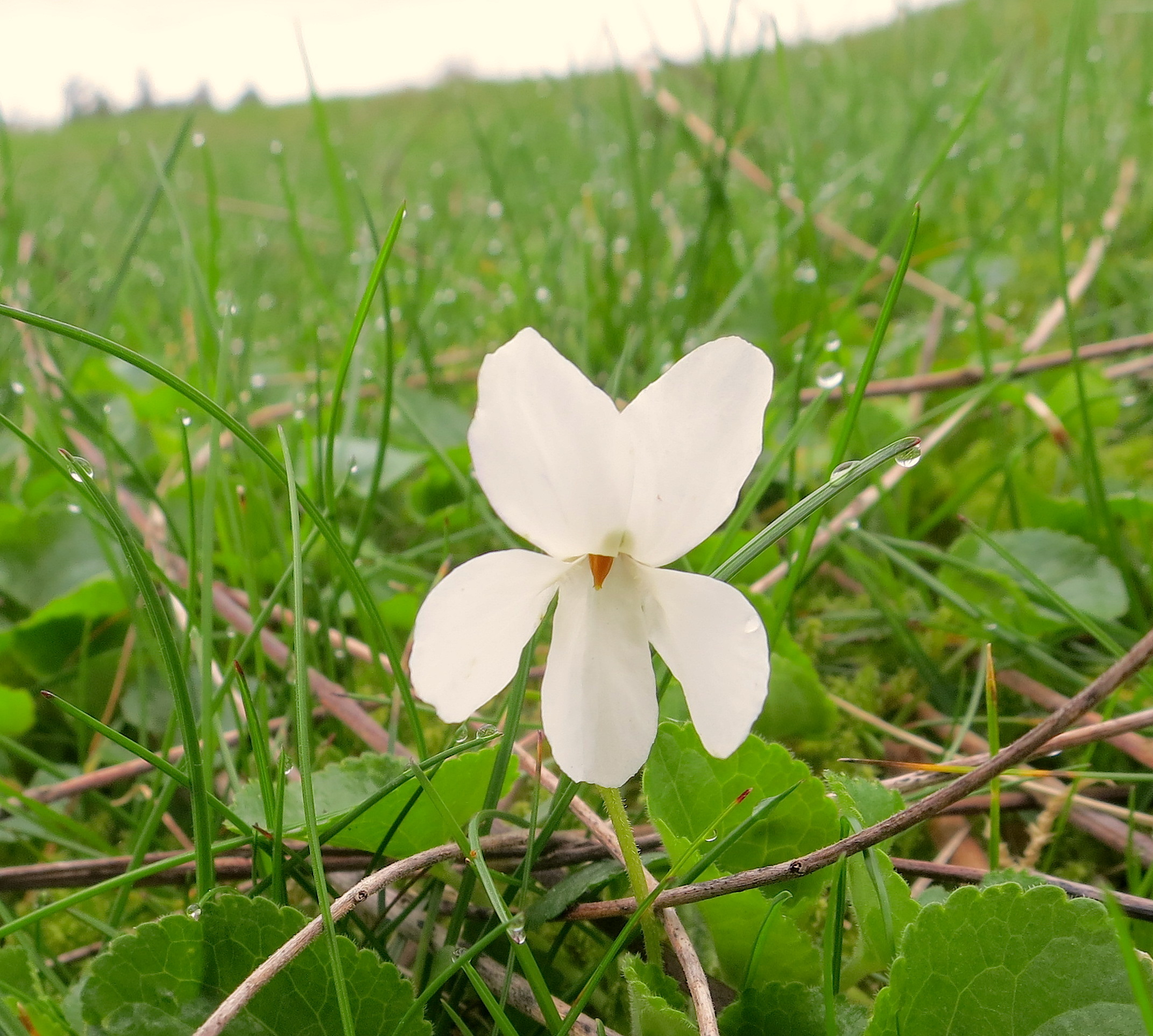
The wild white violets in the moss
By the transparent streams

And shining at the heart of it
Is the longed-for beauty
Of the One who waits for us
Who will always wait for us
In those radiant meadows

Yet also came to live with us
And wanders where we wander.
~Anne Porter from “Music”


as cold days linger in interminable gray
when energy wanes
sleep as refuge
instead of restoration

to wander this wintry path
alongside the One who
readies us for radiance
of bird song and sleigh bell frog chorus

a remembrance
of a promise kept~
this is not all there is

dandysunset10s

What We Can Do

snow22314

There is so very little we can do,
Friends, for these beautiful children of ours,
They will come to grief and suffer and you
And I bow to darkness and evil powers.

The gentle boy who wrote poems goes
For a walk in January and does not return.
His mother and father search the woods. The snow
Is deep. All night their hearts burn

For him. He is found, hanging from a limb,
And the father carries the body of his son
Into the yard and tenderly lays him
On the step. Stephen, O darling one,

See how your parents’ hearts break for you.
There is so very little we can do.
~Gary Johnson


Our woodlot lies quiet this time of year.  There have been numerous wind storms that have snapped trees or uprooted them completely and they rest where they have fallen, a crisscross graveyard of trunks that block paths and thwart us on the trails.  Years of leaves have fallen undisturbed, settling into a cushiony duff that is spongy underfoot, almost mattress-like in its softness, yet rich and life-giving to the next generation of trees.

We’ve intentionally left this woods alone for over twenty years.  When we purchased this farm, cows had the run of the woods, resulting in damage to the trees and to the undergrowth.  We fenced off the woods from the fields, not allowing our horses access. It has been the home for raccoon, deer and coyotes, slowly rediscovering its natural rhythms and seasons.

It feels like time to open the trails again.  We’ve cut through the brush that has grown up, and are cutting through the fallen trunks to allow our passage.

We bought this farm from a remarkable 82 year old man who loved every tree here. After spending 79 years on this farm, he treasured each one for its history, its fruit, its particular place in the ground, and would only use the wood if God had felled the tree Himself.  The old farmer directed us to revere the trees as he had, and so we have.  When he first took us on a tour of the farm, it was in actuality a tour of the trees, from the large walnuts in the front yard, to the poplars along the perimeter, to the antique apples, cherries and pear, the filbert grove, the silver plum thicket, as well as the mighty seventy plus year old Douglas fir, Western hemlock and Red cedar trees reestablished after the original logging in the early twentieth century.   The huge old stumps still bore the carved out eight inch notches for the springboards on which the lumbermen balanced to cut away with their axes at the massive diameter of the trees.

He led us to a corner of the woods and stood beneath a particular tree, tears streaming down his face.  He explained this was where his boy had hung himself, taking his life at age fifteen in 1968.   The old farmer still loved this tree, as devastating as it was to lose his son so unexpectedly from one of its branches.  He stood shaking his head, his tears dropping to the ground.  I knew his tears had watered this spot often over the years.  He looked at our boys—one a two year old in a pack on my back, and the other a four year old gripping his daddy’s hand—and told us he wished he’d known,  wished there could have been something he could have done, wished he could have understood his son’s despair, wished daily there was a way to turn back the clock and make it all turn out differently.  He wanted us to know about this if we were to own this woods, this tree, this ground, with children to raise here so there would be something we could do to prevent this from happening again to one of our own.

I was shaken by such raw sharing and the obvious sacredness of the spot.   Though the boy lay buried in a nearby cemetery, a too-young almost-man lost forever for reasons he never found to express to others, it was as if this spot, now hallowed by his father’s tears, was his grave.  This tree witnessed his last act and last breath on earth.

We have left the woods untouched in our effort to let it restore and heal, and to allow that tree to blend into the forest again, surrounded by new growth and life.  We have told this young man’s story to our children and are reminded of the precious gift of life we all have been given, and that it must be treasured and clung to, even in our darkest moments.  This father’s tears watering this woods are testimony enough of his own clinging to life, through his faith in God and in respect to the memory of his beloved boy.

The old farmer and his wife now share the ground with their son, reunited again a only few miles away from our home that was theirs for decades.  Their woods is reopening to our feet, allowing us passage again, and despite the darkness that overwhelms it each winter, the woods bear life amidst the dying as a forever reminder.

And we will not forget.  It is so very little, but the very least we can do.


snow12201313

Shatter Me

img_0118


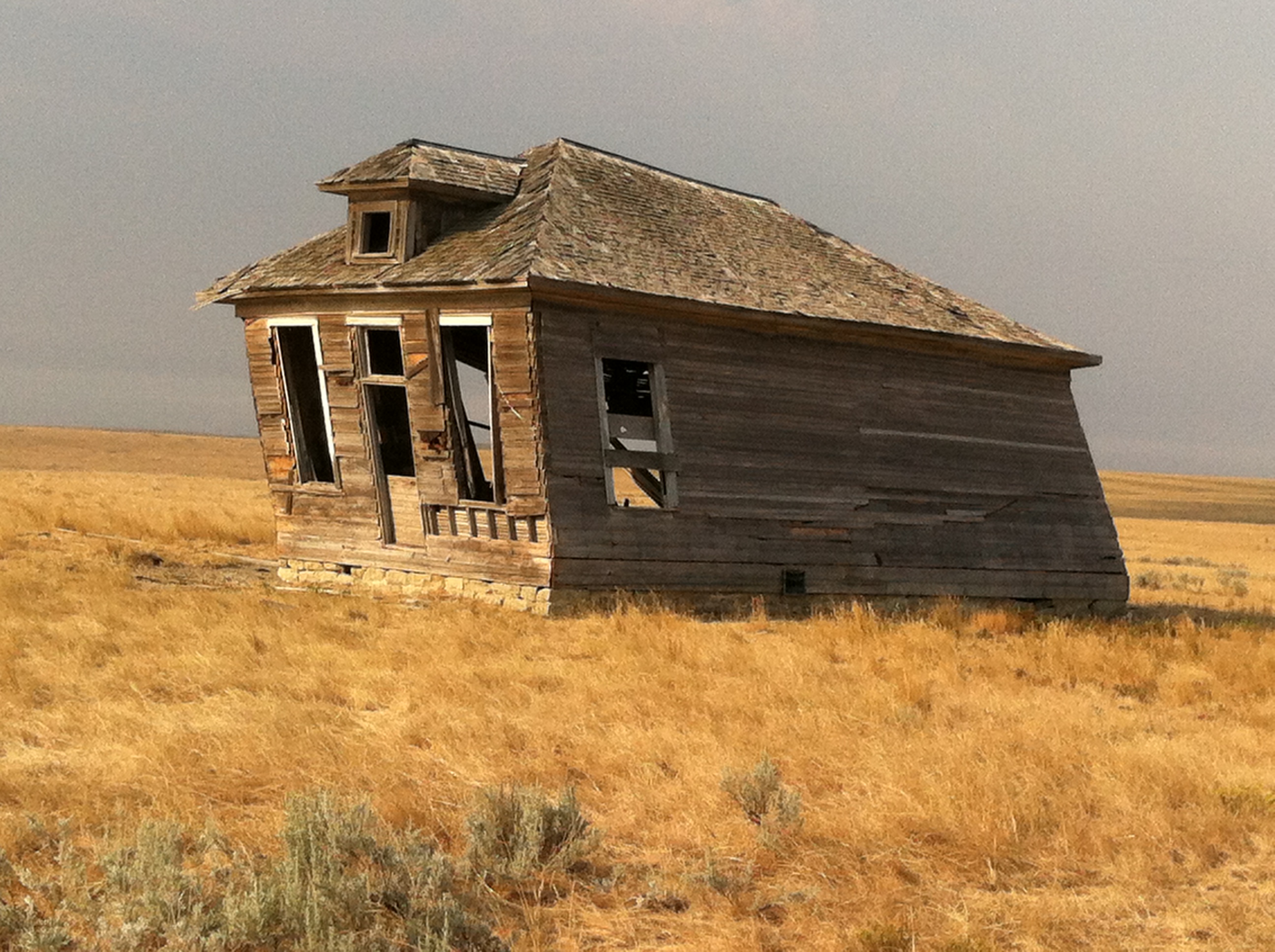
As through a long-abandoned half-standing house
only someone lost could find,

which, with its paneless windows and sagging crossbeams,
its hundred crevices in which a hundred creatures hoard and nest,

seems both ghost of the life that happened there
and living spirit of this wasted place,

wind seeks and sings every wound in the wood
that is open enough to receive it,

shatter me God into my thousand sounds.

~Christian Wiman “Small Prayer in a Hard Wind”


May I,
though sagging and graying,
leaning perilously,
be porous enough
to allow life’s gusts
through me
without being pushed over
in a heap.

So the wind
makes me sing
filling my every crack
and defect,
shattered into pieces,
a mosaic of praises.
~E Gibson

The Shadows of a Moment

webdesign9

webdesign11

I hated waiting.
If I had one particular complaint,
it was that my life seemed composed entirely of expectation.
I expected —
an arrival, an explanation, an apology.
There had never been one,
a fact I could have accepted,
were it not true that,
just when I had got used
to the limits and dimensions of one moment,
I was expelled into the next
and made to wonder again
if any shapes hid in its shadows.

Memory is the sense of loss,
and loss pulls us after it.

~Marilynne Robinson from Housekeeping


Winter weather has a way of exacerbating loss, reminding us over and over what it is we’ve lost and still waiting for — the sun’s warmth on our cheeks, the feel of cool breezes in our hair on a sweaty day, the presence of color when numbed by the sky’s constant weeping of whites and grays.  We keep waiting for that next moment, and then the next, looking for when we may settle down and stay, however briefly, content.

We are pulled through the shadows of each emerging moment, losing what we just had to mere memory:

Last night, my husband and I attended our children’s former high school’s winter musical production, as we had done for over a decade while our three children were among the actors and actresses on stage.  I sat in the audience for two hours, emerged in the music, the singing and the dancing, the beautiful costumes and sets,  allowing each wonderful make-believe moment to carry me to the next and the next.

Only after the bows had been taken, the applause and whistles quieted, and we made our way to the lobby to greet the performers, did I realize my loss.  My memory of our children overwhelmed me:  not as they acted a role in the lights and shadows of the stage, but after the production, in the lobby as themselves, albeit costumed and overly made up, greeting grateful audience members.  But where were they last night?  Not here, I realized through my tears, not where I was so used to seeing them stand a bit apart from the crowd, smiling and laughing, waiting my turn to hug them.

Gone and moved on to other roles and other stages, far far away.

They have each left the magic and the hard work of high school musical productions into the magic and hard work of real life.
And we are left waiting for each next moment, remembering and accepting, filling and emptying,  wintering within our hearts again and again.


morningfog12615

sunrise1221153

Embarking on a Voyage

morningmist

foggymorning13115

new year’s eve-
in the echo of fog horns
another voyage starts
–  Keiko Izawa

I grew up on a small farm located about two miles from a bay in Puget Sound.  When I awoke in the morning, I knew it was foggy outside even before looking out my bedroom window.  The fog horns located on coastal buildings and bobbing buoys scattered throughout the inlet would echo mournful moans and groans to warn freighter ships away from the rocky or muddy shallows.   The resonant lowing of the horns carried miles over the surrounding landscape due to countless water particles in the fog transmitting sound waves so effectively.  The louder the foghorn moan heard on our farm, the thicker the mist in the air.  The horn voices would make me unspeakably sad for reasons I could never articulate.

Embarking on a voyage in blinding foggy conditions, like starting the second month of a new year,  portends both potential adventure and risk.  Of course I’d prefer to see exactly where I am headed, carefully navigating with precise information and expert knowledge,  eventually winding up exactly at my intended destination.

The reality is that the future can be a murky mess.

We cannot see what lies ahead: we navigate by our wits, by our best guess, but particularly by listening for the low-throated warnings coming from the rocky shores and shallows of those who have gone ahead of us.

I am still too easily lost in the fog of my fears of the unknown – disconnected, afloat and circling aimlessly, searching for a touch point of purpose and direction.  The isolation I sometimes feel may be my own self-absorbed state of mind, sucking me in deep until I’m soaked, dripping and shivering from the smothering gray.   If only I might trust the fog horn voices, I could charge into the future undaunted, knowing there are others out there in the pea soup prepared to come alongside me as together we await the sun’s dissipation of the fog.

Now, almost sixty years into the voyage,  I recognize the fog does eventually clear so the journey continues on.

Even so, I will keep listening for the resonant voices of wisdom from shore, and raise my voice to join in, not to echo the moans and groans of my  misty childhood mornings,  but to confidently sing an anthem of hope and promise.


morninghaze2


Gone Underground

fogdrops

snowdrop11915

…times of dormancy and deep rest are essential to all living things. Despite all appearances, of course, nature is not dead in winter–it has gone underground to renew itself and prepare for spring. Winter is a time when we are admonished, and even inclined, to do the same for ourselves.

Our inward winters take many forms–failure, betrayal, depression, death. But every one of them, in my experience, yields to the same advice: “The winters will drive you crazy until you learn to get out into them.” Until we enter boldly into the fears we most want to avoid, those fears will dominate our lives. But when we walk directly into them–protected from frostbite by the warm garb of friendship or inner discipline or spiritual guidance–we can learn what they have to teach us. Then, we discover once again that the cycle of the seasons is trustworthy and life-giving, even in winter, the most dismaying season of all.
~Parker Palmer


Why has “Let It Go” from the Disney movie “Frozen” resonated as the universal pop anthem of the past year for people of all ages and backgrounds?
Maybe we heed the call to emerge from our dormancy, to reach out in our God-given ability to overcome despite everything the outward and inward winters blow at us.

I trust, from all I’ve learned in His Word  —  I have only gone underground temporarily and will soon emerge in renewal.

The cold never bothered me anyway?
Yes, of course it did, but it is not the end of the story.


treelayers

fogtree

Following the Path

paths

outforawalk1

Each day and night fly by more swiftly than the previous.  It is as if minutes are exponentially more compressed than in the past, hurtling forward to an inevitable destination, but the estimated time of arrival is unknown. I struggle in middle age to keep perspective while traveling this road of life, looking back at where I’ve been, and hoping for the best about where I’m headed, and trying to stick to the path without deviation.  My regret about this journey is that I haven’t stopped nearly often enough to simply take in the scenery, listen to the birds, smell the orchard blossoms, and feel the grass under my bare feet.

In other words, I’m getting really rusty at doing nothing and as a result, end up doing nothing well. It is the conundrum of following the cow path laid down before me (see Sam Foss’ poem below).

Nevertheless, as with all cow paths, there may have been no greater reason for the bend or curve than a patch of tall appealing grass at one time, or a good itching spot on a tree trunk.  My path may now appear more random without focus on the destination;  I need to stop once in awhile, settle down for a really good nap, enjoy a particularly fine meal, read an insightful book, or play a lovely hymn.  It is not just the path traveled but the quality of journey we experience, which frankly has little to do with “getting there”.

I enjoy the twists and turns of life, if I take the time to appreciate them.  Perhaps I’ll add a few of my own for those who follow after me.

COW PATH

One day thru the primeval wood
A calf walked home, as good calves should,
But made a trail all bent askew,
A crooked trail, as all calves do.
Since then three hundred years have fled,
And I infer, the calf is dead;
But still behind he left his trail,
And thereon hangs my mortal tale.

The trail was taken up next day
By a lone dog that passed that way,
And then a wise bell-weather sheep
Sliding into a rut now deep,
Pursued that trail over hill and glade
Thru those old woods a path was made.

And many men wound in and out,
And dodged and turned and bent about,
and uttered words of righteous wrath
Because “twas such a crooked path”
But still they follow-do not laugh-
The first migrations of that calf.

The forest became a lane
That bent and turned and turned again;
This crooked lane became a road
where many a poor horse with his load
Toiled on beneath the burning sun,
And traveled some three miles in one.

The years passed on in swiftness fleet,
The village road became a street,
And this, before the men were aware,
A city’s crowded thoroughfare.

And soon a central street was this
In a renowned metropolis;
And men two centuries and a half
Followed the wanderings of this calf.

Each day a hundred thousand strong
Followed this zigzag calf along;
And over his crooked journey went
The traffic of a continent.

A hundred thousand men were led
By one poor calf, three centuries dead.
For just such reverence is lent
To well established precedent.

A moral lesson this might teach
Were I ordained and called to preach.

For men are prone to go it blind
Along the calf paths of the mind;
And work away from sun to sun
To do what other men have done.

by Samuel Walter Foss 1895

fog1185

sunrise971411