Fenced Off

14119_552516830110_42904068_32556259_1112150_n

My grandmother’s house had been torn down after she sold her property on Similk Bay near Anacortes, Washington to a lumber company.  This was the house where her four babies were born, where she and my grandfather loved and fought and separated and loved again, and where our family spent chaotic and memorable Thanksgiving and Christmas meals.  After Grandpa died suddenly, she took on boarders, trying to afford to remain there on the wooded acreage fronted by stump farm meadows where her Scottish Highland cattle grazed.   She reached an age when it was no longer possible to make it work.   A deal was struck with the lumber company and she had moved to a small apartment, bruised by the move from her farm.

My father realized what her selling to a lumber company meant and it was a crushing thought.  The old growth woods would soon also be stumps on the rocky hill above the bay, opening a view to Mt. Baker to the east, to the San Juan Islands to the north, and presenting an opportunity for development into a subdivision.   He woke my brother and me early one Saturday in May and told us we were driving the 120 miles to Anacortes.  He was on a mission.

As a boy growing up on that land, he had wandered the woods, explored the hill, and helped his dad farm the rocky soil.  There was only one thing he felt he needed from that farm and he had decided to take us with him, to trespass where he had been born and raised to bring home a most prized treasure–his beloved lady slippers from the woods.

These dainty flowers enjoy a spring display known for its brevity–a week or two at the most–and they tend to bloom in small little clusters in the leafy duff mulch of the deep woods, preferring only a little indirect sunlight part of the day.  They are not easy to find unless you know where to look.  My father remembered exactly where to look.

We hauled buckets up the hill along with spades, looking as if we were about to dig for clams at the ocean.  Dad led us up a trail into the thickening foliage, until we had to bushwhack our way into the taller trees where the ground was less brush and more hospitable ground cover.  He would stop occasionally to get his bearings as things were overgrown.   We reached a small clearing and he knew we were near.  He went straight to a copse of fir trees standing guard over a garden of lady slippers.

There were almost thirty of them blooming, scattered in an area about the size of my tiny bedroom at home.  Each orchid-like pink and lavender blossom had a straight backed stem that held it with sturdy confidence.  To me, they looked like they could be little shoes for fairies who may have hung them up while they danced about barefoot.    To my father, they represented the last redeeming vestiges of his often traumatic rearing by an alcoholic father, and were about to be trammeled by bulldozers.  We set to work gently digging them out of their soft bedding, carefully keeping their bulb-like corms from losing a protective covering of soil and leafy mulch.  Carrying them in the buckets back to the car, we felt some vindication that even if the trees were to be lost to the saws, these precious flowers would survive.

When we got home, Dad set to work creating a spot where he felt they could thrive in our own woods.  He found a place with the ideal amount of shade and light, with the protection of towering trees and the right depth of undisturbed leaf mulch.  We carefully placed the lady slippers in their new home, scattered in a pattern similar to how we found them.  Then Dad built a four foot split rail fence in an octagon around them, as a protection from our cattle and a horse who wandered the woods, and as a way to demarcate that something special was contained inside.

The next spring only six lady slippers bloomed from the original thirty.  Dad was disappointed but hoped another year might bring a resurgence as the flowers established themselves in their new home.  The following year there were only three.  Two years later my father left us and them, not looking back.

Sometime after, when my mother had to sell our farm after the divorce, I visited our lady slipper sanctuary in the woods for the last time in the middle of May.  The split rail fence was still there, guarding nothing but old memories.  No lady slippers bloomed.  There was not a trace they had ever been there.  They had simply given up and disappeared.

The new owners of our farm surely puzzled over the significance of the small fenced-off area in the middle of our woods.  They probably thought it surrounded a graveyard of some sort.

And so it did.

So Pressed For Time

dictionary

Six years after her death, I’m slowly sorting through my mother’s packed up possessions stored in one of our farm outbuildings. Some boxes I am still not ready to open, such as the 30 months of letters written by my newlywed father and mother while he fought in several bloody island battles as a Marine in the South Pacific during WWII. Other boxes contain items from too distant an era to be practical in my kitchen, such as the ones labeled “decorative teacups” or “assorted tupperware bowls”.

But I do open the boxes of books. My mother was a high school speech teacher during those war years, and she had a good sense of a classic book, so there are always treasures in those boxes.

Recently I rediscovered the 1956 Webster’s New Dictionary of the Twentieth Century that I grew up with. This book was massive, easily weighing 10 pounds, and served as a booster seat for haircuts, a step stool for trying to reach the cookie jar on the kitchen cupboard, and of course, for looking up any obscure word that ever existed in all of history. Or so it seemed.
An amazing tome. And as I flipped through the pages, I found some old familiar friends that were neither black nor white nor read all over.
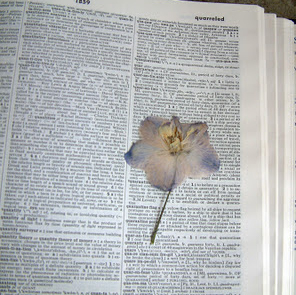
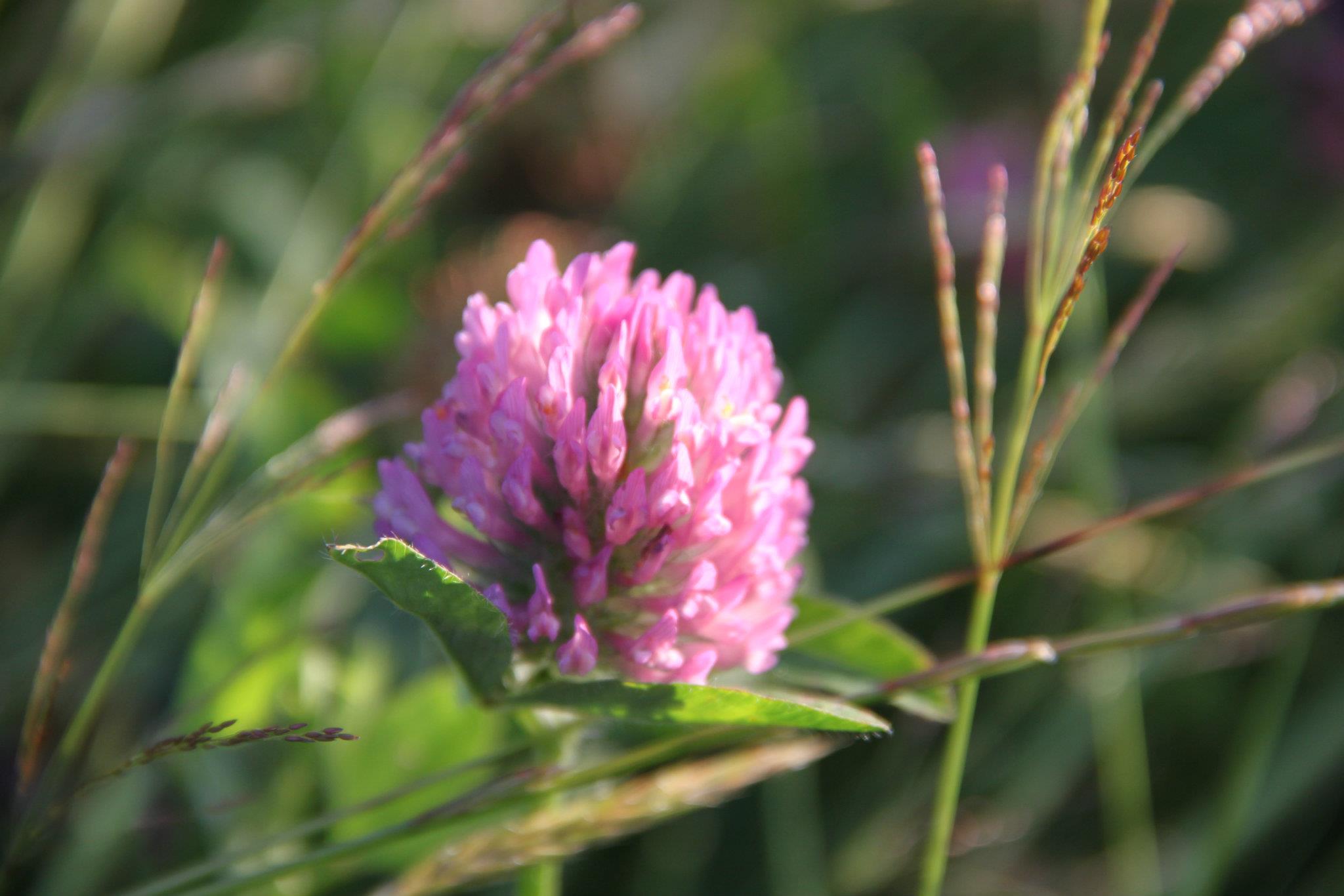
Wildflowers had been carefully pressed between the pages–over two dozen specimens paper thin themselves, their existence squeezed into two dimensions–still showing faint pink or blue, or purple color, almost exuding a long ago fragrance from a summer over fifty years ago. As a child I regularly wandered out to our fields and woods to gather crimson clover blossoms, buttercup, dandelions, daisies, wild violets, wild ginger, and (shame on me!) trillium and calypso lady slippers for bouquets for my mother, and she would select the most perfect to slide between the pages of the dictionary. Occasionally she would pull out one to gently paste on a hand written card she sent to a friend.

Here were my once perfect flowers, preserved and pressed for time, just waiting for the middle-aged me to rediscover them lying between wonderful words that I love to roll in my mouth and type on a page. They are too fragile to paste to a greeting card, or even to handle due to their brittleness. They need to stay right where they are, for another generation or two or three to discover.

I too am so pressed for time, becoming more fragile, perhaps more brittle than I care to admit. My mother and father are now blown away like the puff ball seeds of the dandelion, on to other horizons, but the sturdy old dictionary is going nowhere. It will be passed down, its delicate passengers preserved inside, a long ago far away summer afternoon of flower gathering to be shared as a great grandchild opens the book to look up a favorite word sometime in the not so far off future.dictionary2


The Ease That Belongs to Simplicity


sunset72114

sunset722148

There may be restrictions to a summer’s happiness,
but the ease that belongs to simplicity
is charming enough to make up for
whatever a simple life may lack…

~Sarah Orne Jewett from The Country of the Pointed Firs

sunset7221410

sunset722141edit

Solace for the Ordinary

potintilla

hydrangeavarigated

pnpbeachflower

Flowers seem intended for the solace of ordinary humanity.
~John Ruskin

wwumorningglory

farmflower

qalace

Weeds are flowers too,
once you get to know them.
~A.A. Milne

dandysunset17

lundebush

wwuflower

Flowers always make people better, happier, and more helpful;
they are sunshine, food and medicine for the soul.
~Luther Burbank
wwufrills
wwuflowerstalk
wwupetunia

Be Idle and Blessed

sunset62114

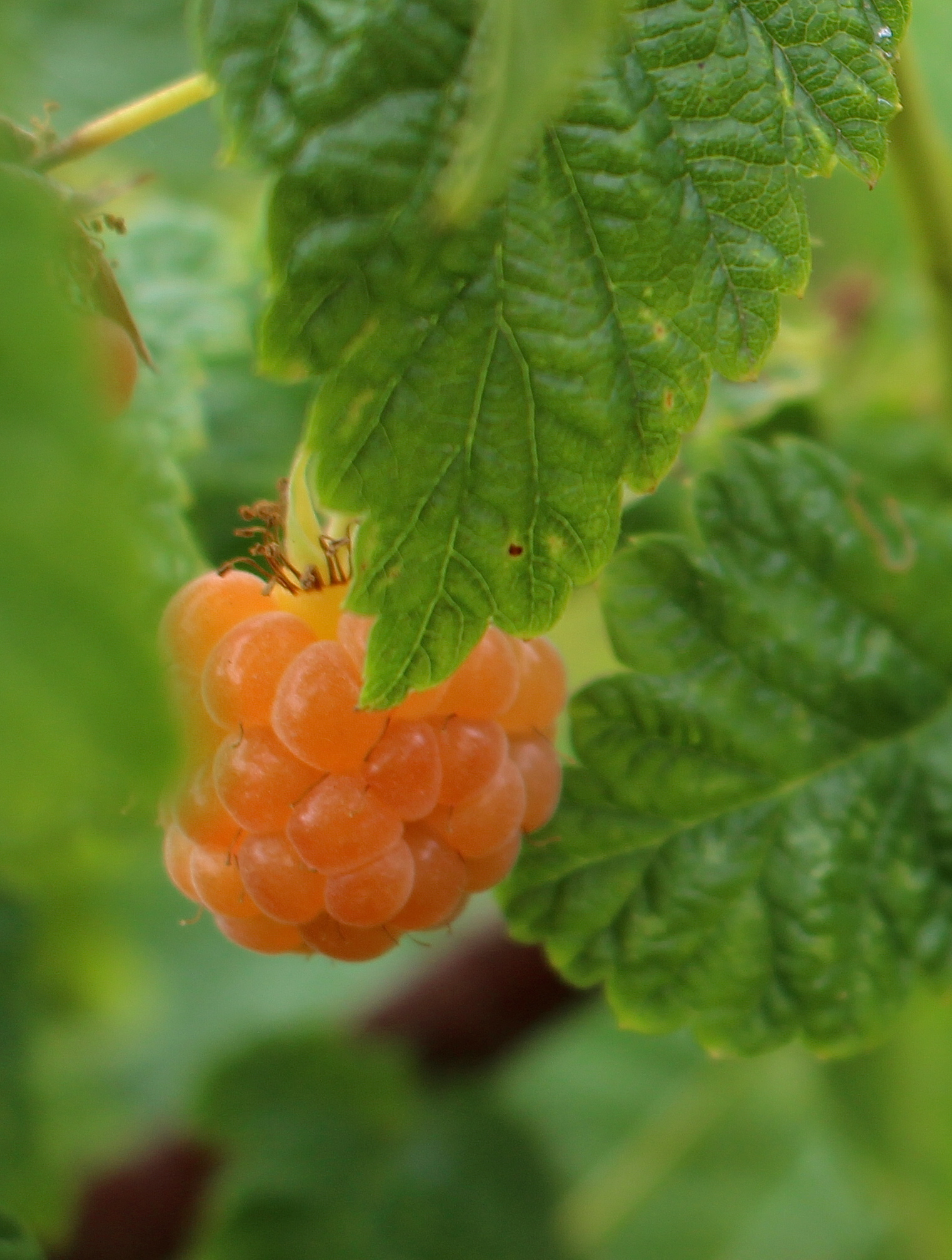
goldenraspberry

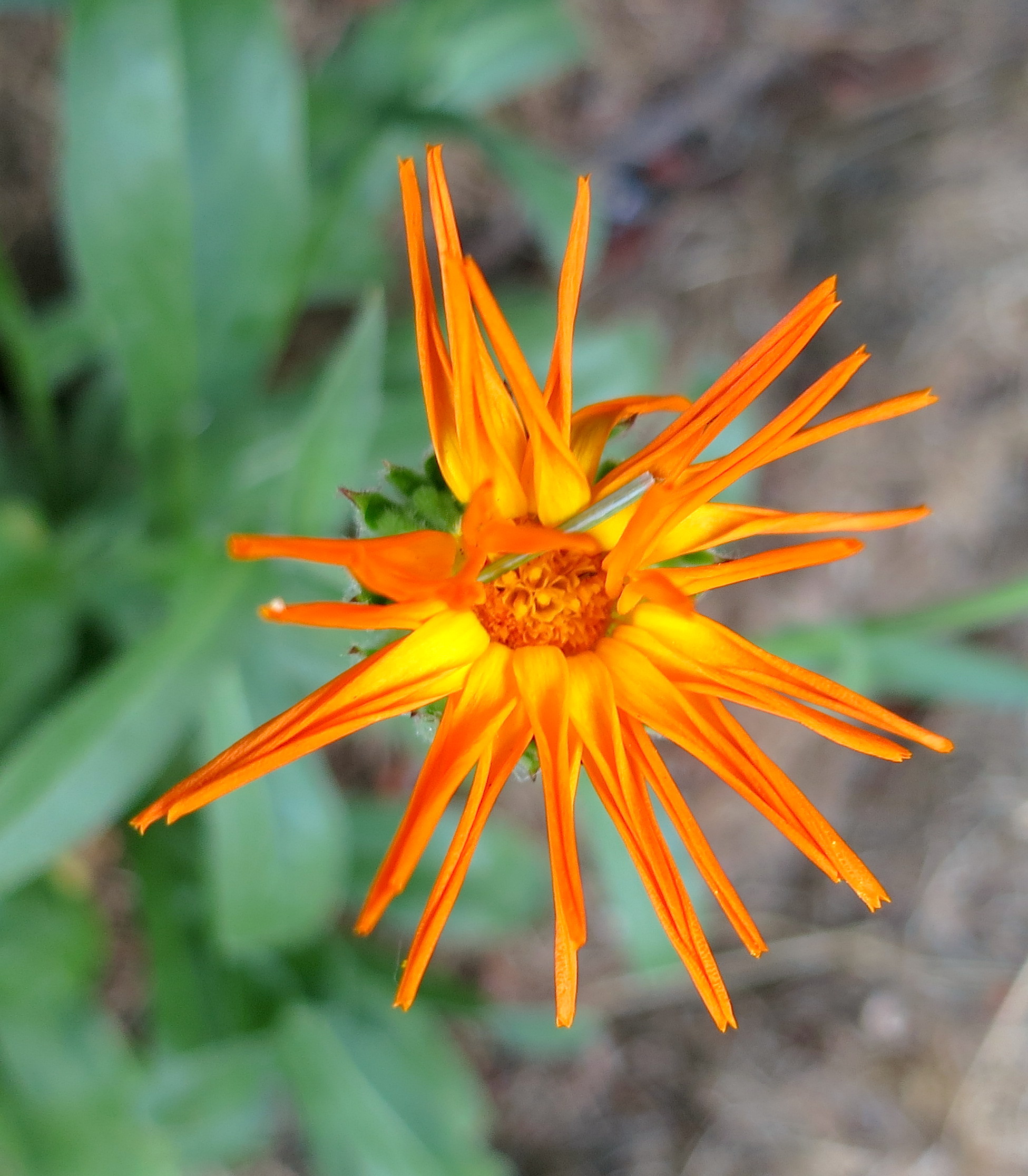
orangedaisy

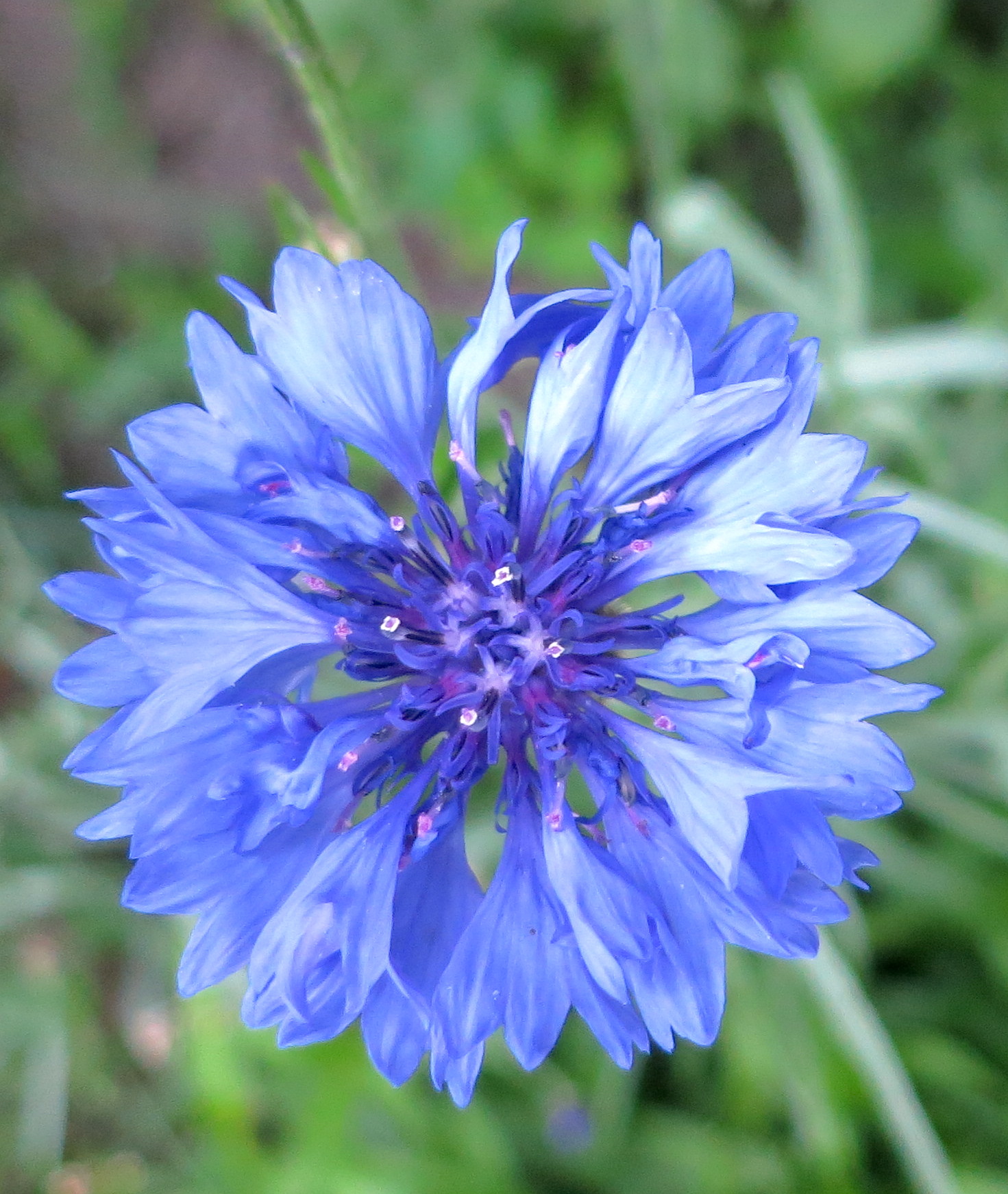
bluesteensma

sunset625144

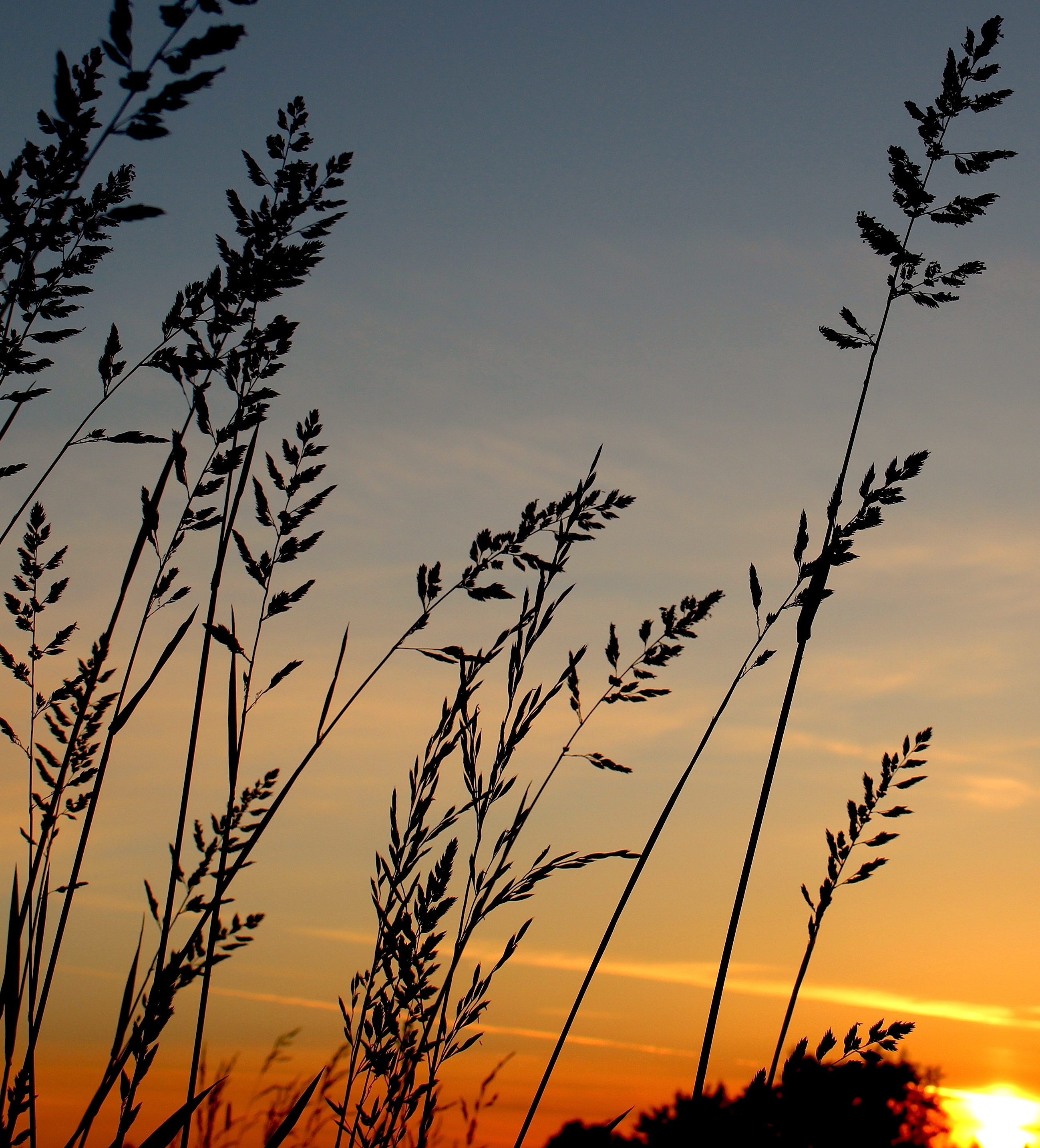
sunsetgrasses9

Who made the world?

I don’t know exactly what a prayer is.
I do know how to pay attention, how to fall down
into the grass, how to kneel in the grass,
how to be idle and blessed, how to stroll through the fields,
which is what I have been doing all day.
Tell me, what else should I have done?
Doesn’t everything die at last, and too soon?
Tell me, what is it you plan to do
With your one wild and precious life?
~Mary Oliver from “The Summer Day”

eveningbush

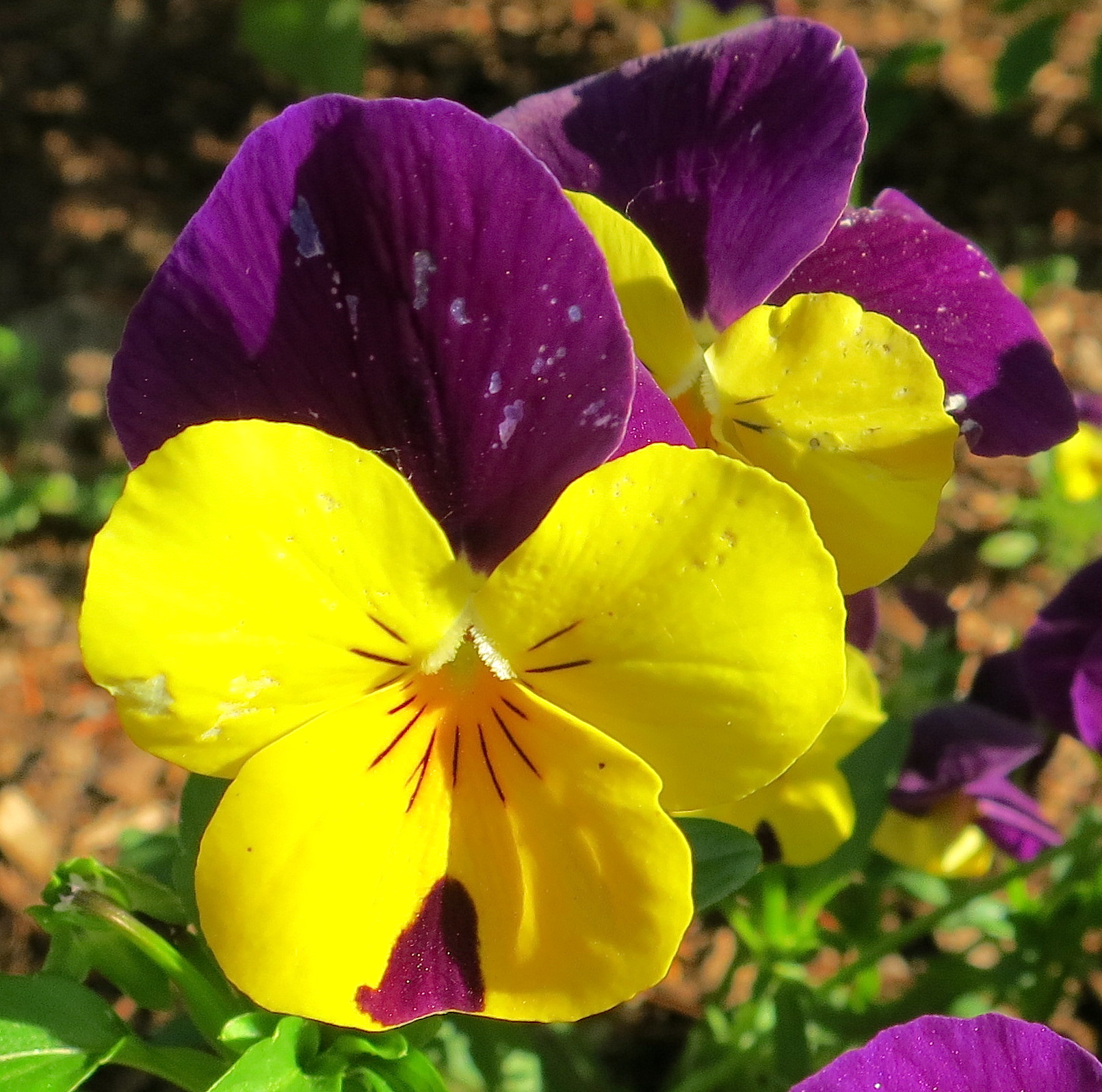
pansycloseup

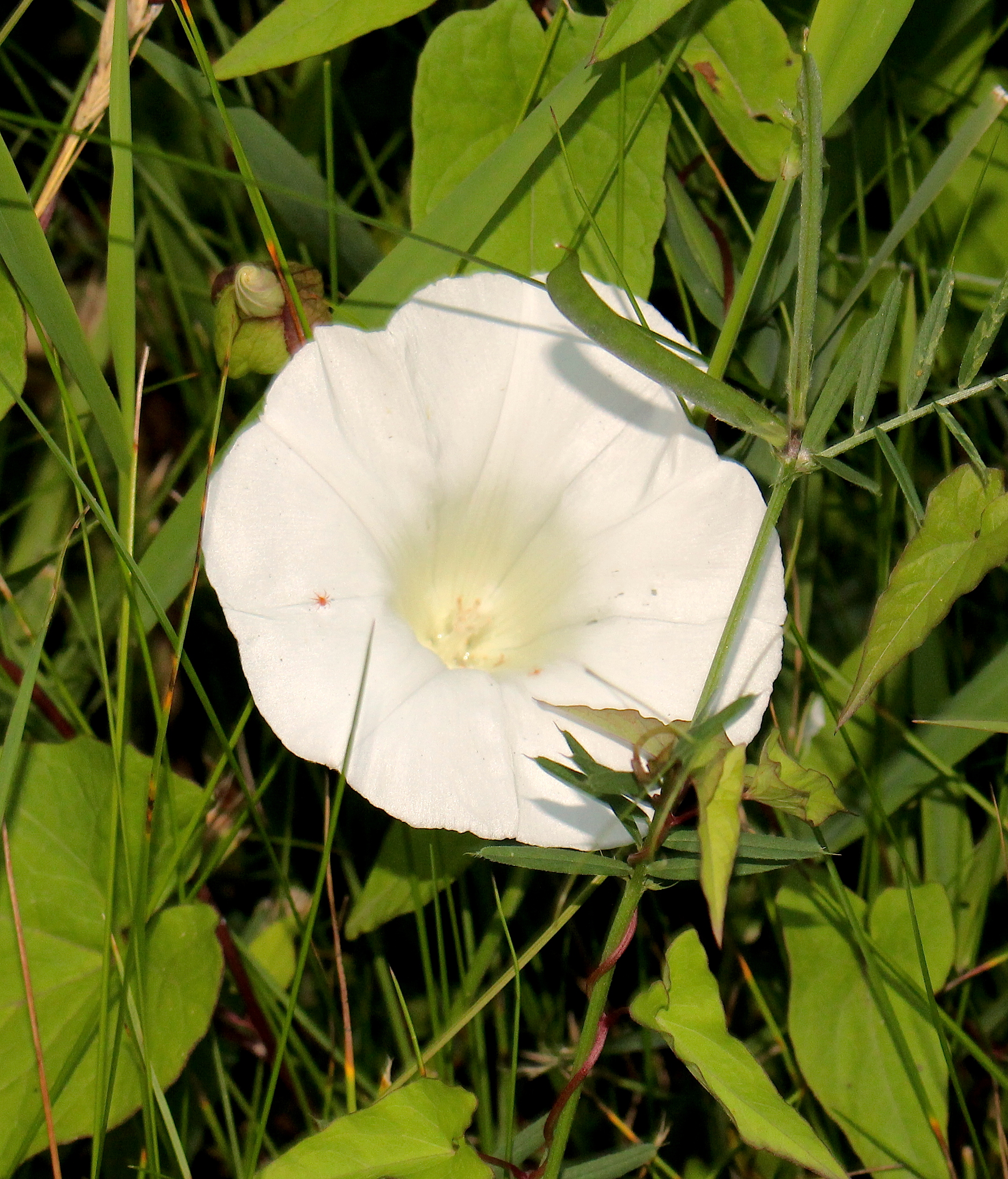
morningglory

farmflower2

qalace3

sunsetgrasses10

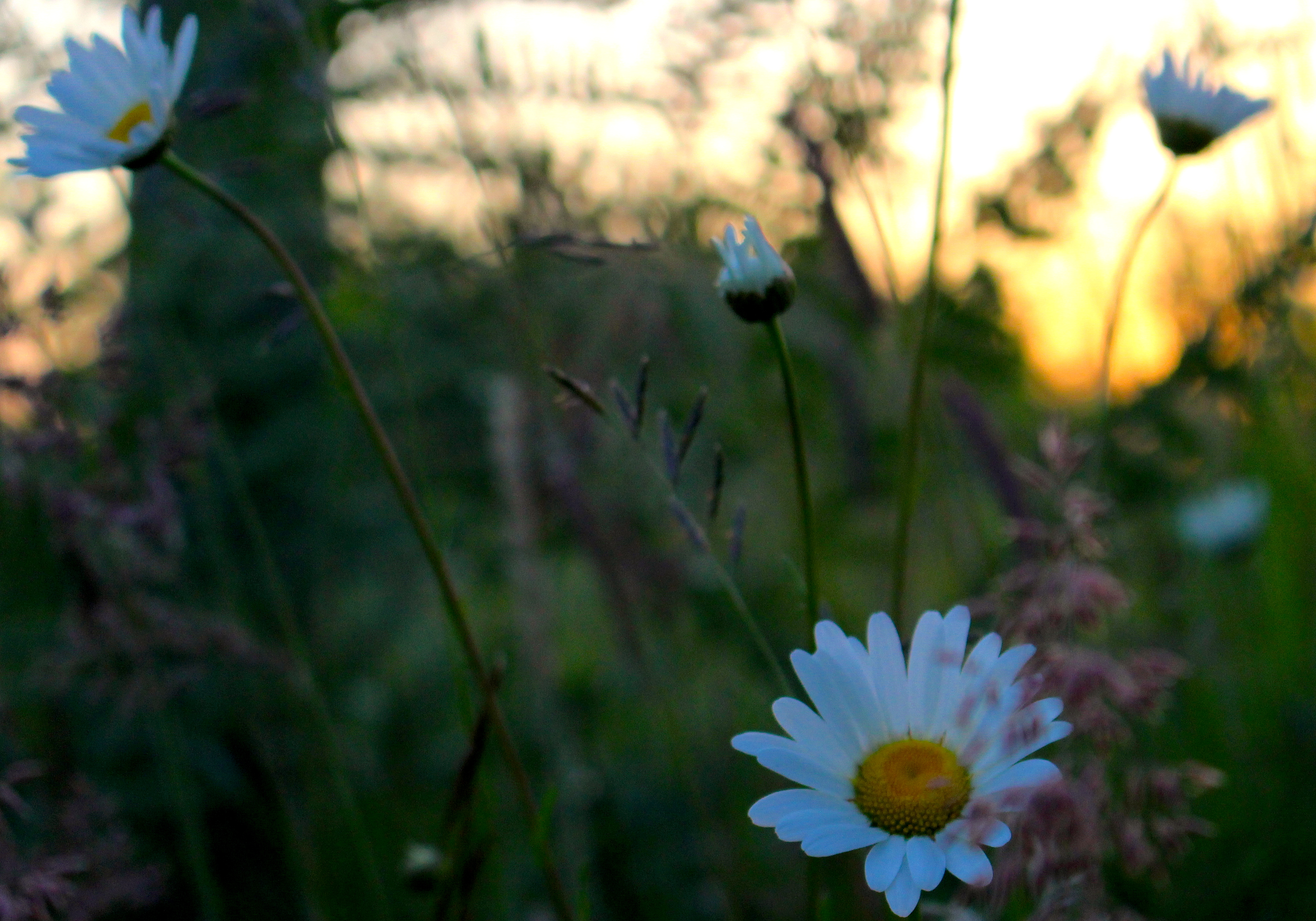
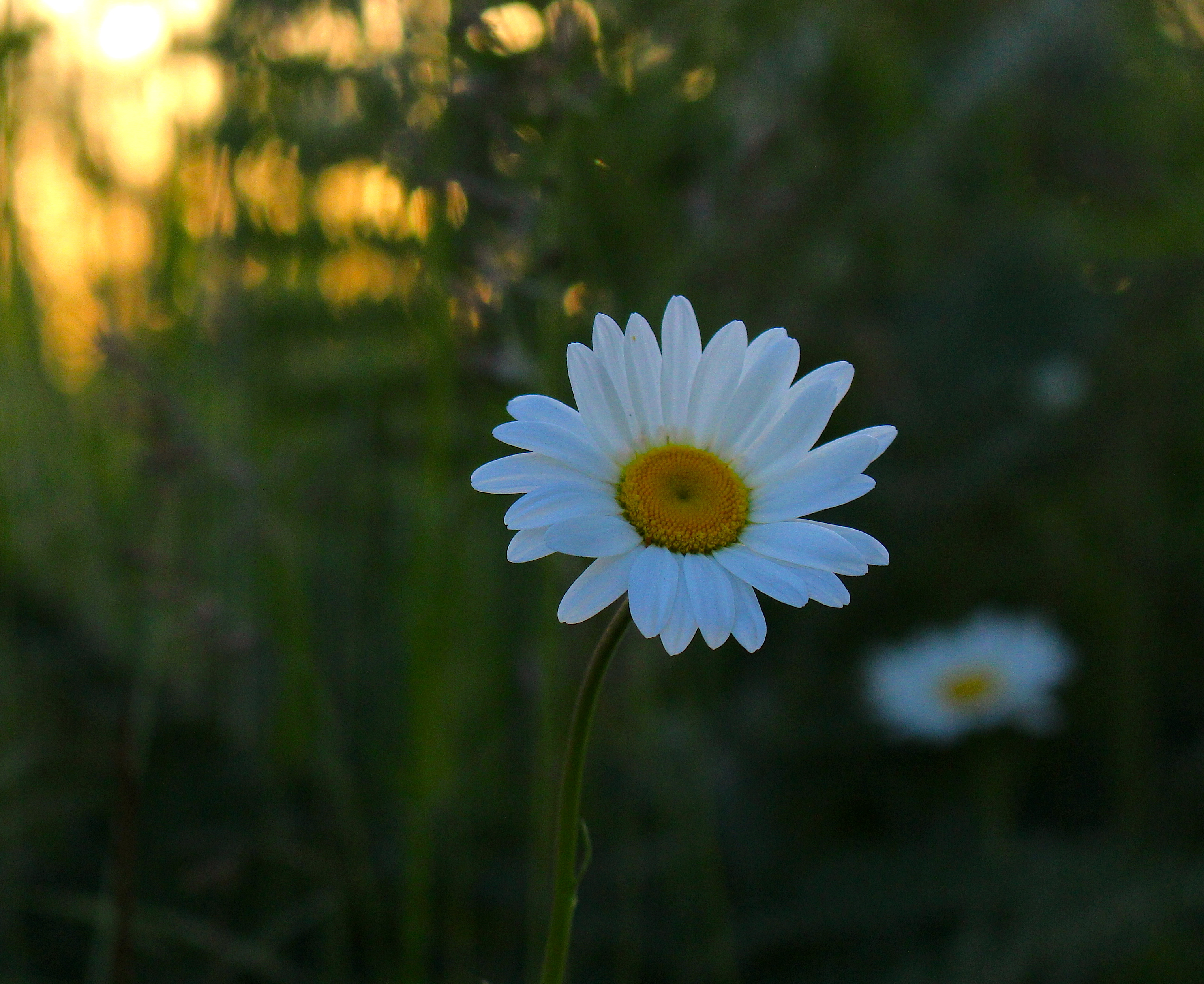
Daisy Dawn

daisydawn3

…perhaps God is strong enough to exult in monotony.
It is possible that God says every morning, “Do it again” to the sun;
and every evening, “Do it again” to the moon.
It may not be automatic necessity that makes all daisies alike;
it may be that God makes every daisy separately,
but has never got tired of making them.
~G.K. Chesterton

daisydawn4

There is a flower, a little flower
With silver crest and golden eye,
That welcomes every changing hour,
And weathers every sky.
~James Montgomery

daisydawn2

Over the shoulders and slopes of the dune
I saw the white daisies go down to the sea,
A host in the sunshine, an army in June,
The people God sends us to set our heart free.
~William Bliss Carman

daisydawn7

See, the grass is full of stars,
Fallen in their brightness;
Hearts they have of shining gold,
Rays of shining whiteness.
~Marjorie Pickthall from “Daisy Time”
daisydawn6

Opened Arms

irisinnard

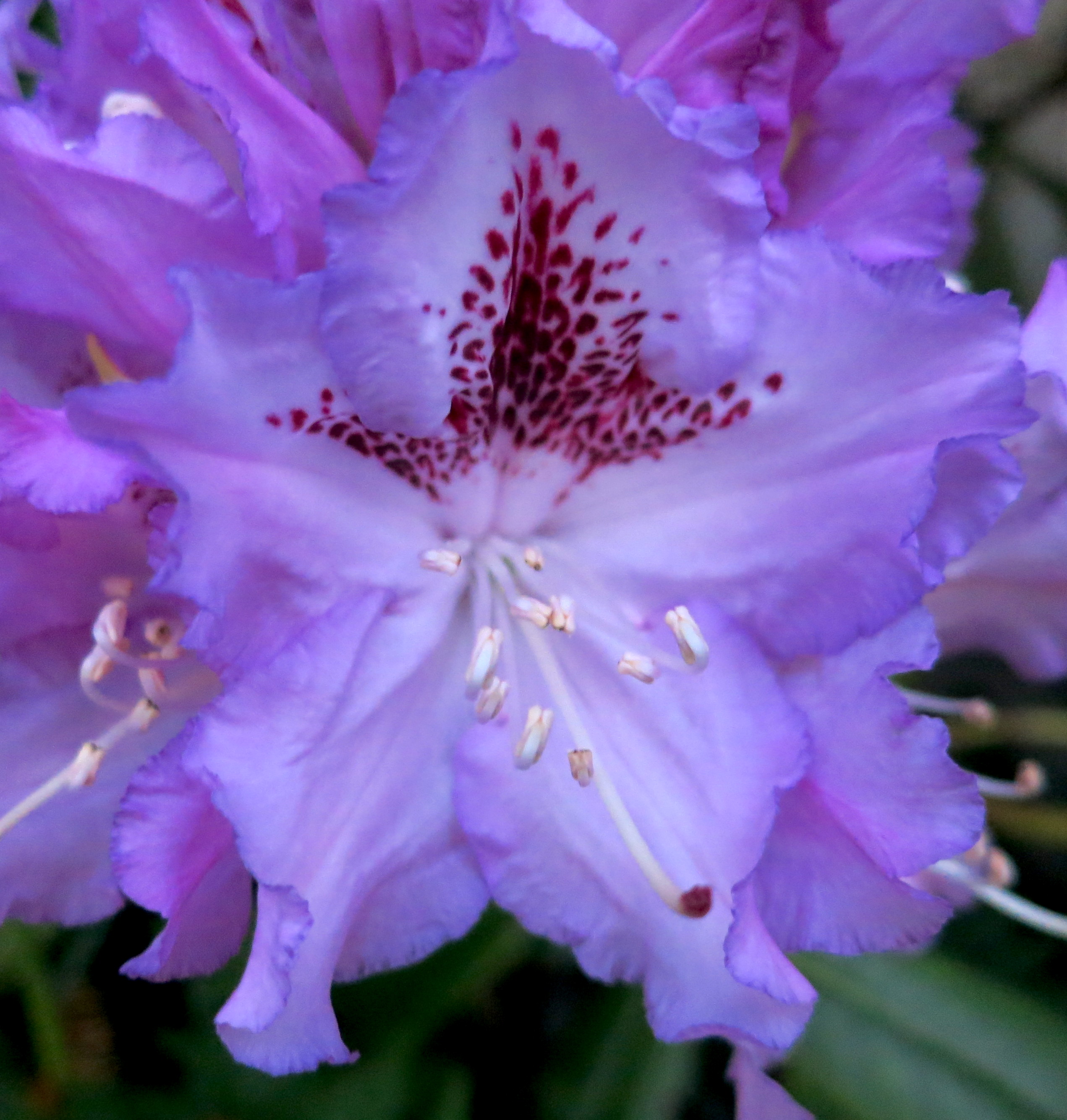
purplerhod

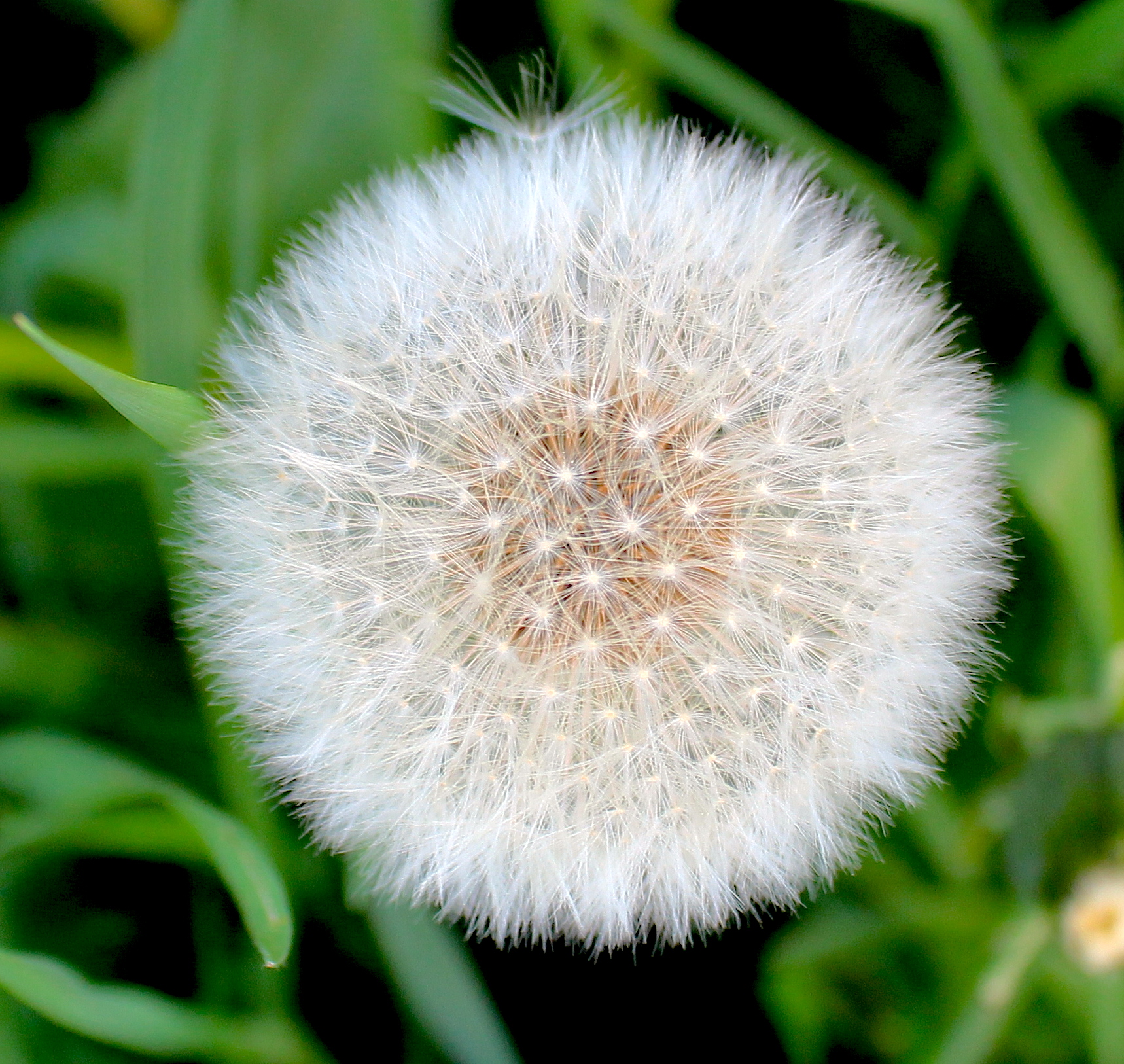
dandydo

Just as we lose hope
she ambles in,
a late guest
dragging her hem
of wildflowers,
her torn
veil of mist,
of light rain,
blowing
her dandelion
breath
in our ears;
and we forgive her,
turning from
chilly winter
ways,
we throw off
our faithful
sweaters
and open
our arms.
~Linda Pastan “Spring”

deepredrhody

rosycenter

fullpeony

dogwood dandy

The Gift of a Fencerow

oldfence

barbedwire

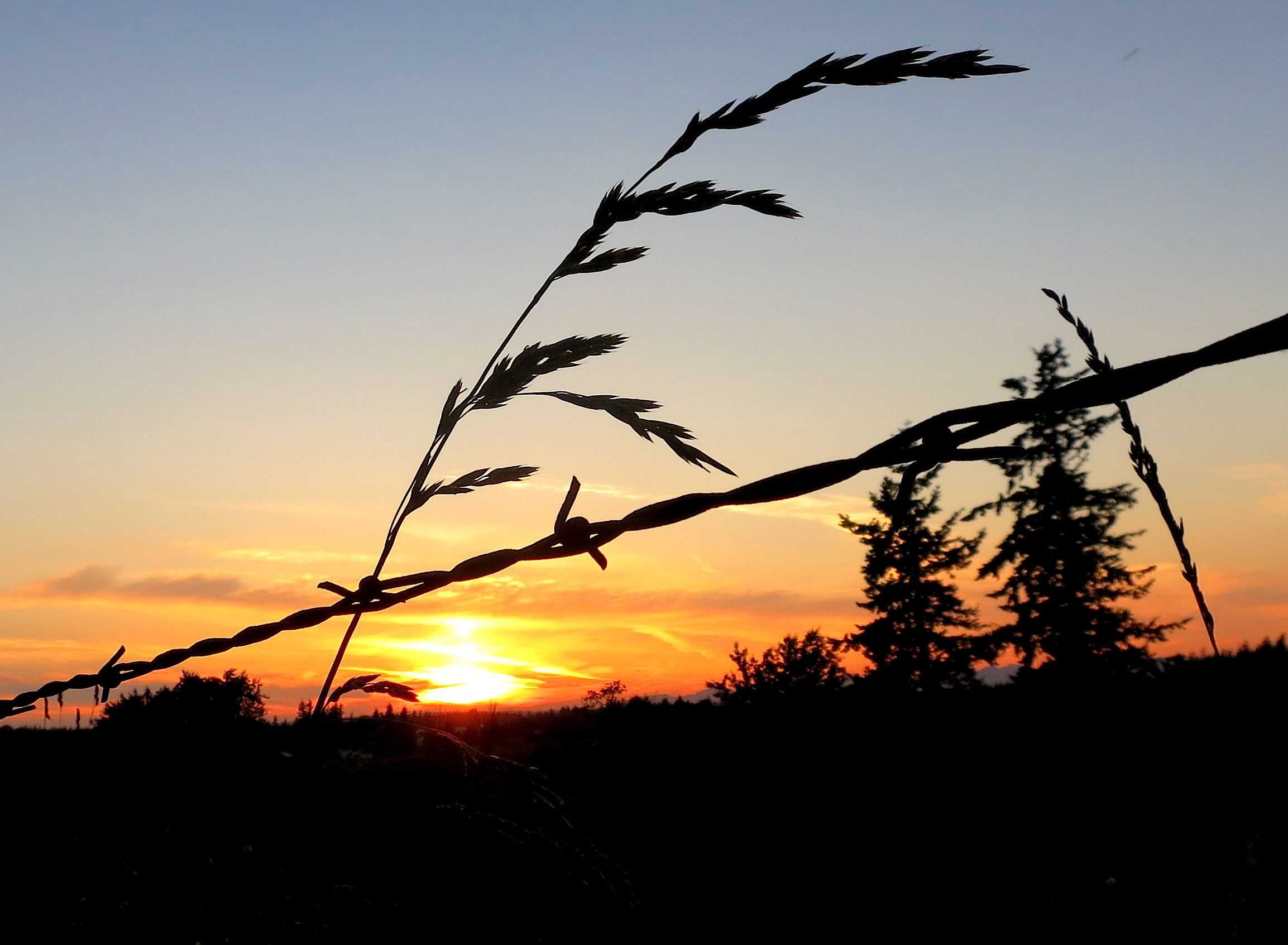
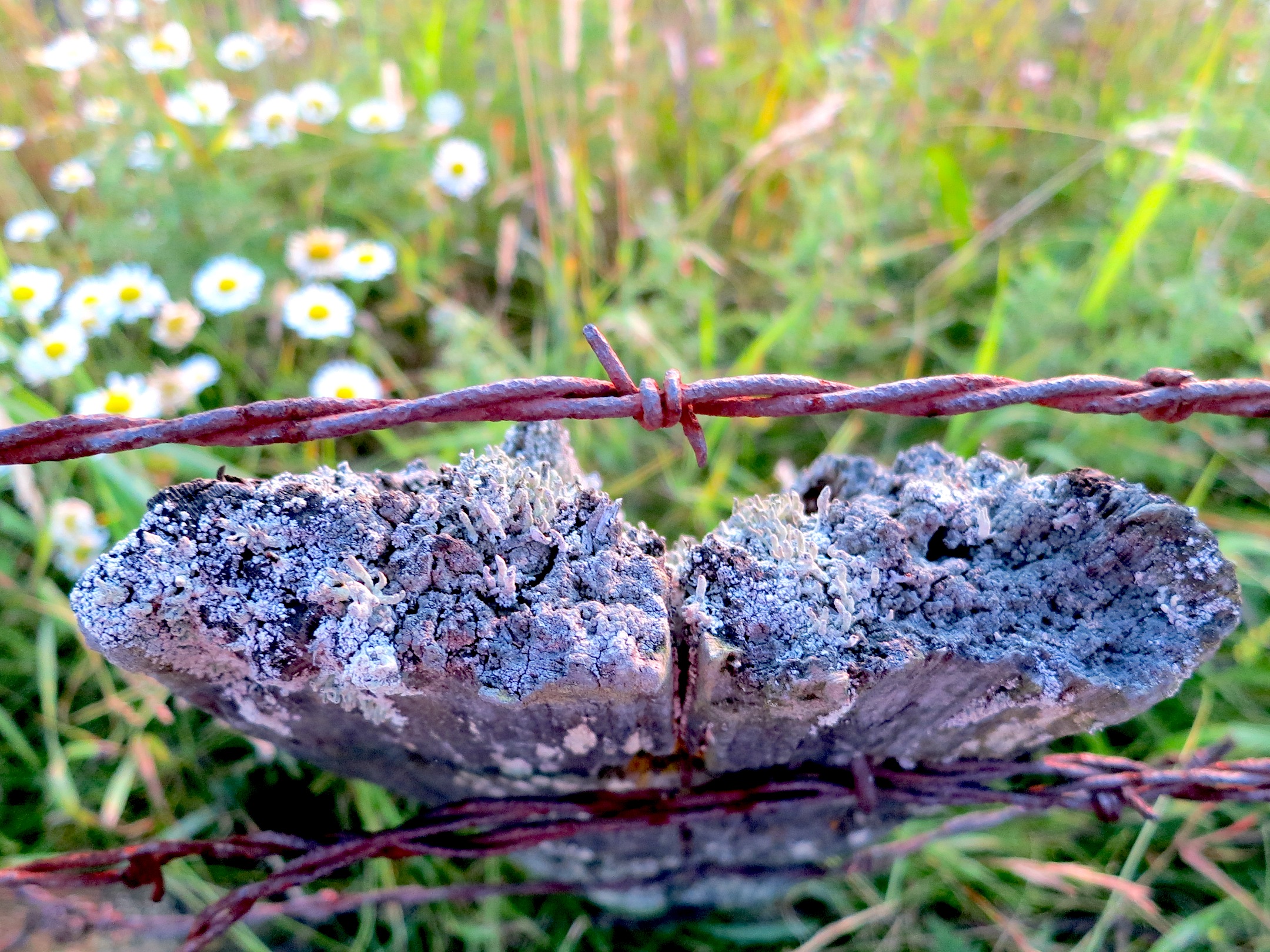
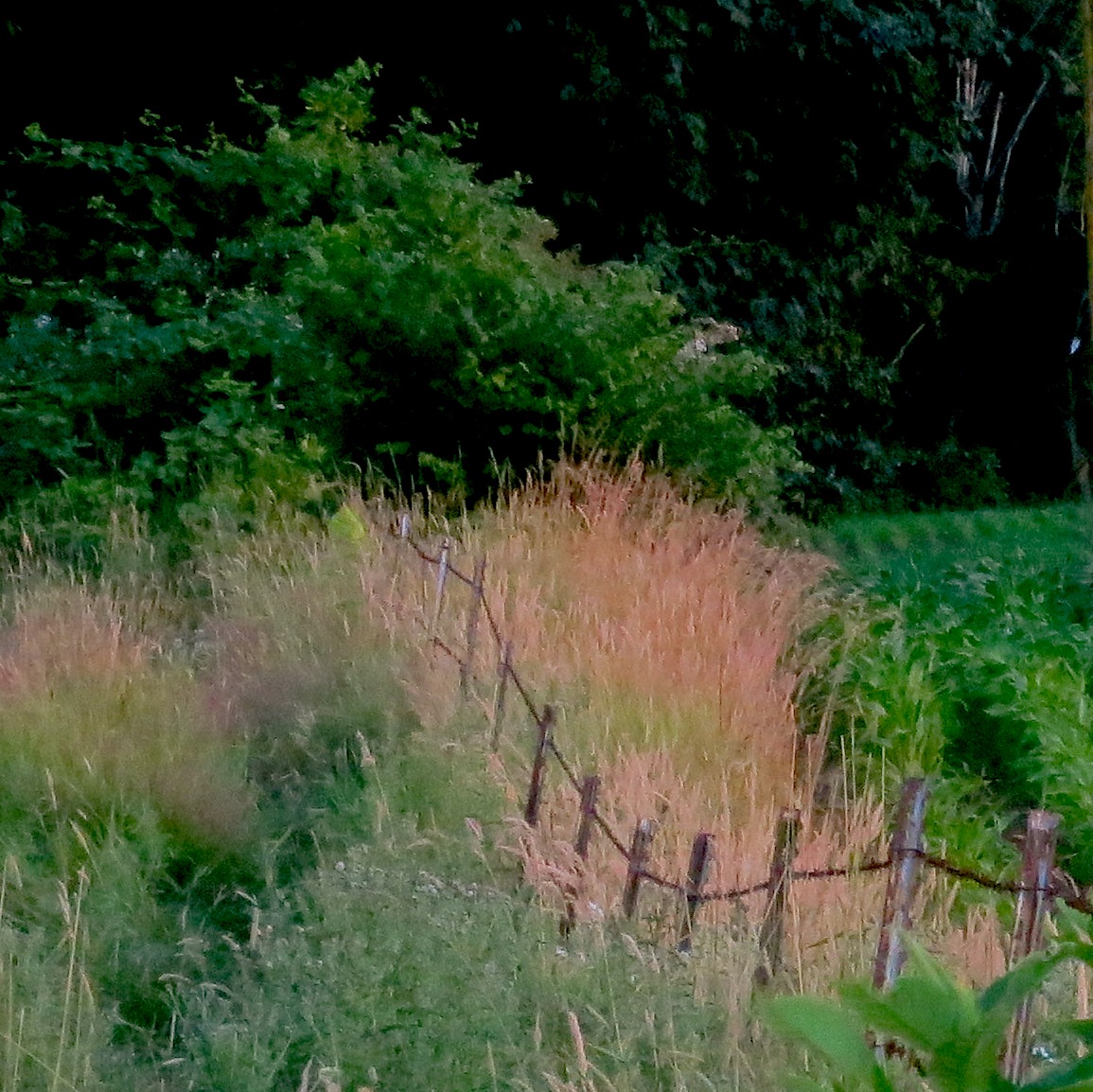
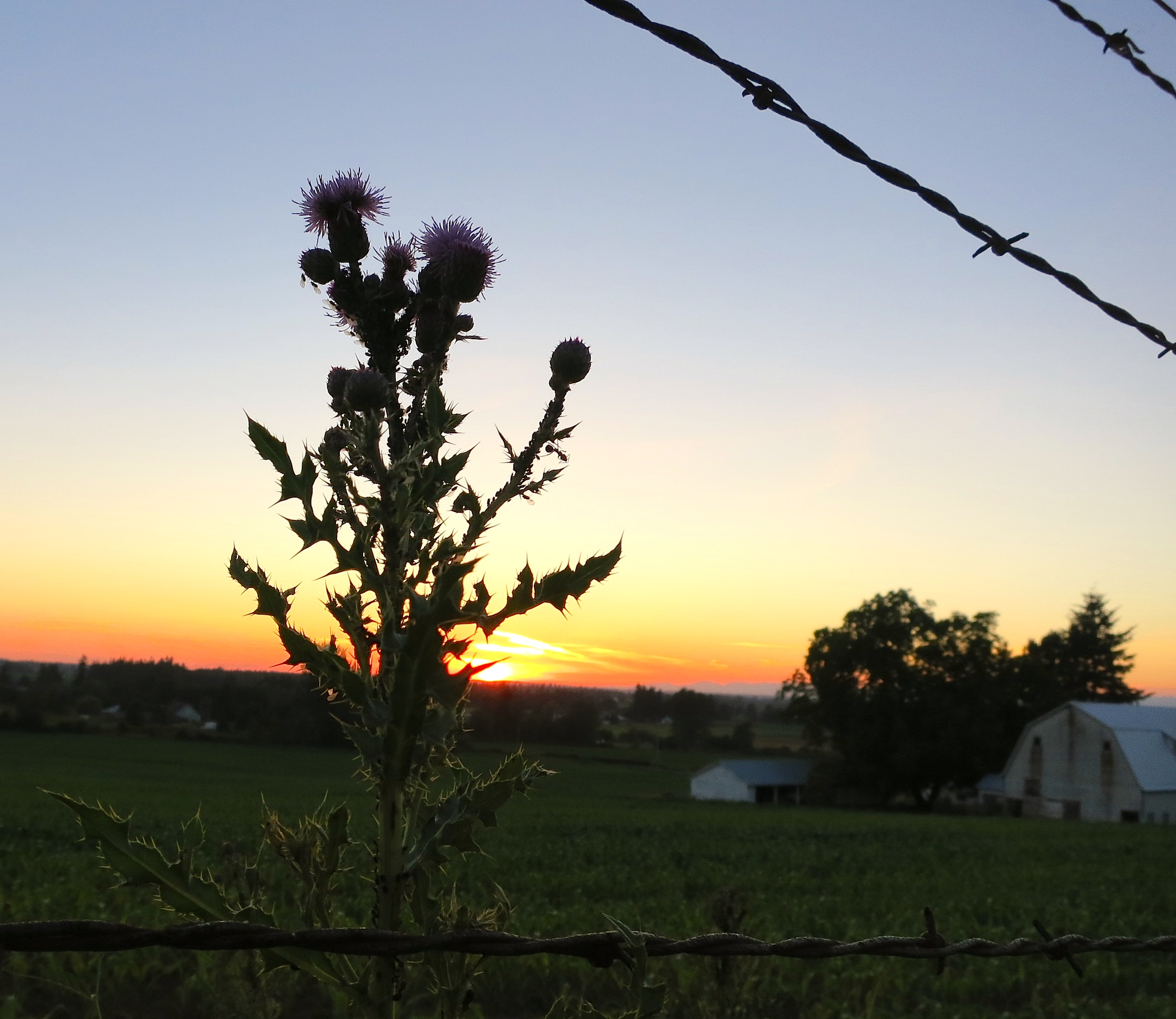
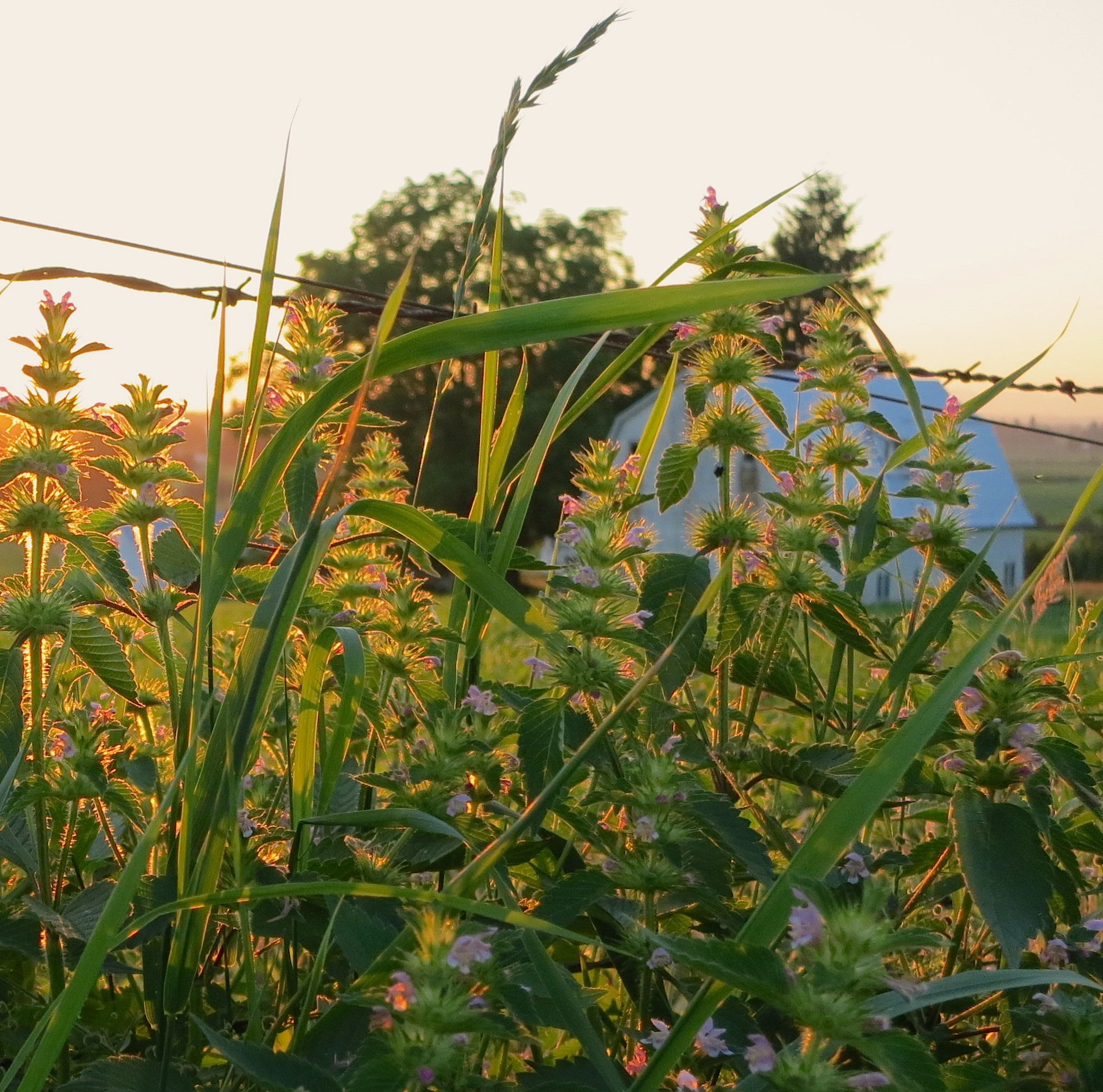
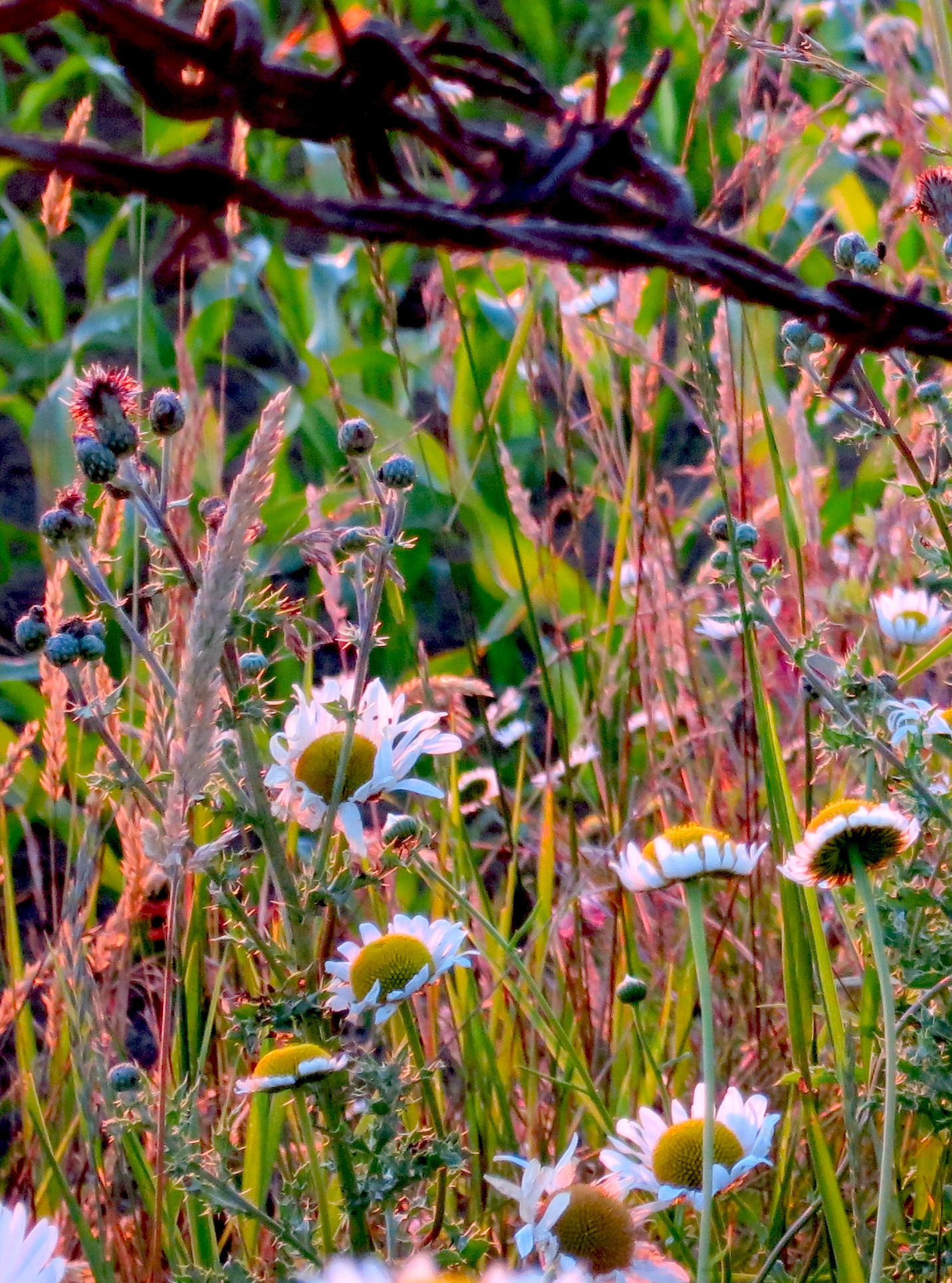
Brushy fencerows are in a sense a gift from man to nature — at least if, after the posts are dug in and the fence stapled to the posts, nature is given some free reign. Birds sitting on the fence and posts will pass undigested seeds in their droppings. Some of these seeds of blackberry, wild cherry, elderberry, bittersweet, sassafras, mulberry, and unfortunately, in some areas, multiflora rose, will take root in the loose soil around the posts and later in soil dug up by woodchucks. Chipmunks scurrying along the fence will bring and bury acorns and hickory nuts, while the wind will deliver dandelion, milkweed, and thistle seeds — all ingredients for a healthy fencerow.
~David Kline from Great Possessions

sunsetthistlebarbsunsetweedsbarnbarbeddaisy

Summer’s Wild Inventions

photo by Nate Gibson

One day in summer
when everything
has already been more than enough
the wild beds start
exploding open along the berm
of the sea; day after day
you sit near them; day after day
the honey keeps on coming
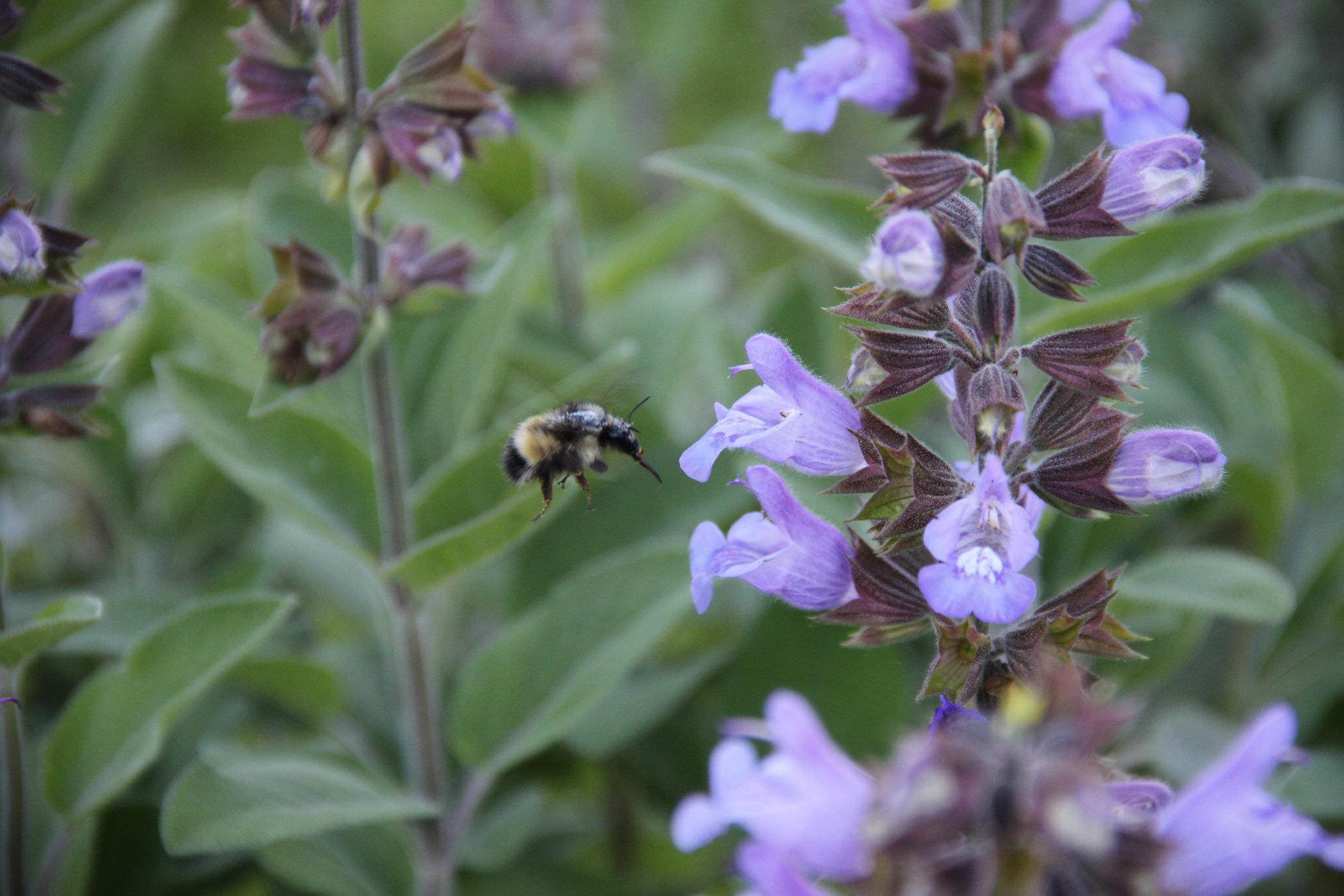
in the red cups and the bees
like amber drops roll
in the petals: there is no end,
believe me! to the inventions of summer,
to the happiness your body
is willing to bear.

– Mary Oliver “The Roses”

photo by Nate Gibson

The Way We Long To Be

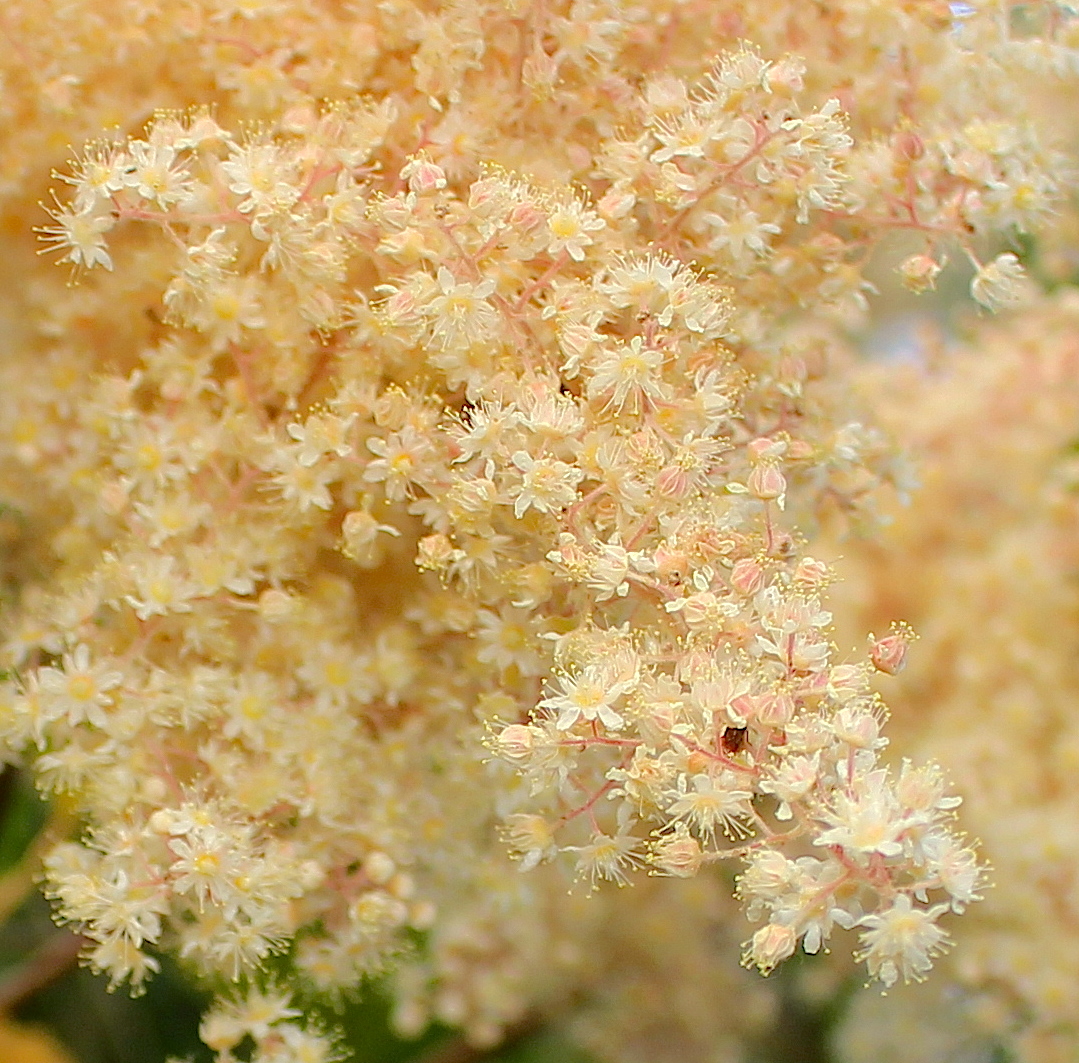
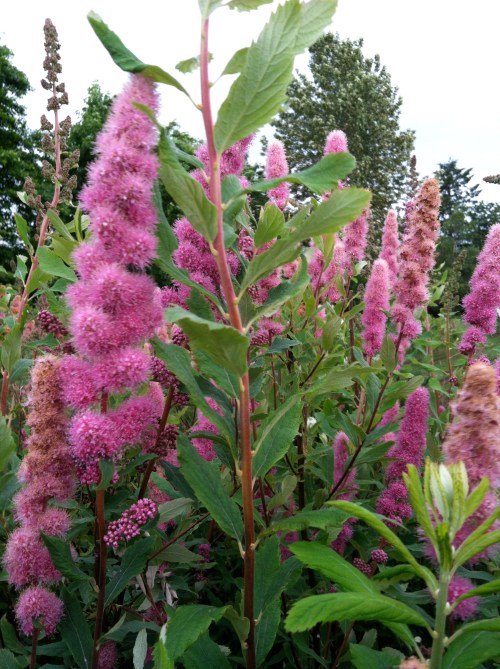
spiraea douglasii

“I had a dog
who loved flowers.
Briskly she went
through the fields,
…and easily
she adored
every blossom

not in the serious
careful way
that we choose
this blossom or that blossom

the way we praise or don’t praise –
the way we love
or don’t love –
but the way

we long to be –
that happy
in the heaven of earth –
that wild, that loving.”
—Mary Oliver

Why do we not feel the joie de vivre, the ebullience and fullness of every moment?  What makes us hide ourselves rather than join the walk in the garden in the cool of the day? What makes us choose this blossom or that, this tree or that, this fruit or that, judging good, better and best?  What has happened to wild loving appreciation of the heaven of earth?

We gave it up for one taste.  Lost heaven and regretted it immediately.

Now joie de vivre awaits, beyond this, above this.  Invited, all expenses paid, unearned, back to the way we long to be.

It’s loving that wild.

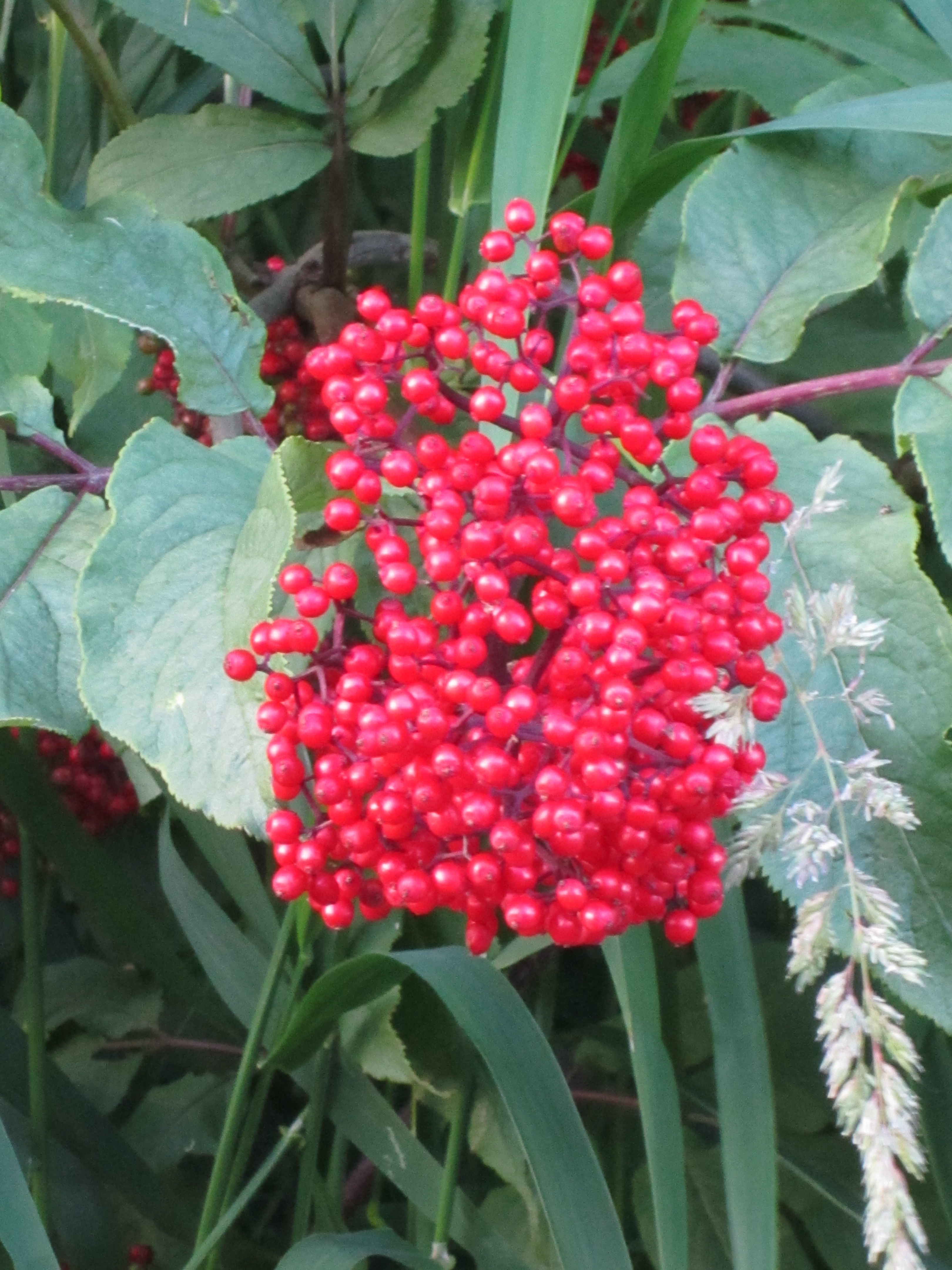
Elderberry