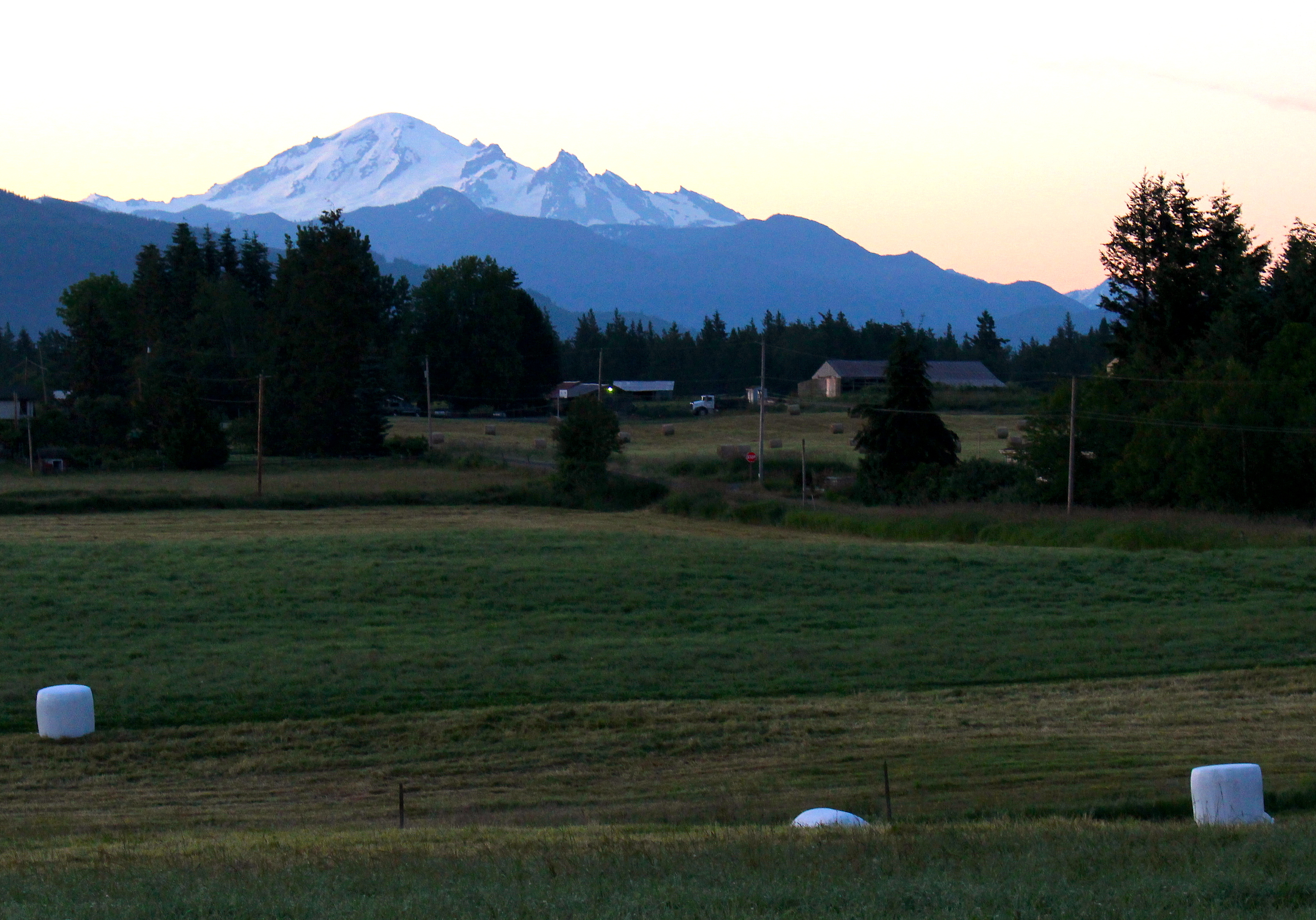
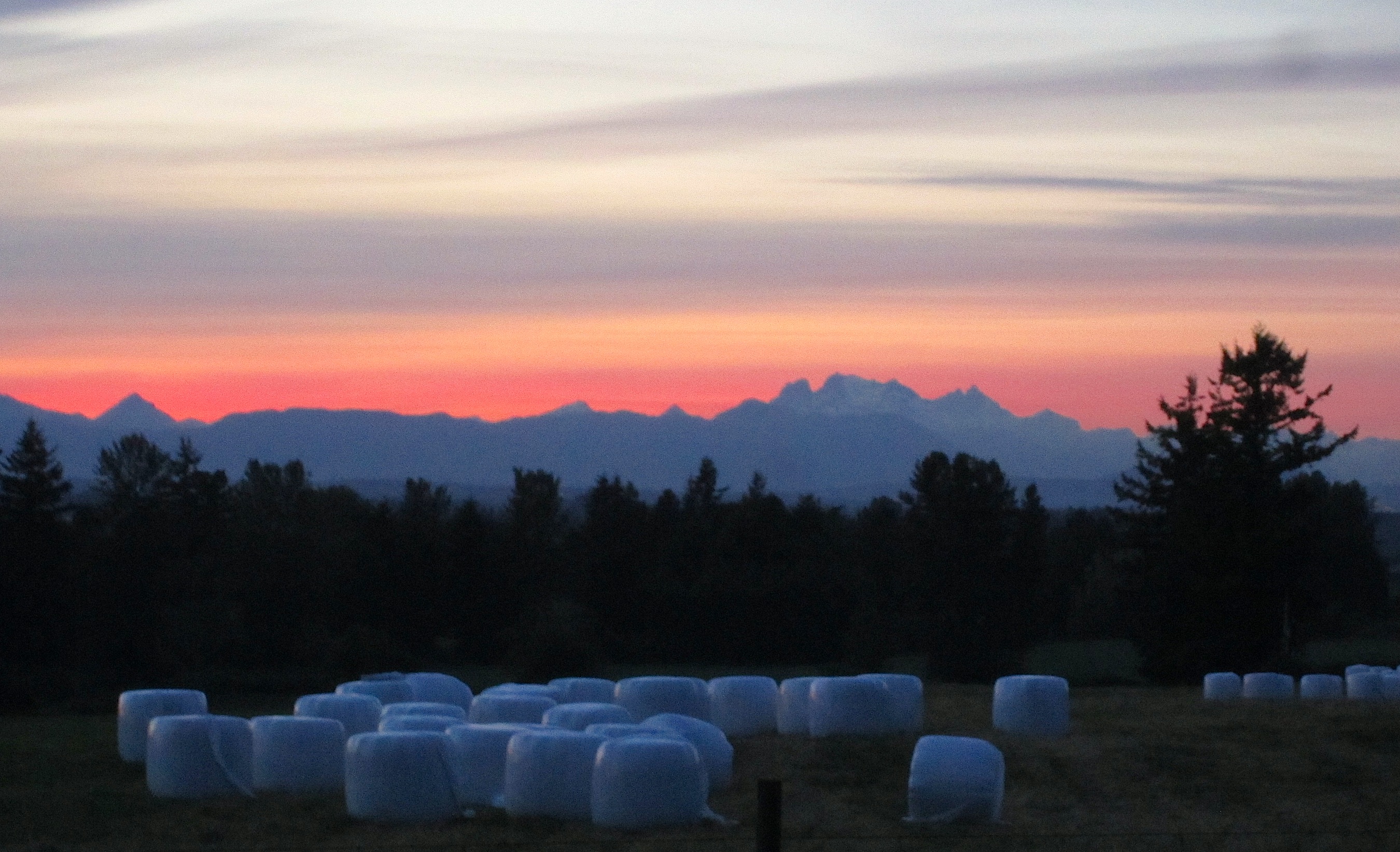
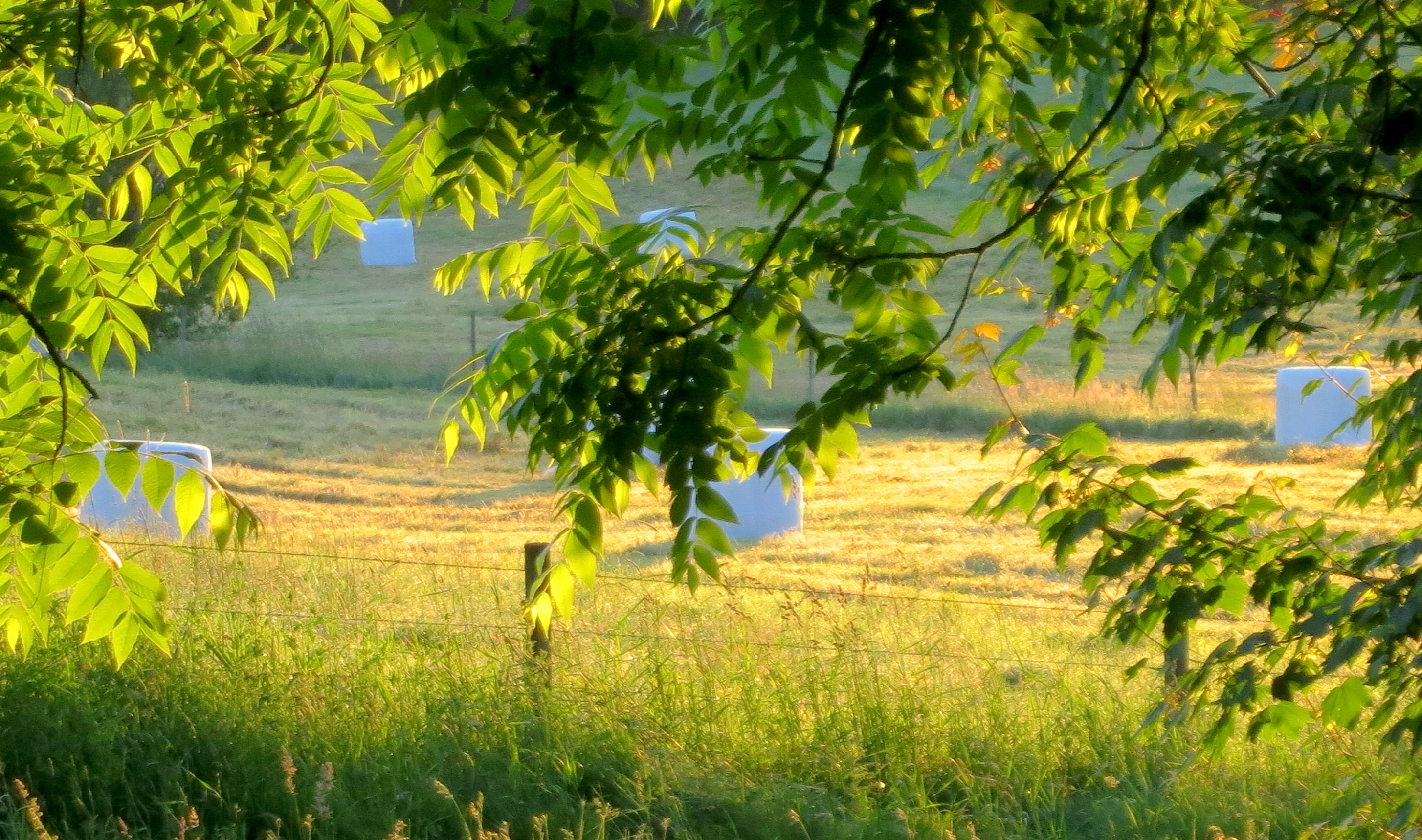
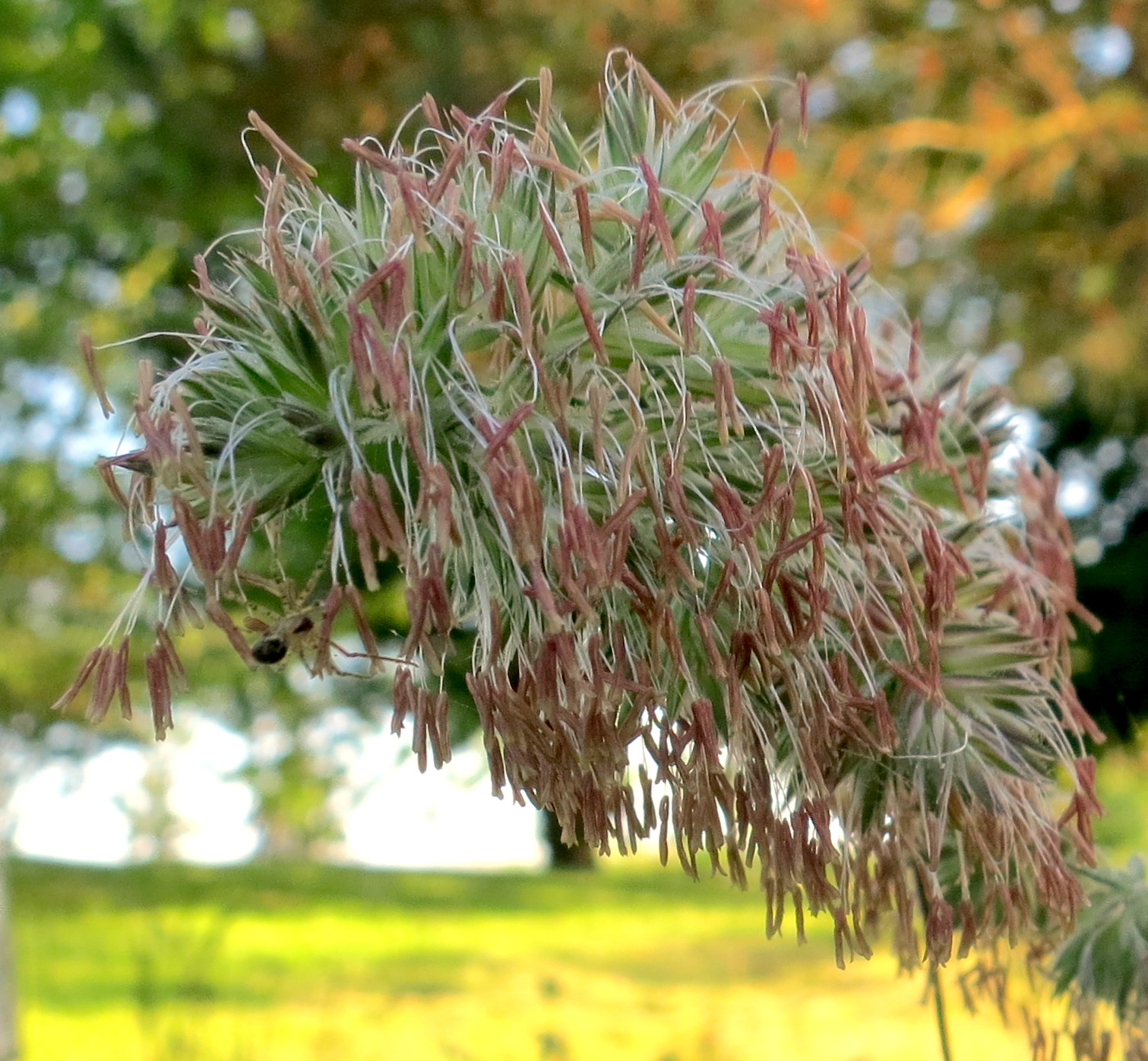
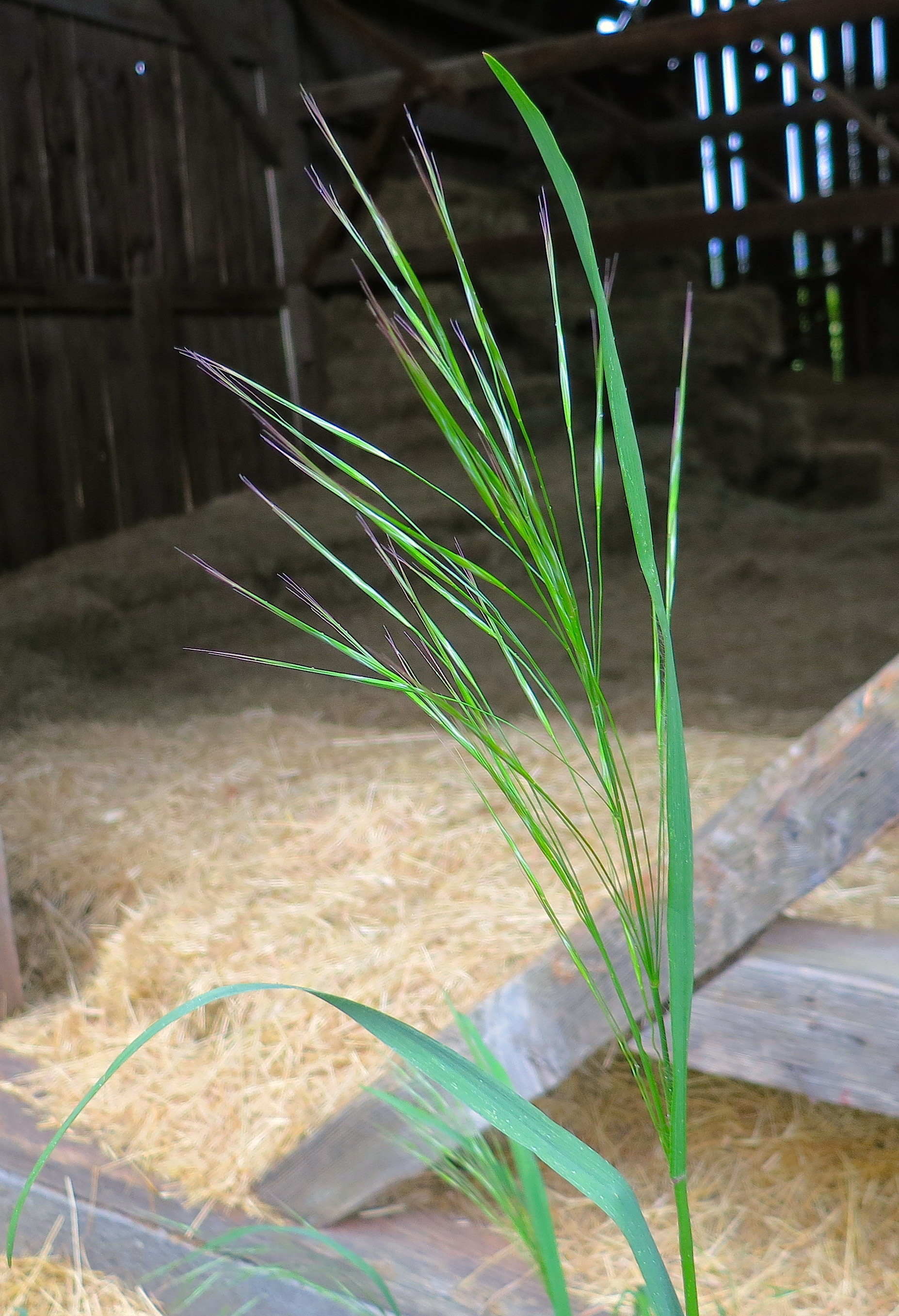
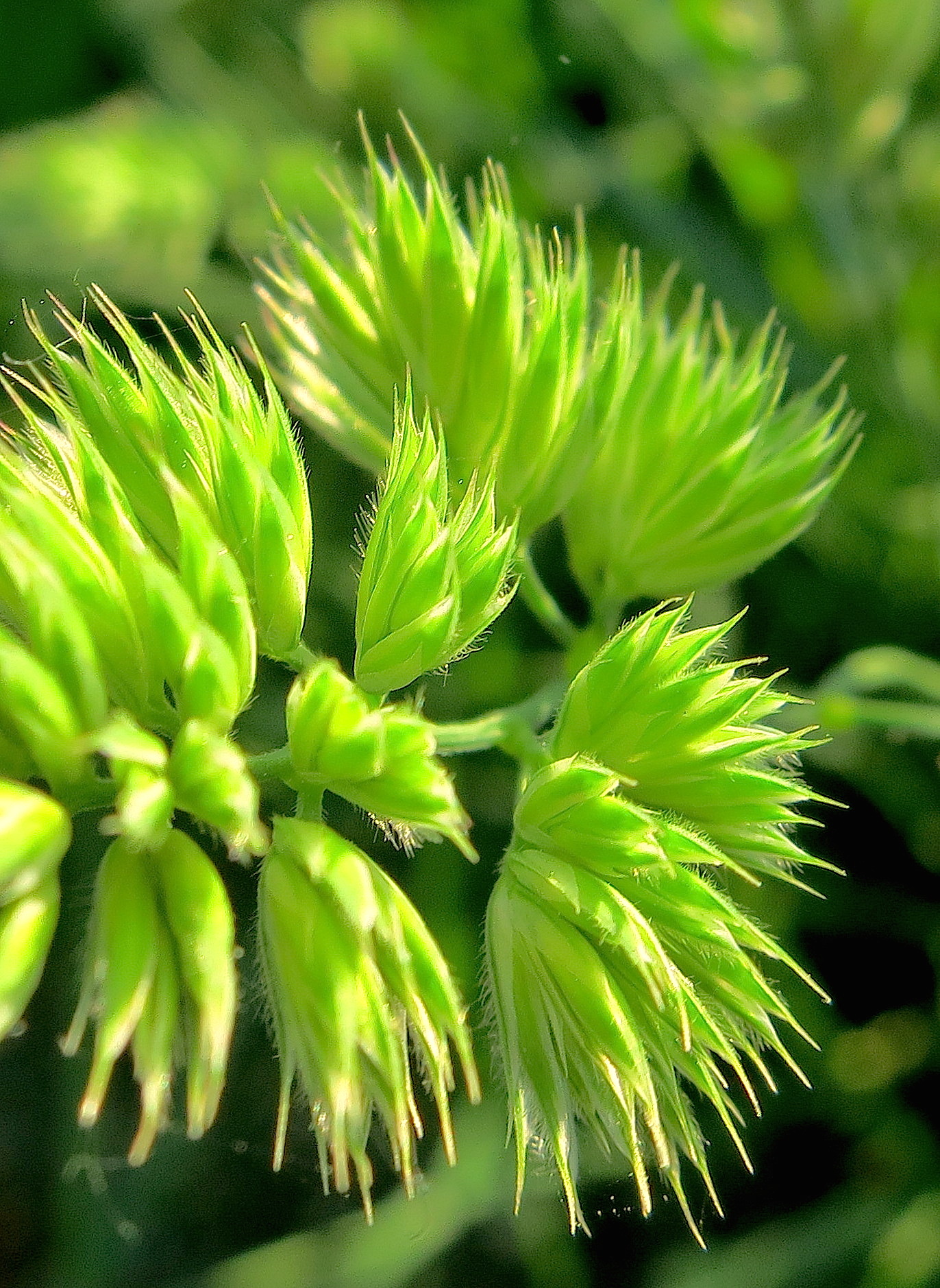
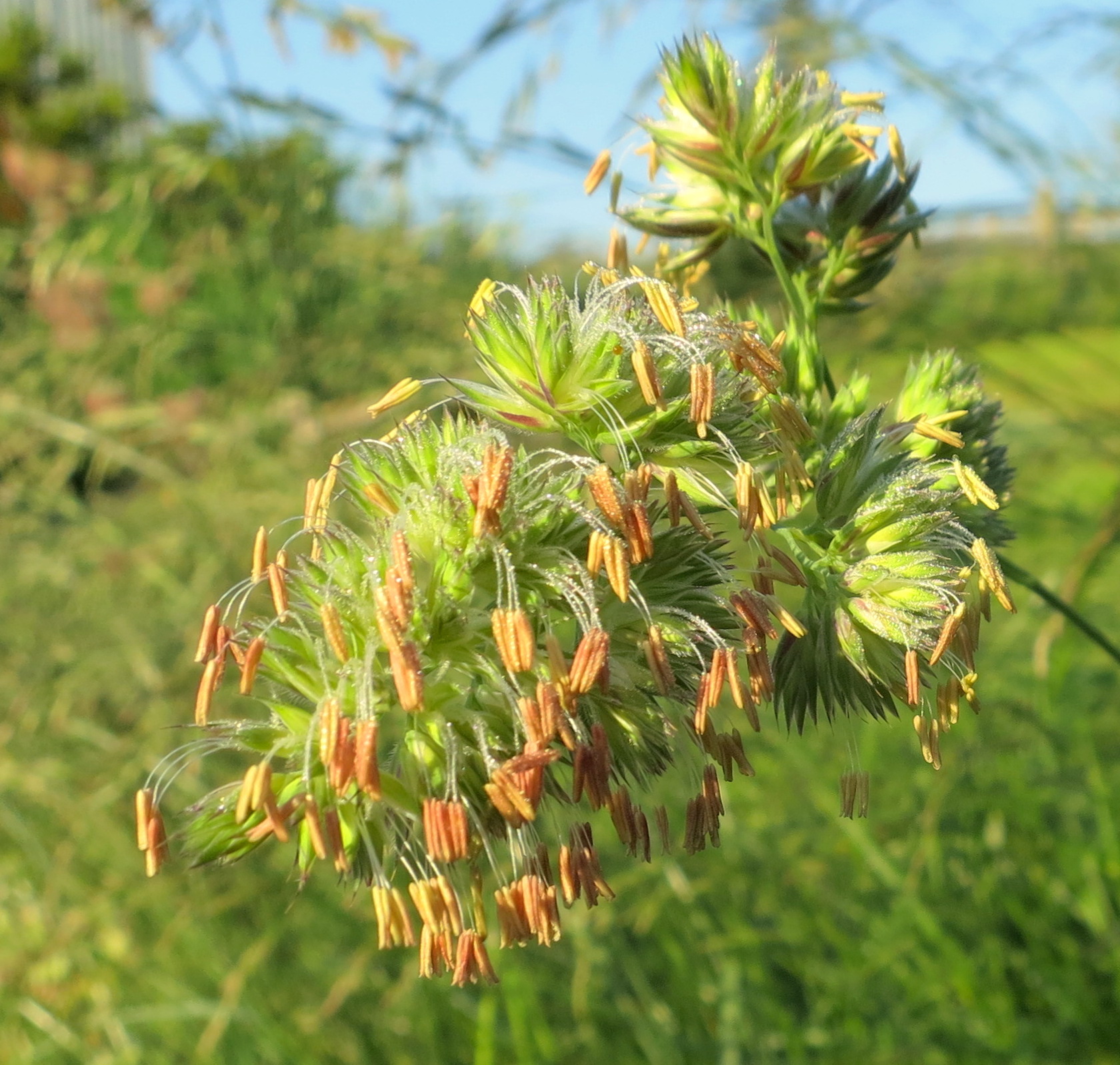
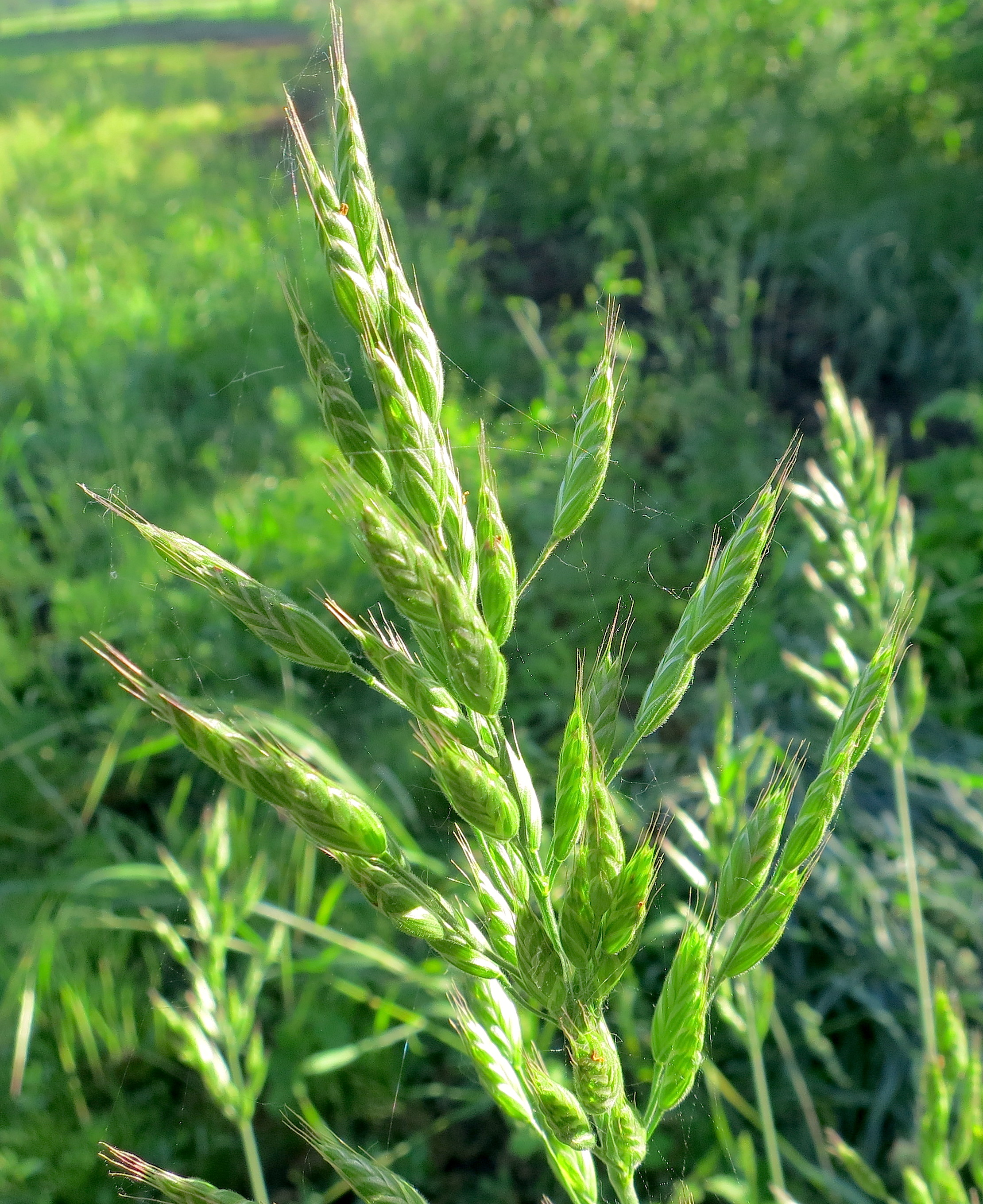
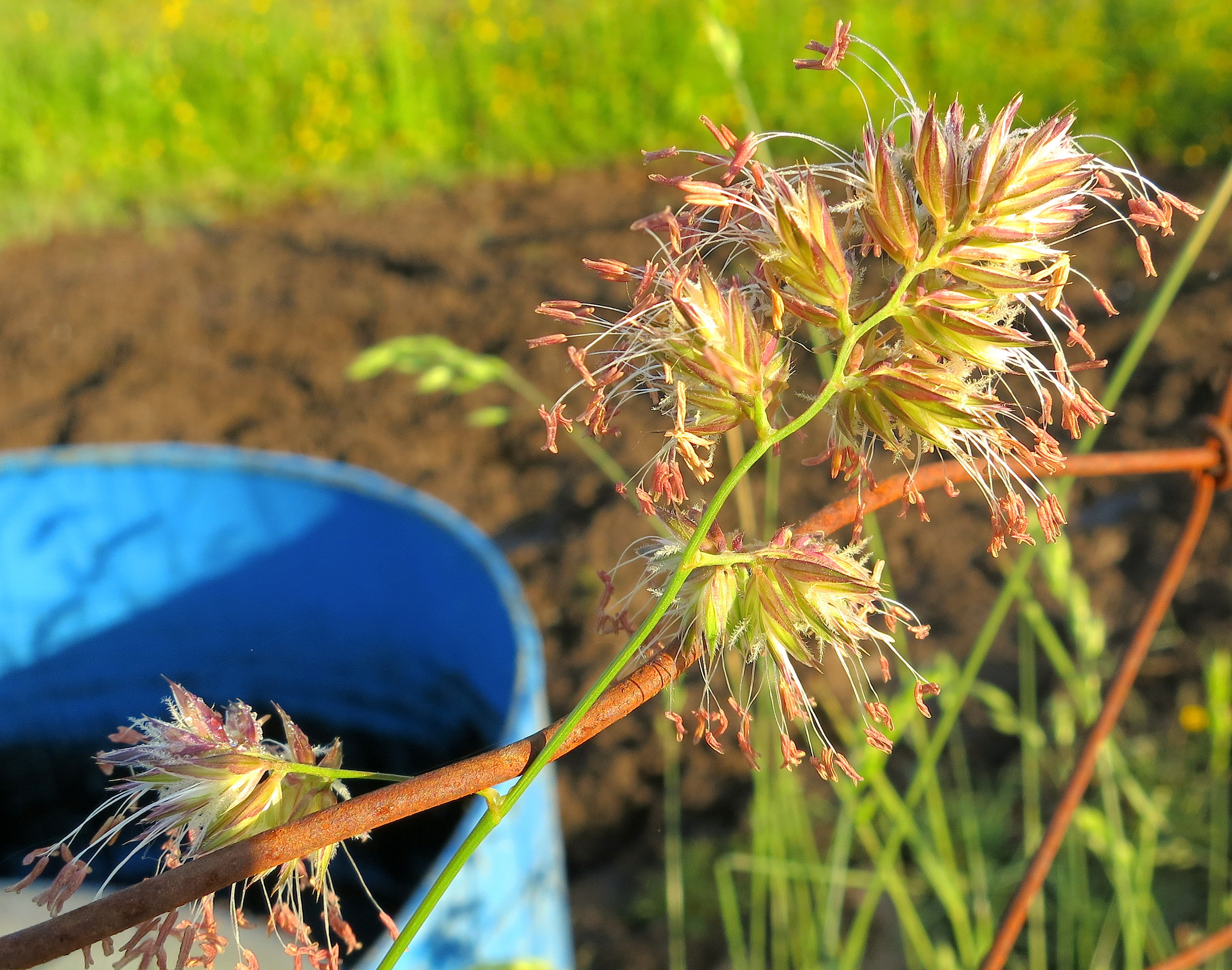
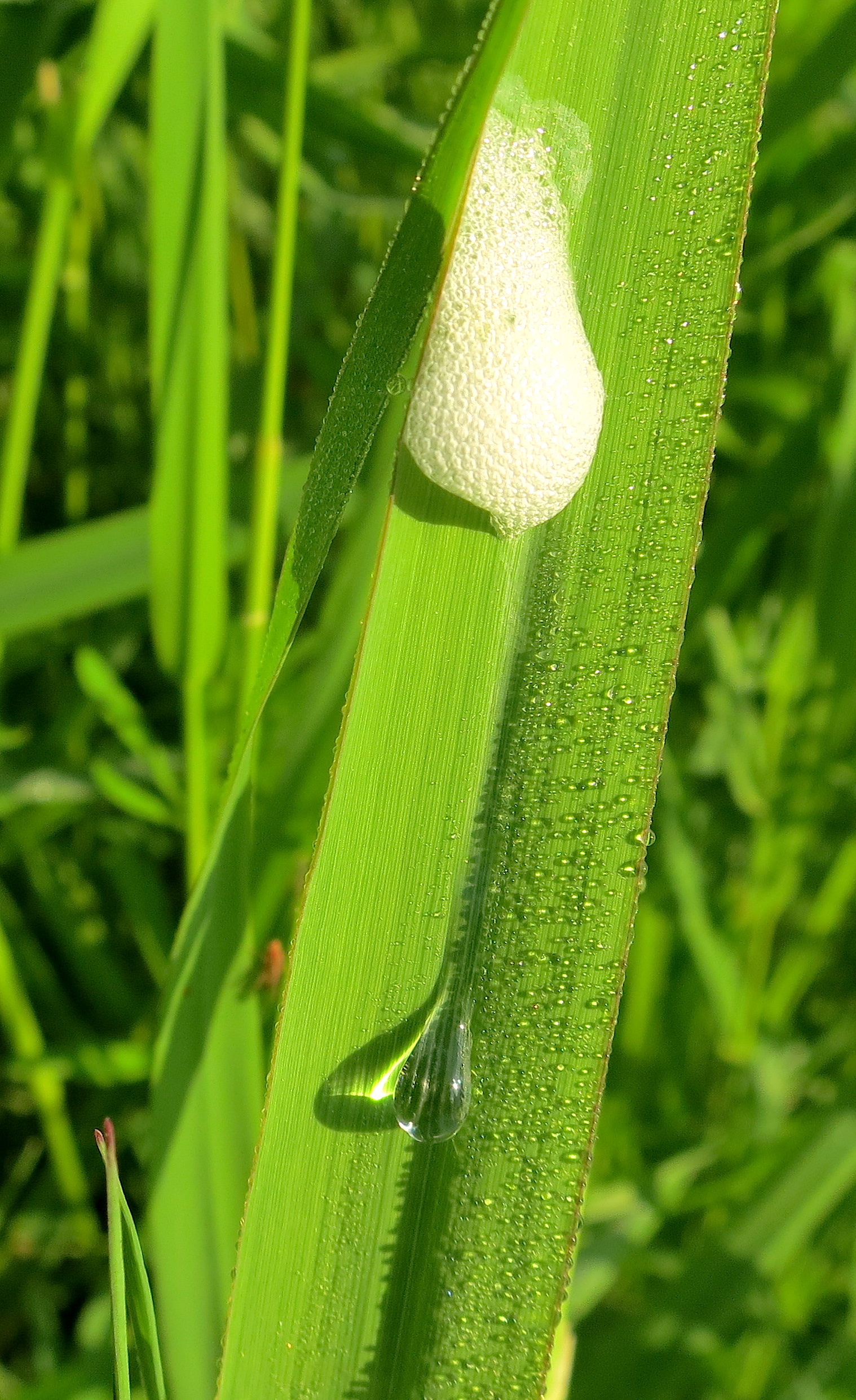
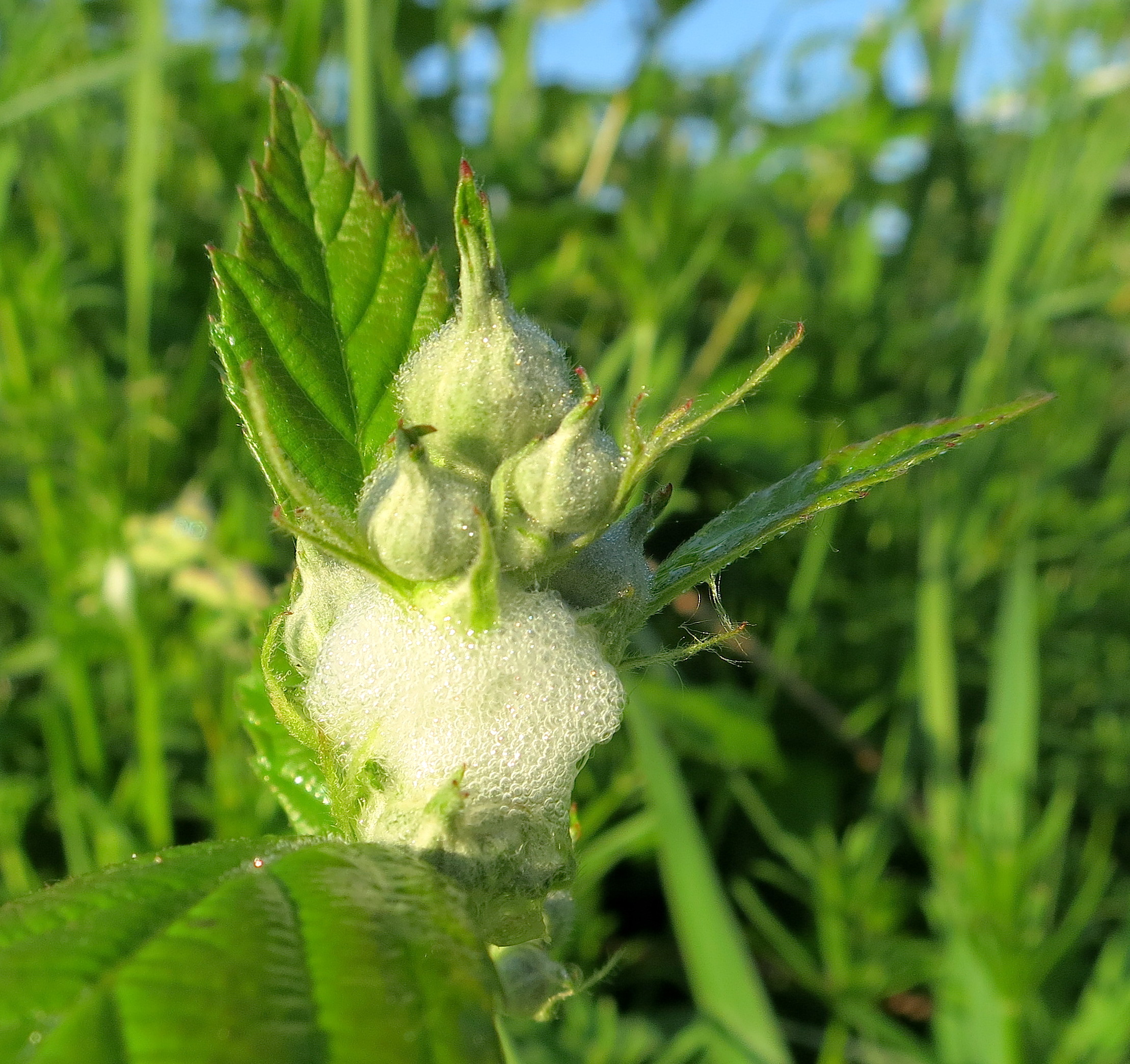
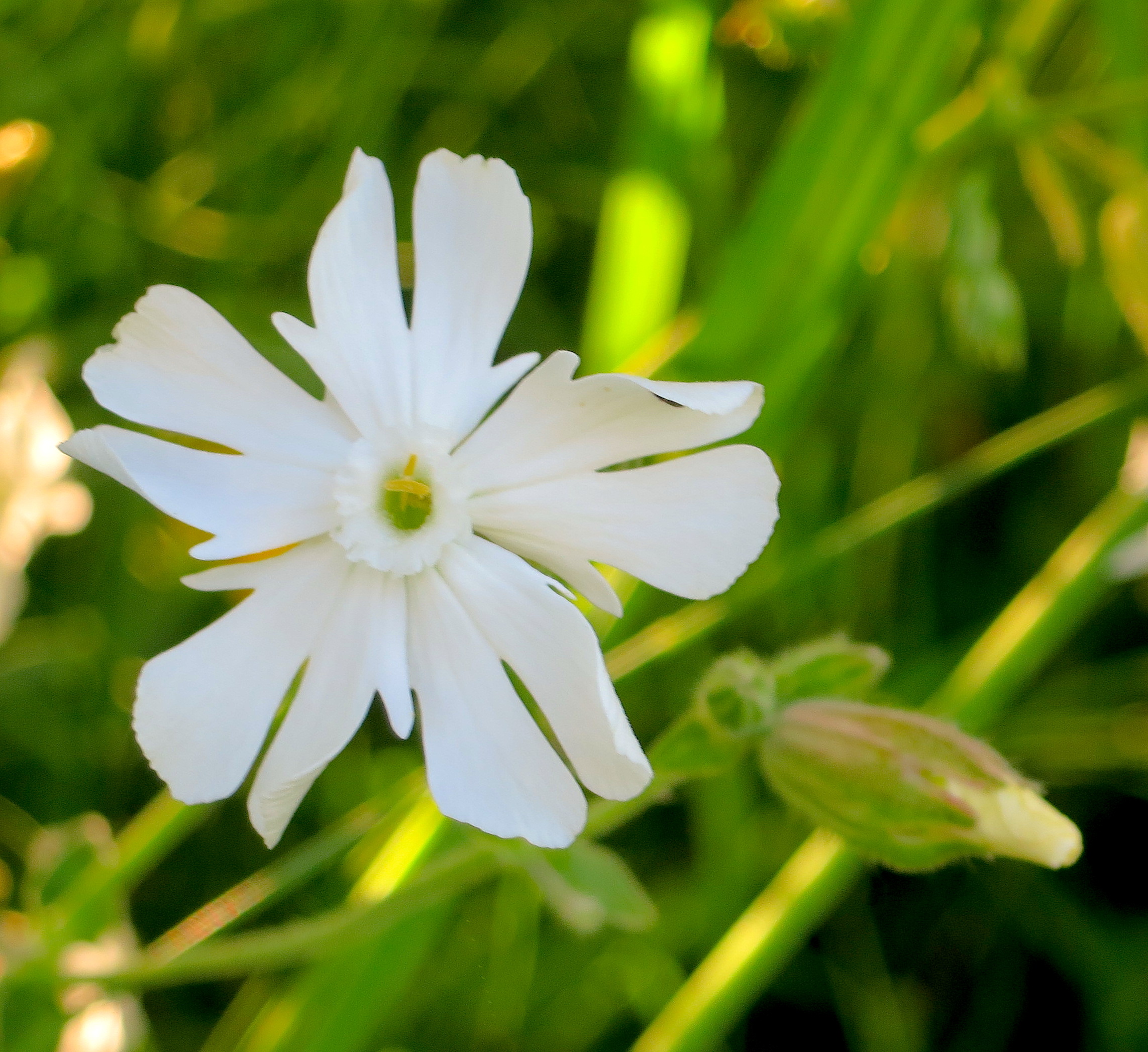
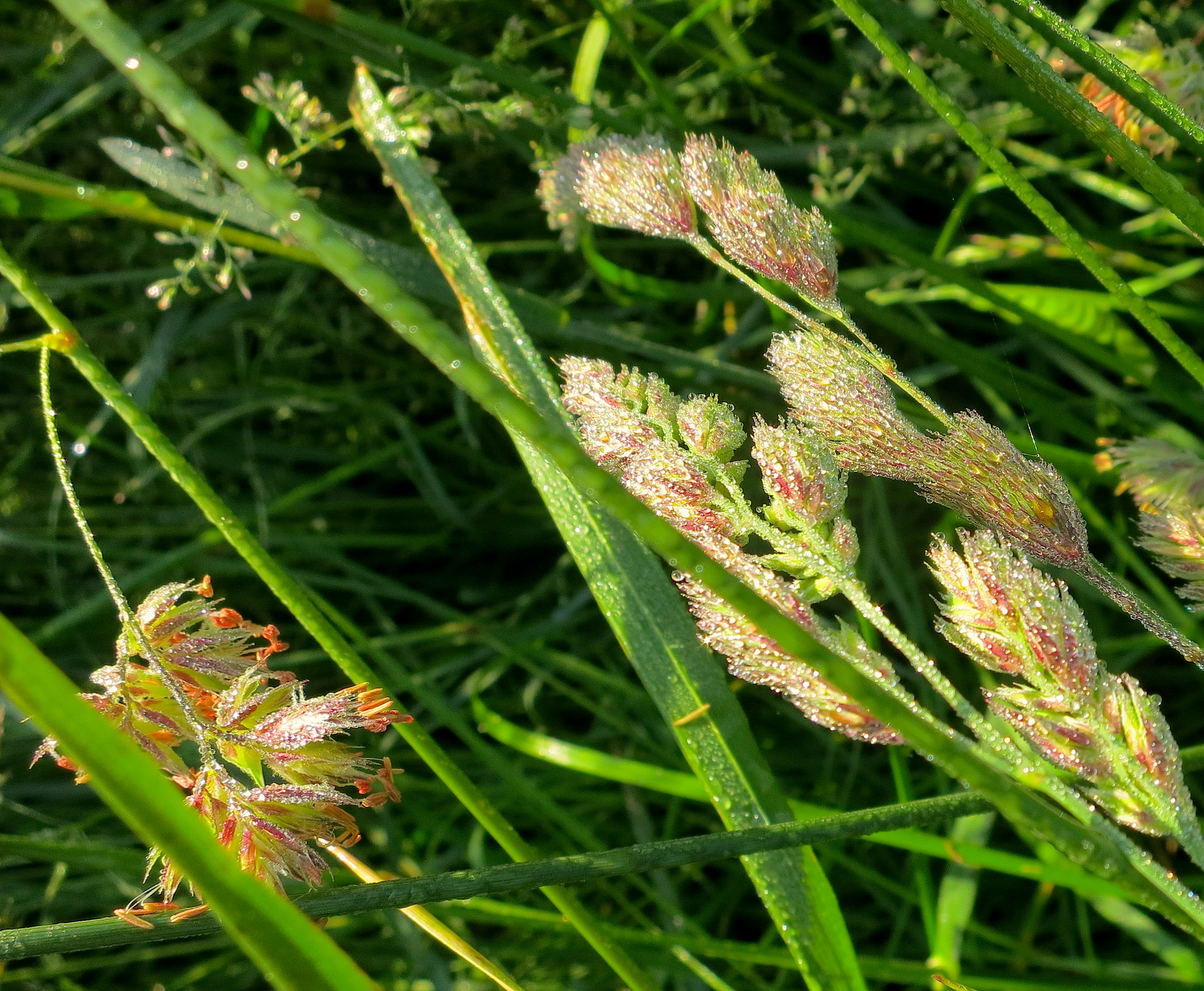
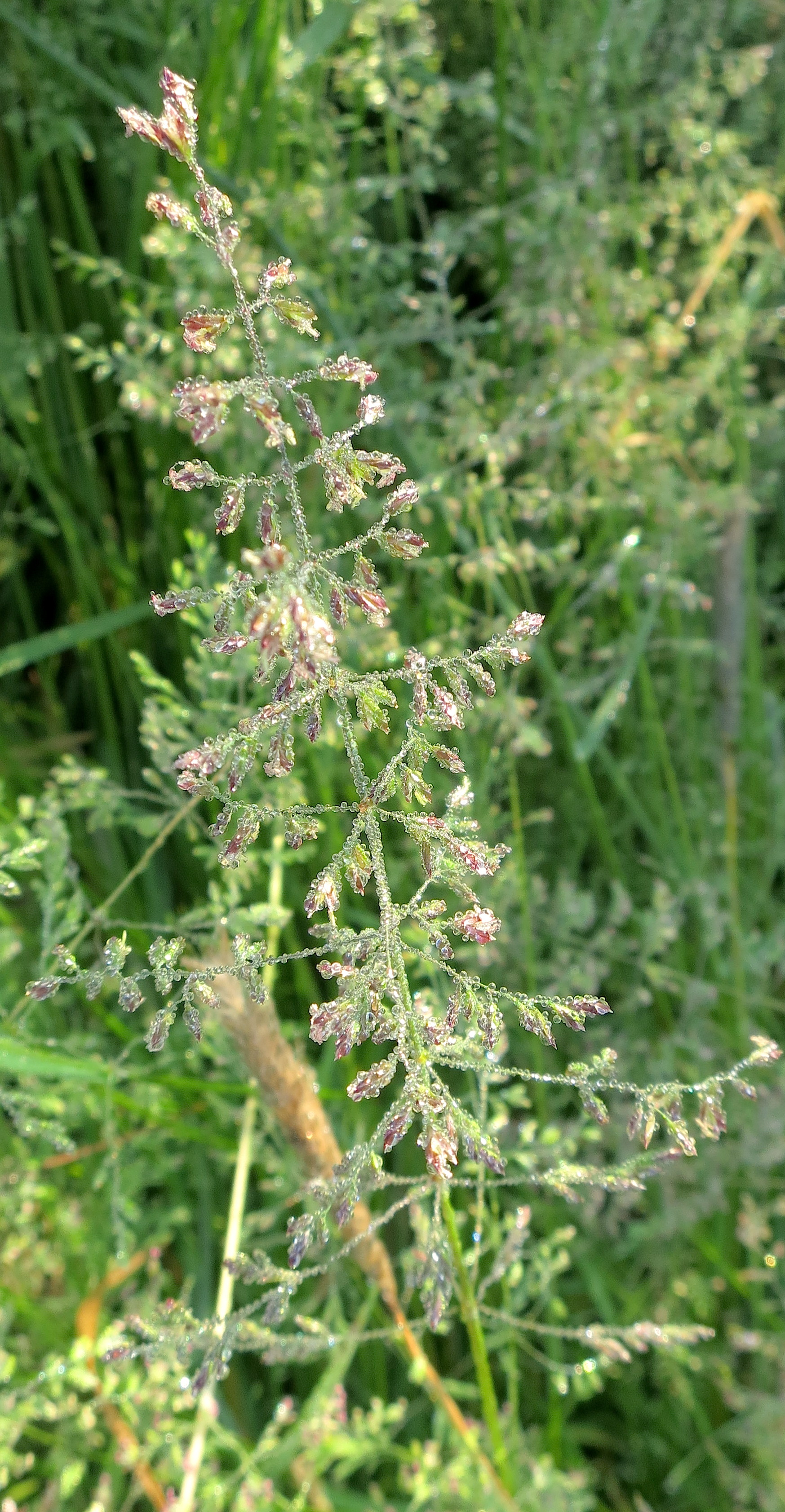
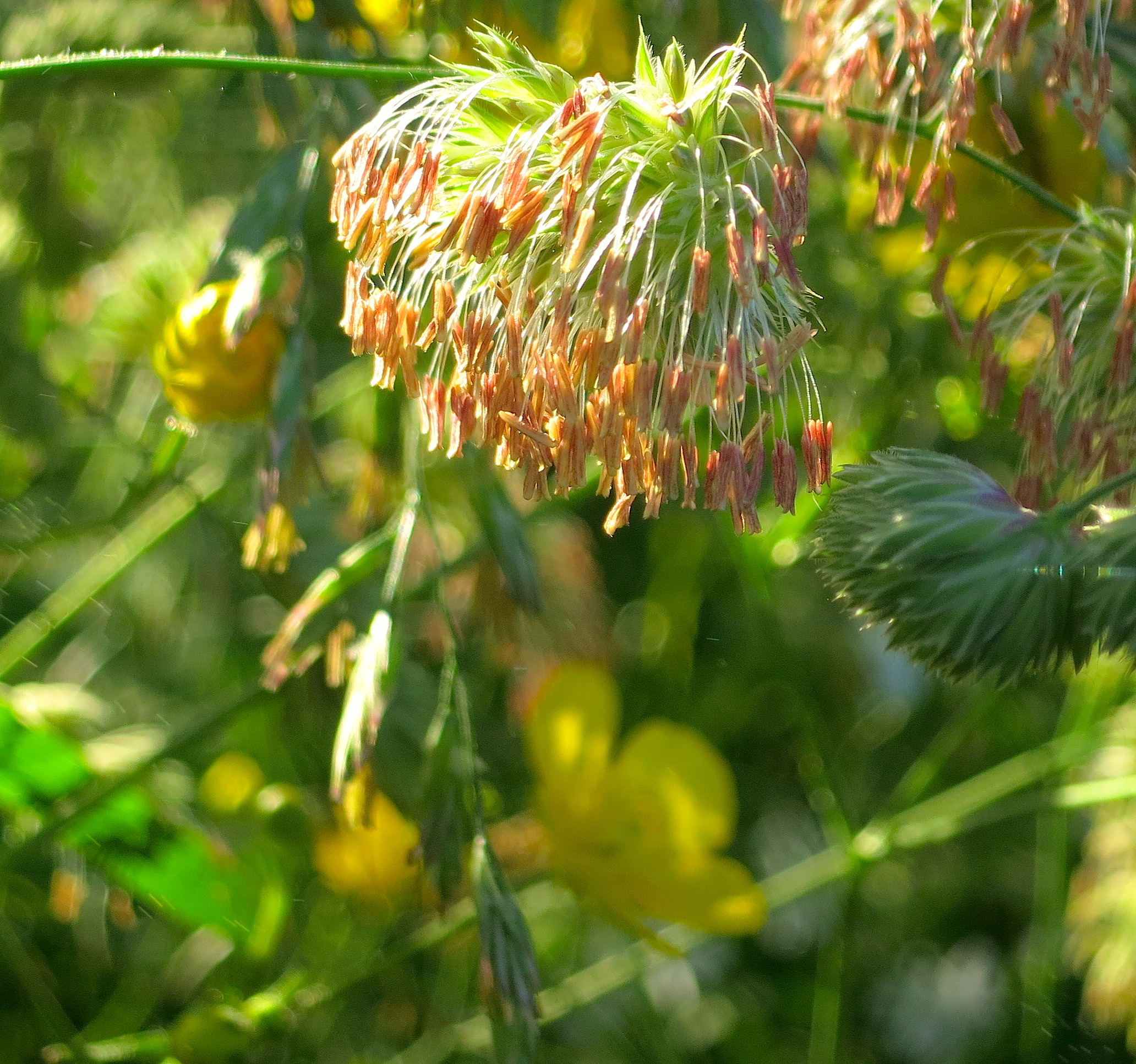
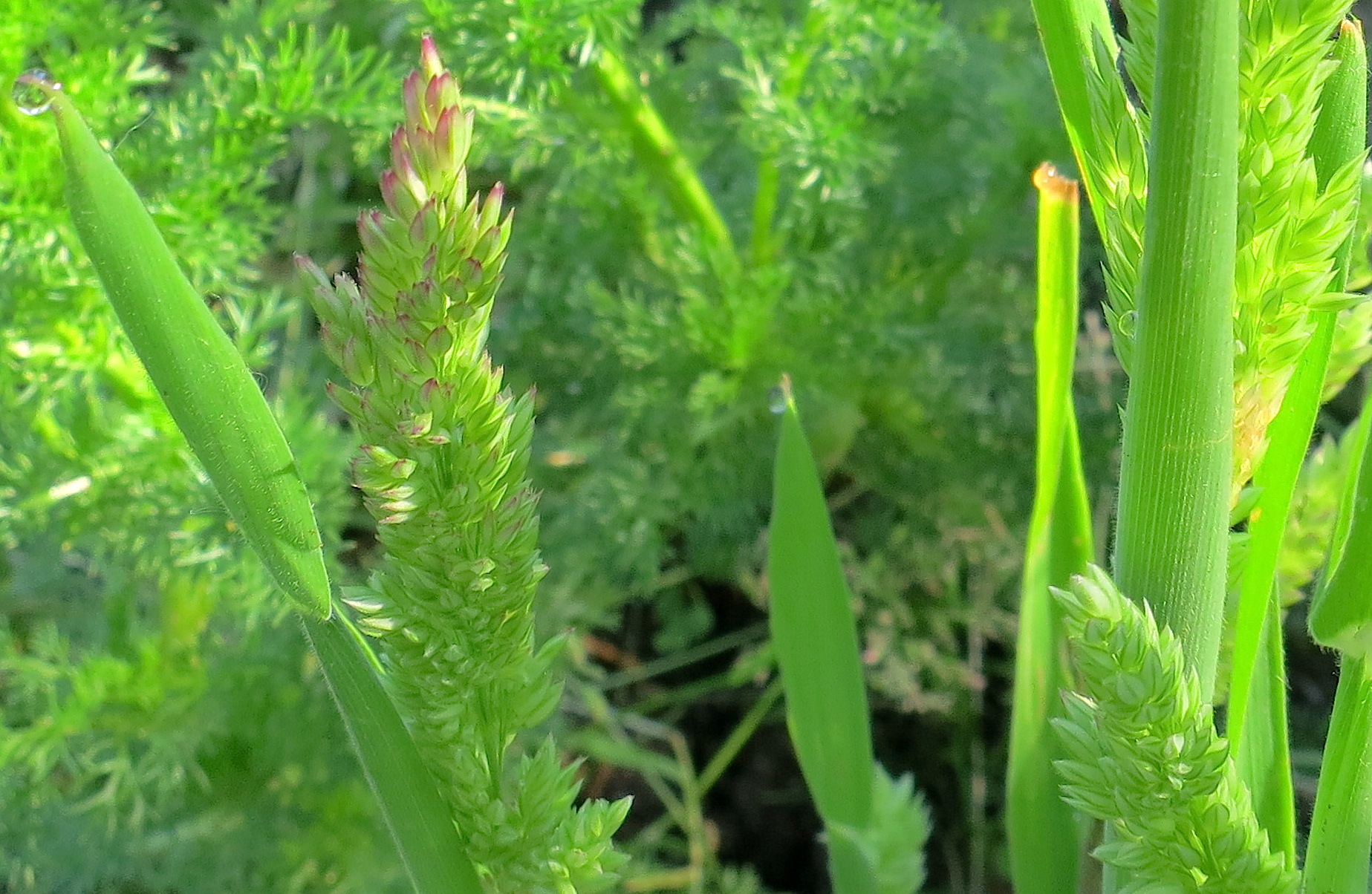
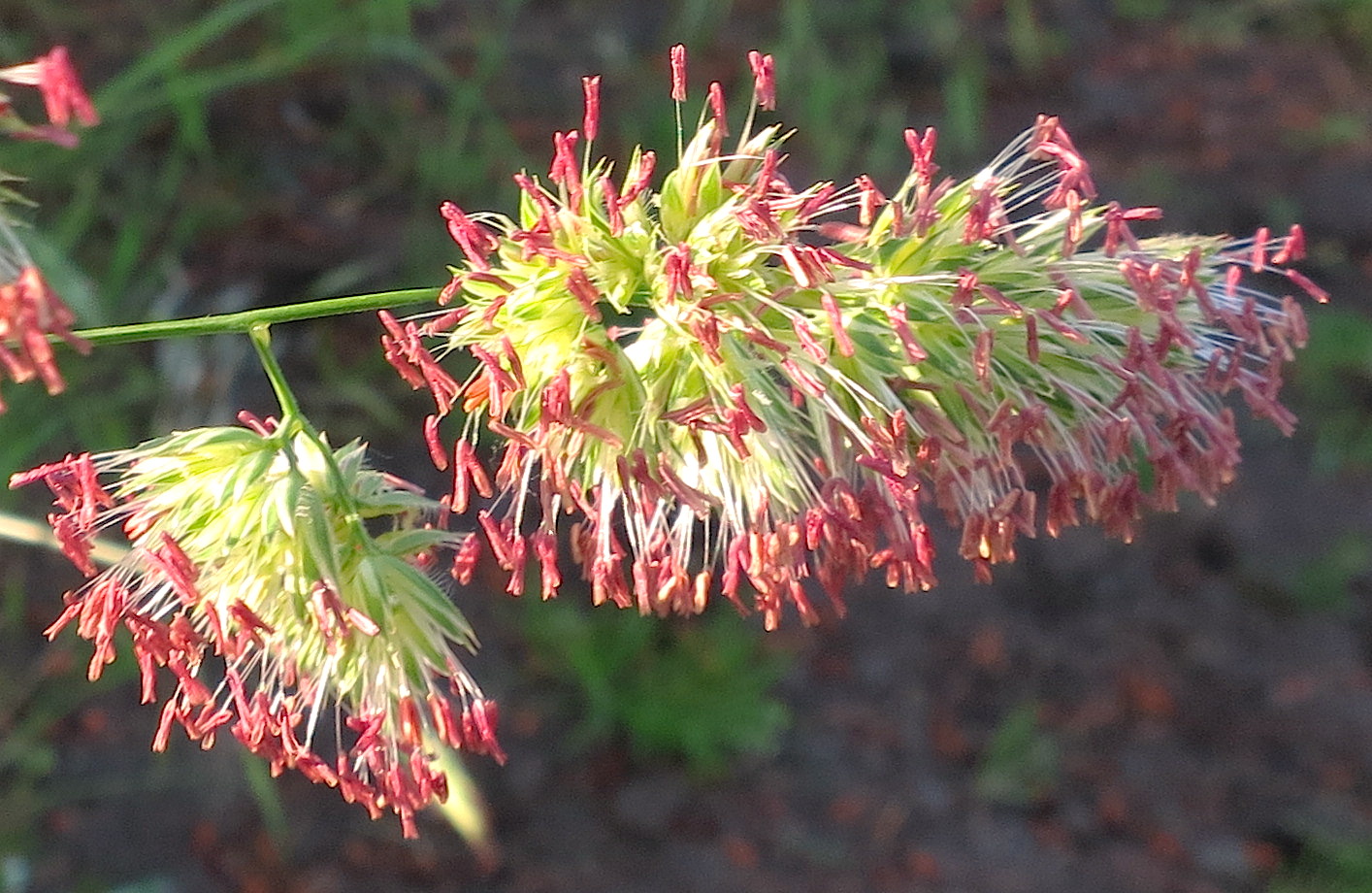
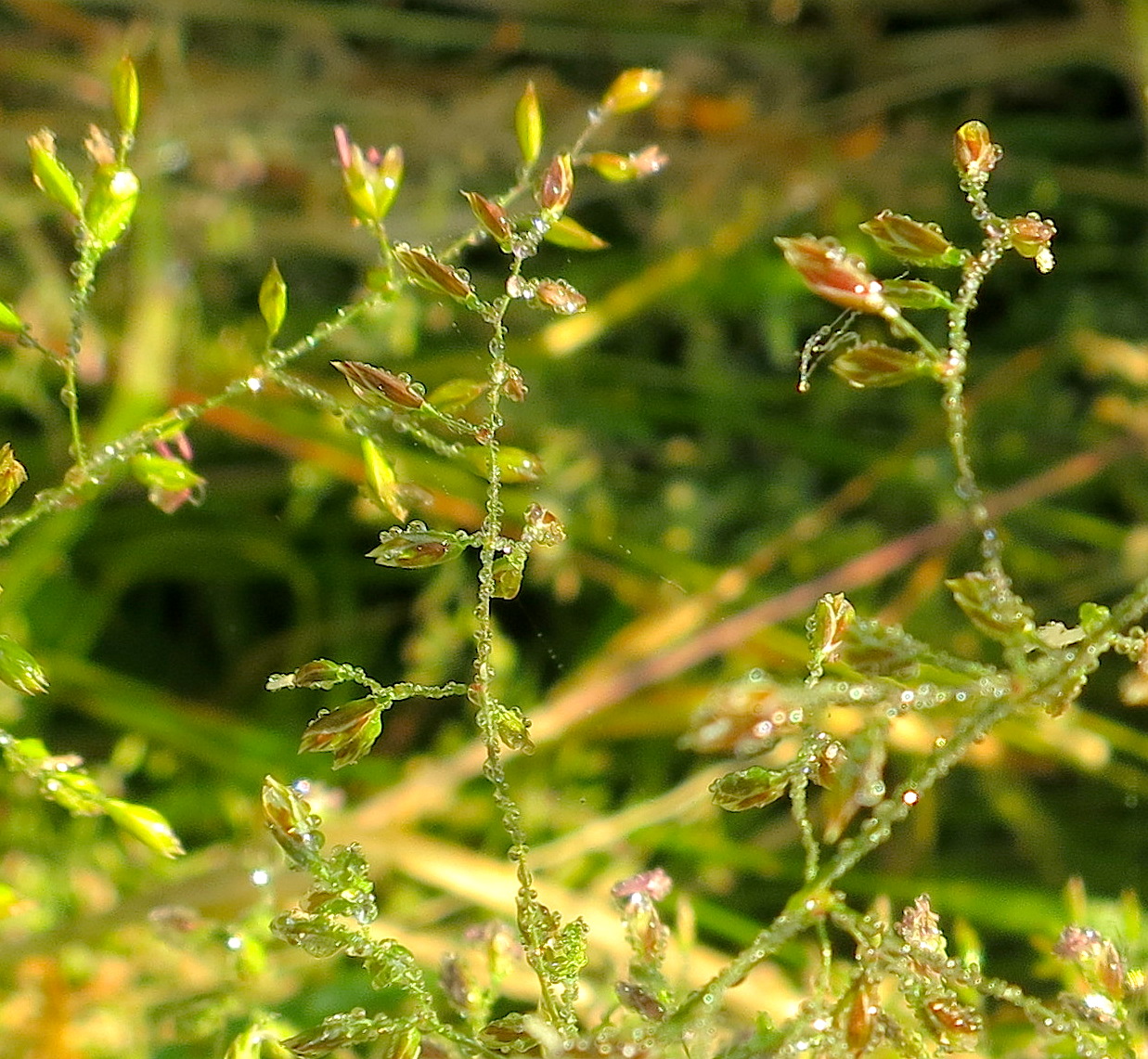
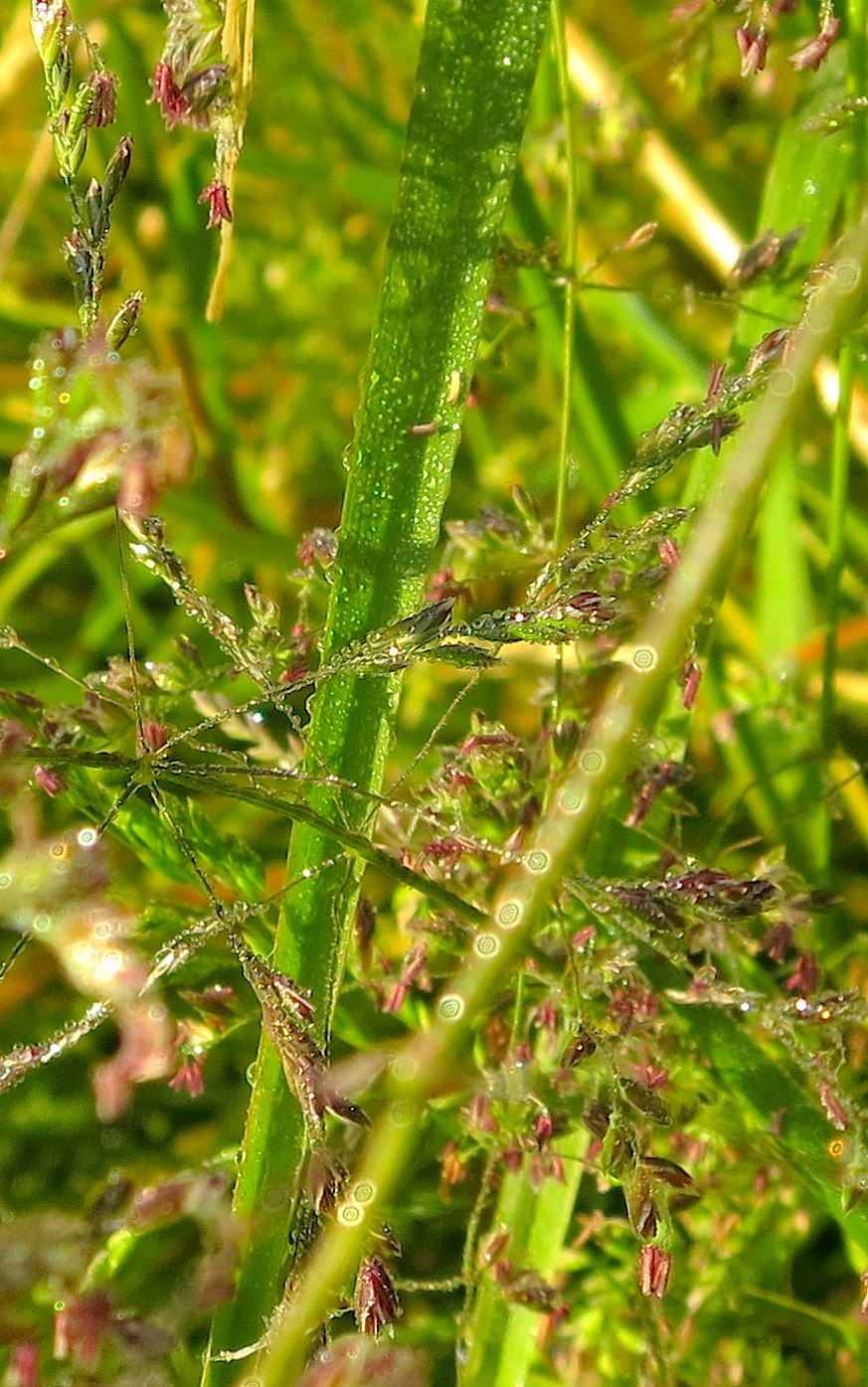
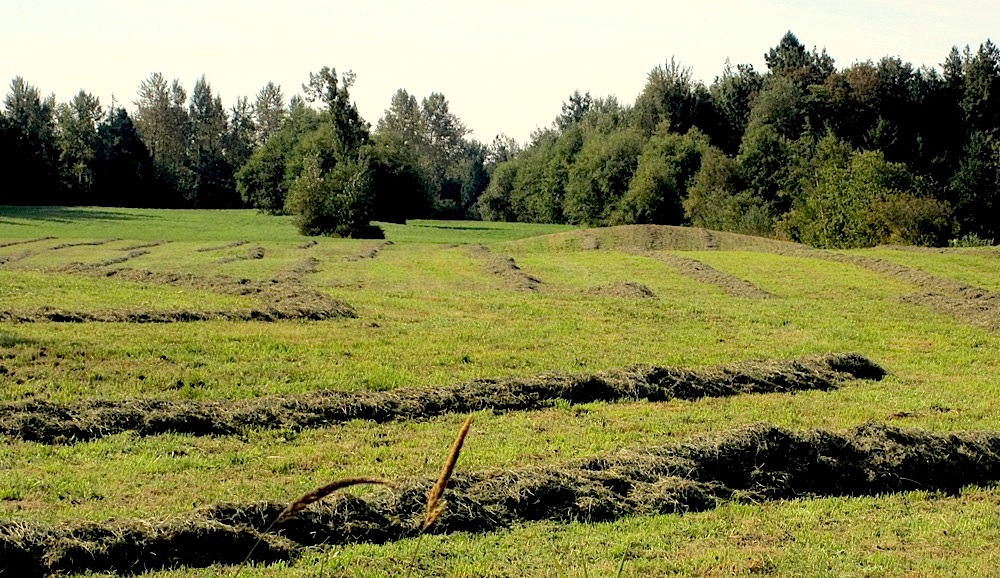
In the field sloping down,
Park-like, to where its willows showed the brook,
Haymakers rested…
This morning time, with a great age untold..
There is not one blade of grass,
there is no color in this world
that is not intended to make us rejoice.
~John Calvin
The moment one gives close attention to any thing,
even a blade of grass,
it becomes a mysterious,
awesome,
indescribably magnificent world in itself.
~Henry Miller
Men do change,
and change comes like a little wind
that ruffles the curtains at dawn,
and it comes like the stealthy perfume
of wildflowers hidden in the grass.
~John Steinbeck
Rest is not idleness,
and to lie sometimes
on the grass under trees on a summer’s day,
listening to the murmur of the water,
or watching the clouds float across the sky,
is by no means a waste of time.
~John Lubbock
The virtues of a superior man are like the wind;
the virtues of a common man are like the grass
– I the grass, when the wind passes over it, bends.
We should be blessed if we lived in the present always,
and took advantage of every accident that befell us,
like the grass which confesses the influence of the slightest dew that falls on it.
~Henry David Thoreau from Walden
If the sight of the blue skies fills you with joy,
if a blade of grass springing up in the fields has power to move you,
if the simple things of nature have a message that you understand,
rejoice, for your soul is alive.
~Eleonora Duse
When they would return to one another from their solitariness,
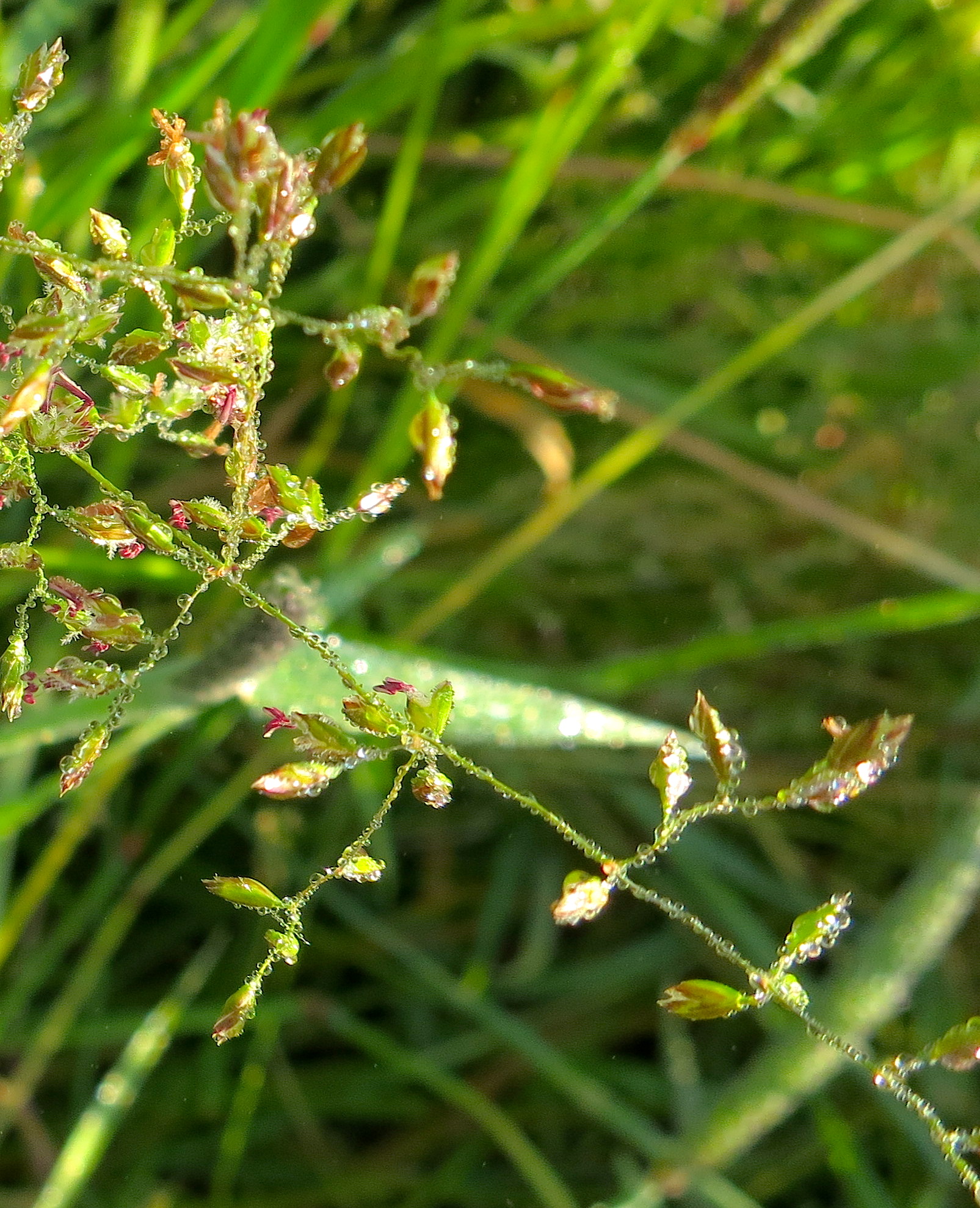
they returned gently as dew comes to the morning grass.
~David Paul Kirkpatrick
All people are like grass,
and all their faithfulness is like the flowers of the field.
7 The grass withers and the flowers fall,
because the breath of the Lord blows on them.
Surely the people are grass.
8 The grass withers and the flowers fall,
but the word of our God endures forever.
Isaiah 40:6-8
A child said What is the grass? fetching it to me with full hands;
How could I answer the child? I do not know what it is any more
than he.
I believe a leaf of grass is no less than the journey-work of the stars.
… I guess it is the handkerchief of the Lord,
A scented gift and remembrancer designedly dropt,
Bearing the owner’s name someway in the corners, that we may see
and remark, and say Whose?
What do you think has become of the young and old men?
And what do you think has become of the women and children?
They are alive and well somewhere,
The smallest sprout shows there is really no death,
And if ever there was it led forward life, and does not wait at the
end to arrest it,
And ceas’d the moment life appear’d.
All goes onward and outward, nothing collapses,
And to die is different from what any one supposed, and luckier.
~Walt Whitman from “Song of Myself”
…No one sees us go under.
No one sees generations churn, or civilizations.
The green fields grow up forgetting.
Ours is a planet sown in beings.
Our generations overlap like shingles.
We don’t fall in rows like hay, but we fall.
Once we get here, we spend forever on the globe,
most of it tucked under.
While we breathe, we open time like a path in the grass.
~Annie Dillard from For the Time Being
Although the generations are forgotten over time,
covered over, layer upon layer,
the brief time we are walking here
we leave behind a path,
whether straight or crooked,
that others may follow
to find their way.
May my path lead others
to something
worth the journey:
time well spent.
The sun returns
and the tears will dry.
The impression left on my heart
still twinges with every beat.
Eventually, though trampled and toppled,
I right myself to face the rain again.
The truth is, I need it, can’t live without it.


They put up hay loose there, the old way,
forking it into the loft from the wagon rack
while the sweaty horses snorted and switched off flies
and the littlest kids were commanded to trample it flat
in between loads until the entire bay
was alight with its radiant sun-dried manna….
It was paradise up there with dusty sun motes
you could write your name in as they skirled and drifted down.
There were ropes we swung on and dropped from and shinnied up
and the smell of the place was heaven, hurling me back
to some unknown plateau, tears standing up in my eyes
and an ancient hunger in my throat, a hunger….
~Maxine Kumin from “Hay”
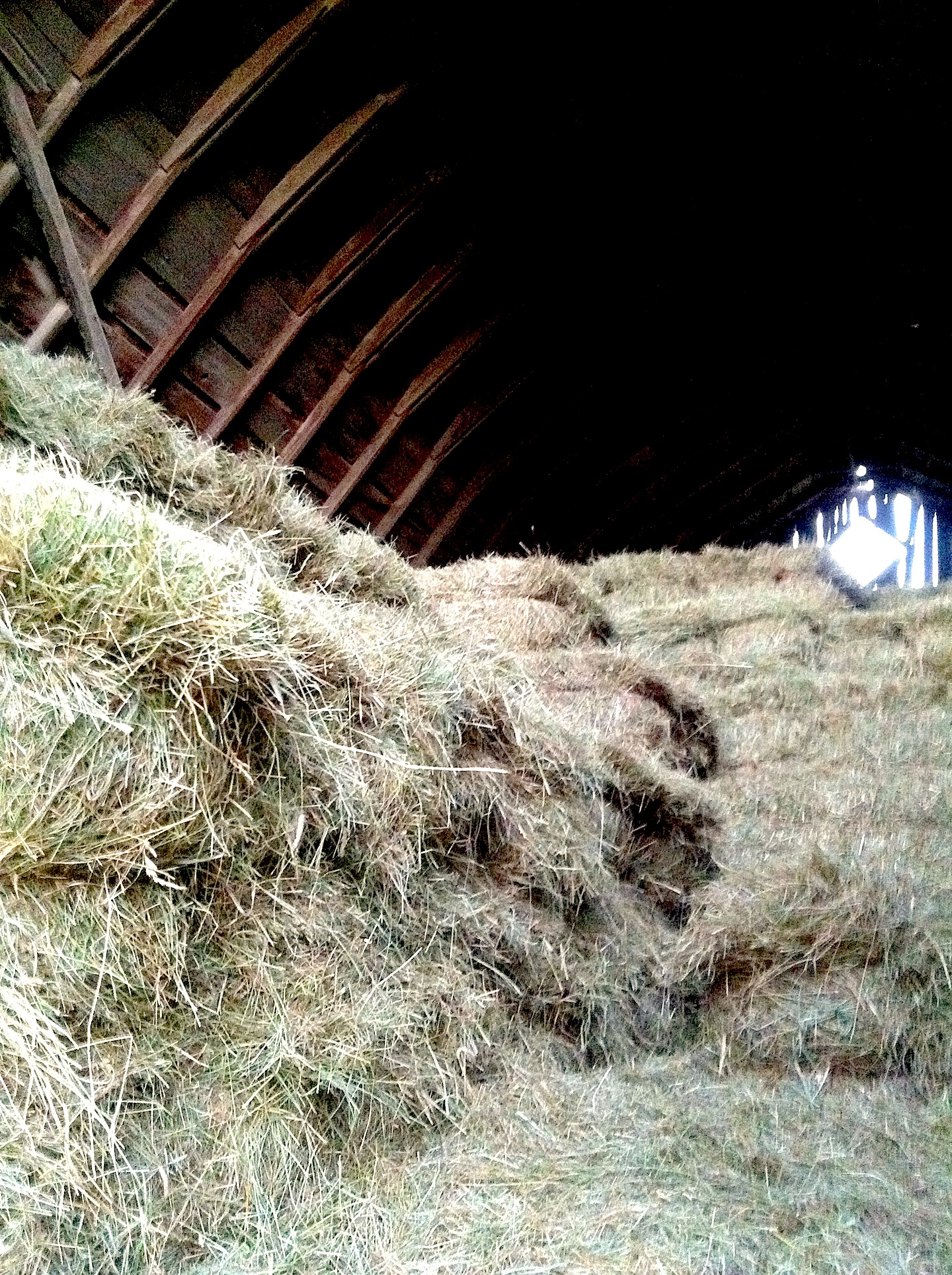
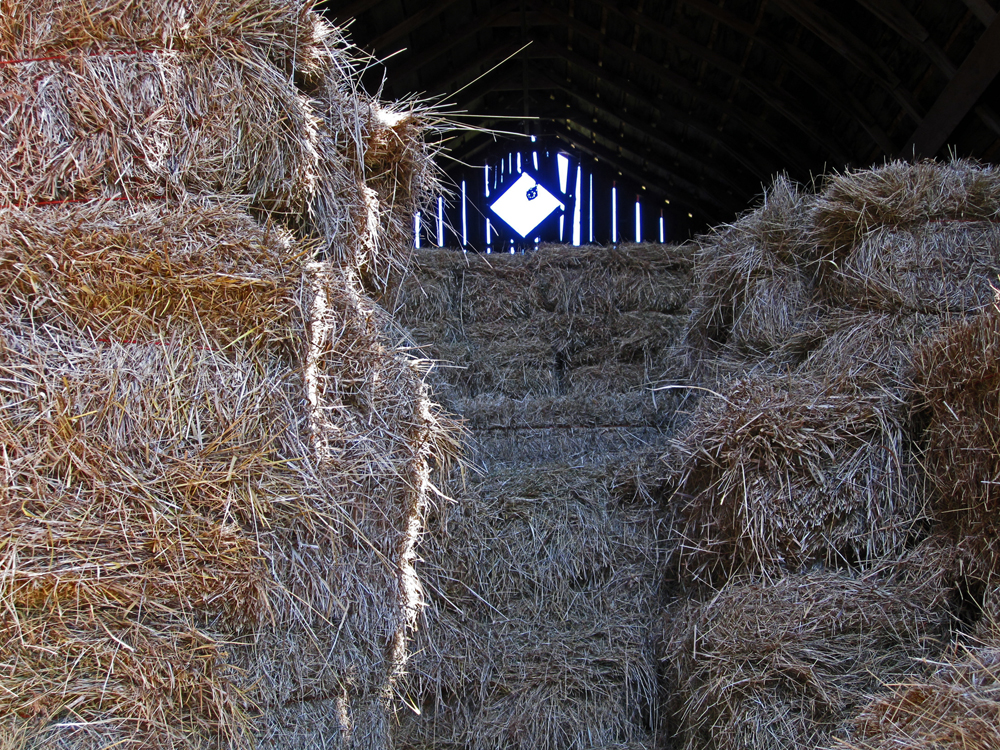
My parents knew that ancient hunger, both born on farms with teams of horses that brought in hay the old way while the children tramped and stamped the loose piles firm.
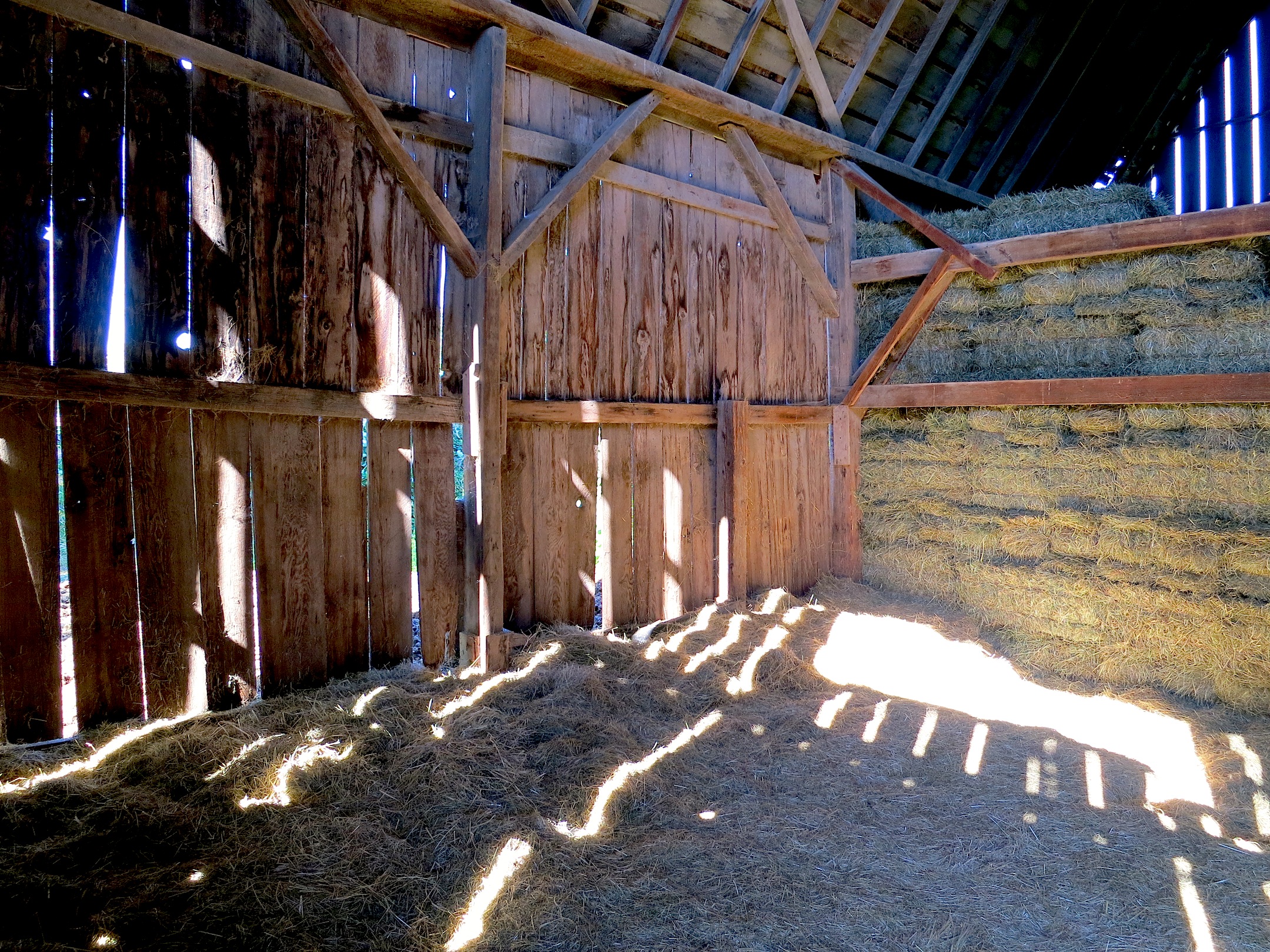
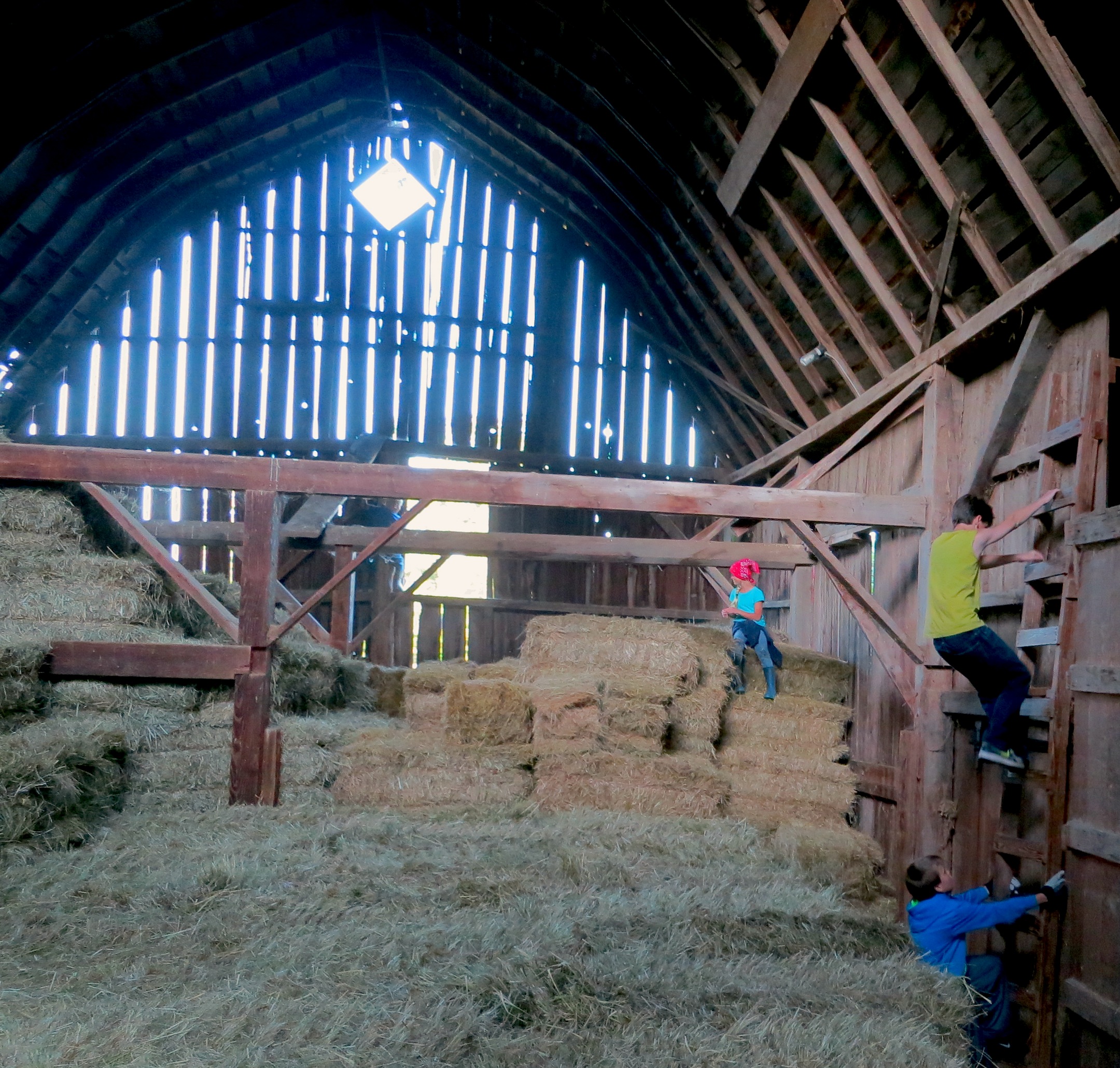
I’ve known that ancient hunger, having grown up on a farm that brought in to the barn loose hay the old way by tractor and wagon, having danced in the dusty sun motes on the top of the hay on a bright afternoon, the light cut in stripes over the sweet smelling grass.
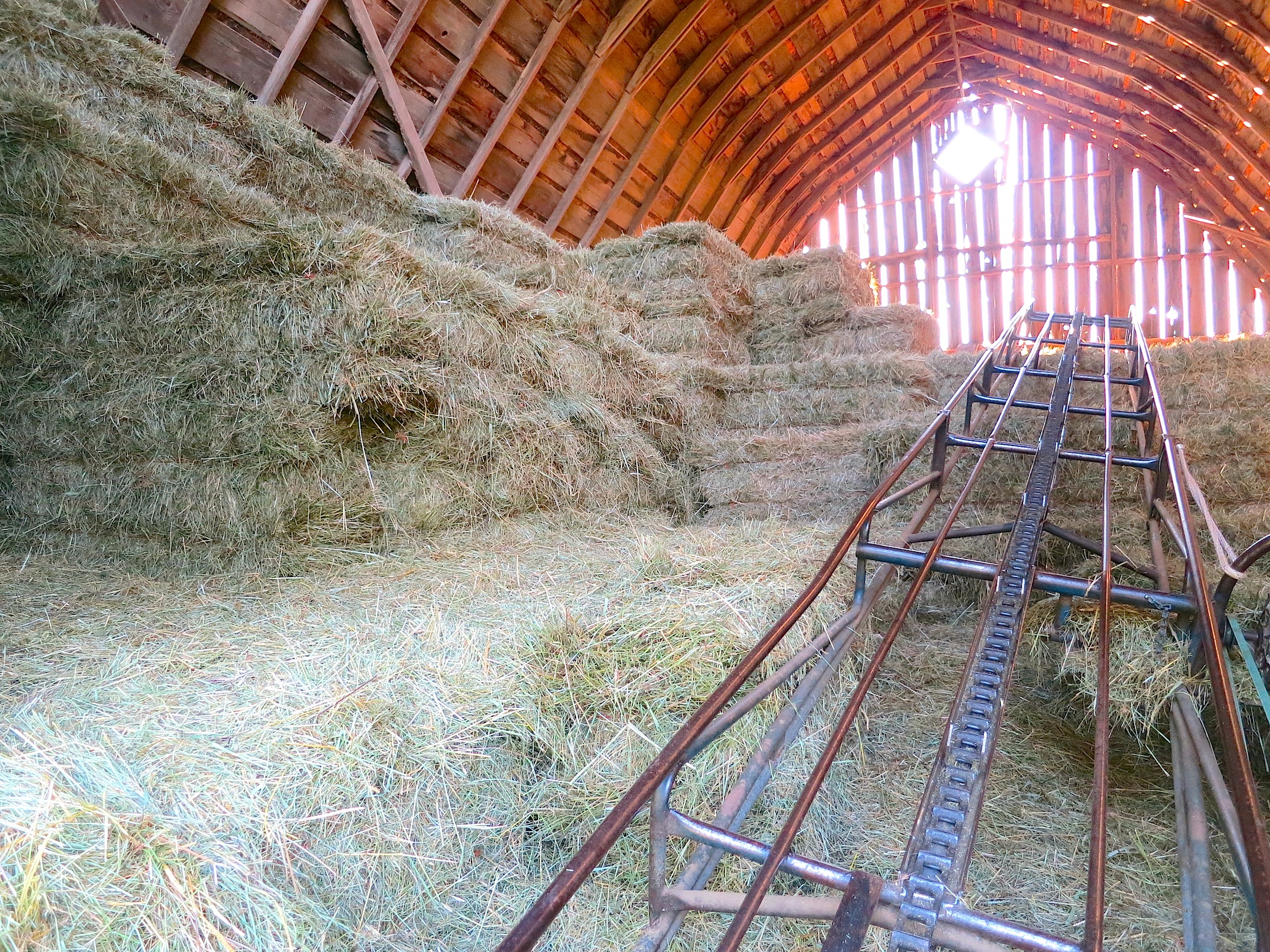
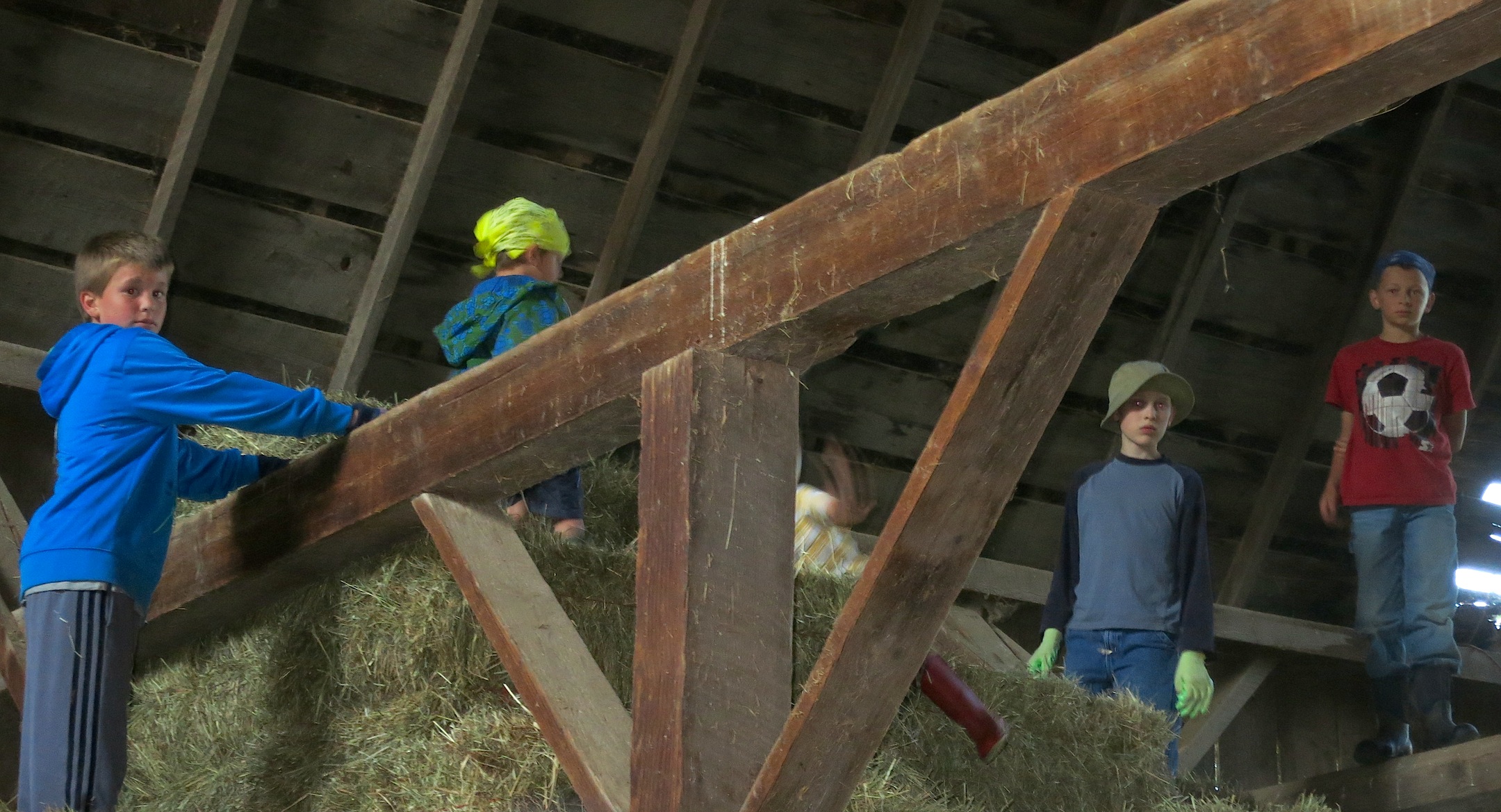
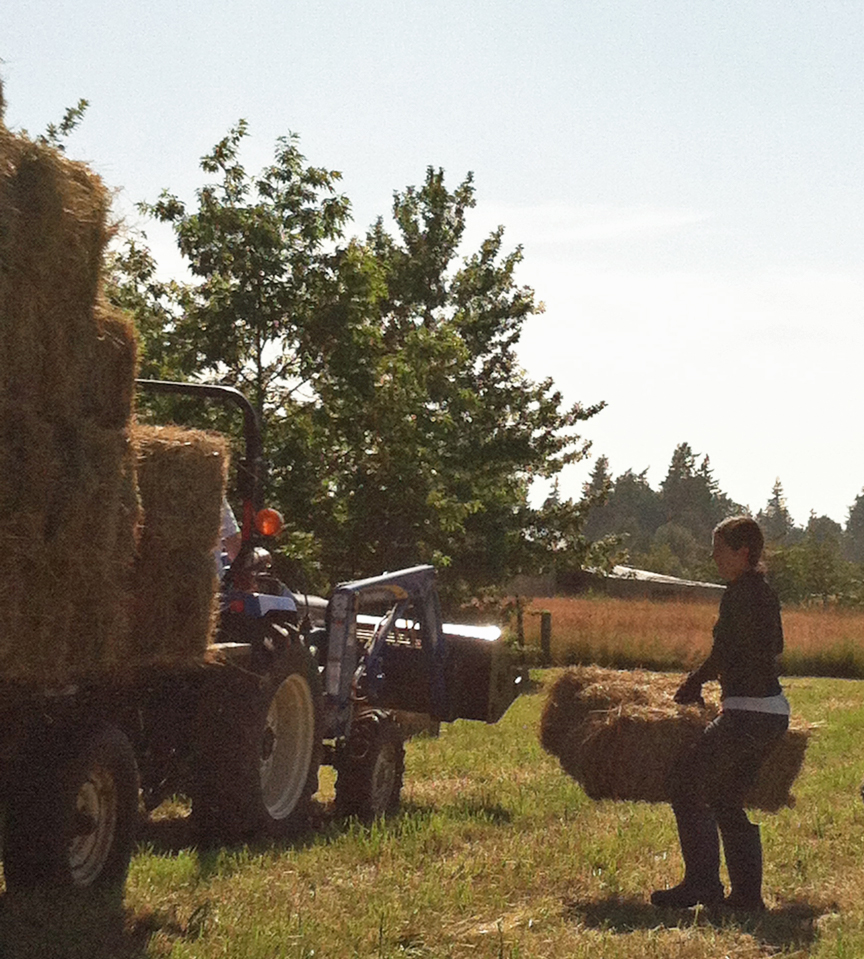
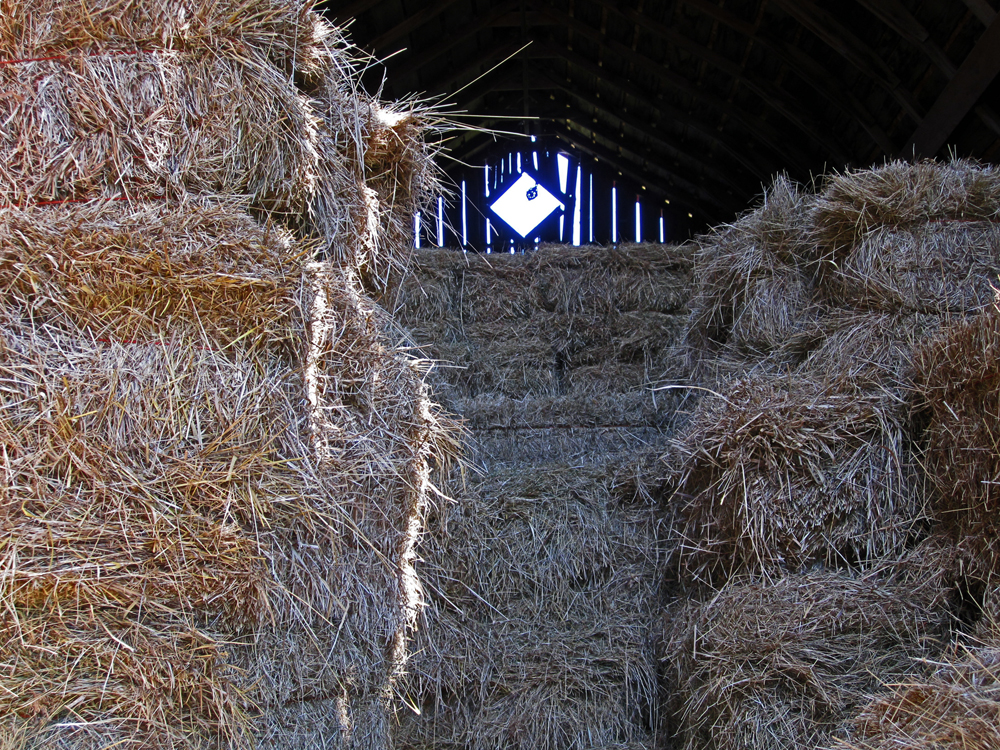
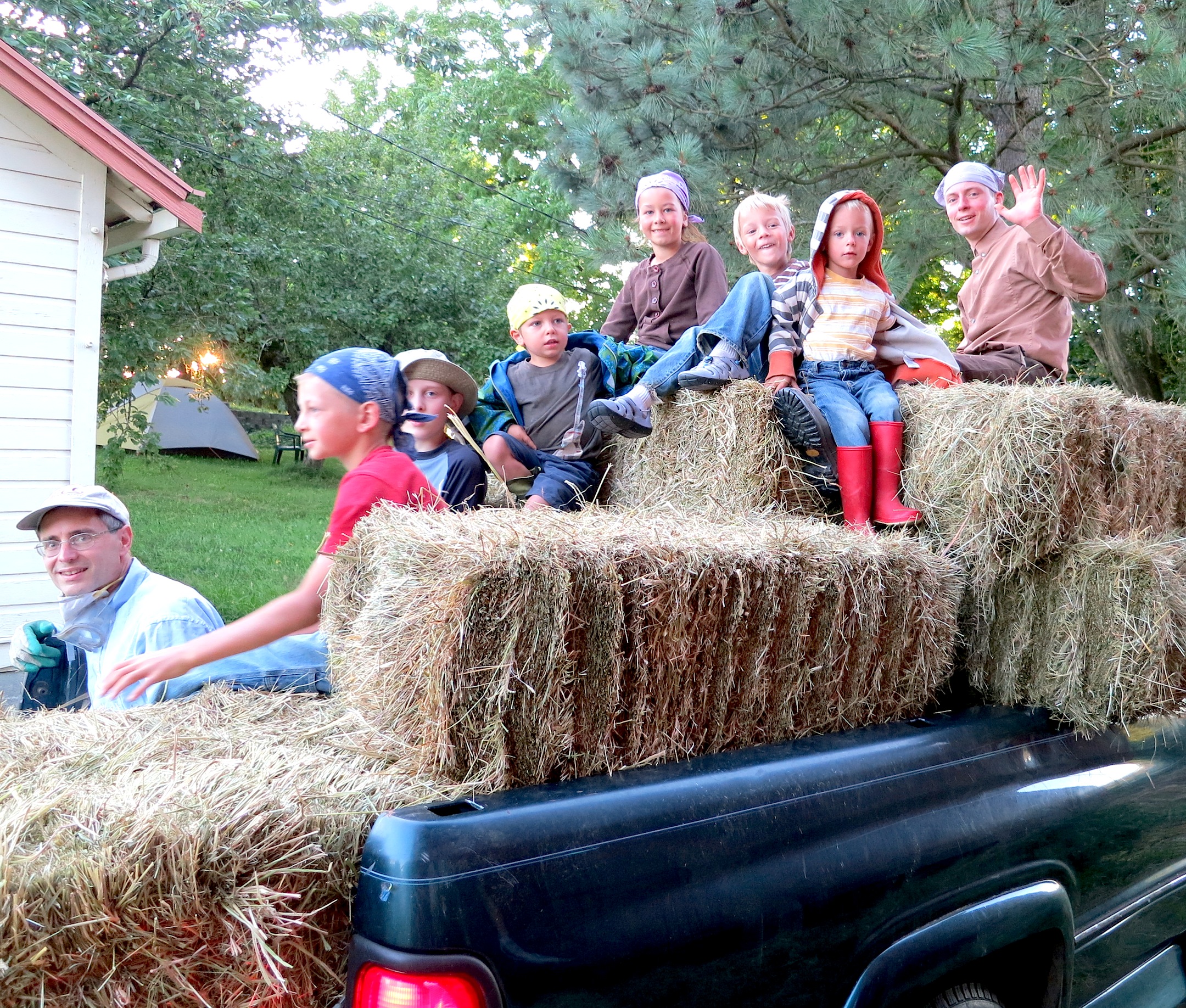
We’ve made sure our three children knew that ancient hunger, born to a farm that brought in hay bales stacked to the rafters through community effort, those same dusty sun motes swirling about their heads as they learned their jobs, from bale rolling to lifting to tossing and stacking.
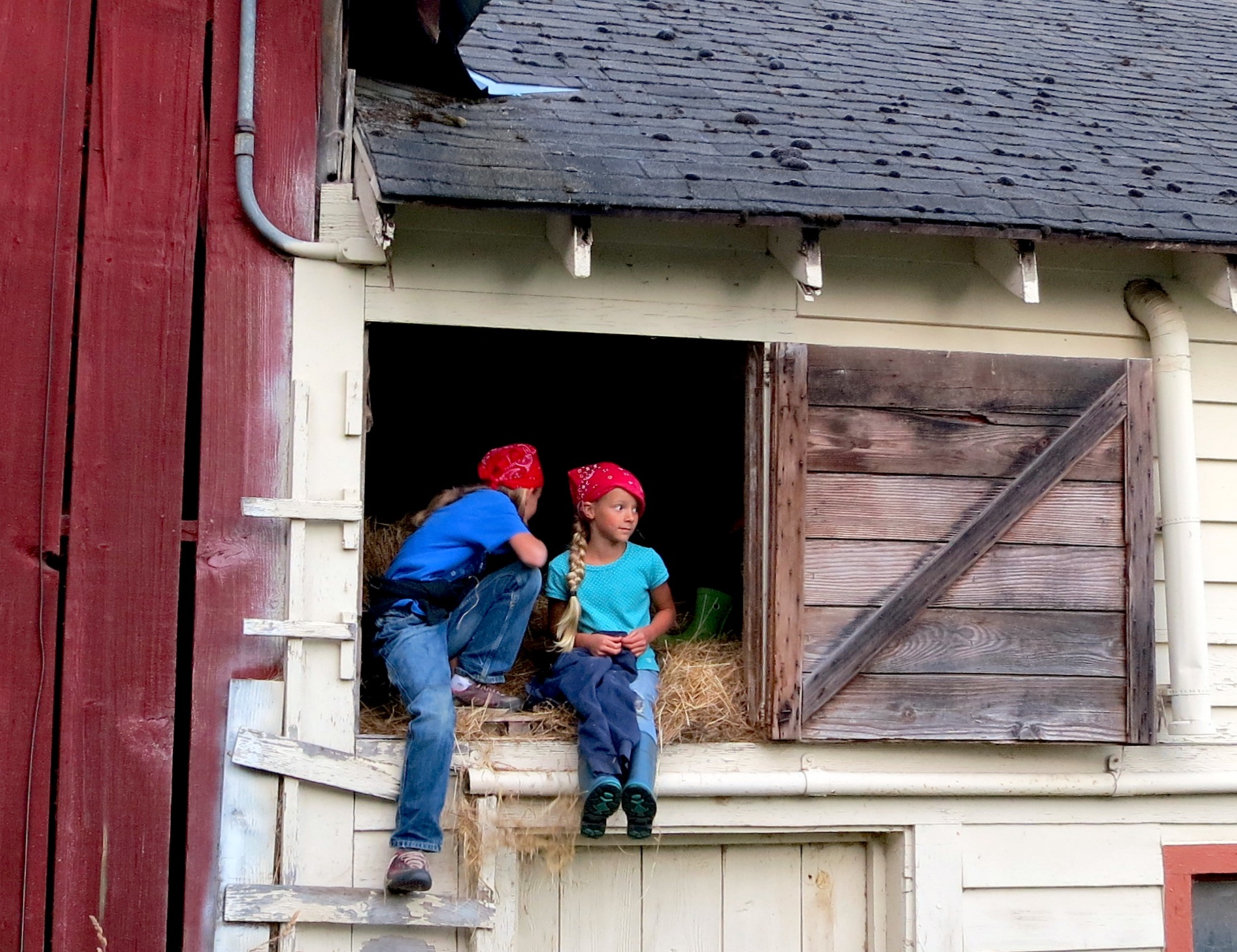
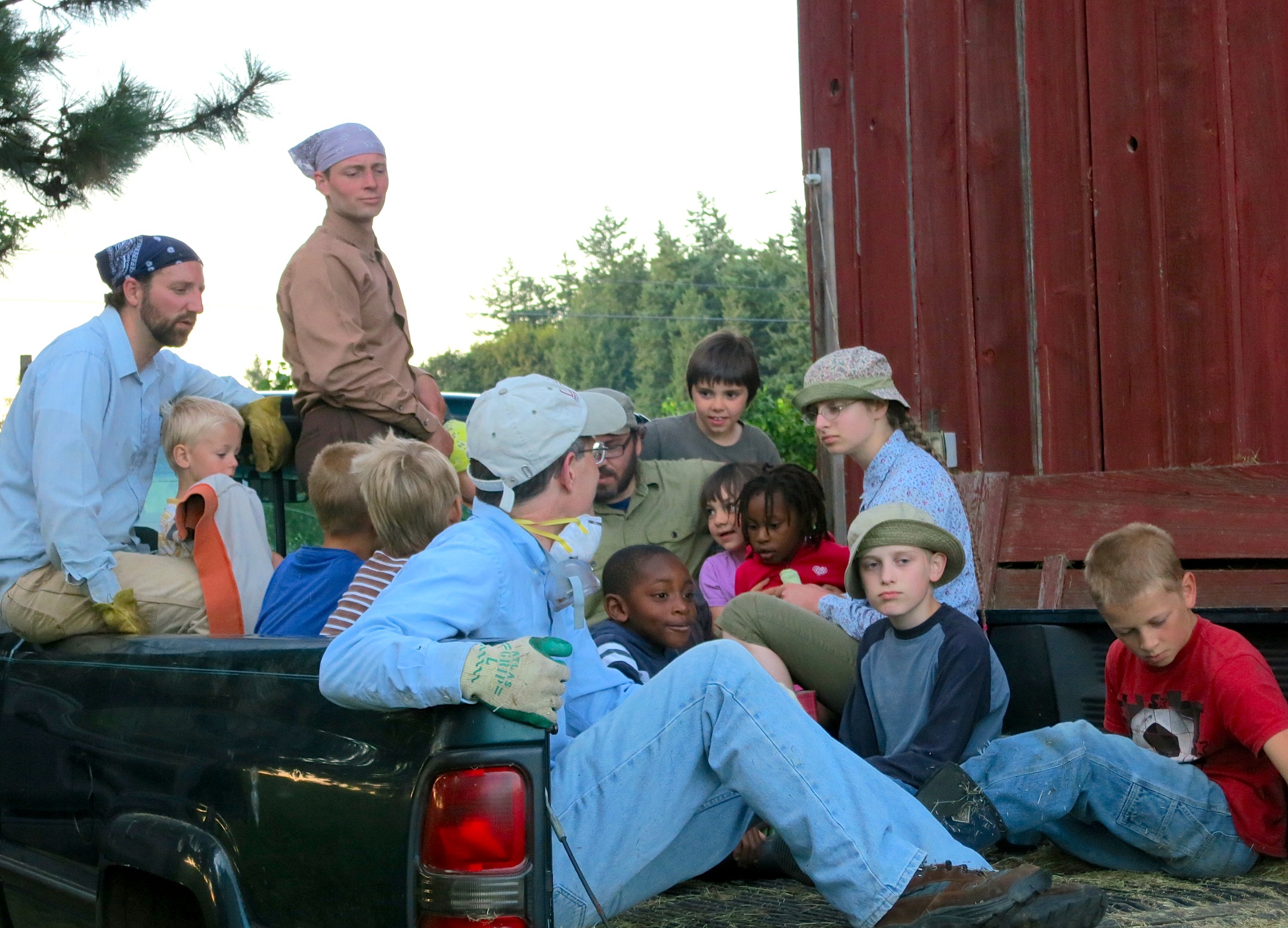
And now the next generation of neighborhood children arrive with shouts on haying days to clamor up and down the bale mountains, answering to the same hunger, blowing the same dusty snot and thrilling to the adventure of tractors, wagons and trucks, celebrating the gathering in of sun-dried manna together.
Surely this is what heaven will be like: we are all together, dancing in the light of the sun motes, our hunger filled to the brim by manna provided from above.
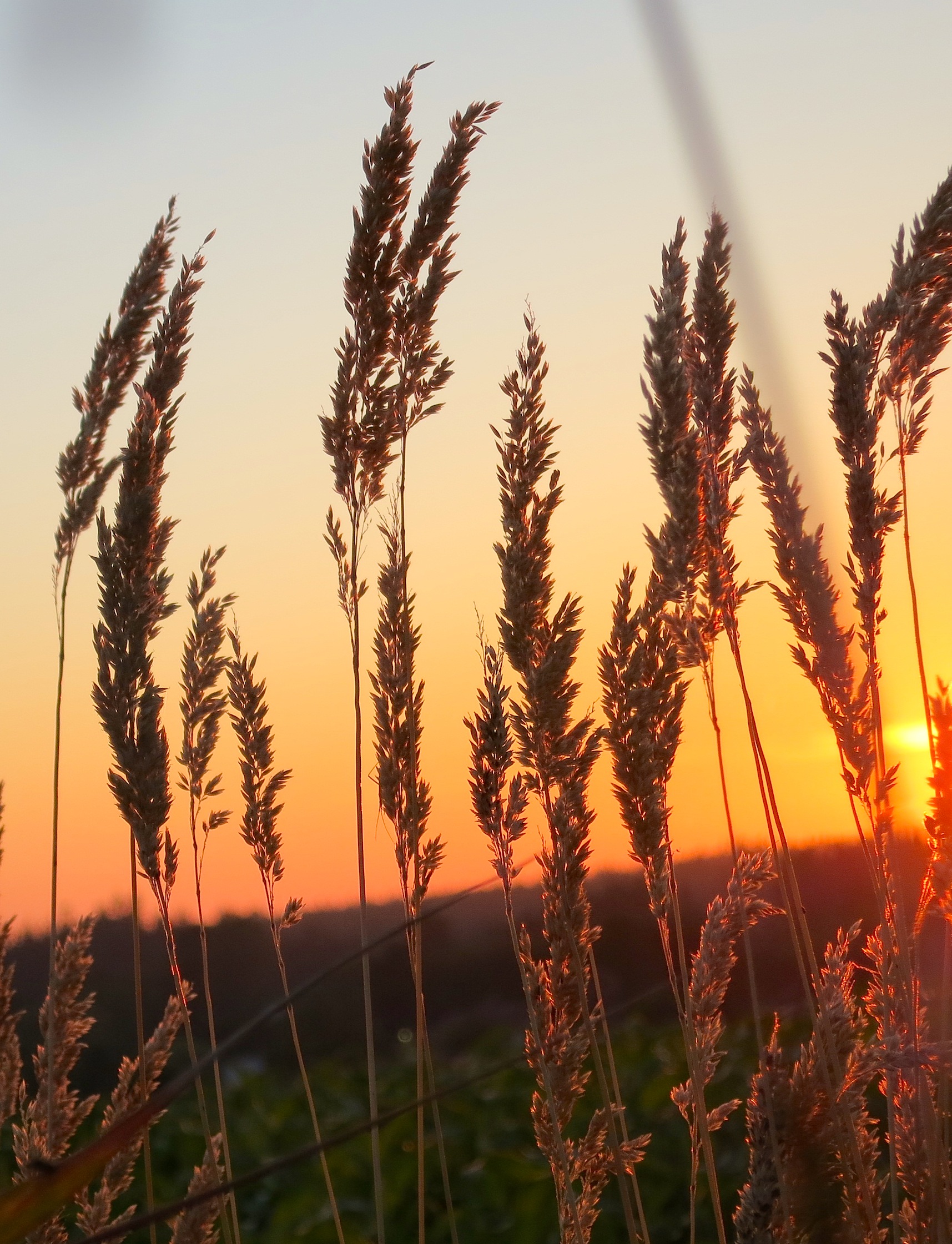
Light and wind are running
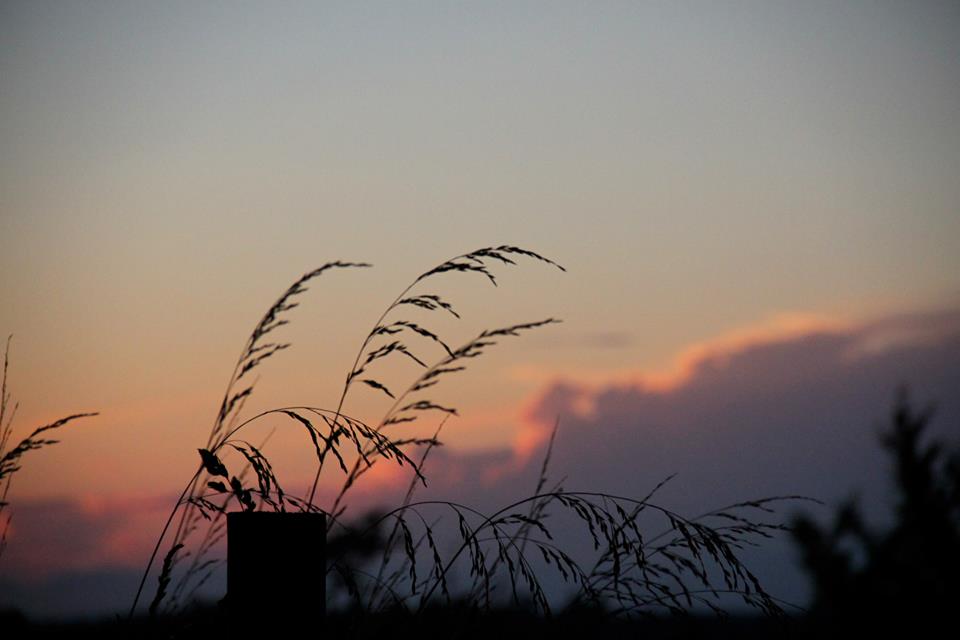
over the headed grass
as though the hill had
melted and now flowed.
~Wendell Berry “June Wind”
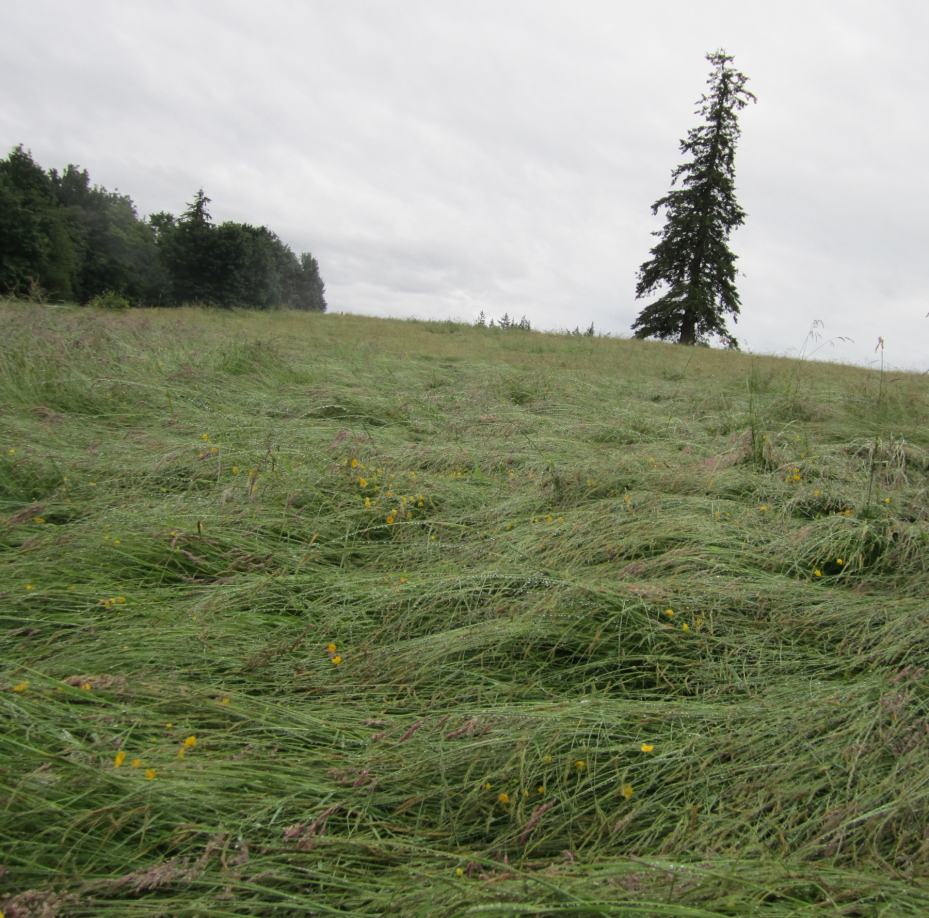
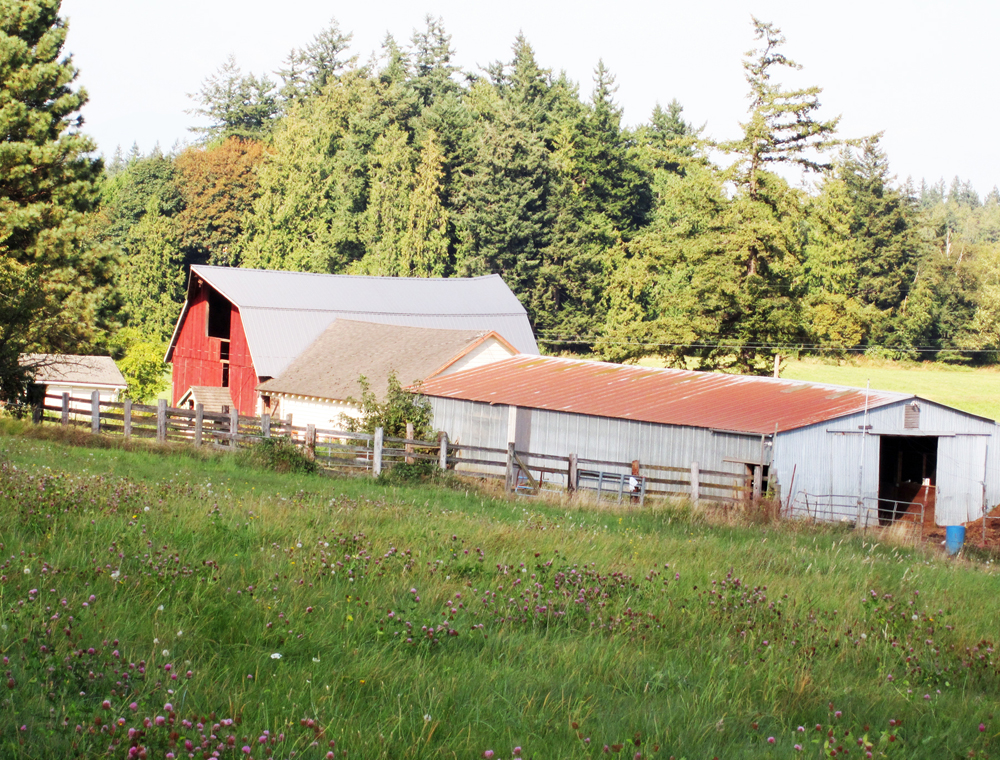
It will soon be haying time, as soon as a stretch of clear days appear on the horizon. Today was to be cloudless but ended up drizzly and windy, not good hay cutting weather.
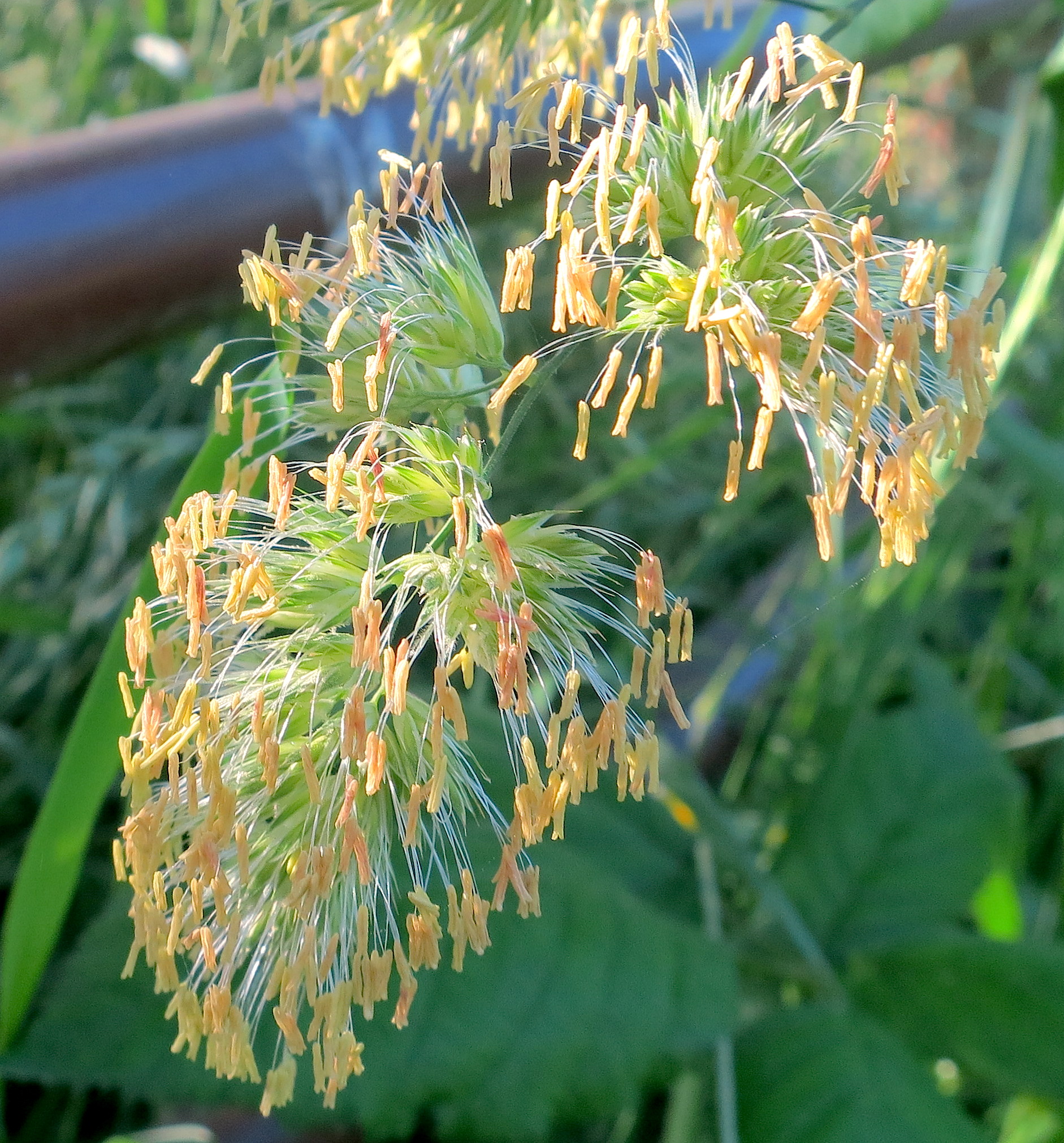
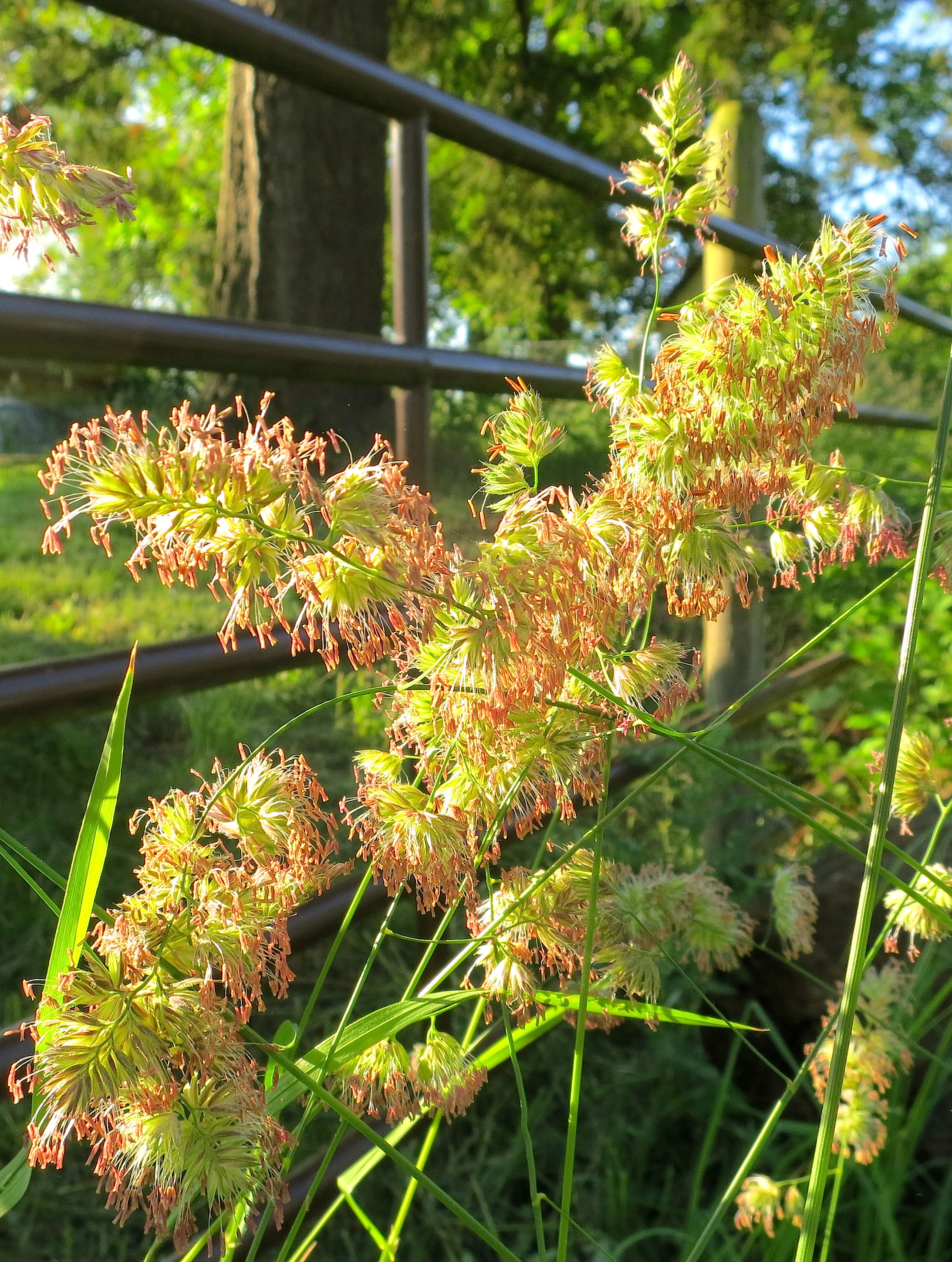
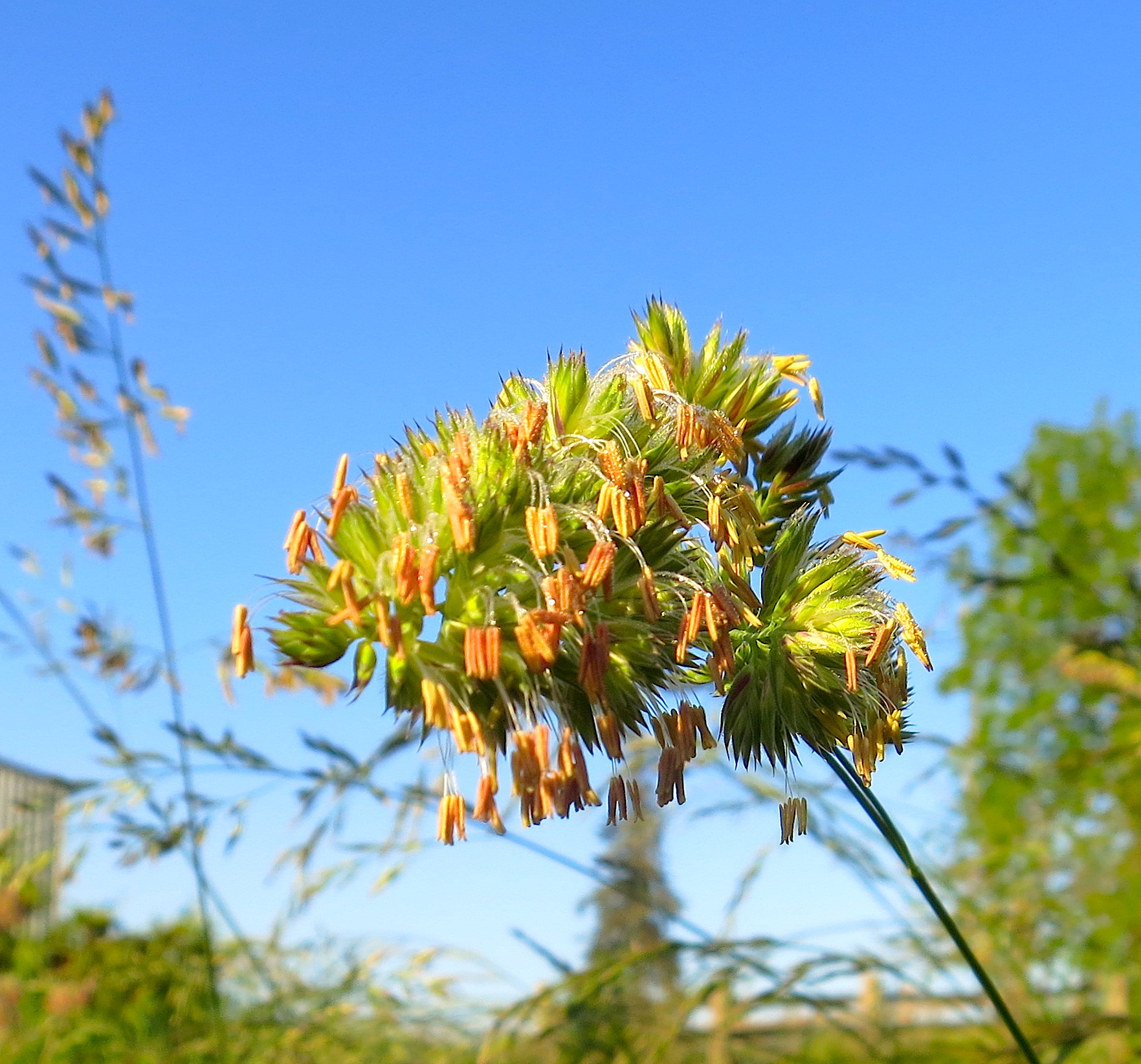
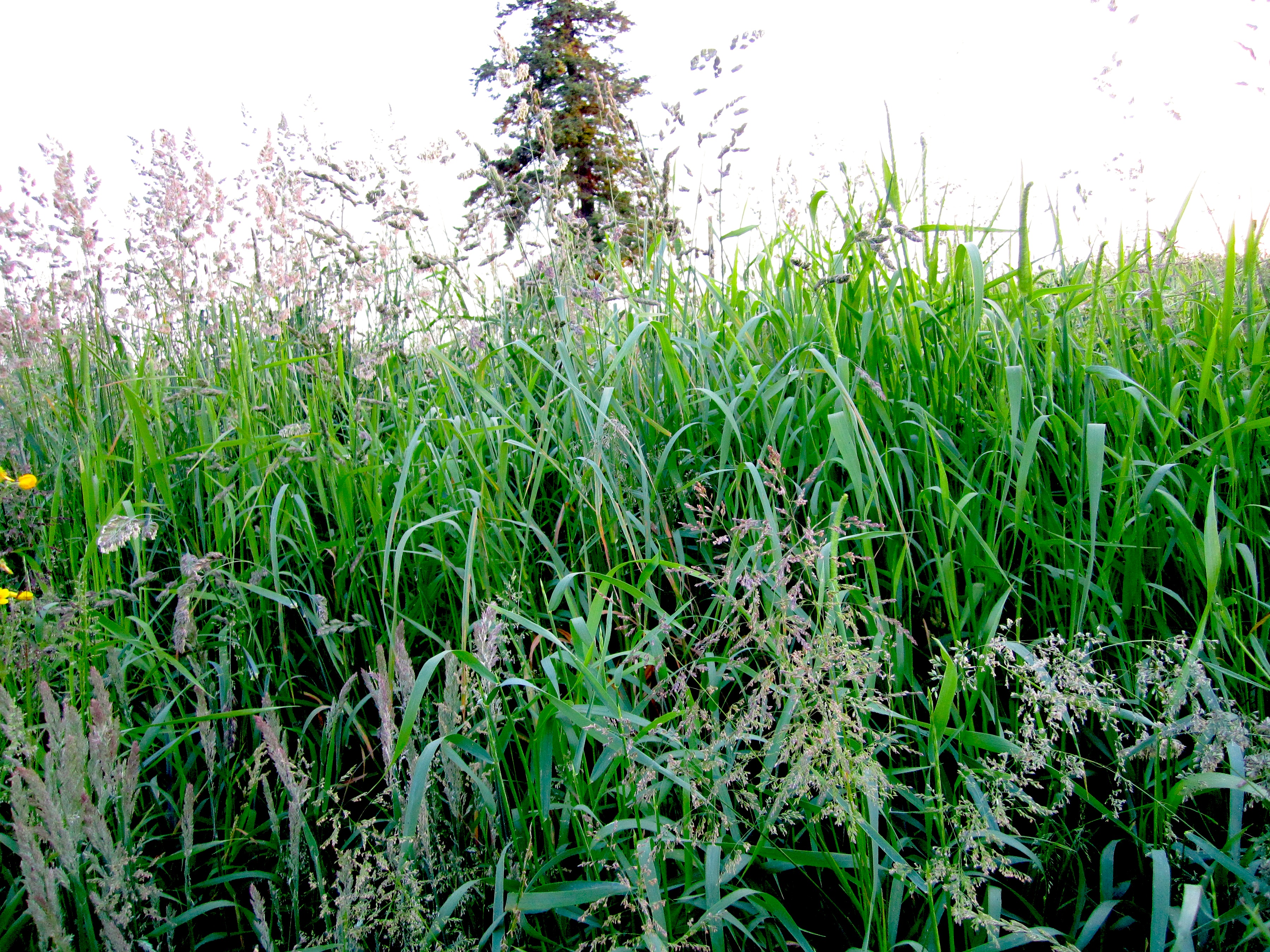
The headed grass is growing heavier, falling over, lodged before it can be cut, with the undulations of moist breezes flowing over the hill. It has matured too fast, rising up too lush, too overcome with itself so that it can no longer stand. It is melting, pulled back to the soil. We must work fast to save it.
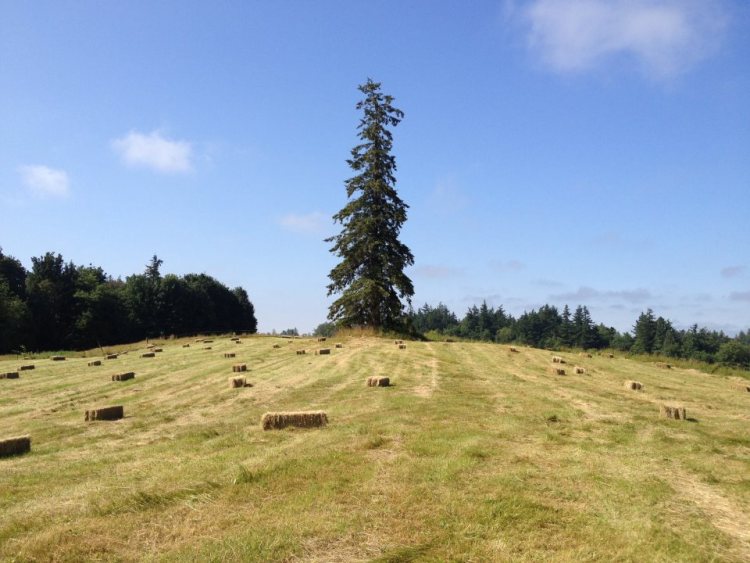
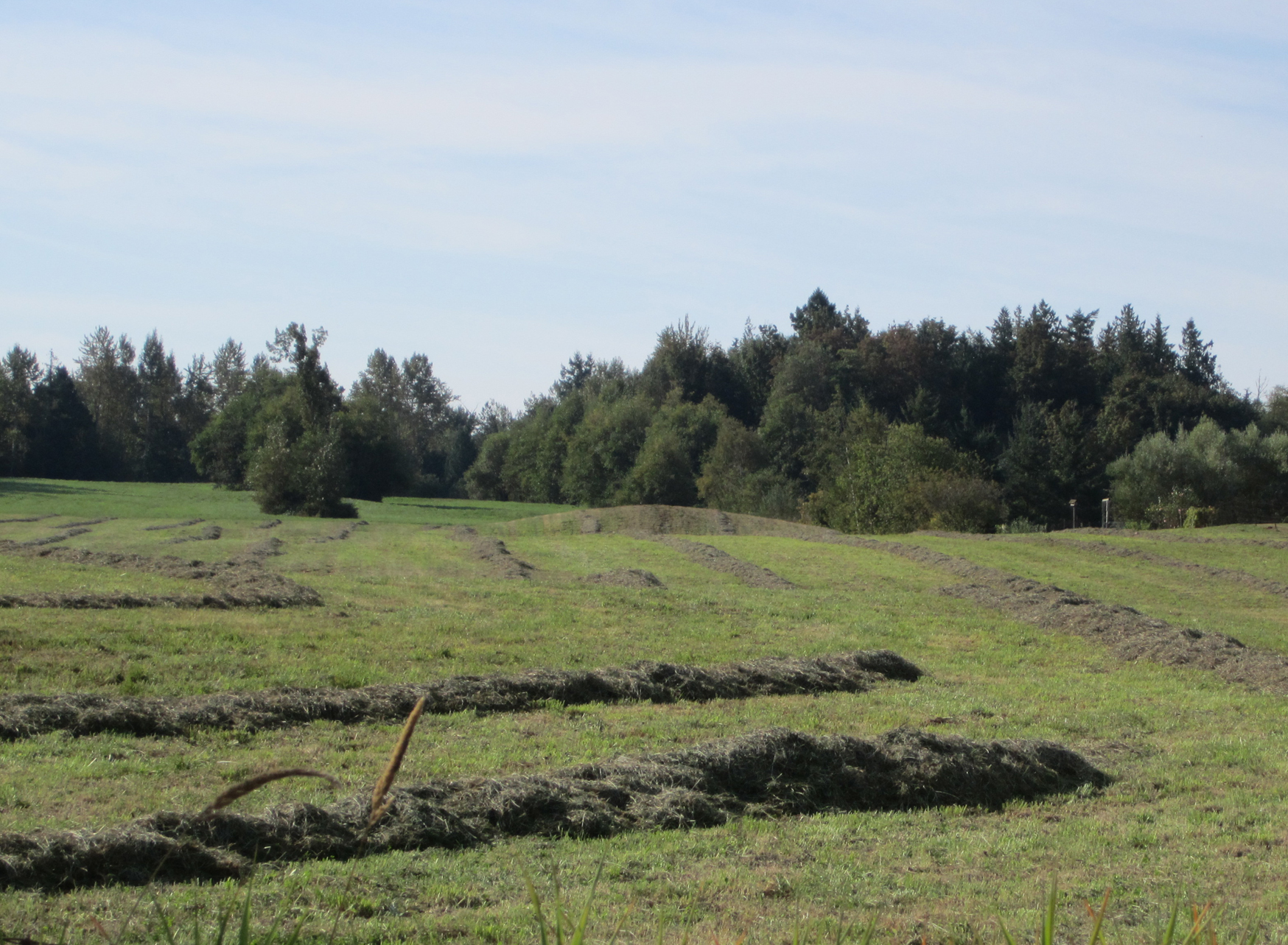
The light and wind works its magic on our hill. The blades of the mower will come soon to lay it to the ground in green streams that flow up and down the slopes. It will lie comfortless in its stoneless cemetery rows, until tossed about by the tedder into random piles to dry, then raked back into a semblance of order in mounded lines flowing over the landscape.
It will be crushed and bound together for transport to the barn, no longer bending but bent, no longer flowing but flown, no longer growing but grown and salvaged.
It becomes fodder for the beasts of the farm during the cold nights when the wind beats at the doors. It melts in their mouths, as it was meant to.
Truly.
Fireflies are daughters to the stars
And go in the countryside to catch the scent of hay
Which is the scent of God
Because it smells of work–Giovanni Cerri
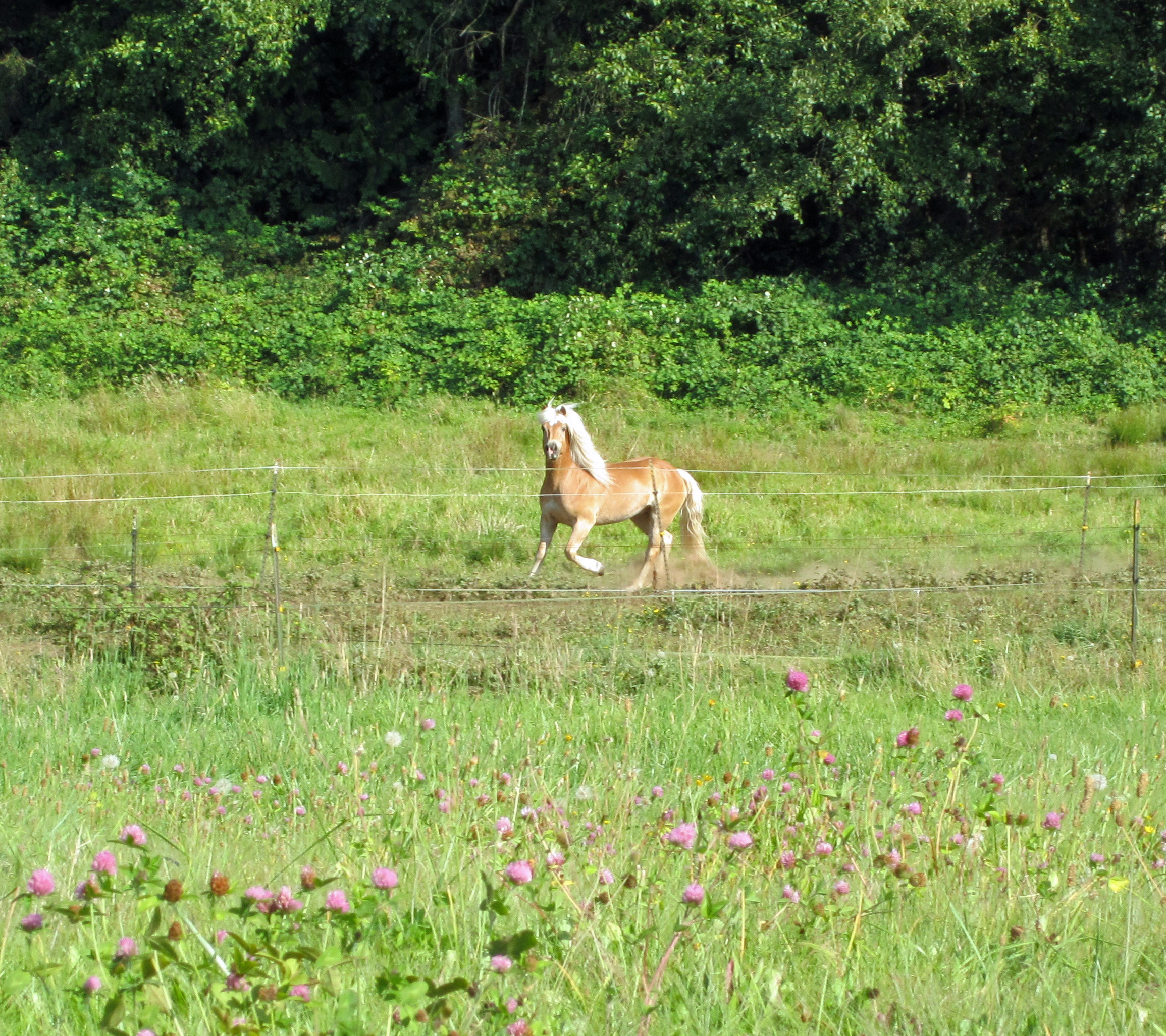
Our horses are now officially pulled off the pastures for winter, relegated to smaller dirt paddocks until the fields have rested, recovered and dried sufficiently in April to bear their hooves and teeth again.
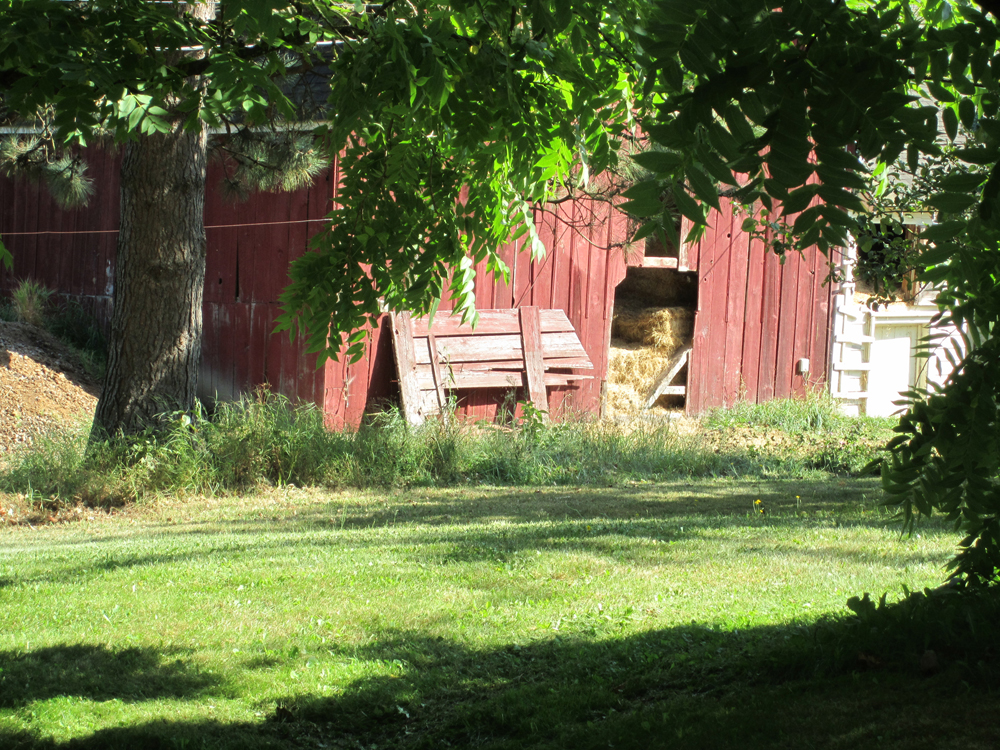
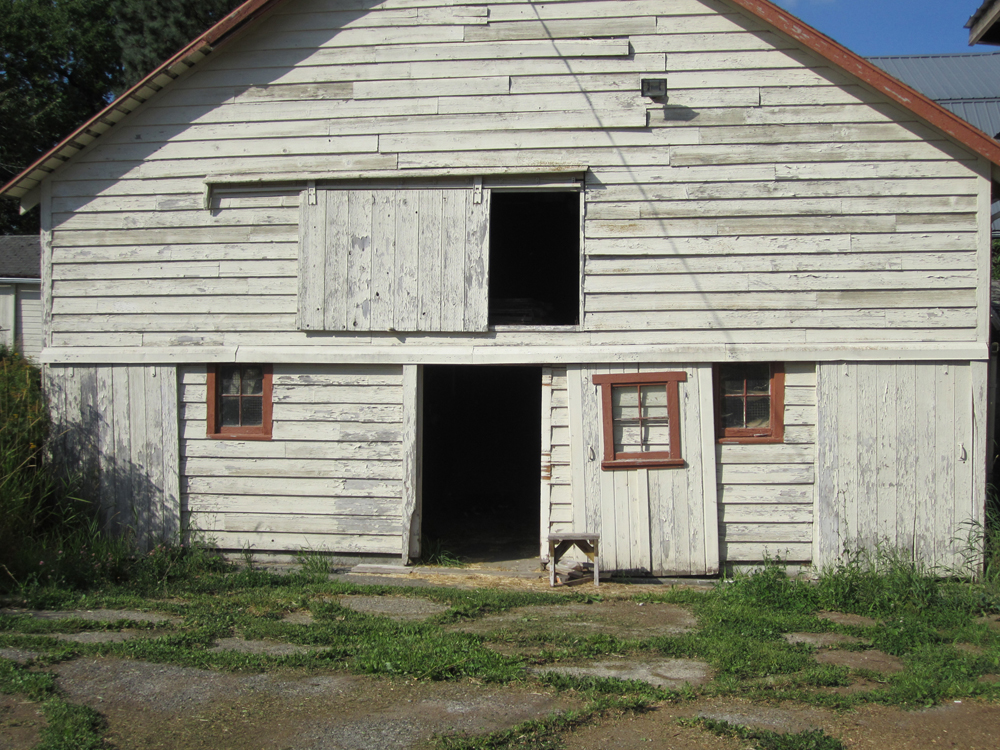
So I climb the ladder to the hay loft daily to toss down carefully stacked bales of hay placed there by our hay crew four months ago. I release the dried stems from their bondage by twine. The scent of July work hits me full force; I’m transported back to the sweaty days of hay mowing, tedding, raking and baling. It was just yesterday, so it seems, that my children and their friends were picking up these heavy bales and tossing them onto the trailer, and then bringing them into the barn.
The scent of work on the earth, like fireflies to the stars, is the perfume of heaven.
Harvest will fill the barn; for that
The hand must ache, the face must sweat.
And yet no leaf or grain is filled
By work of ours; the field is tilled
And left to grace. That we may reap,
Great work is done while we’re asleep.
~Wendell Berry
Every day this time of year I scramble to the top of the hay pile in the barn to push down two bales to feed to our horses, now that the pastures are resting and “left to grace” for the winter. My husband has been busy spreading our composted manure out on the fields to give them an extra fertilizer boost for next spring’s growth, only a little more than four months away.
As farmers, we have to always be thinking one or two seasons ahead: the hay brought into the barn in June or July does not leave the barn until late-autumn. The manure piled up in winter gets spread on pastures the following fall. The tilled cornfields surrounding us are seeded in May and not harvested until October after several months of rain and sun and rain again.
More than practicing forethought, as farmers we know our meager efforts, as tangible as they are, are dependent solely on grace: that there will be enough rain, that there will not be too much rain, that there will be enough days of sunlight, that the seed will sprout, that the machinery will work when needed, that there will be no blight or pests, and that the hay crew will materialize when needed for harvest. So much of this is not due to the labor of our hands, no matter how much we sweat and ache, but due to the great work of the Creator in His Creation.
Every hay bale I open spills forth His mercy, a reminder of how grateful I am for seed and sun and rain and a barn full of promises. 

To the earnest love that laid the swale in rows…
The fact is the sweetest dream that labor knows.
My long scythe whispered and left the hay to make.
~Robert Frost in “Mowing”
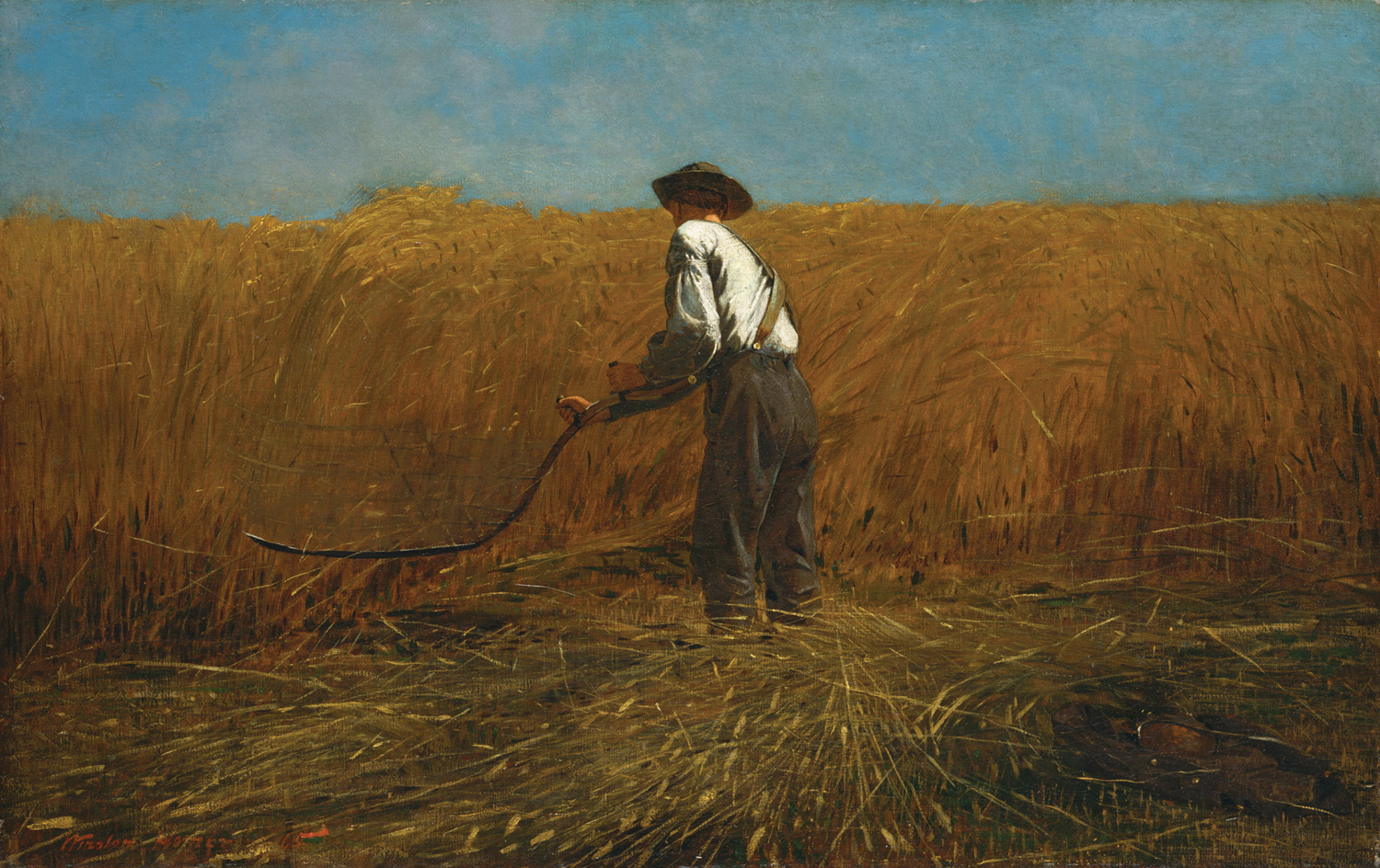
I grew up watching my father scythe our hay in our field because he had no mower for his tractor. He enjoyed physical labor in the fields and woods–his other favorite hand tool was a brush cutter that he’d take to blackberry bushes. He would head out to the field with the scythe over this shoulder, grim reaper style. Once he was standing on the edge of the grass needing to be mowed, he would then lower the scythe, curved blade to the ground, turn slightly, positioning his hands on the two handles just so, raise the scythe up past his shoulders, and then in a full body twist almost like a golf swing, he’d bring the blade down. It would follow a smooth arc through the base of the standing grass, laying clumps flat in a tidy pile in a row alongside the 2 inch stubble left behind. It was a swift, silky muscle movement, a thing of beauty.
This work was a source of his satisfaction and “sweetest dream.” I know now what he must have felt–there is a contentment found in sweaty work showing visible results. I understand that “earnest love” that drives us to work, and tangibly leaves the evidence of our labors behind.
Harvest work is not for sissies. I learned that watching my father’s continual sweep across the field and hearing his whispering scythe.
I wish I too could work with a whisper.

“Summer afternoon—summer afternoon; to me those have always been the two most beautiful words in the English language.”
― Henry James

Rest is not idleness, and to lie sometimes on the grass under trees on a summer’s day, listening to the murmur of the water, or watching the clouds float across the sky, is by no means a waste of time.
~John Lubbock


It will not always be summer; build barns.
~Hesiod


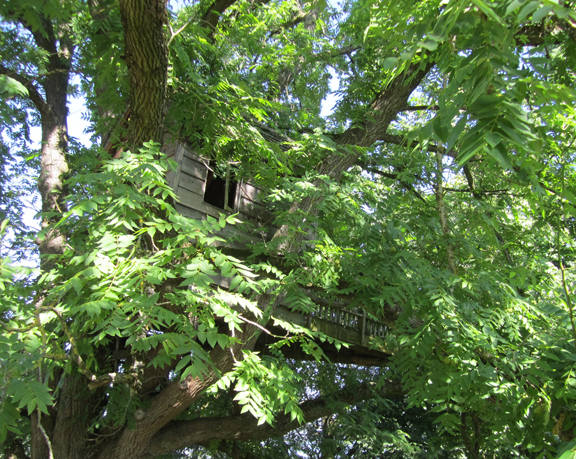
Summer was our best season: it was sleeping on the back screened porch in cots, or trying to sleep in the treehouse; summer was everything good to eat; it was a thousand colors in a parched landscape; but most of all, summer was Dill.
~ Harper Lee in Too Kill a Mockingbird

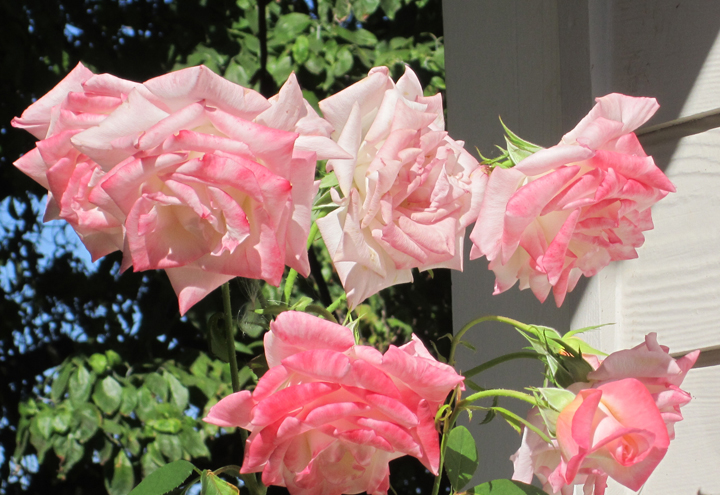
‘Tis the last rose of summer
Left blooming alone;
All her lovely companions
Are faded and gone.
Thomas More


And so with the sunshine and the great bursts of leaves growing on the trees, just as things grow in fast movies, I had that familiar conviction that life was beginning over again with the summer.
~F. Scott Fitzgerald in The Great Gatsby


Summer’s lease hath all too short a date.
~William Shakespeare