Prepare for Sorrow: The Unstilled World

cherrymorning3

cherrymorning

If the lost word is lost, if the spent word is spent
If the unheard, unspoken
Word is unspoken, unheard;
Still is the unspoken word, the Word unheard,
The Word without a word, the Word within
The world and for the world;
And the light shone in darkness and
Against the Word the unstilled world still whirled
About the centre of the silent Word.

O my people, what have I done unto thee.
~T.S. Eliot from “Ash Wednesday”


In my beginning is my end. Now the light falls
I said to my soul, be still, and wait without hope.
~T.S. Eliot from “East Coker”


On Maundy Thursday, I arrive back to the beginning,  six weeks later returning to Eliot:
“the unstilled world whirled/About the centre of the silent Word.”

This day:

a day of disquiet and silence,
of Christ taking towel and water to disciples’ dirty feet,
of bread broken and fruit crushed and consumed,
of anguished prayer and the kiss of betrayal,
of stilling the sword,
of watching those He loved run off in fear
and deny they ever knew Him.

In my beginning is my end.
And now the light falls and the darkness begins.
We wait, sorrow-filled, our unstilled souls stilled
by our betrayal, our denial, our hopelessness without Him.


cherrymorning2

Prepare for Joy: Before It Sours

seedy

cherrybuds

hooterjasmine

Nothing is so beautiful as Spring –         
   When weeds, in wheels, shoot long and lovely and lush;         
   Thrush’s eggs look little low heavens, and thrush         
Through the echoing timber does so rinse and wring         
The ear, it strikes like lightnings to hear him sing;
   The glassy peartree leaves and blooms, they brush         
   The descending blue; that blue is all in a rush         
With richness; the racing lambs too have fair their fling.         

What is all this juice and all this joy?         
   A strain of the earth’s sweet being in the beginning
In Eden garden. – Have, get, before it cloy,         
   Before it cloud, Christ, lord, and sour with sinning,         
Innocent mind and Mayday in girl and boy,         
   Most, O maid’s child, thy choice and worthy the winning.        
~Gerard Manley Hopkins  “Spring”
Once we were innocent, now no longer.  Cloyed and clouded by sin.
Given a choice, we chose sour over the sweetness we were born to,
giving up walks together in the cool of the day
to feed an appetite never sated.
So Christ made a choice to win us back with His blood
as if we were worthy of Him.
He says we are.  He dies to prove it.
Every day I try to believe it can be sweet again.
grapehyacinth
walnutbud
homerroll2

Prepare for Joy: Regard for the Truth

image

…one can never wrestle enough with God
if one does so out of pure regard for the truth.
Christ likes us to prefer truth to him because,
before being Christ, he is truth.
If one turns aside from him
to go toward the truth,
one will not go far
before falling into his arms.

~Simone Weil

Shall I wrestle with an angel to hold on to the ephemeral and grasp the truth? Shall the angel leave His mark upon me, will I bear it in humility?   Shall I seek the truth knowing the comfort of being wrapped in His arms forever?

Prepare for Joy: Laid Bare

graymirror

A cross and nails are not always necessary. 
There are a thousand ways to kill him,
some of them as obvious as choosing where you will stand
when the showdown between the weak and the strong comes along,
others of them as subtle as keeping your mouth shut
when someone asks if you know him.

Today, while he dies, do not turn away. 
Make yourself look in the mirror. 
Today no one gets away
without being shamed by his beauty. 
Today no one flees
without being laid bare by his light.
~Barbara Brown Taylor


Shame is considered old-fashioned these days;
too erosive to self-esteem,
a drag on our self-worth,
an inconvenient truth.

Yet how else do we see ourselves
through the glass darkly
than to see our shame convicted,
to be known in our guilt,
our darkness reflected
by a Light that reveals all shadows
and forgives as it illuminates.

For now we see through a glass, darkly; but then face to face: now I know in part; but then shall I know even as also I am known.
1Corinthians 13:12

sunsetappletree2

Prepare for Joy: Unshaken

dawn752

irishroad

I do not think that all who choose wrong roads perish;
but their rescue consists in being put back on the right road.
A sum can be put right:
but only by going back til you find the error
and working it afresh from that point,
never by simply going on.

There are only two kinds of people in the end:
those who say to God,
“Thy will be done,”
and those to whom God says, in the end,
“Thy will be done.”
All that are in Hell, choose it.
Without that self-choice there could be no Hell.
No soul that seriously and constantly desires joy will ever miss it.
Those who seek find.
To those who knock
it is opened.

Everything becomes more and more itself.
Here is joy that cannot be shaken.
Our light can swallow up your darkness;
but your darkness cannot now infect our light.

~C.S. Lewis excerpts from A Great Divorce


So much value is placed on choice — our country thrives on it: the choice to abort or let live, the choice to vaccinate or let nature take its course, the choice to recycle or overwhelm landfills, the choice to marry whom you wish or not at all, the choice to believe or decide there is nothing worth believing in.

Each fork in the road forces a choice.  Which is the “right” road? How can we ever know?

Each time I’ve chosen a road that ends up darkening to the point of invisibility or covered in brambles, potholes or muddy mire, I must choose again: keep going deeper into the darkness, or turn around and choose again.  I backtrack, rethink, make mistakes, get lost, try again.   When I finally come to my senses and whisper to God, “Thy will be done,” only then does His light lead the way and swallow up my darkness.

My joy at seeking the light remains unshaken:  He is God and always has been, and I am not and never will be.

sunset21615iphone2

sunrise22115

Prepare for Joy: A Terrible Clarity

10974197_10152586644562046_2617999342651512955_o
photo by Jim Randall burmachronicle.com


Romantic love is blind to everything
except what is lovable and lovely,

but Christ’s love sees us
with terrible clarity and sees us whole.

Christ’s love so wishes our joy
that it is ruthless against everything in us
that diminishes our joy.

The worst sentence Love can pass
is that we behold the suffering
which Love has endured for our sake,

and that is also our acquittal.
The justice and mercy of the judge
are ultimately one.

~Frederick Buechner


To see with terrible clarity
the Love we are shown,
the Love given freely to the undeserving,
the Love paying our ransom in full,
the Love enduring all for us~

this Judge convicts,
metes out justice upon His own head,
serves the whole sentence Himself,
sets us free
to see and share
the Love we are shown.

sunrisepond22115

Preparing for Joy: Rend Your Heart

dillymoment

“Even now,” declares the Lord,
    “return to me with all your heart,
    with fasting and weeping and mourning.”

13 Rend your heart
    and not your garments.
Return to the Lord your God,
    for he is gracious and compassionate,
slow to anger and abounding in love
Joel 2: 12-13

There is no motivation for works of love
without a sense of gratitude,
no gratitude without forgiveness,
no forgiveness without contrition,
no contrition without a sense of guilt,
no sense of guilt without a sense of sin.
~Edna Hong


We must start with a torn heart; there is no other way to finding and sharing joy.
It isn’t enough to “do good” because we are “good” as the secular world would suggest.
We aren’t good enough, not by any stretch, and never will be — just look at the headlines, at the video of slaughtered sons, husbands, fathers, beheaded by sons, husbands, fathers.

We can never love enough on our own until our own heart owns our own sin, and we bring those broken heart pieces back to its Creator for His fix and glue.

sin –> guilt –> contrition –> forgiveness –> gratitude –> love –> joy

The only true pathway to joy.  Everything else is a shortcut to nowhere and nothing.

Shades of Graying

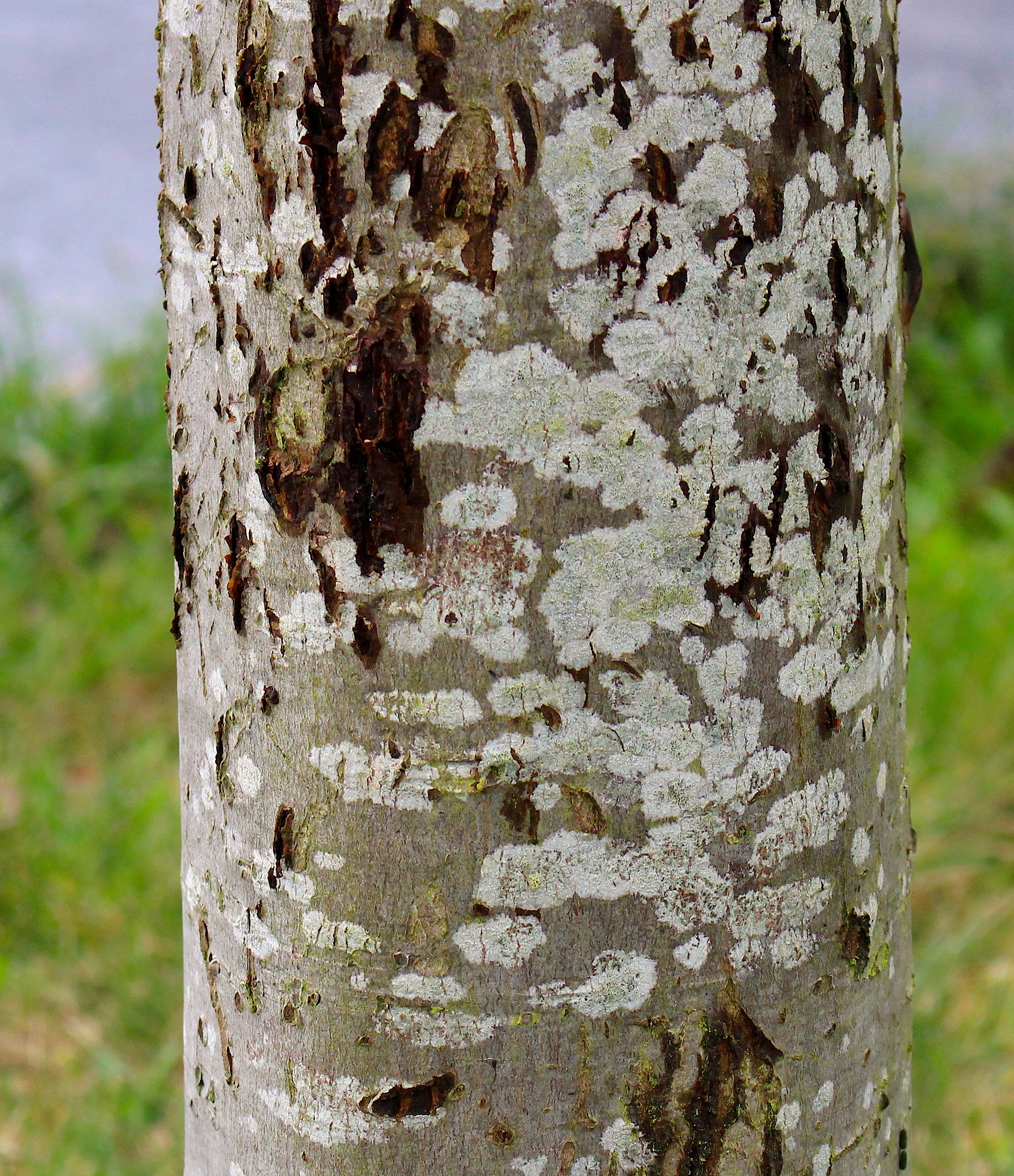
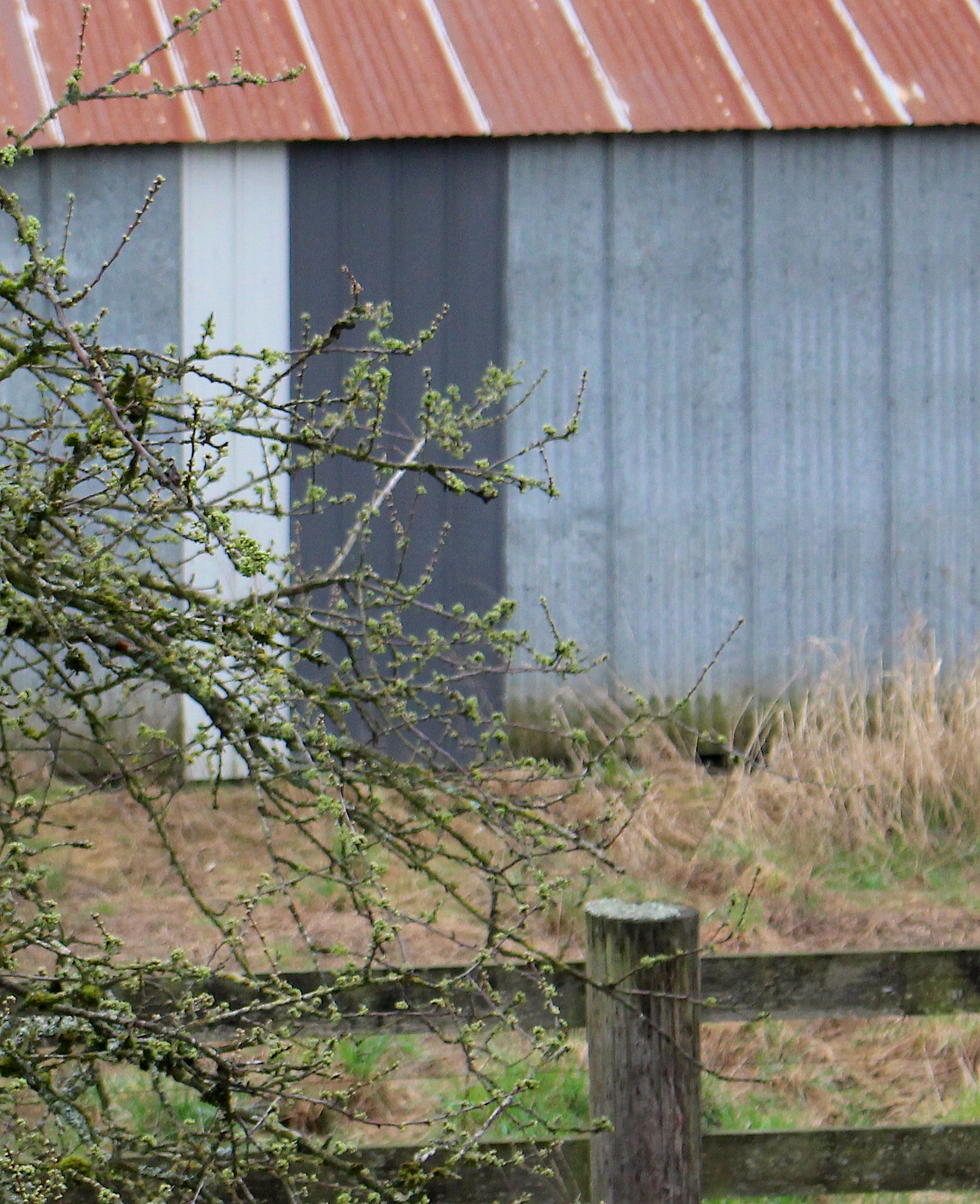
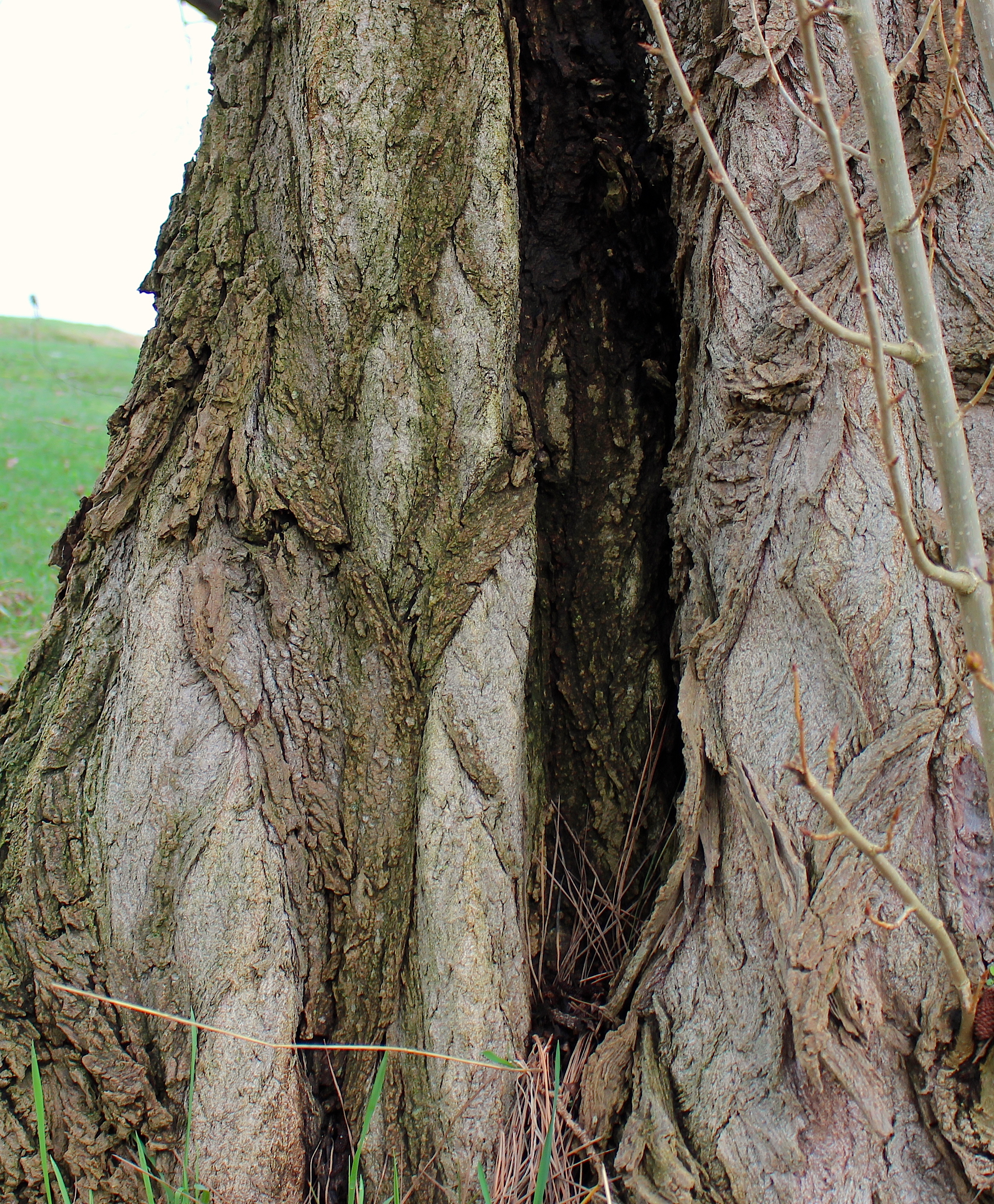
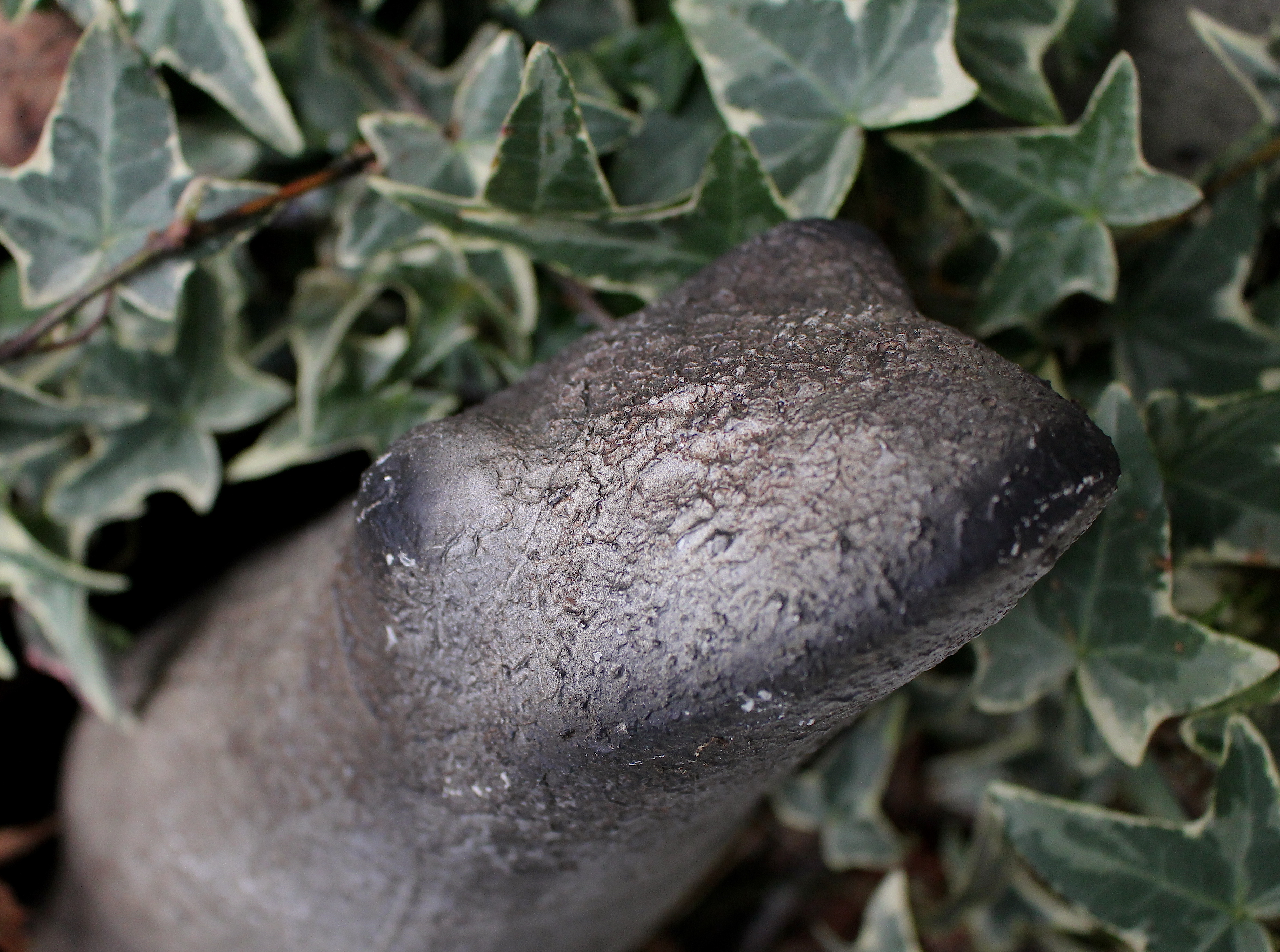
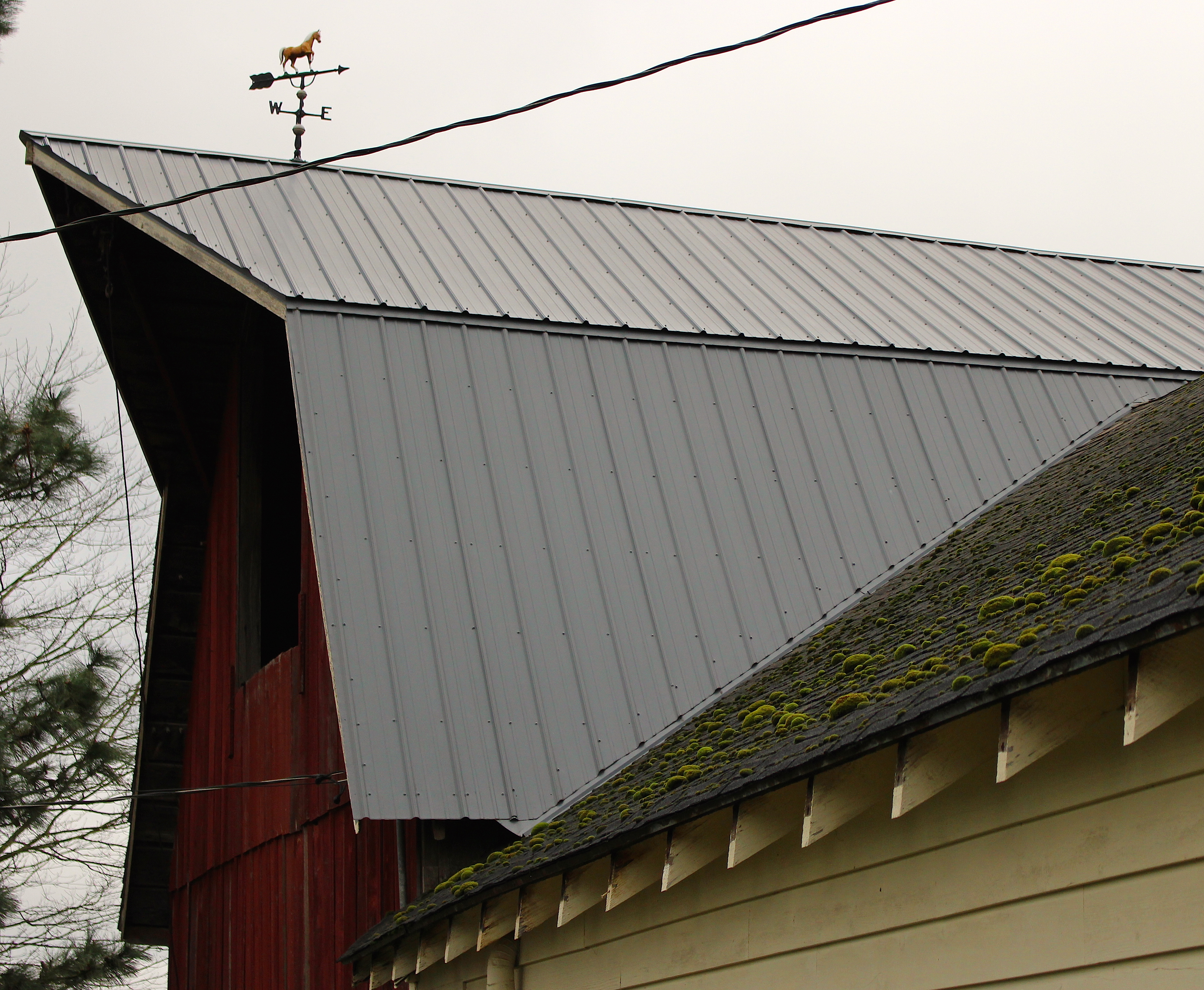
Featuring fifty shades of farm gray

shadesofgray

grayfencedrops

graylichen

I could weep for a quiet love like this, the kind of love they don’t write movies about, but the Maker writes down in a book of His own.
It’s not the kind of flashy that makes any red carpet, but it’s the kind of unforgettable love that runs red.
It doesn’t matter one iota what the checkout glossies tout: Sacrifice is the most attractive of all.
And boring love is what touches the deepest– our lives boring down deep into each other’s hearts.
And I have loved you as the hero-of-few-words who has rescued me day in and day out, without any fanfare or flash.
You have lived and bore the weight of it —- I am far worse than I ever dreamed.
And yet you have loved me beyond what I could ever dream.
You have lived Gospel to me.
~Ann Voskamp  from aholyexperience.com

fogsun

graywebdesign

grayfencelichen

grayasphalt

grayknobs

On a day celebrated for honoring Love,
I grieve that women — mothers and daughters
who know nothing of slavery,
who know nothing but freedom,
seek out and pay out
for a fantasy of seduction,
blinded and bound by books and movie
that have nothing to do
with honor or love.

Give me boring gray love rich in so many shades:
love that bores deep into the other’s heart
and stays,
enduring,
before, throughout and beyond the gray.

The shades of gray in my life
will not be covered with dye and make believe,
but celebrated as reflecting
love not forsaken,
not for any one
or any reason.

We declare it to all who are to come after.

graybark2

graybarn

grayappletrunk

graybark3

grayfencetop

Even when I am old and gray, do not forsake me, my God,
till I declare your power to the next generation,
your mighty acts to all who are to come.
Psalm 71:18

graybark6

graybark4

graybarndoor

grayfoundationcrack

grayladder2

grayladder

graylichen1

graymaple

graymirror

grayshingles

barebranchesgrayrocks4


graybolt

graypeeling

grayfencelichen2

graykindling

grayreflection

grayrocks

graymaplecenter

graysiding

graylichen3

graypoplar

graystonefrog

graywall

graywalnutscars

grayswing

graytreehouse

grayplum

graymapletree

graywalnutbark

graystairs

graywall2

graystonepile

grayroofing

graystump

graystonewall

graywebdesign1

Headed Home

banner1

He wasn’t just any drunk.  He was a mean drunk.  Surly, cursing, prone to throwing things and people, especially at home.

My grandmother used to say he learned to drink in the logging camps and I suspect that is true.  He started working as a logger before he was fully grown, dropping out of school, leaving home around age sixteen and heading up to the hills where real money could be made.  He learned more than how to cut down huge old growth Douglas Fir trees, skid them down the hills using a team of horses, and then roll them onto waiting wagons to be hauled to the mills.  He learned how to live with a group of men who surfaced once or twice a month from the hills to take a bath and maybe go to church with their womenfolk. Mostly he learned how to curse and drink.

He headed home to the  farm with muscles and attitude a few years later, and started the process of felling trees there, creating a “stump farm” that was a challenge to work because huge stumps dotted the fields and hills.  He slowly worked at blasting them out of the ground so the land could be tilled.  It proved more than he had strength and motivation to do, so his fields were never very fruitful, mostly growing hay for his own animals.  He went to work in the local saw mill to make ends meet.

He cleaned up some when he met my grandmother, who at eighteen was twelve years younger, and eager to escape her role as chief cook and bottle washer for her widowed father and younger brother.   She was devout, lively and full of energy and talked constantly while he, especially when sober, preferred to let others do the talking.  It was an unusual match but he liked her cooking and she was ready to escape the drudgery of her father’s household and be wooed.

They settled on the stump farm and began raising a family, trying to eke out what living they could from the land, from the sporadic work he found at the saw mill, and every Sunday, took the wagon a mile down the road to the Summit Park Bible Church where they both sang with gusto.

He still drank when he had the money, blowing his pay in the local tavern, and stumbling in the back door roaring and burping, falling into bed with his shoes on.  Grandma was a teetotaler and yelled into his ruddy face about the wrath of God anytime he drank, their four children hiding when the dishes started to fly, and when he would whip off his belt to hit anyone who looked sideways at him.

When their eldest daughter took sick and died quickly of lymphoma at age eight despite the little doctoring that was available, Grandpa got sober for awhile.  He saw it as punishment from God, or at least that is what Grandma told him through her sobs as she struggled to cope with her loss.

Over the years, he relapsed many times, losing fingers in his work at the mill, and losing the respect of his wife, his children and the people in the community.  Grandma left with the kids for several months to cook in a boarding house in a neighboring town, simply to be able to feed her family while Grandpa squandered what he had on drink.   Reconciled over and over again, Grandma would come back to him, sending their growing son to fetch him from the tavern for the night.  My Dad would bicycle to that dark and smoky place,  stand Grandpa up and guide him staggering out to their truck for the weaving drive home on country roads.  On more than one occasion, Grandpa, belligerent as ever, would resist leaving and throw a punch at his boy, usually missing by a mile.

But once the boy grew taller and strong enough to fight back, managing to knock Grandpa to the ground in self-defense, the punching and resistance stopped.   The boozing didn’t.

Grandpa sobered up for good while his boy fought in the war overseas, striking a bargain with God that his boy would come home safe as long as Grandpa left alcohol alone.  It stuck and he stayed sober.  His boy came home.  Grandpa saw it as a promise kept and became an elder in his Bible Church, taught Sunday School and gave his extra cash to the church rather than the tavern.

Sitting in a Christmas Sunday School program one Christmas Eve, Grandpa leaned toward Grandma and she noticed his face broken out in sweat, his face ashen.

“It’s hot in here, “ he said and collapsed in her lap.    He was gone, just like that, and he left the rest of his family behind while sitting in church, sober as can be,  on the day before Christmas.

Finally everlastingly forgiven, he headed one more time, not weaving or swerving but on the straight and narrow,  home.

A Loss of Innocence

snow225146

As a physician-in-training in the late 1970’s, I rotated among a variety of inner city public hospitals, learning clinical skills on patients who were grateful to have someone, anyone, care enough to take care of them. There were plenty of homeless street people who needed to be deloused before the “real” doctors would touch them, and there were the alcoholic diabetics whose gangrenous toes would self-amputate as I removed stinking socks. There were people with gun shot wounds and stabbings who had police officers posted at their doors and rape victims who were beaten and poisoned into submission and silence. Someone needed to touch them with compassion when their need was greatest.

As a 25 year old idealistic and naive student, I truly believed I could make a difference in the 6 weeks I spent in any particular hospital rotation. That proved far too grandiose and unrealistic, yet there were times I did make a difference, sometimes not so positive, in the few minutes I spent with a patient. As part of the training process, mistakes were inevitable. Lungs collapsed when putting in central lines, medications administered caused anaphylactic shock, pain and bleeding caused by spinal taps–each error creates a memory that never will allow such a mistake to occur again. It is the price of training a new doctor and the patient always–always– pays the price.

I was finishing my last on-call night on my obstetrical rotation at a large military hospital that served an army base. The hospital, built during WWII was a series of far flung one story bunker buildings connected by miles of hallways–if one part were bombed, the rest of the hospital could still function. The wing that contained the delivery rooms was factory medicine at its finest: a large ward of 20 beds for laboring and 5 delivery rooms which were often busy all at once, at all hours.  Some laboring mothers were married girls in their midteens whose husbands were stationed in the northwest, transplanting their young wives thousands of miles from their families and support systems. Their bittersweet labors haunted me: children delivering babies they had no idea how to begin to parent.

I had delivered 99 babies during my 6 week rotation. My supervising residents and the nurses on shift had kept me busy on that last day trying to get me to the *100th* delivery as a point of pride and bragging rights; I had already followed and delivered 4 women that night and had fallen exhausted into bed in the on call-room at 3 AM with no women currently in labor, hoping for two hours of sleep before getting up for morning rounds. Whether I reached the elusive *100* was immaterial to me at that moment.

I was shaken awake at 4:30 AM by a nurse saying I was needed right away. An 18 year old woman had arrived in labor only 30 minutes before and though it was her first baby, she was already pushing and ready to deliver. My 100th had arrived. The delivery room lights were blinding; I was barely coherent when I greeted this almost-mother and father as she pushed, with the baby’s head crowning. The nurses were bustling about doing all the preparation for the delivery:  setting up the heat lamps over the bassinet, getting the specimen pan for the placenta, readying suture materials for the episiotomy.

I noticed there were no actual doctors in the room so asked where the resident on call was.

What? Still in bed? Time to get him up! Delivery was imminent.

I knew the drill. Gown up, gloves on, sit between her propped up legs, stretch the vulva around the crowning head, thinning and stretching it with massaging fingers to try to avoid tears. I injected anesthetic into the perineum and with scissors cut the episiotomy to allow more room, a truly unnecessary but,  at the time, standard procedure in all too many deliveries. Amniotic fluid and blood dribbled out then splashed on my shoes and the sweet salty smell permeated everything. I was concentrating so hard on doing every step correctly, I didn’t think to notice whether the baby’s heart beat had been monitored with the doppler, or whether a resident had come into the room yet or not. The head crowned, and as I sucked out the baby’s mouth, I thought its face color looked dusky, so checked quickly for a cord around the neck, thinking it may be tight and compromising. No cord found, so the next push brought the baby out into my lap. Bluish purple, floppy, and not responding. I quickly clamped and cut the cord and rubbed the baby vigorously with a towel.

Nothing, no response, no movement, no breath. Nothing.  I rubbed harder.

A nurse swept in and grabbed the baby and ran over to the pediatric heat lamp and bed and started resuscitation.

Chaos ensued. The mother and father began to panic and cry, the pediatric and obstetrical residents came running, hair askew, eyes still sleepy, but suddenly shocked awake with the sight of a blue floppy baby.

I sat stunned, immobilized by what had just happened in the previous five minutes. I tried to review in my foggy mind what had gone wrong and realized at no time had I heard this baby’s heart beat from the time I entered the room. The nurses started answering questions fired at me by the residents, and no one could remember listening to the baby after the first check when they had arrived in active pushing labor some 30 minutes earlier. The heart beat was fine then, and because things happened so quickly, it had not been checked again. It was not an excuse, and it was not acceptable. It was a terrible terrible error. This baby had died sometime in the previous half hour. It was not apparent why until the placenta delivered in a rush of blood and it was obvious it had partially abrupted–prematurely separated from the uterine wall so the circulation to the baby had been compromised. Potentially, with continuous fetal monitoring, this would have been detected and the baby delivered in an emergency C section in time. Or perhaps not. The pediatric resident worked for another 20 minutes on the little lifeless baby.

The parents held each other, sobbing, while I sewed up the episiotomy. I had no idea what to say,  mortified and helpless as a witness and perpetrator of such agony. I tried saying I was so sorry, so sad they lost their baby, felt so badly we had not known sooner. There was nothing that could possibly comfort them or relieve their horrible loss or the freshness of their raw grief.

And of course they had no words of comfort for my own anguish.

Later, in another room, my supervising resident made me practice intubating the limp little body so I’d know how to do it on something other than a mannequin. I couldn’t see the vocal cords through my tears but did what I was told, as I always did.

I cried in the bathroom, a sad exhausted selfish weeping. Instead of achieving that “perfect” 100, I learned something far more important: without constant vigilance, and even with it,  tragedy intervenes in life unexpectedly without regard to age or status or wishes or desires. I went on as a family physician to deliver a few hundred babies during my career,  never forgetting the baby that might have had a chance, if only born at a hospital with adequately trained well rested staff without a med student trying to reach a meaningless goal.

This baby should now be in his 30’s with children of his own, his parents now proud and loving grandparents.

I wonder if I’ll meet him again — this little soul only a few minutes away from a full life — if I’m ever forgiven enough to share a piece of heaven with humanity’s millions of unborn babies who,  through intention or negligence,  never had opportunity to draw a breath.

Then, just maybe then, forgiveness will feel real and grace will flood the terrible void where, not for the first time nor the last,  guilt overwhelmed what innocence I had left.

snowonsnowdrops

For more information :

Intrauterine Fetal Demise – birthinjurycenter.org/types-of-birth-injuries/intrauterine-fetal-demise/