Now Spring returns with leaf and blade,
Some seek the garden, some the glade;
And all to Nature turn, but I
to the fresh fields of Poetry.
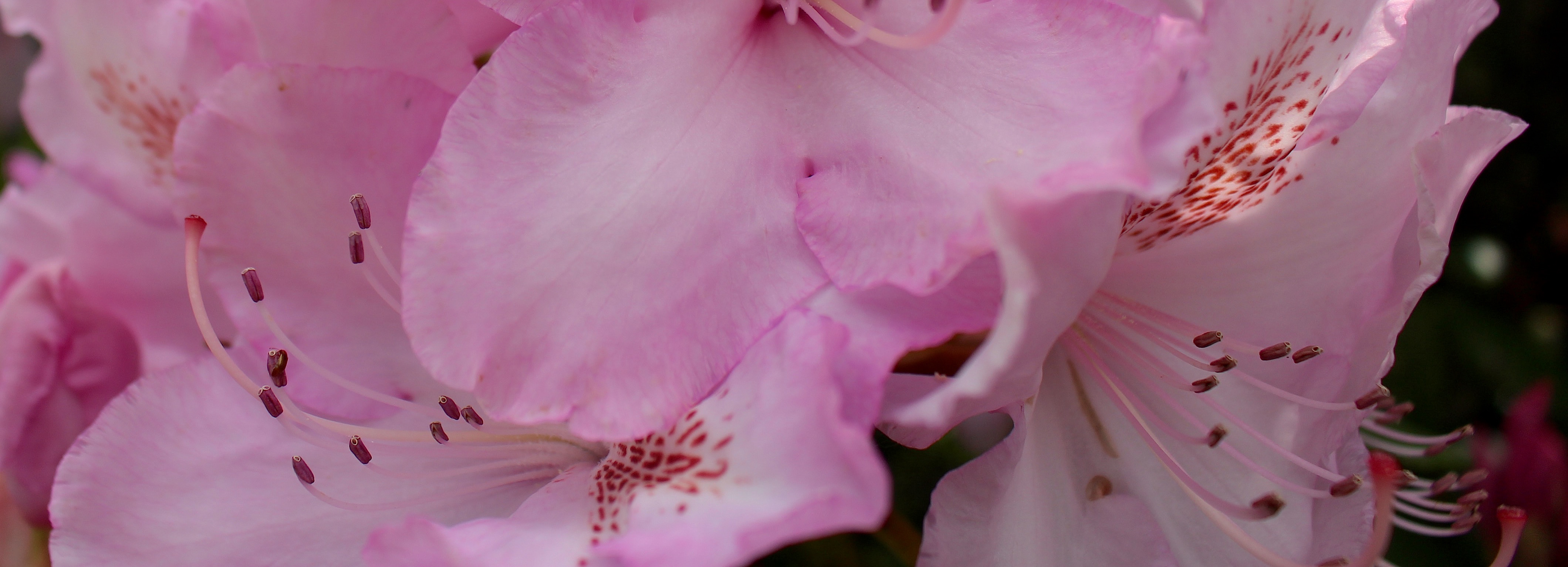
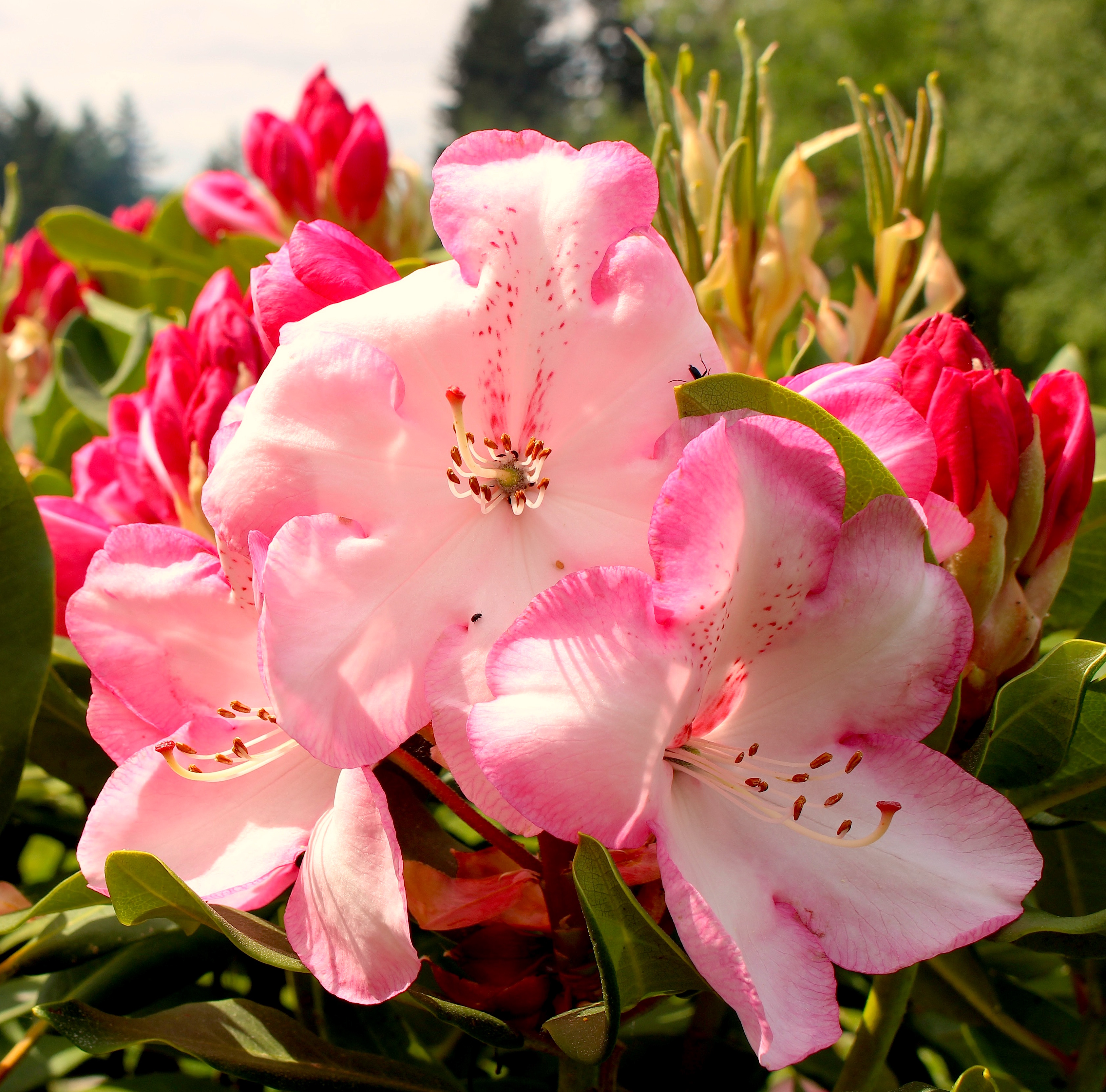
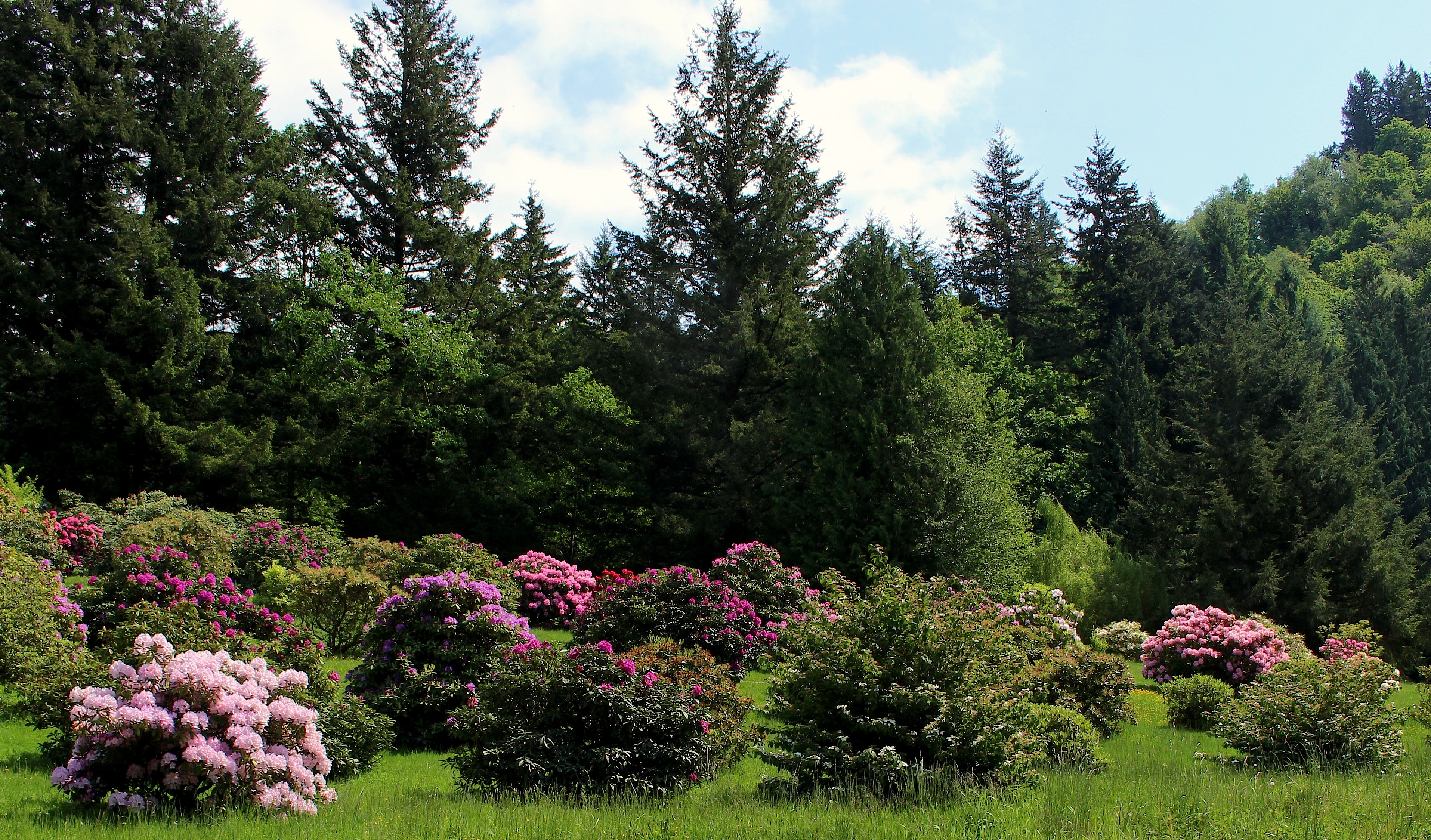
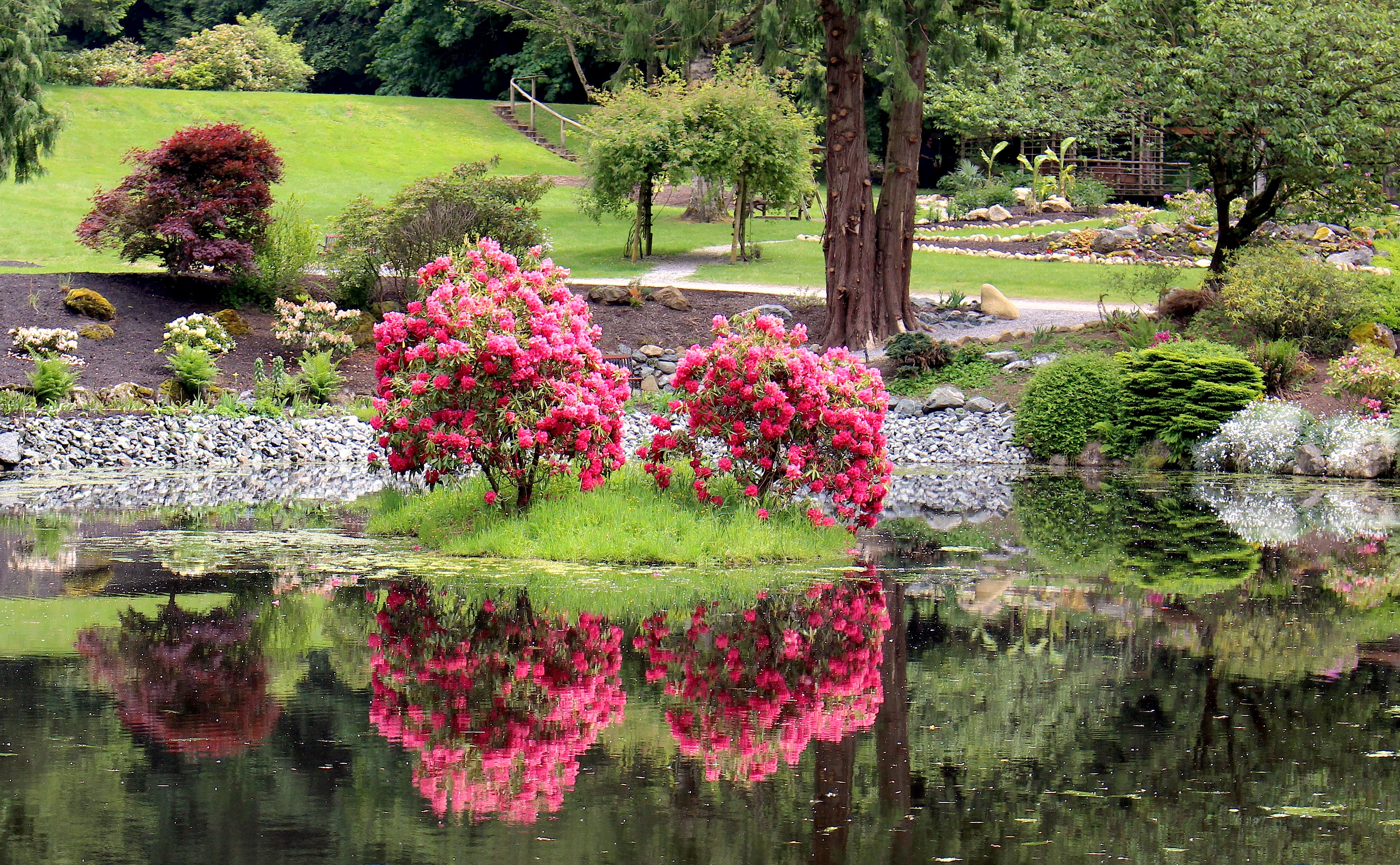
Sweet are the first green leaves, and sweet The scents, and genial the first heat; And backed by pine or cypress glooms How rich the rhododendron blooms!
Yet rich or sweet as these appear, They were as wonderful last year; And all as then move without pause Through the same course by the same laws.
The flowers I meet in song are new; None shall forecast their shape or hue; To none of your dull round belong The seasons that unfold in song.
The trees that sung in verse I find Are each its own, an unknown, kind; But best in all, tree, season, flower, Is, there’s no limit to their power. ~Archibald Young Campbell from “Spring and Poetry”
These intricate blooms,
beautiful as they are,
return unchanged year after year~
a proliferation of brilliant color.
They explode like fireworks
over fields and hills,
flash, flourish, fade
and are gone.
Yet words of the poet bud and swell in slow motion,
a blossoming blend that linger longingly,
ever changing, transforming
the landscape of heart and mind.
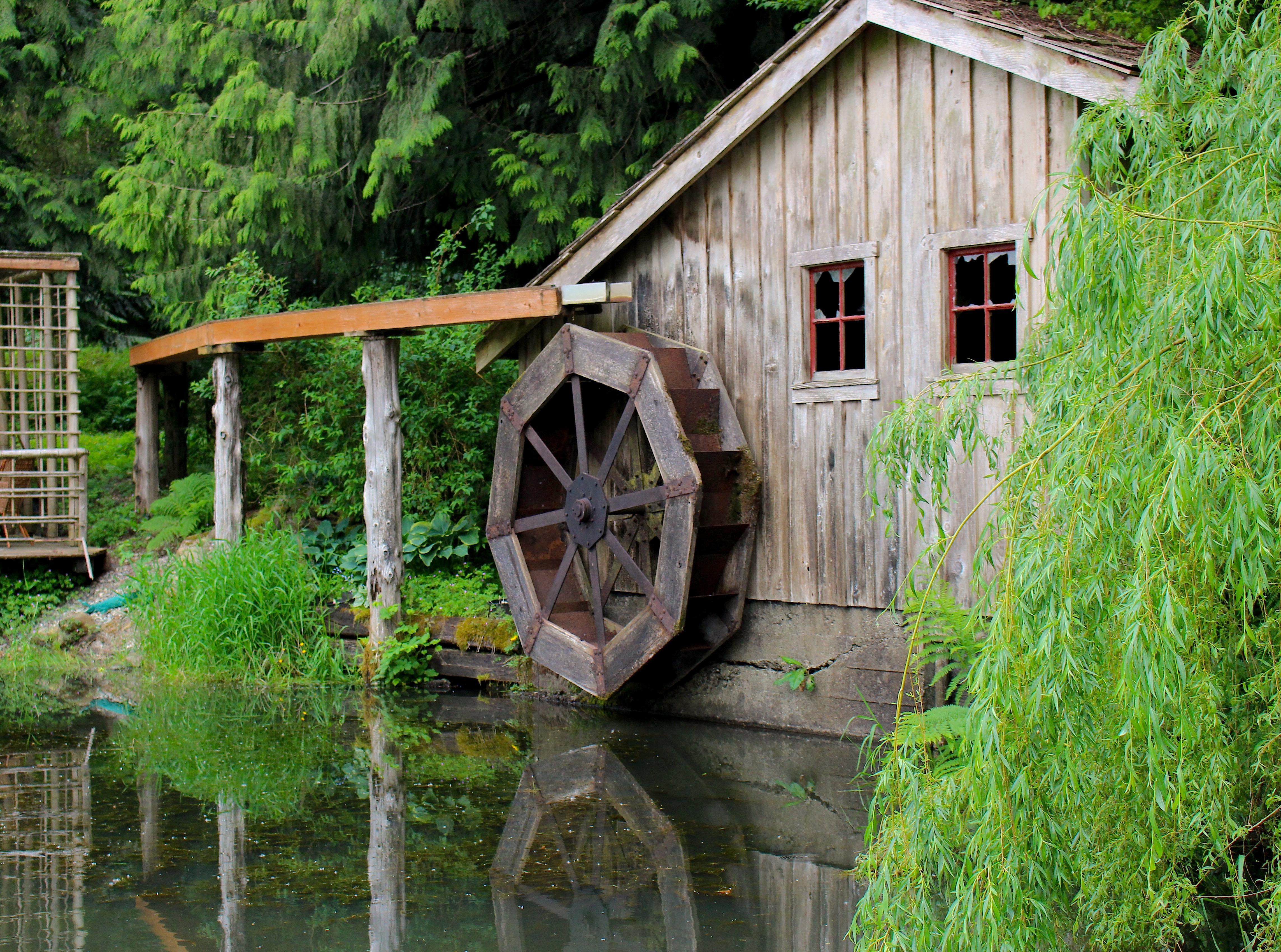
Without your wound where would your power be? It is your very remorse that makes your low voice tremble into the hearts of men. The very angels themselves cannot persuade the wretched and blundering children on earth as can one human being broken on the wheels of living.
We wound and are wounded in ways seen and unseen,
not always regretful at the hurts we cause,
ever sorrowful for the hurts we bear,
living broken, churning through our days.
The wheel keeps turning, stirring up troubled waters.
Evening to morning, morning to darkness,
a healing angel
extends a hand
and invites us to get our feet wet.
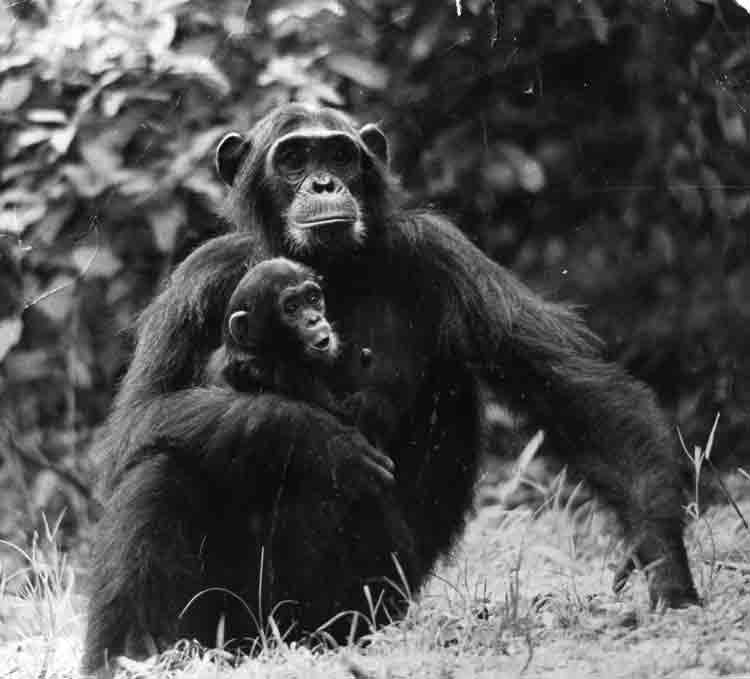
In recognition of this unforgettable day 40 years ago, I’m reprinting this part of my Gombe saga, working as a student research assistant for Jane Goodall in western Tanzania in 1975.
At first glance, Gombe National Park in Tanzania felt like paradise—a serene piece of the earth filled with exotic and fascinating wildlife, an abundance of fish and fruit to eat, and the rich unfamiliar sounds and smells of the tropical jungle. It was a façade. It was surrounded by the turmoil and upheaval of political rebellion and insurgencies in its neighboring countries, inflamed even more by the fall of Saigon in Vietnam a month previously due to the earlier pull out of the Americans from that long and tragic war.
Only a few miles north of our research station in Gombe National Park in western Tanzania, there had been years of civil war in the small land locked country of Burundi. When the wind was just right, we could hear gunfire and explosions echoing over the valleys that separated us. Escaping refugees would sometimes stop for food on their way to villages in Tanzania to the south, seeking safe haven in one of the poorest countries in the world, only a decade into its own experiment with socialism, Ujamaa.
There was also word of ongoing military rebellion against the dictatorship of President Mobutu in the mountainous country of Zaire twelve miles west across Lake Tanganyika.
Morning comes early for field studies of wildlife, as the research day must start before the chimpanzee and baboon subjects wake up and begin to stir. Before midnight, while we slept soundly in our metal huts scattered up the mountainside, a group of armed soldiers arrived by boats to the shore of Gombe National Park.
Storming the beach huts housing two unarmed Gombe park rangers and their families, the soldiers seized one and demanded to be told where the researchers were. The ranger refused to provide information and was severely beaten about the head and face by the butts of the rifles carried by the invaders. The armed soldiers then divided into smaller groups and headed up the trails leading to the huts, coming upon four sleeping student researchers, tying them up, taking them hostage, forcing them into boats and taking them across the lake back to Zaire.
Asleep farther up the mountain, we were wakened by some students who were fleeing, hearing the commotion. No one really understood what was happening down lower on the mountain. There were shouts and screams, and gun shots had been heard. Had someone been injured or killed? There was no choice but to run and hide deep in the bush at a predetermined gathering spot until an “all clear” signal was given by the rangers.
We hurried along barely familiar trails in the black of the jungle night, using no flashlights, our hearts beating hard, knowing we had no defense available to us other than the cover of darkness.
That was the longest wait for morning of my life, sitting alongside Jane holding her son Grub. A hand full of other students had also made their way to the hiding spot, none of us knowing what to think, say or do. We could only barely see each other’s faces in the darkness and were too frightened to make any sounds. We carried no weapons, and there was no way to communicate with the outside world. We had no idea how many of us may be missing, or possibly dead.
Jane held Grub in her arms, trying to keep him quiet, but his eight year old imagination was ignited by the events that had just unfolded.
“Will they kidnap me, Jane? Will they come for me? Where will they take us? Will they shoot us dead?”
Jane, her face hidden by her blonde hair loose about her shoulders, sat rocking him, cradling him. “Shhh, shhh, we don’t want them to find us. We’re safe staying right here. Everything will be fine in the morning. No one will take you from me.”
Grub began to sob silently into her shoulder.
When the morning of May 20 dawned, the park rangers located us, and pieced together the events as best they could–the soldiers were Zairean rebels living in remote mountains, fighting an insurgency against the Zaire government. Seeking funds for their cause, they saw a kidnapping of Americans and Europeans as a way to raise quick funds and world publicity and sympathy. Four of our friends/coworkers were missing, the camp was ransacked and the rangers hurt but with no life threatening injuries. There was no way to remain safe at the Park, and our colleagues needed whatever help we could offer for their rescue.
We were able to send a messenger to a nearby fishing village, and a radio call was sent out to the small town of Kigoma, then relayed to Dar Es Salaam and Nairobi. Help arrived within a few hours, when a United Nations boat monitoring the civil war activities in Burundi pulled off shore near our camp. We were told we needed to evacuate Gombe that day, and would be taken to Kigoma, and then flown by bush pilot to Nairobi, Kenya to cooperate in the investigation of the kidnapping.
In Nairobi, at the US Embassy, I met CIA agents who viewed our wild primate studies with some suspicion. Each of us were grilled individually as to our political beliefs, our activities at the camp and whether we may be somehow involved in subversive actions against the Zaire or Tanzanian governments. We were dumbfounded that our own countrymen would be so skeptical about our motives for being in Africa. It became clear our own government would be no help in resolving the kidnapping and bringing our friends home to safety. The agents did not shed any light on whether they knew our friends were alive or dead.
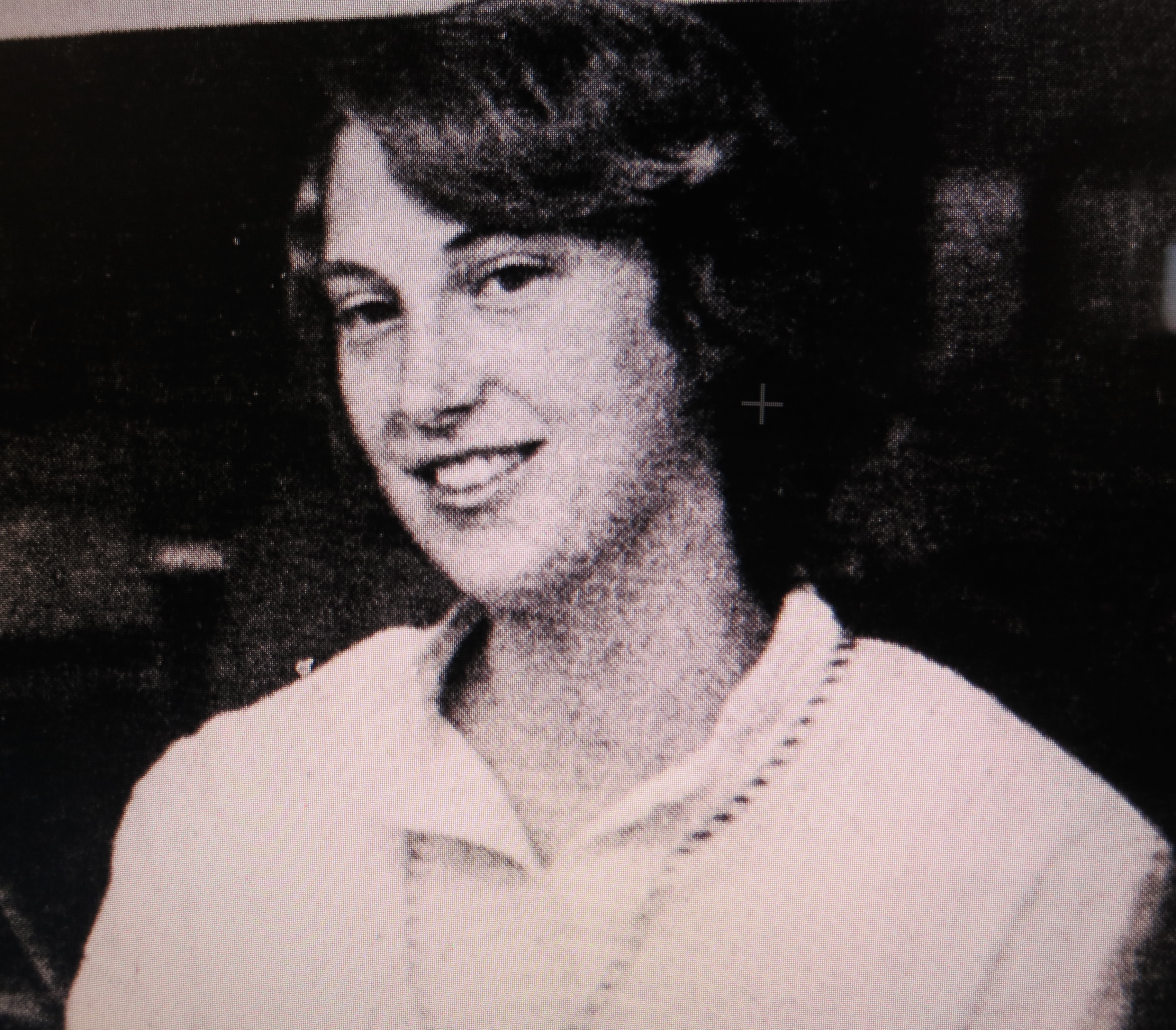
We were then hustled into a press conference where we were interviewed for television and print media by the worldwide news agencies, and my parents saw me on the CBS evening news before they actually heard my voice over the phone. I flew back to Stanford the next day, spending 24 hours on a plane that made six stops up the coast of West Africa on its way back west, so that I could tell what I knew to the administration officials at Stanford as they prepared a plan to free the students. I then returned home to Washington state to await any news that came too slowly from a place so far away that I remain astonished that I was ever there at all.
It took over three months, private negotiations and ransom money to free all four of our friends back to safety.
photo from a press conference at Stanford a few days later
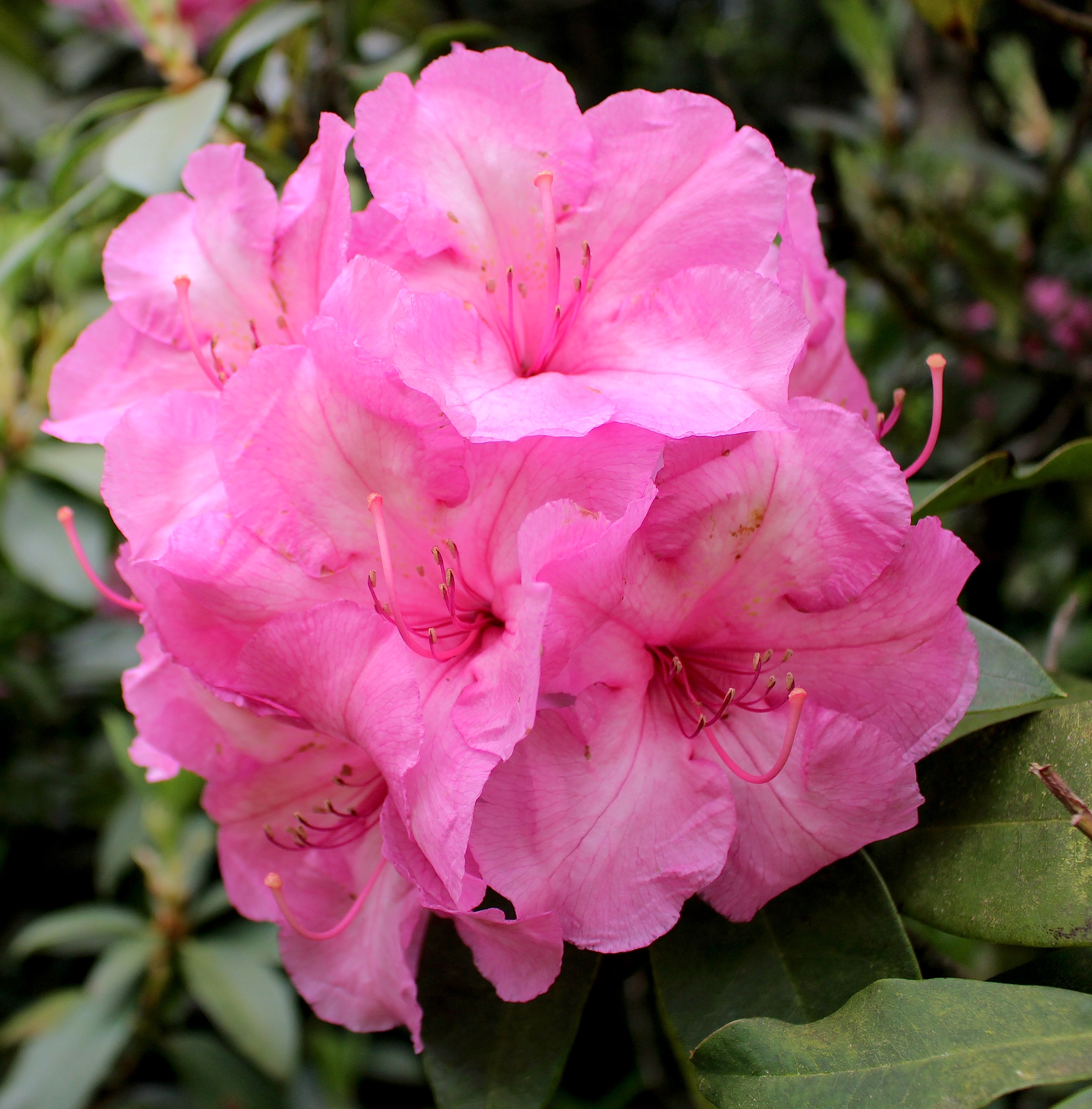
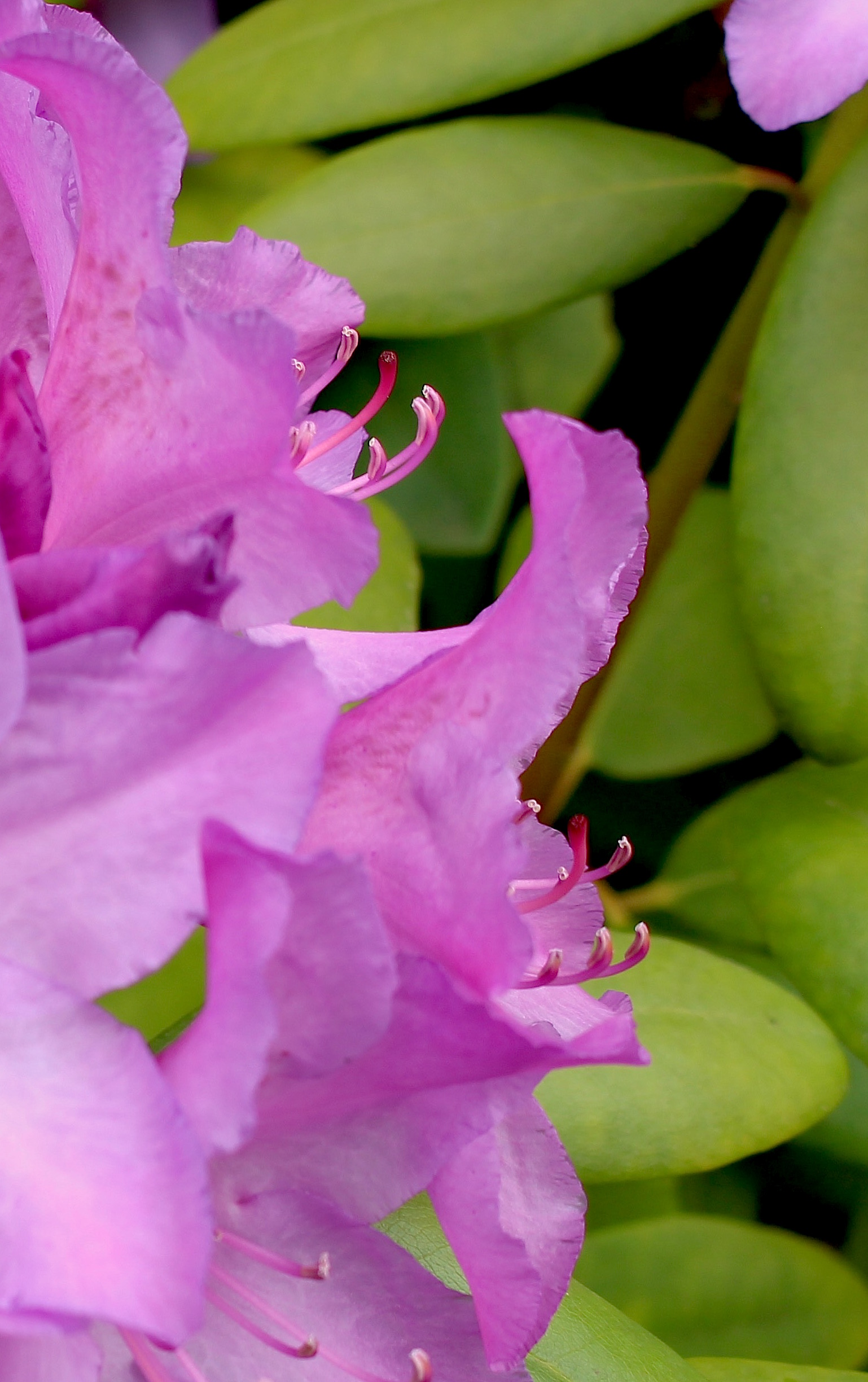
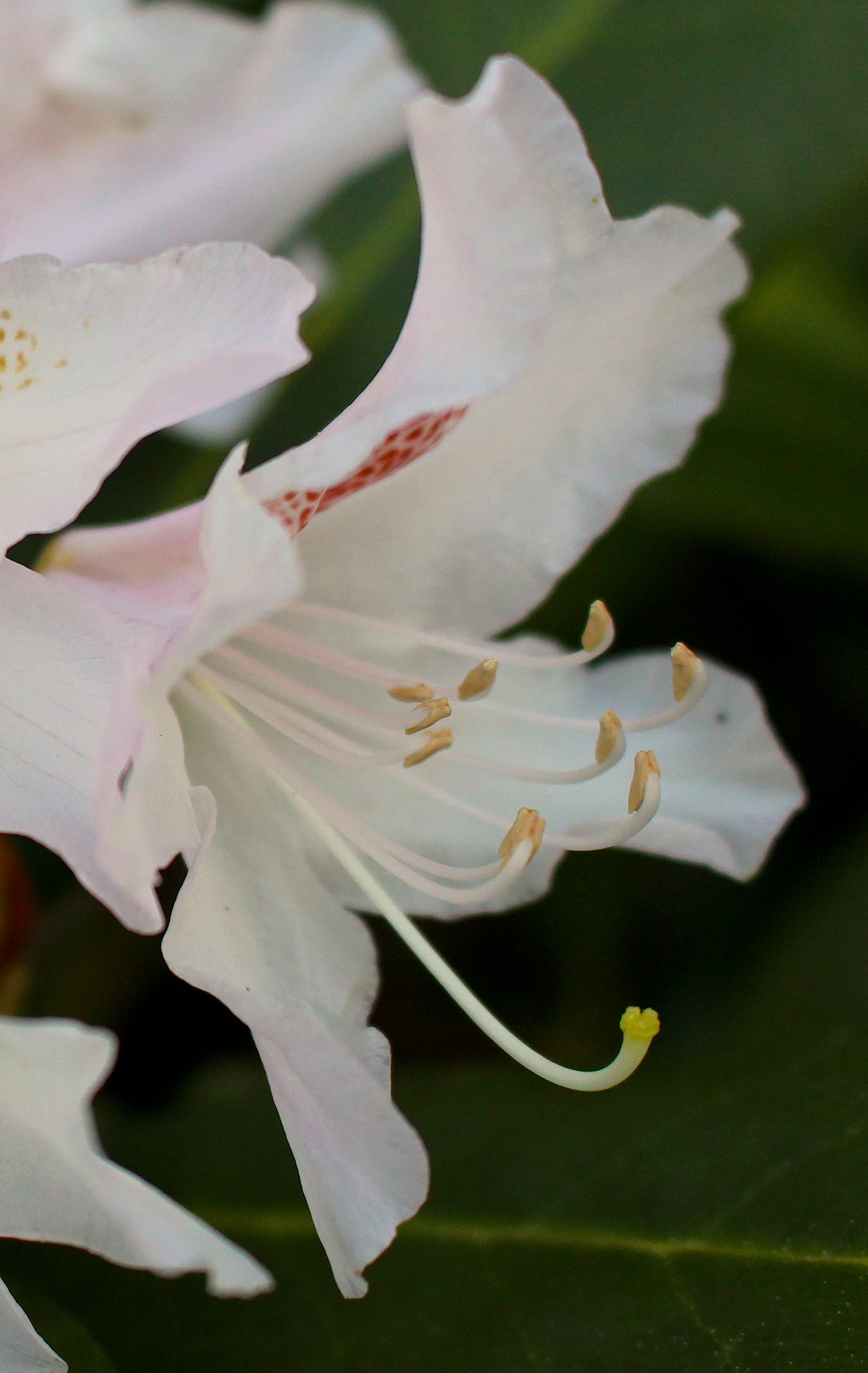
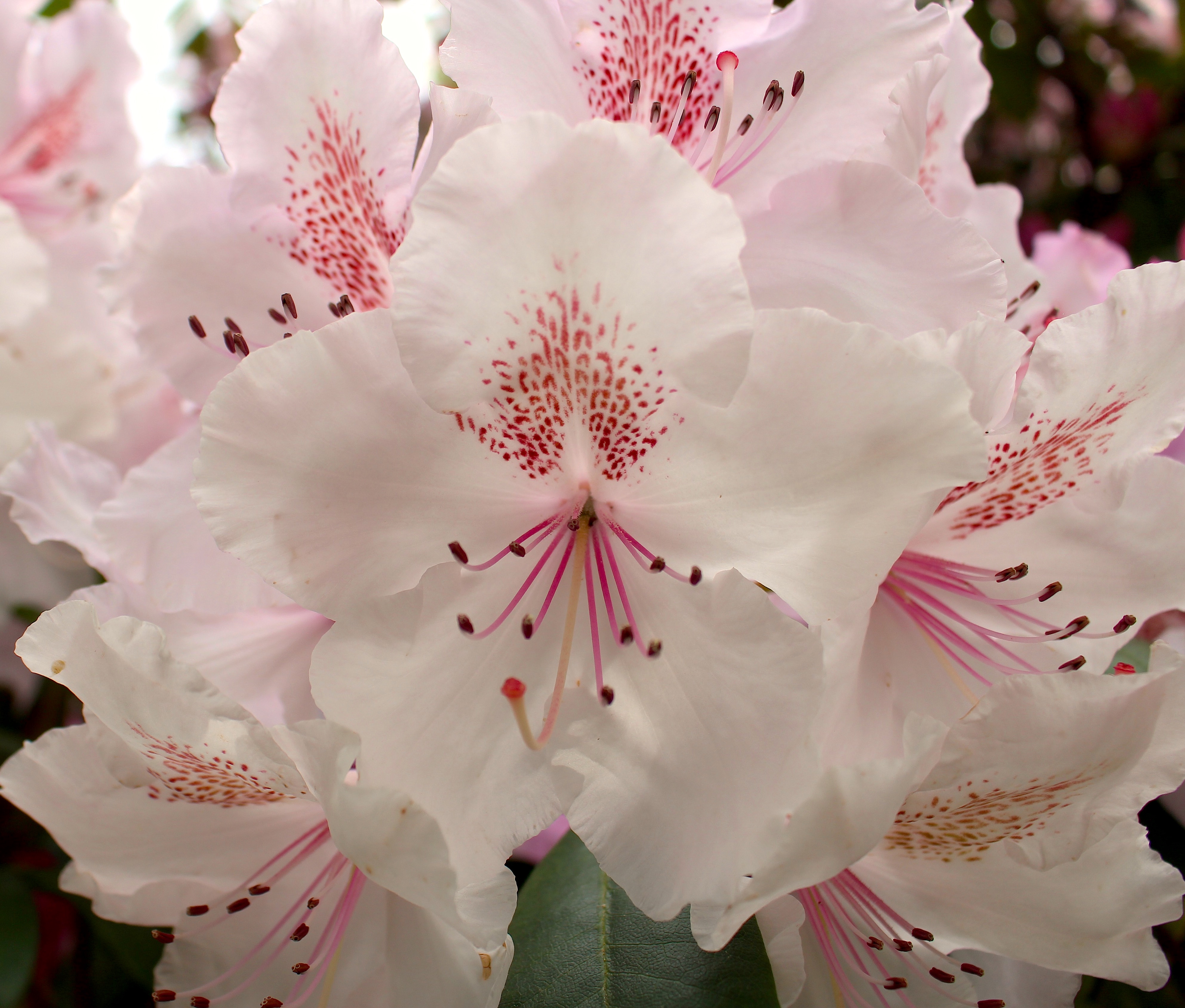
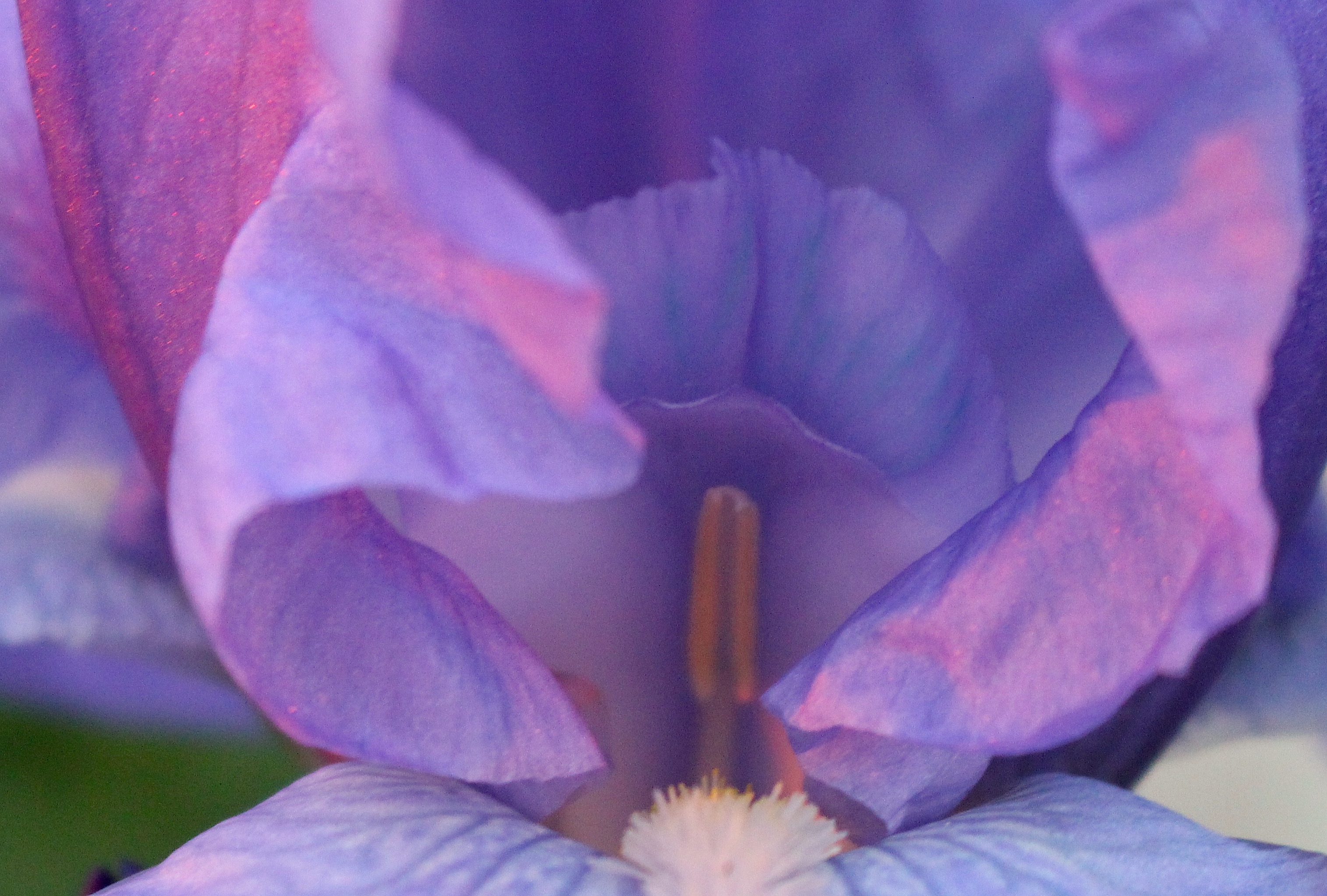
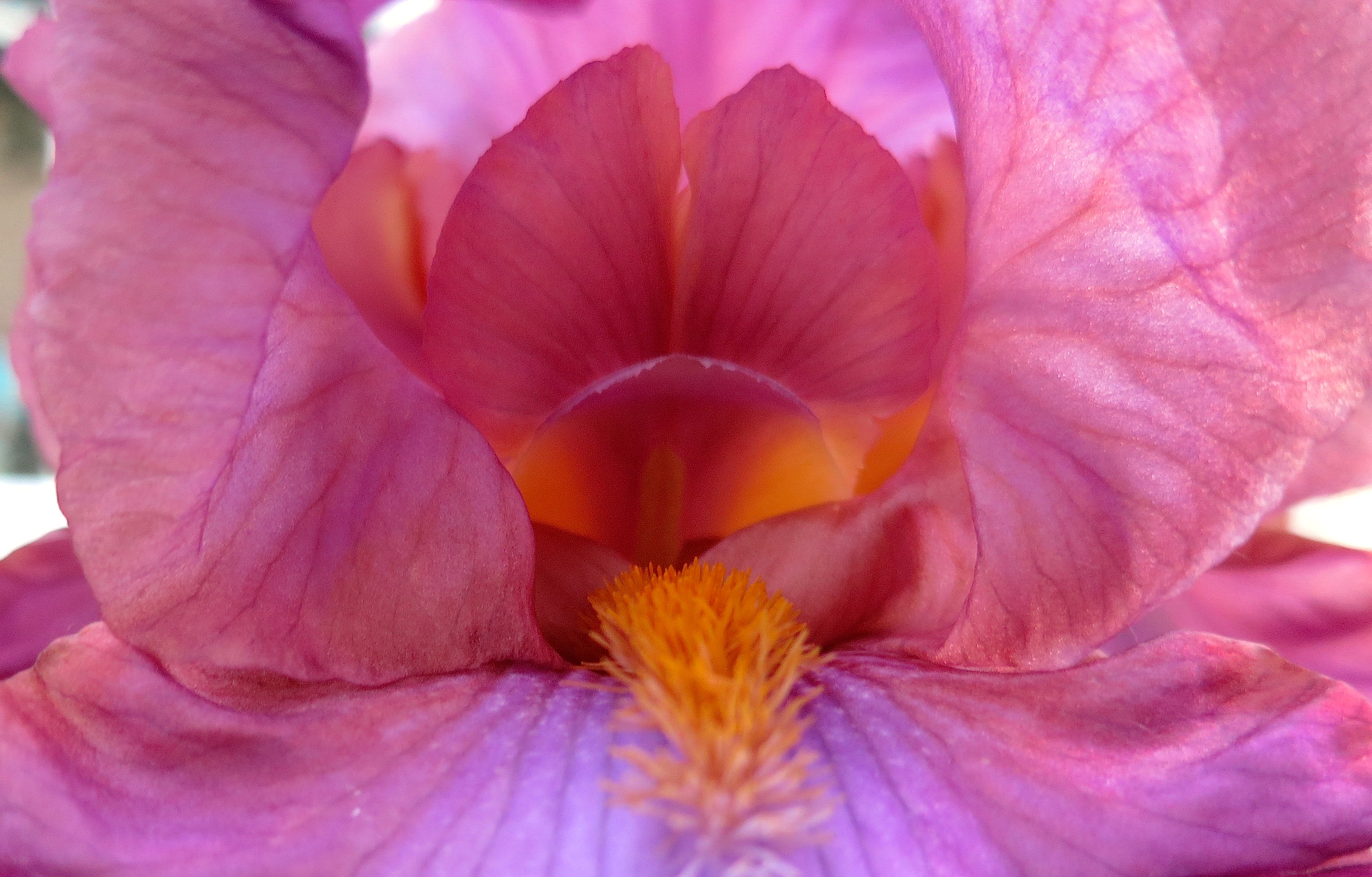
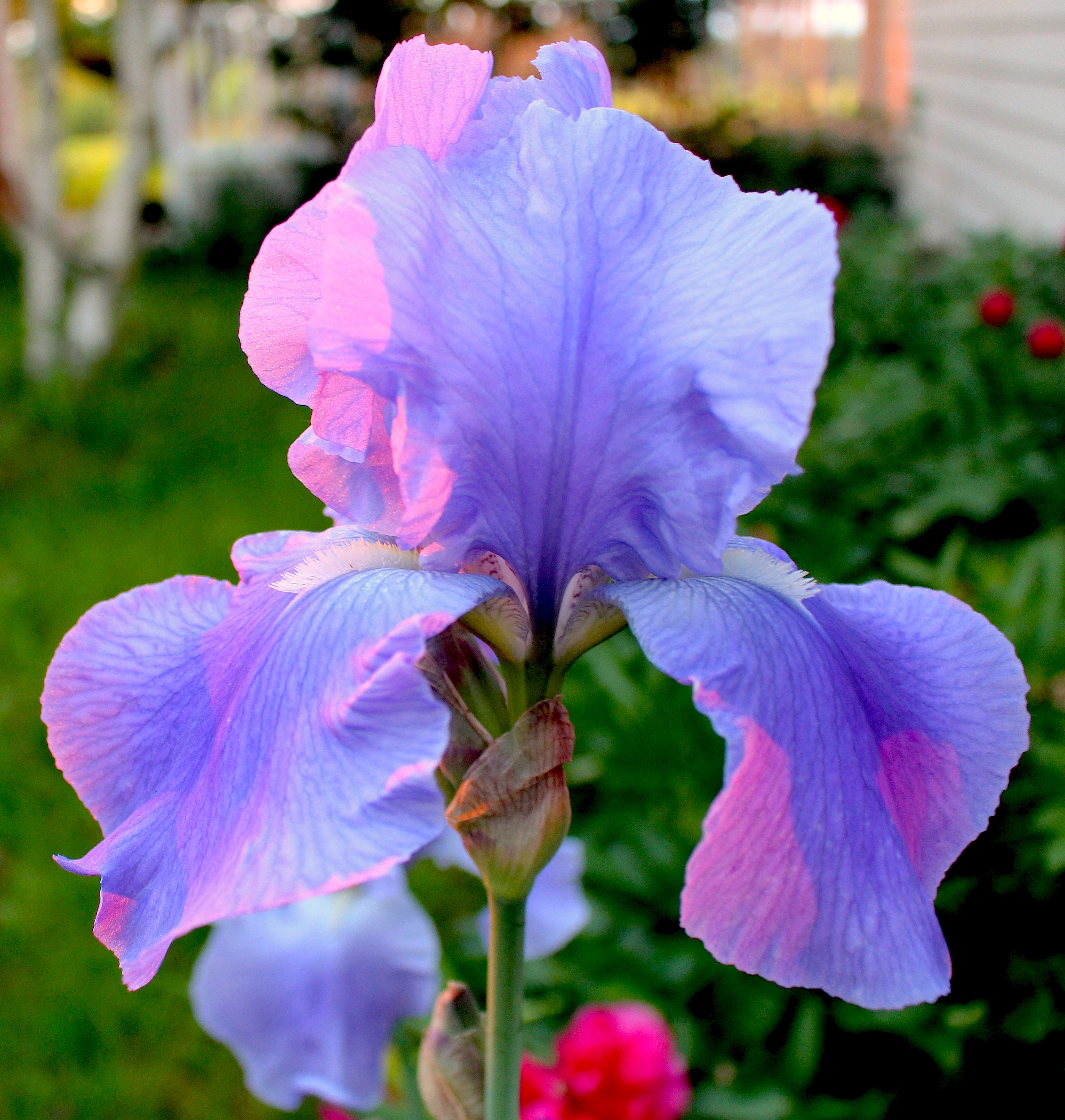
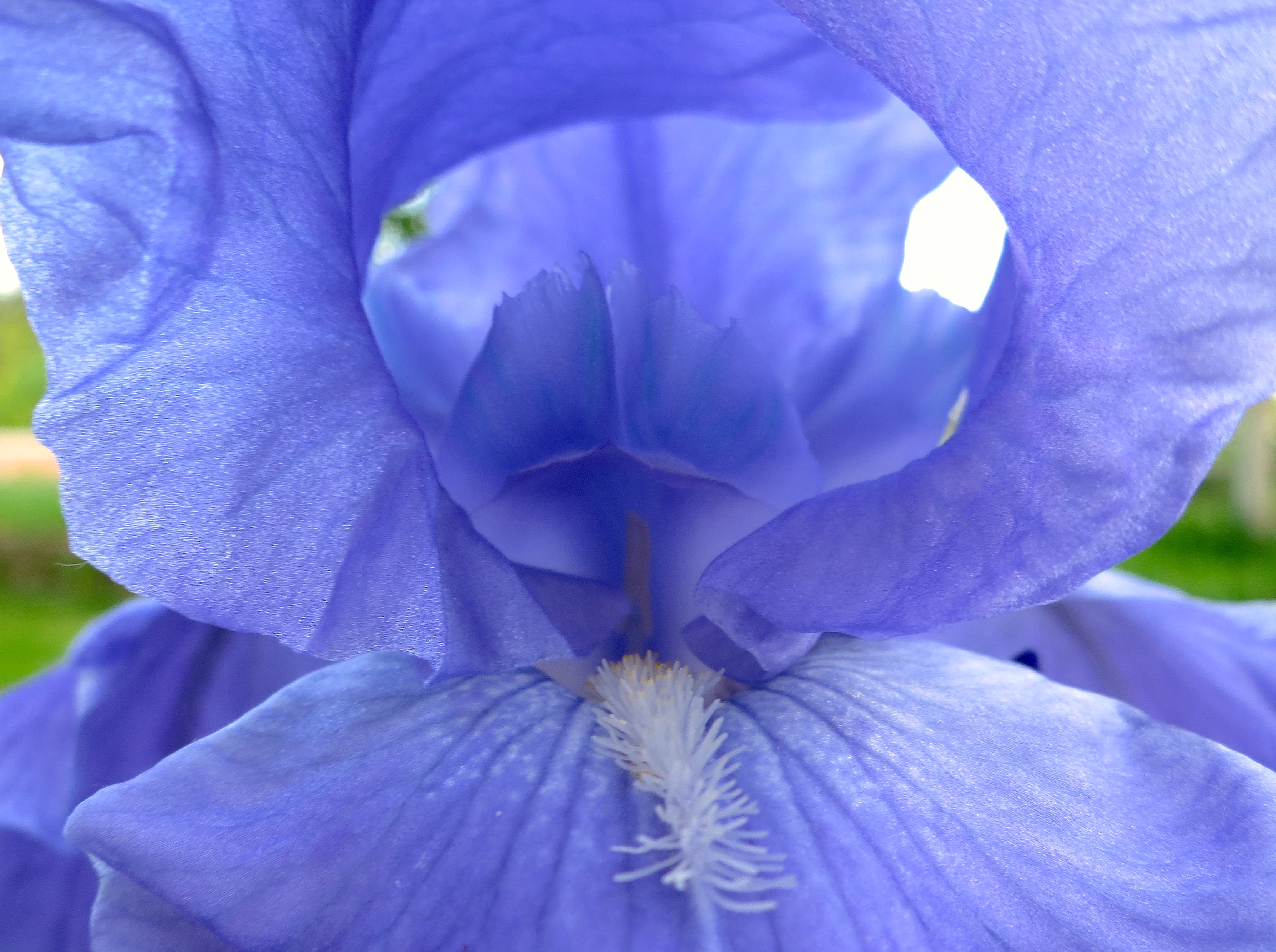
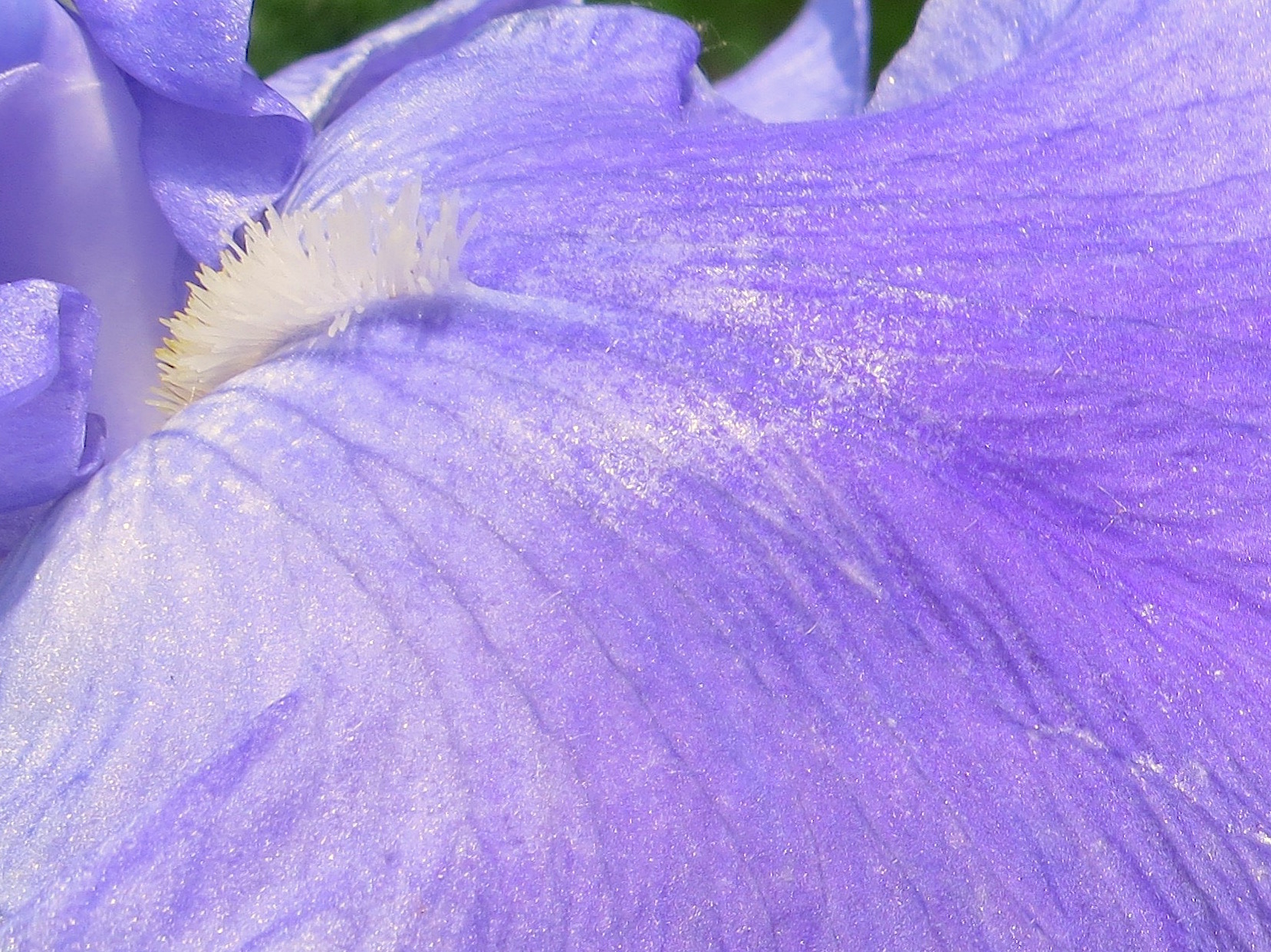
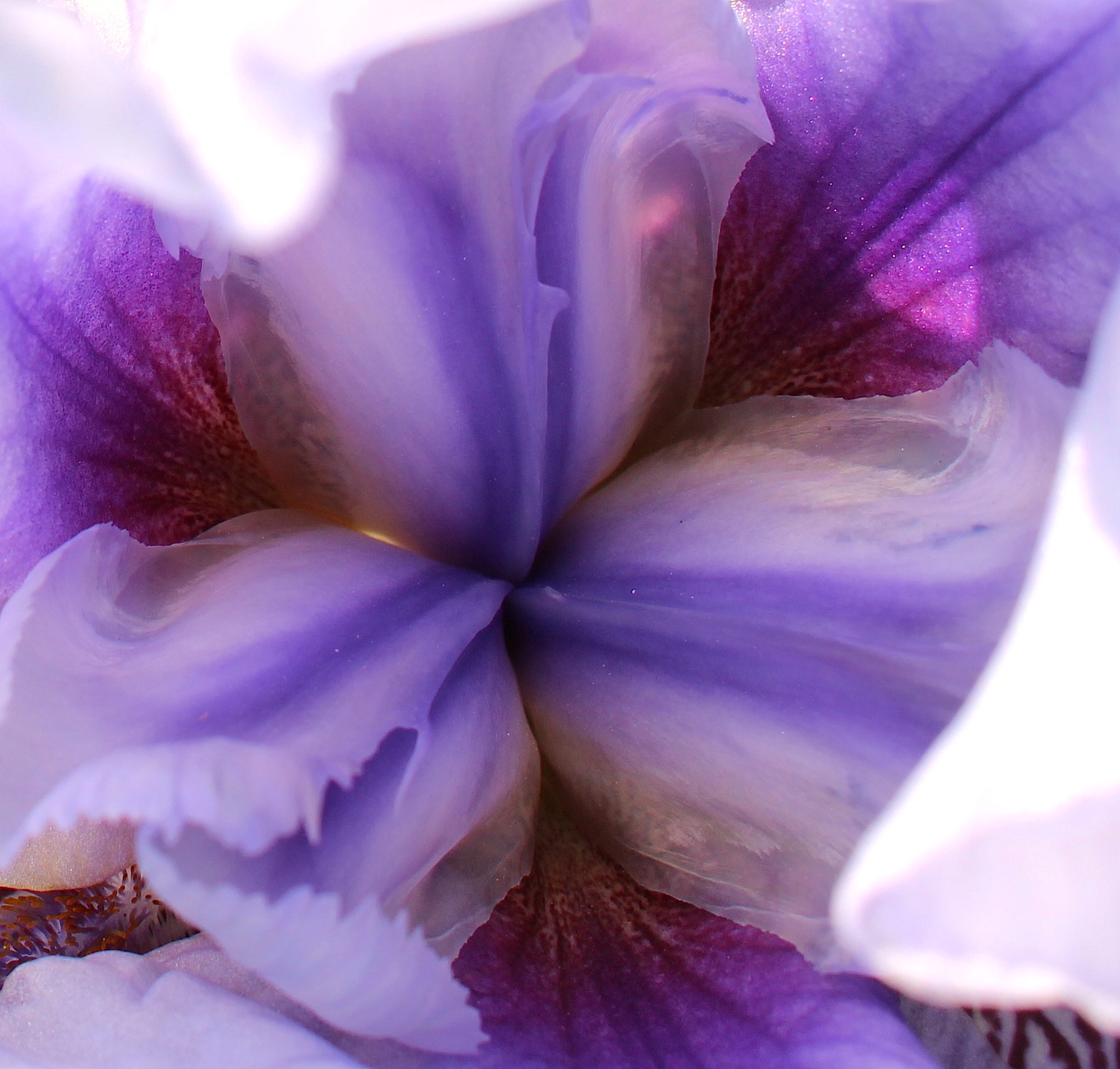
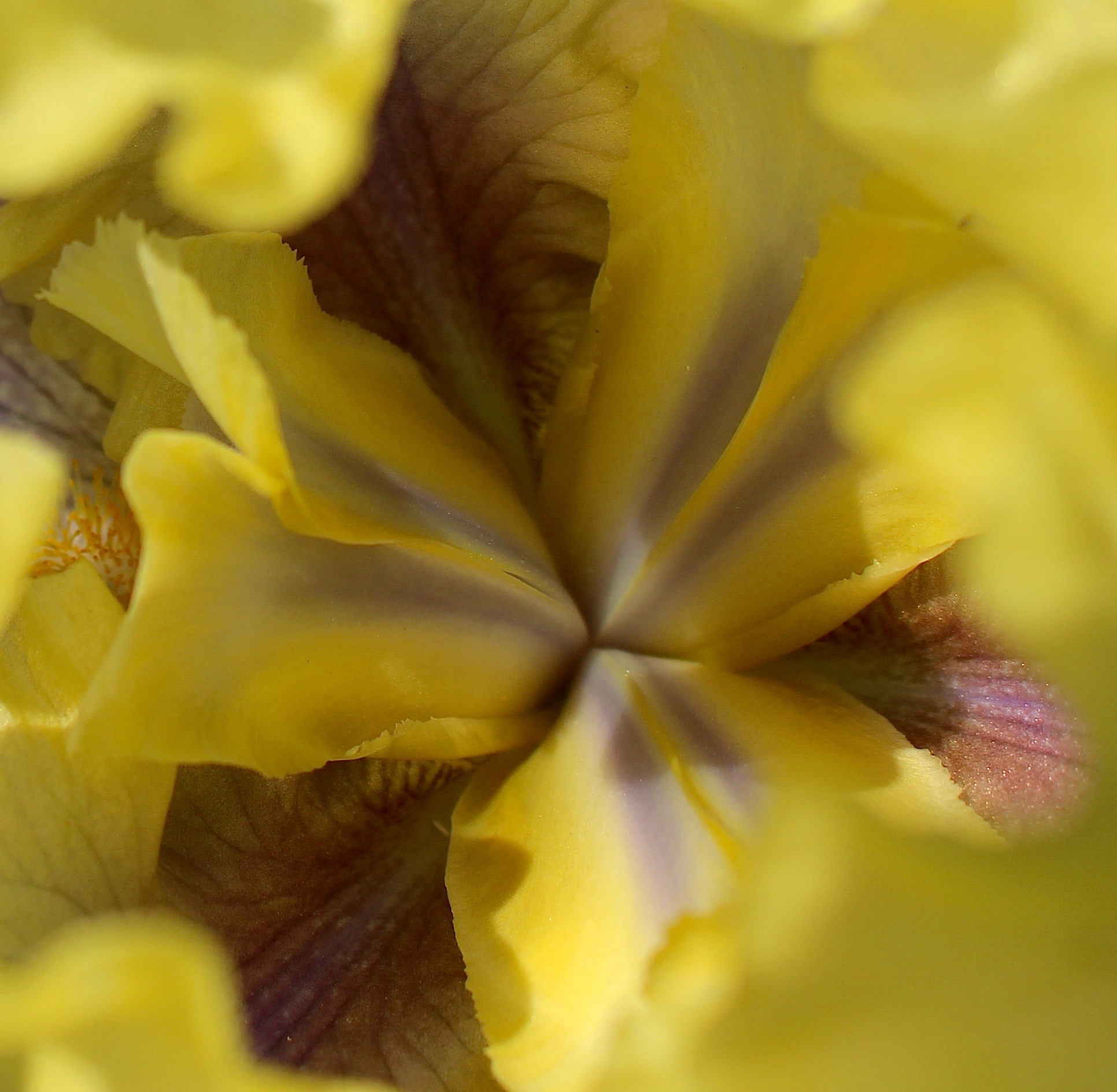
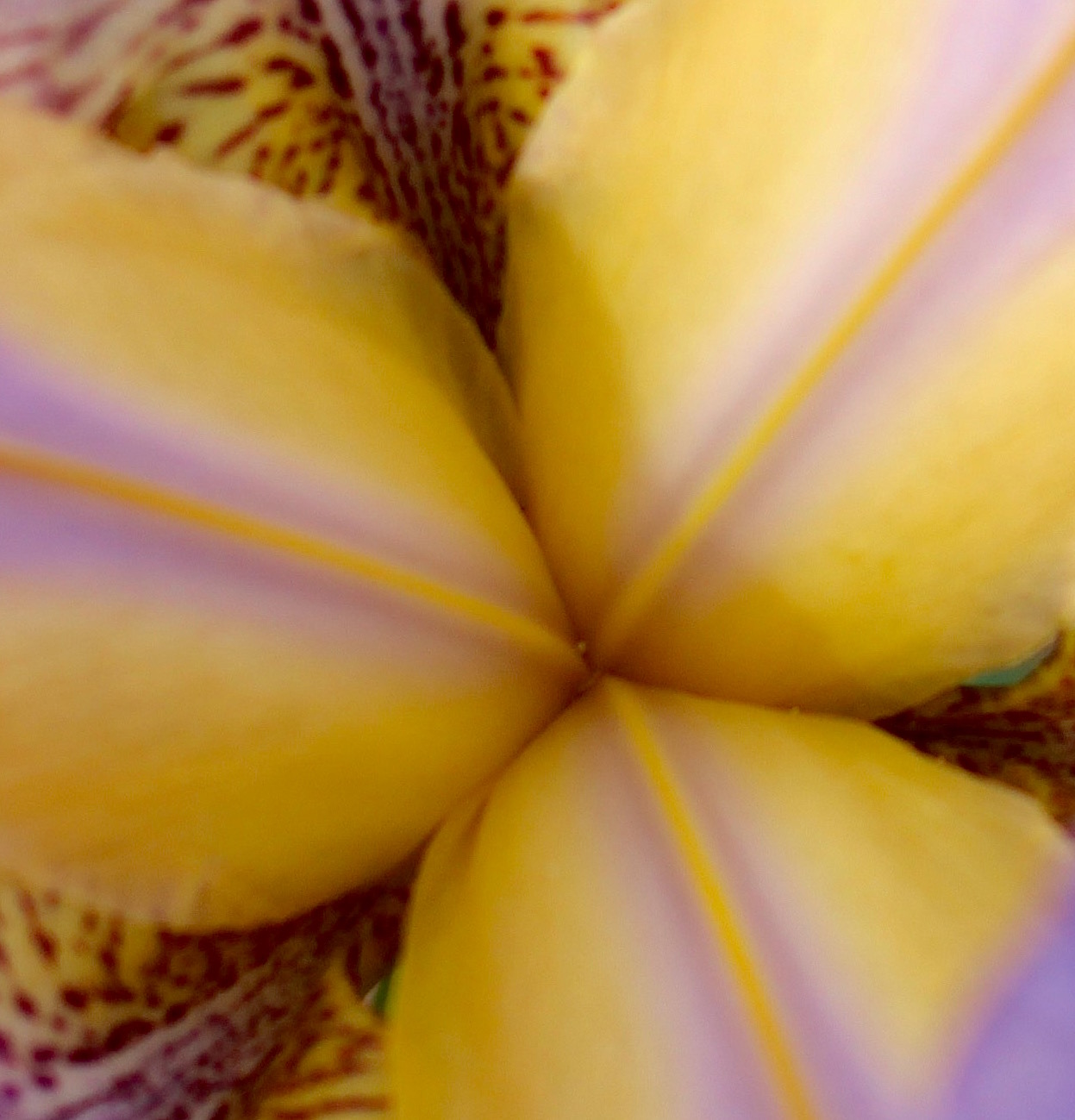
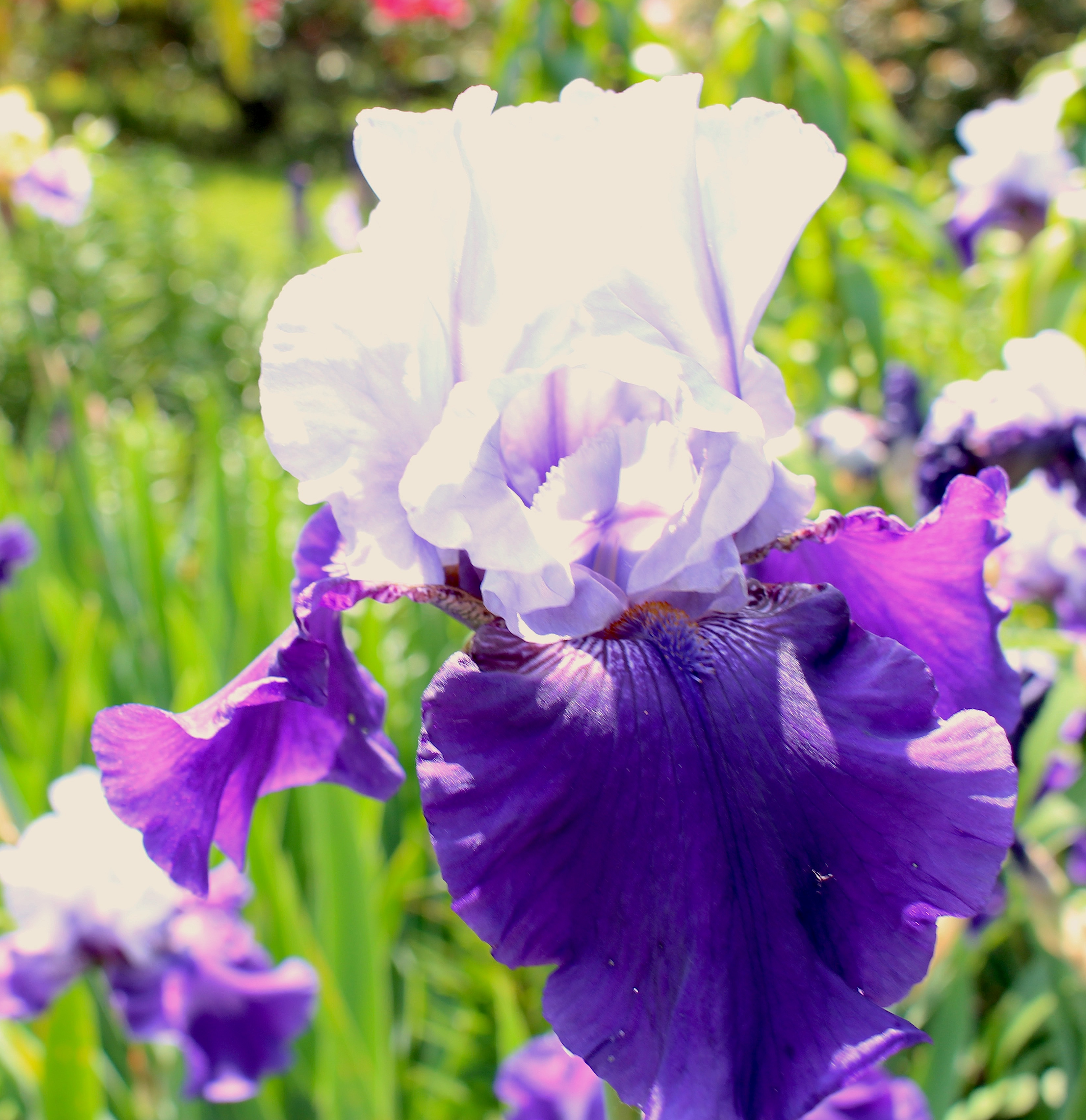
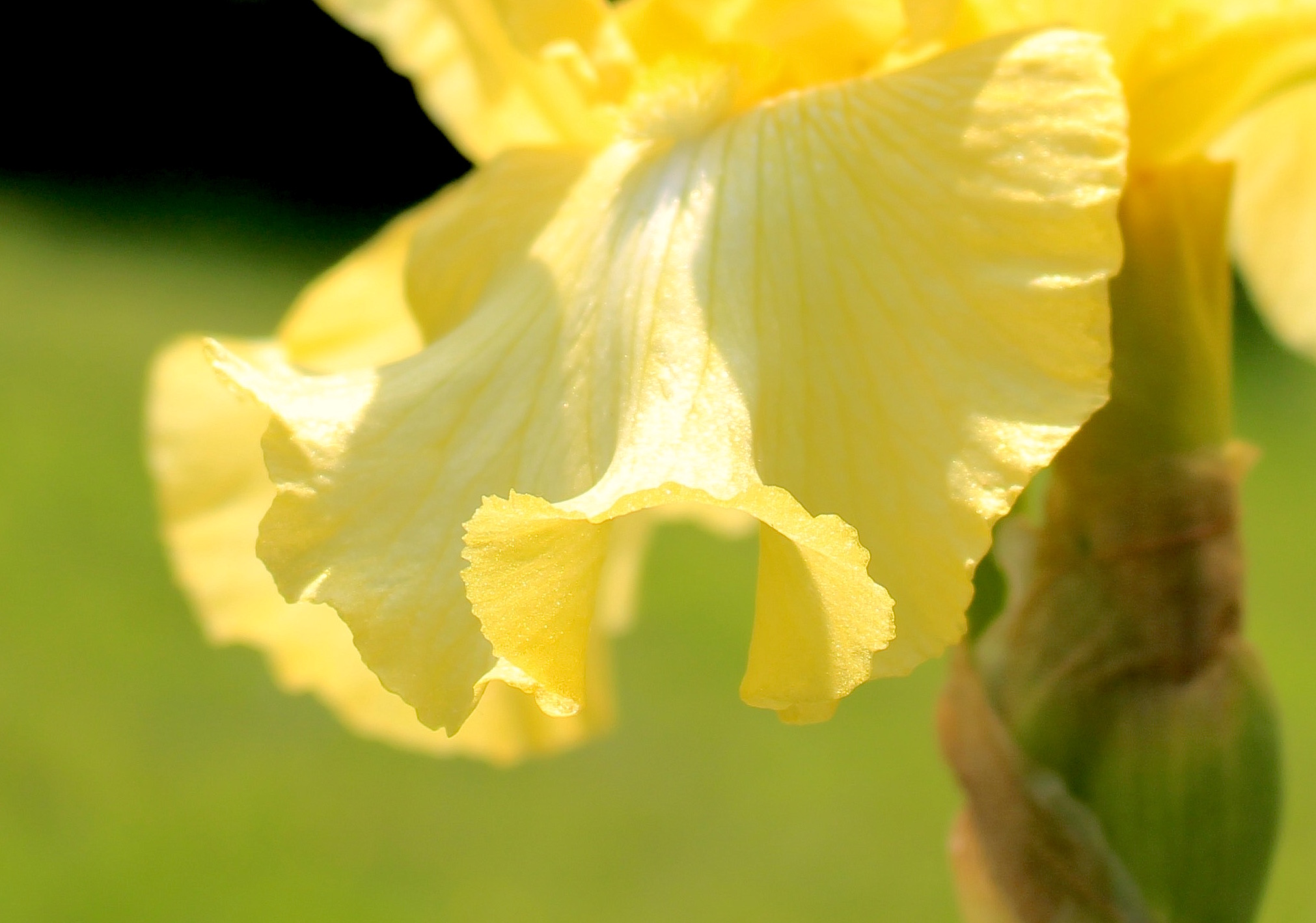
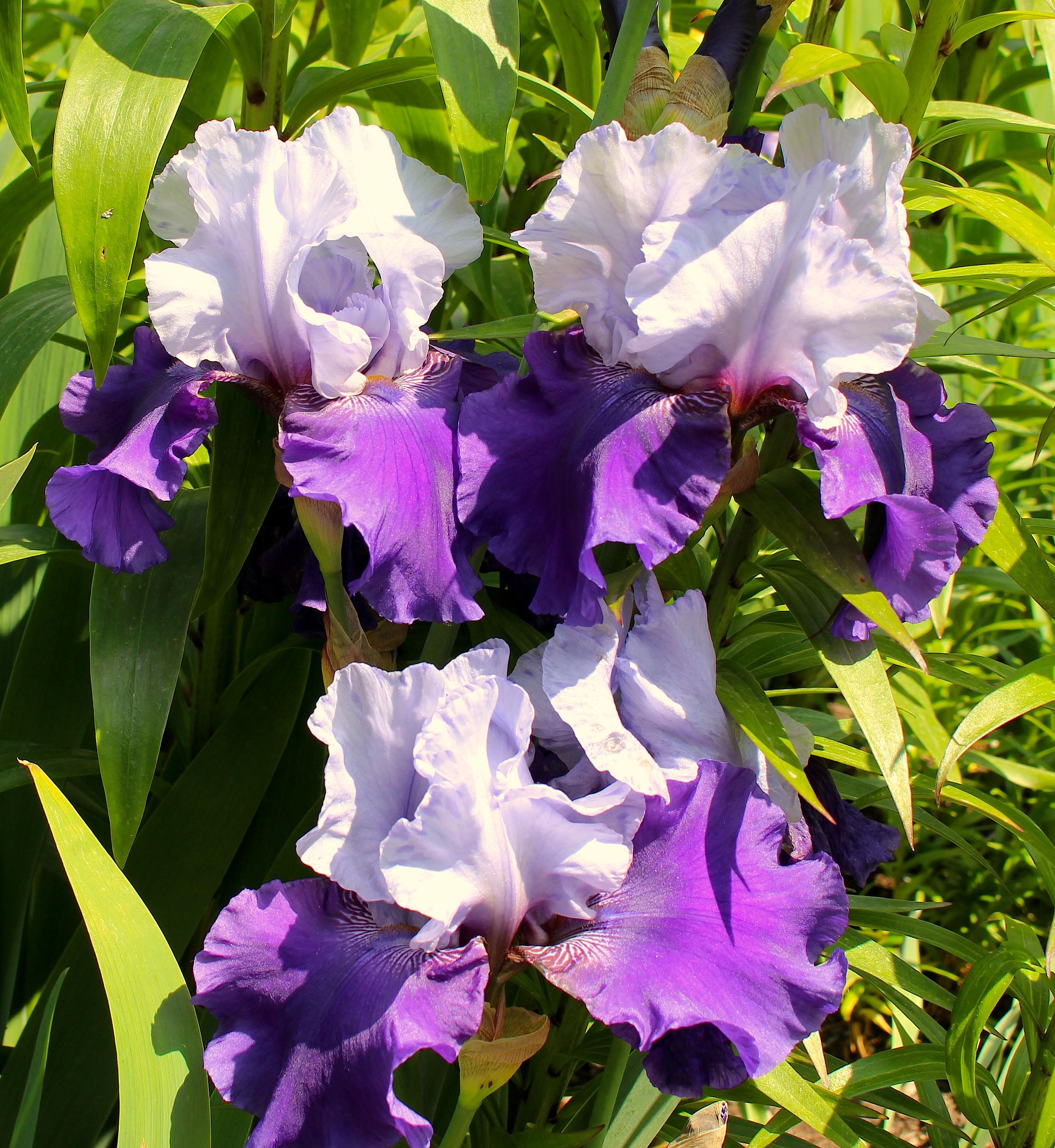
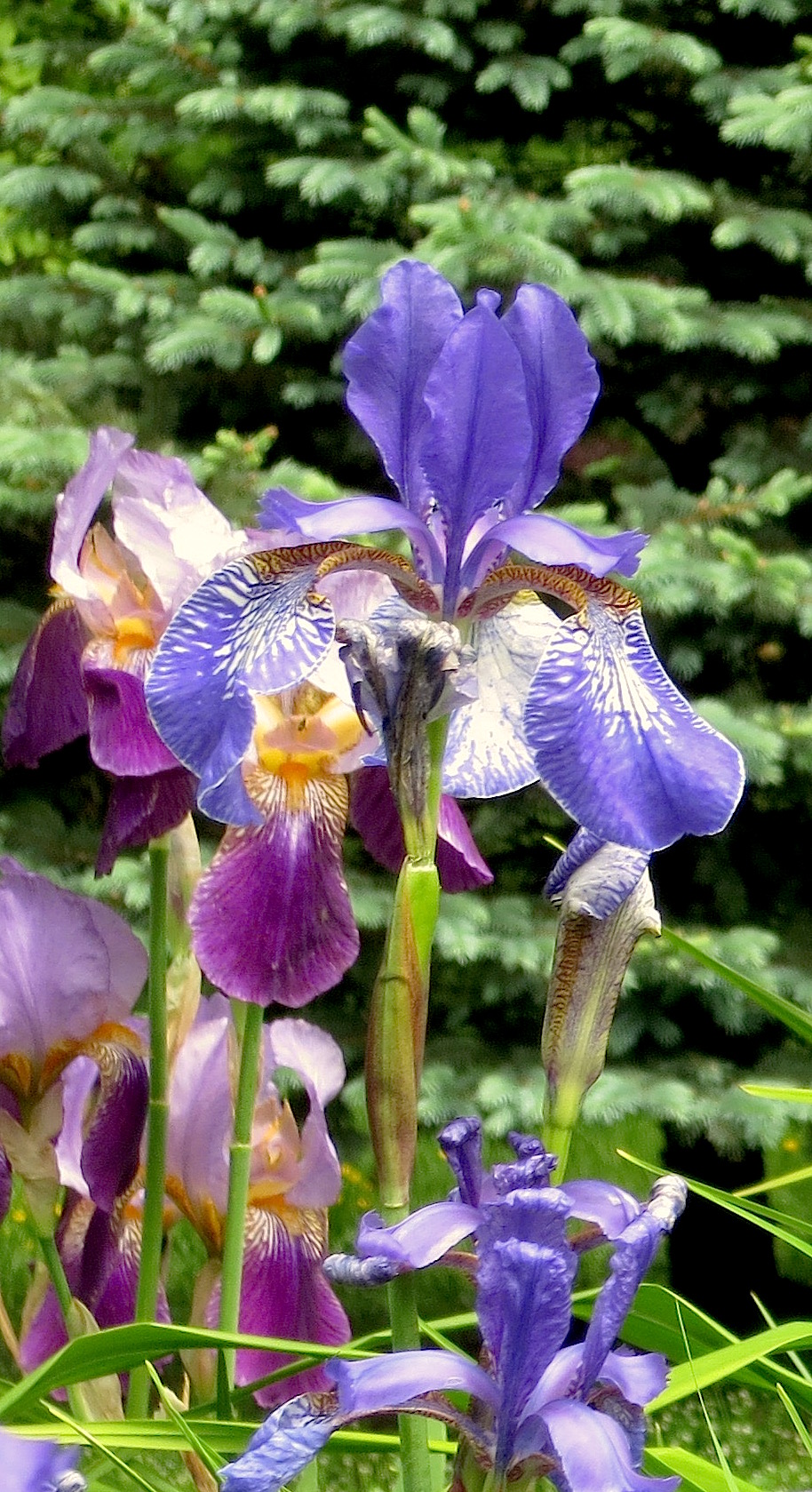
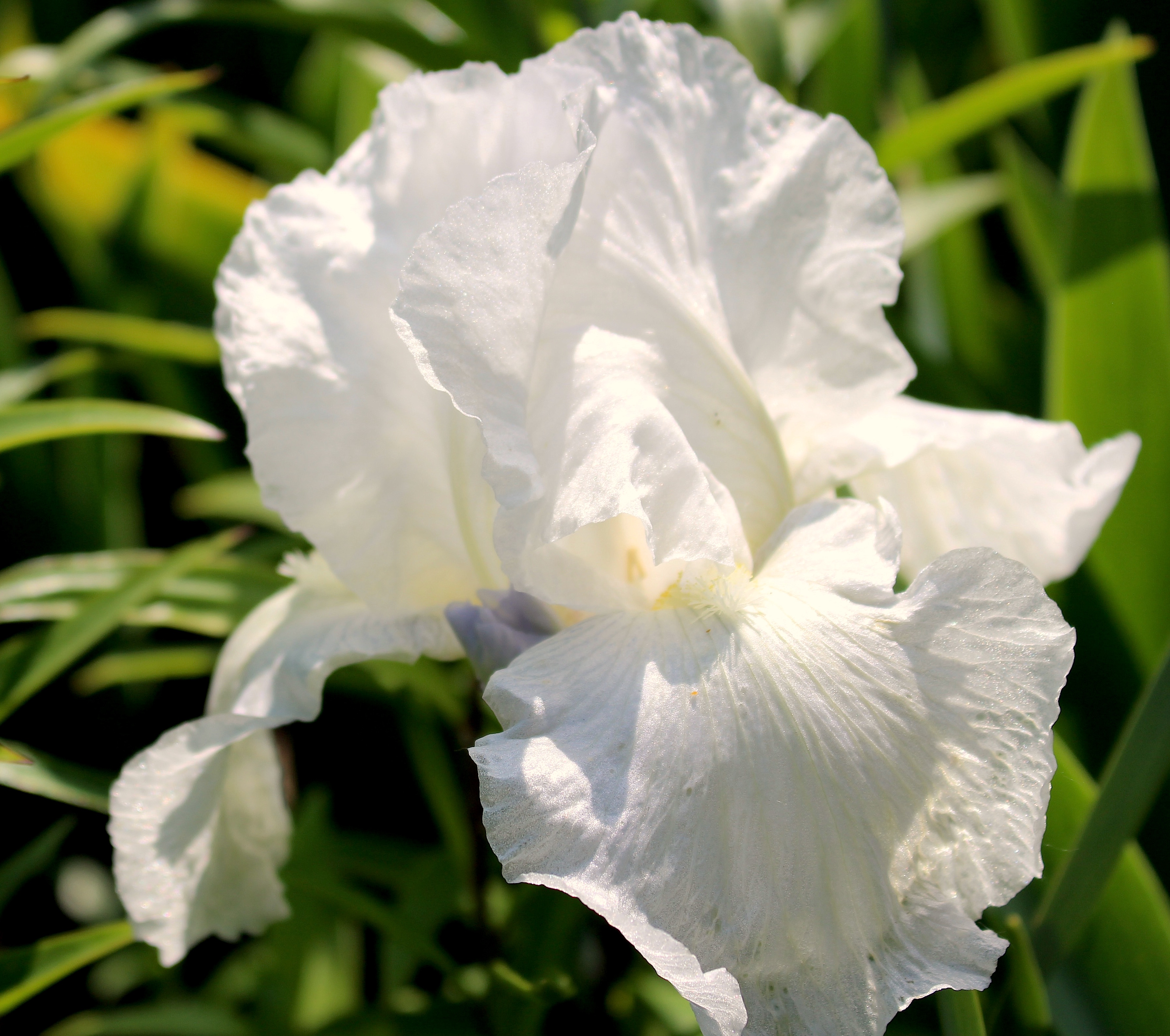
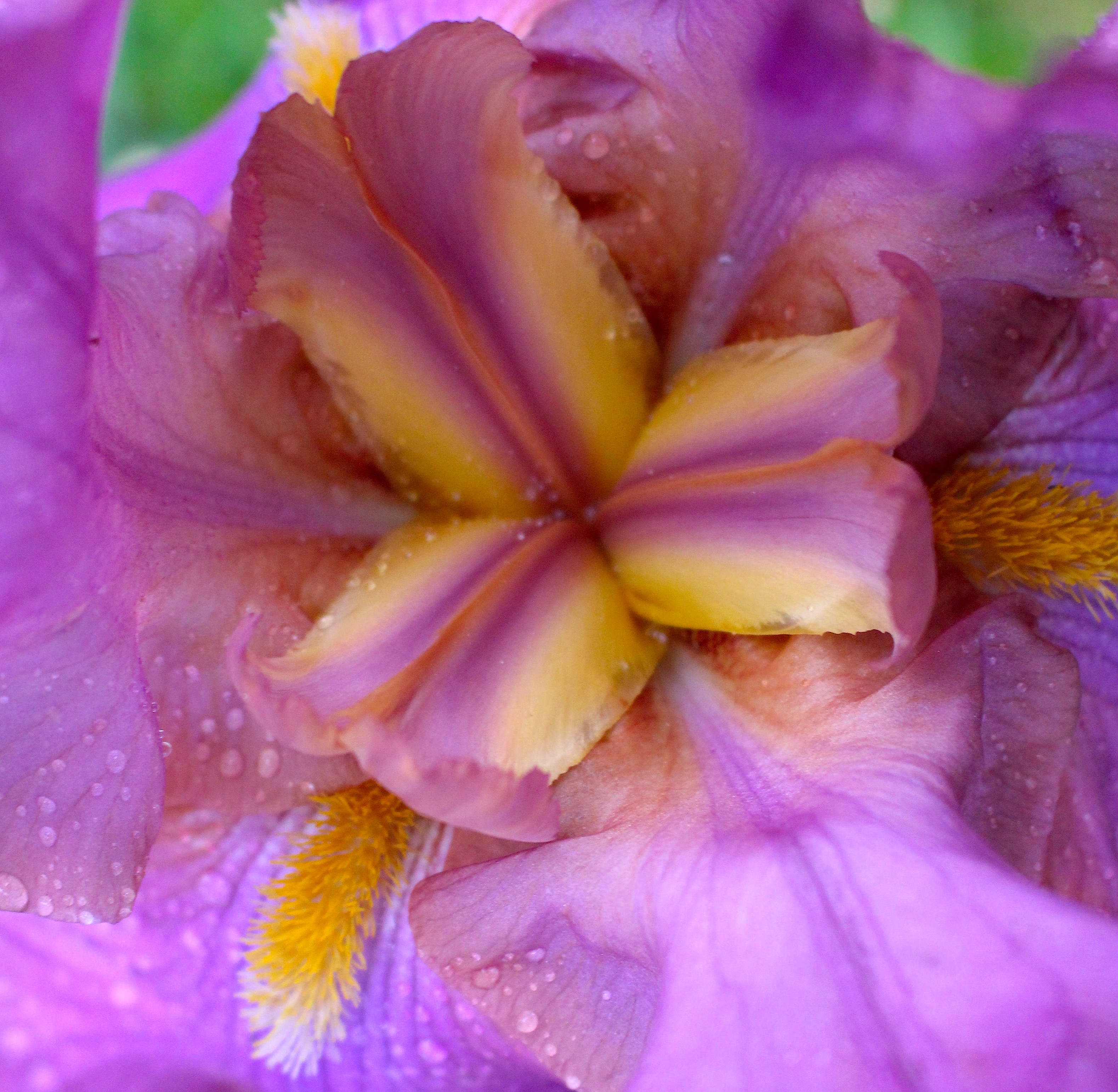
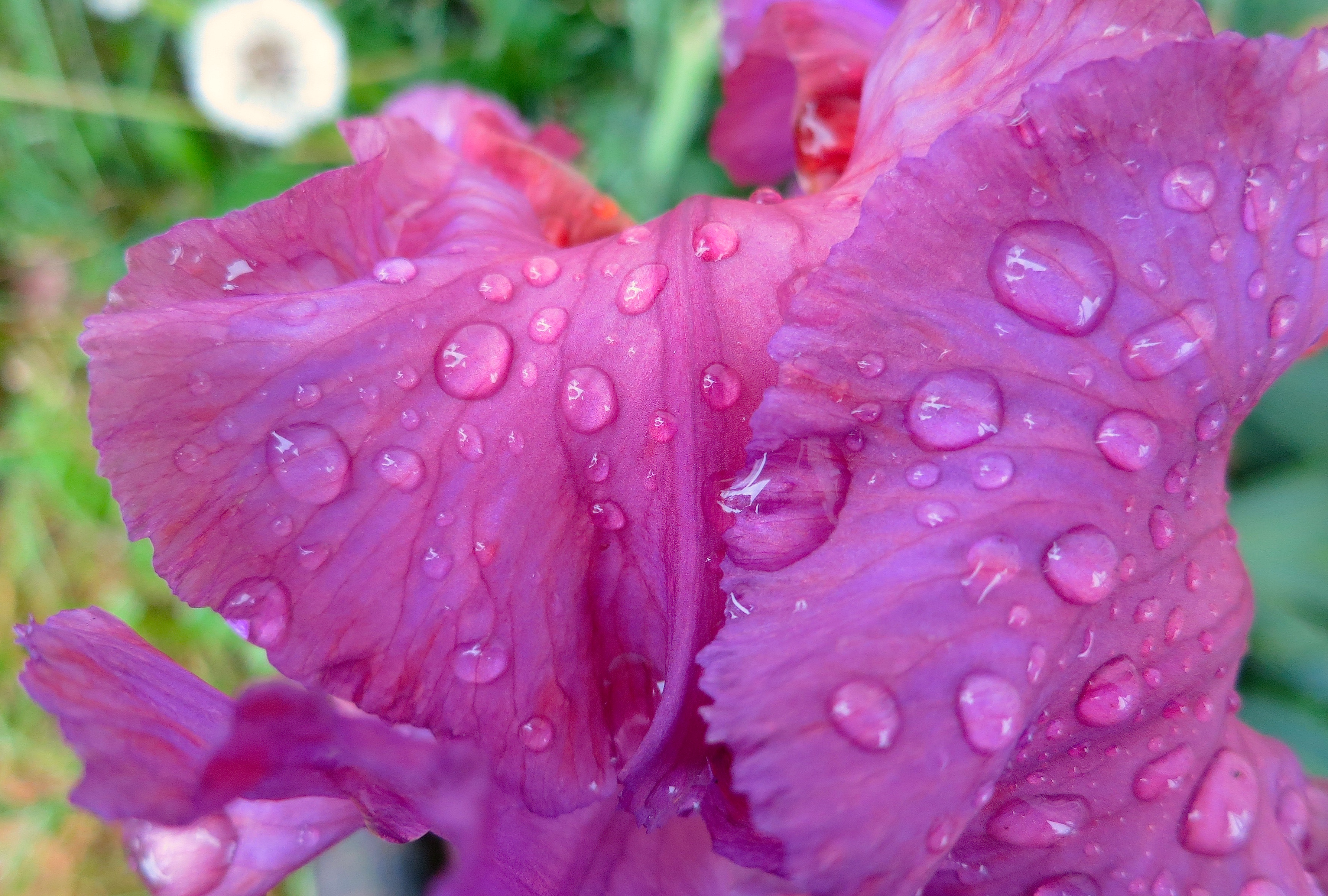
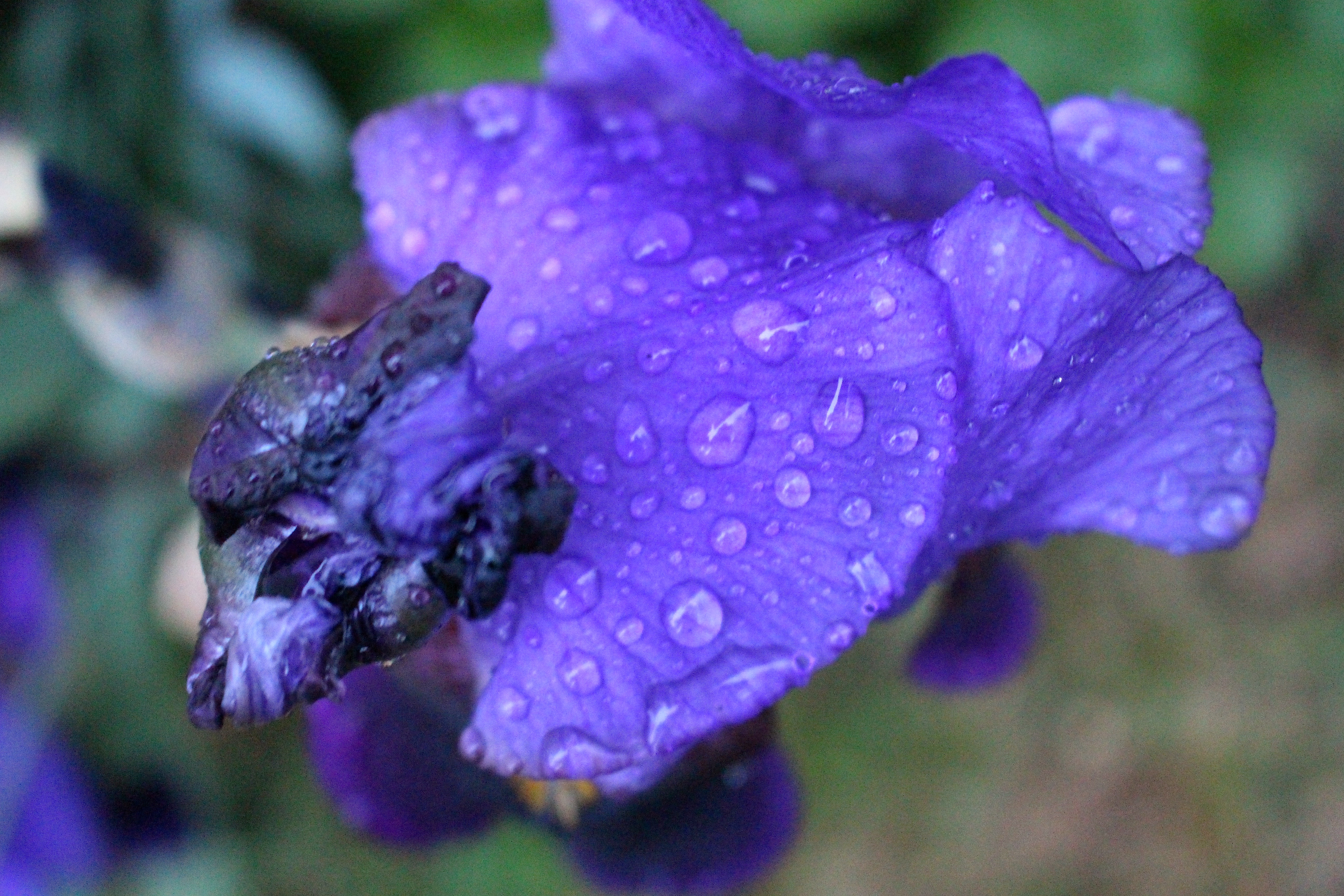
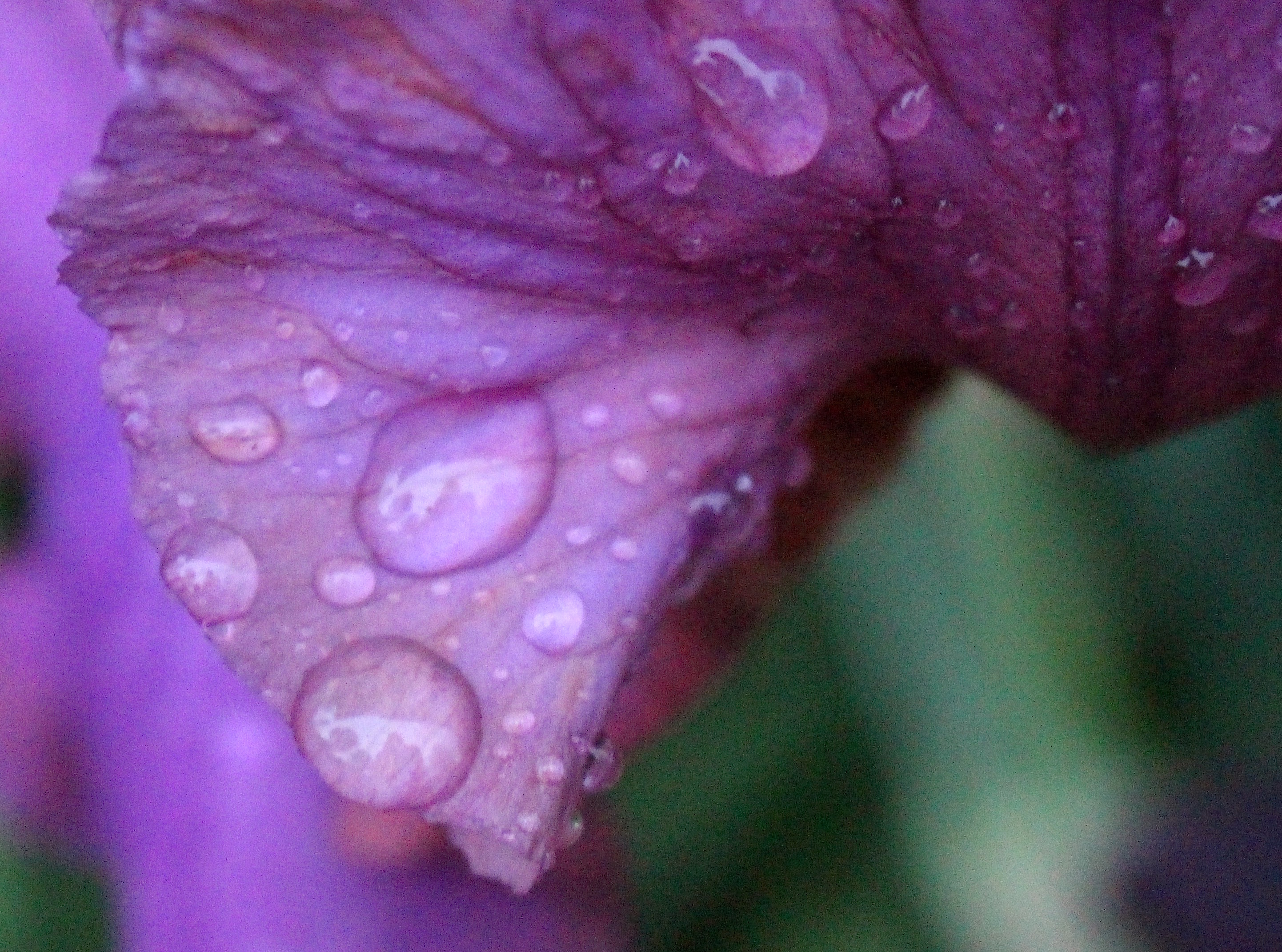
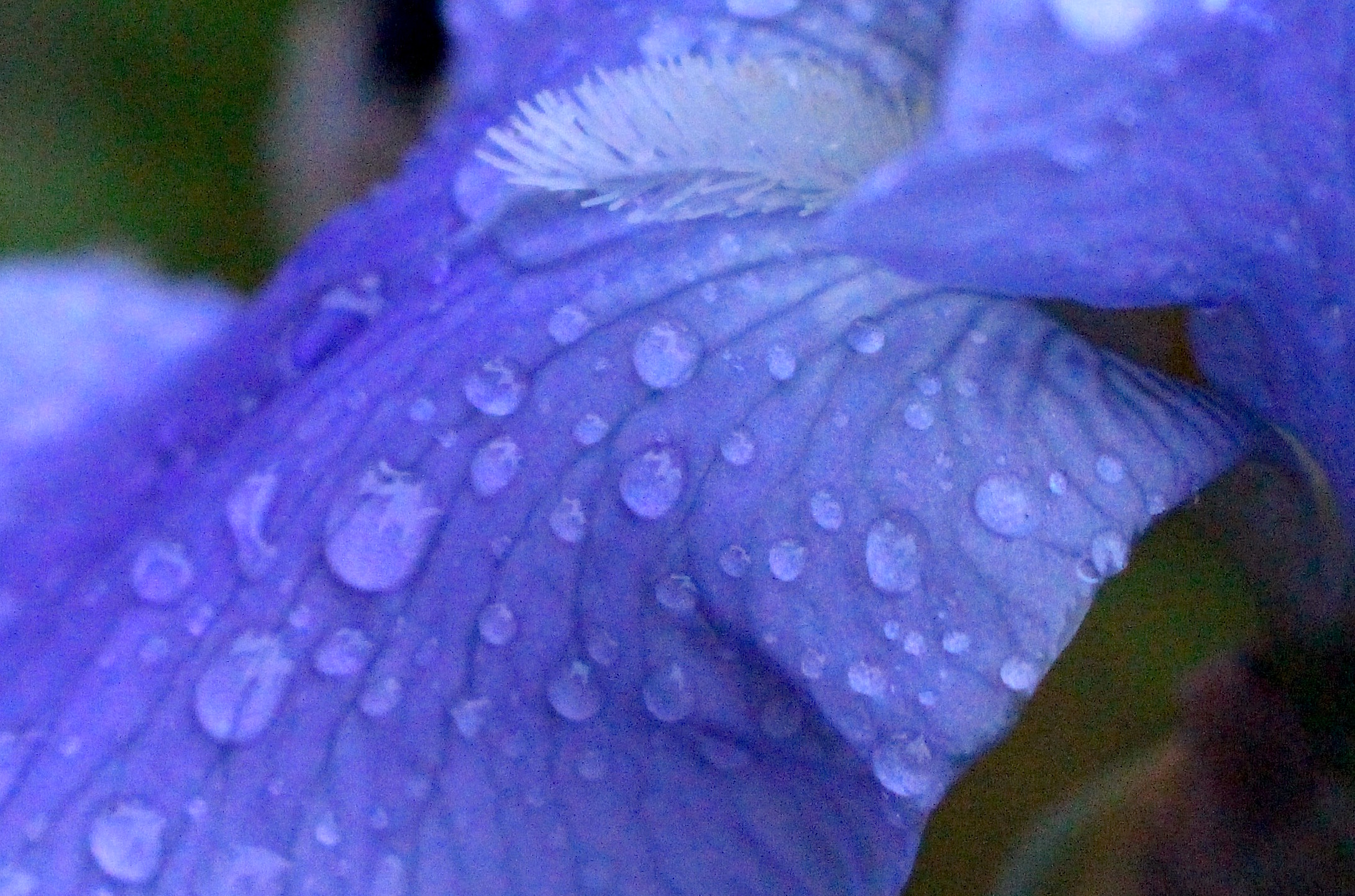
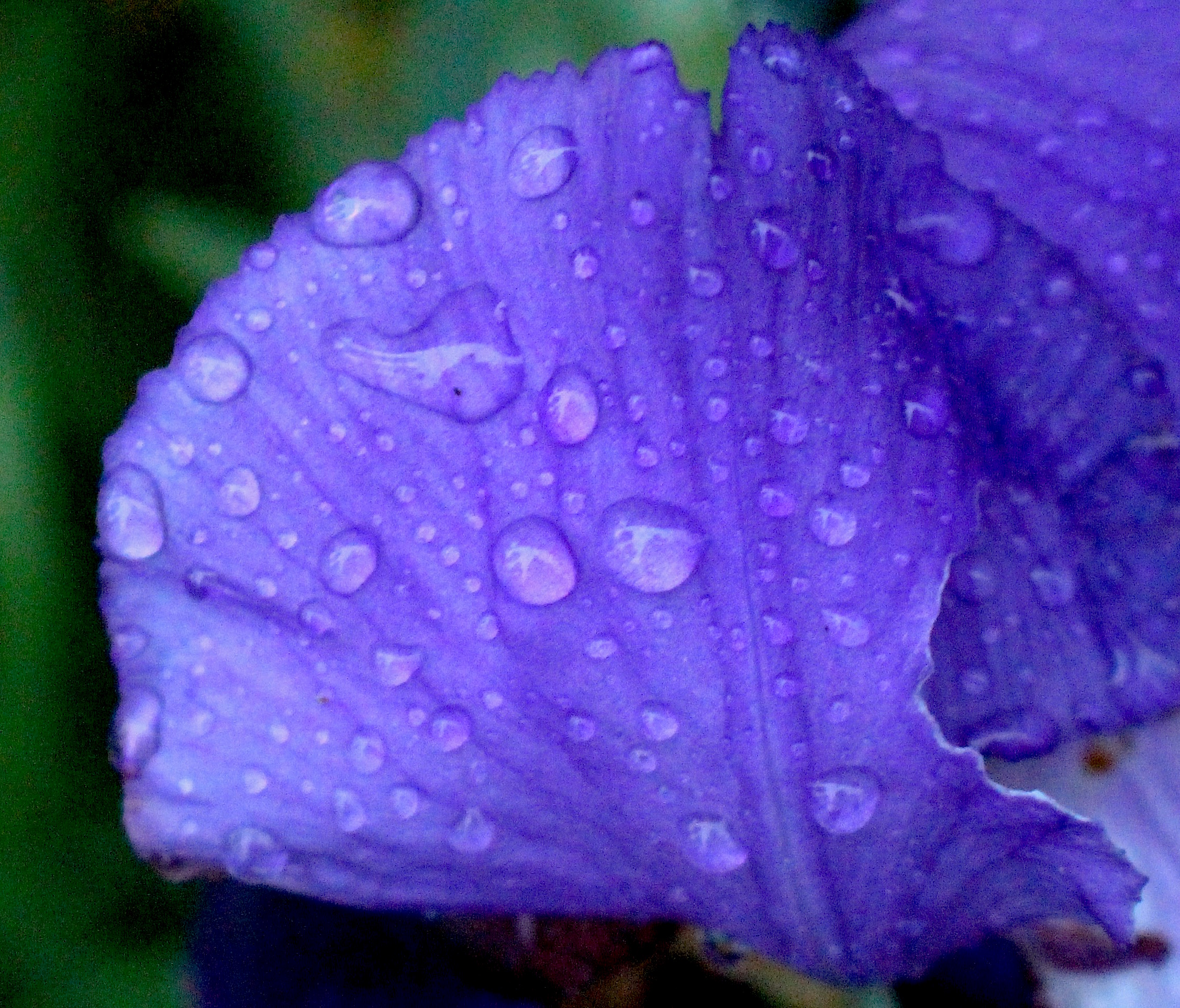
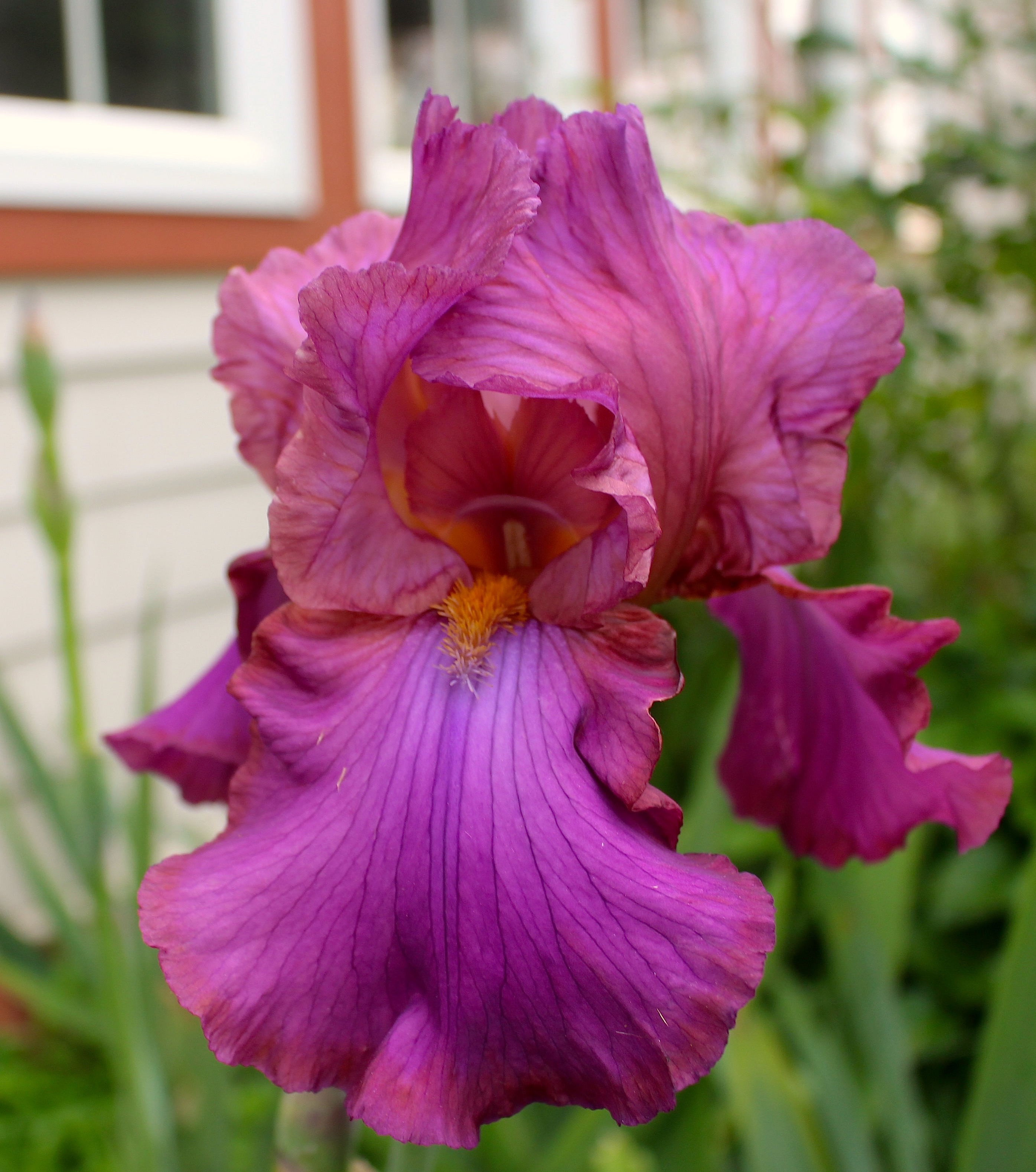
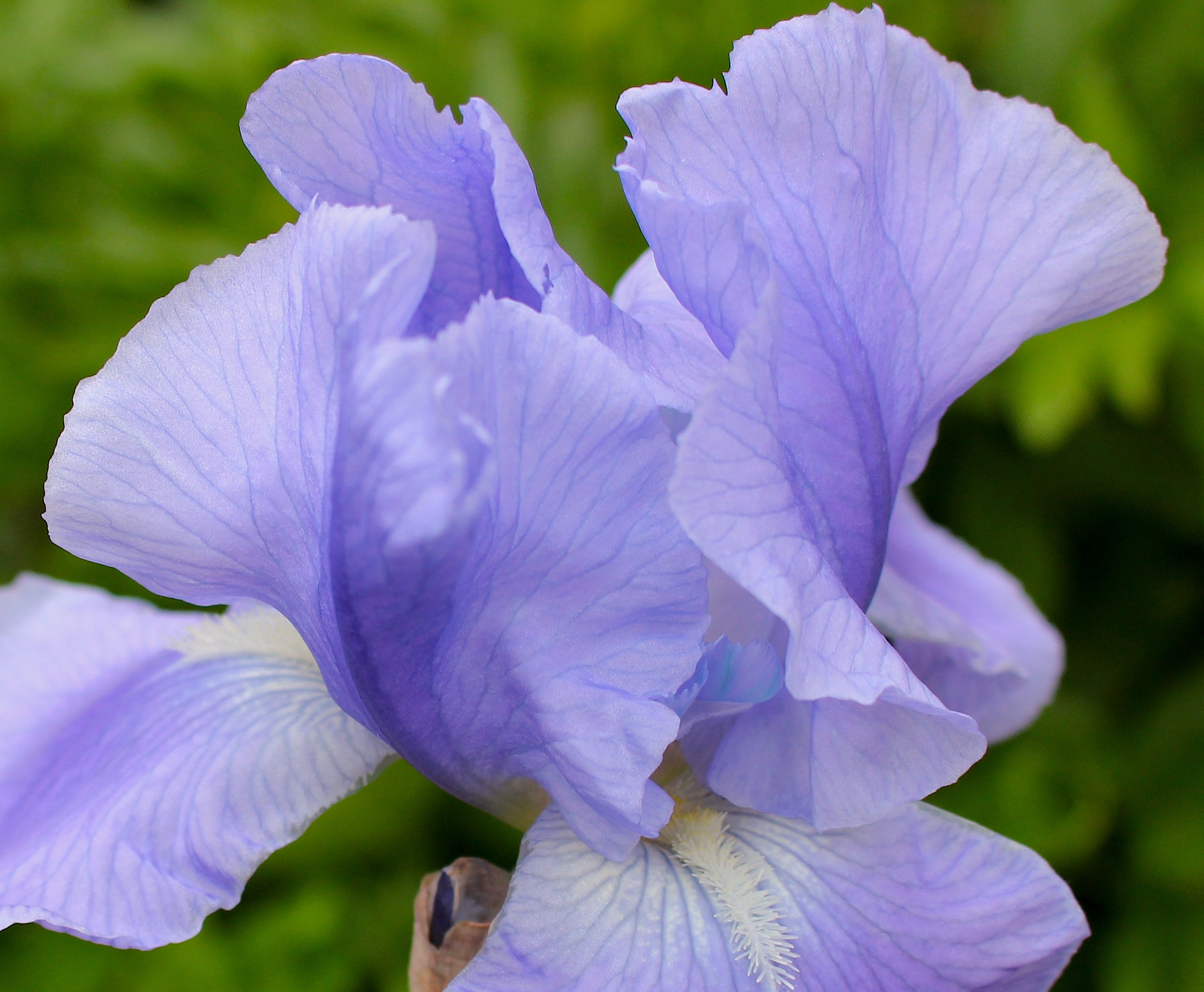
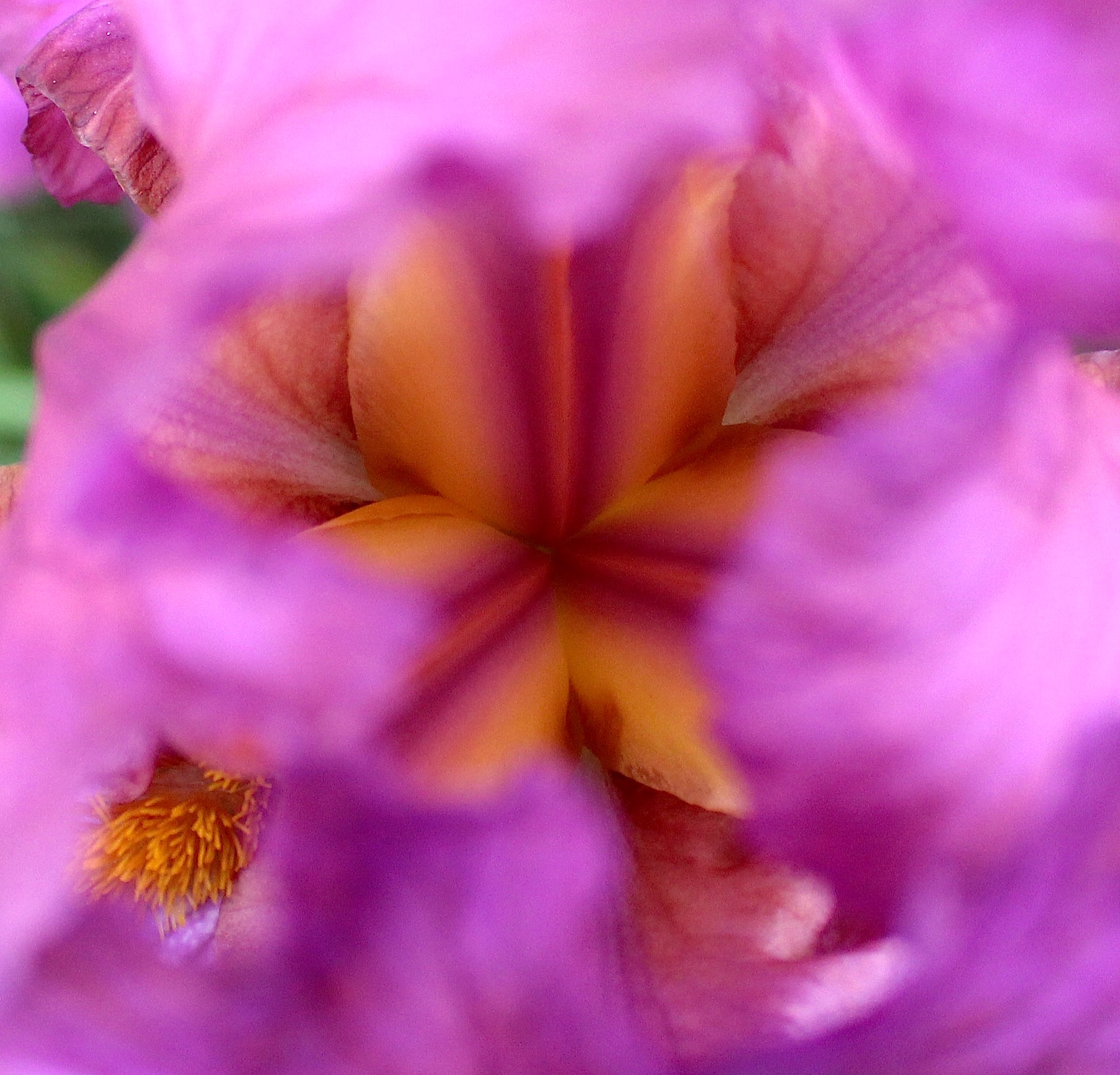
Whenever I allow my eye to peer through
an iris,
I need a flotation device
and depth finder
as I’m likely to get lost,
sweeping and swooning
through inner space
of tunnels, canyons and corners,
coming up for air and diving in again
to journey into exotic locales
draped in silken hues
~this fairy land on a stem~
so immersed in the possibilities
of such an impossible blossom.
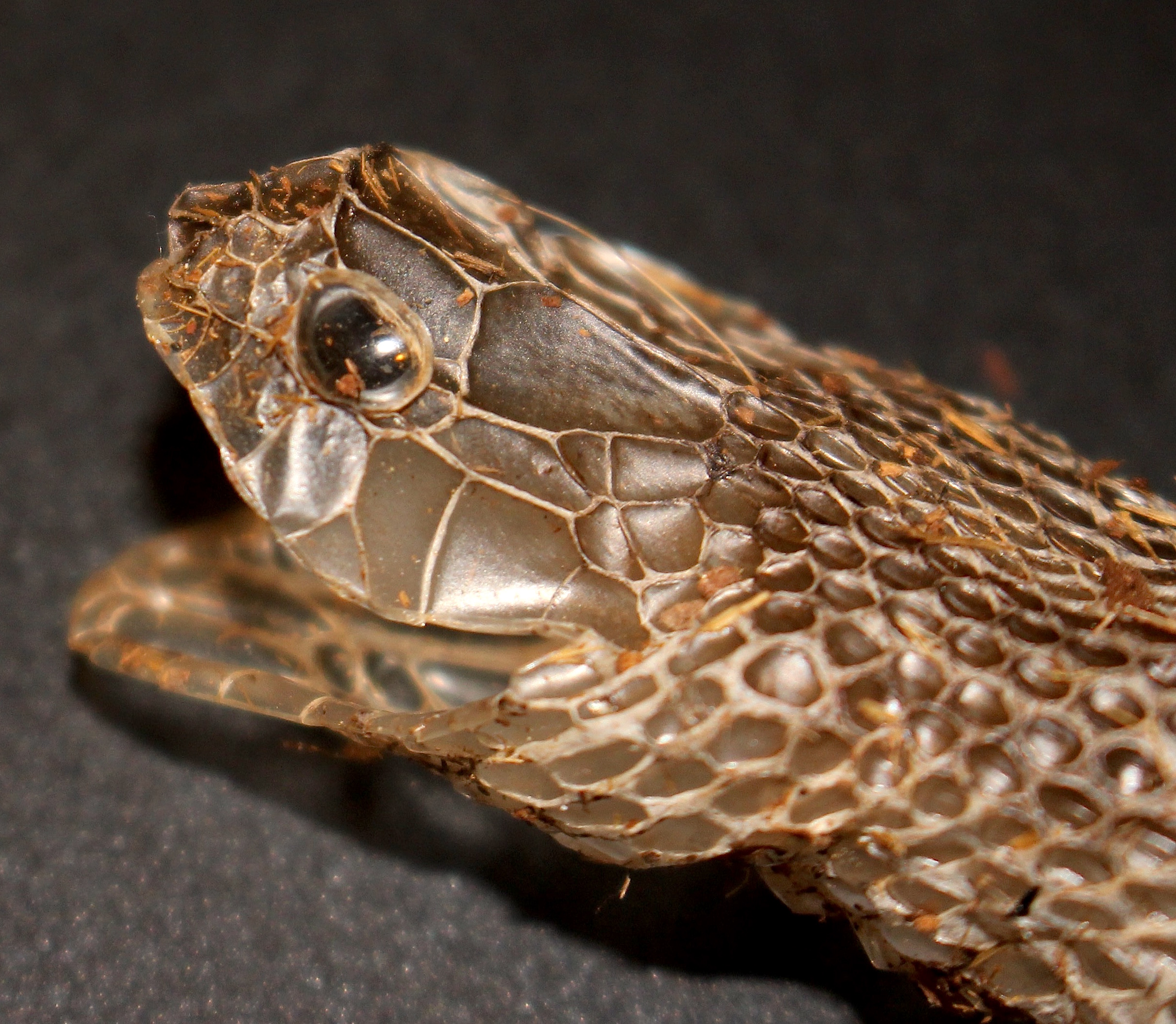
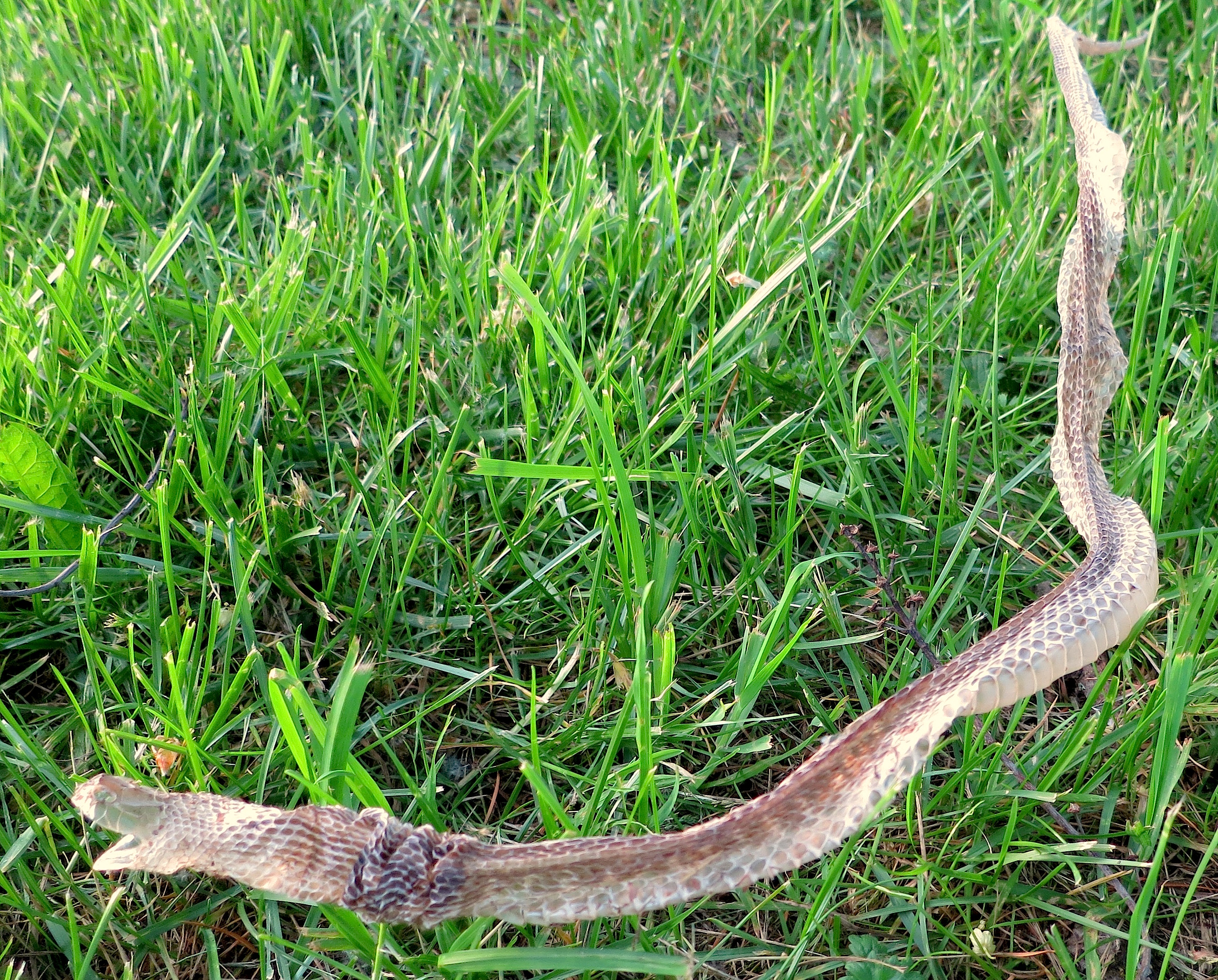
Cast off on a sunny day
onto a warm manure pile,
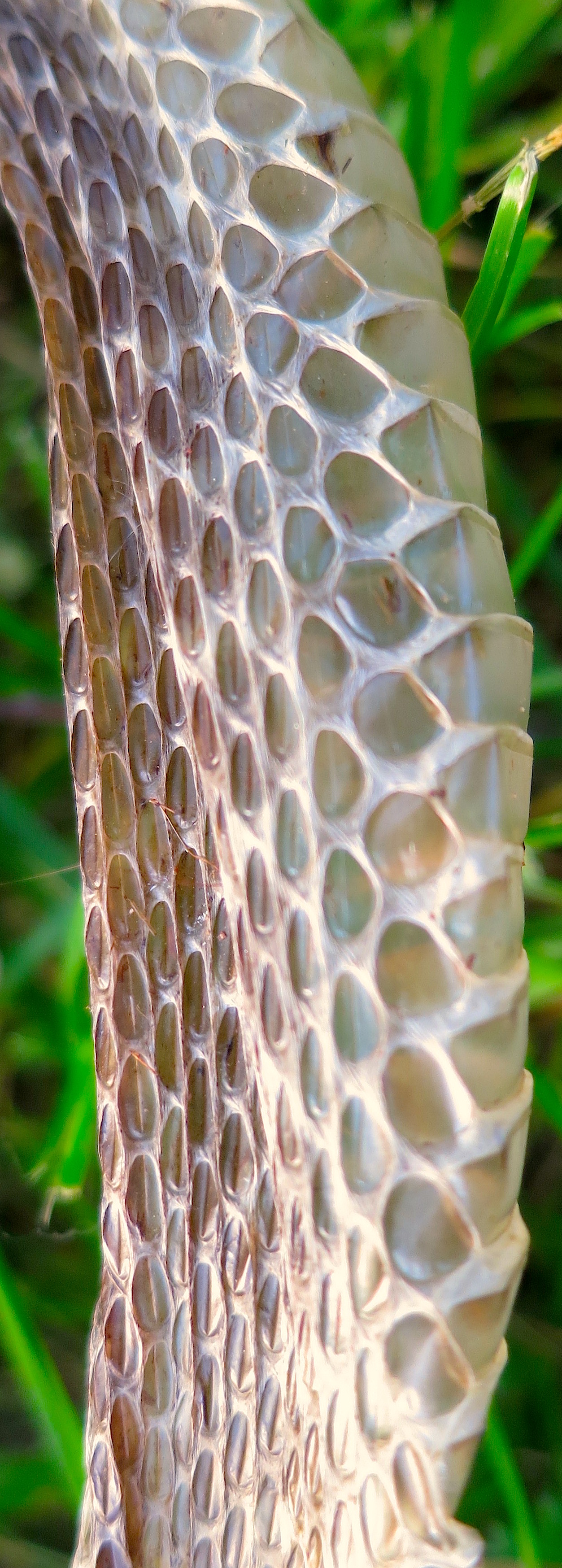
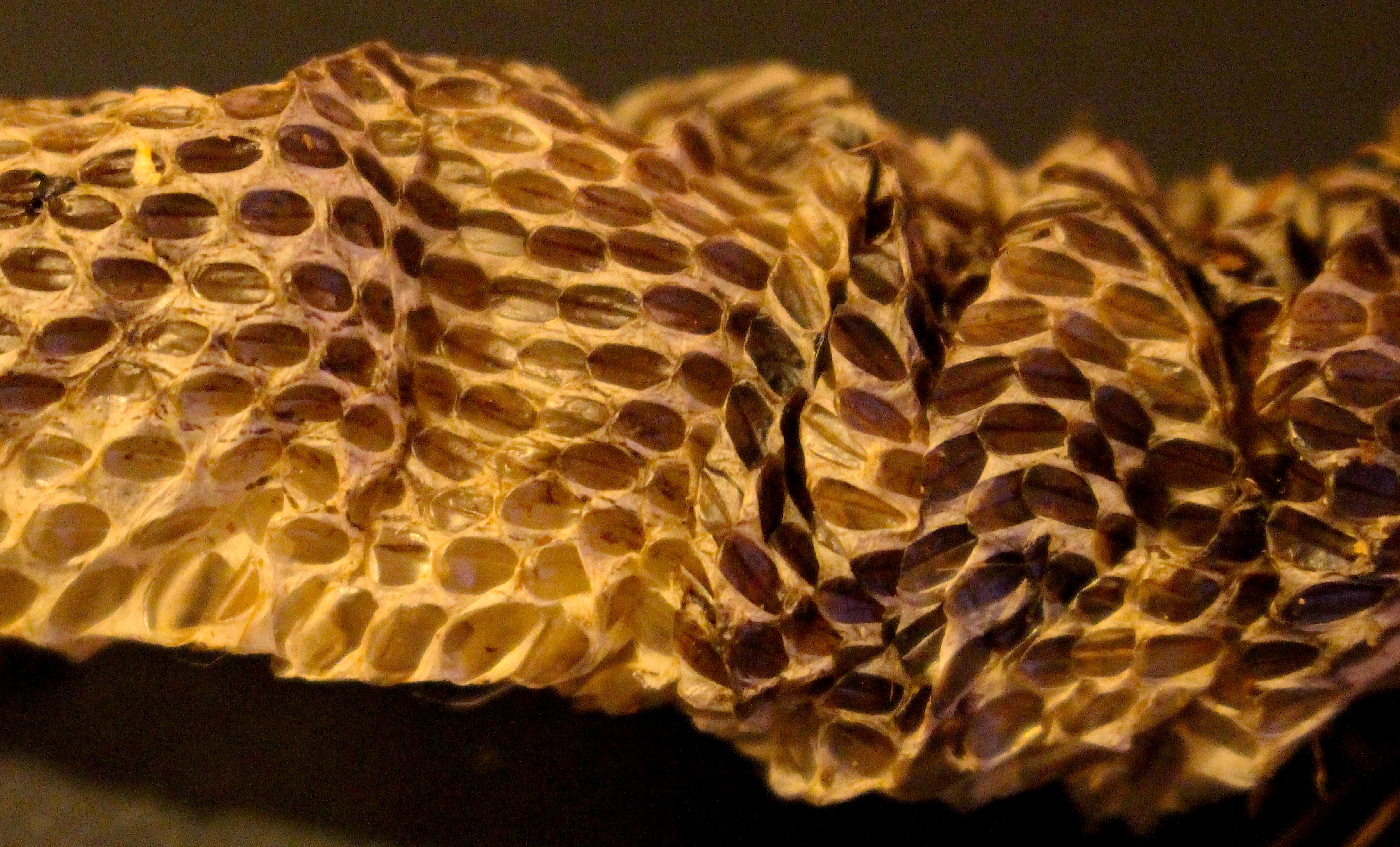
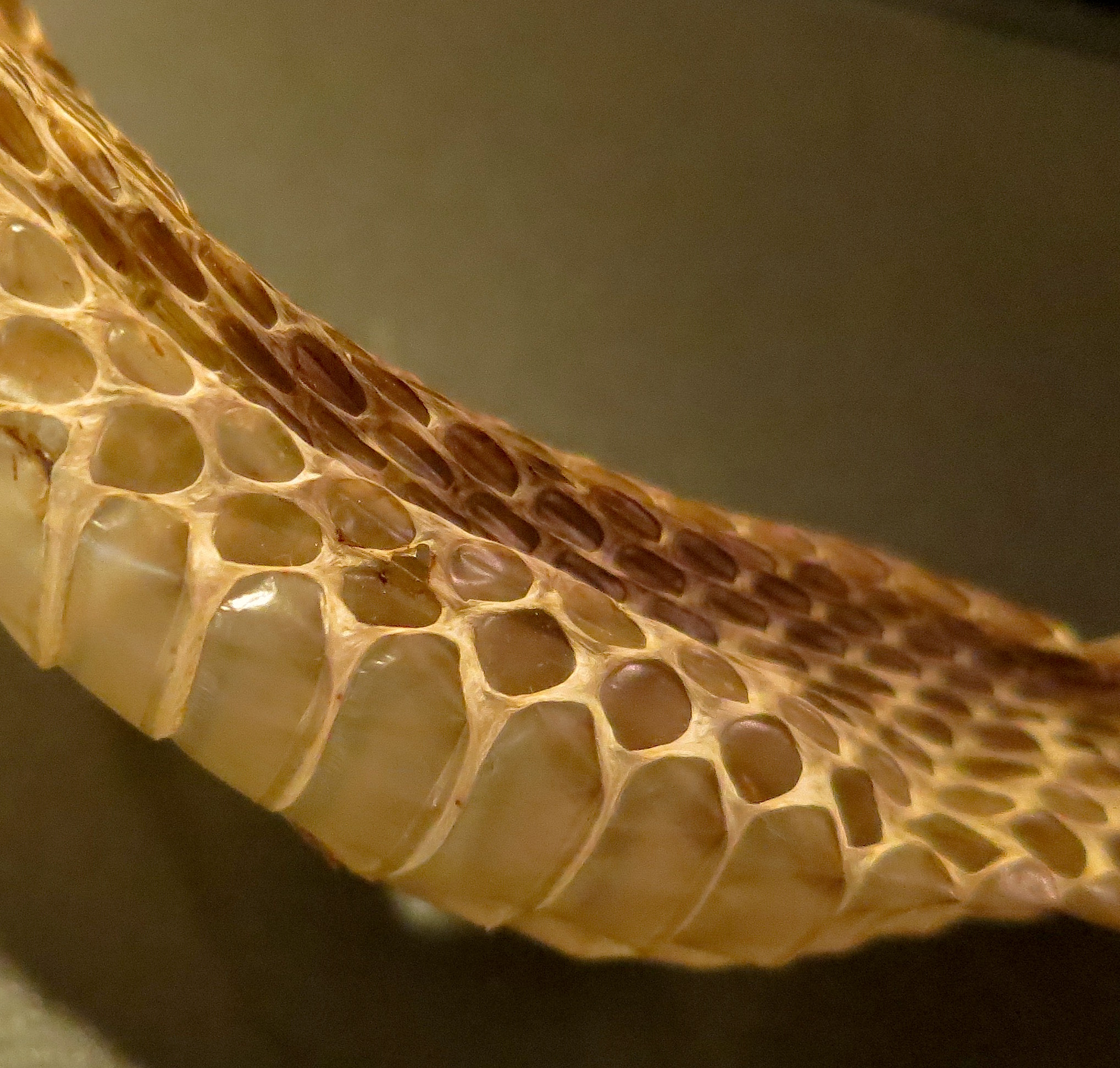
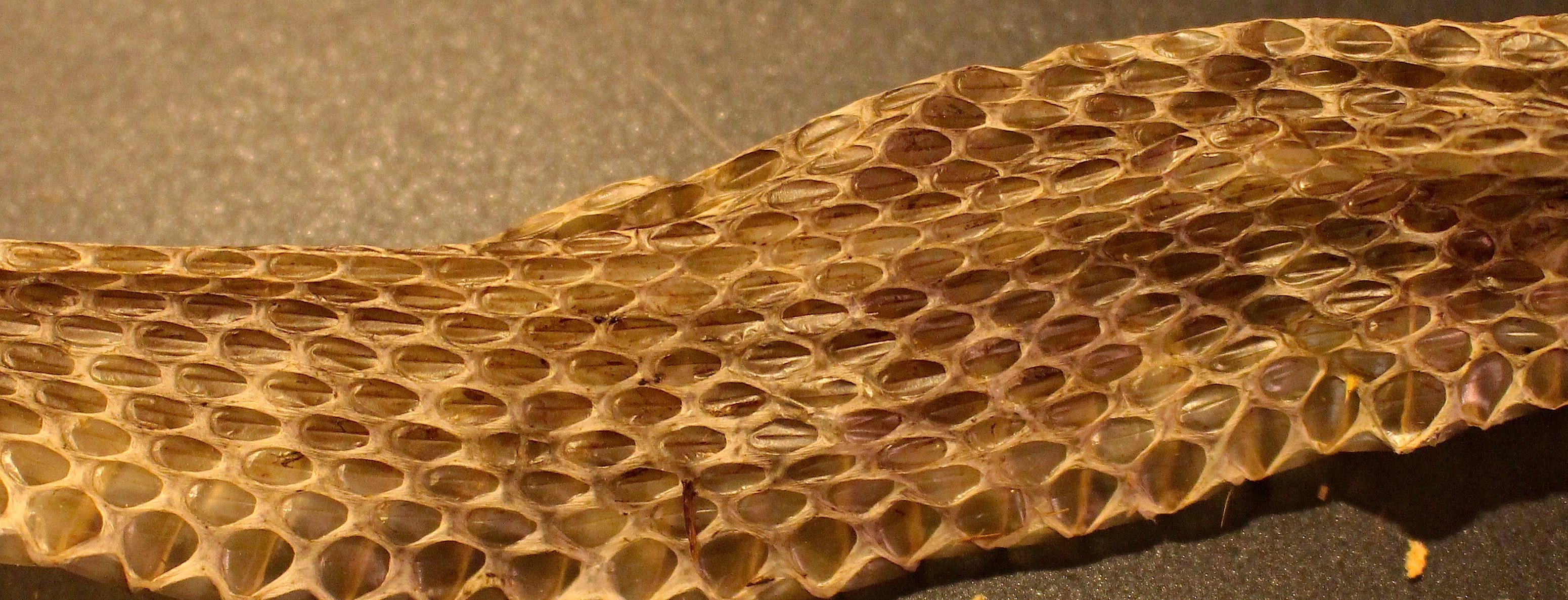
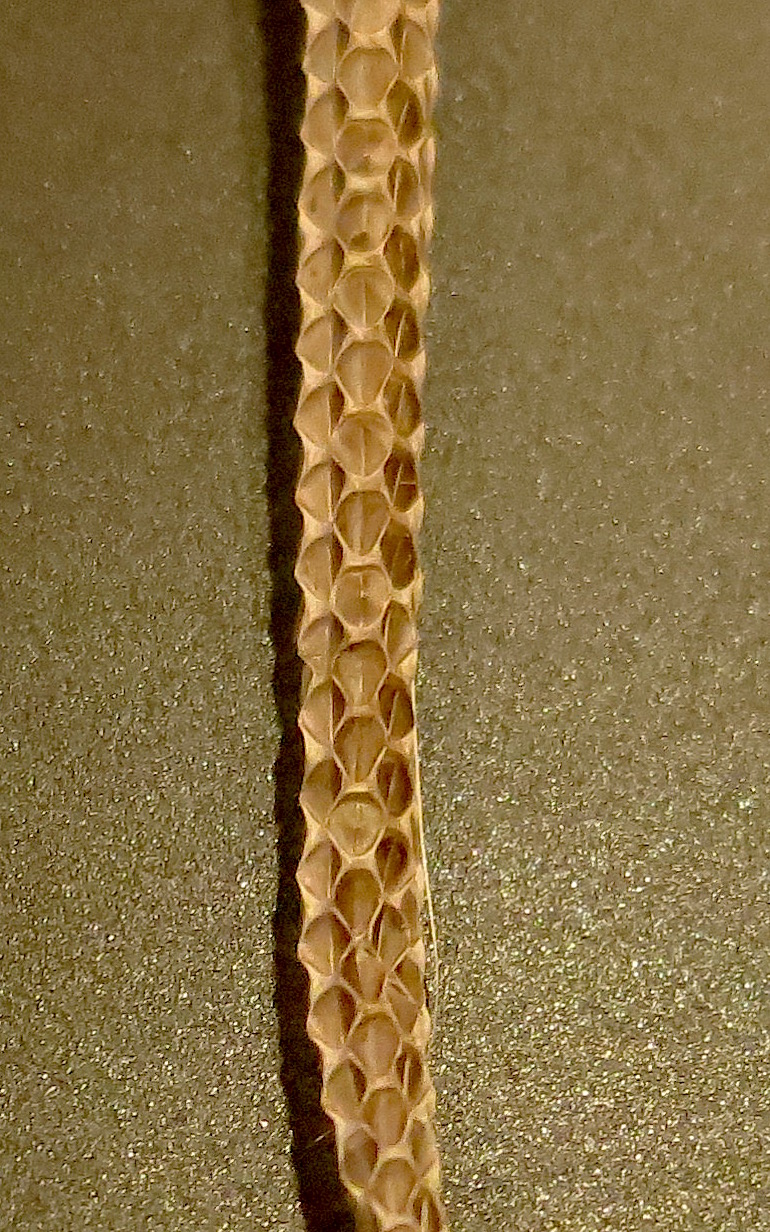
a wriggled-free fresh snakeskin,
almost covered by my fresh load~
lay blended with old hay, horse hair, shavings,
tucked among what is already digested,
dumped and discarded.
This, an intact hollowed shadow
of a still living creature
who has moved on:
I too need to leave my old self
shrugged off onto the manure pile,
shed when it no longer fits
the ways I’ve grown hallowed,
a fitting remembrance of
who I once was,
yet left behind.
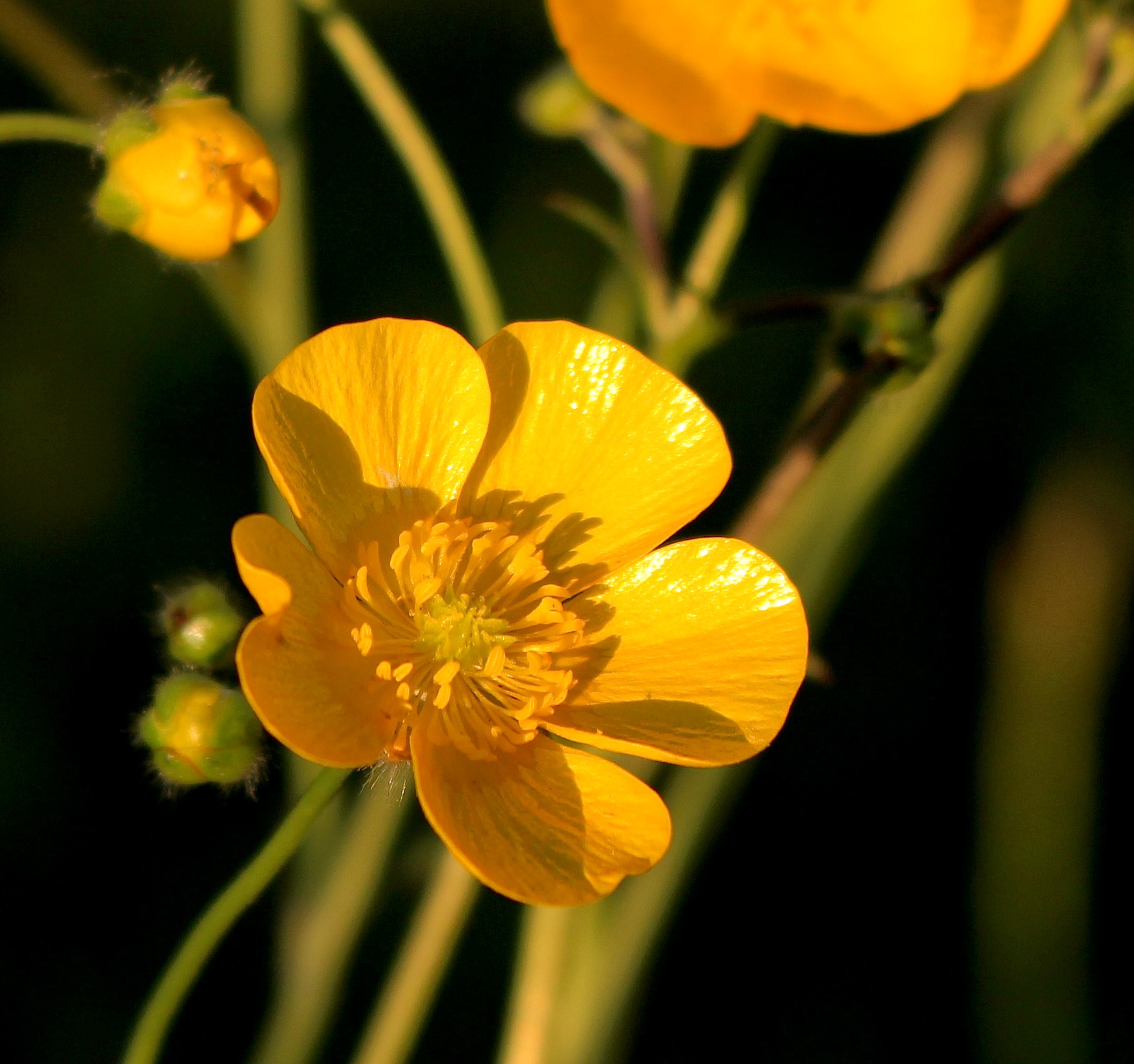
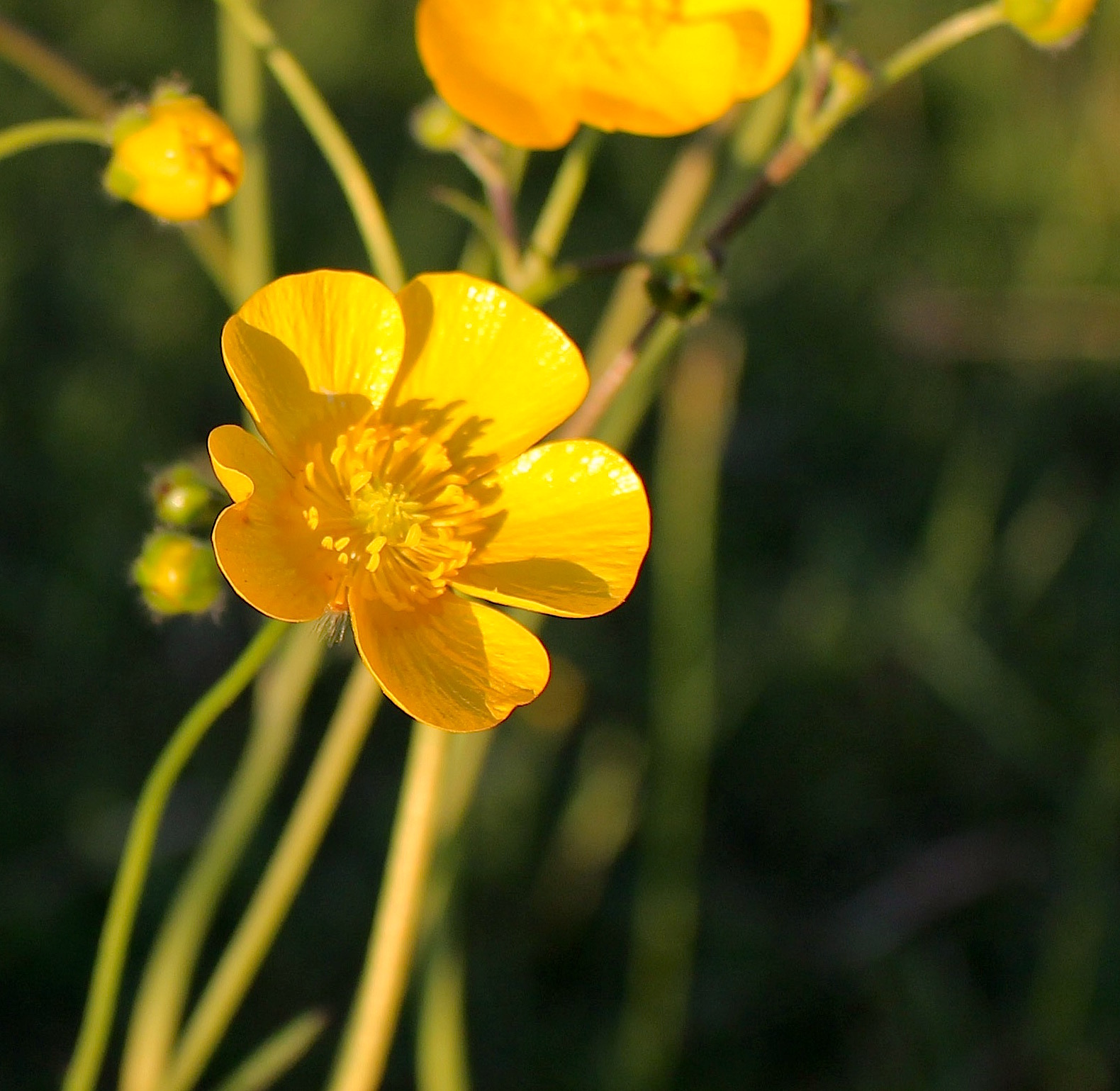
{Buttercup’s} heart was a secret garden and the walls were very high.
Buttercup: We’ll never survive. Westley: Nonsense. You’re only saying that because no one ever has.
Westley: Hear this now. I will always come for you. Buttercup: But how can you be sure? Westley: This is true love. You think this happens every day?
That day, she was amazed to discover that when he was saying “As you wish”, what he meant was, “I love you.” And even more amazing was the day she realized she truly loved him back.
~William Golding, quotes from The Princess Bride
How was I ever blessed to find a farm boy?
A farm boy who says “I love you” in many ways every day.
The walls of my secret garden heart came tumbling down…
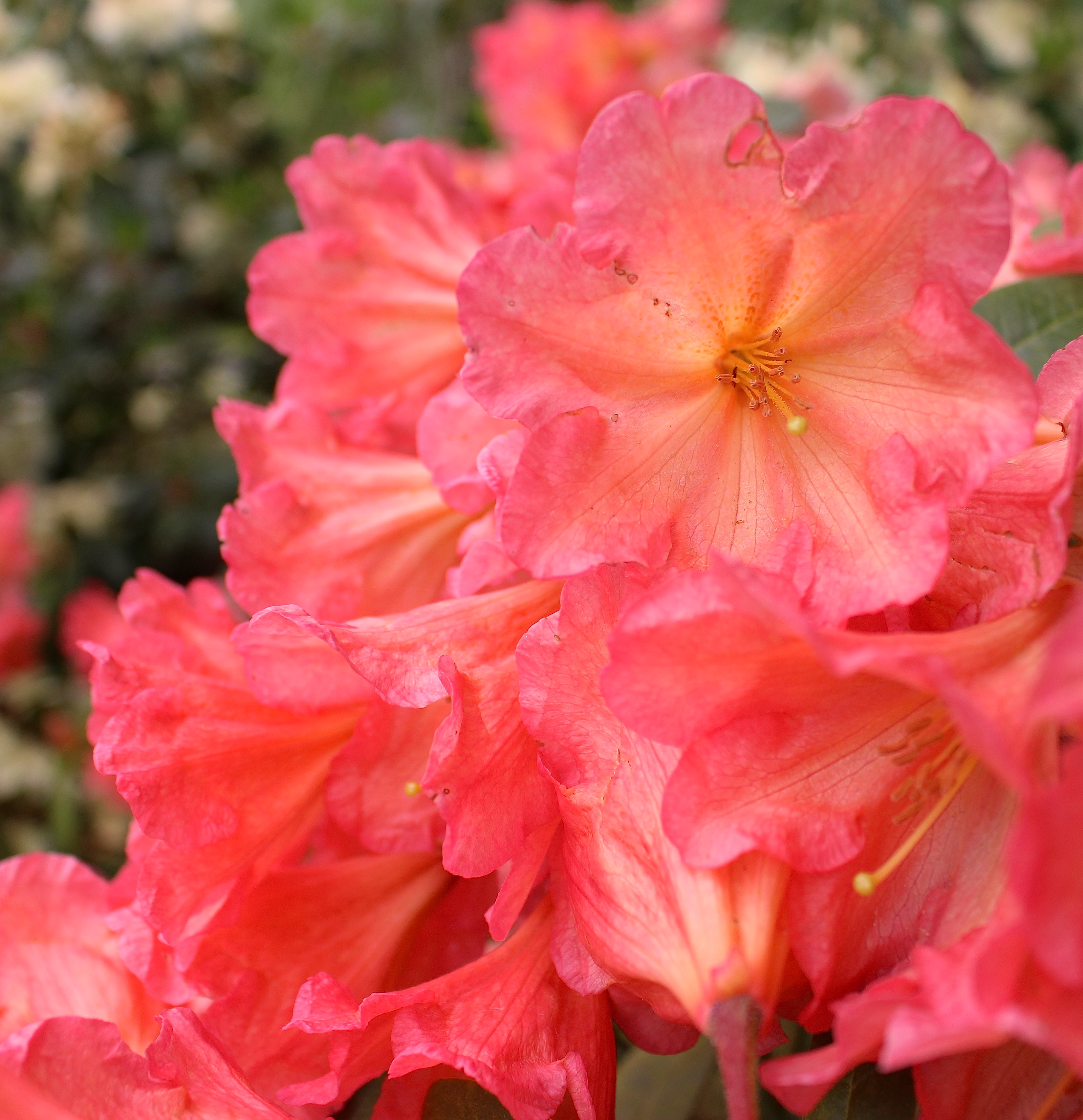
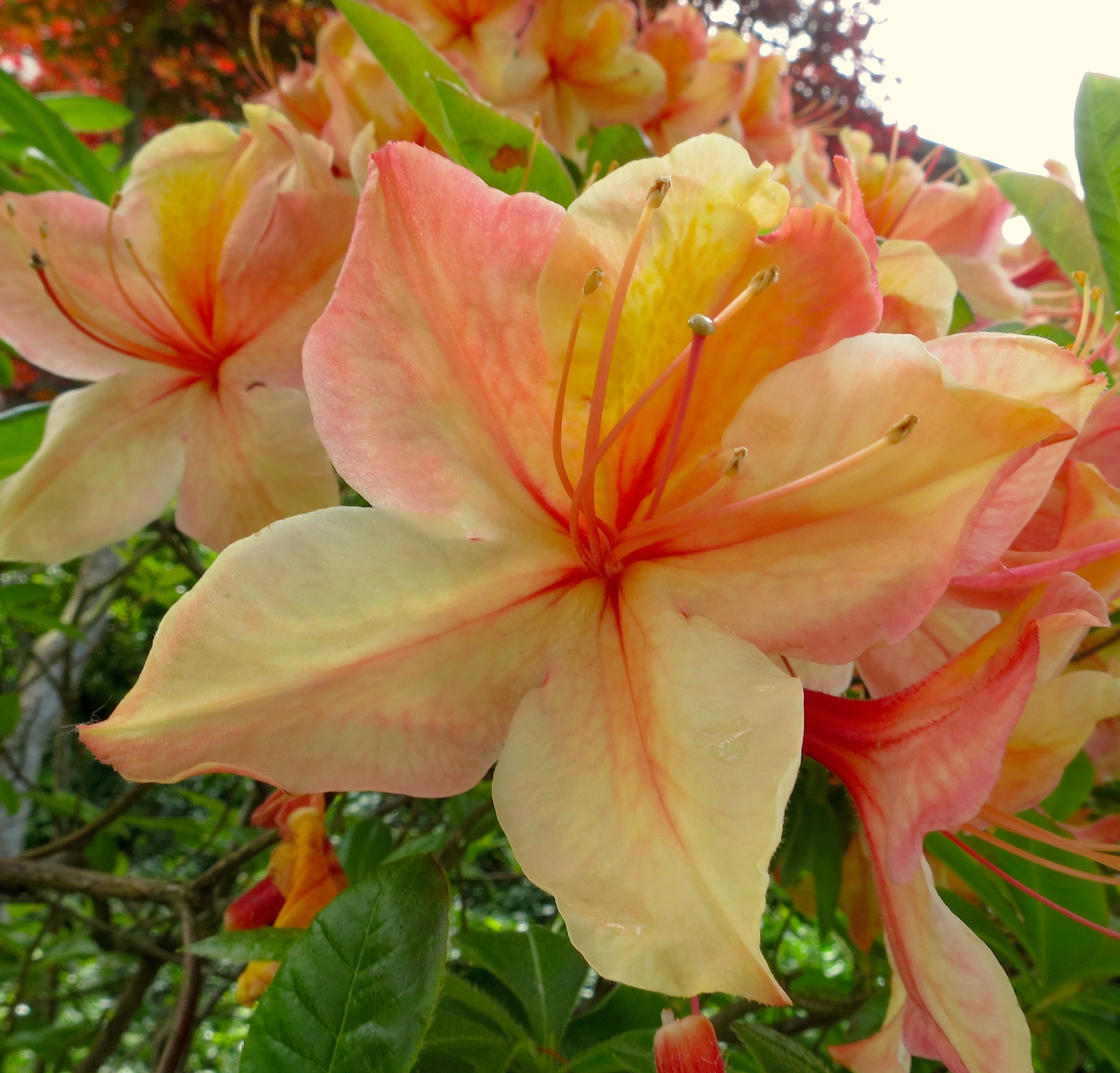
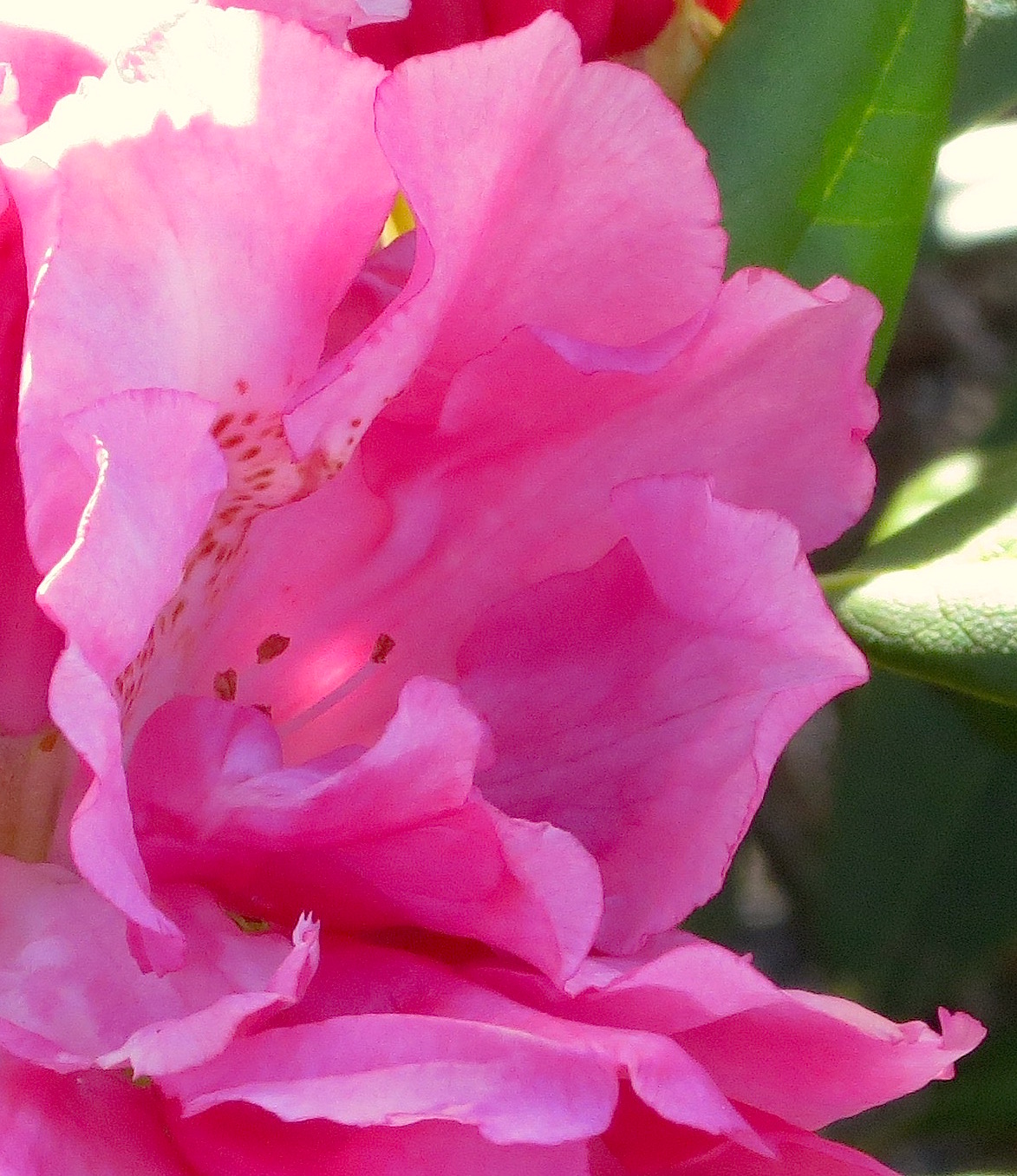
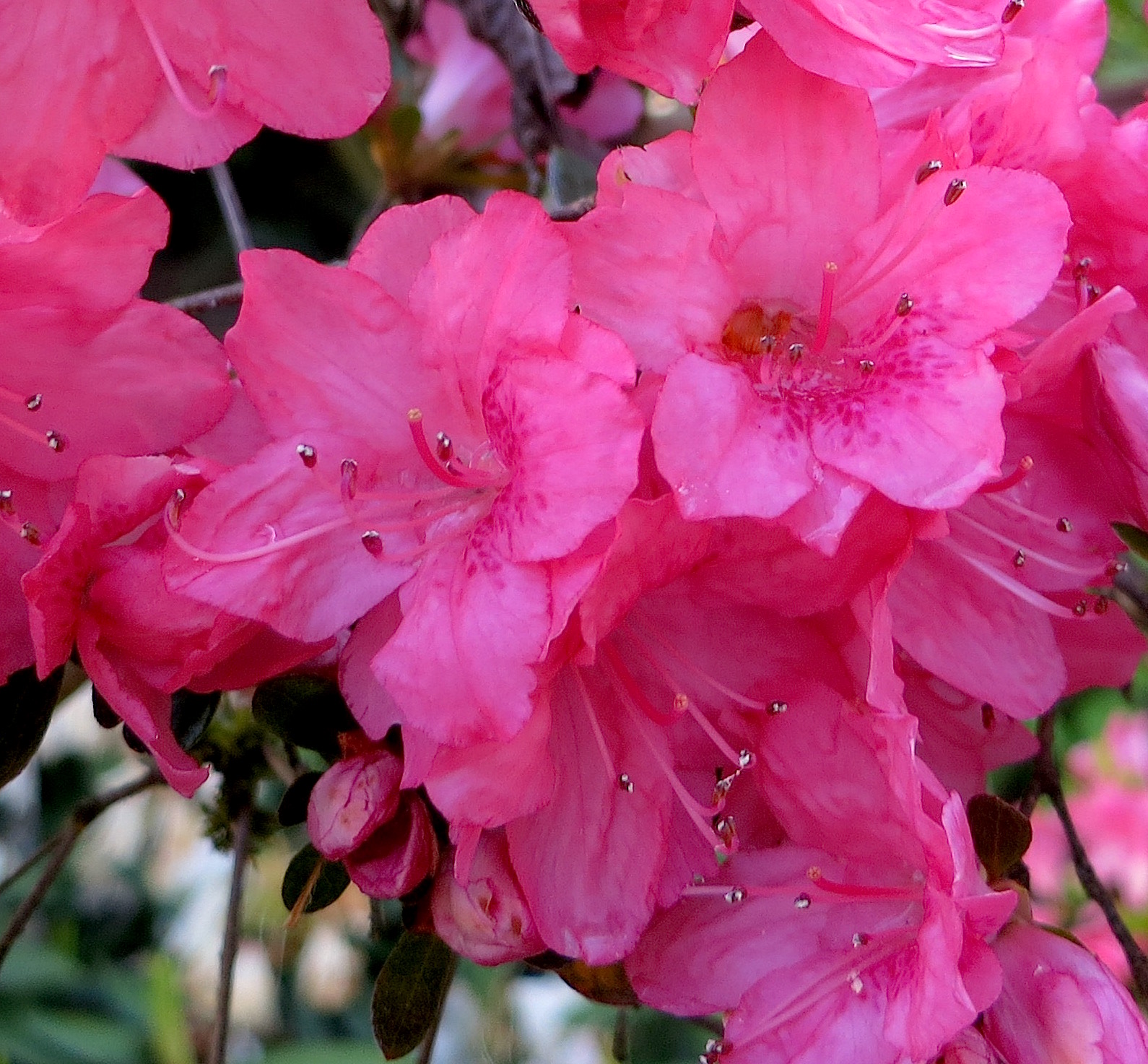
Delicate hot-pink bloom, The first chill hint of spring, Aflame outside my room, What message do you bring?
Some think you self-sufficient, Spontaneously there, Mute matter’s co-efficient, Unfolding unaware.
But I can only deem As holy petioles and pedicels that teem, Leaf-tongues and petal-scrolls.
Thus taken, in their stations, All things are angels sent Blazing into creation, The Word’s embodiment. ~David Middleton “Azaleas in Epiphany”
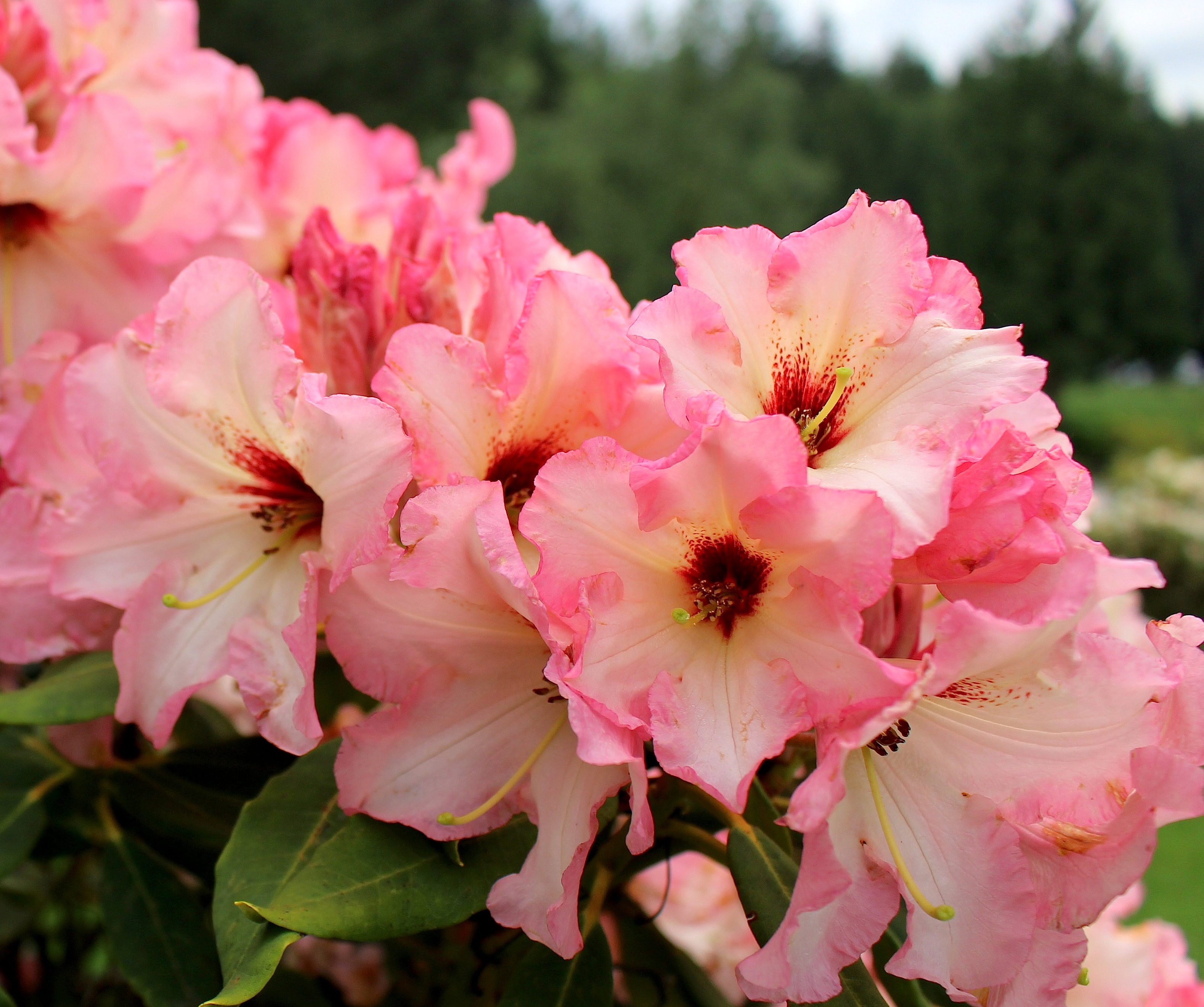
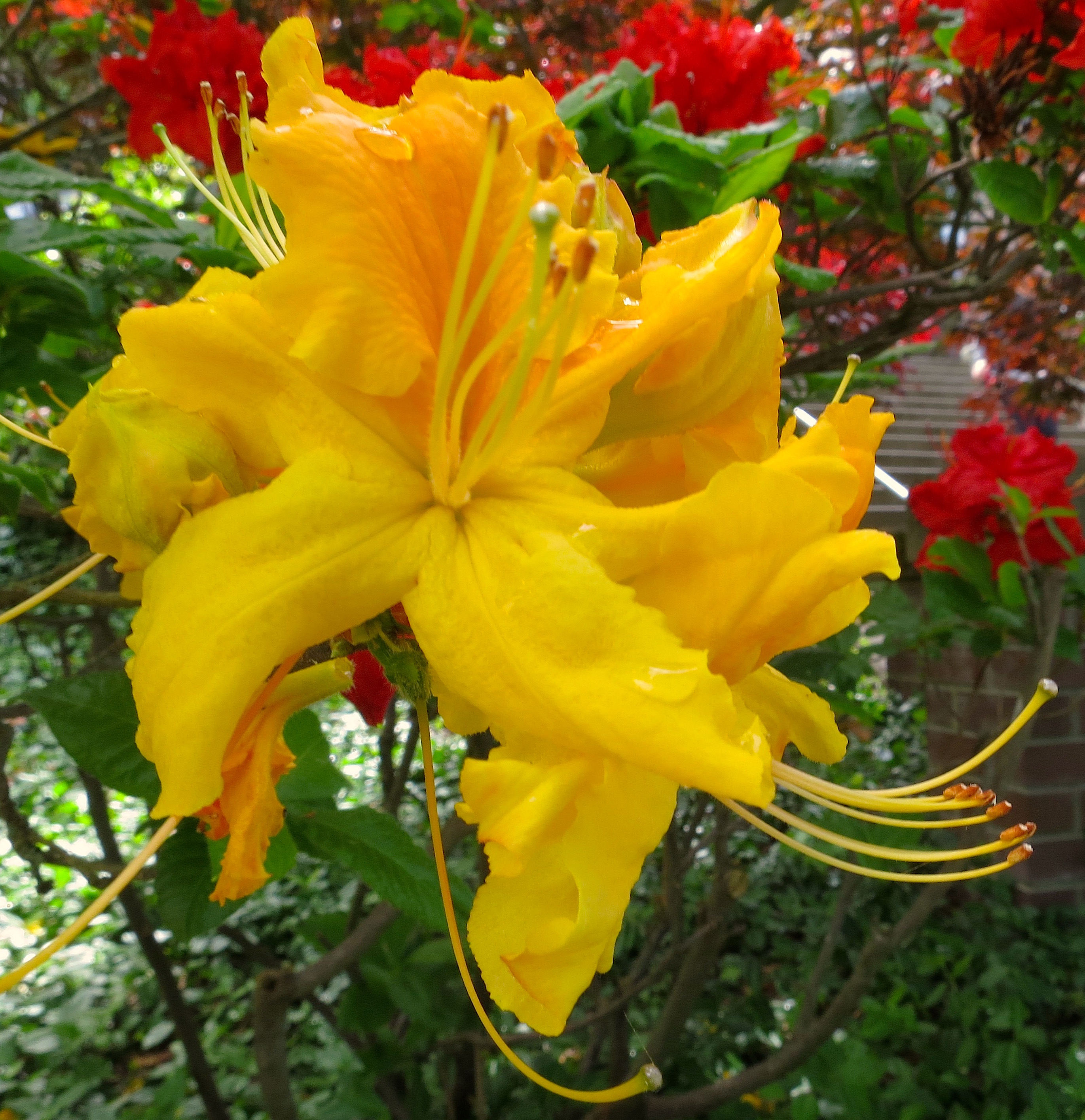
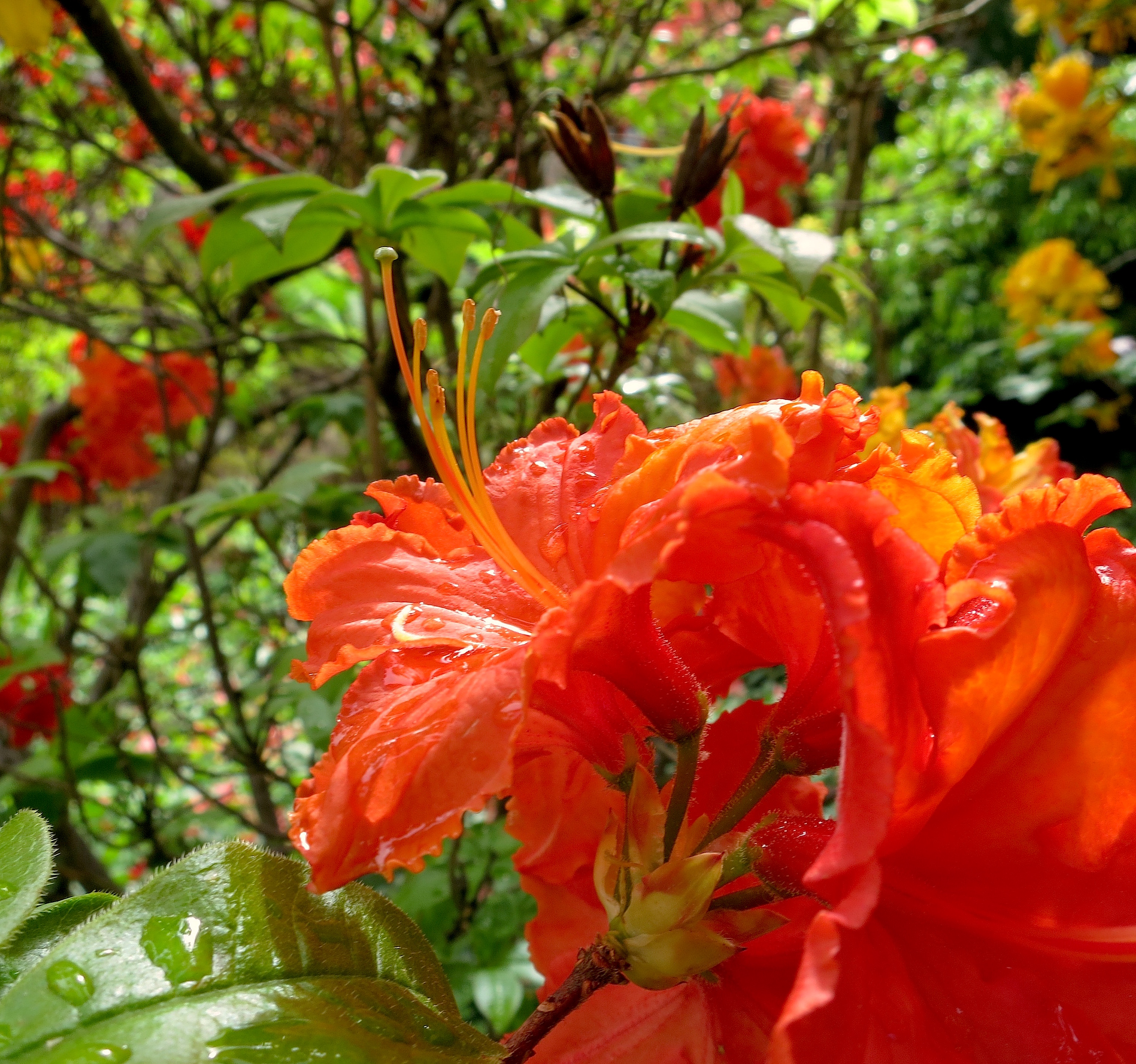
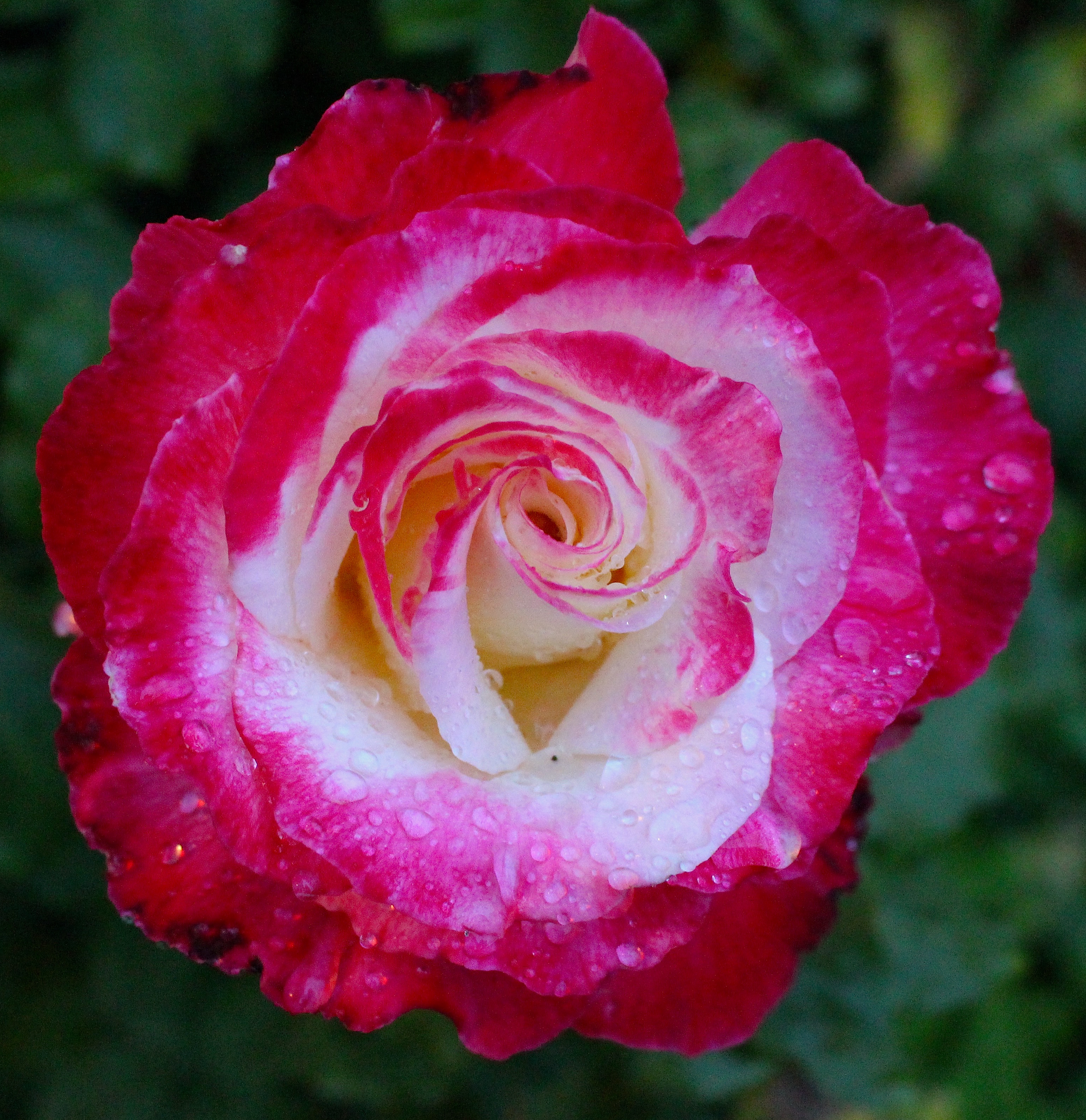
This feast for the eyes
draws me in,
dazzles my senses,
awakens a revelation
so that I too unfold
to let the fiery Word
transform me,
a mere bud,
to glory.
It’s spring! The blushing, girlish World unfolds Each flower, leaf And blade of sod— Small letters sent To her from God. ~John Updike from “A Child’s Calendar”
This fevers me, this sun on green, On grass glowing, this young spring. The secret hallowing is come, Regenerate sudden incarnation, Mystery made visible In growth, yet subtly veiled in all, Ununderstandable in grass, In flowers, and in the human heart, This lyric mortal loveliness, The earth breathing, and the sun. ~Richard Eberhart from “This Fevers Me”
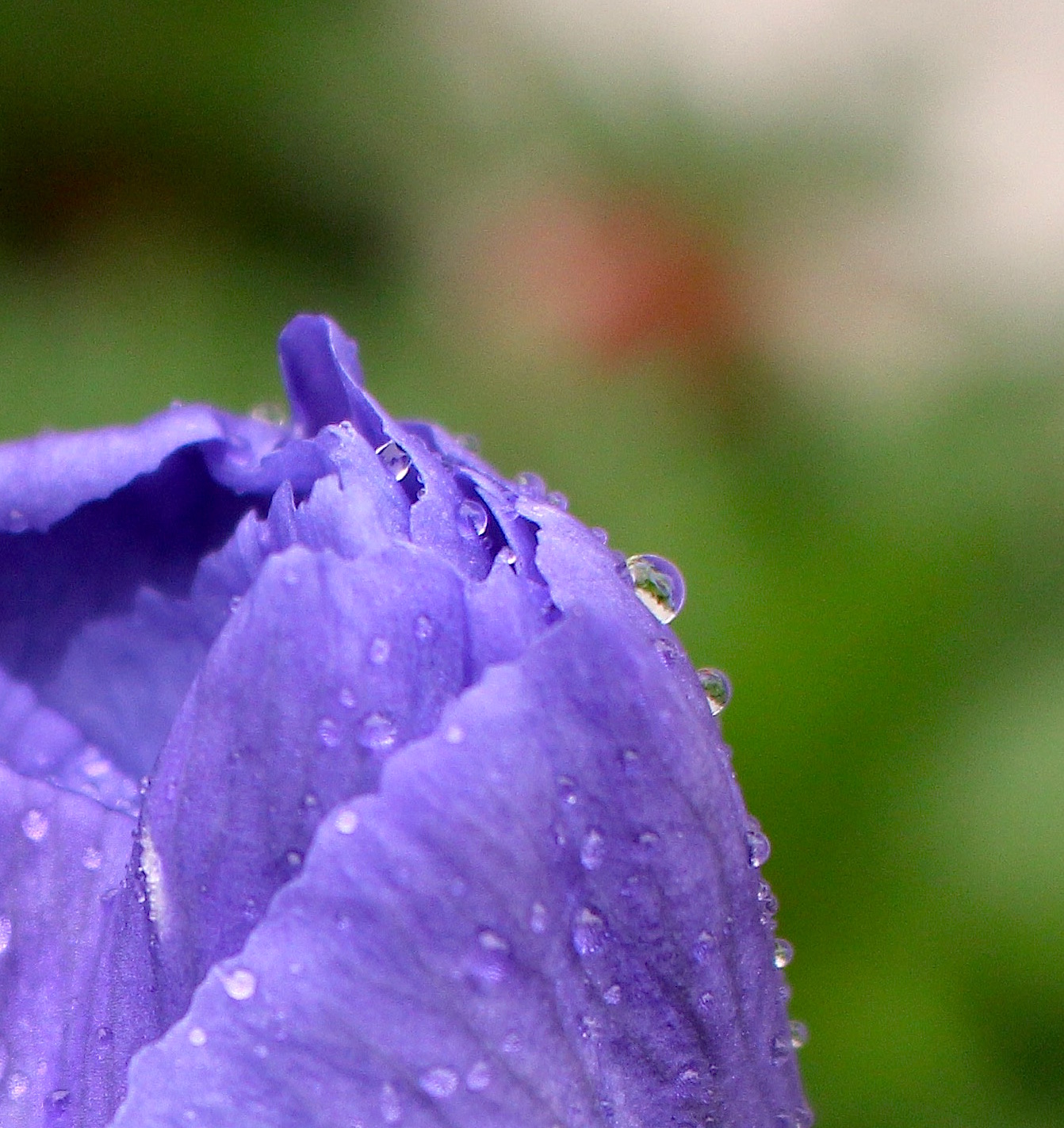
I understand so little
of the mystery that surrounds me
yet I see it made visible,
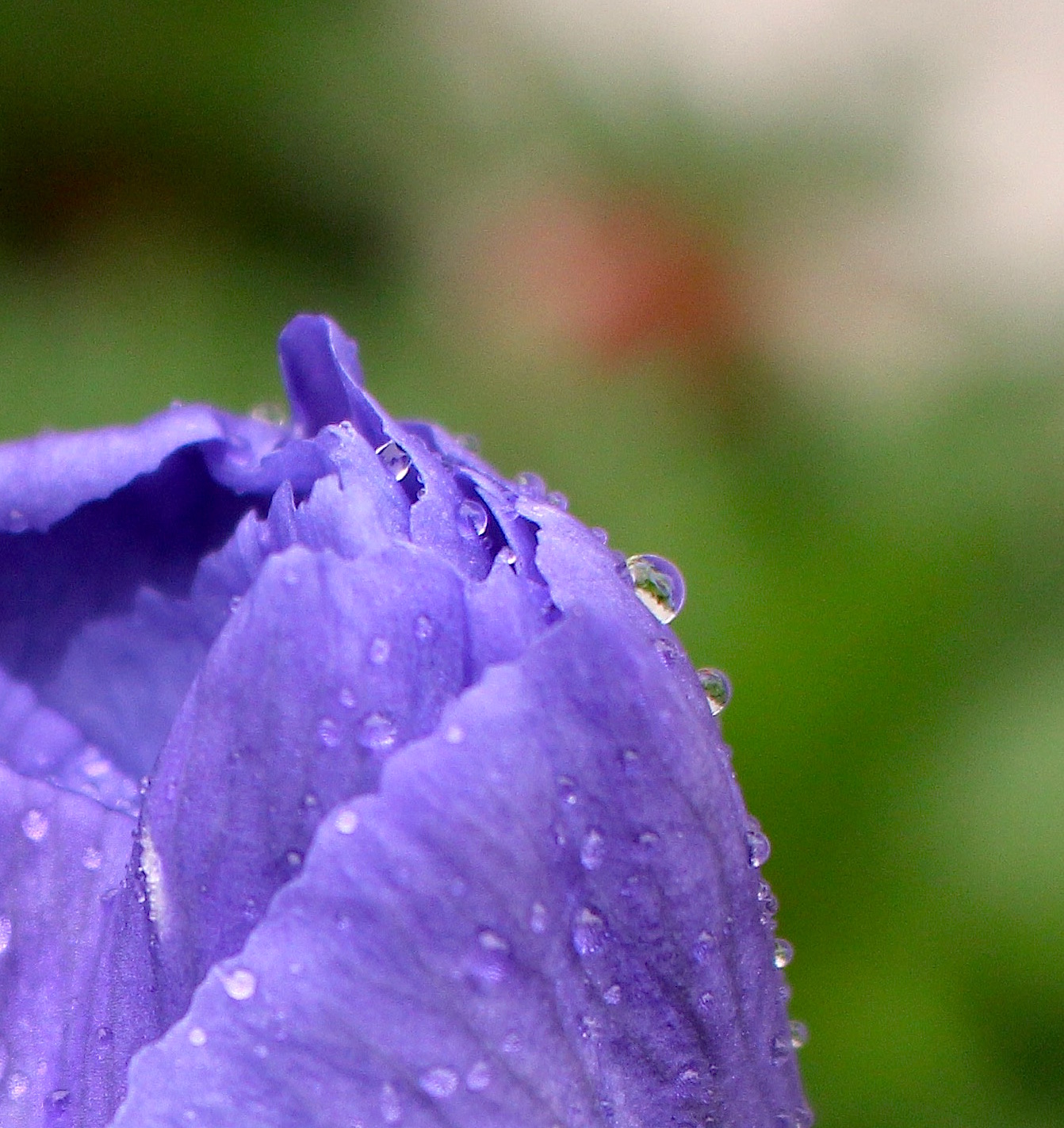
like the raindrop tears from above
rousing me from my slumber.
I breathe deeply,
letting the loveliness, like oxygen,
find its way deep
filling my heart.
Wind in the chimes pulls music from the air, the sky’s cleared of its vast complications.
In the pause before summer, the wild sprouting of absolutely everything: hair, nails, the mango’s pale rose pennants, tongues of birds singing daylong.
Words, even, and sudden embraces, surprising dreams and things I’d never imagined, in all these years of living, one more astonished awakening. ~Rosalind Brackenbury from “Morning in May”
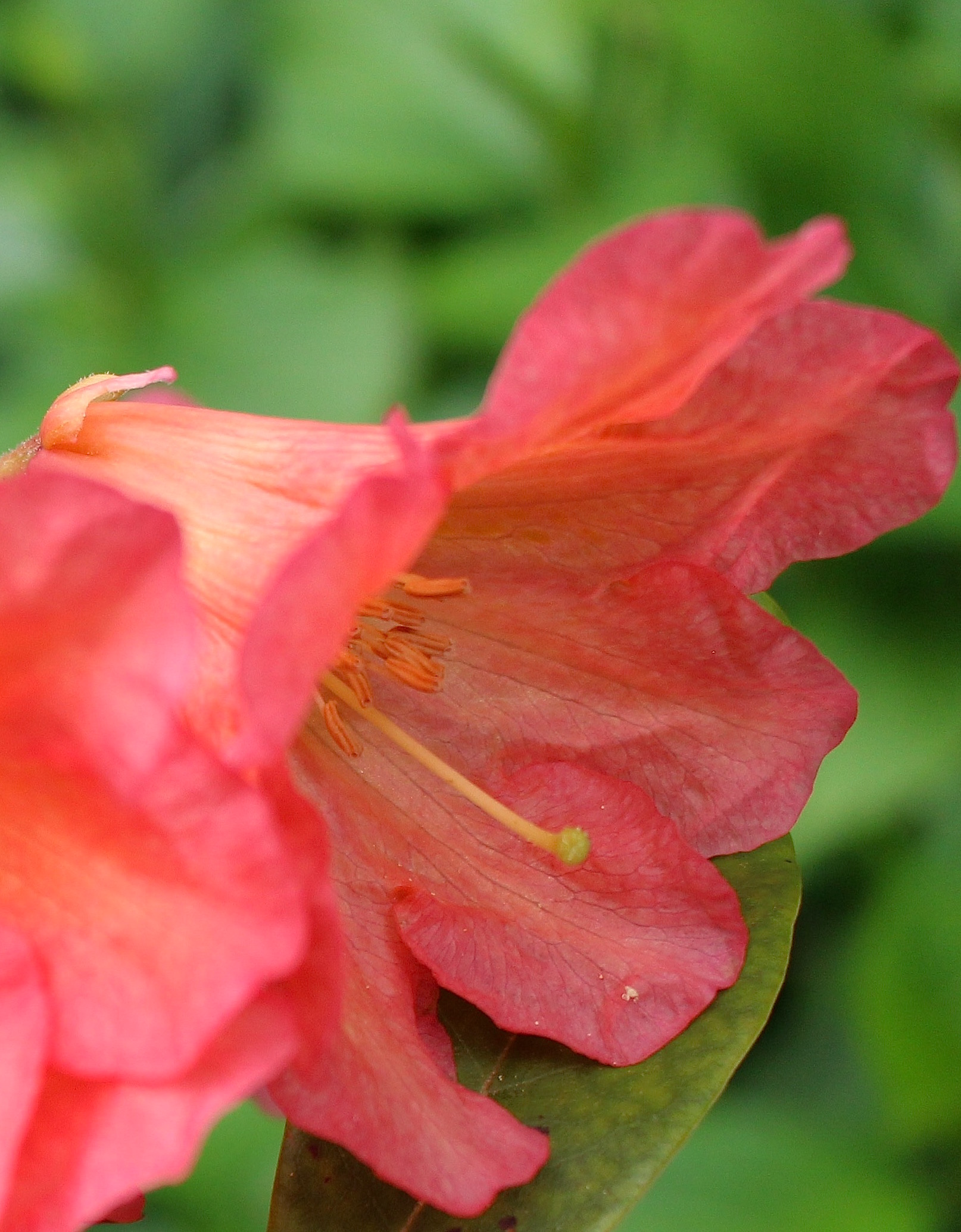
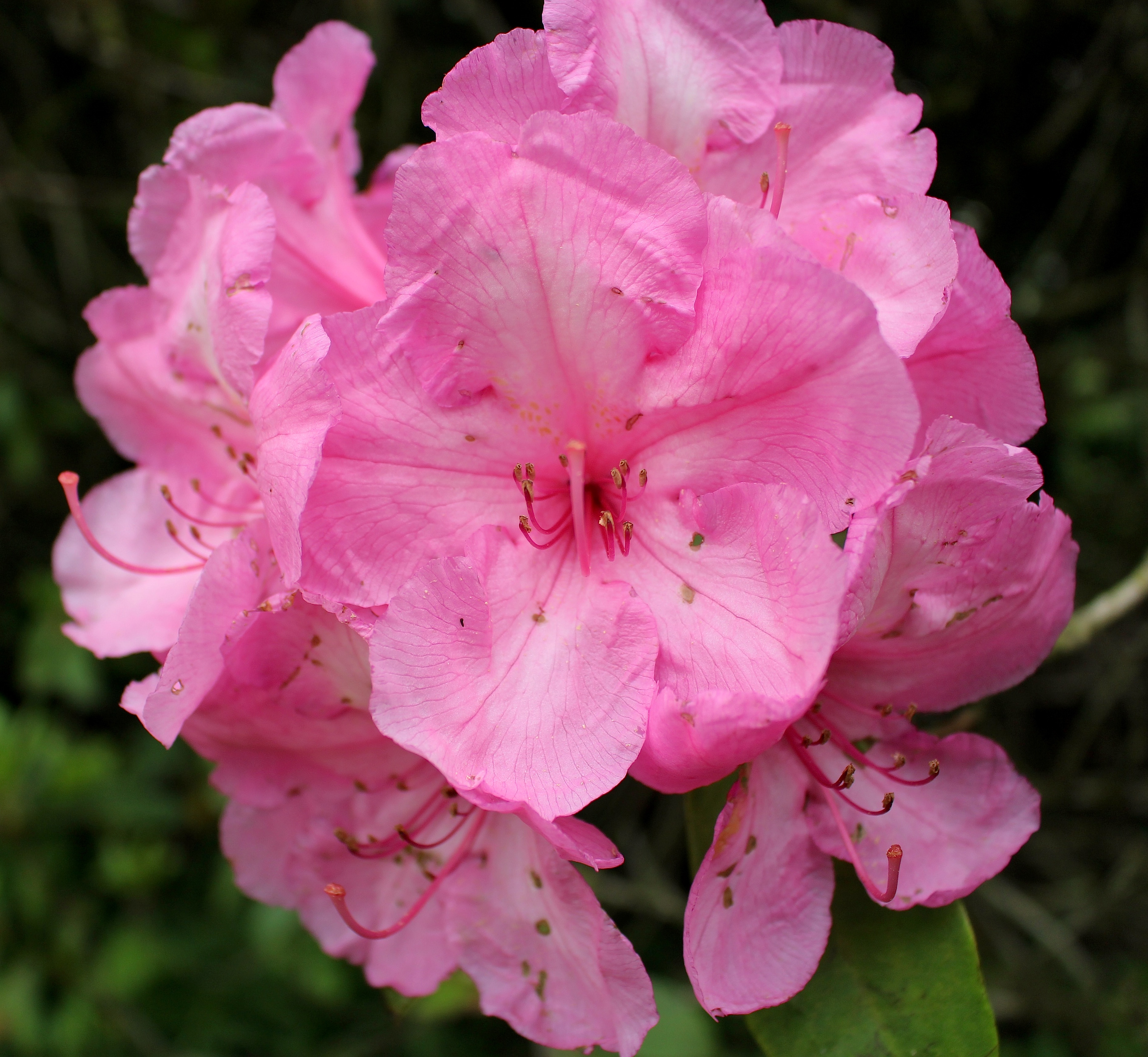
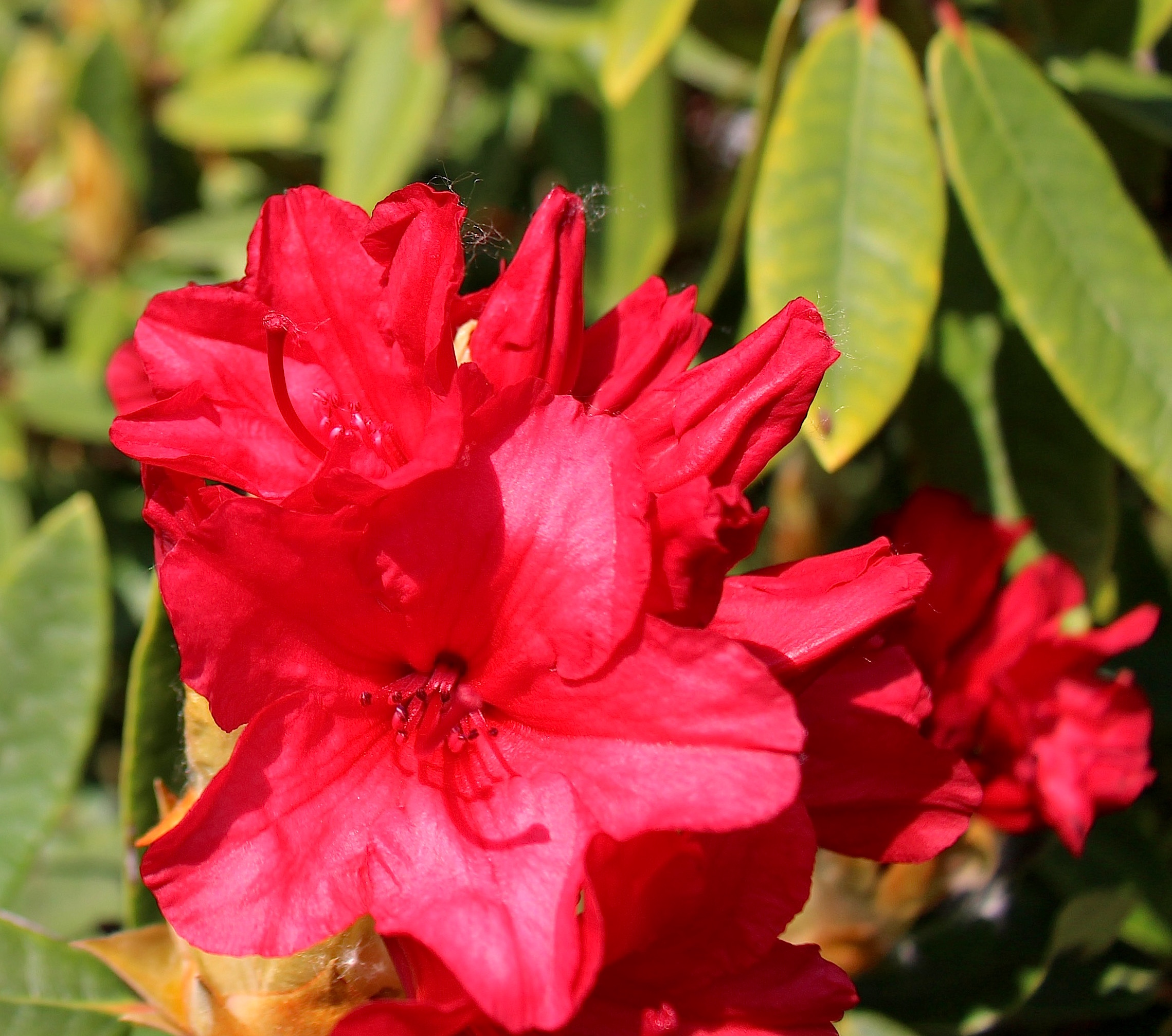
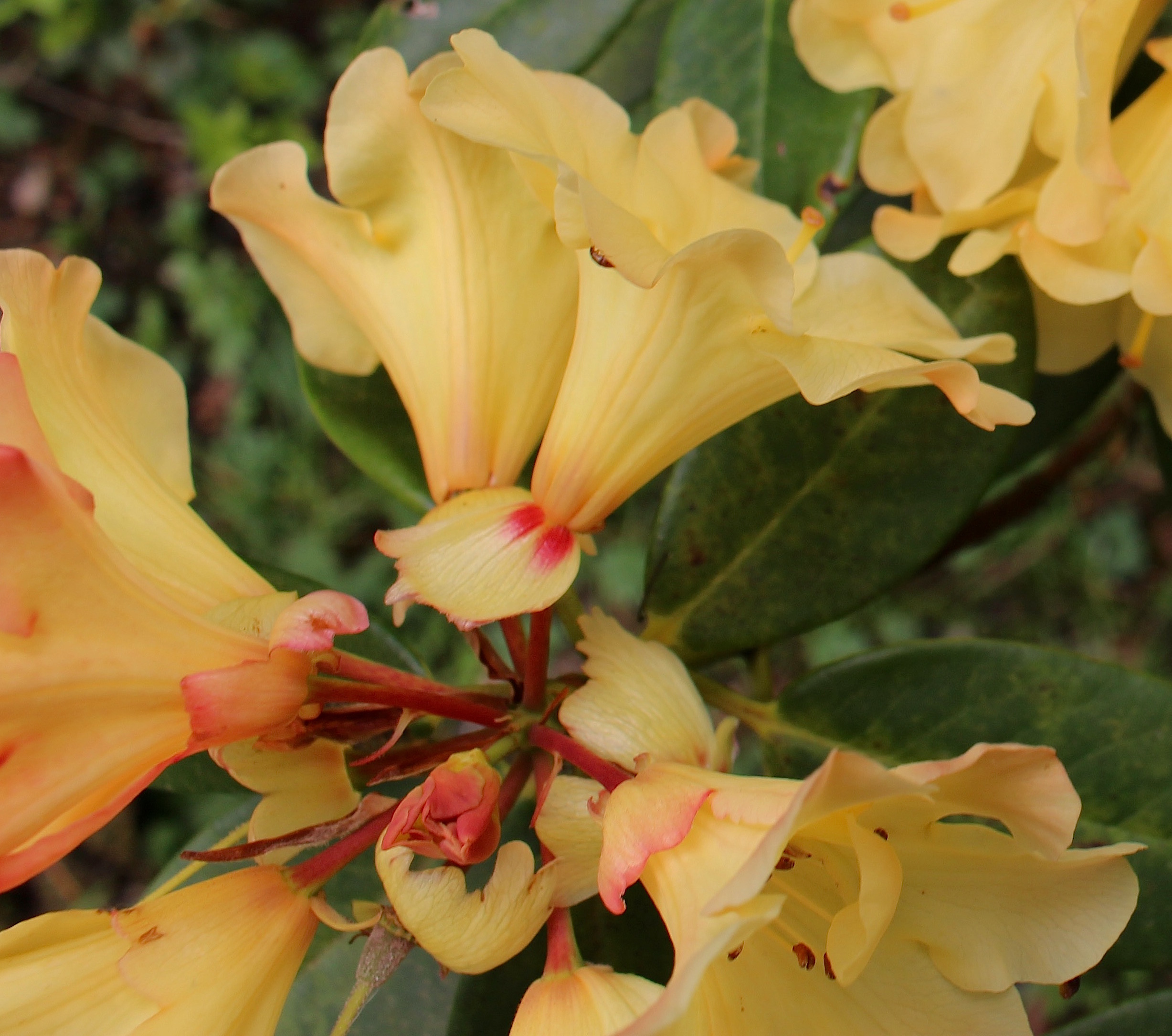
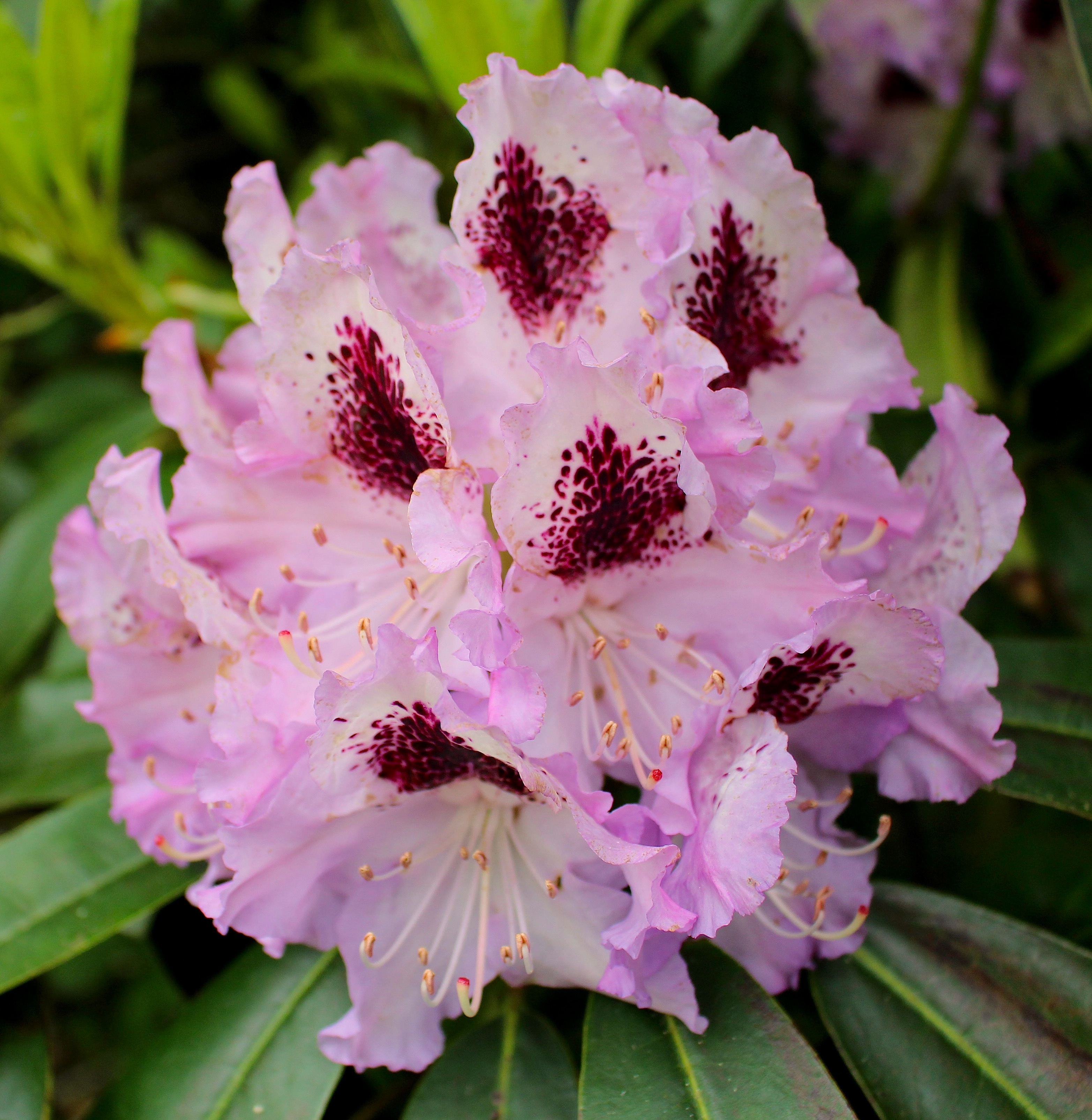
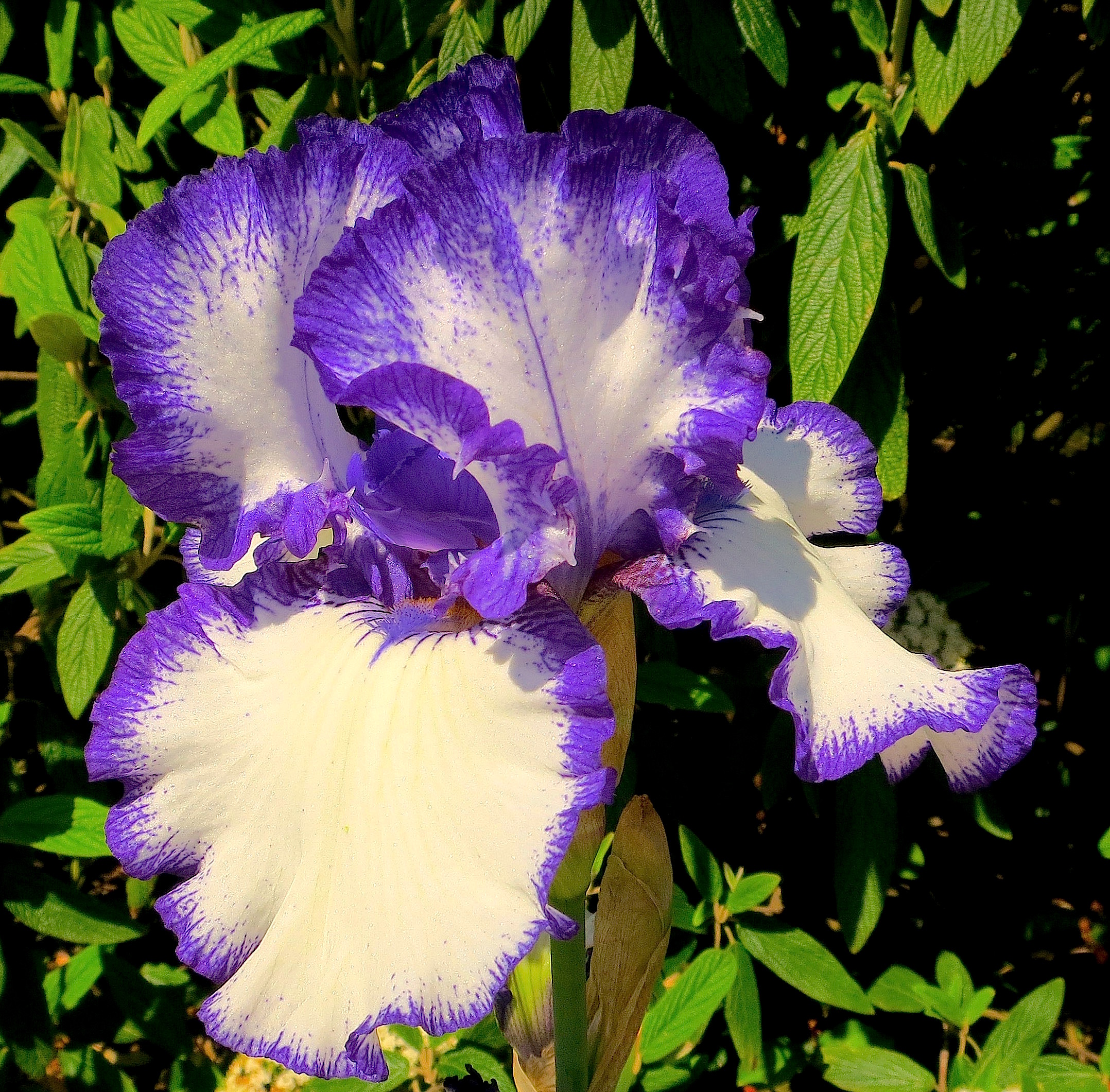
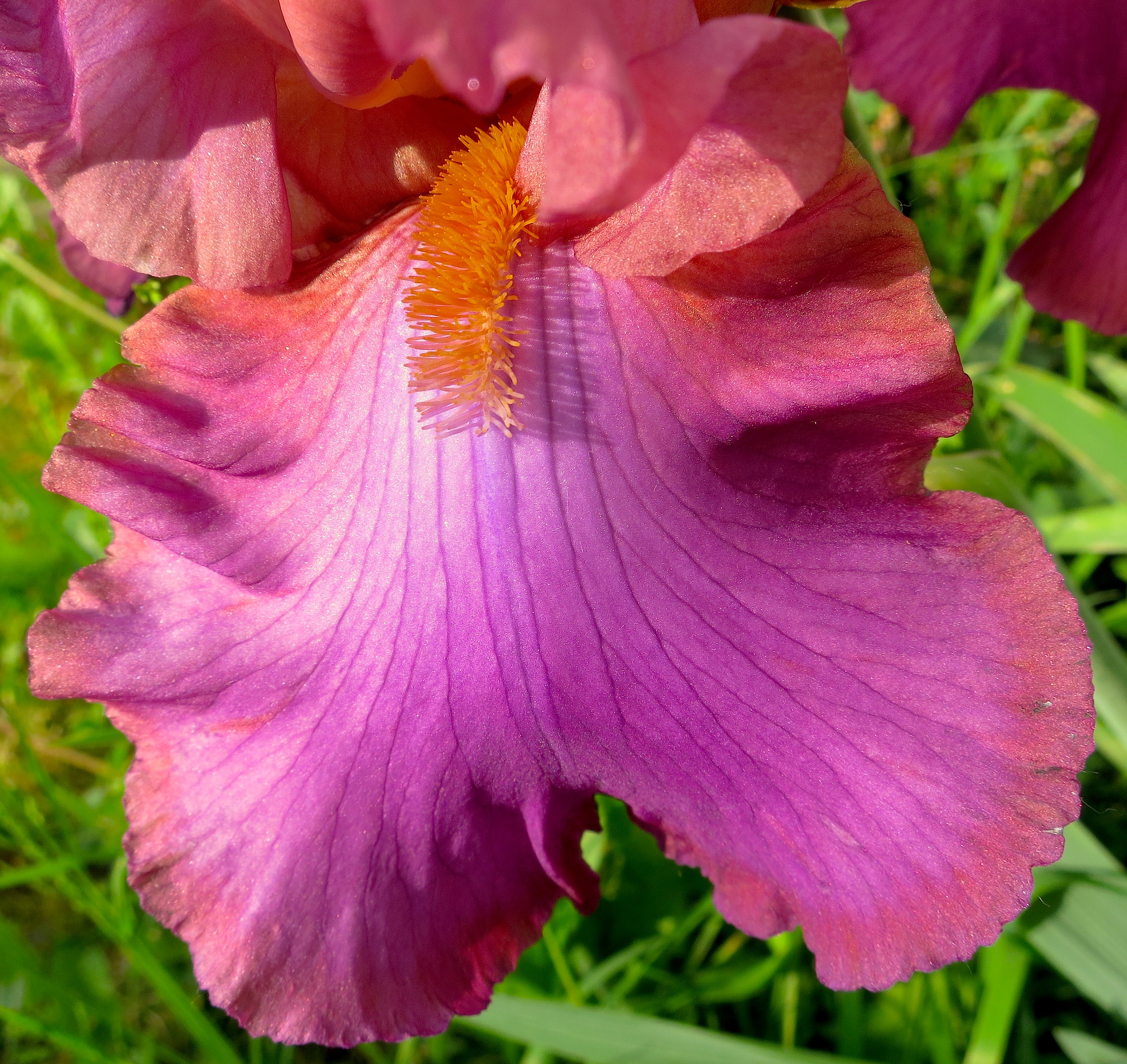
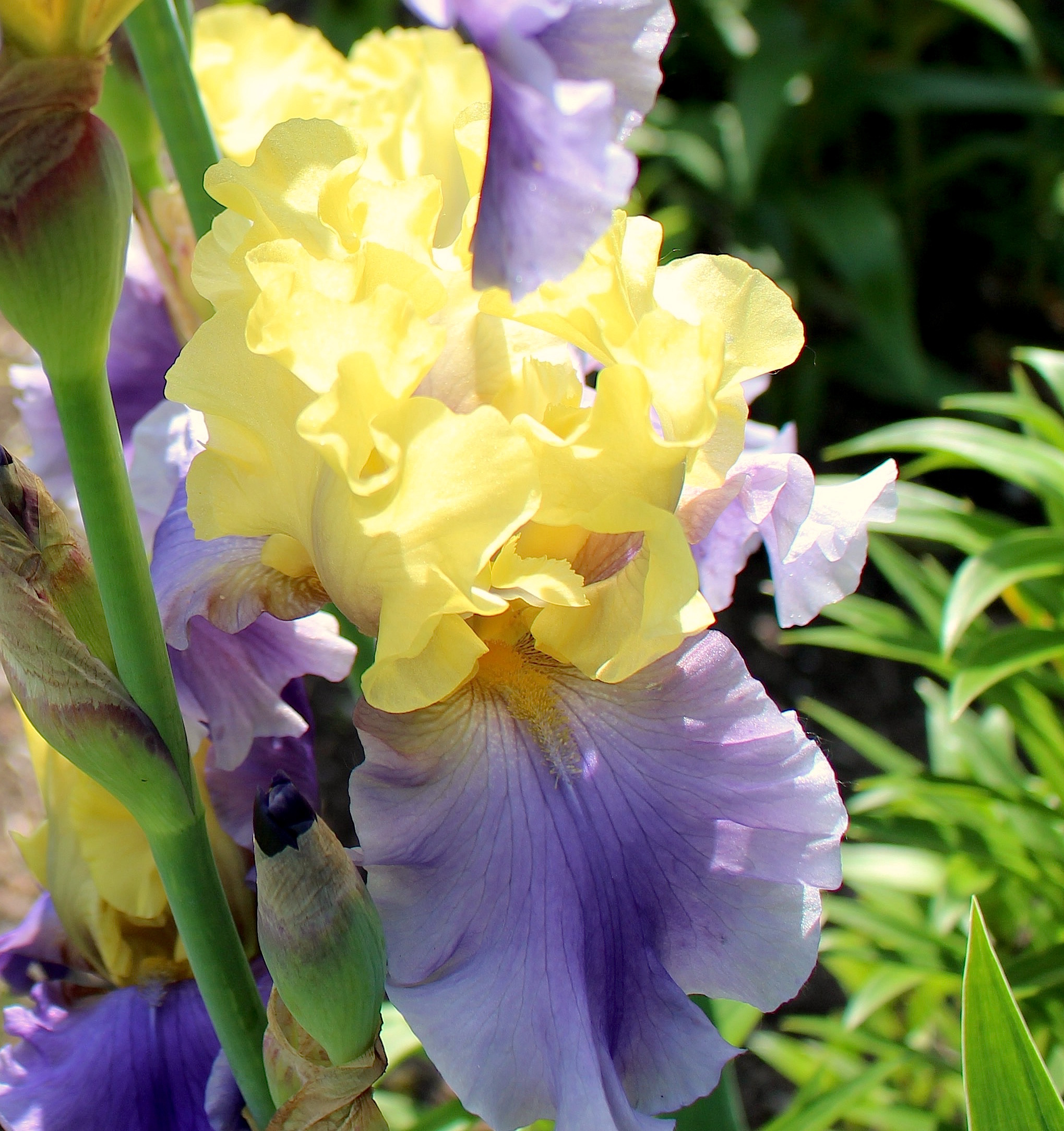
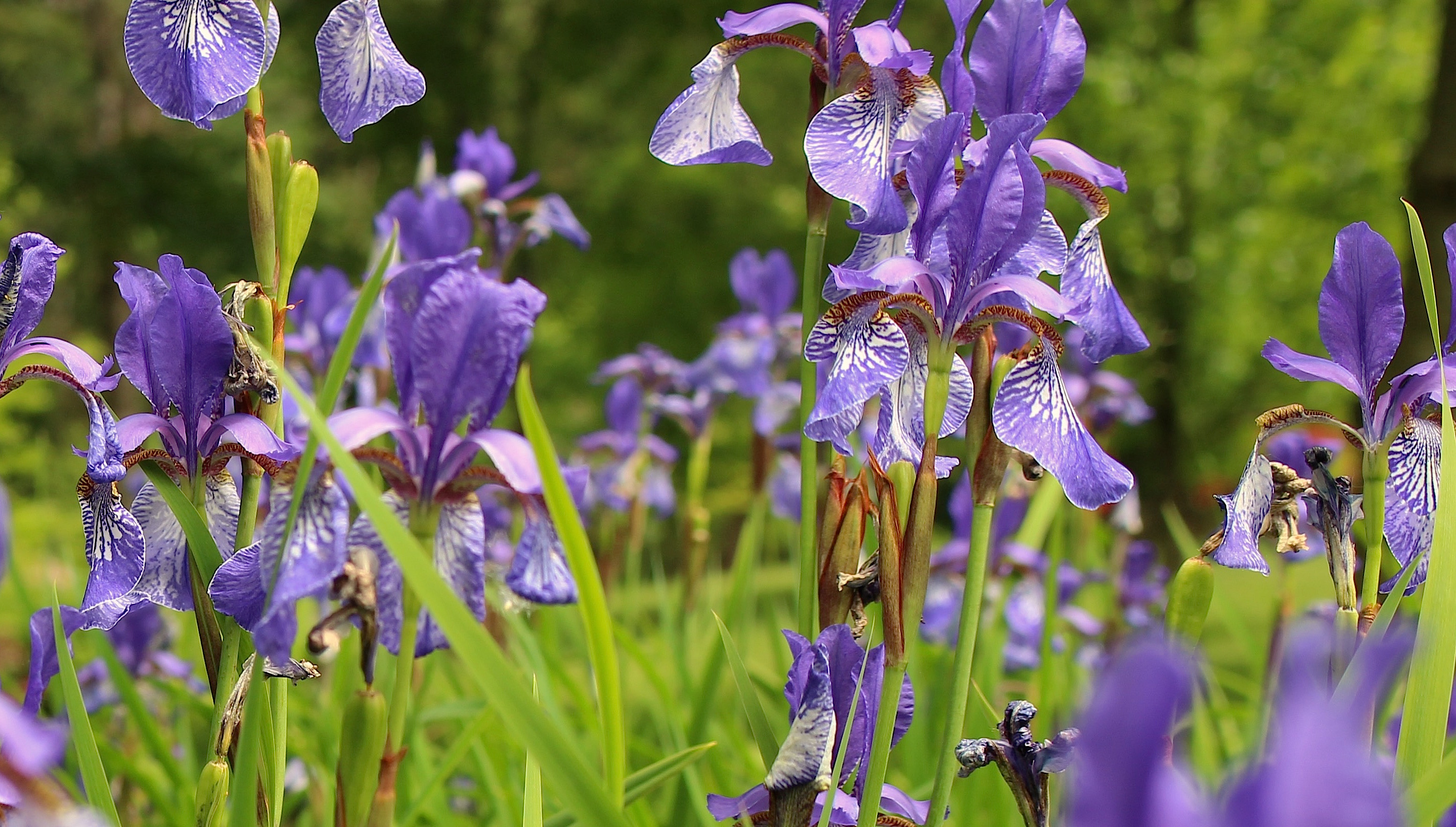
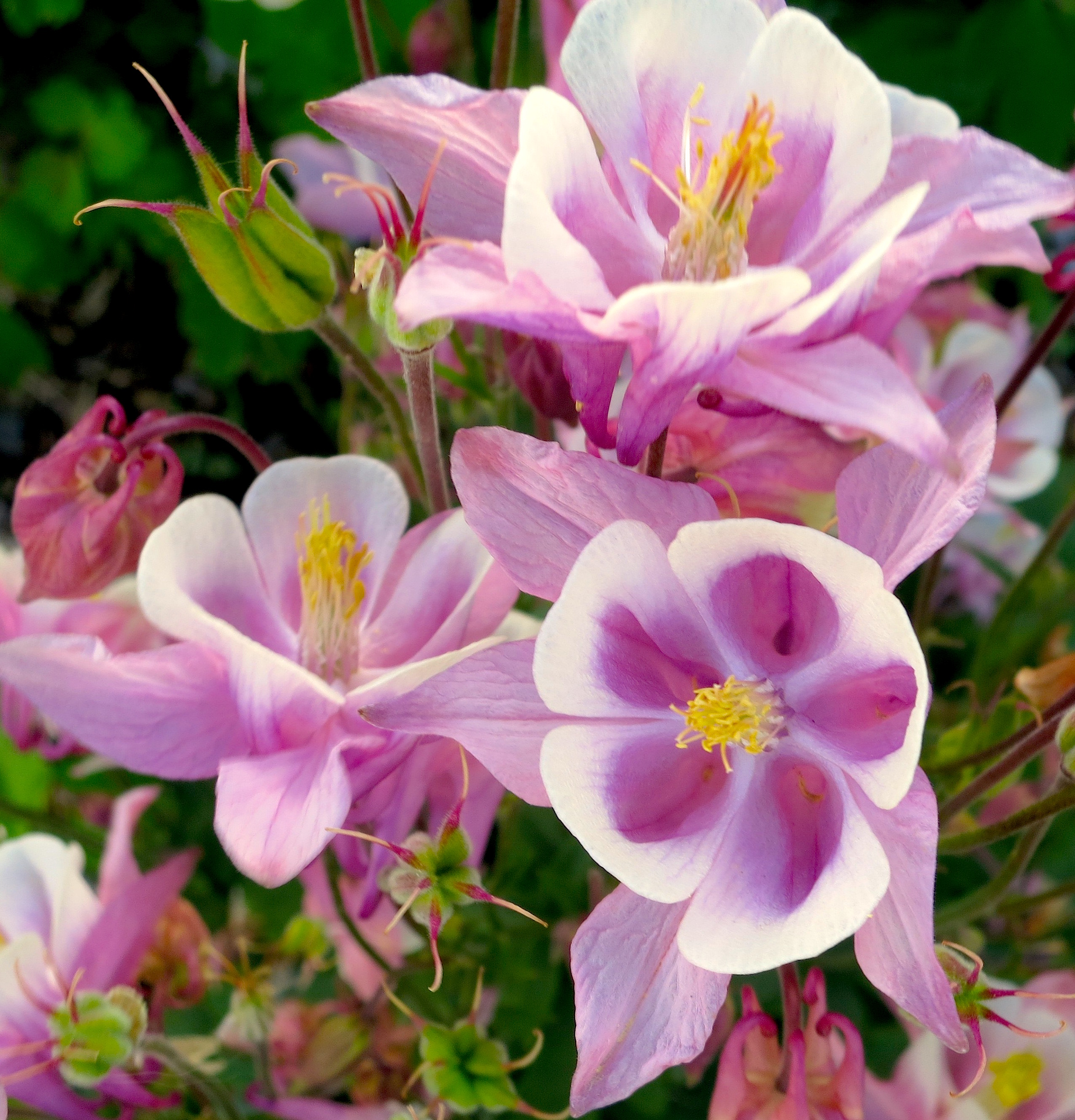
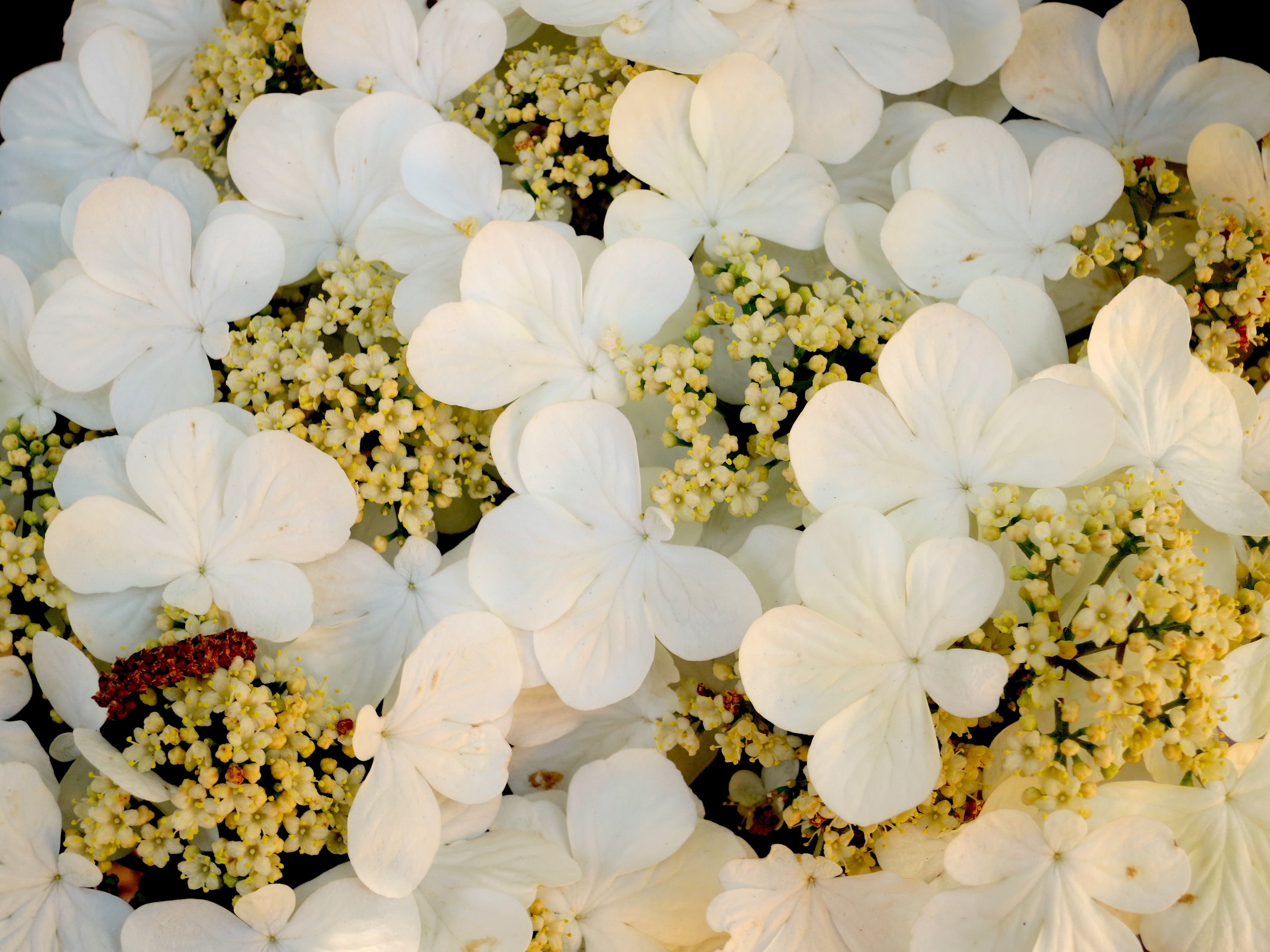
Each May morning is a discovery of yet another blossom,
throwing its hues into my dazzled eyes~
and so I drink deeply of this,
astonished at the overflow of riches,
peering into a never-empty basket
of visual feasting.











 Barnstorming