Lenten Grace — Barnstormed

(Emily’s note: I’ve been asked how my blog came to be named “Barnstorming” — most assume it is a doctor-farmer’s twist on “brainstorming” which didn’t occur to me until someone mentioned it to me.  Instead, the name has nothing to do with brains, baseball teams, politics or daredevil piloting of small airplanes.  It has everything to do with a storm taking place in our barn at the beginning of Holy Week a few years ago.  This is a repost.)

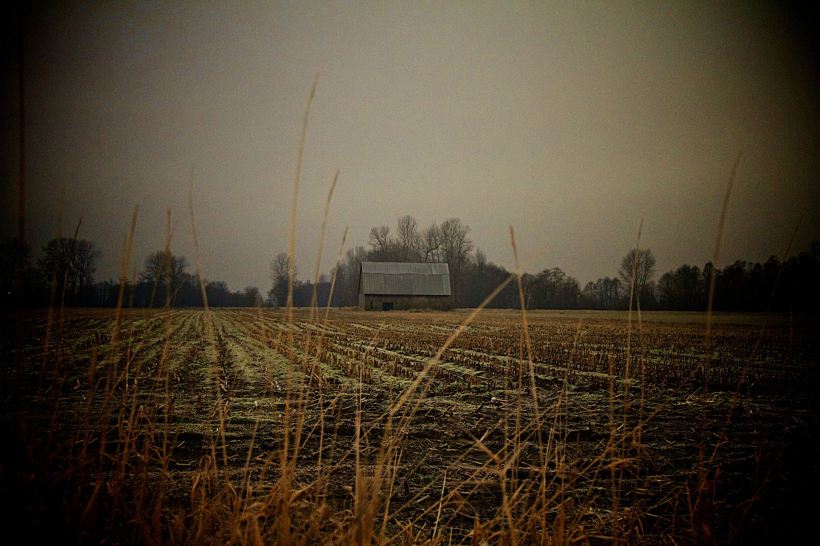
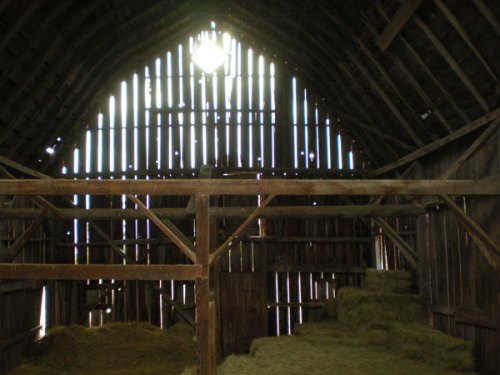
An unexpected southerly wind hit suddenly late Sunday night, gusting up to 40 miles an hour and slamming the house with drenching rain as we prepared to go to bed. Chores in the barn had been done hours before, but as we had not been expecting a storm, the north/south center aisle doors were still open, and I could hear banging and rattling as they were buffeted in the wind. I quickly dressed to go latch the doors for the night, but the tempest had done its damage. Hay, empty buckets, horse blankets, tack and cat food had blown all over, while the Haflingers stood wide-eyed and fretful in their stalls. A storm was blowing inside the barn as well as outside it.

It took some time to tidy up the mess after the doors were secured but all was soon made right. The wind continued to bash at the doors, but it no longer could touch anything inside them. The horses relaxed and got back to their evening meal though the noise coming from outside was deafening. I headed back up to the house and slept fitfully listening to the wind blow all night, wondering if the metal barn roof might pull off in a gust, exposing everything within.

Yet in the new daylight this Monday morning, all is calm. The barn is still there, the roof still on, the horses are where they belong and all seems to be as it was before the barnstorming wind. Or so it might appear.

This wind heralds another storm coming this week that hits with such force that I’m knocked off my feet, swept away, and left bruised and breathless. No latches, locks, or barricades are strong enough to protect me from what will come over the next few days.

Yesterday he rode in on a donkey softly, humbly, and wept at what he knew.

Today, he overturns the tables in his fury.

Tomorrow he echoes the destruction that is to happen.

Wednesday, he teaches the people to prepare them, then rests in anticipation.

On Thursday, he kneels, pours water over dusty feet, presides over a simple meal, and then, abandoned,  sweats blood in agonized prayer.

By Friday, all culminates in the perfect storm, transforming everything in its path, leaving nothing untouched.

The silence on Saturday is deafening.

Next Sunday, the Son rises and returns, all is calm, all is well, all set to right.  He calls my name, my heart burns within me at his words and I can never be the same again.

Barnstormed to the depths of my soul. Doors flung open wide, the roof pulled off, everything blown away and now replaced, renewed and reconciled.

May it be done as he has said, again and yet again.
Pale Spring

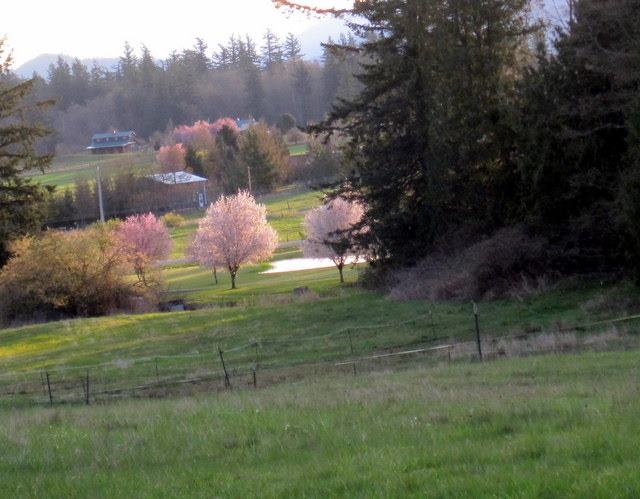
photo by Chris Lovegren from our farm hilltop, Easter Sunrise 2012
photo by Chris Lovegren from our farm hilltop

“So fair, so cold; like a morning of pale spring still clinging to winter’s chill.”
~ J.R.R Tolkien

Clear and sunny skies on the second day of spring were full of deception today — no warmth emanates from a dimming sunlight stark with shocking briskness from a chill wind.

It’s all show without actually delivering the goods.  We have clawed our way out of winter, trying to shake off the frost and leave it far behind, seeking out encouraging sightings of buds and blooms and blossoms.

Maybe tomorrow morning, or perhaps the next.

Just maybe.

Or not.

twins
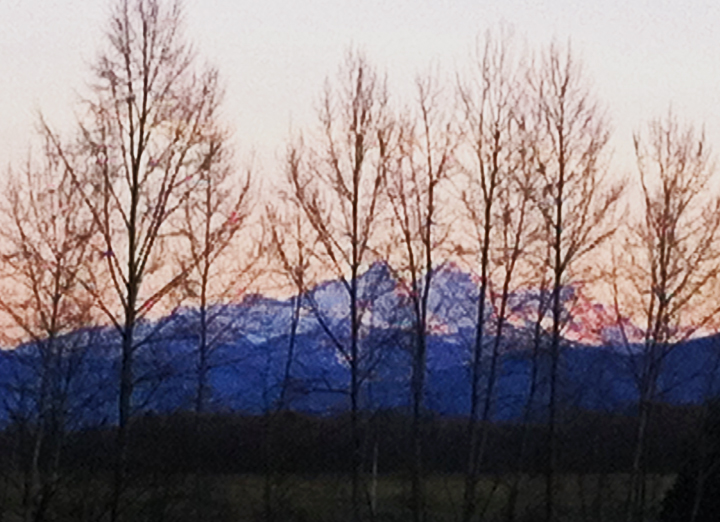
Twin Sisters from our farm hill, photo by Emily Gibson


The Face of February

photo by Josh Scholten

“Why, what’s the matter,
That you have such a February face,
So full of frost, of storm and cloudiness?”
–  William Shakespeare,  Much Ado About Nothing

February never fails to be seductive,  teasing of spring on a bright sunny day and the next day all hope is dashed by a frosty wind cutting through layers of clothing.  There is a hint of green in the pastures but the deepening mud is sucking at our boots.  The snowdrops and crocus are up and blooming, but the brown leaves from last summer still cling tenaciously to oak branches, appearing as if they will never ever let go to make room for a new leaf crop.

A February face is tear-streaked and weepy, winter weary and spring hungry.  Thank goodness it is a short month or we’d never survive the glumminess of a month that can’t quite decide whether it is done with us or not.

So much ado.
So much nothing.

photo by Josh Scholten

Transcendent Moments

“Gratitude bestows reverence, allowing us to encounter everyday epiphanies, those transcendent moments of awe that change forever how we experience life and the world.”
~ John Milton

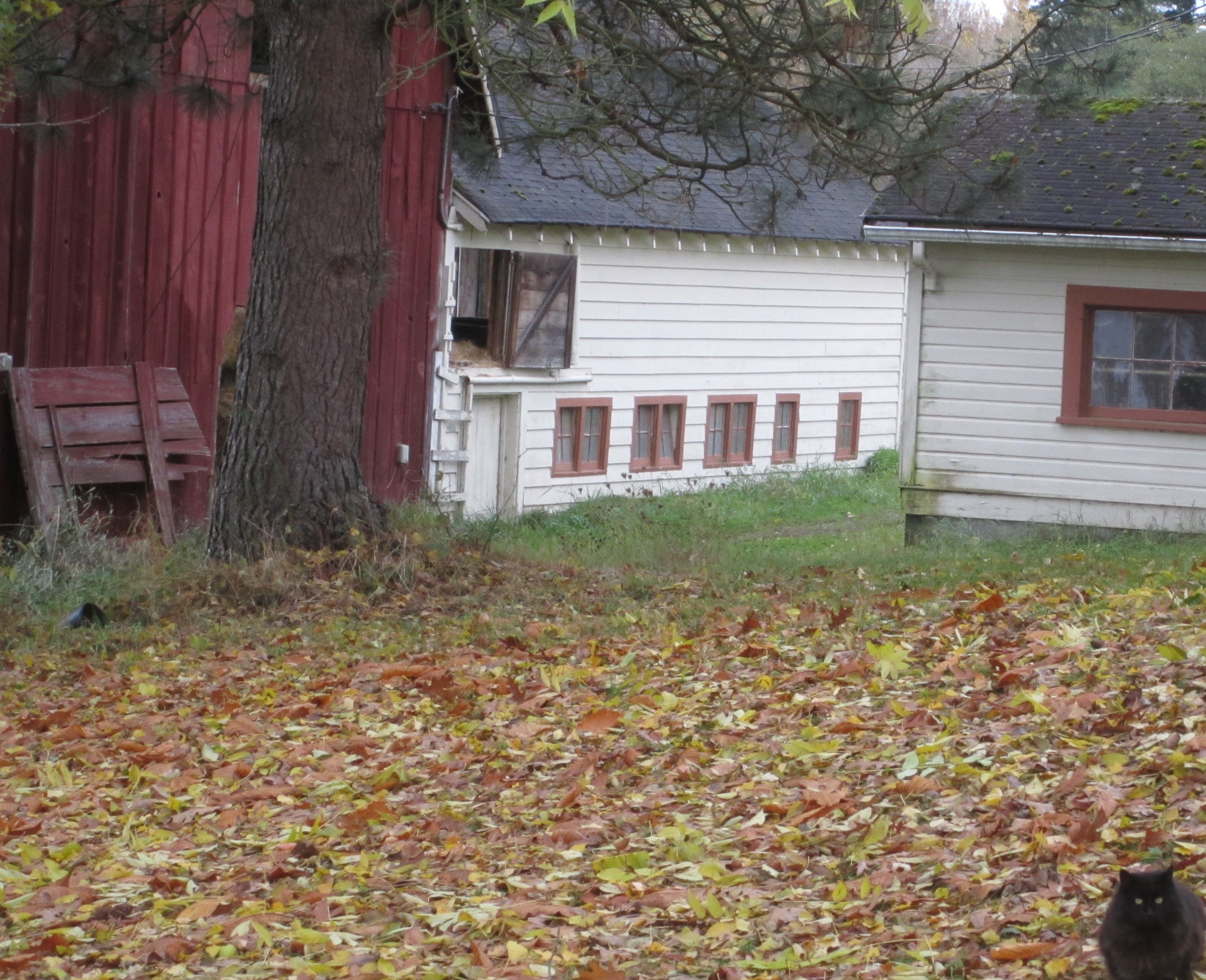
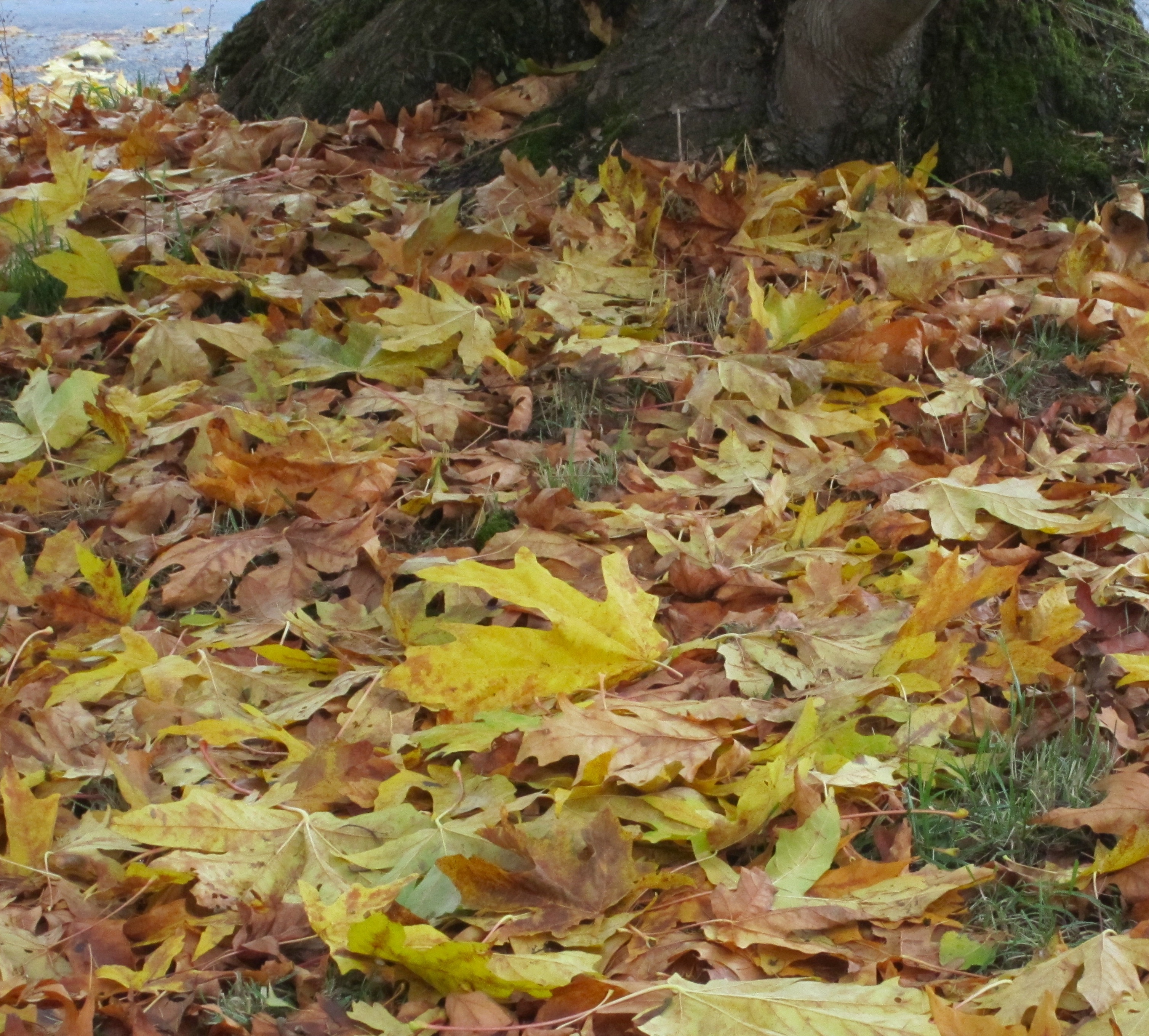
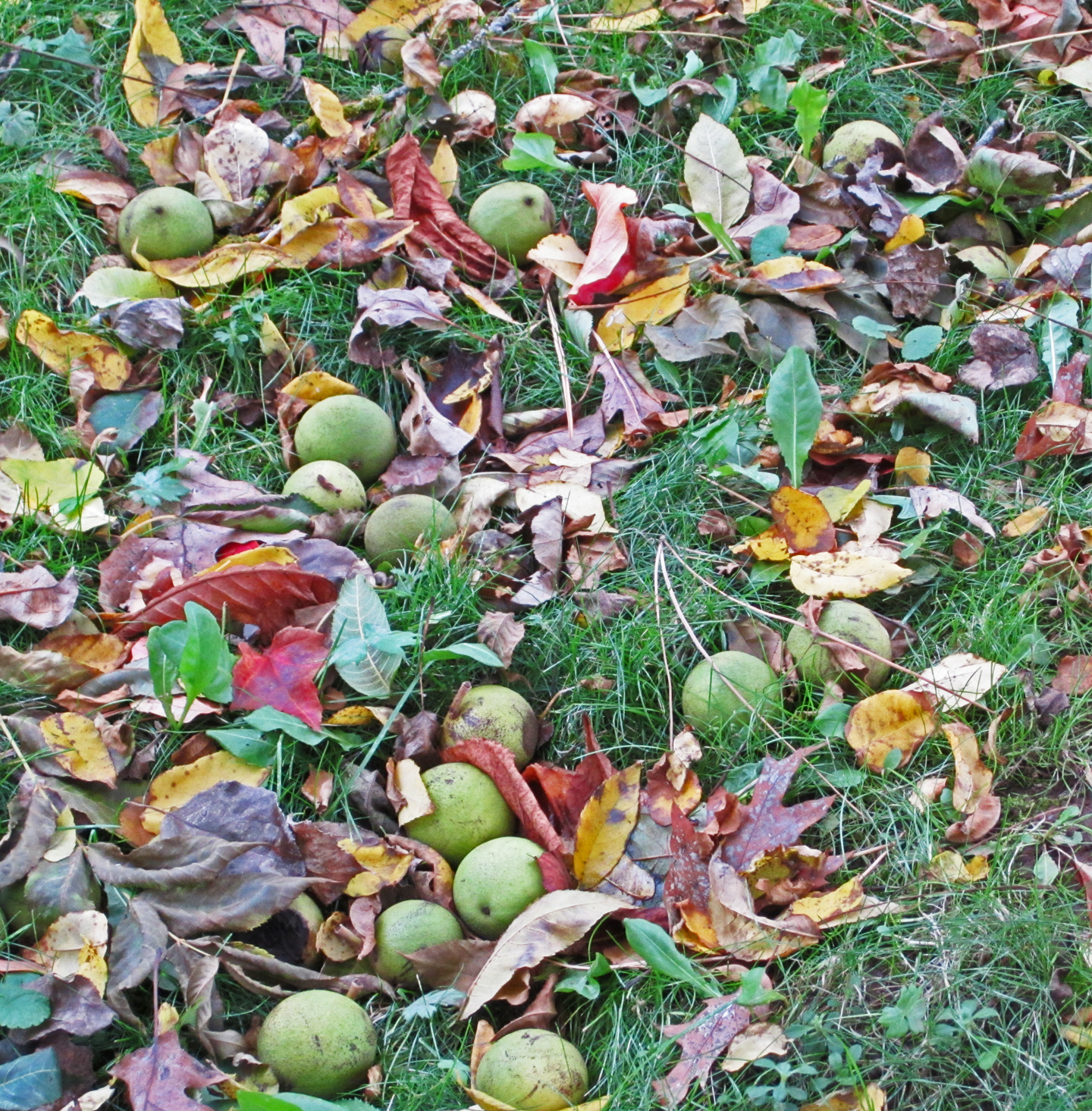
Our farm yard looked like it had a retro remodel update this past week by heavy winds and rain, the green sod now covered with a mottled yellow brown shag carpet of leaves.   This transformation is temporary as this new carpet will soon start to rot under the burden of endless days of wintry drizzle and freezing weather.

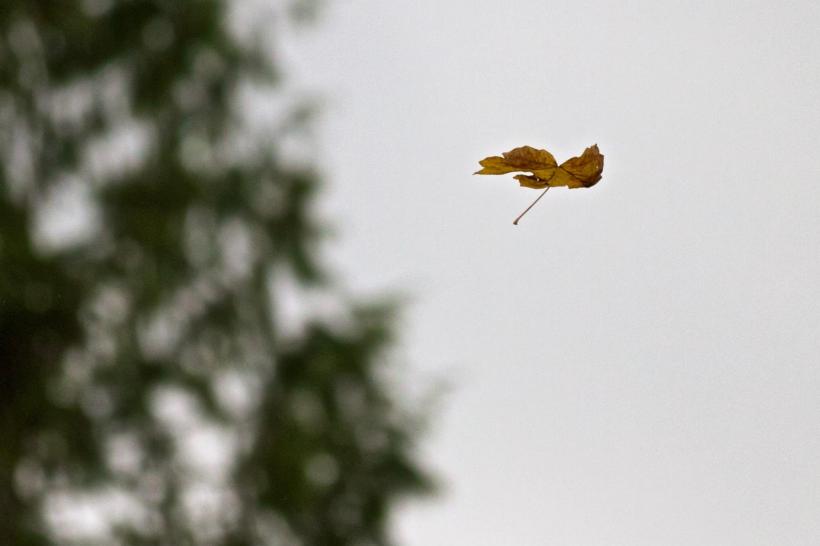
Today’s epiphany:  only 8 months ago, none of these leaves even existed.  They were mere potential in bud form, about to burst and grow in a silent awesome explosion of green and chlorophyll.   After their brief tenure as shade and protection and fuel factory for their tree, last week they rained to the ground in torrents, letting go of the only (and so transient) security they had known.

Now they become compost, returning their substance to the soil to feed the roots of the trees that gave them life to begin with.

Recycled by transcendent death,
so momentary,
so momentous.

Melancholy Days

photo by Josh Scholten

The melancholy days are come, the saddest of the year,
Of wailing winds and naked wood, and meadows brown and sear.
William Cullen Bryant

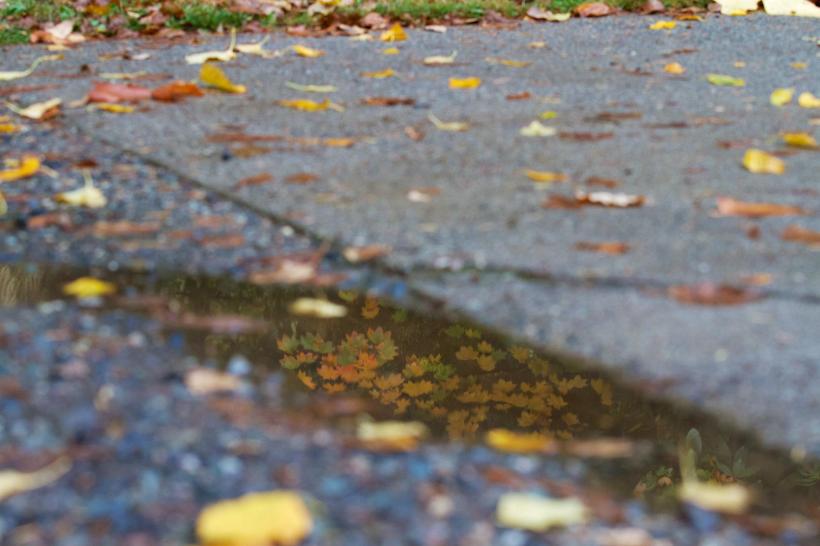
These are the dark and sodden days we can scarcely recall while basking in the lightness of June when sun graces us 19 hours a day.  There is no way but to ease into this a few minutes at a time, otherwise the shock would be too great.  The howling wind continually knocks and batters, the rain beats mercilessly at the window panes, the puddles stand deeper than they appear, the leaves now thoroughly shaken from embarrassed branches.  There is no remnant of summer civility and frivolity left; we must adapt or cry trying, only adding to the pervasive sogginess.

Nevertheless, melancholy days have their usefulness and there are times they can be a source of joy when snuggled deep under quilts, safe, dry and warm.  Without the stark contrast, the light time of year would become routine and under-appreciated, only another sunny day.

That never happens here.

We celebrate the light with real thanksgiving and in turn can acknowledge the darkness makes our gratitude more genuine.

We are privileged to live the paradox:  there is gladness in our sadness.

Companions in Adversity

photo by Josh Scholten

When shrieked
The bleak November winds, and smote the woods,
And the brown fields were herbless, and the shades
That met above the merry rivulets
Were spoiled, I sought, I loved them still; they seemed
Like old companions in adversity.
~William Cullen Bryant  in A Winter Piece

When the winds start to howl
and leaves are flying through the air
like birds on the wing heading south,
when branches snap
and trunks bend to the point of breaking
when the ground is hopelessly barren
and the hills are nothing
but continuing shades of gray
descending from the sky
when the sun disappears for days
and the rains are continuous

I love it all still;

knowing we are in this together
when the times are tough and
the mud is thick
and obstacles fall in our way
even to the end of time
as we travel this road
like old companions
broken, withered, splintered
but sharing the journey
wherever it blows us.

photo by Josh Scholten

Responding

photo by Josh Scholten

And that is just the point… how the world, moist and beautiful, calls to each of us to make a new and serious response. That’s the big question, the one the world throws at you every morning. “Here you are, alive. Would you like to make a comment?
~Mary Oliver

Some mornings it is impossible to stay a silent observer of the world.  It demands a response.
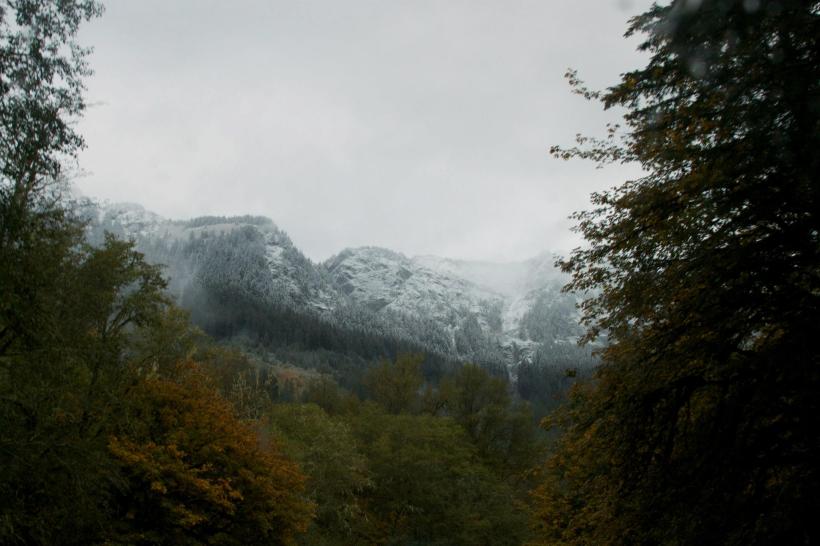
The overnight wind and rain have pulled down nearly every leaf, the ground is carpeted with the dying evidence of last spring’s rebirth, the dropping temperatures robing the surrounding foothills and peaks in a bright new snow covering.

There can be no complacency in witnessing this startling transition in progress.   It blusters, rips, drenches, encompasses, buries. Nothing remains as it was.

And here I am, alive.
Awed.
Responding.

photo by Josh Scholten


Feel the Now

photo by Nate Gibson

“On the planet the winds are blowing: the polar easterlies, the westerlies, the northeast and southeast trades…Lick a finger, feel the now.”
Annie Dillard

We fell asleep last night content in the knowledge that the weather forecast on three different websites confirmed no rain.  This is particularly important when there are about 750 bales worth of cut hay lying in our fields curing, getting ready for raking and baling the next day.  Rain is the farmer’s best friend most of the time, but definitely not when there is cut hay on the ground.  Wet hay becomes moldy hay, or worse–combustible–if not allowed to thoroughly dry, and it gradually loses nutrient value the longer it dries.

As opposed to drought conditions in much of the nation, in the northwest a stretch of at least four days of warmer weather had been long awaited.  It was a relief to get the hay finally cut, several weeks later than typical with a promise of at least three more clear days to ted, rake, bale and get it in the barn without being rained on.  The air felt sticky and still when we went to bed.  I woke about two hours later to a cool breeze coming through the open window–it felt a little too cool.  I could hear rumbling in the distance–too low pitched for airplane or truck sounds.  Somewhere nearby it was thundering.  Thunder meant heavy moisture-filled clouds.  Heavy clouds meant showers.  Showers meant wet hay.  Wet hay meant…well, you get my drift.

The rumbling moved closer and closer, with accompanying flashes of lightning,  finally cracking right above us.  The wind picked up.  I got out of bed to go outside to feel the direction of the wind and see if the rain– licking a finger and holding it up.  The wind was southerly but not consistent–the air was changing so quickly that all I could do was acknowledge and anticipate the change, knowing a storm was coming and there was no stopping it.   It was the inevitability of feeling the “now” of which Dillard writes.

The breeze was moisture-laden: wet without raindrops.  Then they began to fall,  gentle at first but finally earnest showering–not a downpour.  It lasted less than an hour, just long enough to dampen but not soak.  The hay would not be a complete ruin.  It could be salvaged.  The storm had passed, leaving little damage in its wake, just plenty of noisy drama and jangled nerves.

The experience of a thunder storm overhead is unlike any other.  It commands our attention, wakes us from sound sleep, turns night into day in a flash, drowns humid heat in a downpour.   As some pray for the relief of such a storm, others fear its effects, whether igniting forest fires from lightning strikes, frightening animals or molding cut hay.

I’m content to just be a witness, in wonder at the storm’s strength and command.   All I can do is lick a finger and hold it up in awe, knowing I’m here and it’s now.

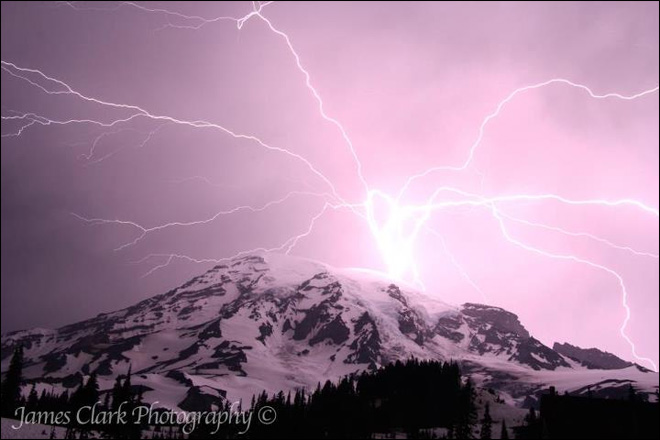
photo by James Clark Photography of lightening strike over Mt. Rainier 7/8/12

Pointing in the Right Direction

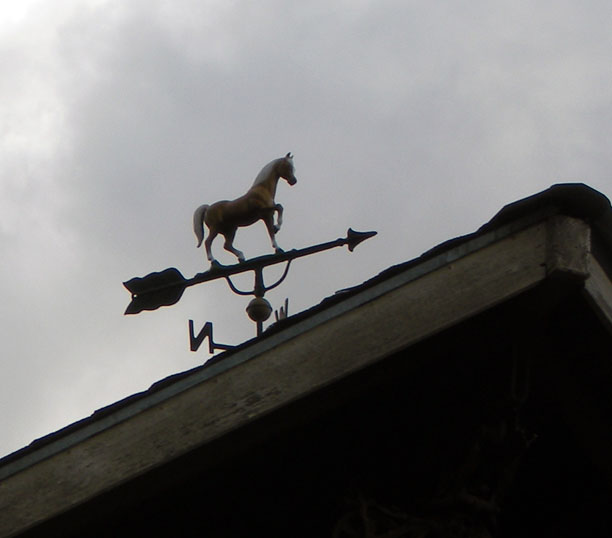
vane3

Which way will the wind blow tomorrow?

It is a cold wind, whether coming from the south or the north, chilling our bones as various weather fronts meet and clash overhead, with more snow in the forecast.

A cold wind is blowing through America right now as well, not just on our farm.

There is considerable turmoil as Americans adjust to the new reality of  “pay as you go” rather than “borrow for what you desire”.   Our parents were  Great-Depression era children, so Dan and I heard plenty of stories convincing us never to reach beyond our means.  My grandmother, who moved with her three young children 20 miles away from home in order to cook morning, noon and night in a large boarding house, was  grateful for the work that allowed her to feed her family, even if it meant separation from their jobless, depressed and often intoxicated father for weeks at a time.  She told stories of making sandwiches to feed hobos who knocked on the kitchen door, hoping for a hand out, and after sitting briefly on the back steps eating what she could offer from left over scraps, they would be on their way again, walking on down the muddy road, hoping somewhere farther along there may be another handout or perhaps a day’s work.   Even in her time of trouble, my grandmother could find blessing in the fact she and her children had a roof over their heads, beds to sleep in (all in one room) and food to fill their stomachs.  There were always people worse off and she wasn’t one of them.

My grandmother never lived comfortably, by her own choice, after that experience.  She could never trust that tomorrow things would be as plentiful as today, so she rarely rested, never borrowed, always saved even the tiniest scrap of food, of cloth, of wood, as it could always prove useful someday.   My father learned from those uncertain days of his childhood and never borrowed to buy a car or a piece of furniture or an appliance.   It had to be cash, or it was simply not his to purchase, so he never coveted what he did not have money to buy outright.

So we, the next generation, were raised that way.  Even so,  borrowing began with loans for college, and then for the first car, and then for the first house.

But with grandma’s and dad’s stories fresh in our minds, we knew we couldn’t start that slippery slope of borrowing to take vacations or buy  the latest and greatest stuff or build the bigger house.   So we didn’t.

We live simply, drive our vehicles past 200,000 miles, continue to harvest and preserve from the garden, use appliances past the 25 year mark.

Now the chill wind has shifted again, and we wonder where it will blow us.   Now, instead of worrying our Haflinger horses could be stolen from our farm,  I worry I will wake to find neglected horses abandoned in one of our empty stalls, or our fields.   Joblessness is rising quickly, families lose their health benefits,  prospective retirees lose their annuities, and food bank lines are getting longer. What was taken for granted for decades is no longer a given.  Everyone is having to reconsider what their basic needs are for survival day to day.

It isn’t stuff.  It isn’t big houses.  It isn’t brand new cars or the latest gadgets.

It’s being under the same roof as a family, striving together and loving each other.  It is taking care of friends when they need help.  It is reaching out to the stranger in our midst who has less than we have.

The wind is pointing us back to the values we had long forgotten as we got much too comfortable.   It takes a storm to find that true contentment can rest only within our hearts.