Grief Illuminated

fulmoon2

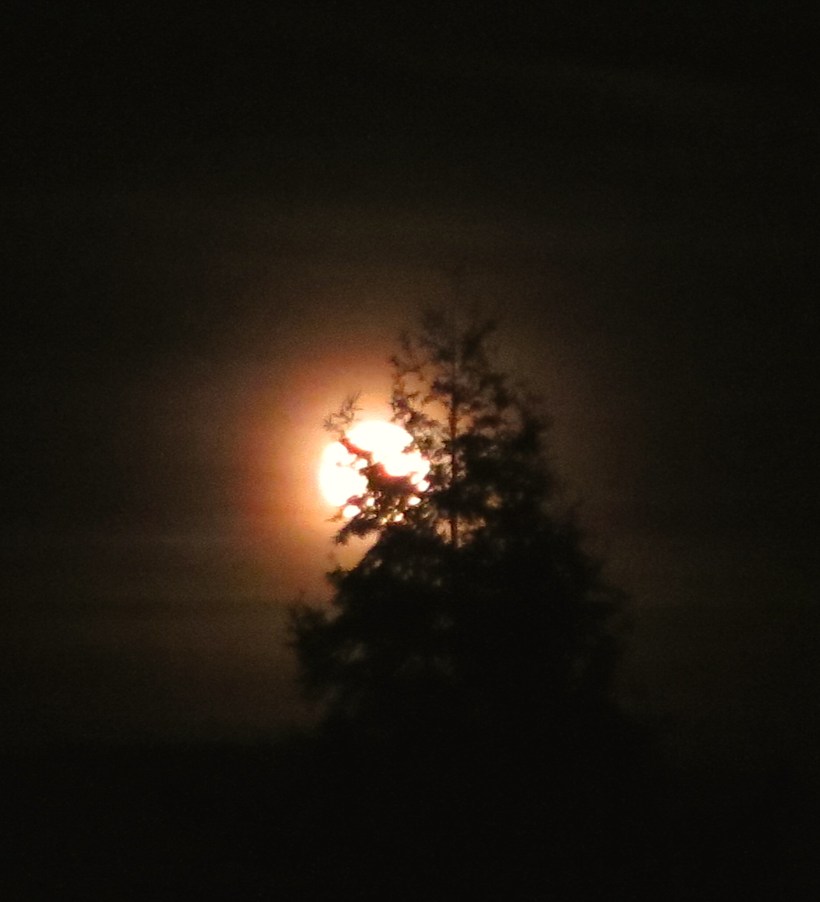
A waning November moon reluctantly rose,
dimming from the full globe of the night before.
I drive a darkening country road, white lines sweeping past,
aware of advancing frost in the evening haze,
anxious to return home to familiar warmth and light.

Nearing a county road corner, slowing to a stop,
I glanced aside where
a lonely rural cemetery sits expectant.

Through open iron gates and tenebrous headstones,
there in the middle path, incongruous,
car’s headlights beamed bright.

I puzzled, thinking:
lovers or vandals would seek inky cover of night.

Instead, these lights focused on one soul alone,
kneeling graveside,
a hand resting heavily on a stone, head bowed in prayer.

This stark moment of solitary sorrow,
a visible grieving of a heart

illuminated by twin beams.

This benediction of mourning
as light pierced the blackness;

gentle fingertips traced
the engraved letters of a beloved name.

Feeling touched
as uneasy witness, I pull away

to drive deeper into the night,
struggling to see despite
my eyes’ thickening mist.

a full moon in Ireland

fullmoon


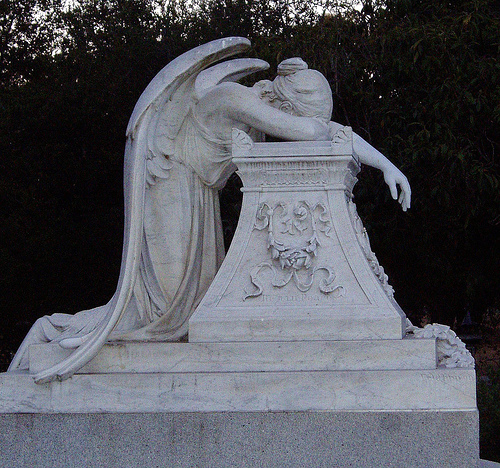
Angel of Grief--Stanford University

Angel of Grief, Stanford University Mausoleum

Pointing Toward Infinity

10714382_939827096046604_7287334440393224727_o
photo by Joel DeWaard

It’s said they planted trees by graves
to soak up spirits of the dead
through roots into the growing wood.
The favorite in the burial yards
I knew was common juniper.
One could do worse than pass into
such a species. I like to think
that when I’m gone the chemicals
and yes the spirit that was me
might be searched out by subtle roots
and raised with sap through capillaries
into an upright, fragrant trunk,
and aromatic twigs and bark,
through needles bright as hoarfrost to
the sunlight for a century
or more, in wood repelling rot
and standing tall with monuments
and statues there on the far hill,
erect as truth, a testimony,
in ground that’s dignified by loss,
around a melancholy tree
that’s pointing toward infinity.
~Robert Morgan “Living Tree”

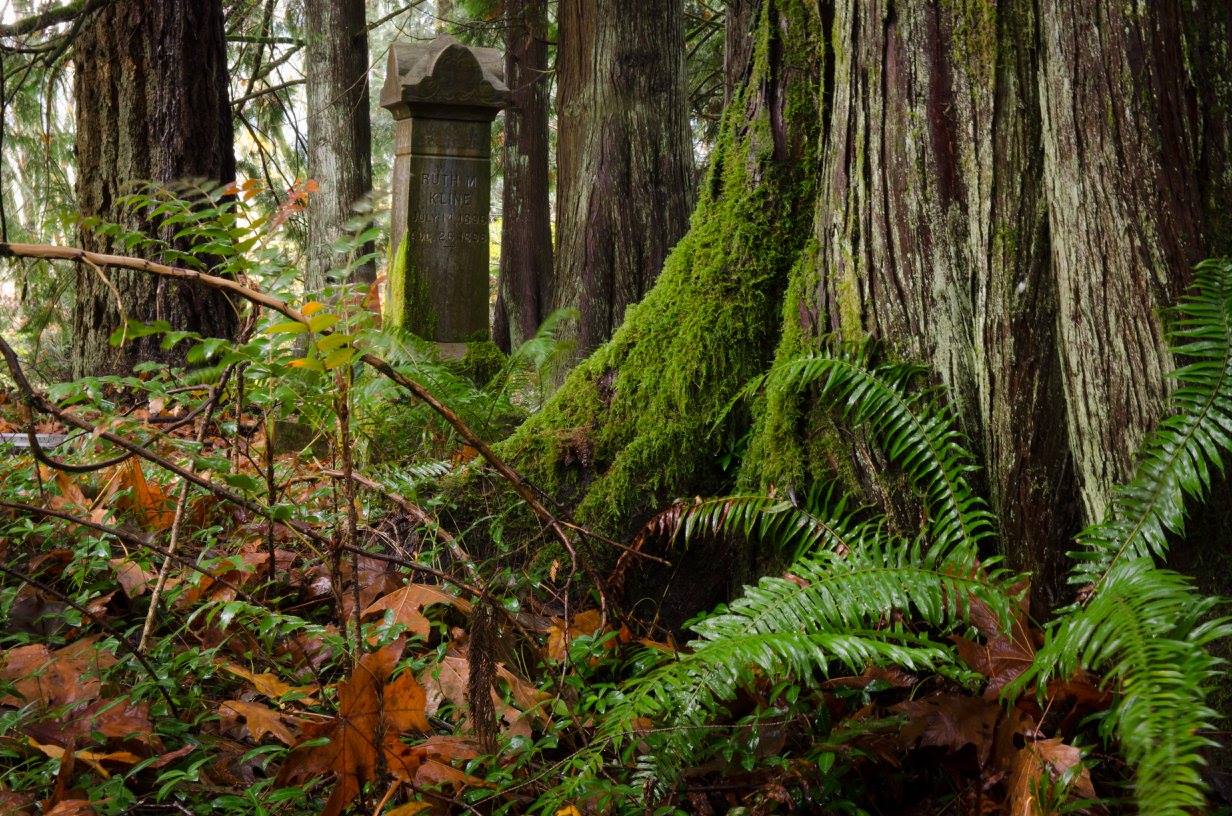
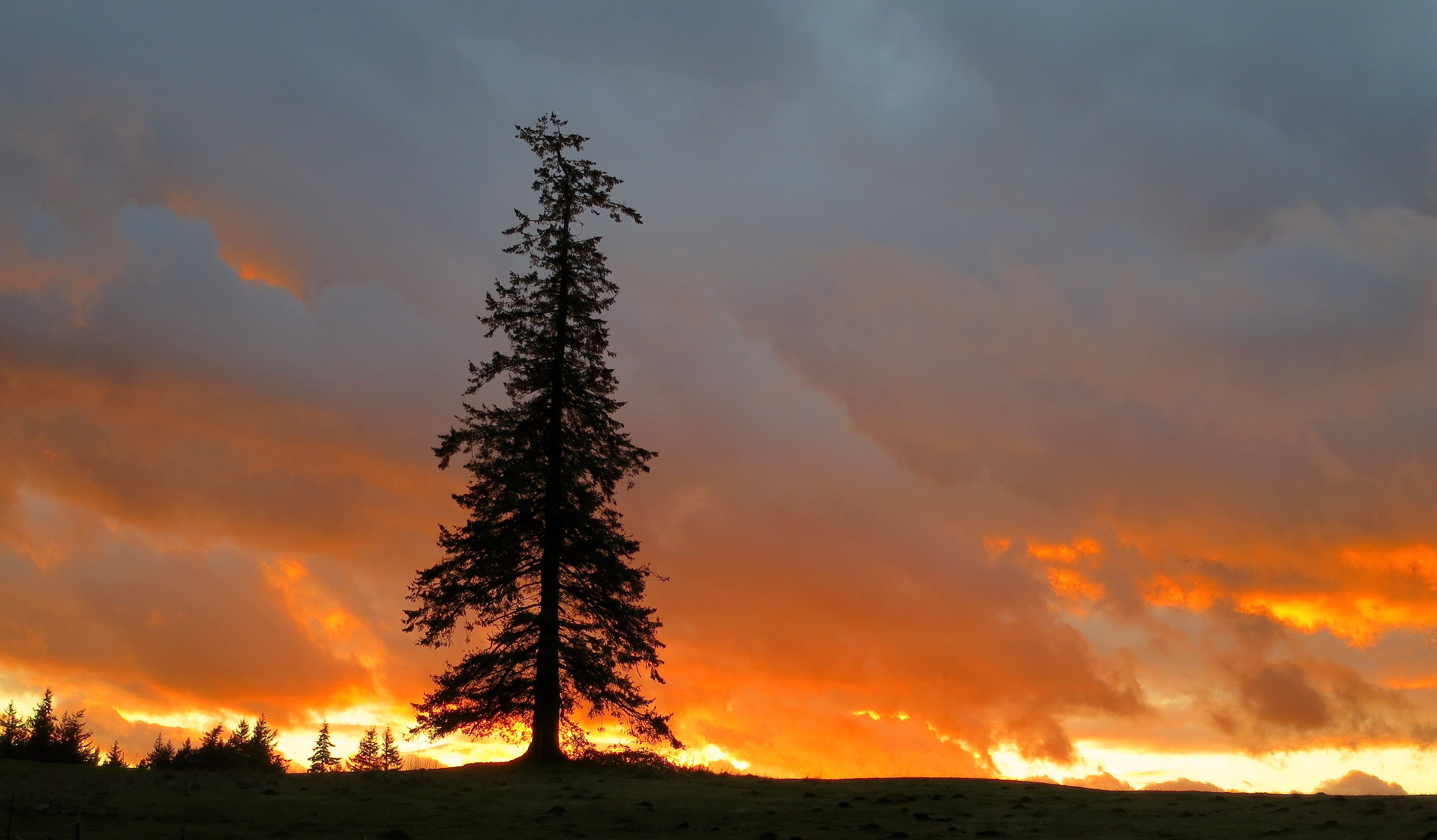
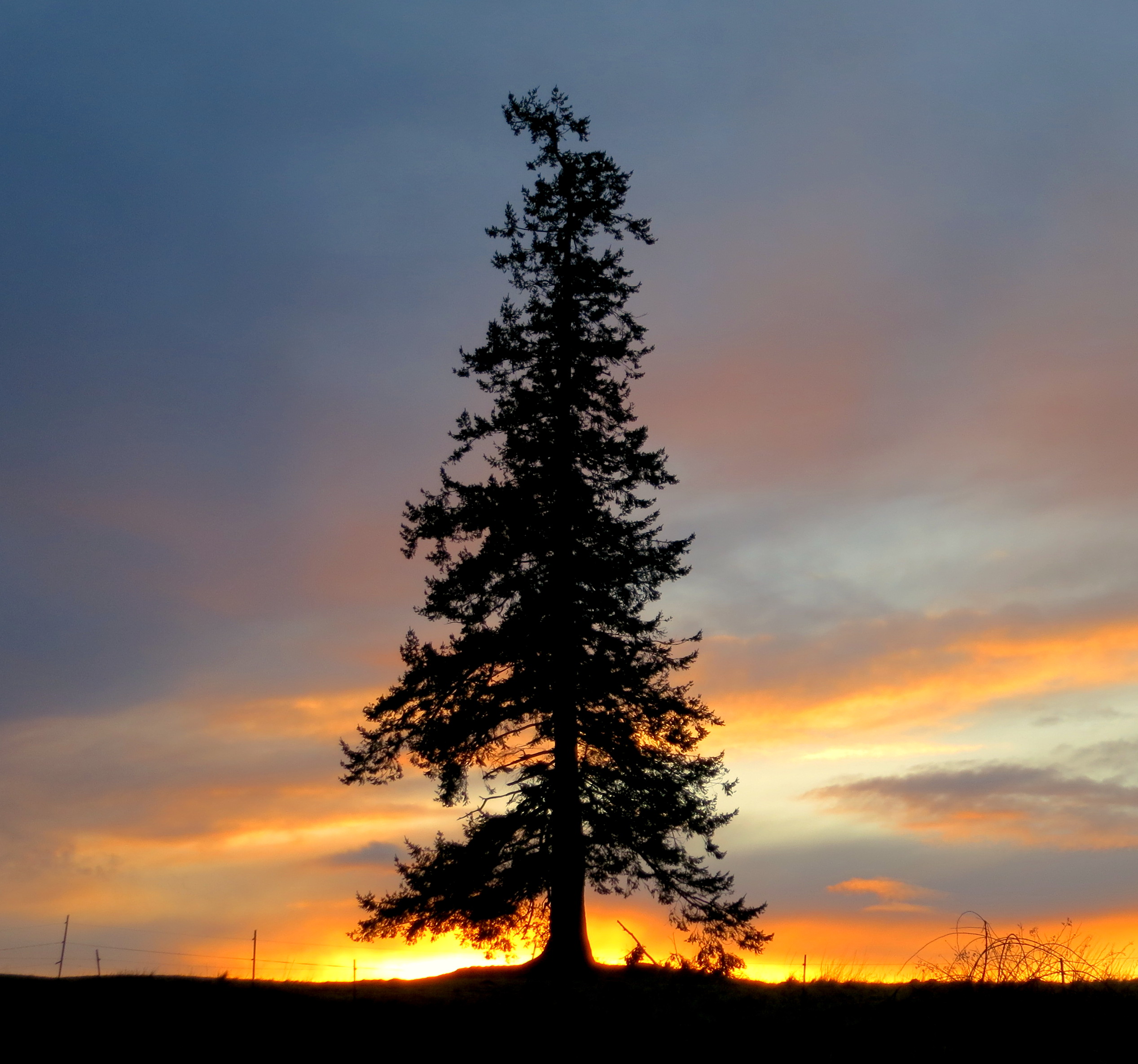
Our druthers would be to feed the lone fir on the hill, standing tall over the surroundings, home to eagles and hawks, shade for the pasture critters.  But laws such as they are, we will be buried not on the farm under our favorite tree, but nearby, in a small green country cemetery, surrounded by trees, with plenty of shady spots and benches to sit upon with a view of farms and mountains and cows.  The gravestones carry names of neighbors and pioneers, those who we knew while in flesh, and many who are strangers but we’ll someday share the same sod, the same shade, the same sunny and rainy days.  Most of all, we’ll share eternity, pointing those branches into infinity.

sunset1224145

sunset217142

To Be Wild and Perfect for a Moment

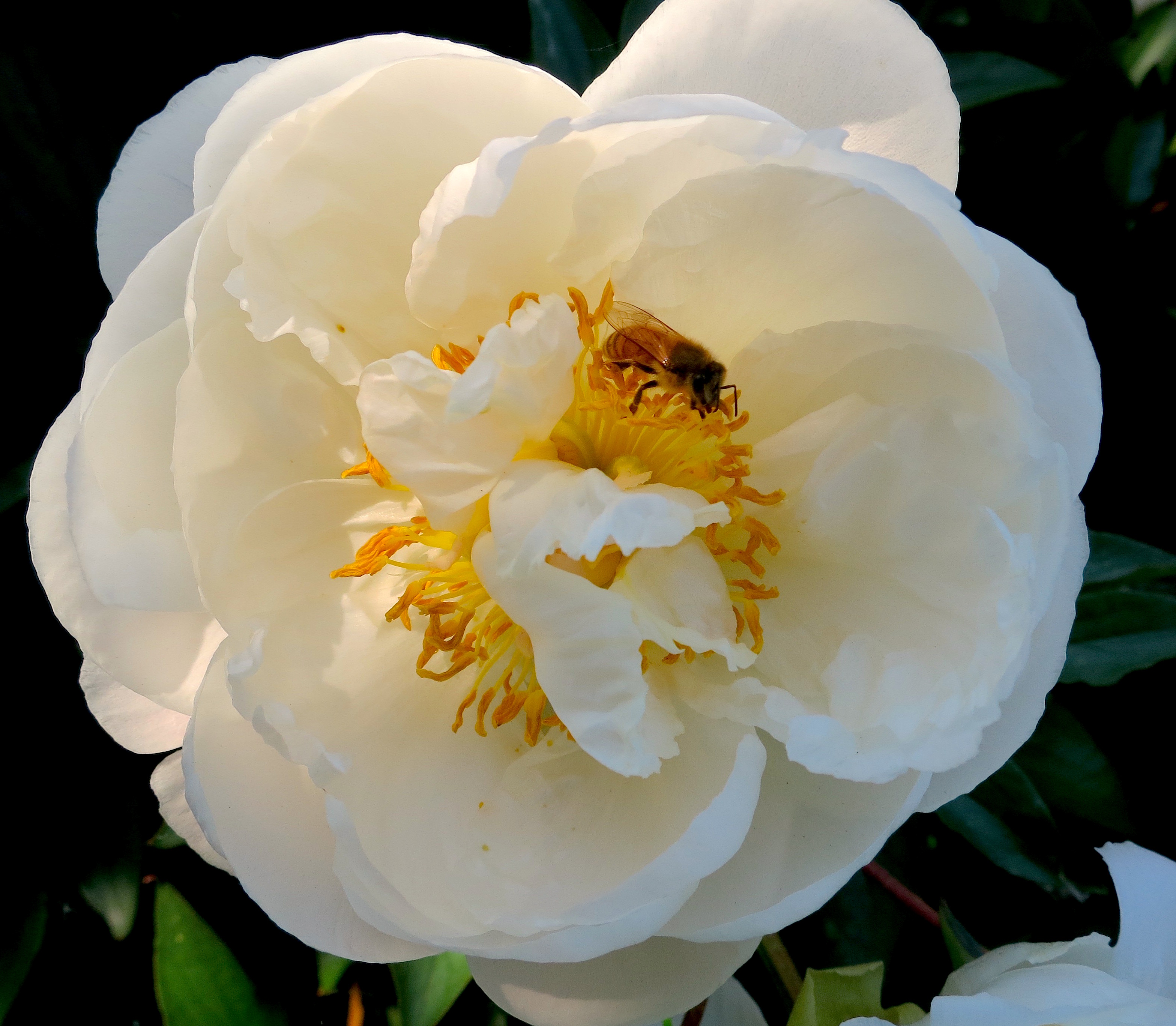
tennantpeony3

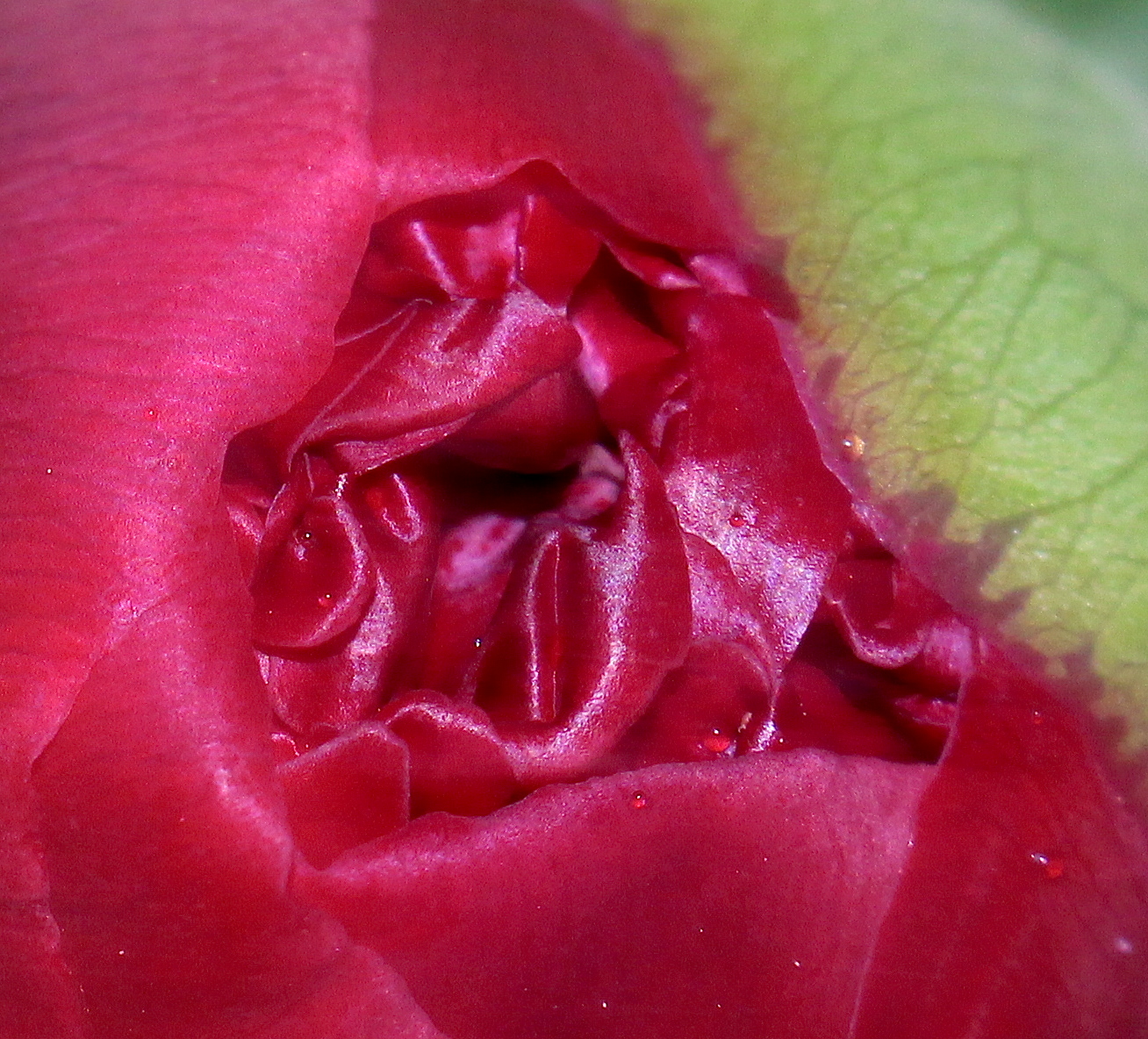
tennantpeony4

…and there it is again — 
beauty the brave, the exemplary,

blazing open. 
Do you love this world? 
Do you cherish your humble and silky life? 
Do you adore the green grass, with its terror beneath?

Do you also hurry, half-dressed and barefoot, into the garden, 
and softly, 
and exclaiming of their dearness, 
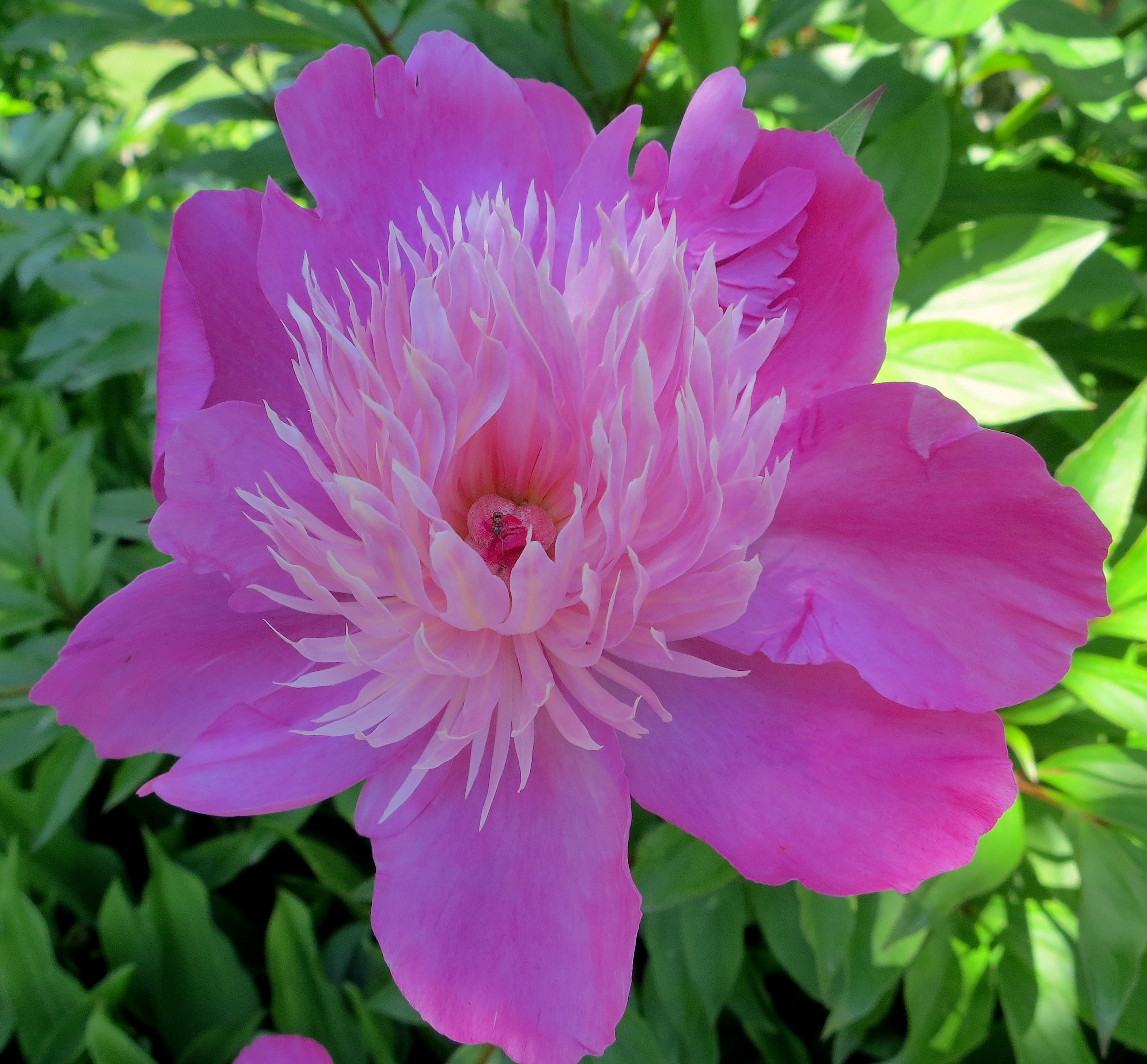
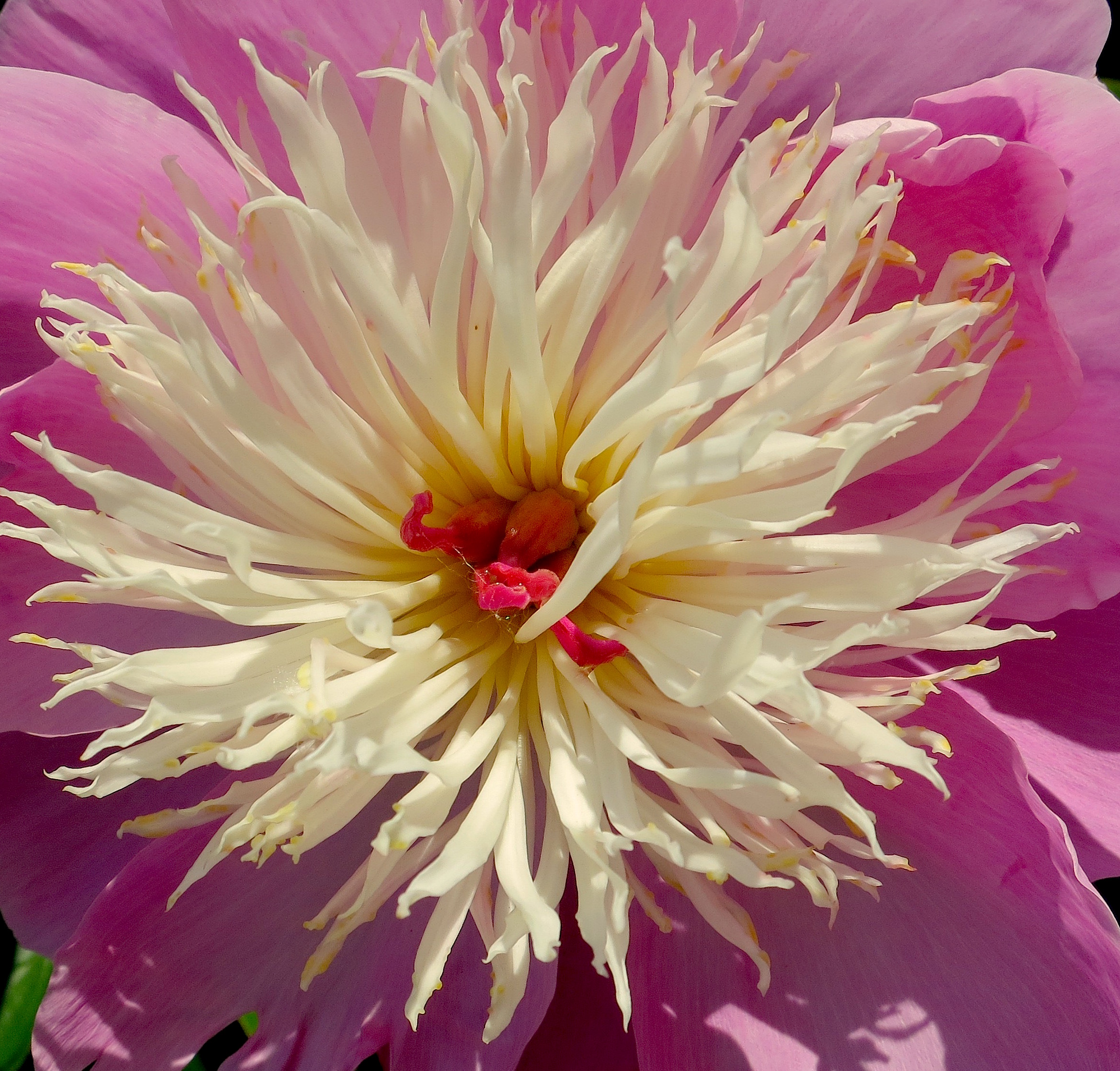
fill your arms with the white and pink flowers,

with their honeyed heaviness, their lush trembling, 
their eagerness
to be wild and perfect for a moment, before they are
nothing, forever?
~Mary Oliver from “Peonies”

tennantpeony2

tennantpeony

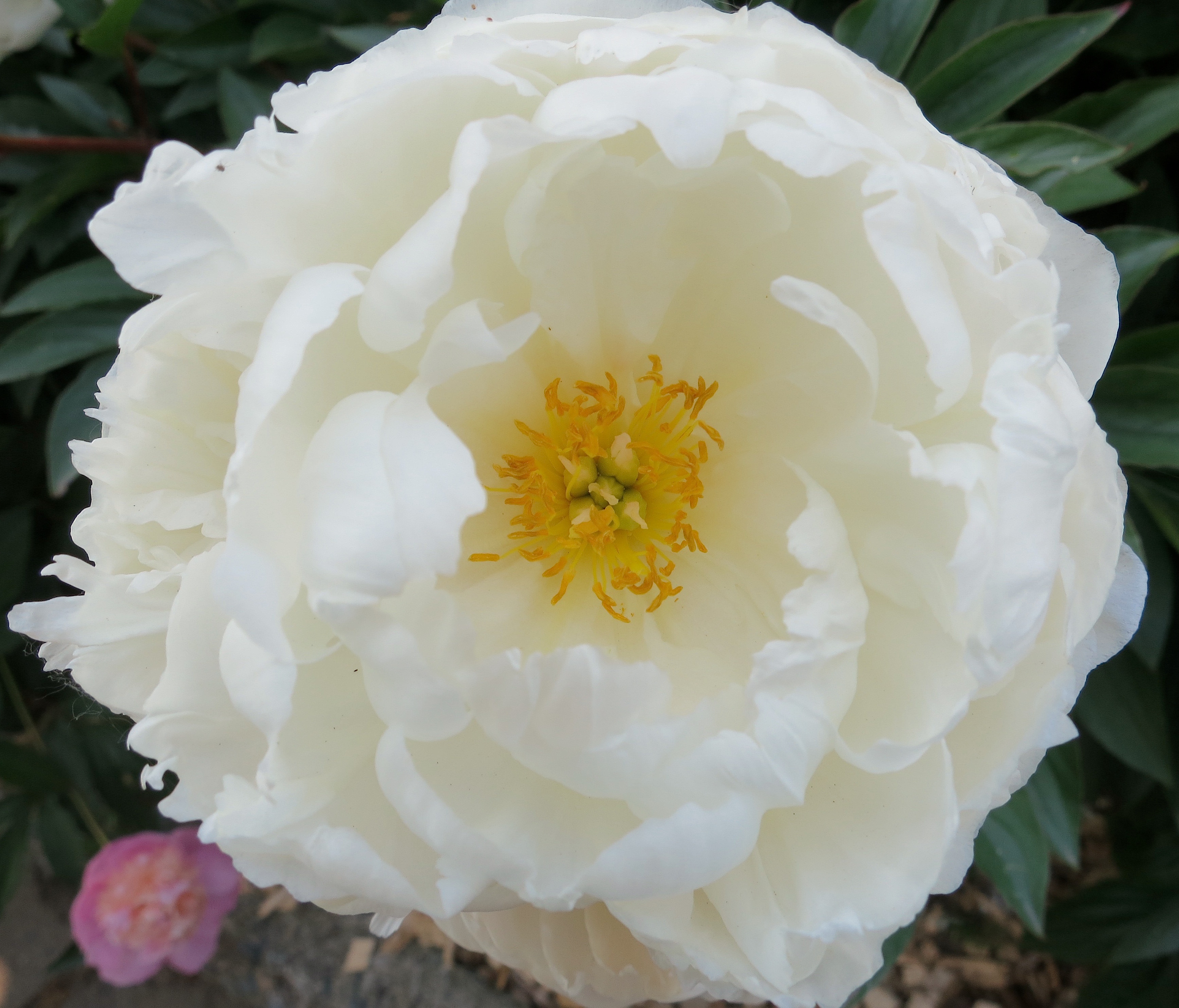
White peonies blooming along the porch
send out light
while the rest of the yard grows dim.
Outrageous flowers as big as human

heads! They’re staggered
by their own luxuriance: I had
to prop them up with stakes and twine.
The moist air intensifies their scent,

and the moon moves around the barn
to find out what it’s coming from.
In the darkening June evening

I draw a blossom near, and bending close
search it as a woman searches
a loved one’s face.
~Jane Kenyon “Peonies at Dusk”

tennantpeony5

Year after year, I bring peonies to the graves
of those from whom I came,
to lay one after another exuberant head
upon each headstone,
a moment of connection between us
before it shatters,
its petals perfectly
scattered to the wind.

peonyheart

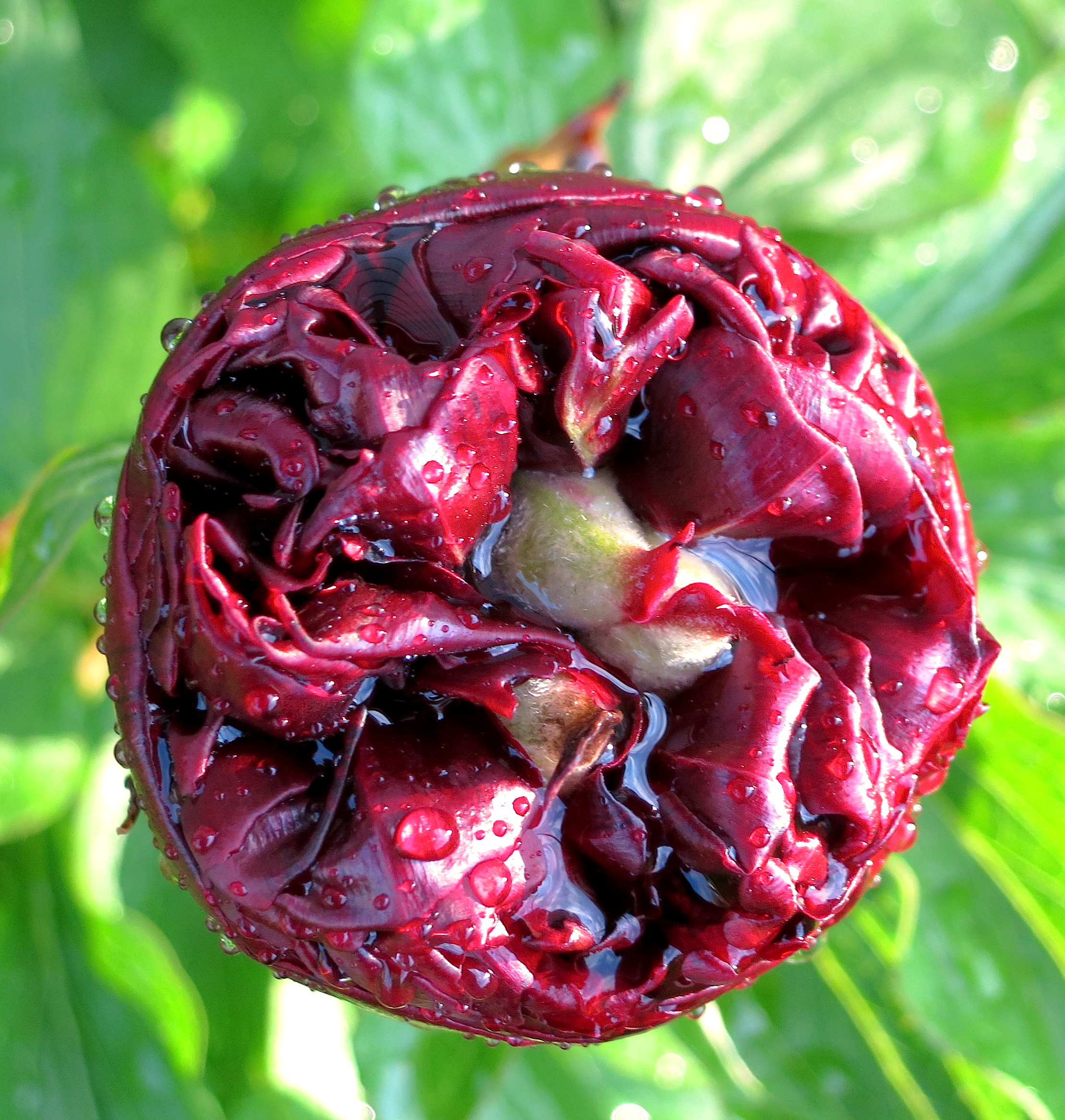
peonyrain

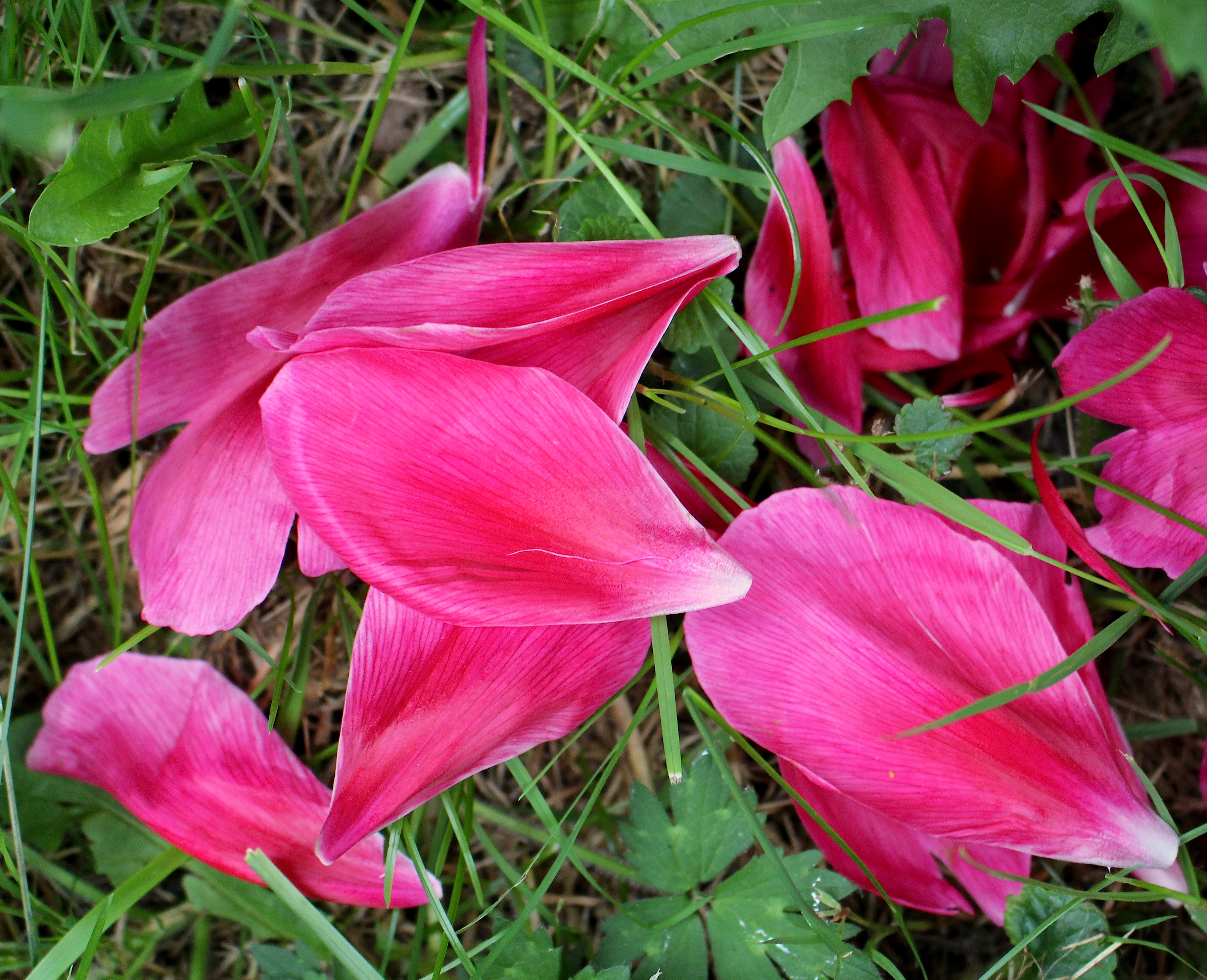
shatterpeony

For So It Has Been

roseswirl2
bayviewanacortes
porchrose
I am not resigned to the shutting away of loving hearts in the hard ground.
So it is, and so it will be, for so it has been, time out of mind:
Into the darkness they go, the wise and the lovely.  Crowned
With lilies and with laurel they go; but I am not resigned.
Lovers and thinkers, into the earth with you.
Be one with the dull, the indiscriminate dust.
A fragment of what you felt, of what you knew,
A formula, a phrase remains,—but the best is lost.
The answers quick and keen, the honest look, the laughter, the love,—
They are gone.  They are gone to feed the roses.  Elegant and curled
Is the blossom.  Fragrant is the blossom.  I know.  But I do not approve.
More precious was the light in your eyes than all the roses in the world.
Down, down, down into the darkness of the grave
Gently they go, the beautiful, the tender, the kind;
Quietly they go, the intelligent, the witty, the brave.
I know.  But I do not approve.  And I am not resigned.
~Edna St. Vincent Millay “Dirge Without Music”
Each Memorial Day weekend without fail,
we gather with family, have lunch, reminisce,
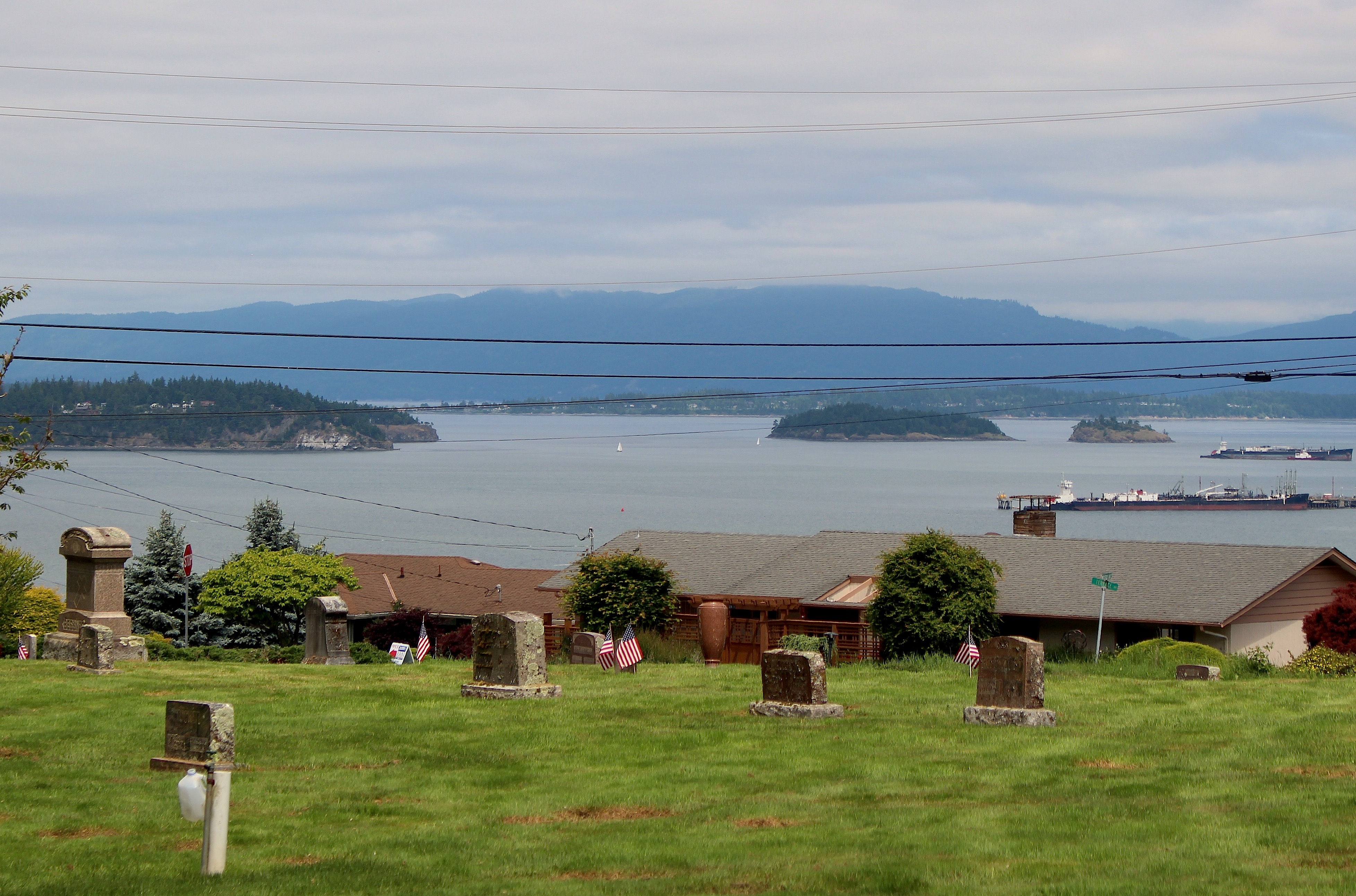
and trek to the cemetery high above Puget Sound
to catch up with our relatives who lie there still,
some we knew and loved and miss,
others not so much, unknown to us
except on genealogy charts,
their names and dates and these stones
all that is left of them.
Yet we know each, as we know ourselves and others,
was tender and kind, though flawed and broken,
was beautiful and strong, though wrinkled and frail,
was hopeful and faithful, though too soon in the ground.

We know this about them
as we know it about ourselves:
someday we too will feed roses,
the light in our eyes
become elegant swirls with fragrant breath of heaven.
No one asks if we approve of this, nor should they;
So it is, so it will be, for so it has been.

rosemountain
 weepingrose
roseinside

For a Day at the Cemeteries

983607_10151687667426119_1182034137_n

I want to step through the door full of curiosity, wondering;
what is it going to be like, that cottage of darkness?

When it’s over, I want to say: all my life
I was a bride married to amazement.
I was a bridegroom, taking the world into my arms.

When it’s over, I don’t want to wonder
if I have made of my life something particular, and real.
I don’t want to find myself sighing and frightened
or full of argument.

I don’t want to end up simply having visited this world.
~Mary Oliver from “When Death Comes”

1052842_10151707863866119_2133805261_o

stewartgraves

Another Voice

mcubin2
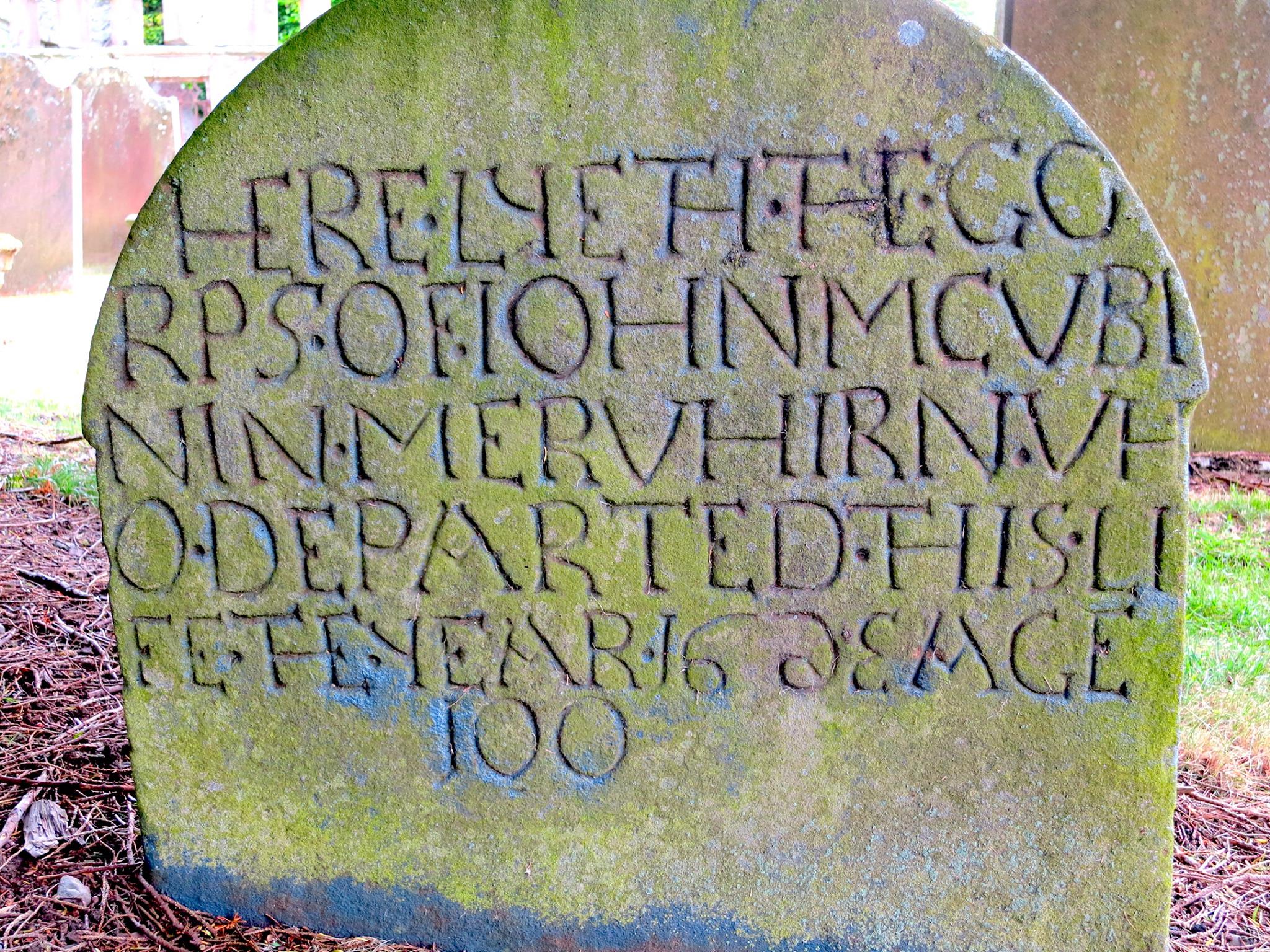
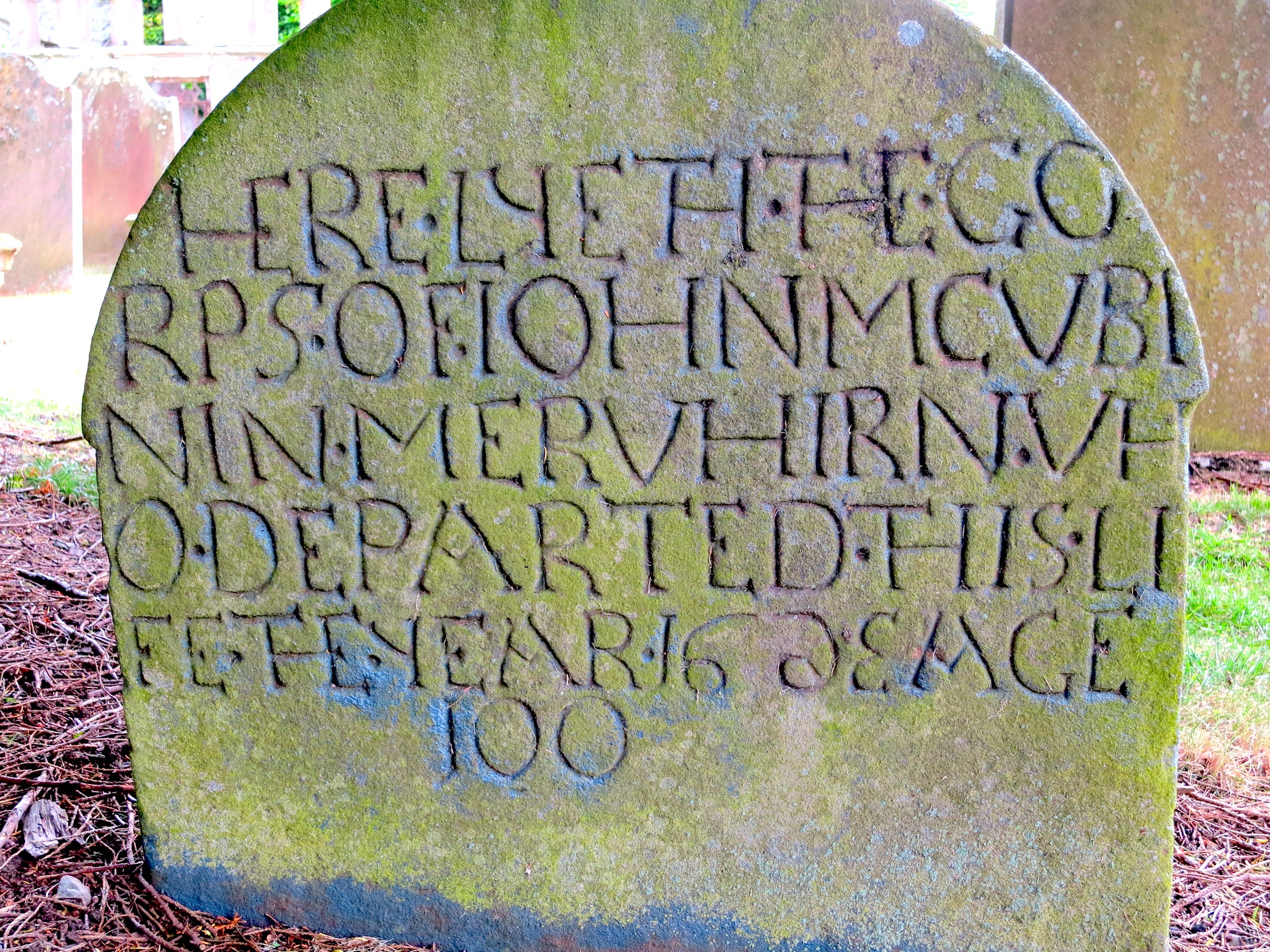
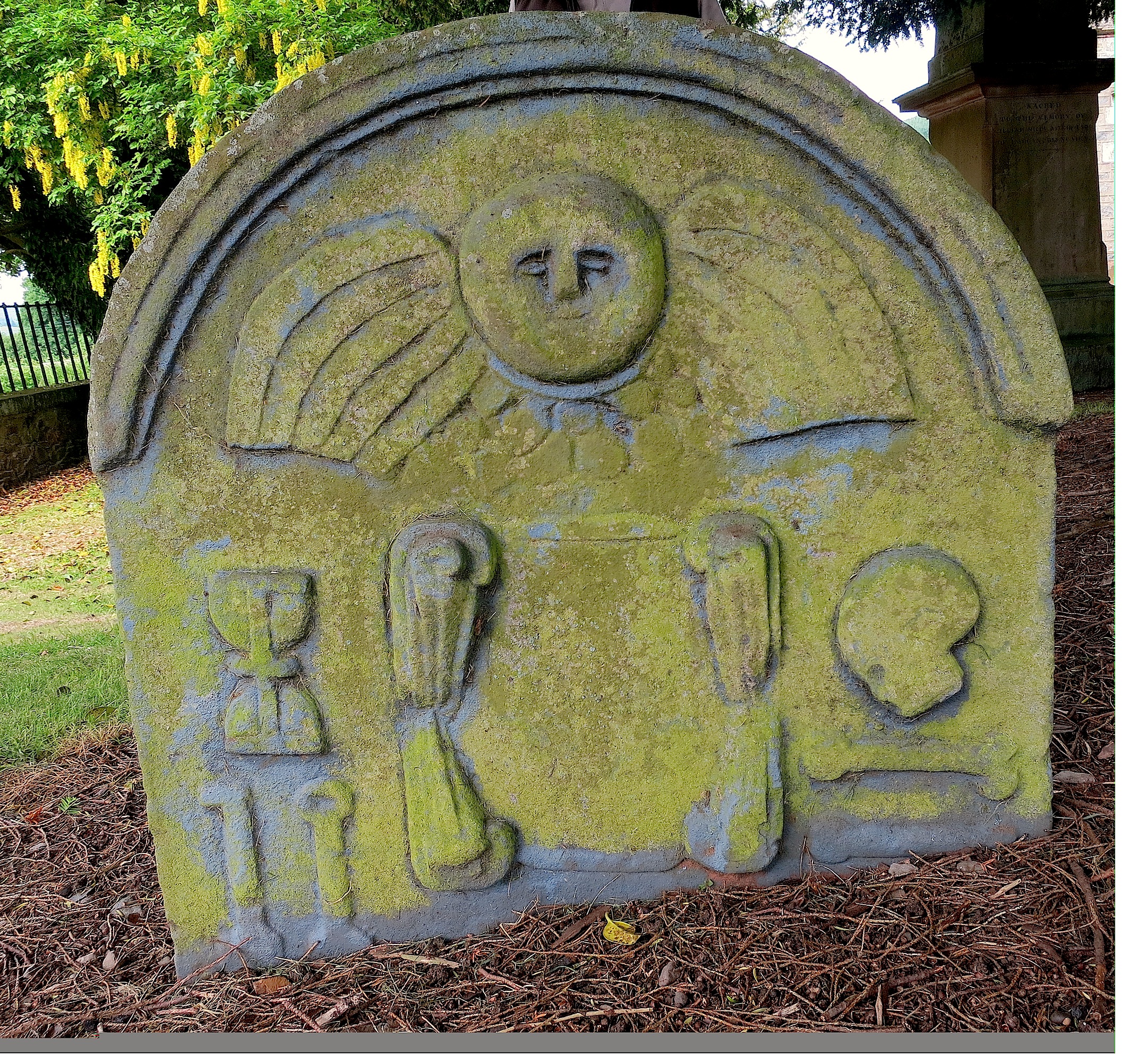
450 year old gravestone in Glencairn Parish Cemetery in Scotland which reads: Here Lyeth The Corps Of John Mcubin in Meruhirn (Marwhin) Who Departed This Life The Year 1663 Age 100
other side of the same stone

For last year’s words belong to last year’s language and next year’s words await another voice. And to make an end is to make a beginning.
– T.S. Eliot

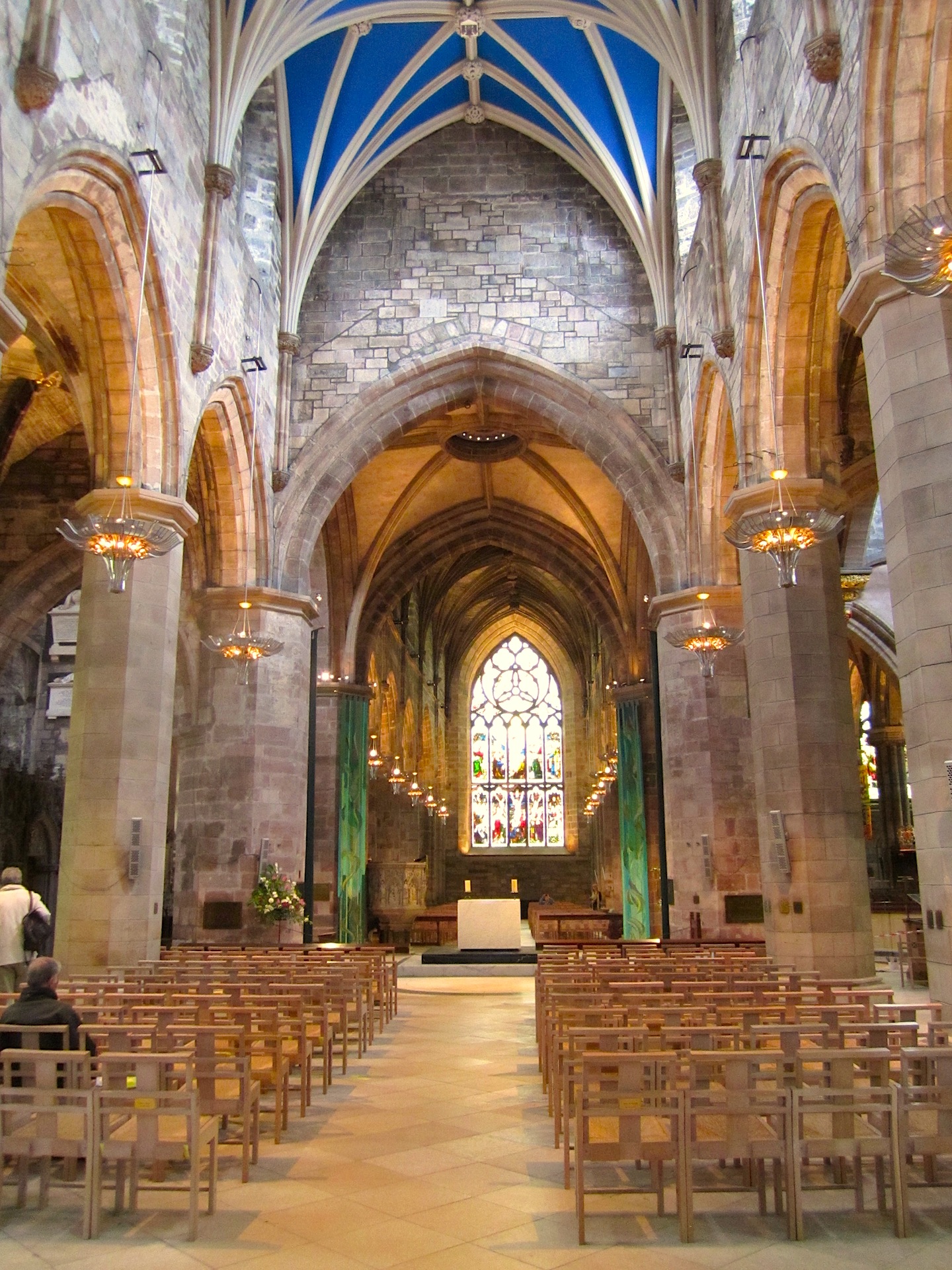
I have been overwhelmed by the centuries of history that exist documented on this continent compared to home.  We see stone circles in the countryside constructed as a celestial calendar for worship over 5000 years ago, stroll through church grounds that were founded over 1000 years ago, descended underground in Edinburgh to walk streets and enter homes that existed over 600 years ago, discovered this gravestone in rural Scotland of an 100 year old man.

It is a miracle to have lived a full century so long ago.  It is a miracle to have lived at all.

It feels a miracle to be alive now, witnessing all that I have in my relatively short time on earth.

I make a beginning each day, to be more than just another voice, striving to transcend last year’s words.

St. Giles Cathedral, Edinburgh
Castlerigg Stone Circle in Cumbria
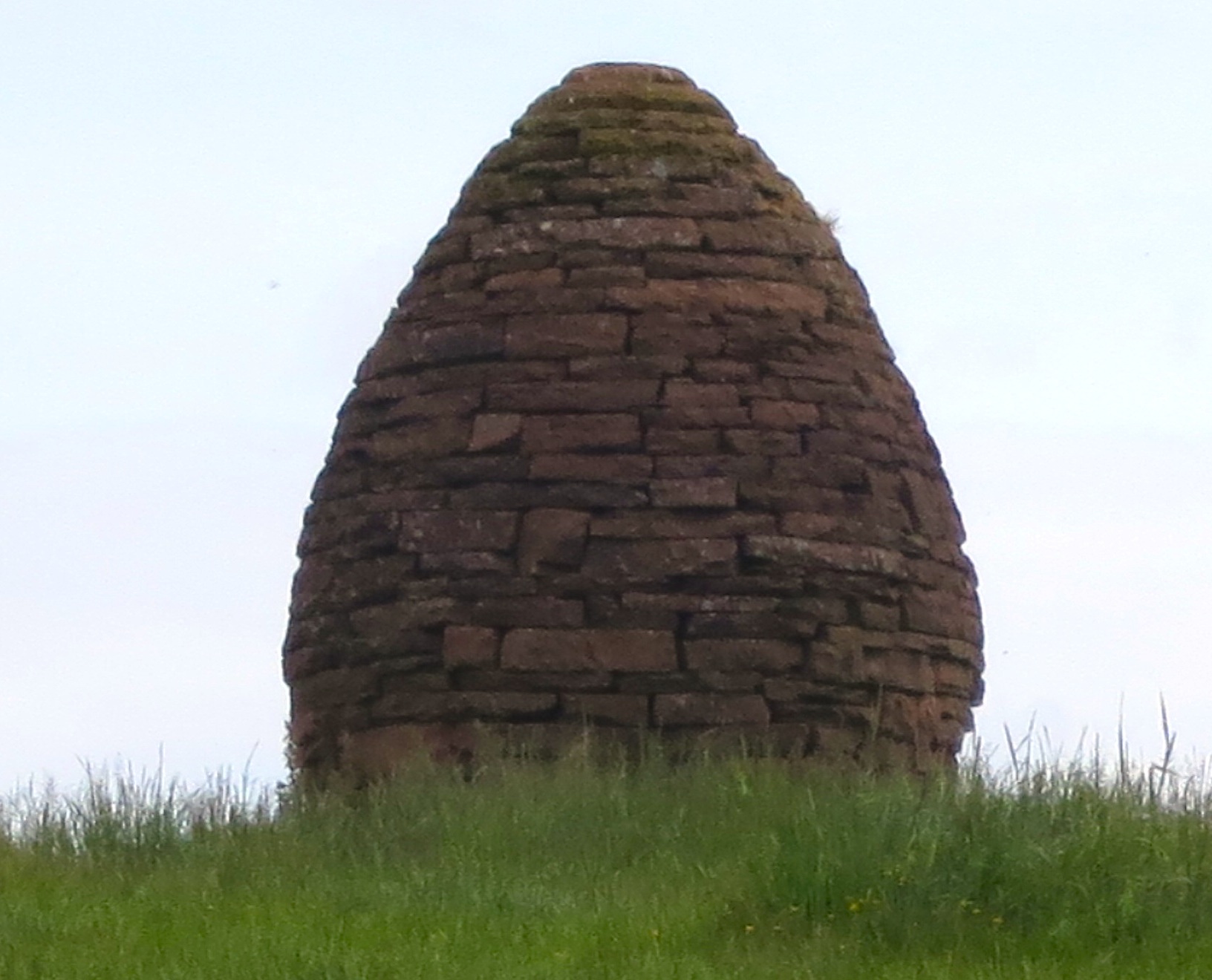
a stone pinecone, environmental art by Andy Goldsworthy, rural Scotland

Slumber Interrupted

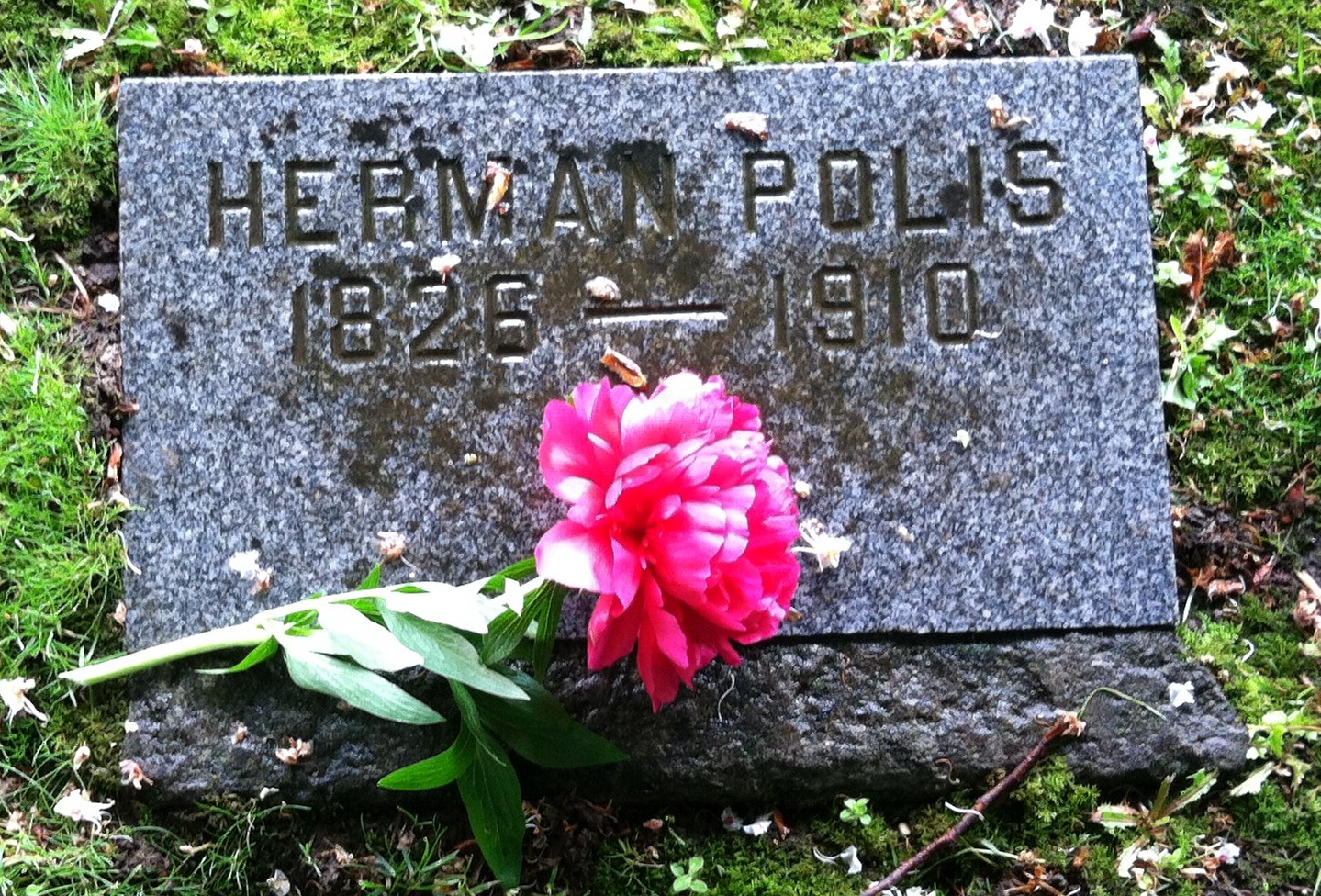
herman
my great great grandfather

an updated poem from Memorial Day 2010

Blazing sun bakes a lichen crust
atop a stone so feverish
it is hearth without fire,
reaching down deep
into soil holding a box
that knows no warmth.

Autumn windstorms rage,
lightning crack and thunder clap,
trembling the filled-hole grounds
as dying leaves spin and swirl
through arced cascade among tidy rows
till settled and spent.

Then crisp hoarfrost clings
in glittering crystalline coverlet
gracefully fallen from graying sky,
soft cotton batting fluffs
to pillow gentle slumber
uninterrupted.

When vernal raindrops quench
the thirst of dry bones
suspended between
welkin expanse
and earth’s darkest pit,

these silent stones will shout out~

still no more, reticent no longer,
waking to resonant reveille,
ready to blossom forth
in the fullness of time
and everlasting promise.

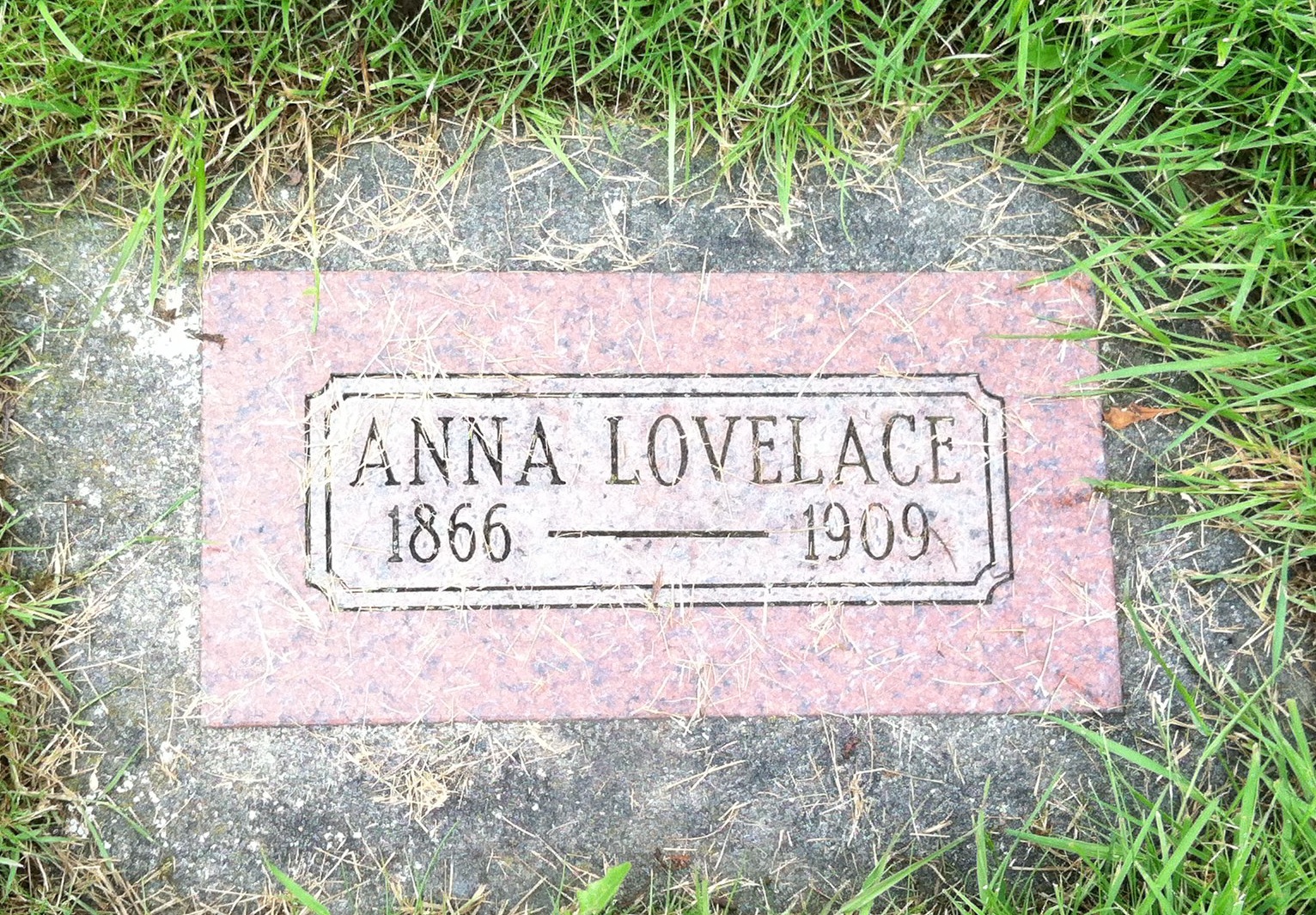
anna
my great grandmother

A Presence of Absence

photo by Gary Jarvis of Dutch Reformed Cemetery

“The sunlight now lay over the valley perfectly still. I went over to the graveyard beside the church and found them under the old cedars… I am finding it a little hard to say that I felt them resting there, but I did… I saw that, for me, this country would always be populated with presences and absences, presences of absences, the living and the dead. The world as it is would always be a reminder of the world that was, and of the world that is to come.”
Wendell Berry in Jayber Crow

Today, as always over the last weekend of May, we have a family reunion where most turn up missing.  A handful of the living come together for lunch and then a slew of the no-longer-living, some of whom have been caught napping for a century or more, are no-shows.

It is always on this day of cemetery visiting that I feel keenly the presence of their absence: the great greats I never knew, a great aunt who kept so many secrets, an alcoholic grandfather I barely remember, my grandmother whose inherent messiness I inherited, my parents who separated for ten years late in life, yet reunited long enough for their ashes to rest together for eternity.

It is good, as one of the still-for-now living, to approach these plots of grass with a wary weariness of the aging.  But for the grace of God, there will I be sooner than I wish to be.  There, thanks to the grace of God, will I one day be an absent presence for my children and hoped-for grandchildren to ponder.

The world as it is remembers the world that was.  The world to come calls us home in its time, where we all will be present and accounted for — our reunion celebration.

All in good time.

Slumber Undisturbed

Blazing sun bakes a lichen crust
atop a stone so feverish to touch
it becomes hearth without fire
reaching hot fingers deep
into soil supporting a box
that knows no warmth.

When windstorms rage
lightning crack and thunder clap
trembles anew the hole filled ground
as dying leaves spin and swirl
through arcing cascade into
settled and spent.

Till crisp hoarfrost clings
in glittering crystalline coverlet
from gray sky that throws down
soft cotton batting gently
fluffed to protect a slumber
undisturbed and silent.

Soon vernal raindrops bring
promise of quenched thirst
for dry bones lying suspended
between the welkin sky
and earth’s deep pit
to blossom finally in fullness.

The Grass Covers All

“I am the grass; I cover all….Let me work.”  Carl Sandburg

It is our family’s custom on Memorial Day weekend to meet my two siblings and their families for lunch before going to decorate the graves of our parents and my father’s family at a cemetery an hour from our home.    This is a pleasant tradition for the living to gather together over a meal and spend a few hours catching up, reminiscing and sharing a laugh or two, before making our journey to honor the dead.

The actual decorating of the graves is rather an anticlimax.  Once at the cemetery, it is not seemly to be laughing and carrying on.  It is usually quite busy with people coming and going, placing flags, hauling planted pots and large bouquets, scouring off the moss and lichens from the gravestones and trimming the long grass missed by the mowers.  Despite the hubbub and activity, there is a silent solemnity in the people carrying out their duty to their kin.  Only the soft sound of the breeze moving the leaves in the trees interrupts the profound stillness of the dead and departed, lying blanketed under a coverlet of grass.

Our father’s family lie together in the older part of the cemetery, which is poised high on a hill overlooking Puget Sound, with the Olympic Mountains to the west, the Canadian Rockies to the north and the Cascade range to the east.   It must have been quite the wilderness cemetery in 1910 when my great great grandfather Herman was buried there as the first of the clan to be placed in the ground west of the Mississippi.   I don’t know any family lore about Herman, so his secrets remain safe and undisturbed under the grass.  Not so with the rest of the family buried there.  They are exposed by their known personality traits, their mistakes and their accomplishments, but most remarkably by their relationships with each other, now sharing the same blanket as they lie within feet of each other for eternity.

Lying next to Herman is my great-grandfather Henry, a steam boat captain first on the Mississippi River, and later in life, on the Yukon River during the Gold Rush.  He was gone from home for months at a time, living his own life of adventure on the frontier while his meek wife Margaret tried to raise their two children alone.   Her influence couldn’t tame their son, Leslie, my grandfather, who got fed up with school and left home at age sixteen to work in the remote logging camps of northwest Washington.  There he learned to cuss hard and drink heavily, coming to town on occasion to carouse and visit his horrified mother and sister Marion.  Marion, a proper and somber girl,  finished school and went on to a teachers’ college now transformed to the regional university where I now work.   She became a dedicated school teacher, living with her mother long after her father’s death, and remaining unmarried all her life.  (See Great Aunt Marion )

Leslie eventually married my grandmother Kittie, a much younger woman, just a teenager,  much to the chagrin and disapproval of his parents and sister.     Their first child, my Aunt Betty,  later died of lymphoma at age seven, leaving Kittie bereft.

Betty lies between her parents now,  with Leslie to her left (see Repentance)  and Kittie to her right (See Drops of Sun).  Next to Kittie lies Marion in a proximity that never was possible in life as they could not tolerate the sight of each other so avoided ever being in the same room together.   Somehow, each year I expect to see the ground between them in upheaval, but in fact the grass has done its work, smoothing and settling the turmoil that once existed, but does no longer.  They peacefully share the grass coverlet.

My parents lie together in the same urn garden plot a few hundred yards away, sharing a marker that at one point in their married, then unmarried, then married again lives would not have seemed possible.

The old conflicts become less compelling from the darkness of the grave.  Why was so much energy spent on them while treading on top of the grass when they become meaningless to those sleeping under it?

Shovel them under and let me work”