Pursued by Poplars

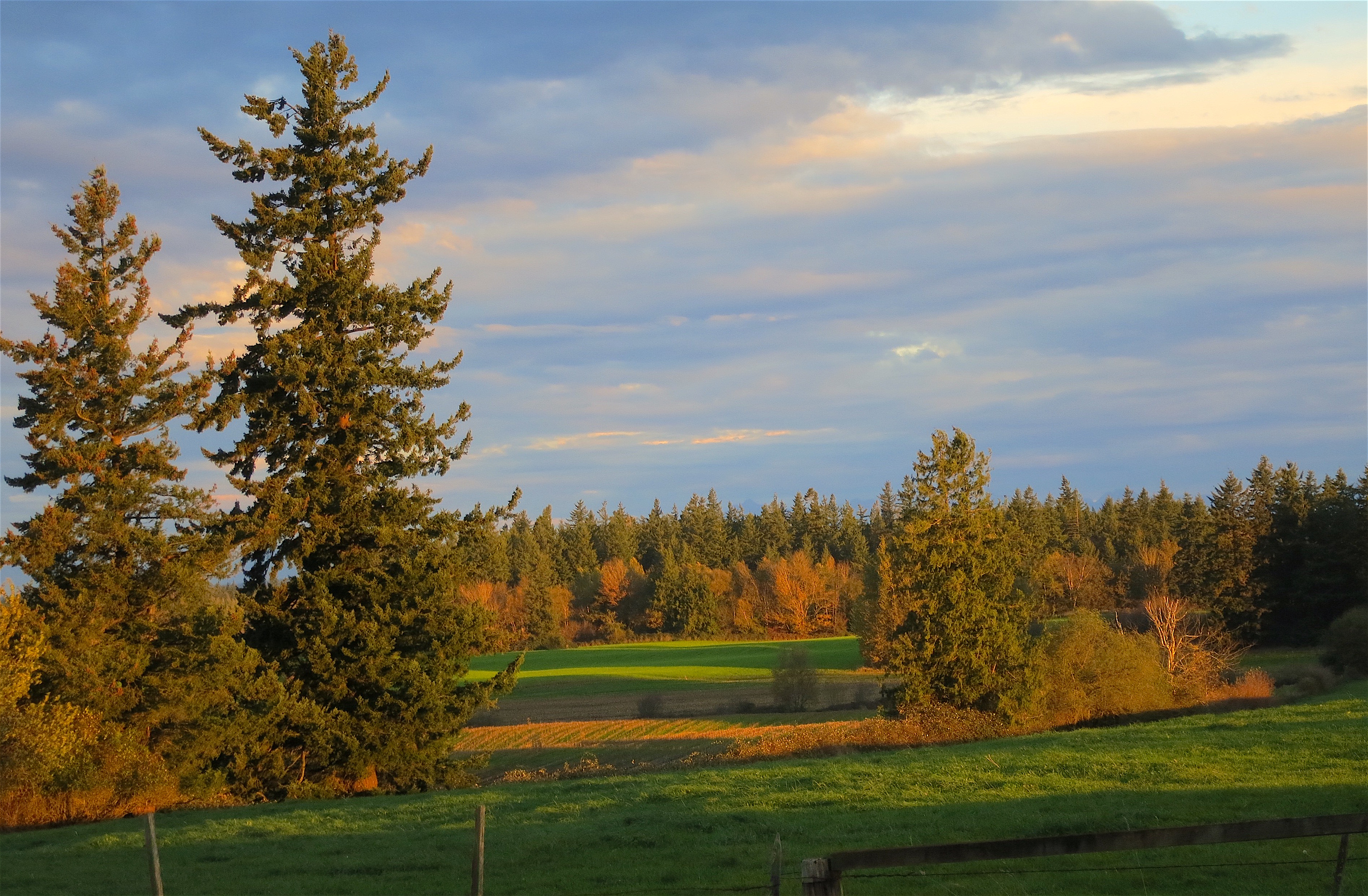
poplargold

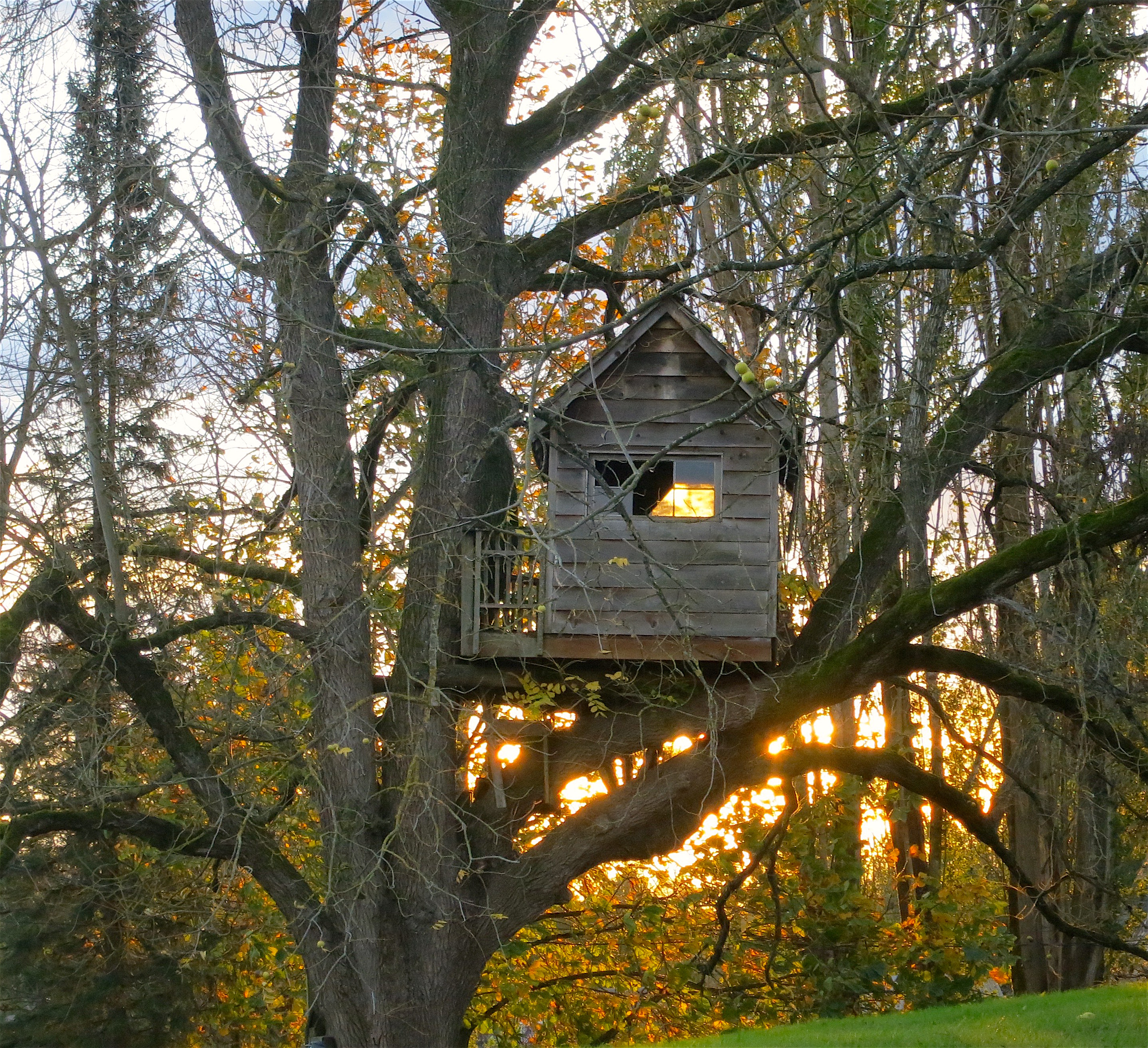
poplarrowoct

poplartorches

poplarswinter

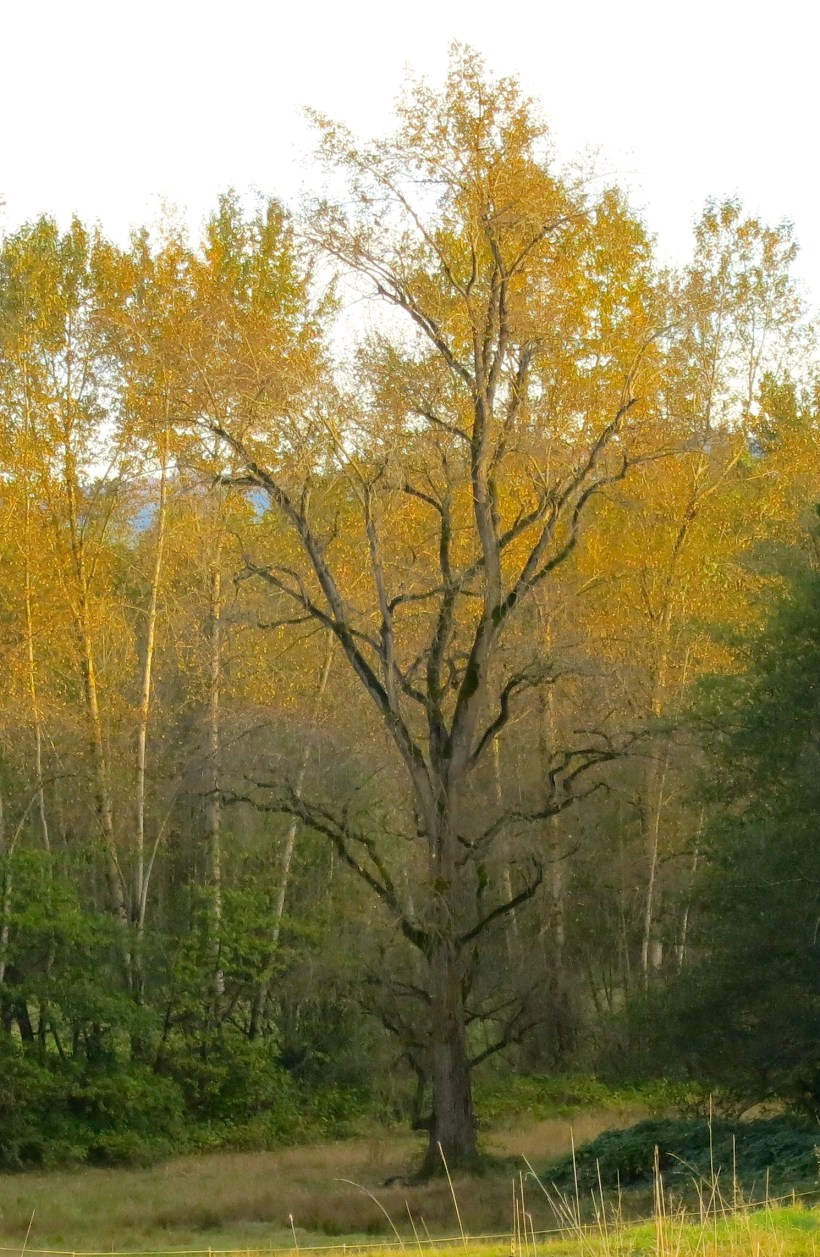
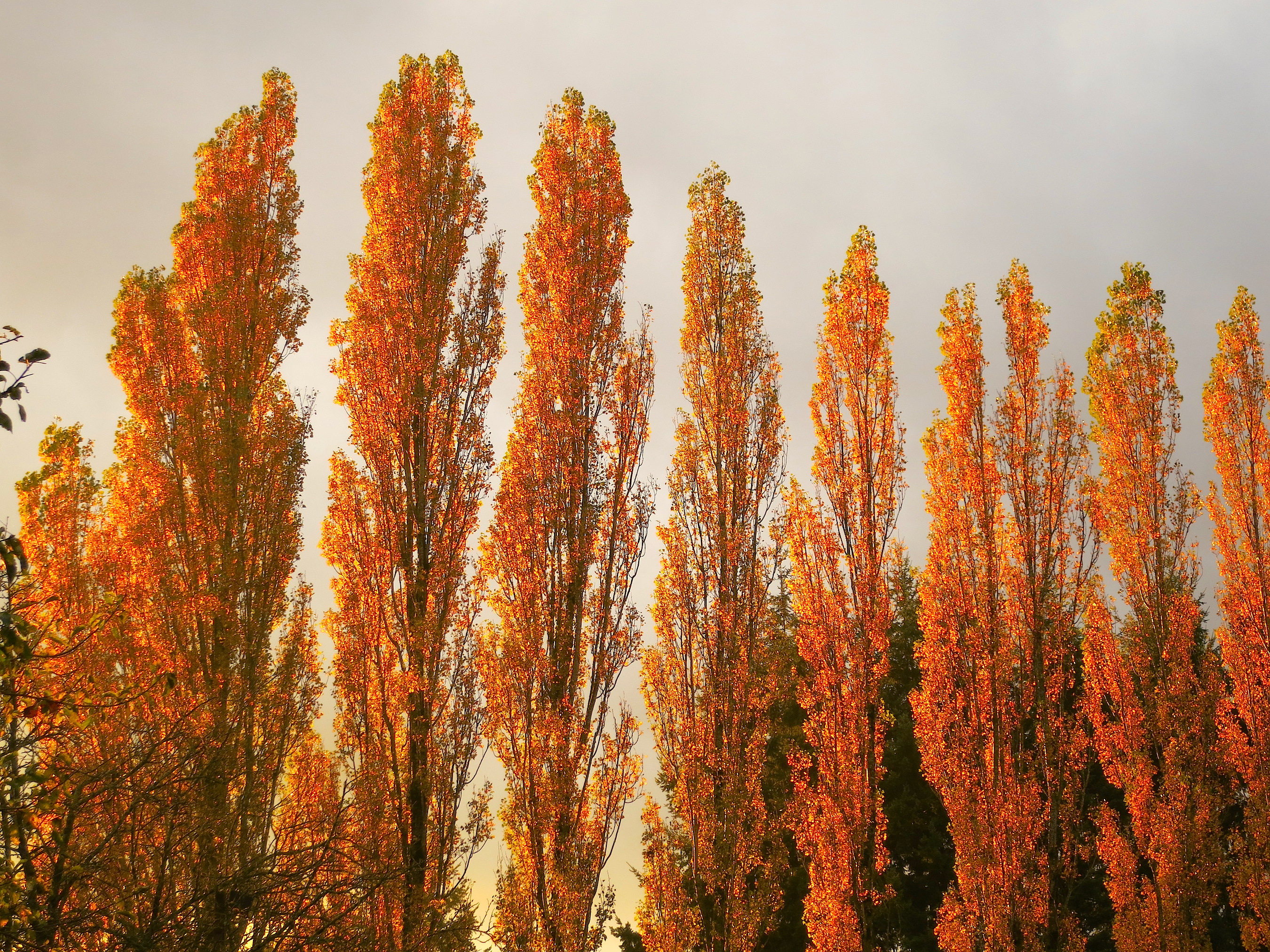
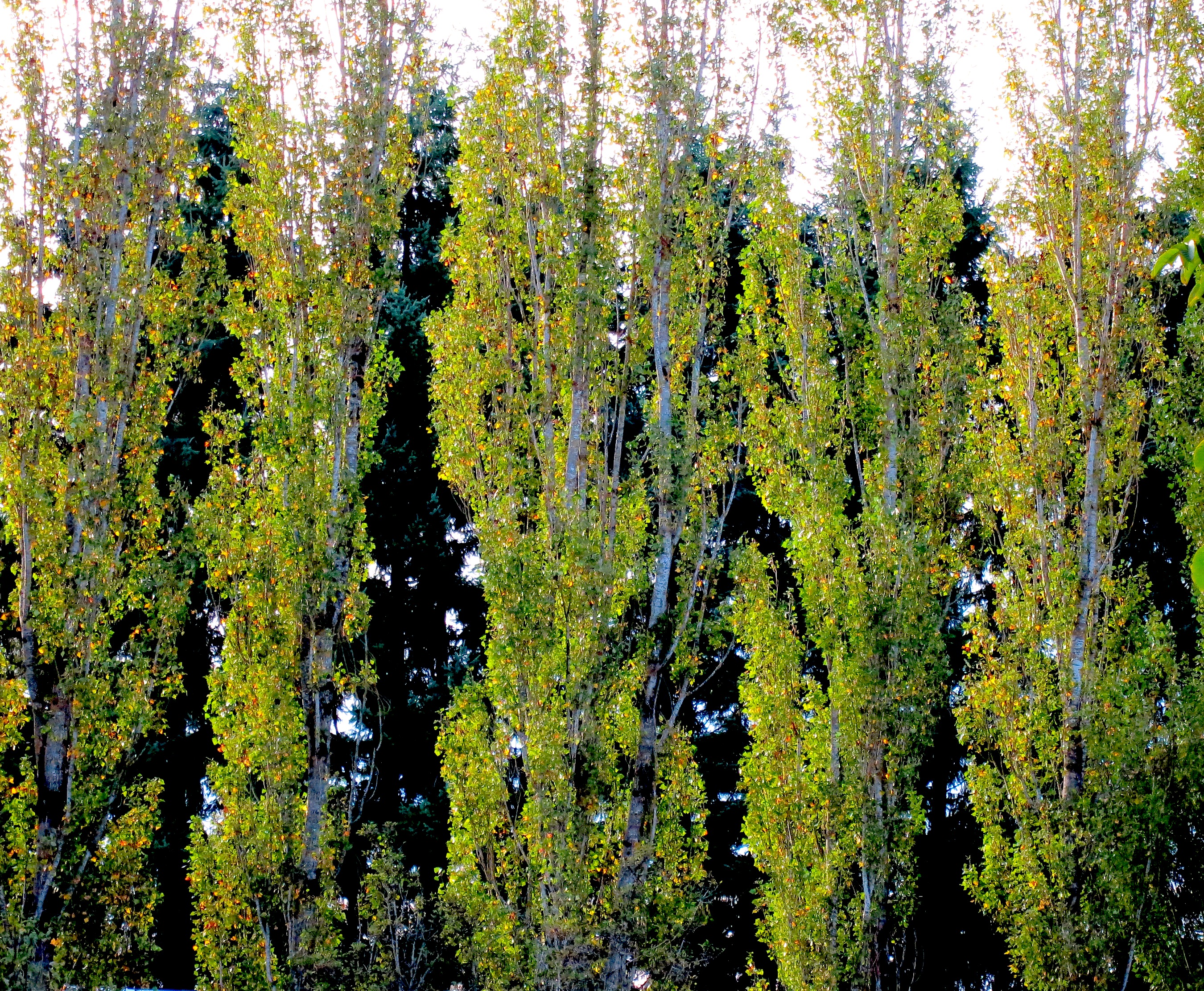
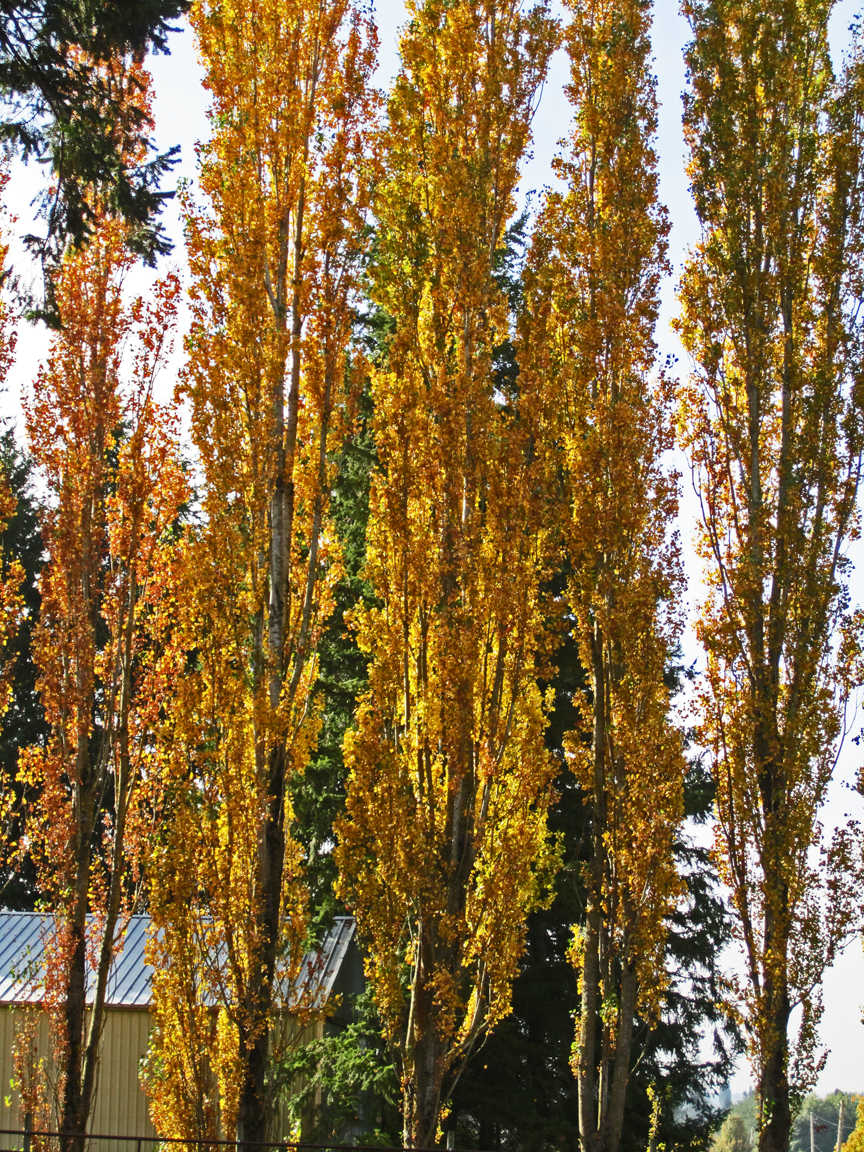
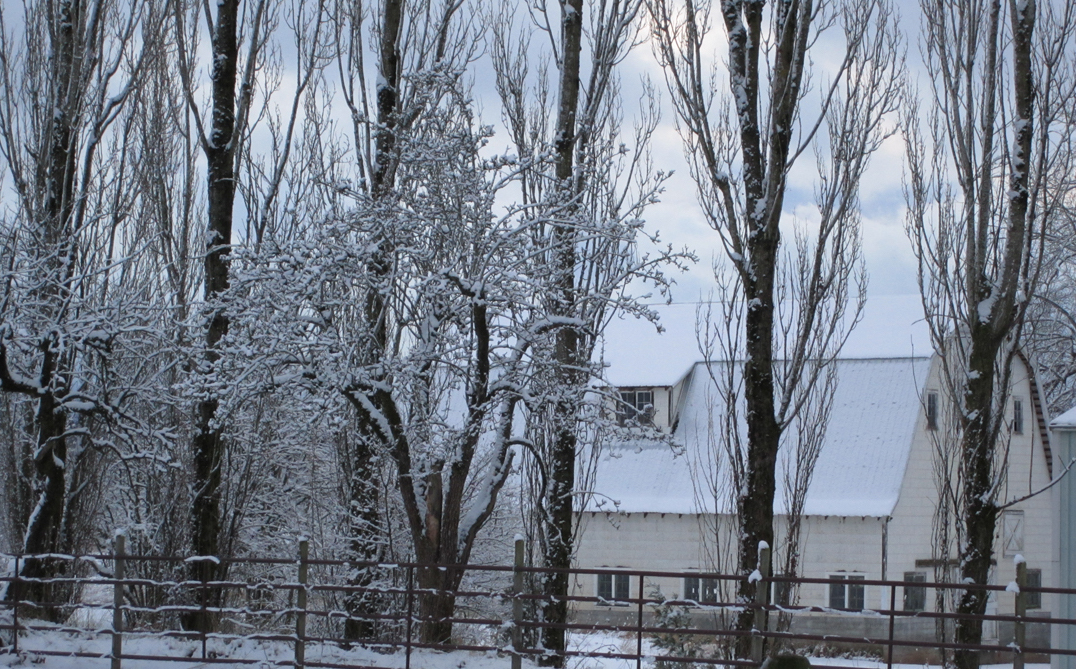
A row of Populus Nigra (Latin for “people of the dark”), otherwise known as Lombardy Poplars, seems to be following me.  I feel pursued by this long border of eighty-plus year old poplars on the west edge of our farm.  The trees themselves, supposedly nearing the end of a typical poplar life span, are grand massively tall specimens, their leaves and branches noisily reacting to the tiniest of breezes.  In greater winds, they bend and sway wildly, almost elastic.  The trees themselves are certainly not going anywhere in their hot pursuit of me, but beneath the ground is a remarkable stealth root system that is creeping outward, reaching inch by inch closer to the house.

That is what strikes fear in my heart.

If I leave those roots undisturbed for only a few months, they swell to arm size, lying just below the surface of the ground, busily sprouting numerous new little Populus Nigra along the length of the root.   These are no cute babyish innocent little seedlings.  These are seriously hungry plants determined to be fed from the roots as if from a fire hose.  They literally put on inches over a week;  they are over 6 feet tall in a month or two.   If I am not paying attention, suddenly I’m faced with dozens of new poplar babies, each sucking on a communal maternal umbilical cord.

I have no choice but to seek and destroy on a regular basis.  It is a shock and awe operation.  I’m shocked at the growth and awed at the strength of the adversary.   Many of these simply cannot be pulled up from the dust by hand as the process results in a root crawling many yards long, heading east toward the house like a heat-seeking missile.  To finish off the job, sometimes the root must be removed entirely by tractor.  I am here to certify that it is impossible to remove sufficient root system to stem the Populus Nigra tide.  It will always return, healthier than before.

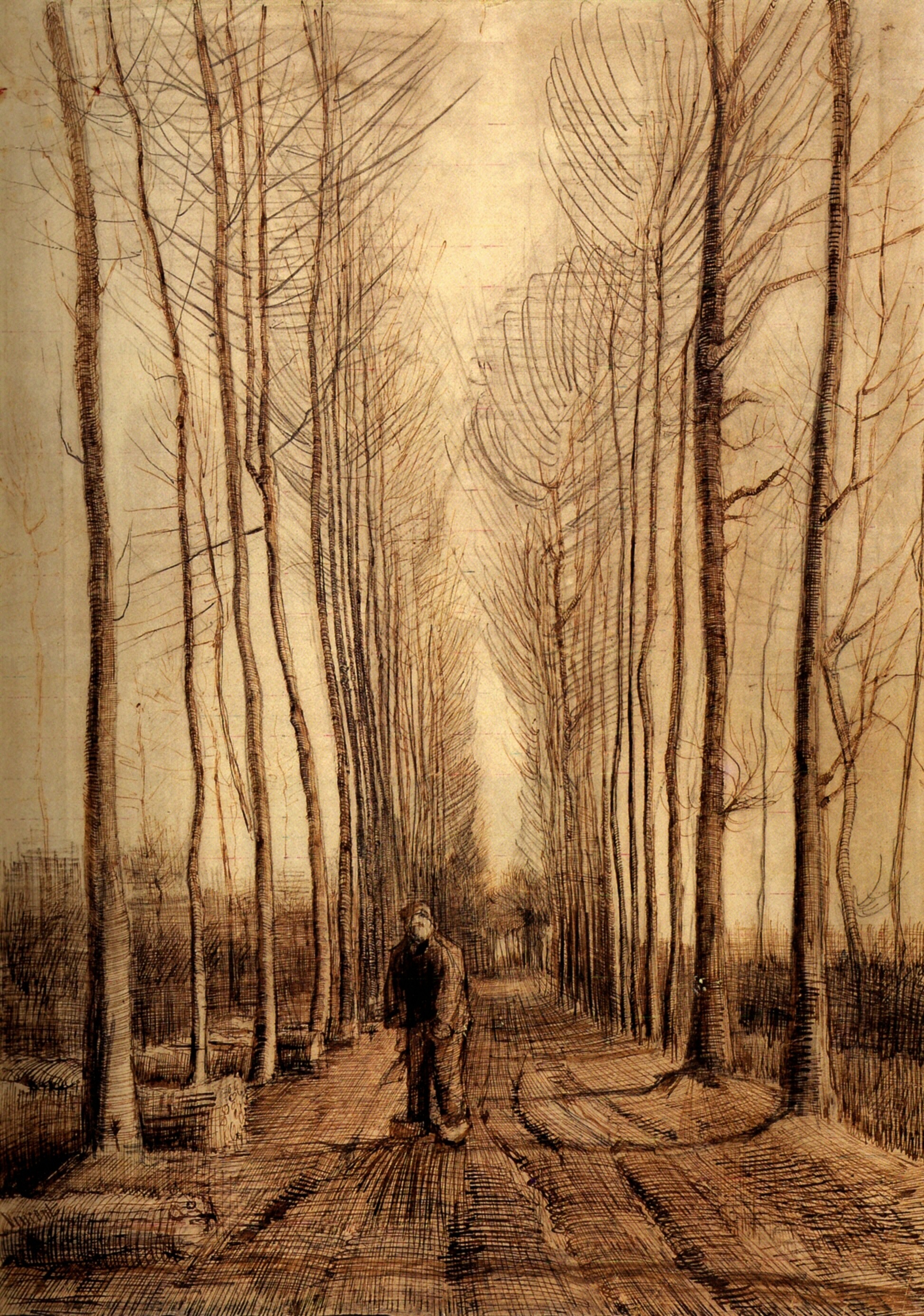
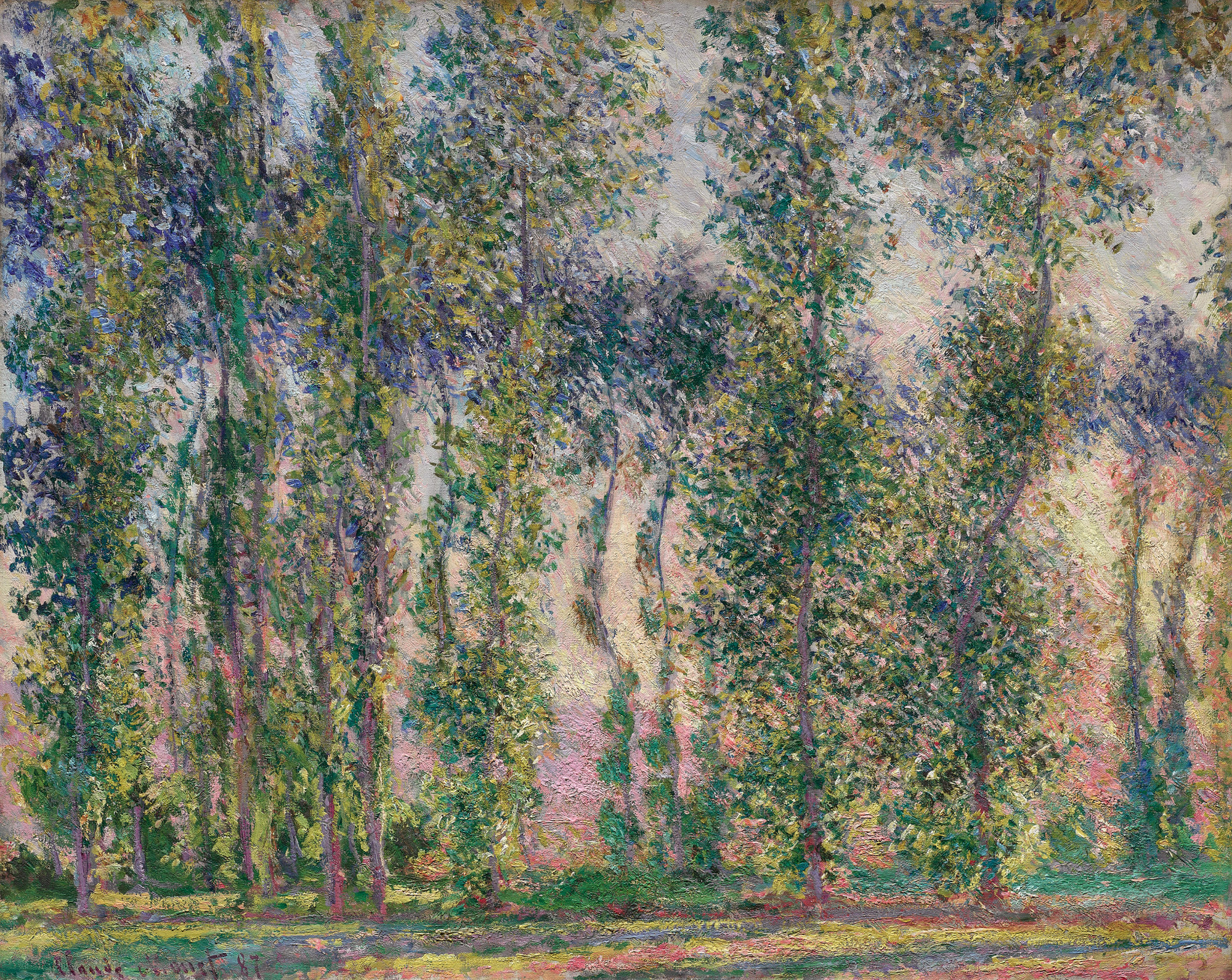
I do have to admire this tree for its fortitude as well as its beauty.  As a wind break, it is unparalleled, its leaves melodious in the breeze.   It sheds its foliage as well as dying branches in the fall, messily scattering itself as far as arboreally possible, so tends to precipitate warming bonfires on autumn evenings.   Lastly, it makes for great artwork by the likes of Monet and Van Gogh, creating predictability, uniformity and symmetry both in their paintings and in the palette of our farmscape.

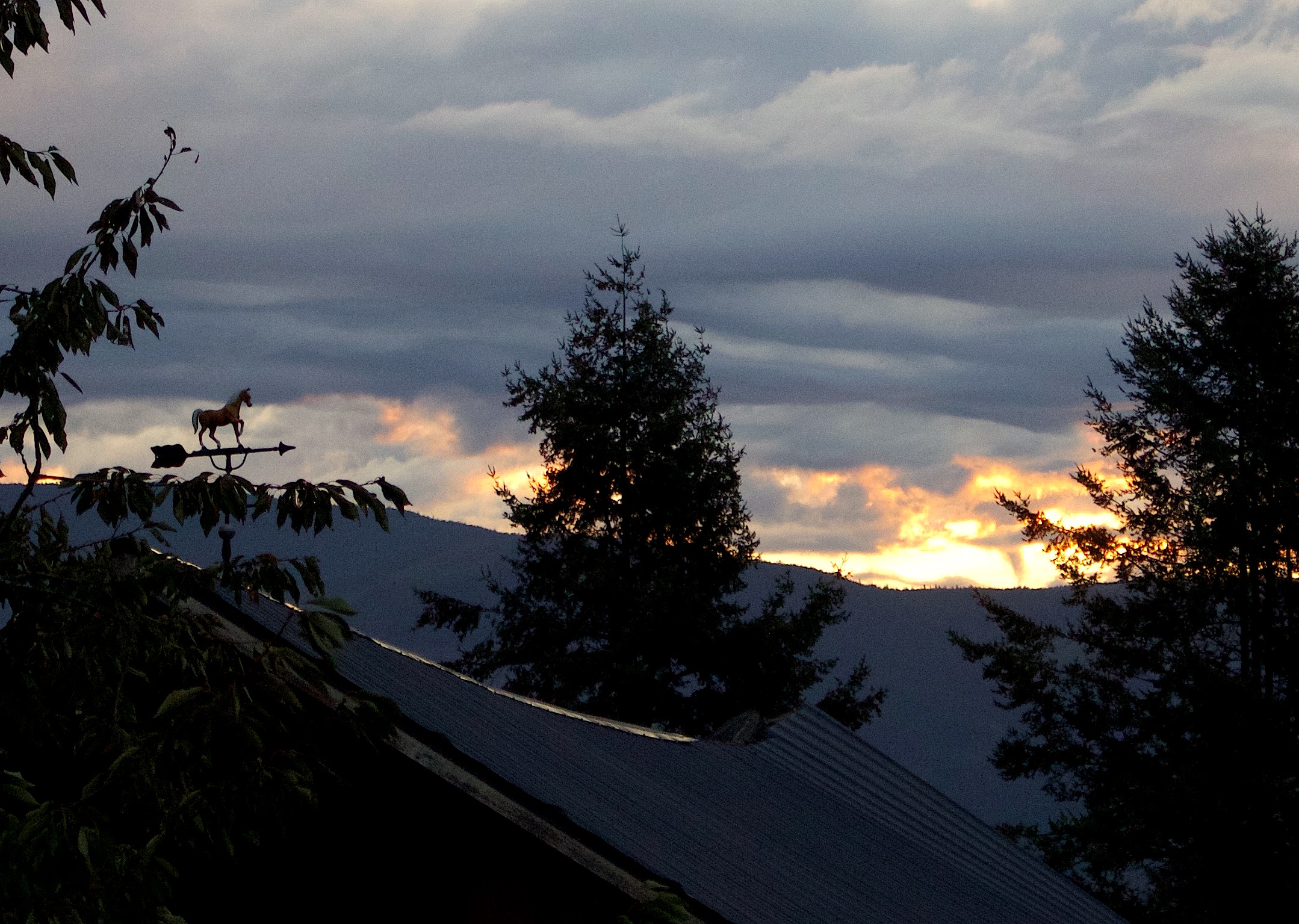
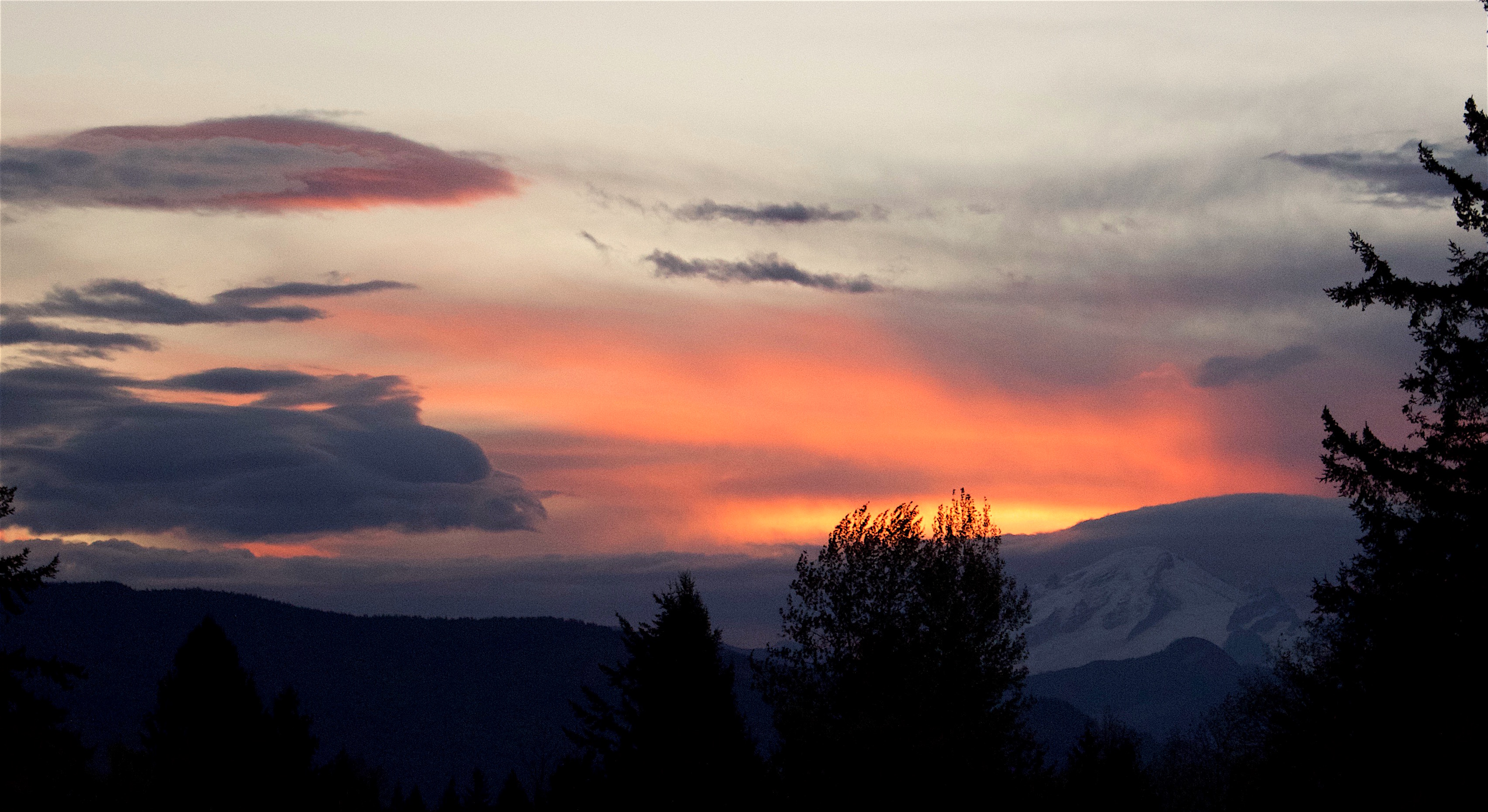
The poplars may be pursuing me but I enjoy the chase.  I gaze with appreciation at our row of poplars’ dark outline against the horizon during orange sunsets.  I miss their hubbub of constant activity when their leaves drop for winter.  Stripped naked, they wait in surreptitious silence for the rush of spring warmth and moisture to start creeping forward again, the gush of sap plumping up seedlings like balloons, once again growing clones against all odds.

My husband suggested it was time to take the poplars down before they break over in their old age, overcome in the strong northeasters.  I must disagree.  They deserve the chance to fight off our struggle to the finish to prevent infiltration beyond their defined border row.

Being pursued by a tree is never a bad thing.   I am humbled their shallow roots will likely outlast me even as I try to take them out, inviting me into the dust to join them.
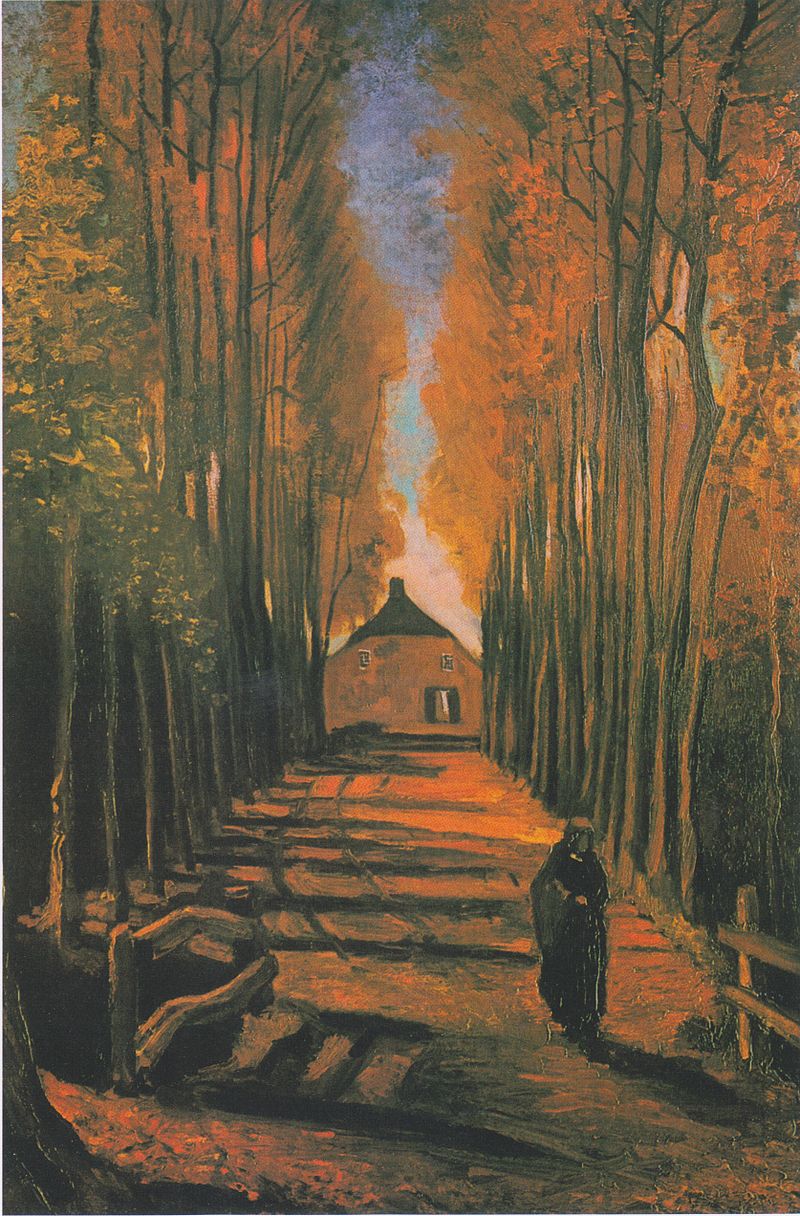
 

Van Gogh Poplars in Autumnpoplars in autumn –Van Gogh


Van Gogh Avenue of PoplarsAvenue of Poplars — Van Gogh

From spring to autumn 1891, Monet devoted himself to the treatment of a new subject, the only one he painted throughout this period: poplar trees. He produced a group of about 20 canvases depicting the trees planted on the edge of a marsh situated on the left bank of the Epte, two kilometres upstream from Giverny. The site had been put up for sale during the summer, and the plan was to cut down these trees. After the mayor had refused to grant a reprieve, Monet found himself forced to pay a sum of money to the timber merchant to stop the trees being felled before he had finished the series. Having set up in a boat, he made the most of the perspective effect offered by the line of poplars, which followed the winding course of the river upstream, forming a kind of large ‘S’. He was then able to form decorative compositions that were built around curved lines and counterbalanced by the verticals of the trunks. Monet painted several sub-series, reproducing the trees face-on and reflected in the river, but sometimes he reduced the motif to the simple vertical line of the trunks. With this new series, the painter repeated the approach he had undertaken the previous year with the Meules. The titles echo those he had chosen for that first series. The aim was identical in both cases: to depict the variations in light and seasons. The ‘instantaneity’ of these paintings is meant to convey the impression one feels when encountering the subject at a precise moment. The poplars series was the first to be exhibited without any other painting, as a complete entity in itself, when it was shown in the Durand-Ruel gallery in 1892.

Everything Passes By

fidalgobeach2
fidalgobeach5
fidalgotree2
 sanjuanferry
Slightly seasick, I keep on writing
of the wind-rose and lobster traps,
seagulls, if any—and there always are.
Check the air and you’ll see them
above straw hats and caps.

The sun at noon glides like a monstrous star-
fish through clouds. Others drink iced tea,
training binoculars on a tugboat.

When I finish this letter, I’ll take a gulp
from the flask you gave me for the road
in days when I was too young to care about
those on the pier who waved goodbye.
I miss them now: cousins in linen dresses,
my mother, you, boys in light summer shirts.
Life is too long. The compass needle dances.
Everything passes by. The ferry passes
by ragged yellow shores.
~Katia Kapovich from “The Ferry”
From the perspective of the shore
there are constant comings and goings
of boats and large ferries
seagulls and terns
waves lapping the beach
and then sliding away.
Am I coming or going
or only passed by
other comings and goings?
Life is too short,
never too long.
I reach to catch a wave
passing by
and hold on tight.
fidalgolichen2
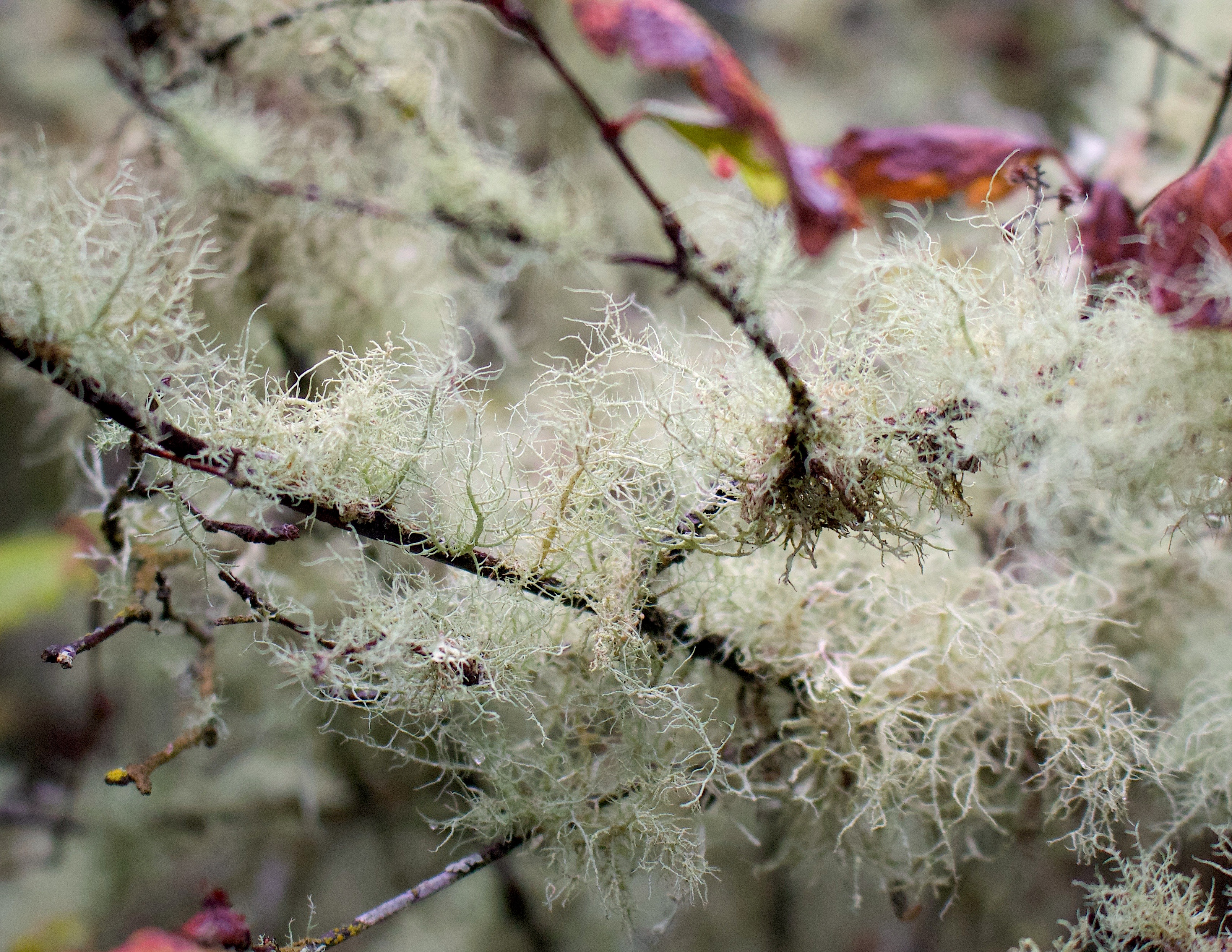
fidalgolichen3
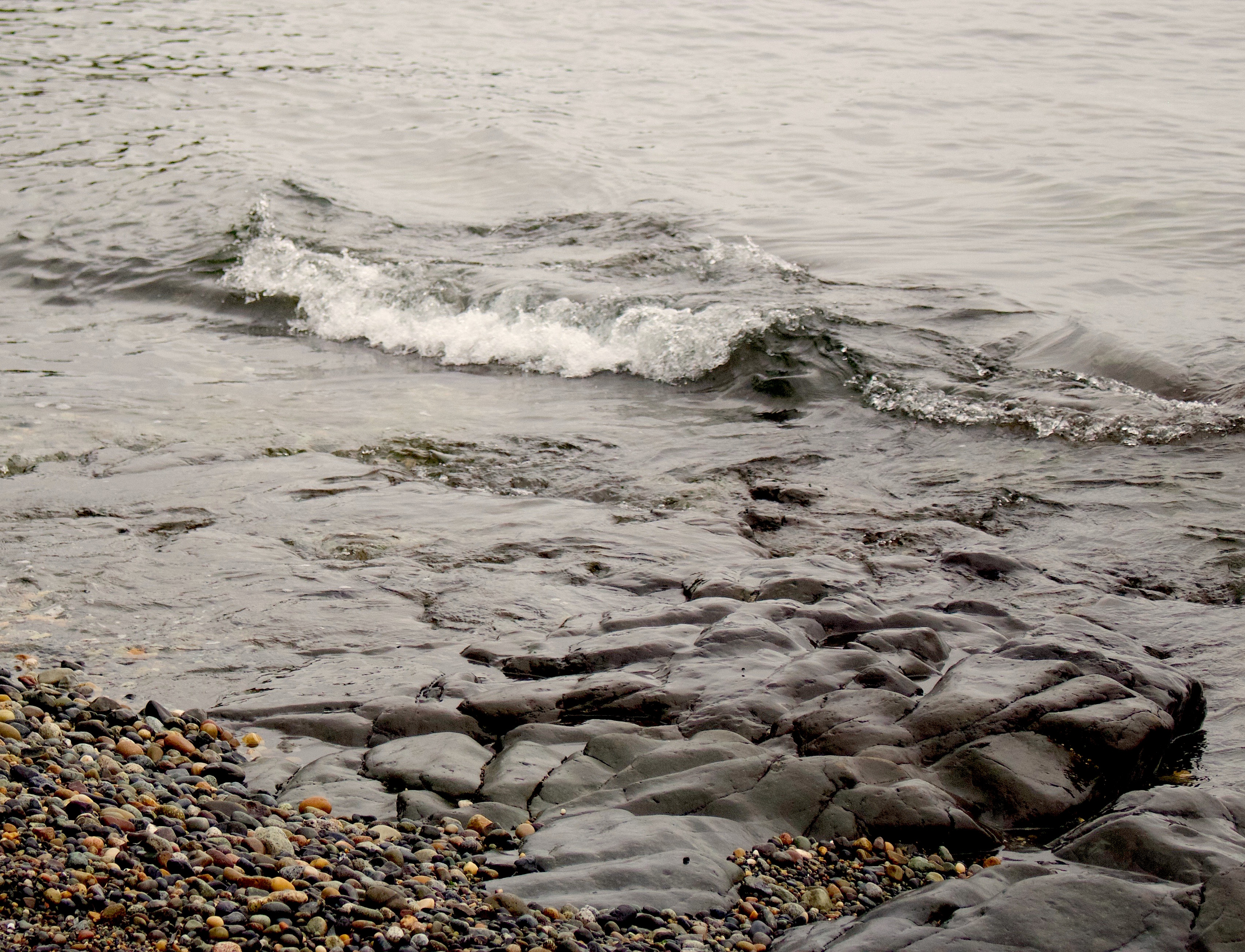
fidalgobeach
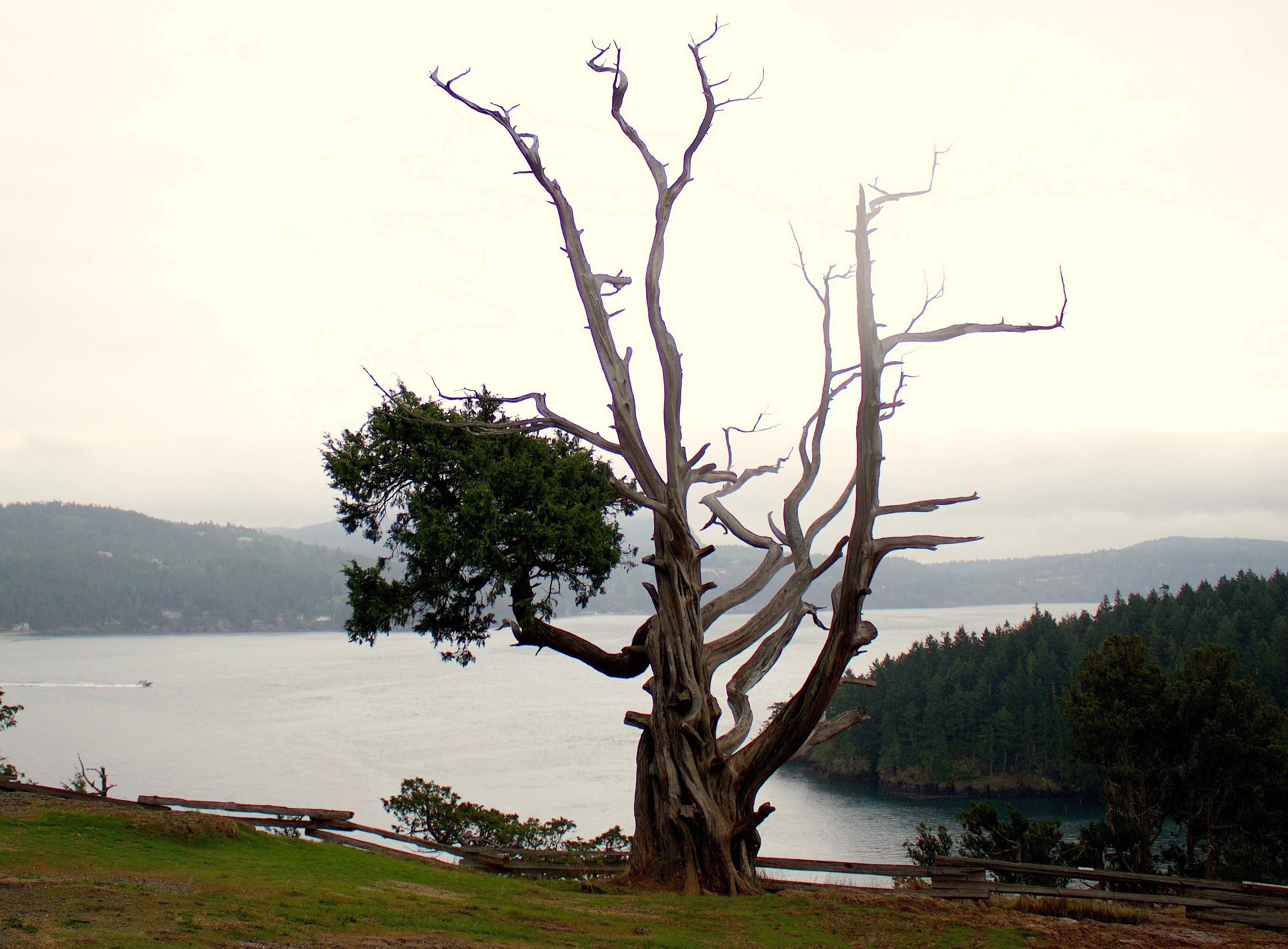
fidalgotree

The Tenderness of Mortals


wedding001

wedding003

How joyful to be together, alone

as when we first were joined
in our little house by the river
long ago, except that now we know

each other, as we did not then;
and now instead of two stories fumbling
to meet, we belong to one story
that the two, joining, made. And now

we touch each other with the tenderness
of mortals, who know themselves:
how joyful to feel the heart quake

at the sight of a grandmother,
old friend in the morning light,
beautiful in her blue robe!
~Wendell Berry “The Blue Robe”


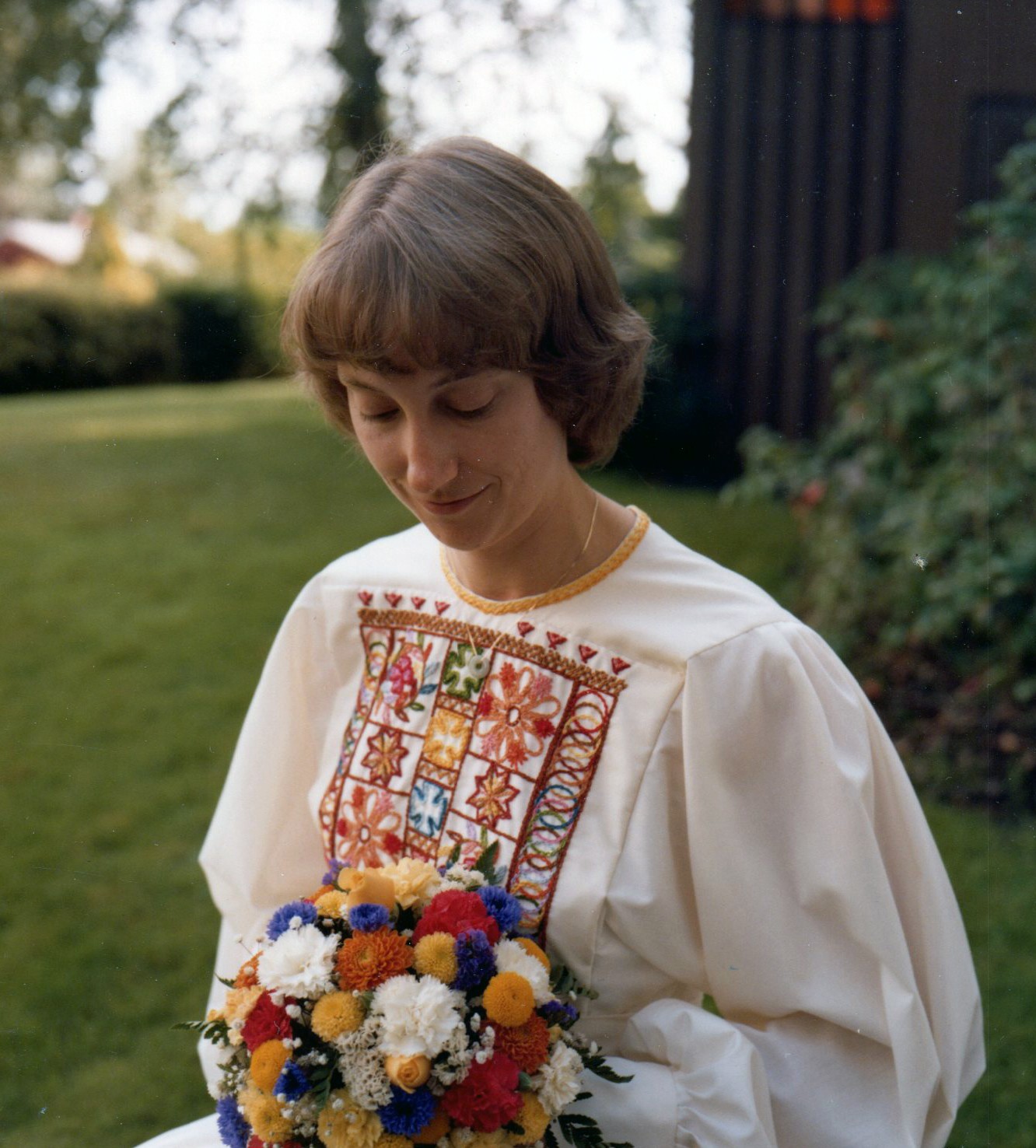
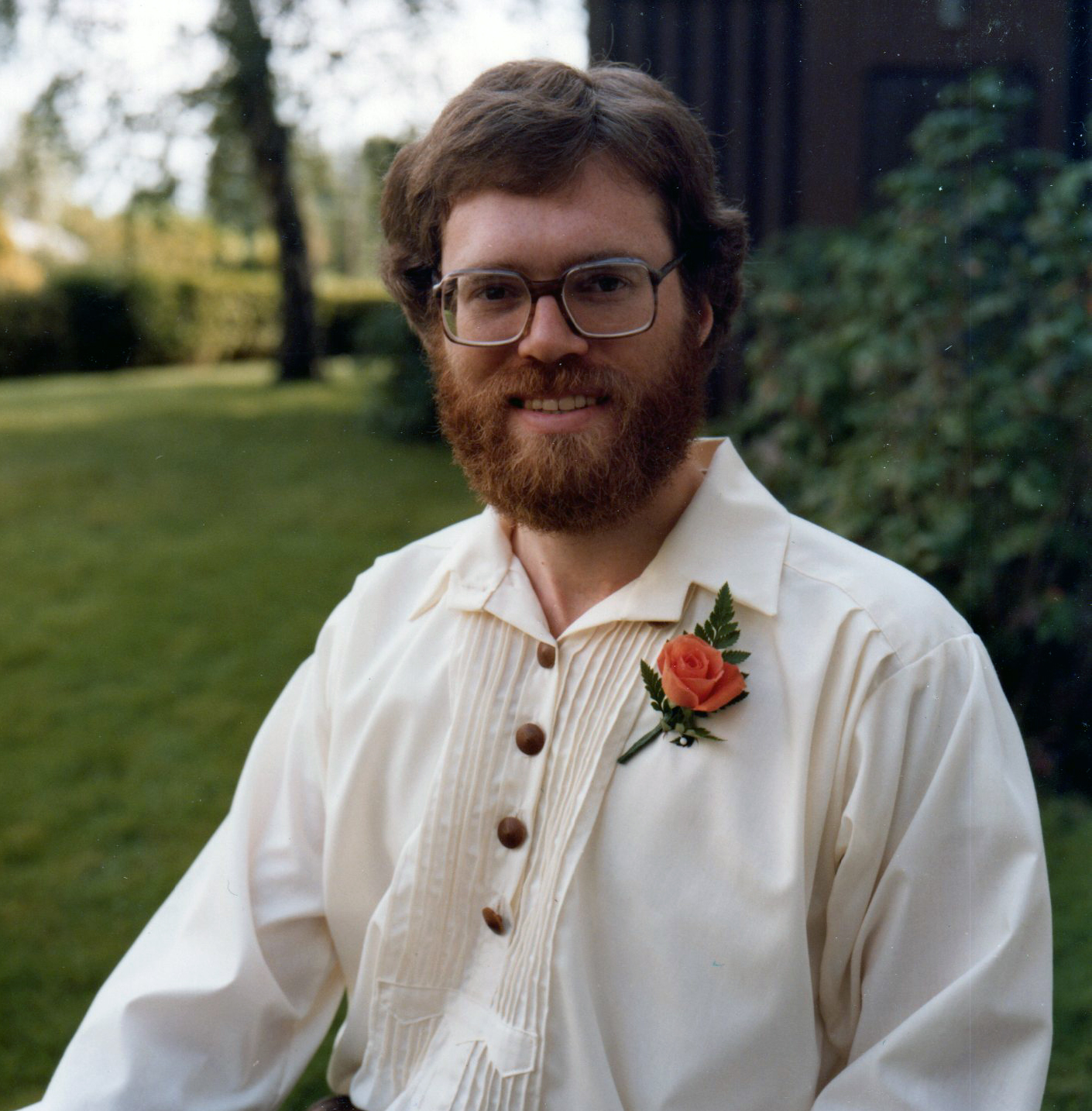
Not grandparents (yet) but after 34 years together, we are gray enough and have earned enough wrinkles and sags to know well each other and the familiar landscape we occupy together.

So good to know our hearts still quake with the tenderness of mortals growing old together!

wedding002


image


A Final Flood of Colors

photo by Harry Rodenberger


photo by Harry Rodenberger


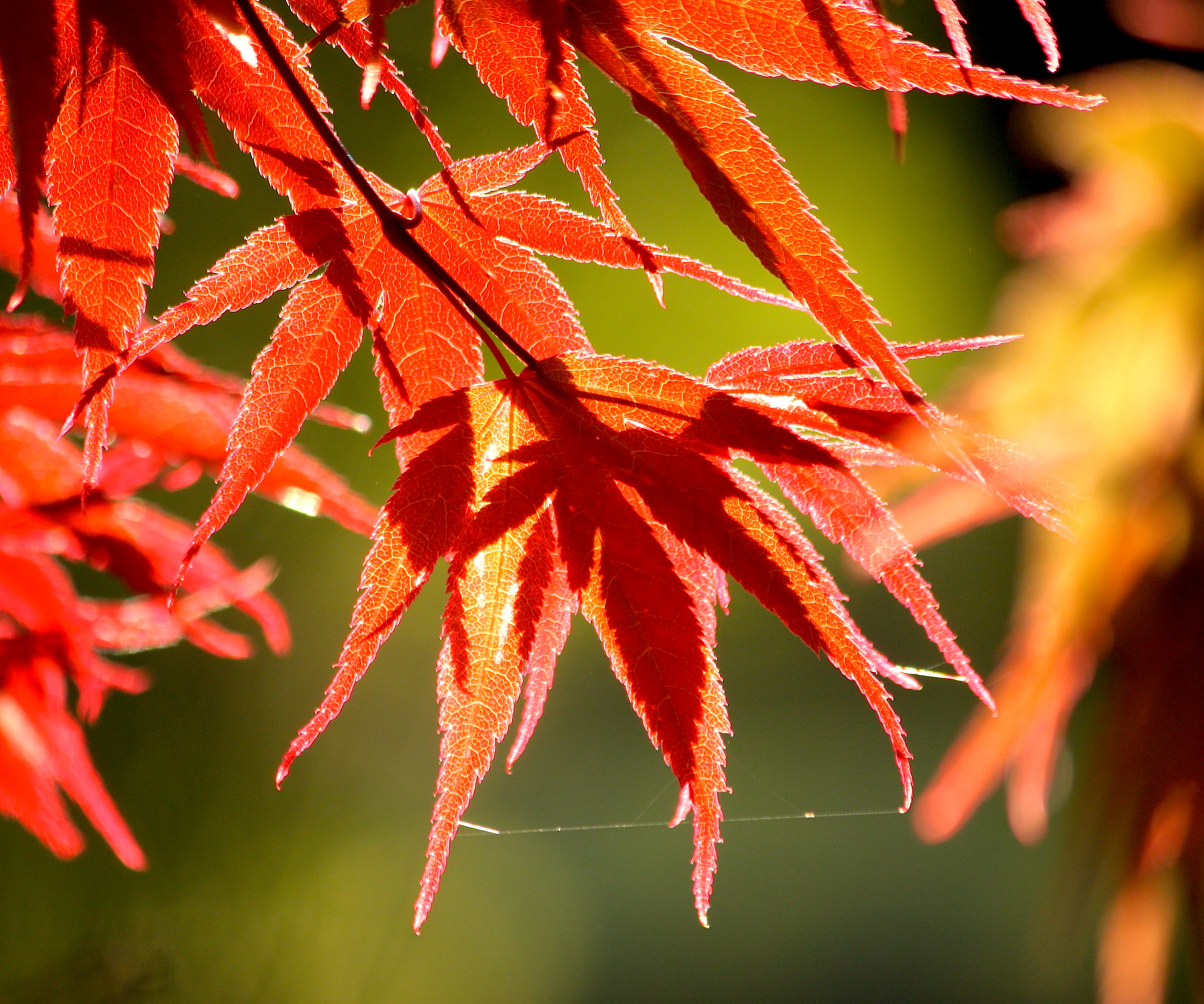
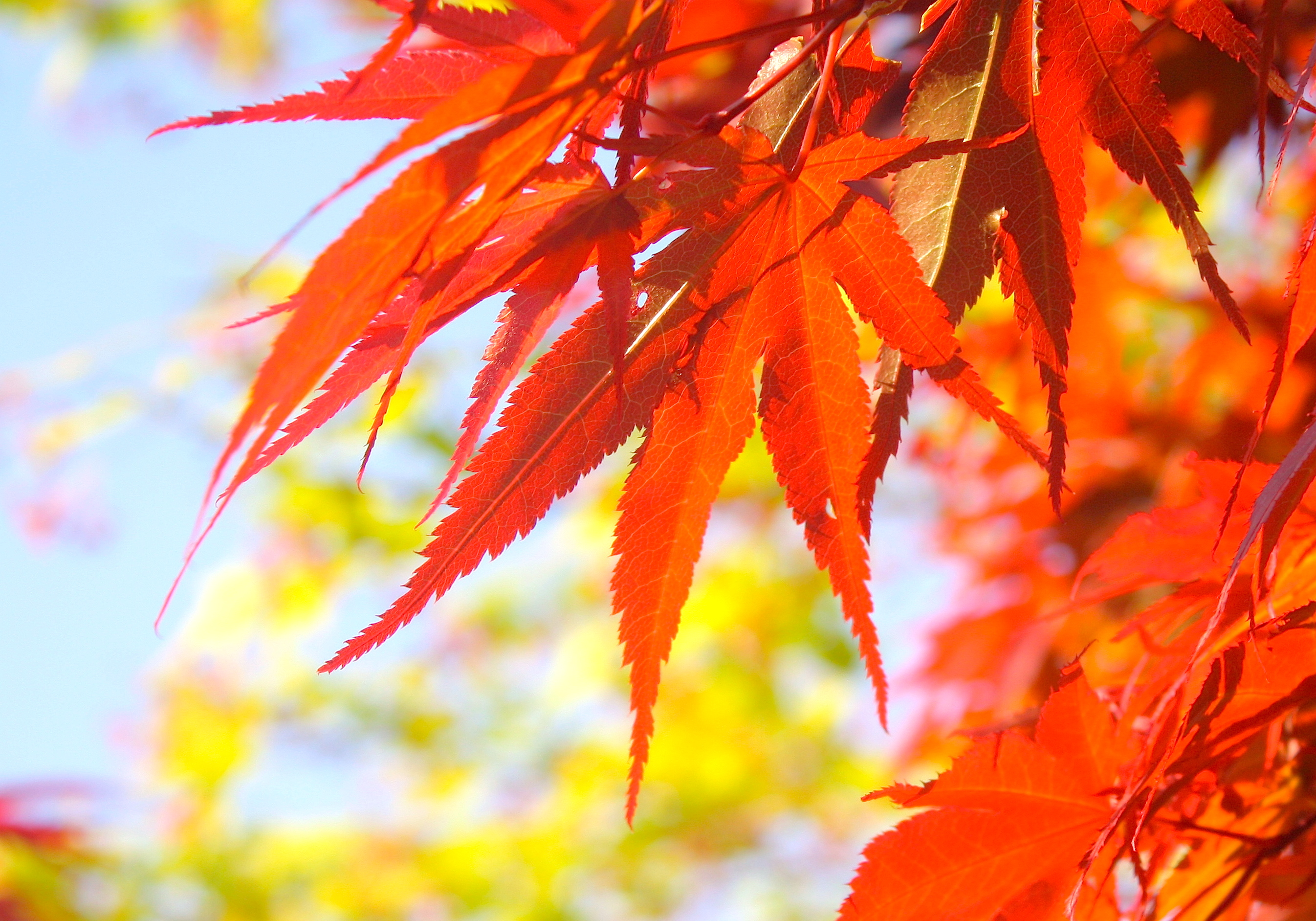
My daughter’s choice, the maple tree is new.
Come autumn and its leaves will turn to flame.
What I must do
Is live to see that. That will end the game
For me, though life continues all the same:

Filling the double doors to bathe my eyes,
A final flood of colors will live on
As my mind dies,
Burned by my vision of a world that shone
So brightly at the last, and then was gone.
~Clive James from “Japanese Maple”


vinemaple

vinemapleCM

Blooming into Flame

cherryresin10

cherryresin2

cherryresin5

All the love you will ever feel
you have always carried within you

The pellet you think love is
blooms into stone,
into flame, into glass
~Hannah Stephenson from “Sap Season”

cherryresin14

cherryresin4

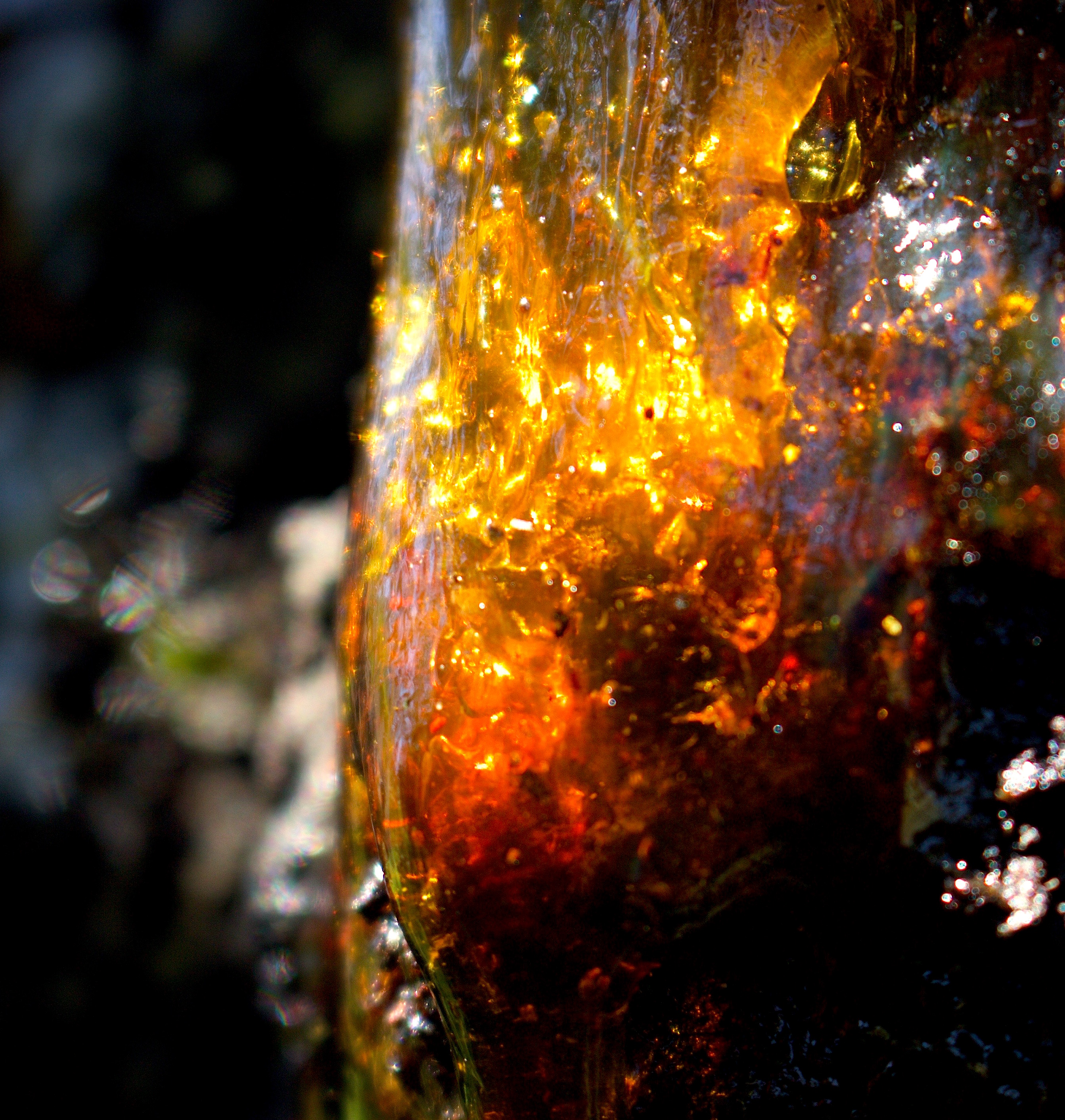
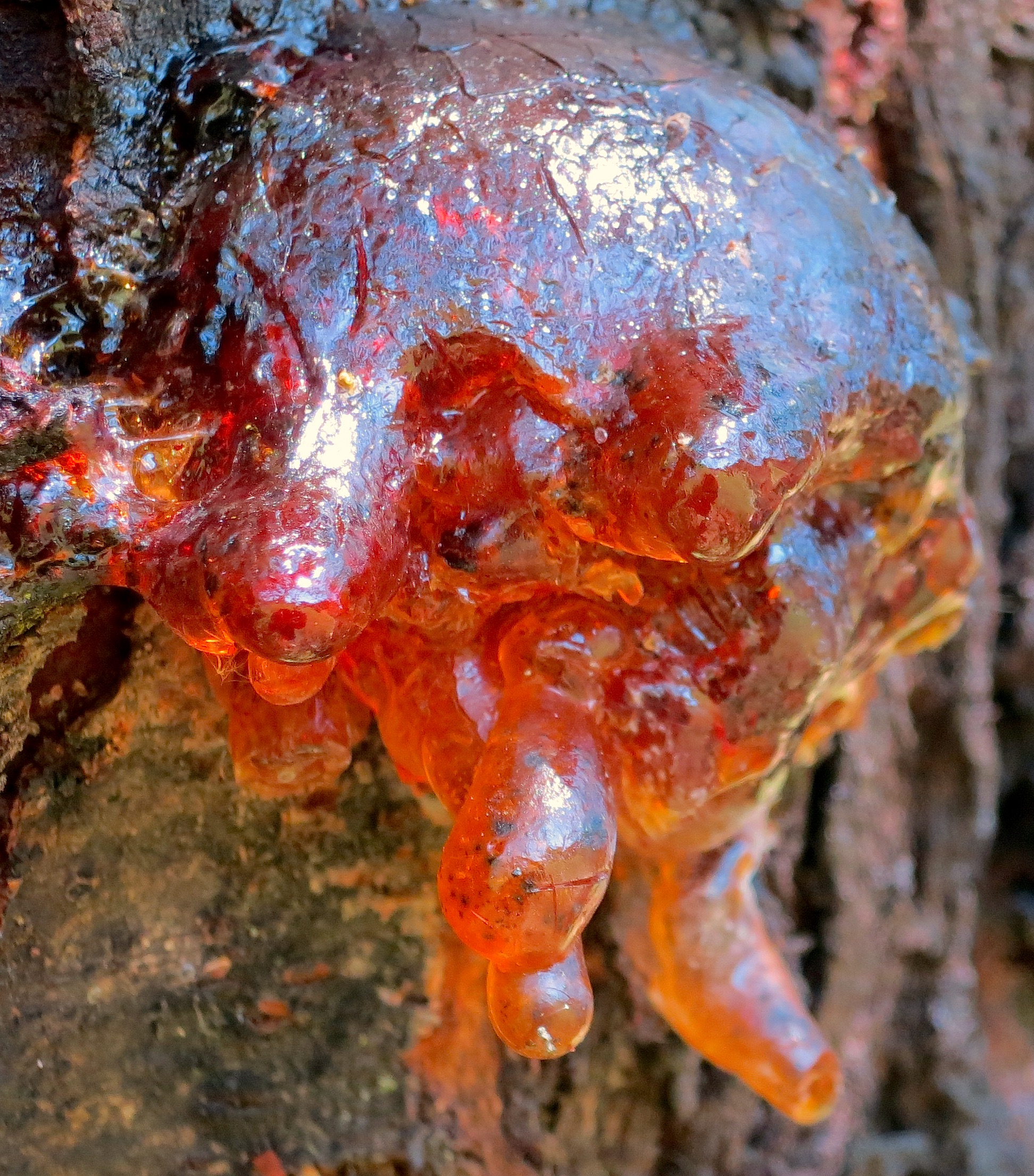
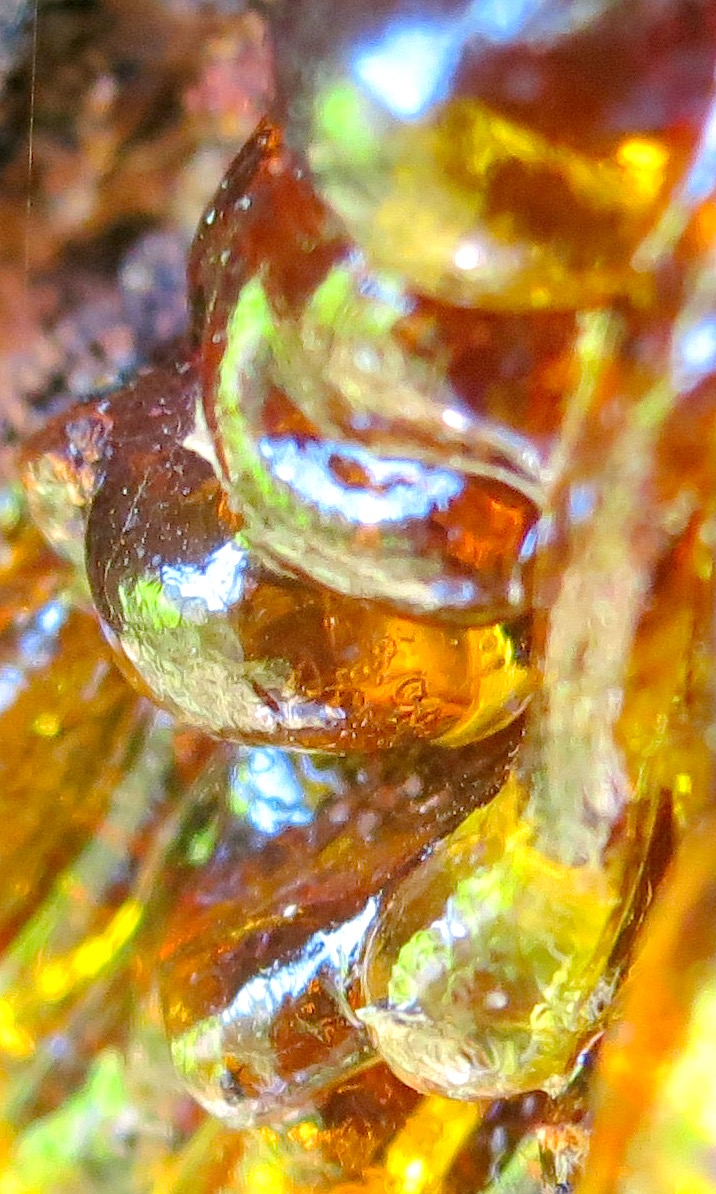
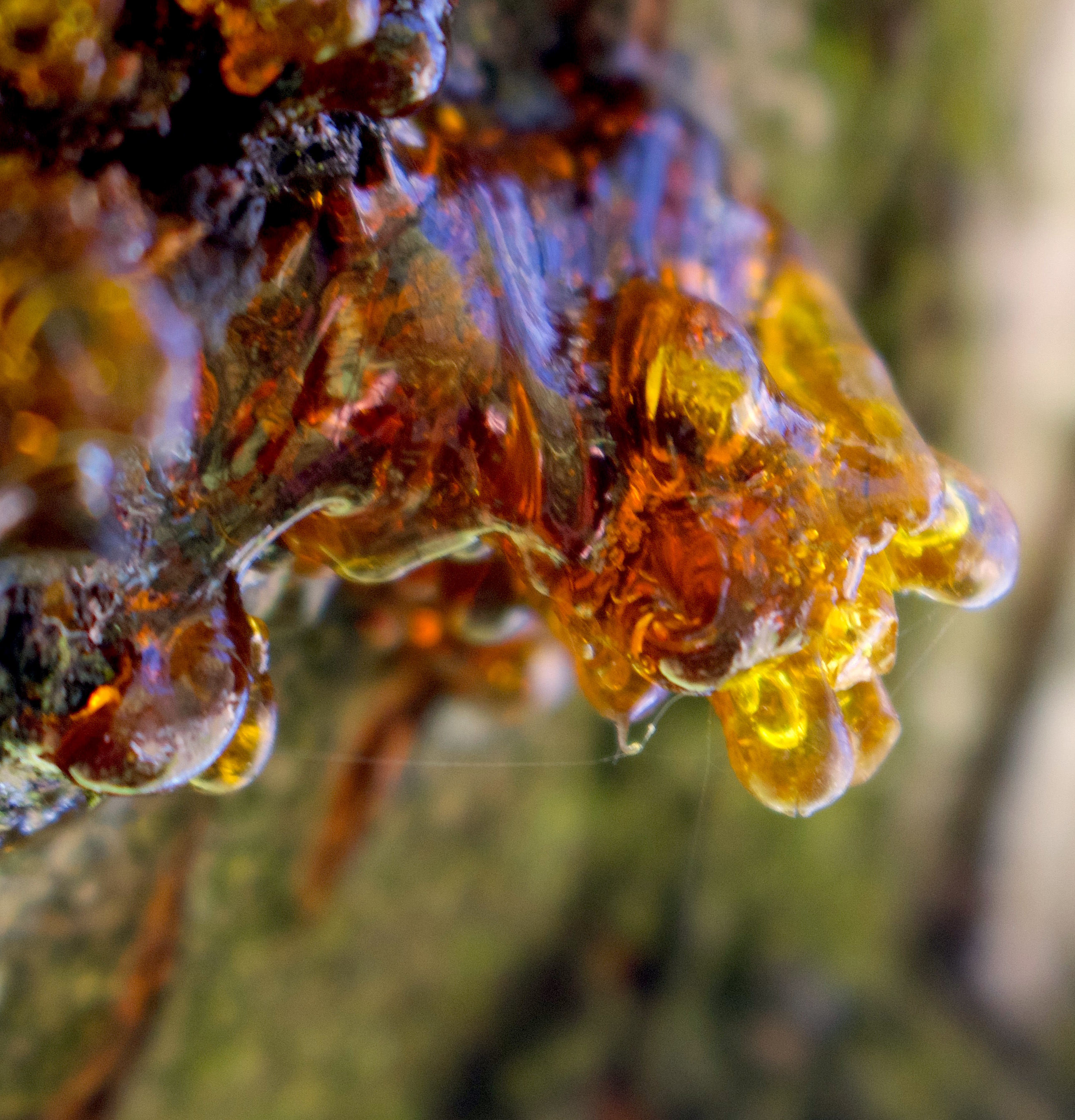
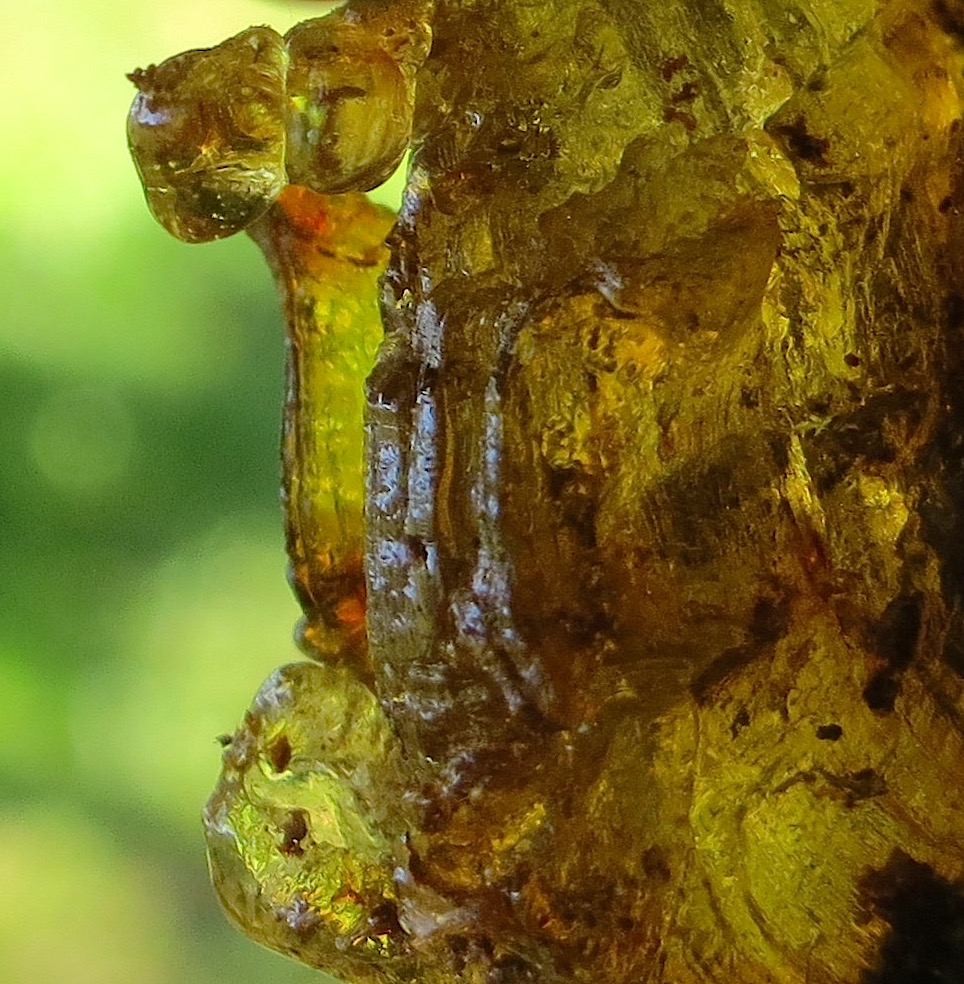
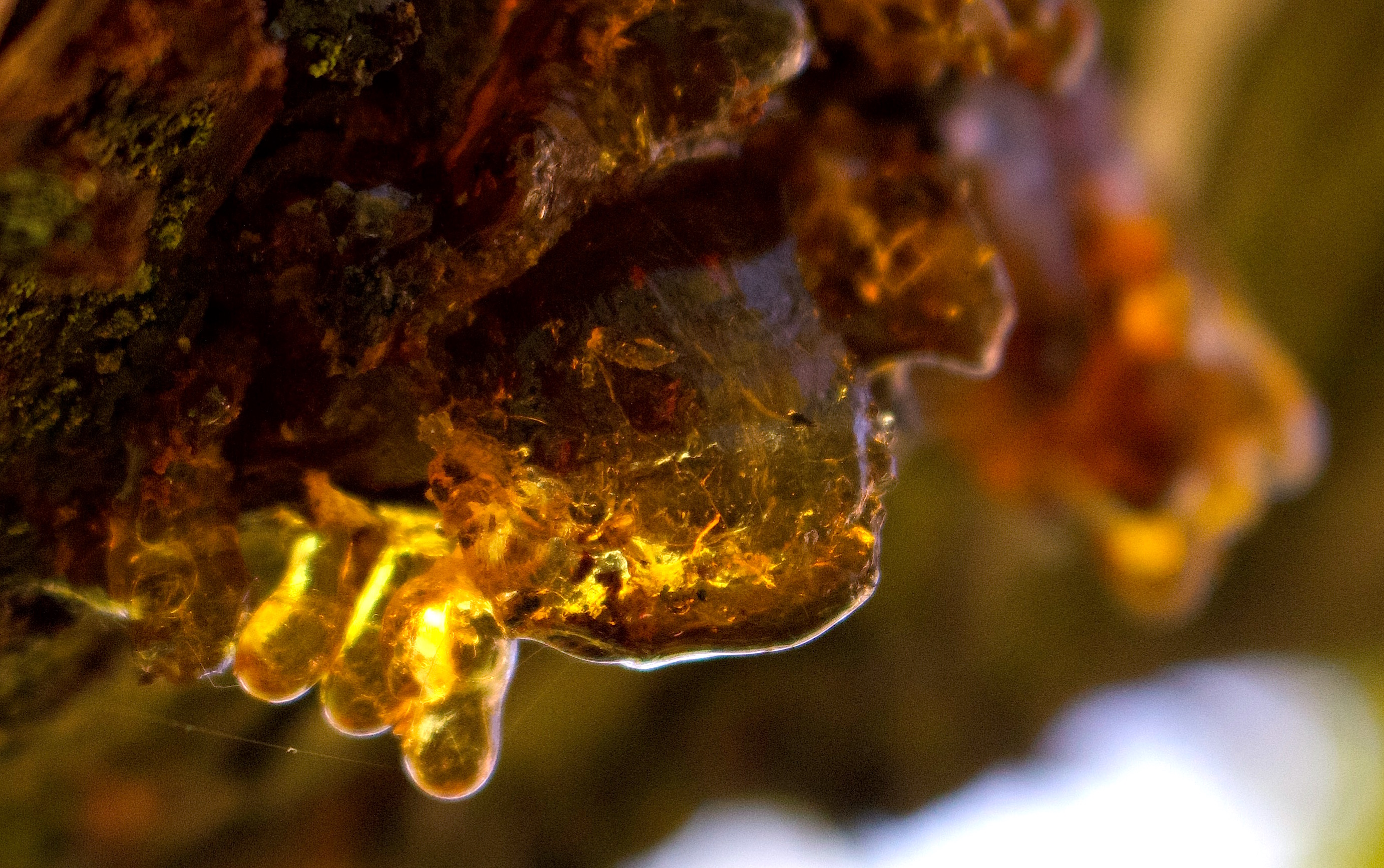
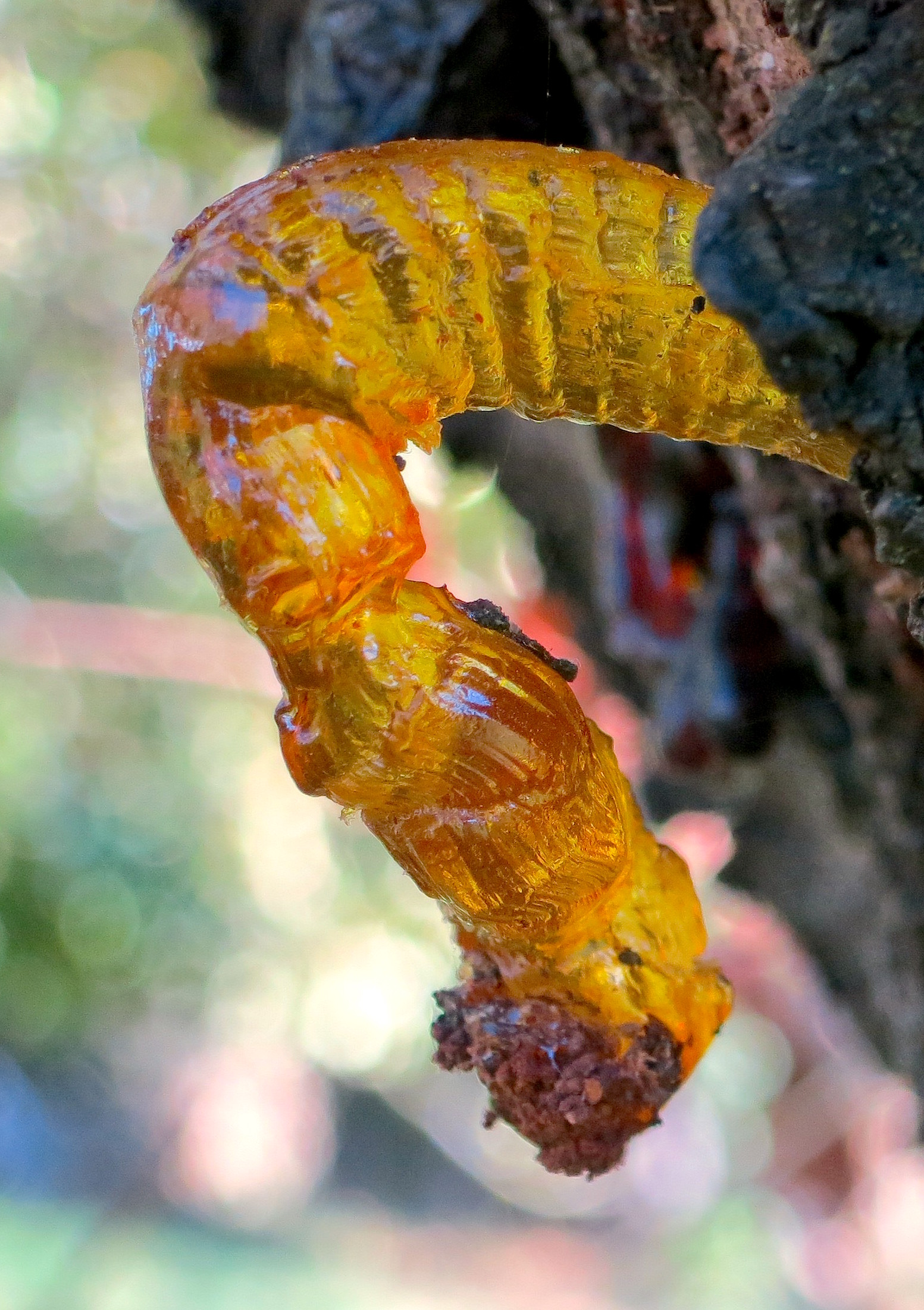
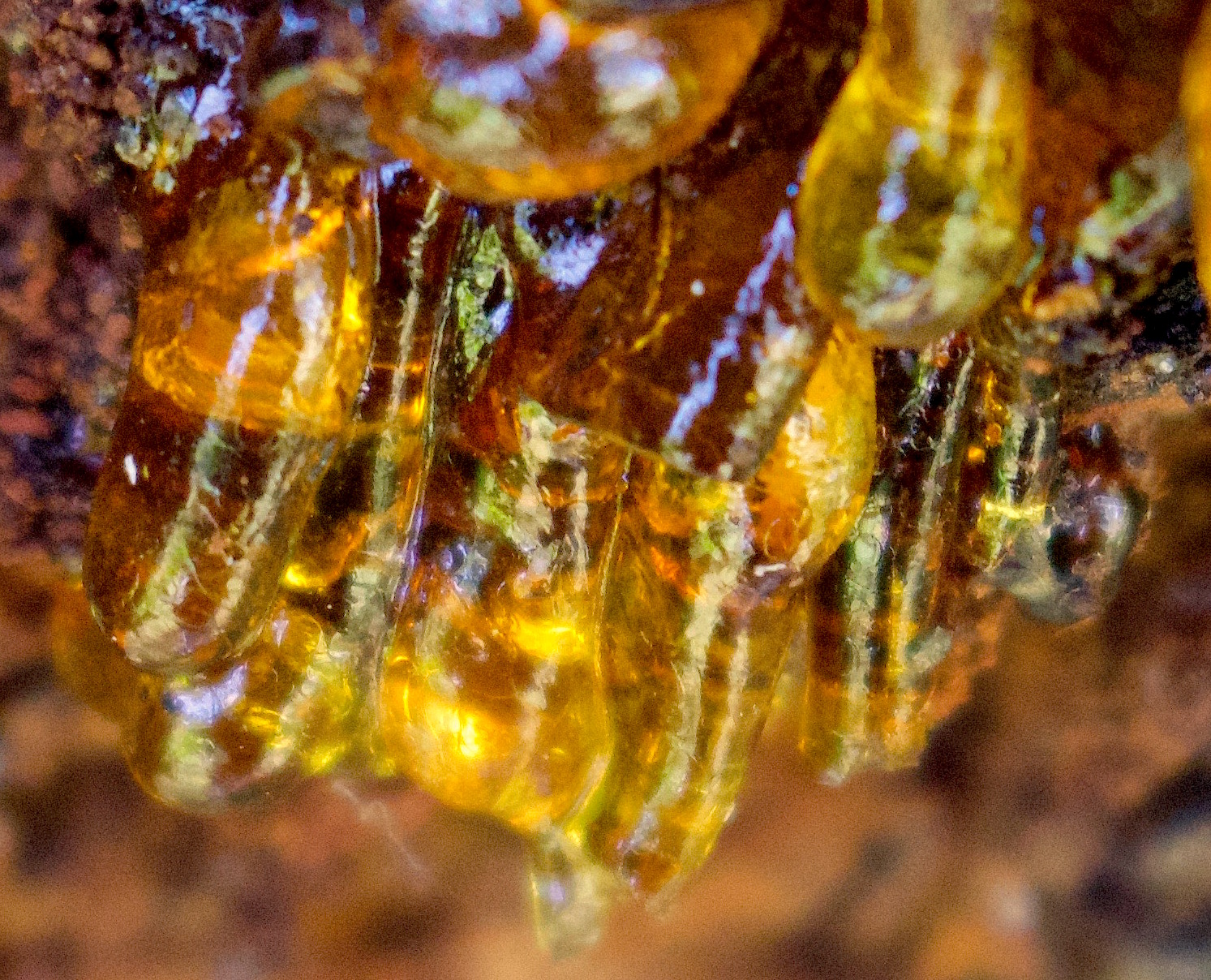
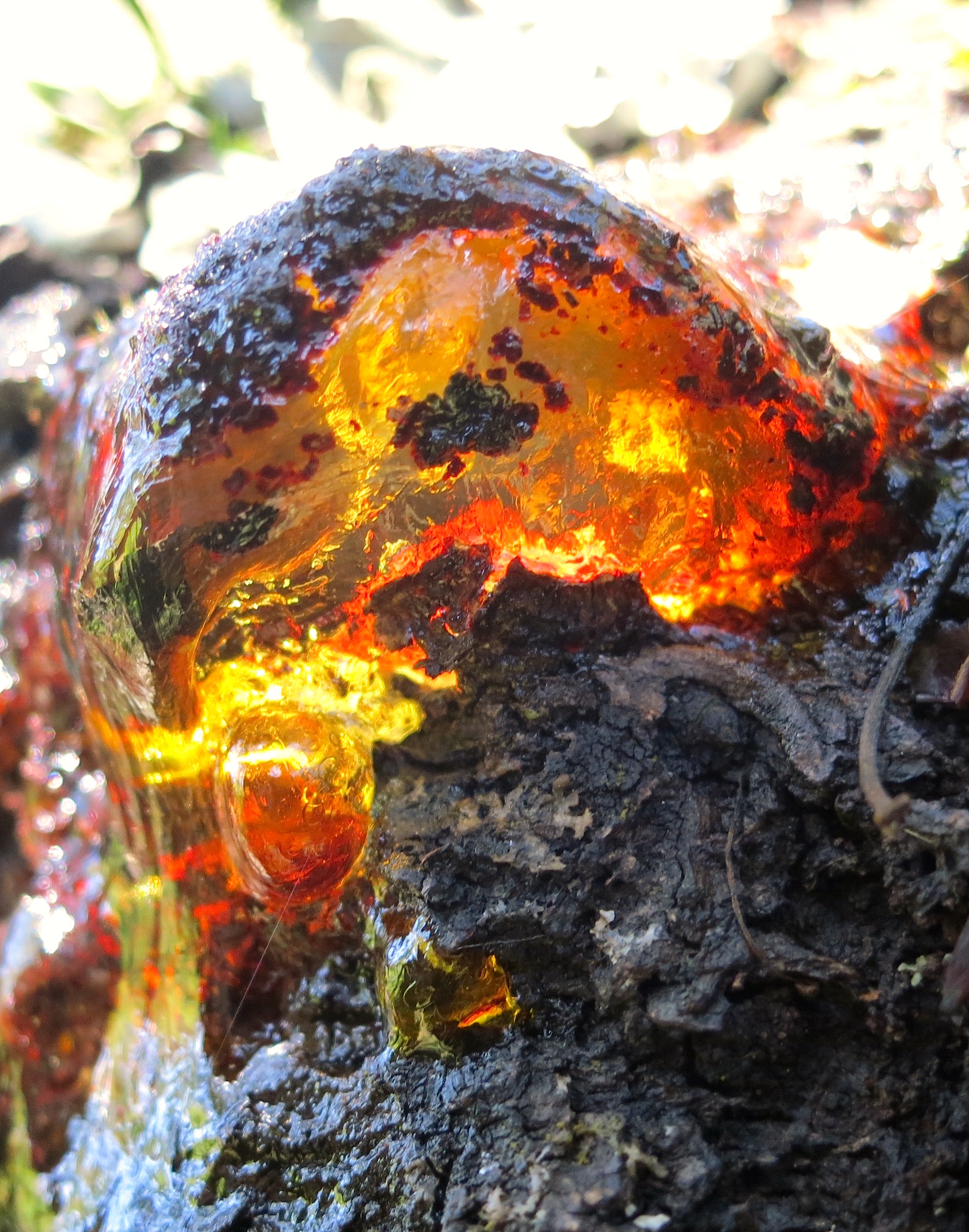
The last remaining cherry tree on this farm, a Royal Anne, has stood between house and barn for over ninety years, bearing well some years, and other years yielding only a hand full of fruit.  This spring was a bumper crop but followed by a hot dry summer, the old tree looks stressed, its branch joints oozing resin in response.  These amber-like secretions are hard and glass-like but change subtly day by day.

It is this tree’s troubles made manifest.  Its sap blood bursts with crystalline flame, blooming with a hidden love from its buried roots. Such love has always been there, deep inside, but in its thirsty anguish, the tree weeps to reflect the sun.

cherryresin23

cherryresin7

cherryresin13

cherryresin8

At Home

hidingout

clover911


There are no creatures you cannot love.
A frog calling at God
From the moon-filled ditch
As you stand on the country road in the June night.
The sound is enough to make the stars weep
With happiness.
In the morning the landscape green
Is lifted off the ground by the scent of grass.
The day is carried across its hours
Without any effort by the shining insects
That are living their secret lives.
The space between the prairie horizons
Makes us ache with its beauty.
Cottonwood leaves click in an ancient tongue
To the farthest cold dark in the universe.
The cottonwood also talks to you
Of breeze and speckled sunlight.
You are at home in these
great empty places
along with red-wing blackbirds and sloughs.
You are comfortable in this spot
so full of grace and being
that it sparkles like jewels
spilled on water.
~Tom Hennen “A Country Overlooked”


cottonwood3

This cottonwood of five senses stands alone and grace-filled in our lower field, slowly blowing its leaves. It will strip bare in preparation for winter, its skeleton stark in the morning light.  The old farmer called this tree his “Balm of Gilead” for its healing qualities, his fingertips rubbing its honey-like sap that weeps from its branches, a scent of sweetness clinging like an aura to him. Now its branches snap in the wind and its leaves twirl down brittle-yellow and crunchy under my boot.  It heals me from a distance, and up close.  It calls me home.  Like a balm, I can nearly taste its honey.

sunrise913151

photo by Josh Scholten

Let Them Be

Another post that decided to not post correctly today. My apologies for the duplication

Barnstorming

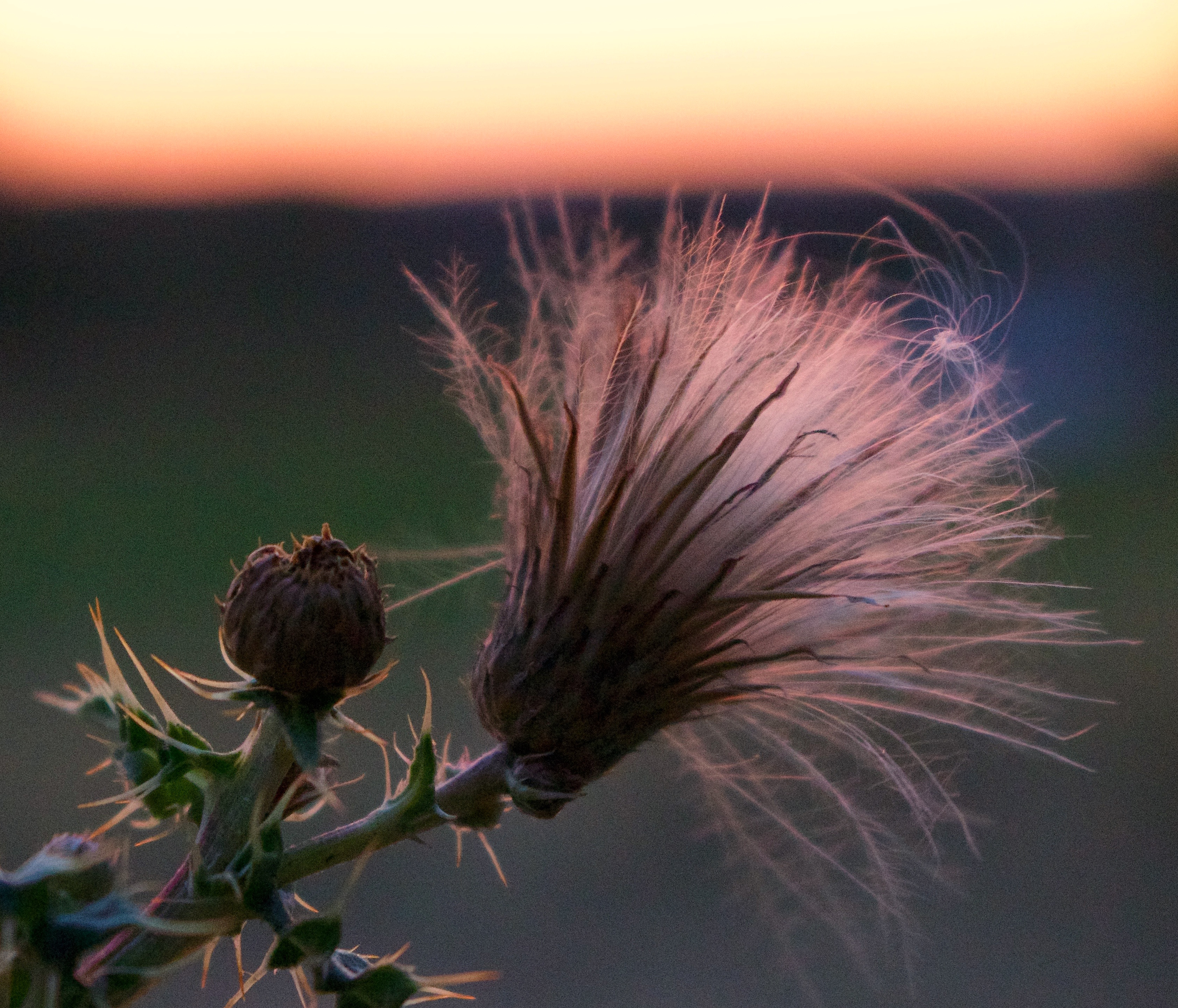
thistle8215

sunsetgrassplume

qalace7191511

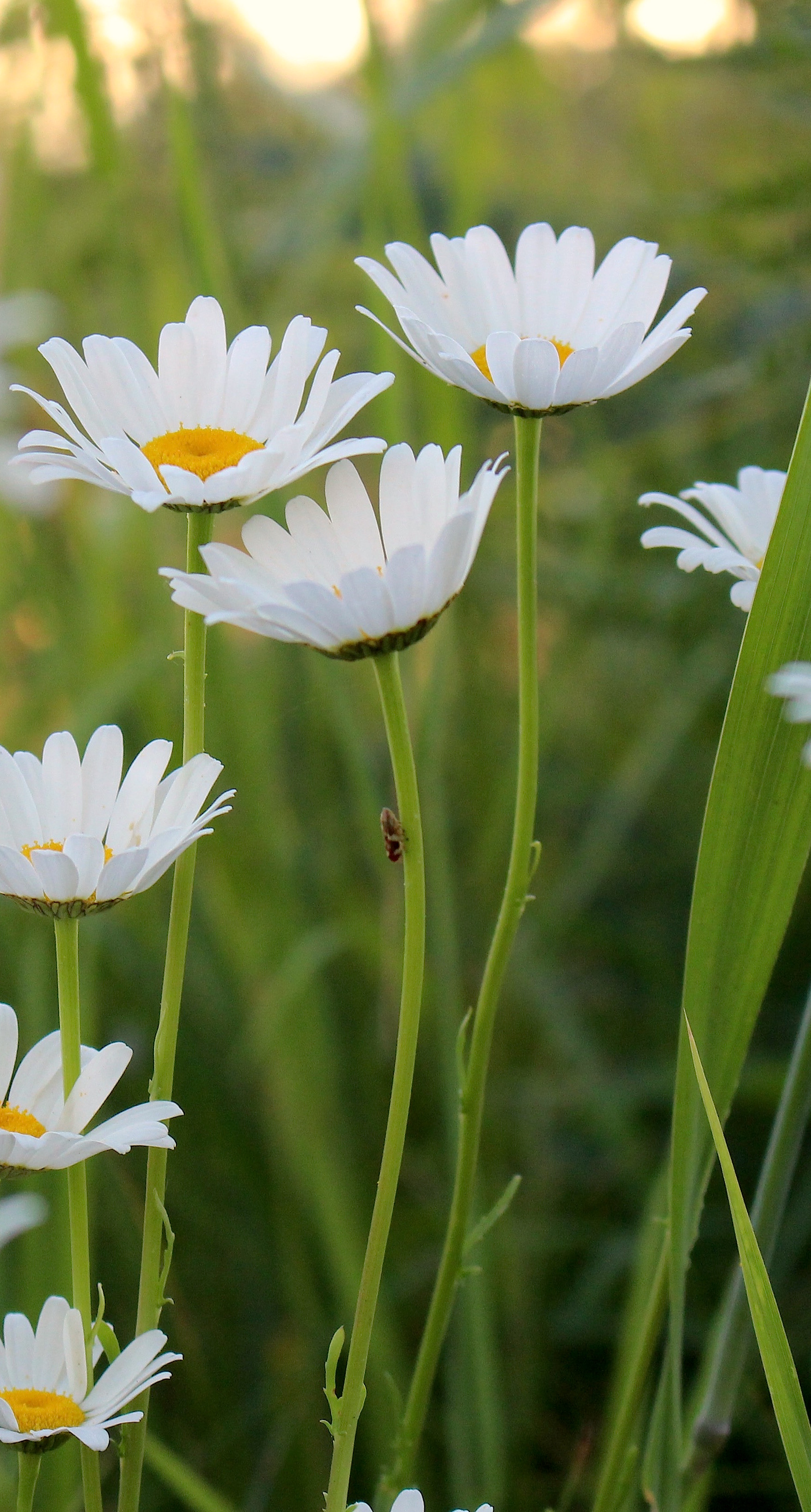
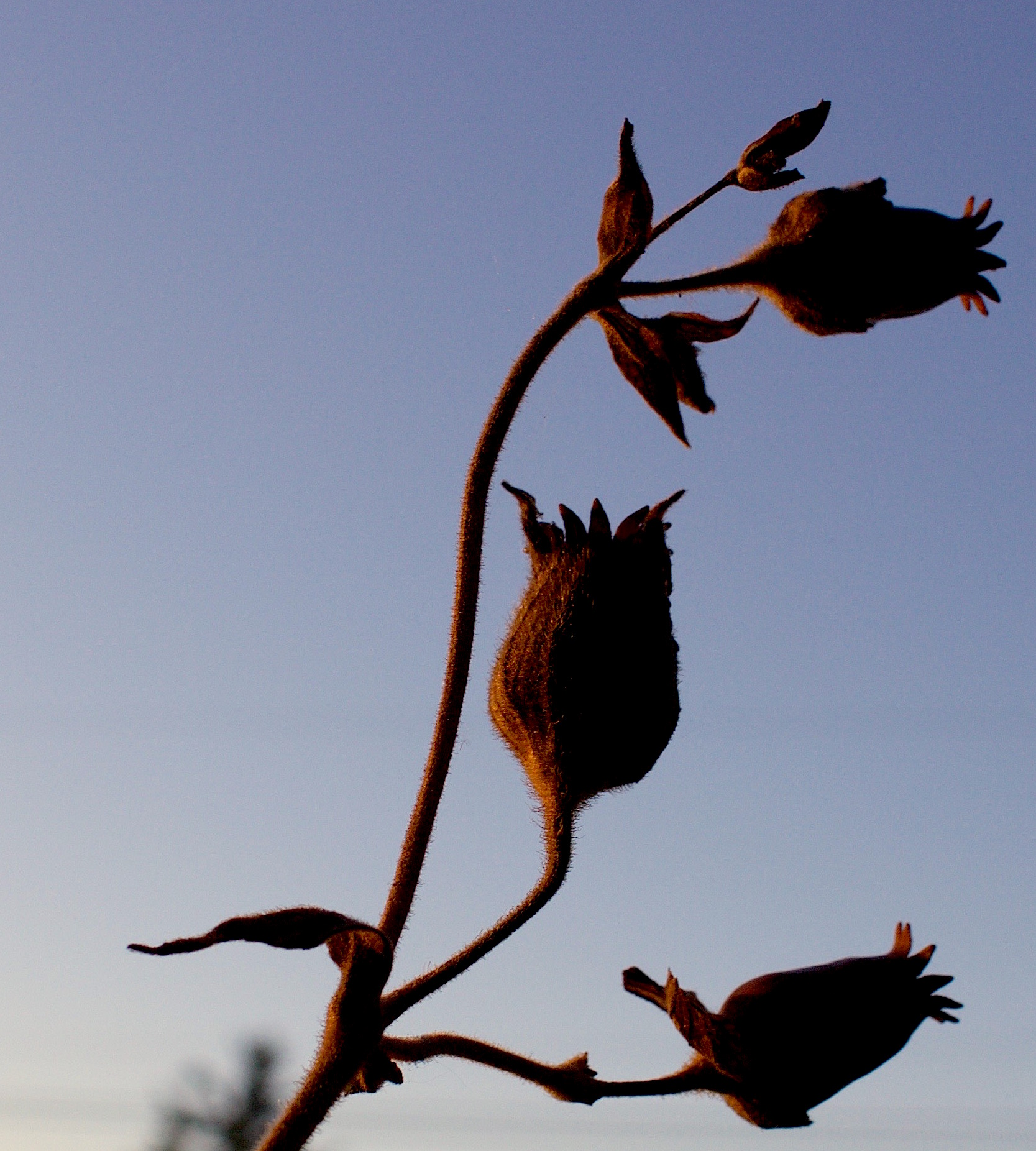
Weeds are flowers too, once you get to know them…
~A.A.Milne from Winnie the Pooh (Eeyore)

daisy6152

qalace719159

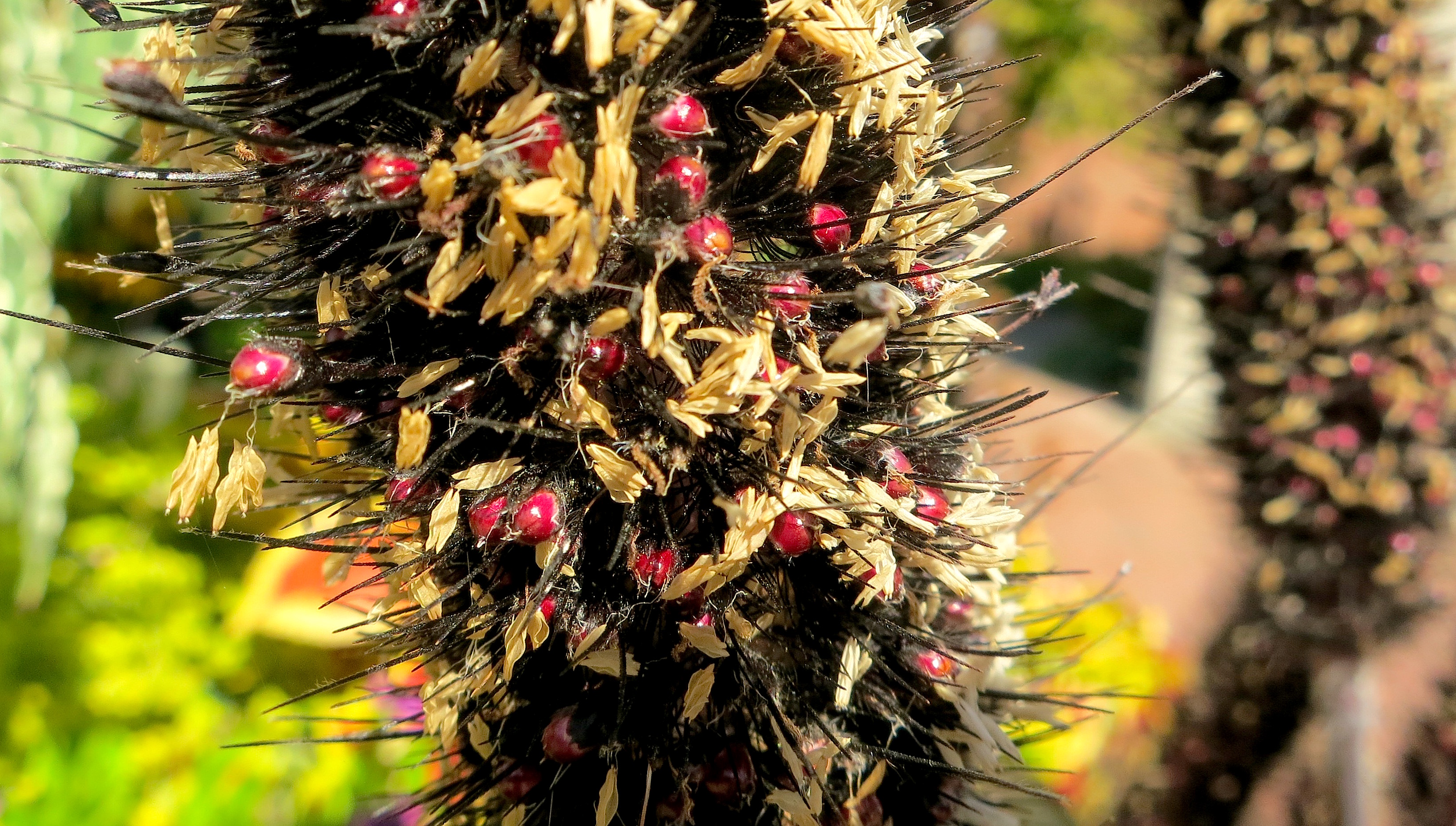
pods3

bushjuly

What would the world be, once bereft
Of wet and of wildness? Let them be left,
O Let them be left, wildness and wet:
Long live the weeds and the wilderness yet.
~Gerard Manley Hopkins,  Inversnaid 

pods2

wwugrassornament

thistle71615

A weed is a plant whose virtues have not yet been discovered.
~Ralph Waldo Emerson, Fortune of the Republic   

tule716151

burdock1

I’ve always identified with weeds more than cultivated blooms.  I tend to be fluffy, spread out where I’m not necessarily wanted or needed, and seem to be resilient through drought or flood.  Their persistence helps me let them be.  EPG

thistledown2

august1511

View original post

Let Fall Your Shadows

sunrise913152

sunrise91315

geese913


Lord: it is time. The summer was immense.
Let fall your shadows on the sundials,
upon the fields let loose your winds.

Command the last fruits to be full;
give them just two more southern days,
Press them to completion, and chase the last
sweetness into the heavy wine.

Who has no house now – he will never build.
Whoever is alone now, long will so remain;
will stay awake, and read, and write long letters
and wander the alleys up and down,
restless, as the leaves are drifting.
~Rainer Maria Rilke “Autumn Day”


This sadness that fall brings
is less about the ending of a long hot dry summer
and more about deepening shadows,
the fullness of harvest,
the drifting and dying to self.

I am misty in memories
of children dressed for school
eating around a full kitchen table,
of chores done hurriedly on frosty mornings,
of afternoons darkening too early
from drizzly clouds,
of nights under heavy comforters.

Lord, it is time.  Too soon, too soon.
Help ready me.


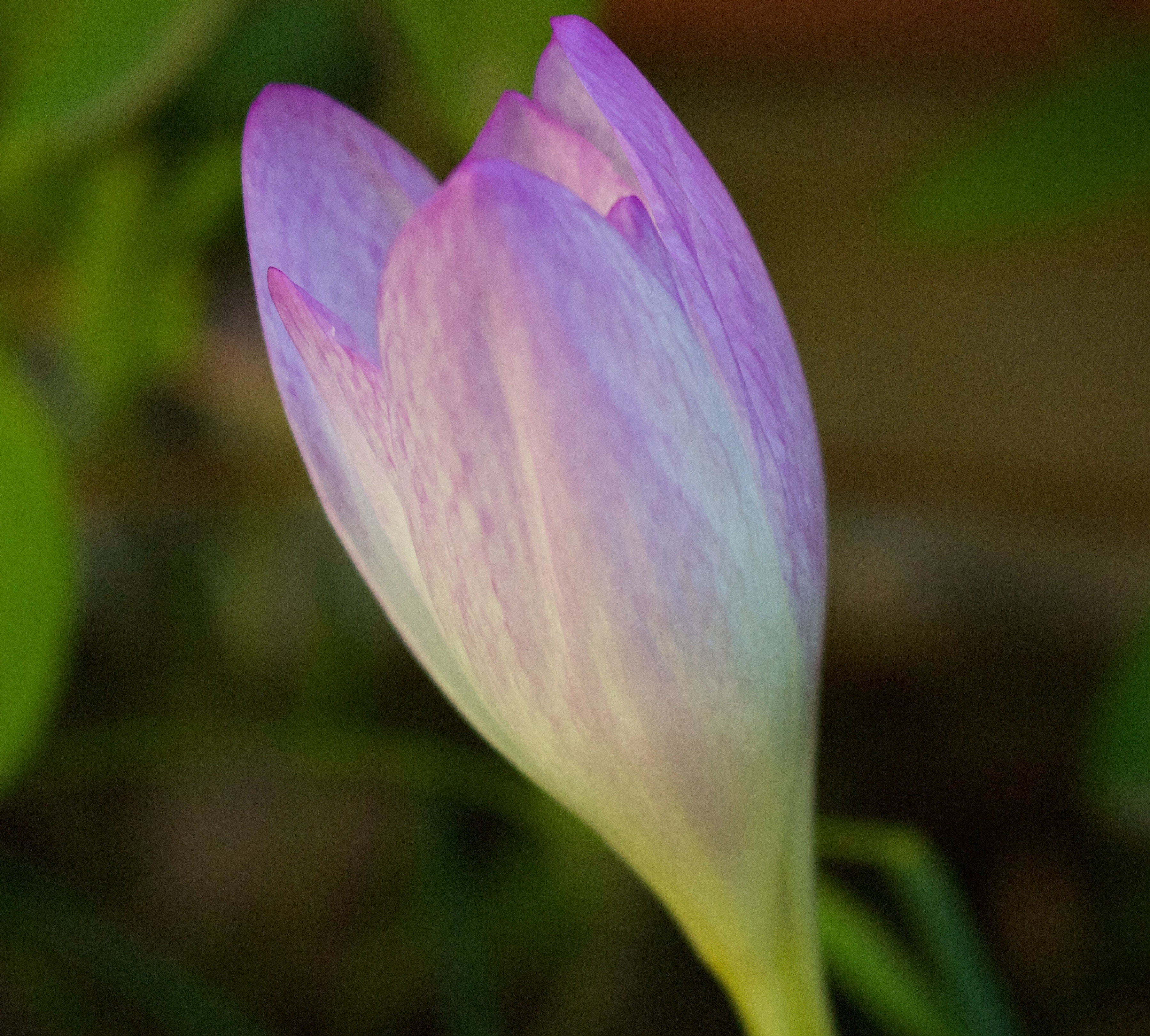
fallcrocus

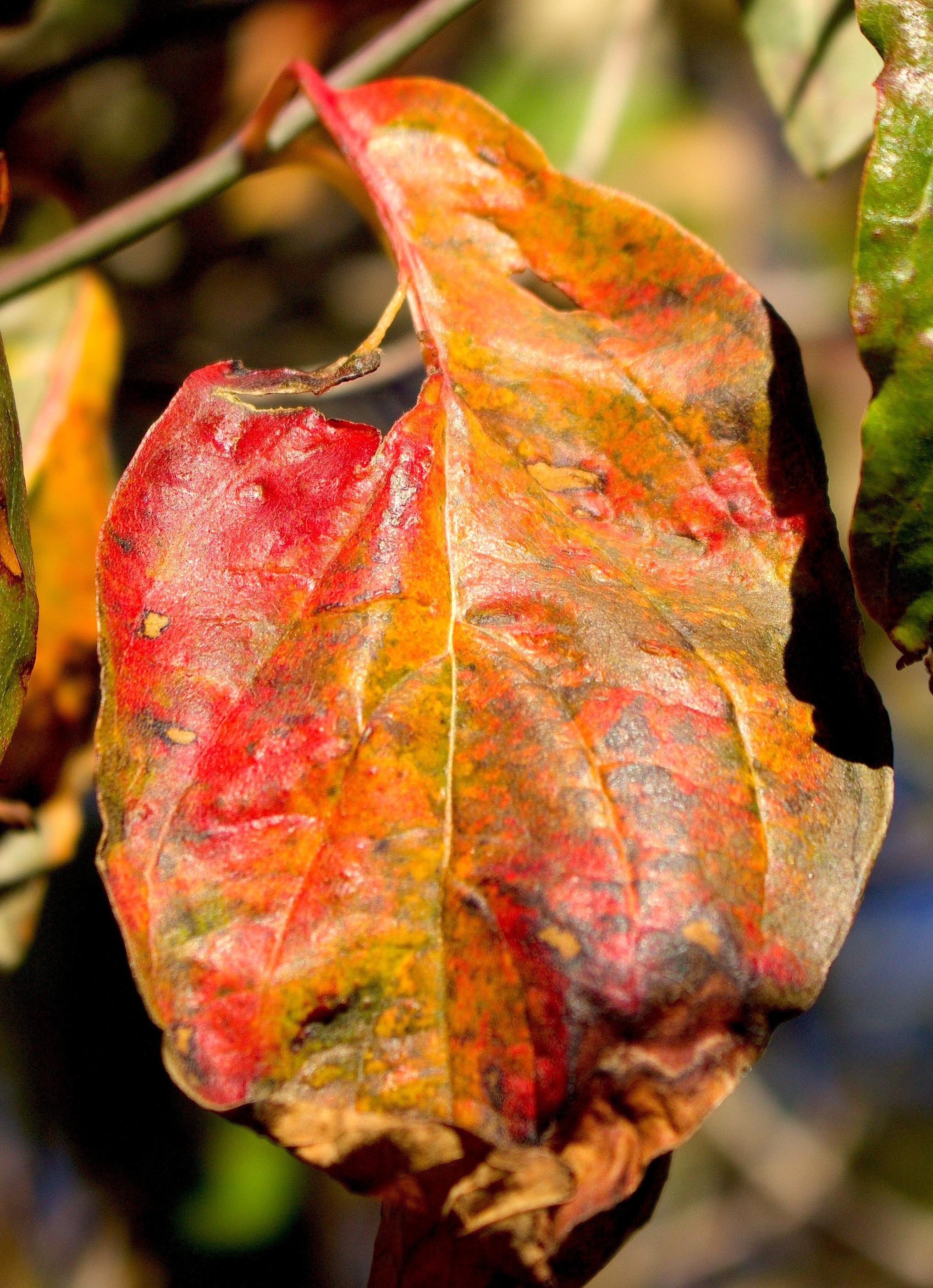
dogwoodfall

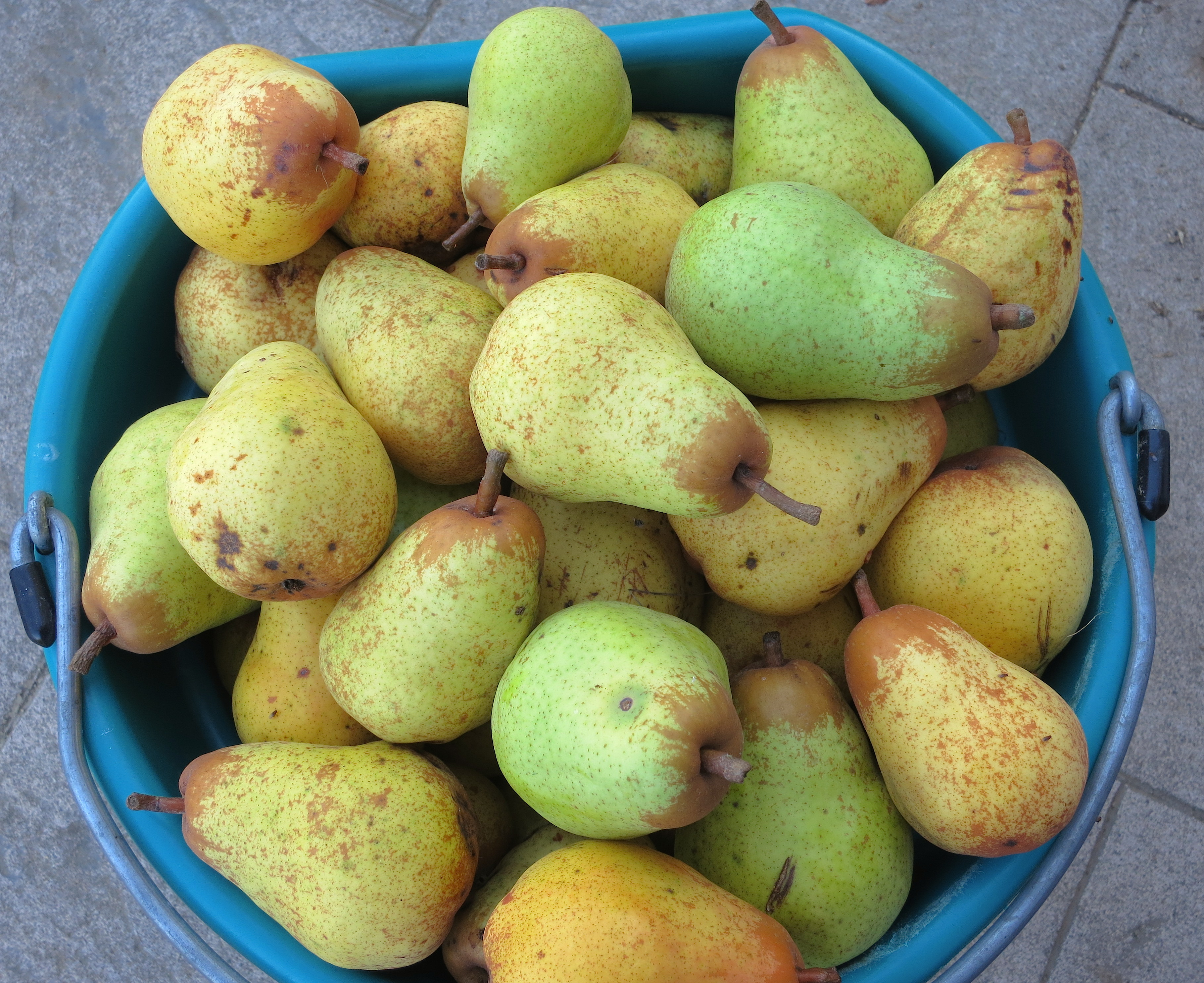
pears9614

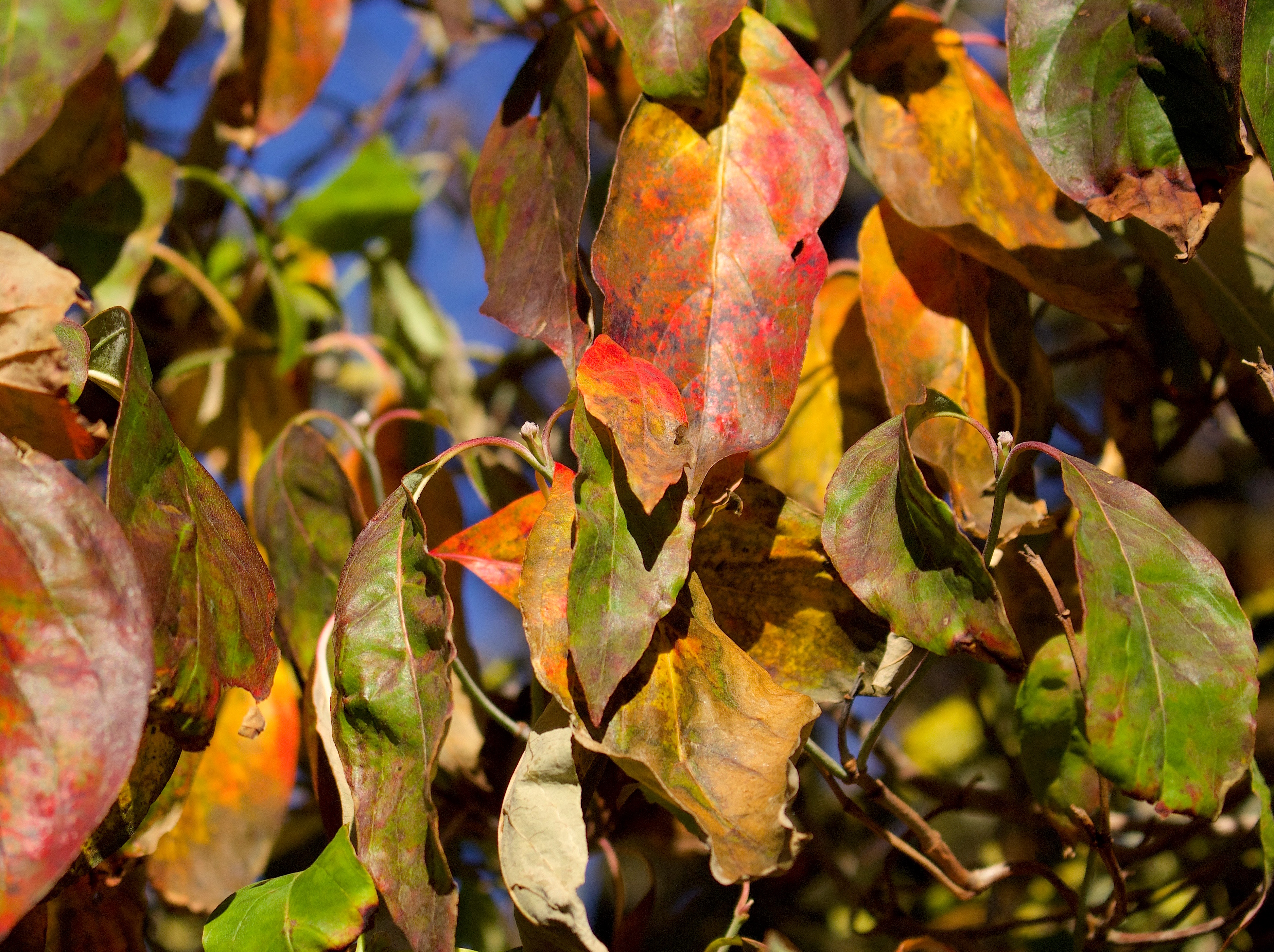
dogwood911

The Potter’s Clay

mashikopottery

Yet you, LORD, are our Father. We are the clay, you are the potter; we are all the work of your hand.
Isaiah 64:8

So I went down to the potter’s house, and I saw him working at the wheel. But the pot he was shaping from the clay was marred in his hands; so the potter formed it into another pot, shaping it as seemed best to him.
Jeremiah 18:3-4

The best pottery is never perfect, becoming an original handmade and unique piece, infused with the potter’s eye and energy, the pressure of fingers and palm, a design coming from the heart of the potter.

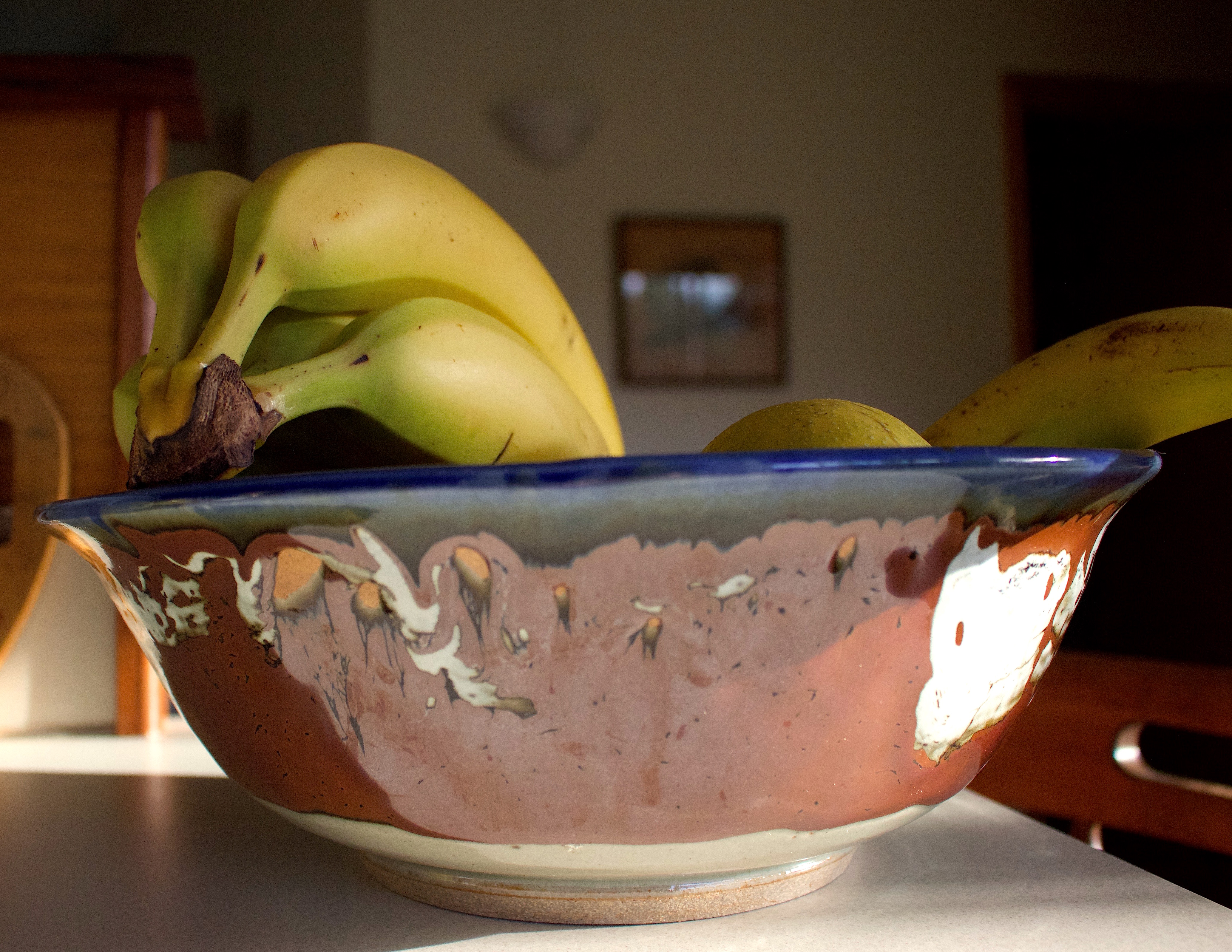
I had the joy this morning of virtually revisiting a special place in Japan that is a potter’s paradise, Mashiko village, thanks to a website by artist and art teacher Bette Vander Haak. The Vander Haaks took us there in 2012, and I was too overwhelmed by so many choices and pieces that I could not decide on a single one to bring home.  Thankfully, Brian and Bette have picked out pieces for us over the years, such as our fruit bowl, that are so much a part of our household, that I forget they came from the hands of an artist half-way around the world.

We are the clay formed and shaped to become something that has a purpose and plan,  and even with imperfections, we are something incredibly beautiful.  As the work of hands that make no mistake, we know there is good reason for our flaws.

https://www.youtube.com/watch?t=191&v=QLYivjLbWxg

https://www.youtube.com/watch?t=191&v=QLYivjLbWxg

horsehairvase
a handmade piece by Bette Vander Haak and daughter Emily Dieleman

Flung Weed Unto Weed

sunset1022151

thistledown824142

seedsloose

morninglight

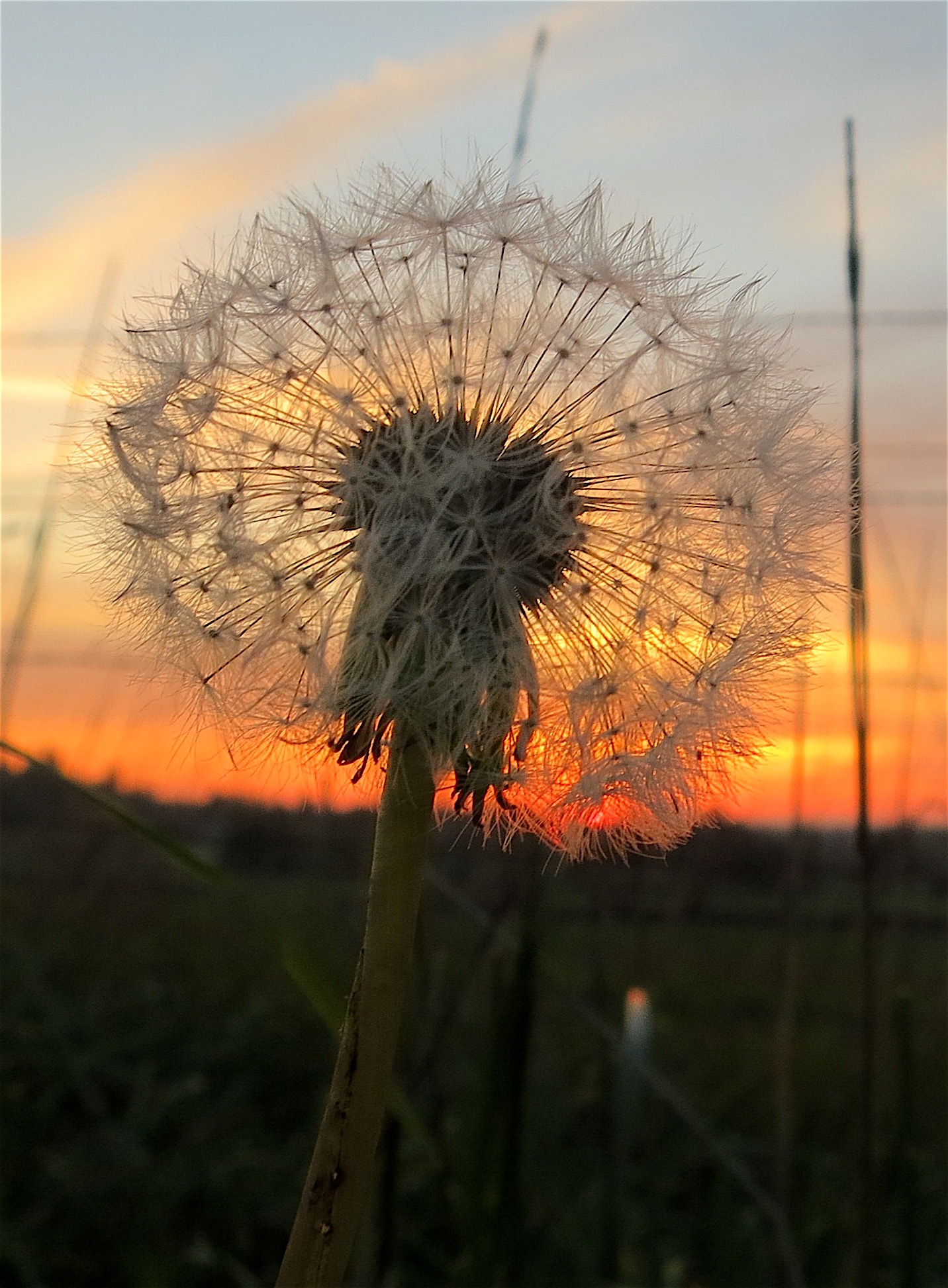
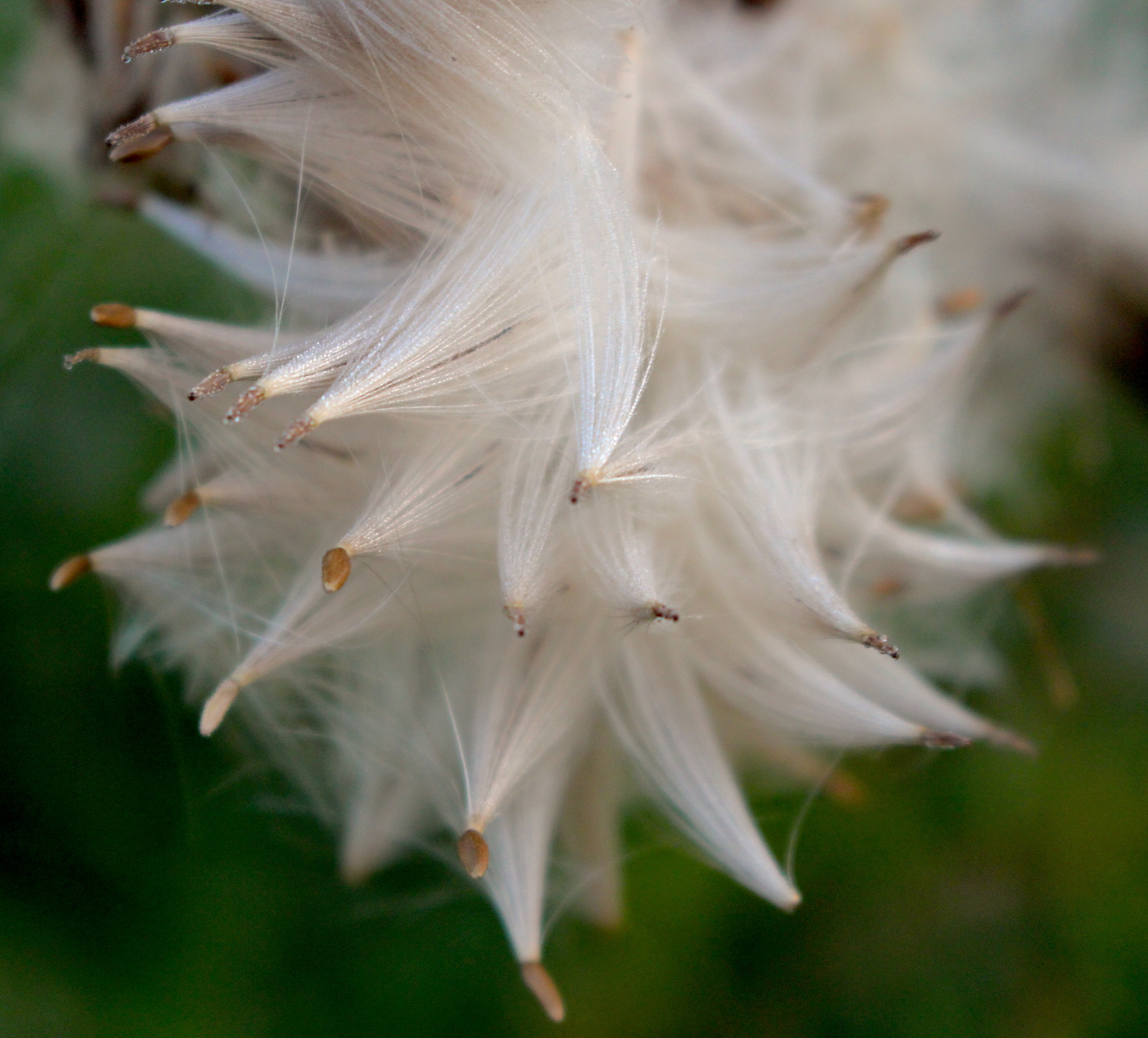
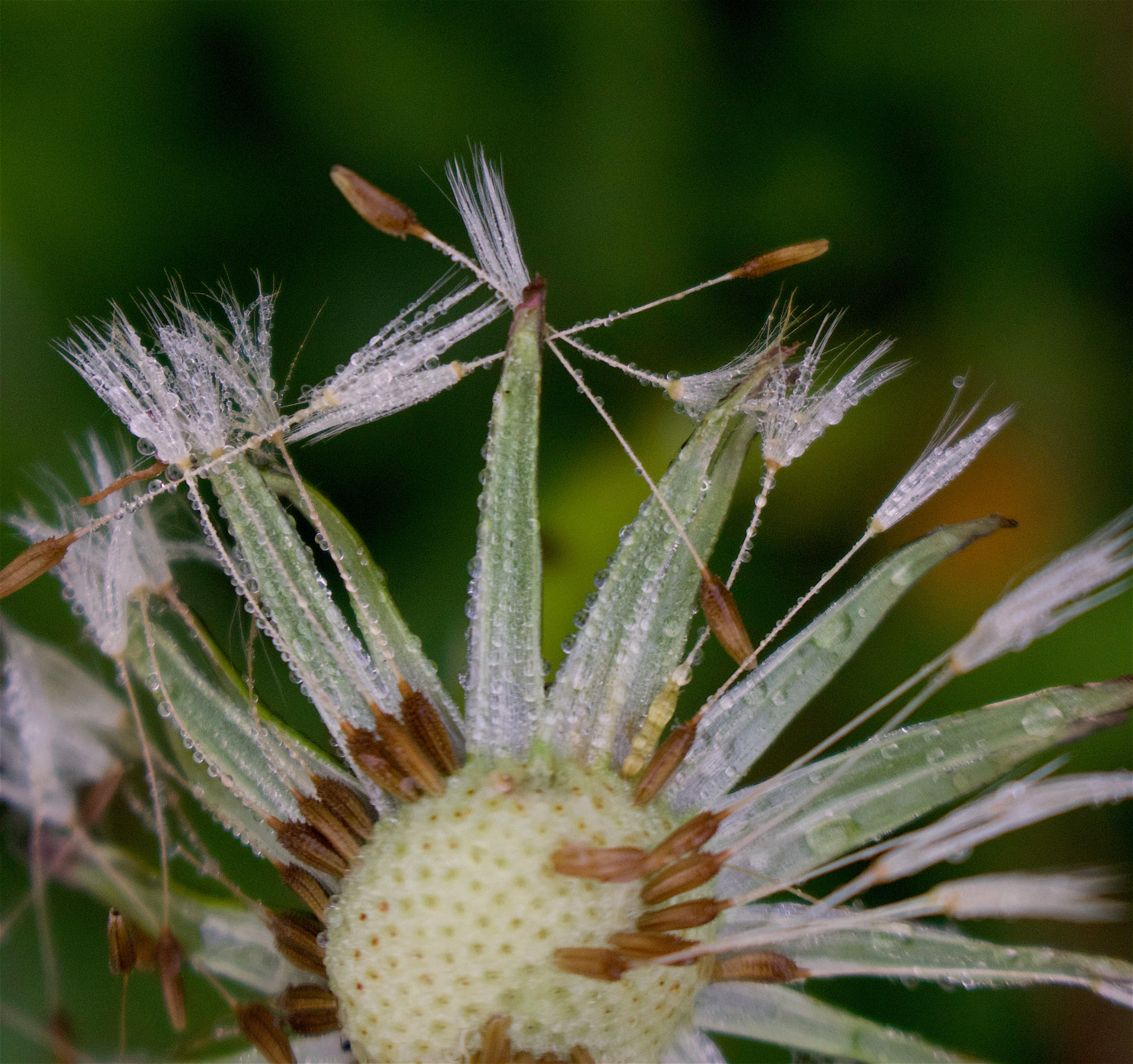
The thistledown’s flying, though the winds are all still,
On the green grass now lying, now mounting the hill,
The spring from the fountain now boils like a pot;
Through stones past the counting it bubbles red-hot.

The ground parched and cracked is like overbaked bread,
The greensward all wracked is, bents dried up and dead.
The fallow fields glitter like water indeed,
And gossamers twitter, flung from weed unto weed.

Hill-tops like hot iron glitter bright in the sun,
And the rivers we’re eying burn to gold as they run;
Burning hot is the ground, liquid gold is the air;
Whoever looks round sees Eternity there.
~John Clare “Autumn”
As October wraps up here,
there are golden mornings,
golden nightfalls
and golden in-betweens,
all compressed
into diminishing daylight hours
more precious than gold~
may this last forever
or at least until November…
morninglight2
sunrise1025151
butterflythistle
webdesign11