The Ravaged Field

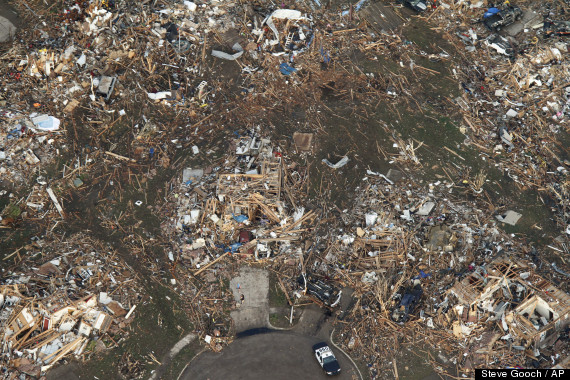
Photo of Moore Oklahoma following May 20 earthquake taken by Steve Gooch for the Associated Press
Aerial photo of Moore Oklahoma following May 20 earthquake taken by Steve Gooch for the Associated Press

Yes, long shadows go out
from the bales; and yes, the soul
must part from the body:
what else could it do?

…These things happen … the soul’s bliss
and suffering are bound together
like the grasses …

The last, sweet exhalations
of timothy and vetch
go out with the song of the bird;
the ravaged field
grows wet with dew.
~Jane Kenyon from “Twilight: After Haying”

Celebration is a sign of life in the rubble, the bliss of those arising from an ash heap to walk and breathe again.  Heartache is the sight of death in the rubble, the suffering of those trapped and crushed by a roaring force too immense to imagine yet devastatingly real.

Bliss and suffering are bound together like the grasses; we are grasses torn from our roots, ravaged.

Tears flow as they must, wetting the stubble left behind like dew.  We weep in sorrow for those lost; we weep in joy for those spared.

What else can a soul do but weep at parting and weep at welcoming?

These things happen, oh yes, these awe-full awful things, they happen.

Our days on earth are like grass; like wildflowers, we bloom and die.
~Psalm 103: 15

Out for a Walk

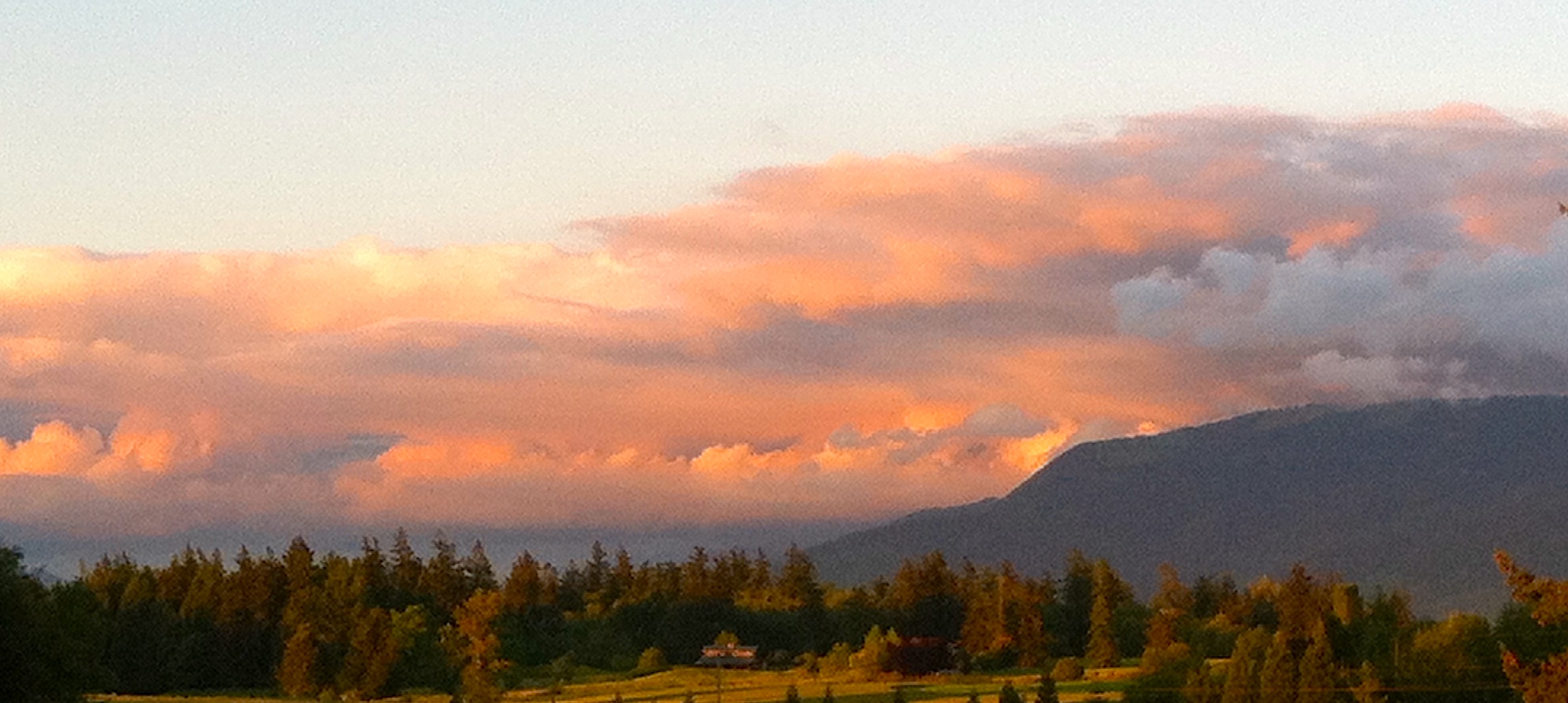
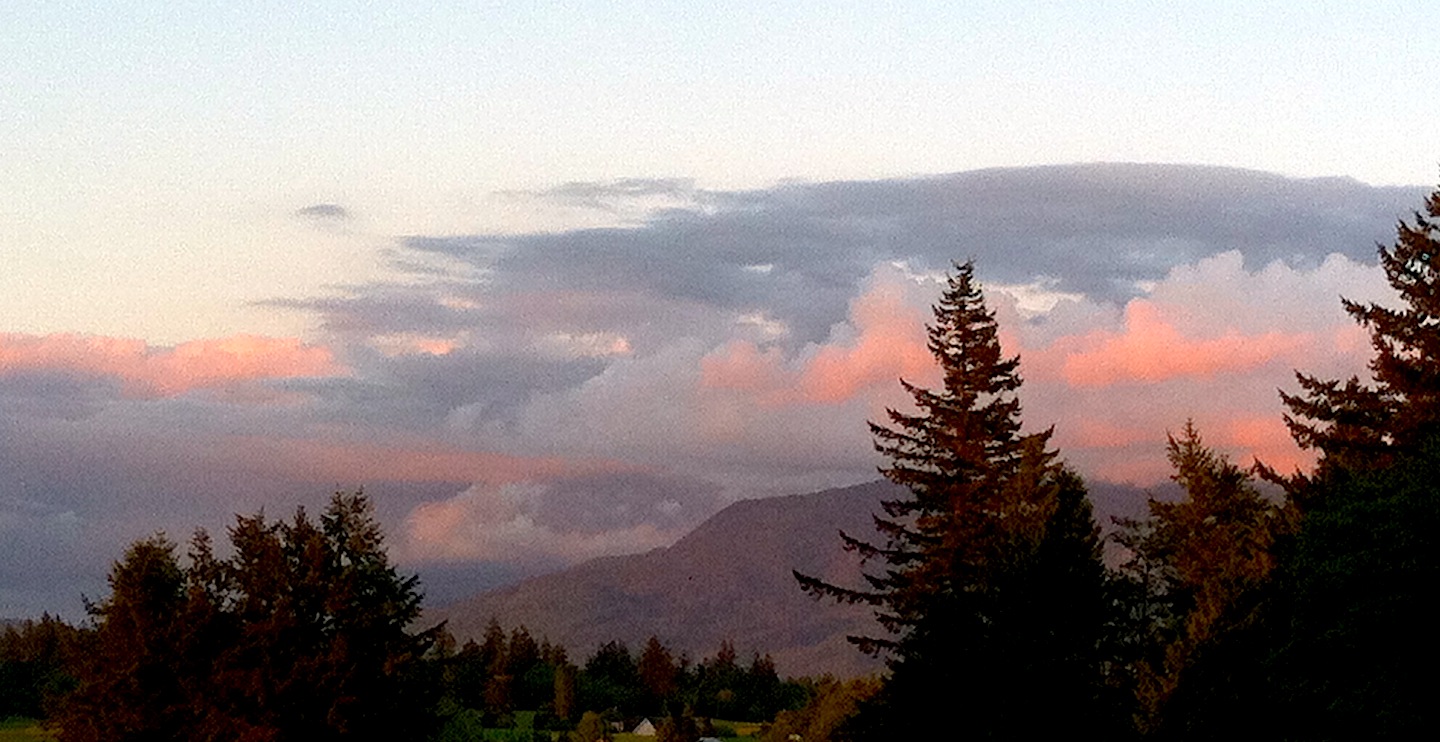
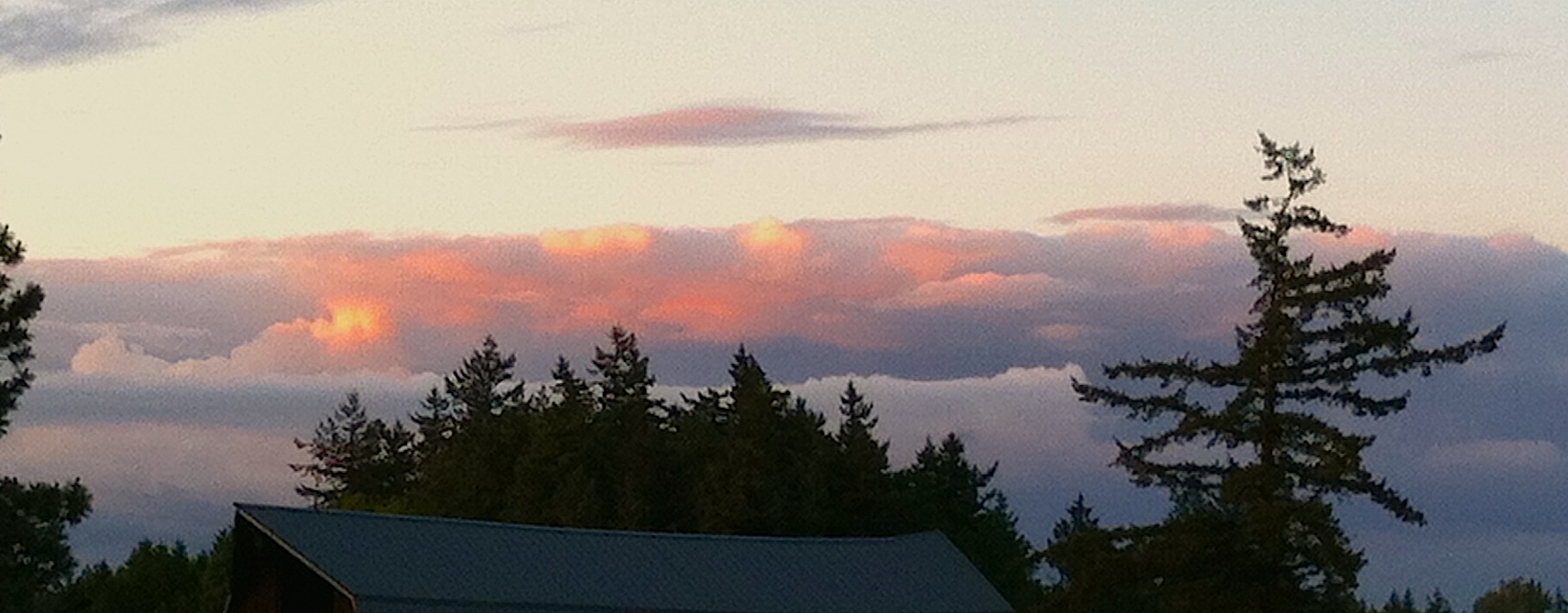
may18sunset1God is at home, it’s we who have gone out for a walk.
~Meister Eckhart

Sometimes an excursion from home is more like a sprint, as far and as fast as possible.
Sometimes it is a spontaneous trek into the unknown, just to prove it can be done.
Sometimes it is a climb into the dark, with precipices and crumbling ledges under our feet.
Sometimes it is a tentative journey of curiosity to see what may be around the corner.

No matter why or where or how far we wander,
the path home shines just bright enough
to show us the way back
when we are ready.
He is there, waiting.
He keeps the light on for us.

may18sunset5may18sunset2

may18sunset4

May 19, 1975 Remembered

May 19, 1975

photo by Larry Goldman

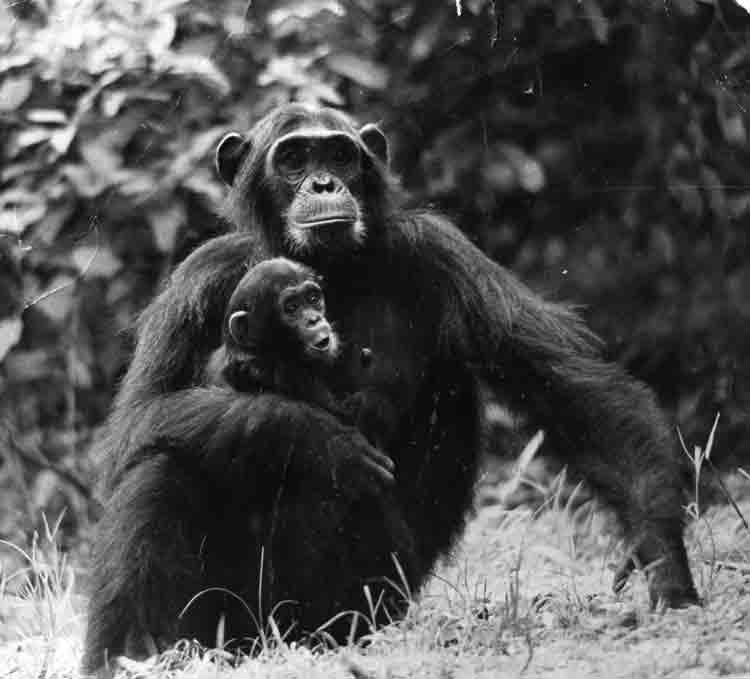
In recognition of this day 38 years ago, I’m reprinting this part of my Gombe saga, working as a student research assistant for Jane Goodall in western Tanzania in 1975.

At first glance,  Gombe National Park in Tanzania felt like paradise—a serene piece of the earth filled with exotic and fascinating wildlife, an abundance of fish and fruit to eat, and the rich unfamiliar sounds and smells of the tropical jungle.  It was a façade.  It was surrounded by the turmoil and upheaval of political rebellion and insurgencies in its neighboring countries, inflamed even more by the fall of Saigon in Vietnam a month previously due to the earlier pull out of the Americans from that long and tragic war.

Only a few miles north of our research station in Gombe National Park in western Tanzania, there had been years of civil war in the small land locked country of Burundi.  When the wind was just right, we could hear gunfire and explosions echoing over the valleys that separated us.  Escaping refugees would sometimes stop for food on their way to villages in Tanzania to the south, seeking safe haven in one of the poorest countries in the world, only a decade into its own experiment with socialism, Ujamaa.

There was also word of ongoing military rebellion against the dictatorship of President Mobutu in the mountainous country of Zaire twelve miles west across Lake Tanganyika.

Morning comes early for field studies of wildlife, as the research day must start before the chimpanzee and baboon subjects wake up and begin to stir. Before midnight, while we slept soundly in our metal huts scattered up the mountainside, a group of armed soldiers arrived by boats to the shore of Gombe National Park.

Storming the beach huts housing two unarmed Gombe park rangers and their families, the soldiers seized one and demanded to be told where the researchers were. The ranger refused to provide information and was severely beaten about the head and face by the butts of the rifles carried by the invaders.  The armed soldiers then divided into smaller groups and headed up the trails leading to the huts, coming upon four sleeping student researchers, tying them up, taking them hostage, forcing them into boats and taking them across the lake back to Zaire.

Asleep farther up the mountain, we were wakened by some students who were fleeing, hearing the commotion.  No one really understood what was happening down lower on the mountain. There were shouts and screams, and gun shots had been heard.  Had someone been injured or killed?   There was no choice but to run and hide deep in the bush at a predetermined gathering spot until an “all clear” signal was given by the rangers.

We hurried along barely familiar  trails in the black of the jungle night, using no flashlights, our hearts beating hard, knowing we had no defense available to us other than the cover of darkness.

That was the longest wait for morning of my life, sitting alongside Jane holding her son Grub.  A hand full of other students had also made their way to the hiding spot, none of us knowing what to think, say or do.  We could only barely see each other’s faces in the darkness and were too frightened to make any sounds.  We carried no weapons, and there was no way to communicate with the outside world.   We had no idea how many of us may be missing, or possibly dead.

Jane held Grub in her arms, trying to keep him quiet, but his eight year old imagination was ignited by the events that had just unfolded.

“Will they kidnap me, Jane?  Will they come for me?  Where will they take us?  Will they shoot us dead?”

Jane, her face hidden by her blonde hair loose about her shoulders,  sat rocking him, cradling him. “Shhh, shhh, we don’t want them to find us.  We’re safe staying right here.  Everything will be fine in the morning.  No one will take you from me.”

She concluded: “They would have to shoot me first…”  and at that, Grub began to sob silently into her shoulder.  He knew that was how baby chimpanzees were captured by bounty hunters, by shooting the mother dead and snatching the infant from her protective embrace.

When the morning of May 20 dawned, the park rangers located us, and pieced together the events as best they could–the soldiers were Zairean rebels living in remote mountains, fighting  an insurgency against the Zaire government. Seeking funds for their cause, they saw a kidnapping of Americans and Europeans as a way to raise quick funds and world publicity and sympathy.  Four of our friends/coworkers were missing, the camp was ransacked and the rangers hurt but with no life threatening injuries.   There was no way to remain safe at the Park, and our colleagues needed whatever help we could offer for their rescue.

We were able to send a messenger to a nearby fishing village, and a radio call was sent out to the small town of Kigoma, then relayed to Dar Es Salaam and Nairobi.  Help arrived within a few hours, when a United Nations boat monitoring the civil war activities in Burundi pulled off shore near our camp.  We were told we needed to evacuate Gombe that day, and would be taken to Kigoma, and then flown by bush pilot to Nairobi, Kenya to cooperate in the investigation of the kidnapping.

In Nairobi, at the US Embassy, I met CIA agents who viewed our wild primate studies with some suspicion.  Each of us were grilled individually as to our political beliefs, our activities at the camp and whether we may be somehow involved in subversive actions against the Zaire or Tanzanian governments.  We were dumbfounded that our own countrymen would be so skeptical about our motives for being in Africa.  It became clear our own government would be no help in resolving the kidnapping and bringing our friends home to safety.  The agents did not shed any light on whether our friends were alive or dead.

We were then hustled into a press conference where we were interviewed for television and print media by the worldwide news agencies, and my parents saw me on the CBS evening news before they actually heard my voice over the phone.

It took over three months, private negotiations and ransom money to free all four of our friends back to safety.

Waiting to be Filled

photo by Josh Scholten

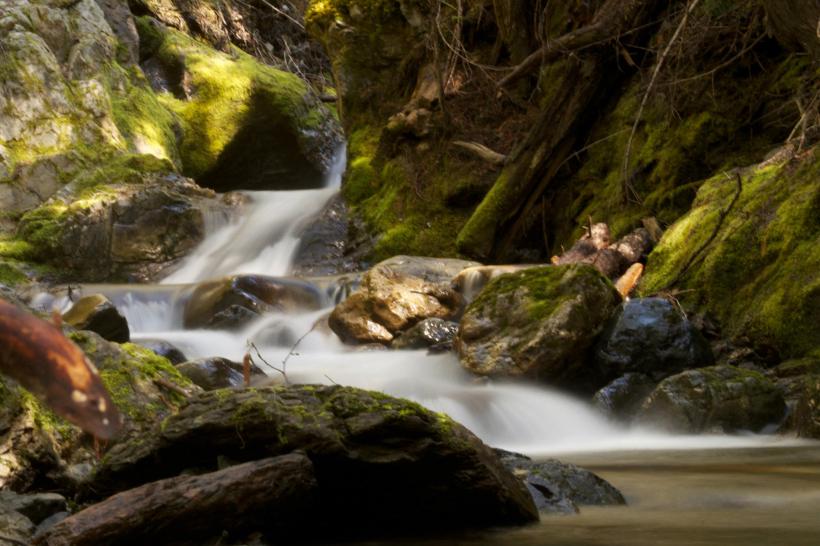
My God, I look at the creek. It is the answer to Merton’s prayer, “Give us time!”  It never stops…. You don’t run down the present, pursue it with baited hooks and nets.  You wait for it, empty-handed, and you are filled.  You’ll have fish left over.  The creek is the one great giver.  It is, by definition, Christmas, the incarnation.  This old rock planet gets the present for a present on its birthday every day. 
~Annie Dillard from Pilgrim at Tinker Creek

Good things as well as bad, you know are caught by a kind of infection. If you want to get warm you must stand near the fire: if you want to be wet you must get into the water. If you want joy, power, peace, eternal life, you must get close to, or even into, the thing that has them. They are not a sort of prize which God could, if He chose, just hand out to anyone. They are a great fountain of energy and beauty spurting up at the very centre of reality. If you are close to it, the spray will wet you: if you are not, you will remain dry. Once a man is united to God, how could he not live forever? Once a man is separated from God, what can he do but wither and die?
~C.S. Lewis- Mere Christianity

…the room was filled by a presence that in a strange way was both about me and within me like a light or warmth. I was overwhelming possessed by someone who was not myself.  And yet, I felt more myself than ever before.  I was filled with intense happiness and almost unbearable joy as I had never known before or never known since.  And overall, there was a deep sense of peace and security and certainty.
~C. S. Lewis

Sweet and Sour Air

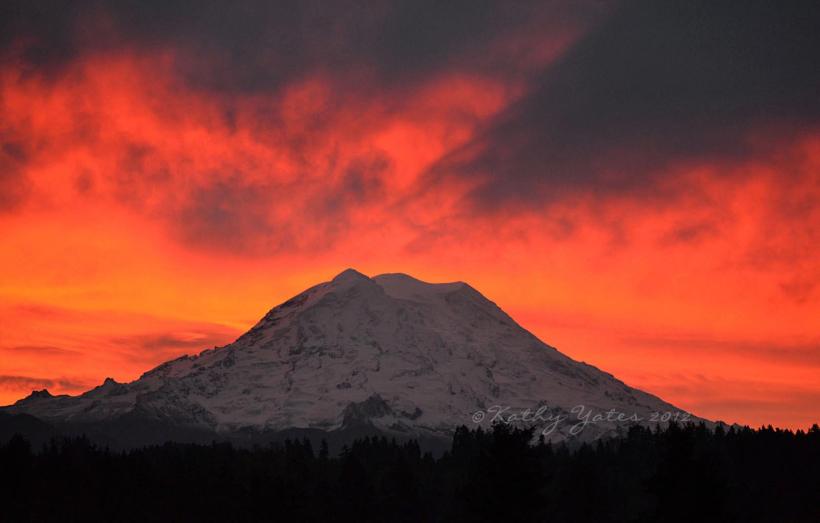
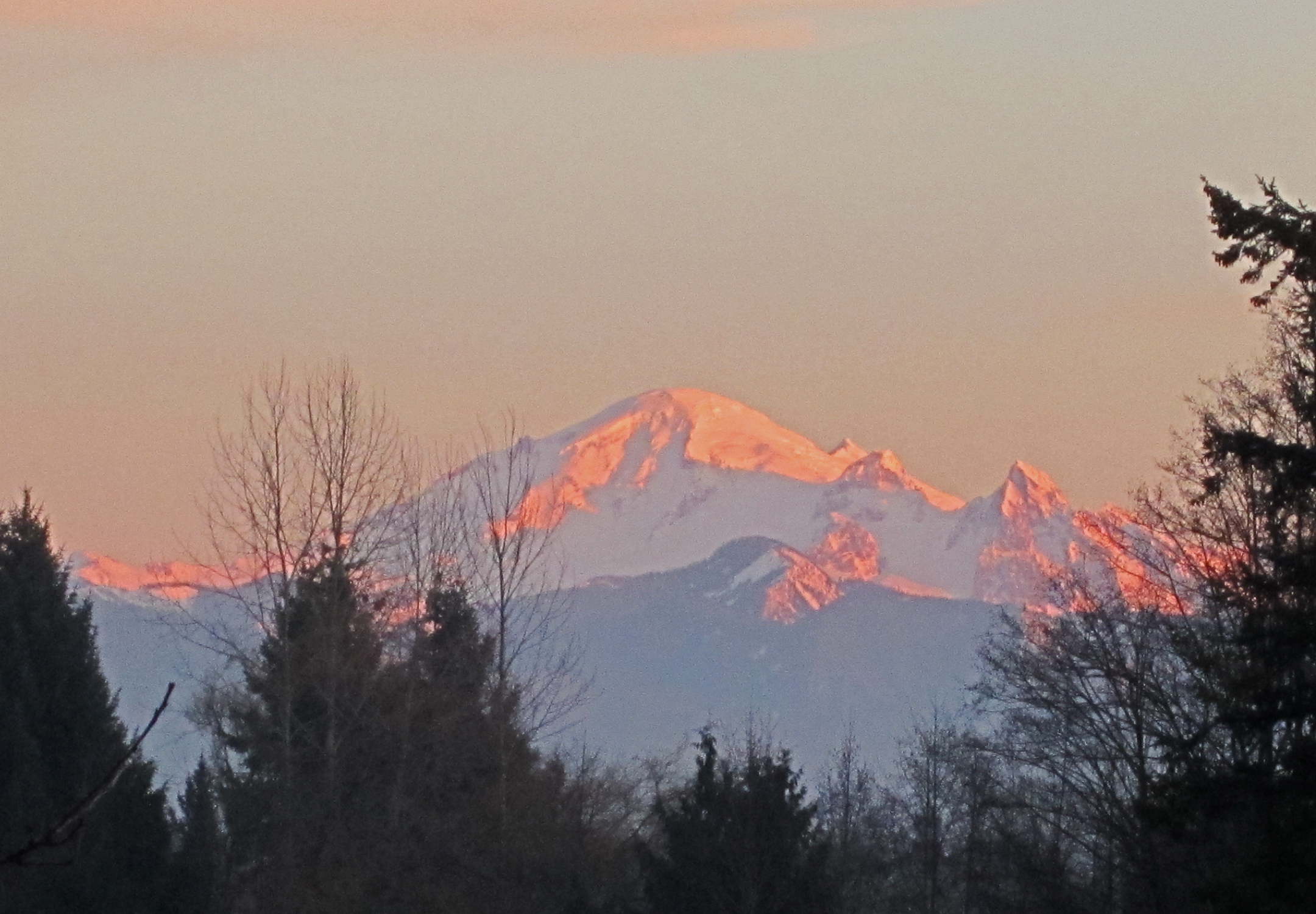
photo of Mt. Rainier sunrise by Kathy Yates

In Summer, in a burst of summertime
Following falls and falls of rain,
When the air was sweet-and-sour of the flown fineflower of
Those goldnails and their gaylinks that hang along a lime;
~Gerard Manley Hopkins from “Cheery Beggar”

Sweet and sour extends far beyond a Chinese menu; it is the daily air I breathe.  Dichotomy is so much of my life and times,  more distinct than the bittersweet of simple pleasures laced with twinges and tears.

I am but a cheery beggar in this world, desiring to hang tight to the overwhelming sweetness of each glorious moment — the startling sunrise, the lush green and golden blooms following spring showers, the warm hug of a compassionate word, the house filled with love and laughter.  But as beggars aren’t choosers, I can’t only have sweet alone;  I must endure the sour that comes as part of the package — the deepening dark of a sleepless night, the muddy muck of endless rain, the sting of a biting critique, the loneliness of an home emptying and much too quiet.

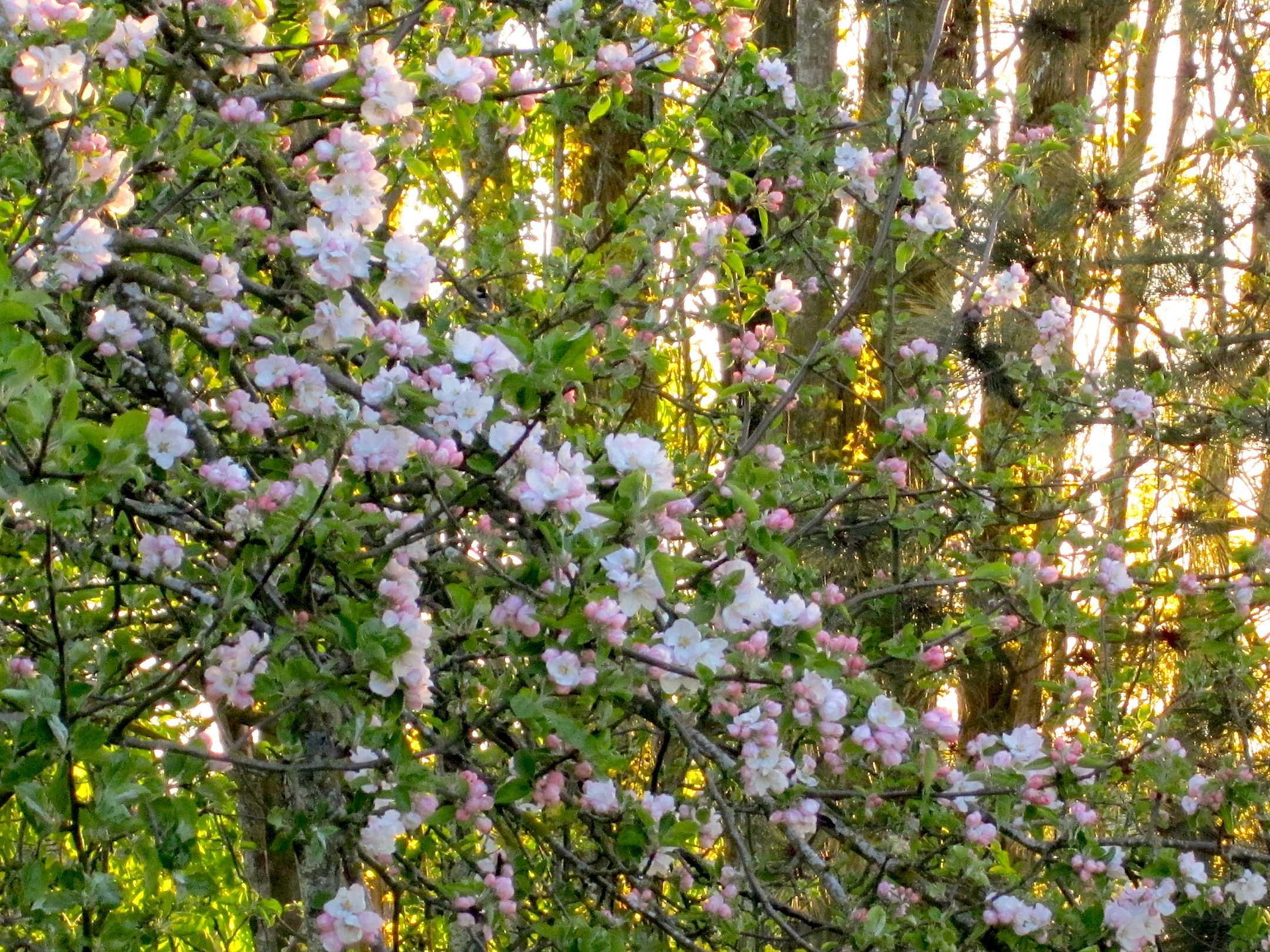
So I slog through sour to revel some day, even more so, in sweet.  Months of manure-permeated air is overcome one miraculous morning by the unexpected and undeserved fragrance of apple blossoms, so sweet, so pure, so full of promise of the fruit to come.  The manure makes the sweet sweeter.

And I breathe in deeply, content and grateful for a moment of grace and bliss, wanting to hold it in the depths of my lungs forever.

photo by Kathy Yates
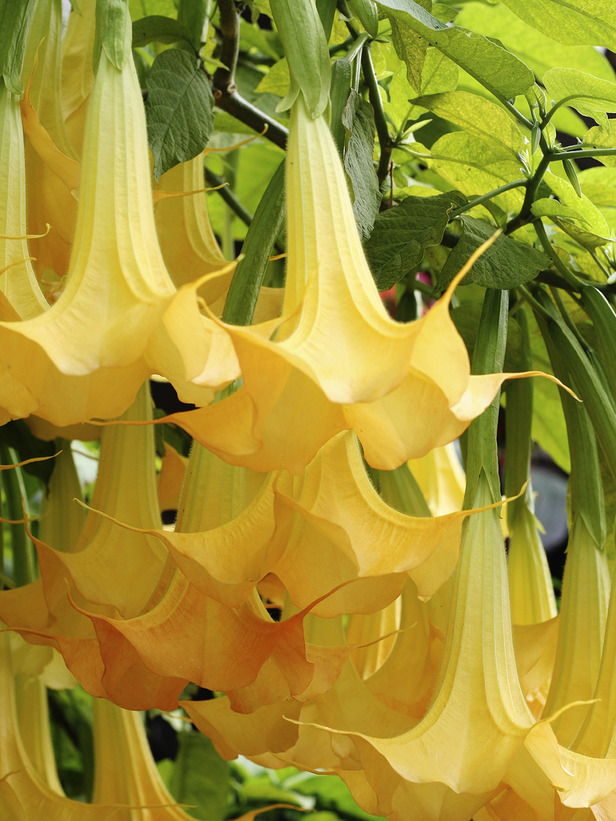
angel trumpet plant
angel trumpet plant courtesy of HGTV
gravensteinapril
apple blossoms

At Least I Can Twirl

photo by Josh Scholten

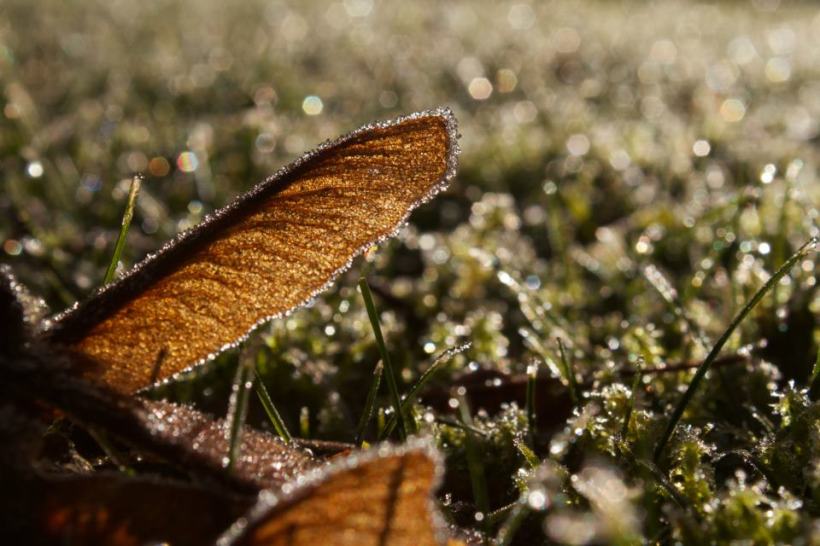
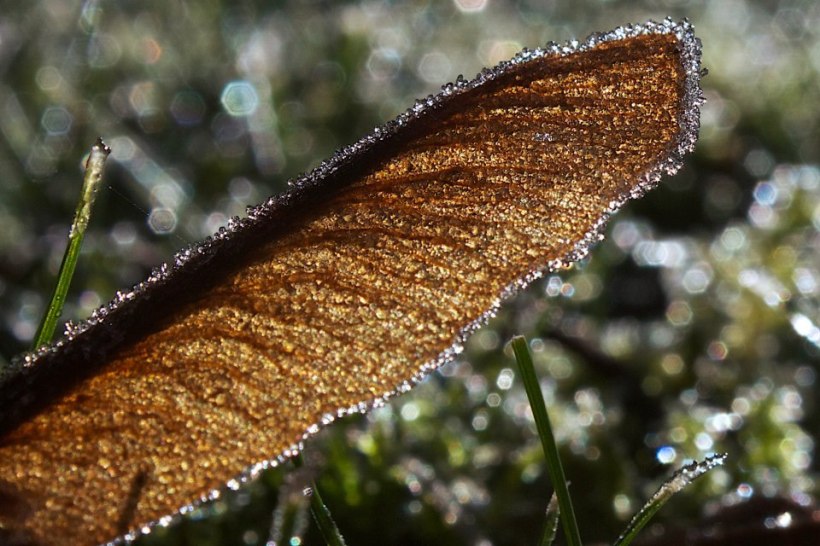
All at once I saw what looked like a Martian spaceship whirling towards me in the air. It flashed borrowed light like a propeller. Its forward motion greatly outran its fall. As I watched, transfixed, it rose, just before it would have touched a thistle, and hovered pirouetting in one spot, then twirled on and finally came to rest. I found it in the grass; it was a maple key, a single winged seed from a pair. Hullo. I threw it into the wind and it flew off again, bristling with animate purpose, not like a thing dropped or windblown, pushed by the witless winds of convection currents hauling round the world’s rondure where they must, but like a creature muscled and vigorous, or a creature spread thin to that other wind, the wind of the spirit which bloweth where it listeth, lighting, and raising up, and easing down. O maple key, I thought, I must confess I thought, o welcome, cheers.

And the bell under my ribs rang a true note, a flourish as of blended horns, clarion, sweet, and making a long dim sense I will try at length to explain. Flung is too harsh a word for the rush of the world. Blown is more like it, but blown by a generous, unending breath. That breath never ceases to kindle, exuberant, abandoned; frayed splinters spatter in every direction and burgeon into flame. And now when I sway to a fitful wind, alone and listing, I will think, maple key. When I see a photograph of earth from space, the planet so startlingly painterly and hung, I will think, maple key. When I shake your hand or meet your eyes I will think, two maple keys. If I am a maple key falling, at least I can twirl.
~Annie Dillard from Pilgrim at Tinker Creek

Earth 2

photo by Josh Scholten

The Love of Farming

afternoon

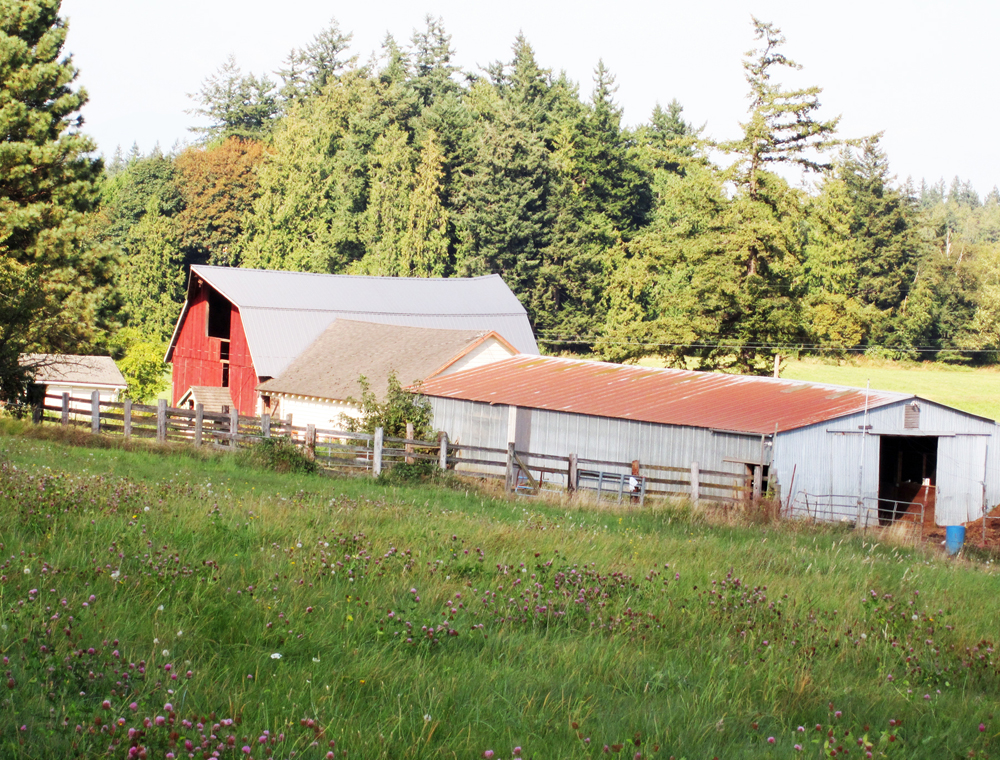
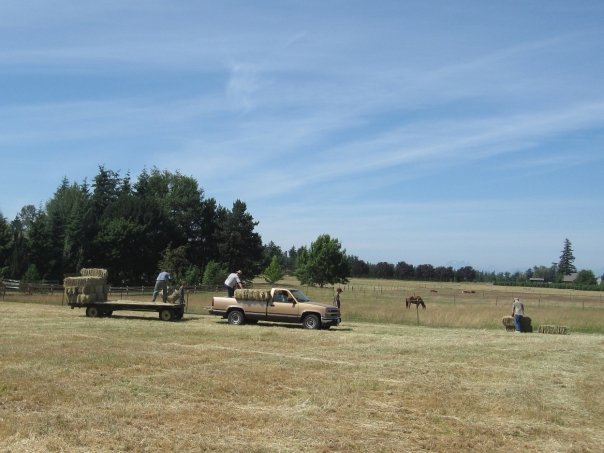
Farmers farm for the love of farming. They love to watch and nurture the growth of plants. They love to live in the presence of animals. They love to work outdoors. They love the weather, maybe even when it is making them miserable. They love to live where they work and to work where they live. If the scale of their farming is small enough, they like to work in the company of their children and with the help of their children.
~Wendell Berry from Bringing it to the Table: Writings on Farming and Food

and I may I add to Wendell’s truths:

Farmers love what they do even when a *certain* horse manages to find a way for the second time in his life to tear his lower lip playing with a simple water bucket in a simple stall,  then gets it repaired by a gracious vet on Mother’s Day, and then finds a way five days later while out innocently eating grass in the pasture to rip open all his stitches again which will require a far more complicated plastic surgery type repair in ten days after plenty of antibiotics and prayer.

We love our horses, oh yes we farmers do, even the accident-prone, self-injuring ones.  We love our vet even more.

And the vets do love their farmers who need them.

(no, sorry, no graphic pictures will be posted of a very gruesome lip wound — I need a little serenity today)

foothillsnov

farmsept2

6651_512624390934_2743304_n

Watching the Mountain Do Its Tricks

bakerjaneve3

This is it, I think, this is it, right now, the present, this empty gas station, here, this western wind, this tang of coffee on the tongue, and I am patting the puppy, I am watching the mountain. And the second I verbalize this awareness in my brain, I cease to see the mountain or feel the puppy. I am opaque, so much black asphalt. But at the same second, the second I know I’ve lost it, I also realize that the puppy is still squirming on his back under my hand. Nothing has changed for him. He draws his legs down to stretch the skin taut so he feels every fingertip’s stroke along his furred and arching side, his flank, his flung-back throat.

I sip my coffee. I look at the mountain, which is still doing its tricks, as you look at a still-beautiful face belonging to a person who was once your lover in another country years ago: with fond nostalgia, and recognition, but no real feeling save a secret astonishment that you are now strangers. Thanks. For the memories. It is ironic that the one thing that all religions recognize as separating us from our creator — our very self-consciousness — is also the one thing that divides us from our fellow creatures. It was a bitter birthday present from evolution, cutting us off at both ends. I get in the car and drive home.
~Annie Dillard from Pilgrim at Tinker Creek

photo by Nate Gibson

Startle and Wonder

photo by Josh Scholten

We should always endeavour to wonder at the permanent thing, not at the mere exception. We should be startled by the sun, and not by the eclipse. We should wonder less at the earthquake, and wonder more about the earth.
~ G.K. Chesterton

As a physician, I’m trained to notice the exceptions.  Ordinarily I’m not particularly attentive to everything that is going well with the human body, instead concentrating on what is aberrant or could be made better.  This is unfortunate; there is much beauty and perfect design to behold in every person I meet.

Instead I am looking past the every day miracles to find what’s wrong.

To counter this tendency to just find flaws, I’ve learned over the years to talk out loud as I do physical assessments:  your eardrums look just as they should, your eyes react normally, your tonsils look fine, your thyroid feels smooth, your lymph nodes are tiny , your lungs are clear, your heart sounds are perfect, your belly exam is reassuring, your reflexes are symmetrical, your emotional response to a stress and your tears are completely appropriate.  I want to acknowledge what is working well, as it should, as it was designed to be.  I want a wonder of the human body and mind to extend to the person who inhabits it as well.

When the exception occurs, it is likely to startle and frighten the patient but I don’t want it to surprise me.  We must tackle it with everything we’ve got.

What gives us the strength to deal with the exception is how much in every person is right and wondrous.

Just as it was meant to be.

Call for the Soil

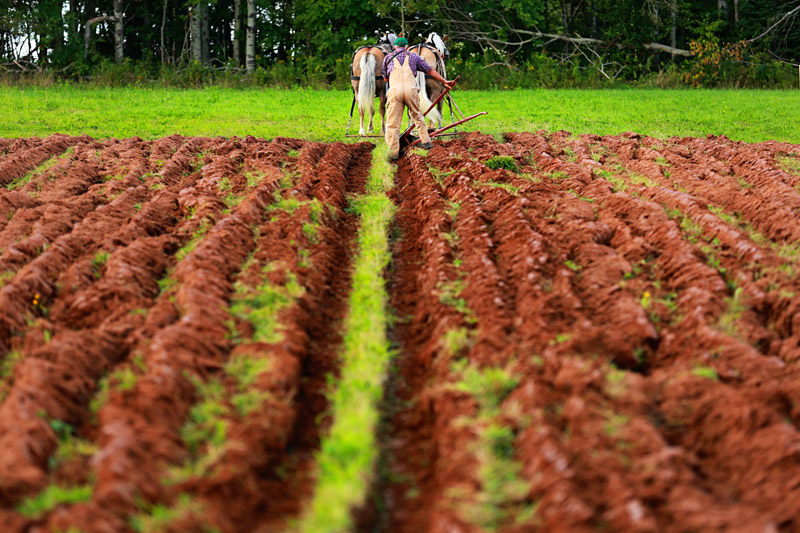
plowing match photo by www.ninalintonphotography.com
Dundas, Prince Edward Island plowing match by http://www.ninalintonphotography.com

“When the April wind wakes the call for the soil,
I hold the plough as my only hold upon the earth,
and, as I follow through the fresh and fragrant furrow,
I am planted with every foot-step,
growing, budding, blooming into a spirit of spring.”
–  Dallas Lore Sharp, 1870-1929

To watch the soil turn over in the spring, whether by horse power with mane and tail or horse power with tires and engine, is to know my own inner soil needs turning upside down as well.  A grip on the handles of the plow connects the dirt and the soul.

The fresh earth ploughed, its face once hidden, surfaces, teeming with life.  There is the glisten of moist dirt, the wiggle of worms slithering quickly back into the depths, the roots of the old giving way to the nurture of new planting.

The spirit buds and blossoms once the soil is turned and smoothed into its new position, ready for seeds that will be fed from the heavens.  As the worm forgives the plow,  so we are forgiven for turning things upside down.  We must start over to bloom.  We are ready to get our hands and feet dirty in order to be fruitful.