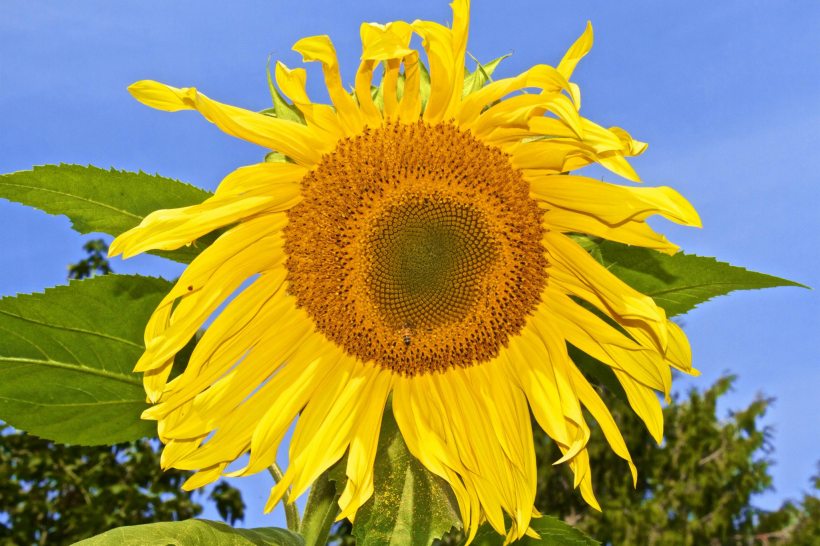
Drunk on the Sun

photo by Josh Scholten

“The happiest field in all the harvest is the field of sunflowers at their peak.
Drinking the rays and dancing in the breeze.
The saddest field is the same field, six weeks later.
Drunk on the sun and burnt with shame,
they drop their heads to hide their mane.”

― R.S. Barrington

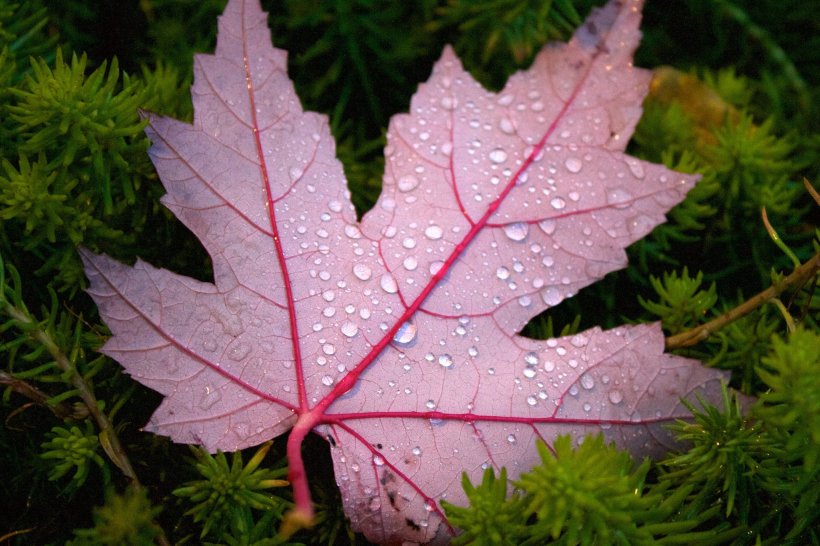
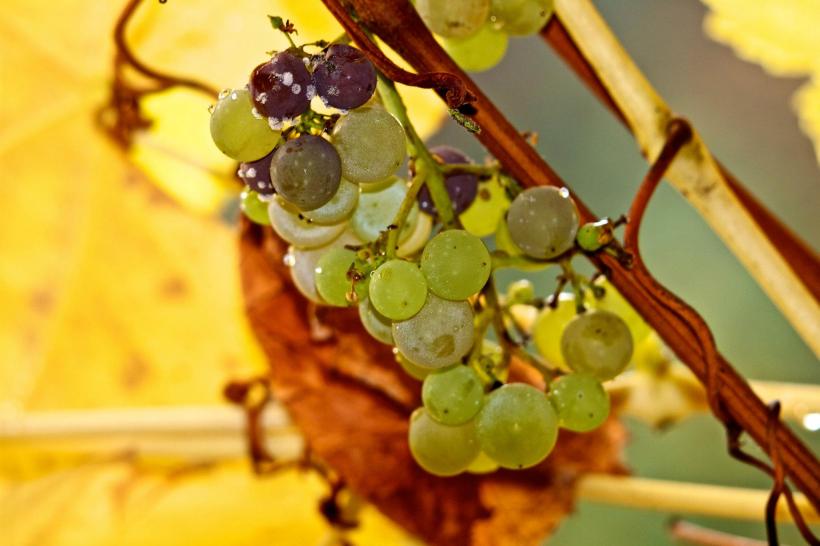
Two months of no rain has been unprecedented here in the northwest.  We have been dry as the plains states; tractors raise vast dust clouds as they harvest the fields around our farm.  Finally, finally, precipitation is predicted in the forecast for later this week.

It has been simply too much for web foot natives like myself.  We are so inebriated from an interrupted run of perpetually sunny days, we are unable to take in any more, bloated with Vitamin D, sickened with shame at soaking in more than our allotted share of rays.  We are at serious risk of solar withdrawal when the rain starts.  I’m already shaky at the thought of gray clouds.  Shorter days and foggy mornings might bring on the dry heaves.  Hallucinations could include parades of multicolored bumbershoots multiplying like Mickey’s brooms in Fantasia’s The Sorcerer’s Apprentice.   Someone will need to detox us with a full spectrum seasonal affective disorder light to taper us down slowly.

Growing up here, where sun and blue skies is a rare intoxicating treat, I found myself in utter overwhelm in California during my college years.  It seemed impossible to stay inside to study, conditioned as I was to celebrating every moment of sunshine.  Who could hunker down inside with a book when the sun is out?  Where were the gray misty mildewy days on end sitting cozy next to a blazing fireplace, reading vicariously of other lands of milk and honey?

Okay, enough is enough.  We’ve had our run, we’ve had our fun, we’ve had enough sun.  We are exhausted and in need of reprieve.

Let the rains begin.

And all the people said, “Amen!”

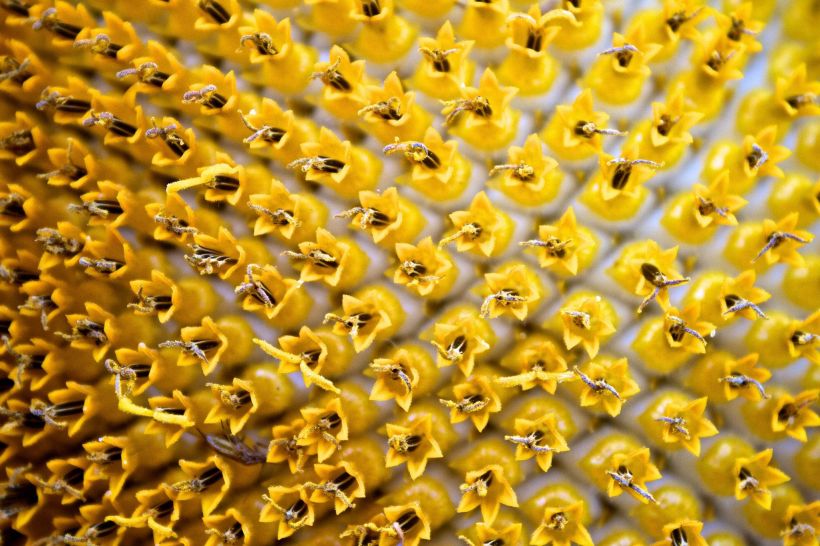
photo by Josh Scholten

The Pebble’s Splash

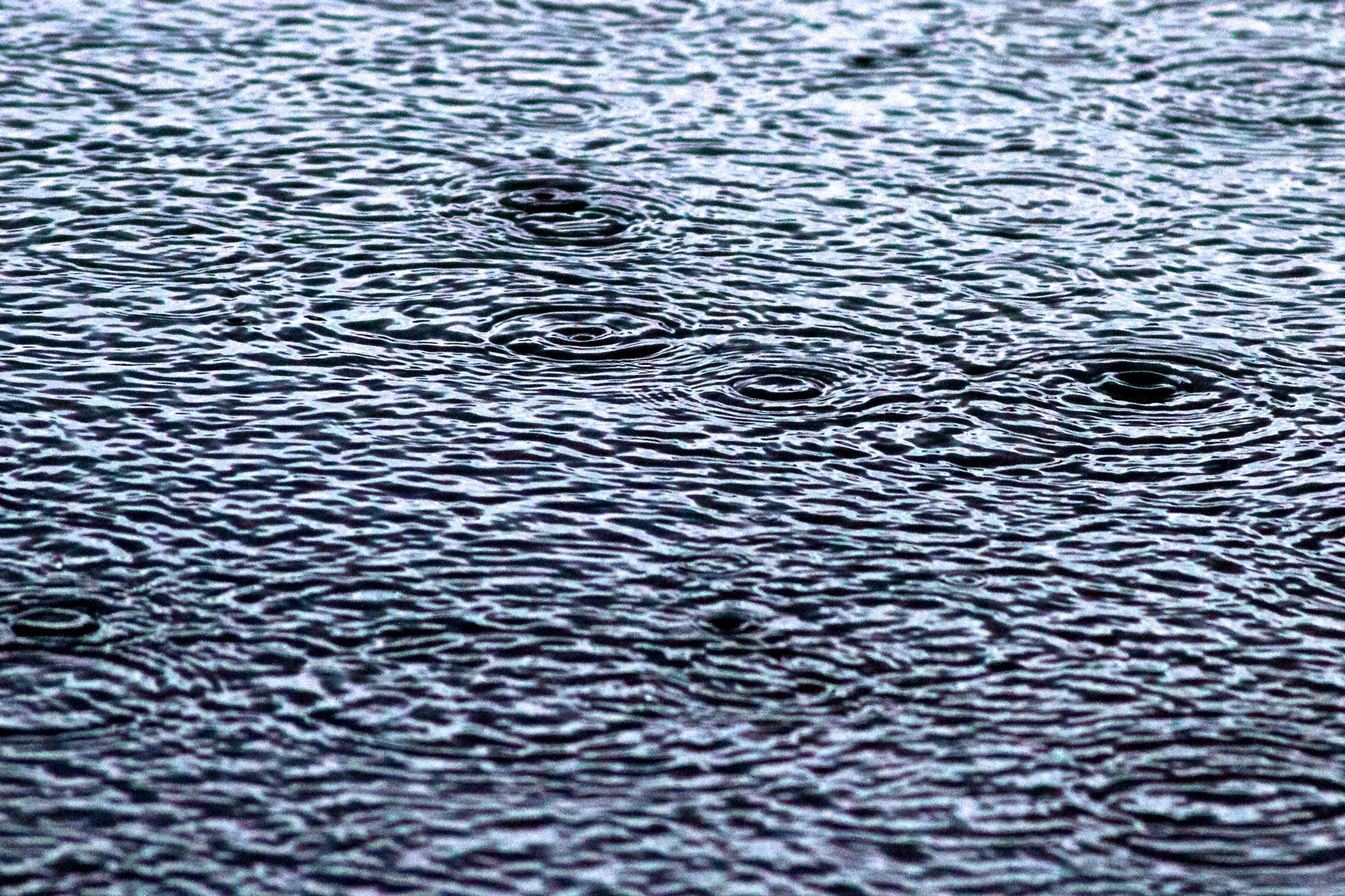
photo by Josh Scholten

The least movement is of importance to all nature. The entire ocean is affected by a pebble.
~Blaise Pascal

Most days I’m the ocean rocked by the most minute ripples.  The building waves created by forces beyond my control feel tsunami-like though they probably started out small.  I can do nothing but let them flow over, around and beneath me, riding them up and down, trying not to get submerged for long and not get sea-sick.  Lately it feels like a barrage: instead of letting up, the billows roll larger and mightier, at times relentlessly powerful, changing everything in their path.

Instead of being the rippled, I hope some time to become the rippler in a way that can move oceans or mountains or most amazing of all, another soul, just once.  In some tiny way, I hope I can say or do or write something that makes a positive difference in someone’s life, and that person forwards the ripple, spreading the wave a little further, a little broader, a little deeper to affect others.  Traveling far beyond the original thrown pebble, it can never to be pulled back once it is let loose.

I know what it is like for a blog post to go viral, becoming an ocean in churning turmoil, not a mere pebble starting with a least movement.  Instead, I hope to be the most insignificant of change agents, barely there, just moving enough of another heart and soul to start something that will grow and spread by itself, wild and wonderful.

I don’t know what it might be or how I might do it.  Perhaps it is as simple as skipping rocks, choosing the best flattest pebble, rubbing the smooth sides between my fingers, and with a momentary regret at giving it up to the ocean, I’ll haul back and just let it go.  It will skip once, twice, three four five even six times and then disappear below. The surface of the water will never be the same again.

Nor will I.

photo by Josh Scholten

Birth of a Poem

“A poem begins as a lump in the throat, a sense of wrong, a homesickness, a lovesickness.”
~Robert Frost

We left the interstate behind
discovering back roads
yielding intimacy
of hidden farms
and small towns,
seeing nameless neighbors
who wave as
we drive by.

Some don’t wave,
their memories stamped
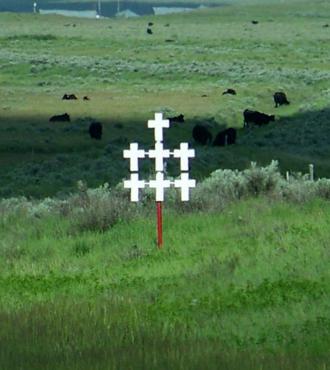
on roadside crosses
marking the spot where
last they drew breath
after a turn taken too fast
or one drink too many.

The impact is far beyond
a friendly wave
when one stretch of road
reaches two dozen crosses,
some clustered together
in a fatal meeting
lasting forever.

These somber reminders
of fragile existence
swiftly ended in
bad weather,
poor judgment
or ill fate.
Cement cemeteries
winding over miles
lead us home.

Please God,
we pray.
Guide us safely
back to our country home
to wave at strangers
driving by.

The Autumn Wind

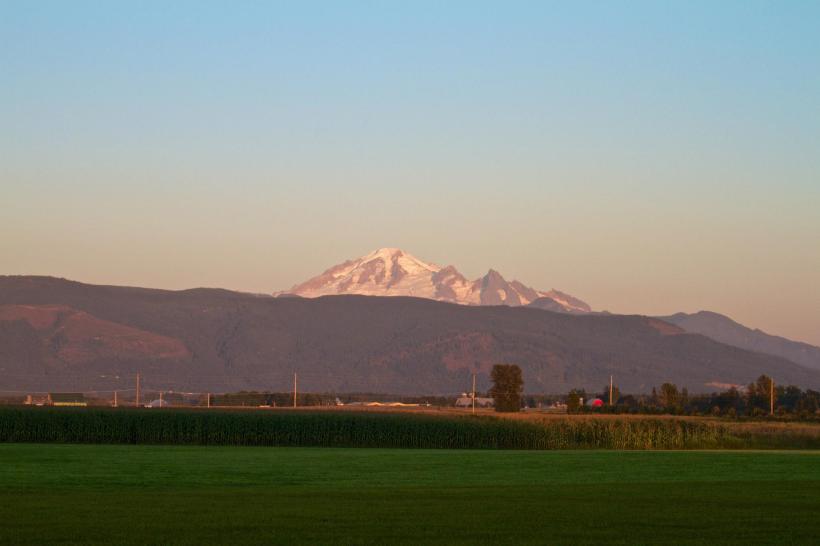
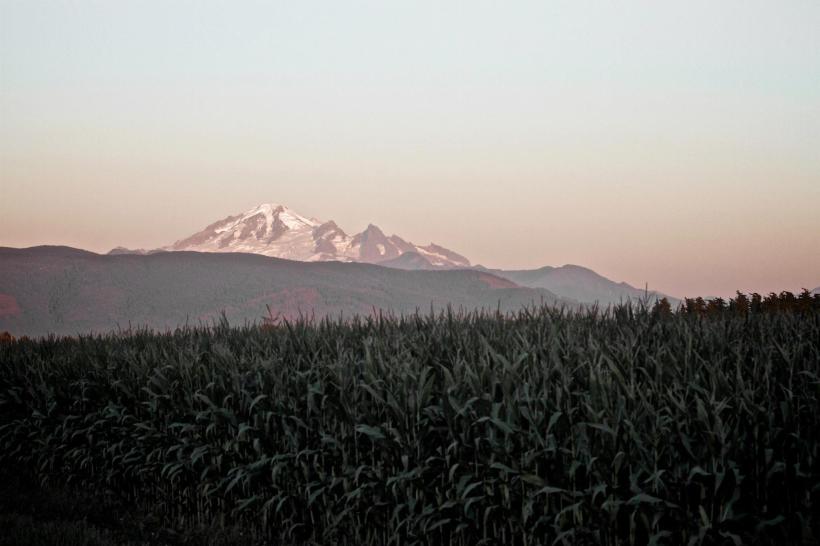
photos of Mt. Baker and cornfield in Whatcom County by Josh Scholten

The old man does believe what the child believed; but how different it is, though still the same. It is the field that once held the seed, now waving and rustling under the autumn wind with the harvest that it holds, yet all the time it has kept the corn. The joy of his life has richened his belief. His sorrow has deepened it. His doubts have sobered it. His enthusiasms have fired it. His labour has purified it.
~Phillips Brooks

I don’t consider myself “old”, at least not quite yet, although my college age patients might look at the graying me, almost three times their age, and think “old.”   Nearing the end of my sixth decade,  I feel the seeds of the younger Emily still within me.   I am the same field, now with soil plowed thoroughly, seed planted deeply, weeds and rocks winnowed regularly, harvest anticipated gratefully.

No one else can do the work of my field in my place.  I am the one who must be willing to get up early, believe in what I need to do every day, exercise flabby muscle, sprinkle with shed tears, fertilize with inspiration gleaned from others’ experience.

The harvest will be sweet when work is purified by blood, sweat, and tears.   Even the younger me understood and believed.

Inner Renewal

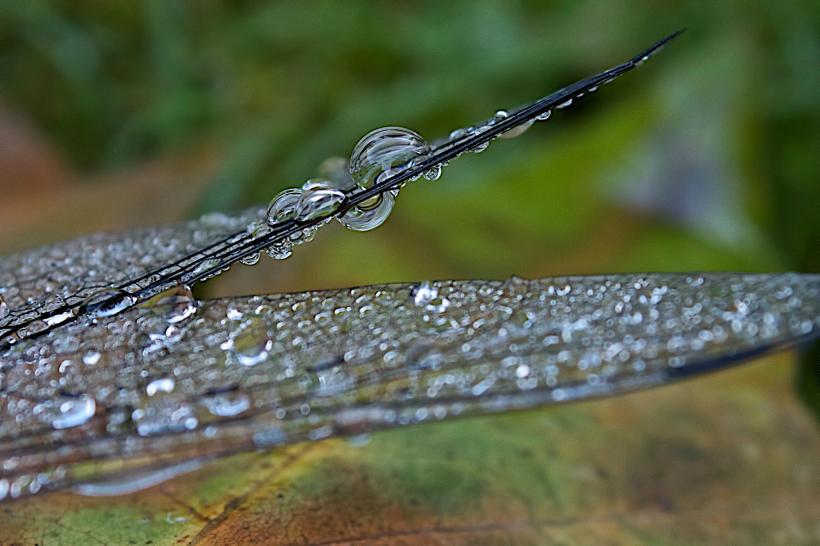
dragonfly wings photo by Josh Scholten

…God’s attention is indeed fixed on the little things. But this is not because God is a great cosmic cop, eager to catch us in minor transgressions, but simply because God loves us–loves us so much that the divine presence is revealed even in the meaningless workings of daily life. It is in the ordinary, the here-and-now, that God asks us to recognize that the creation is indeed refreshed like dew-laden grass that is “renewed in the morning” or to put it in more personal and also theological terms, “our inner nature is being renewed everyday”.
~Kathleen Norris

It is easy to be ground to a pulp by the little things: waiting in line too long, an insistent alarm clock, a mouse (or more) in the house, a third head cold in less than a year.  The small things tend to add up to irritable annoyance and total inability to feel gratitude.

God is in the details, from the dew drop to tear drop and even to nose snot.  It is tempting instead to look past His ubiquitous presence in all things, to seek only the elegant grandeur of creation.   It isn’t all elegance from our limited perspective, but still, it is worthy of His divine attention.

The time has come to be refreshed and renewed in our inner being.
His care is revealed in the tiniest ways.
He has my attention.

photo by Josh Scholten

The Jewelled World

photo by Josh Scholten

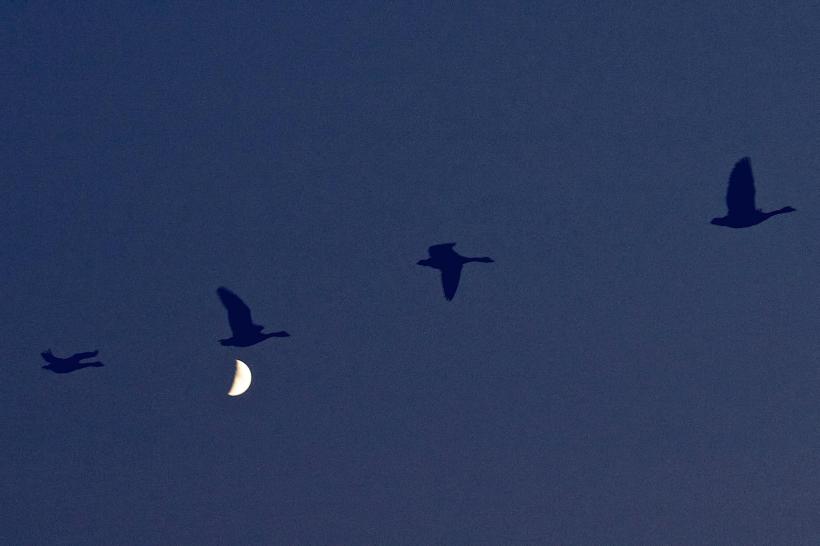
Wild geese fly south, creaking like anguished hinges; along the riverbank the candles of the sumacs burn dull red. It’s the first week of October. Season of woolen garments taken out of mothballs; of nocturnal mists and dew and slippery front steps, and late-blooming slugs; of snapdragons having one last fling; of those frilly ornamental pink-and-purple cabbages that never used to exist, but are all over everywhere now.
~Margaret Atwood

Wraiths of mist suddenly moving like serpents of the air would coil about them for a second. Grey damp would be around them, and the sun, a copper penny, would fade away. The wings next to their own wings would shade into vacancy, until each bird was a lonely sound in cold annihilation, a presence after uncertain. And there they would hang in chartless nothing, seemingly without speed or left or right or top or bottom, until as suddenly as ever the copper penny glowed and the serpents writhed. Then, in a moment of time, they would be in the jewelled world once more: a sea under them like turquoise and all the gorgeous palaces of heaven new created, with the dew of Eden not yet dry.
~T.H. White

Then the purple-lidded night
Westering comes, her footsteps light
Guided by the radiant boon
Of a sickle-shaped new moon.
~Amy Lowell, Late September


A Mess of Stars

photo by Josh Scholten

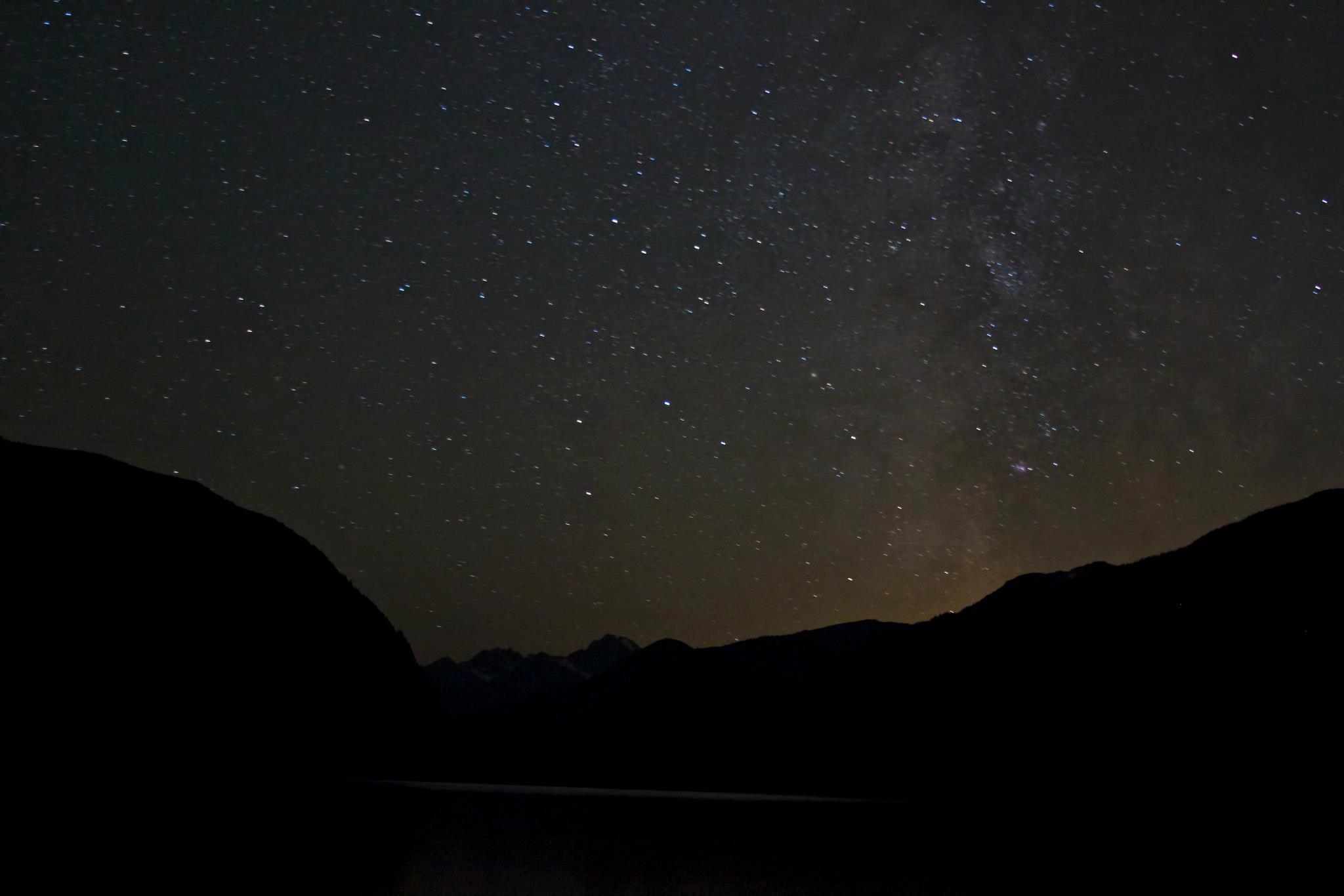
We are here to witness the creation and abet it. We are here to notice each thing so each thing gets noticed. Together we notice not only each mountain shadow and each stone on the beach but, especially, we notice the beautiful faces and complex natures of each other. We are here to bring to consciousness the beauty and power that are around us and to praise the people who are here with us. We witness our generation and our times. We watch the weather. Otherwise, creation would be playing to an empty house.

….A shepherd on a hilltop who looks at a mess of stars and thinks, ‘There’s a hunter, a plow, a fish,’ is making mental connections that have as much real force in the universe as the very fires in those stars themselves.
~Annie Dillard

I can feel overwhelmed by the amount of “noticing” I need to do in the course of my work every day.  Each patient deserves my full attention for the few minutes we are together.  I start my clinical evaluation the minute I walk in the exam room and begin taking in all the complex verbal and non-verbal clues sometimes offered by another human being.   What someone tells me about what they are feeling may not always match what I notice:  the trembling hands, the pale skin color, the deep sigh, the scars of self injury.  I am their audience and a witness to their struggle; even more, I must understand it in order to best assist them.  My brain must rise to the occasion of taking in another person and offering them the gift of being noticed.  It is distinctly a form of praise: they are the universe for a few moments and I’m grateful to be part of it.

Being conscious to what and who is around me at all times is simultaneously exhilarating and exhausting.  I must reduce the expanse of creation to fit my limited synapses, so I can take it all in without exploding with the overload, to make sense of the “mess” around me and within me.

Noticing is only the beginning.  It concludes with praise and gratitude.


Sweet Peas Run Wild

A dichotomy in October

“Poetry is a rich, full-bodied whistle, cracked ice crunching in pails, the night that numbs the leaf, the duel of two nightingales, the sweet pea that has run wild, Creation’s tears in shoulder blades.”
~Boris Pasternak

Sweet peas and pumpkins are strange neighbors on the same table
Always separated by weather and season,
one from late spring, the other from mid-autumn,
truly never meant to meet.

Yet here they are, side by side,
grown in the same soil
through the same weeks,
their curling vines entwined.

A dropped packet of sweet pea seeds
forgotten in the weeds during summer rains;
escapees swelled and thrived, now forming rich autumn blooms
gracing a harvest table with bright pastels and spring time fragrance.

Perhaps I too may bloom where I land, even ill-timed, out of place,
I might run wild, interwoven, bound to others
who look nothing like me, encouraged to climb higher,
to blossom bravely in the face of a killing frost.

“Here are sweet-peas, on tip-toe for a flight:
With wings of gentle flush o’er delicate white,
And taper fingers catching at all things,
To bind them all about with tiny rings.”
~John Keats


It is Time

photo by Josh Scholten

“Lord, it is time.  The summer was very big.  Lay thy shadow on the sundials, and on the meadows let the winds go loose.  Command the last fruits that they shall be full; give them another two more southerly days, press them on to fulfillment and drive the last sweetness into the heavenly wine.”
~  Rainer Maria Rilke

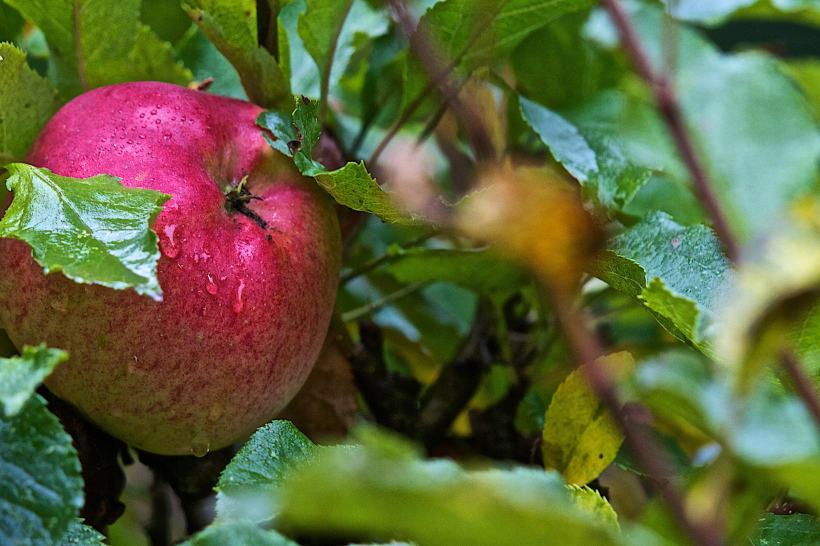
The wind is shifting, the sky filling with moody clouds, the temperatures dropping.  The fruit still hanging is being naturally chilled.  There is something about a near-frost that sweetens the flesh of the grapes, the apples, the pears and the corn cobs as if each is gathering up every sugar molecule for self-protection.  We are the beneficiaries.

October is time for a hurried harvest before the hard freeze hits, leaving all in ruin, turned to mush.  The window of time to accomplish the gathering and preserving has narrowed.  No longer is the picking done leisurely with a temptation for it to be put off until tomorrow.  Today is the day.

It is time.  All is ripe.

photo by Josh Scholten

The Last Hour

photo by Josh Scholten

Resolved, never to do anything which I would be afraid to do if it were the last hour of my life.
~Jonathan Edwards

The first few weekends of any university’s fall semester is fraught with risk.  It is a time when freshmen, in particular, participate in age-old college rituals that take some to the emergency room and result in a few lying in the morgue.  There is sometimes an attitude of tossing care and good judgement to the wind.  Leaving home and being on one’s own means the freedom to do what one wants, when one wants, until the moment when payment comes due.

The national headlines in autumn over the last few years have shouted in large font about toxic reactions at parties serving Four Loko, about students gone missing, about fatal falls off overloaded balconies, and this week about the devastating effects of alcohol enemas.  There never seems to be an end to ways students can experiment with stretching and possibly breaking the slender thread between life and death, in the name of fun and games.

A helpful rule of thumb has always been what our grandmothers said:  “Don’t ever do anything you’d be embarrassed to see on the front page of the newspaper.”

In this day and age of social media, as newspapers become less relevant, the new rule of thumb should be: “Resolved, never to do anything which I would be afraid to see on FaceBook, YouTube or going viral in a matter of hours.”  Unfortunately, in the twisted way modern society works for some, that is all the more incentive.

Jonathan Edwards, writing almost 300 years ago, had it right.  We need to live each hour as if it were our last, considering what that hour might mean for eternity.