When, in the cavern darkness, the child first opened his mouth (even before his eyes widened to see the supple world his lungs had breathed into being), could he have known that breathing trumps seeing? Did he love the way air sighs as it brushes in and out through flesh to sustain the tiny heart’s iambic beating, tramping the crossroads of the brain like donkey tracks, the blood dazzling and invisible, the corpuscles skittering to the earlobes and toenails? Did he have any idea it would take all his breath to speak in stories that would change the world? ~Luci Shaw “Breath”
Breath created the world by forming the Words that tell the stories that change everything and us.
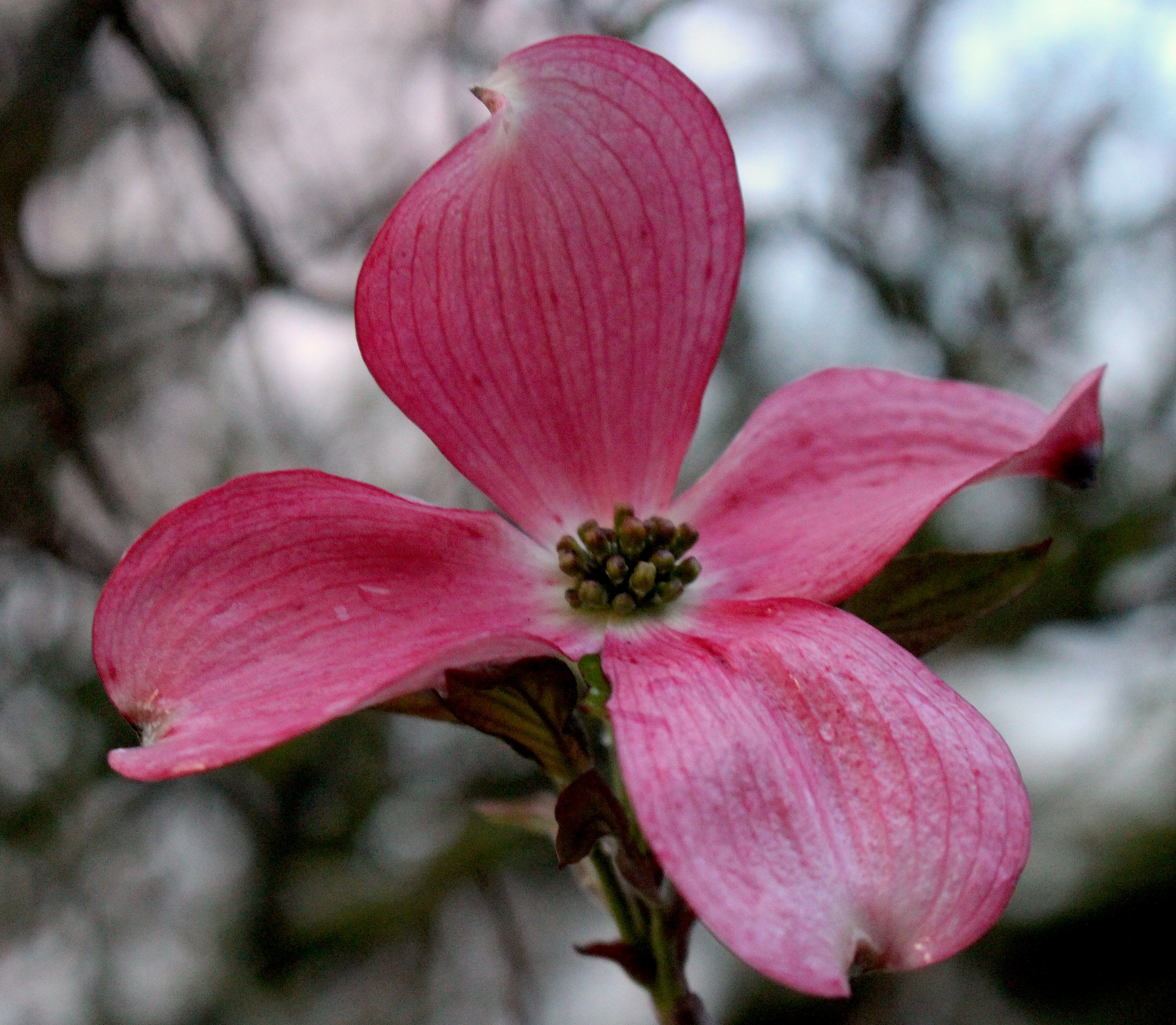
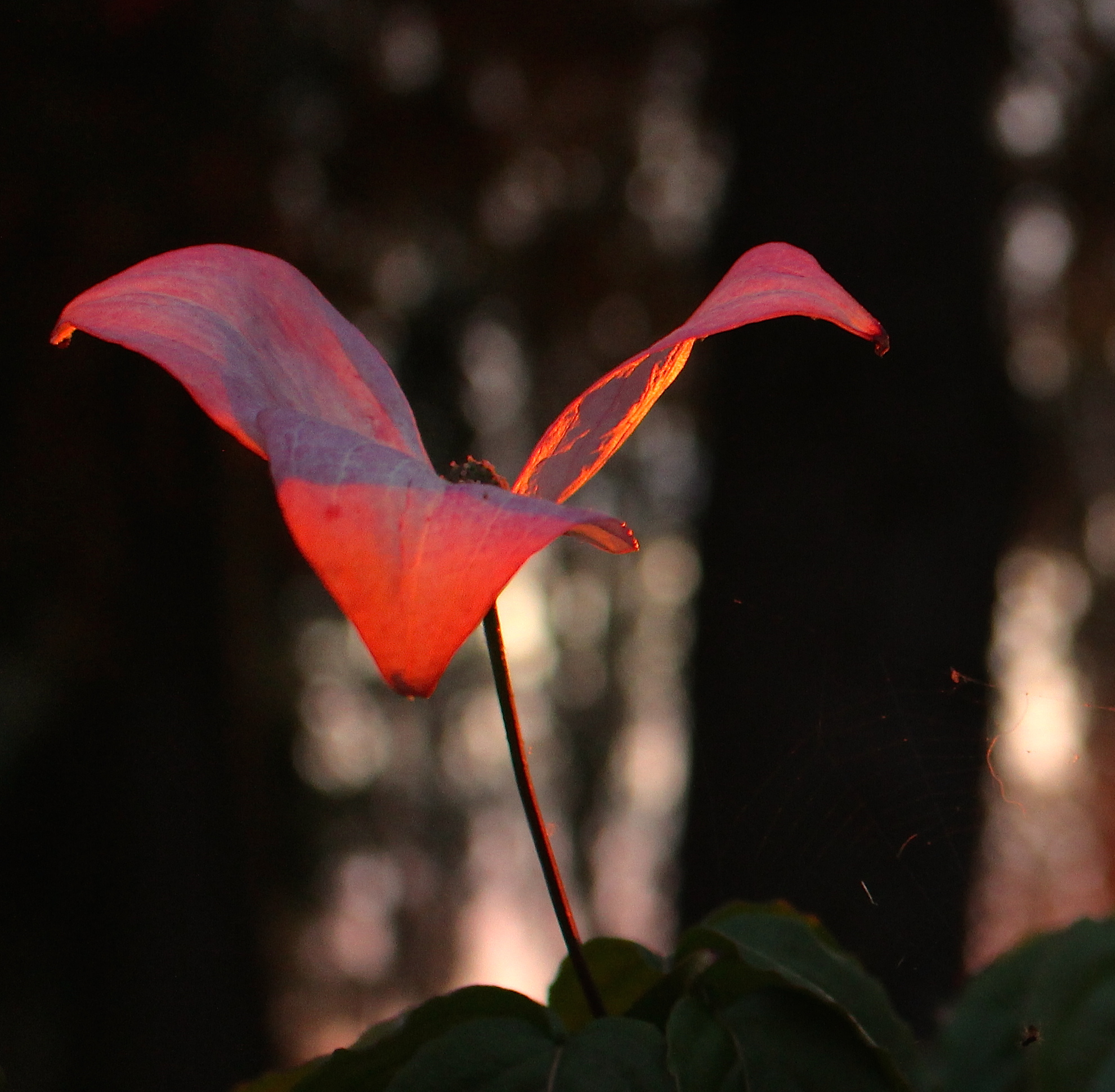
As once a Child was planted in a womb (and later, erected on a hill, a wooden cross) one year we dug a hole to plant a tree. Our choice, a Cornus Kousa with its fine, pink, four-petaled bracts, each curving lip touched with a red as deep as human blood. It rooted well, and every year it grows more glorious, bursting free in Spring—bud into full flower, flame-colored, flushed as wine. Even the slim sapling’s roughened bark speaks of that tree, nail-pierced and dark. Now, each new year, fresh blossoms shine radiant, and each cross-blessed, as if all love and loveliness has been compressed into a flower’s face, fresh as the Son’s new-born presence, a life only just begun.
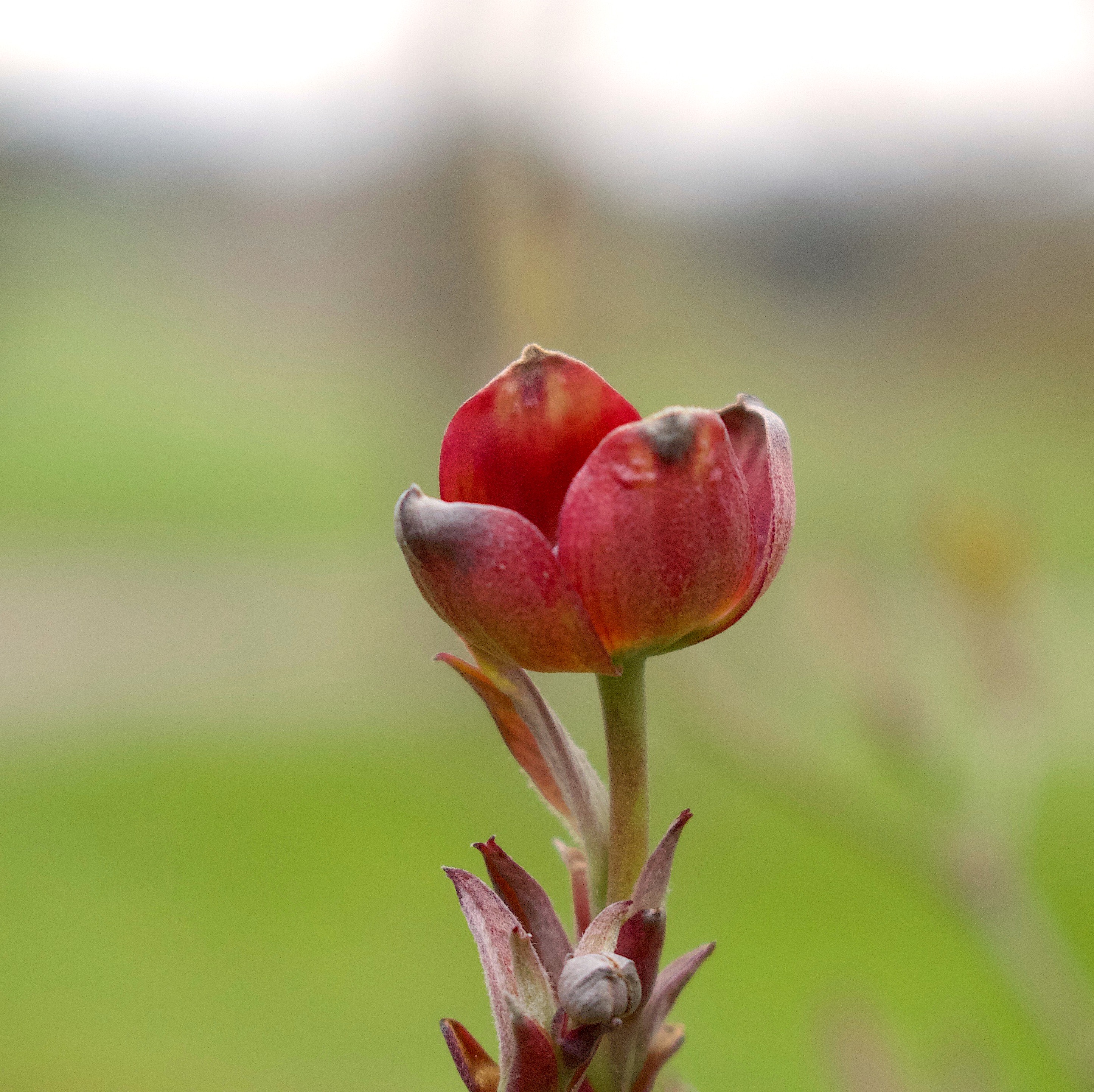
The dogwood leaves turn iron red in Fall, their centers fully ripening—into small seeded balls, each one a fruit vivid as Mary’s love, and edible. The sciontree, once sprung from Jesse’s root, speaks pain and life and love compressed and taken in, eye, mouth, heart. Incredible that now all Eucharists in our year suggest the living Jesus is our Christmas guest.
~Luci Shaw “Dogwood Tree” from Eye of the Beholder
God is in the manger, wealth in poverty, light in darkness, succor in abandonment.
No evil can befall us; whatever men may do to us, they cannot but serve the God who is secretly revealed as love and rules the world and our lives. — Dietrich Bonhoeffer from God Is in the Manger
Today we celebrate the paradox of Christ, the Son of God, coming to the world through the womb of a woman, born homeless in order to bring us home with Him.
The uncontainable contained
the infinite made finite
the Deliverer delivered
the Eternal dwelling here and now,
already here but not yet.
We, the children of the Very God of Very God,
are cross-blessed to know He is found, fresh-born, beside us.
We have only to look, listen and taste.
What next, she wonders, with the angel disappearing, and her room suddenly gone dark.
The loneliness of her news possesses her. She ponders how to tell her mother.
Still, the secret at her heart burns like a sun rising. How to hold it in— that which cannot be contained.
She nestles into herself, half-convinced it was some kind of good dream, she its visionary.
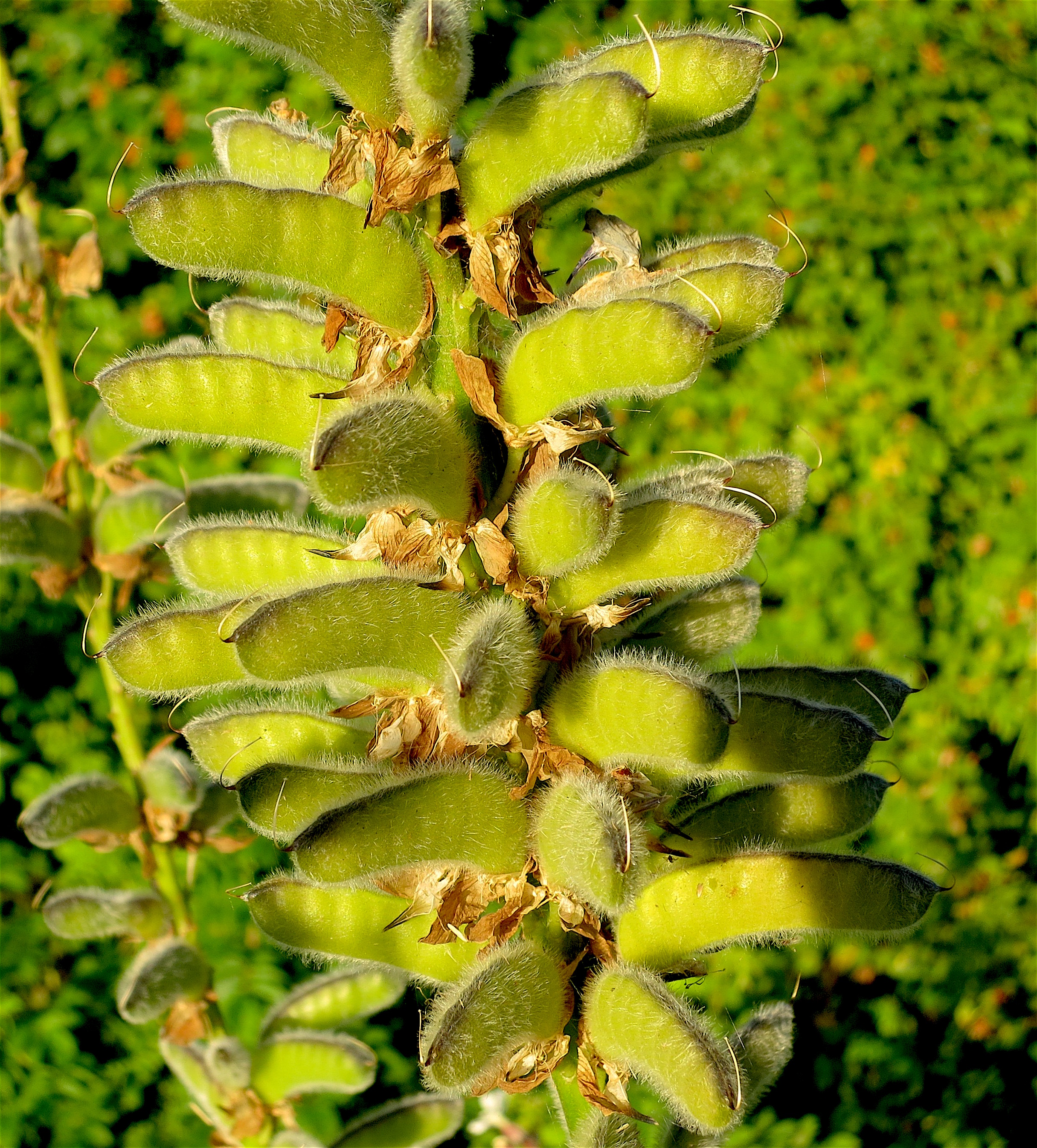
But then, part dazzled, part prescient— she hugs her body, a pod with a seed that will split her. ~Luci Shaw “Mary Considers Her Situation”
Advent is blessed with God’s promises, which constitute the hidden happiness of this time. These promises kindle the light in our hearts.
Being shattered, being awakened – these are necessary for Advent.
In the bitterness of awakening,
in the helplessness of “coming to,”
in the wretchedness of realizing our limitations,
the golden threads that pass between heaven and earth reach us.
These threads give the world a taste of the abundance it can have. ~Alfred Delp
A seed contains all the life and loveliness of the flower, but it contains it in a little hard black pip of a thing which even the glorious sun will not enliven unless it is buried under the earth. There must be a period of gestation before anything can flower.
If only those who suffer would be patient with their earthly humiliations and realize that Advent is not only the time of growth but also of darkness and hiding and waiting, they would trust, and trust rightly, that Christ is growing in their sorrow, and in due season all the fret and strain and tension of it will give place to a splendor of peace.
~Caryll Houselander, from The Reed of God
Sometimes
for the light to replace
where darkness thrives,
there must be wounding
that tears us open,
cleaving us in half
so joy can enter into
where we hurt the most.
.
Christmas comes anew, O let us sing Noel!
Glory to God! Now let your praises swell!
Sing we Noel for Christ, the newborn King,
Christmas comes anew, O let us sing Noel!
2.
Angels did say, “O shepherds come and see,
Born in Bethlehem, a blessed Lamb for thee.”
Sing we Noel for Christ, the newborn King,
Christmas comes anew, O let us sing Noel!
3.
In the manger bed, the shepherds found the child;
Joseph was there, and the Mother Mary mild.
Sing we Noel for Christ, the newborn King,
Christmas comes anew, O let us sing Noel!
4.
Soon came the kings from following the star,
Bearing costly gifts from Eastern lands afar.
Sing we Noel for Christ, the newborn King,
Christmas comes anew, O let us sing Noel!
5.
Brought to Him gold and incense of great price;
Then the stable bare resembled Paradise.
Sing we Noel for Christ, the newborn King,
Christmas comes anew, O let us sing Noel!
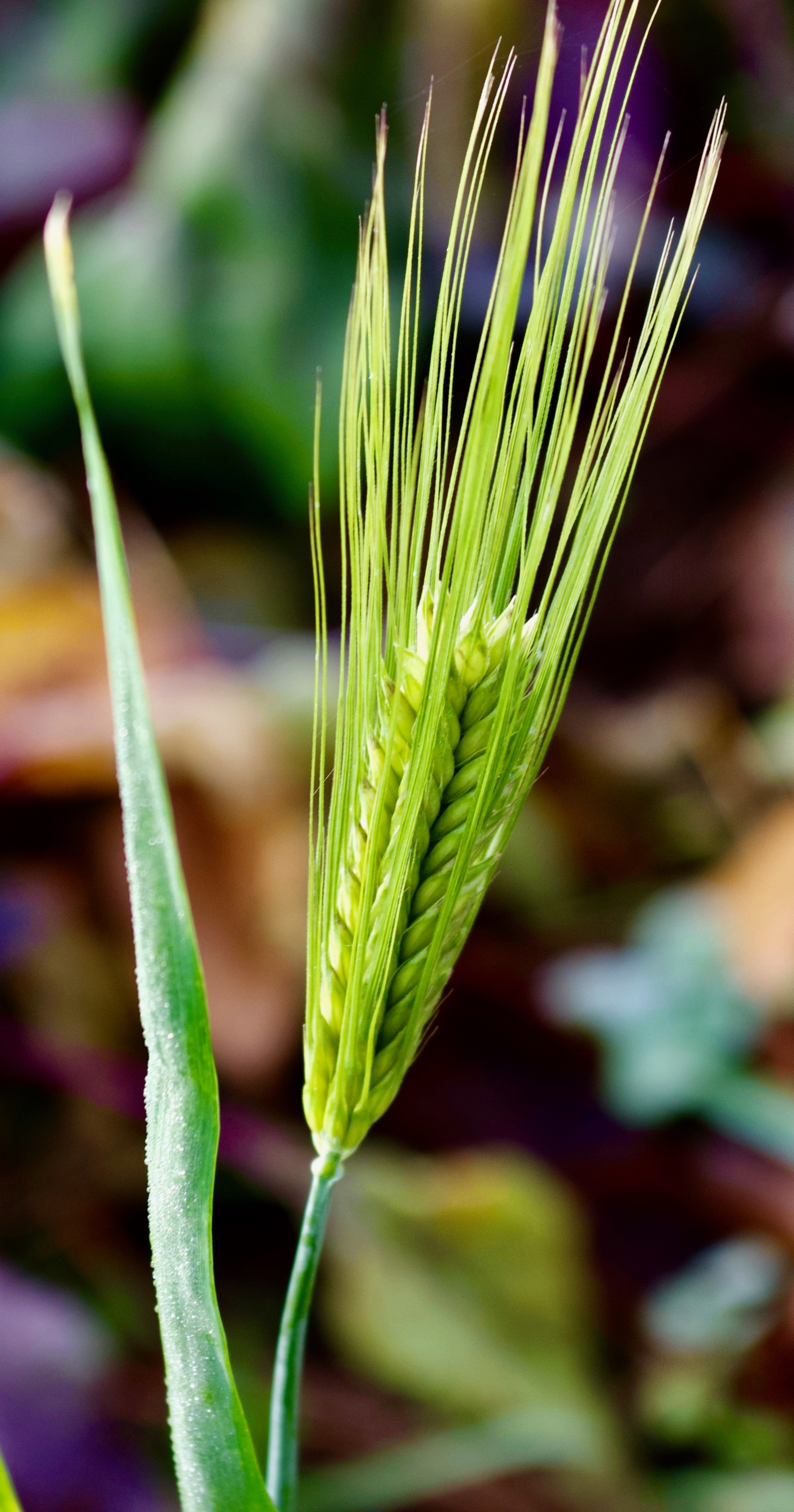
1 Now the green blade riseth, from the buried grain,
Wheat that in dark earth many days has lain;
Love lives again, that with the dead has been:
Love is come again like wheat that springeth green.
2 In the grave they laid Him, Love who had been slain,
Thinking that He never would awake again,
Laid in the earth like grain that sleeps unseen:
Love is come again like wheat that springeth green.
3 Forth He came at Easter, like the risen grain,
Jesus who for three days in the grave had lain;
Quick from the dead the risen One is seen:
Love is come again like wheat that springeth green.
4 When our hearts are wintry, grieving, or in pain,
Jesus’ touch can call us back to life again,
Fields of our hearts that dead and bare have been:
Love is come again like wheat that springeth green.
Down he came from up, and in from out, and here from there. A long leap, an incandescent fall from magnificent to naked, frail, small, through space, between stars, into our chill night air, shrunk, in infant grace, to our damp, cramped earthy place among all the shivering sheep.
And now, after all, there he lies, fast asleep. ~Luci Shaw “Descent” from Accompanied By Angels
The Lord brings death and makes alive; he brings down to the grave and raises up. ~1 Samuel 2: 6 from the Song of Hannah
Hannah’s prayer describes the Lord in all His paradox of reversals:
the strong are broken
those who stumble strengthened,
the satisfied end up working for food
the hungry become filled,
the barren woman bears children
the mother of many pines away,
the poor and needy are lifted up to sit with princes.
He humbles and exalts–we have read the stories of how the Lord uses such reversals to instruct and inspire His people.
Yet nothing Hannah says is as radical and unprecedented as being brought down to the grave and then raised up, the Lord causing death and making alive. This makes no sense. Once in the grave, there is no escape. Death cannot be reversed like the weak becoming strong, the hungry filled, the barren fertile, the poor enriched.
Hannah sings that this will indeed happen, just as the other reversals happened. It would take centuries, but her prayer is fulfilled in the child born to Mary, who lives and dies and lives again in the greatest reversal of all.
There can be no greater mystery than a God who chooses to walk the earth as a man among the poor, the needy, the helpless, the sick, the blind, the lame, the wicked, the barren, the hungry, the weak.
There can be no greater reversal than God Himself dying–put away down into the grave– and then rising up, glorious, in the ultimate defeat of darkness and death.
Hannah already knew this as a barren woman made full through the blessing of the Lord, choosing to empty herself by giving her son back to God.
Mary knew this as a virgin overshadowed by the Holy Spirit, choosing to empty herself by bearing, raising and giving her Son back to the Father.
The angels knew this, welcoming the Son of God to a throne in a manger as He is born to bring light to the darkness, and peace to a torn and ruptured world.
We know this too. We are the weak, the hungry, the poor, the dying filled completely through the love and sacrifice of the Triune God, and so give ourselves up to Him.
In from out, from down to up. It can be done. And He has done it.
Have you heard the sound of the angel voices ringing out so sweetly, ringing out so clear? Have you seen the star shining out so brightly as a sign from God that Christ the Lord is here?
Have you heard the news that they bring from heaven to the humble shepherds who have waited long? Gloria in excelsis Deo! Gloria in excelsis Deo! Hear the angels sing their joyful song.
He is come in peace in the winter’s stillness, like a gentle snowfall in the gentle night. He is come in joy, like the sun at morning, filling all the world with radiance and with light.
He is come in love as the child of Mary. In a simple stable we have seen his birth. Gloria in excelsis Deo! Gloria in excelsis Deo! Hear the angels singing ‘Peace on earth’.
He will bring new light to a world in darkness, like a bright star shining in the skies above. He will bring new hope to the waiting nations, when he comes to reign in purity and love.
Let the earth rejoice at the Saviour’s coming. Let the heavens answer with a joyful morn: Gloria in excelsis Deo! Gloria in excelsis Deo! Hear the angels singing, ‘christ is born’ Hear the angels singing, ‘christ is born’
~John Rutter “Angels’ Carol”
“I make them warm to keep my family from freezing;
I make them beautiful to keep my heart from breaking.”
–From the journal of a prairie woman, 1870
To keep a husband and five children warm,
she quilts them covers thick as drifts against
the door. Through every fleshy square white threads
needle their almost invisible tracks; her hours
count each small suture that holds together
the raw-cut, uncolored edges of her life.
She pieces each one beautiful, and summer bright
to thaw her frozen soul. Under her fingers
the scraps grow to green birds and purple
improbable leaves; deeper than calico, her mid-winter
mind bursts into flowers. She watches them unfold
between the double stars, the wedding rings. ~Luci Shaw “Quiltmaker”
It could be the world was made this way:
piecemeal, the parts fitting together
as if made for one another~
disparate and separate,
all the edges
coming together in harmony.
The point of its creation
to be forever functional,
a blanket of warmth and security
but its result is so much more:
beauty arising from scraps,
the broken stitched to broken
to become holy and whole.
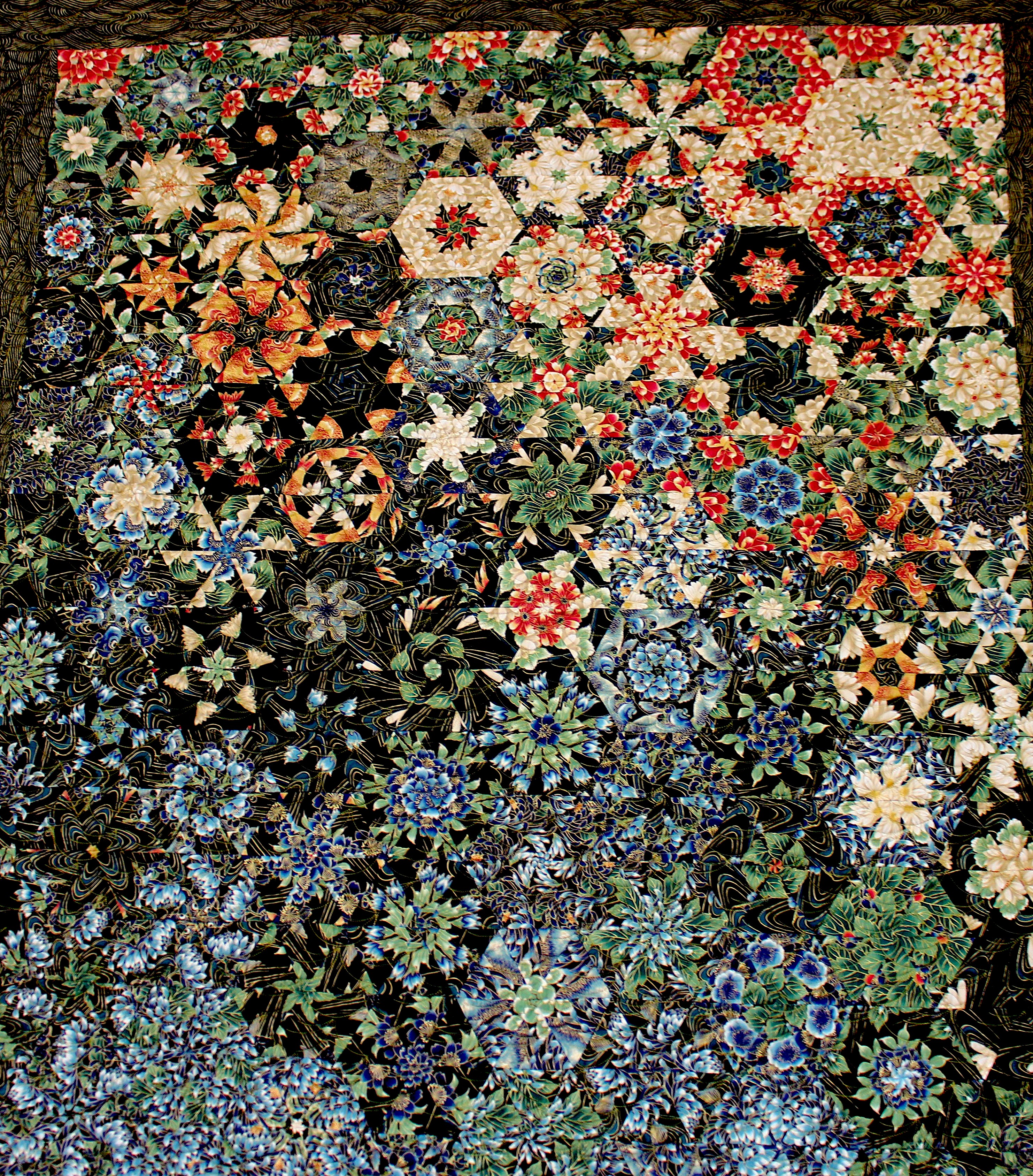
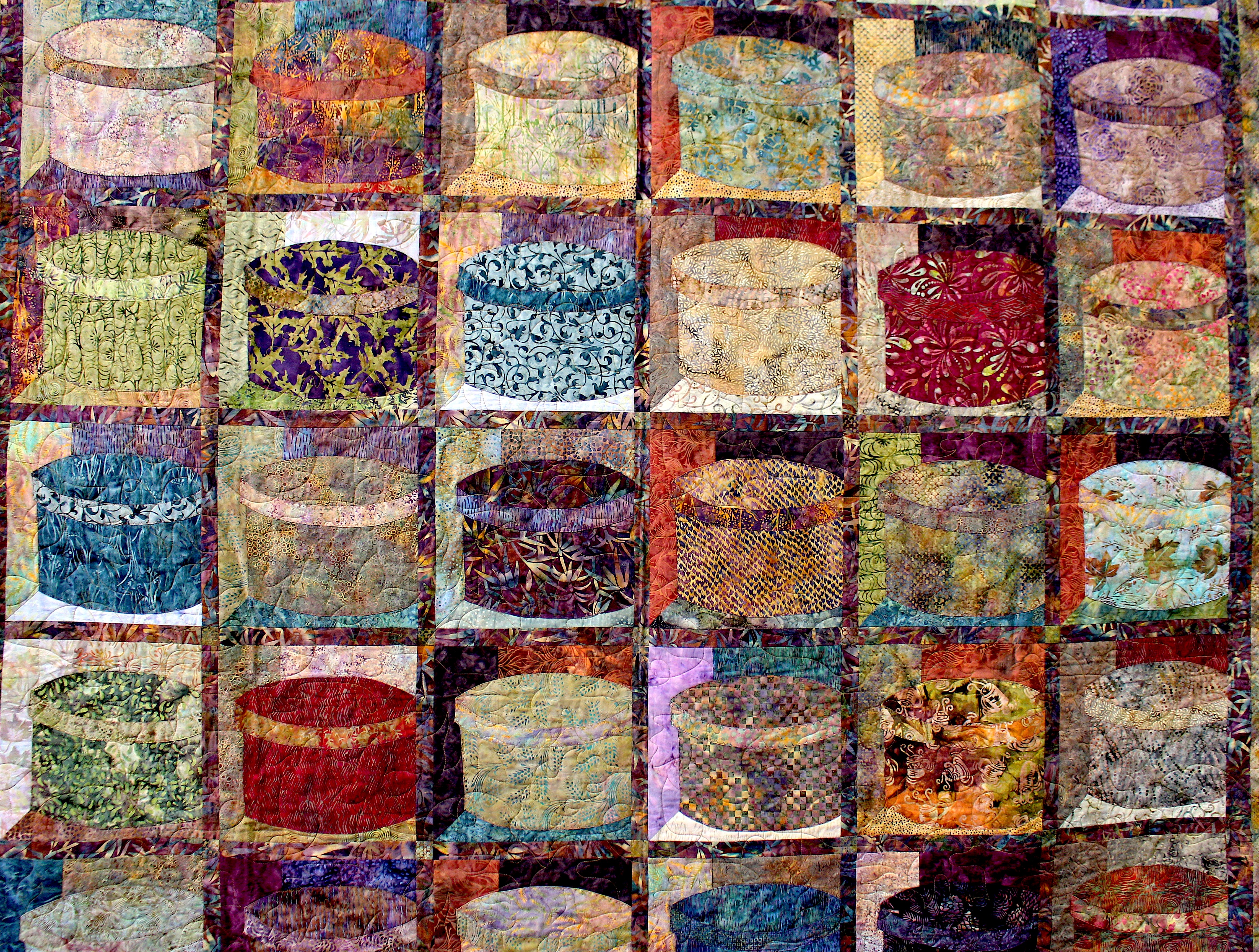
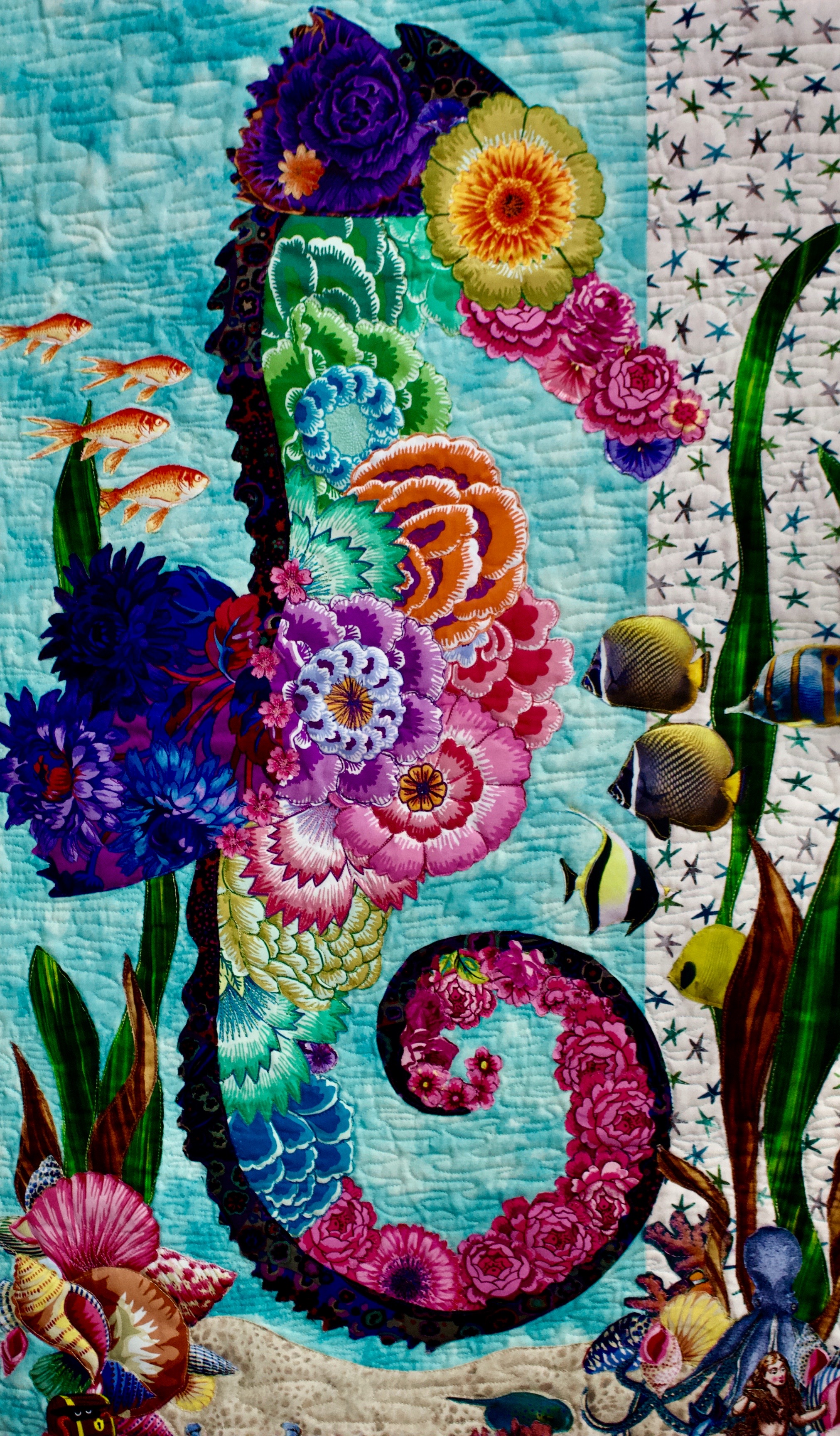
(all quilts here are on display this week at the Northwest Washington Fair in Lynden)
“My soul glorifies the Lord 47 and my spirit rejoices in God my Savior, 48 for he has been mindful of the humble state of his servant. From now on all generations will call me blessed, 49 for the Mighty One has done great things for me— holy is his name. 50 His mercy extends to those who fear him, from generation to generation. 51 He has performed mighty deeds with his arm; he has scattered those who are proud in their inmost thoughts. 52 He has brought down rulers from their thrones but has lifted up the humble. 53 He has filled the hungry with good things but has sent the rich away empty. 54 He has helped his servant Israel, remembering to be merciful 55 to Abraham and his descendants forever, just as he promised our ancestors.”
Luke 1: 46-55
Now native to earth as I am, nailed to my poor planet, caught that I might be free, blind in my womb to know my darkness ended, brought to this birth for me to be new-born, and for him to see me mended I must see him torn.
~Luci Shaw from “Mary’s Song”
Mary’s song (the Magnificat) is a celebration of how the glory of God causes an unexpected turning of the world:
the proud are scattered,
the mighty brought down,
the humble exalted,
the hungry are filled
and the rich emptied.
This is revolution by reversal — not good news for the high and mighty, powerful and rich — and a reminder that those with plenty have great responsibility to those less fortunate.
Yet Mary’s song sings a truth pertinent to the mission of Christ on earth:
He arrives lowly, lives humbly and dies despised. His impact is from His words and actions, not from riches, political influence or the wielding of mighty weapons.
Her song puts a microscope on the revolution about to take place, within her and outside her, due to Christ, indeed a turning of the tainted soil of the world from the planting of the Seed of God. His presence on earth magnifies within her as He grows in her womb, then blooms and fruits on earth, glorified in His life, death and resurrection.
Let the singing begin!
My soul cries out with a joyful shout that the God of my heart is great, And my spirit sings of the wondrous things that you bring to the one who waits. You fixed your sight on the servant’s plight, and my weakness you did not spurn, So from east to west shall my name be blest. Could the world be about to turn?
Refrain: My heart shall sing of the day you bring. Let the fires of your justice burn. Wipe away all tears, For the dawn draws near, And the world is about to turn.
Though I am small, my God, my all, you work great things in me. And your mercy will last from the depths of the past to the end of the age to be. Your very name puts the proud to shame, and those who would for you yearn, You will show your might, put the strong to flight, for the world is about to turn.
Refrain
From the halls of power to the fortress tower, not a stone will be left on stone. Let the king beware for your justice tears every tyrant from his throne. The hungry poor shall weep no more, for the food they can never earn; These are tables spread, ev’ry mouth be fed, for the world is about to turn.
Refrain
Though the nations rage from age to age, we remember who holds us fast: God’s mercy must deliver us from the conqueror’s crushing grasp. This saving word that our forbears heard is the promise that holds us bound, ‘Til the spear and rod be crushed by God, who is turning the world around.
Refrain
Words: Rory Cooney (1990)
Music: STAR OF THE COUNTY DOWN (Irish Traditional Folk Song)
In sleep his infant mouth works in and out. He is so new, his silk skin has not yet been roughed by plane and wooden beam nor, so far, has he had to deal with human doubt.
He is in a dream of nipple found, of blue-white milk, of curving skin and, pulsing in his ear, the inner throb of a warm heart’s repeated sound.
His only memories float from fluid space. So new he has not pounded nails, hung a door, broken bread, felt rebuff, bent to the lash, wept for the sad heart of the human race. ~Luci Shaw “Kenosis”
To think the original Breath stirred the dust of man to become New on earth.
This mystery of God becoming Man, growing within woman, fed from her breast, wounded and bleeding to save her who delivered Him, emptied Himself completely to then deliver all of us as newborns, sliding slippery into our new life.
And we gasp for breath, our nostrils no longer breathing dust, but filled by the fragrance of forgiveness and grace.
We break through His wounds, bursting into bloom.
Who comes this night, this wintry night As to the lowly manger? The shepherds and the Kings did come To welcome in the stranger
Who sends this song upon the air To ease the soul that’s aching? To still the cry of deep despair And heal the heart that’s breaking
Brother Joseph bring the light Fast, the night is fading And who will come this wintry night To where the stranger’s waiting?
Who comes this night, with humble heart To give the fullest measure A gift of purest love to bring What good and worthy treasure
Brother Joseph bring the lamp For they are asking for him The children come this starry night To lay their hearts before him
For those who would the stranger greet Must lay their hearts before him And raise their song in voices sweet To worship and adore him
Brother Joseph bring the light Fast, the night is fading And who will come this wintry night To where the stranger’s waiting
Brother Joseph bring the lamp For they are asking for him The children come this starry night To lay their hearts before him Pure of heart this starry night To lay their hearts before him
~James Taylor
Down he came from up, and in from out, and here from there. A long leap, an incandescent fall from magnificent to naked, frail, small, through space, between stars, into our chill night air, shrunk, in infant grace, to our damp, cramped earthy place among all the shivering sheep.
And now, after all, there he lies, fast asleep. ~Luci Shaw “Descent” from Accompanied By Angels
The Lord brings death and makes alive; he brings down to the grave and raises up. ~1 Samuel 2: 6 from the Song of Hannah
Hannah’s prayer describes the Lord in all His paradox of reversals: the strong are broken and those who stumble strengthened, the satisfied end up working for food and the hungry become filled, the barren woman bears children while the mother of many pines away, the poor and needy are lifted up to sit with princes.
He humbles and exalts–we have read the stories of how the Lord uses such reversals to instruct His people.
Yet nothing Hannah says is as radical and unprecedented as being brought down to the grave and then raised up, the Lord causing death and making alive. This makes no sense. Once in the grave, there is no escape. Death cannot be reversed like the weak becoming strong, the hungry filled, the barren fertile, the poor enriched.
Hannah sings that this will indeed happen, just as the other reversals happened. It would take centuries, but her prayer is fulfilled in the child born to Mary, who lives and dies and lives again in the greatest reversal of all.
There can be no greater mystery than a God who chooses to walk the earth as a man among the poor, the needy, the helpless, the sick, the blind, the lame, the wicked, the barren, the hungry, the weak.
There can be no greater reversal than God Himself dying–put away down into the grave– and then rising up, glorious, in the ultimate defeat of darkness and death.
Hannah already knew this as a barren woman made full through the blessing of the Lord, choosing to empty herself by giving her son back to God.
Mary knew this as a virgin overshadowed by the Holy Spirit, choosing to empty herself by bearing, raising and giving her Son back to the Father.
The angels knew this, welcoming the Son of God to a throne in a manger as He is born to bring light to the darkness, and peace to a torn and ruptured world.
We know this too. We are the weak, the hungry, the poor, the dying filled completely through the love and sacrifice of the Triune God, and so give ourselves up to Him.
From down to up. It can be done. And He has done it.
Have you heard the sound of the angel voices ringing out so sweetly, ringing out so clear? Have you seen the star shining out so brightly as a sign from God that Christ the Lord is here?
Have you heard the news that they bring from heaven to the humble shepherds who have waited long? Gloria in excelsis Deo! Gloria in excelsis Deo! Hear the angels sing their joyful song.
He is come in peace in the winter’s stillness, like a gentle snowfall in the gentle night. He is come in joy, like the sun at morning, filling all the world with radiance and with light.
He is come in love as the child of Mary. In a simple stable we have seen his birth. Gloria in excelsis Deo! Gloria in excelsis Deo! Hear the angels singing ‘Peace on earth’.
He will bring new light to a world in darkness, like a bright star shining in the skies above. He will bring new hope to the waiting nations, when he comes to reign in purity and love.
Let the earth rejoice at the Saviour’s coming. Let the heavens answer with a joyful morn: Gloria in excelsis Deo! Gloria in excelsis Deo! Hear the angels singing, ‘christ is born’ Hear the angels singing, ‘christ is born’
~John Rutter “Angels’ Carol”
“…inside her the mind
of Christ, cloaked in blood,
lodges and begins to grow.”
~Jane Kenyon from “Mosaic of the Nativity”
There is nothing more finite than the space inside the womb–it gets crowded in there quickly over a scant few months.
Yet there Infinity dwelled within the finite.
As I am no theologian, I’m not capable of discussing the intricacy of the reformational argument of finitum capax infiniti (the finite is capable of the infinite) vs finitum non capax infiniti (the finite is not capable of the infinite) which has to do with Christ’s bodily presence in the Eucharist.
As a mother, I try to understand that finite Mary carried the infinite within
–“inside her the mind of Christ”…
The incarnation of God knit together with the nature of Man is far more profound than the joining of flute and drum to make joyous dancing music. We historically have trivialized the birth of Jesus to scale it to a size more comfortable for our limited comprehension with little drummer boys, kindly oxen, loyal donkey, cute angels, lots of tu-re-lus and pat-a-pans.
The reality is: nothing is the same as it was when the finite met with the infinite
– a big bang –
but this one happened in our hearts.
By coming and joining to us, God changed everything and us.
How is it, now knowing this, can anyone be glum?
How can we not dance and sing?
“To see a World in a Grain of Sand And a Heaven in a Wild Flower, Hold Infinity in the palm of your hand And Eternity in an hour.” ~William Blake from Auguries of Innocence
Tomorrow shall be my dancing day;
I would my true love did so chance
To see the legend of my play,
To call my true love to my dance;

Sing, oh! my love, oh! my love, my love, my love,
This have I done for my true love

Then was I born of a virgin pure,
Of her I took fleshly substance
Thus was I knit to man's nature
To call my true love to my dance.

In a manger laid, and wrapped I was
So very poor, this was my chance
Betwixt an ox and a silly poor ass
To call my true love to my dance.
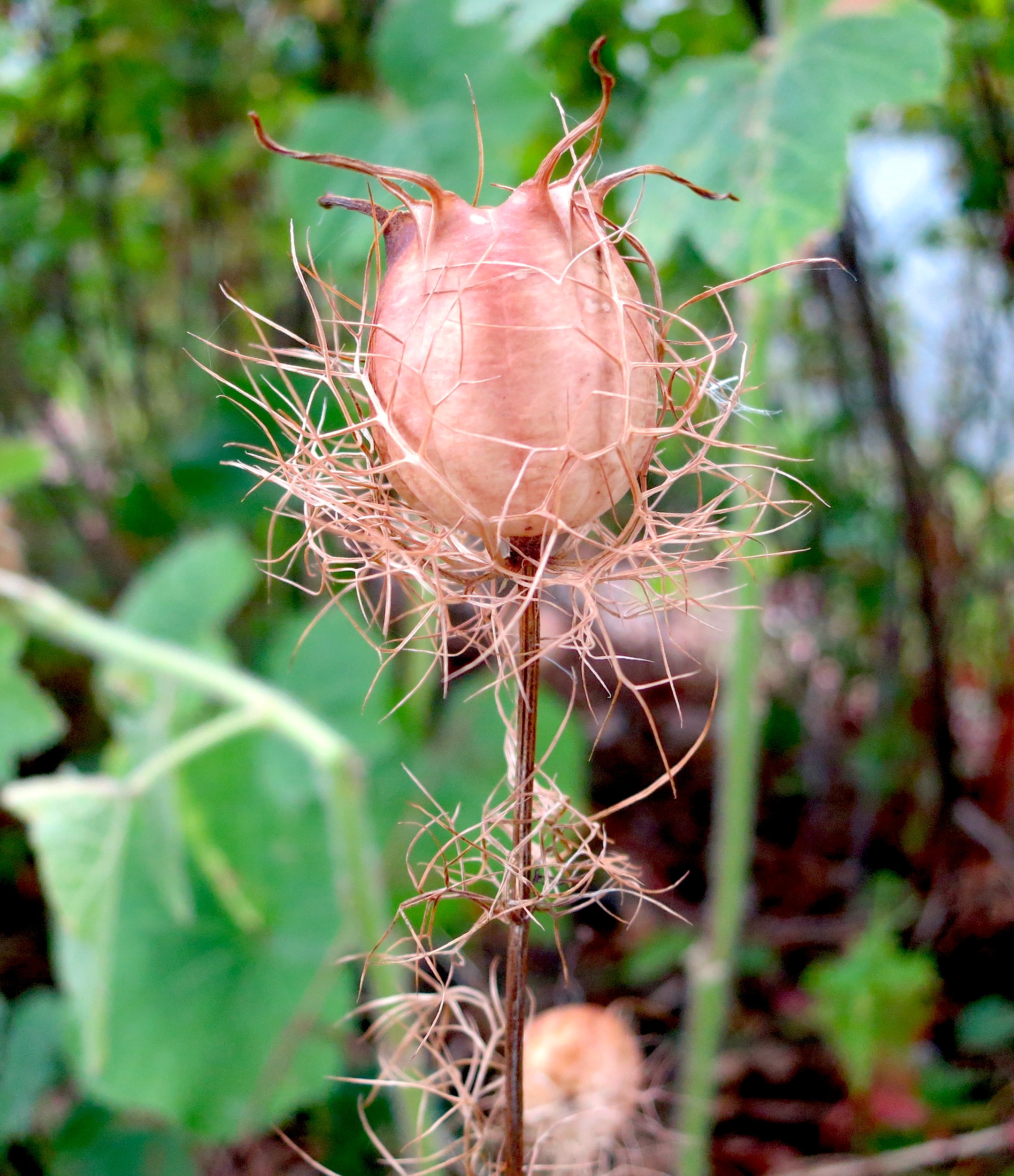
it reels in the wind ~Luci Shaw from “Flower head”
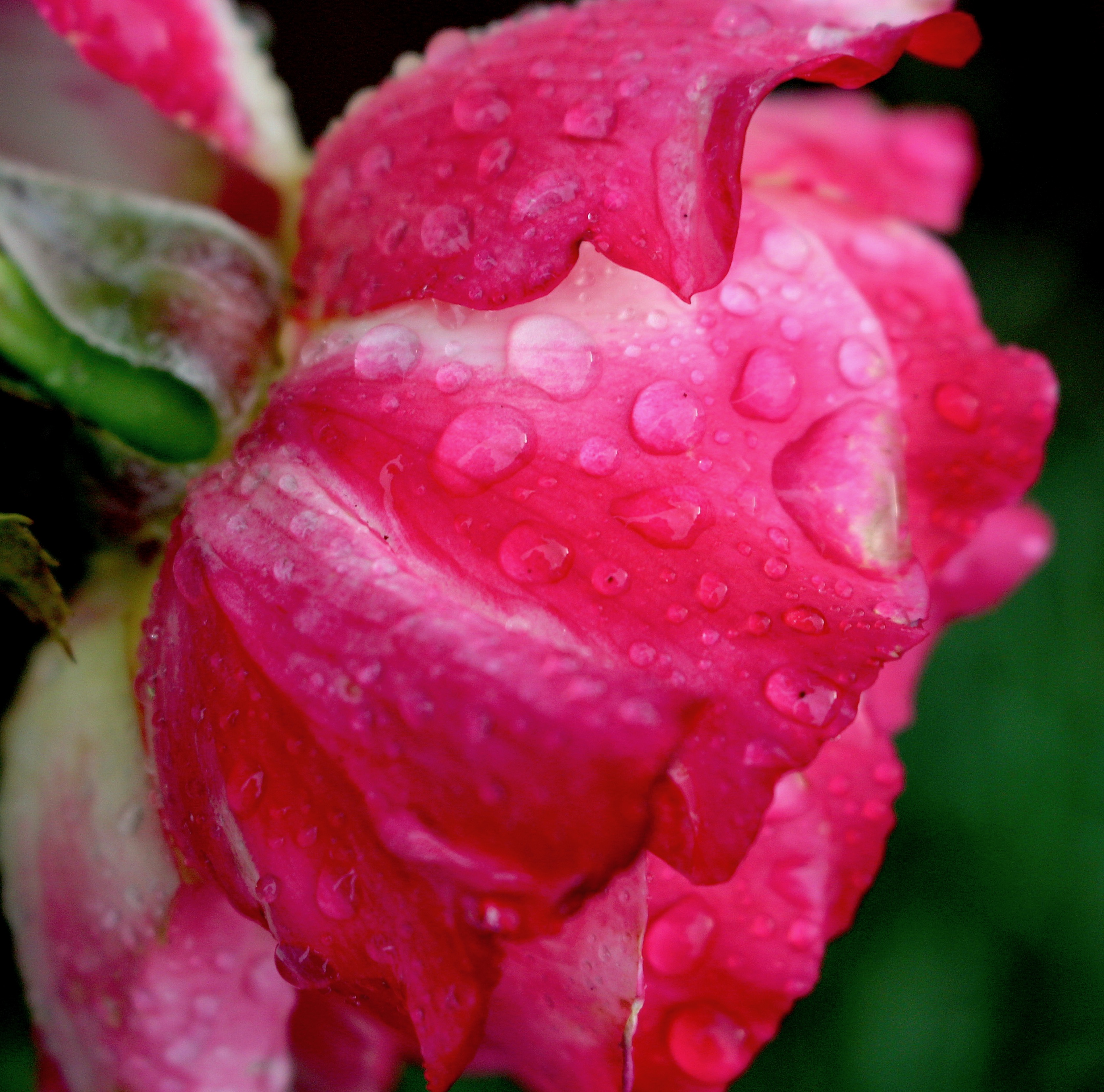
It was gardener/author Alphonse Karr in the mid-19th century who wrote that even though most people grumble about roses having thorns, he was grateful that thorns have roses. After all, there was a time when thorns were not part of our world, when we knew nothing of suffering and death, but pursuing and desiring more than we were already generously given, we received a bit more than we bargained for.
We continue to reel under the thorns our choices produce — indeed every day there is more bloodletting.
So a rose was sent to adorn the thorns and even then we chose thorns to make Him bleed and still do to this day.
Yes, a fragrant flower of grace blooms beautiful,
bleeding amid the thorns,
and will to the endless day
that ever was and ever shall be.
There is a flower sprung from a tree, The root thereof is called Jesse, A flower of great worth; There is no other such in paradise.
This flower is fair and fresh of hue; It fades never, but ever is new; The blessed branch where this flower grew Was Mary mild who bore Jesu — A flower of grace, Against all sorrow it is solace.
The seed thereof was of God’s sending, Which God himself sowed with his hand; In Bethlehem, in that holy land, Within her garden he found her there. This blessed flower Sprang never but in Mary’s bower.
When Gabriel this maiden met, With “Ave, Maria,” he her greeted Between them two this flower was set, And was kept, no man should know it, Until one day In Bethlehem, it began to spread and spray.
When that flower began to spread, And his blossom to bud, Rich and poor of every seed, They marvelled how this flower might spread, Until kings three That blessed flower came to see.
Angels there came out of their tower To look upon this fresh flower — How fair he was in his colour, And how sweet in his savour — And to behold How such a flower might spring amid the cold.
Of lily, of rose on branch, Of primrose, and of fleur-de-lys, Of all the flowers I can think of, That flower of Jesse yet bears the prize, As the best remedy To ease our sorrows in every part.
I pray you, flowers of this country, Wherever ye go, wherever ye be, Hold up the flower of good Jesse, Above your freshness and your beauty, As fairest of all, Which ever was and ever shall be. ~John Audelay 15th century priest (translated from old English)











































 Barnstorming