May God Have My Jewel In His Keeping

img_0916

God keep my jewel this day from danger;
From tinker and pooka and black-hearted stranger.
From harm of the water, from hurt of the fire.
From the horns of the cows going home to the byre.
From the sight of the fairies that maybe might change her.
From teasing the ass when he’s tied to the manger.
From stones that would bruise her, from thorns of the briar.
From evil red berries that wake her desire.
From hunting the gander and vexing the goat.
From the depths o’ sea water by Danny’s old boat.
From cut and from tumble, from sickness and weeping;
May God have my jewel this day in his keeping.
~Winifred Lett (1882-1973) Prayer for a Child

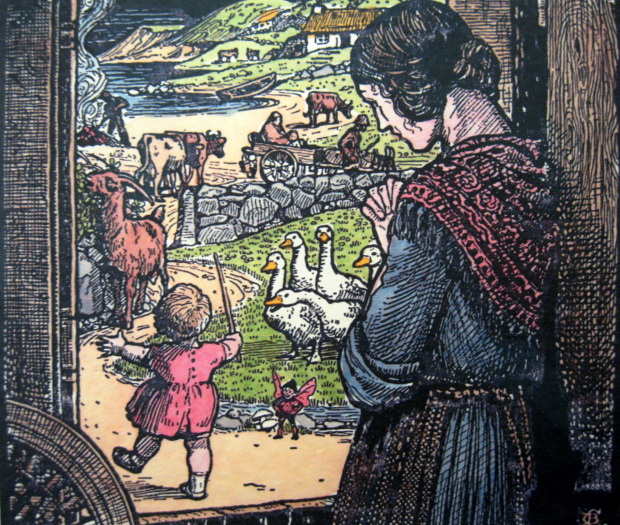
This prayer has hung in our home for almost three decades, purchased when I was pregnant with our first child.  When I first saw it with its drawing of the praying mother watching her toddler leave the safety of the home to explore the wide world, I knew it addressed most of my worries as a new mother, in language that helped me smile at my often irrational fears.  I would glance at it dozens of time a day, and it would remind me of God’s care for our children through every scary thing, real or imagined.

When our eight year old daughter was hospitalized with a life threatening E.Coli 0157 infection, this prayer comforted me when she was so sick, as I knew only God’s care and keeping would make the difference in a condition where there was no proven medical treatment other than watching and waiting with intravenous fluids to prevent dehydration.

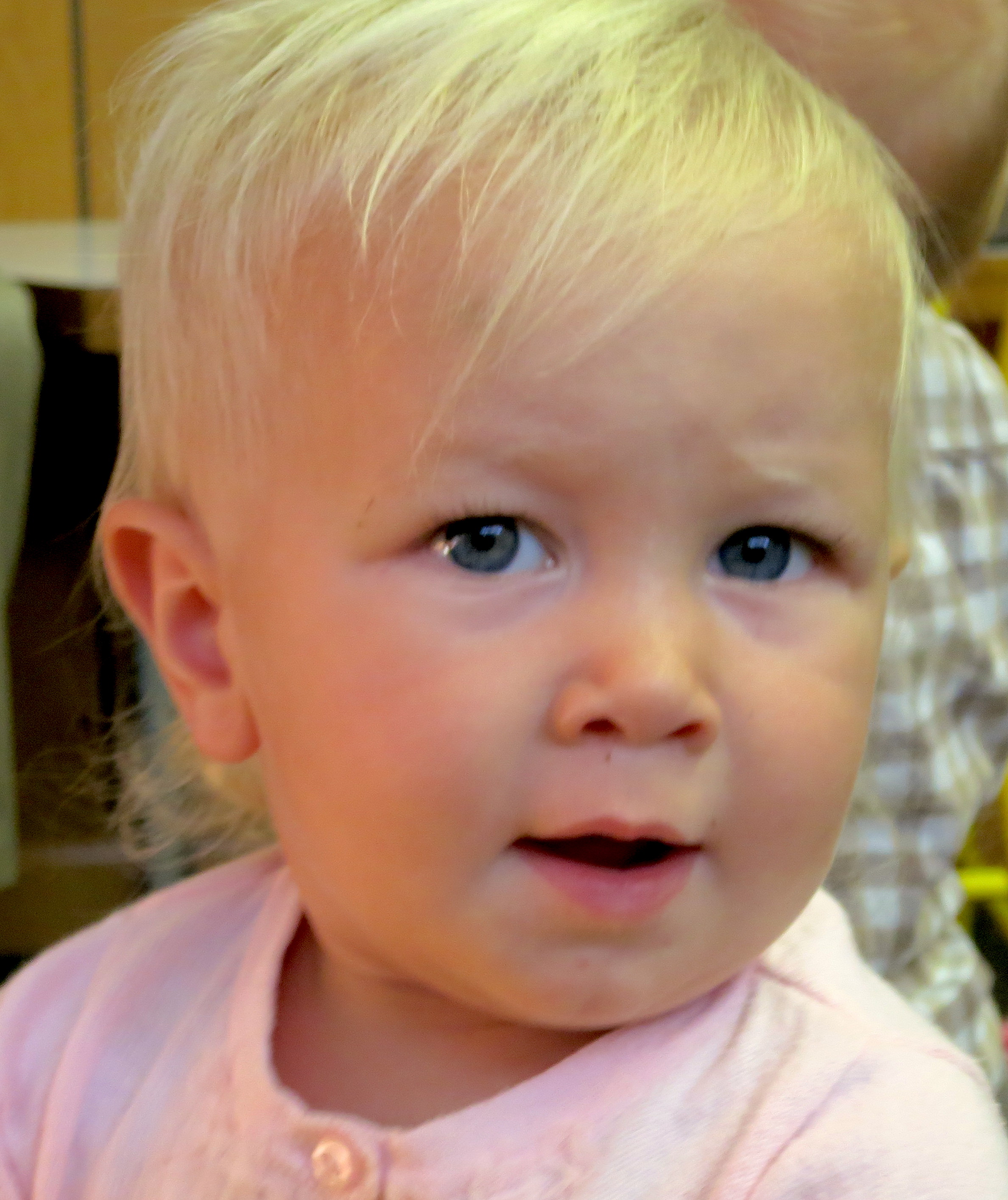
And now this poem is in my mind once again, prayed fervently for two children separated by a vast ocean, but united through God’s church family.  One is our little neighbor Faye, turning two in three days, who also has E.Coli 0157 infection and is at Children’s Hospital in Seattle.  Her life and her family are incredibly precious to us at Wiser Lake Chapel.  Please pray with us that God will protect her through this awful illness, and give her parents endurance through long days and nights and an extra strength of faith and assurance of His love.

In Tokyo, Japan, we pray with our sister church Grace Harbor for their pastor’s son, Towa, age fourteen, who this week sustained a serious neck injury causing paralysis of his arms and legs.  His healing and recovery will take much time and his long term outcome uncertain.  He and his family too are having to depend on God’s power to help heal his body, and to prepare their hearts and minds for the unknowns and potential of life long challenges.

In addition to the two whose names we know, there are so many thousands of children hurting now in Nepal and other parts of the world, whose names we do not know, but who desperately need this prayer:

From cut and from tumble, from sickness and weeping;
May God have my jewel this day in his keeping….
faye92114
Faye

Don’t Be Afraid

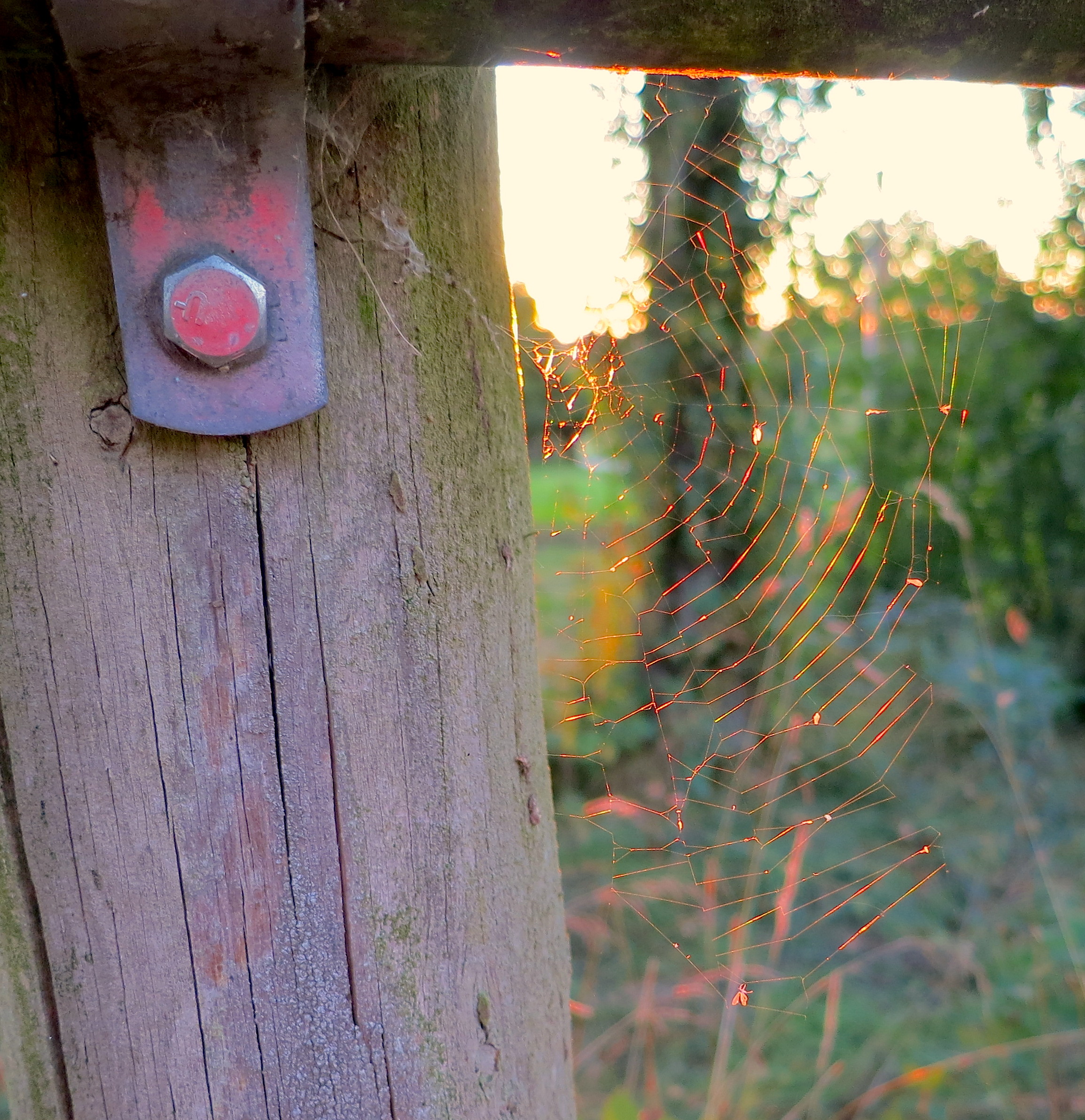
sunset96142

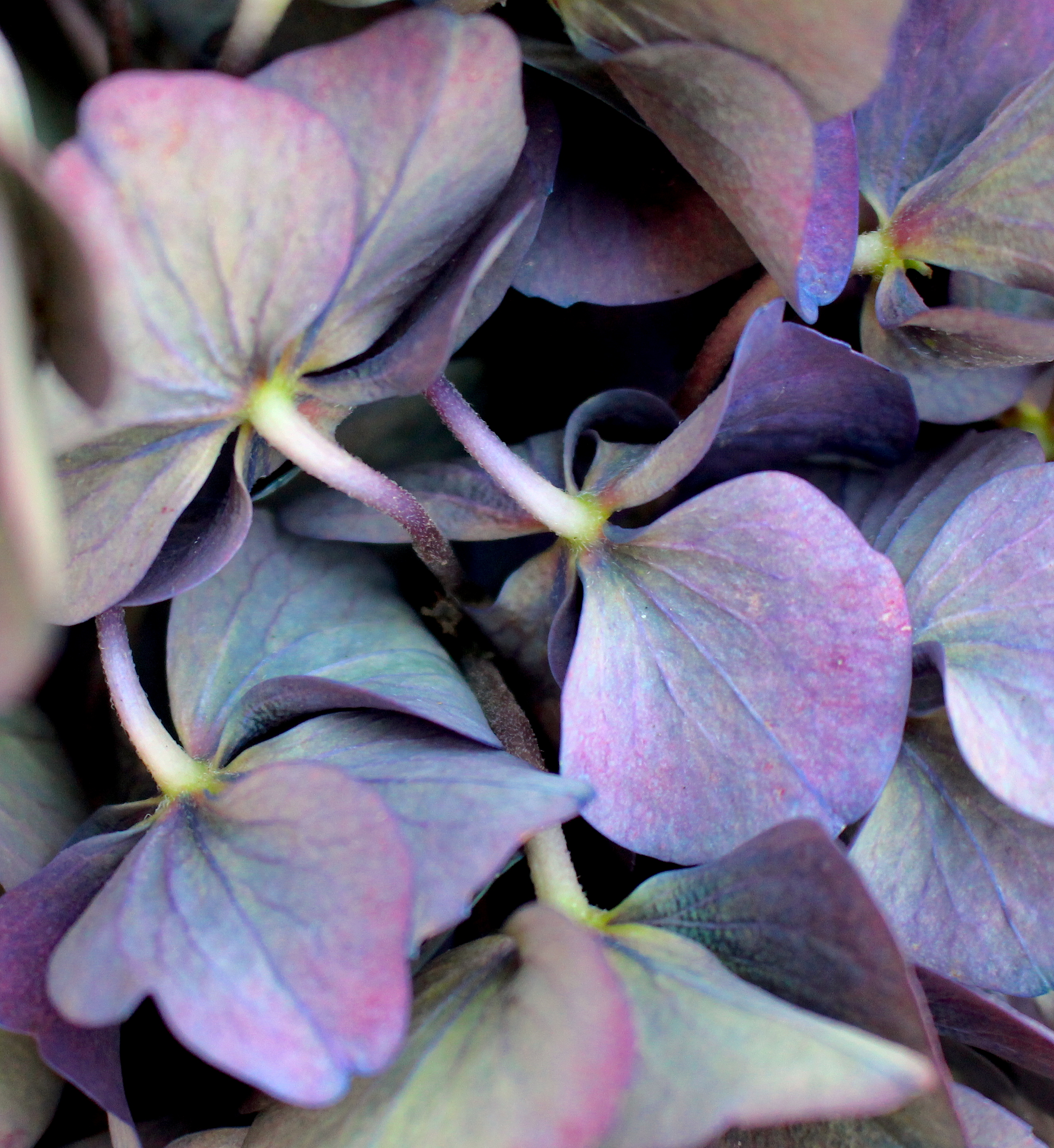
hydrangea9614

To acknowledge the significance of this day and the events of 13 years ago:

The grace of God means something like:
Here is your life.
You might never have been, but you are,
because the party wouldn’t have been complete without you.
Here is the world.
Beautiful and terrible things will happen.
Don’t be afraid.
I am with you.
~Frederick Buechner
in Wishful Thinking and later in Beyond Words


sunsetweb96143

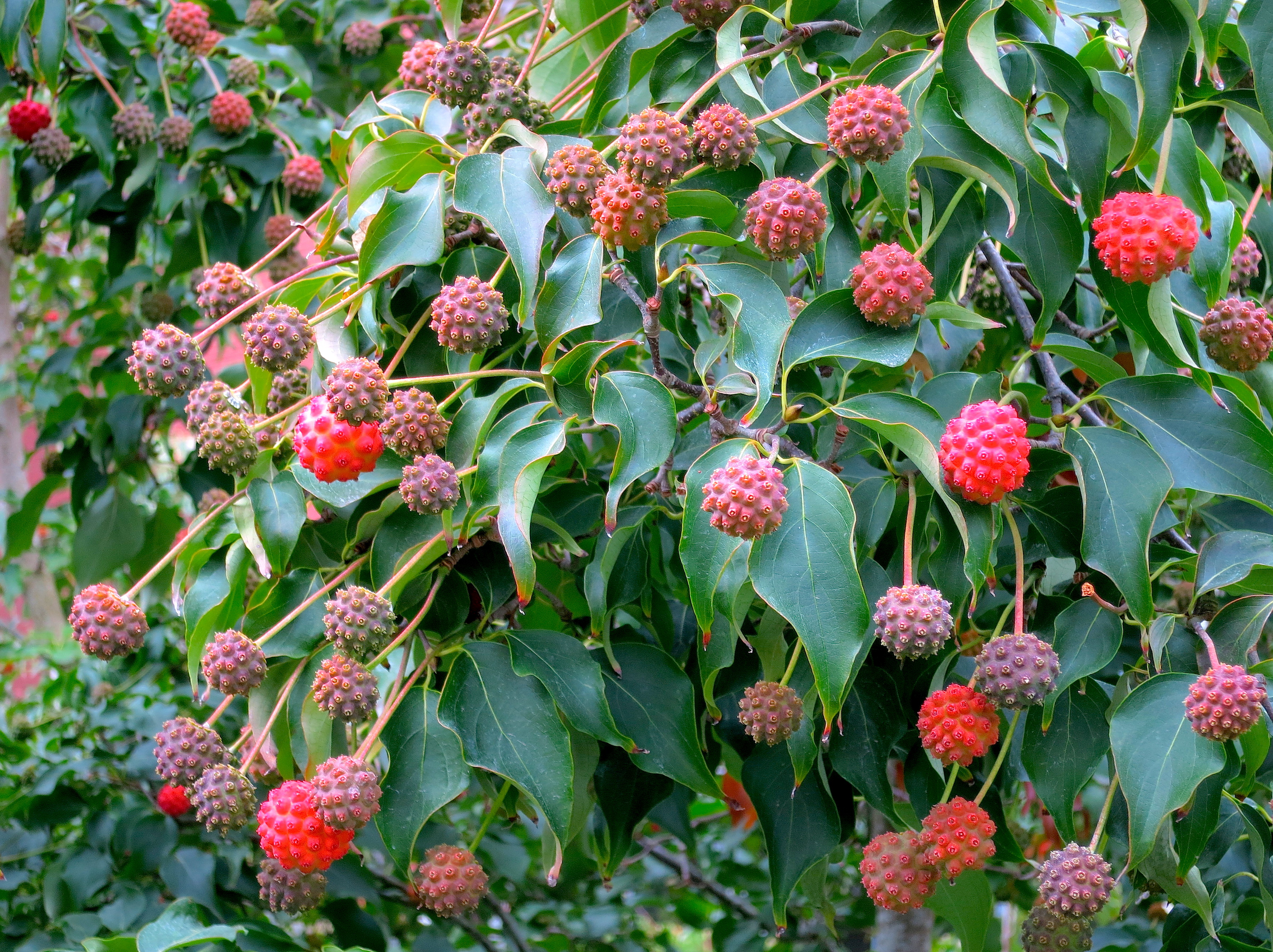
dogwoodsept

Without Headlights

Photo by Tayler Rae of Aaron Janicki haying this week with his Belgian team in Skagit County

... The Amish have maintained what I like to think is a proper scale, largely by staying with the horse. The horse has restricted unlimited expansion. Not only does working with horses limit farm size, but horses are ideally suited to family life. With horses you unhitch at noon to water and feed the teams and then the family eats what we still call dinner. While the teams rest there is usually time for a short nap. And because God didn’t create the horse with headlights, we don’t work nights.
Amish farmer David Kline in Great Possessions

Nearing 58, I am old enough to have parents who grew up on farms worked by horses, one raising wheat and lentils in the Palouse country of eastern Washington and the other logging in the woodlands of Fidalgo Island of western Washington.  The horses were crucial to my grandfathers’ success in caring for and tilling the land, seeding and harvesting the crops and bringing supplies from town miles away.  Theirs was a hardscrabble life in the early 20th century with few conveniences.  Work was year round from dawn to dusk; caring for the animals came before any human comforts.  Once night fell, work ceased and sleep was welcome respite for man and beast.

You can’t have the family farm without the family.–G.K. Chesterton

In the rural countryside where we live now, we’ve been fortunate enough to know people who still dabble in horse farming, whose draft teams are hitched to plows and mowers and manure spreaders as they head out to the fields to recapture the past.  Watching a good team work with no diesel motor running means hearing bird calls from the field, the steady footfall of the horses, the harness chains jingling, the leather straps creaking, the machinery shushing quietly as gears turn and grass lays over in submission.  No ear protection is needed.  There is no clock needed to pace the day.   There is a rhythm of nurture when animals instead of engines are part of the work day.   The gauge for taking a break is the amount of foamy sweat on the horses and how fast they are breathing. It is time to stop and take a breather, it is time to start back up do a few more rows, it is time to water, it is time for a meal, it is time for a nap, it is time for a rest in a shady spot.  This is gentle use of the land with four footed stewards who deposit right back to the soil the digested forage they have eaten only hours before.

When we stop working with our hands, we cease to understand how the world really works. — Clive Thompson

Our modern agribusiness megafarm fossil-fuel-powered approach to food production has bypassed the small family farm which was so dependent on the muscle power of humans and animals.    In our move away from horses worked by skilled teamsters,  what has been gained in high production values has meant loss of self-sufficiency and dedicated stewardship of a particular plot of ground.  Draft breeds, including the Haflinger horses we raise, now are bred for higher energy with lighter refined bone structure meant more for eye appeal and floating movement,  rather than the sturdy conformation and unflappable low maintenance mindset needed for pulling work.   Modern children are bred for different purpose as well, no longer raised to work together with other family members for a common purpose of daily survival.   Their focus at school is waning as they have no morning farm chores when they get up, too little physical work to do before they arrive at their desks in the morning.   Their physical energy, if directed at all,  is directed to competitive sports, engaged in fantasy combat rather than winning a very real victory over hunger.

I am encouraged when young people still reach for horse collars and bridles, hitch up their horses and do the work as it used to be done.   All is not lost if we can still make incremental daily progress,  harnessed together as a team with our horses, tilling for truth and harvesting hope.


I like farming. I like the work. I like the livestock and the pastures and the woods.  It’s not necessarily a good living, but it’s a good life.  I now suspect that if we work with machines the world will seem to us to be a machine, but if we work with living creatures the world will appear to us as a living creature.  That’s what I’ve spent my life doing, trying to create an authentic grounds for hope. –Wendell Berry, horse farmer, essayist, poet, professor

photo by Tayler Rae