A Plethora of Worminess

If even the moon is not bright
    and the stars are not pure in his eyes,
how much less a mortal, who is but a maggot—
    a human being, who is only a worm!” Job 25:5-6


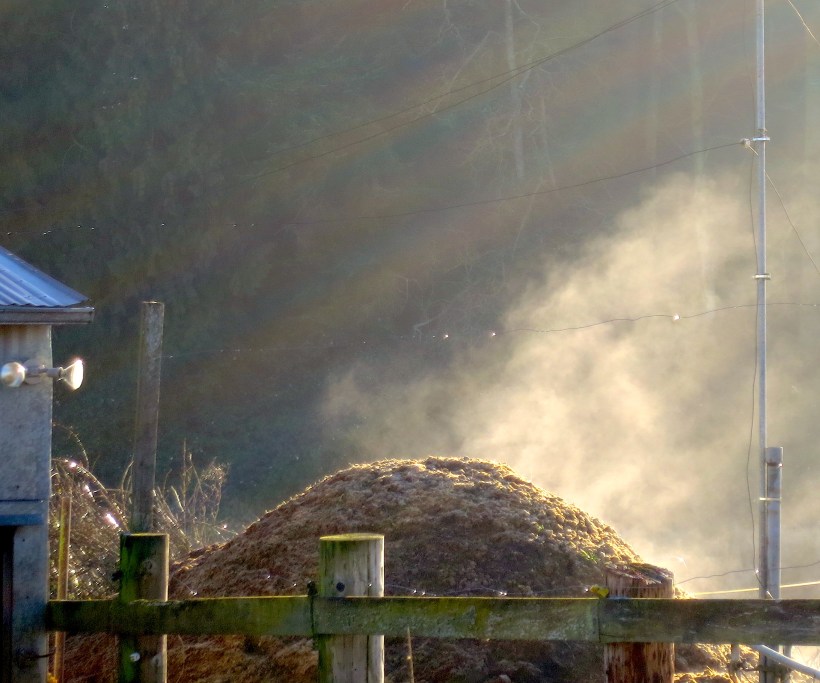
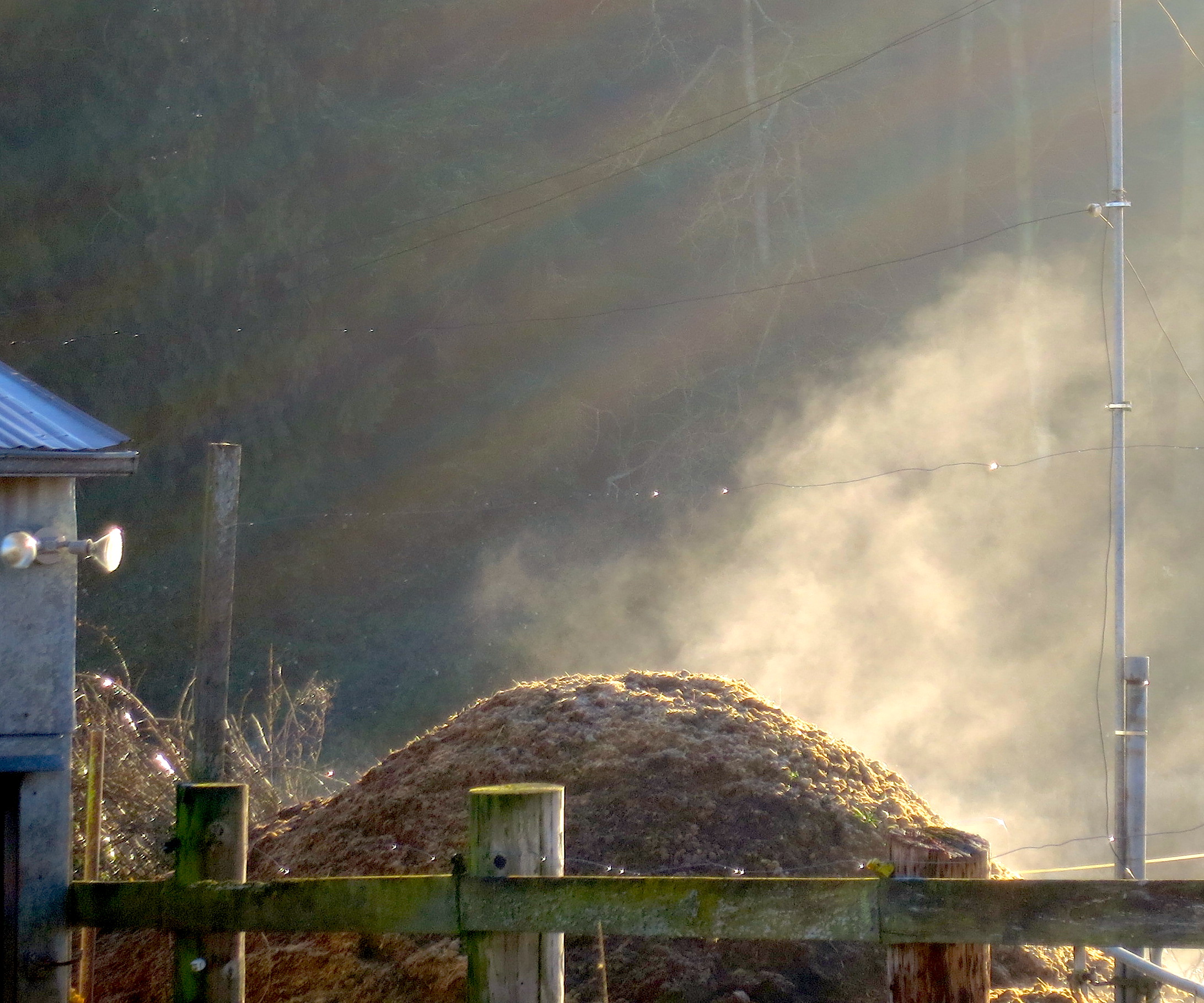
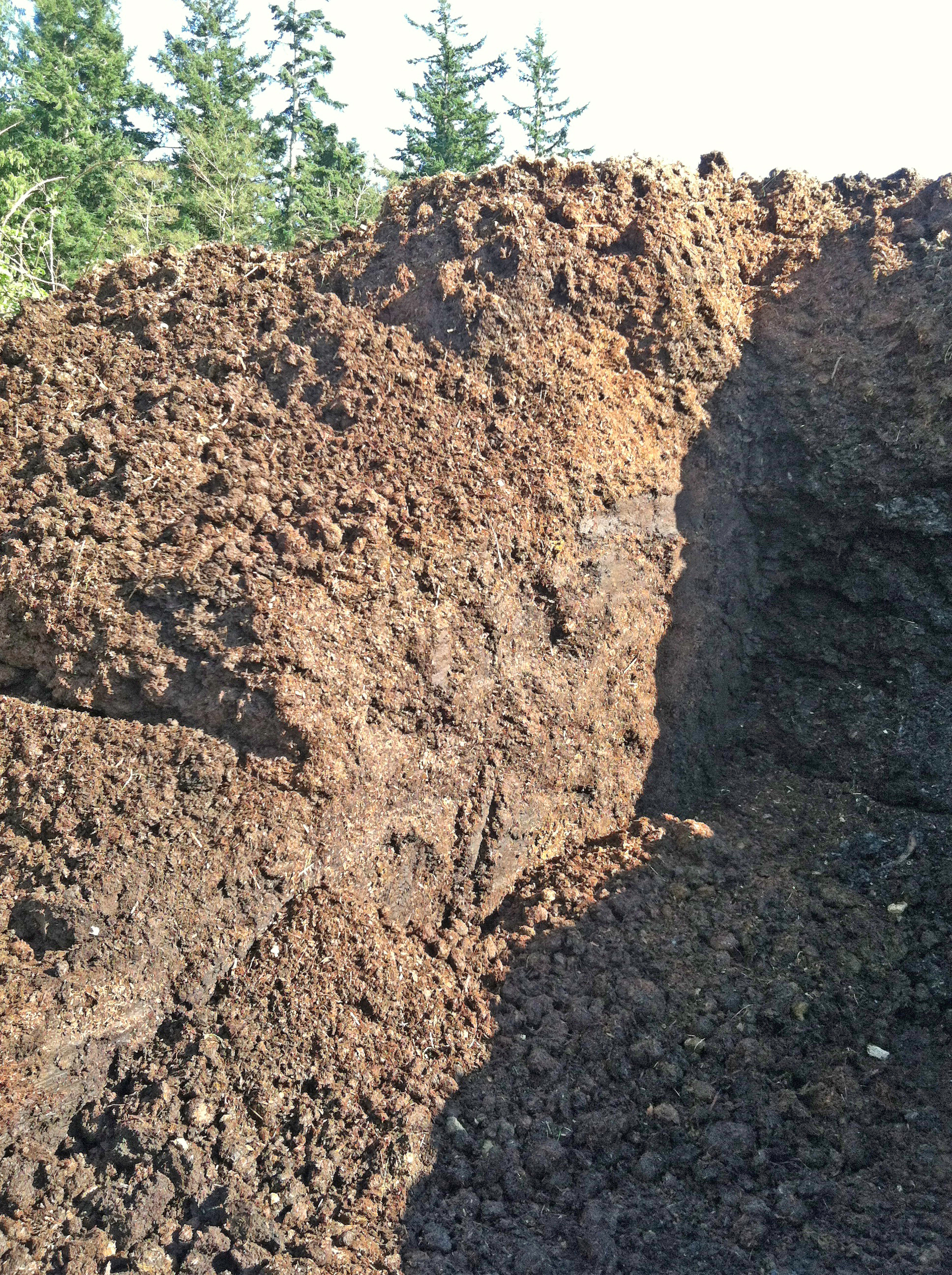
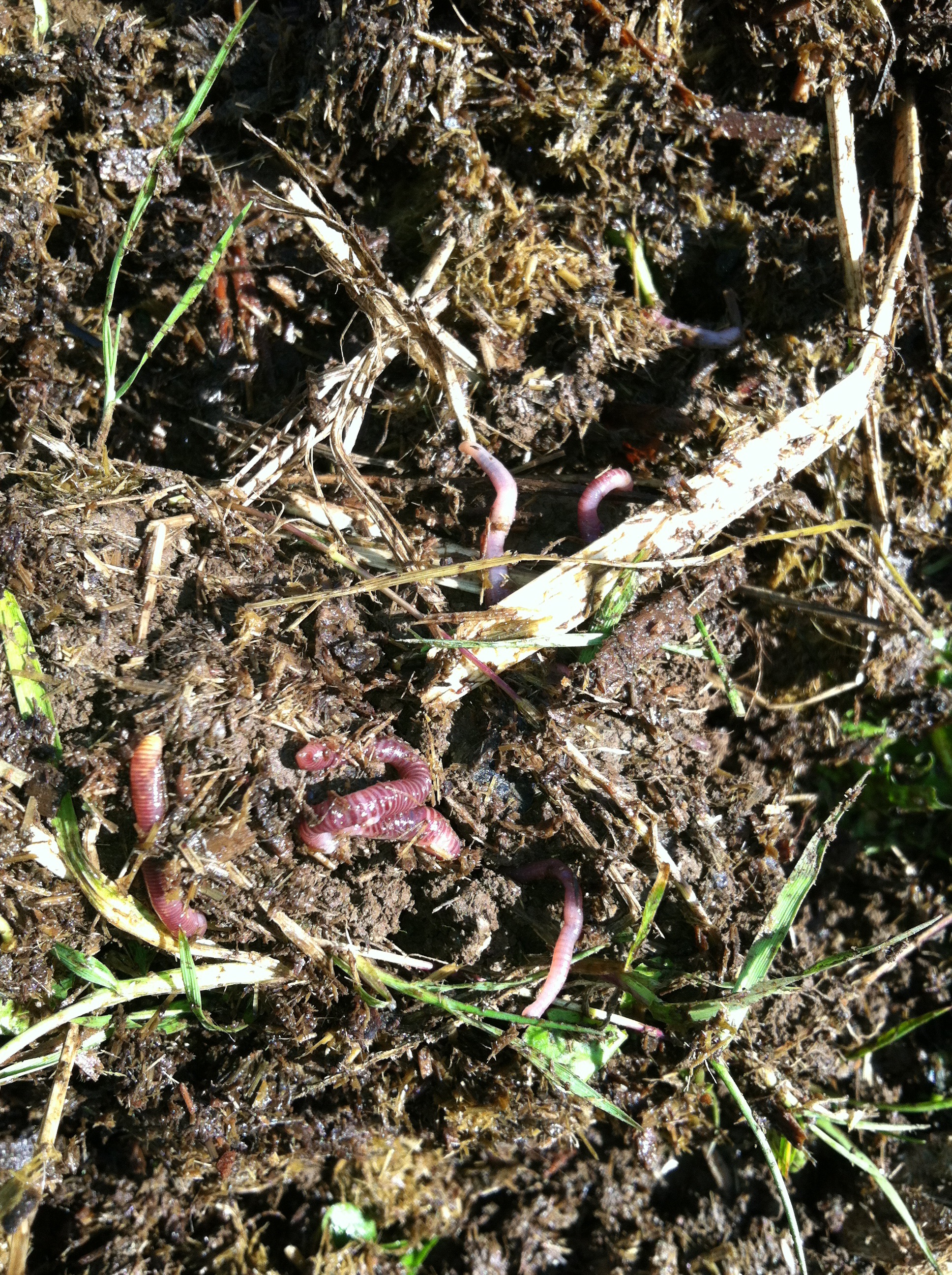
A sunny spring day lured us outside for yard and garden prep for the anticipated grass and weed explosion in a few short weeks. We’ve been carefully composting horse manure for years behind the barn, and it was time to dig in to the 10 foot tall pile to spread it on our garden plots. As Dan pushed the tractor’s front loader into the pile, steam rose from its compost innards. As the rich soil was scooped, thousands of newly exposed red wiggler worms immediately dove for cover. Within seconds, thousands of naked little creatures had, well, …wormed their way back into the security of warm dirt, rudely interrupted from their routine. I can’t say I blamed them.

Hundreds of thousands of wigglers ended up being forced to adapt to new quarters, leaving the security of the manure mountain behind. As I smoothed the topping of compost over the garden plot, the worms–gracious creatures that they are–tolerated being rolled and raked and lifted and turned over, waving their little bodies expectantly in the cool air before slipping back down into the dark. There they will begin their work of digesting and aerating the tired soil of the garden, reproducing in their unique hermaphroditic way, leaving voluminous castings behind to further feed the seedlings to be planted.

Worms are unjustly denigrated by humans primarily because we don’t like to be surprised by them. We don’t like to see one in our food, especially only part of one, and are particularly distressed to see them after we’ve digested our food. Once we get past that bit of squeamishness, we can greatly appreciate their role as the ultimate recyclers, leaving the earth a lot better off once they are finished with their work. We humans actually suffer by comparison, so to be called “a worm” is really not as bad as it sounds at first. The worm may be offended by the association.

I hope to prove a worthy innkeeper for these new tenants.
May they live long and prosper.
May the worm forgive my rake and shovel.
May I smile appreciatively the next time someone calls me a mere worm.
Between Midnight and Dawn: Dungfork and Slop Pail

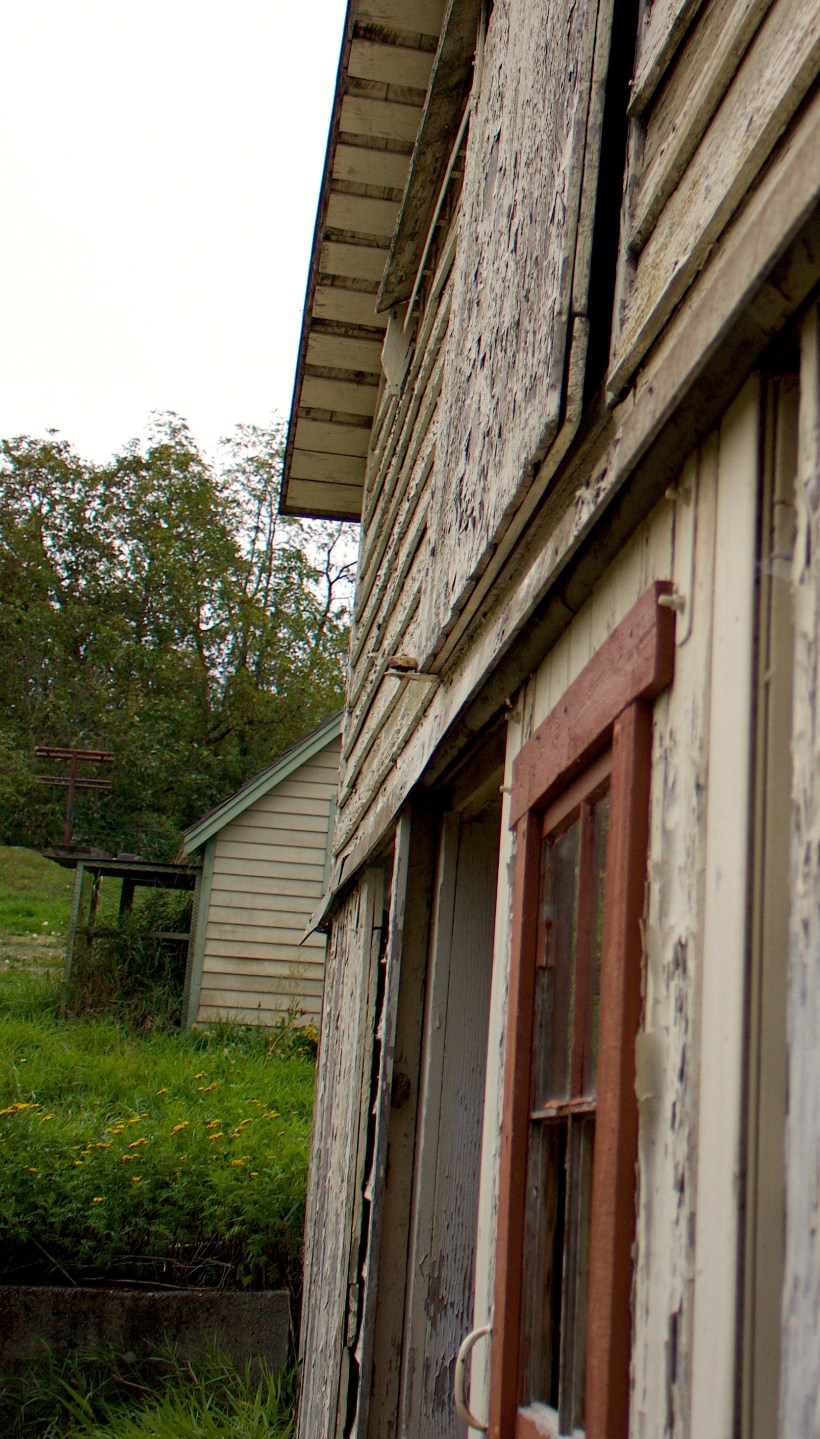
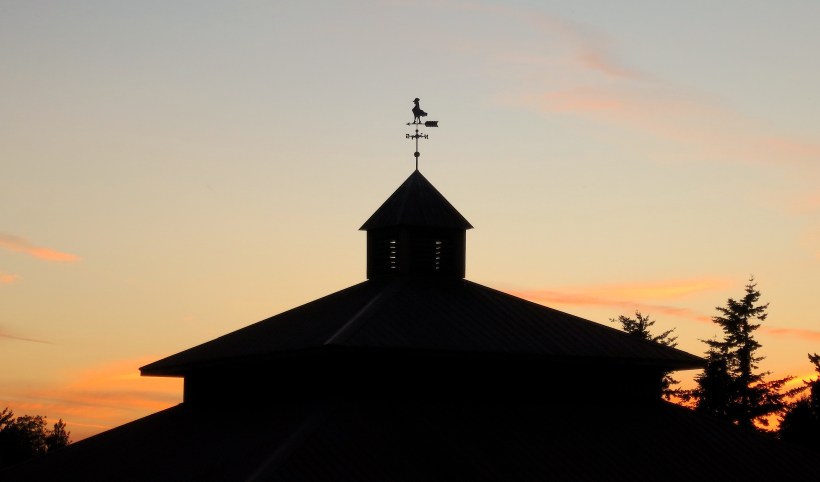
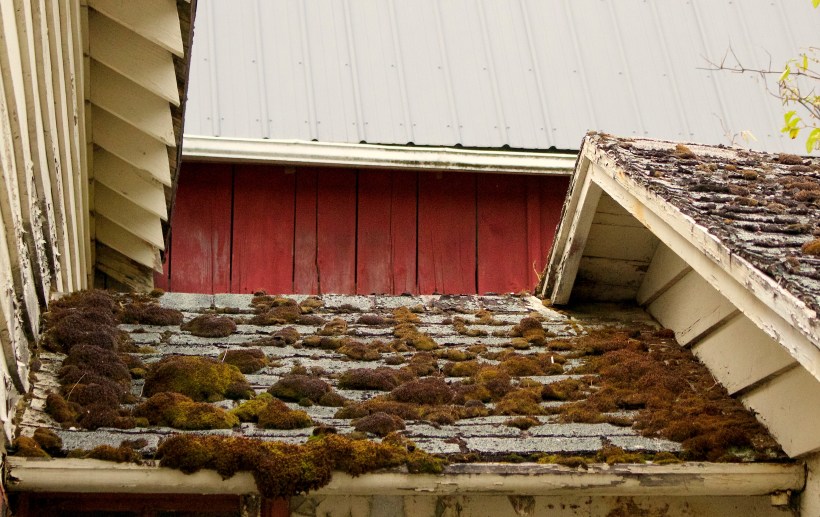
barnrooflines

lowerbarndoors

IMG_4901

To lift up the hands in prayer gives God glory,
but a man with a dungfork in his hand,
a woman with a slop pail,
give Him glory, too.
God is so great
that all things give Him glory
if you mean that they should.
~Gerard Manley Hopkins

Thanks in large part to how messy we humans are, this world is a grimy place.   As an act of worship, we must keep cleaning up after ourselves.  The hands that clean the toilets, scrub the floors, carry the bedpans, pick up the garbage might as well be clasped in prayer–it is in such mundane tasks God is glorified.

I spend over an hour every day carrying dirty buckets and wielding a pitchfork because it is my way of restoring order to the disorder inherent in human life.  It is with gratitude that I’m able to pick up one little corner of my world, making stall beds tidier for our farm animals by mucking up their messes and in so doing, I’m cleaning up a piece of me at the same time.

I never want to forget the mess I’m in and the mess I am.  I never want to forget to clean up after myself.  I never want to feel it is a mere and mundane chore to worship with dungfork and slop pail.

It is my privilege.  It is His gift to me.

It is Grace that comes alongside me, to keep pitching the muck and carrying the slop when I get weary.

watsonvane

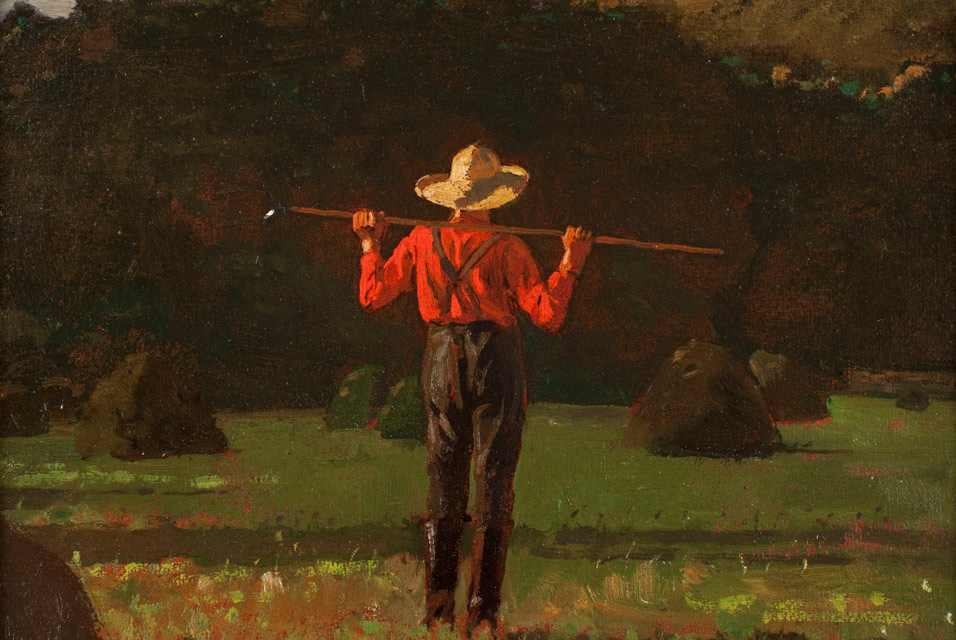
Farmer with a pitchfork by Winslow HomerFarmer with a pitchfork by Winslow Homer

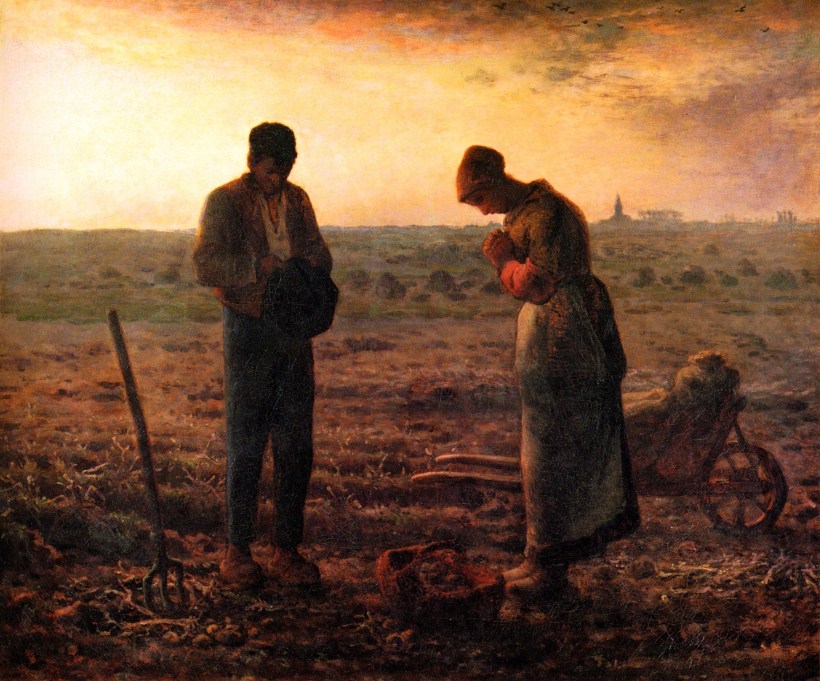
millet-pic0043_4

During this Lenten season, I will be drawing inspiration from the new devotional collection edited by Sarah Arthur —Between Midnight and Dawn

Mucking Out

compostjanuary

“He (the professor) asked what I made of the other students (at Oxford) so I told him.
They were okay, but they were all very similar…
they’d never failed at anything or been nobodies,
and they thought they would always win.
But this isn’t most people’s experience of life.

He asked me what could be done about it.
I told him the answer was to send them all out for a year
to do some dead-end job
like working in a chicken processing plant
or spreading muck with a tractor.
It would do more good than a gap year in Peru. 

He laughed and thought this was tremendously witty.
It wasn’t meant to be funny.

~James Rebanks from The Shepherd’s Life:Modern Dispatches from an Ancient Landscape
(or how a sheep farmer succeeds at Oxford and then goes back to the farm)

For almost thirty years, I have spent about an hour a day shoveling manure out of numerous horse stalls and I’m a better person for it.  Wheeled to a mountainous pile in our barnyard,  this daily collection of manure happily composts year round, becoming rich fertilizer in a matter of months through a crucible-like heating process of organic chemistry, bacteria and earthworms.  Nothing mankind has achieved quite matches the drama of useless and basically disgusting stuff transforming into the essential elements needed for productive growth and survival.   This is a metaphor I can <ahem> happily muck about in.

I’m in awe, every day, at being part of this process — in many ways a far more tangible improvement to the world than anything else I manage to accomplish every day.  The horses, major contributors that they are, act underwhelmed by my enthusiasm.  I guess some miracles are relative, depending on one’s perspective, but if the horses understood that the grass they contentedly eat in the pasture, or the hay they munch on during the winter months, was grown thanks to their carefully recycled waste products, they might be more impressed.

Their nonchalance about the daily mucking routine is understandable.  If they are outside, they probably don’t notice their beds are clean when they return to the stalls at night.  If they are inside during the heavy rain days, they feel duty-bound to be in my face as I move about their stall, toting my pitchfork and pushing a wheelbarrow.  I’m a source of constant amusement as they nose my jacket pockets for treats that I never carry, as they beg for scratches on their unreachable itchy spots, and as they attempt to overturn an almost full load, just to see balls of manure roll to all corners of the stall like breaking a rack of billiard balls in a game of pool.

Good thing I’m a patient person always seeking an object lesson in whatever I see or do ~ mucking out stalls every day helps me tolerate the proverbial muck I encounter every day off the farm.  And spending an hour a day getting dirty in the real stuff somehow makes the virtual manure less noxious.  Everyone should be mucking out as I think the world would generally be a better place.

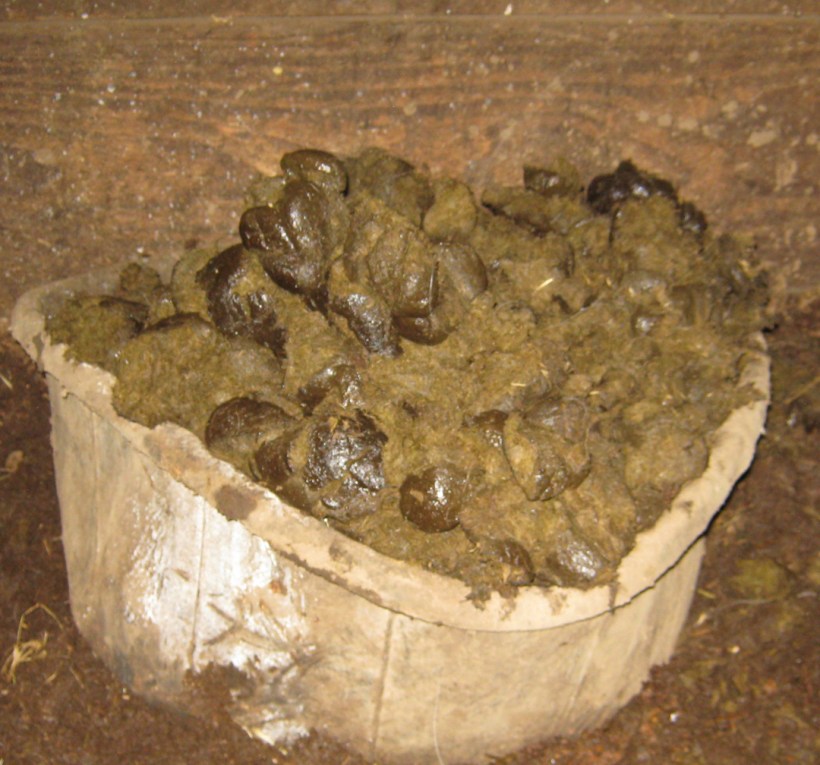
My former stallion, now gelded, discovered a way to make my life easier rather than complicating it.  He hauled a rubber tub into his stall from his paddock, by tossing it into the air with his teeth and throwing it, and it finally settled against one wall.  Then he began to consistently pile his manure, with precise aim, right in the tub.  I didn’t ask him to do this.  It had never occurred to me.  I hadn’t even thought it was possible for a horse to house train himself.  But there it is, proof that some horses prefer neat and tidy rather than the whirlwind eggbeater approach to manure distribution.  After a day of his manure pile plopping, it is actually too heavy for me to pick up and dump into the wheelbarrow all in one tub load, but it takes 1/4 of the time to clean his stall than the others, and he spares all this bedding.

What a guy.  He provides me unending inspiration in how to keep my own personal muck concentrated rather than spreading it about,  contaminating the rest of the world.

Now, once I teach him to put the seat back down when he’s done, he’s welcome to move into the house…

poop

The Hush of a New Year’s Morning

frostymorn31116


With what stillness at last
you appear in the valley
your first sunlight reaching down
to touch the tips of a few
high leaves that do not stir
as though they had not noticed
and did not know you at all
then the voice of a dove calls
from far away in itself

to the hush of the morning


so this is the sound of you
here and now whether or not
anyone hears it this is
where we have come with our age
our knowledge such as it is
and our hopes such as they are
invisible before us
untouched and still possible
~W.S. Merwin “To the New Year”
__________
My hopes, such as they are,
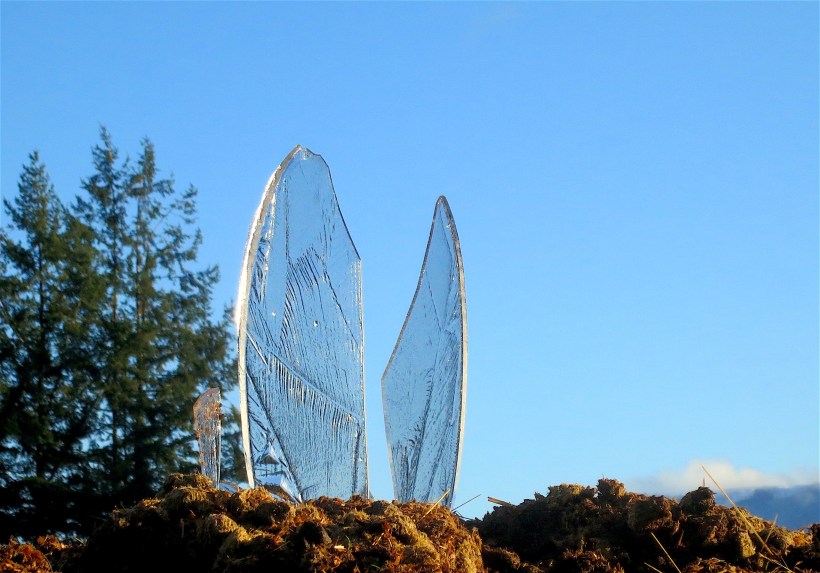
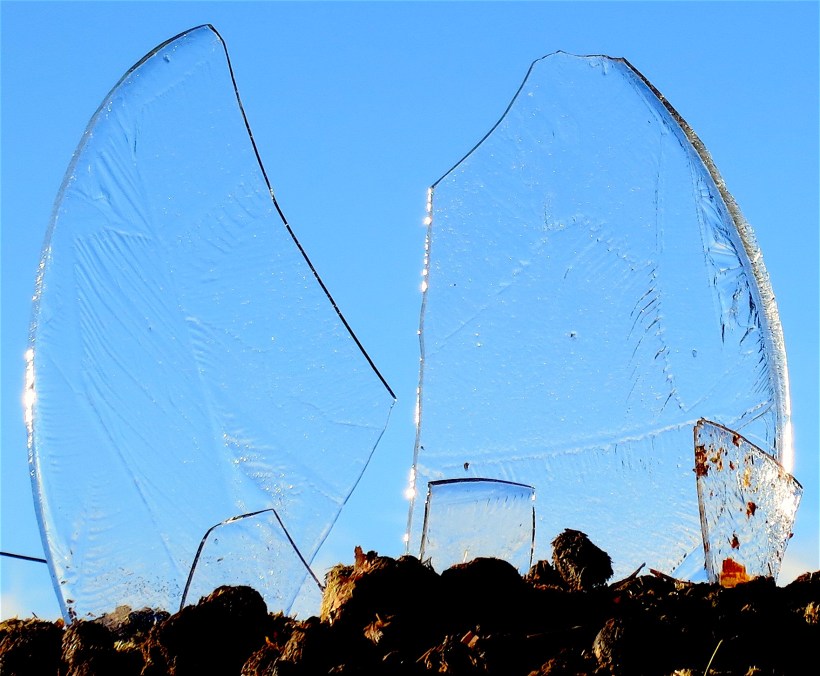
transparent as an impromptu ice sculpture
behind the barn carefully placed
by an enterprising farm boy.
They perch like wings on top of the manure hill,
glistening, crystalline, pure,
still possible if allowed to fly free,
but if left untouched and unrealized,
they are melted by the heat of the pile.
~EPG
icepile3
Hope is the thing with feathers
That perches in the soul,
And sings the tune without the words,
And never stops at all, And sweetest in the gale is heard;
And sore must be the storm
That could abash the little bird
That kept so many warm.

I’ve heard it in the chillest land
And on the strangest sea;
Yet, never, in extremity,
It asked a crumb of me.
~Emily Dickinson

icepile2

We Are Bereft

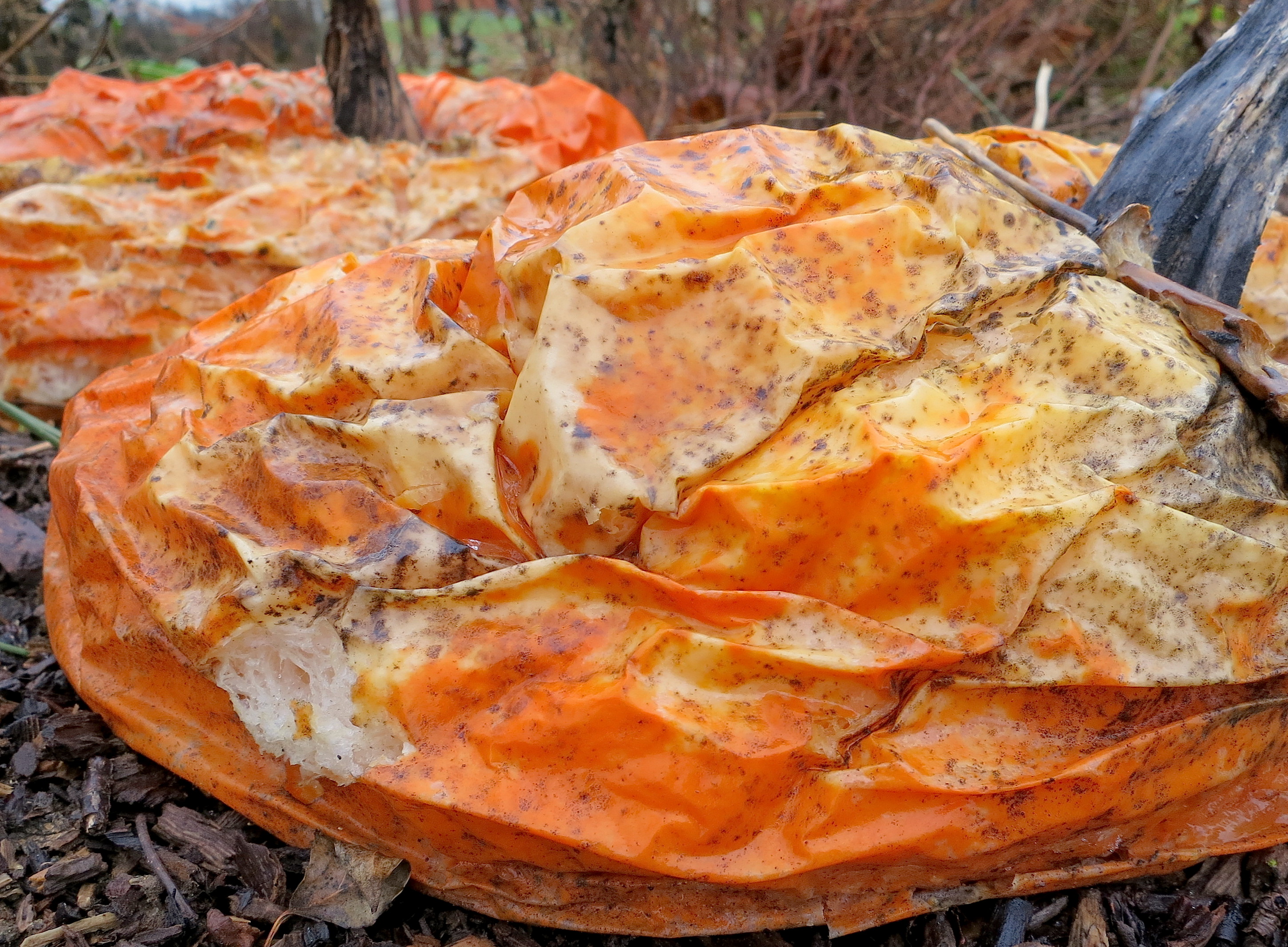
rottenpunkins2

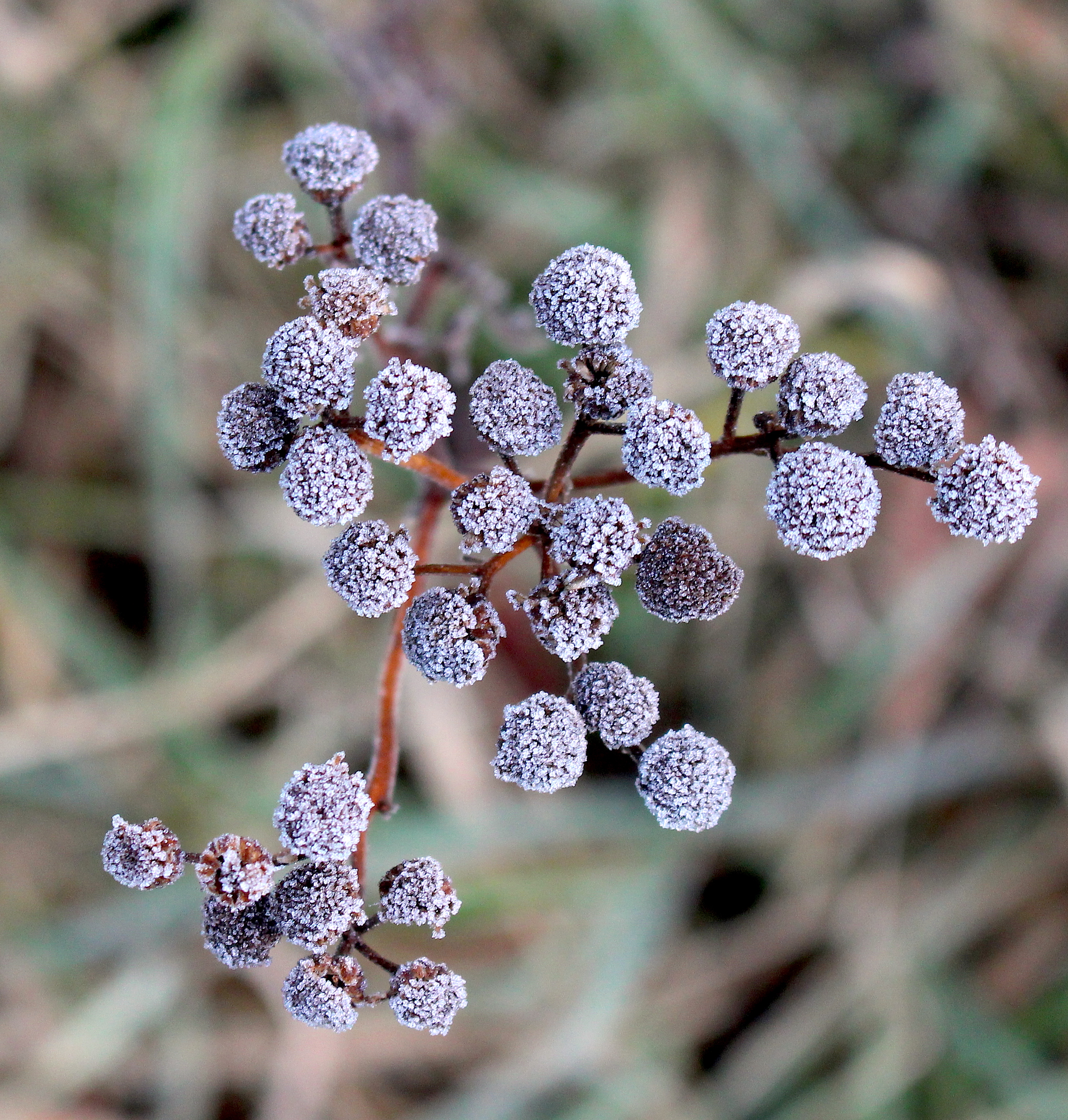
frostyweed2

Silence and darkness grow apace, broken only by the crack of a hunter’s gun in the woods.  Songbirds abandon us so gradually that, until the day when we hear no birdsong at all but the scolding of the jay, we haven’t realized that we are bereft — as after a death. Even the sun has gone off somewhere.  By teatime the parlor is as black as the inside of a cupboard.

Reading after supper on the couch, I let my mind wander to the compost pile, bulging with leaves and stalks.  I’ve turned it a few times since October, but the pile’s hard surface no longer yields to the fork.  Even the earthworms have retreated from the cold and closed the door behind them.  There’s an oven warm at the pile’s center, but you have to take that on faith.  Now we all come in, having put the garden to bed, and we wait for winter to pull a chilly sheet over its head.
~Jane Kenyon from “Good-by and Keep Cold”

frostyherb5

frostyherb3

sunrise113151

The Peaceableness of Topsoil

rootballsam

woods5

The most exemplary nature is that of the topsoil.
It is very Christ-like in its passivity and beneficence,
and in the penetrating energy that issues
out of its peaceableness.
It increases by experience,
by the passage of seasons over it,
growth rising out of it
and returning to it,
not by ambition or aggressiveness.
It is enriched
by all things that die
and enter into it.

It keeps the past,
not as history or as memory,
but as richness, new possibility.
Its fertility is always building up
out of death into promise.
Death is the bridge or the tunnel
by which its past
enters its future.
~Wendell Berry from “The Native Hill”

woods15

woods28

Decomposition

compostjanuary

I’ve banked nothing, or everything.
Every day the chores need doing again.
Early in the morning, I clean the horse barn with a manure fork. 
Every morning, it feels as though it could be the day before
or a year ago
or a year before that. With every pass, I give the fork one final upward flick
to keep the manure from falling out,
and every day I remember where I learned to do that and from whom.
Time all but stops. 

But then I dump the cart on the compost pile.
I bring out the tractor and turn the pile, once every three or four days.
The bucket bites and lifts, and steam comes billowing out of the heap.
It’s my assurance that time is really moving forward,
decomposing us all in the process.
~Verlyn Klinkenborg from More Scenes from the Rural Life


Lenten Grace — Sacrament of the Present Moment

Photo by Kathy Yates

It is in these afflictions, which succeed one another each moment, that God, veiled and obscured, reveals himself, mysteriously bestowing his grace in a manner quite unrecognized by the souls who feel only weakness in bearing their cross…
Jean Pierre du Caussade from The Sacrament of the Present Moment

The past few mornings have unveiled in mist and fog, tentative spring dawns of freezing air and warming soil trying to break loose from the vise grip of a tired and dying winter.

I am struggling under the load of 14 hour work days in addition to keeping a barn clean and animals and humans fed.  Even sleep is not restful when there is so little time to quiet myself in reflection and gratitude.

I am keenly reminded of my weakness as my strength wanes at the end of a long day, having slipped in the mud while trying to gain traction unloading a couple hundred pounds of manure from the wheelbarrow.  Landing on my backside, my pants soaking through,  I can choose to laugh or cry.

I choose to see the baptism of mud as a sacrament of the present moment,  reminding me of my need for a cleansing grace.

I laugh and cry.

Though obscured from view, God is nevertheless revealed in these moments of being covered in the soil of earth and the waste of its creatures.

He knows I need reminding that I too am dust and to dust shall return.
He knows I am too often wasteful and a failed steward, so need reminding by landing me amidst it.
He knows I need to laugh at myself, so puts me right on my backside.
He knows I need to cry, so sends me those with the saddest stories and greatest needs.
He knows I need Him, always and ever more, to restore a sacrament of grace evident in the present moment and every moment to come.


Transcendent Moments

“Gratitude bestows reverence, allowing us to encounter everyday epiphanies, those transcendent moments of awe that change forever how we experience life and the world.”
~ John Milton

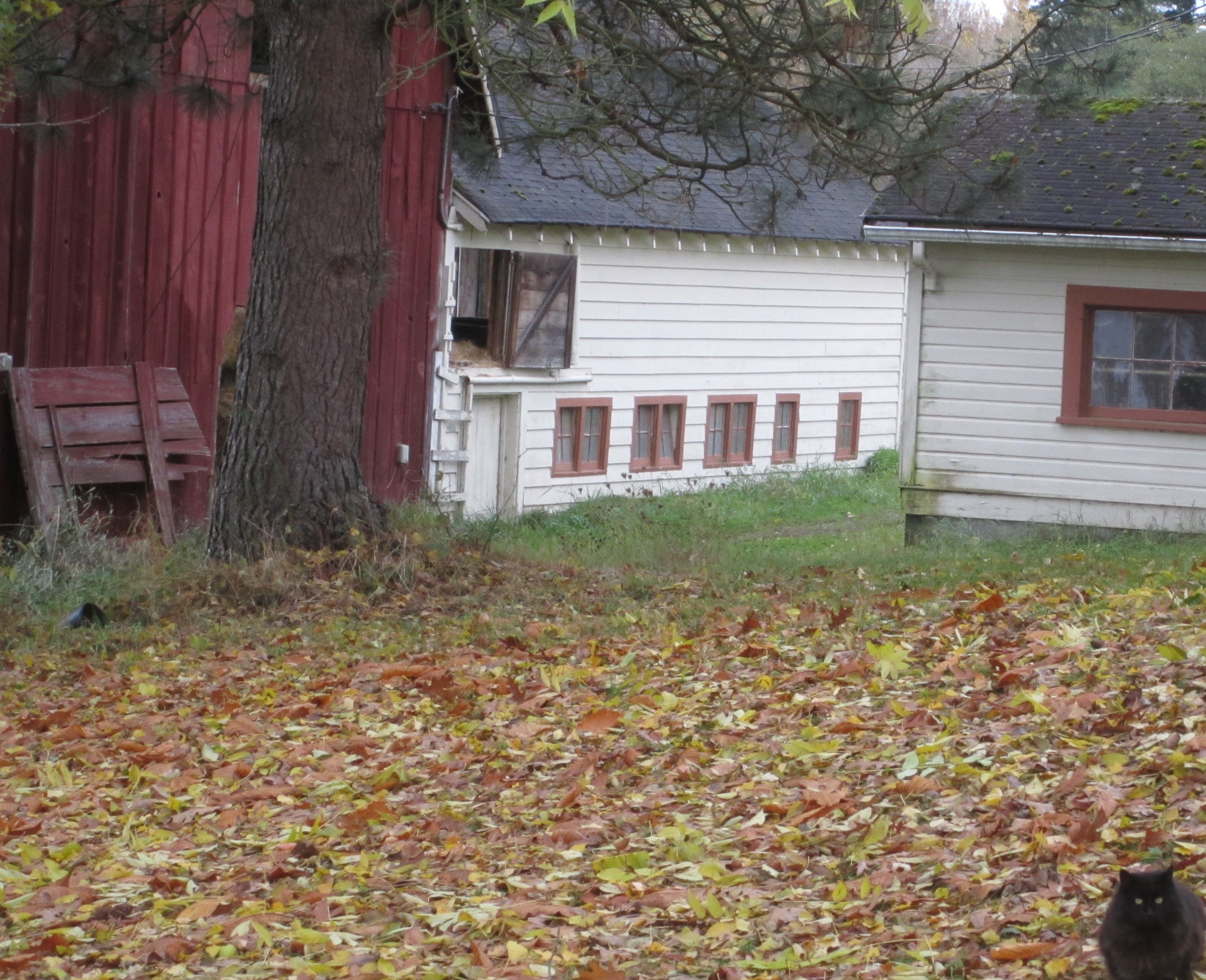
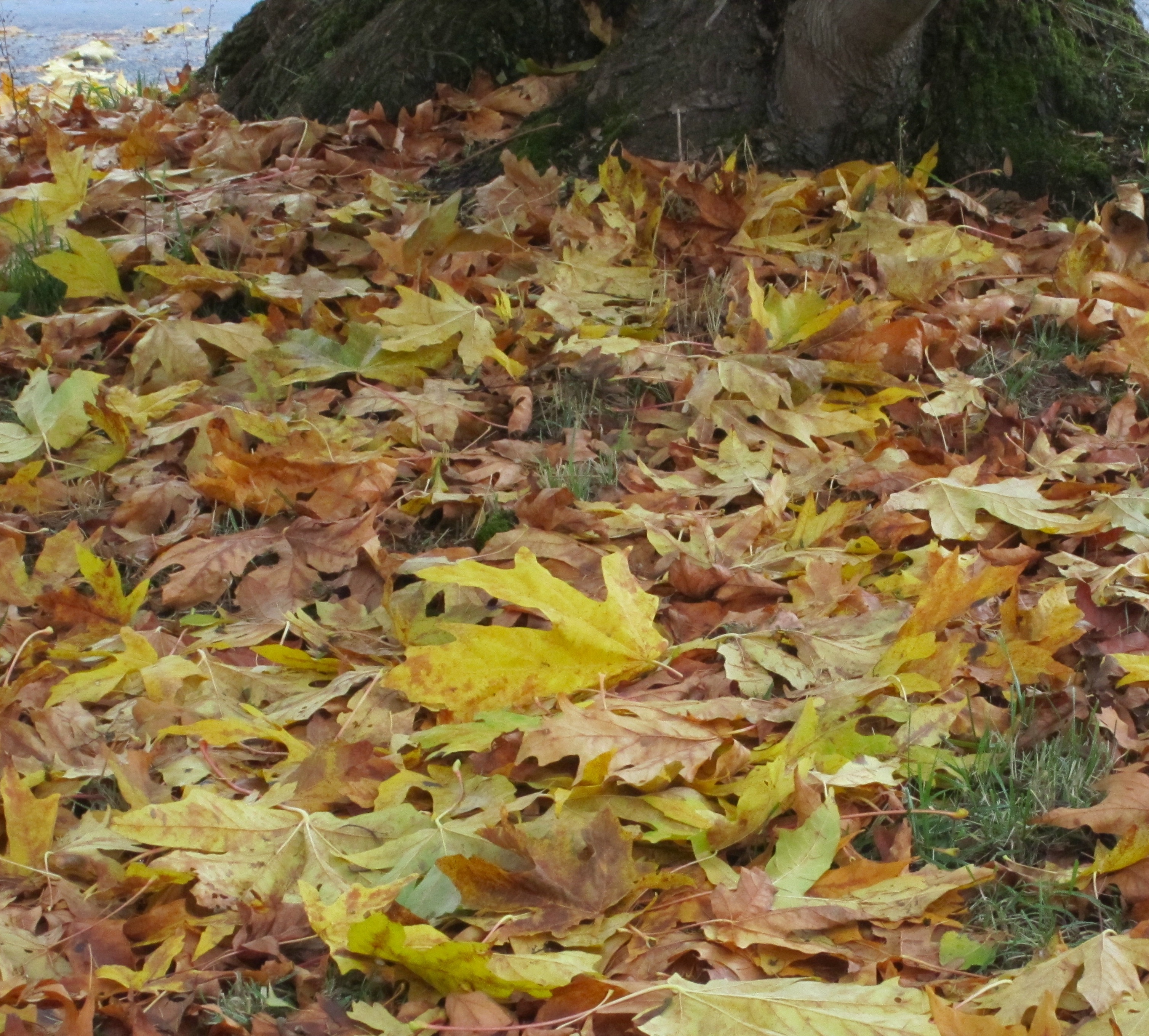
Our farm yard looked like it had a retro remodel update this past week by heavy winds and rain, the green sod now covered with a mottled yellow brown shag carpet of leaves.   This transformation is temporary as this new carpet will soon start to rot under the burden of endless days of wintry drizzle and freezing weather.

Today’s epiphany:  only 8 months ago, none of these leaves even existed.  They were mere potential in bud form, about to burst and grow in a silent awesome explosion of green and chlorophyll.   After their brief tenure as shade and protection and fuel factory for their tree, last week they rained to the ground in torrents, letting go of the only (and so transient) security they had known.

Now they become compost, returning their substance to the soil to feed the roots of the trees that gave them life to begin with.

Recycled by transcendent death,
so momentary,
so momentous.

Hostelry of Worms

a cross section of 30 months of composted manure
a plethora of red wigglers

A sunny spring day lured us outside for yard and garden prep for the anticipated grass and weed explosion in a few short weeks. We’ve been carefully composting horse manure for over two years behind the barn, and it was time to dig in to the 10 foot tall pile to spread it on our garden plots. As Dan pushed the tractor’s front loader into the pile, steam rose from its compost innards. As the rich soil was scooped, thousands of newly exposed red wiggler worms immediately dove for cover. Within seconds, thousands of naked little creatures had, well, …wormed their way back into the security of warm dirt, rudely interrupted from their routine. I can’t say I blamed them.

Hundreds of thousands of wigglers ended up being forced to adapt to new quarters today, leaving the security of the manure mountain behind. As I smoothed the topping of compost over the garden plot, the worms–gracious creatures that they are–tolerated being rolled and raked and lifted and turned over, waving their little bodies expectantly in the cool air before slipping back down into the dark. There they will begin their work of digesting and aerating the tired soil of the garden, reproducing in their unique hermaphroditic way, leaving voluminous castings behind to further feed the seedlings to be planted.

Worms are unjustly denigrated by humans primarily because we don’t like to be surprised by them. We don’t like to see one in our food, especially only part of one, and are particularly distressed to see them after we’ve digested our food. Once we get past that bit of squeamishness, we can greatly appreciate their role as the ultimate recyclers, leaving the earth a lot better off once they are finished with their work. We humans actually suffer by comparison, so to be called “a worm” is really not as bad as it sounds at first. The worm may not think so.

I hope to prove a worthy innkeeper for these new tenants. May they live long and prosper. May worms be forgiving for the continual disruption of their routine. May I smile the next time someone calls me a worm.

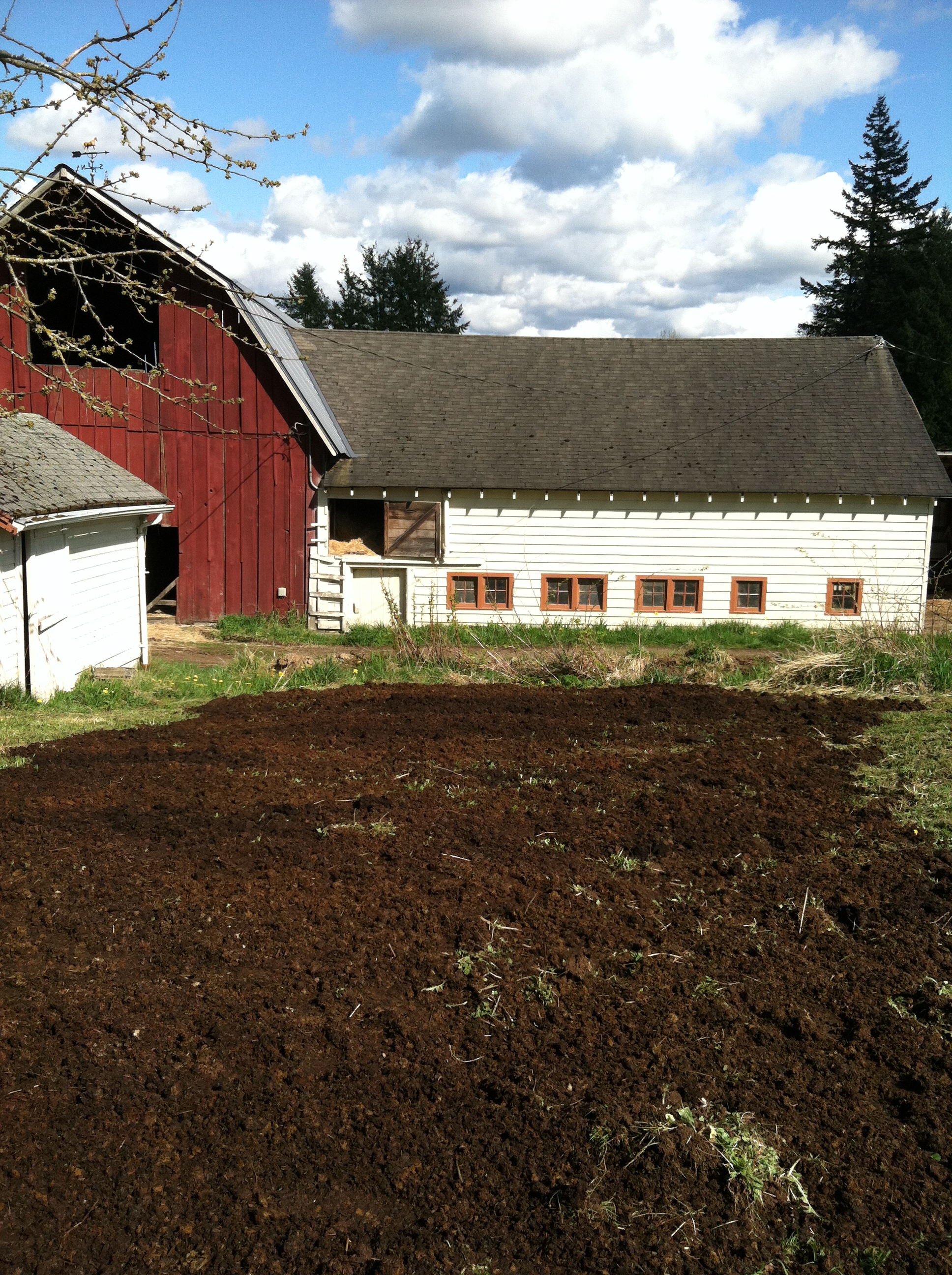
The garden is covered with rich composted manure