A Marshy Cacophony

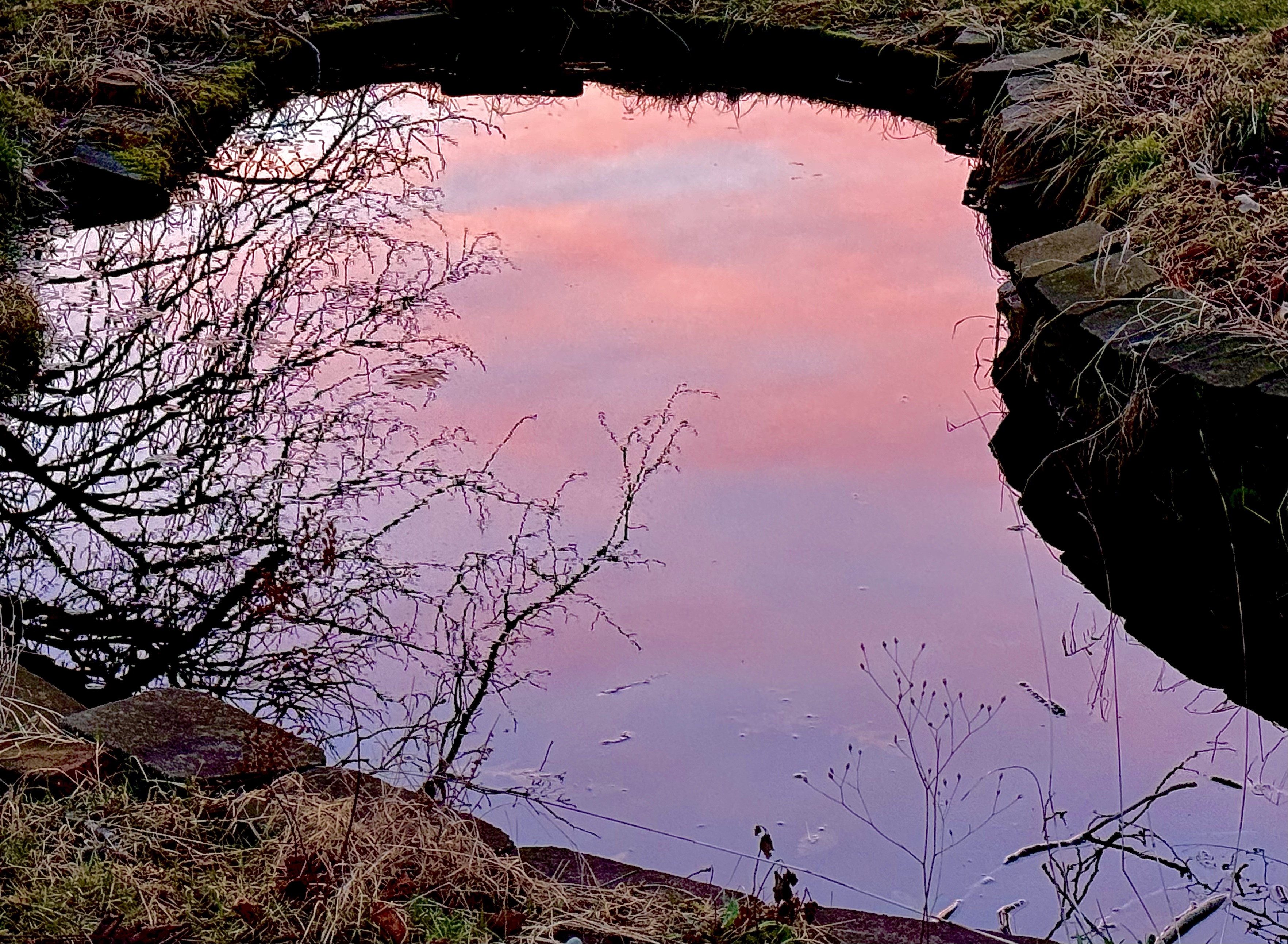
Cold, wet leaves
Floating on moss-coloured water   
And the croaking of frogs—
Cracked bell-notes in the twilight.

~Amy Lowell “The Pond”

Poets who know no better
rhapsodize about the peace of nature,
but a well-populated marsh is a cacophony.
~Bern Keating
O, I love to hear the frogs
When they first begin to sing;
How they vocalize the bogs,
And vociferate the Spring.
How they carol as they croak,
How they mingle jest and joke
With their solemn chant and dirge
On the river’s slimy verge.

O, I love to hear the frogs,
For their monotone uncouth
Is the music of the cogs
Of the mill wheel of my youth.
And I listen half asleep,
And the eyes of mem’ry peep
Through the bars that hold me fast,
From the pleasures of the past.

O, I love to hear the frogs,
For their melody is health
To the heart that worry flogs
With the lash of want or wealth.
And the cares of life take wing,
And its pleasures lose their sting,
And love’s channel way unclogs
In the croaking of the frogs.

~Harry Edward Mills “The Early Frogs”
I wanted to speak at length about
The happiness of my body and the
Delight of my mind

But something in myself for maybe
From somewhere other said: not too
Many words, please, in the muddy shallows the
Frogs are singing.

~Mary Oliver, from “April”
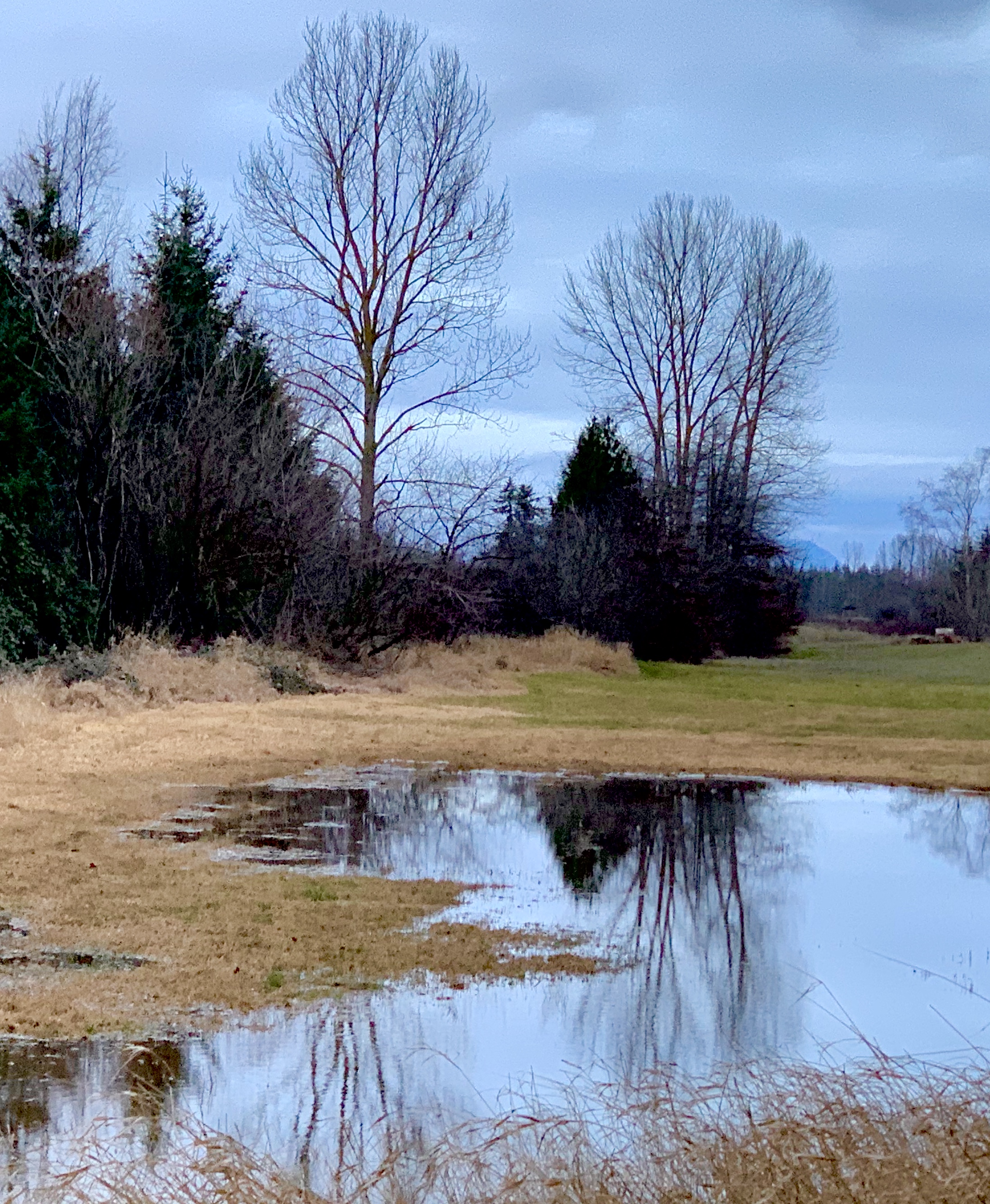
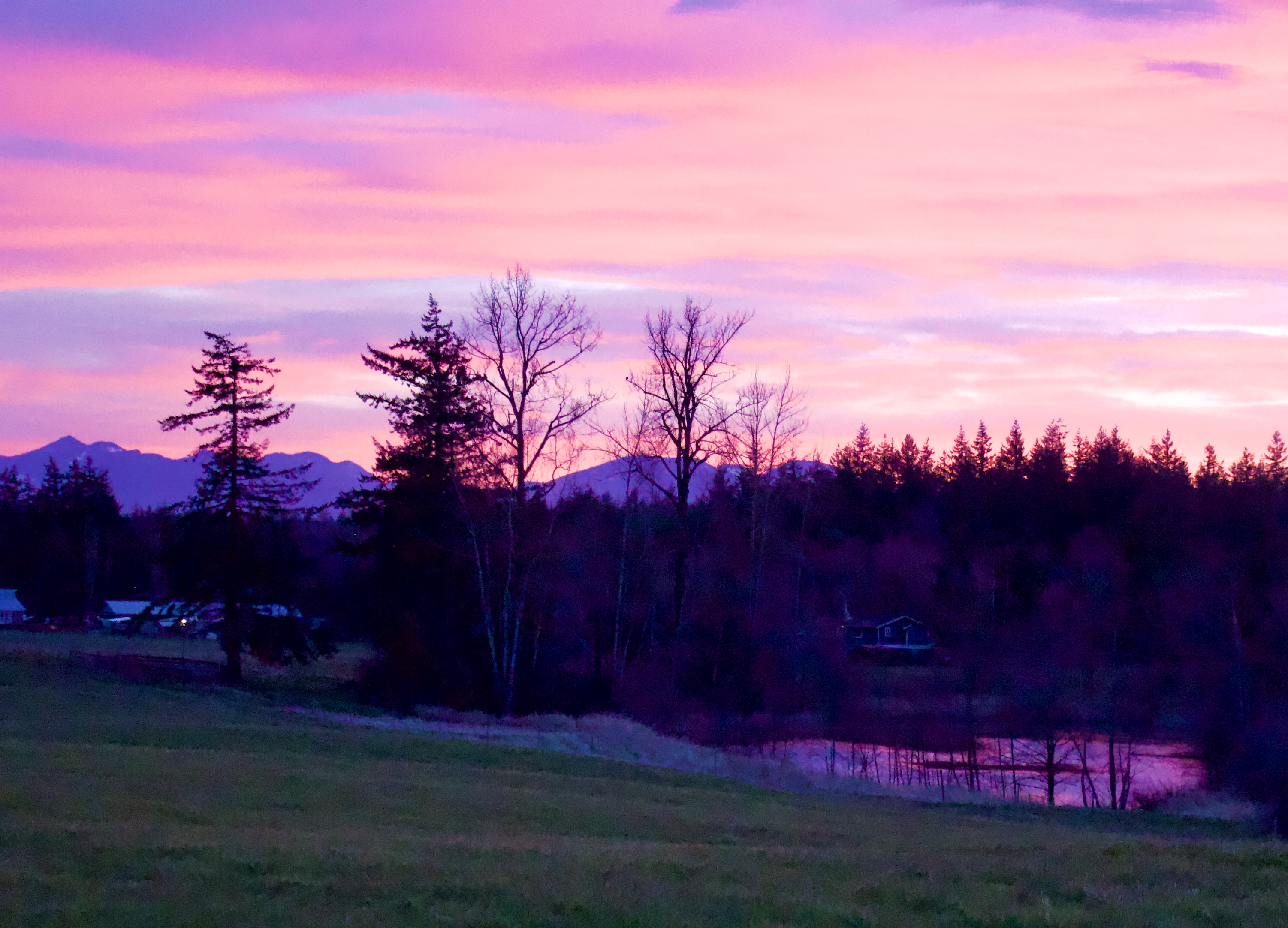
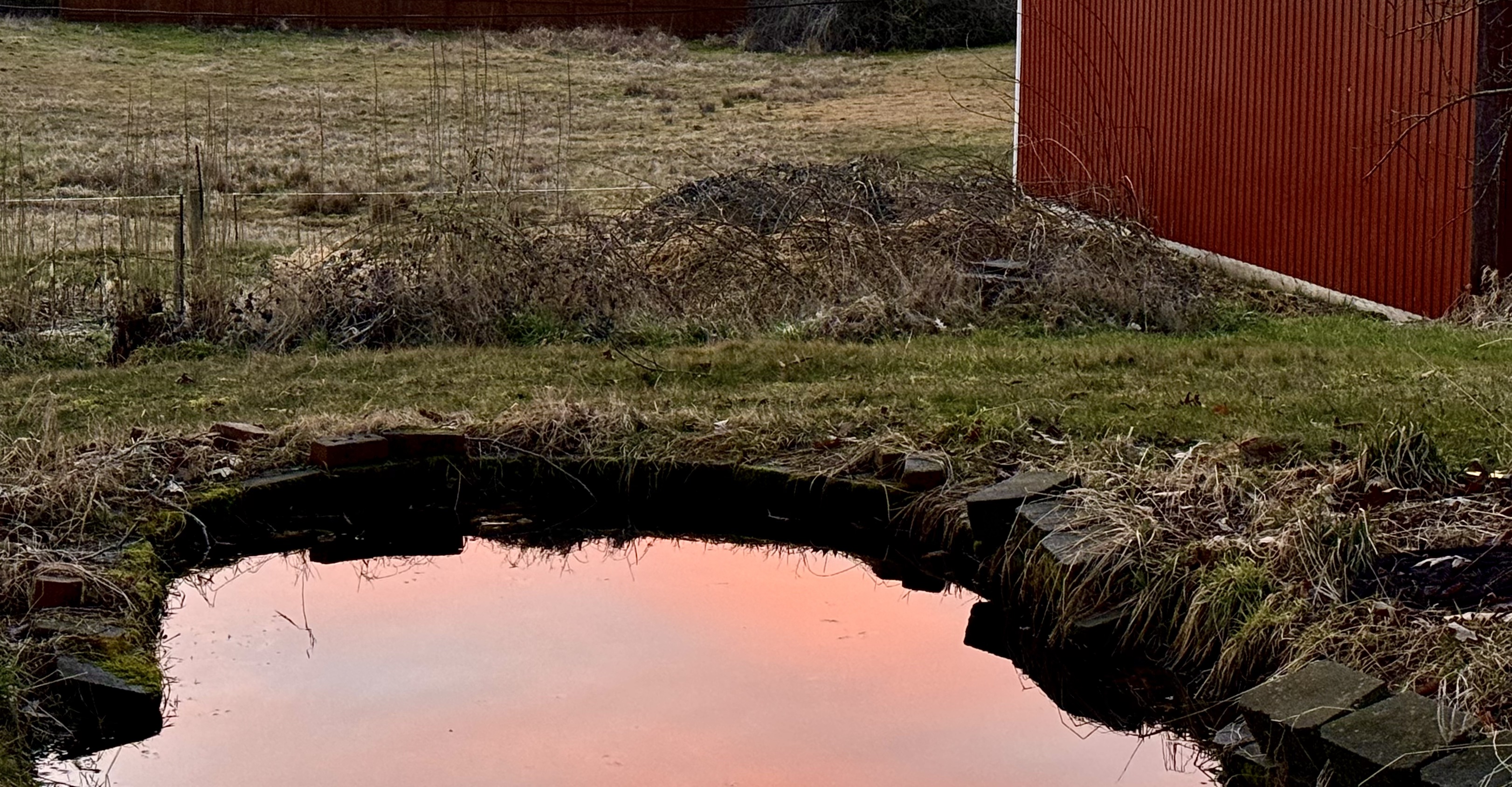
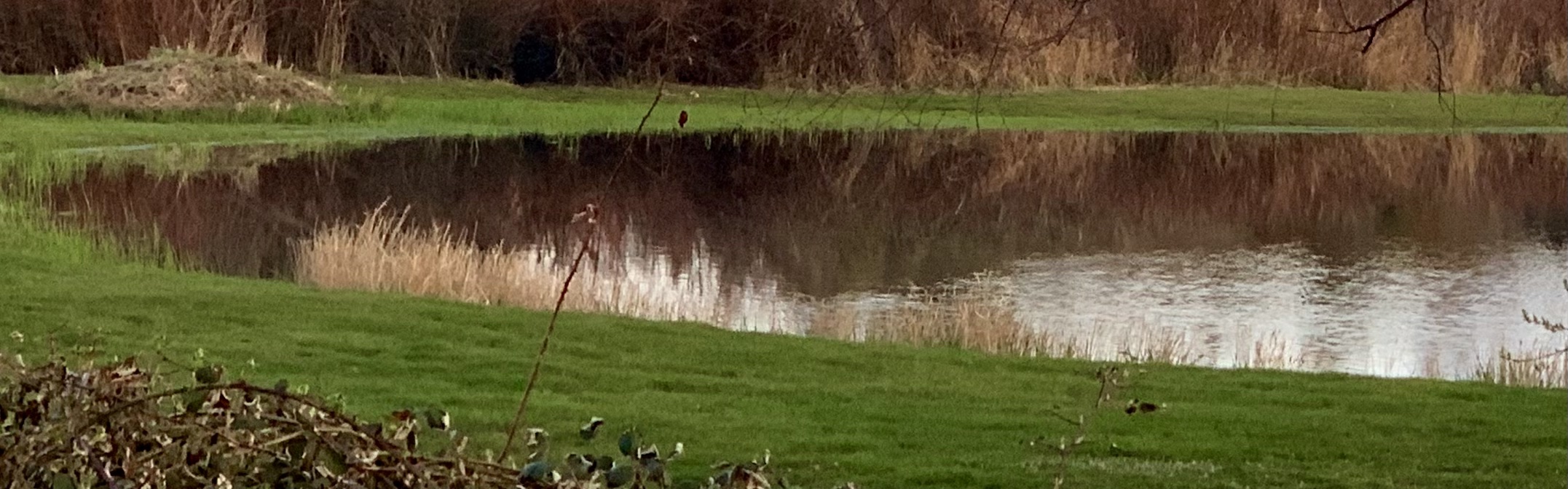
About two weeks ago, music from the wetlands became faintly detectable in the distance. We were only a little over a month into winter, yet due to unduly mild temperatures, the chorus had begun.

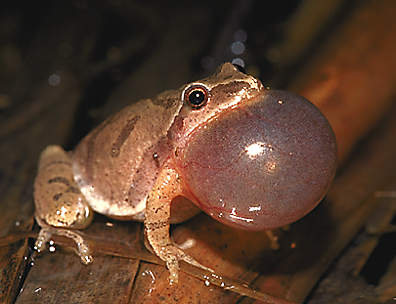
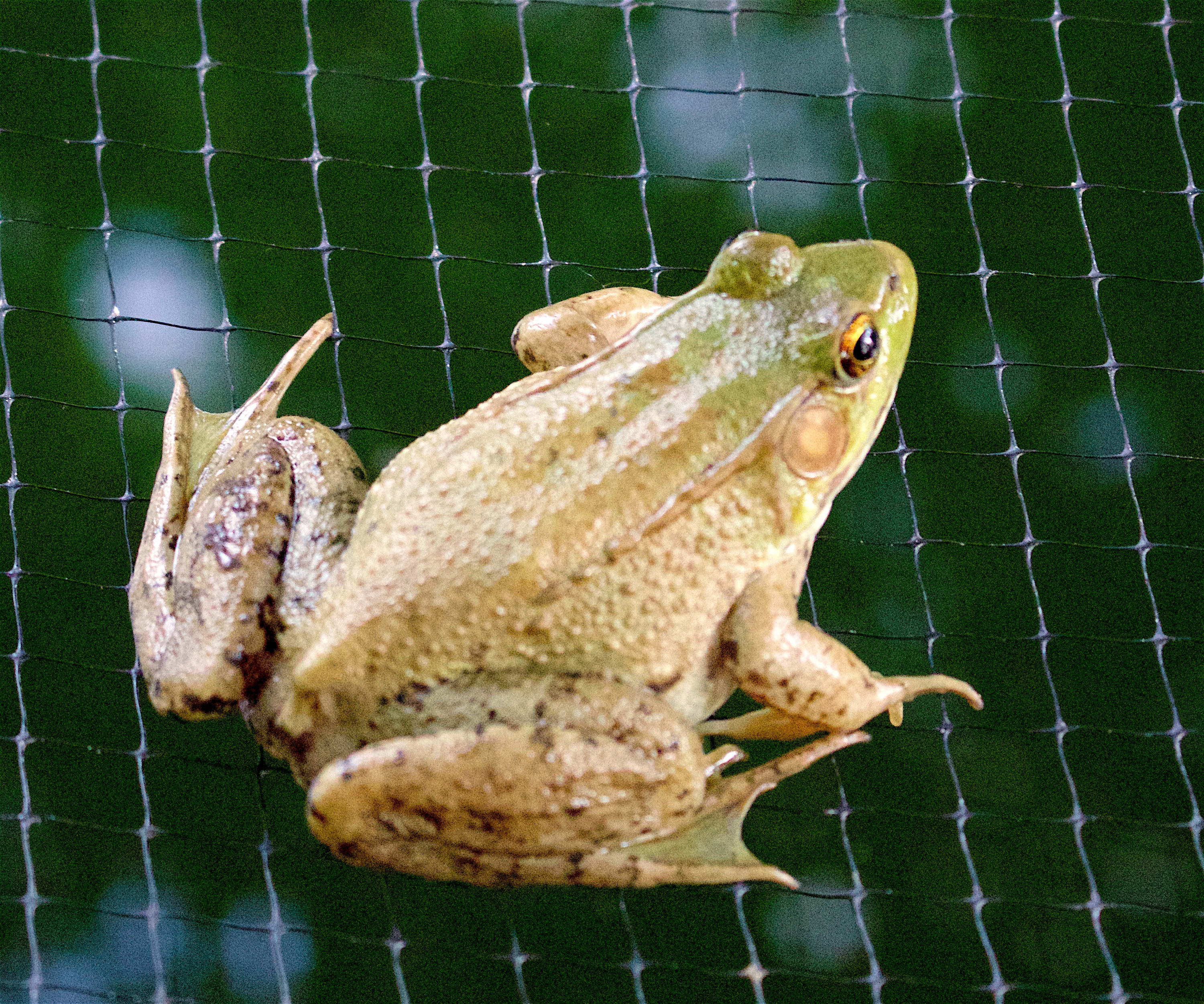
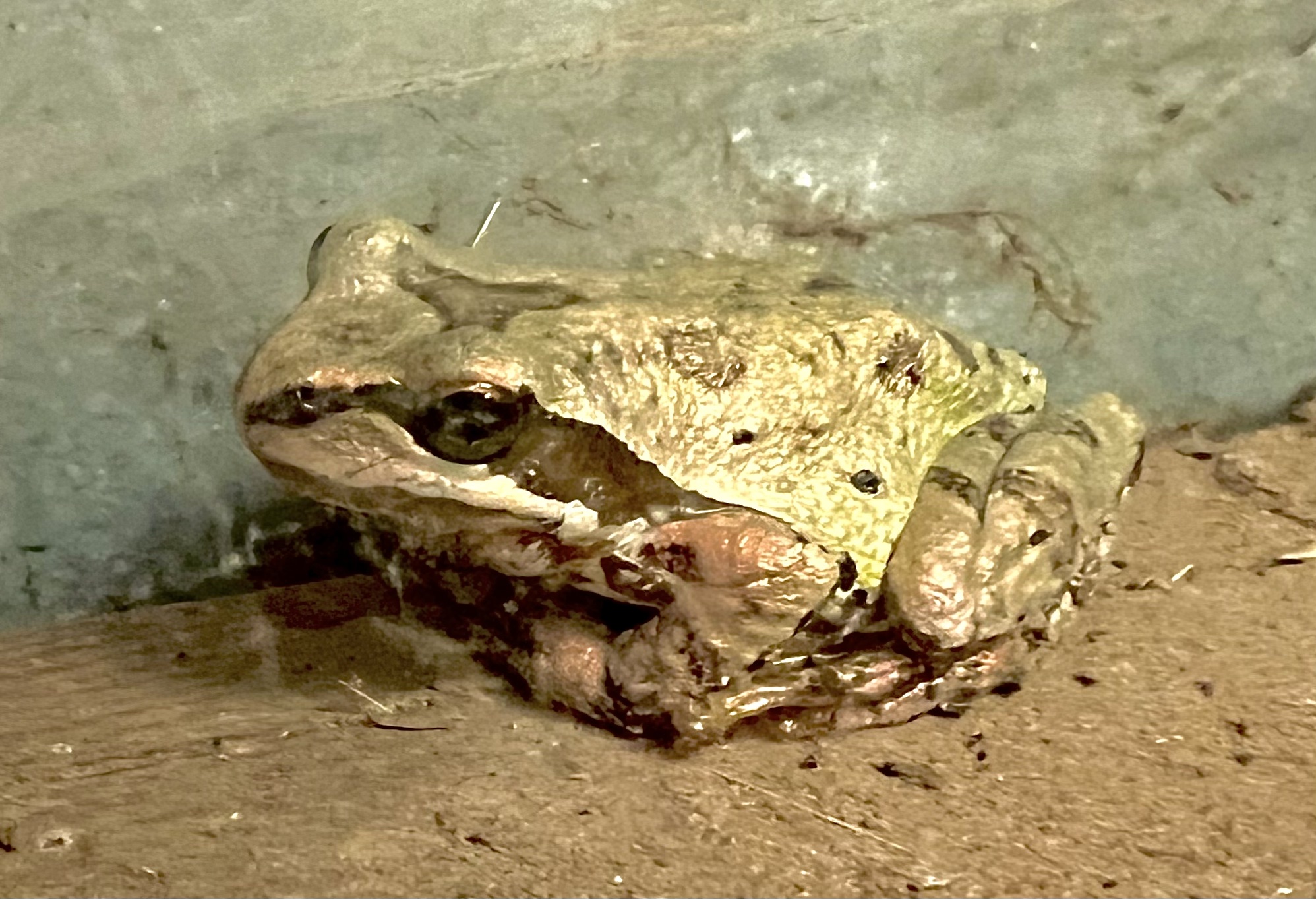
The sleigh-bell jingle song of the Pacific Chorus Frogs now fills the air each evening, rising from the ponds and standing water that surround our farm. I stand still for a moment to soak up that song that heralds spring–a certainty that the muddy marshes are thawed enough to invite the frogs out of their sleep and start their courting rituals.

Now winter won’t return anytime soon with any seriousness.

This marsh music is disorienting this early, along with daffodils budding in late January and lawns needing mowing in February. With voices so numerous, strong and insistent, it feels as though a New York City of frogs has moved in next door; we are seated in the balcony of Carnegie Hall. 

They seem to be directed by an unseen conductor, as their voices rise and fall together and then cut off suddenly with a slice of the baton, plunging the landscape into uncomfortable silence at the slightest provocation, as if they hold an extended fermata for minutes on end.

The frogs’ repertoire is limited but their wind power, stamina and ability to project their voices impressive. They are most tenacious at making their presence known to any other peeper within a mile radius. Their mystical, twilight symphony of love and territory has begun, soft and surging, welcome and reassuring.

There’s a spring a-comin’, the peepers proclaim. 
Nothing can be sweeter.

I know all the behaviorist theories about frog chorus being about territoriality –the “I’m here and you’re not” view of the animal kingdom’s staking their claims. Knowing that theory somehow distorts the cheer I feel when I hear these songs. I want the frogs (and birds) to be singing out of the sheer joy of living. Instead, they are singing to defend their piece of mud or branch.

Then I remember, that’s not so different from people. Our voices tend to be loudest when we are being insistently territorial: we own this and you do not, and we are irresistibly better than you.

I’m not sure anyone enjoys human cacophony in the same way I enjoy listening to the chorus of frogs at night or birdsong in the morning. We humans are most harmonic when we choose to listen. Instead of sounding off, we should soak up. Instead of shouting “this is mine,” we should sit expectant and grateful.

Perhaps that is why the most beloved human choruses are derived from prayers and praise – singing out in joy and gratitude rather than in warning.

I’ll try to remember this when I get into my own righteous and “territorial” mode. I don’t bring joy to the listener nor to myself. When it comes right down to it, all that noise I make is nothing more than a croaking cacophony in a smelly mucky swamp.
Here’s what it sounds like all around us: https://www.facebook.com/share/v/1Ab4EBKYx9

One-Time
Monthly
Yearly

Make a one-time or recurring donation to support daily Barnstorming posts

Make a monthly donation

Make a yearly donation

Choose an amount

$10.00
$25.00
$50.00
$5.00
$15.00
$100.00
$5.00
$15.00
$100.00

Or enter a custom amount

$

Your contribution is deeply appreciated.

Your contribution is appreciated.

Your contribution is appreciated.

DonateDonate monthlyDonate yearly
A Leap Into Nothingness

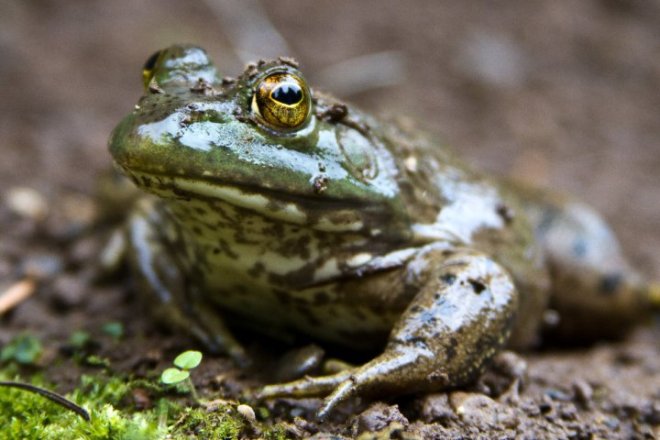
Toads are smarter than frogs. Like all of us who are not good-
looking they have to rely on their wits. A woman around the
beginning of the last century who was in love with frogs wrote
a wonderful book on frogs and toads. In it she says if you place
a frog and a toad on a table they will both hop. The toad will
stop just at the table’s edge, but the frog with its smooth skin
and pretty eyes will leap with all its beauty out into nothing-
ness. I tried it out on my kitchen table and it is true. That may
explain why toads live twice as long as frogs. Frogs are better at
romance though. A pair of spring peepers were once observed
whispering sweet nothings for thirty-four hours. Not by me.
The toad and I have not moved.
~Tom Hennen  “Plains Spadefoot Toad”

toad photo by Josh Scholten
photo by Kate Steensma

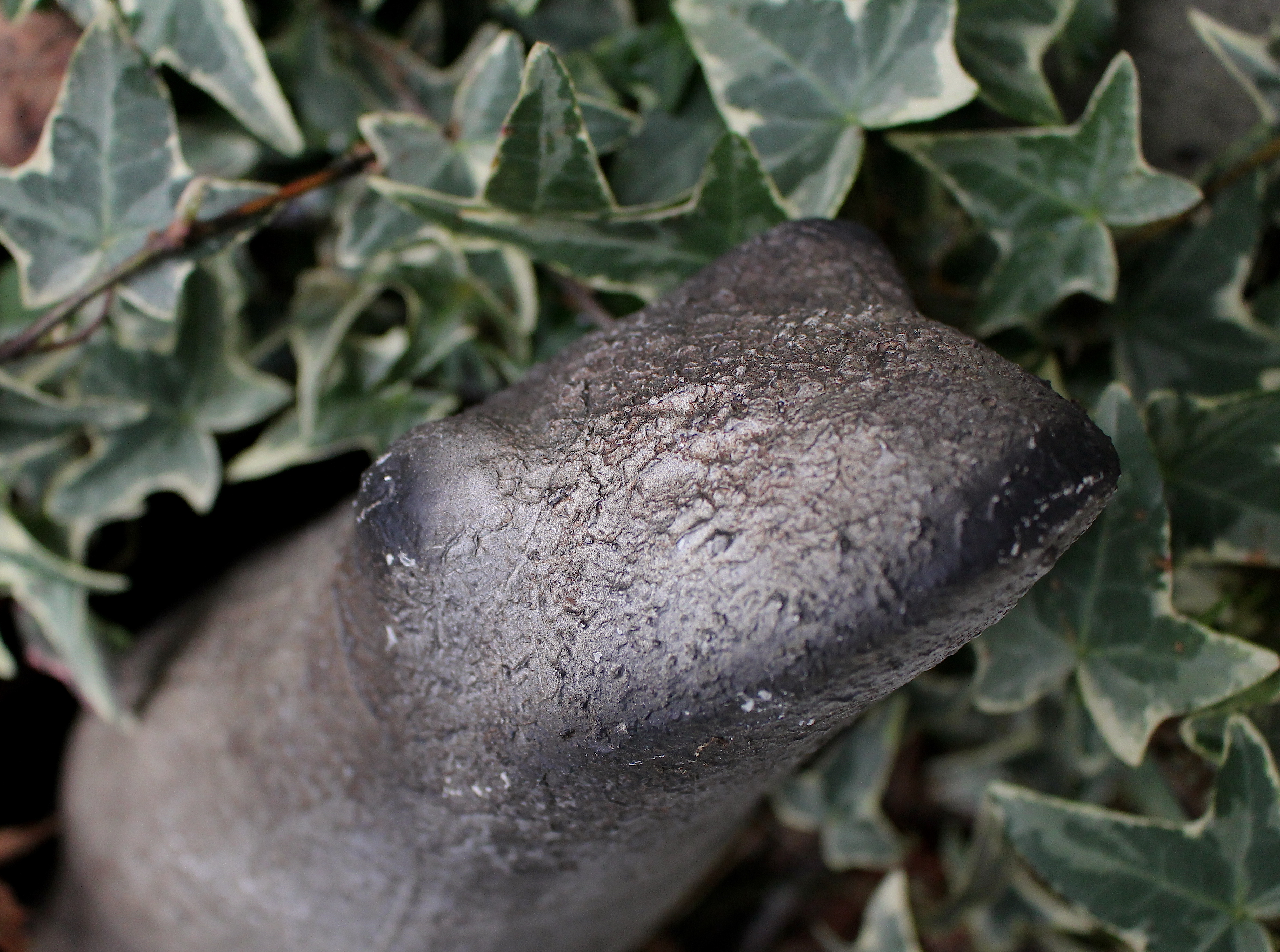
I am too much like a toad.

Plain, bumpy, staid,
cautious, contemplative,
tending to plop or splat
rather than risk
a graceful, carefree
leap into nothingness.

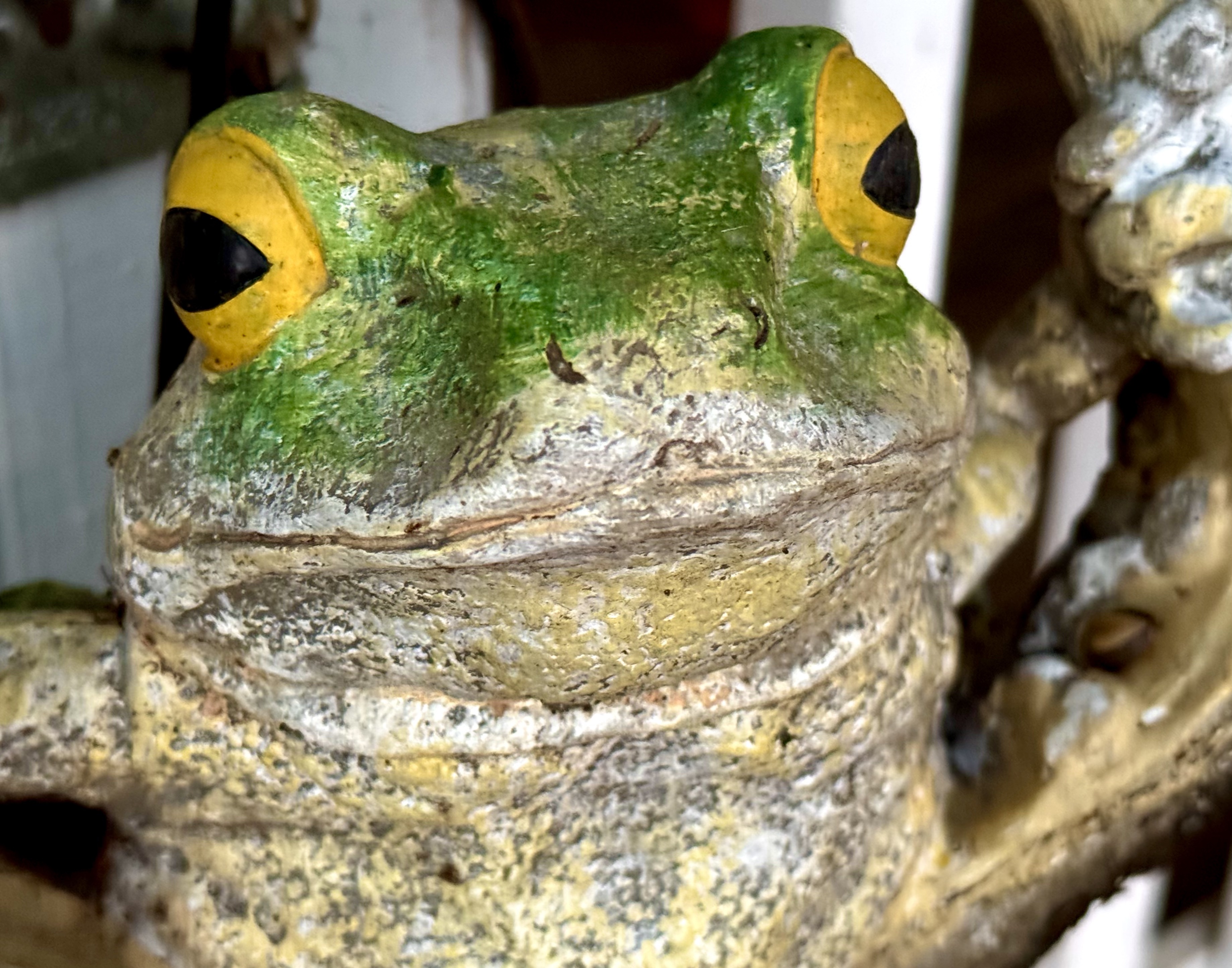
Someone has to hold down the swamp,
while peering over the edge of the abyss,
belching out an occasional thoughtful croak
while thousands of dainty peepers sing their hearts out
like so many sleighbells jingling gaily
throughout the endless, late winter night.

We all sing together…

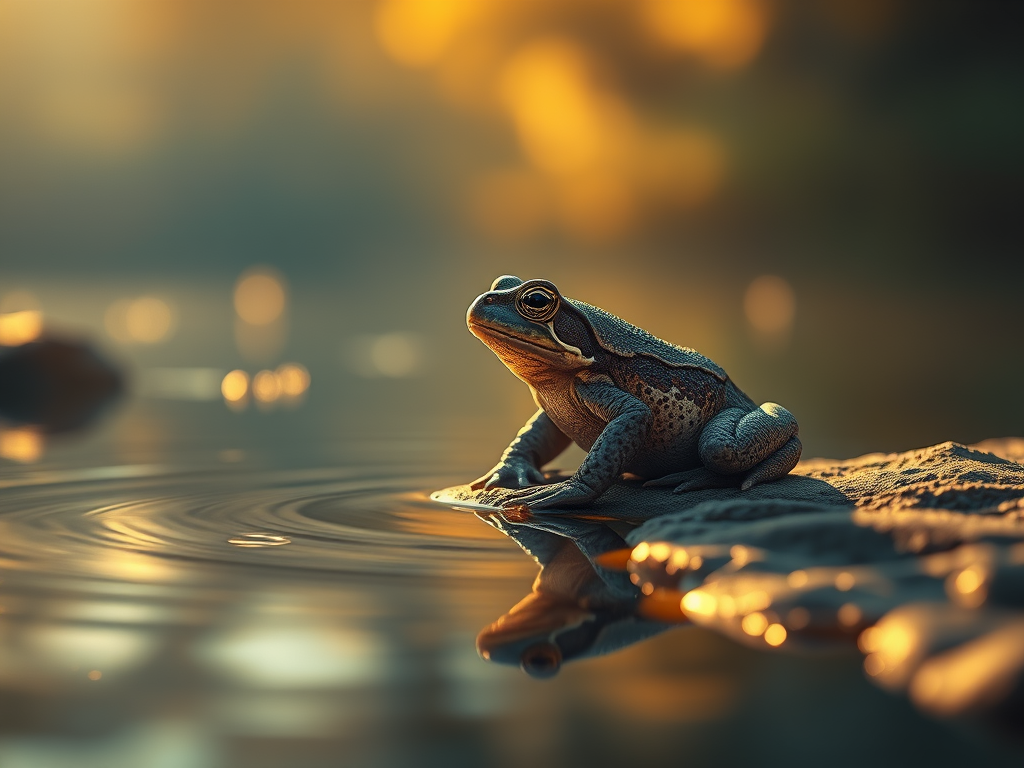
AI image created for this post

Poets who know no better rhapsodize about the peace of nature, but a well-populated marsh is a cacophony.
~Bern Keating

One-Time
Monthly
Yearly

Make a one-time or recurring donation to support daily Barnstorming posts

Make a monthly donation

Make a yearly donation

Choose an amount

$10.00
$25.00
$50.00
$5.00
$15.00
$100.00
$5.00
$15.00
$100.00

Or enter a custom amount

$

Your contribution is deeply appreciated.

Your contribution is appreciated.

Your contribution is appreciated.

DonateDonate monthlyDonate yearly
Time’s Fun When You are Having Flies (and Frogs)

Time’s fun when you’re having flies…
~Kermit the Frog

Time flies like the wind; fruit flies like a banana.
~attributed to Groucho Marx

…the tiny haunting eyes of the fruit flies, and the swooping melody of their Latin name: Drosophila melanogaster, which translates poetically as “dark-bellied dew sipper.”
~Diane Ackerman from “Fruit Flies and Love”

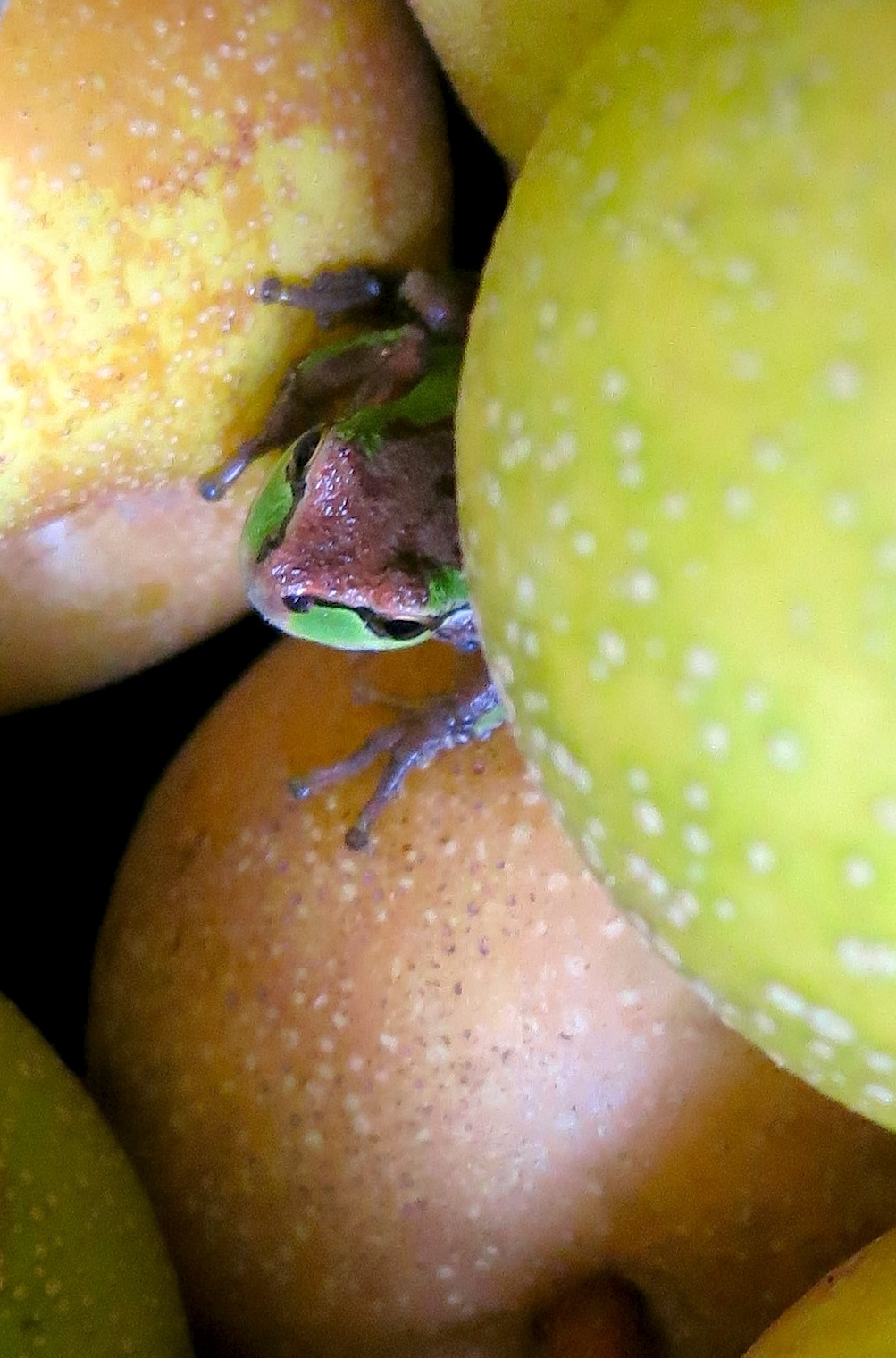
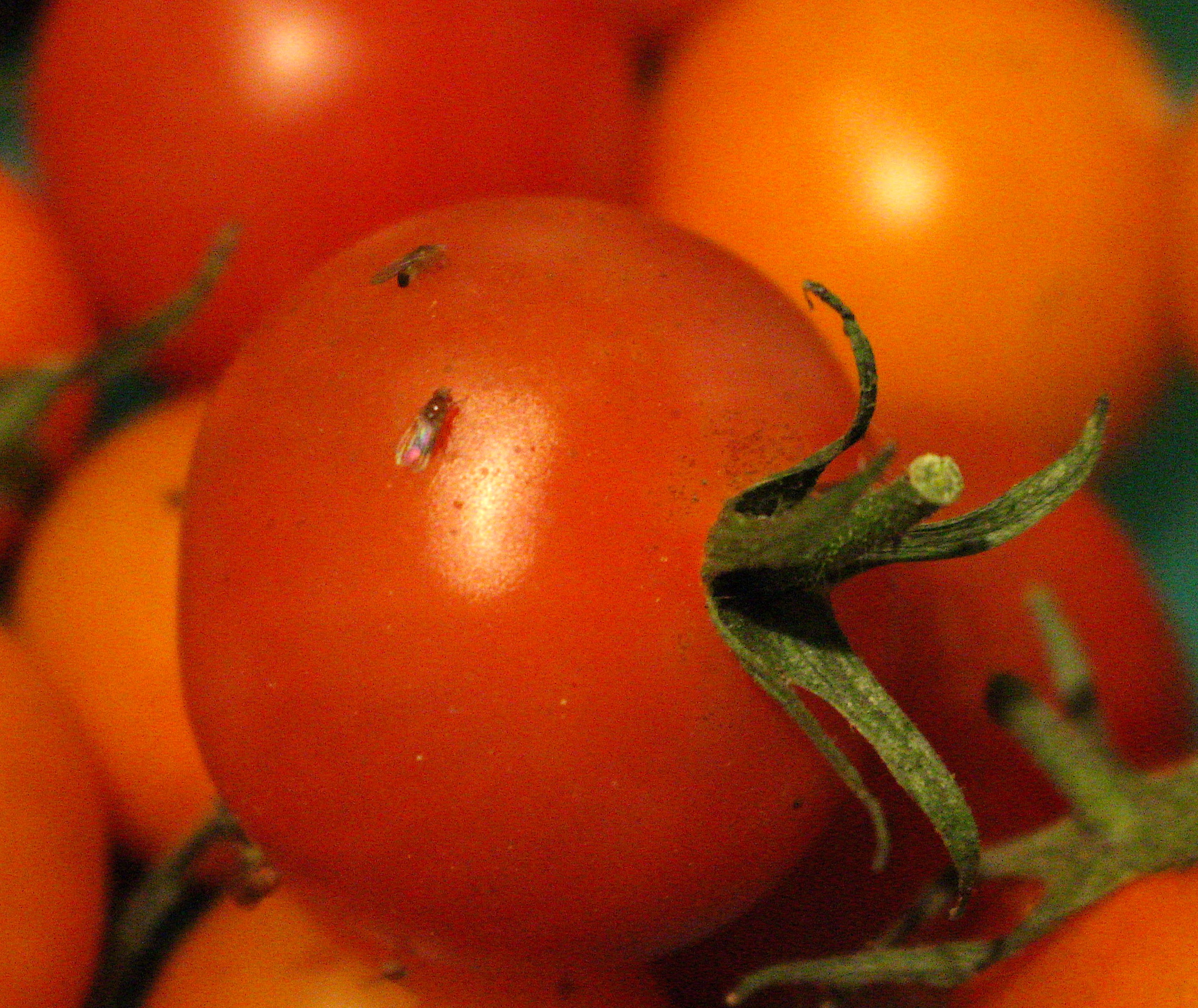
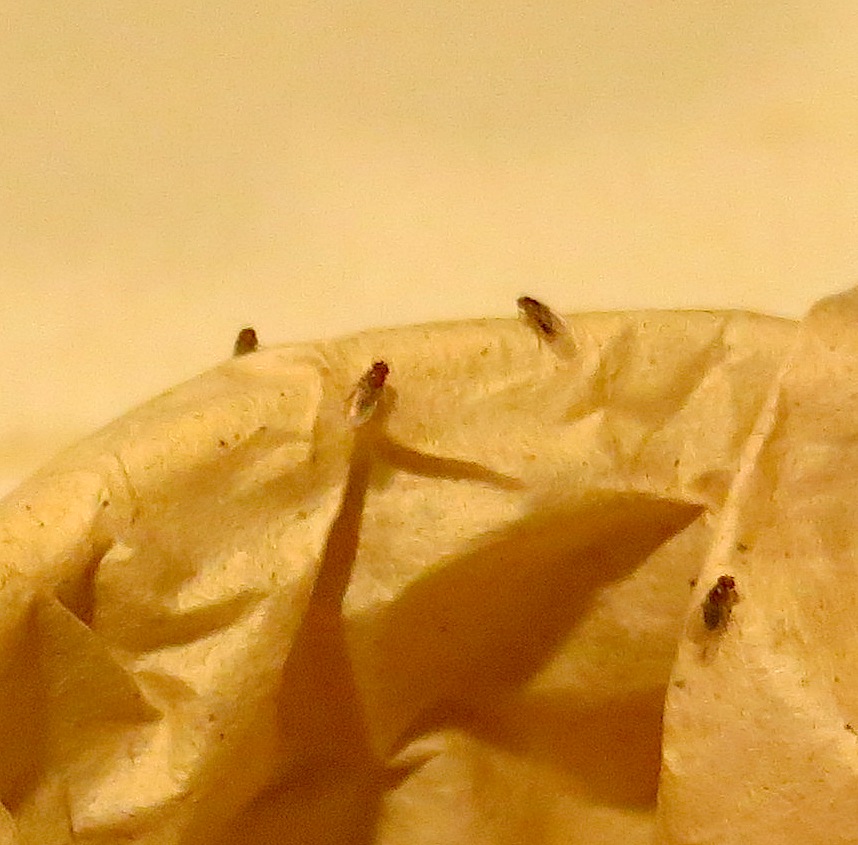
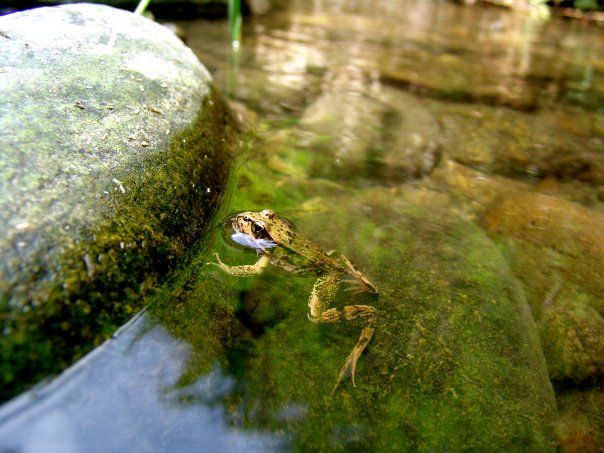
It’s not easy being green unless you also have a dorsal brown stripe and live in a box of ripe pears on the back porch that has become a metropolis of Drosophila melanogaster (fruit flies). 

Then you are in frog heaven with breakfast, lunch and dinner within reach of your tongue any time.

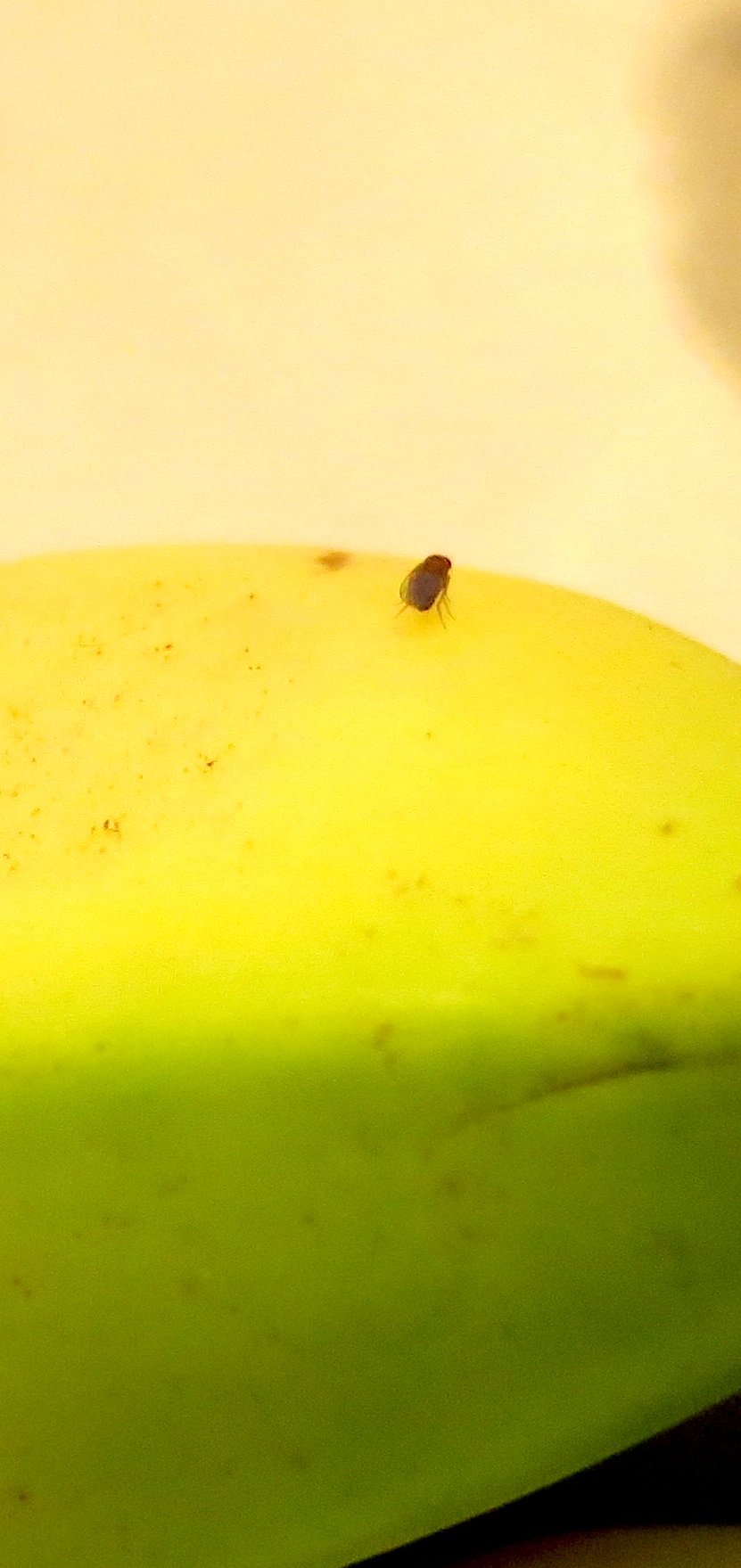
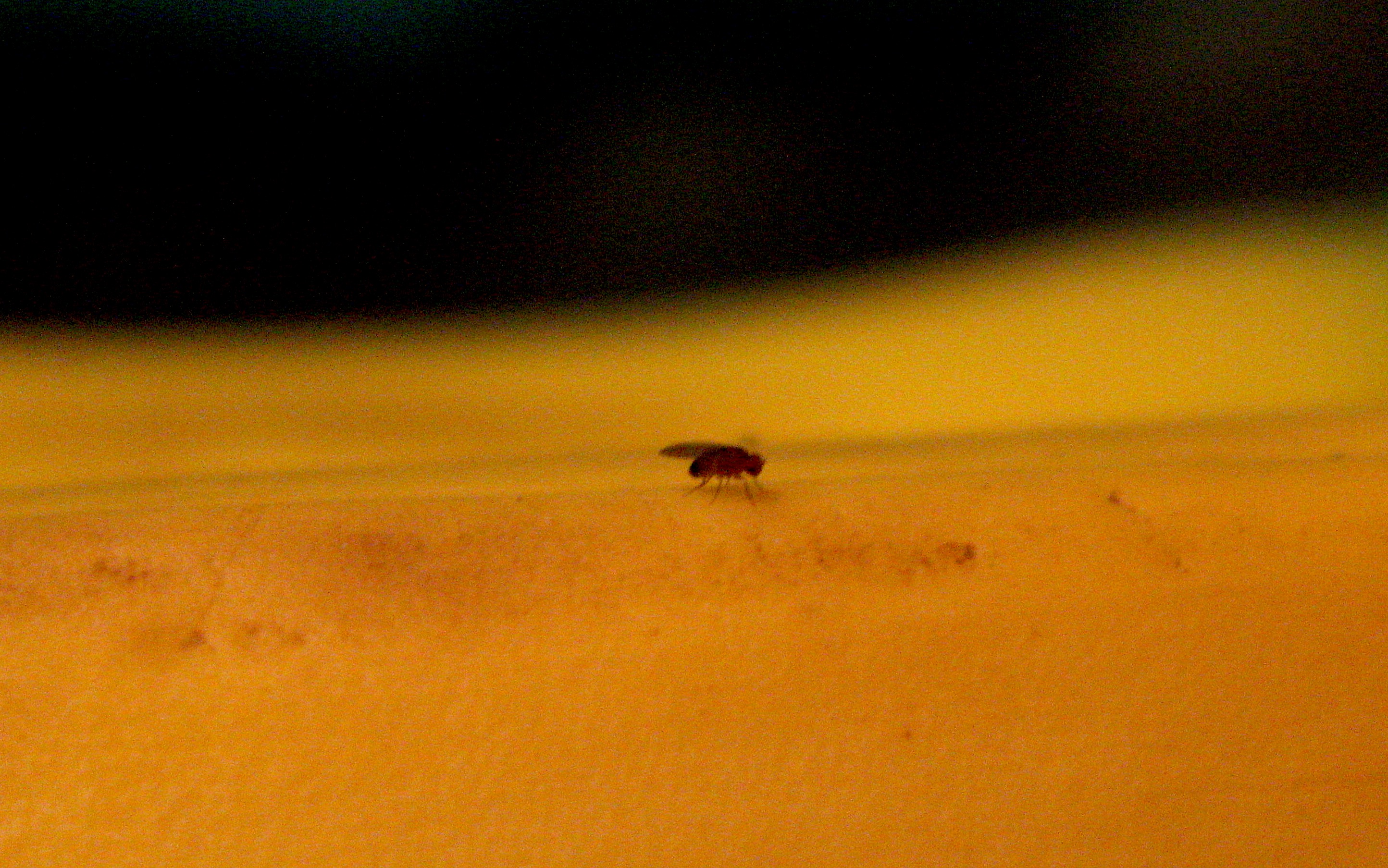
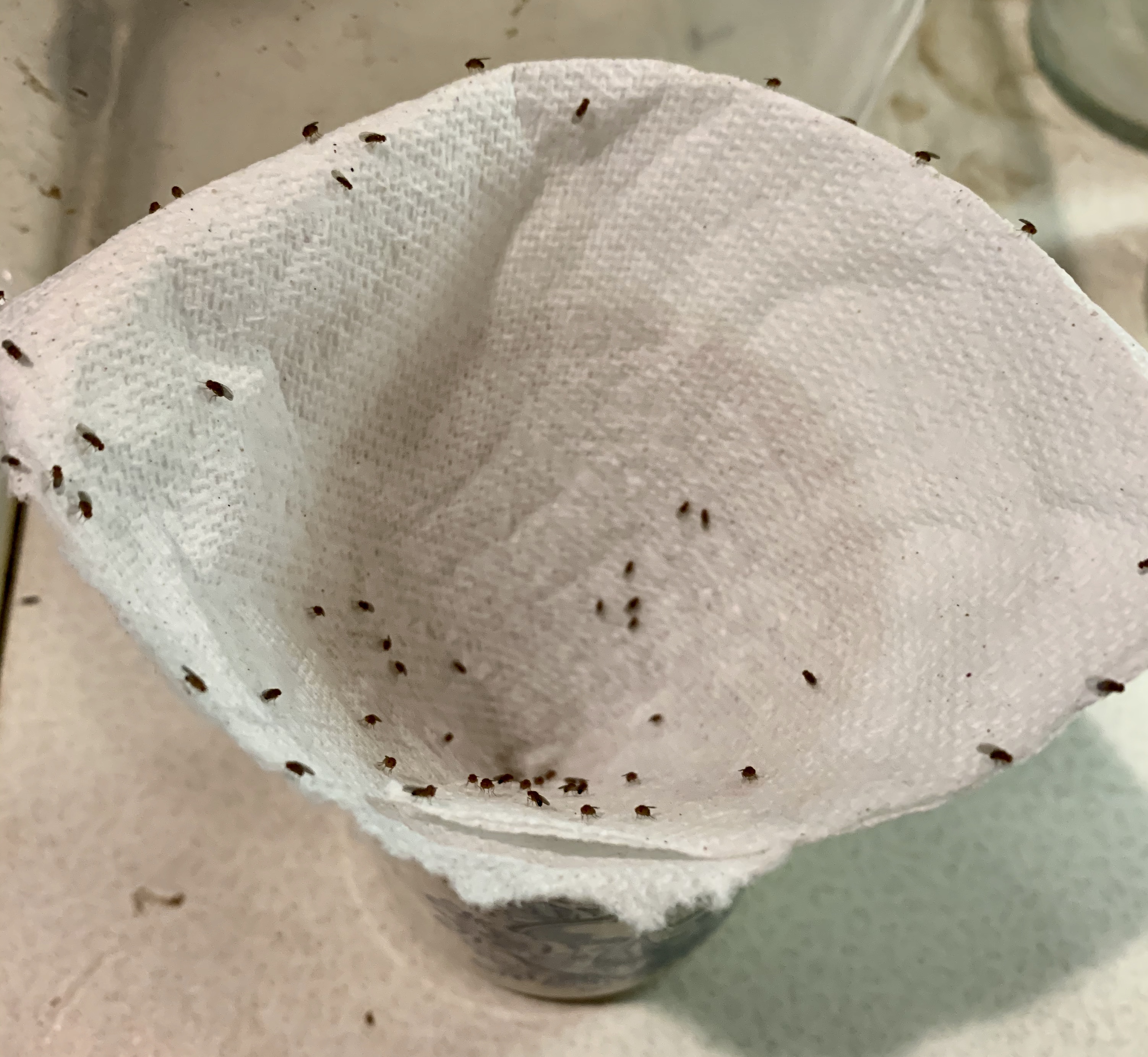
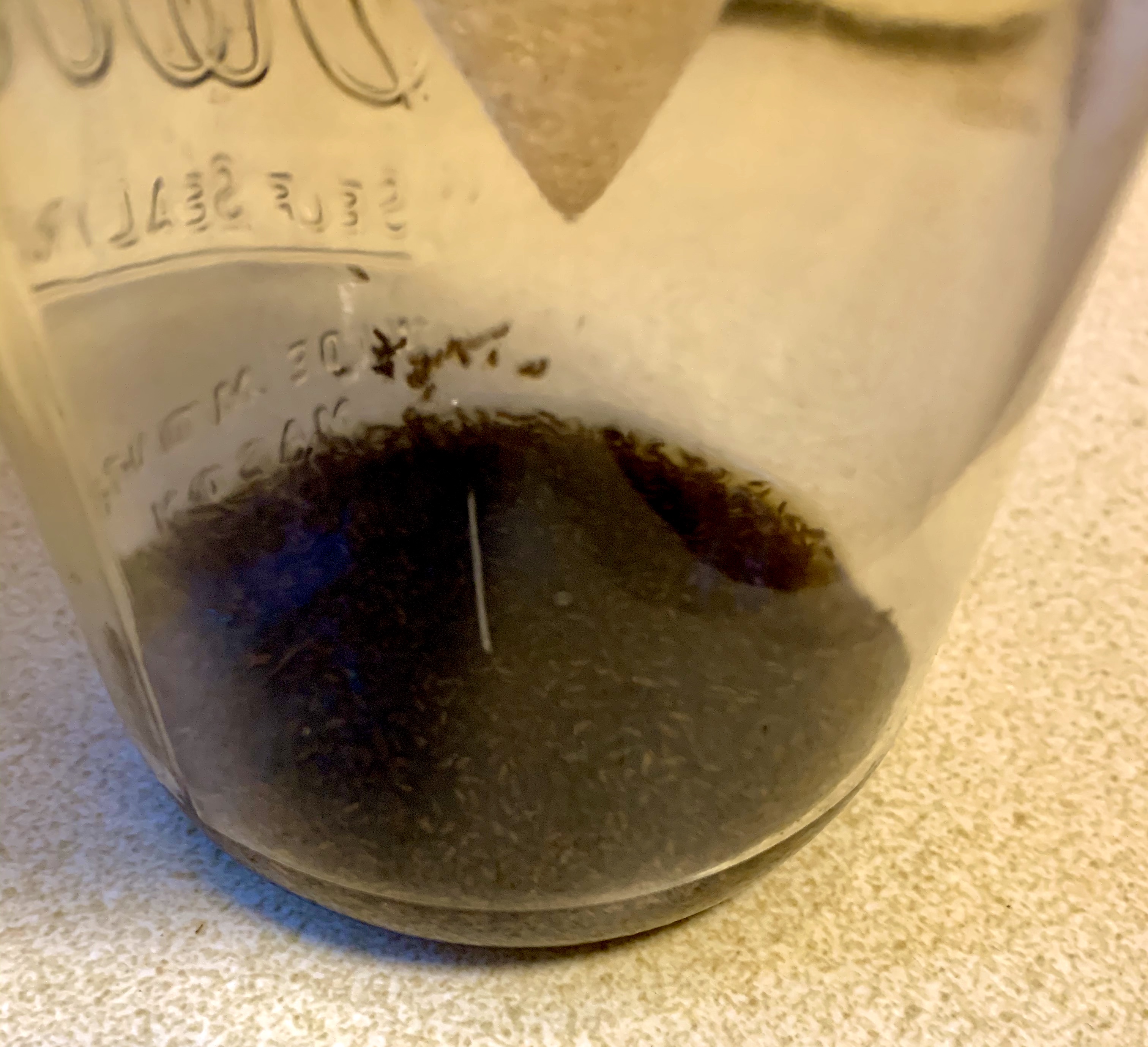
And the Drosophila happily move in to the kitchen any time pears are brought in for preserving.  The apple cider vinegar killing fields I’ve set up on the kitchen counter are capturing hundreds daily, but their robust reproducing (which I carefully studied in undergraduate biology lab) outstrips the effectiveness of my coffee filter funnel death trap lures.

But fruit fly season too shall pass. 

Time flies and time’s fun when you’re having frogs.

Time’s Fun When You’re Having Flies

drosphilabanana


bananafly


Time’s fun when you’re having flies.
~Kermit the Frog


hidingout


Time flies like the wind; fruit flies like a banana.
~attributed to Groucho Marx


frog96141


drosphilatomato


hidingout3


It’s not easy being green unless you also have a dorsal brown stripe and live in a box of ripe Asian pears on the front porch that has become a metropolis of Drosophila (fruit flies).  Then you are in frog heaven with breakfast, lunch and dinner within reach of your tongue any time.

And the Drosophila happily move in to the kitchen any time some pears are brought in.  The apple cider vinegar killing fields I’ve set up on the kitchen counter are capturing dozens daily, but their robust reproducing (which I carefully studied in undergraduate biology lab) outstrips the effectiveness of my coffee filter funnel death trap lures.

Fruit fly season too shall pass.  Time flies and time’s fun when you’re having frogs.


flylunaria


drosophila

Ease Into the Conversation

redfinch1


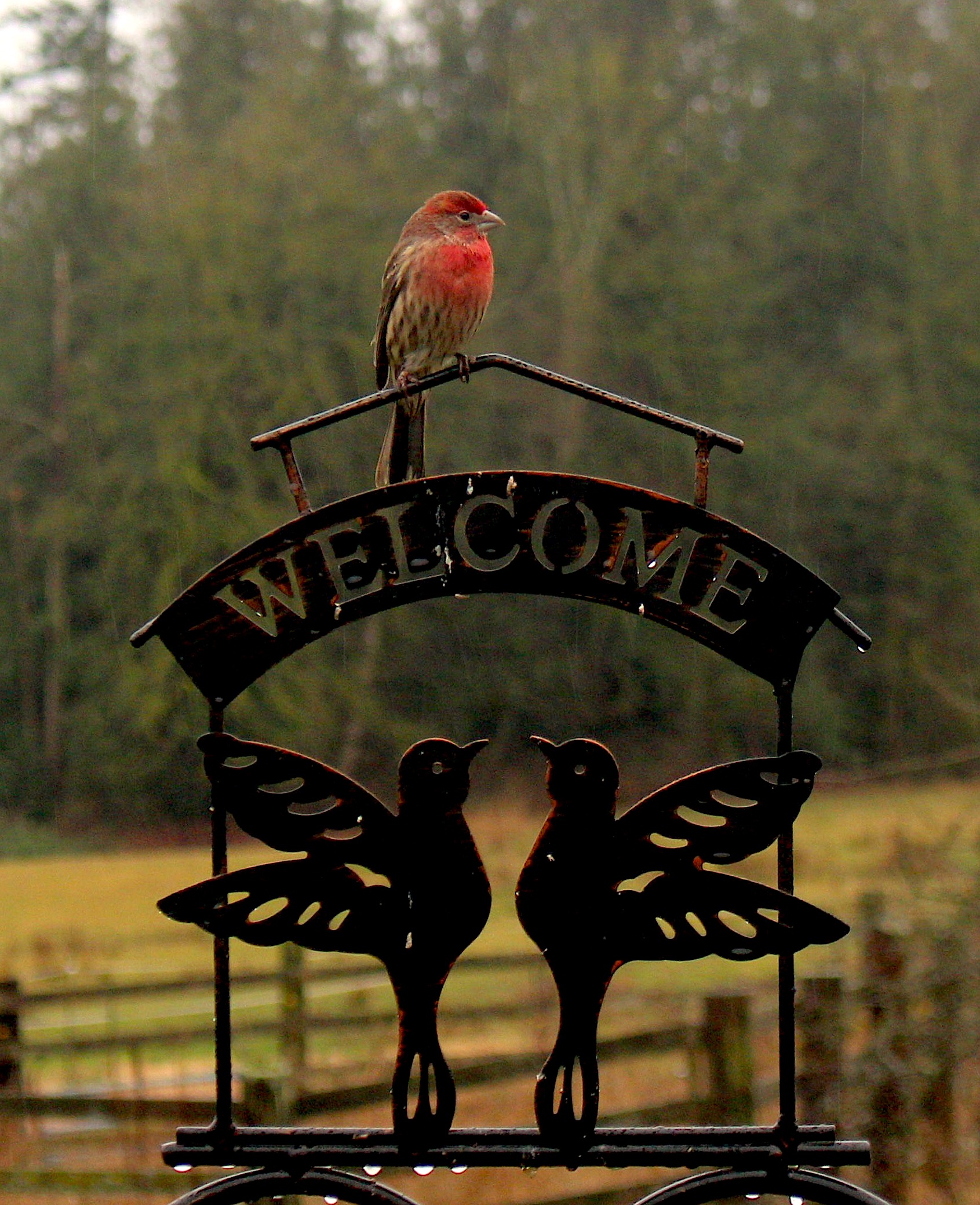
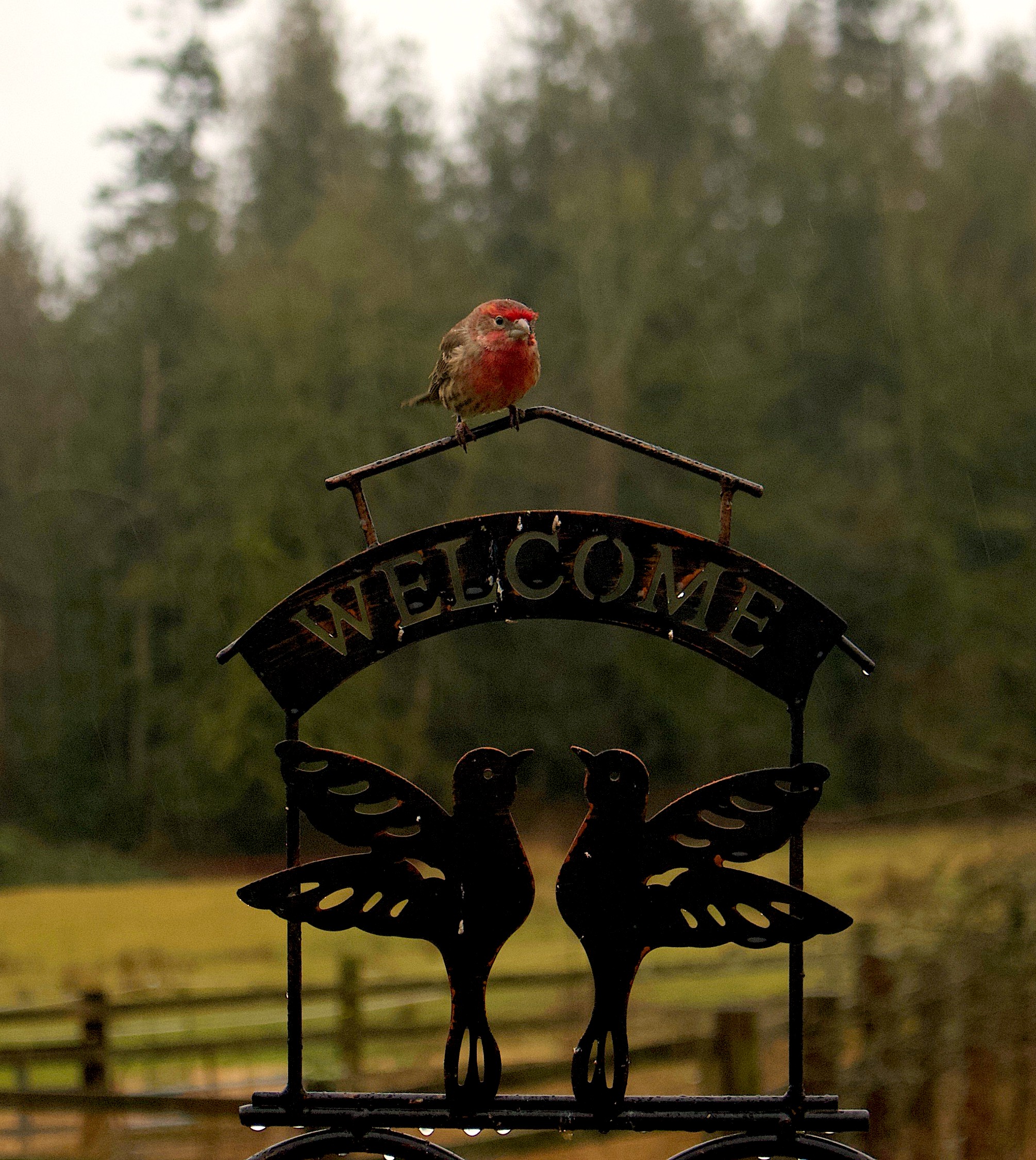
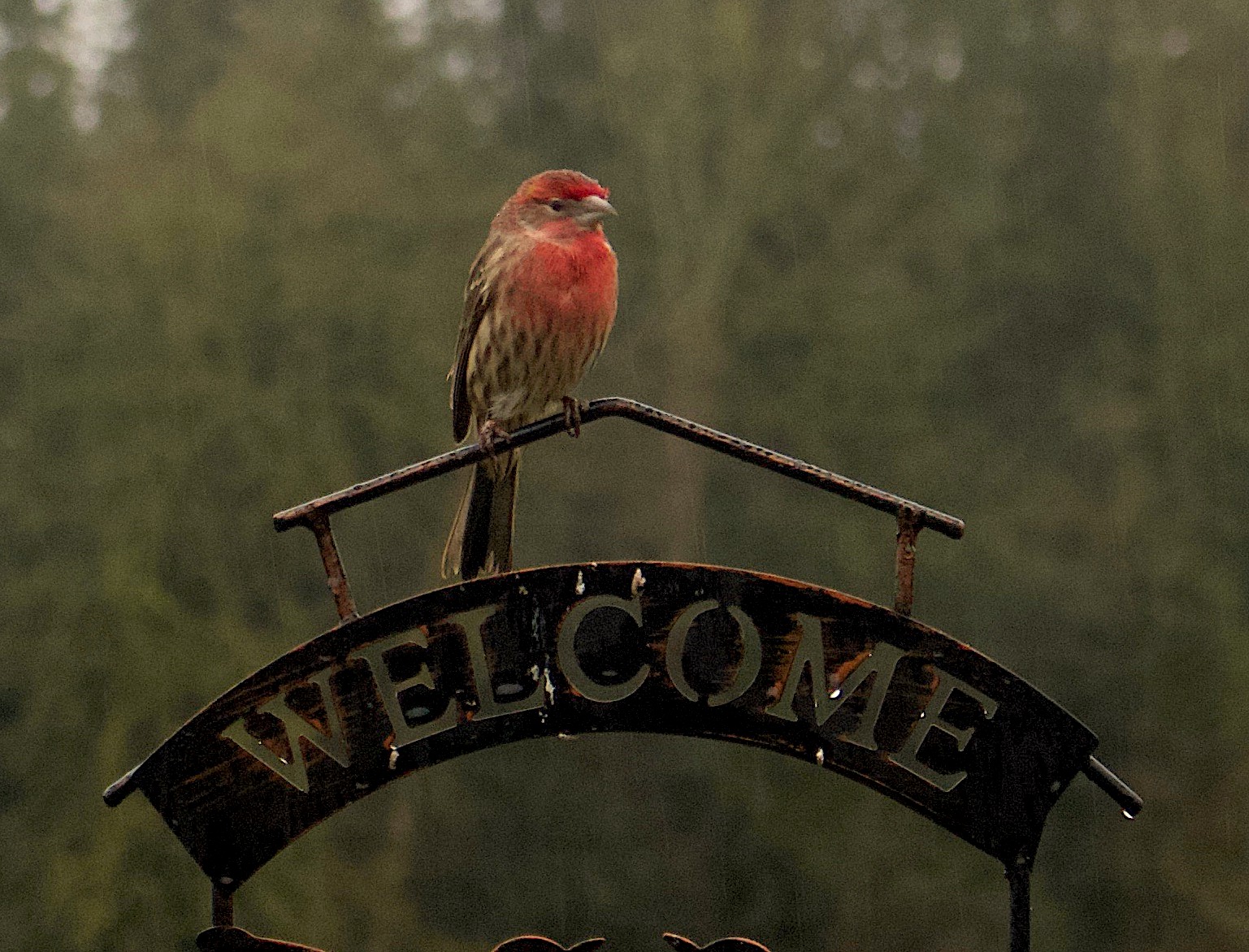
My bird, my darling,
Calling through the cold of afternoon—
Those round, bright notes,
Each one so perfect
Shaken from the other and yet
Hanging together in flashing clusters!
The small soft flowers and the ripe fruit
All are gathered.
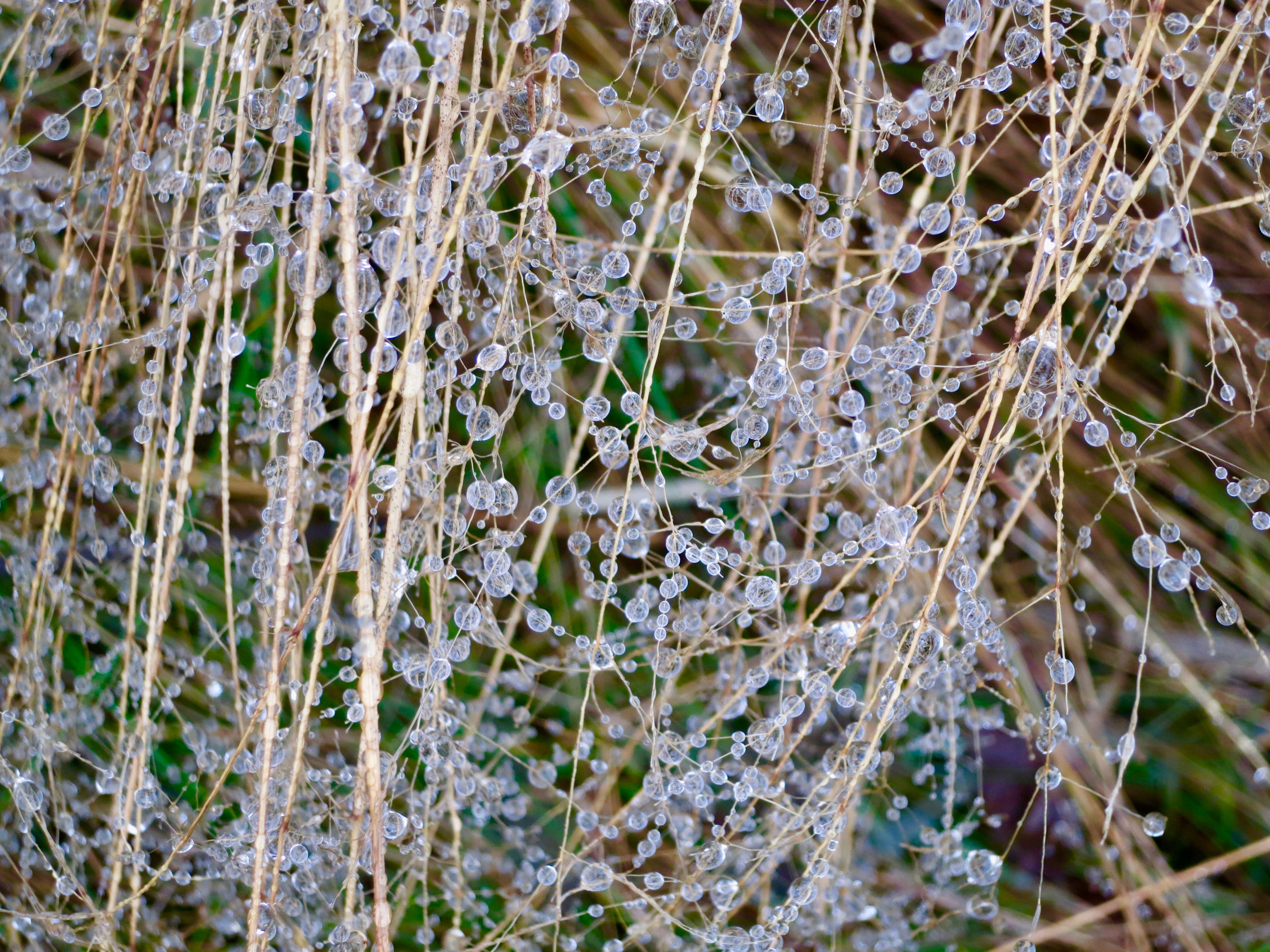
It is the season now of nuts and berries
And round, bright, flashing drops
In the frozen grass.
~Katherine Mansfield “Winter Bird”


IMG_3210


dropletswinter


Your great mistake is to act the drama
as if you were alone…

Put down the weight of your aloneness and ease into
the conversation. The kettle is singing
even as it pours you a drink, the cooking pots
have left their arrogant aloofness and
seen the good in you at last. All the birds
and creatures of the world are unutterably
themselves. Everything is waiting for you.
~David Whyte from “Everything is Waiting for You”


grumpyfinch


This time of year we sit in silence, waiting for the conversation to resume.

There are hunters firing in the woods and the wetlands around our farm, most likely aiming for the few ducks that have stayed in the marshes through the winter, or possibly a Canadian goose or a deer to bring home for the freezer.  The typical day-long serenade of birdsong is now replaced by shotguns popping, hawks and eagle’s mating chitters from the treetops, with the bluejays arguing over the last of the filbert nuts.

The song birds have ceased their usual constant conversation.  They swoop in and out to the feeders, intent on survival, less worried about mating rituals and territorial establishment.

On the clear cold evenings, when coyotes aren’t howling in the moonlight, owls hoot to each other across the fields from one patch of woods to another, their gentle resonant dialogue echoing back and forth.

But no birdsong arias;  I’m left bereft of their blending musical tapestry that wakes me at 4 AM in the spring and summer. And the rising and falling of the annual evening peeper orchestra tuning up in the swamps is still two months away.

It is much too quiet now, this time of winter bereavement, this feeling of being alone in a cold and hostile world. The chilly silence of the darkened days, interrupted by gunshot percussion, feels like a baton raised in anticipation after rapping the podium to bring us all to attention. I wait and listen for the downbeat — the return of birds and frogs tuning their throats, preparing their symphony to ease themselves back into the conversation, to express joy and wonder and exuberance at the return of spring.

I want to stick around for the whole concert, hoping always for an encore.


redfinch


March’s Cacophonous Marsh

photo by Kate Steensma

Poets who know no better rhapsodize about the peace of nature, but a well-populated marsh is a cacophony.~Bern Keating

To open the month of March, a warm southerly wind swept in overnight with heavy rain drenching fields and lowlands.   The evening sounds were nothing more than constant dripping and trickling as downspouts unloaded and the hillsides drained.

Tonight, the peepers have awakened, brought out of the mire by tepid temperatures and vernal stirrings.  Their twilight symphony of love and territory has begun, soft and surging,  welcome and reassuring.

There’s a spring a-comin’, the peepers proclaim.  No one can prefer the silence of the countryside when such a song can be heard right out the back door.  Nothing can be sweeter.

Bereft of Birdsong

newyearbaker

Silence and darkness grow apace, broken only by the crack of a hunter’s gun in the woods.  Songbirds abandon us so gradually that, until the day when we hear no birdsong at all but the scolding of the jay, we haven’t fully realized that we are bereft — as after a death.  Even the sun has gone off somewhere… Now we all come in, having put the garden to bed, and we wait for winter to pull a chilly sheet over its head.  
~Jane Kenyon from “Good-by and Keep Cold”

Every day now we hear hunters firing in the woods and the wetlands around our farm, most likely aiming for the few ducks that have stayed in the marshes through the winter, or possibly a Canadian goose or a deer to bring home for the freezer.   The usual day-long symphony of birdsong is replaced by shotguns popping, hawks and eagle screams and chittering, the occasional dog barking, with the bluejays and squirrels arguing over the last of the filbert nuts.

In the clear cold evenings, when coyotes aren’t howling in the moonlight, the owls hoot to each other across the fields from one patch of woods to another, their gentle resonant conversation echoing back and forth.    The horses confined to their stalls in the barns snort and blow as they bury their noses in flakes of summer-bound hay.

But there is no birdsong arias,  leaving me bereft of their blending musical tapestry that wake me at 4 AM in the spring.   No peeper orchestra from the swamps in the evenings, rising and falling on the breeze.
It is too too quiet.

The chilly silence of the darkened days is now interrupted by all percussion, no melody at all.   I listen intently for early morning and evening serenades returning.
It won’t be long.
jansunset

Raising Our Voices

peeperThe Pacific Northwest is a part of North America where the seasons are more subtle than other regions experience. We go from frozen to thawed to frozen to thawed all in the course of a few weeks as winter transitions to spring. Right now we have day time temperatures rising to the 60s but freezing at night with thick frost in the mornings.

This must be tough on the plants and animals that are trying to decide just which way the seasons are going. I know that my daffodil and tulip bulbs pushed their stems hurriedly from the ground a few weeks ago during a warm spell, but then as we fell back to colder days, they stood still, not gaining any height, probably reconsidering their hasty growth as they were nipped by frost. Our Haflingers started blowing coat too, but then needed it badly over the last few nights, probably wishing I’d glue those clumps of hair back on their bodies rather than piling it outside for the birds to grab for nesting material.

A long awaited yet familiar sound greeted me last night as I headed to the barn to do chores on a particularly balmy evening. The echo song of the Pacific Chorus Frogs filled the air, rising from the woods and wetlands that surround our farm. I stood still for a moment to soak up that first song that heralds spring–a certainty that the muddy marshes were thawed enough to invite the frogs out of their sleep and start their courting rituals. Winter cannot return anytime soon with any seriousness now. A frog’s version of Handel’s Messiah in the swamp–Hallelujah!

In the early mornings when I go to do chores I’m hearing bird song that has been absent for months. It used to be the only sound from the air were the Canadian geese and trumpeter swans honking as they’d fly over head, and occasionally a flock of seagulls flying inland for the day to feed in the old cornfields. Now there is an orchestra of songs from all around–Vivaldi in birdsong.

I know all the behaviorist theories about frog chorus and bird song being all about territoriality –the “I’m here and you’re not” view of the animal kingdom’s staking their claims. Knowing that theory somehow distorts the cheer I feel when I hear these songs. I want the frogs and birds to be singing out of the sheer joy of living and instead they are singing to defend their piece of earth.

Then I remember, that’s not so different from people. Our voices tend to be loudest when we are insistently territorial: our point of view above all others. I’m not sure anyone enjoys that cacophony in the same way I enjoy listening to the chorus of frogs at night or birdsong in the morning.

People are most harmonic when we choose to listen. Instead of sounding off, we should soak up. Instead of shouting “stay away–this is mine~”, we should sit expectant and grateful.

Perhaps that is why the most beloved human choruses are derived from prayers and praise. Singing out in joy rather than in warning others away.

I’ll try to remember this when I get into my “territorial” mode. I don’t bring joy to the listener nor to myself. When it comes right down to it, all that
noise I make is nothing more than croaking in a smelly mucky swamp.

I hope we can all raise our voices above the mud, with clarity and hope. Then we’ll truly celebrate that new life has begun.