Prepare for Joy: Word for the World

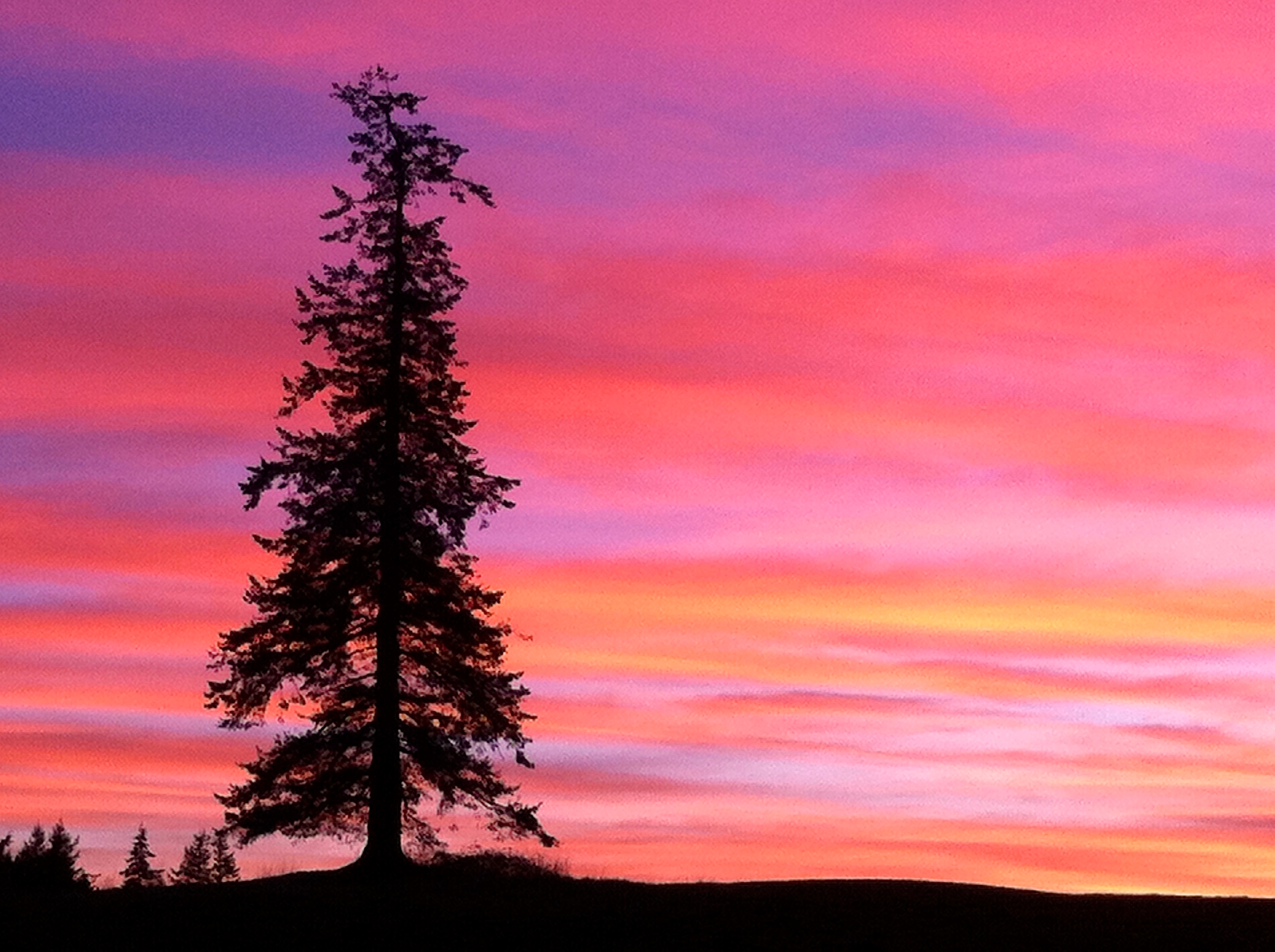
sunset21615iphone

O my people, what have I done to you?
Micah 6:3


The Word without a word, the Word within
The world and for the world;
And the light shone in darkness and
Against the Word the unstilled world still whirled
About the centre of the silent Word.

O my people, what have I done unto thee.
~T.S. Eliot from “Ash Wednesday”


Who calls for sackcloth now? He leaps and spreads
A carnival of color, gladly spills
His blood: the resurrection—and the light.
~Louis Untermeyer from “Ash Wednesday”
The Word
Who was given
within and for the world
reaches out to us unstilled
dwelling in darkness–
O people,
His loved children
who turn away,
only our ashes remain.
His touch ignites
us to light again,
His blood has
spilled across the sky.
~E Gibson

A Crippled Heart

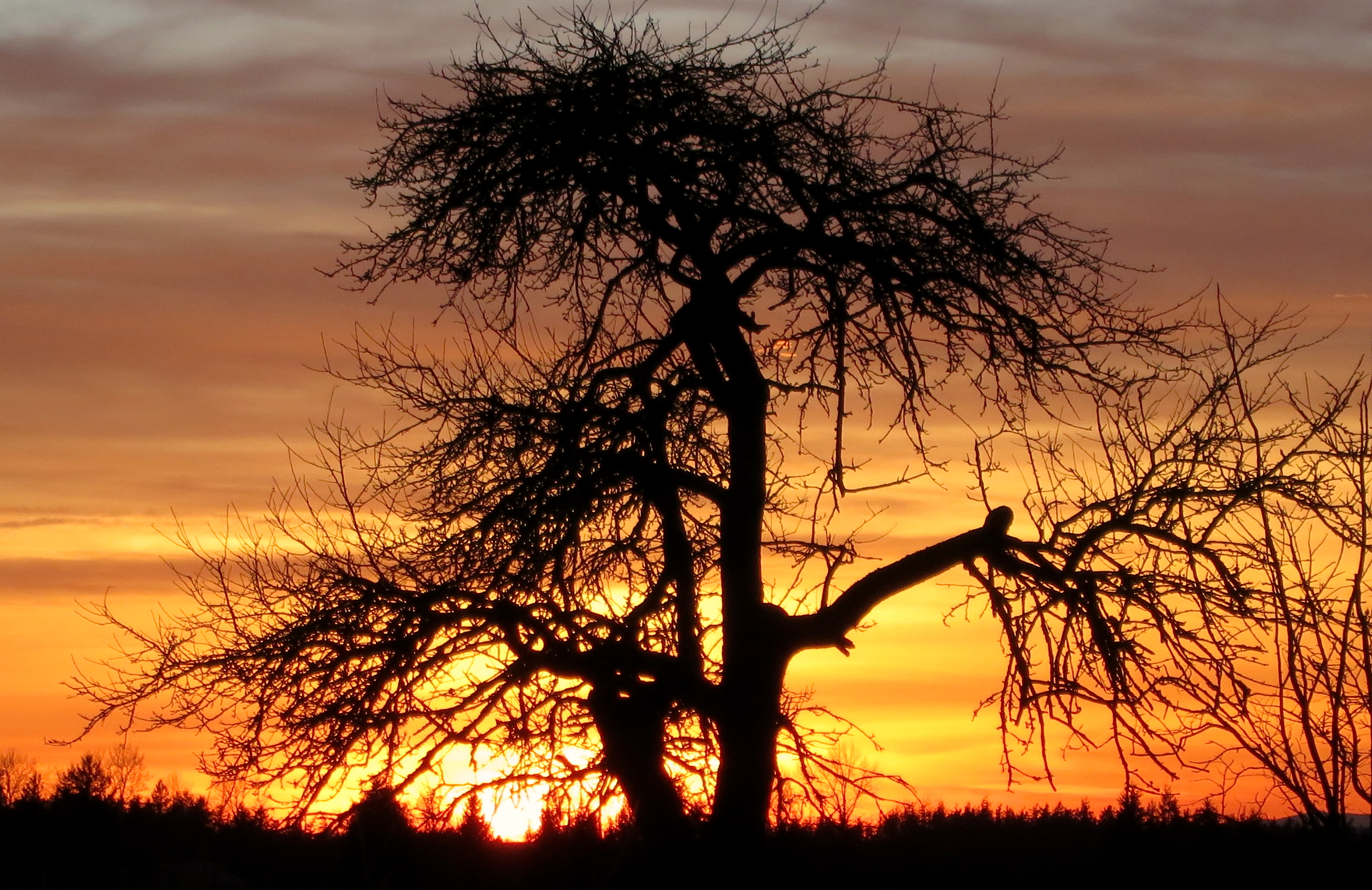
sunsetappletree

All of us come to the study and practice of medicine through different pathways: some because of family members who were doctors or patients, some out of our own illness or wounded brokenness, some out of intense drive to achieve and serve.

I came to medicine because of my grade school classmate Michael.

My grade school represented a grand social experiment of the early 1960’s.  It was one of the first schools to mainstream special needs children into “regular” classrooms.   At that time, the usual approach was to warehouse kids with disabilities (i.e. “handicaps” in 60′s parlance)  in separate rooms, if not whole separate schools.

During those years, the average class size for a grade school teacher was 32-35 kids, with no teacher’s aides, rare parent volunteers (except for field trips and room mothers who threw the holiday parties) and no medications or special accommodations for ADHD or learning disabilities.  I’m not sure how teachers coped with a room full of too-often noisy unruly kids,  but somehow they managed to teach in spite of the obstacles.  Adding in children with mental and physical challenges without additional adult help must have added immeasurable challenges and lots of gray hair.

So the more capable kids got recruited to mentor the kids with disabilities.  It was a way to keep some kids busy who out of boredom might otherwise find themselves engaging in disruptive entertainment. It helped the teacher by creating a buddy system for the special needs kids who might need help with class work or who might have difficulty getting around.

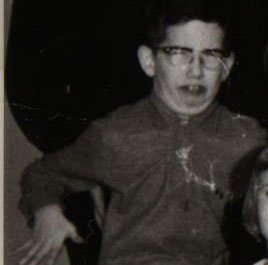
In fifth grade I was assigned to be a buddy to Michael.  He was a spindly boy with cerebral palsy and hearing aids, thick glasses hooked with a wide band around the back of his head,  and spastic muscles that never seemed to go where he wanted them to go.  He walked independently with some difficulty, mostly on his tiptoes because of his shortened leg muscles, falling when he got going too quickly as his thick orthopedic shoes with braces would trip him up.   His hands were intermittently in a crab like grip of contracted muscles, and his face always contorting and grimacing.  He drooled continuously so perpetually carried a soppy Kleenex in his hand to catch the drips of spit that ran out of his mouth and dropped on his desk, threatening to spoil his coloring and writing papers. I would deliver him to the bathroom on a schedule, pushing the heavy door open for him to get inside, and waiting outside until he knocked on the door so I could open it back up for him.

His speech consisted of all vowels, as his tongue couldn’t quite connect with his teeth or palate to sound out the consonants, so it took some time and patience to understand what he said.  He could write with great effort, gripping the pencil awkwardly in his tight palm and found he could communicate better at times on paper than by talking. I made sure he had help to finish assignments if his muscles were too tight to write, and I learned his language so I could interpret for the teacher. I quickly discovered he was brave and bright, with a finer mind than most of the kids in our class.    He loved a good joke and his little body would shudder as he roared his appreciation.   I was impressed at how he expressed himself and how little bitterness he had about his limitations.

He was the most articulate inarticulate person I knew.  As a peer-opinion-driven preadolescent girl, I’m amazed I could even recognize that about Michael.  It was so tempting to stay oblivious to the person that Michael was inside his broken shell of a body.

Sometimes I wanted to hide as Michael appeared around the corner of the grade school building every morning. He would be walking too quickly in his tightly wound tip-toe cadence, arms flailing, shoes scuffing, raising up dust with each step. He would wave at me and call out my name in his indecipherable voice, a voice I knew too well.

There were many times when I resented being Michael’s buddy though I was determined not to let him know it.  I was myself stuck fast in my 5th-grade-need to be popular and acceptable to my peers.  I didn’t want to be constantly responsible for him and other kids teased me about him being my boyfriend.

And in many ways, he was.

As he would approach while I stood in my clump of friends on the playground, a group of boys playing tag would swoop past him, purposely a little too close, spinning him off his feet like a top and onto the ground. Glasses askew, he would lay momentarily still, and realizing I was needed, I would run to his side. Despite all he endured, I never saw Michael cry, not even once, not even when he fell down hard.  When he got angry or frustrated, he’d get very quiet, but his muscles would tense up so much he would go into even greater spasms.

I would help him up,  brush off the playground dirt from his sweatshirt and pants and look at his grimacing face. Although he would give me a huge toothy smile of thanks, his eyes, as usual, said what his mouth could not. He looked right past my hardened pretense, into my softening heart. Michael knew I needed him as much as he needed me. I was a lifesaver that had been thrown to him as he struggled to stay afloat in the sea of playground hostility.  And he was the first boy who loved me despite of who he saw inside my own inner broken shell.

After two years, when parents complained that the educational process was suffering for all the students, the social experiment was over and the school segregated the special needs kids back to therapeutic educational classrooms.  Though I never saw Michael again, I heard him on the radio six years later, reading an essay he’d written for the local Voice of Democracy contest on what it meant to be a free citizen.  His speech was one of the top three award winners that year.  I was so proud of how he’d done and how understandable his speaking voice had become.

I’ve thought of him frequently over the years as I went on to medical school, knowing that my initial training in compassionate caring came as I sat by his side for hours, even when I didn’t want to be there, learning to understand another person’s  voice and heart.  I didn’t appreciate it then as I do now, but he taught me far more than I ever taught him:  patience, perseverance and respect for the journey rather than the destination. He taught me life isn’t always fair: you make the best of what you are given and pay no attention to what others think and say.

Michael, wherever you are, you did that for me.  You helped me put someone else’s needs above my own.  You set me on the road to practice medicine. Your kindness reached deep into my own special needs heart, helping heal the crippled part of me that no one else could see, but you could feel.

Thank you, Michael, for being a buddy to someone whose pre-teen emotional handicaps ran far deeper than your life-time physical disabilities.

In my own imperfect way,  I loved you too.
michael

Bedewed With Tears

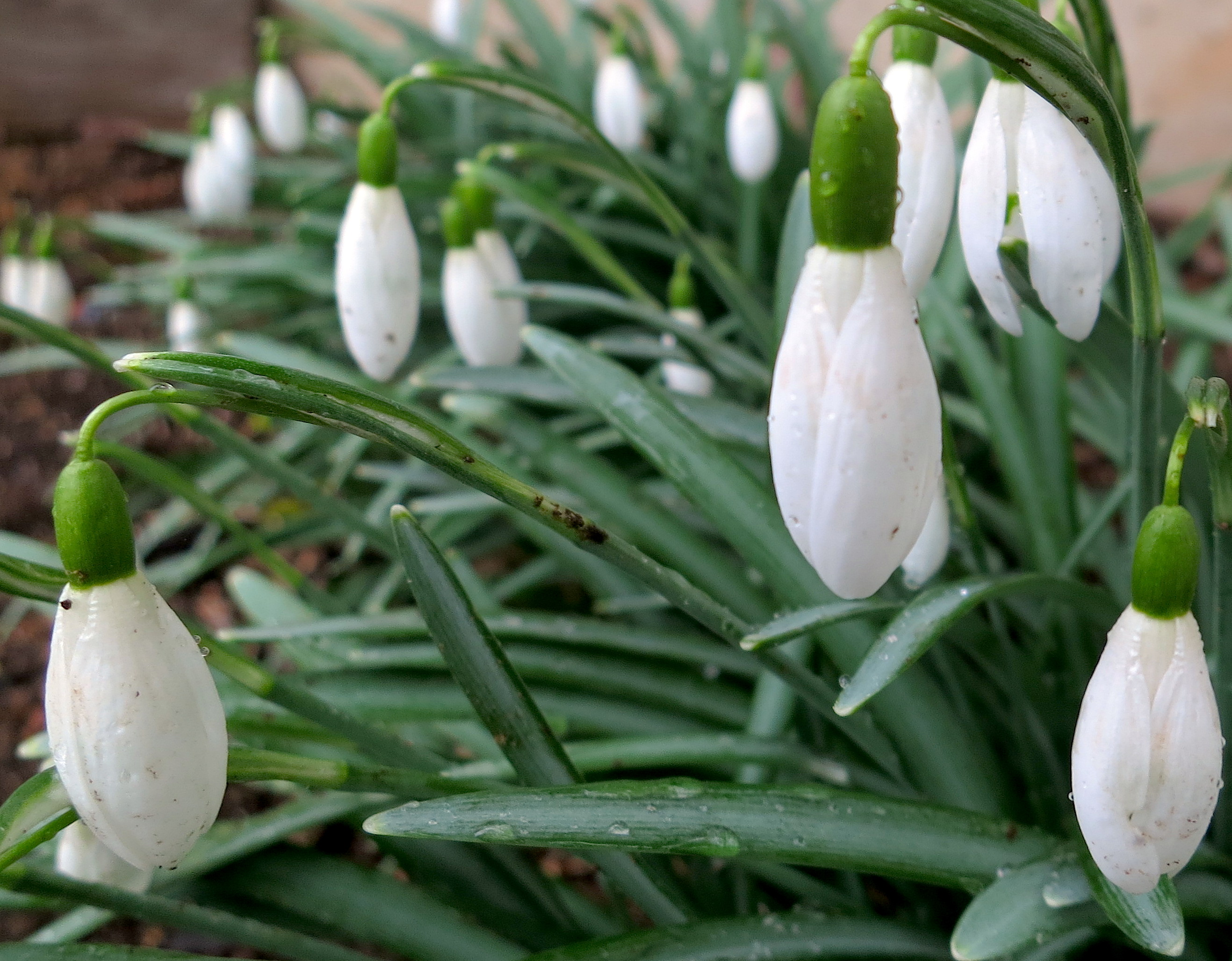
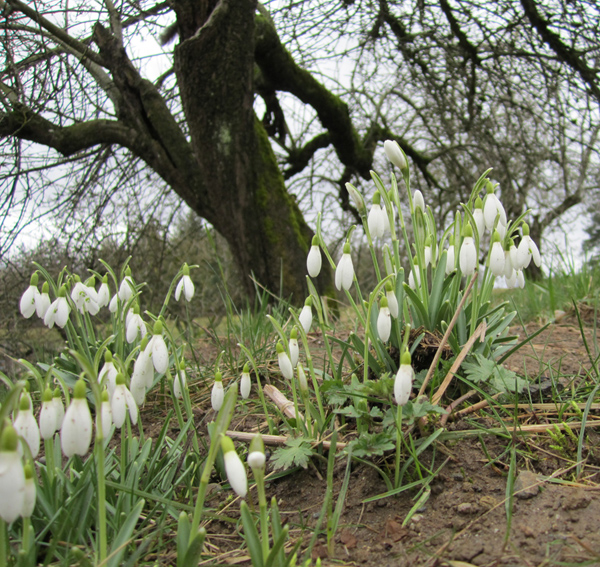
snowdropsmarch6

“The Snow-drop, Winter’s timid child,
Awakes to life, bedew’d with tears.”
–  Mary Robinson


The past few weeks have been particularly dark and dank.  February often feels like this: the conviction winter will never be finished messing with us. Our doldrums are deep; brief respite of sun and warmth too rare.

I feel it in the barn as I go about my daily routine.   The Haflingers are impatient and yearn for freedom, over-eager when handled, sometimes banging on the stall doors in their frustration at being shut in,  not understanding that the alternative is  to stand outside all day in cold rain and wind.  To compensate for their confinement, I do some grooming of their thick winter coats, urging their hair to loosen and curry off in sheets over parts of their bodies, yet otherwise still clinging tight.  The horses are a motley crew right now, much like a worn ’60s shag carpet, uneven and in dire need of updating.  I prefer that no one see them like this and discourage visitors to the farm, begging people to wait a few more weeks until they (and I) are more presentable. Eventually I know the shag on my horses will come off, revealing the sheen of new short hair beneath, but when I look at myself, I’m unconvinced there is such transformation in store for me. Cranky, I  put one foot ahead of the other, get done what needs to be done, oblivious to the subtle renewal around me, refusing to believe even in the possibility.

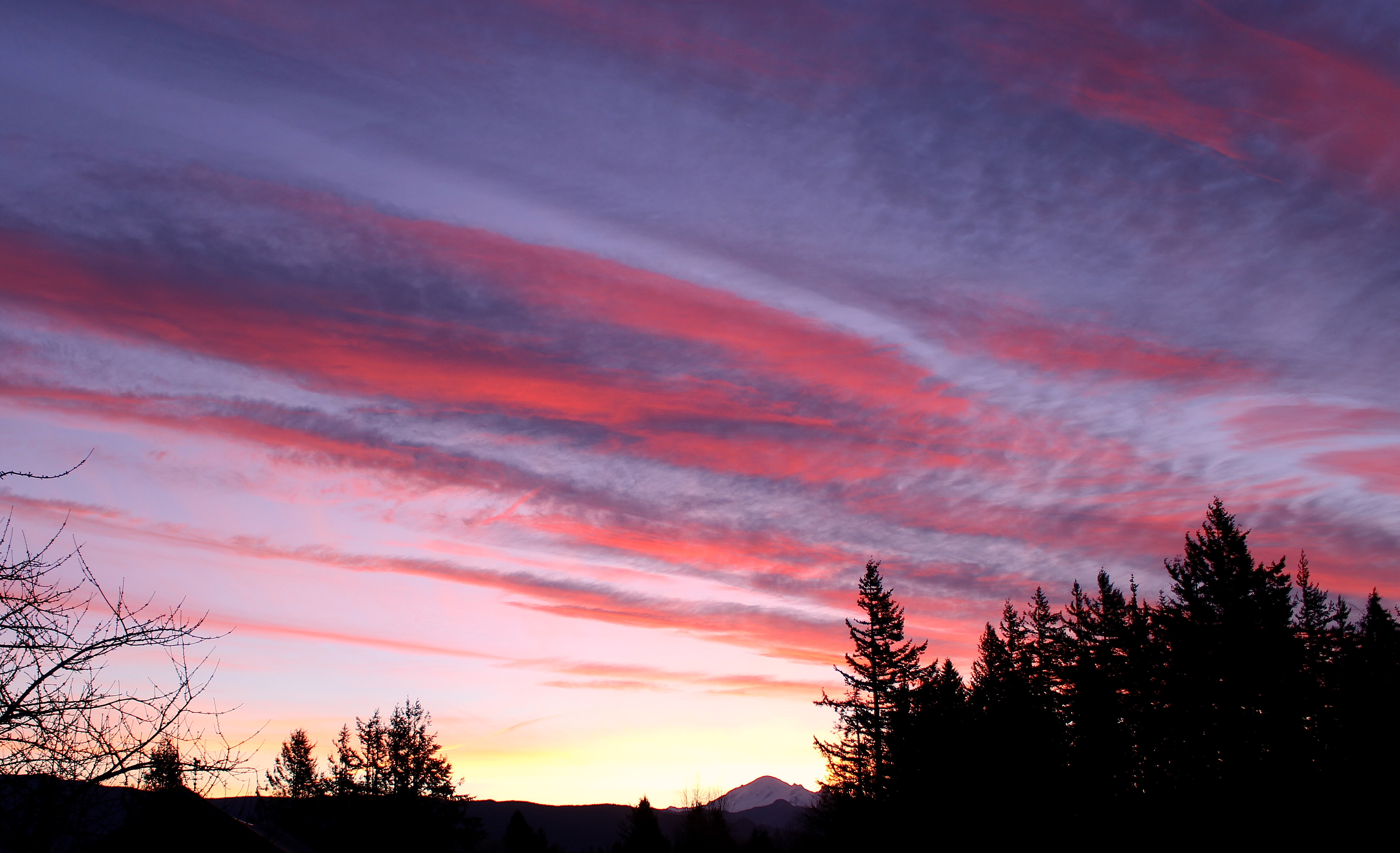
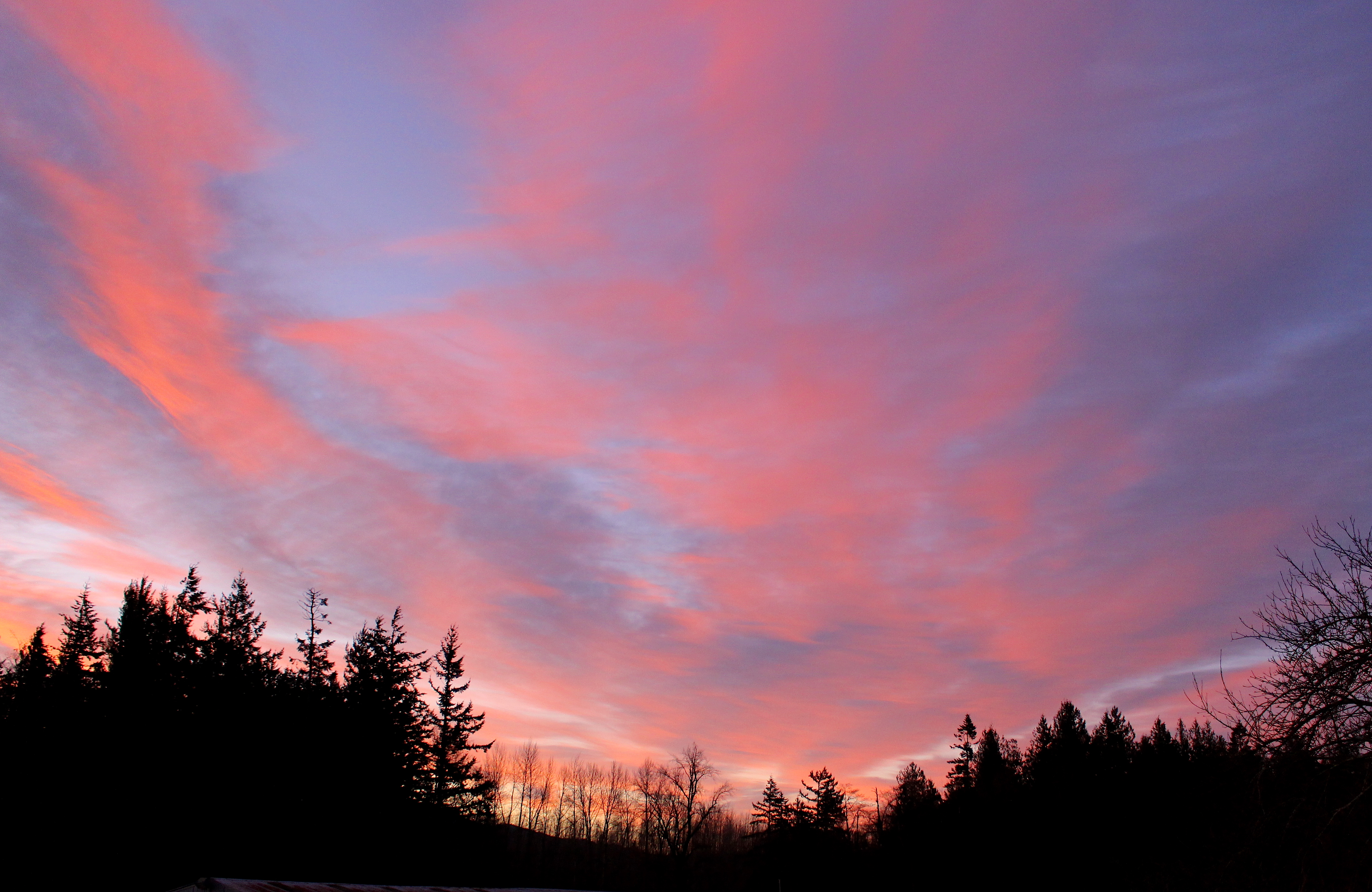
It happened today.  Dawn broke bright and blinding.  I heard the fields calling, so I heeded, climbing the hill and turning my face to the pink painted eastern light, soaking up all I could.  It was almost too much to keep my eyes open, as they are so accustomed to gray darkness. And then I stumbled across something extraordinary.

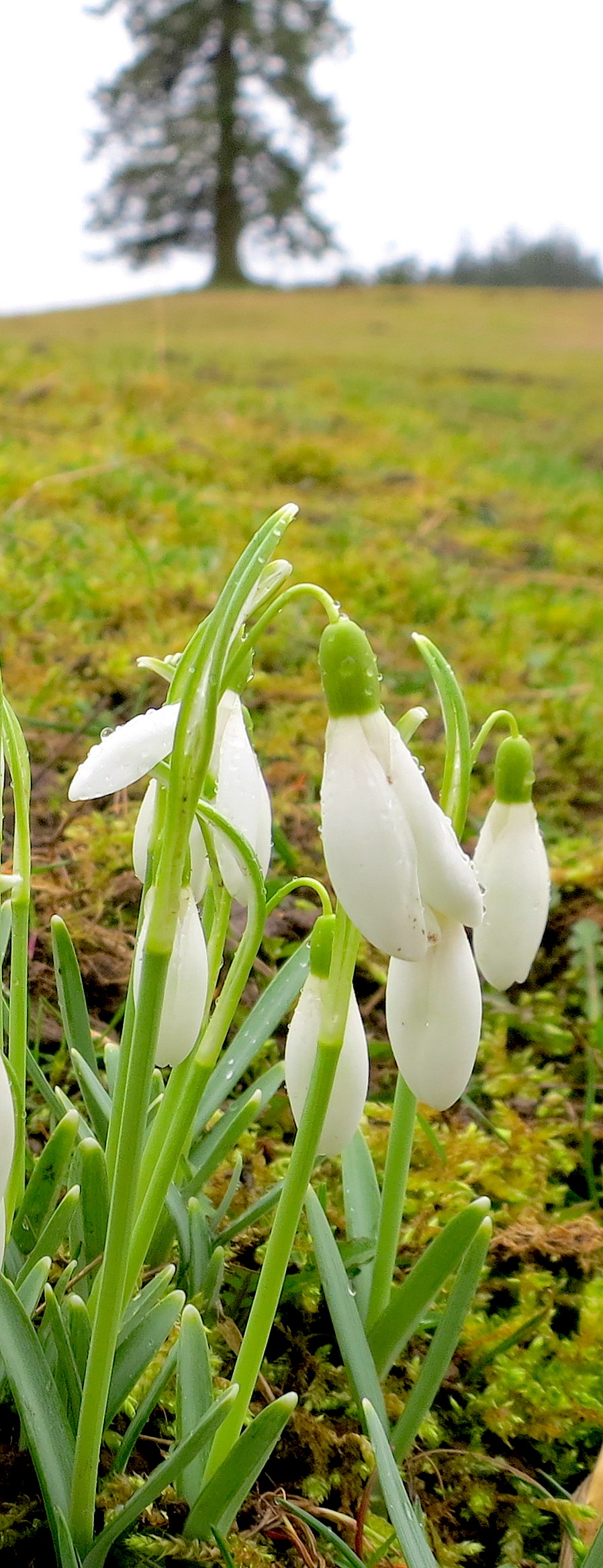
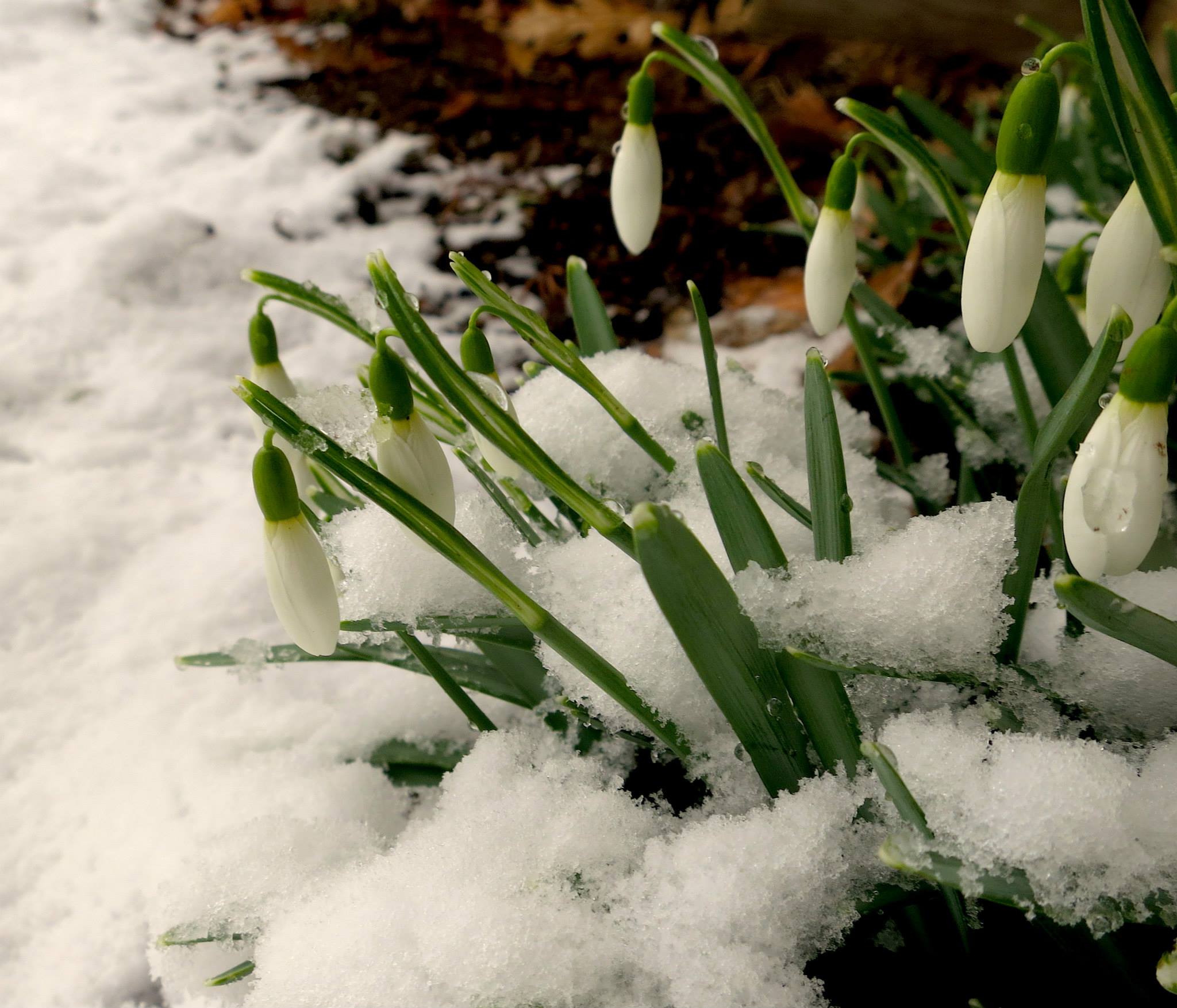
A patch of snowdrops sat blooming in an open space on our acreage, visible now only because of the brush clearing that was done last fall. Many of these little white upside down flowers were planted long ago around our house and yard, but  I had no idea they were also such a distance away, hiding underground. Yet there they’ve been, year after year, harbingers of the long-awaited spring to come in a few short weeks, though covered by the overgrowth of decades of neglect and invisible to me in my self-absorbed blindness.  I was astonished that someone, many many years ago, had carried these bulbs this far out to a place not easy to find, and planted them, hoping they might bless another soul sometime somehow.  Perhaps the spot marks a grave of a beloved pet, or perhaps it was simply a retreat of sorts, but there the blossoms had sprung from their sleep beneath the covering of years of fallen leaves and blackberry vines. I wept to see them thriving there.

It was if I’d been physically hugged by this someone long dead,  now flesh and blood beside me, with work-rough hands, and dirty fingernails, and broad brimmed hat, and a satisfied smile.  I’m certain the secret gardener is no long living, and I reach back across those years in tearful gratitude, to show my deep appreciation for the time and effort it took to place a foretaste of spring in an unexpected and hidden place.

I am thus compelled to look for ways to leave such a gift for someone to find 50 years hence as they likewise stumble blindly through too many gray days full of human frailty and flaw. Though I will be long gone,  I can reach across the years to grab them, hug them in their doldrums, lift them up and give them hope for what is to come.

What an astonishing thought that it was done for me and in reaffirming that promise of renewal,  I can do it for another.

(repost from 2004 — published in Country Magazine in 2007)


snowdropsmarch2

snowdrops1

sunrise216153

sunrise216155

To Exult in Monotony

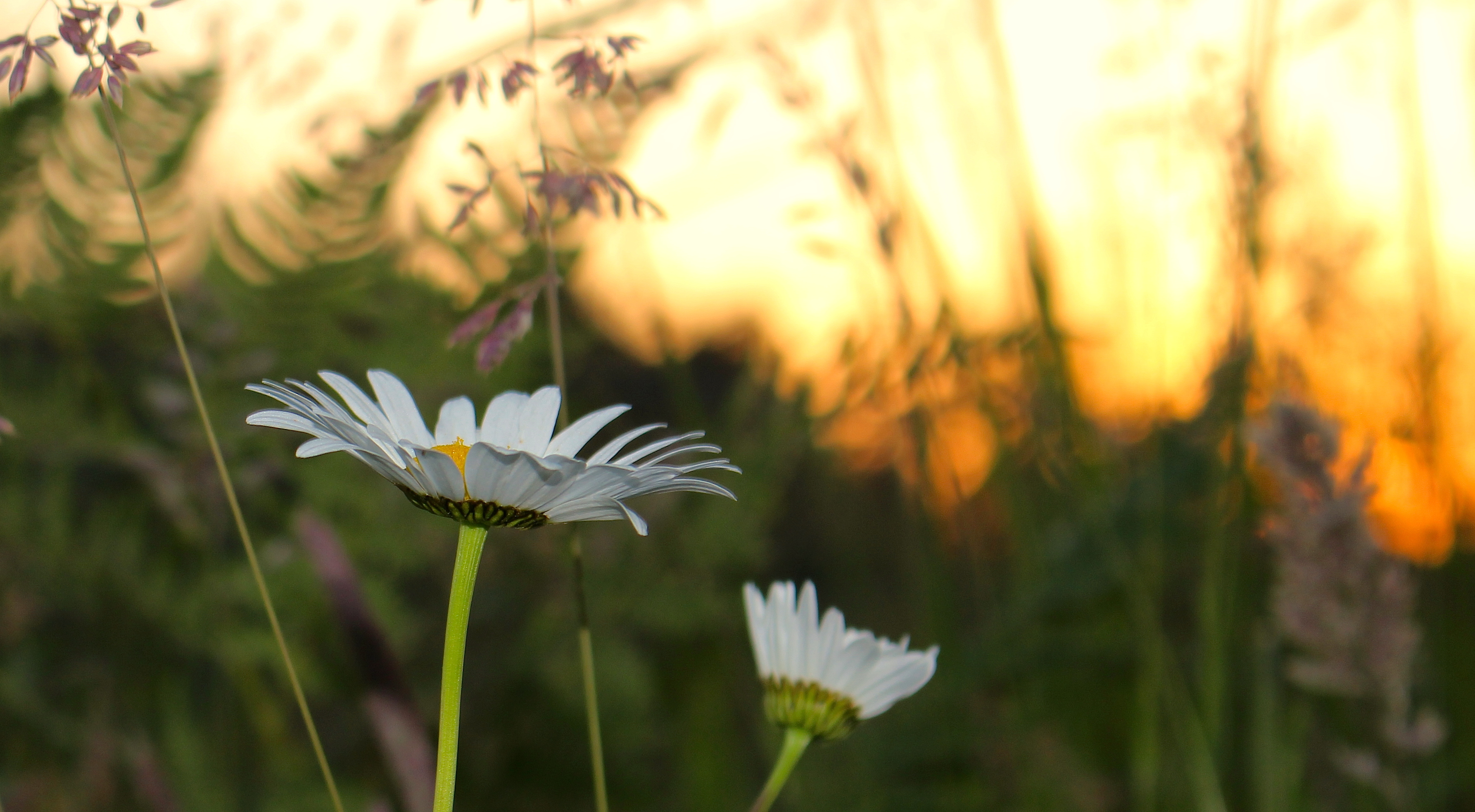
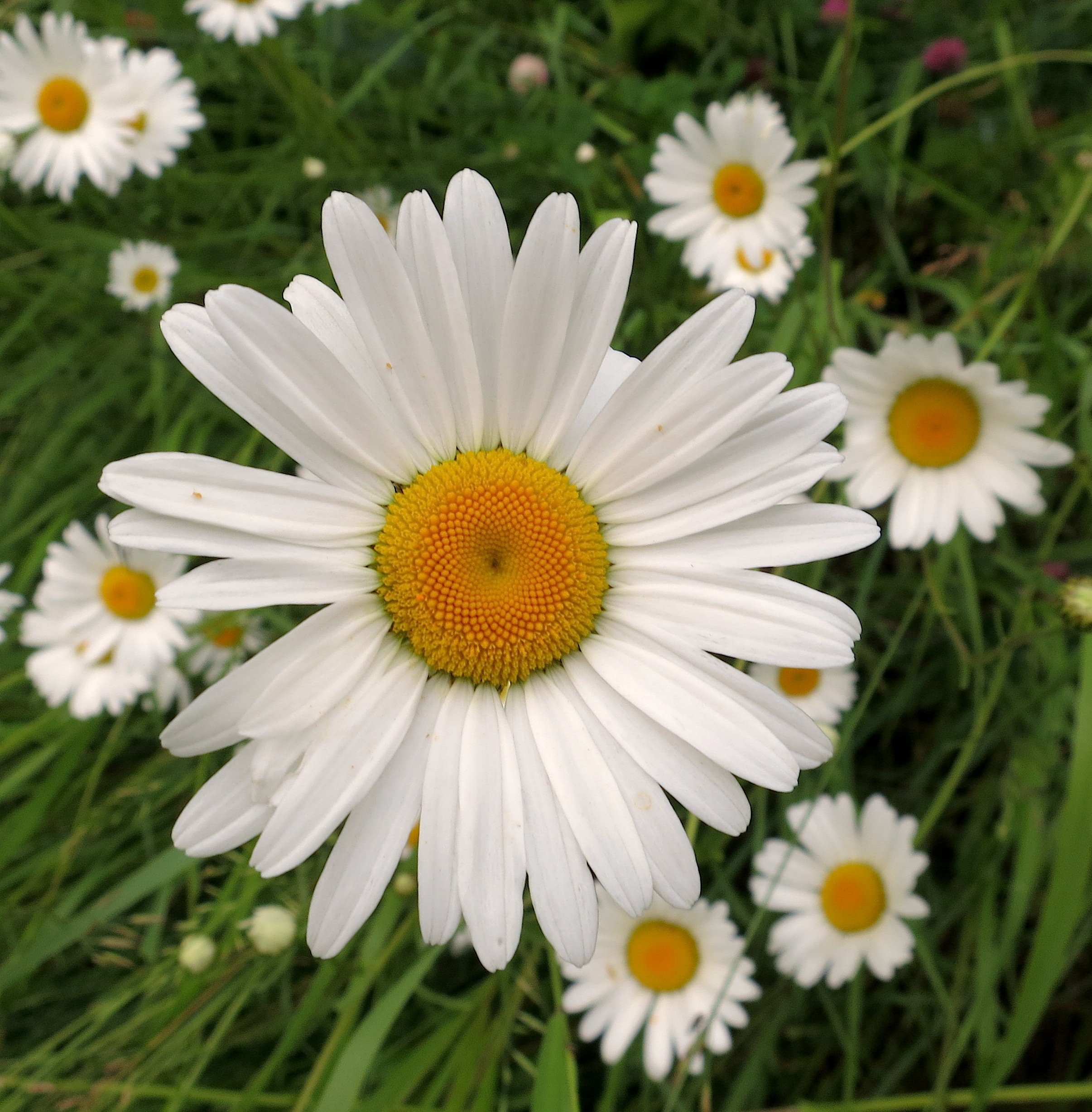
daisydawn7

daisydawn3

Because children have abounding vitality,
because they are in spirit fierce and free,
therefore they want things repeated and unchanged.
They always say, “Do it again”;
and the grown-up person does it again until he is nearly dead.
For grown-up people are not strong enough to exult in monotony.
But perhaps God is strong enough to exult in monotony.
It is possible that God says every morning, “Do it again” to the sun;
and every evening, “Do it again” to the moon.
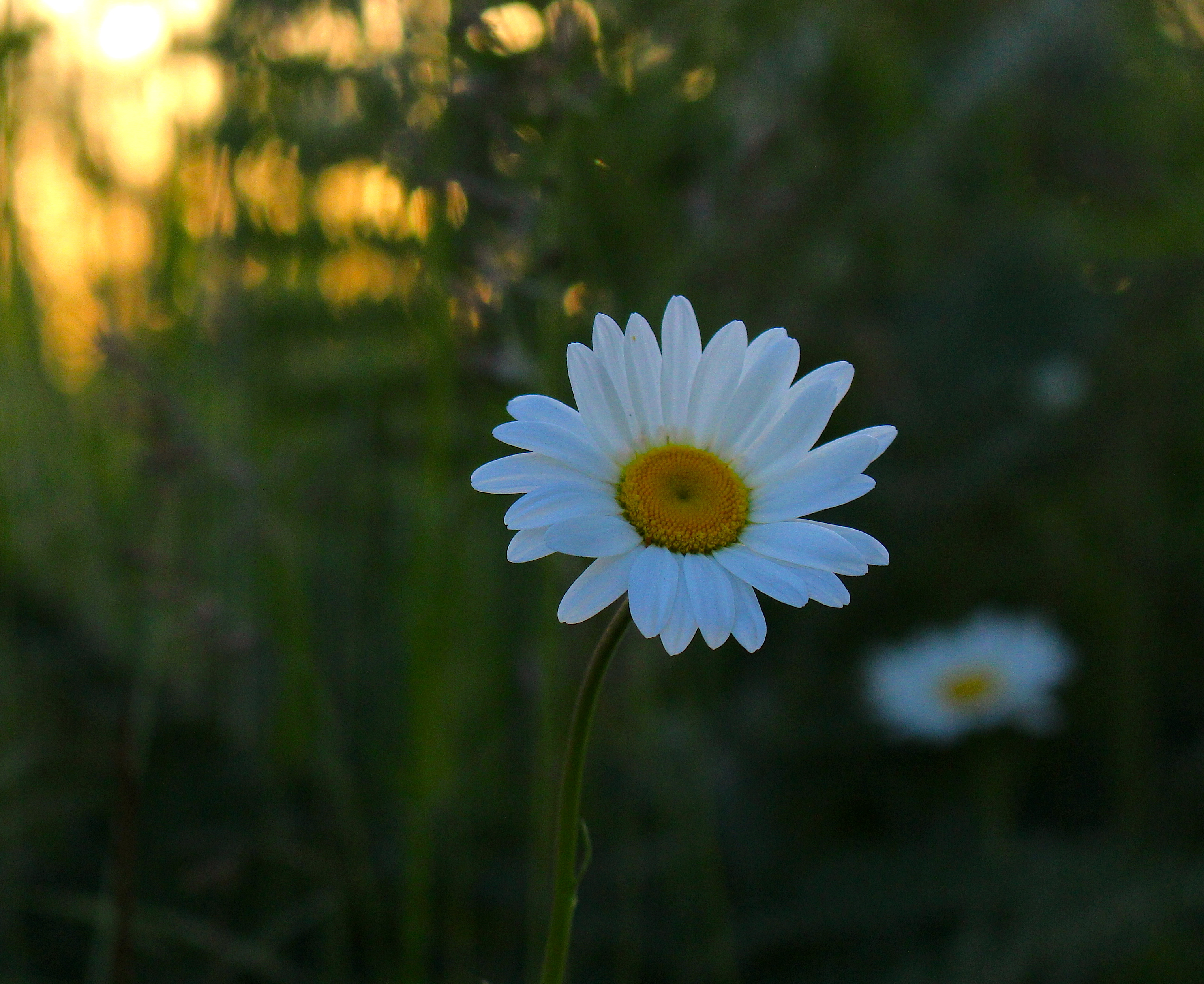
It may not be automatic necessity that makes all daisies alike;
it may be that God makes every daisy separately,
but has never got tired of making them.
It may be that he has the eternal appetite of infancy;
for we have sinned and grown old,
and our Father is younger than we.
~G.K. Chesterton from Orthodoxy


The idea of sin making us older than our Maker catches me by surprise, but it makes sense.   Weary as we may become with routine, our continual search for the next new thing costs us in time and energy.   We age every time we sigh with boredom or turn away from the mundane, becoming less and less like our younger selves.
Who among us exults in monotony and celebrates predictability and enjoys repetition?

God does on our behalf.  He is consistent, persistent and insistent because we are no longer are.

Do it again, God.  Please, please do it again.

daisy20141

daisysun

Shades of Graying

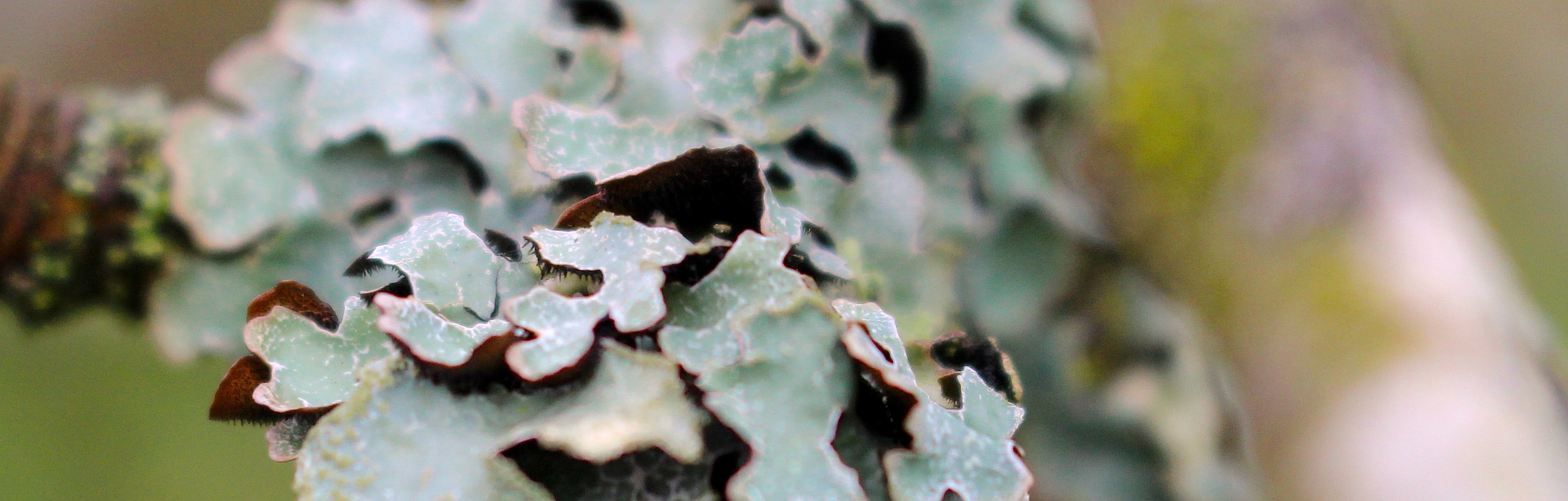
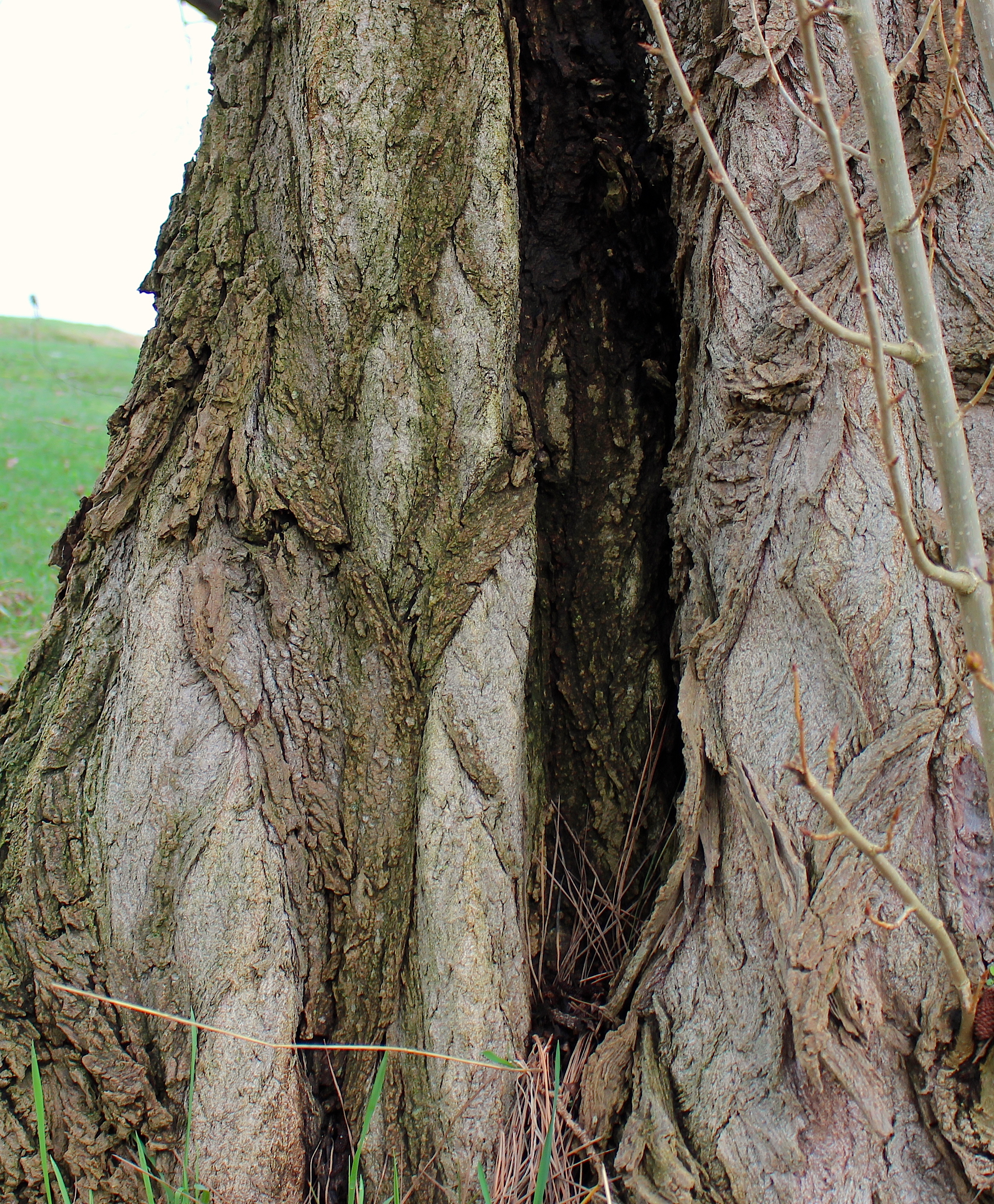
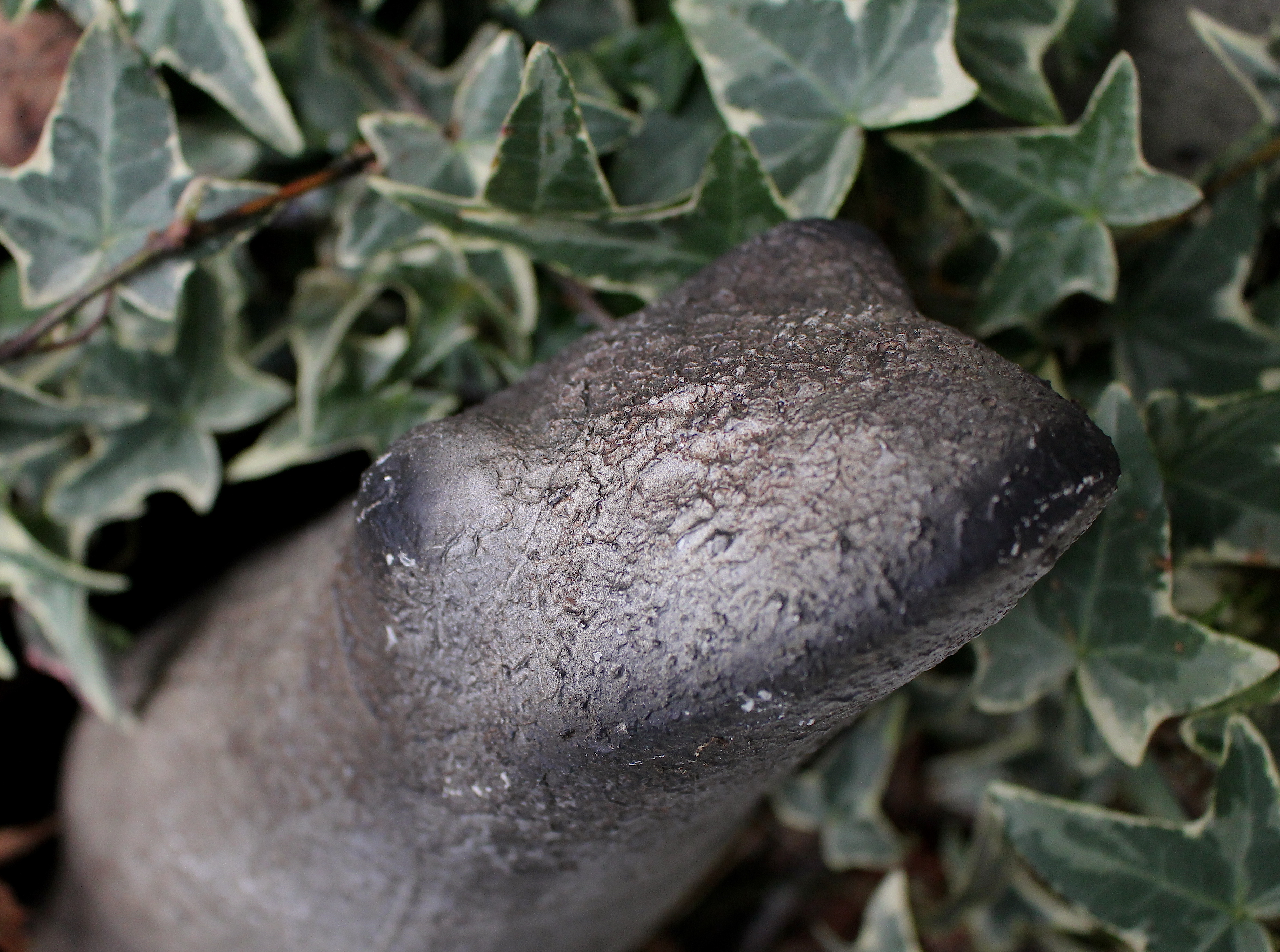
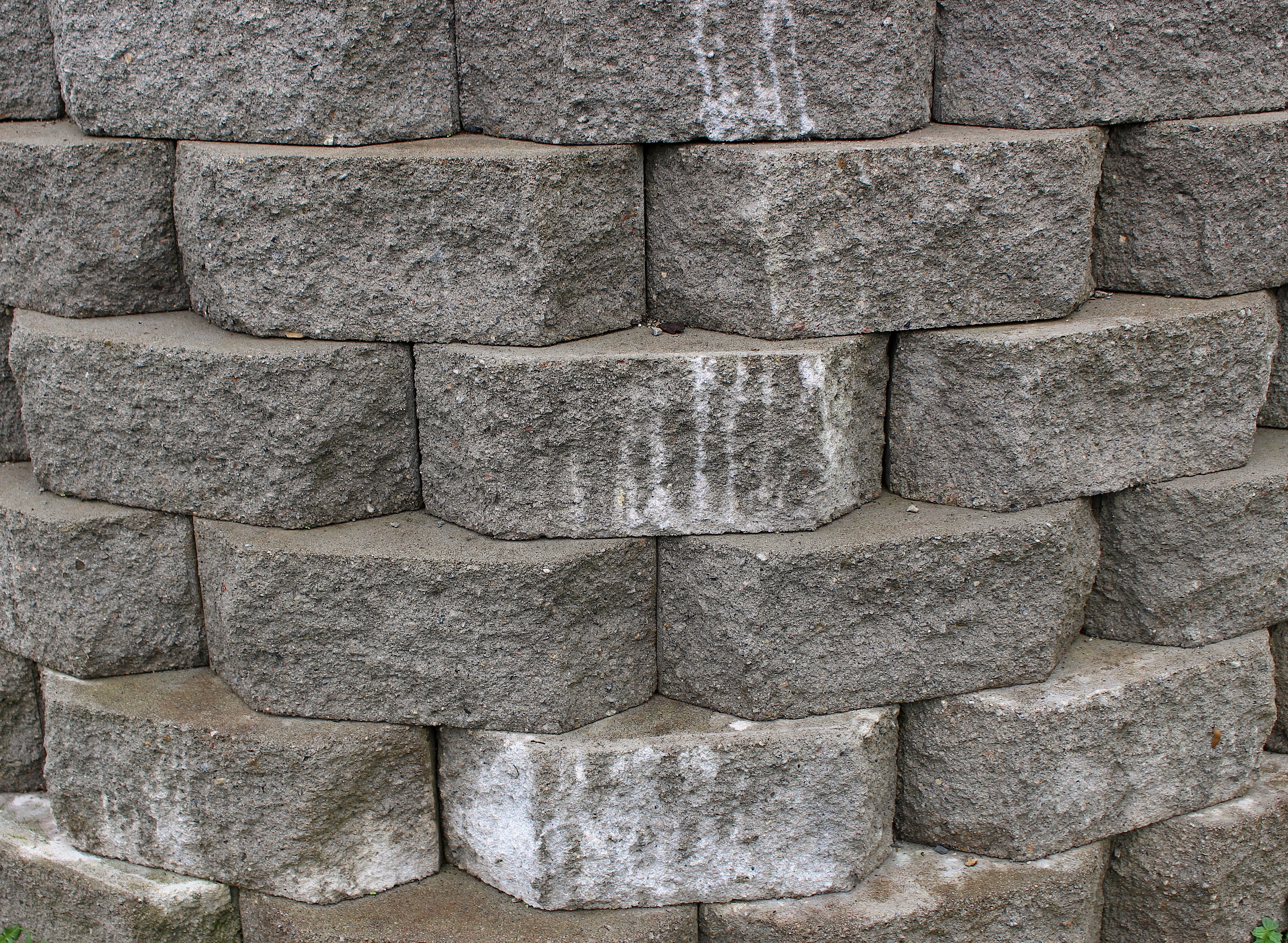
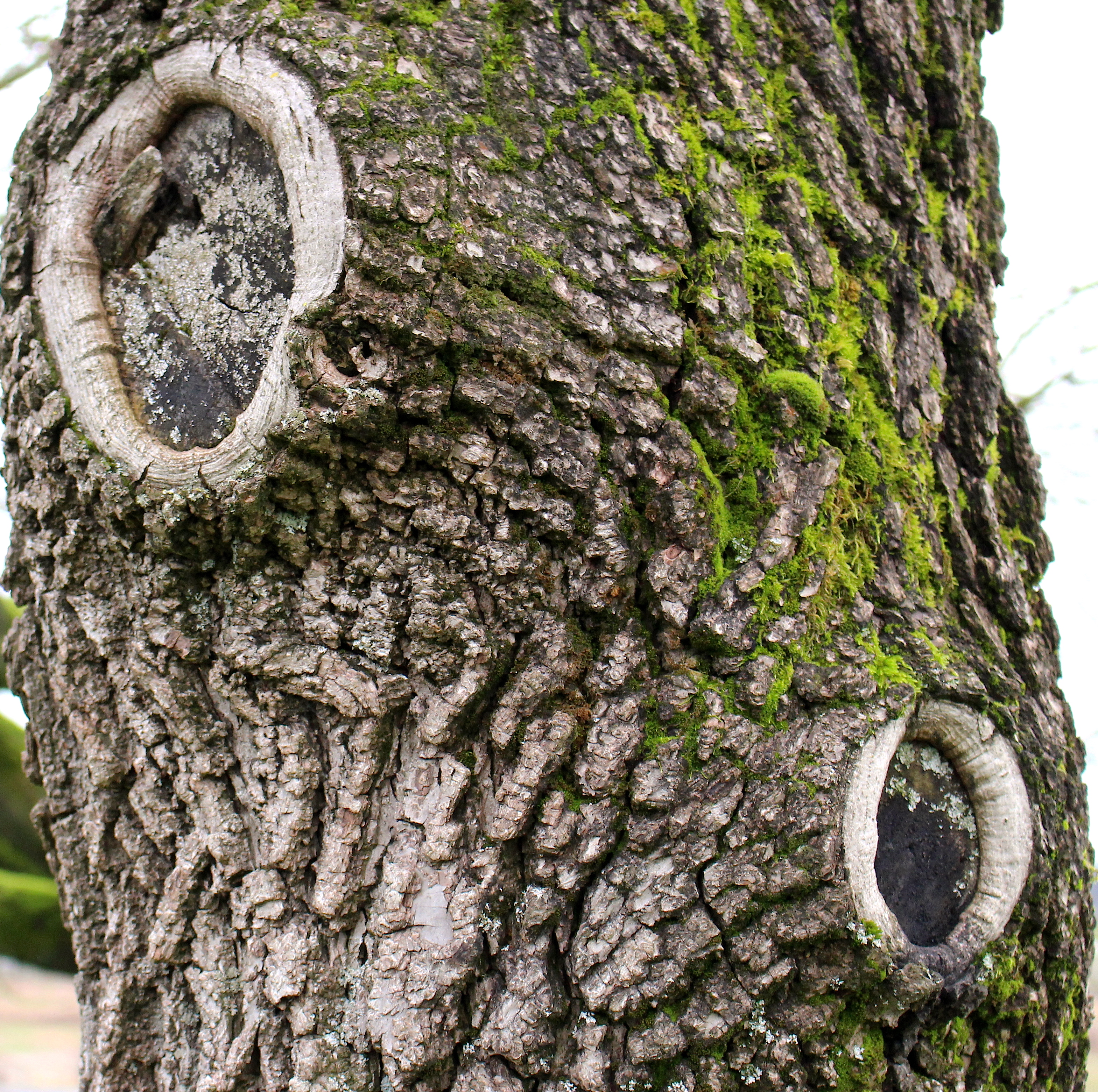
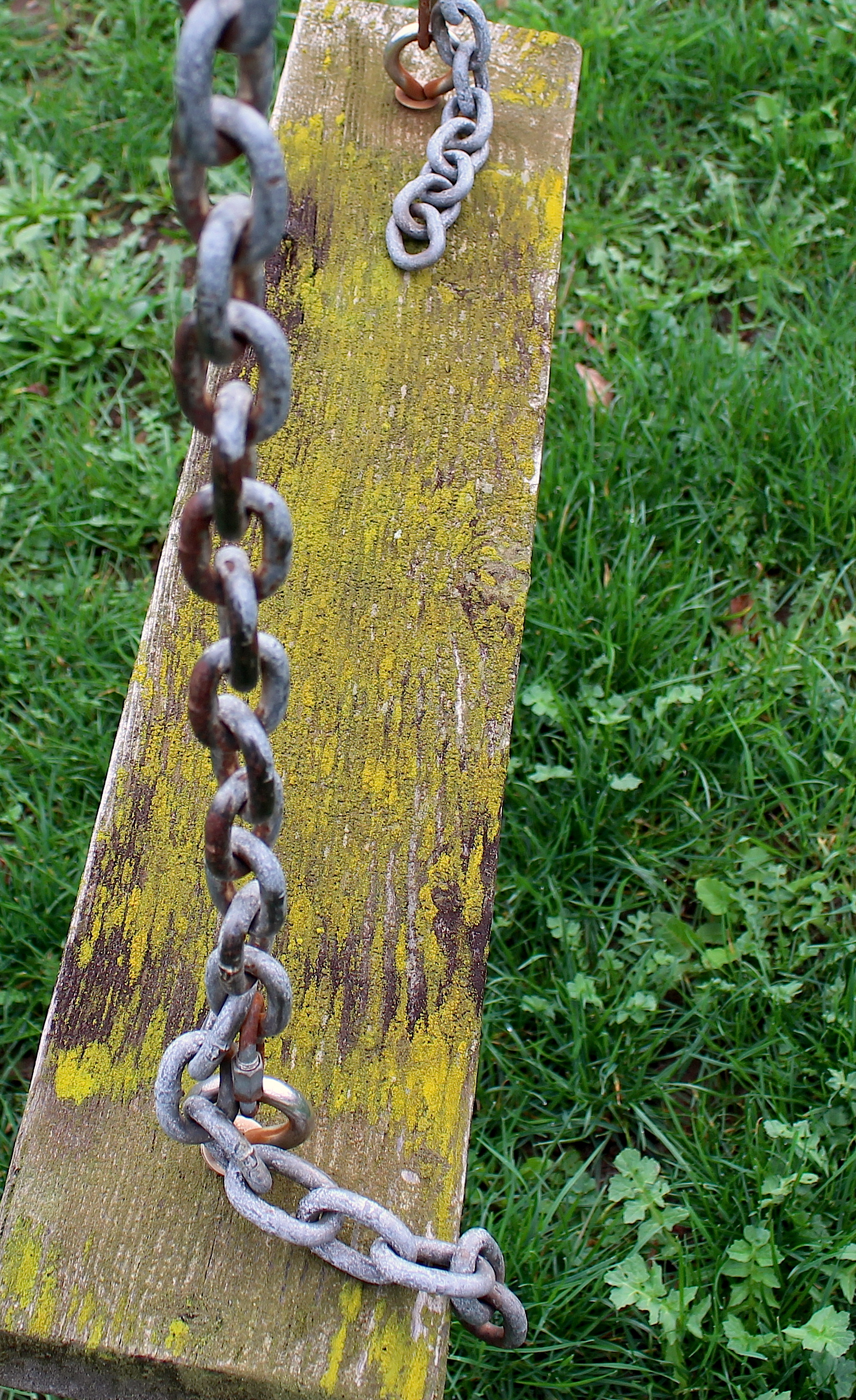
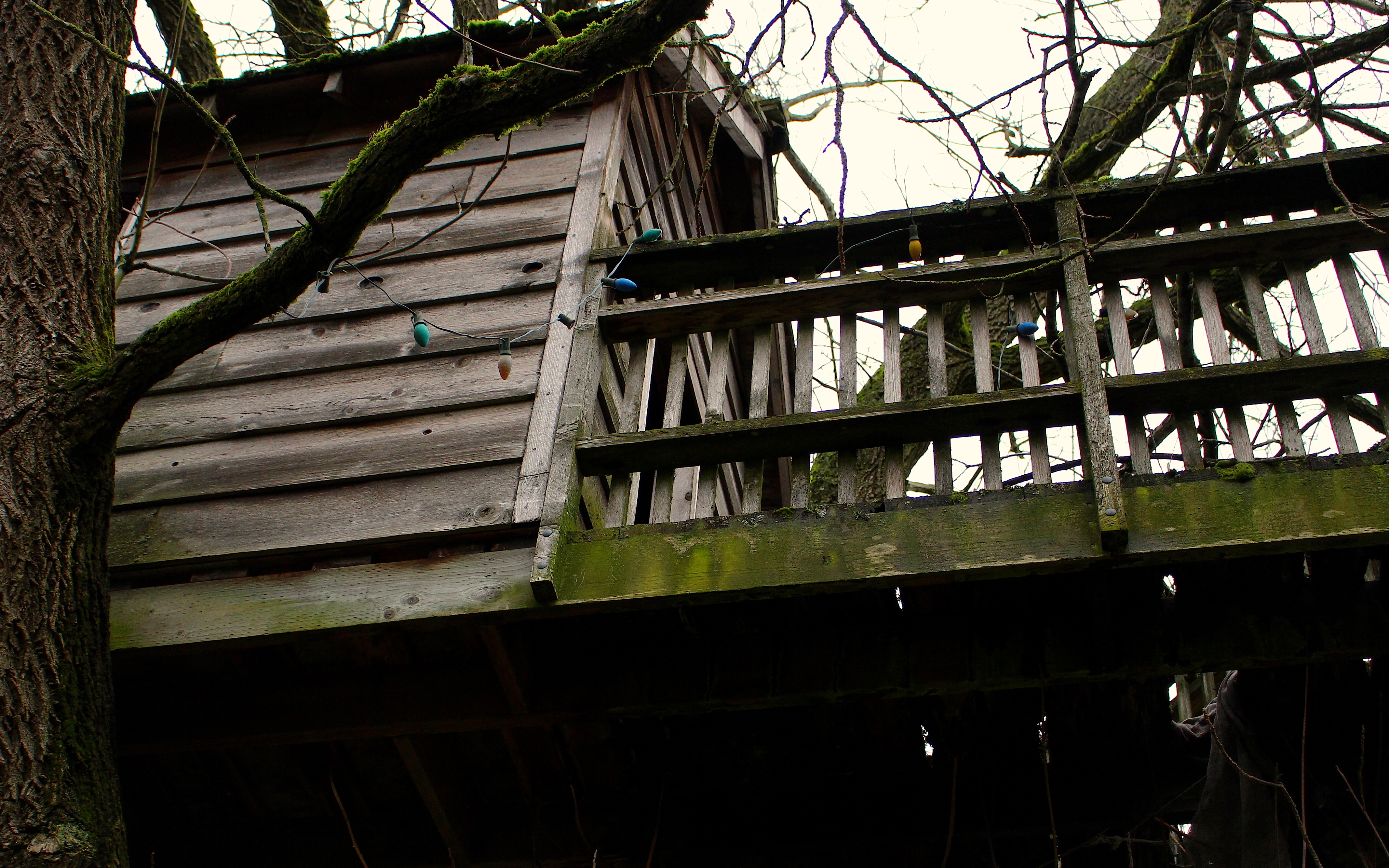
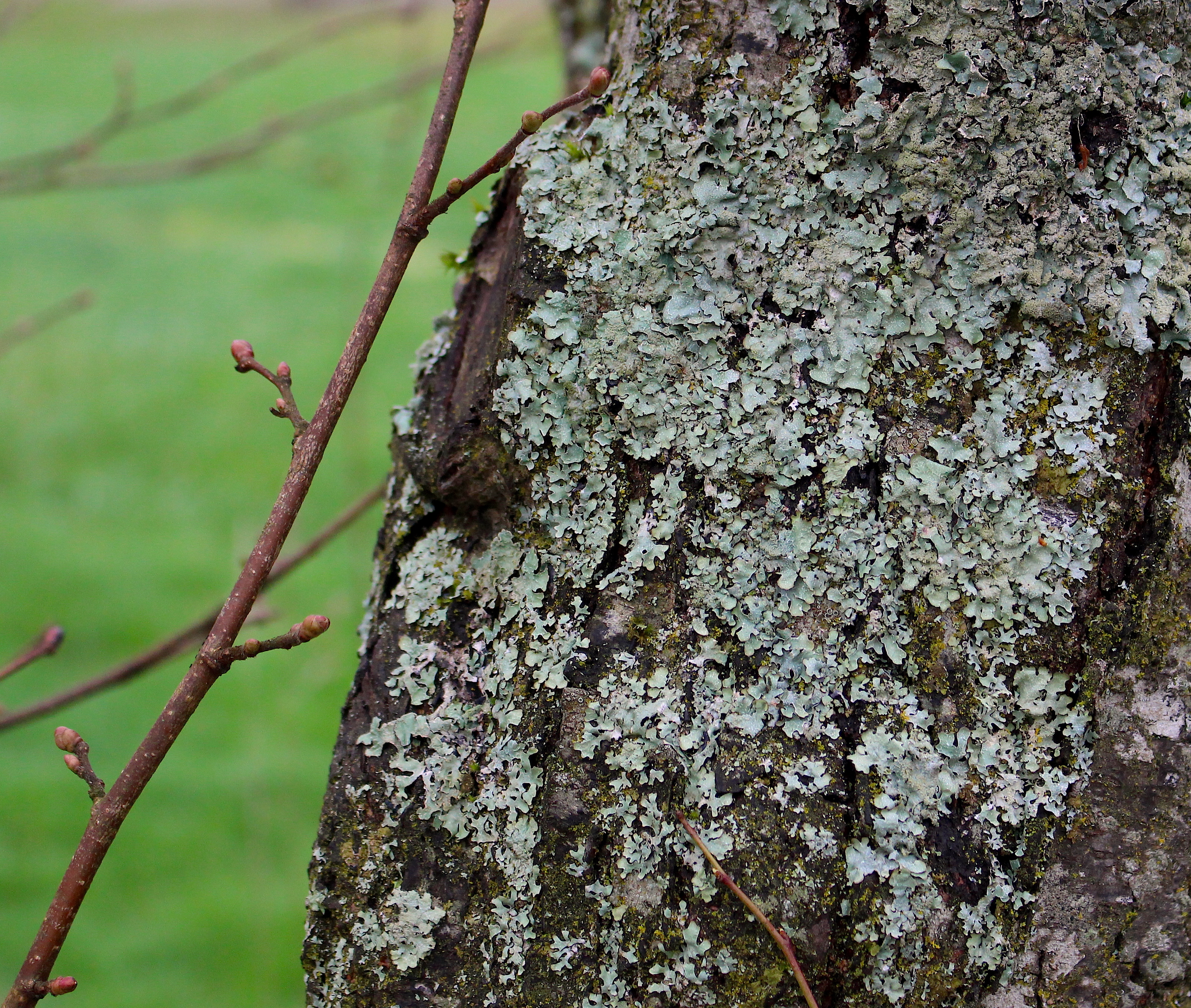
Featuring fifty shades of farm gray

shadesofgray

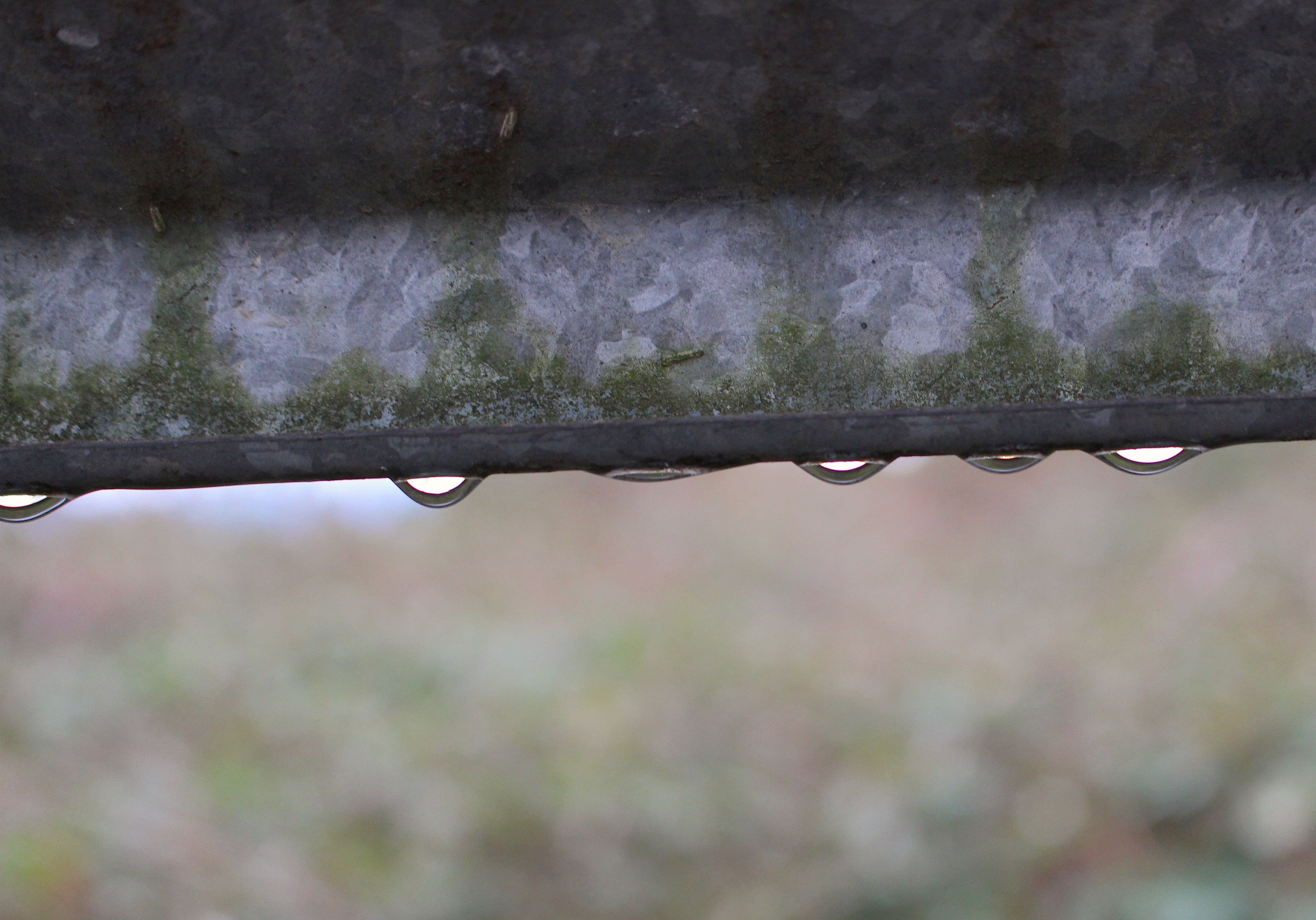
grayfencedrops

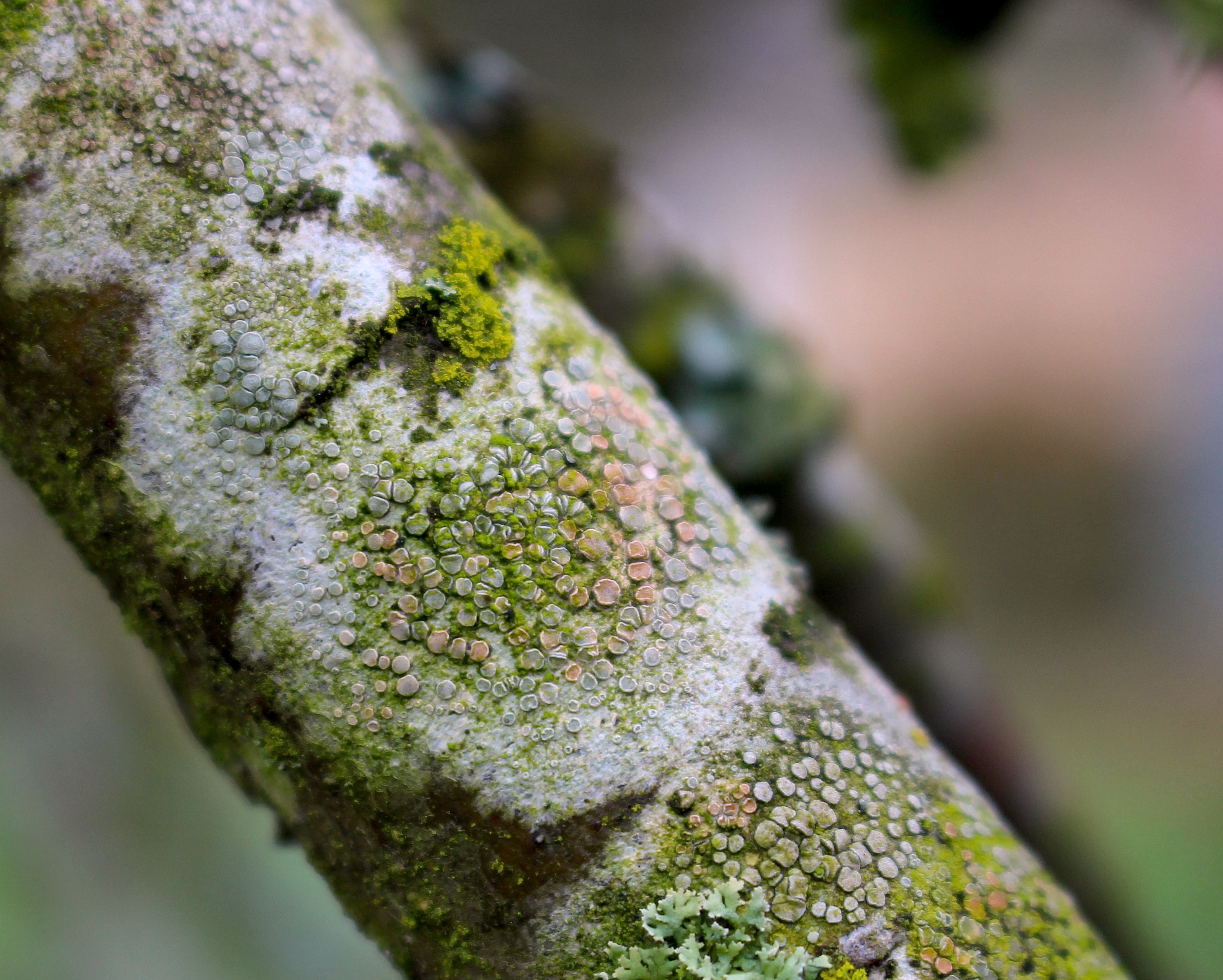
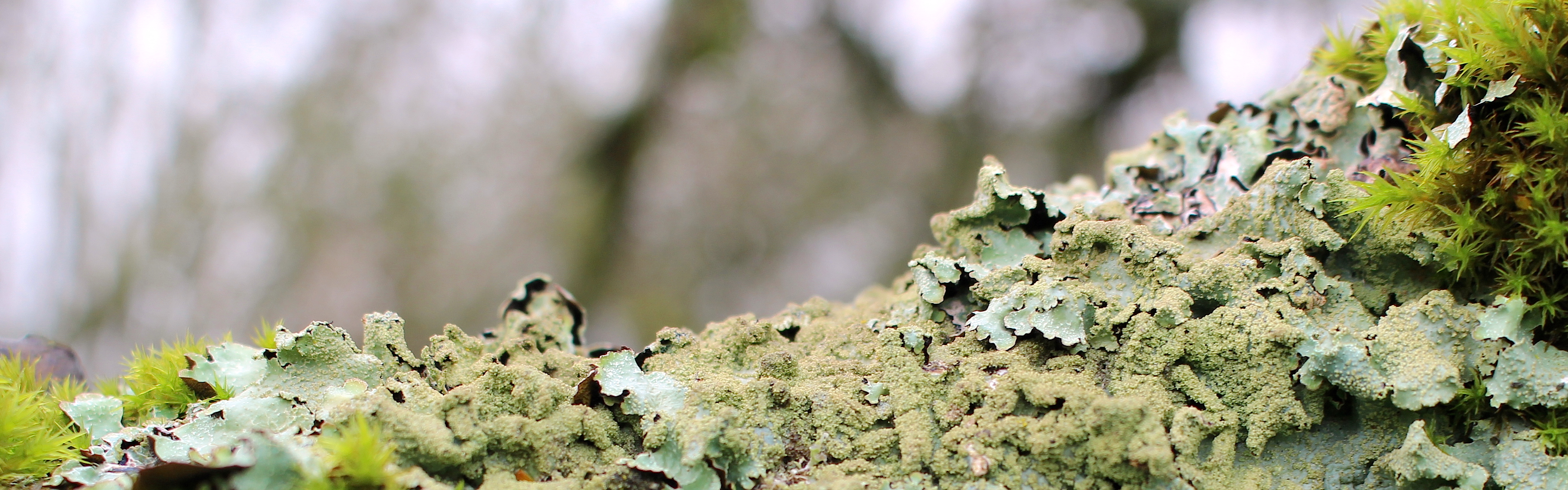
graylichen

I could weep for a quiet love like this, the kind of love they don’t write movies about, but the Maker writes down in a book of His own.
It’s not the kind of flashy that makes any red carpet, but it’s the kind of unforgettable love that runs red.
It doesn’t matter one iota what the checkout glossies tout: Sacrifice is the most attractive of all.
And boring love is what touches the deepest– our lives boring down deep into each other’s hearts.
And I have loved you as the hero-of-few-words who has rescued me day in and day out, without any fanfare or flash.
You have lived and bore the weight of it —- I am far worse than I ever dreamed.
And yet you have loved me beyond what I could ever dream.
You have lived Gospel to me.
~Ann Voskamp  from aholyexperience.com

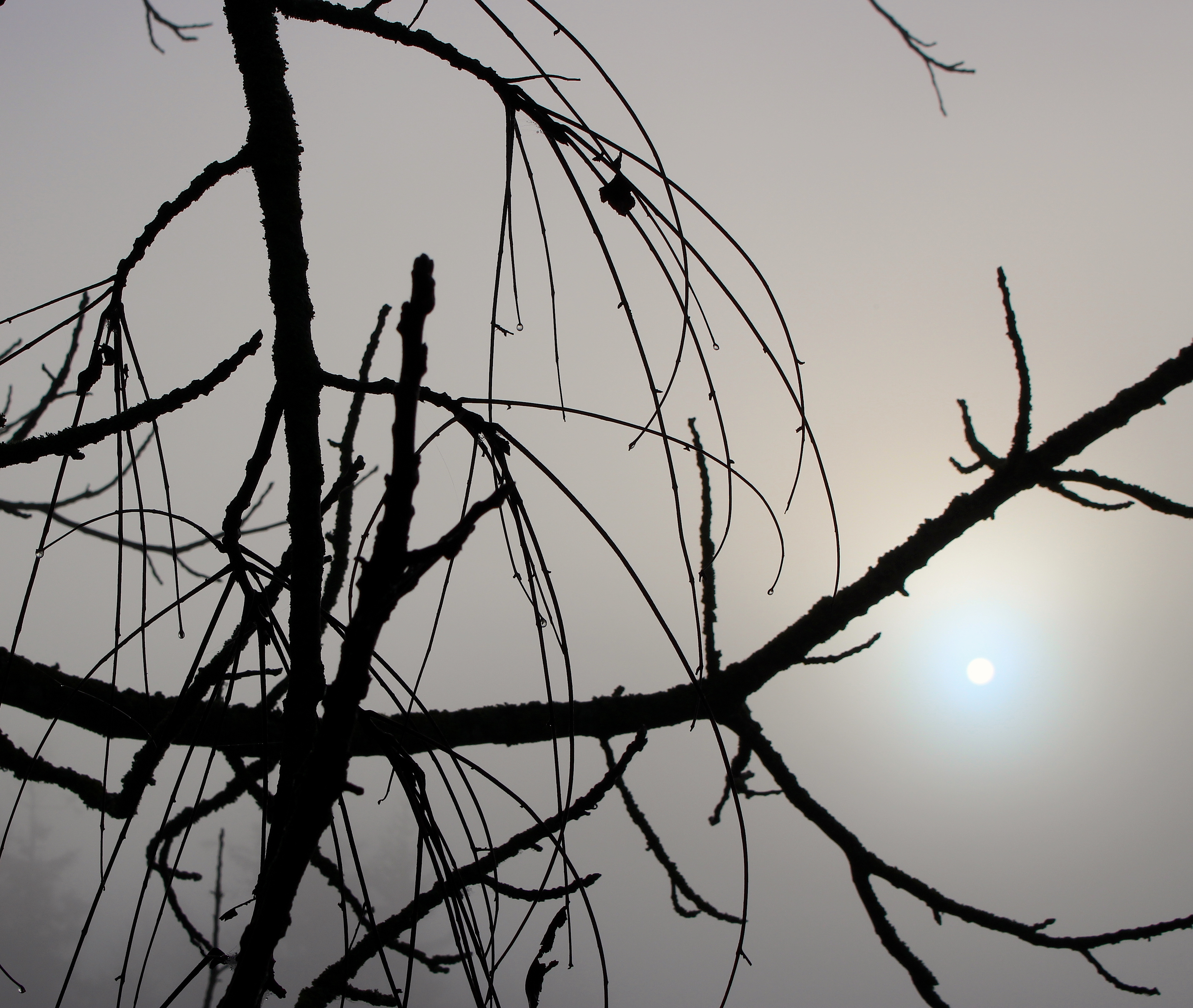
fogsun

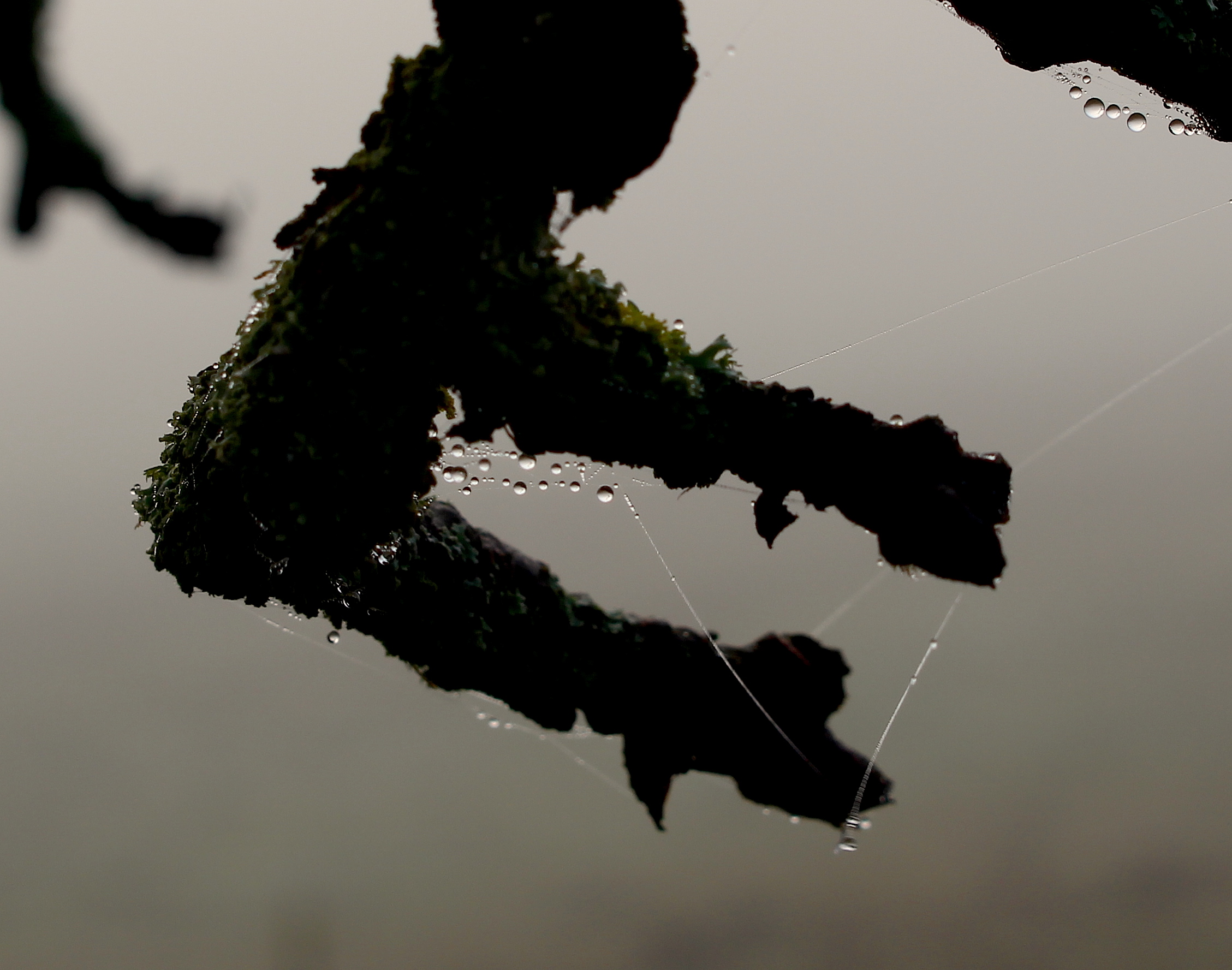
graywebdesign

grayfencelichen

grayasphalt

grayknobs

On a day celebrated for honoring Love,
I grieve that women — mothers and daughters
who know nothing of slavery,
who know nothing but freedom,
seek out and pay out
for a fantasy of seduction,
blinded and bound by books and movie
that have nothing to do
with honor or love.

Give me boring gray love rich in so many shades:
love that bores deep into the other’s heart
and stays,
enduring,
before, throughout and beyond the gray.

The shades of gray in my life
will not be covered with dye and make believe,
but celebrated as reflecting
love not forsaken,
not for any one
or any reason.

We declare it to all who are to come after.

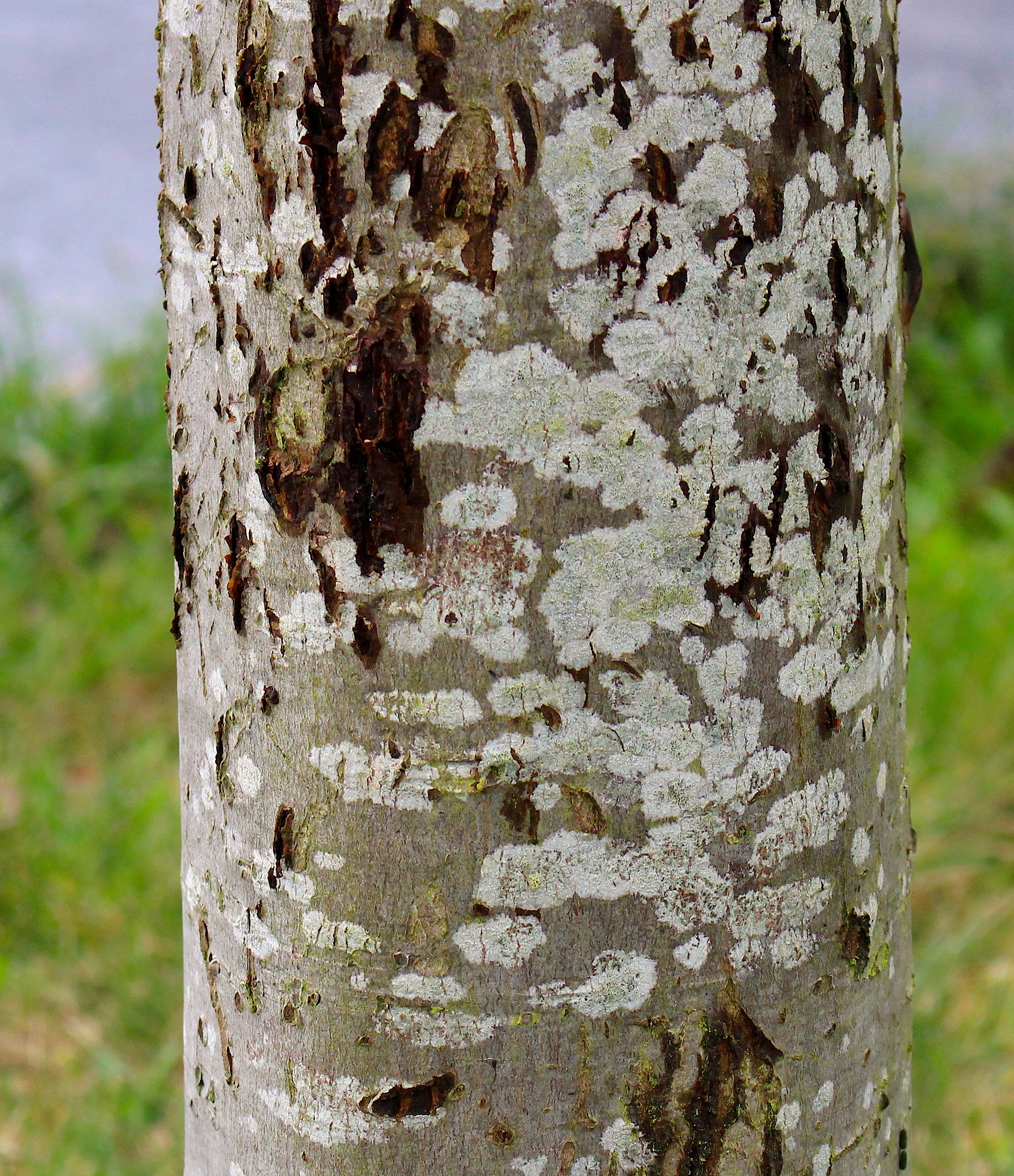
graybark2

graybarn

grayappletrunk

graybark3

grayfencetop

Even when I am old and gray, do not forsake me, my God,
till I declare your power to the next generation,
your mighty acts to all who are to come.
Psalm 71:18

graybark6

graybark4

graybarndoor

grayfoundationcrack

grayladder2

grayladder

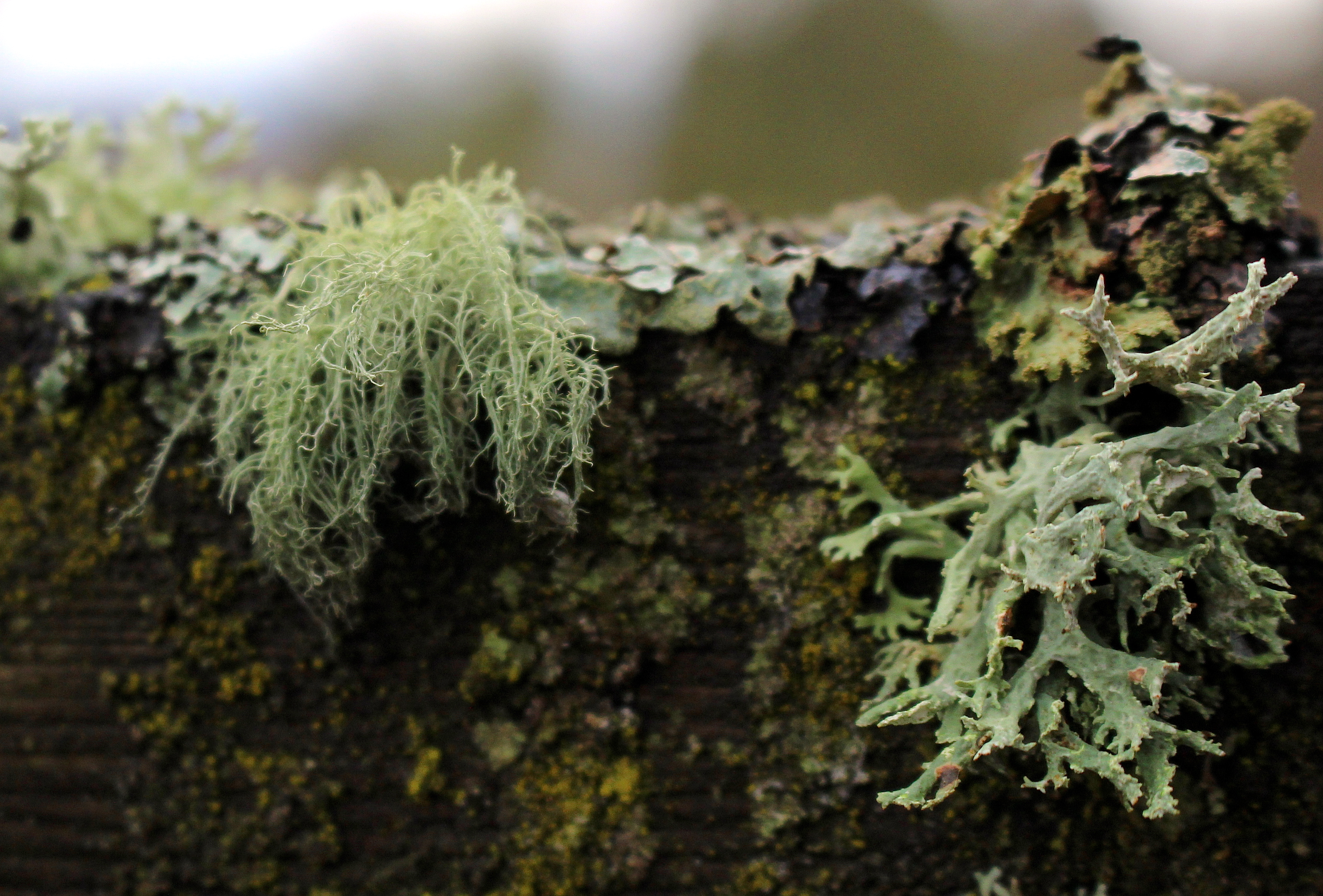
graylichen1

graymaple

graymirror

grayshingles

barebranchesgrayrocks4


graybolt

graypeeling

grayfencelichen2

graykindling

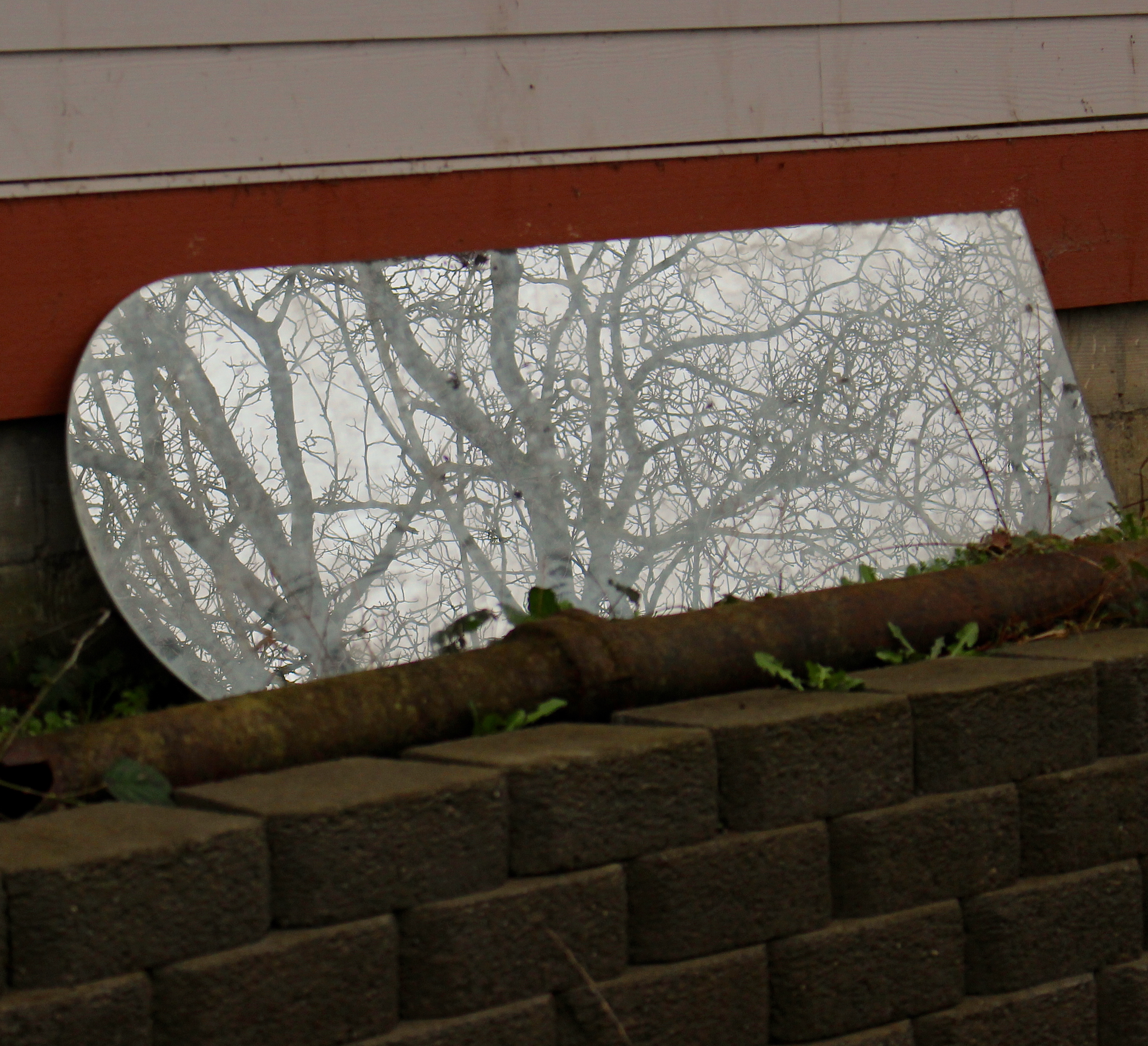
grayreflection

grayrocks

graymaplecenter

graysiding

graylichen3

graypoplar

graystonefrog

graywall

graywalnutscars

grayswing

graytreehouse

grayplum

graymapletree

graywalnutbark

graystairs

graywall2

graystonepile

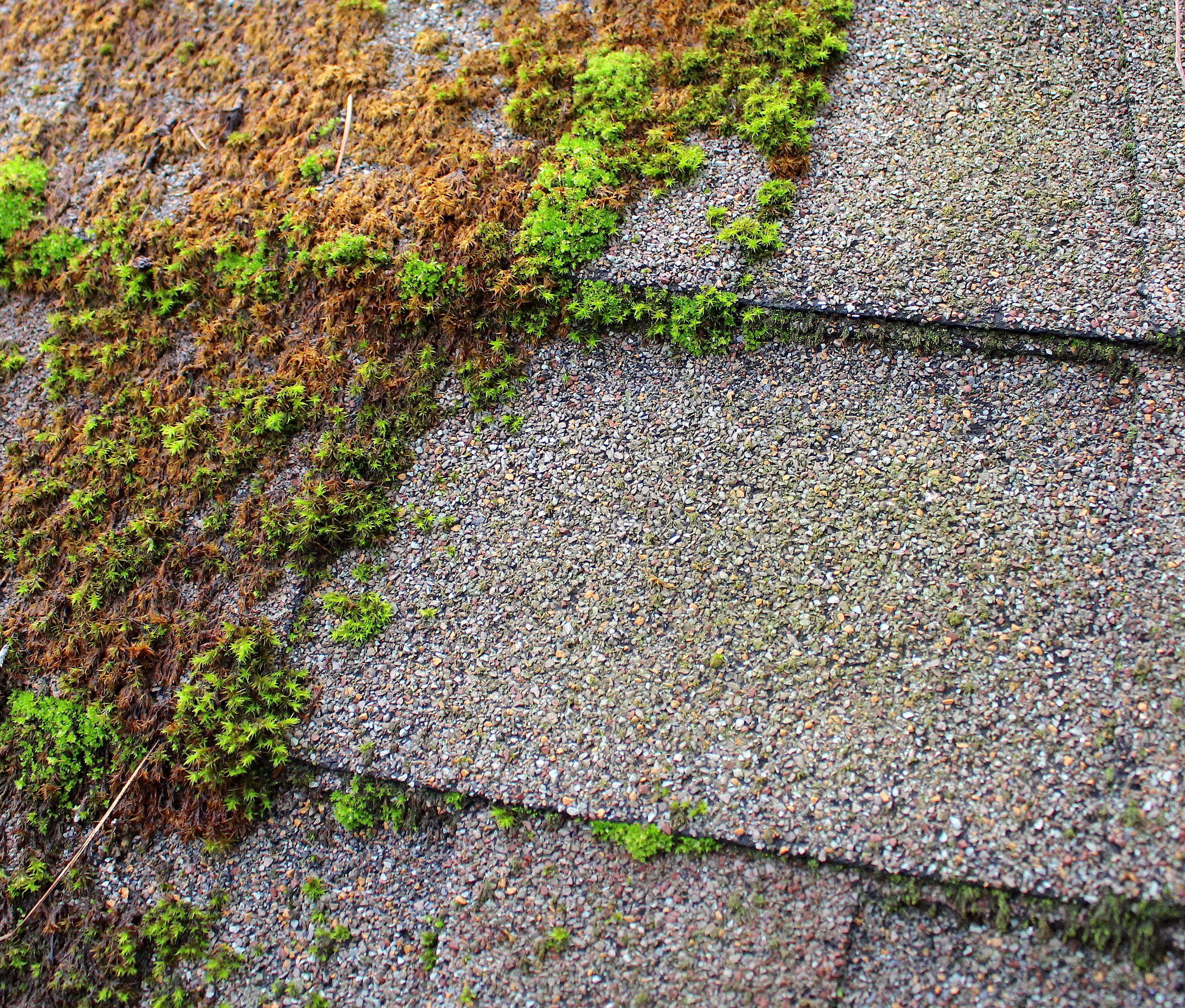
grayroofing

graystump

graystonewall

graywebdesign1

Igniting the Wild Side

snow1220138
photo by Josh Scholten
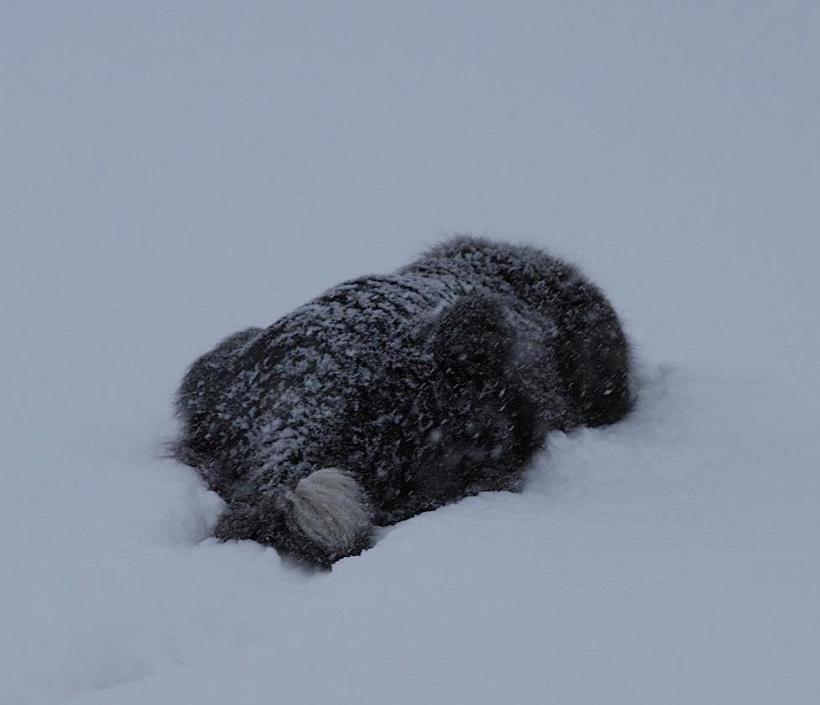
Dog sees white. Arctic
light, the bright buzz in the brain
of pure crystal adrenaline. In a flash
he is out the door and across the street
looking for snowshoe hares, caribou, cats.
His wild ancestry ignited, Dog plunges
his nose into snow up to his eyes. He sees
his dreams. Master yells from the front porch
but Dog can’t hear him. Dog hears nothing
except the roar of the wind across the tundra, the ancient
existential cry of wolves, pure, devastating, hungry.
Time for crunchies. Taking many detours, Dog
returns to the porch. Let master think what he
wants. Freedom comes at a price.
~Paul Piper “Dog and Snow”
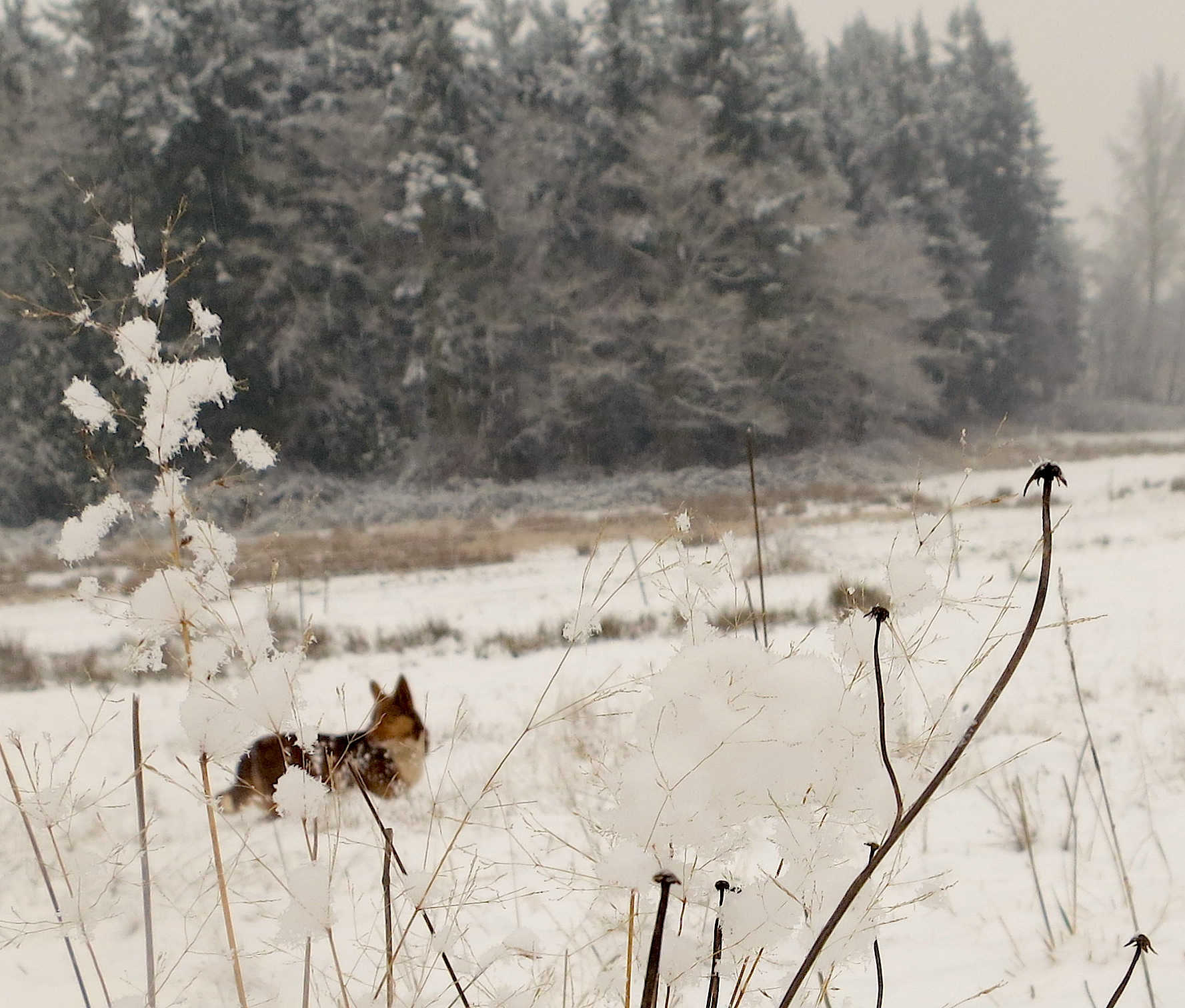
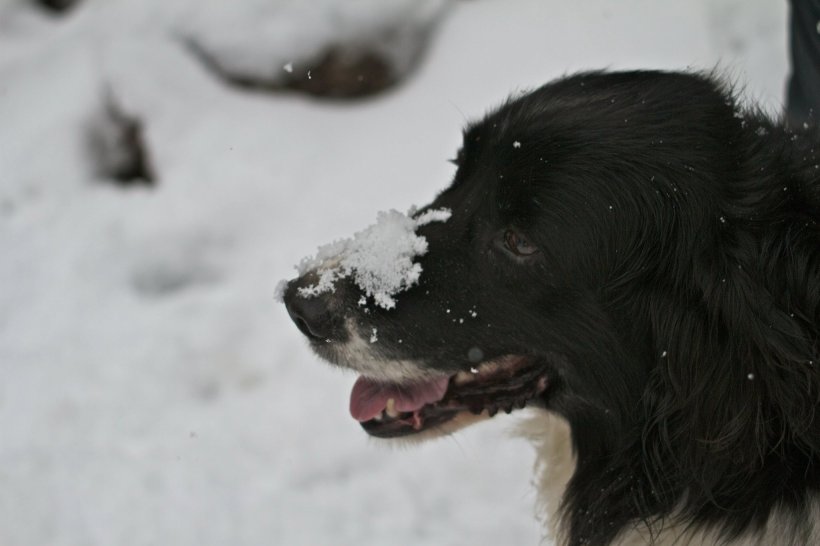
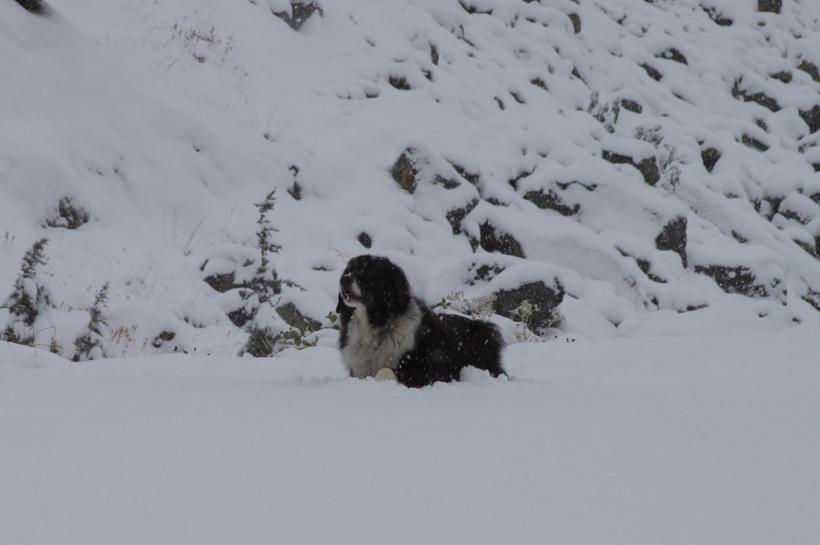
 Unlike many other parts of the country, we’ve had no snow this winter (yet).  We have been sadly deprived of that moment of  “YES!!” when awakening to that lighter glow through the curtains that suggests a snowy landscape, that blast of fresh chill when heading out the back door to step off the porch into all that clean whiteness, surrounded by pristine silence.   There is something about the complete transformation of the familiar that ignites and warms us back to the wild child inside each of us.
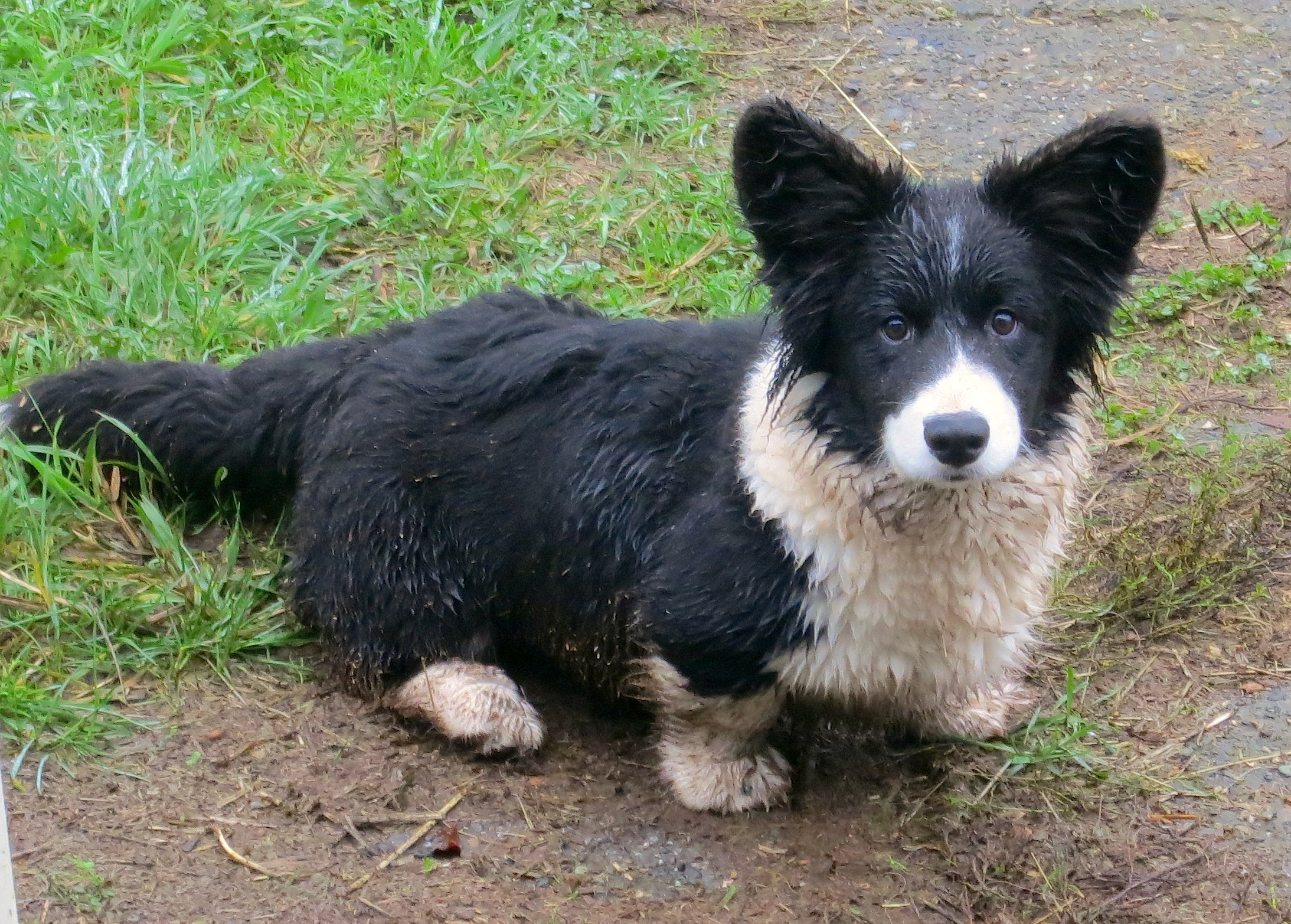
Ever-present mud, our current ubiquitous winter landscape, tends to have an opposite effect on the spirit.   It douses rather than ignites, weighs down rather than lightens up.  It squishes and soils and depresses.   “This too shall pass” I think, as I pull on my mud and muck boots, and then “this sucks” and force myself off the porch into the mire. It is the price to be paid for the freedom in the call of the wild:  into every life a little mud will cling.  Thankfully we are washable.
photo by Josh Scholten


665597_4368770689726_1966144602_o
photo by Josh Scholten


coyote3
snowy coyote


needabath

Liquid Bubble Wrap

grassmay15

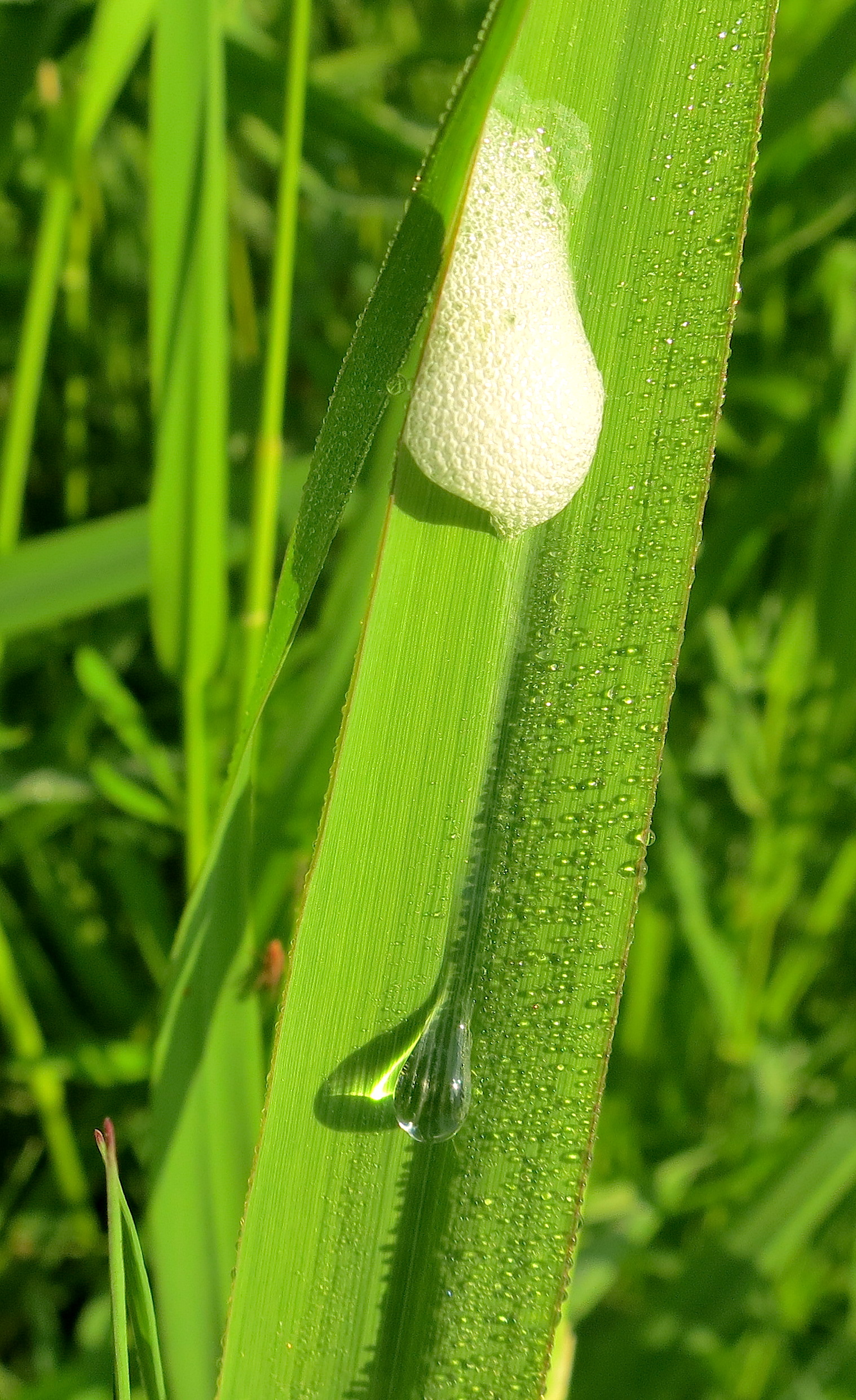
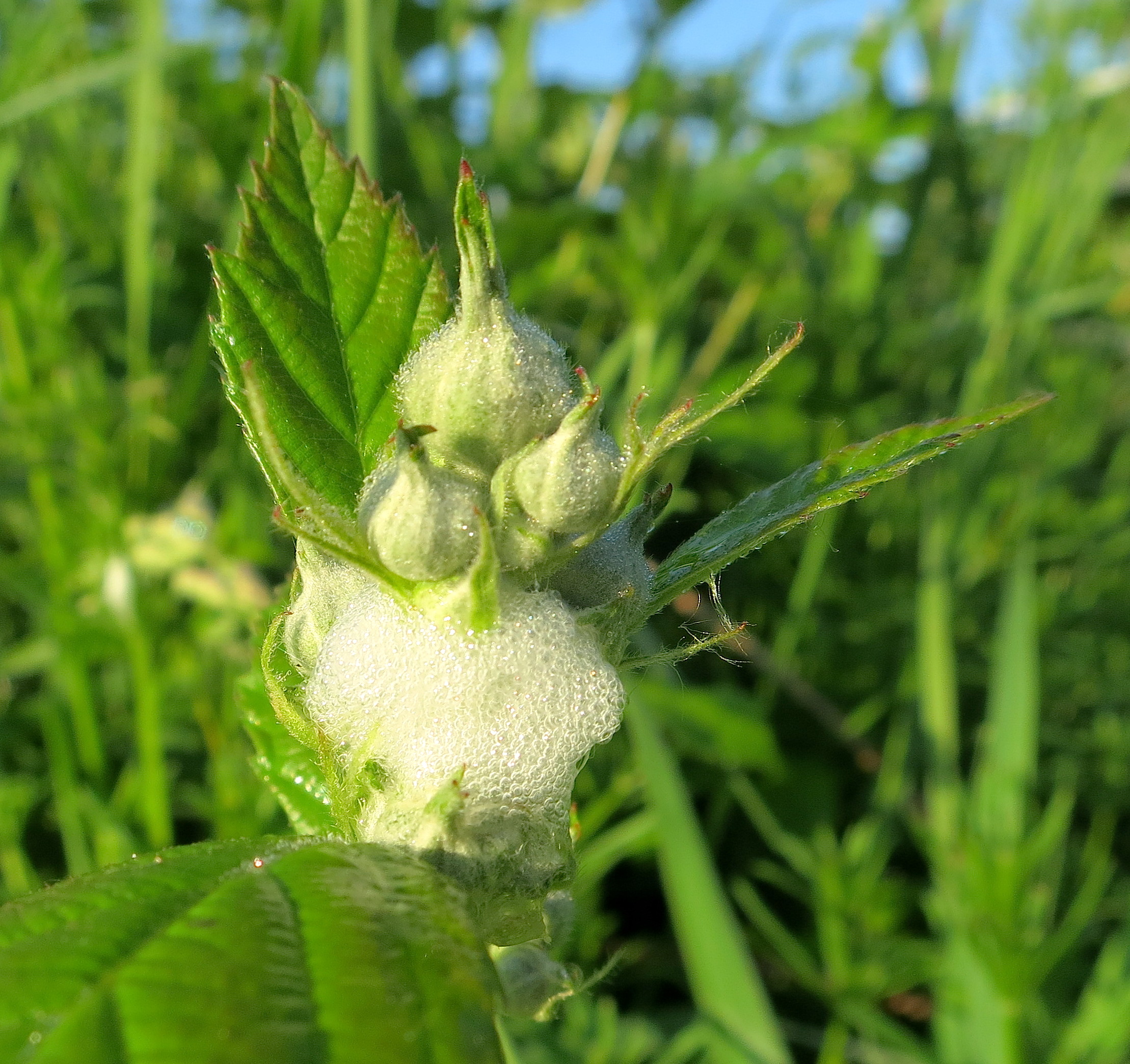
As a child I liked to go out far into our hay field and find the tallest patch of grass.  There, like a dog turning circles before a nap,  I’d trample down the tall waving stems that stretched up almost to my eyes, and create a grass nest, just cozy enough for me.  I’d sit or lie down in this green fortress, gazing up at the blue sky, and watch the clouds drift lazily by.  I’d suck on a hollow stem or two, to savor the bitter grass juice.  Scattered around my grassy cage, attached to the broad grass stems, would be innumerable clumps of white foam.  I’d tease out the hidden green spit bugs with their little black eyes from their white frothy bubble encasement.   I hoped to watch them spit, to actually see them in action doing what they do best, but they would leap away.

The grassy nest was a time of retreat from the world by being buried within the world.  I felt protected, surrounded, encompassed and free –at least until I heard my mother calling for me from the house, or a rain shower started, driving me to run for cover, or my dog found me by following my green path.

It has been years since I hid in a grass fort or tried to defoam spit bugs.   I am overdue, I’m sure.

A few years ago, on a spring morning, when the grass was particularly tall, I was driving into work on one of our county’s rural two lane roads, going the speed limit of 50 mph, in a grumbly mood and wishing I was heading somewhere else on a bright and sunny day.  My mind was busy with the anticipation of my workday when I noticed a slight shift to the right by the driver in the car ahead of me.  It inexplicably moved over the fog line and then suddenly I realized why, in a moment of stark clarity.  A huge empty gravel truck and trailer rig was heading north, moving at the speed limit, the driver seemingly oblivious to the fact his huge trailer was starting to whip back and forth.  As he approached me much too quickly, his trailer was whipping back to the center line, approaching me full force at a ninety degree angle from the truck, filling up the entire lane in front of me.  I had no choice but to run my car off the road into a grassy field to avoid being hit head on by the still attached but runaway trailer.  Only by chance were there no deep ditches at that particular point in the road.  My car dove right into tall grass, which enfolded me, like a shroud of green,  shielding me from a tangle of metal and certain death.  It was a near miss, but a miss nonetheless.

I sat still for a moment, gathering my wits and picking up what was left of my frayed nerves from where they been scattered.   All I could see in front and around me was grass, just like my little childhood fortresses.   It was very tempting to stay right there,  buried in the safety of the grass and hidden away, just as if I had been a spit bug wrapped in my foam cocoon, feeling my heart race from the relief of still being alive.

Instead I drove to work to do what I initially planned to do that day, abruptly made aware of the privilege of having a life to live,  a job to go to, and a grassy field ready to swallow me.

It was only later, after I called my husband about what had taken place, that I cried.  Until then, I couldn’t stop smiling.  I had felt encased in liquid bubble wrap, spit-protected by something bigger and stronger, in whose image I had been made.

grassmay16


grassmay20

A Recipe For Good Medicine

raindrops1315


A good night sleep, or a ten minute bawl, or a pint of chocolate ice cream, or all three together, is good medicine.
~Ray Bradbury from Dandelion Wine

Most days in clinic we see tears, lots of them.  We keep boxes of tissues strategically placed in the exam and consult rooms,  as well as the waiting room.  Life can seem overwhelming, fear and worry proliferate unchecked and floodgates spillover occurs when just one more thing happens — maybe a failed test, a fight with a family member, a lingering fatigue that just might be some dread disease.

We underestimate how therapeutic a good cry can be, almost as helpful as deep and heart felt laughter.  Stress and tension is dissipated, endorphins are released, muscles relax.  Holding back tears, like trying not to laugh (think Mary Tyler Moore at Chuckles the Clown’s funeral service) is hard work and cab only make things worse.

So I hand out kleenex like candy and tell my patients to just let it go and flow.  I’m an easy crier myself, and will cry at the drop of a hat with very little provocation — a certain hymn in church, a beautiful word picture, a poignant memory, or sometimes in exhaustion and frustration.  Tears are a visible tangible connection with what is happening to us and around us and to others.   They can be more honest than what we say and do.

When the weeping wanes,   I always recommend a good night’s sleep.
And chocolate.

Good medicine without a pharmacist.

fogdrops2

Things Are Not Like They Were

 fencerow
The machine shed is damp,
the dirt floor milled to powder
from years of boot and tractor
and machine traffic.
I look for the spade
I used when I was young,
when my grandfather said dig
and I dug holes
the depth I’d been taught
so the posts would stand,
hold the miles of barbed and hog wire
dividing our ground…
Dig, he would say,
and all morning, afternoon,
until it rained, until dark,
until I couldn’t lift the spade and grub
and he said enough,
I dug through dry brown
until it turned yellow clay
or black earth caked
to the tip of the steel. He taught me to measure
strength by depth,
narrow the hole around the oiled post,
and sturdy the line he’d laid
before I was old enough
to blister from work,
acquire the knowledge of straight,
of strength, cool soil,
rusted staples and splintered wood,
the knowledge of bending spikes
new, splicing wire,
swinging a hammer down hard,
the ache from hours of digging,
calloused hands and sunburn.
He trained me to rake,
tamp, stomp, pack dirt and clay,
the weight of the earth around the post,
its strength into the line.
Now the hammers, pliers and cutters are gone.
No rolls of wire hang from the beams.
No boxes of staples and spikes jam the shelves.
The tamping stick is broken.
Someone has wrapped duct tape around the spade handle;
the steel has rusted brown and rough;
a crack climbs from the tip to the mud-caked neck.
He would say it is useless,
that things are not like they were,
and I could repeat his words
but I have left the machine shed;
my hands have lost their calloused ridges;
my sweat, strain and ache are buried…
~Curtis Bauer from “A Fence Line Running Through It”
The old farmers in our county are dying off,
the ones who remember
when horse and human muscle provided the power
instead of diesel engines.
They have climbed down off their tractors
and into their beds
for a good night’s sleep
and stay good asleep.
Their machine sheds are cleared
in an auction,
their animals trucked away
for butcher,
their fence lines leaning
yet the corner posts,
set solid and sure in the hard ground,
keep standing
when the old farmer no longer does.
These old farmers knew hard work.
knew there were no days off
no shirking duty,
knew if anyone was going to do
what needed doing
it was them,
no one else.
Things are not like they were
though the strong posts remain,
ready to hold up another fence line,
showing a new generation
of farmers
what hard work yields.
mistyfence

Permission to Breathe

loadsofsnow

We are waiting for snow
the way we might wait
for permission
to breathe again.

For only the snow
will release us, only the snow
will be a letting go, a blind falling
towards the body of earth
and towards each other.
~Linda Pastan from “Interlude”


People around my parts are pretty disappointed with this winter so far — average temperatures are in the low 50’s, there hasn’t been a single flake of snow in the lowlands, and even the unending rain extended up into the nearly bare mountain ski areas.  It was a relief to wake yesterday and see that the two inches of rain we endured over the previous twenty four hours had fallen as snow up on the mountain.   We were given permission to breathe again, with hope there will be enough snow melt to fill the rivers and streams in a few warming months.

It is still not too late this season for a good snow on the farm here, a ritual of letting go of routine and celebration of a clean start.

We can only hope.

snow2221417

1617448_10152236317916119_471431523_o