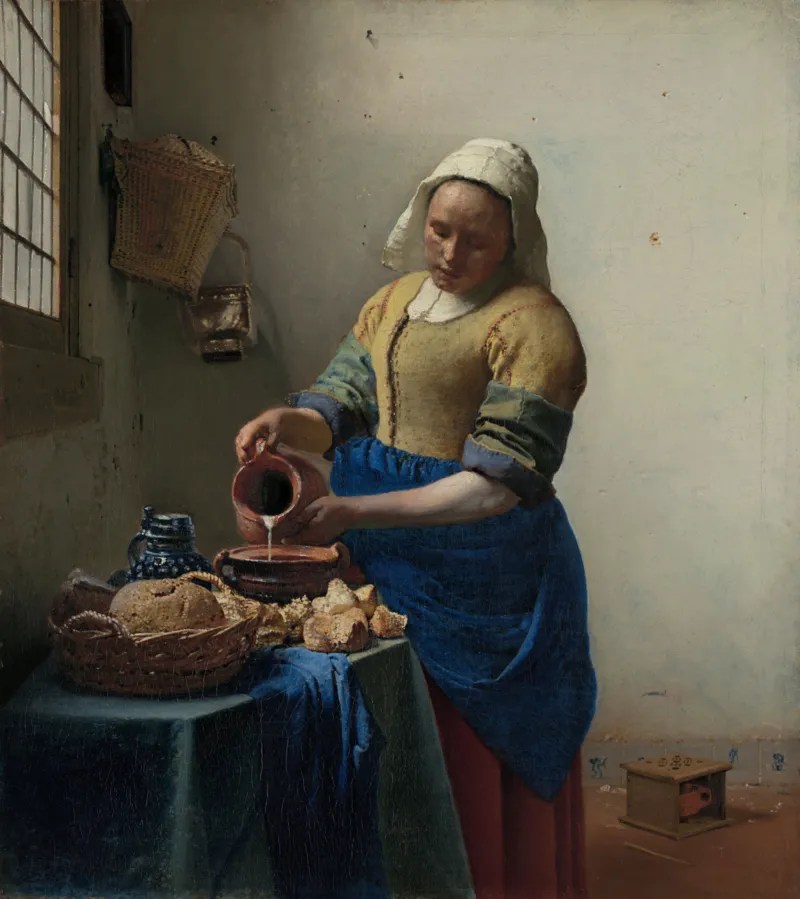
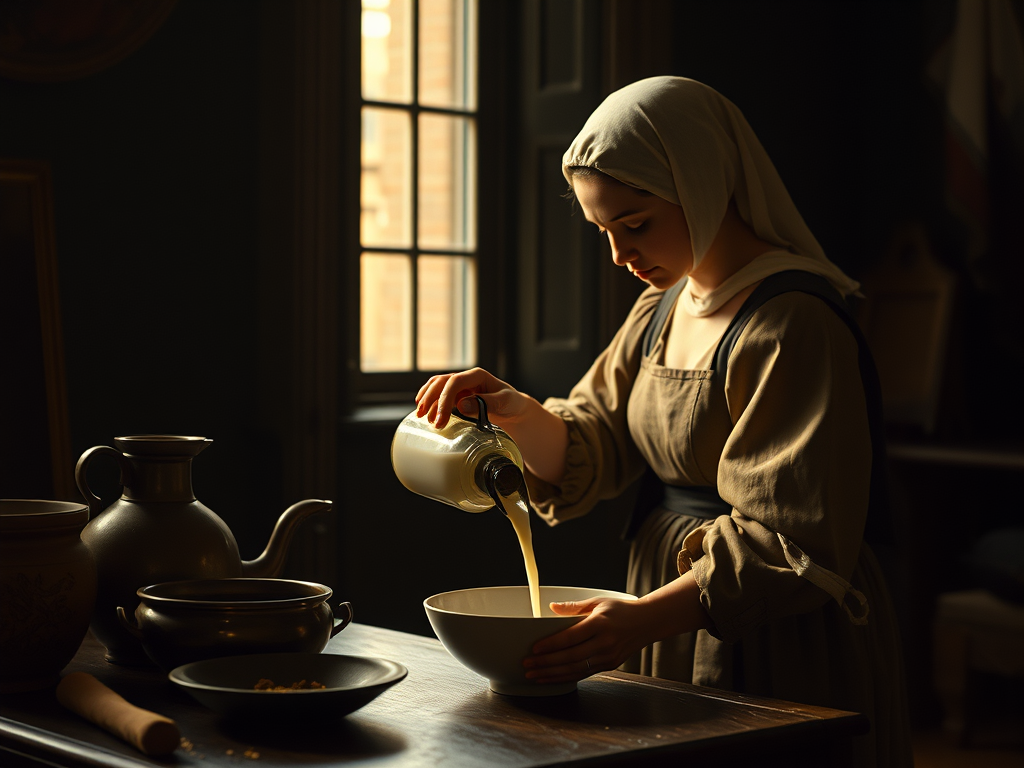
As long as that woman from the Rijksmuseum in painted quiet and concentration keeps pouring milk day after day from the pitcher to the bowl the World hasn’t earned the world’s end. ~Wislawa Szymborska “Vermeer” tr. by Claire Cavanagh and Stanislaw Baranczak from Here
Vermeer’s “The Milkmaid” from the Rijksmuseum, Amsterdam
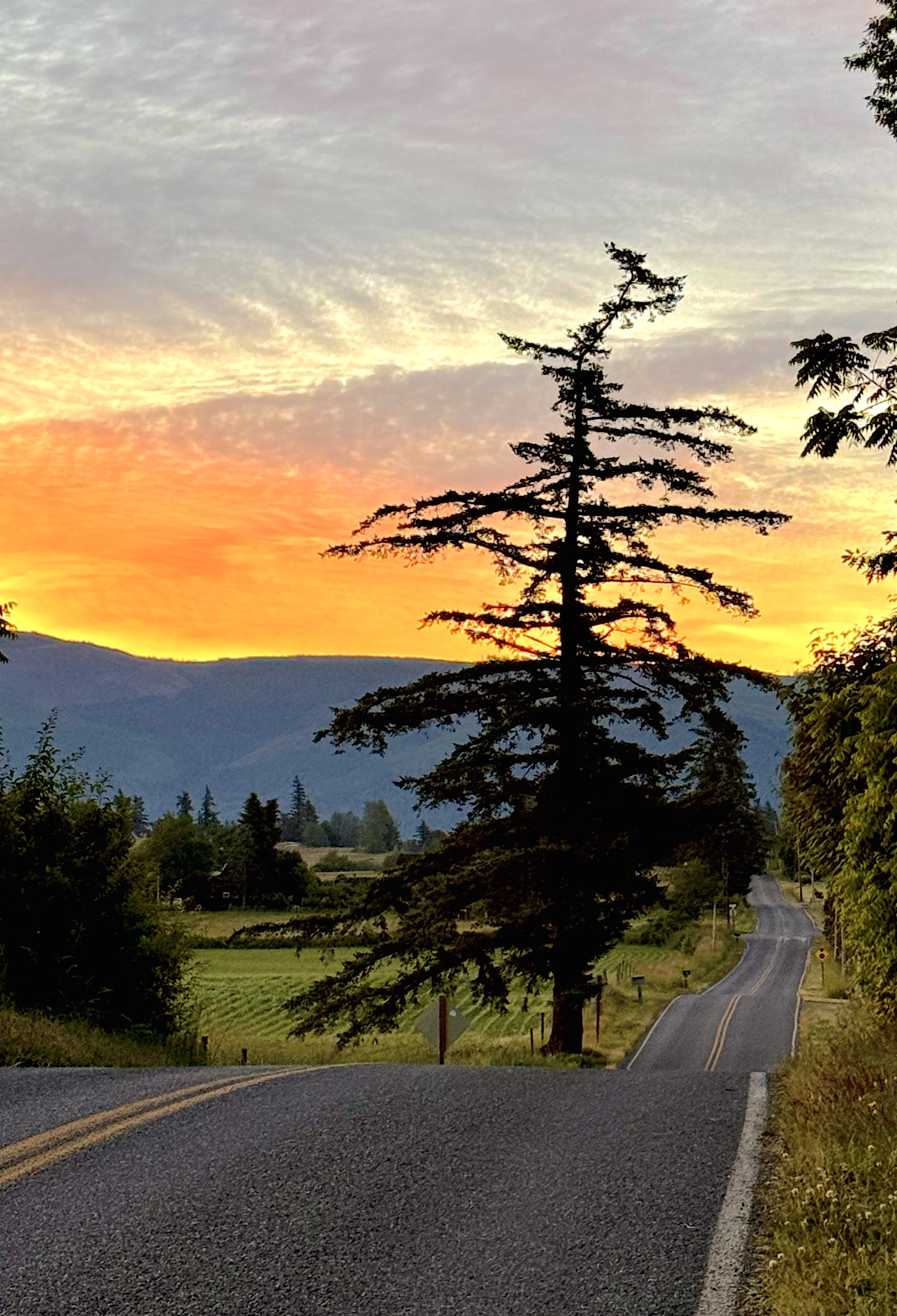
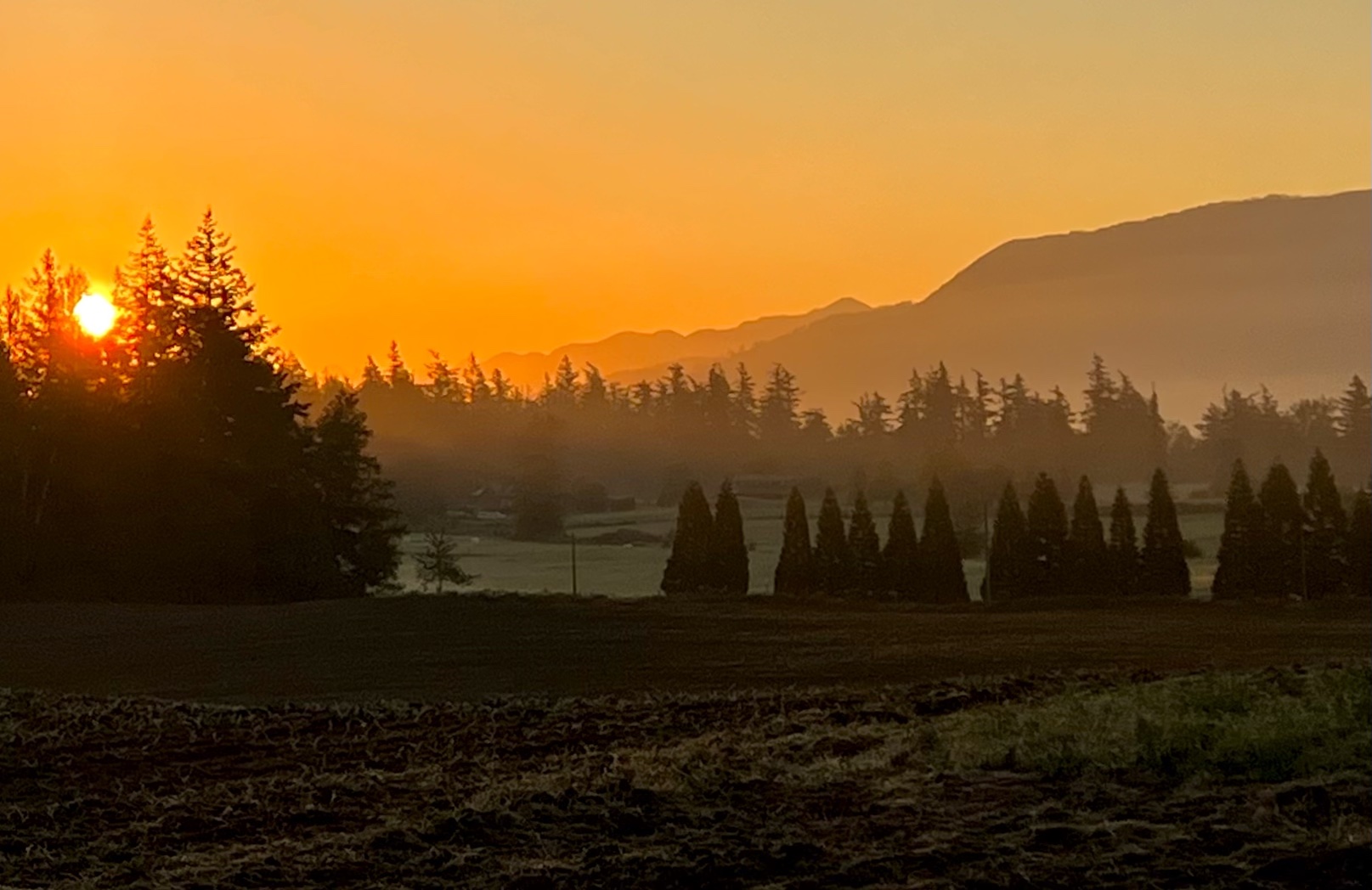
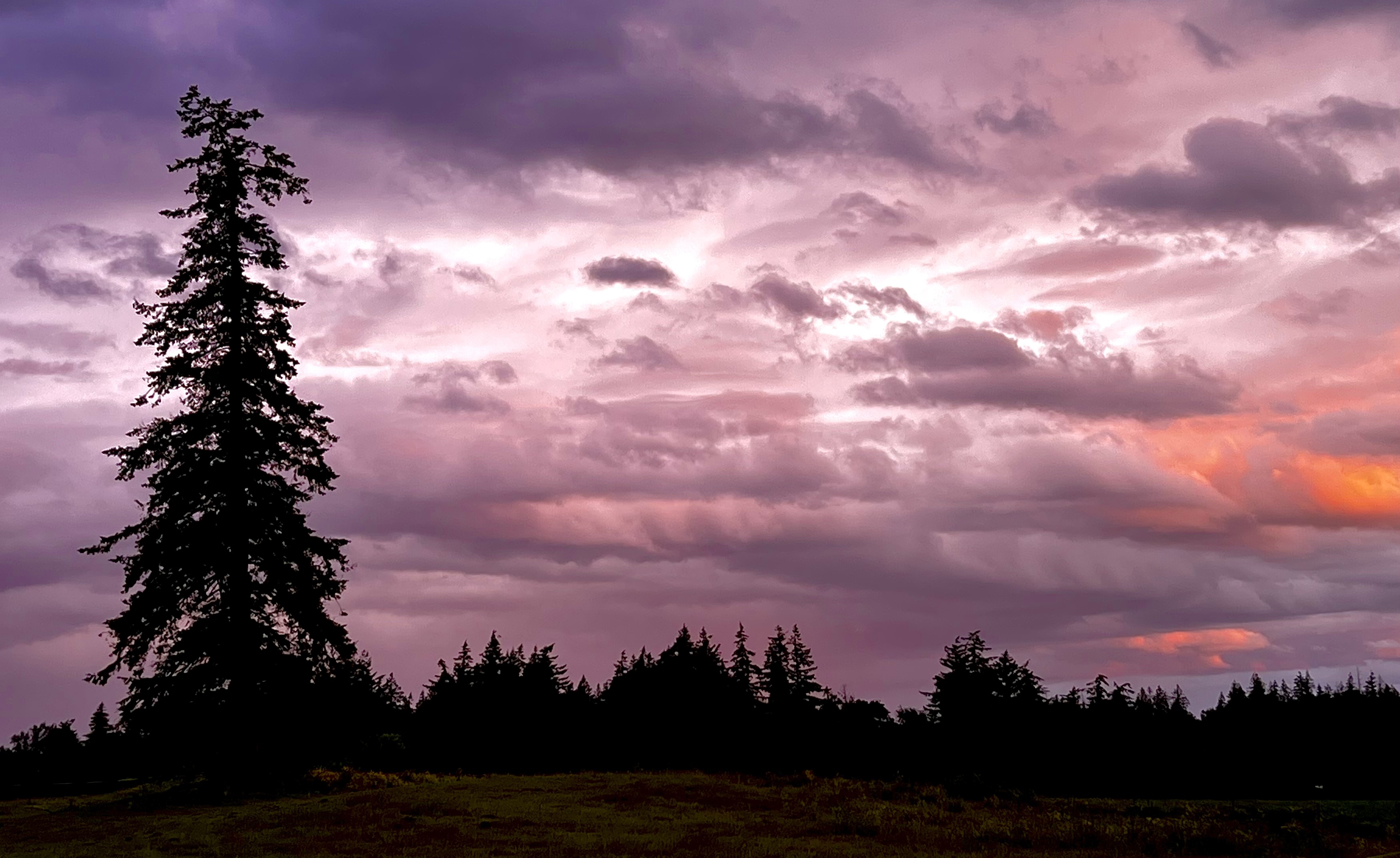
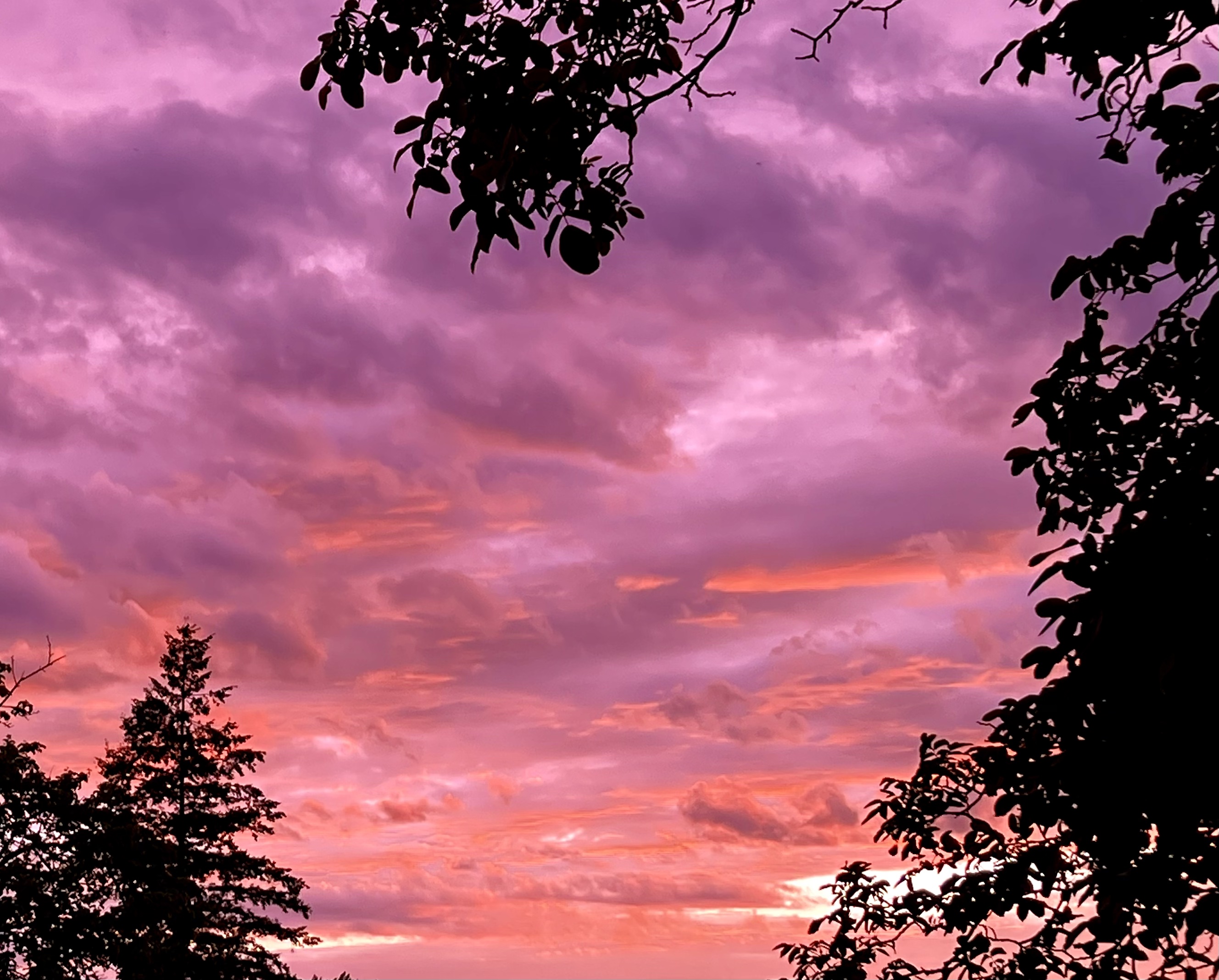
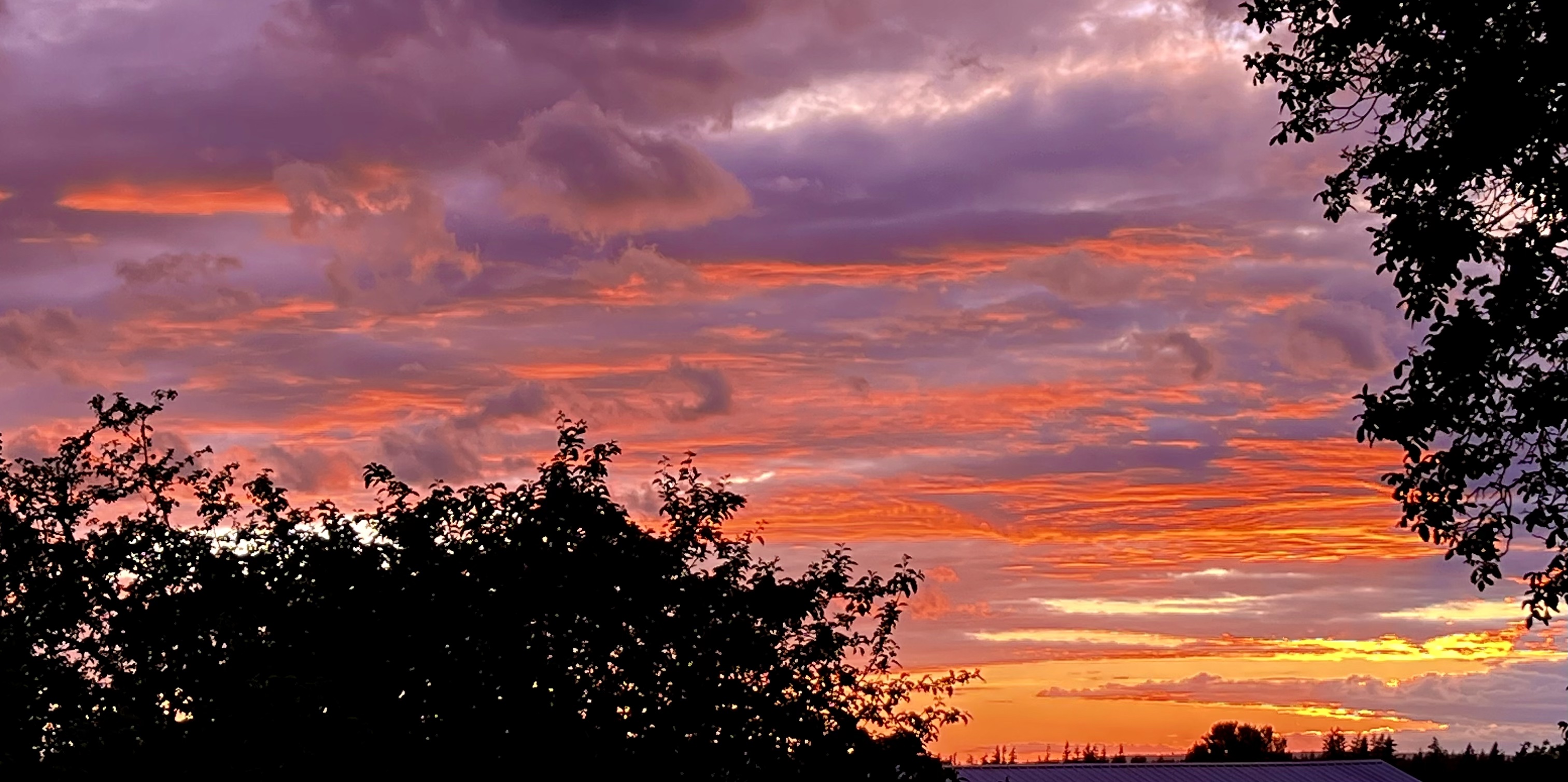
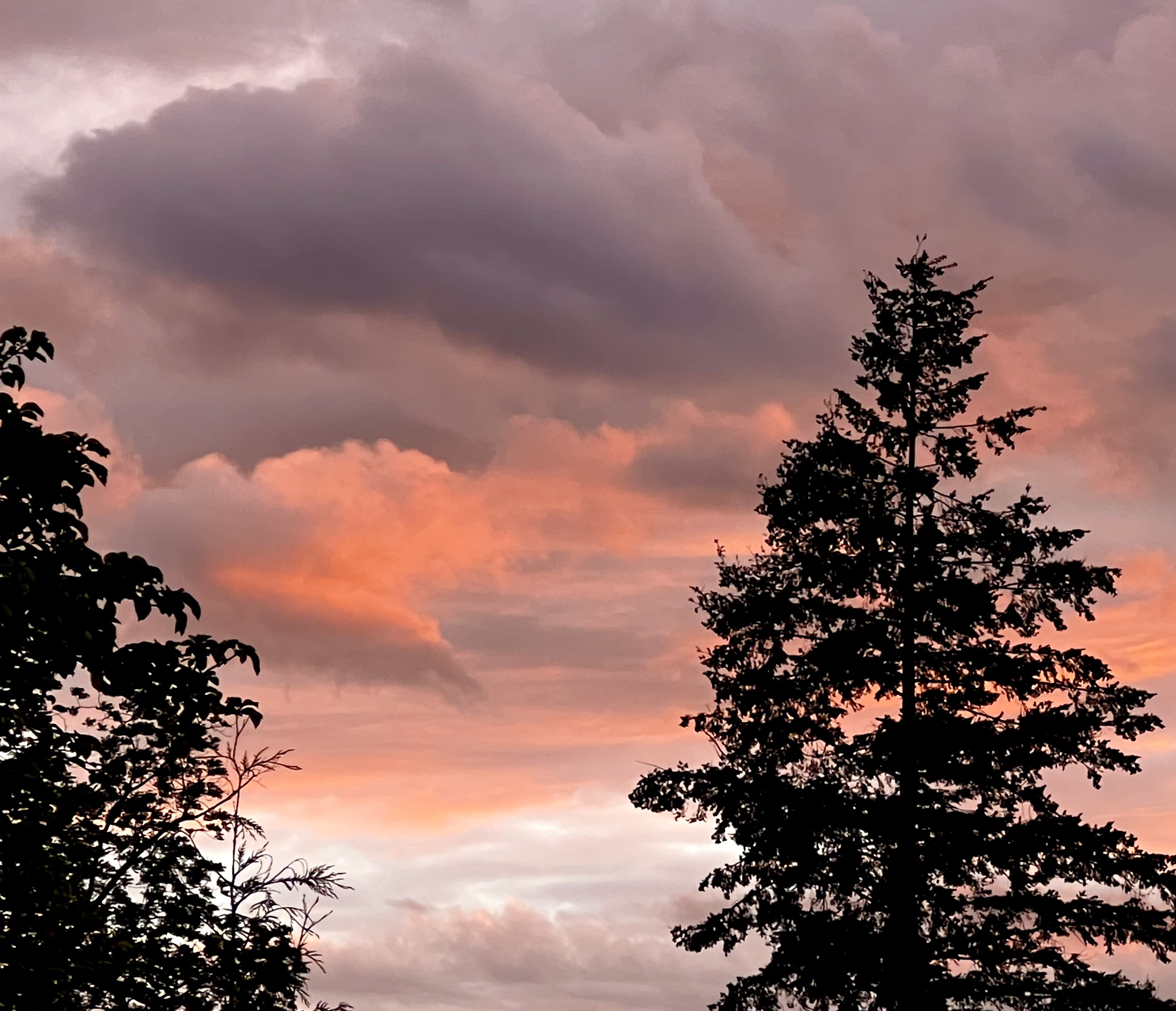
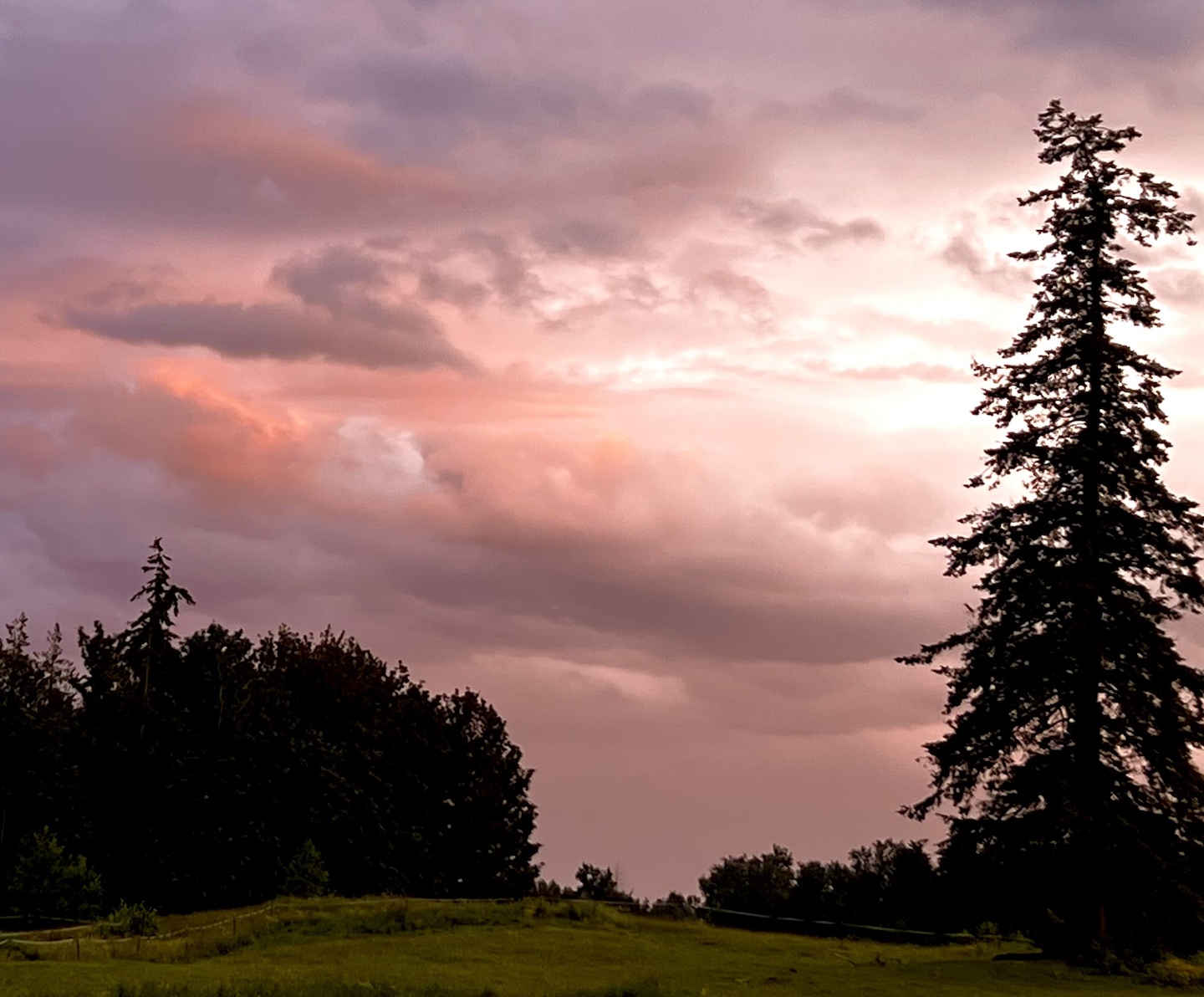
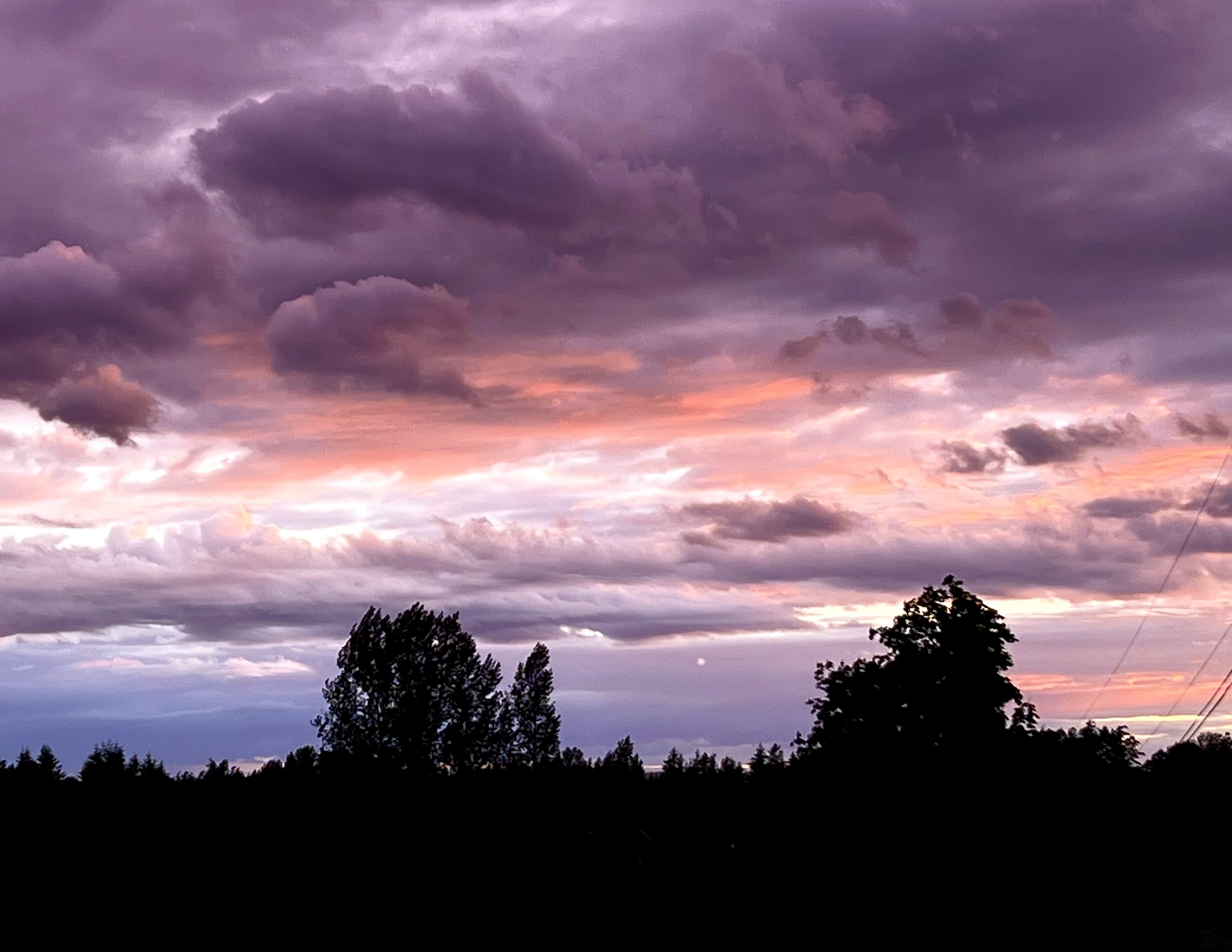
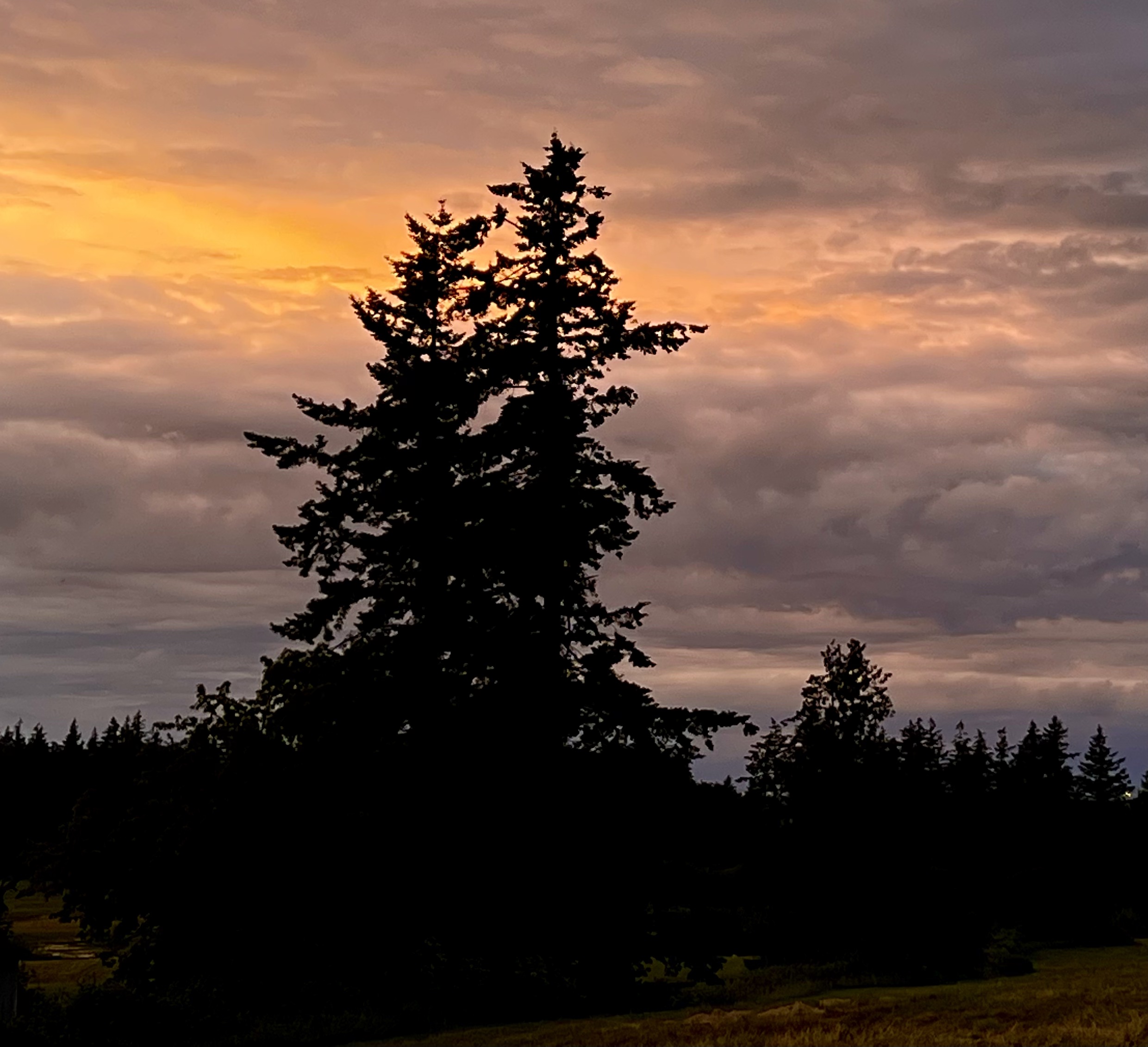
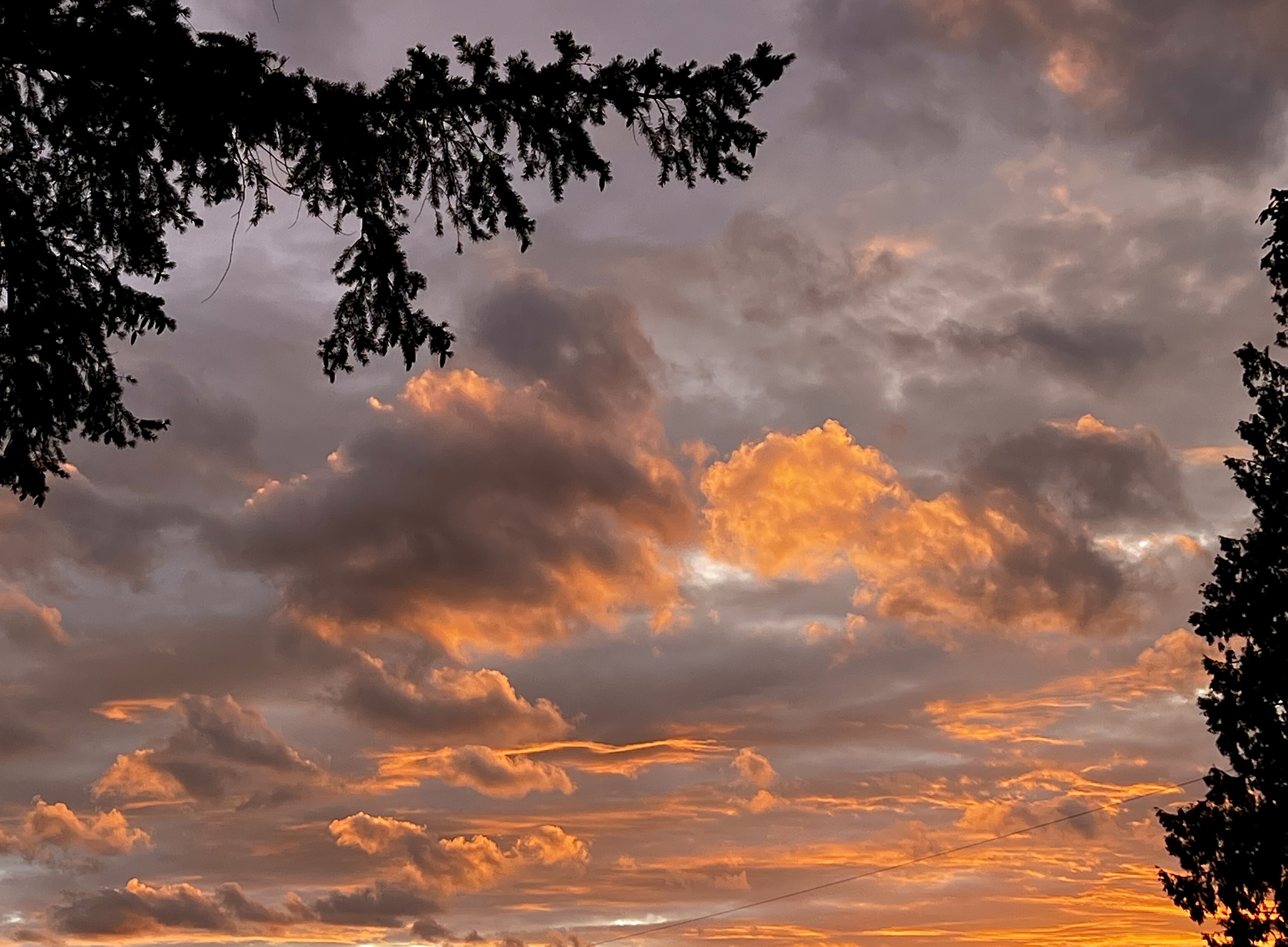
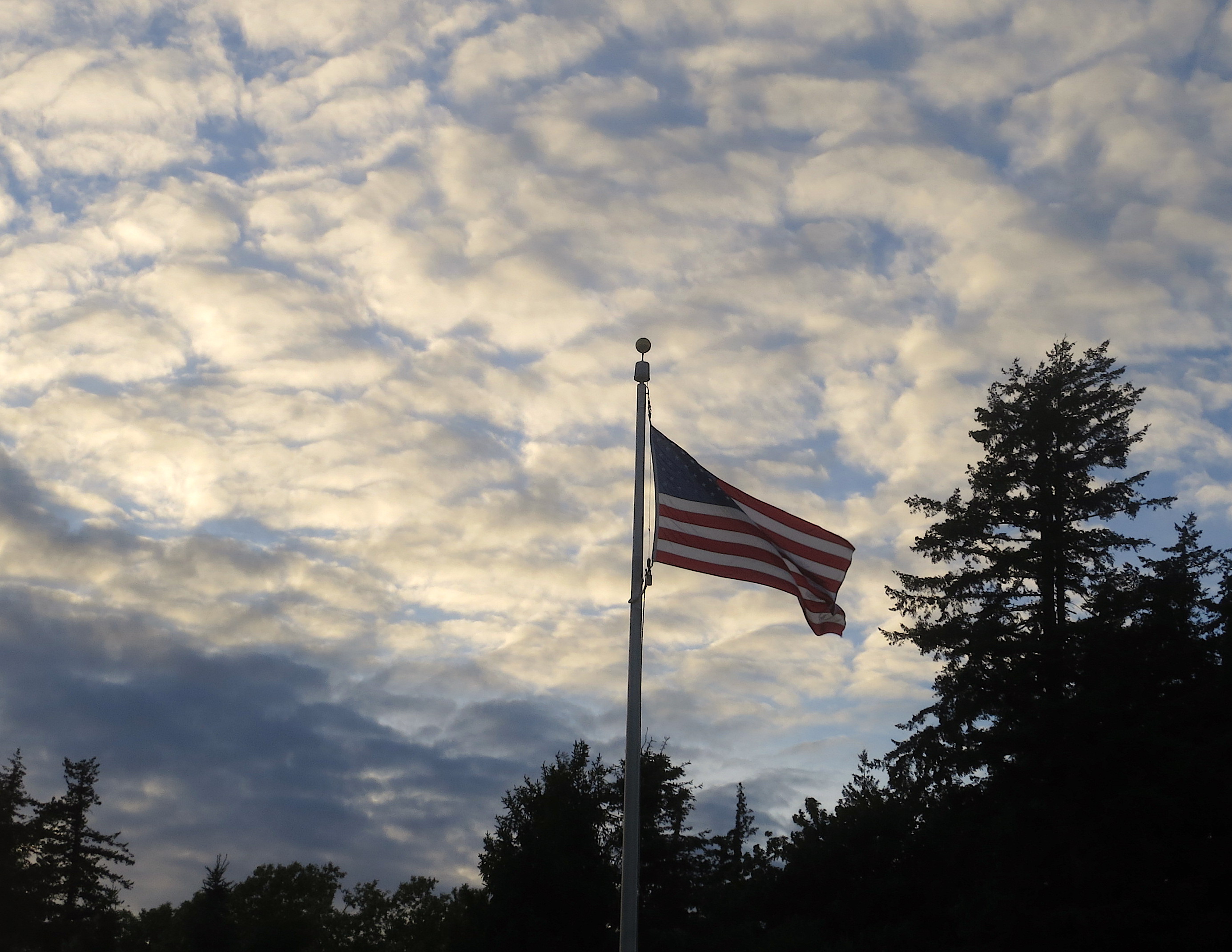
As ever, the sun rises and the sun sets, day after day. God continues to pour out His colors across the skies.
God loves us enough to plant each of us here with a plan for our redemption.
We don’t know how much longer.
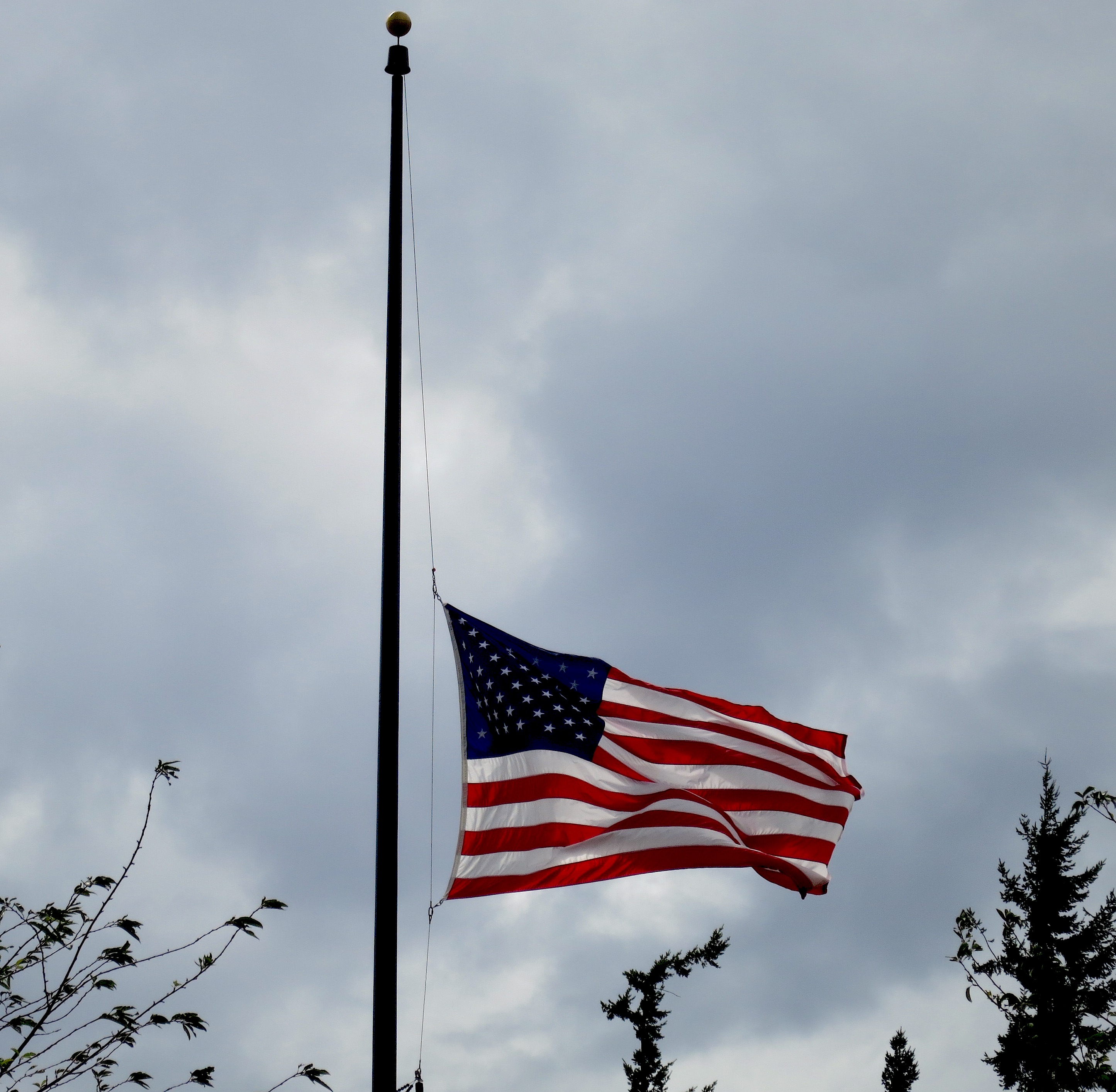
Today we wave flags, some in a show of power, some in a show of gratitude, some in a show of discontent.
Instead, I pour milk as a daily sacrament: quietly, with great concentration and appreciation, as that is the work I must do, day after day.
To milk the cows and raise wheat for bread and conceive children and raise them up to pour and bake.
This is God’s created world, after all. We must do our best to restore and preserve all that He has made.
So keep milking and keep pouring.
AI image created for this post
One-Time
Monthly
Yearly
Make a one-time or recurring donation to support daily Barnstorming posts
I am what you make me; nothing more. I swing before your eyes as a bright gleam of color, a symbol of yourself. ~Franklin K. Lane, Secretary of the Interior, 1914 Flag Day address
Sometimes, as a child, when I was bored, I’d grab a step ladder, pull it into our hallway, climb half way up and carefully lift the plywood hatch that was the portal to our dark attic. It took some effort to climb up into the attic from the ladder, juggling a flashlight at the same time, but once seated safely on the beams above our ceiling, being careful not to put my foot through the carpet of insulation, I could explore what was stowed and normally inaccessible to me.
All the usual attic-type things were put up there: Christmas ornaments and lights, baby cribs and high chairs, lamps and toys no longer used. Secrets to my parents’ past were stored away there too. It was difficult imagining them as young children growing up on opposite sides of the state of Washington, in very different circumstances, or as attractive college students who met at a dance, or as young marrieds unencumbered by the daily responsibilities of a family. The attic held those images and memories like a three dimensional photo album.
My father’s dark green Marine Corps cargo trunk was up there, the one that followed him from Officer Training in Quantico, Virginia, to beach and mountain battles on Tarawa, Tinian and Saipan in the South Pacific, and three years later back home again. It had his name and rank stenciled on the side in dark black lettering. The buckles were stiff but could be opened with effort, and in the dark attic, there was always the thrill of unlatching the lid, and shining the flashlight across the contents. His Marine Corps dress uniform lay inside underneath his stiff brimmed cap. There were books about protocol, and a photo album which contained pictures of “his men” that he led in his battalion, and the collection of photos my mother sent of herself as she worked as a teacher of high school students back home.
Most fascinating was a folded Japanese flag inside a small drawstring bag, made of thin white see-through cloth with the bold red sun in the middle. Surrounding the red sun were the delicate inked characters of many Japanese hands as if painted by artists, each wishing a soldier well in his fight for the empire. Yet there it was, a symbol of that soldier’s demise, itself buried in an American attic, being gently and curiously held by an American daughter of a Marine Corps captain. It would occur to me in the 1960s that some of the people who wrote on this flag might still be living, and certainly members of the soldier’s family would still be living. I asked my father once about how he obtained the flag, and he, protecting both me and himself, waved me away, saying he couldn’t remember. I know better now. He knew but could not possibly tell me the truth.
These flags, charms of good luck for the departing Japanese soldier as he left his neighborhood or village for war, are called Hinomaru Yosegaki (日の丸寄せ書き). Tens of thousands of these flags came home with American soldiers; it is clear they were not the talisman hoped for. A few of these flags are now finding their way back to their home country, to the original villages, to descendants of the lost soldiers. So now has this flag.
Eighty years ago doesn’t seem that long, a mere drop in the river of time. There are more than mere mementos that have flowed from the broken dam of WWII, flooding subsequent generations of Americans, Japanese, Europeans with memories that are now lost as the oldest surviving soldiers pass, scores of them daily, taking their stories of pain and loss and heroism with them. My father could never talk with a person of Asian descent, Japanese or not, without being visibly uneasy. As a child, I saw and felt this from him, but heard little from his mouth.
When he was twenty two years old, pressed flat against the rocks of Tarawa, trying to melt into the ground to become invisible to the bullets whizzing overhead, he could not have conceived that sixty-five years later his twenty two year old grandson would disembark from a jumbo jet at Narita in Tokyo, making his way to an international school to teach Japanese children. My father would have been shocked that his grandson would settle happily into a culture so foreign, so seemingly threatening, so apparently abhorrent. Yet this irony is the direct result of the horrors of that too-long horrible bloody war of devastation: Americans and Japanese, despite so many differences, have become the strongest of allies, happily exchanging the grandchildren of those bitterly warring soldiers back and forth across the Pacific. It too was my privilege to care for Japanese exchange students daily in my University health clinic, peering intently into their open faces and never once seeing the enemy that my father feared.
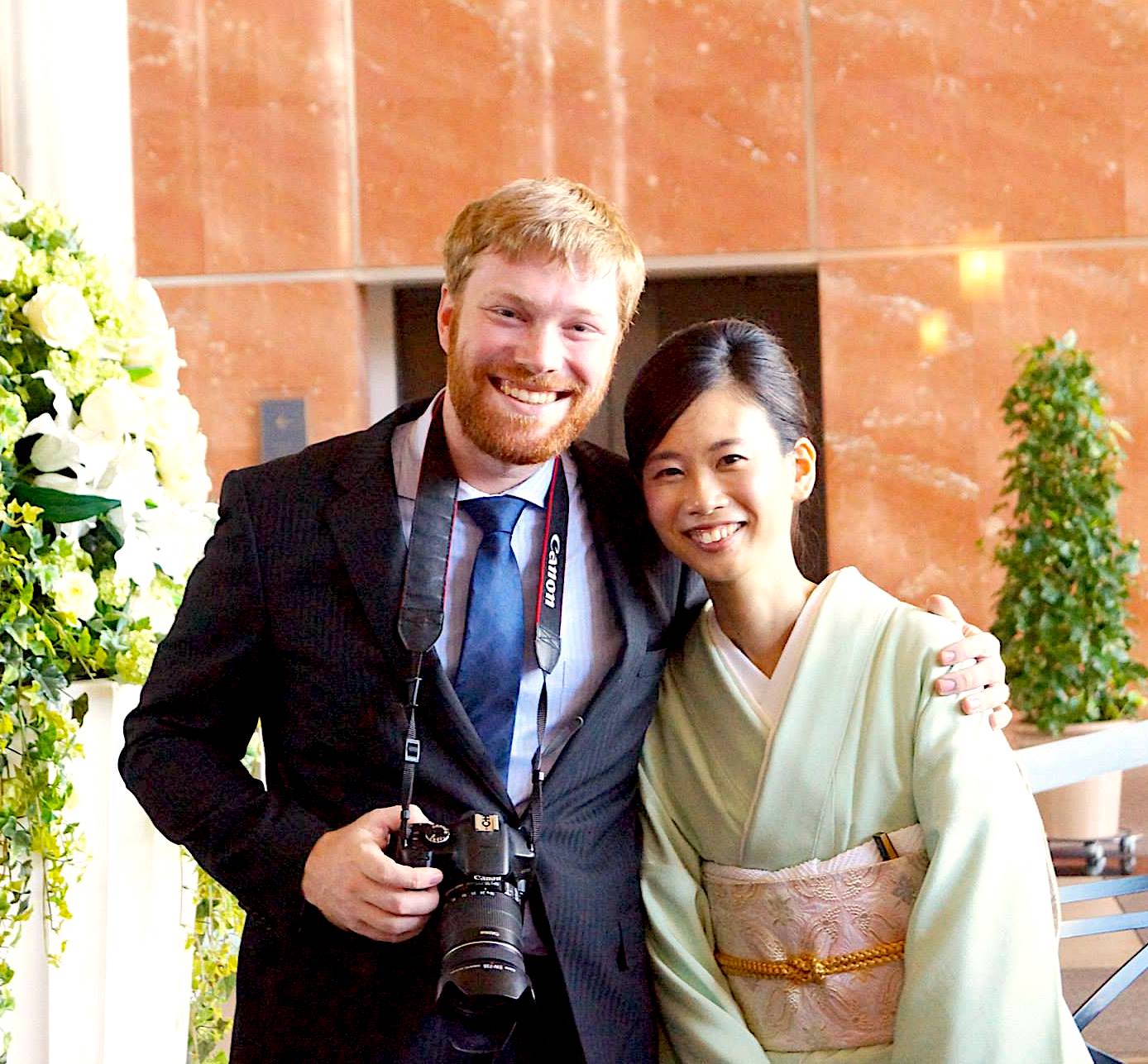
Now all these decades later, our son taught for 13 years in Tokyo, with deep admiration and appreciation for each of his students, some of whom were great-grandchildren of WWII Japanese soldiers. He married a granddaughter of those my father fought. Their two children are the perfect amalgam of once warring, yet now peaceful, cultures; a symbol of blended and blending peoples overcoming the hatred of past generations, creating a new world.
Our son and daughter-in-law, having now settled their family in the States, are adapting to a different language, culture and flag. I pray our son – having devoted part of his life as teacher and missionary to the land of the rising sun – has redeemed his grandfather, the soldier-warrior of the past century.
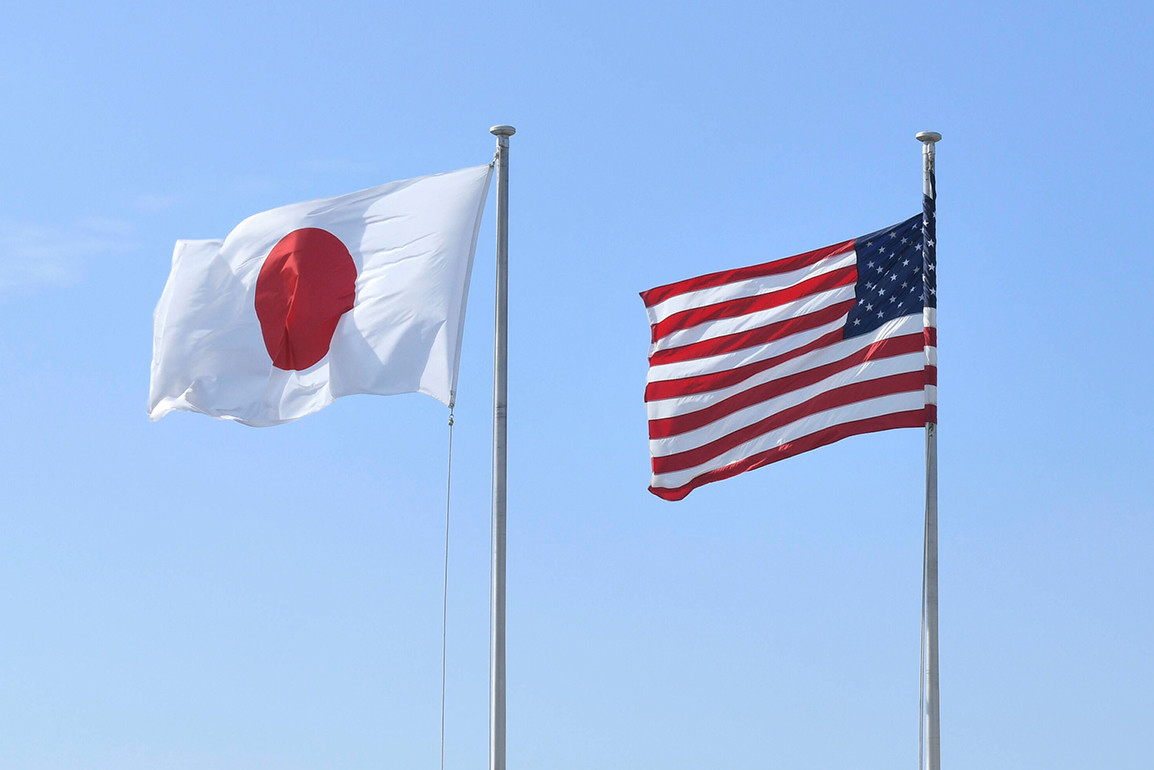
(U.S. Air Force photo by Staff Sgt. Peter Reft)
One-Time
Monthly
Yearly
Make a one-time or recurring donation to support daily Barnstorming posts
I am what you make me; nothing more. I swing before your eyes as a bright gleam of color, a symbol of yourself. ~Franklin K. Lane, Secretary of the Interior, 1914 Flag Day address
Sometimes, as a child, when I was bored, I’d grab a step ladder, pull it into our hallway, climb half way up and carefully lift the plywood hatch that was the portal to our unlit attic. It took some effort to climb up into the attic from the ladder, juggling a flashlight at the same time, but once seated safely on the beams above our ceiling, being careful not to put my foot through the carpet of insulation, I could explore what was stowed and normally inaccessible to me.
All the usual attic-type things were put up there: Christmas ornaments and lights, baby cribs and high chairs, lamps and toys no longer used. Secrets to my parents’ past were stored away there too. It was difficult imagining them as young children growing up on opposite sides of the state of Washington, in very different circumstances, or as attractive college students who met at a dance, or as young marrieds unencumbered by the daily responsibilities of a family. The attic held those images and memories like a three dimensional photo album.
My father’s dark green Marine Corps cargo trunk was up there, the one that followed him from Officer Training in Quantico, Virginia, to beach and mountain battles on Tarawa, Tinian and Saipan in the South Pacific, and three years later back home again. It had his name and rank stenciled on the side in dark black lettering. The buckles were stiff but could be opened with effort, and in the dark attic, there was always the thrill of unlatching the lid, and shining the flashlight across the contents. His Marine Corps dress uniform lay inside underneath his stiff brimmed cap. There were books about protocol, and a photo album which contained pictures of “his men” that he led in his battalion, and the collection of photos my mother sent of herself as she worked as a teacher of high school students back home.
Most fascinating was a folded Japanese flag inside a small drawstring bag, made of thin white see-through cloth with the bold red sun in the middle. Surrounding the red sun were the delicate inked characters of many Japanese hands as if painted by artists, each wishing a soldier well in his fight for the empire. Yet there it was, a symbol of that soldier’s demise, itself buried in an American attic, being gently and curiously held by an American daughter of a Marine Corps captain. It would occur to me in the 1960s that some of the people who wrote on this flag might still be living, and certainly members of the soldier’s family would still be living. I asked my father once about how he obtained the flag, and he, protecting both me and himself, waved me away, saying he couldn’t remember. I know better now. He knew but could not possibly tell me the truth.
These flags, charms of good luck for the departing Japanese soldier as he left his neighborhood or village for war, are called Hinomaru Yosegaki (日の丸寄せ書き). Tens of thousands of these flags came home with American soldiers; it is clear they were not the talisman hoped for. A few of these flags are now finding their way back to their home country, to the original villages, to descendants of the lost soldiers. So now has this flag.
Eighty years ago doesn’t seem that long, a mere drop in the river of time. There is more than mere mementos that have flowed from the broken dam of WWII, flooding subsequent generations of Americans, Japanese, Europeans with memories that are now lost as the oldest surviving soldiers in their 90’s pass, scores of them daily, taking their stories of pain and loss and heroism with them. My father could never talk with a person of Asian descent, Japanese or not, without being visibly uneasy. As a child, I saw and felt this from him, but heard little from his mouth.
When he was twenty two years old, pressed flat against the rocks of Tarawa, trying to melt into the ground to become invisible to the bullets whizzing overhead, he could not have conceived that sixty five years later his twenty two year old grandson would disembark from a jumbo jet at Narita in Tokyo, making his way to an international school to teach Japanese children. My father would have been shocked that his grandson would settle happily into a culture so foreign, so seemingly threatening, so apparently abhorrent. Yet this irony is the direct result of the horrors of that too-long horrible bloody war of devastation: Americans and Japanese, despite so many differences, have become the strongest of allies, happily exchanging the grandchildren of those bitterly warring soldiers back and forth across the Pacific. It too was my privilege to care for Japanese exchange students daily in my University health clinic, peering intently into their open faces and never once seeing the enemy that my father feared.
Now all these decades later, our son taught for 13 years in Tokyo, with deep admiration and appreciation for each of his students, some of whom were great-grandchildren of WWII Japanese soldiers. He married a granddaughter of those my father fought. Their two children are the perfect amalgam of once warring, yet now peaceful, cultures; a symbol of blended and blending peoples overcoming the hatred of past generations, creating a new world.
Our son and daughter-in-law, having settled their family in the States, are adapting to a different language, culture and flag. I pray our son having devoted part of his life as teacher and missionary to the land of the rising sun has redeemed his grandfather, the soldier-warrior of the past century.
(U.S. Air Force photo by Staff Sgt. Peter Reft)
One-Time
Monthly
Yearly
Make a one-time or recurring donation to support daily Barnstorming posts
This country will not be a good place for any of us to live in unless we make it a good place for all of us to live in. ~ Theodore Roosevelt
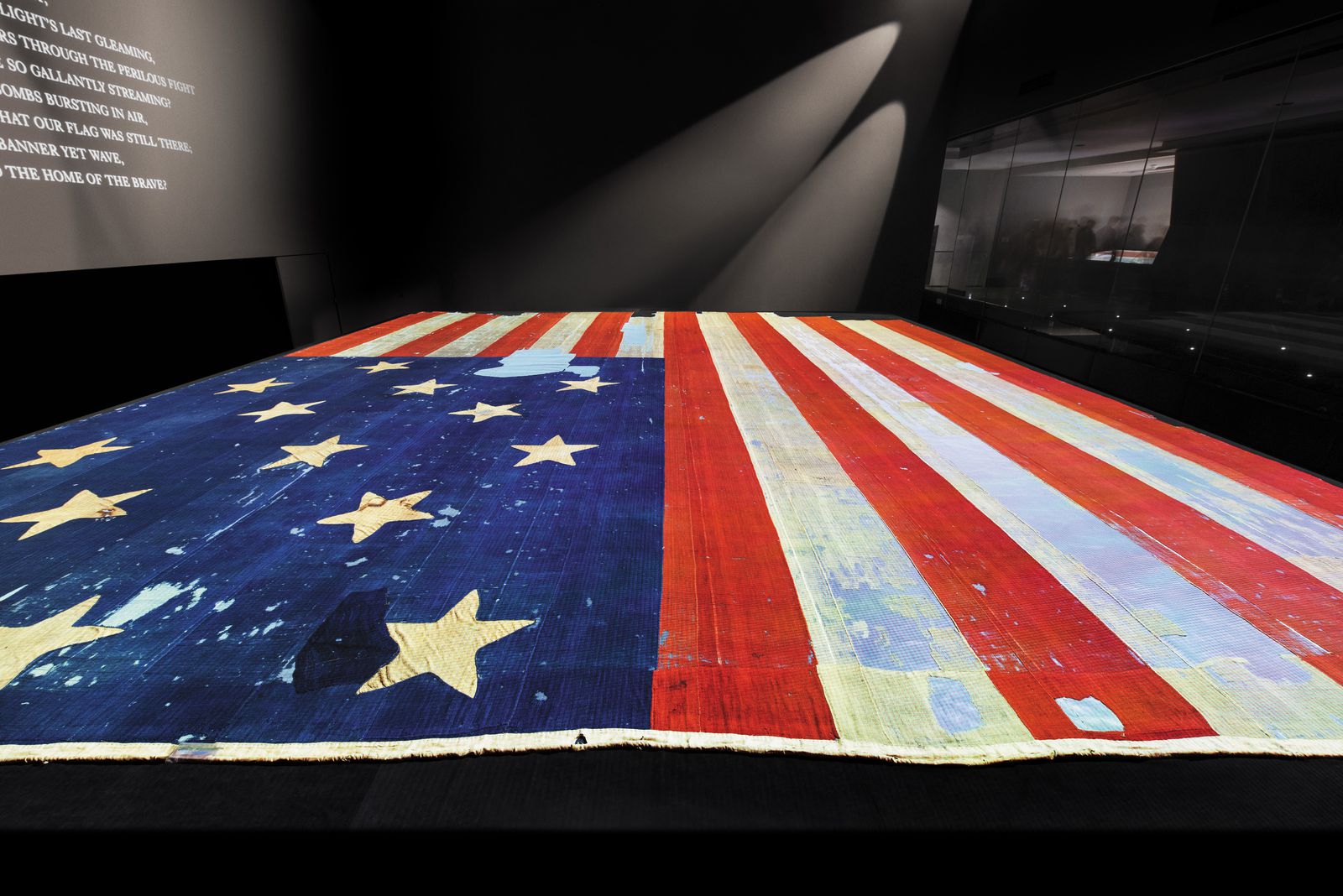
What is that which the breeze, o’er the towering steep, As it fitfully blows, half conceals, half discloses? Now it catches the gleam of the morning’s first beam, In full glory reflected, now shines on the stream: Tis the star-spangled banner… ~Francis Scott Key – excerpt from the rarely sung second verse
I grew up with a flag pole in our front yard; the American flag was raised every morning by my WWII veteran father and lowered at dusk every evening. This was far more than a ritual for my father; he saw it as his obligation and privilege after the three years he spent as a Marine officer in the South Pacific. He had the freedom, as well as the necessity, to declare our hard-won liberty to any who passed by. The flag was his reminder, a tangible symbol of having fought beneath it, watching others shed blood and die for it.
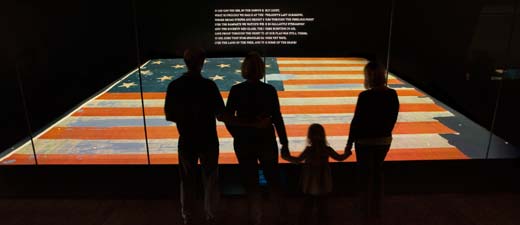
My father was not one to weep – ever. But his eyes filled up when we visited the original The Star-Spangled banner in its display at the Smithsonian Institute in the 1960s, and again as we stood before the Iwo Jima Memorial Marine flag-raising sculpture. The fact the flag meant so much to him is impressed and imprinted upon me.
He would have been horrified at how the flag is currently misused as a symbol of “my patriotism is more true and pure than yours” — it was displayed like a talisman by the rioters who stormed the Capitol building on January 6, 2021. The American flag has been through many tough times since it was designed – during my lifetime it was burned as an expression of free speech and ignored when people are asked to recite “The Pledge of Allegiance.”
The flag now seems to be Exhibit A representing our deep divisions rather than our unity.
June 14 (Flag Day) no longer has the impact that it had over a century ago when it was first declared, observing the day in 1777 the Second Continental Congress passed a resolution to create a flag for the new United States. My mother, growing up in the isolation of the Palouse wheat farms in eastern Washington state, would reminisce about Depression-era Flag Day parades, picnics and celebrations in the small farming communities of Waverly and Fairfield. It was a mere warm up for the all-out patriotic gatherings planned for July 4 – indeed a community on display.
As I place our flag out on our porch today, I am honoring it as a symbol of a country which values the freedoms of all people.
May this banner fly proudly for many generations to come. Here is the proof, through all the dark and contentious nights of our country’s history, that our flag is still here.
Let’s ensure this is a good place for all of us to live in.
The Star Spangled Banner – Smithsonian InstituteIwo Jima monument – Arlington Cemetery
One-Time
Monthly
Yearly
Make a one-time or recurring donation to support daily Barnstorming posts
On the shore, dimly seen through the mists of the deep, Where the foe’s haughty host in dread silence reposes, What is that which the breeze, o’er the towering steep, As it fitfully blows, half conceals, half discloses? Now it catches the gleam of the morning’s first beam, In full glory reflected, now shines on the stream: Tis the star-spangled banner: O, long may it wave O’er the land of the free and the home of the brave! ~Francis Scott Key (rarely sung 2nd verse of The Star-Spangled Banner)
I grew up with a flag pole in our front yard: the American flag was raised every morning by my WWII veteran father and lowered at dusk every evening. This was far more than a ritual for my father; he saw it as his obligation and privilege after the three years he spent as a Marine in the South Pacific. He had the freedom, as well as the necessity, to declare our continued liberty to any who passed by. His flag was his reminder, a tangible symbol of having fought beneath it watching others shed blood and die for it.
My father was not one to weep – ever. But his eyes filled up when we visited the original The Star-Spangled banner in its display at the Smithsonian Institute in the 1960s, and again as we stood before the Iwo Jima Memorial Marine flag-raising sculpture. The fact the flag meant so much to him impressed and imprinted upon me.
He would have been horrified at how the flag is currently misused as a symbol of “my patriotism is more true and pure than yours” — waving from the back of jacked-up pickups and held by the rioters who stormed the Capitol building on January 6. The flag has been through many tough times – burned as an expression of free speech and ignored when people are asked to recite “The Pledge of Allegiance.” The flag now seems to symbolize our deep divisions rather than our unity.
June 14 (Flag Day) no longer has the impact that it had back in the early 1900s when it was first declared and widely celebrated through the 20th century. My mother, growing up in the isolation of the Palouse wheat farms in eastern Washington state, reminisced about pre-WWII Flag Day parades, picnics and celebrations in the small farming communities of Waverly and Fairfield. This day was a warm up for the all-out patriotic gatherings on July 4 – unity on display.
As I place our flag out on our porch today, I am honoring this symbol of the sacrifice of those who gave themselves so that this banner could fly freely for many generations to come. I’m making no other statement than that and no other statement is necessary.
Here is the proof, through all the dark and contentious nights of our country’s history, that our flag is still here.
Glory, Glory Hallelujah!
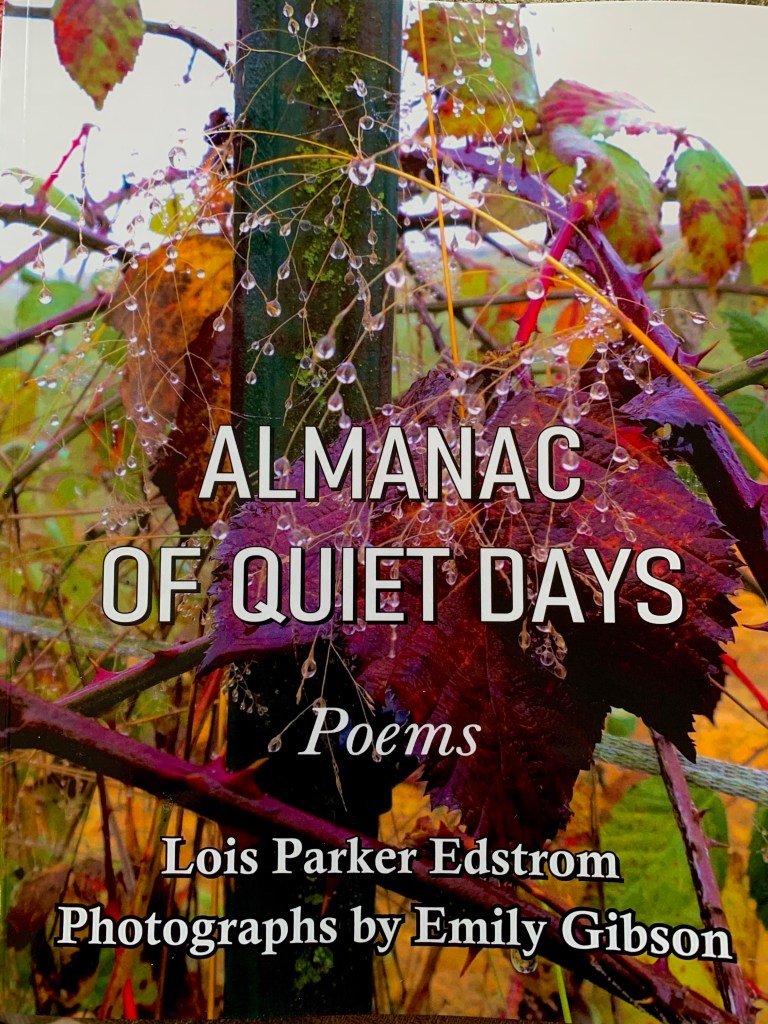
A new book from Barnstorming is available to order here:




 Barnstorming