The Stones Themselves Will Start to Sing: I’ll Not Stumble or Fall

For you have delivered me from death
    and my feet from stumbling,
that I may walk before God
    in the light of life.
Psalm 56:13
God alone can deliver a soul from its death,
lift a life from a wasteland of need.
God alone can replenish with blessings untold
until into His light we are freed we are freed.
~Susan Boersma from
“Father of Light

Wait, for now.
Distrust everything, if you have to.
But trust the hours. Haven’t they
carried you everywhere, up to now?
Personal events will become interesting again.
Hair will become interesting.
Pain will become interesting.
Buds that open out of season will become lovely again.
Second-hand gloves will become lovely again,
their memories are what give them
the need for other hands. And the desolation
of lovers is the same: that enormous emptiness
carved out of such tiny beings as we are
asks to be filled; the need
for the new love is faithfulness to the old.

Wait.
Don’t go too early.
You’re tired. But everyone’s tired.
But no one is tired enough.
Only wait a while and listen.
Music of hair,
Music of pain,
music of looms weaving all our loves again.
Be there to hear it, it will be the only time,
most of all to hear,
the flute of your whole existence,
rehearsed by the sorrows, play itself into total exhaustion.
~Galway Kinnell “Wait”
 from A New Selected Poems 

If everyone abandons you and even drives you away by force,
then when you are left alone
fall on the earth and kiss it,
water it with your tears,
and it will bring forth fruit
even though no one has seen or heard you in your solitude.
Believe to the end, even if all people went astray
and you were left the only one faithful;
bring your offering even then and praise God in your loneliness. 
~Fyodor Dostoyevsky from The Brothers Karamazov
Suicide rates of teenagers in the United States increased well over 30% since 2009. Their voices echo loudly:

“It would be easier if I were dead”
“No one cares if I live or die”
“The world would be better off without me”
“It’s too painful to continue”
“I’m not worthy to be here”
“It is my right and no one can stop me”

Let us protect our holiness as created in the image of God
even though weak and frail and prone to helpless hopelessness. We will be restored. In His Light, He will not let us stumble and fall.

Dear ones,
please wait a little longer, only a little longer:
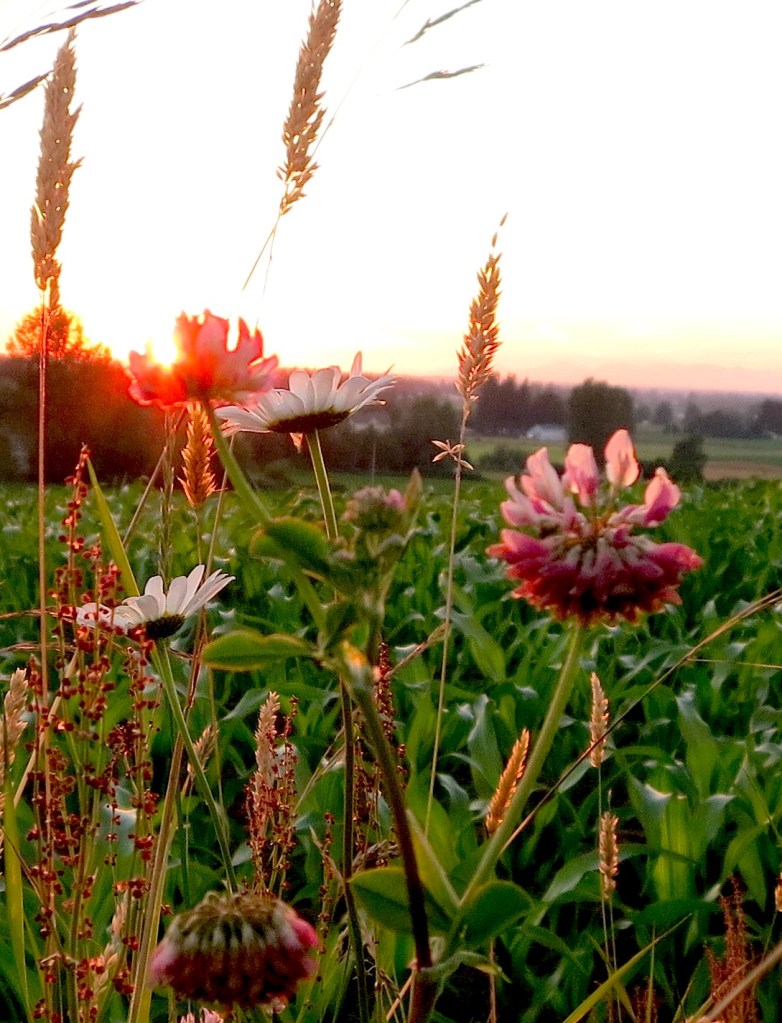
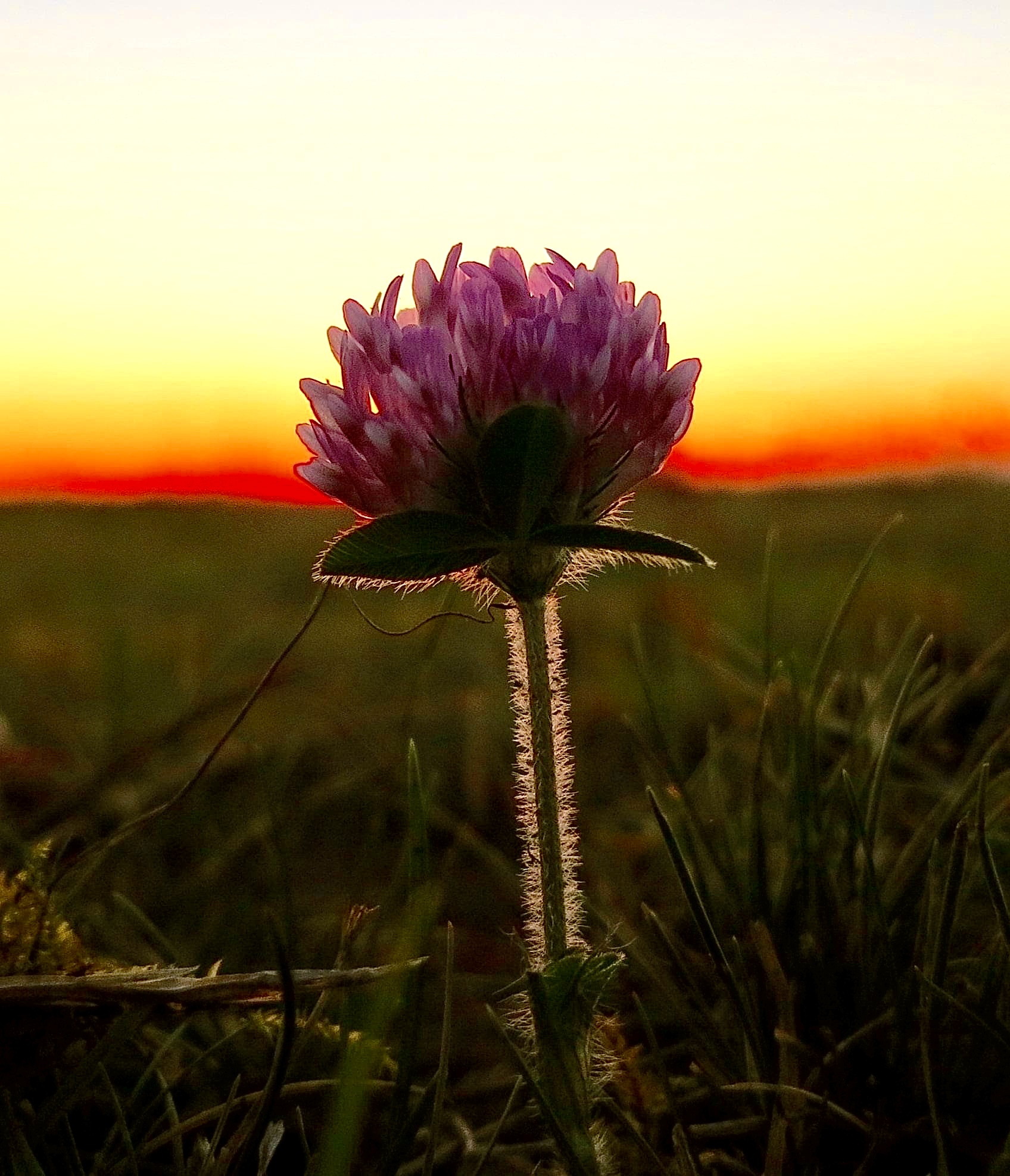
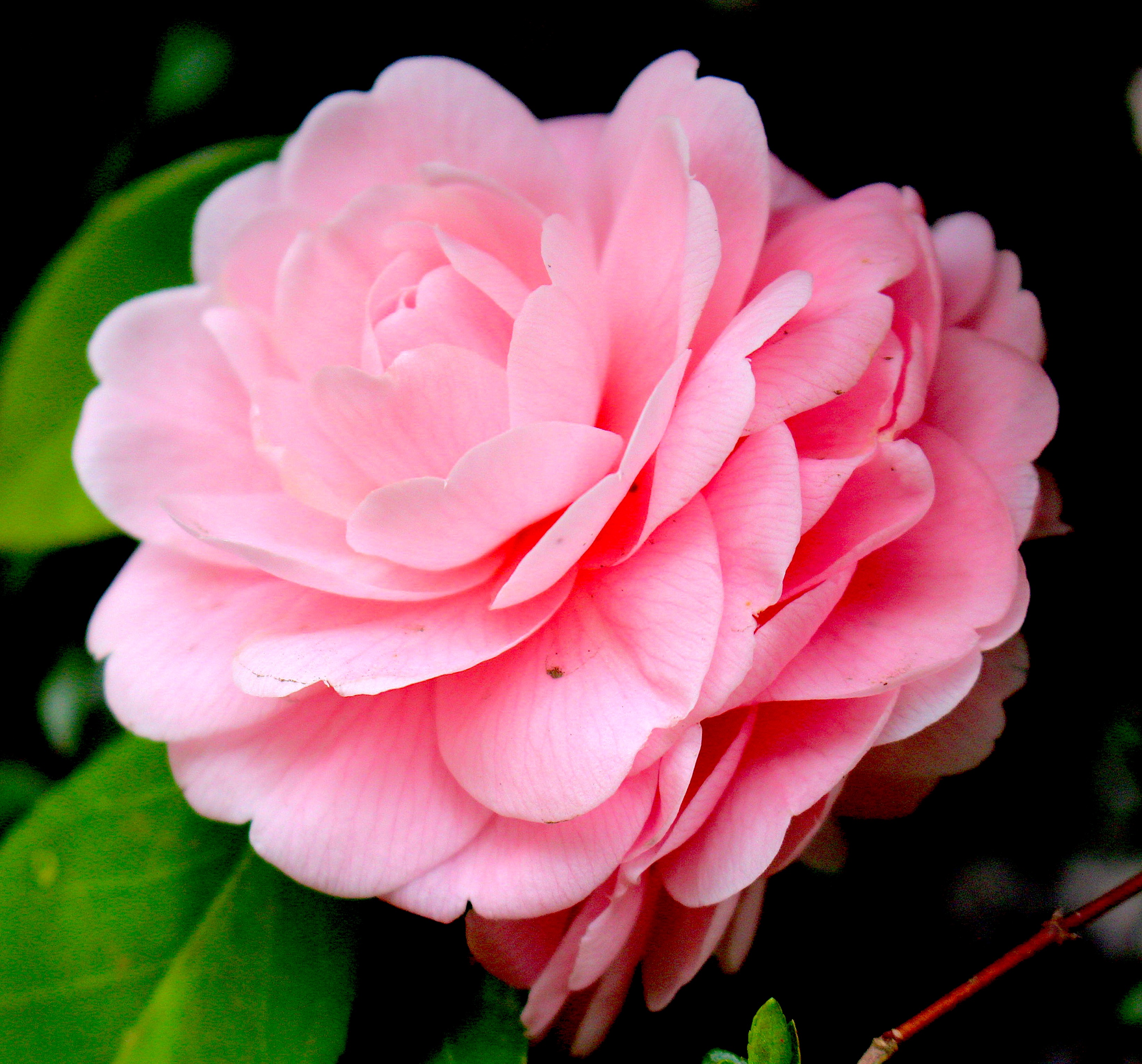
don’t go too early – your bud will soon bloom in His Light.

This year’s Lenten theme for Barnstorming is a daily selection from songs and hymns about Christ’s profound sacrifice on our behalf.

If we remain silent about Him, the stones themselves will shout out and start to sing (Luke 19:40).

In His name, may we sing…

From the comments on this video:
Written by Susan Boersma and based loosely on Psalm 56, this piece was commissioned by the Sanctuary Choir of Third Presbyterian Church in Richmond, Virginia, in memory of Jonathan Richard White, the son of its music director John Stone White. Jonathan was a teenager who struggled with long-term depression and who, despite his persistent faith in God, in the end took his own life. In the aftermath of this tragedy, Jonathan’s family came to more deeply appreciate the magnitude of his struggle, as witnessed by what he wrote in his journal and Bible, and they noted that he returned frequently to the Psalms to find comfort in his distress. In contrast to the sadness surrounding this young man’s death, Craig Courtney’s writing in this piece is uniformly strong and triumphant. “Father of Light” opens with a vocal solo—indicative perhaps of a personal statement of faith—expressing confidence in God’s leading and protection. This solo is followed by unison singing in the lower voices which echoes the sentiments of the soloist. As the piece progresses, more parts are added and the harmonies become richer, until at last the music moves into a higher key, the piano drops out, and all the voices reiterate the words of the opening solo at a loud dynamic. A final entry of the soloist brings this work to its close and reminds the listener that God is sovereign in all things—even great suffering.

All praise to the name of the Father of Light
One Who listens and hears when I call
Ev’ry step He ordains, I shall walk without fear in His light
I’ll not stumble or fall In His light
I’ll not stumble or fall


What can mortal man do while I’m safe in His hand?
He is God on His word
I rely in the midst of my fear
I will trust in His name for I know He will hear when I cry
He knows all of my feelings,
the depths of despair all the limits my soul can endure.
I will trust in His name,
I have nothing to lose, for in Him all my hopes are secure.


All praise to the name of the Father of Light
One Who listens and hears when I call
Ev’ry step He ordains, I shall walk without fear
In His light I’ll not stumble or fall

God alone can deliver a soul from its death,
lift a life from a wasteland of need.
God alone can replenish with blessings untold
until into His light we are freed we are freed.


All praise to the name of the Father of Light
One Who listens and hears when I call
Ev’ry step He ordains, I shall walk without fear
In His light I’ll not stumble or fall In His light
I’ll not stumble or fall
Ev’ry step He ordains, I shall walk without fear
In His light I’ll not stumble or fall

One-Time
Monthly
Yearly

Make a one-time or recurring donation to support daily Barnstorming posts

Make a monthly donation

Make a yearly donation

Choose an amount

¤5.00
¤10.00
¤20.00
¤5.00
¤15.00
¤100.00
¤5.00
¤15.00
¤100.00

Or enter a custom amount

¤

Your contribution is deeply appreciated.

Your contribution is appreciated.

Your contribution is appreciated.

DonateDonate monthlyDonate yearly
A Longed-For Beauty

When I was a child
I once sat sobbing on the floor
Beside my mother’s piano
As she played and sang
For there was in her singing
A shy yet solemn glory
My smallness could not hold

And when I was asked
Why I was crying
I had no words for it
I only shook my head
And went on crying

Why is it that music
At its most beautiful
Opens a wound in us
An ache a desolation
Deep as a homesickness
For some far-off
And half-forgotten country

I’ve never understood
Why this is so

But there’s an ancient legend
From the other side of the world
That gives away the secret
Of this mysterious sorrow

For centuries on centuries
We have been wandering
But we were made for Paradise
As deer for the forest

And when music comes to us
With its heavenly beauty
It brings us desolation
For when we hear it
We half remember
That lost native country

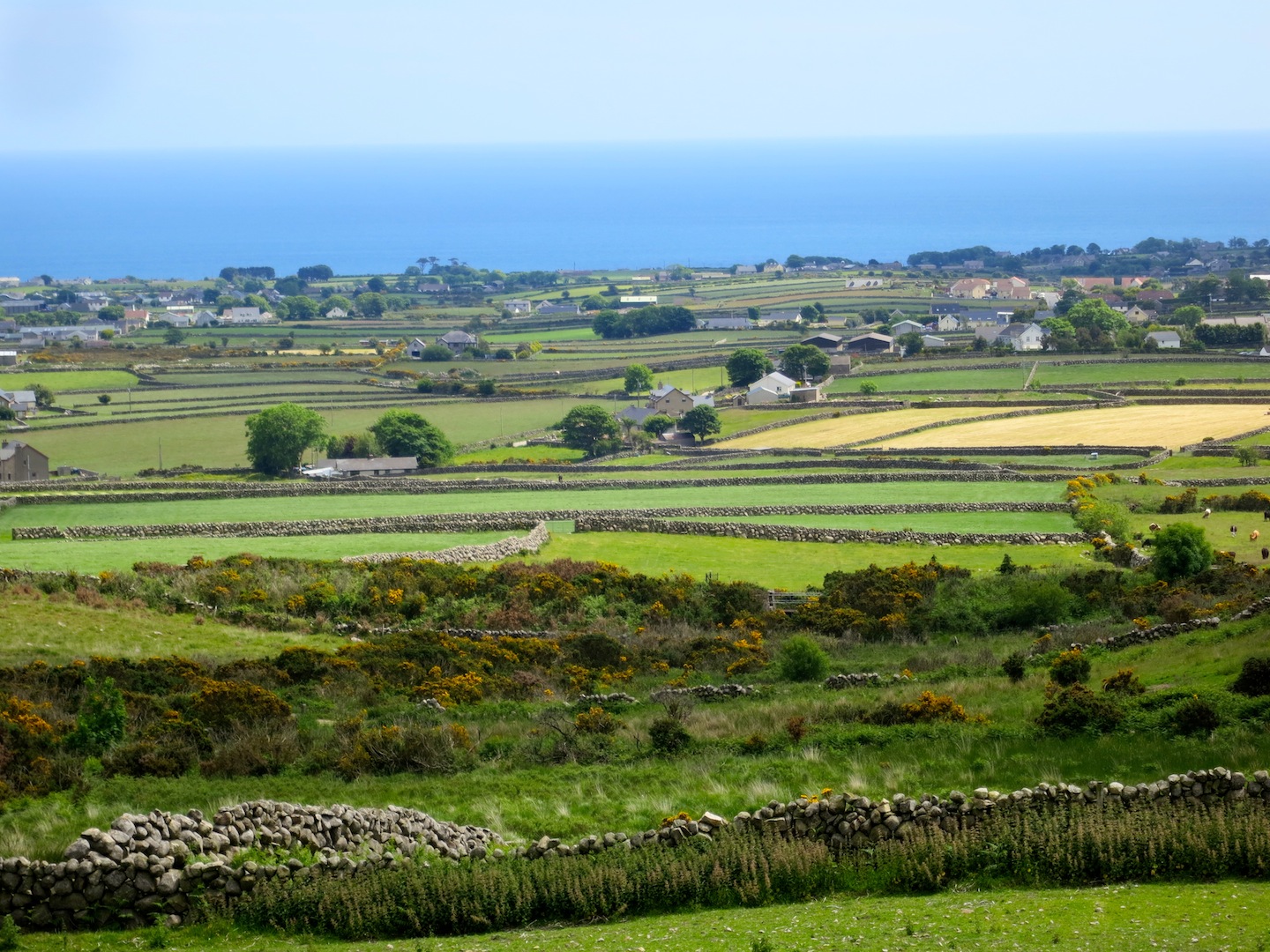
We dimly remember the fields
Their fragrant windswept clover
The birdsongs in the orchards
The wild white violets in the moss
By the transparent streams

And shining at the heart of it
Is the longed-for beauty
Of the One who waits for us
Who will always wait for us
In those radiant meadows

Yet also came to live with us
And wanders where we wander.
~Anne Porter “Music” from Living Thing
s

One evening, when our daughter was only a toddler,
just learning the words to tell us what she needed,
I was preparing dinner, humming along to
a Celtic choral music piece playing in the background.

She sat on the kitchen floor, looking up at me,
her eyes welling full with tears
like pools of reflected light spilling over
from some deep-remembered reservoir of sorrow.

At first I thought she was hurt or upset
but then could see she was feeling
an ache a desolation
deep as a homesickness

as she wept for wonder
at the sad beauty of the music
of the land her ancestors left long ago –
it spoke for her the words she herself could not express:

Of the One who waits for us
Who will always wait for us
In those radiant meadows

Yet also came to live with us
And wanders where we wander.

One-Time
Monthly
Yearly

Support Barnstorming with a one-time or recurring donation

Make a monthly donation

Make a yearly donation

Choose an amount

¤5.00
¤10.00
¤20.00
¤5.00
¤15.00
¤100.00
¤5.00
¤15.00
¤100.00

Or enter a custom amount

¤

Your contribution is deeply appreciated.

Your contribution is appreciated.

Your contribution is appreciated.

DonateDonate monthlyDonate yearly

God Was Here: Light Upon Light

baker1222172


…my eyes have seen your salvation
that you have prepared in the presence of all peoples,
a light for revelation to the Gentiles,
and for glory to your people Israel.

And his father and his mother marveled at what was said about him. 
And Simeon blessed them and said to Mary his mother,
“Behold, this child is appointed for the fall and rising of many in Israel,
and for a sign that is opposed
(and a sword will pierce through your own soul also),
so that thoughts from many hearts may be revealed.

~Luke 2: 30-35 from the Song of Simeon


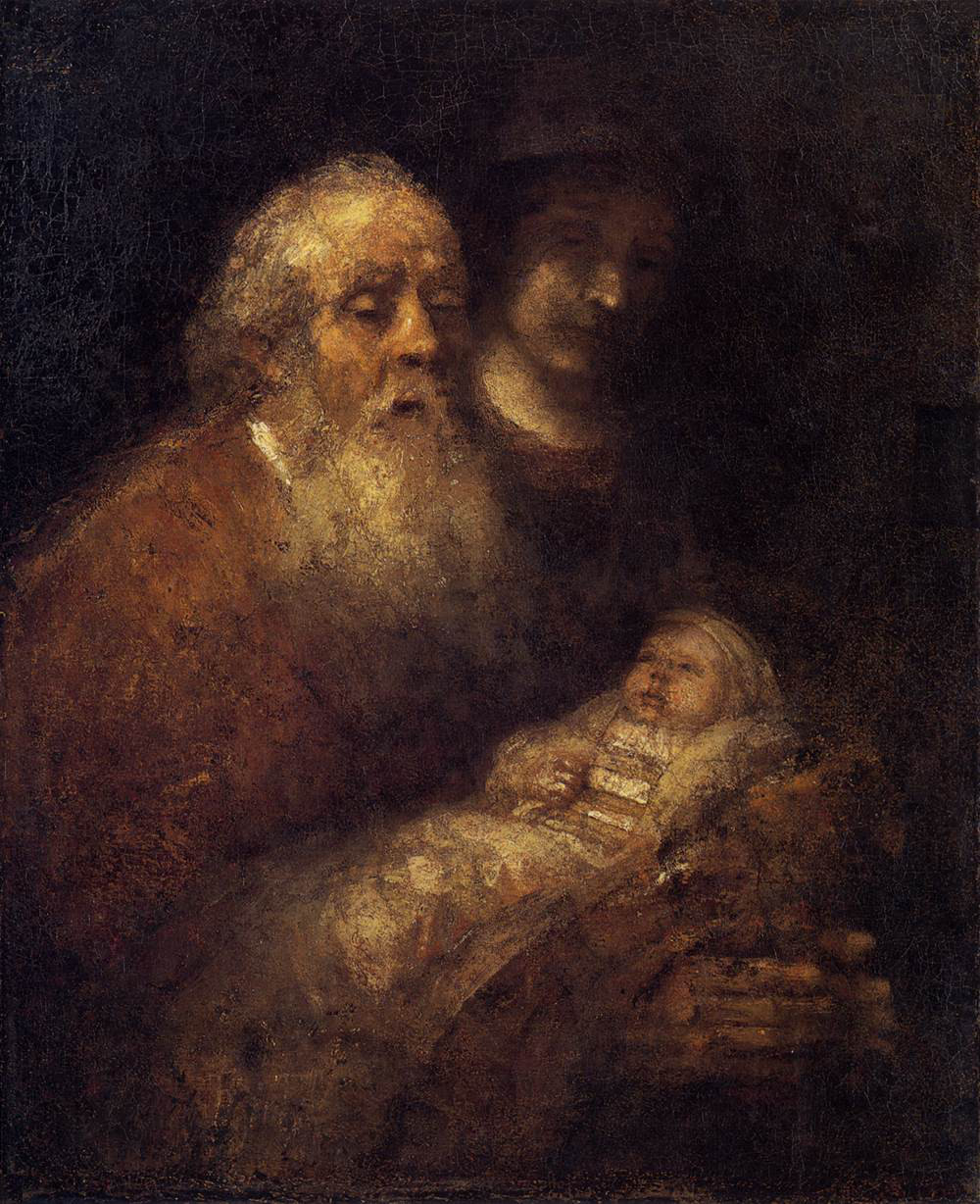
rembrandt_lofzang_simeon_1669_grt
The Song of Simeon by Rembrandt


…Grant us thy peace.
Before the stations of the mountain of desolation,
Before the certain hour of maternal sorrow,
Now at this birth season of decease,
Let the Infant, the still unspeaking and unspoken Word,
Grant Israel’s consolation
To one who has eighty years and no to-morrow. According to thy word.
They shall praise Thee and suffer in every generation
With glory and derision,
Light upon light, mounting the saints’ stair.
Not for me the martyrdom, the ecstasy of thought and prayer,
Not for me the ultimate vision.
Grant me thy peace.
(And a sword shall pierce thy heart,
Thine also).
~T.S. Eliot from “A Song for Simeon”


baker1222173


Simeon had waited and waited for this promised moment of meeting the Son of God face to face, not knowing when or how, not knowing he would be able to hold him fast in his arms, not knowing he would be able to personally bless the parents of this holy child.

He certainly could not know this child would be the cause of so much joy and sorrow for all those who love Him deeply.

That sword of painful truth pierces into our soul, opening us with the precision of a surgeon under high beam lights in the operating room where nothing is left unilluminated.  We are, by the birth of Jesus, bared completely, our darkness thrust into dawn, our hearts revealed as never before, no matter who we are, our place of origin, our faith or lack thereof.  This is an equal opportunity surgery.

It is terrifying, this mountain of desolation, all cracks and crevices thrust into the light.   And it should be, given what we are, every one of us.

Yet God is who we wait for, longing and hungry for peace.  We are tired, too tired to continue to hide within the darkness and conflict of our sin.  We, like Simeon, are desperate for the peace of His appearance among us, dwelling with us, when we can gather Him into our arms, when all becomes known and understood and forgiven.

His birth is the end of our death, the beginning of the outward radiance of His peace, and wide open to all who open themselves to Him.

Light upon Light.


A Dying Dream

20120826-121458.jpg

20120826-213501.jpg

Big Foot, a great Chief of the Sioux often said,
“I will stand in peace till my last day comes.”
He did many good and brave deeds for the white man and the red man.
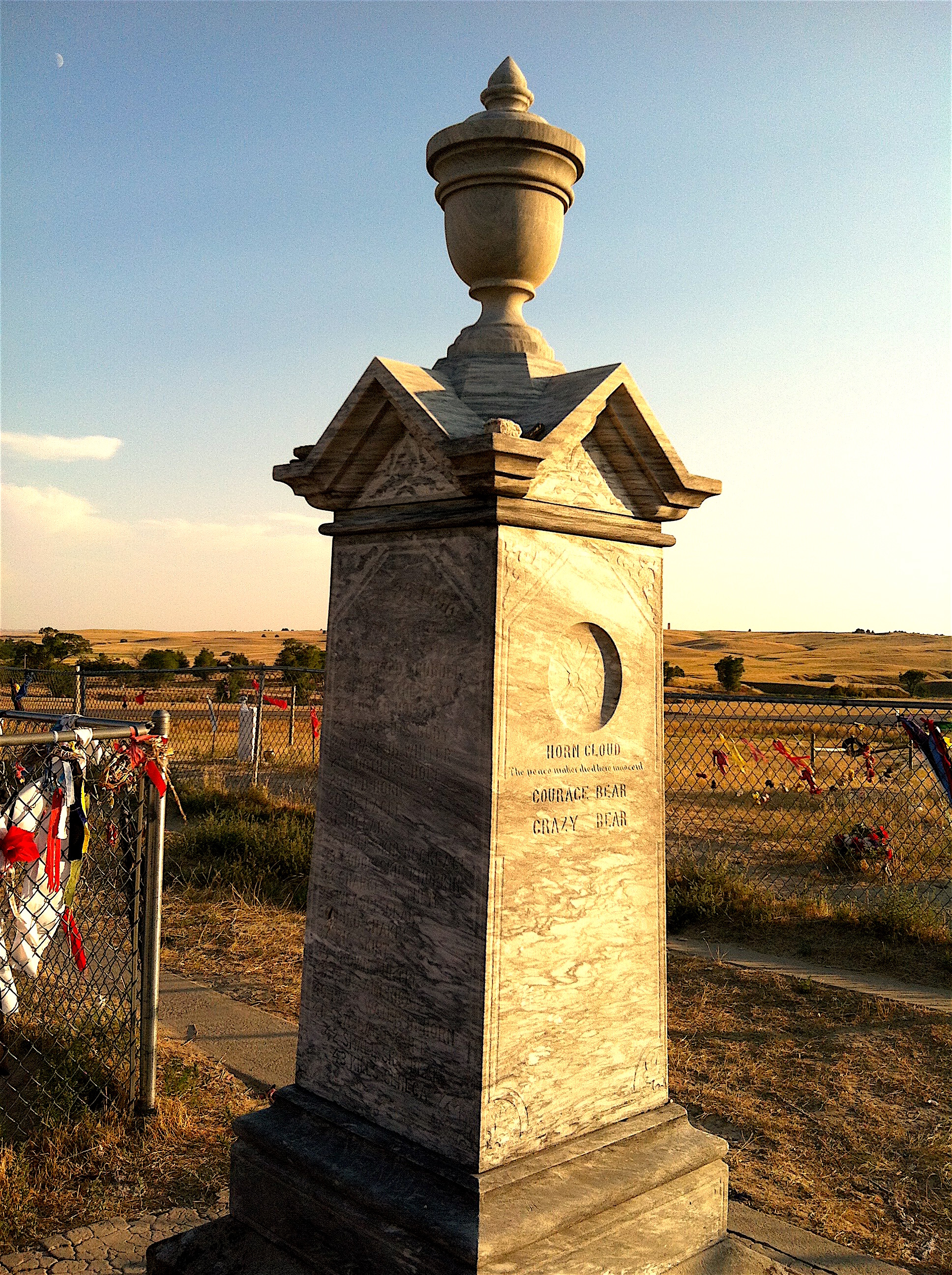
Many innocent women and children who knew no wrong died here.
~Inscription on the Wounded Knee Monument

“the nation’s hoop is broken and scattered.
There is no center any longer, and the sacred tree is dead.”
~Black Elk, (wounded trying to rescue his people after the Wounded Knee Massacre)  from Black Elk Speaks

woundedknee

From today’s  Writers’ Almanac by Garrison Keillor:

“Today is the anniversary of the massacre at Wounded Knee, which took place in South Dakota in 1890. Twenty-three years earlier, the local tribes had signed a treaty with the United States government that guaranteed them the rights to the land around the Black Hills, which was sacred land. The treaty said that not only could no one move there, but they couldn’t even travel through without the consent of the Indians.

But in the 1870s, gold was discovered in the Black Hills, and the treaty was broken. People from the Sioux tribe were forced onto a reservation, with a promise of more food and supplies, which never came. Then in 1889, a native prophet named Wovoka, from the Paiute tribe in Nevada, had a vision of a ceremony that would renew the earth, return the buffalo, and cause the white men to leave and return the land that belonged to the Indians. This ceremony was called the Ghost Dance. People traveled across the plains to hear Wovoka speak, including emissaries from the Sioux tribe, and they brought back his teachings. The Ghost Dance, performed in special brightly colored shirts, spread through the villages on the Sioux reservation, and it scared the white Indian agents. They considered the ceremony a battle cry, dangerous and antagonistic. So one of them wired Washington to say that he was afraid and wanted to arrest the leaders, and he was given permission to arrest Chief Sitting Bull, who was killed in the attempt. The next on the wanted list was Sitting Bull’s half-brother, Chief Big Foot. Some members of Sitting Bull’s tribe made their way to Big Foot, and when he found out what had happened, he decided to lead them along with the rest of his people to Pine Ridge Reservation for protection. But it was winter, 40 degrees below zero, and he contracted pneumonia on the way.

Big Foot was sick, he was flying a white flag, and he was a peaceful man. He was one of the leaders who had actually renounced the Ghost Dance. But the Army didn’t make distinctions. They intercepted Big Foot’s band and ordered them into the camp on the banks of the Wounded Knee Creek. Big Foot went peacefully.

The next morning federal soldiers began confiscating their weapons, and a scuffle broke out between a soldier and an Indian. The federal soldiers opened fire, killing almost 300 men, women, and children, including Big Foot. Even though it wasn’t really a battle, the massacre at Wounded Knee is considered the end of the Indian Wars, a blanket term to refer to the fighting between the Native Americans and the federal government, which had lasted 350 years.

One of the people wounded but not killed during the massacre was the famous medicine man Black Elk, author of Black Elk Speaks (1932). Speaking about Wounded Knee, he said: ‘I did not know then how much was ended. When I look back now from this high hill of my old age, I can still see the butchered women and children lying heaped and scattered all along the crooked gulch as plain as when I saw them with eyes still young. And I can see that something else died there in the bloody mud, and was buried in the blizzard. A people’s dream died there. It was a beautiful dream.'”
~Garrison Keillor from A Writers’ Almanac

20120826-121437.jpg

Like most twentieth century American children, I grew up with a sanitized understanding of American and Native history.  I had only a superficial knowledge of what happened at Wounded Knee, a low hill that rises above a creek bed on the South Dakota Pine Ridge Reservation, gleaned primarily from the 71 day symbolic standoff in 1973 between members of the Oglala Sioux and the American Indian Movement and the FBI, resulting in several shooting deaths.

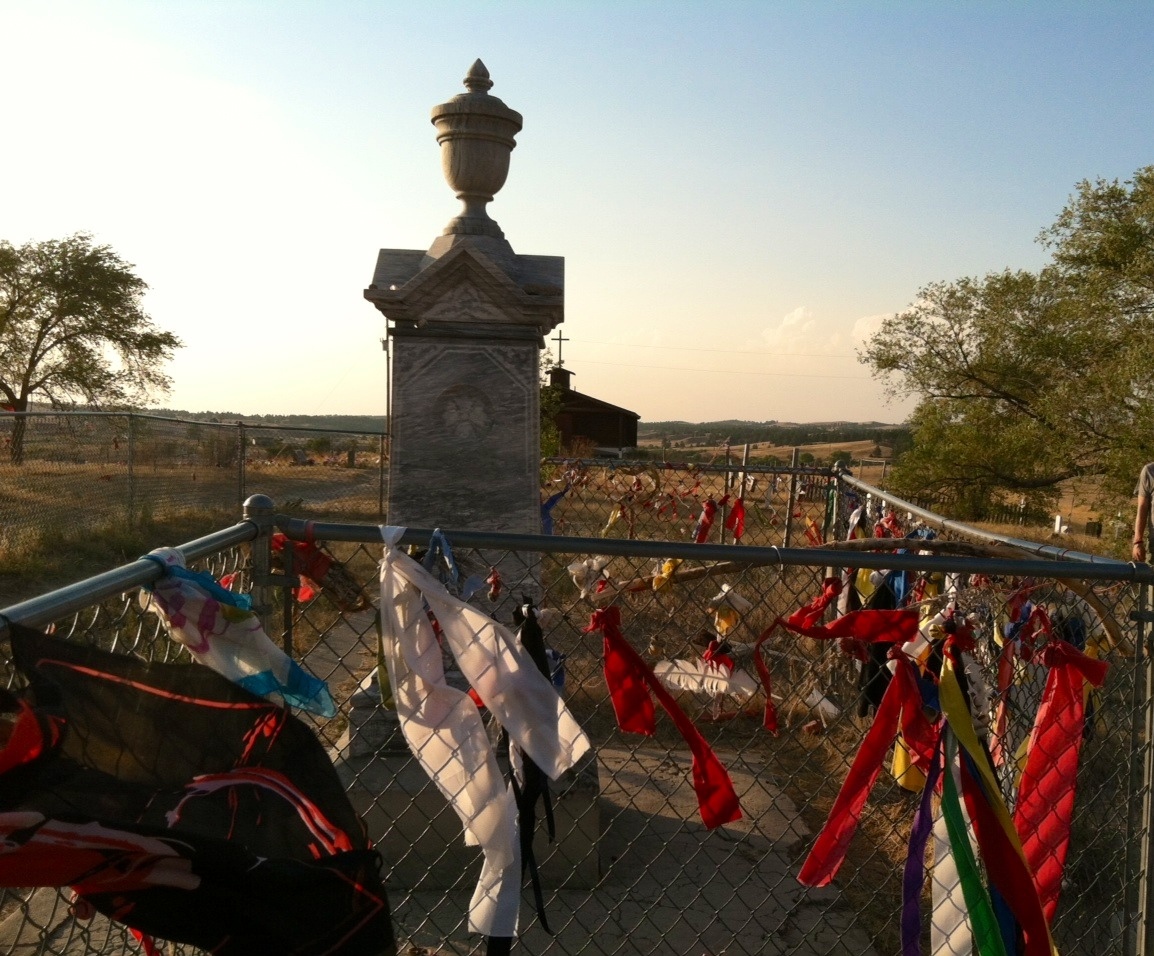
Three years ago, when our son was teaching math at Little Wound High School on the Pine Ridge Reservation, we visited the site of this last major battle between the white man and Native people, which broke the spirit of the tribes’ striving to maintain their nomadic life as free people. This brutal massacre of over 150 Lakota men, women and children by the Seventh Regiment of the U.S. Army Cavalry took place in December 1890.

The dead lay where they fell for four days due to a severe blizzard. When the frozen corpses were finally gathered up by the Army, a deep mass grave was dug at the top of the hill, the bodies buried stacked one on top of another. The massive grave is now marked by a humble memorial monument surrounded by a chain link fence, adjacent to a small church, circled by more recent Lakota gravesites.

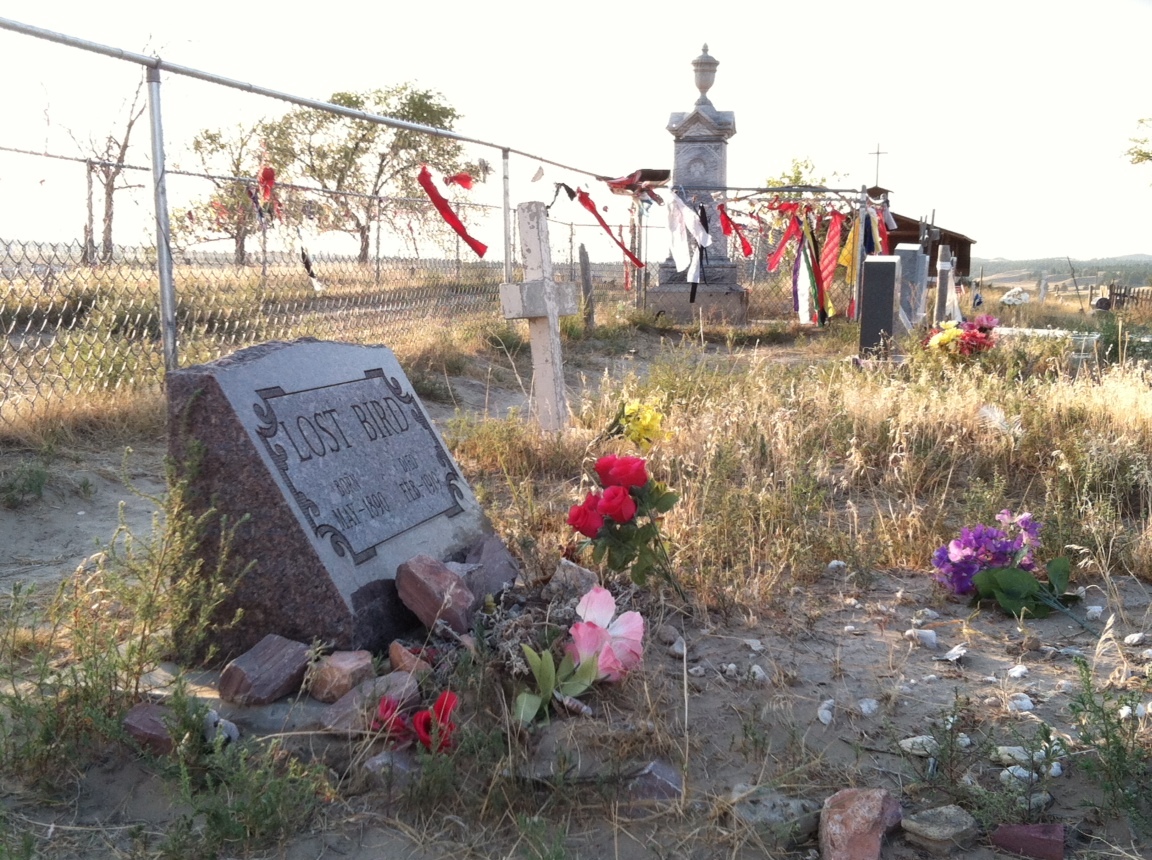
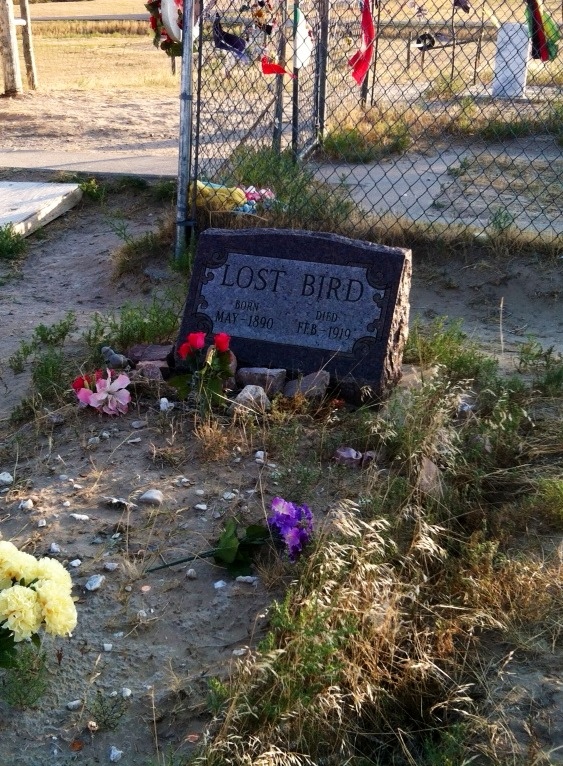
Four infants survived the four days of blizzard conditions wrapped in their dead mothers’ robes. One baby girl, only a few months old, was named “Lost Bird” after the massacre, bartered for and adopted by an Army Colonel as an interesting Indian “relic.” Rather than this adoption giving her a new chance, she died at age 29, having endured much illness, prejudice in white society, as well as estrangement from her native community and culture. Her story has been told in a book by Renee Sansom Flood, who helped to locate and move her remains back to Wounded Knee, where in death she is now back with her people.

There is unspeakable desolation and sadness on that lonely hill of graves. It is a regrettable part of our history that descendants of immigrants to American soil need to understand: by coming to the “New World” for opportunity, or refuge from oppression elsewhere, we made refugees of the people already here.

As Black Elk wrote, the dreams of a great people have been scattered and lack a center.

We must never allow hope to be buried at Wounded Knee nor must we ever forget what it means to no longer be safe in one’s own homeland.


20120826-121525.jpg