While We Sleep

Harvest will fill the barn; for that
The hand must ache, the face must sweat.

And yet no leaf or grain is filled
By work of ours; the field is tilled
And left to grace. That we may reap,
Great work is done while we’re asleep.
~Wendell Berry

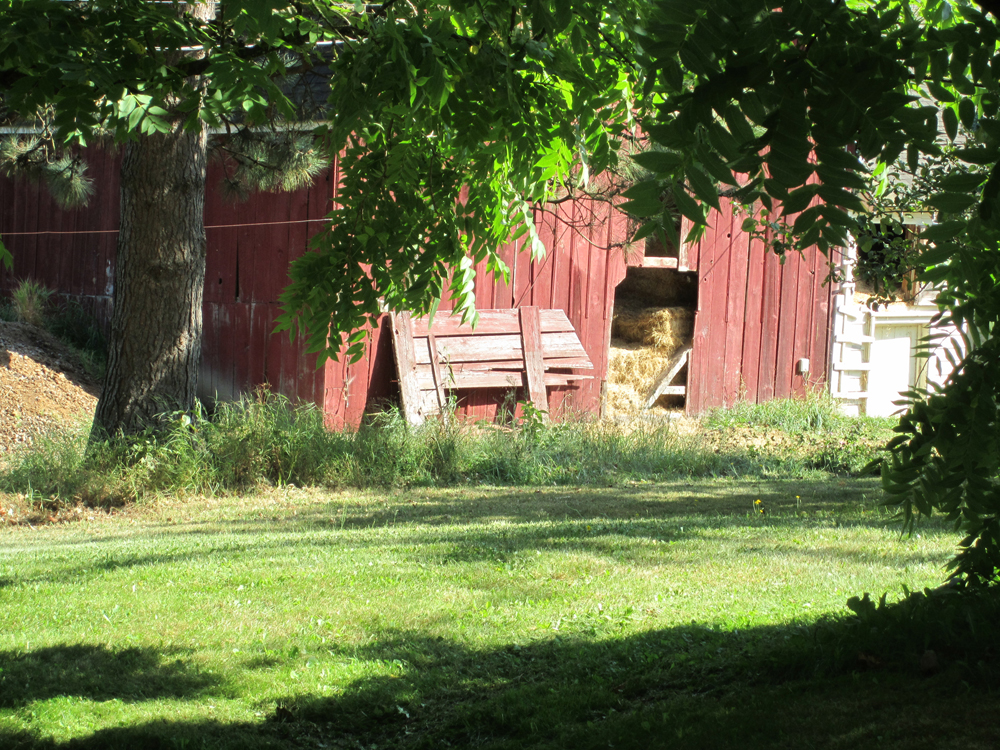
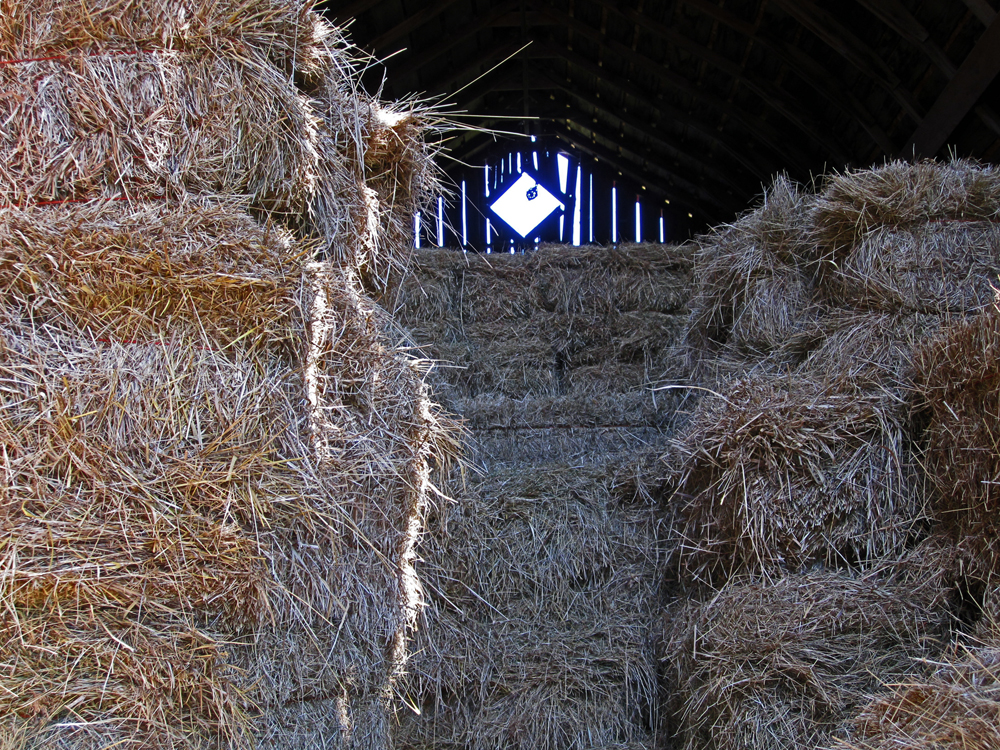
Every day this time of year I scramble to the top of the hay pile in the barn to push down two bales to feed to our horses, now that the pastures are resting and “left to grace” for the winter.  My husband has been busy spreading our composted manure out on the fields to give them an extra fertilizer boost for next spring’s growth, only a little more than four months away.

As farmers, we have to always be thinking one or two seasons ahead:  the hay brought into the barn in June or July does not leave the barn until late-autumn.  The manure piled up in winter gets spread on pastures the following fall.  The tilled cornfields surrounding us are seeded in May and not harvested until October after several months of rain and sun and rain again.

More than practicing forethought, as farmers we know our meager efforts, as tangible as they are, are dependent solely on grace: that there will be enough rain, that there will not be too much rain, that there will be enough days of sunlight, that the seed will sprout, that the machinery will work when needed, that there will be no blight or pests, and that the hay crew will materialize when needed for harvest.   So much of this is not due to the labor of our hands, no matter how much we sweat and ache, but due to the great work of the Creator in His Creation.

Every hay bale I open spills forth His mercy, a reminder of how grateful I am for seed and sun and rain and a barn full of promises.

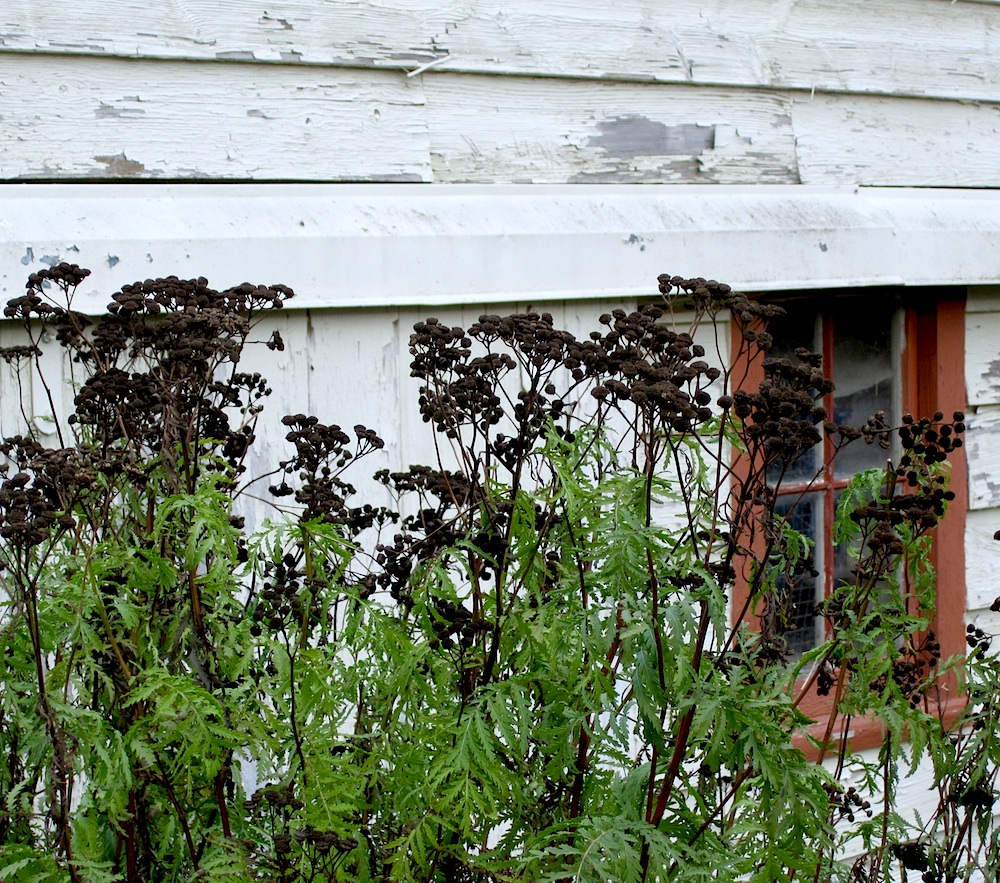
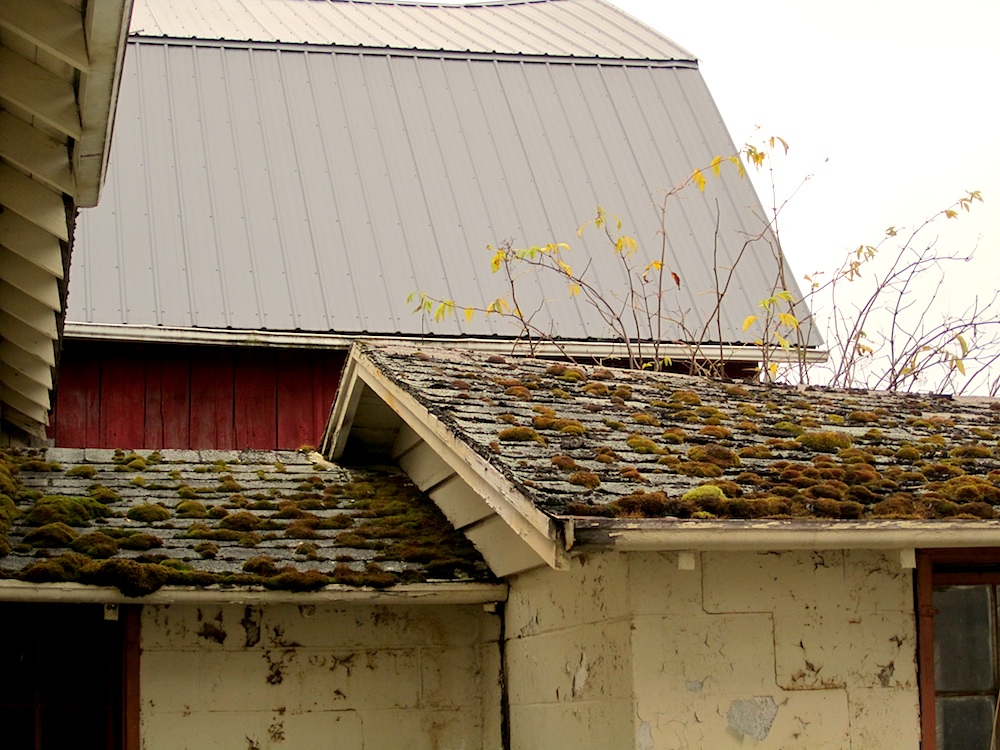
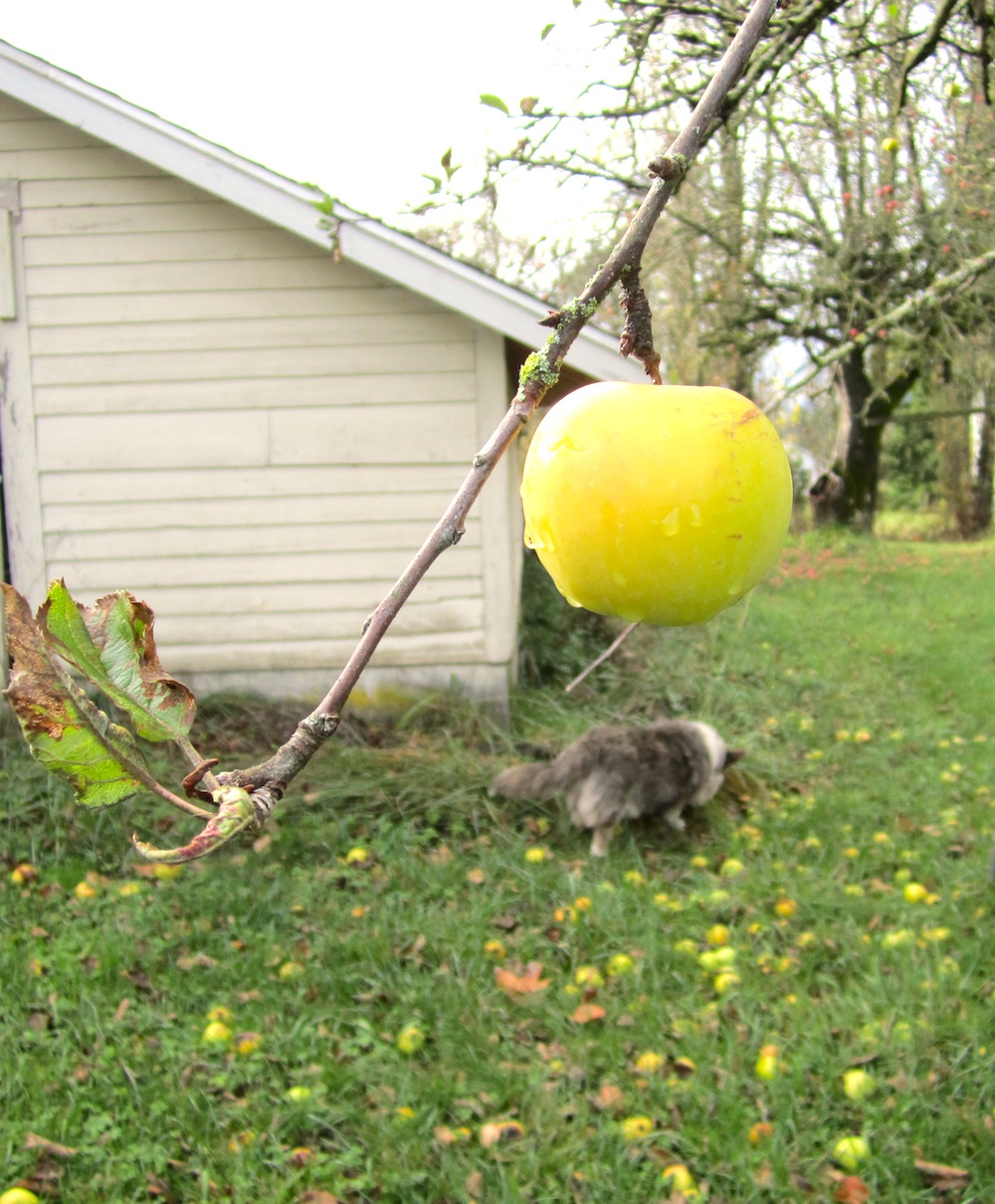
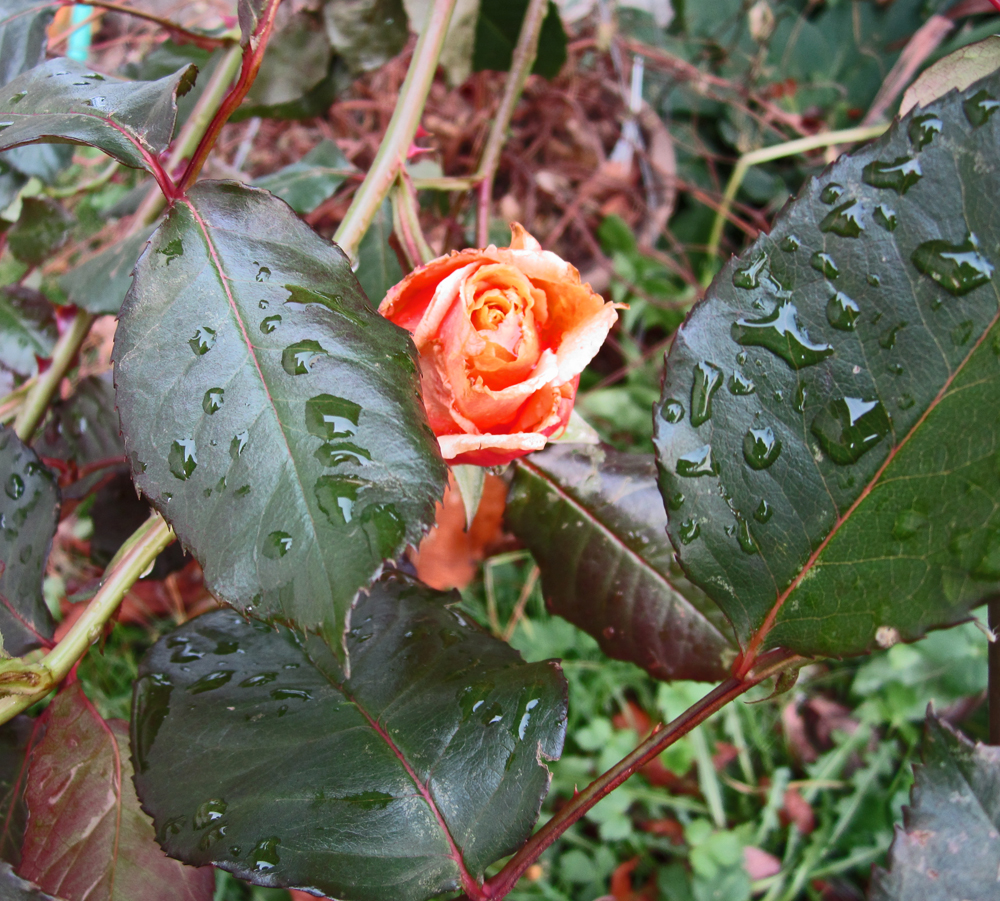
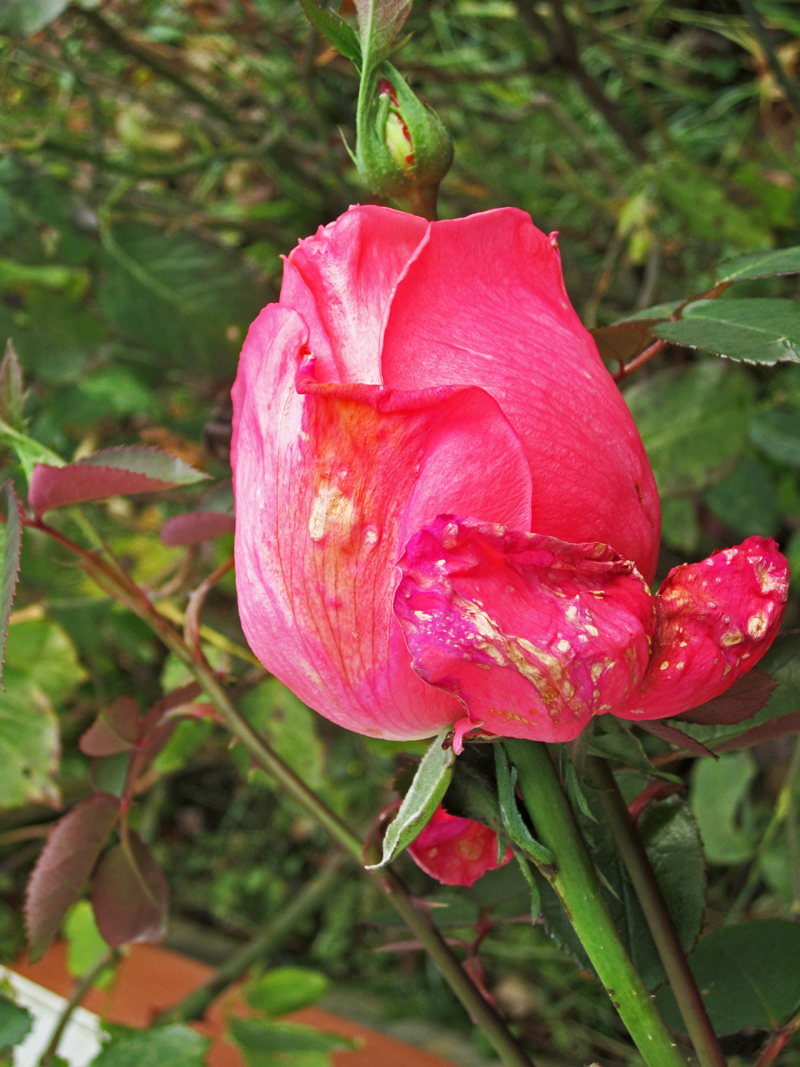
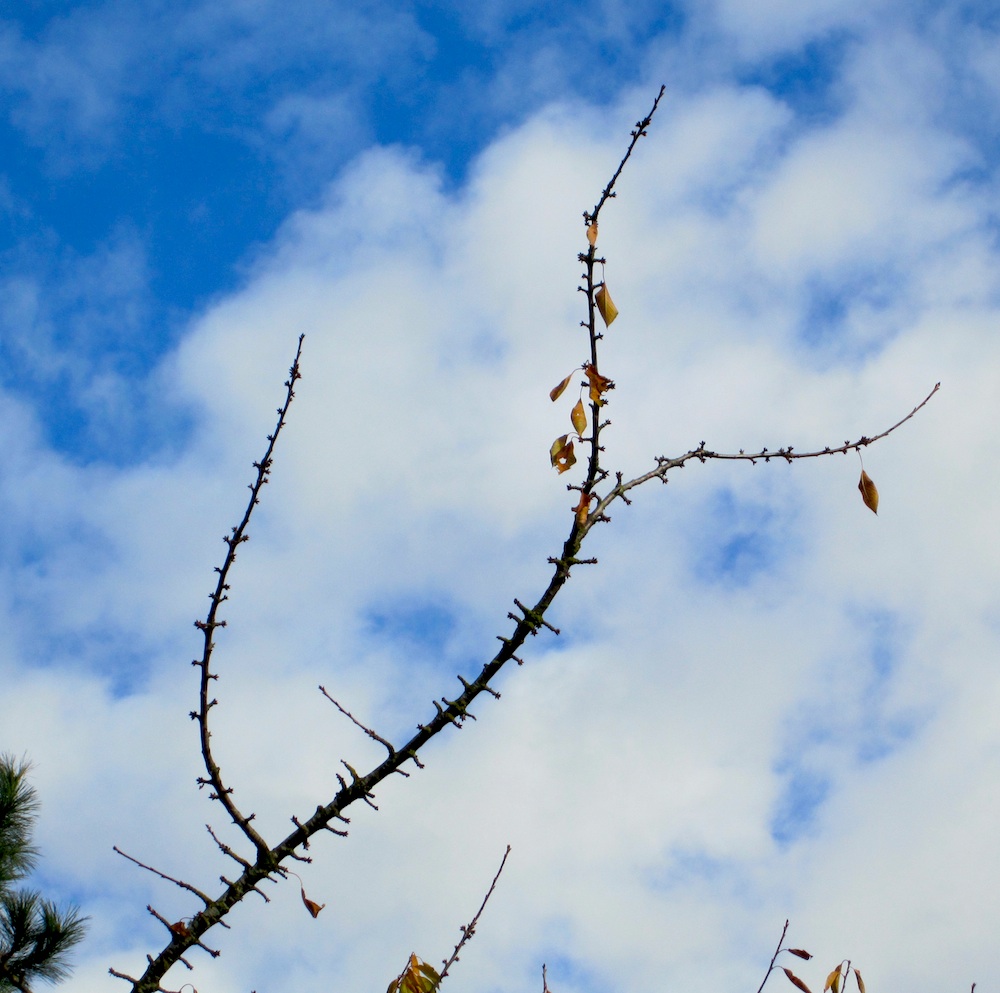
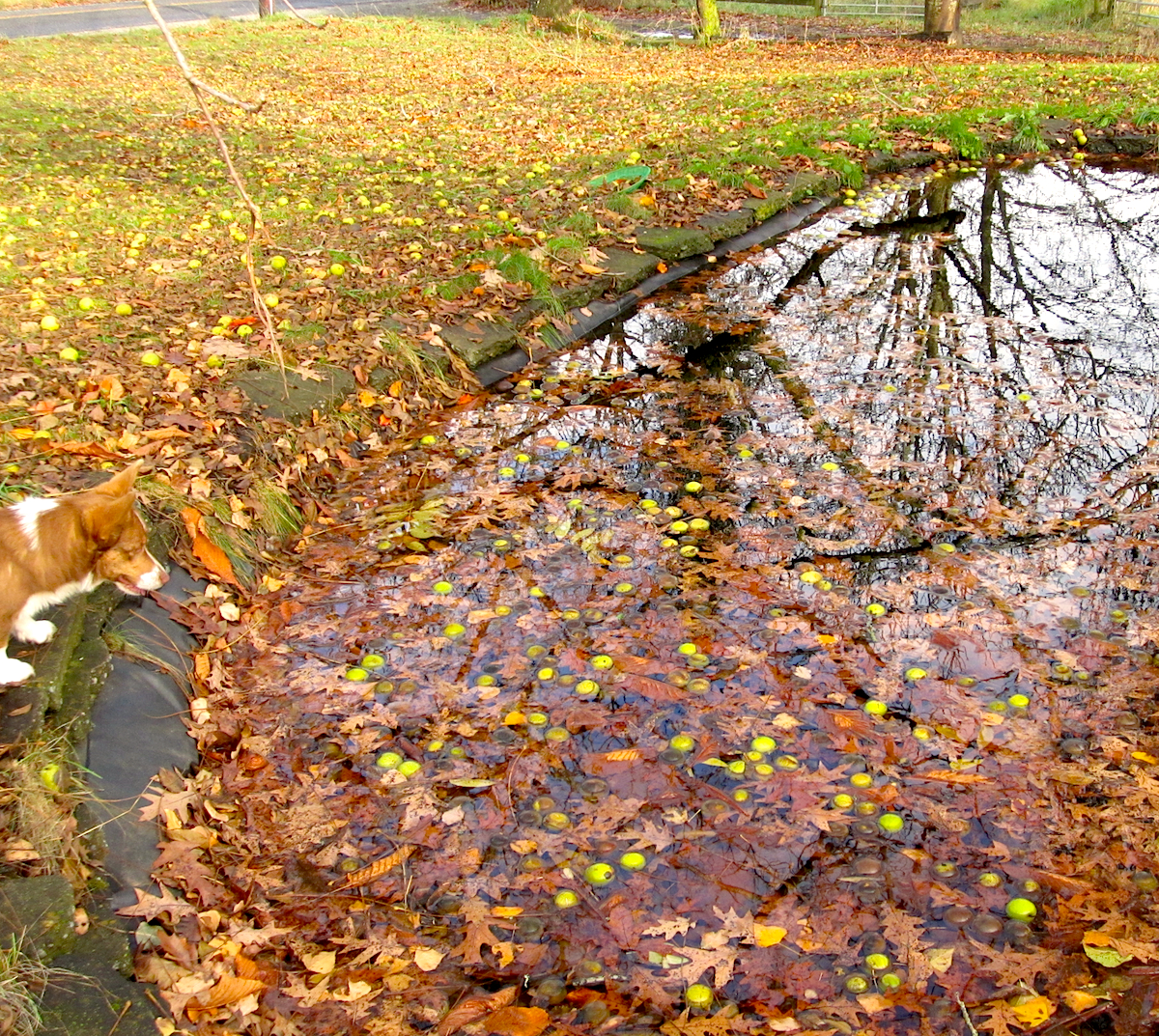
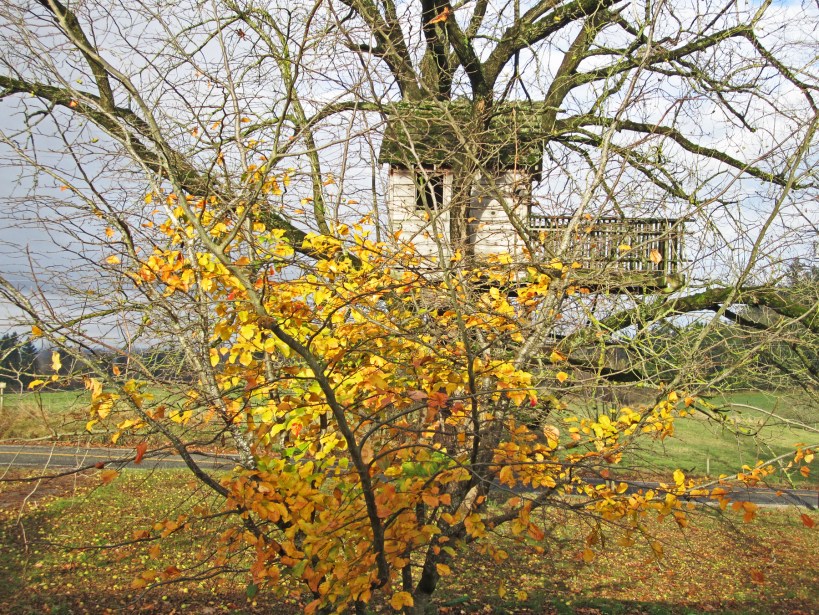
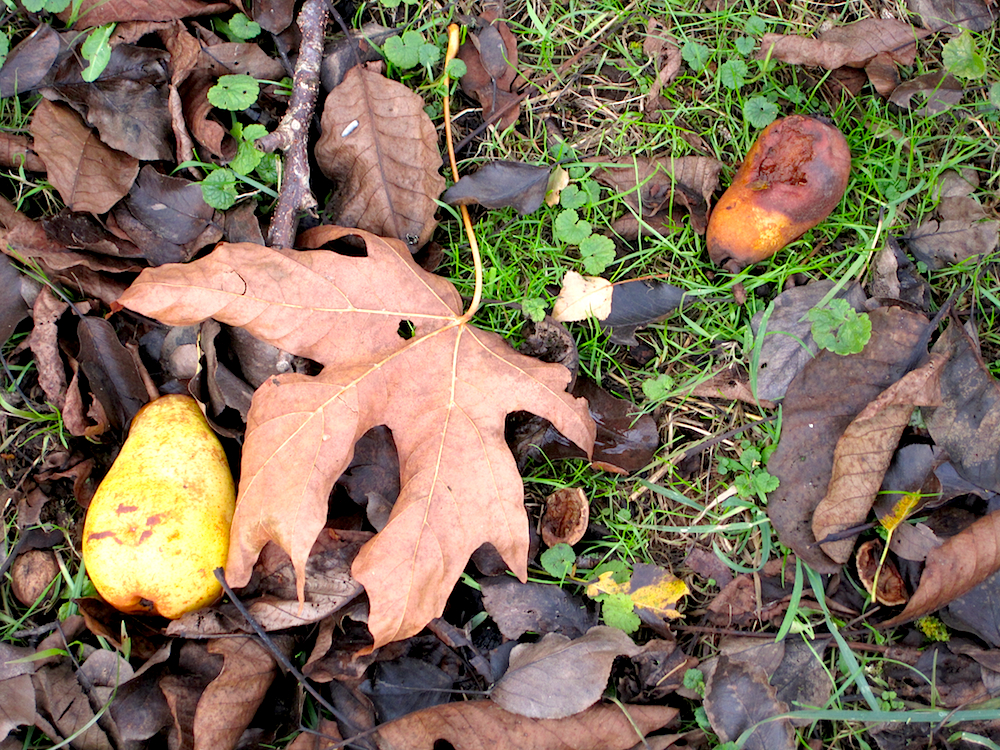
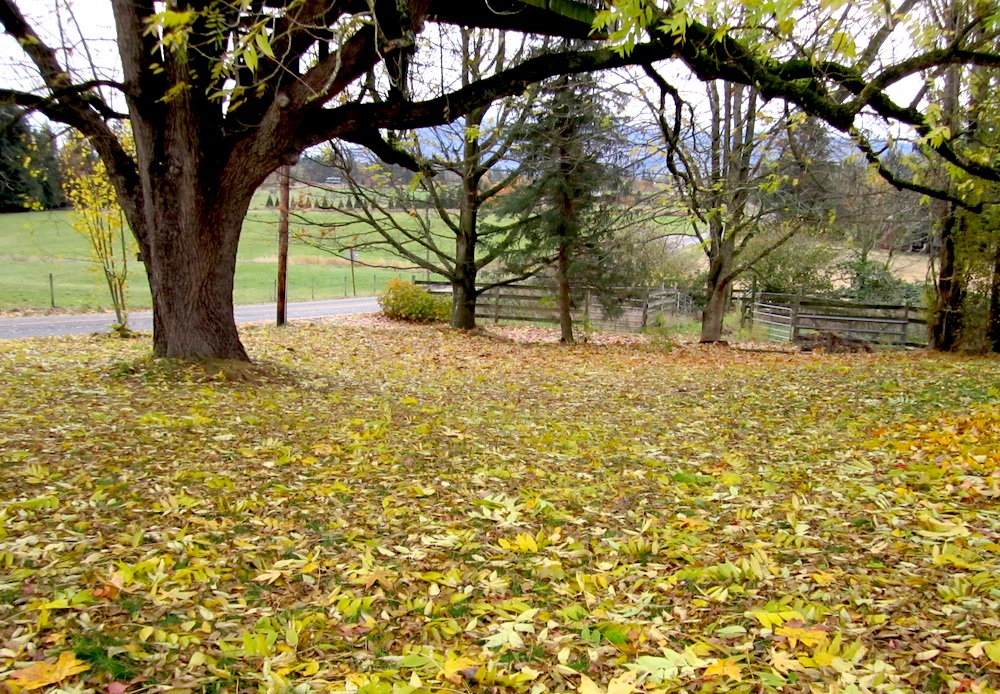
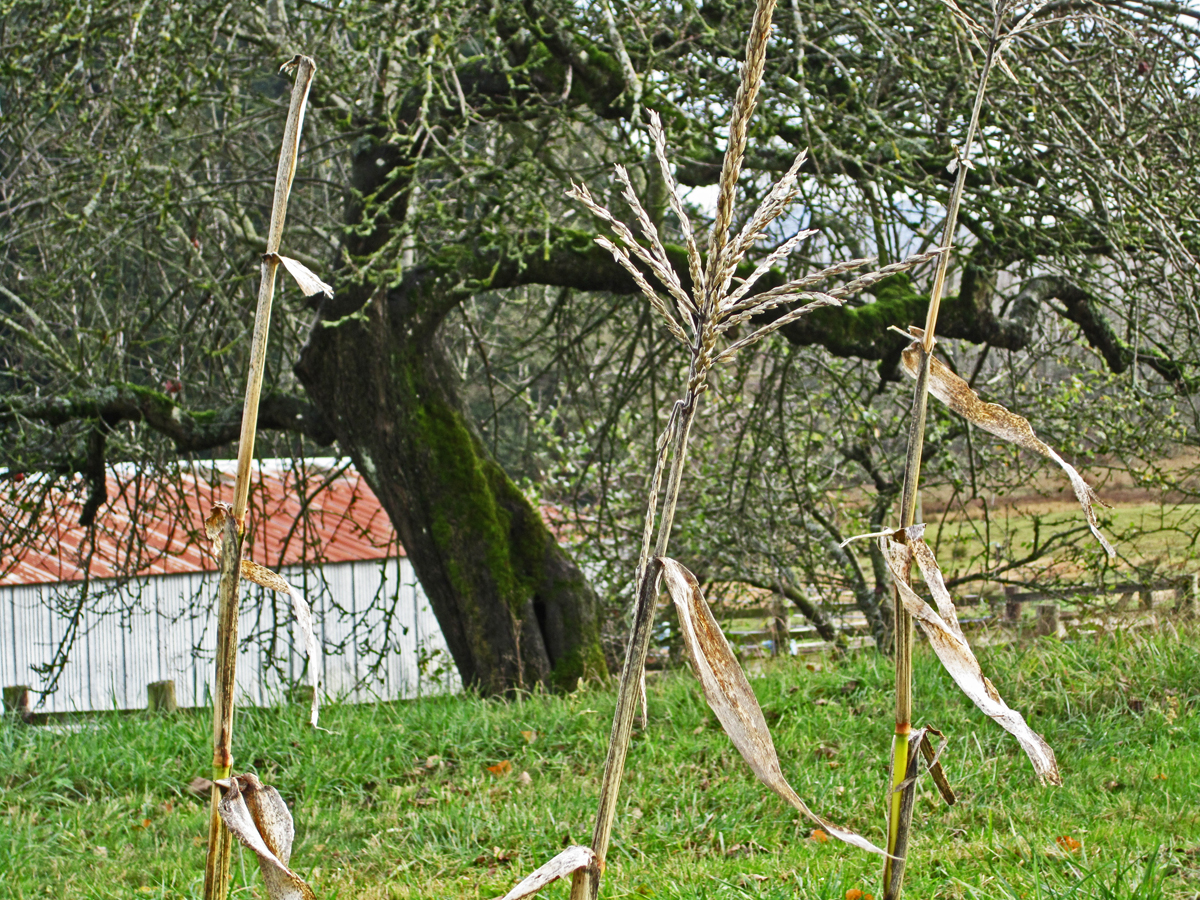
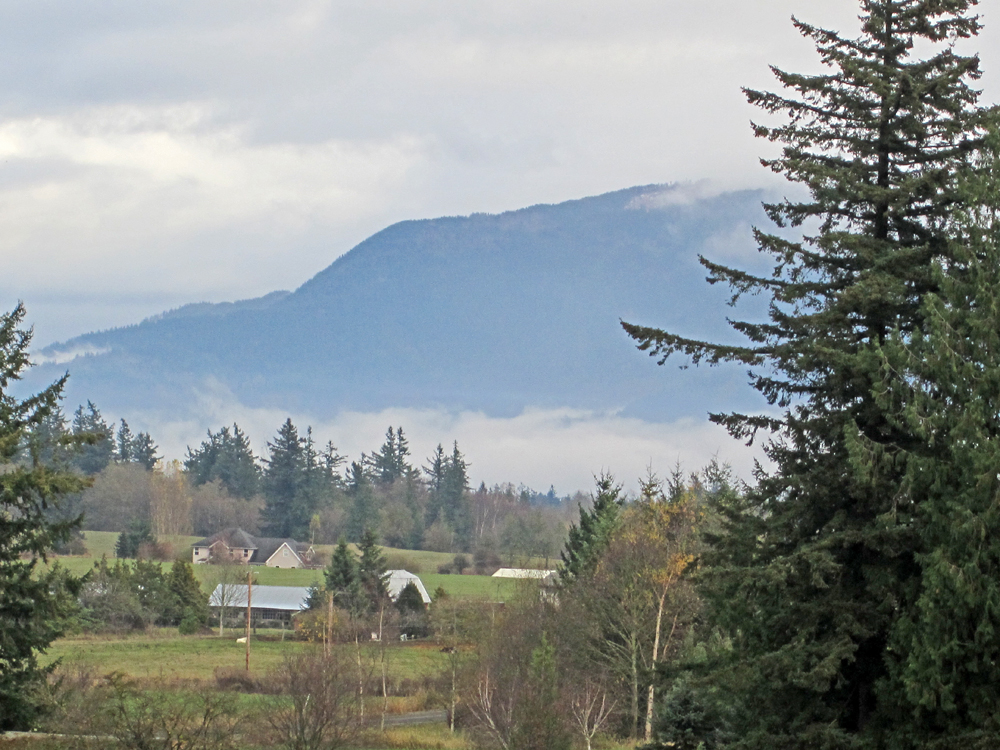
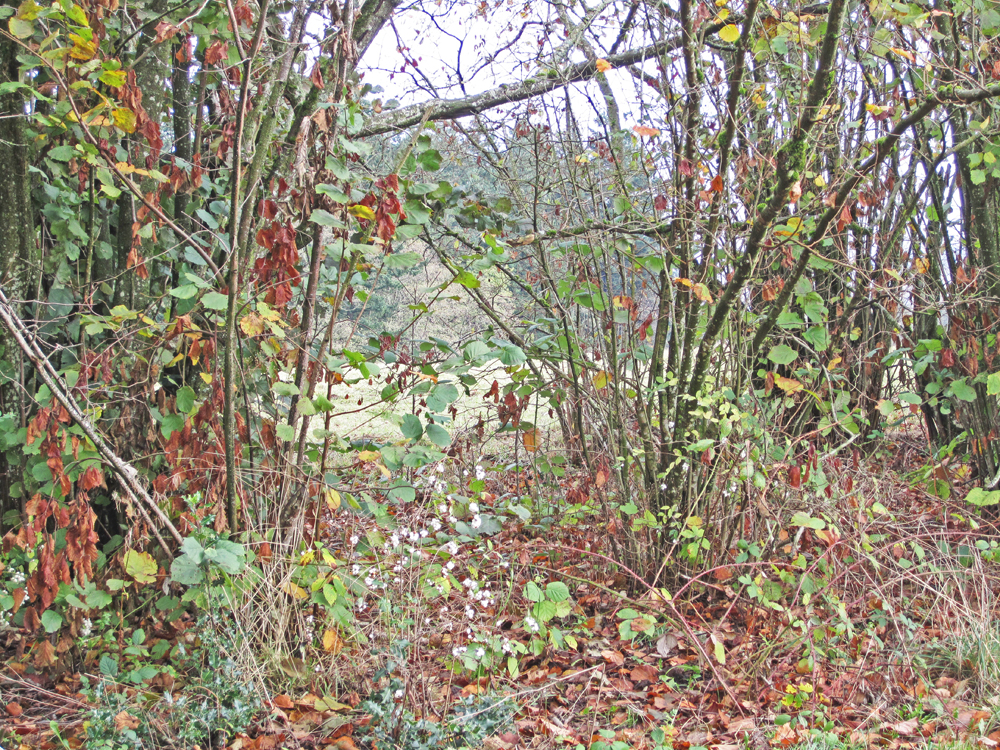
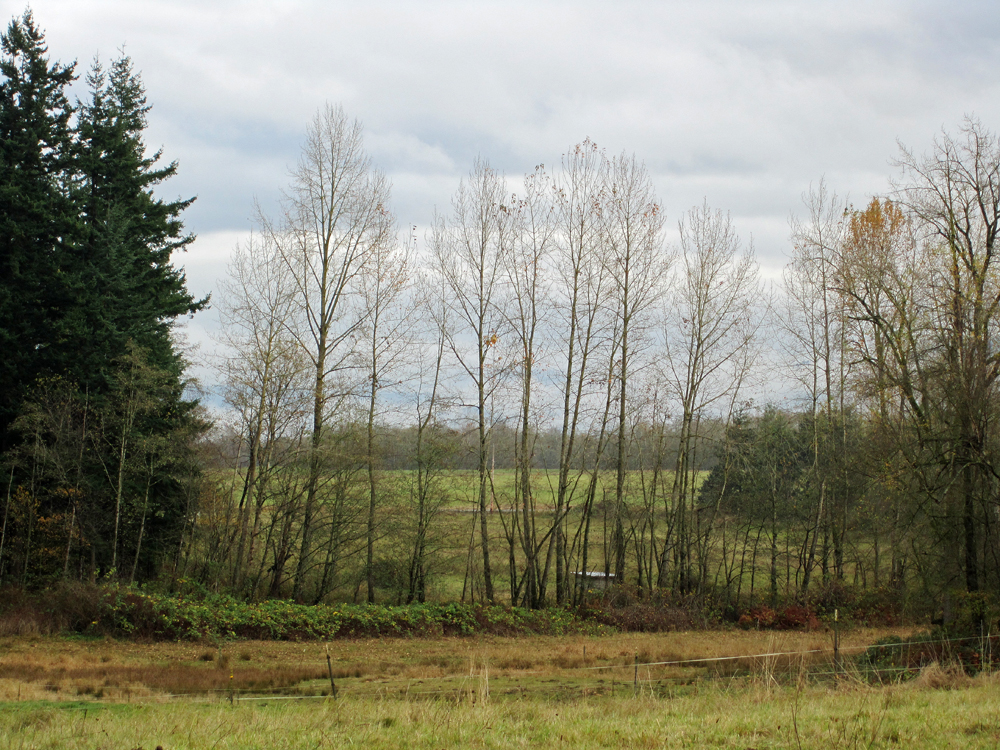
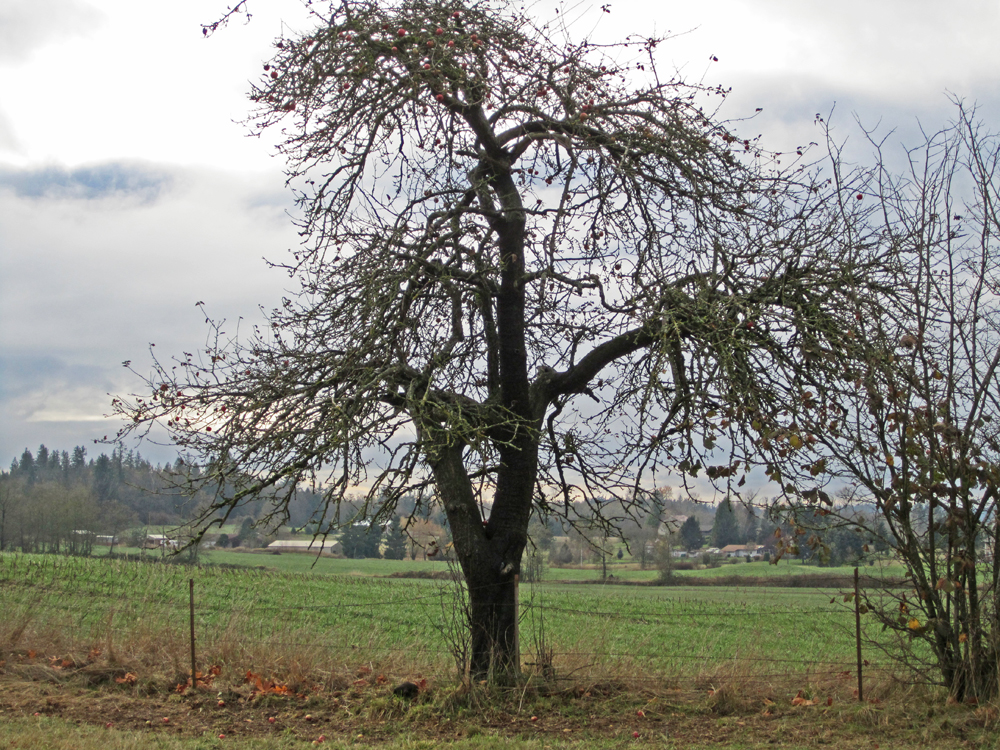
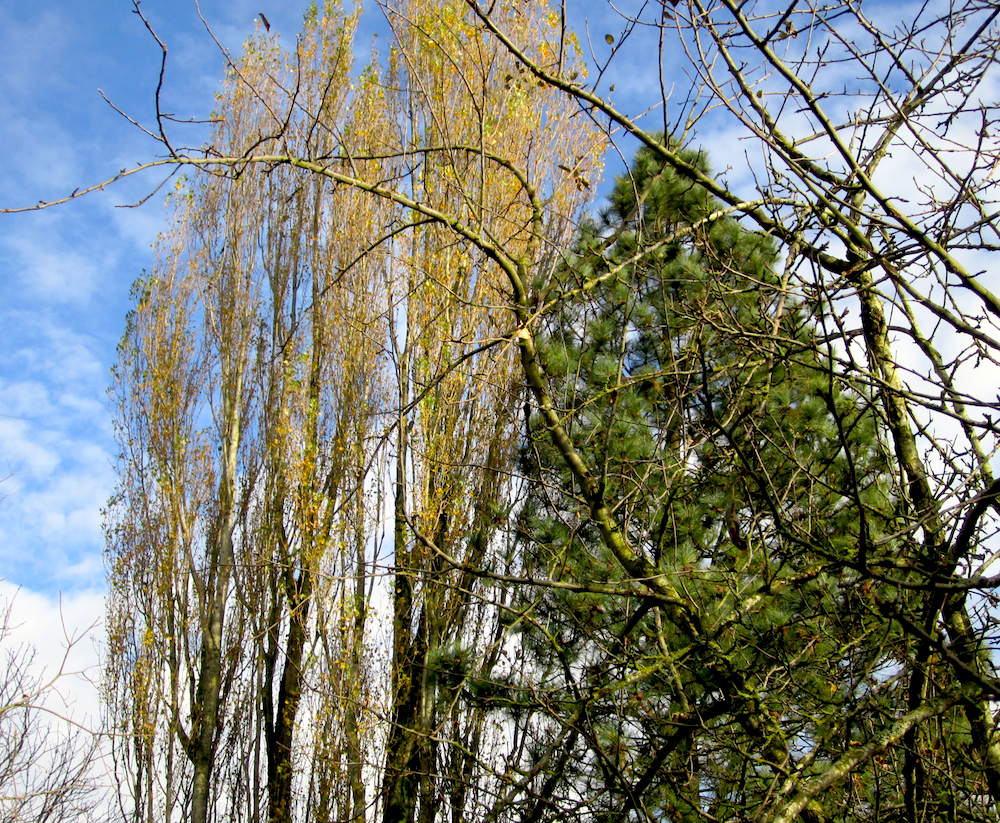
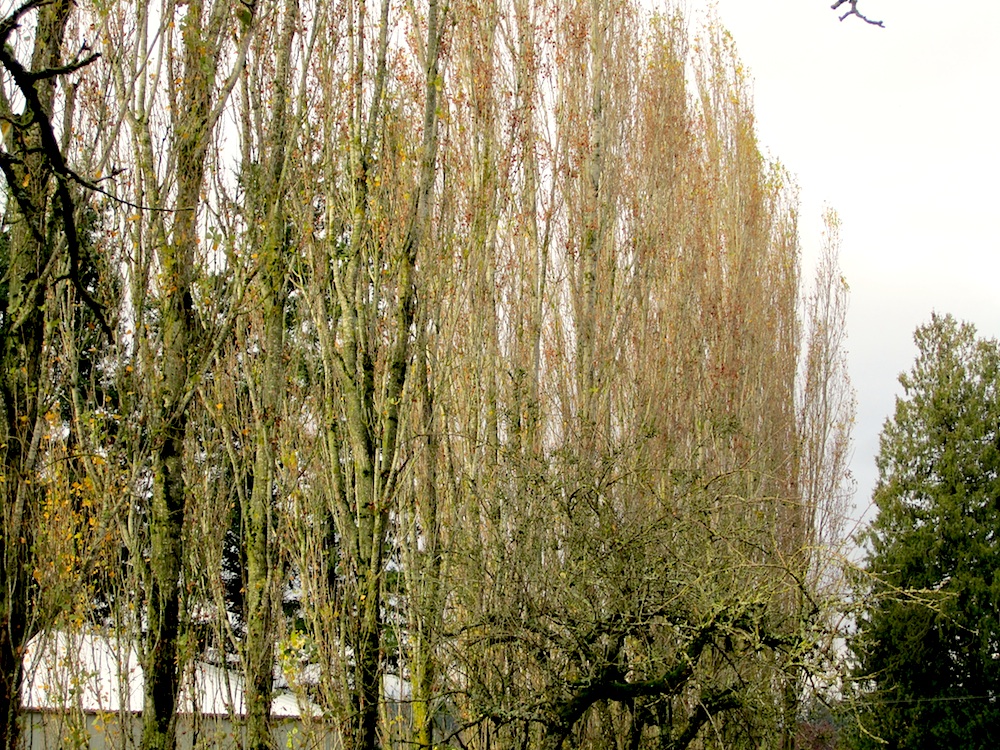
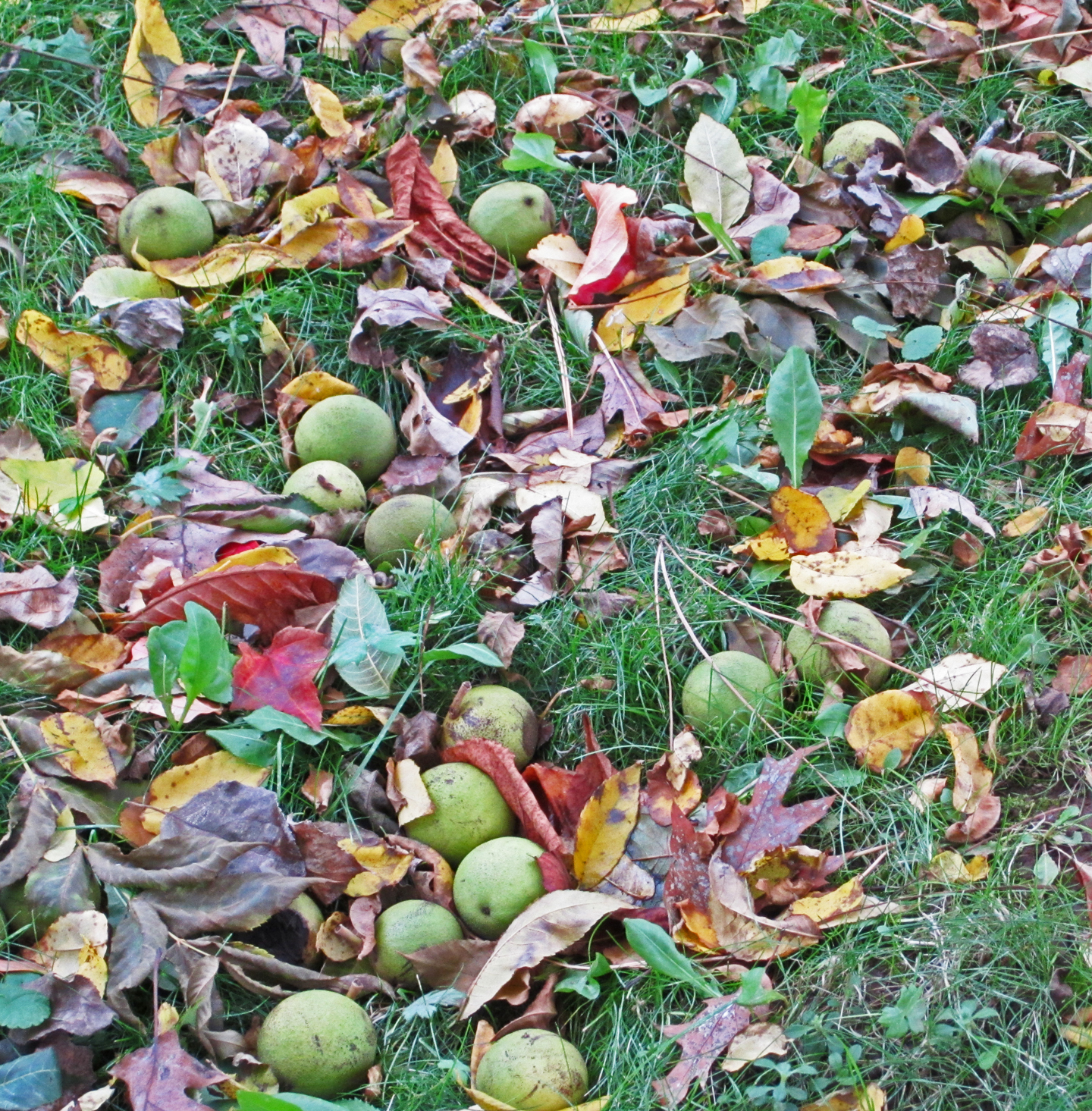
BriarCroft in Autumn

“November always seemed to me the Norway of the year.”
– Emily Dickinson

“Lo! sweeten’d with the summer light,
The full-juiced apple, waxing over-mellow,
Drops in a silent autumn night.”
Alfred Lord Tennyson

“Bare are the places where the sweet flowers dwelt.
What joy sufficient hath November felt?
What profit from the violet’s day of pain?
– Helen Hunt Jackson, Autumn Sonnet “O wild West Wind, thou breath of Autumn’s being.
Thou, from whose unseen presence the leaves dead,
Are driven, like ghosts from an enchanter fleeing.”
– Percy Bysshe Shelley

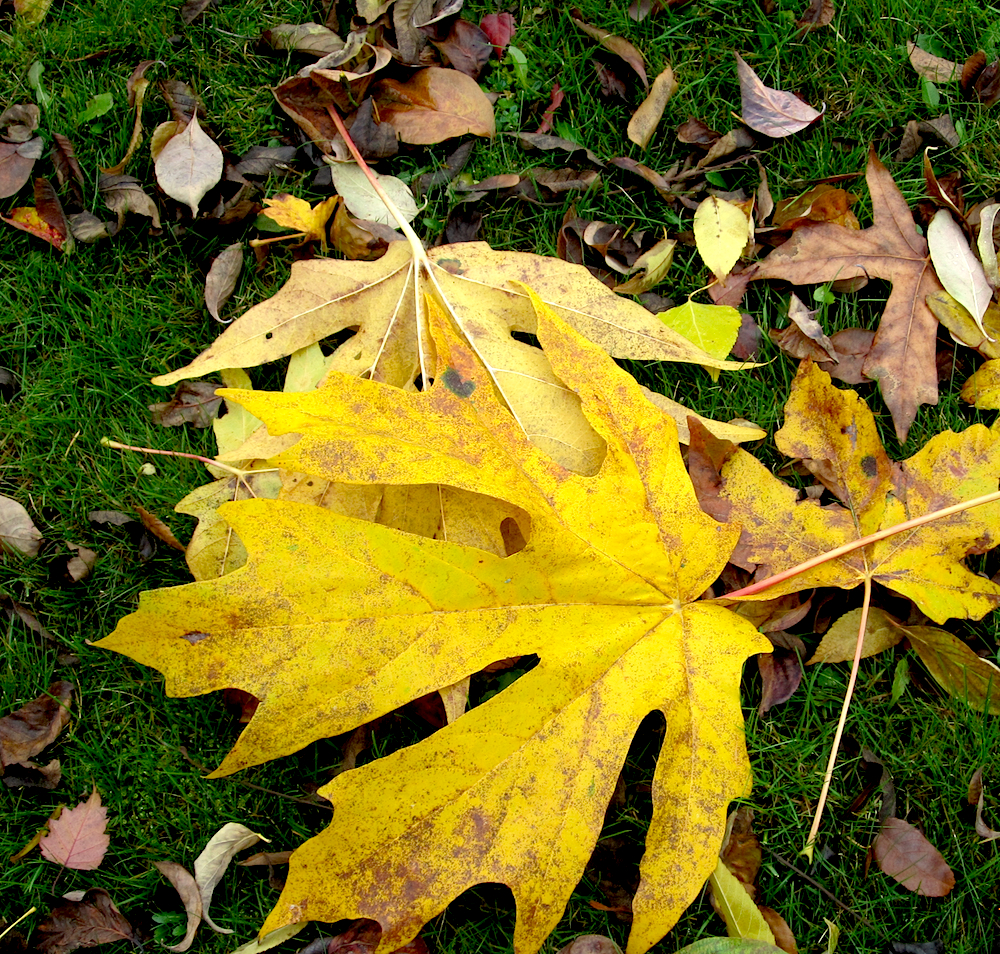
“How silently they tumble down
And come to rest upon the ground
To lay a carpet, rich and rare,
Beneath the trees without a care,
Content to sleep, their work well done,
Colors gleaming in the sun.
At other times, they wildly fly
Until they nearly reach the sky.
Till all the trees stand stark and bare.
Exhausted, drop to earth below
To wait, like children, for the snow.”
 –   Elsie N. Brady, Leaves

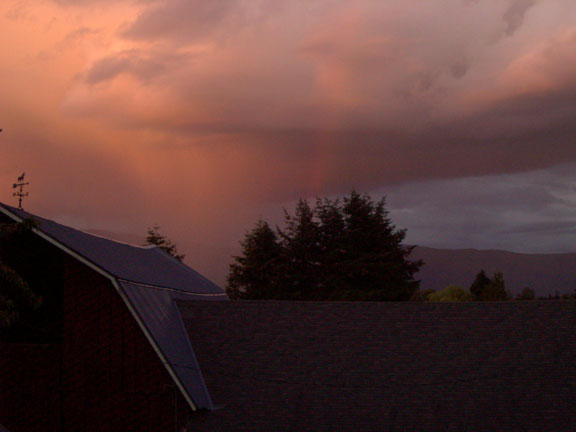
“I saw the lovely arch
Of rainbow span the sky,
The gold sun burning
As the rain swept by.”
– Elizabeth Coatsworth, November

“Pleasures lie thickest where no pleasures seem:
There’s not a leaf that falls upon the ground
But holds some joy of silence or of sound
Some spirits begotten of a summer dream.”
– Laman Blanchard

“The mountain air is fresh at the dusk of day;
The flying birds in flocks return.
In these things there lies a deep meaning;
I want to tell it, but have forgotten the words.”
– Tao Yuan Ming

“A fine rain was falling, and the landscape was that of autumn.  The sky was hung with various shades of gray, and mists hovered about the distant mountains – a melancholy nature.  The leaves were falling on all sides like the last illusions of youth under the tears of irremediable grief.  Every landscape is, as it were, a state of the soul, and whoever penetrates into both is astonished to find how much likeness there is in each detail.”
– Henri Frederic Amiel

“Even if something is left undone, everyone must take time to sit still and watch the leaves turn.”
– Elizabeth Lawrence

BriarCroft in Spring

BriarCroft in Summer

BriarCroft in Winter

BriarCroft at Year’s End

Barn Blaze

Let the light of late afternoon
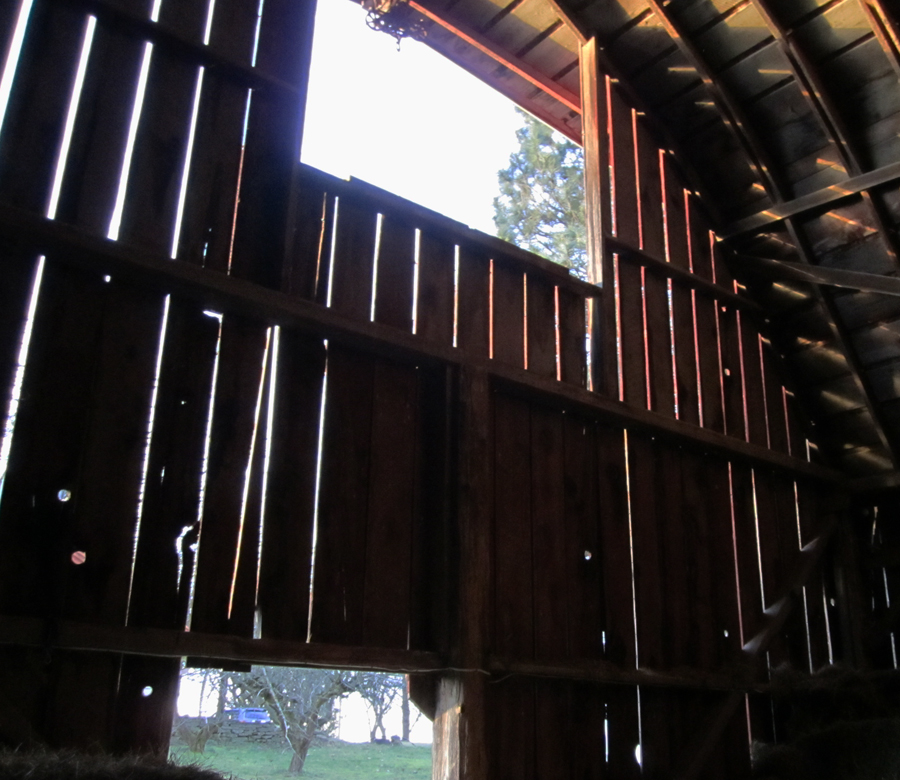
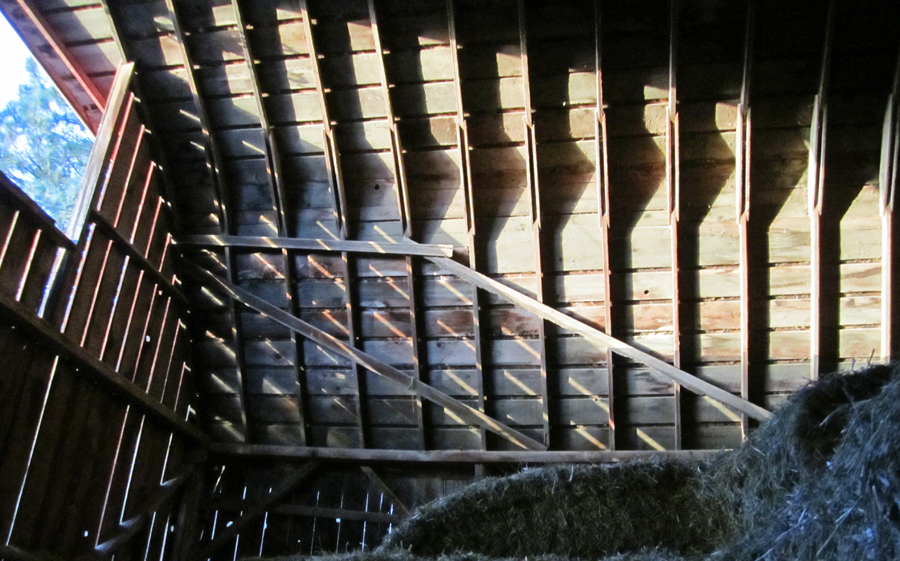
shine through chinks in the barn, moving
up the bales as the sun moves down.

Let it come, as it will, and don’t
be afraid. God does not leave us
comfortless, so let evening come.

from “Let Evening Come” by Jane Kenyon

During our northwest winters, there is so little sunlight on gray cloudy days that I routinely turn on the two light bulbs in the big hay barn any time I need to go in to fetch hay bales for the horses. This is to help me avoid falling into the holes that inevitably develop in the hay stack between bales. The murky lighting tends to hide the dark shadows of the leg-swallowing pits among the bales, something that is particularly hazardous when carrying a 60 pound hay bale.

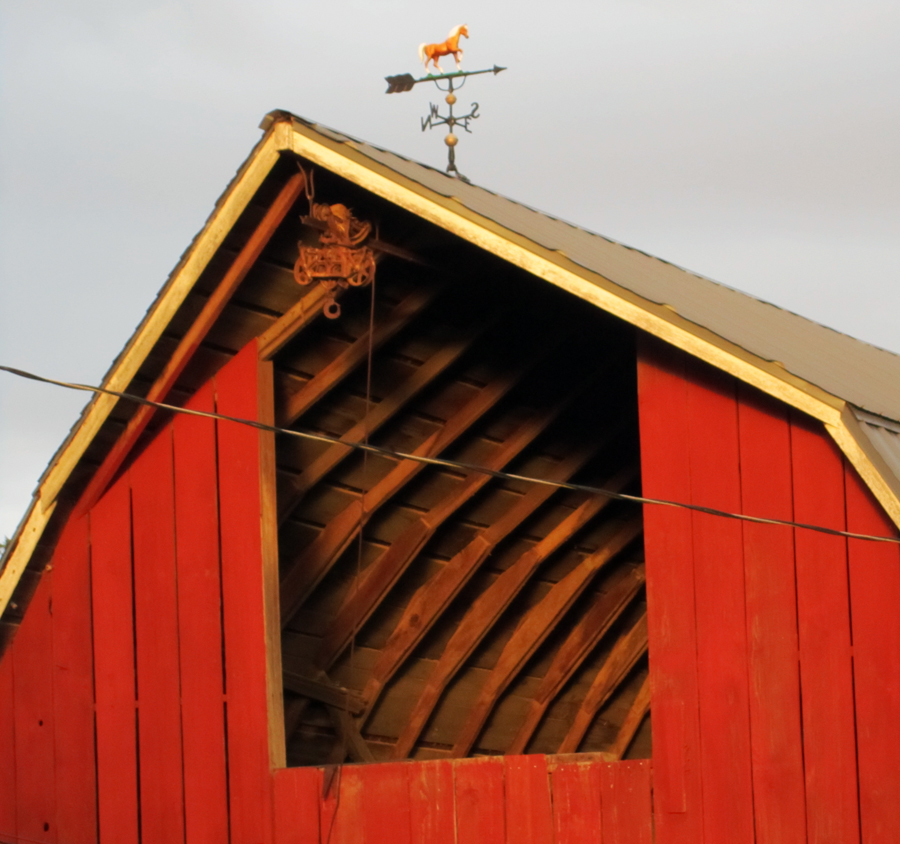
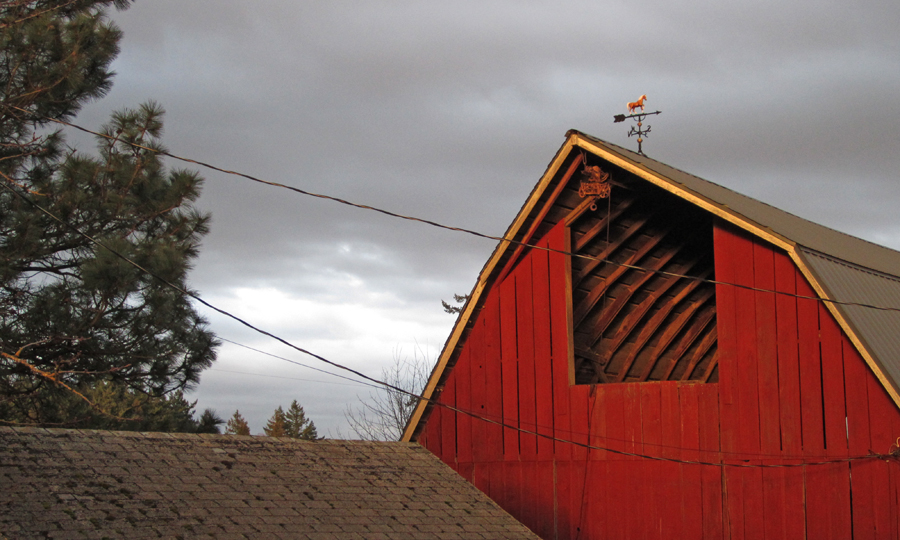
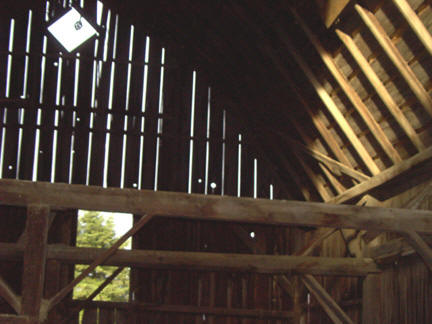
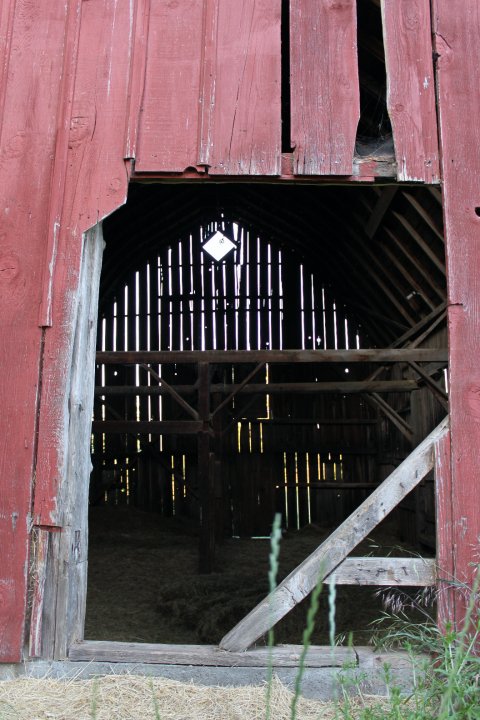
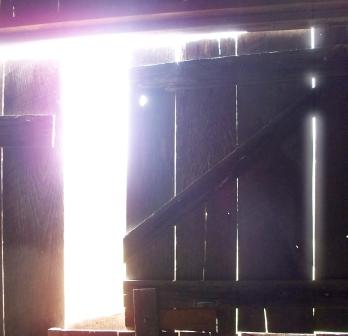
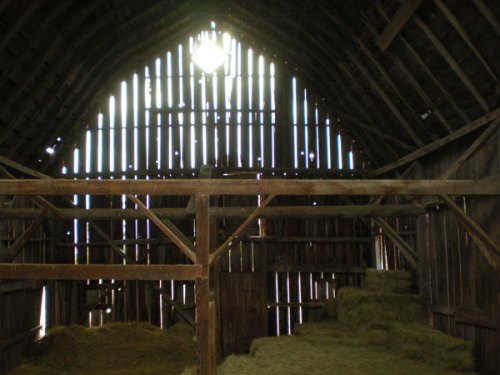
When I went to feed the horses at sunset tonight, I looked up at the lights blazing in the hay barn and went to the light switch to shut them off, but the switch was already off. Puzzled, I realized that lighting up the barn was a precise angle of the setting sun, not light bulbs at all. The last of the day’s sun rays were streaming through the barn slat openings, richocheting off the roof timbers onto the bales, casting an almost fiery glow onto the hay. The barn was ignited and ablaze without fire and smoke which are the last things one would even want in a hay barn. I could scramble among the bales without worry to get my chores accomplished.

It seems even in my life outside the barn I’ve been falling into more than my share of dark holes lately. Even when I know where they lie and how deep they are, some days I will manage to step right in anyway. Each time it knocks the breath out of me, makes me cry out, makes me want to quit trying to lift the heavy loads. It leaves me fearful to even venture out.

Then, amazingly, a light comes from the most unexpected of places, blazing a trail to help me see where to step, what to avoid, how to navigate the hazards to avoid collapsing on my face. I’m redirected, inspired anew, granted grace, gratefully calmed and comforted amid my fears. Even though the light fades, and the darkness descends again, it is only until tomorrow. Then it will reignite again.

The light returns and so will I.

A Light in the House

photo by Nate Gibson

Today one of my favorite writers about life on the farm, Verlyn Klinkenborg in the New York Times Opinion Pages, muses about sometimes forgetting to turn the light off in the barn and making the trek in the dark to shut it off. I wish I’d written this:


“Usually, after turning out that forgotten barn light, I sit on the edge of the tractor bucket for a few minutes and let my eyes adjust to the night outside. City people always notice the darkness here, but it’s never very dark if you wait till your eyes owl out a little….I’m always glad to have to walk down to the barn in the night, and I always forget that it makes me glad. I heave on my coat, stomp into my barn boots and trudge down toward the barn light, muttering at myself. But then I sit in the dark, and I remember this gladness, and I walk back up to the gleaming house, listening for the horses. “

A Light in the Barn

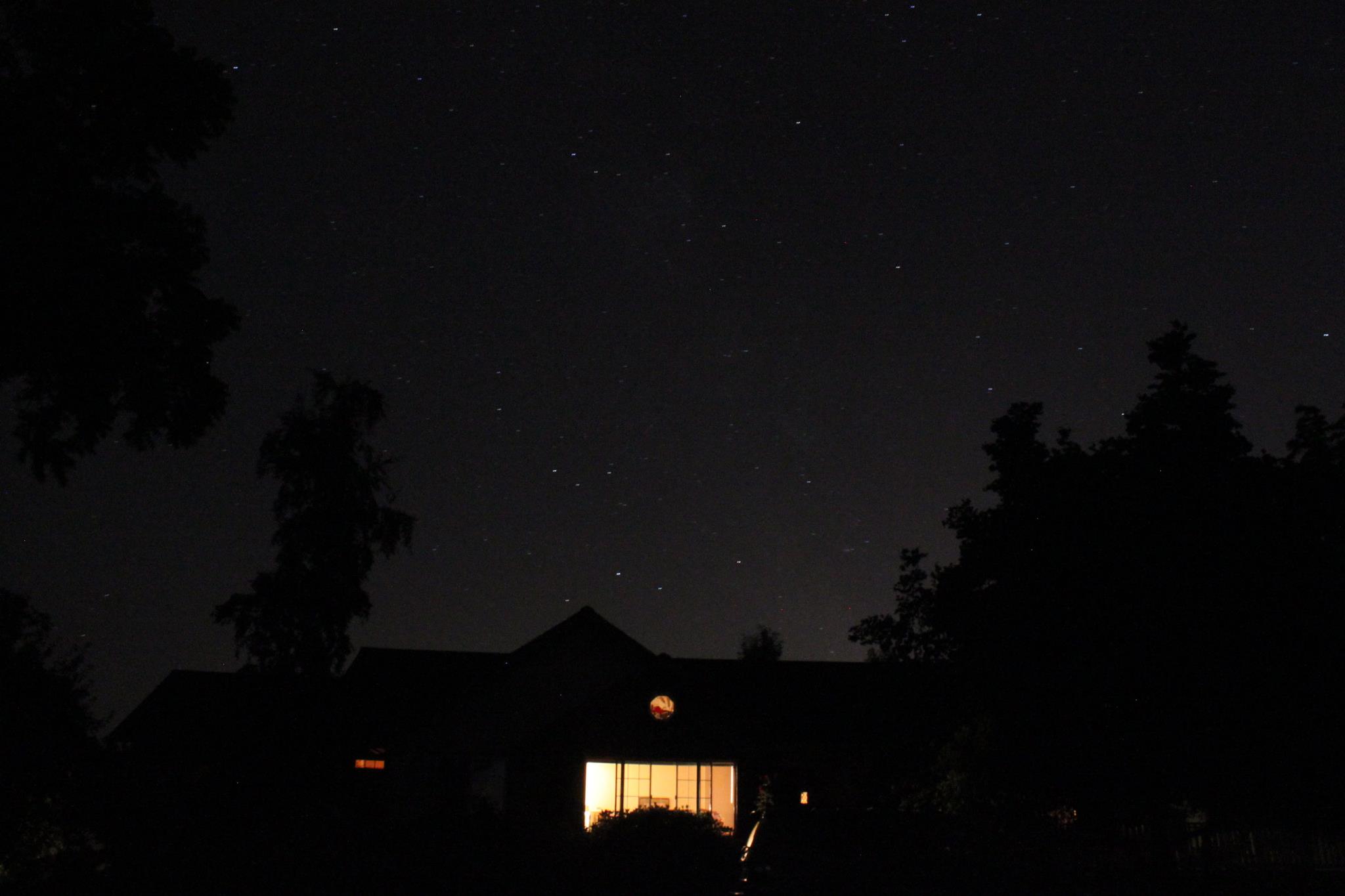
My favorite thing about walking up from the barn at night is looking at the lights glowing in our house, knowing there is life there, even though each child has flown away to distant cities. There is love there as Dan and I rediscover our new “alone” life together. There are still future years there, as many as God grants us to stay on the farm. It is home and it is light and if all it takes is a walk from a dark barn to remind me, I’ll leave the lights on in the barn at night more often.

Thank you, Verlyn, once again, for helping me see in the dark…

An Advent Tapestry–Lies in Manger Pressed as Hay

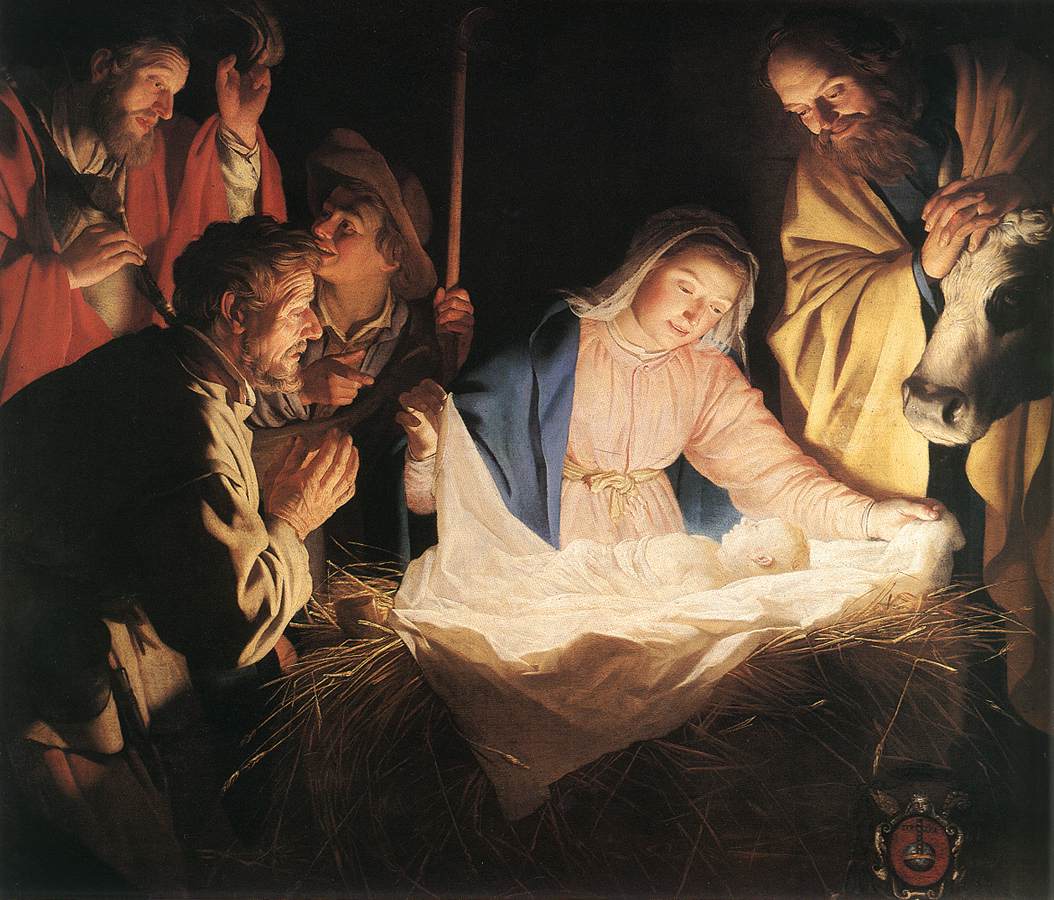
Adoration of the Shepherds by Gerard van Honthorst
Man altered by sin from man to beast;
Beast’s food is hay, hay is all mortal flesh.
Now God is flesh and lies in manger pressed
As hay, the brutish sinner to refresh.
O happy field wherein this fodder grew,
Whose taste doth us from beasts to men renew.
from The Nativity of the Christ  by Robert Southwell, Jesuit poet (1561-1595)
I spent considerable time up in our hay loft today, pulling bales down off the stack, throwing them down to pile up for feed for the horses over the next several days.  This poem by a priest from the 16th century kept resonating in my mind as I remembered the green fields that yielded this hay, gathered by our family and friends on a hot summer’s evening, and placed in the barn so I could do just what I did today.
I have written about hay before, but appreciate Southwell’s concept of God now flesh,  as the hay which forms His bed, refreshes and renews the sinner to righteousness:
Hay crew
Remembered on
Frosty mornings before dawn
When bales are broken for feed
And fragrant summer spills forth.

In the dead of winter
During the darkest blowing icy nights
The bales open like a picture book
Illustrating how life once was,
and will be again~

Rainy spring nights hay
Becomes soft bedding
For new foals’ sleep 

To guarantee sunshine
In the barn
On the darkest of days:
Communion.


Let Evening Come by Jane Kenyon

written by Jane Kenyon as she was fighting terminal cancer

Let the light of late afternoon
shine through chinks in the barn, moving
up the bales as the sun moves down.

Let the cricket take up chafing
as a woman takes up her needles
and her yarn. Let evening come.
Let dew collect on the hoe abandoned
in long grass. Let the stars appear
and the moon disclose her silver horn.
Let the fox go back to its sandy den.
Let the wind die down. Let the shed
go black inside. Let evening come.
To the bottle in the ditch, to the scoop
in the oats, to air in the lung
let evening come.
Let it come, as it will, and don’t
be afraid. God does not leave us
comfortless, so let evening come.


Resuscitating the Hay Barn

photo by Nate Gibson

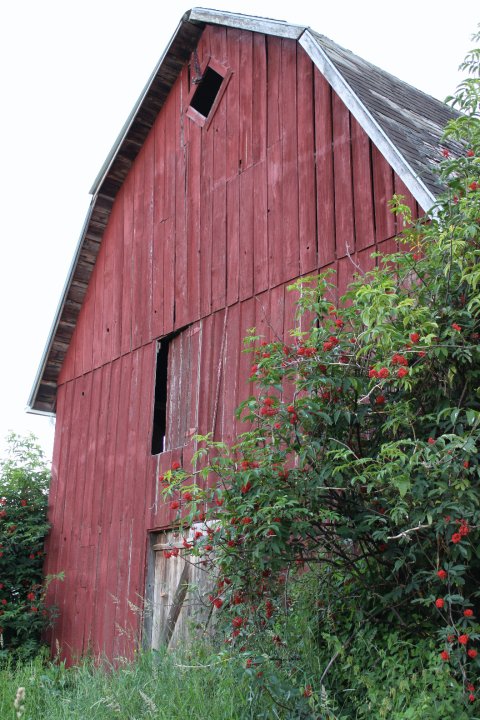
This is the week of the year our barn is at its emptiest, right before it fills up again.  There is something very lonely about a barn completely empty of its hay stores.   Its hollow interior echoes with a century of farmers’ voices, whether soothing an upset cow during a difficult milking, or uncovering a litter of kittens high in a hay loft, possibly shouting orders to a steady workhorse, even startling out loud as a barn owl flies low overhead, or grumbling over a dead tractor battery.    The dust motes lazily drift by in the twilight, seemingly forever suspended above the straw covered wood floor, floating protected from the cooling evening breezes.

There is no heart beat left in an empty barn.  It is in full arrest, all life blood drained out, vital signs flat lined.   I can hardly bear to go inside.

If the weather cooperates before July 4, we’ll be cutting the grass the first day, strewing it about on the field to dry in a process called “tedding” the next, raking it into windrows the third,  and then baling it for pick up by our “family and friends” hay crew.  Suddenly, the barn is shocked back to a pulse, with the throb of voices, music blaring, dust and pollen flying chaotically, the rattle of the electric “elevator” hauling bales from wagon to loft,  the grunts and groans of the crew as they heft and heave the bales into place in the stack.  This often goes on late into the night, the barn ablaze with lights, the barnyard buzzing with excitement and activity.   It almost looks as if it is on fire.

Vital signs measurable, rhythm restored,  volume depletion reversed, prognosis good for another year.

A healthy rhythm is elusive in this modern age of full time jobs off the farm, necessitating careful coordination with the schedule of the farmer who cuts and bales for many neighbors all within the same window of good weather, plus adding in the high cost of fuel and labor.   The farmer races his equipment from field to field, swooping around with a goliath tractor taking 12 foot swaths, raising dust clouds, and then on to the next job.   It is so unlike the rhythm of a century ago when a horse drawn mower cut the tall grass in a gentle four foot swath, with a pulsing shh shh shh shh shh shh tempo that could be heard stretching across the fields. It is an unfamiliar sound today, the almost-silence of no motor at all, just the jingle of the harness and the mower blades slicing back and forth as the team pulls the equipment down the field.  We’ve lost the peacefulness of a team of horses at work, necessitating a slower pace and the need to stop at the end of a row for a breather.

Benjamin Janicki of Sedro Woolley raking hay with his team of Oberlanders

The old barn will be resuscitated once again.  Its floor will creak with the weight of the hay bales, the walls will groan with the pressure of stacks.  The missing shingles on the roof will be replaced and the doors locked tight against the winter winds.  But it will be breathing on its own, having needed only a short rest these last few weeks.

Inside, once again, filled to the brim, life is held tight by twine, just waiting to be released.

photo by Nate Gibson

Lenten Meditation: Barnstorming

An unexpected southerly wind hit suddenly late last night, gusting up to 40 miles an hour and slamming the house with drenching rain as we prepared to go to bed. Chores in the barn had been done hours before, but as we had not been expecting a storm, the north/south center aisle doors were still open, and I could hear banging and rattling as they were buffeted in the wind. I quickly dressed to go latch the doors for the night, but the tempest had done its damage. Hay, empty buckets, horse blankets, tack and cat food had blown all over, while the Haflingers stood wide-eyed and fretful in their stalls. A storm was blowing inside the barn as well as outside it.

It took some time to tidy up the mess after the doors were secured but all was soon made right. The wind continued to bash at the doors, but it no longer could touch anything inside them. The horses relaxed and got back to their evening meal though the noise coming from outside was deafening. I headed back up to the house and slept fitfully listening to the wind blow all night, wondering if the metal barn roof might pull off in a gust, exposing everything within.

Yet in the new daylight this morning, all is calm. The barn is still there, the roof still on, the horses are where they belong and all seems to be as it was before the barnstorming wind. Or so it appears.

This wind heralds another storm coming this week that hits with such force that I’m knocked off my feet, swept away, and left bruised and breathless. No latches, locks, or barricades are strong enough to protect me from what will come over the next few days.

Yesterday he rode in softly, humbly, and wept. Today, he overturns the tables in fury. On Tuesday he echoes the destruction that is to happen.  Wednesday, he teaches, then rests in anticipation.  On Thursday, he pours water over dusty feet, presides over a simple meal, and then sweats blood in agonized prayer. By Friday, all culminates in a perfect storm, transforming everything in its path, with nothing untouched. The silence on Saturday is deafening. Next Sunday, the Son rises and returns, all is calm, he calls my name, my heart burns within me at his words and I will never be the same again.

Barnstormed to the depths of my soul. Doors flung open wide, the roof pulled off, everything blown away and now replaced, renewed and reconciled.

Alleluia!

Sorting the Laundry

(published in Country Magazine August/September 2007 and selected for possible use by the Educational Testing Service for standardized tests, like the SAT for Reading Comprehension)

Settling into the straw, I am grateful for this quiet moment after a 12 hour workday followed by all the requisite personal conversations that help mop up the spills and splatters of every day life. My family verbally unloads their day like so much stored up laundry needing to be washed and rinsed with the spin cycle completed before tomorrow dawns. I move from child to child to child to husband to grandmother, hoping to help each one clean, dry, fold and sort everything in their pile. Not to be outdone, I pile up a little dirty laundry of my own as I complain about my day.

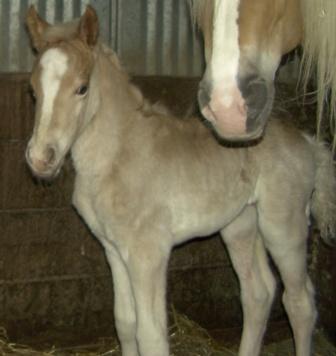
By that time I’m on “spent” cycle myself.  I retreat to the barn where communication is less demanding and requires more than just my ears and vocal cords.   Complaints are meaningless here. In this place a new foal and his vigilant mama watch my every move.

This colt is intrigued by my intrusion into his 12′ x 24′ world. His mother is annoyed. He comes over to sniff my foot and his mother swiftly moves him away with a quick swing of her hips, daunting me with the closeness of her heels. Her first instinct insists she separate me from him and bar my access. My mandate is to woo her over. I could bribe her with food, but, no,  that is too easy.

A curry comb is best. If nothing else will work, a good scratching always does. Standing up, I start peeling sheets of no longer needed winter hair off her neck,  her sides, her flank and hindquarter.  She relaxes in response to my efforts,  giving her baby a body rub with her muzzle, wiggling her lips all up and down from his back to his tummy. He is delighted with this spontaneous mommy massage and leans into her, moving around so his hind end is under her mouth and his front end is facing me. Then he starts giving his own version of a massage too, wiggling his muzzle over my coat sleeve and wondrously closing this little therapeutic triangle.

Here we are, a tight little knot of givers/receivers with horse hair flying in a cloud about us. One weary human, one protective mama mare and one day-old foal, who is learning so young how to contribute to the well being of others. It is an incredible gift of trust they bestow on me like a blessing.  I realize this horse family is helping me sort my own laundry in the same way I had helped with my human family’s load.

Too often in life we find ourselves in painful triangles, passing our kicks and bites down the line to each other rather than providing needed relief and respite. We find ourselves unable to wrench free from continuing to deliver the hurts we’ve just received.  What strength it takes to respond with kindness when the kick has just landed on our backside. How chastened we feel when a kindness is directed at us, as undeserving as we are after having bitten someone hard.

Instead of biting, try massaging.  Instead of kicking, try tickling. Instead of fear, try acceptance.  Instead of annoyance, try patience. Instead of piling up so much laundry of your own, try washing, folding and sorting what is given to you by others, handing it back all ready for the next day.

If you just settle into the straw and wait, amazing things can happen.

Another Manure Tale

I spend about an hour a day shoveling manure out of eight horse stalls.  Wheeled to a mountainous pile in our barnyard,  it happily composts year round, becoming rich fertilizer in a matter of months through a crucible-like heating process of organic chemistry, bacteria and earthworms.  Nothing mankind has achieved quite matches the drama of useless and basically disgusting stuff transforming into the essential elements needed for productive growth and survival.  I’m in awe, every day, at being part of this process.  The horses, major contributors that they are, act underwhelmed by my enthusiasm.  I guess some miracles are relative, depending on one’s perspective, but if the horses understood that the grass they contentedly eat in the pasture, or the hay they munch on during the winter months, was grown thanks to their carefully recycled manure, they might be more impressed.

Their nonchalance about the daily mucking routine is understandable.  If they are outside, they probably don’t notice their beds are clean when they return to the stalls at night.  If they are inside during the heavy rain days, they feel duty-bound to be in my face as I move about their stall, toting my pitchfork and pushing a wheelbarrow.  I’m a source of constant amusement as they nose my jacket pockets for treats that I never carry, as they beg for scratches on their unreachable itchy spots, and as they attempt to overturn an almost full load, just to see balls of manure roll to all corners of the stall like breaking a rack of billiard balls in a game of pool.  Good thing I’m a patient person.

So my stallion discovered a way to make my life easier rather than complicating it.  He hauled a rubber tub into his stall from his paddock, by tossing it into the air with his teeth and throwing it, and it finally settled against one wall.  Then he began to consistently pile his manure, with precise aim, right in the tub.  I didn’t ask him to do this.  It had never occurred to me.  I hadn’t even thought it was possible for a horse to house train himself.  But there it is, proof that some horses prefer neat and tidy rather than the whirlwind eggbeater approach to manure distribution.  After a day of his manure pile plopping, it is actually too heavy for me to pick up and dump into the wheelbarrow all in one tub load, but it takes 1/4 of the time to clean his stall than the others, and he spares all this bedding.  What a guy.

Now, once I teach him to put the seat back down when he’s done, he’s welcome to move into the house…