Mission Accomplished

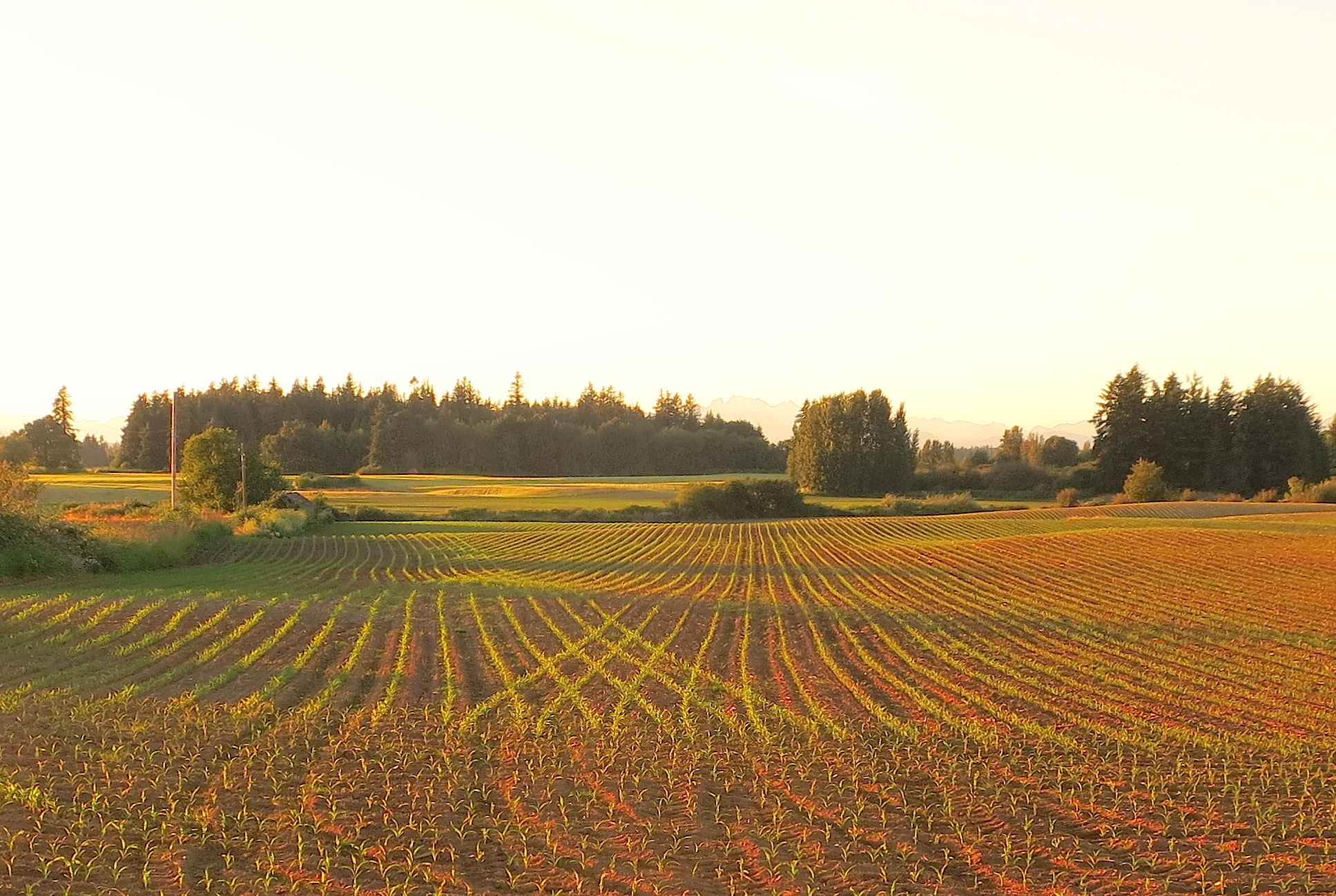
cornfieldcrisscross


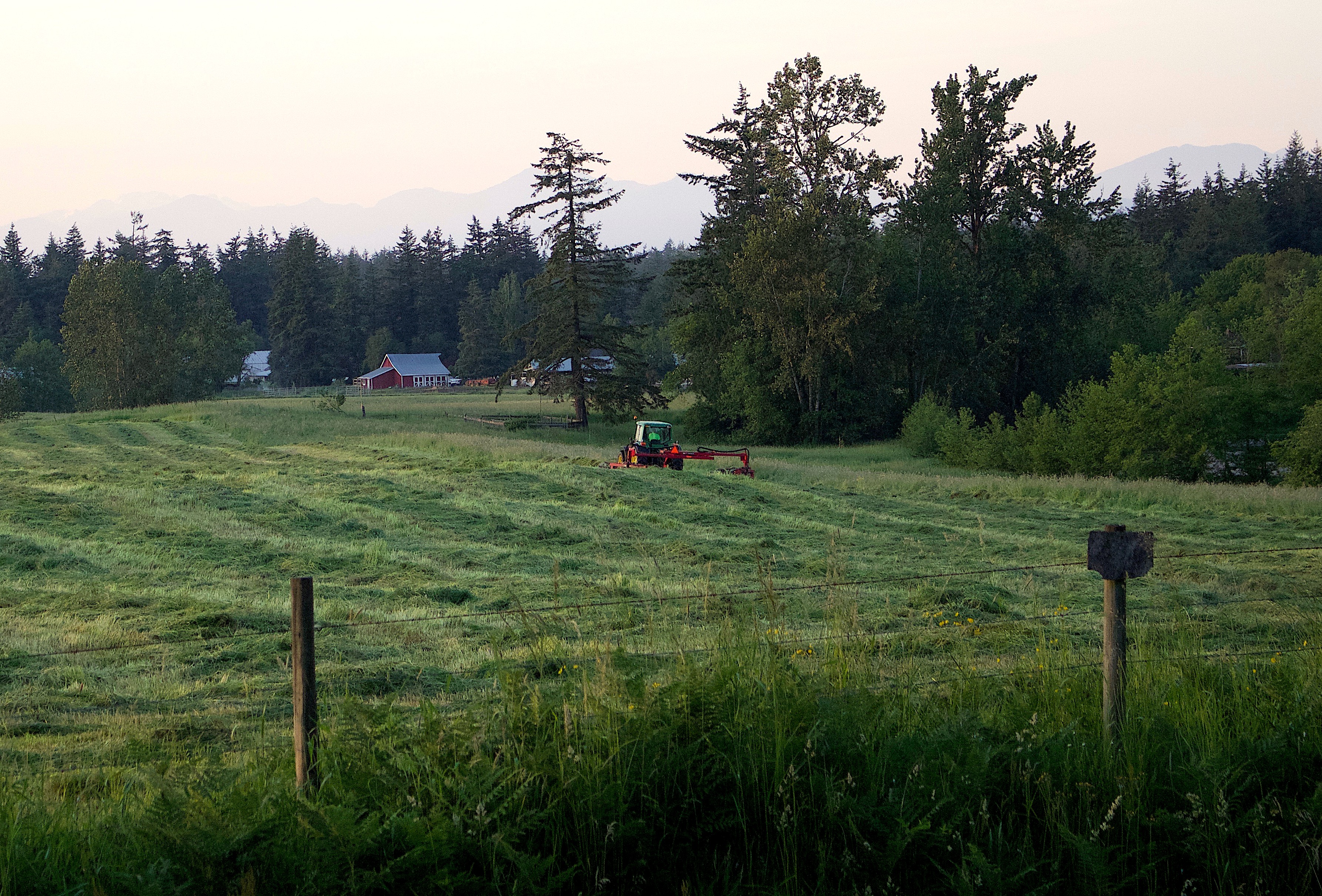
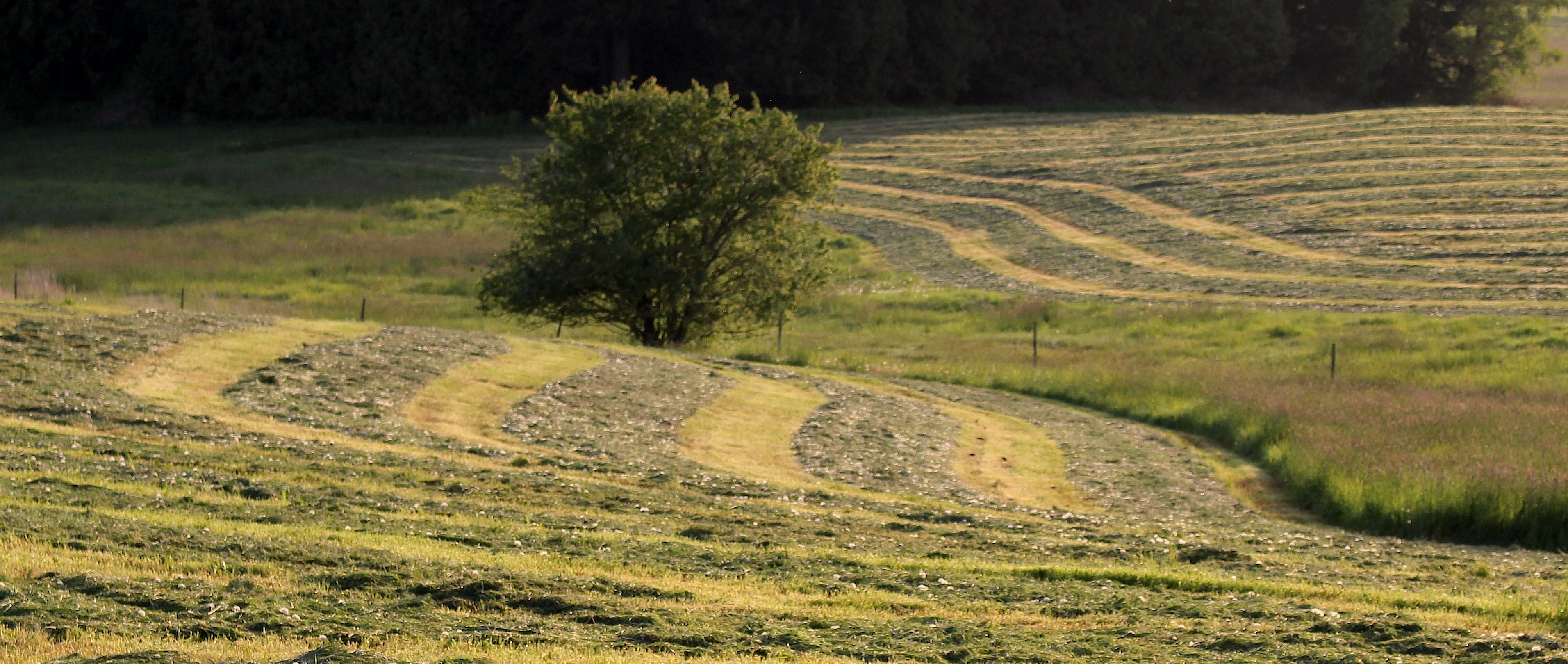
mowingfield


And on those hot afternoons in July,
when my father was out on the tractor
cultivating rows of corn, my mother
would send us out with a Mason jar
filled with ice and water, a dish towel
wrapped around it for insulation.

Like a rocket launched to an orbiting
planet, we would cut across the fields
in a trajectory calculated to intercept—
or, perhaps, even—surprise him
in his absorption with the row and the
turning always over earth beneath the blade.

He would look up and see us, throttle
down, stop, and step from the tractor
with the grace of a cowboy dismounting
his horse, and receive gratefully the jar
of water, ice cubes now melted into tiny
shards, drinking it down in a single gulp,
while we watched, mission accomplished.
~Joyce Sutphen “Carrying Water to the Field”


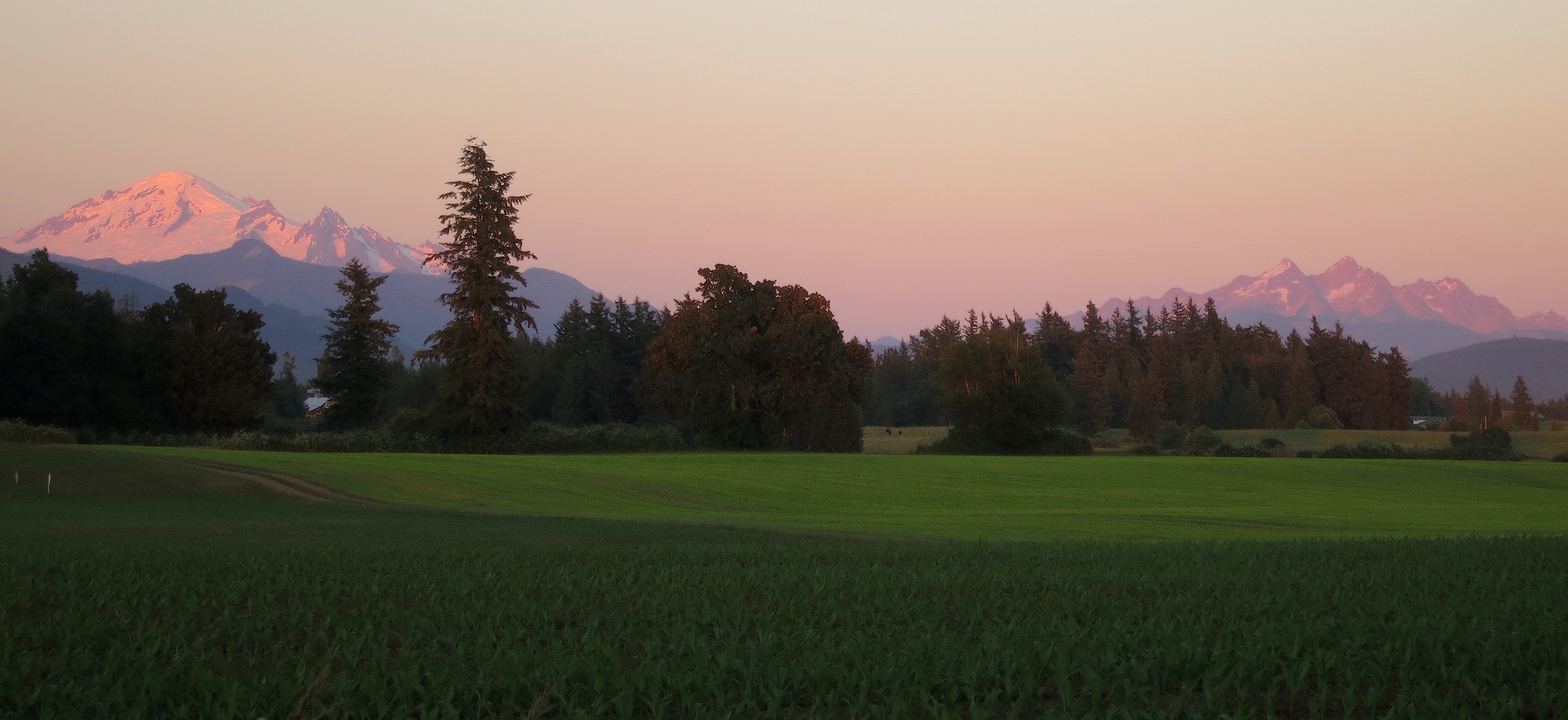
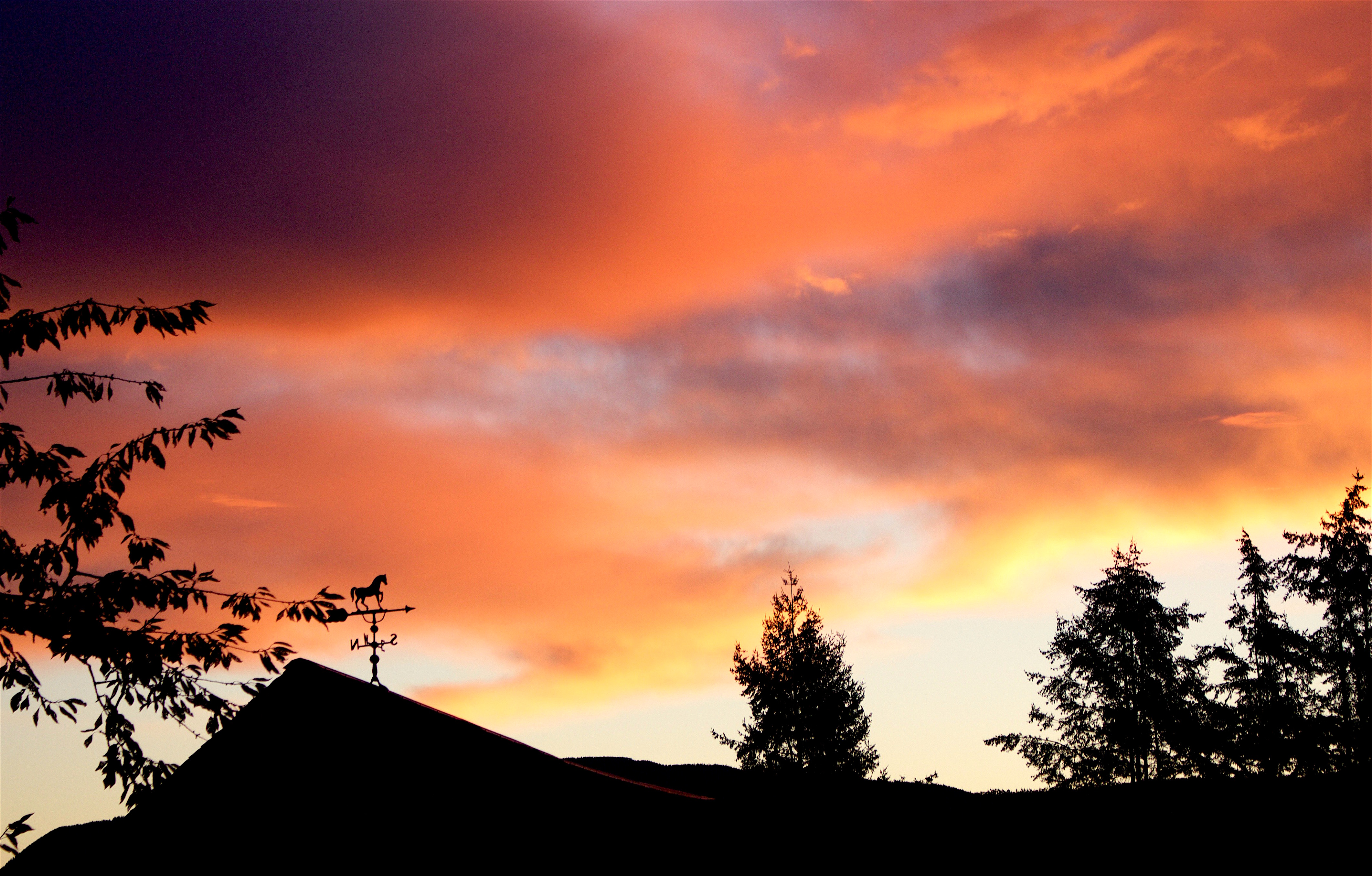
sunsetcornfield


It was a special responsibility to carry cold water out to my father when he was on the tractor.  Yes, he could have carried a thermos-full along with him all day but then he would not have seen his daughter walking carefully from the house over the fresh-turned dirt, he would not have an excuse for a short break to wipe the sweat from his face or survey the straightness of the furrows, he would not have lifted her up to sit beside him on the tractor and allowed her to “drive”, steering down the rows, curving around the killdeer nests so their young are spared.

Such a special responsibility to nurture someone hard at work who doesn’t stop to refill themselves. It happens rarely any more – whether field or factory or the family home. What wondrous love to carry water to those who thirst; what wondrous grace fills furrowed lives.


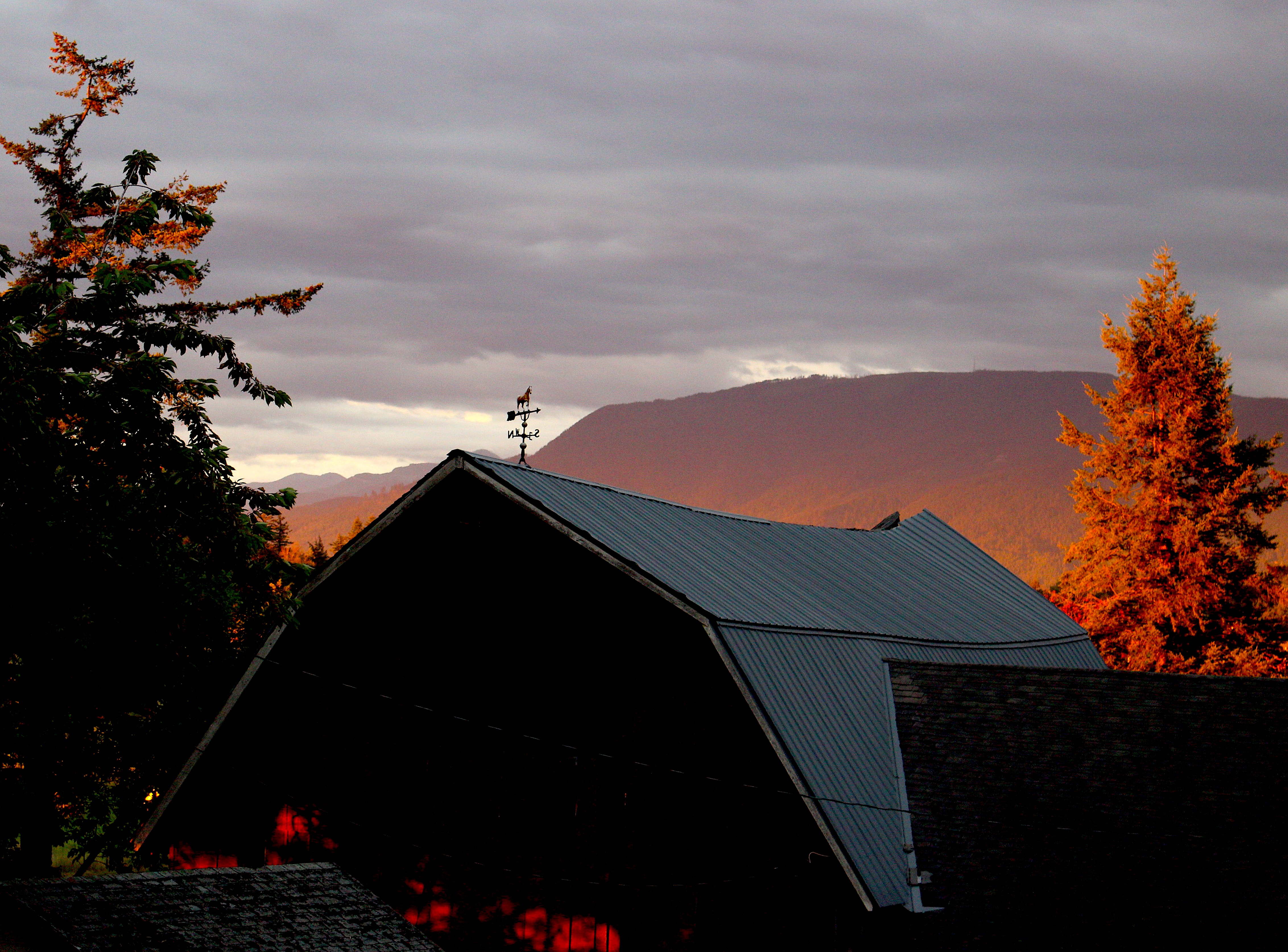
eveninglight611:17


field52151


sunset715173


The Dent in the Ground

galloping2

396747_496652663682556_1002398142_n
Photo of Aaron Janicki haying with his Oberlander team in Skagit County courtesy of Tayler Rae
314753_496651617015994_783180103_n
photo by Tayler Rae

All winter your brute shoulders strained against collars, padding
and steerhide over the ash hames, to haul
sledges of cordwood for drying through spring and summer,
for the Glenwood stove next winter, and for the simmering range.

In April you pulled cartloads of manure to spread on the fields,
dark manure of Holsteins, and knobs of your own clustered with oats.
All summer you mowed the grass in meadow and hayfield, the mowing machine
clacketing beside you, while the sun walked high in the morning;

and after noon’s heat, you pulled a clawed rake through the same acres,
gathering stacks, and dragged the wagon from stack to stack,
and the built hayrack back, uphill to the chaffy barn,
three loads of hay a day from standing grass in the morning.

Sundays you trotted the two miles to church with the light load
a leather quartertop buggy, and grazed in the sound of hymns.
Generation on generation, your neck rubbed the windowsill
of the stall, smoothing the wood as the sea smooths glass.

When you were old and lame, when your shoulders hurt bending to graze,
one October the man, who fed you and kept you, and harnessed you every morning,
led you through corn stubble to sandy ground above Eagle Pond,
and dug a hole beside you where you stood shuddering in your skin,

and lay the shotgun’s muzzle in the boneless hollow behind your ear,
and fired the slug into your brain, and felled you into your grave,
shoveling sand to cover you, setting goldenrod upright above you,
where by next summer a dent in the ground made your monument.

For a hundred and fifty years, in the Pasture of dead horses,
roots of pine trees pushed through the pale curves of your ribs,
yellow blossoms flourished above you in autumn, and in winter
frost heaved your bones in the ground – old toilers, soil makers:

O Roger, Mackerel, Riley, Ned, Nellie, Chester, Lady Ghost.
~Donald Hall “Name of Horses”

octoberyard3

As a child, not yet a teenager, I regularly visited the horse grave dug by hand by my father in an open clearing of our woods where our horse rested in the ground. She was felled by a vet’s bullet to the head after an agonizing bout with colic. At first it was a place to cry where no one but the trees and wild flowers could see. When the tears dried up, it was a place to sing loudly where no one but chipmunks and my dog could hear. Later it became the sanctuary I retreated to talk to God when my church no longer was.

Your bones lie there still and no one but me knows where. The dent in the ground will always betray the spot.

I’ll always remember you.

wallysolstice

pastureoctober

galloping


Moving to Higher Ground

 evening518155

centralroadhills1

…the freshly plowed fields
steam in the night like lakes.
The smell of the earth floods over the roads.
The field mice are moving their nests
to the higher ground of fence rows,
the old among them crying out to the owls
to take them all. The paths in the grass
are loud with the squeak of their carts.
They keep their lanterns covered.
~Ted Kooser “Spring Plowing”


sunset6715


Call for the Soil

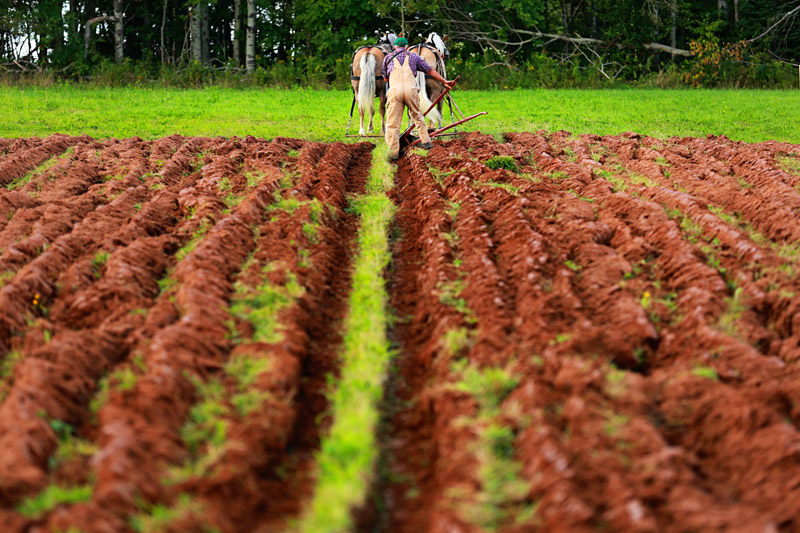
plowing match photo by www.ninalintonphotography.com
Dundas, Prince Edward Island plowing match by http://www.ninalintonphotography.com

“When the April wind wakes the call for the soil,
I hold the plough as my only hold upon the earth,
and, as I follow through the fresh and fragrant furrow,
I am planted with every foot-step,
growing, budding, blooming into a spirit of spring.”
–  Dallas Lore Sharp, 1870-1929

To watch the soil turn over in the spring, whether by horse power with mane and tail or horse power with tires and engine, is to know my own inner soil needs turning upside down as well.  A grip on the handles of the plow connects the dirt and the soul.

The fresh earth ploughed, its face once hidden, surfaces, teeming with life.  There is the glisten of moist dirt, the wiggle of worms slithering quickly back into the depths, the roots of the old giving way to the nurture of new planting.

The spirit buds and blossoms once the soil is turned and smoothed into its new position, ready for seeds that will be fed from the heavens.  As the worm forgives the plow,  so we are forgiven for turning things upside down.  We must start over to bloom.  We are ready to get our hands and feet dirty in order to be fruitful.

While We Sleep

Harvest will fill the barn; for that
The hand must ache, the face must sweat.

And yet no leaf or grain is filled
By work of ours; the field is tilled
And left to grace. That we may reap,
Great work is done while we’re asleep.
~Wendell Berry

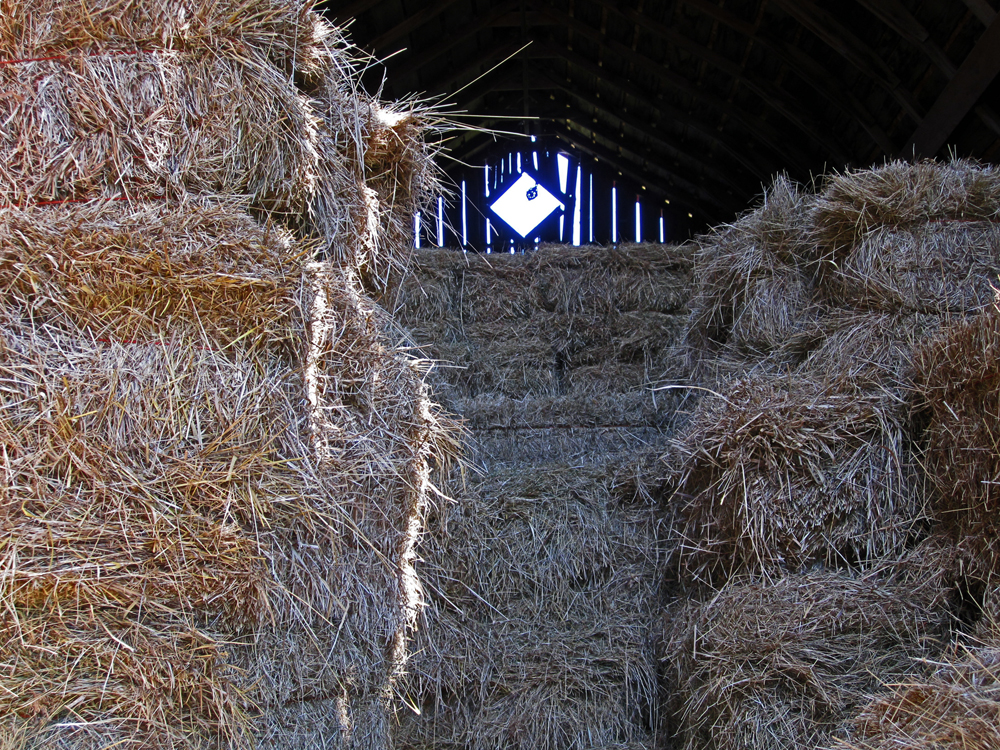
Every day this time of year I scramble to the top of the hay pile in the barn to push down two bales to feed to our horses, now that the pastures are resting and “left to grace” for the winter.  My husband has been busy spreading our composted manure out on the fields to give them an extra fertilizer boost for next spring’s growth, only a little more than four months away.

As farmers, we have to always be thinking one or two seasons ahead:  the hay brought into the barn in June or July does not leave the barn until late-autumn.  The manure piled up in winter gets spread on pastures the following fall.  The tilled cornfields surrounding us are seeded in May and not harvested until October after several months of rain and sun and rain again.

More than practicing forethought, as farmers we know our meager efforts, as tangible as they are, are dependent solely on grace: that there will be enough rain, that there will not be too much rain, that there will be enough days of sunlight, that the seed will sprout, that the machinery will work when needed, that there will be no blight or pests, and that the hay crew will materialize when needed for harvest.   So much of this is not due to the labor of our hands, no matter how much we sweat and ache, but due to the great work of the Creator in His Creation.

Every hay bale I open spills forth His mercy, a reminder of how grateful I am for seed and sun and rain and a barn full of promises.

Ploughing Deep

Field with Plowing Farmer by Vincent Van Gogh
O wet red swathe of earth laid bare,
O truth, O strength, O gleaming share,
O patient eyes that watch the goal,
O ploughman of the sinner’s soul.
O Jesus, drive the coulter deep
To plough my living man from sleep…
Lo, all my heart’s field red and torn,
And Thou wilt bring the young green corn,
And when the field is fresh and fair
Thy blessed feet shall glitter there,
And we will walk the weeded field,
And tell the golden harvest’s yield,
The corn that makes the holy bread
By which the soul of man is fed,
The holy bread, the food unpriced,
Thy everlasting mercy, Christ.
~John Masefield from The Everlasting Mercy


My heart land is plowed,
yielding to the plowshare digging deep with the pull of the harness,
the steady teamster centering the coulter.  
The furrow should be straight and narrow. 
I am tread upon yet still bloom; 
I am turned upside down yet still produce bread.
The plowing under brings freshness to the surface,
a new face upturned to the cleansing dew,
knots of worms now making fertile simple dust. 
Plow deep my heart, dear Lord. 
May it grow what is needed
to feed your hungry children.
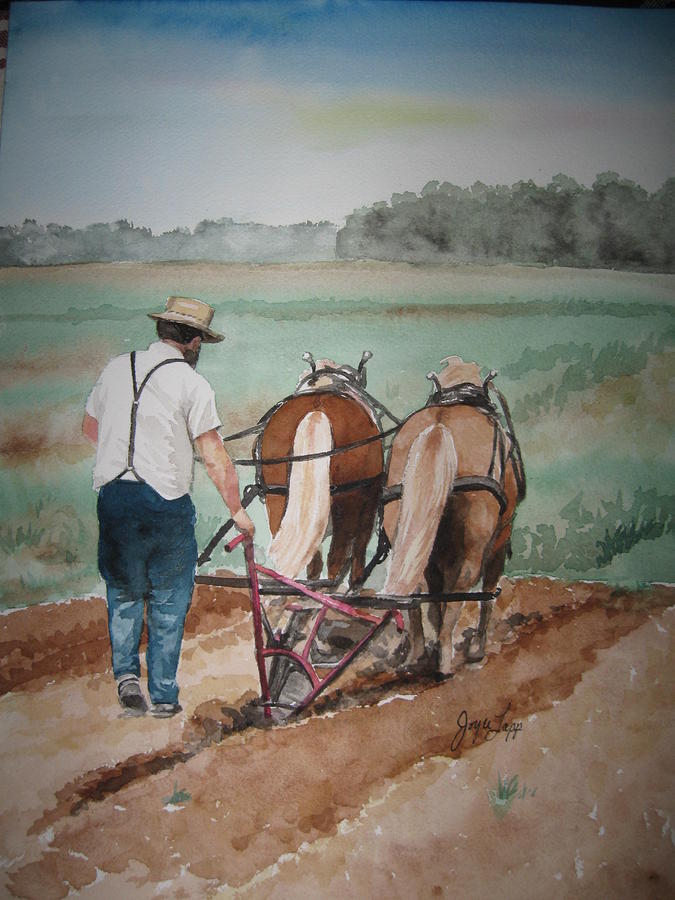
Painting “Plowing the Field” by Joyce Lapp
photo by Josh Scholten