Turn Aside and Look: Barnstormed

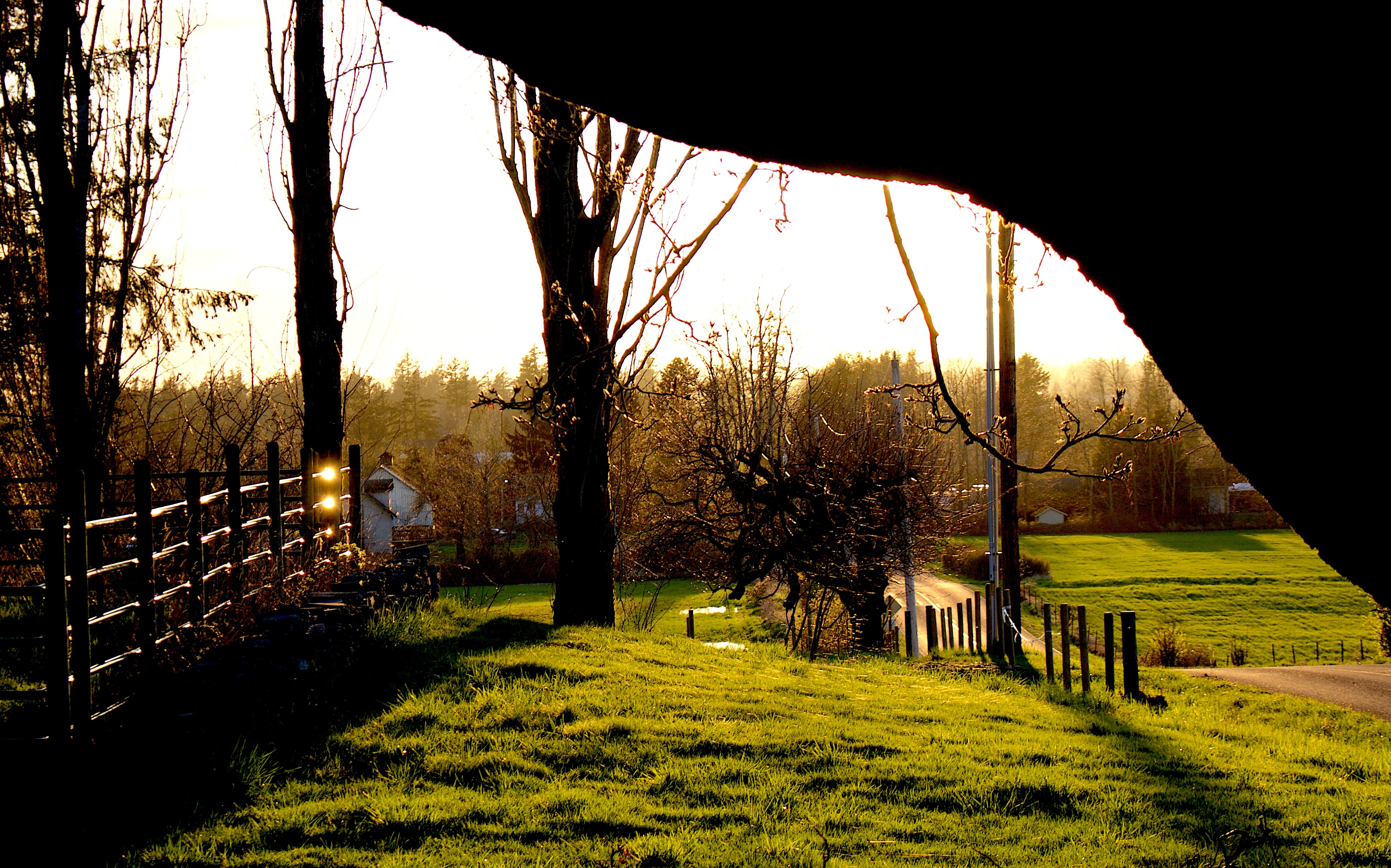
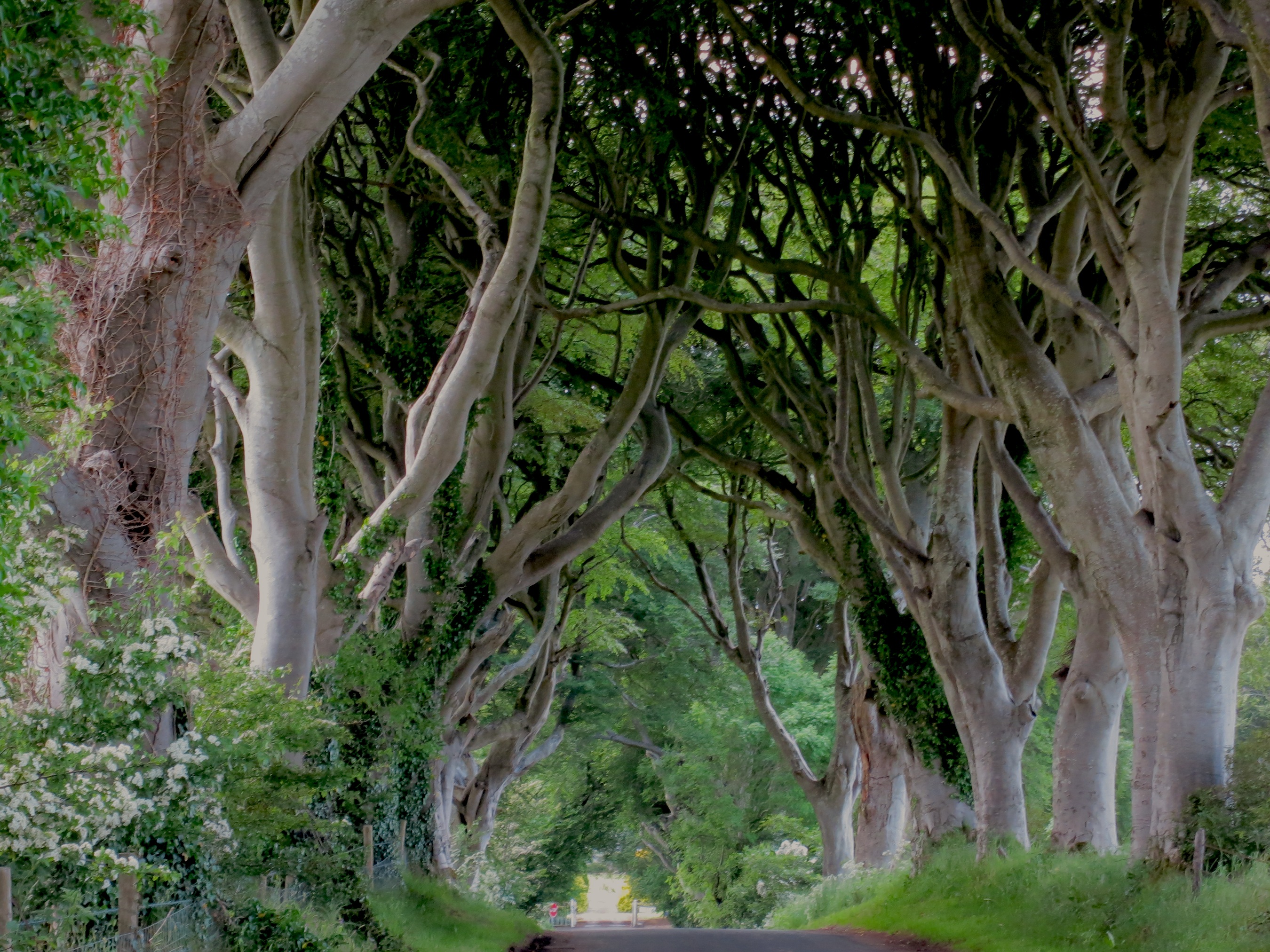
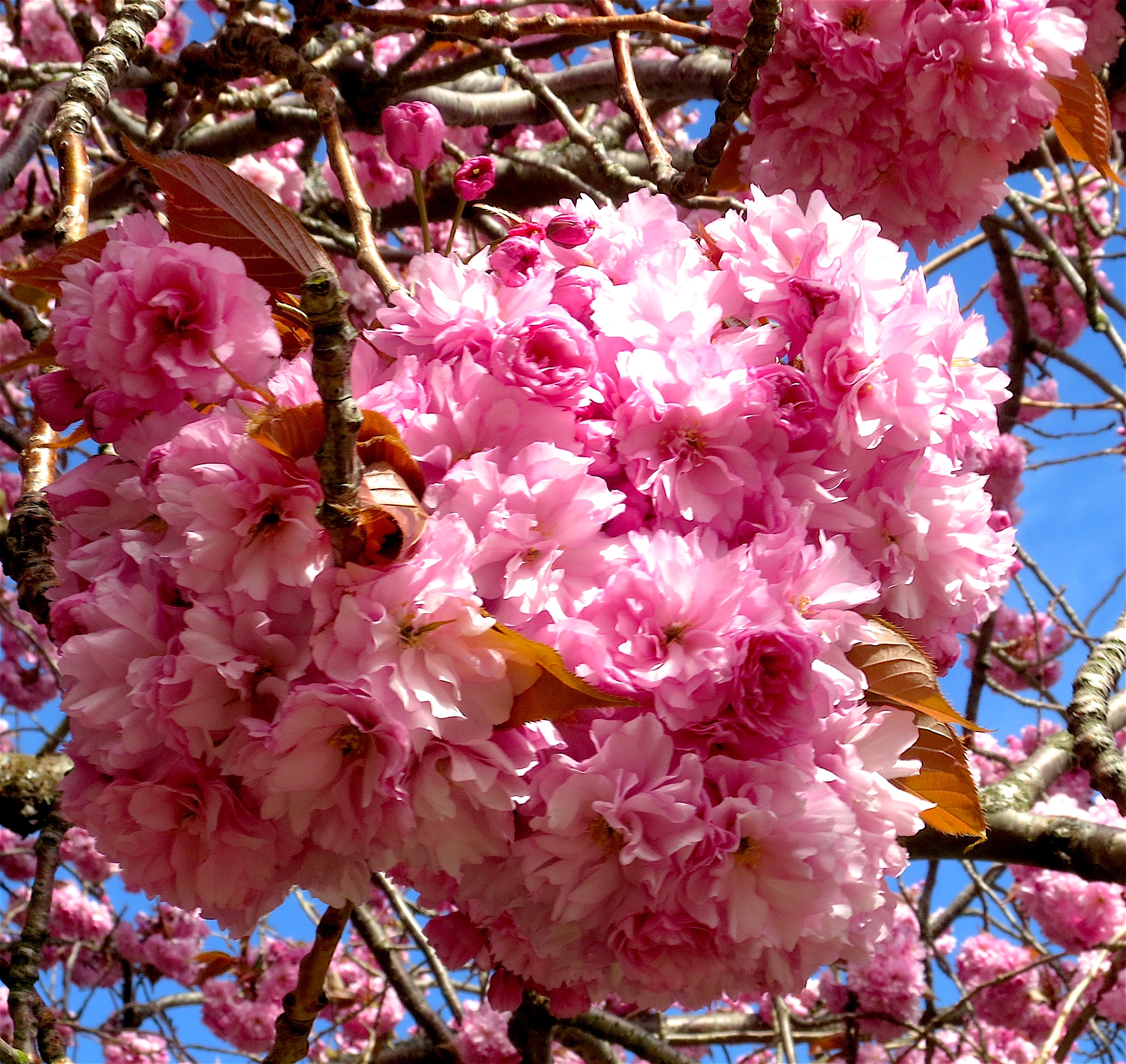
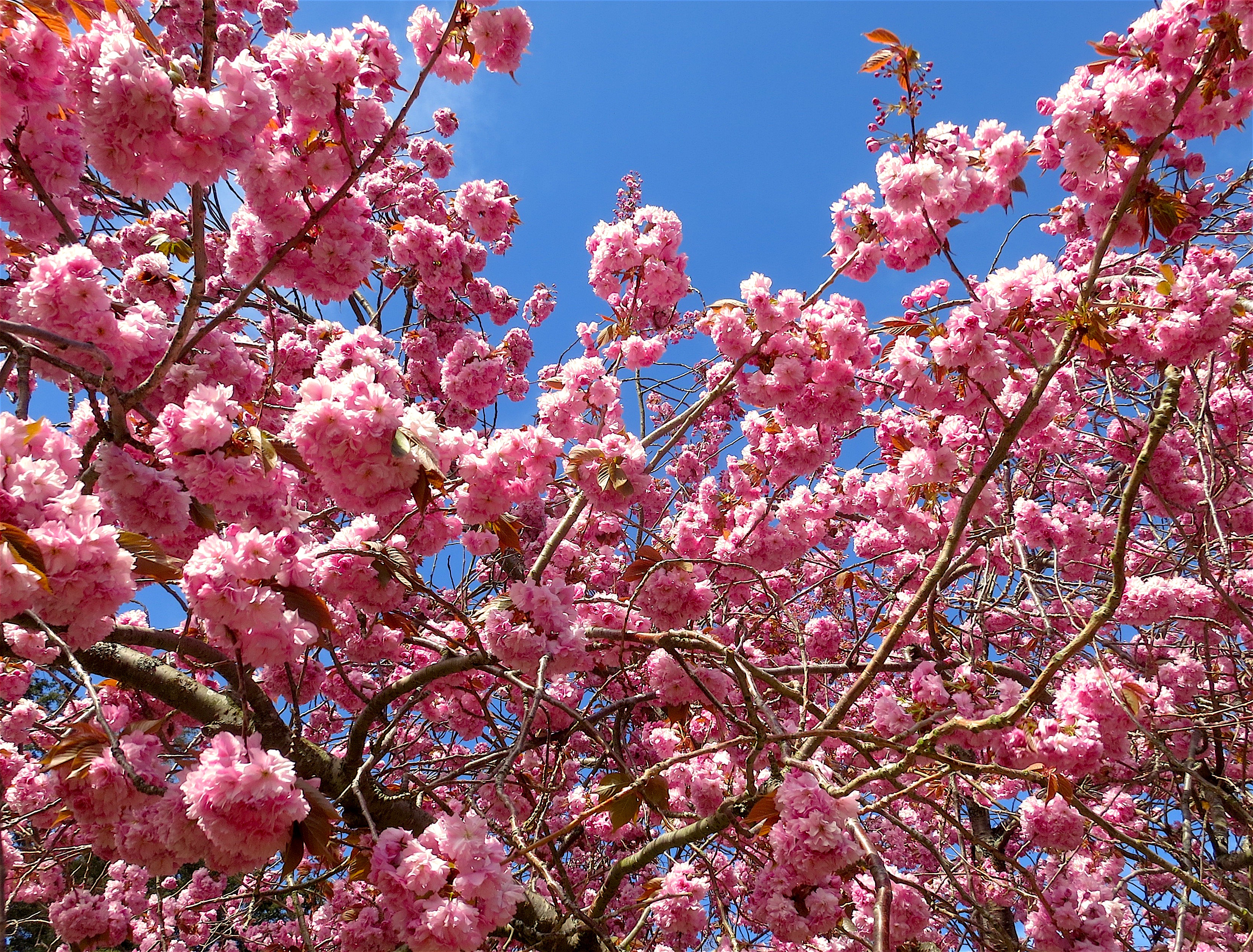
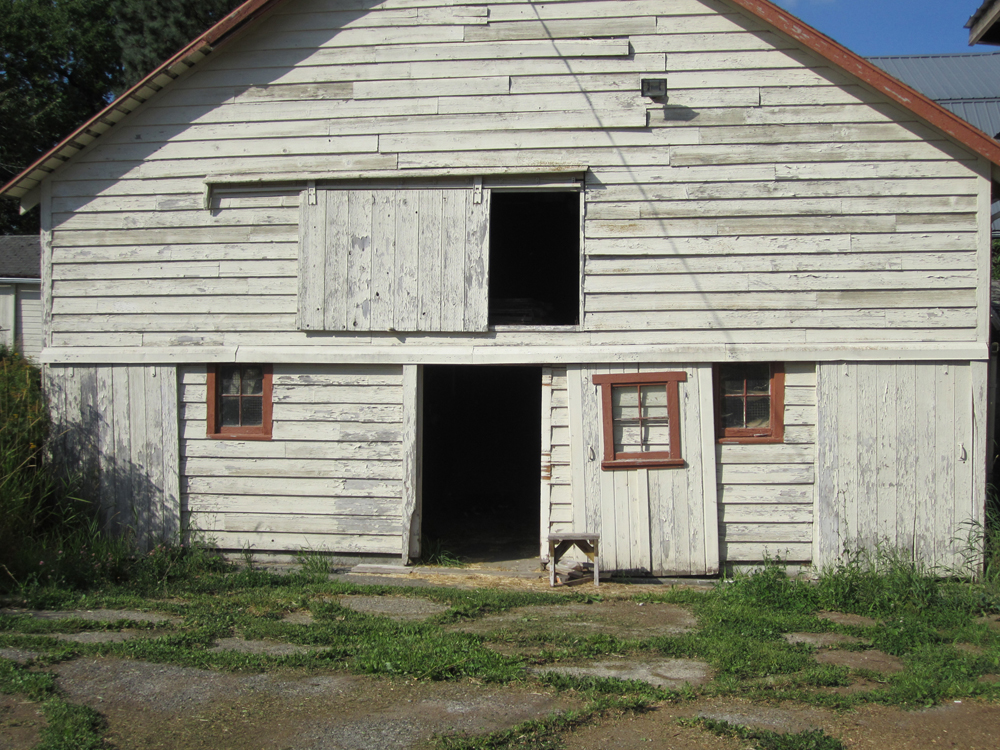
milkbarn

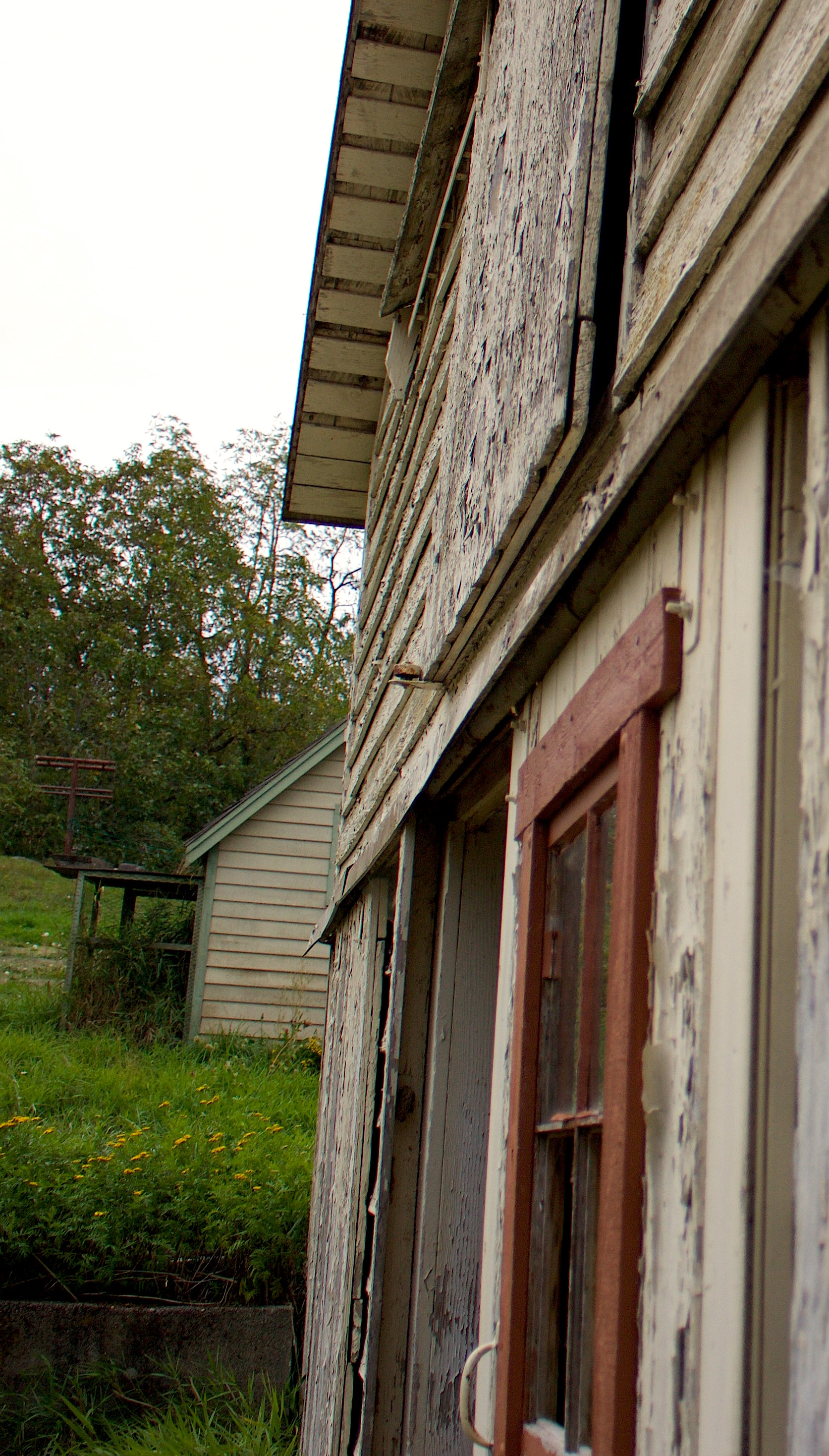
lowerbarndoors

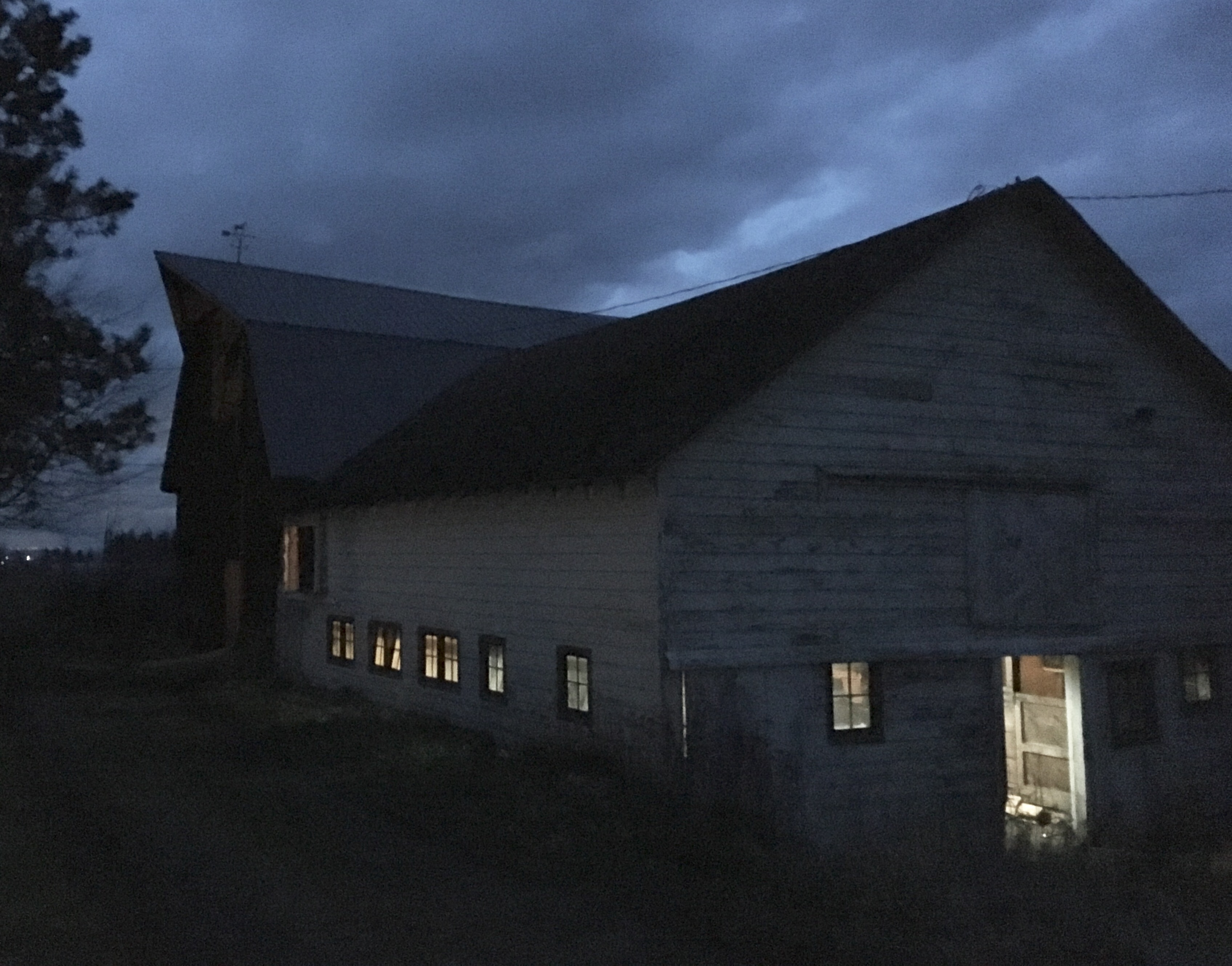
twilightbarn

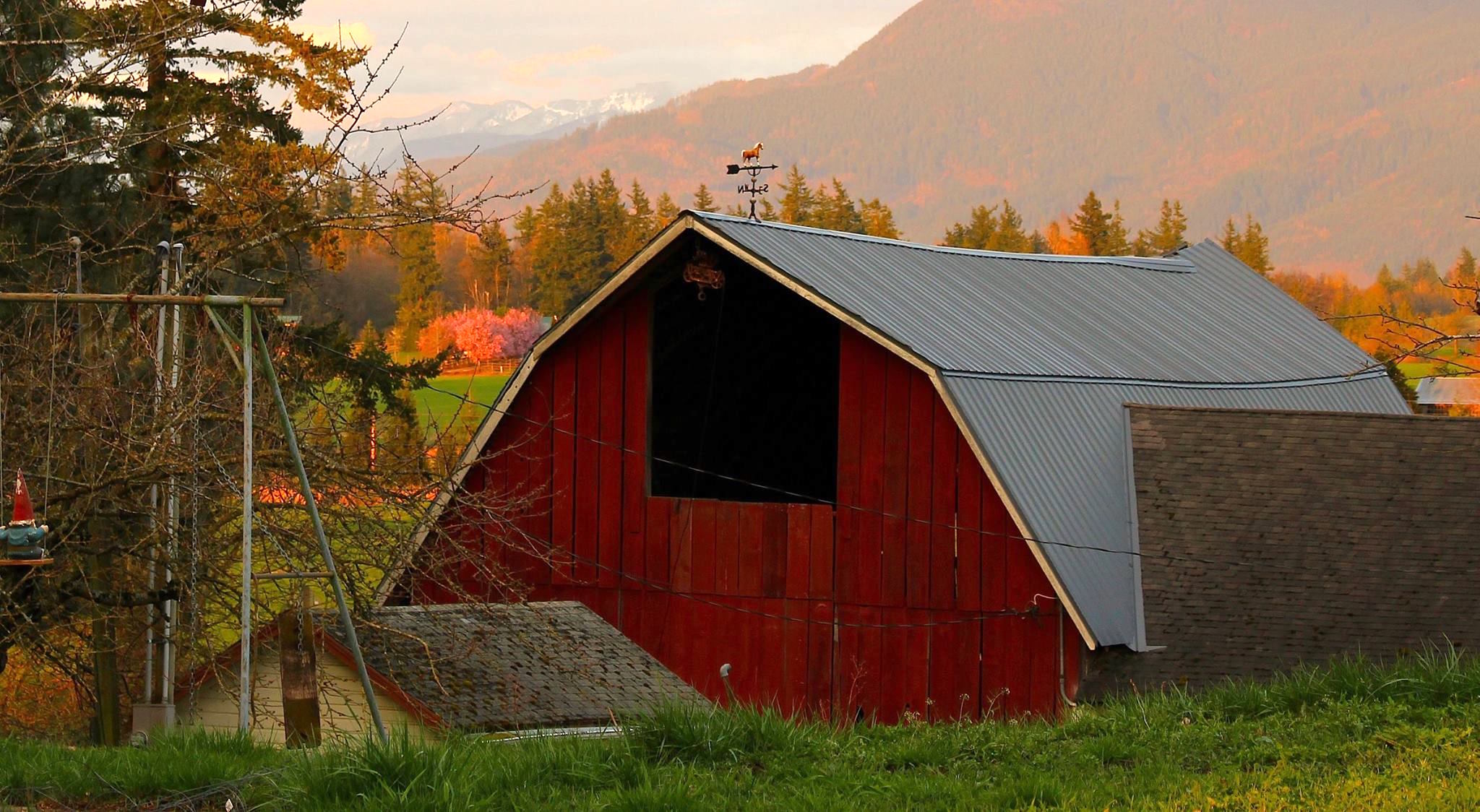
(I’ve been asked how my blog came to be named “Barnstorming” — most assume it is a doctor-farmer’s twist on “brainstorming” which didn’t occur to me until someone mentioned it to me.  Instead, the name has nothing to do with brains, baseball teams, politics or daredevil piloting of small airplanes.  It has everything to do with a storm taking place in our barn at the beginning of Holy Week  years ago.)

An unexpected southerly wind hit suddenly late Sunday night, gusting up to 40 miles an hour and slamming the house with drenching rain as we prepared to go to bed. Chores in the barn had been done hours before, but as we had not been expecting a storm, the north/south center aisle doors were still open, and I could hear banging and rattling as they were buffeted in the wind. I quickly dressed to go latch the doors for the night, but the tempest had done its damage. Hay, empty buckets, horse blankets, tack and cat food had blown all over the barn aisle, while the Haflingers stood wide-eyed and fretful in their stalls.

A storm was blowing inside the barn as well as outside it.

It took some time to tidy up the mess after the doors were secured but all was soon made right. The wind continued to bash at the doors, but it no longer could touch anything inside them. The horses relaxed and got back to their evening meal though the noise coming from outside was deafening. I headed back up to the house and slept fitfully listening to the wind blow all night, wondering if the metal barn roof might pull off in a gust, exposing everything within.

Yet in the new daylight this Monday morning, all is calm. The barn is still there, the roof still on, the horses are where they belong and all seems to be as it was before the barnstorming wind. Or so it might appear.

This wind heralds another storm coming this week that hits with such force that I’m knocked off my feet, swept away, and left bruised and breathless. No latches, locks, or barricades are strong enough to protect me from what will come over the next few days.

Yesterday He rode in on a donkey softly, humbly, and wept at what He knew.

Today, He overturns the tables in His fury.

Tomorrow he echoes the destruction that is to happen.

Wednesday, He teaches the people to prepare them, then rests in anticipation.

On Thursday, He kneels, pours water over dusty feet, presides over a simple meal, and then, abandoned,  sweats blood in agonized prayer.

By Friday, all culminates in the perfect storm, transforming everything in its path, leaving nothing untouched.

The silence on Saturday is deafening.

Next Sunday, the Son rises and returns, all is calm, all is well, all set to right.  He calls my name, my heart burns within me at His words and I can never be the same again.

Barnstormed to the depths of my soul. Doors flung open wide, the roof pulled off, everything blown away and now replaced, renewed and reconciled.

May it be done as He has said, again and yet again.

brokenbarn

eveningbarnspring

Turn Aside and Look: One Far Fierce Hour

13119038_10207819225091284_6197561799003821086_n
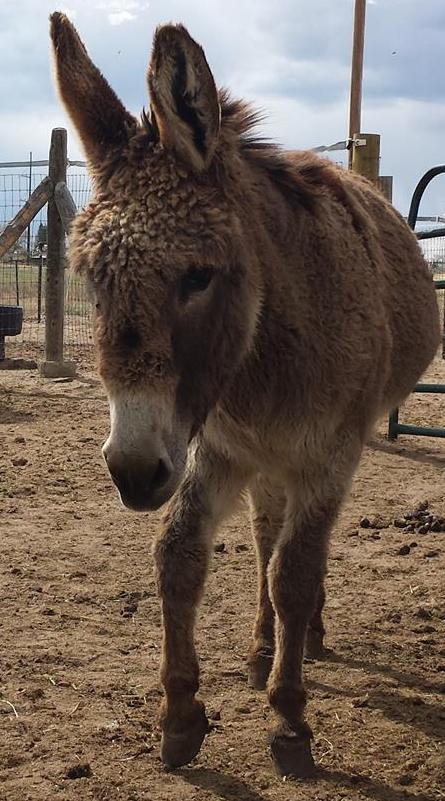
photo of a rescue donkey courtesy of Anna Blake at Infinity Farm  annablakeblog.com

With monstrous head and sickening cry
And ears like errant wings…

The tattered outlaw of the earth,
Of ancient crooked will;
Starve, scourge, deride me: I am dumb,
I keep my secret still.

Fools! For I also had my hour;
One far fierce hour and sweet:
There was a shout about my ears,
And palms before my feet.
G. K. Chesterton from “The Donkey”

advice-from-edgar
photo of Edgar Rice Burro by Anna Blake, Infinity Farm  annablakeblog.com

Palm Sunday is a day of dissonance and dichotomy in the church year, very much like the donkey who figured as a central character that day.  Sadly, a donkey gets no respect, then or now– for his plain and awkward looks, for his loud and inharmonious voice, for his apparent lack of strength — yet he was the chosen mode of transportation for a King riding to His death.

There was a motley parade to Jerusalem: cloaks and palms laid at the feet of the donkey bearing the Son of God,  the disorderly shouts of adoration and blessings, the rebuke of the Pharisees to quiet the people, His response that “even the stones will cry out” knowing what is to come.

But the welcoming crowd waving palm branches, shouting sweet hosannas and laying down their cloaks did not understand the fierce transformation to come, did not know within days they would be a mob shouting words of derision and rejection and condemnation.

The donkey knew because he had been derided, rejected and condemned himself, yet still kept serving.  Just as he was given voice and understanding centuries before to protect Balaam from going the wrong way, he could have opened his mouth to tell them, suffering beatings for his effort.  Instead, just as he bore the unborn Jesus to Bethlehem and stood over Him sleeping in the manger,  just as he bore a mother and child all the way to Egypt to hide from Herod,  the donkey would keep his secret well.   Who, after all,  would ever listen to a mere donkey?

We would do well to pay attention to this braying wisdom.  The donkey knows.   He bears the burden we have shirked.  He treads with heavy heart over the palms and cloaks we lay down as our meaningless symbols of honor.   He is servant to the Servant.

A day of dichotomy — of honor and glory laid underfoot only to be stepped on.   Of blessings and praise turning to curses.  Of the beginning of the end becoming a new beginning for us all.

And so He wept, knowing all this.  I suspect the donkey bearing Him wept as well, in his own simple, plain and honest way, and I’m quite sure he kept it as his special secret.

palmice

Turn Aside and Look: Giving Ground

goldenhaze3

aprileveningnorth

The air was soft, the ground still cold.
In the dull pasture where I strolled
Was something I could not believe.
Dead grass appeared to slide and heave,
Though still too frozen-flat to stir,
And rocks to twitch and all to blur.
What was this rippling of the land?
Was matter getting out of hand
And making free with natural law,
I stopped and blinked, and then I saw
A fact as eerie as a dream.
There was a subtle flood of steam
Moving upon the face of things.
It came from standing pools and springs
And what of snow was still around;
It came of winter’s giving ground
So that the freeze was coming out,
As when a set mind, blessed by doubt,
Relaxes into mother-wit.
Flowers, I said, will come of it.
~Richard Wilbur “April 5, 1974”

canadianrockies2
photo by Nate Gibson


foggyfield
photo by Nate Gibson


As the ground softens with spring,
so do I.
Somehow the solid winter freeze was comforting
as nothing appeared to change, stayed static,
so neither did I,
remaining stolid and fixed.

But now, with light and warmth,
the fixed is flexing,
steaming in its labor,
and so must I,
giving ground
and birth
to blooms.


northpeakssunrise2


fielddaff2017


cherryvolunteer


Turn Aside and Look: Lead On, Kindly Light

eveningfir417

evening46173

Lead, kindly Light, amid the encircling gloom,
Lead thou me on!
The night is dark, and I am far from home,–
Lead thou me on!
Keep thou my feet; I do not ask to see
The distant scene,–one step enough for me.

O lux aeterna, lead thou me on
O lux beata, lead, kindly light, lead me on
So long thy power has blest me, sure it still
Will lead me on

I was not ever thus, nor prayed that thou
Shouldst lead me on:
I loved to choose and see my path, but now
Lead thou me on!
I loved the garish days, and, spite of fears,
Pride ruled my will: remember not past years.

So long thy power hath blessed me, sure it still
Will lead me on;
O’er moor and fen, o’er crag and torrent, till
The night is gone;
And with the morn those angel faces smile
Which I have loved long since, and lost awhile.
~John Henry Newman

aprileve2

Lead, kindly light, amidst the grey and gloom
The night is long and I am far from home
Here in the dark, I do not ask to see
The path ahead–one step enough for me
Lead on, lead on, kindly light.

I was not ever willing to be led
I could have stayed, but I ran instead
In spite of fear, I followed my pride
My eyes could see, but my heart was blind
Lead on, lead on, kindly light.

And in the night, when I was afraid
Your feet beside my own on the way
Each stumbling step where other men have trod
shortens the road leading home to my God
Lead on, lead on,
my God, my God,
lead on, lead on, kindly light.
~Audrey Assad
inspired by Ven. John Henry Cardinal Newman’s poem of the same name

aprileve3

There are high winds predicted today;
I may awake in a storm-tossed night,
in pitch blackness
and the bedside flashlight not where it should be~

the familiar path to bathroom and kitchen
becomes obstacle course,
full of places to trip
and stub toes
and bump heads.

Illumination for only the next step
is all I will need.
A small circle of light that shows
where to safely put my foot.

You, Lord, step alongside me
You, Lord, make the dark less fearsome
You, Lord, are that safe and kindly light
that shows me the next step and
never goes out.

april2eve1

april2eve

Turn Aside and Look: Love Sits in His Eyelids

chickadee2

heronvolunteer

His voice, as the sound of the dulcimer sweet,
is heard through the shadows of death;
The cedars of Lebanon bow at His feet,
the air is perfumed with His breath.
His lips as the fountain of righteousness flow,
that waters the garden of grace,
From which their salvation the Gentiles shall know,
and bask in the smile of His face.

Love sits in his eyelids and scatters delight,
through all the bright regions on high.
Their faces the cherubim veil in his sight,
and tremble with fullness of joy.
He looks and ten thousands of angels rejoice,
and myriads wait for His word.
He speaks and eternity filled with His voice
Re-echoes the praise of the Lord.

He looks and ten thousands of angels rejoice,
and myriads wait for His word.
He speaks and eternity filled with His voice
Re-echoes the praise of the Lord.
~ Southern Folk Hymn

sunsetgeese

During these days of bright darkness
preparing us for next week,
I become absorbed in all I am not~
my shortcomings and failings,
my eroding patience and tolerance,
my temptation to turn away from self-denial,
my inability to see beyond my own troubles~

I forget this is not all about me:

I neglect to witness first hand,
as others did,
God through Christ:
the beauty in His becoming man,
the joy of His joining up with us,
the love in His gracious sacrifice,
the full promise of His Word that breathes
life back into every dying soul~

and so it becomes all about me

not because of
what I’ve done,
or who I am,
but because of
who He is and was and will be,
loving me,
loving all of us,
no matter what.

chickadee1

Turn Aside and Look: The Truth Beyond All Truths

aprileve6

And now brothers, I will ask you a terrible question, and God knows I ask it also of myself. Is the truth beyond all truths, beyond the stars, just this: that to live without him is the real death, that to die with him the only life?
~Frederick Buechner  from The Magnificent Defeat

aprilevening

[The Incarnation is like] a wave of the sea which,
rushing up on the flat beach,
runs out, even thinner and more transparent,
and does not return to its source but sinks into the sand and disappears.
~Hans Urs von Balthasar from Origen: Spirit and Fire

 fidalgobeach

We are approaching the week of emptying that leads to the fullness of Easter morning.  It is impossible to approach this time without feeling hollowed out and emotionally drained, our empty spaces to be filled to the brim with grace.

More over, through commemoration of these historical events, God on earth once again sinks deeply into our lives, pours Himself onto our earthly soil and into our fleshly souls.  He washes our dirty feet, feeds us at His table, and pleads on our behalf for forgiveness when we deserve none of it.

He loses Himself in us.  Through Him,  we are renewed and refilled, welcomed home, whole and holy.

Hollowed, then hallowed.

sakurauw1

sunrise44174

Let him kneel down, lower his face to the grass,
And look at light reflected by the ground.
There he will find everything we have lost.
~Czeslaw Milosz from “The Sun”

aprileve1

Turn Aside and Look: That Steep Dark Path

canadiancoastals

thorns
photo by Josh Scholten


The reason Lent is so long is that this path to the truth of oneself is long and snagged with thorns, and at the very end one stands alone before the broken body crowned with thorns upon the cross. All alone – with not one illusion or self-delusion to prop one up.

Yet not alone, for the Spirit of Holiness, who is also the Spirit of Helpfulness, is beside you and me. Indeed, this Spirit has helped to maneuver you and me down that dark, steep path to this crucial spot.
~Edna Hong from Bread and Wine


beechtrail

Christ … is a thorn in the brain.
Christ is God crying I am here,
and here not only in what exalts and completes and uplifts you,
but here in what appalls, offends, and degrades you,
here in what activates and exacerbates all that you would call not-God.
To walk through the fog of God
toward the clarity of Christ is difficult
because of how unlovely,
how ungodly that clarity often turns out to be.
~Christian Wiman from Image Journal “Varieties of Quiet”

pathwaylight2

Turn Aside and Look: God’s Image is on You

coin

Some of you have probably heard me mention the simple conversation between Jesus and the one who was questioning him, trying to pit him against Caesar. And he looked at Jesus and he said, “Is it alright to pay taxes to Caesar?” (Mark 12:14-17) That is one question I wish so desperately Jesus had answered differently—then on April 15 you could be godly and rebellious at the same time!

Jesus, so brilliant in his response, he says, “Give me a coin.” And he took the coin and he says, “Whose image do you see on this?” The man says, “Caesar.” Jesus says, “Give to Caesar that which is Caesar’s, and give to God that which is God’s.”

The disingenuousness of the questioner is noticed in the fact that he did not come back with a second question. He should have said, “What belongs to God?” And Jesus would have said, “Whose image is on you?”

Give to Caesar that which belongs to Caesar; give to God that which belongs to God. God’s image is on you.
~Ravi Zacharias

17474431_10155096816031119_1164090568_o

The whole concept of the Imago Dei (or)…the ‘Image of God’ is the idea that all men have something within them that God injected…

This gives him a uniqueness, it gives him worth, it gives him dignity.
And we must never forget this…there are no gradations in the Image of God.

Every man from a treble white to a bass black is significant on God’s keyboard,
precisely because every man is made in the Image of God.

One day we will learn that.

We will know one day that God made us to live together as brothers
and to respect the dignity and worth of every man.
– Martin Luther King, Jr. from his “The American Dream” sermon, July 4, 1965


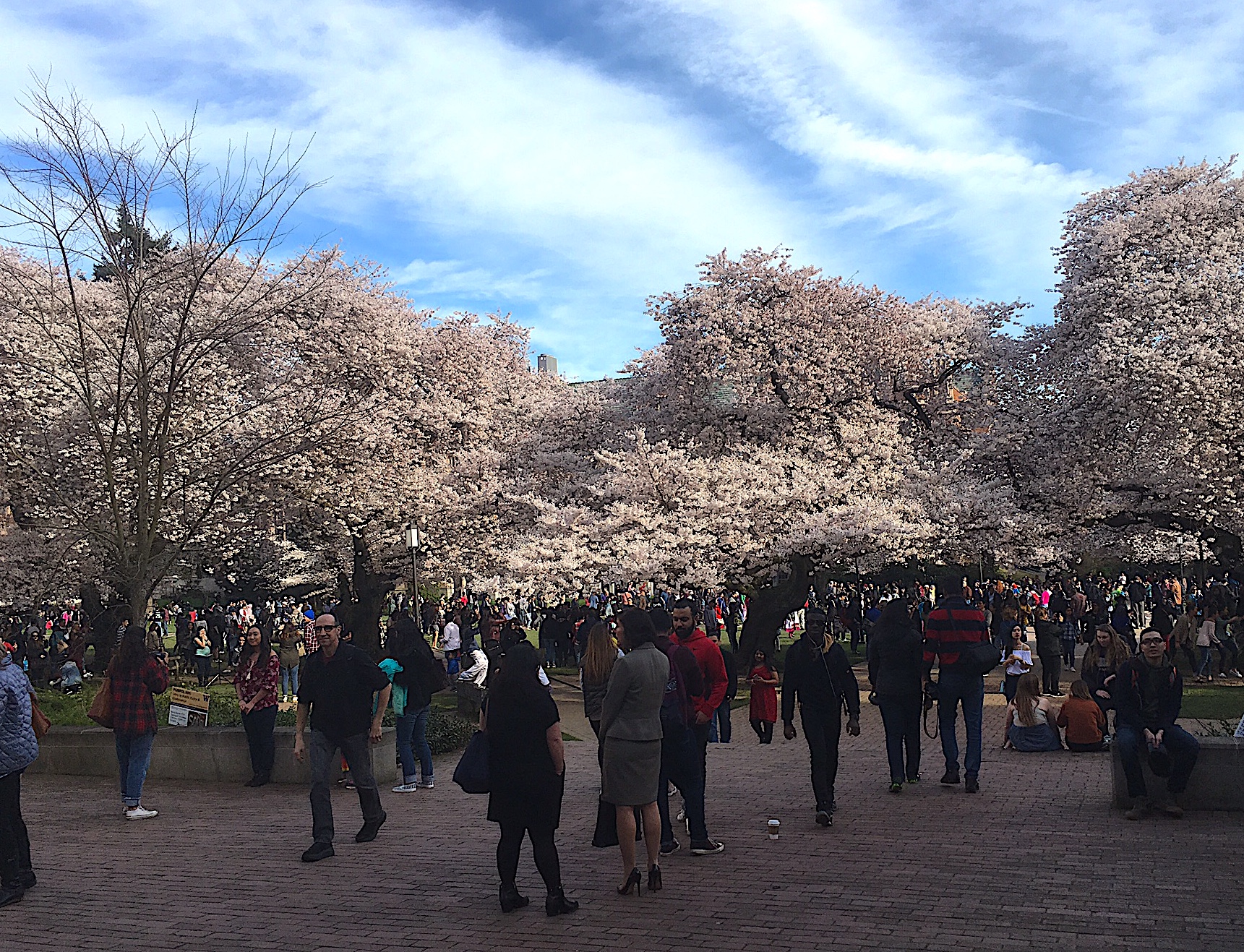
uwsakura

Martin Luther King, Jr. spoke frequently of a hoped-for day when all people would be united as God’s children,  joined together by our joint creation as the Image of God.  Not one of us reflects God more than another but together form His body and His kingdom on earth.

Dr. King’s words and wisdom continue to inform us of our shortcomings over 50 years later as we flounder in our flaws and brokenness;  so many question not only the validity of equality of all people of all shades, but even doubt the existence of a God who would create a world that includes the crippled body, the troubled mind, the questioned gender, the genetically challenged, the human beings who never draw a breath.

Yet we are all one, a composition made up of white and black keys too often discordant, sometimes dancing to different tempos, only on rare occasions a symphony.  The potential is there for harmony, and Dr. King would see and hear that in his time on earth.

Instead we unite only in our shared tears, shed for the continued strife and disagreements, shed for the injustice that results in senseless killings, shed for our inability to hold up one another as holy in God’s eyes as His intended creation.

We weep together knowing a day will come when the Lord God will wipe tears away from all faces — all colors just as they are.  No gradations.

april2eve3

willdaff

Turn Aside and Look: A Kaleidoscope of Emotion

sakurauw7

cactusblossom

The gospel writers paint their portraits of Jesus using a kaleidoscope of brilliant “emotional” colors.
Jesus felt compassion;
he was angry, indignant, and consumed with zeal;
he was troubled, greatly distressed, very sorrowful, depressed, deeply moved, and grieved;
he sighed;
he wept and sobbed;
he groaned;
he was in agony;
he was surprised and amazed;
he rejoiced very greatly and was full of joy;
he greatly desired, and he loved.

~ G.Walter Hansen, The Emotions of Jesus

sakurauw4

jadebud2

God could, had He pleased, have been incarnate in a man of iron nerves,
the Stoic sort who lets no sigh escape him.
Of His great humility He chose to be incarnate in a man of delicate sensibilities
who wept at the grave of Lazarus and sweated blood in Gethsemane.
Otherwise we should have missed the great lesson
that it is by his will alone that a man is good or bad,
and that feelings are not, in themselves, of any im­portance.
We should also have missed the all-important help
of knowing that He has faced all that the weakest of us face,
has shared not only the strength of our nature
but every weakness of it except sin.
If He had been incarnate in a man of immense natural courage,
that would have been for many of us almost the same as His not being incar­nate at all.

― C.S. Lewis, The Collected Letters of C.S. Lewis

conservatory4

conservatory3

Lord, long expected,
needed and wanted
in rainbow colors of our emotions
and yours.

Your heart beat
like ours
breathing each breath
like ours
until a fearful fallen world
took Your
and our breath
away.

You shine a kaleidoscope of light
through the shadows of death
to guide our stumbling uncertain feet.
Your tender mercies flow freely
when there is no consolation
when there is no comfort.

You express joy and amazement
and encourage our celebration of life.

You hear our cries
as You cry too.
You know our tears
as You weep too.
You know our mourning
as You mourned too.
You know our dying
as You died too.

Only You can glue together
what evil has shattered.
You just ask us to hand You
the pieces of our broken hearts.

We will know Your peace
when You come
to bring us home,
our tears will finally be dried;
we are glued together
forevermore.

hydrangea1


Turn Aside and Look: A God Within

wwusakura4

sakura217


God is within all things, but not enclosed;
outside all things, but not excluded;
above all things but not aloof;
below all things but not debased.

~St. Bonaventure, 14th C. philosopher and theologian 


wwusakura6


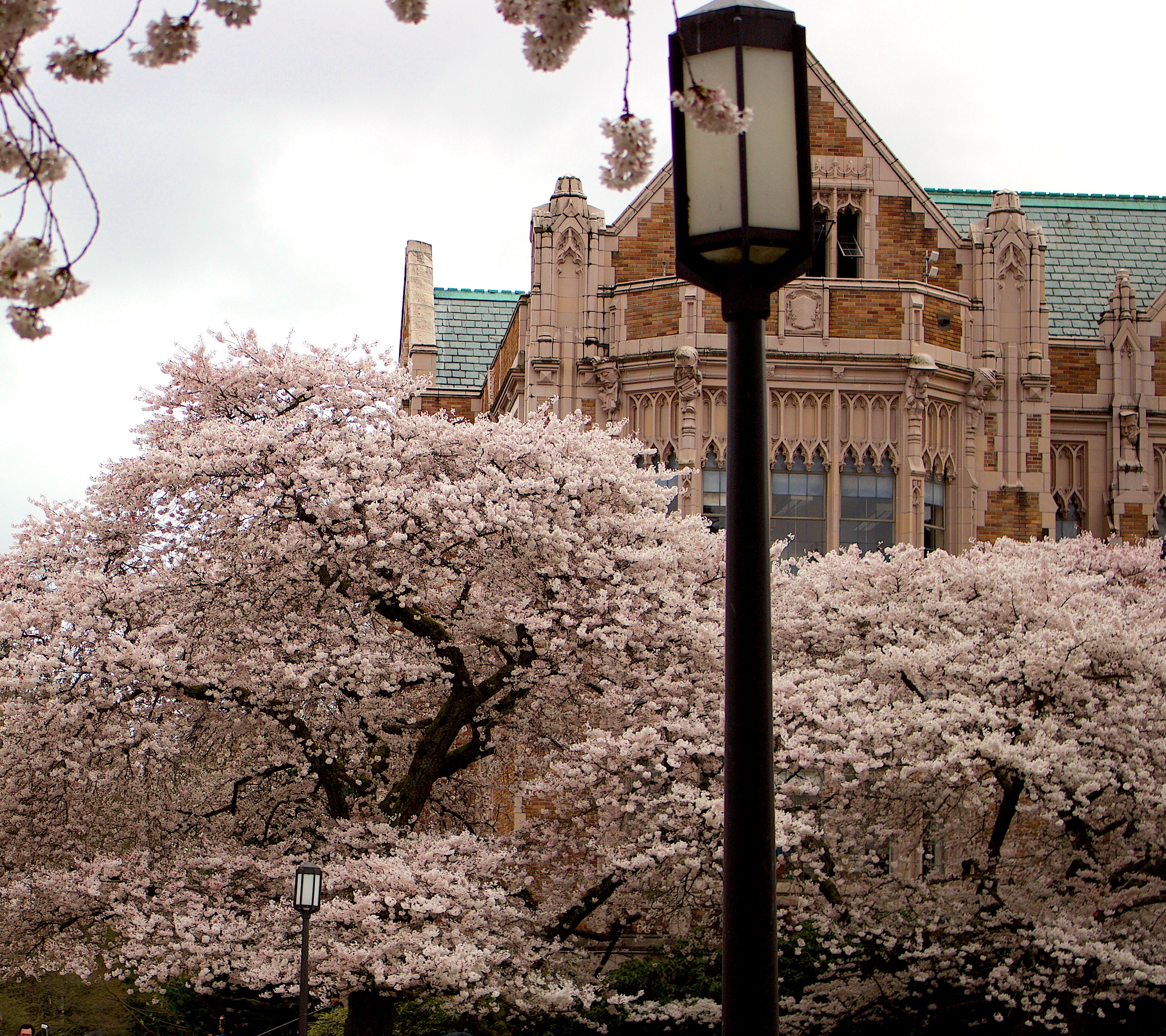
Beauty, to the Japanese of old, held together the ephemeral with the sacred. Cherry blossoms are most beautiful as they fall, and that experience of appreciation lead the Japanese to consider their mortality.

Hakanai bi (ephemeral beauty) denotes sadness, and yet in the awareness of the pathos of life, the Japanese found profound beauty.

For the Japanese, the sense of beauty is deeply tragic, tied to the inevitability of death.

Jesus’ tears were also ephemeral and beautiful. His tears remain with us as an enduring reminder of the Savior who weeps. Rather than to despair, though, Jesus’ tears lead the way to the greatest hope of the resurrection. Rather than suicide, Jesus’ tears lead to abundant life.
~Makoto Fujimura


fallensakura
fallen sakura petals in Tokyo (photo by Nate Gibson)


…we are shown so clearly the full import of Jesus’ humanity and His empathy and compassion in His willingness to weep, to shed tears, to empty Himself and to stand naked before us:
(using poetic license here to imagine what Jesus might have said.)

[‘See, my precious ones, I AM like you in your humanness. That is why my Father
has sent me to you to show you the depth of His love for you and to acknowledge
that He knows and understands your pain wrought from your brokenness.’]

The act of weeping, sobbing, crying IS the letting go of our pent up hidden sorrow and our woundedness, held back behind a retaining wall by the sheer force of our willpower and by our reticence to show our true self, our vulnerability. Once released, and emptied of the dross behind the dam, we are washed clean by the cleansing waters of our tears. It is only then, and with the help of Jesus who experienced heart-rending sorrows, that the healing can begin. He demonstrated that to us by His promised Resurrection!
~Alice F. LaChapelle


sakurarain
fallen sakura blossoms in Tokyo, photo by Nate Gibson