When August Burning Low

sunset82215

sunset823153

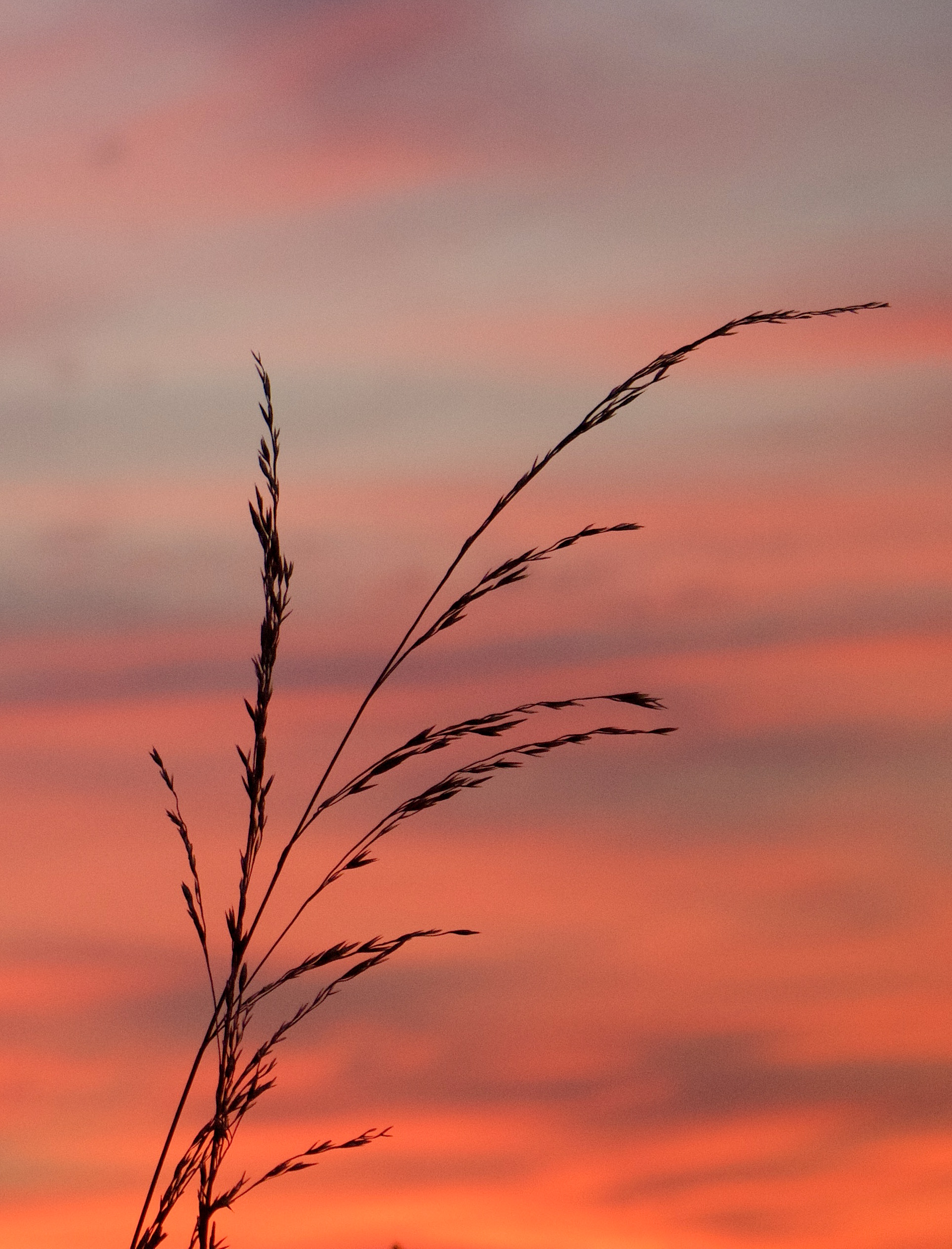
Further in Summer than the Birds
Pathetic from the Grass
A minor Nation celebrates
Its unobtrusive Mass.

No Ordinance be seen
So gradual the Grace
A pensive Custom it becomes
Enlarging Loneliness.

Antiquest felt at Noon
When August burning low
Arise this spectral Canticle
Repose to typify

Remit as yet no Grace
No Furrow on the Glow
Yet a Druidic Difference
Enhances Nature now
~Emily Dickinson

“…one of the great poems of American literature. The statement of the poem is profound; it remarks the absolute separation between man and nature at a precise moment in time.  The poet looks as far as she can into the natural world, but what she sees at last is her isolation from that world.  She perceives, that is, the limits of her own perception. But that, we reason, is enough. This poem of just more than sixty words comprehends the human condition in relation to the universe:

So gradual the Grace
A pensive Custom it becomes
Enlarging Loneliness.

But this is a divine loneliness, the loneliness of a species evolved far beyond all others.  The poem bespeaks a state of grace. In its precision, perception and eloquence it establishes the place of words within that state.  Words are indivisible with the highest realization of human being.”
~N. Scott Momaday from The Man Made of Words


On the first day of his class in 1974 at Stanford, N.Scott Momaday strolled to the front, wrote the 60 words of this poem on the blackboard and told us we would spend at least a week working out the meaning of what he considered the greatest poem written.  In his resonant bass, he read the poem to us many times, rolling the words around his mouth as if to extract their sweetness. This man of the plains, a member of the Kiowa tribe, loved this poem put together by a New England recluse  — someone as culturally distant from him as possible.

But grace works to unite us, no matter our differences.  What on the surface appears a paean to late summer cricket song, doomed to extinction by oncoming winter, is a statement of the transcendence of man beyond our appreciation of nature. Just as the fires in our state are incinerating everything, even the insects of the fields, in its path, we still find grace and meaning in the destruction.  There is no one as lonely as the fire fighter facing the flame and no one as lonely as the poet facing the empty page, in search of words.

Yet the Word brings Grace unlike any other, even when the cricket song, pathetic and transient as it is, is gone.  The Word brings Grace, like no other, to pathetic and transient man.

There is no furrow on the glow.  There is no need to plow and seed our salvaged souls, already planted and yielding a fruited plain.

sunsetgrass810151

sunset823152

Fair Thee Well

11880421_10153502722171119_3662914864273360712_n


11887997_10153502721681119_411922729831800007_n


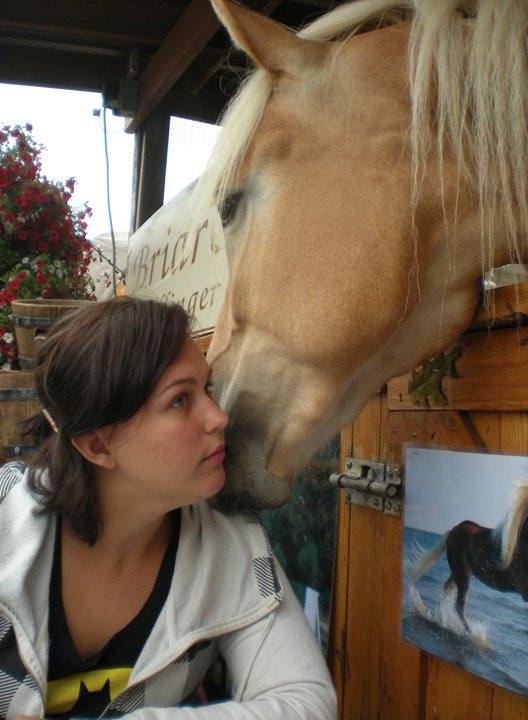
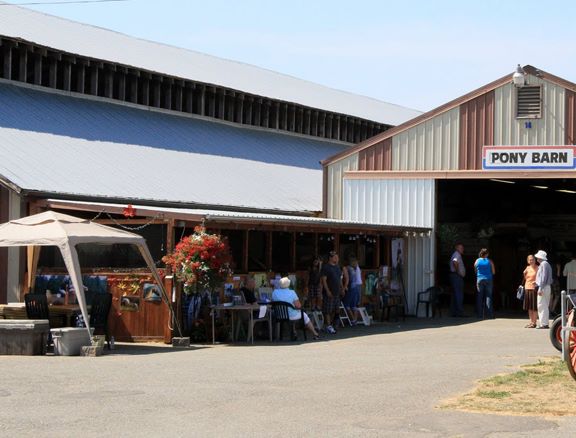
The Northwest Washington Fair in Lynden wrapped up last night and our farm and Haflingers weren’t there waiting in our stalls for a ride home after a week of display.  I can imagine it in my mind: the many smells of fried food in the smoky dark filled with carnival bright flashing lights in a cacophony surreal to humans and horses.  We are no long “doing” the fair as a farm, a fact with which I’m reconciled…finally.

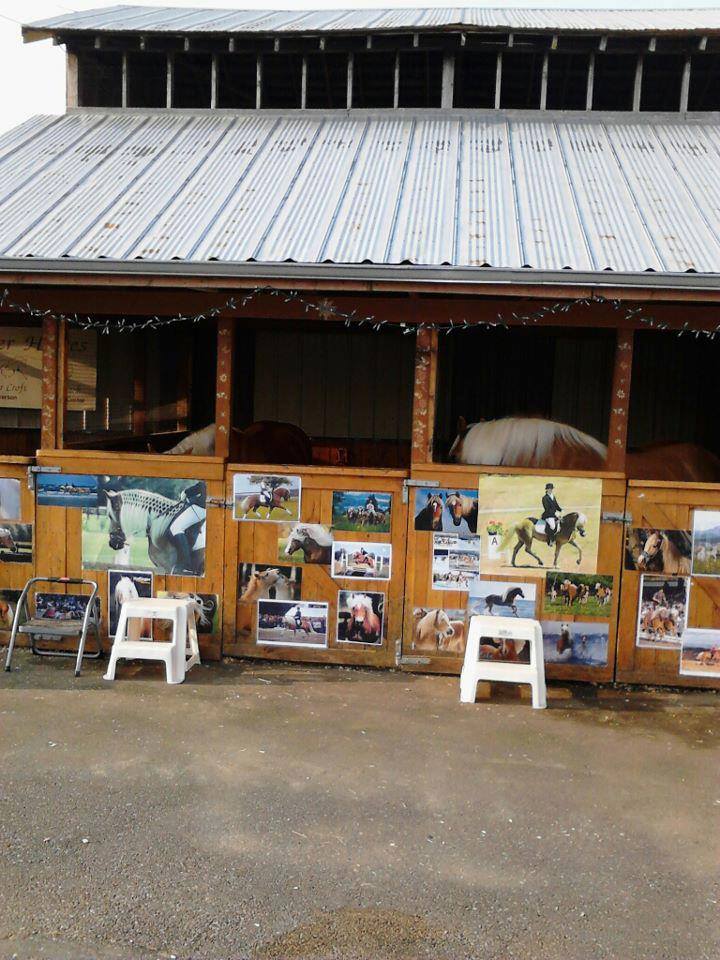
BriarCroft had been a consistent presence at this fair for nearly two decades, promoting the Haflinger breed in a well  decorated display, providing 24 hour a day coverage for the horses for the 6 days of the fair. We petitioned the Fair Board for 5 years in the late eighties to allow us to display at the fair, and they finally said “okay, here’s the space, build it yourself” and we did! We were not there for classes, competition, or ribbons. We were there because people enjoyed our Haflingers and we enjoyed the people.

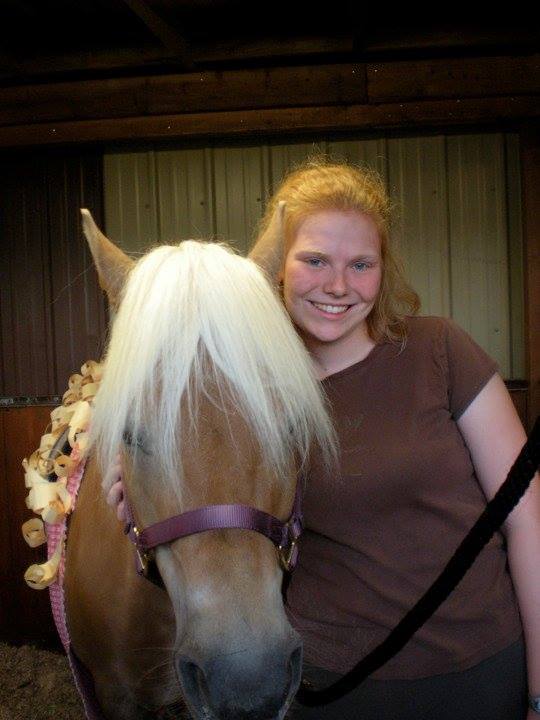
But our children Nate, Ben and Lea have grown up and moved away so are no longer available to help “man” the horse stalls.  Our other long term helpers like Emily, Chris and David are now adults with “real” jobs and obligations, and our faithful trick riders Kelsy and Chesna who performed daring feats on their Haflingers in front of the grandstand crowds have gone on to other careers.   I miss spending that intense one week time with all of the several dozen “kid” helpers from over the years, many of them now with children of their own.

Every year since 1992, we evaluated whether we had the energy and resources to do it  again–for the initial 6 years when Dan and I were the sole Haflinger farm doing the display, it meant a week of vacation from work, and very very long days, juggling our small children as well as several horses. Then, with the help of the Rodenbergers of 3R Farms and McKees of Teaglach Farm, we were able to rotate shifts, still work at our “real” jobs part days, share duties and expenses together. The older kids watched the younger kids, the inbetween kids did most of the horse stall cleaning duty, and the adults sat and shot the breeze.

Did this sell horses for us? Not really. But it sure did create good will for the fair visitors who depended on us every year to be there with horses that they and their children could actually pet (and sit on ) without fear, who enjoyed our braiding demonstrations, and our various Haflinger trivia contests with prizes.

Most of all, why we continued to do this so long, was that we provided what dreams are made of. I’m not sure how many times a day there would be a bright eyed child who approached our stalls, climbed up on the step stools and reached up to pet a Haflinger nose or neck and looked deep into those big brown Haflinger eyes, and lost their heart forever to the breed. They will not forget that moment when a horse they had never met before loved them back. Haflingers are magic with children and we saw that over and over again.

Our first year, in 1992, a mom and her 6 year old son came up to our stalls, as do some  10,000 people a day, and spent a long time petting the horses and talking to them, and enjoying them. They walked off, with the little boy looking over his shoulder at the Haflingers until they turned a corner and went out of sight. An hour later they were back and spent more time with the Haflingers. I offered the little boy a chance to sit on a Haflinger, and he agreed readily, and sat and sat and sat, playing with the mane and petting the shoulder and neck and was simply in heaven, quietly dreaming his own dreams on the back of a horse. His mom told me that they lived in a suburb near Seattle, but always spent this particular week in August at a local beach cabin, and the fair was one of their favorite activities each year. Her son Gary had never had an opportunity to sit on a horse before.

Next year, they were back, and Gary was a little taller, but still a quiet boy, and he kept dragging his mom back to the Haflingers, and she’d sit and visit as he’d sit on the Haflingers. He watched as we watered the horses, or fed them hay, or cleaned their stalls, and pretty soon he was asking if he could do the scooping, or dump the buckets or brush the horses. So he became, out of his own initiative, a helper.

By the time he was 8, he was spending several hours at a time with us at the stalls, taking his turn at the chores, and his mom, trusting that he was in good hands, and that he certainly wasn’t going to wander away from the Haflingers, would check back with him now and then to see if he wanted to go on rides, or see a performance, and his response was always “no, I can do that anytime, but I don’t get to see Haflingers very often!” He would talk a little about his hope someday to have a farm where he could raise Haflingers, and one year even said that his folks were looking at property to buy with acreage, but apparently a job for his dad didn’t materialize, so he remained a city kid in reality, even if he was a future farm kid in his heart.

He was one of our regular kid helpers every year until he was 12 when he started turning out for junior high football, and the football summer camp coincided with our fair week, so we’d only see him briefly on Saturdays as he got into his teens. He’d stop by to say hi, pet the horses, catch up on the Haflinger news, and because he only had a few hours to spend at the fair, he’d head off to other things. I really missed him and his happy smile around the stalls.

When he was 15, I missed seeing him because I was working when he stopped by. When he stopped by at age 16, he strolled up to me and I found I was looking up at this young man who I had to study to recognize. I’m a tall woman of 5’10”–he was at least 4 inches taller than me! He told me he wanted to come by because some of his best summer memories were of spending time with the Haflingers at the fair and he wanted me to know that. He thanked me for welcoming him and allowing him to “hang out” with the Haflingers. He told me his hope and dream someday was to live somewhere where he could raise Haflingers, and he was working hard in school so he could make that happen. He was a  4.0 student and the first string quarterback on his high school football team. I was as proud as if he was my own son.

This young man received a full scholarship to play football at a major university, and over four years waited his turn to be the starting quarterback.  Once he had his chance, after only a few games of being the starter, he was tackled hard, sustaining a neck fracture which thankfully resulted in no permanent damage, but his college football career was suddenly over.

I hope someday to see Gary again–it would be great to see this tall accomplished young man who so recently was a shy quiet little city boy of 6, draped across the broad back of a Haflinger, and lost in his dreams of a “someday” Haflinger of his own. This is why we’ve done what we have at the fair all these years. It was for people like Gary who made a connection with a horse and never ever forget it. I’d like to think that a little bit of who Gary is and what he is becoming is because he had a dream of a horse farm that he held onto all these years.

We do hope the fair-goers miss the friendly golden horses with the big brown eyes that help make dreams come true.

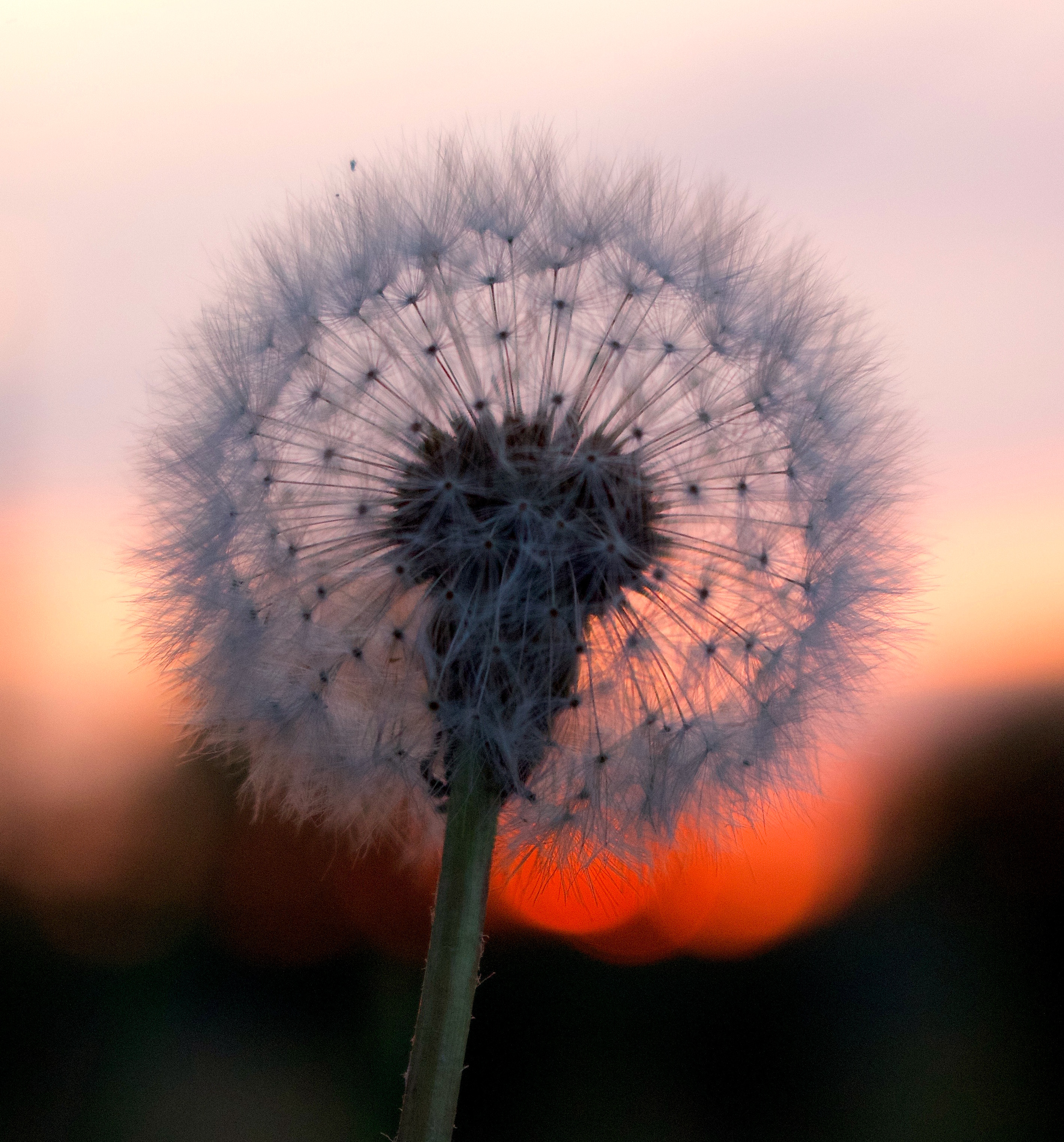
The Essence of August

august151

sunset82115

august154

august157

pondreflect

dryhydrangea

sunset813152

beebye


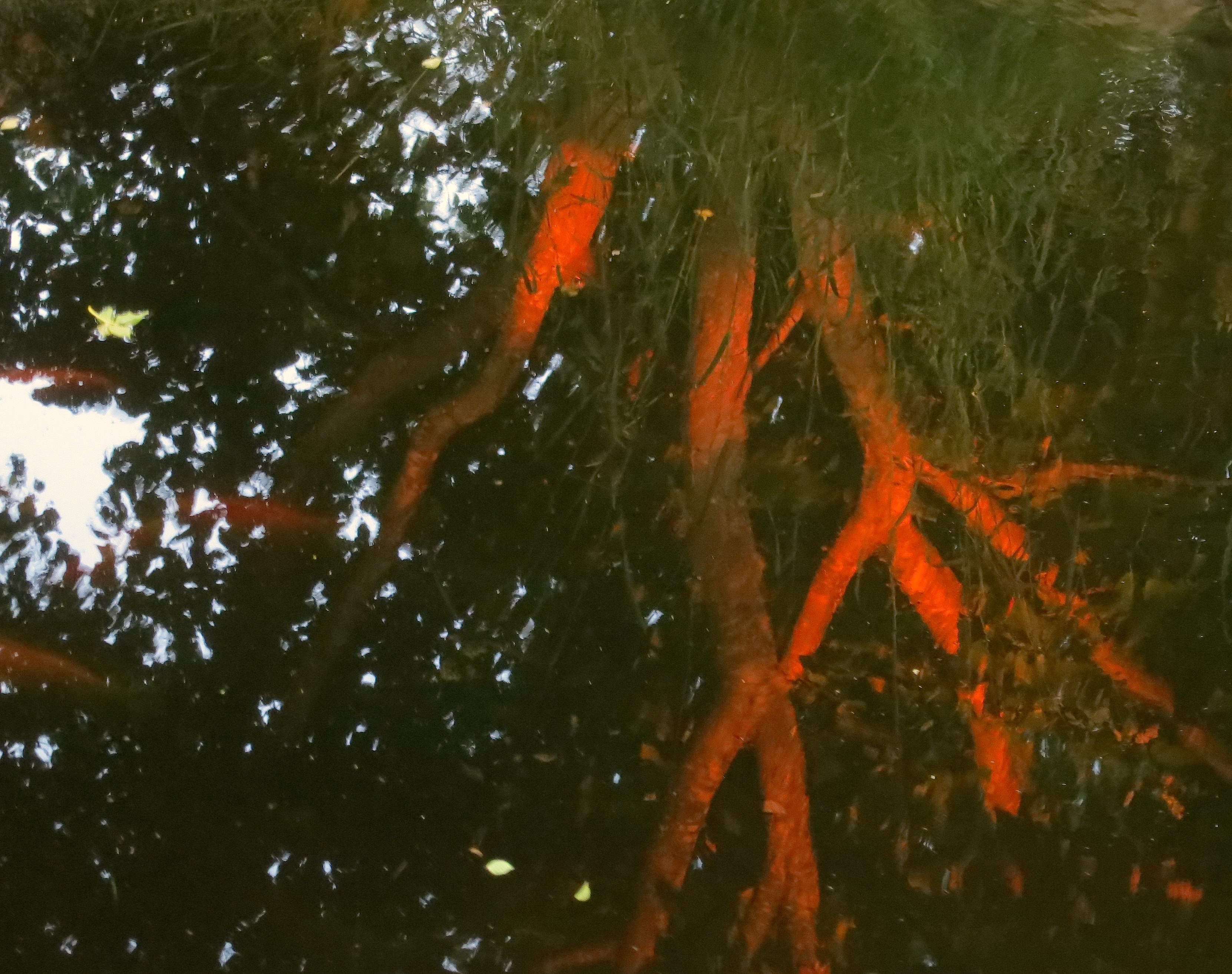
No wind, no bird. The river flames like brass.
On either side, smitten as with a spell
Of silence, brood the fields. In the deep grass,
Edging the dusty roads, lie as they fell
Handfuls of shriveled leaves from tree and bush.
But ’long the orchard fence and at the gate,
Thrusting their saffron torches through the hush,
Wild lilies blaze, and bees hum soon and late.
Rust-colored the tall straggling briar, not one
Rose left. The spider sets its loom up there
Close to the roots, and spins out in the sun5
A silken web from twig to twig. The air
Is full of hot rank scents. Upon the hill
Drifts the noon’s single cloud, white, glaring, still.
~Lizette Woodworth Reese “August”


This poem written decades ago
by a poet now long departed
describes in detail
what I see outside my back door today.
Yet an unknowing detail of her foresight
includes a truth of this August:
her flaming river
is flowing across thousands of acres
only a few dozen miles away,
leaving behind ashes,
and little else.

An essence of August:
drying to dust – only a little
remains of the day.

august15

daylily1

drypoplar

august158

drykeys

august1511

august152

roseveins

sunsetgrasses810151

sunset810154

Morning By Morning New Mercies I See

sunrise814151

sunrise813153

sunrisevane921

sunrise724151

Summer and winter and springtime and harvest,
sun, moon and stars in their courses above
join with all nature in manifold witness
to thy great faithfulness, mercy and love.
~Thomas Chisholm “Great is Thy Faithfulness”

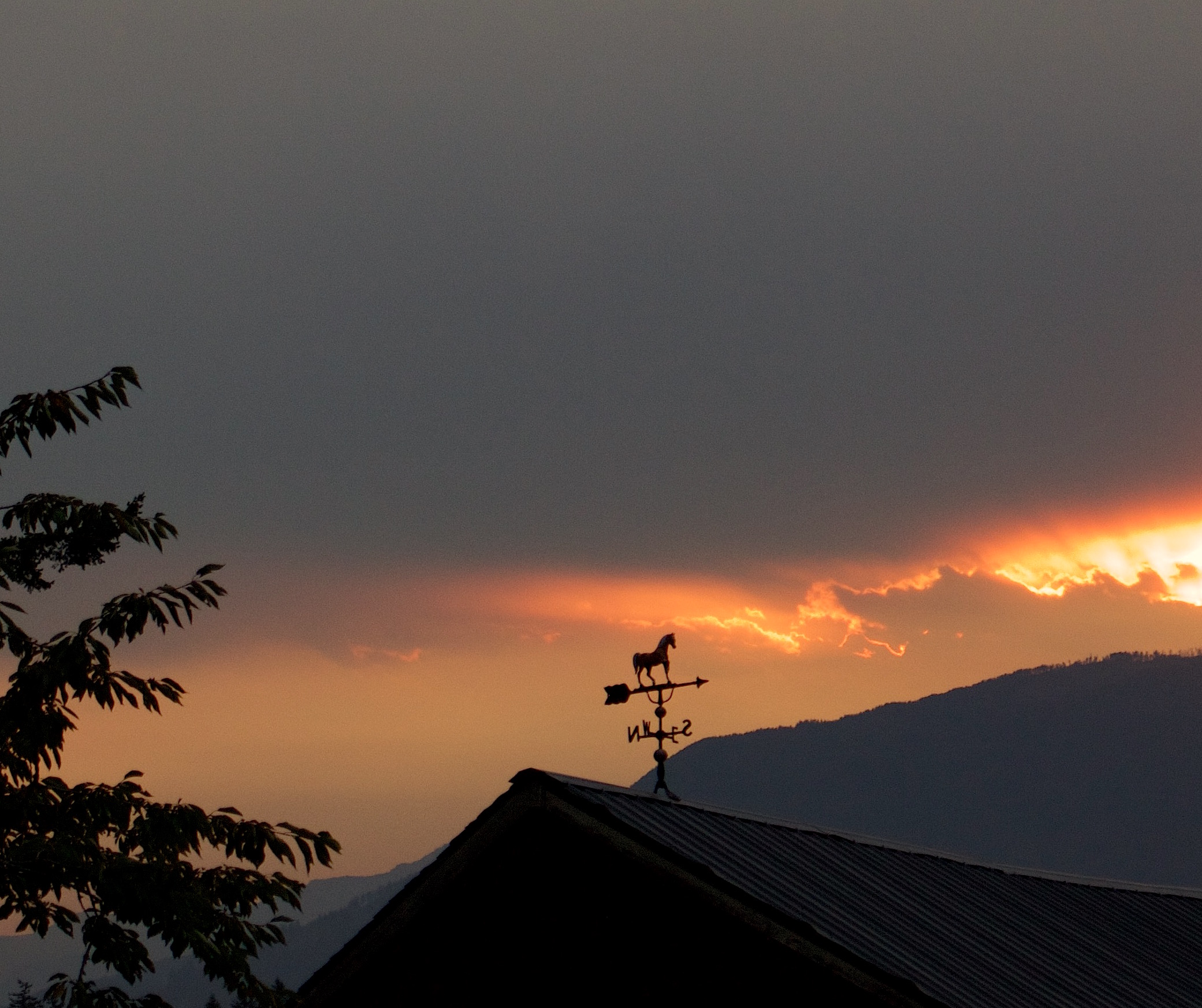
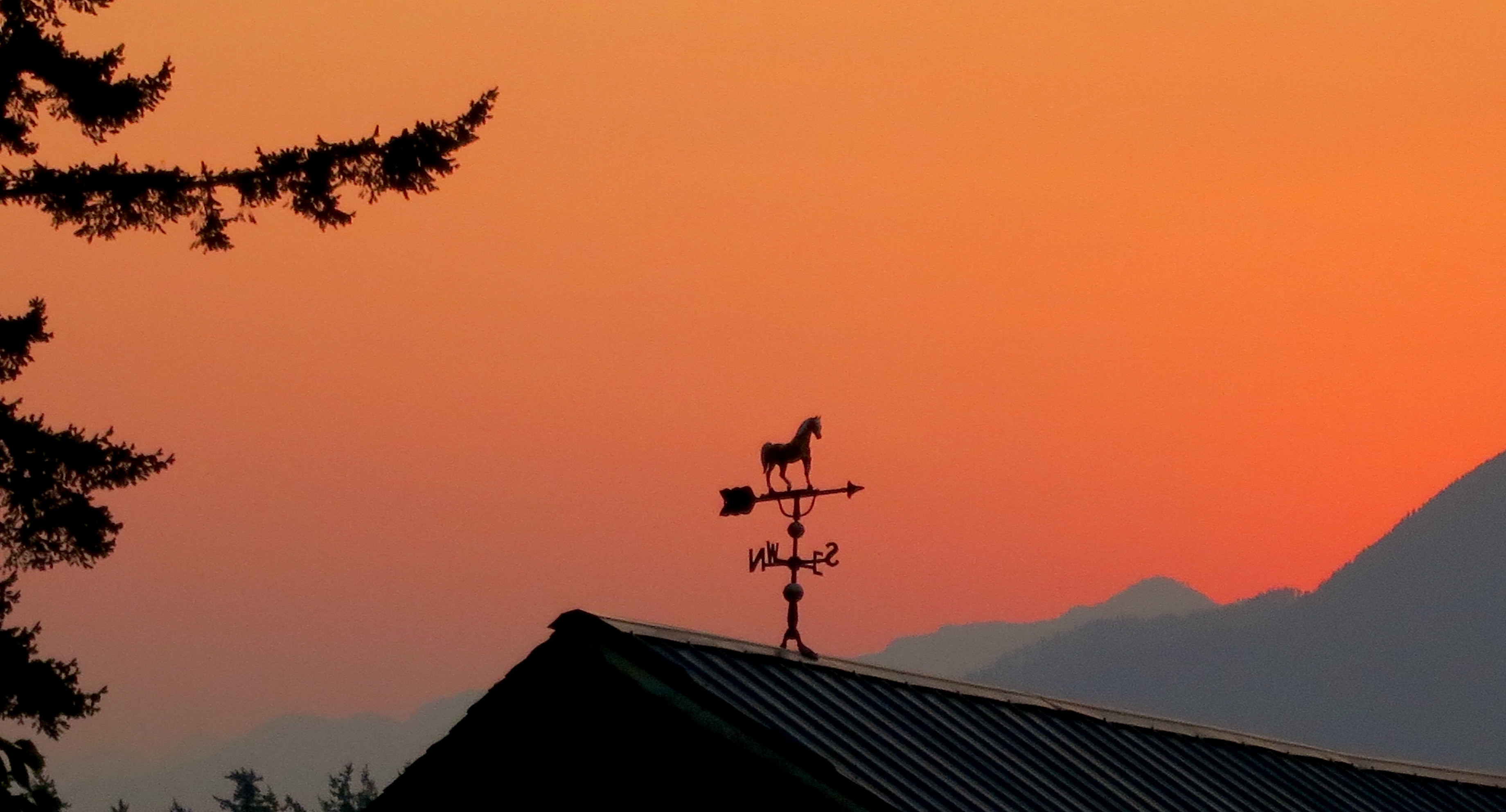
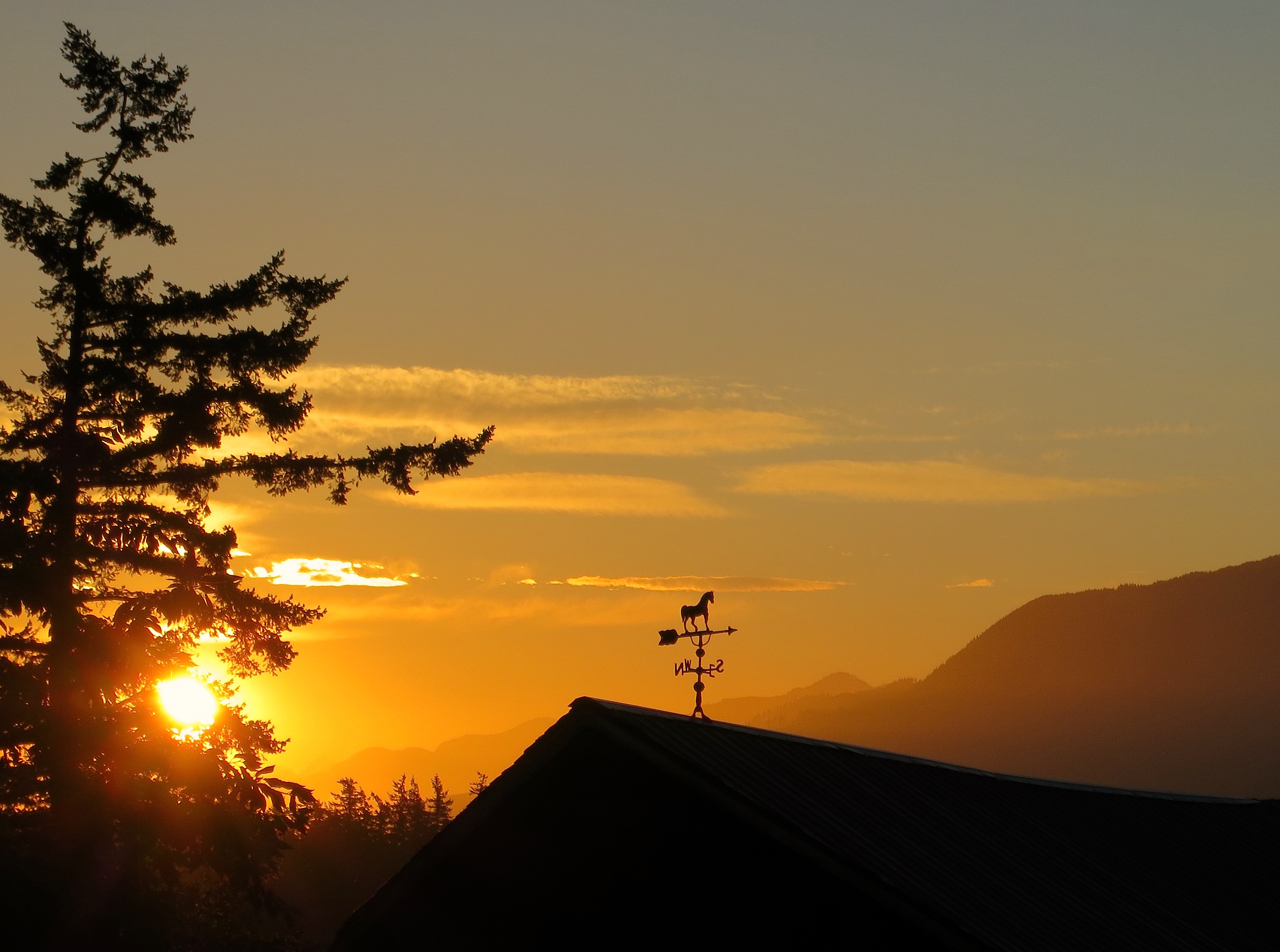
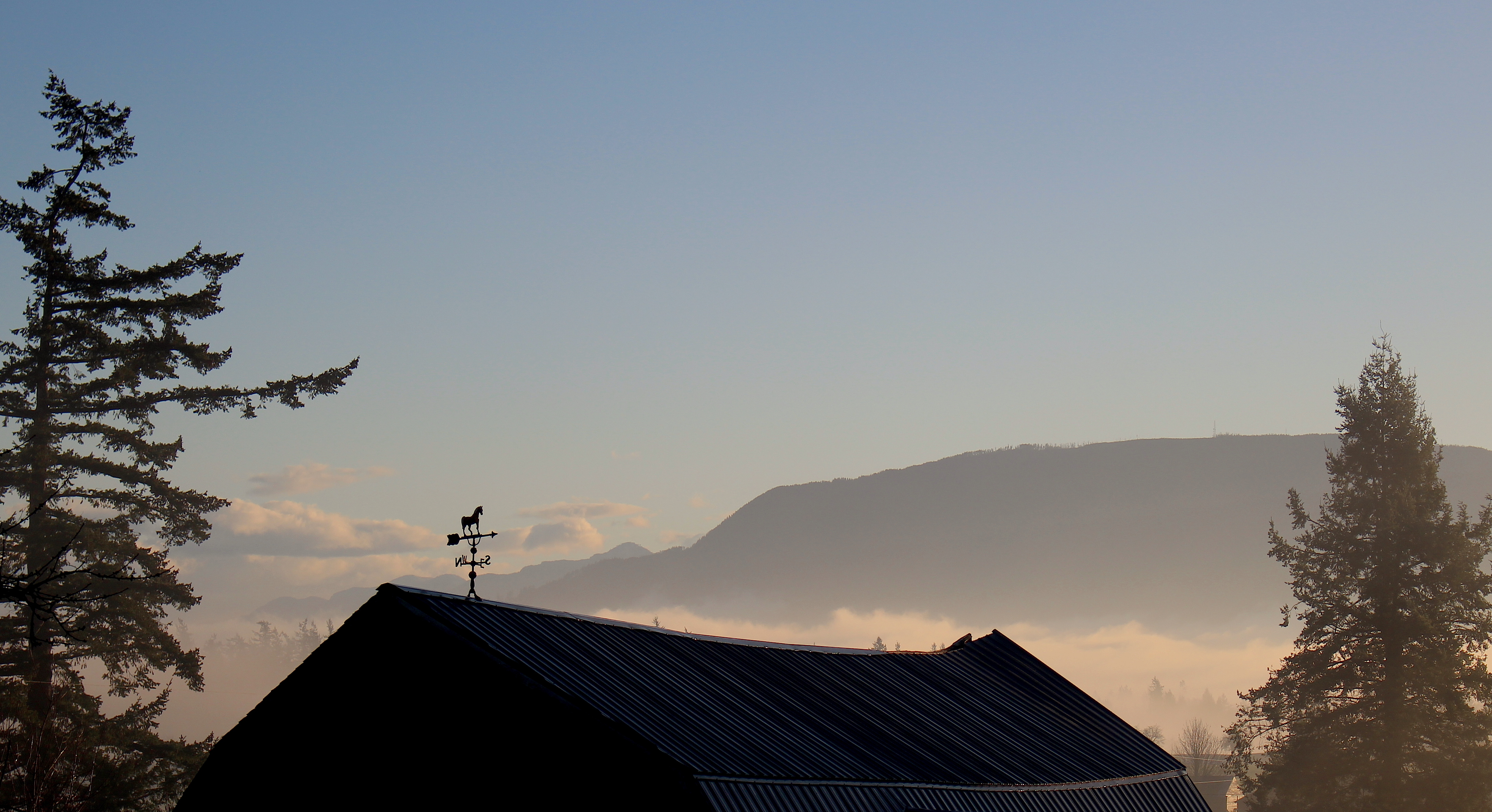
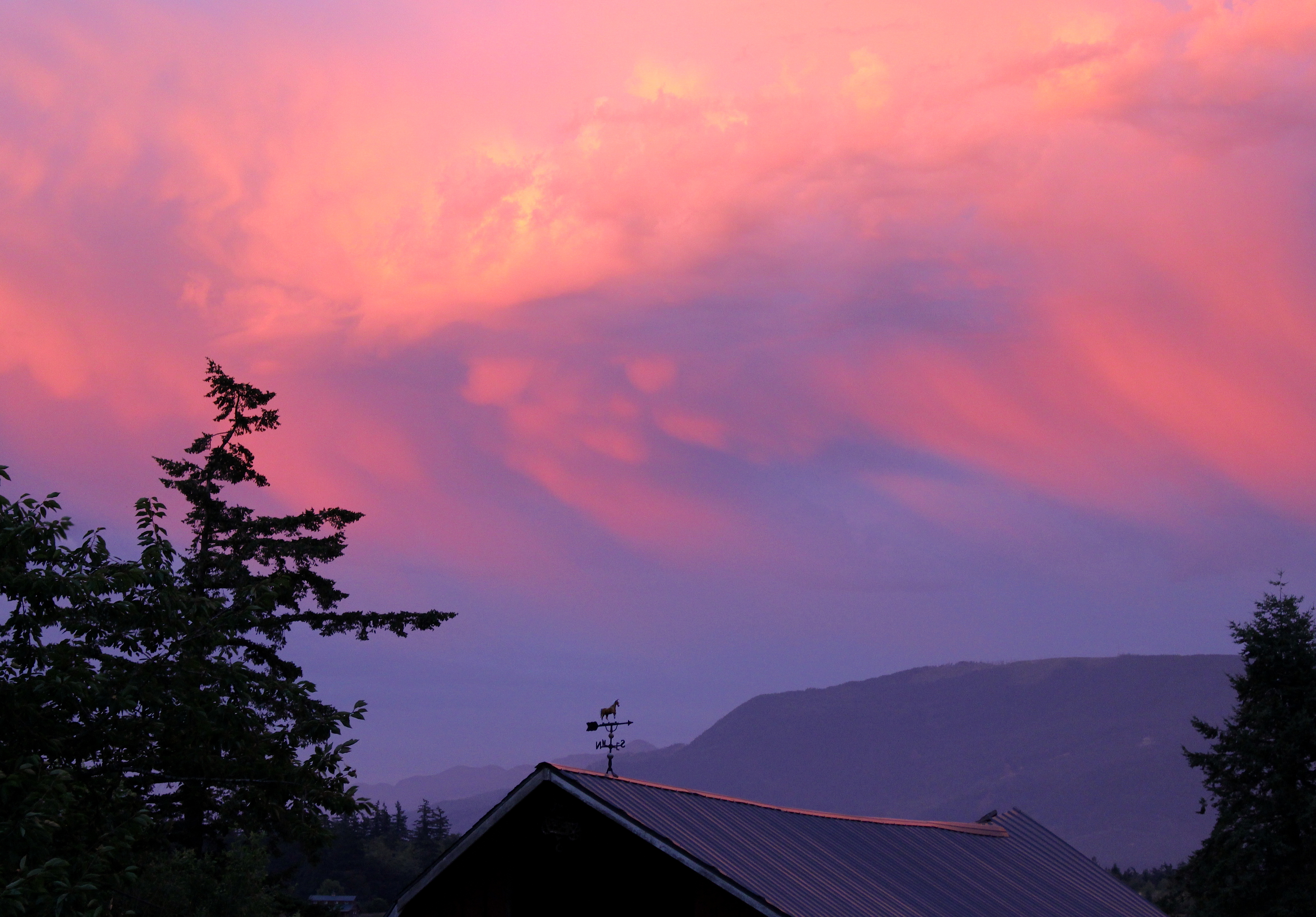
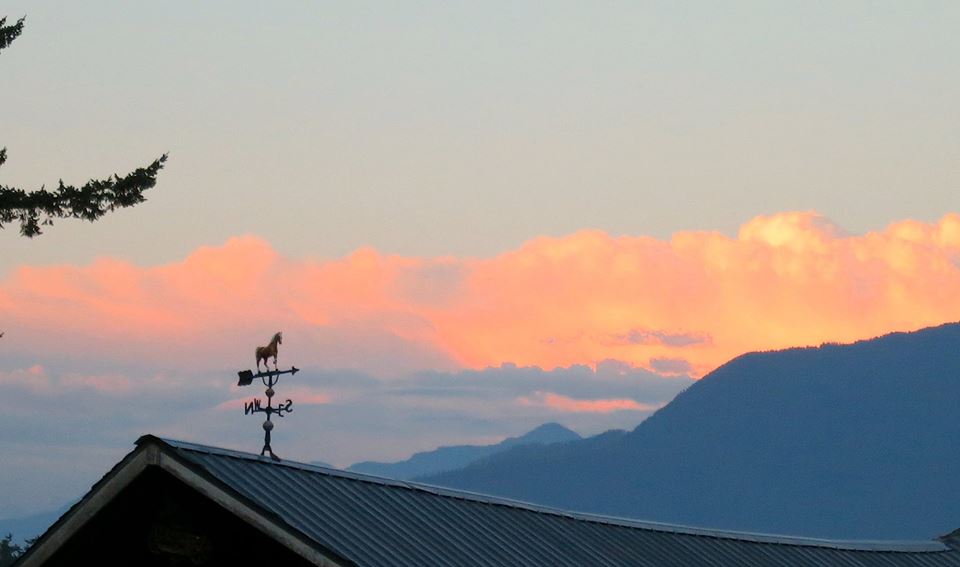
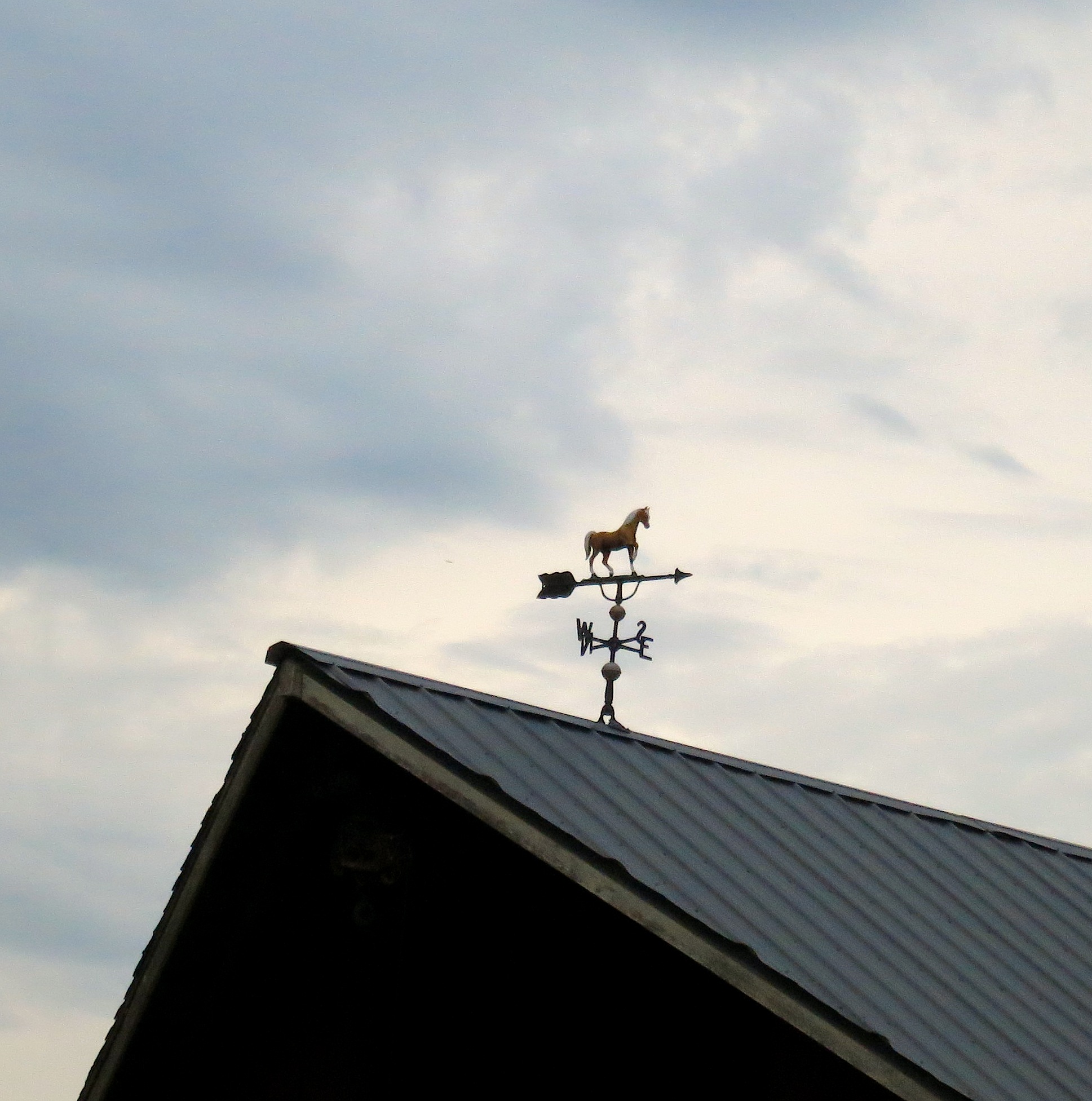
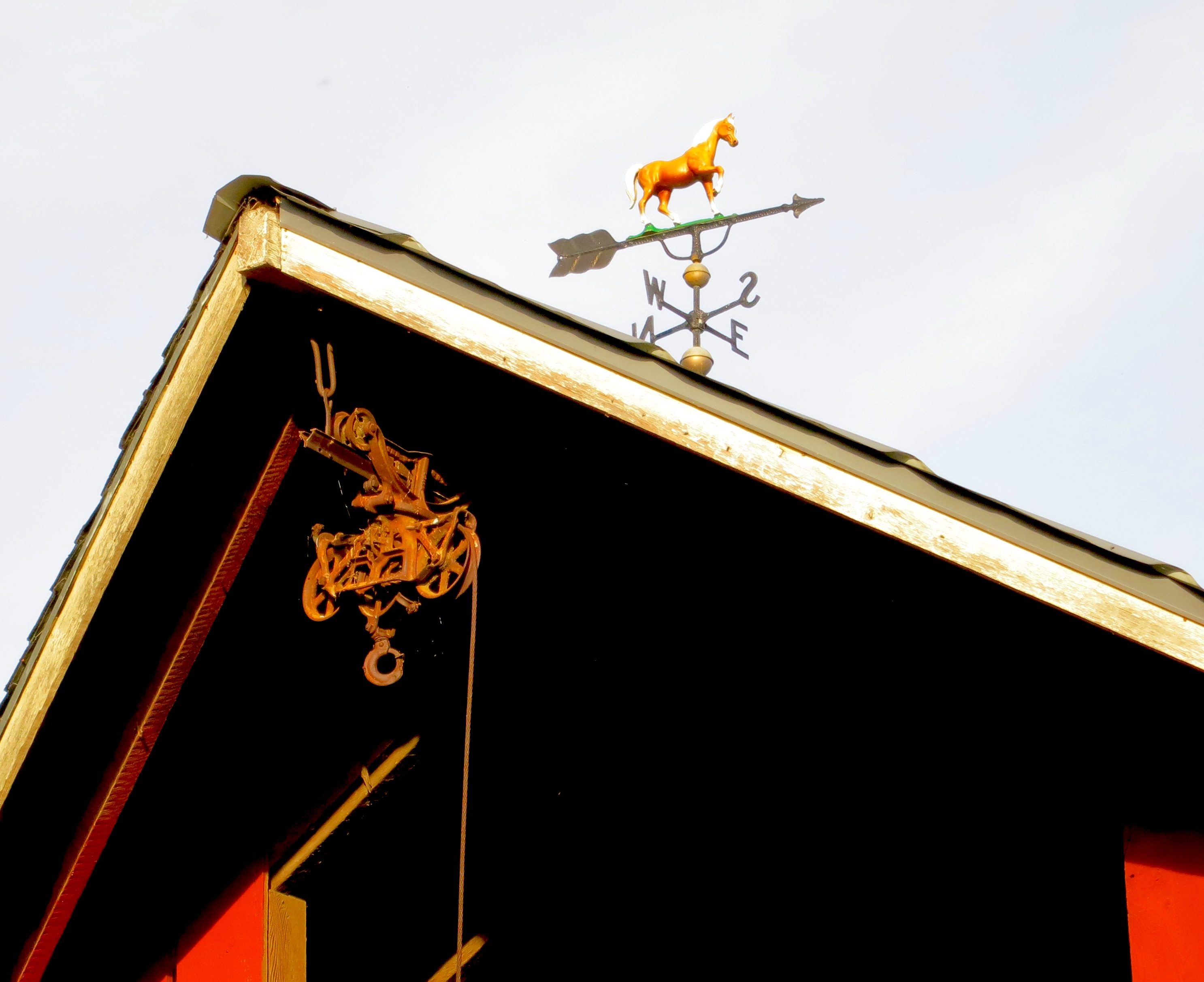
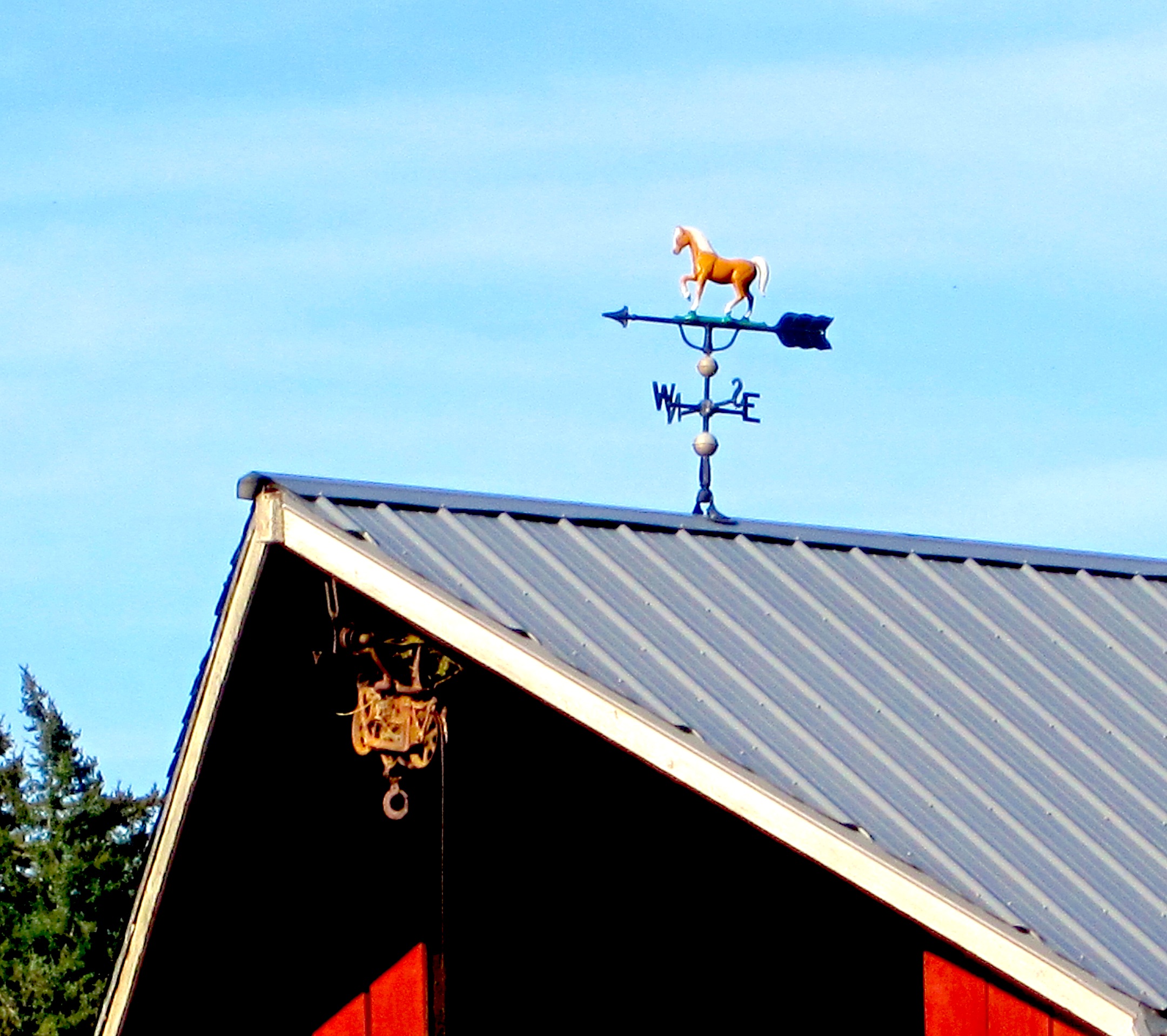
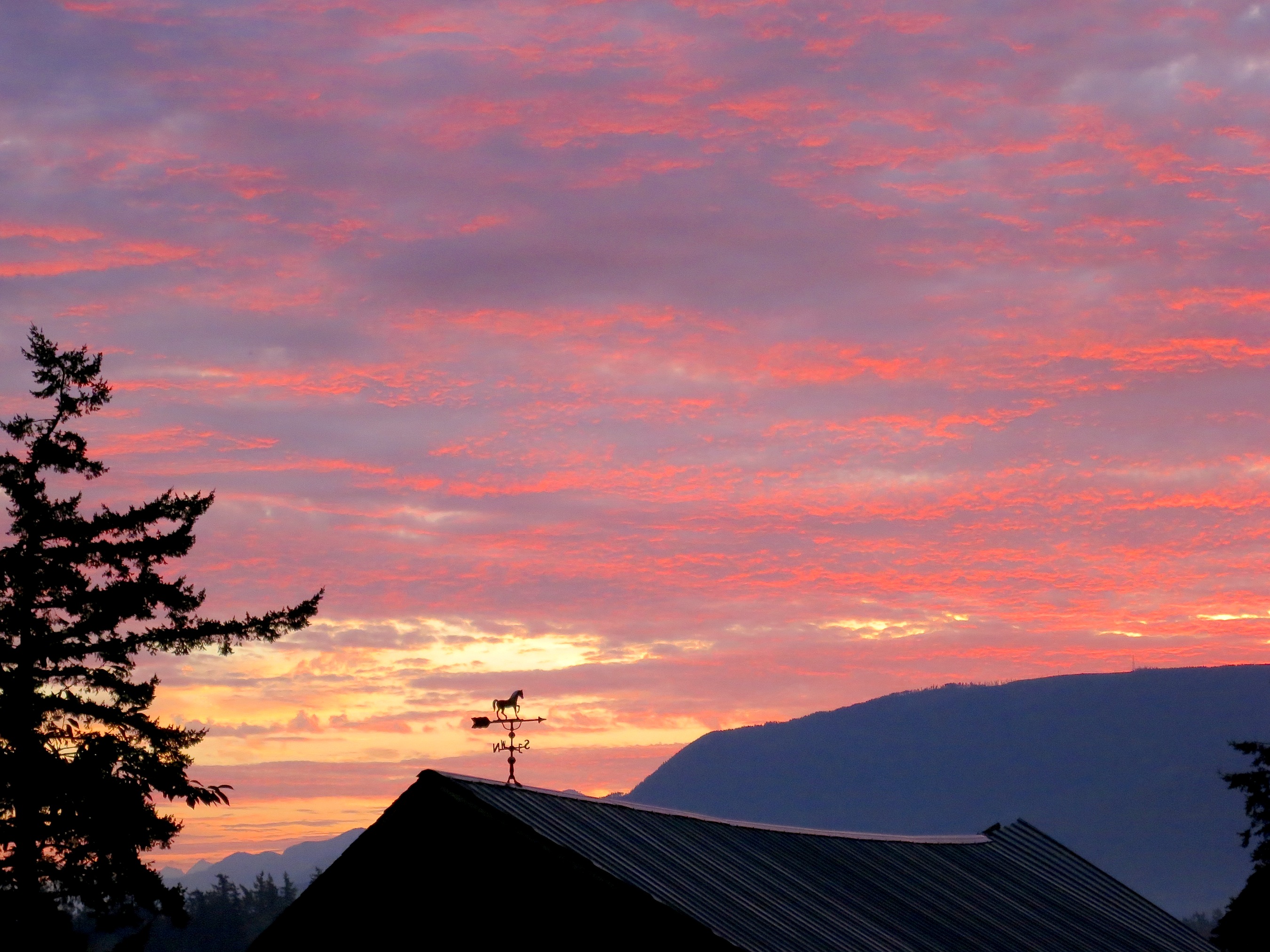
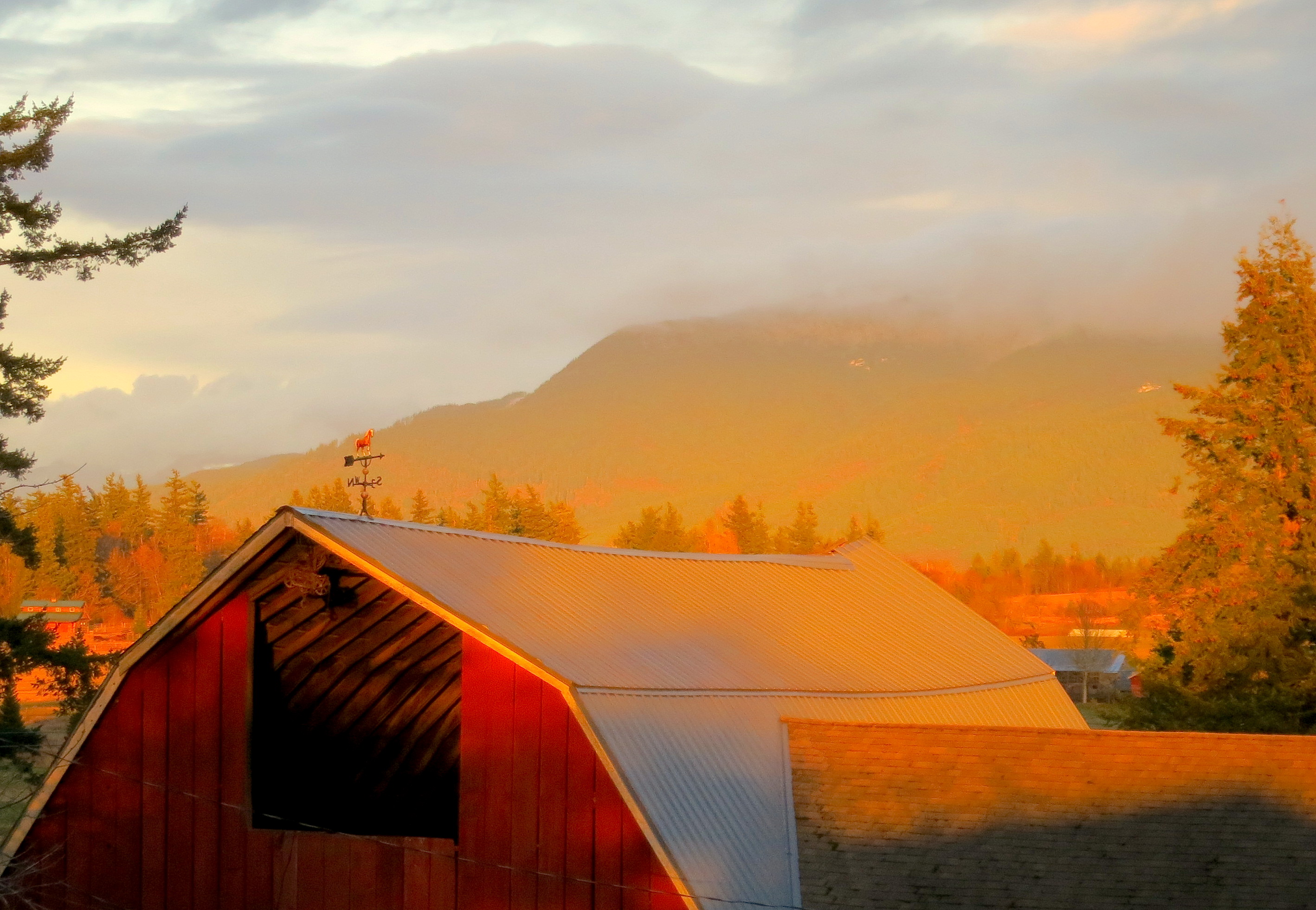
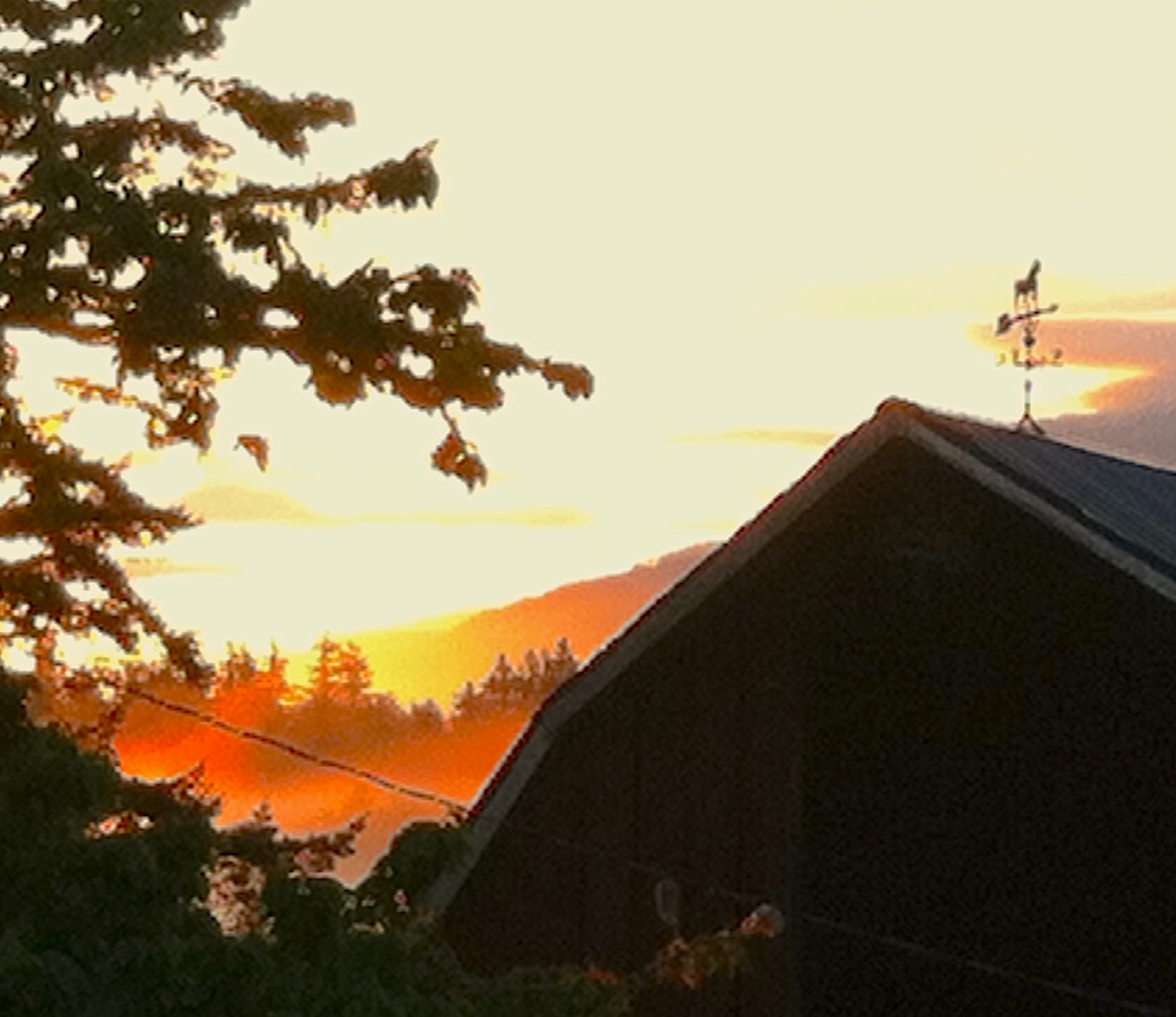
Same scene of our barn weathervane,
through the years
through the seasons
through the changes

of children growing up
of children flying away
of our heads getting grayer
our steps now slower.

Morning by morning
this manifold witness
to such steadfast love
to infinite mercies
to unending faithfulness.

morning72015

hooter79

morningmist22115

weathervane102314

dusk11714

sunset713144

snow12201320

sunset217147

sunrisebarn524

972223_10151730350476119_1024153386_n

haflingervane

weathervaneoct

haflingervane

barnnov

weathervane

sunrisevane92

Desolaration and Precipilicity

sunset8615dryaugust

kites

People who grow up in the Pacific Northwest suffer from peculiar climate-related disorders unique to only to us.   This deserves a page in the next version of the DSM — the diagnostic psychiatric manual:  we in the PNW don’t feel 100% normal unless it is raining.  Summer, especially this summer, can be a very difficult time for us.

In fact, we born and bred web-footers can feel downright depressed when it is sunny all the time.  This summer — actually since May — we’ve had only an inch or so of rain, yielding weeks of nothing but blue skies, dusty paths, dried up creeks, wilting greenery, brown pasture and wildfires.  We groan inwardly when yet another day dawns bright instead of gray, we start to look longingly at accumulating clouds,  and we get positively giddy when morning starts with a drizzly mist.

It’s difficult to say what exactly is at work in brain chemistry in cases like this.  It is the opposite effect of classically described Seasonal Affective Disorder diagnosed especially in those transplants from more southerly climates who get sadder and slowed down with darker days and longer nights.   In people like me, born a stone’s throw from Puget Sound, the more sunlight there is, the more doldrums I feel:  desolaration (desolation from too much solar exposure).   The grayer the day, the wetter the sky–> a lightening of the heart and the spirit:  precipilicity (felicity arising from precipitation).

Like most northwesterners, I have low Vitamin D levels even in the summer.  It just isn’t seemly to expose all that skin to UV light.

So I’m longing for the profound relief of a rainy summer day, thank you.   There would be no internal conflict about feeling compelled to go outside to work up a sweat and soak up the elusive sun rays.   There would only be the cozy invitation to stay inside to read and write and sleep.

I know I’m not alone in this disorder.  Many of us are closet sufferers but would never admit it in polite company.  To complain about sunny days is perceived as meteorologically incorrect.  It is time to acknowledge that many of us are in this together.

Robert Frost (definitely not a northwesterner) confessed his own case of desolaration in the first stanza of his poem November Guest:

My Sorrow, when she’s here with me,
Thinks these dark days of autumn rain
Are beautiful as days can be;
She loves the bare, the withered tree;
She walks the sodden pasture lane.

And Jack Handey, the satirist, summarizes the real reason for the guilty pleasure of the northwest native in liking rain:

“If a kid asks where rain comes from, I think a cute thing to tell him is ‘God is crying.’
And if he asks why God is crying, another cute thing to tell him is ‘Probably because of something you did.”

Okay, okay, perhaps this is the explanation for our extended drought.  It appears this summer we’ve all been far too well-behaved.

It’s time to do something about it…

rain725152

rain725158

rain72515

happyrain

Building the Universe

sunrise85152

grasses716151

On a summer morning
I sat down
on a hillside
to think about God –
a worthy pastime.

Near me, I saw
a single cricket;
it was moving the grains of the hillside
this way and that way.

How great was its energy,
how humble its effort.

Let us hope
it will always be like this,
each of us going on
in our inexplicable ways
building the universe.

~Mary Oliver “Song of the Builders”


I should watch more than build,
think more about God and how He is building me
than try to change His universe.
Like the sunrise this morning
with its line of demarcation
between what is lit and what is not yet,
I’m a work in progress,
waiting to be fully in the Son.

sunrise85154


grass71615

sunflower

Sacred Moments

morning719158

grasses716151

morninggrasses

The sacred moments,
the moments of miracle,
are often the everyday moments.
~Frederick Buechner from The Magnificent Defeat


Morning breaks everyday
sacred, miraculous,
and leaves me breathless
and heart-full.

morning71915

morning719153

morning719151

grassmorning15

A Thousand Colors

treehousesunset

grass71615

clothesline

hydrangea714151

tennant62112

Summer was our best season:
it was sleeping on the back screened porch in cots,
or trying to sleep in the tree house;
summer was everything good to eat;
it was a thousand colors in a parched landscape…

~Harper Lee from “To Kill a Mockingbird”


roses71415

wwupansylite

thistle271615

qalace71615

begonia71315


A Time Less Bold

lacehydrangea

tennant6212

tennant621

sunset715151

My mother, who hates thunder storms,
Holds up each summer day and shakes
It out suspiciously, lest swarms
Of grape-dark clouds are lurking there;
But when the August weather breaks
And rains begin, and brittle frost
Sharpens the bird-abandoned air,
Her worried summer look is lost,

And I her son, though summer-born
And summer-loving, none the less
Am easier when the leaves are gone
Too often summer days appear
Emblems of perfect happiness
I can’t confront: I must await
A time less bold, less rich, less clear;
An autumn more appropriate.
~Philip Larkin from “Mother, Summer, I”

Summer is simply too much excess,
from endless hours of daylight,
to rising temperatures,
clouds of dust,
to fruitfulness and abundant blooms.

It overwhelms and exhausts
while filling a void left empty
after endless cold bare dark days
that will all too soon
come again,
welcomed.

raspberry

porchweed

tennant6215

wwurose619151

tennant6211

A Hot Day on the Farm

hooter

vetch

These hot humid summer days have been barely tolerable for a temperate climate sissy pants like me.  I am melting even as I get up in the morning, and our house has been two degrees warmer (93 degrees) than the out of doors.

One morning as I drove the ten miles of country roads to get to work in town,  I was listening to the news on the car radio when I puzzled over why the radio station would be playing cat meows over the news.  I turned off the radio, and realized the meows didn’t go away.

As soon as I was able, I pulled into a parking lot and surveyed my car from back to front, looking under seats, opened the back, scratched my head.  Then the plaintive meowing started again—under the hood.  I struggled with the latch, lifted up the hood and a distressed bundle of kitten fur hurtled out at me, clinging all four little greasy paws to my shirt.  Unscathed except for greasy feet, this little two month old kitten had survived a 50 mile per hour ride for 20 minutes, including several turns and stops.  He immediately crawled up to my shoulder, settled in by my ear, and began to purr.  I contemplated showing up at a meeting at work with a kitten and grease marks all over me vs. heading back home with my newly portable neck warmer.  I opted to call in with the excuse “my cat hitchhiked to work with me this morning and is thumbing for a ride back home” and headed back down the road to take him back to the barn where he belongs.

At that point, my meeting at work was already over so I dawdled in the barn before heading back down the road.   I noticed the Haflinger horses had broken through our electric wire fencing into a more inviting adjacent field so I wandered out to check fence line.   The hot wire must have been shorting out somewhere in the pasture.  As I approached the fence, I heard numerous snaps and pops that I interpreted as hot wire shorting out in the dry grass and weeds, creating a potential fire hazard with the winds whipping up.  I could hear snaps all up and down the fenceline, but could not see sparks to lead me to the problem spot.

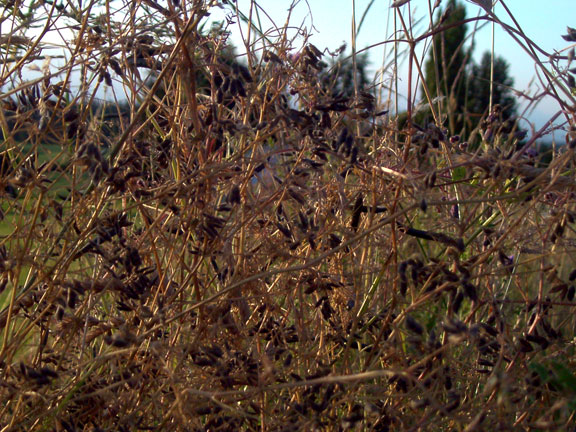
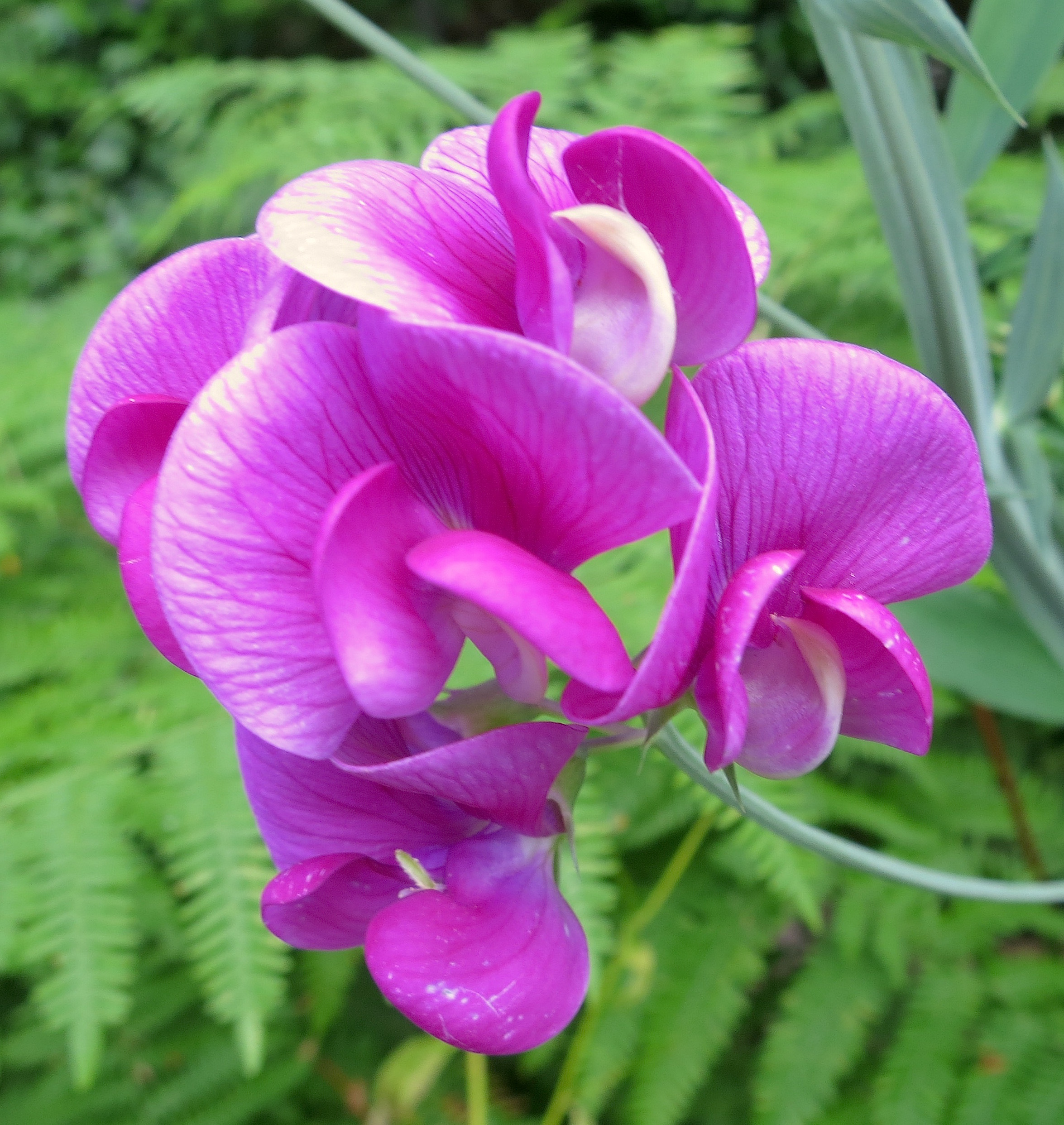
As I studied the wire, I heard a little “snap” and a tiny seed pod burst open in front of my eyes, scattering its contents very effectively on the ground below.  It was dried common vetch seed pods that were snapping and popping, not hot wire shorting out.  They were literally exploding all up and down the fenceline in a symphony of seed release.  Not a spark to be seen — at least not of the electrical variety — only botanical.

So I learned practical advice to be content on a hot day on the farm:

Remember to bang on my car hood before I start the ignition, cats do have nine lives, keep the hotwire hot to keep the horses where they belong,  and especially, vetch doesn’t start wildfires, but explodes wildly in its noisy reproductive cycle.  If vetch can find ecstasy on a hot day, so can we all.

It doesn’t get much better than that.

vetch615