The Cellar’s Portion

In October of the year,
he counts potatoes dug from the brown field, counting the seed, counting the cellar’s portion out,   
and bags the rest on the cart’s floor.

He packs wool sheared in April, honey
in combs, linen, leather   
tanned from deerhide,   
and vinegar in a barrel
hooped by hand at the forge’s fire.

He walks by his ox’s head, ten days
to Portsmouth Market, and sells potatoes,   
and the bag that carried potatoes, flaxseed, birch brooms, maple sugar, goose feathers, yarn.

When the cart is empty he sells the cart.   
When the cart is sold he sells the ox,   
harness and yoke, and walks
home, his pockets heavy
with the year’s coin for salt and taxes,

and at home by fire’s light in November cold   
stitches new harness for next year’s ox in the barn,

and he carved a new yoke and sawed
planks for a new cart and split shingles all
winter, while his wife made flax into linen all
winter, and his daughter embroidered linen all
winter, and his son carved Indian brooms from
birch all winter, and everybody made candles,


and in March they tapped the sugar maple trees
and boiled the sap down, and in April they
sheared the sheep, spun yarn, and wove and
knitted, and in May they planted potatoes,
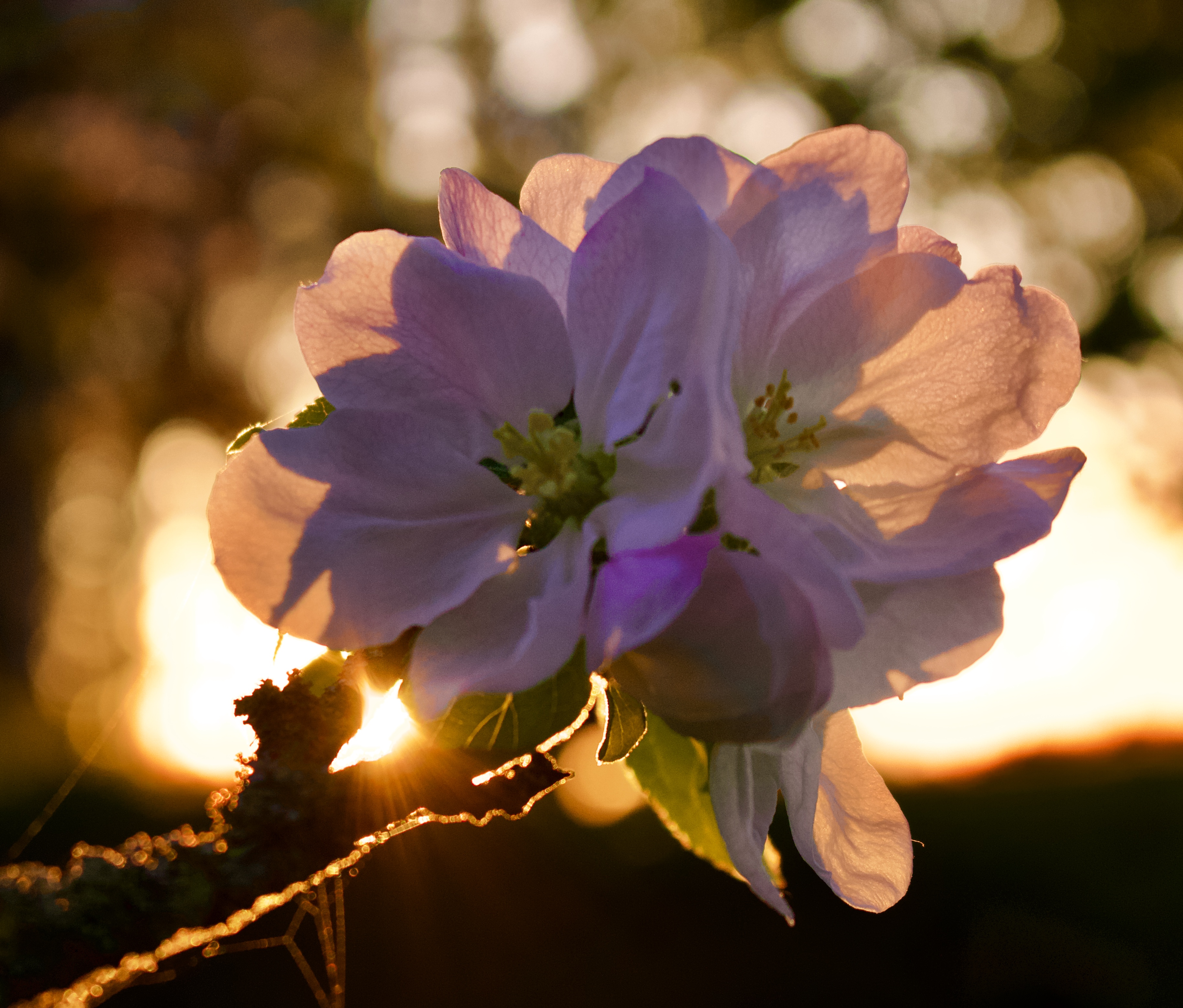
turnips, and cabbages, while apple blossoms
bloomed and fell, while bees woke up, starting to
make new honey, and geese squawked in the
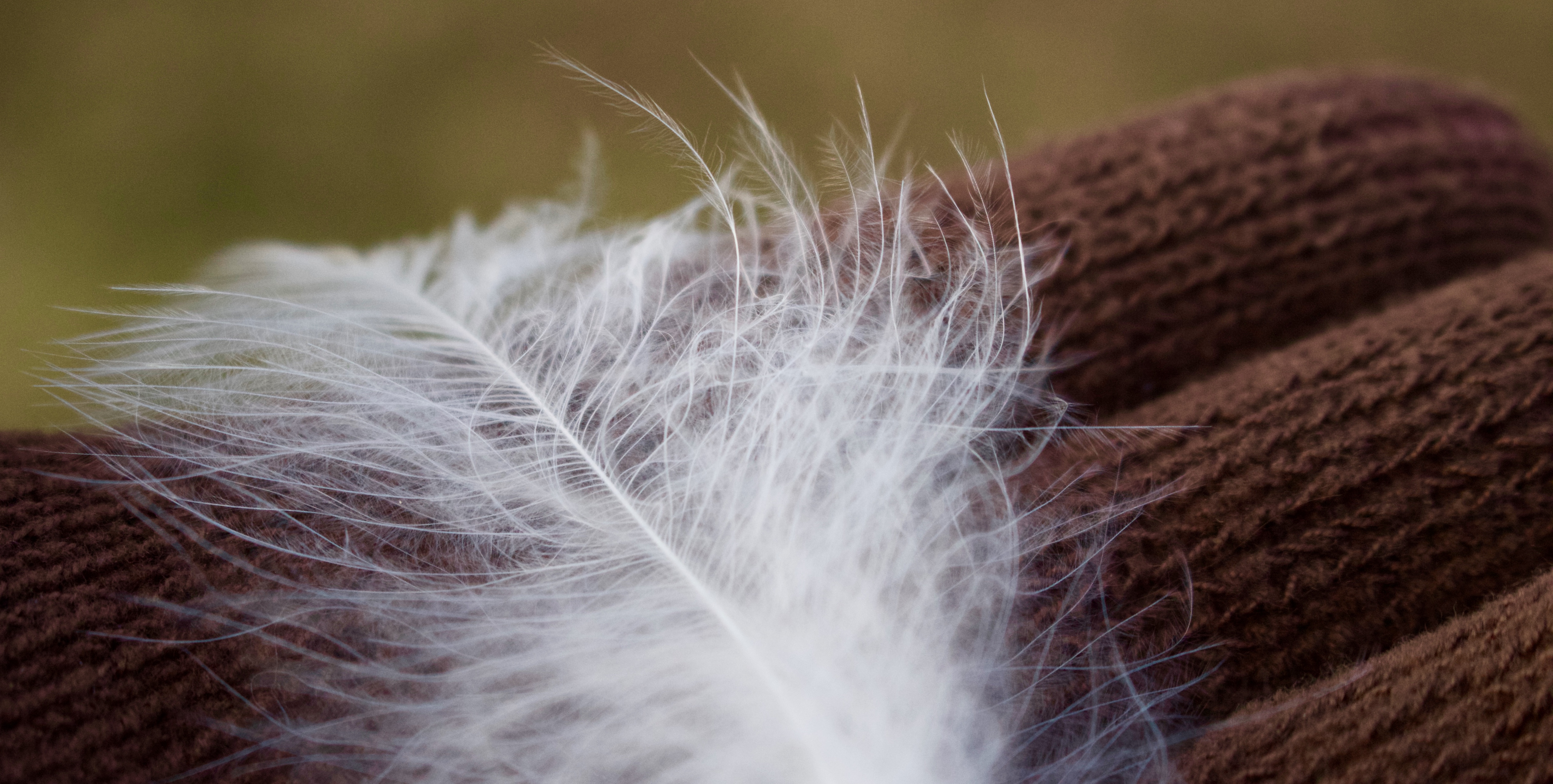
barnyard, dropping feathers as soft as clouds.
~Donald Hall “The Oxcart Man”
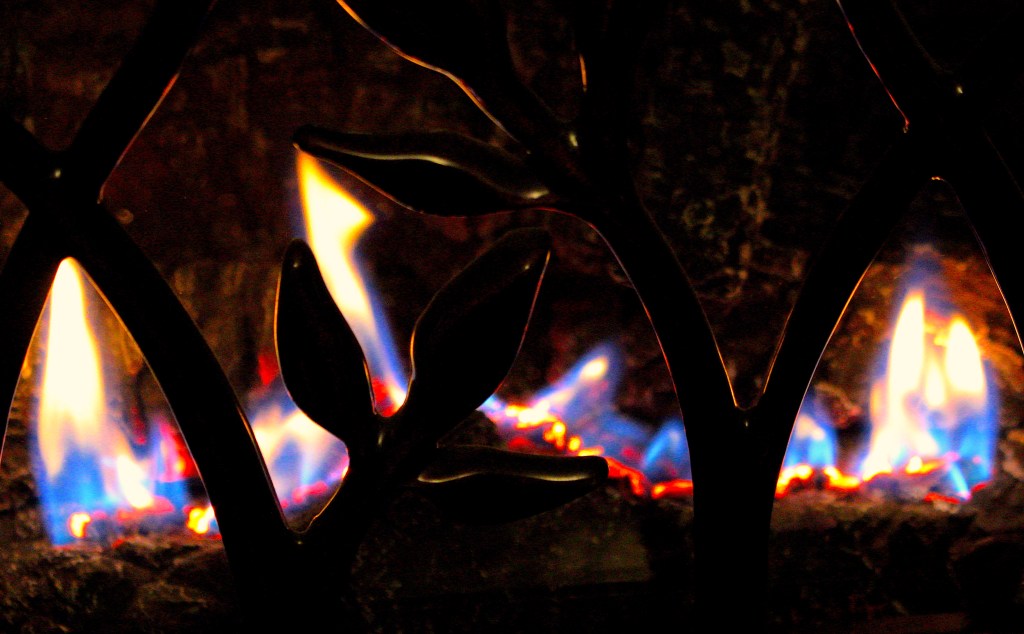
Come inside now.
Stand beside the warming stove.
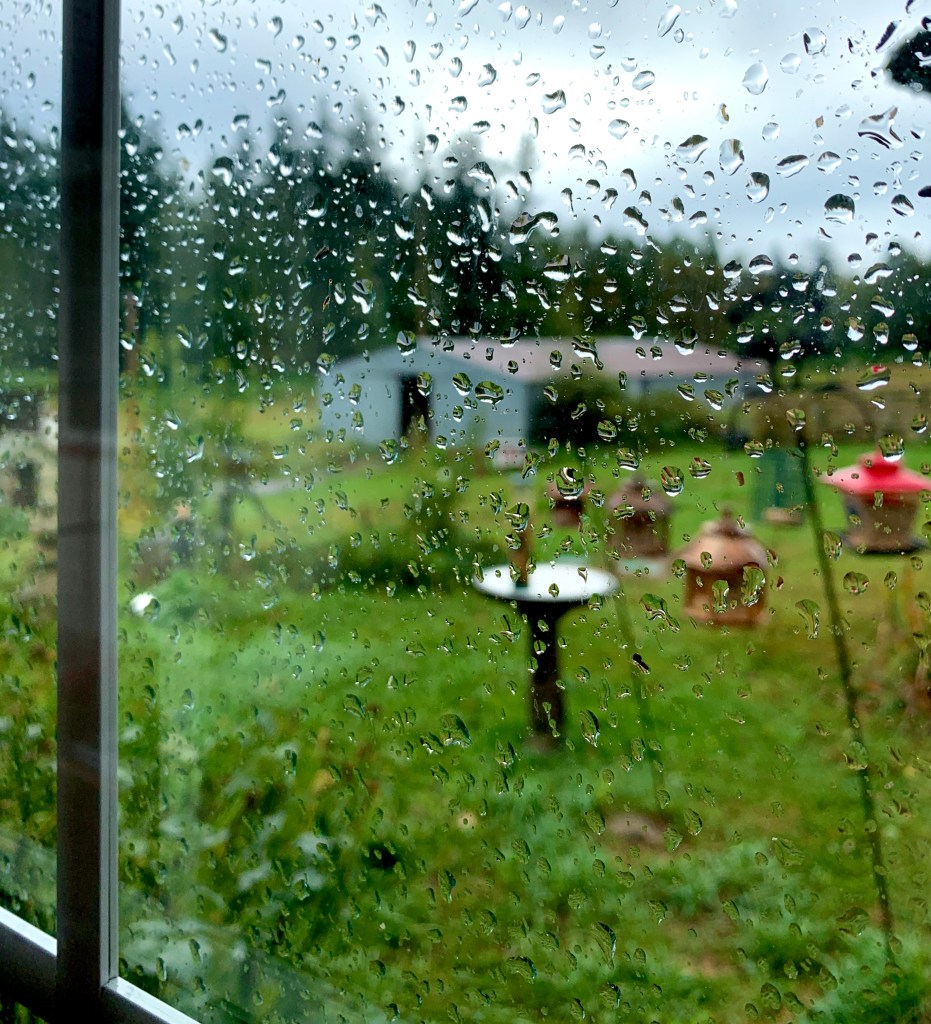
Watch out through the windows as
a cold rain tears down
the last leaves.

The larder full of dried herbs,
hot peppers, chutneys,
jellies, jams, dill pickles,
pickled relishes,
pickled beets.

The freezer full of frozen greens—
chard and spinach, collards, kale—
green beans, basil, red sauces,
applesauce, and
smoked meats.

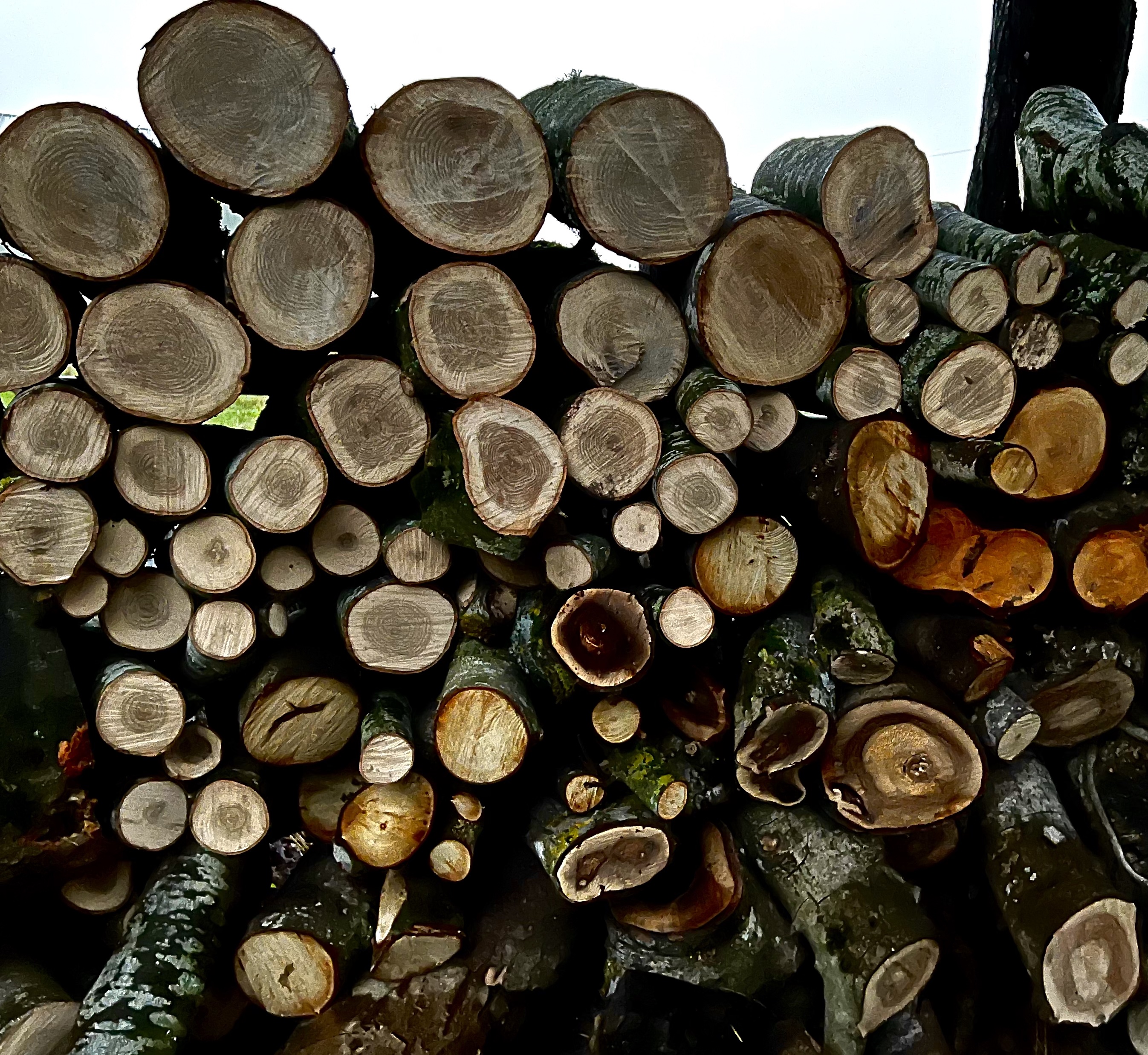
The woodshed dry and full of wood,
winter squashes stashed away.
Down cellar: potatoes, carrots,
crock of sauerkraut.

Come inside now.
Stand beside the warming stove.
Listen. Wait.

~David Budbill “Come Inside Now” from Happy Life
Nothing would sleep in that cellar, dank as a ditch,
Bulbs broke out of boxes hunting for chinks in the dark,
Shoots dangled and drooped,
Lolling obscenely from mildewed crates,
Hung down long yellow evil necks, like tropical snakes.
And what a congress of stinks!
Roots ripe as old bait,
Pulpy stems, rank, silo-rich,
Leaf-mold, manure, lime, piled against slippery planks.
Nothing would give up life:
Even the dirt kept breathing a small breath.

~Theodore Roetke “Root Cellar” from The Collected Poems
Even in the cold wet chill of November, our garden continues breathing, guarded by the furry fellow on a stalk below until a heavy windstorm topples him over.

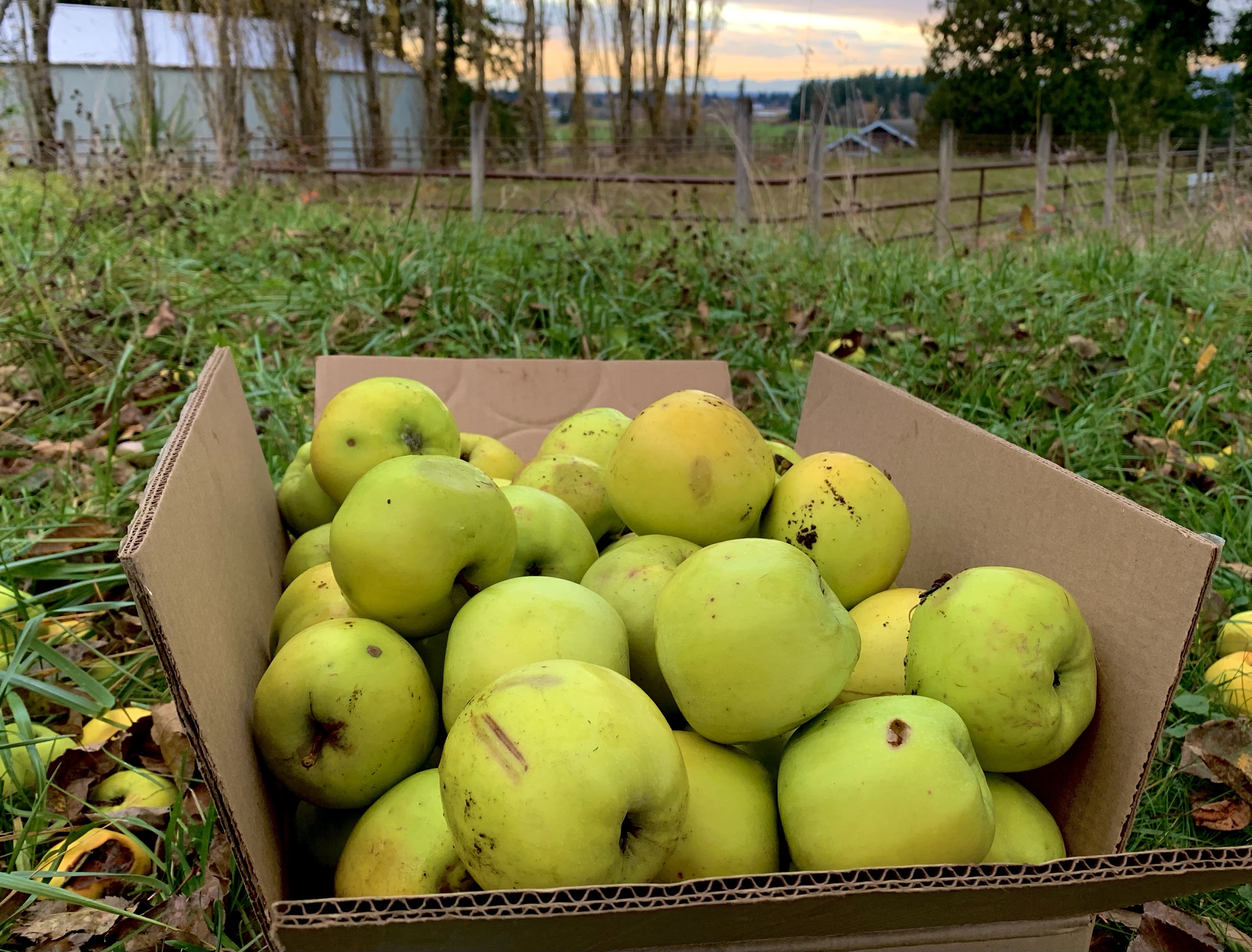
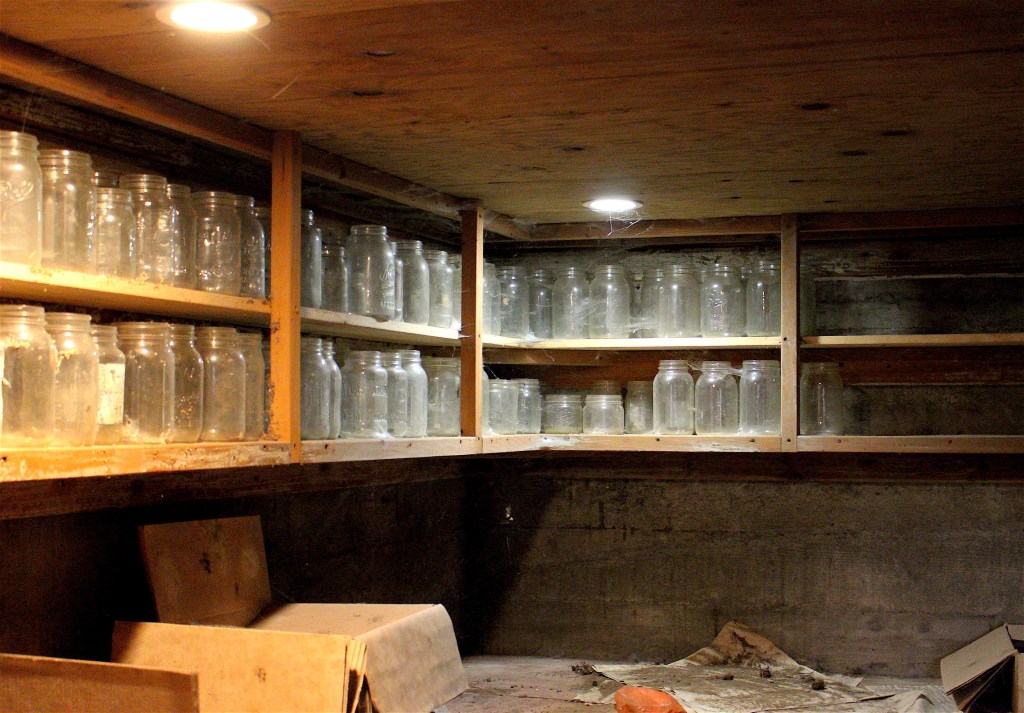
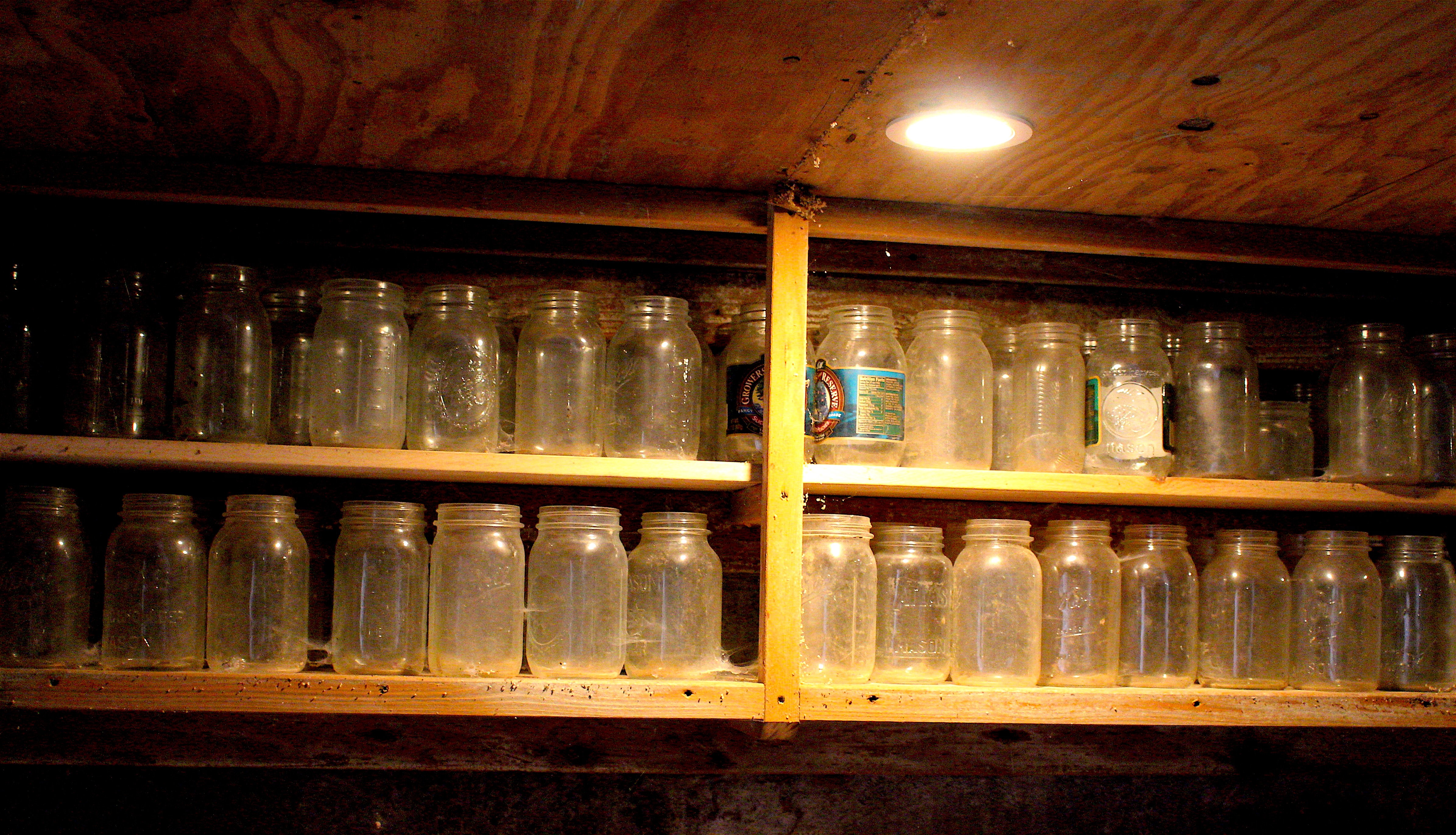
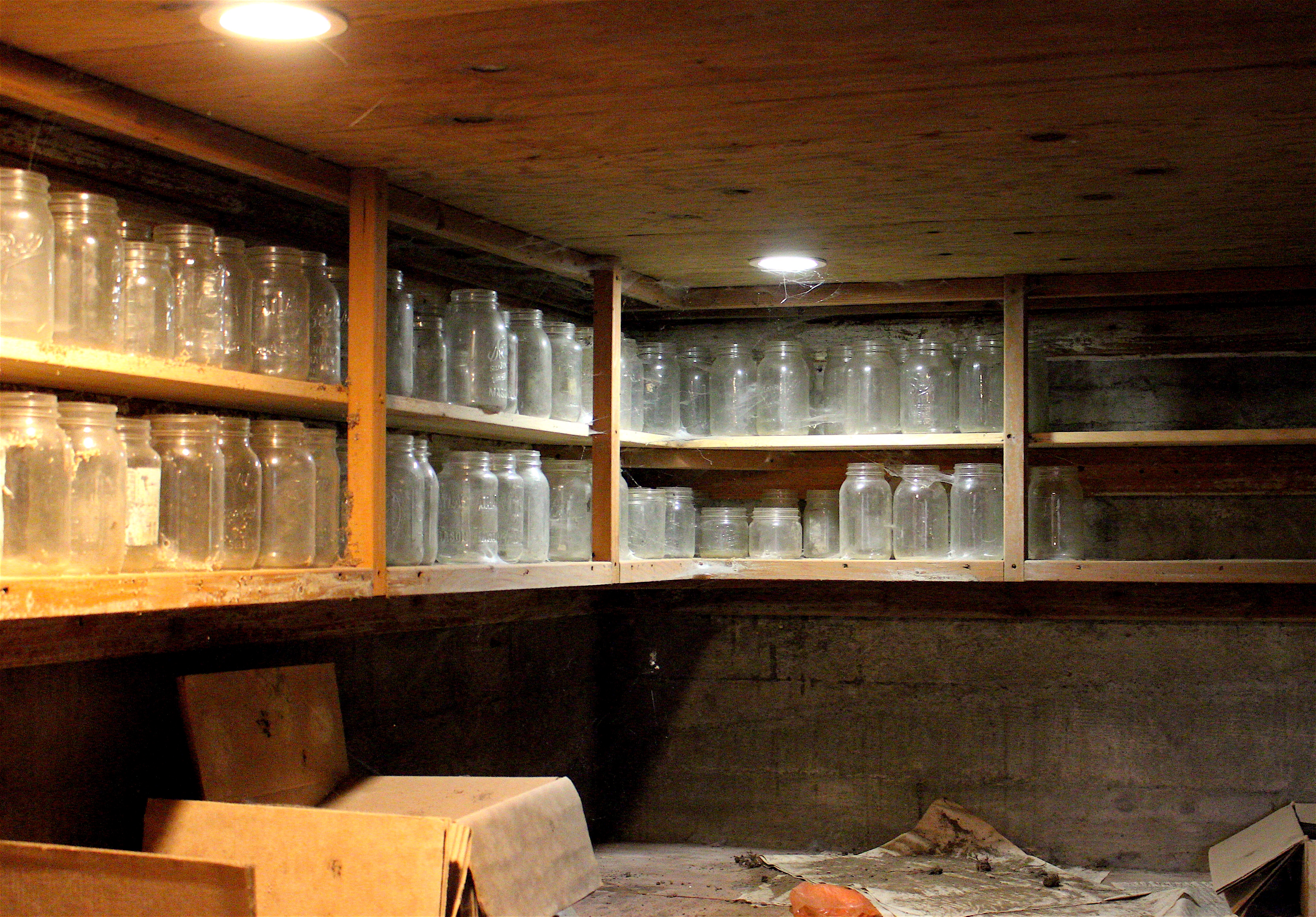
When I descend the steps into our root cellar, I find a still life of empty jars, no longer in use for produce to be preserved until spring. I no longer preserve produce through canning, as I used to. Instead we dry and freeze fruits and vegetables for storage. The cellar, though not as full as in years past, remains a place of quiet fecundity with its rich and earthy smells – a reminder of how things were done before the conveniences of today. We still keep apples, potatoes and onions in safe-keeping below ground – some of this farm’s orchard and garden harvest has been stored fresh in the cellar, year after year, for decades.

Until the last century, all of a farm family’s energy and effort was to preserve and store what was necessary to survive another year. Today, in too many places in the world, simple survival remains a family’s necessary and noble goal.

Surrounded by the relative comfort and privilege of a bountiful garden, orchard and woodpile, I never want to forget that.

Come inside. Warm up by the fire. Listen. Wait. Pray for lasting peace.
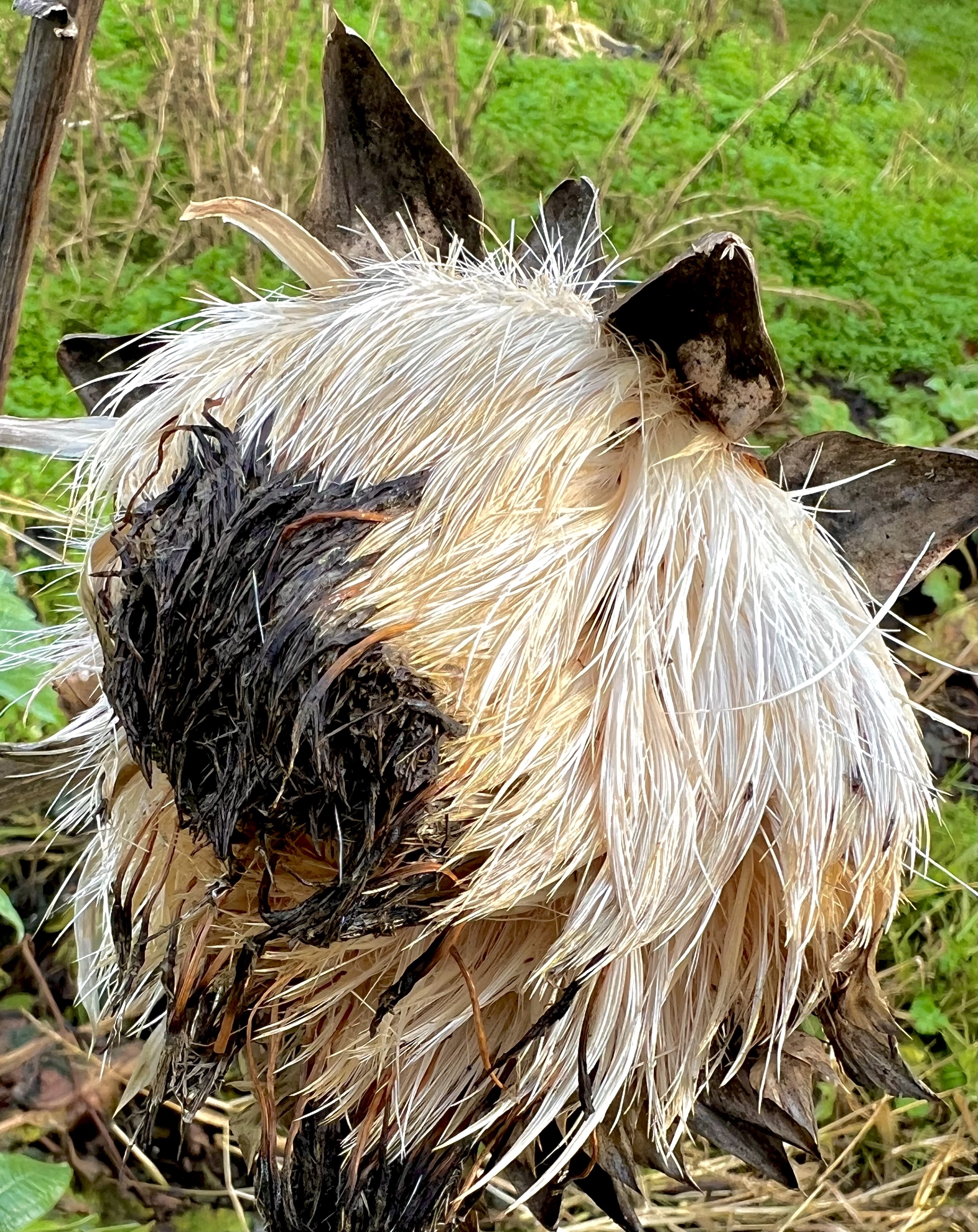
My artichoke “pup”

One-Time
Monthly
Yearly

Make a one-time or recurring donation to support daily Barnstorming posts

Make a monthly donation

Make a yearly donation

Choose an amount

$10.00
$25.00
$50.00
$5.00
$15.00
$100.00
$5.00
$15.00
$100.00

Or enter a custom amount

$

Your contribution is deeply appreciated.

Your contribution is appreciated.

Your contribution is appreciated.

DonateDonate monthlyDonate yearly
A Barn Revival

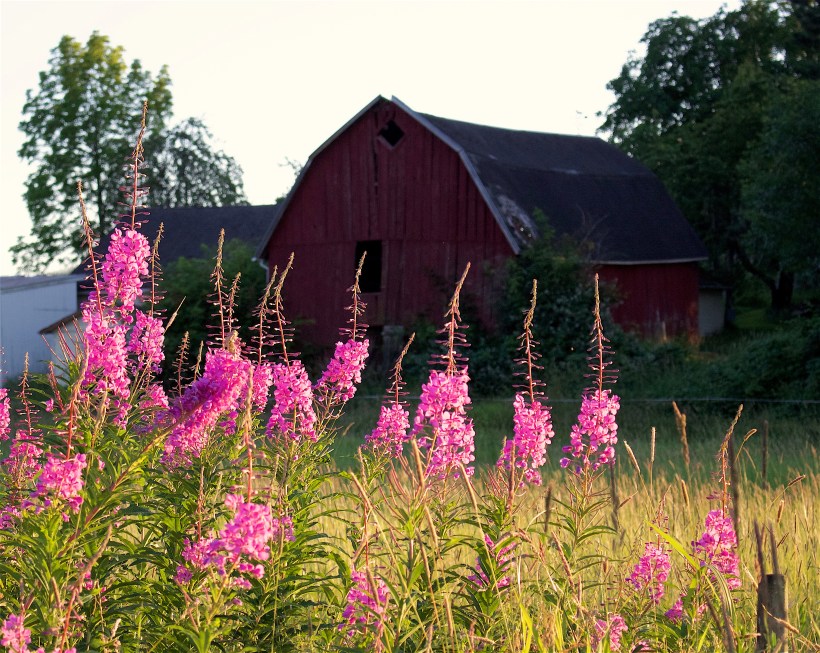
Just down the road… around the bend,
Stands an old empty barn; nearing the end.
It has sheltered no animals for many years;
No dairy cows, no horses, no sheep, no steers.
The neigh of a horse; the low of a cow;
Those sounds have been absent for some time now.
There was a time when the loft was full of hay,
And the resounding echoes of children at play.
At one time the paint was a bold shade of red;
Gradually faded by weather and the sun overhead.
The doors swing in the wind… the hinges are loose,
Windows and siding have taken a lot of abuse.
The fork, rope and pulleys lifted hay to the mow,
A task that always brought sweat to the brow.
But those good days are gone; forever it seems,
And that old barn now stands with sagging beams.
It is now home to pigeons, rats and mice;

The interior is tattered and doesn’t look very nice.
Old, abandoned barns have become a trend,
Just down the road… around the bend.

~Vance Oliphant “Old Barn”

photo by Nate Gibson

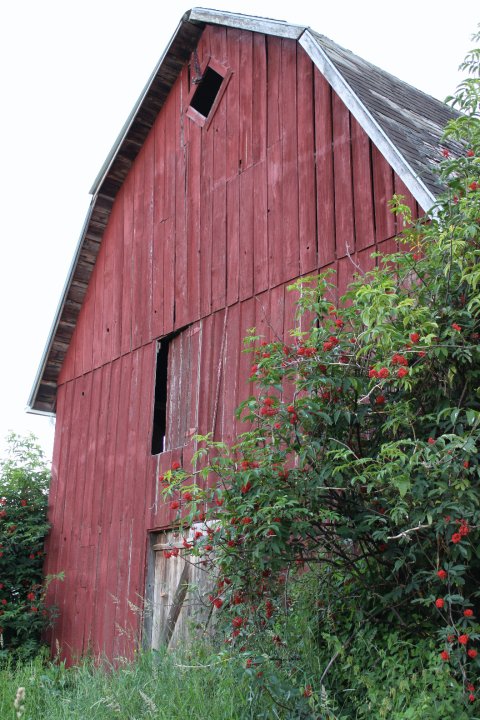
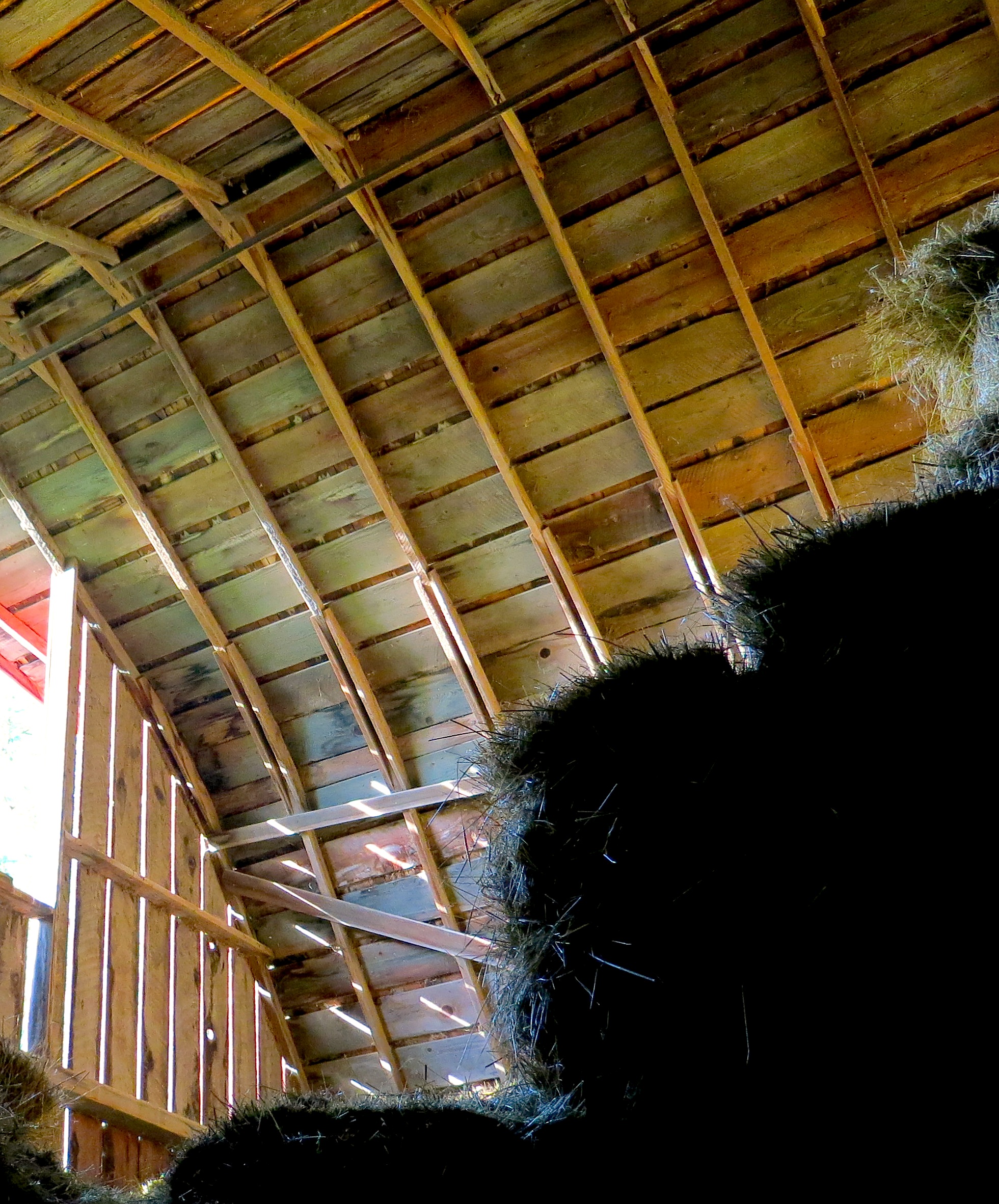
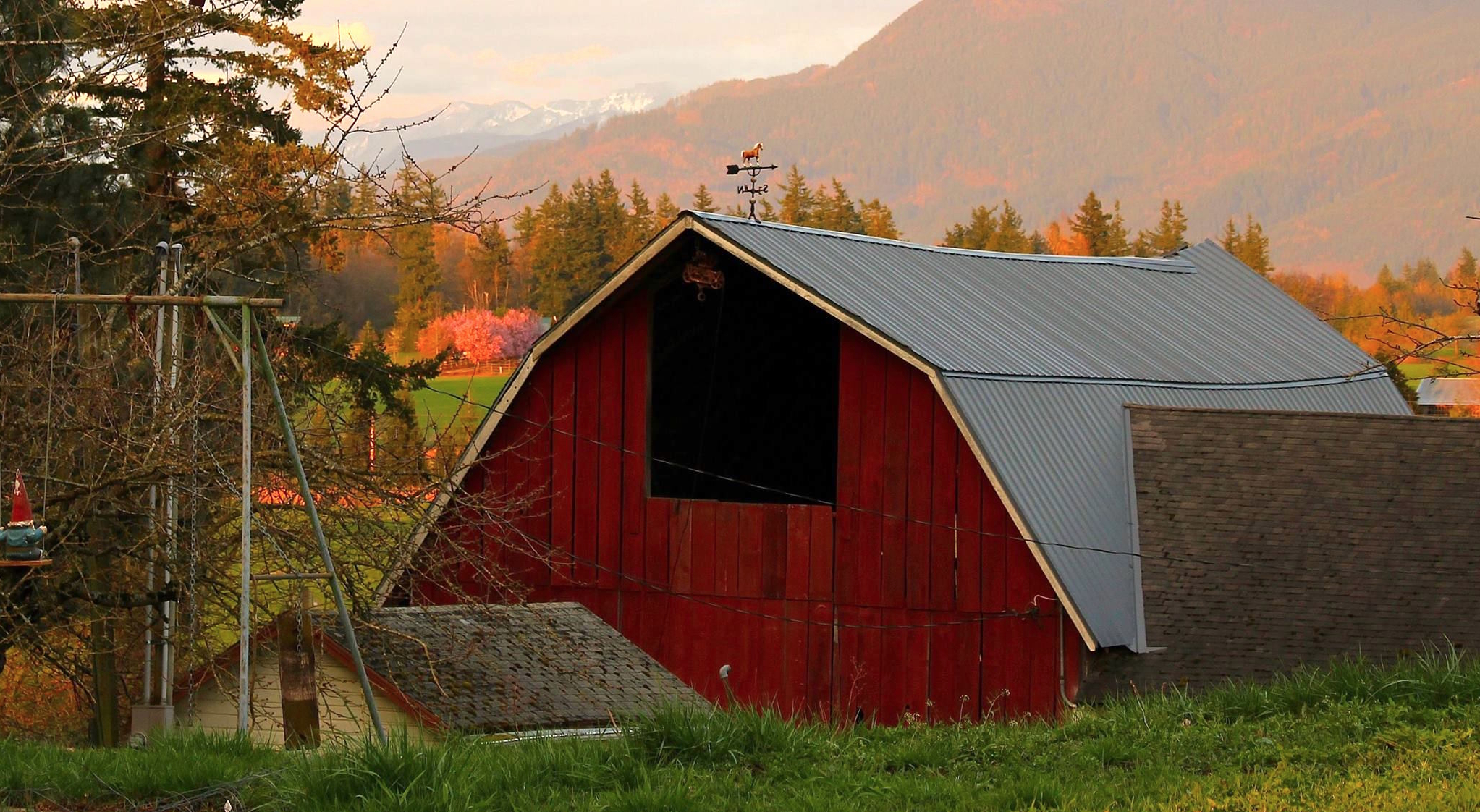
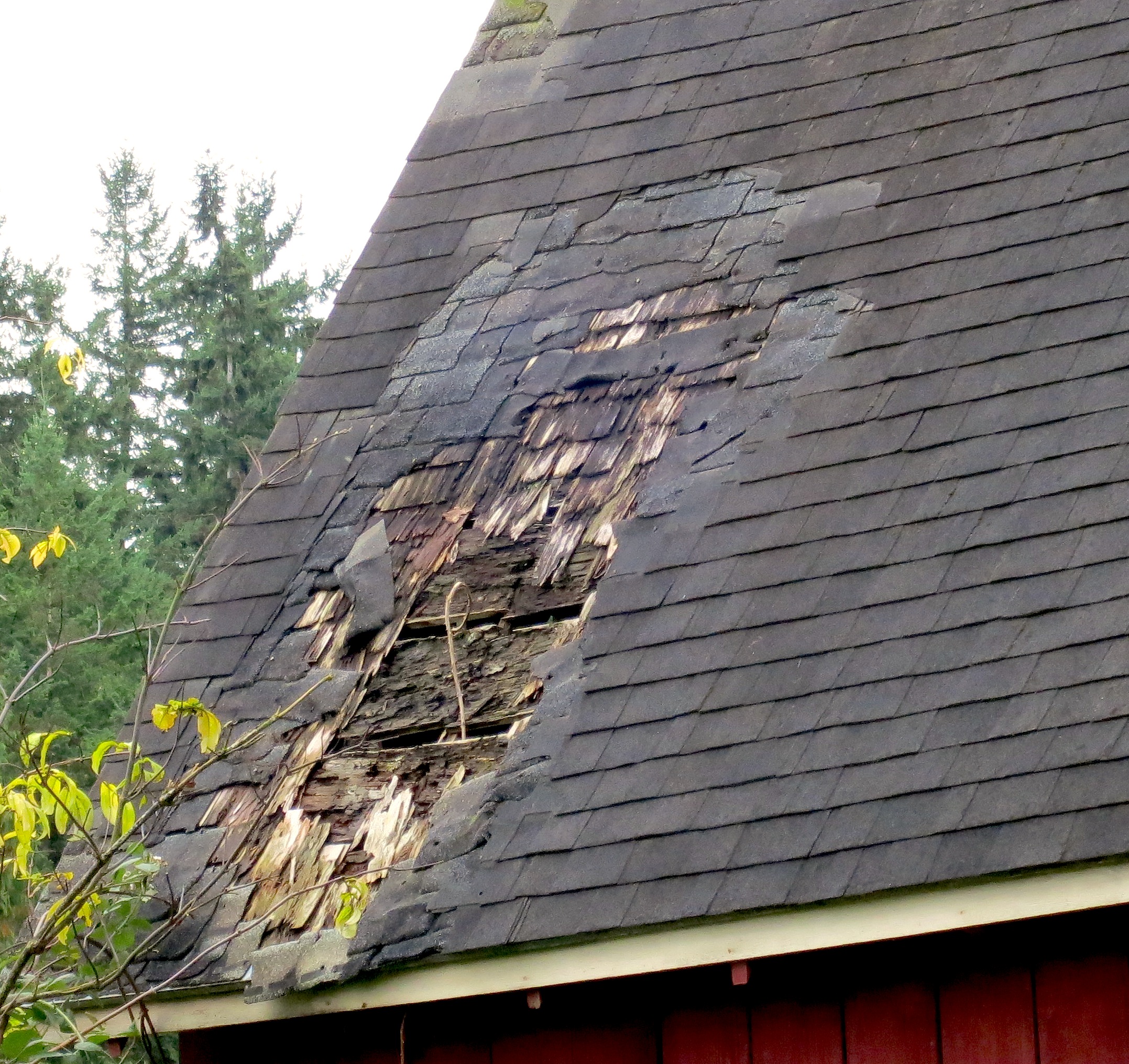
There is something very lonely about a barn completely empty of its hay stores. Our old barn has stood empty for several years; we and our neighbors who have used it for years to house a winter hay supply have found other more convenient places to put our hay. The winter winds have worn away its majesty: missing shingles have torn away holes in the roof, the mighty beams providing foundational support were sinking and rotting in the ground, a gap opened in the sagging roof crest, and most devastating of all, two walls collapsed in a particularly harsh blow.

The old barn was in death throes after over one hundred years of history.
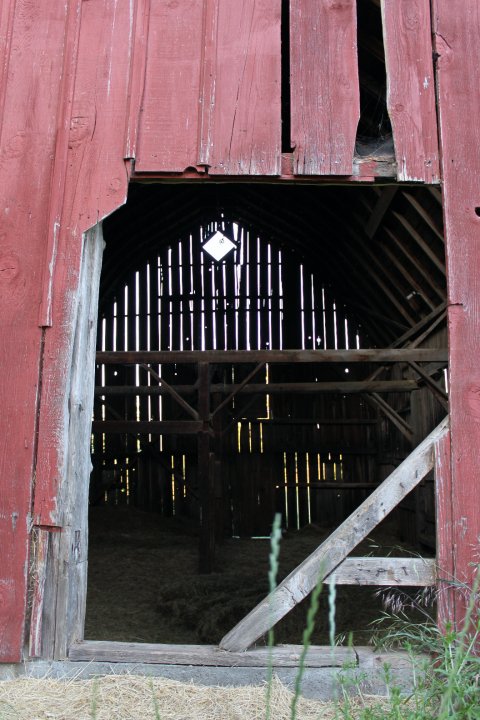
Its hollow interior echoes with a century of farmers’ voices:
soothing an upset cow during a difficult milking,
uncovering a litter of kittens high in a hay loft,
shouting orders to a steady workhorse,
singing a soft hymn while cleaning stalls,
startling out loud as a barn owl or bat flies low overhead.
Dust motes lazily drift by in the twilight,
seemingly forever suspended above the straw covered wood floor, floating protected from the cooling evening breezes.

There was no heart beat left in this dying barn. It was in full arrest, all life blood drained out, vital signs flat lined. I could hardly bear to go inside much less take pictures of its deteriorating shell.

We had people show up at our front door offering to demolish it for the lumber, now all the fad for expensive modern “vintage” look in new house construction. A photo of our barn showed up in local media declaring “another grand old barn in the county has met its end.” That stung. Meanwhile we were saving our money, waiting until we could afford to bring our old red barn back to life.

It started with one strong young man digging out the support posts to locate the rot. Then another remarkable young man was able to jack up the posts one by one, putting in reinforcing steel and concrete and straightening the gaping sagging roof line, providing the old barn its first ever foundation.

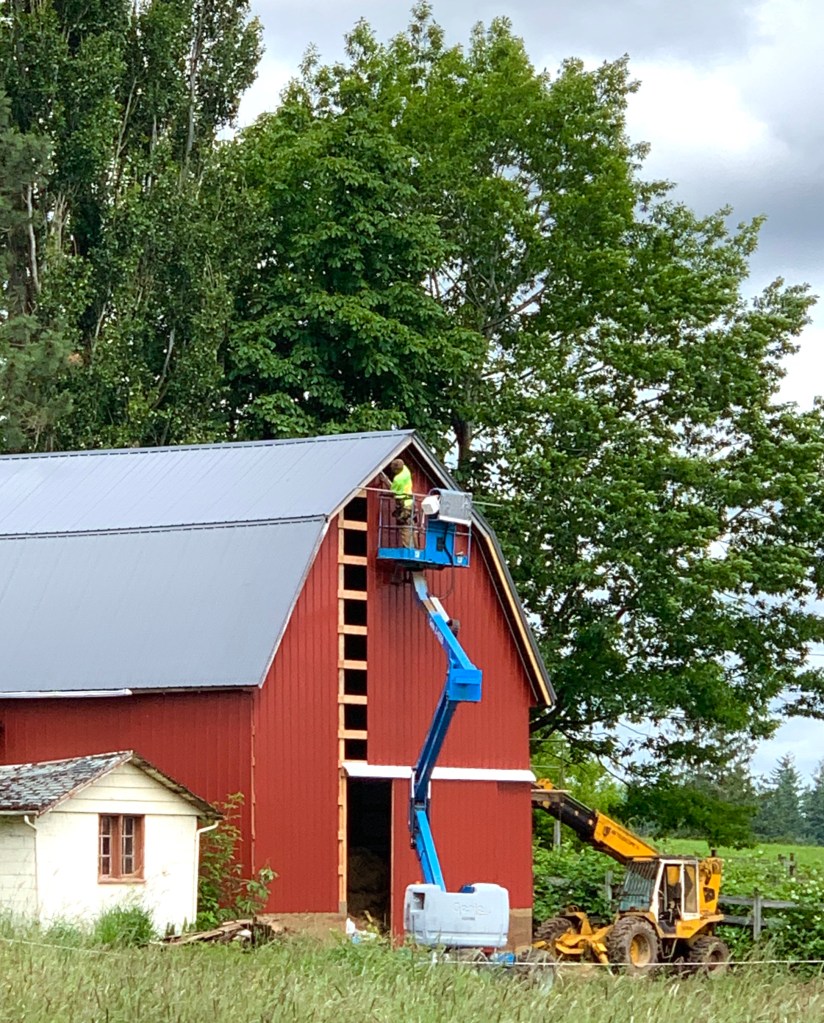
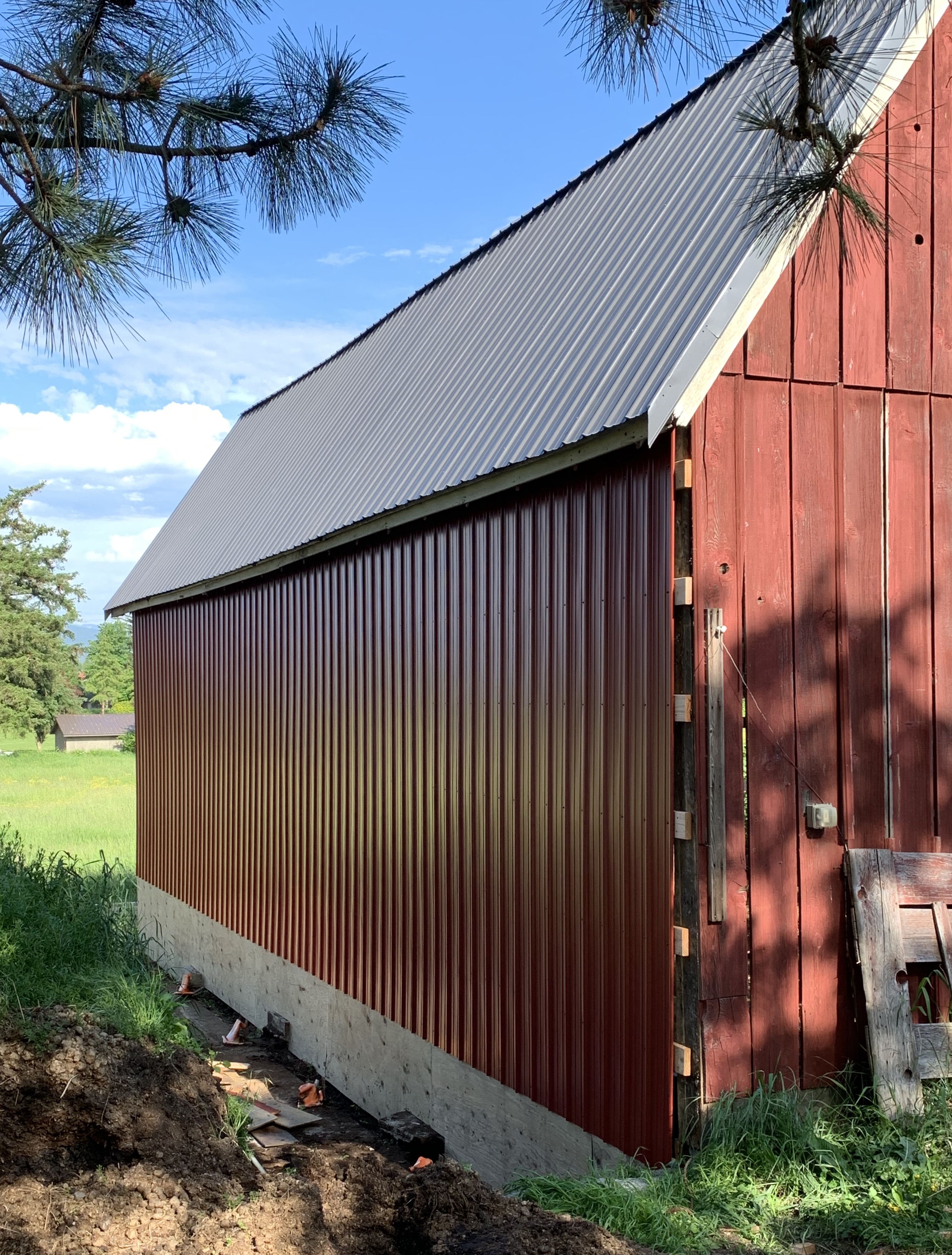
And over the last two weeks a crew of two men have replaced the damaged roof and absent walls with metal siding. The barn is looking whole again.

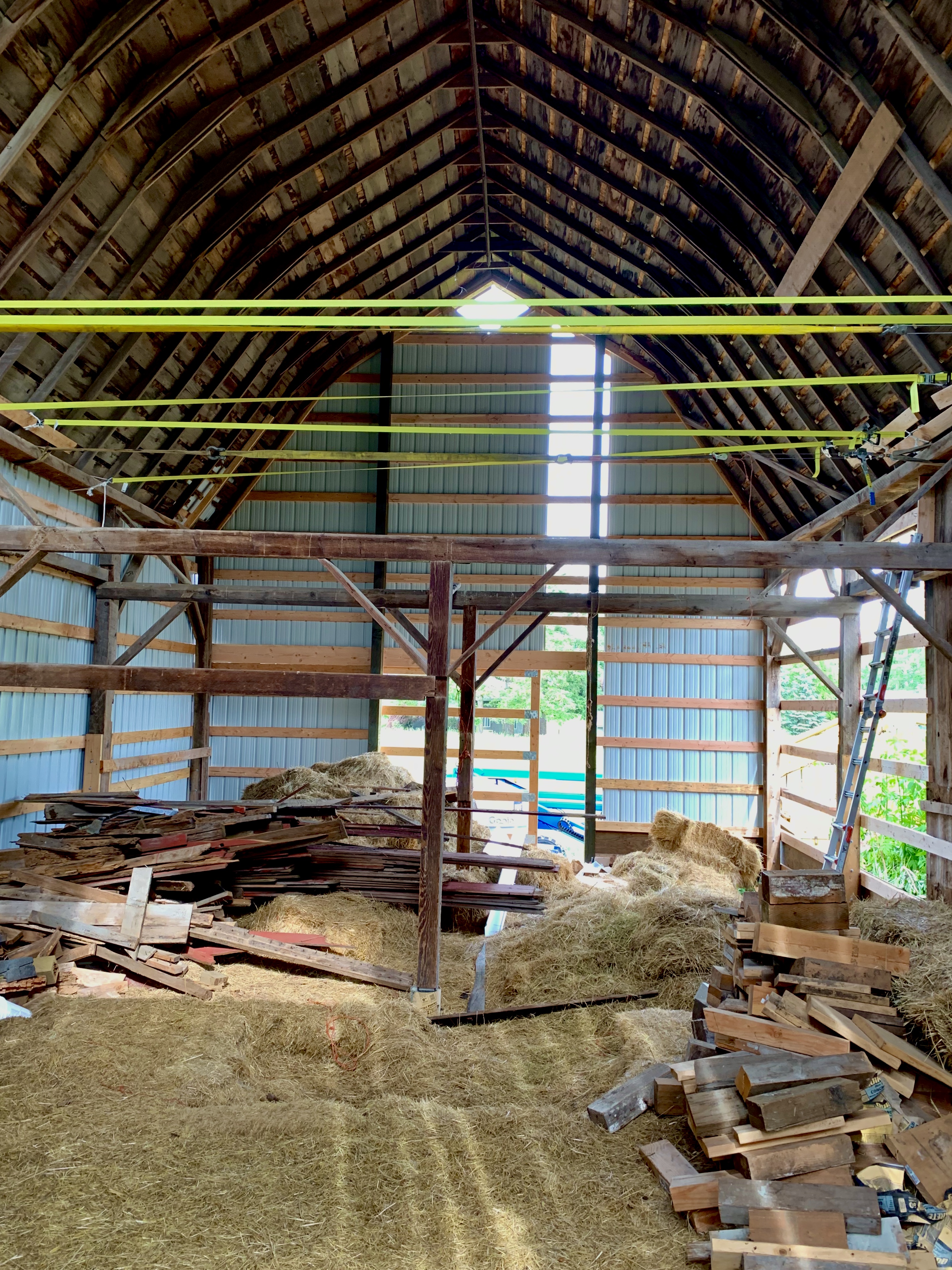
There is a lot of clean up left to do inside: decades of old hay build up and damaged lumber and untold numbers of abandoned mouse nests and scattered barn owl pellets.

Soon, the barn will be shocked back to a pulse, with the throb of voices, music blaring, dust and pollen flying chaotically, the rattle of the electric “elevator” hauling bales from wagon to loft, the grunts and groans of the crew as they heft and heave the bales into place in the stack. It will go on late into the night, the barn ablaze with lights, the barnyard buzzing with excitement and activity.

It will once again serve as the back up sanctuary on Easter morning when we are rained out up on the hill for Sunrise Service.

Now vital signs measurable, rhythm restored, volume depletion reversed, prognosis good for another 100 years.

Another old barn is resuscitated back to life when so many are left to die. It is revived and breathing on its own again. Its floor will creak with the weight of the hay bales and walls will groan with the pressure of stacks.

I must remember there is always hope for the shattered and weary among us. If an old barn can be saved, then so can we.

So can we.

photo by Nate Gibson

And the Eyes Have It

cellardoor

Nothing would sleep in that cellar, dank as a ditch,
Bulbs broke out of boxes hunting for chinks in the dark,
Shoots dangled and drooped,
Lolling obscenely from mildewed crates,
Hung down long yellow evil necks, like tropical snakes.
And what a congress of stinks!
Roots ripe as old bait,
Pulpy stems, rank, silo-rich,
Leaf-mold, manure, lime, piled against slippery planks.
Nothing would give up life:
Even the dirt kept breathing a small breath.
~Theodore Roethke “Root Cellar”

rootcellarsteps

pears9614

rootcellarjars

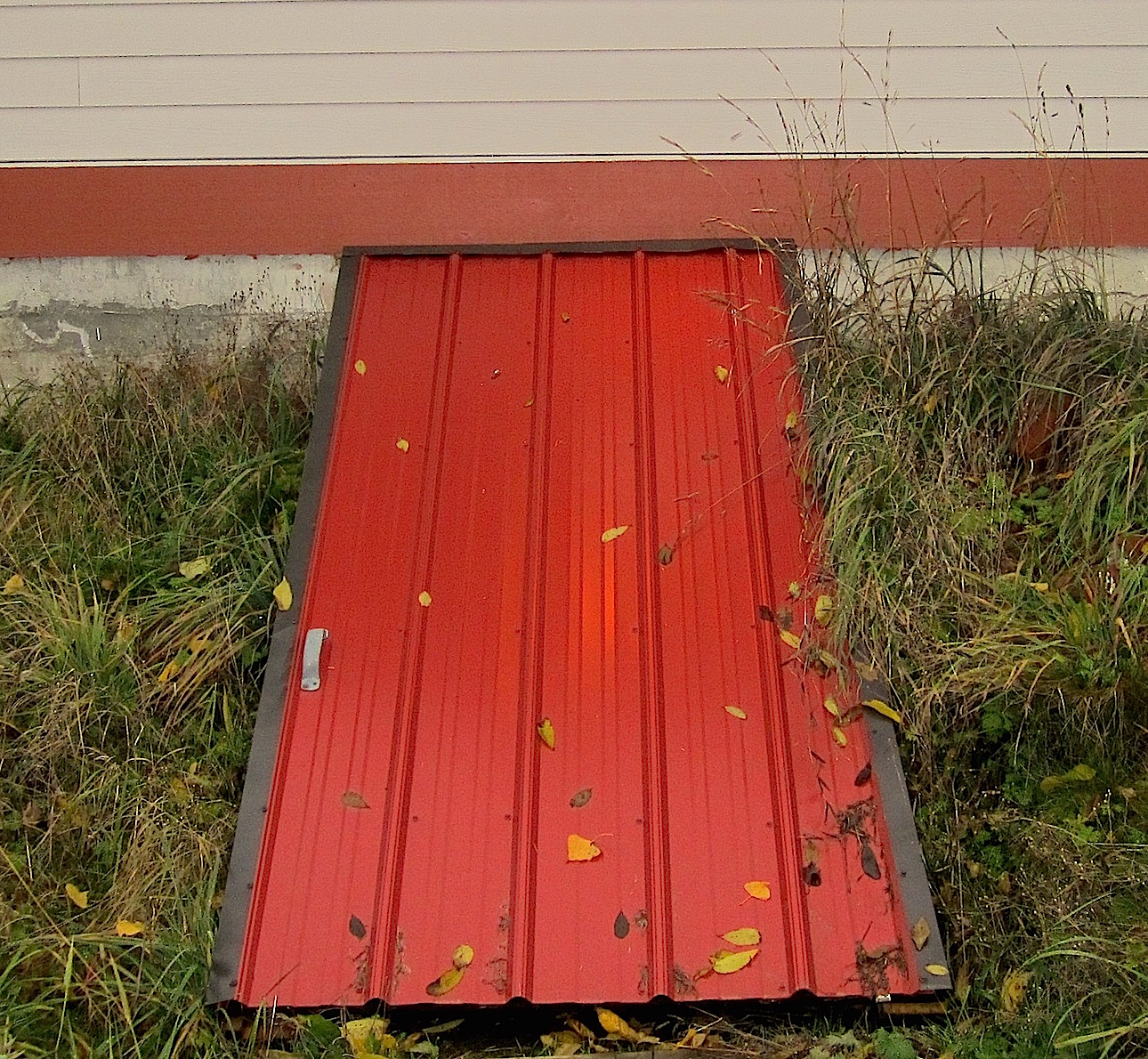
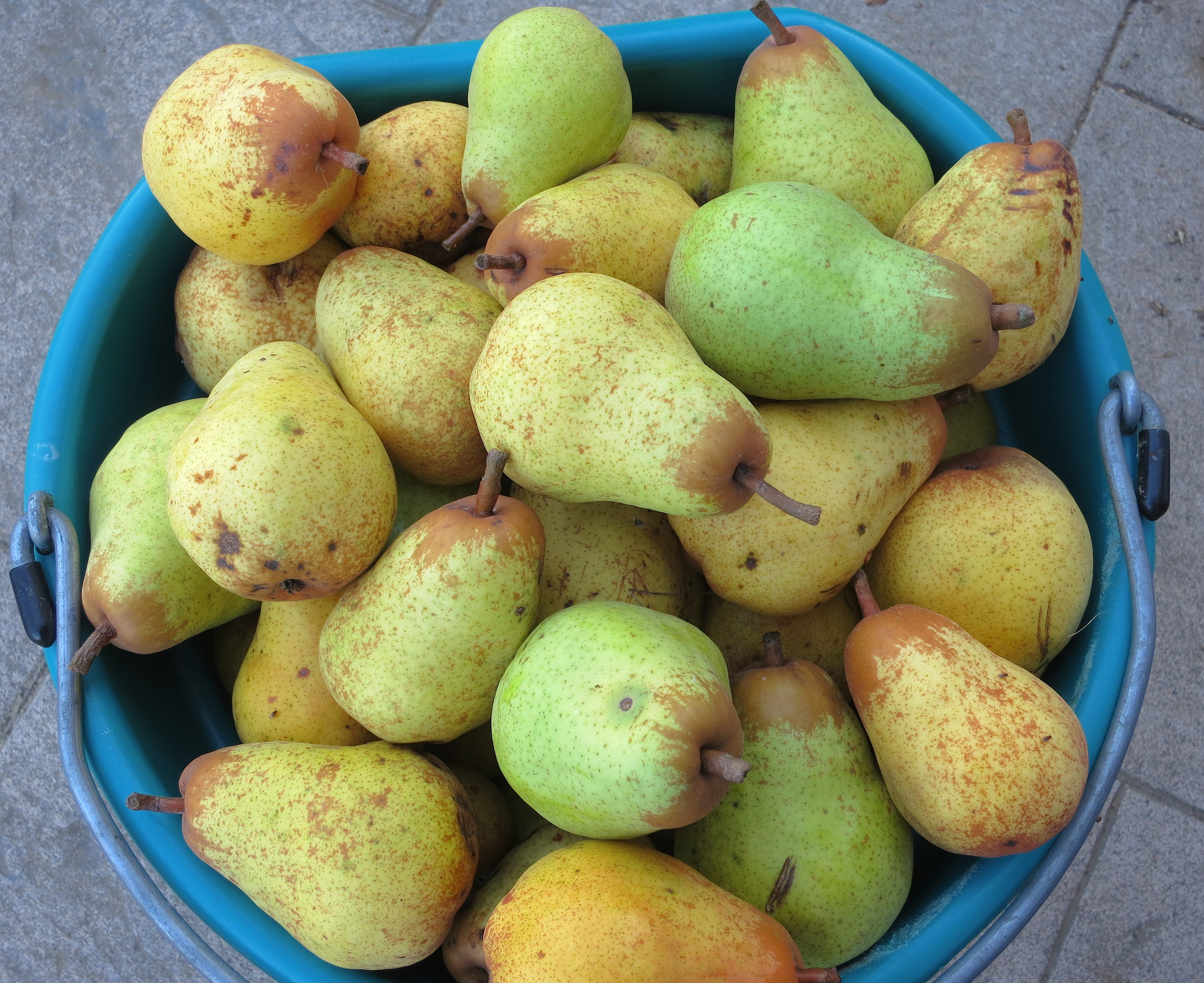
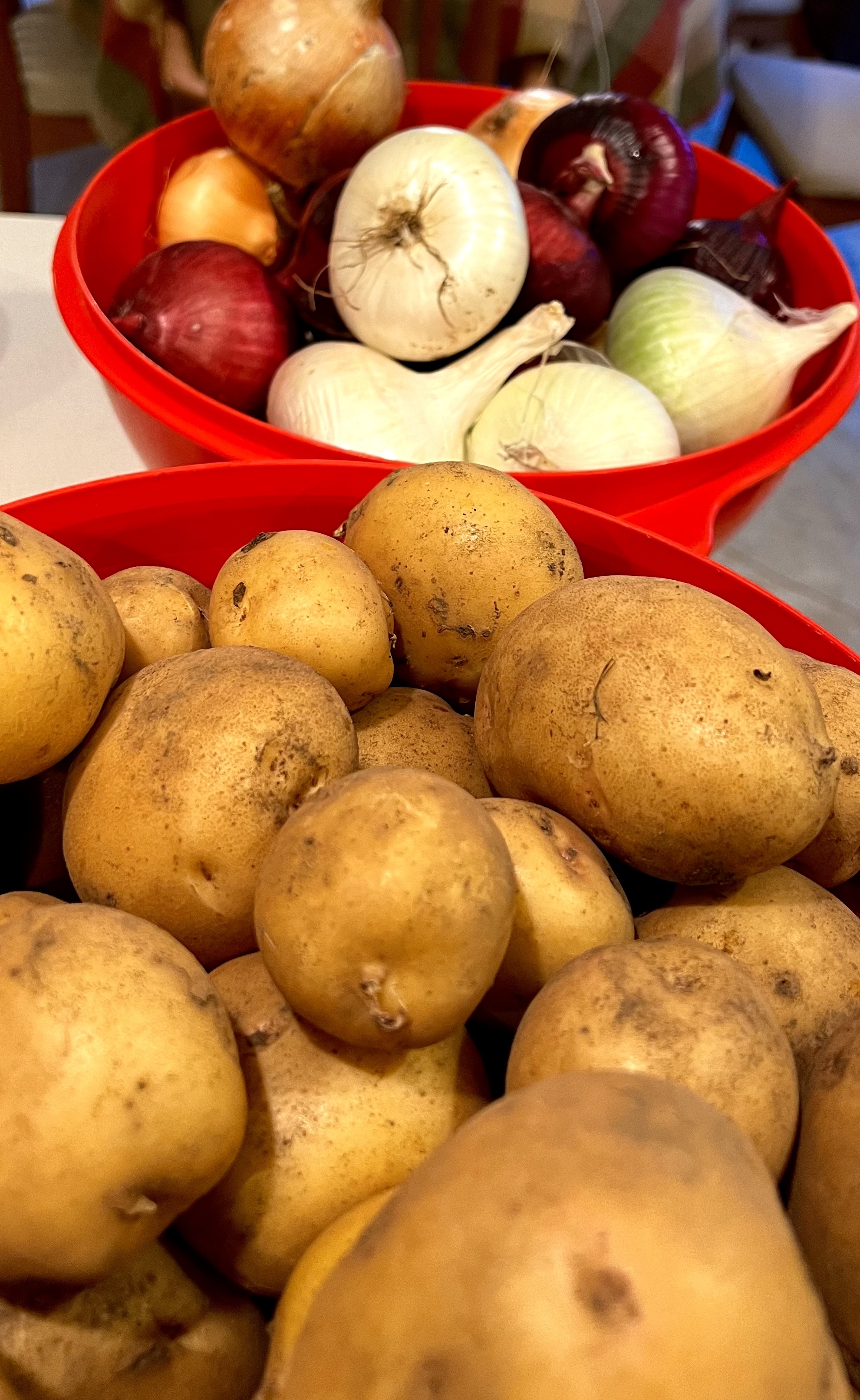
I tug on the handle of the heavy root cellar cover to lift it to one side in order to descend the steps to the underground room that serves as a year round natural refrigerator on our farm.  At the bottom of the stairs, I open the thick sealed door to permit a shaft of sunlight to illuminate the inner darkness–there is always a moment of wondering what I might find on the other side in such a mysterious place.  A rush of cool earthen air blows back at me as if displaced by the light that has rushed in.  Until I snap on the lights, it is as secret as a womb harboring its precious cargo.  This place smells of dirt and moisture–the lifeblood of the fruits and roots that tarry here until it is finally their turn to be brought up into the light.  Potatoes, onions, apples, pears, nuts all resting and waiting, as if suspended in time.

It has been awhile since my last visit.  As the lights blink on, I blink too in unbelief.  There had been a startling transformation, as time no longer stands still as it had through the winter.  Long white arms, almost waving with enthusiasm, were reaching out from the potato bin in a desperate searching plunge through the blackness.   In this dark place, their blind eyes must sense a better place and have set out on a mission to get there.  The naked shoots are so entangled one with the other, it feels voyeuristic, as if I were witnessing something private and personal.

I gather them up,  apologetic for causing them a moment’s doubt about their destiny.  A trench must be dug, so they are placed gently at the base with shoots pointed toward the sky, and the dirt swept over them in a burial that is more commencement than coda.

And so the eyes have it, having reached for a light not seen but sensed.

…even the dirt kept breathing a small breath…

Was blind, but now can see.

rootcellarjars2

IMG_1113