A Wondrous and Terrible Turning

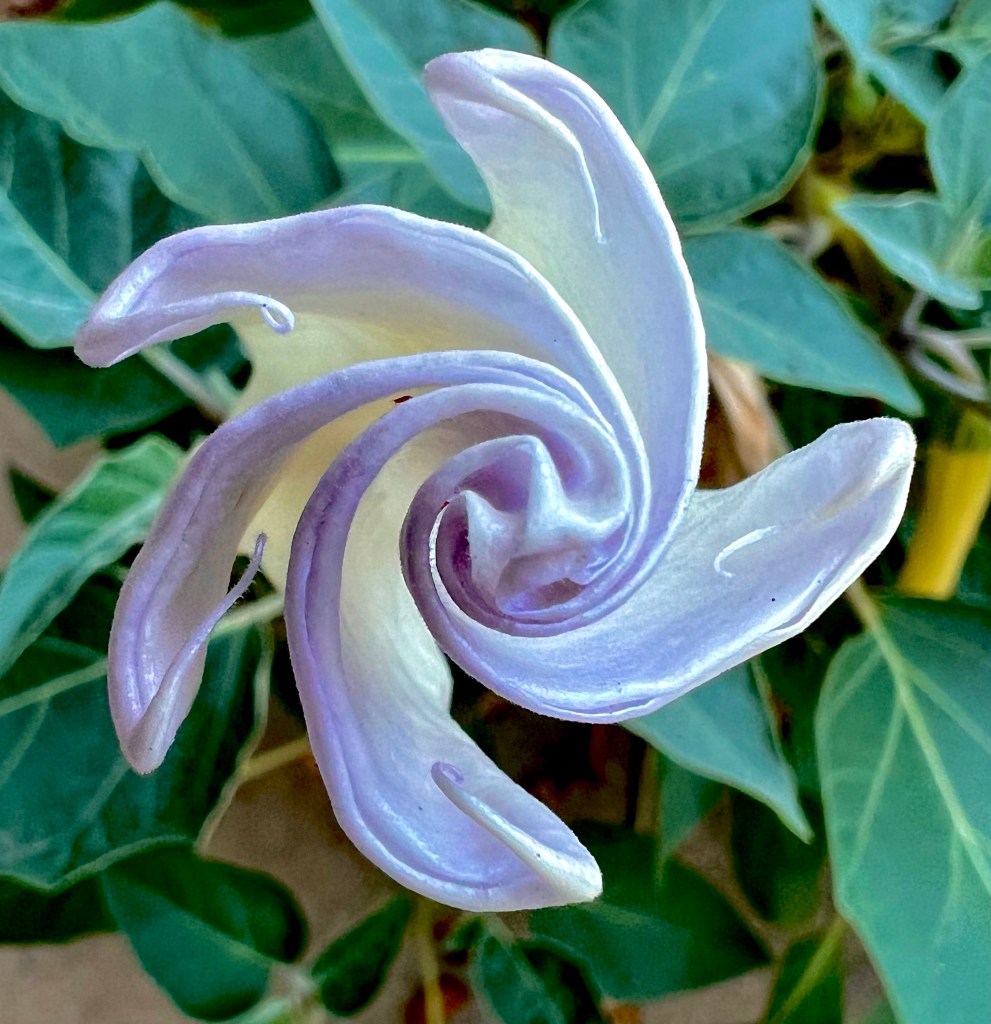
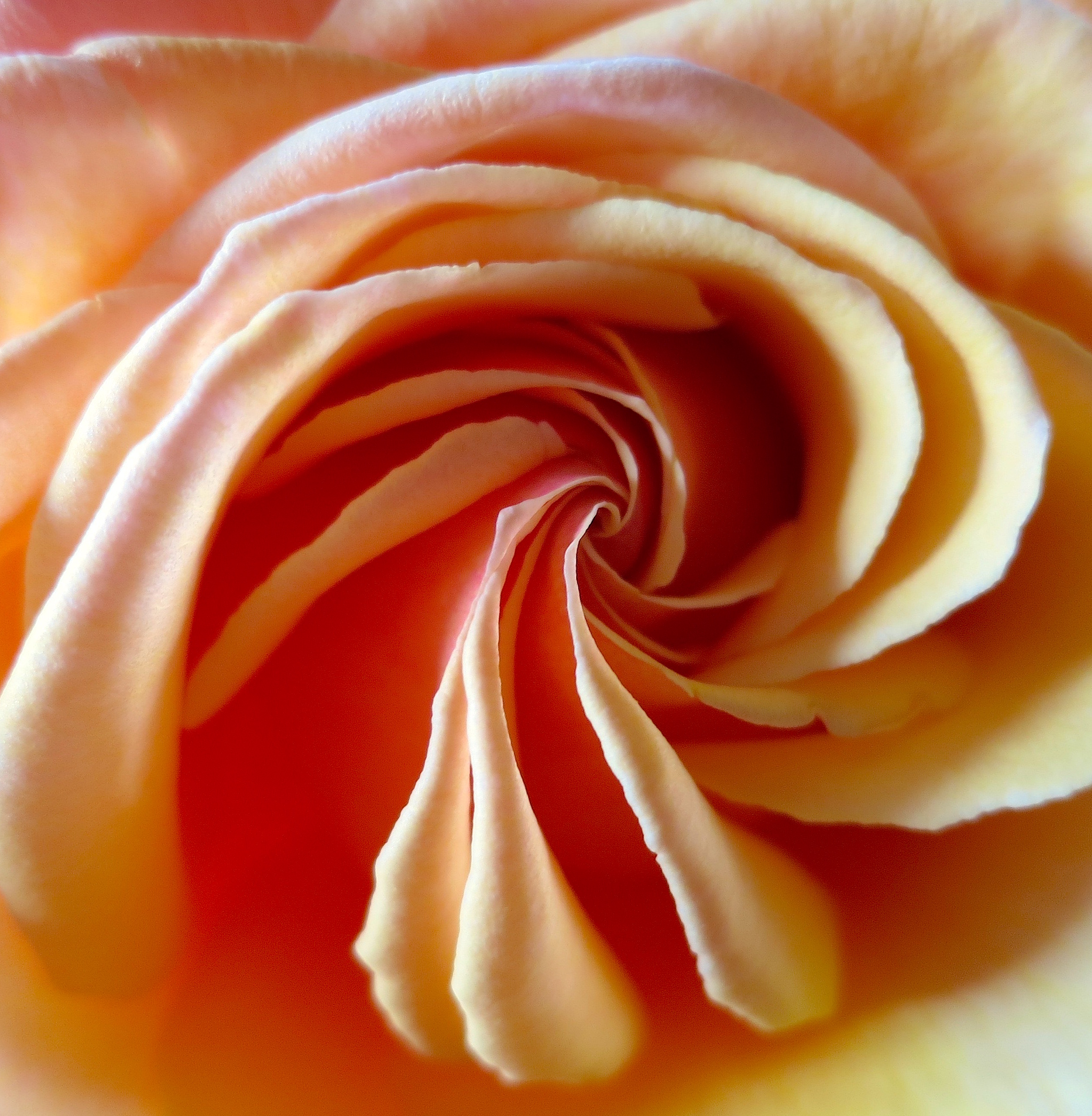
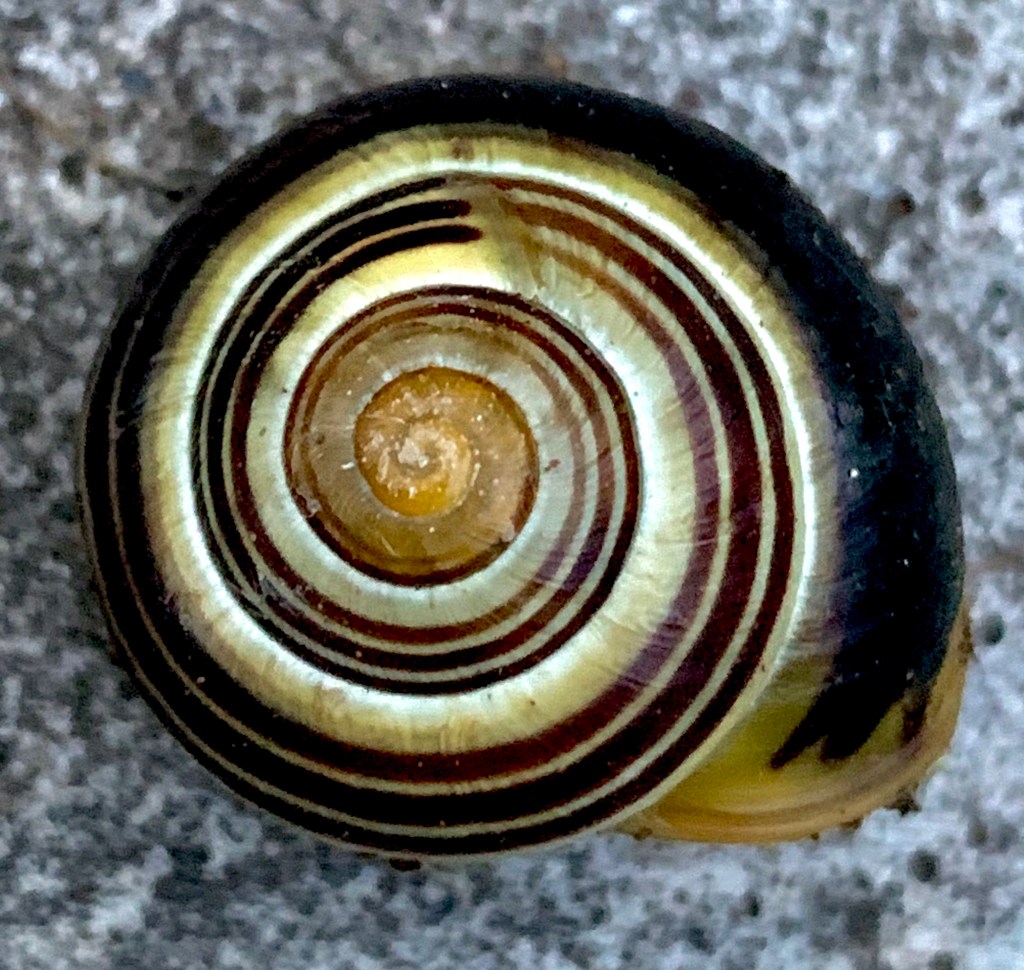
When, in the science museum, I arrive at the overview of our galaxy, with its tiny arrow pointing to You are here (which really ought to be We are here), and see that the two to four hundred billion stars of our local cluster are drifting or chasing or dreaming after each other in circles within milky circles, I can’t help but think of those ancient paintings and rock engravings, discovered all over our celestial body, of that one line which begins at whatever point it can, then curls outward, or inward, toward nothing anyone can define—the oldest shape revered by Aborigine and Celt, by mathematician and engineer and Burning Man reveler alike, and even accorded a place of honor among the mess of thoughts on my desk, as a nifty paper clip of copper.

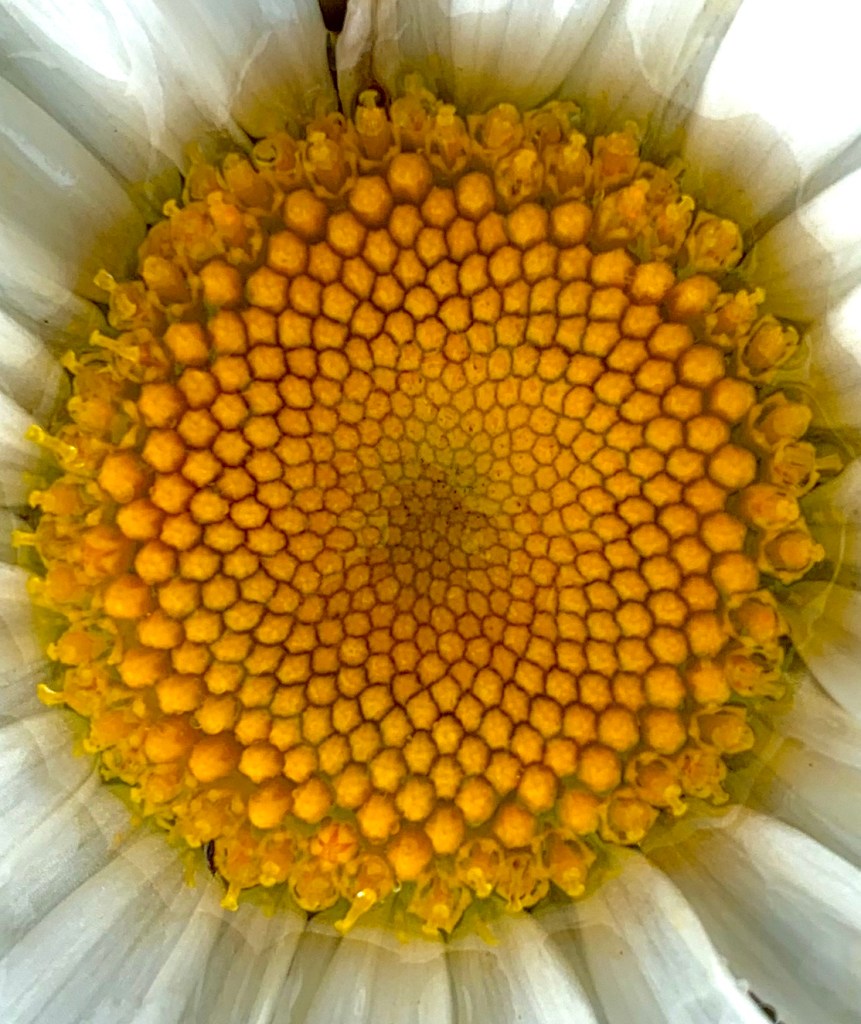
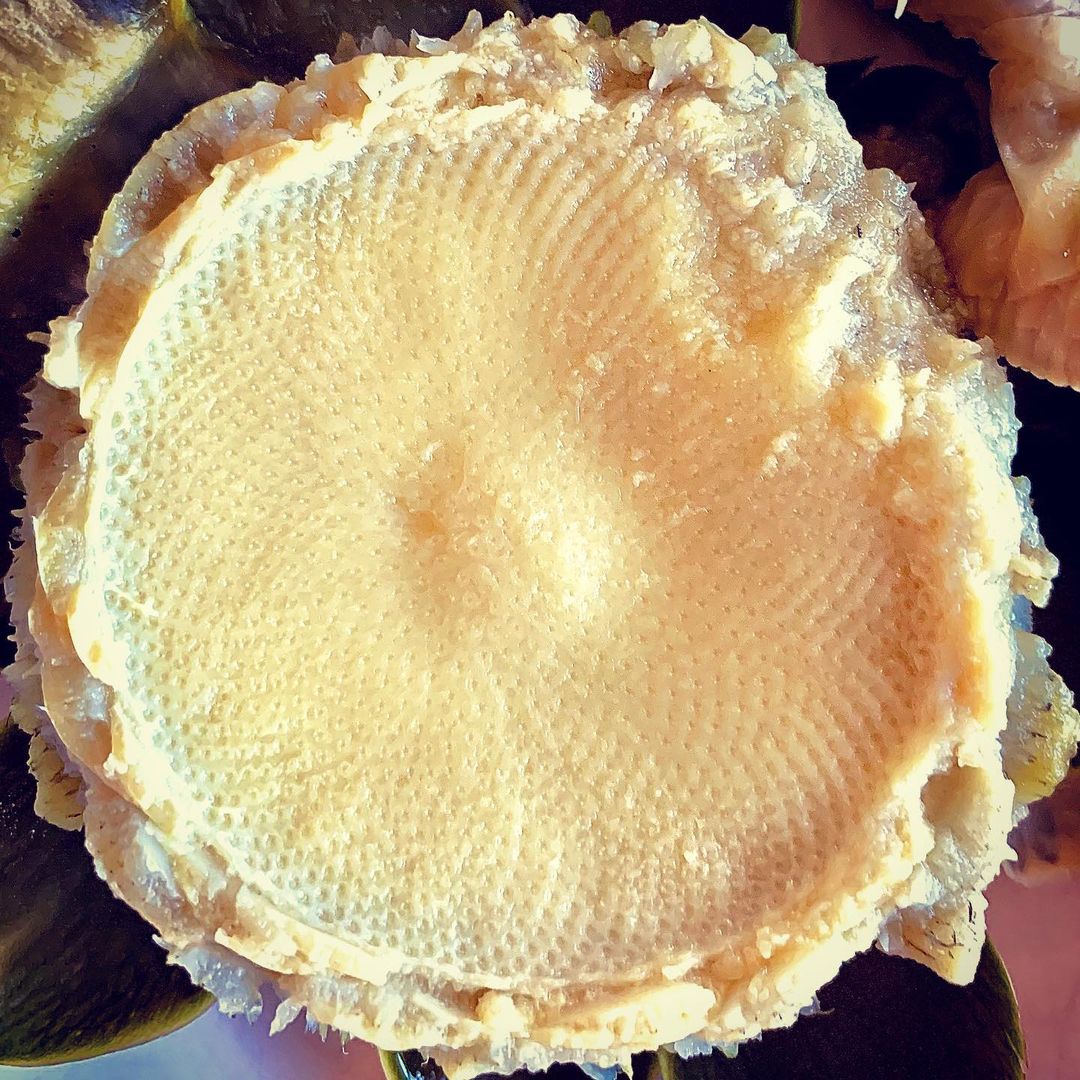
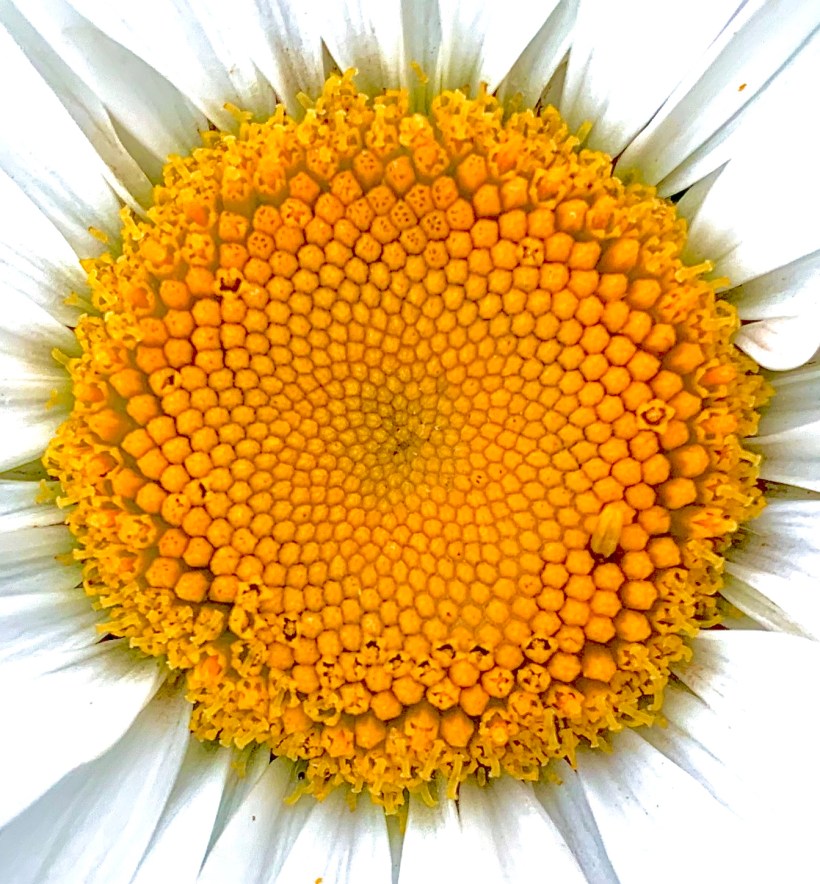
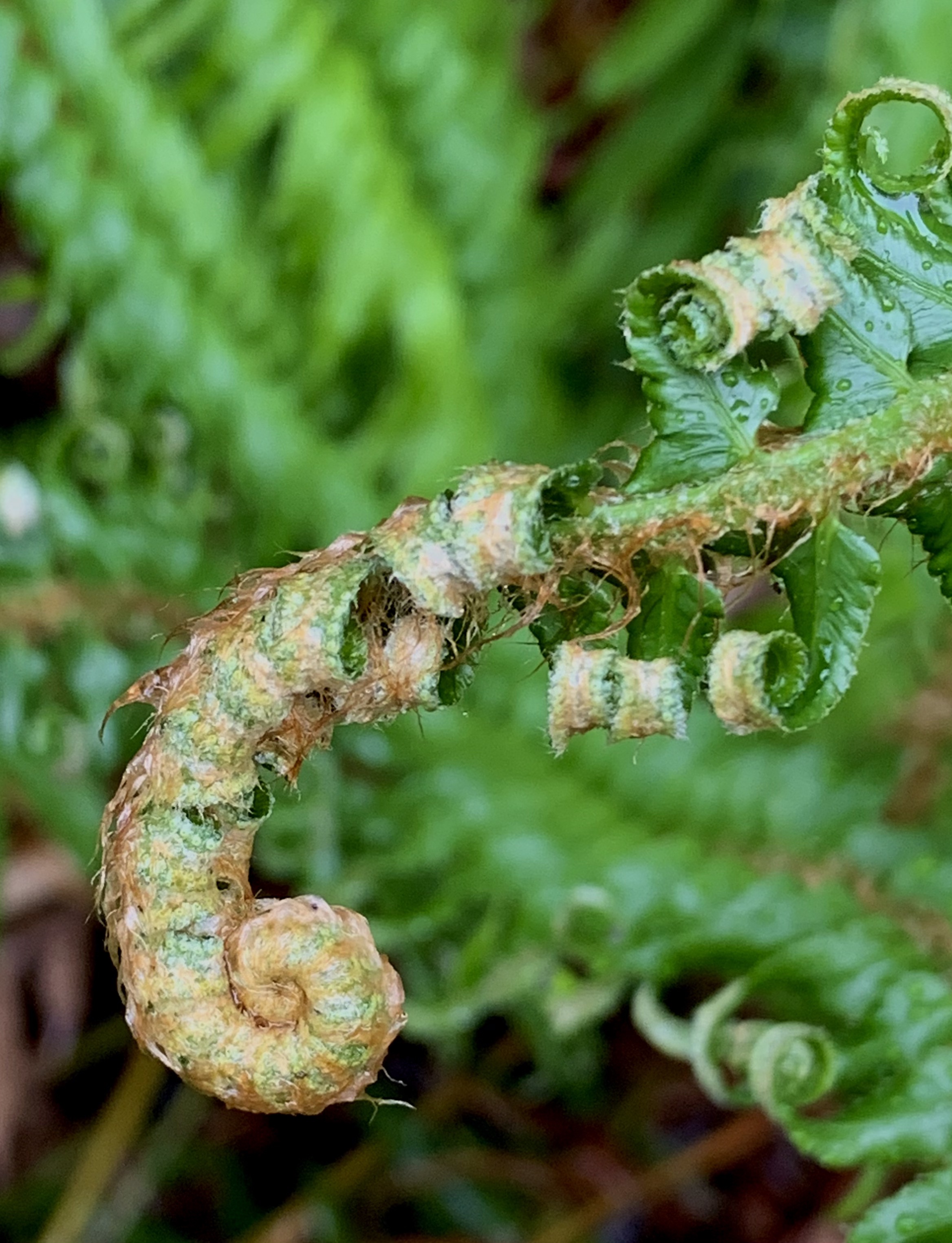
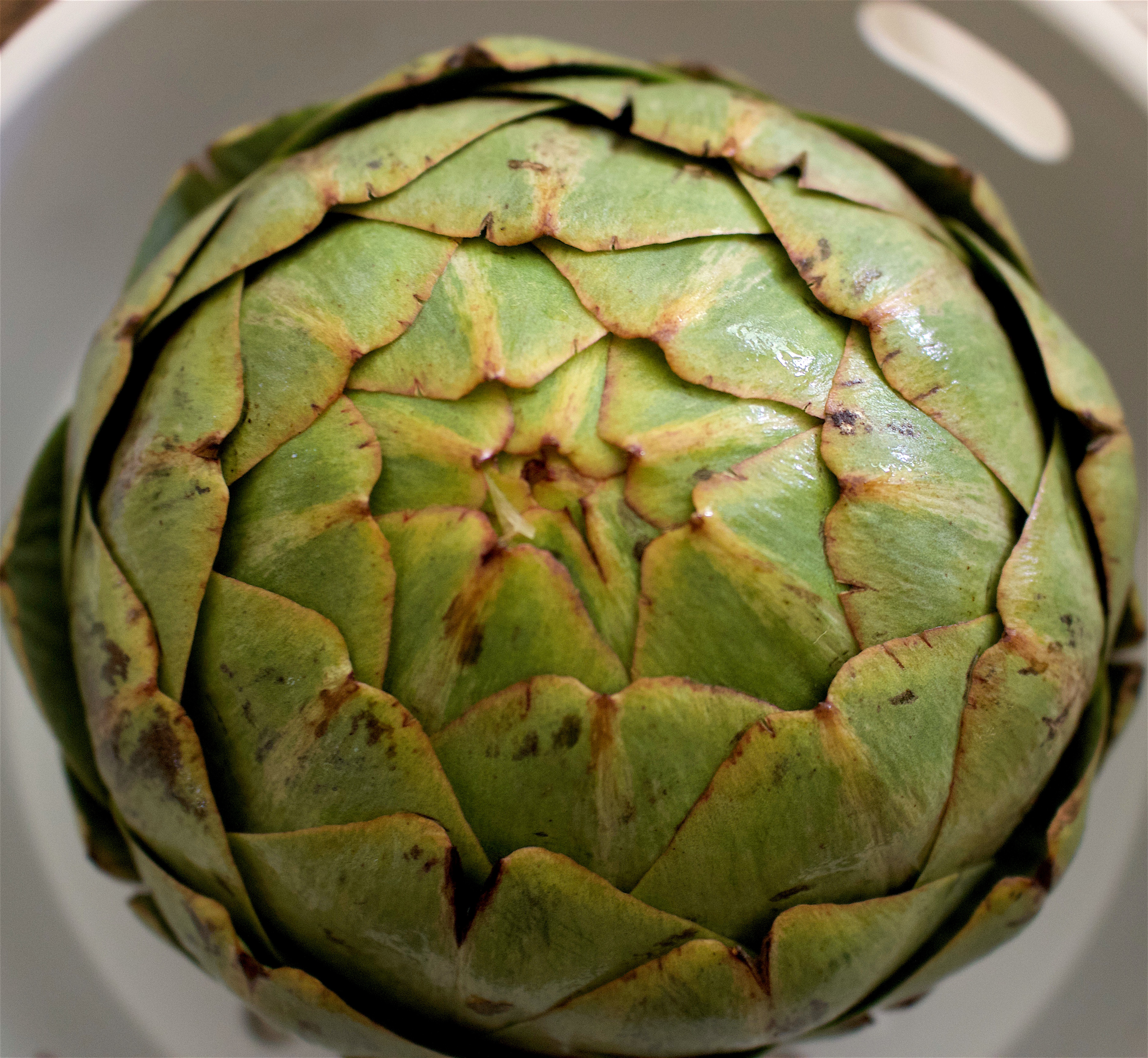
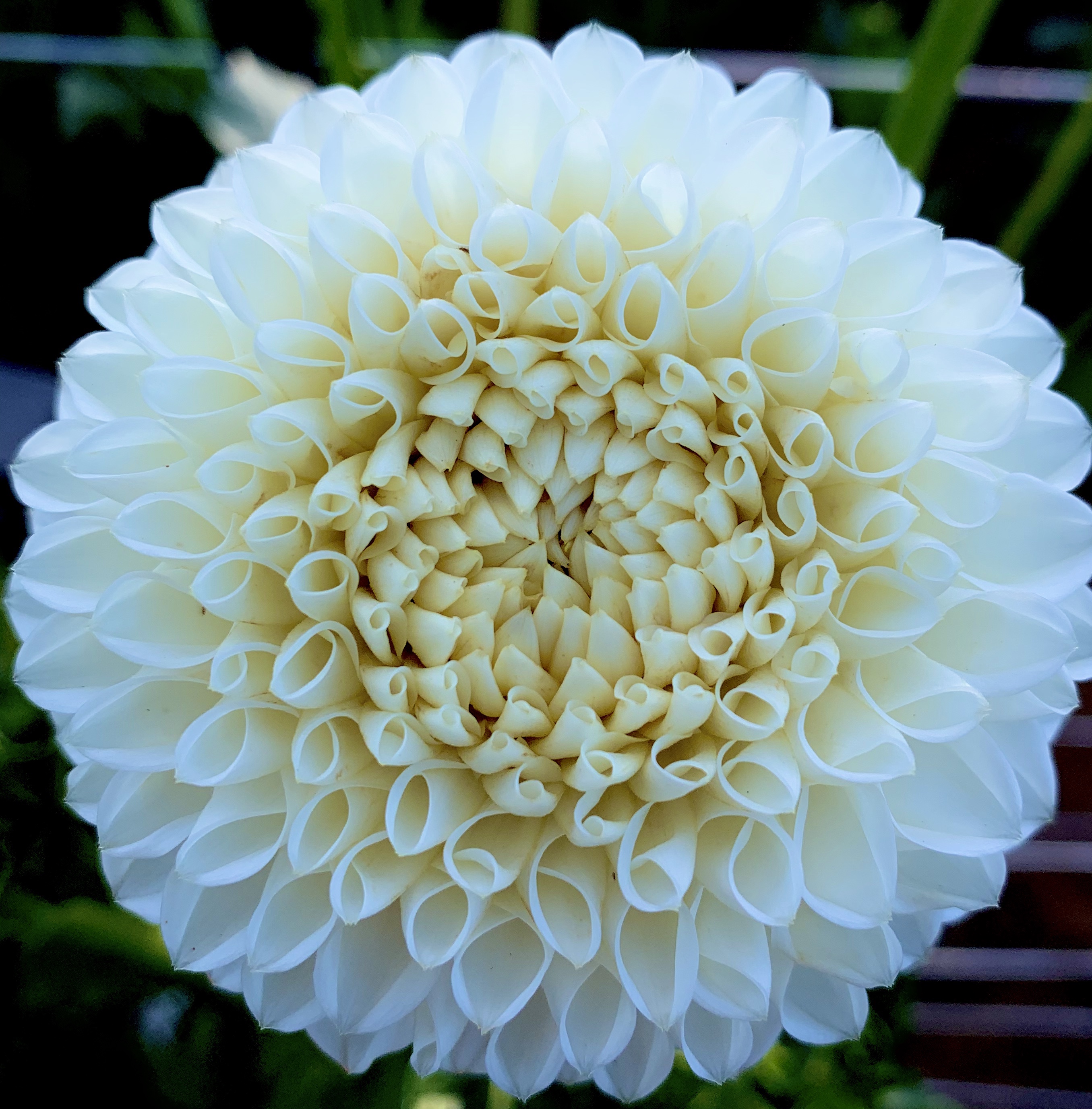
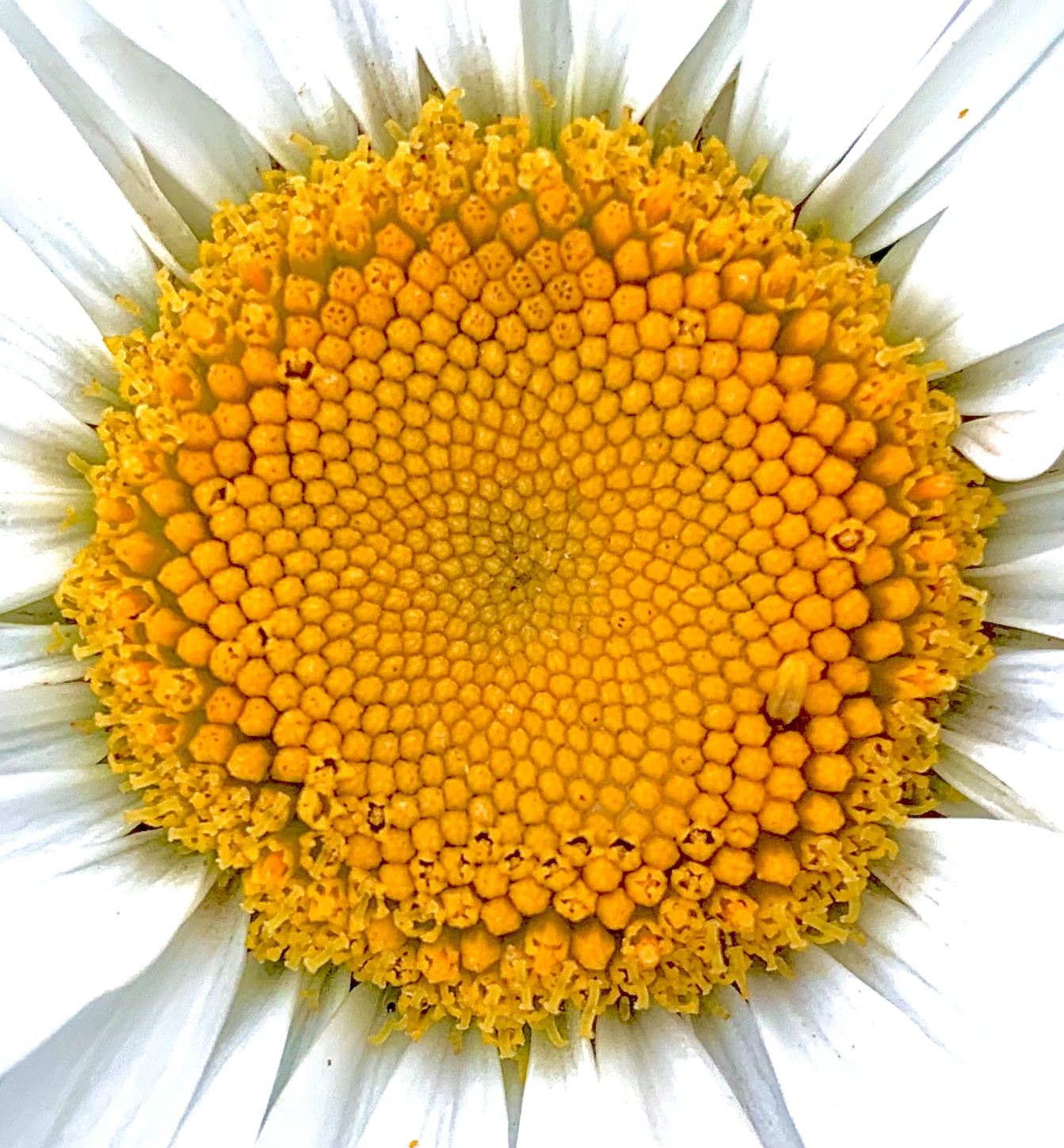
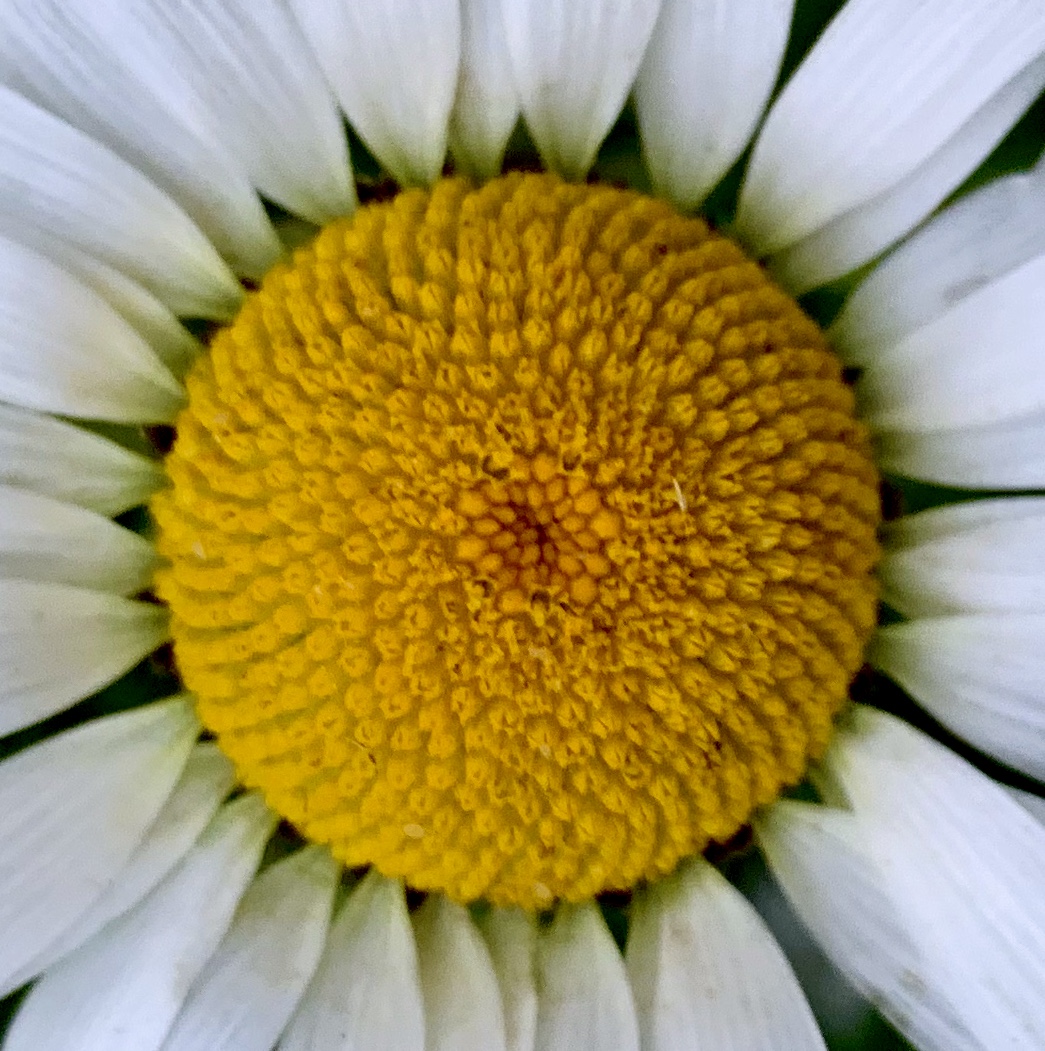
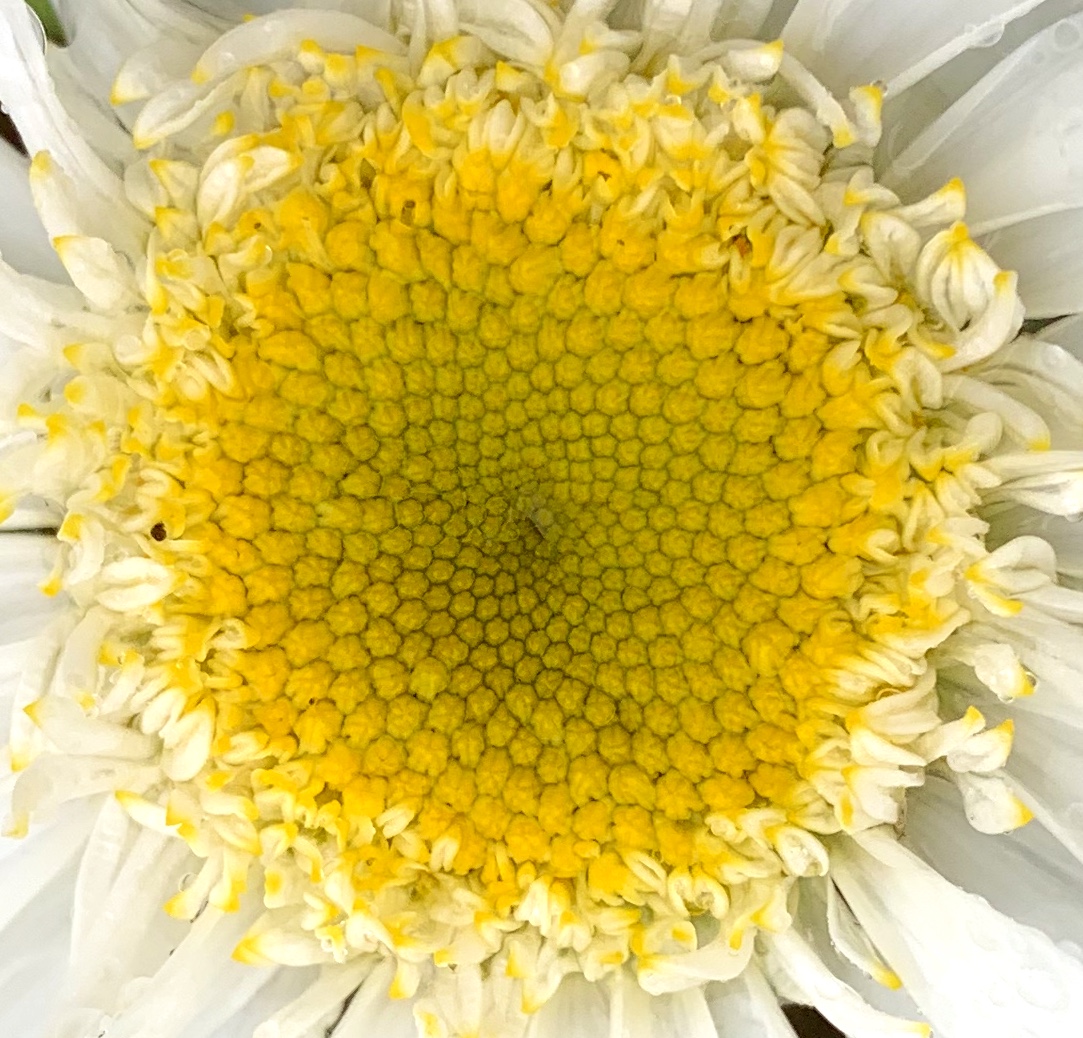
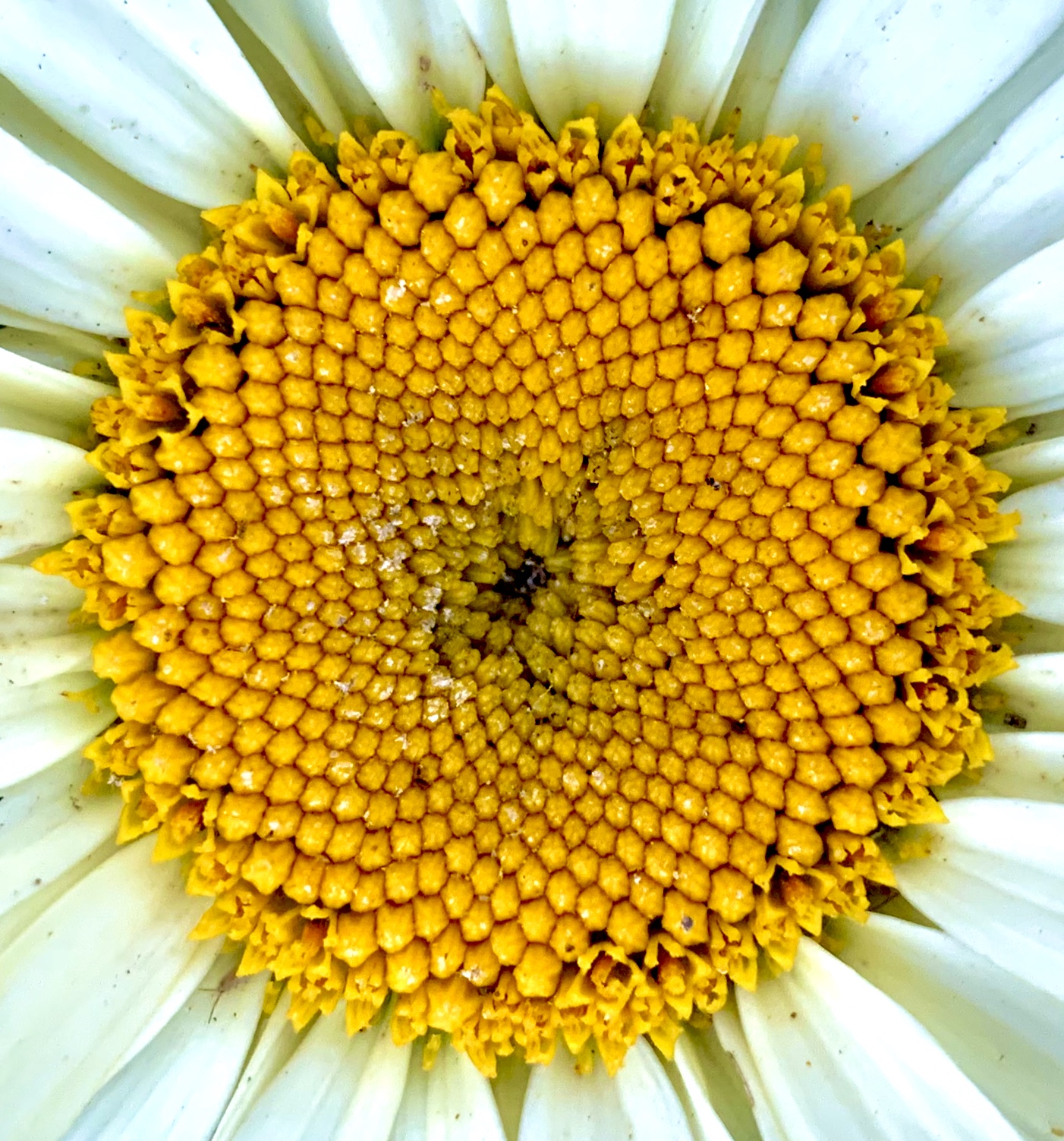
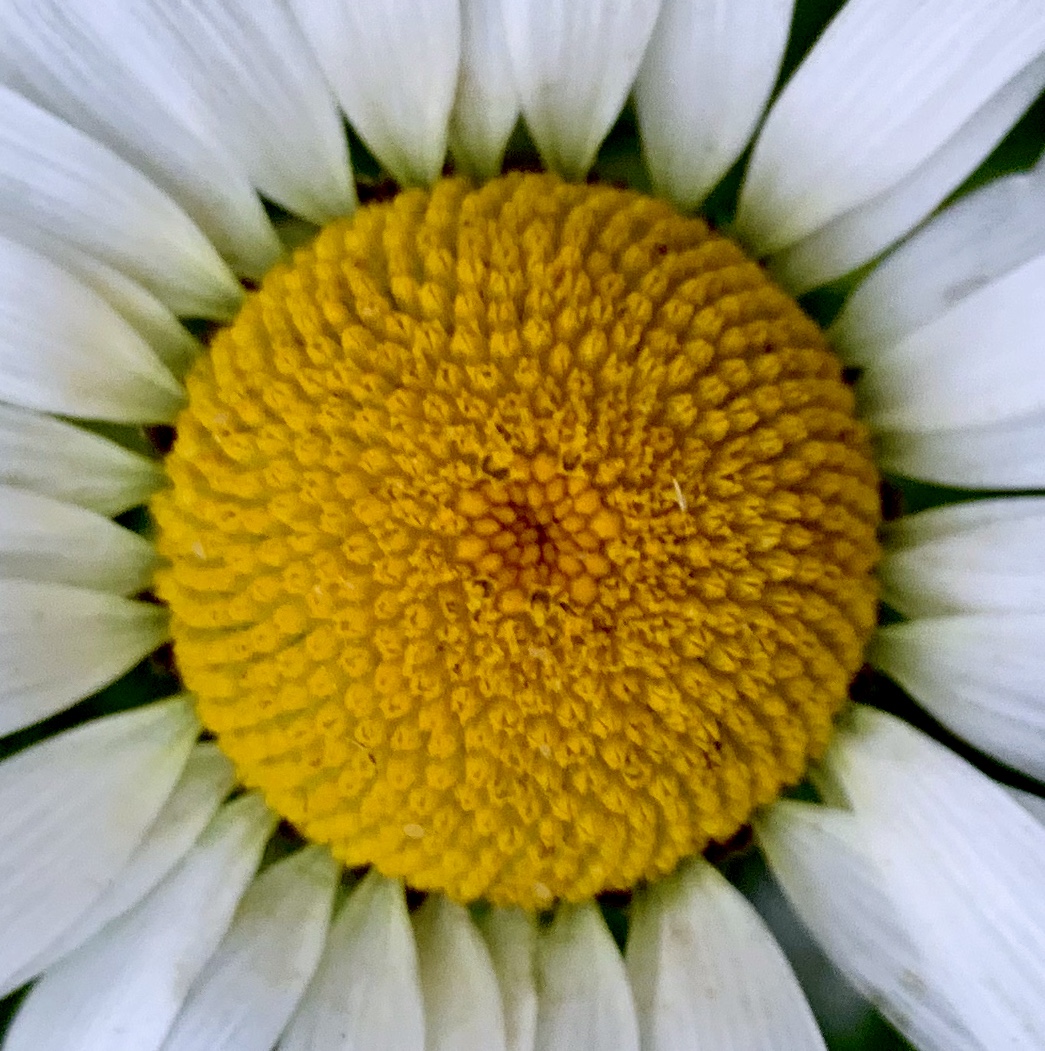
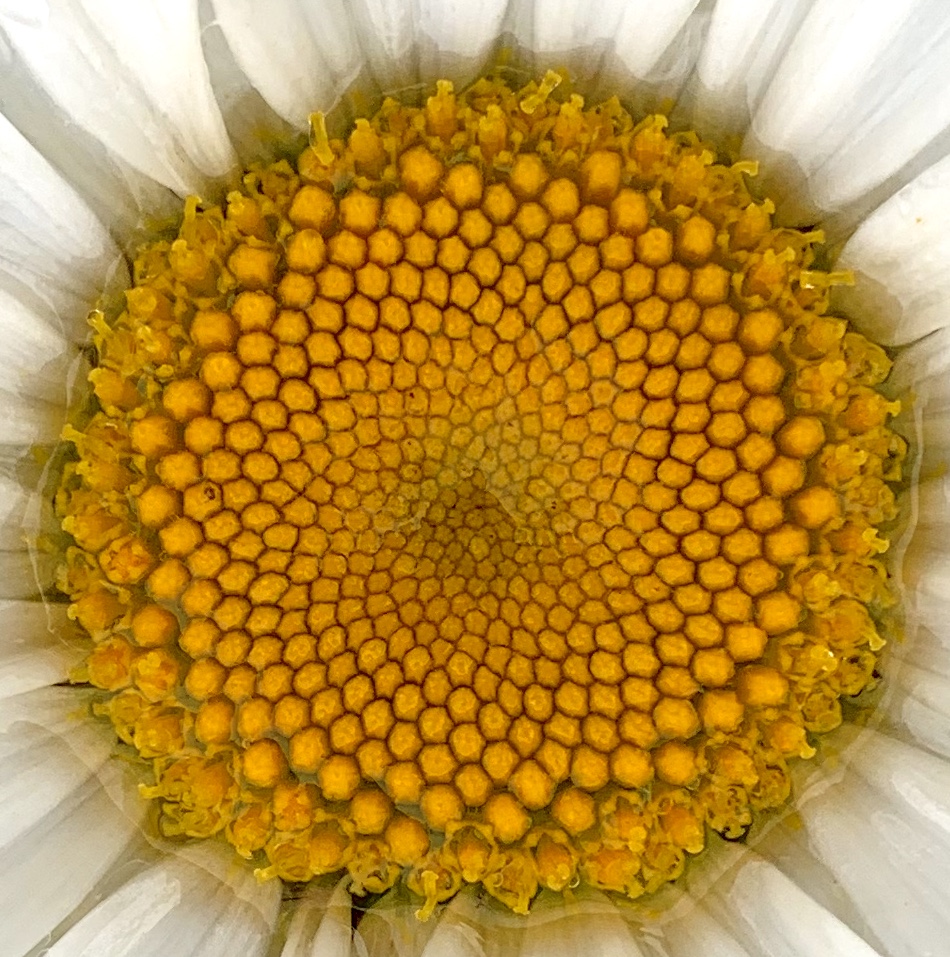
But it’s already there in the florets of the sunflower crisscrossing with the precision of a logarithm, and in the pin-wheel shape of the Nautilus shell, and in the coiling neurons of the cochlea that let us tell Art Tatum from a three year old’s improvisation.

Call it what you will—“God’s fingerprint,” “the soul unfolding through time,” “the passageway into the Self”— I can’t help but admire, even fear, something as mundane as a flush of the toilet, when its swirling is a variation on our sidereal drift, our existential pain.

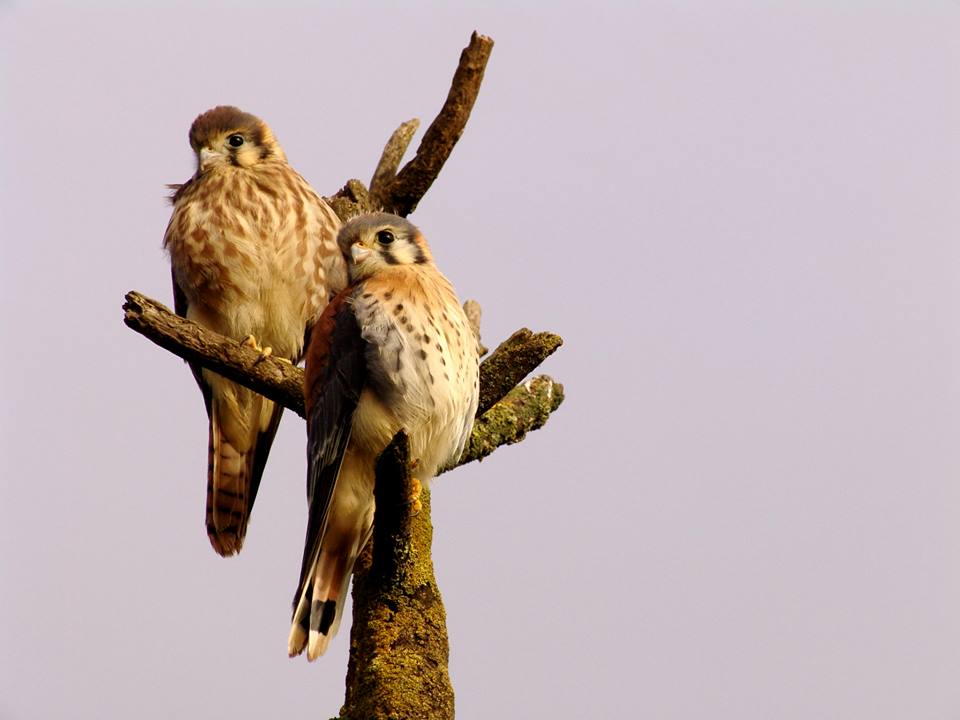
And then there’s that famous falcon, “turning and turning in a widening gyre,” a portentous symbol of our own circling into some dread, some pernicious chaos we thought we had just escaped, one town burning a decade behind us, a millennium before that, and into next week, next year, next whenever.

And when the two of us took that winding road an infinity of others had wound down before us and would wind down again, our spirits hushed by the crosses and bouquets at each dead man’s curve and just burning in the dry heat to touch each other, wasn’t that a wondrous and terrible turning?
~Thomas Centolella “Why I’m in Awe of the Spiral”
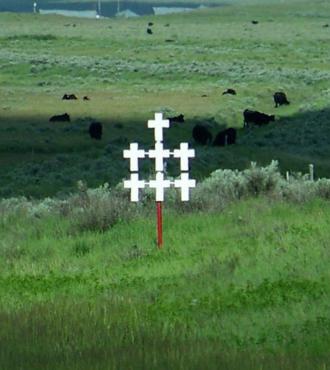
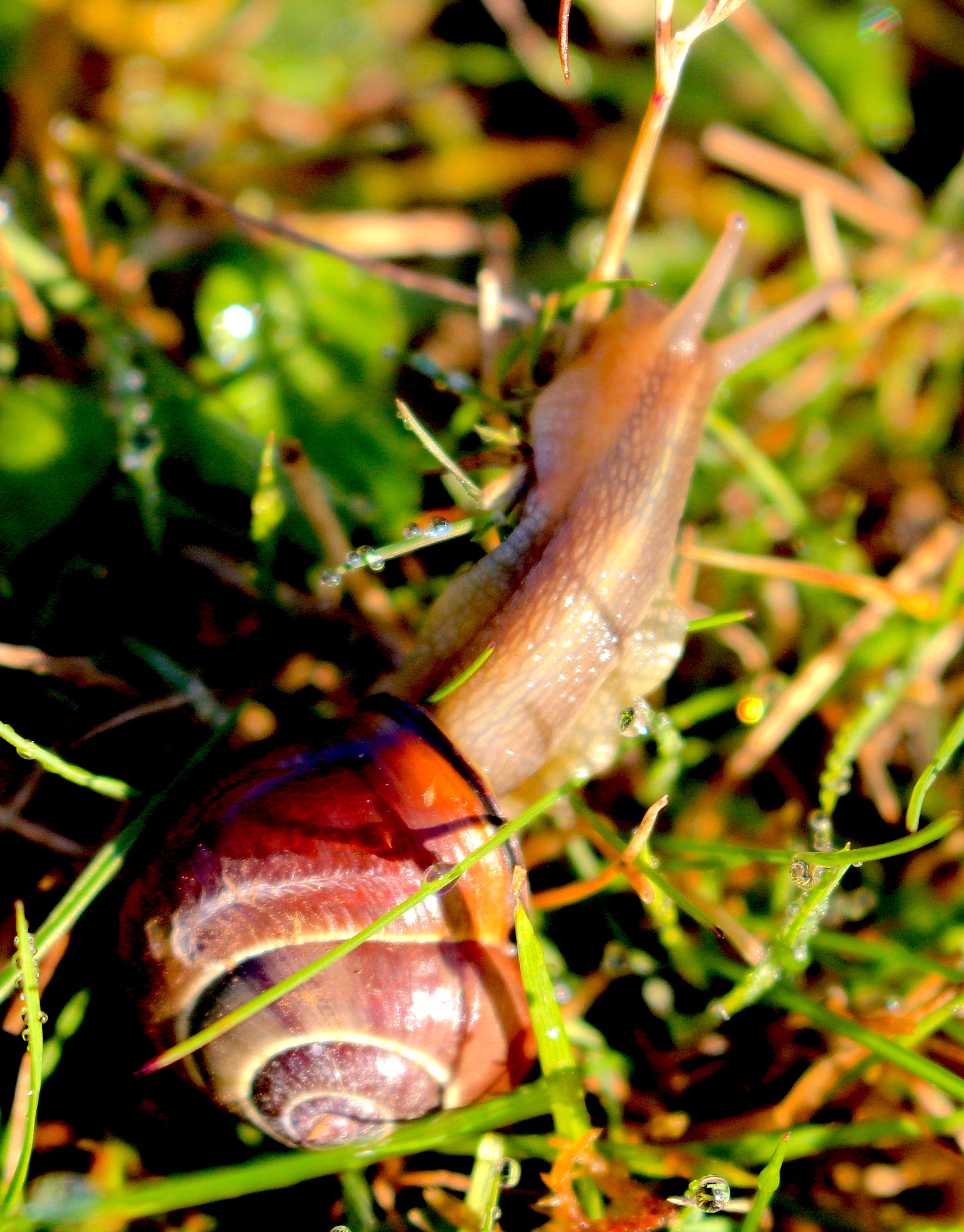
photo by Kate Steensma
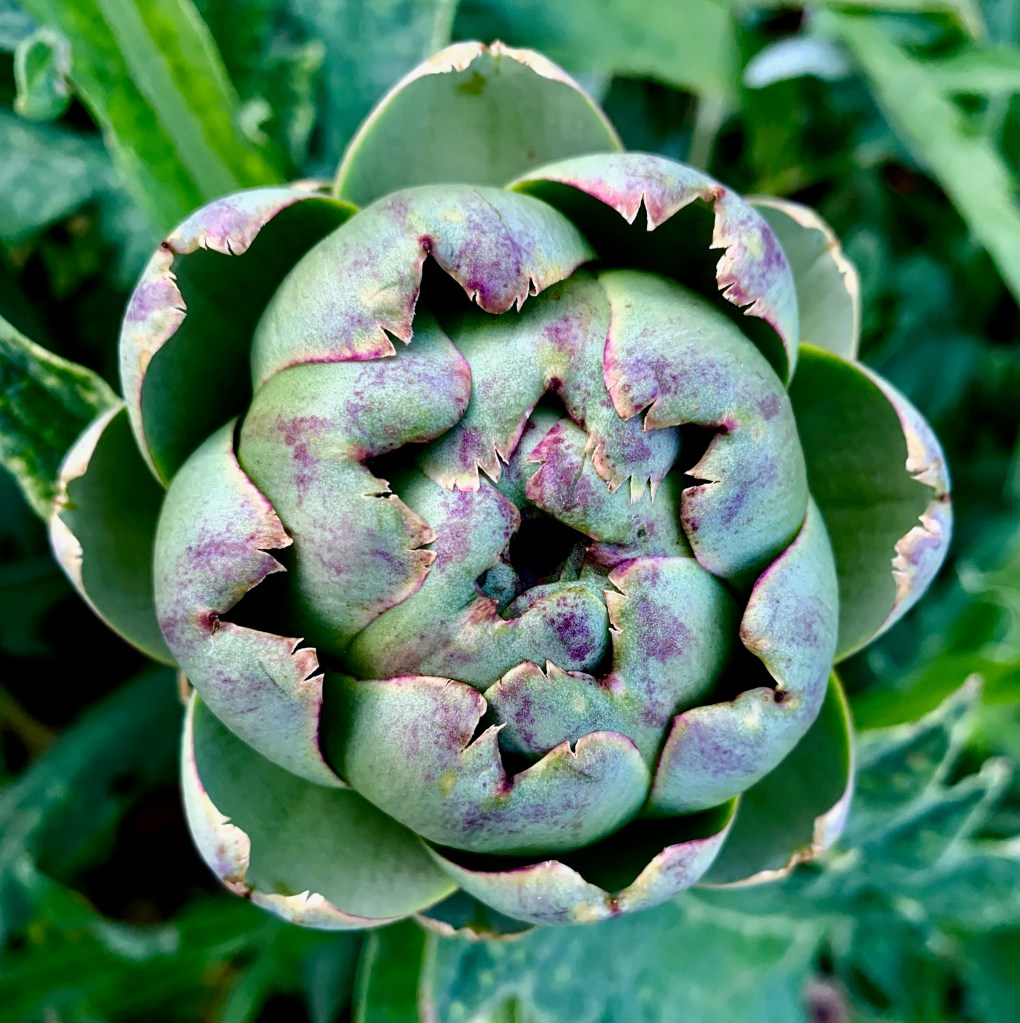
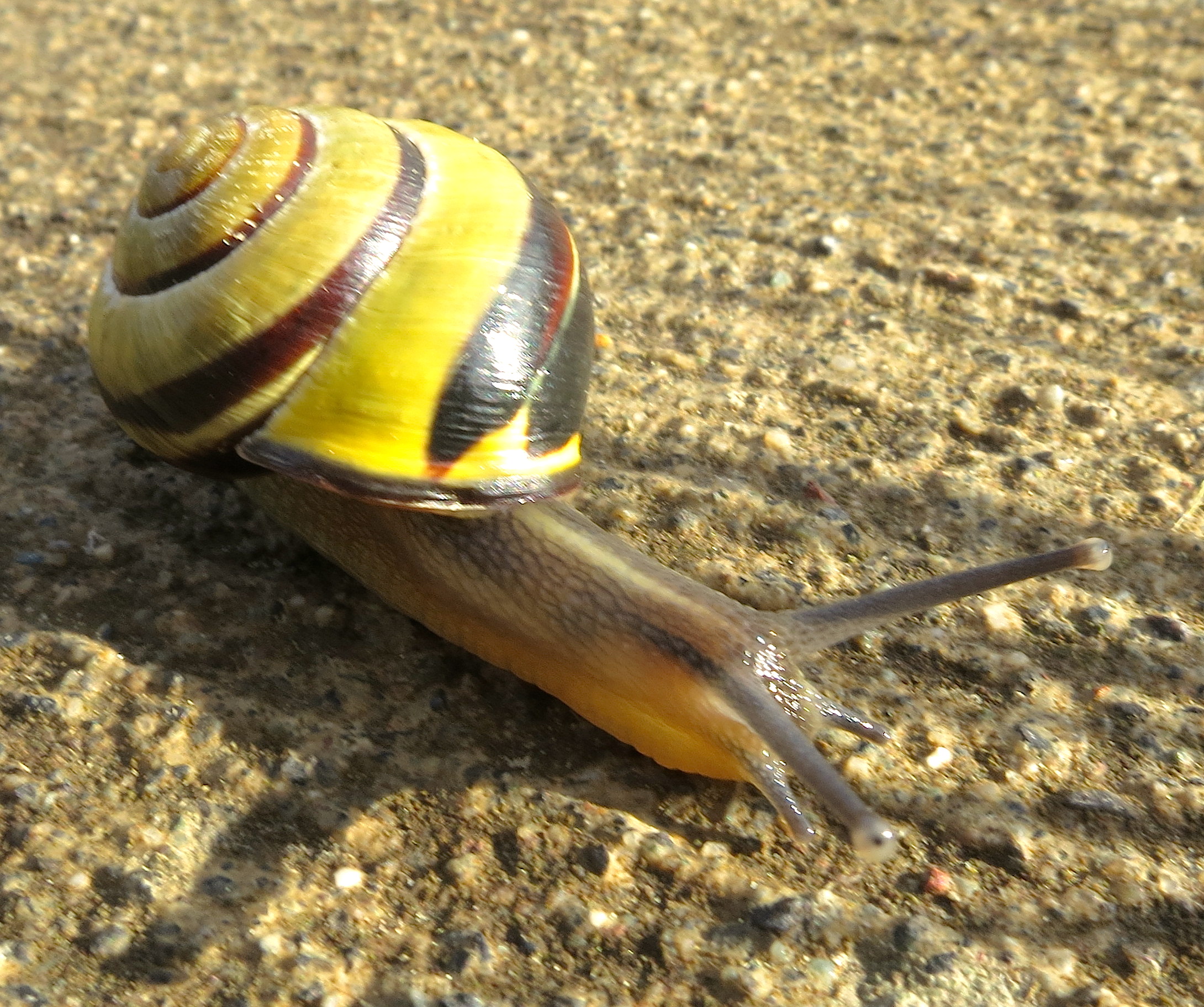
Photo by Kate Steensma

Turning and turning in the widening gyre
The falcon cannot hear the falconer;
Things fall apart; the centre cannot hold;
Mere anarchy is loosed upon the world,
The blood-dimmed tide is loosed, and everywhere
The ceremony of innocence is drowned
The best lack all conviction, while the worst
Are full of passionate intensity.

Surely some revelation is at hand;
Surely the Second Coming is at hand.
The Second Coming! Hardly are those words out
When a vast image out of Spiritus Mundi
Troubles my sight: somewhere in sands of the desert
A shape with lion body and the head of a man,
A gaze blank and pitiless as the sun,
Is moving its slow thighs, while all about it
Reel shadows of the indignant desert birds.
The darkness drops again; but now I know
That twenty centuries of stony sleep
Were vexed to nightmare by a rocking cradle,
And what rough beast, its hour come round at last,
Slouches towards Bethlehem to be born?
~William Butler Yeats “The Second Coming”

I look for the way
things will turn
out spiralling from a center,
the shape
things will take to come forth in

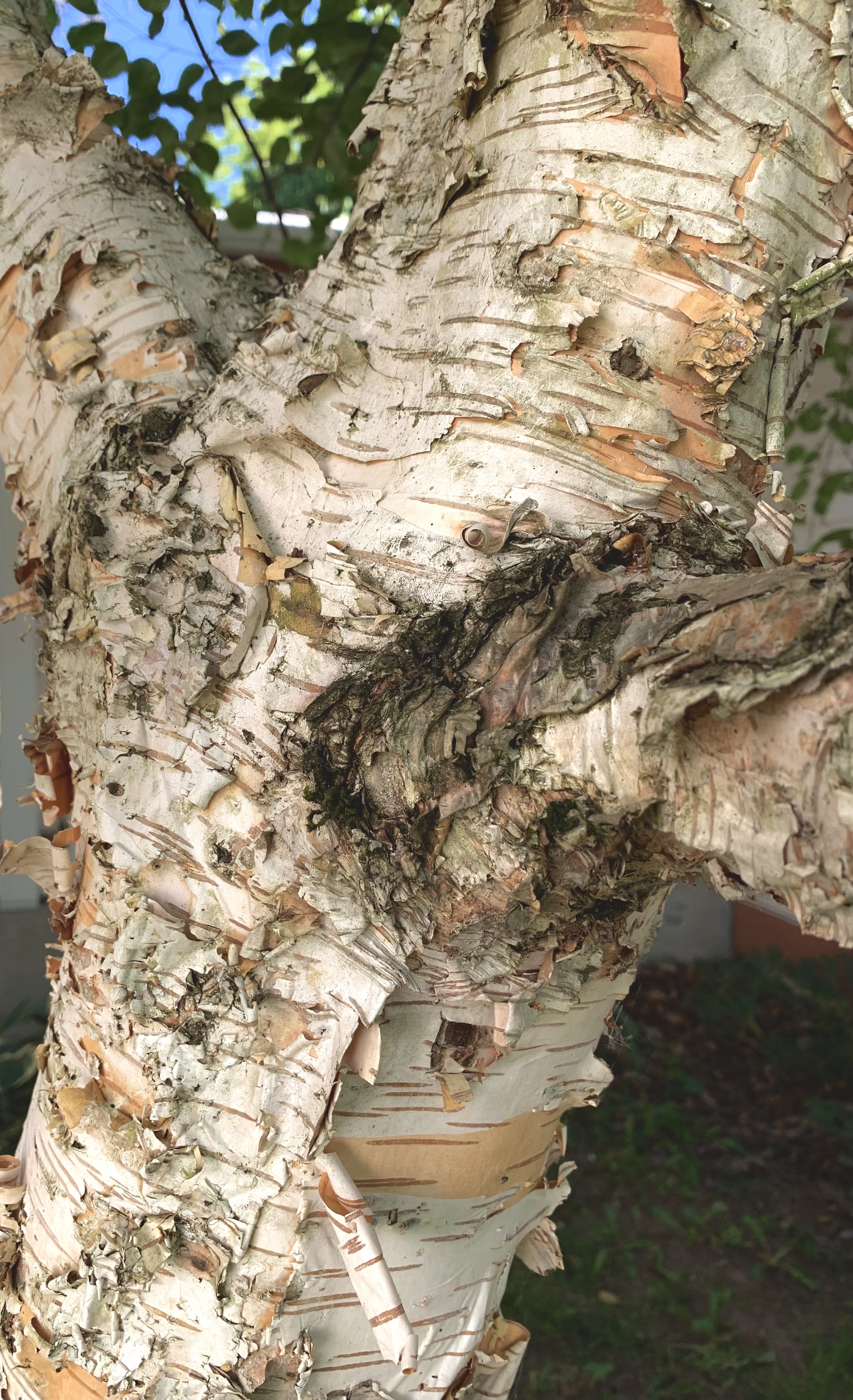
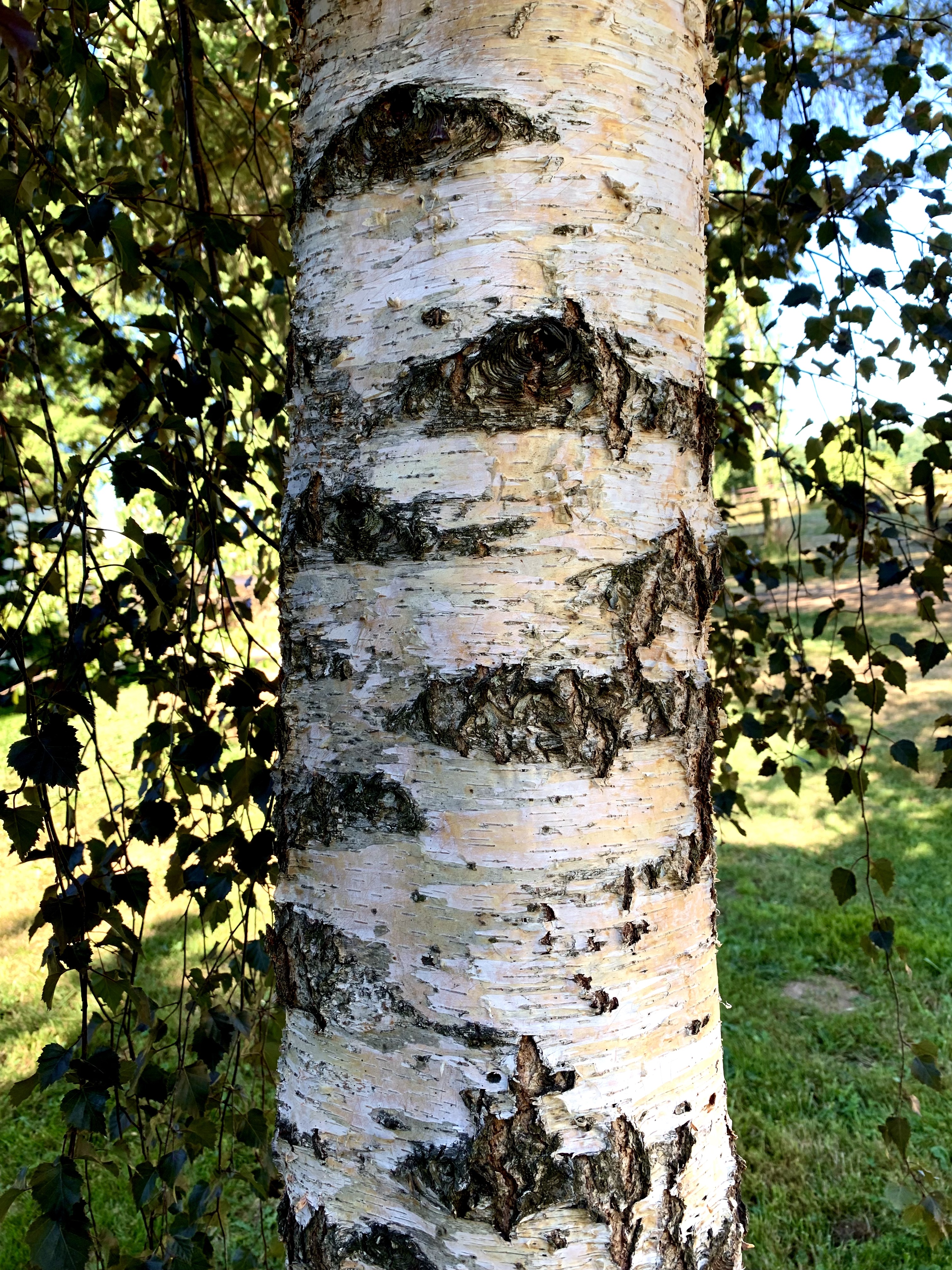
so that the birch tree white
touched black at branches
will stand out
wind-glittering
totally its apparent self:

I look for the forms
things want to come as

from what black wells of possibility,
how a thing will
unfold:

not the shape on paper, though
that, too, but the
uninterfering means on paper:

not so much looking for the shape
as being available
to any shape that may be
summoning itself
through me
from the self not mine but ours.

~A. R. Ammons, “Poetics” from A Coast of Trees
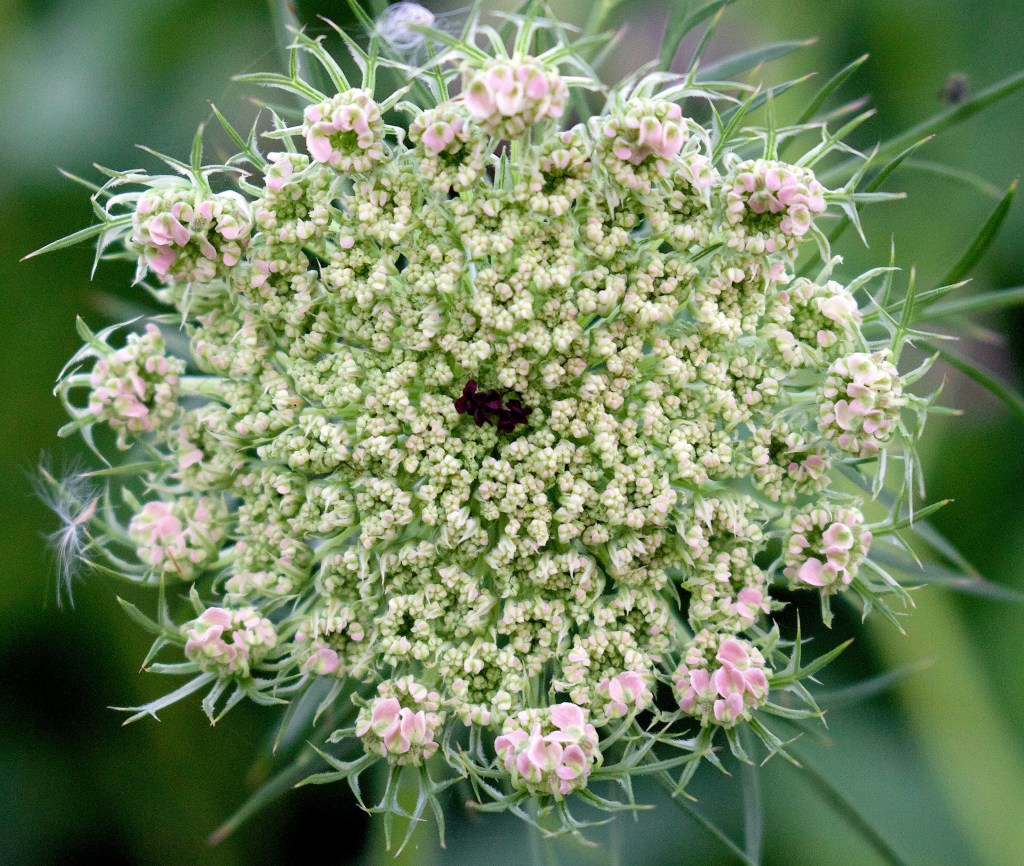
Our very origin as a unique organism is a process of unfolding and spiraling: from our very first doubling after conception expanding to a complexity of trillions of cells powering our every thought and movement.

Now I look everywhere in my backyard world for beginnings and endings, wanting to understand where I fit and where I am in the unfolding process of this spiraling life. As I grow older, I find myself more peripheral than central, just as I am meant to be – I have more perspective now having spun out from the vortex.

I can see where I came from, and have a sense of where I am headed.

We unfurl slowly, surely, gently, in the Hands of our Creator God. He knows how each of us began as He was there from the beginning, forming the very center of us. He remains at the core of our being, as our unfolding lasts forever.

How Things Unfold

I look for the way
things will turn
out spiralling from a center,
the shape
things will take to come forth in


so that the birch tree white
touched black at branches
will stand out
wind-glittering
totally its apparent self:


I look for the forms
things want to come as


from what black wells of possibility,
how a thing will
unfold:

not the shape on paper, though
that, too, but the
uninterfering means on paper:


not so much looking for the shape
as being available
to any shape that may be
summoning itself
through me
from the self not mine but ours.

~A. R. Ammons, “Poetics” from  A Coast of Trees

Even our very origin as a unique organism is a process of unfolding and spiraling: from our very first doubling after conception expanding to a complexity of trillions of cells powering our every thought and movement.

I look everywhere in my backyard world for beginnings and endings, wanting to understand where I fit and where I am in the process of this unfolding life. As I grow older, I find myself more peripheral than central, as I am meant to be – I have more perspective now. I can see where I came from, and where I am headed.

We unfurl, each one of us, slowly, surely, gently, in the Hands of our Creator God. He knows how each of us began as He was there from the beginning. He remains at the core our unfolding forever.
Enjoy these posts from Barnstorming? You will love this new book from Barnstorming available to order here:

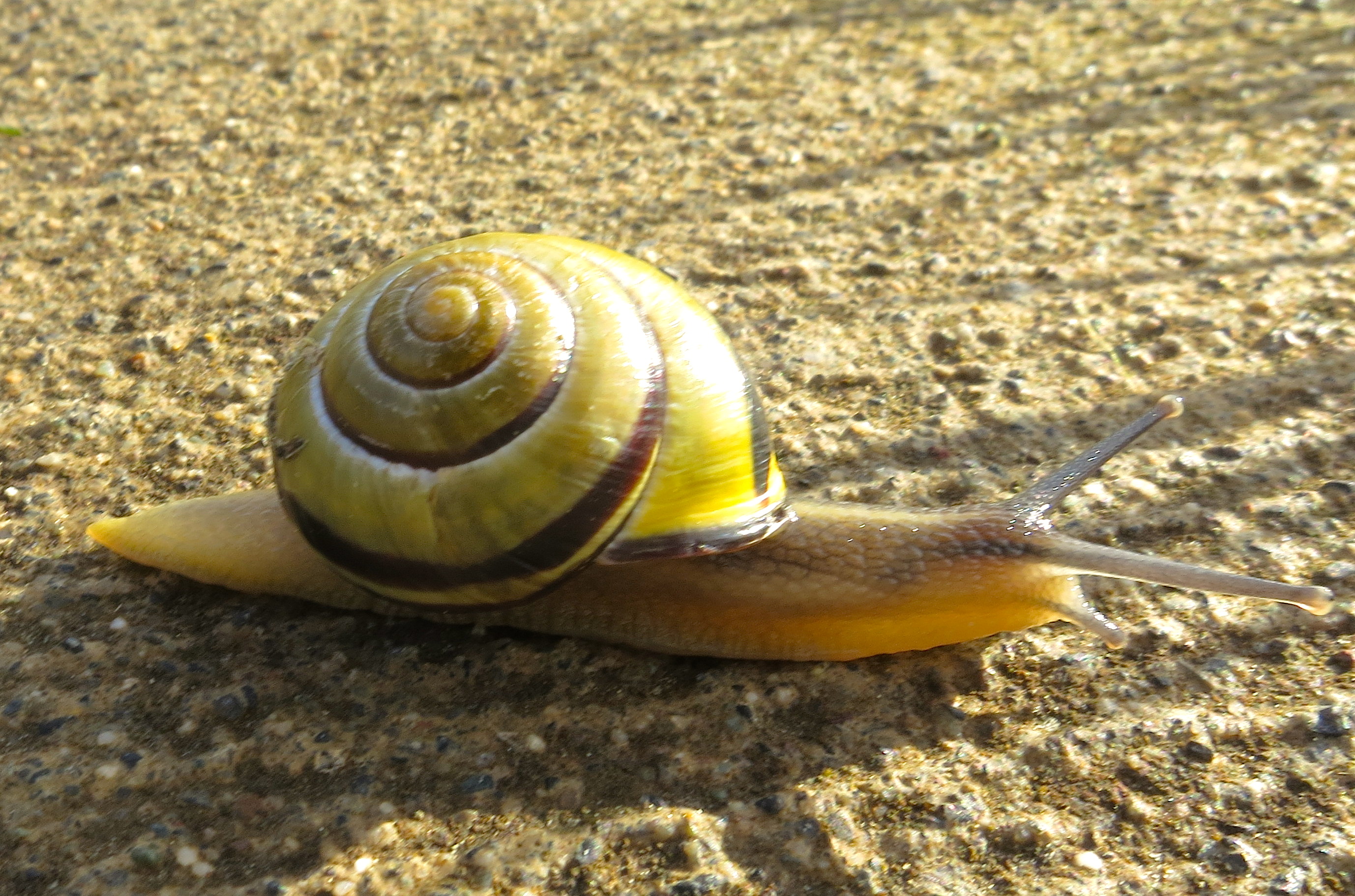
The Snail’s Trail

May the poems be
the little snail’s trail.

Everywhere I go,
every inch: quiet record

of the foot’s silver prayer.
              I lived once.
              Thank you.
              It was here.

~Aracelis Girmay “Ars Poetica”  

What do I leave behind as I pass through to what comes next?

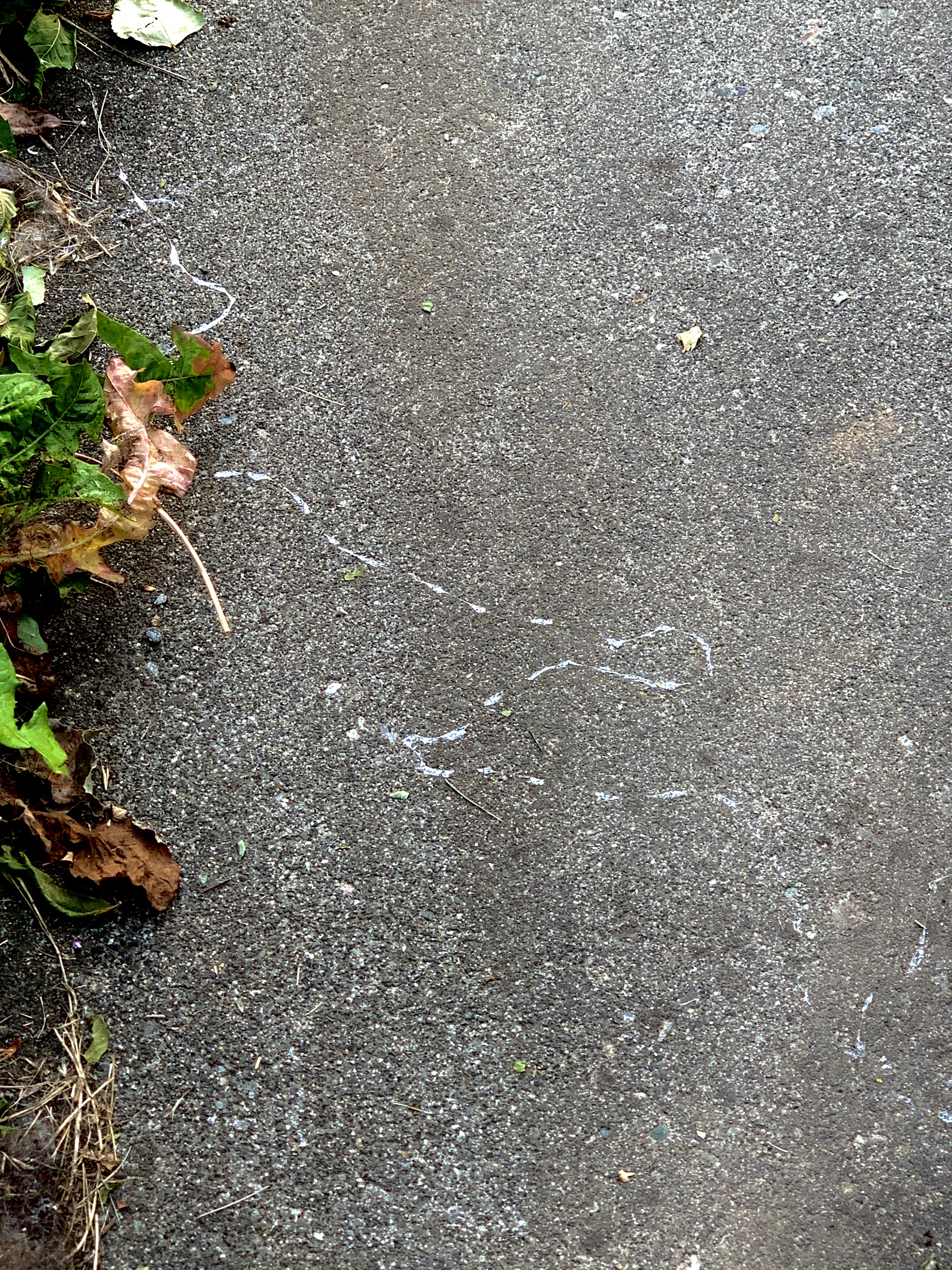
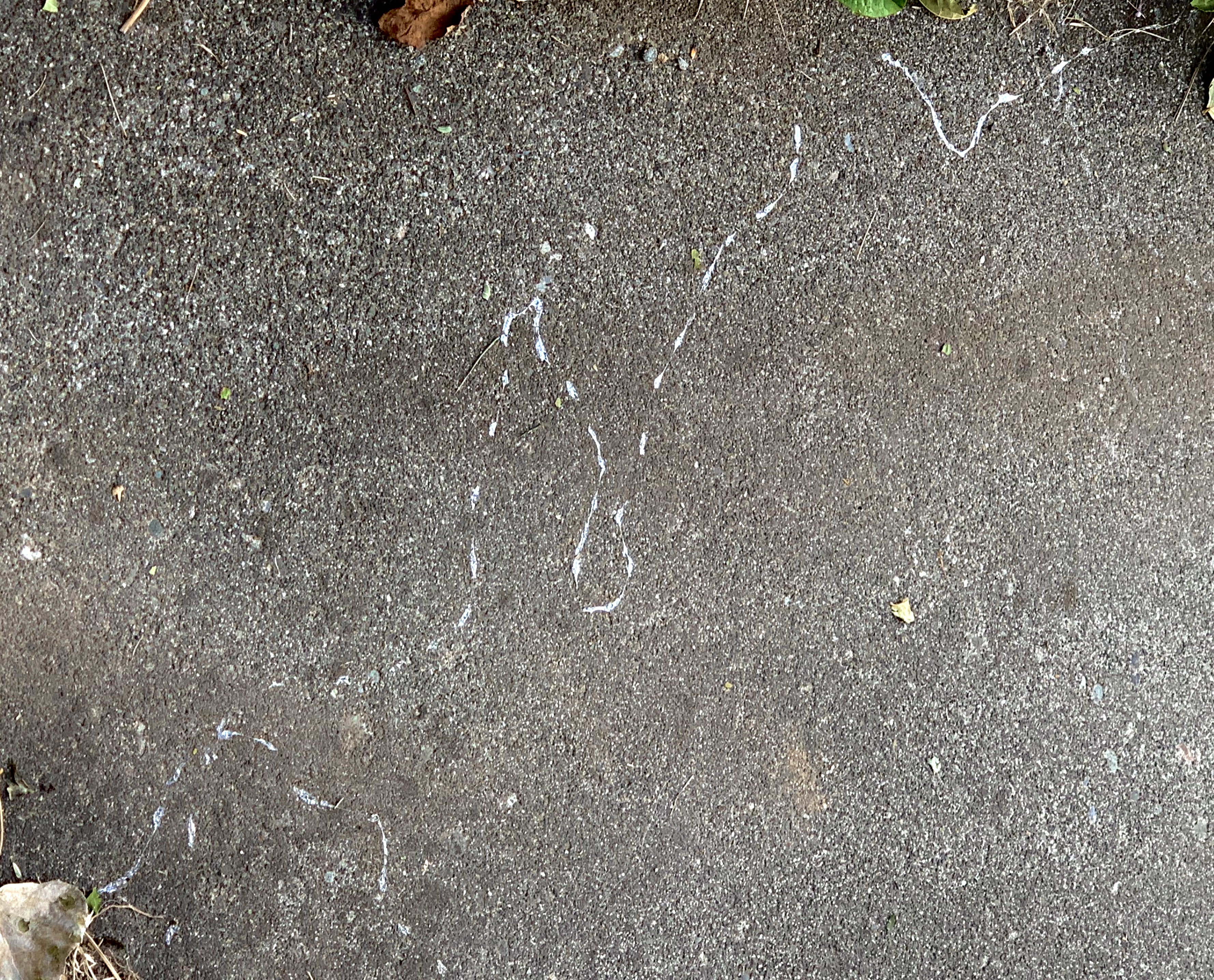
It might be as slick and silvery and random as a snail trail — hardly and barely there, easily erased.

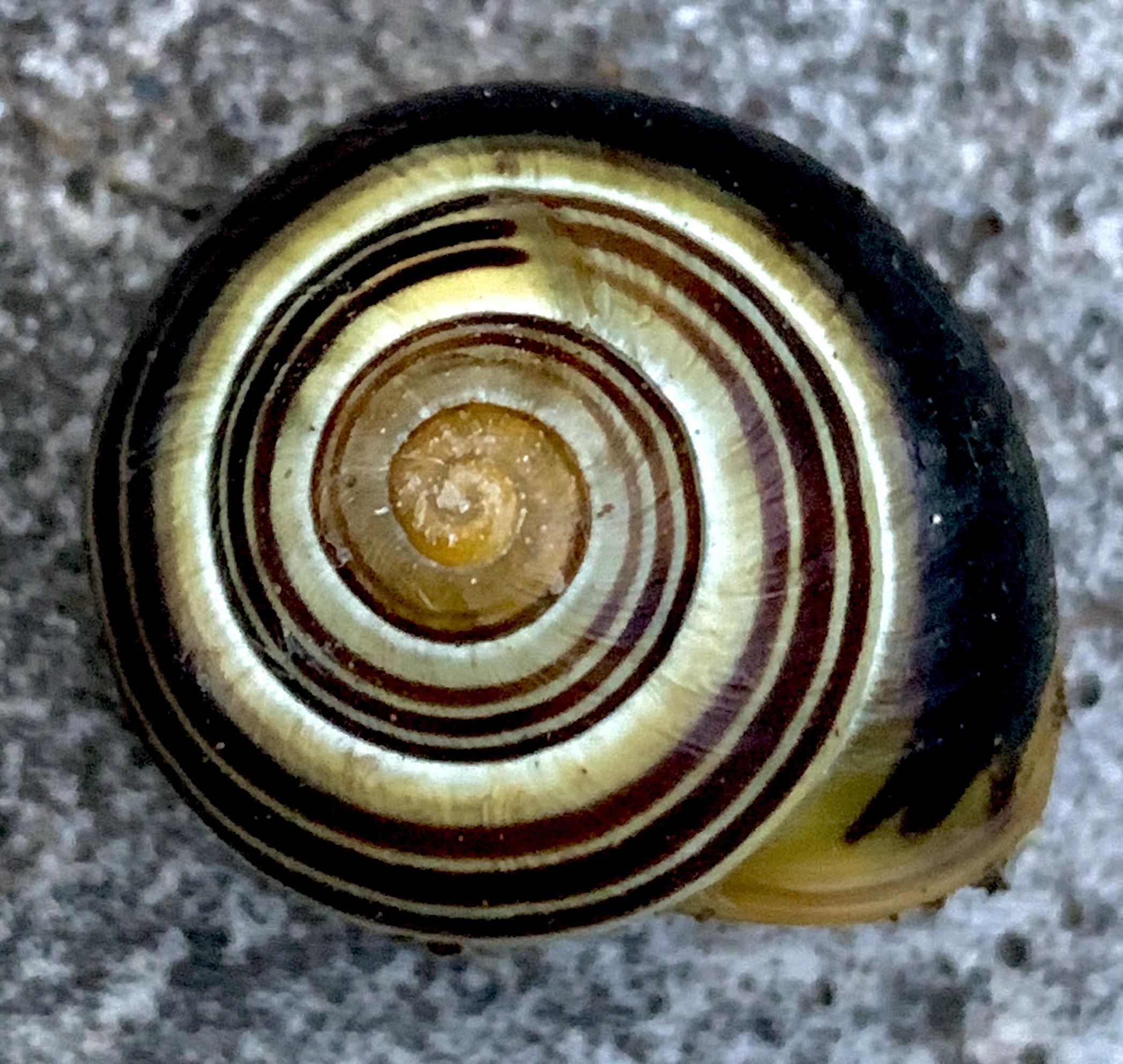
I might leave behind the solid hollow of an empty shell, leading to infinity, spiraling to nothing and everything.

Instead,
I pray, grateful, for a legacy of words and images;
I notice the wonder I journey through.

I was here.

Searching a Blossom as a Loved One’s Face

Outrageous flowers as big as human
heads! They’re staggered
by their own luxuriance: I had
to prop them up with stakes and twine.


In the darkening June evening
I draw a blossom near, and bending close
search it as a woman searches
a loved one’s face.
~Jane Kenyon from “Peonies at Dusk”

There’s not a pair of legs so thin, there’s not a head so thick,
There’s not a hand so weak and white, nor yet a heart so sick
But it can find some needful job that’s crying to be done,
For the Glory of the Garden glorifieth every one.

Then seek your job with thankfulness and work till further orders,
If it’s only netting strawberries or killing slugs on borders;
And when your back stops aching and your hands begin to harden,
You will find yourself a partner In the Glory of the Garden.

Oh, Adam was a gardener, and God who made him sees
That half a proper gardener’s work is done upon his knees,
So when your work is finished, you can wash your hands and pray
For the Glory of the Garden that it may not pass away!
And the Glory of the Garden it shall never pass away !

~Rudyard Kipling from “The Glory of the Garden”

There is no better place to be than in a garden down on my knees. Humans were created for this: the naming, the turning over of the soil, the planting and nurturing, the weeding and thinning, the harvest and gratitude, and then a time of lying fallow to rest.

The garden is a place for prayer and praise.

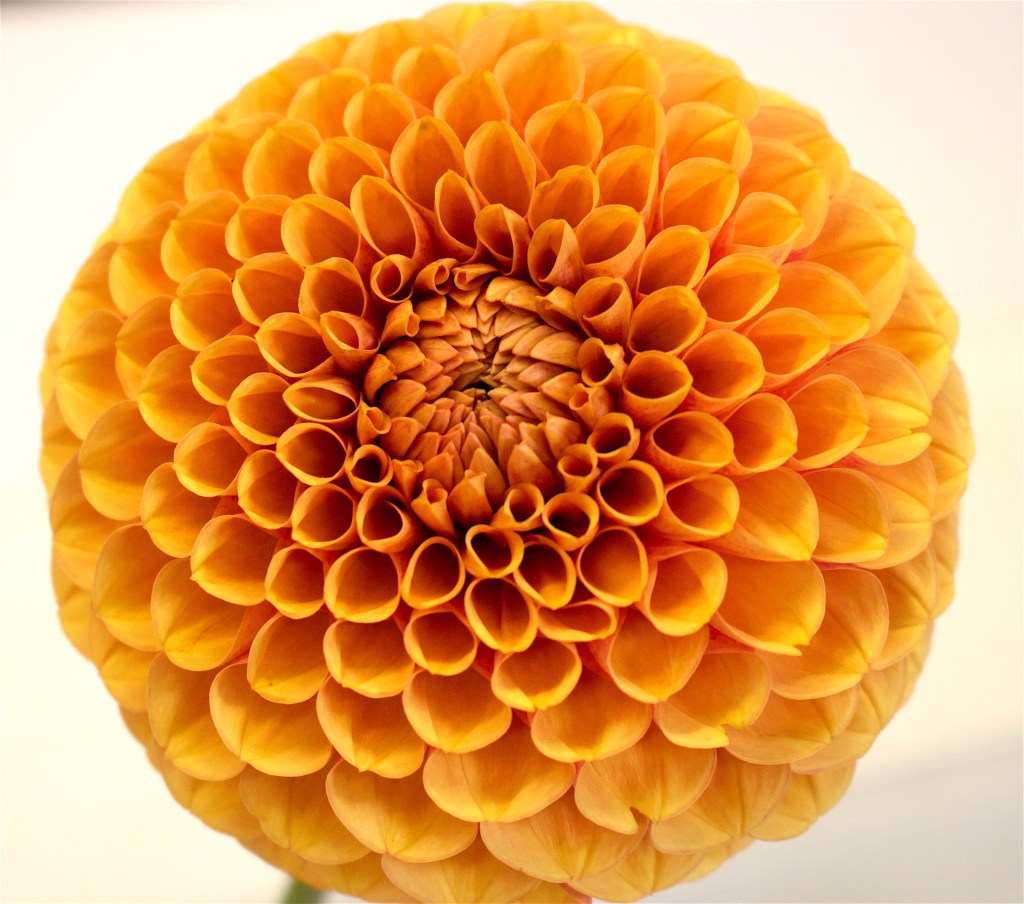
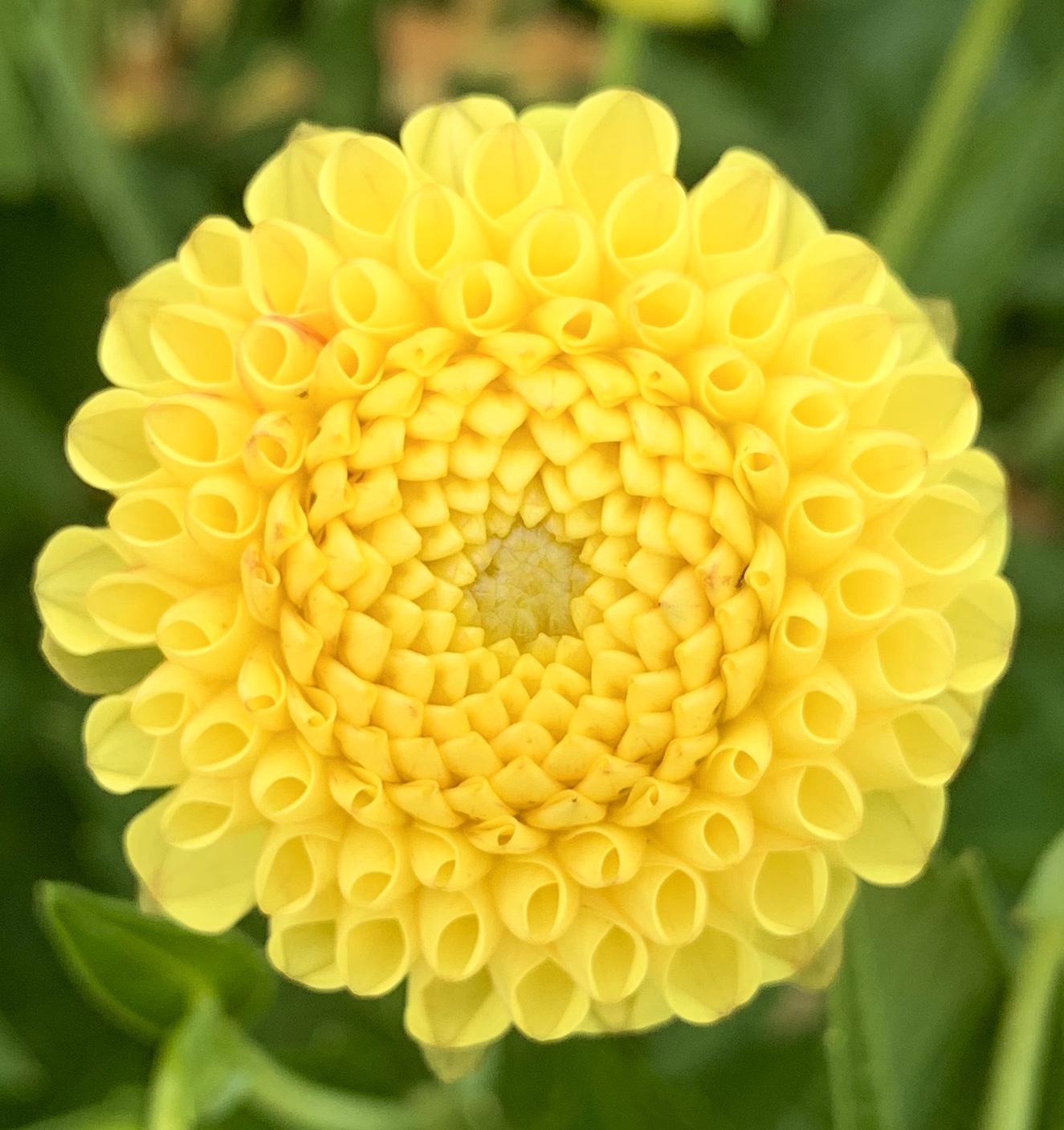
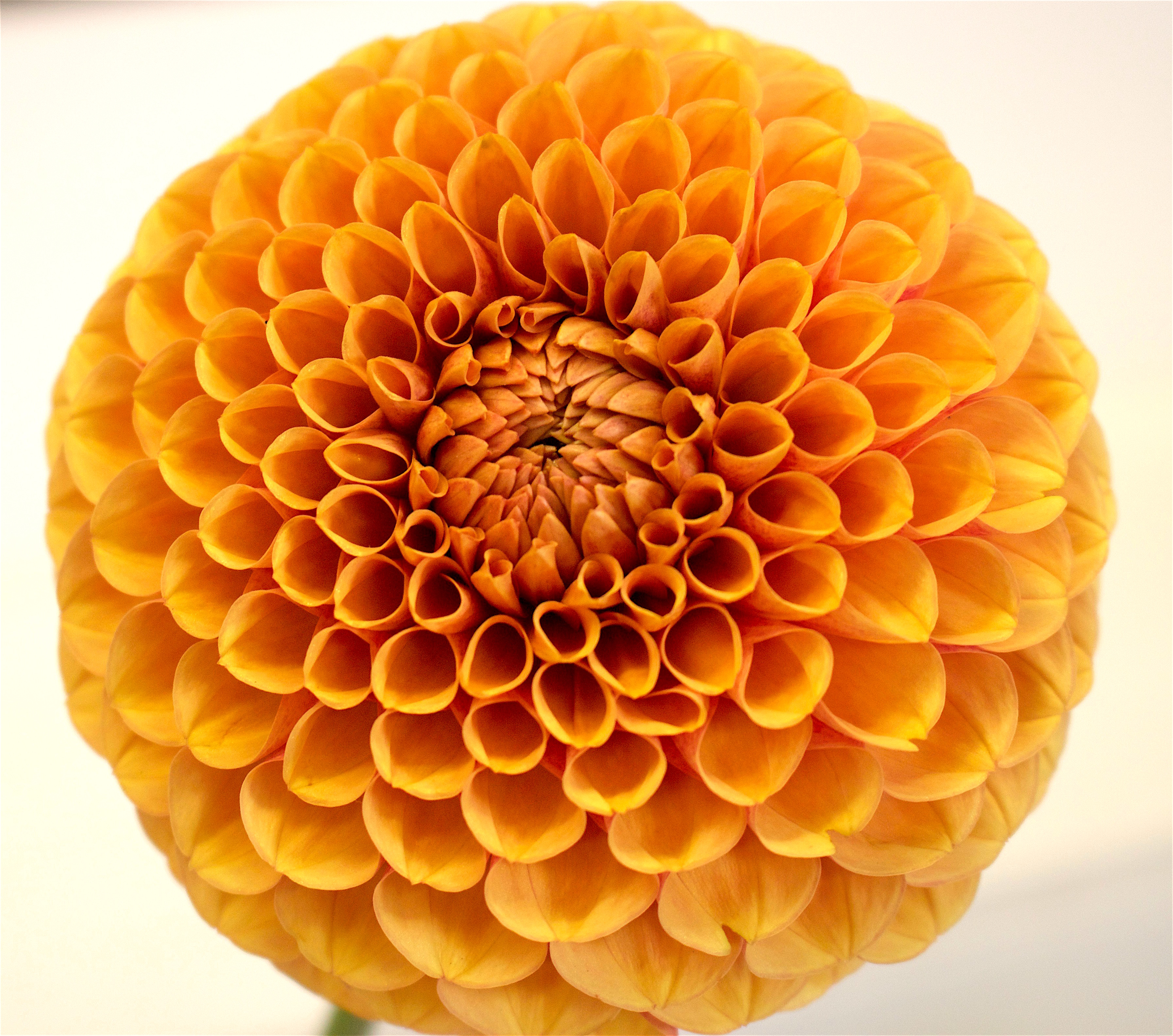
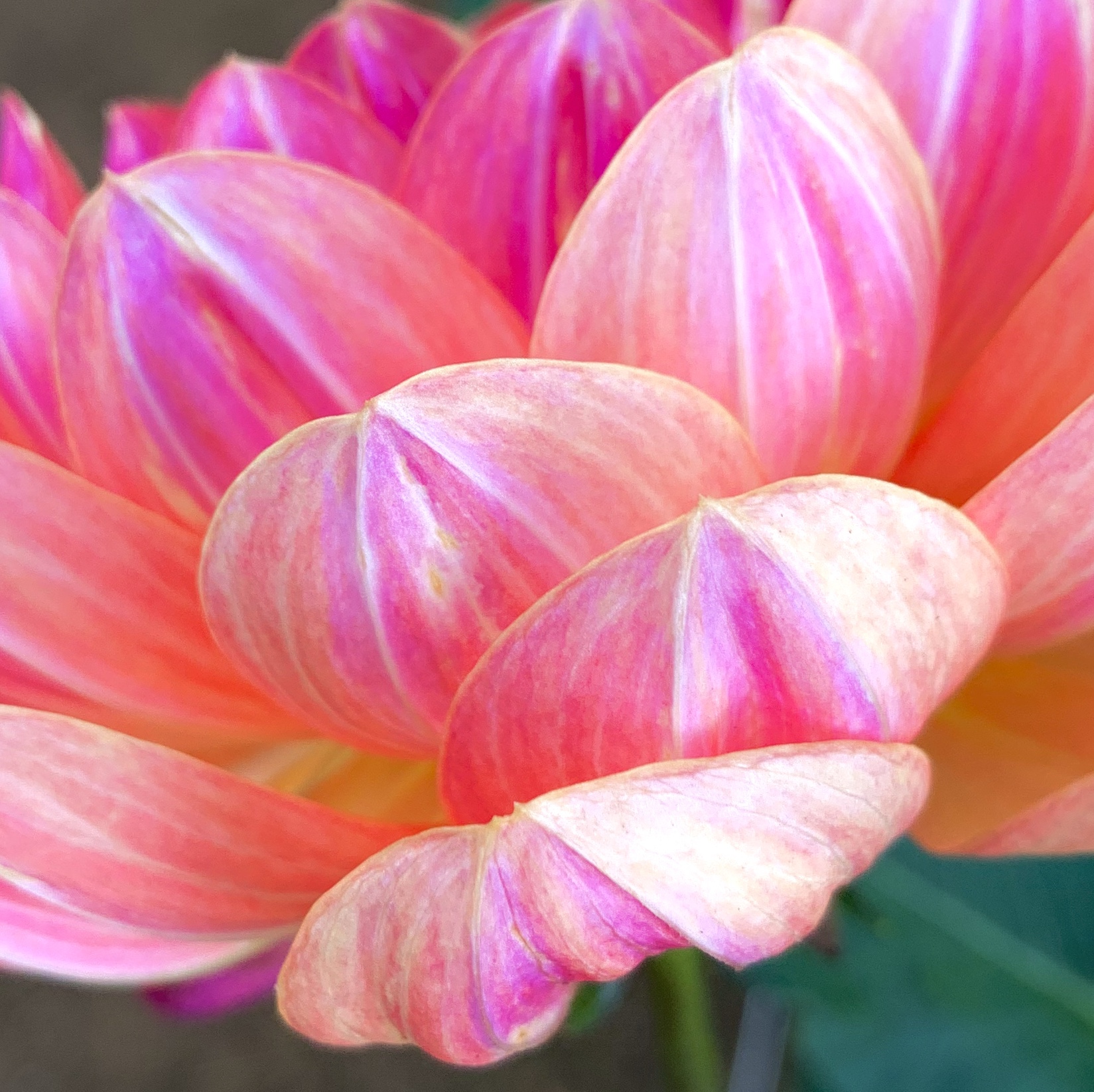
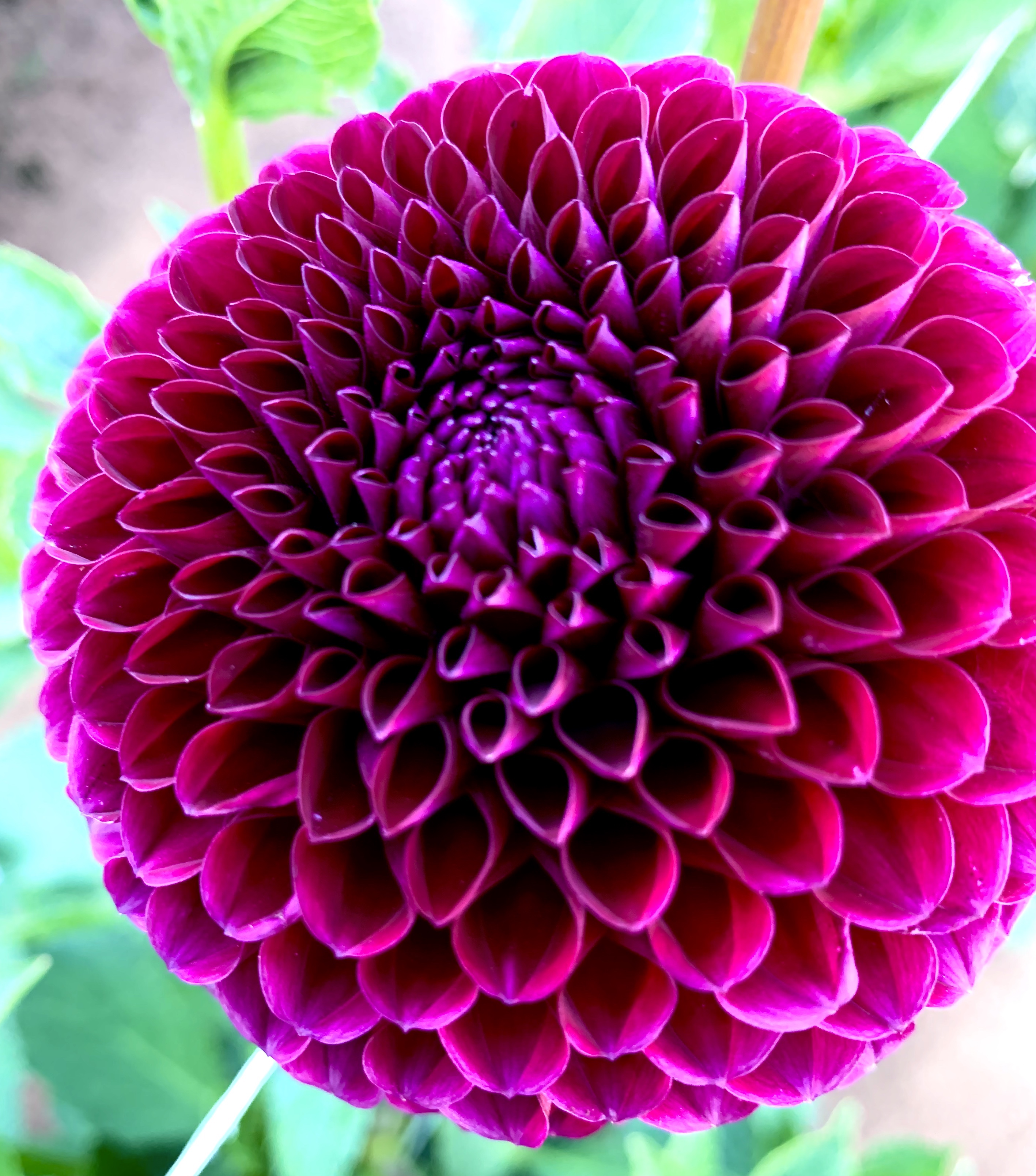
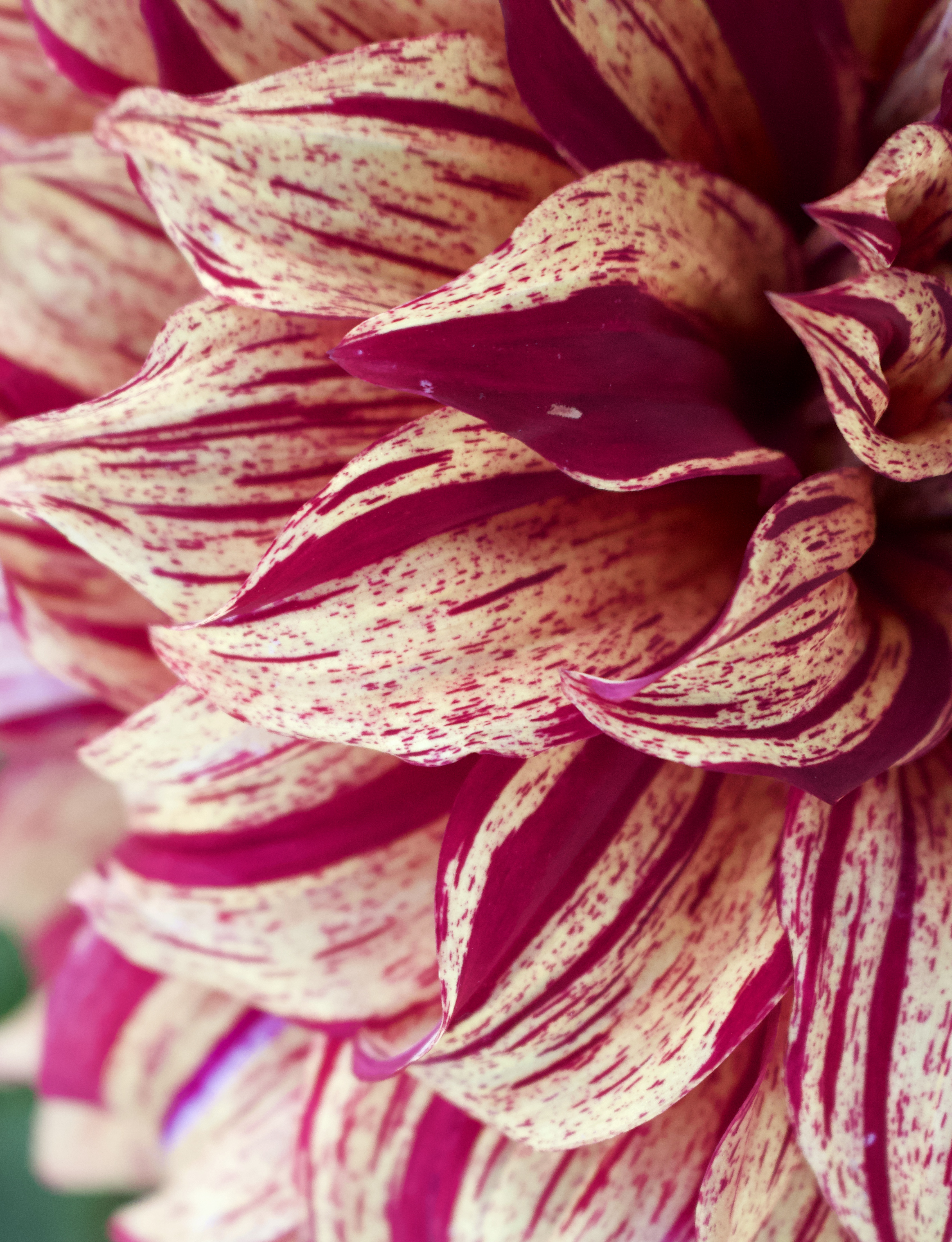
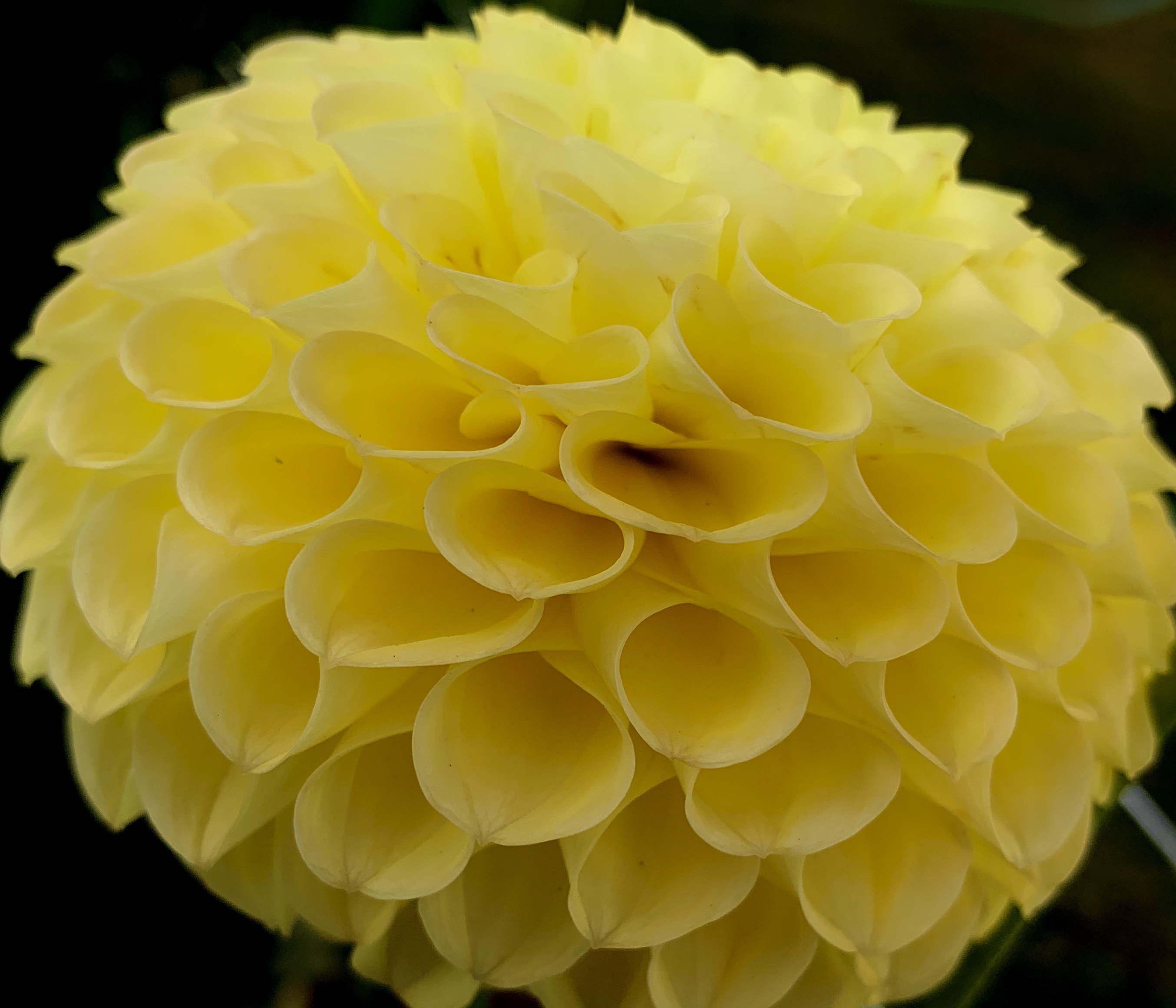
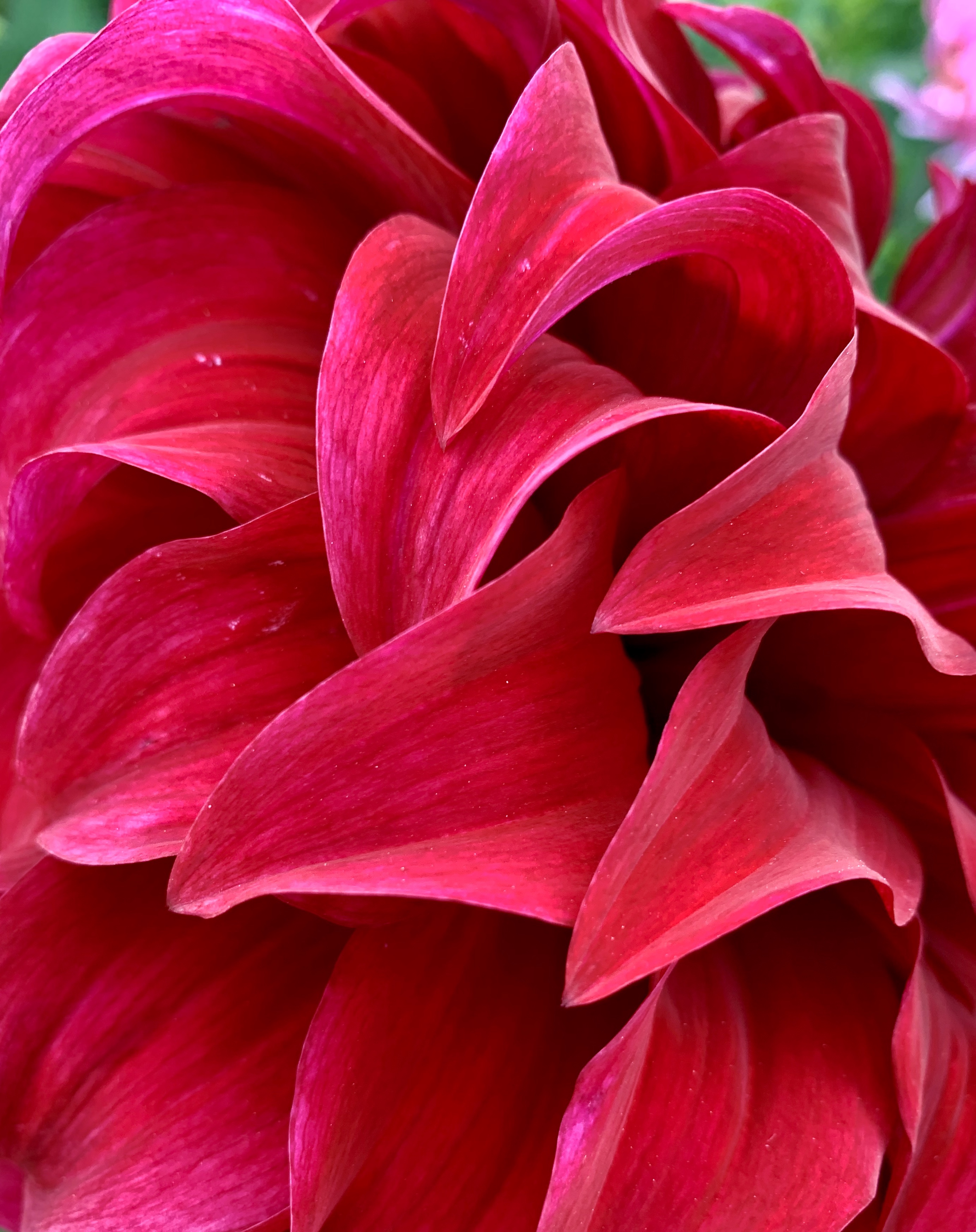
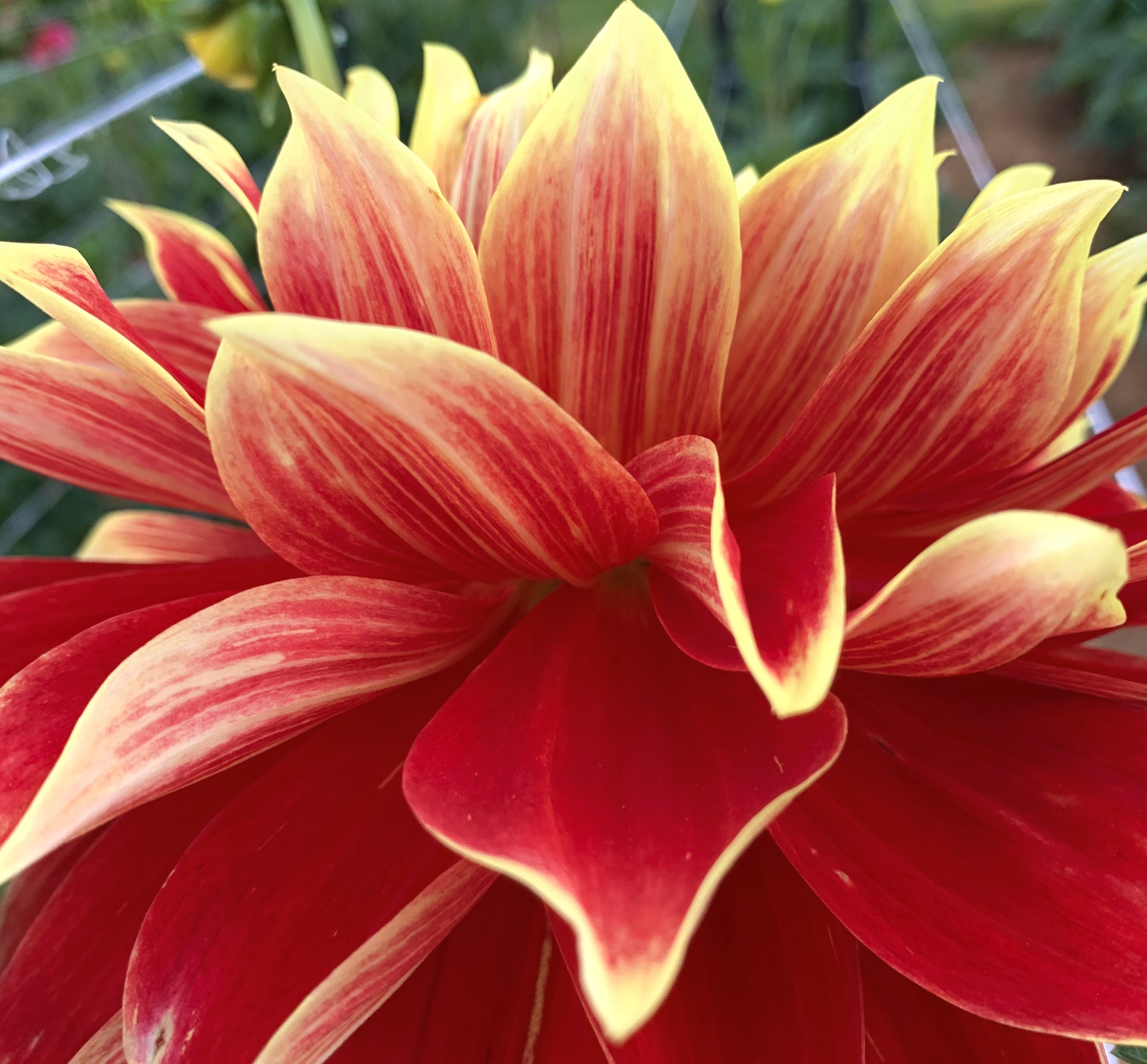
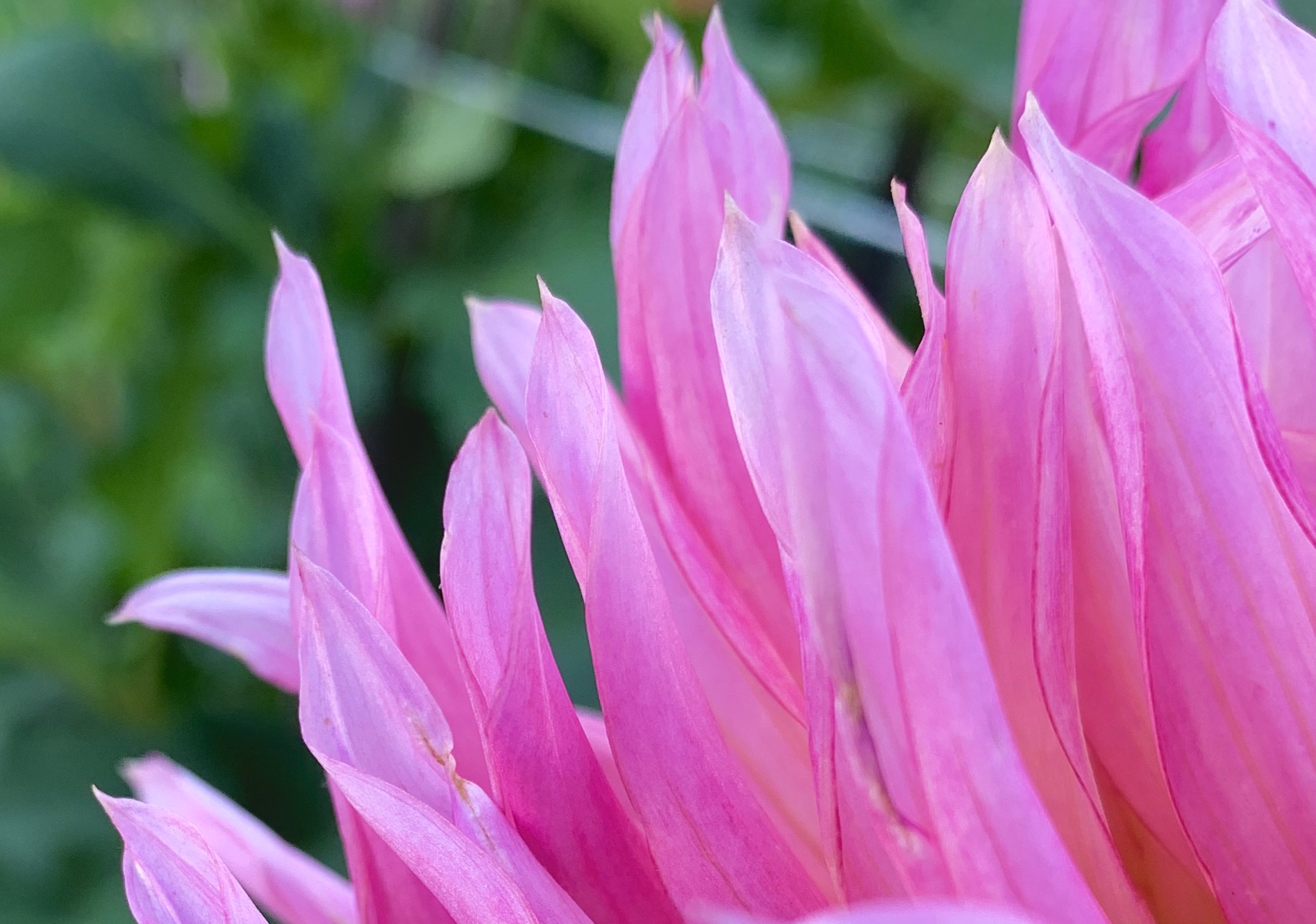
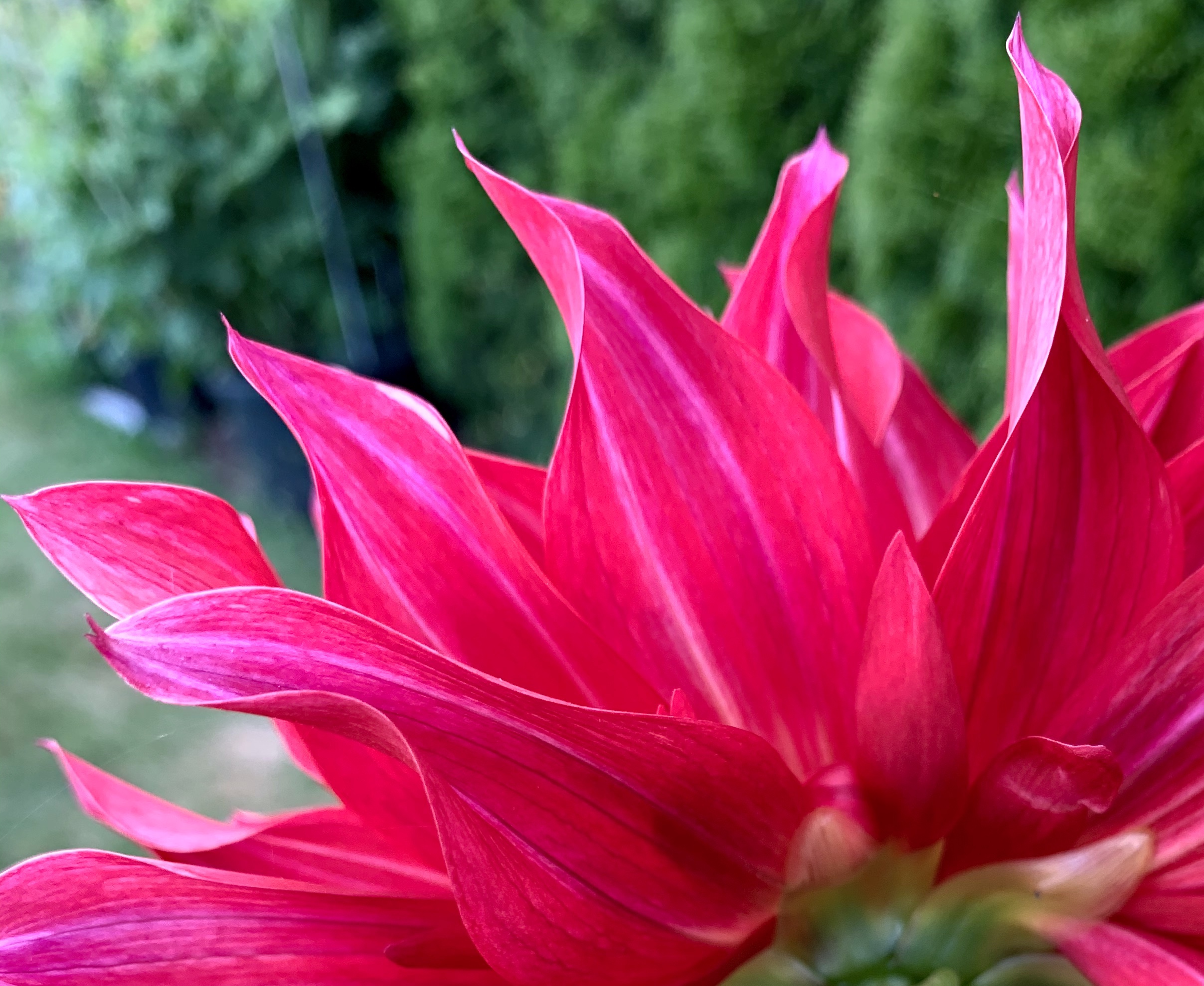
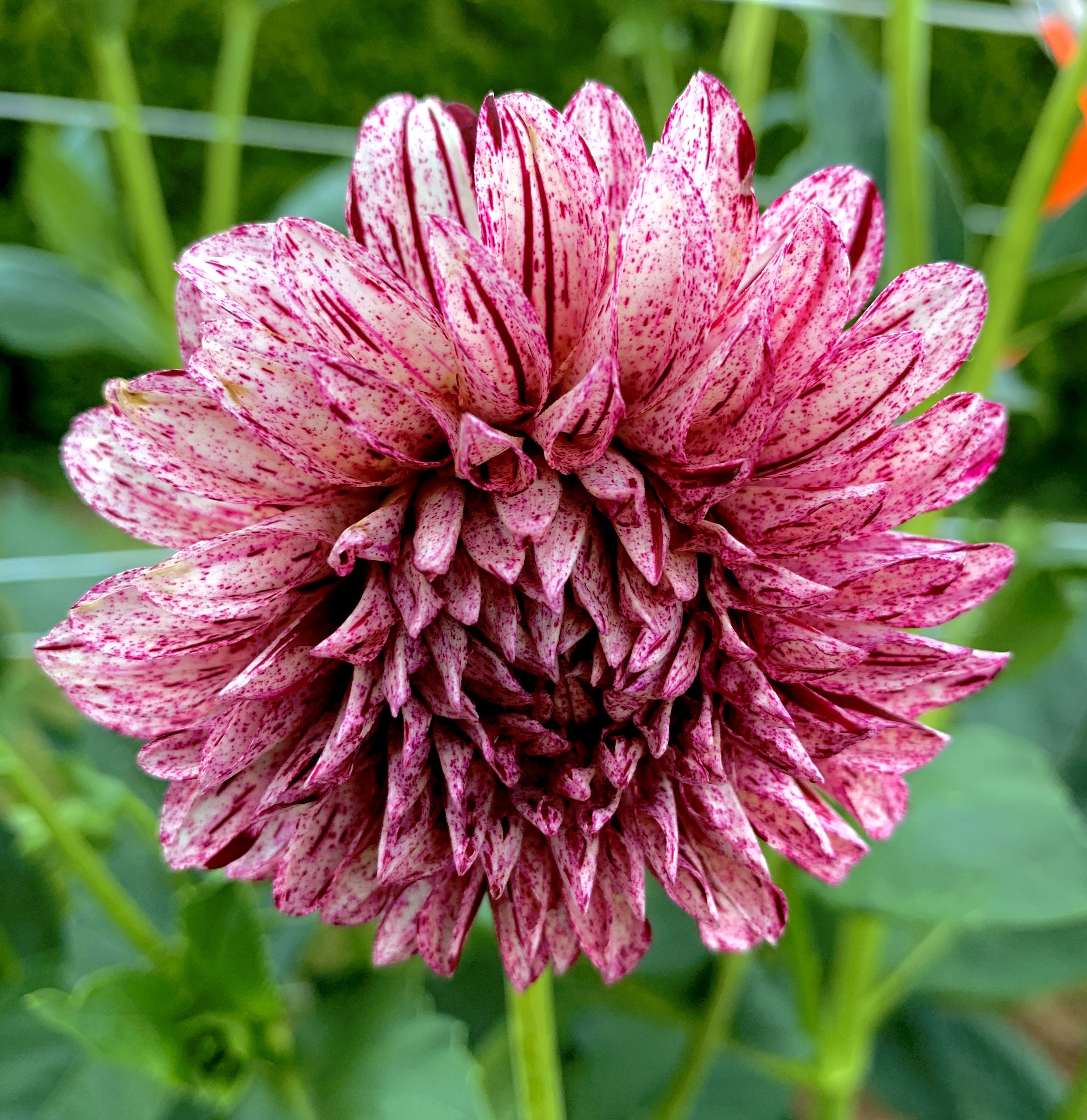
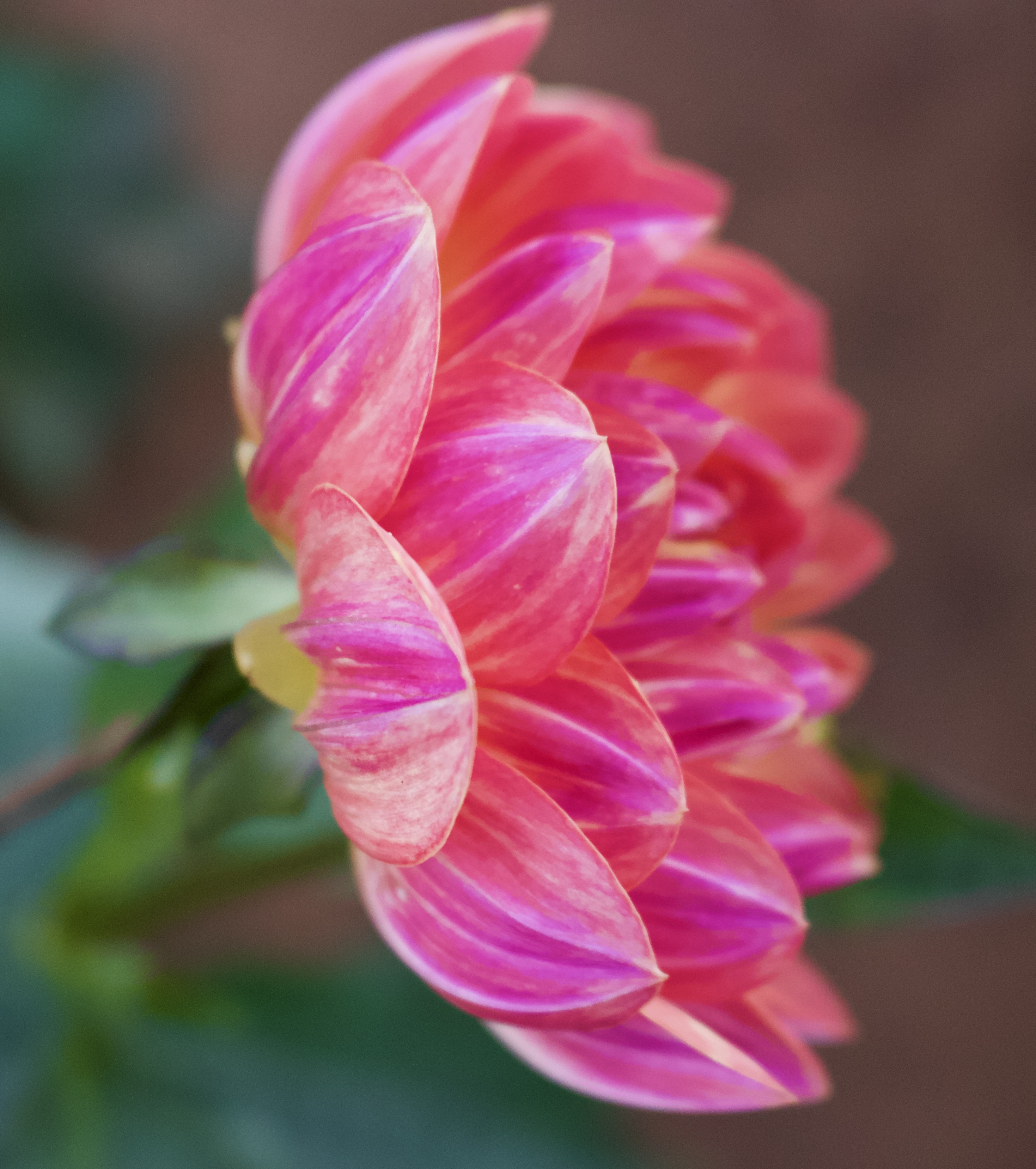
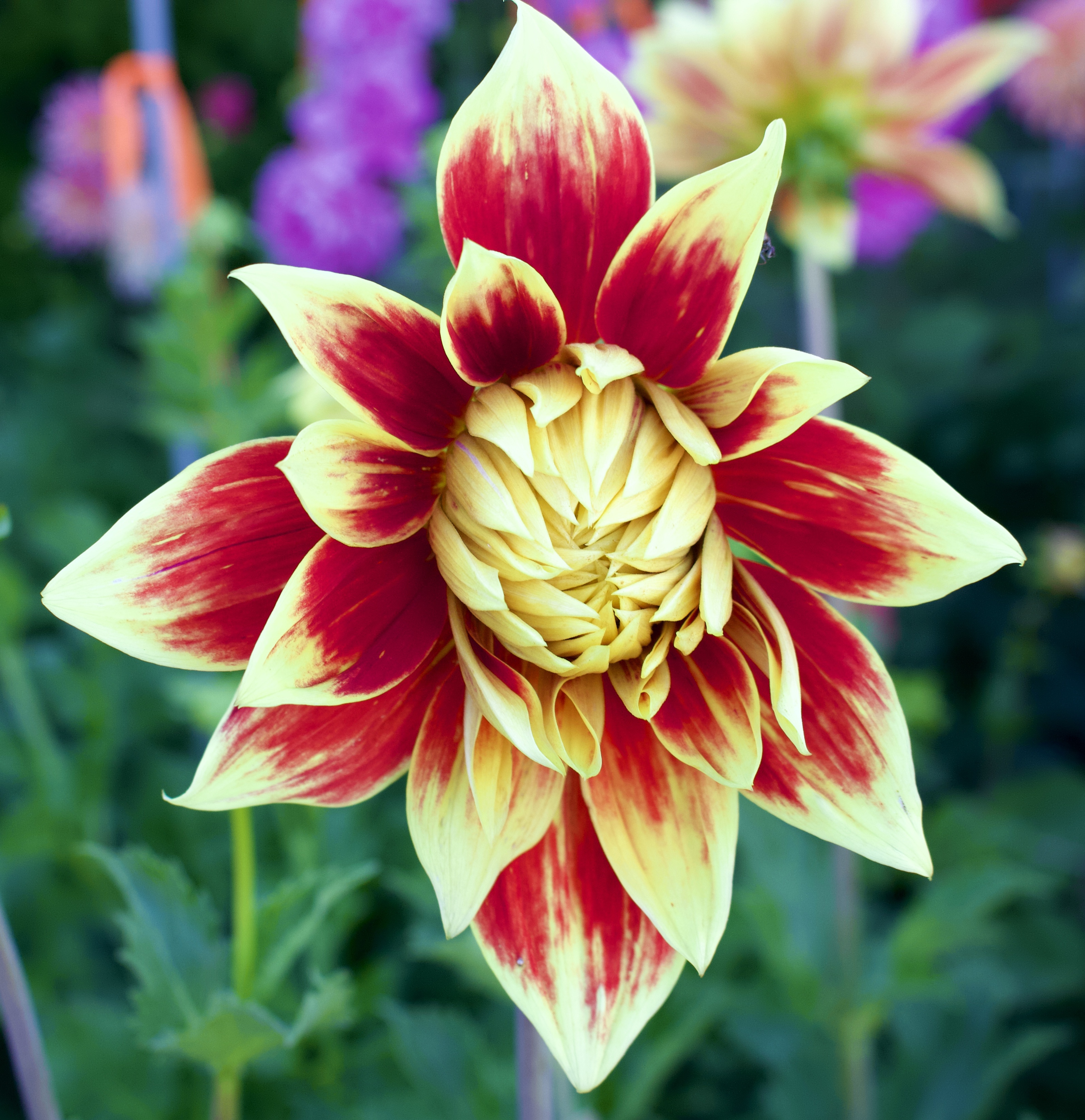
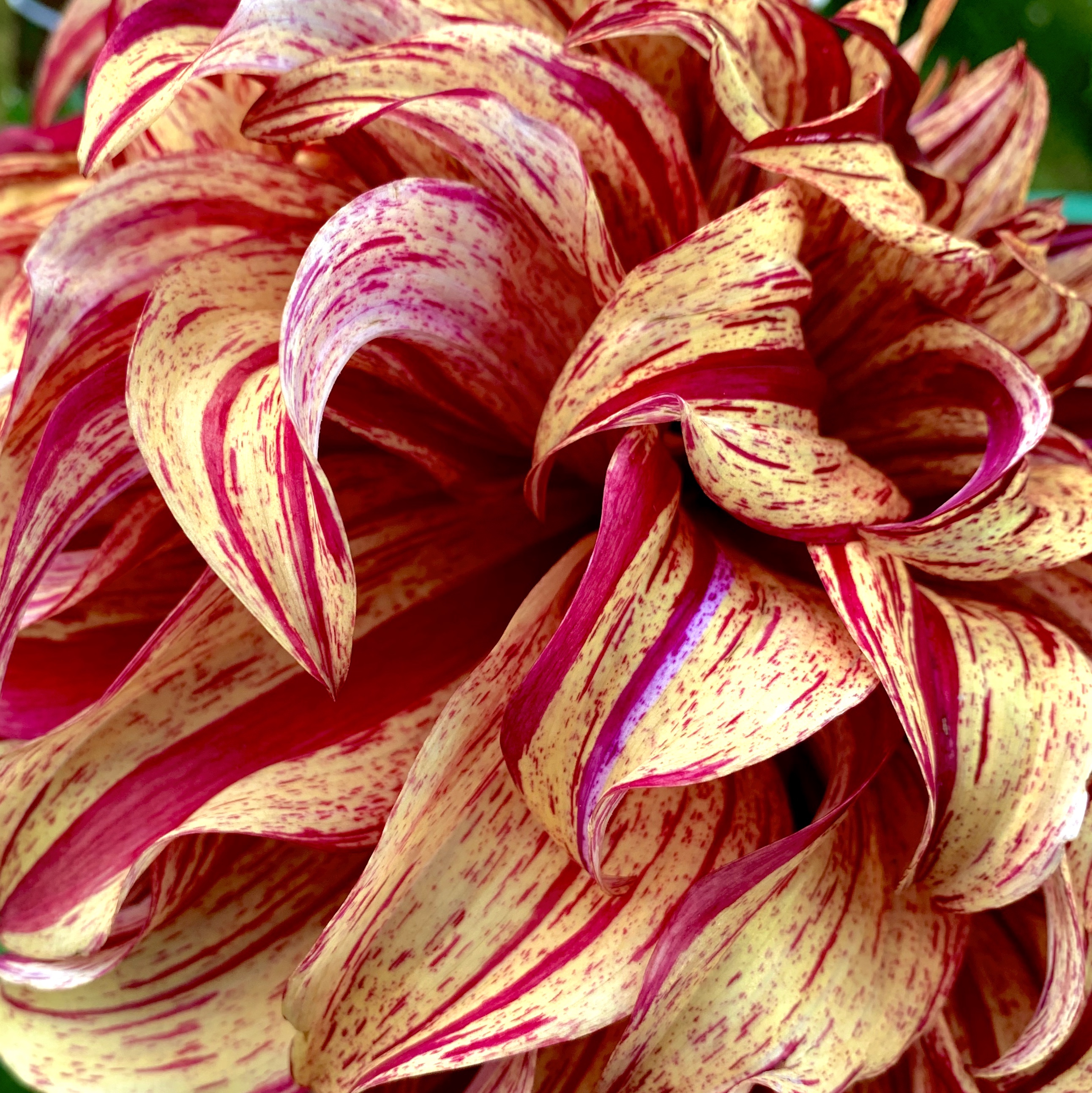
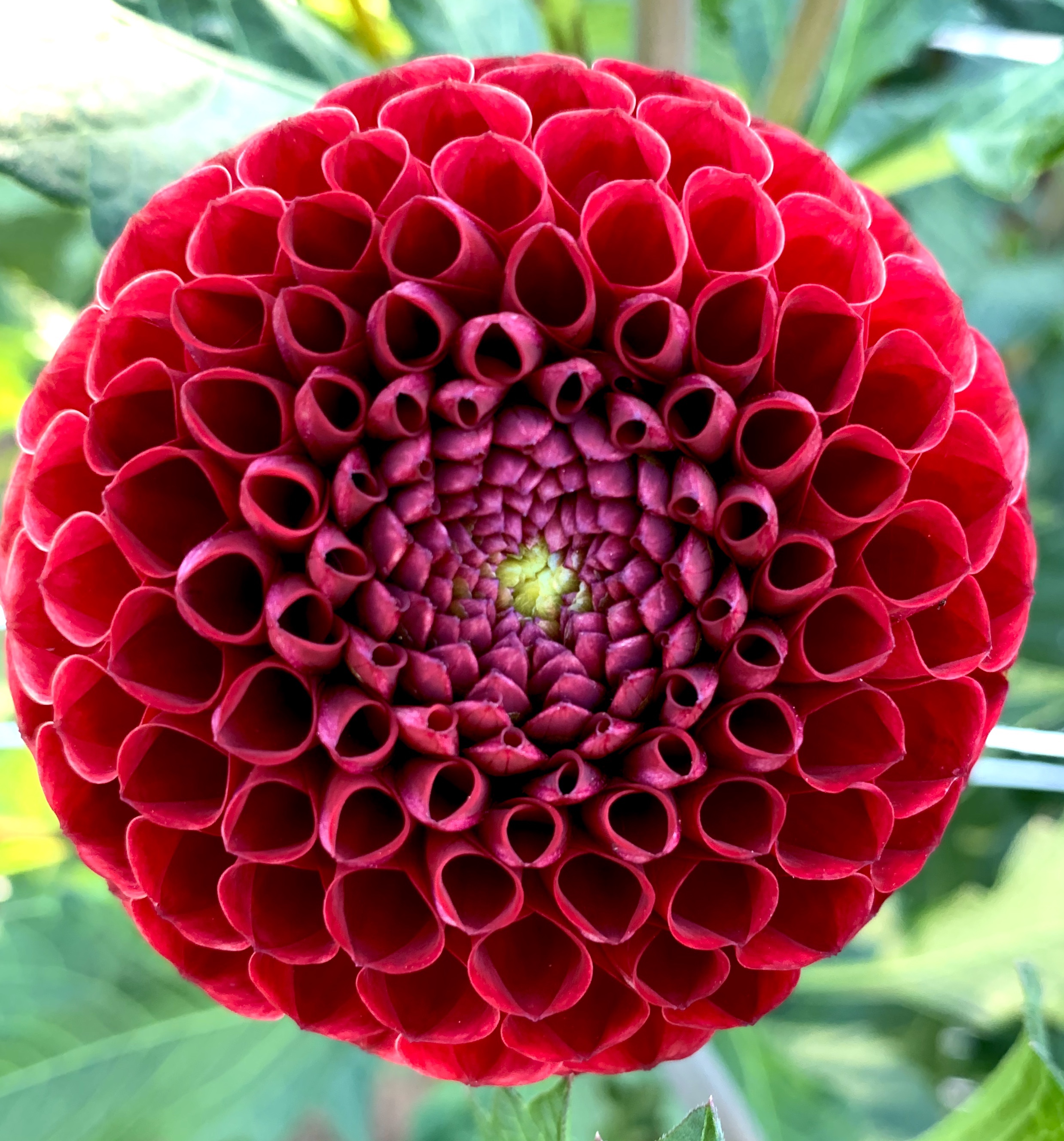
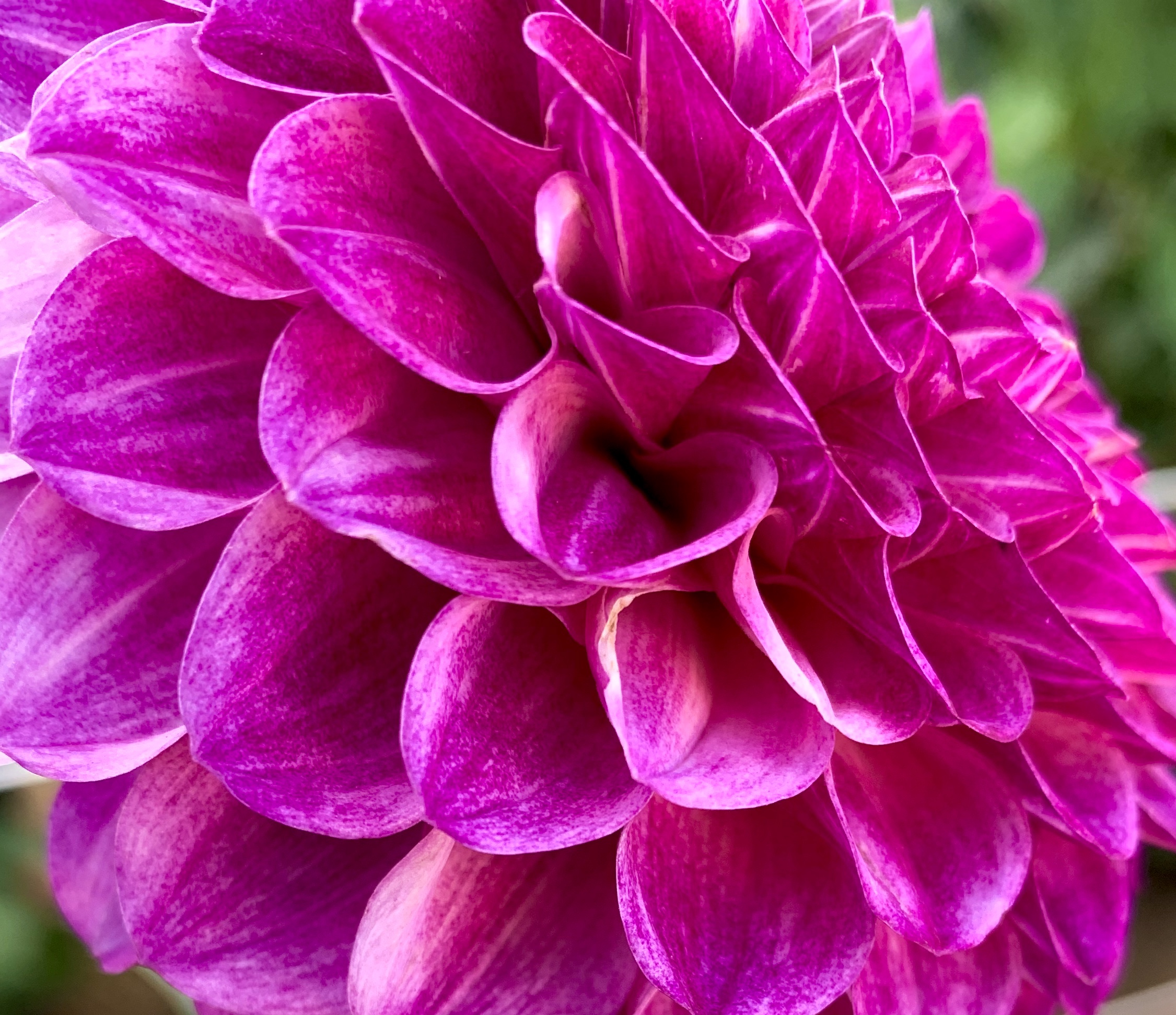
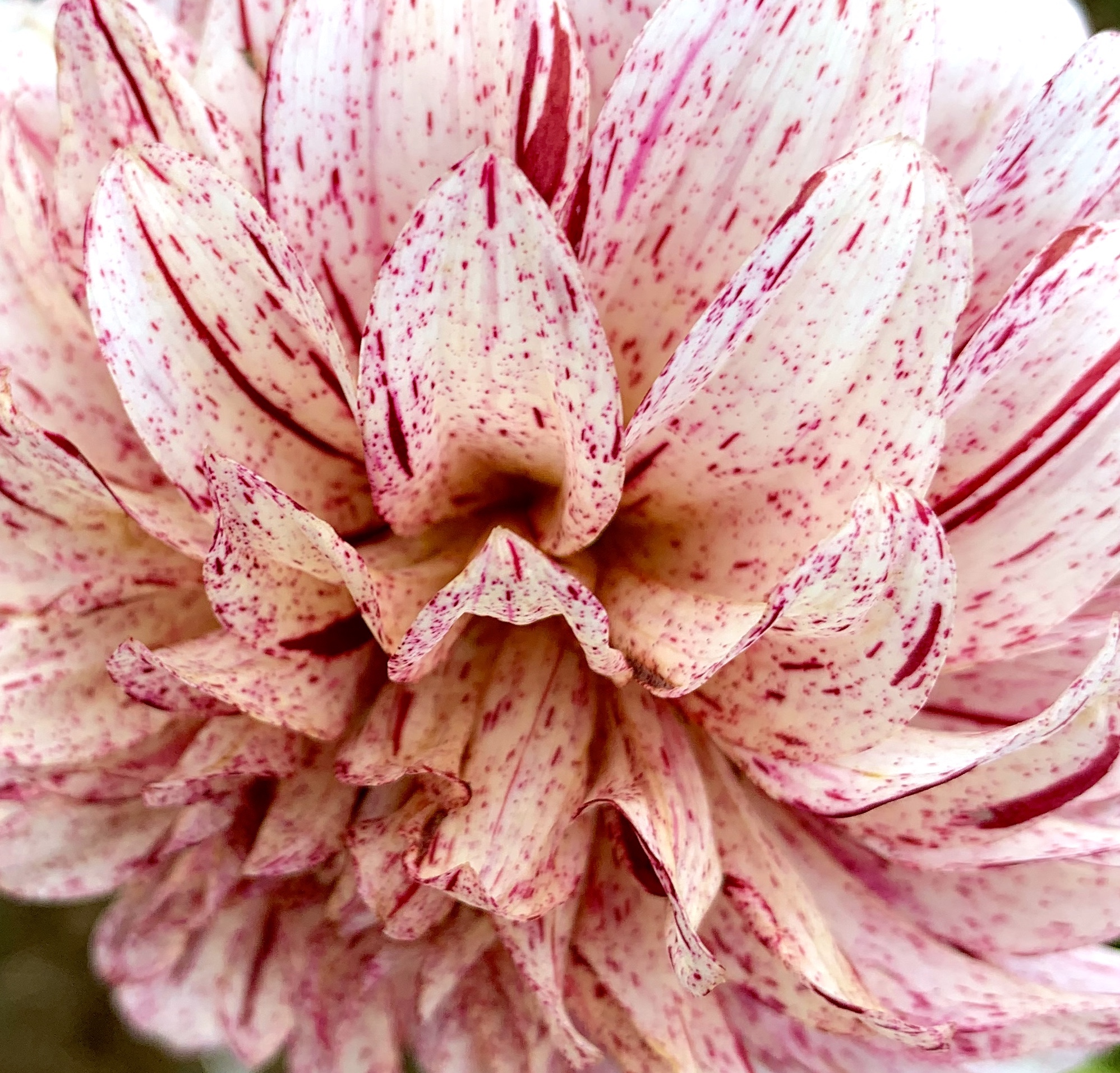
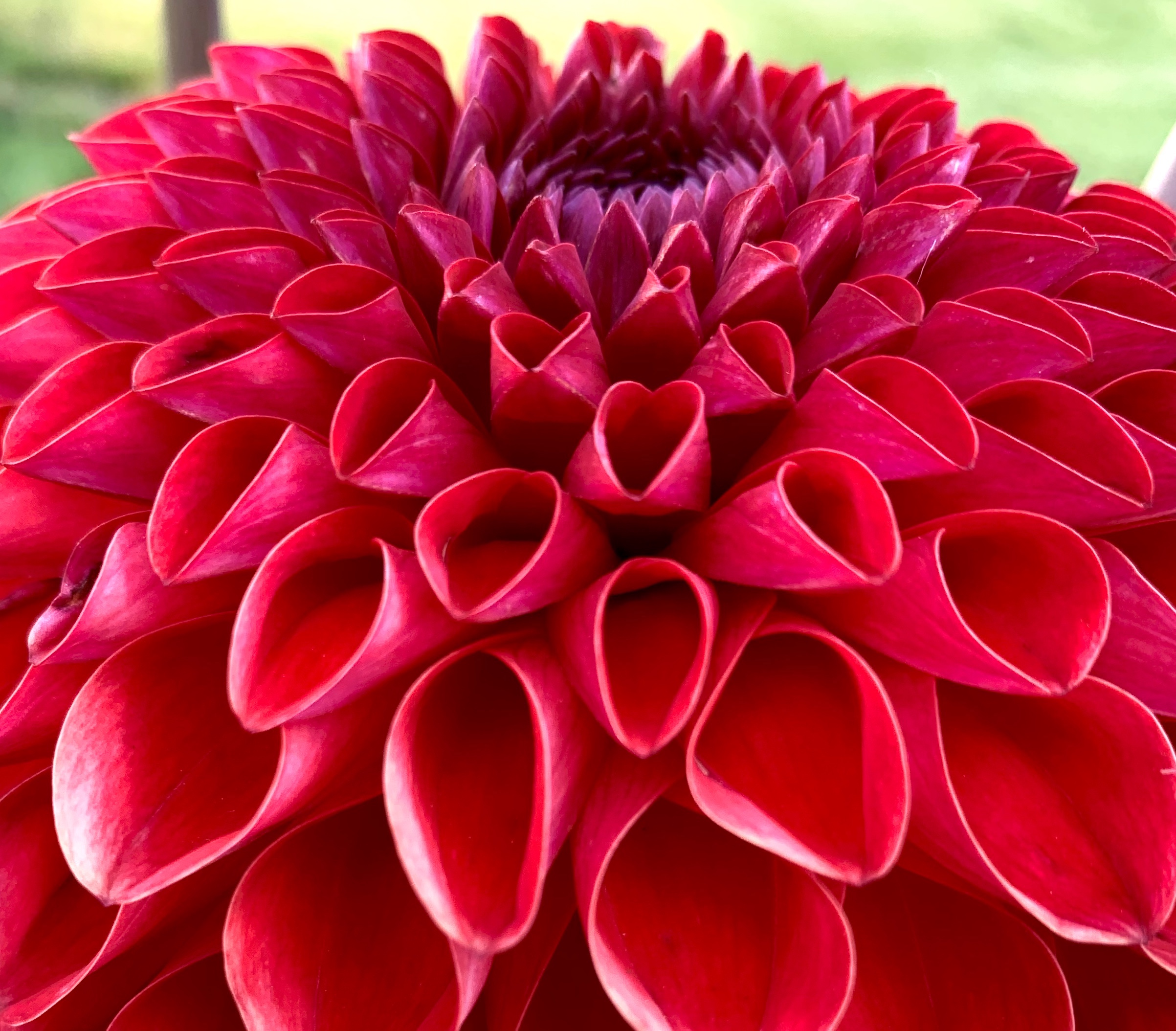
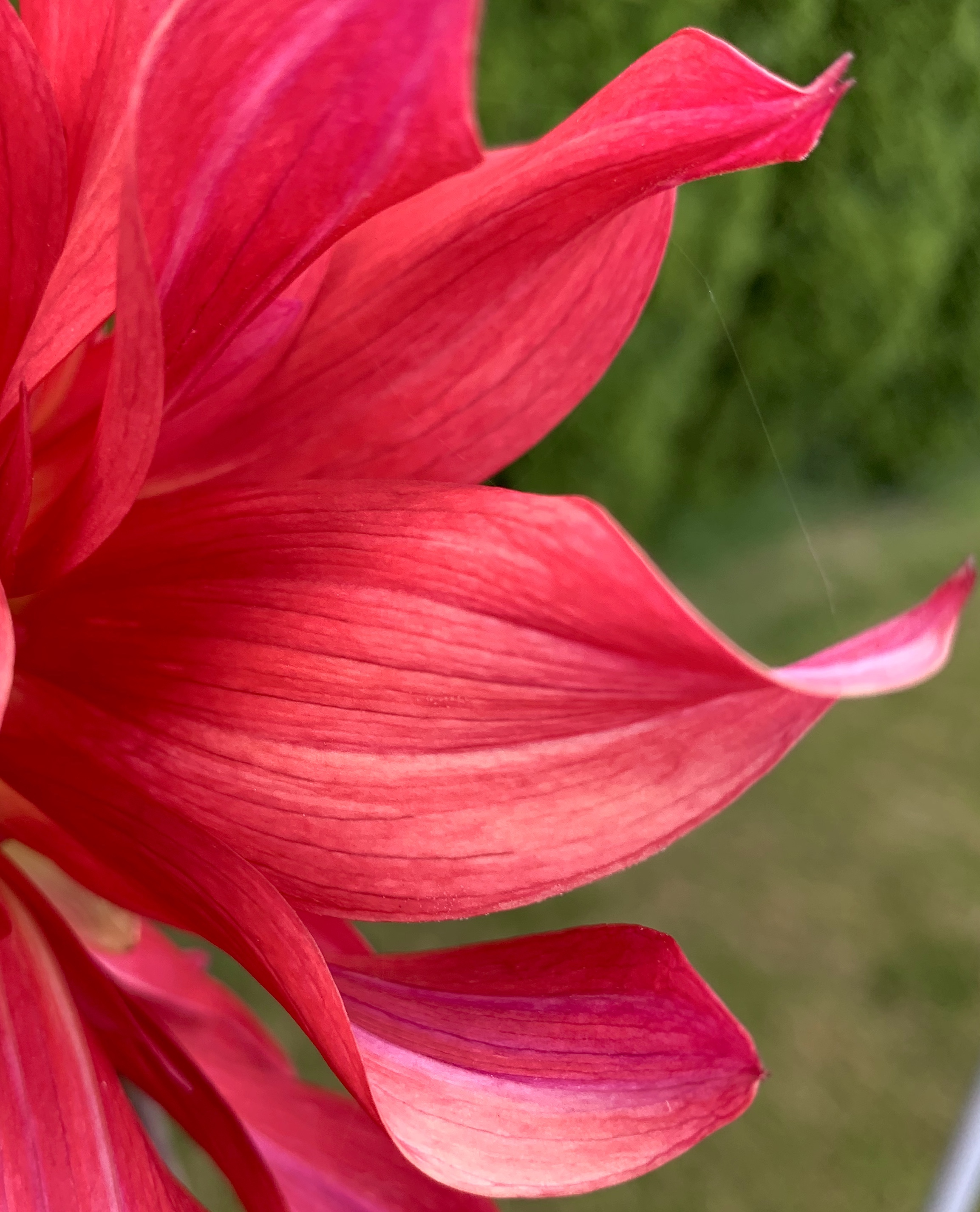
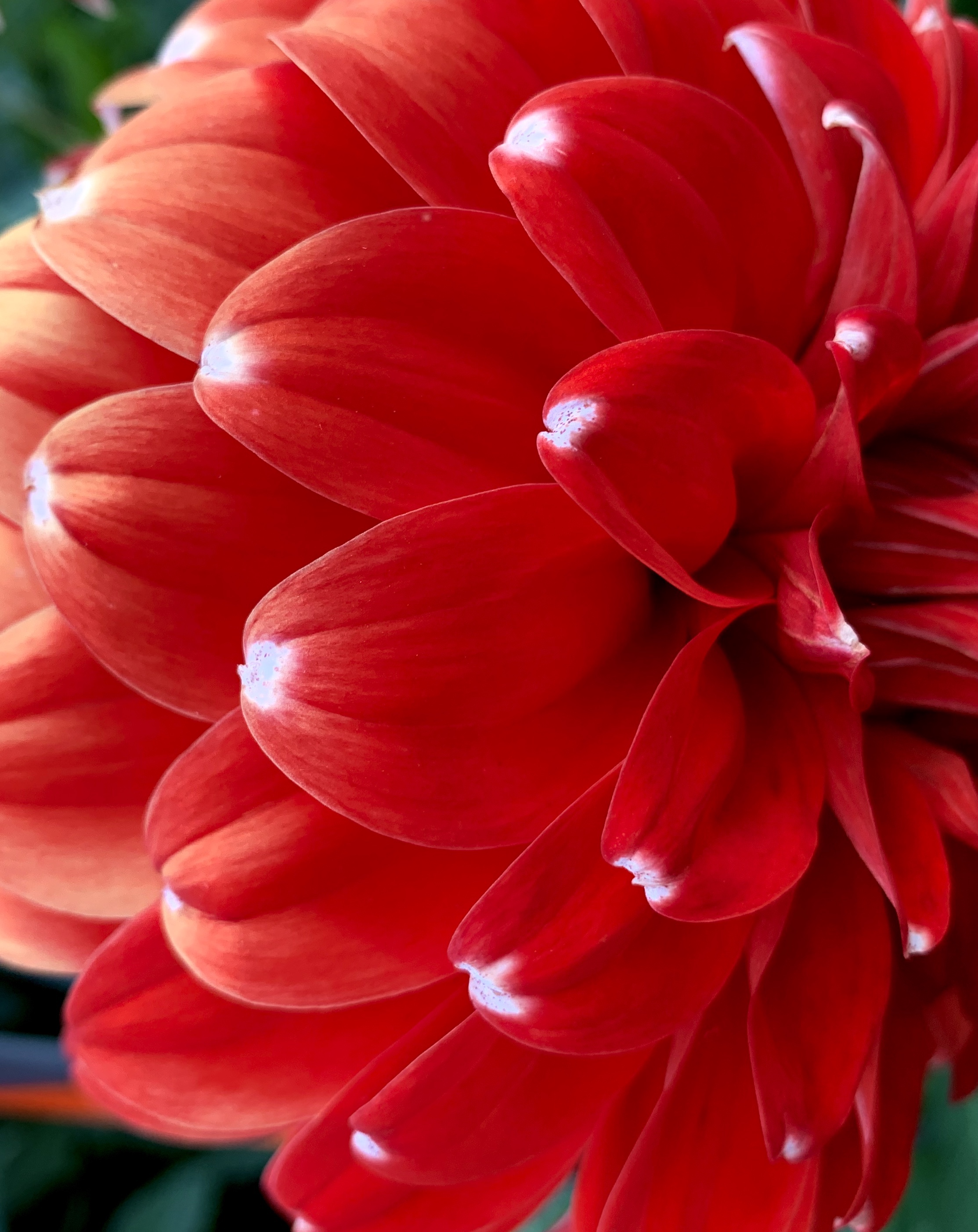
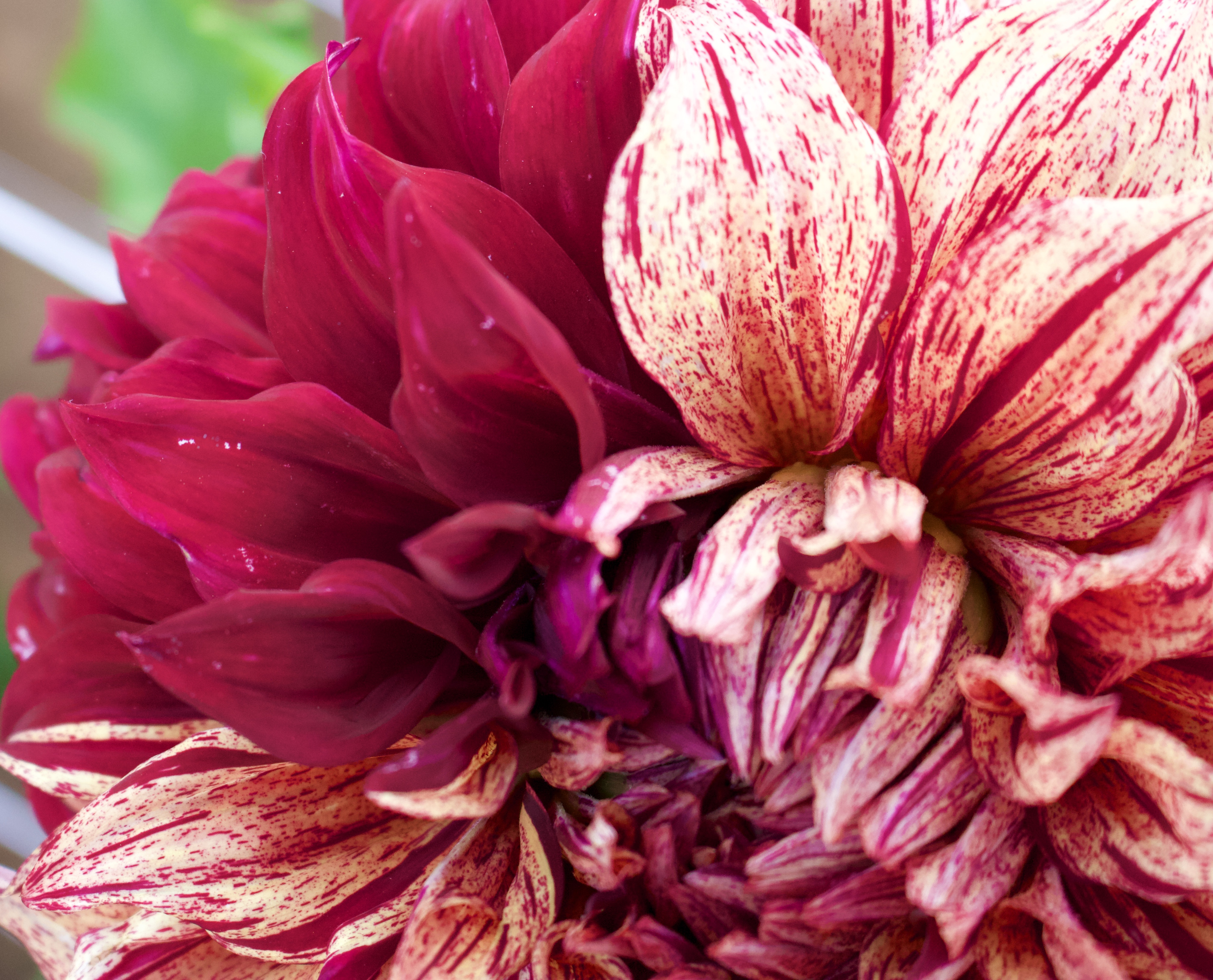
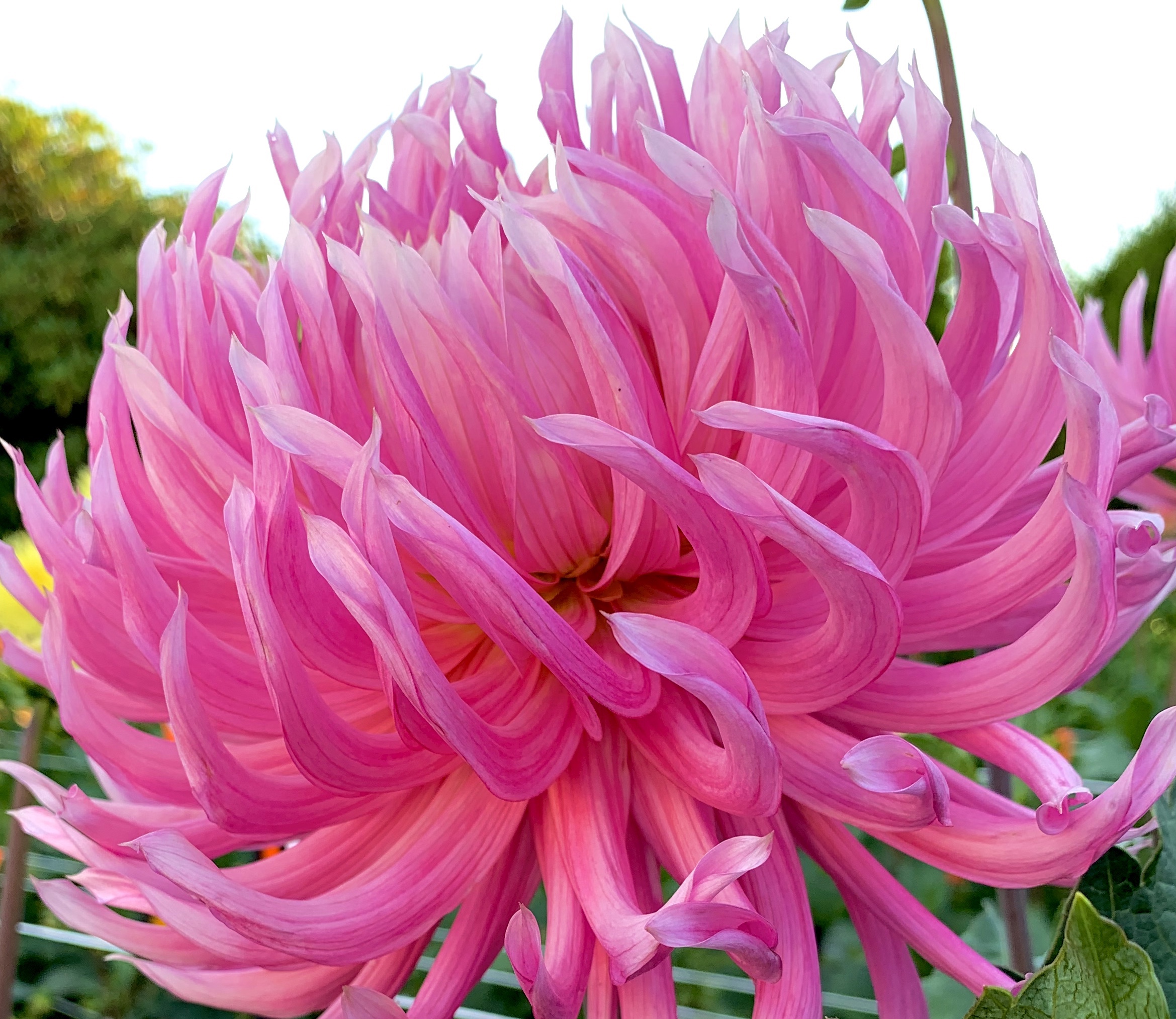
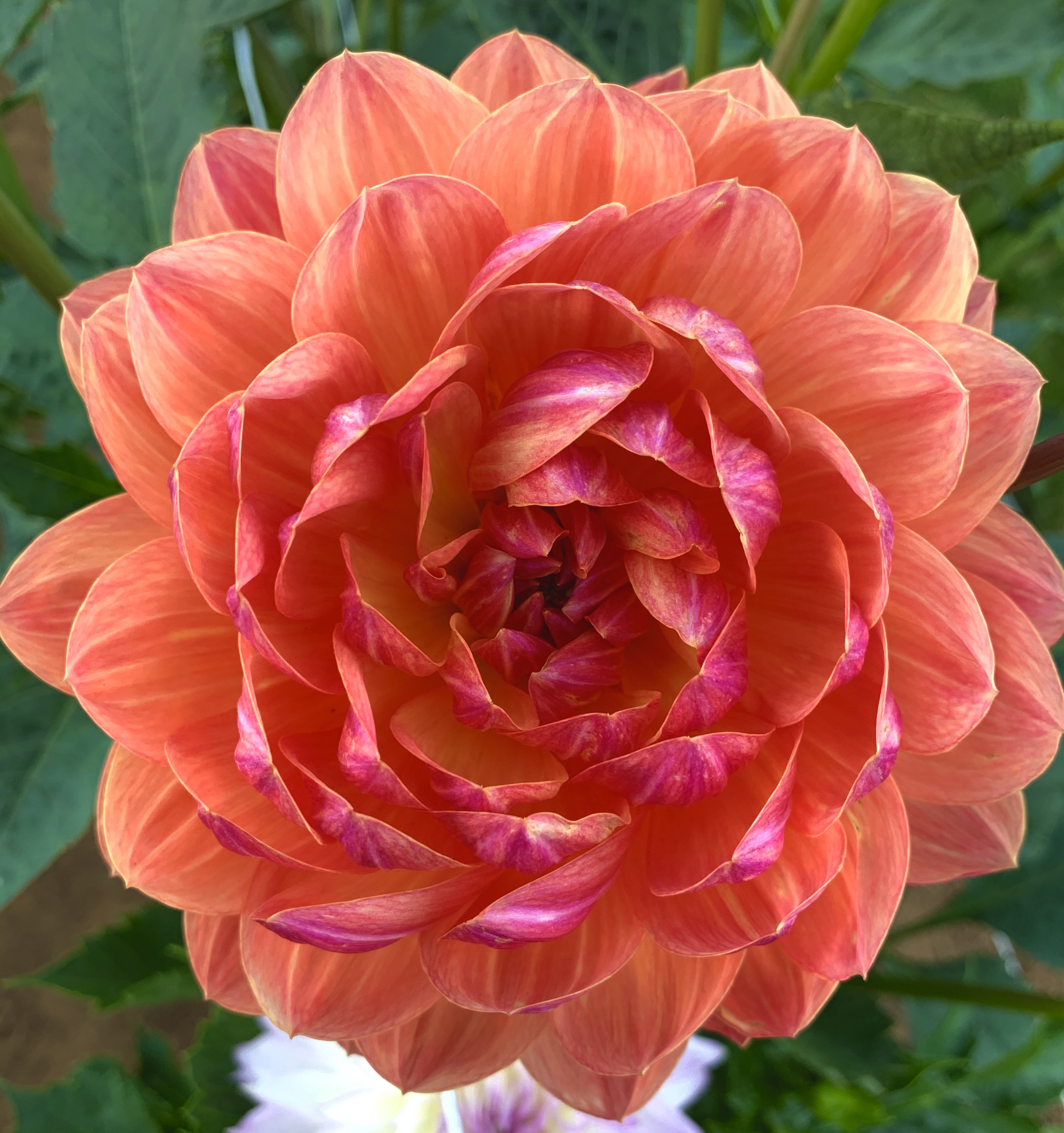
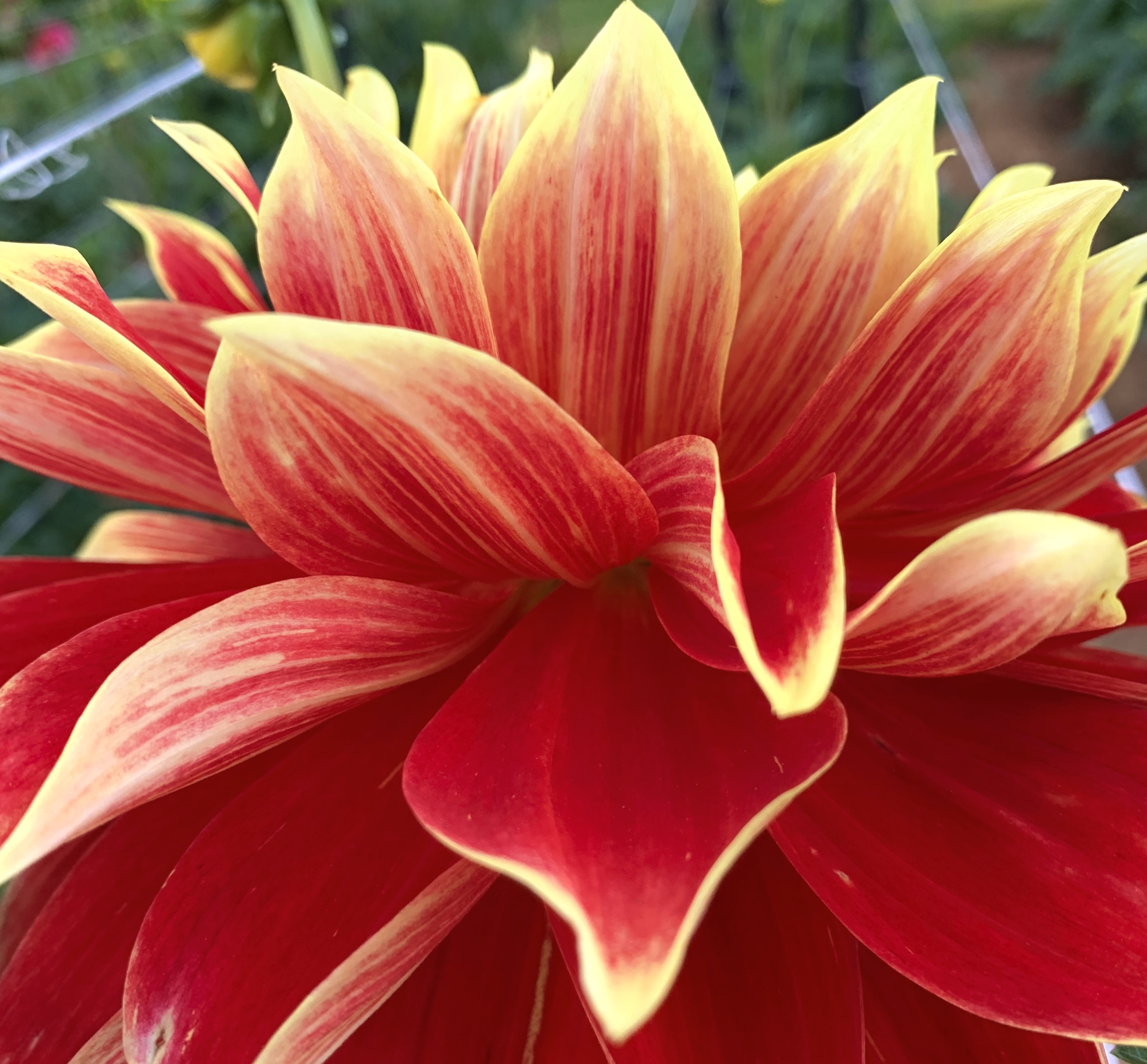
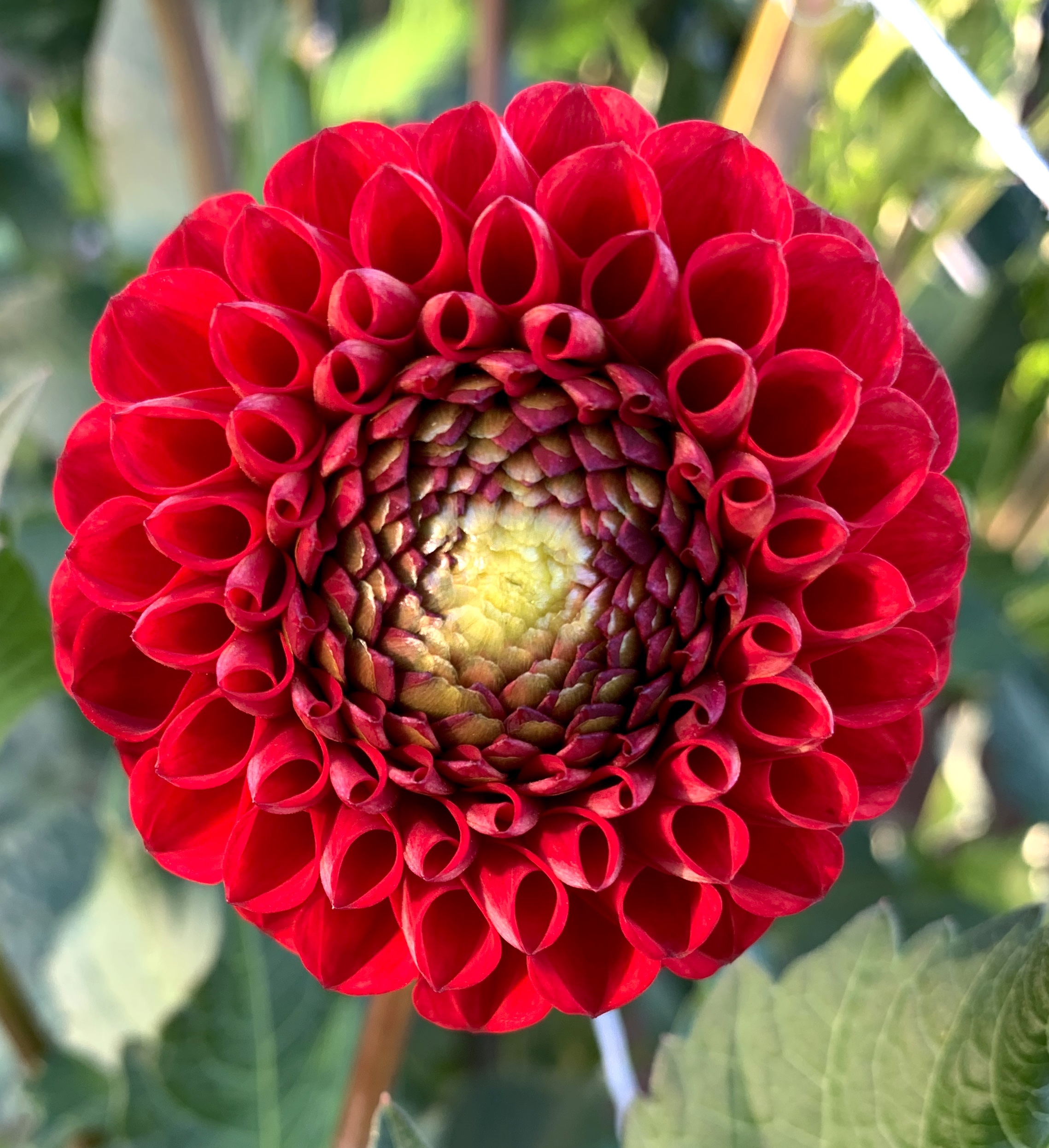
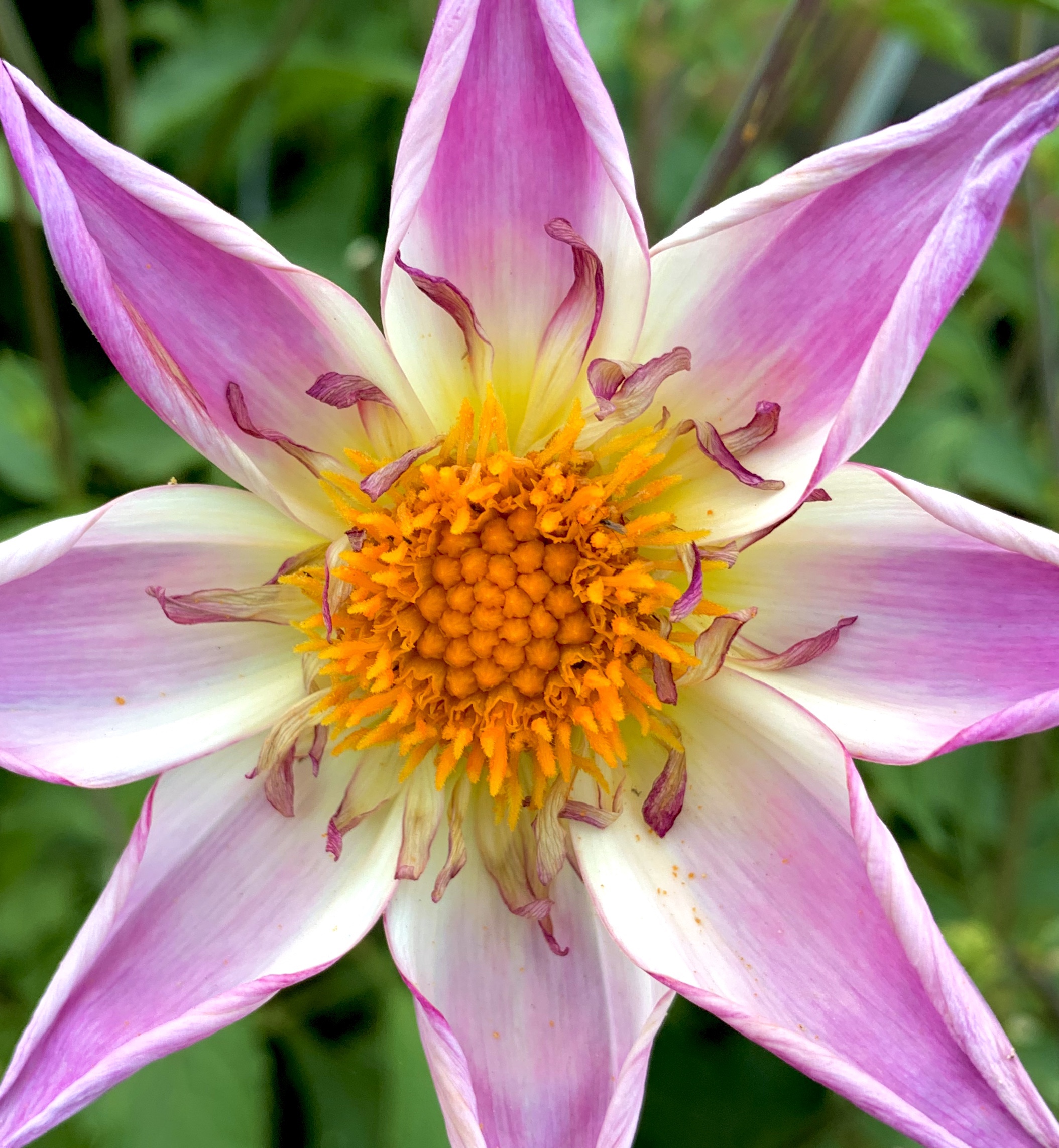
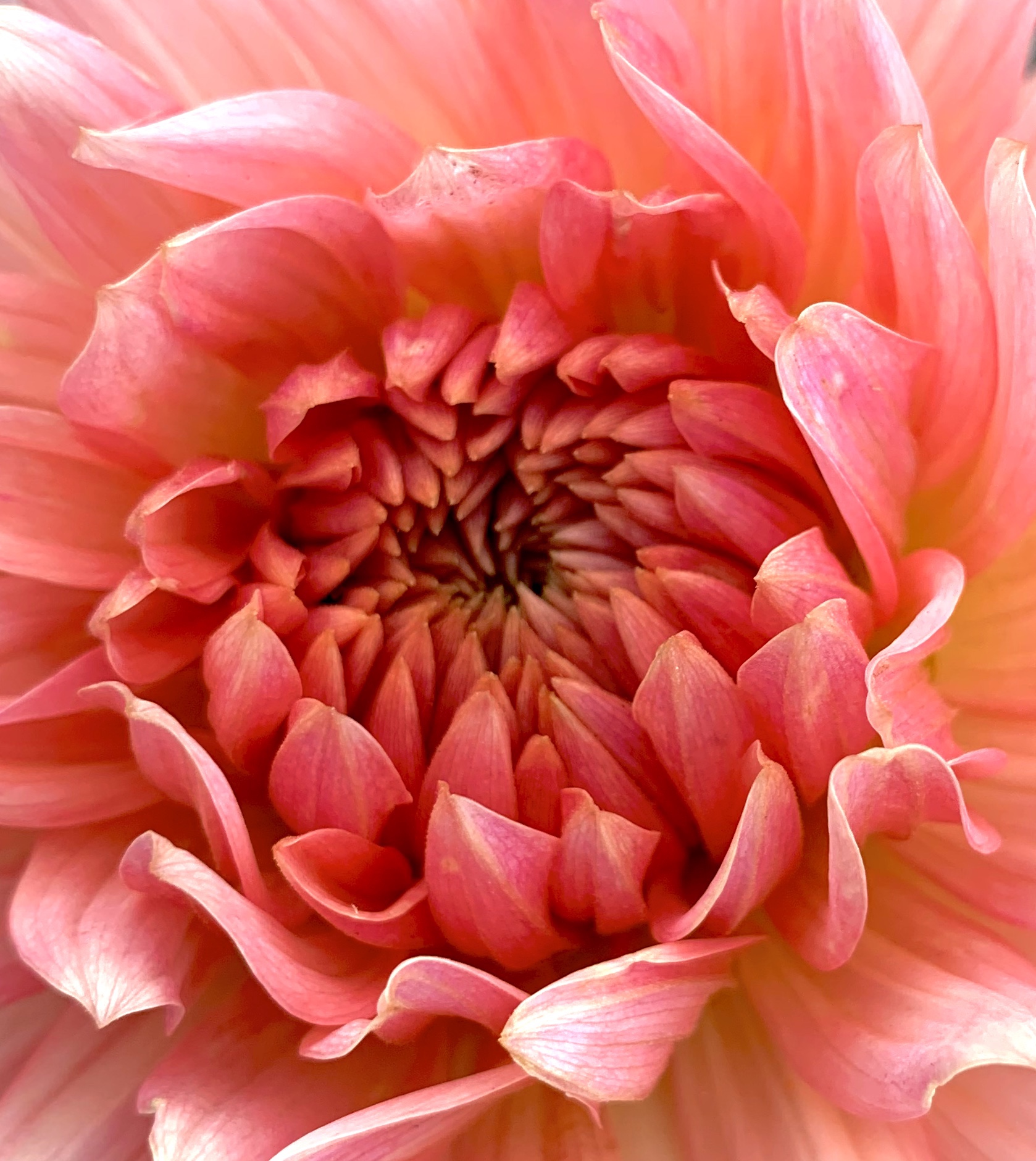
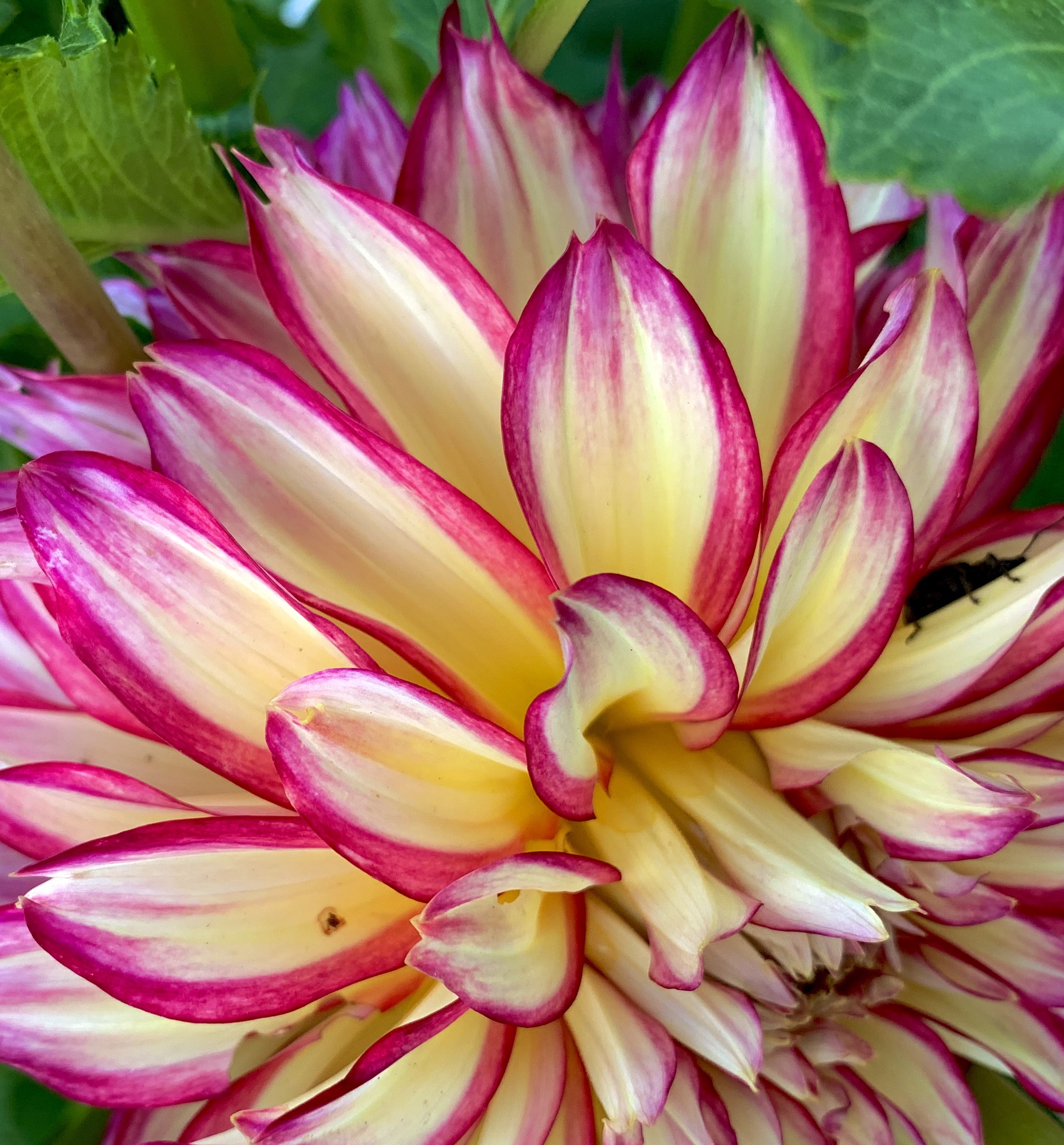
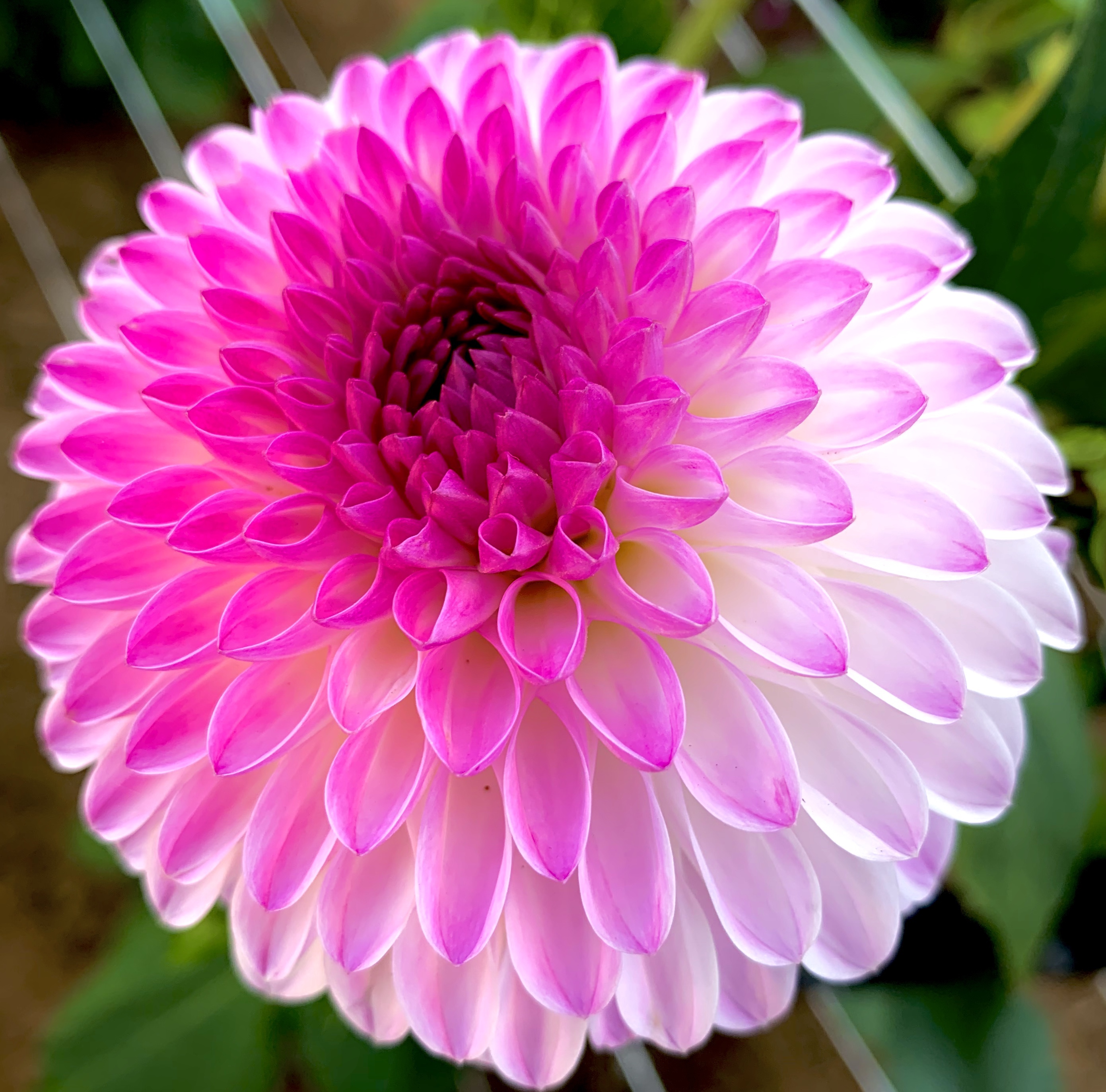
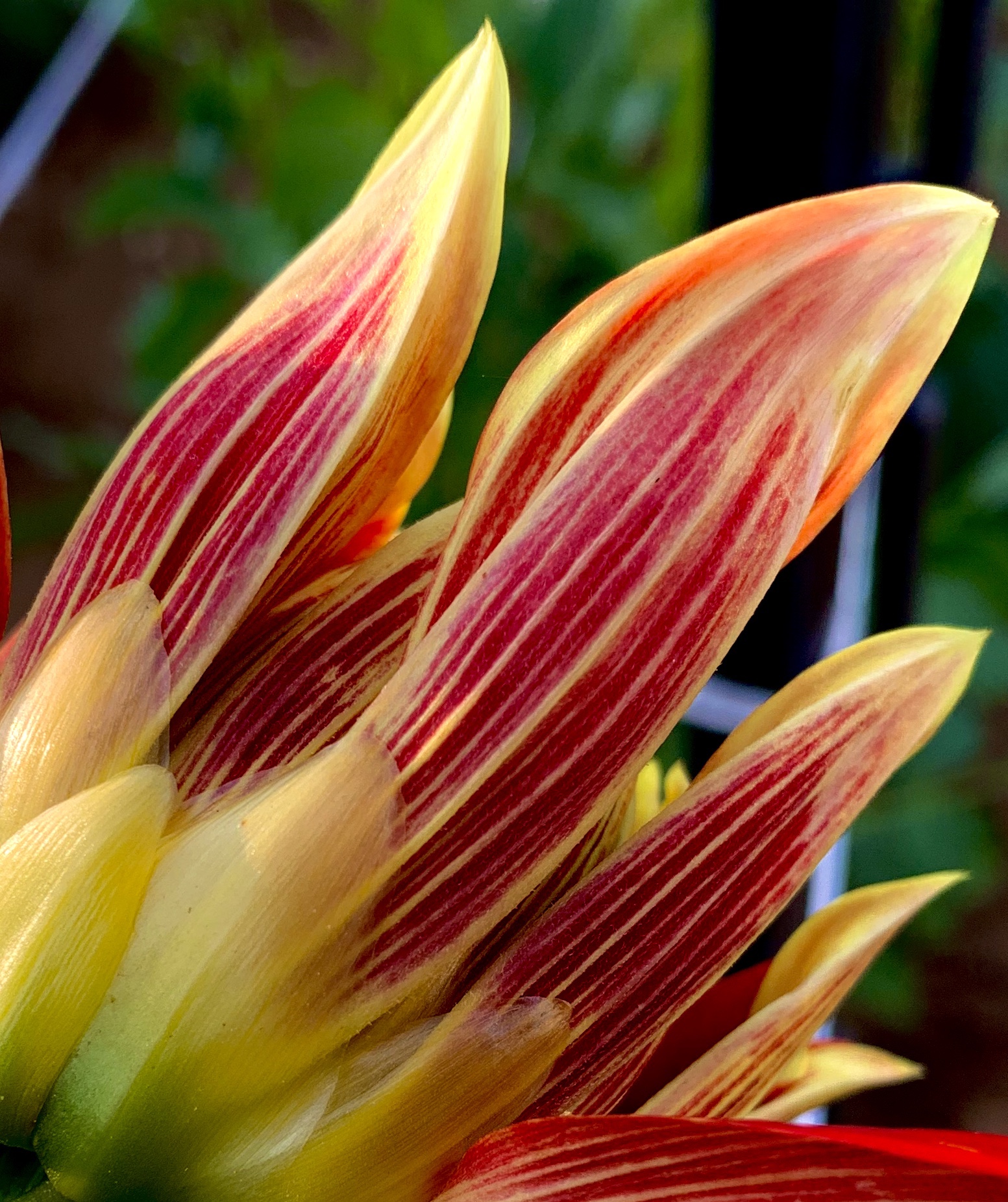
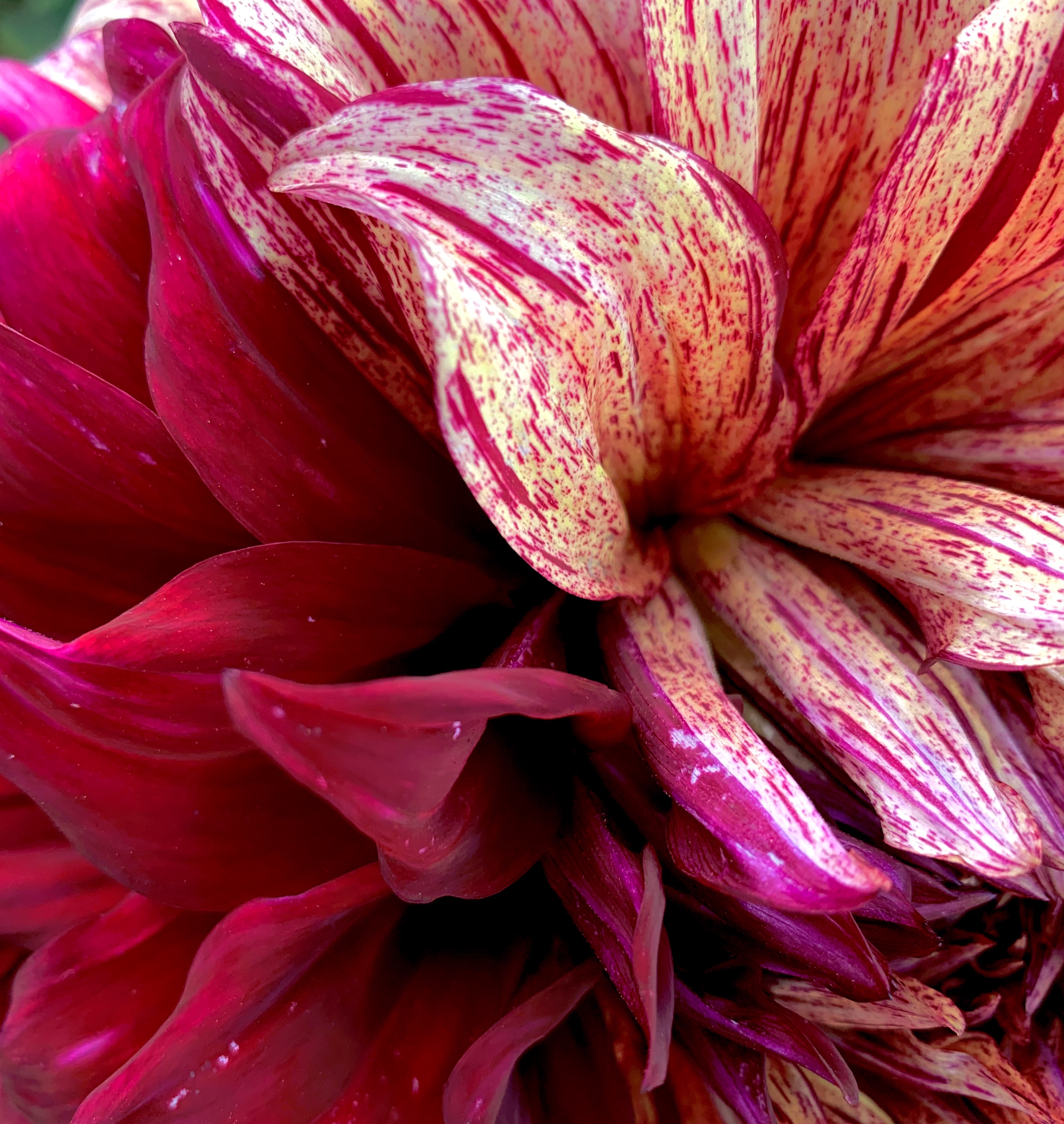
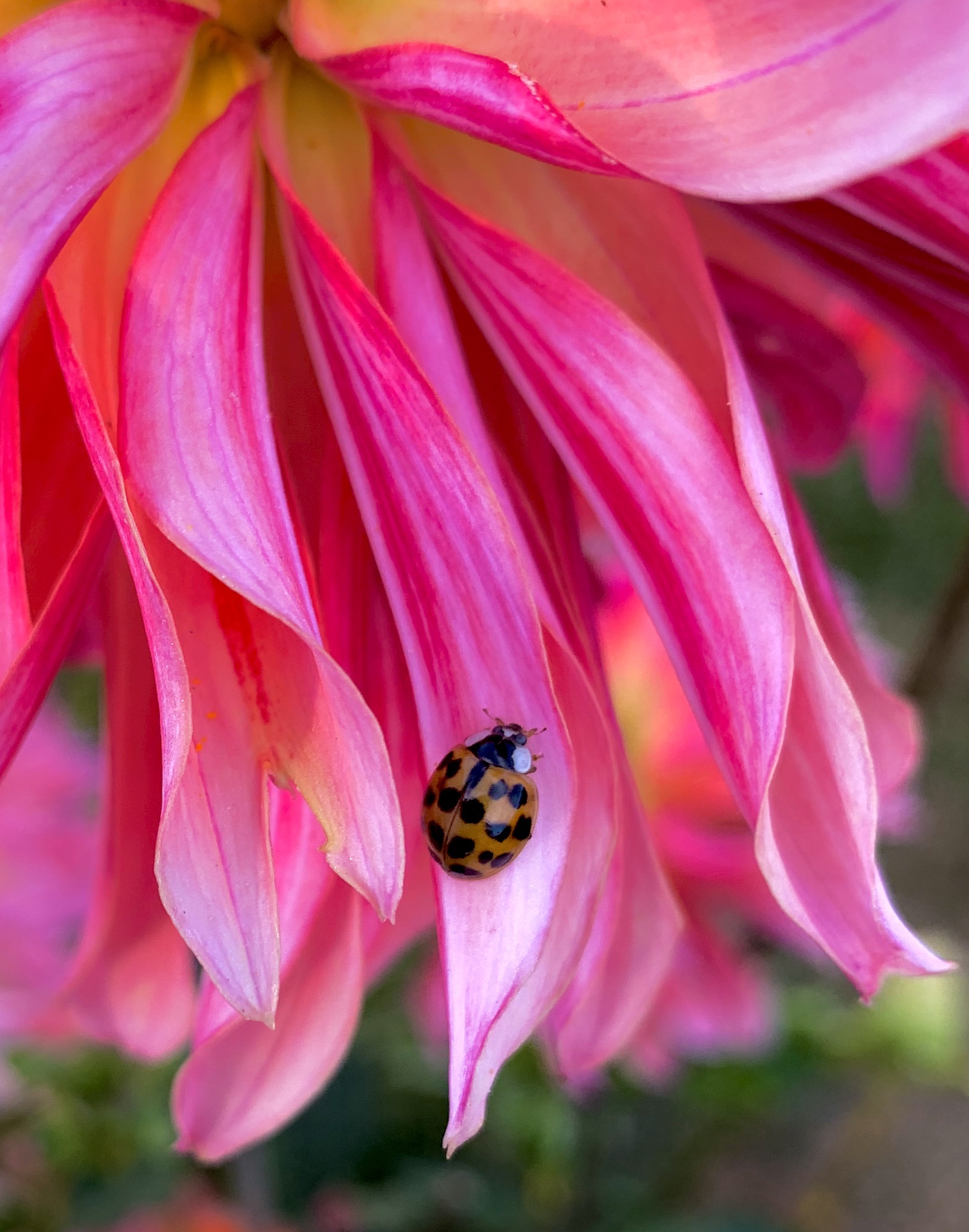
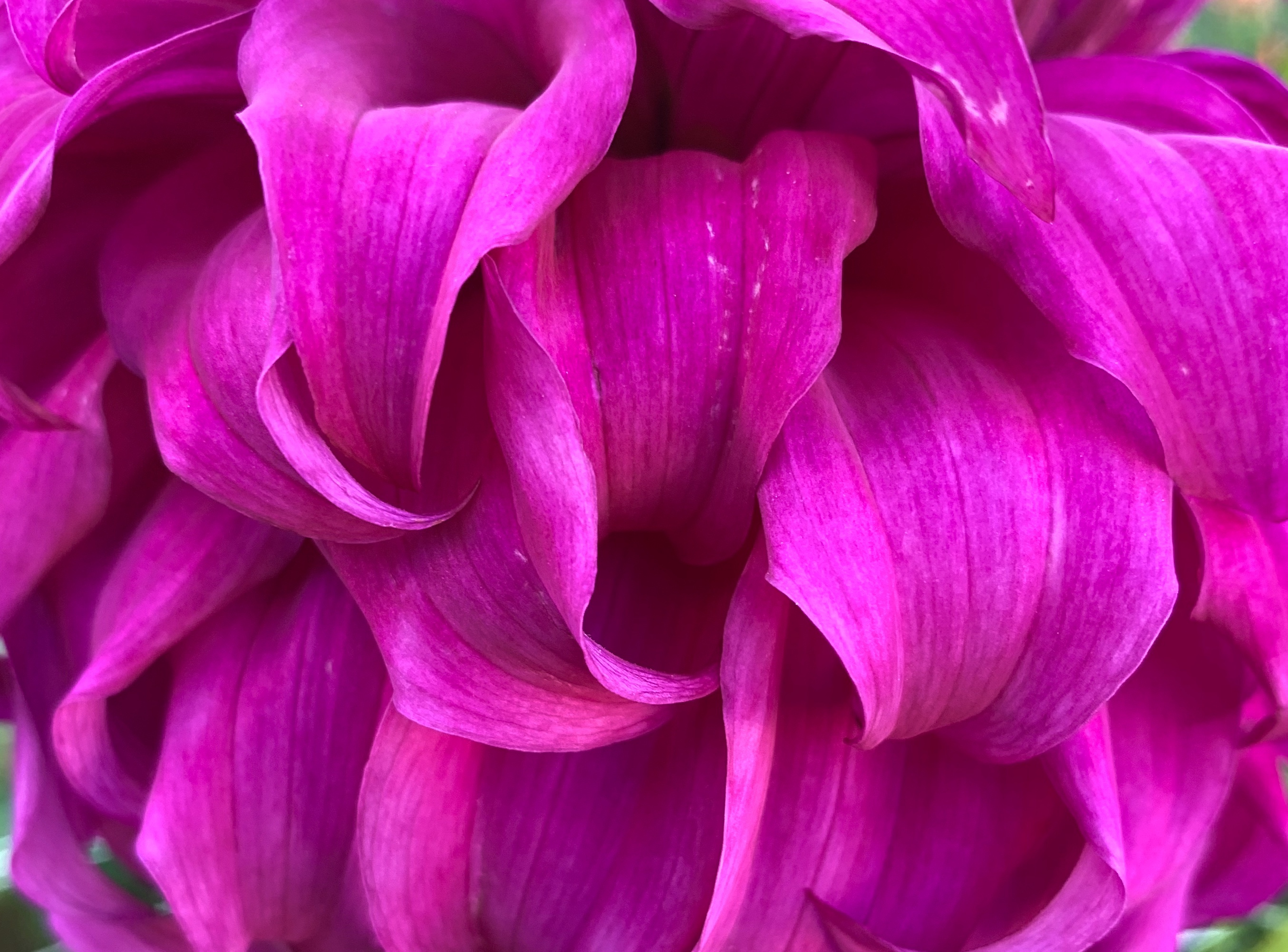
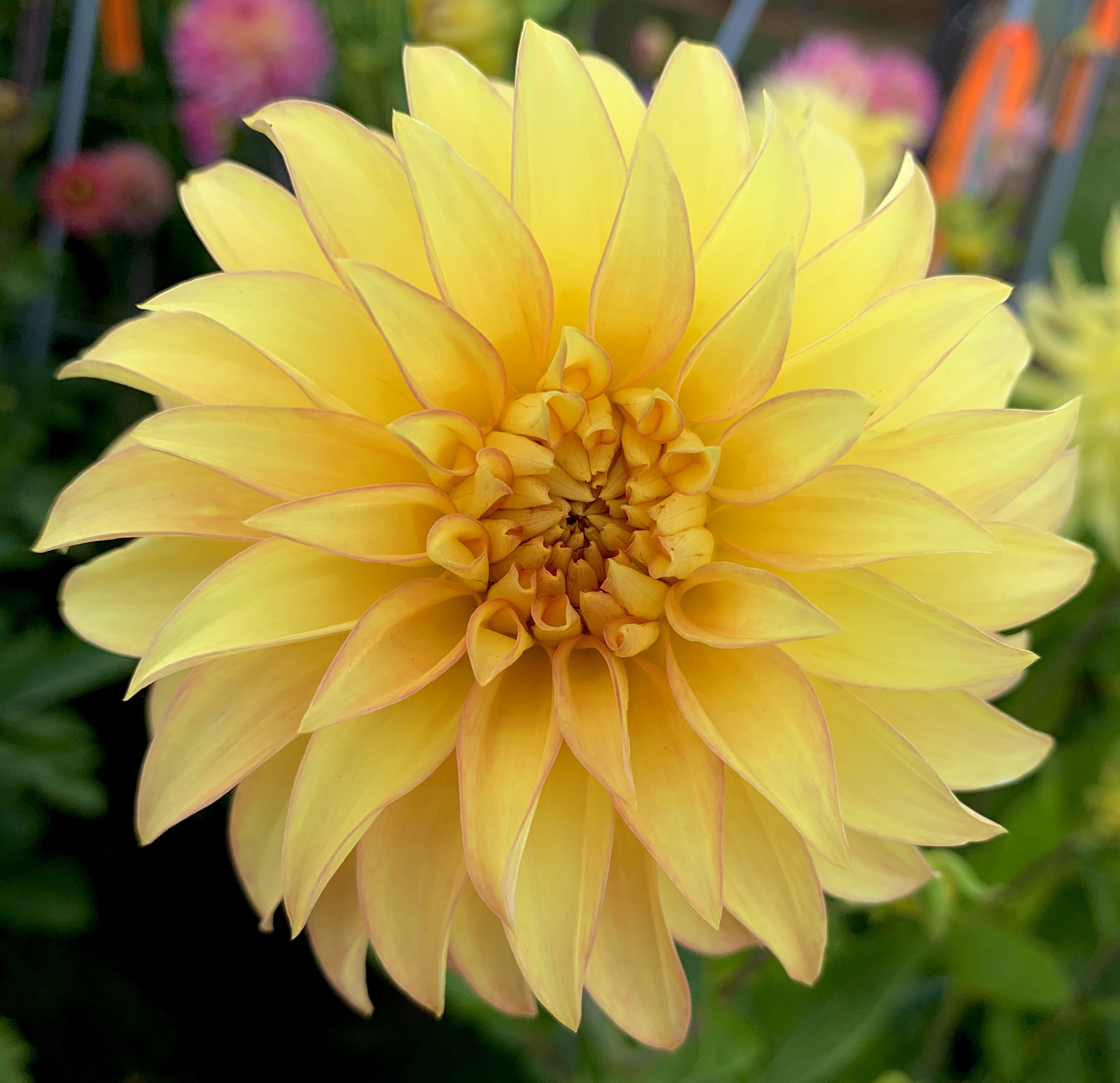
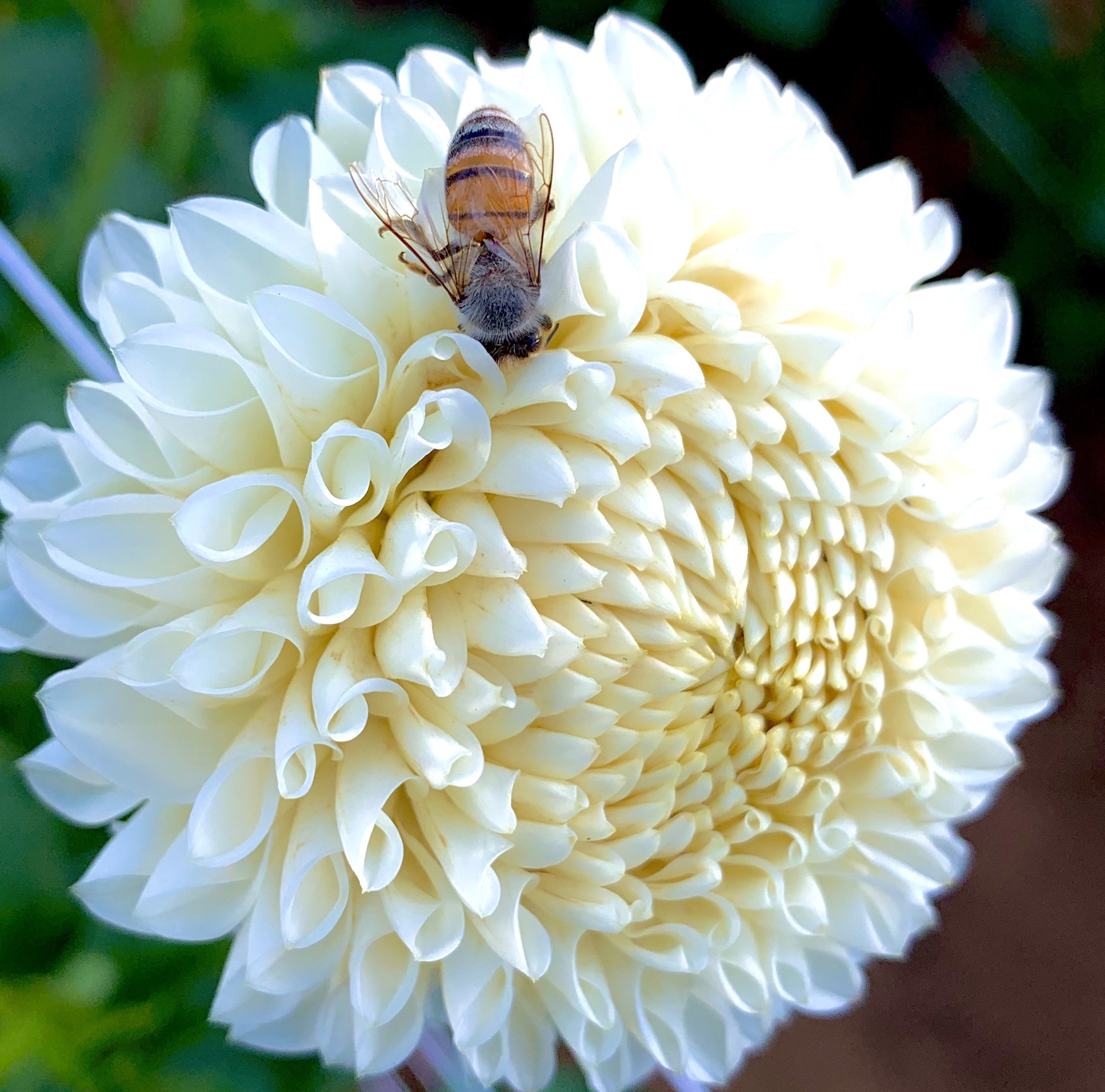
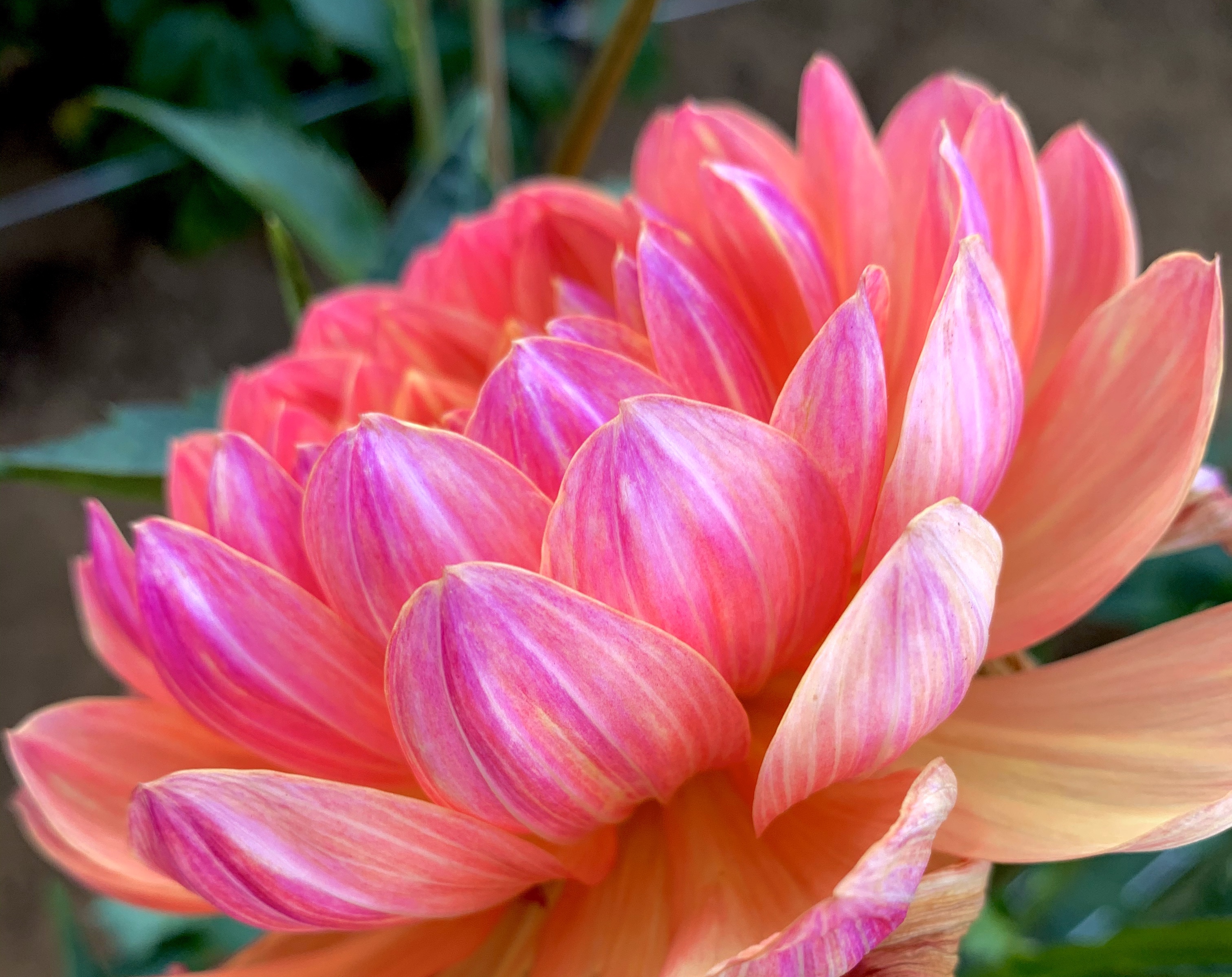
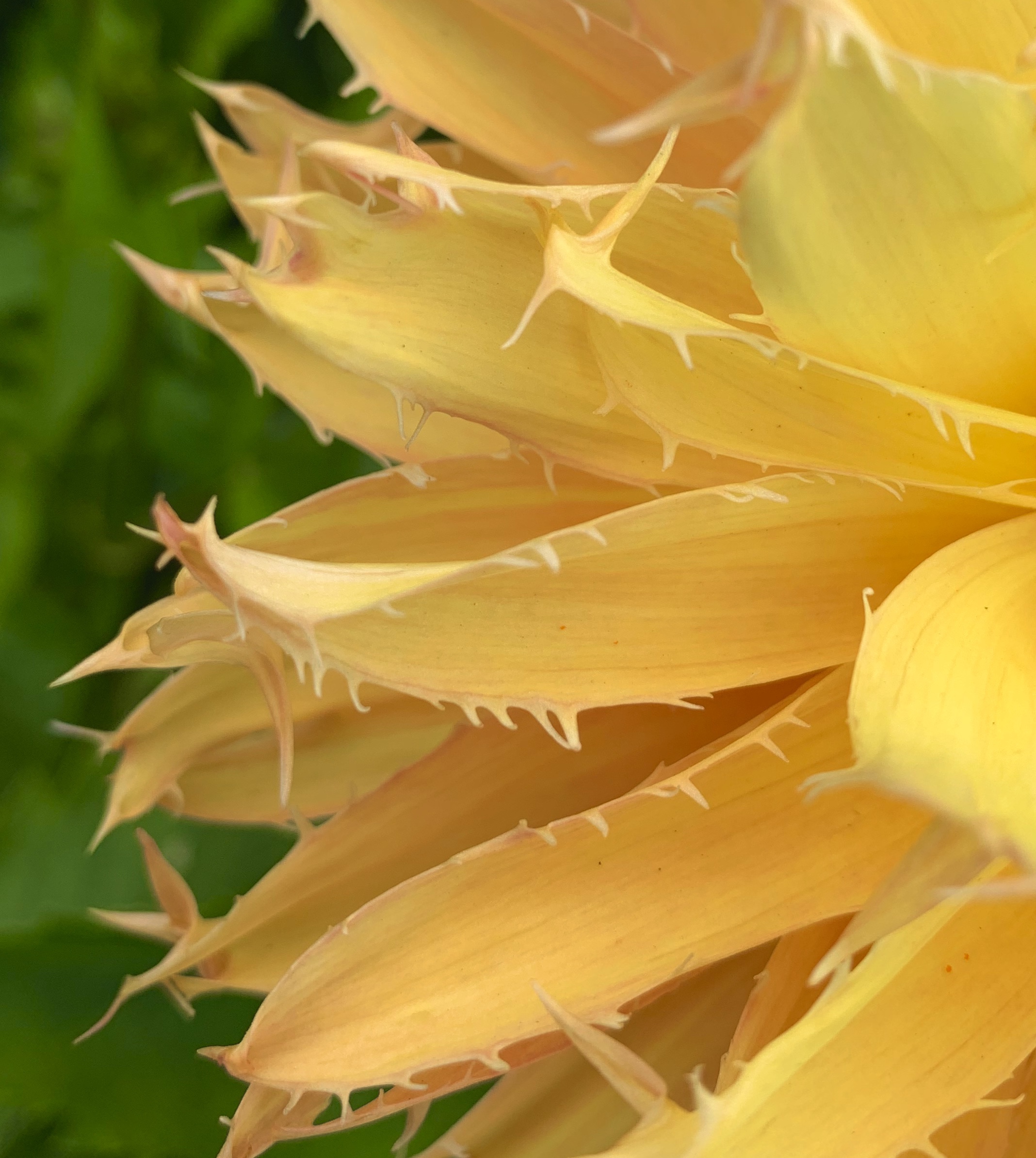
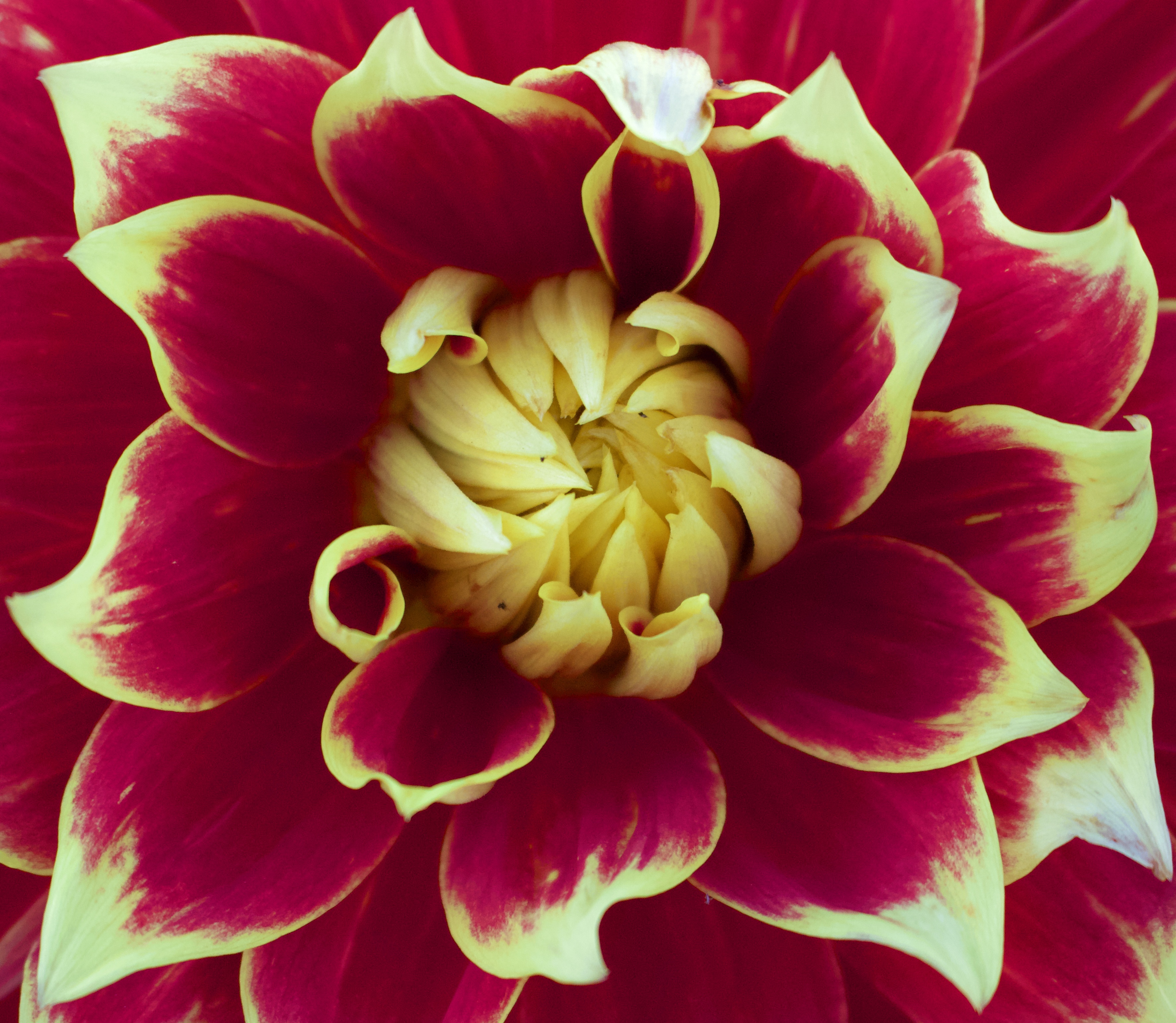
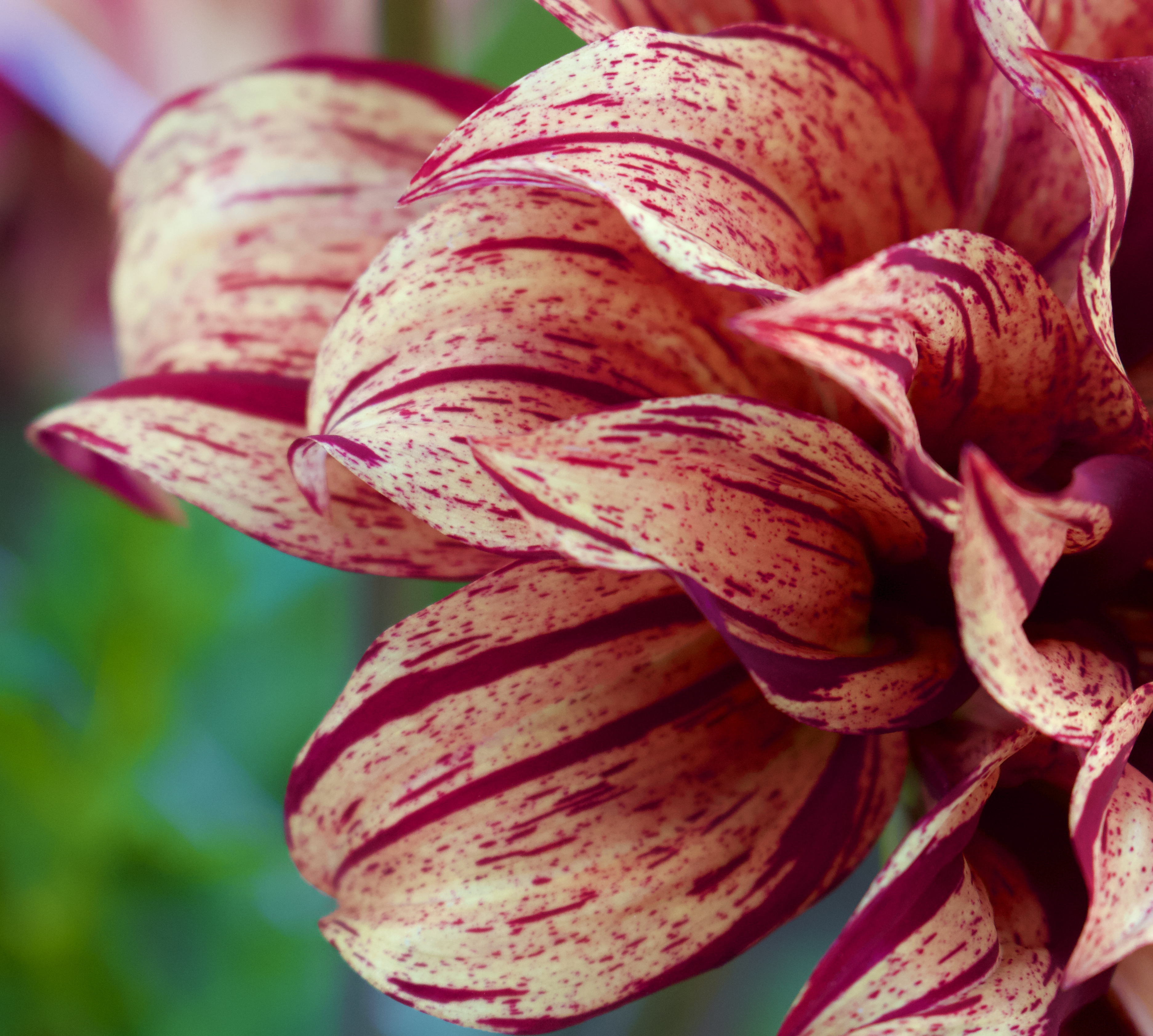
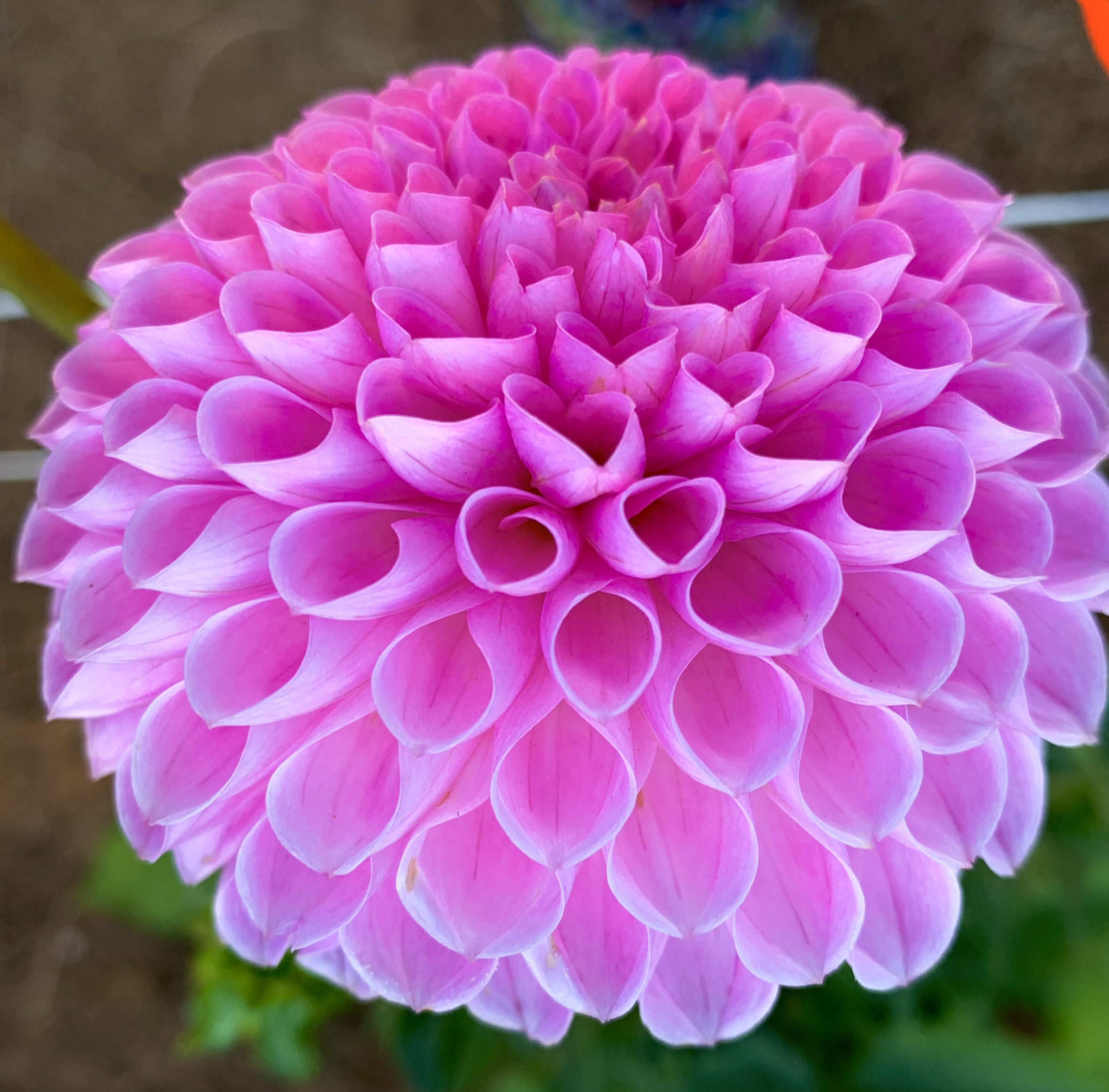
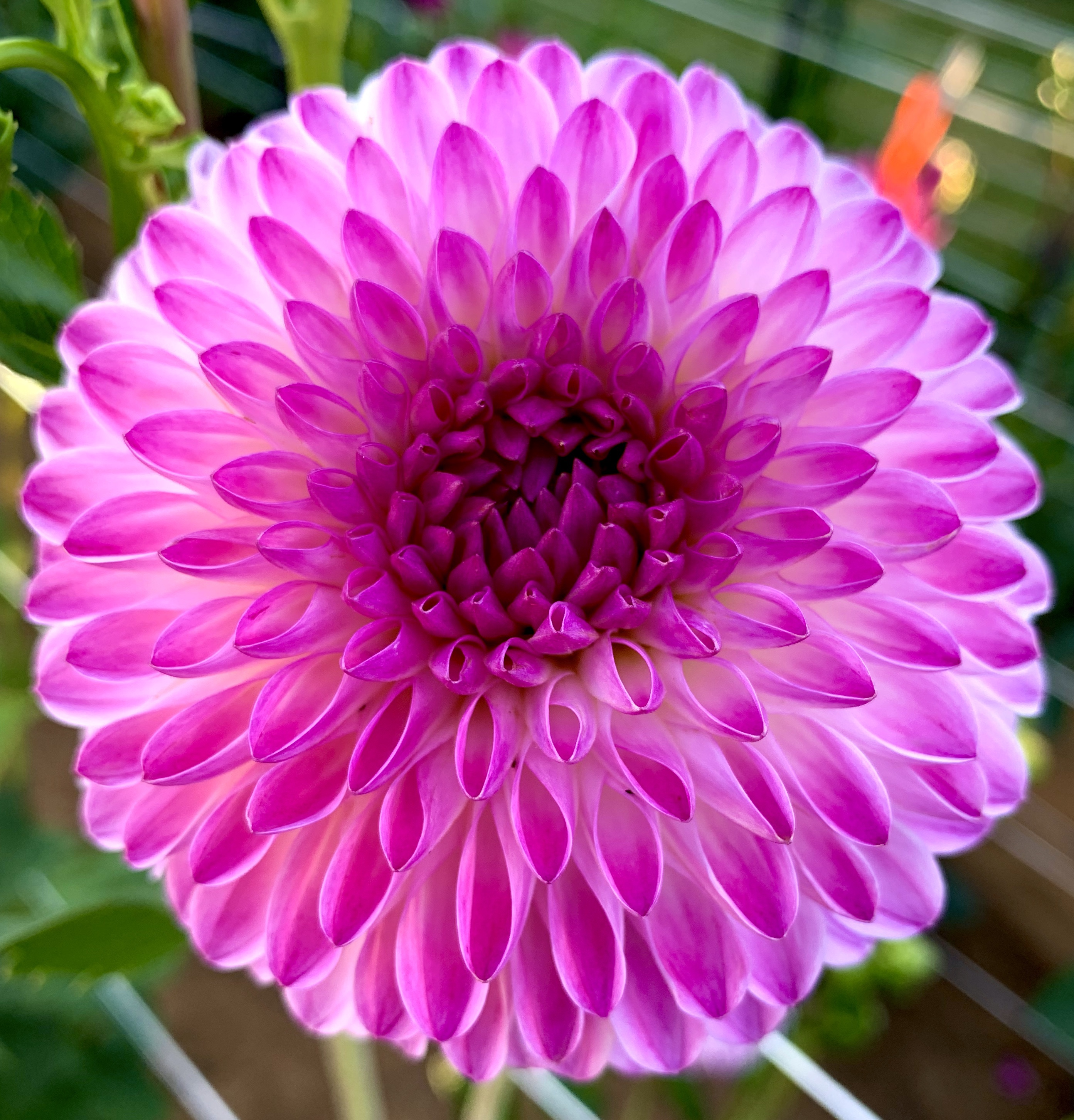
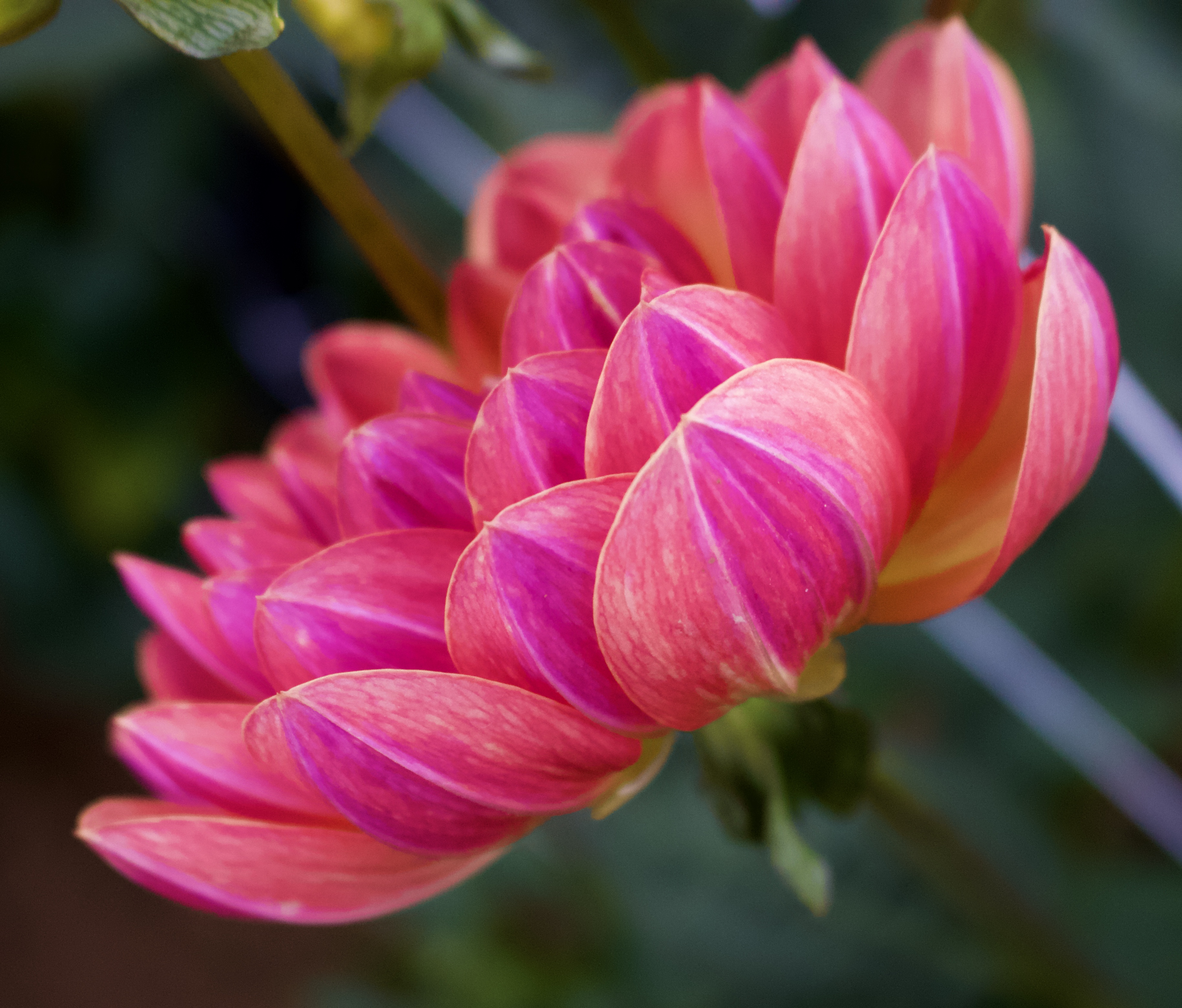
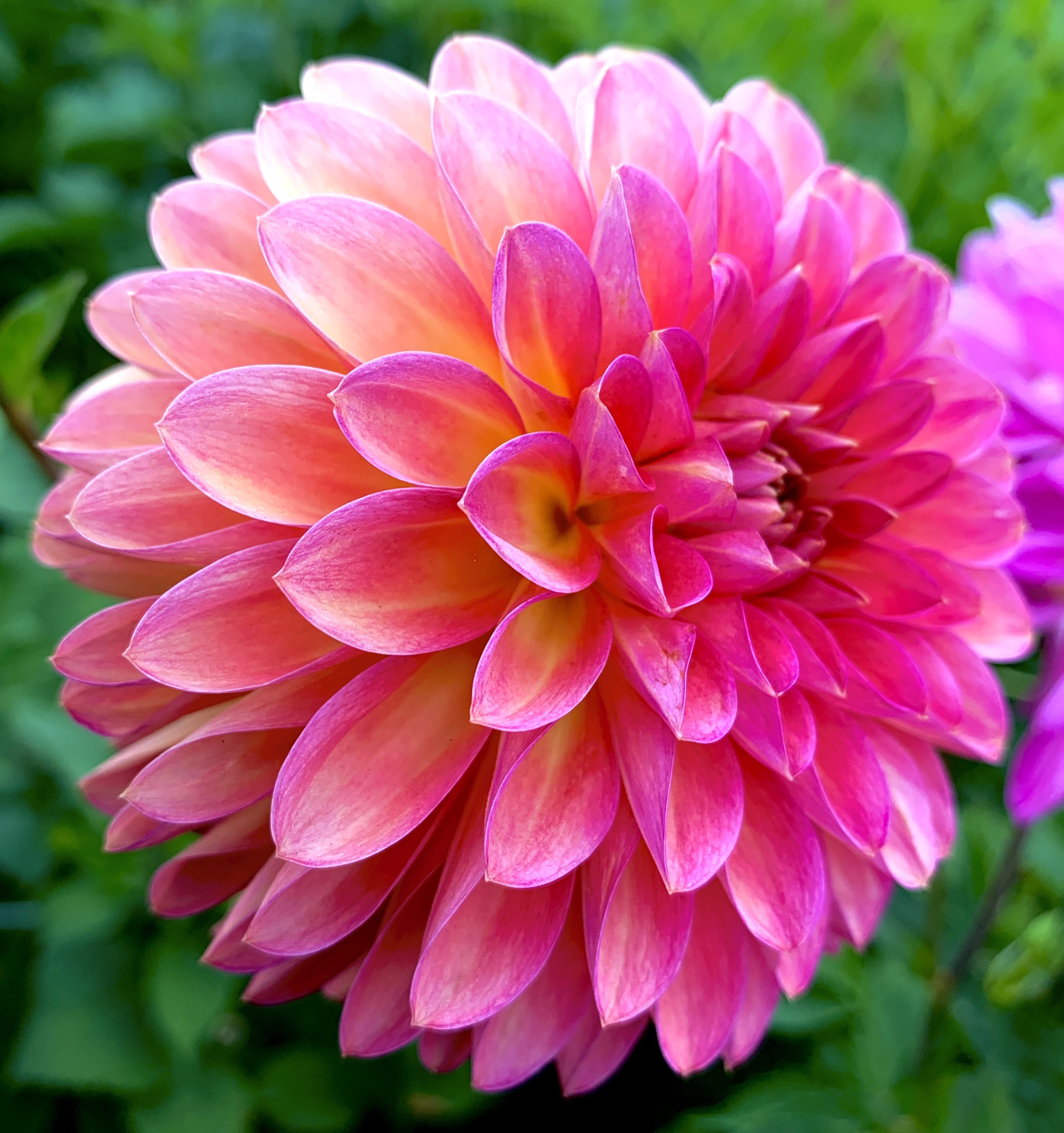
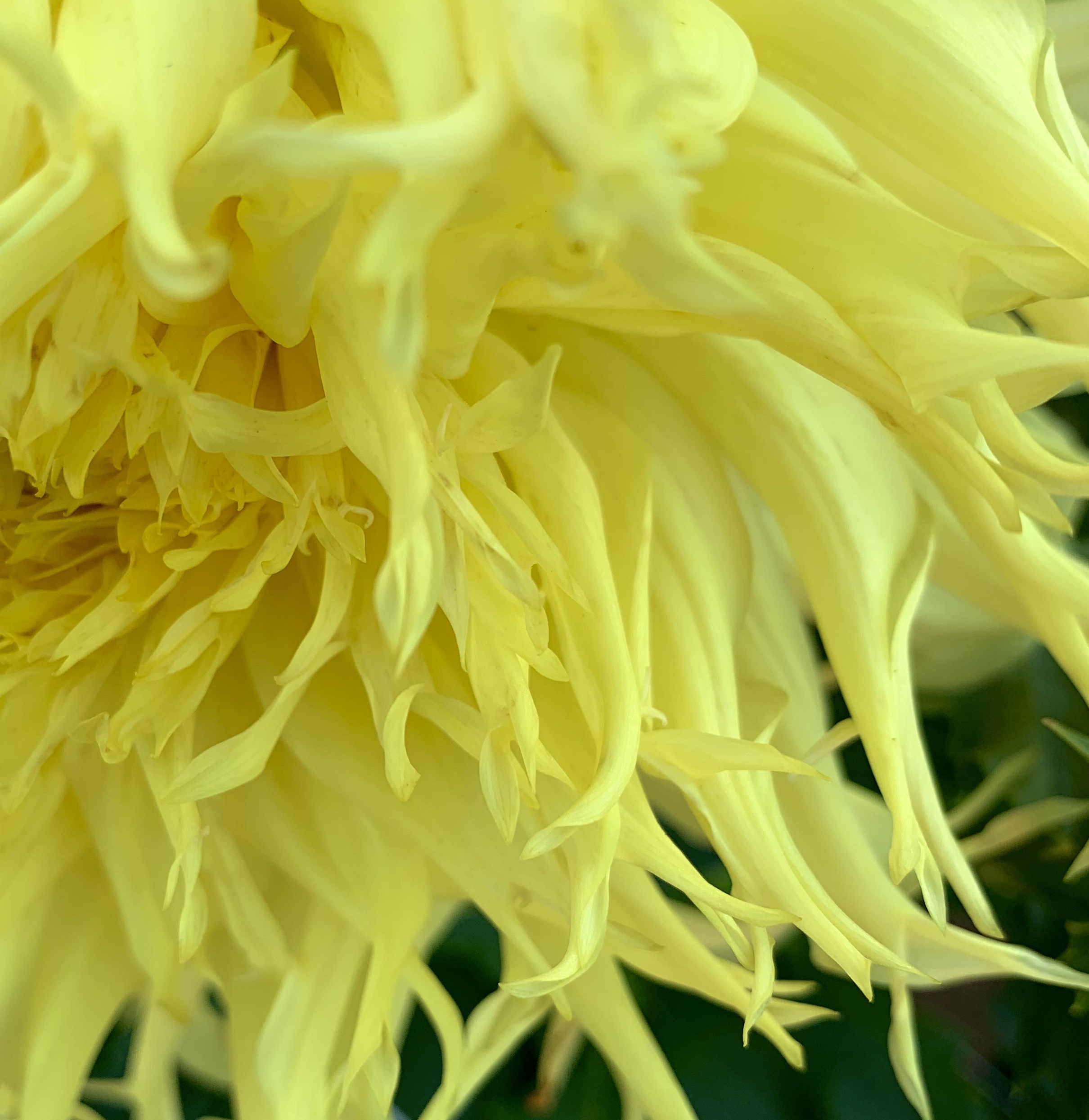
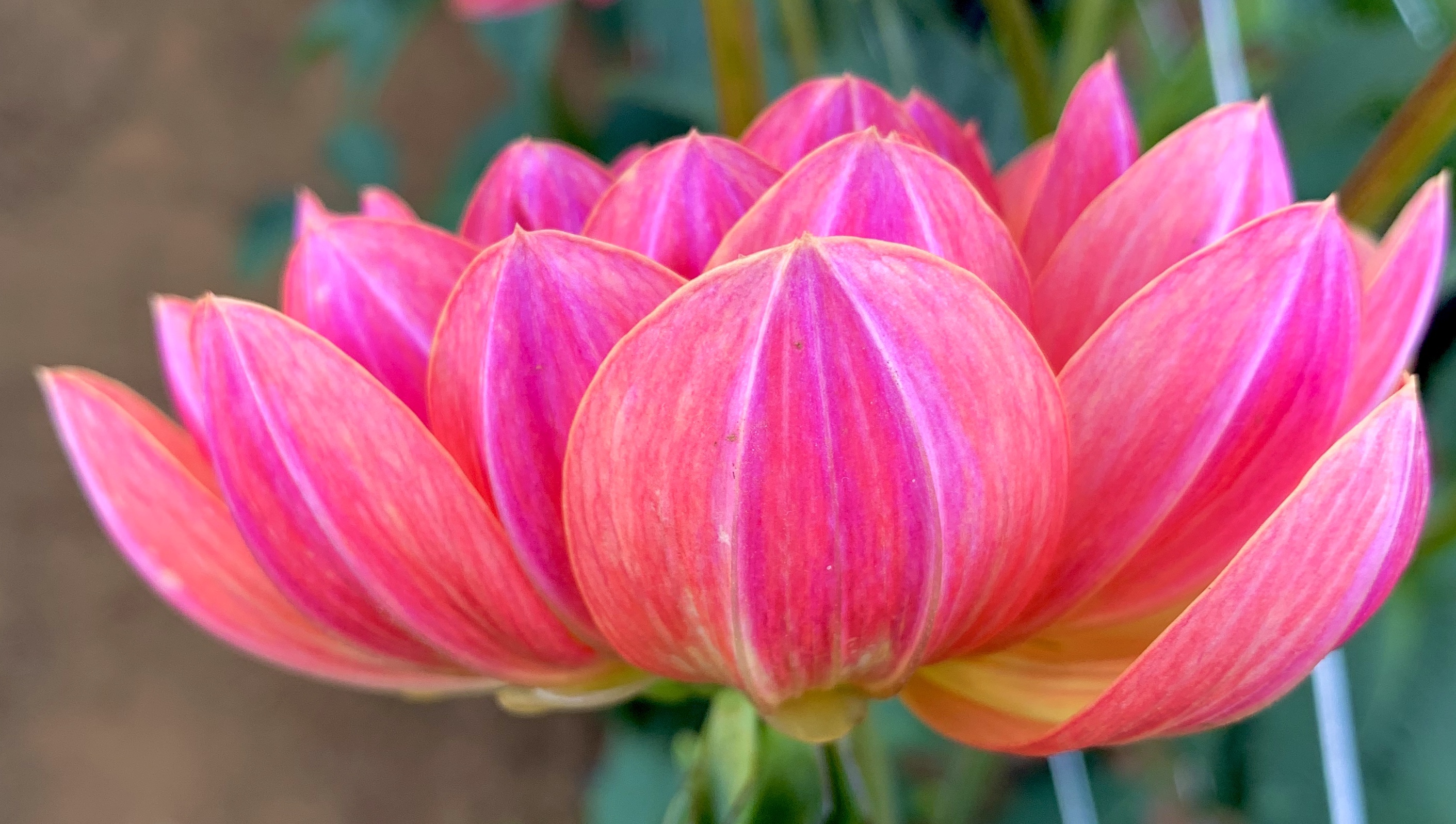
When I meet a truly great gardener, like my friend Jean who has grown and hybridized dahlias for decades, what I see growing in the soil is a tapestry of artwork made from petals, leaves and roots. She has passionately cared for these plants and they reflect that love in every spiral and swirl, hue and gradient of color, showing stark symmetry and delightful variegation.

Arising from the plainest of homely and knobby look-alike tubers grow these luxurious beauties of infinite variety. I kneel stunned before each one, captivated, realizing that same Creator makes sure I too bloom from mere dust and then set me to work in His garden.

A Daisy Vanished

So has a Daisy vanished
From the fields today—
So tiptoed many a slipper
To Paradise away—

Oozed so in crimson bubbles
Day’s departing tide—
Blooming—tripping—flowing
Are ye then with God?

~Emily Dickinson (28)

We may be as ephemeral
as the daisies of the field,
but we are not lost to God.

Our hearts swirl and spiral
into the vortex of infinity
that only contains Him.