Turn the Earth Upside Down

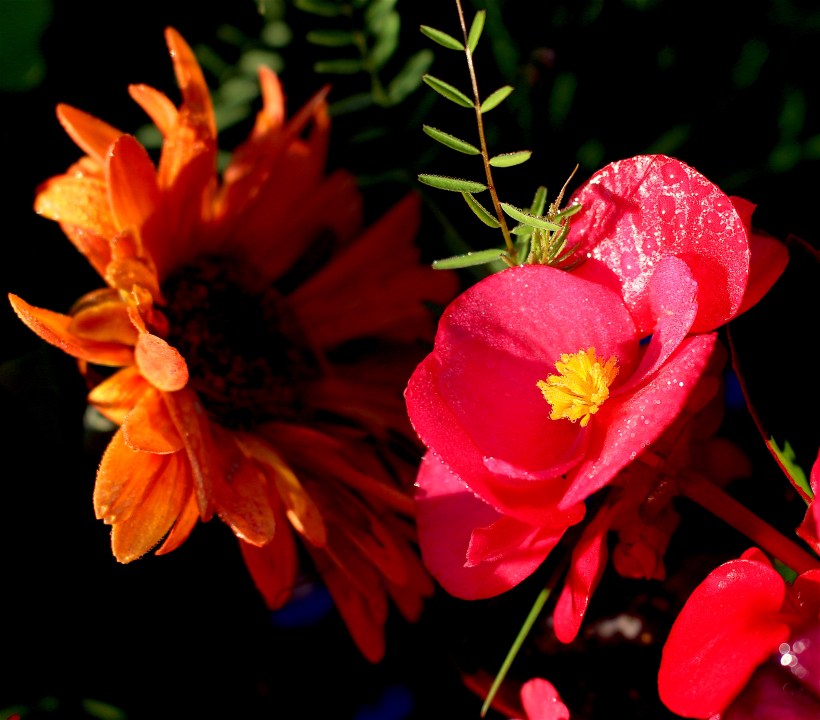
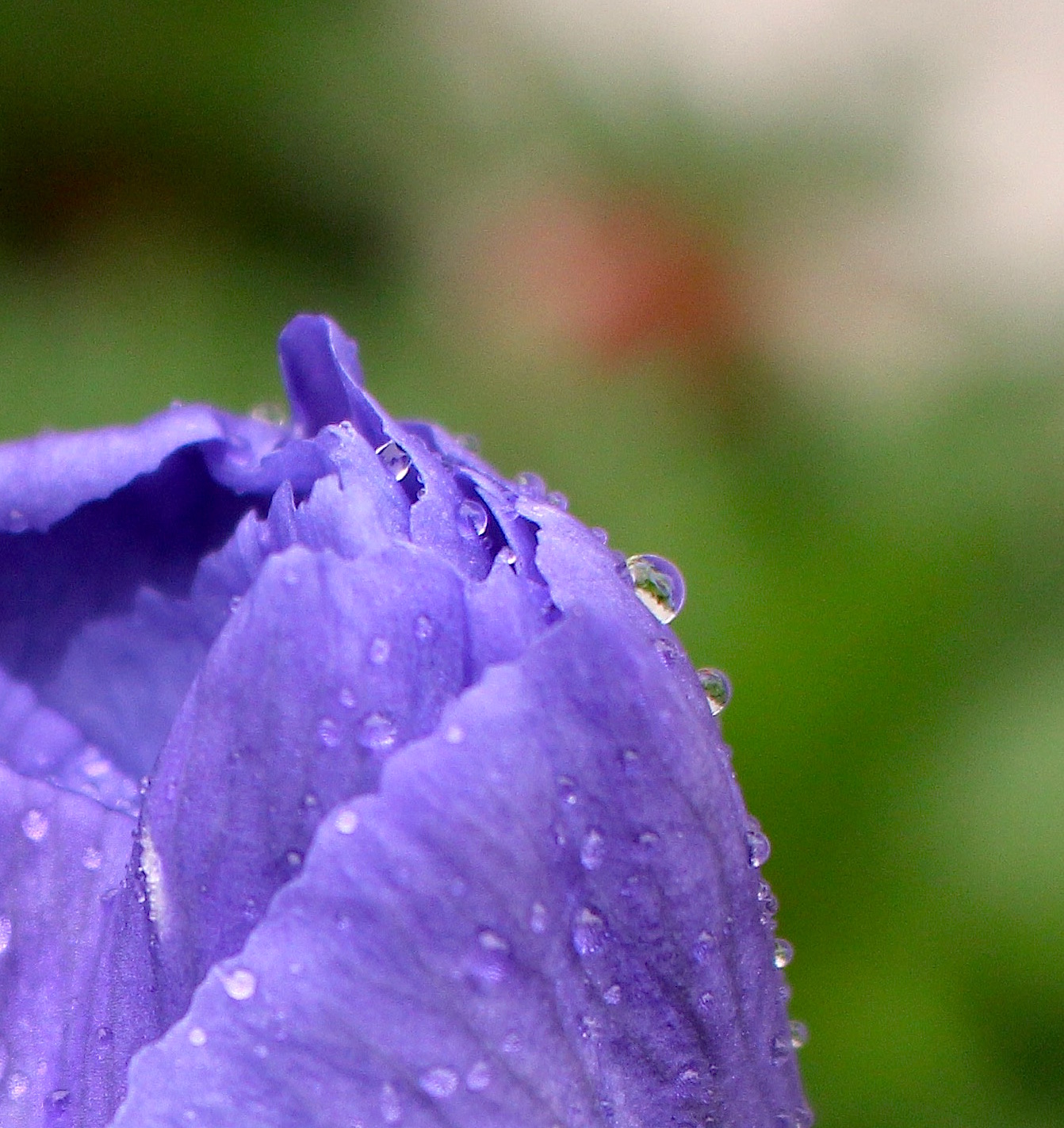
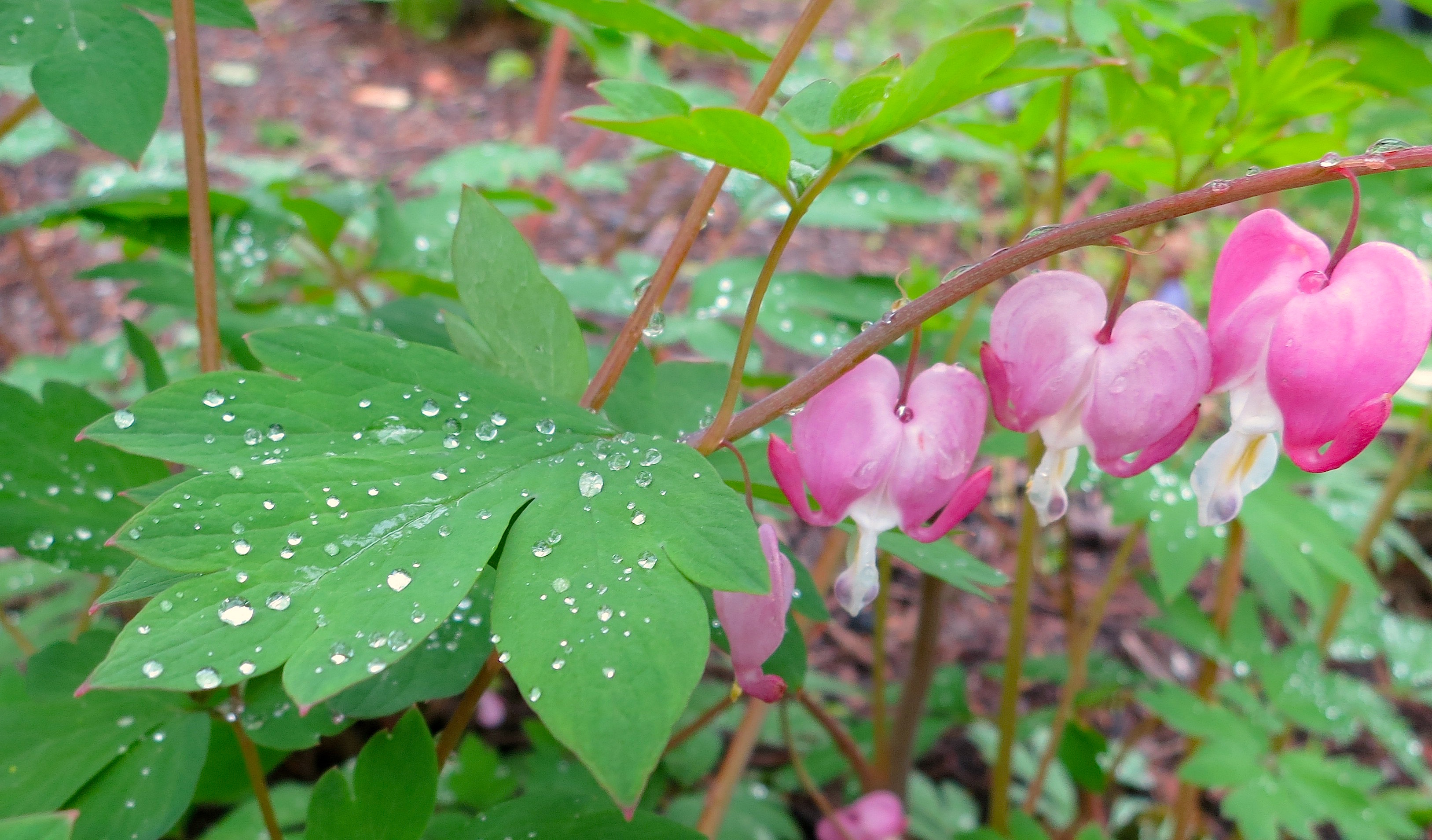
dewyblue
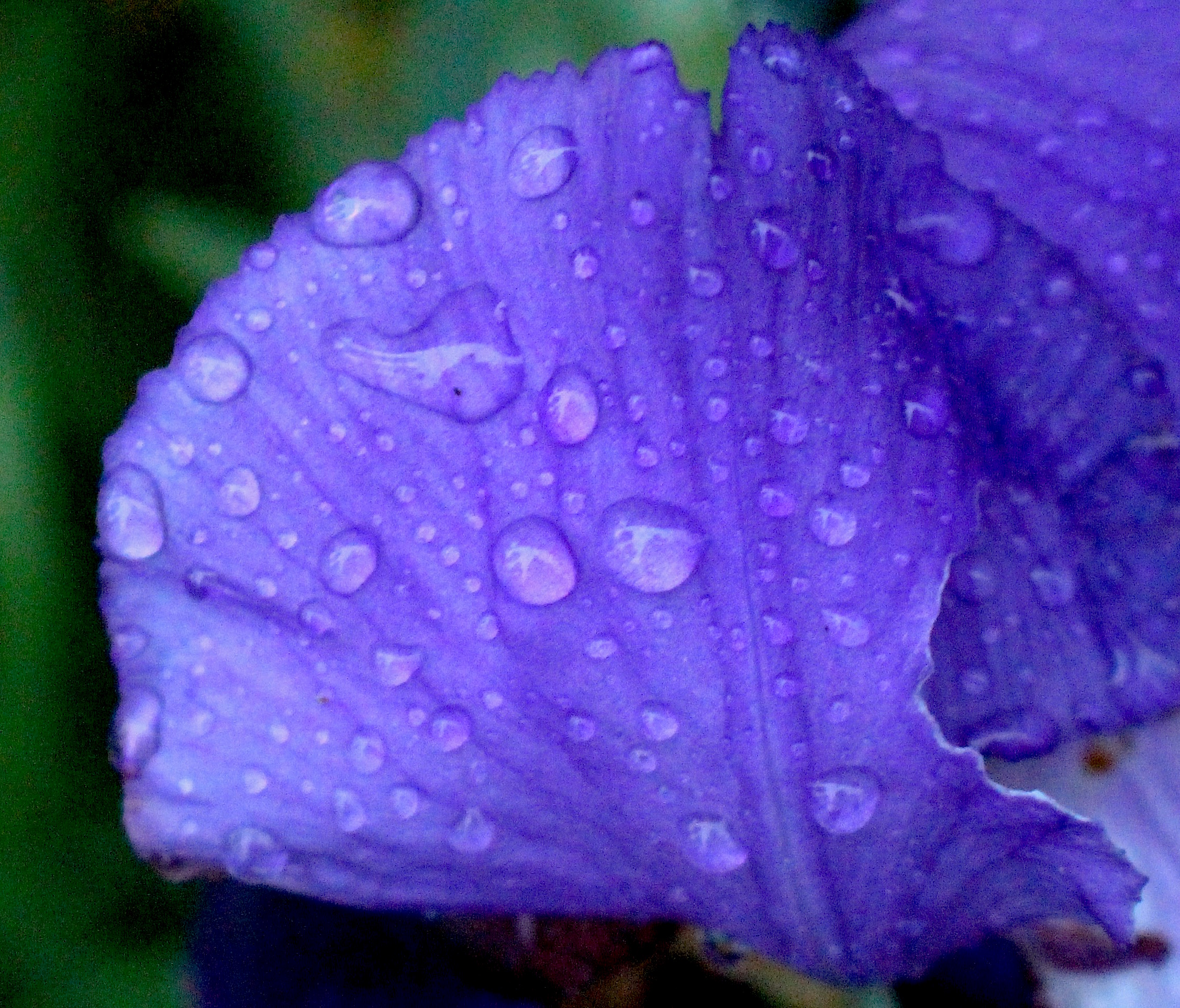
dewyflowers
 There is a treasure in the earth
that is a food tasty and pleasing
to the Lord.
Be a gardener.
Dig and ditch,
toil and sweat,
and turn the earth upside down
and seek the deepness
and water the plants in time.
Continue this labor
and make sweet floods to run
and noble and abundant fruits
to spring.
Take this food and drink
and carry it to God
as your true worship.
~Julian of Norwich
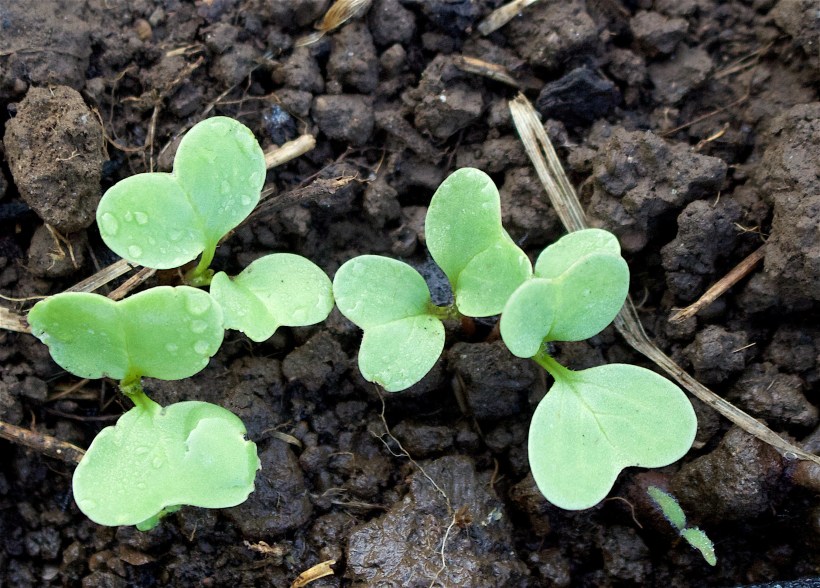
radish
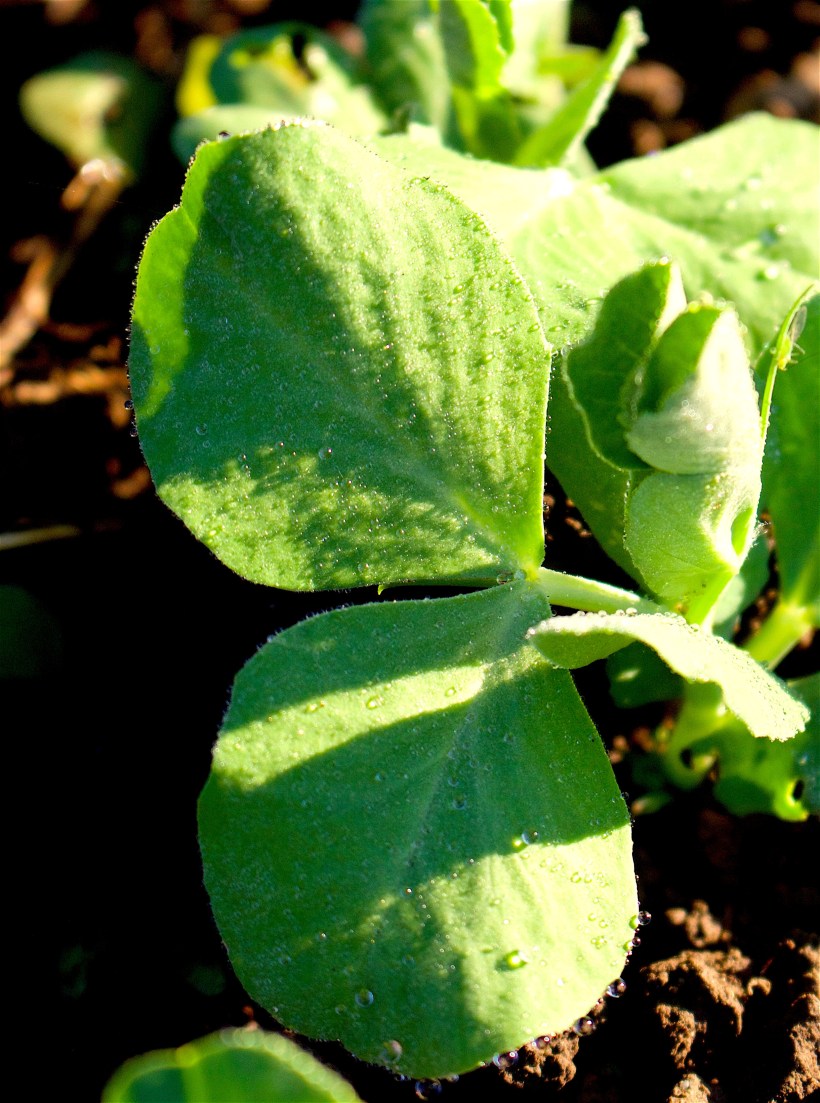
peasprout

In Summer, in a burst of summertime
Following falls and falls of rain,
When the air was sweet-and-sour of the flown fineflower of
Those goldnails and their gaylinks that hang along a lime;
~Gerard Manley Hopkins from “Cheery Beggar”

Sweet and sour extends far beyond a Chinese menu; it is the daily air we breathe.  Dichotomy is so much of our life and times,  more distinct than the bittersweet of simple pleasures laced with twinges and tears.

We are but cheery beggars in this world, desiring to hang tight to the overwhelming sweetness of each glorious moment — the startling sunrise, the lush green and golden blooms following spring showers, the warm hug of a compassionate word, the house filled with love and laughter.  But as beggars aren’t choosers, we can’t only have sweet alone;  we must endure the sour that comes as part of the package — the deepening dark of a sleepless night, the muddy muck of endless rain, the sting of a biting critique, the loneliness of an home emptying and much too quiet.

So we slog through sour to revel some day, even more so, in sweet.  Months of manure-permeated air is overcome one miraculous morning by the unexpected and undeserved fragrance of apple and pear blossoms, so sweet, so pure, so full of promise of the fruit to come.  The manure makes the sweet sweeter and once again the earth turns upside down.

And we breathe in deeply, content and grateful for a moment of grace and bliss, wanting to hold it in the depths of our lungs forever.

wwupinks

herboctober
summertable2

A Plethora of Worminess

If even the moon is not bright
    and the stars are not pure in his eyes,
how much less a mortal, who is but a maggot—
    a human being, who is only a worm!” Job 25:5-6


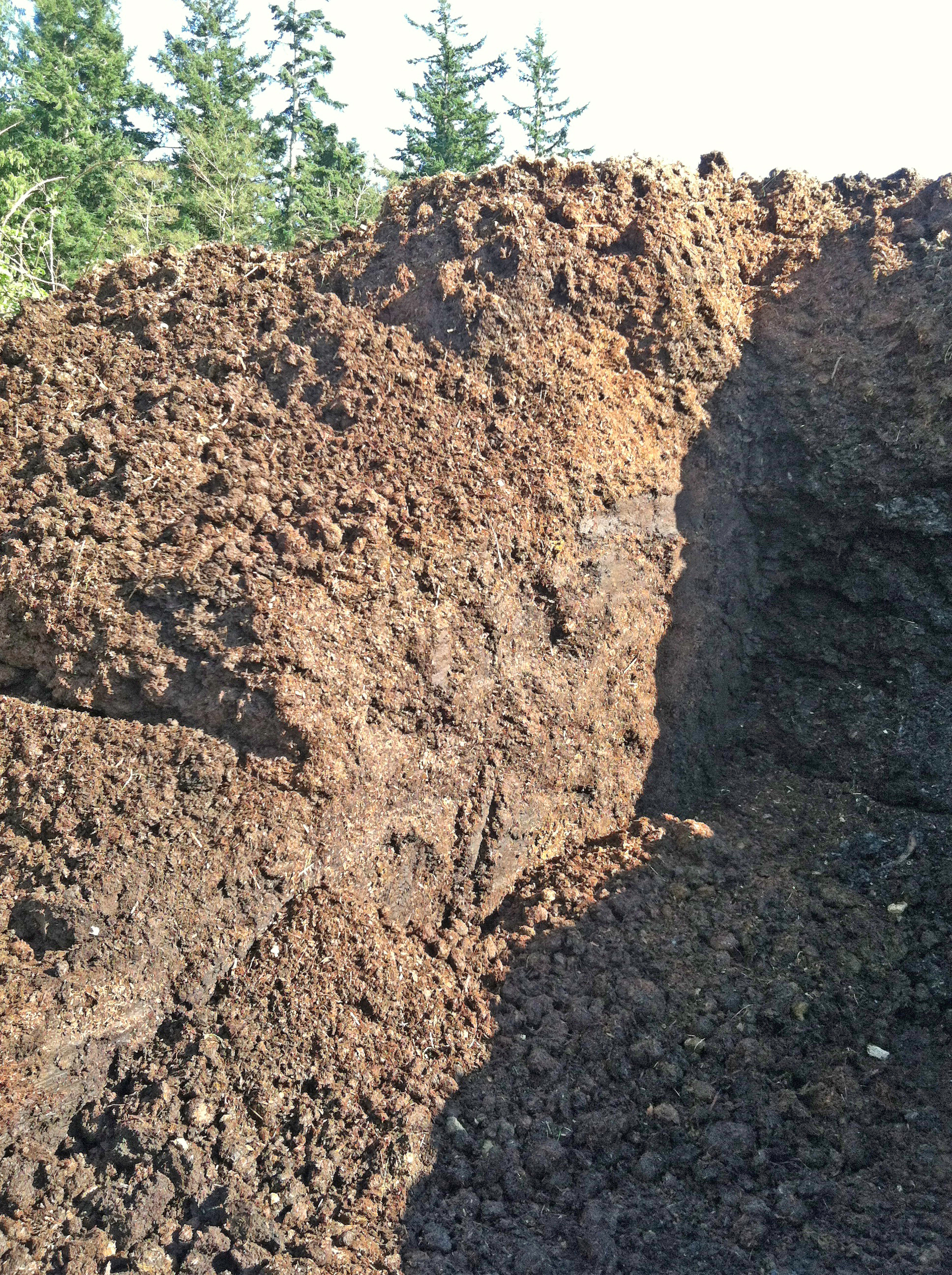
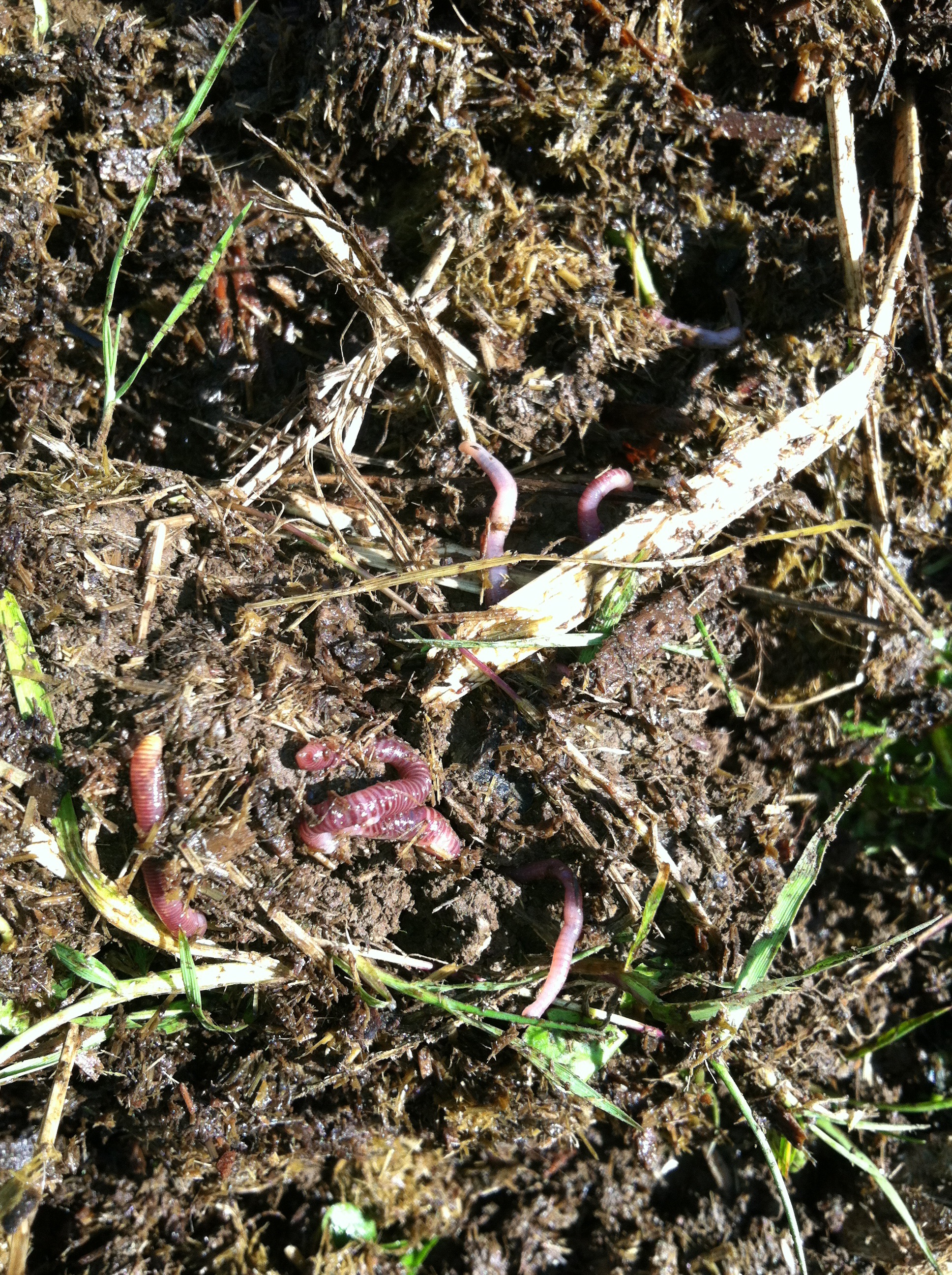
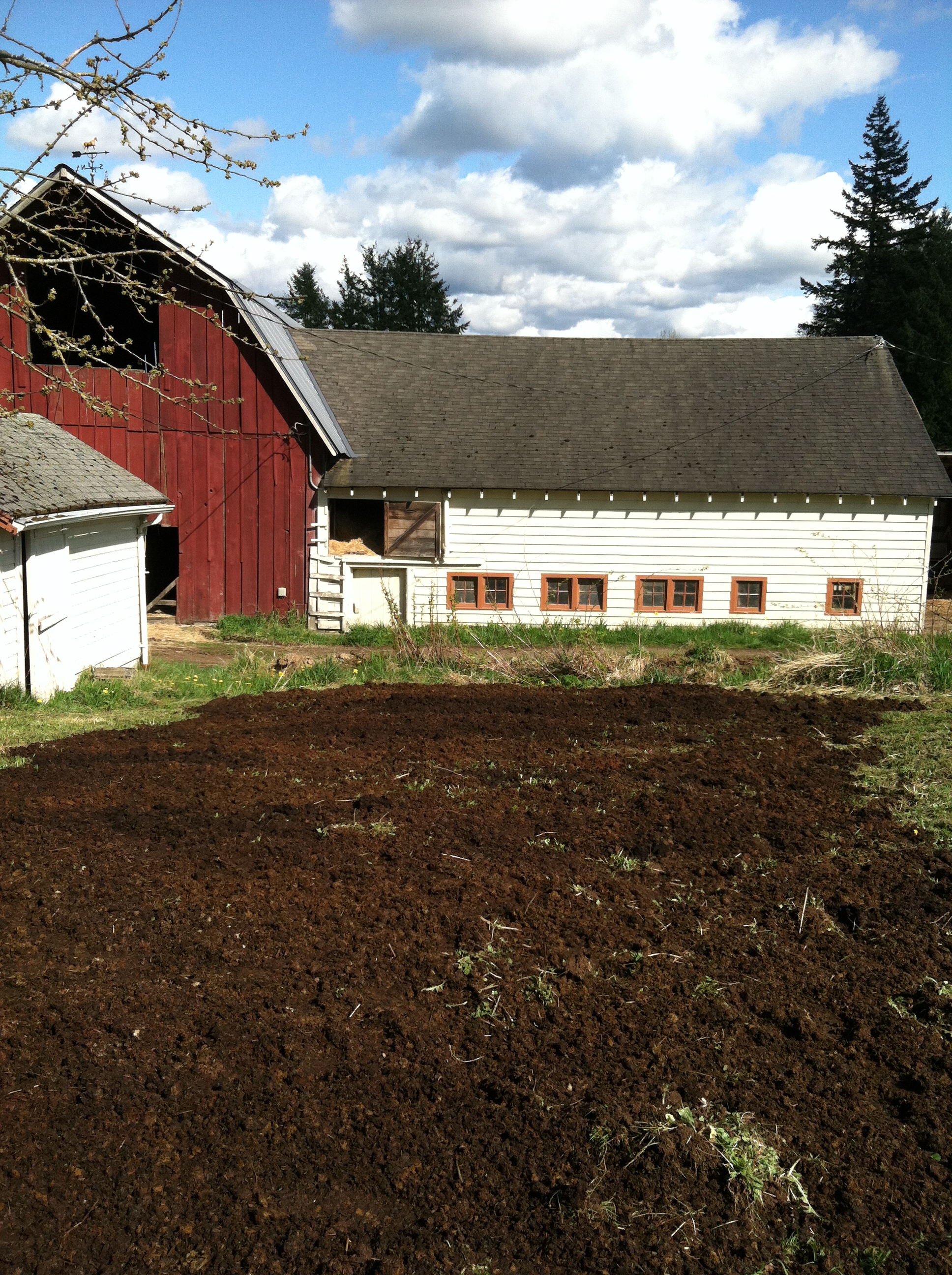
A sunny spring day lured us outside for yard and garden prep for the anticipated grass and weed explosion in a few short weeks. We’ve been carefully composting horse manure for years behind the barn, and it was time to dig in to the 10 foot tall pile to spread it on our garden plots. As Dan pushed the tractor’s front loader into the pile, steam rose from its compost innards. As the rich soil was scooped, thousands of newly exposed red wiggler worms immediately dove for cover. Within seconds, thousands of naked little creatures had, well, …wormed their way back into the security of warm dirt, rudely interrupted from their routine. I can’t say I blamed them.

Hundreds of thousands of wigglers ended up being forced to adapt to new quarters, leaving the security of the manure mountain behind. As I smoothed the topping of compost over the garden plot, the worms–gracious creatures that they are–tolerated being rolled and raked and lifted and turned over, waving their little bodies expectantly in the cool air before slipping back down into the dark. There they will begin their work of digesting and aerating the tired soil of the garden, reproducing in their unique hermaphroditic way, leaving voluminous castings behind to further feed the seedlings to be planted.

Worms are unjustly denigrated by humans primarily because we don’t like to be surprised by them. We don’t like to see one in our food, especially only part of one, and are particularly distressed to see them after we’ve digested our food. Once we get past that bit of squeamishness, we can greatly appreciate their role as the ultimate recyclers, leaving the earth a lot better off once they are finished with their work. We humans actually suffer by comparison, so to be called “a worm” is really not as bad as it sounds at first. The worm may be offended by the association.
I hope to prove a worthy innkeeper for these new tenants.
May they live long and prosper.
May the worm forgive my rake and shovel.
May I smile appreciatively the next time someone calls me a mere worm.

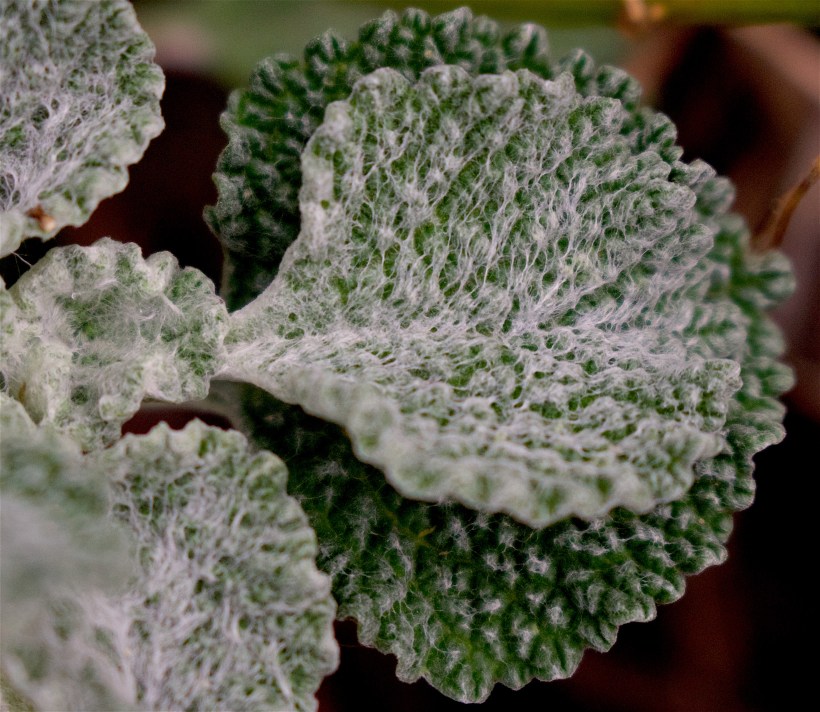
Rhubarb Wrinkles

madrhubarb

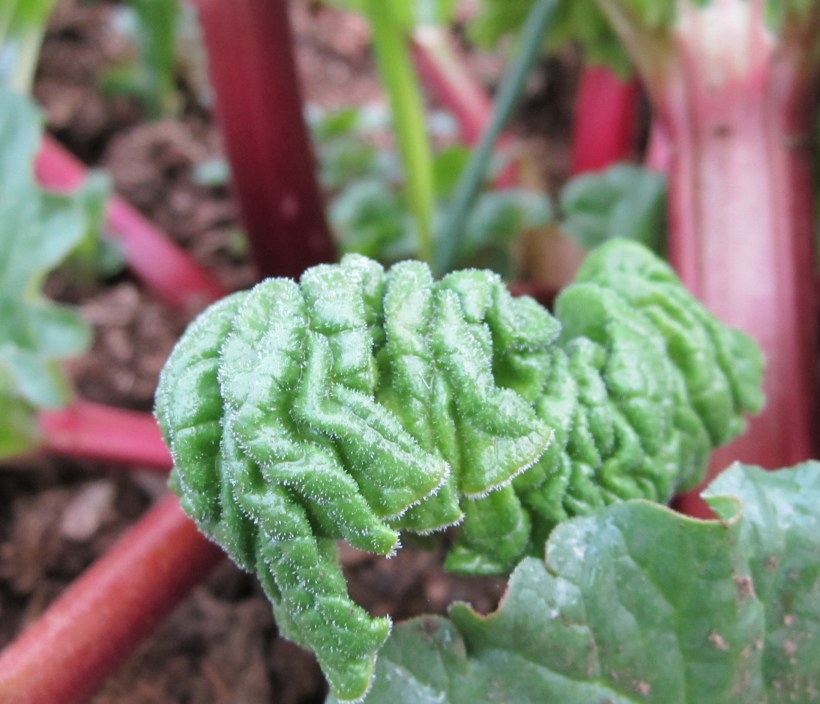
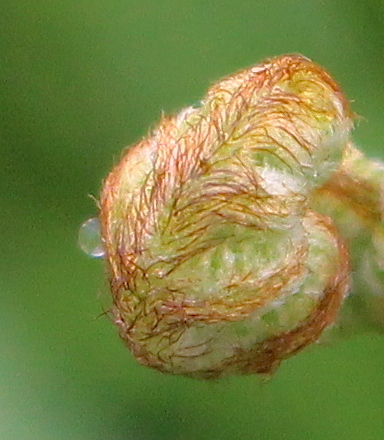
Like a mad red brain
the involute rhubarb leaf
thinks its way up
through loam.
~Jane Kenyon from “April Chores”

Over the last few weeks, our garden is slowly reviving, and rhubarb “brains” have been among the first to appear from the garden soil, wrinkled and folded, opening full of potential, “thinking” their way into the April sunlight.

Here I am, wishing my own brain could similarly rise brand new and tender every spring from the dust rather than leathery and weather-toughened, harboring the same old thoughts and patterns.

Indeed, more wrinkles seem to be accumulating on the outside of my skull rather than the inside.

Still, I’m encouraged by my rhubarb cousin’s return every April.  Not unlike me, it may be a little sour necessitating some sweetening, but its blood courses bright red and it is very very much alive.

Bean Snapping

beans

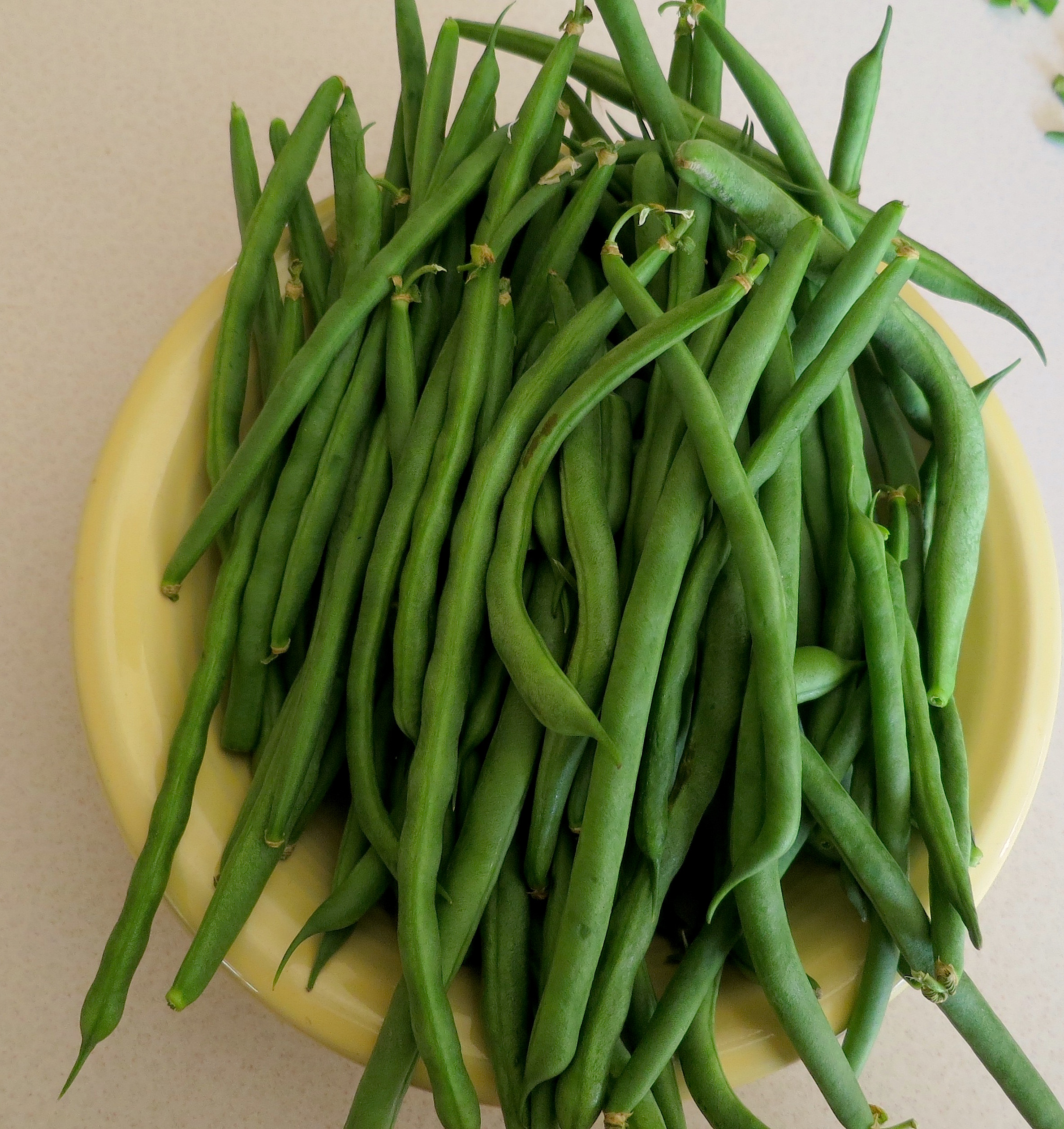
It’s that bean-snapping time of year again — preparing them fresh-picked for blanching and freezing, with visions of winter-time green bean casserole dancing in my head.

Bean snapping is a quintessential front porch American Gothic kind of activity.  Old black and white Saturday matinee movies would somehow work in a bean snapping scene with an old maid aunt sitting on her ranch house porch.  She’d be rocking back and forth in her rocking chair, her apron wrinkled and well-worn, her graying hair in a bun at the nape of her neck and wearily pushing back tendrils of hair from her face. As the sole guardian, she’d be counseling some lonely orphaned niece or nephew about life’s rough roads and why their dog or pony had just died and then pausing for a moment holding a bean in her hand, she’d talk about how to cope when things are tough. She was the rock for this child’s life.  Then she’d rather gruffly shove a bowl of unsnapped beans into the child’s lap, and tell them to get back to work– life goes on –start snapping. Then she’d look at that precious child out of the corner of her eye, betraying the love and compassion that dwells in her heart but was not in her nature to speak of.  If only that grieving child understood they sat upon a rock of strength and hope.

Just as I sat with my mother snapping beans some 50+ years ago and talked about some difficult things that were unique to the 60′s,  I too have sat snapping beans together with our children, talking about  hopes and disappointments and fears, listening to them grumble that I was making them do something so utterly trivial when from their perspective, there were far more important things to be doing. My response has been a loving and gruff “keep snapping”.  Of course we really don’t have to snap the beans, as they could be frozen whole, but they pack tighter snapped, and it is simply tradition to do so.  We enjoy that crisp satisfying crack of a perfectly bisected bean broken by hand–no need for knife to cut off the top and tail.    We prepare for a coming winter by putting away the vegetables we have sowed and weeded and watered and cared for, because life will go on and eating the harvest of our own soil and toil is sweet.

We must do this. Indeed it is all we can do when the world is tumbling down around us.

Truthfully, though no one wants to eat a rubbery bean, there are times I wish I would be more rubbery like a bean that won’t break automatically and is more resilient.  I have a psychiatrist colleague who I’ve worked with for years who counsels “be like a willow — learn to bend under pressure.”

There is an old Shaker Hymn that I learned long ago and sing to myself when I need to be reminded where I too must end up when I’m at the breaking point.

I will bow and be simple,
I will bow and be free,
I will bow and be humble,
Yea, bow like the willow tree.

I will bow, this is the token,
I will wear the easy yoke,
I will bow and will be broken,
Yea, I'll fall upon the rock.

As people of resilient faith we seek to wear the yoke we’ve been given to pull, bow in humility under its burden and know the freedom that comes with service to others.  Even in the midst of the most horrific brokenness, we fall upon the rock bearing us up with love and compassion.

It is there under us and we’ve done nothing whatsoever to earn it.

Time for us to get back to work and resume snapping–life does go on.

(a Barnstorming reblog)

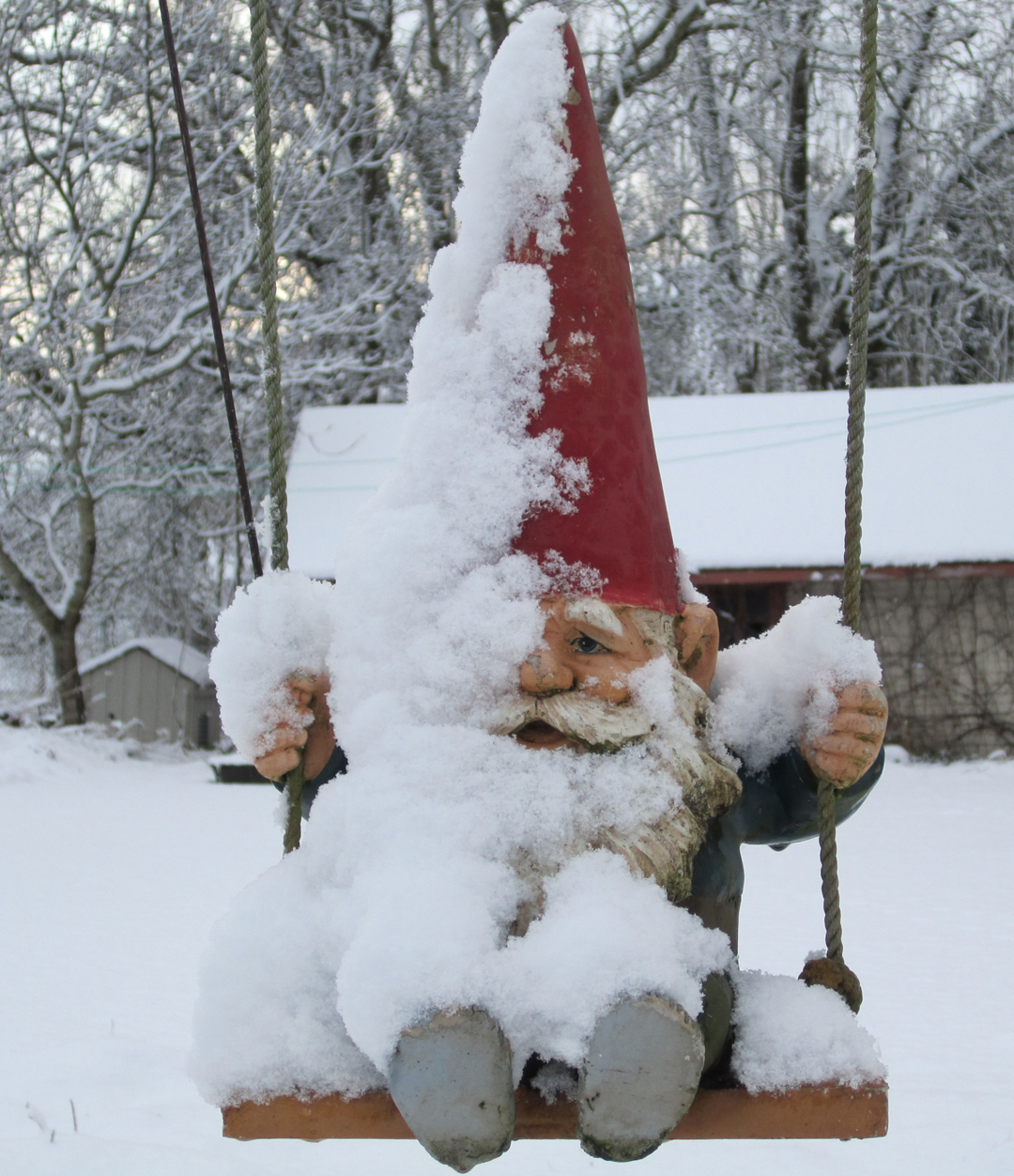
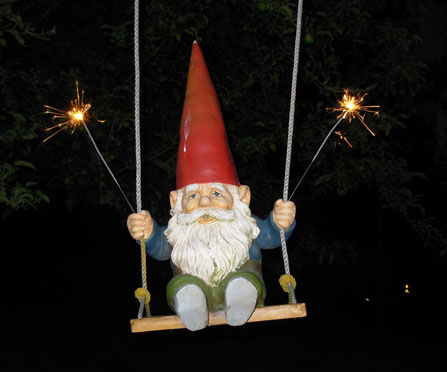
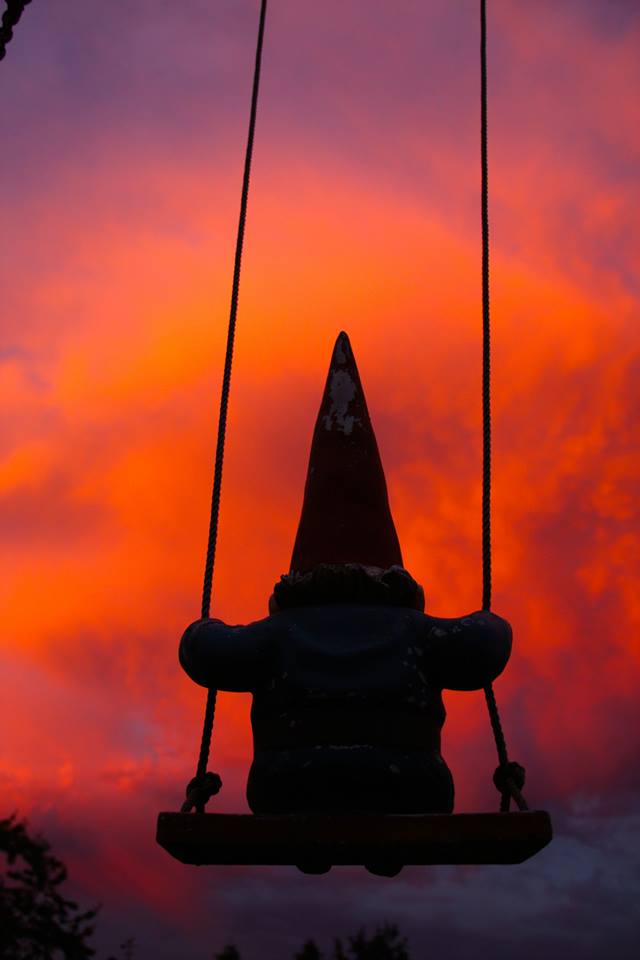
Infestation of Gernumbli gardensi

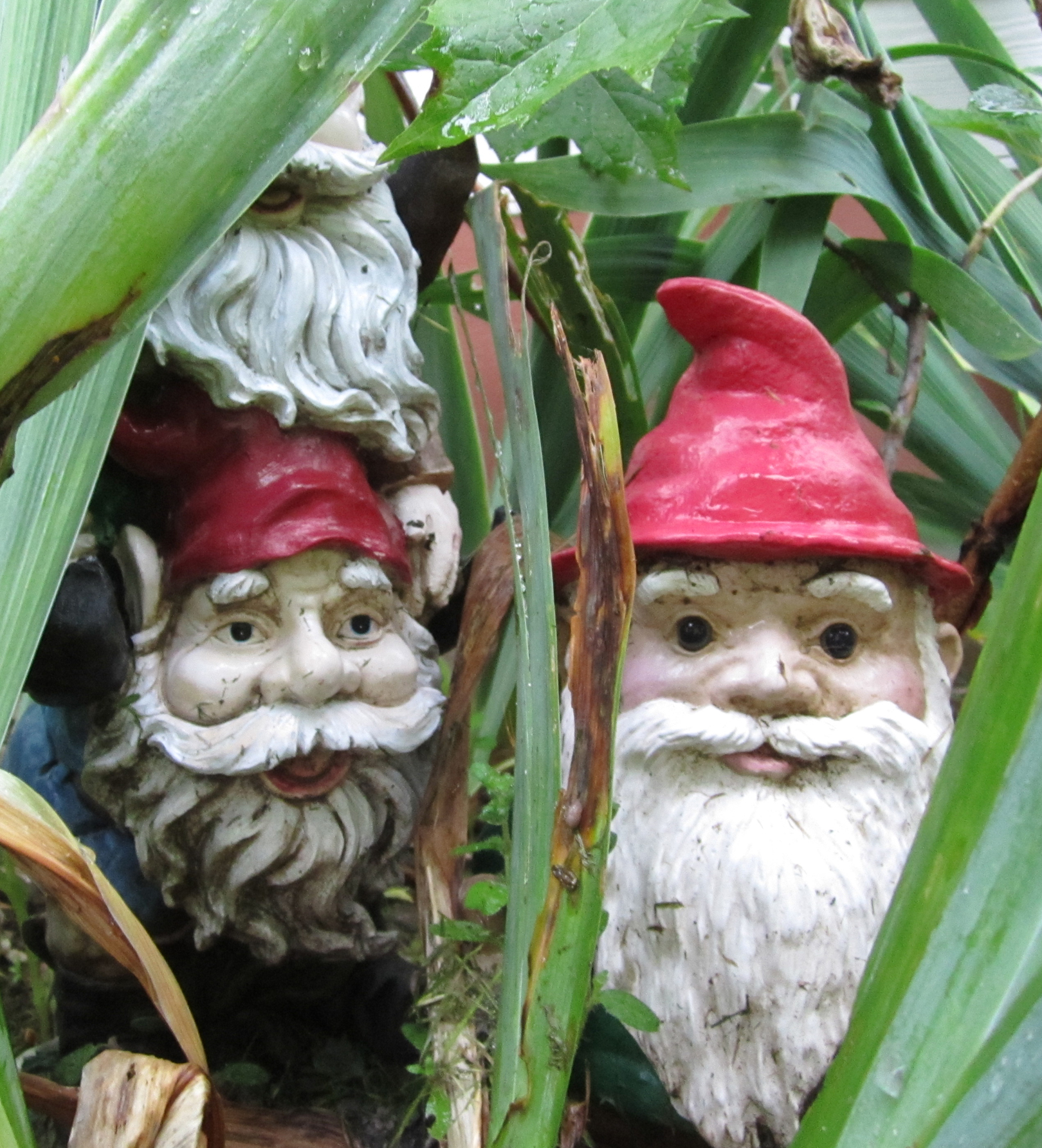
She lingered in that charming little garden to say hello to the gnomes, such a glorious infestation!
How few wizards realize just how much we can learn from the wise little gnomes-or, to give them their correct names, the Gernumbli gardensi.
‘Ours do know a lot of excellent swear words,’ said Ron…
J.K. Rowling in Harry Potter and the Deathly Hallows


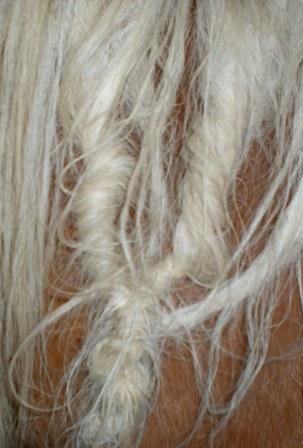
It is hard to say exactly when the first one moved in.  This farm was distinctly gnome-less when we bought it, largely due to twenty-seven hungry barn cats residing here at the time,  in various stages of pregnancy, growth, development and aging.  It took awhile for the feline numbers to whittle down to an equilibrium that matched the rodent population.  In the mean time,  our horse numbers increased from three to seven to over fifteen with a resultant exponential increase in barn chores.   One spring over a decade ago,  I was surprised to walk in the barn one morning to find numerous complex knots tied in the Haflingers’ manes.  Puzzling as I took precious time to undo them, literally adding hours to my chores, I knew I needed to find the cause or culprit.

It took some research to determine the probable origin of these tight tangles.  Based on everything I read, they appeared to be the work of Gernumbli faenilesi, a usually transient species of gnome preferring to live in barns and haylofts in close proximity to heavy maned ponies.  In this case, as the tangles persisted for months, they clearly had moved in, lock, stock and barrel.   The complicated knots were their signature pride and joy, their artistic way of showing their devotion to a happy farm.

All well and good,  but the extra work was killing my fingers and thinning my horses’ hair.  I plotted ways to get them to cease and desist.

I set live traps of cheese and peanut butter cracker sandwiches, hoping to lure them into cages for a “catch and release”. Hoping to drive them away, I played polka music on the radio in the barn at night.  Hoping to be preemptive, I braided the manes up to be less tempting but even those got twisted and jumbled.  Just as I was becoming ever more desperate and about to round up more feral cats, the tangling stopped.

It appeared the gnomes had moved on to a more hospitable habitat.   I had succeeded in my gnome eradication plan.  Or so I thought.

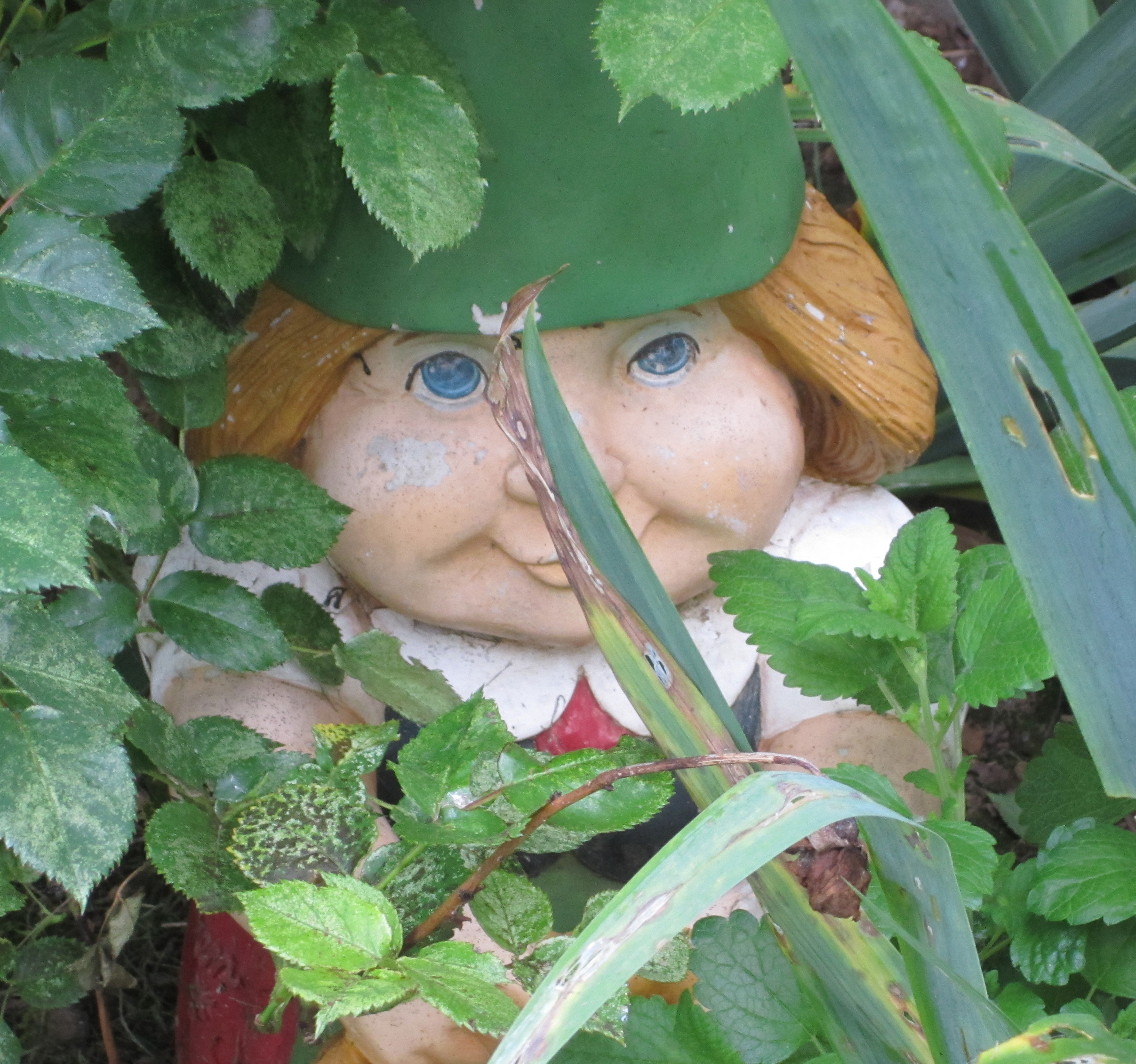
Not long after, I had the distinct feeling of being watched as I walked past some rose bushes in the yard.  I stopped to take a look, expecting to spy the shining eyes of one of the pesky raccoons that frequents our yard to steal from the cats’ food dish.  Instead, beneath the thorny foliage, I saw two round blue eyes peering at me serenely.   This little gal was not at all intimidated by me, and made no move to escape.   She was an ideal example of Gernumbli gardensi, a garden gnome known for their ability to keep varmints and vermin away from plants and flowers.  They also happen to actively feud with Gernumbli Faenilesi so that explained the sudden disappearance of my little knot-tying pests in the barn.

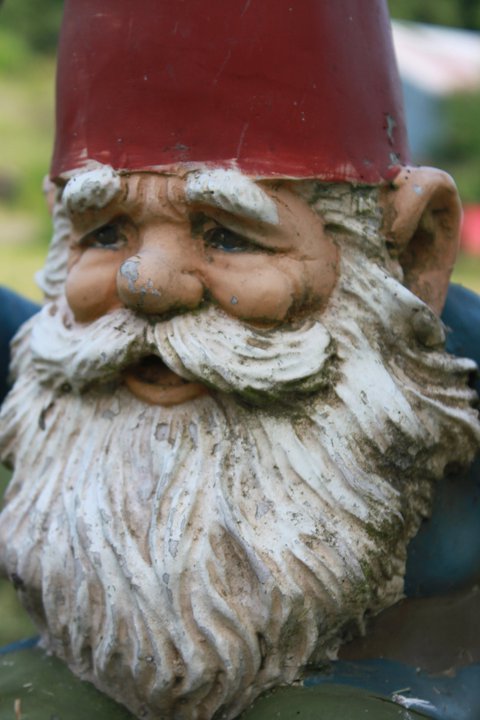
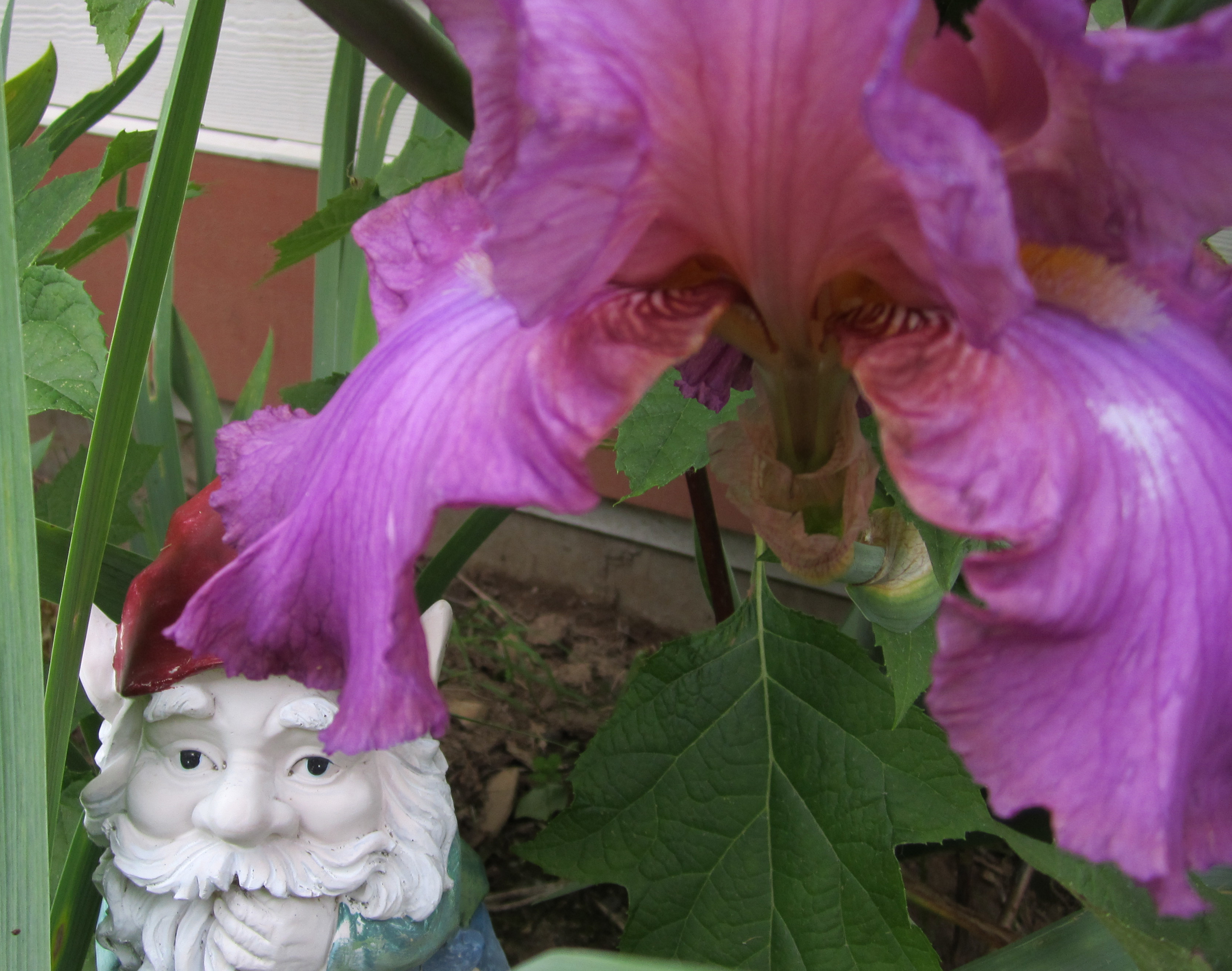
It wasn’t long before more Gardensi moved in, a gnomey infestation.  They tended to arrive in pairs and bunches, liked to play music, smoked pipes, played on a teeter totter, worked with garden tools, took naps on sun-warmed rocks and one even preferred a swing.  They are a bit of a rowdy bunch but I enjoy their happy presence and jovial demeanor.   I haven’t yet heard any bad language as we have a “keep it clean” policy about bad words around here.  They seem quite hardy, stoically withstand extremes in weather, and only seem fearful when hornets build a nest right in their lap.


As long as they continue to coexist peaceably with us and each other, keep the varmints and their knot tying cousins away,  and avoid bad habits and swear words, I’m quite happy they are here.   Actually, I’ve given them the run of the place.  I’ve been told to be cautious as there are now news reports of an even more invasive species of gnome,  Gernumbli kitschsi, that could move in and take over if I’m not careful.

I shudder to think.  There goes the neighborhood.

photo by Tomomi Gibson

An Impossible Blossom

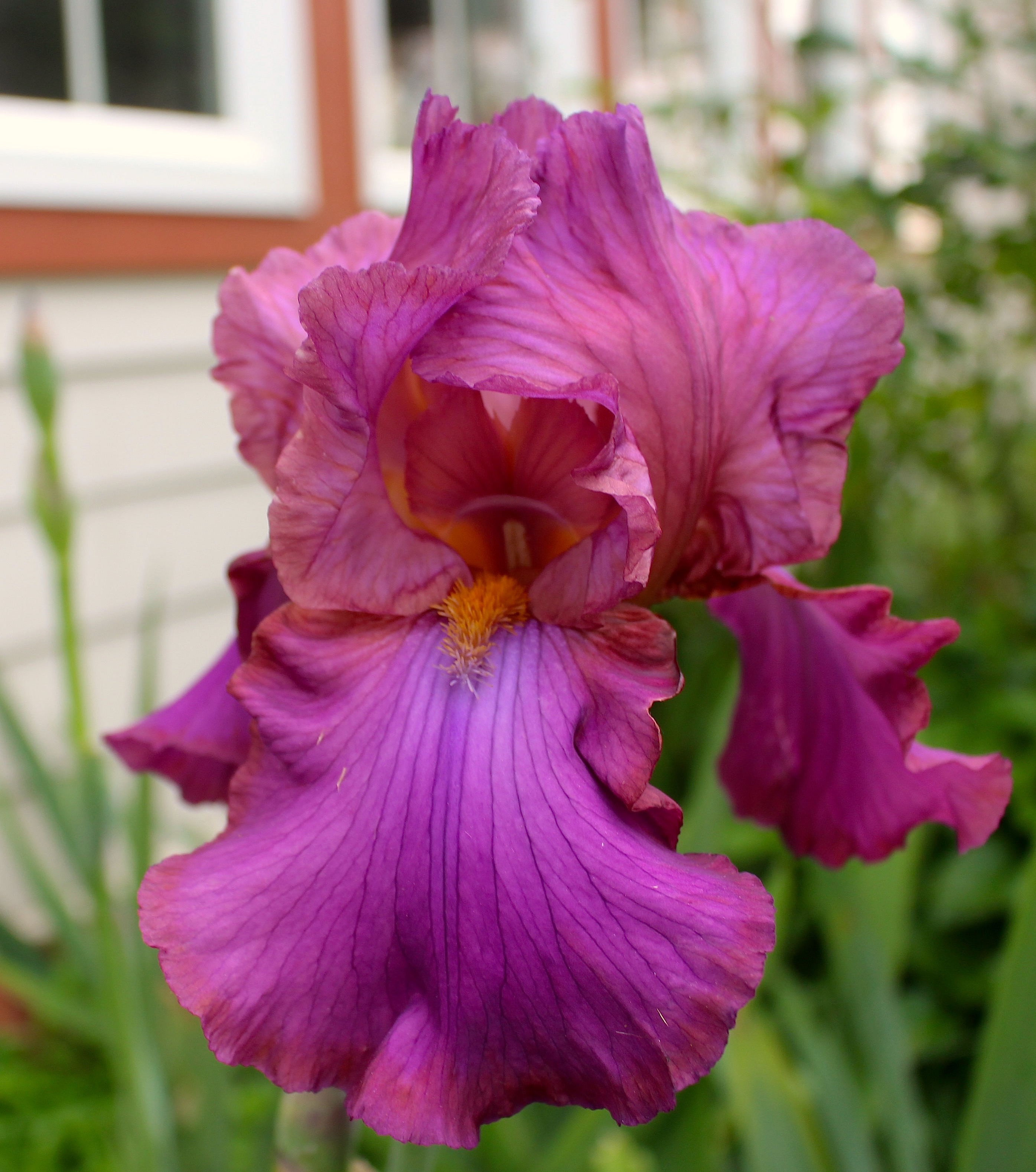
iristhroat

tunnel3

iris514152

tunnel2

irisbeard

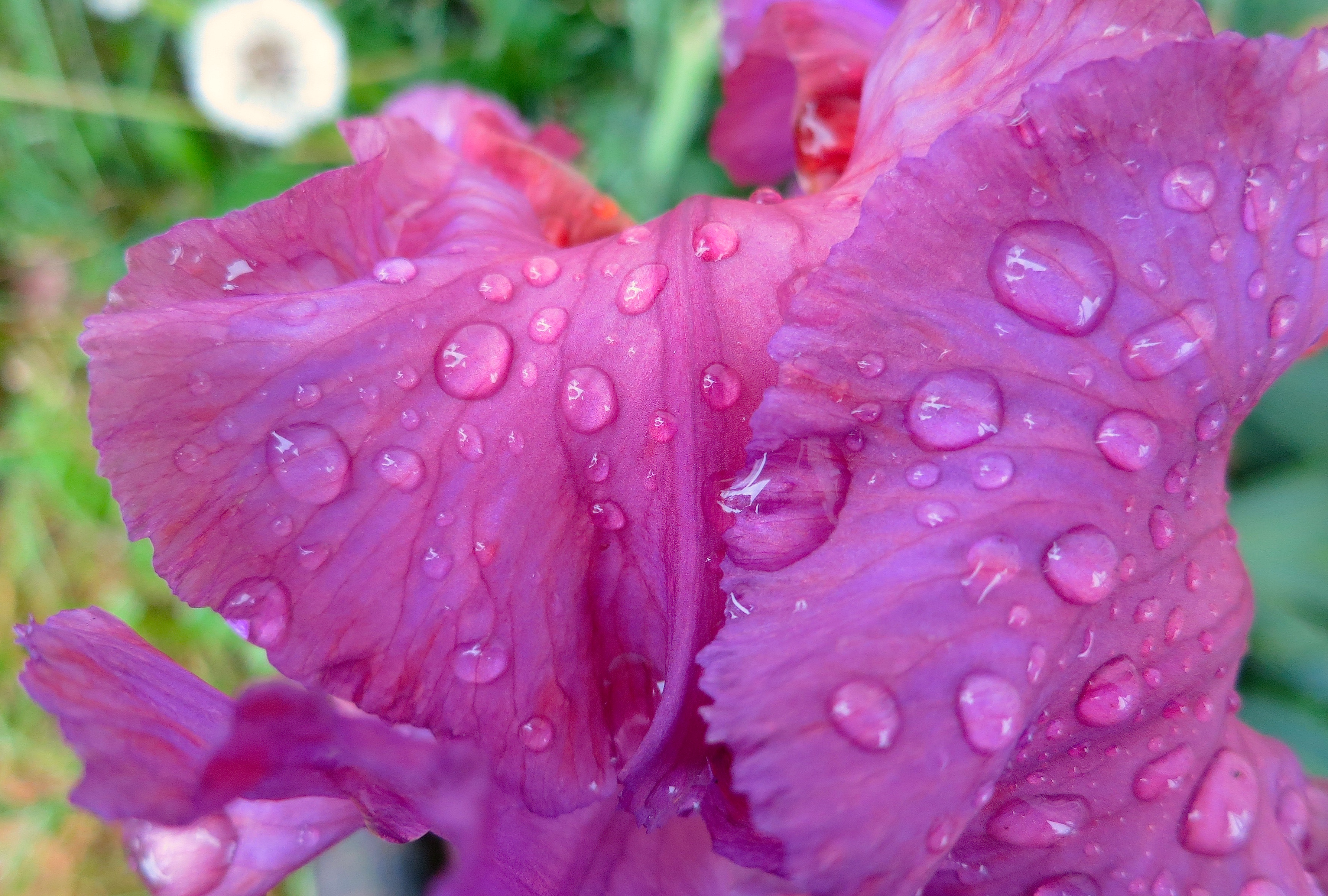
irisrain513158

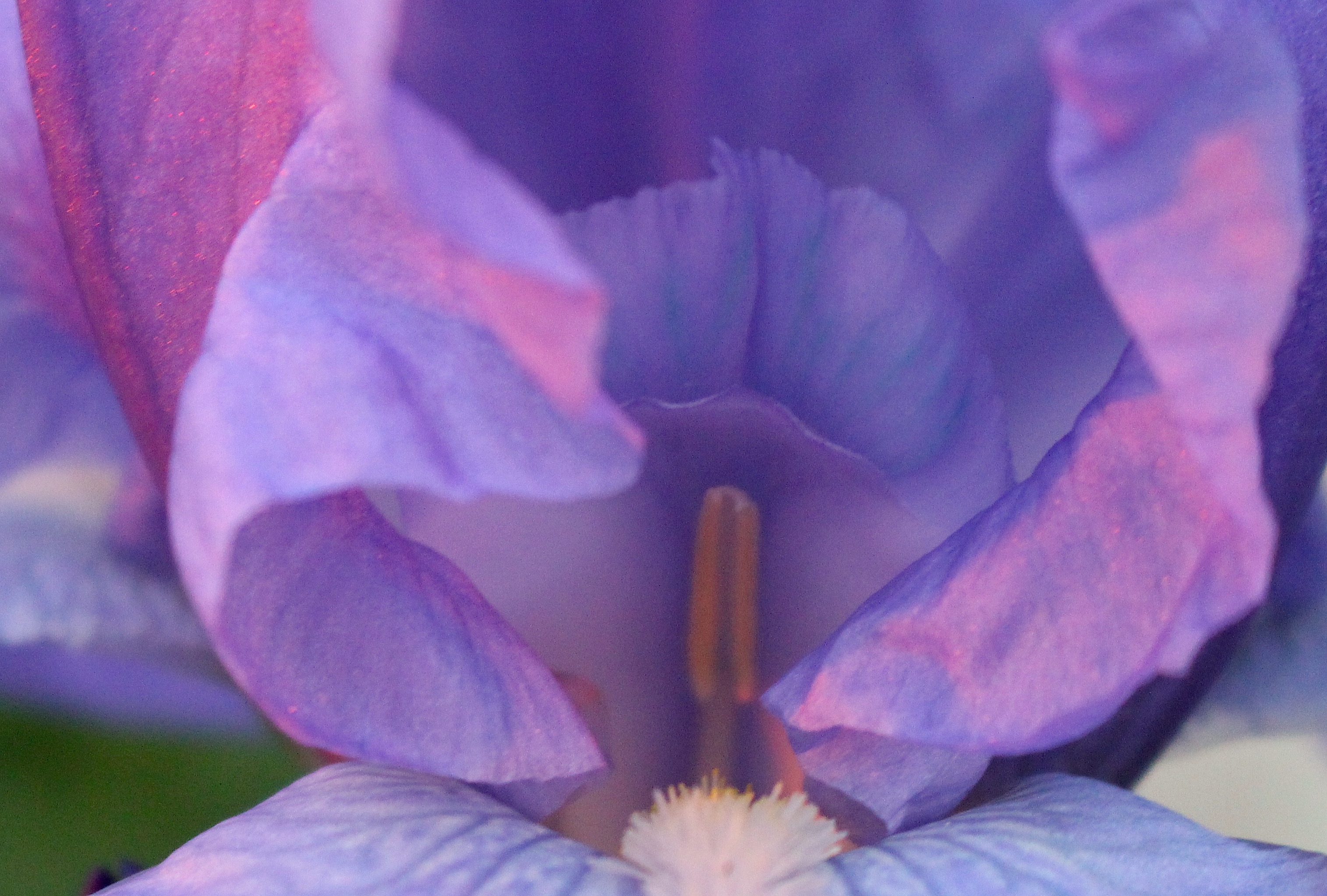
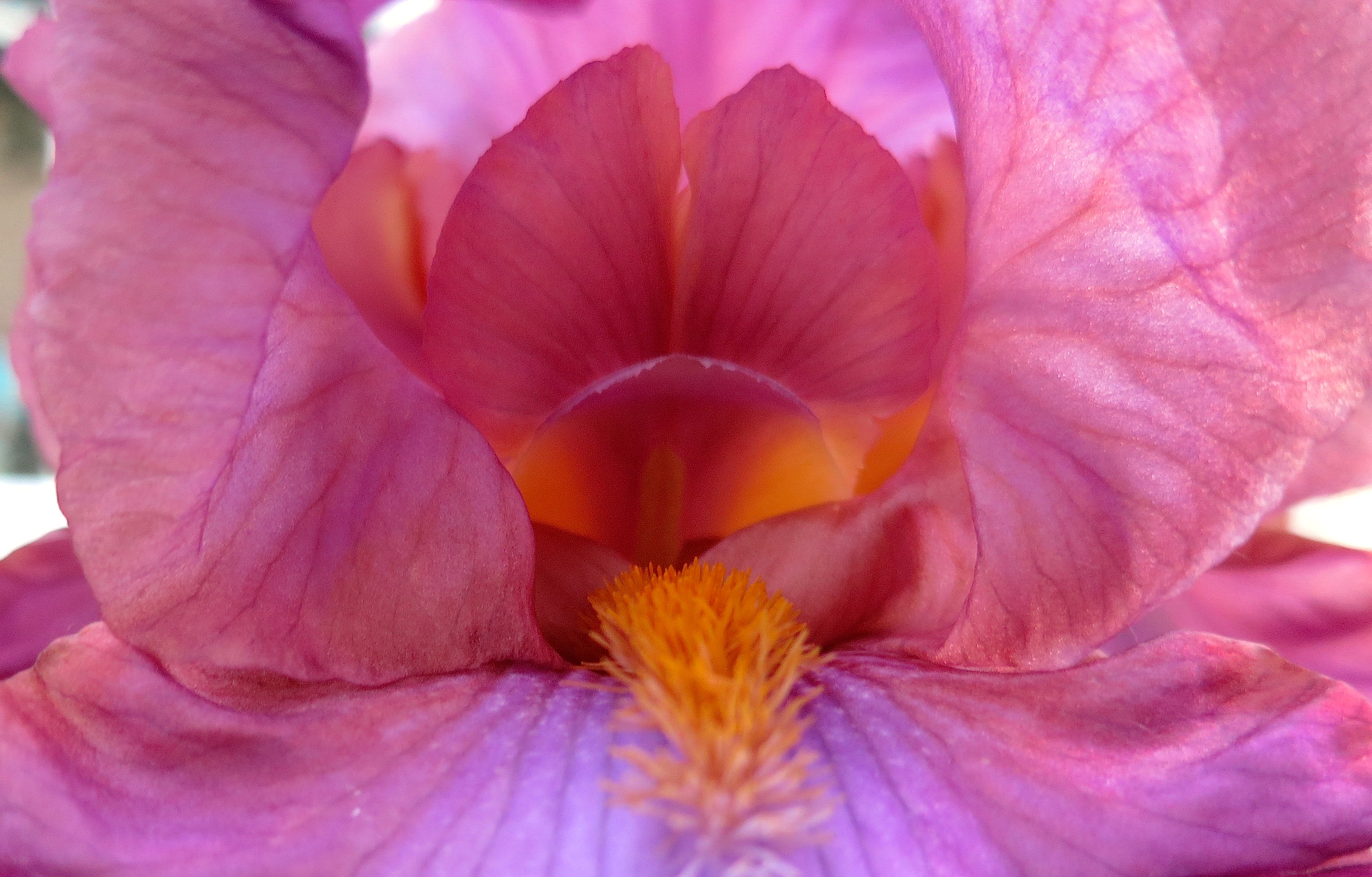
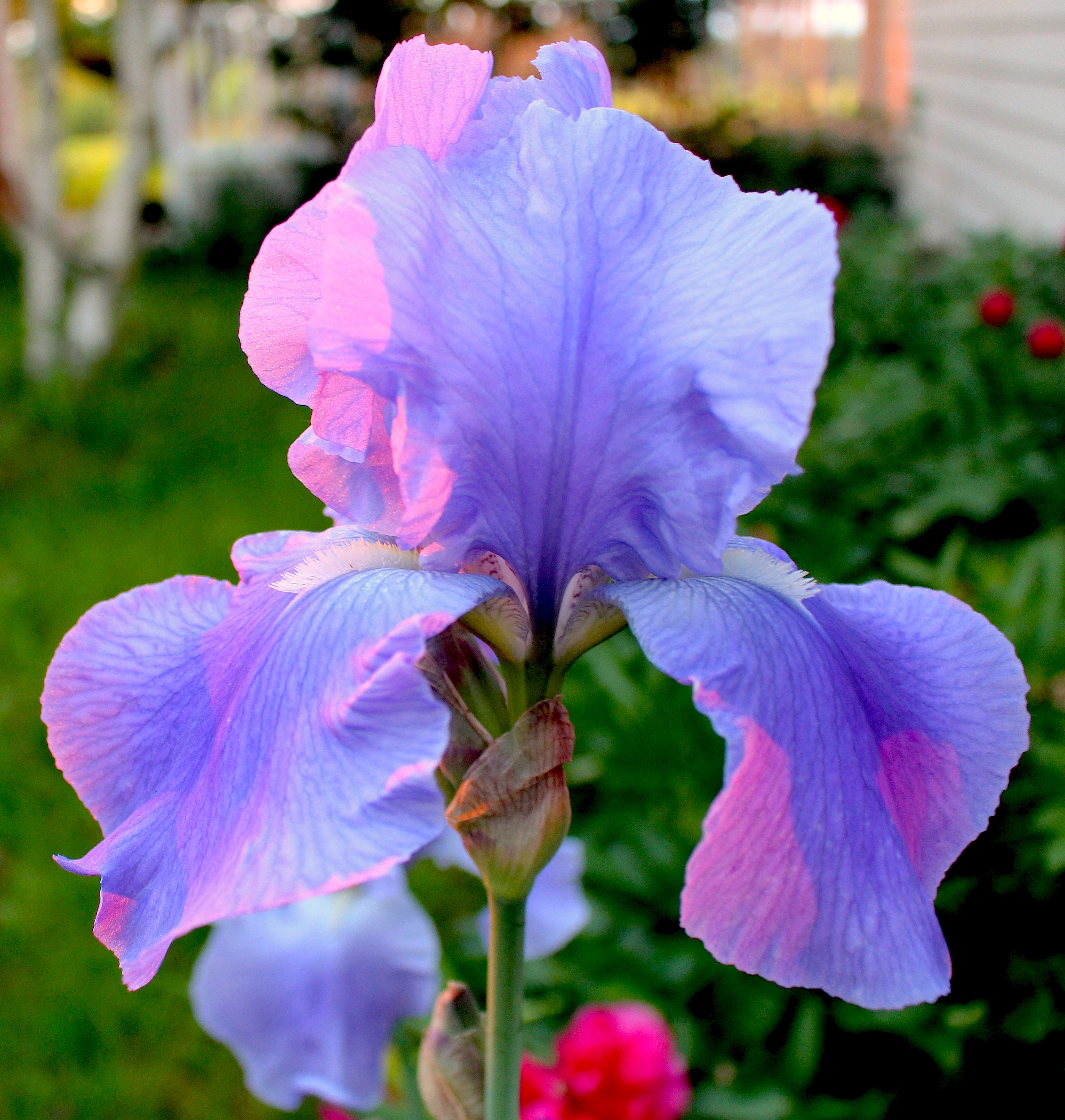
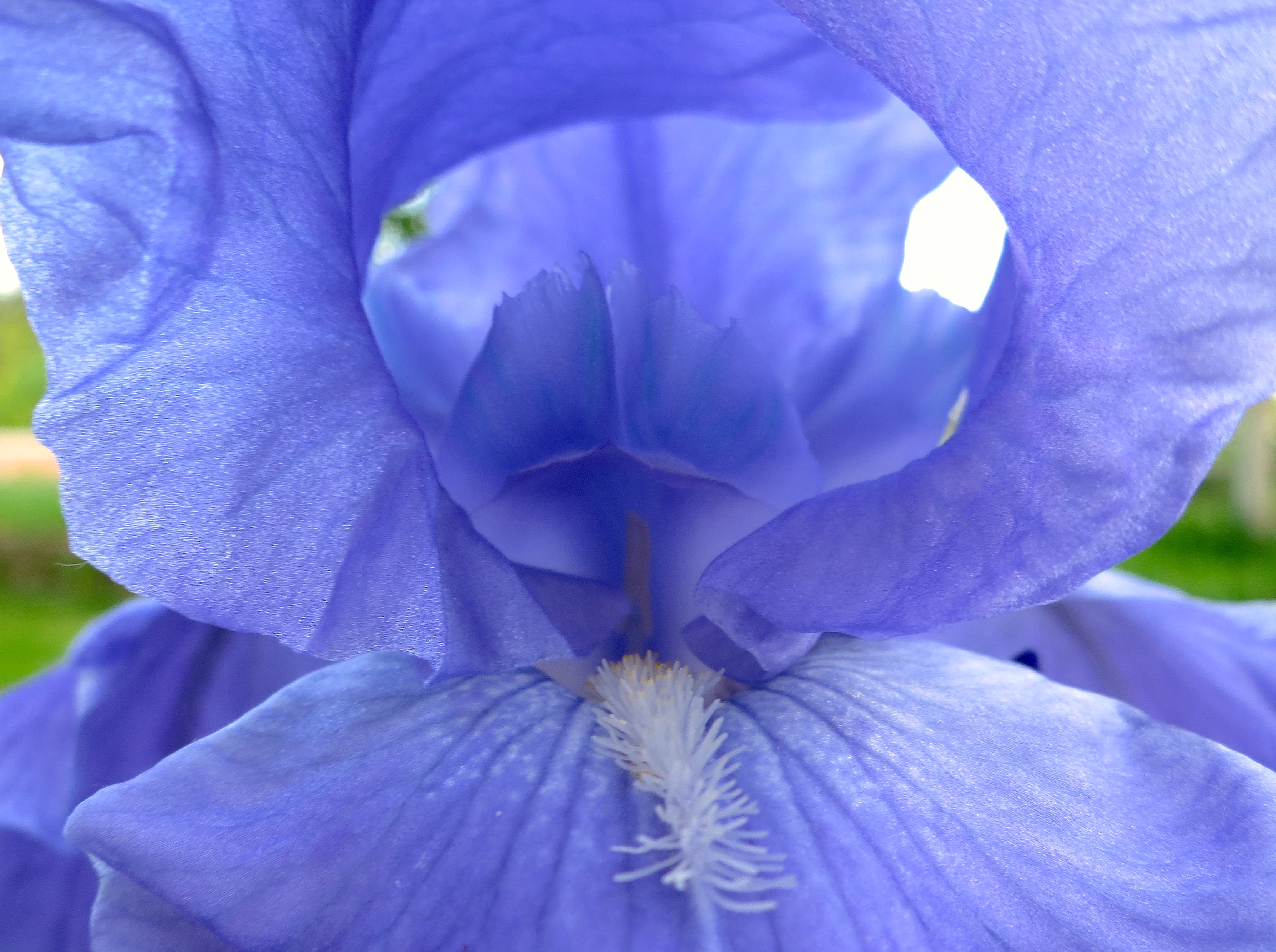
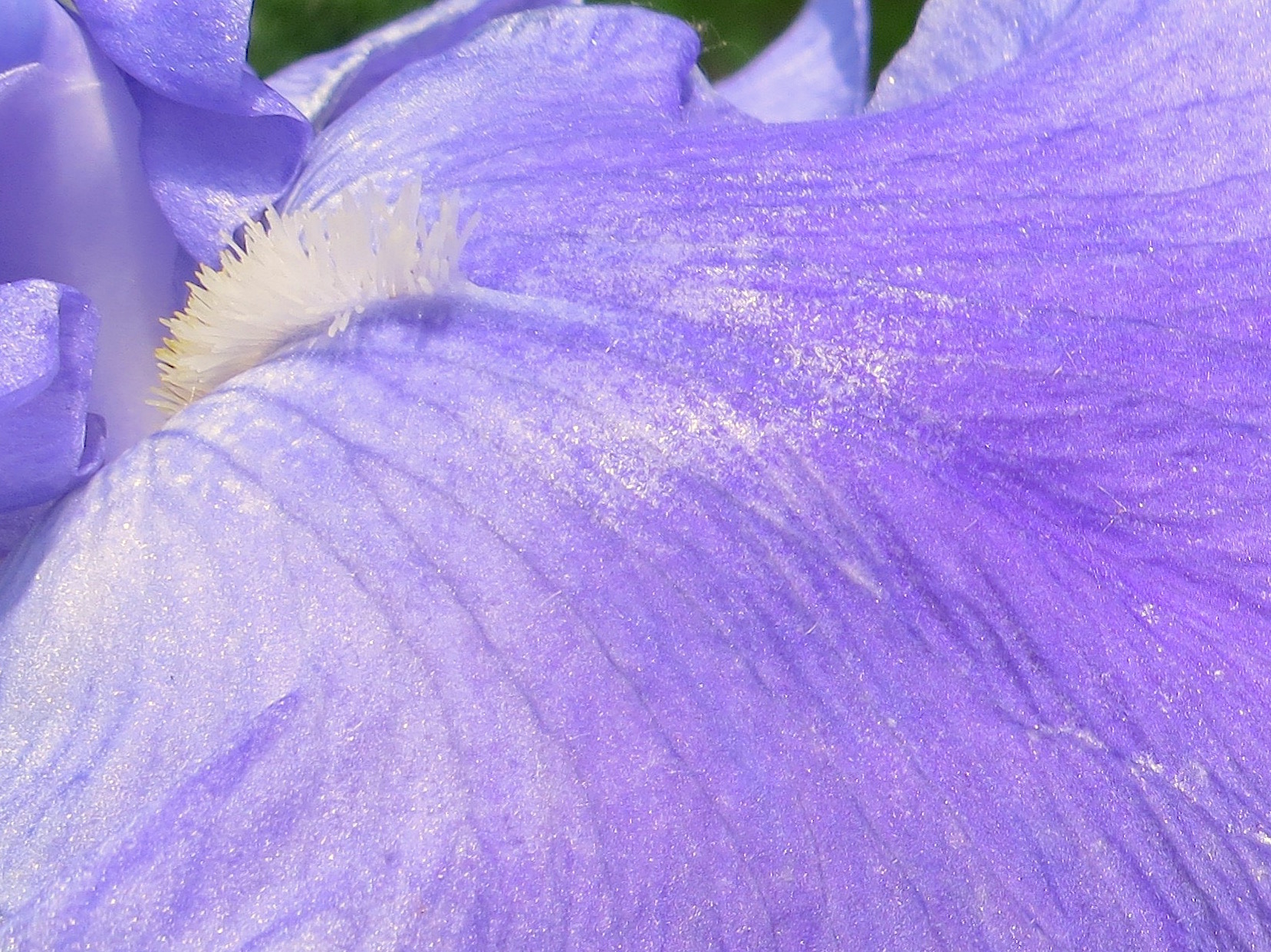
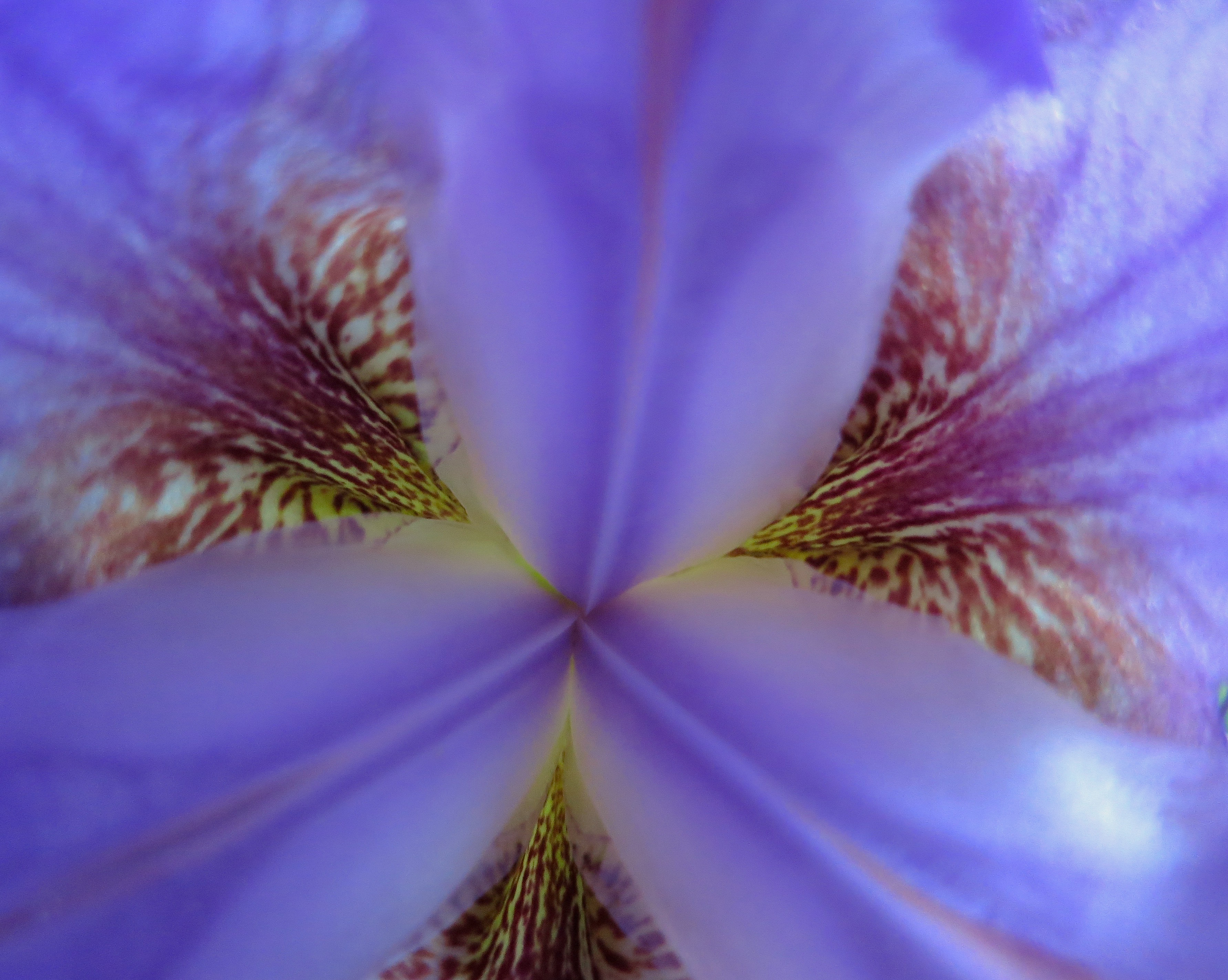
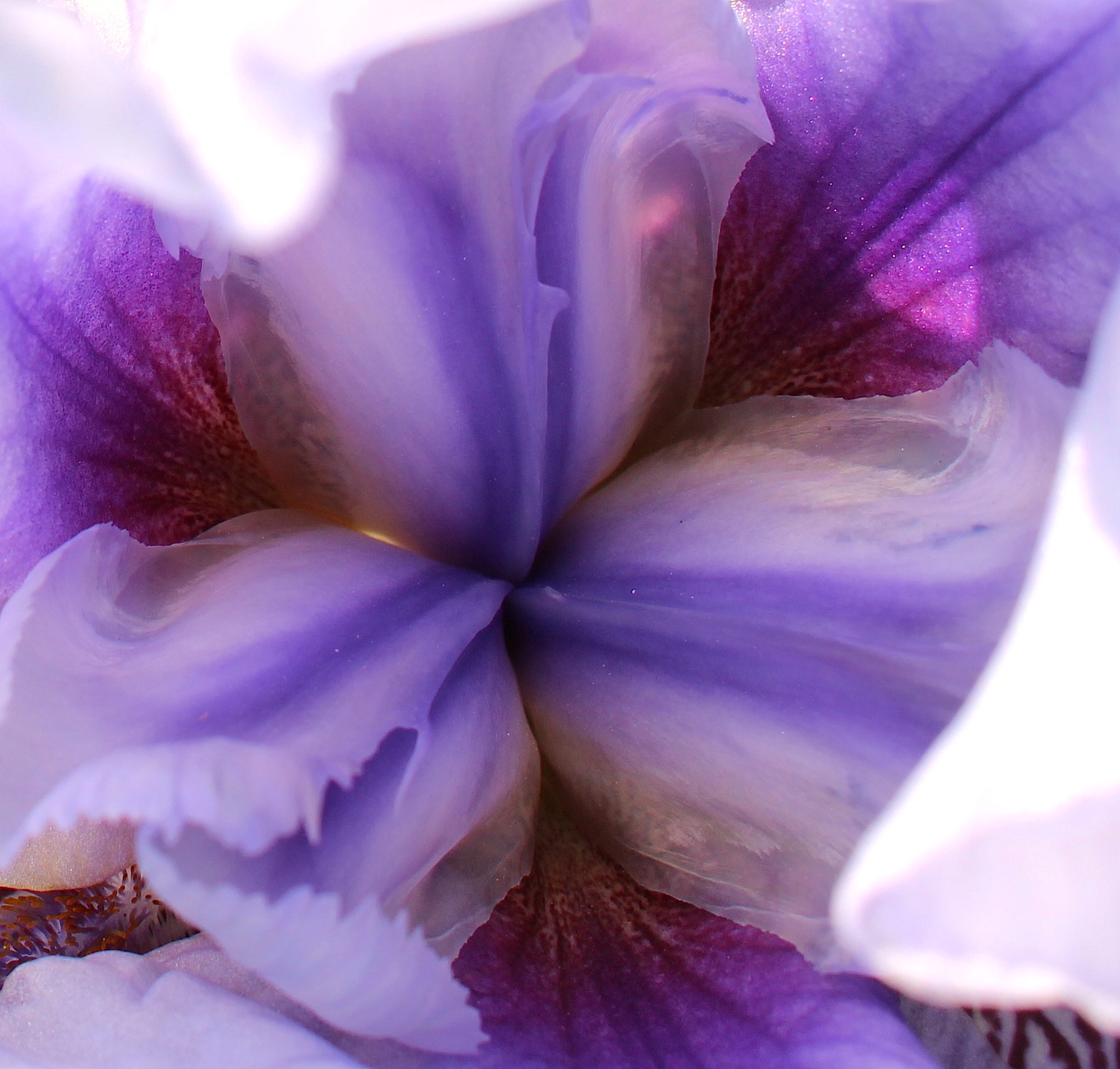
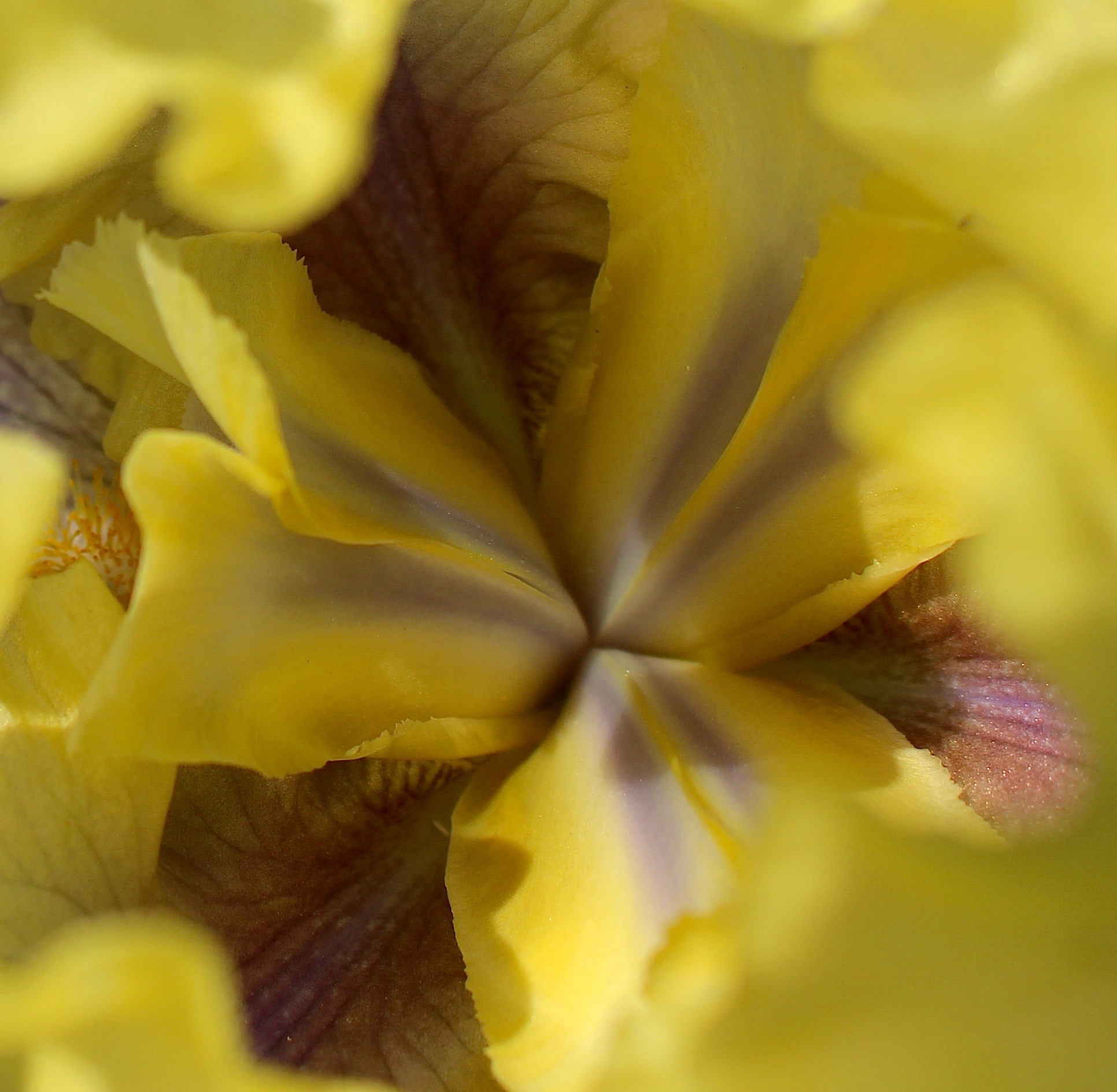
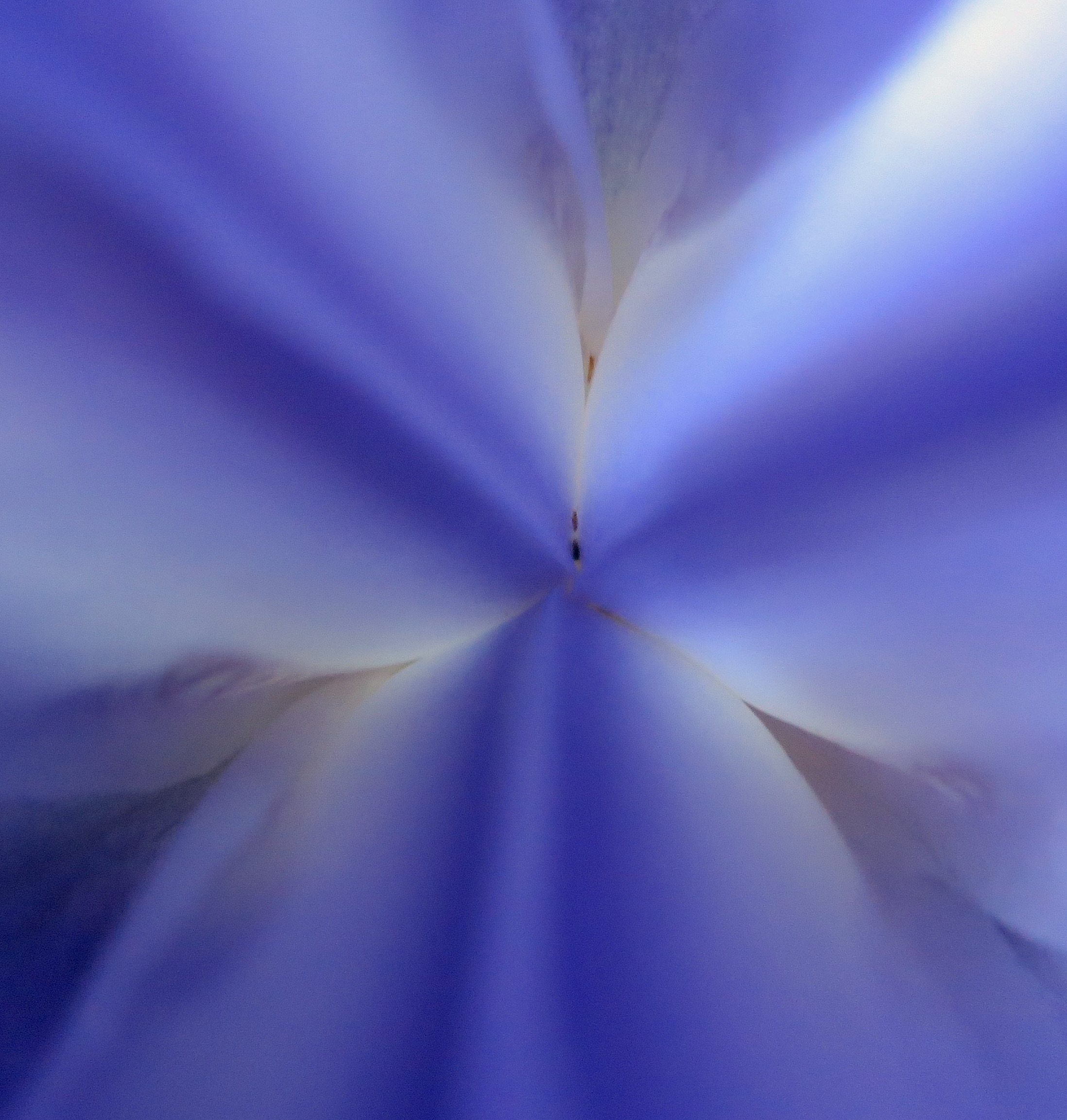
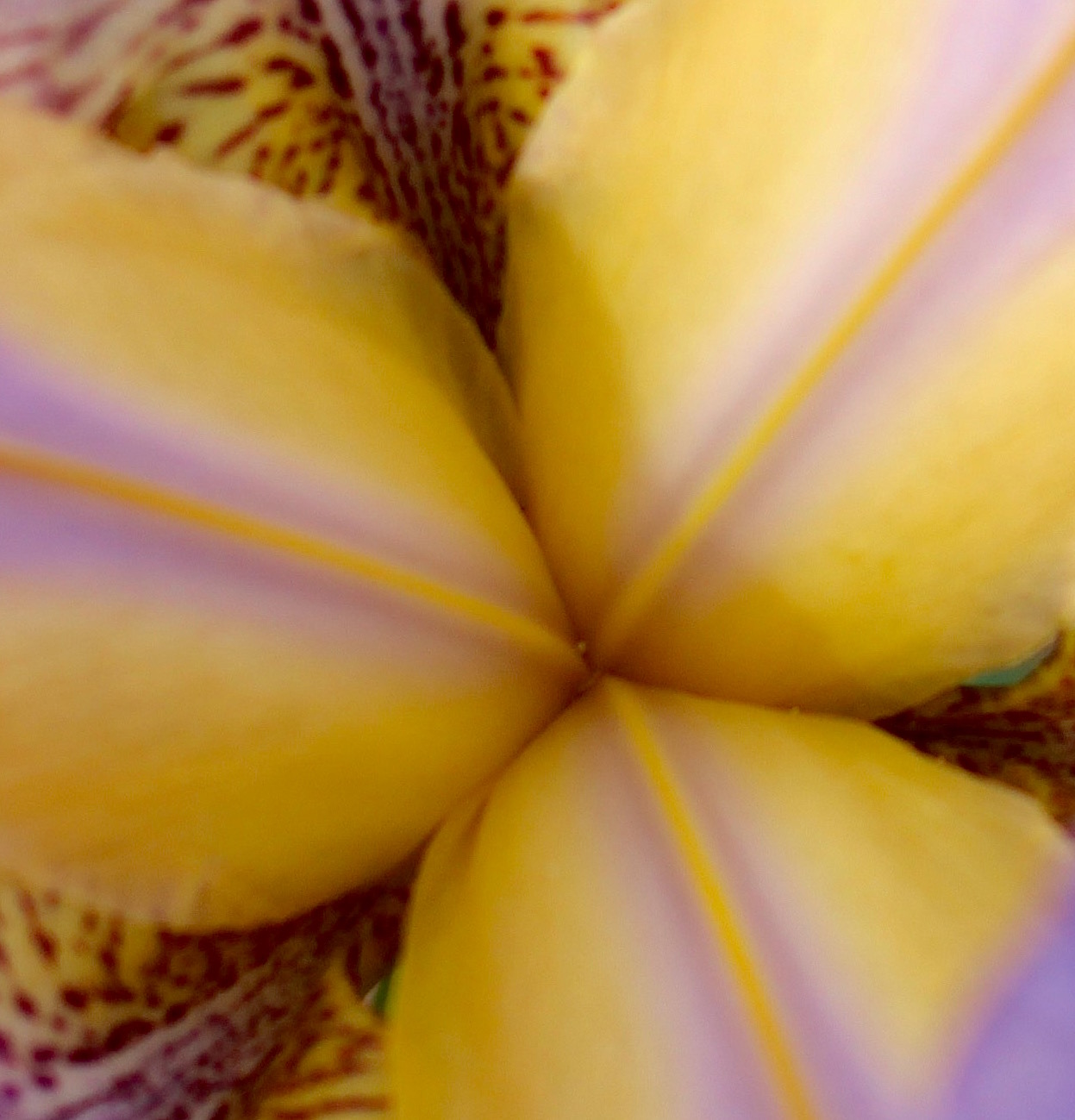
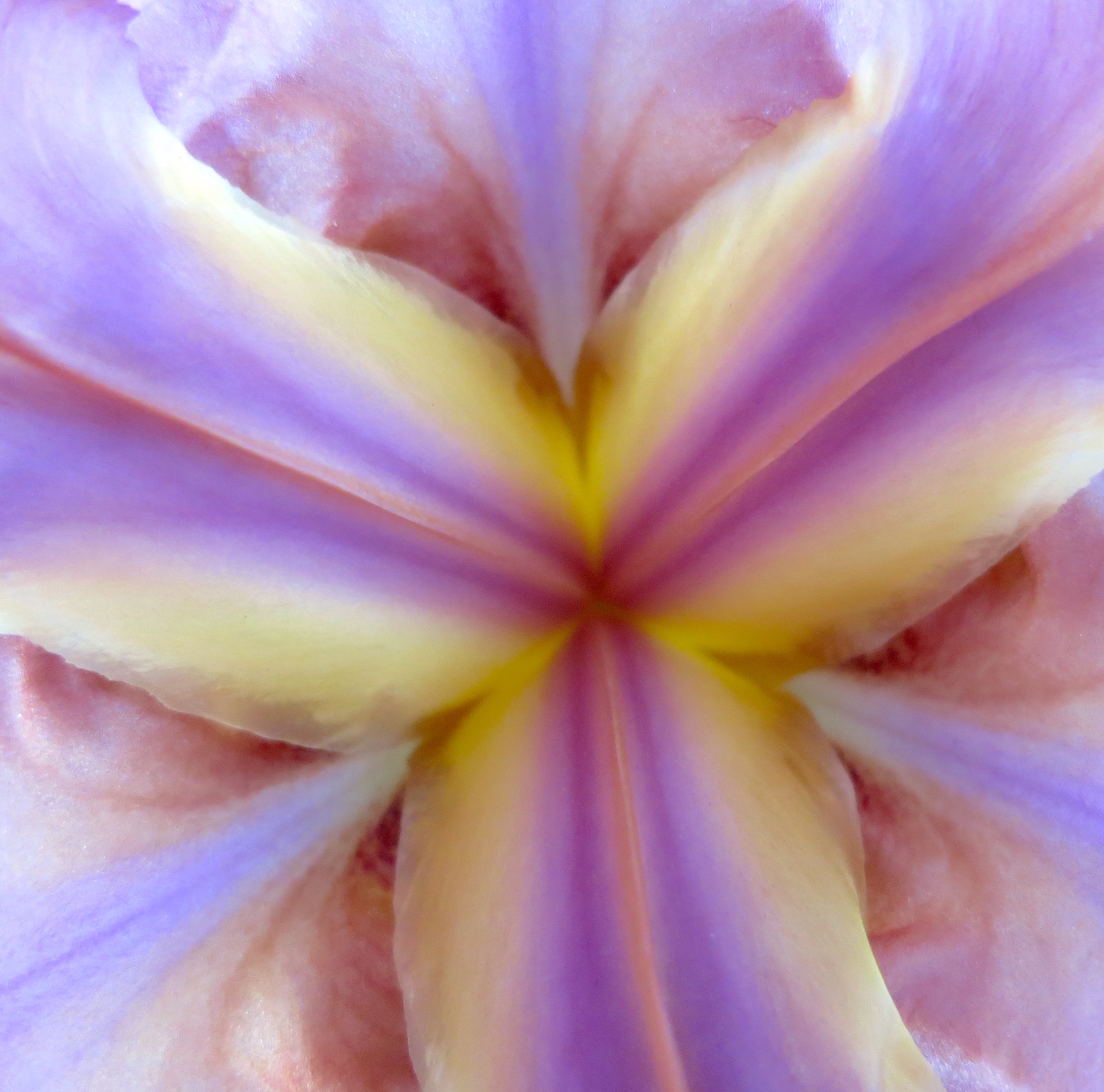
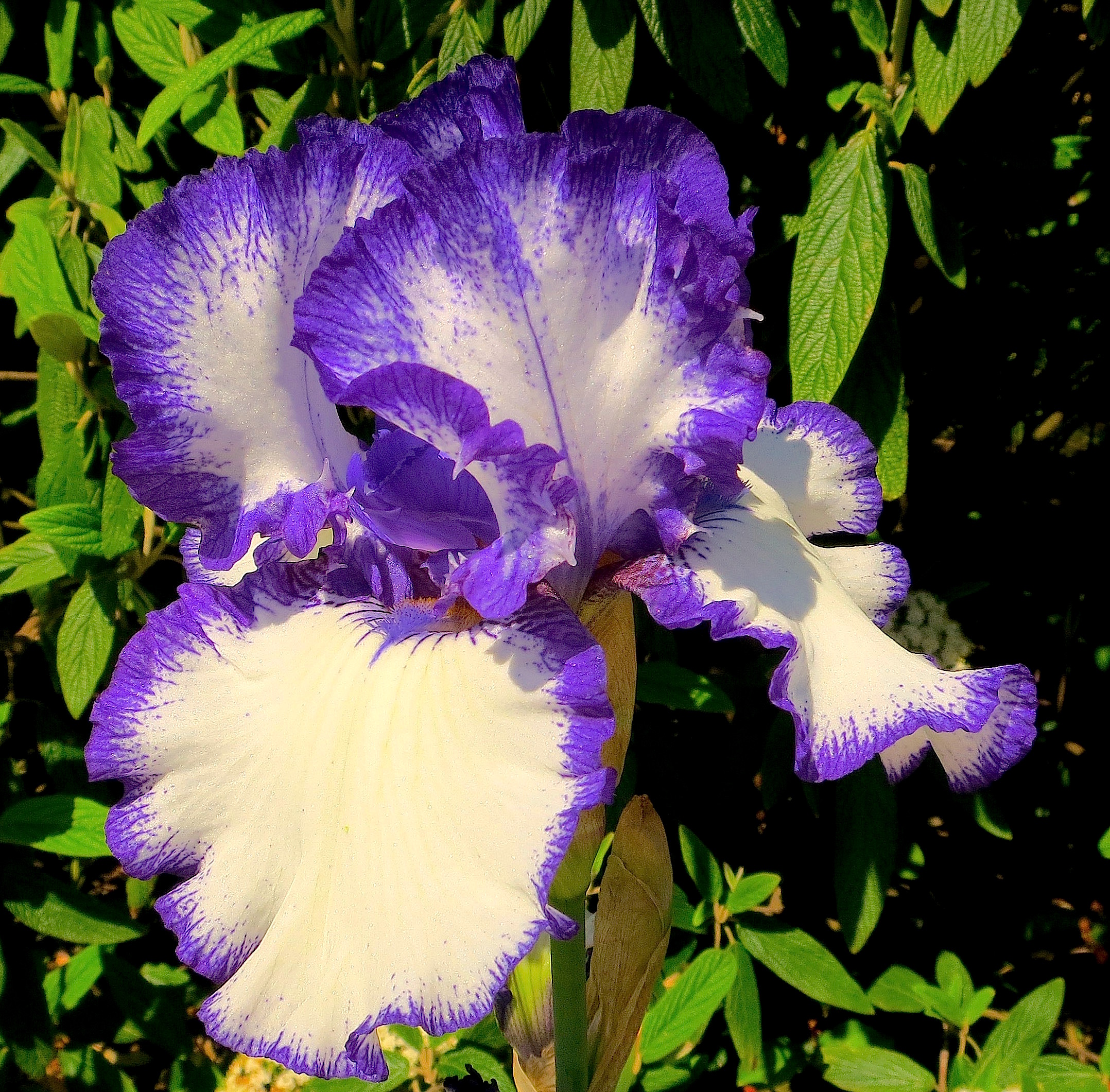
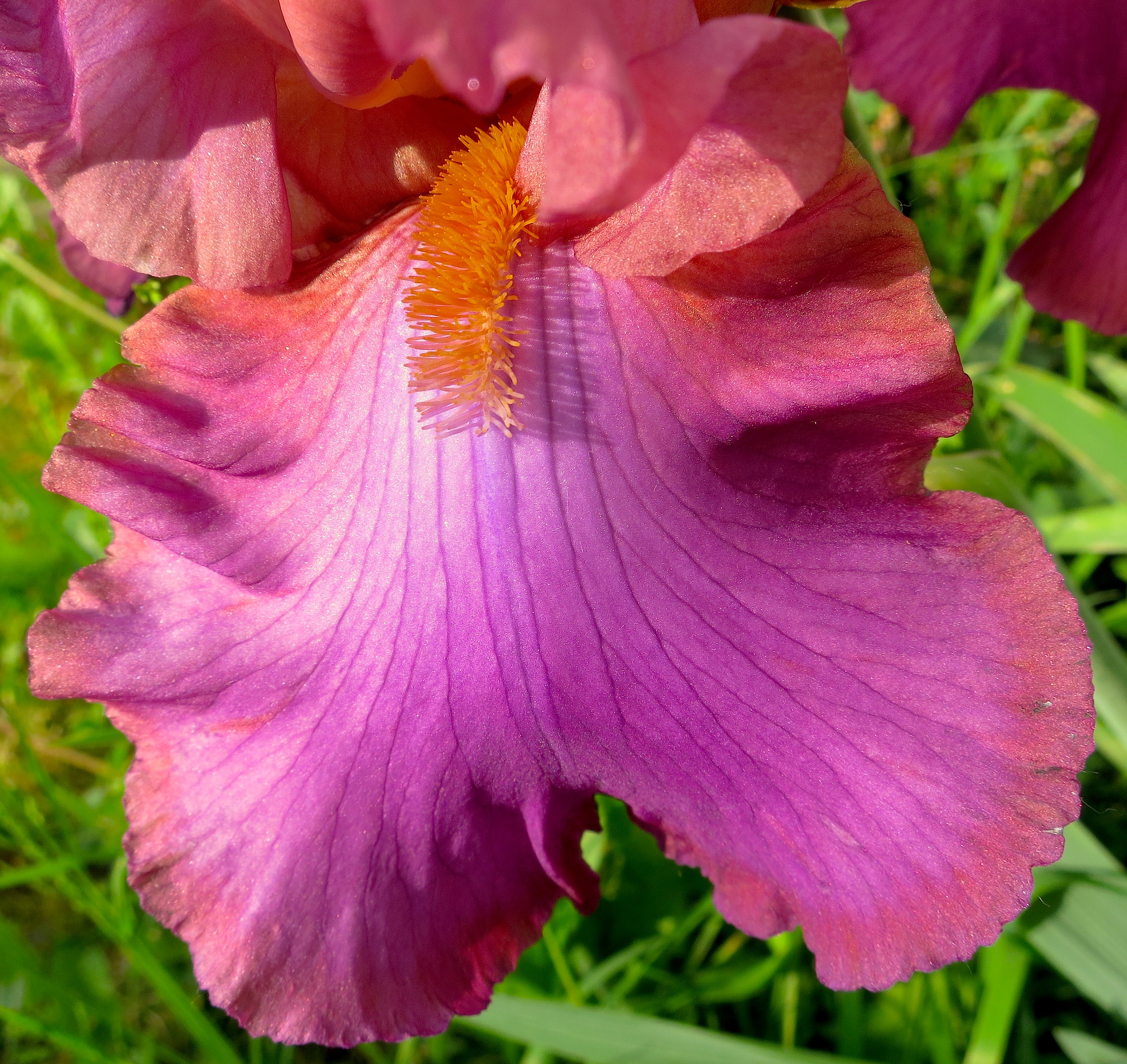
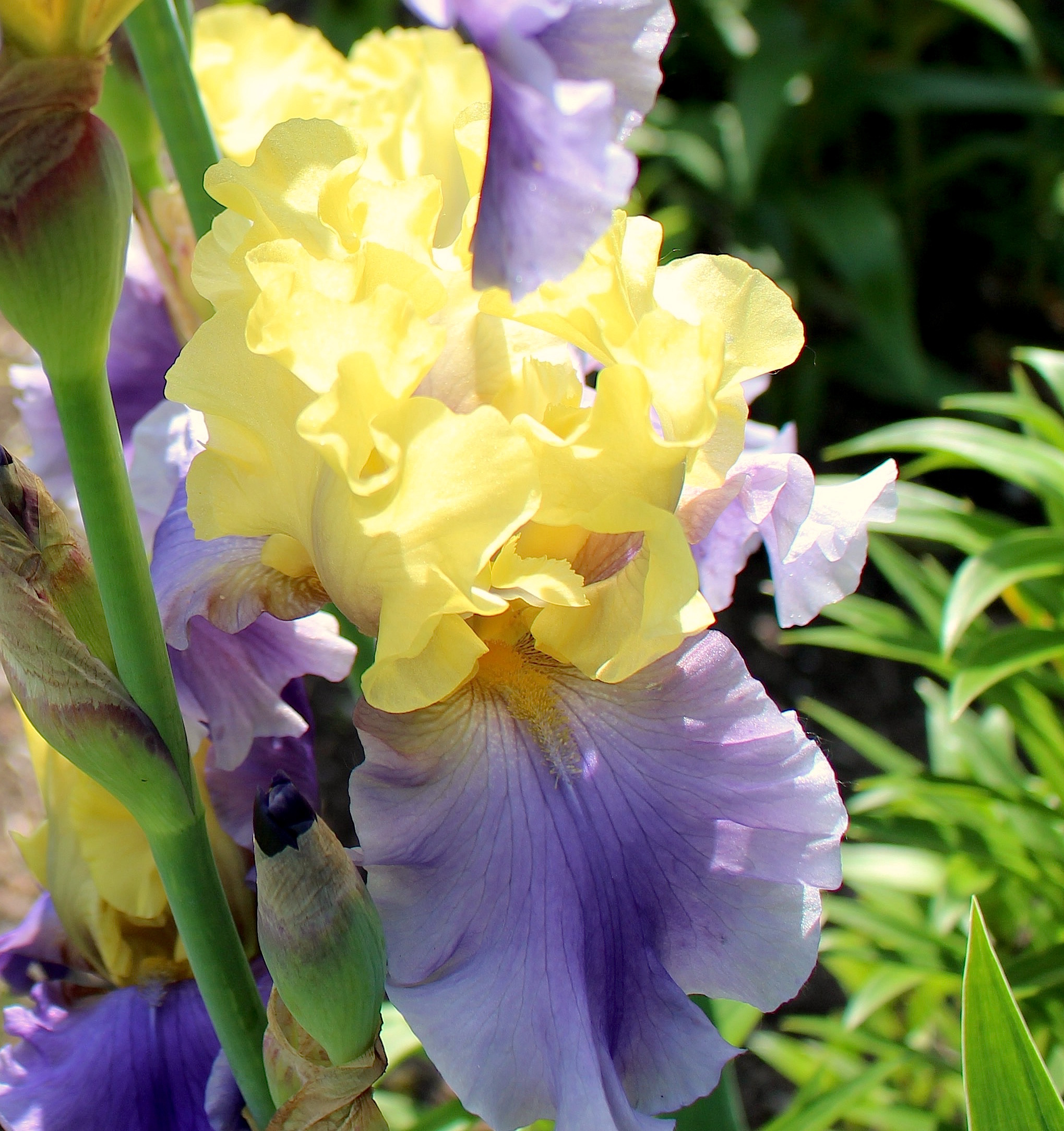
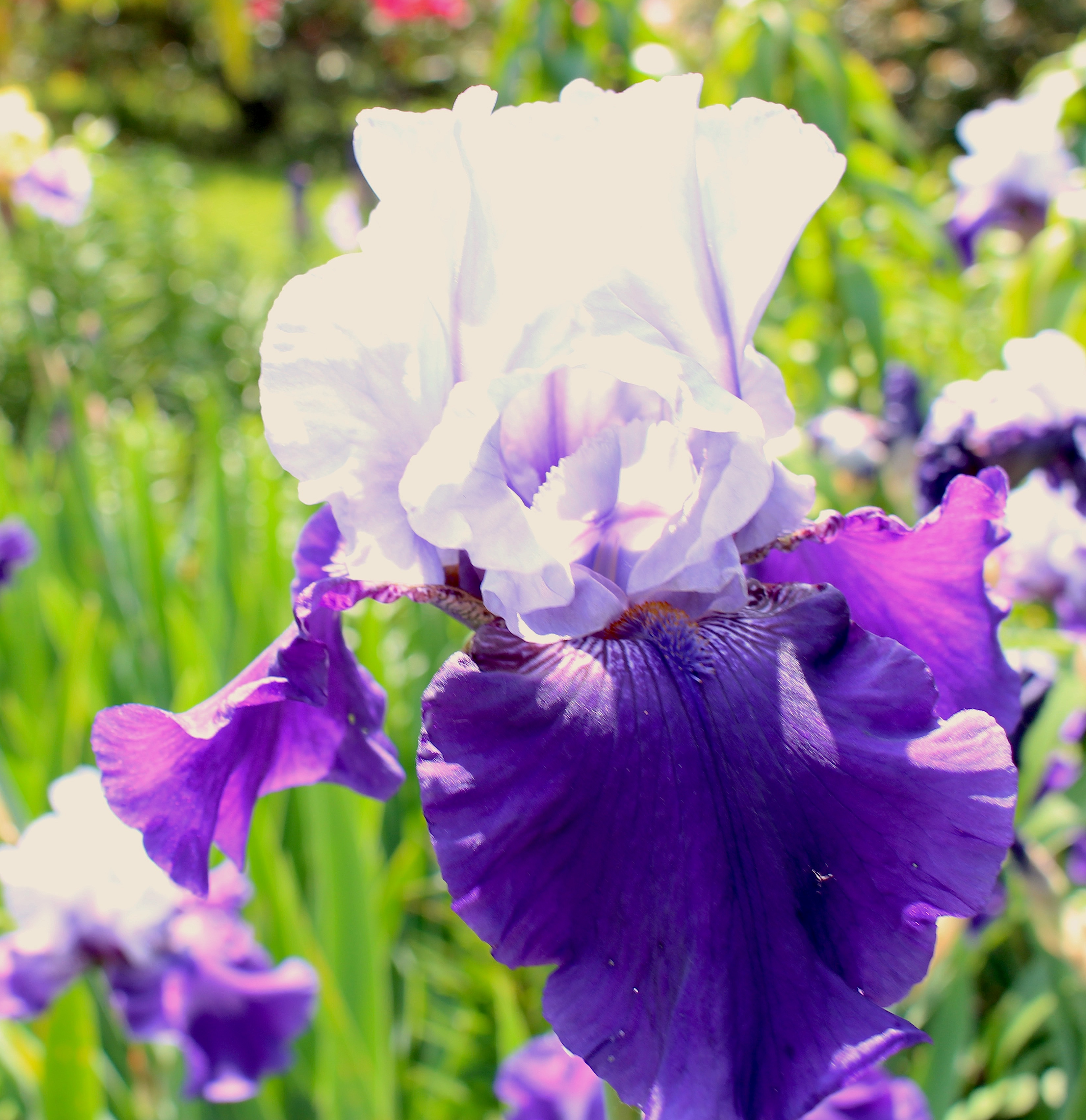
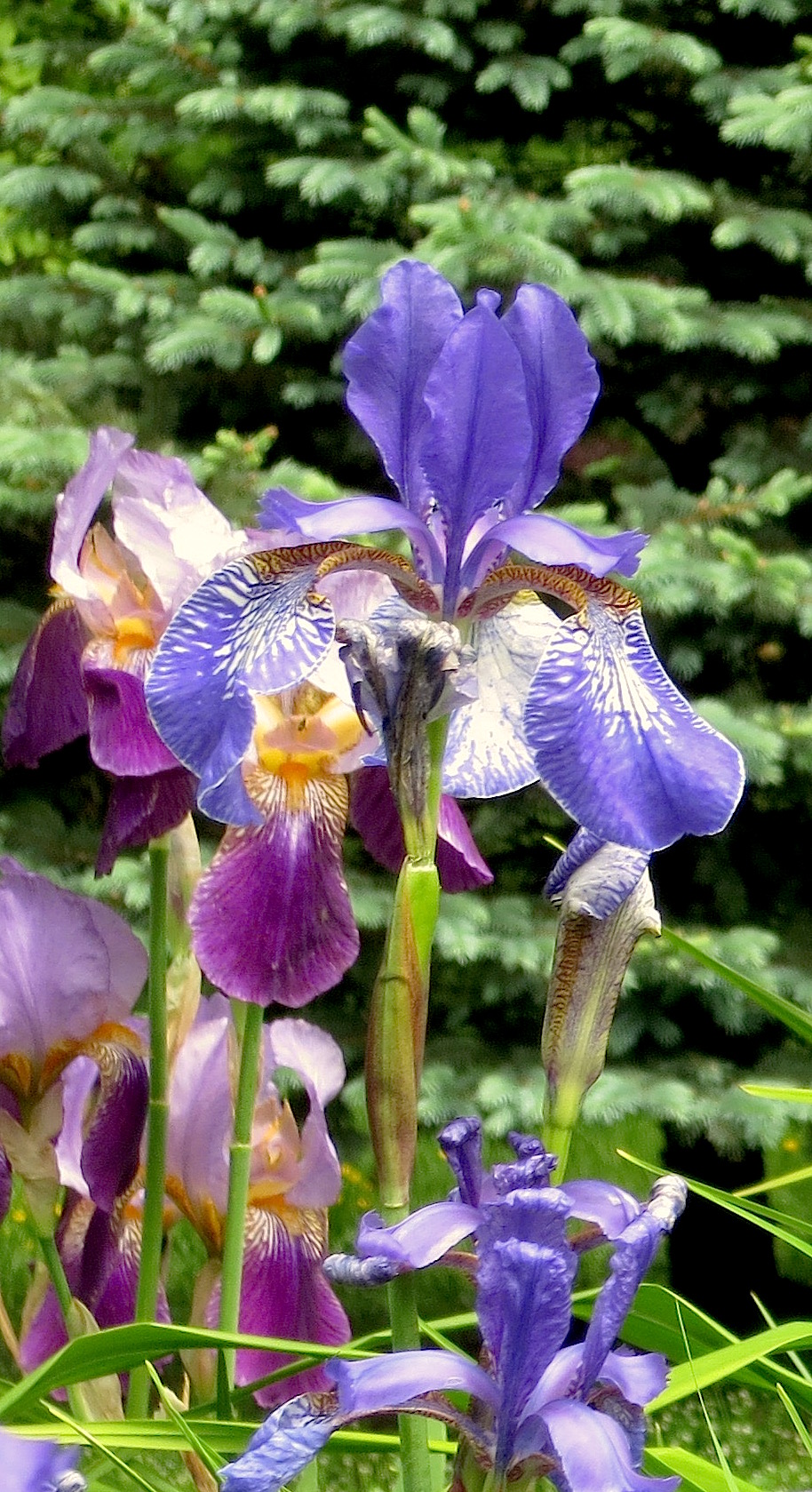
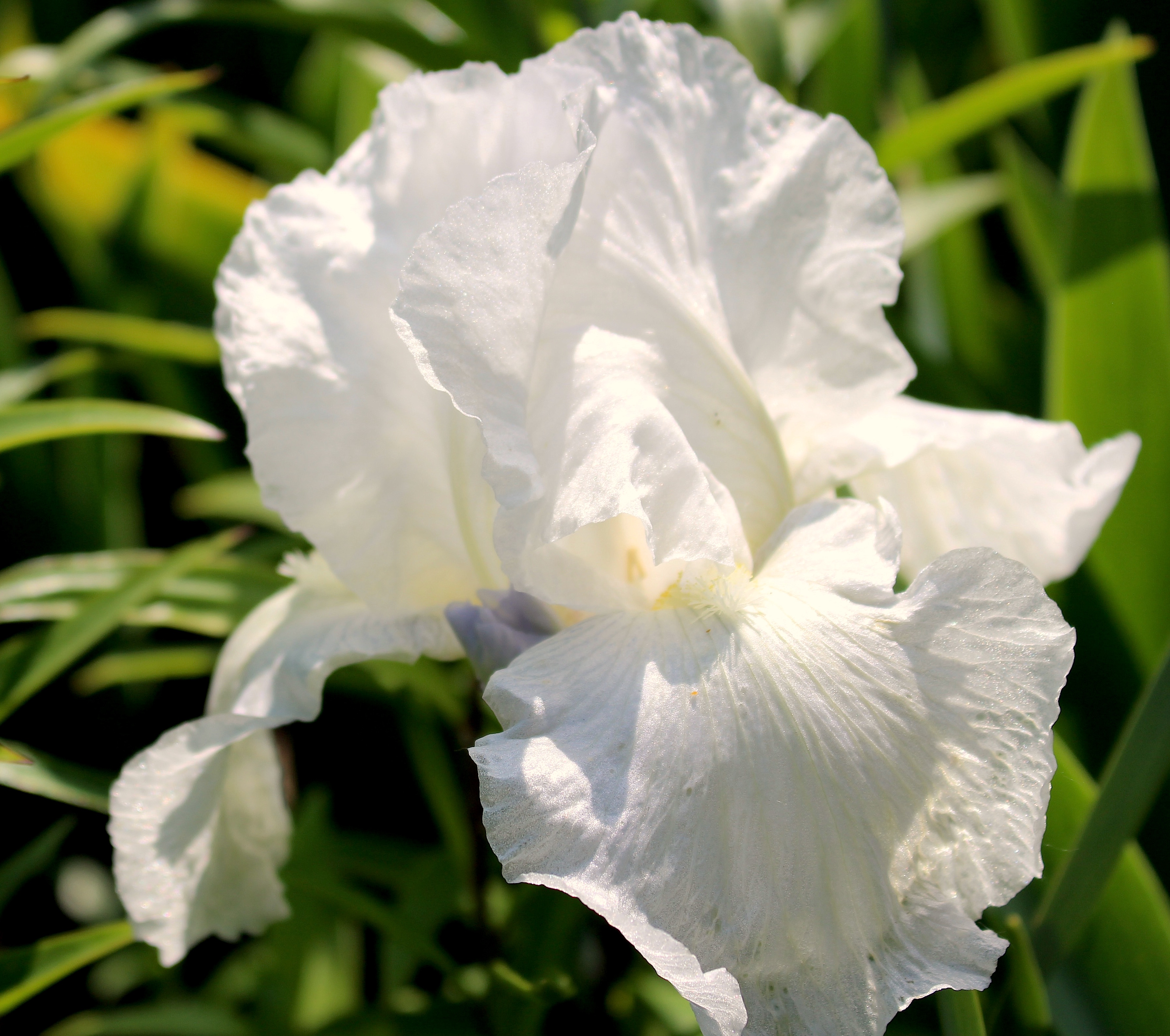
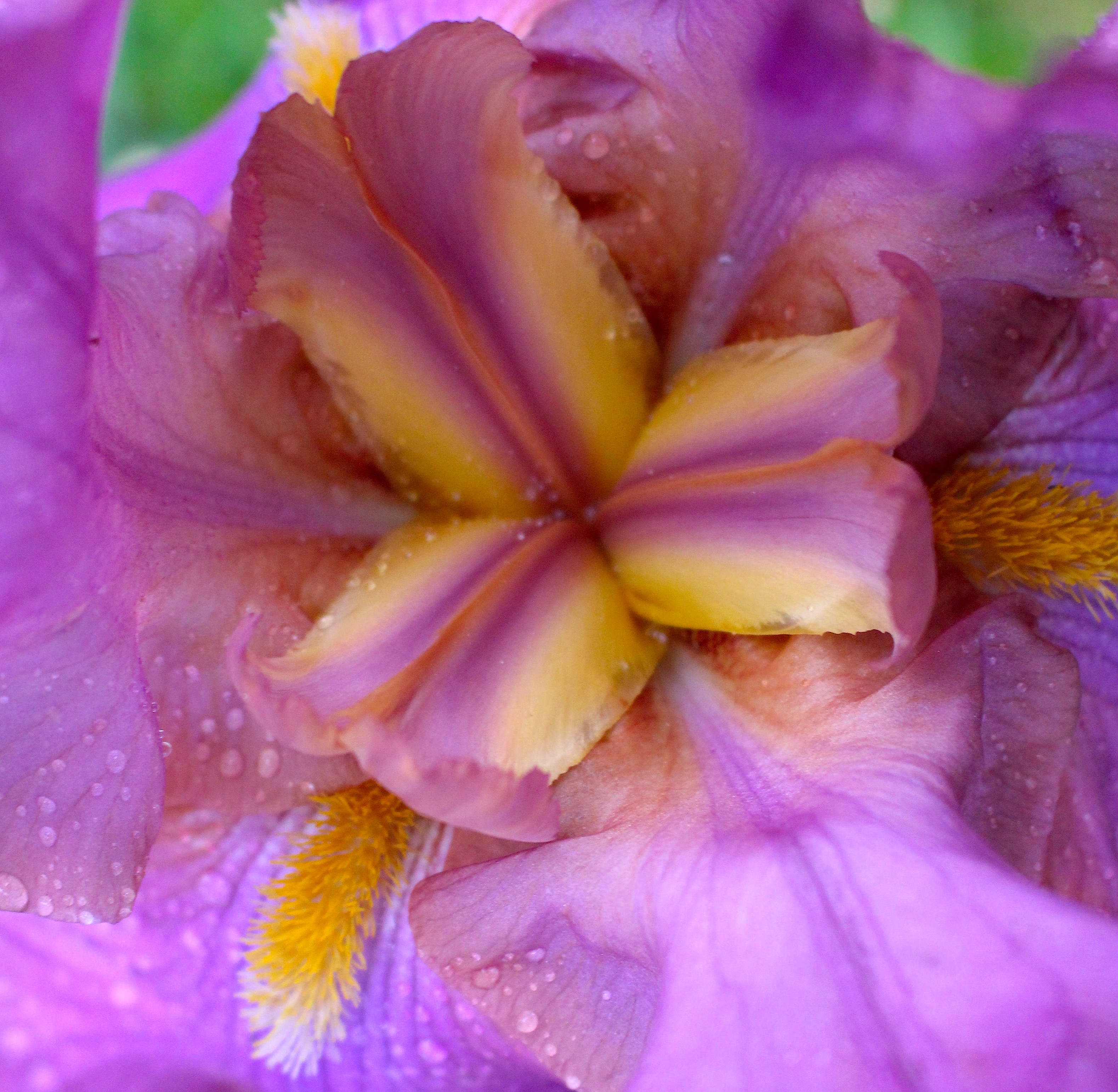
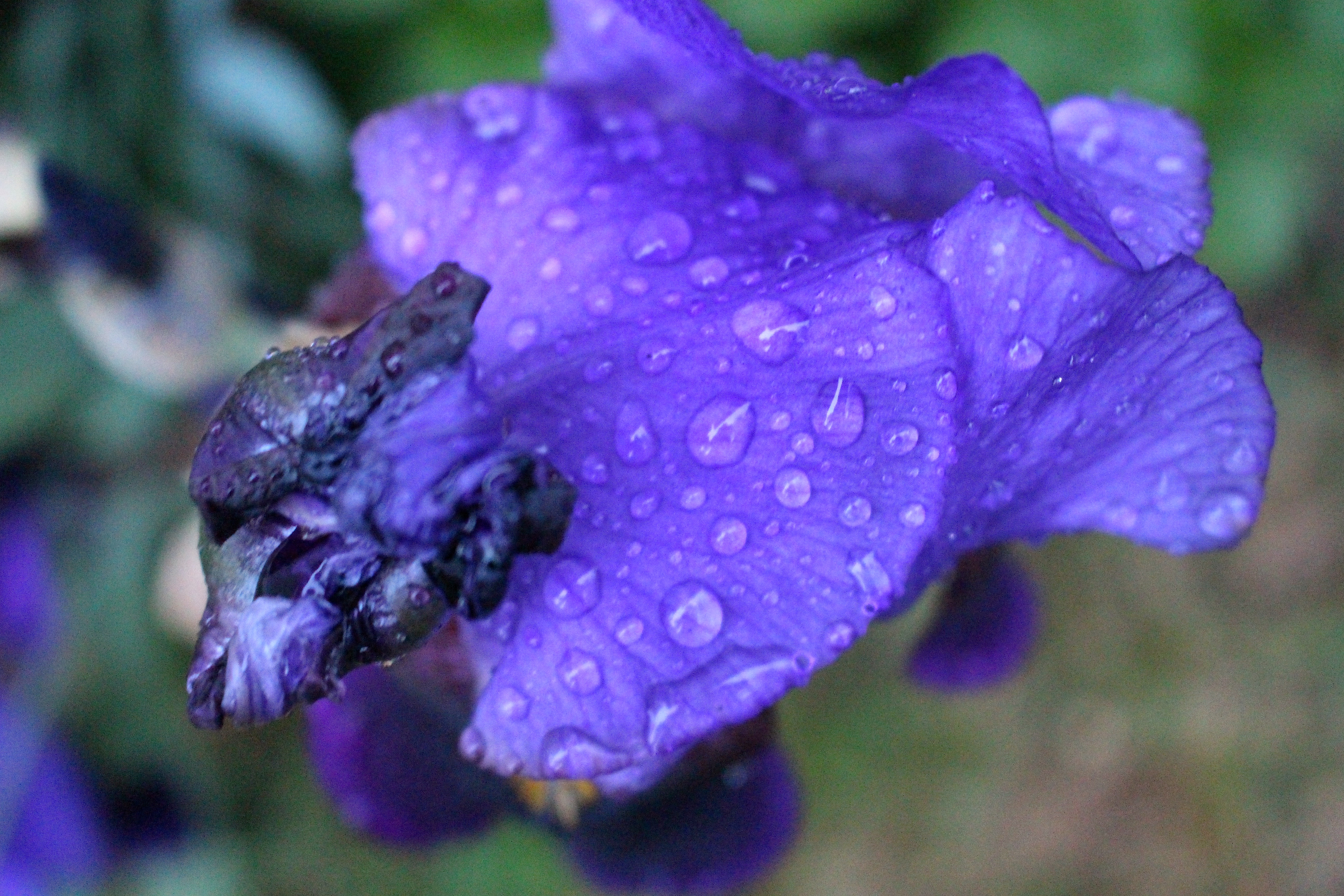
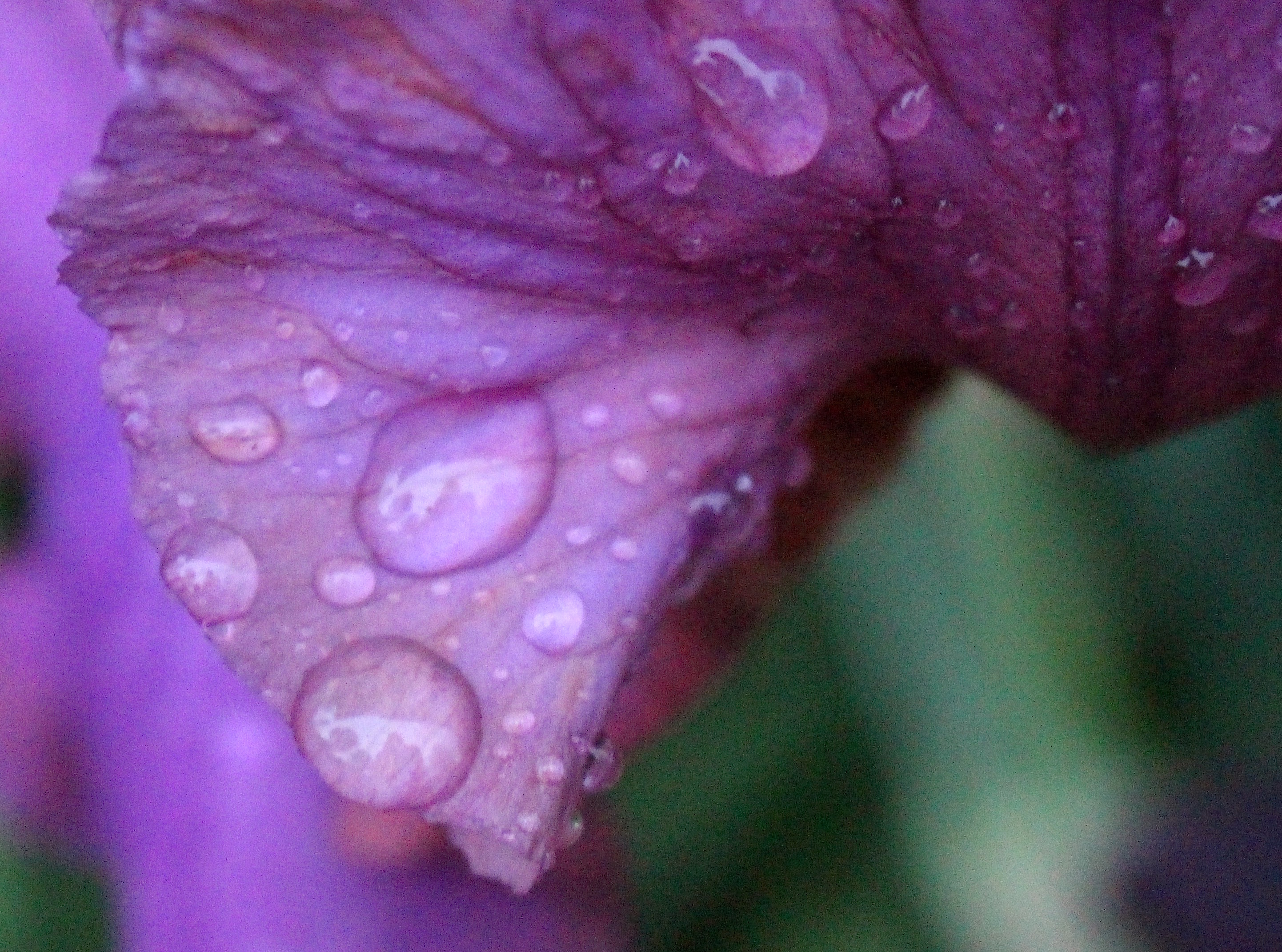
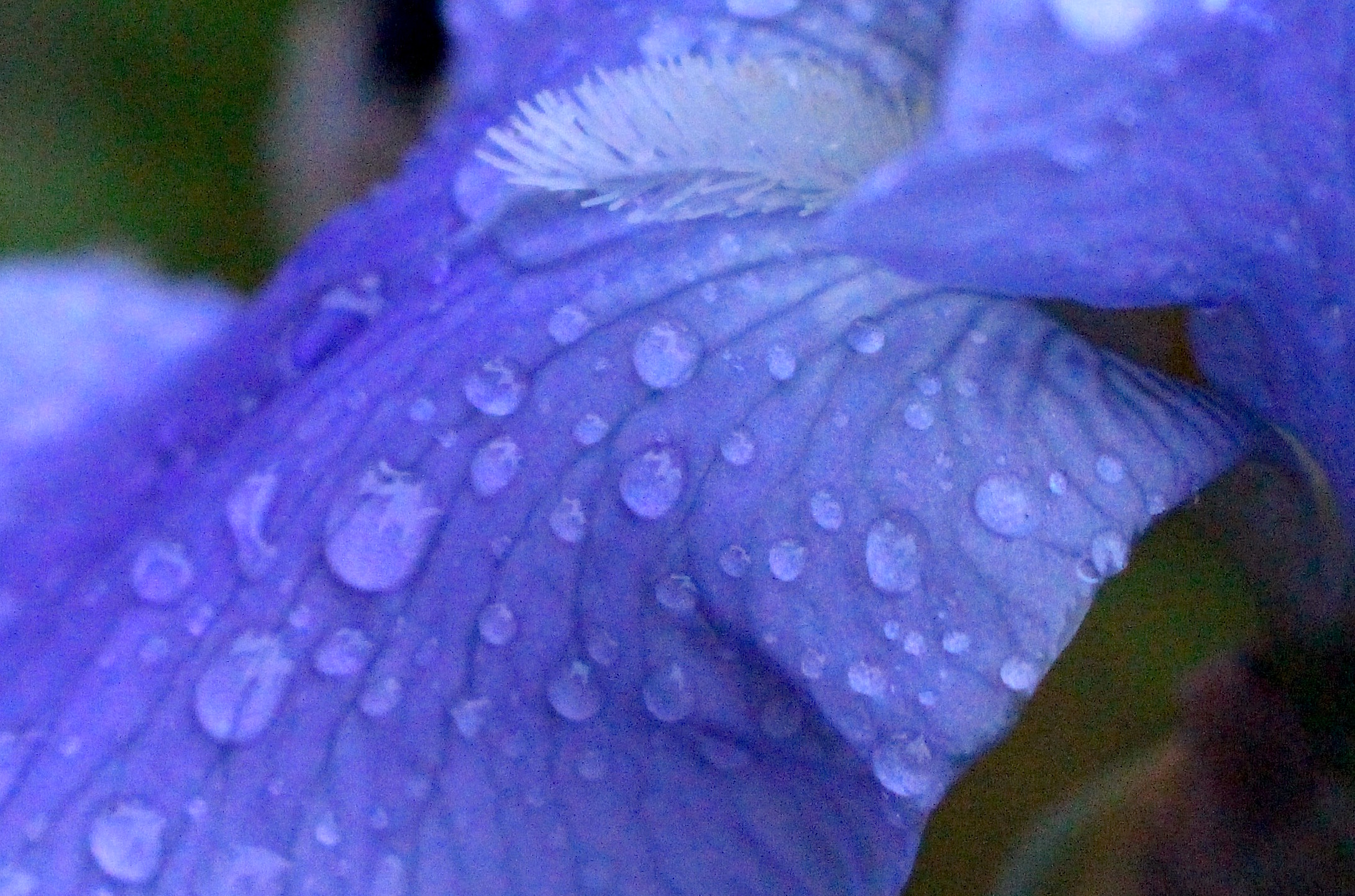
Whenever I allow my eye to peer through
an iris,
I need a flotation device
and depth finder
as I’m likely to get lost,
sweeping and swooning
through inner space
of tunnels, canyons and corners,
coming up for air and diving in again
to journey into exotic locales
draped in silken hues
~this fairy land on a stem~
so immersed in the possibilities
of such an impossible blossom.

(Thank you to Li-Young Lee for introducing me to “impossible blossom” in “From Blossoms” from Rose.
Copyright © 1986: Boa Editions, Ltd.)
There are days we live as if death
were nowhere in the background; from joy
to joy to joy, from wing to wing,
from blossom to blossom to
impossible blossom, to sweet impossible blossom.

~Li-Young Lee

iriscenter

cedarsprings17

cedarsprings16

iriscenter2

cedarsprings15

iriscenter5

irisglorious

irisbeard2

cedarsprings8

cedarsprings11

cedarsprings12

cedarsprings18

cedarsprings6

cedarsprings41

cedarsprings10

Unfolding World

irisrain5137

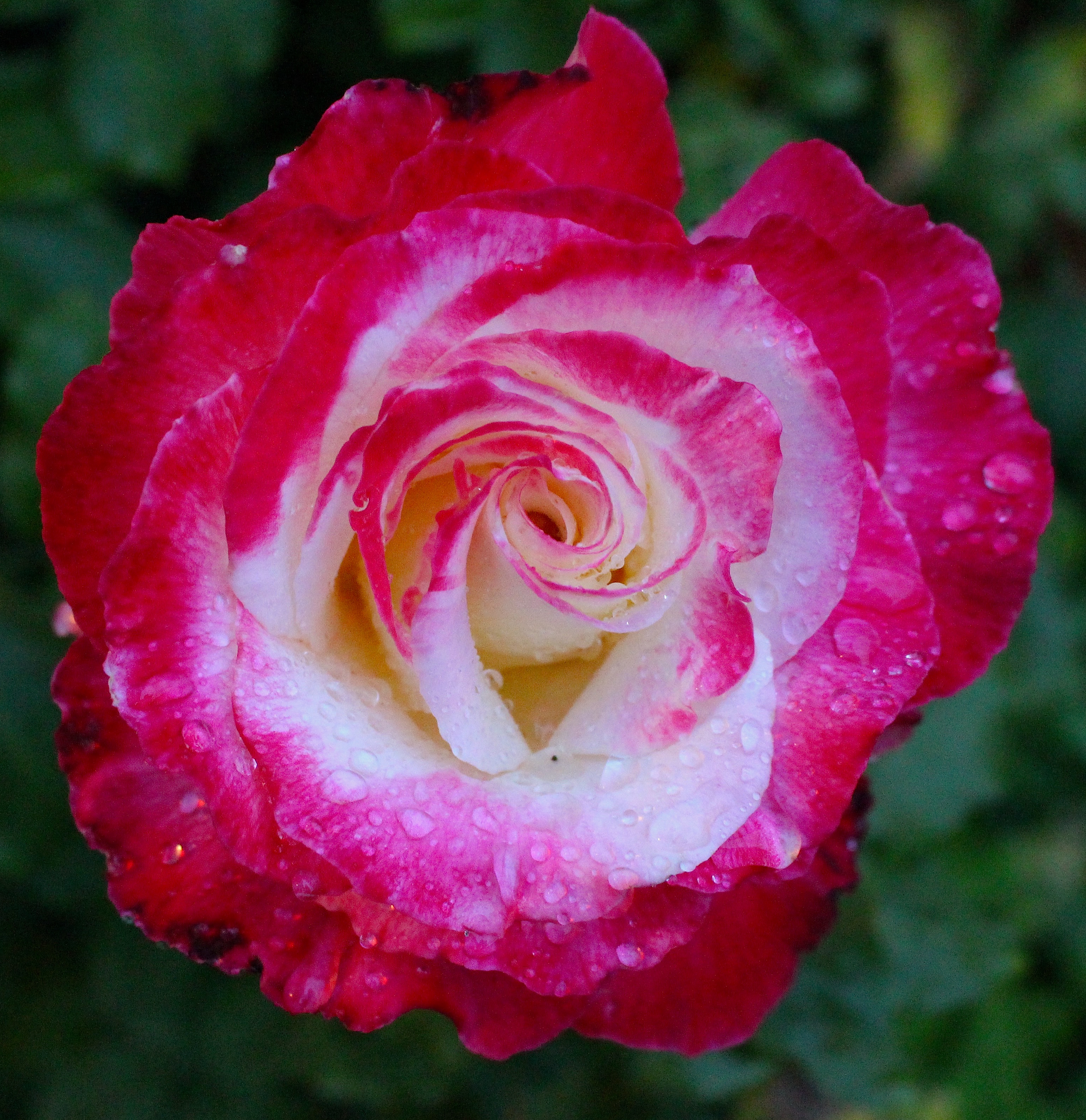
roserain5121

It’s spring!
     The blushing, girlish
     World unfolds
Each flower, leaf
     And blade of sod—
     Small letters sent
     To her from God.
~John Updike from “A Child’s Calendar”

irisrain513158

irisrain513

peonyrain513

Ununderstandable

marshmallowglow2
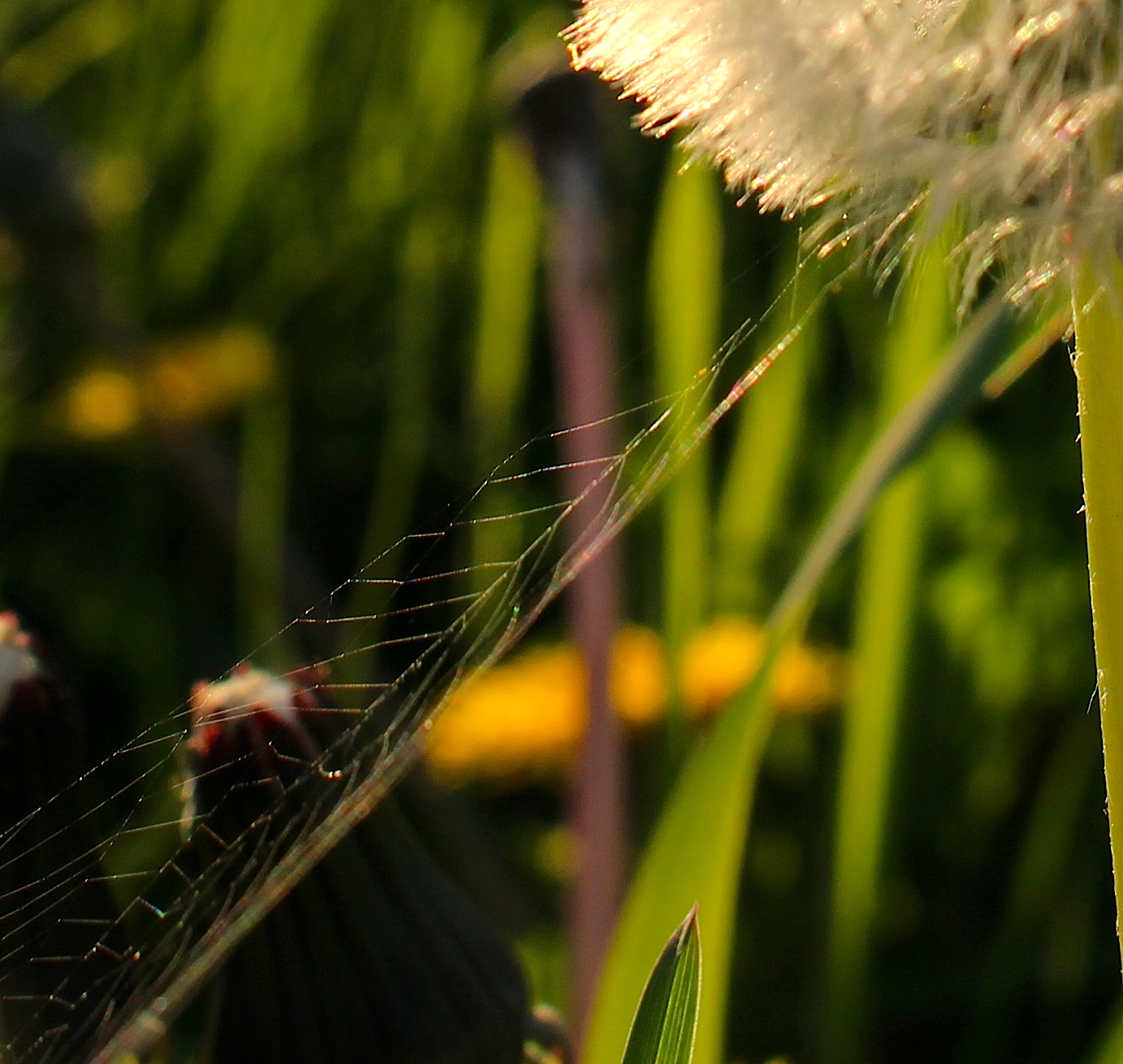
dandyweb
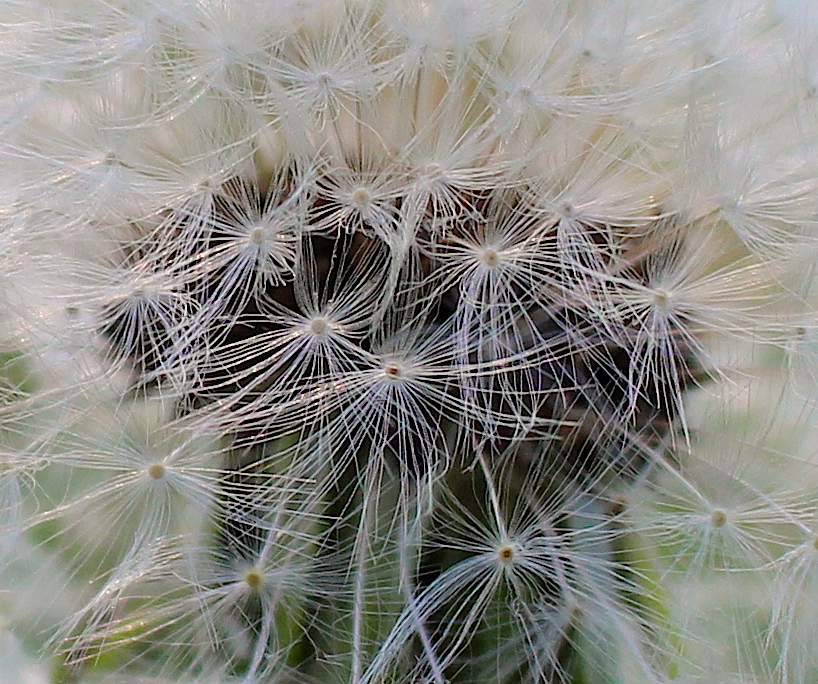
dandyfluff
This fevers me, this sun on green,
On grass glowing, this young spring.
The secret hallowing is come,
Regenerate sudden incarnation,
Mystery made visible
In growth, yet subtly veiled in all,
Ununderstandable in grass,
In flowers, and in the human heart,
This lyric mortal loveliness,
The earth breathing, and the sun.
~Richard Eberhart from “This Fevers Me”
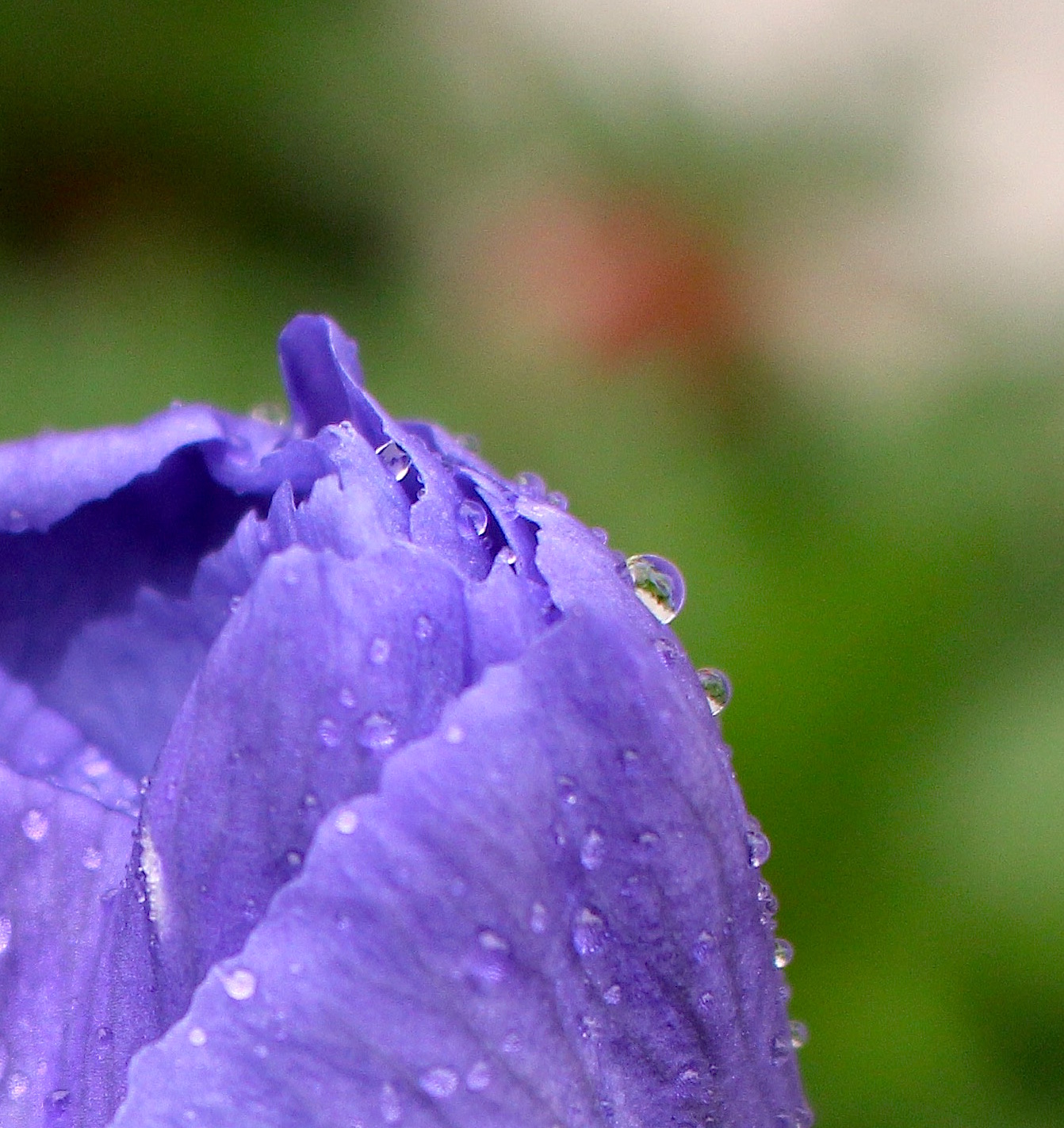
I understand so little
of the mystery that surrounds me
yet I see it made visible,
like the raindrop tears from above
rousing me from my slumber.
I breathe deeply,
letting the loveliness, like oxygen,
find its way deep
filling my heart.
hearttears
irisrain512
irisrain5121
irisrain5122
irisrain5124
irisrain5125

An Astonished Awakening

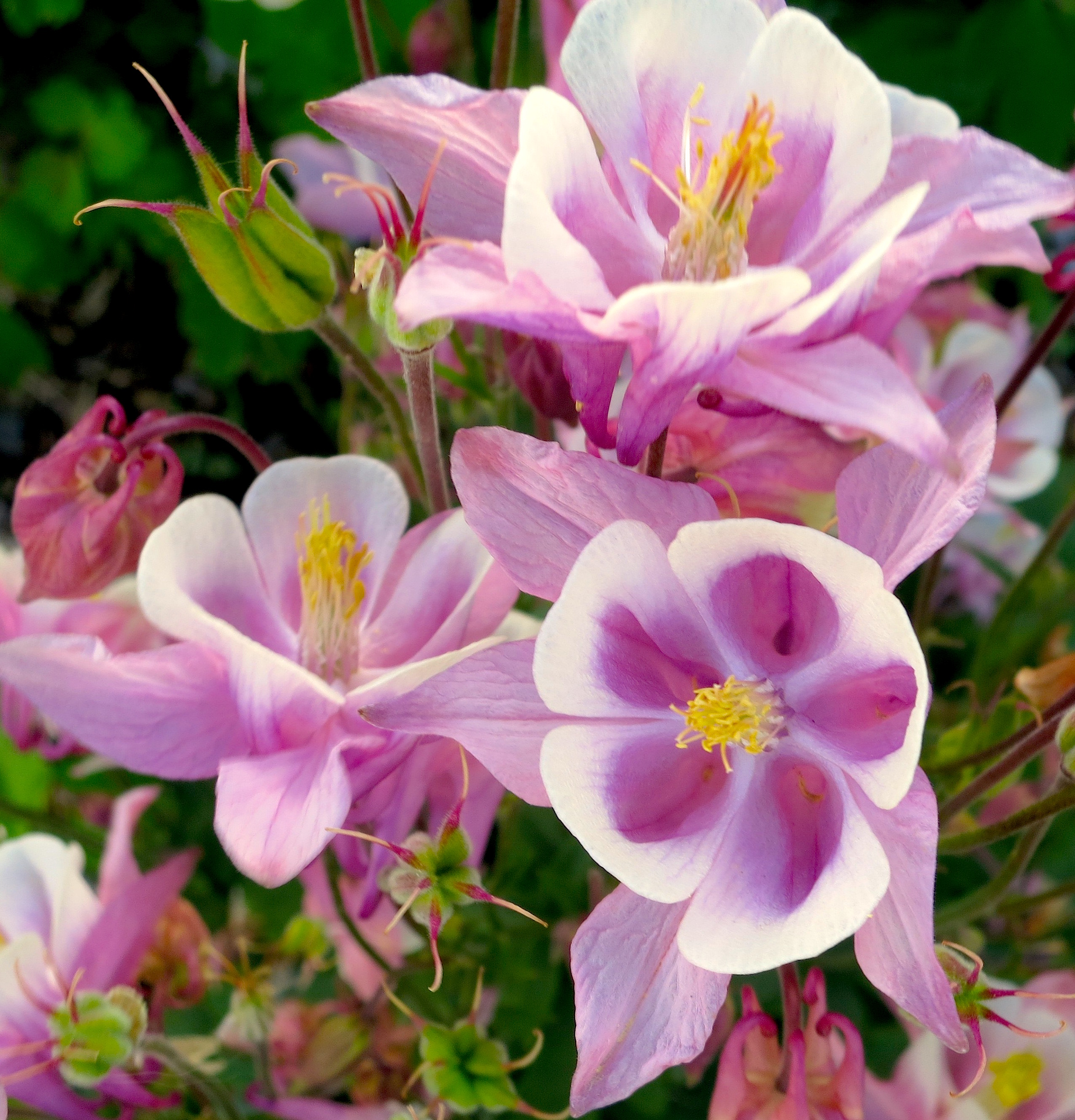
columbinewwu

iris5152

azaleawwu6

Wind in the chimes pulls music
from the air, the sky’s cleared
of its vast complications.

In the pause before summer,
the wild sprouting of absolutely
everything: hair, nails, the mango’s
pale rose pennants, tongues of birds
singing daylong.

Words, even, and sudden embraces,
surprising dreams and things I’d never
imagined, in all these years of living,
one more astonished awakening.
~Rosalind Brackenbury from “Morning in May”


Each May morning is a discovery of yet another blossom,
throwing its hues into my dazzled eyes~
and so I drink deeply of this,
astonished at the overflow of riches,
peering into a never-empty basket
of visual feasting.

joelrhodie

wwupansyface

viburnum4

azaleawwu

iris5151

iris515

Shedding the Earth

plumblossoms20151

You come to fetch me from my work to-night
When supper’s on the table, and we’ll see
If I can leave off burying the white
Soft petals fallen from the apple tree
(Soft petals, yes, but not so barren quite,
Mingled with these, smooth bean and wrinkled pea);
And go along with you ere you lose sight
Of what you came for and become like me,
Slave to a Springtime passion for the earth.
How Love burns through the Putting in the Seed
On through the watching for that early birth
When, just as the soil tarnishes with weed,
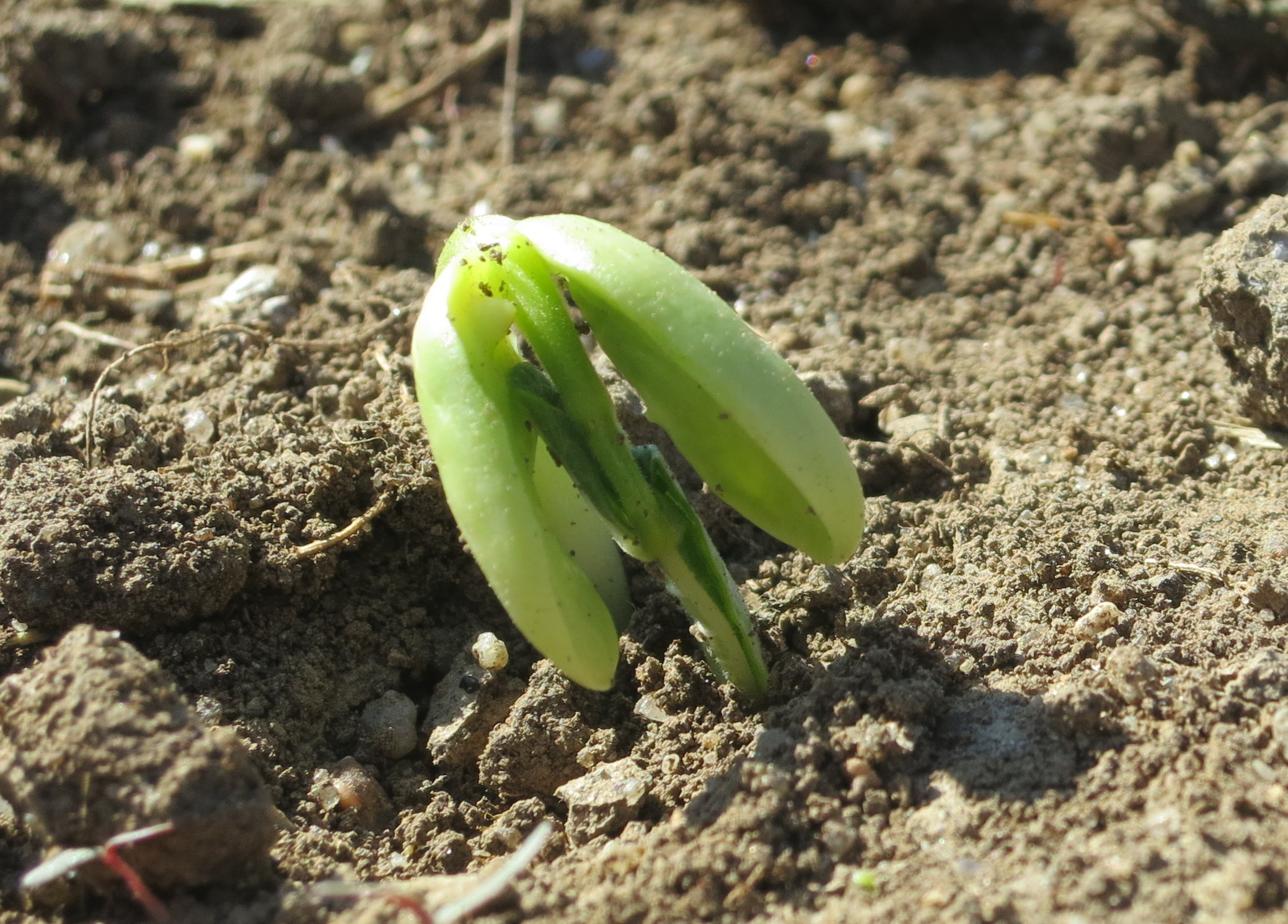
The sturdy seedling with arched body comes
Shouldering its way and shedding the earth crumbs.
~Robert Frost “Putting in the Seed”

I need not cling to soil so tightly~
Instead ready myself to sprout boldly,
reaching to touch the sky.

brackenclose

beanplantA