Forgotten Debris of Forgotten Years

Deep in our sub-conscious, we are told
Lie all our memories, lie all the notes
Of all the music we have ever heard
And all the phrases those we loved have spoken,
Sorrows and losses time has since consoled,
Family jokes, out-moded anecdotes
Each sentimental souvenir and token
Everything seen, experienced, each word
Addressed to us in infancy,
Before we could even know or understand
The implications of our wonderland.
There they all are, the legendary lies
The birthday treats, the sights, the sounds, the tears
Forgotten debris of forgotten years
Waiting to be recalled, waiting to rise
Before our world dissolves before our eyes
Waiting for some small, intimate reminder,
A word, a tune, a known familiar scent
An echo from the past when, innocent
We looked upon the present with delight
And doubted not the future would be kinder
And never knew the loneliness of night.

~Noel Coward “Nothing Is Lost” from Collected Verse

I wonder sometimes how memories are stored in our neurons. Do they sit on brain sulci and gyri shelves in chronological order? Or are they alphabetized, ready to be pulled and leap to the front of our awareness whenever we’re reminded by an (A)pple pie smell or a passage of a (B)ach toccata or the taste of a (C)adbury Creme Egg?

Perhaps, as we get older, they tend to mix and muddle a bit because our brain libraries are getting crowded with too much to recall and subsequently reshelf back into the proper spot. Whenever I decide to do a brain search for some long forgotten memory, it can take longer than it used to, certainly longer than a Google search does on my computer.

Then I start thinking about what can be recycled or (heavens!) trashed to make more room. Except – things get thrown away that I didn’t intend to lose…

But mostly it is all still there, nearly 70 years of recollections, some so insignificant that it is a mere dust bunny in the corner of my brain, and others still as fresh as when they happened over 65 years ago. Some memories I want to spend time mulling over and over and others can stay buried in the stacks forever as far as I’m concerned.

My mission, should I choose to accept it, is to store away the present moment with such care that I will find its memory with very little trouble. These are days to recall with warmth and delight. I want to remember them during the long and lonely nights that come unbidden at times when the power goes out. That is when I need to turn on an inner light in order to see where I’m heading.

Sure on this shining night
Of star made shadows round,
Kindness must watch for me
This side the ground.
The late year lies down the north.
All is healed, all is health.
High summer holds the earth.
Hearts all whole.
Sure on this shining night I weep for wonder wand’ring far
alone
Of shadows on the stars.
~James Agee

One-Time
Monthly
Yearly

Make a one-time or recurring donation to support daily Barnstorming posts

Make a monthly donation

Make a yearly donation

Choose an amount

$10.00
$25.00
$50.00
$5.00
$15.00
$100.00
$5.00
$15.00
$100.00

Or enter a custom amount

$

Your contribution is deeply appreciated.

Your contribution is appreciated.

Your contribution is appreciated.

DonateDonate monthlyDonate yearly
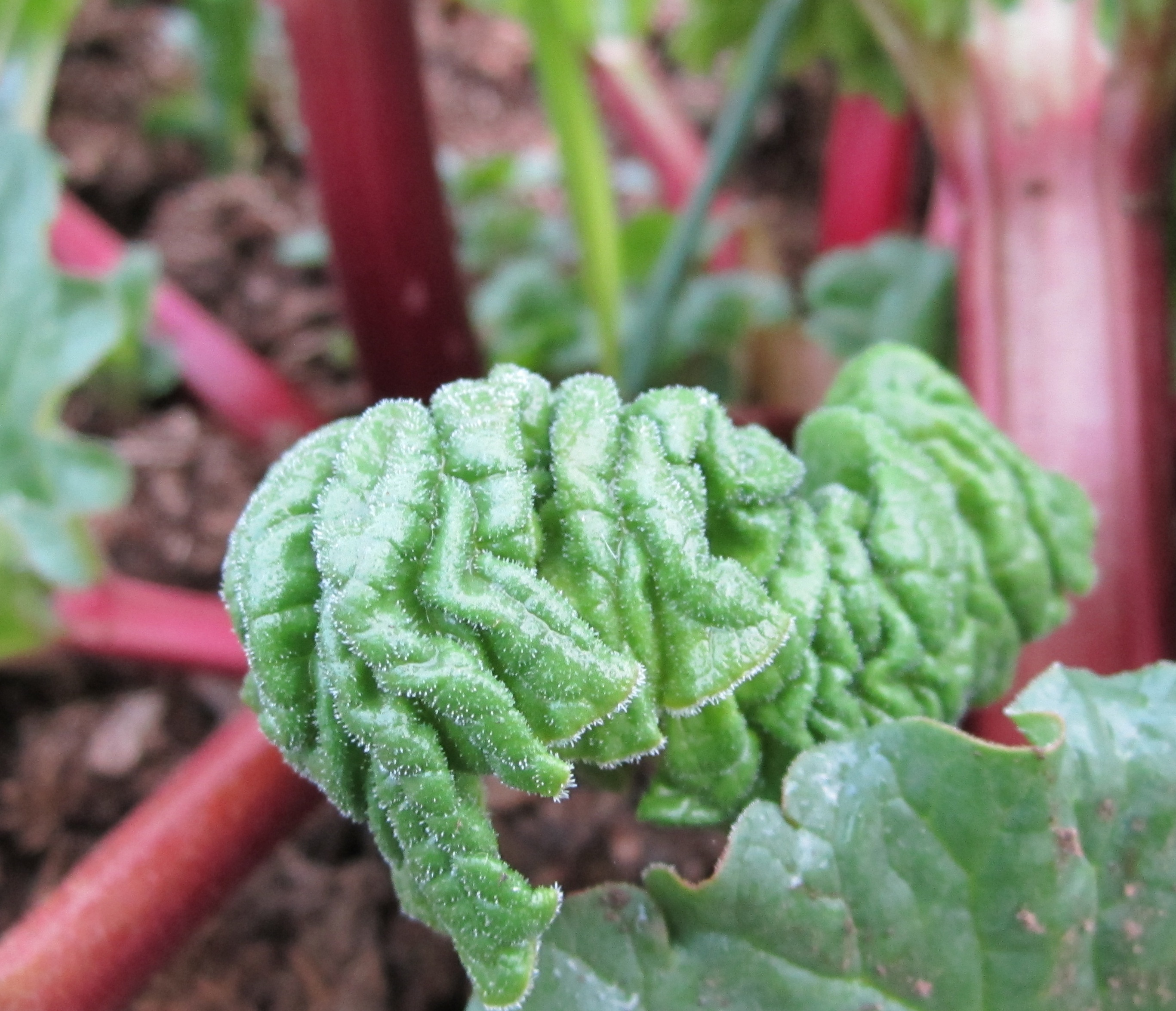
Rhubarb Thinking Its Way Up

When I take the chilly tools
from the shed’s darkness, I come
out to a world made new
by heat and light.

Like a mad red brain
the involute rhubarb leaf
thinks its way up
through loam.
~Jane Kenyon from “April Chores”

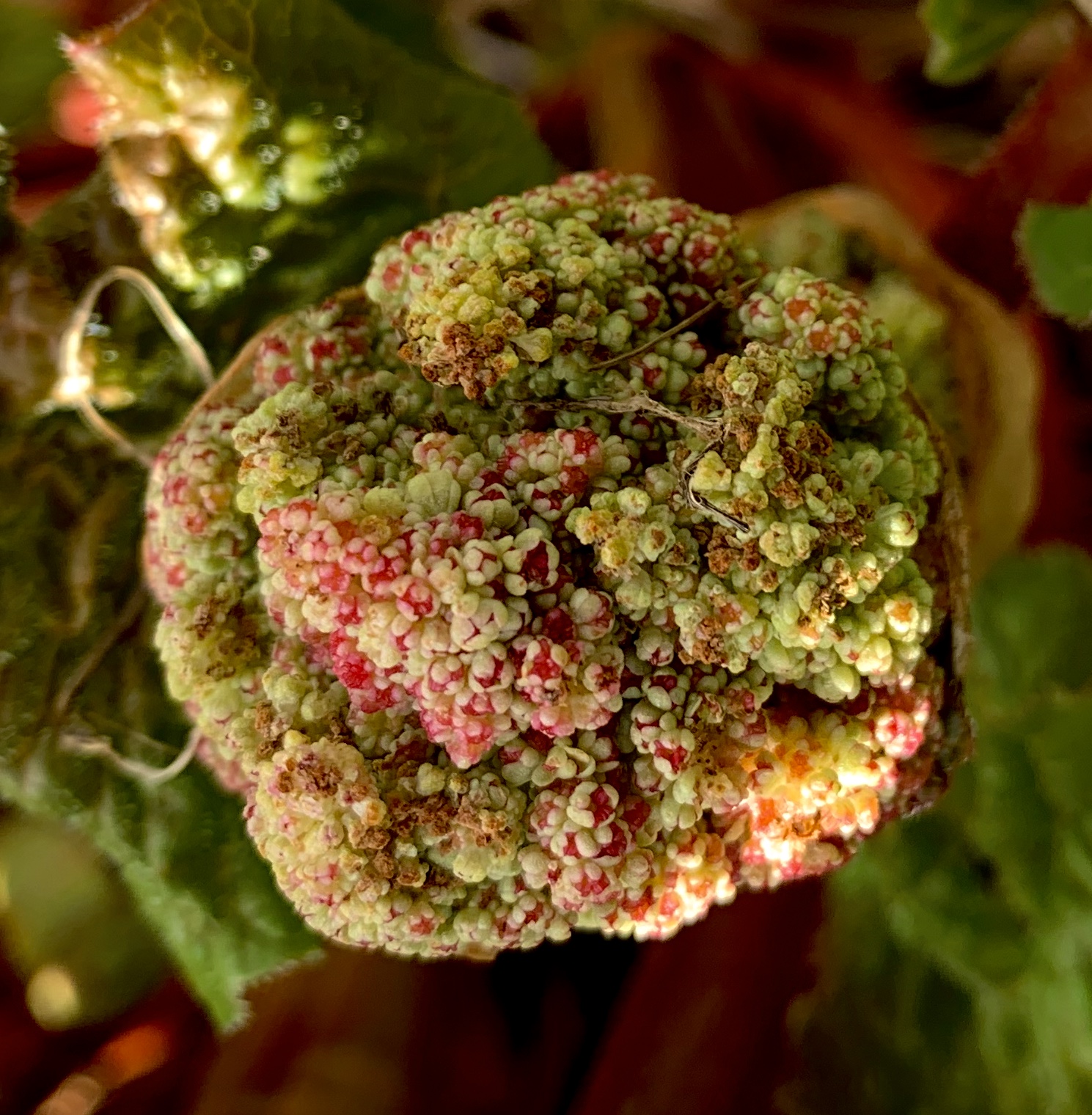
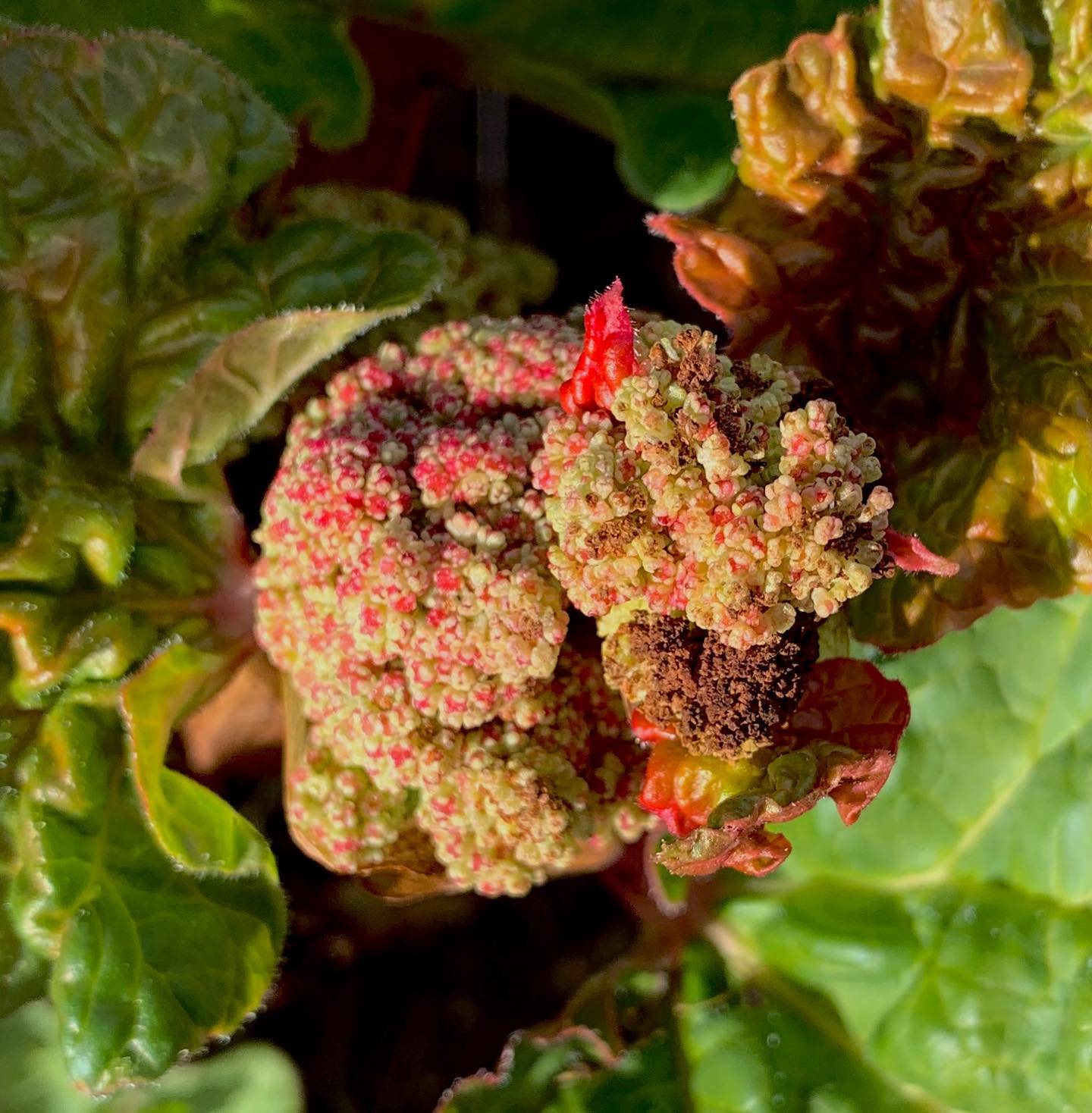
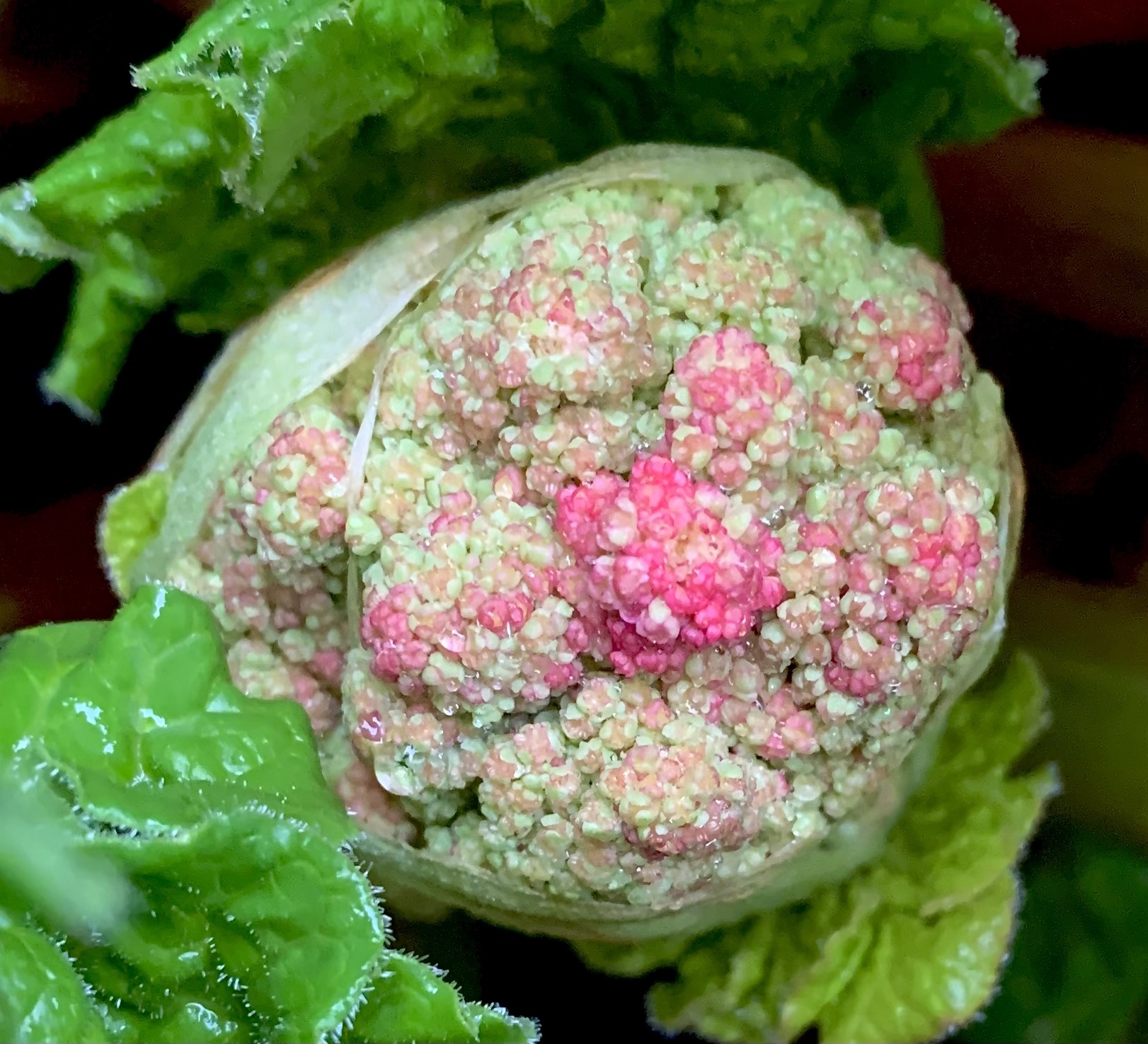
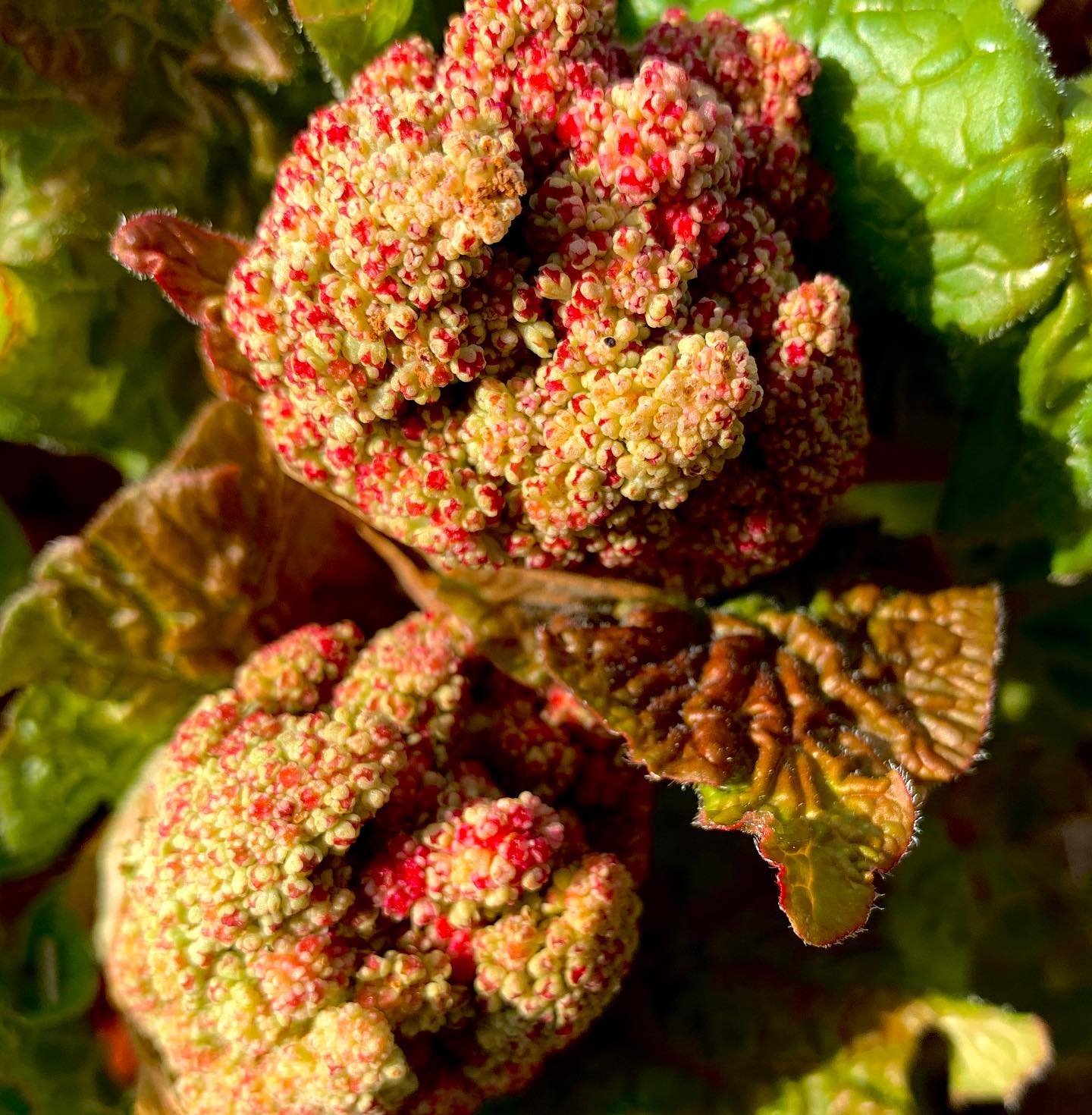
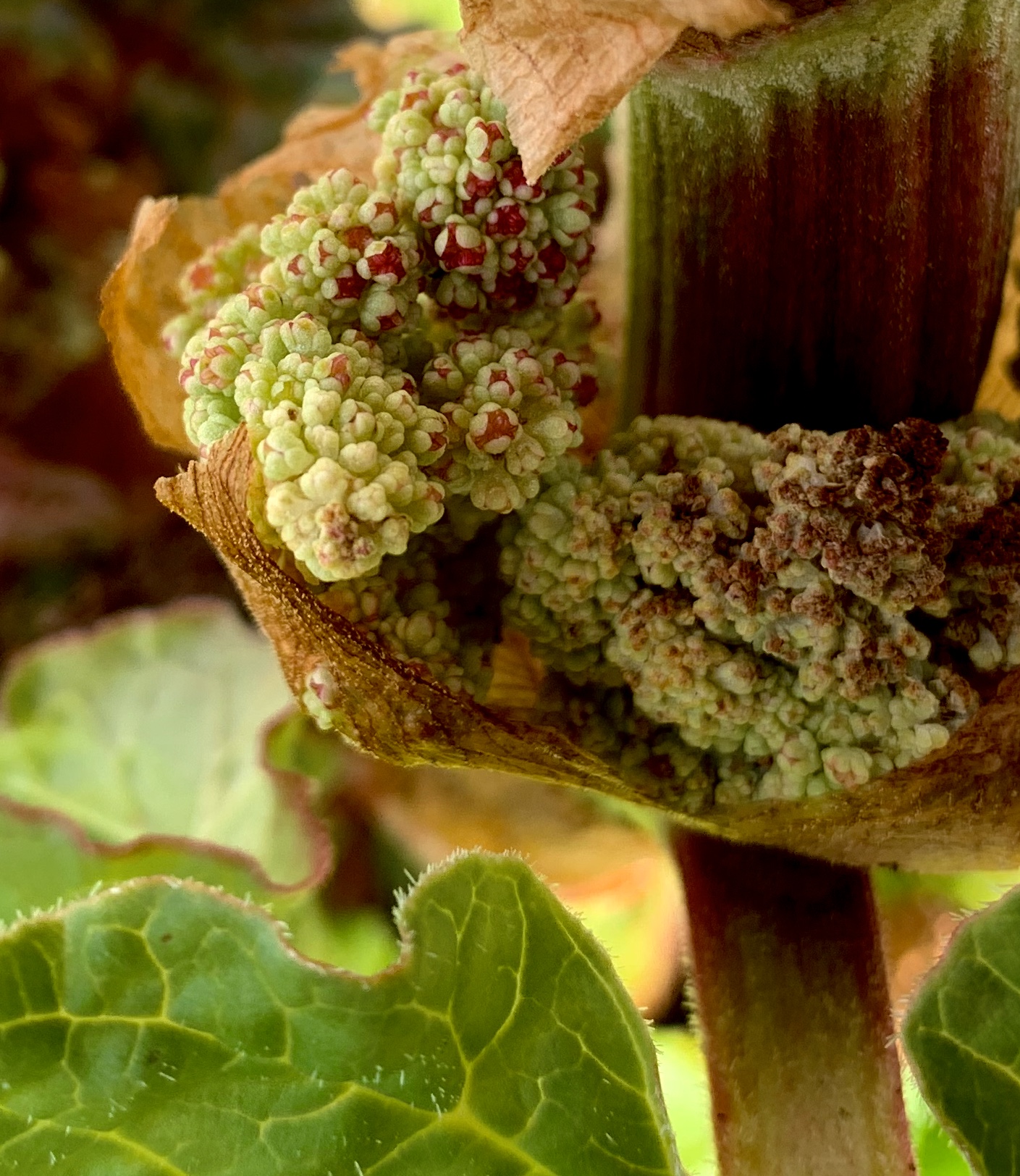
Over the last two weeks, the garden is slowly reviving, and rhubarb “brains” have been among the first to appear from the garden soil, wrinkled and folded, opening full of potential, “thinking” their way into the April sunlight.

Here I am, wishing my own brain could similarly rise brand new and tender every spring from the dust rather than leathery and weather-toughened, harboring the same old thoughts and patterns. 

Indeed, more wrinkles seem to be accumulating on the outside of my skull rather than the inside.

Still, I’m encouraged by my rhubarb cousin’s return every April.  Like me, it may be a little sour that necessitates sweetening, but its blood courses bright red and it is very very much alive.

Just Sad

prairie10


carousel1


We didn’t say fireflies
but lightning bugs.
We didn’t say carousel
but merry-go-round.
Not seesaw,
teeter-totter
not lollipop,
sucker.
We didn’t say pasta, but
spaghetti, macaroni, noodles:
the three kinds.
We didn’t get angry:
we got mad.
And we never felt depressed
dismayed, disappointed
disheartened, discouraged
disillusioned or anything,
even unhappy:
just sad.
~Sally Fisher “Where I Come From”  from Good Question.


morning823172


sunset830176


I felt sadness in that moment because, having been raised in a certain culture, I learned long ago that “sadness” is something that may occur when certain bodily feelings coincide with terrible loss. Using bits and pieces of past experience, such as my knowledge of shootings and my previous sadness about them, my brain rapidly predicted what my body should do to cope with such tragedy. Its predictions caused my thumping heart, my flushed face, and the knots in my stomach. They directed me to cry, an action that would calm my nervous system. And they made the resulting sensations meaningful as an instance of sadness. In this manner, my brain constructed my experience of emotion.

…if you could distinguish finer meanings within “Awesome” (happy, content, thrilled, relaxed, joyful, hopeful, inspired, prideful, adoring, grateful, blissful.. .), and fifty shades of “Crappy” (angry, aggravated, alarmed, spiteful, grumpy, remorseful, gloomy, mortified, uneasy, dread-ridden, resentful, afraid, envious, woeful, melancholy.. .), your brain would have many more options for predicting, categorizing, and perceiving emotion, providing you with the tools for more flexible and functional responses.
~Lisa Feldman Barrett from How Emotions Are Made: The Secret Life of the Brain


sunset81617


sunset720176


Emotions are fleeting. But they are unavoidable and they are the most human of all things. They are not universals; they are arbitrary. But if we feel them deeply and we share them with others, nothing in this life is more real.
~Eric Barker on his blog Barking Up the Wrong Tree


cobblersky78171


morning719172


If there is anything I’ve come to understand over the decades I’ve been a physician, it is that human beings have emotions that make them uncomfortable and that makes them more difficult to share with others.  Sometimes those feelings become so locked up that they leak out of our cells as physical symptoms: headaches, muscle tightness, stomach upset, hypertension.  Other times they are so overwhelming we can no longer function in a day to day way – labeled as rage, panic, mood disorder, depression, self-destructive, suicidal.

Somehow we’ve lost the ability to be just sad.  Just sad.  Sad happens and it happens to us all, some longer than others, some worse than others, some deeper than others.  What makes sad more real and more manageable is if we can say it out loud — whatever ‘sad’ means to us on a given day and to describe the feeling in detail can categorize and manage it — and explain it to others who can listen and help.

Strong emotions don’t always need a “fix”, particularly chemical,  but that is why I’m usually consulted.  Alcohol, marijuana and other drugs tend to be the temporary self-medicated anesthesia that people seek to stop feeling anything at all but it only rages stronger later.

Sometimes an overwhelming feeling just needs an outlet so it no longer is locked up, unspoken and silent, threatening to leak out in ways that tear us up and pull us apart.

Just tell me where you come from, who you are and who you are becoming and then, only then, we might be able to understand why you feel what you do today.  Then, armed with that understanding and how you might respond in a different way,  tomorrow may well feel a bit better.


morning7917

Here God Lives

dandyrainbow

dandy24916

Here God lives, burrowing among
the petals, cross-
pollinating. Here is Christ’s mind
juiced, joined, fleshed, celled.
Here is the clash,
the roil, an invasion, not gentle
as dew; the rose is unfurled
violently until the scent explodes
and detonates in the air
And oh, it trembles—
thousands of seeds ripen in it as
it reels in the wind.
~Luci Shaw from “Flower Head”
dandy4916
I often awake with my mind as askew as my hair,
brushing away the cobwebs of dreams,
smoothing down worries ever present,
curling the whiff of memories long forgotten.
And I realize these same molecules transmitting thoughts
also carried Christ’s while He walked this earth,
the earthbound thoughts of God Himself,
borne by integration of chemistry and ions,
in millions of electrical explosions per second.
My mind is ready to burst with the thought of it:
Here God lives, here He thinks, here He loves.
badhairday

Rhubarb Wrinkles

madrhubarb

Like a mad red brain
the involute rhubarb leaf
thinks its way up
through loam.
~Jane Kenyon from “April Chores”

Over the last few weeks, our garden is slowly reviving, and rhubarb “brains” have been among the first to appear from the garden soil, wrinkled and folded, opening full of potential, “thinking” their way into the April sunlight.

Here I am, wishing my own brain could similarly rise brand new and tender every spring from the dust rather than leathery and weather-toughened, harboring the same old thoughts and patterns.

Indeed, more wrinkles seem to be accumulating on the outside of my skull rather than the inside.

Still, I’m encouraged by my rhubarb cousin’s return every April.  Not unlike me, it may be a little sour necessitating some sweetening, but its blood courses bright red and it is very very much alive.

Thinking Rhubarb

madrhubarb
Like a mad red brain
the involute rhubarb leaf
thinks its way up
through loam.
~Jane Kenyon from “April Chores”

Over the last two weeks, the garden is slowly reviving, and rhubarb “brains” have been among the first to appear from the garden soil, wrinkled and folded, opening full of potential, “thinking” their way into the April sunlight.

Here I am, wishing my own brain could similarly rise brand new and tender every spring from the dust rather than leathery and weather-toughened, harboring the same old thoughts and patterns.  Indeed, more wrinkles seem to be accumulating on the outside of my skull rather than the inside.

Still, I’m encouraged by my rhubarb cousin’s return every April.  Like me, it may be a little sour that necessitates sweetening, but its blood courses bright red and it is very very much alive.


The Most Feeble Thing

photo by Josh Scholten

Man is but a reed, the most feeble thing in nature, but he is a thinking reed.
Blaise Pascal

I’m not sure which is getting flabbier faster–my biceps or my brain.  As I advance in middle age I tend to avoid overworking both to just get by with only occasional heavy lifting:  a hay bale here, a challenging abstract philosophical commentary there.   Hard work, whether physical or mental, is getting harder.  As a naturally lazy person, I have to be forced into manual and central nervous system labor out of necessity.  Necessity happens less and less often unless I go looking for it.

Given the choice between a physical task and a thinking task, I’ll opt for thinking over lifting any day.  Even so, I find my mental strengths are ebbing.  My brain is less flexible, I can tend to be stiff headed when trying something new, it starts to feel strained if I push it too fast.   There are times when it feels like it just goes into spasm and I need to sit down and rub it for awhile.  Feeble suddenly doesn’t sound like it just belongs to the aged and infirm.

The only remedy is to use it or lose it, whether muscles or gray matter.   So I dig a little deeper each day, even when it hurts to do so.   I purposely stretch beyond the point of comfort, just so I know it can still be done.  I lift a little higher, heft a little heavier, push a little harder.  Being the most feeble thing in nature may mean being easily broken by the smallest effort, but at least I’ll have thought my reedy limitations through thoroughly, chewed on it until there was nothing left and digested what I could.

Eventually I’ll come to accept that my greatest strength is to know what I don’t know.

“I have come to think that if I had the mind, I have not the brain and nerves for a life of pure philosophy. A continued search among the abstract roots of things, a perpetual questioning of all that plain men take for granted, a chewing the cud for fifty years over inevitable ignorance and a constant frontier watch on the little tidy lighted conventional world of science and daily life–is this the best life for temperaments such as ours? Is it the way of health or even of sanity?” C. S. Lewis (in a letter to his father, Aug. 14, 1925)