We Will Remember

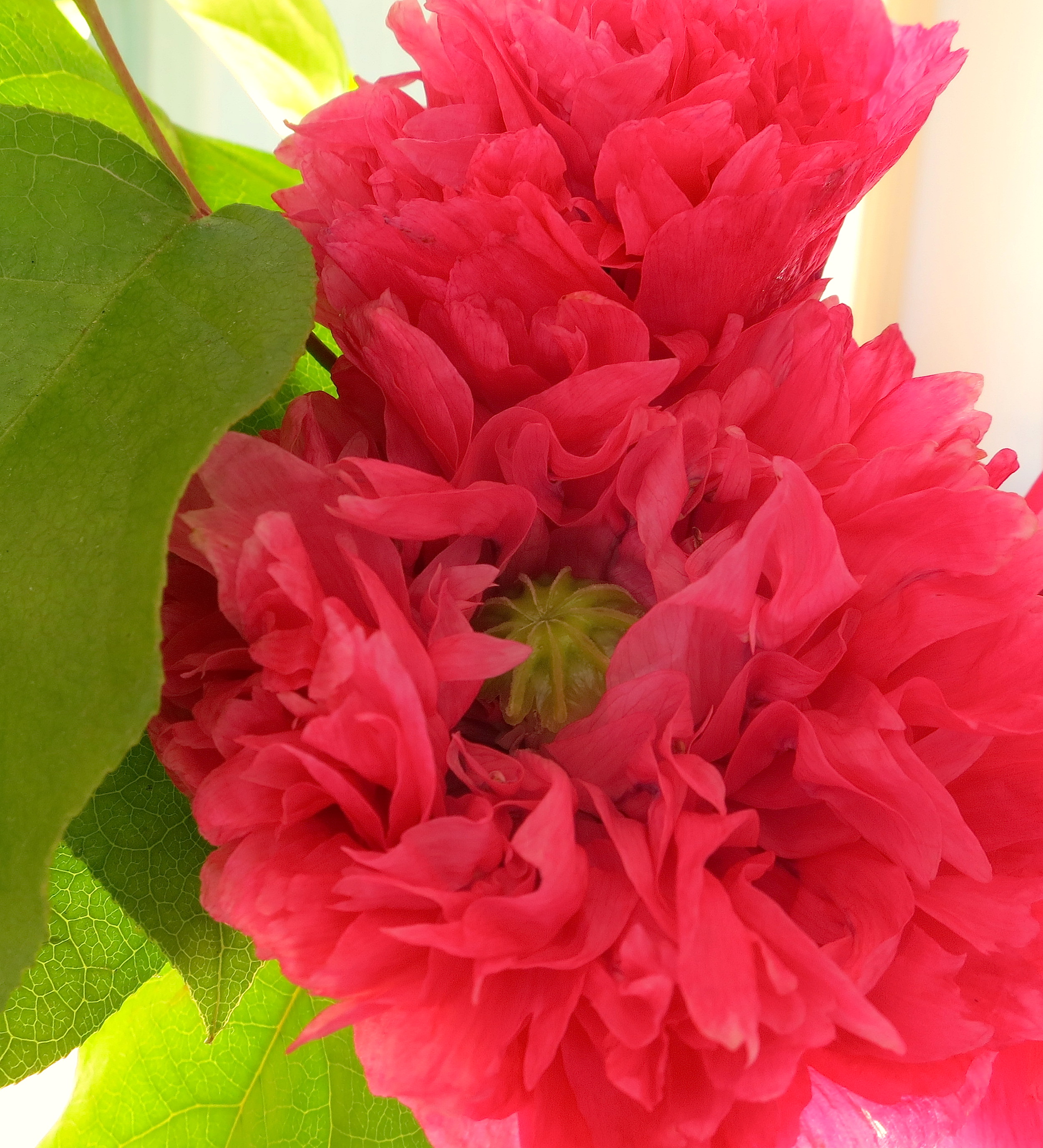
poppypink

They shall grow not old, as we that are left grow old:
Age shall not weary them, nor the years condemn.
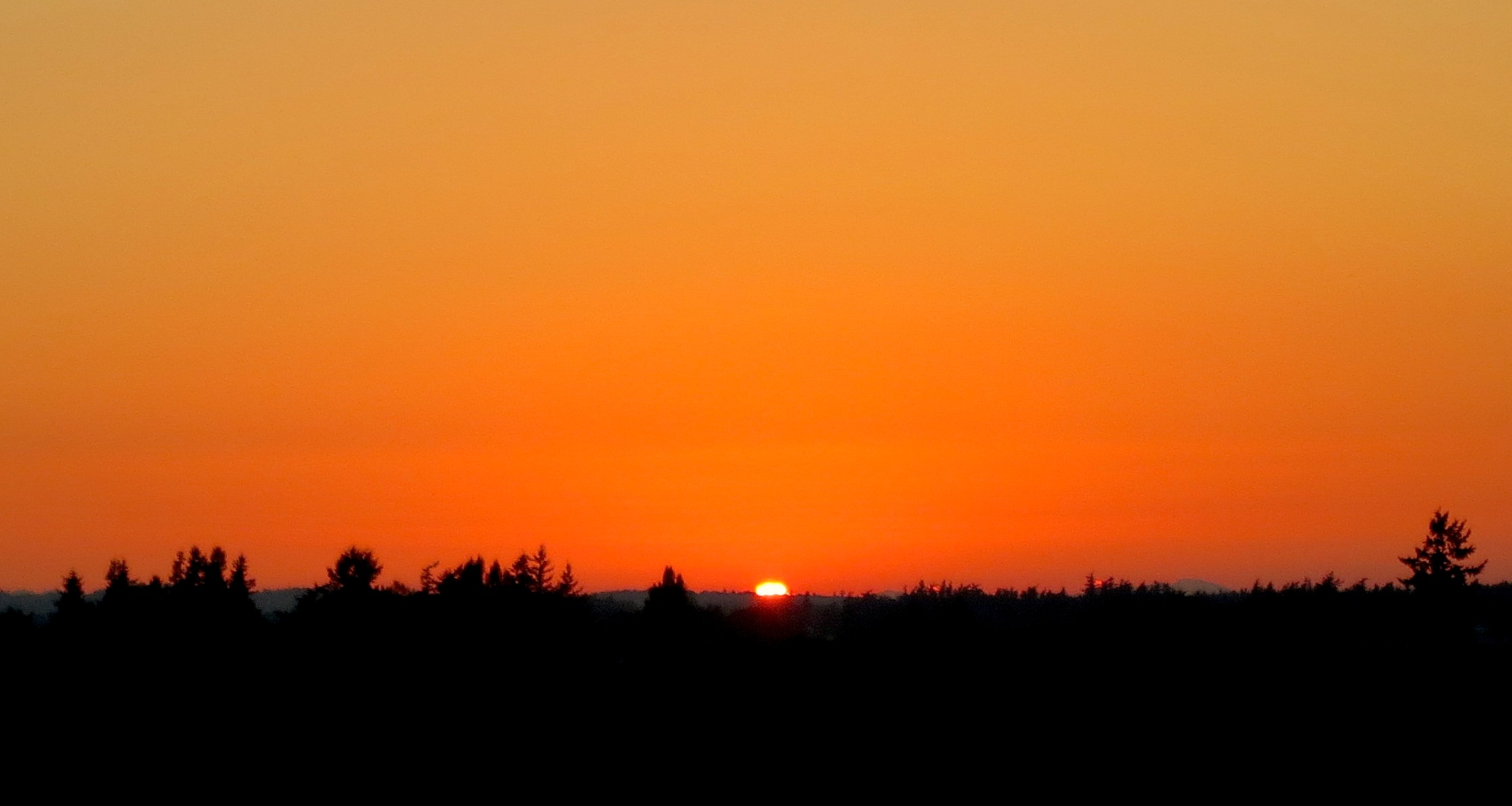
At the going down of the sun and in the morning
We will remember them.
~Lawrence Binyon from “For the Fallen” (1914)

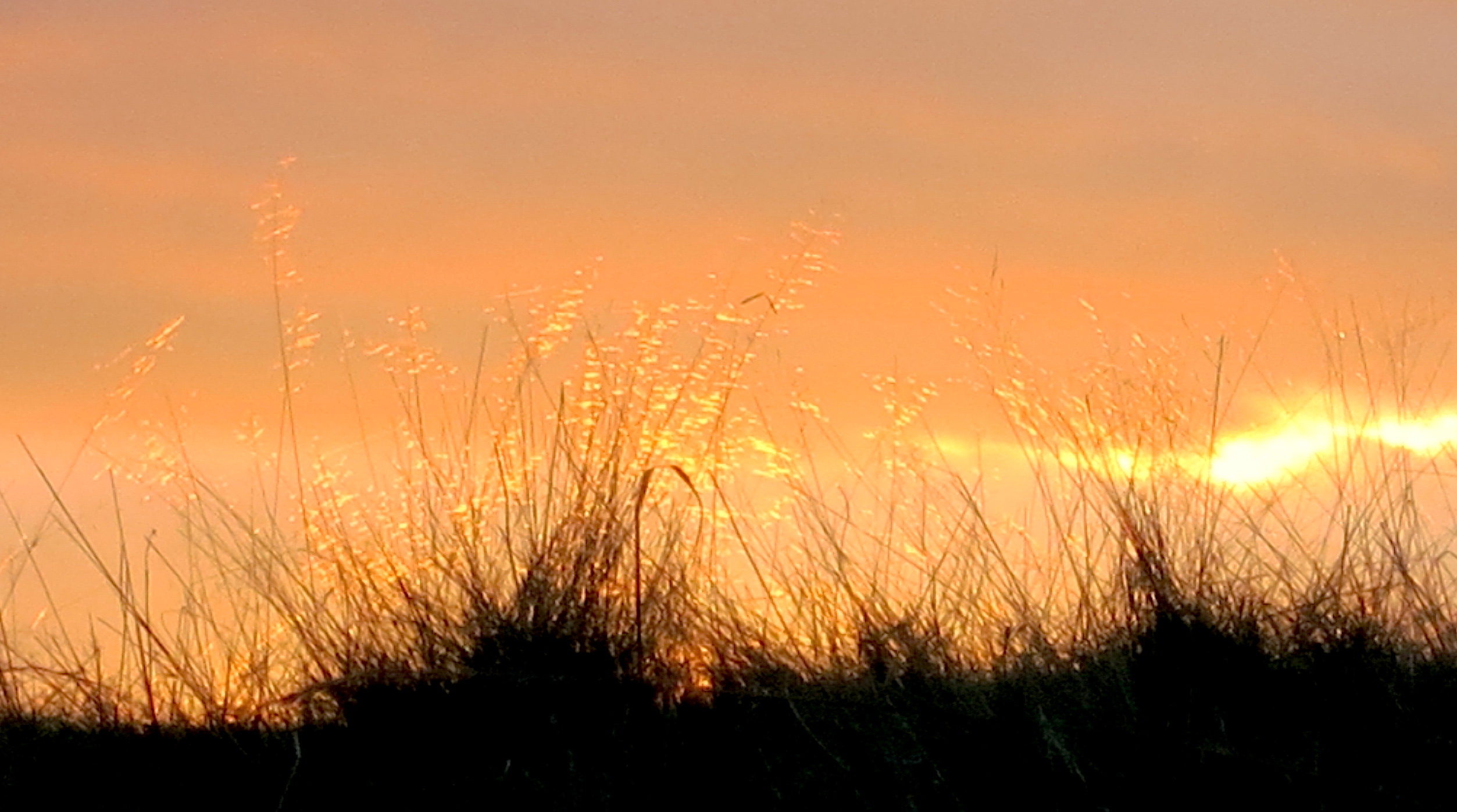
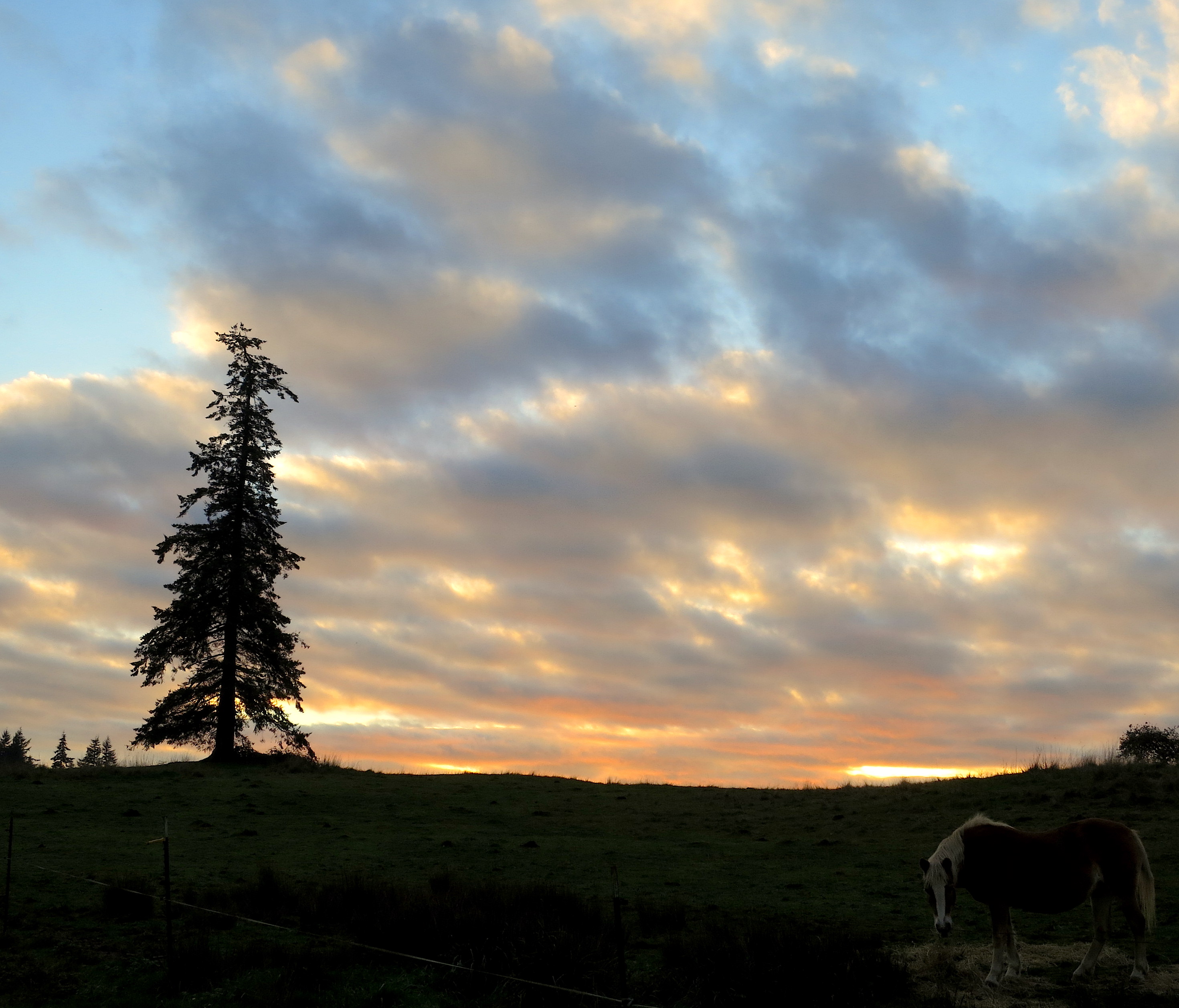
sunset111142

When you go home tell them of us and say –
“For your tomorrow we gave our today”
from “The Kohima Epitaph

poppy

We are the dead; short days ago
We lived, felt dawn, saw sunset glow,
Loved and were loved, and now we lie
In Flanders fields.
~John McCrae from “In Flanders Fields”


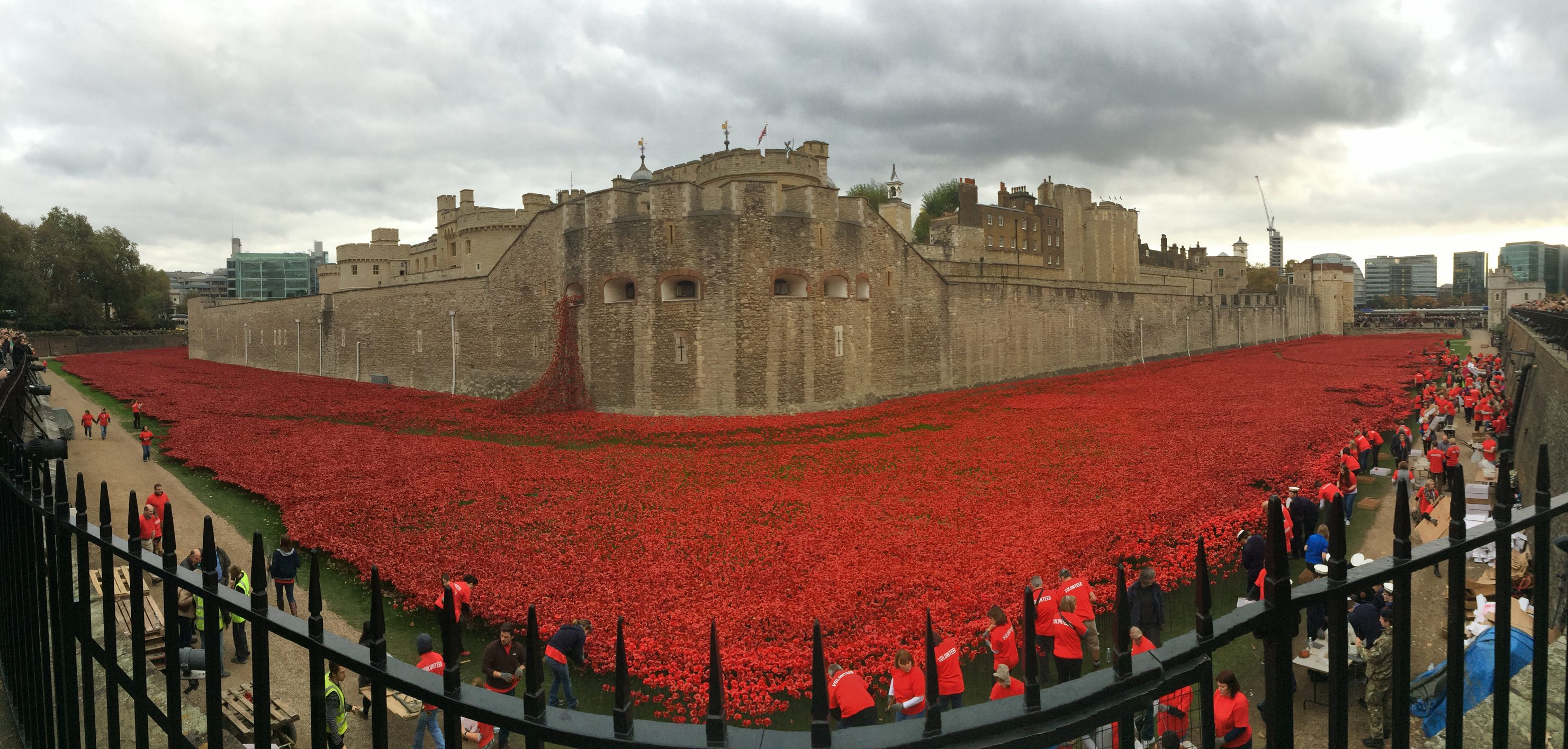
Tower of London Poppies representing the fallen soldiers from the UK and colonies in WWI
Tower of London Poppies representing the fallen soldiers from the UK and colonies in WWI from BBC London

 Courage is almost a contradiction in terms.
It means a strong desire to live taking the form of a readiness to die.
~ G.K. Chesterton 

sunset11114


Solidarity and Silence

madrona


We hear so much today of the word solidarity. It has become a part of our vocabulary in the past twenty or thirty years. Today our solidarity with brothers and sisters of our faith, and of other faiths, in a part of the world where there is clearly an effort to eliminate them is something that we simply cannot in conscience ignore.

Often we are asked: “How was it possible that in human history atrocities occur?” They occur for two reasons: because there are those prepared to commit them, and then there are those who remain silent. And the actions in Iraq and in Syria today are happening to women, children, men—their displacement not the least. Things happening to them is something that we really are not free to ignore, and sometimes all we have to raise is our voice. . . .

I ask myself: Where are these voices? Where the voices of parliaments and congresses? Where are the voices of campuses? Where are the voices of community leaders? . . . Why a silence?
~Cardinal Donald Wuerl at the 2014 convocation at the Catholic University of America

frontyardwalnut 

“Silence in the face of evil,” he said, “is evil itself. God will not hold us guiltless. Not to speak is to speak. Not to act is to act.”
~Dietrich Bonhoeffer

Don’t Be Afraid

sunset96142

hydrangea9614

To acknowledge the significance of this day and the events of 13 years ago:

The grace of God means something like:
Here is your life.
You might never have been, but you are,
because the party wouldn’t have been complete without you.
Here is the world.
Beautiful and terrible things will happen.
Don’t be afraid.
I am with you.
~Frederick Buechner
in Wishful Thinking and later in Beyond Words


sunsetweb96143

dogwoodsept

Revengeful Resurrection

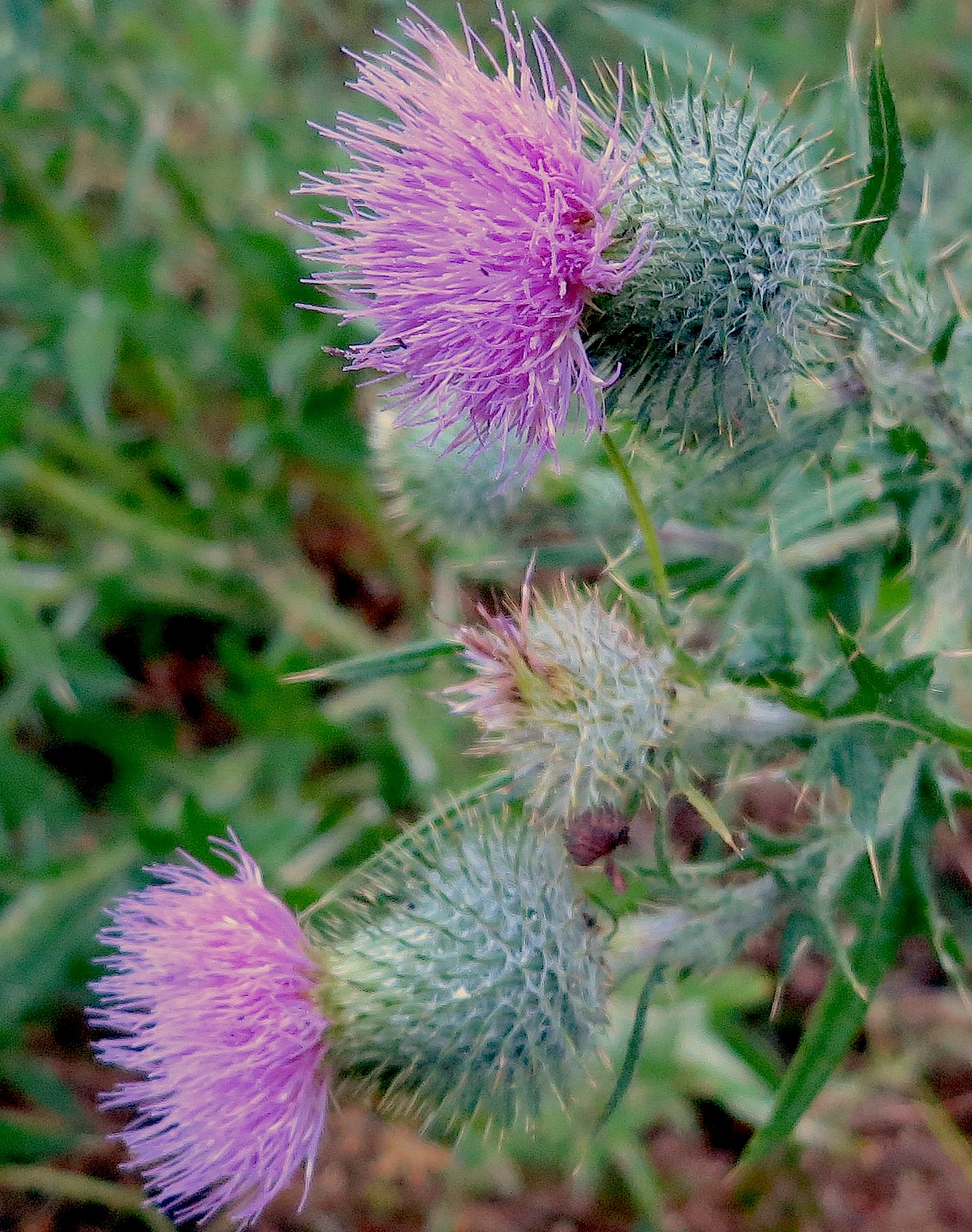
thistled

thistlebugs

Against the rubber tongues of cows and the hoeing hands of men
Thistles spike the summer air
Or crackle open under a blue-black pressure.

Every one a revengeful burst
Of resurrection, a grasped fistful
Of splintered weapons and Icelandic frost thrust up

From the underground stain of a decayed Viking.
They are like pale hair and the gutturals of dialects.
Every one manages a plume of blood.

Then they grow grey, like men
Mown down, it is a feud. Their sons appear,
Stiff with weapons, fighting back over the same ground.
~Ted Hughes “Thistles”

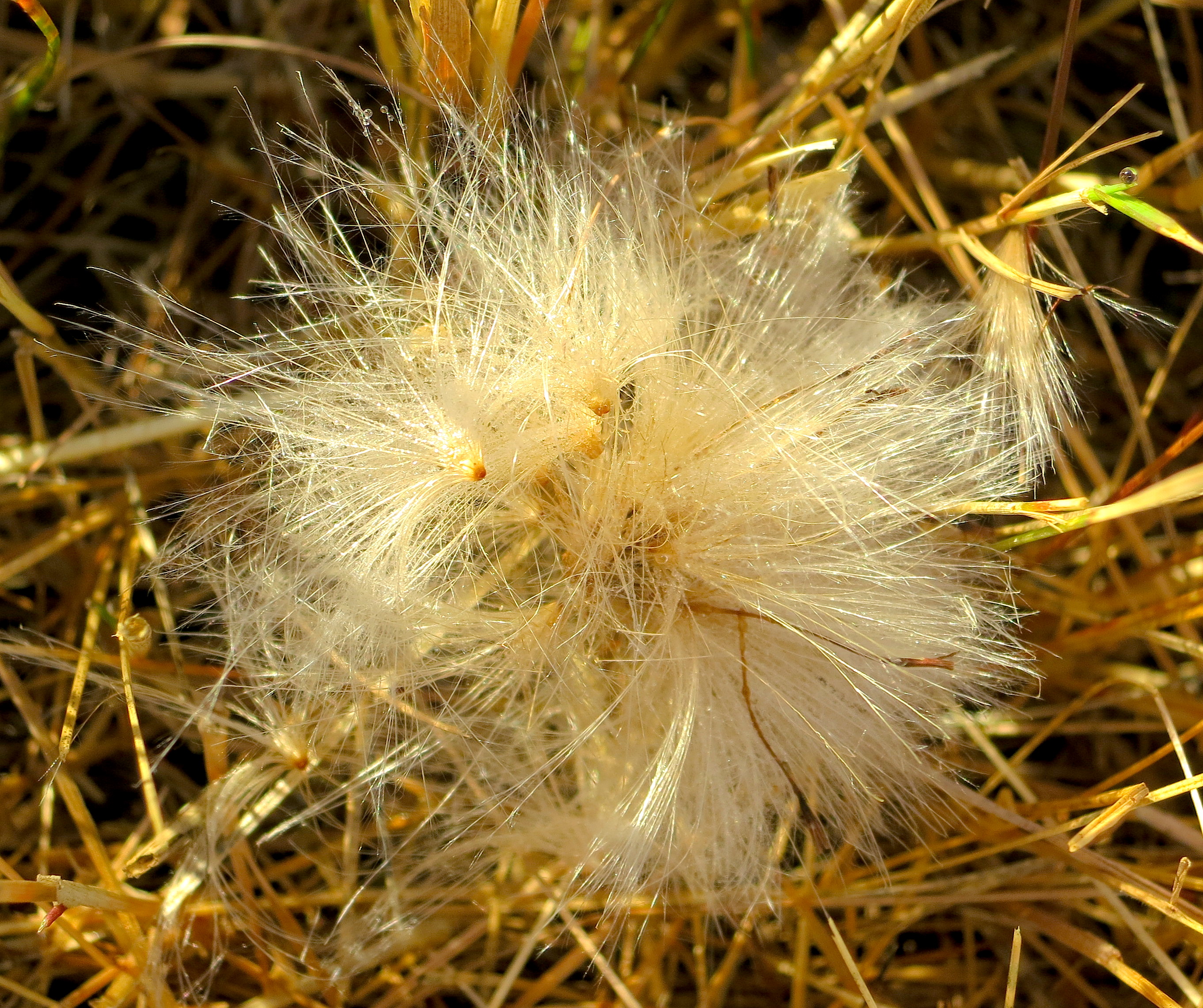
thistlefur

thistledownwwu

Terrible with Raisins

woods23

woods20

woods16

This wasn’t just plain terrible,
this was fancy terrible.
This was terrible with raisins in it.
~Dorothy Parker

More and more of my clinic time is devoted to evaluation and treatment of depression and anxiety rather than sore throats, coughs, UTIs and sprains/strains.  An outbreak of overwhelming misery is climbing to epidemic proportions in our society.  A majority of the patients who are coming in for mental health assessment are at the point where their symptoms are interfering with nearly every aspect of their daily activities and they can no longer cope.  Their relationships are disintegrating, their work/school responsibilities are suffering, they are alarmingly self-medicating with alcohol, marijuana and pornography or whatever seems to give momentary relief.   Suicidal ideation has become common, almost normative, certainly no longer rare.

Things seem terrible.  And not just plain terrible.  First-world-problem-terrible with raisins in it.

We have lost all perspective about terrible.

Terrible is what happened to the Philippine people in the midst of the most horrific typhoon this month –losing everything from their lives to shelter to any means to stay warm, fed and secure, much less find medical care.
Terrible is what happens in numerous countries where political oppression sends refugees across hundreds of miles and borders to seek asylum in foreign lands.
Terrible is what happens when hundreds of thousands are dying from AIDs,  leaving behind their infected orphans to fend for themselves and care for each other.
Terrible is trafficking of human beings for power, gratification and money.

There is plenty of just plain terrible and most of us have no clue what it feels like.  We are so absorbed in our own scratches from the ubiquitous thorns of life, grousing about the raisins that pop up in our own version of terrible,  oblivious to the relative comfort with which we are graced daily compared to most of the world’s population.

Sometimes I think the best treatment for anxiety and depression has little to do with correcting brain chemistry or getting to the right cognitive behavioral insights to beat back negative thoughts, but rather to spend a year digging wells and latrines for those who have never used one.   It is spending hours caring for the detoxing or the dying to see what misery really looks like.  It is understanding how the fight for basic survival after an earthquake, a hurricane, a typhoon, a flood, a tsunami,  makes life even more precious, rather than thrown away as if it is something you can simply upgrade or exchange for a new version.

Maybe, just maybe, when we reach in deeply, even sustaining the scars that come with everyday living, we can look past the thorns to the fruit.  We may bleed getting to it.  Maybe then the raisins don’t seem quite so terrible after all.

woods17

woods22

woods11

Hiding Nothing

changedpriorities
You can hide nothing from God.
The mask you wear before men will do you no good before Him.
He wants to see you as you are,
He wants to be gracious to you.
You do not have to go on lying to yourself and your brothers,
as if you were without sin;
you can dare to be a sinner.

~Dietrich Bonhoeffer from Life Together

One of my Monday morning jobs in our college health clinic is to meet with any student who got so intoxicated they had to spend part of the weekend in the emergency room.  Alcohol poisonings are distressingly common on all college campuses, and ours is no exception.   What I do during our morning-after visit is review the records with the student so they have some idea what took place before they woke up hours later on a gurney in a noisy smelly emergency room– alcohol is an effective amnesia-producing anesthetic when it doesn’t manage to outright kill its consumer.   It is a humbling experience to read about what one said and did while one was under the influence of intoxicants and yet have no memory of any of it.   That is why my time is well spent with the recovering and remorseful.   Not only does their stomach lining still burn from all the vomiting, but their head hurts from acknowledging the risks they took in the name of having a good time.  It is rare that I ever need to meet again with the same student about similar behavior.

This, in reality,  is a very effective kind of hurting, one that is crucial to future decision-making: dangerous behavior is far less appealing when one still carries the scars.  Priorities change for the better.

Today I won’t be able to work in several hundred now-sober students into this morning’s clinic schedule after the unfortunate and widely publicized events that happened just a couple blocks off our college campus a little over 24 hours ago.  I suspect most of the students involved remember more than they wish to about their participation in a big-block-party-gone-terribly-wrong.  They were part of an aggressive mob mentality threatening law enforcement personnel trying to disperse an increasingly rowdy and obnoxious crowd.  Some are finding themselves in video and Instagram/Facebook documentation of their profane words and gestures, throwing potentially lethal objects, vandalizing private and city property as well as causing thousands of dollars of city resources to confront out of control drunk rioters.   These students can try to lay low but there is no place to hide from their inner knowledge of what they have done, the part they played and the irreparable damage they caused to individuals, relationships, property and as well as the reputations of the city and the university.  There is no comforting alcohol amnesia to hide within this time.

The only possible healing from an event like this is to come clean about what one has done, admit the mistakes made and work to make it right no matter the cost — to dare to acknowledge the sins committed and accept the consequences of one’s actions.

Hiding is cheap — guilt and shame remain behind the mask.
Grace and forgiveness is costly but there is no longer need to hide and be eaten away by a continually hurting soul.

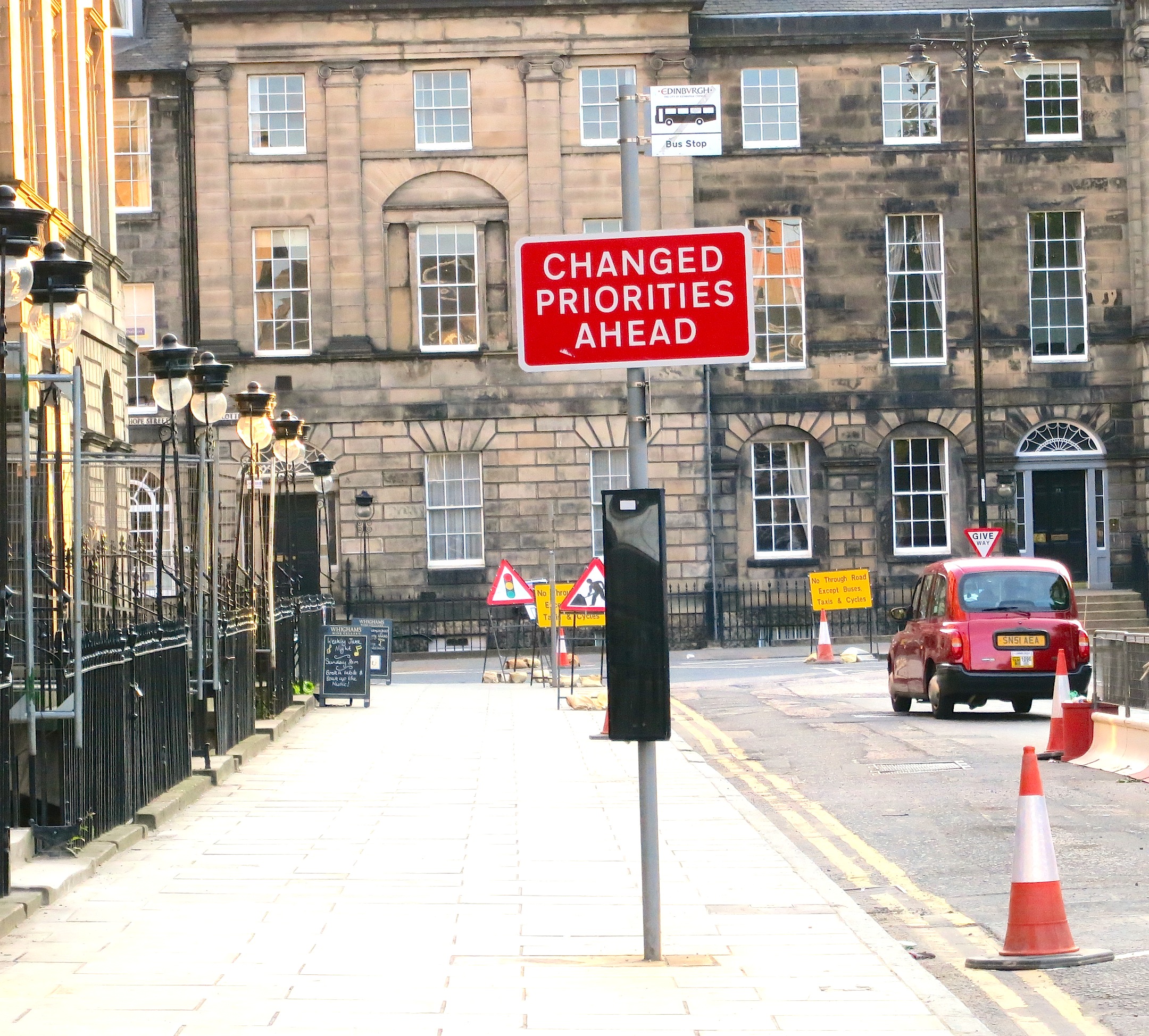
My prescription for this day and in the days to come:  changed priorities ahead.  College is about obtaining a valuable and precious education, not about finding the biggest and best party of intoxicants.

Take with food and a large dose of humility.

Color of Steep Sun

rosehips3

wwublossom

redrose
Red is the color of blood, and I will seek it:
I have sought it in the grass.
It is the color of steep sun seen through eyelids…
This is the time of day for recollections
~Conrad Aiken
Twelve years ago it was a day that started with bright sun above and ended in bloodshed below.
It is a day for recollections;
we seek remembrance,
with eyes open,
and through closed eyelids
steeped in the red that flowed that day.
elderberry2
hollyhockclose
redcurrants

20130911-111236.jpg

20130911-125511.jpg

sunsetred

May 19, 1975 Remembered

May 19, 1975

photo by Larry Goldman

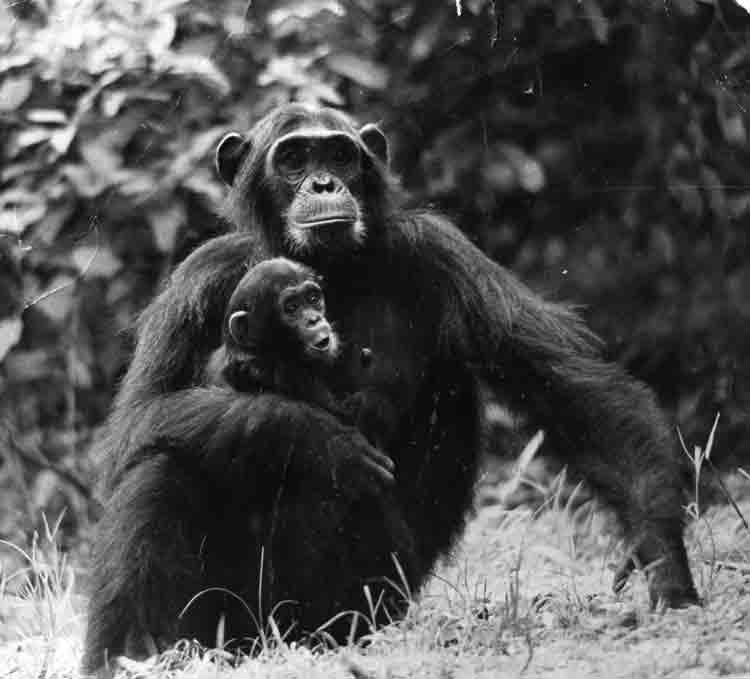
In recognition of this day 38 years ago, I’m reprinting this part of my Gombe saga, working as a student research assistant for Jane Goodall in western Tanzania in 1975.

At first glance,  Gombe National Park in Tanzania felt like paradise—a serene piece of the earth filled with exotic and fascinating wildlife, an abundance of fish and fruit to eat, and the rich unfamiliar sounds and smells of the tropical jungle.  It was a façade.  It was surrounded by the turmoil and upheaval of political rebellion and insurgencies in its neighboring countries, inflamed even more by the fall of Saigon in Vietnam a month previously due to the earlier pull out of the Americans from that long and tragic war.

Only a few miles north of our research station in Gombe National Park in western Tanzania, there had been years of civil war in the small land locked country of Burundi.  When the wind was just right, we could hear gunfire and explosions echoing over the valleys that separated us.  Escaping refugees would sometimes stop for food on their way to villages in Tanzania to the south, seeking safe haven in one of the poorest countries in the world, only a decade into its own experiment with socialism, Ujamaa.

There was also word of ongoing military rebellion against the dictatorship of President Mobutu in the mountainous country of Zaire twelve miles west across Lake Tanganyika.

Morning comes early for field studies of wildlife, as the research day must start before the chimpanzee and baboon subjects wake up and begin to stir. Before midnight, while we slept soundly in our metal huts scattered up the mountainside, a group of armed soldiers arrived by boats to the shore of Gombe National Park.

Storming the beach huts housing two unarmed Gombe park rangers and their families, the soldiers seized one and demanded to be told where the researchers were. The ranger refused to provide information and was severely beaten about the head and face by the butts of the rifles carried by the invaders.  The armed soldiers then divided into smaller groups and headed up the trails leading to the huts, coming upon four sleeping student researchers, tying them up, taking them hostage, forcing them into boats and taking them across the lake back to Zaire.

Asleep farther up the mountain, we were wakened by some students who were fleeing, hearing the commotion.  No one really understood what was happening down lower on the mountain. There were shouts and screams, and gun shots had been heard.  Had someone been injured or killed?   There was no choice but to run and hide deep in the bush at a predetermined gathering spot until an “all clear” signal was given by the rangers.

We hurried along barely familiar  trails in the black of the jungle night, using no flashlights, our hearts beating hard, knowing we had no defense available to us other than the cover of darkness.

That was the longest wait for morning of my life, sitting alongside Jane holding her son Grub.  A hand full of other students had also made their way to the hiding spot, none of us knowing what to think, say or do.  We could only barely see each other’s faces in the darkness and were too frightened to make any sounds.  We carried no weapons, and there was no way to communicate with the outside world.   We had no idea how many of us may be missing, or possibly dead.

Jane held Grub in her arms, trying to keep him quiet, but his eight year old imagination was ignited by the events that had just unfolded.

“Will they kidnap me, Jane?  Will they come for me?  Where will they take us?  Will they shoot us dead?”

Jane, her face hidden by her blonde hair loose about her shoulders,  sat rocking him, cradling him. “Shhh, shhh, we don’t want them to find us.  We’re safe staying right here.  Everything will be fine in the morning.  No one will take you from me.”

She concluded: “They would have to shoot me first…”  and at that, Grub began to sob silently into her shoulder.  He knew that was how baby chimpanzees were captured by bounty hunters, by shooting the mother dead and snatching the infant from her protective embrace.

When the morning of May 20 dawned, the park rangers located us, and pieced together the events as best they could–the soldiers were Zairean rebels living in remote mountains, fighting  an insurgency against the Zaire government. Seeking funds for their cause, they saw a kidnapping of Americans and Europeans as a way to raise quick funds and world publicity and sympathy.  Four of our friends/coworkers were missing, the camp was ransacked and the rangers hurt but with no life threatening injuries.   There was no way to remain safe at the Park, and our colleagues needed whatever help we could offer for their rescue.

We were able to send a messenger to a nearby fishing village, and a radio call was sent out to the small town of Kigoma, then relayed to Dar Es Salaam and Nairobi.  Help arrived within a few hours, when a United Nations boat monitoring the civil war activities in Burundi pulled off shore near our camp.  We were told we needed to evacuate Gombe that day, and would be taken to Kigoma, and then flown by bush pilot to Nairobi, Kenya to cooperate in the investigation of the kidnapping.

In Nairobi, at the US Embassy, I met CIA agents who viewed our wild primate studies with some suspicion.  Each of us were grilled individually as to our political beliefs, our activities at the camp and whether we may be somehow involved in subversive actions against the Zaire or Tanzanian governments.  We were dumbfounded that our own countrymen would be so skeptical about our motives for being in Africa.  It became clear our own government would be no help in resolving the kidnapping and bringing our friends home to safety.  The agents did not shed any light on whether our friends were alive or dead.

We were then hustled into a press conference where we were interviewed for television and print media by the worldwide news agencies, and my parents saw me on the CBS evening news before they actually heard my voice over the phone.

It took over three months, private negotiations and ransom money to free all four of our friends back to safety.

The Cruelest Month

photo by Josh Scholten

(Eliot’s Wasteland echoes the brokenness of this day in Boston)

Burial of the Dead
April is the cruelest month, breeding
Lilacs out of the dead land, mixing
Memory and desire, stirring
Dull roots with spring rain.
Winter kept us warm, covering
Earth in forgetful snow, feeding
A little life with dried tubers.

What the Thunder Said
After the torchlight red on sweaty faces
After the frosty silence in the gardens
After the agony in stony places
The shouting and the crying
Prison and palace and reverberation
Of thunder of spring over distant mountains
He who was living is now dead
We who were living are now dying
With a little patience
~T.S. Eliot from “The Wasteland”

photo by Josh Scholten

Advent Cries: Overcoming Fear

photo by Josh Scholten

We forget that God is right there, waiting for us to turn to him, no matter how dire our situation.  We forget the reassuring words of his messengers: “Fear not.”
God always seeks to draw close to us — even in the depths of hell.

…it comes down to this: the only way to truly overcome our fear of death is to live life in such a way that its meaning cannot be taken away by death.  It means fighting the impulse to live for ourselves, instead of for others.  It means choosing generosity over greed.  It also means living humbly, rather than seeking influence and power.  Finally, it means being ready to die again and again — to ourselves, and to every self-serving opinion or agenda.
~Johann Christoph Arnold

There is a cacophony of debates about where to place the blame for the current epidemic of senseless mass shootings of innocent people; these arguments are flying around kitchen tables, in barber shops, through countless comments on online blogs and news reports.  We want to place the blame somewhere: the easy access to the weapons used, the lack of access to mental illness treatment, the overparenting, the lack of parenting, the violence of video games and movies, the lack of foundational spiritual faith, the overabundance of fundamentalist spiritual faith.

None of it meets the real problem head on:  evil exists no matter what the weapon used or the mental illness left untreated.   As we learned after the airplanes-as-weapons tragedies of 911, massive expense and legislation barely keeps evil at bay, simply moving its practitioners on to some other means.   No place on this earthly soil is truly secure and no amount of money nor new laws will create that place, as hard as we might want to believe that can happen.

So we must fall back on what we were told long ago: fear not.
Do not be overwhelmed with evil but overcome evil with good.  We have seen it yet again in the case of the heroes in this most recent tragedy: teachers and staff who made themselves the targets, placing themselves in front of those children who depended on them.

The goal of this life is to live for others, to be ready to die, living in a way such that death cannot erase the meaning and significance of a life.
Give up our selfish agendas in order to consider the needs of the greater good.
Cherish life, all lives,  especially those of our precious children — including the unborn — the unwanted, inconvenient, wrong-gendered or genetically impaired.
And we must cherish,  rather than intentionally hastening,  the final months, weeks, days and hours of our completely dependent and disabled terminally ill and elderly.  If we do not protect the lives of the weakest among us, we are turning them over (and we will soon follow) to the darkness.

Our only defense against evil is God’s offense; only He will lead us to the light where everything sad will come untrue.
Only then will there be no more fear — not ever — ever again.