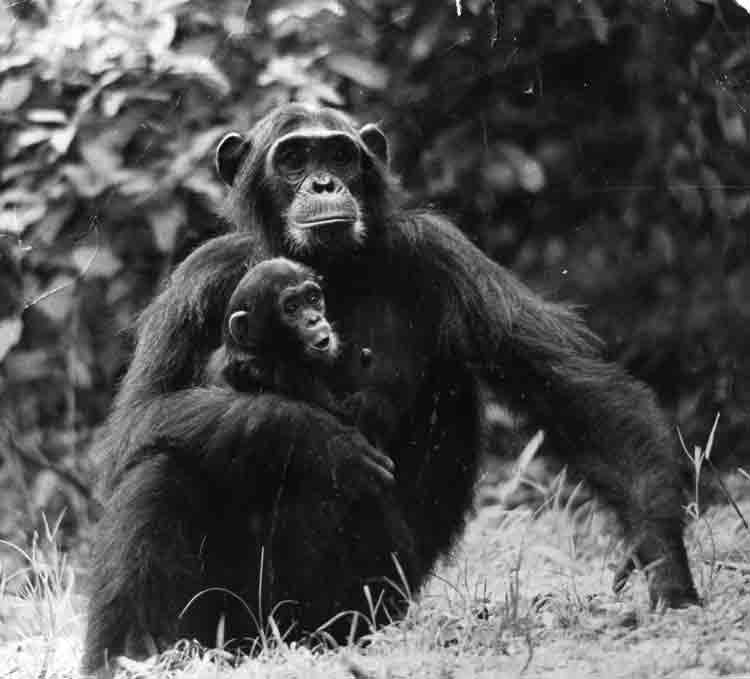
Remembering May 19

photo by Larry Goldman

Reflecting on the courage shown by Tanzanian park rangers and my kidnapped research colleagues on this unforgettable day 41 years ago  —  I’m reposting this part of my Gombe saga from when I worked as a student research assistant for Jane Goodall in western Tanzania in 1975.

At first glance,  Gombe National Park in Tanzania felt like paradise—a serene piece of the earth filled with exotic and fascinating wildlife, an abundance of fish and fruit to eat, and the rich unfamiliar sounds and smells of the tropical jungle.  It was a façade.  It was surrounded by the turmoil and upheaval of political rebellion and insurgencies in its neighboring countries, inflamed even more by the fall of Saigon in Vietnam a month previously due to the earlier pull out of the Americans from that long and tragic war.

Only a few miles north of our research station in Gombe National Park in western Tanzania, there had been years of civil war in the small land locked country of Burundi.  When the wind was just right, we could hear gunfire and explosions echoing over the valleys that separated us.  Escaping refugees would sometimes stop for food on their way to villages in Tanzania to the south, seeking safe haven in one of the poorest countries in the world, only a decade into its own experiment with socialism, Ujamaa.

There was also word of ongoing military rebellion against the dictatorship of President Mobutu in the mountainous country of Zaire twelve miles west across Lake Tanganyika.

Morning comes early for field studies of wildlife, as the research day must start before the chimpanzee and baboon subjects wake up and begin to stir. Before midnight, while we slept soundly in our metal huts scattered up the mountainside, a group of armed soldiers arrived by boats to the shore of Gombe National Park.

Storming the beach huts housing two unarmed Gombe park rangers and their families, the soldiers seized one and demanded to be told where the researchers were. The ranger refused to provide information and was severely beaten about the head and face by the butts of the rifles carried by the invaders.  The armed soldiers then divided into smaller groups and headed up the trails leading to the huts, coming upon four sleeping student researchers, tying them up, taking them hostage, forcing them into boats and taking them across the lake back to Zaire.

Asleep farther up the mountain, we were wakened by some students who were fleeing, hearing the commotion.  No one really understood what was happening down lower on the mountain. There were shouts and screams, and gun shots had been heard.  Had someone been injured or killed?   There was no choice but to run and hide deep in the bush at a predetermined gathering spot until an “all clear” signal was given by the rangers.

We hurried along barely familiar  trails in the black of the jungle night, using no flashlights, our hearts beating hard, knowing we had no defense available to us other than the cover of darkness.

That was the longest wait for morning of my life, sitting alongside Jane holding her son Grub.  A hand full of other students had also made their way to the hiding spot, none of us knowing what to think, say or do.  We could only barely see each other’s faces in the darkness and were too frightened to make any sounds.  We carried no weapons, and there was no way to communicate with the outside world.   We had no idea how many of us may be missing, or possibly dead.

Jane held Grub in her arms, trying to keep him quiet, but his eight year old imagination was ignited by the events that had just unfolded.

“Will they kidnap me, Jane?  Will they come for me?  Where will they take us?  Will they shoot us dead?”

Jane, her face hidden by her blonde hair loose about her shoulders,  sat rocking him, cradling him. “Shhh, shhh, we don’t want them to find us.  We’re safe staying right here.  Everything will be fine in the morning.  No one will take you from me.”

Grub began to sob silently into her shoulder.

When the morning of May 20 dawned, the park rangers located us, and pieced together the events as best they could–the soldiers were Zairean rebels living in remote mountains, fighting  an insurgency against the Zaire government. Seeking funds for their cause, they saw a kidnapping of Americans and Europeans as a way to raise quick funds and world publicity and sympathy.  Four of our friends/coworkers were missing, the camp was ransacked and the rangers beaten but with no life threatening injuries.   There was no way to remain safe at the Park, and our colleagues needed whatever help we could offer for their rescue.

We were able to send a messenger to a nearby fishing village, and a radio call was sent out to the small town of Kigoma, then relayed to Dar Es Salaam and Nairobi.  Help arrived within a few hours, when a United Nations boat monitoring the civil war activities in Burundi pulled off shore near our camp.  We were told we needed to evacuate Gombe that day, and would be taken to Kigoma, and then flown by bush pilot to Nairobi, Kenya to cooperate in the investigation of the kidnapping.

In Nairobi, at the US Embassy, I met CIA agents who viewed our wild primate studies with suspicion.  Each of us were grilled individually as to our political beliefs, our activities at the camp and whether we may be somehow involved in subversive actions against the Zaire or Tanzanian governments.  We were dumbfounded that our own countrymen would be so skeptical about our motives for being in Africa.  It became clear our own government would be no help in resolving the kidnapping and bringing our friends home to safety.  The agents did not shed any light on whether they knew our friends were alive or dead.

We were then hustled into a press conference where we were interviewed for television and print media by the worldwide news agencies, and my parents saw me on the CBS evening news before they actually heard my voice over the phone.  I flew back to Stanford the next day, spending 24 hours on a plane that made six stops up the coast of West Africa on its way back west, to tell what I knew to President Lyman and other administration officials at Stanford as they prepared a plan to locate and free the students.   I then returned home to Washington state to await any news that came too slowly from a place so far away that I remain astonished to this day that I was ever there at all.

It took over three months, private negotiations and ransom money to free all four of our friends back to safety.
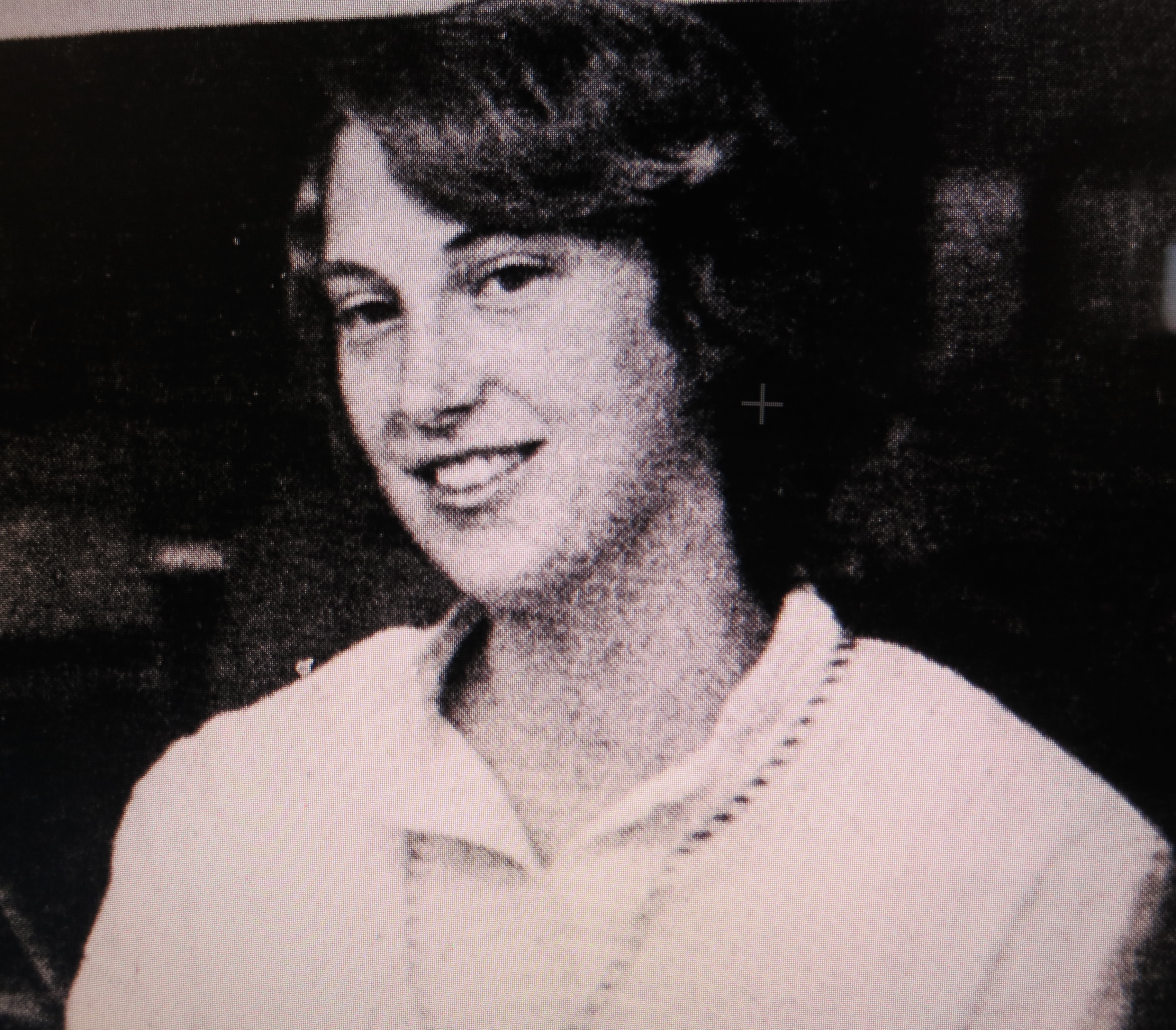
photo from a press conference at Stanford a few days later

The Thoughts We Cannot Say

dandysunset5116

sunsetdandy51166

wwubird

A hundred thousand birds salute the day:–
        One solitary bird salutes the night:
Its mellow grieving wiles our grief away,
        And tunes our weary watches to delight;
It seems to sing the thoughts we cannot say,
        To know and sing them, and to set them right;
Until we feel once more that May is May,
        And hope some buds may bloom without a blight.
This solitary bird outweighs, outvies,
        The hundred thousand merry-making birds
Whose innocent warblings yet might make us wise
Would we but follow when they bid us rise,
        Would we but set their notes of praise to words
And launch our hearts up with them to the skies.
~Christina Rossetti

birdsfilbertrain

It is hard work to feel morose in May –
yet with so much blooming blight
and wild reckless tweets and twittering
drowning us all –
Should such din and clatter
weigh heavily,
I seek a lightening of spirit
to rise far above,
launching my heart to the skies.


dandysunset51164

sundayevenin5

Bitter, Inimical, Implacable Cold

icywindshield3

frost1411

Cold is an absence, an absence of heat, and yet it feels like a presence–a vigorous, hostilely active presence in the air that presses upon your naked face and that makes your fingers and toes ache within their mittens and boots.  Cold is always working, it seems– busy freezing water in the ponds and rivers, knitting intricate six-sided snowflakes by the billions, finding cracks around the walls and windows of your house, forcing furnaces in the cellar to roar away.

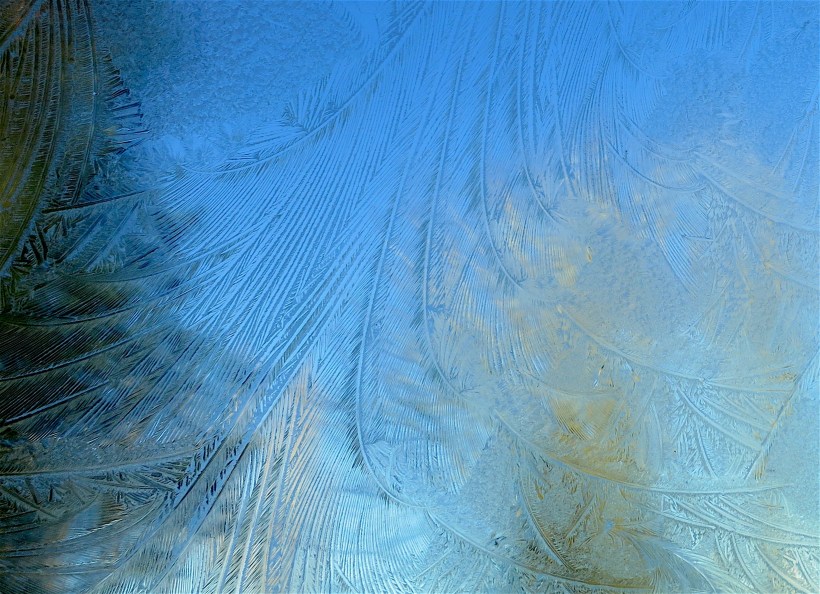
I like winter because it locks me indoors with my books, my word processor, and my clear and brittle thoughts. There is a visual poetry that goes with the cold.  Ferns and stars of frost mysteriously appear on the windows and take their place in a child’s mythology.

The cold has the philosophical value of reminding men that the universe does not love us…cold is our ancient companion.   To return back indoors after exposure to the bitter, inimical, implacable cold is to experience gratitude for the shelters of civilization, for the islands of warmth that life creates.
~John Updike from “The Cold”

Today, a goodly portion of the eastern seaboard of the United States is bracing for a mammoth blizzard immobilizing travelers and rendering folks home-bound. Meanwhile, here in the Pacific Northwest, our temperature reached an unseasonably balmy 60 degrees yesterday.

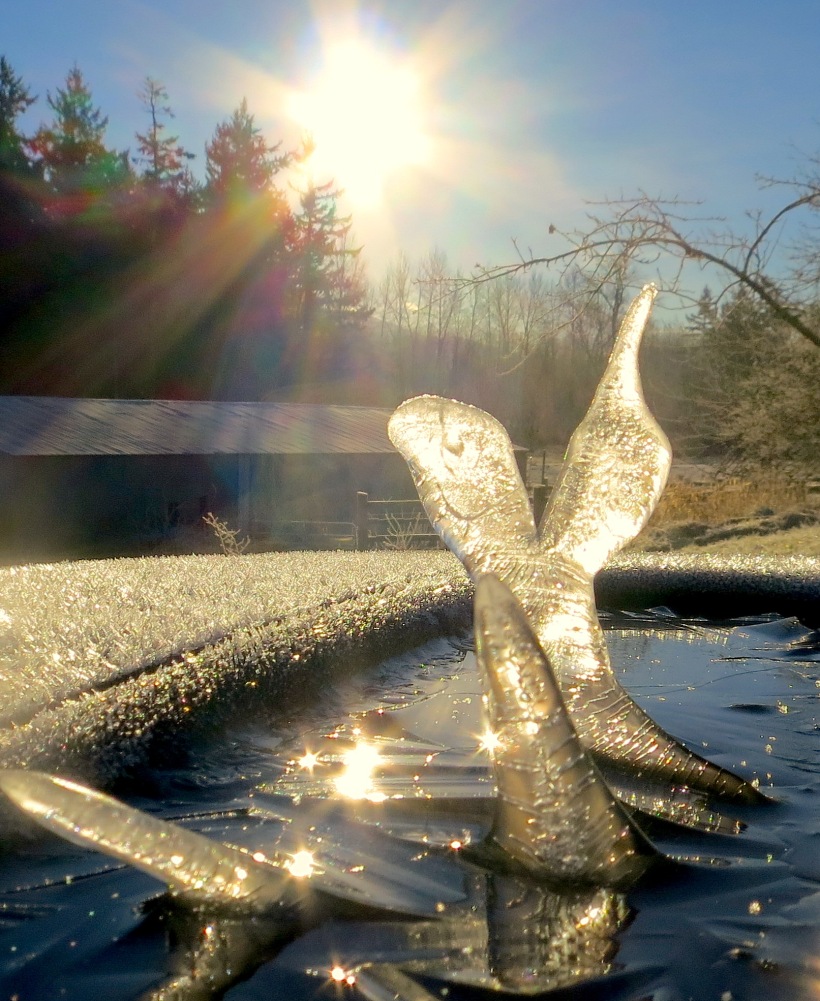
Even in our relative warmth here, we’ve already endured our string of sub-freezing temperature nights and days with crystal clear skies once the frozen fog abates.  Several feet of snow are back on our summer drought-bared hills and mountains.  During our cold snaps, everything shimmers with diamonds of frosty glitter all day long.  It is the kind of cold this Pacific Northwest native can actually enjoy.  It is not the cold of the midwest plains, or the Alaskan frontier.  This is civilized, “kill the bugs and the allergens” cold that helps balance out the ecosystem as well as our internal thermostats.  It is just not natural or seemly to live at 70 degrees year round, toasted by the stove in the winter, soothed by conditioned air in the summer.

We are not always so lucky here.  The cold that sometimes descends in northeast winds from the Arctic can blast through the strongest Carhartt clothing, sneak through drafty doors and windows, and freeze pipes not left dripping.  It leaves no one untouched and unbitten with universal freezer burn.

Bitter cold or a heavy snow storm ensures even independent fair-weather individualists must become companionable when the going gets rugged, mandating shelter with others for survival.  It can even mean forced companionship with those we ordinarily avoid, with whom we have little in common, with whom we disagree and even quarrel, with whom sharing a hug or snuggling for warmth would be unimaginable.

Our whole nation is in just such a bitter, inimical, implacable political cold snap today, terribly divided as we suffer through one of the most hostile and regrettable presidential election cycles in memory.

If we don’t come in out of the societal deep freeze that is afflicting us all, we each will perish alone.   It is time to be thankful we have each other, such as we are.  At least we can generate heat, even if we can’t manage to lighten up.

bakerlight2

icywindshield4

The Future Flowering

hydrangeaaugust

wwurec


We kill at every step, not only in wars, riots, and executions. We kill when we close our eyes to poverty, suffering, and shame. In the same way all disrespect for life, all hard heartedness, all indifference, and all contempt is nothing else than killing. With just a little witty skepticism we can kill a good deal of the future in a young person. Life is waiting everywhere, the future is flowering every­where, but we only see a small part of it and step on much of it with our feet.
~Hermann Hesse, from Vivos Voco, 1919

Hundreds of thousands of people have the choice of living (and likely dying) oppressed in the midst of conflict, too often with the risk of being enslaved and raped, or to try escape to an uncertain fate on the other side of a border, a fence, a turbulent sea.

So many of us are here, living in countries that sustain and grow us, because we descend from people who escaped war, or hunger, or extreme poverty. Many of us worship a God who was a refugee Himself from a king who sought Him dead.

Can we extend a hand of hope to millions who also want to put roots down in safety so their lives, and their childrens’ lives, may flower?   Even if it means less soil for us all, are we not the privileged gardeners to prepare the ground so all people may flourish?


herb9151

seattleflorist12

woodlandred

seattleflorist2

I Tremble for my Country

prairie3

prairie10

The God who gave us life gave us liberty at the same time: the hand of force may destroy, but cannot disjoin them.” –
–Thomas Jefferson, in “A Summary View of the Rights of British America”
“Can the liberties of a nation be thought secure when we have removed their only firm basis, a conviction in the minds of the people that these liberties are of the gift of God? That they are not to be violated but with his wrath? Indeed I tremble for my country when I reflect that God is just: that his justice can not sleep forever…
― Thomas Jefferson, in Notes on the State of Virginia on the need for abolition of slavery

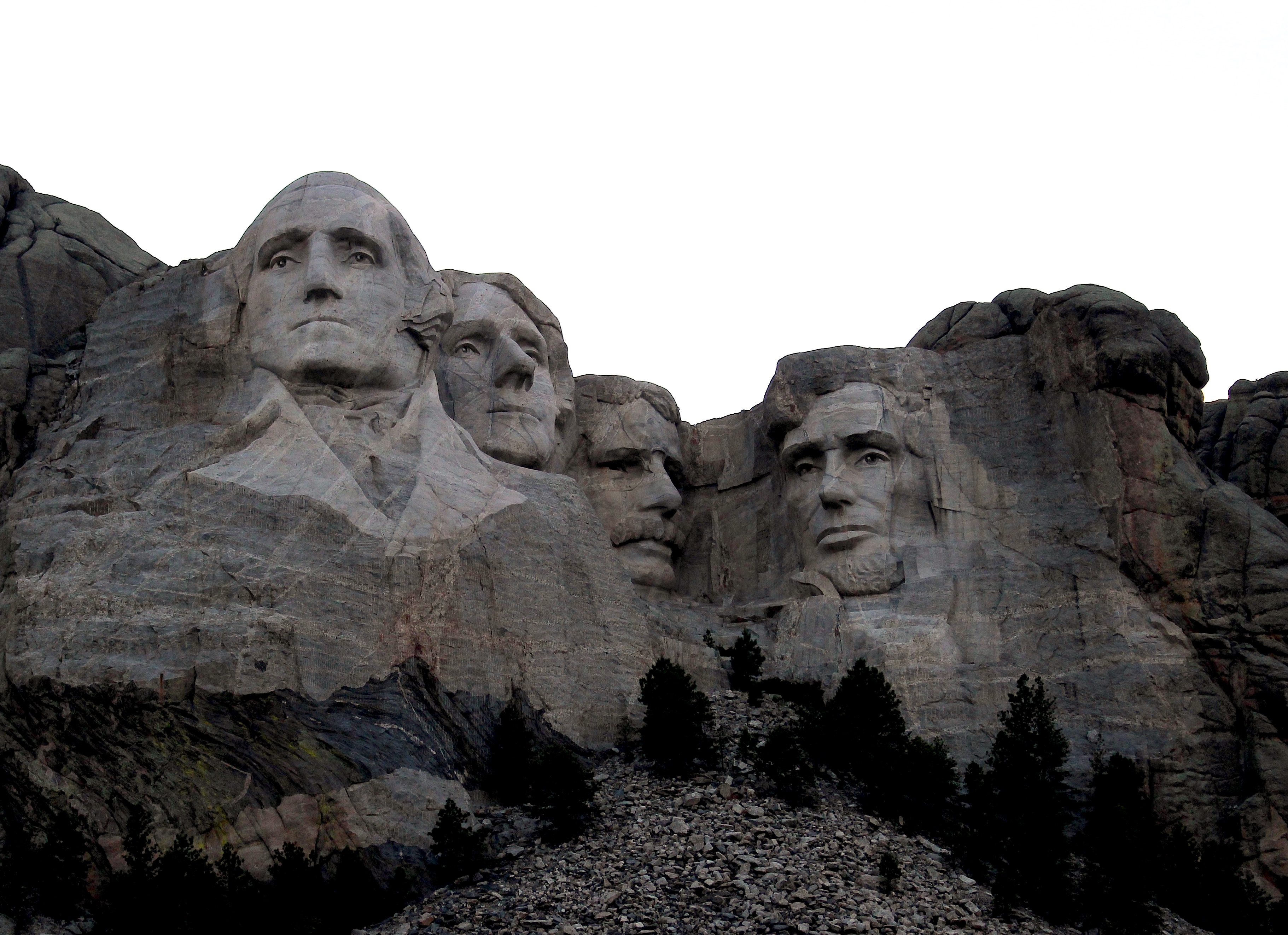
Would Thomas Jefferson, architect of our Declaration of Independence celebrated today, be trembling for his country still? I believe he would, considering his views were radical in his day, his religious convictions unconventional, and his plantation managed by slaves of African descent. He personally understood the moral quicksand on which he tenuously stood–the conflict he felt was as close as his own home. He would recognize and mourn our abuse of our liberties secured and maintained through the blood of our forefathers, our brothers, sisters and children.

Today we are sinking deeply in that same quicksand, having done no better than Jefferson at forging a personal and moral foundation on which to firmly stand. We have squandered our autonomy with selfishness rather than a selflessness borne out of gratitude for the gift of freedom. We want to secure and protect what is ours before we consider in humility if others have what they need first. We have used up land and and animals and water without regard to those who will come after us, failing to be stewards of the garden so generously given to our care.  We trample daily on others’ rights in the name of self-determination and freedom of choice, especially destroying the defenseless for imperfect genetics, wrong gender or simply being ill-timed.

History as recorded in the Word and elsewhere shows when everyone does as they see fit, there is no immunity from judgment and wrath:

In those days there was no king in Israel, but every man did that which was right in his own eyes.
Judges 17:6

And how well has that worked out for us?
It took a true servant King who sacrificed Himself to save us from destroying ourselves.
He is still trying and still waiting for our response.

Let us remember with conviction today the source of our life and liberty; His justice does not sleep.

prairie8

prairie2

prairie5

rushmore

Balanced Upon a Broken World

sunset831149

butterflythistle

This afternoon was the colour of water falling through sunlight;
The trees glittered with the tumbling of leaves;
The sidewalks shone like alleys of dropped maple leaves,
And the houses ran along them laughing out of square, open windows.
Under a tree in the park,
Two little boys, lying flat on their faces,
Were carefully gathering red berries
To put in a pasteboard box.
Some day there will be no war,
Then I shall take out this afternoon
And turn it in my fingers,
And remark the sweet taste of it upon my palate,
And note the crisp variety of its flights of leaves.
To-day I can only gather it
And put it into my lunch-box,
For I have time for nothing
But the endeavour to balance myself
Upon a broken world.
~Amy Lowell “September 1918”
sunset831146
sunset831145

An Ancient Companion

287530_534324987764_148300158_30899579_7339161_o

The cold has the philosophical value of reminding men that the universe does not love us…cold is our ancient companion.   To return back indoors after exposure to the bitter, inimical, implacable cold is to experience gratitude for the shelters of civilization, for the islands of warmth that life creates.
~John Updike from “The Cold”

We’ve had a string of sub-freezing temperature nights and days with crystal clear skies once the frozen fog abates.  There has been no northeaster to send the windchill plummeting.  Everything shimmers with diamonds of frosty glitter all day long.  It is the kind of cold this pacific northwest native can actually enjoy.  It is not the cold of the midwest plains, or the Alaskan frontier.  This is civilized, “kill the bugs and the allergens” cold that helps balance out the ecosystem as well as our internal thermostats.  It is just not seemly to live at 70 degrees year round, toasted by the stove in the winter, soothed by conditioned air in the summer.

We are not always so lucky as this.  The cold that sometimes descends from the Arctic can blast through the strongest Carhartt clothing, sneak through drafty doors and windows, and freeze pipes not left dripping.  It leaves no one untouched and unbitten with universal freezer burn.

A bitter cold snap ensures even independent fair-weather individualists must become companionable when the going gets rugged, mandating shelter with others for survival.  It can even mean forced companionship with those we ordinarily avoid, with whom we have little in common, with whom we disagree and even quarrel, with whom sharing a hug or snuggling for warmth would be unimaginable.

Our nation is in such a cold snap today, terribly and bitterly divided.  If we all together don’t come in out of the deep freeze, we each will perish alone.   It is time to be thankful we have each other, such as we are.  At least we can generate heat, even if we can’t lighten up.

Half Fledged

photo by Emily Gibson, just outside our front door

Sometimes, hard-trying, it seems I cannot pray–
For doubt, and pain, and anger, and all strife.
Yet some poor half-fledged prayer-bird from the nest
May fall, flit, fly, perch–crouch in the bowery breast
Of the large, nation-healing tree of life;–
Moveless there sit through all the burning day,
And on my heart at night a fresh leaf cooling lay.
~George MacDonald from Diary of an Old Soul

There can be no response but to bow in earnest prayer, waiting for the hatch of a healing peace among the diverse peoples and opinions of our nation.   Our lives are half-fledged, not yet fully delivered nor understood, doubt burning into our flesh like thorns on fire.  We have become an angry and hurting nation– those who won and those who lost.  The gloating bloats who we are, beyond recognition.

May our prayers rise like a dove from hearts in turmoil,  once again to soar on the wings of eagles.

Peace, come quickly.
Be no longer moveless.
Move us to higher ground.
Plow deep our hearts.

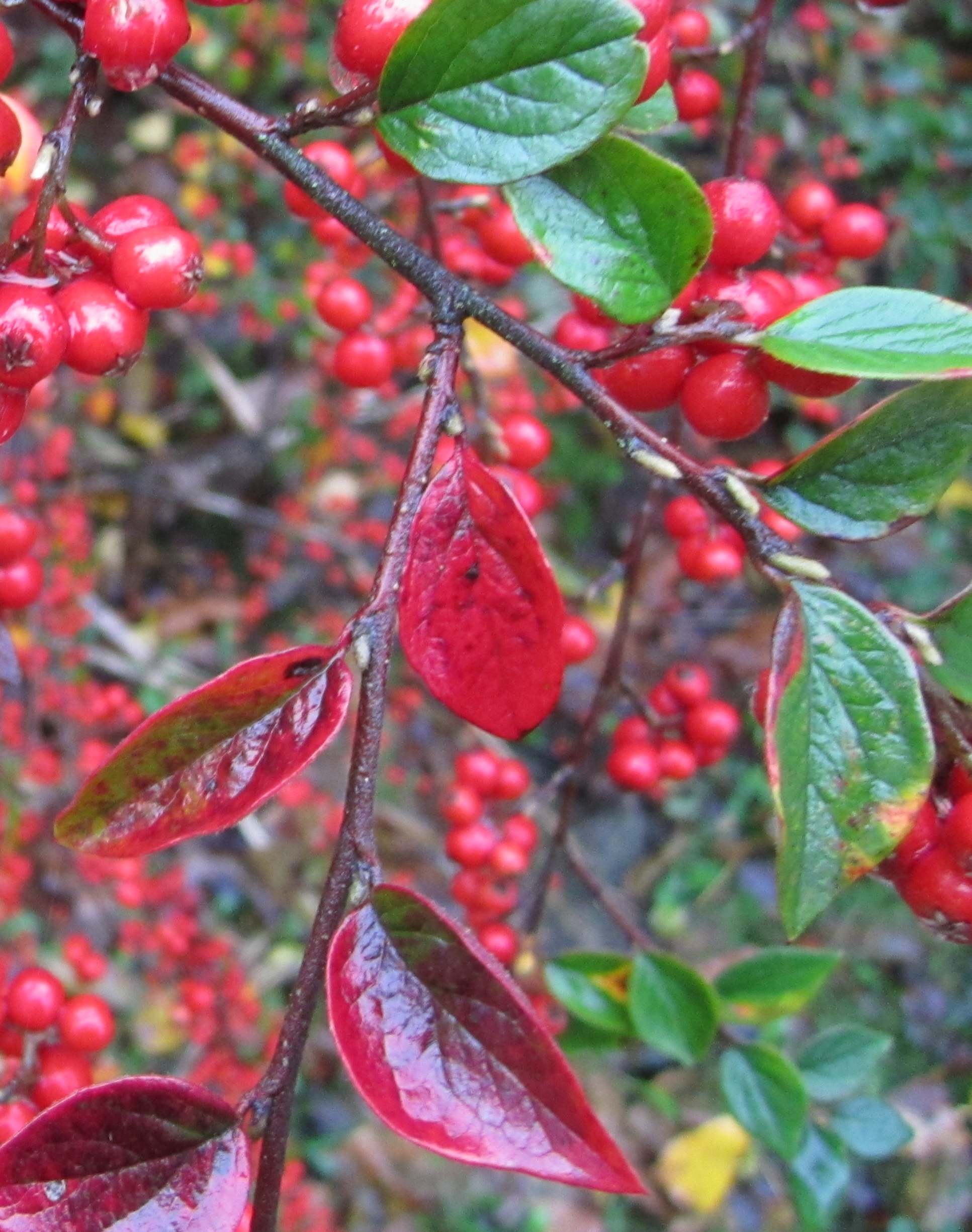
photo of “firethorn” bush (pyracanthus) by Emily Gibson