Weeds in the Moonlight

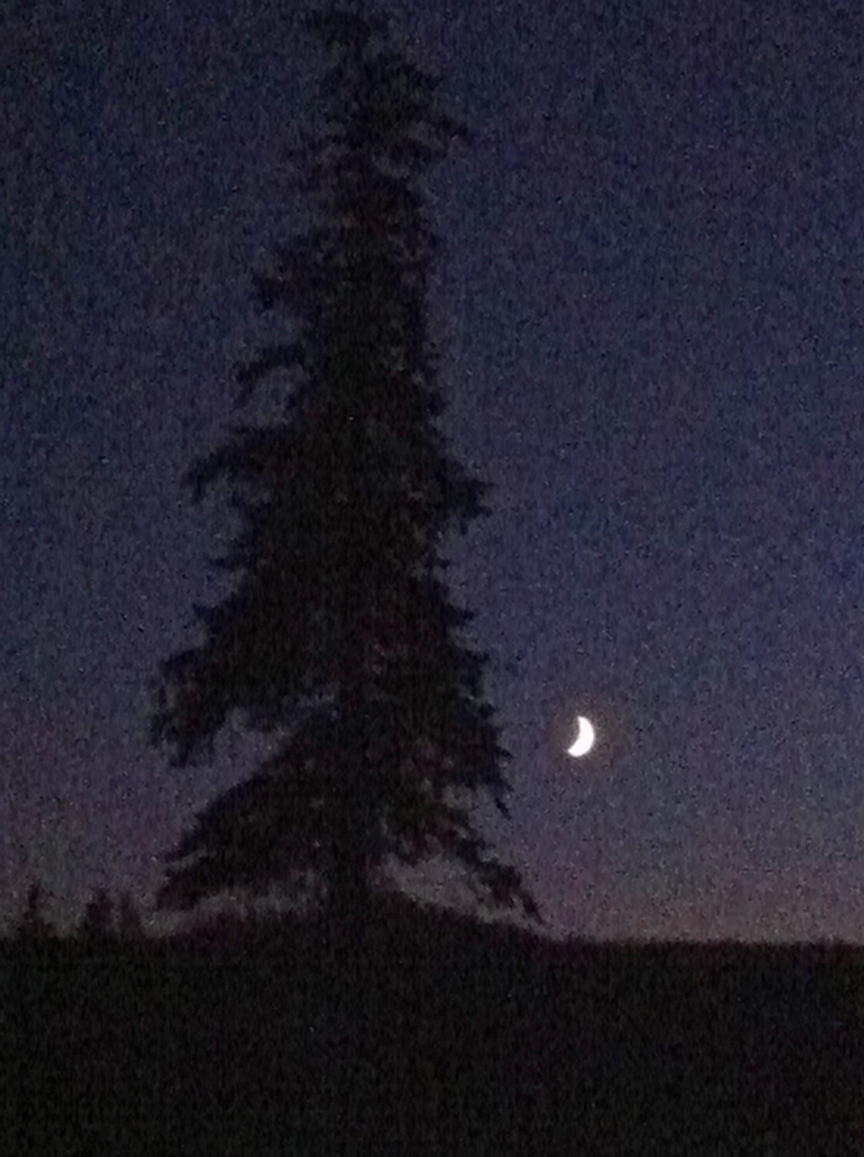
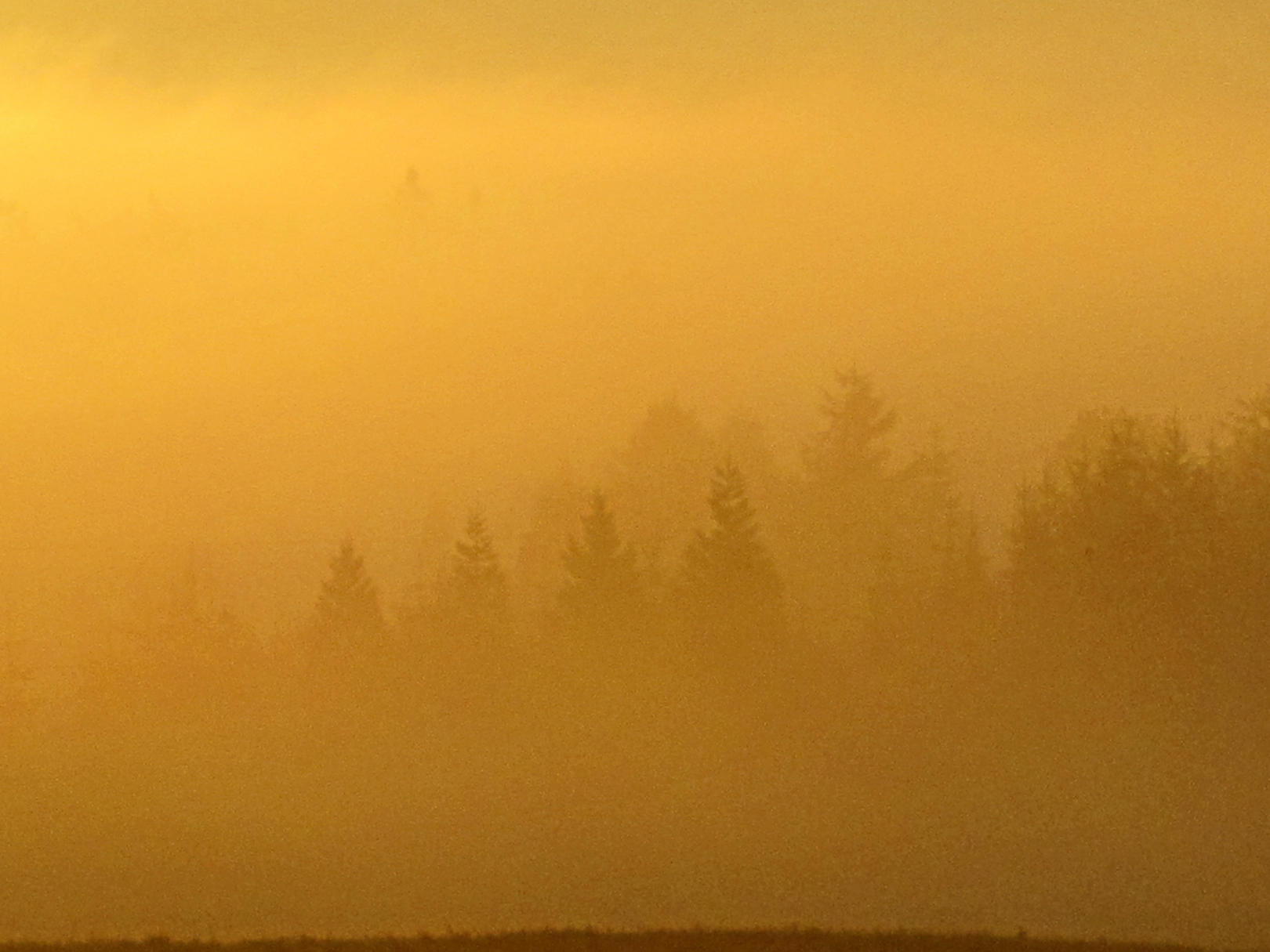
Lyric night of the lingering Indian Summer,
Shadowy fields that are scentless but full of singing,
Never a bird, but the passionless chant of insects,
       Ceaseless, insistent.   

The grasshopper’s horn, and far-off, high in the maples,
The wheel of a locust leisurely grinding the silence
Under a moon waning and worn, broken,
       Tired with summer.   
Let me remember you, voices of little insects,
Weeds in the moonlight, fields that are tangled with asters,
Let me remember, soon will the winter be on us,
       Snow-hushed and heavy.   
Over my soul murmur your mute benediction,
While I gaze, O fields that rest after harvest,
As those who part look long in the eyes they lean to,
       Lest they forget them.

Sara Teasdale–September Midnight

Now We Know…

 “How joyful to be together, alone as when we first were joined in our little house by the river long ago, except that now we know each other, as we did not then; and now instead of two stories fumbling to meet, we belong to one story that the two, joining, made. And now we touch each other with the tenderness of mortals, who know themselves…”
Wendell Berry

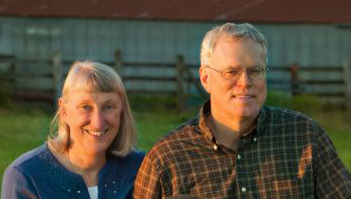
Thirty one years ago today we became one story, a story still being told.   What joy it is to know you and be known by you!
May our story have many more chapters celebrating the poetry of life together, with a minimum of plot twists and cliffhangers.

We’ll trust the Author who touches us with Words as tenderly as we touch each other.  It is bliss to love and be loved from the first page to the last.


Barbarous in Beauty

Summer ends now; now, barbarous in beauty, the stooks rise
Around; up above, what wind-walks! what lovely behaviour
Of silk-sack clouds! has wilder, willful-wavier
Meal-drift moulded ever and melted across skies?

 I walk, I lift up, I lift up heart, eyes,
Down all that glory in the heavens to glean our Saviour;
And, eyes, heart, what looks, what lips yet gave you a
Rapturous love’s greeting of realer, of rounder replies?

And the azurous hung hills are his world wielding shoulder
Majestic as a stallion stalwart, very-violet-sweet! –
These things, these things were here and but the beholder
Wanting; which two when they once meet,
The heart rears wings bold and bolder
And hurls for him, O half hurls earth for him off under his feet.
~Gerard Manley Hopkins “Hurrahing in Harvest”

Reading Hopkins invokes God’s intentional accessibility “stallion stalwart, very-violet-sweet” in our daily lives, if we simply open our eyes to see and ears to hear.  The details Hopkins captures in marvelous word pictures, painting with sound and syllable, pull us in.  The “heart rears wings” as we are lifted up to see the Lord manifest in Creation.  We can’t help but be harvested to live obediently as we “glean our Savior” through raised heart and eyes to the glory in the heavens.

As Kathleen Mulhern in her blog “Dry Bones” says in her analysis of “a Christ sighting”:
“There is no point in seeing without responding; there is no way to respond without seeing. Christian life and practice require both faith (the sight of the heart) and works (the lurch of the heart toward him in obedience).”

The gleaning of our Savior is particularly manifest in the sacrament of communion, the earthly meal Jesus invites us to partake of His harvest.  In the bread and wine,  “a barbarous beauty” representing his body and blood,  He lifts us up to taste the glories of heaven.

Our heart “hurls for him, O half hurls earth for him” in response.

What else,  at summer’s end,  can we do?

We walk in faith, raised up, glorious.

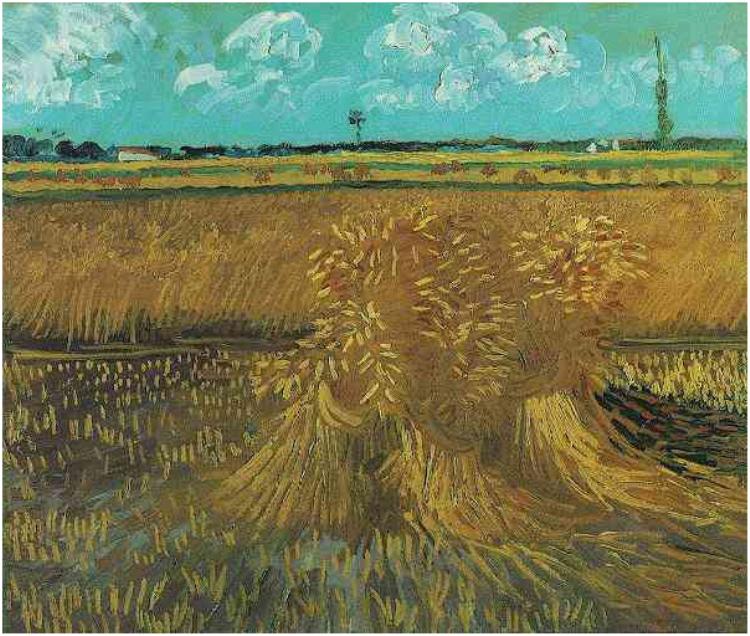
Sheaves of Wheat in a Field –Vincent Van Gogh

Ploughing Deep

Field with Plowing Farmer by Vincent Van Gogh
O wet red swathe of earth laid bare,
O truth, O strength, O gleaming share,
O patient eyes that watch the goal,
O ploughman of the sinner’s soul.
O Jesus, drive the coulter deep
To plough my living man from sleep…
Lo, all my heart’s field red and torn,
And Thou wilt bring the young green corn,
And when the field is fresh and fair
Thy blessed feet shall glitter there,
And we will walk the weeded field,
And tell the golden harvest’s yield,
The corn that makes the holy bread
By which the soul of man is fed,
The holy bread, the food unpriced,
Thy everlasting mercy, Christ.
~John Masefield from The Everlasting Mercy


My heart land is plowed,
yielding to the plowshare digging deep with the pull of the harness,
the steady teamster centering the coulter.  
The furrow should be straight and narrow. 
I am tread upon yet still bloom; 
I am turned upside down yet still produce bread.
The plowing under brings freshness to the surface,
a new face upturned to the cleansing dew,
knots of worms now making fertile simple dust. 
Plow deep my heart, dear Lord. 
May it grow what is needed
to feed your hungry children.
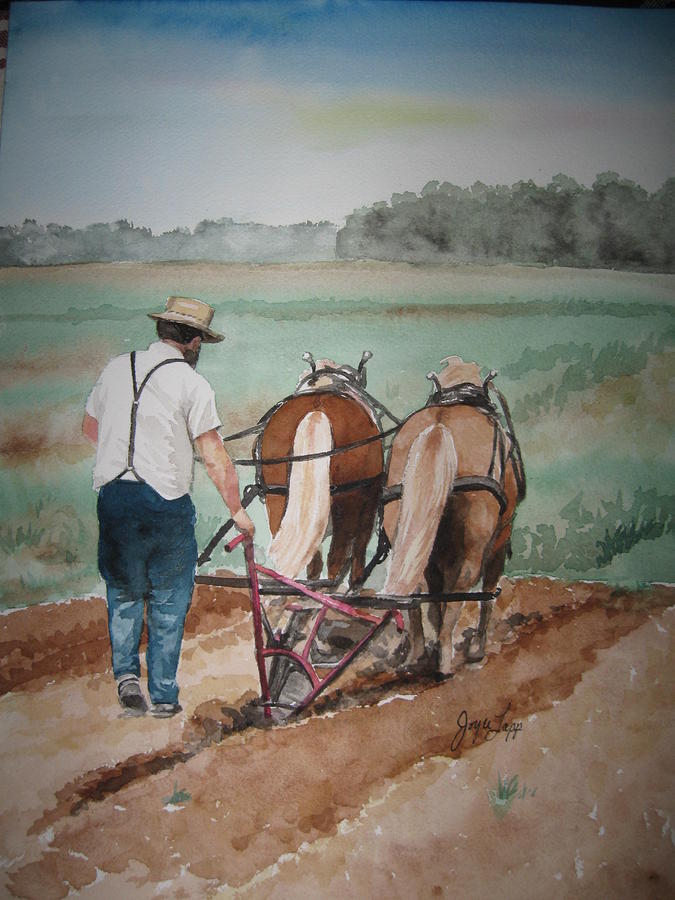
Painting “Plowing the Field” by Joyce Lapp
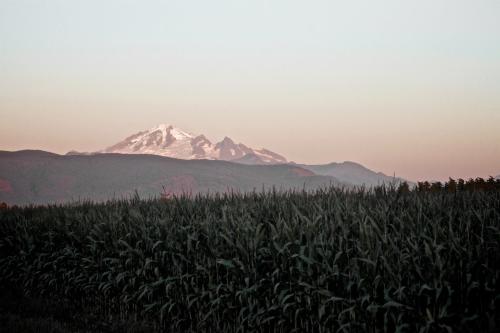
photo by Josh Scholten

Hole in the Heart

photo by Josh Scholten

There is a God shaped vacuum in the heart of every man which cannot be filled by any created thing, but only by God, the Creator, made known through Jesus.
~ Blaise Pascal 

Everyone is created with a hole in their heart that has no murmur, doesn’t show up on scans or xrays nor is it visible in surgery.  Yet we feel it, absolutely know it is there, and are constantly reminded of being incomplete.  Billions of dollars and millions of hours are spent trying to fill that empty spot in every imaginable and unimaginable way.  Nothing we try fills it wholly.  Nothing we find fits it perfectly.  Nothing on earth can ever be sufficient.

We are born wanting, yearning and searching; we exist hungry, thirsty and needy.

Created with a hankering heart for God, we discover only He fits, fills and is sufficient.  Only a beating heart like ours can know our hollow heart’s emptiness.  His bleeding stops us from hemorrhaging all we have in futile pursuits.

The mystery if the vacuum is this:
how our desperation resolves
and misery comforted
by being made complete and whole
through His woundedness.

How is it possible that
through His pierced limbs and broken heart,
we are made holy,
our emptiness filled forever.

photo by Josh Scholten

This story is worth sharing again as we are about to celebrate our 31st anniversary this week and spent a night in LaConner, only a few miles from where my father grew up. Now the calypso wildflowers, like long-lasting marriages, are becoming rarer and to be treasured.

Barnstorming

My grandmother’s house had been torn down after she sold her property on Similk Bay near Anacortes, Washington to a lumber company.  This was the house where her four babies were born, where she and my grandfather loved and fought and separated and loved again, and where we spent chaotic and memorable Thanksgiving and Christmas meals.  After Grandpa died suddenly, she took on boarders, trying to afford to remain there on the wooded acreage fronted by meadows where her Scottish Highland cattle grazed.   She reached an age when it was no longer possible to make it work.   A deal was struck with the lumber company and she had moved to a small apartment, bruised by the move from her farm.

My father realized what her selling to a lumber company meant and it was a crushing thought.  The old growth woods would soon be stumps on the rocky…

View original post 672 more words

All Flesh

All flesh is grass.
Isaiah 40:6
photo by Josh Scholten

The moment one gives close attention to anything,
even a blade of grass, it becomes a mysterious, awesome,
indescribably magnificent world in itself.
– Henry Miller

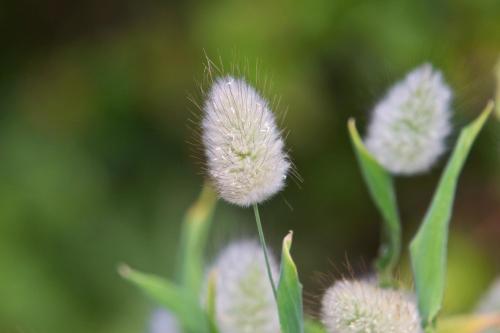
With the light and warmth waning with autumn’s approach, we have likely mowed for the last time this season. The explosion of green in May has become the browning crisp of September. Our work may be on hiatus, but the grasses only appear to be resting.

Growth has gone to seed. The seed itself is gone as well: blowing in a gusty breeze, or attaching to a passing tuft of fur to ride to another destination, or traversing a bird’s digestive tract to eventually land at the base of a fence post, or simply landing into nurturing soil at the feet of the mother plant. There it is invited home once again.

The season of grasses, though unbearably short, is nevertheless perpetual. Half of the year nothing appears to be happening. Still its growth continues, invisible to the eye, all nuance and planned potential. Even as the plant dies back, it persists within the ever renewing and buried seed,  guaranteed a new life and purpose in another place and season.

Surely I too am grass, withering with seed falling.  Though gone with the wind, blown by the breath of God,  within that seed, His word endures forever.

And as to me, I know nothing else but miracles…
~ Walt Whitman in Leaves of Grass

photo by Josh Scholten

Getting Home

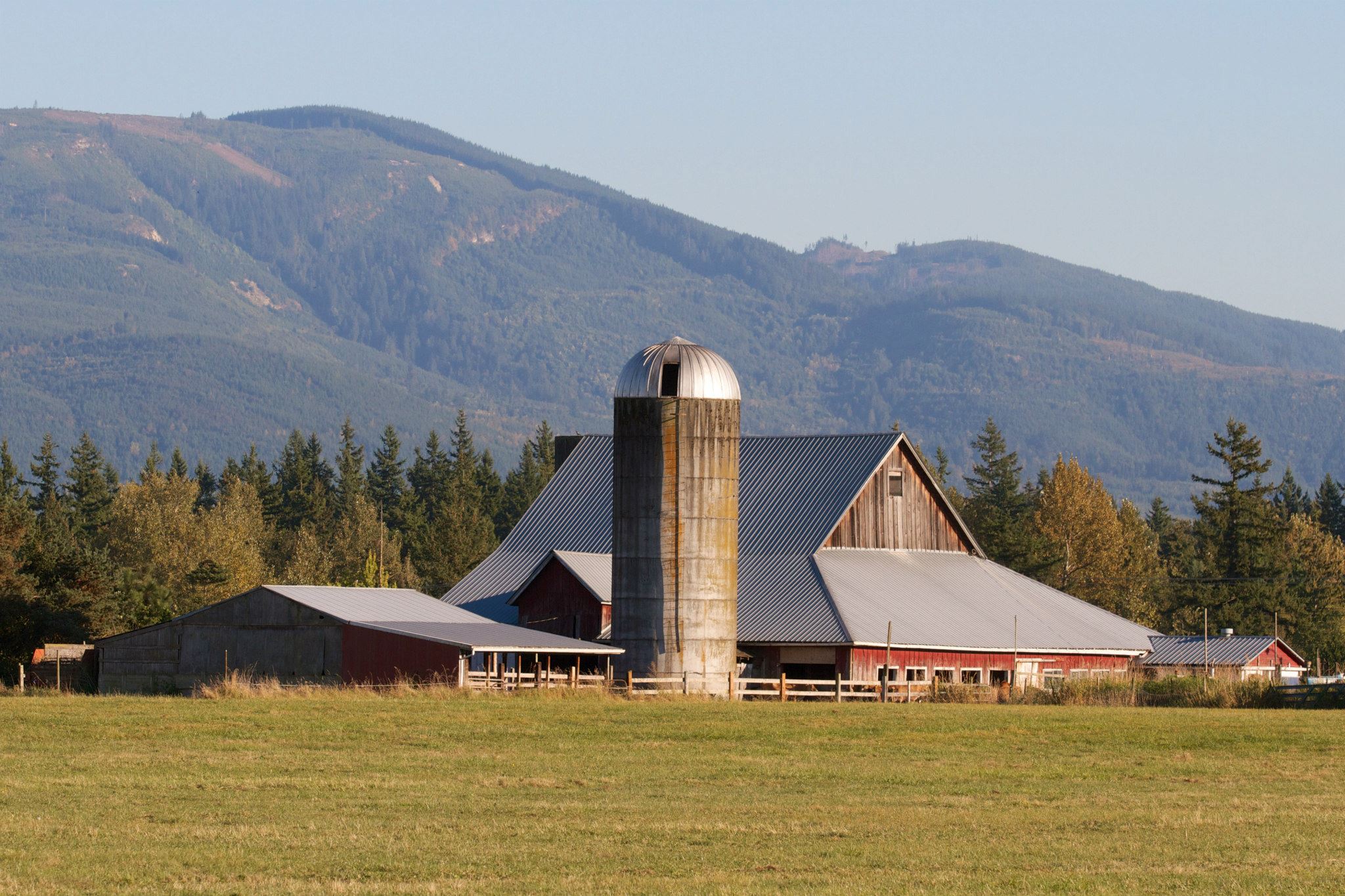
photo of Whatcom County barn by Josh Scholten

“There are two ways of getting home; and one of them is to stay there.”
— G. K. Chesterton

Home can seem elusive and just out of reach for much of our lives.  It may not feel we truly belong in any one place in this modern era of constant transitions and transfers.

In high school, I could not plan a get-away from my home town fast enough, opting to go to college two states away.  Once I was away, I was hopelessly home-and-heartsick.   Miserable, I decided to come back home and go to school there instead.

Once back under my parents’ roof, my homesickness abated but the heartsick continued, having nothing to do with where I ate and slept.  I wasn’t at home inside myself.   It took time and various attempts at geographic cures to settle in and accept who I always had been.

Those who do move away often cast aspersions at people who never wander far from home.  The homebodies are seen as provincial, stuck in a rut, unenlightened and hopelessly small-town.  Yet later in life as the wanderers have a tendency to move back home, the stay-at-homers become solid friends and neighbors.   Remarkably, they often have become the pillars and life blood of a community.  They have slogged through long hours of keeping a place going when others left.

I did end up doing my share of wandering yet sympathizing with those who decided to stay put.   I returned home by settling only a few miles from the stomping grounds of my homesteading great-grandparents, at once backwoods and backwater.   Cast aspersions welcomed.

Now I get back home by mostly staying home.  It takes something major (like a son teaching in Japan) to lure me away from my corner of the world.   Getting away is good, coming back home is better.

Best of all, it’s the assurance expressed so simply by Thomas Hardy in Far From the Madding Crowd,
“And at home, by the fire, whenever you look up, there I shall be–and whenever I look up, there will be you.”

Home so sweet.

photo by Josh Scholten

Apple Peel Breezes

photo by Josh Scholten

“The breezes taste
Of apple peel.
The air is full
Of smells to feel-
Ripe fruit, old footballs,
Burning brush,
New books, erasers,
Chalk, and such.
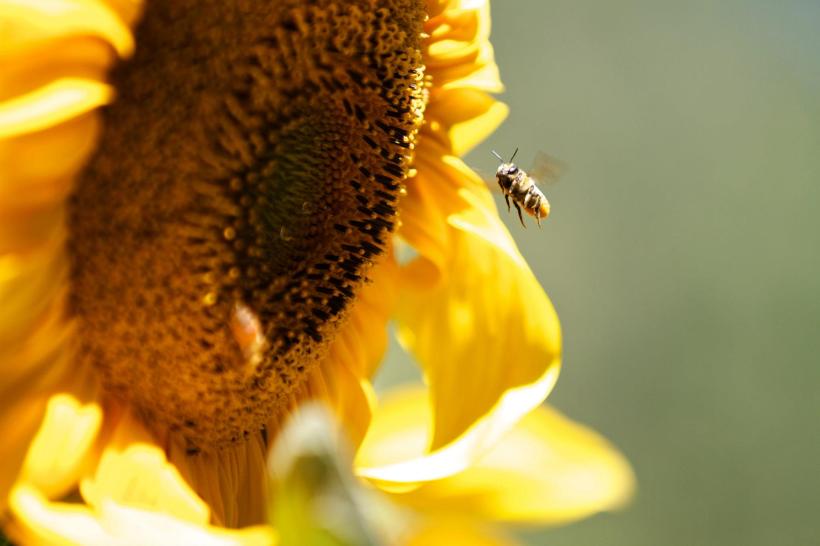
The bee, his hive,
Well-honeyed hum,
And Mother cuts
Chrysanthemums.
Like plates washed clean
With suds, the days
Are polished with
A morning haze.”
~John Updike in “September”

Radiant Plums

And somehow Hallie thrived anyway–the blossom of our family, like one of those miraculous fruit trees that taps into an invisible vein of nurture and bears radiant bushels of plums while the trees around it merely go on living.
~Barbara Kingsolver in Animal Dreams

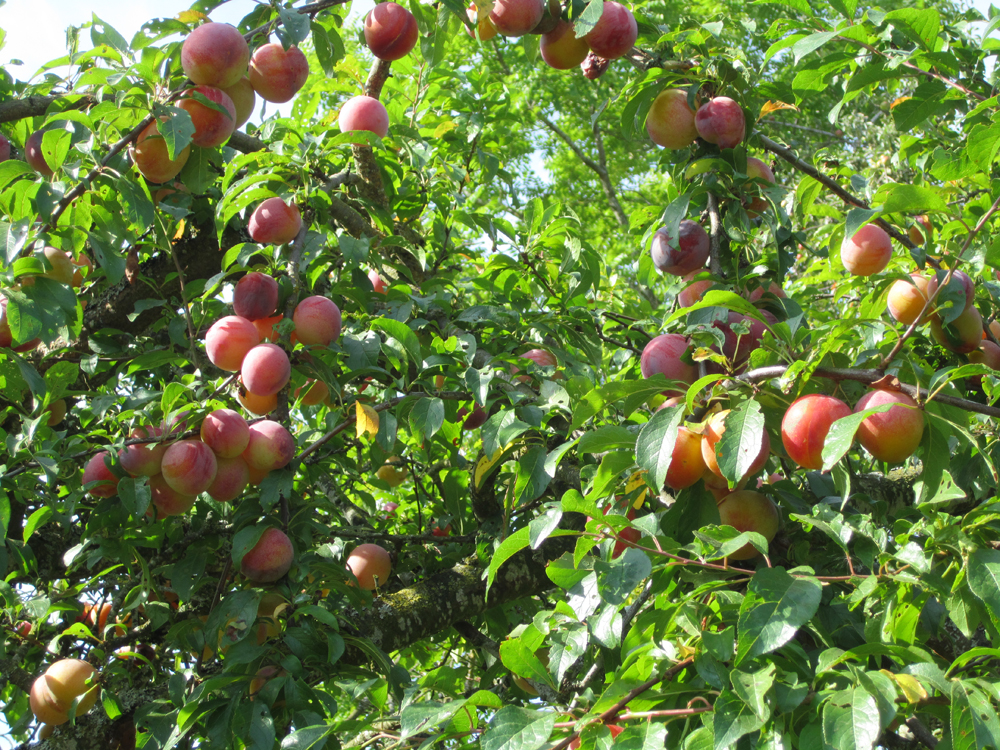
There is a plum tree on our farm that is so plain and unassuming most of the year that I nearly forget that it is there.  It is a bit off by itself away from the other fruit trees; I have to make a point of paying attention to it otherwise it just blends into the scenery.

Despite not being noticed or having any special care, this tree thrives.  In the spring it is one of the first to bud out into a cloud of white blossoms with a faint sweet scent.  Every summer it is a coin toss whether it will decide to bear fruit or not.  Some years–not at all, not a single plum.  Other years, like this one, it is positively glowing with plum harvest– each a golden oval with a pink blush.   These plums are extraordinarily honey flavored and juicy, a pleasure to eat right off the tree if you don’t mind getting past a bitter skin and an even more bitter pit inside.   This is a beauty with a bite.  I think the tree secretly grins when it sees puckering taking place all around it.

This tree is a lot like some people I know:  most of the time barely noticeable, hanging on the periphery,  fairly reserved and unobtrusive.  But when roots go deep and the nourishment is substantial,  they bear fruit, no doing things half-way.   The feast is plentiful and abundant, the meal glorious despite the hint of sour.  Maybe it is even more glorious because of the hint of sour.

If “tucker” describes a great down-home meal, then being “plum tuckered” sounds positively wonderful.

But I suspect plum tuckered is really about what happens after picking and preserving hundreds of these radiant gems.

It’s time for bed.  I’m both kinds of plum tuckered.