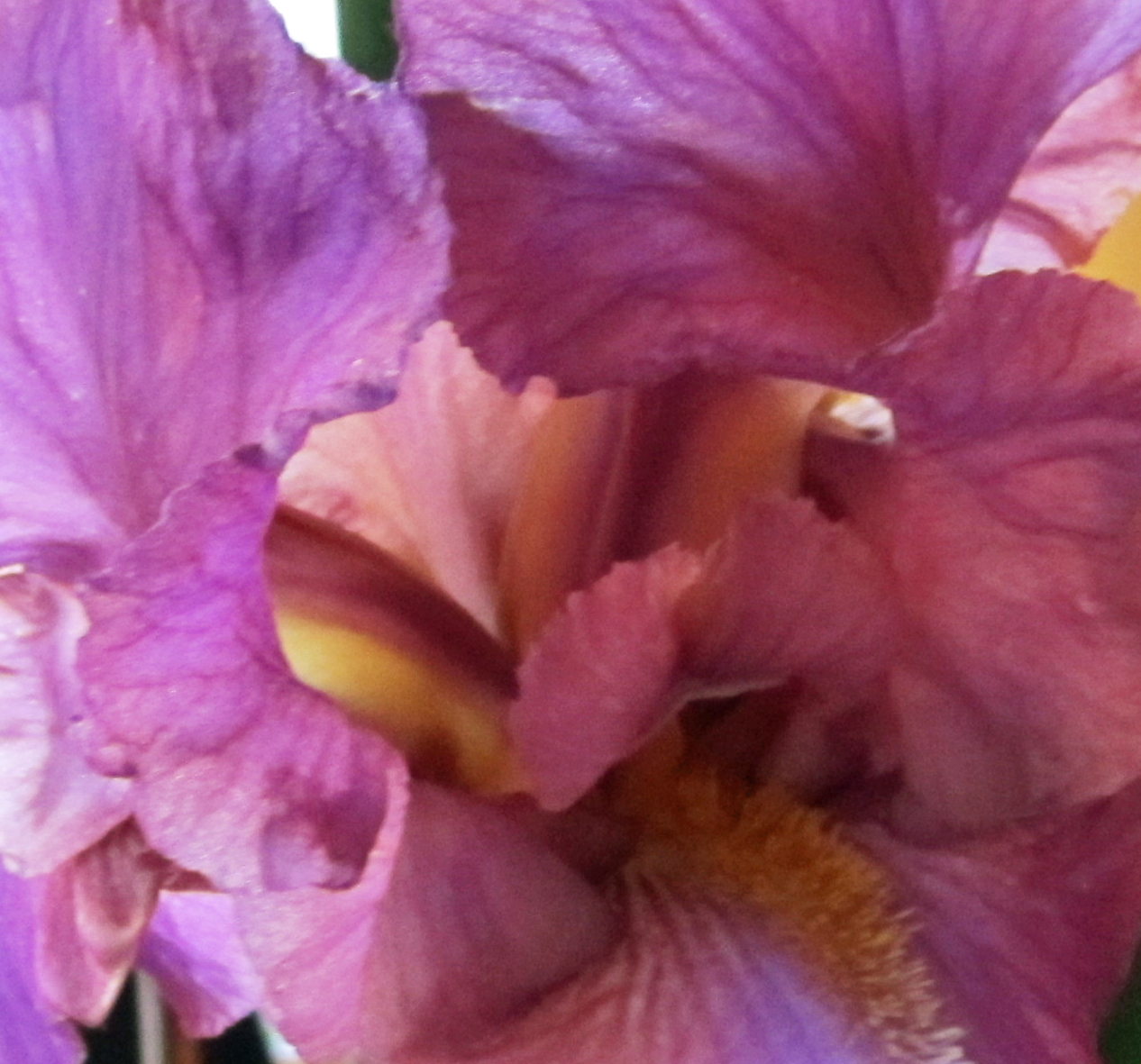
The Bleeding Heart of Sunset

photo by Nate Gibson

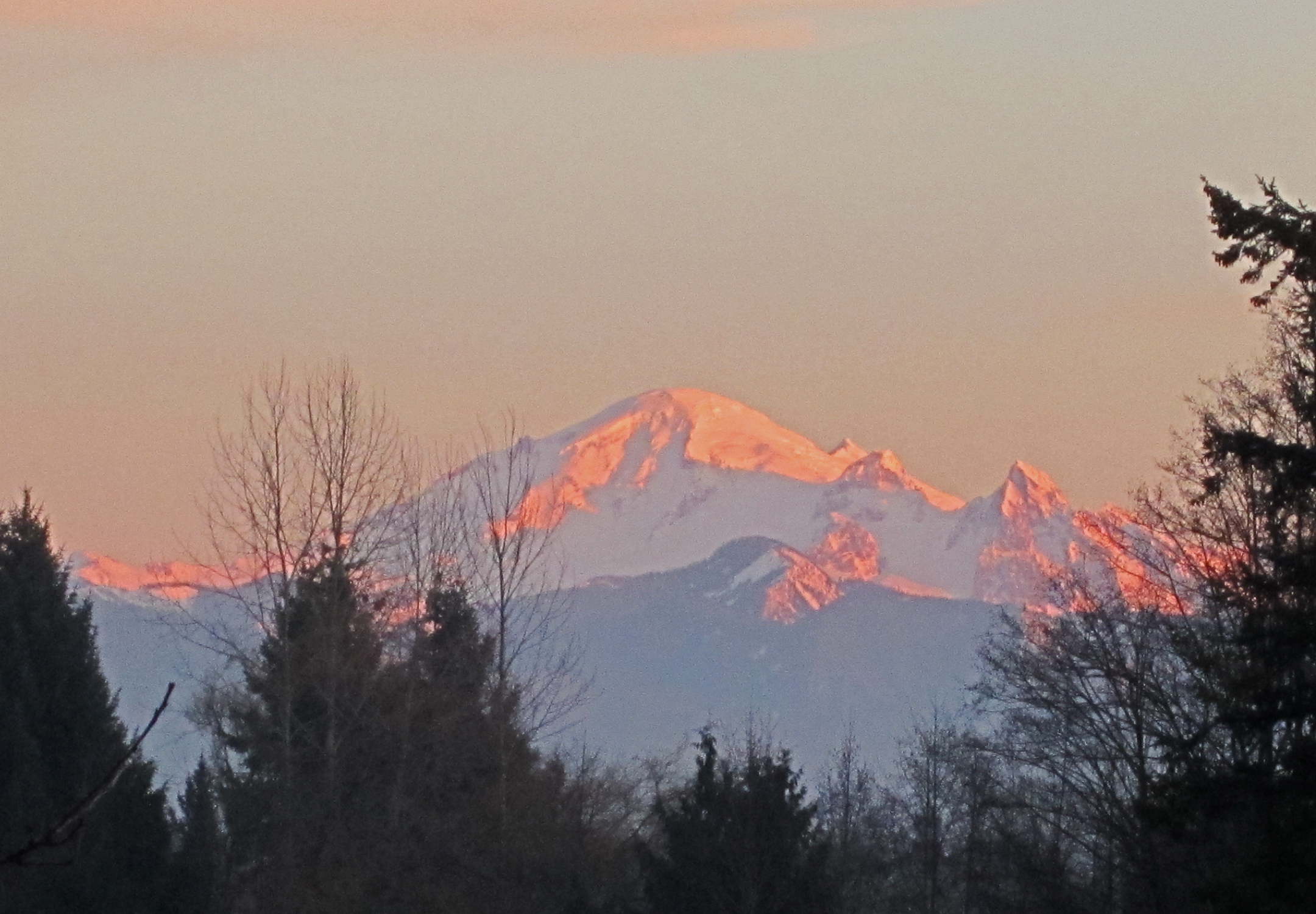
Very still and mild it was, wrapped in a great, white, brooding silence — a silence which was yet threaded through with many little silvery sounds which you could hear if you hearkened as much with your soul as your ears. The girls wandered down a long pineland aisle that seemed to lead right out into the heart of a deep-red, overflowing winter sunset.”
~ L.M. Montgomery from Anne of the Island

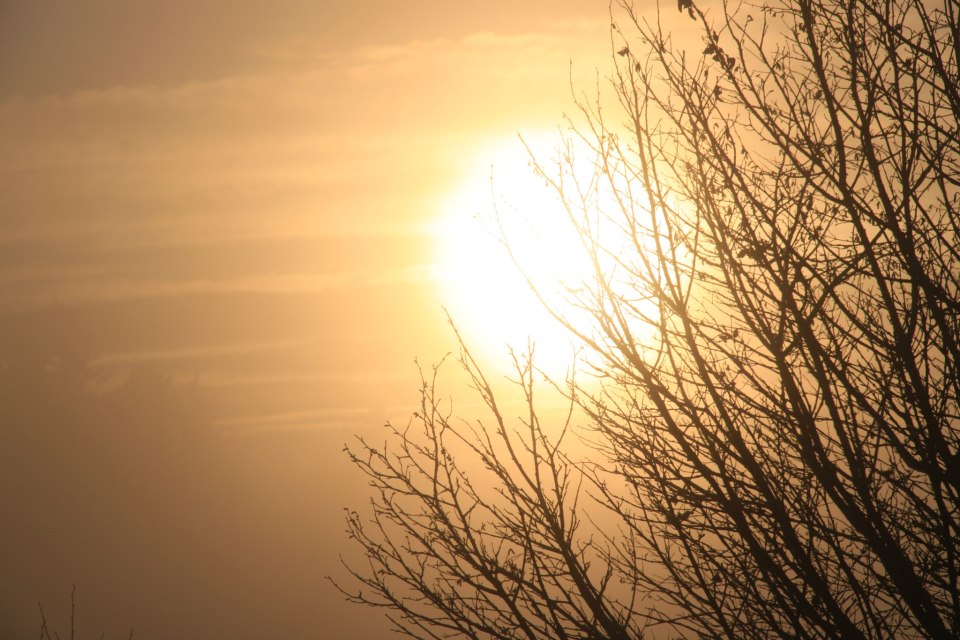
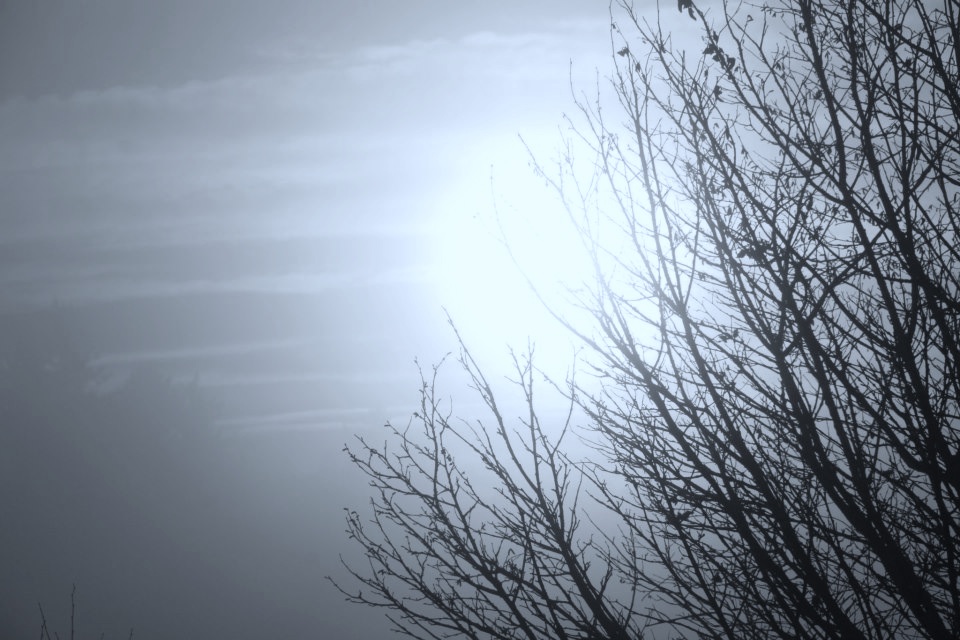
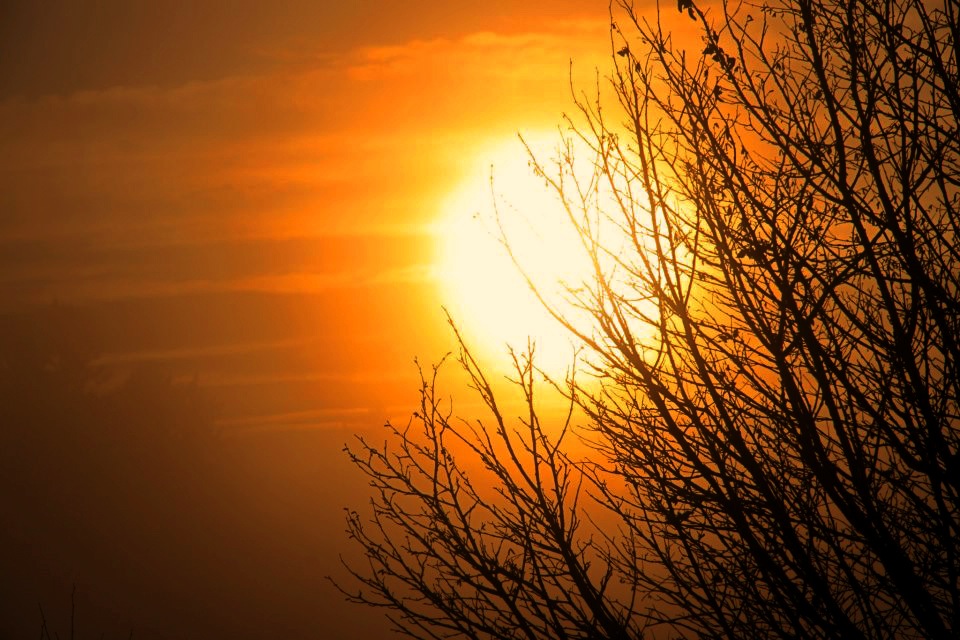
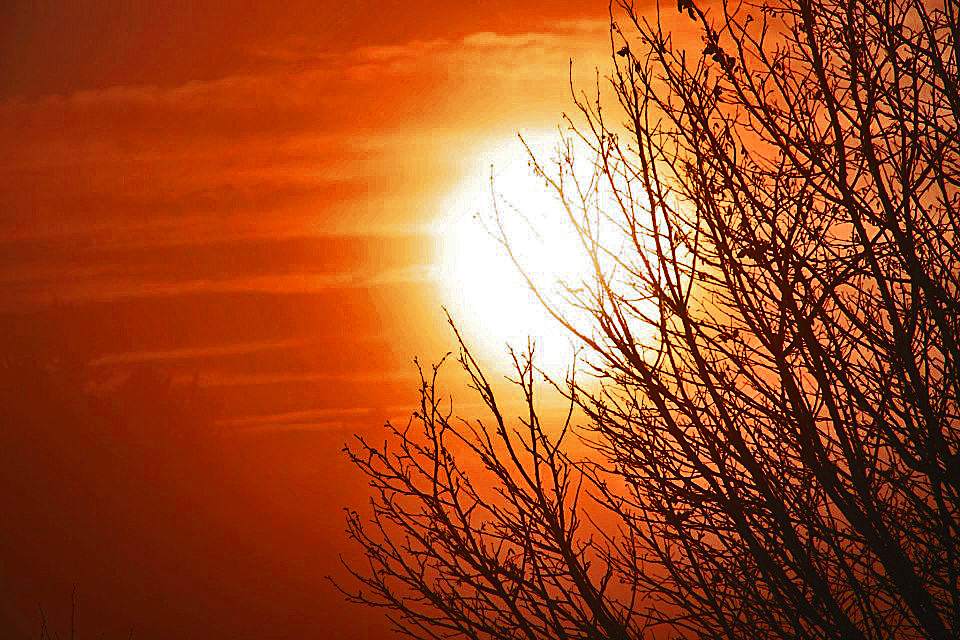
graysun

chocosun

If I can put one touch of rosy sunset into the life of any man or woman, I shall feel that I have worked with God.
~G. K. Chesterton

sunsetedit

photo by Nate Gibson
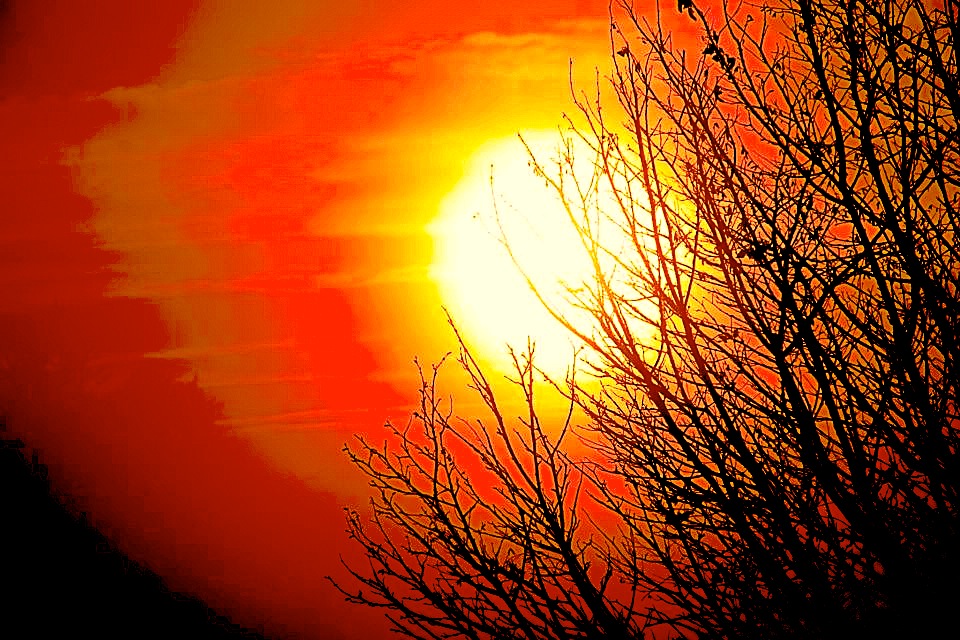
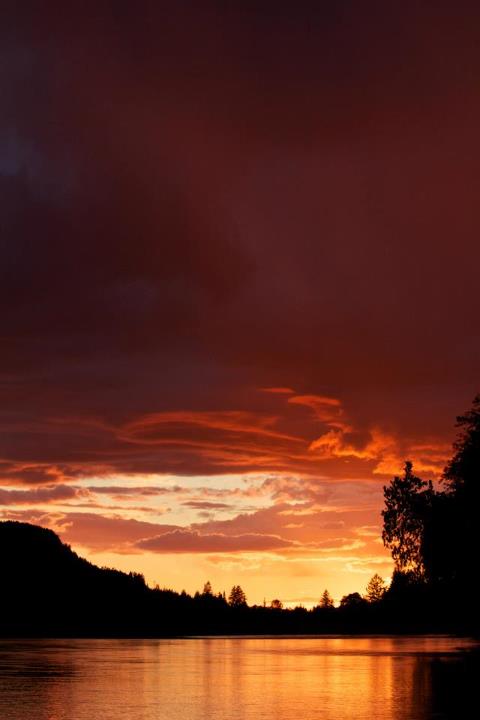
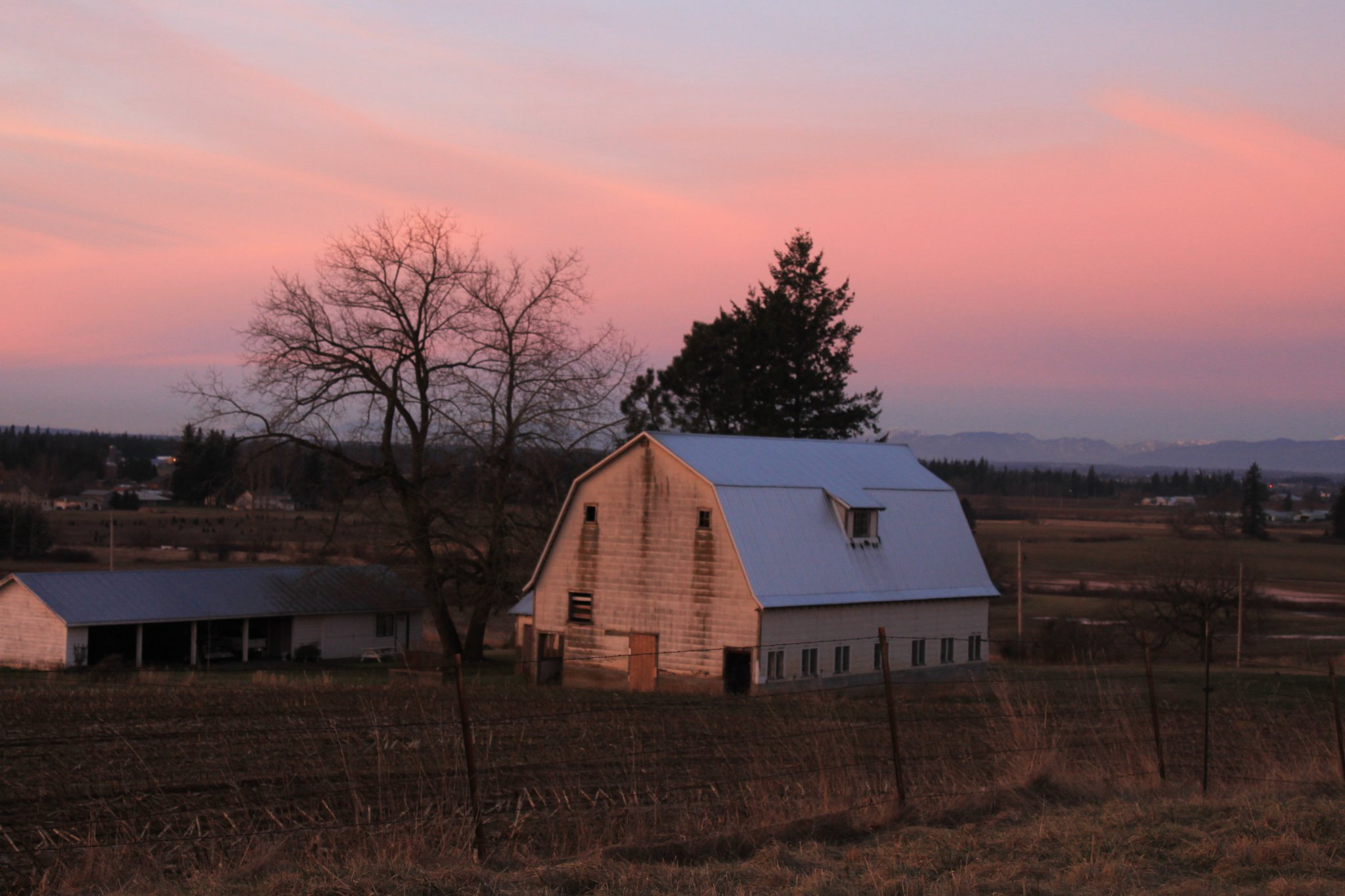
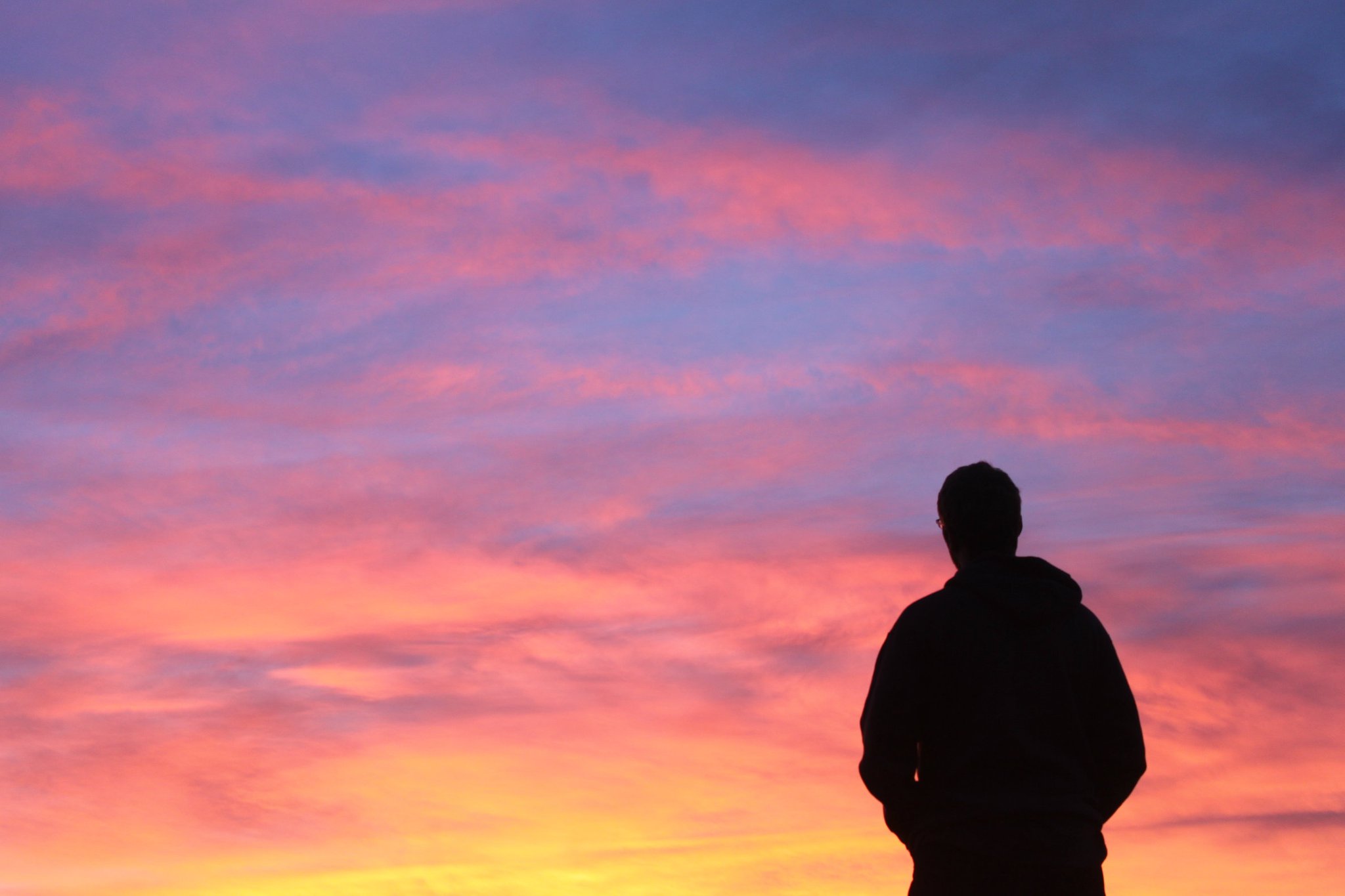
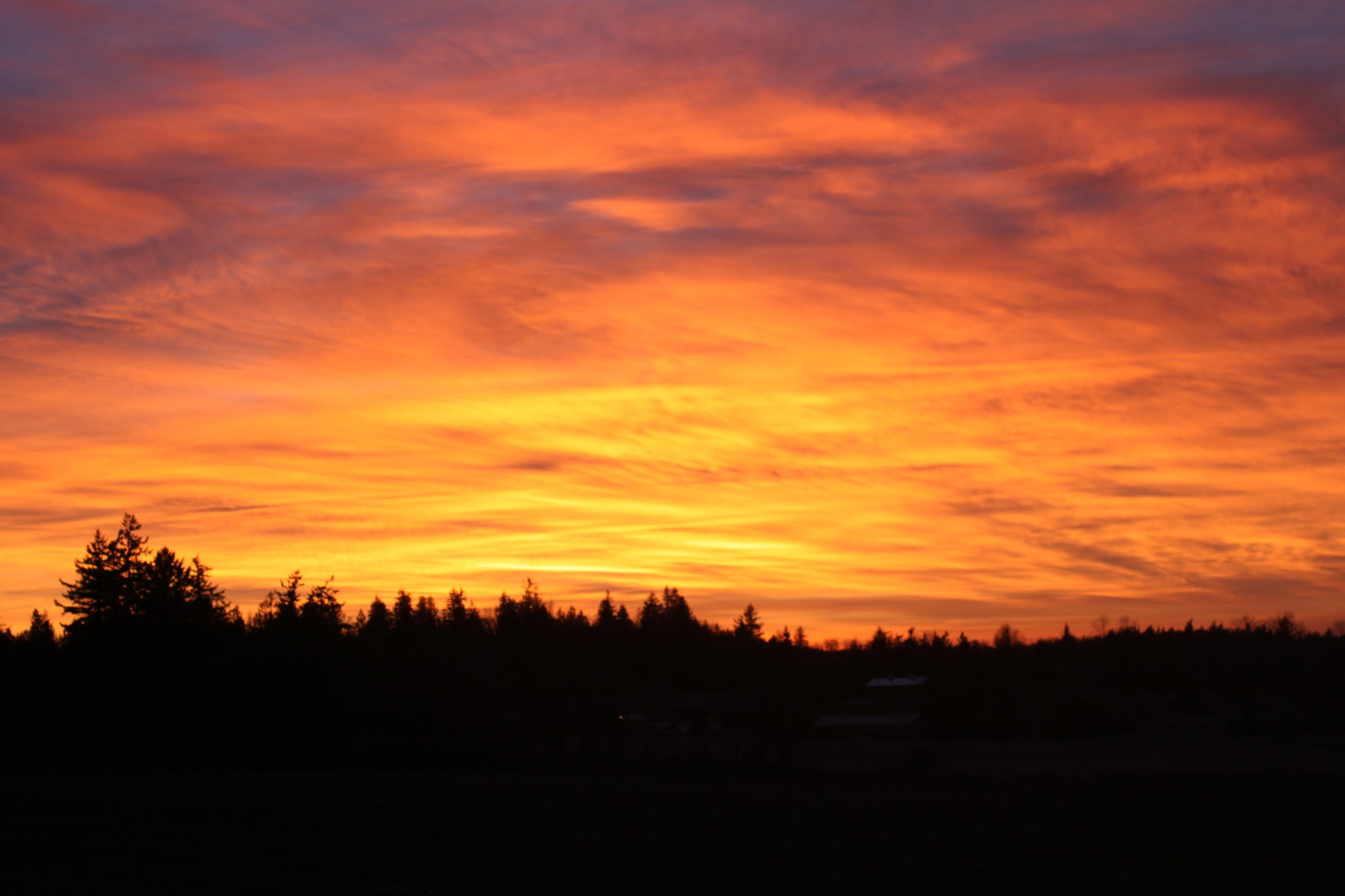
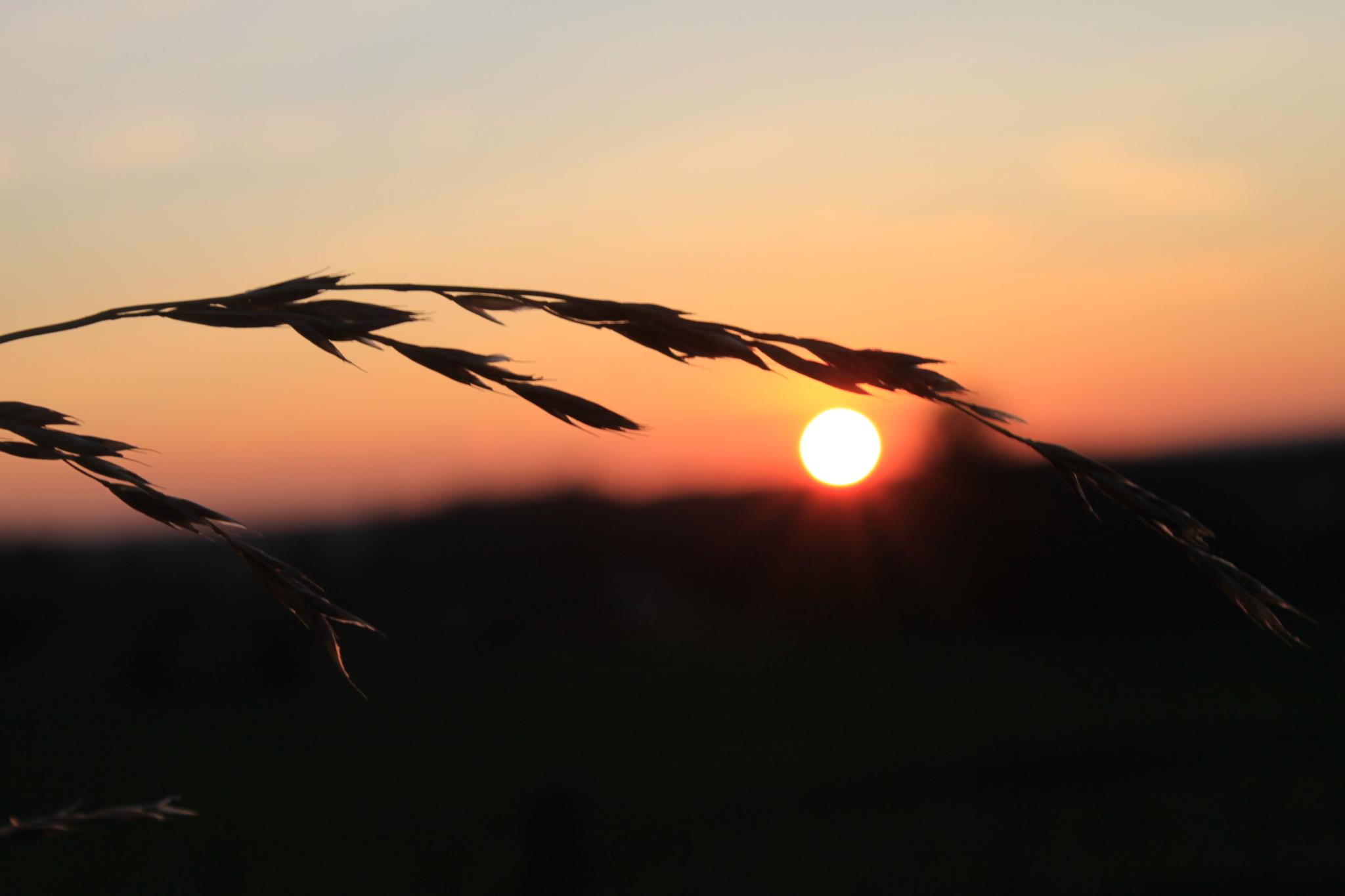
I wonder at a northwest sunset
evolving from gray haze to warm into golds,
then pinks and oranges to bleeding red. 
So too my heart overflows,
pulsing out the love
poured into me
from God’s endless grace.

I too,
once graying at the end of the day,
will be covered with roses.

The Edge of the World

photo by Nate Gibson

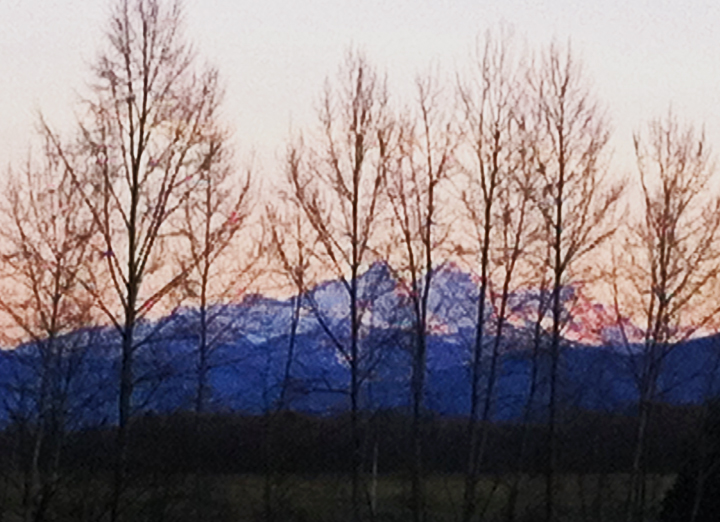
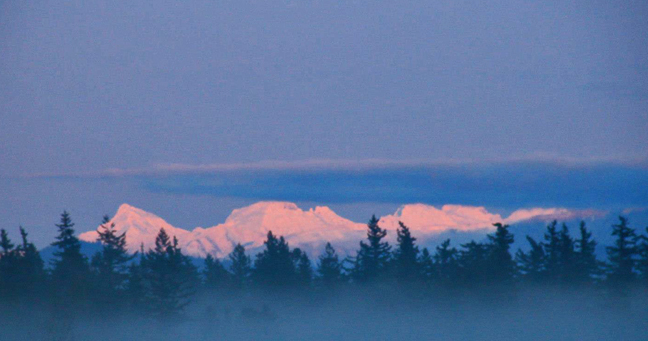
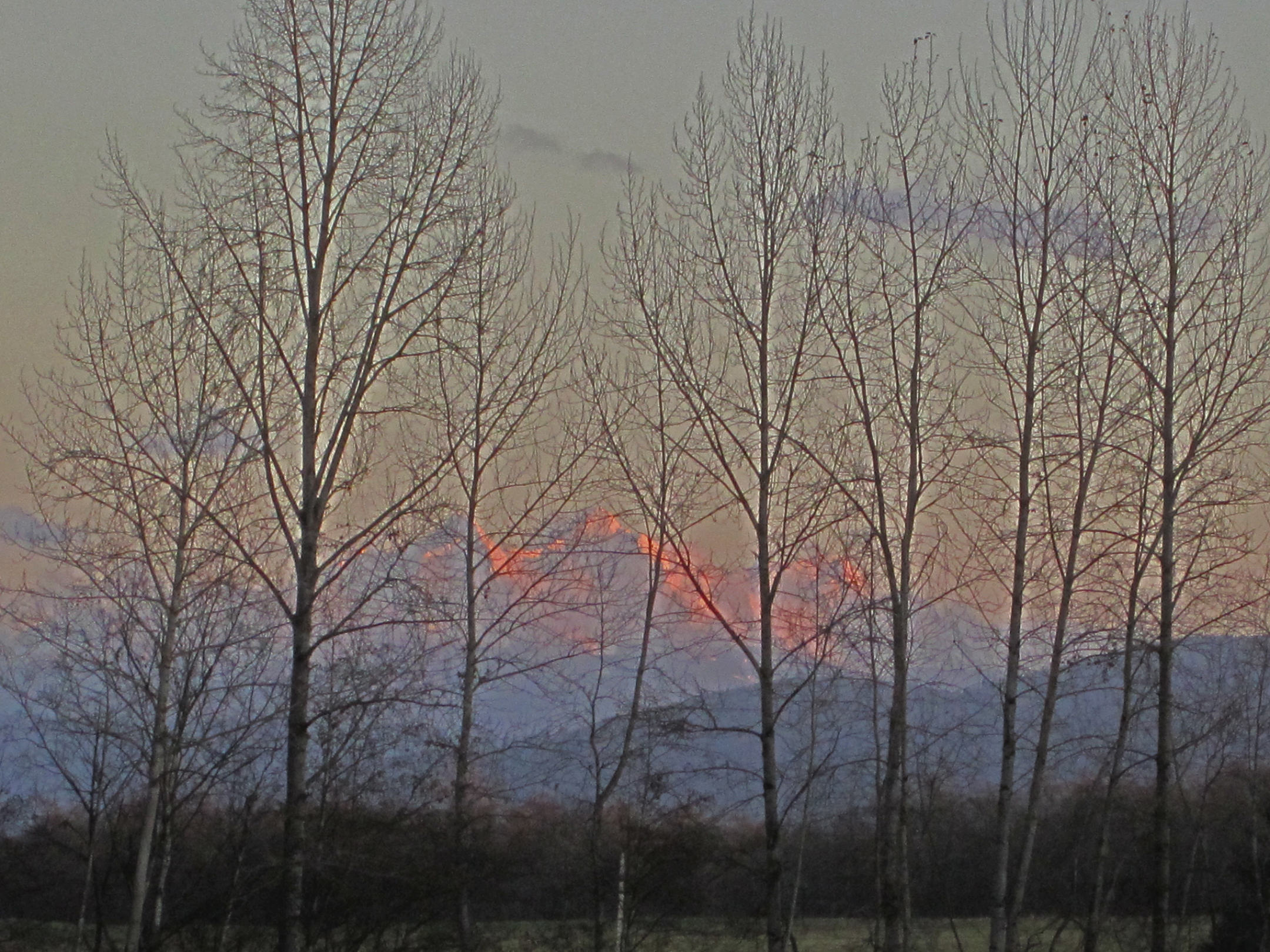
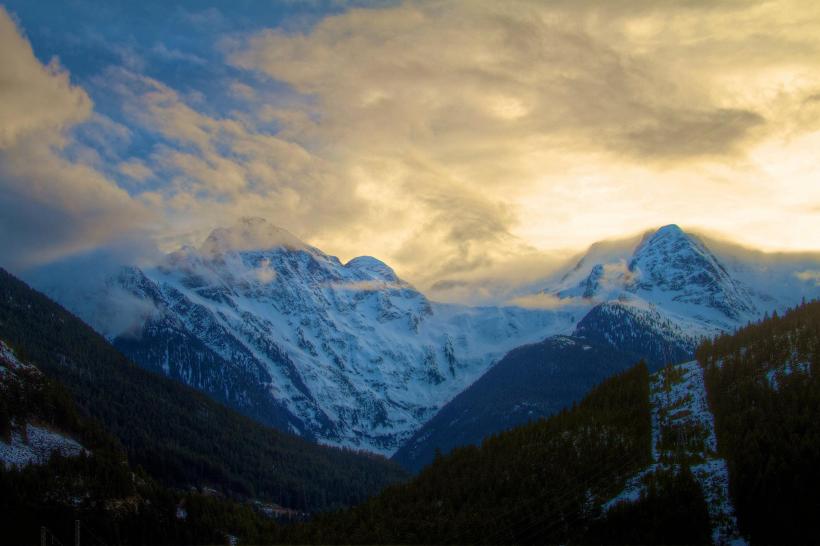
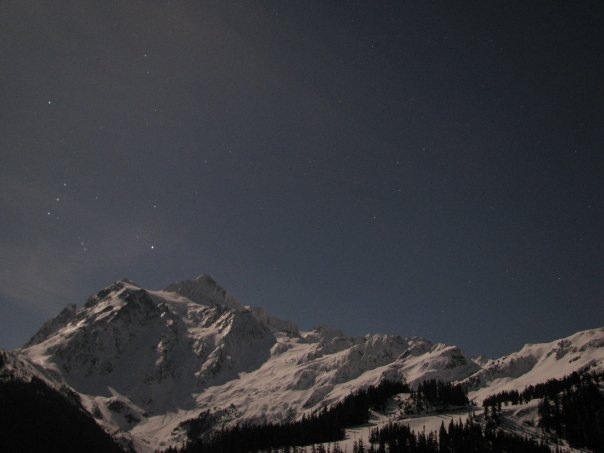
I came here to study hard things – rock mountain and salt sea – and to temper my spirit on their edges.  “Teach me thy ways, O Lord” is, like all prayers, a rash one, and one I cannot but recommend.  These mountains — Mount Baker and the Sisters and Shuksan, the Canadian Coastal Range and the Olympics on the peninsula — are surely the edge of the known and comprehended world….  That they bear their own unimaginable masses and weathers aloft, holding them up in the sky for anyone to see plain, makes them, as Chesterton said of the Eucharist, only the more mysterious by their very visibility and absence of secrecy.
~Annie Dillard from Holy the Firm

twins

photo by Nate Gibson

thesistersatsunset

bakerjaneve3

The Object of a New Year

photo by Nate Gibson

The object of a new year is not that we should have a new year. It is that we should have a new soul.
– G.K. Chesterton

We hoped for some timely snow for a white Christmas but had to be content with a brief flurry that didn’t stick.  Then there was more hope yesterday on New Year’s Eve with more flurries and a few little skiffs left behind here and there, but nothing much.  Instead of snow that stuck, we were stuck with the same old muddy bare ground and dead grass and weary frost-bitten plants.

It is natural to desire an easy transformation of the old and dirty to something new and beautiful:  an all clean pristine white cottony sheet covering thrown over everything, making it look completely different than before.  Similarly, at the tick of the clock past midnight on New Years’ Eve, we hope for just such an inner transformation as well, a fresh start, a leaving behind of the not-so-good from the past and moving ahead to the surely-it’ll-be-better in the future.

But it doesn’t stick, even if there is a flurry of good intentions and a skiff of newness plopped down here and there.  Even if we find ourselves in the midst of blizzard conditions, unable to see six inches ahead and immobilized by the furious storms of life,  that accumulation eventually will melt, leaving behind even more mud and raw mess.

It isn’t how flawless, how clean, or how new this year will be, but rather how to ensure our soul transformation sticks tight, unmelting from within, even when the heat is turned up and the sweat drips.  This is not about a covering thrown over the old and dirty but a full blown overhaul in order to never to be the same again.

I lift my eyes to the hills where the snow stays year round: sometimes more,  with a few hundred new inches over several weeks, or sometimes less,  on the hottest days of summer.  Our new souls this new year must be built of that same resiliency, withstanding what each day may bring, cold or hot.

Let it snow, let it snow, let it snow…within my soul.

If There Were No God

photo by Josh Scholten

“If there were no God, there would be no atheists.”
—G.K. Chesterton

I heard the same message
from several patients:
they would
commit suicide,
but not believing
in God
would mean
jumping from
the pain of living
into

…nothing at all…


I thought
feeling nothing
was the
point
of ceasing
to be


Perhaps they can’t imagine
a God
who created
doubters
sore afraid
of His caring

enough to die
so no one
becomes
nothing.

The Want of Wonder

photo by Josh Scholten
“The world will never starve for want of wonders, but for want of wonder.”
— G. K. Chesterton
Perhaps it is the nature of what I do, but I never lack for wonder.  Every day, whether it is on the farm, within my family or in my doctoring, I witness wonders that bring me to my knees.  I am awed by how extraordinary is the ordinary, whether it is a full harvest moon, a well-timed hug, or a patient’s worry over a nagging headache.
Maybe I’m easily engrossed in what’s around me, but I know that’s not so because I can be as oblivious as the next person.   Maybe I’m just plain simple, but those who know me don’t think so.
Maybe it’s because I try to wake each day feeling immense gratitude for whatever the day will bring so must stay alert to what is laid before me.
Maybe I just don’t want to miss a moment, wondrous or not.
…it’s all wondrous.
It’s up to me to notice.
photo by Josh Scholten

Getting Home

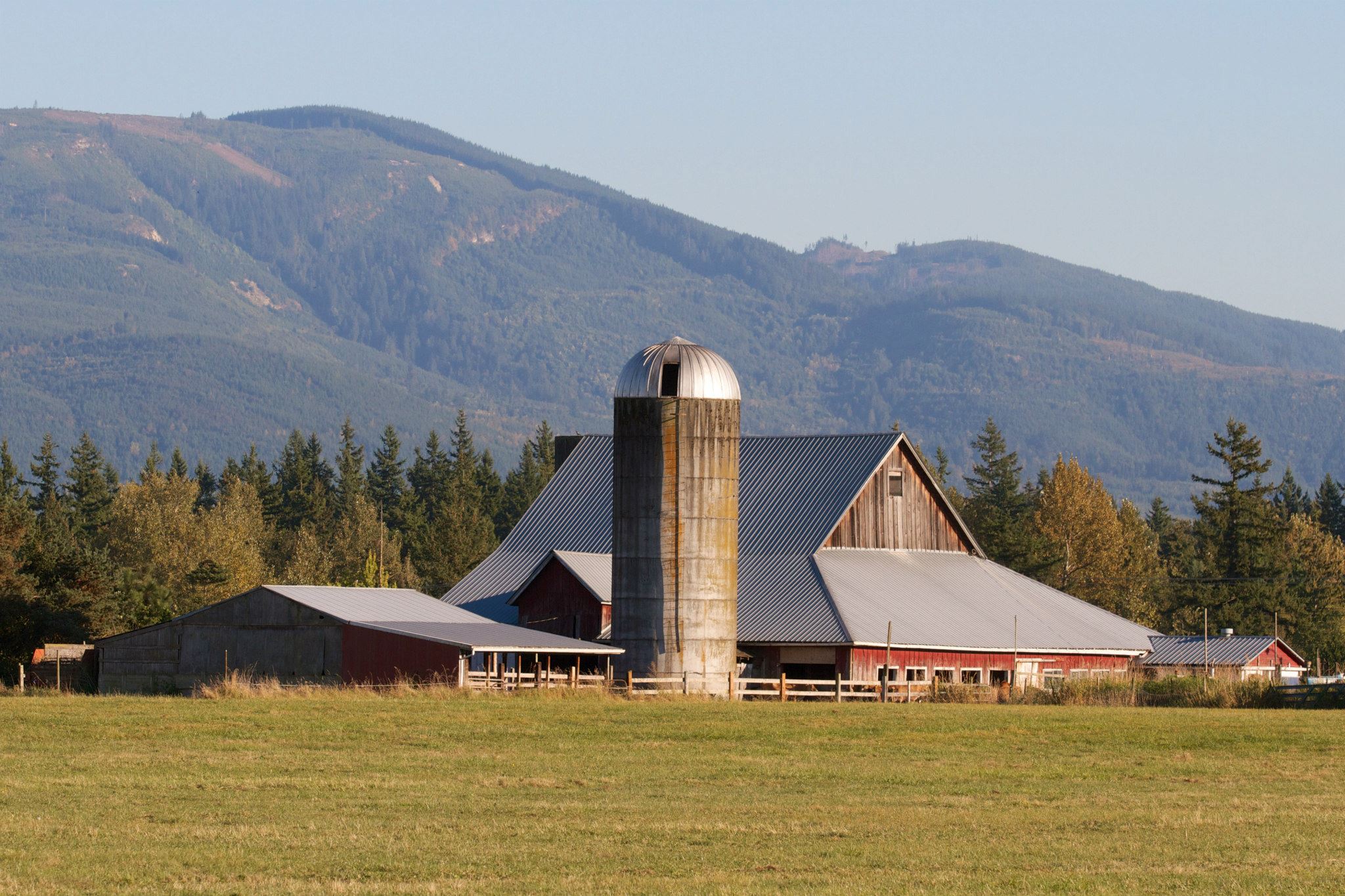
photo of Whatcom County barn by Josh Scholten

“There are two ways of getting home; and one of them is to stay there.”
— G. K. Chesterton

Home can seem elusive and just out of reach for much of our lives.  It may not feel we truly belong in any one place in this modern era of constant transitions and transfers.

In high school, I could not plan a get-away from my home town fast enough, opting to go to college two states away.  Once I was away, I was hopelessly home-and-heartsick.   Miserable, I decided to come back home and go to school there instead.

Once back under my parents’ roof, my homesickness abated but the heartsick continued, having nothing to do with where I ate and slept.  I wasn’t at home inside myself.   It took time and various attempts at geographic cures to settle in and accept who I always had been.

Those who do move away often cast aspersions at people who never wander far from home.  The homebodies are seen as provincial, stuck in a rut, unenlightened and hopelessly small-town.  Yet later in life as the wanderers have a tendency to move back home, the stay-at-homers become solid friends and neighbors.   Remarkably, they often have become the pillars and life blood of a community.  They have slogged through long hours of keeping a place going when others left.

I did end up doing my share of wandering yet sympathizing with those who decided to stay put.   I returned home by settling only a few miles from the stomping grounds of my homesteading great-grandparents, at once backwoods and backwater.   Cast aspersions welcomed.

Now I get back home by mostly staying home.  It takes something major (like a son teaching in Japan) to lure me away from my corner of the world.   Getting away is good, coming back home is better.

Best of all, it’s the assurance expressed so simply by Thomas Hardy in Far From the Madding Crowd,
“And at home, by the fire, whenever you look up, there I shall be–and whenever I look up, there will be you.”

Home so sweet.

photo by Josh Scholten

Dead Daylight

photo by Josh Scholten

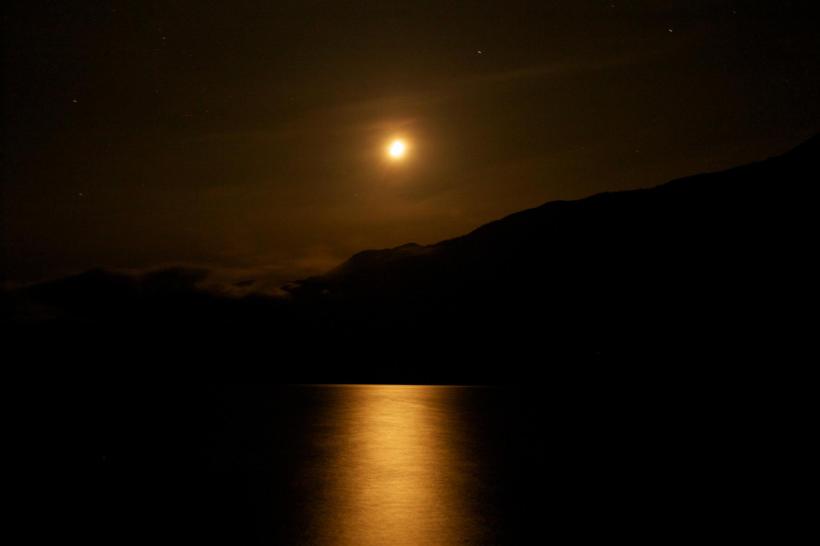
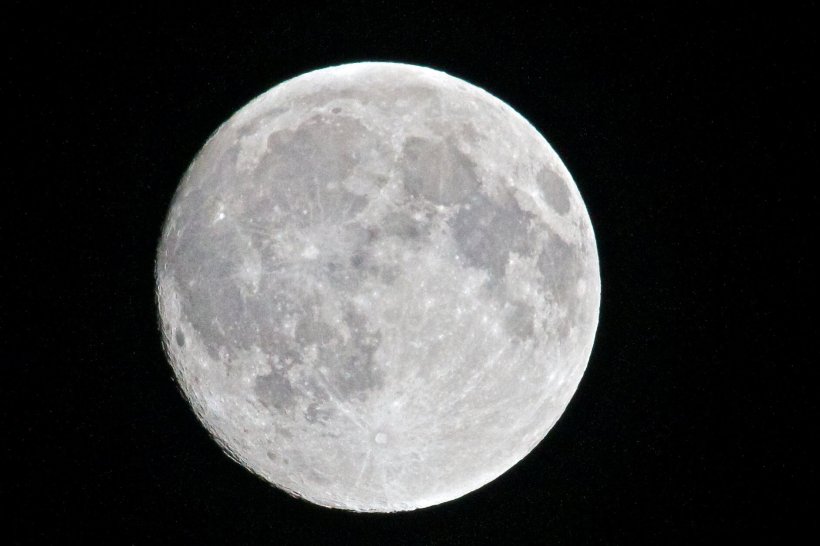
“Every trace of the passionate plumage of the cloudy sunset had been swept away, and a naked moon stood in a naked sky. The moon was so strong and full, that (by a paradox often to be noticed) it seemed like a weaker sun. It gave, not the sense of bright moonshine, but rather of a dead daylight.”
― G.K. Chesterton

It is not the real thing, only a reflection of the sun’s brightness and warmth and energy. Still we believe in lunar paradox, willing to put faith in what cannot give or sustain life. Naked, the bluffing moon puts on a poker face to fake the light of day. It looks real but is mere phantom.

We are seriously seduced by moonshine, unconcerned about its origins.

It is time to go to bed for the real sun rises early, chasing away the overnight imposter, welcoming a new and vital dawn.

There can be nothing dead about it.

20120821-220933.jpgphoto by Josh Scholten

Without Headlights

Photo by Tayler Rae of Aaron Janicki haying this week with his Belgian team in Skagit County

... The Amish have maintained what I like to think is a proper scale, largely by staying with the horse. The horse has restricted unlimited expansion. Not only does working with horses limit farm size, but horses are ideally suited to family life. With horses you unhitch at noon to water and feed the teams and then the family eats what we still call dinner. While the teams rest there is usually time for a short nap. And because God didn’t create the horse with headlights, we don’t work nights.
Amish farmer David Kline in Great Possessions

Nearing 58, I am old enough to have parents who grew up on farms worked by horses, one raising wheat and lentils in the Palouse country of eastern Washington and the other logging in the woodlands of Fidalgo Island of western Washington.  The horses were crucial to my grandfathers’ success in caring for and tilling the land, seeding and harvesting the crops and bringing supplies from town miles away.  Theirs was a hardscrabble life in the early 20th century with few conveniences.  Work was year round from dawn to dusk; caring for the animals came before any human comforts.  Once night fell, work ceased and sleep was welcome respite for man and beast.

You can’t have the family farm without the family.–G.K. Chesterton

In the rural countryside where we live now, we’ve been fortunate enough to know people who still dabble in horse farming, whose draft teams are hitched to plows and mowers and manure spreaders as they head out to the fields to recapture the past.  Watching a good team work with no diesel motor running means hearing bird calls from the field, the steady footfall of the horses, the harness chains jingling, the leather straps creaking, the machinery shushing quietly as gears turn and grass lays over in submission.  No ear protection is needed.  There is no clock needed to pace the day.   There is a rhythm of nurture when animals instead of engines are part of the work day.   The gauge for taking a break is the amount of foamy sweat on the horses and how fast they are breathing. It is time to stop and take a breather, it is time to start back up do a few more rows, it is time to water, it is time for a meal, it is time for a nap, it is time for a rest in a shady spot.  This is gentle use of the land with four footed stewards who deposit right back to the soil the digested forage they have eaten only hours before.

When we stop working with our hands, we cease to understand how the world really works. — Clive Thompson

Our modern agribusiness megafarm fossil-fuel-powered approach to food production has bypassed the small family farm which was so dependent on the muscle power of humans and animals.    In our move away from horses worked by skilled teamsters,  what has been gained in high production values has meant loss of self-sufficiency and dedicated stewardship of a particular plot of ground.  Draft breeds, including the Haflinger horses we raise, now are bred for higher energy with lighter refined bone structure meant more for eye appeal and floating movement,  rather than the sturdy conformation and unflappable low maintenance mindset needed for pulling work.   Modern children are bred for different purpose as well, no longer raised to work together with other family members for a common purpose of daily survival.   Their focus at school is waning as they have no morning farm chores when they get up, too little physical work to do before they arrive at their desks in the morning.   Their physical energy, if directed at all,  is directed to competitive sports, engaged in fantasy combat rather than winning a very real victory over hunger.

I am encouraged when young people still reach for horse collars and bridles, hitch up their horses and do the work as it used to be done.   All is not lost if we can still make incremental daily progress,  harnessed together as a team with our horses, tilling for truth and harvesting hope.


I like farming. I like the work. I like the livestock and the pastures and the woods.  It’s not necessarily a good living, but it’s a good life.  I now suspect that if we work with machines the world will seem to us to be a machine, but if we work with living creatures the world will appear to us as a living creature.  That’s what I’ve spent my life doing, trying to create an authentic grounds for hope. –Wendell Berry, horse farmer, essayist, poet, professor

photo by Tayler Rae

Rosy Sunsets

photo by Nate Gibson

If I can put one touch of rosy sunset into the life of any man or woman, I shall feel that I have worked with God.
G.K. Chesterton

Most evenings there is no sunset fanfare, no departing glowing orb on the horizon, no color spreading upward into the clouds.  The typical evening canvas is just grey and ordinary at dusk, transitioning to twilight, giving into nightfall. Grey-darkergrey-black.

Yet there are times not at all ordinary.  On those evenings, the Master reaches deep for his palette and starts mixing.  As He begins His work,  grey gradually gives way to amber and orange, shifting to red and purple and yellow.   A daub here, a speckle there, then full out splash and streak.  We are invited to pick up a brush and apprentice for Him, learning the sweep of the hand, the grace of the wrist stroke, the fine work of the brush tip outlining the black of darkening shadows.

There can be no wrong color combination; anything goes.  It is a riveting gift of extraordinary artwork: it is meant to be shared, to be taught, to be cherished even if only for a few brief minutes.

When the sky glows with unfolding rose petals, all will see it; this work won’t be hidden away in a gallery or museum.

All too soon it moves on, the canvas plain and dark once again.  And we’re left holding the brush, eager and ready to try again when the timing is right.

photo by Nate Gibson

A Bit Messy

“Do not be so open-minded that your brains fall out.”
G.K. Chesterton

Few things are as condemning in this day and age than being accused of being close-minded.  In religion and politics, the most zealous are the least likely to see another point of view, much less tolerate it.  There is no chance of growth or redemption when there is not openness and willingness to change and admit one is wrong.

But I’ve known those who are so open-minded, there is nothing left inside but “whatever.”   It doesn’t matter, anything goes, if it works for you, who am I to judge, it’s a free country.  No boundaries, no barriers, all windows and free to come and go breezes, no foundational beliefs, hopelessly robbed blind.  It is a terribly empty void to behold.

Instead I strive to remain unlocked and ready to answer the knock on the door of my convictions and opinions to see who or what may be there, to be receptive to the possibility of something other.

But in reality I’d rather be open-hearted over open-minded.  It is far riskier, this bleeding of the heart,  when touched, bruised or pierced.   Perhaps even a bit messy.

Intentional, not accidental.  Grace once spilled from an open beating heart and still does.

Always has.  Always will.

“I tell you this
to break your heart,
by which I mean only
that it break open and never close again
to the rest of the world.”
— Mary Oliver