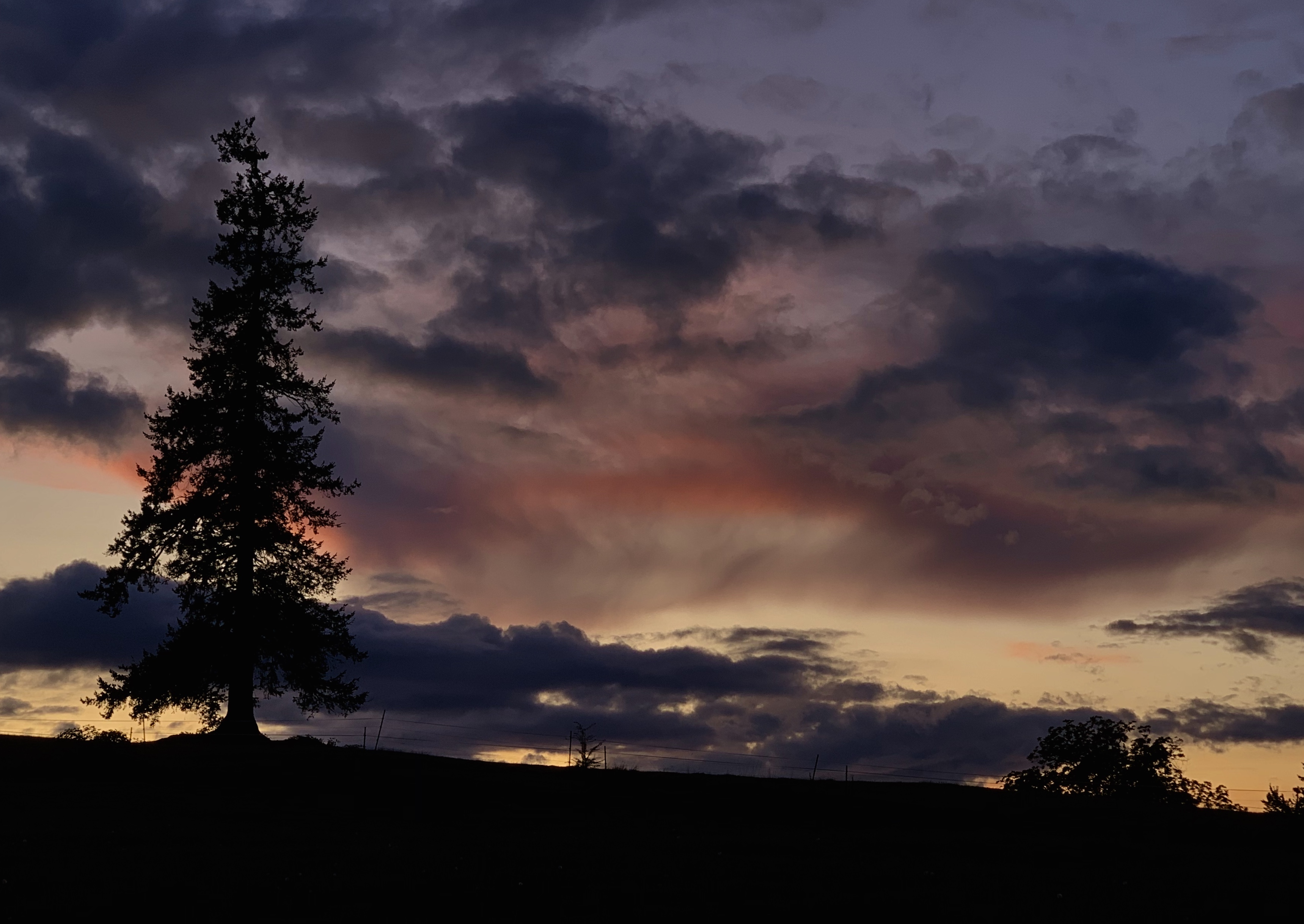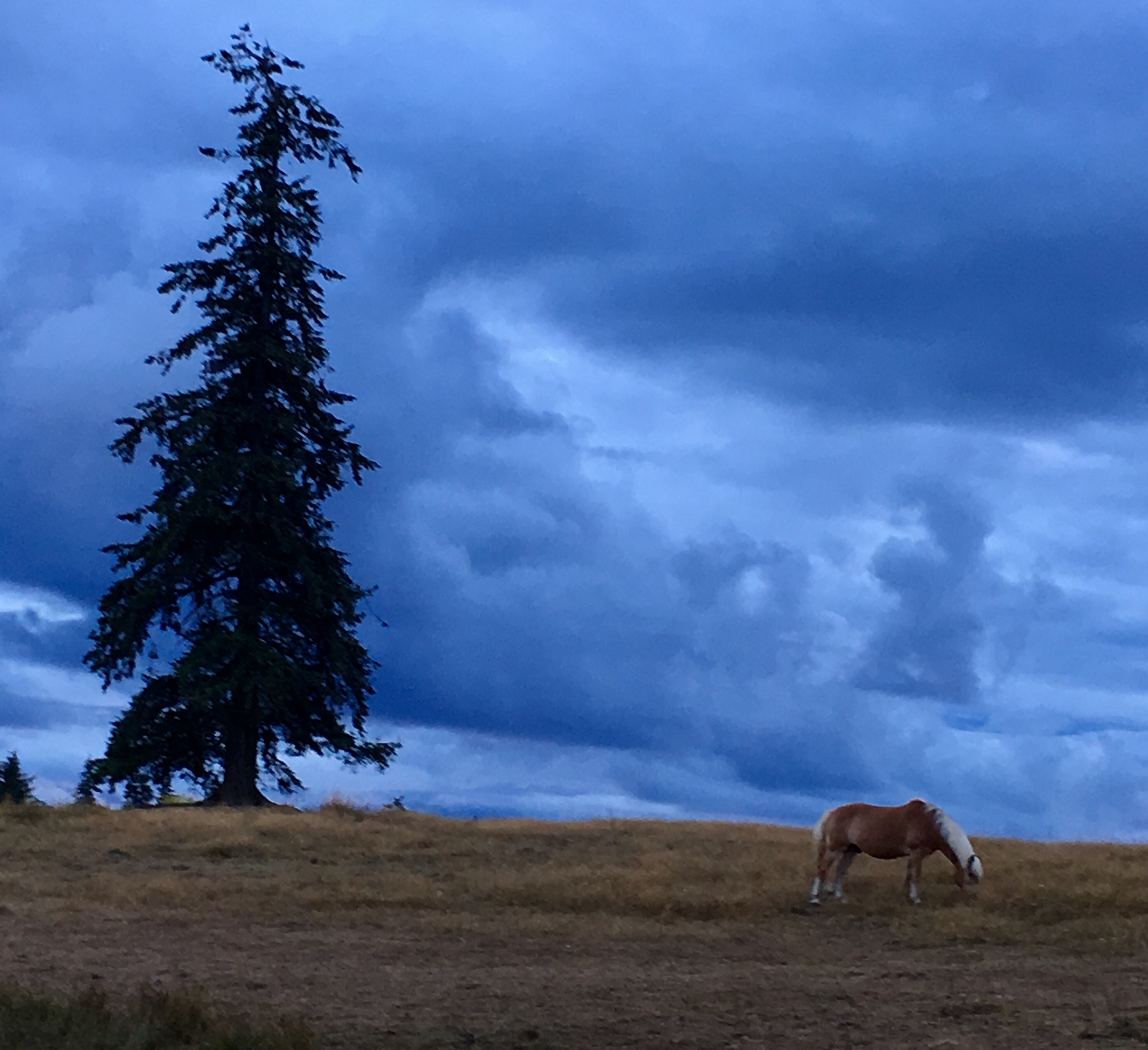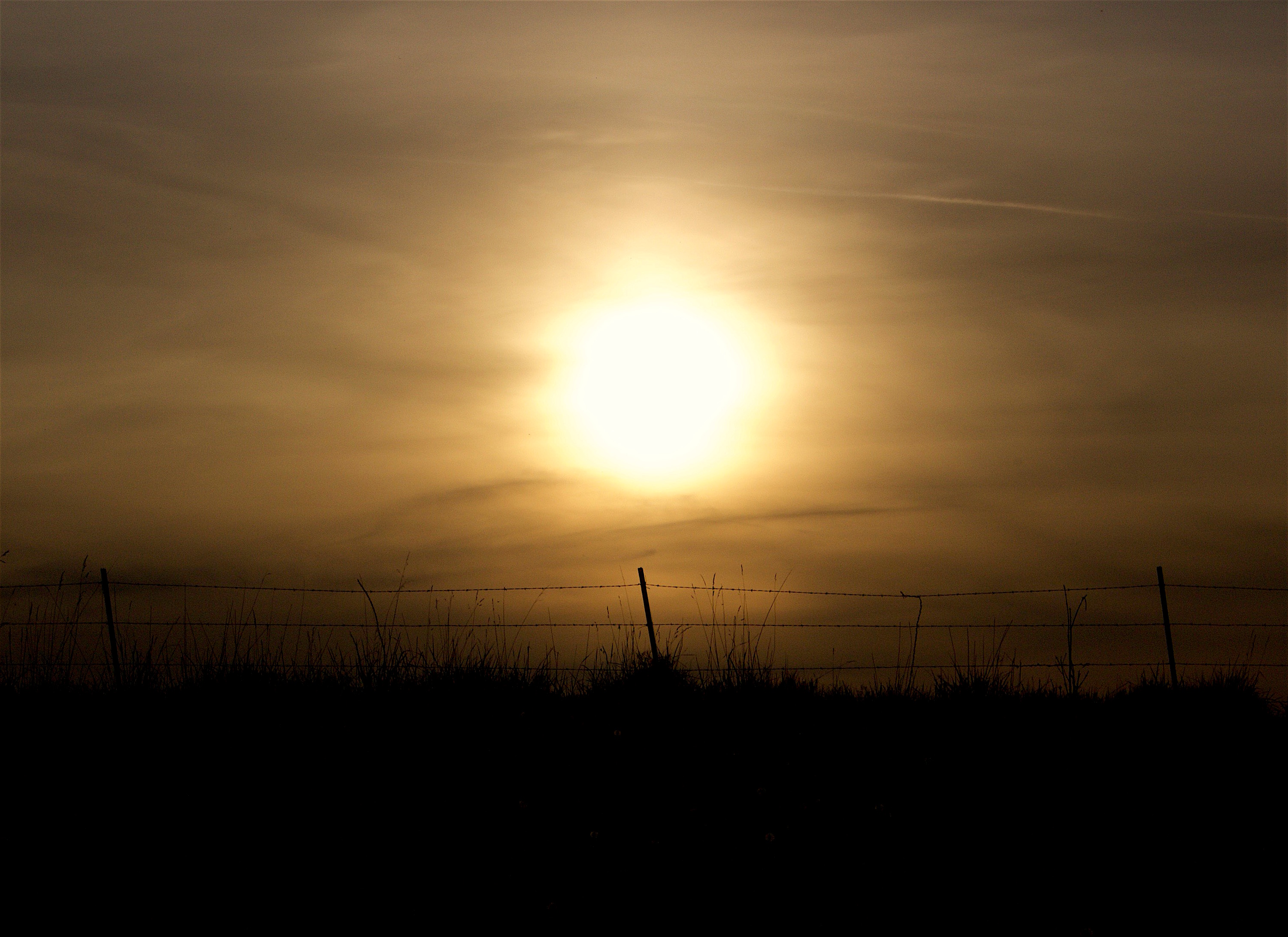
Startled By the Sun, Not By the Eclipse

We should always endeavour to wonder at the permanent thing, not at the mere exception. We should be startled by the sun, and not by the eclipse. We should wonder less at the earthquake, and wonder more about the earth.
~ G.K. Chesterton
from ILLUSTRATED LONDON NEWS, October 21, 1905

As a physician, I was trained to perform physical examinations by learning first what was normal about the human body. As young, theoretically healthy, medical students, we practiced physical examinations on each other, and then had to demonstrate our skills in front of a professor for our class grade in physical assessments.

Since I went to medical school at a time when fewer than 1 in 5 students was a woman, each female student was placed in a physical exam group of three men, taught by a male physician, and then evaluated by a male professor. These were full examinations, including internal assessments, conducted in a typical open-backed hospital gown, in a classroom with long black lab tables to substitute for exam tables.

It was the ultimate feeling of vulnerability to be exposed to one’s classmates, supervisors and evaluators in such a way. Yet, it helped me understand the naked vulnerability of a patient undressing for a physician’s evaluation in the exam room.

After learning to assess and document what was normal in the physical exam, I was then trained to take note of the exceptions –
the human body equivalent of
an eclipse or an earthquake,
a wildfire or drought,
a hurricane or flood,
or merely an annoying pothole or molehill.

A physician’s attention is rarely focused on everything that is going well with the human body, but instead concentrating on what is aberrant, failing, or could be made better.

This is unfortunate; there is much beauty and amazing design to behold in every person I meet, especially those with chronic illness who feel nothing is as it should be — they feel despair and frustration at how their mind or body is aging, failing or faltering.

To counter this tendency to just find what’s wrong and needed fixing, I learned over the years to talk out loud as I was trained to do during those medical school physical assessments:
you have no concerning skin lesions,
your eardrums look clear,
your eyes react normally,
your tonsils are fine,
your thyroid feels smooth,
your lymph nodes are tiny,
your lungs auscultate clear,
your heart sounds are perfect,
your breasts reveal no palpable lumps,
your belly exam is reassuring,
your reflexes are symmetrical,
your prostate is smooth and normal,
your cervix, uterus and ovaries are healthy,
your emotional response to your stress level and
your tears are completely understandable.

I also wrote messages to patients meant to reassure:
your labs are in a typical range
or are getting better
or at least maintaining,
your xray shows no concerns,
or isn’t getting worse,
those medication side effects are to be expected and could go away.

I chose to acknowledge what was working well before attempting to intervene in what is not.

I’m not sure how much difference it made to my patient.
But it made a difference to me to wonder first at who this whole patient was before I focused in on what was broken and causing dis-ease.

I remain startled nearly 50 years later, and always astonished, by the sheer wonder that is our bodies – the Artist’s masterpiece.

One-Time
Monthly
Yearly

Make a one-time or recurring donation to support daily Barnstorming posts

Make a monthly donation

Make a yearly donation

Choose an amount

$10.00
$25.00
$50.00
$5.00
$15.00
$100.00
$5.00
$15.00
$100.00

Or enter a custom amount

$

Your contribution is deeply appreciated.

Your contribution is appreciated.

Your contribution is appreciated.

DonateDonate monthlyDonate yearly

A Hush Now

There is a hush now while the hills rise up
and God is going to sleep. He trusts the ship
of Heaven to take over and proceed beautifully
as he lies dreaming in the lap of the world.
He knows the owls will guard the sweetness
of the soul in their massive keep of silence,
looking out with eyes open or closed over
the length of Tomales Bay that the egrets
conform to, whitely broad in flight, white
and slim in standing. God, who thinks about
poetry all the time, breathes happily as He
repeats to Himself: there are fish in the net,
lots of fish this time in the net of the heart.

~Linda Gregg “Fishing in the Keep of Silence” from All of It Singing.

The second before the sun went out we saw a wall of dark shadow come speeding at us. We no sooner saw it than it was upon us, like thunder. It roared up the valley. It slammed our hill and knocked us out. It was the monstrous swift shadow cone of the moon. I have since read that this wave of shadow moves 1,800 miles an hour. Language can give no sense of this sort of speed—1,800 miles an hour. It was 195 miles wide. No end was in sight—you saw only the edge. It rolled at you across the land at 1,800 miles an hour, hauling darkness like plague behind it. Seeing it, and knowing it was coming straight for you, was like feeling a slug of anesthetic shoot up your arm. If you think very fast, you may have time to think, “Soon it will hit my brain.” You can feel the deadness race up your arm; you can feel the appalling, inhuman speed of your own blood. We saw the wall of shadow coming, and screamed before it hit.

This was the universe about which we have read so much and never before felt: the universe as a clockwork of loose spheres flung at stupefying, unauthorized speeds. How could anything moving so fast not crash, not veer from its orbit amok like a car out of control on a turn?

Less than two minutes later, when the sun emerged, the trailing edge of the shadow cone sped away. It coursed down our hill and raced eastward over the plain, faster than the eye could believe; it swept over the plain and dropped over the planet’s rim in a twinkling. It had clobbered us, and now it roared away. We blinked in the light. It was as though an enormous, loping god in the sky had reached down and slapped the Earth’s face.

When the sun appeared as a blinding bead on the ring’s side, the eclipse was over. The black lens cover appeared again, back-lighted, and slid away. At once the yellow light made the sky blue again; the black lid dissolved and vanished. The real world began there. I remember now: We all hurried away.

We never looked back. It was a general vamoose … but enough is enough. One turns at last even from glory itself with a sigh of relief. From the depths of mystery, and even from the heights of splendor, we bounce back and hurry for the latitudes of home.
~Annie Dillard from her essay  “Total Eclipse” in The Atlantic about the February 1979 eclipse in Washington State

In February 1979, I was working as a medical student on an inpatient psychiatric unit in a large hospital in Seattle, less than a hundred miles from the band of total eclipse Annie Dillard describes above happening just to the south.

Our clinical team had tried to prepare our mostly psychotic and paranoid schizophrenic patients for what was about to happen outside that morning.

Our patients were much more anxious than usual, pacing and wringing their hands as the light outside slowly faded, with high noon transformed gradually to an oddly shadowy dusk. The street lights turned on automatically and cars moved about with headlights shining.

We all stood at the windows in the hospital perched high on a hill, watching the city become dark as night in the middle of the day. Our unstable patients were sure the world was ending and certain they had caused it to happen. Extra doses of medication were dispensed as needed while the light faded away and then slowly returned to the streets outside. Within an hour the sunlight was fully back, and many of our patients were napping soundly, safe in the heart of the net we had thrown over them to protect them.

A hush had fallen over us all as we watched the light go out and then return. We were safe.

We all breathed a sigh of relief, having witnessed such transient glory from the heavens. We did not cause it but a Power far greater did. The eclipse swept – a racing shadow followed by restoration of light – the edge of our sanity to accept that our light can indeed be taken away. 

For some, they live their whole lives consumed by shadow.

Miraculously, the Light has been returned to us in this shining night. We may not be able to look it in the Face —  simply too blinding — but we need never dwell in darkness again.

One-Time
Monthly
Yearly

Make a one-time or recurring donation to support daily Barnstorming posts

Make a monthly donation

Make a yearly donation

Choose an amount

$10.00
$25.00
$50.00
$5.00
$15.00
$100.00
$5.00
$15.00
$100.00

Or enter a custom amount

$

Your contribution is deeply appreciated.

Your contribution is appreciated.

Your contribution is appreciated.

DonateDonate monthlyDonate yearly

As the Light Went Out

dandyeclipse


The second before the sun went out we saw a wall of dark shadow come speeding at us. We no sooner saw it than it was upon us, like thunder. It roared up the valley. It slammed our hill and knocked us out. It was the monstrous swift shadow cone of the moon. I have since read that this wave of shadow moves 1,800 miles an hour. Language can give no sense of this sort of speed—1,800 miles an hour. It was 195 miles wide. No end was in sight—you saw only the edge. It rolled at you across the land at 1,800 miles an hour, hauling darkness like plague behind it. Seeing it, and knowing it was coming straight for you, was like feeling a slug of anesthetic shoot up your arm. If you think very fast, you may have time to think, “Soon it will hit my brain.” You can feel the deadness race up your arm; you can feel the appalling, inhuman speed of your own blood. We saw the wall of shadow coming, and screamed before it hit.

This was the universe about which we have read so much and never before felt: the universe as a clockwork of loose spheres flung at stupefying, unauthorized speeds. How could anything moving so fast not crash, not veer from its orbit amok like a car out of control on a turn?

Less than two minutes later, when the sun emerged, the trailing edge of the shadow cone sped away. It coursed down our hill and raced eastward over the plain, faster than the eye could believe; it swept over the plain and dropped over the planet’s rim in a twinkling. It had clobbered us, and now it roared away. We blinked in the light. It was as though an enormous, loping god in the sky had reached down and slapped the Earth’s face.

When the sun appeared as a blinding bead on the ring’s side, the eclipse was over. The black lens cover appeared again, back-lighted, and slid away. At once the yellow light made the sky blue again; the black lid dissolved and vanished. The real world began there. I remember now: We all hurried away.

We never looked back. It was a general vamoose … but enough is enough. One turns at last even from glory itself with a sigh of relief. From the depths of mystery, and even from the heights of splendor, we bounce back and hurry for the latitudes of home.
~Annie Dillard from her essay  “Total Eclipse” in The Atlantic about the February 1979 eclipse in Washington State


sundown


dandy819176


In February 1979, I was working as a medical student on an inpatient psychiatric unit in a large hospital in Seattle, less than a hundred miles from the band of total eclipse Annie Dillard describes above happening just to the south.

Our clinical team tried to prepare our mostly psychotic and paranoid schizophrenic patients for what was about to happen outside that morning.

Our patients were clearly more anxious than usual, pacing and wringing their hands as the light outside slowly faded, with high noon transformed gradually to an oddly shadowy dusk. The street lights turned on automatically and cars moved about with headlights shining.

We all stood at the windows in the hospital perched high on a hill, watching the city become dark as night in the middle of the day. Our unstable patients were sure the world was ending and certain they had caused it to happen.  Extra doses of medication were dispensed as needed while the light faded away and then slowly returned to the streets outside. Within an hour the sunlight was fully back, and most of the patients were napping soundly.

We all breathed a sigh of relief, having witnessed such glory from the heavens, acknowledging we did not cause it but a power far greater did.  The eclipse swept, with its racing shadow followed by restoration of light, the edge of our sanity to accept that our light can indeed be taken away.  For some, they live their whole lives consumed by shadow.

Miraculously, the Light has been returned to us.  We may not be able to look if in the Face —  too blinding — but we need never dwell in darkness again.


dand7819175


When the Light Left

sundown

From my six week psychiatric inpatient rotation at a Veteran’s Hospital—February/March 1979

Sixty eight year old male catatonic with depression

He lies still, so very still under the sheet, eyes closed; the only clue that he is living is the slight rise and fall of his chest.  His face is skull like with bony prominences framing his sunken eyes, his facial bones standing out like shelves above the hollows of his cheeks, his hands lie skeletal next to an emaciated body.  He looks as if he is dying of cancer but without the smell of decay.  He rouses a little when touched, not at all when spoken to.  His eyes open only when it is demanded of him, and he focuses with difficulty.  His tongue is thick and dry, his whispered words mostly indecipherable, heard best by bending down low to the bed, holding an ear almost to his cracked lips.

He has stopped feeding himself, not caring about hunger pangs, not salivating at enticing aromas or enjoying the taste of beloved coffee.  His meals are fed through a beige rubber tube running through a hole in his abdominal wall emptying into his stomach, dripping a yeasty smelling concoction of thick white fluid full of calories.   He ‘eats’ without tasting and without caring.  His sedating antidepressant pills are crushed, pushed through the tube, oozing into him, deepening his sleep, but are designed to eventually wake him from his deep debilitating melancholy.

After two weeks of treatment and nutrition, his cheeks start to fill in, and his eyes are closed less often.  He watches people as they move around the room and he responds a little faster to questions and starts to look us in the eye.   He asks for coffee, then pudding and eventually he asks for steak.  By the third week he is sitting up in a chair, reading the paper.

After a month, he walks out of the hospital, 15 pounds heavier than when he was wheeled in.  His lips, no longer dried and cracking, have begun to smile again.

****************************************************************************************************************************

Thirty two year old male rescued by the Coast Guard at 3 AM in the middle of the bay

As he shouts, his eyes dart, his voice breaks, his head tosses back and forth, his back arches and then collapses as he lies tethered to the gurney with leather restraints.  He writhes constantly, his arm and leg muscles flexing against the wrist and ankle bracelets.

“The angels are waiting!!  They’re calling me to come!! Can’t you hear them?  What’s wrong with you?   I’m Jesus Christ, King of Kings!!  Lord of Lords!!  If you don’t let me return to them, I can’t stop the destruction!”

He finally falls asleep by mid-morning after being given enough antipsychotic medication to kill a horse.  He sleeps uninterrupted for nine hours.  Then suddenly his eyes fly open, and he looks startled.

He glares at me.  “Where am I? How did I get here?”

“You are hospitalized in the VA psych ward after being picked up by the Coast Guard after swimming out into the bay in the middle of the night. You said you were trying to reach the angels.”

He turns his head away, his fists relaxing in the restraints, and begins to weep uncontrollably, the tears streaming down his face.

“Forgive them, Father, for they know not what they do.”

*********************************************************************************************************************************

Twenty two year old male with auditory and visual hallucinations

He seems serene, much more comfortable in his own skin when compared to the others on the ward. Walking up and down the long hallways alone, he is always in deep conversation. He takes turns talking, but more often is listening, nodding,  almost conspiratorial.

During a one-on-one session, he looks at me briefly, but his attention continues to be diverted, first watching an invisible something or someone enter the room, move from the door to the middle of the room, until finally, his eyes lock on an empty chair to my left.  I ask him what he sees next to me.

“Jesus wants you to know He loves you.”

It takes all my will power not to turn and look at the empty chair.

**************************************************************************************************************************************

Fifty four year old male with chronic paranoid schizophrenia

He has been disabled with psychiatric illness for thirty years, having his first psychotic break while serving in World War II.   His only time living outside of institutions has been spent sharing a home with his mother who is now in her eighties.  This hospitalization was precipitated by his increasing delusion that his mother is the devil and the voices in his head commanded that he kill her.  He had become increasingly agitated and angry, had threatened her with a knife, so she called the police, pleading with them not to arrest him, but to bring him to the hospital for medication adjustment.

His eyes have taken on the glassy staring look of the overmedicated psychotic, and he sits in the day room much of the day sleeping in a chair, drool dripping off his lower lip.  When awake he answers questions calmly and appropriately with no indication of the delusions or agitation that led to his hospitalization.  His mother visits him almost daily, bringing him his favorite foods from home which he gratefully accepts and eats with enthusiasm.   By the second week, he is able to take short passes to go home with her, spending a lunch time together and then returning to the ward for dinner and overnight.   By the third week, he is ready for discharge, his mother gratefully thanking the doctors for the improvement she sees in her son.  I watch them walk down the long hallway together to be let through the locked doors to freedom.

Two days later, a headline in the local paper:

“Veteran Beheads Elderly Mother”

*************************************************************************************************************************************

Forty five year old male — bipolar disorder with psychotic features

He has been on the ward for almost a year, his unique high pitched laughter heard easily from behind closed doors,  his eyes intense in his effort to conceal his struggles.  Trying to follow his line of thinking is challenging, as he talks quickly, with frequent brilliant off topic tangents, and at times he lapses into a “word salad” of almost nonsensical sentences.  Every day as I meet with him I become more confused about what is going on with him, and am unclear what is expected of me in my interactions with him.  He senses my discomfort and tries to ease my concern.

“Listen, this is not your problem to fix but I’m bipolar and regularly hear command voices and have intrusive thoughts.  My medication keeps me under good control.  But just tell me if you think I’m not making sense because I don’t always recognize it in myself.”

During my rotation, his tenuous tether to sanity is close to breaking.  He starts to listen more intently to the voices in his head, becoming frightened and anxious, often mumbling and murmuring under his breath as he goes about his day.

On this particular morning, all the patients are more anxious than usual, pacing and wringing their hands as the light outdoors slowly fades, with noon being transformed to an oddly shadowy dusk.  The street lights turn on automatically and cars are driving with headlights shining.  We stand at the windows in the hospital, watching the city become dark as night in the middle of the day.   The unstable patients are sure the world is ending and extra doses of medication are dispensed as needed while the light slowly returns to the streets outside.  Within an hour the sunlight is back, and all the patients are napping soundly.

The psychiatrist, now floridly psychotic, locks himself in his office and doesn’t respond to knocks on the door or calls on his desk phone.

Stressed by the recent homicide by one of his discharged patients, and identifying too closely with his patients due to his own mental illness,  he is overwhelmed by the eclipse.   The nurses call the hospital administrator who comes to the ward with two security guards.  They unlock the door and lead the psychiatrist off the ward.  We watch him leave, knowing he won’t be back.

It is as if the light left and only shadow remains.

total eclipse